Cumanana
E - Newsletter of Peruvian Culture for Africa
MINISTRY OF FOREIGN AFFAIRS
Source: Agencia Andina
Article 1:
Ancestral Memory and Black Rhythms of Peru*
refers to traditional Africa as a romanticized space where rhythm and memory flourish organically.
Expanding on this, Victoria Santa Cruz’s notion of memory constitutes an indirect critique of the European modern enlightenment paradigm, which promotes deductive and/or inductive methods of social inspection. In contrast, Victoria Santa Cruz argued that “culture, being essentially organic, cannot be confined within analytical, rational limits” (2004, p. 54). Furthermore, Santa Cruz stated that “intuition is the guide of the human being and the basis of knowledge” (2004, p. 32), thus highlighting the role of intuition in the construction of knowledge and memory.
This perspective gains strength when considering unwritten histories that still persist in the realms of orality and corporeality, such as popular wisdom, dance, unwritten stories, and poetic forms of memory preservation. In this sense, Victoria argued that humanity suffers from arrhythmia, forgetfulness, and historical
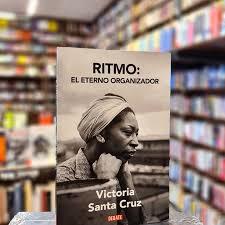
"Rhythm: the eternal organizer" is the only book by Victoria Santa Cruz. Source: Librería El Virrey
historical disconnection, proposing that attention be paid to our creative aspect, with an emphasis on body language and poetry, seen as spaces where the ancestral nature of memory could flourish. Thus, Victoria Santa Cruz asserted:
“Discovering, from an ancestral memory, something that, as it has refined over my life, reveals to me that every gesture, tone of voice, and movement is a consequence of a state of mind. It allowed me to rediscover profound messages in those media involved in cultures, still organic” (2004, p. 64).
The messages referred to by our author originate from a history obscured by the colonial process but still existent in the corporeality of those who endured this process. The very existence and current persistence of Afro-Peruvian culture is testimony to such a claim.
Source:
* Extracted from: “Afro-Peruvian Culture: Researchers' Meeting 2021” by Héctor Renán Arévalo et al., Ministry of Culture of the Republic of Peru, Lima, 2023, pages 145-147. Available at https://centroderecursos.cultura.pe/
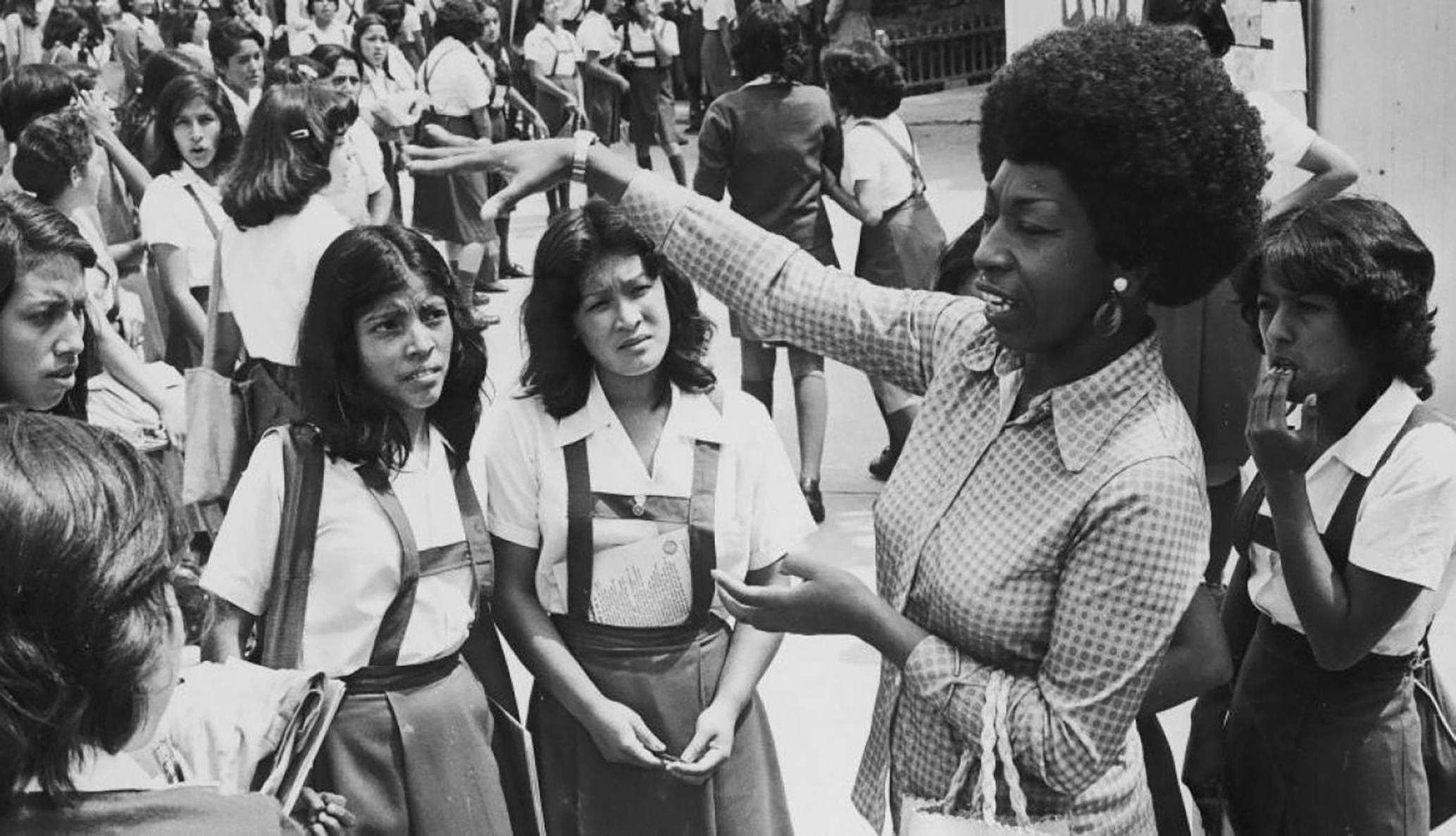
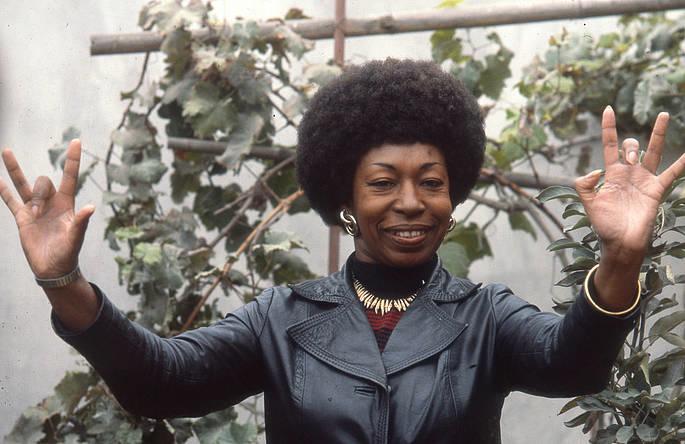
Victoria Santa Cruz Gamarra (1922-2014).
Diario Expreso
Article 2:
PERU: AFRICA, AN OUTSTANDING ISSUE?
Jean Jacques Kourliandsky
Director
of the Latin America observatory at the Jean Jaurès Foundation
Discussing cooperation and bilateral relations between Africa and Peru appears to be a challenge lacking substantive foundation. Geographically and geopolitically, Africa is very distant from Peru, and Peru is equally remote from the African continent. Peru has its historical priorities dictated by its regional environment, as well articulated by diplomat José Antonio García Belaunde [1]. The same can be said for each of the member states of the African Union.
Once its priority issues were addressed—international recognition, stabilized land and maritime borders—Peruvian diplomacy began exploring more distant horizons, such as North America and the Pacific space. However, it did take note of African independence movements. Peru and African countries share a global world that compels them to confront similar climatic, health, economic, financial, migratory, security, and international stability challenges. They coexist within the United Nations system, as well as in other diplomatic third-party frameworks. Yet, despite this, establishing bridges with Africa remains a real and pending task for Peru.
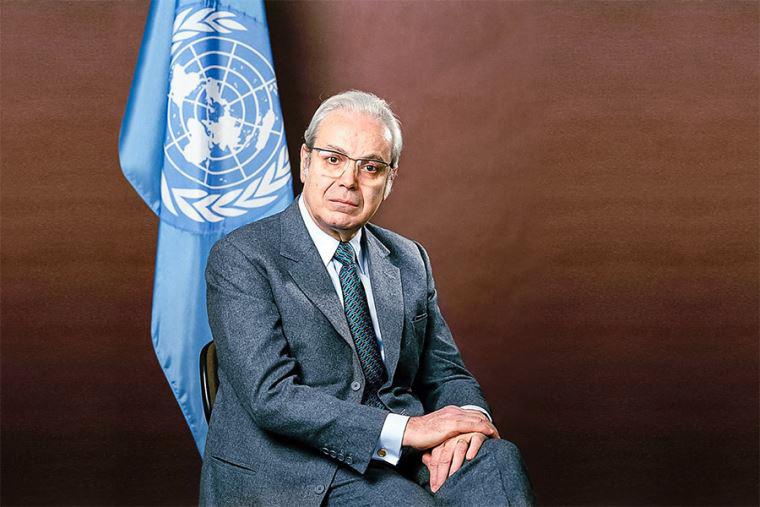
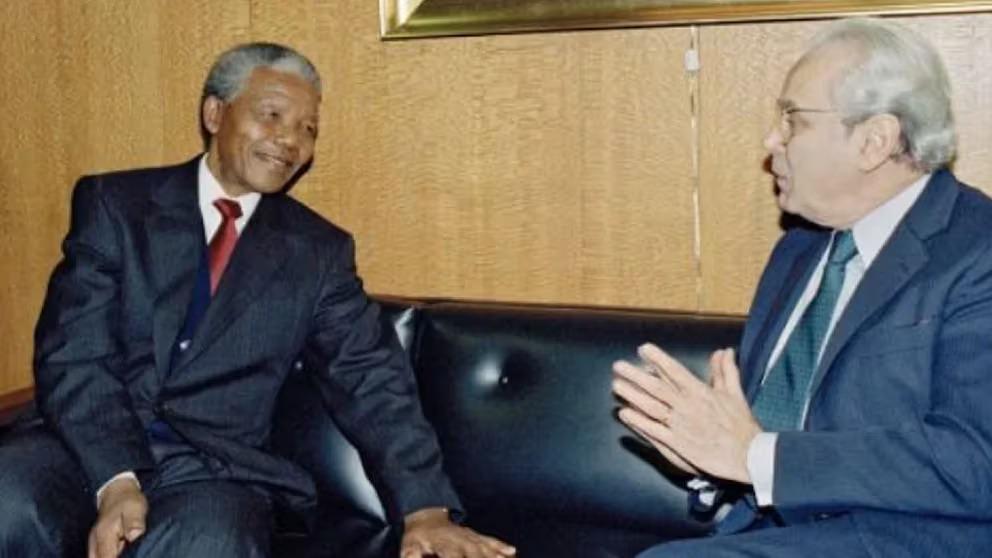
Reflecting international assignments and generating encounters, Peruvian ambassador Javier Pérez de Cuéllar served as Secretary-General of the United Nations from 1982 to 1991. As Secretary-General, he faced African disputes, the process of Namibia’s independence, and the Western Sahara controversy.
Peru participated in anti-apartheid mobilizations, establishing relationships in Southern Africa with the SWAPO, opening embassies, organizing a meeting of frontline countries in Lima in 1987, and a solidarity event in Lima in 1988.
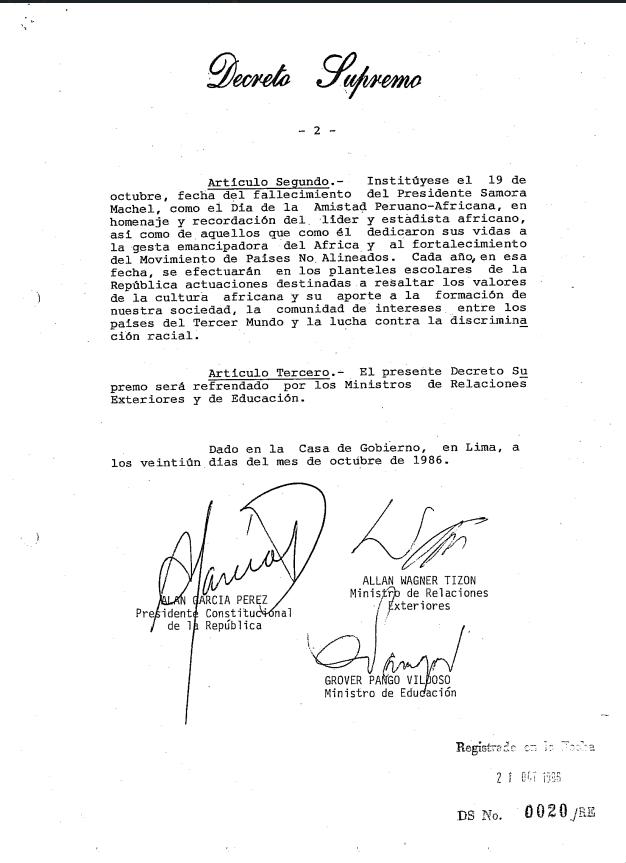
Due to these intersections, Peru established a Peruvian-African Friendship Day in 1986. It provided military personnel for United Nations peacekeeping forces, in MONUSCO (Congo) and UNISFA and UNMISS (South Sudan). The largest contingent is currently deployed within MINUSCA in the Central African Republic.
Supreme Decree N°
instituting the Peruvian-African Friendship Day.
Friendship Day.
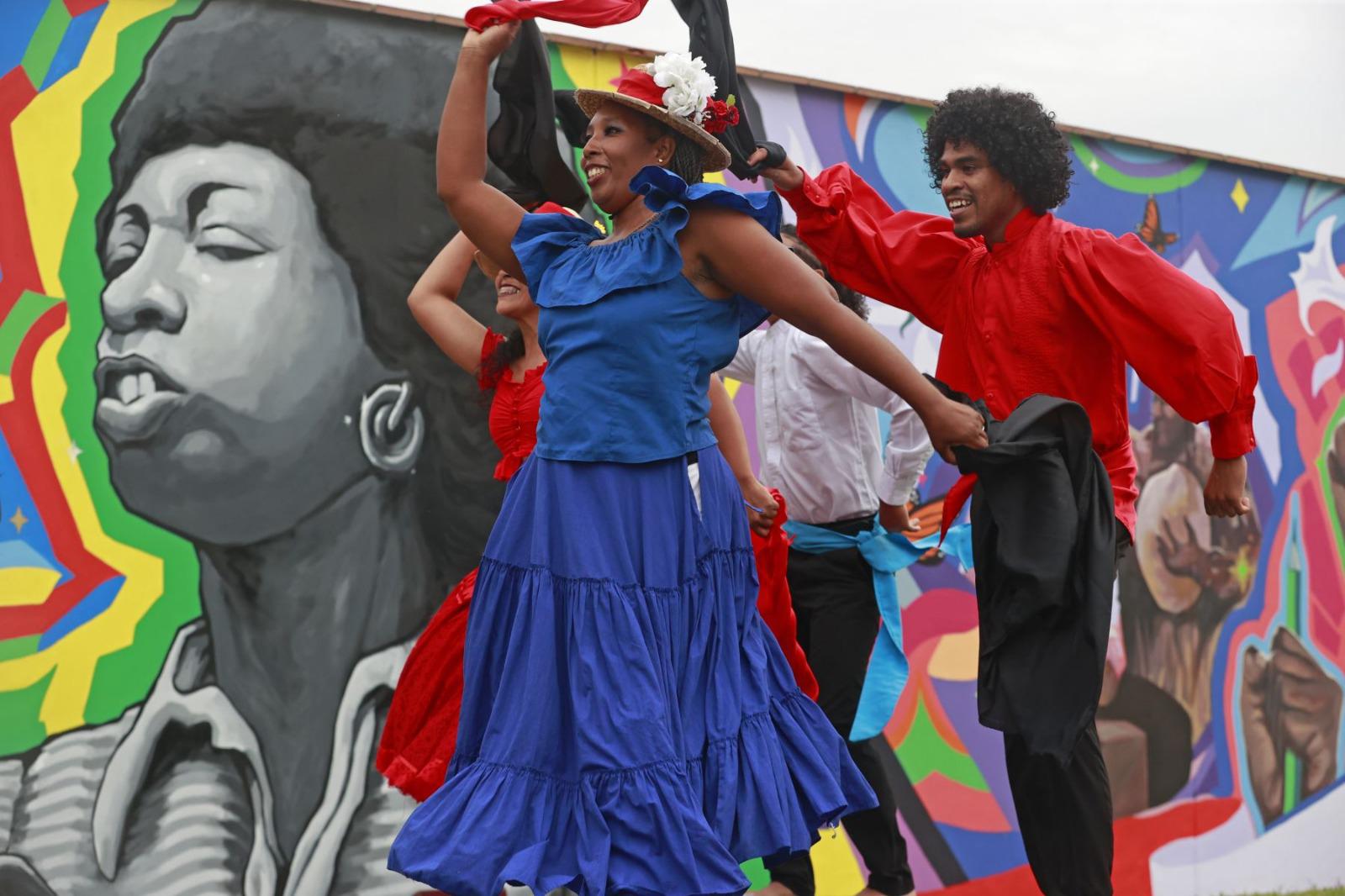
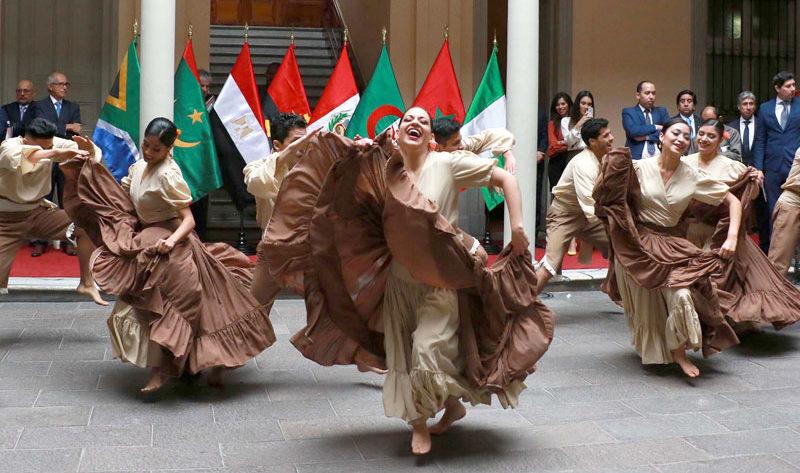
National folklore ensemble participated in the 2018 Peruvian African Friendship Day.
As a consequence of international dynamics fostering closeness, economic curiosity emerged progressively. The results are currently modest, constituting 0.55% of Peru’s total exports in 2018, with South Africa, the continent's largest economy, appearing as the leading partner. This helps to understand the interest expressed by various business actors, the Institute of Economics and Business Development, or ComexPerú, in the potential of this country and its main African trade partners. The Ministry of Foreign Affairs followed the expectations of the business community. By selecting stable and somewhat developed countries, it expanded the network of resident embassies to Algeria, Egypt, Morocco, Kenya, Ghana, and South Africa.
Could Peru have more ambitious African horizons? Could it truly fulfill an African assignment? As an observer member of the African Union since 2005, Peru is able to do so by following the model established long ago by Brazil and more recently by Colombia. It could mobilize its Afro-descendant population to this end. Peru has human capital that could aid in enhancing
The UN, since Durban in 2001 and the International Decade for People of African Descent (2015-2024), has fostered an evolution in this direction. Various Afro-Peruvian organizations such as CEDET, since 1999, advocate for this need and build, through dialogue with the Ministry of Culture, links with Africa and its American diaspora. Peru now has plans developed by its Ministry of Culture that highlight the African contribution to national identity and define a framework for social equality for this population. Foreign Ministers now ensure to note that Peru meets its Afro-Peruvian population’s needs and thus participates in the Permanent Forum on Afro-descendants, as stated by, for example, Ambassador Oscar Maúrtua on August 24, 2021.
Parallel ministerial efforts still need coordination. Africa is one of the priorities of the Multiannual Sectorial Strategic Plan 2015-2026 and the Institutional Strategic Plan 2020-2026 of the Ministry of Foreign Affairs. Under the Reinforced Foreign Policy framework, since 2021 the Ministry has been organizing conferences in French, English, and Portuguese with African missions based in Argentina, Brazil, and Chile. The General Directorate of Africa, the Middle East, and Gulf Countries of the Ministry of Foreign Affairs has embarked on a reflective and propositional task. These efforts herald a future rich in coordinated initiatives, especially if a national executive emerges
African connection[2]. capable of seizing this opportunity.
[1] See José Antonio García Belaunde, Dos siglos de desafíos en la política exterior peruana, Lima, Biblioteca Bicentenario, 2021
[2] See José Antonio del Busto Duhurburu, Breve historia de los negros del Perú, Lima, Biblioteca del Congreso, 2001
The Secretary General of the United Nations Assembly, Javier Perez de Cuellar, met with South African President Nelson Mandela
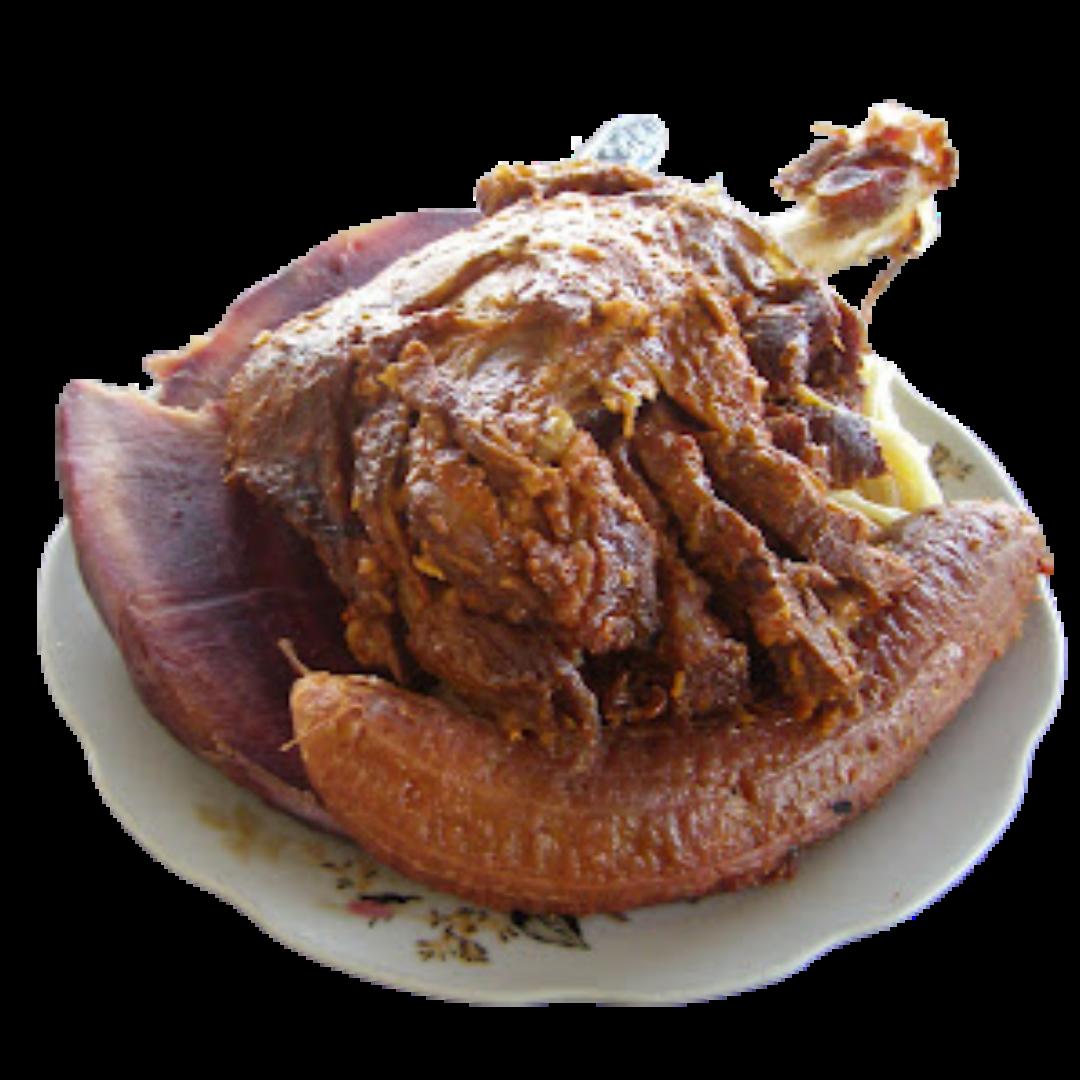
RECIPE: Copús
Ingredients
2 kg beef or chicken
2 kg yellow sweet potato
8 ripe plantains for frying
1 red onion
1 bunch of cilantros
1 ají limo
3 juicy limes
2 cloves of garlic
Pepper and salt to taste
Ají panca
Cumin to taste
A splash of white vinegar or chicha de jora
Preparation
Dig a hole with a shovel large enough to accommodate a clay pot. Place charcoal inside the clay pot and set an aluminum pot on top. Separately, marinate the chopped meat with vinegar and salt to taste. Sauté garlic with pepper, cumin, and ají panca. Add the marinated meat and the sautéed mixture to the aluminum pot. Place the pot in the embers along with the sweet potato and plantain, both unpeeled. Once the pot is in the hole, cover the clay pot and bury it with a little soil. Cook for 1 hour. For accompaniment, prepare a sarza criolla: finely chop the red onion, cilantro, and ají limo. Add lime juice and salt to taste.
Serve the meat with plantain, sweet potato, and the sarza criolla.
Extracted from: Fogón Afroperuano: Herencia y Saber de la cocina afroperuana de la costa. Lima: ACUA - MINCUL, 2022. Disponible en https://programaacua.org/wp-content/uploads/2022/08/Libro-Fogon-Afroperuano.pdf