POLITICS- THE POLITICS OF ANTI-RACISM IN EUROPE AND LATIN AMERICA: KNOWLEDGE PRODUCTION, POLITICAL DECISION MAKING AND COLLECTIVE STRUGGLES
SILVIARODRÍGUEZMAESO RESEARCHER
Conceptualapproach
The fight against racial oppression has been defining processesinthepoliticalformationofLatinAmericanand European societies The anti-colonial/anti-enslavement fightandtheoneagainstfascistregimes/stateterrorhave shapedourunderstandingofdignity,justice,andequality Since the end of World War II, different approaches to recognizing Nazi genocide, anti-apartheid and national liberation fights, and immigrant, indigenous and black movementshaveinfluencedhowracismisunderstoodand recognized(ornot)
ThePOLITICSprojectstartsfromtheassumptionthat"antiracism requires historical memory, remembering conditions of racial degradation and contemporary local and global historical conditions". Linear/progressive narratives do not consider the complexity of anti-racist politicswithinbroaderpowerrelationsandtheneedfor specificconditionsforchange
Accordingly, anti-racism as a political practice is heterogeneous It involves different and opposing understandings of race and racism and their historical configurations. Therefore, research and public policy debates must make a distinction between non-racialism ("sidesteppinghistoricallegaciesofracialinjustice"),antiracialism("acommitmenttoendingracialreference"),and antiracism("criticallyaddressing(historical)legacies")
Inthiscontext,anti-racismrangesfromlegalprovisionsto correct individual acts of discrimination to the implementation of more comprehensive policies of structuralchange,suchasaffirmativeaction
This corpus of research has considered, from various disciplinesandtheoreticalbackgrounds,(post)colonialism andimperialismasconstitutiveofmodernity Modernityis understoodasanarrativeabouttheexceptionalityofEurope reproducedinthediscourseofpower"theWestandthe Rest".Thus,"race"isapproachedasapoliticalcategoryfor social classification that regulates and administers the distinctions and criteria for admission between "Europeanness"and"non-Europeanness".
This perspective dialogues with those that consider "racial thinking"as"theambiguousmovementbetweennatureand culture" mediated by histories of (post) colonialism. Consequently, racism is a politics of (de-)humanization through the constant recreation of hierarchies and the equivalence of the human with the European Man [and Woman]

The project dialogues with decolonial analysis that has consideredtheinterrelationshipbetweentheconfiguration of the idea of "Europe" and the "New World"/"America" as central to understanding the constitutive imbrication of " race, " colonial governmentalities, and modernity. This entire theoretical corpus shapes the analysis of how the reproduction of racism and the debate on anti-racism is conditionedbya"forgettingofcoloniality"andbycounternarratives that question the silencing of the legacies of colonialism
Current research has pointed to the different regimes of denialofracisminbothregionalcontexts,andtothesilent and contentious nature of public debate on historical and structuralconditionsinwhichracismisreproduced Ithas alsoexaminedtheimportantroleofacademicknowledgein shapingthedebateandinformingpublicpolicyframeworks.
PAGE 1
SOURCE: MATHEUS VIANA-UN CHRONICLE HUMAN HANDS
We argue that research on the challenges posed by the persistenceofracismbenefitsfromanapproachthatlinks the analysis of (trans)national decision-making processes, the (re-)production of academic cultures, and anti-racist fights in both regions. This effort requires a multi-level approachthatlinksdifferentcommunitiesofpracticeand knowledgeproductionbeyondtheframeworkofthenationstate
I. Public policies and (inter)national contexts: taking racism seriously? Challenge: political commitment to mainstreaming anti-racism
Historically,internationalcoalitions,organizationsandstates have been involved in the reproduction of racial governments,andtheirexplicitinitiativestoengageinthe fightagainstracismhavebeenrecent.Itwassincethe1930s that Western political and intellectual elites began to challengeracialthinking,intheformofanti-racialism
InEurope,formalanti-racialistspeecheswerefueledbythe fearofanti-colonialandanti-racistpoliticalmovements,and intensified by scientific objections to Nazi theories and hierarchizationInLatinAmerica,anti-racialismwas,inpart, incorporatedintotherhetoricofindependencethroughout thenineteenthcentury,whichdrovenationalimaginaries andpoliciesforthe"integration"/assimilationofindigenous andblackpopulationsthatformallyrejectedreferencesto andvalidityof"race"
StrategiccomparisonsbetweentheUnitedStatesandthe ApartheidinSouthAfricaplayedacentralroleinsilencing racism Inbothregions,theworkofUNESCOinpromoting education,scienceandculturehasbeencrucialinshaping thedominantconceptsofanti-racism:therefutationofits scientificvalidityandthefocusoninterculturaleducation andmutualunderstanding.
The dominant commitment to anti-racism has been confrontedbythepoliticsofanti-colonial,indigenous,black, andimmigrantmovementsthatstrategicallydemandracial consciousness to combat structural injustices and discriminations
Since the 2000s, the development of political discussion and concrete public policy approaches has indicated a strengthening commitment to incorporate racial equality policyandtheimplementationofanti-discriminationand anti-racist laws at the regional and state levels How are histories of racial oppression and their current configuration addressed in the process of incorporating anti-racism? How have grassroots movements been involved in the processes of deliberation and decisionmaking?
Expected results: (i) a sociological understanding of international politics on the configuration of racism as a political issue, competing anti-racist discourses and changing perceptions of race and racism; (ii) a critical descriptionoftherelationshipbetweenregionalandstate politics, and (trans)national grassroots demands; (iii) an examinationofstatepolicy-makingandtheconfiguration ofdemandsandpoliticalissuesrelatedtoAfro-descendants andRomanies
ExcerptfromthearticlePOLITICS1-LapolíticadelantirracismoenEuropayAmérica Latina:produccióndelconocimiento,decisiónpolíticayluchascolectivas;publishedin CULTURAAFROPERUANAEncuentrodeinvestigadores2019,MinisteriodeCultura Pp9-19availableat: https://centroderecursosculturape/sites/default/files/rb/pdf/Encuentro%20de%20i nvestigadores%202019%20-%20cultura%20afroperuanapdf
PAGE 2
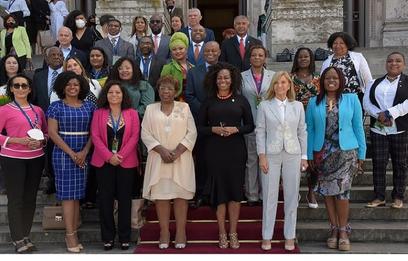
SOURCE: A UNFPA URUGUAY: PARLIAMENTARIANS REAFFIRM THEIR COMMITMENT TO THE RIGHTS AND PROMOTION OF EQUALITY OF PEOPLE OF AFRICAN DESCENT-03 18 2021
FOOTPRINTS OF AFRO-PERUVIAN “ZAPATEO DE CONTRAPUNTO CRIOLLO”
HÉCTOR ARÉVALO ROBLES
PROFESSOR OF ART AND CULTURE
Everystepcreatesafootprint andeveryfootprintisastory andeveryyesterdayisastar intheskyofmemory
RubénBlades
Indeed, we are always leaving footprints Some bring back memoriesofmomentslived;inothercases,theygiveusthe cluestosomethingthathasnotyetbeenresolvedor,simply,is yettobediscovered
One of the most representative representatives of AfroPeruvian culture is, without a doubt, Victoria Santa Cruz Gamarra.Shefollowedinthefootprintsofherancestors,andit wasthroughtherecoveryandrevaluationofAfro-Peruvian culturalheritage-fromdance,composition,andtheater-that sheshapedtheartisticproposalsrememberedtothisday.One ofhermanycontributionswastodeepenontheinnerrhythm anditslinkwiththeancestral.Sheaffirms:
Africahasdiscoveredsinceancienttimesthesecretofrhythm, the secret of movement. The Black person vibrates from silence Theimportanceofsilenceisvitalbecauseitisinterior and requires a special quality of attention, demanding a greatereffortfromourselves(SantaCruz,1978:7)
Thisandotherideasaredevelopedingreaterdepthinher article"DiscoveryandDevelopmentoftheRhythmicSense" (1978) and, above all, in her book “Rhythm: the Eternal Organizer”(2004)Thisishowrhythmislinkedtoourdailylife, becauseitis,inessence,movement,itistheelementthatgives us order in time, it manifests itself in a conscious and unconsciousway,anditisexpressedineachofourmovements Itisnotnecessarilylinkedtoanartisticaspect,butitisin everythingthatsurroundsusItisaconnectionbetweenspace andtime.
OneoftheAfro-Peruviandancegenresmostcloselyrelatedto thiselementisthe“zapateodecontrapuntocriollo”.Victoria Santa Cruz, in her article on the dances of competition, publishedinthemagazineFolkloreN°2,mentionsthatthe zapateo de contrapunto or pasada still conserves African characteristics;inotherwords,an"umbilicalcord" However, whichwouldbethosecharacteristicsshementions?Shealso statesthatblackpeopleadoptedtheSpanishzapateostyle,but accomplishedastyleoftheirown
Basedontheaforementionedreflections,Iwonder:Whatistheneed tocreaterhythmswiththefeet?Sincewhenwasitdone?Cuban researcher, essayist, and critic Ramiro Guerra states in his book “Appreciationofdance”:
Theman,boundtothedifficultstruggleforsubsistence, stillwithouttechnicalcapacitytoalleviatehisconstant warwiththeelements,theearth,andtheanimallifethat surrounded him, elaborated a religious system to interpret nature, using dance as a magical means to attractorrepudiateallthoseinhabitantsofthesun,the moon,theearth,thewater,thetrees,theanimals,death, the seasons, the day and the night, the calm and the storm, etc Dance, like painting, sculpture and music, were utilitarian products, linked to the daily life of primitiveman(1990:14)
In the same chapter, dedicated to primitive dance, he emphasizes man-nature communication, a very important aspect to understand how the action of zapateo could have originated:
Fromthelinkwiththeeartharisethestrongmovements in which the dancer kicks the ground, as a symbol of possessionoftheearth,andofcompulsiontowardsitso thatitbearsitsfruit,ofthetransmutationofthedancer's vitalforcetothegroundsothatitgiveshimtheresponse ofthatenergy(1990:14).
Dance uses movement as its language of expression and communication,itistheessenceofrhythm.So,wecouldsay thatrhythmisaformoflanguageandcommunication In2012, I interviewed Mr José Orlando "Lalo" Izquierdo On that occasion,aftertellingusabouthisexperienceasanexponentof zapateo,hestated:

Inthezapateodecontrapunto,whenthedancerstarts,he makescontactwiththefloor:itisthecontactwithmother nature, the conversation with mother nature that providesuswithfood,andshelterandreceivesuswhen weceasetoexist
ItisprobablethatthisistheconnectionVictoriaSantaCruzis referring to, that inner connection with our past. Currently, studiesonrhythmarebeingconducted;amongthem,anarticle entitled"Whydowebeattherhythmofmusicwithourfeet?" thisarticlewaspublishedinJuly2016byBBCNewsWorldHere, scientistsfromtheUniversityofOsloexploredtherelationship betweenmusicalsoundsandbodymovement,whichtheytitled the "Motor theory of perception" They affirm that these relationshipsareintimatelylinkedtohumancognition.
PAGE 3
SOURCE: MIRANDA & MANRIQUE- BRITISH MUSEUM-SD CELAR:CONTRAPUNTO THE LIVING FOOTPRINTS OF AFRO-PERUVIAN ZAPATEO
To perceive something, we must actively stimulate the movementassociatedwithsensoryaspectsthatwearetrying toprocess;thatis,mentallysimulatethemovementsthat wereactivatedwiththegenerationofsoundThisreactionto musicgeneratesbodymovementsofdifferentkinds.
The zapateo is included within dances of skill and competitionthatarerelatedtotherhythmofcelebration,and hasasitspredecessorthe“agua'enieve”.Thezapateocriollo orpasadaandtheagua'enieve(oragüenieve),werespread alongthePeruviancoastandinthemaincitiesofhighlands Nowadays,theagüe'enievehasdisappeared,butthereare records that it had a competitive character between independentdancersofbothsexes.Theycouldonlystepon thesoleandthetipofthefoot,butnottheheel,otherwisethe dancerwaseliminatedTherulesofthisdanceweresimilarto thoseofzapateoand,apparently,thedifferencelayinthe escobilleo-likestepofthedancers
Mr.VicenteVásquezexpressedthat"itwasamuchfinertype ofstepthanthezapateo",theyweresimilar,butnotthesame Althoughbothwereaccompaniedbyguitarandonlyone melodyispreserved,theremayhavebeenothers
ThisresearchseekstoidentifytheoriginsofAfro-Peruvian zapateodecontrapuntocriollo,itshistoricalbackground, areasofdiffusion,theexponents,performersand,notleast, thecurrentscenariowherethisgenreisdeveloped.Itis important to mention that the style of zapateo de contrapuntohasalmostdisappeared,anditisimportantto createarecordthatallowspeopletoknowitsimportanceand relevanceasanelementofstrengtheningtheAfro-Peruvian identity.
In2014,outofpersonalconcern,Idecidedtolearnmore aboutthisgenre,whichhasbeenpartofmyworktheselast tenyearsasanactor,dancerandzapateadorofthegroup “TeatrodelMilenio”;specifically,intheplayKimbaFaThe citysoundsTheprogressachievedtothisdateisbasedonthe recollectionofinformationfrompeoplelinkedtotheAfroPeruvian musical tradition, such as the interviews with Masters Carlos Hayre, Adolfo Zelada and José "Lalo" Izquierdo,andthevaluabledocumentationprovidedby researcherGuillermoDurand
Regardingthematerialsfound,wecanmentionafewscopes, takingintoconsiderationthatwehavedataandinformationin theprocessofrevisionandsomependingfieldvisitsInthe following,wewillmentionthescopesfound:
Noresearchmaterialhasbeenfoundthatfocusesonzapateo decontrapuntocriollo;inotherwords,thereisnopublication dedicatedexclusivelytoit
TheclosestwrittenreferencetoAfro-Peruvianzapateowas madebyRosaElena"Chalena"Vásquezinherbook“The musicalpracticeoftheblackpopulationofPeru”(1982)The researchonlytakesasreferencethe"danzadenegritos",a zapateodancethatisperformedduringChristmasinEl Carmenandsurroundingvillages
TheresearchofWilliamD.Tompkins,“Themusicaltraditions ofblackpeopleonthecoastofPeru”(2011),makesadescription of several Afro-Peruvian dance genres; within them, the zapateodecontrapuntocriollo.Theinformationshowsusa broader perspective in its area of location and diffusion (Chancayvalley);thatis,otherplaceswherethereisstilla presenceofAfro-Peruvianpopulationandthereforeartistic manifestations
Ananonymoustenthwasfoundthatdescribeswithclaritya duelofzapateodecontrapuntocriollo.Itisfoundinthebook ErasmoMuñoz,“YanacónofthevalleyofChancay”(1974),by anthropologistsJoséMatosMarandJorgeACarbajalItis importanttomentionthatMr ErasmoMuñozVásquez,a character to whom the book gives voice, is my greatgrandfather, this gave me the motivation follow in the footprintsofthezapateodecontrapuntocriollo
Thereweredancesthathad,aspartofitschoreography, counterpointsections,suchas“thesoundoflosdiablos”,“the pallasnegras”,“thehatajodenegritos”,“pisadeuva”and“the danzadenegritos”
IconsiderthatinformationisstillscarceTherefore,thelittle thathasbeenwrittenonlymentionstheformofexecutionpasadas and amarres- of the zapateo criollo and some individualsthatwerelinkedtothisgenreHowever,theorigin ofthegenreisnotspecified,orifthereisanysimilaritywithany otherzapateogenreinLatinAmerica.
ThisformandstyleofzapateoisrecreatedbyAfro-PeruviansIt ispartofouridentityregardlessofraceorsocialconditionThis artofcreatingandrecreatingrhythmicformswiththefeet, uniqueforitstechnicalandinterpretativecharacteristics,is worthyofknowing,appreciatingandvaluing.Atpresent,there arejustafewexponentsandpractitionersofzapateocriollo;it haspracticallydisappearedProbably,thezapateowasavery closedexpressionwithveryfewexponentsandparticipants
Excerpt from the article HUELLAS DEL ZAPATEO DE CONTRAPUNTO CRIOLLO AFROPERUANO, Encuentro de investigadores 2018, MinisteriodeCultura.Pp.253-257availableat: https://centroderecursos.cultura.pe/sites/default/files/rb/pdf/Encue ntro-de-investigadores-2018.pdf
PAGE 4
RECIPE: CHICKPEA PEPIAN WITH TURKEY
The pepian, as well as many other dishes with Afro-Peruvian influence, has become over time and with the passing of generations,aninevitabledishineventsandfestivecontextsinvariousregionsofPeru
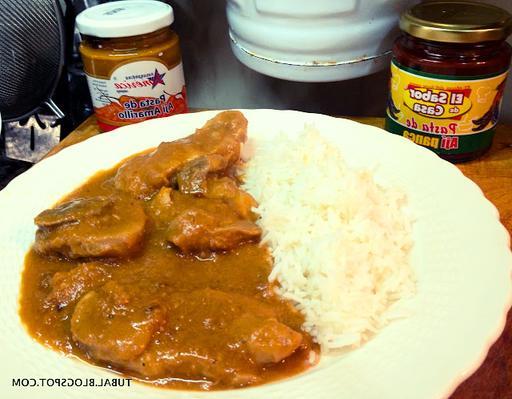
The toasts with chicha, beer and the "jarana" follow At 7 pm a meal is served, which usually consists of: turkey pepian and rice with cabrito, the toasts with chicha and beer The joy and dancing continues to the beat of the band of inexhaustible musicians until dawn, at that time marinera is danced and the guests leave There is no honeymoon The bridestaysatherpartner'shouse "
Ingredients:
2KgofTurkeyBreast
1/4KgRoastedChickpeas
1/4KiloofToastedWhiteCorn150Gramsof
RoastedPeanuts
6cupsofBeefBroth
1TablespoonofOnionDressing
1teaspoonofgroundedroastedgarlic
1teaspoonofgroundannatto
1cupofdicedpeeledtomatoeswithouttheseed
1tablespoonofoliveoil
1tablespoonAnnattoOil
1teaspooncumin
1teaspoonofsalt
1teaspoonofpepper
2Onions
1tablespoonofSoySauce
1tablespoonofvinegar
Preparation
Cuttheturkeybreastintolargecubesandseasonwithsaltandpepper Setaside Blendthechickpeas,whitecornand peanuts with half of the beef broth Strain and set aside In a hot pan with olive oil, brown the turkey for a few minutes.Removeandsetaside.Inthesamepotaddtheoniondressing,thegroundroastedgarlic,thegroundachiote andthetomato.Brownforafewminutes.
Return the turkey to the pot and add the preparation of chickpeas, corn and peanuts. Pour the rest of the beef broth, cumin,salt,pepperandstir.Cookovermediumheatfor30minutes.Addadashofoliveoilandadjusttheseasoningif necessary
Fortheencebollado
Cut the onions into very thin strips and soak in salted water for about 10 minutes Drain the onions and add soy sauce Seasonwithsalt,pepper,oilandvinegartotaste
Letitrestfor15minutesbeforeserving,sothattheflavorsblendandtheonionreleasesitsjuices
Theplating
ServethePepianinasoupplate,garnishwithannattooilandaccompanywiththeencebollado
Fogónafroperuano:Herenciaysaberdel
PAGE 5