If there is a dark power, which with such enmity and treachery lays a thread within us, by which it holds us fast, and draws us along a path of peril and destruction, which we should not otherwise have trod; if, I say, there is such a power, it must form itself within us, or from ourselves; indeed, become identical with ourselves, for it is only in this condition that we can believe in it, and grant it the room which it requires, to accomplish its secret work.
E. T. A. Hofmann. The Sandman
Léo Delibes (1836–1891)
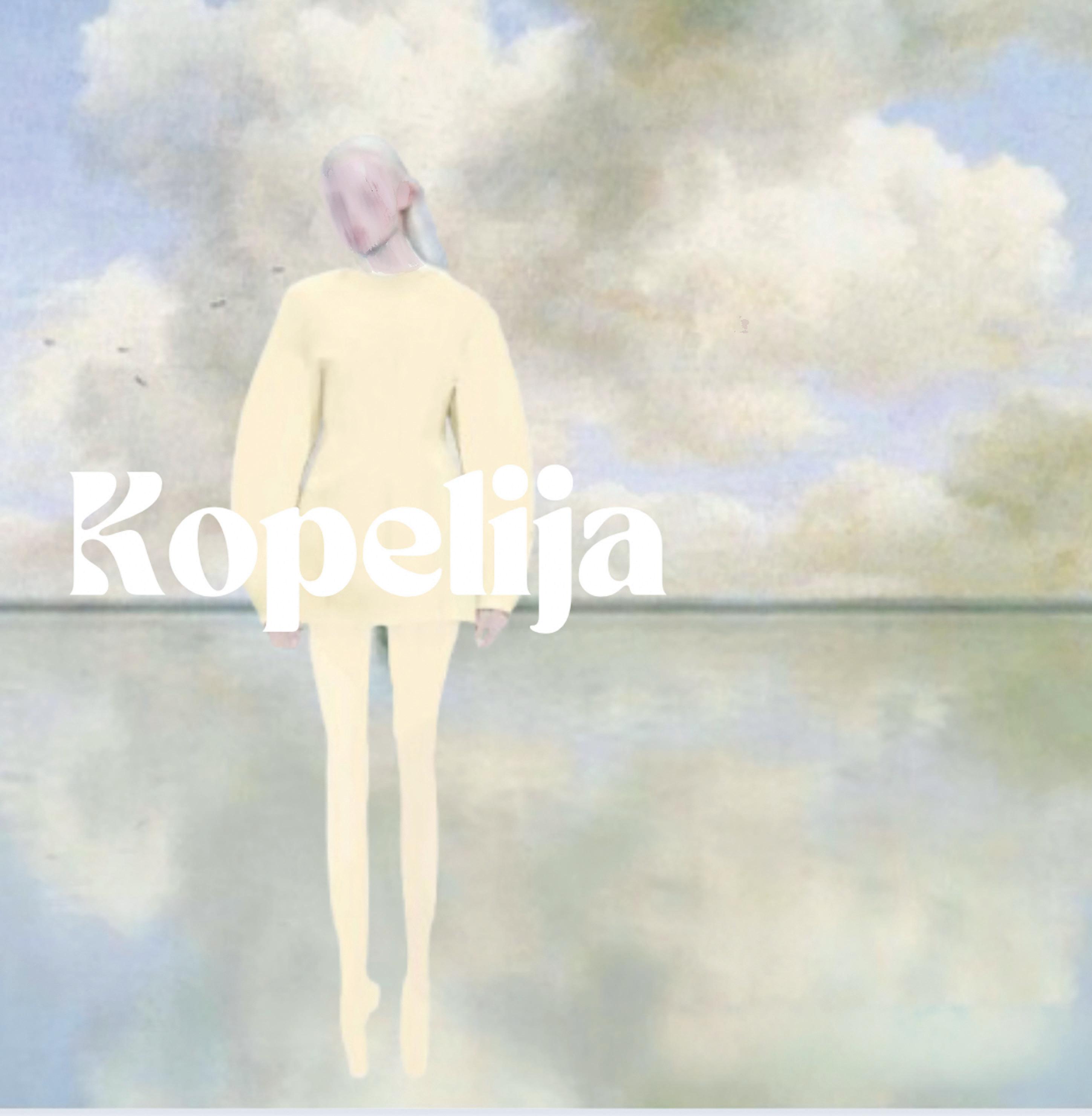
Kopelija | Coppélia
3 veiksmų baletas | A ballet in 3 acts
Muzikinės rekompozicijos autorius | Recomposed by Jievaras Jasinskis
Libreto autoriai | Libretto by: Laurynas Katkus, Martynas Rimeikis Pagal Ernsto Theodoro Amadeus Hofmanno (1776–1822) novelę Smėlio žmogus | After Ernst Theodor Amadeus Hofmann’s story (1776–1822) The Sandman
Choreografas | Choreographer Martynas Rimeikis Muzikos vadovas ir dirigentas | Music Director and Conductor Ričardas Šumila Dirigentas | Conductor Modestas Barkauskas
Premjera 2025 m. gruodžio 4 d. | Premiere 4 December 2025
LNOBT yra asociacijos Opera Europa narys | LNOBT is the member of Opera Europa.
LNOBT generalinė direktorė | General Manager of the LNOBT Laima Vilimienė
Vilnius, 2025
Vaidmenys ir atlikėjai | Cast
Kopelija | Coppélia
Klara | Clara
Natanaelis | Nathaniel
Kopelijus | Coppélius
Marija Kastorina
Ieva Repšytė
Nora Straukaitė
Kristina Gudžiūnaitė
Gabrielė Marčiukaitytė
Olesia Šaitanova
Edvinas Jakonis
Jonas Kertenis
Ernest Barčaitis
Jonas Laucius
Genadijus Žukovskij
Studentai | Students
Vasarė Grinevičiūtė, Saulė Jauniškytė, Gabrielė Marčiukaitytė, Smiltė Mazūraitė, Ugnė Milerytė, Vilija Montrimaitė, Imogen Moss, Haruka Ohno, Miryam Roca Cruz, Beatrice Scifo, Darija Seliukaitė, Saulė Stanytė, Akvilė Šulcaitė
Ignas Armalis, Andrea Canei, Victor Cofy, Adrian Hohenberg, Arata Yamamoto, Kosei Yamatani, Joao Jezler, Ethan Maas, Reito Nashiki, Imanol Sastre, Stanislav Semianiura, Dino Staković, Voicech Žuromskas
Miestiečiai | Townspeople
Julija Akelė, Gabrielė Dukel, Vasarė Grinevičiūtė, Saulė Jauniškytė, Gabrielė Marčiukaitytė, Karolina Matačinaitė, Smiltė Mazūraitė, Ugnė Milerytė, Vilija Montrimaitė, Imogen Moss, Haruka Ohno, Marine Pontarlier, Miryam Roca Cruz, Darija Seliukaitė, Saulė Stanytė, Julija Šumacherytė, Sofa Villar
Aiden Bazylinski, Andrea Canei, Victor Cofy, Lorenzo Epifani, Federico Farina, Adrian Hohenberg, Arata Yamamoto, Kosei Yamatani, Joao Jezler, Aistis Kavaliauskas, Tomas Kratkovskis, Arnas Kunavičius, Ethan Maas, Reito Nashiki, Imanol Sastre, Stanislav Semianiura, Aleksandrs Sergejevs, Dino Staković, Robertas Vaištaras, Karolis Valčiukas, Voicech Žuromskas
Kopelijaus pokylio svečiai | Guests at Coppélius’s Banquet
Julija Akelė, Julia Alonso, Tėja Daujotaitė, Gabrielė Dukel, Vasarė Grinevičiūtė, Barbora Gudavičiūtė, Adriana Jakonytė, Agnė Juškaitė, Paula Krivickaitė, Jekaterina Kučinskienė, Charlotte Lejeune, Miryam Roca Cruz, Darija Seliukaitė, Yeva Shportiuk, Julija Turkina, Sofa Villar
Ignas Armalis, Aiden Bazylinski, Andrea Canei, Victor Cofy, Lorenzo Epifani, Federico Farina, Adrian Hohenberg, Arata Yamamoto, Kosei Yamatani, Joao Jezler, Aistis Kavaliauskas, Ethan Maas, Imanol Sastre, Stanislav Semianiura, Aleksandrs Sergejevs, Robertas Vaištaras, Karolis Valčiukas, Voicech Žuromskas
Lėlės | Dolls
Julija Akelė, Julia Alonso, Tėja Daujotaitė, Gabrielė Dukel, Vasarė Grinevičiūtė, Barbora Gudavičiūtė, Saulė Jauniškytė, Agnė Juškaitė, Charlotte Lejeune, Gabrielė Marčiukaitytė, Karolina Matačinaitė, Smiltė Mazūraitė, Austėja Medekšaitė, Ugnė Milerytė, Vilija Montrimaitė, Imogen Moss, Haruka Ohno, Marine Pontarlier, Miryam Roca Cruz, Darija Seliukaitė, Beatrice Scifo, Yeva Shportiuk, Saulė Stanytė, Akvilė Šulcaitė, Julija Šumacherytė, Kotryna Valiūnė, Sofa Villar
Vaikai | Children
Julia Alonso, Barbora Gudavičiūtė, Adriana Jakonytė, Agnė Juškaitė, Charlotte Lejeune, Marine Pontarlier, Darija Seliukaitė, Akvilė Šulcaitė, Julija Turkina Aiden Bazylinski, Lorenzo Epifani, Federico Farina, Kosei Yamatani, Joao Jezler, Aistis Kavaliauskas, Tomas Kratkovskis, Arnas Kunavičius, Reito Nashiki, Aleksandrs Sergejevs, Robertas Vaištaras, Karolis Valčiukas
Orkestro solistai | Orchestra Soloists
Tomas Savickas, Karolis Rudokas (altas | viola) Artur Shutov (gyva elektronika | live electronics)
LNOBT ORKESTRAS | ORCHESTRA OF THE LNOBT
Vyr. dirigentas | Chief Conductor Ričardas Šumila
I smuikai | I violins
Orkestro koncertmeisteris | orchestra concertmaster Dainius Peseckas
Koncertmeisteris | principal Bernardas Petrauskas
Koncertmeisterio pavaduotojas | co-principal Algirdas Šochas
Koncertmeisterio antroji pavaduotoja | sub-principal Ingrida Rupaitė
Indrė Andrikonytė
Angelė Litvaitytė
Aistė Birvydaitė
Vitalija Makrickienė
Monika Paliulienė
Rusnė Matutienė
Justė Martinkėnaitė
Elena Marcinkevičiūtė
Augustina Vizbaraitė
Agnė Pilkauskaitė
Milda Kraujutaitytė
Ieva Daugirdaitė
Gintaras Berulis
Monika Dargytė
Urtė Didžiulytė
Virginija Janina Šliauterytė
Monika Sapiegaitė
II smuikai | II violins
Koncertmeisteris | principal Linas Valickas
Koncertmeisterio pavaduotojas | co-principal Kostas Tumosa
Koncertmeisterio antroji pavaduotoja | sub-principal Ginta Kriščiūnaitė
Danutė Šiukštienė
Austėja Alenskaitė-Kavaliauskienė
Lina Digimienė
Giedrė Mišeikytė
Oleksandra Bessarabova
Rasa Smolinskytė
Aušra Lekevičienė
Dalia Vagelienė
Eduardas Bogdanovas
Aleksandra Capienė
Donata Dunovska
Laisvyda Leckutė
Altai | Violas
Koncertmeisteris | principal Tomas Savickas
Koncertmeisterio pavaduotojas | co-principal Karolis Rudokas
Koncertmeisterio antroji pavaduotoja | sub-principal Ugnė Gaučaitė
Gabrielė Zaneuskaitė
Mantas Makrickas
Emilija Minkevičiūtė
Paulius Jeziorskis
Aleksandras Silickas
Žilvinas Švelnys
Kęstutis Pleita
Genovaitė Čironienė
Violončelės | Cellos
Koncertmeisteris | principal Rokas Vaitkevičius
Koncertmeisterio pavaduotoja | co-principal Roma Jaraminaitė
Koncertmeisterio antroji pavaduotoja | sub-principal Ignė Pikalavičiūtė
Povilas Jacunskas
Mykolas Rutkauskas
Lukas Abromaitis
Aušra Gedžiūtė-Petraitienė
Vaiva Sodaitytė
Regina Rutkauskienė
Tarmo Hiis
Tadas Čobotas
Viktor Rekalo
Kontrabosai | Double-Basses
Koncertmeisteris | principal Donatas Bagurskas
Koncertmeisterio pavaduotojas | co-principal Yuriy Markaryan
Koncertmeisterio antrasis pavaduotojas | sub-principal Leandros Ioannis Toskas
Koncertmeisterio antrasis pavaduotojas | sub-principal Vytenis Gurstis
Karolina Daukšienė
Ula Čaplikaitė
Obojai | Oboes
Koncertmeisteris | principal Donatas Pocius
Koncertmeisterio pavaduotojas | co-principal Linas Šalna
Koncertmeisterio antrasis pavaduotojas | sub-principal Ugnius Dičiūnas
Petras Kuraitis (anglų ragas | English horn)
Lukas Sarpalius (anglų ragas | English horn)
Klarnetai | Clarinets
Koncertmeisteris | principal Vytautas Giedraitis
Koncertmeisterio pavaduotojas | co-principal Donatas Kalinauskas
Koncertmeisterio antrasis pavaduotojas | sub-principal Ernestas Šidiškis
Vilius Kalvėnas
Vida Lukošiutė (bosinis klarnetas | bass clarinet)
Fagotai | Bassoons
Koncertmeisteris | principal Andrius Puplauskis
Koncertmeisteris | principal Jonas Žemonis
Koncertmeisterio pavaduotojas | co-principal Robertas Šidiškis
Koncertmeisterio antrasis pavaduotojas | sub-principal Mantvydas Baltrukėnas
Tadeušas Gotoveckis
Tomas Girskis (kontrafagotas | contrabassoon)
Valtornos | Horns
Koncertmeisteris | principal Stefano Berluti
Koncertmeisteris | principal Gintaras Ščerbavičius
Koncertmeisterio pavaduotojas | co-principal Vytenis Matutis
Koncertmeisterio pavaduotojas | co-principal Valentinas Drūlia
Albinas Stonys
Zigmantas Augaitis
Tomas Bidva
Jurgita Jankevičienė
Vytautas Štrapenskas
Trimitai | Trumpets
Koncertmeisteris | principal Arvydas Barzinskas
Koncertmeisterio pavaduotojas | co-principal Vilius Surdokas
Augustinas Malikėnas
Aurimas Jankevičius
Žilvinas Kumpys
Trombonai | Trombones
Koncertmeisteris | principal Tomas Karka
Koncertmeisterio pavaduotojas | co-principal Paulius Batvinis
Koncertmeisterio antrasis pavaduotojas | sub-principal Felix Rockhill
Jonas Kazimieras Kunčius
Alexander Froggatt (bosinis trombonas | bass trombone)
Tūbos | Tubas
Koncertmeisteris | principal Laimonas Masevičius
Sergijus Kirsenka
Mušamieji | Percussion
Koncertmeisteris | principal Tomas Kulikauskas
Koncertmeisterio pavaduotojas | co-principal Mikas Šliogeris
Almantas Puidokas
Ernestas Verba
Lukas Budzinauskas
Mikas Dulevičius
Jose Vicente Fusco Rojas
Arfos | Harps
Koncertmeisterė | principal Aistė Baliunytė-Dailidienė
Gabrielė Abromaitienė
Klavišiniai | Keyboards
Artur Shutov
Marija Grikevičiūtė
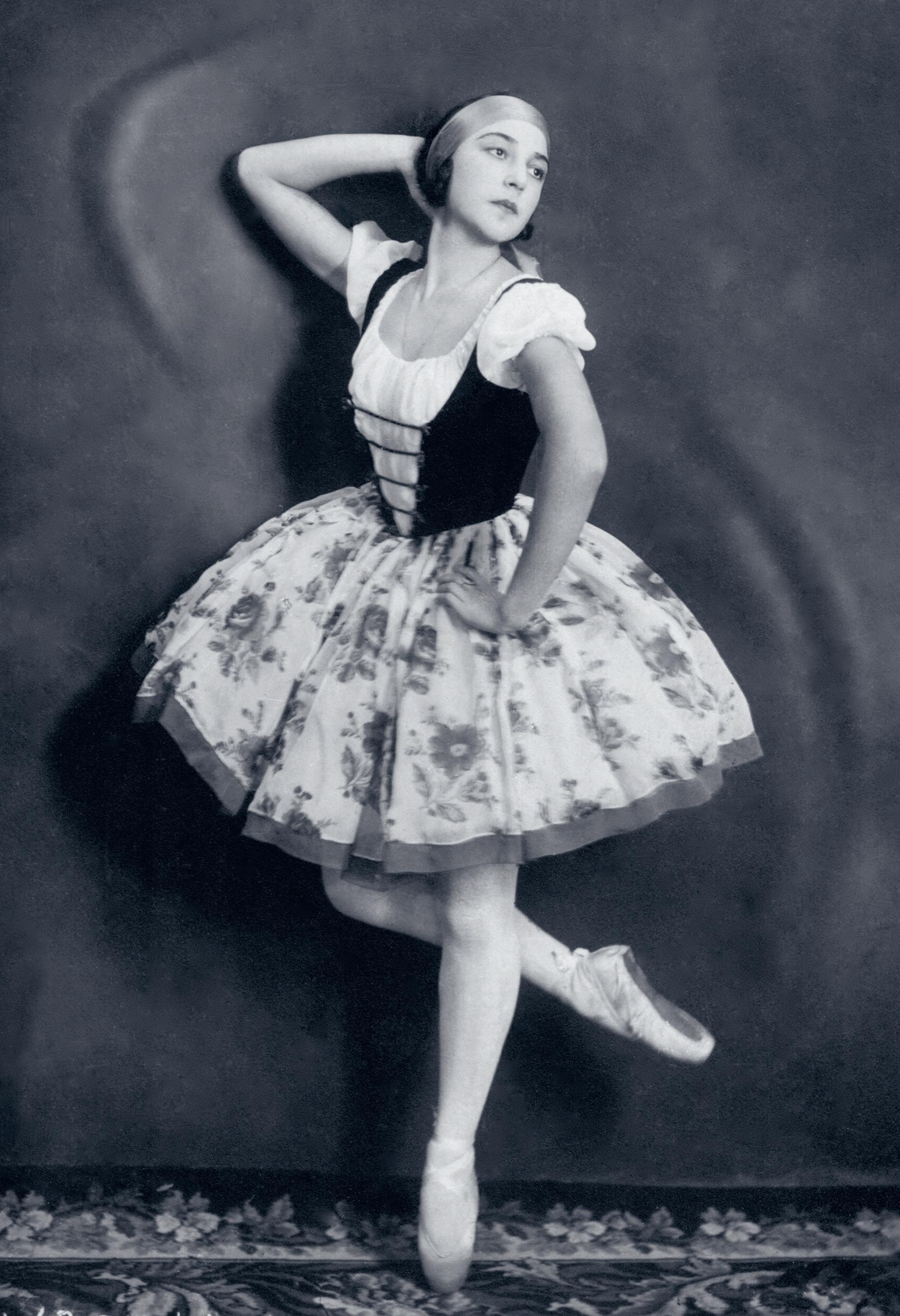
Svanilda – Olga Malėjinaitė. Kopelija, 1925
Lietuvos teatro, muzikos ir kino muziejus
Lietuvos baletas, Kopelija prieš šimtą metų ir šiandien
Eglė Ulienė
Žiema Kaune prasidėjo baletu
Tą vakarą Kaune lengvai snigo. Šviesų nutviekstas Valstybės teatras spindėte spindėjo kviesdamas publiką, kaip niekad gausiai plūstančią
į teatrą. Kauno ponios nuo pat ryto ruošėsi premjerai. Tiesa, dažna jų mėgino atsargiai teirautis, kas gi tas baletas yra ir ar tikrai ten kojas panelė Malėjinaitė iškelia net virš galvos. Jau kurį laiką aukštuomenės arbatėlėse vien apie tai ir tebuvo kalbama. Miestas dar gyvai prisiminė 1920 m. gruodžio 31-osios Traviatos triumfą, tą teatro stebuklą, amžiams įrašiusį Kauną į Lietuvos operos istoriją. O dabar, po penkerių metų, laikinoji sostinė rinkosi į baletą. Pagaliau Valstybės teatras po vienu stogu priglaudė du svarbiausius muzikinio teatro žanrus, nes taip juk pasaulyje įprasta, kad didis žodis OPERA jungia juos abu – operą ir baletą. 1925 m. gruodžio 4-oji, Lietuvos baleto gimtadienis, Léo Delibes’o baleto Kopelija premjera. Prieita iki to buvo palyginti greitai. 1919 m. iš Peterburgo į Lietuvą atvyko įspūdingoji Olga Dubeneckienė, dailininkė ir baletmeisterė. Pradėjusi dirbti Valstybės teatre, operose ji statė šokius, drauge su dainininkais, aktoriais, kitais atlikėjais organizavo literatūros ir muzikos vakarus, kuriuose šokdavo ir pati, nes Peterburge buvo lankiusi baleto studiją. 1921 m. Kaune O. Dubeneckienė ėmėsi mokyti baleto – jos įsteigta baleto studija gyvavo iki 1925 m. Pirmasis jos mokinių koncertas įvyko 1922 m. Renginio reikšmę ir populiarumą patvirtina tai, kad po jo atsirado gerokai daugiau norinčiųjų mokytis baleto. O. Dubeneckienės studijoje karjerą pradėjo pirmieji žymiausi mūsų profesionaliojo baleto atstovai: Olga Malėjinaitė, Jadvyga Jovaišaitė, Bronius Kelbauskas, Marija Juozapaitytė. Ją lankė ir aktorės Elena Žalinkevičaitė-Petrauskienė, Potencija Pinkauskaitė.
LIETUVOS BALETAS, KOPELIJA PRIEŠ ŠIMTĄ METŲ
Kipro Petrausko iniciatyva 1924 m. į Valstybės teatrą atvyko baletmeisteris Pavelas Petrovas (1882–1938). Turėjęs statyti šokius operose, netrukus baletmeisteris iš Peterburgo ėmėsi entuziastingai burti savarankišką baleto trupę. Pirmiausia teatre jis įkūrė baleto studiją. Į ją pakvietė teatro šokėjas, mokines iš O. Dubeneckienės studijos, parinko jaunų, fziškai stiprių ir
šokti gabių vyrų, nes teatre vienintelis šokėjas buvo B. Kelbauskas. 1925 m. P. Petrovas surengė pirmą viešą teatro baleto studijos mokinių koncertą, kurį Kauno žiūrovai sutiko labai palankiai. Pasisekimo padrąsintas, baletmeisteris ryžosi teatre statyti pirmąjį baletą. Buvo pasirinkta L. Delibes’o Kopelija – spektaklis, kuriam nereikėjo daug šokėjų ir sudėtingų dekoracijų.
Ko laukė Kaunas vėlų 1925 m. rudenį?
Vėlų 1925-ųjų rudenį Kauno inteligentija gyveno laukimu. Artėjo lemtinga Lietuvos baletui diena. Valstybės teatro direktorius Švietimo ministerijai pranešė, kad „jau yra pasiruošęs įvykinti p. baletmeisterio Pavelo Petrovo iniciatyva sumanytųjų baleto spektaklių pradžią. Tai pirmai pradžiai jau yra baigiamas ruošti žinomas klasikinis Delibes’o baletas Coppelia. Šis baletas manoma pastatyti pirmą kartą ateinantį ketvirtadienį, lapkričio 26 d.“ Iki
tol P. Petrovas šokius statė tik operų spektakliuose, tad rašte užsimenama ir apie papildomą atlygį jam:
„Kadangi tokių savaimingų baleto spektaklių ruošimas ir statymas nėra privalomas p. Petrovui, kuris yra sukontraktuotas tik statyti baletus operose, tai už savaimingo baleto spektaklius jam, aišku, reikia skyrium ir atlyginti. P. Petrovas siūlo jo atlyginimą normuoti sulig jo statomų baleto spektaklių pajamomis, kas iš tikrųjų būtų teisinga ir racionalu. P. Petrovas prašo 25% nuo brutto pajamų. Kadangi jam tenka pakelti visas nemažas tų spektaklių ruošos darbas, juoba sunkus, nes daromas dar su nelabai įgudusiais dalyviais, kadangi jis, be to, turi autoriaus-iniciatoriaus morales teises, tai toks atlyginimas būtų priimtinas ir Direkcija prašo tą atlyginimą patvirtinti. Dirigentas p. J. Tallat-Kelpša, nors jam, kaip ir antram dirigentui p. Gruodžiui, baleto spektaklių dirigavimas sulig sutartimi nėra privalomas, sutiko kol kas diriguoti baleto spektakliams be jokio už tai atlyginimo.“
IR ŠIANDIEN
Ir švietimo ministras, ir valstybės kontrolierius P. Petrovo pageidavimui pritarė. Tame pat rašte minimos ir kitos pirmojo baleto spektaklio išlaidos: gaidų nuoma – 300 litų, kostiumų pritaikymas, rekvizitai ir atlygis spektaklyje dalyvaujantiems statistams – apie 300 litų. Vis dėlto pirmojo baleto spektaklio premjerą teko nukelti į gruodžio 4-ąją. Apie tai buvo pranešta ir spaudoje: „Baleto spektaklis-premjera Delibo Coppelia nukeltas dar vienai savaitei, kadangi pavėluota išsiųsti iš Paryžiaus reikiamoji partitūra ir kostiumai. Coppelia bus pastatyta tik kitą penktadienį, būtent gruodžio 4 d. Nuo pirmadienio parduodami bilietai į pirmąją baleto premjerą – klasikinę L. Delibo Coppelia. Baletą stato ir pats jame dalyvauja P. Petrovas. Muzikinę dalį veda p. J. Tallat-Kelpša.“
Ir štai Valstybės teatro scenoje sulaukta pirmojo savarankiško, profesionalaus baleto spektaklio. Pagrindinius vaidmenis šoko P. Petrovas (Francas), O. Malėjinaitė (Svanilda), Stasys Dautartas (Kopelijus) ir kt. Žiūrovai spektaklį sutiko labai šiltai, daugeliui tai buvo pirmas gyvenime matytas baletas. Spaudos atsiliepimai buvo gana kuklūs. Ir tai natūralu, nes spektaklio scenografja buvo skurdi, profesionalus vertintojas galėjo prikišti šokio technikos trūkumus, artistiškumo, įsigyvenimo į vaidmenį stoką. Ir vis dėlto „Petrovas su savo baletine premjera pataikė kaip pirštu į akį – publikos, gėlių, katučių buvo iki valiai. Žada, girdėti, ir toliau pašokti.“
Taip keliolikos entuziastų atsidavimas ir tikėjimas Terpsichorės žavesio galia lygiai prieš šimtą metų lėmė baleto kaip savarankiškos meno šakos įsitvirtinimą Lietuvos kultūroje. Šia iškilia šimtmečio proga ir vėl kviečiame žiūrovus į naują Kopelijos pastatymą.
Linksmas romantinis baletas pavasariniame Paryžiuje
Kaune Kopelija pastatyta praėjus penkiasdešimt penkeriems metams nuo tada, kai šis baletas 1870 m. gegužės 25 d. išvydo rampos šviesą prabangiausiame Paryžiaus teatre Impérial de l’Opéra, garsiuosiuose Garnier rūmuose. Libretą pagal makabriškas Ernsto Theodoro Amadeus Hofmanno istorijas Smėlio žmogus ir Lėlė parašė Arthuras Saint-Léonas ir Charles’is Nuitter. Jie atsisakė tamsiųjų šių istorijų aspektų ir susitelkė į specifnę
LIETUVOS BALETAS, KOPELIJA PRIEŠ ŠIMTĄ METŲ
komediją. E. T. A. Hofmanno kūrinyje mechaninė lėlė atgyja paveržusi iš Franco sielą, o balete Svanilda lėle apsimeta vien tam, kad apsaugotų Francą nuo daktaro Kopelijaus eksperimentų. Ir dar – kaip netikėta romantizmui! – šio baleto pabaiga laiminga.
Spektaklio choreografas buvo A. Saint-Léonas (1821–1870), muziką sukūrė L. Délibes’as (1836–1891). Praėjus trims mėnesiams nuo premjeros, choreografas mirė. Joks kitas išlikęs jo pastatymas nesulaukė tokio populiarumo kaip Kopelija.
Meistriška L. Delibes’o muzika dažnai laikoma pagrindine Kopelijos šlovės priežastimi. Ši kompozitoriaus partitūra taip pat laikoma vienu sėkmingiausių jo kūrinių.
Sentimentalaus romantizmo dirvoje išaugęs baletas Kopelija vis dėlto žvelgė į priekį ir padėjo pamatus klasikinio baleto tradicijai. Kopelijoje regime romantiniam baletui būdingus veikėjus, bet joje nebėra fantastinių būtybių – čia jas pakeičia mechaninė lėlė. Meninis kūrinio rišlumas, virtuoziška technika ir žaižaruojantys divertismentai atspindėjo būsimas klasikinio baleto tendencijas. Išsiveržusi iš liūdnų ir ilgesingų romantiškojo baleto tradicijų, Kopelija pasitelkė humorą ir iškart sulaukė sėkmės.
Baleto premjera buvo sutikta šiltai, bet vėliau jis parodytas vos aštuoniolika kartų, mat netrukus prūsų armija užgrobė Prancūziją ir apgultame Paryžiuje paprasčiausiai negalėjo vykti spektakliai. Neramumams praėjus, Kopelija tapo dažniausiai rodomu Opera Garnier spektakliu – vien čia ji buvo atlikta per penkis šimtus kartų. Iki šiol tai vienas žinomiausių ir dažniausiai atliekamų XIX a. baletų.
Kopelija pasaulyje – įvairūs pavidalai
Trys veiksmai magijos, komiško sąmyšio dėl klaidingai suprastos tapatybės, veržlus romantizmas ir įspūdingi pastatymai – visa tai prikausto žiūrovų dėmesį jau pusantro šimto metų. Kaip ir daugelį populiarių kūrinių, taip ir Kopeliją iki šių dienų stato įvairiausi choreografai, kas kartą pateikdami savas jo versijas ir redakcijas: iš komedijos baletas virsta tragedija, čia priar-
IR ŠIANDIEN
tėjama prie E. T. A. Hofmanno Smėlio žmogaus, čia vėl nuo jo nutolstama.
Praėjus metams po Paryžiaus premjeros, 1871-aisiais, Josephas Hansenas perstatė A. Saint-Léono Kopeliją Briuselio Théâtre de la Monnaie, o 1882 m. perkėlė ją ir į Maskvos didįjį teatrą. Daugelis vėlesnių pastatymų rėmėsi puikiai išlikusia 1884 m. Peterburge sukurta Mariuso Petipa versija, artima A. Saint-Léono originalui. Dar po dešimtmečio, 1894-aisiais, pastatymą redagavo Enrico Cecchetti ir Levas Ivanovas; šios versijos elementai gyvai naudojami iki mūsų dienų.
1887 m. Kopelija pirmą kartą pastatyta Niujorko Metropolitan Opera teatre, 1896 m. – Milano La Scaloje. Kopelijos pastatymu Metropolitan Opera balete 1910 m. debiutavo žymioji Ana Pavlova.
Vienaveiksmė Kopelijos versija jau 1884 m. buvo parodyta Londono Empire Theatre, bet turėjo prabėgti dar 36 metai, kol Anglija pamatė visą pastatymą – tai įvyko 1906 m. tame pat teatre.
Įvairiausios Kopelijos versijos keitė viena kitą ir turbūt nėra trupės, kuri nebūtų ėmusis šio baleto. 1973 m. Paryžiaus operoje Pierre’as Lacotte pastatė rekonstruotą A. Saint-Léono originalą. 1974 m. George’as Balanchine’as ir Aleksandra Danilova New York City Ballet pateikė baleto variantą, artimą klasikiniams M. Petipa ir E. Cecchetti pastatymams. 1975 m. Roland’as Petit savojoje Kopelijoje, kuri buvo įkūnyta Marselio balete, pats šoko Kopelijų. Tai buvo pagrindinis šio pastatymo vaidmuo. Kūrinio veiksmas vyksta 1880 m. kariniame miestelyje. Senasis Kopelijus čia virsta jaunu baleto šokėju, kad galėtų lengviau suvilioti mylimą moterį.
Kopelija Lietuvoje – vis ta pati ir kita
Baletas Kopelija nuolat buvo statomas ir Lietuvoje. Antrąkart pas mus 1933 m. jį pastatė buvęs Sergejaus Diagilevo trupės narys Nikolajus Zverevas. Šis pastatymas 1935 m. buvo rodomas Monte Karle ir Londone, kur net keletą mėnesių sėkmingai gastroliavo Valstybės teatro baletas. Vienas Londono laikraščių straipsnyje „Lietuviai dovanoja Londonui džiaugsmo vakarą“ rašė: „Baletas pasižymi aukšta technika, poetišku atlikimu, kausto
LIETUVOS BALETAS, KOPELIJA PRIEŠ ŠIMTĄ METŲ
žiūrovų dėmesį ir teikia pasigėrėjimą.“ O juk nuo pirmosios premjeros tebuvo prabėgęs dešimtmetis...
Tarsi stebuklas buvo Antrojo pasaulinio karo pabaigoje iš Lietuvos emigravusių baleto artistų Augsburgo (Vokietija) perkeltųjų asmenų stovykloje
1947 m. pastatytoji Kopelija. Primindama Kauno teatrą, ne vienam ji kėlė scenos ilgesį ir liudijo ištikimybę menui, gyvą net tremtyje.
Lietuvoje baletą 1954 m. atnaujino Genovaitė Sabaliauskaitė. 1970 m. jį parengė M. K. Čiurlionio menų mokyklos Choreografjos skyriaus moksleiviai. 1980 m. Kopeliją naujam gyvenimui Operos ir baleto teatre prikėlė baletmeisteris Vytautas Brazdylis (dirigentas Vytautas Viržonis, dailininkas Henrikas Ciparis). 1983 m. šio spektaklio kostiumus ir dekoracijas naujai įprasmino Eldoras Renteris. 2009 m. V. Brazdylis pastatė Kopeliją naujajame M. K. Čiurlionio menų mokyklos Šokio teatre. Visi šie pastatymai tęsė pirminę komiško romantiškojo baleto tradiciją. Linksmos dekoracijos ir spalvingi šokėjų kostiumai papildė choreografo viziją žaismingai pasakoti apie žmogaus siekį sukurti robotą.
2010 m. Lietuvos nacionaliniame operos ir baleto teatre įvyko kiek kitokios Kopelijos premjera (dirigavo Robertas Šervenikas). Baleto libretą perrašė choreografas Kirillas Simonovas ir dailininkas, žymus E. T. A. Hofmanno kūrybos tyrėjas Michailas Šemiakinas (Mihail Chemiakin, JAV). Šių kūrėjų
valia Kopelija tapo Smėlio žmogaus istorija, kviečiančia į mistikos ir nuojautų pasaulį.
Lietuvos baleto šimtmečio proga LNOBT laukia žiūrovų naujame, originaliame choreografo Martyno Rimeikio Kopelijos pastatyme.
IR ŠIANDIEN
Olga Malėjinaitė as Swanhilda in Coppélia, 1925. Courtesy of the Lithuanian Museum of Theatre, Music and Cinema
A century of Lithuanian ballet. Coppélia one hundred years ago and today
BY EGLĖ ULIENĖ
Winter in Kaunas began with ballet
That evening, light snow fell in Kaunas, and the illuminated building of the State Theatre shone brightly, inviting an audience that focked to the theatre in unprecedented numbers. The ladies of Kaunas had been preparing for the premiere since early morning. Admittedly, many of them cautiously tried to fnd out what ballet was all about and whether Miss Malėjinaitė really did lift her legs above her head. This was the subject of running gossip during high society tea parties for quite some time. People in Kaunas still vividly remembered the triumph of La traviata on December 31, 1920—a momentous theatrical event, which perpetually marked Kaunas, the interwar capital of Lithuania, as the place where the history of Lithuanian opera began. And now, fve years later, Kaunas was gathering for the ballet. Ultimately, the State Theatre has brought together the two most important genres of musical theatre under one roof, because it is customary in the world that the grand OPERA accommodates both opera and ballet. Thus, the premiere of Léo Delibes’ ballet Coppélia on December 4, 1925, marked the birthday of Lithuanian ballet.
This was accomplished rather quickly. In 1920, Olga Schwede-Dubeneckienė, a stunningly gorgeous woman, artist, ballerina, and ballet mistress, arrived in Lithuania from St. Petersburg. She began working at the State Theatre, choreographing dances for operas and organizing literary and musical evenings with singers, actors, and musicians, where she herself danced,
A CENTURY OF LITHUANIAN BALLET. COPPÉLIA
having attended ballet classes in St. Petersburg. In 1921, she began teaching ballet in Kaunas, and the ballet studio she founded remained open until 1925. The frst public concert by the students of Dubeneckienė’s studio was held in 1922. The studio’s reputation and popularity were evidenced by the fact that after this event, the number of newcomers willing to attend ballet classes in Kaunas increased signifcantly. The studio was the springboard for the future careers of the frst generation of professional Lithuanian ballet dancers, who have notably included Olga Malėjinaitė, Jadvyga Jovaišaitė, Bronius Kelbauskas, and Marija Juozapaitytė. Prominent actresses of the inter-war period, Elena Žalinkevičaitė-Petrauskienė and Potencija Pinkauskaitė, were also among the studio’s students.
In 1924, Russian ballet master Pavel Petrov (1882–1936) arrived in Kaunas at the invitation of the State Theatre’s principal soloist, renowned Lithuanian tenor Kipras Petrauskas. The main responsibility of the ballet master from St. Petersburg was to choreograph dances for operas produced at the State Theatre, but he soon exceeded his duties and began to organize a ballet company. First, he established a ballet studio at the theatre, inviting professional dancers employed at the theatre and students from Dubeneckienė’s studio. He also organized auditions to select physically strong, young, talented male dancers, since Kelbauskas was the only male dancer at the theatre. In 1925, Petrov organized the frst public concert of the State Theatre ballet studio students, which was very well received by the Kaunas audience. Encouraged by this success, Petrov decided to stage the frst ballet at the theatre. He chose Delibes’ Coppélia, which did not require many dancers or complex sets.
What Kaunas awaited in late autumn
So, in late autumn of 1925, the intelligentsia of Kaunas lived in eager anticipation. The director of the State Theatre informed the Ministry of Education in writing: “We are already prepared to launch ballet performances conceived on the initiative of ballet master Pavel Petrov. The well-known classical ballet Coppélia by Delibes is already being prepared for the premiere. This bal-
ONE HUNDRED YEARS AGO AND TODAY
let is expected to be staged for the frst time [in Lithuania] next Thursday, November 26.” Since Mr. Petrov had previously only choreographed dances for opera performances, the letter also mentioned additional remuneration: “Since the preparation and staging of such autonomous ballet performances is not incumbent upon Mr. Petrov, who is contracted only to stage ballets in operas, he should, of course, be paid separately for autonomous ballet performances. Mr. Petrov proposes that his remuneration be based on the income from the ballet performances he stages, which would indeed be fair and reasonable. Mr. Petrov requests 25% of the gross income. Since he has to do all the considerable work to prepare these performances, which is all the more difcult because it is done with relatively inexperienced participants, and since he also has the moral rights of the author-initiator, such remuneration would be acceptable, and the theatre’s Directorate requests that this remuneration be approved. Conductor Mr. J. Tallat-Kelpša, although he, like the second conductor, Mr. Gruodis, is not contractually obliged to conduct ballet performances, has agreed to conduct ballet performances for the time being without any remuneration.” Both the Minister of Education and the State Comptroller approved this request. A fateful day for Lithuanian ballet was approaching.
The same document also mentions other expenses related to the frst ballet performance, including 300 litas for renting sheet music and about 300 litas for the adaptation of costumes, props, and the participation of extras. However, the frst ballet performance had to be postponed until December 4. This was reported in the press: “Ballet performance—the premiere of Delibes’ Coppélia—has been postponed for another week due to a delay in the delivery of the necessary score and costumes from Paris. Coppélia will be staged next Friday, that is, December 4. Tickets for the frst ballet premiere—Delibes’ classic Coppélia—will go on sale on Monday. The ballet is being staged by Pavel Petrov, who will also be performing in it. Juozas Tallat-Kelpša serves as its musical director.”
We fnally had our frst independent professional ballet in Lithuania performed on the stage of the State Theatre in Kaunas. Among the leading dancers of the
premiere cast were Pavel Petrov (Franz), Olga Malėjinaitė (Swanhilda), and Stasys Dautartas (Dr. Coppélius). The audience gave the performance a very warm reception; for many of the viewers, it was the frst ballet they had ever seen. The press reviews were rather modest. This was natural, as the set design was poor, and professional critics could fnd fault with the dance technique, artistry, and immersion in the roles. However, despite these criticisms, “Petrov hit the nail on the head with his ballet premiere—there was no shortage of audience, fowers, and applause. Reportedly, he plans to continue dancing.”
Thus, in December 1925, the dedication and belief of a dozen enthusiasts in the power of Terpsichore’s charm determined the establishment of ballet as an independent art form in Lithuanian culture, which has been alive for a century now. And on this auspicious occasion, it invites us once again to a new production of Coppélia.
A cheerful romantic ballet in springtime Paris
Coppélia was premiered in Kaunas 55 years after it frst saw the light of day at the most luxurious opera house in Paris, the famous Théâtre Impérial de l’Opéra, then located at the Salle Le Peletier, on May 25, 1870. The libretto for Coppélia, choreographed by Arthur Saint-Léon, was written by Charles-Louis-Étienne Nuitter, based on two macabre stories by E. T. A. Hofmann, Der Sandmann (The Sandman) and Die Puppe (The Doll). They rejected the dark aspects of these stories and focused on the comedy instead. In Hofmann’s story, a mechanical doll comes to life thanks to Franz’s stolen soul, while in the ballet, Swanhilda pretends to be a doll solely to protect Franz from Dr. Coppélius’ experiments. And what’s more—how unexpected for the Romantic era!—this ballet had a happy ending.
The choreographer of Coppélia, Arthur Saint-Léon (1821–1870), served as the Ballet Master of imperial ballets in St. Petersburg and Paris. Although he choreographed many ballets, it’s the only one that has come down to us almost complete and achieved such popularity. Unfortunately, he passed away three months after the premiere, as did the frst performer of the role of Swanhilda, Giuseppina Bozzachi, who died on her 17th birthday...
ONE HUNDRED YEARS AGO AND TODAY
The masterful score of symphonic proportions written by Léo Delibes (1836–1891) for Coppélia is often credited as the main reason for the work’s fame, and, like Saint-Léon’s choreography, Delibes’ score has remained one of his most successful works.
Although Coppélia grew out of the soil of sentimental Romanticism, this ballet nevertheless looked ahead and laid the foundations for the future tradition of classical ballet. In Coppélia, we see characters typical of Romantic ballet, but there are no longer any fantastical creatures, except for a lifelike mechanical doll. The artistic coherence of the work, virtuoso ballet technique, and sparkling divertissements refected future trends in classical ballet. Breaking away from the sad and melancholic traditions of Romantic ballet, Coppélia employed humour to achieve instant and astonishing fame.
Coppélia was warmly received at its premiere nights, but was later performed only 18 times: shortly after the frst premiere, the Prussian army invaded France, and performances could not take place in besieged Paris. However, after the turbulent times had passed, Coppélia was performed 500 times at the Paris Opera alone. To this day, it remains one of the most famous and frequently performed 19th-century ballets in the world.
Coppélia travels around the world in various forms
Three acts of ballet full of magic, comical confusion over mistaken identities, passionate romance, and impressive staging—all of this has kept audiences captivated for more than 150 years. Like many popular works, Coppélia has been staged by various choreographers to this day, each presenting their own versions and adaptations of the ballet, from comedy to tragedy, approaching or distancing themselves from E. T. A. Hofmann’s The Sandman.
A year after the premiere in Paris, Joseph Hansen revived Saint-Léon’s Coppélia in Brussels at the Théâtre de la Monnaie, and later transferred it to the Bolshoi Theatre in Moscow in 1882. Many later productions are based on Marius Petipa’s version, created at the Imperial Bolshoi Kamenny Theatre in St. Petersburg in 1884, which closely follows Saint-Léon’s original. A decade
later, in 1894, Enrico Cecchetti and Lev Ivanov edited this production, and elements of their version are still used to this day.
In 1887, Coppélia was staged for the frst time in the United States, at the American Opera Company’s Metropolitan Opera in New York, and in 1896, Giorgio Saracco staged Coppélia at La Scala in Milan. In 1910, Anna Pavlova made her debut at the Metropolitan Opera ballet with a production of Coppélia. A one-act version of the ballet was performed at the Empire Theatre in London as early as 1884, but it took 36 years for England to see the full production in 1906 at the same theatre in London.
Various versions of the ballet followed one after another. There is probably no ballet company in the world that has not staged Coppélia. In 1973, Pierre Lacotte staged a reconstruction of Saint-Léon’s original at the Paris Opera, and in 1974, George Balanchine and Alexandra Danilova presented their own version at the New York City Ballet, close to the classical productions by Petipa and Cecchetti. In 1975, Roland Petit staged a comedic adaptation of the ballet for the Marseille ballet company, performing the role of Dr. Coppélius himself (it was the lead role in his production) and setting the action in the 1880s, to a military barracks where the old Coppélius becomes a young premier danseur so that he can more easily seduce his young beloved.
Coppélia in Lithuania, still the same and yet each time different
Coppélia has been staged in Lithuania many times. The frst revival of the ballet after its 1925 premiere was produced in 1933 by Nikolai Zverev, a former dancer with Sergei Diaghilev’s company. This production was performed in Monte Carlo and London in 1935, where the Kaunas State Theatre ballet successfully toured for several months. One London newspaper wrote in an article entitled “Lithuanians bring an evening of joy to London”: “The ballet [company] is distinguished by its polished technique and poetic performance, captivating the audience’s attention and inspiring admiration.” Such appreciation is all the more astonishing since only a decade had passed since the frst ballet was staged in Lithuania...
Another miraculous instance was the production of Coppélia by émigré artists at the DP camp in Augsburg, Germany, in 1947, reminding many of their beloved theatre in Kaunas, their longing for the stage, and their loyalty to art, which remained even in exile.
In post-war Lithuania, the ballet was revived by renowned ballerina and ballet teacher Genovaitė Sabaliauskaitė in 1954 and later, in 1970, was produced by her ballet students at the Choreography Department of the M. K. Čiurlionis School of Arts.
In 1980, ballet master Vytautas Brazdylis brought Coppélia back to life at the Lithuanian Opera and Ballet Theatre in Vilnius, with Vytautas Viržonis conducting, Henrikas Ciparis as the set designer, and Estonian theatre artist Eldor Renter redesigning the costumes and sets in 1983. In 2009, Vytautas Brazdylis staged Coppélia at the newly built Dance Theatre of the M. K. Čiurlionis School of Arts.
All of Brazdylis’ productions continued the original tradition of comic romantic ballet, with cheerful sets and colourful costumes complementing the choreographer’s vision of playfully telling the story of man’s attempts to create lifelike robots.
In 2010, the LNOBT presented the premiere of a slightly diferent take on Coppélia, developed by Russian choreographer Kirill Simonov and Russian-American painter and theatre artist Mihail Chemiakin, who completely rewrote the libretto. Hofmann’s work has long been the subject of Chemiakin’s interest in the surreal powers of imagination and the darkest depths of the human soul. At the behest of these creators, the ballet became the story told from the viewpoint of the Sandman, inviting the audience into a world of intoxicating mysticism and ominous premonitions.
As we are celebrating the centenary of Lithuanian ballet in 2025, the Lithuanian National Opera and Ballet Theatre invites you to witness the return of Coppélia in a new, original production by choreographer Martynas Rimeikis. ONE HUNDRED YEARS
A CENTURY OF LITHUANIAN BALLET. COPPÉLIA
ONE HUNDRED YEARS AGO AND TODAY
Tėvas rūkydavo pypkę, atsigerdamas iš didelio bokalo alaus. Dažnai jis pasakodavo visokių nuostabių istorijų ir tiek įsikarščiuodavo, kad pypkė visuomet užgesdavo, o aš, laikydamas degantį popierių, turėdavau vėl ją uždegti, ir tai būdavo man didžiausias malonumas. Tačiau neretai jis paduodavo mums į rankas knygų su daugybe paveikslėlių, pats, nepratardamas nė žodžio, įsitaisydavo krėsle ir leisdavo didžiulius dūmų ratilus, kad visi imdavome tarsi plaukioti tarp miglų. Tokiais vakarais motina sėdėdavo nukabinusi nosį ir, kai tik išmušdavo devynias, mums sakydavo: „Na, vaikučiai, – į lovas! Visi į lovas! Ateina smėlio žmogus, aš jau jaučiu.“ Ir iš tikrųjų kiekvieną kartą išgirsdavau sunkius lėtus žingsnius lipant laiptais aukštyn; tai turėjo būti tasai smėlio žmogus. Kartą tas sunkus žengimas ir bildėjimas man pasirodė ypač baisus; aš paklausiau mamos, kol ji mus vedė: „Ei, mamyte, kas yra tas piktas smėlio žmogus, kuris mus visą laiką pavaro nuo tėčio? Kaip jis atrodo?“ – „Nėra jokio smėlio žmogaus, mano mielas vaikeli, – paaiškino motina. – Kai sakau, kad ateina smėlio žmogus, tai tiktai reiškia, jog jus pradeda imti miegas ir jūsų akutės merkias, tartum būtų pripiltos smėlio.“
E. T. A. Hofmann. Smėlio žmogus
My father smoked tobacco and drank a large glass of beer. Often he told us a number of wonderful stories, and grew so warm over them that his pipe continually went out. I had to light it again, with burning paper, which I thought great sport. Often, too, he would give us picture-books, and sit in his arm-chair silent and thoughtful, pufng out such thick clouds of smoke that we all seemed to be swimming in the clouds. On such evenings as these my mother was very melancholy, and immediately the clock struck nine, she would say: “Now children, to bed — to bed! The Sandman is coming, I can see.” And certainly on all these occasions I heard something with a heavy, slow step go bouncing up the stairs. That I thought must be the Sandman. Once that dull noise and footstep were particularly fearful, and I asked my mother, while she took us away: “Eh, mamma, who is this naughty Sandman, who always drives us away from papa? What does he look like?” “There is no Sandman, dear child,” replied my mother. “When I say the Sandman comes, I only mean that you are sleepy and cannot keep your eyes open, — just as if sand had been sprinkled into them.”
E. T. A. Hofmann. The Sandman
Manau,
labai simboliška švęsti baleto šimtmetį tuo kūriniu, nuo kurio viskas prasidėjo. Kopelija yra vienas baletų, kuris man visada buvo įdomus. Bet jame mane domino ne tik šviesi ir komiška klasikinio baleto pasaka, bet ir jos ištakos – Hofmanno Smėlio žmogus.
Hofmanno kūryba mane traukia daugiabriauniu, pasąmonės gelmes tyrinėjančiu pasauliu. Todėl man ši kryptis artimesnė. Novelėje Smėlio žmogus slypi gilios, laikui nepavaldžios temos: žmogaus troškimas sukurti kažką tobulo, netikro, pranašesnio už save, tapatybės trapumas, baimės, traumos. Tačiau joje nėra vien tik tamsa, nors to kūrinyje netrūksta. Ta „baimės estetika“ man netgi artima – joje randu įkvėpimą, nes ji leidžia pažvelgti į žmogaus vidinį pasaulį be pagražinimų. Tokia tiesa, be jokios dekoracijos, leidžia suprasti ar bent pabandyti suprasti žmogaus kompleksus, vidinius konfiktus ir amžiną siekį rasti vietą tarp tikrovės ir svajonių.
Martynas Rimeikis, choreografas
It seems to me quite symbolic to celebrate the centenary of Lithuanian ballet with the work that started it all. Coppélia is one of the ballets that has always fascinated me. But it was not only the light-hearted and comical classic ballet fairy tale that interested me, but also its origins in E. T. A. Hofmann’s The Sandman.
What attracts me in Hofmann’s writings is that they depict a multifaceted fctional world that explores the depths of the subconscious. I feel afnity with this pursuit. The Sandman deals with profound, timeless themes, such as the human desire to create something perfect, unreal, superior to oneself, the fragility and fuidity of one’s identity, phobias and trauma. However, it is not all darkness, although there is no shortage of it in the story. I even fnd Hofmann’s ‘aesthetics of fear’ appealing—I fnd inspiration in it because it allows me to look into one’s inner world without embellishment. Such truth, without any embellishment, allows us to understand, or at least try to understand, human complexes, inner conficts, and the eternal quest to fnd a place between reality and dreams.
Martynas Rimeikis Choreographer
Kaivieną pavasario dieną paskambino Martynas Rimeikis ir pasiūlė prisidėti prie naujo baleto statymo, susiradau nuo studijų laikų mėgstamo E. T. A. Hofmanno apsakymą. Ne kartą įvairiai interpretuotame Smėlio žmoguje įdomiausia pasirodė meno tema. Kitaip sakant, grožio vilionė, kuriai neatsispiria ir Kopelijus su Natanaeliu, ir šiuolaikiniai žmonės. Juk akivaizdu, kad mūsų gyvenimas – nuo scenų iki socialinių tinklų, nuo galerijų iki butų – persmelktas didžiulio grožio troškulio.
Kita vertus, kaip esė Apie marionečių teatrą tvirtino Hofmanno amžininkas, vokiečių rašytojas Heinrichas von Kleistas, tobulas grožis ir gracija duoti tik „žmogaus kūno atmainai, kuri visai neturi sąmonės, tai yra marionetei“. Žinantieji Kopelijos istoriją, manau, sutiks, kad ši paradoksali mintis veda tiesiai į jos centrą.
Martyno sodybos terasoje gurkšnodami arbatą, mėginome ta linkme dėlioti herojus ir siužetą. Dirbdami išsišnekėjom apie daug ką – apie vaikystės baubus, suaugusiuosius, į kuriuos norėjom lygiuotis, apie patiktukus ir pajuokas, androginiją ir mieliausius antrųjų pusių bruožus... Kartu galvoje sukosi kito mėgstamo autoriaus – poetės Sylvios Plath – eilutė: „Tobulybė baisi, ji negali turėti vaikų“ (eilėraštis Miuncheno manekenai), kurią suprantu kaip perspėjimą, kad siekiant viršūnės galima prarasti žmoniškumą, paversti kitus savo įgeidžių įrankiais.
Matyt, tarp šių riboženklių ir vingiuoja meno kūrinio, kurį tuojau išvysite, kelias.
Laurynas Katkus, libreto autorius
WhenMartynas Rimeikis called me one fne spring day and asked me to join a new ballet production, I dug out a short story by E. T. A. Hofmann that I’d loved since my student days. The most interesting thing about The Sandman, which has been interpreted in many diferent ways and contexts, is the theme of art. In other words, the lure of beauty, which neither Coppelius nor Nathaniel nor modern people can resist. After all, it is obvious that our lives—from stages to social networks, from galleries to apartments—are permeated with a tremendous thirst for beauty.
On the other hand, as Hofmann’s contemporary, German writer Heinrich von Kleist, claimed in his essay On the Marionette Theatre, perfect beauty and grace appears most purely “in that human form, which either has no consciousness or an infnite consciousness. That is, in the puppet or in the god.” Those familiar with the story of Coppélia will agree, I think, that this paradoxical idea leads straight to the heart of this ballet.
Sipping tea on the terrace of Martynas’ farmhouse, we tried to sort out the characters and the plot in that general direction. While working, we talked about many things: childhood fears, adults we wanted to emulate, likes and taunts, androgyny and the most endearing traits of our second halves... At the same time, a line from yet another of my favourite authors, poet Sylvia Plath, was running through my mind: “Perfection is terrible, it cannot have children” (from the poem The Munich Mannequins), which I understand as a warning that in striving for the top perfection, one can lose one’s humanity and turn others into tools of one’s desires.
Apparently, the path of the work of art you are about to see winds between these boundaries.
Laurynas Katkus Librettist
Balete
dirbu pirmą kartą, o ir keisti muziką, kuri Lietuvoje skambėjo šimtą metų, – ypatingas, neeilinis atvejis. Numaniau tai dar net nepradėjęs dirbti, bet dabar žodis „neeilinis“ skamba dar stipriau. Noriu pabrėžti, kad man tai didžiulė garbė ir atsakomybė. Baleto šimtmetis – nesuvokiamai svarbi proga. Šis mūsų baletas – dėkingumo ir pagarbos prabėgusiam laikui ženklas.
Pasaulyje nėra labai reta rekomponuoti muziką, bet Lietuvoje tai pirmas kartas, nes Kopelijos pastatymuose pas mus visada skambėjo Delibes’o muzika. Atnaujinti muziką buvo Martyno Rimeikio mintis, nes jo ir Lauryno Katkaus sukurtame librete pasikeitė visa baleto struktūra. Tai tarsi naujas spektaklis, sukurtas ne pagal tradicinį Kopelijos siužetą, bet pagal E. T. A. Hofmanno Smėlio žmogų, jo emocinį foną, įsivaizduojamą tikro ir netikro pasaulių susidūrimą.
Manojoje partitūroje Delibes’o muzika yra visur, tik vienose scenose originalo išlikę daugiau, kitose – mažiau. Perkuriu muziką įvairiai. Pavyzdžiui, visiškai išlaikoma scenos forma, skamba visos temos, bet kuriu naują akompanimentą, atsiranda mano ir Delibes’o mixas.
Epizodai, kur aiškiai jaučiami abu kompozitoriai, man labai patiko – tai visiškai nauja ir labai įdomu. Yra ir jautrių scenų, kurios labai artimos originalui, mano tik lengvi potėpiai virš skambesio. Yra, nors ir nedaug, ir mano paties sukurtų fragmentų, bet jiems įtakos taip pat turėjo originali Delibes’o muzika, jo temos. Tėra vienintelė mano sukurta nauja tema, bet ir ji lyg ne mano stiliaus, artima originalui. O štai viena trečio veiksmo scena visiškai nepakeista – tai mano pagarbos originalui ženklas.
Nors kuriame naują spektaklį, vis tiek Delibes’o yra visur, visame kūrinyje, todėl džiaugiuosi galėdamas papasakoti apie patį procesą. Juk jeigu gerai nepažįsti originalo (aš ir pats toks buvau), sužinosi, kaip tai sukurta. O jeigu kas nors puikiai pažįsta Delibes’o muziką, ne kartą yra ją girdėjęs ar net ne kartą pats atlikęs, tai tokiems norisi pasakyti, kad šią Kopeliją reikia suvokti kaip naują spektaklį. Ypač senųjų pastatymų, originalios muzikos mėgėjams neverta tikėtis išgirsti tos pačios, tik kažkiek atnaujintos muzikos. Tai naujas spektaklis, nors nauja ten tėra vos viena mano tema.
Visą spektaklį groja tradicinis orkestras, bet jis turi vieną labai svarbų papildymą – tai elektrinis klavišinis instrumentas. Ir nors pianistas tiesiog groja iš natų, instrumentas perprogramuotas atlikti kitokius garsus. Jo skambesys perteikia virsmą tarp tikrojo ir nerealaus, įsivaizduojamo, lėlių pasaulio. Spaudžiant klavišus, skamba mano paruošti kiti garsai, kartais net įvairūs nemuzikiniai miesto triukšmai. Viską įrašiau šiame teatre – kaip žmonės kalbasi, kaip skamba kavos puodeliai, užkulisiai, gamybinės dirbtuvės, siuvykla, metalo dirbtuvės. Vakare įrašiau einančius į spektaklį žmones – kaip jie kalbasi, laukia rūbinėje... Net neįsivaizdavau, kiek visko yra teatre! Begalė garsų, net ir miesto gaudesys įrašytas šalia teatro – norėjosi, kad išliktų simbolika. Šie garsai kompiuteriu perkurti taip, kad kai kur juos sunku ir atpažinti, bet ir nereikia – tiesiog klausykite. Orkestro muzikantai irgi įrašė savo instrumentų tembrą, po kelias natas. Ir kai kur šalia autentiško skambesio, tarkim, obojaus garso, girdėti klavišais grojamas perkurtas obojus. Viskas susimaišo, ir nebesupranti, koks keistas tembras skamba.
Kai kada tokie dalykai būna įrašomi į garso takelį ir leidžiama fonograma. Čia jos nėra, nors kartais gali taip atrodyti. Viskas skamba gyvai – norėjau, kad būtų justi emocija, kvėpavimo ritmas, laisvė orkestrui groti savo tempu, kartu su tais keistais garsais, skambančiais tuo pačiu gyvu tempu.
Repeticijoms parengiau įrašą: įgrojau tuos garsus ir sumaišiau su netikrais orkestro takeliais. Skamba lyg trigubas pasaulis: yra orkestro fonogramos, yra netikri garsai, netikro orkestro įrašai, įvairūs modifkuoti garsai... Viskas pinasi, viskas skamba, ir kartais jau nebesistebiu, kad dažnai aplinkoje girdėti dirbtiniai garsai! Kai kada jie net per daug tikri. Ir tai savotiškai siejasi su spektaklio tema: realus ir nerealus pasaulis, dirbtinis intelektas, lėlės, tikra ir netikra...
Štai koks pranašiškas buvo E. T. A. Hofmannas.
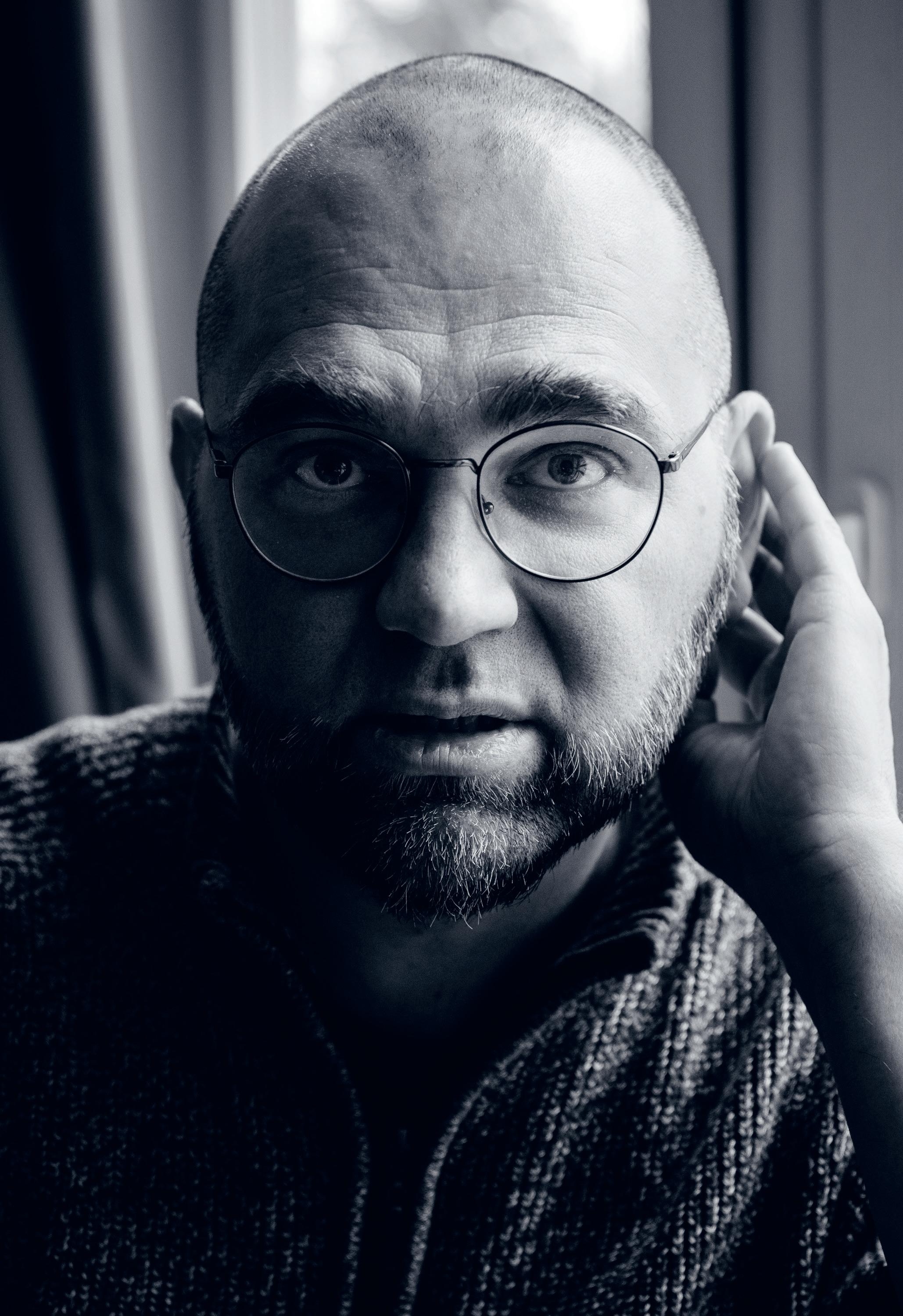
Jievaras Jasinskis, rekompozicijos autorius Justino Auškelio nuotrauka
Thisis my frst time working in ballet. Moreover, a task to recompose the music that has been performed in Lithuania for a hundred years seemed to me an exceptional, extraordinary opportunity. I realised this even before setting to work, but now the word ‘extraordinary’ resonates with me even stronger. I want to emphasize that, above all, this is a great honour and responsibility for me. The centenary of Lithuanian ballet is an occasion of incredible signifcance. This ballet must be primarily seen as a sign of our deep gratitude and respect for the times past.
Even though there is nothing extraordinary about endeavours to recompose ballet music elsewhere in the world, this happened for the frst time in Lithuania, since all previous productions of Coppélia had unchangeably featured Delibes’ music. In fact, it was Martynas Rimeikis’ idea to update the musical material because he ventured to rewrite the libretto. Aided by writer Laurynas Katkus, he changed the entire structure of the original ballet, so this resulted in a kind of new performance, which, instead of the plot of Coppélia, draws on the original storyline of E. T. A. Hofmann’s The Sandman to enhance that uncanny emotional state, the collision of the real and the unreal worlds.
Delibes’ music is present everywhere in my score; some scenes have more of the original, some less. Methods of recomposition may also vary. For example, I may preserve the structure and all the original themes of the scene, but I can add a new accompaniment, which creates a mix of my own and Delibes’ work.
I really liked the episodes where old and new material is clearly distinguishable—they sound fresh and truly captivating. Some sensitive scenes feel very close to the original, with only a few light touches to Delibes’ sound fabric. There are also a few fragments that I created myself, but even those were induced by Delibes’ music and his thematic material. I only wrote one new theme, but even that is not really cast in my style, still closer to the original. And one scene in the third act is left completely unchanged—a nod of reverence for the original.
Although we aimed to create a new performance, Delibes still has a strong presence throughout the work, so I am delighted to have the opportunity to discuss the creative process itself. After all, if you are not familiar with the original (as I was), you will have to learn how it was made. And for those well familiar with Delibes’ music, who have heard it many times, or even performed it themselves, I would like to note that this Coppélia should be perceived as a brand new production. Those who admire past productions and original music should not expect to hear the same, albeit somewhat updated music—it is an entirely new piece of music, even though it includes but a single new theme of my authorship.
The entire ballet music is scored for a traditional symphony orchestra with one important addition—a digital keyboard. And although the pianist simply plays the notes from the sheet, the instrument itself has been reprogrammed to produce diferent sounds. These sounds help convey the transition from the real to the unreal—to the imaginary, fctional world of automatons. When the keys are pressed, some pre-set and pre-recorded sounds are heard, including non-musical sounds and city noises. I made feld recordings of everything in this theatre: people talking, cofee cups clinking, noises in the backstage area, in the production workshops, in the
sewing room, and in the metal workshop. In the evening, I recorded people attending the performance—their muttered talks in the lobbies and in lines for the cloakroom... I had no idea there were so many things for me in the theatre! A multitude of sounds, even the city ambience outside the building—I wanted to retain that site-specifc symbolism. These sounds have been recorded and processed on the computer so that in some places they are difcult to recognize, but that’s not necessary—all you have to do is listen to them. The orchestra musicians also recorded the timbre of their instruments, a few notes at a time. And in some places, alongside the acoustic sound, say, of an oboe, you can hear a processed oboe sound played on the keyboard. Everything gets mixed up, and you can’t tell what strange timbre you’re hearing.
Sometimes, such diverse sonic material is pre-recorded on tracks, which are played during live performances. But this time, no backing tracks were used, although it may sometimes seem that way. Everything here is performed live because I wanted to keep the emotion and the rhythm of breathing, to provide the orchestra with the freedom to play at its own pace and in live pace with those strange sounds.
Of course, to make things more convenient, I prepared a record of ballet music for rehearsals: I played and recorded processed sounds myself and then mixed them with fake orchestra tracks. The combination appeared rather three-dimensional, featuring recordings of the real orchestra, synthesized sounds, fake orchestra tracks, various processed sonorities… Finally, everything got intertwined to form the sonic continuum. Sometimes I am no longer surprised by how often artifcial sounds are heard in the environment! Sometimes they are all too real. And this is somehow related to the theme of this performance: real vs. unreal, genuine vs. fake, humans vs. dolls, natural vs. artifcial intelligence...
Thus, E. T. A. Hofmann’s fction nowadays seems like a prophecy.
Jievaras Jasinskis (Re)composer
Natanaelis visiškai pamiršo, kad pasaulyje egzistuoja Klara, kurią juk mylėjo; motina... Lotaras... – visi išgaravo iš atminties, gyveno jis tiktai Olimpijai, pas kurią kasdien išsėdėdavo valandų valandas, svaičiodamas apie savo meilę, sielų giminystę, o Olimpija jo klausėsi su tiesiog pamaldžiu rimtumu. Natanaelis išvertė savo stalčius, surinko tai, ką buvo kada nors parašęs, – eilėraščius, fantazijas, vizijas, romanus, apsakymus, kiekvieną dieną pridėdavo dar šūsnį padangės mėlynę apdainuojančių sonetų, stansų, kanconų ir visa tai ištisomis valandomis skaitydavo Olimpijai nepavargdamas. Bet ir niekad dar nebuvo turėjęs tokios nuostabios klausytojos. Ji nesiuvinėjo ir nemezgė, nespoksojo pro langą, nelesino paukščių, nežaidė su šuniūkščiu, numylėta katyte ant kelių, nevyniojo ant pirštų popierėlių ir šiaip nieko nečiupinėjo, nesigrūmė su miegu dirbtinai kosčiodama, vienu žodžiu, kone pusdienį ji galėdavo žiūrėti įsmeigusi akis į mylimąjį nė nekrustelėdama, ir vis aistringesnis, vis gyvesnis darydavosi šitas žvilgsnis. Tiktai tada, kai Natanaelis pagaliau pakildavo nuo kėdės ir paduodavo jai ranką ar net pabučiuodavo į lūpas, ji atsakydavo: „Oi, oi! – O paskui dar pridurdavo: – Labanakt, mielasis!“
E. T. A. Hofmann. Smėlio žmogus
Nathaniel had totally forgotten, that there was in the world a Clara, whom he had once loved; — his mother — Lothaire — all had vanished from his memory; he lived only for Olympia, with whom he sat for hours every day, uttering strange fantastical stuf about his love, about the sympathy that glowed to life, about the afnity of souls, to all of which Olympia listened with great devotion. From the very bottom of his desk, he drew out all that he had ever written. Poems, fantasies, visions, romances, tales — this stock was daily increased with all sorts of extravagant sonnets, stanzas, and canzone, and he read all to Olympia for hours in succession without fatigue. Never had he known such an admirable listener. She neither embroidered nor knitted, she never looked out of window, she fed no favourite bird, she played neither with lap-dog nor pet cat, she did not twist a slip of paper nor any thing else in her hand, she was not obliged to suppress a yawn by a gentle forced cough. In short, she sat for hours, looking straight into her lover’s eyes, without stirring, and her glance became more and more lively and animated. Only when Nathaniel rose at last, and kissed her hand and also her lips, she said “Ah, ah!” adding “good night, dearest!”
E. T. A. Hofmann. The Sandman
SIUŽETAS
Lauryno Katkaus ir Martyno Rimeikio libretas E. T. A. Hofmanno apsakymo Smėlio žmogus motyvais
PROLOGAS
Vaikystės prisiminimas. Mažasis Natanaelis bijo Smėlio žmogaus. Naktį likęs vienas, jis nušlepsi prie tėvo kabineto ir išvysta tėvą su Smėlio žmogumi, užsiimančius paslaptingais darbais.
I VEIKSMAS
Natanaelis atvyksta į didelį miestą. Jis įstojo į universitetą ir svajoja tapti garsiu menininku. Jį lydi mylimoji Klara. Miestas švenčia šventę.
Klara atsisveikina su Natanaeliu ir grįžta namo.
Minioje Natanaelis pamato Kopelijų ir jo dukrą Kopeliją. Kopelija – šventės karalienė, minia spaudžiasi jos pažiūrėti, sveikina.
Natanaelis ir Klara bendrauja laiškais. Natanaelis pasakoja savo nuogąstavimus, kad Kopelijus jam primena Smėlio žmogų iš vaikystės.
Įgriūva Natanaelio kolegos studentai ir išsiveda jį į miestą.
Studentams linksminantis, prie Natanaelio prieina vaikas ir pakviečia į pobūvį pas universiteto profesorių, genealų menininką Kopelijų. Natanaelis sutrinka, bet sutinka.
II VEIKSMAS
Kopelijus ruošiasi pokyliui. Jo gyvenimo ambicija – sukurti tobulą meno kūrinį, kuris išliks amžinai.
Renkasi svečiai. Pasirodo Natanaelis. Jį jaudina proga pabendrauti su įžymiais miestiečiais. Kopelijus paskelbia, kad Kopelija atliks ypatingą, dar niekad nerodytą šokį.
Natanaelis susižavi šokančia Kopelija ir ją užkalbina.
Pokylis eina į pabaigą, svečiai skirstosi. Kopelijus paprašo Natanaelį pasilikti ir pakviečia į savo kabinetą.
Kopelijaus kabinetas nustebina Natanaelį. Ir pats Kopelijus jame atrodo kitoks.
Kopelijus atskleidžia savo gudrybę. Natanaelis suvokia, kad ne tik Kopelija, bet ir visi pobūvyje dalyvavę svečiai yra lėlės.
Natanaeliui pasirodo, kad Kopelijus yra Smėlio žmogus. Jis pradeda laužyti lėles.
Kopelijus lieka vienas tarp sulaužytų savo kūrinių.
III VEIKSMAS
Klara slaugo sukrėtimo palaužtą Natanaelį. Jos išmintingo rūpesčio dėka jis atsigauna.
Klara rengiasi Natanaelio išgijimo dienai ir jųdviejų vestuvėms.
Pasveikęs Natanaelis išeina į miestą ir susitinka su draugais studentais.
Klara ruošiasi vestuvėms, džiaugiasi kartu su draugėmis.
Vestuvių ceremonijoje Natanaeliui ima dvejintis akyse: jis mato vaiką, kviečiantį eiti ten, kur vaidenasi Kopelijus ir Kopelija.
SYNOPSIS
Libretto by Laurynas Katkus and Martynas Rimeikis after the short story
The Sandman by E. T. A. Hofman
PROLOGUE
A childhood memory. Little Nathaniel is afraid of the Sandman. Left alone at night, he sneaks into his father’s study and fnds his father and the Sandman engaged in mysterious activities.
ACT I
Nathaniel arrives in a big city. He has enrolled in university and dreams of becoming a famous artist. He is accompanied by his beloved Clara. The city is celebrating.
Clara bids farewell to Nathaniel and returns home.
In the crowd, Nathaniel sees Coppélius and his daughter Coppélia. She is the queen of the celebration. The crowd presses in to see and greet her.
Nathaniel and Clara correspond by letter. Nathaniel shares his fears that Coppélius reminds him strongly of the Sandman from his childhood. Nathaniel’s fellow students burst in and take him out on the town.
While the students are reveling, a child approaches Nathaniel and invites him to a banquet hosted by Coppélius, a university professor and distinguished artist. Nathaniel is confused, but agrees.
ACT II
Coppélius is preparing for the banquet. His lifelong ambition is to create a perfect work of art that will last forever.
Guests arrive. Nathaniel enters the ballroom. He is excited about the opportunity to socialize with prominent citizens. Coppélius announces that
his daughter Coppélia will perform a special dance that has never been seen before.
Nathaniel is captivated by Coppélia’s dancing and approaches her for a talk.
The ball comes to an end, and the guests begin to leave. Coppélius asks Nathaniel to stay and invites him to his study.
Coppélius’s study surprises Nathaniel. Coppélius himself looks diferent there.
Coppélius reveals his trick. Nathaniel realizes that not only Coppélia, but all the guests at the banquet were dolls.
Nathaniel believes that Coppélius is the Sandman. He starts breaking the dolls.
Coppélius is left alone among his broken creations.
ACT III
Clara nurses Nathaniel, who is devastated by the shock. Thanks to her wise care, he recovers.
Clara prepares for the celebration of Nathaniel’s recovery and their wedding.
Once recovered, Nathaniel goes out into the city and meets up with his student friends.
Clara prepares for the wedding and rejoices with her friends.
During the wedding ceremony, Nathaniel feels his sight blurring: he sees a child inviting him to go where Coppélius and Coppélia haunt.
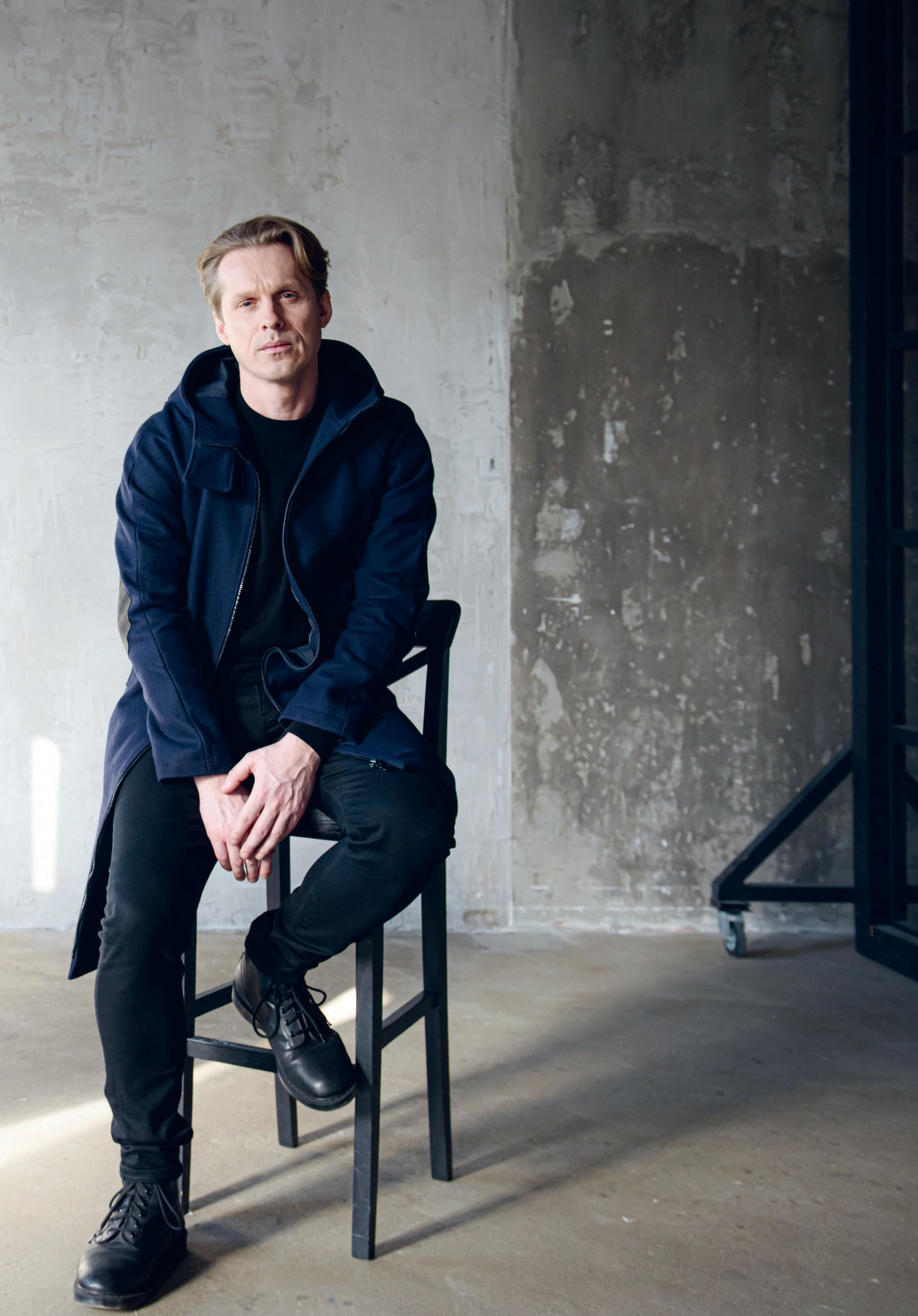
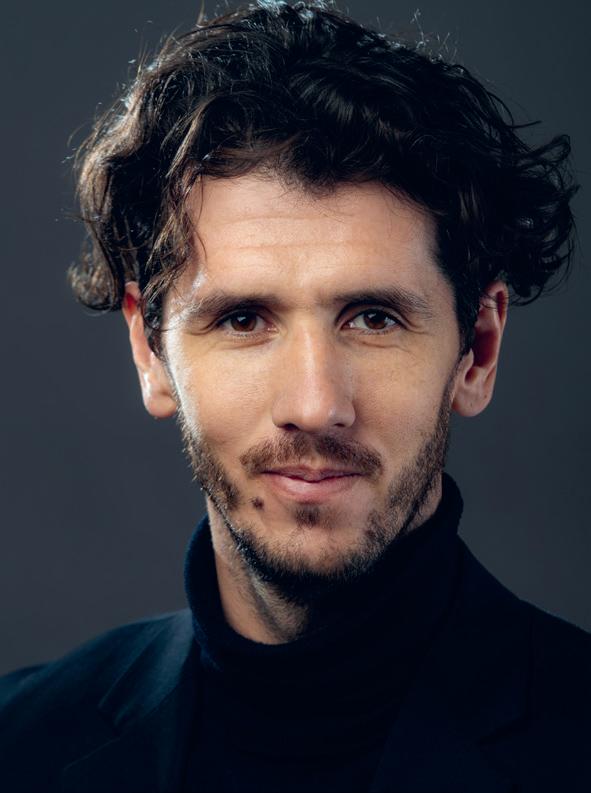
Martynas Rimeikis
Choreografas | Choreographer
Martynas Rimeikis 1999 m. baigė Nacionalinės M. K. Čiurlionio menų mokyklos Baleto skyrių ir tais pačiais metais tapo Lietuvos nacionalinio operos ir baleto teatro baleto trupės solistu. 2007 m. Švyturių apdovanojimuose išrinktas Metų baleto viltimi, 2011 m. – Metų baleto solistu. Gastroliavo Didžiojoje Britanijoje, Italijoje, Ispanijoje, Lenkijoje ir kt.
Teatre atliko daugelį pagrindinių vaidmenų, tarp jų – Espadą (Don Kichotas), Jorgą (Graikas Zorba), Hilarioną (Žizel), Čekistą (Raudonoji Žizel), Otelą (Dezdemona), Francą, Grafą (Žydrasis Dunojus), Žygimantą Augustą (Barbora Radvilaitė), Natanaelį (Kopelija), Gurną (Silfdė), Karalių Marką, Rivaleną (Tristanas ir Izolda), Čiurlionį (Čiurlionis), Don Chosė (Karmen) ir kt. Taip pat šoko choreografnių projektų teatre Vilniaus baletas (meno vadovas J. Smoriginas) ir Anželikos Cholinos šokio teatre.
2012 m. LNOBT baleto trupės vadovo K. Pastoro inicijuotas Kūrybinio impulso projektas tapo M. Rimeikiui tramplinu į choreografją. Čia jis atsiskleidė ne tik šokio kompozicijos lauke, bet ir pademonstravo režisūrinius gebėjimus kurdamas choreografnius eskizus. 2012 m. Kūrybiniam impulsui M. Rimeikis sukūrė kompoziciją Belaukiant Godo, 2013 m. – Kelionę. Vėliau šiame projekte buvo sukurti Adagio styginiams (2014), Vienas (2016). Panevėžio J. Miltinio dramos teatre jis sukūrė spektaklio Tamarikso žydėjimas choreografją. Nacionalinės M. K. Čiurlionio menų mokyklos Baleto skyriaus moksleiviams M. Rimeikio sukurtos šiuolaikinio šokio kompozicijos buvo atliktos tarptautiniuose baleto konkursuose, pelnė apdovanojimų. Kaip choreografas jis dirbo režisieriaus I. Jonyno flme Nematoma (premjera 2019 m.).
2014 m. M. Rimeikis buvo pakviestas į tarptautinę šokio mugę Internationale Tanzmesse NRW – vieną didžiausių pasaulyje šokio renginių – pristatyti savo ir LNOBT projekto Kūrybinis impulsas miniatiūros Belaukiant Godo.
2015 m. LNOBT vienaveiksmių baletų triptike Bolero+ įvyko M. Rimeikio baleto Visur kur mes nebuvom (pagal M. Richterio muz.) premjera; spektaklis pelnė Auksinį scenos kryžių už geriausią choreografiją. 2017 m. LNOBT buvo pristatytas pirmas ilgametražis M. Rimeikio baletas Procesas. Jis tapo LNOBT metų įvykiu, choreografas ir baleto kompozitorius M. Urbaitis įvertinti Auksiniais scenos kryžiais. Procesas buvo ir pirmas lietuvių spektaklis, parodytas per Mezzo TV, antras – taip pat M. Rimeikio Klaipėdos valstybiniame muzikiniame teatre pastatytas jo baletas Eglė žalčių karalienė. Šis spektaklis ir 2019 m. M. Rimeikio baletas Dienos, minutės pelnė Auksinius scenos kryžius. 2020 m. Poznanės S. Moniuszkos didžiajame teatre parodyta baletų triptiko BER premjera, kurioje atliktas ir šio choreografo baletas Blind Words. 2021 m. LNOBT įvyko M. Rimeikio pastatyto Šventojo pavasario (I. Stravinskio muz.) premjera. 2022 m. M. Rimeikis debiutavo kaip operos režisierius – LNOBT scenoje pastatė F. Bajoro operą-baletą
Dievo avinėlis. 2023 m. buvo režisieriaus Gedimino Šeduikio pastatytos operos Aida choreografas.
2020–2025 m. M. Rimeikis buvo LNOBT baleto meno vadovas, nuo 2025 m. – LNOBT vyr. choreografas.
Martynas Rimeikis graduated from the Ballet Department of the M. K. Čiurlionis School of Arts in 1999 and joined the Ballet Company of the Lithuanian National Opera and Ballet Theatre that same year. Promoted to the rank of the principal dancer he has appeared in the majority of leading roles, including Espada (Don Quixote), Yorgos (Zorba the Greek), Hilarion (Giselle), Chekist (Red Giselle), Othello (Desdemona), Franz (The Blue Danube), Žygimantas Augustas (Barbora Radvilaitė), Prince Lemon (Cipollino), Nathanaël (Coppélia), Gurn (La Sylphide), King Mark, Rivalen (Tristan and Isolde), Čiurlionis (Čiurlionis), and Don José (Carmen), which have garnered him two Švyturiai Awards as the Ballet Hope of the Year 2007 and the Best Male Ballet Soloist of the Year 2011. He has also appeared in various dance projects presented by the Vilnius Ballet Company (led by Jurijus Smoriginas) and the Anželika Cholina Dance Theatre. Various tours have taken him to the United Kingdom, Italy, Spain, Poland, and elsewhere.
The Creative Impulse project, initiated in 2012 by Krzysztof Pastor as the LNOBT’s former Artistic Director of Ballet, turned into a stepping-stone for Rimeikis as a choreographer. It was here that he revealed himself as a talented choreographer and a sensitive director of choreographic miniatures. His debut production was Waiting for Godot, presented during the frst Creative Impulse in 2012, and his Journey followed the next year. His other creations for this project also included Adagio for Strings (2014) and Alone (2016). His other early creations include choreographies for the production of The Blooming of Tamarix after the play by Rimantas Šavelis at the Panevėžys Juozas Miltinis Drama Theatre (directed by his father, Ramutis Rimeikis, in 2006) and feature flm Invisible directed by Ignas Jonynas (premiered in 2019), as well as several contemporary dance choreographies for the students of the Ballet Department at the National M. K. Čiurlionis School of Arts, which have contributed signifcantly to the young dancers’ victories in international ballet competitions.
In 2014, his frst miniature Waiting for Godot was presented at Internationale Tanzmesse NRW—one of the biggest dance events in the world. His one-acter Everywhere We Weren’t (set to the music by Max Richter) was
produced the next year and included in a triple bill Bolero+ at the LNOBT, garnering him the frst Golden Cross of the Stage award for best choreography. His frst full-length ballet, Der Prozess after Franz Kafa, was mounted at the LNOBT in 2017, winning him and composer Mindaugas Urbaitis yet another set of Golden Crosses for best choreography and best music. Der Prozess was the frst Lithuanian production to be broadcast on Mezzo TV. His third production for the LNOBT—a one-acter Days, Minutes to the music by Marija Paškevičiūtė—was presented in the spring 2019, not long before the premiere of his second full-length dance performance Eglė, Queen of the Grass Snakes based on Eduardas Balsys ballet at the Klaipėda State Music Theatre. Both productions garnered him the third Golden Cross of the Stage for best choreography. Eglė, Queen of the Grass Snakes was also subsequently broadcast on Mezzo TV. Among his most recent creations are Blind Words for the Stanisław Moniuszko Grand Theatre in Poznań (Poland), included in the triple bill BER (2020) together with the choreographies by Robert Bondara and Alexander Ekman, Igor Stravinsky’s Le Sacre du printemps for the LNOBT (2021), included in the double bill with the choreography by Krzysztof Pastor, and choreographies for two opera productions: Feliksas’ Bajoras opera-ballet The Lamb of God (2022), in which he also debuted as an opera director, and Verdi’s Aida (2023).
In 2020, he has succeeded Pastor as the LNOBT’s Artistic Director of Ballet and since 2025 has been appointed Chief Choreographer.
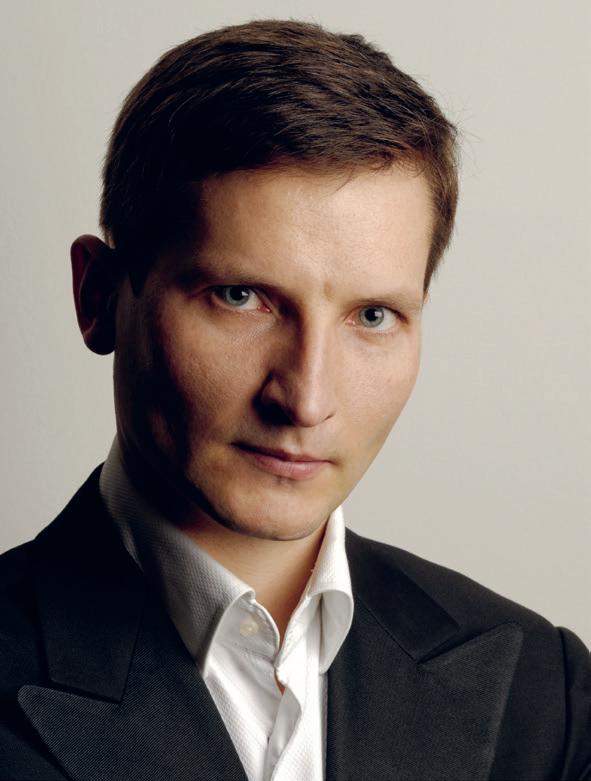
Laurynas Katkus
Libreto autorius | Librettist
Laurynas Katkus (g.1972) – rašytojas, eseistas, vertėjas. Studijavo lituanistiką ir lyginamąją literatūrą Vilniuje, Noridže, Leipcige ir Berlyne, apgynė daktaro disertaciją apie egzilį moderniojoje poezijoje. Išleido poezijos, esė ir prozos knygų, paskiausiai – istorijų rinkinį Nakvynė Berlyne (2022). Kelios jo knygos išverstos į daugiau kaip dešimtį kalbų, naujausia iš jų – romano Judantys šešėliai (2012) vertimas į vokiečių kalbą (Schwankende Schatten, vertė Markusas Roduneris, 2022). Jis pats daugiausia verčia iš anglų ir vokiečių kalbų, naujausias vertimas – jidiš kalba rašiusio poeto Avromo Sutzkeverio draminė poema Kapo vaikas (2020). Kartu su Martynu Rimeikiu parašė libretą baletui Procesas pagal to paties pavadinimo F. Kafkos romaną (LNOBT, 2017).
Nuo 2021 m. – tarptautinio festivalio Kauno literatūros savaitė meno vadovas.
Laurynas Katkus (b. 1972) is a Lithuanian writer and translator. He studied Lithuanian and comparative literature in Vilnius, Norwich, Leipzig, and Berlin, and holds a PhD with a thesis on exile in modern poetry. He has published collections of poems, essays, and other prose writings, including, most recently, the collection of stories The Night in Berlin (2022). Some of his books have been translated into more than ten languages, including his novel Moving Shadows (2012), which appeared in German as Schwankende Schatten (translated by Markus Roduner) in 2022. He himself mostly translates from German and English, his most recent translation being the dramatic poem Dos keyver-kind (The Grave Child) by Yiddish writer and Holocaust survivor Avrom Sutzkever, published in 2020. He also co-wrote (with Martynas Rimeikis) the libretto for the ballet production of Der Prozess based on the eponymous novel by Franz Kafa (LNOBT, 2017).
Since 2021, he has been the artistic director of the Kaunas Literature Week. translates from German and English, his most recent translation being the 2021,
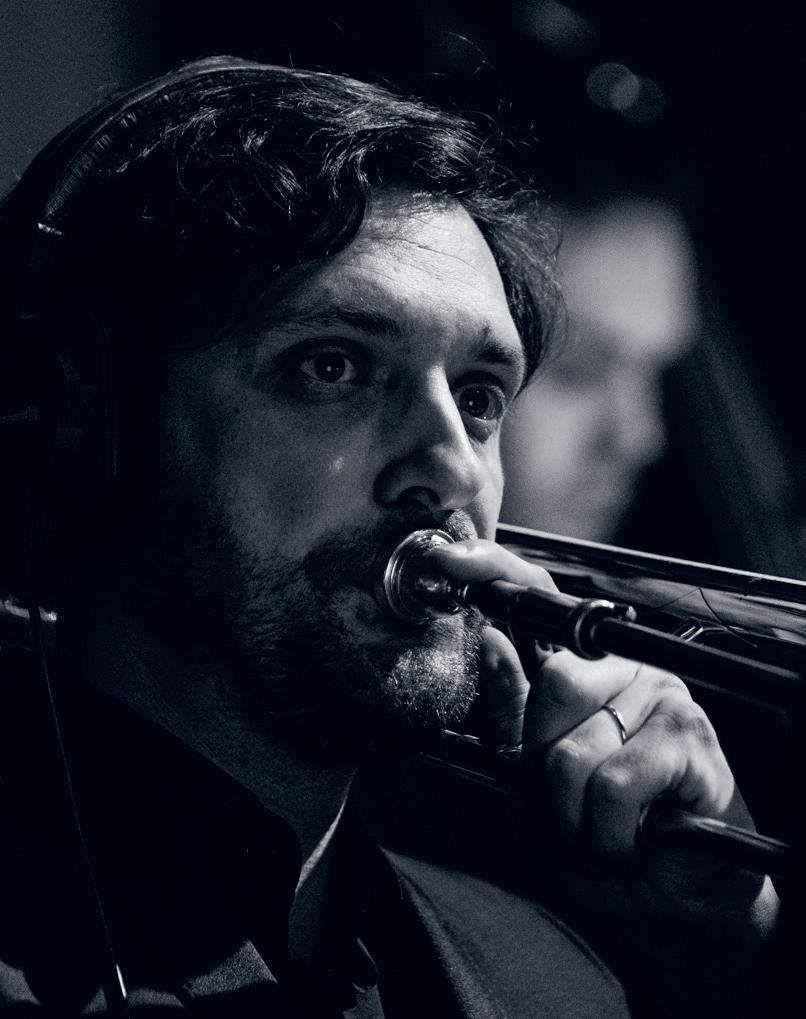
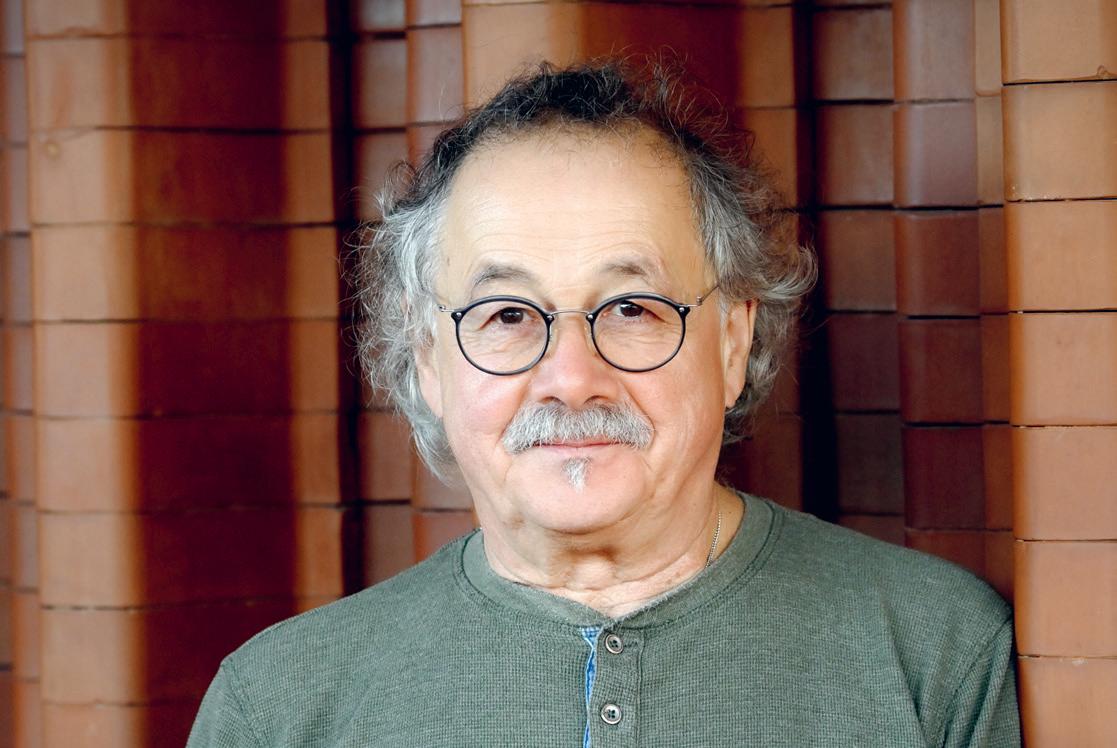
Jievaras Jasinskis
Muzikos rekompozicijos autorius | (Re)composer
Jievaras Jasinskis (g. 1989) – trombonininkas, aranžuotojas ir kompozitorius, Vilnius JJAZZ Ensemble įkūrėjas ir meno vadovas. Baigė studijas Lietuvos muzikos ir teatro akademijoje, kur įgijo trombono specialybės bakalauro (2012) ir kompozicijos magistro (2021) diplomus.
Grojo ir kūrė muziką grupėse Bekešo vilkai, Inculto, Saulės kliošas, Skamp, G&G Sindikatas, Lilas ir Innomine ir kt. 2014 m. įkūrė autorinę muziką atliekančią grupę Reinless, su ja išleido albumus Sus Signal (2017, CD) ir 434 (2020, LP & CD). 2012–2023 m. grojo Kauno bigbende, nuo 2018 m. – vyriausiasis dirigentas ir meno vadovas. 2018 m. dalyvavo Europos transliuotojų sąjungos (EBU) tarptautiniame projekte Euroradio Jazz Orchestra (Ryga), kur atliko solines improvizacijas ir pirmojo trombono partijas. 2022 m. įkūrė Vilnius JJAZZ Ensemble, rašo jam muziką, kuri įamžinta jau penkiuose albumuose. Tais pačiais metais pelnė festivalio Vilnius Jazz apdovanojimą už nuopelnus Lietuvos džiazui.
Įvairiems orkestrams ir grupėms aranžavo ir orkestravo daugiau kaip 1500 dainų. Rengiant koncertines programas talkino Andriui Mamontovui, Ten Walls (Marijui Adomaičiui), Linui Adomaičiui, Ievai Narkutei, grupėms Lilas ir Innomine, G&G Sindikatas, įvairiems LRT muzikiniams projektams. Sukūrė aranžuotes Kipro Mašanausko miuziklams Žygimanto Augusto ir Barboros Radvilaitės legenda (2014) ir Mindaugas Karalius (2018), Merūno Vitulskio su Lietuvos valstybiniu simfoniniu orkestru įrašytam albumui Muzika Lietuvai (2019).
Aktyviai reikšdamasis ir kaip kompozitorius, J. Jasinskis stebina ne tik produktyvumu, bet ir žanrų bei kultūrinių kontekstų įvairove. 2016 m. jis sukūrė muziką projektui Istorinis kadras (nebylusis flmas Barbora Radvilaitė, rež. Józefas Lejtesas, 1936) su gyvai atliekama simfoninio orkestro muzika ir muzikinę dramą Karalienės mirtis (su Dorotėja Būdaite).
2017 m. jo kūrinys trombonui ir fortepijonui No One’s Suit tapo vienu iš Lietuvos kompozitorių sąjungos drauge su Lietuvos muzikos ir teatro akademija bei asociacija Muzikos idėjos surengto konkurso naujų kūrinių variniams pučiamiesiems ir mušamiesiems instrumentams nugalėtojų, o kitais metais buvo įtrauktas į tarptautinio Juozo Pakalnio atlikėjų pučiamaisiais ir mušamaisiais instrumentais konkurso privalomų kūrinių programą.
2018 m. sukūrė muziką Kauno bigbendo džiazo pasakai visai šeimai Džiazolendas (rež. Andrius Žiurauskas) ir Dedikaciją Česlovui Milošui kameriniam orkestrui, kurios premjerą Lietuvos nacionalinėje flharmonijoje atliko Modesto Pitrėno diriguojamas Lietuvos kamerinis orkestras (2019).
2020 m. tarptautiniame kompozitorių konkurse Future Symphony (Vilnius) jo kūrinys Change pelnė antrąją vietą ir specialųjį geriausio lietuviško kūrinio prizą.
2021 m. sukūrė muzikinį projektą Simfonija iš Šiaurės Jeruzalės (Symphony from Jerusalem of the North) Holokausto 80-mečiui paminėti. Kūrinio premjera įvyko 2021 m. rugsėjo 23 d., minint Lietuvos žydų genocido dieną, Lietuvos Respublikos Prezidentūros kieme. Jį atliko ir įrašė Vilniaus m. savivaldybės Šv. Kristoforo kamerinis orkestras su klasikos, džiazo ir folkloro muzikantais iš Lietuvos ir Izraelio.
2022 m. sukūrė džiazo ir klasikinės muzikos albumo JJA Chamber Project muziką.
2023 m., minint Vilniaus 700 metų jubiliejų, kartu su kompozitoriumi K. Mašanausku sukūrė muziką kino koncertui Vilniaus pokeris (rež. Donatas Ulvydas). Tais pačiais metais įvyko dar dviejų naujų J. Jasinskio kūrinių premjeros: Pokrovo varpų festivalyje world music stiliaus kūrinio Orero premjerą
atliko M. Pitrėno diriguojamas Lietuvos kamerinis orkestras su kartvelų folkloro grupe Shara, o festivalyje Vilnius Mama Jazz kūrinį P(i)e(a)ce of Vilnius grojo pirmą kartą Lietuvoje suburtas Euroradijo džiazo orkestras, diriguojamas autoriaus.
2024 m. kartu su Jonu Jurkūnu, Rytu Svilainiu ir Gintautu Venislovu sukūrė miuziklą Emilija, kurį Lietuvos arenose atliko ansamblis Lietuva.
2025 m. Lietuvai minint 150-ąsias M. K. Čiurlionio gimimo metines, festivalyje Pokrovo varpai buvo pristatyta nauja J. Jasinskio proginė kompozicija – simfoninė poema Dedikacija Čiurlioniui, kurios premjerą atliko Modesto Barkausko diriguojamas Šv. Kristoforo kamerinis orkestras ir Vilnius JJAZZ Ensemble muzikantai, dalyvaujant pačiam autoriui.
Jievaras Jasinskis (b. 1989) is a trombonist, composer, and arranger, founder and leader of the Vilnius JJAZZ Ensemble. He holds a bachelor’s degree in trombone (2012) and a master’s degree in composition (2021) from the Lithuanian Academy of Music and Theatre.
His frst funk / acid jazz band Bekešo Vilkai (The Wolves of the Bekes Hill), which he formed with his friends in his mid-teens, became a veritable springboard into the musical world. The talented young trombonist soon caught the attention of other popular bands, such as Inculto, Saulės kliošas, Skamp, G&G Sindikatas, Lilas & Innomine etc., with whom he occasionally collaborated as a sideman and composer / arranger. In 2014, he formed Reinless—a band bouncing between funk, soul, jazz and rock, which performed mostly Jasinskis’ original material. The band released two particularly well-received albums Sus Signal (2017) and 434 (2020). From 2012 to 2023 he was trombonist and composer with the Kaunas Big Band, where he became the chief conductor and artistic director in 2018. Gradually raising his profle outside Lithuania too, he participated in the EBU’s international Euroradio Jazz Orchestra project in Riga, in 2018, where he performed solo improvisations and the frst trombone parts, and was later invited to contribute to the recording session of Identities (2020), an LP by one of the most prominent big bands in the Baltics, the Latvian Radio Bigband.
In 2022, he founded his titular Vilnius JJAZZ Ensemble, which has released fve albums to date. That same year, he was awarded the honourable Vilnius Jazz Festival prize for his contribution to Lithuanian jazz culture.
Besides his active performing schedule as a trombone player and band leader, Jasinskis demonstrates impressive workmanship and ingenuity in the feld of arranging and composition. He has arranged and orchestrated over 1.500 songs for Lithuanian orchestras, bands, and songwriters, including concert programmes for Andrius Mamontovas, Ten Walls (aka Marijus Adomaitis), Linas Adomaitis, Ieva Narkutė, and numerous songs for various television projects of the Lithuanian national broadcaster. Ja-
sinskis also collaborated as an arranger with Kipras Mašanauskas, contributing orchestrations for his musicals The Legend of Žygimantas Augustas and Barbora Radvilaitė (2014) and King Mindaugas (2018), and with singer Merūnas Vitulskis for his album Music for Lithuania (2019), which he recorded with the Lithuanian State Symphony Orchestra.
As a composer, Jasinskis is active in surprisingly diverse genres and cultural contexts. In 2016, he composed the score for the silent flm Barbora Radvilaitė (dir. Josef Lejtes, 1936), which was performed by the symphony orchestra as part of the audiovisual project Istorinis Kadras, and collaborated with Dorotėja Būdaitė to produce the musical drama Karalienės Mirtis (Death of the Queen). In 2017, his piece No One’s Suit for solo trombone and piano was announced among the winners in the competition for new works for brass and percussion instruments organized by the Lithuanian Composers’ Union in cooperation with the Lithuanian Academy of Music and Theatre and Musical Ideas Association. Next year, this piece was included in the obligatory repertoire of the 2nd International Juozas Pakalnis Competition for wind and percussion players. In 2018, he wrote music for the jazz fairy tale Džiazolendas (Jazzland), produced by the Kaunas Big Band (dir. Andrius Žiurauskas), and the Dedication to Czesław Milosz for chamber orchestra, premiered by the Lithuanian Chamber Orchestra under Modestas Pitrėnas at the Lithuanian National Philharmonic Hall (2019).
In 2020, his symphonic piece Change won second place and a special prize for the best Lithuanian composition in the Future Symphony Competition.
In 2021, he composed Symphony from Jerusalem of the North to commemorate the 80th anniversary of the liquidation of the Vilnius Ghetto. It was premiered on September 23rd, the memorial day of the Genocide of Lithuanian Jews, at the courtyard of the Presidential Palace, by the St. Christopher Chamber Orchestra of Vilnius Municipality, supplemented with classical, jazz, and folk musicians from Lithuania and Israel.
In 2022, he endeavoured to fuse art and jazz music in the innovative JJA Chamber Project, which was presented live at the Vilnius Jazz Festival and
in recorded form as a digital release. In 2023, he collaborated with composer Kipras Mašanauskas in writing music for the Vilnius Poker (dir. Donatas Ulvydas), a cinematic concert celebrating the 700th anniversary of Vilnius. The capital city’s jubilee was celebrated further in the next two premieres: the world music suite Orero, performed by the Lithuanian Chamber Orchestra under Modestas Pitrėnas featuring the Georgian folklore band Shara at the Pokrov Bells Folk Festival, and the P(i)e(a)ce of Vilnius, performed by the Euroradio Jazz Ensemble (which was for the frst time formed in Lithuania) under the baton of the composer at the Vilnius Mama Jazz Festival. In 2024, he collaborated with composers Jonas Jurkūnas, Gintautas Venislovas and Rytas Svilainis in writing material for the musical Emilia produced by the State Song and Dance Ensemble Lietuva and featuring popular songwriter Monika Liu in the title role. In 2025, he paid homage to Lithuanian classic Mikalojus Konstantinas Čiurlionis on the occasion of his 150th anniversary, by composing symphonic poem Dedication to Čiurlionis, which was premiered at the Pokrov Bells Folk Festival by the St. Christopher Chamber Orchestra and members of the Vilnius JJAZZ Ensemble, including Jasinskis himself.
Ričardas Šumila
Muzikos vadovas ir dirigentas | Music Director and Conductor
Ričardas Šumila Lietuvos muzikos ir teatro akademijoje 2011 m. baigė dirigavimo aspirantūros studijas (prof. Gintaro Rinkevičiaus kl.), mokėsi Vienos muzikos ir vizualiųjų menų universitete (prof. Urošo Lajoviciaus kl.), tobulinosi meistriškumo kursuose (pas dirig. Sian Edwards, Johną Carewe’ą, Steuartą Bedfordą).
2008 m. tapęs Lietuvos valstybinio simfoninio orkestro vyriausiojo dirigento asistentu, R. Šumila bendradarbiavo su Vilniaus miesto opera, kur parengė ir dirigavo operas Užburtoji feita, Verteris, Svynis Todas – demonas kirpėjas, Eugenijus Oneginas, Katia Kabanova, Manon Lesko, Visos jos tokios, Trubadūras, Bohema, Toska, Pelėjas ir Melisanda, Faustas, Pikų dama ir kt. pastatymus. 2014 m. pelnė Auksinį scenos kryžių jaunojo menininko kategorijoje už kartu su režisieriumi Gediminu Šeduikiu pastatytą operą jaunimui Jonas ir Greta (Vilniaus miesto opera).
2011–2017 m. dirbo Kauno J. Naujalio muzikos gimnazijoje, 2014–2017 m. dėstė Vytauto Didžiojo universiteto operos dainavimo specialybės studentams, nuo 2021 m. dirba Nacionalinėje M. K. Čiurlionio menų mokykloje. 2016–2019 m. – Šiaulių kamerinio orkestro vyriausiasis dirigentas ir meno vadovas.
Aktyviai dirba su jaunaisiais orkestrantais inicijuodamas kūrybines dirbtuves ir rengdamas įvairias programas (festivalis Be stogo, Muzika kitaip: Petras Vyšniauskas, Muzika kaip kinas, su rež. Audriumi Stoniu).
R. Šumila bendradarbiauja su Lietuvos valstybiniu simfoniniu, Kauno miesto simfoniniu, Lietuvos muzikos ir teatro akademijos simfoniniu, Lietuvos kameriniu, Klaipėdos kameriniu, Vytauto Didžiojo universiteto kameriniu orkestrais.
Kauno valstybiniame muzikiniame teatre parengė miuziklų Džekilas ir Haidas, Adamsų šeimynėlė, operos Traviata, baleto Dezdemona premjeras, yra nuolatinis šių spektaklių dirigentas.
Diriguoja Talino, Rygos, Vroclavo operos teatruose.
Nuo 2019 m. R. Šumila – Lietuvos nacionalinio operos ir baleto teatro vyriausiasis dirigentas. Šiame teatre parengė ir diriguoja operas Traviata, Turandot, Bohema, Madam Baterfai, Manon, Montekiai ir Kapulečiai, Rigoletas, Kandidas, Rožės kavalierius, Dalykai, kurių neišdrįsau pasakyti, o dabar jau per vėlu (Lietuvos nacionaliniame dramos teatre), vienaveiksmių
G. Puccini operų triptiką, baletus Romeo ir Džuljeta, Šventasis pavasaris, Procesas, Amžinybė ir viena diena, Pragiedrėjusi naktis. Parengė ir dirigavo operų Kaimo garbė ir Teresė koncertinius atlikimus, koncertus Sausio 13ajai pažymėti – Johanneso Brahmso Vokiškąjį requiem, Henryko Mikołajaus
Góreckio Raudų simfoniją. Dirigavo G. Verdi Requiem Lietuvoje pirmą kartą rodant paskutinį Jono Meko flmą Requiem.
Ričardas Šumila holds a post-graduate degree in conducting from the Lithuanian Academy of Music and Theatre (2011), where he studied with Prof. Gintaras Rinkevičius. He also studied at the University of Music and Performing Arts in Vienna with Prof. Uroš Lajovic, and honed his skills in masterclasses led by conductors Sian Edwards, John Carewe, and Steuart Bedford.
Since 2008, he has been appointed Assistant to the Chief Conductor of the Lithuanian State Symphony Orchestra, responsible for the creation and implementation of concert programmes for young audiences. At the same time, he collaborated with the Vilnius City Opera company as member of the production team and conductor of the company’s productions, which have included Mozart’s The Magic Flute and Così fan tutte, Massenet’s Werther, Sondheim’s Sweeney Todd, Tchaikovsky’s Eugene Onegin and The Queen of Spades, Janáček’s Katya Kabanova, Puccini’s La bohème, Tosca, and Manon Lescaut, Verdi’s Il trovatore, Debussy’s Pelléas et Mélisande, and Gounod’s Faust. In 2014, he was awarded the Golden Cross of the Stage (together with director Gediminas Šeduikis) in the Young Artist category for the VCO’s production of Humperdinck’s Hansel and Gretel.
He was member of the faculty at the Juozas Naujalis Music Gymnasium (2011-7) and the Vytautas Magnus University (2014-7) in Kaunas, and, currently, at the National Mikalojus Konstantinas Čiurlionis School of Arts (since 2021). From 2016 to 2019, he was appointed Chief Conductor and Artistic Director of the Šiauliai Chamber Orchestra.
Over the last few years, the conductor has been actively working with young orchestra musicians, initiating creative workshops and various programmes, such as the Roofess Festival, “Music in a Diferent Key: Petras Vyšniauskas” and “Music as Cinema” (dir. Audrius Stonys).
Ričardas Šumila has repeatedly mounted the conductor’s podium of the Lithuanian State Symphony Orchestra, Kaunas City Symphony Orchestra, Vytautas Magnus University Chamber Orchestra, the LAMT Symphony Orchestra, the Lithuanian and Klaipėda chamber orchestras. He has also con-
ducted performances in Tallinn, Riga, and Wrocław. He has collaborated with the Kaunas State Musical Theatre as music director and conductor of musicals Jekyll & Hyde and The Addams Family, Verdi’s La traviata, and Šenderovas’ ballet Desdemona.
Since 2019, he has been appointed Chief Conductor of the Lithuanian National Opera and Ballet Theatre. Over the years, he has been in charge of the theatre’s numerous productions in the capacity of music director and conductor, including La traviata, Turandot, La bohème, Madama Butterfy, Manon, I Capuleti e i Montecchi, Rigoletto, Candide, Der Rosenkavalier, Things I Didn’t Dare to Say, and it’s Too Late Now (shown at the Lithuanian National Drama Theatre), Puccini’s Il trittico, ballets Romeo and Juliet, Le Sacre du printemps, Der Prozess, Forever and a Day, and Verklärte Nacht. He has also prepared and conducted concert performances of Mascagni’s Cavalleria rusticana and Massenet’s Thérèse, as well as concerts to commemorate the Freedom Defender’s Day on January 13th with performances of Brahms’ German Requiem, Górecki’s Symphony of Sorrowful Songs. He also conducted Verdi’s Requiem, which accompanied the Lithuanian premiere of Jonas Mekas’ last flm, Requiem.
Modestas Barkauskas
Dirigentas | Conductor
Modestas Barkauskas 1997–2001 m. studijavo Šiaulių konservatorijoje, 2001–2005 m. – Lietuvos muzikos ir teatro akademijoje (prof. J. Aleksos ir doc. D. Puišio kl.). 2006–2007 m. – LMTA choro dirigavimo magistrantas, 2006–2013 m. studijavo simfoninį dirigavimą (prof. J. Domarko kl.), įgijo simfoninio dirigento magistro laipsnį. 2016 m. tarptautiniame M. Glinkos atlikėjų konkurse Sankt Peterburge dirigentų kategorijoje tapo laureatu. Tais pačiais metais pripažintas geriausiu jaunuoju menininku ir apdovanotas Auksiniu scenos kryžiumi. 2017 m. prestižiniame 10-ajame tarptautiniame G. Fitelbergo dirigentų konkurse Katovicuose (Lenkija) laimėjo trečiąją vietą.
Kaip dirigentas debiutavo 2009 m. Klaipėdos valstybiniame muzikiniame teatre. Dirigavo operas Traviata, Sevilijos kirpėjas, parengė šokio spektaklių Eglė žalčių karalienė (chor. M. Rimeikis, 2019) ir Faustas (chor. R. Bondara, 2020) premjeras.
2012 m. M. Barkauskas debiutavo Lietuvos nacionaliniame operos ir baleto teatre. Čia dirigavo baletą Tristanas ir Izolda (pagal R. Wagnerio muz., chor. K. Pastoras), G. Donizetti operą Meilės eliksyras. 2013 m. parengė baleto Carmen (pagal G. Bizet muz., chor. D. Veldman), 2015 m. – vienaveiksmių baletų triptiko Bolero+ (chor. I. Galili, M. Rimeikis, K. Pastoras; Auksinis scenos kryžius), 2017 m. – M. Urbaičio baleto Procesas (chor. M. Rimeikis), 2023 m. – A. Jasenkos baleto Pradžioje nebuvo nieko, 2025 m. – L. Héroldo baleto Tuščias atsargumas premjeras. Kaip antrasis dirigentas dalyva-
vo R. Šerkšnytės operos Penki Merės stebuklai, S. Prokofevo baleto Romeo ir Džuljeta (chor. K. Pastoras), P. Čaikovskio baleto Spragtukas (chor. K. Pastoras), W. A. Mozarto operos Idomenėjas (rež. G. Vickas), L. A. Minkaus baleto Pakita, R. Drigo baleto Arlekino milijonai (chor. A. Ratmansky) pastatymuose.
Kaip simfoninio orkestro dirigentas parengė koncertų su Lietuvos nacionaliniu simfoniniu, Lietuvos valstybiniu simfoniniu, Lietuvos kameriniu, Kauno miesto simfoniniu, Klaipėdos muzikinio teatro, Klaipėdos kameriniu, Šv. Kristoforo kameriniu, Lietuvos muzikos ir teatro akademijos simfoniniu ir kt. orkestrais.
Nuo 2008 m. M. Barkauskas – Vilniaus B. Dvariono dešimtmetės muzikos mokyklos jaunimo simfoninio orkestro meno vadovas ir dirigentas. Nuo 2013 m. dėsto LMTA Dirigavimo ir Dainavimo katedrose. Nuo 2018 m. –Šv. Kristoforo kamerinio orkestro meno vadovas ir vyriausiasis dirigentas.
Modestas Barkauskas began his music studies at the age of fourteen. First, he studied choral conducting at the Šiauliai Conservatory (1997–2001) and then pursued choral and orchestral conducting studies at the Lithuanian Academy of Music and Theatre (2001–2005) with Prof. Jonas Aleksa and Assist. Prof. Dainius Puišys. Having obtained a Bachelor’s degree, he went on to study orchestral conducting with Prof. Juozas Domarkas and received an MA in orchestral conducting in 2013. In 2016, he became a laureate of the Glinka Competition in Saint Petersburg. That same year, he received the Golden Cross of the Stage as the Best Young Artist for the production of ballet triple bill Bolero+ at the Lithuanian National Opera and Ballet Theatre. In 2017, Barkauskas was awarded 3rd Prize at the prestigious Grzegorz Fitelberg International Competition for Conductors in Poland.
He made his debut as a conductor at the Klaipėda State Music Theatre in 2009, where he has conducted La traviata and The Barber of Seville, among other performances, and has prepared the premieres of the dance performances Eglė, Queen of the Grass Snakes (chor. Martynas Rimeikis, 2019) and Faust (chor. Robert Bondara, 2020).
Since 2012, Barkauskas has regularly conducted performances at the Lithuanian National Opera and Ballet Theatre, where his engagements here have included the ballet Tristan und Isolde to music by Richard Wagner (chor. Krzysztof Pastor), Donizetti’s L’elisir d’amore, the ballet Carmen (chor. Didy Veldman), the ballet triple bill Bolero+ (choreographies by Itzik Galili, Martynas Rimeikis, and Krzysztof Pastor), Mindaugas Urbaitis’ ballet Der Prozess (chor. Martynas Rimeikis), Antanas Jasenka’s ballet In the Beginning There Was Nothing (chor. Živilė Baikštytė), and Hérold’s La flle mal gardée (chor. Frederick Ashton). As the second conductor, he has been engaged in the productions of Raminta Šerkšnytė’s opera for children The Five Wonders of Mary, Prokofev’s Romeo and Juliet and Tchaikovsky’s The Nutcracker (both choreographed by Krzyzstof Pastor), Mozart’s Idomeneo (dir. Graham Vick), Minkus’ Paquita and Drigo’s Les millions d’Arlequin (chor. Alexei Ratmansky).
Besides his work in opera houses, he has frequently appeared in concerts with major Lithuanian orchestras, including the Lithuanian National Symphony Orchestra, the Lithuanian State Symphony Orchestra, the Lithuanian Chamber Orchestra, the Kaunas City Symphony Orchestra, the Klaipėda State Music Theatre Orchestra, the Klaipėda Chamber Orchestra, the St. Christopher Chamber Orchestra, and the LAMT Symphony Orchestra. Since 2008, Barkauskas has been appointed Artistic Director and Conductor of the Vilnius Balys Dvarionas Music School Youth Symphony Orchestra. Since 2013, he has been a lecturer at the Conducting and Singing Departments of the LAMT. Since 2018, he has been appointed Artistic Director and Chief Conductor of the St. Christopher Chamber Orchestra.
Aurelijos Maceikaitės nuotrauka
Marijus Jacovskis
Scenografas | Set Designer
Marijus Jacovskis 1996 m. baigė Vilniaus dailės akademiją, kur įgijo scenografo specialybę. Nuo 1992 m. dalyvauja tapybos ir scenografjos parodose, tarp jų – Prahos kvadrienalėje 1995, 2007 ir 2015 m. Vilniaus galerijoje Tsekh 2024 m. surengė pirmąją personalinę tapybos parodą Autoportretai.
Nuo 1991 m. sukūrė daugiau nei 150 spektaklių scenografją ir kostiumus daugelyje Lietuvos teatrų (Lietuvos nacionaliniame dramos, Vilniaus mažajame, Anželikos Cholinos šokio, Panevėžio J. Miltinio dramos, Kauno valstybiniame muzikiniame, OKT, Vilniaus miesto operoje etc.). Yra dirbęs Rusijoje, Lenkijoje, Vengrijoje, Baltarusijoje, Latvijoje. Bendradarbiavo su žinomais Lietuvos režisieriais: Oskaru Koršunovu, Yana Ross, Rimu Tuminu, Sauliumi Mykolaičiu, Anželika Cholina, Dalia Ibelhauptaite, Ramune Kudzmanaite, Cezariu Graužiniu, Gintaru Varnu, Martynu Rimeikiu ir kt.
1998 ir 1999 m. nominuotas Šv. Kristoforo apdovanojimui, 2005, 2008, 2012 ir 2018 m. – Auksiniam scenos kryžiui. 2009 m. kartu su kostiumų dailininke Aleksandra Jacovskyte pelnė Auksinį scenos kryžių už spektaklio Visada tavo. Ana Frank (J. Miltinio dramos teatras) scenografją. 2012 m. pristatytas Rusijos nacionalinei teatro premijai Auksinė kaukė už spektaklio Ana Karenina (J. Vachtangovo teatras) scenografją. 2014 m. pelnė Auksinį scenos kryžių už spektaklio Mūsų klasė (Lietuvos nacionalinis dramos teatras) scenografją. 2025 m. apdovanotas ordino Už nuopelnus Lietuvai Riterio kryžiumi.
Lietuvos nacionaliniame operos ir baleto teatre sukūrė baletų Medėja (1996), Barbora Radvilaitė (2011), Visur kur mes nebuvom (2015), Procesas (2017), Dienos, minutės (2019), Frančeska Mann (2019), Šventasis pavasaris (2021), operos-baleto Dievo avinėlis (2022) scenografją.
Marijus Jacovskis studied set design at the Vilnius Academy of Art, graduating in 1996. Since 1991, he has presented his work in numerous art and scenography exhibitions (including the Prague Quadrennial in 1995, 2007, and 2015) and created stage designs for various theatres in Lithuania and abroad. His frst solo exhibition of paintings, entitled Self-portraits, was recently presented at the TSEH Art Gallery in Vilnius, in 2024.
He has designed sets and costumes for more than 150 opera, drama, and dance productions in Lithuania (staged at the Lithuanian National Drama Theatre, Oskaras Koršunovas Theatre, the State Small Theatre of Vilnius, Anželika Cholina Theatre, Vilnius City Opera, Panevėžys Juozas Miltinis Drama Theatre, Kaunas State Music Theatre etc.), Russia, Poland, Hungary, Belarus, and Latvia. During his career in theatre, now spanning more than three decades, he has collaborated with many prominent Lithuanian theatre / opera directors and choreographers, such as Oskaras Koršunovas, Yana Ross, Rimas Tuminas, Saulius Mykolaitis, Anželika Cholina, Dalia Ibelhauptaitė, Ramunė Kudzmanaitė, Cezaris Graužinis, Gintaras Varnas, and Martynas Rimeikis.
His theatrical designs have drawn many national and international accolades. He has been repeatedly nominated for St. Christopher Award (in 1998 and 1999), Golden Cross of the Stage (in 2005, 2008, 2012 and 2018) and Golden Mask Award in Russia (2012)—the latter for set designs in Vakhtangov State Academic Theatre’s production of Anna Karenina (2012). He subsequently won two Golden Cross of the Stage awards for set designs in Juozas Miltinis Drama Theatre’s production of Always Yours. Anne Frank (a shared prize with costume designer Aleksandra Jacovskytė, 2009) and in the Lithuanian National Drama Theatre’s production of Our Class (2014). In 2025, he was decorated with the Knight’s Cross of the Order for Merits to Lithuania bestowed by the President of Lithuania, Gitanas Nausėda.
His creations for the LNOBT include set designs for ballets Medea (1996), Barbora Radvilaitė (2011), Everywhere We Weren’t (2015), Der Prozess (2017), Days, Minutes (2019), Franceska Mann (2019), Le Sacre du printemps (2021), and for opera-ballet Lamb of God (2022).
Asmeninio archyvo nuotrauka
Elvita Brazdylytė
Kostiumų dailininkė | Costume Designer
Elvita Brazdylytė – scenografė ir kostiumų dailininkė. 2004 m. Vilniaus dailės akademijoje baigusi tekstilės bakalauro studijas, nuo 2005 m. dalyvavo meno projektuose ir parodose, kūrė scenografją ir kostiumus. 2013 m. Vilniaus dailės akademijoje įgijusi scenografjos magistro laipsnį, bendradarbiavo su šiuolaikinio šokio kūrėjais V. Pitrinaite, L. Juodkaite, R. Butkus, D. Petkūnaite, T. Gurevičiumi, choreografais V. Brazdyliu, M. Rimeikiu, režisieriais E. Švedkauskaite, R. Kazlu ir G. Tuminaite. Daugiau kaip dešimt metų buvo Vilniaus miesto operos teatro spektaklių dailininkų asistentė, bendradarbiaujanti kostiumų dailininkė spektakliuose Pelėjas ir Melisanda, Salomėja, Makbetas. 2013–2019 m. – J. Statkevičiaus Haute Couture Fashion Shows scenografė. Kuria kostiumus ir scenografją MO muziejaus renginiams, buvo parodos Iš tos operos scenografė.
Kūrė kostiumus Lietuvos nacionaliniame dramos, Šiaulių valstybiniame dramos, Klaipėdos valstybiniame muzikiniame ir Vilniaus mažajame teatruose, scenografją ir kostiumus – Keistuolių teatre, Menų spaustuvėje.
Yra scenografjos ir kostiumų šiuolaikinio šokio spektakliuose ir performansuose Atelier de Paris / CDCN (Paryžius), MO muziejuje, Baltojo tilto riedlenčių parke (Vilnius) autorė.
Buvo kostiumų dailininko J. Statkevičiaus asistentė Lietuvos nacionaliniame operos ir baleto teatre statant G. F. Händelio odę Aleksandro puota (2014; rež. Csaba Káelis), yra choreografo M. Rimeikio baletų Dienos, minutės (2019), Šventasis pavasaris (2021) ir operos-baleto Dievo avinėlis (2022) kostiumų dailininkė.
Elvita Brazdylytė is a Lithuanian set and costume designer. She holds a bachelor’s degree in textiles (2004) and a master’s degree in set design (2013) from the Vilnius Academy of Arts. Since 2005, she has been participating in various artistic projects and exhibitions, as well as creating sets and costumes. In theatrical productions, she has collaborated with many prominent contemporary dance choreographers including Vilma Pitrinaitė, Lora Juodkaitė, Rūta Butkus, Dovilė Petkūnaitė, Tautvilas Gurevičius; ballet choreographers Vytautas Brazdylis and Martynas Rimeikis; theatre directors Rolandas Kazlas, Eglė Švedkauskaitė, and Gabrielė Tuminaitė, etc. For more than a decade she has collaborated with the Vilnius City Opera company as an assistant to set and costume designers in opera productions including Pélleas et Mélisande, Salome, and Macbeth. From 2013 to 2019 she designed sets for the haute couture fashion shows presented by Juozas Statkevičius. Elvita Brazdylytė has also created designs for the events at the MO Museum, including the exhibition “From That Opera”, a collaboration between the MO Museum and the Vilnius City Opera.
Her creations comprise costumes for the productions of the Lithuanian National Drama Theatre, Šiauliai State Drama Theatre, Klaipėda State Music Theatre, State Smalle Theatre of Vilnius; sets and costumes for the productions of the Keistuoliai Theatre and Arts Printing House in Vilnius. She has also designed sets and costumes for various contemporary dance productions, performances and installations at the Atelier de Paris / CDCN in Paris, MO Museum and The White Bridge Skate Park in Vilnius.
At the LNOBT, Brazdylytė served as an assistant to costume designer Juozas Statkevičius during the staging of Händel’s ode Alexander’s Feast (2014, dir. Csaba Káel), and created costumes for ballets Days, Minutes (2019), Le Sacre du printemps (2021) and opera-ballet Lamb of God (2022) by choreographer and director Martynas Rimeikis.
Levas Kleinas
Šviesų dailininkas | Lighting Designer
Levas Kleinas 1975 m. baigė Vilniaus universitetą. Nuo 1976 m. dirba Lietuvos nacionaliniame operos ir baleto teatre, nuo 1979 m. – vyr. šviesų dailininkas.
Per šį laikotarpį LNOBT L. Kleinas sukūrė apie 80 operų (Traviata, Faustas, Nabukas, Turandot, Kaukių balius, Rigoletas, Makbetas, Don Žuanas, Karmen, Fidelijus, Tanhoizeris, Toska, Otelas, Eugenijus Oneginas, Aleksandro puota, Kornetas, Ernanis, Manon ir kt.), apie 70 baletų (Miegančioji gražuolė, Gulbių ežeras, Žizel, Silfdė, Kopelija, Romeo ir Džuljeta, Dezdemona, Tristanas ir Izolda, Bolero+, Spragtukas, Procesas ir kt.), daugelio koncertų šviesų dizainą.
1986 m. su LNOBT gastroliavo Maskvos didžiajame teatre (parodyti 7 pavadinimų spektakliai), 1988 m. – Varšuvos didžiajame teatre (5 pavadinimų spektakliai), taip pat Ispanijoje, Olandijoje, Taivane, Vokietijoje, Dalhalos (Švedija), Savonlinos (Suomija), Verdianos (Italija) festivaliuose. Daug važinėjo su LNOBT baleto trupe M. Rostropovičiui diriguojant S. Prokofevo baletą Romeo ir Džuljeta.
LNOBT statomuose spektakliuose L. Kleinas dirbo šviesų dailininkų P. Mumfordo, R. Fisherio, M. Jordan, A. Silvermano asistentu. Kūrė šviesų dizainą Latvijos nacionalinėje operoje, Izraelio operoje, Urugvajaus nacionaliniame balete ir kt. teatruose.
Having completed his studies at Vilnius University in 1975, Levas Kleinas has been working at the Lithuanian National Opera and Ballet Theatre ever since its relocation to its current premises in 1976.
Working in the capacity of Chief Lighting Designer since 1979, he has designed the lighting for more than 80 opera (including La traviata, Faust, Nabucco, Turandot, Un ballo in maschera, Rigoletto, Macbeth, Don Giovanni, Carmen, Fidelio, Tannhäuser, Tosca, Otello, Eugene Onegin, Ernani, Manon etc.), 70 ballet (including The Sleeping Beauty, Swan Lake, Giselle, La Sylphide, Coppélia, Romeo and Juliet, Desdemona, Tristan and Isolde, Bollero+, Der Prozess, etc.) productions, numerous concerts and ceremonies.
As part of the LNOBT’s company crew, he has travelled to the Bolshoi Theatre in Moscow (for 7 performances in 1986), to the Teatr Wielki in Warsaw (for 5 performances in 1988), as well as toured Germany, the Netherlands, Taiwan, Spain, the Savonlinna Opera Festival (Finland), the Festival Verdi in Busseto (Italy), the Dalhala Festival (Sweden), and elsewhere. He has also joined the LNOBT’s ballet company on its numerous worldwide tours, with maestro Mstislav Rostropovich conducting Prokofev’s Romeo and Juliet choreographed by Vladimir Vassiliev.
the Festival Verdi in Busseto ballet its tislav Rostropovich conducting Prokofev’s and Vinicio Cheli, among many others to collaborate the LNOBT’s productions. Kleinas himself received invitations to create ligh-
He also assisted internationally acclaimed lighting designers—Peter Mumford, Rick Fisher, Mimi Jordan, Adam Silverman, Marc Heinz, Scott Zielinski, and Vinicio Cheli, among many others—who were invited to collaborate in the LNOBT’s productions. Kleinas himself received invitations to create lighting designs for the Latvian National Opera, the Israeli Opera, and the National Ballet of Uruguay.
KOPELIJA | COPPÉLIA
Baleto meno vadovė / Artistic Director of Ballet Jurgita Dronina
LNOBT vyr. choreografas | LNOBT’s Chief Choreographer Martynas Rimeikis
Baleto tarnybos koordinatorė | Coordinator of the Ballet Company Jolanta Davolytė
Baleto repetitoriai | Répétiteurs Steven Etienne, Anastasija Čumakova, Aurelijus Daraškevičius, Stefano Palmigiano, Rasa Taučiūtė-Idienė
Koncertmeisteriai / Rehearsal Pianists Julija Antonova, Monika Laukaitytė-Miklovienė, Yelyzaveta
Matushchak, Eugenijus Žarskus
Spektaklio vadovai | Stage Managers Kristupas Antanaitis, Greta Gylytė, Laurynas Navickas
Orkestro tarnybos direktorius | Head of Orchestra Department Domas Memėnas
Scenografjos dailininko asistentė | Assistant Set Designer Gustė Skrupskaitė
Kostiumų dailininkės asistentė | Assistant Costume Designer Marta Vosyliūtė
Scenos technikos eksploatavimo ir aptarnavimo departamento vadovas | Head of the Department of Stage Equipment Exploitation and Organization Mantas Četkauskas
Meninės pastatymų tarnybos vadovas | Head of the Artistic Productions Department Viktoras Vyskupaitis
LNOBT vyr. šviesų dailininkas | LNOBT’s Chief Lighting Designer Levas Kleinas
Dekoracijų konstravimo ir montavimo skyriaus vadovas | Head of the Set Production and Montage
Section Gintaras Kunigėnas
Scenos apšvietimo, vaizdo ir garso skyriaus vadovas | Head of the Stage Lighting, Video and Audio
Section Deividas Podvolskis
Grimo ir perukų skyriaus vadovė | Head of the Make-up and Wigs Department Ūla Pakalniškytė
Kostiumų skyriaus vadovė | Head of Costume Section Ilva Leda Eklerienė
Gamybinių dirbtuvių vadovas | Head of the Workshops Valdas Vėlyvis
Dekoracijų skyriaus vadovas | Head of Set Workshops Zigmas Pipcevičius
Siuvimo skyriaus vadovė | Head of Costume Workshops Vilma Mackevičienė
Repertuaro ir veiklos planavimo skyriaus vadovė | Head of the Repertoire and Activity Planning
Department Neringa Miškinienė
Rinkodaros tarnybos vadovas | Head of Marketing Department Tautvydas Juzėnas
Prodiuserė | Producer Giedrė Butrimienė
sezono generalinis rėmėjas
informaciniai rėmėjai
KOPELIJA | COPPÉLIA
rėmėjai
KOPELIJA. Programa | COPPÉLIA . Programme notes
Redaktorė | Editor Eglė Ulienė
Anglų k. vertėja | Translated into English by Veronika Janatjeva
Lietuvių kalbos stilistė | Lithuanian Language Stylist Danutė Ulčinskaitė
Dailininkas ir maketuotojas | Graphic design by Liudas Parulskis
Fotografas | Photographer Martynas Aleksa
Viršelio dailininkas Marijus Jacovskis. Programoje panaudoti dailininkės Elvitos Brazdylytės kostiumų eskizai. | Cover picture by Marijus Jacovskis. The programme notes include sketches of costume designs by Elvita Brazdylytė.
E. T. A. Hofmanno novelės Smėlio žmogus ištraukos cituojamos iš knygos Smėlio žmogus, Vilnius: Alma littera, 1999, iš vokiečių kalbos vertė Alfonsas Tekorius
Excerpts from E. T. A. Hofman’s short story The Sandman quoted from: Tales from the German, comprising specimens from the most celebrated authors, translated by John Oxenford and C. A. Feiling, London: Chapman and Hall, 1844.