
International Research Journal of Engineering and Technology (IRJET) e-ISSN:2395-0056
Volume: 12 Issue: 07 | July 2025 www.irjet.net p-ISSN:2395-0072
International Research Journal of Engineering and Technology (IRJET) e-ISSN:2395-0056
Volume: 12 Issue: 07 | July 2025 www.irjet.net p-ISSN:2395-0072
Eshtiag Jahalrasool Ahmed1,3, Abdalla Akod Osman2, Sally Dfaallah Awadalkareem1
1Department of Computer Engineering, University of Gezira, Wad Madani, Sudan
2Department of Computer Sciences, University of Elahlia, Wad Madani, Sudan.
3Department of Information Technology, College of Computing, and Information Technology Khulais, University of Jeddah, Jeddah 21959, Saudi Arabia
Abstract
This study presents a novel hybrid optimization technique, the Firefly-Grasshopper Optimization Algorithm (FAGOA), designed to enhance energy efficiency and network performance in heterogeneous wireless sensor networks (WSNs). Leveraging the exploratory power oftheGrasshopperOptimizationAlgorithm(GOA)andthe exploitativestrengthofthe FireflyAlgorithm(FA),FAGOAaddresseslimitationssuchasenergyheterogeneity,networkoverlap,andinefficientcluster head selection. The methodology integrates both stationary and mobile sensor nodes and utilizes a hybrid movement update rule to optimize sensor deployment, energy consumption, and coverage. Extensive MATLAB-based simulations assessperformanceacrossmetricsincludingenergyuse,coverage,delay,throughput,connectivity,andoverlap.Compared to benchmark algorithms such as BAGOA and IGWO, FAGOA consistently outperforms in reducing overlapping coverage, improving energy conservation, and maximizing sensor coverage while ensuring lower standard deviation and mobility cost.TheresultsconfirmFAGOA’ssuperiorityinoptimizingWSNdesignforreal-worldenvironmentalmonitoring.Future workwillintegrateadaptiveAIstrategiestofurtherenhanceperformanceunderdynamicconditions.
Keywords: FAGOA, WSNs, Energy Efficiency, Firefly Algorithm, Grasshopper Optimization Algorithm, Sensor Deployment,HybridMetaheuristics,ClusterHeadSelection,MobileSensors,NetworkCoverage
Introduction
Wirelesscommunicationtechnologyhassignificantlytransformed WSNs,facilitating thecreationofcompact,lightweight devices for monitoring diverse environmental and physical parameters. WSNs, composed of numerous sensor nodes, necessitate sophisticated data collection and processing methods to optimize power consumption (Srinivas et al., 2017) Theadvancementofembeddedsystemsandnetworkingtechnologieshasspurredinterestinprecisemeteringandcontrol of residential environments. Self-configuring, geographically dispersed sensors in WSNs present an effective solution for monitoringtheseparameters.Recentdevelopmentshaveintroducedvariousclusteringhierarchy-basedroutingprotocols aimed at enhancing energy efficiency in WSNs, including the GOA and the FA. GOA is a nature-inspired optimization techniquethatmimicsthecommunicationandcoordinationbehaviorsofgrasshopperstotacklecomplexproblems (Abed etal.,2016).Itoperatesbysimulatingapopulationofgrasshoppers,wheretheirmovementsareinfluencedbyattraction andrepulsionbasedonsolutionqualityandproximity.WhileGOAisversatileandeasytoimplement,itseffectivenesscan behinderedbythecomplexityoftheproblemandtheneedforcarefulparametertuning(Saoudetal.,2023).
Conversely, FA is based on the social behavior of fireflies, utilizing their flashing patterns to facilitate interaction and information sharing. Although FA is effective for optimization, it faces challenges such as premature convergence and sensitivity to parameter settings, particularly in complex WSN environments. Both algorithms exhibit limitations when applied to WSNs, including issues with energy heterogeneity, scalability, and constraint handling. To address these challenges, the research proposes a Hybrid Firefly-Grasshopper Optimization Algorithm (FAGOA) aimed at enhancing energy-efficientroutinginWSNs(Janabi&Kurnaz,2023).FAGOAcombinesthestrengthsofbothFAandGOA,focusingon improvingroutingefficiency,extendingnetworklifetime,andoptimizingenergyutilization.Thestudy'sobjectivesinclude formulating a FAGOA-based technique to optimize sensor node energy consumption, improving network lifespan, and validatingFAGOA'sperformancethroughsimulationsandcomparativeanalysesagainstexistingoptimizationalgorithms. The research methodology encompasses problem formulation, system modeling, algorithm development, and performanceevaluation,emphasizingoptimalsensornodeplacementandenergyefficiency(Baskaran&Sadagopan,2015; Kun et al., 2023). The proposed FAGOA algorithm integrates exploration and exploitation strategies, aiming to maximize
International Research Journal of Engineering and Technology (IRJET) e-ISSN:2395-0056
Volume: 12 Issue: 07 | July 2025 www.irjet.net p-ISSN:2395-0072
network coverage whileminimizingenergyconsumption.The experimental setup, conductedina MATLABenvironment, evaluatesthealgorithm'seffectivenessinenhancingnetworkperformancemetricssuchasenergyconsumption,network lifetime,and packetdelivery ratios.Future researchwill exploretheintegrationofAI-drivenadaptivelearningtofurther enhanceoptimizationperformanceinWSNs.
Theliteraturereviewpresentsacomprehensiveexaminationofvariousoptimizationalgorithms,particularlyfocusingon the FA, GOA, and their hybrid forms, specifically the Hybrid Firefly Algorithm with Grasshopper Optimization Algorithm (FA-GOA) andthe Hybrid BeesAlgorithm withGrasshopper OptimizationAlgorithm(BAGOA). FA,introduced by Yangin 2008, FA is a nature-inspired, stochastic meta-heuristic algorithm that mimics the flashing behavior of fireflies. The algorithm operates on the principle that fireflies attract each other based on the intensity of their light, which is mathematically modelled to guide the search for optimal solutions. The FA's effectiveness lies in its ability to solve complex optimization problems through systematic or random migrations within a population of fireflies, ultimately leading to convergence around the most luminous solutions (Saoud et al., 2023). The algorithm's performance can be enhanced through modifications, such as the Multi-Objective FA with Multi-Strategy Integration (MOFA-MSI) and hybrid approaches that combine FA with other algorithms like the Gravity Search Algorithm (GSA) and Rao-based operators. However, challenges such as premature convergence and limited exploration in high-dimensional spaces remain significantdrawbacks.
GOA,developedbySaremiin2017,GOAisinspiredbytheswarmingbehaviorofgrasshoppers.Itbalancesexplorationand exploitation through social interaction forces and gravitational attraction toward optimal solutions (Abed et al., 2016). GOA has been applied in various fields, including WSNs, robotics, and engineering design. Despite its scalability and efficient convergence, GOA faces challenges such as computational complexity and susceptibility to local optima. Recent advancements have sought to improve GOA's performance through hybrid models and adaptive mechanisms. The integration of FA and GOA into hybrid algorithms aims to leverage the strengths of both methods while mitigating their weaknesses (Janabi & Kurnaz,2023).TheBAGOA algorithmcombines the BeesAlgorithm (BA)with GOA to enhancethe exploitation capabilities of BA, addressing inefficiencies during the optimization process. Similarly, the FA-GOA hybrid seeks to utilize GOA's exploration strengths to avoid premature convergence while capitalizing on FA's efficient local search capabilities. These hybrid approaches have shown promise in optimizing WSN deployments, improving coverage, energyefficiency,andoverallnetworkperformance(Baskaran&Sadagopan,2015) Furthermore,theIGWOalgorithm,an enhancement of the original Grey Wolf Optimizer (GWO), addresses issues such as premature convergence and limited diversity by incorporating nonlinear control strategies and hybridization with other metaheuristics. IGWO has been effectivelyutilizedinWSNapplications,focusingonclusterheadselectionandenergy-efficientrouting.
The literature identifies significant research gaps, particularly in the optimization of heterogeneous WSNs and the selectionofclusterheads.Existingalgorithmsoftenoverlooktheenergyconservationneedsofdiversenetworks,leading toprematurenodefailuresandinefficientdatacollection(Zhangetal.,2023).TheproposedFAGOAalgorithmaimstofill thisgapbyintegratingthestrengths ofFAandGOA tooptimizeenergyconsumptionandenhancenetwork performance. Its contributions extend beyond WSNs, with potential applications in engineering, logistics, finance, and healthcare (Koosha et al., 2022) In summary, the literature review underscores the importance of developing advanced hybrid algorithms like FAGOA to address the complexities of energy optimization in heterogeneous WSNs. By leveraging the collectiveintelligence offirefliesandgrasshoppers,FAGOApromises to enhancethe robustness,efficiency,andlongevity ofWSNswhileofferingbroaderimplicationsforvariousfields.
Thissectionpresentstheoverallresearchmethodology,asshowninFigure1.
International Research Journal of Engineering and Technology (IRJET) e-ISSN:2395-0056
Volume: 12 Issue: 07 | July 2025 www.irjet.net
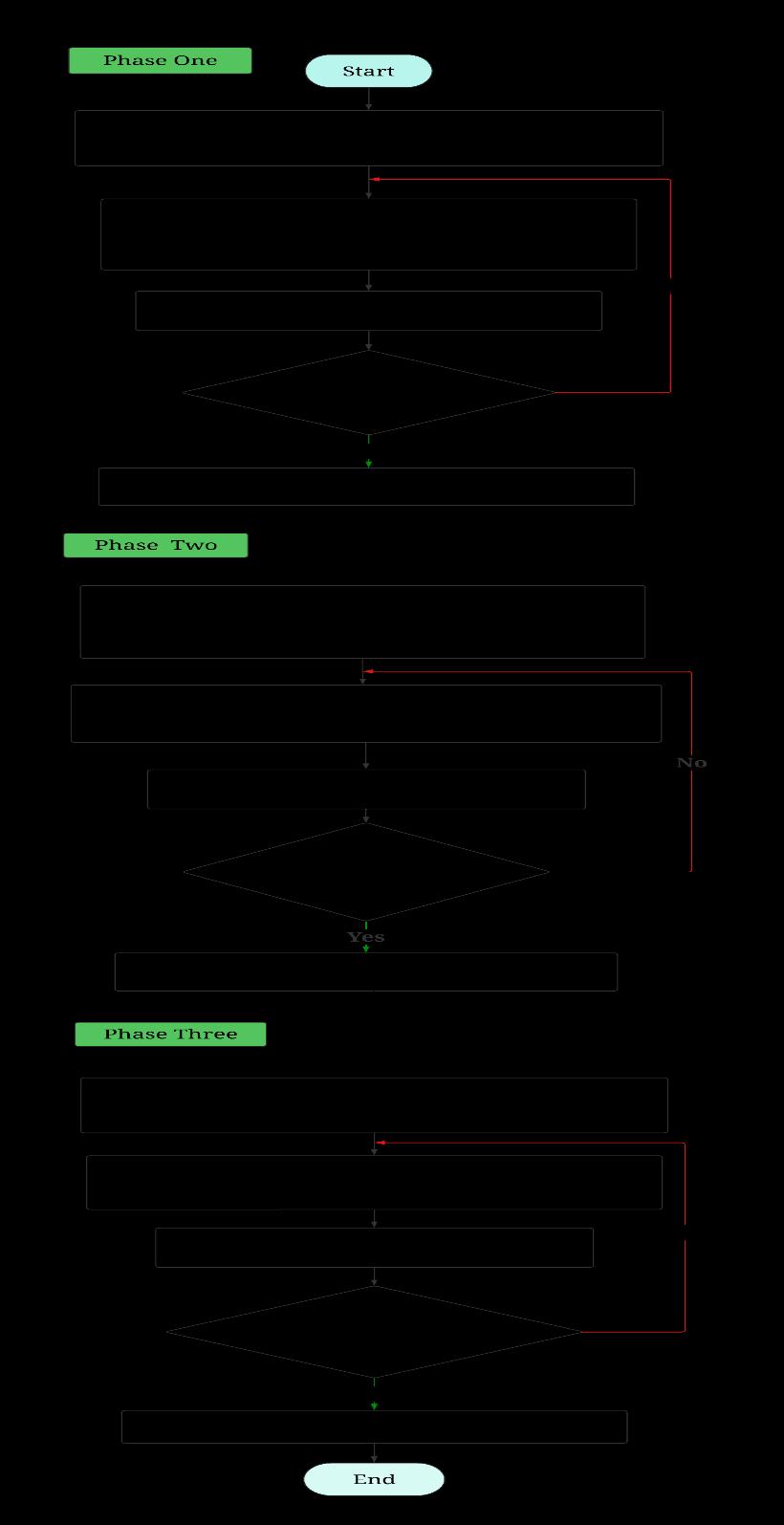
Figure 1: Flowchart of the Research Methodology
International Research Journal of Engineering and Technology (IRJET) e-ISSN:2395-0056
Volume: 12 Issue: 07 | July 2025 www.irjet.net p-ISSN:2395-0072
The network is a distributed system with N sensor nodes, divided into stationary and mobile nodes. The network's lifespan is determined by efficient communication and data aggregation. A fixed base station (BS) gathers data from cluster heads (CHs) formed during the cluster formation phase. The WSN is organized in a multi-layered hierarchical structure to reduce energy consumption and enhance data processing efficiency (Pei et al., 2015). Sensor nodes are uniformly/randomly distributed in a geographic area, performing sensing and data transmission tasks. Stationary nodes remain in predetermined positions, simplifying network modeling and clustering processes. Mobile nodes can change places over time using mobility models, allowing the network to respond to changing conditions but also posing new connection and energy estimation challenges (Cherappa et al., 2023). Sensor nodes are grouped into clusters to reduce energy consumption associated with long-distance transmissions. CHs are selected based on residual energy, centrality relativetotheBS,andlocalnodedensitytoensureenergyefficiencyandstrategicplacementwithinthenetwork.
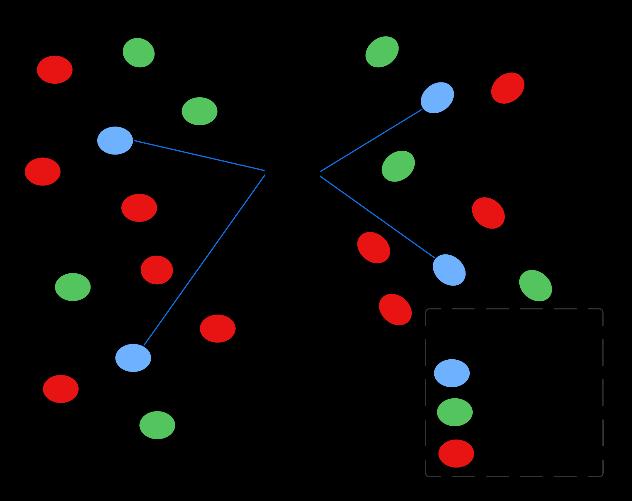
The proposed hybrid deployment algorithm FAGOA is a practical framework designed to address the challenges of WSN deployment. It is particularly suitable for hybrid WSNs that include both stationery and mobile sensors. The framework seekstooptimize the locationofsensors byincreasing area coverage, ensuring reliablecommunication, reducing energy consumptionanddelay,andincreasingnetworklifetime.FAGOAcombinestheGOA'sexploratorycapabilitywiththeFA's exploitativestrengthtodotheseasshowninFigure3.
International Research Journal of Engineering and Technology (IRJET) e-ISSN:2395-0056
Volume: 12 Issue: 07 | July 2025 www.irjet.net p-ISSN:2395-0072
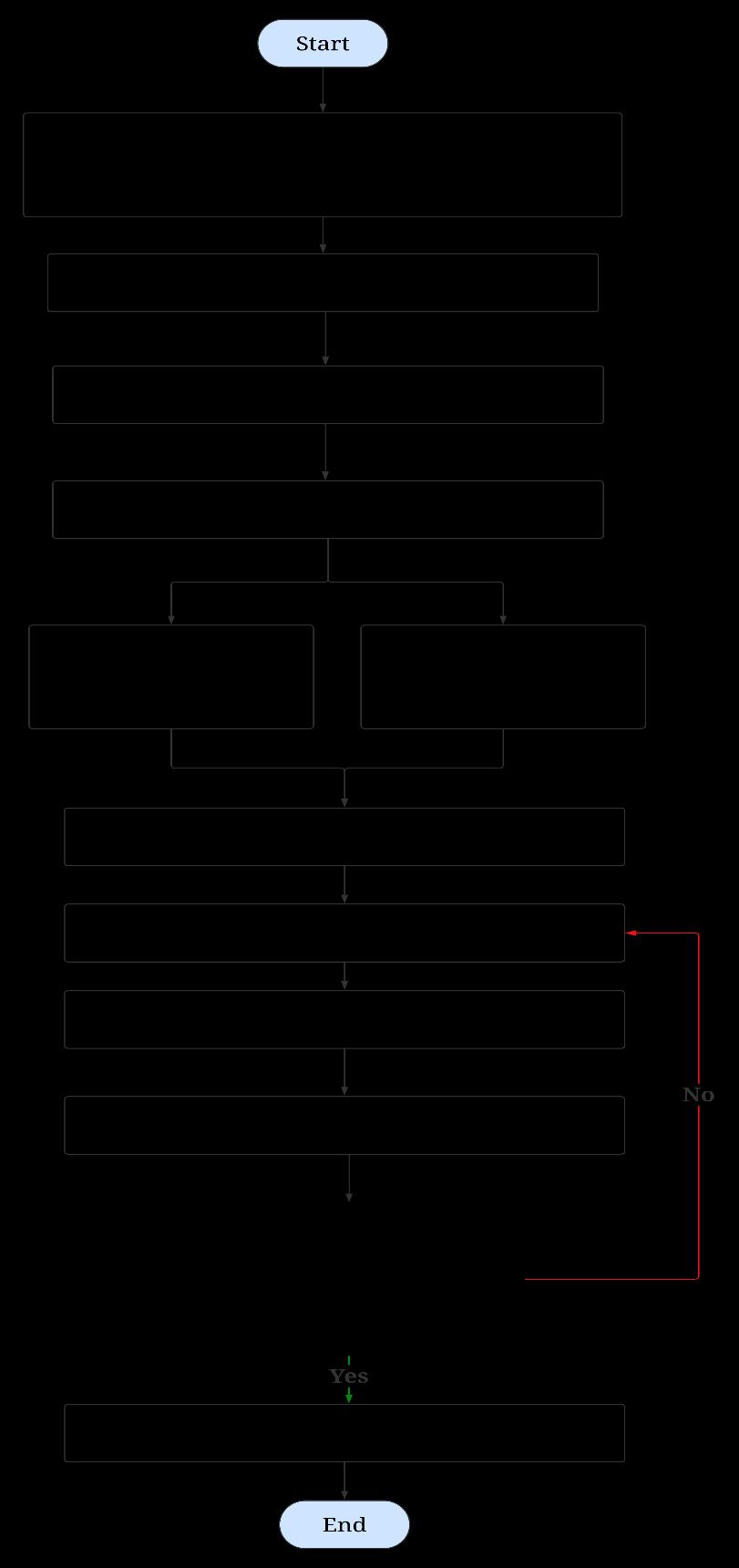
The heterogeneous WSNs uses optimization-based repositioning for mobile sensors, with stationary sensors remaining fixed locations. Mobile sensors are dynamically moved to optimal positions using the position update mechanism governedbyhybridFAGOA.TheGOAcomponentdistributessensorsaroundthedeploymentarea,simulatinggrasshopper collectiveswarming behavior.Thisbroadensthesearch fieldtolocatehigh-coverage,energy-efficientlocations (Janabi& Kurnaz, 2023). The FA component conducts local exploitation, moving mobile sensors towards brighter individuals,
© 2025, IRJET | Impact Factor value: 8.315 | ISO 9001:2008 Certified Journal | Page507
International Research Journal of Engineering and Technology (IRJET) e-ISSN:2395-0056
Volume: 12 Issue: 07 | July 2025 www.irjet.net p-ISSN:2395-0072
maximizingfactorslikelocalcoverage,connectivity,andpathdelay.Thisfocusedmobilityallowsthenetworktoadjustits configuration around high-potential zones. A mixed position update rule controls the transition between GOA and FA, whilestationarysensorsremainunchangedthroughouttheoptimizationprocess.
( ) ( ) ( ) ( )
where ( )and ( )aredefinedbasedonEquations(3.7)and(3.8),respectivelyand isaweightingfactor thatdecreasesovertime,emphasizingexplorationinearlystagesandexploitationinlaterstages.Algorithm3providesthe hybridFAGOAalgorithmforWSNdeployment.
The fitness function in the FAGOA system directs balanced clusters, selects energy-efficient CHs, and optimizes node activity to reduce energy consumption. It allows CH rotation and adjusts to residual energy levels, increasing network lifetime and maintaining operational balance. The system operates iteratively, starting with GOA for initial coverage and fine-tuningsensorplacement.Thefitnessfunctioncontinuouslyevaluatesnetwork architecturetoimprovecoverageand energy efficiency. As the network evolves, the system adjusts weight parameters to increase throughput and decrease energyconsumption; ( ( )) 2
where w1, w2, w3, w4, and are weight factors assigned to each metric. This fitness function is used to calculate the brightnessoffirefliesandtheattractivenessofgrasshoppers,directingthesearchprocesstowardthebestoption. isthe coverage,whichindicatesthefractionoftheoveralldeploymentareathatiseffectivelymonitoredbythesensornodes.It canbeexplainedasfollows 3
where isareacoveredbysensorsand istotaldeploymentarea. isthethroughput,whichisdefinedasthe rateofsuccessfuldatadeliveryoverthenetwork.Itcanbeexplainedasfollows
where is total number of data packets delivered successfully. is the connectivity, which can be quantifiedbythefractionofinterconnectedsensornodes.Itcanbeexplainedasfollows
where is number of sensors that form a connected network and is total number of sensors. is network lifetimecanbeexplainedasfollows
where isinitialenergyofnodeand isenergyconsumption,includingtheenergyusedfordatatransmission ( ),datareception( ),anddataprocessing( ).Itcanbeexplainedasfollows 7
representstheaverageend-to-endlatencyofdatapackets. Itcanbeexplainedasfollows
International Research Journal of Engineering and Technology (IRJET) e-ISSN:2395-0056
Volume: 12 Issue: 07 | July 2025 www.irjet.net p-ISSN:2395-0072
where istransmissiondelay, isqueuingdelay, isprocessingdelayand ispropagationdelay. is overlapquantifyingredundantsensingasfollows
where representstheredundantsensingareaand istotalarea.
Algorithm 1: Hybrid FAGOA for WSN Deployment
Input
Output
Procedure
: Numberofsensornodes
Deployment area parameters: e.g.,areadimensions,obstacleregions
FA parameters: number of fireflies, maximum iterations, light absorption coefficient , attractivenesscoefficient ,randomizationparameter
GOA parameters: numberofgrasshoppers,maximumiterations,socialinteractionfactor ,stepsizecoefficient ,upperandlowerbounds and foreachdimension
WSN parameters: sensorsensingrange,communicationrange,etc.
Optimizedsensornodepositions
1. Initialization:
Randomly initialize the positions ( ) for all and dimensions within the deploymentarea.
SetFAandGOAparametersaccordingtoproblemspecifications.
EvaluatethefitnessofeachcandidatesolutionusingEquation(3.7).
Identifythebestinitialsolutionfromthepopulation.
2. Iteration: Foreachtimestep :
Firefly Phase (Exploitation): Foreachfirefly :
- Compute the attractiveness based on the brightness (fitness) comparison with otherfireflies.
- Updatetheposition ( )accordingtoEquation(3.7)ineachdimension .
Grasshopper Phase (Exploration): Foreachgrasshopper :
- Calculate the social forces and aggregate the influences from neighboring grasshoppers.
- Updatetheposition ( )usingEquation(3.8)ineachdimension
Hybrid Update: For each sensor node and dimension , combine the FA and GOA updatesusingEquation(3.11).
Fitness Evaluation:
- Evaluatethefitness ( ( ))fortheupdatedpositionsusingEquation(3.12).
- Updatethebestsolutionifacandidatewithhigherfitnessisfound.
Parameter Adaptation:
- Gradually decrease ( ) to shift the balance from exploration (GOA) to exploitation (FA).
3. Termination: Terminatetheiterationwhenthemaximumnumberofiterations isreachedor whenapredefinedconvergencecriterionismet.
4. Output: Returnthebestsensornodeconfigurationidentified.
Simulation Setup and Performance Metrics
The proposed hybrid FAGOA algorithm has been implemented in MATLAB to evaluate its efficacy in optimizing CHselection and sensor placement in heterogeneous WSNs. The simulation captures key performance metrics such as energyconsumption,networkthelifespan,coverageefficiency,andthroughput.
International Research Journal of Engineering and Technology (IRJET) e-ISSN:2395-0056
Volume: 12 Issue: 07 | July 2025 www.irjet.net
Variable/Parameter Description
N
AreaDimensions
Table 2: Simulation Setup
Function in Algorithm
p-ISSN:2395-0072
Totalnumberofsensornodes Definesthenumberofnodesinthenetwork
Deployment area width and height Determinesthesimulationspace
Maximumnumberofiterations Controlssimulationduration
Numberoffireflies
UsedintheFAcomponentforexploitation
Lightabsorptioncoefficient DetermineshowattractivenessdecayswithdistanceinFA
Attractivenessatzerodistance SetsthemaximumattractivenessforFA
Randomness parameter (step size) IntroducesstochasticbehaviorinFAupdates
Initial brightness or attractiveness UsedtocomputerelativefitnessinFA
, ControlcoefficientsforGOA
Definerangeofthelinearlydecreasingcoefficient ( )
Social interaction intensity in GOA ScalesthesocialforceintheGOAphase
Scalingparameterforthesocial interactionfunction AdjuststheinfluencespreadintheGOAcomponent
( ) Time-decreasing weighting factor Balances exploration (GOA) and exploitation (FA) over iterations
Upper and lower bounds of sensorpositions
FitnessMetrics
Performance Metrics
Performance parameters given inEquation9
Constrainsensornodepositionswithinthedeploymentarea
Define network performance via the composite fitness functionEquation9
TheperformancemetricsusedinthisstudyisprovidedinTable3
Table 3: Performance Metrics
Metric Definition
Coverage Measures how well the sensor field is monitoredbythesensornodes.
Throughput Rate at which data is successfully transmittedoverthenetwork.
Connectivity
NetworkLifetime
Energy
Consumption
Delay
Overlap
Ability of sensor nodes to maintain communication with each other and thesink.
Total time the network remains functionalbeforekeynodesfail.
Total energyusedby sensor nodesfor sensing, processing, and communication.
Time taken for a data packet to travel fromsourcenodetosink/basestation.
Extent of redundant coverage in the sensingareabymultiplenodes.
Formula (if applicable)
C=A_covered/A_total
T=D_received/t
Assessed via graph theory –network is connected if all nodes form a single communication graph.
Measured as time until first/last nodediesoracustommetric.
E=E_tx+E_rx+E_proc
D=D_trans+D_queue+D_proc+ D_prop
O=A_overlap/A_total
International Research Journal of Engineering and Technology (IRJET) e-ISSN:2395-0056
Volume: 12 Issue: 07 | July 2025 www.irjet.net p-ISSN:2395-0072
Scenario
Overlap in WSNs refers to the redundant sensing areas of multiple nodes, which can be minimized during early deployment for optimal sensor placement and energy savings. This enhances network coverage, reliability, data fusion, and fault tolerance. However, optimizing these areas presents challenges in energy efficiency, resource allocation, and interferencemanagement.Effectivedeploymentstrategies,suchasdensitycontrol,clustering,andenergy-awaremethods, are essential to balance coverage, connectivity, and resource utilization while minimizing waste. The FAGOA algorithm aimstominimizeunnecessaryoverlapinsensordeploymentwhileensuringreliablenetworkcoverage.Itoptimizesnode positions by combining firefly and grasshopper scouts, selecting elite sites for node repositioning, and localizing optimization in high-potential zones. This approach enhances energy efficiency, network longevity, and fault tolerance. BothFAGOAandBAGOAalgorithmsundergo200iterationsforreliability,withFAGOAexpectedtooutperformBAGOAin sensorpositioningefficiency.Thus,theresultfortheOverlappingAreaforbothFAGOAandBAGOAispresentedinTable5 andFigure4respectively.
Parameter Value
DeploymentArea
NumberofSensors
100m×100m
20,40,60,80,100
SensorType Mobile
SensingRadius
OverlapDetectionRule
OverlapMetricFormula
Iterations
AlgorithmUsed
7meters
Distance<2×radius
Qt =( * )*( goodt – worst t)+ I
200
FAGOA,BAGOA
EvaluationMetric OverlappingArea
SimulationRuns
10
Table 5 compares the overlapping area between FAGOA and BAGOA across five sensor deployment scenarios. FAGOA consistently reduces overlapping areas, especially at sensor counts of 60 and 80. At 60 sensors, FAGOA achieves a significant improvement (6.272) compared to BAGOA (8.450), indicating better spatial optimization. However, at 100 sensors, FAGOA's overlap slightly increases due to high node density. Overall, FAGOA demonstrates better control over sensorredundancy,contributingtohigherenergyefficiencyandbetternetworkresourceutilization.
Table 5: Result for the Overlapping Area
FAGOA is a more efficient sensor placement algorithm than BAGOA, resulting in less overlap across all sensor counts. As the number of sensors increases, the overlapping area grows exponentially, reducing redundant coverage. FAGOA's advantage becomes clearer at mid-sensor counts (40-80), where it minimizes overlap more effectively than BAGOA. However, convergence becomes more difficult at high sensor counts (100). FAGOA offers better energy efficiency, coveragequality,andnetworkperformanceinwirelesssensornetworks.
International Research Journal of Engineering and Technology (IRJET) e-ISSN:2395-0056
Volume: 12 Issue: 07 | July 2025 www.irjet.net p-ISSN:2395-0072
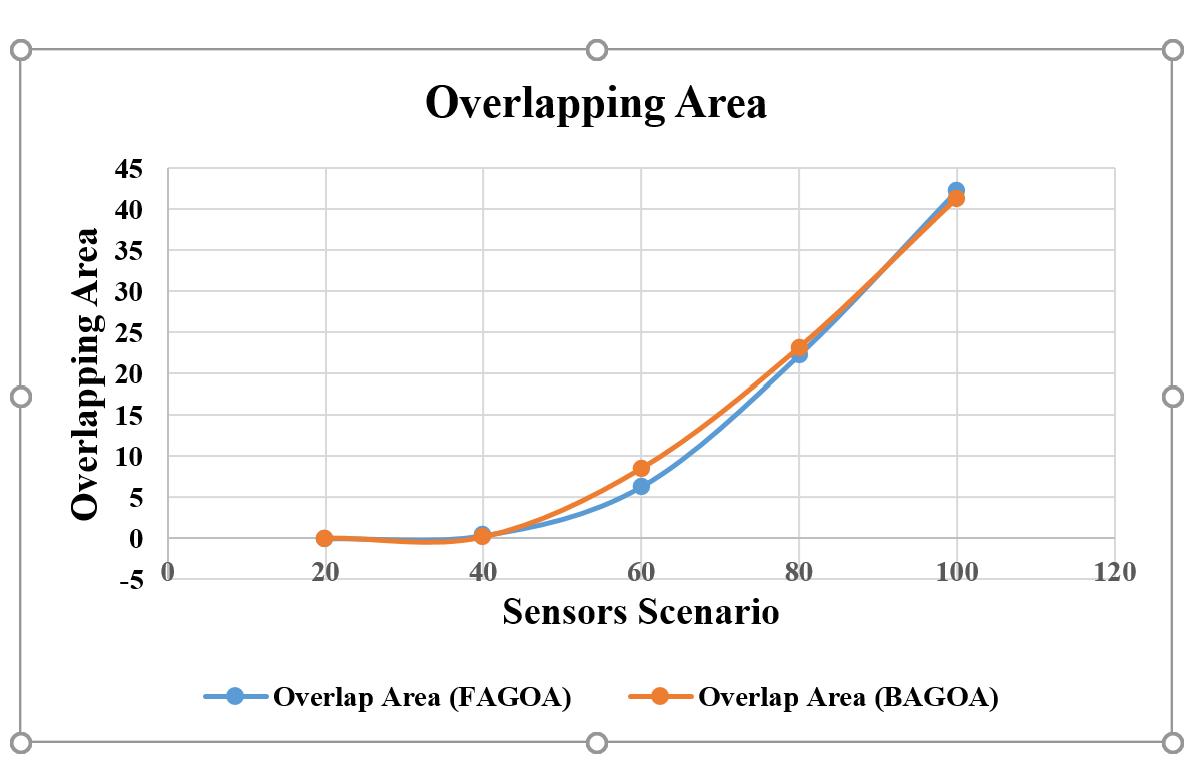
Figure 4: Result for the Overlapping Area
Scenario 2: Energy Consumption
Energy consumption in WSNs is crucial for network longevity, maintenance costs, and system efficiency. From Table 6 below, the study focuses on optimizing energy consumption in WSNs by adjusting frame error rates. This technique increases data precision and reduces energy usage. Optimizing energy consumption is crucial for improving network performanceandendurance.Networkdesignerscanofferlong-termsolutionsusingenergy-efficientprotocols,algorithms, andhardwaredesigns.The experimentsimulatesFAGOAina 50mx50mspacewith200iterationsanda fixed5-meter perception perimeter. The results are compared with data from BAGOA and IGWO, with bold values reflecting optimal results.
Table 6: Experimental Parameters for Scenario 2 – Energy Consumption
Parameter Value
DeploymentArea
NumberofSensors
50m×50m
30,40,50
SensorType Mobile
SensingRadius 5meters
MovementCostModel Qt = *( goodt – worst t)+ *(Iworst − worst)
Iterations 200
AlgorithmsCompared FAGOA,BAGOA,IGWO
EnergyMetric MeanEnergyConsumption(%)
EnergyEvaluationBasis Sensormovement+communicationcost
SimulationRuns 10
ThefindingsshowninTable7demonstratethatFAGOAproducesbetterdeploymentoutcomesacrosstherangecompared to the other algorithms. For instance, FAGOA was the most effective coverage algorithm; it attained 88.76% and 98.58% whiledeployed.Additionally,itcoverspracticallythewholesensingarea,reaching99.89%oftherangewithjust50sensor nodes installed. This is greater than the results achieved using BAGOA and the IGWO by 0.72% and 0.84%, respectively, withthesamenumberofsensors.
Table 7: Comparing Algorithm Outcomes in a 50 m x 50 m Area.
The FAGOA algorithm consistently outperforms the other two algorithms in terms of mean coverage, with results improvingbyupto1.54%,2.45%,and1.45%withtheinstallationof30,40,or50sensors.Thelowerstandarddeviations obtained by the proposed technique further demonstrate its superiority. Figure 5 shows that FAGOA consistently outperforms other algorithms across all sensor counts, with performance improvement as the number of sensors increases. FAGOA demonstrates superior efficiency or effectiveness in this deployment scenario, particularly in environmentswithincreasingsensordensity.
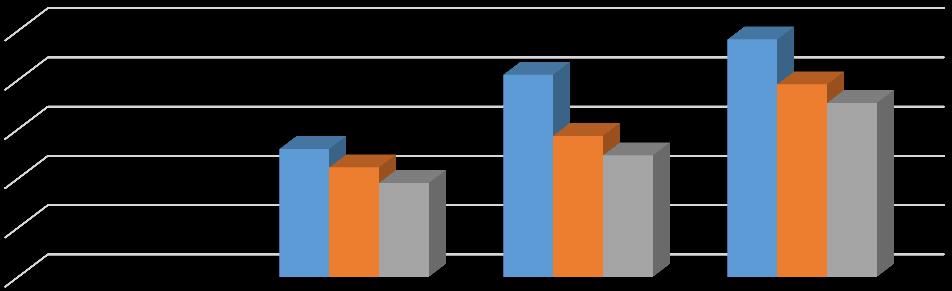
Figure 5: Results Comparing Algorithm Outcomes in a 50 m x 50 m Area.
TheWSNusesclusterheadsoptimizedbythreealgorithms:FAGOA,BAGOA,andIGWO.FAGOA ensuresequaldistribution ofclusterheads,improvingcoverageandenergyconsumption.However,BAGOAandIGWOmayconcentratemorecluster heads, potentially disrupting energy balance. FAGOA's hybrid nature balances energy consumption, coverage, and connectivity. Figure 6 results show FAGOA outperforms other algorithms in ensuring optimal cluster head distribution, reducingenergyconsumption,andimprovingWSNlifespan.
International Research Journal of Engineering and Technology (IRJET) e-ISSN:2395-0056
Volume: 12 Issue: 07 | July 2025 www.irjet.net p-ISSN:2395-0072
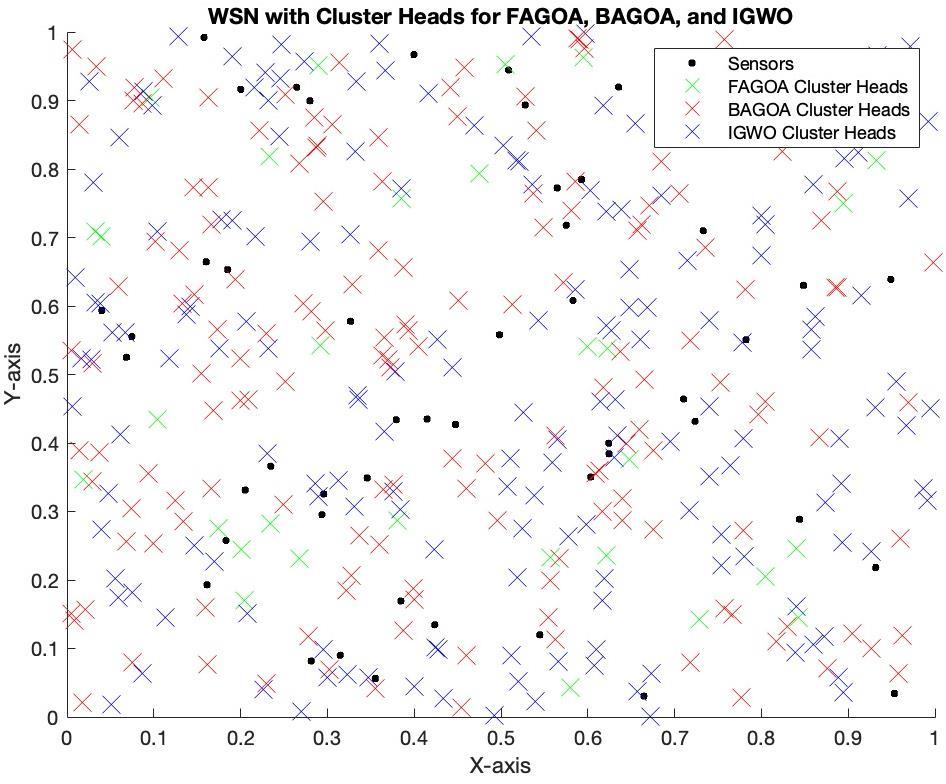
Figure 6: An Optimized Deployment of FAGOA, BAGOA, and IGWO in WSNs
The FAGOA algorithm outperforms BAGOA in terms of energy consumption, mobile and static sensor deployment. It improvescoverageforfixedandmobilesensorsby26.01%,reaching95.02%.FAGOAalsoreducesstandarddeviationand energy usage,usinglessthanhalfof whatis required forBAGOA.It alsooptimizes mobilesensor placement, maximizing coverage while reducing energy consumption and prolonging network lifetime. FAGOA's ability to minimize movement boundariesandslowsensormotionratecontributestohigher-qualityfindings,asshowninTable8.
Table 8: Comparison Based on Energy Consumption
Sensor Coverage.
Furthermore, Table 9 compares the average moving distance of 20 mobile sensors using two algorithms: FAGOA and BAGOA. FAGOA achieved a lower average moving distance (~38 units) than BAGOA (~45 units), indicating greater efficiencyinoptimisingsensormobility,leadingtoreducedenergyconsumptionandlongersensornetworklife.
Table 4.9: Average Moving Distance for 20 Mobile Sensors
Algorithm Number of Mobile Sensors
Also,fromFigure7FAGOAalgorithmhassignificantlyimprovedcoverageforfixedandmobilesensors,reaching95.02%,a 26.01% increase. Compared to the BAGOA algorithm, which showed an 18.40% increase, FAGOA performed 7% better, indicating its advantage in optimizing coverage. FAGOA also reduces the standard deviation number and energy consumption, making it less than half of what is required for BAGOA. Its ability to minimize movement boundaries and slow sensor motion rate contributes to higher-quality findings, allowing sensors to work longer and avoid energy depletion.
© 2025, IRJET | Impact Factor value: 8.315 | ISO 9001:2008 Certified Journal | Page514
International Research Journal of Engineering and Technology (IRJET) e-ISSN:2395-0056
Volume: 12 Issue: 07 | July 2025 www.irjet.net p-ISSN:2395-0072
Figure 7: FAGOA and BAGOA Average Moving Distance Comparison
To compare the average moving distance of 20 mobile sensors utilising FAGOA and BAGOA algorithms, see Table 10 for details. FAGOA relocates sensors more efficiently (~36 units) than BAGOA (~45 units). Reduced energy usage improves deploymentspeed,accuracy,andresourceutilisation,extendingnetworklife.FAGOA'soutstandingperformanceimproves wirelesssensornetworkenergyefficiency,costsavings,andsustainability.
Table 10: Average Energy Usage Comparison for 20 Mobile Sensors
Algorithm Number of Mobile Sensors
FAGOA 20
20
Moving Distance (units)
Figure 4.5 below shows 20 mobile sensors' average energy use under FAGOA and BAGOA. The data shows that FAGOA useslessenergy(~36units)thanBAGOA(~45units).Duetogreaterrouteplanningandmovementoptimisation,FAGOA's energyefficiencyishigher.Thelifetimeandsustainabilityofsensornetworkapplicationsdependonenergyefficiency.The data suggest FAGOA as the better mobile sensor energy management technique. Thus, FAGOA outperformed other algorithmsbyoptimizingthemetricunderthisscenario.Itdemonstratedhigherefficiency,stability,andreducedvariance inperformance.
International Research Journal of Engineering and Technology (IRJET) e-ISSN:2395-0056
Volume: 12 Issue: 07 | July 2025 www.irjet.net p-ISSN:2395-0072
Conclusion
The proposed Hybrid FAGOA effectively addresses key limitations in traditional WSN optimization, particularly in the context of heterogeneous environments with both mobile and stationary sensors. By integrating the complementary strengths of FA and GOA, FAGOA enhances the balance between exploration and exploitation during sensor node deploymentandclusterheadselection.SimulationresultsshowthatFAGOAachievessignificantimprovementsinenergy consumption, network lifetime, and coverage compared to other metaheuristic algorithms like BAGOA and IGWO. It reduces sensor overlap, improves spatial optimization, and minimizes redundant sensing. Additionally, the algorithm maintainsloweraverageenergyusageandshortersensormovementdistances,whichareessentialforthelongevityand sustainabilityofWSNs.Theuseofatime-dependentweightingfactorallowsdynamictuningbetweenGOAandFAphases, resulting in adaptive optimization across varying deployment scenarios. FAGOA's superiority in terms of performance metrics such as throughput, delay, and connectivity confirms its practicality for real-world applications. Future enhancements could involve the integration of AI-driven learning mechanisms to further adapt to unpredictable environmental conditions and improve responsiveness. Overall, FAGOA offers a robust, scalable, and energy-efficient frameworkforoptimizingsensordeploymentinnext-generationsmartsensingsystems.
Reference
Abed, S., Al-Roomi, S. A., & Al-Shayeji, M. (2016). Effective optic disc detection method based on swarm intelligence techniques and novel pre-processing steps. Applied Soft Computing Journal, 49, 146–163. https://doi.org/10.1016/j.asoc.2016.08.015
Baskaran, M., & Sadagopan, C. (2015). Synchronous Firefly Algorithm for Cluster Head Selection in WSN. Scientific World Journal, 2015 https://doi.org/10.1155/2015/780879
Cherappa, V., Thangarajan, T., Meenakshi Sundaram, S. S., Hajjej, F., Munusamy, A. K., & Shanmugam, R. (2023). EnergyEfficient Clustering and Routing Using ASFO and a Cross-Layer-Based Expedient Routing Protocol for Wireless SensorNetworks. Sensors, 23(5).https://doi.org/10.3390/s23052788
Janabi, S. M.Al, & Kurnaz,S. (2023).A new localization mechanism in IoT usinggrasshopperoptimization algorithmand DVHOPalgorithm. WirelessNetworks https://doi.org/10.1007/s11276-023-03247-2
K,L.N.C.P.,Suryanarayana,G.,Swapna,N.,Bhaskar,T.,&Kiran,A.(2023). INTELLIGENTSYSTEMSANDAPPLICATIONSIN ENGINEERINGOptimizingK-MeansClusteringusingtheArtificialFireflyAlgorithm.0–3.
Koosha,H.,Ghorbani,Z.,&Nikfetrat,R.(2022). AClustering-ClassificationRecommenderSystembasedonFireflyAlgorithm. 10(1),103–116.https://doi.org/10.22044/JADM.2021.10782.2216
Pei, E., Han, H., Sun, Z., Shen, B., & Zhang, T. (2015). LEAUCH: low-energy adaptive uneven clustering hierarchy for cognitive radio sensor network. EURASIP Journal on Wireless Communications and Networking, 2015(1), 122. https://doi.org/10.1186/s13638-015-0354-x
Saoud, B., Shayea, I., Azmi, M. H., & El-Saleh, A. A. (2023). New scheme of WSN routing to ensure data communication between sensor nodes based on energy warning. Alexandria Engineering Journal, 80(January), 397–407. https://doi.org/10.1016/j.aej.2023.08.058
Srinivas,J.,Mukhopadhyay,S.,&Mishra,D.(2017).Ad HocNetworksSecureandefficientuserauthenticationschemefor multi-gateway wireless sensor networks. Ad Hoc Networks, 54, 147–169. https://doi.org/10.1016/j.adhoc.2016.11.002
Zhang, L., Slade, S., Peng, C., Asadi, H., & Nahavandi, S. (2023). Knowledge-Based Systems Semantic segmentation using Firefly Algorithm-based evolving ensemble deep neural networks. Knowledge-Based Systems, 277, 110828. https://doi.org/10.1016/j.knosys.2023.110828