Lessons learned during first year of applying liquid manure via drip tape | 14
H2S monitors
Should workers wear monitors during manure transfer? | 24
Manure in trailers
Research examines disinfecting trailers | 28
September/October 2015
SEPTEMBER/OCTOBER 2015 Vol.13, Issue 5
Drip helps dairies max nutrients
Lessons learned during first year of applying liquid manure via drip tape shows success is close. See page 14.
H2S monitors belong
swine farms? 24 Should workers wear hydrogen sulfide monitors during manure transfer?
pipeline possibilities 32 Manitoba manure advisory group investigating transporting manure by pipeline.
Track
Back End 42 Manure management at a small dairy: Is storage right for you?
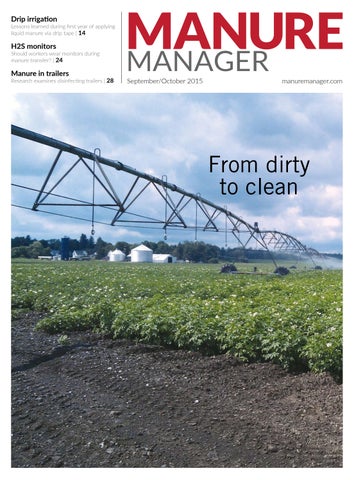
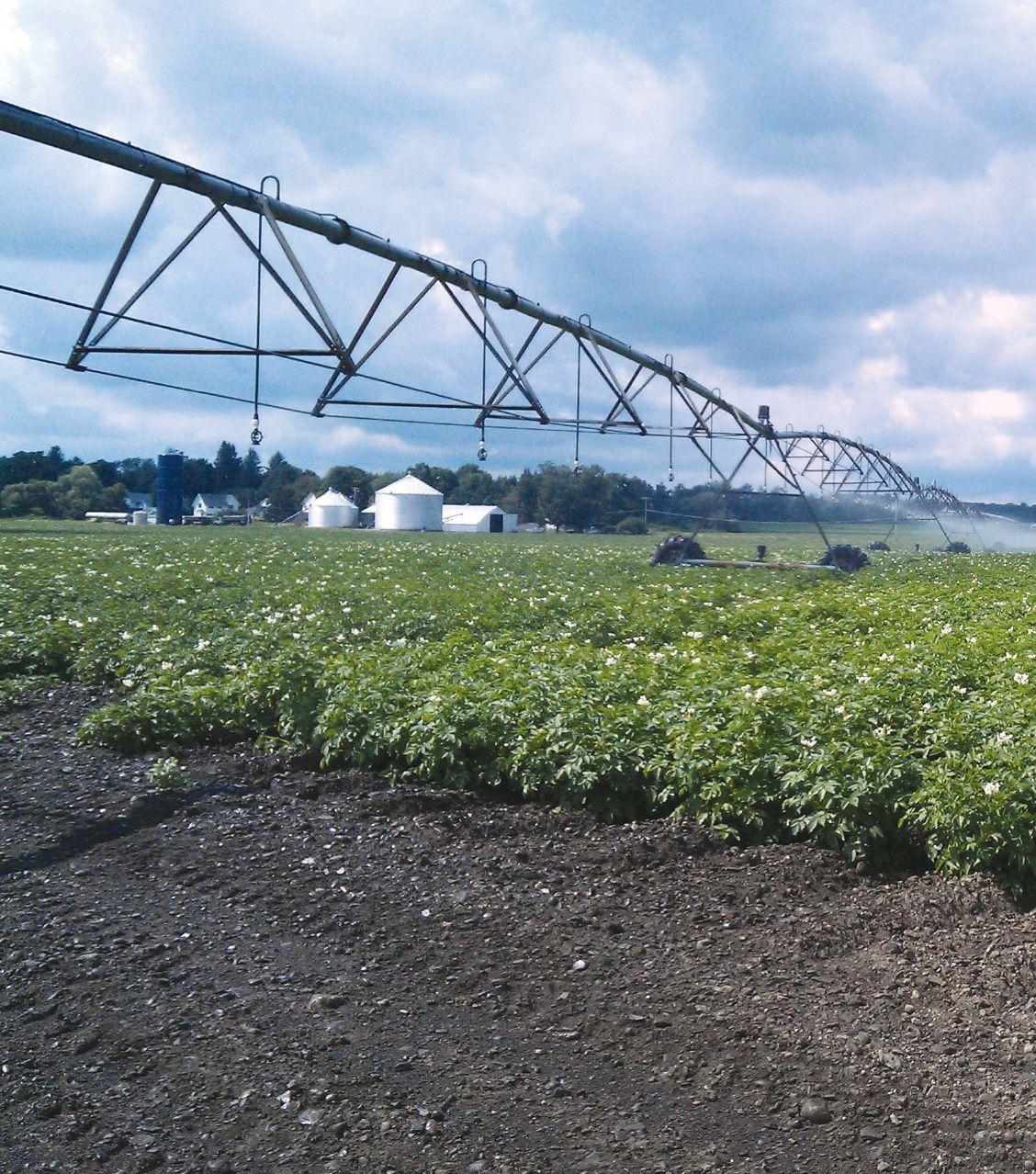
McCormick Farms is recycling manure to irrigate its potato crop. See page 10. Contributed photo.
McCormick Farms installs a new LWR system that recycles manure into drinking water
BY DIANE METTLER
Not a day at the beach
Early sand bedding use at dairy might have felt like a day at the beach but it was anything but
BY TONY KRYZANOWSKI
Manure in trailers Canadian research examines how disinfection of transport trailers could prevent disease spread BY
TREENA HEIN
FROM THE EDITOR
The birthplace of ideas
According to the Oxford Dictionary, innovation is defined as: the action or process of innovating; a new method, product, idea. The origin of the word is late middle English, derived from the Latin verb innovare. And the origin of the ideas? The sky – and the imagination – is the limit.
This past summer, my co-workers and I took part in the 2015 North American Manure Expo, held in Chambersburg, Pa. A hotbed of innovation and ideas, it’s one of the few shows that allows manufacturers and dealers the opportunity to actually showcase their equipment in action. Plus farmers and custom applicators love to come to kick the tires and see the newest products. And, in some cases, even get a feel for it behind the wheel of a tractor.
The 2015 show definitely didn’t disappoint with dozens of new products and services announced and exhibited. Even some of the latest application technology from Europe was on display with hopes of finding interested buyers in the North American market.
product, originally launched at the 2013 North American Manure Expo in Guelph, Ont., Canada.
This issue also highlights innovations of the past with an article about a Michigan dairy operation that is no stranger to taking a chance on new ideas and was recently celebrated for that fact. There are also features showcasing new innovations, including a New York dairy operation that recently installed a fairly new manure treatment technology – results from innovative on-farm work being done in California aimed at conserving water by applying liquid dairy manure through drip irrigation, plus research out of Canada investigating proper disinfection techniques for transport trailers to help halt the spread of animal diseases.
Creativity and innovation don’t take place in a vacuum. They need to be encouraged and nurtured through a supportive network or community. Manure Manager and its sister agriculture publications recognize this. That’s why we have plans to launch an education expo
Innovation: process of innovating a new method, product, idea
I love equipment shows like Manure Expo. There’s something thrilling and strangely satisfying about being present for the launch of a product or idea, seeing the spark of interest flare in the eyes of the audience, listening to the resulting questions, basking in the excitement and anticipation of the new.
Every issue of Manure Manager includes a few pages of new product and service announcements and this issue is no different. We also have coverage of a special event held in August to celebrate an important milestone for an innovative manure management
aimed at encouraging senior high school students to consider a future career supporting agriculture either through engineering, manufacturing, research, technology or another job sector. Not everyone has to be a farmer to be involved in agriculture. Readers can expect further information on this new project later next year.
As always, we encourage our readers to share their innovations and ideas with us. If you have something to showcase or brag about, don’t hesitate to contact the magazine c/o the editor at mland@ annexweb.com.
Publication Mail Agreement #40065710 RETURN UNDELIVERABLE CANADIAN ADDRESSES TO CIRCULATION DEPARTMENT, P.O. BOX 530, SIMCOE, ON N3Y 4N5 e-mail: subscribe@manuremanager.com Printed in Canada
CIRCULATION e-mail: subscribe@manuremanager.com Tel: 866-790-6070 ext. 211 Fax: 877-624-1940 Mail: P.O. Box 530 Simcoe, ON N3Y 4N5 SUBSCRIPTION RATES Canadian Subscriptions $35.24 Cdn, one year (with GST $37.00, with HST/QST $39.82) U.S. Subscriptions: $47.00 USD, one year
Manure Manager
manuremanager.com
THE PERFECT COMBINATION
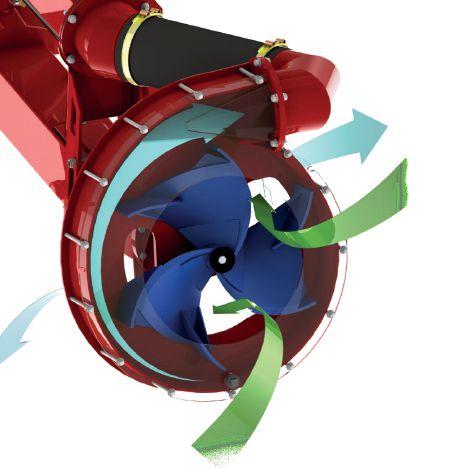
The PUMPELLER® Hybrid Turbine revolutionizes manure pump performance. Incredible intake suction pulls solids into the cutter knives, reducing the toughest crust to nothing in just seconds. The turbine combines the high-volume mixing of a propeller agitator with the power and reach of a lagoon pump, the resulting hybrid design radically outperforms both.
Patented Turbine Impeller
California funds five dairy digester projects
The California Department of Food & Agriculture (CDFA) recently announced its selected five dairy farm projects to receive about $11.1 million in grants to implement digester technology aimed at reducing greenhouse gas emissions from manure.
Financial assistance for the installation of dairy digesters comes from the state’s cap-and-trade program for combating climate change. Through the Greenhouse Gas Reduction Fund, CDFA and other state agencies are investing cap-and-trade auction proceeds in projects that reduce GHGs while providing additional benefits to communities.
Recipients of the CDFA grants will provide an estimated $18.9 million in matching funds for the development of the digester facilities.
CDFA conducted a multi-stage review of all applications, including administrative, financial and technical reviews, to verify applicants’ GHG reduction calculations and assess the feasibility of digester technologies. Final scoring and review of the projects was conducted by the technical advisory committee of the Dairy Digester Research and Development Program, a subset of the California Federal Dairy Digester Working Group.
Funding to increase feed efficiency, reduce methane emissions in Canada’s dairy industry
A project recently announced by Genome Alberta and the Ontario Genomics Institute is hoping to help the Canadian dairy industry grow by using genomics-based approaches to select for dairy cattle with the genetic traits needed for more efficient feed conversion and lower methane emissions.
To date, it has been both difficult and expensive to collect the
data required for such selection. The research team, led by Dr. Filippo Miglior of the University of Guelph and Dr. Paul Stothard from Livestock Gentec at the University of Alberta, want to change that by using the latest genomic approaches to collect and assess the required data to carry out the selection.
The results of this $10 million project will assist dairy farmers and
the dairy industry to breed cattle that will carry these two important traits. Farmers will save money (as feed is the single largest expense in milk production), while the international competitiveness of Canada’s dairy industry will increase. The environmental footprint of the dairy industry will also be reduced, in part due to lower methane emissions,
but also because more feed efficient animals produce less manure waste. Broad application of the project’s findings will be enhanced by the involvement of several industry organizations and international research partners in the project, not only benefiting Canada’s dairy industry, but also contributing to global food security and sustainability.
MDA awards $1.2 Million for manure project
The Maryland Department of Agriculture (MDA) recently awarded a $1.2 million grant to Renewable Oil International MD, LLC (ROI) for an animal manure technology demonstration project at a Wicomico County poultry farm.
ROI will use a patented bio-refinery technology to reduce the volume of poultry litter generated at Chesnik Farms by 50 to 63 percent. The process involves placing poultry litter in an enclosed container that excludes air. The litter is rapidly heated under controlled conditions causing it to decompose into various products. Chesnik Farms operates eight poultry houses on two farms in Wicomico County and generates between 800 and 1,000 tons of poultry litter annually.
“Maryland is one of the country’s top poultry producers for broilers and meat eggs,” said Maryland
Agriculture Secretary Joe Bartenfelder. “It is no surprise that we are leading the way in supporting and vetting new technologies to convert chicken litter into energy and useful alternative products that can be used to meet our water quality goals.”
Several useful products are produced during the thermal decomposition process. These include: biooil, which can be marketed as an asphalt extender or fuel additive; bio-char, a charcoal-like product used to enhance compost; and synthesis gas or syngas, a mixture of carbon monoxide, carbon dioxide and hydrogen that can be used as a heat source to dry the poultry litter. Additional markets are being explored but are not secured. If the demonstration is successful, plans are to scale it up to address manure management issues on multiple farms on the Lower Eastern Shore.
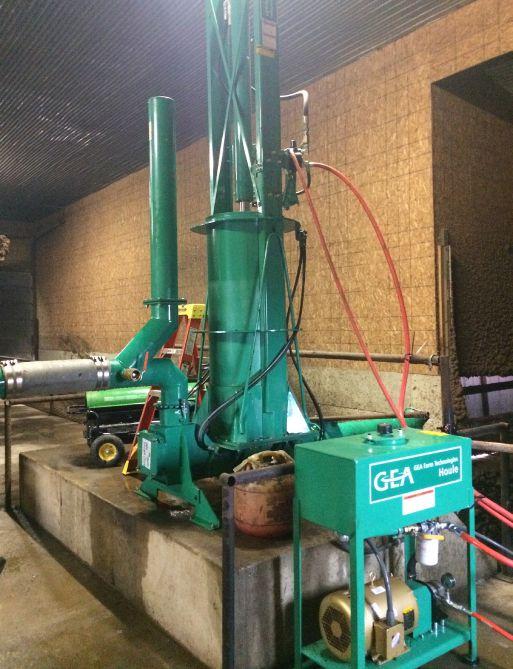
It’s providing the best available comfort. With over a decade of manure system expertise we offer a system capable of producing top quality bedding. A system that distinguishes itself from all others by its ability to compress manure fiber without altering the fiber integrity. The XPress’s fiber quality limits the amount of fiber becoming airborne as well as the amount of fiber sticking to the teats. With performance and reliability, GEA gives the comfort your herd deserves.
XPress - Cascading Roller Press System
Nuhn Industries unveils 100th lagoon crawler
The crowd of more than 150 people was silent as the large blue tarp covering Nuhn Industries’ 100th lagoon crawler slowly lifted, the stirring tune Also spracht Zarathustra by Richard Strauss – made famous by the movie 2001: A Space Odyssey – echoing through the building.
Applause was loud and sustained as the gleaming black machine came into view, a sharp contrast to the company’s typically red lagoon crawlers. The music quickly shifted to something a bit more modern and fitting for the occasion – Back in Black by AC/DC.
“The ongoing joke is it looks like the Batmobile,” said Ian Nuhn during the unveiling. “And the Batmobile is black with red pinstriping.”
In honor of the 100th crawler off the assembly line, Nuhn held a special open house in early August to not only celebrate the success of its innovative product but also allow suppliers, dealers and customers an opportunity to tour the company’s new 34,000 square foot building expansion.
“It really means a lot to have so much support from suppliers and local customers, both with the crawler and the expansion project,” said Nuhn.
It’s uncertain whether the 100th lagoon crawler will be available for sale. Besides the unique paint job, there’s something else that makes number 100 special – all 85 of Nuhn’s employees signed the machine’s fuel tank.
BY THE NUMBERS
Production of all dairy products in the U.S. represents approximately 2% of total U.S. greenhouse gas emissions
(Innovation Center for U.S. Dairy)
Quick Wash receives first commercial ag use
Renewable Nutrients, LLC recently piloted its Quick Wash phosphorus extraction and recovery process at Walk Stock Farm, a swine farm in Neoga, Ill.
The Quick Wash technology has been successfully piloted at wastewater treatment facilities throughout the mid-Atlantic. The Walk Stock Farm pilot represents the first time the process has been utilized to extract and recover phosphorus on-farm.
“If Quick Wash can
extract an acceptable level of phosphorus from our manure, we feel we will have a very sustainable – perhaps future-proof – solution for managing our manure and transporting and spreading it on our crop fields,” said Roger Walk, president of Walk Stock Farms.
Quick Wash provides farmers with a means of selling the extracted phosphorus on the open market or engaging in the trading of nutrient credits.
New fact sheet on concrete liners for manure collection
Alberta Agriculture & Forestry (AF) has a new factsheet to help provide guidance on the use of non-engineered concrete liners for manure collection and storage areas.
“Concrete is a practical, cost-effective and long-lasting material to use as a liner for manure collection and storage areas at confined feeding operations (CFOs),” says Deanne Madsen, a CFO extension specialist with AAF. “This
technical guideline describes specifications for concrete liners that can be used to satisfy the requirements of the Agricultural Operation Practices Act.” The Non-Engineered Concrete Liners for Manure Collection/Storage Areas factsheet is available online from Alberta Agriculture & Forestry’s webpage. Hard copies are also available by calling 780-427-0391 or by e-mail at publications.office@gov.ab.ca.
1 COW CAN PRODUCE $200 PER YEAR
in combined revenues and cost savings by producing electricity, fuel for vehicles plus fertilizer and fiber through anaerobic digestion systems.
(Innovation Center for U.S. Dairy)
202 # of dairybased anaerobic digesters in operation in the U.S. (EPA AgStar)
1 cow produces 17 gallons of manure per day. That’s enough manure to grow 56 pounds of corn.
(Innovation Center for U.S. Dairy)
There are 9.28 million dairy cows in the U.S.
California is the top dairy producing state, home to 1.78 million dairy cows. Wisconsin is second with 1.27 million cows. (Statistica)
±100,000
# of dairy farms located across the U.S. (US EPA) -
FROM DIRTY to clean on New York Dairy
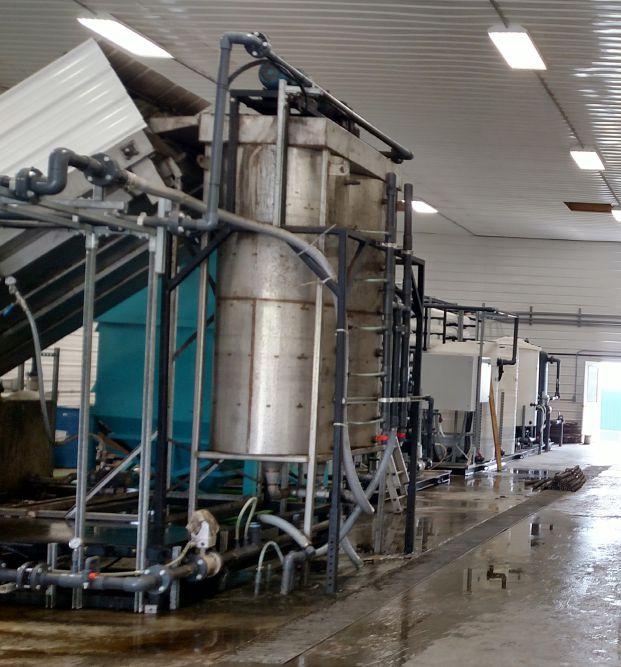
McCormick Farms installs a new LWR system that recycles manure into drinking water. Although the farm isn’t using the clean water as drinking water, they are using it to provide clean water to their barns and fields.
BY DIANE METTLER
McCormick Farms is a 2,000-cow dairy and the largest potato grower out of New York State. Because handling manure is a constant challenge, owner Jim McCormick always seemed to be on the lookout for new solutions.
“This farm produces 25 million gallons of manure a year [that includes 200+ inches of precipitation a year] and the CAFO regulations are strict,” says Nate Hartway, the farm’s financial and environmental compliance manager. “We were looking at systems that could produce clean water from manure, and in the summer of 2014 we traveled to a Michigan farm to see a system in operation.”
ABOVE
McCormick and Hartway were impressed with the Michigan operation and, when they returned home, an LWR (Livestock Water Recycling) system was purchased. The system can extract up to 70 percent of the water out of the manure, or digestate liquids, while leaving the nutrients in a segregated, concentrated form. For McCormick Farms, it meant the operation would have more control over their waste nutrients and more options for spreading.
BUILDING GETS UNDERWAY
The McCormick Farm manages 8,000 acres, spread out over five
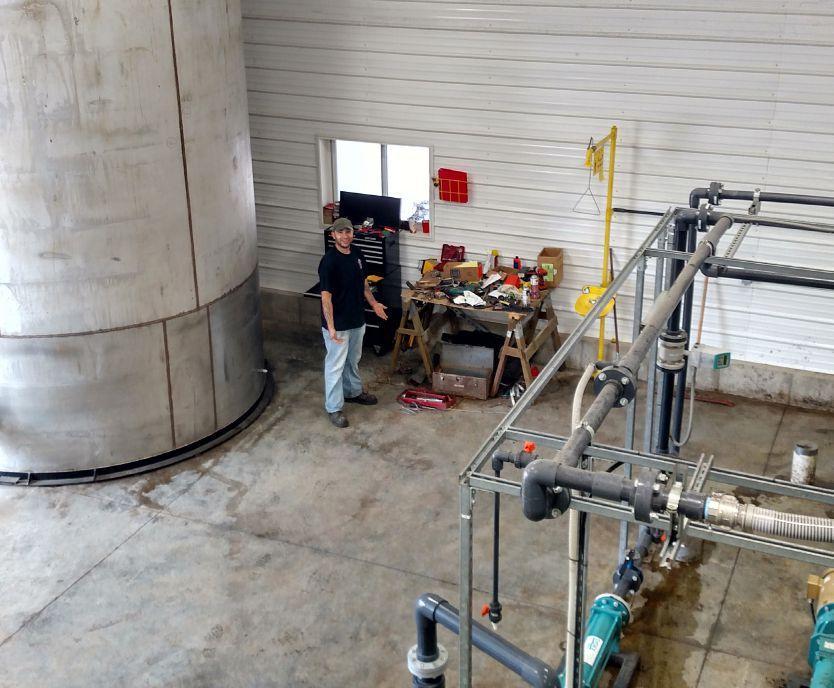
Rick Torres, who operates and manages the Livestock Water Recycling System for McCormick Farms, stands by some of the components of the system.
different counties, with the dairy located in Wyoming County. It’s there that they installed the LWR system. Building began January with the construction of a 100-foot x 50-foot barn and the altering of the underground piping to be able deliver three different end products to three separate lagoons.
“It wasn’t a huge project,” Hartway says. “The LWR system came on skid steers and we had a couple guys in there putting the pieces together. We also worked closely with local contractors, Maple Grove, who came in and helped with the installation including scaffolding and they did all the stainless steel work.”
HOW IT WORKS
Within about two months, construction was complete and operation began in April.
“We run our manure through a sand lane and the sand drops out,” Hartway explains. “Next, it goes through a full screen separator where the larger solids drop out. And then it goes into what we call a homogenized pond.”
After the manure is pumped up to the LWR building, raw manure is basically separated into three separate components.
“The first component (about 10 to 15 percent) is a semi-solid material that contains 100 percent of our phosphorous, the vast majority of our organic end – slow-release nitrogen,” Hartway says.
The second component (between 20 to 25 percent) is a concentrated liquid nitrogen product.
“It contains all of our ammonium – all of our quick-release N as I call it – as well as all of our potassium,” Hartway adds.
The third component (around 60 percent) is clean water –pure enough to drink.
Each of these different elements is pumped out to three separate ponds, which already existed at the farm. The semi-solid component goes to a two million gallon lagoon, the liquid nitrogen product is pumped to a five million gallon lagoon and the clean water goes to a one million gallon lagoon and also out to a nine million gallon satellite lagoon a mile away, which is also tied to the irrigation system.
MAKING THE MOST OF CLEAN WATER
The clean water, of course, is the unique aspect of this system. And although it’s clean enough to drink, that’s not what it will be used for at the farm. The vast majority will be run straight through the farm’s irrigation system. The other portion will be used to flush the barns, which they do three times a day.
The system provides multiple benefits for McCormick Farms. For starters, it means less manure trucks on the road and lower operation costs as fewer spreaders, manure pumps and tanks will be needed. This won’t, however, eliminate the trucks, tankers and pumps.
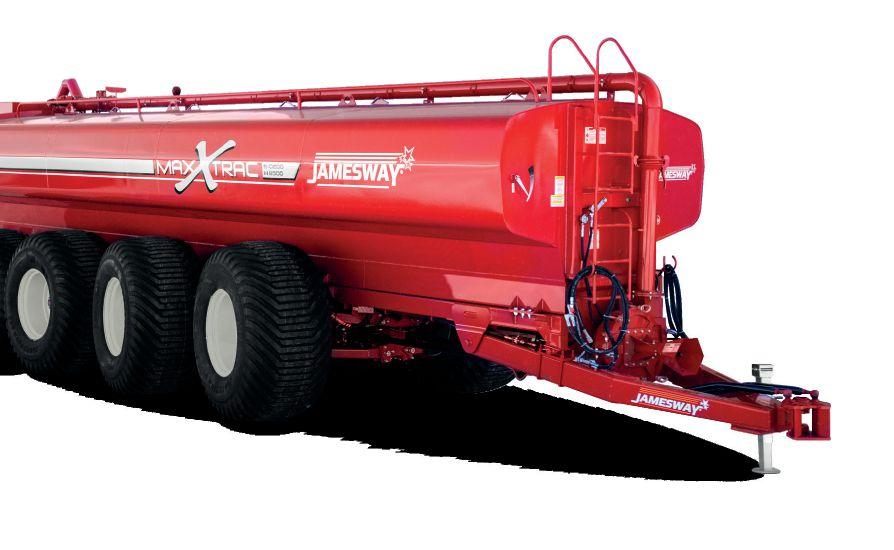
“We will continue to spread with a [Nuhn 8500] tank spreader,” Hartway says. “Sometimes we direct spread from the manure trucks, sometimes we spread with a manure tanker. Sometimes we’re injecting. Right now we’re spreading dry products with a Knight side spreader.”
Although McCormick Farms spreads year round, it’s primarily
TOP LEFT During the next step, the manure goes through a full screen separator where the larger solids drop out. BOTTOM LEFT McCormick Farm manages 8,000 acres of crops spread out over five different counties.
ABOVE The LWR system is housed in a 100-foot x 50-foot barn and underground piping delivers three different end products to three separate lagoons.
done in spring and fall.
“We do spread in the winter as we’re able to,” Hartway says. “Spreading is a big challenge in this area because the CAFO requirements require us to catch all the rain runoff from any barnyards and bunk areas, so we catch huge amounts of rain fall in an area. And we average 45 inches of rain annually.”
BETTER USE OF NUTRIENTS
Hartway says another benefit of this system is the separation of nutrients. There are currently fields that are limited to how much can by spread due to high phosphorous levels. But with this LWR system they can stay in compliance with the regulations because they can spread a product on
the thick material that was already there. Over time the flush water will becomes clean and sand separation will become more efficient.
IT TAKES TIME
One of the challenges with this system has been the “fine tuning,” which was expected.
“One challenge has been getting the phosphorous product dry enough,”
Hartway says. “We’re playing around with a couple ideas of false bottom floors and things to get that to continue to drain.”
And the system isn’t just switching switches. It takes some training.
“A coagulant and a flocculate are injected into the raw manure that pulls
those particular fields that’s still nitrogen rich, but has no phosphorous.
“And the fields high in phosphorous are, of course, close to the dairy, because they have a long manure history,” Hartway says. “Now we’ll be able to fine tune our agronomy on our spreading and allow us to plan better. In our case we will also have better sand separation, better solid separation as well through the whole separator screen.”
This system is still new and they will continue to see more efficiency. For example, the farm’s sand separation will improve as the lagoon gets cleaner. Clean water from the LRW system is now going daily into the lagoon that’s used for flush water. That clean water is mixing with
the P and the dissolved solids out of suspension, to create that dry, phosphorous product. And getting that chemical concoction correct can be a challenge,” Hartway explains.
This chemical concoction not only differs from farm to farm, it can differ from day to day based on the dissolved solids in the manure. And the dissolved solids can fluctuate quite a bit if there has been a heavy rainfall. Fluxuation will also continue while the manure water becomes cleaner and cleaner.
To run the system, McCormick hired a person with experience operating a water treatment plant in one of the local municipalities.
“He had a background in pumps and
water treatment among other things,” Hartway says. “He was a good find for us.”
100,000 GALLON GOAL
Right now, the farm is treating between 70 to 80,000 gallons a day, and they are working up to 100,000, which is the number of gallons they use to flush each day.
“We’re not quite fully up-to-speed yet, but we’re steadily getting there,” Hartway says.
When everything is working optimally, the system will definitely help with the commercial fertilizer costs.
“Every field needs a certain amount of P and a certain amount of nitrogen and K and we’ll be able to fine tune that now that we’ve got them separated,” Hartway says. “So, fields that are lower in phosphorous will get the phosphorous and organic material. Fields that are higher in phosphorous will get the stabilized nitrogen, which won’t be subject to the volatization that you have with spreading. Our rates will now be curtailed to crop needs.”
The LWR system also cuts down on smells, although that’s not necessarily an issue for the McCormick farm in its rural location.
“The phosphorous material and concentrated liquid have a little bit of a smell to it, but the water is devoid of any smell. You can’t smell anything.”
FIELD TRIPS
Although this system is still a ways from performing at its optimum – it will continue to become more efficient as water becomes cleaner and chemistry is further adjusted – it has generated interest.
“We actually had a tour day here June 30th. So several of the neighbors and the bigger guys who have more of the manure problems seem to be very interested in it.”
Hartway says this system isn’t for everyone, and it’s better suited for a larger farm that can make the economics of it work.
“I also think it works very well for a sand-bedded dairy in particular. And it’s a good solution if your farm is in a state with pretty strict CAFO regulations like New York, because it allows you to manage your manure in a much better fashion.”
Hartway says its even stricter regulations down the road that helped them make the decision to go with LWR.
“There’s talk about changes coming down the road, like possibly eliminating winter spreading, and other things. This set us up to be in a position to be a step ahead.”
ABOVE
McCormick Farm manages 8,000 acres of crops spread out over five different counties.
Drip HelpingIrrigation CA Dairies Maximize Nutrients
Enterprising dairy using drip irrigation of liquid manure to save water.
BY SUSTAINABLE CONSERVATION
DeJager Farms manager Nate Ray is confident that lessons learned the first year of applying liquid manure via drip tape to his forage crops have shown success is at hand.
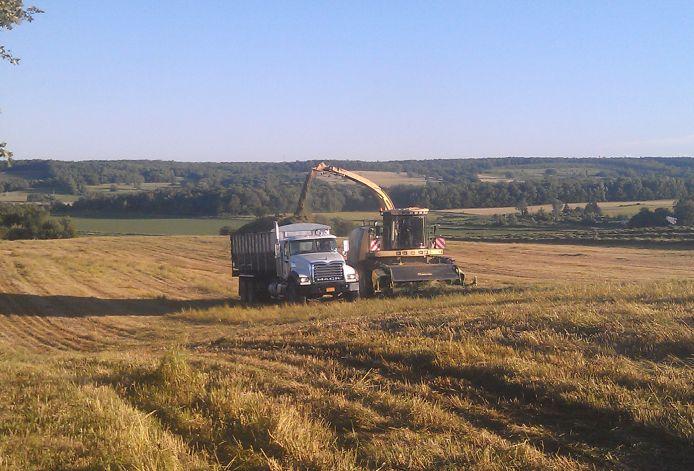
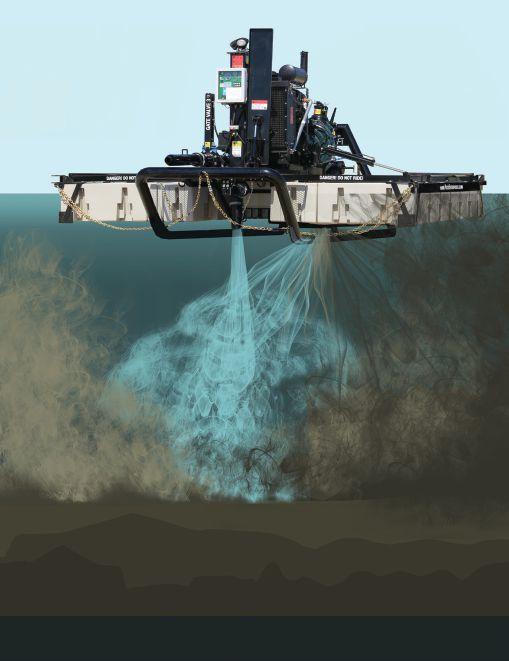
As California’s drought entered its fourth year, DeJager Farms turned to drip irrigation systems in order to maximize its irrigation water, especially on their sandy ground where flood irrigation methods need large amounts of water. Ray, however, had to purchase synthetic fertilizers because the readily available manure that the operation had in abundance would clog drip irrigation emitters. With partners Sustainable Conservation
and Netafim, in 2014 Ray kicked off a project aimed at developing filtration technologies that not only allowed the use of liquid manure in drip systems, but also more precisely controlled the application rates based on the water and nutrient needs of his crop. This year the partners are refining this new system, aiming for maximum efficiency and yields.
Pushing lagoon water through drip tape sounds like a challenge, but Ray, Sustainable Conservation’s John Cardoza, and consultant Dan Rivers believe this irrigation system will not only help dairy producers boost crop yields, but it will also
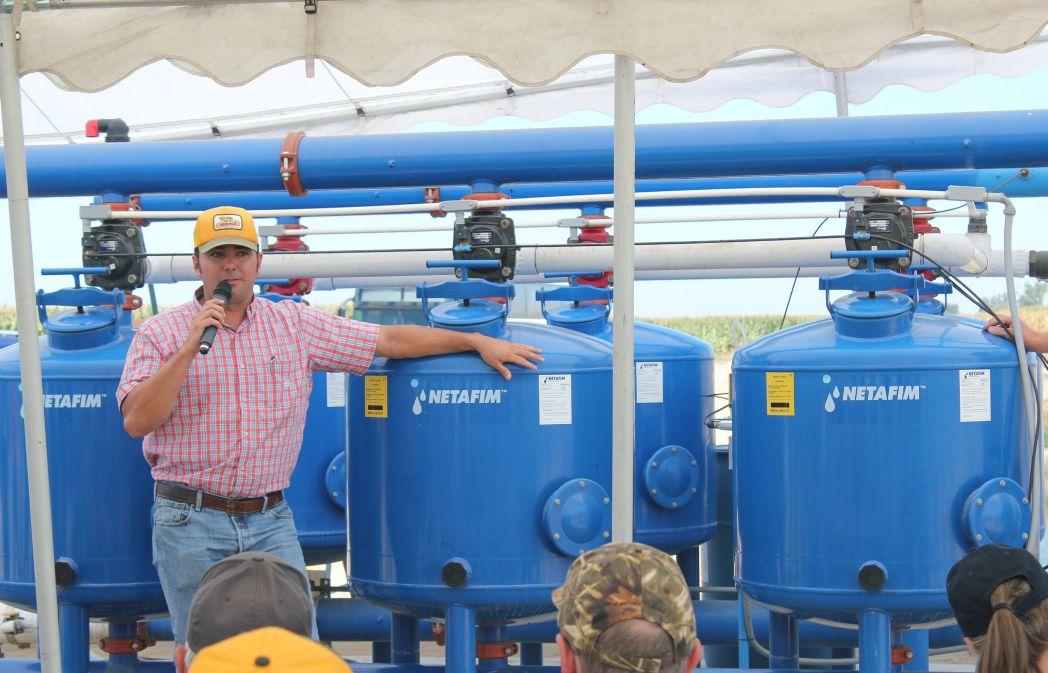
TOP DeJager Farms manager Nate Ray describes the sand media filtration system used to handle the higher solids content of the lagoon water.
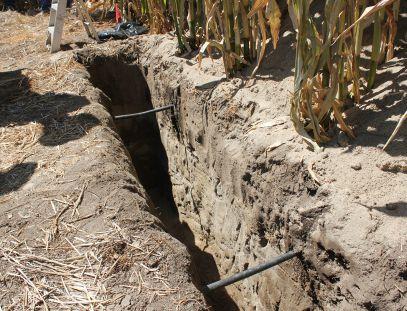
BOTTOM It’s hoped the irrigation system will not only help dairy producers boost crop yields, but will also increase the crops’ utilization of nutrients, reducing leaching of those valuable nutrients past the root zone.
PHOTOS BY ALEX KAROLYI
increase crops’ utilization of nutrients therefore reducing leaching of those valuable nutrients past the root zone.
The system set up at DeJager Farms consists of three parts: the blending of irrigation water/liquid manure, filtration and application to crop. Each is vital to the accuracy and efficiency of the system. Using liquid manure to irrigate and even sending it through drip lines is not a new idea, but Ray said complete integration of the system, with sensors and the ability to control the system remotely, provides more precise application rates and timing.
Rivers said that last year, using drip lines, they applied approximately one part lagoon water to five parts fresh water with the irrigators reading flow meters and manually adjusting valves. The application rate sometimes varied depending of the results of nitrogen tests conducted in the liquid manure source. They also calculated the amount of nitrogen applied after each irrigation.
This year’s system has sensors to measure nitrogen concentration utilizing electrical conductivity (EC), which measures the nitrogen concentration in both lagoon and fresh water, and a controller to operate the valve blending lagoon and fresh water depending on the EC. Rivers said they are calculating the runtime to apply the right amount of water. The system flow rate is determined by the type of drip tape and acreage. They are using the EC sensor and irrigation controller to automate the blending of lagoon and fresh water.
“The proportional valve adds a whole other dimension to the design of the system,” Ray said. “It took the guesswork out.”
This part of the system is key to achieving high yields, Ray
said, because he can apply nitrogen more precisely and at the optimal time during the growing season. The volume of lagoon water and the rate of nitrogen are also recorded. Supplying both to the silage crop in the right amounts at the right time gives them the efficiency they are seeking, as well as a uniform crop from border to border.
“We are going from 65 percent efficiency with flood to 95 percent with drip,” said Ray.
He said the final pieces to perfect the system lie in additional filtration of the lagoon water, possibly with a centrifuge filter.
DeJager Farm’s environmental consultants sample his irrigation
As California’s drought entered its fourth year, DeJager Farms turned to drip irrigation systems in order to maximize its irrigation water.
water once a month, Ray said, to determine if they are on track with their nutrient management plan. He uses soil and plant tissue samples to make sure his nutrient applications are doing the job.
Once the lagoon/fresh blend is made, the water moves through a double sand media filtration system. The double capacity is to handle the higher solids content of the lagoon water. There is an automatic back flush at rates that depend on the concentration of the water. The goal there is to keep the system operating at the correct pressure.
The filtered irrigation water then is piped to the field where it goes into the buried drip lines and out the emitters. In this system the emitters have been engineered to have fewer turns where solids can accumulate.
Rivers said inspections of the drip tape and emitters have found the integrity is holding up with the addition of lagoon water. They periodically run a blend of peracetic acid and fresh water through the drip lines to clean out algae, bacteria and biofilm. Ray said that with regular maintenance, they expect the drip systems in silage crops to last as long as their drip systems in alfalfa. Ray’s strip-till practice allows the drip tape installed in fields where he rotates winter forage with corn silage to remain in place.
As he considers adding more forage ground to subsurface drip, Ray and Cardoza see another advantage to the practice. Applying lagoon water via drip irrigation helps with his fertilizer costs. Ray said it will also make him a better neighbor on fields closer to town by applying their lagoon water underground.
The feasibility of a system like DeJager’s also has to be considered, Cardoza said. He recommends any producers interested in finding out more about this innovative drip system to contact him directly at (209) 576-7731 or jcardoza@suscon.org.
NOT A DAY at the Beach
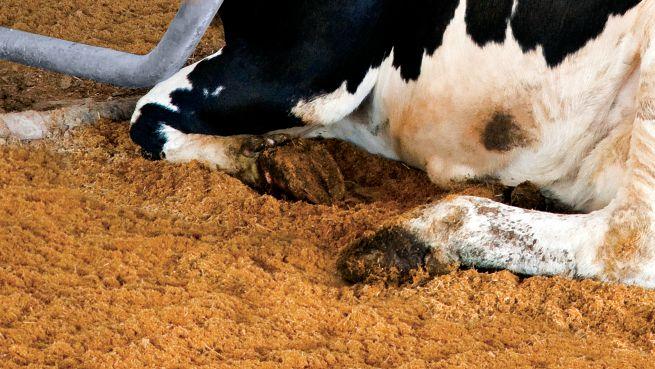
Early sand bedding use at a Michigan dairy operation might have felt like a day at the beach for the cows but for the operators, it was anything but. That is until they received some help from an equipment manufacturer and Michigan State University.
BY TONY KRYZANOWSKI
BELOW
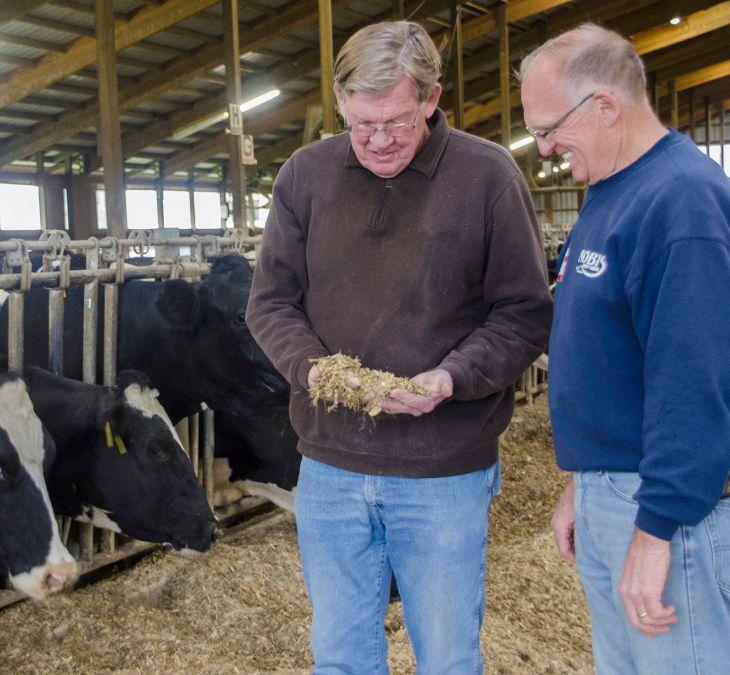
Nobis Dairy Farms helped develop a sand separation system that helped other dairy farms.
The cows were immediately more comfortable and healthy when Michigan-based, Nobis Dairy Farms switched to sand bedding in their milking barns in 1974. However, handling and recycling the sand-laden manure – that was another story and took a while longer.
By working with sand separation equipment manufacturer McLanahan Corporation and Michigan State University, the dairy helped to develop a proven sand and manure separation technology that has now made it considerably easier for other dairy farms to recycle sand bedding while reaping the benefits.
For their leadership in this area of manure management and other measures taken by the dairy to minimize their impact on the environment, Nobis Dairy Farms was awarded the 2015 Outstanding Dairy Farm Sustainability distinction by the Innovation Center for US Dairy.
ABOUT NOBIS
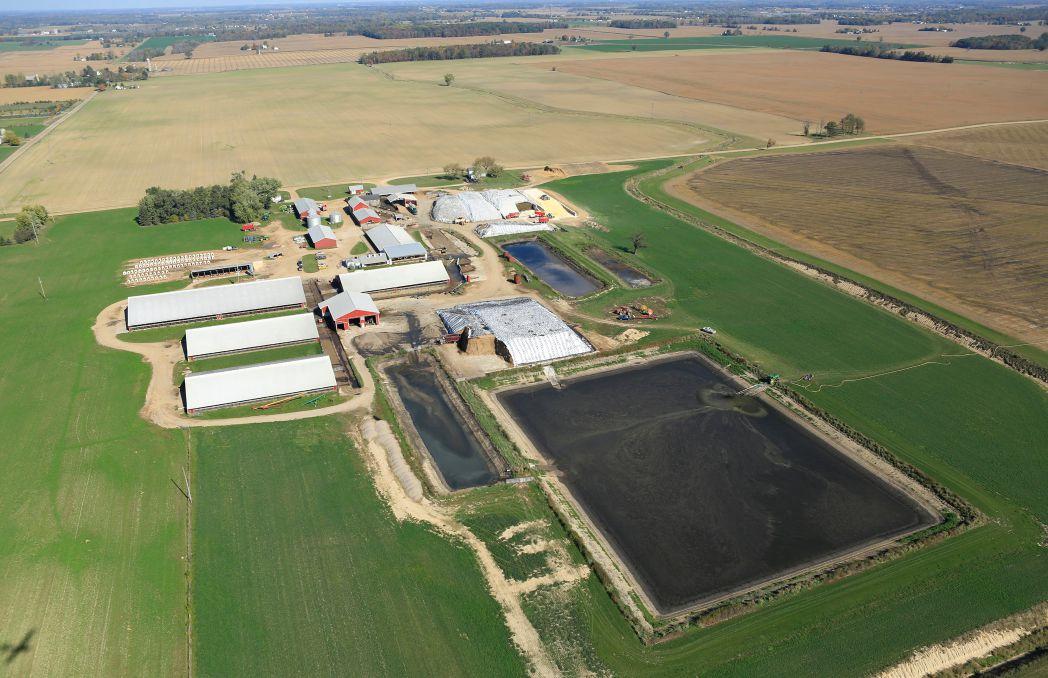
The dairy farm is located north of Lansing, near St. Johns, Mich., and is owned by Ken and Larry Nobis. The dairy manages a total of 1,060 milking and dry cows, with seven barns on the home site. Five are free stall barns using sand bedding. The dairy also has replacement stock housed in different locations within four miles of home.
Larry says the herd is at a comfortable size right now and they have no immediate expansion plans, given the current, worldwide oversupply of milk.
They are leaving it up to Ken’s son, Kerry, who is the dairy’s herdsman and next generation dairy farmer in the Nobis family, to decide how large the herd might grow in future. Both Larry and Ken are still very active in the dairy and Ken is the president of the Michigan Milk Producers Association.
LEFT
Using sand as a bedding material has saved Nobis Dairy Farms owners Ken & Larry Nobis between $80,000 and $100,000 per year, while providing a steady stream of organic fertilizer.
over a long period of time. Now, the sand is recycled, which has made their manure management system a lot easier to handle.
THE PAST
Prior to making the switch to sand bedding, the dairy was using organic material and sawdust. Larry says using the organic bedding was causing the dairy some problems with two areas of concern on any dairy farm, which are elevated somatic cell count in the milk and mastitis in the cows.
“It wasn’t anything serious but we’d heard reports of sand being used in other places, and that sounded really good,” Larry says. “So we put some sand in the free stalls, and we couldn’t believe how comfortable the cows were.”
He adds that because it is an inorganic material, using sand bedding helped to keep the somatic cell count in check and it really reduced mastitis incidents.
“Using sand for bedding, it’s wonderful for the cows. It’s like they are having a day at the beach every day.”
They have used sand bedding in all their free stall barns since 1974, but it was not until 2009 that they actually began recycling the sand. Previously it was simply land apply along with the manure for disposal and for the nutrient value offered by the manure mixed into it. They use chopped soybean straw for bedding in their heifer facilities.
The entire farm operation involves both operating a dairy and growing feed and cash crops on 3,000 acres. As a percentage, Larry says adding the sand to their cropland prior to installing their sand recycling system was not significant. They were careful with how much they land applied per acre with regular soil testing. Although it did not seem to have an adverse effect on their cropland, he adds that he would not recommend this practice
“Using sand for bedding, it’s wonderful for the cows. It’s like they are having a day at the beach every day,” Larry says, “but it did make handling manure very miserable and offered us a lot of challenges.” For the first couple of decades when the dairy used sand bedding, he adds that there wasn’t a lot by way of equipment to allow them to recycle sand-laden manure. However, they felt that someone would eventually come up with a solution.
“And they did,” Larry says. “There are several different pieces of equipment and technology out there where you can separate and recycle the sand, so that you handle the manure as manure.”
But it wasn’t so easy in the 1980s. He says the challenges started to mount as the herd started growing in size. They installed a cement storage pit that provided them with four months storage capacity for their sand-laden manure,
but as it is apt to do, the sand sunk to the bottom and did a number on several pumps designed to pump manure and not abrasive sand.
“We’d wear out manure pump after manure pump and we’d be welding them all the time. Then there was the sand settling out in tankers before they had circulating features,” Larry says. “It was a mess and very trying.”
By the end of 1980s, they realized that something had to improve with handling the sand-laden manure, and it started with a meeting that involved their manure disposal contractor and researchers at Michigan State University. By this time, more dairies were using sand bedding and they were experiencing the same problems as Nobis Dairy Farms.
THE CHALLENGE
They challenged Michigan State University to help find a solution, and this is when equipment manufacturer McClanahan Corporation entered into the picture. They were able to make modifications to equipment they were already supplying to the mining industry to separate the sand from manure.
“We’re very comfortable with our McClanahan system and it has worked very well for us,” Larry says.
He says it fit well within their established farm operations, it stockpiles just enough sand for just-in-time reuse, and the system seems to minimize odor from the farm. He estimates that the dairy is saving $80,000 to $100,000 per year being able to recycle its sand, and when all the benefits are factored in, the system will probably pay for itself in about five years.
Another financial benefit is having access to this separated out, organic fertilizer resource, although they haven’t calculated the exact benefit versus having to purchase synthetic fertilizer.
“I do know that our fertilizer costs are minimal compared to a cash crop operation,” Larry says.
THE SYSTEM
A Bobcat with a rubber scraper attachment cleans the free stall barn alleys three times a day, dumping the sand-laden manure into a reception pit. A Houle piston pump sucks the material collected in the reception pit for processing through the McClanahan sand separator. While this system has been around for some time, Larry says the reason they delayed installing one at the dairy was because of how much fresh water the separator required.
“We weren’t interested in making a lot of fresh water dirty, but they came up with a closed loop system,” he says.
This system is able to recycle what he called the “clean” dirty water. The manure solids have been removed from the water by processing the manure stream through the sand separator and then through a Daritech rotary screen solid manure separator that removes and piles the manure solids.
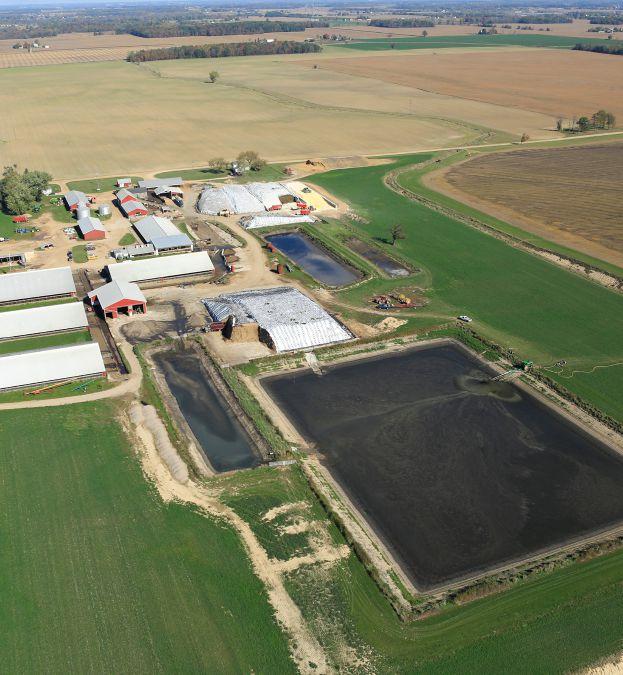
The dairy collects this water from the separator, as well as grey water from general dairy operations and water runoff from their feed storage area into a 14 million gallon lagoon. This water is recycled either through the sand separation system, used for irrigation, or land applied as organic fertilizer.
The sand separation system consists of recycled water added
LEFT A Houle piston pump transports raw material from the reception pit for processing in the McClanahan sand separator. RIGHT Recycled sand bedding collects from the top of the McClanahan sand separator. Using this method saves Nobis Dairy with bedding costs.
to a slow moving and long auger, with the clean sand dropping from the top end of the auger and the solid organic material as well as the water extracted from the bottom end. The sand is stacked for about two weeks and then reused as bedding. The manure solids are separated from the liquid stream, collected and land applied as organic fertilizer, while the water is transported to the storage lagoon, with a portion recycled through the sand separator.
About seven million gallons of liquid is collected from the manure, but a total of 20 million gallons are actually collected by the dairy, when considering all the water channeled and collected in the lagoon from various sources on the farm. A considerable amount of that nutrient-rich liquid is land applied as an organic fertilizer on cropland using a drag hose system. Nobis Dairy Farms carefully manages its crop rotation to maximize its use of the nutrients added to the soil. For example, they will harvest a wheat crop, follow up with a manure application, then plant a forage crop like forage oats, resulting in a double crop from that same field while mining valuable nutrients like nitrogen placed in the soil from the manure. Then they will follow up the next year with a corn crop and also recover corn silage. They soil test every year to ensure that they are not experiencing any increase in their phosphorus levels.
“So far, this method is working very well,” Larry says. Because the liquid waste stream is diluted, they can apply about 40,000 gallons per acre over an entire year, and typically they will land apply between 500 to 600 acres one year and then the same acreage across the road the next year. Given the amount of land they plant and their manure management method, Larry says the dairy could probably support as many as 3,000 cows.
Nobis Dairy Farms carefully manages its crop rotation to maximize its use of the nutrients added to the soil.
The solids are land applied using two Knight spreaders as well as a Meyers Manufacturing spreader equipped with vertical beaters and a GPS system for precise application, mounted on a truck.
CONSERVATION
In addition to paying attention to their overall manure management system to minimize environmental impact, Nobis Dairy Farms has also voluntarily established 50 to 100 foot grass buffer strips along their drainage ditches, representing about 70 acres of land that they harvest for feed. This practice mines any nutrients that have gathered in the ground so they don’t seep into the drainage system.
Practices like their manure management method, minimizing odor, and concern for the environment with the extensive use of buffer strips has garnered attention for Nobis Dairy Farms as a leading environmental steward in the U.S. dairy industry.
A
of
Do H2S Monitors Belong on Swine Farms?
Should Hydrogen Sulfide (H2S) monitors be worn on swine production sites during manure transfer?
BY MADONNA BENJAMIN, BETH FERRY, JERRY MAY, TOM GUTHRIE, SHELBY BURLEW, DR. RON
BATES
AND DALE ROZEBOOM
Hydrogen sulfide is a toxic, colorless, flammable gas – a by-product of anaerobic bacterial reduction of sulfates. Any time manure is being agitated or when shallow-pit plugs are pulled there is a potential for airborne concentrations of H2S to become elevated, potentially putting both workers and pigs at risk of being overexposed.
The H2S concentration considered immediately dangerous to life and health (IDLH) is 100 ppm. Above 600 ppm, a person can die after only one or two breaths. It is important for farms to identify situations and practices where there may be increased amounts of airborne H2S. Field studies have shown that H2S concentrations can exceed this level quickly during slurry agitation with concentrations recorded as high as 1,300 ppm.
HUMAN DETECTION AND AWARENESS
Human exposure to hydrogen sulfide is primarily through inhalation. The “rotten egg” smell can be
ABOVE
detected at low levels, but with continuous low level exposure or at higher concentrations the ability to smell the gas – even though it is still present – is lost. The ability to smell H2S may begin to dull at 50 ppm. You cannot depend on your sense of smell for indicating the continuing presence of H2S or for warning of hazardous concentrations
MIOSHA’s (Michigan Occupational Safety and Health) Occupational Health Standard Part 700 – Agriculture specifies that an employee’s average eight-hour airborne exposure cannot exceed 10 ppm or 1 mg/m3. A hog farmer in Michigan is required to follow MIOSHA health and safety standard requirements.
H2S awareness training on swine farms in Canada has proven effective in changing attitudes regarding safety of employers and employees. Hydrogen sulfide monitors are being used when liquid manure is being agitated or when pits plugs are pulled within barns systems.
It is not unusual for producers and veterinarians to find one or a few dead pigs housed in pens that have “dead air” or limited air exchange during or immediately after manure transfer.
DURING AGITATION
DEADLY GASES POSSIBLE
LEFT H2S awareness training on swine farms in Canada has proven effective with hydrogen sulfide monitors being used when liquid manure is being agitated or when pits plugs are pulled within barns systems.
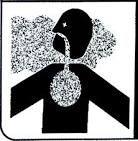
RIGHT A warning sign issued by the USDA NRCS suggesting the use of gas monitors when agitating manure.
Training for H2S covers properties of H2S, exposure limits, detection, and the importance of standard operating procedures and emergency response plans. Pork producers should be quick to appreciate the importance of H2S monitors. First, they provide early detection of the gas within a facility. This knowledge, when coupled with employee training, helps people understand when to immediately exit that facility.
The monitor can also be used to determine if, after turning on the ventilation, the H2S level is lowered and it is safe to enter. Individual monitors can be purchased for a reasonable cost of $130 or up to $1,000 depending on battery life and sensory levels.
NON-HUMAN TOXICITY
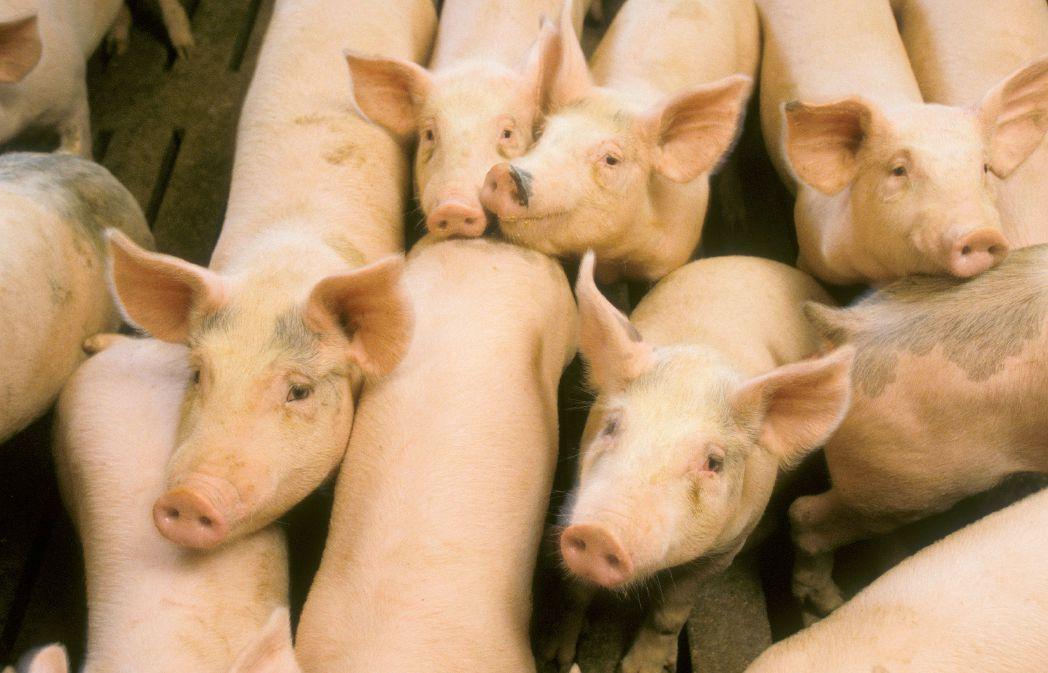
Similar to stories of coal miners, the pig might be the unsuspecting canary. It is not unusual for producers and veterinarians to find one or a few dead pigs housed in pens that have “dead air” or limited air exchange during or immediately after manure transfer.
“We lost 200 head of finishing pigs to hydrogen sulfide poisoning during routine manure pumping,” explained one farmer. “We were walking back from lunch with assignment to scrape pens and fortunately, our father recognized the ominous silence as we neared the finishing barn. Had he not been with us, three of his children would have walked into the same fate as those pigs.”
It is known that H2S is sometimes released during manure agitation. While the number of cases submitted to Iowa State University Veterinary Diagnostic Laboratory (ISUVDL) due to H2S toxicity is relatively few, the true incidence of H2S intoxication is likely to be underreported. Field observations by Drs. Steve Ensley, Wilson Rumbeiha and Kent Schwartz at ISUVDL suggest that livestock death typically occurs the same day as manure
Warning signs are inconsistently present but may include mucosal, corneal, conjunctival and/or respiratory tract irritation
agitation in barns with deep pits.
Warning signs are inconsistently present but may include mucosal, corneal, conjunctival, and/or respiratory tract irritation. ISUVDL is currently working on diagnostic biomarkers in serum and urine of affected pigs.
RESCUE AND RECOVERY
If overcome by H2S, it is important to note that a rescuer has only about six minutes to apply CPR. The (victim
or the rescuer) will require a self-contained breathing apparatus (SCBA) -like firefighters wear - to enter the space and, most likely, recover the exposed individual. The majority of hydrogen sulfide poisonings (approximately 86 percent) occur in confined spaces and many poisonings are the direct result of others trying to help co-workers in need. Use of H2S monitors and training help avoid these tragic outcomes.
RECOMMENDATIONS FOR FARMERS DURING MANURE TRANSFER:
1. The hazards of working in and around manure pits should be communicated to farmers.
2. Ventilation rates should be increased before, during and after agitation.
3. Workers should leave a confinement building during agitation of manure.
4. Wear an H2S monitor.
5. When pulling pit plugs, increase the ventilation rate for 10 minutes prior to pulling pits.
6. Never allow slurry to accumulate less than six inches from the bottom of the flooring.
7. As part of the emergency plan, have proper respiratory protection and a rescue capability in place before entering a manure pit.
Madonna Benjamin, Beth Ferry, Jerry May, Tom Guthrie, Shelby Burlew, Dr. Ron Bates and Dale Rozeboom are with Michigan State University & MSU Extension.
Manure in Trailers
New research out of Saskatchewan, Canada, is examining how disinfection of transport trailers could prevent spread of important diseases within the livestock community.
BY TREENA HEIN
The presence of Porcine Epidemic Diarrhea Virus (PEDv), which appeared in the U.S. in April 2013 and in Canada in January 2014, presents tough challenges for manure managers.
In a guide called Biosecure Manure Pumping Protocols for PEDv Control, published by the U.S. National Pork Board and partners, it states that “PED virus transfers via feces and survives in manure for extended periods of time. Any object that becomes contaminated with pig manure can be a source of infection.”
One of those objects is, of course, swine transport trailers. That’s why a group of researchers at the University of Saskatchewan (U of S) in Saskatoon are evaluating a combination of methods to ensure complete disinfection of trailers in order to reduce the risk of disease exposure. There is a wide range of pathogens that can be spread from organic material left in a transport vehicle, including PEDV, PRRSV, PCV, S. suis, brachyspira and many more. The initiative is part of a multiphase project being
ABOVE
conducted on behalf of Swine Innovation Porc.
“Industry came along and said that they are spending a significant amount of time and money to clean their trailers, but that they’re not sure if the trailers are clean enough,” says lead investigator Dr. Terry Fonstad, with the college of engineering at the U of S. “There are nooks and crannies that exist, and it’s hard to know if they are completely disinfected. So, the goal of our project is to develop an easier and more efficient process to disinfect trucks and save the producers some real money.”
While trucking companies do their best to wash out trailers extremely well, Fonstad notes that solid data is needed on what works best.
“We’ve got larger companies with top-notch systems to clean trailers and they let them sit to completely dry and several days before the next use,” he explains. “But it’s hard for smaller haulers to make money with a trailer that may take six to eight hours to clean and then is out of use while it totally dries. If we have an efficient method
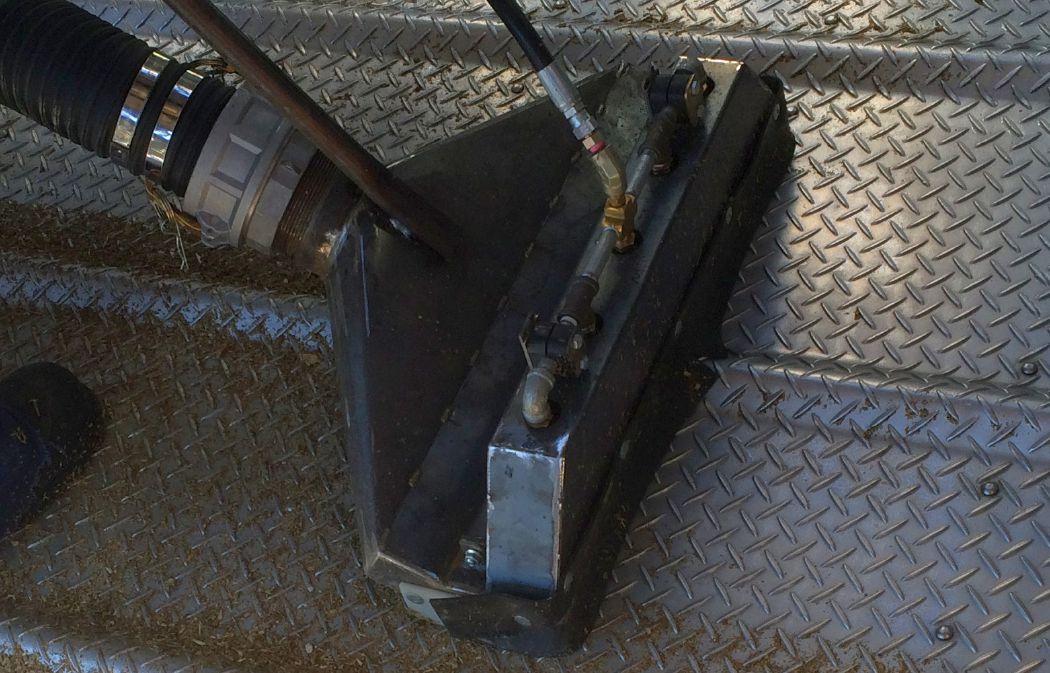
The research team has designed a dual head disinfection system that looks like a carpet-cleaning vacuum head combined with a high-pressure water system outlet.
ABOVE
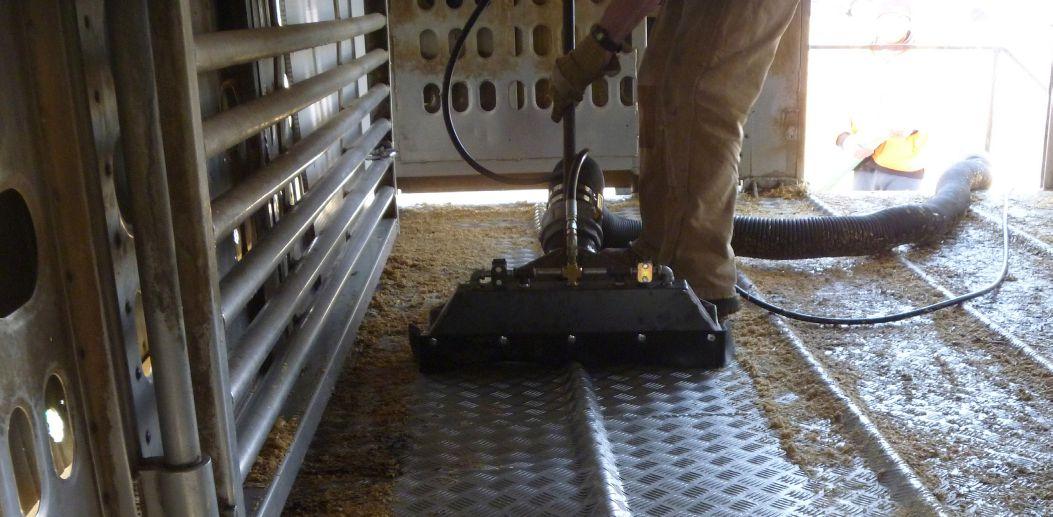
The second phase of the trailer disinfection research project is well underway, which involves testing a vacuum system combined with high-pressure washing.
that kills all pathogens and reduces the cleaning time, everyone will benefit. Even supposedly clean trucks at the border going either way could be treated again as a reassurance.”
Fonstad says effective cleaning of a trailer means ensuring that – whatever means are being used – there is enough contact time between the disinfectant and the pathogen. He notes that if there is a piece of manure stuck somewhere, the pathogen is protected in that material, and it doesn’t matter what disinfectant you use if there isn’t adequate contact between the disinfectant and pathogen. “The larger the clump, the harder it is to get to the middle of it, to heat it or get rid of it,” he explains. “You can even use just hot dry heat, but if there is thicker
RESEARCH TEAM
Terry Fonstad, Ph.D, P.Eng. – (Team Lead)
crust or pieces of material, you have to have longer heating time. So, we first need to know exactly what is required to completely destroy the viruses and bacteria, and then develop a method that works when you test it on a truck with real world conditions.”
Phase 1, a look at current technologies, is now complete. “Dr. Volker Gerdts and colleagues at the Prairie Swine Center completed a literature review and found all microbes may be destroyed when exposed to 70°C for at least 10 minutes,” Fonstad says. “Of course, if we could heat the whole trailer to that temperature for that long, we could safely say that trailers were clean. But we need to determine the feasibility of heating livestock trailers to these temperatures, or we needed to
College of Engineering, University of Saskatchewan
Volker Gerdts, Ph.D. – (Pathogen Lead)
Associate Director (Research), Chief Science Officer, VIDO-InterVac, University of Saskatchewan
Hubert Landry, Ph.D., P.Eng – (Machinery Lead)
Project Manager – Agricultural Services, Prairie Agricultural Machinery Institute
Denise Beaulieu, Ph.D. – (Pathogen Reviewer)
Research Scientist – Nutrition, Prairie Swine Center, University of Saskatchewan
Neil Ketilson, BSA – (Industry Lead)
General Manager, SaskPork
come up with something that would achieve the same results.”
Phase 2 of the project is well underway, which involves testing a vacuum system combined with high-pressure washing. Researchers at the Prairie Agricultural Machinery Institute (PAMI) in Humdoldt, Sask., are part of the team and tested various vacuum systems with different-sized hose ends, and the results were very good. The team ended up designing a dual head that looks like a carpet-cleaning vacuum head combined with a high-pressure water system outlet.
Fonstad notes that the head provides several benefits, including the fact that it uses significantly less water than a standard high-pressure water hose.
“Because of the vacuum aspect, it also works in such a way that all the manure and water can be contained within the system,” he notes. “This is obviously cleaner for the surroundings and it’s also faster than cleaning a trailer by just hosing it out.”
Right now, the system is manual, but the team plans to develop a set of tools that could automate the process to some extent, with the ultimate goal of a fully-automated system.
“We also need to look at the impact of the system on the trailer parts,” Fonstad explains. “We can’t have a system that impacts airlines, and whether heating a trailer to that temperature and then putting it out in the cold will cause undue damage.
“The system can then be taken and marketed by a commercial partner, eventually,” he adds. “We suspect it will have other applications outside of swine transport.”
When asked if more inspection should be done on transport trailers to make sure pieces of metal haven’t become bent and so on (thereby creating new places where manure could get stuck), Fonstad answers: Yes.
“It would be a good master’s graduate student project, to look at this inspection aspect and to look at trailer design. There are probably some opportunities to add a panel or welding a piece here or there to prevent manure from getting into nooks and crannies and corners.”
However, Fonstad sees a need for a better, more permanent long-term solution in the future.
“Yes, we can likely do all kinds of things with existing trailers to prevent opportunities for pathogens to hide, but ultimately down the road, we need to look at an improved transport system,” he says. “It could be improved trailers or crates or something else, dedicated swine transport containers that can be put through automated washing machines.”
Manure trailer ventilation
Dr. Bernardo Predicala has been working to design, develop, and evaluate an air filtration system for swine transport trailers to better protect pigs from airborne pathogens. Predicala manages the Engineering Research Program at the Prairie Swine Centre in Saskatoon, Sask. and is also an adjunct professor in the department of chemical and biological engineering at the University of Saskatchewan.
The final design (composed of an axial fan, pre-filter combined with high-efficiency filter, air inlets, and air exhaust vents with shutter) was installed on a commercial swine gooseneck transport trailer, and tested for its ability to maintaining a pathogen-free environment.
Predicala says fabric bag filters performed better than the MERV 16 filters, but are more expensive. In his view, “there would be situations wherein MERV 16 filters are sufficient (e.g. short-haul trips, low risk of airborne infection along the route, relatively low potential losses), but for situations where higher risk is involved and the loss potential is large (e.g., transporting high-value breeding stock through routes with high pig density), fabric bag filters would be more suitable.”
With regard to trailer filtration systems in general, Predicala recommends the installation of an environmental controller to better regulate the temperature inside the trailer (for animal comfort), and also using a temperature-monitoring/ carbon dioxide detection system with an alarm detectable in the truck cab.
“You also want to avoid high fan static pressure,” Predicala adds. “It leads to more work by the fan motor to deliver the needed airflow, and consequently uses more power.”
One way to reduce fan static pressure is to provide larger openings for the air to flow through such as the inlet, the filter area as well as the exhaust vents.
Manure Pipeline Possibilities
As hog and dairy farms become larger and phosphorus builds up on land surrounding these operations, a Manitoba manure advisory group is investigating manure transport using pipelines.
BY TONY KRYZANOWSKI
Is it feasible and economical to transport liquid manure by pipeline from areas where there is a surplus of phosphorus on the land base to areas where phosphorus is deficient?
As hog and dairy farms become larger and larger and as phosphorus builds up on land surrounding some of these operations, the pipeline option for transporting liquid manure might not sound so farfetched under the right circumstances.
The technical and economic viability of transporting liquid manure by pipeline was a question posed recently by the Manitoba Livestock Manure Management Initiative (MLMMI) Board as part of its ongoing efforts to provide responsible nutrient management options to the province’s agriculture sector. Pork production is the largest livestock sector in the province, and according to the Manitoba Pork Council, about 50 percent of production is concentrated in two rural municipalities in southeast Manitoba in the area around Steinbach. MLMMI estimates that pork producers in the Steinbach
ABOVE
area generate between 50 and 70 million gallons of liquid manure per year.
MLMMI began its study into nutrient management options by investigating five different manure separation technologies where the phosphorus could be removed in dry form from the liquid manure. These were the incline screen, rotary press, centrifuge, reverse osmosis and air flotation and belt filter press methods. Manure in liquid form adds as much as 95 percent to the weight of a load.
“While it appears that some of them work, they are expensive,” says John Carney, executive director of MLMMI. “So we’ve broaden our search because since these are expensive both from a capital and operating point of view, we asked what other options do we have? Certainly an option is trucking but then also the idea of using a pipeline possibly to relocate these nutrients came up.”
He adds that the pipeline option has been
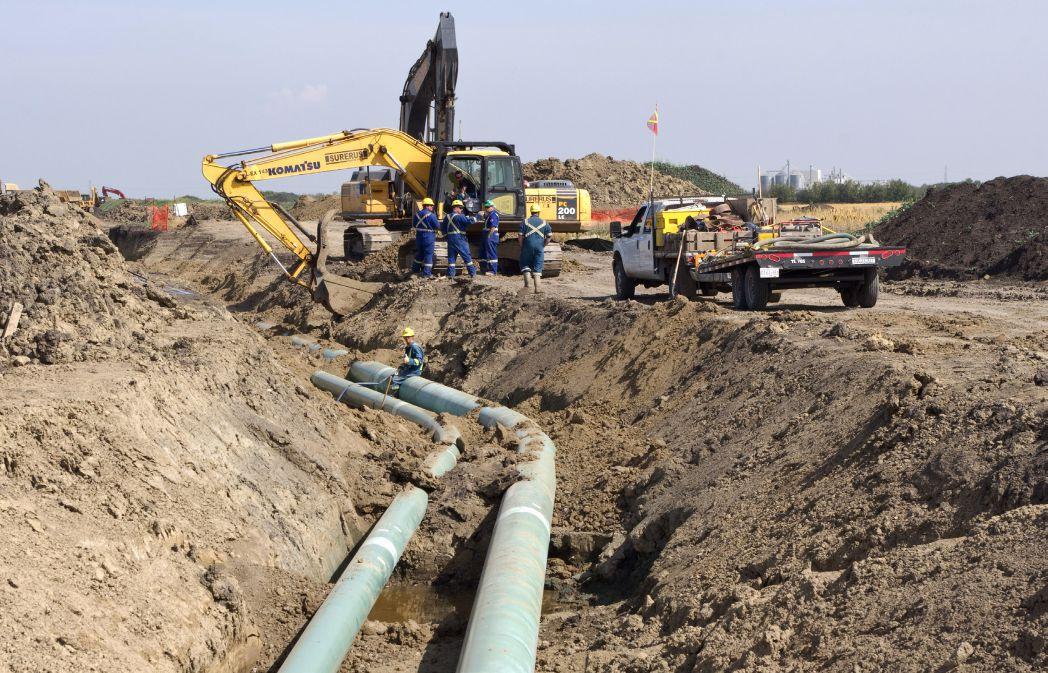
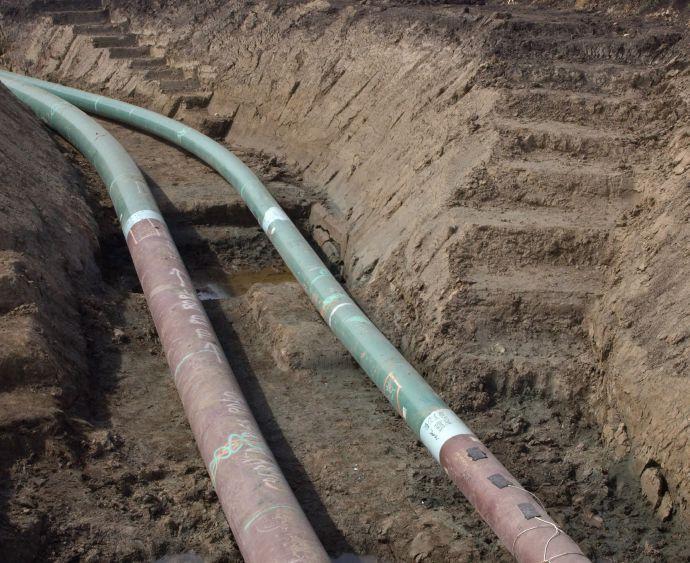
An environmental assessment and public inquiry would be essential before transportation of manure by pipeline would ever be approved. However, this transportation method is feasible.
PHOTO BY TONY KRYZANOWSKI
BY
discussed in Manitoba from time to time because of the advantages it offers versus truck transport, those being reduced transport cost per gallon, less traffic on roadways resulting in less wear and tear on infrastructure, and a pipeline’s ability to potentially transport manure faster from one place to another. On the flip side, pipelines are expensive to build and they typically require an exhaustive approval process.
MLMMI commissioned DGH Engineering to assess the physical, economic and environmental feasibility of a pipeline
there were a number of logistical hurdles that such a project would have to overcome, such as the need to successfully pass the scrutiny of an environmental assessment and coordinating both the farmers that would supply the manure and farmers that would receive manure from the pipeline.
While the feasibility study provides both the province and the industry with important data on the potential use of a pipeline to transport liquid manure, Mike Teillet, Manager of Sustainable Development at the Manitoba Pork Council says
ABOVE
to transport liquid manure. They discovered in their preliminary study that there aren’t many examples of high volumes of manure being transported by pipeline, with most located in Europe. So they opted for a concept design of a hypothetical 56 kilometer, 14-inch pipeline capable of pumping 60 million gallons per year.
They concluded that construction of a pipeline was feasible and if purchased outright, the cost would be about $42 million, with operating costs of $.02 per gallon. Another option would be to take a mortgage out to finance the project. Over 25 years, the cost per gallon to ship the manure through the pipeline would be about $.07 per gallon. However,
what Manitoba producers have concluded from the study is that moving liquid manure in this manner is not economically viable for them. With that hard data in hand, he says that producers are looking at other options such as simply trucking the liquid manure to areas where the land is phosphorus deficient.
“The pipeline option is probably too expensive,” says Teillet. “I would think that it is highly unlikely that it will go forward.”
However, he indicated that there is a sense of urgency to find phosphorus reduction or liquid manure transport options among hog producers in the Steinbach area because this issue of
phosphorus build up is limiting industry growth.
“The government has actually banned expansion in that area,” says Teillet. In fact, he says about three years ago, the government banned all hog industry expansion in the province.
“We have been negotiating with them to come up with a solution that both parties can accept, and we did reach an agreement in April, where they have agreed to allow us to build more barns under certain restrictions,” says Teillet, but not in the areas where the industry is currently highly concentrated.
FEASABILITY
Given the current financial stresses on the industry, Carney agrees that it is unlikely that contractors will be breaking ground on a manure pipeline in Manitoba any time soon. However, it was part of an overall investigation into manure separation, handling and storage, and transportation options they’d like pork producers in surplus phosphorus areas to consider.
Carney also agrees with Teillet that the concern about build up of phosphorus on the land base surrounding hog farms in the Steinbach area is having a constraining impact on growth.
“There are areas in the province where there is more than sufficient land to increase livestock production,” says Carney, “but not realistically in the two southeast municipalities.”
He says in addition to reviewing various manure transport options, MLMMI has also looked at ways that Manitoba hog producers could potentially either reduce the amount of phosphorus they were generating with a specific focus on their feed and also if there were crops that could be grown that require more phosphorus.
“We concluded that in the southeast, neither of those would bring that region into balance,” says Carney, “so we knew we’d have to find the most economical, practical way to relocate the phosphorus.”
As to the value of the pipeline study, Carney says the reason MLMMI made that investment was to put some actual numbers to the cost of a pipeline and to determine whether or not it was feasible, the most pertinent finding being that building a pipeline based on DGH Engineering’s concept is expensive. That’s where the issue stands at the present time in Manitoba.
Transporting liquid manure from one location of abundance to another location needing it is a new concept in North America, and one recently investigated in Manitoba.
PHOTO
TONY KRYZANOWSKI
BIOSELECT RC
The Bioselect RC is fitted with a feed pump and a control unit for consistent solid liquid separation.
BEDDING MAKER
ALL THE PERFORMANCE YOU NEED, NONE OF THE HASSLES.
COMPLETELY 304 STAINLESS STEEL CONSTRUCTION.
HEAVY DUTY PLANETARY DRIVE, NO GEAR BOX WOES. CASTED STAINLESS STEEL HARDENED AUGER FOR PRECISION AND SUPERIOR PERFORMANCE.
HEAVY DUTY SCREENS STANDARD, IN A VARIETY OF SIZES.
EIGHT CUTTER BLADES TO DESTROY FOREIGN MATERIAL. REVERSIBLE WEAR RINGS AND SPECIAL TUNGSTEN CARBIDE SEAL SYSTEM.
SELF ADJUSTING VOLUME CONTROL ELIMINATES LOSING SOLIDS PLUG AND PROVIDES EVEN HEAD PRESSURE. ADJUSTABLE MOISTURE CONTENT, PERFECT FOR BEDDING.
Börger AgrarTec offers a diverse line of agricultural liquid handling products including rotary lobe pumps, macerators, digester feed equipment and solid liquid separators. Börger specializes in custom-built solutions for farmers and biogas plants.
To learn more visit www.boerger.com or call 1.844.BOERGER or find us on: To learn more about Börger
Mitas AirCell
Mitas AirCell is a new inner tire that enables the inflation of large agricultural tires by +/- one bar (from 0.8 bar to 1.8 bar) within 30 seconds. It is located on the rim inside the tire and occupies about 30 percent of the volume of the tire. AirCell is continuously inflated to a maximum of eight bar during the tires use, releasing some of the pressure on demand enabling a rapid increase of pressure into the agricultural tire itself adjusting the pressure in seconds rather than minutes. mitas-tyres.com
The Alig brothers of Ohio recently approached Cadman with a patent pending idea and four years of data collected by Ohio State University that concluded the best time to apply manure is when corn stalks reach three feet in height. So why haven’t farmers been applying manure at this optimum time? Simple – it’s not reasonable to put a heavy tanker in two to three foot corn or expect it to have the storage capacity to venture down 0.5 mile rows. While farmers have been able to use soft hose drag and hard hose drag with tankers to apply manure, they could never apply after the crop emerged or the crop would be destroyed – until now. Working from a concept brought forward by the Aligs, Cadman has designed, built and is currently marketing the Continuous Manure Applicator (CMA), engineered to sidedress liquid manure to row crops, such as corn, in fields up to 0.5 miles long. The CMA carries up to 2,700 feet (823m) of hose and is available with a 30-, 40- or 60-foot injector plus swing arm, enabling it to continuously apply manure at a rate of 5,000 to 8,000 gallons per acre. The tractor pulls an injector 30-, 40- or 60-feet wide with a swivel arm attached to it. The arm pulls out the 5.1-inch I.D. hard hose away from the CMA as the manure is applied. When the tractor gets to the opposite end of the field, it turns 180-degrees and comes back down the field, injecting another 30-, 40- or 60-foot strip. As the tractor turns, the swing arm – which is the same length as the injector – swivels on a pivoting wheel. The hose then returns to the CMA in the same row it was pulled out. Tractor ground speed on the return is synchronized with the speed the CMA rewinds the hose. The operator controls the 4WD CMA reel, steering remotely from the tractor cab. Before the operator completes the return, the CMA is moved another 60-, 80- or 120-feet in order to start the next pass. Cadman is limiting production of the CMA with an order cut-off date of November 2015. According to the company, with a reduction in fertilizer and a forecasted extra yield of 40 bushels/acre, customers can expect payback in 18 months on 2,000 acres. cadmanpower.com
Digi-Star NT 8000i rate control
The NT 8000i is a weight-based system that varies the unloading rate in proportion to ground speed. It is a closed-loop rate control system designed to provide precision guidance and prescription-based control of the spreading rate in hydraulically driven apron floor systems on manure spreaders using data collected and evaluated in real time. With as-applied data records saved to an SD card, NT 8000i applicators are equipped with automated traceability allowing them to meet the recordkeeping needs of land owners and government agencies. The system also reduces operator mistakes and fatigue with its fully automated spreader controls.
digi-star.com
NH T7-290, T7-315 tractors
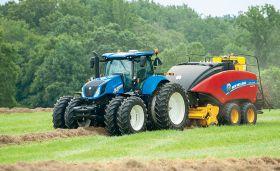
New Holland expanded its tractor offering with brand new models of the T7.290 and T7.315 to meet the demand for increased power and versatility. The new T7 series tractors deliver power and are ideal for hauling manure or other big chores. The Horizon cab provides a quiet and comfortable operating environment, along with precision technology that enables growers to optimize efficiency and performance, while staying connected with their entire farming operation. The new T7 series engines feature ECOBlue Hi-eSCR technology to meet Tier 4B emissions. An electronic variable geometry turbocharger delivers the torque required to operate at low engine speeds and react quickly to load changes. The new models also feature Auto Command continuously variable transmission with four direct drive points positioned to ensure they match the most frequently used speeds. newholland.com
Mahindra 2500 Series
Mahindra USA recently introduced the upgraded 2500 series tractors featuring mCRD technology, a uniquely designed Tier IV solution operating at lower RPM with less noise and lower fuel consumption. The 2555 model (55 HP) is available in four configurations with either a cab or open station option along with a choice of 12 x 12 synchronized shuttle or three range, twinpedal, hydrostatic transmission. The 2540 (40 HP) is available in an open station with shuttle transmission and the 2565 (65 HP) is available with a cab and shuttle transmission.
mahindrausa.com
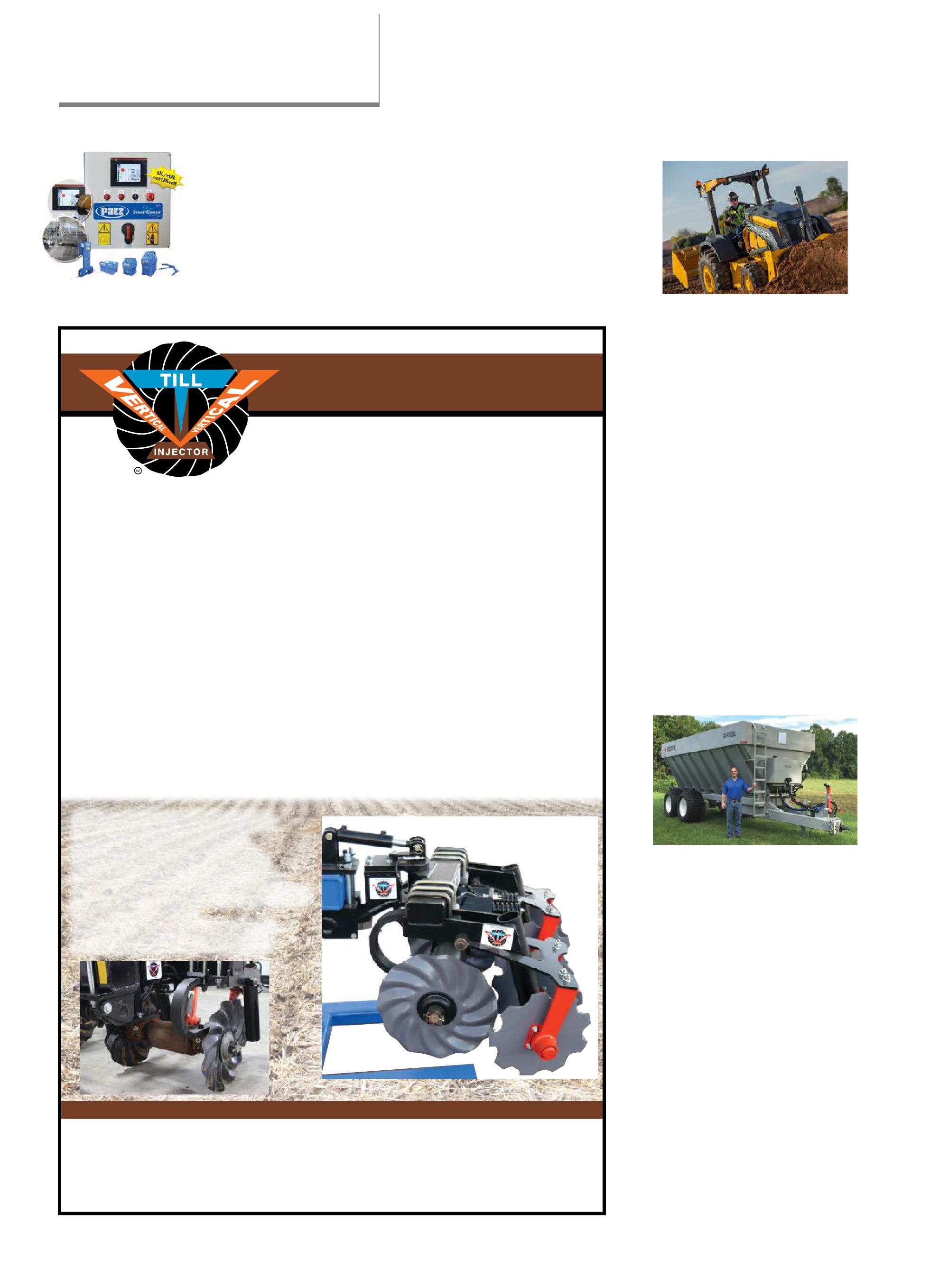
Patz SmartClean scraper systems
Patz Corporation has released the SmartSense MasterMind V3.0 Control Panel for the Patz IntelliChain and IntelliCable Alley Scraper systems. This control panel features a Patz Remote Notification system that notifies multiple operators of faults and maintenance needs via text message or email, and an auxiliary relay function that can be customized to provide a start or stop signal to other machine(s) when specific alley scraper criteria is met. patzcorp.com
JD L-Series tractor loader
Manure Injection System Minimize Soil Disturbance
a High Speed - 3-12 MPH with excellent performance a High Residue - Heavy corn stalks without clogging a Low Draft Manure Injection - up to 15,000 gal per acre and up to 50% less draft than prior technology
• Adaptable to different bar sizes & drag hose systems a Built for Commercial and Custom Pumping Use
The 210L EP and 210L are the newest members of the John Deere lineup. The L-Series feature a Final Tier 4/EU Stage IV PowerTech Plus diesel engine on the 210L (93 hp) and a certified IT4/Stage III B John Deere PowerTech E engine on the 210L EP (70 hp). Both models have a four-speed PowerShift transmission. Inside the cab, updates were made including a larger right-hand armrest and increased seat rotation up to 70 degrees (20 left and 50 right). A new “palm-ontop” loader-control grip provides fingertip control of clutch disconnect momentary mechanical-front-wheel drive (MFWD) and other loader functions. On-the-fly MFWD can be engaged to give extra traction in poor job site conditions or to move heavy loads. johndeere.com
BMS-2020XL
Stoltzfus Spreaders recently unveiled the BMS-2020XL, which has a 700-cubicfoot hopper. The high-capacity spreader holds up to 20 tons and distributes low-density materials, such as poultry litter. Its steep 53-degree side slopes, 30-inch slat-style drag chain and drop pan design prevent bridging, enabling consistent material flow. A pair of twinpinion, hydraulically driven gearboxes and a hardened carbon steel driveshaft double the power to break out loads and stop binding caused by extreme weights and varying materials. A fully welded walking beam suspension with a structural steel tubular frame handles loads with ease, whether on flat ground or rolling hills. Two 24-inch spinners are top driven. stoltzfusspreaders.com
THE BACK END
Small dairy manure mgmt: Is storage right for you?
Growing up on a small dairy, manure was a part of daily life. Rain, shine, snow and cold, or heat and humidity, one thing remained the same, after finishing morning milking it was time to run the barn cleaner and haul a load of manure. This wasn’t something unique to our farm, most of the dairies around us were doing the same thing. Hauling manure was a just a part of daily life. As bigger farms moved in, they started building manure storages and land applying their manure in the spring and in the fall, working around their other cropping schedules.
MANURE STORAGES
From a management perspective, the use of storages makes perfect sense as it alleviated the need to go out in the snow and rain and apply manure. Applying manure during rain, or when soils are frozen or saturated, can cause compaction and lead to offsite runoff of our manure nutrients, things we want to avoid. By storing the manure, we can focus our application periods in times just prior to planting or after harvest in the fall (once our soils have cooled), which allows the use of injection or immediate incorporation application techniques, both of which get the manure in contact with the soil and helps protect the nutrients from transport and loss. This helps
On a 100 head farm, manure storage pays for itself in 15 years
keep near-by streams, rivers, and lakes clean and those nutrients in the root zone, where they can feed our crops. However, despite these potential positive benefits we still see many small dairy farms without manure storages. This got me wondering: would the improved nutrient use that having a manure storage could provide pay for the cost of constructing the storage on these smaller dairy farms?
THE FINANCES
To find out, I looked at an example case of a 100-head dairy. According to the American Society of Agricultural and Biological Engineers (ASABE) standard, each cow will make about 18 gallons of manure a day. Assuming we are going to have six months of storage, around 350,000 gallons of storage capacity would be required.
Figuring about $150 per 1,000 gallons to build the storage, we’d have to spend a little more than $50,000 on construction. How does this compare to the nutrient value it will help us capture? With either a storage or in the daily-haul system, we can capture most of the value from phosphorus and potassium as these nutrients will bind to the soil particles well enough that most of what we apply will still be there for our growing crop. However, the big difference will be in nitrogen (N). If we are out there applying manure all winter, we effectively will be capturing almost none of the N in the manure. However, if we store it, inject or incorporate as we apply, we can do a lot better. Looking at my manure production number I’d estimate that each cow excretes about a pound of N per day. In the daily haul system we probably are capturing and using somewhere around 1/3 to 1/2 of this N (though it can vary greatly depending on your soil conditions, the crops you are growing, how you are applying, and the characteristics of your manure). In a manure system with storage, we can do better, and I’d guess are probably capturing close to 70 percent of the N. This means that by building a storage, we’d be capturing an extra 7,000 to 13,500 lbs. of N per year, which has a fertilizer value of about $4,000 to 6,750. This means that even on a farm this size the manure storage would help pay for itself within 15 years. Construction of manure storages can certainly be expensive, but they can facilitate better use of manure nutrients on your farm and can quickly pay for themselves. Manure storage may allow you to better time your manure nutrient applications to meet your crop needs and keep the nutrients in our field until you need them, making your operation more sustainable, more cost competitive, and a better environmental steward. And best of all, you can take that extra half-hour a day you were spreading manure, and spend that time focusing on what matters most – the cows.
Dan Andersen is an assistant professor in Agricultural and Biosystems Engineering at Iowa State University. You can find him on Twitter (@DrManure) or check out his blog at themanurescoop.blogspot.com.