Composting an option in disposal of more than 47 million dead birds | 14
Animal manure compost
Composting beneficial to soil health | 18
BMPs for reducing emissions
Researchers hope to impact greenhouse gas emissions | 20
July/Aug 2015
Northern Composter
JULY/AUGUST 2015 Vol.13, Issue 4
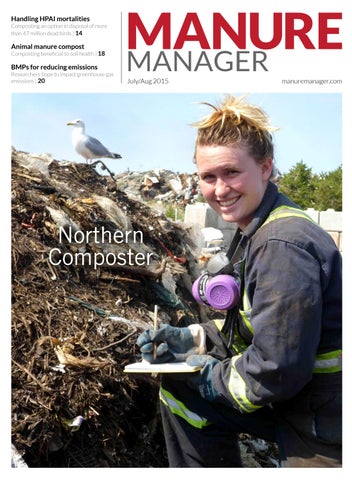
Northern composter
Choice North Farms plans to compost the 3,850 tons of poultry manure its laying hens produce each year. By Tony Kryzanowski
4
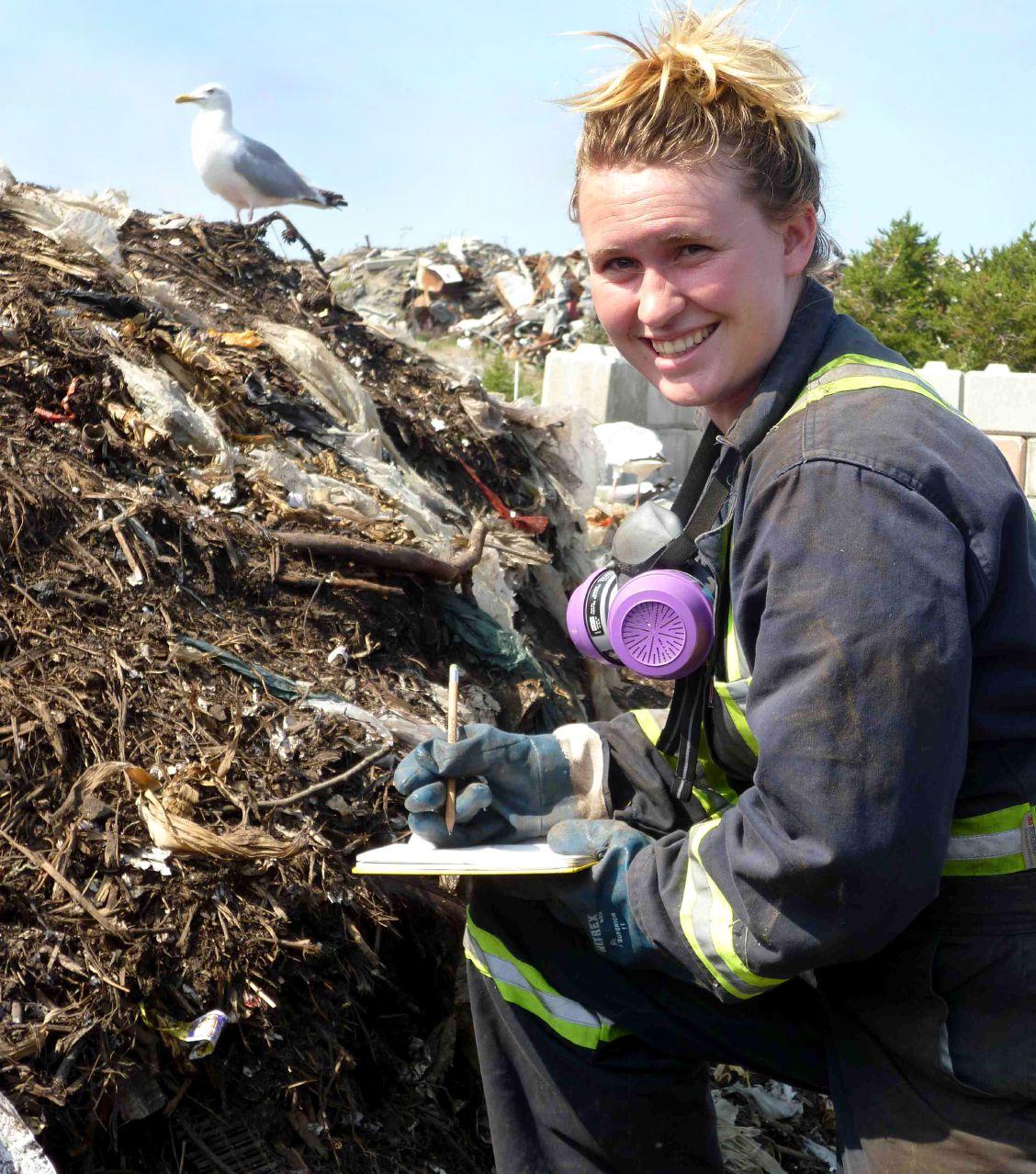
Kim Rapati is well versed in the production of compost. See page 9. Contributed Photo
26
Back End 30 Composting: Where does it fit in my manure management system? By Dan
Andersen
14 18 20
Handling HPAI mortalities
More than 47 million birds are dead across the U.S. farmers are composting mortalities
BY DIANE METTLER
Animal manure compost
Composting manure can be beneficial to soil health and reduce spreader application time BY
FRANK WARDYNSKI
BMPs for reducing methane emissions
New Canadian research hoping to impact greenhouse gas emissions BY
TREENA HEIN
FROM THE EDITOR
When will we learn?
I’d really wished not to have to write these words again. But, as my Britishborn grandfather always said, if wishes were horses, then beggars would ride.
During the early part of July, two men – a father and son – died in Chippewa County, Wisc., while working near a manure pit.
According to reports, the father had descended a ladder into the pit to retrieve a wheel fallen from a manure conveyor. He apparently lost consciousness within the enclosed area. When his son went to rescue him, he too was overcome. And by the time local fire and emergency medical service was able to retrieve the pair, they were both dead.
This is not the first time I’ve read and reported on this kind of tragedy. It feels like just yesterday (it was actually July 2007) I wrote about the deaths of five people – a farmer, his hired hand, the farmer’s wife and two daughters, 11 and 9 – in an incident on a dairy operation in Virginia’s Shenandoah Valley. A problem with a pipe transferring liquid manure from one pit to another prompted a 34-yearold farmer to try to fix it, something he had apparently done “hundreds of times” before. He never made it out. What followed was a chain
isn’t known. But the official cause of death for all three was asphyxiation, according to Maryland state police.
I could list dozens and dozens of similar incidents, in the U.S., Canada, the UK and worldwide, all with the same tragic outcome. What makes them even more heartbreaking is the fact almost every one of the deaths was preventable.
For years, Penn State Extension has showcased its mobile Manure Storage Ventilation Demonstration trailer at the North American Manure Expo, educating farmers and custom manure applicators about the dangers of confined-space manure storages and the need for proper ventilation and, if required, supplemental oxygen. I’ve personally sat through the presentation three times, giggling along with the rest of the crowd as the little farmer doll does a face plant at the bottom of his model pit ladder, overcome by the fake toxic fumes.
In the harsh light of day, on the reality side of the plexiglass-fronted trailer, there’s nothing funny about it. It’s time we learned from these tragedies, stopped and considered our actions before we did them, thought of the possible consequences.
All for the sake of a conveyor wheel or a stubborn leak.
reaction of well-intentioned rescue attempts resulting in debilitation and, ultimately, death. Two young children were left orphaned.
And the danger is not just limited to enclosed pits. In May 2012, a father and his two sons, 14 and 18, died while operating a manure agitator in a two million gallon openair lagoon. The family ran a custom manure operation and had been “hauling manure for years” as well as managing a dairy farm. They never made it home for evening milking.
What exactly happened on the banks of the 20-foot deep lagoon
It’s easy to get caught up in the moment, the need for a quick resolution to a problem. One of my coworkers – an intelligent, conscientious woman – related to me her own experience working on a dairy operation, regularly crawling down a ladder to apply the magic wrench strike to the engine of a cantankerous pit pump. Luckily, she always ascended unaffected. But all it takes is one instance, one time when the gas levels are higher, the ventilation not as plentiful. And lives are lost, all for the sake of a conveyor wheel or a stubborn leak.
advertising is subject to the publisher’s approval. Such approval does not imply any endorsement of the products or services advertisted. Publisher reserves the right to refuse advertising that does not meet the standards of the publication.
THE PERFECT COMBINATION
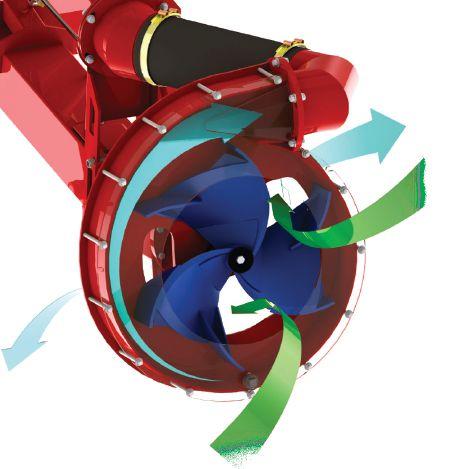
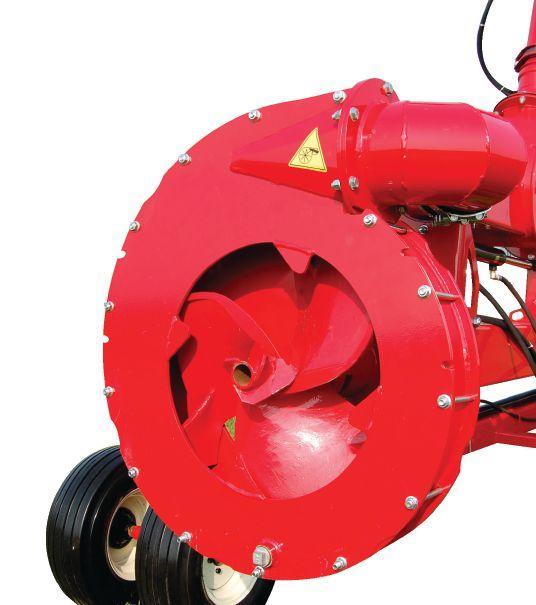
The PUMPELLER® Hybrid Turbine revolutionizes manure pump performance. Incredible intake suction pulls solids into the cutter knives, reducing the toughest crust to nothing in just seconds. The turbine combines the high-volume mixing of a propeller agitator with the power and reach of a lagoon pump, the resulting hybrid design radically outperforms both.
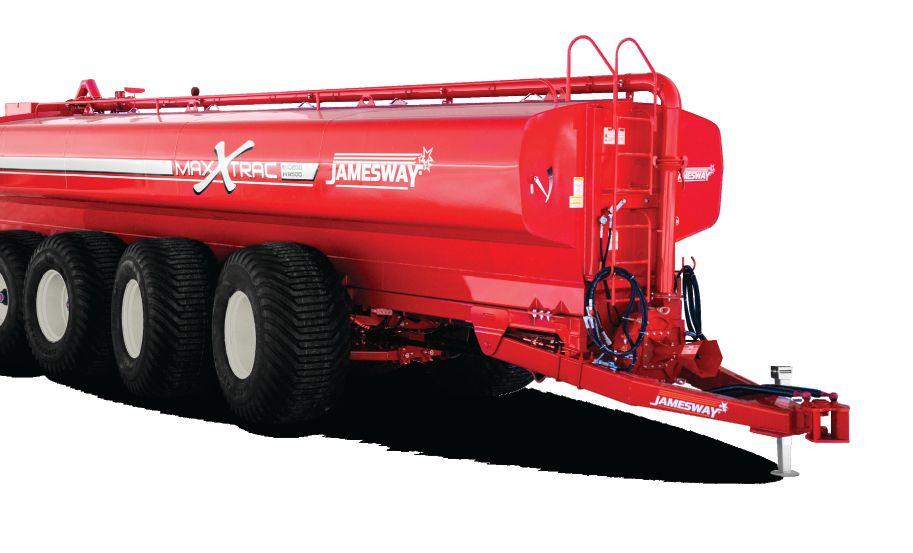
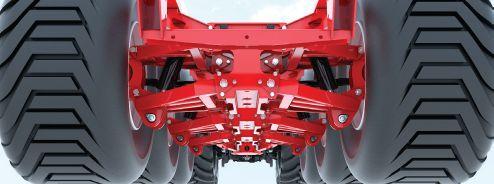
for professional haulers, Jamesway’s new MAXX-TRAC tankers deliver maximum performance.
Patented Turbine Impeller
Clean Water Rule finalized
The U.S. Environmental Protection Agency and the U.S. Army announced May 27 they had finalized the Clean Water Rule.
The rule ensures that waters protected under the Clean Water Act are more precisely defined and predictably determined, making permitting less costly, easier, and faster for businesses and industry. The rule is grounded in law and the latest science, and is shaped by public input. The rule does not create any new permitting requirements for agriculture and maintains all previous exemptions and exclusions.
In developing the rule, the agencies held more than 400 meetings with stakeholders across the country, reviewed over one million public
comments, and listened carefully to perspectives from all sides. EPA and the Army also utilized the latest science, including a report summarizing more than 1,200 peer-reviewed, published scientific studies that showed small streams and wetlands play an integral role in the health of larger downstream water bodies.
A Clean Water Act permit is only needed if water is going to be polluted or destroyed. The Clean Water Rule only protects the types of waters that have historically been covered under the Clean Water Act. It does not regulate most ditches and does not regulate groundwater, shallow subsurface flows, or tile drains.
SOME COASTAL PLAIN STREAMS INFLUENCED BY CAFOS
Animal feeding operations have measureable effects on stream water quality in many agricultural watersheds in the North Carolina Coastal Plain, according to a report by the U.S. Geological Survey.
USGS scientists took water samples from 54 agricultural sites in the Coastal Plain area (see map) in order to assess water-quality differences among streams
BY THE NUMBERS
draining watersheds with and without concentrated animal feeding operations, or CAFOs. The samples were taken six times between June 2012 and April 2013 from 18 watersheds with no CAFOs; 18 watersheds with swine CAFOs; and 18 watersheds with both swine and poultry CAFOs.
The researchers found that 58 percent of the watersheds containing
CAFOs had distinct differences in water quality reflecting swine and/or poultry manure effects. However, 28 percent of the watersheds showed no measurable manure effects on water quality, despite having CAFOs upstream.
The watershed groups with swine and/ or poultry CAFOs had higher median concentrations of nutrients such as ammonia plus organic
nitrogen, ammonia, nitrate plus nitrite, and total nitrogen, as well as major ions such as magnesium, sodium, potassium and chloride, than the group with no animal operations.
A full copy of the report – Surface-Water Quality in Agricultural Watersheds of the North Carolina Coastal Plain Associated with Concentrated Animal Feeding Operations – is available online.
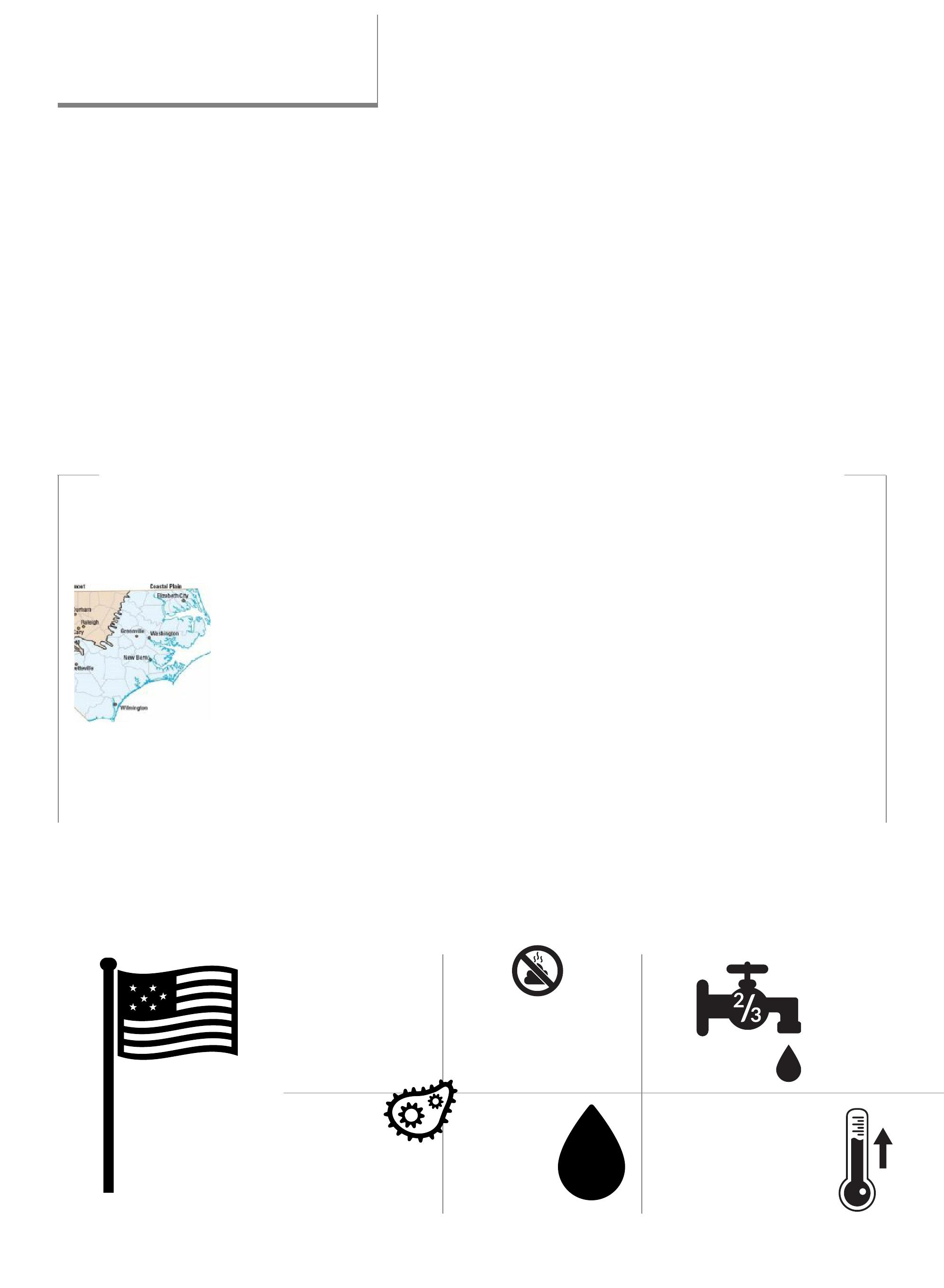
The number of composting plants operated in the U.S. by industries and municipalities has tripled since 1990
Average life span for compost microorganism is 20 to 30 minutes. Ideal compost MOISTURE CONTENT: Takes compost 3 days at 131 F (55 C) to kill parasites, fecal & plant pathogens There are 3,600 COMPOST FACILITIES IN THE U.S. 60%
More than of the original water content of compost is lost during decomposition
Compost temperature should be controlled to 140-150 F upper limit
DeLaval launches new corporate website
DeLaval has launched a new corporate website, hoping to allow visitors to experience the full breadth of the company’s offering and expertise in the field of dairy farming.
The new site also has an area dedicated to sustainability, including the latest environmental and social data reports from DeLaval.
It’s hoped the site will also act as a platform for DeLaval to showcase the latest trends in dairy farming and give an insight into the lives of the farmers using the company’s products and solutions.
“We believe the new corporate website gives visitors a clearer picture of who DeLaval are and will allow them to find out more information about the company across a range of internet enabled devices,” said Brian Rigley, manager of online at DeLaval.
The website will be continually updated with DeLaval’s latest news, dairy insights and testimonials from its customers. For more information, visit delavalcorporate.com.
IEC honored at award ceremony
Industrial and Environmental Concepts (IEC), was honored as a winner of the Minnesota Governor’s International Trade Awards during an award ceremony in St. Paul, Minn.
The company was selected for developing and continuing to grow a significant part of their business in foreign markets and developing innovative approaches for competing globally.
IEC is a designer, manufacturer and installer of floating covers used in water treatment. IEC covers are used worldwide for applications including anaerobic biogas systems, odor control, heat retention and wastewater treatment for a wide range of municipal and industrial applications.
“I congratulate these exceptional companies for their successes in international trade,” said Governor Mark Dayton.
IEC is located in Lakeville, Minn.
Robinway Dairy receives WI environment award
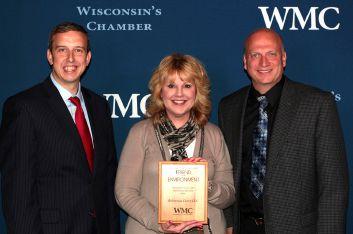
Robinway Dairy of Manitowoc County recently received the Wisconsin Manufacturers & Commerce (WMC) 2015 Wisconsin Business Friend of the Environment Award for Environmental Innovation at the annual Wisconsin Business Friend of the Environment Awards.
The dairy operation is currently in the process of installing the Livestock Water Recycling Manure Treatment System that will allow them to continue to expand their operation sustainably without having to acquire additional land for nutrient management. With the LWR System they will have the ability to add cows and increase milk production while gaining an abundant source of clean, reusable water.
efforts to become more sustainable. To be recognized for this achievement is a great honor.”
“We are excited about our LWR System and how it will improve our manure management practices here on the farm.”
“Being a good environmental citizen is a critical part of our business,” said Robinway Dairy’s Jay Binversie. “It is important for us to continue to make
The Business Friend of the Environment Awards highlight what Wisconsin companies are doing in the areas of sustainability, innovative technology and environmental stewardship.
DVO introduces advanced phosphorus recovery system
DVO, Inc. has introduced a new technology that removes 75 to 95 percent of phosphorus from anaerobically-digested wastes.
The company has successfully commissioned this system for a large dairy farm in the Northwest. A commercial mixed-waste anaerobic digestion facility in Indiana, as well as a dedicated poultry litter digester in Ohio have also installed the system at full-scale.
Phosphorus is essential to all living things – and is a valuable nutrient for agriculture. Phosphorus is also a “nonrenewable” resource with a finite global supply. However, too much of it can find its way into our rivers and lakes, leading to algae blooms and damage to sensitive aquatic ecosystems.
By treating waste in DVO’s TwoStage Mixed Plug Flow anaerobic digester and employing the phosphorus recovery (PR) system, the majority of the waste stream’s phosphorus resides in a condensed solid — a new and useful byproduct from digestion that is stackable, storable, spreadable and profitable. Operating costs for the phosphorus recovery system average one-eighth of a penny per gallon of liquid processed – a small amount compared to the cost of transporting that gallon longer distances. The phosphorus-rich solids generated can be transported from the area and are marketable as a soil amendment, fertilizer or potting soil/ peat moss replacement.
“Not only is DVO’s PR system a low-maintenance, sustainable treatment solution that works for agriculture and industry — it also provides real benefits for the environment,” said Doug VanOrnum, vice president of strategy and technology for DVO. “Largely because these ‘plant-ready’ fertilizers and micronutrients are captured in a form that can now be safely transported and utilized in areas that need them. DVO’s mission has always been to provide our customers with groundbreaking nutrient management solutions that work.”
Northern composter
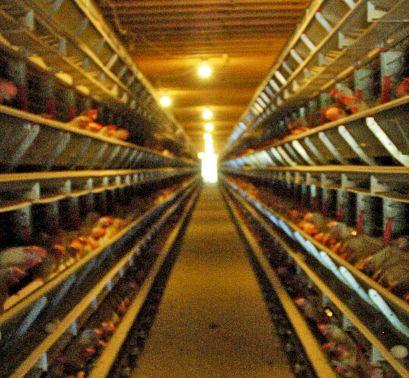
Choice North Farms, located in the Northwest Territories of Canada, is shifting from landfill disposal to composting for the 3,850 tons of poultry manure its laying hens produce each year.
BY TONY KRYZANOWSKI
Egg producer Choice North Farms generates almost 3,850 tons of poultry manure annually that it landfills on a designated leased site. The owners wondered if there was a better use for this byproduct and the idea of composting came to mind. If successful, this could help boost farm production in northern Canada by providing a much-needed building block for developing productive soils.
The farm houses about 117,000 laying hens producing about 37 million eggs per year near Hay River in the Northwest Territories (NWT). It is working with an organization called Ecology North, the NWT government, the Canadian government, the Northern Farm Training Institute (NFTI) and Town of Hay River on its composting venture. The plan is to start with a 210 cubic yard pilot scale site involving the use of about 10 tons of manure this summer to test various mixing methods and outcomes, with the goal of developing a full scale site consisting of an area of about 23,500 cubic yards as a commercial
composting operation, hopefully by next summer.
Choice North Farms is owned and managed by Glen Wallington and his son, Michael. They own part of the operation and manage another part for a separate egg producer, all under one roof. They started producing eggs under the Choice North Farms label about three years ago and are among the largest egg producers in NWT as well as being a supporter of the Polar Egg initiative. Since 2012, the Polar Egg Company has been certified to grade eggs locally so that not all eggs are shipped to southern markets but also supplied for human consumption in retail stores in the North.
At present, their raw manure is collected on plastic conveyor belts and removed from the barns daily, representing about one dump truck load per day that is transported to a designated landfill area 14 miles from the barns.
The objective of the composting project is to mix raw poultry manure with waste paper and wood. The paper and wood are necessary as part of the conversion process to produce compost.
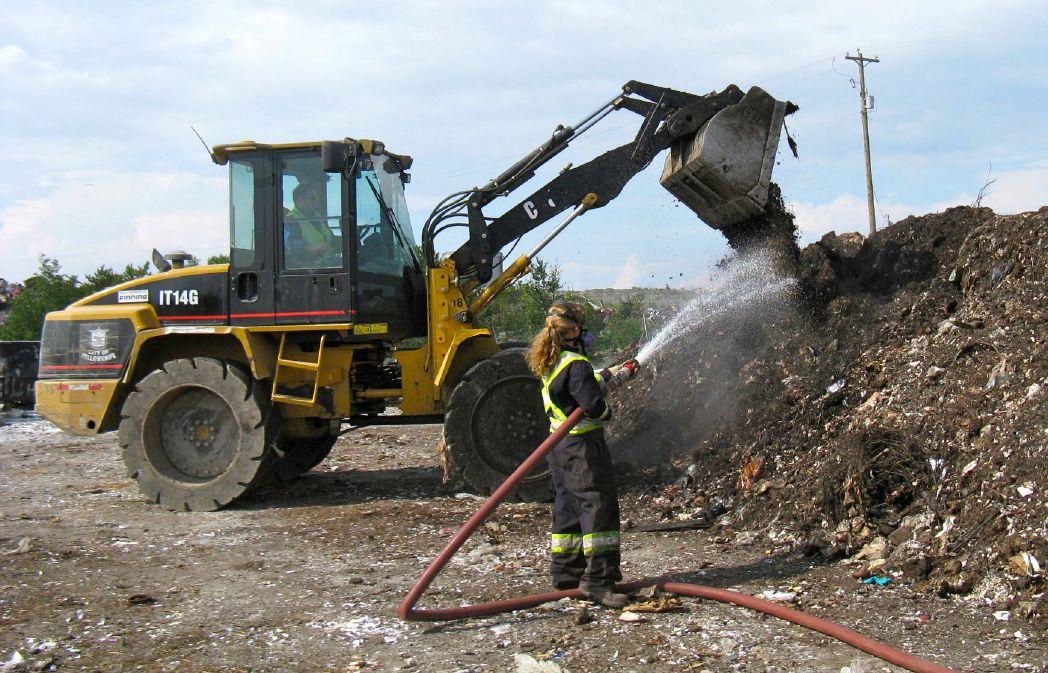
ABOVE Turning and adding water to the compost heap located at the City of Yellowknife landfill ensures that high quality compost is created. It is managed by Ecology North. Contributed photo
ABOVE
Manure from egg layers at Choice North Farms is collected using a conveyor system and dumped into a truck for disposal once a day. Contributed photo
RIGHT
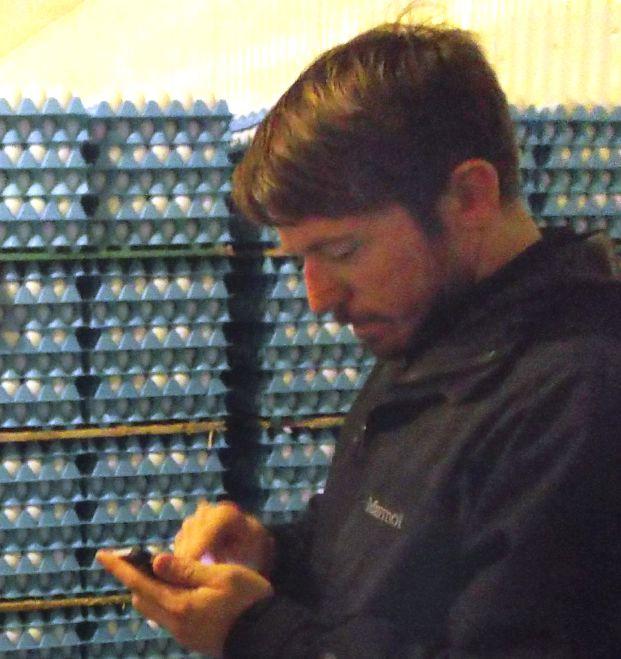
Kevin Wallington at Choice North Farms in Hay River, NWT is leading an initiative to compost the manure generated by the farm’s 117,000 egg laying chickens. Contributed photo
Because of that, Choice North Farms sales and marketing representative, Kevin Wallington, says they are in discussions with governments such as the City of Yellowknife and Town of Hay River, as well as industries dealing with waste paper, such as paper shredding companies and the Yellowknife newspaper, to discuss possible alliances in the composting venture. Kevin is also Glen’s son, as well as sales and marketing director for Polar Egg.
“The composting venture was initiated by us,” says Kevin. “In past years, there had been studies done on old poultry sites to see if there was any feasibility in it. But I don’t think there was really a will on the industry side. It really has to be championed by industry to participate in a venture like this.”
The concept is to establish an openturned windrow system where the manure, paper and wood are piled into 16 feet wide by 10 feet tall windrows. At full-scale operation, 3,770 tons of poultry manure generated by the egg farm will be combined with 3,080 tons of paper and 550 tons of wood to produce about 4,450 cubic yards of compost annually. One of the benefits of composting is that through biological activity, it reduces the volume of the raw materials, and produces a marketable, pathogen and
weed-free compost that can be used as a soil amendment in a variety of growing environments.
Either a wheel loader or pile turner could be used to turn the piles as needed to improve airflow and encourage the conversion process. Not only does Choice North Farms want to convert their current production of manure, but also to use the thousands of tonnes of poultry manure that they have accumulated in their nearby landfill over the past 15 years.
“This project is a benefit to us because if we didn’t compost, then effectively the landfill becomes a liability for us,” says Kevin. “Some of those pits are fairly deep and I don’t think you’d have to dig too low below the surface to find that it is fairly fresh after it’s been there for some time.”
He adds there are no issues with the landfill currently, “but I know that the government is excited about our project because the North is full of stories where people just walked away from things.”
This is one reason why Ecology North became interested in partnering with the egg producer on this project. Kim Rapati, former Ecology North Hay River regional officer and currently operations manager of NFTI, says they were interested in kickstarting a composting initiative in one of the NWT’s larger communities as a way to demonstrate how waste can
be diverted from landfills. They decided to partner with Choice North Farms to build a composting operation similar to one they helped to establish and continue to manage in Yellowknife.
Wallington says the egg producer had no experience with composting and that is a major benefit that Ecology North has brought to the partnership, providing the technical know-how needed to launch a composting venture.
Ecology North has been around since 1971 and describes itself as a charitable, non-profit organization headquartered in Yellowknife to support sound environmental decisions made on an individual, community or regional level. Its program focus on three priority areas: public education and awareness; climate change; and, sustainable living.
Last year, the organization presented the finding of its study called, Feasibility of Centralized Composting in Hay River, to Choice North Farms, the Town of Hay River, the Territorial Farmers Association, and Environment Canada. The study conducted by Rapati concluded the poultry composting concept was feasible.
Savings in diverting paper waste from the Hay River landfill to the poultry farm composting site was estimated at almost 18,300 cubic yards of space, a savings of just over $2 million per year.
The project costs of establishing the site were estimated at about $350,000, with additional capital costs of $459,000 and annual operating costs of nearly $136,000. To recover those costs, the study estimated that there was the potential to generate just over $235,000 per year in compost sales, with the sales and marketing handled by Choice North Farms.
The egg producer has been speaking to the NWT government for a couple of years about acquiring a fresh parcel of land for the composting site, separate from its existing manure management landfill. It is located about 330 yards from the stockpiled manure in the landfill for easy access.
“The culture of the North for a long time has been dumping,” says Wallington. “Management doesn’t really come into play because we have a lot of space. Unfortunately, a lot of times what that means is that if you don’t have any major issues, you can just continue as you always have.”
However, the agriculture industry is starting to grow in NWT, and he believes that this composting initiative demonstrates leadership on a part of a current northern industry participant that can help set a higher standard for newcomers to this sector.
Rapati agrees that interest in agriculture
is definitely growing in the North and that will be a big part of the mandate of NFTI as it develops the 260 farm acres near Hay River under its management. She says that compost is a highly valued commodity in the North because there is so little arable land available in the region to pursue farming ventures in or near the region’s many small communities. However, interest in agricultural practices is very high. Addition of compost to what she described as ‘young soils’ will provide community members with the opportunity to establish and develop their farming skills. Many are expected to obtain those skills through their participation in NFTI programming.
From a technical standpoint, poultry manure is high in nitrogen and phosphorus and requires the addition of carbon for the overall composting process to work. Choice North Farms is relying on the mentorship and experience provided by Ecology North and is also working with a laboratory in Yellowknife to establish the proper mix to produce high quality compost as an end product. Rapati says that despite the sub-arctic temperatures in northern Canada, it is possible to produce high quality compost, but it takes longer because the air temperature do not stay warm for as long as areas further south. The temperature in the
windrows is required to achieve at least 131 F for 15 days and turned five times to ensure that the conversion is complete. Producing compost is more of a time management process in the North adapted to suit local conditions. For example, it has been Ecology North’s practice to produce compost over two seasons in Yellowknife – one season to complete the active conversion process and then a second season to let the compost stabilize to its final form, although in reality, Rapati says the conversion to marketable compost could probably be managed in one season. The frequency of turning and adding moisture to the piles depends on air temperature, airflow and moisture content readings to encourage uniform conversion are taking place within the piles. One advantage of composting in the North is that it has the space to conduct open-windrow composting and because of its sparse population, there are few if any odor complaints.
Kevin says Choice North Farms is excited about the opportunity and eager to get started.
“This is going to be businessdriven, probably supported by various organizations, including the government,” says Kevin. “At the end of the day, we would like to have a product that we can sell and use in the North.”
ABOVE
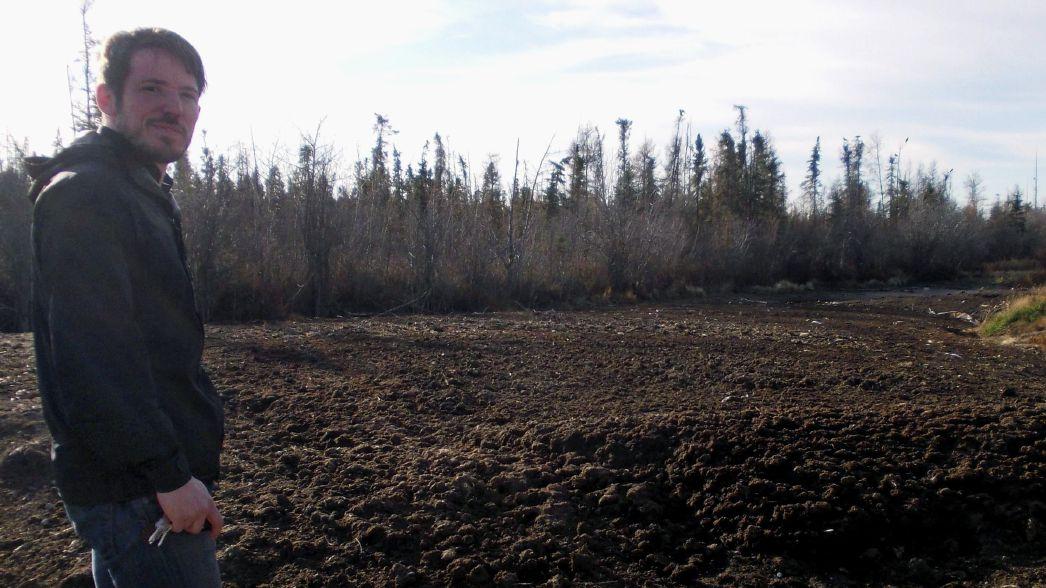
Choice North Farms is hoping to use the poultry manure building u p on its current landfill site near Hay River, NWT to make compost as a soil amendment. Contributed photo
Navigate Nutrient Management with a Dewatering System from GEA
Put nutrients where they belong with a combination GEA Slope Screen and AGM Centrifuge system. Together, the system effectively dewaters manure. Screened solids can be dried and used for bedding. Solids produced by the centrifuge are nutrient-rich and can be used for compost or spread on fields. Recovered liquid can be stored in a lagoon or applied directly to the fields. And since phosphorus levels in the liquid are lower, it can often be sprayed at a higher rate per acre.
The process starts with a Slope Screen that removes large material from the manure. After this, the remaining liquid-solid mixture runs through a high speed AGM Centrifuge that automatically adjusts to different flow rates and solid levels. With almost all the solids removed, the remaining liquid is much cleaner.
Efficient and cost-effective, the equipment can be used with or without an anaerobic digester.
Learn how GEA can help you improve and add value to your manure management program. Call 800-563-4685 or email geahoule@gea.com.
Toll-Free: 800-563-4685
www.gea.com
Dealing with the mortalities of HPAI
With more than 47 million birds dead from Highly Pathogenic Avian Influenza across the U.S., farmers are faced with composting mortalities and preparing for future outbreaks
BY DIANE METTLER
The 1983-84 outbreak of Highly Pathogenic Avian Influenza (HPAI) resulted in euthanizing approximately 17 million chickens, turkeys and guinea fowl in Pennsylvania and Virginia before the disease was contained and eradicated.
In 2004, the U.S. Department of Agriculture (USDA) confirmed an outbreak in chickens in Texas. The disease was quickly eradicated due to coordination and cooperation between USDA and state, local, and industry leaders.
However, in 2015 chicken farmers were not as lucky. The Poultry Site reports that due to the warmer weather the spread of the HPAI has slowed, but as of mid June the total infected or
destroyed has reached over 47 million birds. And the USDA says that of that number, 31.454 million were laying hens, 5.874 were pullet chickens, and turkeys at about 7.76 million.
COMPOSTING THE TOP CHOICE
For farmers, the death of the chickens and turkeys is just the start. Disposing of the chickens and turkeys on this kind of scale has been a monumental challenge.
Composting is the preferred method of disposal for several reasons according the U.S. Environmental Protection Agency:
• the heat generated from composting deactivates
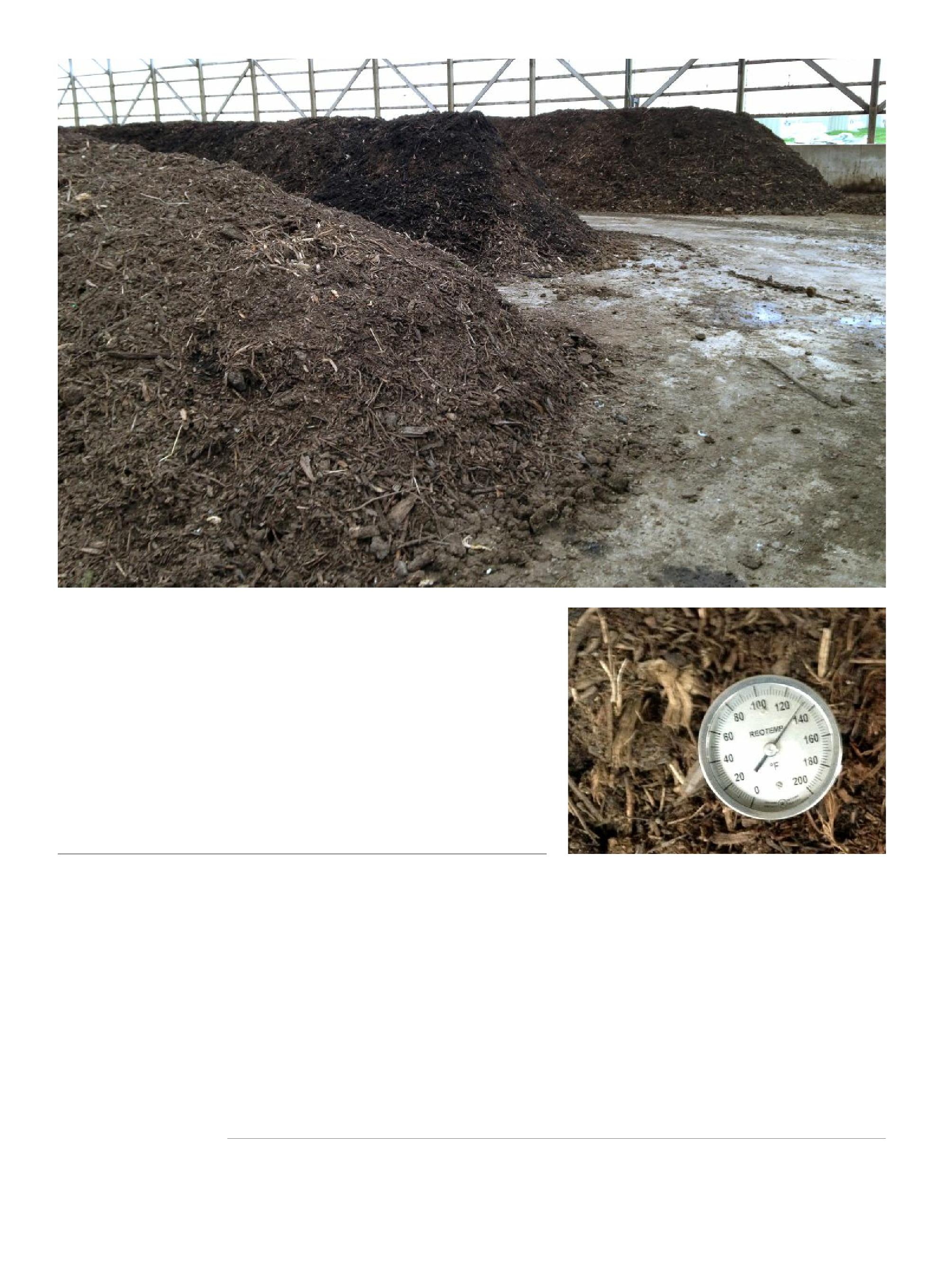
TOP Composting is the preferred method of disposal of poultry infected with avian influenza virus. Photo courtesy of Mary Schwarz
BOTTOM Temperature is the measure by which it’s observed whether avian influenza virus has been controlled. Temperature probes should be used to record temperatures. Photo courtesy of Mary Schwarz
• on-site composting limits the risk of groundwater and air pollution contamination
• limits the risk of potential for farm to farm disease transmission
• limits the transportation costs and tipping fees associated with off-site disposal
• creates a usable product
Most farmers are trying the compost the chickens, but in areas like heavily-hit Iowa, where farmers are dealing with millions and millions of chickens, and locals are dealing with the intense smell, the USDA and Iowa contracted with three state landfills, including one with a large incinerator to help speed up culling, bird disposal and barn clean up.
AID FROM APHIS
Experts have been called out to the filed by Animal and Plant Health Inspection Service (APHIS) to help farmers develop and implement composting on their farms. Mary Schwarz, extension support specialist of Cornell Waste Management Institute, was one of many composting experts who responded.
“A call went out from APHIS to a group of people that had expertise in mortality composting asking if we were available. They said, ‘If you think that you can go for between three and eight days to a place where [outbreaks] are happening, let us know.’ A lot of people have gone out and helped in different places. And they’re still going out, trying to help where they can with this expertise.”
CHALLENGES FOR FARMERS
Schwarz travelled to Wisconsin and then on to Iowa to assist. She says that she found the biggest challenge for U.S. farmers trying to compost the birds was locating enough carbon. This carbon material, such as woodchips, is used to absorb moisture from the decomposing fowl and provides structure (for good airflow) in the compost pile.
“With birds that are housed in buildings with large amounts of litter – like shavings and such – carbon is already there. And, bird manure mixed with litter tends to have the correct moisture content and carbon to nitrogen ratio for composting on its own without having to add more,” explains Schwarz. “When the birds start to get a little bit larger – some of the turkeys we dealt with in Wisconsin were 65 pounds – we needed to be able to secure more carbon because the amount of carbon they were bedded with wasn’t quite enough to envelope those large birds.”
Where do farmers find carbon? Some farmers have gone to municipalities that had it available. Mulch producers or any company that produces wood chips were also an option.
“In other places, like in North Dakota, they were using corn stalks and corn cobs and whatever chunky carbon source that was available,” says Schwarz.
SCIENCE OF COMPOSTING
For the purposes of disease control, in-house composting in preferable, because it is more biosecure. Ideally, the birds should be moved as little possible, and all litter and organic material should be composted with the birds. But whether farmers compost in-house or outside, Schwarz says mortality composting, it much like regular composting, just “backwards.”
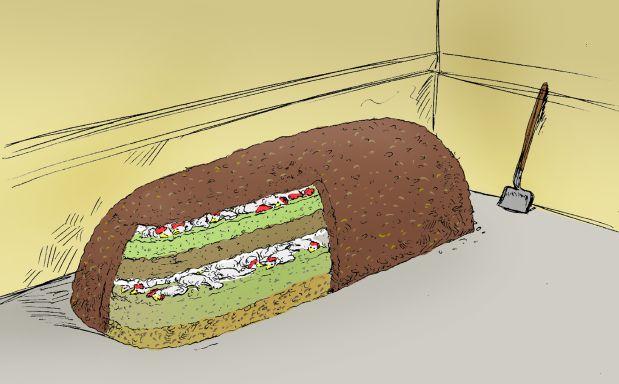
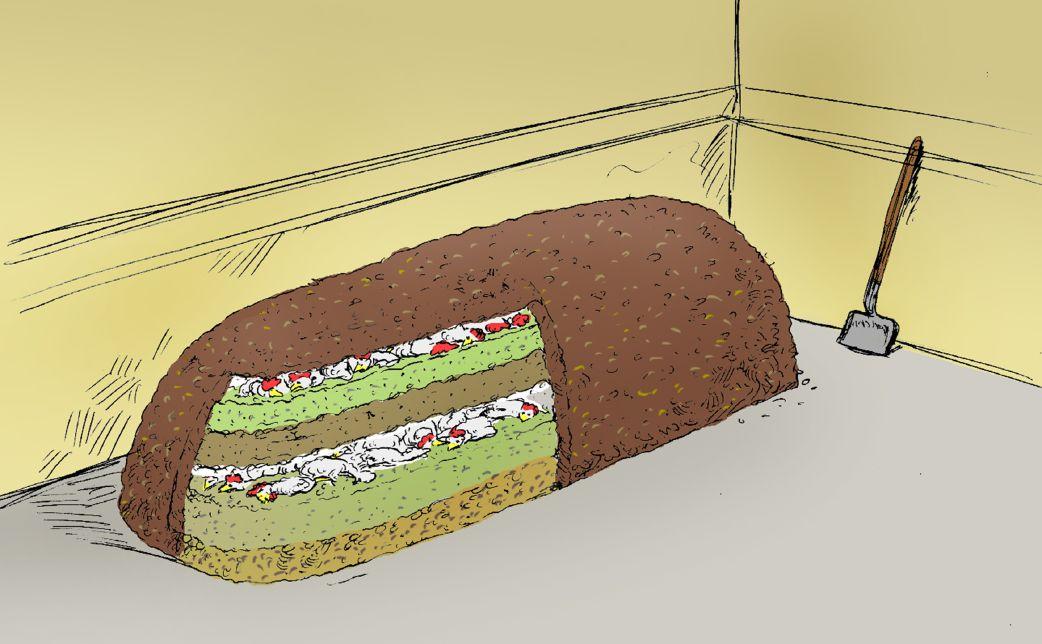
“When you compost normally, you would make a mixture that has a carbon to nitrogen ratio of between 20 and 30:1, and has 50 percent moisture. You would put it in a pile and turn it. With mortality composting, your feedstocks are separate, so your nitrogen is the animal and your carbon is this envelope that you stick the animals in. It generally will start off with a carbon to nitrogen ratio of 50:1 because they’re separate.
“Until the animal starts to decompose within the pile, there’s going to be little mixture of nitrogen and carbon,” Schwarz adds. “As the animal starts to decompose anaerobically, the body cavity starts to open and moisture is released. And then hopefully, if you have a thick enough base, that moisture is all contained within that base of carbon.
“At that point you get aerobic decomposition where the microbes start digesting both the nitrogen and the carbon available, and heat is generated. The microbes change to the heat loving microorganisms and continue to digest. When you’re flesh waste is gone – about two weeks for small birds –you’re at that point where you can mix the pile and it starts to resemble regular composting.”
TESTING YOUR COMPOST
Currently, temperature is the measure to see AI has been controlled. Temperature probes should be used to record temperatures. Research by the University of Delaware Extension Service found 10 to 14 days of composting without turning at a temperature up to 160 F (71 C) completely inactivated the avian influenza virus in windrows of composted mortalities.
ABOVE
According to Mary Schwarz, an extension support specialist with the Cornell Waste Management Institute, with mortality composting, the feedstocks are separate, so the nitrogen source is the animal and the carbon is the envelope the animals are placed in. Image courtesy of Mary Schwarz
According to an information bulletin from the Cornell Waste Management Institute, research has also found that by mixing field manure with avian influenza virus and composting, the virus lost its infectivity after 15 minutes at 56 C (133 F), 24 hours at 30 to 37 C (86 to 99 F), and two days at 15 to 20 C (59 to 68 F).
One option Schwarz says is for farms to begin composting in house and, after the first 14 days, move the material outside to finish the composting cycle.
“That allows them to start doing cleaning and disinfection in the house. It all depends on the size of the operation.”
EQUIPMENT & APPLICATION
If there is a bright spot, the equipment needed to compost is normally available on the farm.
“Even with a large operation, you need a skid steer with a bucket, or a tractor with a bucket that reaches a little bit higher than a skid steer might,” says Schwarz. “As far as turning goes, you can also turn with a bucket.”
Although the compost will be disease-free after 30 days if kept at
the right temperatures, Schwarz said applying it immediately to the field isn’t ideal.
“It will be high in carbon and probably rob nitrogen from the soil. If it’s allowed to compost longer, it will become a better soil amendment.”
LOOKING AHEAD
As farms in the Midwest deal with large scale composting, states like Mississippi, Indiana, Alabama and Georgia are getting ahead of game. No one is confident that the warm weather will kill off the virus.
Georgia, the nation’s leading producer of chicken raised for meat, is one of the states that hasn’t had an AI outbreak yet but isn’t taking any chances.
“We’re better safe than sorry,” said Dr. Robert Cobb, a state veterinarian for Georgia, to Reuters. “All the research I’ve been able to find is showing that this virus could likely stick around for years.”
Schwarz says that most farms she visited in Wisconsin were fairly well prepared for an outbreak. However, she feels they could have been more prepared if they’d been told exactly what to do if it should happen.
“For this reason, the group of subject matter experts are trying to create a document that will allow at least the Department of Agriculture in each state to pass it along to their producers.”
And for those that want to be prepared, Schwarz suggests attending the Fifth International Symposium on Animal Mortality Management, held September 27 to October 1 in Lancaster, Penn. One of the pieces of the program will be a training exercise on avian influenza response.
In the meantime, APHIS is working hard to create a resource for farmers.
“At least 30 or 40 of us that are from different states that do mortality composting are working together to create a standardized national protocol.”
She says it won’t be directions everyone must follow, but information about composting (cycle times, temperatures, etc.) so farmers can be prepared and know how to inactivate the virus.
Cornell also offers others resources on their website, including links to various state’s regulations via an interactive map and a link to the U.S. mortality and butcher waste disposal laws.
ANIMAL Manure Compost
Composting of animal manure can be beneficial to soil health while reducing spreader application time on pasture and hay fields during the growing season.
BY FRANK WARDYNSKI
Composting animal manure has long been used as a soil amendment to improve soil health. Composting has increased use as a tool to manage animal manure in recent years for livestock producers. In addition to the soil health benefits associated with applying animal manure compost, other advantages include improved storage options, reduced volume of material to be transported and spread on fields, and it is more suitable to be spread on hay and pastures during the growing season than raw manure.
Composting is a biological process in which aerobic microorganisms decay organic materials such as manure and bedding into a soil like substance. Good composting requires a mix of ingredients that allow the microbial population to consume carbon and nitrogen. A carbon to nitrogen ratio of 25 to 30:1 is ideal while a ratio of 20 to 40:1 is acceptable. Moisture content also must fall into a certain range. The ideal range falls between 50 to 60 percent with 40 to 65 percent being reasonable. Most well bedded manure pack falls into an acceptable range for both carbon to nitrogen ratio and moisture content.
Pure manure is frequently too high in nitrogen and moisture content to be properly composted. However, manure can be mixed with other carbon sources such as straw, corn stover, wood residue, or leaves to balance the carbon to nitrogen ratio and moisture content. Piles of compost are formed and allowed to begin the composting process. During the process aerobic organisms consume the nitrogenous and carbon compounds with oxygen and generate organic matter,
ABOVE
carbon dioxide and heat. As heat builds up within the pile and oxygen is depleted a mixing or stirring process is required to release heat and replenish oxygen within the pile. The stirring process can be conducted by special windrow turners or by tractor or end loader with a bucket. Microbe populations within unturned piles will quickly die from the excessive heat of from oxygen starvation.
The composting process of well managed-piles can be mostly completed within four to eight months. High quality compost requires additional time for curing of two to four months. High quality compost will be thoroughly decomposed, be more soil like and contain more humus. Unfortunately that time frame may not allow for the composting process to be completed and then spread before winter. Unfinished compost can be spread during the fall months but will be limited in its benefits of fully composted material. The compost material will reduce in volume through the process by about 30 percent. Compost material will be more thoroughly reduced if the process is completed and require less time for spreading.
Compost can be spread on hay fields and pastures without the disadvantages of spreading manure directly. The soil like structure of compost frequently falls to the ground and allows grass to more easily grow through the material than manure pack. Animals are more likely to efficiently graze after compost spreading as opposed to spreading raw manure.
The composting process of wellmanaged piles can be completed within four to eight months.
Frank Wardynski is a ruminant Extension educator with Michigan State University. He can be contacted at wardynsk@anr.msu.edu or 906-884-4386.
Best manure management practices for reducing methane emissions
It’s hoped new research being conducted in Canada will lead to steps that farmers can take, resulting in a big impact on reduction of greenhouse gas emissions
BY TREENA HEIN
The Government of Canada has made international commitments to reduce greenhouse gas (GHG) emissions by 17 percent by 2020, and because methane is a GHG with a global warming potential at least 25 times greater than carbon dioxide, it’s an important focus. The fact that it is short-lived in the atmosphere means that a reduction in methane emissions is much more beneficial than a reduction of other GHGs.
If you look at Canada’s greenhouse gas inventory, methane makes up a large percentage – 15 percent in 2013 to be exact, and it was 48 percent of agricultural emissions. On both the international and national climate change stage, methane emissions from manure management have come into the spotlight because it is an area where substantial mitigation can be achieved quite quickly. Therefore, as part of its lead partner role with the Climate and Clean Air Coalition (CCAC), Canada is leading research into measuring and
reducing methane emissions through better manure management. This effort includes scientists from Agriculture and Agri-Food Canada (AAFC), Environment Canada, and the University of Guelph, in coordination with Environment Canada’s Climate Change International group, and international groups such as the Global Methane Initiative, United Nations Food and Agriculture Organization, World Bank, and more than 30 country partners.
GOOD MEASUREMENT COMES FIRST
Before the involved researchers could begin to suggest to farmers how best to manage manure so that methane emissions are reduced, improvements to the way Canada’s official methane emissions are calculated in the National Inventory Report are in order.
“The methodology was developed by the Intergovernmental Panel on Climate Change, and
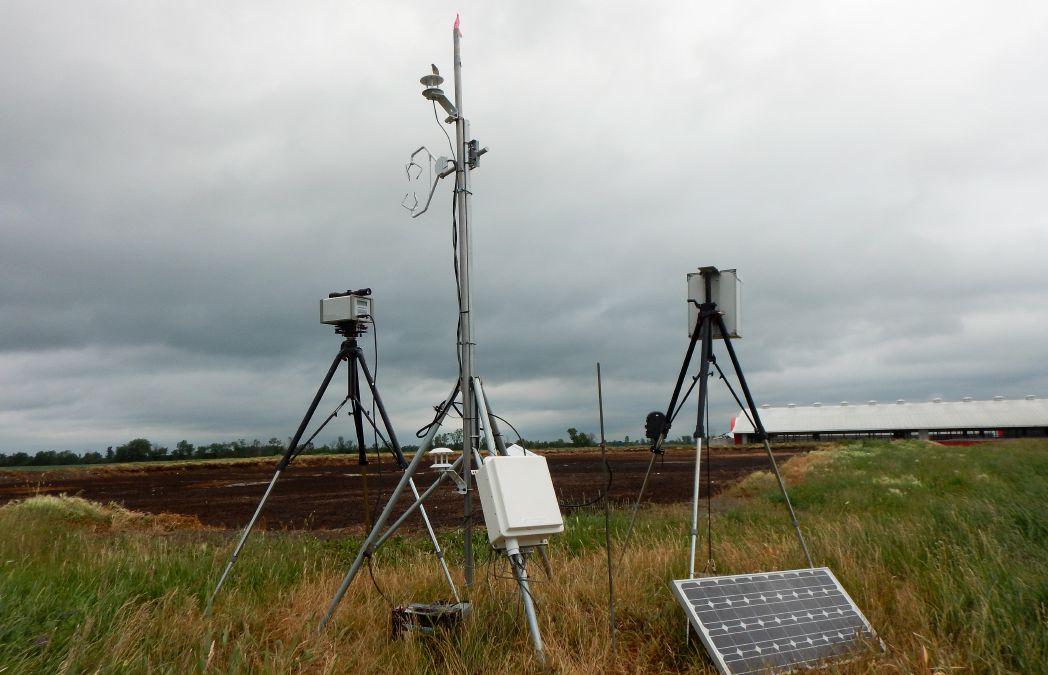
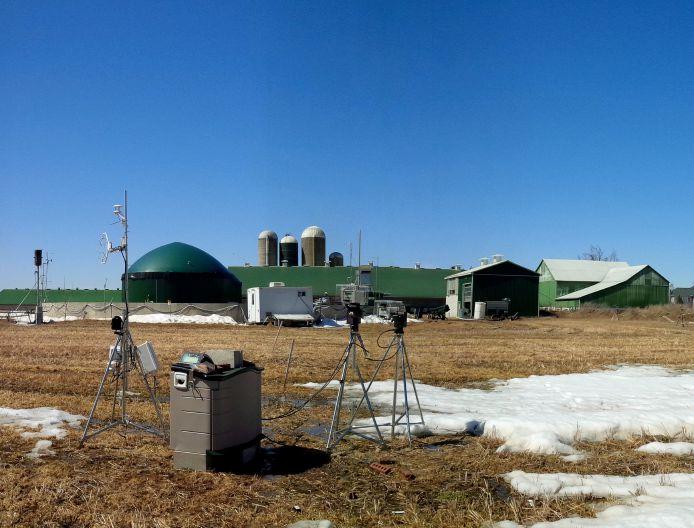
ABOVE These open-path sensors measure how much the concentration of methane has increased as the air passed over the manure storage, which is combined with detailed measurements of the wind speed and turbulence measured by a 3D anemometer. Photo courtesy of Andy VanderZaag
The new PSS3.3-780 HD Separator from the BAUER Group
The Next Generation of Green Bedding Separators from BAUER! The PSS3.3-780 HD produces high-quality bedding material with a dry matter content of up to 38% in solids.
Please contact:
Jim DeWitt, (630) 750-3482, j.dewitt@bauer-at,com Michigan City Office, (800) 922-8375, www.bauer-at.com
based on the use of anaerobic lagoons covered by a membrane, but these are rare in Canada,” explains AAFC scientist Andy VanderZaag. “The models also assume that manure temperature is equivalent to air temperature, which is not correct. So we are developing and testing a sub-model that describes manure temperature as a function of air temperature, and accounts for other major factors such as how a storage area is filled and emptied, and how much agitation occurs.”
Canada’s National Inventory Report, as it is, doesn’t take mitigation practices into account.
ManureManager_july-aug_2015.pdf 1 7/7/15 11:57 AM
“In other words, if every farm in the country adopted a mitigation practice to reduce its methane emissions, the emission total would not change,” notes VanderZaag. “So, based on the on-farm measurements being collected, it was time to update things, and to develop a responsive methane emission model for manure management that captures differences across climatic ecozones.”
The initial plan was developed in 2013, and VanderZaag and his colleagues continue to build on the new framework.
The model will be used to create a lookup table of methane conversion factors that corresponds to the large suite of inputs that already were found in the existing traditional calculation and reporting approach.
“We are working on a validated algorithm to ‘gap-fill’ across factors,” explains VanderZaag, “thereby creating a complete table that allows for determining emissions and mitigations in Canada, which also corresponds to international values.”
The researchers also needed to discover how manure was currently being managed in Canada, so they analyzed existing surveys and initiated a new survey of Canadian farmers. VanderZaag says they knew that methane emissions from liquid manure are important and that liquid manure management has become more and more popular over recent decades, but that they needed to quantify the trend in order to use it in the calculations.
“Our survey showed that liquid manure is the dominant practice in intensive dairy and swine production,” he says, “and that the percent of manure stored in liquid form has increased rapidly in Canada.”
The survey results also helped the scientists determine the times of year when manure storage facilities are usually emptied, the types of manure storage being used (tank, earthen basin, lagoon) and many other important factors.
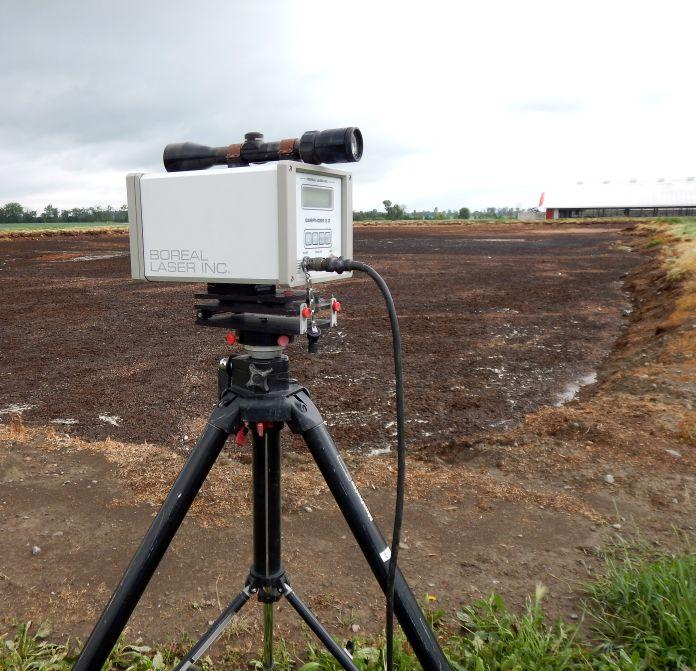
The researchers began measuring methane emissions from manure storages in 2011, using a new technique that uses open-path laser spectrometers to measure the concentration of methane in the air upwind and downwind of the manure storage. Each laser is paired with a pan-tilt robotic mount that aims it at a specialized reflector designed to return the laser beam back to the sensor. These open-path sensors measure how much the concentration of methane has increased as the air passed over the manure storage, which is combined with detailed measurements of the wind speed and turbulence measured by a 3D anemometer that measures the wind in three dimensions 10 times each second. Knowing the change in methane concentration and the wind conditions
enables the scientists to calculate how much methane is being emitted by the manure storage.
“This technique is very valuable because it lets us measure the manure emissions without disturbing the storage, or covering it, both of which change the way methane is produced and emitted,” says VanderZaag.
He adds that another big advantage is that “our measurements don’t get in the way of the normal farm activities, which is very important so we can observe what happens under normal conditions, throughout the year.”
Recently, the team focused on taking measurements of methane emissions under different management regimes. The scientists put a lot of effort into anaerobic digesters (which are an effective way to mitigate on-farm methane emissions) and obtained comprehensive datasets of methane emissions and all supporting parameters on a continuous basis, the first dataset of its kind. The scientists are also in the process of obtaining on-farm measurements of methane emissions from liquid manure in three ecoregions of Canada within two ecozones: Mixedwood Plains (Ontario), and Prairies (Manitoba and Alberta).
“These locations have significantly different climates and different manure management practices,” VanderZaag explains. “Along with our measurements of methane, we also track livestock numbers and herd description, bedding type and quantity, feed quantity and attributes, manure characteristics in the barn and storage (including pH, solids content, nitrogen and phosphorus content), manure storage depth, rainfall, ambient air temperature and manure temperature.”
At this point, research results are preliminary, but VanderZaag and his colleagues can, to some extent, make preliminary suggestions for farmers in order to cut methane emissions coming from manure.
CLIMATE
“We are expecting to see big differences in methane emissions in the region studied,” says VanderZaag. “The warmer it is, the more bacterial growth there is and the more methane is produced, and some regions may have more opportunity for mitigation than others. We don’t know yet if that’s a place that’s
warmer on average through the whole year, or just warmer in the summer, and the length of warm season matters as well. Then we have to measure methane emissions and look at mitigation methods in different geographic locations.”
STORAGE SYSTEM (EARTHEN BASIN VS. CONCRETE TANK)
“We don’t know yet if there is a difference in methane emissions between different storage types, and if there are differences, why they exist. We also have to look at
whether a roof matters or whether above or below ground matters, and so on.”
LIVESTOCK TYPE
“We have been working mainly on dairy so far but we’ll be doing both dairy and swine studies over the next few years. The manure is generally treated the same, but volatile solids are more efficiently converted to methane in swine manure, which mean methane emissions are higher. But hogs don’t emit methane directly like cattle do.”
FEED
“We know that methane emissions are driven by the amount of carbon available in manure, which is in turn based on the amount of solids, which is in turn based on livestock feed,” VanderZaag explains. “We hypothesize that livestock fed with corn-based feed produce volatile solids that have higher degradability than livestock fed with barley-based feed. Additionally, particularly in dairy, a significant amount of volatile solids can be added to the manure storage from bedding materials such as straw or woodchips. But it’s hard for farmers to keep bedding separate.”
EMPTYING TIMING AND FULL VS. PARTIAL EMPTYING OF MANURE STORAGE
“If farmers remove manure earlier in the fall from storage and get it on the fields, they can reduce methane emissions by 25 percent over waiting until late fall. In the fields, there is no anaerobic bacterial action. If farmers more thoroughly clean their manure storage, it takes longer for methane-producing organisms to grow back, which can reduce emissions by half.”
STORAGE MANAGEMENT
“Solid-liquid separation is very effective. Separation reduces methane produced by the liquid fraction, and emissions can be cut by more than half using a screw press separator and composting the solids. We know biodigesters capture methane and reduce the amount of solids, which reduces methane by half, but digesters aren’t for everyone. We still have to study the impact of floating covers and natural crusts on methane emissions.”
Research is continuing, and VanderZaag would like to stress that there is a lot of potential to reduce methane production on farm that does not affect livestock productivity.
“We also want farmers to know that we are working with colleagues on figuring out how changes in manure management might affect other aspects of the farm system, such as nitrogen availability in the fields if manure is applied earlier in the fall,” he says. “A farm is a large and complex system, and it’s important that before suggesting farmers manage manure differently to reduce methane – which is a very positive thing for the farm and the environment – we have solid evidence to assure them it’s not going to have a negative effect on some other part of the farm.”
ABOVE
The research team has also focused on taking measurements of methane emissions under different management regimes, including the use of anaerobic digesters, which are an effective way to mitigate on-farm methane emissions. Photo courtesy of Andy VanderZaag
ABOVE
Each laser is paired with a pan-tilt robotic mount that aims it at a specialized reflector designed to return the laser beam back to the sensor. Photo courtesy of Andy VanderZaag
BEDDING MAKER
ALL THE PERFORMANCE YOU NEED, NONE OF THE HASSLES.
COMPLETELY 304 STAINLESS STEEL CONSTRUCTION.
HEAVY DUTY PLANETARY DRIVE, NO GEAR BOX WOES. CASTED STAINLESS STEEL HARDENED AUGER FOR PRECISION AND SUPERIOR PERFORMANCE.
HEAVY DUTY SCREENS STANDARD, IN A VARIETY OF SIZES.
EIGHT CUTTER BLADES TO DESTROY FOREIGN MATERIAL. REVERSIBLE WEAR RINGS AND SPECIAL TUNGSTEN CARBIDE SEAL SYSTEM.
SELF ADJUSTING VOLUME CONTROL ELIMINATES LOSING SOLIDS PLUG AND PROVIDES EVEN HEAD PRESSURE. ADJUSTABLE MOISTURE CONTENT, PERFECT FOR BEDDING.
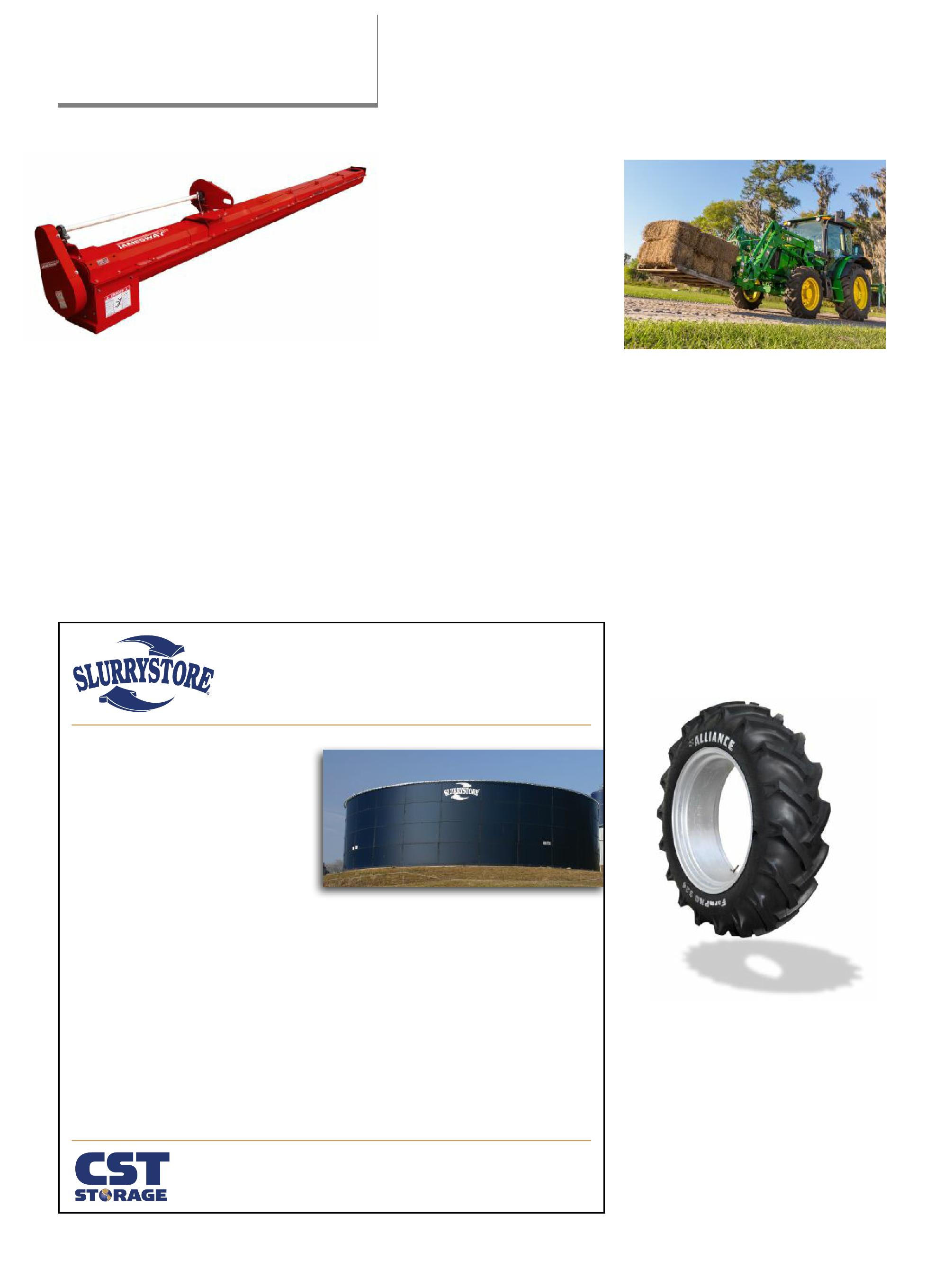
Jamesway Farm Equipment introduces the 12-inch diameter manure auger for fast loading of solid or semi-solid manure. The auger can stack separated manure solids, load V-spreaders with sloppy manure, load box spreaders with solid manure, and works at steeper angles than barn cleaners or conveyors. The covered U-trough auger features a UHD polymer bottom bearing for low maintenance. Standard lengths from 14- to 24feet handle most applications. Other lengths are available by request. jameswayfarmeq.com
PlanET Biogas online biogas calculator
PlanET Biogas Global has published a new online tool that enables farmers to check out the energy potential of their substrates. The biogas project calculator is free of charge and provides users a first impression regarding a suitable mix of substrates for an efficient biogas production. The new online calculator is available on the PlanET Biogas Global website at http://en.planet-biogas.com/ biogas/biogas-calculator.
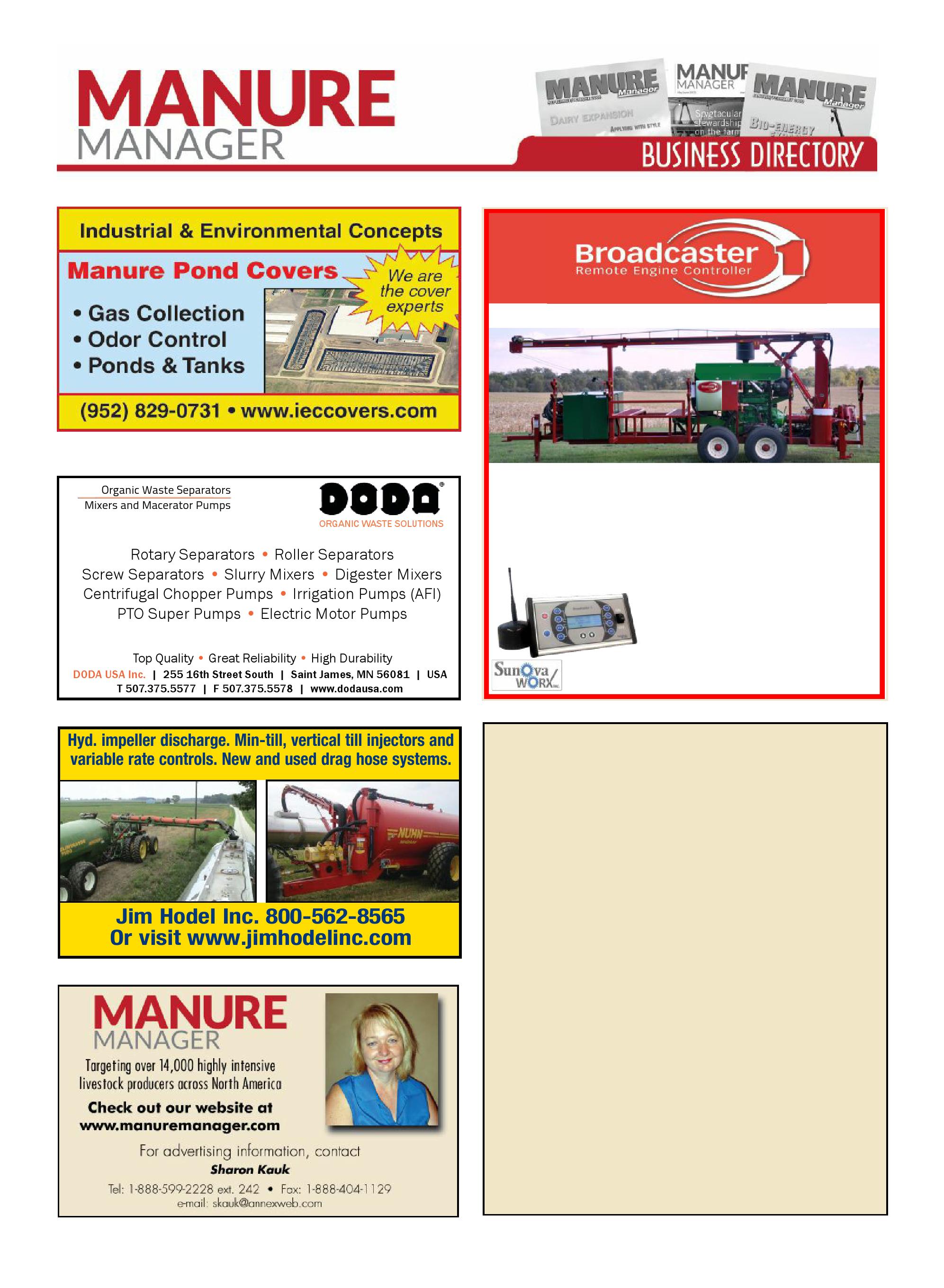
Best Storage for Maximum Nutrient Value!
Consistent
Nutrient ValueAgitation Makes the Difference
• Center agitation system evenly blends nutrients.
• Better utilization of “waste” translates into less purchased fertilizer.
Environmentally Sound
• Designed and constructed using bolted glass-fused-to-steel panels for secure storage and high corrosion resistance.
• Above ground - minimizes the danger of run-off, leaching and ground water contamination.
• Environment-friendly odor control - releases odors above ground level into higher air currents.
Visit www.cstindustries.com to find your local dealer, or call 815-756-1551.
John Deere 5 Series
John Deere has taken its 5 Series Utility Tractor lineup and added new models.
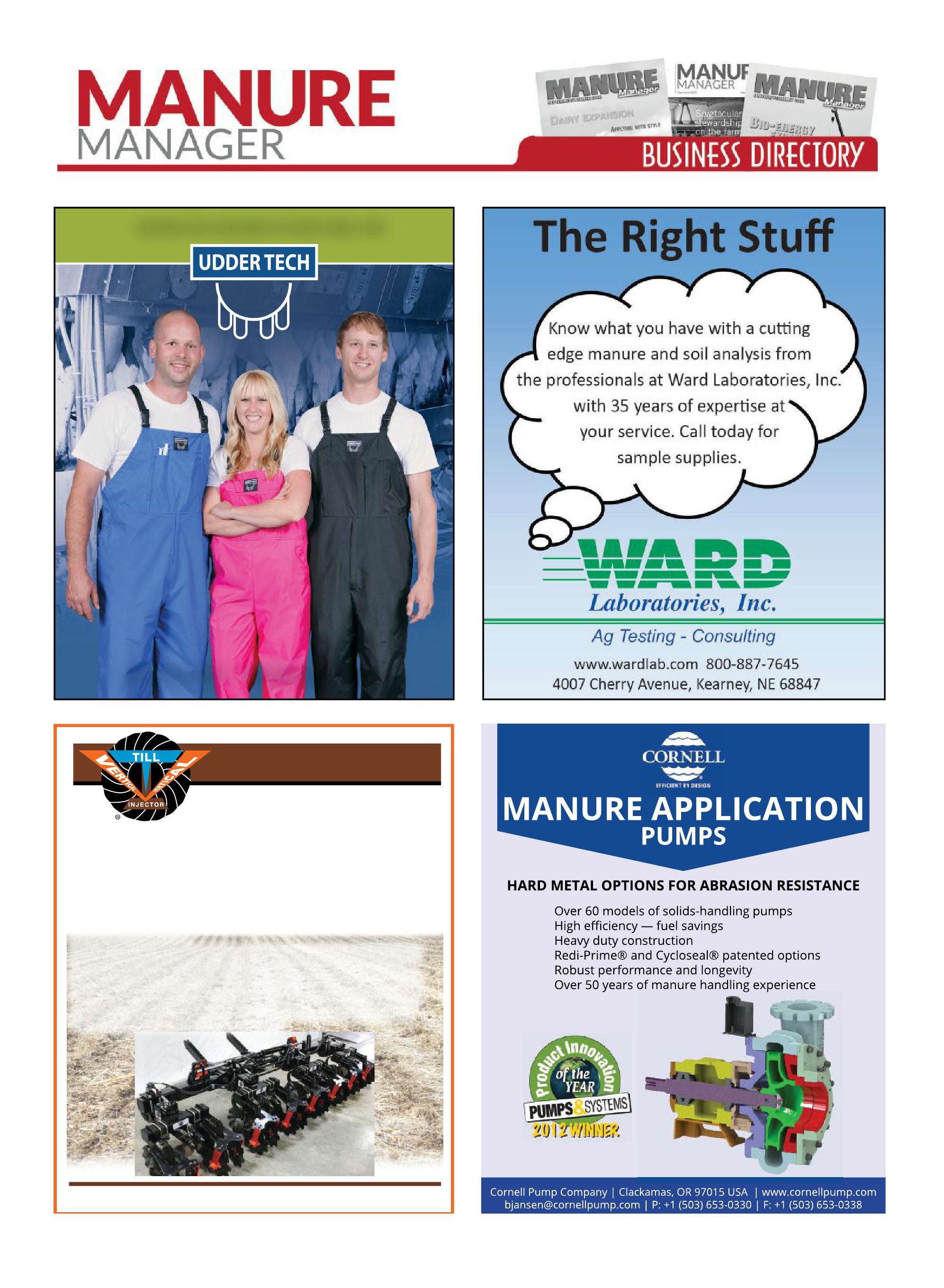
The new four-cylinder 5E Series Tractors are built for a variety of applications such as livestock feeding, haying operations, roadside mowing and property maintenance. The two new 5ML models – the 5100ML and the 5115ML – are low-profile machines that are perfect for working in orchards, livestock barns and other environments with restricted heights. johndeere.com/ag
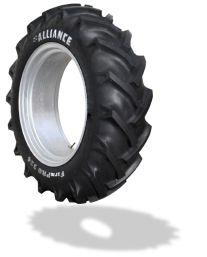
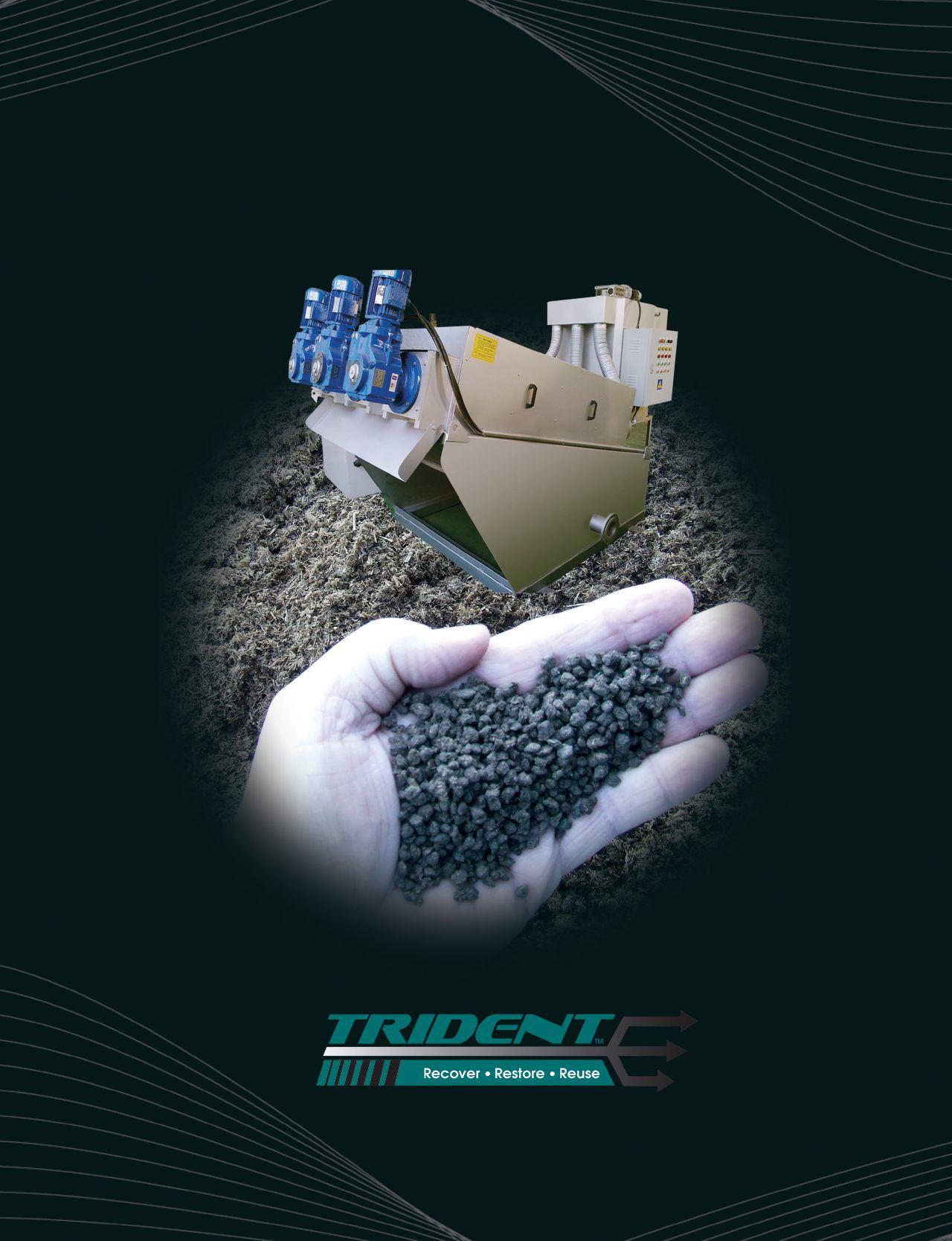
An updated version of the Alliance FarmPRO 324 bias-ply tractor tire line has been released. The new 324 features slightly curved, 45-degree lugs for outstanding traction with a wide-nose bar. A new rubber compound minimizes the growth of cuts and heightens weather resistance. It is currently available in 16 combinations of size and ply ratings, and there are plans to offer it in 25 sizes. atgtire.com
Manure Injection System Minimize Soil Disturbance
a High Speed - 3-12 MPH with excellent performance
a High Residue - Heavy corn stalks without clogging
a Low Draft Manure Injection - up to 15,000 gal per acre and up to 50% less draft than prior technology
a Built for Commercial and Custom Pumping Use
VTI
Composting: Where does it fit in your manure system?
There are many great technologies out there that say they can solve our manure issues. Many have merits but the most important thing we have to ask is: What problem are we trying to solve?
The best manure technology, no matter if it is the flashiest new thing on the market or something that has been around for the last 100 years, is only useful if it helps us alleviate something that really is an issue for our farm.
Composting has many positive benefits – it makes manure more uniform, reduces odors, kills pathogens and weed seeds, reduces the volume and, if you’re lucky, might even be a product that you can sell to local garden centers. However, compositing is only appropriate for solid manures and does require some special equipment, time to complete, and good management. In the right situation, composting can be a great option, but the value-added compost market isn’t big enough for all manure, so start composting for the right reasons.
Composting is controlled decomposition of organic material in an aerobic environment. Essentially, we are encouraging the right type of environment to get microorganisms in the manure to do their thing, eating and breaking apart the organic material, and in so doing creating a stable product that resembles soil. Composting is a biological process performed by microorganisms.
Good compost requires getting microbes the things they need
Creating good compost requires getting the microbes the things they need, namely an organic residue with the right carbon-to-nitrogen ratio (about 30:1), the right moisture content (shoot for 50 percent), plenty of oxygen, a neutral pH (6.5 to 7.5), and a nice warm temperature (55 to 60 C). Of these, one of the most important requirements is to remain aerobic; this requires getting oxygen throughout the pile. Because manure has such a high oxygen demand, we often have to provide a bulking agent (something to thicken the manure and create pore space) and occasionally turn the pile to maintain oxygen levels.
One of the most important things to understand about composting is where the nutrients go. In solid manures, almost all of the nitrogen and phosphorus start in organic forms; as the manure undergoes decomposition these compounds are converted to ammonia and mineral phosphorus. Ammonia is a form of nitrogen that can volatilize, that is become a gas, and be lost to the environment – this is why you sometimes hear stories about composting causing a big losses of nitrogen (typically 10 to 30 percent of N will be lost). However, if managed properly and a good C:N ratio maintained, N losses can be minimized (10 to 15 percent). In the case of phosphorus, there is no volatilization loss pathway, so whatever is there to start with will be there at the end. Similarly, K has no volatile loss pathway but it can be lost if liquid leaches from the pile. If composting adds more work to my manure management system why would I want to do it? There are many ways it might add value to your operation but I’m going to focus on volume reduction. Composting reduces the volume of manure to haul by about 20 to 50 percent, meaning fewer loads to haul. For example, a beef feedlot operation will generate about 3 tons of manure per animal space per year. If manure application costs about $10 per ton, we’d be paying about $30 per animal space. By composting, we will reduce the amount to haul to approximately two tons, saving about $10 per animal space per year in hauling costs. This means if we can accomplish our composting for less than $10 per headspace it will pay for itself. However, even if we can’t compost for this price, it might still be useful on your farm if you see value in the other benefits like odor and pathogen reductions, manure uniformity, or can market some to your local landscape center.
Dan Andersen is an assistant professor in Agricultural and Biosystems Engineering at Iowa State University. You can find him on Twitter (@DrManure) or check out his blog at themanurescoop.blogspot.com.