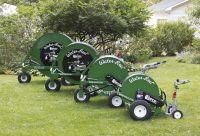
For over half a century, Doda has provided Organic Waste Solutions by manufacturing a broad variety of products for agricultural use with strict adherence to cost/benefit advantages.
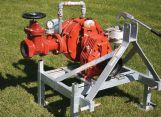
HYBRID LAGOON PUMP
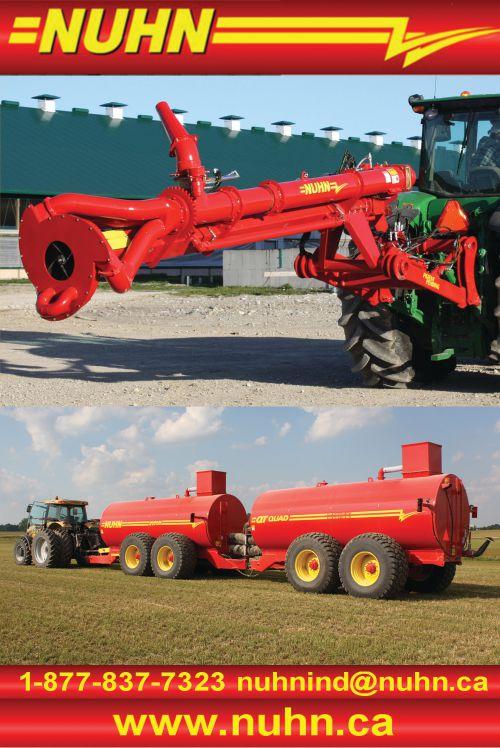
The PUMPELLER Hybrid Turbine revolutionizes manure pump performance. Incredible intake suction pulls solids into the cutter knives, reducing the toughest crust to nothing in just seconds. The turbine combines the high-volume mixing of a propeller agitator with the power and reach of a lagoon pump, the resulting hybrid design radically outperforms both.
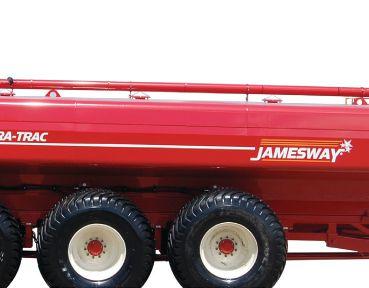
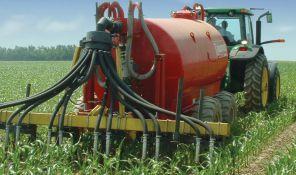
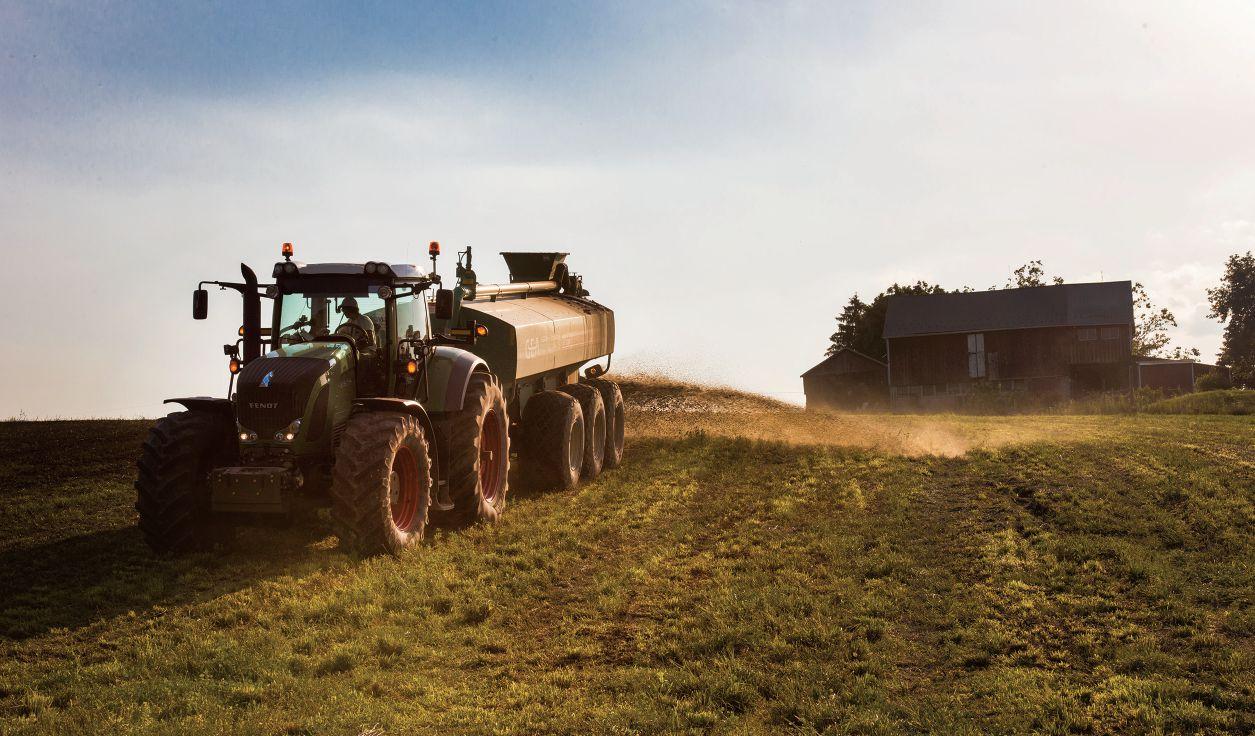
ULTRA TRAC : STEERABLE SPREADER TANKER
Jamesway’s ULTRA-TRAC steering and powerful industrial brakes keep you in control and on the road.
FEATURES
Steering operates at road speed
Jamesway’s steering system operates completely automatically at any tractor speed.
Fully automatic, no operator input is required
Extremely simple construction, easy-to-maintain
Minimizes “jackknife” force during cornering
Reduces tire wear
Reduces strain on axles
Reduces road and field damage
annual U.S. Dairy Sustainability Award winners announced
run for new bedding Orgaworld is stepping into the Canadian market with its compost bedding
combining mortality composting from two separate farms constitute a CAFO? Under current rules and regulations, the animal capacity and land base of both farms may
President Mike Fredericks mfredericks@annexweb.com
Publication Mail Agreement #40065710
RETURN UNDELIVERABLE CANADIAN ADDRESSES TO CIRCULATION DEPARTMENT, P.O. BOX 530, SIMCOE, ON N3Y 4N5
e-mail: subscribe@manuremanager.com
Printed in Canada
Circulation
e-mail: subscribe@manuremanager.com
Tel: 866-790-6070 ext. 211
Fax: 877-624-1940
Mail: P.O. Box 530 Simcoe, ON N3Y 4N5
Subscription Rates
Canadian Subscriptions
$35.24 Cdn, one year (with GST $37.00, with HST/QST $39.82)
U.S. Subscriptions:
$47.00 USD, one year
Occasionally, Manure Manager will mail information on behalf of industry-related groups whose products and services we believe may be of interest to you. If you prefer not to receive this information, please contact our circulation department in any of the four ways listed above.
All advertising is subject to the publisher's approval. Such approval does not imply any endorsement of the products or services advertisted. Publisher reserves the right to refuse advertising that does not meet the standards of the publication.
Website: www.manuremanager.com
The Creeper
By Margaret Land
My youngest child is obsessed with video and computer games, as many nineyear-old boys are. Hockey, FIFA soccer, Harry Potter, Mario kart, Sims – he plays them all.
One computer game that he seems to be particularly enamored of at the moment is Minecraft. I was relieved when I learned it had nothing to do with actual explosive mines but was more about building and developing a home, farming and finding precious gems. It sounded productive, wholesome. Then he had to ruin it by describing the monsters in the game that come out at night – the reason you need the shelter in the first place. You have the usual suspects – zombies and skeletons – but there’s one that makes me a bit uncomfortable. It’s called The Creeper.
No, I’m not afraid of pretend computer game monsters. For me, the term Creeper has always meant something else, something invisible and insidious that creeps up on you and catches you unawares. You can’t see it or smell it or hear it or taste it or feel it – it’s just suddenly there.
For me, the term Creeper has always been synonymous with poisonous gases. And, given the recent global spate of incidents involving that creeping manure gas, it seems almost fitting that my son has also been discussing his Creeper.
Back in June, three workers on a farm in the Netherlands died after they fell into an aboveground manure storage container. It’s believed the initial worker was cleaning the almost empty storage tank, wearing appropriate breathing apparatus, when he collapsed. Three other workers rushed to save him. Of the four, only one survived.
A month later, a mother and daughter died in China after they fell into a manure pit. It appears the pair were overcome by the manure gas as they tried to fish out a cellphone that had fallen into the pit. The husband and father of the pair jumped in after them; fortunately, he was saved by a neighbor.
That these incidents CAN happen comes as no surprise to people who work in the livestock and manure management industries – manure gases are dangerous and can kill. What is surprising is that, despite the publicity and educational opportunities that typically follow one of these tragedies, they STILL happen.
According to a recent report by the U.S. Occupational Safety and Health Administration (OSHA), when it comes to confined-space accidents where multiple people die, most of the victims are typically the rescuers, the people trying to help. According to the National Institute for Occupational Safety and Health, would-be rescuers account for 60 percent of confined-space fatalities.
It wasn’t many years ago I reported on the deaths of five people at one Virginia dairy farm, four of them from the same family – father, mother and two daughters. And not many years later, two people were killed at a New England dairy farm. All were confinedspace accidents involving manure gases.
It’s these kinds of incidents I think of when I hear about The Creeper. And it’s these kinds of incidents researchers at Penn State had in mind recently when they developed a new international standard for the proper ventilation of manure storage facilities (see the article on page 26). They are now in the process of developing an online design tool that will allow building professionals to create a ventilation system for any shape of facility – and keep out The Creeper.
Manure gas will be the topic of discussion during a presentation at the 2013 North American Manure Expo, being held Aug. 20 and 21 near Guelph, Ontario, Canada. For more information, visit www.ManureExpo2013.com.
It
is not only about
Doing the Job...
It is more than that.
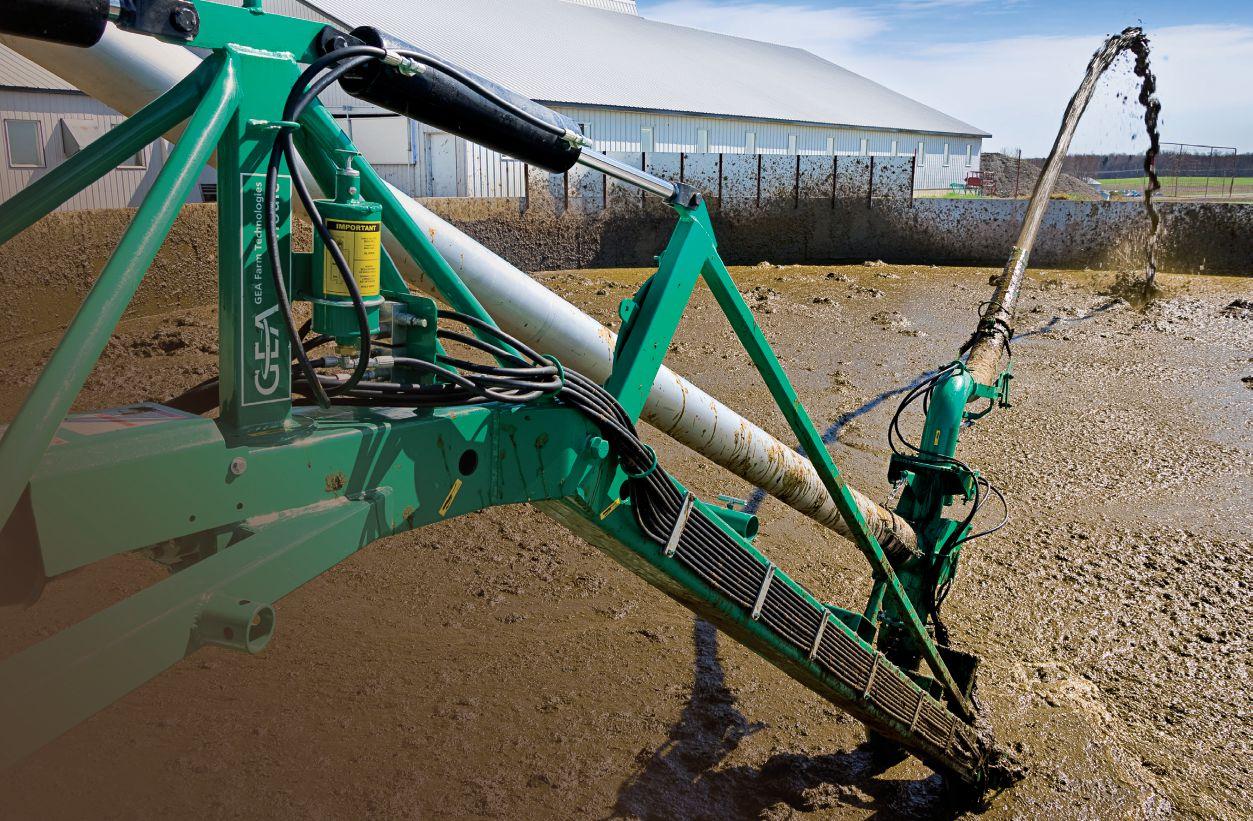
It is the certainty to get a fast and effective management of manure contained in your lagoon or in your concrete pit. The Articulated Agi-Pompe stands out with its propeller giving a constant agitation up to 21 500 US gpm in loading mode as well as in agitation mode. Equipped with an articulated housing, the agitation nozzle combined with the 40° vertical rotation of the housing allows to significantly reduce main storage homogenization time. GEA Farm Technologies never stops offering unbeatable products.
Articulated Agi-Pompe with the articulated housing
GEA Farm Equipment | Houle
GEA Farm Technologies Canada Inc.
Tel. 1.800.563.4685 / Fax. 1.819.477.0486
www.gea.com / www.geahoule.com
engineering for a better world
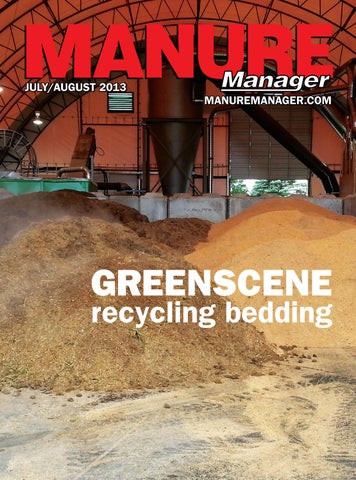
GreenS C ene for
The hor S e SC ene
B.C. company rolling out used horse bedding recycling technology
By Tony Kryzanowski
Disposal of manure-laden bedding is a constant challenge and a significant expense for equine facilities like racetracks, horse farms, and equestrian centers. A British Columbia company called GreenScene Agritek (GSA) has commissioned a first-of-its-kind commercial-scale horse bedding recycling plant that it feels will solve the problem.
Not only does the company’s technology safely separate out the fecal matter and urine in the used bedding, but the
remaining wood shavings or wood pellets are processed into a marketable product – namely, a recycled bedding material that Chilliwack-based GSA believes is a better alternative in some ways to natural wood shavings and pellets.
To put the used horse bedding disposal situation into perspective, GSA estimates that a stabled horse produces about one tonne per month of used bedding. In North America alone, there are an estimated 10 million horses. Typically, horse bedding in many equestrian facilities consists of about 80 to 90 percent wood shavings or pellets, which is about double what is used for bedding in a poultry operation. GSA says that the horse industry in North America currently spends
conservatively $4.5 billion per year in bedding materials and manure disposal.
The commercial recycled bedding plant is located in Delta, B.C.
GSA general manager Paul Cross says the commercial recycling plant is the culmination of work started by company founder Phil Wilford and his team – Steve Godley and Jim Klemm – who developed a solution to separate manure from equine wood fiber bedding. After a few years of trials using a small prototype, a new management team arrived with the financial backing to build a full-scale prototype, which was completed in July 2012.
“The prototype worked and proved out the concept,” says Cross. “Working with experts in refinement, extraction and
A British Columbia company called GSA has developed a patented method to convert used horse bedding to recycled horse bedding where the manure has been removed and remaining wood fiber sterilized. The bedding can be reused up to 20 times. Contributed photo
Agritek is tapping into the $4.5-billion annual horse bedding market by developing a technology to convert used horse bedding into a recycled product. Contributed photo
cleansing of wood residuals and manure, they reviewed the whole system and redesigned it for commercial application, profit and to provide excellent opportunities for co-partnership owners.”
The plant retrofit was completed in June, “and is already proving itself to be a viable waste management recycled bedding facility,” says Cross.
The company is currently in serious negotiations with a municipal council in Ontario for the construction of its second commercial plant, and Cross says the plan is to build eight plants in Canada and 23 in the United States over the next five years, as the company rolls out its technology to a global audience.
The GSA-2000 plant is capable of producing five bone dry tonnes (BDT) of recycled horse bedding per hour, or 495,000 bales of wood fiber bedding per year.
In the process of recycling the used bedding material, nearly all pathogens are destroyed as well as fly eggs, meaning that facilities that use the company’s recycled bedding material also witness a drastic reduction of flies, which can be disease carriers and an annoyance to the animals.
GSA says its recycled horse bedding product is unique, offers the opportunity for equestrian centers to reduce their costs by operating a GSA system to provide for their own horse bedding needs and cre-
ates a marketable product. It is described as having a lower moisture content than standard wood fiber bedding as well as increased absorbency and ammonia control. It can also be recycled and reused at least 20 times.
The GSA technology at present is specifically geared to recycling used horse bedding, but according to company founder and director Phil Wilford, there may also be opportunities to use the technology to recycle used bedding material from other agricultural industries.
Wilford, trained in instrumentation process control and applied science technology, operated a soil remediation business for more than two decades.
“In 2004, somebody from the federal agriculture department said if you want a problem to solve, have a look at horse manure,” says Wilford. The problem was with disposal on the one hand and procuring enough shavings and sawdust bedding material on the other.
When he conducted an initial investigation to see what technology had already been developed to address this problem, he discovered that nothing was available. However, Wilford was convinced that there was no reason why a system that combined both extraction and recycling couldn’t be developed. He began trying various methods based on his experience, which included modifying the technol-
ogy used in a portable sewage sludge machine for separating out contaminants from solids. He eventually developed an apparatus, application and overall system for the cleansing of fecal matter and urine and then the recycling of used horse bedding that has been granted a United States patent.
Bill Boesterd, newly appointed president of GreenScene, with more than 30 years’ experience in the agricultural bedding industry, plus owner of Denbow Transport, a leading supplier of animal bedding and environmental solutions in the Fraser Valley, says the company has purposely worked slowly and methodically to develop and test the patented technology to ensure that it can substantiate the claims that it is making as to the quality of the recycled product.
At present, it is working with researchers in B.C., the Western Veterinarian College in Saskatoon, Sask., and the University of Guelph, Ont., to further validate the process’s ability to kill pathogens, mold spores and other substances as the company works to roll out the technology to a global audience. However, Boesterd says that GSA is already very confident in the quality of the product based on the testing and validation that was conducted through several years of research and development and the feedback it has received from test facilities, which have used variations of the
GreenScene
recycled bedding since 2008.
Over the past year, GSA has received financial support totaling over $300,000 from the Canadian government through its Industrial Research Assistance Program (IRAP), Investment Accelerator Fund (IAF), and the Natural Sciences and Engineering Research Council to advance the commercialization of its technology.
The company describes its system as using a combination of hoppers, augers and electrical motors to refine, extract, cleanse and repackage the recycled bedding, having destroyed the vast majority of pathogens and mold spores in the process. The used horse bedding has to be wood based for the process to work properly. It is a method where the contaminants are separated out and the wood fiber is recovered, using a unique, computer-controlled system. Once separated out, the assorted organic fines consisting of manure, wood and organic dust can be sold as a soil amendment or wood pellet additive.
“One of the big problems that the equestrian centers have is mold spores,” says chairman and CFO James Paradis. “They cause respiratory problems with the horses. They’re the toughest nuts to crack.”
A major contributor to mold spore growth is moisture. The GSA recycled horse bed-
ding has a lower moisture content than such materials as natural sawdust and shavings.
The process is also described as “carbon reduced” because it is a closed loop system that does not create any carbon dioxide or carbon monoxide off-gases released to the atmosphere.
Plant construction costs have been estimated by GSA at $2.5 million, based on a plant with an output of about five tonnes per hour, which Paradis says represents an excellent cost recovery period of about three to four years. This cost does not include the cost of the land requirement of about an acre for each facility. The plant itself takes up about a half acre, while the surrounding land attached to a plant is used primarily for indoor storage of the used horse bedding and the end baled product.
To support five tonnes per hour of production, the GSA-2000 plant requires a used horse bedding supply from between 1,500 and 3,000 horses.
“Having a plant in a centralized equine area or on a racetrack with roughly that many horses, that’s where the economics really work out well,” says Paradis.
Transportation of the used bedding material is a critical factor when selecting a plant location. At present, many larger equestrian centers are paying to transport
their used horse bedding for disposal in such locations as landfill composting sites as well as blueberry and cranberry fields, in B.C.’s Fraser Valley.
“They have to truck it anyway, so we have made arrangements with haulers that rather than just stockpiling it somewhere, they can bring it to our facility and that gives us our feedstock,” says Paradis, adding that material trucked from about a 50-kilometer radius is probably the most viable.
GSA’s horse bedding recycling system has already garnered considerable attention in North America and Europe. In its plan to construct more commercial plants, the company is pursuing a co-ownership joint venture model, which would allow GSA to be involved in the operation of the plant to ensure that the equipment is operated properly and that the sold equine bedding meets its standards.
In recognition of its technological accomplishment, GSA was recently awarded first prize in the B.C. Innovation Council’s New Venture Competition for the AgriTech sector.
Dairy SuSTainabiliTy winnerS
The Innovation Center for U.S. Dairy recently announced the winners of the second annual U.S. Dairy Sustainability Awards at a special ceremony in Washington, D.C.
The program recognizes dairy farms and businesses of all sizes for impementing practices that advance the industry’s commitment to healthy products, healthy communities and a healthy planet.
“The strength of the award winners’ stories illustrates why consumers can be confident about choosing their favorite dairy foods and beverages,” said Barbara O’Brien, president of the Innovation Center for U.S. Dairy, which was founded by dairy producers. “These and thousands of other actions being taken every day – both large and small – contribute to the industry’s overall commitment to a healthy future for the next generation.”
The winners were selected based on results that delivered triple-bottomline solutions to advance economic, environmental and social sustainability. An independent panel of judges –which included experts from academic institutions, government, dairy science organizations, nongovernmental
organizations and media as well as environmental and dairy industry leaders – also assessed each initiative’s potential for adoption by others as well as its demonstrated ability to promote learning, innovation and improvement.
“This year’s winners include dairy farms and businesses from across the country who took steps to reduce their environmental impact, improve their profitability and increase their contribution to a sustainable 21st-century food system,” said Molly Jahn, a professor of genetics and agronomy at University of WisconsinMadison and a member of the awards’ judges panel.
The 2013 U.S. Dairy Sustainability Award Winners include:
Outstanding Dairy Farm Sustainability
Petersen Dairy Farm, Appleton, Wis. – When the city of Appleton, Wis., decided to build a high school less than half of a mile from Petersen Dairy Farm, the Petersen family began exploring composting as a way to manage the dairy’s manure and associated odors. Now compost is sold at the dairy by the five-gallon pail or truckload, primarily to home gardeners. Visitors witness
Compost is sold at Petersen Dairy Farm by the five-gallon pail Contributed photo
how their old newspapers are recycled as bedding for the cows, or mixed with manure, composted and ultimately returned to their gardens for use as mulch and to their yards for plant food. By turning their urban location into an asset, the Petersens have proven that cows can be good neighbors.
Prairieland Dairy, Firth, Neb. – A creative partnership among four families put this dairy on the path to long-term
firsthand
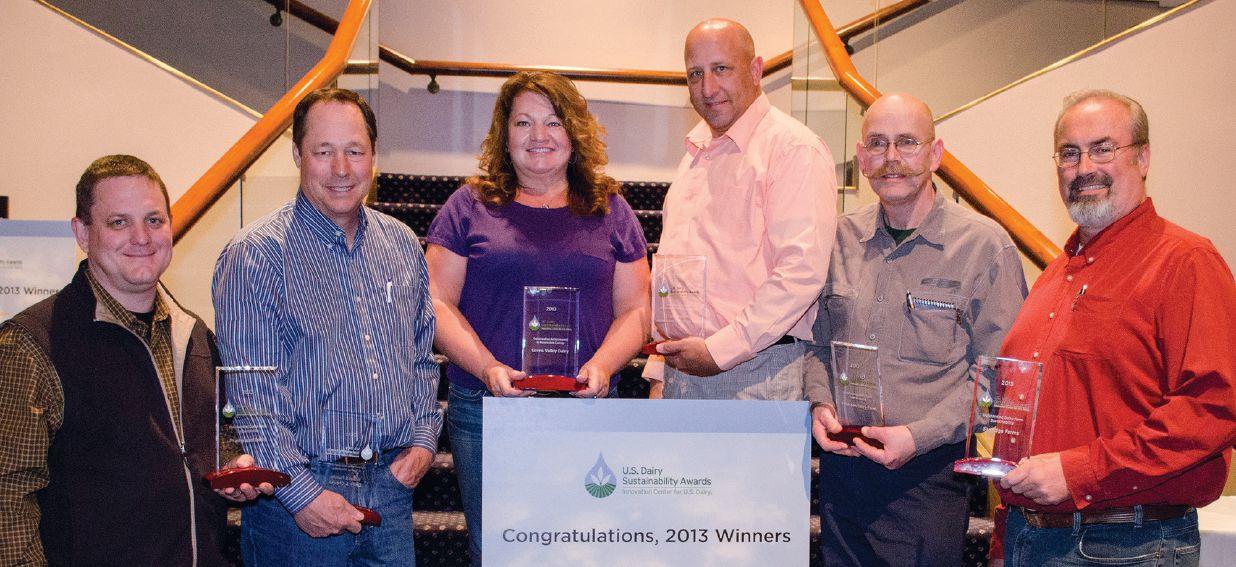
Winners of the 2013 U.S. Dairy Sustainability Awards [from left to right]: Dan Rice, Prairieland Dairy; Steve Ballard, Ballard Family Dairy & Cheese; Renee Jacobs, Green Valley Dairy; Kam Fierstine, Unilever; Mark Petersen, Petersen Dairy Farm; Dan DeGroot, Skyridge Farms. Contributed photo
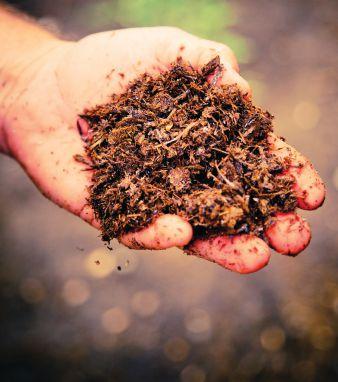
Prairieland also features a composting site, Prairieland Gold, where manure is recycled into fertilizer. Contributed photo
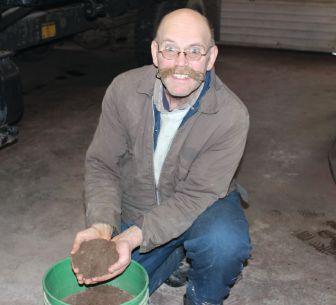
Dan DeGroot, owner of Skyridge Farms, took a 360-approach to reevaluating systems and processes at Skyridge Farm. Contributed photo
prosperity and allows employees at Firth, Neb.-based Prairieland Dairy to focus on their specific talents. Sustainable design is reflected in every aspect of the facilities, which were built to be efficient and lowimpact while maximizing cow comfort. Automatic cooling, waste management and pest control systems are just part of the solution. Prairieland Dairy also taps into the natural power of wind and gravity, and the geothermal properties of well water, to reduce the use of energy, water and equipment, for savings estimated at more than $200,000.
Skyridge Farms, Sunnyside, Wash. –Dan DeGroot, owner of Skyridge Farms, a dairy in Sunnyside, Wash., cultivated an organization that optimizes performance and preserves the environment. Since 2003, DeGroot has improved lighting, added occupancy sensors and installed a programmable logic control system. The management team can automatically control lighting, fans, and soaker and flush systems. By doing so, they maintain optimum performance, reduce costs and keep the herd comfortable. This upgrade alone yields a 20 percent energy savings annually across the five freestall barns. With composting, Skyridge Farms harvests manure nutrients, provides quality
bedding for the herd and eliminates 600 truckloads annually previously used to transport manure.
Honorable mention
McCarty Family Farms, Rexford, Kan. –The McCarty Family, owners of McCarty Family Farms, have revitalized their rural northwestern Kansas community by providing more than 100 direct jobs, creating a need for additional housing and in turn increasing school enrolment. McCarty Family Farms’ unique “cow to cup” partnership with Dannon and the addition of an on-site processing plant has improved economic stability while aggressively reducing its environmental impact. The plant has yielded significant progress toward the dairy’s water reduction goal. Approximately 59,400 gallons of raw milk from the three dairies is processed through an evaporator every day to remove excess water before being separated into cream and skim milk. Every drop of the water removed during the evaporation process – 39,000 gallons per day – is reused throughout the dairies.
Outstanding Achievement in Energy Efficiency
Ballard Family Dairy & Cheese, Gooding,
Idaho – Energy efficiency is sometimes overlooked, but at Ballard Family Dairy & Cheese in Gooding, Idaho, the Ballards see it as a way to reduce their overhead costs and eliminate propane use. An energy audit and a team of energy management experts helped identify four primary areas of savings, which included using solar thermal power for the hot water system, installing LED lighting, replacing vacuum pumps and adjusting the milk cooling process. The Ballards achieved their goals, saving $23,000 annually and reducing the dairy’s carbon footprint by 121,500 pounds per year, while decreasing its water footprint by 365,000 gallons annually.
Outstanding Achievement in Renewable Energy
Green Valley Dairy, Krakow, Wis. – At Green Valley Dairy in Krakow, Wis., the management team’s “waste not” philosophy has them constantly evaluating opportunities to reclaim energy, recycle water and repurpose manure nutrients. In 2005, Green Valley Dairy set out to build on this belief. The management team determined that anaerobic digesters would help manage manure nutrients and reduce odors while decreasing the dairy’s carbon footprint. Although it was one of the first digesters in Wisconsin, the benefits of this plan quickly gained public support. Today, three anaerobic digesters have the capacity to produce 1,200 kilowatt-hours of “green” electricity, most of which is used on the dairy or sold to the local utility.
Honorable mention
Fulper Family Farmstead, Lambertville, N.J. – Fulper Family Farmstead in Lambertville, N.J., has focused on environmentally friendly activities, including soil conservation, crop rotation and farmland preservation, since the dairy’s origin in 1909. As operating costs continued
GET DONE PIT GET DONE
Tom and Judy, along with their four sons, are the principals of McCarty Family Farms in western Kansas. Contributed photo
The Ballards sought the expertise of experienced farmers before starting their dairy. Contributed photo
Don’t let manure handling agitate you.
More Than Manure® (MTM®) Nutrient Manager can reduce crusting and solids in your pit for smoother pumping and application — with less agitation. Treating manure with MTM reduces phosphorus lock-up and nitrogen loss for enhanced fertilizer efficiency that boosts corn yields 9.5 Bu./A on average.
Treat your pit with MTM now and you’ll thank yourself later.
Ask your local fertilizer dealer how you can GET PIT DONE with MTM or visit sfp.com/pit for more information.
For Fulper Family Farmstead, educating consumers about their commitment to the environment is a top priority. Contributed photo
to rise, the Fulpers found that a solar energy system would increase energy efficiency, sustainability and revenue, while decreasing the farm’s carbon footprint and utility costs. Installed in 2011, the freestanding, ground-mounted system creates 500 kilowatt-hours daily – enough to cover all of the operation’s electricity needs and power approximately 100 homes. Today, the farmstead sells $30,000 in renewable energy credits annually.
Outstanding Dairy Processing and Manufacturing Sustainability
Employees at the Henderson, Nev.-based ice cream plant worked side by side with environmental experts to analyze energy efficiency and water usage. The team identified an opportunity to reconfigure, automate and optimize systems to reduce electricity use by 13 percent, natural gas use by 16 percent and water consumption by more than 1.1 million gallons per year.
“This awards program is a great example of how system-wide collaborative efforts can help dairy contribute to a bright future,” said Paul Rovey, an Arizona dairy producer, member of the judges panel and chair of Dairy Management Inc. “We are proud to share these examples of dairy’s ongoing commitment to stewardship and sustainability, which is made even more powerful because of collaborative relationships with partners.”
To learn more about the U.S. Dairy Sustainability Awards, the winners and the best practices in place at their operations, visit USDairy.com/Sustainability/Awards.
For more on environmental awards, visit the “business/policy” section of www.manuremanager.com
Brothers John and Mark Jacobs, their sons and their business partner Ken Peters integrated key technologies to assure the dairy’s viability. Contributed photo
bioChar iniTiaTive
Mel Mathison, Dean of Environmental Sciences & Applied Research at Lakeland College in Vermilion, Alta., is dwarfed by one of two pyrolysis units that will be used to test various feedstocks, including manure, for the production of biochar.
Alberta testing manure as biochar feedstock
By Tony Kryzanowski
Alberta is well known for two industries – cattle and oil. The primary byproduct of the cattle industry, specifically manure, may soon help the oil industry deal with the safe disposal of its own byproducts through a new initiative aimed at developing the province’s biochar production capacity.
Manure will be tested as a potential feedstock to produce biochar along with other farm waste materials like wheat and flax stalks.
Biochar is a type of charcoal that works as a conditioner to increase fertility in some types of soils. It is also a good nitrogen fixer. The use of biochar as a soil conditioner dates back to the indigenous peoples living in the Amazon Basin who
added wood charcoal to soil to make it more fertile. The Japanese have also used it for centuries as a soil conditioner to revitalized trees.
“Using charcoal as a soil amendment is not something new in certain parts of the world,” says Julie Major, an agronomist and lecturer at McGill University in Montreal, and an expert in the historical use of biochar. However, she adds that it is not commonly used in North America because the region’s soils are already quite fertile. Where biochar really shines is in its ability to increase the fertility of less productive soils.
It is also showing potential as a stabilizing agent for oil industry waste fluids.
Dr. David Mitlin and his team at the University of Alberta are trying to develop a prototype of inexpensive biochar-based carbon that effectively removes naphthenic acids and total organic carbon from steamassisted gravity drilling (SAGD) and oil tailing’s water.
Scientists are not quite sure why biochar works the way it does, but Alberta has decided to spend considerable
time and effort to find out why, given the potential it has demonstrated so far. The Alberta Biochar Initiative kicked off recently at the Alberta Innovates –Technology Futures (AITF) site in Vegreville with the unveiling of two pyrolysis units, which are the devices that convert agricultural wastes like manure into biochar at very high temperatures in a very low oxygen environment.
In terms of feedstock to produce biochar, the initial research focus will be to investigate the conversion of biological waste material to biochar where high volumes of waste already exist. These could be stocks left over from artichoke production, wood waste from a sawmill, sludge from a pulp or paper mill or feedlot manure.
“We think we can use it (manure) as a feedstock, but we haven’t tested it in these machines yet,” says Mel Mathison, Dean of Environmental Sciences & Applied Research at Lakeland College in Vermilion. “The moisture content and just getting it to feed through would be two of the things that would have to be worked around. You
might have to do some drying ahead of time and make some modifications to the feed systems, but yes, it certainly is one of the feedstocks we’d want to look at.”
With a $900,000 grant from the federal government through Western Economic Diversification Canada, Alberta Biochar Initiative partners were able to purchase the pyrolysis units. They will use them in their research program and as demonstration units with businesses and individuals interested in evaluating the economical potential of producing biochar on a commercial scale. The units convert feedstocks to biochar at temperatures in the 500 to 700 C range, and while researchers are still in the process of commissioning the units to determine their production capabilities, users can expect production of probably a couple of tonnes of biochar per day.
AITF is working in partnership with Lakeland College on the Alberta Biochar Initiative. By coordinating research while promoting commercialization, the goal is to potentially have a commercial biochar industry established in Alberta within about four years, versus a decade or more if researchers and entrepreneurs continue to work independently.
Mathison says he believes there is considerable market potential for biochar.
“I think there is a lot of potential for this product in the horticultural industry, the greenhouse industry and in areas where there are high value crops to enhance the soil growth medium that they are currently using,” he says. Another potential use worthy of more research is in the area of water treatment.
Down the road, once initiative researchers have a better handle on the costs associated with biochar production and the mobility of the pyrolysis units, Mathison says it may be worthwhile to study the economic viability of smaller scale biochar production, such as conversion of manure as well as straw and hay bales from individual farms.
In terms of the conversion rate of the raw material to biochar, Don Harfield, team leader for Thermochemical Processing Bioresource Technologies at AITF, says that a tonne of feedstock will realistically produce between 15 to 28 percent biochar. Actual production depends on the size of the particle being fed into the pyrolysis unit, its moisture content, and the type of material.
15 and 28 percent biochar according to experts.
Kifco offers a full line of traveling irrigation systems, pto pumps, slurry pumps & primary pump packages
With outstanding service & support through the largest network of authorized dealers, there’s only one name you can trust
ABOVE: Flax straw prior to biochar conversion. A tonne of raw material will yield between
RIGHT: Biochar produced from flax straw.
Te ST run for new be DD in G
Orgaworld is stepping into the Canadian market with its compost bedding
By Diane Mettler
Orgaworld is best known for processing organic waste from cities. Now it is also known for making a unique bedding product.
Two and a half years ago, Orgaworld was processing organic material from Ottawa, Canada, and farmers were using the final pasteurized and pathogen-free compost as a soil amendment in the fields.
Travis Woollings, sales and marketing manager for Orgaworld, said it was then that farmers started
asking about the possibility of using the compost as bedding.
“Because hay and wood shavings can be expensive and at times are hard to get, they were looking for alternatives,” said Woollings.
He checked with the company’s counterpart in the Netherlands to see if they had had any experience using the product as bedding and found they had already been doing it for several years.
Setting up in North America
“First we brought from the Netherlands and incorporated into our process, a biological spray for the finished compost,” said Woollings. “What the spray does is promote the growth of certain bacteria that suppresses the growth of klebsiella bacteria — a bacteria you do not want present around cows.”
The next step was to work with
several farmers who were willing to try the new product. Orgaworld installed the misting system for the biology and began trials with interested farmers.
“We’ve been very careful about who we promote the product with,” said Woollings. “We want all the feedback from our clients and to develop it properly. “
Two of the farmers who tried the compost bedding were Todd Nixon, whose farm is located outside of Ottawa, and Wilfried Raats, who had a small dairy in Eastern Ontario. (At the time of this article, he has just sold the dairy and was introducing the new owner to the Orgaworld product.)
The Nixon experience
The Nixon farm, which includes Todd Nixon, his dad, Ron, his wife, Erin, and one full-time employee, chose the compost because they wanted more flexibility. The
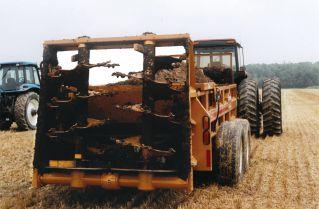
Todd and Ron Nixon, who farm outside of Ottawa, Ont., use the Orgaworld bedding product, distributing it in their barn by means of a manure spreader. Contributed photo
sand they were using in the free stalls for the milk cows was working well, but the barn holding the heifers seemed a good spot to try the compost. The compost worked especially well for the dry cows, said Todd.
“I think part of that is because they have so much room.”
The compost is delivered to the farm every two weeks. The Nixons spread the compost in the barn with a manure spreader and stir it every morning with a chisel plow on a tractor. Todd said for anyone considering the compost, “stirring does take some time, so you have to figure that in.”
The Nixons allow the compost to build to about three or four feet deep and then remove it in the spring and fall to spread on farm fields with a box spreader. The nutrients contained in the spent compost tie up the nitrogen, so it doesn’t save them money on corn crops but Todd said it works well on the alfalfa fields.
“Another advantage of the bedding pack is that it has allowed us not to have make our lagoon bigger,” he said. “Part of the manure stays in the bedding pack with the solids and we can handle that separately from the lagoon.
“Our barns have alley scrapers and pumps into a lagoon. We hire a custom applicator that uses tankers to apply the manure. The sand has been a challenge in the pit — actually getting it out of the lagoon. We bought a 62-foot-long propeller agitator and we just stir constantly with it while they’re pumping and we’ve been able to get it down. We might have a foot or 18 inches of sandy material left at the bottom, but we used to have three to four feet left in the bottom.”
One drawback might be the smell. Because the compost isn’t manure-based, it smells a bit different, which can turn some farmers off, but not the Nixons.
It has a “chemically garbage smell to it,” said Todd, “but once you stir it a couple times, the odor seems to disappear.”
In the end, Todd said the compost has its pros and cons like any product, and you have to look at your own situation to see if it’s a good fit.
“For us, it allowed us more flexibility.”
Raats gives it a go
Wilfried Raats’ farm was the first in North America to try the new bedding. He was in the process of altering his barn and it was a minimal cost to accommodate the eight-inch, deep pack bedding.
“We just put an eight-inch curb on the back,” he said. “Basically, it’s an identical design to a sand bed.”
Raats puts in fresh compost about once a week.
“We could let it go longer, but the cows tended to get dirtier then, so once a week worked really well. On a daily basis, we raked out the stalls the same as we would a sand barn.”
He explained that the compost is used, it goes into the waste stream of the cows and out to a one-million-gallon manure pit.
“It’s not like we actually remove it and put new stuff in. It’s just the cows knock it out of the stalls when they dig holes and play in it, and we rake some out into the alley and it goes into the manure pit.”
For Raats, the biggest value of the compost bedding, over peat moss or sawdust, is the extra nutrient in the manure pit.
“For a farm that is having trouble with nutrient loading on their land base, this might be an issue,” he said. “But for our area – Eastern Ontario – we’re way short as far as manure goes. We’ve got to stretch everything we’ve got.”
“The compost seems to make the agitation on the pit a lot easier also, versus having shavings,” he added. “It seems to suspend better in the manure, and I don’t know if it’s the bacteria
Left to right: Ron, Todd and young Harrison Nixon stand by a pile of Orgaworld bedding product. Contributed photo
that does that or whether it’s just the nature of the product itself, but shavings you always seem to have a hard time with.”
Raats also experienced better animal health.
“It’s quite forgiving when they lay down – no hock abrasions. They cows have good footing and we’ve had no swollen legs. There has been improved udder health and we haven’t had hoof rot anymore since we switched.”
Raats sees many positive reasons to go with the compost bedding, but also a couple of drawbacks. One is the odor and the other is the dust.
“The odor is different and the dust is quite black, versus a light-colored dust, like sawdust would have. So, basically cosmetic drawbacks.”
Slow and steady
Currently, Orgaworld compost bedding is being used in various barns – free stall, tie stall, bedding pack – and it seems to be working in all of them.
“There is a bit of a learning curve to using it,” said Travis Woollings. “You have to use a fair amount of the product because it requires a certain depth. It also takes a different mindset if you used hay or sand before. With a compost barn, you have to allow for moisture and air to circulate through the bedding in order for it to work correctly. To do that you have to add product and turn it daily.”
Although more labor intensive, the compost bedding doesn’t have the “grit” problems associated with sand. There is less wear and tear on the pumps, and, of course, in addition to this, there are remaining nutrients.
“Some of the feedback I’ve heard about the manure pits, where the spent product is stored, is that the farmers actually save money because they don’t have to clean out the manure pit after the liquid’s been pumped off. With sand bedding, there’s usually this large amount of sand sitting at the bottom of your manure pit, which has to be removed, and there’s really no value to it. We’ve heard that with this product farmers don’t have to agitate the manure pits as much and what they’re left with is extremely nutrient rich.”
Woollings said the product works especially well for Ottawa because the feedstock coming from the city is quite dry.
“That dryness is what lends itself to bedding and it’s very clean. Because the feedstock coming in is clean, the compost coming out after being processed is also clean and good quality.”
Full circle
“For farmers that are considering the use of waste process from municipalities or other programs, there is a large and very sustainable source of material that comes from cities. When it’s processed properly, it’s an excellent alternative and option for their farm operations to the traditional dry chemical fertilizers, or in this case sand, for bedding,” said Woollings.
Farmers can also feel good about using the compost bedding because they’ve helped keep organic waste out of landfills.
“The organic waste is actually being
recycled several times,” said Woollings.
“You’ve got the food and leaf and yard waste from the citizens of Ottawa being processed at our site, and it’s going out to the farmers not only for soil amendments in the fields for crops, but also as bedding for animals and then when it’s done as bedding for animals, it’s being land applied again. It’s a win/win.”
GeT Down anD DirTy
aT 2013 Manure expo
On August 20 and 21, 2013 – for the first time ever – the North American Manure Expo is being hosted north of the U.S. border.
A 100-acre field of wheat stubble – located at the Arkell Research Station of the University of Guelph, home to the Ontario Agricultural College – will be transformed into a showcase for all things manure. The site is located minutes from Guelph, Ontario, Canada.
The theme of the 2013 event is Getting It Right: Precision manure application.
On Aug. 20, from 8 a.m. to 10 a.m., a pump school – themed PCE Pump School 101 Short Course: Fundamentals of Planning a Dragline System – will educate attendees on understanding pump performance curves and calculating friction loss. Later in the morning, interested parties can take part in a bus tour featuring lagoon agitation equipment demonstrations, a stop at a dairy-based anaerobic digester plus a tour of Husky Farm Equipment’s manufacturing location in Alma, Ont.
Education and demonstration events will be held Aug. 21. Attendees will have an opportunity to hear the newest information on manure management – including dealing with compaction issues, valuing manure resources, utilizing precision application tools, comparisons of different manure application methods, what the future of manure management and application may look like plus technology demonstrations. Guest speakers will be attending from Canada, the U.S. and Europe.
Expo visitors will also have an opportunity to see the
latest and greatest in manure handling equipment, including demonstrations of solid and liquid manure spreaders plus composting equipment. The day will end with a presentation on the dangers of gases in enclosed places plus a manure spill demonstration.
Attendance is free to all events but pre-registration is required. All registered attendees will receive a limited edition Manure Expo hat plus a delegate bag filled with other goodies. To register or for more information – including directions and suggestions on where to stay – visit www.manureexpo2013.com.
With the expo’s 2013 stop in Canada, the show will truly become a North American event. The manure expo first came about in 2001, when the University of Wisconsin was approached by several custom manure applicators from around the region requesting a show that provided side-by-side comparisons of agitation and manure application equipment. This led to the first show being held in Prairie du Sac, Wis., during August 2001. In order to have the deepest impact on the North American manure industry, the expo is a travelling show. Over its history, the event has been held in Wisconsin, Minnesota, Michigan, Ohio, Iowa, Pennsylvania and Nebraska.
The 2013 edition of the Manure Expo is being planned and organized with the assistance of the Ontario Ministry of Agriculture and Food and the Ministry of Rural Affairs, Annex Business Media, various volunteers within the manure management and livestock industries plus Manure Manager magazine.
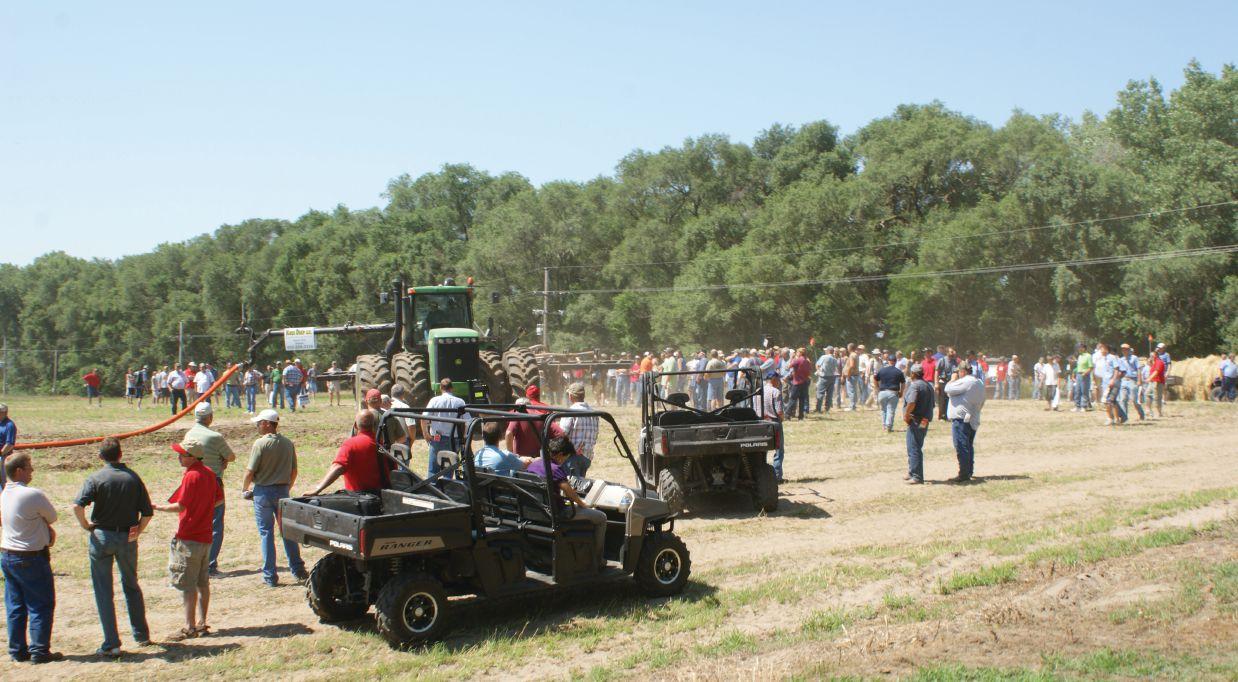
The North American Manure Expo allows farmers to make comparisons of manure equipment in the field. Photo by Margaret Land
DROWNING HAZARD!
SURFACE MAY BREAK THROUGH
KEEP OFF SURFACE
DeaThS DANGER
DANGER
DEADLY MANURE GASES POSSIBLE DEATH
MAY BE IMMEDIATE!
ENTER PIT ONLY WITH:
• SELF-CONTAINED AIR SUPPLY
• VENTILATION
• RESCUE HARNESS, MECHANICAL LIFT, STAND-BY PERSON
STanDarDS DevelopeD To reDuCe
piT
In the wake of several manure-pit fatalities on mid-Atlantic farms in recent years, researchers in Penn State’s College of Agricultural Sciences have published a new, international standard to vent confined animal-manure storage facilities used at large livestock operations.
Manure storage poses a significant hazard to agricultural workers due primarily to the danger of toxic gas buildup. Exact statistics are difficult to determine, but researchers estimate that about 10 people die each year in North American animalmanure pits.
With increased focus on preventing surface water contamination, the number of such manure storage facilities on farms is steadily growing. According to the U.S. Department of Agriculture, the average farm size is increasing and the number of farms is decreasing, which also is likely to contribute to the growing number of manure pits.
“The reason we got involved in this is not because hundreds of people are dying each year but rather the tragic scenario of multiple deaths per incident,” explained Harvey Manbeck, distinguished professor emeritus of agricultural engineering. Manbeck and Dennis Murphy, distinguished professor of agricultural safety and health, co-led the eight-year research project, which was funded by the Northeast Center for Agricultural Health.
Accidents typically happen when someone enters a manure pit to retrieve something, make a repair or clean the storage facility. Victims succumb to toxic fumes caused by hydrogen sulfide, methane, carbon dioxide and other noxious gases.
“When a family member comes by and sees that the father or son is in trouble, he or she goes in to try to help and is overcome,” he said. “Many times we have multiple deaths of family members, friends or co-workers.”
In 2007, five people, including four family members, died in a manure pit at a Virginia farm. In 2012, three Pennsylvania farmfamily members died in a manure-storage pond in Maryland.
The new standard, just adopted by the American National Standards Institute, or ANSI, and the American Society of Agricultural and Biological Engineers, which published the standard, ultimately will reduce the risk involved in entering manure pit facilities.
“This is the first standard specifically for venting these manure storages and specifically to reduce entry risk,” Manbeck said.
The new standard, ANSI S607, is available for use with new or existing construction by agricultural building design professionals, the agricultural building construction community and regulatory agencies.
Manbeck and Murphy are now in the process of developing an online design tool that will allow building professionals to
Harvey Manbeck, distinguished professor emeritus of agricultural engineering at Penn State’s College of Agricultural Sciences, demonstrates the use of a hand-held monitor that can detect deadly hydrogen sulfide gas in manure-storage facilities.
(Photo courtesy of Penn State)
create a ventilation system for any shape of facility.
“What is unique is that we are making the design of a ventilation system more user-friendly,” Manbeck said. “And the intrinsic benefit is that if you make it easier, it increases the likelihood that such systems will be designed into new facilities or retrofitted into existing facilities.”
If a building is t-shaped, for example, the online tool will evaluate how long you need to ventilate that space before the contaminant gas concentration has decreased and the oxygen level has increased to a safe level.
The design software should be available online at Penn State sometime in 2014.
The Northeast Center for Agricultural Health, the project funder, is one of nine centers established through the Agriculture, Forestry and Fishing program of the National Institute for Occupational Safety and Health. Agriculture, forestry and fishing occupations are the most dangerous in the United States, with a fatality rate eight times higher than all other U.S. industries combined –twice as great as those of mining or transportation and 2.5 times greater than that of construction.
The program has seen an overall reduction in injuries and deaths in agriculture, forestry and fishing since its inception in 1990. Deaths have decreased 40 percent, from 931 in 1992 to 557 in 2011.
“In our current environment of budget austerity, this is an example of a relatively low-cost program that is making a significant impact on public safety and at the same time saving farmers, insurers and government considerable costs related to injury and damage,” said John May, director of the Northeast Center for Agricultural Health, which is based in Cooperstown, N.Y.
An independent five-year review by members of the National Academies of Science, published in 2012, gave the Agriculture, Forestry and Fishing program the highest score for relevance, five out of five, and a four out of five for impact on worker safety and health. These are among the highest scores ever awarded to a government program of its kind.
In the NEWS
EPA, CBF reach agreement on animal ag in watershed
In a 2010 settlement agreement to a lawsuit brought by the Chesapeake Bay Foundation (CBF) and partners, the U.S. Environmental Protection Agency (EPA) agreed to, among other things, promulgate a new national Concentrated Animal Feeding Operation (CAFO) rule to address pollution discharges from livestock and poultry farms.
CBF and EPA recently announced the details of a new agreement, which arises from the 2010 settlement of CBF’s lawsuit.
The U.S. poultry industry released the following statement in response to the agreement:
“The National Chicken Council, National Turkey Federation and U.S. Poultry & Egg Association support EPA’s collection of more data to verify the efficacy of the current regulatory program rather than developing further regulations that are not needed. This will help to assure that no false assumptions are made about the potential contribution of livestock and production to pollution in the Chesapeake Bay.
“The poultry industry recognizes that there are indeed challenges within this and other watersheds to reduce the level of nutrients in surface waters. All of animal agriculture has been working together to minimize its impact on these watersheds. By EPA’s own admission, the agricultural industry has made tremendous progress in reducing potential runoff and improving the water quality of the Chesapeake Bay and other watersheds throughout the country.
“A recent study by the University of Delaware not only found that the amount of nutrient runoff in the Chesapeake Bay supposedly caused by chicken litter is much less than EPA’s outdated and overstated estimates, but that the concentrations of nitrogen and phosphorous in the litter are far lower, too. The study concluded that new
management practices, better growing environments, feed technology and genetics have improved efficiencies over the last 30 years.
“Everyone should have a vested interest in preserving watersheds across the country. The poultry industry is doing its part, and we’re making progress. Individuals and their families who raise and process chickens on the land in these watersheds all swim in the same rivers, eat seafood out of the same bodies of water and enjoy the same waterways as do others. They want to preserve that as much as anyone.”
Illinois Manure Share program benefits all
The University of Illinois Extension Manure Share program connects livestock owners who have excess manure to gardeners, landscapers, and other large-scale composters, benefiting both the environment and economy of local communities.
Illinois Manure Share links those looking for manure with those looking to get rid of excess manure through the Illinois Extension Manure Share website.
Illinois Manure Share can provide financial relief for stables with excess manure.
“Ordinarily, stables with excess manure would have to pay for the manure to be picked up by waste management and transported to a landfill,” said Ellen Phillips, Extension educator for local food systems and small farms.
This can be expensive for individual horse owners.
“Before, it would cost a person with two horses about $400 to $500 per month to haul away manure,” Phillips explained.
With the Illinois Manure Share program, stables can save that money by connecting them with local growers and composters who can use their excess manure instead.
With the high cost of removal, many livestock owners could not afford to safely dispose of manure, becoming a potential environmental hazard if left to pile up.
The Illinois Manure Share program allows livestock owners to remove manure for free, benefiting water quality by removing excess nutrients in runoff from manure piles and minimizing the use of commercial fertilizer by growers, gardeners and other composters.
“With nitrogen prices as high as they, are manure is a very valuable resource,” said Phillips.
The Illinois Manure Share program provides residents with access to organic sources of nitrogen, lowering their cost for commercial fertilizer while adding organic matter to the soil.
Although the program was first started to aid landlocked horse stables in Chicago struggling to dispose of manure, it now connects livestock owners and composters throughout Illinois. To participate in the program, residents create a profile indicating where they are, what type of manure they have or are looking for, and what kind of bedding is used. This allows participants seeking out manure and people looking for manure in close proximity to each other to facilitate an exchange.
The program is most effective when participants use the website to actively seek each other out rather than wait for someone to contact them, said Phillips.
For more information on the Illinois Manure Share Program, visit web. extension.illinois.edu/manureshare, or contact your local Extension office
Washington dairy nutrient program grants awards
The Dairy Nutrient Management Program issued a call for grant proposals this past March. Six proposals were submitted and two were ultimately funded.
All of the grant proposals addressed
High Quality Bedding Material Produced Fresh Daily
FAN Bedding Recovery Unit – increase of cow comfort and health –increase of milk production – reduction of costs for manure management
• Produces bedding for up to 2,000 cows
• New and improved chainless drive system
• Low energy consumption
• User friendly touch-screen control panel
Office: Michigan City
Tel. +1 800 451-8001
j.dewitt@bauer-at.com
t.burns@bauer-at.com
r.hultgren@bauer-at.com
b.coughlin@bauer-at.com
Introducing EnergyJet, Pre-Mixing System
EnergyJet provides a thoroughly conditioned liquid feed to the digester that is homogeneous and free of damaging solid objects.
Mix cosubstrates such as corn silage, grass silage or most any plant silage with liquid manure to create a slurry prepared for maximum gas output.
subjects that are pertinent to dairy operators. Grant monies are collected from civil penalties assessed for RCW 90.64 violations.
Grant proposals selected for funding for 2013 included:
Waste Storage Pond Evaluation and Seepage Rate Documentation, Chris Clark, Whatcom Conservation District, Lynden – $20,000
May 31, 2013, to December 31, 2013
There are significant questions relative to the functioning of older manure waste storage ponds (WSPs). Many producers postulate that manure provides as good a seal as clay liners. Some regulators believe that though they have been maintained according to operation and maintenance (O&M) guidance, they should be abandoned or retrofitted to bring them up to current Natural Resources Conservation Service (NRCS) specifications. This project will evaluate waste storage ponds to pre-2004 NRCS standards for structural integrity. This will include conducting a seepage test. Actual losses will then be compared with the calculated losses for their design and the current NRCS standard. Results will demonstrate to producers and regulators the magnitude of the actual contributions to groundwater.
Providing Weather Information for Manure Applications in the Yakima Valley, Gerrit Hoogenbottom, WSUProsser, Prosser – $14,792
June 1, 2013, to May 31, 2014
Manure applications during adverse weather conditions can be a cause for non-compliance with Washington State’s current Water Pollution Control Act. Dairy operators could benefit from having access to near real-time weather information for the fields in the region where they are planning to apply manure, especially during the winter months. AGWeatherNet is a network of automated weather stations that is operated by Washington State University. Currently, AgWeatherNet does not record soil temperature of the top surface layer to determine frozen soils, but records temperatures at a depth of eight inches only. This project will install a temperature probe at a soil depth of two inches for 10 stations in the Yakima Valley. We will develop a web interface where the soil temperature information will be displayed in near-real time. We will also develop a soil temperature alert system that producers
can subscribe to for receiving updated soil temperature information to their cell phone or e-mail address.
Applications were received for the proposals listed below but they were unable to be funded.
From Nicole Embertson, Whatcom Conservation District:
• Integration of real-time soil moisture and temperature data into nutrient management planning tools and decisions.
• Demonstration of a web-based nutrient management tool for realtime recordkeeping and agronomic rate determination for Washington Dairies.
From Russ Davis, Organix:
• Evaluating barley fodder production for use as a year-round dairy feed component and as a strategy for dairy wastewater cleanup.
From Andy James and Lynette Arias, University of Washington:
• Boise Creek Bacteria Source Tracers
Moore appointed president, CEO of Digi-Star
Malcolm “Mac” F. Moore has been appointed president and CEO of Digi-Star, LLC a Wisconsin-based manufacturer of measuring systems and software used in the precision agriculture sector.
Moore has relinquished his current role as executive chairman of the company, a position he has held since the acquisition of Digi-Star by Baird Capital in 2012. Prior to his association with Baird and Digi-Star, Moore served as president and CEO of the Gehl company.
In addition to his new role at DigiStar, Moore will continue to serve on the boards of Twin Disc and Ag Growth International. Moore succeeds Grant Ihrke who has retired following 22 years of service in sales and executive leadership for Digi-Star. Ihrke will now serve as a member of the Digi-Star board of directors. www.digi-star.com
JCB names successor to CEO Blake
JCB recently announced a successor to chief executive officer Alan Blake, who retires at the end of the year.
Blake, 63, joined JCB in 1989 and became CEO in 2010 after holding a number of senior positions in the company and after leading the biggest production expansion in JCB’s history.
Since his appointment as CEO, Blake has presided over the company’s return
to sales and production growth against a backdrop of continued economic uncertainty around the world. Blake will remain as a senior advisor and board member of the company.
His successor will be Graeme Macdonald, 45, who became chief executive officer designate effective June 1.
MacDonald has held a variety of senior roles during his 16 years at JCB and was latterly the company’s chief operating officer. He was previously MD of the company’s backhoe loader business unit, based at the world headquarters in Rocester, U.K., and also held the position of president of JCB Inc based at JCB’s North American HQ in Savannah, Ga.
Vogelsang hires two regional sales managers
Vogelsang USA, Inc. – a manufacturer of pumps, grinders, and related equipment for municipal, industrial and agricultural markets – recently announced the hiring of Ron Maiorana as sales manager for Utah, Colorado, Arizona, New Mexico, Texas, Oklahoma, Arkansas, Louisiana and Mississippi. Maiorana comes to Vogelsang with a strong business background grounded by a degree in business from the University of Texas. In his professional life, he has demonstrated consistent professional growth both in direct technical sales and in the management of sales organizations.
As direct sales representative for Andritz Separation, he acquired a thorough understanding of how to specify fluid handling equipment. While with Andritz, he consistently exceeded his sales targets.
From there, Maiorana went to Andritz Screens as sales manager covering the entire U.S. During his four years in the position, he effectively tripled sales while managing all phases of the technical sales process.
As of late, he has been regional sales manager for Parkson covering 14 states, including Texas and Michigan. He has managed more than 35 independent sales representatives through the entire sales process from engineering through after sales startup. Throughout his tenure, he has averaged more than 120 percent performance above projected targets.
For expanded industry news, visit www.manuremanager.com
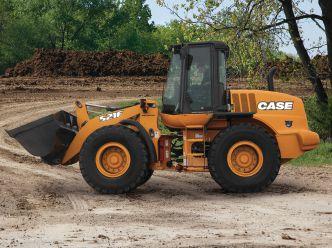
Case 521F wheel loader
Case Construction Equipment recently introduced the new Case 521F wheel loader, offering a 12 percent increase in fuel efficiency while delivering faster acceleration and quicker cycle times.
The machine is available in standard Z-bar, extended reach and tool-carrier models.
Case chose selective catalytic reduction (SCR) technology for the 521F to meet Tier 4 Interim emissions standards based on the machine’s application tasks and power demands. SCR results in lower temperatures in the exhaust system while optimizing combustion.
“SCR was the obvious choice for the 521F because a wheel loader’s tasks are more variable, creating inconsistent engine loads and power demands,” said Rob Marringa, brand marketing manager of Case Construction Equipment. “Rather than compromise power, we let the engine do what it does best — run at peak performance — and then use an aftertreatment for emissions.”
According to Marringa, the benefits of SCR technology are greater efficiency and reduced downtime because there’s no heightened fuel burn or diesel particulate filter (DPF) regeneration. In addition, lower ambient temperatures mean slower degradation of lubricating oil, which extends service intervals.
The new 521F wheel loader offers optional heavy-duty axles. These axles, with auto-locking front and open rear differentials, have the same design as the larger F series wheel loader axles, including metal face seals and sintered
bronze brake linings. They offer traction in all conditions and help reduce tire wear when working on hard surfaces.
On a 50-meter loading and dumping cycle, Case estimates the 521F wheel loader can make up to 56 cycles per hour, moving up to 212 tons of material per hour.
The instrument cluster on the 521F wheel loader has four operating modes, allowing operators and service technicians full visibility and control of basic job functions as well as protective controls that can help eliminate repairs.
Case’s Quiet Cab has a 70.8 decibel rating and supplies cleaner air with a dual air filtration system. It also provides a comfortable ride with an optional heated air ride seat, and ergonomically positioned controls that ensure a long day in the cab won’t reduce productivity.
The 521F wheel loader can handle heavier and much larger buckets through the Case coupler system that pulls the attachment closer to the machine, providing significant breakout. The coupler is compatible with both JRB and ACS attachments. The offering includes Case SmartFitTM bucket tooth systems.
The standard model delivers 19,596 lb. (8,889 kg) of lift capacity and 16,735 lb. (7591 kg) of bucket breakout force, with hinge pin height of 11 ft. 10 in. (3.61 m) for efficient truck- and hopper-loading. www.casece.com
Feedlogic launches BarnSense Monitoring System
Feedlogic Corporation has introduced the BarnSense wireless sensor platform for remote monitoring and reporting from livestock production facilities.
The BarnSense platform gives barn owners and managers a flexible system to monitor one or more sensors and systems at a facility, including temperature, humidity, water usage, propane or natural gas usage, manure levels and gas levels (CO/CO2, methane, H2S, etc).
Key features of the BarnSense sensor platform include:
It can connect to digital, analog or pulse type sensors.
Sensor reading frequency and reporting can be customized to each site.
It operates on a wireless “mesh” network, allowing multiple sensor platforms in multiple buildings to connect back to one communication hub.
All sensor data is stored in an online database, allowing quick access to history for diagnostics or data analytics.
Intelligent alerting system allows multiple users to receive notifications tailored to individual sites.
The BarnSense platform comes standard with an interface to Feedlogic’s MyFarm web service. Its open database architecture also makes it easy to integrate with third-party software or hardware, giving an individual barn owner or an integrator with multiple sites the flexibility to consume the data in the format that works best for them.
www.feedlogic.com
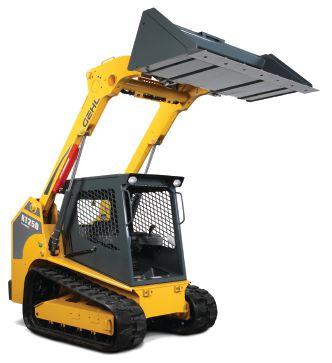
Gehl RT250/Mustang 2500RT track loader
Gehl/Mustang recently introduced the RT250 compact track loader/2500RT track loader. With an operating capacity of 2,500 lb. (at 35 percent tipping capacity) and a Tier IV engine, the RT250 offers additional capacity while providing the same features equipment owners have come to expect from Gehl/Mustang track loaders.
The RT250/2500RT is equipped with a 74.3 hp (55.4 kW) Tier IV emissions compliant Deutz turbo-diesel engine. It delivers 243 ft.-lbs. (330 Nm) of torque and up to 14,317 lb. (6494 kg) of tractive effort, resulting in better traction and stronger digging forces.
In addition, the Deutz TD 3.6 engine does not require any fuel after- treatments or periodic regeneration.
The engine on the RT250.2500RT also features AntiStall technology, which senses machine load electronically and continuously monitors and adjusts the hydrostatic drive pump displacements to manage available engine horsepower and torque. This optimizes machine performance during heavy-duty cycles, but does not allow the engine to stall, resulting in faster cycle times and less wear and tear on the engine, battery and starter.
The RT250/2500RT compact track loader features Automatic Track Tensioning System. This system eliminates the need for manually tensioning the tracks on the loader before operation.
The system saves time on the jobsite and increases the life of the tracks and bearings by ensuring the proper tension immediately upon start-up and tension release when the machine is shut down. In addition to the Automatic Track Tensioning System, the RT250/2500RT is equipped with an operator – an adjustable straight-tracking feature that eliminates dog-tracking, keeping the machine on a straight path at all times.
The operator’s station on the RT250/2500RT compact track loader is designed for operator comfort and productivity. The joystick controls are mounted directly to the suspension seat frame, allowing them to move with the operator as the machine travels. Controls, armrests, restraint bar and foot pod depth are adjustable to accommodate any size operator.
A customizable multi-function display incorporates all warning/operation lights. With the use of a single button, operators can page through the various screens that show all the machine’s vitals, from engine and transmission performance
to controller communication faults. This display also provides access to the configuration screen to gain access to the standard 5x5 Drive Control System settings and other optional performance settings.
The lift arm on the RT250 is designed for optimal visibility, strength and capacity. The “in-line” design increases structural integrity by eliminating complex geometry and welding found on “offset” lift arm designs. Additional reach and increased dump height result in more efficient load placement.
The RT250/2500RT incorporates many other standard and optional features such as the All-Tach® and Power-a-Tach® attachment mounting systems, HydraGlide™ Ride Control System, high-flow auxiliary hydraulics, hydraulic self-leveling, complete pressurized enclosed cab with heat and air-conditioning, air-suspension seat, front/rear work lights, and antivandalism protection. www.gehl.com/www.mustangmfg.com
With over 16 years in the Ag industry, we understand the value of high quality service & equipment
Over a 2 year period starting in 2005, a Midwestern hog farmer used BioDigest and tripled the
G UEST COLUMN
CoMbininG MorTaliTieS
When a farmer moves dead animals from one Michigan farm to another, it results in the nutrients of one farm being transferred to another. The two farms are then considered one large CAFO. Photo by Margaret Land
Under current rules and regulations, the animal capacity and land base of both farms may together constitute a large CAFO
By Dale Rozeboom
During a recent Michigan State University Extension program, a Michigan farmer shared that he owns a swine operation with animals on two different farms, located several miles apart. The farmer hauls his dead animals from one farm to the other where he recently installed a rotary drum composter for mortality handling. Individually, neither farm is considered a large confined animal feeding operation (CAFO), and neither is currently permitted by the Michigan Department of Environmental Quality (MDEQ). Each has its own land base for spreading manure and its own nutrient management plan.
The farmer knew that his mortality management plan, which includes combining mortalities, was in compliance with the Bodies of Dead Animals Act in Michigan. However, the MDEQ informed the farmer that since he was moving the
dead animals from one farm to the other farm, his mortality management plan resulted in the comingling of production area waste. Because nutrients of one farm are being transferred to another, the two farms are considered one large CAFO. He was advised that he needed to apply for a National Pollutant Discharge Elimination System (NPDES) permit, but the farmer wondered if he was given the correct information and asked: “Is this correct?”
“Yes” is the answer to the farmer’s question. Under current rules and regulations, when dead animals are composted together at one farm, the animal capacity and land base of both farms may together constitute a large CAFO. This swine operation, on two farms, would need to apply for a CAFO NPDES permit if the combined capacity was greater than 2,500 swine each weighing 55 pounds or more.
The Bodies of Dead Animals Act 239 of 1982 (BODA) states that “composting methods shall be used to compost only the normal natural daily mortality associated with an animal production unit under common ownership or management.” Historically, this has allowed mortality from different farms under common production management and ownership to be composted at a shared facility located at one farm. The law is intended to allow for the economical, effective and safe management of a farm’s mortality.
The Natural Resources & Environmental Protection Act (NREPA) states that “two or more AFOs under common ownership are considered to be a single AFO for the purposes of determining the number of animals at an operation, if they adjoin each other or if they use a common area or system for the disposal of wastes.” In the NREPA rules, “production area waste” means manure and any waste from the production area. “Production area” includes “any area used in the storage, handling, treatment, or disposal of mortalities.” Therefore, mortalities are considered production area waste.
Representatives from MDEQ, MSU Extension, Michigan Natural Resources Conservation Service and the Michigan Department of Agriculture and Rural Development have discussed why BODA and NREPA place a multiple-site operation under common ownership and sharing a common composting facility into a permitted CAFO situation. The outcome of that discussion is available in a “BODANREPA Mortality Composting Briefing,” available online.
Dale Rozeboom is with Michigan State University Extension. For more information, visit http://www.msue.msu.edu or call 1-888-MSUE4MI (1-888-678-3464).
fendt.com/us
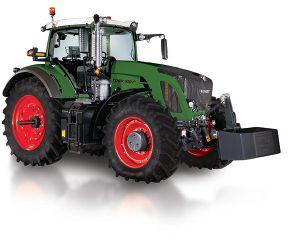
Even in the manure business, we’re not afraid to stand behind our tractor.
Hauling and spreading is tough on a tractor. That’s why we not only make our tractors as tough and capable as they come, but we also back them with a service program that is second to no one.
From the speed and safety of our Vario transmission and Reactive Steering System, to our Fendt Gold Star Customer Care program that gives you 3-years or 3,000 hours of comprehensive warranty with included routine maintenance, there is no better partner for your operation than Fendt.
In the hauling business, you need a tractor that’s capable and dependable.