Mountain Meadow Farms’ solution to runoff helps them win environmental stewardship award
Arid anaerobics
Colorado cattle managers spurred to consider anaerobic digestion
LG Pumping keeps fleet current as farms grow in size
Dairy farms are not a source of far-flung bioaerosols
Primary factors affecting emissions were wind speed, lot management and animal activity
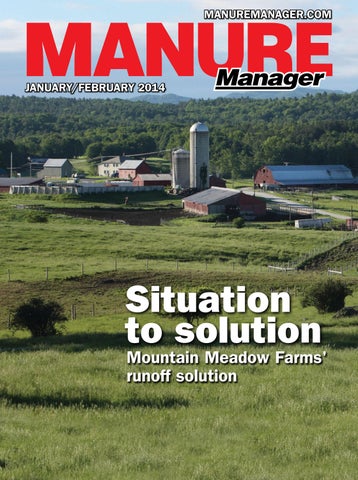
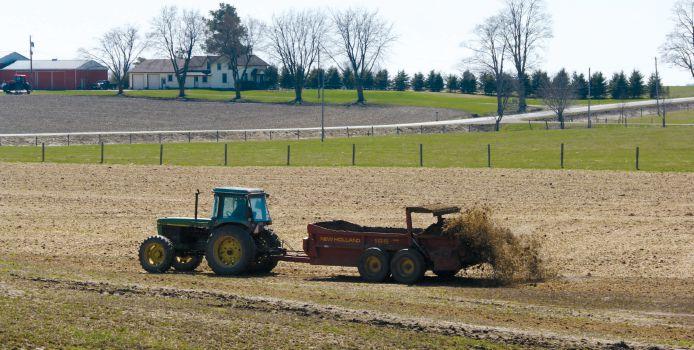
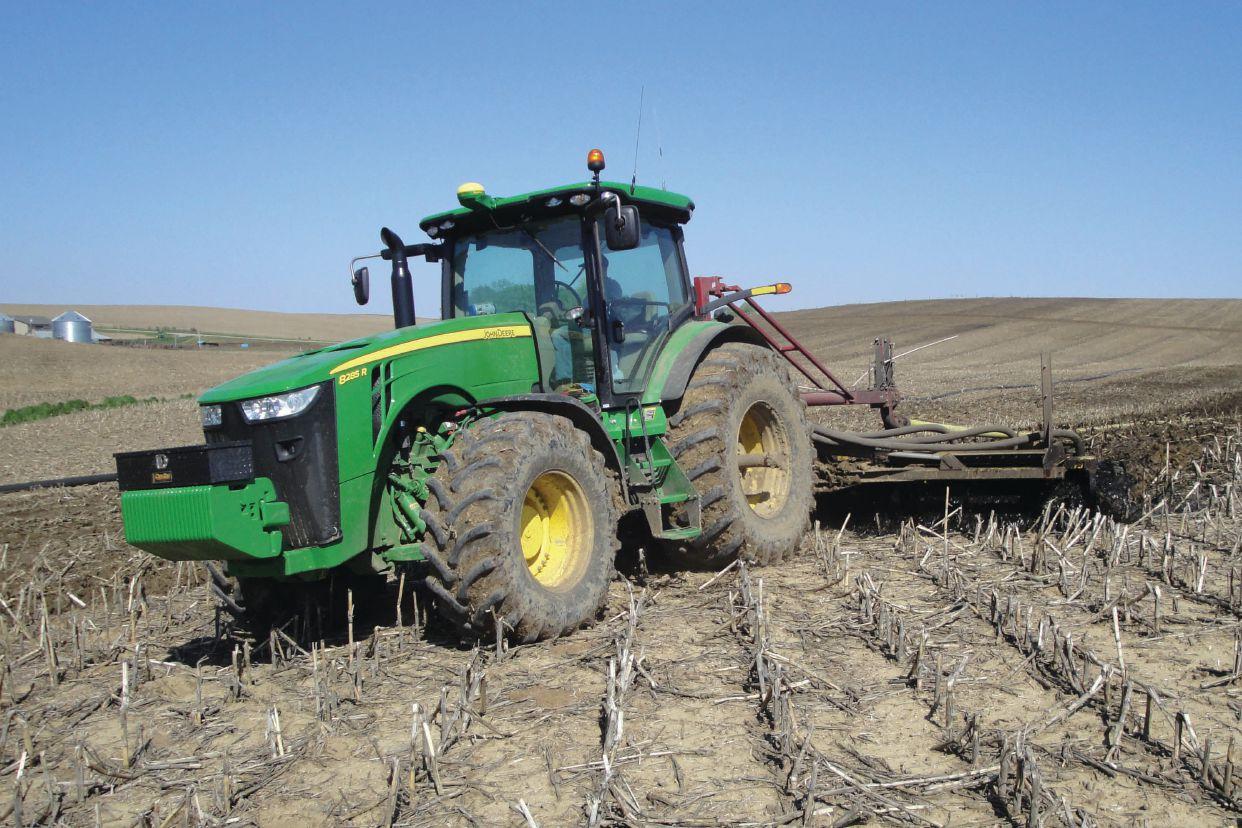
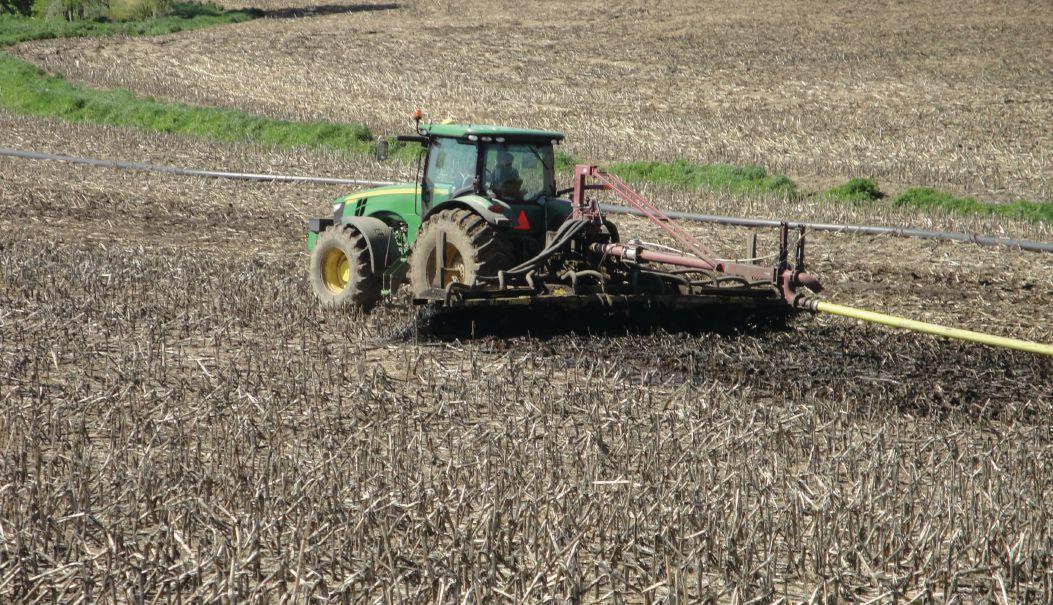
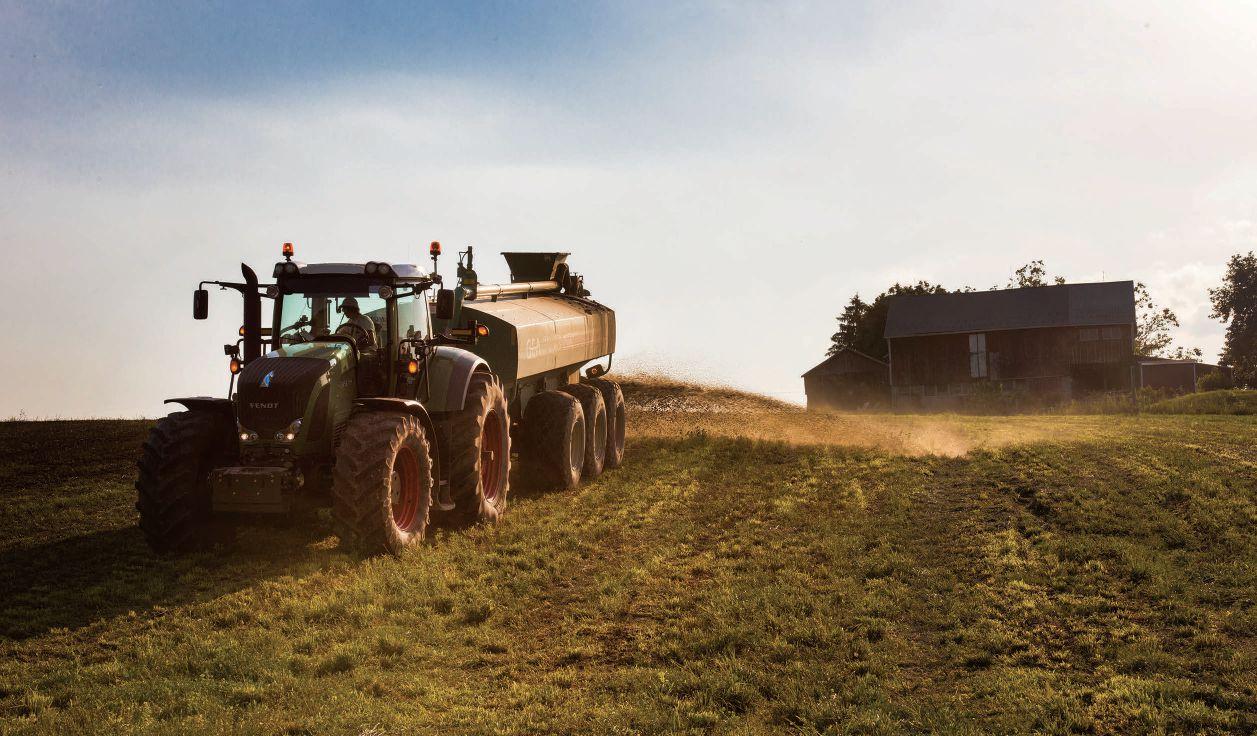
Cover: Mountain Meadow Farms used to apply liquid manure via a spreader tank but switched to a dragline system a few years ago. The manure is pumped through a six-inchdiameter hose up to two miles away to one tractor with a spray nozzle mounted on the back. Contributed photo
$35.24 Cdn, one year (with GST $37.00, with HST/QST $39.82)
U.S. Subscriptions: $47.00 USD, one year
Occasionally, Manure Manager will mail information on behalf of industry-related groups whose products and services we believe may be of interest to you. If you prefer not to receive this information, please contact our circulation department in any of the four ways listed above.
he state of Wisconsin has been abuzz with talk of fish kills and phosphorus pollution since the Nov. 24 accidental release of 300,000 gallons of manure from a Dane County anaerobic digester. The cause – a ruptured pipe that went undetected for several hours.
It’s unknown how much of the manure entered Six Mile Creek, which feeds into Lake Mendota. Obviously, some did as the manure was travelling through drainage ditches, but according to the state’s Department of Natural Resources, no fish kills have been observed. Dane County’s conservationist says that in the three days following the spill, phosphorus levels reached 30 pounds in the creek, well below the 4,400 pounds that has been recorded in the past following a heavy rain.
While the spill was a large one – according to newspaper reports, at one point the manure travelled more than one mile from the site – digester operator PPC Partners plus numerous neighboring farmers and contractors worked as quickly as possible to berm the spill and vacuum and scrape the escaped manure. The digester even continued to operate during the incident as the spill was isolated to only one of the installation’s three tanks. Manure is supplied to the digester by three area dairy farms.
Within days of the spill, newspapers across the state were full of alarmist headlines – “Manure spills in 2013 the highest in seven years statewide” (Milwaukee-Wisconsin Journal Sentinel) – and critical editorials and opinion pieces – “Fault for manure spill goes beyond digester” (The Cap Times).
Hats off to manure management experts who tried their best to keep things in perspective. As University of Wisconsin Extension manure specialist Kevin Erb explained to the Milwaukee-Wisconsin Journal Sentinel, the amount of manure spilled in Wisconsin during 2013 – estimated at more than one million gallons – is very small; in fact, it constitutes less than one percent of all the manure produced by dairy cattle in the state.
No farmer, custom operator or digester operator wants a spill to happen. But, as University of Wisconsin College of Agriculture and Life Sciences senior associate dean Richard J. Straub told one reporter: “Manure happens.
“We take these things seriously, but there is no system that is absolutely safe.”
Anaerobic digesters were developed not only to produce energy – the Dane County facility produces enough power for 2,500 homes – but also to provide a way of processing dairy manure to protect against runoff and water pollution. It is disappointing that an accident involving this technology has resulted in such a spill. But people shouldn’t forget this was an accident, not an intentional act.
Charlie Talbert, board president of the Alliance for Animals and the Environment, wrote an opinion article for The Cap Times blaming the three dairy farms supplying the Dane County digester for the spill.
“Factory farms are the cause of this spill,” he writes. “Two of the three principal dairy operations that pipe poop to the Waunakee manure digester are designated CAFOs by the Wisconsin Department of Natural Resources.”
Later in his article he urges people to “consider purchasing fewer dairy and other animal products.”
There is much to be learned from this unfortunate accident and blaming an entire industry for it seems a bit heavy handed. Already changes are being discussed, including automatic shut-off valves and a more robust alarm system. A second digester in the county, which should be online by now, has been constructed with a 15-million-gallon storage structure that can receive manure in case of a spill.
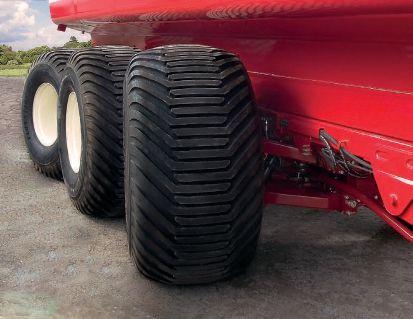
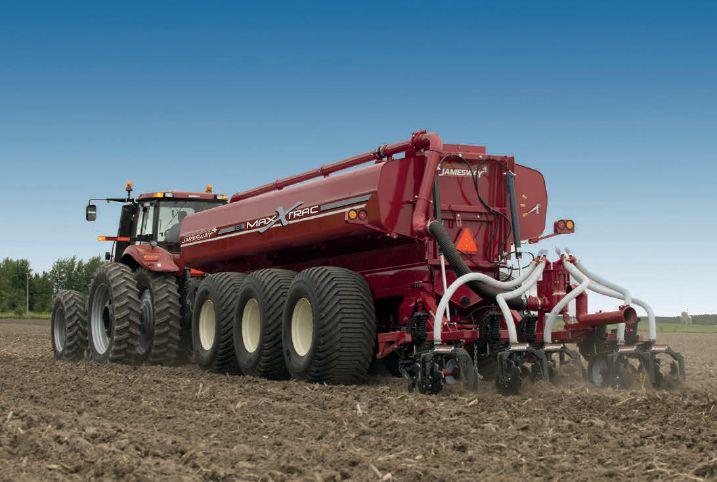
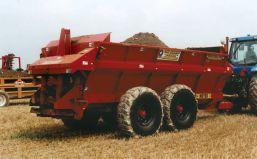
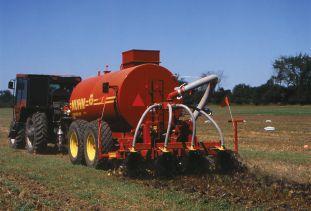
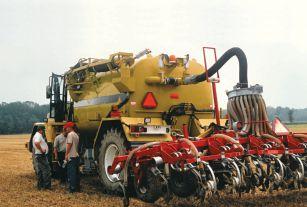
Engineered for professional haulers, Jamesway’s new MAXX-TRAC tankers deliver maximum performance.
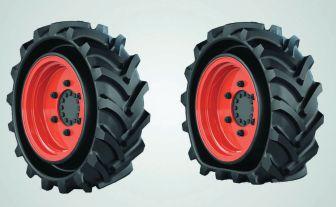
MAXX-TRAC Steering is gentle on your fields and on your equipment.
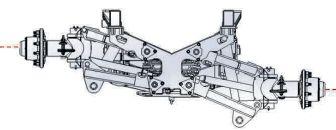
country. The left and right sides of the PARALLEL-LINK suspension move completely independently.
Tandem models4000450050005700US Gal Tridem models5600620066007400US Gal Quad models8500960010 200US Gal
Loaded with features for professional users:
• High Output impeller with 6” or 8” discharge
• Automatic Industrial brakes
• High-speed steering
• Oil-filled hubs
Situation to S olution
Mountain Meadow Farms’ solution to runoff helps them win environmental stewardship award
By Diane Mettler
Dr. Amiel Cooper had dreamed of being a farmer. Seventeen years ago, while still practicing medicine in Boston, he decided to turn his dream into a reality. He and his wife purchased a small farm in South Newfane, Vt., along with 20 Charolais heifers and an Angus bull.
When Dr. Cooper later sold his first beef to a Whole Foods Market store, he realized there was a growing demand for organic beef and his dream began to grow. Two years later the Coopers purchased the approximately 1,800-acre farm they now farm on in Sudbury near Orwell, Vt., and he leases an additional 1,000 acres of cropland.
Today Mountain Meadow Farms has at peak
times a 900-plus herd, which includes 350 mother cows, and the farm is selling to 20 Whole Foods stores in the northeast.
Farm manager Brian Kemp says, “Everything we raise, we finish, and we supplement in some additional feeders to finish. Amiel never dreamed it would grow to this. Currently we have four full-time employees. Then in the summer, when we’re harvesting feed, we’ll have an additional three to four part-time help.”
Organic challenges
The farm is spread out over a few miles and consists of a main complex, a large mother cow facility for winter housing, and three feeding structures for the feeders, along with another leased facility for feeders.
Because Mountain Meadows is 100 percent organic, the farm raises all its own feed (hay, haylage and corn silage) with the exception of purchased organic grains. “To be organic and GAP (Global Animal Partnership) certified for Whole Foods, all the animals have access to pasture during the grazing season, which here in the
Northeast is typically from early May to early November.”
Some of these pastures were problematic, explains Kemp. “When I started working for Dr. Cooper seven years ago, the pastures were wide open, large areas and the animals had access to the streams and ponds. We have a tributary to Lake Champlain, called the Lemon Fair River, which actually starts in the boundaries of the farm. I could see that the situation wasn’t doing anyone any favors – the farm, animals or the environment. We had to get them out of there.”
Team effort
The farm began working with the NRCS (Natural Resources Conservation Service), the State of Vermont Agency of Agriculture, and the U.S. Fish and Wildlife Service, to find a way to keep the cows away from the water. Together they came up with a program that everyone was comfortable with that includes networks of pastures totaling over 800 acres, with 750 in tillable acres and the remaining 85-plus acres in woods.
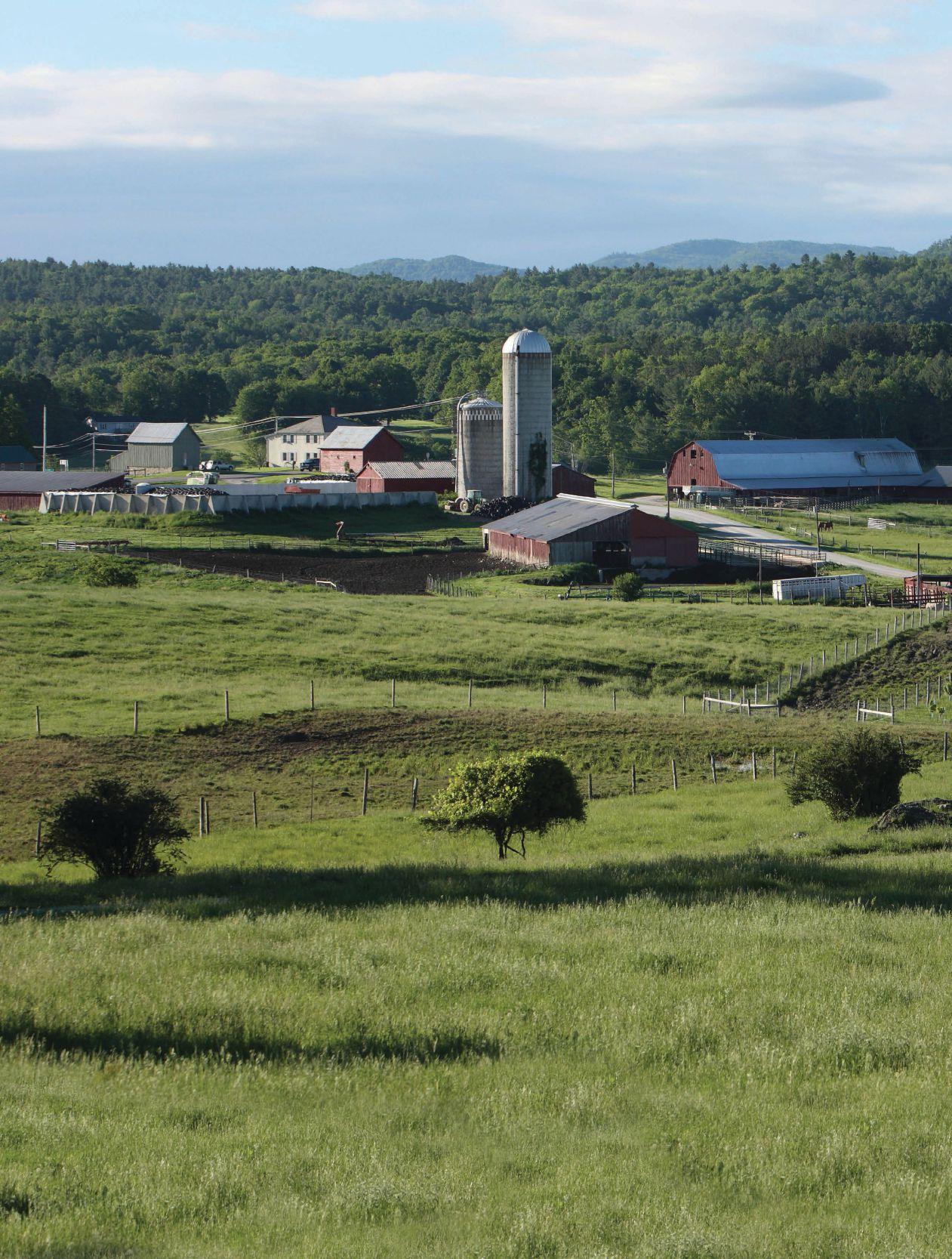
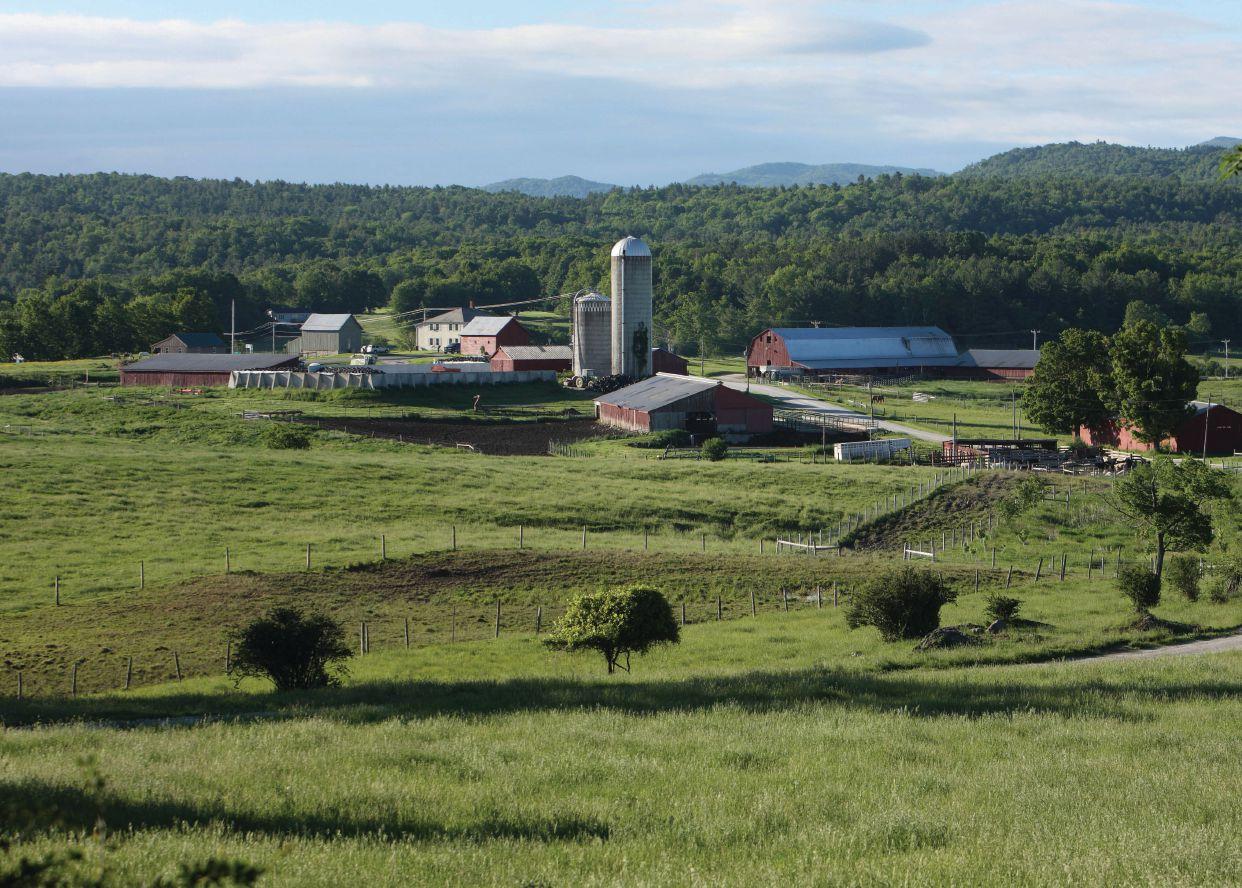
The view from a hillside pasture overlooking the main farm at Mountain Meadow Farms. Contributed photo
“NRCS associate Keith Hartline, was instrumental in the design of the CREP (Conservation Reserve Enhancement Program), EQIP (Environmental Quality Incentive Program) and the implementation of several stream crossings,” says Kemp.
“Over a three to four-year period, we started at one end of the farm and worked – right through the farm.” And because it was a team effort, Mountain Meadows shared the expense with the EQIP program.
“It was a huge project consisting of 22 miles of fencing, 11,000 of perimeter and another 11,000 feet of CREP protecting more than 80-plus acres and over 17,000 trees were planted,” adds Kemp.
This cumulative effort by Mountain Meadows was one of the key reasons the farm received first the 2012 National Charolais Environmental Stewardship Award and then, in 2013, the Region I Environmental Stewardship Award Program, which was sponsored by the National Cattlemen’s Beef Association, the NRCS, U.S. Fish and Wildlife plus Dow Chemical.
Water away from the barns
Once the cows were fenced from the waterways, it led to another problem –access to water. Some of the new pastures were remote and far from any acceptable water source.
Mountain Meadows’s answer was to drill a 200-foot well at the top of a hill, where they also installed a solar system to
pump the water. Water is now gravity fed to multiple livestock tanks in more than 5,000 feet of waterlines.
“It services almost 250 acres of pasture,” says Kemp. “We have a 5,000-gallon reserve at all times too, in case we get a couple rainy or cloudy days.”
Lagoons
About four years ago Mountain Meadows built two parallel 350-foot by 40-foot barns – as well as an outdoor yard – to house the mother cows for the winter. The manure runoff of this structure required a lagoon and a two-million-gallon earthen pit was put in.
“We run bedded packs in the barns,” explains Kemp. “Most of the liquid runs to the pit, and we scrape as necessary.”
The farm makes its own bedding by chopping up organic round bales and uses approximately 2,000 bales a year. The bedding is added daily, and the packs are cleaned out three to four times throughout the winter. The used bedding is stacked and is great compost to be used later on the fields.
Spreading
When it comes to spreading compost or liquids, Vermont has stringent manure management policies, with no spreading between Dec. 15 and April 1. Consequently, throughout the winter, the lagoons fill and the bedding stacks build up.
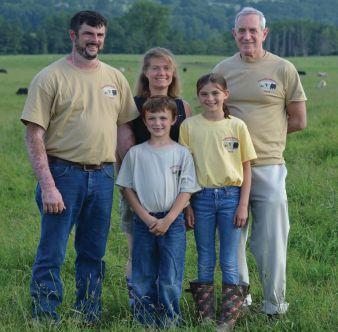
ABOVE: Dr. Amiel Cooper (right) with farm manager Brian Kemp (left) and family, including wife Sarah and children Kira and Jacob. Contributed photo
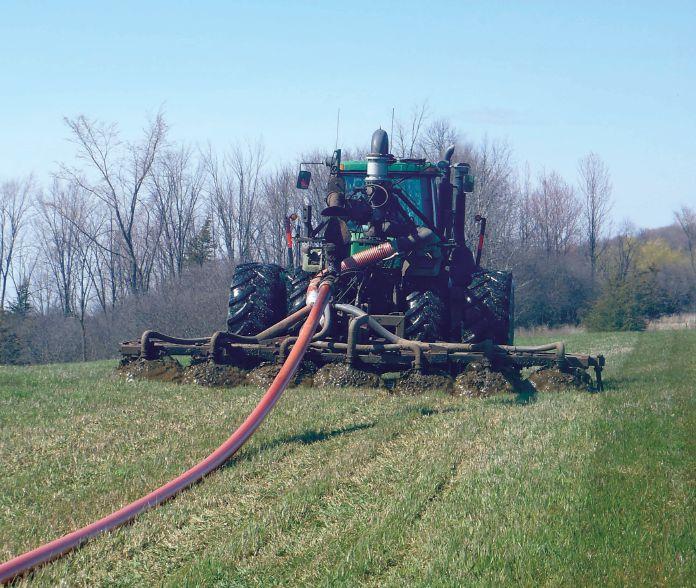
LEFT: The manure is pumped through a six-inch-diameter hose up to two miles away to one tractor with a spray nozzle mounted on the back. Contributed photo
Mountain Meadows hires Whitney Custom Operating to do the bulk of the spreading. “We’ll top dress our hayfields during the summer out of the manure lagoons and in the fall, any of the compost we have we’ll spread and plow under for corn the following year,” says Kemp.
The farm normally uses a liquid manure spreader tank to transport the manure to the fields, but a couple of years ago they started using a dragline system, which they like better. The manure is pumped through a six-inch-diameter hose up to two miles away to one tractor with a spray nozzle mounted on the back. If needed to extend the dragline beyond more than a mile, they will add a second pump to the line to keep enough manure flowing to the tractor.
“Typically when we do that, we use an AerWay system to inject the manure into the ground as we’re spraying. We want to capture as much nutrient as we can,” says Kemp.
“The advantage [of this system] is we have predominately heavy clay soils, so compaction is a big concern for us, especially on a wet year. The big spreader tanks can cause a lot of compaction and the dragline eliminates that risk. You have one tractor out there. It’s less traffic up and down the roads. It’s less of a nuisance for neighbors,” says Kemp. “And that one dragline tractor can do the work of five or six tanks.”
Getting enough nitrogen
Mountain Meadows not only uses the entire contents of the two million gallon lagoon, it also uses the manure from four of its other lagoons (totaling four-millionplus gallons) and still pulls manure from a neighboring dairy farm.
“Our nitrogen source is manure, and it’s critical to us for growing crops,” says Kemp. “There aren’t a lot of supplemental nitrogen sources for organics to use. We do get some chicken manure compost from the large chicken farm and we use that predominately on our corn ground.”
Being organic also prevents them from adding any normal odor control additives to the manure pits. Only microbial products would be allowed. Luckily, odor hasn’t been an issue. The farm’s practice is to agitate the pits the day before spreading. They run one or two Houle pumps in the bigger lagoon to break up any crust and stir things up. So far, that’s working well. Manure samples are also submitted for analysis.
Text program
As mentioned earlier, Vermont has a fairly rigorous manure management requirement, and it can be a lot of work for farmers. In order to help farmers out, the local University of Vermont Extension Program is developing an app and Mountain Meadows has been working with them on a test pilot for the past couple of years.
“We can input data while we’re
cropping in the fields,” explains Kemp. “It’s got a load counter for the numbers of loads you take off the field in bales or tons. You can input your manure. And, for a conventional farm, they can input their fertilizers and their pesticides and herbicides. And you can do it with your smartphone or an iPad right from the field.”
The app looks like it will be a success. “It helps us with our mandated Nutrient Management Plan (NMP) because we have all our data compiled systematically, and we can report to the state each year with that program.”
The bugs are still being worked out but the university is hoping to have the app available for purchase soon.
The future of Mountain Meadow
Mountain Meadow is considering conserving a large part of the land with the Vermont Land Trust. “They would buy your development rights, so it’ll always be in agriculture,” says Kemp. “We’re in a pre-approval stage at this point, pending on selling some of the development rights along that Lemon Fair River,” assuring this parcel will always be in agricultural use.”
Executives from the NRCS recently visited the farm to hear how the EQIP and CREP programs have been a win/win for the farm and land conservation.
“They have a hard time convincing farmers sometimes to do it, because the farmers feel like they’re losing land, and I
didn’t look at it that way. Typically in these areas that we fenced off, they were wetter areas, not really prolific grazing areas to begin with. It helped us subdivide our pastures into more workable paddocks for rotational grazing, and it’s cleaned up the water quality, and we have trees growing and more wildlife habitat. We are currently working with Audubon Vermont on projects to enhance threatened bird populations.”
Because the land has improved, the farm is seeing high productivity in its animals as well. Calves are weaning at a heavier weight as a result of rotational grazing with their mothers. “Overall, cow condition going into winter is better than it used to be because the pastures are better throughout the year.”
Point of pride
Everyone at Mountain Meadows is proud of the recent national awards and being recognized for all the work that has gone into improving the farm and promoting the environment.
“We strive to be conscientious and grow a healthy and safe organic beef product to put into the market and be good stewards of the land while we do it,” says Kemp. “We’re starting to see some results from it, and it’s a great feeling.”
For more profiles, visit the business/policy section of www.manuremanager.com
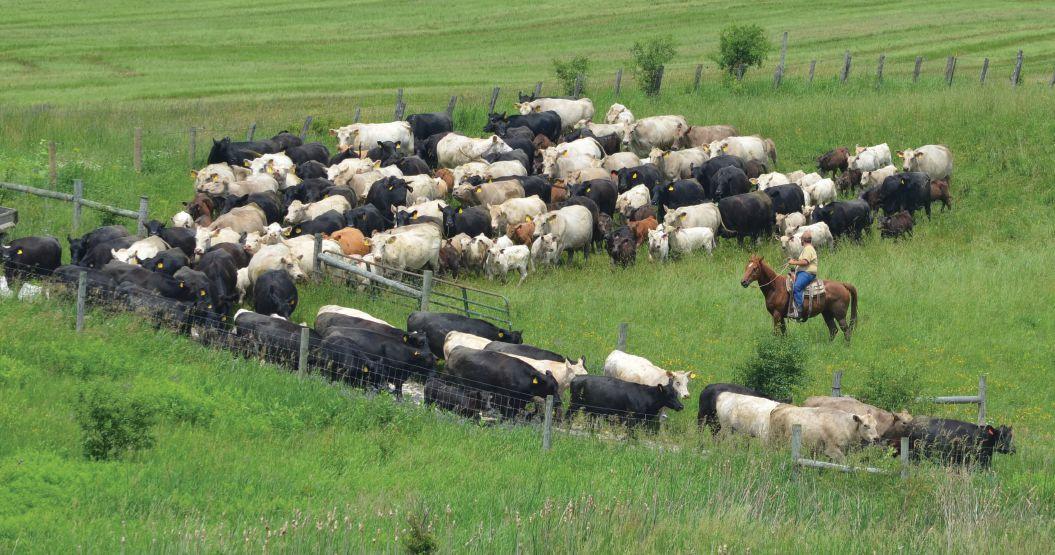
Using horses to move cattle to the next paddock as part of the rotational grazing system. Contributed photo
a rid anaerobi CS
Colorado cattle managers spurred to consider anaerobic digestion
By Tony Kryzanowski
Anaerobic digestion of cattle manure has not taken off in the arid western United States like it has in other parts of the country. That’s despite states like Colorado recently being rated as being among the top five cattle and dairy producers in the country. The main reason it hasn’t taken hold in this part of the United States is water scarcity. Water is a critical factor in anaerobic digestion.
Researchers at Colorado State University believe this method of manure disposal might still work under the right circumstances. For that reason, they have created an online decision tool for use by both cattle feedlot and dairy farmers to help them determine if anaerobic digestion of their manure could be a viable option.
There are many cattle operations in Colorado with more than 20,000 head, according to lead developer of the online tool, Dr. Sybil Sharvelle, associate professor in the Civil and Environmental Engineering Department at Colorado State University. She was hired by the university about six years ago to investigate animal waste management in the state and how it could be improved. She says each dairy or feedlot animal will generally produce between 100 to 150 pounds of manure per day, meaning that one 20,000-head feedlot alone will generate in excess of 1,500 tons of manure per day. The primary method of manure disposal in Colorado is composting, and while some feedlots are able to sell the compost for land application as an organic fertilizer, many are located in areas where crop production is not ideal. So Dr. Sharvelle says the compost is often left piled at the facility, which is why researchers are encouraging cattle producers to at least investigate anaerobic digestion as a possible alternative method.
At the present time, Colorado has only one hog operation using anaerobic digestion as its manure disposal method; development of another digester using waste generated from a dairy operation is on the drawing board and likely to move forward. Dr. Sharvelle would like to see more Colorado farm businesses involved in the generation of significant amounts of cattle manure take a serious look at the anaerobic digestion option, which is one of the primary reasons why the online decision tool was developed.
“I’d like to encourage it when feasibility is good and it can be economic,” says Dr. Sharvelle. “I think any time that we can turn a waste into a resource, we should take advantage of that. I want to encourage it where it makes sense, but it doesn’t always make sense.”
Anaerobic digestion is where raw manure is typically pumped into the top of a tank and over time in a low oxygen environment, microbes convert the manure into three valuable streams – biogas, a high nutrient liquid stream, and solids
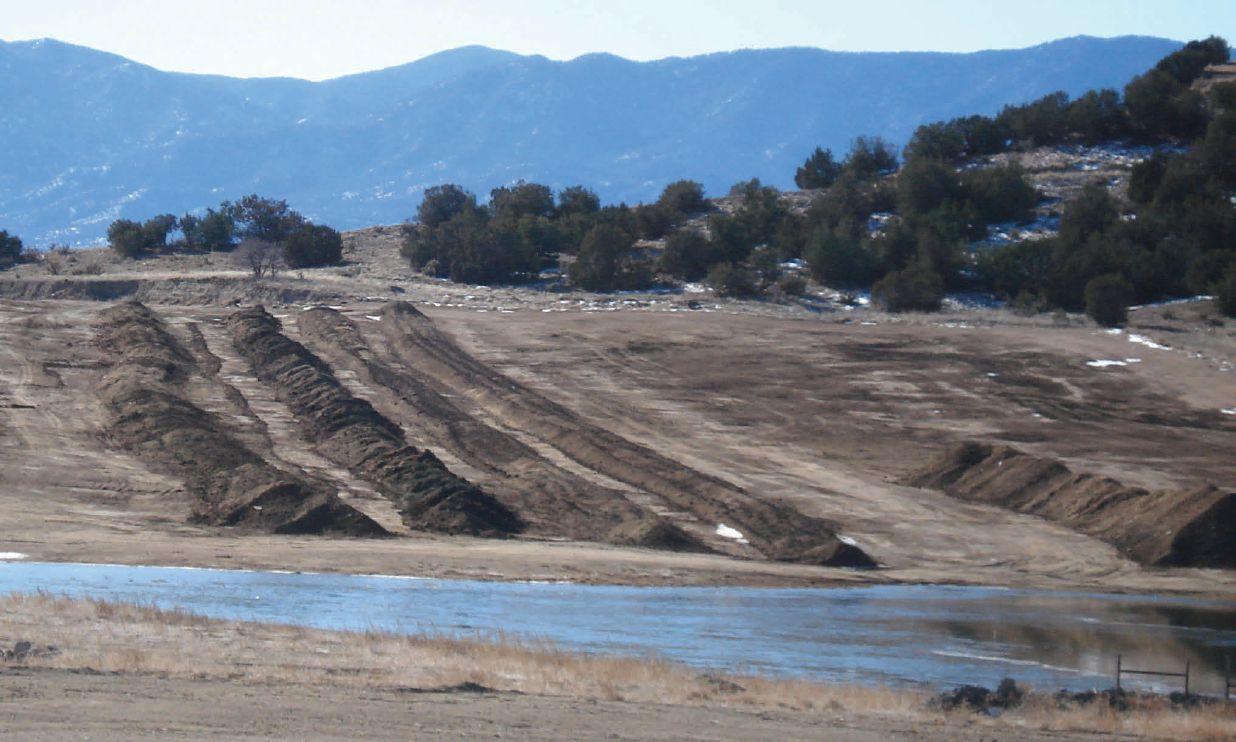
Dry lot manure collected in Colorado feedlots is windrowed into compost as a disposal method, but it often does not find a home. Researchers are hoping some will adopt anaerobic digestion as a disposal method if the economics are right. Contributed photo
Don’t let manure handling agitate you. Save time and fuel with More Than Manure® (MTM®) Nutrient Manager. MTM breaks through crusts and solids in pits and lagoons, and cuts down foam when pumping into tanks, so manure is easier to handle with less agitation. Visit us at sfp.com to request a free MTM kit.
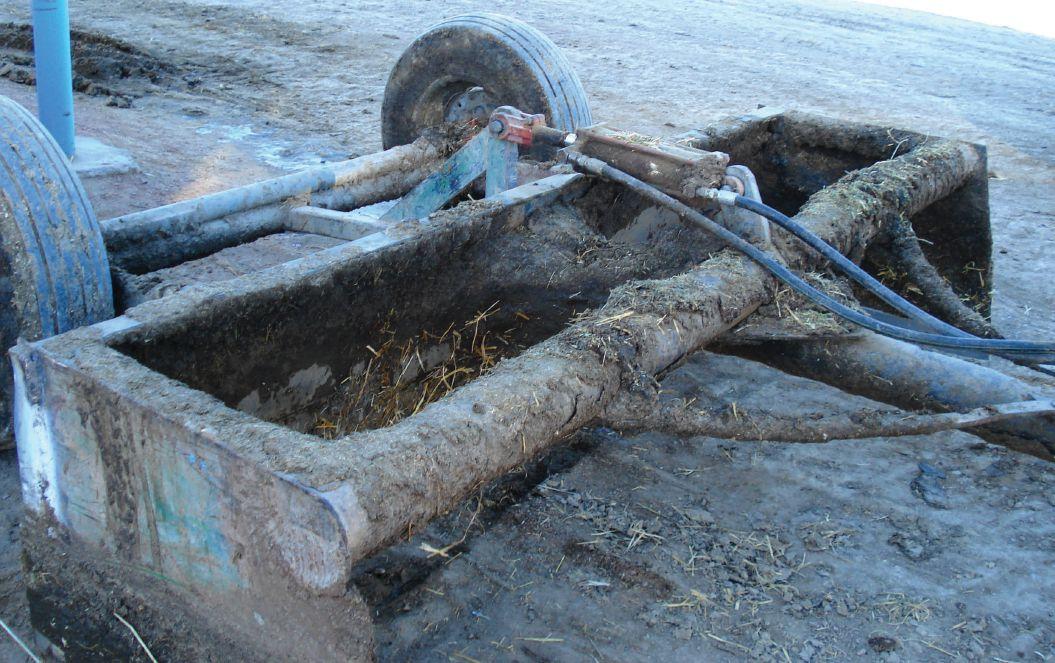
A scraper used to clean a dry lot pen in a cattle feedlot in Colorado typically picks up a lot of inorganic solids, which can clog up an anaerobic digester with the wrong technology. Contributed photo
where many of the harmful pathogens have been destroyed. Once dried, the solid byproduct can be reused for bedding in dairy operations and also as an organic fertilizer. The liquid stream is often used as fertilizer because of its high nutrient content and sometimes recycled as wash water in a dairy. The biogas is a valuable commodity that can be used to fuel a power generator to produce power for use on a farm or sold to a local utility through a power purchase agreement. All three streams represent highly valuable commodities that often make or break the economics of using this manure disposal method.
Water is a critical component of the anaerobic digestion process and this is a commodity that is sometimes scarce for cattle feedlot and dairy owners in states like Colorado, Wyoming, Montana, New Mexico, as well as parts of Canada. The Colorado State University online tool was developed following a series of feasibility studies that included collecting samples, investigating the quality of the waste generated and interviewing cattle operators about their waste management methods to find commonalities within their operations. The result was an online tool that was specific to the Western arid region.
Regarding dairy operations, tool developers state that for the use of conventional anaerobic digestion technology on dairy facilities, manure should be collected on concrete by scraping or flushing. They go on to say that, “anaerobic digestion of manure collected on dry lots is not feasible with conventional technology,” and Dr. Sharvelle says that at the time that the online decision tool was developed a few years ago, researchers could say with a fairly high degree of confidence that economically speaking, this was the case related to the potential use of this manure processing method for dry lot feedlots. The issue at that time was not only potential scarcity of water in the arid western region, but also the typically high percentage of inorganic solid debris mixed in with the manure in a dry lot operation and how it could potentially clog up an anaerobic digester.
She says there have been advances in this area and there is at least one example of anaerobic digestion technology developed in Canada, which claims to be able to manage the debris from a dry lot cattle operation. They are operating a demonstration plant attached to a feedlot. While it may be technically possible to
process this dry feedlot manure through an anaerobic digester, Dr. Sharvelle says it ultimately comes down to the economics. Access to reliable sources of waste water, pre-processing costs because of the amount of debris mixed in with the manure, the availability of government subsidies, the savings that farms can realize by displacing the power they purchase with their own generated power, and the income that farms can negotiate for selling power produced from anaerobic digestion all factor into the equation. While on-site use of power creates a more favorable economic scenario, the challenge of managing the solid debris mixed in with the manure during anaerobic digestion is daunting.
The idea of simply adding water to the dry lot manure is addressed within the online tool as part of the economic analysis but because water is so expensive in Colorado, this does have a direct bearing on the viability of using anaerobic digestion in this application. However, the university isn’t giving up.
“We are developing in our lab a technology to address that high solids manure that is collected in dry lots,” says Dr. Sharvelle. “We are looking at new technologies that would make more sense.”
It’s providing the best available comfort. With over a decade of manure system expertise we offer a system capable of producing top quality bedding. A system that distinguishes itself from all others by its ability to compress manure fiber without altering the fiber integrity. The XPress’s fiber quality limits the amount of fiber becoming airborne as well as the amount of fiber sticking to the teats. With performance and reliability, GEA Farm Technologies gives the comfort your herd deserves.
The online decision tool is a good resource to investigate all the options and challenges the user to determine not only if anaerobic digestion of cattle manure is technically feasible, but also if it makes economic sense. The tool addresses those issues separately. It works on a traffic light principle, where individuals are prompted to plug in certain critical criteria about their operations that have a direct bearing on the viability of anaerobic digestion for them. Depending on the data inputted by the user, the tool will deliver a green, yellow or red light as to the applicability of this disposal method as the user proceeds through the prompts. Once they hit a red light, they know they should stop because the tool has determined that something in their operation is a critical impediment to anaerobic digestion working for them.
Some of the most critical questions the online tool addresses are the size of the herd and the operation’s current method of waste management. The tool prompts the user to consider if there are nearby sources of wastewater that could be added to their waste stream to make anaerobic digestion feasible.
“Most facilities don’t want to change
how they manage their manure to install an anaerobic digester,” says Dr. Sharvelle, “because it just adds too much cost and change at one time. So, the tool looks at what their management practices are and it also gets some information about whether there are nearby sources of wastewater from possibly food processing facilities or domestic wastewater treatment facilities that could be combined with their manure.”
The tool also addresses the issue of information reliability. Prior to the tool coming on line, farmers had to depend on the information provided by suppliers of anaerobic digestion systems, and in some cases, those systems were not a good fit for particular cattle operations. Tool designers have strived to provide unbiased information related to different anaerobic digestion systems so that cattle owners can find one that is a good match for their operation.
The two biggest challenges in developing the online tool were to ensure that it was user friendly and also that it took into account the variety of cattle operations in the state so that users could gather useful information applicable to
their specific operations. Most of the important questions are asked early on so that if users obtain a red light at this point, they know right up front that it won’t work for them.
Since becoming available about two years ago, Dr. Sharvelle has received feedback from producers that they have found the tool helpful. The challenge now is to keep the tool up to date.
“Technologies are moving forward and those new technologies are not necessarily addressed very well in the tool,” she says.
The data that was collected to create the tool initially dates back four years. The goal now is not only to keep it up to date but also to broaden its application so that it can be useful to cattle operations throughout the United States, particularly when addressing the economic practically of using anaerobic digestion as a manure disposal method.
The tool can be accessed at https:// erams.com/AD_feasibility_ad_tool/.
For more on energy, visit www.manuremanager.com
Manure app CalCulateS value
The need to be able to estimate the value of manure as crop nutrient source is the result of increased use of manure to replace crop nutrients that have long been supplied by commercial inorganic fertilizers.
“As with inorganic fertilizers, the goal is to meet the crop nutrient needs while avoiding the expense and potential environmental concerns of over-application of nutrients,” said Dharmendra Saraswat, associate professor and extension engineer for the University of Arkansas System Division of Agriculture.
To answer this need, the University of Arkansas Division of Agriculture has
released the Manure Valuator app to help producers calculate the dollar and nutritive value of manure applied to a specific field and then share the results via e-mail. The app is now available for use on both iOS (iPhone and iPad) and Android devices.
The app was developed by Saraswat, in collaboration with Karl VanDevender, a professor and extension engineer, both in the Department of Biological and Agricultural Engineering.
The app is based on a simple premise that the monetary value of manure is linked to the market value of the inorganic nitrogen (N), phosphorus (P), and potassium (K) fertilizer that the
manure is replacing. This means the value of manure depends largely on the crop N, P, K fertilizer recommendation, the manure N,P,K content, and the amount applied.
The app allows the user to enter the cost of his or her local commercial fertilizer source on either a dollar per ton or a dollar per pound basis. If dollar per ton values are entered, the app converts them to dollars per pound of nitrogen, phosphorus, and potassium.
The user then enters the crop’s N, K, and P needs, ideally based on recent soil test recommendations available though the county Cooperative Extension Office.
The University of Arkansas Division of Agriculture has released the Manure Valuator app to help producers calculate the dollar and nutritive value of manure applied to a specific field.
The user then selects one of 18 different choices of dry and liquid manure. If desired, the default N, P, K values can be modified to better reflect the manure to be applied.
After the desired manure application rate is entered, the app calculates the N, P, K fertilizer replacement value for the specific field crop based on N, P, K recommendation, manure source, and manure application rate. At this time, any input value can be modified to
evaluate the impact on the resulting calculated values.
Users of the Manure Valuator app have quick access to several useful features:
• a bulk cost calculator to determine cost per pound of nitrogen, phosphorus and potassium from inorganic fertilizers
• a database consisting of nutritive value of 18 different sources of manure that allows
users to enter custom values for dry and wet manures
• a dictionary page that has been provided to explain each step used in the app
Funding for the app was provided by the Arkansas Corn and Grain Sorghum Board and the Arkansas Soybean Promotion Board.
The Manure Valuator app is available for free at iTunes (see https:// itunes.apple.com/us/app/manurevaluator/id757582921?ls=1&mt=8) and Google Play Store (see https://play. google.com/store/apps/details?id=uaex. edu.manurecalculator&hl=en).
Users can also install the app on their mobile device by scanning the code found in the news archives at www.uaex.edu.
For more details about crop production, contact your county extension office or visit www.uaex.edu.
equipment, visit
High Quality Bedding Material Produced Fresh Daily
•
• Low energy consumption
• User friendly touch-screen control panel
Office: Michigan City Tel. +1 800 451-8001
j.dewitt@bauer-at.com
t.burns@bauer-at.com
r.hultgren@bauer-at.com
b.coughlin@bauer-at.com
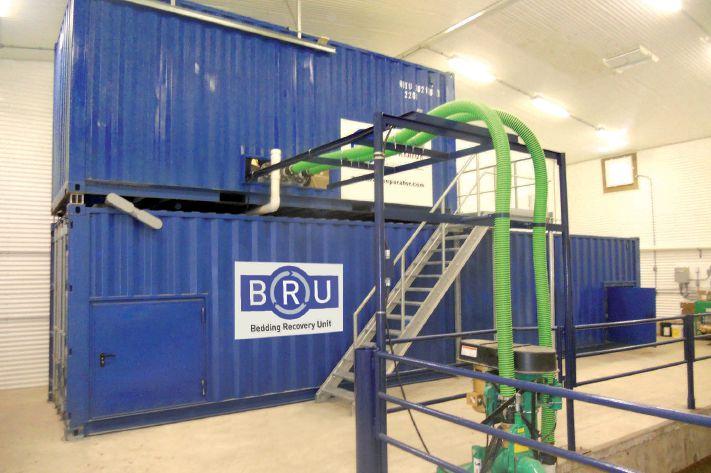
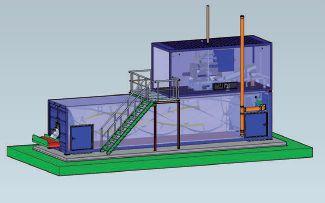
The Bedding Recovery Unit by FAN continuously recovers bedding material from solids in the raw manure.
manure.
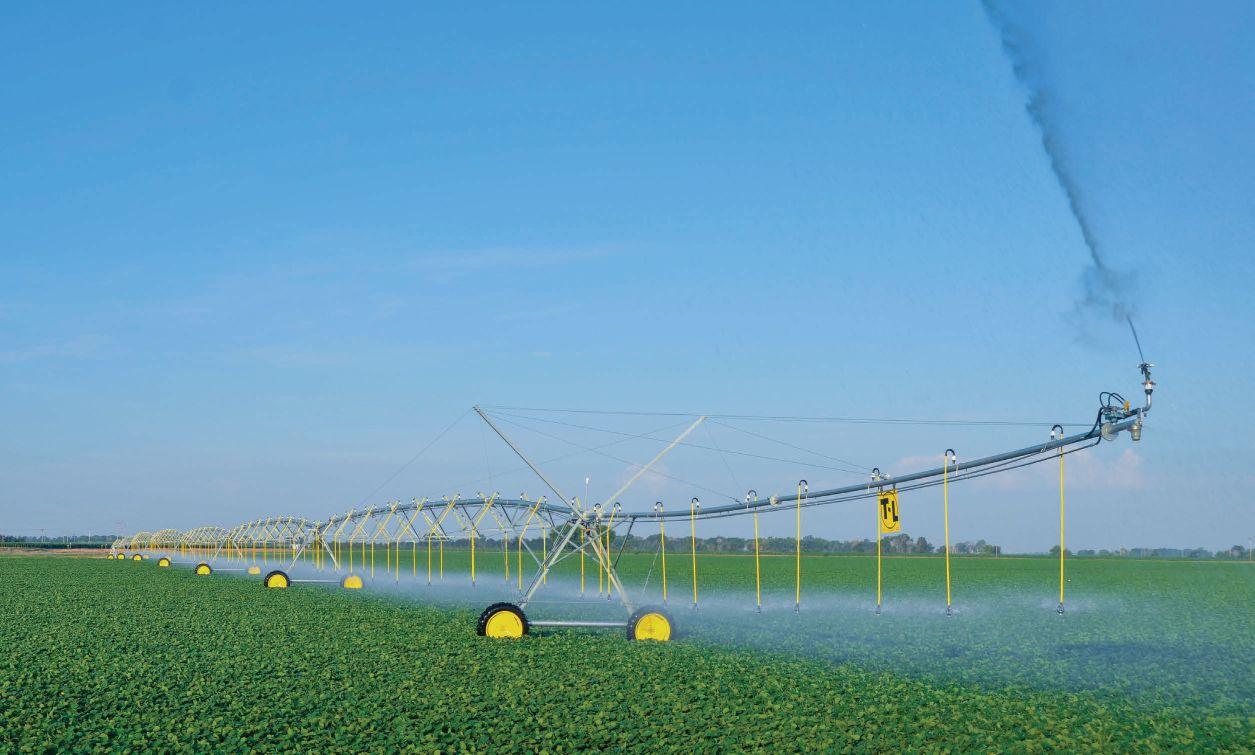
Nutrient water management is a critical part of your livestock operation. Only T-L irrigation systems use safe, reliable hydrostatic power that delivers smooth, even effluent distribution.
You too can experience improved crop production, low maintenance and years of dependability. Hydrostatic power is “Proven Technology – That Works” and is something you know and work with every day.
Let T-L Irrigation Co. and T-L dealers give you the lasting value you are looking for. Call your local T-L dealer or T-L Irrigation Co. at 1-800-330-4264 today.
T-L irrigation systems are “Easier on You – For a Lifetime!” Call your local T-L dealer or contact T-L Irrigation Co. at 1-800-330-4264.
Keeping paC e
LG Pumping keeps fleet current as farms grow in size
By Tony Kryzanowski
The combination of operating a top-of-the-line manure drag hose system and experience has helped LG Pumping LLC of Osmond, Neb., evolve over the years into an undeniable success. By offering good service and keeping its fleet current, the company has earned a lot of repeat business, and the phone rings regularly with new customers.
The company, owned by Ray Gubbels, Marvin Krienert, Steve Lind and Jason Gubbels, has seen growth in its fleet occur in tandem with growth in the area’s agricultural sector.
There are many 1,000- to 2,500-head
dairy farms in that part of the American Midwest. Hog barn sites can sometimes have as many as 10,000 head finishers. LG Pumping has noticed a trend over the years where the single barn owner is becoming quite scarce.
“The facilities are definitely getting bigger,” says Jason Gubbels. “Everything new being built is mostly deep pit manure storage and giant sites.”
Today, an individual farmer or a group of farmers may operate as many as 20 barns. So, it makes it much more convenient and economical to hire a custom applicator to apply the manure from several barns at one time. What has helped drive business growth at LG Pumping is simple economics. For many farms, it just makes more financial sense to have the manure custom applied than
to do it in-house.
“Everyone used to have a tanker wagon, and they used to haul their own manure,” says Jason. “When they are spending two weeks to empty a barn that we can empty in one day, it gets to a point where, in doing it themselves, the cost analysis just doesn’t balance out. We’re in, we’re out, we’re clean, and they don’t have any of the risk anymore.”
LG Pumping also has several larger dairy customers with as many as 5,000 head in some cases. Because the company is larger and well equipped itself, working with these larger farms has evolved into a bit of a niche business for the company.
On average, the company pumps about 480 million gallons of manure annually, and business is split between
Working closely with farmers and agronomists as well as investing in the most current drag hose application equipment helps LG Pumping ensure that the right amount of liquid manure is being applied per acre to maximize nutrient value.
about 50 percent dairy farms and 50 percent hog farms. Demand for its services continues to grow steadily each year. LG Pumping provides its services within about a 500-mile radius of its home base, going as far as South Dakota, Iowa, Kansas, and central Nebraska. It averages about 30 employees. Its busiest times of year are in the spring from early March to mid-May and then in the fall until about mid-December. The team continues to work hand in hand with Lind-Gubbels, Inc., a grain handling and construction business, as employees will sometimes move from one part of the agriculture business to the other, as needed.
“We have years and years of experience in the agriculture business,” says Jason. “This is my dad’s 40th year. He started constructing buildings and grain facilities, and they still do some of that.”
About seven years ago, LG Pumping spun off from Lind-Gubbels, Inc., an agricultural services business founded by Rich Lind and Ray Gubbels, later adding partner Marvin Krienert. LG Pumping – created by Marvin and Ray – added partners Steve Lind and Jason Gubbels one year later.
It was during those years when Lind-Gubbels, Inc. was building large hog facilities that Ray noticed there
was a growing need to dispose of the manure being generated by them. He recognized a business opportunity, started the custom manure application business, and has never looked back.
“They started with a small PTO pump and pipe and traveling guns and it slowly progressed over the years to where it is now, with all our tractors operating GPS tracking systems, umbilical manure application systems, and all the bells and whistles,” says Jason. “It’s been a progression from humble beginnings to about as nice as you’d ever want it now.”
LG Pumping’s partnership with Hydro Engineering as its primary drag hose equipment supplier has allowed it to develop a fleet that helps the company deliver quick and safe pumping services. It is able to pump hog and dairy manure from lagoons as far as five miles for land application.
By working closely with farmers and agronomists, LG Pumping ensures that the right amount of manure is applied per acre according to the farmer’s nutrient management plan. The attitude among farmers about manure’s value as an organic fertilizer is helping to drive business growth at the company.
“A driving factor is that the cost of
commercial fertilizer is going way up,” says Jason. “So while the attitude used to be to get rid of it by land applying the manure, it has gotten a lot more involved now. You had better know what’s in the manure, how much the farmer can use, how much to apply, etc. There’s no waste any more.”
He adds that the cost of farming is so high now that customers want to know exactly what they are getting for nutrient value from the manure.
“With our GPS mapping and the way we sample, it’s just been a plus for our customers,” Jason says. “It’s helped them maximize the value of what they can get out of that manure.”
Providing professional advice on how farmers can fine-tune their manure applications to maximize nutrient uptake by crops is one area where the company wants to improve on its service because it has recognized a definite need with some of its customers. LG Pumping is considering hiring a crop consultant or agronomist to provide this service to its customers, if needed and requested. In terms of application rates based on the type of crop, that varies considerably, often depending on where the company is working. The biggest determining factors are crop types and plant needs.
LG Pumping can offer good advice now on application rates based on the likely nutrient content in their manure, given the size of a farm lagoon and the type of farm. Having an inhouse agronomist/crop consultant will help the company and customer become even more precise in matching application rates with crop requirements.
The company uses manure drag hose application systems exclusively to minimize soil compaction during land application and has developed its own no-till toolbars to allow it to maintain consistent incorporation even when tractors are turning around during field application.
LG Pumping has developed traveling units that consist of the typical items they will need on site. Each consists of a field tractor equipped with GPS tracking and a flow meter, a secondary lagoon agitation tractor, and a third lagoon/hose reel tractor that provides support as needed as the manure is being pumped and applied. Each traveling unit comes to the site with a quarter-mile of drag hose and one-and-three-eighths miles of eight-inch main line hose.
“We’ve got 30 miles of hose, so we can pull in whatever we want for additional hose if we need it,” says Jason. A typical service call will require main line hose laid from one-half to three miles.
Their field applicator tractor fleet is almost exclusively 8285 John Deere tractors equipped with GPS monitoring and Krone flow meters. They are connected to their no-till application bars or injector bars, supported by hose reels, and drag hoses linked back typically through a series of pumps to the farm lagoons or deep pits. The engines and pumps are John Deere engines with Cornell pumps. Overall, the company has about 27 tractors in its fleet, and they are equipped with low compaction tires.
LG Pumping will typically use 8130 or 8230 John Deere tractors on the lagoon site for operating both Balzer and Houle
liquid manure agitators.
At least one agitator, booster pump, air compressor and lagoon pump travels with each unit, as well as a utility trailer with a welder, tools and parts to support the pumping unit.
The company will have as many as eight pumping units on the go at the same time during its busy season.
Jason Gubbels says he believes what differentiates LG Pumping from its competitors is the consistent investment the company has made back into the business over the years as well as its adoption of a professional attitude when performing a service call, which includes keeping the customer’s neighbors happy.
“We try to make sure when our employees arrive on site that we have tractors, pumps and equipment that are going to perform when we need them,” says Jason. “We also have outstanding people that work for us that understand the equipment, understand the fields, and they know a lot of customers one on one. That’s been a big part of generating our repeat business.”
The company plans to continue to work on the leading edge of the industry, with a good example being the VMI lagoon dredger the company invested in a few years ago, and uses to dredge the bottoms of lagoons for some of its larger dairy customers.
“That’s been a developing area for us, going to these big sites where they have monster-size lagoons, dredging out the bottom and being able to go directly to the field with the application,” says Jason. Hydro Engineering helped them develop a giant chopper pump located on the lagoon bank to handle all solids captured from dredging before the manure is land applied.
LG Pumping also continues to work on its no-till coulter for use on the company’s 40-foot applicator.
Business is on the rise at LG Pumping partially because the company has worked hard to make constant improvements to its drag hose system.
farms not source of bioaerosols
Primary factors affecting emissions were wind speed, lot management and animal activity
By Anne Perry
In the late afternoon, when fidgety dairy cows start milling around, they stir up a heavy layer of dust that hangs over the yard. This airborne dust does more than signal potential rowdiness among the livestock. It contains bacteria, viruses, fungi and small bacterial remnants called “endotoxins,” which can be dispersed through the air beyond the facilities to the surrounding landscape.
These airborne micro-organisms and their byproducts and remnants are also called “bioaerosols.” Agricultural Research Service microbiologist Rob Dungan is documenting how bioaerosol dispersal fluctuates throughout the day and year, the downwind concentrations and factors that affect dispersal patterns.
“In the western United States, dairy cows are kept in large outdoor pens or in a combination of exercise pens and barns at open-freestall facilities. Either way, people can sometimes smell dairies before they can see them, so they assume there’s a problem,” says Dungan, who works at the Northwest Irrigation and Soils Research Laboratory in Kimberly, Idaho. “There’s a lot of interest from people in nearby communities in finding out more about their potential exposure to airborne endotoxins and other bioaerosols from these facilities.”
Distance makes all the difference
For one study, Dungan, soil scientist April Leytem, and research leader David Bjorneberg set up three sampling sites at a 10,000-cow open-freestall dairy to measure airborne endotoxins and culturable micro-organisms like bacteria
and fungi during fall, spring, and summer. One site was slightly more than a tenth of a mile upwind of the facility. A second site was 165 feet downwind from a barn, and the third was 655 feet (about a tenth of a mile) downwind from the same barn.
The researchers found that overall average inhalable airborne endotoxin concentrations were five endotoxin units (EU) per cubic meter at the upwind site, 426 EU downwind near the barn, and 56 EU farther downwind. At the upwind and the distant downwind sites, endotoxin concentrations did not vary significantly over 24 hours. But closer to the barn, nighttime endotoxin concentrations were significantly higher than morning concentrations and were similar to afternoon concentrations – increases the scientists attribute to increased animal activity and lower wind speeds during these times.
Analysis of bacterial concentrations showed a similar pattern. Average bacterial counts over the sampling period were 2,800 colony forming units (CFU) per cubic meter of air at the upwind site; 84,000 CFU 165 feet downwind of the barn; and 7,900 CFU 655 feet from the barn. As with the daily endotoxin concentrations, bacterial concentrations near the barn increased significantly at night, but concentrations farther downwind did not.
When the scientists compared concentration fluctuations with weather conditions, they noted that endotoxin concentrations rose with air temperature. Meanwhile, airborne bacteria concentrations increased when air temperatures and wind speeds increased, but dropped when solar radiation and relative humidity increased.
No lasting effects
Dungan and Leytem conducted another investigation at a 10,000-cow openlot dairy. For this study, they sampled airborne endotoxin concentrations at
an upwind site about one-tenth of a mile from the lot, at a downwind site at the edge of the lot, and at the dairy perimeters, which were more than three-quarters of a mile downwind of the lot.
Average endotoxin concentrations at the downwind edge of the open lots were about 11 times higher than the concentrations upwind, while the endotoxin concentrations at the most distant downwind site were found to be statistically similar to those at the upwind site.
The scientists determined that the primary factors affecting airborne endotoxin emissions were wind speed, lot management, and animal activity. As expected, the scientists observed that endotoxin suspension and transport from the animal housing areas increased as wind speed increased and as animal activity increased. Other lot-management practices, including breaking up the manure with harrowing, also generated higher airborne endotoxin concentrations.
Unlike airborne microbes such as bacteria and fungi, endotoxins are highly resistant to solar radiation and temperature. The researchers did not observe any significant correlations between fluctuations in endotoxin levels and changes in air temperature, solar radiation, or relative humidity.
“As with other types of livestock facilities, dairies are a source of bioaerosols because they house many animals that generate lots of manure,” says Dungan. “But our data shows that bioaerosol concentrations reach normal background levels at a fairly short distance from their source at the dairies. So people who live near these facilities can hopefully breathe a sigh of relief about potential bioaerosol exposures.”
Ann Perry is a member of the USDA’s Agricultural Research Service information staff.
In the NEWS
A1 Organics announces substrate agreement with Heartland Biogas
A1 Organics of Eaton, Col., recently announced it has entered into a substrate procurement agreement with Heartland Biogas LLC at its anaerobic digester renewable natural gas (RNG) project near LaSalle, Colo.
The Heartland Biogas project is now under construction with biogas deliveries scheduled to begin in the first three months of 2014. The project, located in Weld County, will use a complete mix anaerobic digester to produce 4,700 MMBtu of biogas daily, making it one of the largest anaerobic digester facilities in the U.S.
The anaerobic digester system converts organic feedstock and dairy cow manure into raw biogas. The raw biogas is then processed into pipeline-quality RNG. After being conditioned to pipeline grade, the RNG will be supplied to a municipal power authority through a long-term purchase agreement.
Additional beneficial aspects of the project include production of high-grade digested solids and fertilizer-grade liquid residuals. A1 Organics, along with Heartland Biogas, will be developing high-value organic amendments and fertilizer-grade products from the digested byproducts.
A1 Organics is actively negotiating with and seeking new generators of digestible organic substrates that can be beneficially reused via the Heartland Biogas project.
“Weld County has been the Wilson family home since the late 1800s,” said Chuck Wilson, president and CEO of A1 Organics. “Now, after 40 years of providing composting options for Colorado’s organic waste streams, we are proud to be an integral part of this exciting and innovative project that is not only focused on providing the next level of sustainable and beneficial options for recycling wastes, but also the creation of renewable energy and beneficial byproducts.”
Global beef company prepares for 2014 biogas launch
While Sukarne, a giant in the beef exporting world, already minimizes its environmental impact by turning manure into fertilizer and making its fleet more efficient, the crown jewel of its sustainability practices is its three-year-old biogas pilot project.
In partnership with two Canadian research centers, Sukarne has installed a bio digester that converts manure, corn and grease into gas that could someday be compressed and used to power its fleet of trucks and to provide heat and power to its facilities. The full-scale launch of the program is set for 2014, according to a company spokesman; however, details have yet to be finalized.
“The idea is that each plant will be self-sufficient in terms of both electricity and thermal energy,” said the company’s sustainability vice-president Jorge Siller.
More than 700,000 liters of biogas is produced each month, and Siller expects each plant to generate three megawatts of electricity and 3.5 megawatts of thermal energy each month – enough to power 3,000 homes.
Sukarne doesn’t gain much of a competitive advantage by improving its sustainability practices, but Jesus Vizcarra Calderon, the company’s president, predicts that someday consumers will regard a company’s sustainability policies as highly as the products they’re buying.
“This is a model that will help us survive in the future,” Vizcarra says. “I don’t believe that we have to sacrifice environmental responsibility to be financially successful. I believe we can do both.”
Iowa dairy to pay fine
An Inwood, Iowa, dairy has agreed to pay a $20,000 civil penalty to settle alleged violations of the Clean Water Act, the Environmental Protection Agency announced recently.
The facility qualifies as a large Concentrated Animal Feeding Operation
(CAFO) under Clean Water Act regulations. However, at the time of EPA’s inspection in July 2012, the dairy did not possess a National Pollutant Discharge Elimination System (NPDES) permit as required by law. The dairy confined approximately 1,000 cattle at the time of the inspection.
The inspection also noted the facility does not have adequate waste control facilities and that the slope and condition of the land at the facility will result in wastewater discharge into tributaries of Dry Run Creek.
EPA Region 7 issued the operation an Administrative Compliance Order on April 1, 2013, which required the dairy to cease all wastewater discharge from its facility or reduce the number of cattle at the facility until unauthorized discharges are eliminated. The order also required the dairy to obtain an NPDES permit in order to maintain or increase the number of cattle at the facility.
As part of the settlement agreement, the operation has certified that it is now in compliance with the Clean Water Act. The consent agreement is subject to a 40-day public comment period before it becomes final.
New biosecurity guidelines for manure handling, hauling designed to curb PEDV
Since it was first identified in the U.S. last May, Porcine Epidemic Diarrhea Virus (PEDV) has created significant losses to some pork producers in many parts of the country. Manure is a primary way the virus spreads from pig to pig and from farm to farm. On some sow farms, the virus has caused mortality rates in young pigs of up to 100 percent.
To help reduce the risk posed by PEDVinfected manure, veterinarians and university experts working with the Pork Checkoff, the National Pork Producers Council and the American Association of Swine Veterinarians have created a set of guidelines for producers and commercial manure haulers.
“We know this virus is easily spread to uninfected pigs and clean farms by infected manure,” said Dr. Paul Sundberg, vicepresident of science and technology for the Pork Checkoff. “As we enter the fall manureapplication season, it’s a particularly critical time to follow a strict set of steps to help prevent the spread of this costly virus.”
The new guidelines (available at www. pork.org/pedv) are specifically for producers, commercial or other manure haulers who travel from one farm to the next and landowners during land application of the manure.
Both producers and haulers should know where the transport crew has been
prior to coming onto a new farm. In addition, farms should have a clearly defined entrance and exit strategy to minimize cross-contamination with other farm traffic and maintain a distinct “line of separation” between haulers, their equipment and the animals and workers on the farm site.
Sundberg adds that separating manurehauling equipment and personnel from animals and farm workers – as well as limiting on-farm movement patterns – have proven to be critical in avoiding potential PEDV transmission via manure to an uninfected farm.
“The cornerstone of the new manurehandling guidelines is communication
between the manure-hauling crew and farm managers and workers,” Sundberg said. “If we are to be successful in reducing the spread of PEDV, all workers must follow biosecurity procedures by respecting this line of separation.”
“The collaboration between producers and haulers will set a new standard for our industry,” said Karen Richter, president of the National Pork Board and a pork producer from Montgomery, Minn. “We now have a solid set of guidelines in reducing the risk of further spread of PEDV, and I hope everyone will immediately take advantage of this good work.”
Jefferson County, N.Y., farm wins environmental award
Sheland Farms of Ellisburg, N.Y., is the recipient of the 2013 New York State Agricultural Environmental Management (AEM) Award.
The Shelmidine family, who operate the farm, were honored during the Agricultural Leadership Luncheon at the Empire Farm Days in Seneca Falls, N.Y.
“I congratulate the Shelmidine family on this tremendous achievement,” said N.Y. State Agriculture Commissioner Darrel J. Aubertine. “For 100 years, the Shelmidines have been farming this land in Jefferson County. From generation to generation, their family has grown and their farm has persevered. Today, it is a thriving dairy farm using cutting edge technology to increase profits and protect the environment.”
Sheland Farms milks approximately 700 cows and utilizes 2,100 acres of land to grow all the crops needed to feed the dairy cows and young stock on the farm. They use reduced soil plowing practices and cover crops to enhance the health of the soil and increase the amount of organic carbon that can be sequestered and utilized by growing crops. These proven conservation systems also reduce the loss of nutrients and topsoil to the nearby waters of Sandy Creek, an important tributary to Lake Ontario.
Not only has Sheland Farms made the necessary investments in the farm to improve efficiencies and minimize impacts to the local watershed, but it has also taken an extra step by covering its manure storage to successfully capture and filter methane emissions. Sheland Farms also is digesting cow manure to produce a renewable source of electricity for the operation of the farm and utility grid.
With the help of state and federal funding, Sheland Farms has invested in conservation practice systems to protect water quality by eliminating runoff from barnyard, feed storage and milkhouse areas.
Diverting and collecting rainwater or melting snow away from these areas minimizes pollution concerns from manure and allows for nutrient recycling when manure is properly applied to fields as natural fertilizers to crops. Conservation practices like these are a win-win scenario for both the farm’s economic bottom line and the environment.
The Shelmidine family is very active in the community, serving on the local Cornell Cooperative Extension Board, on the Jefferson County Agricultural Development Board, on the Jefferson County Farmland Protection Board and in town government. In addition, the Shelmidine family participates in the New York State and Jefferson County farm bureaus, 4-H, Future Farmers of America, and the Northeast Dairy Producers Association. The Shelmidines also volunteer in both school and church organizations and have opened their farm for a number of community and educational tours.
Finally, to further support the farm’s commitment to the environment beyond Jefferson County, Doug Shelmidine has served on the nationwide USDA Agricultural Air Quality Task Force for 10 years.
USDA conservation survey gearing up
The U.S. Department of Agriculture’s National Agricultural Statistics Service (NASS) is gearing up to conduct a survey of on-farm agronomic and conservation practices in certain watershed areas of California and Oregon’s California Bay-Delta Region.
The 2013 National Resources Inventory Conservation Effects Assessment Project (NRI-CEAP) will collect data from agricultural producers in the Sacramento River, the San Joaquin River and the Tulare Lake Basin watersheds.
The survey is being conducted by NASS under a cooperative agreement with USDA’s Natural Resources Conservation Service (NRCS). NRCS’s project goal is to improve the effectiveness of conservation practices and programs by quantifying conservation effects and providing the scientific basis for conservation planning and implementation as well as management and policy decisions. NASS will provide the information collected through this survey to NRCS to assess the environmental impacts of on-farm conservation practices. Monitoring the environmental effects of conservation implementation helps policy makers and program managers evaluate and modify existing programs and design new programs that serve producers and more effectively meet the conservation goals established by Congress.
Representatives of NASS will collect data
between October 2013 and February 2014 by personal interviews with approximately 1,764 operators in the California Bay-Delta Region (1,732 in California and 32 in Oregon).
Enumerators collect field-level land management data on all activities conducted during the 2011 to 2013 crop years. This includes such information as chemical, fertilizer and manure applications and production; irrigation practices; integrated pest management; and conservation practices.
NRCS will combine the data with information from its field office records and hydrologic, climate and soil databases to create a complete picture of the
environmental impacts of conservation implementation and agronomic management practices for this watershed area. The report is planned for release in fall 2015.
As with all NASS surveys, information provided by respondents is confidential by law. NASS safeguards the privacy of all responses and publishes only aggregate data, ensuring that no individual operation or producer can be identified by anyone or any other agency.usda.gov.
For more information or questions about the CEAP survey, contact your local NASS Field Office or visitwww.nass.usda.gov.
Bauer CerresX slot injector
Environmentally friendly injection technology is the name of the game in modern slurry application. The Bauer Group offers customized solutions for this purpose. The CerresX slot injector helps farmers make the most out of their available nutrients and reduce odor emission.
Nitrogen is a valuable asset in agriculture. Farmers who can cover their needs in plant nutrients from their own stall and can largely meet their demand for fertilizer with slurry are fortunate. But even in such a case, efficiency is a top priority.
While only 10 per cent of the nitrogen content becomes available with conventional methods, the slot injector delivers 85 per cent directly at the plant. In addition, injecting the fertilizer into the ground reduces odor emissions, leading to greater acceptance in modern agriculture. On pastureland, this has a positive effect on the cleanliness of the harvested crop, improving the quality of the fodder and livestock health.
The engineers at Bauer Group developed a slurry injection device that would unite all advantages both on pasture and on farmland. The basic requirements during development were injection in an exact depth, adjustability to uneven soil, and minimum tractive forces in combination with the smallest possible damage to the surfaces.
The design of the attachment for the Bauer slurry tankers allows for its operation under extreme conditions and in continuous use. The two blades for each injector unit are mounted on a pneumatic spring swivel joint. Using a
special cylinder, the joint is responsible for the variable adjustment of contact pressure, rotation, force absorption, and blade guidance.
At the same time, the application of large quantities increases the impact of the slurry application. Injection can be adjusted up to a work depth of eight-centimeters.
Working widths of 6 or 6.80 meters featuring 30 and 34 blade nozzle units, which open the soil every 20 centimeters to inject the slurry, are now in preparation. A unique feature that Bauer also developed is the pneumatic DropStop valve at each nozzle, which avoids dripping when the device is detached. Each of these maintenance-free valves has a hydraulically optimal shape, which prevents clogging.
A closing wheel can be mounted on an oscillating axle behind each unit, which will seal the slot.
http://www.bauer-technics.com
Deep South JCB joins JCB’s North American dealer network
JCB’s North American dealer network continues to expand with the addition of Deep South JCB. A material handling equipment provider since 1990, Deep South JCB will now represent the full line of JCB construction and compaction equipment – including new, pre-owned and rental models – and provide JCB parts and service from their headquarters in Shreveport, La., and three additional locations: Baton Rouge, La.; New Orleans, La., and Jackson, Miss.
For the past 20 years, Deep South JCB has offered full sales and service support for material handling equipment, including new and used equipment sales and rentals, as well as reliable aftermarket parts and service. The company also offers a fully stocked parts department and a fullservice maintenance team featuring professionally trained JCB mechanics. www.deepsouthjcb.com www.jcbna.com
Mitas PneuTrac
Mitas used the Agritechnica 2013 fair in Hannover, Germany, as the launch site of a new tire concept – the Mitas PneuTrac, which brings together the best of traditional pneumatic tires and rubber tracks.
“Mitas PneuTrac is a real revolution in the design of tires,” said Andrew Mabin, Mitas’ sales and marketing director. “Mitas stands out as an innovator in the tire industry. This concept shows that we are thinking outside the box of current tireproducing practices with a strong focus on what will benefit farmers. We still have some way to go to bring the concept into a commercial product but the initial results look very promising challenging the design of the conventional tire and cost of tracks.”
Mitas PneuTrac provides better traction efficiency with lower slippage, resulting in lower operational costs and potentially higher crop yields when compared with standard tires. PneuTrac ensures stable driving at low inflation pressures, thus ensuring comfort and safety with no need to adjust inflation pressure.
“The test of PneuTrac made at our testing facilities provided us with argumentation that this concept is a great piece of work with clear benefits for enhanced performance of agricultural machinery,” said HansUlrich Klose, head of the automotive engineering unit at Mitas.”
The results of the testing were unveiled during Agritechnica. www.mitas-tyres.com
•
• Access
GEOSYS Field Profit Planner introduced
GEOSYS Inc. recently launched its Field Profit Planner, a comprehensive tool for farmers and their advisors.
The new cloud-based GEOSYS Field Profit Planner service gives growers quick analyses of their individual fields while also providing insight into productivity across the entire farm. Profit analysis for each field is included as part of the standard package. Each grower’s individual field costs and yields can be used to calculate returns on each field or variable rate technology (VRT) field zone. The data is displayed in an easy-to-use format.
The tool can help all growers regardless of their previous experience with precision agriculture. By refining their management approach using the equipment they have already, growers make more informed decisions resulting in more production per unit of input.
Most growers think about starting the planning process when loading this season’s yield maps. GEOSYS can provide a turnkey solution to streamline the process of getting yield maps into a usable framework for making decisions. The new Harvest Map Processor will accept native files from combines, regardless of format, and process that data into the GEOSYS platform. This standardization process reduces the frustration long associated with loading these files.
www.geosysinc.ca
Grundfos remote control of pumping installations
The eyes and ears of pumping installations or a pump network could be an Internetbased online telemetric system that provides operators with timely information. The system lets you be the first to know when a pipe bursts or an alarm sounds at an installation, and lets you browse for trends or reports.
Operators can be informed by SMS or e-mail about warnings or alarms at installations anywhere and anytime as long as they have a mobile device such as a cellular phone.
With a smartphone, a tablet PC or a PC with Internet access, operators are able to login anytime and anywhere to the user interface of the remote management system and get all information about the pumping
installation, such as operating hours, duty points, set points, sensor values, reports, trends, alarms and warnings. This allows operators to keep wastewater, irrigation and agriculture systems operating cost-effectively.
With pumping installations spread all over the countryside, onsite inspection is simply a poor use of time. With a wireless telemetric system, monitoring and control tasks can be performed from a PC anywhere, anytime. When a pressure drops, a pump blocks or a flow decreases, the operator will be the first to know.
Grundfos services and hosts the system on its own corporate hosting center, which saves customers the cost of hosting, servicing and maintaining both software and hardware. System managers need only Internet access, a standard browser and a password to get access to the user interface to monitor and manage their pump installations.
Users can upload an aerial photo or map, and drag-and-drop installations to their actual location. The start-up screen then shows if there is a problem, what the problem is and the location of the affected installation.
www.grundfos.com/water-utility
SunovaWorx unveils new evolution in boost pump control
Manure applicators with one or more inline boost pumps can now automate pumps to react to inlet and outlet pressures while staying in control of the main pump, making manure operations efficient and safer.
Boost Pump Cruise Control is a new option on Broadcaster 1, a SunovaWorx product that allows manure applicators remote control of their pump engines. It features built-in safety features that minimize the risk of blown hoses and spills, and allow for immediate shutdown within 30 seconds of all pumps on the network by the operator.
“This is the next step in the evolution of Broadcaster 1,” said John Van Lierop, SunovaWorx president. “Automated control of boost pumps by allowing them to react to inlet and outlet pressure makes the manure pumping system safer and more efficient from source to destination. Manure applicators will like the lower fuel consumption, maintenance, and life cycle costs that this option offers.”
Now, manure applicators can stay in control of the main pump, while
the automated boost pumps react by themselves to inlet and outlet pressure. The number of revolutions per minute is controlled automatically based on detected hose pressures and preset values. The system can be set to operate as a main pump with remote control, or in Boost Pump Cruise Control mode, giving the operator the choice, as needed.
Broadcaster 1 controllers can be retrofitted onto mechanical or electronic driven engines as well as electric variable frequency drive motors.
While Broadcaster 1 with Boost Pump Cruise Control works well for manure application, it also makes sense for oil and gas, industrial, municipal and irrigation applications.
The new Boost Pump Cruise Control feature, designed and proven by SunovaWorx, will be launched at the North American Manure Expo at the University of Guelph’s Arkell Research Station on Wednesday, Aug. 21. www.sunovaworx.com
G-Trax now offers Trelleborg rubber tracks
Until she came across Trelleborg’s newly introduced portfolio of rubber tracks, Tina Spatola had not heard of the Swedish company.
Spatola, account manager and coowner of G-Trax Wear Parts, a familyowned business based in Mississauga, west of Toronto in the province of Ontario, Canada, was looking for a reliable, responsive supplier for one of the company’s fast-growing businesses: rubber tracks for the construction machine aftermarket. Two years, later Spatola is happy about her discovery, as G-Trax now counts Trelleborg among its best suppliers.
G-Trax specializes in the aftermarket, spanning retail, wholesale and distribution of tires and rubber tracks. The tracks propel equipment in a wide range of applications in the vast and often-remote regions of Canada. G-Trax has quickly become Trelleborg’s main Canadian customer and distributor for its CRT-800 rubber tracks, which were introduced two years ago to meet demanding applications.
Trelleborg’s CRT tracks are available for more than 30 different brands of equipment.
G-Trax also has an open communications channel with Trelleborg in Ohio. www.trelleborg.com
Yamaha Viking side-by-side vehicle
Yamaha Motor Corp. U.S.A. recently announced the Viking EPS Side-by-Side (SxS) vehicle designed to serve the demands of farmers and ranchers. Every Yamaha Viking is being manufactured exclusively in the U.S. at Yamaha’s factory in Newnan, Ga.
The new Viking was designed and engineered as a high-capacity utility vehicle. It combines Yamaha’s four-wheel drive engine with a comfortable three-person cab, and precision steering and handling.
The Viking’s pass-through bucket seating features an offset center position (set five degrees back) that improves comfort with maximum shoulder room for all three occupants. The vehicle is equipped with three-point seat belts for everyone, plus headrests all around, adjustable handholds for both passengers and a textured floorboard with dedicated foot wells.
The Viking comes with a 686cc liquidcooled four-stroke, SOHC, single-cylinder, four-valve fuel-injected engine that has been optimized for working conditions with strong low-end torque while quick throttle response and smooth power delivery is maintained throughout the rev range. Yamaha fuel injection delivers consistent starts and power even at high elevation and in cold weather, and the 9.7-gallon fuel tank allows for long days in the field or on the trail.
Yamaha’s three-way On Command system – featuring 2WD, 4WD and 4WD with differential lock – is a driver-controlled system with an automotive-type rotary dial selector. This system gives the driver the control and confidence to lock in all four wheels based on the terrain — a significant benefit over other automated systems on competitive models.
The Viking’s chassis also contributes to its off-road capability: nearly 12 inches of ground clearance at the lowest point, a full steel/ composite smooth skid plate front-to-back and side-to-side, and an optimized frame with upturned side rails allow for smoother transitions over obstacles.
The Maxxis Big Horn 2.0 tires were designed for the Viking and provide an optimized balance of sidewall and tread center stiffness in a tire that delivers a combination of traction, precise steering and comfort. The Viking’s large diameter front and rear brake discs with dual piston calipers on all four wheels ensure balance and power during braking – with or without cargo. The Viking also comes equipped with a mechanical parking disc brake. www.yamahaoutdoors.com
Consistent Nutrient ValueAgitation Makes the Difference
• Center agitation system evenly blends nutrients.
• Better utilization of “waste” translates into less purchased fertilizer.
Environmentally Sound
• Designed and constructed using bolted glass-fused-to-steel panels for secure storage and high corrosion resistance.
• Above ground - minimizes the danger of run-off, leaching and ground water contamination.
• Environment-friendly odor control - releases odors above ground level into higher air currents.
or call
u tilizing warmseason grasses as buffer
By Gerald May, John Leif and Riley Collins
Livestock odors are an ongoing concern for both the livestock producer and the farm’s rural neighbors. In 2008 Larry Jacobson from the University of Minnesota Department of Biosytems and Agriculture Engineering, reported that over 50 percent of ammonia, hydrogen sulfide and odor from mechanically ventilated swine barns were concentrated in the air exhausted via the building’s pit fans. Odor control strategies that focus on the ventilated air from pit fans may significantly reduce odor and other air emissions from the farm as a whole.
Odor control technologies are available but to be widely accepted and implemented on farms, odor reducing practices should meet three criteria:
• The technology should be research-based with the effectiveness of the practice well documented.
• Once installed, the odor technology should require minimal daily maintenance.
• The installation and daily maintenance should be costeffective and have a nominal effect on the cost of production.
• Vegetative environmental buffers (VEBs) are strategic plantings of trees, bushes and grasses intended to reduce odors and other air emissions from livestock facilities. In their 2007 review of the current research on VEBs, Tyndall and Colletti determined VEBs serve five primary functions:
• They mix and disperse odorous air.
• They physically capture dust and odorous particles on the leaf surfaces.
• They act as a biological sink, absorbing the constituents of the
captured odorous particles.
• As air speed within the VEB slows down, dust particles will settle to the land surface.
• They improve the overall esthetic view of the farmstead.
Because they are relatively inexpensive to plant and almost maintenance free once established, vegetative buffers utilizing trees and bushes are being used by livestock farmers as landscape enhancements and for their potential odor mitigation. This past summer Michigan State University Extension partnered with the Natural Resources and Conservation Service’s (USDA-NRCS) Rose Lake Plant Materials Center and H & H Farms of Vicksburg, Mich., to demonstrate the use of tall warm-season grasses as vegetative buffers to filter dust and odors contained in the ventilated air from swine barn pit fans.
The practice of using tall warm-season grasses as vegetative buffers near livestock facilities, if proven successful in reducing air emissions, offers unique opportunities. Grasses can be grown close to buildings without concern that roots may damage underground services or the manure pit integrity. Though they must regrow each spring, grasses will reach their mature height relatively quickly when compared to slower growing trees or bushes.
The intent of the first year of the demonstration was to determine if warmseason grasses could be established and continue to thrive near the discharge of swine barn pit fans given the constant exposure to dust, ammonia, hydrogen sulfide and other air emissions.
Four species of grass were incorporated in the demonstration plots: Giant Miscanthus, Indiangrass, Switch Grass and Coastal Panic Grass. Weeds were controlled at the planting sites and the vegetative buffers were watered weekly throughout the summer.
Giant Miscanthus and Switch Grass survived the transplanting and had substantial growth in 2013. The other two species, Indiangrass and Costal Panic Grass, either died or had very little vegetative growth.
Future plans for these vegetative buffers include observing next year’s regrowth of Giant Miscanthus and Switch Grass (2014), re-establishing the Indiangrass and Costal Panic Grass (2014), and monitoring the warm-season grasses as an odor-control practice (2015).
Gerald May is with Michigan State University Extension, John Leif is the manager of Rose Lake PMC, and Riley Collins is a student intern with MSU Extension.
An example of giant miscanthus.
Even in the manure business, we’re not afraid to stand behind our tractor.
Hauling and spreading is tough on a tractor. That’s why we not only make our tractors as tough and capable as they come, but we also back them with a service program that is second to no one.
From the speed and safety of our Vario transmission and Reactive Steering System, to our Fendt Gold Star Customer Care program that gives you 3-years or 3,000 hours of comprehensive warranty with included routine maintenance, there is no better partner for your operation than Fendt.
In the hauling business, you need a tractor that’s capable and dependable.
That’s why the best run operations run Fendt.
2014 Hydro Agitation Pontoons
Hydro Agitation Pontoons are able to reach depths where no other agitation product has gone before. Utilizing low maintenance 17” hydraulic props these pontoons send an intense cyclone of destruction to the bottom of your lagoon. Now you can reach even the deepest parts of the lagoon to get all the nutrients your crops need.
HYDRO F1 FEATURES:
60 HP Engine
1 - 17” Hydraulically Driven Prop for Agitation.
Hand Held Control
Cable and Winch Steering System
120 Gallon Fuel Tank
HID Spot Lights
HYDRO F4 FEATURES:
200 HP John Deere Engine
4 - 17” Hydraulically Driven Props for Agitation and steering.