january/february 2010

january/february 2010



janurary/february 2010
Volume 8 • no. 1
Published by:
Annex Publishing & Printing Inc. P.O. Box 530 Simcoe, Ontario N3Y 4N5
editor
Margaret Land • (519) 429-5190, (888) 599-2228, ext 269 mland@annexweb.com
contributing editors Tony Kryzanowski, Diane Mettler, Lukie Pieterse
advertising Manager
Sharon Kauk • (519) 429-5189, (888) 599-2228, ext 242 skauk@annexweb.com
sales assistant
Ryan Culver • (519) 429-5183, (888) 599-2228, ext 219 rculver@annexweb.com
Production Manager Angela Simon
VP Production/group Publisher Diane Kleer dkleer@annexweb.com
President Mike Fredericks mfredericks@annexweb.com
Publication Mail Agreement #40065710
RETURN UNDELIVERABLE CANADIAN ADDRESSES TO CIRCULATION DEPARTMENT, P.O. BOX 530, SIMCOE, ON N3Y 4N5
e-mail: mweiler@annexweb.com
Printed in Canada
circulation
e-mail: mweiler@annexweb.com
Tel: 866-790-6070 ext. 211
Fax: 877-624-1940
Mail: P.O. Box 530 Simcoe, ON N3Y 4N5
subscription rates
canadian subscriptions (gsT included)
$37 Cdn, one year - $65 Cdn, two years
u s subscriptions: $37 US, one year - $64 US, two years
international subscriptions
$70 US, one year
From time to time, we at Manure Manager make our subscription list available to reputable companies and organizations whose products and services we believe maybe of interest to you. If you do not want your name to be made available, contact our circulation department in any of the four ways listed above.
No part of the editorial content of this publication may be reprinted without the publisher's written permission. ©2010 Annex Publishing & Printing Inc. All rights reserved. Opinions expressed in this magazine are not necessarily those of the editor or the publisher. No liability is assumed for errors or omissions.
All advertising is subject to the publisher's approval. Such approval does not imply any endorsement of the products or services advertisted. Publisher reserves the right to refuse advertising that does not meet the standards of the publication.
Website: www.manuremanager.com

By Margaret Land
As you may recall, in the last issue of Manure Manager (Novemeber/ December 2009) I told readers about a volunteer service that flies over the Delmarva Peninsula snapping pictures of suspected piles of chicken litter and marking GPS coordinates so volunteers can do ground visits later to take water samples.
I ended the editorial with the observation that:
“By concentrating just on poultry operations, they are handpicking the evidence needed to prove their hypothesis. In the rush to persecute (and prosecute), they just might be missing the truth.”
Well, it appears I wasn’t far off.
Not long after that editorial was printed, I received a news brief stating that the Assateague Coastkeeper and the Waterkeeper Alliance had filed notice to sue Perdue Farms and a Berlin, MD, poultry farm. The threatened lawsuit involved a suspected mound of poultry litter located on the Hudson Farm that the environmental groups allege was discharging runoff into drainage ditches. Those ditches ultimately feed into Chesapeake Bay. The pile had been spotted and photographed during an aerial scouting mission. After photographing the pile, group members visited the area, taking water samples that they report were “100 times their normal levels.”
“With the counts we’ve been getting for arsenic and ammonia and things like that, it’s obvious it’s not dirt,” stated Assateague Coastkeeper Kathy Phillips in the Daily Times.
No, the pile wasn’t dirt. And it wasn’t poultry litter either. It appears that mound was actually a pile of Class A, intensively treated biosolids received from the Ocean City wastewater treatment plant. According to news reports, the treatment facility gives the stuff away to local farmers for free for use as crop fertilizer.
Perdue Inc. is now steaming mad and weighing “all legal options” against the involved environmental groups, describing the allegations they made as “reckless and irresponsible.”
According to a statement from Perdue published on Americanfarm.com:
“The Waterkeepers first said they had found piles of poultry litter on a private farm and blamed Perdue for putting it there. The Maryland Department of the Environment proved them wrong. Now they say Perdue put ‘human sewage’ onto that same farm. Their statements are ludicrous.”
Meanwhile, Assateague Coastkeeper and the Waterkeeper Alliance are scrambling to save their lawsuit, filing Public Information Act requests with the MDE to obtain a copy of the farm’s nutrient management plan and determine what the state officials knew about the poultry operation. As a result of all this wrangling and lawsuit threatening, Ocean City has stopped providing its biosolids to area farmers, choosing instead to truck them to a local landfill for a disposal cost of $65 per ton. According to the director of Public Works for the city, they decided it would be “prudent” not to distribute the free fertilizer anymore.
Well Delmarva farmers, you can always fertilize your crops with poultry litter. That is, until the next airplane flies over.
Now, more than ever, pork producers recognize the impact their operations can have on the world around them.
Proactive eco-management with MicroSource S can help reduce environmental burdens. The result:

• Reduction in noxious manure gases, like ammonia and VFAs, for less odor
• Increased nitrogen retention in manure for an improved N:P ratio
• Lower manure viscosity so less power is required for pump outs
• Decreased stickiness of manure for easier/less cleaning.
MicroSource S contains selected microbes that digest the solids in hog manure. It begins to work even before the manure hits the floor and continues to act on manure during handling and storage. MicroSource S can help you balance today’s environmental challenges with efficient pork production.
To learn more, contact your feed supplier or go to www.unlimitednutrition-na.dsm.com.
By Margaret Land
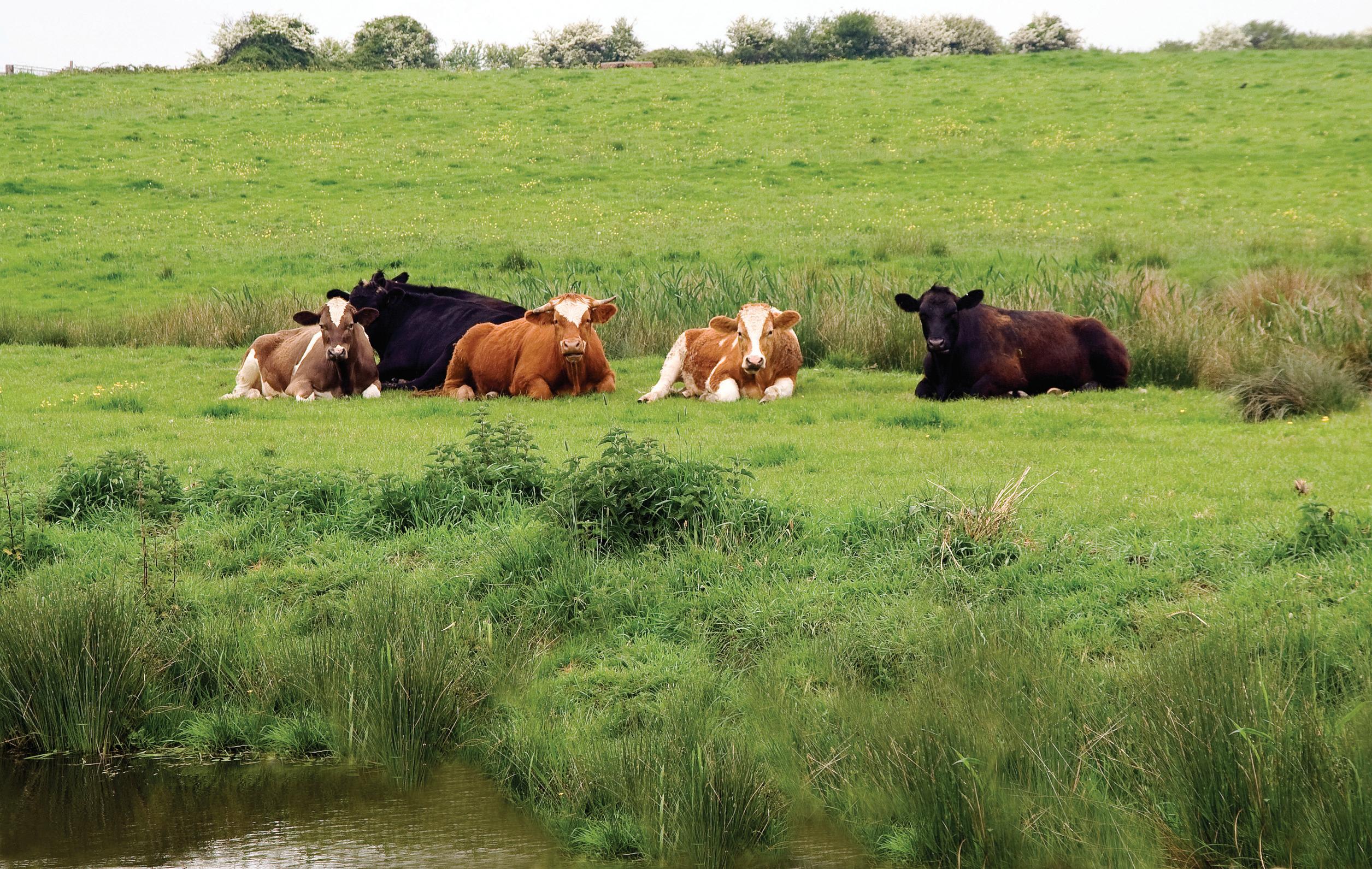
When farmers and livestock producers think of nutrient loading of ponds and streams or runoff, many probably imagine fertilizer or manure being washed away from cultivated fields or draining from barnyard areas or even seeping from mismanaged lagoons.
According to Iowa State University researcher Tom Isenhart, new research data is showing that 37 percent of phosphorous contamination in ponds, streams and rivers is actually coming from pasture and rangeland.
“Increasingly, we are seeing some impact from pasture,” he explained during a recent webinar hosted by the Livestock and Poultry Environmental Learning Center (LPELC). “An increase in pastureland can have a significant impact on the transport of sediments and the nutrients phosphorous and nitrogen.”
In light of this, researchers at ISU have been examining different grazing management methods in a bid to minimize pollution to pasture streams or ponds.
Jim Russell, a professor with ISU’s
department of animal science, has been conducting research for several years on forage quality and beef cattle grazing, including examining the improvement of environmental quality through grazing management.
“We have found in our research that the percent of defecations or urinations … near a stream is directly related to the percentage of time the cattle are within that zone of the pasture,” he said, adding “the zone” is defined as within about 100 to 110 feet of the stream or pond.
When the researchers examined pastures at five farms in southern Iowa, they discovered the probability of the cattle being within 100 feet of a stream or pond varied from one percent to 40 percent, depending on the time of month and the temperature.
“While attempting to determine the reasons for this variation, we found that in these pastures the differences in distribution were not related to the percentage of tall fescues in the pastures or to the shade distribution in the pastures,” said Russell. “Rather, the most significant variable affecting cattle distribution was the percentage of pasture within 100 feet of the stream. In other words, if cattle have no choice but to be near a stream, that’s where they’ll be.”
Russell believes these findings may
have important implications relative to further research and policy.
“It implies that all research investigating the use of grazing management to control non point source pollution should be evaluated in regards to pasture shape and size,” he said. “The treatments that appear to control non point source pollution seem likely to be most effective on small and/or narrow pastures than on large, wide pastures.
“It would certainly be nice to have more research on this hypothesis before implementing it but certainly our data appears to support that conclusion.”
To further investigate the issue, Russell and his research team decided to examine what effect different grazing management methods would have on cattle distribution and non point source pollution of pasture ponds and streams. An experiment was set up involving different 30-acre pastures, each bisected by a stream with a 463-foot reach. Global positioning (GPS) collars were mounted
When researchers examined pastures at five farms in southern Iowa, they discovered the probability of the cattle being within 100 feet of a stream or pond varied from one percent to 40 percent, depending on the time of month and the temperature.



Trimble’s EZ-Guide 250 and EZ-Guide 500 lightbars can now provide record-keeping, tracking and feature mapping of your liquid and dry manure applications. Combine this new technology with Trimble’s proven guidance capability in order to more easily fulfill EPA and DNR manure handling record-keeping requirements. Increase efficiency by using colorful on-screen maps to eliminate gaps or overlaps, and avoid restricted application zones or tile lines.
To find a Trimble dealer, visit www.trimble.com/agriculture or call 800-865-7438. Trimble Agriculture. The line everyone follows.
on the cattle to track their movements.
“We found that over a two-week period, the percentage of time the cattle were in a stream ranged from 0.2 percent in September to 2.3 percent in July and the percentage of time the cattle were within 110 feet of the stream ranged from 7 percent in August to nearly 14 percent in May, when offered unrestricted access to the stream.”
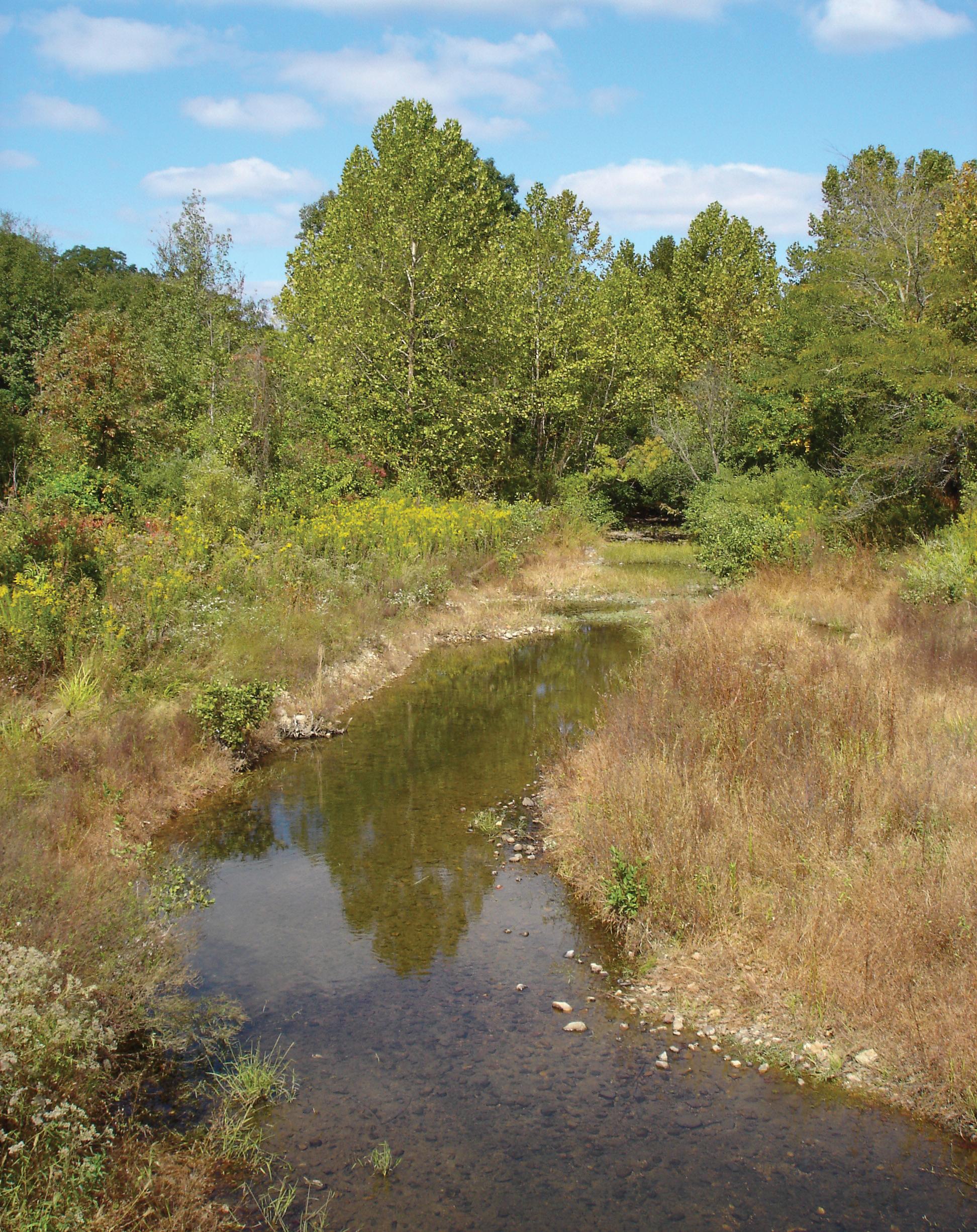
When researchers restricted the cattle’s access to the stream to a stabilized crossing with riparian buffers on either side, the percentage of time the cattle were either in or near the stream was “significantly reduced,” said Russell. “Restricting stream access by rotational stocking reduced the percentage of time the cattle were in the stream to essentially zero percent.”
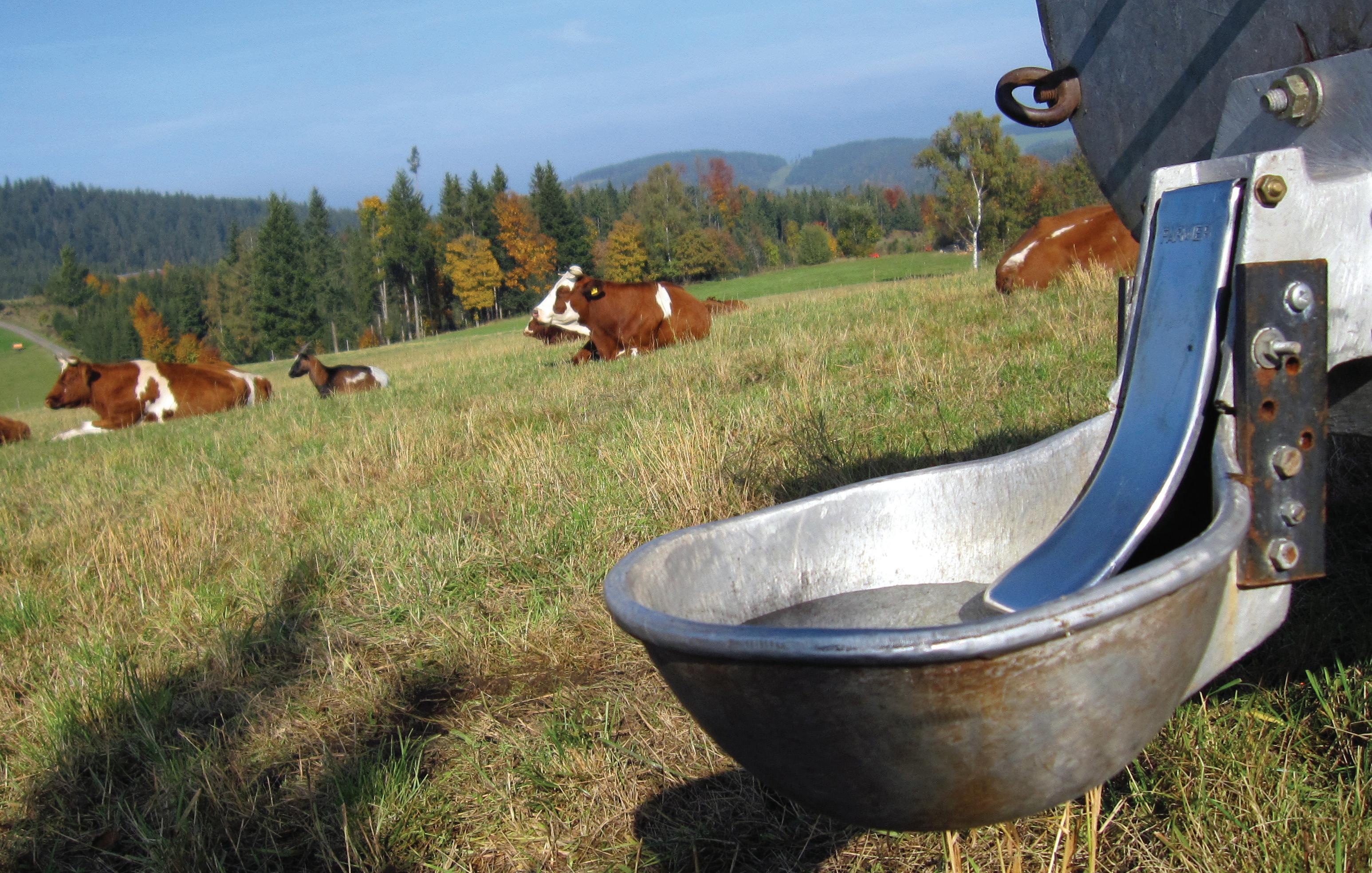
Researchers also examined the use of an off-stream water source as a way to reduce the congregation of cattle near streams. While results from studies in Virginia and Oregon showed favorable results, studies in Georgia, Kentucky and North Carolina showed the different water source had no effect. Russell also utilized off-stream watering in his experiment pastures, placing them a minimum of 700 feet from the pasture stream.
“In 2006 and 2007, we found that off-stream water significantly reduced the percentage of time the cattle were within 110 feet of the pasture stream, if provided unrestricted stream access,” he said. “However, in 2008 the presence of off-stream water did not significantly affect cattle distribution in regards to the stream.”
According to Russell, it’s believed the difference in response to off-stream water in 2008 was likely caused by a large amount of precipitation that fell that season, resulting in a large number of natural off-stream sources.
Another issue affecting the usefulness of off-stream water could be temperature. According to Russell, research from Georgia shows that offstream water could reduce the percentage of time cattle were within a riparian area as long as the temperature/humidity index was less than 72 Fahrenheit. “But if the temperature/humidity index is greater than 72 degrees, they found off-stream water to be ineffective,” he added.
Shade distribution may also have an effect, said Russell. “While shade distribution was not a significant variable affecting the distribution of cattle in pastures in southern Iowa, we believe this may have resulted from the large effects of pasture shape and size and the fact that the pastures were well
shaded in both riparian and non-riparian areas. Because cattle will seek shade, particularly at temperatures of greater than 20 Celsius, shade distribution may still be effective in altering cattle distribution in a pasture.”
While Russell’s research has shown that grazing management does affect cattle distribution, there is some question as to whether it has a direct effect on water pollution. “We found no relationship between net annual stream bank erosion and the annual stocking rate of a pasture on streams in 13 pastures in southern Iowa,” he said.
“It would appear that stream bank erosion was more related to stream hydrology and stage of evolution than to grazing. We found no relationship between grazing and the concentration of fecal coliforms in water samples taken at upstream and downstream sites in these pastures. In fact, we sometimes had higher concentrations in upstream than downstream samples, even when the stream flows were coming from un-grazed land above the pastures we were testing. The coliforms appear to be coming from a number of hosts, which could be wildlife or humans as well as cattle.”
Even so, Russell believes grazing management can have an effect on water pollution, particularly if the management prevents the land within 110 feet of the stream bank from becoming bare. His research has found that allowing uncontrolled access to the stream banks increases the percentage of bare land adjacent to the stream and increases the percentage of land covered in manure, ultimately “increasing the risk of nutrient pathogen loading in precipitation runoff.”
During rainfall simulations on bare or vegetated areas on banks, “we found greater runoff, sediment loss and phosphorous loss from bare areas than vegetated areas, regardless of grazing management,” said Russell. “If we can control the percentage of bare areas by reducing the congregation of cattle near pasture streams through grazing management, we should be able to minimize non point source pollution.”
That would be good news to the U.S. Environmental Protection Agency (EPA), which recently released the first-ever baseline study of U.S. lakes. Of the 1,028 lakes randomly sampled in 2007, more than 40 percent were considered fair or poor with 20 percent showing high levels of nitrogen and phosphorous. According to the EPA, sampling of U.S. streams and rivers is currently underway. The results of that twoyear study are expected in 2011.
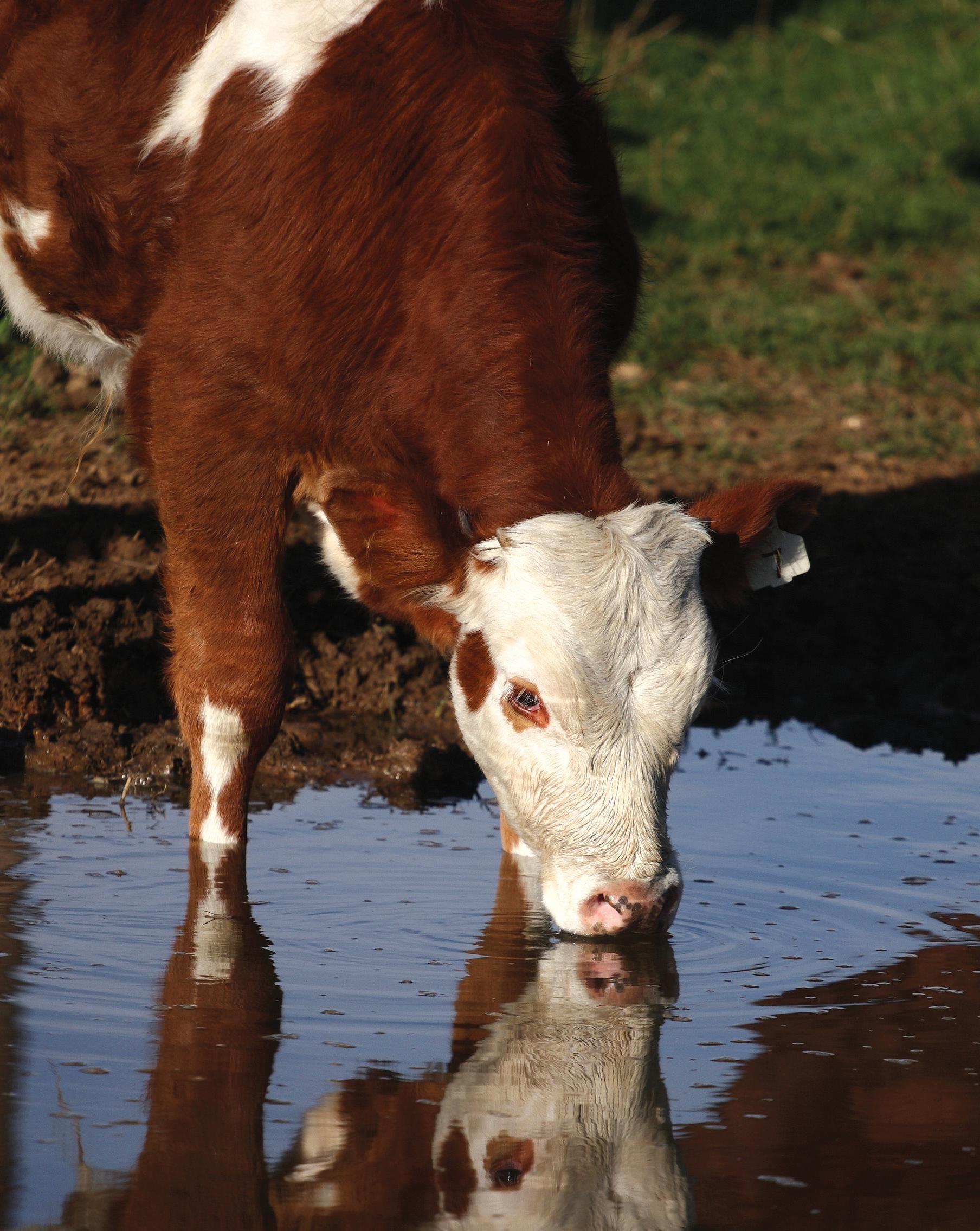
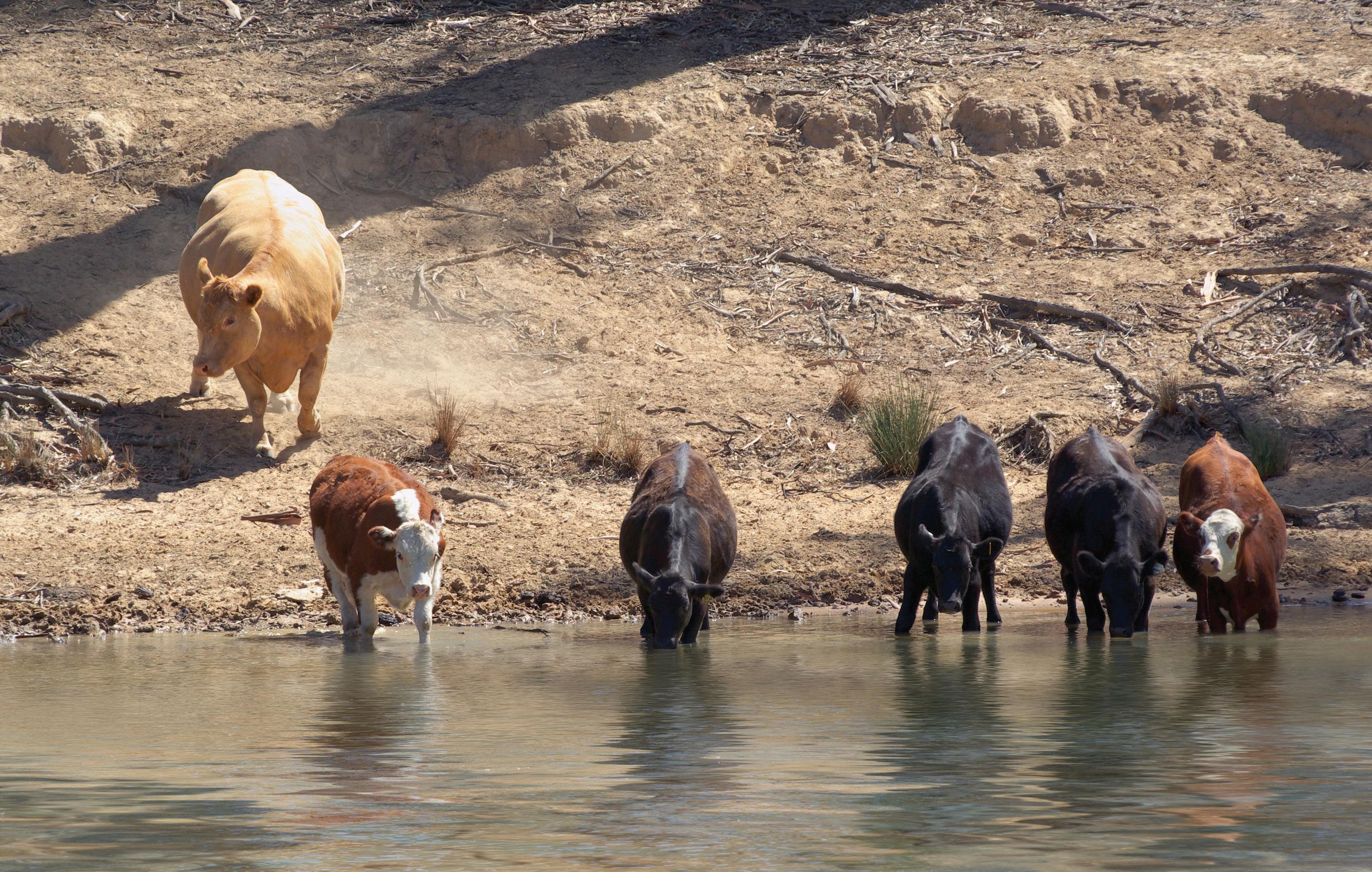
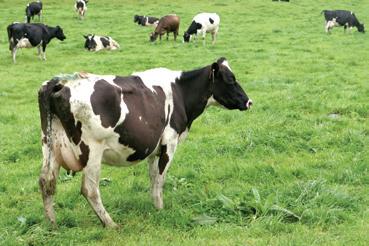
Top: Restricting cattle access to a pasture stream to a stabilized crossing can significantly reduce the percentage of time the cattle are either in or near the stream.
Bottom: Researchers believe livestock owners can minimize non-source pollution to pasture streams and rivers by reducing the congregation of cattle near the water source, thus reducing the percentage of bare areas.
The National Cattlemen’s Beef Association (NCBA) filed a petition in late December 2009 in the DC Circuit Court of Appeals challenging the Environmental Protection Agency’s (EPA) recent greenhouse gas (GHG) “endangerment finding” rule.
“EPA’s finding is not based on a rigorous scientific analysis; yet it would trigger a cascade of future greenhouse gas regulations with sweeping impacts across the entire U.S. economy,” said Tamara Thies, chief environmental counsel with NCBA. “Why the administration decided to move forward on this type of rule when there’s so much uncertainty surrounding humans’ contribution to climate change is perplexing.”
According to the NCBA, the endangerment finding does not in and of itself regulate GHGs, but is a step in the process toward GHG regulation under the Clean Air Act (CAA). The association believes the rule provides a foundation for the EPA to regulate GHGs from small and large sources throughout the economy, including farms. The NCBA believes that because of this rule, the EPA will be able to tell farmers they can only emit a certain
level of GHGs and that if they go over that amount, they can incur severe penalties and be forced to curtail production. The association also believes the rule sets the stage for citizen suits against large and small businesses, adding that increased energy costs associated with the ruling will be devastating for agriculture and the public as a whole.
“Instead of letting the issue of climate change, and man’s alleged contribution to it, be addressed through the proper democratic legislative process, (the) EPA has decided to trump Congress and mandate greenhouse gas regulation under the Clean Air Act,” said Thies. “The act is ill-equipped to address climate change, and Congress never intended for it to be used for that purpose.”
Under the rule, the EPA defined air pollution to include six greenhouse gases, and stated that manmade greenhouse gases endanger public health and the environment.
“As was evident during difficult negotiations … in Copenhagen, other countries around the world – like China and India – are unwilling to tie the hands of their economic engines and impose
these kinds of costs on their citizens,” said Thies. “This unilateral move by the EPA jeopardizes our ability to remain competitive in the global marketplace."
The petition the NCBA filed is the first step for the organization in asking the DC Circuit Court of Appeals to overturn the EPA’s rule due to a lack of sound or adequate basis for making the finding of endangerment from anthropogenic GHGs.
“’Climategate’ revealed that the data on which the EPA relied to make this finding is questionable and may have been manipulated to tell a story that global warming alarmists wanted to tell,” said Thies. “The fact that the EPA is ignoring this scandal is not going to make it go away.”
According to the EPA, GHG emissions from the entire U.S. agriculture sector in 2007 represented less than 6 percent of total U.S. GHG emissions, and the livestock industry emitted only 2.8 percent. At the same time, land use, land use change, and forestry activities resulted in a net carbon sequestration of approximately 17.4 percent of total U.S. carbon dioxide emissions, or 14.9 percent of total U.S. greenhouse gas emissions.



By Tony Kryzanowski
Quincy, Illinois-based custom manure applicator, Precision Pumping Inc. is using new technology and a high level of customer service to reassure its customers that they are getting exactly what they are paying for when it comes to manure application.
It starts with the use of a drag hose system that will typically deliver manure from hog or dairy lagoons or pits up to three miles for application on farmland. They use auto-track John Deere tractors so that the tractor pulling the hose is propelled at a constant speed in a straight line, with liquid manure flow from the toolbar monitored from the cab, ensuring they never miss spots on the field. They also use a GPS in each tractor. The GPS card is removed from the tractor after each application, a map is generated and it is included with the invoice sent to customers. The detailed map shows exactly where the manure was applied, as well as setbacks in relation to sensitive areas such as bodies of water, roads, and houses. Customers have the ability to take the data from the GPS and apply it to their commercial fertilizer spreader to automatically change fertilizer application rates where manure was applied.
Managers at Precision Pumping Inc. also do considerable leg work in the off-season to meet with customers, select fields for application, and determine the application rate per acre based on the analysis of manure pit or lagoon nutrients.
“We try and make everything as accurate as possible and do as good a job as we can for our customers,” says Precision Pumping co-owner, Jered Peter. “Manure is worth a lot of money
now and it needs to be treated like fertilizer and not manure. We are learning new things every year to try to make things better and do things differently.”
Jered, 24, owns the business with his parents, Randy and Debbie Peter, and brother, Derek, who is 27. They started out by operating a drag hose system to manage manure generated on Randy’s hog farm, applying the manure where they also grow about 800 acres of corn.
In 2005, they expanded the business from one crew to two so that Derek and Jered could each have their own operation. In 2008, the company applied 104 million gallons of manure with two crews. In early 2009, the company expanded to three crews, with Daniel Mowen, crew manager, in charge of that operation. Precision Pumping expects to achieve 50 million gallons per crew per year in the future. It has a total of 10 employees, including the owners, who are actively involved in day-to-day business operations.
With its location in west central Illinois, Precision Pumping is able to service customers in western Illinois, northeast Missouri, and southeast Iowa. Among its biggest customers are farmers raising hogs for large commercial hog producers. Because of bio-security requirements for managing these operations, Precision Pumping takes extreme precautions to minimize the potential of transferring pathogens from one farm to another. The company has just constructed a new wash facility and shop on the family farm, making it even easier to wash and disinfect equipment between jobs and monitor the quality of the work. If
Illinois-based Precision Pumping has invested about $1.5 million in drag hose custom manure application equipment, primarily from equipment manufacturer, Hydro Engineering. The business is experiencing considerable growth from one year to the next.
they are working several hours from home, each mobile crew has pressure washing and disinfecting capabilities included on their pump trailers.
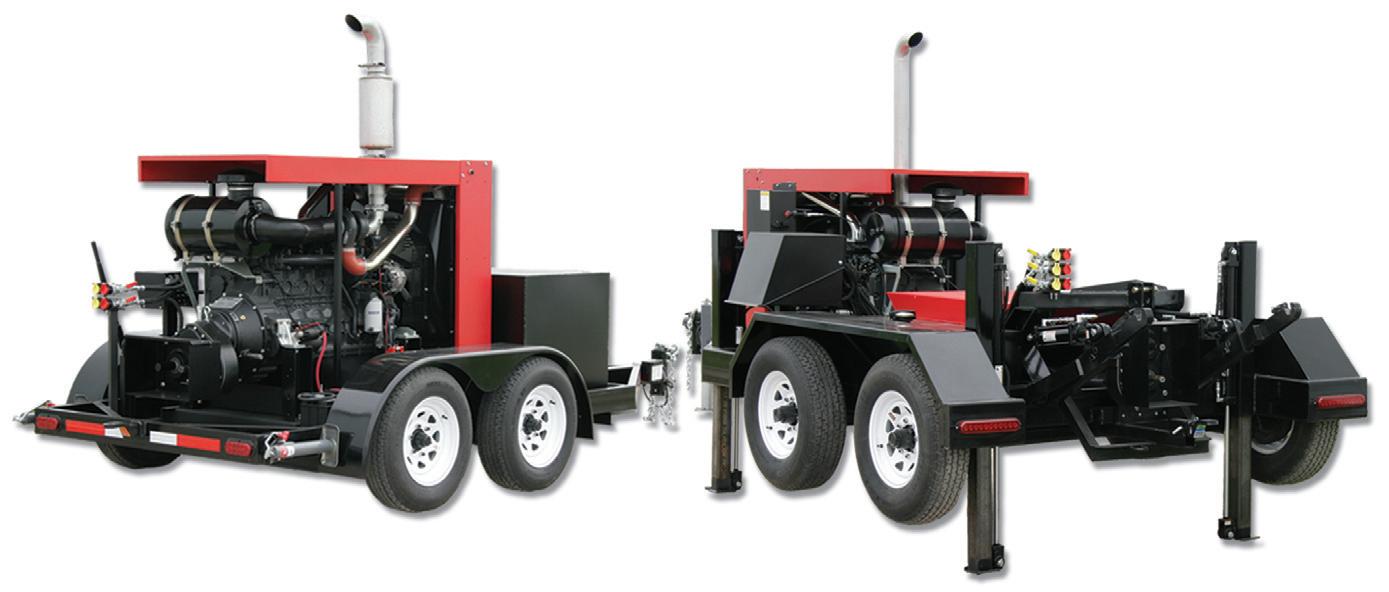
Drag hose manure application system manufacturer Hydro Engineering is a major equipment supplier to Precision Pumping. They assisted with the design and equipping of the company’s four pump trailers that house low emission and fuel efficient John Deere engines as the primary power source to pump the manure from the storage facility. The pump trailer is equipped with a hydraulic boom, which reaches out 42 feet and places a hydraulically driven pump into the 8- to 12-foot deep pit or lagoon. The pump force-feeds the main pump, keeping the flow constant to the field. This is one of the many things that keeps this business efficient. Because of the lagoon pumping method employed by Precision Pumping, Peter says they can get by with two engines at the lagoon site, one pumping and one agitating.
The manure flows through a 17-inch Pioneer pump, which is powered by the John Deere engine mounted on the trailer. It flows through the connected sections of the 6-inch main line hose until it reaches the field, and then through a drag hose, which is connected to the applicator. An equalizer has cutting edges that chop anything that would block the manure getting through the shanks. The shank delivers the manure about 4 or 5 inches under the soil so that it is completely covered, which reduces odor and the volatilization of the valuable nutrients.
Peter says agitation is another important part of doing a good job. A lagoon agitator or pit agitator is powered from a tractor PTO; it moves to various locations along the lagoon or pit to agitate the manure to keep the solids in suspension and to keep the manure more consistent in the field. The company has three Houle pit agitators and two lagoon agitators in its fleet. The
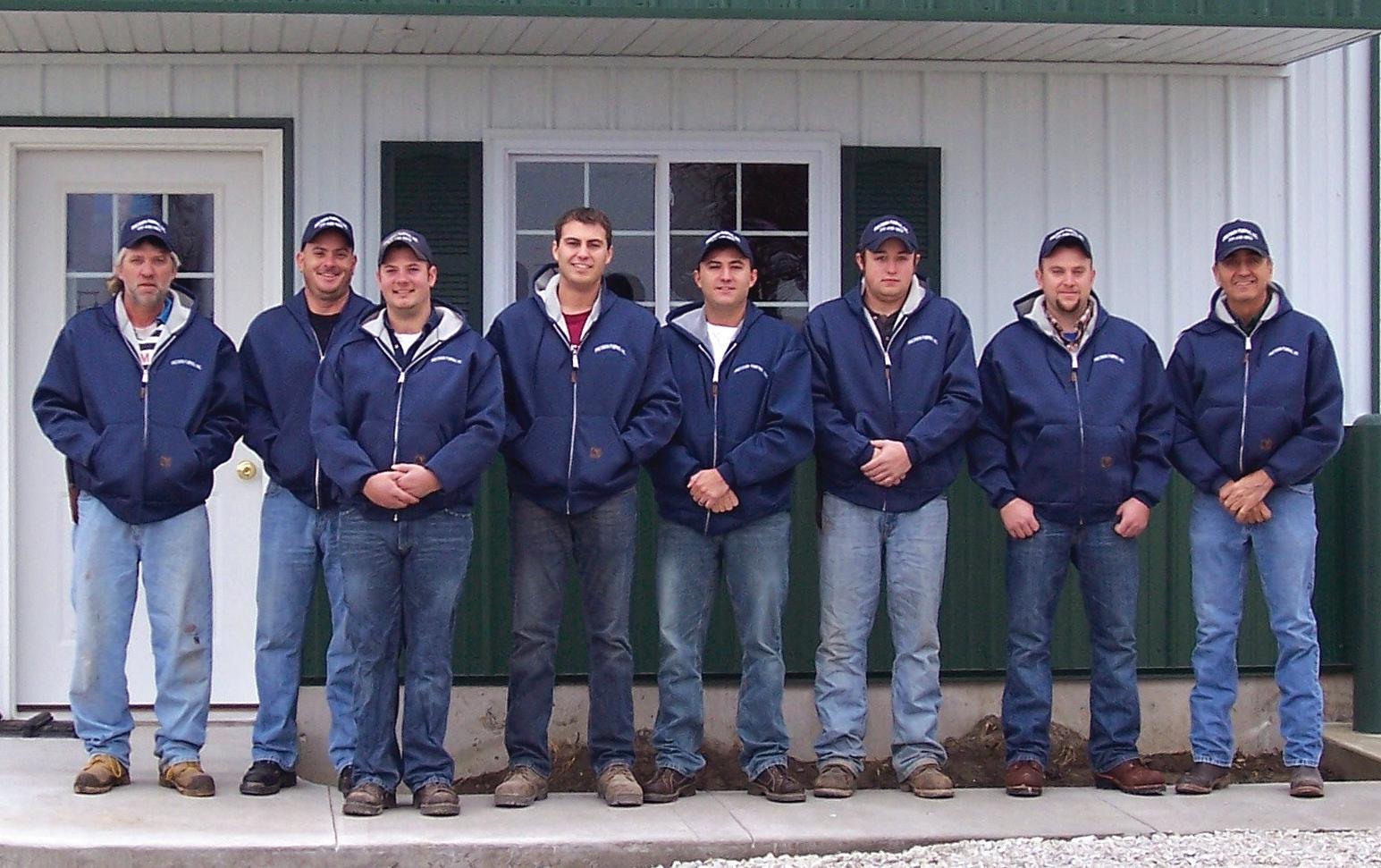
Some of the key employees at Precision Pumping are (from left to right): Ed Obert, Robbie Wellman, Daniel Mowen (crew manager), Jered Peter (owner/business manager), Derek Peter (owner/crew manager), Cutter Duncan, Andy Skirvin and Randy Peter (owner/business manager).
lagoon agitators are 42 feet long and are able to reach out to the centre of the lagoon.
To manage the hose required to transport the manure from the pit to application sites, Precision Pumping owns seven Hydro Engineering hose carts, equipped with hydraulic drives and guides on the back of each cart.
Peter says the company opted for a drag hose system versus hauling manure for field application primarily because they believe it is a more efficient, faster system that results in less soil compaction. He says when pumping to locations close to the pit,

SPECIALIZING

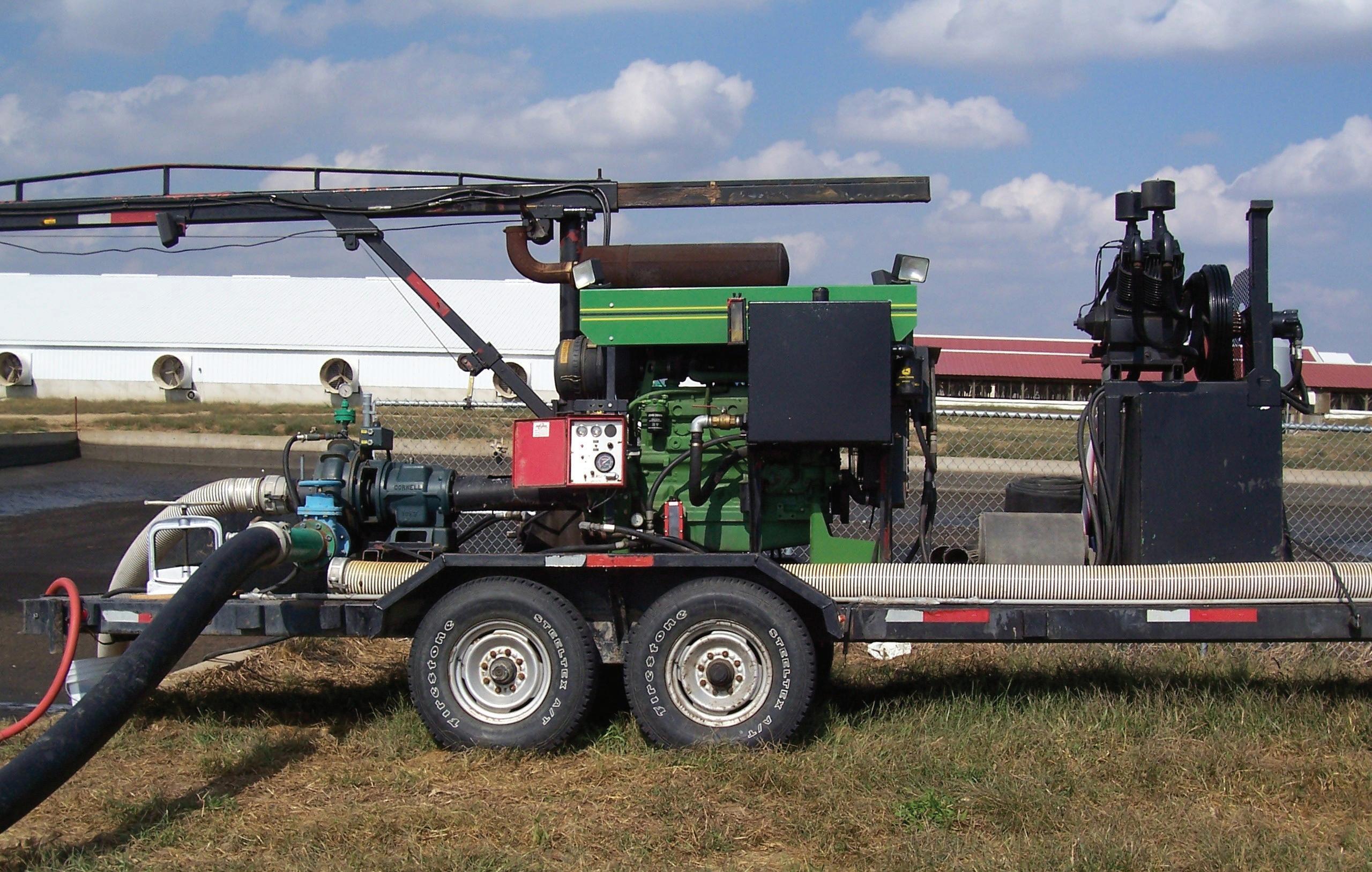

they are able to achieve flow of 1600 gallons per minute, and with assistance from booster pumps, can maintain 1300 gallons per minute out as far as five or six miles, although applying the manure over such a long distance is rarely, if ever, done due to the expense. He adds that farm customers appreciate how much less compaction this system creates.
“Our shanks are actually heaving the ground and reducing compaction, whereas with a tank, you have so much weight creating compaction,” Peter says. Because they never run empty, there is no driving back and forth on the field or guesswork as to where they may have left off, as is sometimes the case with tankers.
A downside of a drag hose system is the obvious limitation of distance, which is why a tanker or purpose-built mobile
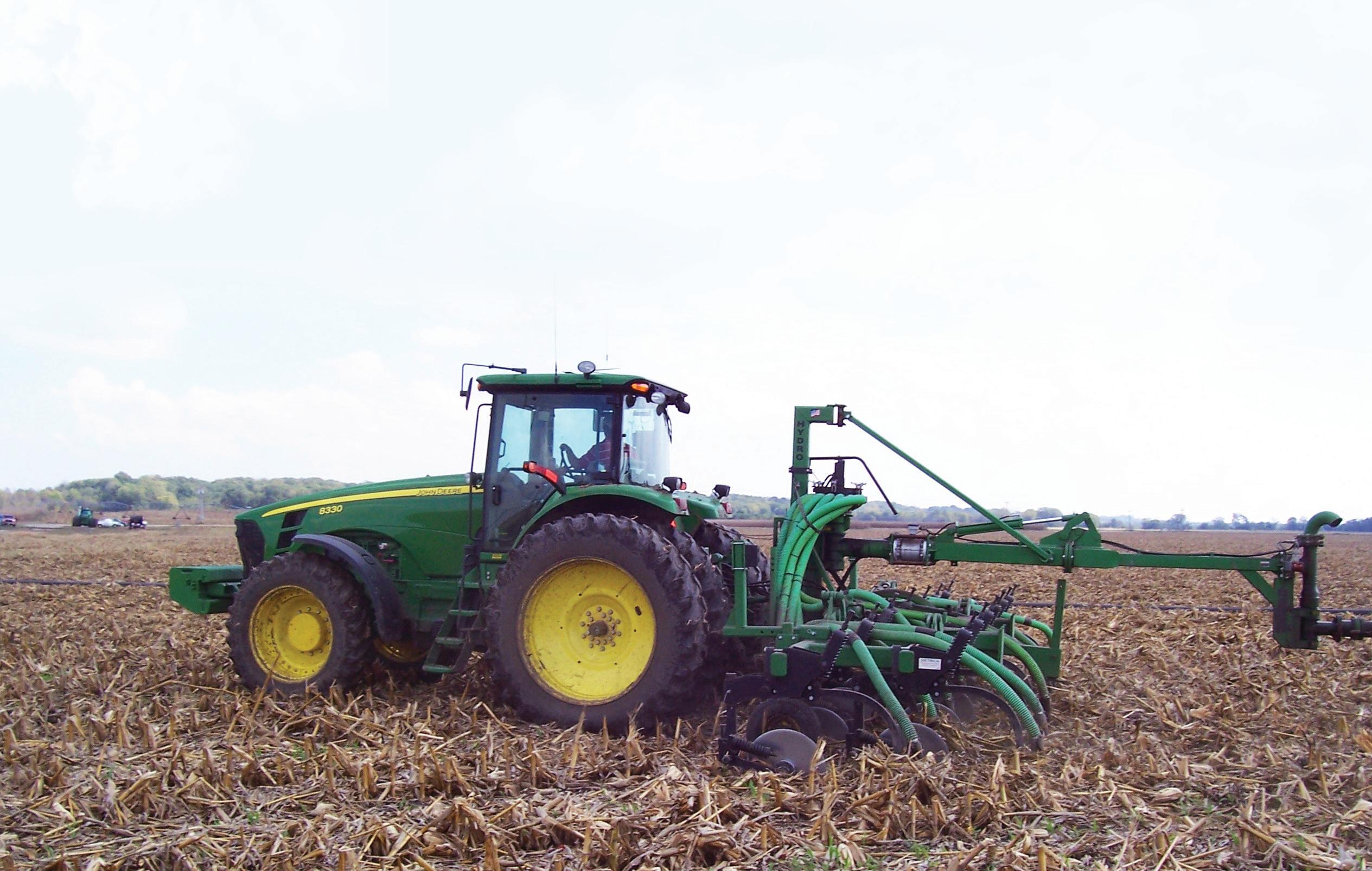
Top: Precision Pumping has enough hose to apply manure on farmland seven miles away from the lagoon or manure pit. Middle: The backbone of Precision Pumping’s custom manure application service is three custom designed mobile trailers with all the equipment a crew needs to get the job done on site. Bottom: Monitors inside the tractor cab provide the operator with immediate information about his/her position on the field and the manure flow rate during application.
manure application system may be the only option for some manure generators. Another disadvantage for some farmers or custom manure applicators may be the cost of a well-equipped drag hose system.
“It costs over $650,000 for a crew and a lot of farms just can’t afford that,” says Peter, “but in a custom operation, where we are doing 115 to 120 different farms, we can justify it.”
Precision Pumping has three applicators that they use on their tractors. Two are 26 feet wide and one is 22 feet wide. The applicators are Hydro Engineering toolbars with Dietrich 60 series slurry direct injectors equipped with eight-inch-wide sweeps and designed for minimum tillage.
“We actually have customers with highly erodable ground where we will go there in the fall, apply manure on 350 acres, and in the spring they come in with no tilling right behind where we put in the manure,” says Peter. “You can hardly tell we were out there come spring time. We can apply a full year’s worth of fertilizer without anyone knowing we were in the field.”
For dragging the hose across the field and applying the manure, Precision Pumping uses identical 230-horsepower, 8330 John Deere tractors, with front wheel assist and auto track and GPS mapping capability. Manure flow is controlled with Krone flow meter systems. It has a display in the cab so that the operator is aware of how many gallons per minute are being applied at all times. The application rate per acre is determined by the speed of the tractor, which is held constant and controlled by an Infinite Variable Transmission (IVT).
For safety, each tractor is also equipped with radio shutdown systems that allow the operator to slow down the pump engine, speed it up, or shut it down completely from the seat of the tractor.
Precision Pumping tries to have at least three crew members per trailer unit, and each trailer is equipped with a Kawasaki four-wheeler so that employees can monitor the hoses and application in the field.
Precision Pumping’s busiest times of year are spring and fall, after the crops are removed, with about 75 percent of its customers growing corn exclusively. In those instances, the application rate is about 4000 to 5500 gallons per acre from finishing barns, except if the manure source is from lagoons or pitted sow manure. In that case, the application rate is 10,000 to 14,000 gallons per acre.
Some manure is applied on pasture and wheat crops in summer, and this is one area of the business Precision Pumping is hoping to greatly expand in future. To assist with building that part of the business, the company has constructed a 24foot pasture applicator called a Gen-til manure applicator that broadcasts manure and aerates the ground at the same time. Peter says customers are extremely happy with the way this toolbar has improved their pastures and hay crop.
Precision Pumping is always looking for ways to satisfy their customers’ demands and the proof is in the amount of repeat business and growth that is occurring within the company from one year to the next.

Arecently completed study by Wisconsin’s Department of Agriculture, Trade and Consumer Protection and Department of Natural Resources has increased the understanding of air emissions and odors on larger-sized livestock farms, and lays the groundwork for future studies in this important area, officials say.
The multi-year project to study odor and air emissions from Wisconsin dairy and livestock farms was supported by a Conservation Innovation Grant from the USDA Natural Resources Conservation Service (NRCS).
Larger livestock farms volunteered to be part of the study. Five dairy farms and one heifer raising operation were selected. The farms ranged in size from 400 to more than 2,500 head of cattle. Four manure management practices were evaluated: anaerobic manure digesters, an impermeable cover placed over manure lagoons, a permeable manure lagoon cover, and a solids separation and aeration system.
“The project evaluated the air emissions and odor levels from six dairy and livestock operations and then compared the odor levels both before and after the installation of best management practices that were intended to reduce odor or emissions,” said Steve Struss, project co-manager with the state agriculture department.
More than 2,000 air samples were collected during the project. The samples measured odors and the airborne concentrations of ammonia and hydrogen sulfide, two compounds most likely to be present on livestock operations.
“Keep in mind that we were not measuring the amount of emissions from entire farms,” Struss said. “The samples were collected at the edge of practices such as manure lagoons, sand separation channels or an animal feed lot.”
While the number of farms within the study was limited, it appears that impermeable covers significantly reduce ambient concentrations of ammonia and hydrogen sulfide. Not surprising, when stored manure was agitated or pumped, higher concentrations of ammonia and hydrogen sulfide were detected. The project will also provide some valuable
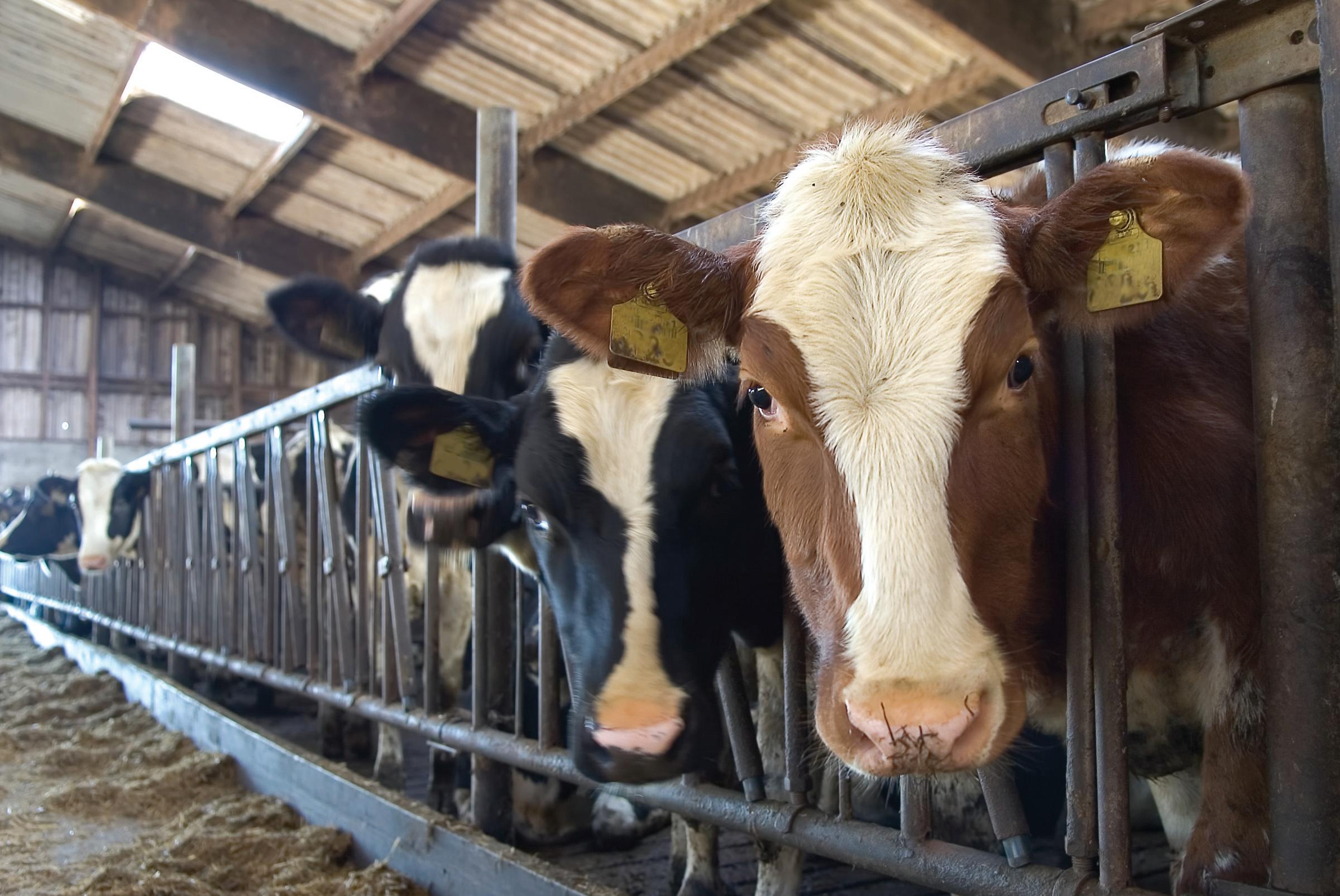
A recently completed study by Wisconsin’s Department of Agriculture, Trade and Consumer Protection and Department of Natural Resources has increased the understanding of air emissions and odors on larger-sized livestock farms.
data for the existing livestock facility siting rule.
“The siting rule uses a model to predict the amount of odor that might be produced from new or expanding livestock operations. One goal of this project was to compare the levels that the model predicts with actual odor levels measured on farms,” Struss said. “The study gives us some real world data that we can consider in evaluating the odor model.”
Based on sampling results, it appears that the odor model used in the DATCP siting process accurately predicts the odor from covered manure storage lagoons and the amount of odor from manure lagoons between two and four acres in size. However the model appears to underestimate the amount of odor from small manure lagoons and manure digesters.
The findings of the study suggest options for farmers who wish to reduce odors from their farm, among them:
• Minimize surface agitation of waste storage lagoons to limit exposure to the air including the use of submerged inlet pipes and mixing below the surface of the lagoon.
• If a manure digester is used, maximize the time manure is kept inside the
digester to reduce odors from the manure lagoon. A high quality flare with a reliable igniter to burn off gas also avoids unintentional releases of digester gas.
• Installation of new manure storage lagoons would benefit greatly from an impermeable cover, which can reduce odors by 100 percent.
• Existing manure storage lagoons would benefit from a permeable cover, which can reduce odor by about 70 percent.
• Keep stored feed clean and dry. Wet feed produces odors and reduces feed quality.
• A solids separator can be used to produce bedding materials and reduce odor by approximately 25 percent.
• Keep animal densities low on open feedlots as high stocking rates increase odors as well as runoff and erosion.
• Separation distance from neighbors is a simple, but effective tool to reduce odor impacts, place new livestock housing or manure lagoons as far as possible from nearby residents.
The final report and farm specific data is available on the DATCP web site at http:// www.datcp.state.wi.us/arm/agriculture/ land-water/odor/index.jsp.

Today’s Manure Regulations Require Consistent & Accurate Application Of Manure On Your Fields
• Complete Application Recording Integrating,Scales & GPS Mapping.
• Vertical or Horizontal Beaters Provide A Wide Even Spread Pattern.
• Truck or Trailer Models From 16 to 22 Foot Sizes.
• Silage Kits Available For Truck and Trailer.
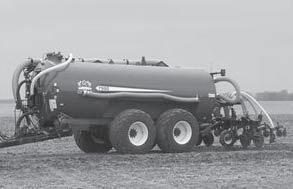
• SAC’s Exclusive TruFlo Metering System, Featuring The Tru-Flo Manifold, Flow Metering & GPS Mapping.
• Tru-Flo Metering Systems Can Be Fitted to Most Popular Brands of Tanks
• Slurry & Vacuum Tanks From 1,500 to 9,500 gallon sizes.
• Injectors, Loadstands & Pumps Available.
Call Your Manure Management Leader Today

Following on the success of its inaugural conference, the 2nd Annual Canadian Farm and Food Biogas Conference is scheduled for March 10 and 11, 2010 in London, Ontario.
Once again, the event will be held in conjunction with the Growing the Margins: Green Energy and Economy for the Farm and Food Sectors Conference, held at the London Convention Centre at the same time.
In light of this, several joint plenary sessions will be held involving both biogas and Growing the Margins attendees, including Green Energy Today – Progress Made and Initiatives Underway plus New Frontiers – and What Needs to be Done to Realize Opportunities.
Biogas presentation topics include:
• Biogas new developments
• Energy crops and other plant-based co-substrates
• Food biogas system case studies
• Biogas upgrading and purification
• Genset performance and efficiency
• Farm-based biogas system case studies
• Integrated biogas systems
• Advances in anaerobic digester processes and technologies
• Co-substrates and mixed inputs
• Economics and policy
• Safety
Also of interest to people involved in manure management will be a presentation during Growing the Margins highlighting a preliminary study from Quebec involving biodiesel production for swine manure.
Special attractions added to the conferences include a Biomass Heating Networking Forum being held March 8 at the London Hilton. The forum will include an introduction to building a biogas system and building an onfarm solar PV system. The ever popular
technology tours are scheduled for March 9 and will be split into two streams:
Tour 1 – Biogas and Beyond: Several operational, nearly operational and lab-scale biogas systems in the Guelph/ Kitchener area.
Tour 2 – Solar and Biomass: Onfarm solar installations, a solar panel manufacturing plant, energy crop field trials and biomass utilization systems.
Following Growing the margins and the biogas conference, an all-day workshop on biogas co-substrates for the farm and food sector is being held March 12 at the London Convention Centre. The workshop will cover issues such as supply of co-substrates, potential for expansion in the area plus rules for managing co-substrates.
For more information on these conferences and workshops, visit www.gtmconference.ca or www. biogasconference.ca.










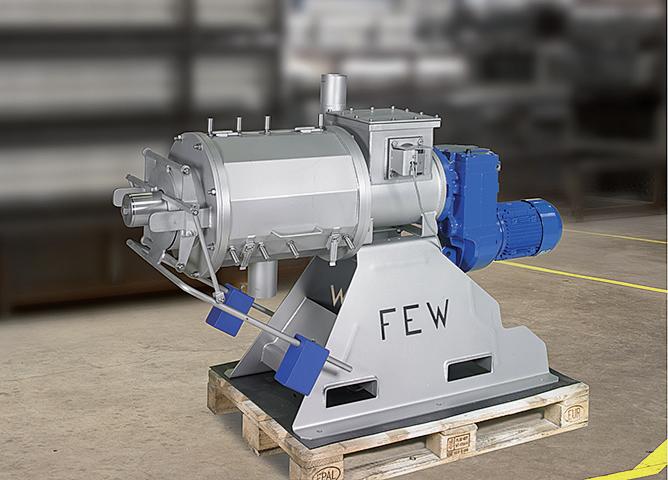
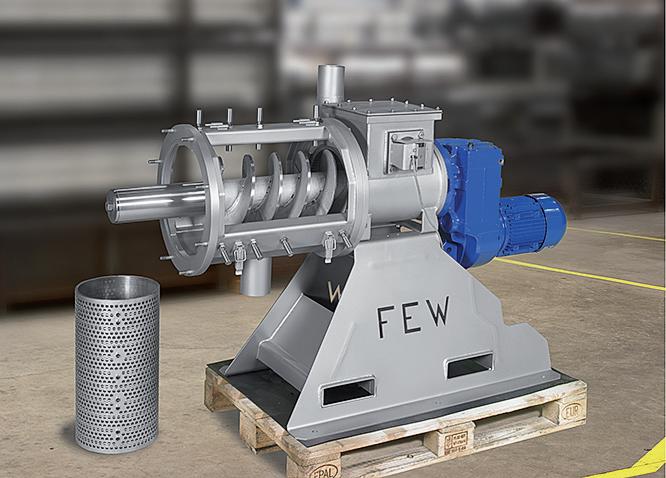
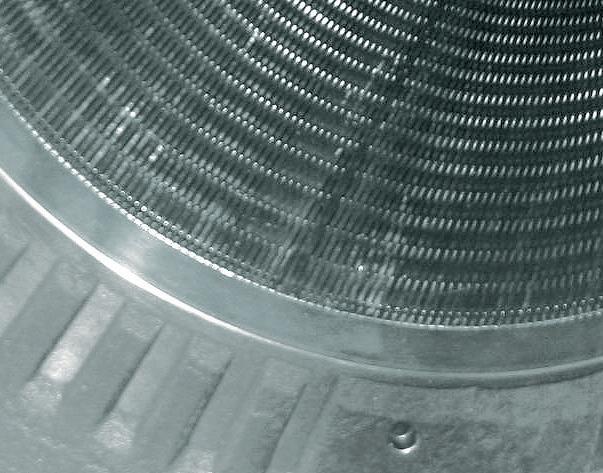
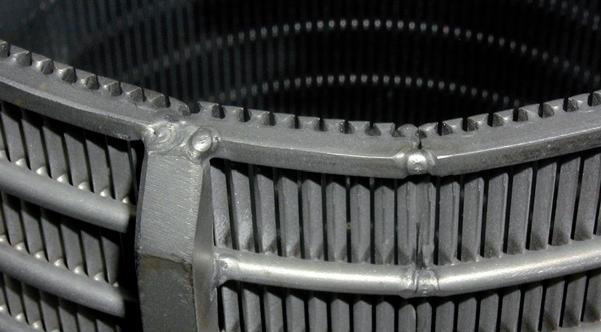
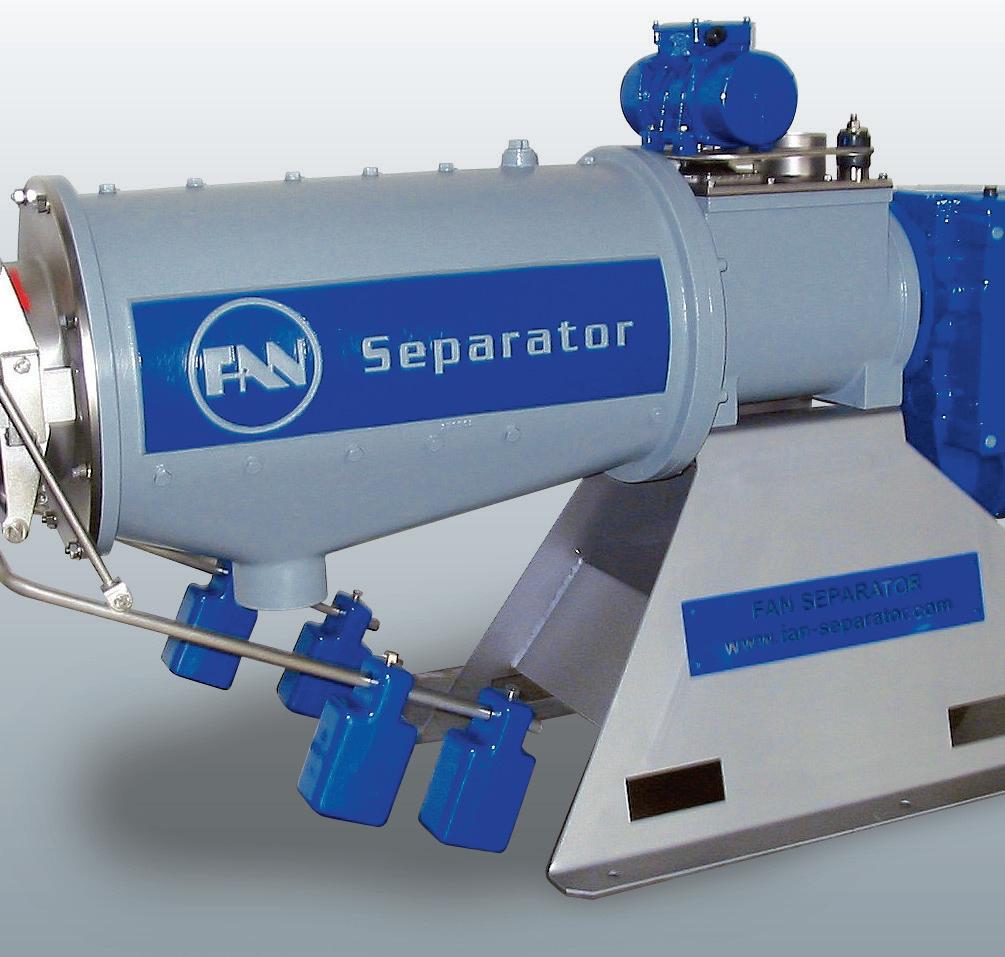
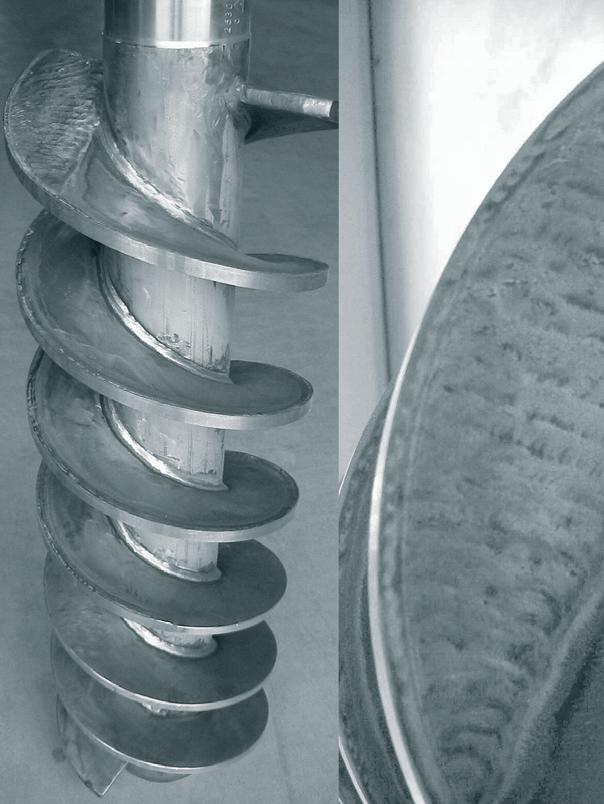
The Classic Separator FEW 780 mechanically separates the manure solids out of liquid stream with higher hydraulic throughput rates (for larger projects). It is designed to produce a drip free manure pile after the separation process with a dry matter concentration of approx. 30 %.

Supplier of engineered and innovated patented solid/liquid separation equipment
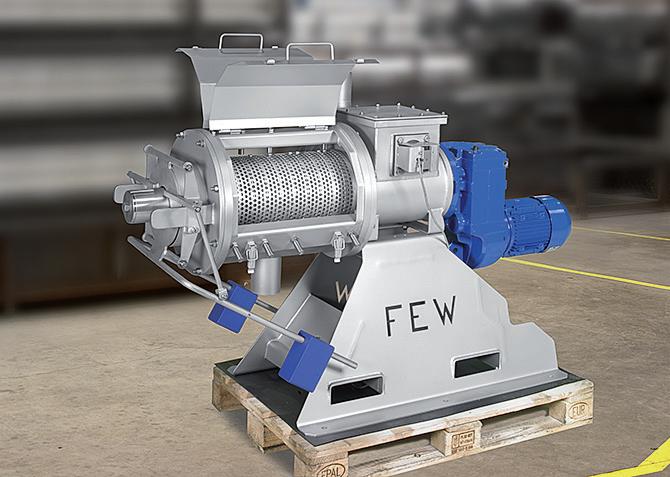
The Classic Separator FEW 520 mechanically separates the manure solids out of liquid stream. It is designed to produce a drip free manure pile after the separation process with a dry matter concentration of approx. 30 %.
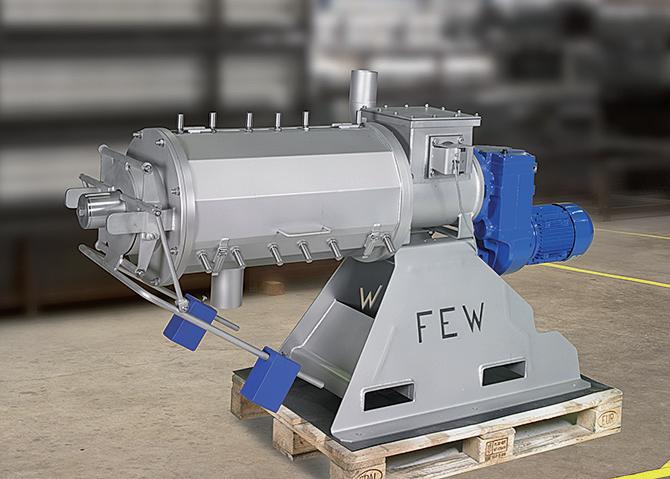
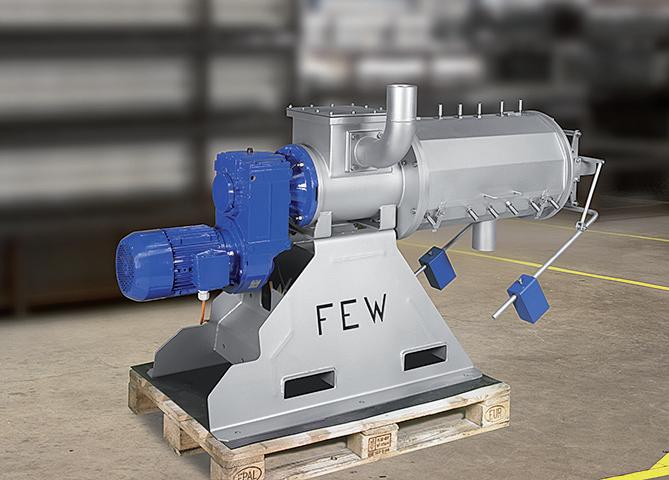



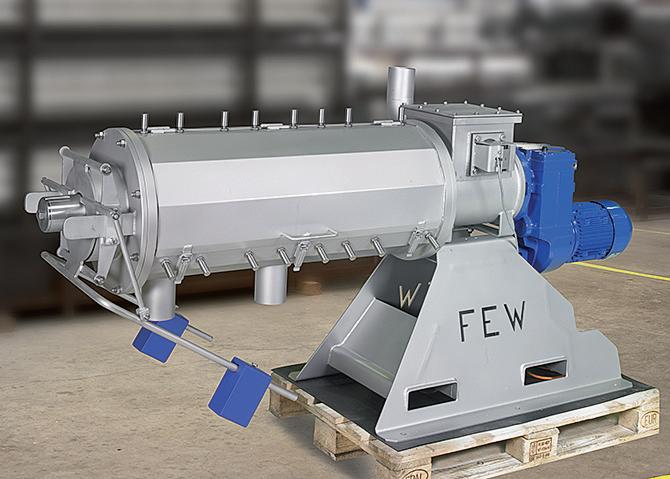
The Classic Separator FEW 1040 mechanically separates the manure solids out of liquid stream with much higher hydraulic throughput rates (for big projects). It is designed to produce a drip free manure pile after the separation process with a dry matter concentration of approx. 30 %.

Our Separators are well-custom designed based on the long time knowledge and experience achieved.

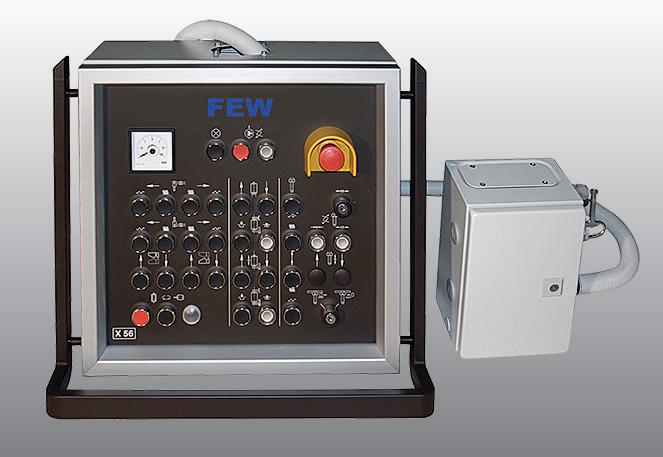
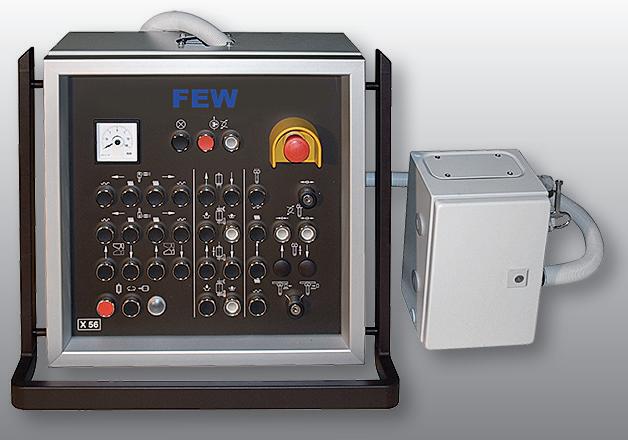
Separators require control panels for any kind of necessary electrical measures and control systems.

Germany: FEW Separator GmbH, Osthofenstr. 67, D-59494 Soest,
www.few-separator.com · www.food-energy-water.com · info@few-separator.com
By Tony Kryzanowski
Chickens do a poor job of processing nutrients, and this has created huge headaches over the years for many egg-laying and poultry operations when landapplying raw poultry manure because of its high phosphorus and nitrogen content.
However, a couple of enterprising businessmen in Lake Mills, Wis., have recognized this as a potential value-added benefit over other sources of raw manure when it comes to producing a superior organic fertilizer.
When former teachers John Weiss and John Nortman discovered a proprietary, patented composting system that would guarantee them at least a five percent nitrogen content in the finished product, all the pieces fell into place for a poultry-based organic fertilizer that could be marketed as better than the run-of-the-mill composting products they intended to compete against. The result was the creation of a product called Chickity Doo Doo, the removal of about 21,000 tons of raw poultry manure from being land-applied, and the production of about 13,000 tons of marketable, composted product for the agriculture, retail and golf course maintenance markets.
“Coming out of the barn, we are at approximately 6 percent nitrogen on chicken layer manure as opposed to a cow, which is probably closer to 1.5 percent nitrogen, or a hog, which is maybe a little bit above that at 2 to 2.5 percent,” says Weiss. “It also comes out at a much lower moisture content as opposed to cow manure or hog manure,
which makes it easier for us to compost.”
He says they are dealing with roughly 55 to 60 percent moisture content, as compared to 80 to 90 percent moisture for raw cow manure and even higher for hogs on a consistent basis, which makes their poultry manure easier to compost.
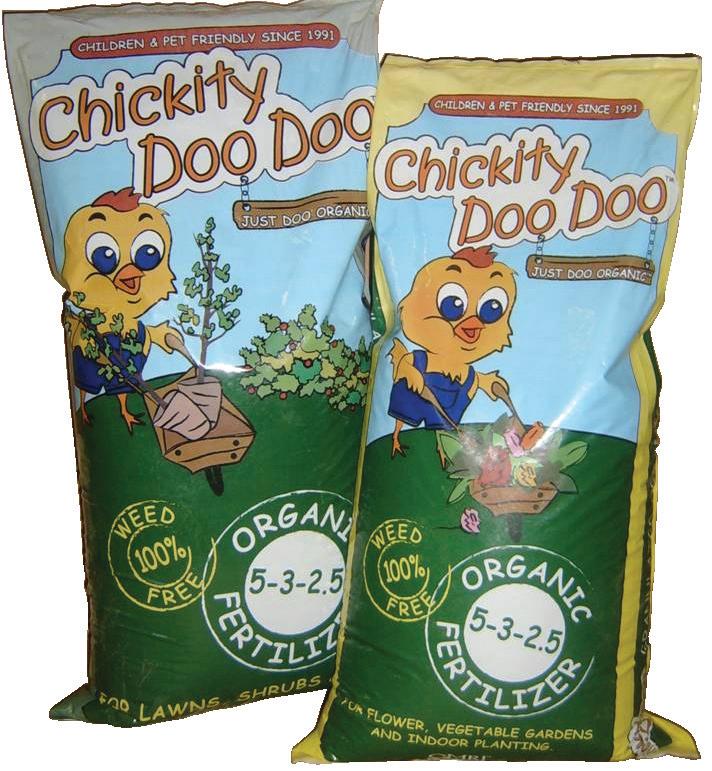
Furthermore, because the chickens need to create a quality eggshell, they are fed a very high diet of calcium, which means that the producers of Chickity Doo Doo can also guarantee at least a nine percent calcium content in their fertilizer. Research shows that calcium is another important contributor to plant health, says Weiss.
However, with higher nutrient content comes a trade-off and that is an odor issue, more so on the retail side of the business than the agricultural side.
“We do, as part of our composting process, take some of the odor out,” says Weiss, “but that is part of the challenge for us. There are products that we are testing now that will be added to reduce odor and that allow us to keep our organic certification, but yes, if you retain a lot of the nitrogen and you retain a lot of the nutrients, the trade-off is odor. That is part of our next challenge.”
In 2007, R&J Partnership purchased the composting system that was operating simply as a manure management method at a massive egg-laying operation located between Madison and Milwaukee, Wis., called Creekwood Farms. The system was invented by one of the egg-laying farm’s owners. Creekwood Farms
managed about one million chickens in its laying operation, and was producing a granulated and pelleted organic fertilizer product that it sold to fertilizer distributors, as well as organic and nonorganic farms. Weiss describes their effort as, “dabbling a little bit on the retail side,” but he and Nortman saw much more potential in it.
“He [Creekwood’s owner] was able to compost and create the high temperature for the pathogen kill and also retain the high level of nutrients,” says Weiss. This composting technology, with its ability to produce compost with higher nitrogen content, also presented a solution to the research and development they were already conducting on an organic poultrybased fertilizer product. Up to that point, they could not achieve more than four percent nitrogen content on a consistent basis with the various conversion processes they were experimenting with.
“It was something that we had aspired towards in all of our work,” says Weiss, “and when we came across this patented system, we just thought it had too much potential to pass up.”
The Chickity Doo Doo brand of organic, poultry-based fertilizer is now marketed coast to coast in the United States. Contributed photo

➤ Manure Pits,Channels & Covers
➤ Suspended Slabs - up to 40’ clearspan
➤ Hog & Cattle Slats - up to 25’ clearspan
➤ Weeping Walls - manure separation
➤ Milking Parlors
➤ Strainer Boxes
➤ Commodity Storage
➤ Bridges
➤ Bunker Silos (8 types)
➤ Syloguard Concrete repair
➤ Retaining Walls
➤ L & T Walls up to 16’ high


Since launching the Chickity Doo Doo product line in 2007, sales have doubled every year. The company hopes to achieve about $4 million in annual sales by next year. Distribution has also expanded from retail markets in the Midwest to large lawn and garden distributors on the east and west coasts. The product is registered for use in all 50 states. Sales to the retail and golf course sector have risen from eight percent to 30 percent of sales over that same period. Business is also growing in the agriculture sector, with conventional farmers seeing the value of blending the poultry-based organic fertilizer with their synthetic fertilizers.
“Our product is 30 percent carbon,” says Weiss, “so conventional farmers want to return carbon and the microbial cultures to the soil to improve the soil along with using synthetics. So, they are blending it or, in some cases, going to our product solo even though they are a conventional farm.”
This has resulted in huge demand for the poultry-based organic fertilizer to the point where R&J Partnership has run out of product at times and is in discussions with numerous other egg-laying operations that are interested in getting out of land spreading. At present there are between five and seven million egglaying chickens in Wisconsin, which is about 10 percent the size of the industry in the nation’s largest egg-producing state, Iowa.
“What we have offered is the ability to come in and solve a problem for them,”
says Weiss, “where we take the pressure off them from the standpoint of having to land-apply and having to work with state or federal agencies on nutrient management plans.”
Weiss brought plenty of commercial egg-laying business experience to the organic fertilizer enterprise because, for 40 years, his father sold day-old chicks to the large layer producers in the industry. After Weiss bought his mother out in 1999, the family business evolved into a pullet supplier and now operates as a cage-free egg production business. That’s when he started investigating alternatives to land-applying poultry manure. More stringent regulations on manure land application in Wisconsin were putting that operation in jeopardy. Today, the family farm, Kettle Moraine Egg Ranch, supplies about 1000 tons of raw poultry manure annually to the Chickity Doo Doo side of the business. R&J Partnership underwent a massive expansion in April 2008, when it purchased the Creekwood Farms egg-laying operation in partnership with Daybreak Foods Inc., which now provides the remaining 20,000 tons annually of Chickity Doo Doo’s raw manure supply. At the time of purchasing the composting system from Creekwood Farms, R&J Partnership wisely acquired right-offirst-refusal on the purchase of the entire egg-laying business to ensure that they’d still have a consistent raw manure supply to support the organic
fertilizer business if the egg-laying operation was ever put up for sale.
“According to Wisconsin Department of Natural Resource officials, we are the first, large concentrated animal feeding operation in the history of the state of Wisconsin that has no land application of raw manure associated with our operation,” says Weiss.
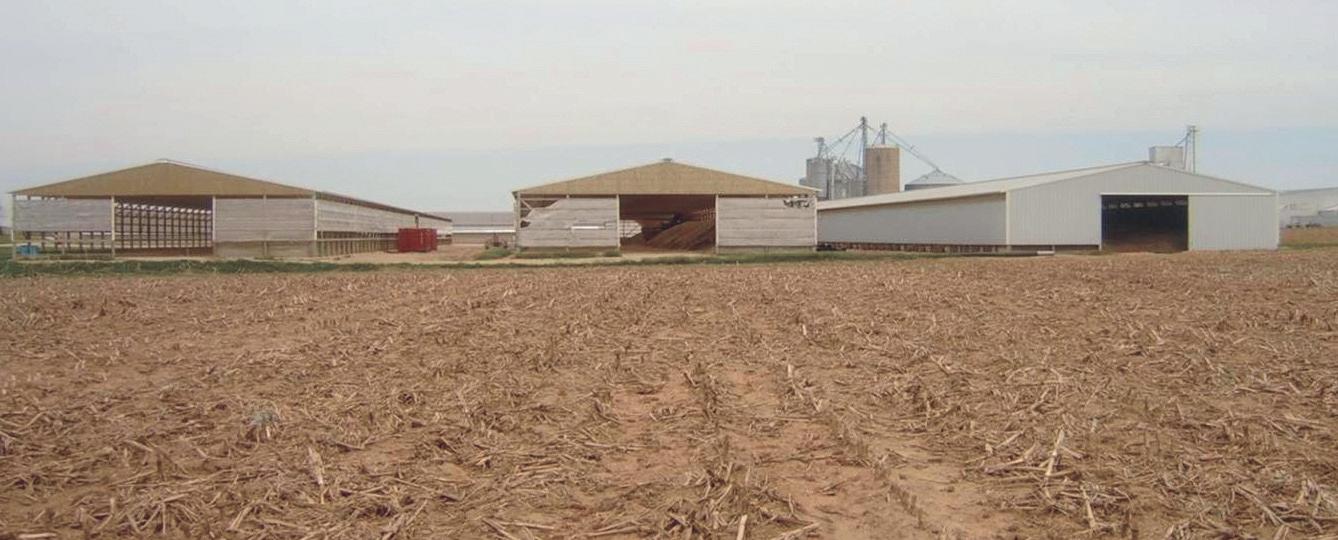
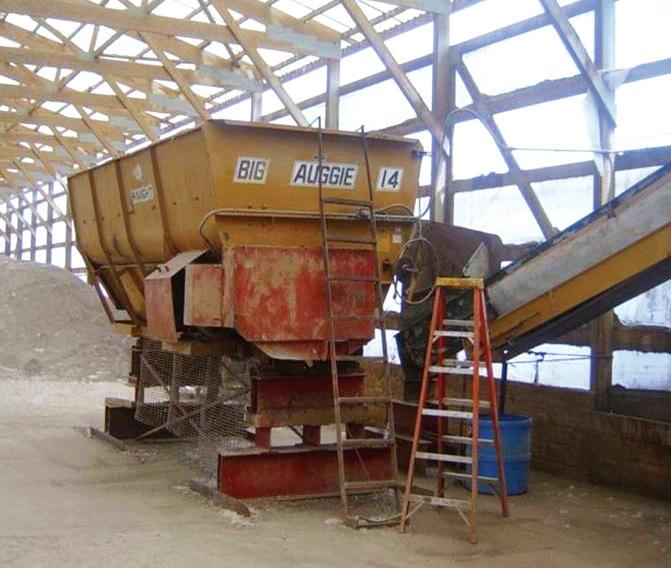
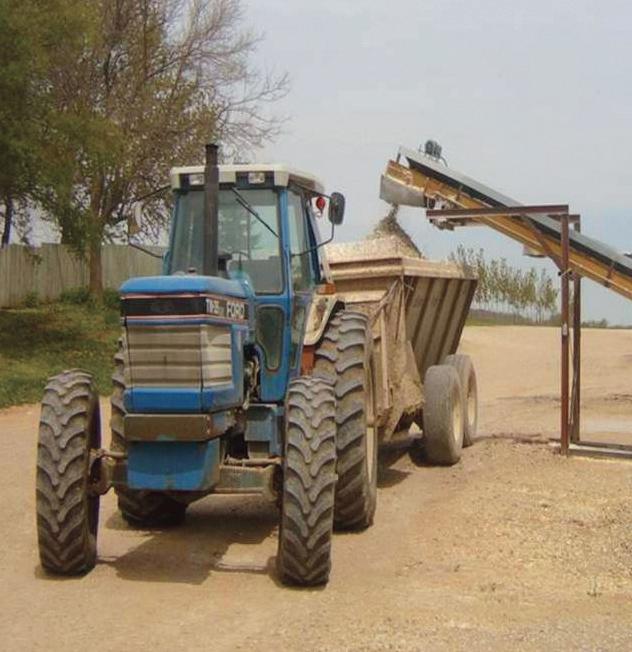
Because Creekwood Farms is a caged egg-laying operation, the manure falls onto belts that convey it to a collection site in the barn. R&J Partnership has four Knight manure spreaders to transport the manure from the egglaying barn to the composting barns. The manure is indoors at all times, avoiding any runoff issues.
The manure is processed using the proprietary system to achieve optimal moisture content, and is normally composted over a two-week period. There are three points in the process where the temperature reaches in excess of 150 F, which works as an inoculation and helps to assuage concerns over such issues as bird flu. The compost is then processed through a Knight auger mixer, which breaks it up before it is pelletized at one of the company’s two California Pellet Mill (CPM) units.
The pellets are marketed as the company’s commercial organic fertilizer

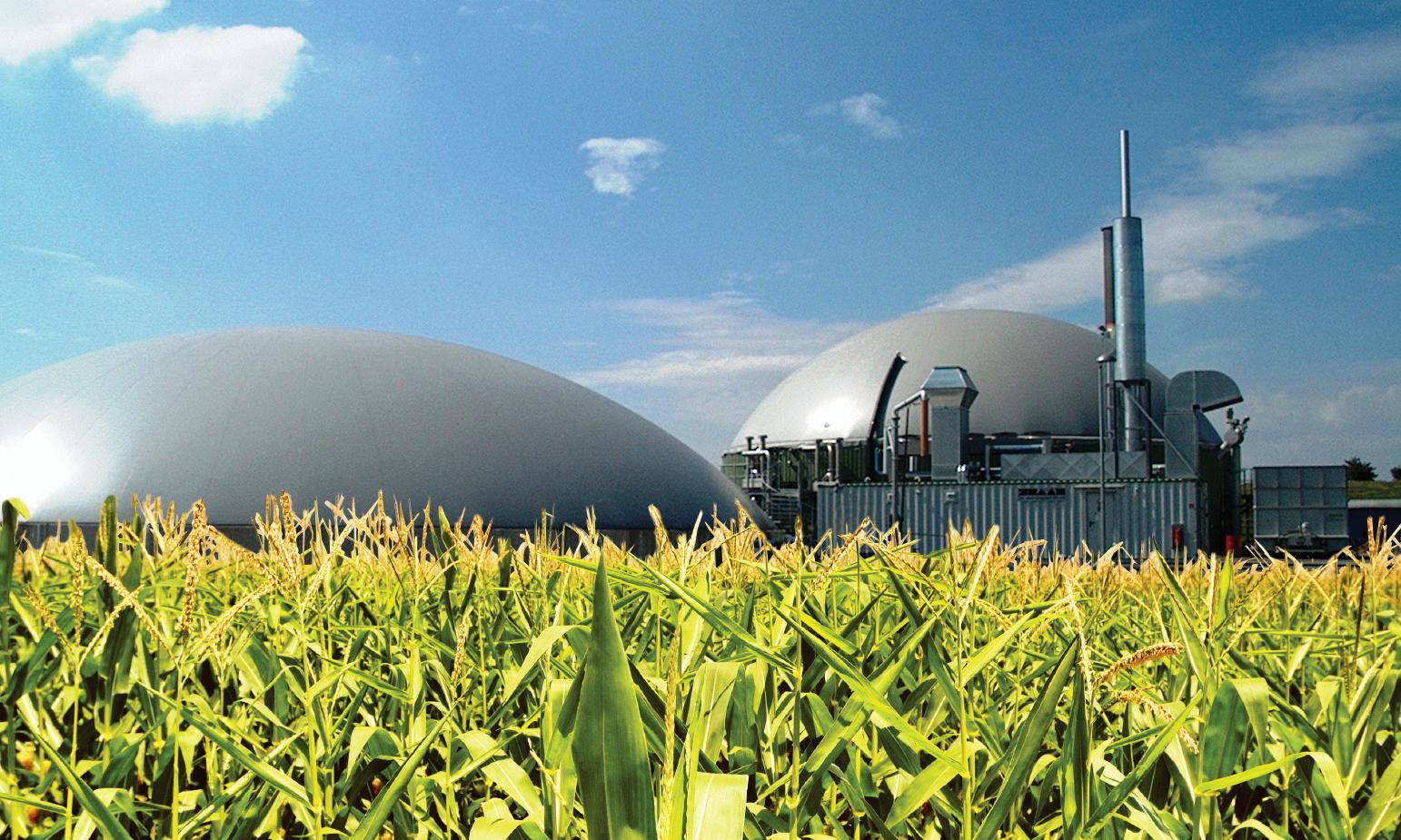
New biogas plant
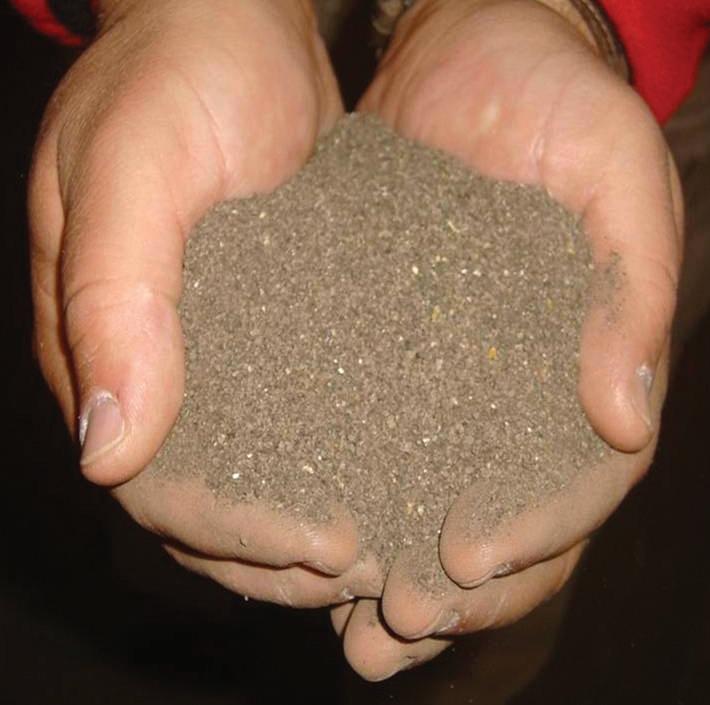
Top: The R&J Partnership in Wisconsin produces about 13,000 tons of marketable poultry-based organic fertilizer per year. Bottom: The poultry-based organic fertilizer produced by R&J Partnership is so popular that the company is hoping that other egg-laying operations will become suppliers to the business. Contributed photos.
for agriculture operations, but a portion is processed through a cracker crumbler that crumbles the product so that it can be applied easily with a standard lawn fertilizer spreader. This product consistency is bagged and marketed as Chickity Doo Doo, but the process also produces a fine dust. This is collected and marketed as a greens-grade organic fertilizer for golf courses.
Weiss emphasizes that what they are using is 100 percent poultry manure from egg layers, as opposed to poultry litter used in poultry-for-meat operations that is often mixed with sawdust or bedding, two materials that tend to dilute the nutrients in an organic fertilizer product. They also scrape out the manure on a daily basis as
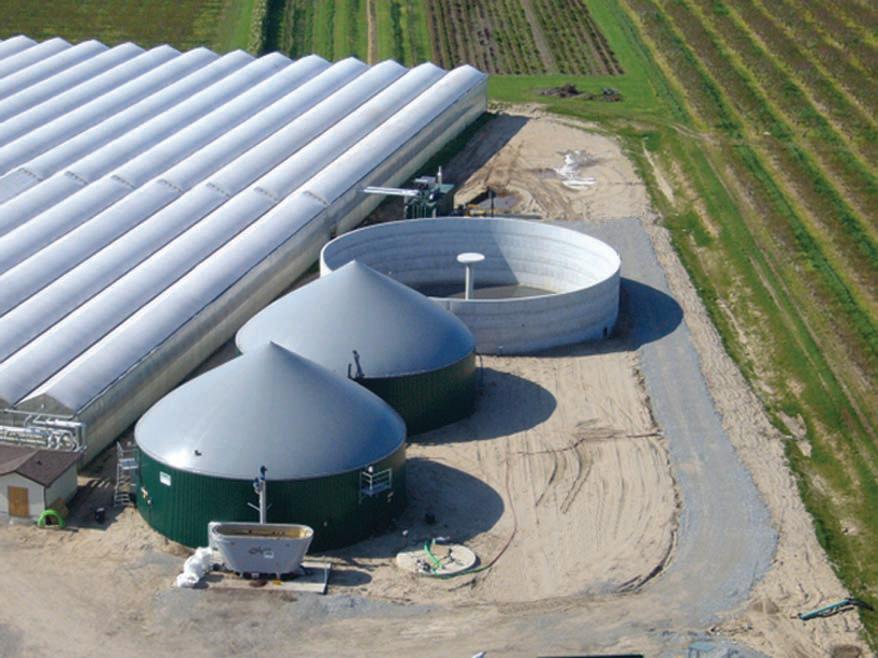
B.C. farmer plans to convert manure into renewable energy
PlanET Biogas Solutions Inc. recently announced construction has started on a 125,000 GJ per year renewable natural gas (biomethane) plant in Abbotsford, British Columbia, Canada.
The project solves a waste disposal problem for B.C. farmer Chris Bush, founder of Catalyst Power, who plans to turn his cow manure into cash; it also combines the experience and expertise of PlanET Biogas Solutions of St. Catharines, Ontario, Terasan Gas of B.C., and Greenlane Biogas of Stockholm, Sweden.
The plant will be the first farm-based biogas plant in Canada to employ biogas-upgrading technology and the first farm-based biogas plant in B.C. for agriculture.
Phase One of the plant will generate enough renewable natural gas to heat approximately 1000 homes. The plant will feature two anaerobic digesters, one dry feeder system, two pasteurization units, and a biogas upgrading system. It will produce biogas from several organic waste streams, including dairy manure, chicken manure, FOG (fats, oils, and greases), and corn silage.
Construction began in earnest in early January and the plant, designed and being built by PlanET Biogas Solutions, is targeted to begin producing gas by May 2010.
The biogas produced in the anaerobic digesters will be put through an upgrading process that will remove the CO2 and other contaminants from the biogas to produce natural gas pipeline quality methane. The pipeline quality methane is to be sold to the local natural gas utility, Terasen Gas, to reduce overall carbon emissions. The project’s gas cleaning
opposed to poultry-for-meat operations that typically clean out their barns every eight to nine weeks between flocks, meaning that R&J Partnership is able to keep odor to a minimum.
One of the major challenges the company faces is the issue of phosphorus content in the organic fertilizer. While Wisconsin has given organic fertilizer an exemption from its ban on fertilizers containing phosphorus, the debate continues almost on a stateby-state basis as to whether organic fertilizers should be exempt. Fighting the exemption are chemical producers who claim that this gives organic fertilizer an unfair advantage. Companies like R&J Partnership have argued that the phosphorus from the manure generated on farms still needs to go somewhere and has support from research done at the University of Wisconsin indicating that application of phosphorus in a less concentrated form as part of organic fertilizer is actually part of the overall solution to dealing with phosphorus runoff problems.
“It is important to look at what the science says and the science is on our side,” says Weiss.
technology is being supplied by Greenlane Biogas. This will be their first facility in North America.
Biogas is created as a result of complex microbiological processes. Manure and other agricultural byproducts are broken down by methane-producing bacteria through a fourstage process in an anaerobic (without oxygen) environment. Biogas consists of 50 to 60 percent methane, 40 to 45 percent carbon dioxide, and trace amounts of hydrogen sulfide (H2S). Anaerobic digestion captures the methane and carbon dioxide from the manure, reducing the greenhouse gas emissions of existing nutrient management practices.
March 3-4, 2010
Northeast Dairy Producers Conference, Holiday Inn, Liverpool, New York. Visit: http://nedpa.org/final/meetings.html
March 4, 2010
Current Issues in Manure Management, Olmstead County Fairground, Rochester, Minnesota.
Visit: https://umconnect.umn.edu/ rochestercawt/
March 8-12, 2010
4th Annual Growing the Margins Conference, London Convention Centre, London, Ontario.
Visit: http://www.gtmconference.ca.
March 8-12, 2010
2nd Annual Canadian Farm & Food Biogas Conference, London Convention Centre, London, Ontario.
Visit: http://www.gtmconference.ca/site/ index.php/canadian-farm-and-food-biogas.
March 19, 2010
Current Issues in Manure Management, Four Seasons Building, Upper Level, Steele County Fairgrounds, Owatonna, Minnesota.
Visit: https://umconnect.umn.edu/ owatonnacawt/
March 24-26, 2010
Farm Pilot Project Coordination Inc’s Chesapeake Bay Summit, Annapolis, Maryland.
Visit: http://www.fppcinc.org.
April 27-28, 2010
AgSTAR National Conference 2010, Hotel Sierra/KI Convention Center, Green Bay, Wisconsin.
Visit: http://www.epa.gov/agstar/
June 9-11, 2010
2010 World Pork Expo, Iowa State Fairgrounds, Des Moines, Iowa.
Visit: http://www.worldpork.org
July 15, 2010
2010 Great Lakes Manure Handling Expo, Penn State’s Ag Progress Days Site, State College, Pennsylvania.
Visit: http://das.psu.edu/manure-expo
September 13-16, 2010
International Symposium on Air Quality and Manure Management for Agriculture, Doubtletree Hotel, Dallas, Texas.
Visit: http://www.asabe.org/meetings/ airwaste2010/index.htm
September 22-24, 2010
NOSE 2010, Palazzo degli Affari, Florence, Italy.
Visit: http://www.aidic.it/nose2010
September 28-October 2, 2010
2010 World Dairy Expo, Alliant Energy Center of Dane County, Madison, Wisconsin.
Visit: http://www.worlddairyexpo.com
October 3-8, 2010
Greenhouse Gases and Animal Agriculture Conference, Banff Park Lodge, Banff, Alberta, Canada.
Visit: http://www.ggaa2010.org
If you have a coming event that would be of interest to manure management professionals and custom applicators, feel free to forward it to mland@annexweb.com.
Anew Iowa law limiting the land application of liquid manure on snow-covered ground to only emergency situations went into effect Dec. 21, 2009.
The law does not apply to manure from open feedlots or dry manure. It applies to confinement (totally roofed) facilities with liquid manure that have 500 or more animal units. Generally, 500 animal units would be 1,250 finishing hogs; 5,000 nursery pigs; 500 steers, immature dairy cows or other cattle; or 357 mature dairy cows.
“However, all livestock and poultry producers need to protect water at all costs,” said Gene Tinker, Iowa Department of Natural Resources (DNR) coordinator of animal feeding operations. “All producers must prevent pollution as they land apply manure.”
The law limits liquid application from Dec. 21 to April 1 if the ground is snow-covered. If manure can be injected or incorporated, there is no limit on land application during this time. Snow-covered ground is defined as soil having one inch or more of snow cover or one half inch or more of ice cover.
“Under those conditions, producers can only apply in emergency situations, defined in the law as unforeseen circumstances beyond the control of the producer, such as natural disaster, unusual weather conditions, or equipment or structural failure,” said Tinker. “They need to notify the regional DNR field office before they apply, and they can only apply
Separator_FEB10 manure7_5.pdf 1 20/01/10 8:43 AM
to fields that are identified for emergency application in their manure management plans and have a Phosphorus Index of 2 or less.”
Tinker also said that because they are surface applying, producers and commercial applicators need to observe the separation distances, generally applying at least:
• 750 feet from buildings such as residences, businesses and schools;
• 200 feet from environmentally sensitive areas such as a drinking water wells, lakes, rivers, streams or agriculture drainage wells; and
• 800 feet from high quality water resources.
Tinker recommends that producers who might run out of storage this winter should consider emergency application early in the winter, not late.
“The research shows that the later in the season and the closer to spring snowmelt that you apply, the greater the risk that manure-laden runoff will reach a stream,” he said.
“Most important, they should use good common sense, applying on flat land with the least snow cover, located far from a stream,” If there are tile intakes downgradient of the application area, they must temporarily block the intake.”
Producers must report emergency applications starting Dec. 21 to the local DNR field office. Office locations and phone numbers are available at www.iowadnr.gov/fo/index.html.






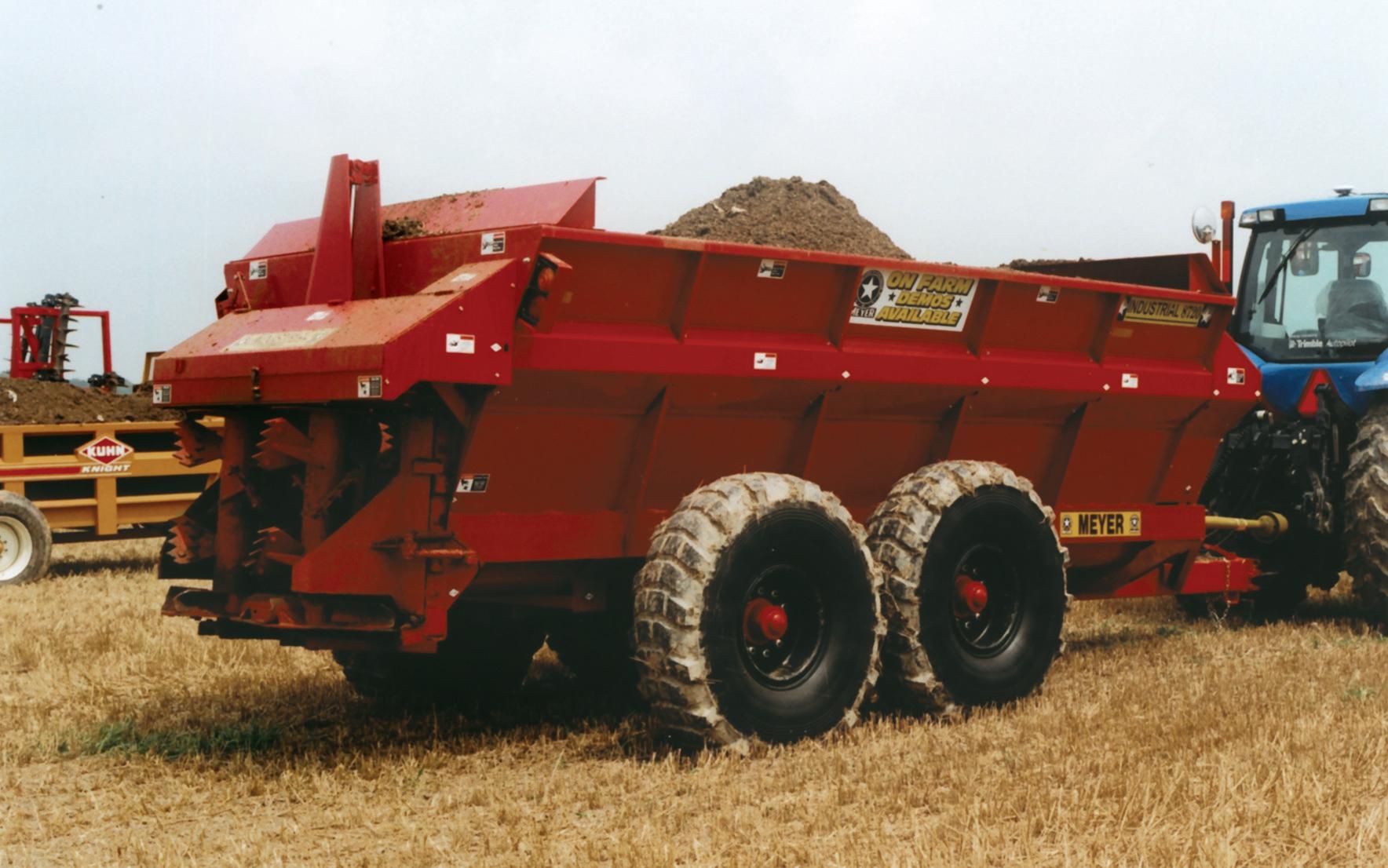
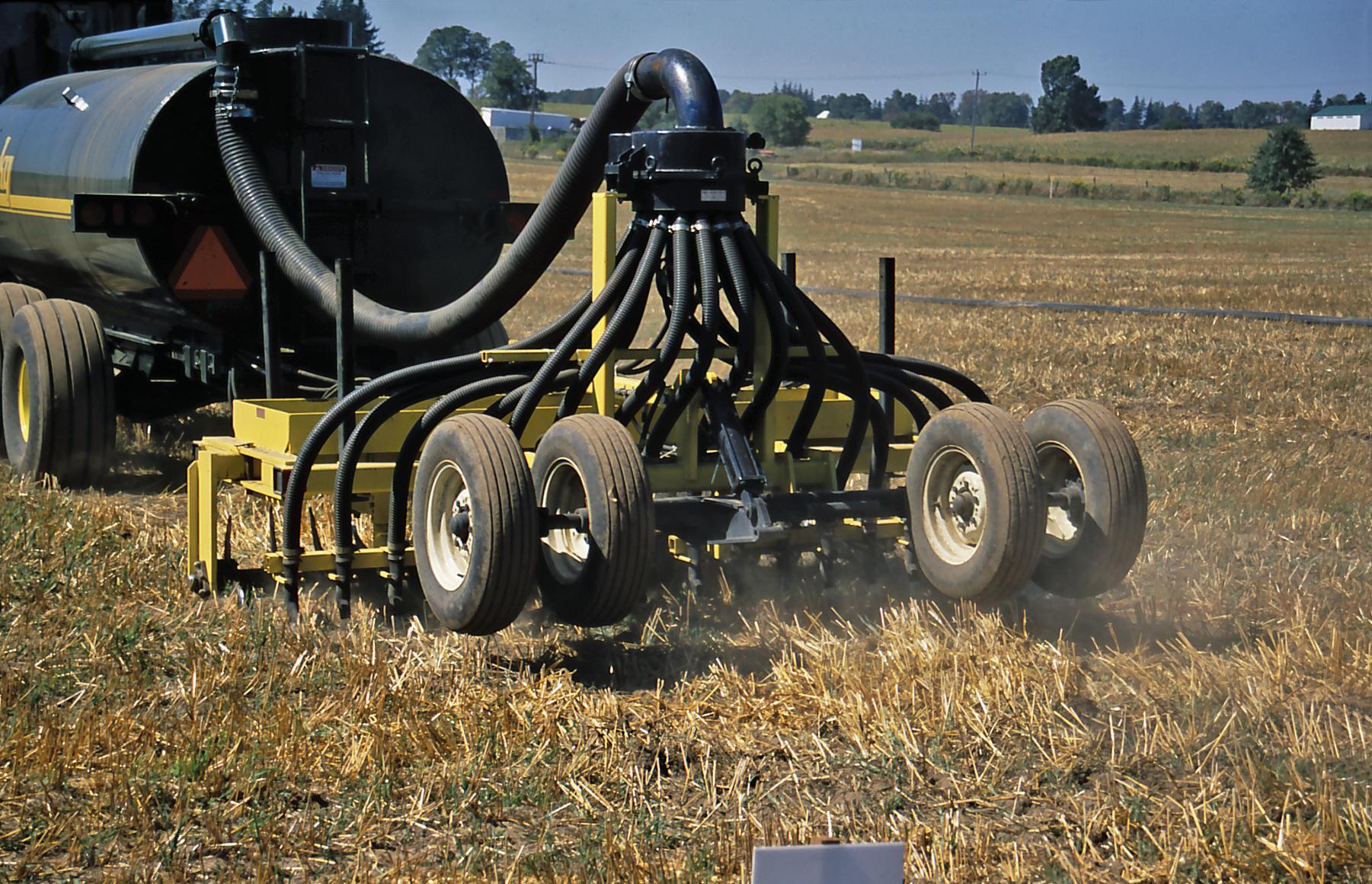
Researchers at the University of Manitoba have identified a strategy to help North American livestock producers improve the economics of using anaerobic digestion to produce energy.
Research conducted at the university has shown the addition of glycerol to swine manure at one per cent of the total volume will double biogas production during anaerobic digestion without compromising the process.
Master’s graduate Oswald Wohlgemut says glycerol is of interest because it’s becoming increasingly available and there are few uses for it.
“What we were attempting to do was to simulate an anaerobic digestion process with swine manure and glycerol,” said Wohlgemut. “Glycerol is basically a sugar alcohol. It can be produced from several different industrial processes such as being a byproduct in the production of biodiesel.
“It’s also of interest because of the anticipated increase in biodiesel production in Manitoba and the expected surplus of glycerol.”
Wohlgemut notes, while anaerobic digestion remained stable throughout the experiment with the addition of glycerol at one per cent of total volume, rates of two and four per cent caused failure of the process.
He says the work suggests farmers throughout North America who use anaerobic digestion to produce energy can use glycerol at low doses to enhance methane production and if glycerol is available locally it can be very viable.
Courtesy of University of Manitoba News
The U.S. dairy industry, with sponsorship from GE Energy, recently held the New York Dairy Power Summit in Syracuse, N.Y.
The summit brought together experts in dairy production, engineering,
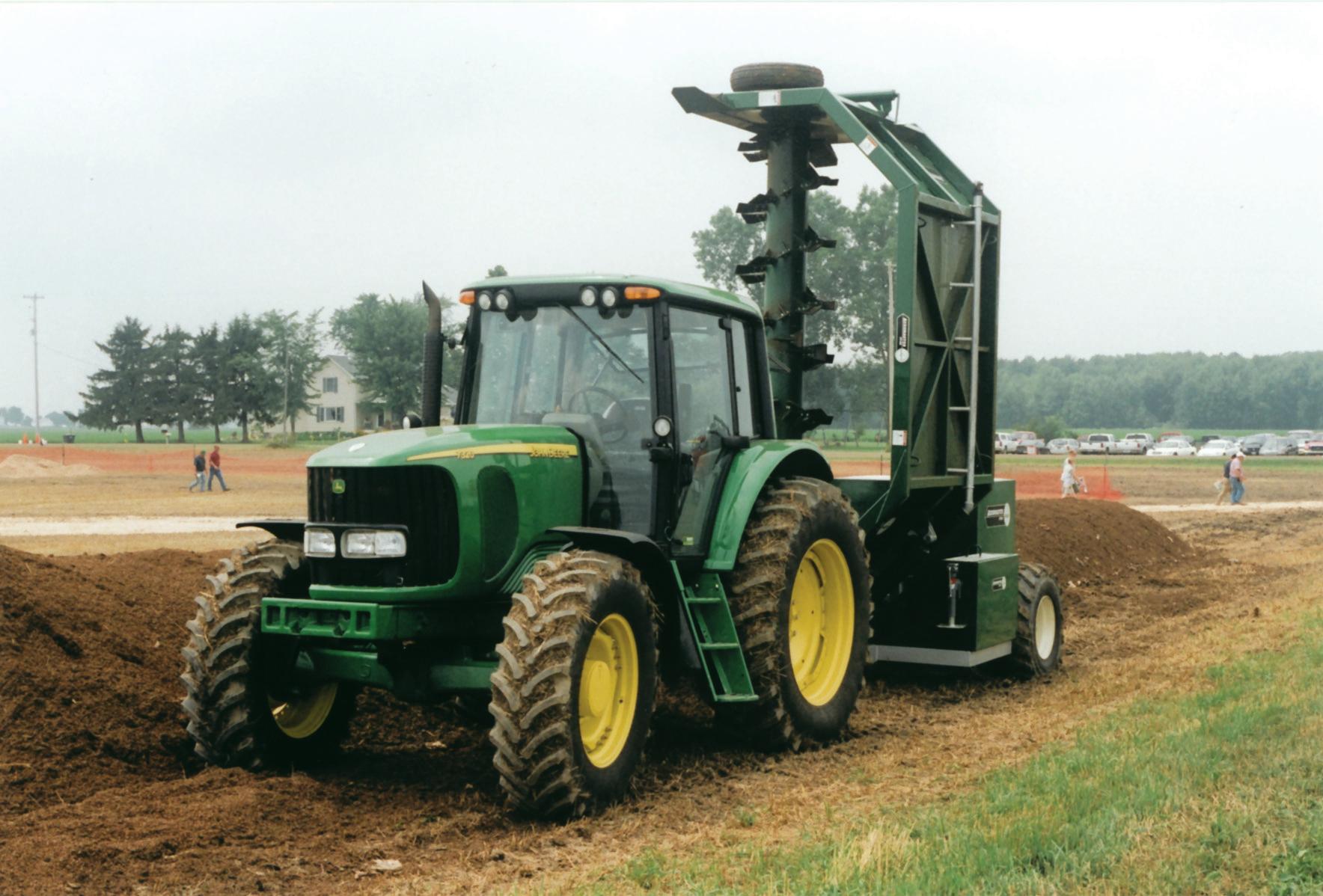
environmental science, financing, legislation and policy, and green energy business to accelerate opportunities for U.S. dairy farmers to use cow manure methane biogas to generate reliable, costeffective renewable electricity.
During the conference, GE Energy showcased its Jenbacher biogas engine technology that utilizes digester methane biogas to generate electricity. The power can be used to support the farm’s onsite power requirements, as well as the regional grid, while helping to improve local air and water quality.
According to the New York State Department of Agriculture & Markets, the state has 6,200 dairy farms with more than 600,000 dairy cows, but only 10,000 cows are utilized in energy production through the use of 12 methane digesters that generate 1.3 megawatts. Manure from approximately 2,500 cows can produce electrical output of 500kW-enough to power roughly 200 homes.
“The Dairy Power Summit is designed to jumpstart the development of additional digester projects in New York by making a bold commitment to action and establishing an ambitious goal for anaerobic digester biogas-toenergy project development through 2020 and committing to a strategy to reach those targets,” said Roger George, general manager of GE Energy’s gas engine business for North America. “New York’s dairy farmers have an opportunity to tap into a new source of revenue that will simultaneously help the state increase its renewable energy production and lower its greenhouse gas emissions.”
Based on what the Innovation Center for U.S. Dairy has learned in New York at the Dairy Power Summit, programs similar to the New York pilot project will be rolled out across the nation.
The dairy industry has committed to reducing greenhouse gas emissions by 25 percent by 2020, which is equivalent to removing 1.25 million passenger cars off the road every year.
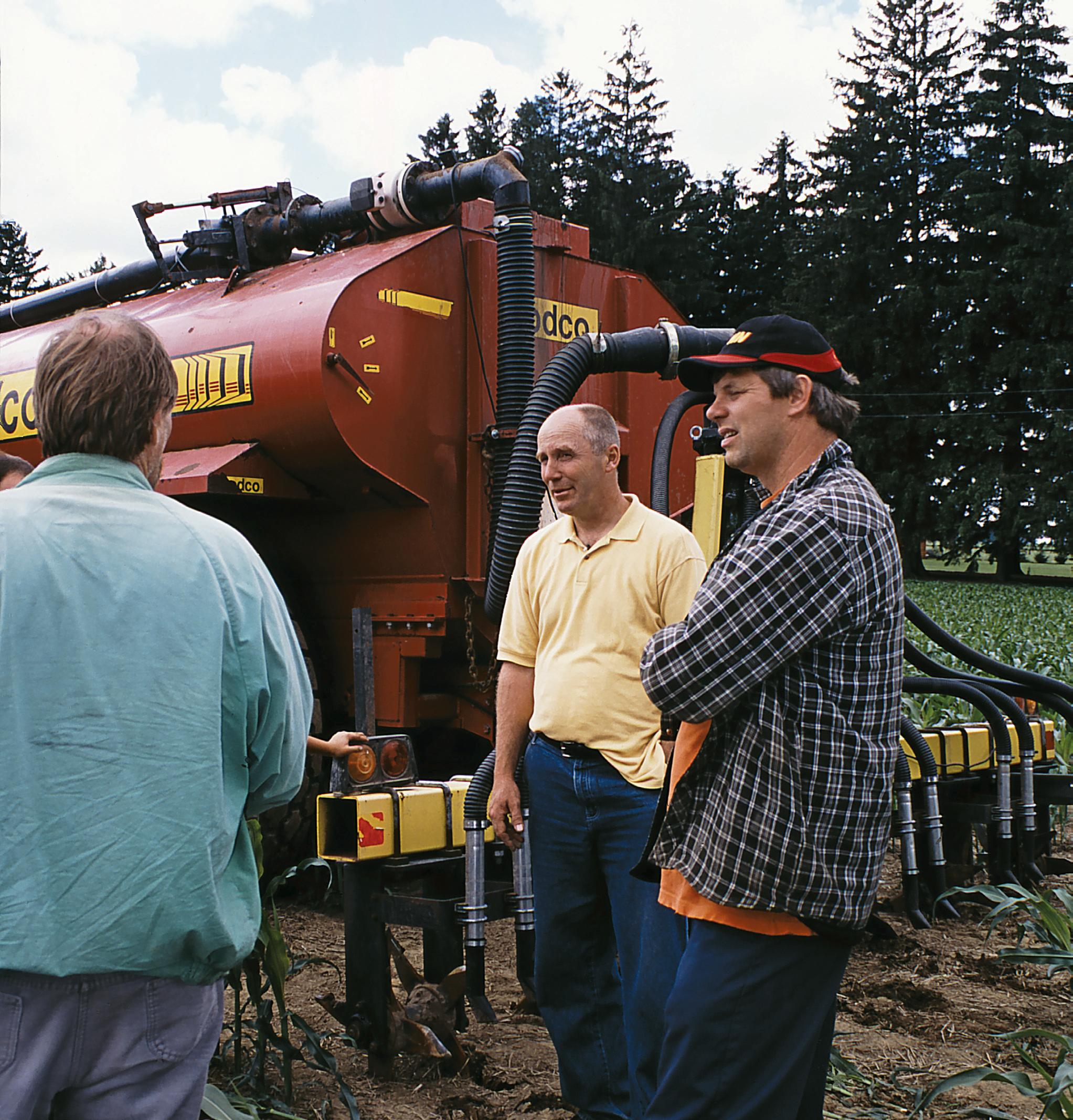
The U.S. Department of Agriculture and the Innovation Center for U.S. Dairy have agreed to work jointly in support of the U.S. dairy industry’s goal to reduce greenhouse gas emissions by 25 percent over the next decade.
In the memorandum of understanding (MOU), the USDA and the industry-wide dairy group identified a variety of projects that can help the dairy industry achieve those greenhouse gas reduction goals and increase its financial and environmental sustainability.
Under the agreement, the USDA will take a number of steps to help farmers, including supporting a strategic research plan to help the industry further reduce environmental impacts. Other initiatives would help the industry develop future technologies, advance nutrient management, support renewable energy, and improve energy efficiency.
Potential outcomes of the MOU include accelerating opportunities to adopt livestock manure processing systems that capture methane gas from livestock manure and convert it into electricity, coordinating research information on life cycle assessments, and supporting the industry’s efforts in energy audits, feed management and energy conservation.
The MOU between USDA and the Innovation Center may also help accelerate adoption of methane gas digesters for all sizes of dairy farms, making it easier to connect digesters to electricity grids and help digester operators capture potential carbon offset payments. Additional support from the USDA could include research on how feed mixtures affect methane emissions from cows. Opportunities to reduce so-called enteric emissions have been identified by dairy stakeholders in the Innovation Center’s industry-wide plan to cut greenhouse gas emissions.
Perdue recently became the eighth company to receive Poultry magazine’s Jewell award for innovation, and the first to be recognized in the area of environmental leadership.
The award, named for poultry industry pioneer Jesse Jewell, recognizes industry innovators “whose products, processes or overall approach to marketing or management … raised the standard of excellence for the entire poultry industry.”
“[Perdue] has a business unit dedicated to converting poultry litter into organic fertilizer, a large-scale poultry grower best-practices partnership with the Environmental Protection Agency and, among other projects, employees committed to volunteering to clean up local waterways,” wrote Poultry magazine editor-at-large Alicia Karapetian.
The Manitoba Livestock Manure Management Initiative (‘Manure Initiative’) board of directors recently approved two new projects that will soon be underway:
• “Dried distillers grains with soluble (DDGS) in poultry diets” and “Dried distillers grains with soluble (DDGS) in poultry diets and manure phosphorus content - implications for feeding strategies to decrease phosphorus loading.” – Dr. RodriguezLecompte, Department of Animal Science, University of Manitoba.
• “Development of dispersion-based [odor] setback distance guidelines for Manitoba.” – Dr. Qiang Zhang, Department of Biosystems Engineering, University of Manitoba.
Dr. Juan Carlos Rodriguez-Lecompte, an Assistant Professor and Animal Scientist from the University of Manitoba, will head up a project set to examine the extent that including corn- and wheat-based dried distillers grains with solubles (DDGS) in poultry diets will influence manure phosphorus concentrations. DDGS are important Canadian feed resources, but have been documented to contain high and variable phosphorus levels.
As a result, there is potential that DDGS may increase manurephosphorus content, thus leading to phosphorus loading in soils when this manure is land applied.
The Manure Initiative has partnered with the Manitoba Chicken Producers to fund the project, which piggy-backs onto a larger, more comprehensive
study supported by the Canadian Poultry Research Council, the Poultry Industry Council, Canadian Bio-systems Inc. and NSERC focusing on the implications of DDGS inclusion in poultry diets on animal productivity, well being, immunity and food safety. Dr. Rodriguez-Lecompte’s project will get underway this month.
Dr. Qiang Zhang, a professor with the Department of Biosystems Engineering at the University of Manitoba, will seek
Clean Environment Commission that a dispersion-based odor setback guideline be established. At present, most existing setback guidelines in the world are based on experience. To establish a dispersionbased odor setback guideline, Dr. Zhang will a) develop odor impact criteria for defining acceptable odor exposure, b) develop models for quantifying odor emission rates from typical livestock operations in Manitoba, c) evaluate and

the odor distribution surrounding livestock
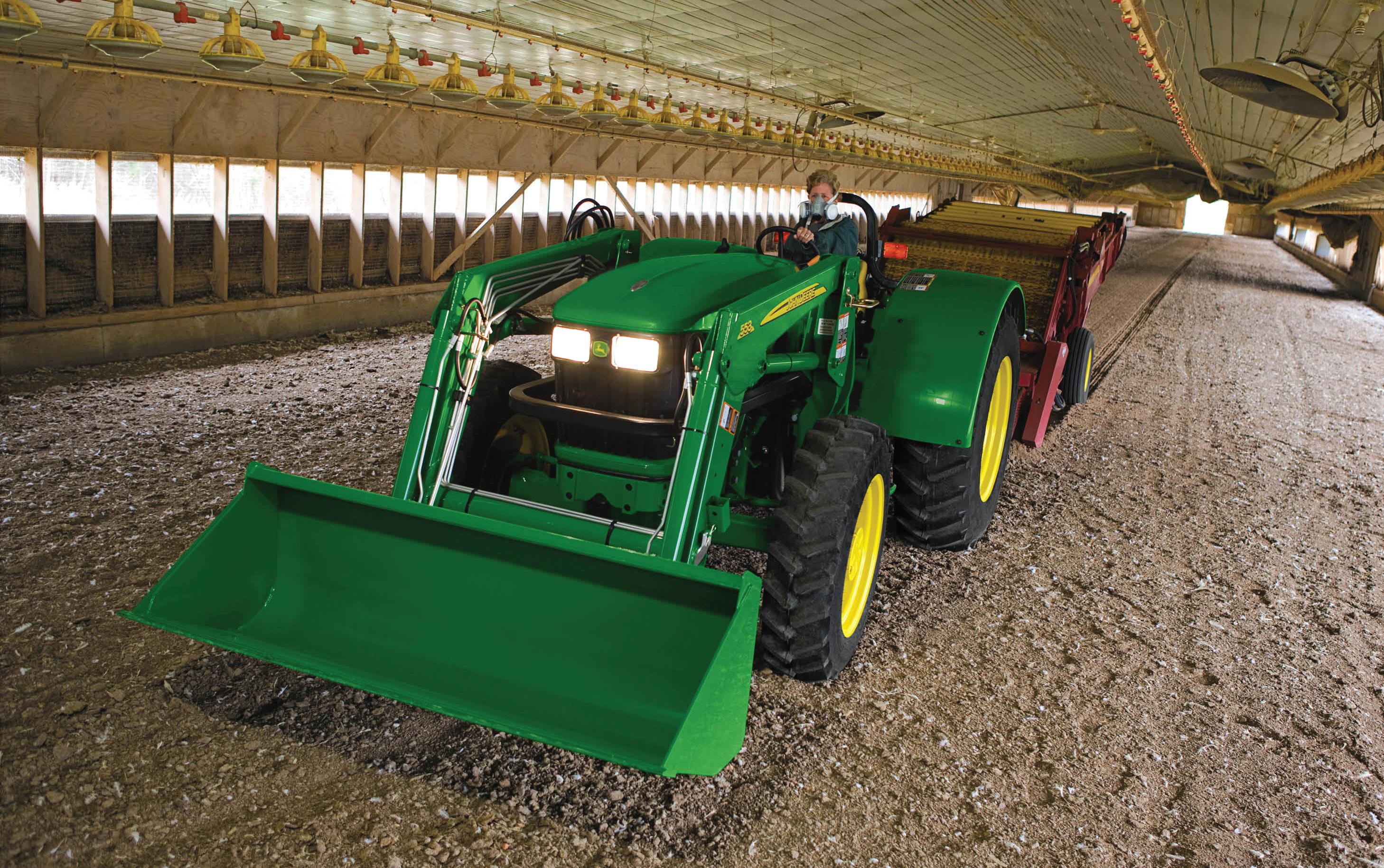
John Deere recently introduced the D-Series skid steer loaders and compact track loaders (CTLs).
The release is the culmination of years of research and a partnership with skid steer owners and operators.
The 318D, 320D, 326D, 328D and 332D are the new skid steer models, joining the existing small-frame, radial lift 313 and 315. For the compact track loader line, the new 319D, 323D, 329D and a 90-hp 333D join the small-frame, radial lift CT315.
One of the differences in the D-Series is the cab. The new cabs feature 24 percent more room than their predecessors and six more inches of headroom. They are also quieter, positively pressurized and easier to get in and out of, due to a larger door opening.
The 50-percent noise reduction in and around the D-Series cab comes from several sources beyond mere sound absorption, including a hydraulic fan drive, an auto idle feature (which also saves fuel) and the new electronically controlled engines.
A high-performance HVAC system includes eight adjustable airflow vents for additional comfort.
Deere’s D-Seriesalso contains an auto idle, an optional reversing hydraulic fan, and a V-Plenum cooling system that provides significantly more cooling capacity and performance.
D-Series skid steers and CTLs have electronically controlled Tier 3/interim Tier 4 engines coupled with a new auto idle feature. The optional reversing hydraulic fan is a variable speed unit working with a computer program that monitors engine and hydraulic fluid temperatures to ramp fan speed up or down as needed.
The EH (electro hydraulic) Performance Package includes switchable controls from the ISO to H pattern, the creeper mode in which the operator can set wheel or track speed in 10-percent increments of the unit’s top speed, and boom and bucket metering, with three different speed settings: Precision/economy (slow), Utility (medium) and Production (fast). www.johndeere.com
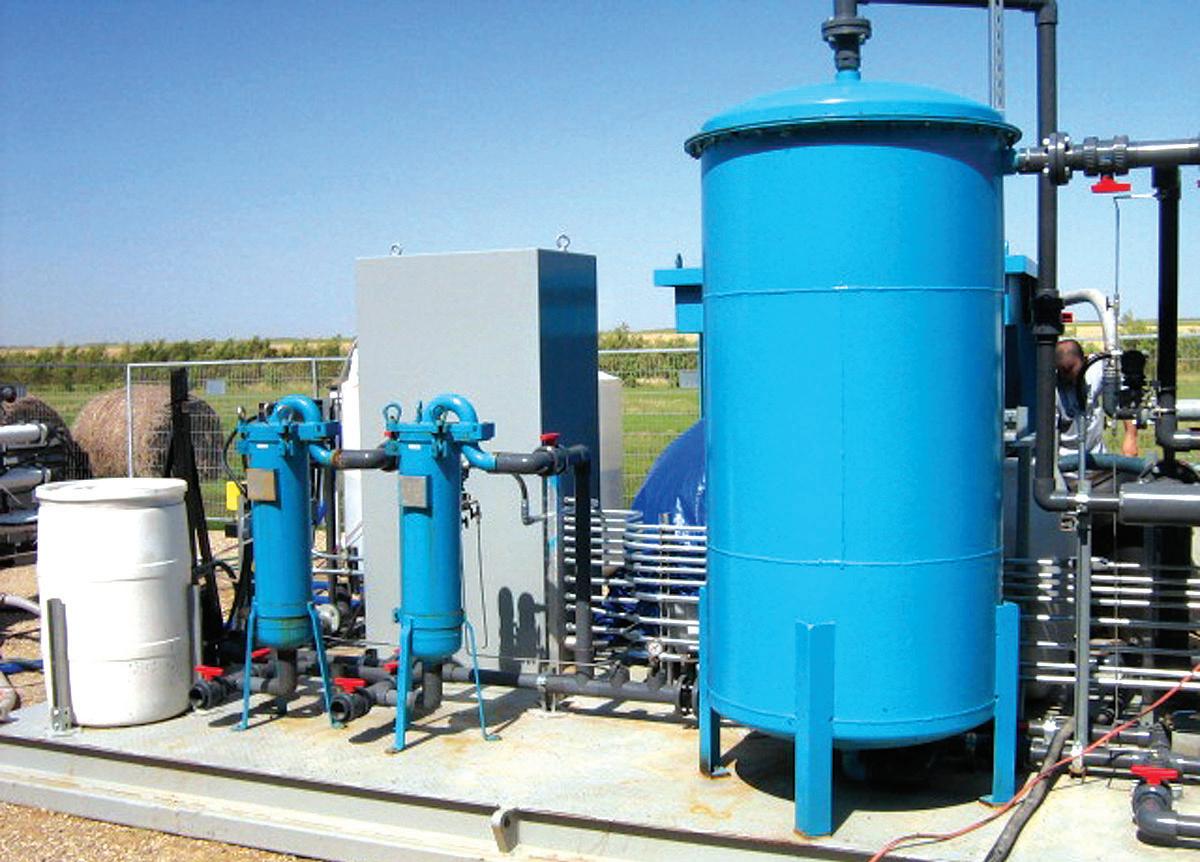
Livestock Water Recycling’s (LWR) manure treatment system has been recognized as one of the top 10 new products at the 2010 World Ag Expo, being held Feb. 9-11.
The process technology involves mechanical and chemical water treatment for the removal of manure contaminants from the discharge water of concentrated animal feeding operations (CAFOs). The system is focused on the reduction of solids, phosphorous, ammonia and nitrogen from livestock facility wastewater. As the waste flows through the system, the solids are removed from the effluent. The water produced from the system is suitable for reuse while other byproducts can be used as fertilizer.
The initial step involves pumping the liquid slurry into an equalization tank that uses a pump to transfer the liquid. The solids are then removed from the effluent stream and stored for later land application or composting. For fine solids removal, the effluent is pumped into a special tank where the fine solids are removed continually and sink to the bottom. After the fine solids separation, the liquid is placed in a second equalization tank and then sent
through a media filter to ensure all solids are removed. The water proceeds through a membrane system that separates out salts and large-size microbes. The clean water is then sent back to the barn for reuse or can be used for irrigation. In the final stage, ammonium is concentrated and allows for a concentrated liquid fertilizer to be created through the process.
www.livestockwaterrecycling.com
Sand is the preferred bedding material for many dairy farmers as it provides a clean, healthy environment for the cows. Reusing the sand makes a great deal of sense; the problem is cleaning it properly. The quality and quantity of recycled sand are important factors to consider.
Pro-Act Biotech recently introduced SandSmart™, a biological product that allows dairy farmers to reuse their sand bedding after a quick, convenient and effective cleaning.
SandSmart is a biological product designed specifically for sand-bedded dairy farms and is best used in a flush or flush flume manure system. SandSmart works by applying the product periodically to the last lagoon from which dairy draws their flush water.
The key to cleaner sand is cleaner flush water. SandSmart provides the dairy with clean flush water, which cleans the sand with ease. Cleaner sand provides a healthier environment for the cows.
www.proactbiotech.com
The benefits of controlling ammonia levels are acknowledged worldwide. The Litmus Ammonia Indicator (LAI) provides Confined Animal Feeding Operations (CAFO) with a new tool to help raise healthier, heavier animals.
LAIs utilize easy-to-understand colorimetric sensor technology that was developed (and patented) by the
Continued on page 35



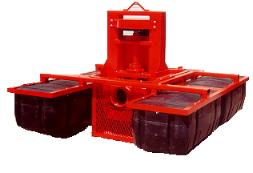




















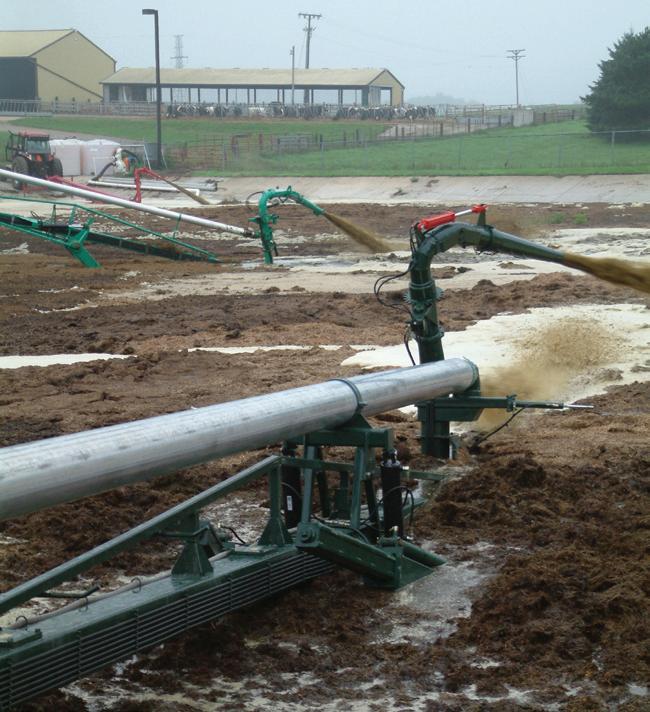

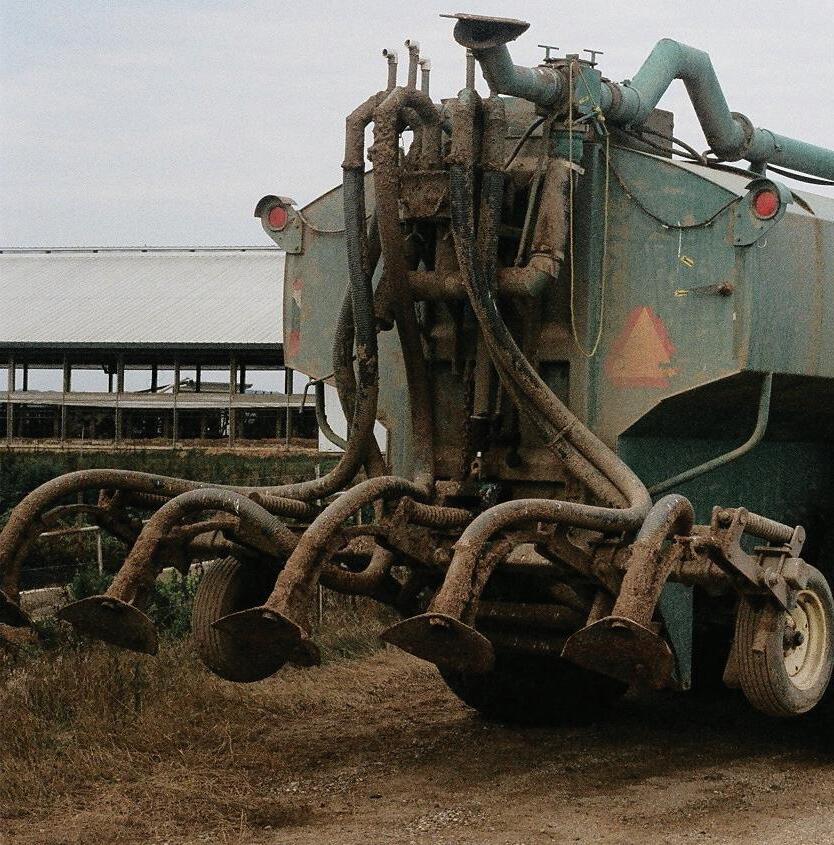
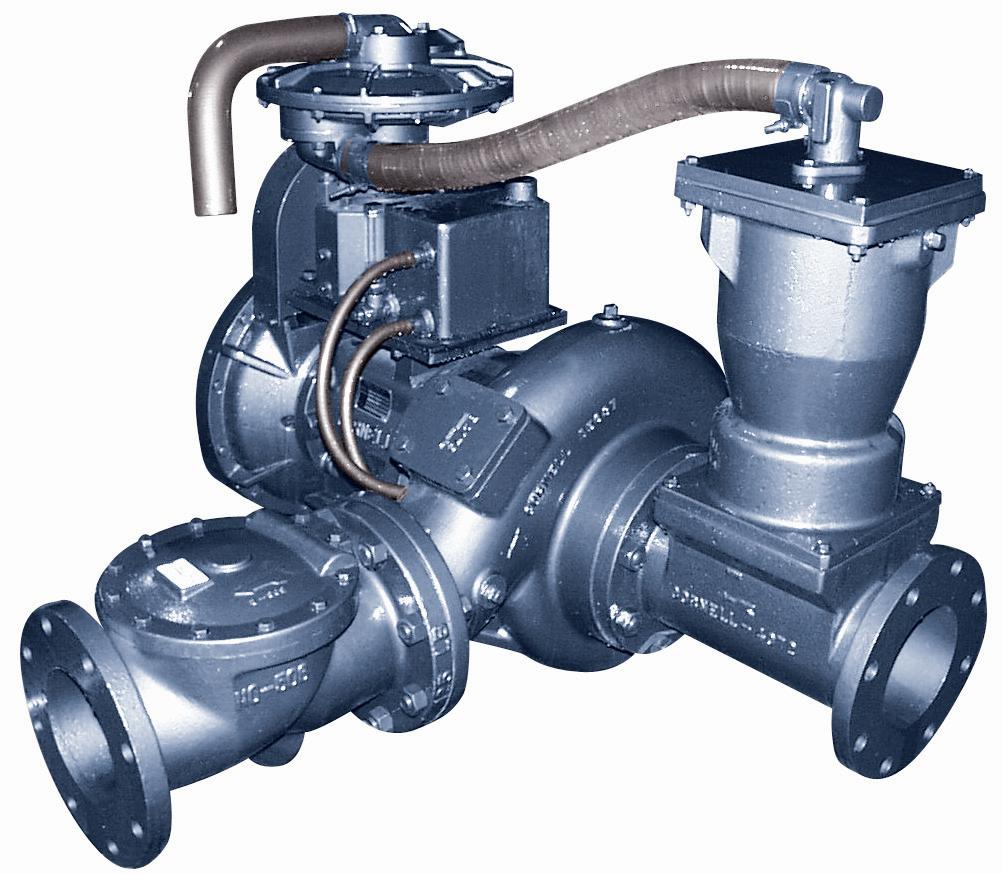
Manure Manager’s March/April 2010 issue is featuring injection equipment and lagoon agitation and aeration equipment. in its InnovAtIon section.
All suppliers of injection equipment and lagoon agitation and aeration equipment are invited to submit a short write-up (200300 words), describing their product(s) and a high quality image.
Product information and images can be sent via email to mland@annexweb.com.
the deadline for copy and images is February 12th, 2010
If you have any questions, please don’t hesitate to contact Margaret Land at 1-888-599-2228, ext. 269.
While Manure Manager welcomes all submissions, we cannot guarantee publication. In the case of space restrictions, some submissions may only appear on Manure Manager’s website (www.manuremanager.com). All submissions must be approved by the Editor.

Continued from page 32
U.S. Food and Drug Administration. It is unlike other ammonia measurement devices and provides an average ammonia measurement over four and 24-hour periods.
The benefits of LAI include:
• Providing growers and technicians with more facts by continuous monitoring ammonia levels,
• Using ammonia time weighted average over immediate readings
LAI is available in 25 and 50 ppm levels, average ammonia levels recommended by CAFO industry professionals, trade organizations and scientists.
LAI 25 ppm is designed for:
• Use during the early part of a grow out and for preparing poultry houses for chick placements,
• Growers who wish to maintain a maximum healthy environment for their animals throughout the entire grow out period and increase income.
LAI 50 ppm is designed for:
• Use during the later stages of a grow out period, when the animals are mature and less susceptible to ammonia damage. www.litmusfqi.com
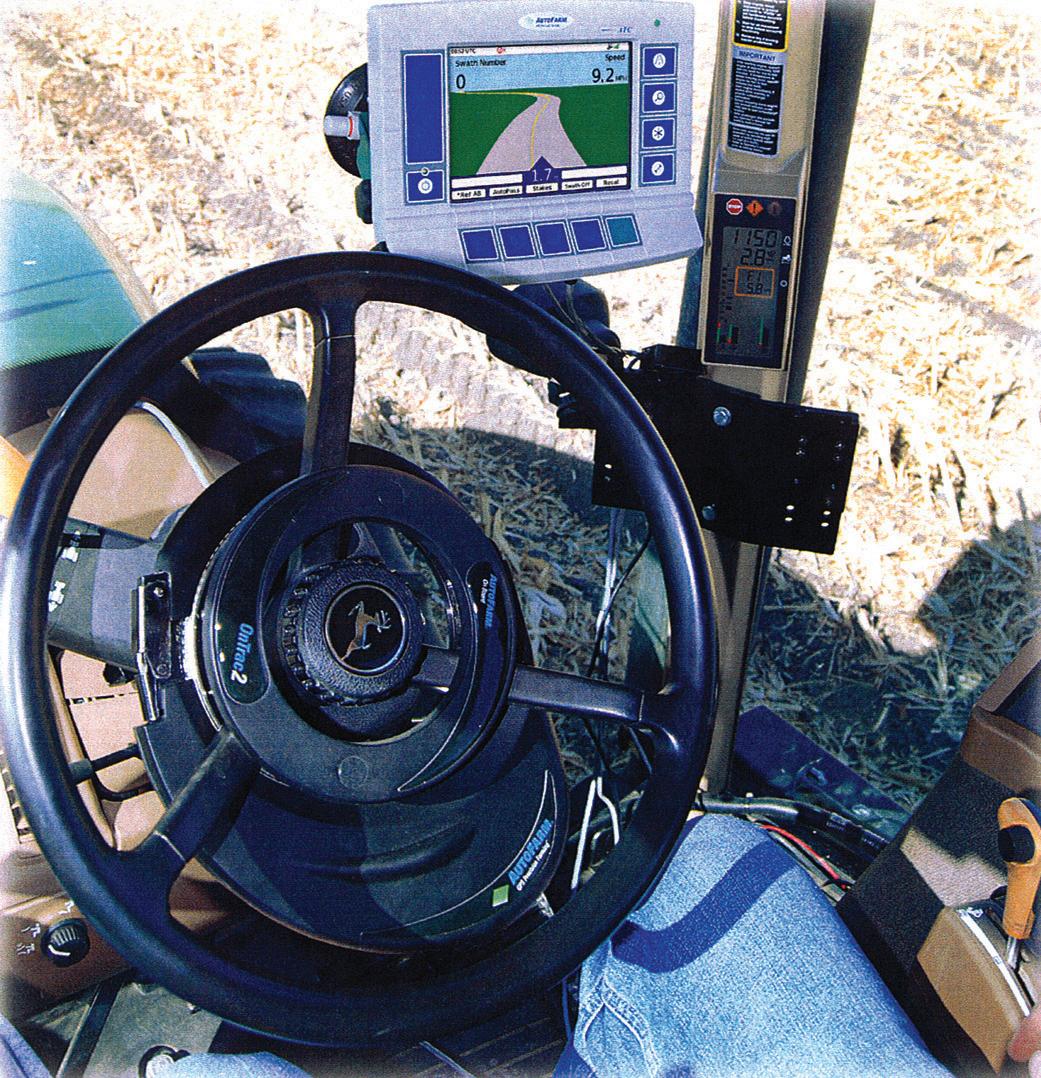
AutoFarm recently launched a new GPS steering solution for growers who want easy-to-install, hands-free steering on their operation – the OnTrac2™ GPS assisted steering system.
The OnTrac2 helps eliminate skips and overlaps, helps lower fuel consumption, expands the seasonal operating window and reduces operator stress and fatigue.
The split-gear design does not require removal of the steering wheel for installation; OnTrac2 latches on and off for easy transfer across multiple brands and types of vehicles – tractors, sprayers, or spreaders. It has a high-torque, positive gear drive to deliver turning power while eliminating wheel slip typical in motor steering systems. The electro-mechanical drive unit runs quiet when in operation.
OnTrac2 was recently named one of the Top 10 New Products of the 2010 World Ag Expo. www.gpsfarm.com
FarmLogic, developers of web-based software programs for agriculture, recently signed an agreement with Barnyard Supply to represent the FarmLogic product lines to its customers in and around the Ohio area.
The new product line is designed to help agri-business owners and managers become more efficient and productive.
FarmLogic incorporates an easy-to-use mobile FarmPad handheld computer with wireless and cellular Internet connections to sync daily farm operations to the farmer’s secure farm headquarters on the web. FarmLogic is designed to provide accurate on-the-go record keeping, field mapping, and reporting. www.barnyardsupply.com www.farmlogic.com
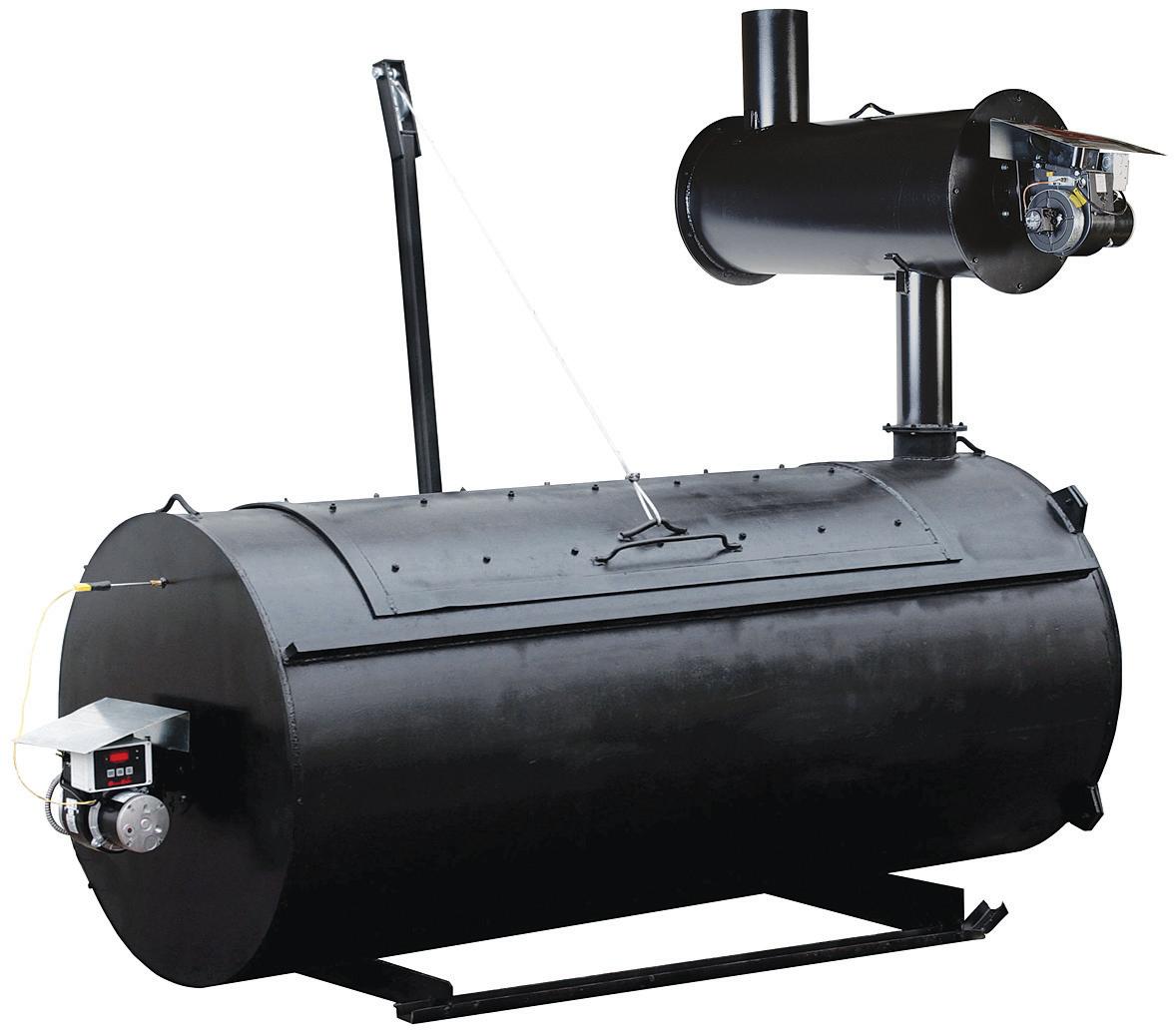
J&D Manufacturing is the exclusive source for the Biosecure Cow Cremator, recently announced as one of the Top 10 Honorable Mention Products at the World Ag Expo. The Biosecure Cow Cremator operates similar to a convection oven. Once the chamber is filled, the operator can set the timer and walk away. When the temperature inside the chamber reaches the desired level, the burner shuts down, but air is forced into the chamber so the carcass continues to burn.
The cremator can reduce 100 pounds of flesh to less than one gallon of ash with no unpleasant odors or smoke during the burning process. It uses spiral flame action to increase burn retention for a clean and thorough burn.
The cremator features a pre-tempered refractory block liner that resists cracking and acts as a burner by reflecting heat and distributing it throughout the unit. When necessary, the end plate and block liner can be removed to replace one or two blocks.
The Biosecure Cow Cremator is constructed of reinforced steel and has a life expectancy of more than 5000 burn-time hours. www.jdmfg.com

McLanahan launches 44 Super Magnum McLanahan’s agricultural division recently launched a new piece of equipment for the dairy industry, the 44 Super Magnum Sand Pump.
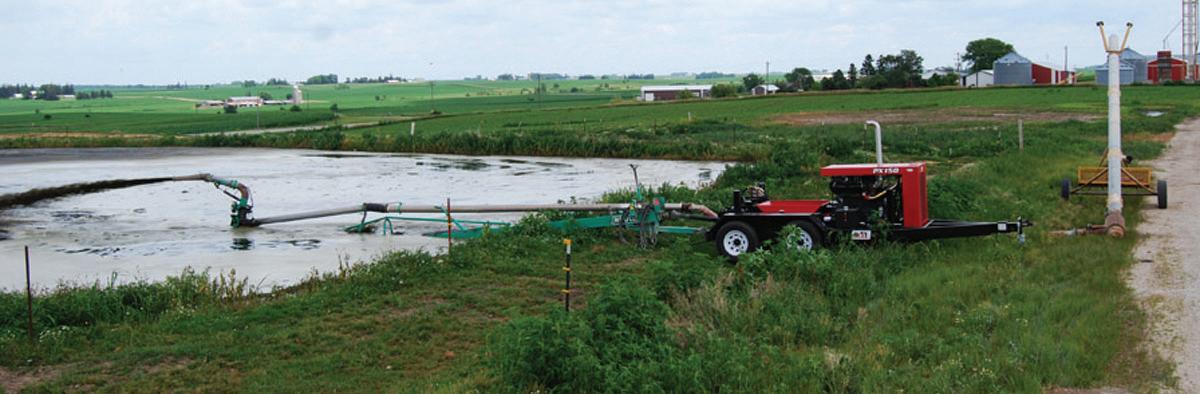
Using technology from the mining industry, the result is a high-wear vertical pump that can stand up to sand applications. It was recently named one of the Top 10 New Products at the World Ag Expo.
The 44 Super Magnum is nitrile lined with a vertical shaft and centrifugal pump,
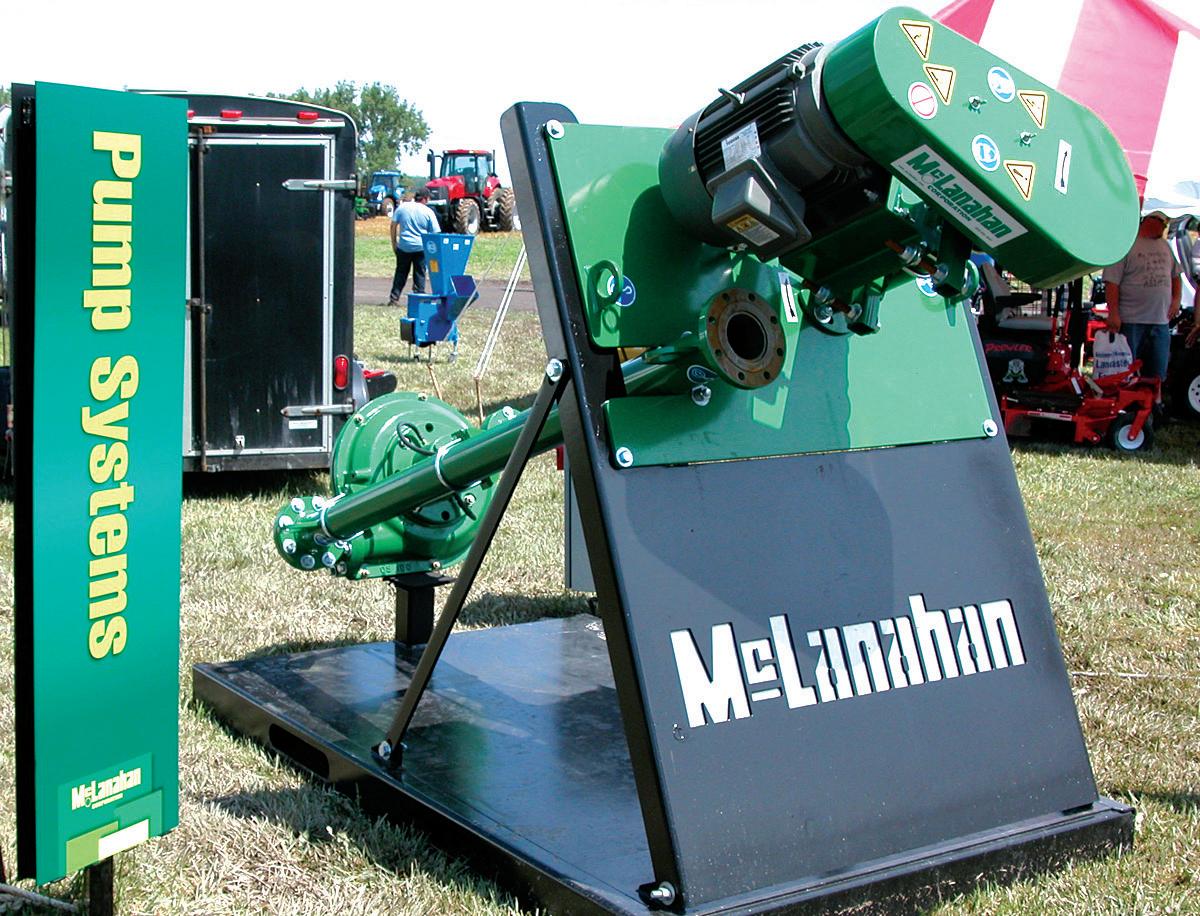
designed to withstand the demands of pumping sand and manure with minimal
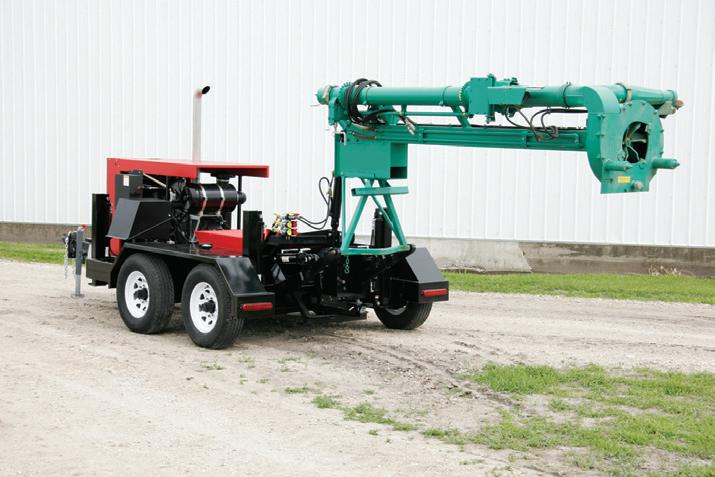
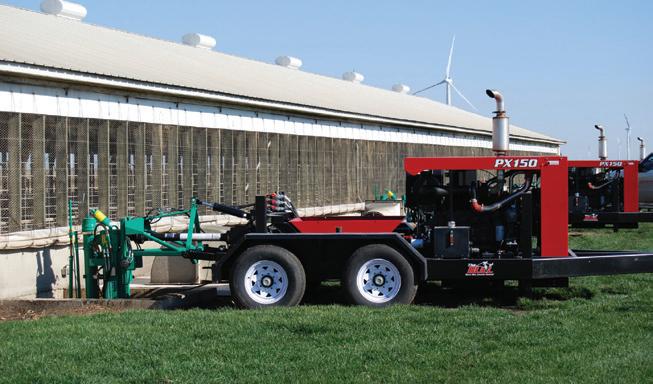
wear on components. The replaceable nitrile linings protect the pump’s split casings and the impeller is also nitrile lined, extending the wear life in abrasive environments.
The 44 Super Magnum handles flows from 570 to 2500 litres per minute at up to 45 metres of total head flow. This equates to 150 to 650 gallons per minute at 150 feet of total head. Electric motor sizes range from 7.5 to 30 kw or 10 to 40 hp. The standard length is eight-feet (2.4 meters) but custom lengths are available. www.sandmanuresolutions.com
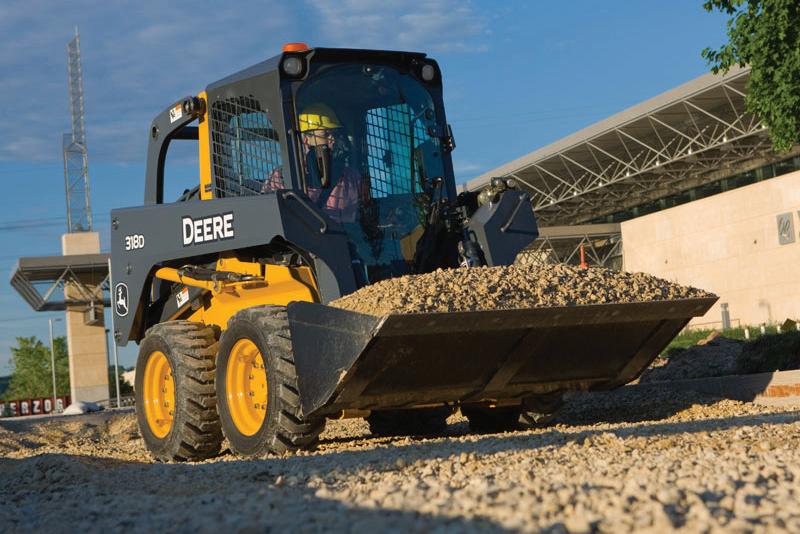
John Deere recently introduced the D-Series skid steer loaders and compact track loaders (CTLs).
The release is the culmination of years of research and a partnership with skid steer owners and operators.
The 318D, 320D, 326D, 328D and 332D are the new skid steer models, joining the existing small-frame, radial lift 313 and 315. For the compact track loader line, the new 319D, 323D, 329D and a 90-hp 333D join the small-frame, radial lift CT315.
One of the differences in the D-Series is the cab. The new cabs feature 24 percent more room than their predecessors and six more inches of headroom. They are also quieter, positively pressurized and easier to get in and out of, due to a larger door opening.
Deere’s D-Seriesalso contains an auto idle, an optional reversing hydraulic fan, and a V-Plenum cooling system that provides significantly more cooling capacity and performance.
D-Series skid steers and CTLs have electronically controlled Tier 3/interim Tier 4 engines coupled with a new auto idle feature. The optional reversing hydraulic fan is a variable speed unit working with a computer program that monitors engine and hydraulic fluid temperatures to ramp fan speed up or down as needed. www.johndeere.com





By Melynda Harrison
In November 2009, researchers with Colorado State University’s College of Agriculture were awarded $1.15 million to study nitrogen and ammonia emissions related to cattle feedlots in Colorado and the High Plains. This funding will support three projects, all of which are being led by professors from CSU’s Institute for Livestock and the Environment and the College of Agriculture.
Recently, the livestock industry on Colorado’s eastern slope has been implicated as a primary source of nitrogen emissions, a cause of ecosystem degradation in Rocky Mountain National Park.
Funding from the U.S. Department of Agriculture will help Jay Ham, a professor in the Department of Soil and Crop Science at CSU, and his colleagues determine just how much nitrogen comes from feedlots.
The study aims to measure ammonia and other pollutants from a Greeley-based cattle feedlot and evaluate the influence of factors that govern emissions levels, such as cattle diet, weather, and manure management, on regional patterns of nitrogen and ammonia deposition.
Using this data, the research team will develop a computer model that predicts nitrogen emissions from all feedlots along the Front Range of Northern Colorado and patterns of deposition in the park, and use this to identify opportunities for reducing emissions during key seasons or at key sources.
This project is a multi-disciplinary, collaborative effort. In addition to Ham, Shawn Archibeque from the Department of Animal Science, and Thomas Borch, professor in the Department of Soil and Crop Sciences, will be contributing to this research. The project has received strong support from private feedlot operators in Greeley, who will serve as the primary study sites for the project, and from the National Park Service.
In 2009, the EPA began requiring cattle feedlots greater than 1,000 animals to report ammonia emissions to state and local authorities; however, no verifiable methods have been developed to estimate those emissions on a site-specific basis.
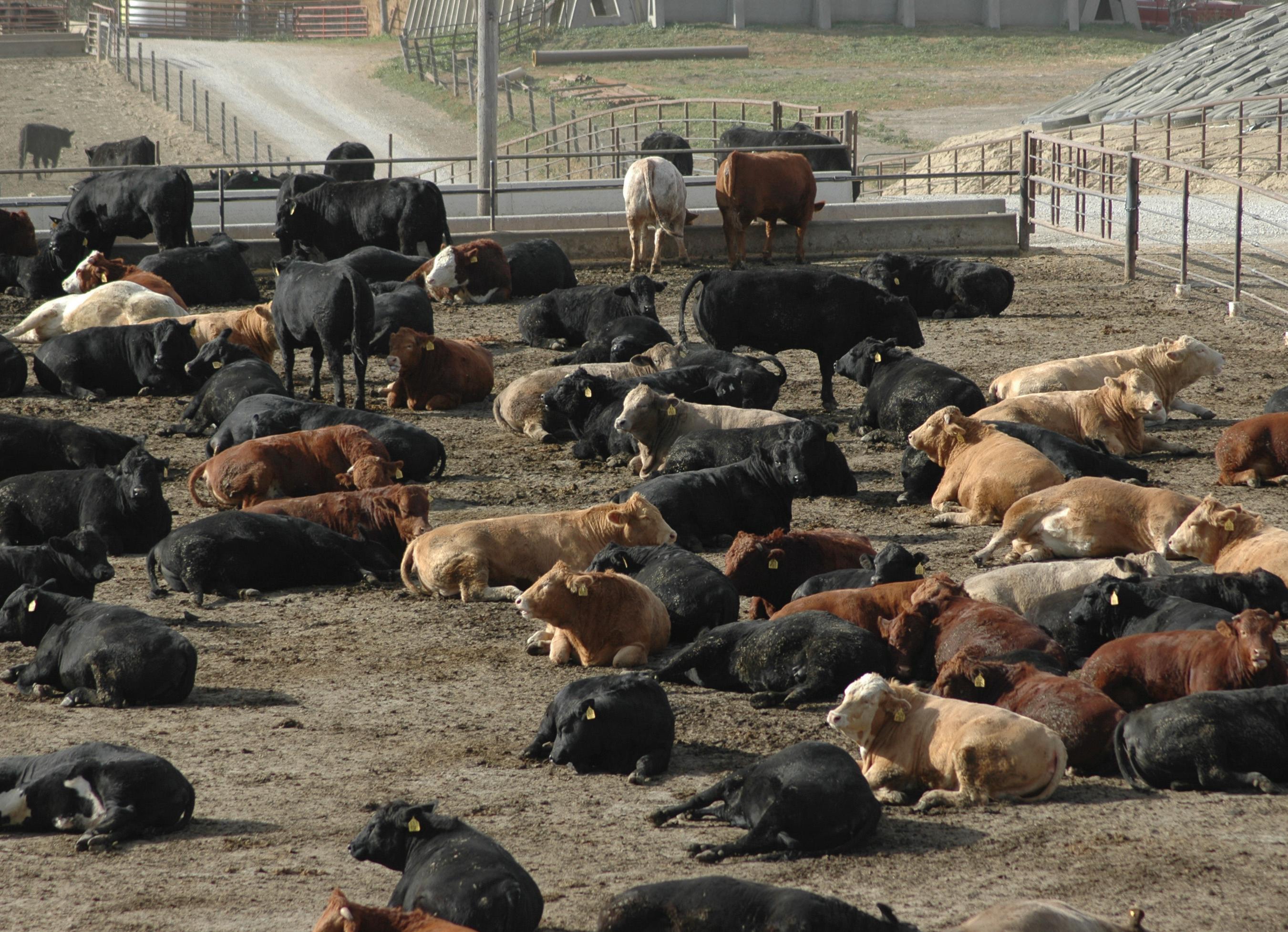
Researchers with Colorado State University’s College of Agriculture have been awarded $1.15 million to study nitrogen and ammonia emissions related to cattle feedlots in Colorado and the High Plains.
Working with scientists at the University of Washington, another project being led by Ham, recently funded through an EPA STAR grant, seeks to improve onsite monitoring and reporting of emissions through the development of new tools for measuring actual ammonia emissions on a seasonal, site-specific basis, and an on-line system producers can use to track emissions and predict the outcomes of different management scenarios.
Ham and his colleagues will work with feedlot operators in Colorado and Kansas to develop in-house tools for measuring emissions, and real-world models of how different factors, including livestock nutrition, waste management, climate, and soils, effect emissions. In addition, these same tools can be used to measure and estimate greenhouse gas emissions; something the livestock industry may be required to do under the EPA’s proposed Mandatory Greenhouse Gas Reporting Rule, currently under review.
In keeping with Colorado State University’s land grant mission of advancing knowledge and serving the needs of the state’s citizens, College of Agriculture professors Ham, Archibeque,
and Davis are collaborating on a project to provide producers with best management practices for reducing ammonia emissions and also see if the adoption of BMP’s changes trends. An NRCS Conservation Innovation Grant, recently awarded to the project team, will support this work.
Best Management Practices, or BMPs, are management and facility practices that can help a producer reduce their environmental impact, while maintaining or improving herd production. Factsheets explaining BMPs for feedlots, dairies, and fertilizer use will be developed by the project team. In addition, an NRCS Technical Manual explaining how to assess ammonia emissions will be produced. Summer field days and winter workshops open to producers throughout the Great Plains will expand the scope of the project.
Working directly with producers, the project team will document implementation of BMPs in real-world settings. Follow-up monitoring and assessments will help determine how effective BMPs are at reducing ammonia emissions and if practices are costeffective to producers.