Cross-ventilated broiler barn’s heating system design chosen for lower operational costs and better humidity control. by Treena Hein
14
PRODUCTION: Management is key to ABF production
Five elements to focus on for better results in antibioticfree birds. by Melanie Epp
18
NUTRITION: Nutrition in RWA production
Considering nutrition needs a must. by Dinesh Kumar, BVSc, MSc, P.Ag.
22
TECHNOLOGY: Boom or bust?
The latest on innovative technologies featured over the last few years. by Treena Hein 26
BIOSECURITY: A culture of biosecurity
Good practices and a thorough preparedness plan are vital to curbing the spread of AI. by Karen Dallimore 30
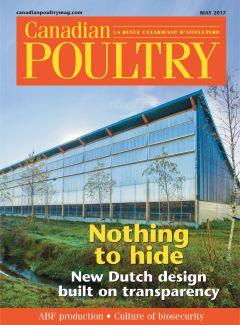
COVER STORY: A group effort
This new Dutch broiler concept addresses the production concerns of farmers, animal rights groups, environmentalists and government. by Melanie Epp
FROM THE EDITOR
BY BRANDI COWEN
Take consumer education back to basics
An oft-repeated call to action –and one frequently taken up here in the pages of Canadian Poultry – urges agriculture professionals to seize opportunities to educate the consumers who expect farmers to keep their kitchens stocked with safe, plentiful and affordable food. However, it turns out educating the average Canadian on the hows and whys of farming may be even more difficult than many of us appreciate.
An online survey conducted on behalf of the Ontario Science Centre in 2016 revealed science literacy is sorely lacking among Canadians. More than 1,500 respondents were asked about their specific knowledge of several science-based topics, including frequent headline-makers such as climate change and genetically modified organisms (GMOs). While 85 per cent of respondents claimed to understand the basic science behind climate change, 40 per cent reported they believe the science is unclear despite broad consensus within the scientific community. With respect to GMOs, 19 per cent of respondents reported their opinions are based on intuition rather than science.
Further evidence of widespread science illiteracy among consumers can be found in a recent Health Canada report, which revealed Canadians have very limited understanding of the science behind GMOs. In fact, the term “GMO” itself is problematic. According to research conducted via focus groups and online surveys, “Consumers believe that genetic modification is a process which does or could include injecting fruits, vegetables, animals and food products with potentially
hazardous materials such as hormones, antibiotics, steroids or other product enhancers which then fundamentally changes the nature and composition of the product.” The report flagged low levels of science literacy, coupled with an “information void” that, so far, has been filled by anti-GMO advocates, as major contributors to this consumer confusion.
These results hold an important lesson for anyone who finds themselves speaking to laymen about agriculture: going back to the basics is a must. Whether the conversation happens in the grocery store checkout line or on the farm during an educational outreach event, the ag industry needs to talk to consumers at their own level. You may often find that level is below where even the consumer perceives it to be. In these cases, helping that consumer learn what they don’t yet know may spark curiosity about the different egg choices available from their local grocery story or the use of antibiotics and hormones in poultry that they’ve read all about on the Internet. That curiosity can serve as a starting point for a meaningful conversation rooted in science and facts.
Identifying a problem is the first step in solving it. While school boards and governments wrestle with ways to address science illiteracy among children, the ag industry will have to develop its own strategies to educate the rest of the population.
And, of course, we ourselves must never stop learning. We hope this issue of Canadian Poultry offers up new information to help you grow your mind as well as your business. n
Occasionally, Canadian Poultry Magazine will mail information on behalf of industry-related groups whose products and services we believe may be of interest to you. If you prefer not to receive this information, please contact our circulation department in any of the four ways listed above.
Lubing Breeder and Pullet Nipples are the Combination for Success!
Pullet Nipple - OptiGROW Pullet Nipples with easy 360 degree triggering start your birds off to success from day one. OptiGROW nipples can be used with or without LitterGuard cups.
Breeder Nipple - Designed specifically and solely for breeders, the high-flow Breeder Nipple is constructed totally from stainless steel to withstand the aggressive behavior of breeder birds.
Contact your local Lubing Distributor for more information on our Proven Breeder Package or visit our website at www.lubingusa.com.
Tel: (403) 337-3767
Fax: (403) 337-3590
Equipments Avipor
Tel: (450) 263.6222 Fax: (450) 263.9021
Meet Alberta’s Outstanding Young Farmers WHAT’S HATCHING HATCHING
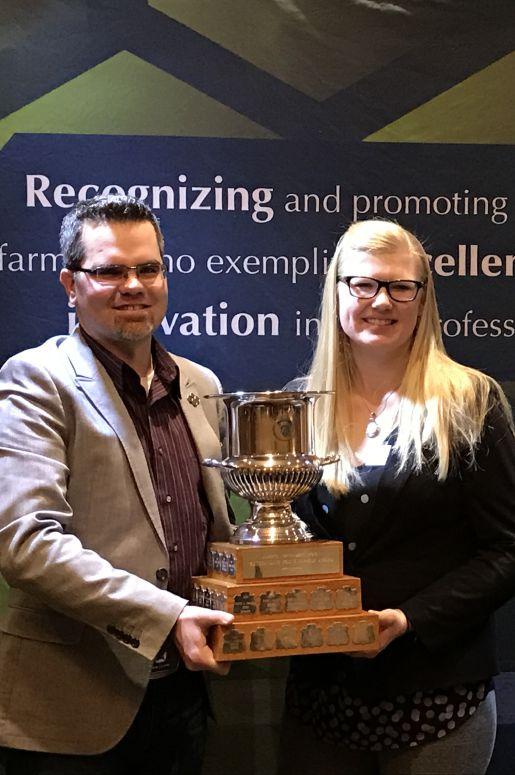
Marc and Hinke Therrien of Redwater, Alta., have been crowned Alberta’s Outstanding Young Farmers for 2017.
The Therriens both started off their agriculture careers in the feed industry. In time, Marc took on a job at a large broiler farm in order to gain hands-on farming experience. In 2012, they were offered the opportunity to run Pine Valley Family Farm, where they managed all of the poultry production.
local county agricultural farm tour and several university student group tours.
“Marc and Hinke Therrien have a personal and business profile that makes them winners. The couple has three young children and operate a most impressive turkey farm,” said Carl Marquis, first vice-president of Canada’s Outstanding Young Farmers, in a press release.
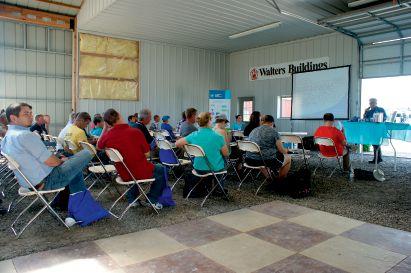
Marquis was one of more than 50 people who gathered to honour the Therriens at the Pomeroy Inn & Suites in Olds, Alta., on Feb. 10.
Young Farmers program is an annual competition to recognize farmers that exemplify excellence in their profession and promote the tremendous contributions of agriculture.
Marc and Hinke Therrien are Alberta’s Outstanding Young Farmers for 2017.
For the last five years, the Therriens have been able to increase their production every year, starting with 450,000 kilograms in their first year and up to 1.65 million kilograms in 2015. In addition to all of their hard work on the farm, they have become involved in their local community by hosting a
“It was inspiring to see such a passionate group of farmers that are all doing such amazing things for agriculture in Alberta,” said Harvey Walsh, deputy mayor for the Town of Olds, in a press release. “A lot of our history in Olds is rooted in agriculture, so I was excited when OYF reached out to host their event here.”
Canada’s Outstanding
Participants are selected from seven regions across Canada, with two national winners chosen each year. The program is open to people between the ages of 18 and 39 who make the majority of their income from on-farm sources. The program is sponsored by CIBC, John Deere, Bayer, and Agriculture and Agri-Food Canada through Growing Forward 2, a federalprovincial-territorial initiative. The national media sponsor is Annex Business Media, and the program is supported nationally by AdFarm, BDO and Farm Management Canada.
Canada’s Outstanding Young Farmers for 2017 will be chosen at the national event, Nov. 29 to Dec. 3 in Penticton, B.C.
Jefo a Best Managed Company
Jefo was recently designated one of Canada’s Best Managed Companies for the second year in a row.
The 2017 Best Managed program recognizes Canadianowned and managed companies with revenues over $15 million that demonstrate strategy, capability and commitment to achieve sustainable growth.
“I am very proud that Jefo is being re-qualified as one of Canada’s Best Managed
Companies,” said Jean Fontaine, president and founder of Jefo, in a press release.
He added the achievement is particularly significant this year – the company’s 35th.
“Since our modest beginnings, we have been able to carve out an enviable place in a competitive environment. Our originality has attracted the attention of many customers.”
Established in 1993, Canada’s Best Managed Companies is one of the country’s leading business
awards programs recognizing Canadian-owned and managed companies for innovative, world-class business practices.
Applicants are evaluated by an independent judging panel made up of judges from Deloitte, CIBC, Canadian Business, the Smith School of Business, and MacKay CEO Forums.
This year’s winners were honoured at the annual Canada’s Best Managed Companies gala in Toronto on April 19.
CFC program passes third-party audit
Chicken Farmers of Canada’s (CFC) commitment to animal care has been confirmed with an inaugural comprehensive third-party audit. NSF International’s report concluded, “The national animal care program has been implemented effectively and maintained on an ongoing basis. Animal care measures have been consistently applied.”
Under the program, audits
are conducted annually on all Canadian chicken farms. It is a mandatory program with enforcement measures for non-compliance and the program guarantees one national standard for consistency of requirements and recordkeeping on all chicken farms in Canada.
CFC has been administering a national animal care program on all 2,800 broiler chicken farms across Canada since 2009. Since 2016, the
implementation of the program by farmers and the effectiveness of CFC’s audit team are subject to an annual thirdparty audit. NSF performs the audits using Professional Animal Auditor Certification Organization (PAACO) certified auditors to ensure effective and consistent implementation of the program.
Audits were conducted in all provinces and over 90 per cent of CFC’s on-farm auditors were evaluated.
COMING EVENTS
MAY 2017
May 17, 2017
Western Meeting of Poultry Clinicians and Pathologists
Ramada Plaza and Convention Centre, Abbotsford, B.C. For more, visit westvet.com.
May 18, 2017
B.C. Poultry Symposium
Quality Hotel and Conference Centre, Abbotsford, B.C. For more information, visit bcpoultrysymposium.com.
JUNE 2017
June 5-7, 2017
Canadian Meat Council 97th Annual Conference
The Westin Ottawa, Ottawa. For more, visit cmc-cvc.com/en/events/ canadian-meat-councils97th-annual-conference.
NOVEMBER 2017
Nov. 7-8, 2017
Poultry Innovations Conference and Banquet Double Tree Hotel, London, Ont. For more, visit poultryindustrycouncil.ca/education-extension-events/ innovations-conference.
A&W Food Services of Canada Inc. recently announced a commitment to higher animal welfare standards for farm-raised broiler chickens.
These changes are based on the company’s philosophy of continuous improvement and ongoing evaluation of the
humane treatment of animals.
New requirements include: enriched environments that ensure a minimum of six hours of darkness in the barn so chickens can rest better at night; barn density levels that meet or exceed the standard set out in the Global Animal Partnership Step Level 2; and complete conversion to controlled atmosphere stunning for humane euthanasia by no
later than the end of 2022.
A&W is the only fast food restaurant in Canada that serves chicken raised without the use of antibiotics and fed a grain-based diet without animal byproducts.
Raising chickens without antibiotics means all of A&W’s farmers have to employ the very best practices in managing every aspect of care for their birds.
We welcome additions to our Coming Events section. To ensure publication at least one month prior to the event, please send your event information eight to 12 weeks in advance to: Canadian Poultry, Annex Business Media, P.O. Box 530, 105 Donly Dr. S., Simcoe, ON N3Y 4N5; email bruffell@annexweb.com, or fax 519-429-3094. Please write “Event Submission” in the subject line.
HATCHING HATCHING
Cobb shares research with CP Group
Cobb senior leaders visited Charoen Pokphand in Indonesia, Thailand and China to introduce the company’s latest research and development to the CP Group. CP is a Thai conglomerate company located in Bangkok. It is Thailand’s largest private company and is one of world’s largest conglomerates. It consists of three core businesses in agribusiness and food, retail and distribution, and the telecommunications sector, with investments in more than 20 countries. The CP Group employs more than 500,000 people through its subsidiaries, with offices and factories worldwide.
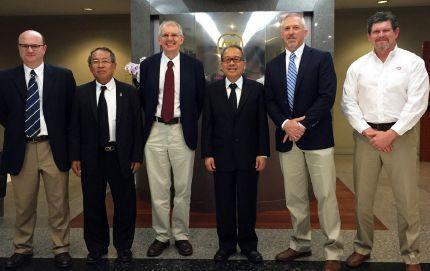
The Cobb group was led by Joel Sappenfield, president, Roy Mutimer, vice-president of Asia-Pacific and EMEA regions, Dr. Mitch Abrahamsen, senior vice-president of research and development, Pelayo Casanovas, general manager of Asia-Pacific, and Dr. Steve Bolden, director of the world technical support team.
“Year over year, we have delivered to our customers an improvement of 0.02 to 0.025 FCR and 45 to 50 grams increase in weight gain on a 42-dayold broiler,” Abrahamsen said in a press release.
“However, as a direct result of continual investment in our research and development program, growth rate and FCR improvements are expected to accelerate even more with our 2017 parent stock.”
In Indonesia, the Cobb group met with 15 members of the CP leadership team. In China, the Cobb group met 25 CP top-level executives and managers. During the meeting, Abrahamsen spoke about the new technologies Cobb is utilizing to optimize genetic development, while Bolden discussed the new recommendations for grandparent and parent stock nutrition.
Poultry Industry Council: CELEBRATING 20 YEARS OF SERVICE TO THE INDUSTRY
What are the most significant changes you’ve seen during the past 20 years?
“An important scientific breakthrough was the publishing of a physical map of the chicken genome in 2004. This has already impacted the industry and will continue to do so immensely in the upcoming years. Genetic progress has been highly significant and is often overlooked.
“Animal welfare now has a significant impact on production of meat and eggs. In the area of nutrition, there have been a wide range of improvements in precision of feeding. Use of the enzyme phytase in virtually all poultry diets is an important example. Disease management is another area where there have been a wide range of advances. What stands out in my mind is the degree of sophistication in areas such as diagnosis and vaccination. Vaccination is now taken for granted.”
Henry Classen, NSERC industrial research chair in poultry nutrition, University of Saskatchewan
What do you see ahead for the poultry industry?
“Reduced reliance on antibiotics and a variety of approaches to sustain high levels of production and bird health. I predict we will learn a great deal in the next 20 years about digestive microbiota and its interaction with diet and the host bird. We will be able to formulate feed additives with much more precision.
“We’ll also see application of more sophisticated knowledge of the avian genome and epigenetic effects in poultry – continued genetic improvement, but with different goals. Achieving maximum growth may become less of a target for the industry as a whole. Sexing embryos is already on the horizon. There will also be changes in hatchery management as we better understand how various factors impact embryonic development.”
Production
A North American first
Cross-ventilated broiler barn’s heating system design chosen for lower operational costs and better humidity control.
BY TREENA HEIN
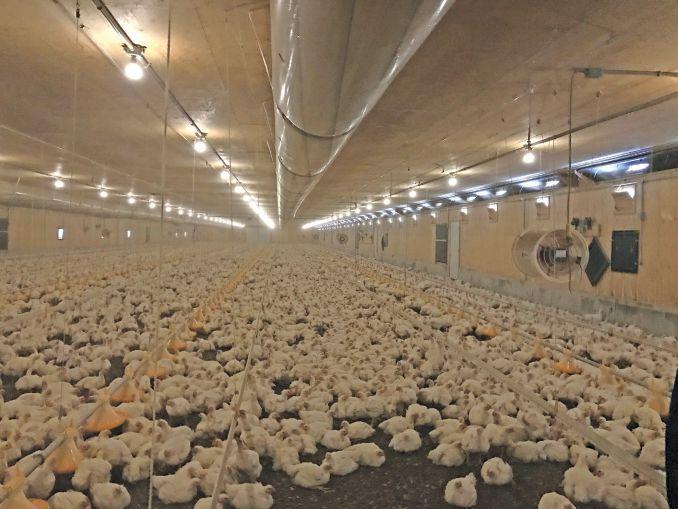
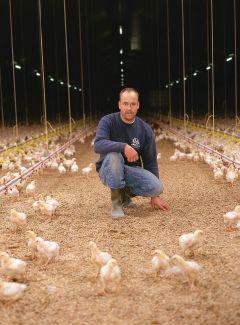
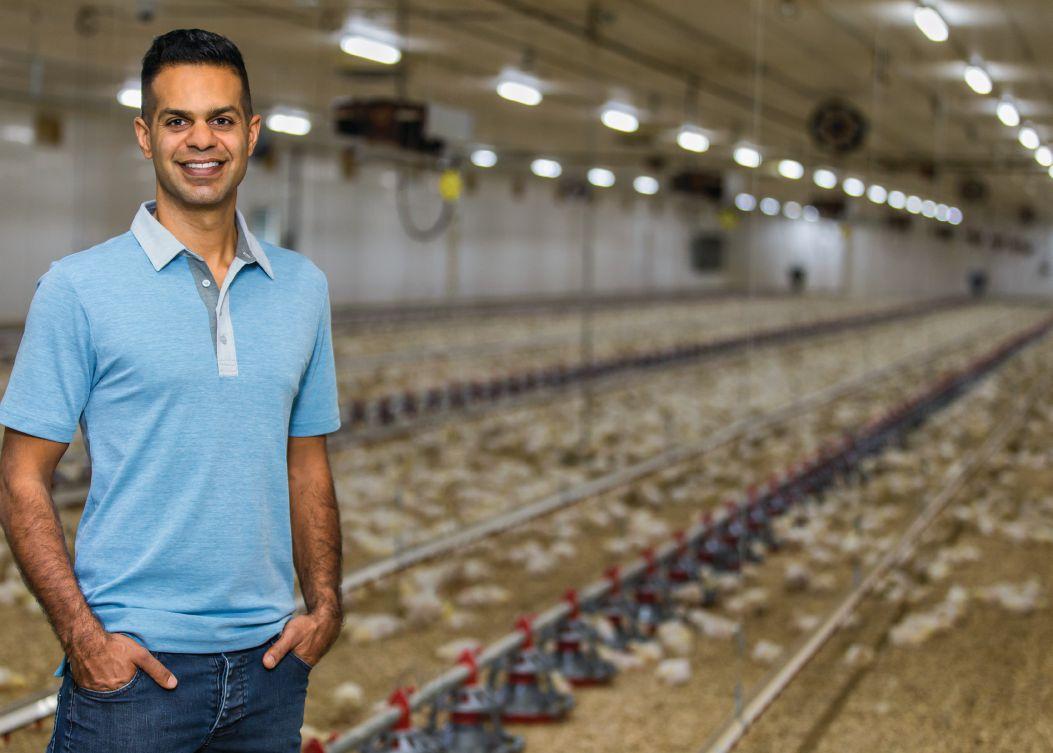
In January, new broiler producer Brent Pryce welcomed more than 20,000 birds (14,000 quota) into his brand new barn in Walton, Ont.
“I grew up on a farm, with my grandfather starting with dairy and then cash crops and some pork and beef, and always wanted to get into farming,” Pryce says. “I worked towards this through starting up a few different businesses like road dust control, a rental business, vehicle undercoating, and then decided last summer to take the plunge to buy quota and build a barn.”
Construction started in September 2016 and finished in December 2016.
“Our sons, Russell and Clinton, are the reason Catherine and I did it, so that they can have a future in farming if they want it,” Pryce adds. “We’re starting with the goal of producing 2.2 kilogram birds, with four kilograms as the ultimate goal.”
Pryce chose a cross-ventilation barn design with a heating system that’s brand new to North America – one he’s seen working well in other barns he’s visited. Pryce also believes it will help save on heating bills and electricity, which is quite costly in Ontario, and provide excellent humidity control.
Weeden Environments was a main contractor for the project. Nathan Conley, the firm’s manager for Ontario and the northern United States, says the crossventilation design offers a lower building
A LOOK INSIDE
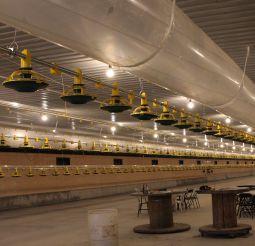
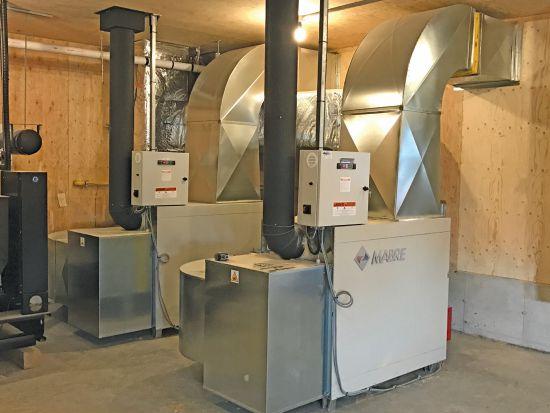
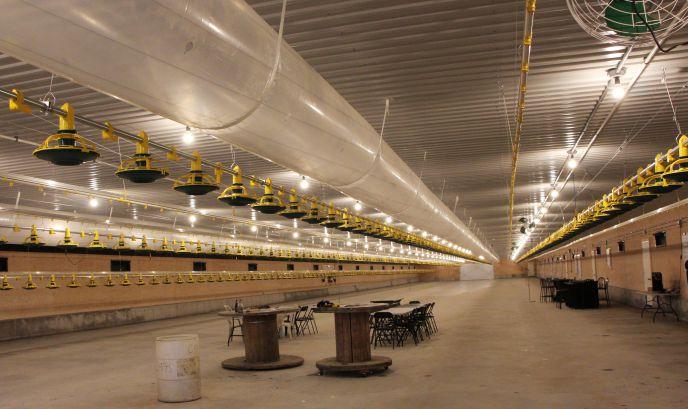
Above: The barn includes Val-Co drinkers, a Weeden sprinkler system and Mabre heating tubes. Right: The furnace for the new barn, supplied by Mabre.
cost than longer and narrower tunnel barns. “Many of Brent’s neighbours and friends are very happy with their crossventilated buildings,” he says. “We recommended that two sides have modular side wall air inlets for consistent control over incoming air during minimum ventilation. The air from both sides travels up and along the ceiling [the warmest part of the barn] and therefore it’s conditioned before it reaches the birds and the litter. We then use stir fans to produce consistent temperatures throughout.”
Conley says when warmer weather arrives, a continuous double baffle inlet on one side of the barn will be employed; this set-up creates the same amount of wind chill over the birds as continuous
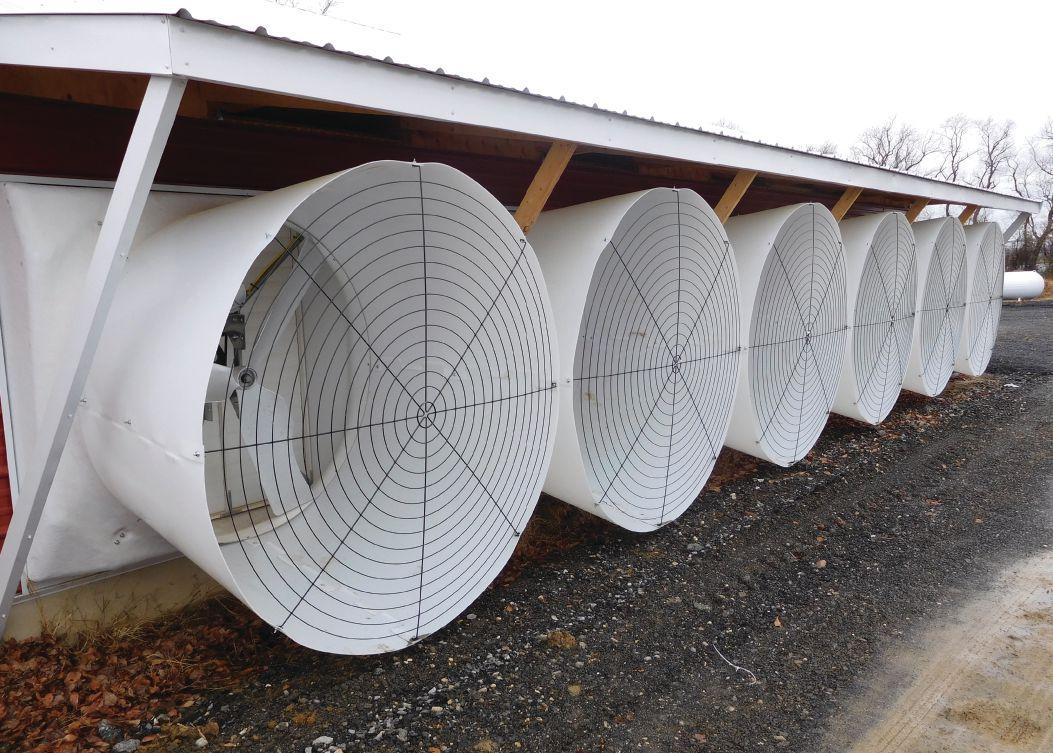
baffle on both sides of the barn. Val-Co HyperMax exhaust fans were chosen for the barn, which Conley says are highperforming and very energy efficient.
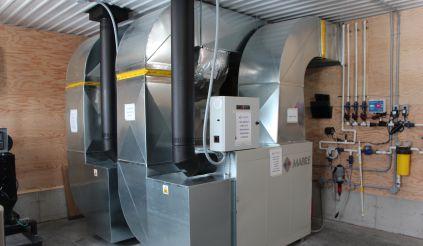
A first in North America, the barn’s forced air propane heating and humidity control system is provided by Mabre. Mike Neutel, CEO of Neu Air Systems in Woodstock, Ont., says the systems are used all over the world. The set-up includes two 600,000 Btu Mabre propane furnaces with Reillo burners.
“In poultry barns, typical heating systems are tube heaters and box forced air heaters,” Neutel says. “Some growers have these heaters vented to the outdoors and some vent the products of combustion in the barn.”
He notes the contaminants contained in this air are very harmful to birds, and the exhaust also contains tons of moisture – 0.82 litres of water for every litre of liquid propane burned, and 0.65 litres of water for every litre of liquid natural gas.
Mabre heating systems exit exhaust through chimneys while maintaining a
Production
high efficiency of 92 per cent, Neutel notes, while the forced air blowers provide excellent air circulation, which is key in maintaining proper humidity levels. A very even temperature, often within a degree throughout the entire barn, is achieved, but no draft is created. Return air going back to the furnace incorporates
fresh outside air through a louver, while heating and mixing this air through an exchanger.
All of this, Neutel says, was important to Pryce. “[He] also commented during his decision process that the low ammonia levels will make it a safe environment for his children to manage the barn when they get older without having to worry about farmer lung,” Neutel adds. Mabre systems maintain humidity between 50 and 60 per cent, even with outside humidity levels of 90 per cent, which Neutel says keeps ammonia levels very low.
Mabre is available with natural gas, propane, wood pellet and wood chip options. More than 200 wood pellet systems have been installed in Quebec poultry barns.
In terms of how popular the crossventilation systems will become, Conley notes that in Ontario, producers are moving away from two and three-story barns for easier cleaning and to incorporate modular loading systems. “In the U.S., longer tunnel-ventilated barns are the norm, because the barns are larger and the temperatures higher,” he explains. “With this design – used there and around the world – the barn operates the same as a cross-ventilated barn, where air is brought in via sidewall inlets and exhausted out the sidewalls, but when hotter weather arrives, we gradually transition into tunnel to generate air speed down the length of the barn to create wind chill over the birds to cool them. I think that you’ll begin to see a trend of tunnelventilated buildings popping up over the next few years as we continue to see hotter, longer summers and the need to control heat stress becomes greater.”
In late January, Pryce reported in on barn performance and his first flock, which had arrived three weeks prior. “So far, I’m really happy with the heat unit and the environment in there is great. Right now is when you see things start to slide a bit, but it’s the same as the first few days the chickens came in. Usually you don’t really take young kids in a barn, but I’m pretty comfortable with taking my young kids in. The carbon dioxide and humidity levels are bang on.” n
CFC Announces Executive Committee 2017
Chicken Farmers of Canada is proud to announce the election of the 2017 Executive Committee. The elections followed the annual general meeting and the 15-member Board of Directors, made up of farmers and other stakeholders from the chicken industry, has chosen the following representatives:
Derek Janzen, 1st Vice-Chair (Aldergrove, British Columbia)
Nick de Graaf, 2nd Vice-Chair (Port Williams, Nova Scotia)
Tim Klompmaker, Executive Member (Norwood, Ontario)
The Board looks forward to continuing its work together, ensuring that Canada’s chicken industry continues to deliver on consumer expectations for excellence. With an eye to the future, Chicken Farmers of Canada will work with all its partners, ensuring clear, common goals for the future, and setting a solid path and purpose for all stakeholders, and for generations of chicken farmers to come.
Canadians want Canadian chicken, so we deliver fresh, locally-raised food, just the way they like it. Our farmers are a stabilizing force in rural Canada, where they can – and do – reinvest with confidence in their communities, but their contribution is much wider.
CFC introduced its “Raised by a Canadian Farmer” brand in 2013 to showcase the commitment of farmers to provide families with nutritious chicken raised to the highest standards of care, quality and freshness.
People care deeply about their food, about knowing where it comes from and that what they’re serving to their family and friends is of the highest quality; our farmers and their families are no different. So when we say that the Canadian chicken industry is good for Canadians, it’s because we know that we’re raising our chickens to the highest standards: yours.
Benoît Fontaine, Chair
Production Management is key to ABF production
Five elements to focus on for better results in antibiotic-free birds.
BY MELANIE EPP
In November 2016, poultry producers from around the world gathered to hear Erik Helmink, marketing director at HatchTech, share his expertise on antibiotic-free poultry production at EuroTier, the world’s largest livestock production trade fair. Antibioticfree (ABF) production is a hot topic right now – one with which many producers are grappling. And so they hunkered down, expecting a long and complicated talk full of specific instructions and stacks of statistics. To their surprise, though, Helmink didn’t unveil the silver bullet. Instead, he highlighted what most producers already know: the basics – temperature, light, stress, nutrition and water.
TEMPERATURE
Uniform temperature, Helmink said, is key to embryo production. To ensure every egg is treated exactly the same way, HatchTech uses a unique airflow system, MicroClimer, and laminar airflow technology. According to Helmink, every embryo in the incubator is kept at the optimal temperature, which makes for outstanding development. In big machines where there are 100,000 eggs in one unit, he said each egg has to be handled individually to ensure the embryo develops in a proper way.
“The better the embryo develops, the better the chicken is after them,” he said.
LIGHT
Light is an important issue in the development of a chicken. In their extensive research, poultry experts at HatchTech
When it comes to feeding, there’s no “one-size fits all” answer for producing antibiotic-free birds.
found light is an important factor in healthy bone development. Light also helps the young chicks find food and water, which is absolutely necessary for strong development early on.
STRESS
Stress is a risk for development of subclinical disease, so ensuring the birds are raised in a stress-free environment is a key factor in raising ABF poultry. One way of minimizing stress is ensuring access to food and water at all times. It takes a chick about 25 hours to hatch, Helmink said. After it has hatched, it’s time for recovery. First comes the cleaning of the feathers, then it’s time to find food and water.
“We separate the chick in the basket –calm and relaxed – where it can dry up,” Helmink explained. “The provision of this stress-free environment helps with the development of the animal.”
“We see that the availability of water and feed reduces stress for the animals,
and we also see that the birds stay in the place where they were born, thereby reducing travelling throughout the hatchery.”
WATER
In the 24 hours following hatching, a broiler will lose about six per cent of its body weight, even when conditions are perfect, Helmink explained. But getting and keeping birds hydrated is difficult, especially given the environment they’re born into. The hatchery is, after all, the perfect environment for hatching eggs.
“For chicks, it’s a compromise,” he said. “At the moment they are able to give the bird water – at the moment that they come out of the egg – you see that we can find the dehydration problem.”
According to experts from Alltech Canada, not just any water will do, though. In a recent interview, Kayla Price said water pH is an important factor to consider, especially since good bacteria
NO SILVER BULLET
generally like a more acidic pH. Bad bacteria, like Clostridium perfringens, E. coli and Salmonella prefer a more basic pH. Price suggests a pH between 5.0 and 6.5 and recommends using an acidifier.
“The type of acidifier becomes very important too,” added her colleague, Ted Sefton, director of poultry at Alltech Canada. He suggests an acidifier based on organic acids. Organic acid is more stable than inorganic acid, which means it will make it to the hindgut where the bad bacteria generally live.
FEED
Unfortunately, there’s no silver bullet approach for producing ABF birds. Doing so requires a combination approach that includes all of the above, as well as good nutrition. Timing is also crucial. In his talk, Helmink noted the importance of feeding immediately post-hatch.
“Although the yolk sack acts as feed and is basically the raw material needed to build body tissue, we see at the moment that we give them feed, better development of the intestine [is enabled], and because of that development of the intestine, feed conversion improves,” Helmink explained. “We also see better development of the bursa, which is the immune organ, so we see the creation of more robust chickens.”
After ingesting food and water, the birds will weigh 12 to 15 per cent more than when they first emerged.
While timing is important, quality is also essential. Price and Sefton recommended using top quality ingredients, especially in the pre-starter and starter feed. It’s also important to make sure the feed is free from harmful contaminants and mycotoxins.
Often “raised without antibiotics” production goes hand-in-hand with animal by-product-free programs, which means birds are likely ingesting more complicated feed, like soy. If it’s not presented in the right way, protein can be difficult to digest, Price explained. She suggested adding enzymes to the more complicated feeds in order to help release nutrients.
Quality pre-starter and starter feed can be expensive, but Price and Sefton think
Production
they’re necessary in order to set the bird up for success. “You don’t want to ignore the grower and finisher period near the end,” Price said. “But make sure you put a strong importance on that beginning.”
“In terms of cost, the pre-starter and starter diet may be your high-end cost
in terms of the ingredients that you put into the diet, but it is only eaten for a short amount of time,” she added. “And it’s a relatively small amount because the birds are small. Putting this high investment in at the beginning can be a very important long-term investment throughout the entire life of the bird.” n
DRY FLOORS PROMOTE BIRD WELFARE AND REDUCE RELIANCE ON ANTIBIOTICS
Enhancing bird welfare and eliminating non-therapeutic use of antibiotics is a world-wide trend and poultry producers are discovering that one of the most effective ways to achieve this goal is by maintaining dry litter conditions. Central to this goal is effectively managing nipple type watering systems in a manner that discharges sufficient water to stimulate bird growth, but not over-supply water which creates wet litter. Wet litter can become a breeding ground for disease and ammonia release resulting in pododermatitis and a host of other bird welfare and health issues.
Understanding enclosed watering system concepts and applying them when managing watering systems is essential for maintaining drier litter conditions year round.
Best practices and guidelines available for enclosed watering systems are available through poultrywatering.com, a reference and resource site for all things related to poultry watering.
CPRC Update
A novel necrotic enteritis vaccine strategy
Increased pressure on the poultry industry to produce antibiotic-free chickens remains a challenge, as rearing birds without antibiotics results in an increased risk of pathogen contamination. The Canadian poultry industry is faced with an increased risk in the development of necrotic enteritis, known to be caused by Clostridium perfringens bacterium.
Dr. Martine Boulianne, poultry research chair with the University of Montreal’s Faculty of Veterinary Medicine, conducted a large-scale commercial study in which the incidence of development of necrotic enteritis was monitored in broiler flocks raised without antibiotics. This study demonstrated 25 per cent of antibiotic-free flocks experience necrotic enteritis outbreaks, while 50 per cent of the flocks experienced various levels of sub-clinical enteritis and 25 per cent of the flocks were classified as clinically healthy. This is not only a bird health and welfare concern, but also an economic concern for the industry as it reduces antibiotic use. This on-farm broiler trial showed cost increased 10 cents per kilogram of chicken produced for antibiotic-free birds compared to conventionally raised chickens.
A Clostridium perfringens culture collection, covering a full spectrum of chicken intestinal health from healthy birds to those infected with necrotic enteritis, will be used in Boulianne’s research project, with the aim of developing a novel necrotic enteritis vaccine strategy.
THE APPROACH
The pathogenicity and genetic characteristics of Clostridium perfringens able to cause necrotic enteritis are unknown.
Recent evidence suggests attachment of the bacteria could play an important role in the development of necrotic enteritis. Virulence factors conferring them a competitive advantage in the presence of other predisposing factors have recently been discovered. Capacity to attach to some intestinal mucosal cells’ molecules following coccidial damage has been demonstrated in some Clostridium perfringens isolates.
Boulianne and her research team have developed a unique method to compare the virulence of both commensal and pathogenic Clostridium perfringens strains using a surgical model. Additionally, recent observations from her laboratory suggest intestinal mucosa attachment by the bacteria could play a role in the pathogenesis of necrotic enteritis. A specific hair-like appendage found on the surface of bacteria plays a predominant role in the attachment by bacteria found within the Clostridium perfringens genetic code. Thus, the research approach will be to compare the organization of genes encoding for this pilus in both commensal and virulent strains to evaluate the role of bacterial attachment mediated through this specific hair-like appendage.
Post-doctoral students Dr. Marie-Lou Gaucher and Dr. Audrey Charlebois are working on the project in collaboration with Dr. Marie Archambault and Dr. John Prescott.
FINDINGS AND OUTCOMES
The researchers have identified and localized regions encoding for type IV pilus using bioinformatics and molecular biology techniques. Researchers are currently
conducting tests of the genetic variability within the regions from commensal and virulent strains to establish a “profile pilus” specific to each strain. The role of these different regions encoding the pilus in the attachment of the bacterium to intestinal cells will be evaluated to understand the role of the pilus in strains causing necrotic enteritis. The researchers plan to further the experiments in order to better understand the pathogenic mechanisms underlying necrotic enteritis. Such understanding will improve the development of better control methods. The planned outcome of this research group is to develop a novel vaccine strategy against necrotic enteritis.
This research is funded by the Canadian Poultry Research Council (CPRC), Mitacs, Quebec Poultry Associations and the University of Montreal.
CPRC, its board of directors and its member organizations are committed to supporting and enhancing Canada’s poultry sector through research and related activities. For more details on these or any other CPRC activities, please contact The Canadian Poultry Research Council, 350 Sparks Street, Suite 1007, Ottawa, Ontario, K1R 7S8, phone: (613) 566-5916, fax: (613) 241-5999, email: info@cp-rc.ca, or visit www.cp-rc.ca.
The membership of the CPRC consists of Chicken Farmers of Canada, Canadian Hatching Egg Producers, Turkey Farmers of Canada, Egg Farmers of Canada and the Canadian Poultry and Egg Processors’ Council. CPRC’s mission is to address its members’ needs through dynamic leadership in the creation and implementation of programs for poultry research in Canada, which may also include societal concerns. n
Poultry production has been using antimicrobial agents, and more specifically, antibiotics, globally for many decades. Let’s not get confused with the terms antimicrobials and antibiotics. All antibiotics are antimicrobials but not all antimicrobials are antibiotics. Antibiotics are largely used to improve animal performance by minimizing the inflammation caused by bacterial and protozoal infections (Escherichia, Salmonella, and Coccidia, etc.) and are also called growth promoters.
In a natural environment, microbes compete with each other for survival. They not only produce antibiotics to kill other bacteria, but also genetically mutate to protect themselves from the antibiotics produced by other bacteria. That means the presence of an antibacterial resistance (AMR) gene in microbes is ancient and is not a new development. Surely, though, through inappropriate use of antibiotics in animal production and in human medicine, we have disturbed the balance in the microbiological environment and have triggered the AMR gene in various bacteria. Superbugs – microbes with potent AMR activity – have emerged and put human health at risk.
Recently, many global food and restaurant chains have opted to use animal products raised without antibiotics (RWA).
WHY ARE ANTIBIOTICS NEEDED FOR POULTRY?
In intensive poultry farming, the birds undergo tremendous amounts of stress. The stress results in elevated blood levels of the hormone cortisol, which subsequently supresses the bird’s feed intake and growth. Stress also compromises a bird’s immune system, making it susceptible to infectious diseases. The triggered immunological processes utilize nutrients like energy and protein to fight the infection. When a bird is under stress and reducing its feed intake, these nutrients are not sufficiently available to the bird, resulting in reduced performance.
THE ROLE OF NUTRITION IN RWA PRODUCTION
Poultry nutrition has an important role to play in RWA production. The feed ingredients used in RWA diets should be of good quality and also be highly digestible. The protein level
SEARCHING FOR ANSWERS
Research has yet to establish which combination of alternative growth promoters works best. Local management and environmental factors can easily influence the effectiveness of AGP combinations.
should be carefully adjusted in the diets so the undigested or unabsorbed protein does not end up in caeca. In caeca, bad bacteria can utilize the undigested nutrients to thrive in the gut. Nutrition in RWA production should be optimized to improve a bird’s gut health and the local immune system.
Several feed supplements, known as alternative growth promoters (AGP), have been incorporated to replace antibiotics. Some of these are outlined below.
• Short-chain fatty acids (SCFA): The SCFA is a good source of energy for cell proliferation of the gut lining. Gut lining acts as the first line of defence against pathogen entry. The SCFA also lower the gut pH, which is not favourable for growth of pathogens. Butyric acid is an example of an SCFA.
• Direct-fed antimicrobials (DFM): Probiotics are DFM that can support gut-friendly microflora and help reduce pathogenic bacterial populations by way of exclusion. Examples include the Lactobacillus and Bifidobacterium species.
• Prebiotics: Prebiotics are products that assist in the proliferation of probiotics and gut-friendly microbes. Examples include yeast-based products and oligosaccharides.
• Feed acidifiers: Organic acids can be added to feed to acidify the feed pH and help control pathogen multiplication in the gut. Examples include citric and formic acids.
• Enzymes: Enzymes help in amplifying the digestibility of feed
Nutrition
ingredients and reducing stress on the birds to handle non-nutritive factors of the ingredients. The enzymes also help in reducing the amount of undigested nutrients ending up in the lower gut. Phytases, xylanase, and proteases are all examples of enzymes.
Attitudes Are Changing
It should come as no surprise that the Millennial Generation—who raised sharing photos of their meals to an art form—actually cares deeply about what they are eating.
The most progressive retailers have already responded to consumer demand for high-quality, humanely raised poultry.
This isn’t just a fad—it’s a trend.
For over 40 years, Hubbard has been The dominant player in the Premium breeds markets in Europe & the rest of the world. And we are poised to help YOU capture your share of the largest generation in US history.
• Essential oils: Essential oils improve digestive secretions, exhibit anti-oxidative and antibacterial properties and may stimulate immune response. Examples include oregano oil and thymol.
• Functional fibres: Functional fibres are the soluble component of dietary crude fibre contents, which can be made available for fermentation and utilization by the good microbes in the lower gut for a prebiotic effect. Oligosaccharides are one example of this.
• Mycotoxin binders: Mycotoxins present in poultry feed ingredients may trigger an immune response resulting in inflammation, reduced feed intake and liver damage. Proper testing of feed ingredients should be performed; if in doubt, mycotoxin binders can be added to the feed. Research has yet to establish which combination of AGPs works best. Local management and environmental factors can easily influence the effectiveness of AGP combinations.
CHICK QUALITY AND MANAGEMENT
In addition to optimizing nutrition, chick or poultry quality at the genetic and hatchery levels is also critically important.
The management practices at the producer level must provide ideal barn conditions in terms of hygiene, water and air quality, etc. Water acidification can be applied to lower the pH of the water to control pathogens. Bird stocking density can be lowered to reduce stress. Farm biosecurity should be tight and frequent barn visits are required to detect any early health challenges.
In a nutshell, poultry production without antibiotics requires a multidimensional approach. For RWA production, chick quality, nutrition, and management are the critical areas to be considered for improvement. n
Technology Boom or bust?
The latest on innovative technologies featured over the last few years.
BY TREENA HEIN
When Canadian Poultry introduces new technologies for the farm, we often leave readers wondering “where are they now?” months or years later. Well, wonder no more. We’ve tracked several seemingly groundbreaking innovations and now we’re bringing you updates on how those innovations have panned out since we first presented them in our pages.
THE CRACKLESSEGG
When the CracklessEgg broke onto the Canadian poultry scene in 2003, it was sorely needed. Before its invention, a way to easily and immediately measure impact jarring of eggs in order to minimize cracking was just a dream.
The CracklessEgg was invented by a young farmer from Prince Edward Island who first created a potato version (the SmartSpud) to reduce bruising during harvest and handling. The CracklessEgg mimics a real egg in shape, size and weight as it travels from the chicken to packing tray and beyond. While travelling along conveyor belts and elevators alongside real eggs, the CracklessEgg wirelessly transmits real-time data on the level of impact, velocity, temperature and more, allowing immediate adjustments to handling equipment – and immediate savings.
The CracklessEgg’s inventor founded Sensor Wireless, which was sold to Moncton, N.B.-based Masitek in 2010. In 2016, Masitek created two divisions: aaggrrii (for agricultural products such as the CracklessEgg and SmartSpud) and MMAAZZ (for beverage and other package handling applications).
CracklessEgg sales grew about 87 per cent from 2014 to 2016, with 20 per cent of sales currently going to the United States and the other 80 per cent going to other countries. Marketing director Teri Maltais says smaller farms do buy the system, but the majority of sales worldwide are to large farms and processors.
Last year all Masitek devices received an overhaul, with new sensor technology and an improved client web portal and app interface. The systems now offer double the impact sampling rate and battery life, better calculation of device velocity and bluetooth capability. For more, visit aaggrrii.com.
HUMANE BIOSECURE TRANSPORT CARRIER
There are significant biosecurity and animal welfare concerns
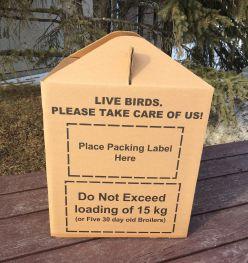
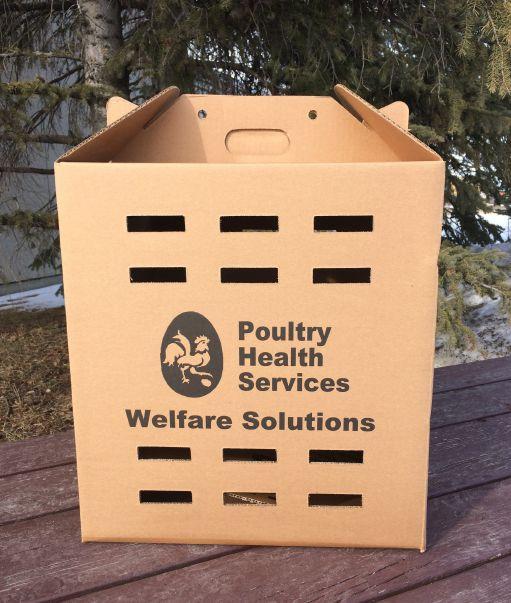
The Humane Biosecure Transport Carrier, developed by the Institute for Applied Poultry Technologies with support from Poultry Health Services, can transport one or several young chickens or turkeys, totalling 15 kilograms.
when an individual bird must be transported from a farm to a lab, where samples are taken or a post-mortem is conducted. It’s a potential disease risk to use the same container over and over, and containers can also be too small and have inadequate air flow. For these reasons, in 2014 Poultry Health Services (PHS, an agency contracted to deliver veterinary services in Alberta) supported the Institute for Applied Poultry Technologies’ efforts to develop and manufacture an adequate live poultry transport carrier – now known as the Humane Biosecure Transport Carrier (HBTC).
PHS presented a prototype for feedback and subsequently added modifications such as waterproofing. The box can transport one or several young chickens or turkeys, totalling 15 kilograms.
Lorrie Kadylo, a technician at PHS, says that initially, “As an approach to promote and introduce the boxes to the industry, we offered them free of charge. They were distributed to Alberta,
LIVE POULTRY
TRANSPORT CARRIER
Saskatchewan and Manitoba.” PHS is now ordering more HBTCs for distribution and hopes to keep the cost between $15.00 and $20.00. For more, visit poultryhealth.ca.
HOLOS
Holos is a free, bilingual, whole-farm software program first tested in 2008 by Dr.
Technology
Henry Janzen, a soil scientist at Agriculture and Agri-Food Canada (AAFC). It calculates possible ways to reduce greenhouse gas (GHG) emissions by making changes on the farm, but as Janzen explained in a story we published in 2010, “At the same time we are pleased to provide this research-based interactive framework, we
recognize that practices that may reduce GHG emissions on a given farm might also affect productivity, profitability and environmental factors such as water quality and soil quality. We acknowledge that GHG emissions are only one factor among many that farmers consider in deciding which practices to use.”
The program is being continually upgraded. AAFC reports between October 2014 and January 2017, Holos was downloaded 1,064 times; AAFC does not track the type of farmers who download the program, nor any changes farmers may have made to their operations as a result.
Holos version 3 is slated for release this year and will include a cost-revenue submodel that lets users estimate economic effects of management changes affecting GHG emissions. Users will also be able to enter inputs in imperial units. For more, visit agr.gc.ca/holos-ghg.
THE FARM TOOLBOX
In 2010, Costa Aza, a second-generation poultry farmer in West Lincoln, Ont., introduced The Farm Toolbox at the London Poultry Show. He developed the online farm management software for his operation because he wanted help with paperwork, keeping track of profits, complying with various on-farm programs, comparing cycles and so on.
Along the way, the system was purchased by Lyngsoe Systems, a logistics software company out of Maryland. However, The Farm Toolbox remains a tool for Canadian farmers. Lyngsoe has added several new features, including a “benchmark results” tool that lets farmers compare their results to averages achieved by other anonymous users. Farmers can also compare how different feed mills, hatcheries and processors perform on parameters such as weight gain, net profit per chick, feed consumption and survivability. In the daily records section, users can now see how mortality develops and compare mortality between flocks, as well as customize tracking of humidity, water consumption, static pressure and so on.
Potential customers can log in for a demonstration and Lyngsoe Systems says new users can try the system free for three
months. For more, visit thefarmtoolbox.lyngsoesystems.com/tft.jsf.
BE SEEN, BE SAFE AND FARM HEALTH MONITOR
In 2015, we reported on “geo-fencing” biosecurity technology to help stop farm disease outbreaks. “Be Seen, Be Safe” and another web-based system called “Farm Health Monitor” are the brainchildren of Tim Nelson, who long served as executive director at the Poultry Industry Council and is now CEO at Livestock Research Innovation Corporation and Be Seen, Be Safe.
Several years ago, Nelson hired software developers to work with him to create this lightning-fast method to track people and vehicles in a disease outbreak. A farm’s borders are entered in the system (geo-fencing), and then individuals or vehicles visiting the farm are automatically registered on Be Seen, Be Safe through the GPS on a vehicle or a person’s smartphone. Each visitor is welcomed to the farm with a system message, and individual visitor and farm identities are only accessed by authorized personnel in an emergency, when quick tracking of farm visits and establishing quarantine are critical.
In late 2016, a two-year Be Seen, Be Safe project was completed involving every producer of the Egg Farmers of Ontario, the Ontario Broiler Hatching Egg & Chick Commission and the Turkey Farmers of Ontario – totalling almost 900 farms. Things went well and the company continues to develop markets in Canada and abroad.
Nelson and his business partner, Joel Sotomayor, have also developed Farm Health Monitor. Nelson calls it “a true early warning system.” If symptoms or bird deaths are noted on a farm, the farmer or vet can input information into the system, which has mapping, analysis and alert capabilities. It can be used to track serious diseases and manage production-limiting ones.
For more, visit beseenbesafe.ca and farmhealthmonitor.com. n
• Exacon’s brand name since 1987
• Available in sizes 12” to 60”
• White or Black polyethylene flush mount housings
• Designed to meet the rigorous demands of farm/agricultural ventilation
• Energy efficient Multifan, MFlex or North American motors
• Fiberglass housings available in 50” and 60” diameter
TPI WALL AND CEILING INLETS
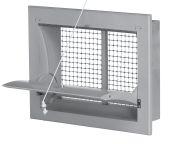
• TPI is a well known manufacturer of high quality polyurethane inlets
• High quality and high insulation value results in precise manufacturing delivering high tolerance for better ventilation control
• Wall inlets, ceiling inlets and tunnel inlets
• TPI wind hoods and wind hoods with built-in light trap also available
PUR AG AIR FILTRATION SYSTEM
• High quality L7 Pathogen barrier filter with pre-filter significantly reduces the chance of air transmitted diseases. (ie bird flu and other influenza viruses)
• Clarcor provides a complete system such as filter housing frame designed for eaves and side air inlets
• This system makes installation of filters easy and practical plus reduces the risk of nonfiltered air from entering the building
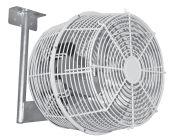
GREENBREEZE BASKET FAN
• Designed for more air flow and consistent pattern
• Precise guard spacing reduces air restriction
• Easy to open front guard allows easy cleaning
• Includes hanging bracket to allow direction adjustment
• Variable speed, efficient motor 115/230v
GENIUS I-TOUCH VENTILATION CONTROL
• The well known and proven Genius control line is now available as a Touchscreen interface
• Navigates like an I-Pad by simply touching, swiping or dragging on a 7” or 10” touch screen
• Available with up to 8 variable stages and between 15 to 30 on/off relays
• A slave is available to expand to 50 on/off relays
• Many options including light control, bird scales, perch scales and bin scales
• Built-in wifi allows easy access to the internet for managing, viewing and recording history on FarmQuest website
LIGHT TRAP/DARK OUT
• High light reduction
• Low resistance to air flow
• Simple Installation
• Easy to clean
• Uses P.V.C. snap release spacers
Biosecurity
A culture of biosecurity
Good biosecurity practices and a thorough preparedness plan are vital to curbing the spread of AI.
BY KAREN DALLIMORE
Kevin Weeden was raised on a turkey farm just outside of New Hamburg, Ont. Back in the ‘60s, he remembers seeing the Hybrid turkey crews arrive and change their boots and clothing. Eventually he became Hybrid’s vicepresident of sales and marketing, a position he held until 1995. And that, he said, gives him confidence when stating Hybrid is the best in the world at biosecurity.
When you go to a Hybrid farm today you will go through Danish entry systems and shower through each and every barn, Weeden explained. But even with that level of biosecurity, they broke with avian influenza (AI) in 2015. Now Weeden, owner of Weeden Environments, a company that supplies barn management consulting and systems across North America, acknowledges AI isn’t going away.
So, what can we do?
“We have to be prepared,” he told the Building Better Biosecurity Communities Forum in Guelph, Ont., hosted by the Be Seen Be Safe biosecurity initiative. “We have to have a culture of biosecurity.”
That doesn’t mean just doing biosecurity for a little while and then getting lax.
In December 2015, AI hit on the west coast of the United States, with isolated cases following through January 2016. By March of that year, the disease had hit the breadbasket of the central U.S., including Minnesota (the leading turkey producing state) and Iowa (the number 1
FARM-LEVEL PLANNING
These barns, meant to house 250,000 heavy tom turkeys, were built beside lakes that attract wild birds – a situation Kevin Weeden called a disaster just waiting to happen.
egg producing state). The outbreak made the cover of Time Magazine in April 2016. It was the largest outbreak in U.S. history, hitting domestic birds at 223 farms in 15 states.
“Clearly it was a big deal,” Weeden said.
During his talk, Weeden took a look back at that devastating AI outbreak. Through his lifelong connections in the turkey industry, he was able to put together something of a biosecurity postmortem of the event.
In Iowa, there was a cold winter followed by a late spring. Wild birds were left migrating at the same time farmers were working the land, in high winds and in extremely dry conditions. As Weeden explained, it was the perfect storm for the spread of AI.
While AI itself isn’t new, a unique conversation came up regarding aerosol
transmission of the disease. One turkey breeder explained he could clearly see that the virus had entered the intake side of his barn, spread by wind.
For an operation downwind of an infected turkey farm, infection was four times more likely, with 50 mile per hour winds resulting in a 15-kilometre spread. Weeden said this idea of a virus travelling with the wind started as a rumour but ended up as a reality.
Time to depopulation was also a huge issue. At the first 40 sites, depopulation took five to 10 days – way too long, as far as Weeden is concerned. In April 2016, in five days alone there were 31 outbreaks within a 100-mile radius. Imagine having to deal with 150 farms all having to be depopulated in one month. At some of the big layer farms in Iowa, depopulation took 22 days – and all the while millions of AI-positive chickens remained ripe to
Biosecurity
spread disease, aided by people and rodents.
One processor representative said, looking back, they’d want to push the government back as far as they could. They noted the government got in the way, as many new people were coming in to new jobs in all kinds of new hierarchies, while the farm just wanted to get the birds put down and get the job done. Of the 1,800 people employed by the United States Department of Agriculture’s Animal and Plant Health Inspection Service (APHIS), 520 were new to the job. Just imagine that circus, Weeden said.
It wasn’t just the birds that were affected; the disease affects the whole community. Imagine you’re the farmer: what would it be like to have the first sick flock, knowing that your flock may infect your neighbours’ flocks? What if your birds didn’t get sick but you were surrounded by neighbours who lost their flocks? Weeden reported 8,500 lost jobs in Iowa alone. To help people in the industry cope, the Iowa Turkey Federation put together a flyer on farm stress and had over 200 people call a hotline for mental, financial, and legal help.
As a director of the Poultry Industry Council for six years, Weeden had been talking about biosecurity for years, but even he found it “shocking how poor we are at it” on all three fronts: individual barn, farm, and regional levels.
Did industry have a foreign animal disease (FAD) plan? “We thought we did but we didn’t,” Weeden said. “We had no idea it would be as bad as it was.”
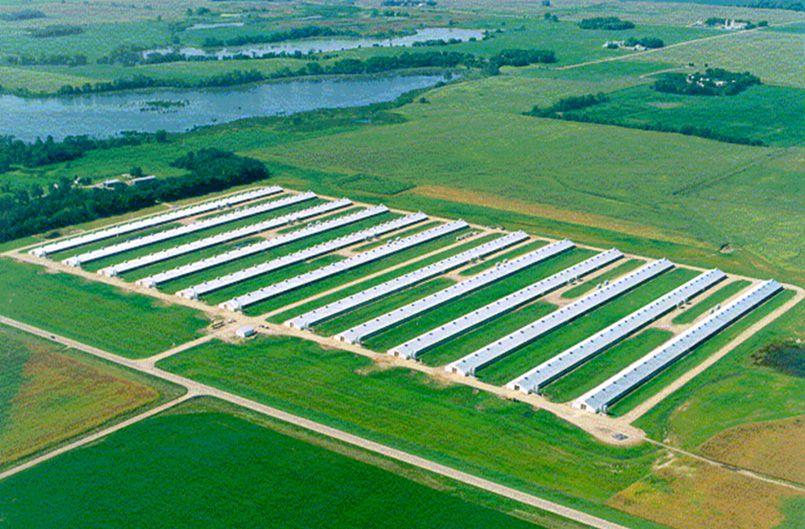
As an example of farm-level planning, he showed a photo of 12 barns located in Minnesota, each measuring 1,200 feet long and 72,000 square feet in total. The operation would house 250,000 heavy tom turkeys at any given time which, at three cycles per year, he added up to be 30 million pounds of turkey per year. The barns were built beside lakes, which attract wild birds. That farm was depopulated and couldn’t be repopulated for 90 days – an absolute disaster just waiting to happen, Weeden said.
Let’s not forget about people, who Weeden identified as the number 1 risk factor for the spread of disease. At one six milion bird layer farm in Iowa, 150 of the 450 people who worked there had connections to other infected sites and most of them didn’t know people could spread the virus. These are the same people who line up at Tim Horton’s with manure on their boots, share vehicles and take supplies straight into the barns.
Weeden was also shocked when reports surfaced that onethird of turkey farms had wild birds in the barns. “That’s crazy,” he said. “We cannot have wild birds inside our facilities.”
BE PREPARED
Developing a preparedness plan begins with minimizing introduction of the virus, minimizing spread through early detection and depopulation within 24 hours. We need farm biosecurity audits and premises ID, Weeden said. We also need greater resources in terms of people and money. Response has to be quick and efficient and we have to have timely information.
He also suggested restricting workers to one barn only, cleaning the tires of all vehicles and installing Danish entry stations (so called because the idea was borrowed from swine farms in Denmark) where you sit on a bench, take off your boots, and swing your legs over to the barn side, at every entrance room in every poultry barn.
In January 2016, highly pathogenic AI (HPAI) was detected in a turkey farm in southern Indiana. Weeden’s first thought was: “We’re screwed.” The farm was within 10 kilometres of 65 commercial operations, turkeys and layers, 100 backyard flocks, and two feed mills. “Here we go,” Weeden thought, but the disease spread he feared never happened. Farm owners got permission to use immediate ventilation shutdown and they did so within 24 hours. The result? No more breaks.
So, did having a plan make the difference in southern Indiana? Weeden explained that virus was a different strain from the H5N2 of the previous year. This was the first instance of HPAI H7N8 virus detection in poultry with low pathogenic AI (LPAI) reported in eight nearby turkey flocks. Cold weather was another possible factor, but Weeden credits having a plan in place. “I sure hope this is an example of what can be done when we’re prepared.”
The moral, he added, is, “prepare, prepare and prepare again. We just weren’t ready.” n
Cover Story
A group effort
This new Dutch broiler concept addresses the production concerns of farmers, animal rights groups, environmentalists and government.
BY MELANIE EPP
With public pressure on the Dutch agricultural sector to address issues related to environmental sustainability and animal welfare, industry stakeholders came together to design a new broiler production concept called Windstreek. The concept not only addresses public concerns, but also improves economics at the farm level. Bram Bos, a livestock researcher from Wageningen University in the Netherlands, and Geert-Jan Camps, manager of product development and marketing from VDL Agrotech, spoke about the concept at EuroTier, the world’s leading trade fair for animal production, held in Hannover, Germany, in November 2016.
With a population of nearly 17 million people and an average population density of 412 people per square kilometre, it’s no wonder the Dutch are under pressure to come up with more sustainable production models.
By comparison, Canada has a population of approximately 36 million, but with its nearly 10 million square kilometres of land, population density, on average, is a mere 3.41 people per square kilometre. Admittedly, most Canadians live in major cities that stretch along the U.S. border, and few of them feel the density
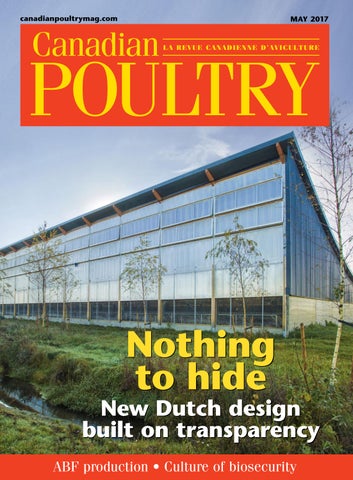
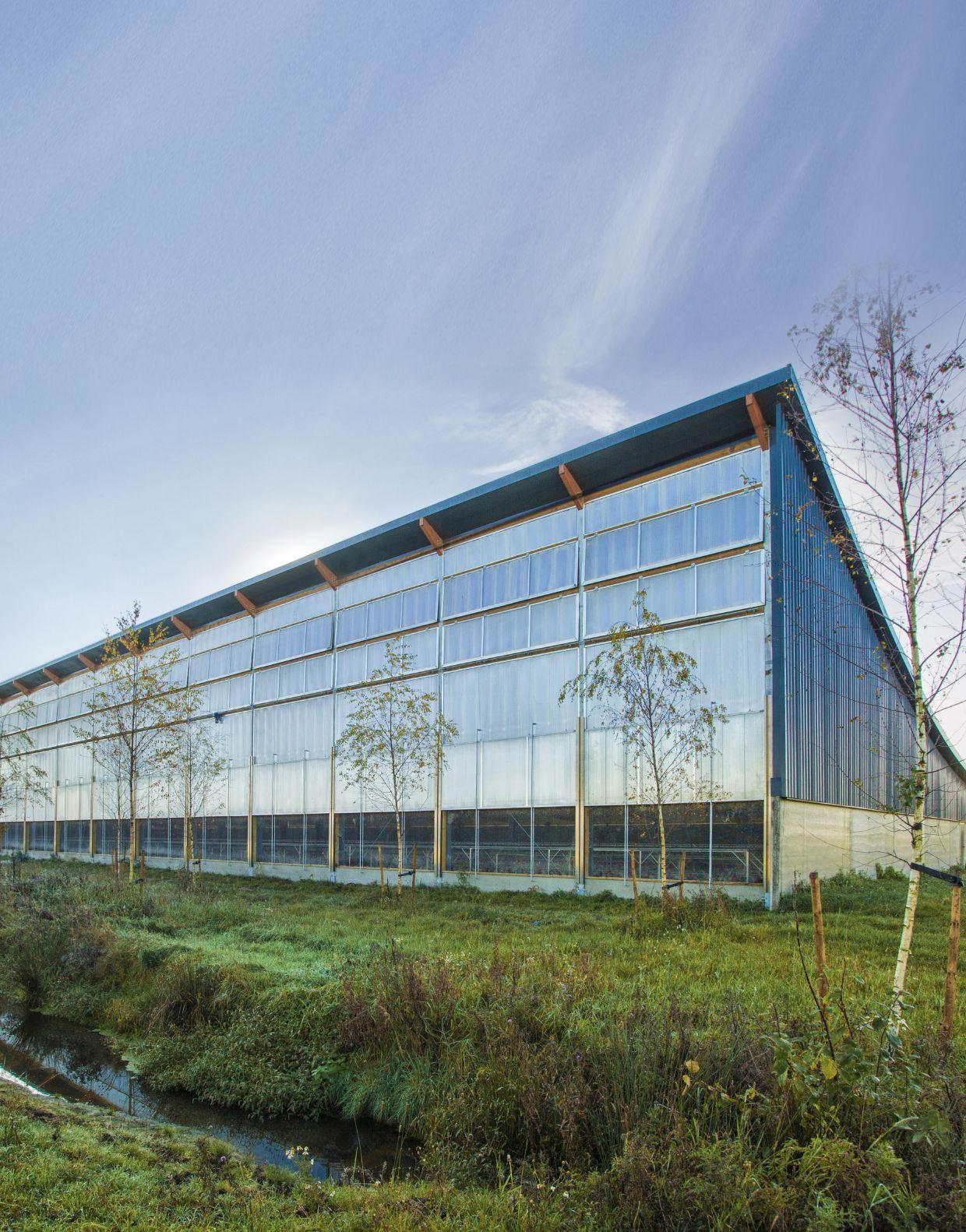
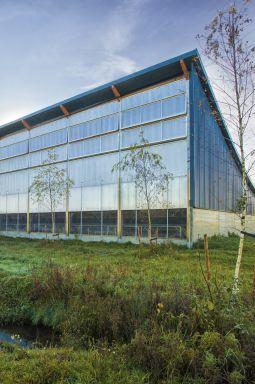
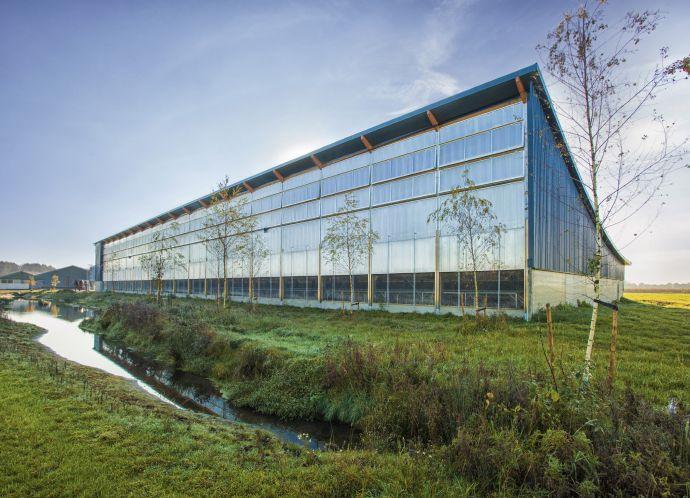
The building has an open facade and a concave roof. The large windows allow for plenty of natural light while addressing the issue of transparency.
like the Dutch do. The Canadian public, however, puts similar pressures on the agricultural sector; perhaps Windstreek is a solution.
What makes this concept revolutionary is the fact that its designers spent considerable time consulting with both the public and industry stakeholders. The goal was to design a broiler production facility that would be accepted by farmers, animal rights groups, environmentalists and government bodies. The meetings, which involved 50 to 70 people, resulted in a list of objectives: to improve animal welfare, the environment, health, and farmer income, while addressing issues of esthetics.
With a lot of different goals on their plate, the next task for the designers was to figure out how to address them all. On the one side, Camps said, it was
important to fulfill all of the goals and criteria, but it was equally important to make sure the farmer could still make a good living. Camps said it was “almost mission impossible.”
THE FUTURE OF BROILER PRODUCTION
In the Netherlands, there has been much discussion about the effects of livestock production on the natural environment, Bos said. Closed barns, in particular, raise concerns. “Closed barns suggest that there is no transparency and that there’s something to hide,” Bos explained. “We tried to develop an alternative that would be not only accepted, but desired.”
What makes Windstreek innovative? First, it’s the building design, Camps said. The design, he explained, is attractive.
NOTHING TO HIDE
Cover Story
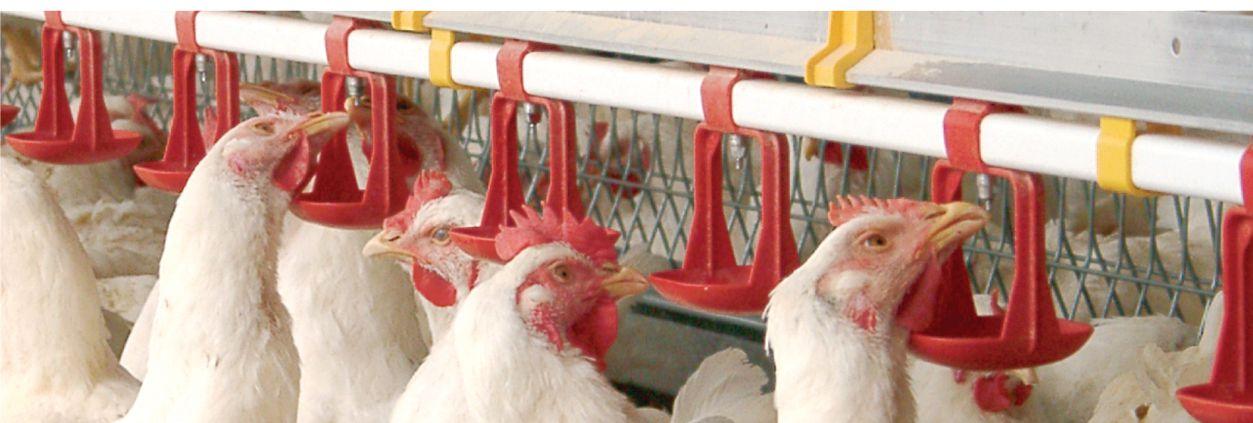
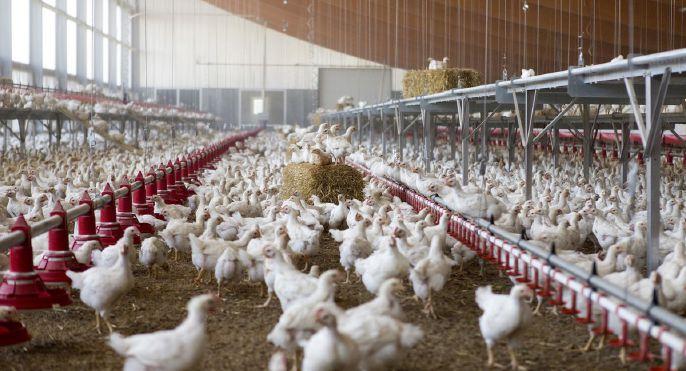
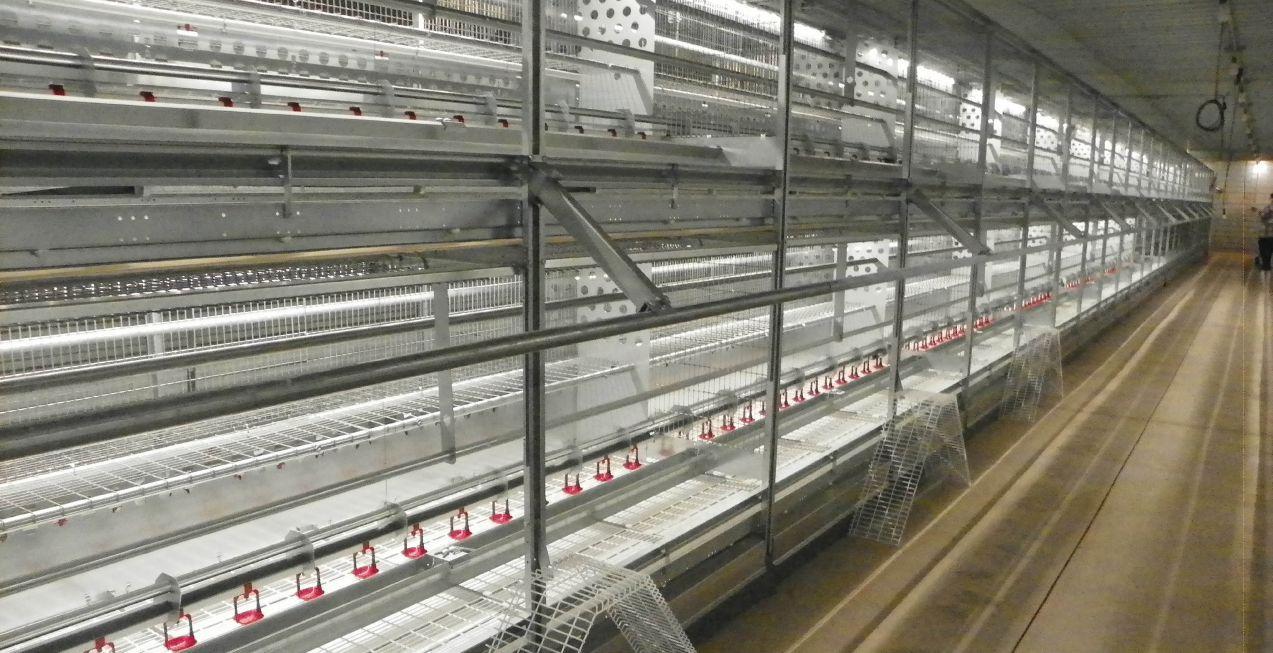
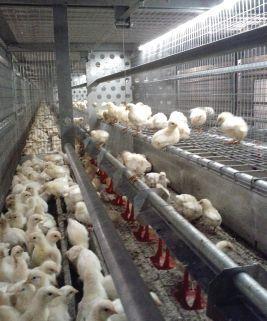
Feed pans are red in colour, which attracts the birds to the food from day 1. Feed level can be automatically adjusted and the pans are easy to clean. The drinking lines can also be used as perches and they, along with the feeding lines, are height-adjustable.
The building has an open facade and a concave roof. The large windows allow for plenty of natural light while addressing the issue of transparency.
“It’s impressive from the outside, but also from the inside,” Camps said.
The building’s design also provides natural ventilation, which means farmers can cut costs by foregoing traditional ventilation systems. “Because the roof is vertically designed, we could have a ventilation system based on natural ventilation,” he said. “There’s not a fan inside. It’s high-tech computer controlled, but no fans inside.”
The concept also uses BrooDy technology, an innovative brooder canopy that uses electrical heating, inductive LED lighting, integrated drinking lines, and VDL Valenta panfeeder lines. As much as possible, the canopy creates a natural environment for the growing broilers.
The idea, Camps explained, was to create a microclimate. “We use the heat that the birds produce to create a comfortable space,” he said. “We save on energy consumption.”
The sides of the BrooDy canopy are equipped with curtains, which help to reduce the loss of energy. At the same time, it allows the birds to migrate from under the brooder into the house outside. Feed pans are red in colour, which attracts the birds to the food from day 1. Feed level can be automatically adjusted,
and the pans are easy to clean, Camps said. The drinking lines can also be used as perches and they, along with the feeding lines, are height-adjustable. “For practical reasons, everything is sus-
pended, which means it’s easy to take it out to clean it.”
THE RESULTS
Windstreek, as an experiment of sorts, is five growth cycles in. Bos and his team at Wageningen have had some time to analyze the results. Financially speaking, Windstreek has been a success. The electrical system, natural ventilation and brooding hood have all led to 80 per cent less energy consumption and no direct carbon dioxide (CO2) emissions.
“The last 20 per cent could be generated through solar energy,” Bos commented. “In this respect, no fossil fuels are used. That’s a great achievement, I think.”
With regards to emissions of ammonia and fine dust, the jury’s still out. “One of the big issues in Windstreek was how to manage the litter,” Bos said. “We want to remove the litter regularly, during the
rounds. The technical way to do it still has to be improved.”
Because of this technical issue, the ammonia emissions report is not ready. “Regrettably, we cannot say that it functions how we think,” Bos said. “We expect that if you remove the source of the ammonia, which is the litter in broiler production, then you remove the source of fine dust. This is particularly important in an open-air system such as this one.”
Windstreek scored better on gait and cleanliness. No hock burns were seen, and almost no footpad dermatitis was observed. Feed conversion wasn’t much different compared to traditional systems, but Bos noted the broilers they chose for production were slower growing. Mortality rates and rejection at slaughterhouse statistics were also comparable. Bos said he expects to see improvements in successive rounds.
Cover Story
“Welfare seems to be quite okay,” he said, noting it was, “slightly better than a traditional barn.”
All in all, Windstreek seems to be a
Perhaps
what has made this concept most successful, though, is the way in which it was developed – by taking all industry stakeholders into account.
success. Where operations have been established, the communities are happy. In fact, Bos said they’re even proud of the concept. One farmer, Robert Nijkamp
of Raalte, even won entrepreneur of the year in his community for implementing the system.
Compassion in World Farming has also recognized Windstreek with an innovation award for its efforts to improve animal welfare.
Perhaps what has made this concept most successful, though, is the way in which it was developed – by taking all industry stakeholders into account.
“Because of this interactive approach, we already had farmers on board,” Bos said. “We had industry on board, we had good relations with animal rights organizations and environmental groups and good relationships with governmental bodies.” n
For more on production, visit canadianpoultrymag.com.
BROILER SIGNALS
Broiler Signals follows the life cycle of these fast growing animals and points out issues specific to each developmental stage.
Broilers are fast growing animals that need constant care. There is no time for correcting mistakes; mistakes mean high costs. The prevention of mistakes is therefore crucial.
Proper management starts with recognizing signals in practice. For broiler-keepers, this means being alert when in the poultry house, watching and listening to the animals, paying attention to their environment and their behaviour as individuals and as a group. This usually provides important information about their animals’ health, well-being and production. This information helps poultry-keepers to improve their economic results, the well-being of their animals and their own.
PERSPECTIVES
BY TERRY FLECK, EXECUTIVE DIRECTOR, THE CENTER FOR FOOD INTEGRITY
Who goes without?
A world without ag innovation would be a hungry one.
No matter what size of farm or type of production, today’s farmers and ranchers are dedicated to producing safe, abundant food in a way that preserves and improves the land most of them hope to pass on to their children.
Ag technology – some of it controversial in the public’s eyes – has played an essential role in producing more food on less land using fewer resources. Isn’t that what we all want for people and our planet?
Yet public scepticism, including among those who influence the laws and regulations that govern food production, has resulted in push back that could put the brakes on some ag advancements without regard to the consequences.
Consider this: in 1950, the U.S. population was 154 million and one farmer produced enough in a year to feed 30 people. We’ve more than doubled the population and, thanks to technology, one farmer today produces enough to feed 155 people.
If the level of productivity had stalled in the ‘50s, there would be no food for the nine most populous states in America. It’s a scary proposition and begs the question: without continued ag innovation, who goes without?
As the U.S. and global populations grow, who do we push away from the dinner table if we stifle the technology that helps us produce a healthier, more abundant and accessible food supply?
No one, if the public begins to embrace the innovations in agriculture that benefit all of us.
When the United States celebrated National Ag Day on March 21, I celebrated a food and agriculture system that provides so many choices for consumers and makes environmental stewardship a priority.
I also celebrated being part of The Center for Food Integrity (CFI) and its commitment to earn consumer trust in today’s food system.
Whether it’s through CFI’s annual consumer trust research (available online at http://www.foodintegrity.org/research/ consumer-trust-research/current-research/), our Engage communications training or the many other programs and services CFI offers, it’s a pleasure to work with you, and on your behalf, each day.
ABOUT THE CENTER FOR FOOD INTEGRITY
Consumers have questions about food – where it comes from, who’s producing it and how. Their healthy curiosity and skepticism is why The Center for Food Integrity exists.
Who goes without? No one, if the public begins to embrace the innovations in agriculture that benefit all of us.
We can avoid having to ask the question by engaging consumers to earn their trust in modern food production.
Most will welcome the conversation. In fact, in the latest research from The Center for Food Integrity an overwhelming majority (80 per cent) expressed a strong desire to learn more about how food is produced and where it comes from.
It’s a golden opportunity for everyone in the food chain –especially food processors, farmers and ranchers – to commit to a long-term effort, sharing their values in person and online when it comes to the technology that results in safe, abundant food, the highest standards of animal care and environmental sustainability.
Who goes without?
It’s not about supporting a certain outcome. We don’t lobby or advocate on behalf of any brand or company or food production method.
We simply want to make sure that consumers – in an environment where they are bombarded with contradictions – have the balanced information they need about food to make informed choices that are right for them and their families.
The Center for Food Integrity is a not-for-profit organization whose members and project partners represent the diversity of today’s food system – from farmers, ranchers and food companies to universities, non-governmental organizations, restaurants, retailers and food processors.
Visit foodintegrity.org for more information. n
Intestinal health is important to maximize uniformity, productivity and profitability. Now, to help you optimize treatment of poultry worms, Panacur® Aquasol™, is available in a farm-friendly drinking water formulation.
• Easy to mix, stable suspension
• No sedimentation, clogged pipes or drinking nipples
• Zero egg withdrawal when hens are treated according to label
• Zero withdrawal for meat when chickens are treated according to label
Consult your veterinarian for more information.
SYSTEM HIGHLIGHTS:
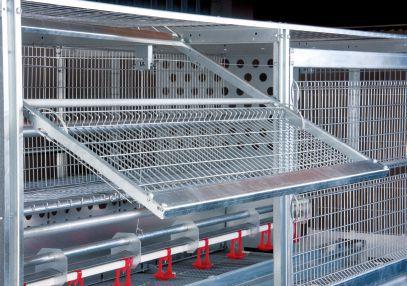
• Birds can be reared for either conventional, enriched or aviary housing
• Multiple perch diameter and heights
• Multi-level perches and floors promote muscle development and increase bone density