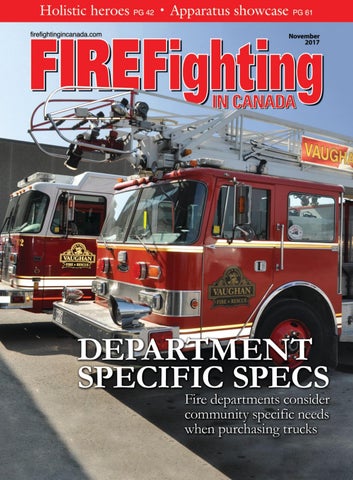
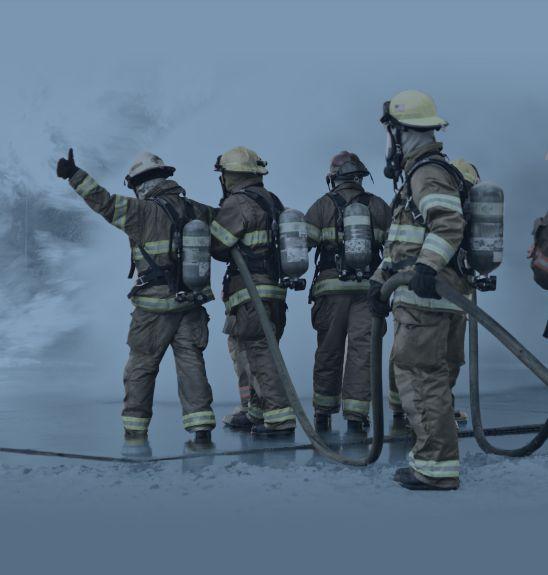
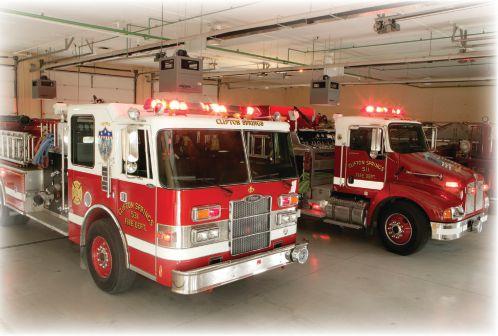
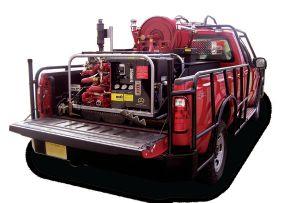
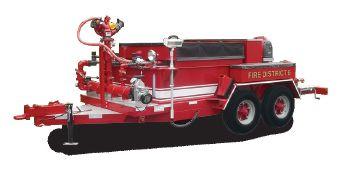
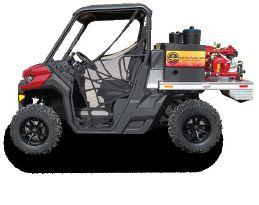
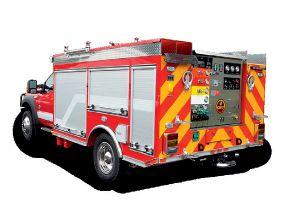
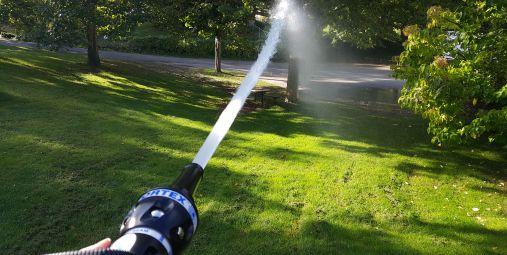
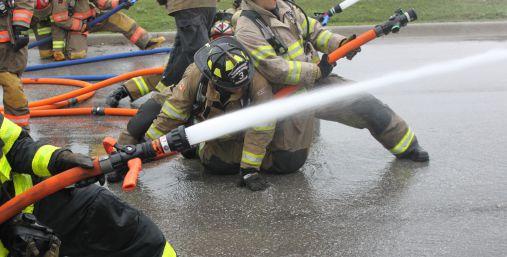
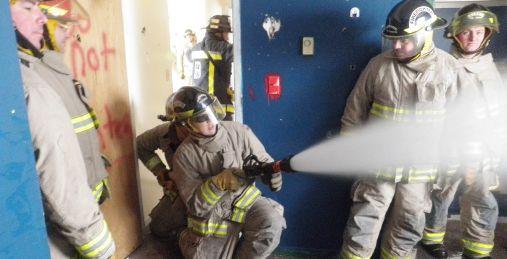
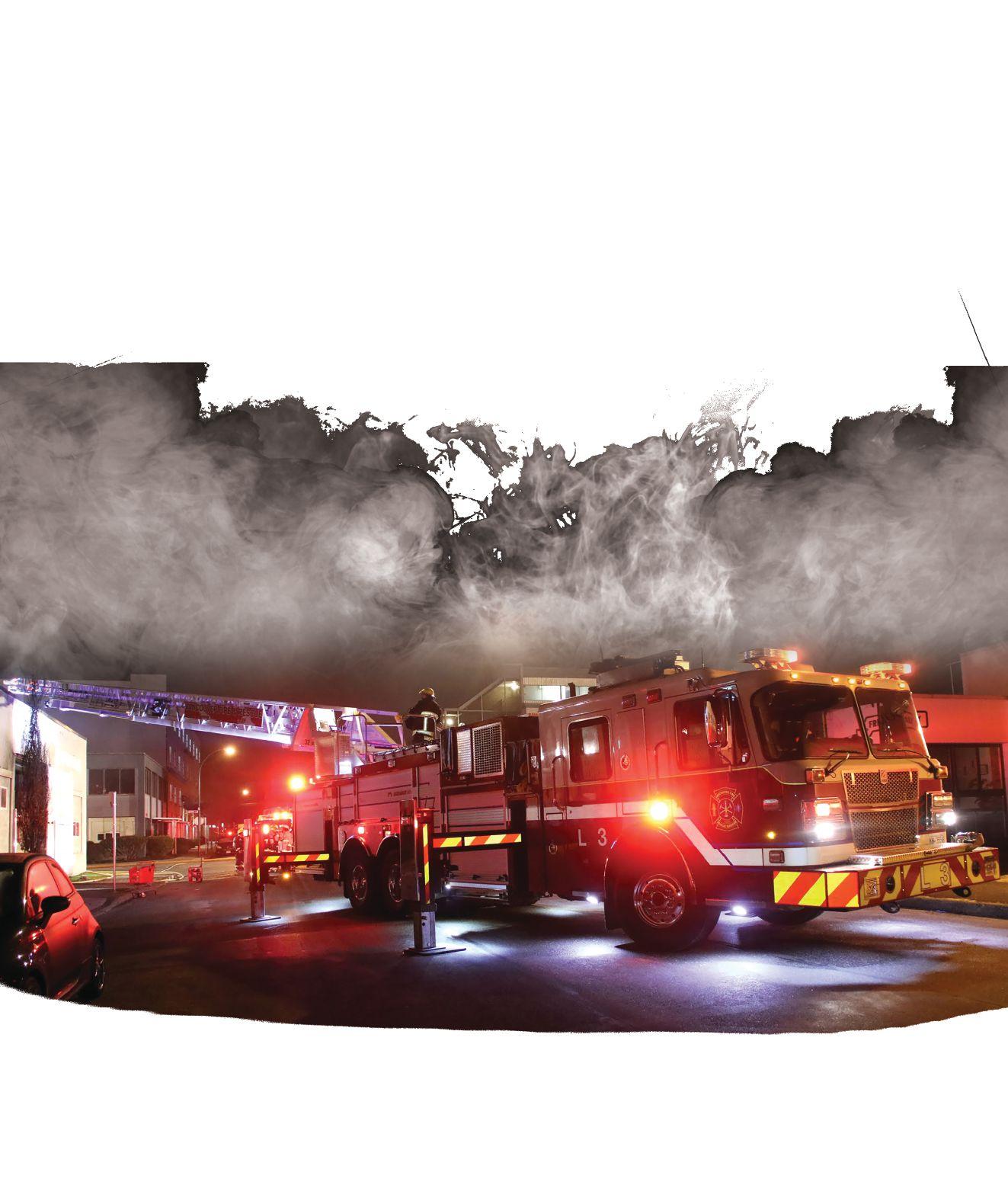
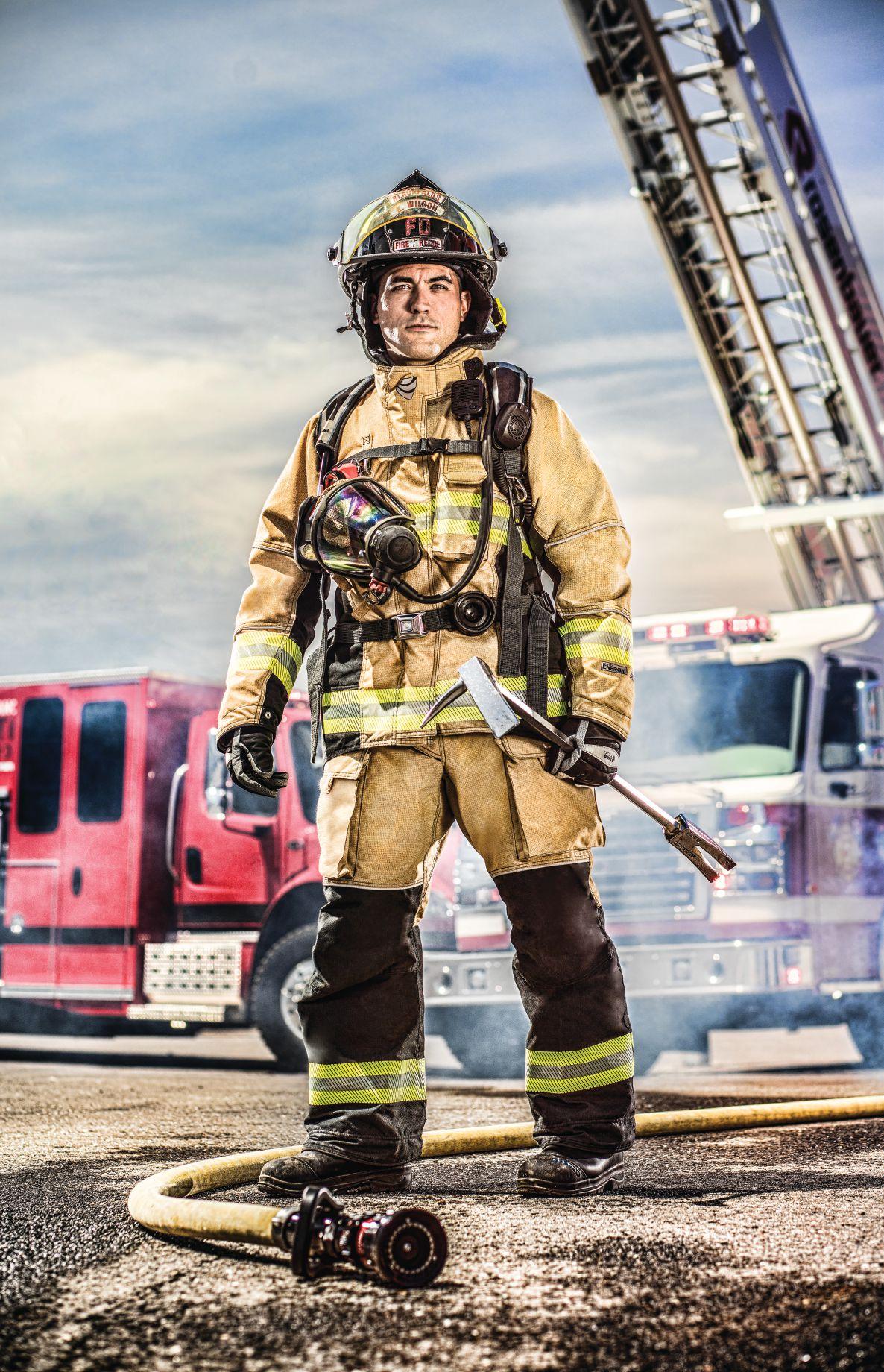
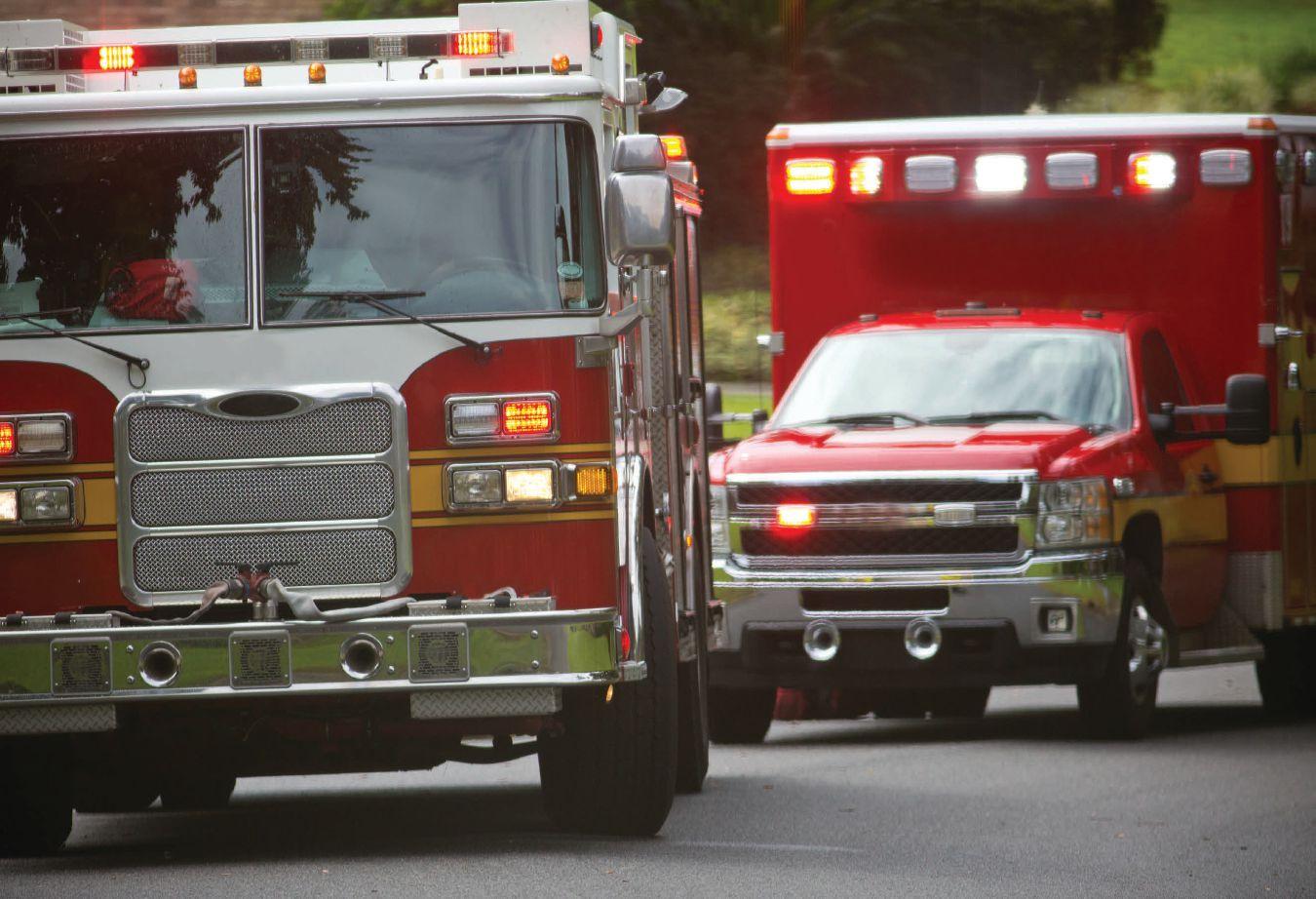
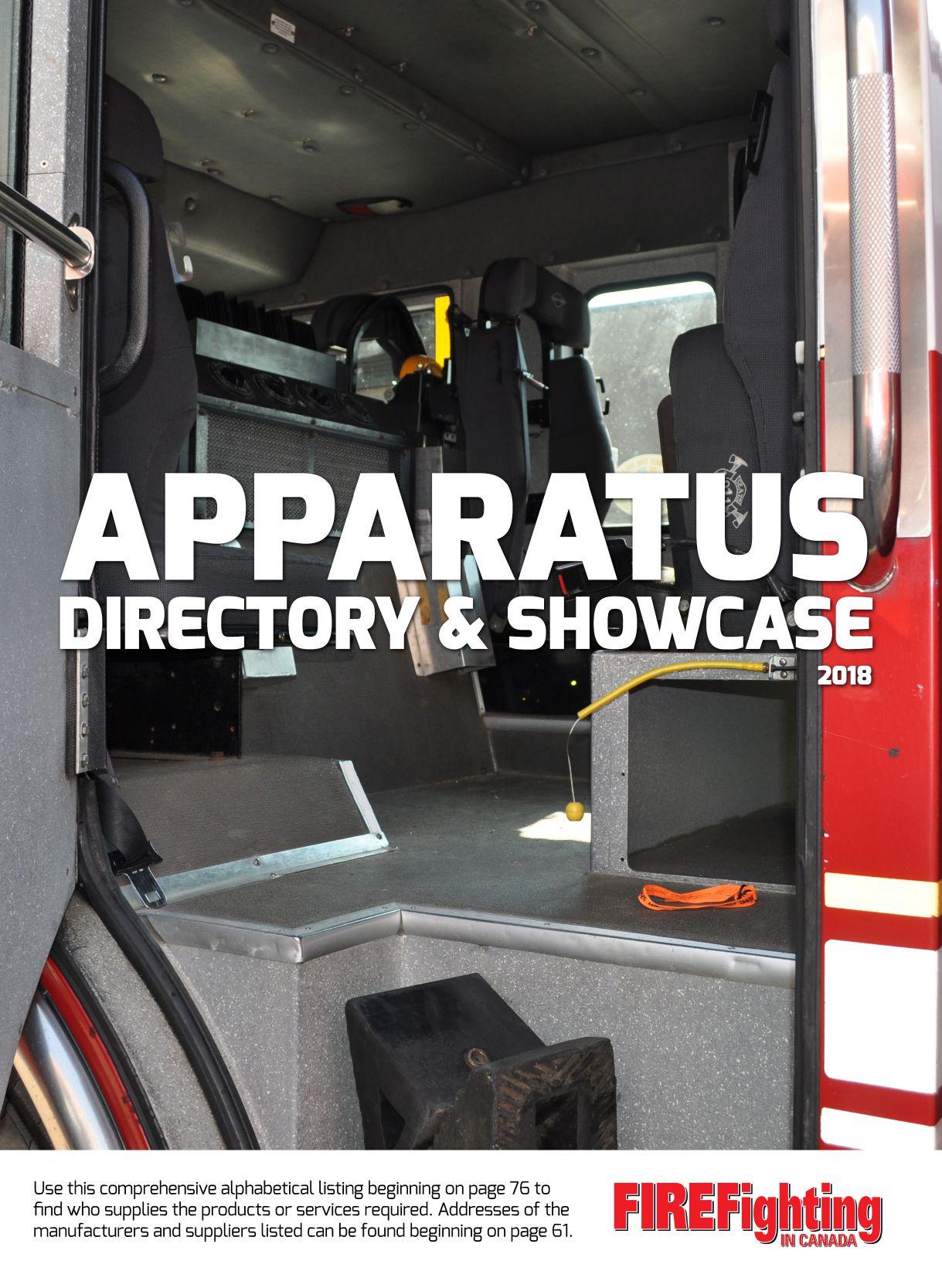
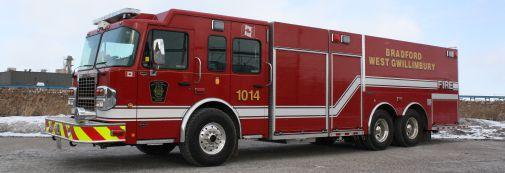
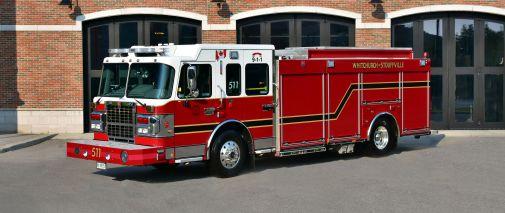
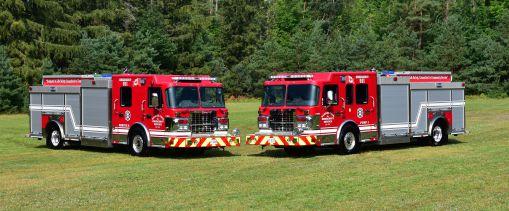
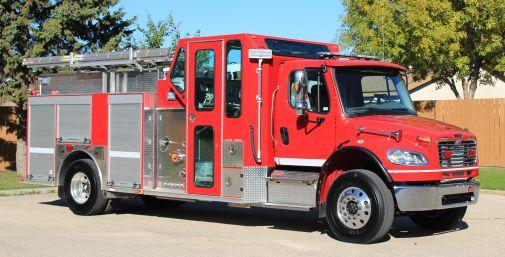
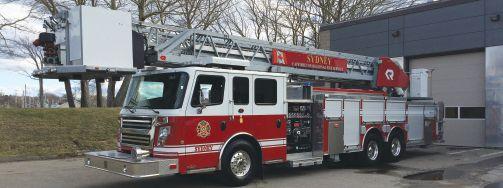
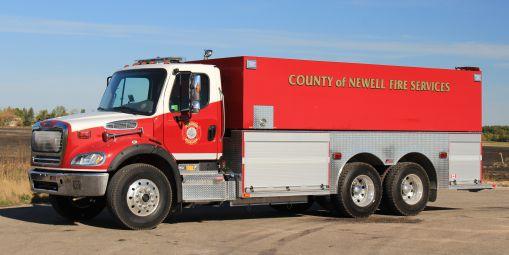
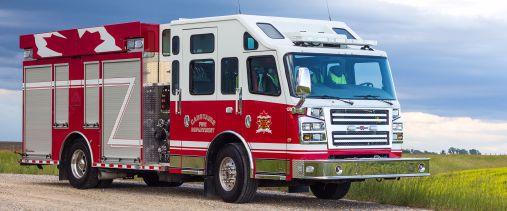
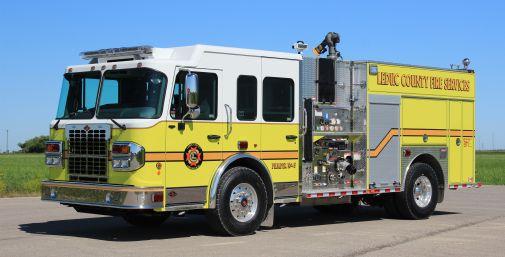
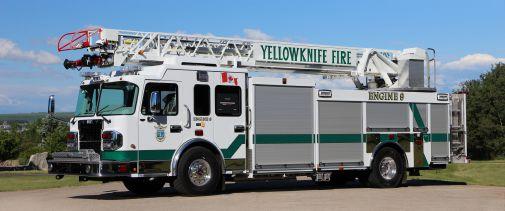
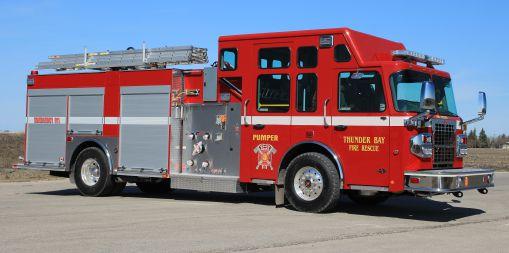
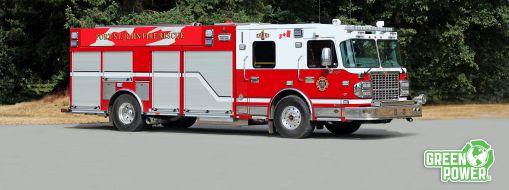
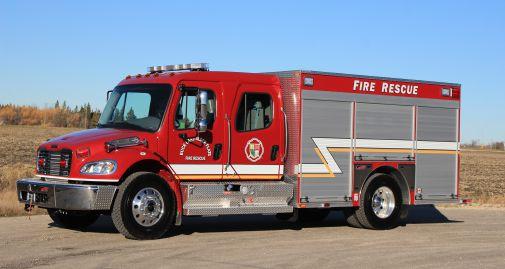
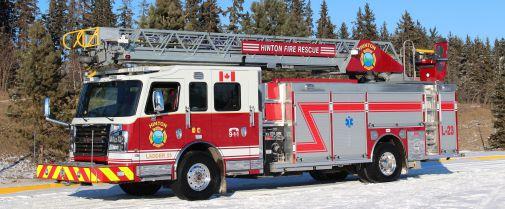
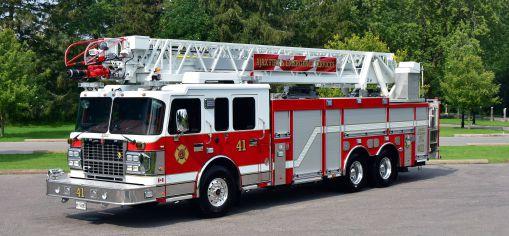
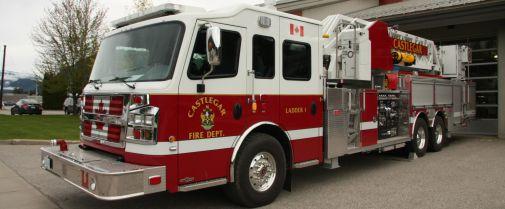
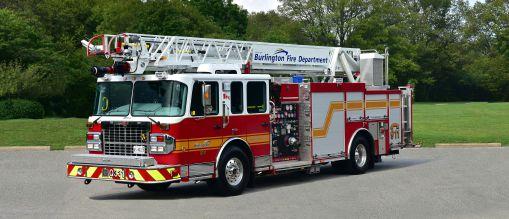
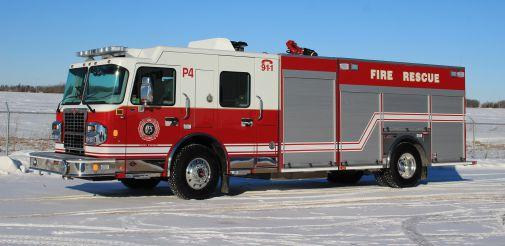
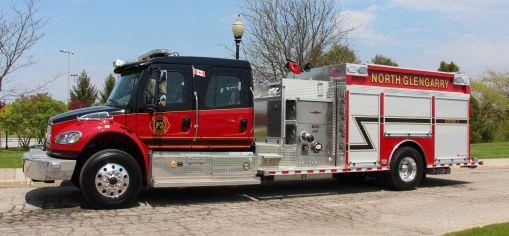
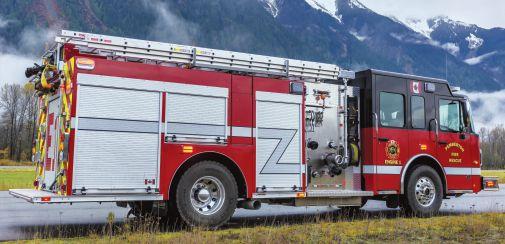
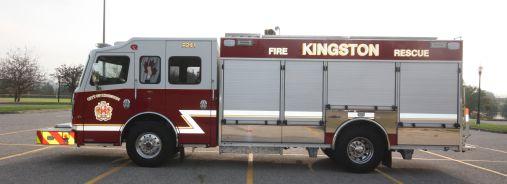
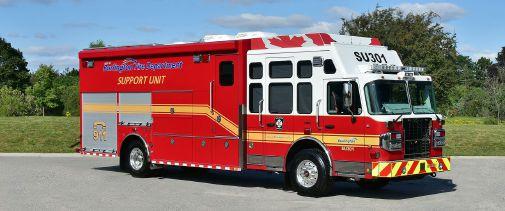
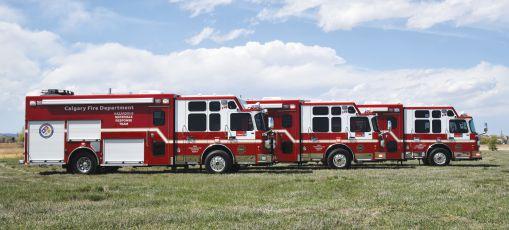
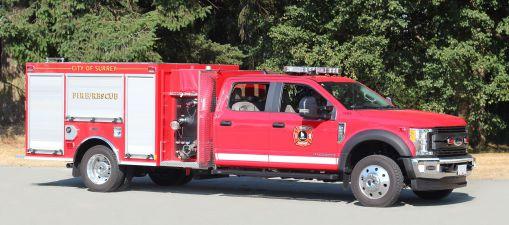
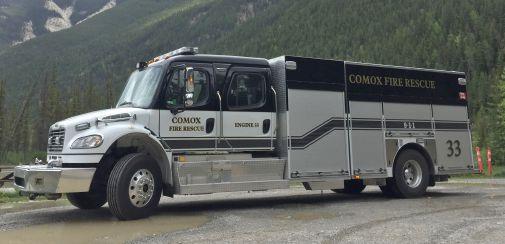
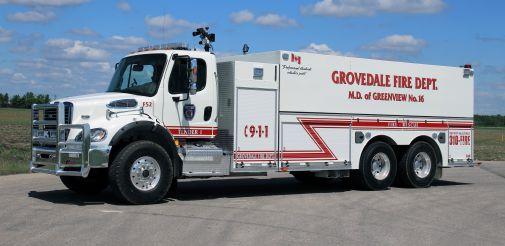
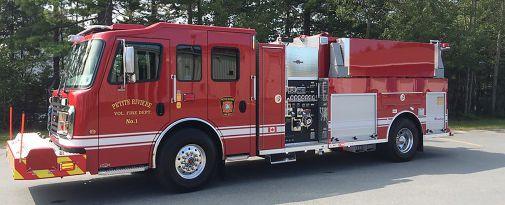
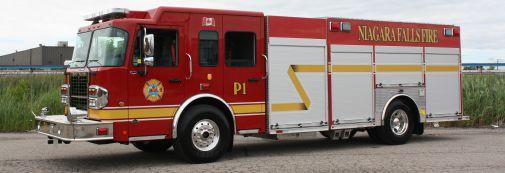
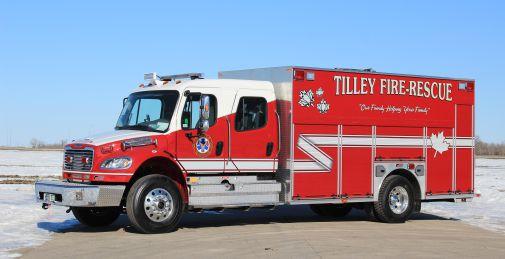
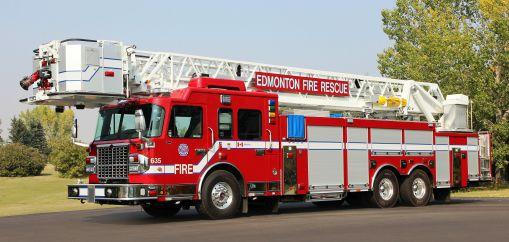
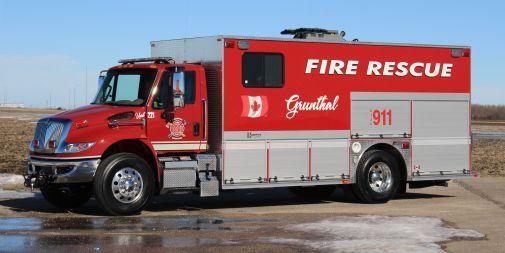
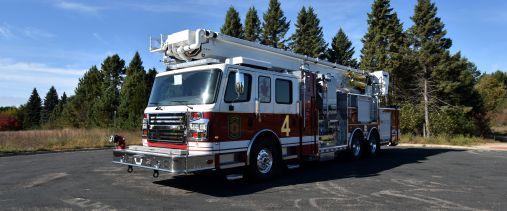
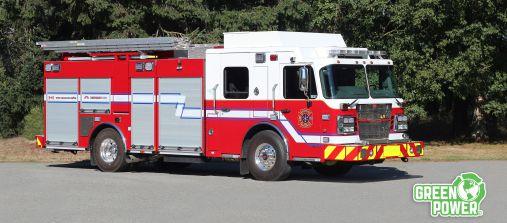
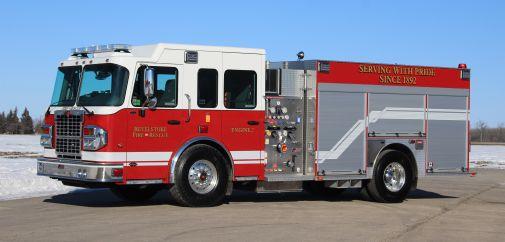
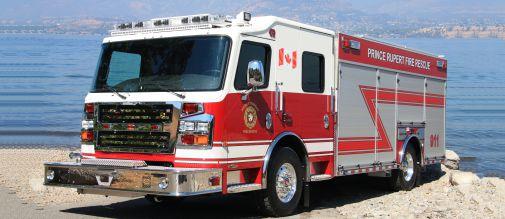
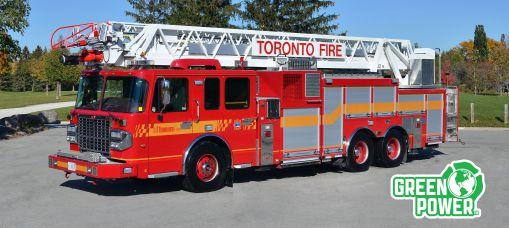
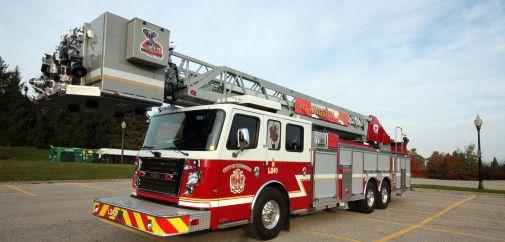
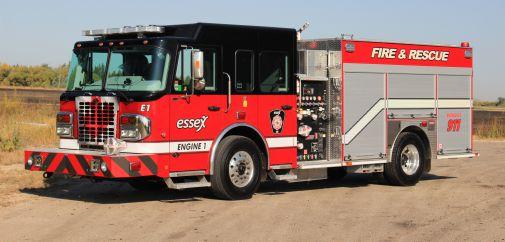
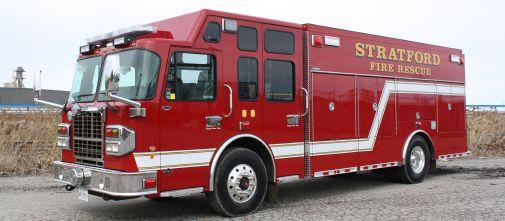
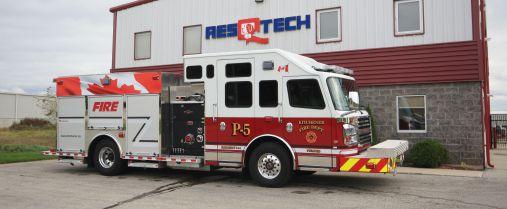
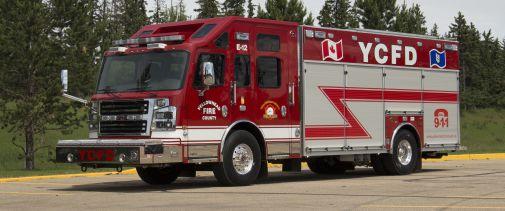
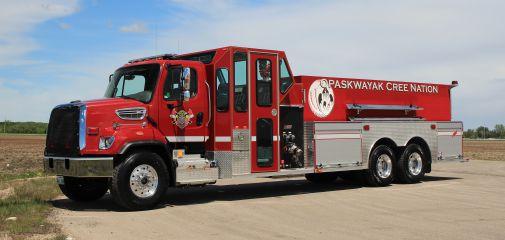
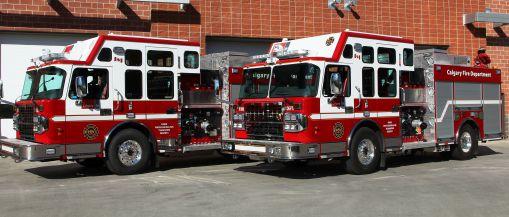
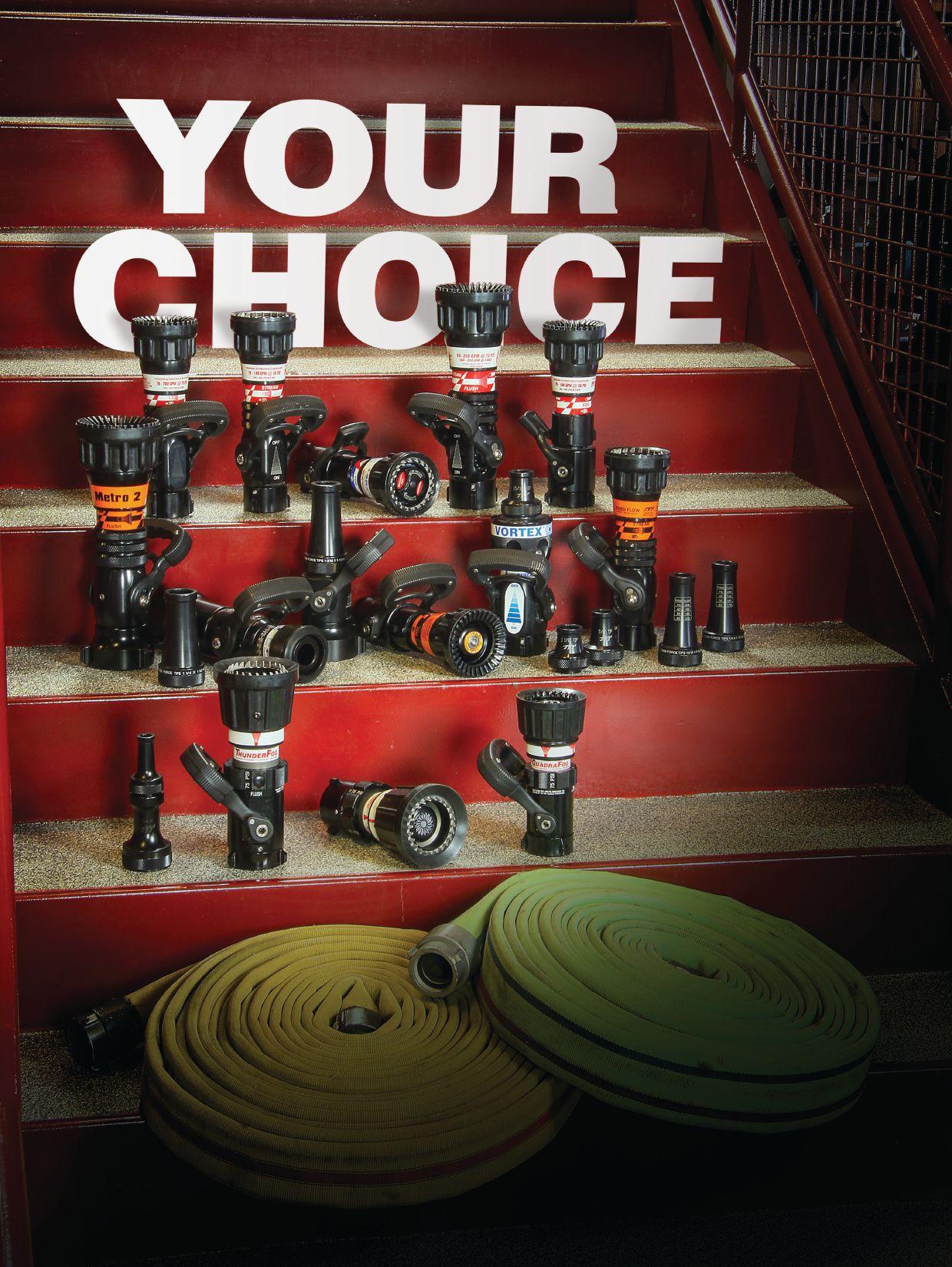
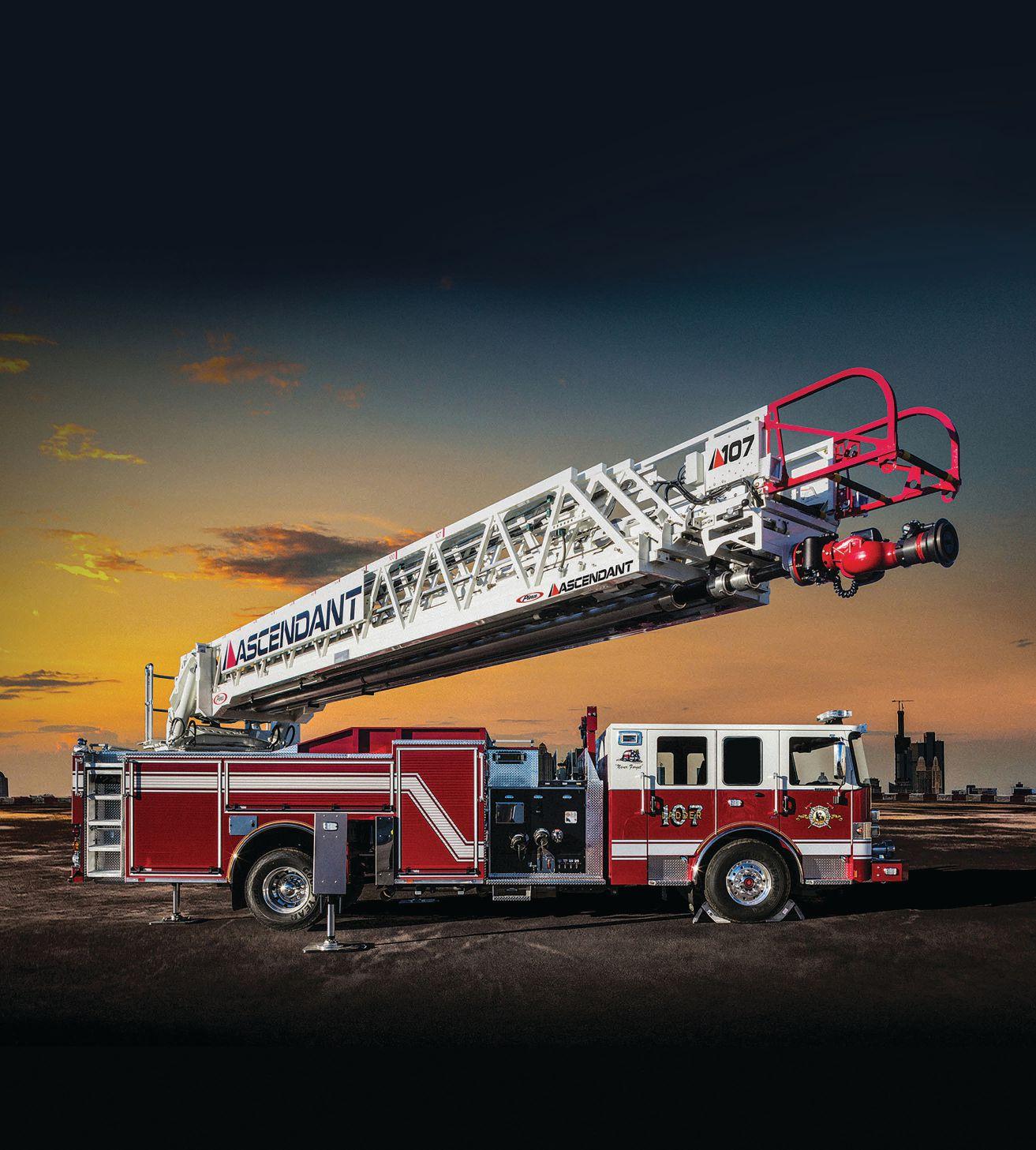
From east to west, fire departments across the country consider community specific needs when making truck purchases. Assistant editor Lauren Scott asks Canadian fire service leaders and manufacturers what truck features matter to them most.
40
HOLISTIC HEROES
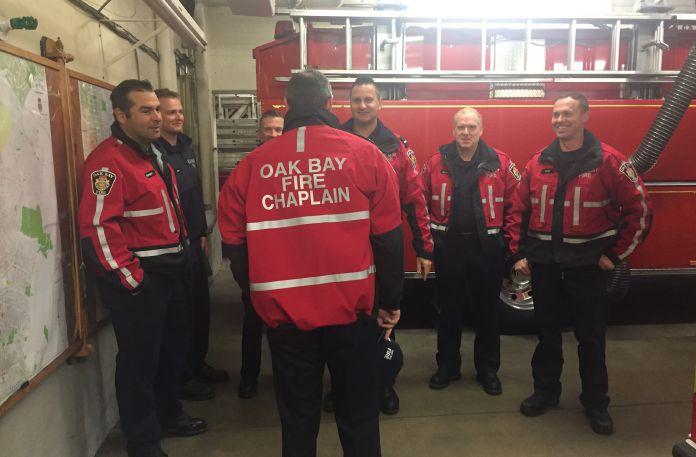
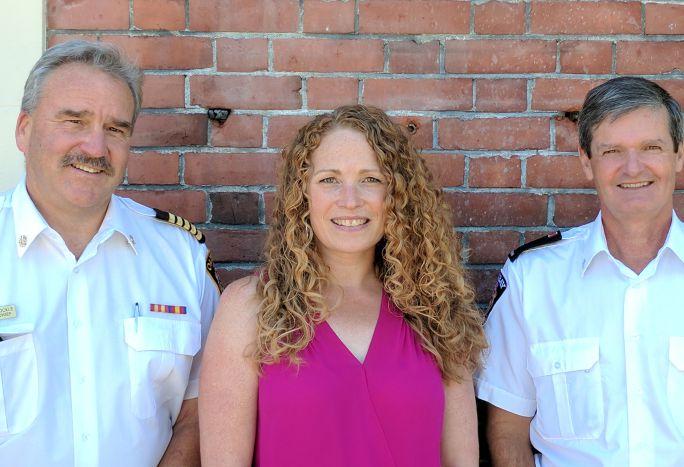
The Oak Bay Fire Department in British Columbia is maximizing firefighter efficiency with a holistic health program. Program facilitators Chief Dave Cockle, Sara Wegwitz, and Ken Gill explain how the program has helped to strengthen members mentally and physically.
50 TRAINING DAY AND CAREER EXPO
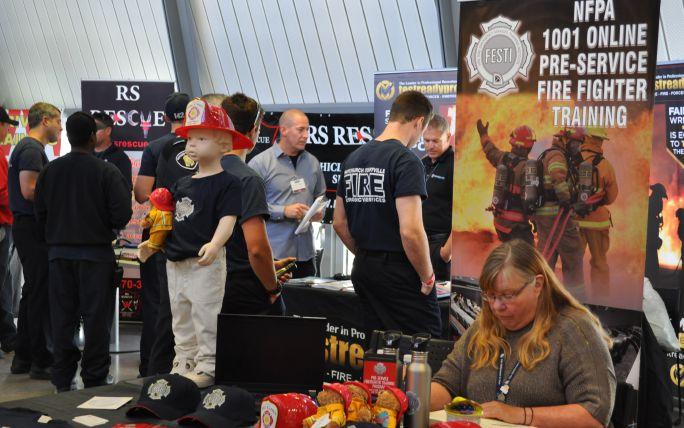
Firefighters and aspiring service members learned new skills and networked at Firefighter Training Day and Career Expo presented by CanadianFirefighter.
BY LAUREN SCOTT Assistant Editor lscott@annexweb.com
ICOMMENT
Trucks and transitional times
t has been quite a transitional time here at Fire Fighting in Canada.
After a decade at the editorial helm, Laura King has joined the National Fire Prevention Association as its new Canadian regional education specialist.
I’ve learned so much under Laura’s direction and I am looking forward to guiding the magazine in the interim. I am excited to serve such an exciting and necessary industry.
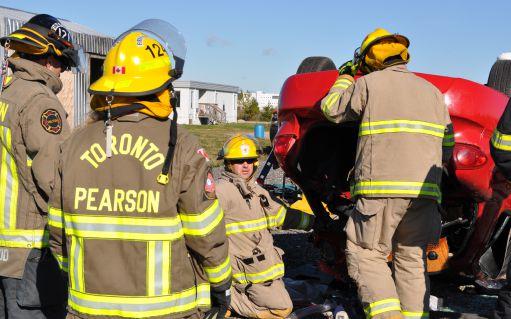
In late September I had the chance to participate in Canadian Firefighter’s annual Firefighter Training Day and Career Expo at the Fire and Emergency Services Training Institute in Mississauga, Ont. Fire departments from across Ontario and Quebec participated in a range of training activities, from auto extrication to public education. For the first time, Career Expo was divided into three streams: those who are considering a career in the fire service, firefighters in training and department job hunters.
These small changes, he says, allow trucks to get back on the road faster.
In the Truck Tech column “To refurb or not to refurb” on page 16, Dennis answers a range of questions that fire leaders and council frequently ask about refurbishing trucks. He addresses the big questions like “should you spend money on an apparatus that could provide your department little return?”
ESTABLISHED 1957 NOVEMBER 2017 VOL. 61 NO. 7
ASSISTANT EDITOR LAUREN SCOTT lscott@annexweb.com 416-510-5116
NATIONAL SALES MANAGER ADAM SZPAKOWSKI aszpakowski@annexweb.com 289-221-6605
RETURN UNDELIVERABLE CANADIAN ADDRESSES TO CIRCULATION DEPT.
ON THE COVER
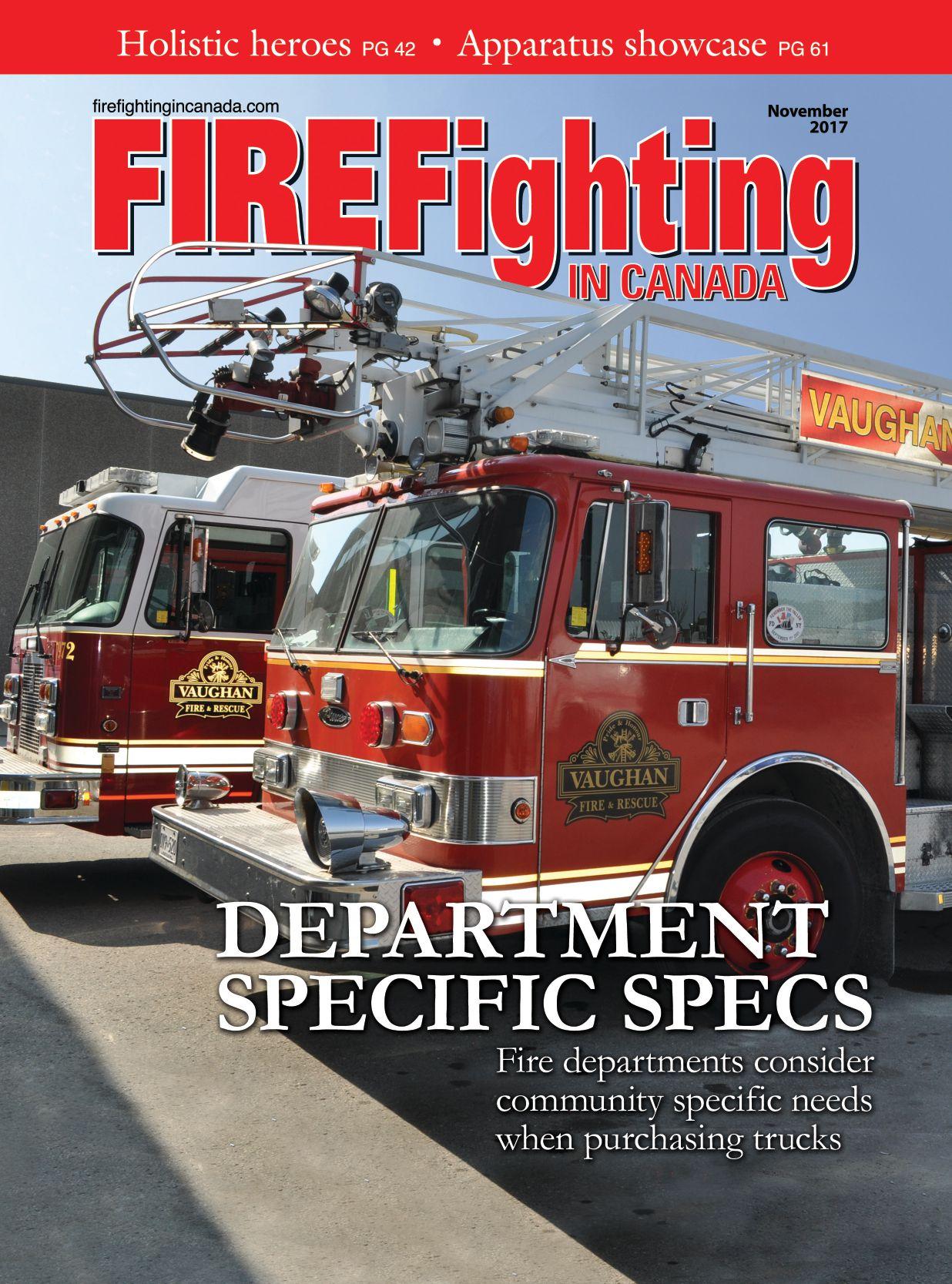
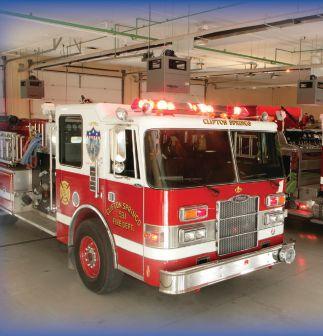
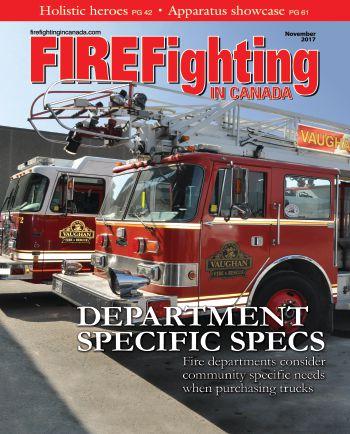
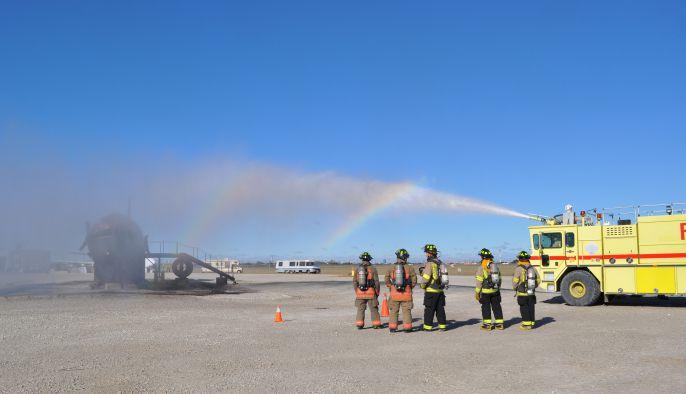
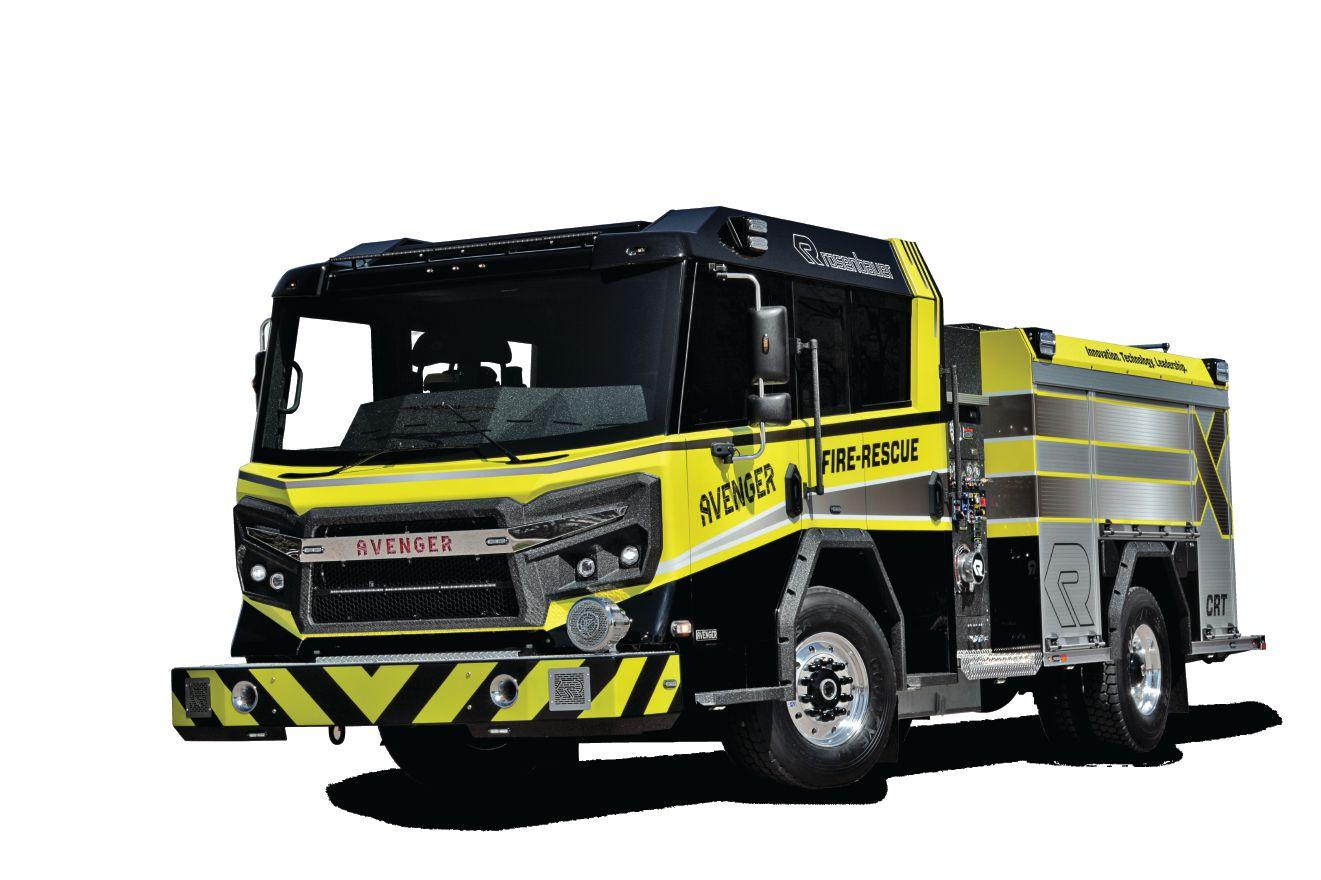
Fire departments across Canada consider community-specific needs when making truck purchases. See story page 10.
While some of these aspiring firefighters continue to hunt for jobs – armed with knowledge from industry experts – I am setting my sights on new stories.
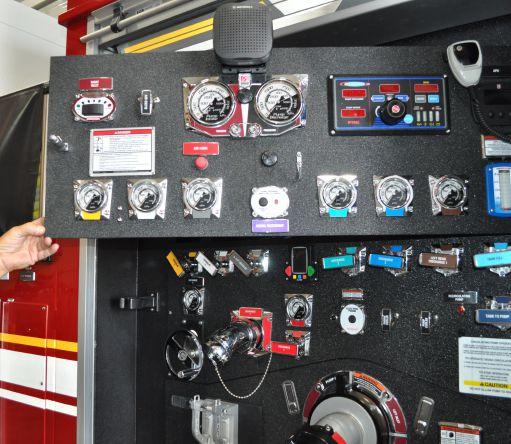
I sat down with Vaughan Fire and Rescue’s Chris Dennis in September to learn more about common issues, like corrosion, and bigger issues like municipal budgets and community needs. He provided insight into how departments can keep trucks in service longer, for example, purchasing a galvanized apparatus will help to fight corrosion. On the mechanical side, he explained how features like pop-latches on pump panels can make the maintenance process much more simple.
Both Dennis and Toronto Fire’s Mechanical Division Chief Rob Anselmi explained what is important to their departments when it comes to truck specs. Anselmi says that Toronto aerials need to be smaller and taller than most Canadian cities. The countless high rises and narrow streets put Toronto trucks to the test every day.
Using their insight, and the insight of other industry leaders across the country – from fire chiefs to truck manufacturers – we pieced together some unique needs of a diverse array of departments apparatus cover story on page 10.
Different departments across Canada need different features within their fleet, whether this is a result of climate, council budgets, or community needs.
I encourage you to reach out with any advice or ideas about how we can continue to produce relevant content for the Canadian fire services. As I’ve told contributors in the past, “we’re a team.”
There is so much for me to learn, and lucky for me, Fire Fighting in Canada readers are the experts.
P.O. Box 530, SIMCOE, ON N3Y 4N5
e-mail: subscribe@firefightingincanada.com Printed in Canada ISSN 0015–2595
CIRCULATION e-mail: lmalicdem@annexbizmedia.com
Tel: 416-510-5187
Fax: 416-510-6875 (main) 416-510-5133
Mail: 80 Valleybrook Drive, Toronto, ON, M3B 2S9
SUBSCRIPTION RATES
Canada – 1 Year - $24.50 (with GST $25.73, with HST/QST $27.69) (GST - #867172652RT0001) USA – 1 Year $42.95 USD
We acknowledge the [financial] support of the Government of Canada.
Occasionally, Fire Fighting in Canada will mail information on behalf of industry-related groups whose products and services we believe may be of interest to you. If you prefer not to receive this information, please contact our circulation department in any of the four ways listed above.
All advertising is subject to the publisher’s approval. Such approval does not imply any endorsement of the products or services advertised. Publisher reserves the right to refuse advertising that does not meet the standards of the publication. www.firefightingincanada.com
PHOTO BY LAURA KING
STATIONtoSTATION
ACROSS CANADA: Regional news briefs
Ontario fire trucks to use rear blue flashing lights
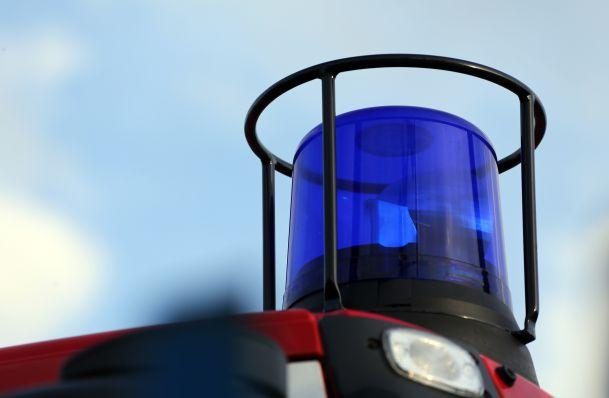
The Ontario government has introduced legislation to allow the use of blue flashing lights on the back of emergency vehicles. Fire departments in Durham region hope to expand the legislation to include front lights.
The Ontario government introduced new legislation that could require emergency vehicles in the province to use blue rear flashing lights.
In a provincial press release on Sept. 20, the government announced that, if passed, this legislation would expand the use of rear flashing blue lights
on enforcement and emergency vehicles.
Although Ontario police have been using blue flashing lights since 2007, fire and law enforcement officials in Durham Region have been pushing for this legislation for years, following a series of visibility-related road incidents.
THE BRASS POLE
Promotions & appointments
KAREN FRY has been named as the new fire chief in Nanaimo, B.C. Fry began her career in 1999 as a dispatcher, working her way up to firefighter and captain. She became the deputy chief of fire prevention and
communications in 2006, serving in that role for a decade. She later served as deputy chief of administration and support services. She became acting fire chief this May.
At the end of October
NORMAND BEAUCHAMP began his new position as the fire chief in Timmins, Ont. Beauchamp resigned from the Smiths Falls Fire Department in
Clarington, Ont., Chief Gord Weir told Fire Fighting in Canada that blue lights are very important for first responders in his community, who respond to a significant amount of highway calls.
“I just think that if we’re out on these highways [we should]… make it as safe for all emergency responders when they’re out there dealing with emergencies,” Weir said.
Clarington is surrounded by highways: Highway 401 to the south, the eastern edge of the 407, Highway 35/ 115, and Highway 2.
In July, a vehicle hit a Clarington fire truck from behind on the 401. No one was injured, but Weir says the collision caused roughly $10,000 to $12,000 in damage to the truck, which the department didn’t receive back from repairs until October.
He says the incident was likely caused by visibility issues.
September. Prior to Smiths Falls, Beauchamp served as the deputy chief in Swift Current, Sask. Throughout his career in the fire service he has worked at a number of departments across the country, including communities in Quebec, Saskatchewan, and Ontario.
The City of Regina has appointed LAYNE JACKSON as its new fire chief. Jackson served in
“The red lights…from a distance, they’re not really catching your eye,” he said.
The Ministry of Transportation says flashing blue lights are visible from about 150 metres away.
Weir approached Durham MPP Granville Anderson to ask the province to change the rules to protect first responders.
“We’ve had a number of close calls and I don’t want to see any more close calls,” Weir said.
While he says the new legislation will be a step in the right direction, Weir says he is hoping for further changes.
He has created a position paper for Transport Minister Steven Del Duca to amend the legislation to include front blue flashing lights.
“If we can get it on the front, then I think it’s a win for the fire service here in Ontario.”
various roles with the department over the last 20 years.
In 2009, he was appointed to deputy fire chief. Since joining Regina Fire and Protective Services, Jackson has received more than 60 technical and professional designations, including the Fire Services Exemplary Service Medal. Regina City Manager Chris Holden told the Regina Leader-Post that Jackson’s experience working
Windsor opens new multi-million dollar fire hall and EOC
The fire department in Windsor, Ont., has opened a new 13, 800 square-foot facility that houses a state-of-the-art fire hall and emergency operations centre facility.
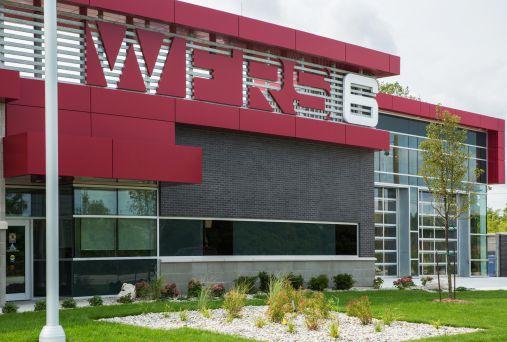
Built strong enough to withstand lightning strikes, floods and earthquakes, Windsor’s $5.2 million Fire Hall No. 6 and emergency operations centre (EOC) officially opened Sept. 21.
In times of emergency, the 3,000 square-foot EOC will host decision makers, including emergency service leaders and city hall, as they decide the best course of action.
Mayor Drew Dilkins told The Windsor Star that he has already dealt with his share of emergencies since he took
office in late 2014.
Since he became mayor, he told the paper he has used the previous EOC three times, once for a tornado and twice for flooding emergencies.
The old EOC is a small steel quonset hut built in the 1970s.
Deputy Chief Andrea DeJong told The Star, the new facility “is such an improvement over what we had.”
The new EOC boasts a large main room equipped with news screens and surveillance camera feeds from across the city, a policy room where important decisions can be made, and two breakout rooms.
A press release from Windsor Fire & Rescue reports that the station includes two
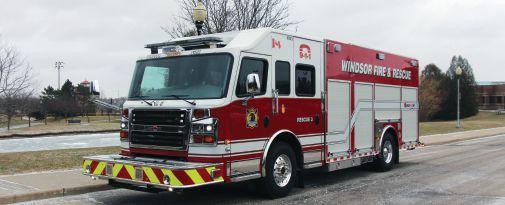
Windsor’s new Fire Hall No. 6 and emergency operations centre is one of four new halls being built to better serve community needs.
truck bays, living quarters for up to 10 members, LED lights and a diesel back-up generator, a storm water retention basin, and an accessible design.
The new fire hall, covering an area of mostly farmland in south Windsor, is one of four new halls being built as part of the city’s plan to redistribute stations to better serve the city’s needs.
Dogs rescued during two-alarm fire in Vancouver
On Oct. 4, a massive twoalarm fire broke out at a large single-storey commercial building in an industrial area close to Vancouver’s Olympic Village neighbourhood.
Capt. Jonathan Gormick told The Vancouver Sun the fire was “very challenging” due to downed power lines blocking their way. B.C Hydro had to disconnect power to the area,
as the building housed many compressed gas containers and solvents.
The fire broke out around 5:30 a.m. at metal fabrication company Metal and Wood Products. Shortly after firefighters arrived on scene, a series of explosions from power lines and nearby transformers were reported.
Witnesses told CBC News
that they could hear dogs barking as the fire raged on.
The fire had spread next door to dog kennel Dog Taxi Daycare and Dog Hotel, where more than 10 dogs had to be rescued by police.
Following the fire, local media began to focus on a two-year old Tibetan Mastiff named Shirley, who was reported missing on the
morning of the fire.
Dog Taxi owner, Jorge Posada told The Vancouver Courier that he believes Shirley sensed the danger and got herself out of the building.
According to Global News’ Twitter, police found Shirley by 3:30 p.m.
Vancouver Police transported the dogs to the local SPCA and no injuries were reported.
with the department is an advantage for the young chief.
On Oct. 30, former Chatham-Kent, Ont., Chief KEN STUEBING became the new fire chief for Halifax Regional Fire & Emergency. Stuebing began his career as a first responder working as a paramedic with the Listowel
Wingham Hospitals Alliance in the mid-1980s. He joined the Kitchener Fire Department in 1988, serving there until 2006. He became a deputy chief with the Winnipeg Fire Paramedic Service in 2006, later moving to Chatham-Kent to become the municipality’s fire chief in 2013.
Retirements
Timmins, Ont., Chief MIKE
PINTAR served his last day at the helm of the department on Oct. 31. Pintar was first appointed chief in 2005. After more than a decade, he announced his retirement in July.
Last Alarm
St. Thomas, Ont., Chief ROB
BROADBENT passed away at the age of 56 on Aug. 28, after battling kidney cancer. Broadbent was a St. Thomas native, who joined the fire department at 24-years-old in 1885. He was promoted to chief in 2010. A community service was held in Broadbent’s honour on Sept. 2 at Central United Church.
PHOTO
BY SHAYNE MINTZ NFPA Canadian regional director
TNFPAIMPACT
NFPA hires new public-ed specialist
he National Fire Protection Association has hired its first full-time regional public education advisor in Canada. In 2015, the NFPA hired three regional public-education specialists in the United States to achieve broader outreach of our educational programming and assist municipalities and local fire departments with fire-safety public education programs.
Since then, these specialists have been supporting fire and life safety education across the United States. However, after recognizing the success of the regional public-education specialist program in America, the NFPA wanted to determine whether the same success could be achieved in Canada.
As a result, the NFPA conducted a national survey of Canadian public educators and senior fire-service managers, and hosted an invitation-only rural fire and life safety symposium in Toronto this April. Many improvements were identified, but most common request was for more NFPA training and resources in Canada – specifically in the area of public education.
Equipped with survey findings, symposium suggestions, and a budget, the NFPA public education division received approval for a full-time public education advisor position in Canada. The new position is dedicated solely to NFPA fire and life safety information and programs.
After a national search, the NFPA public-education division selected Laura King as its new Canadian advisor. Every reader of this column – and certainly of Fire Fighting in Canada magazine –knows King. In fact, many fire-service members and public educators have already been in contact with Laura since she started with the NFPA on Sept. 11.
activities, teaching strategies, and promoting NFPA programs.
King is receiving feedback from our Canadian stakeholders and relaying these concerns back to the organization. In her role, she will represent Canadian public education interests to the NFPA. This may include calls to adjust NFPA materials to suit the Canadian audience, such as French translations, Canadian geographical references and metric measurements. She will also provide our Canadian stakeholders with an overview of educational resources available through the NFPA, assisting with implementation by identifying problems and determining appropriate actions.
In her new role, King is also providing dedicated, ongoing support to the Canadian NFPA Public Education Network.
Each provincial or territorial fire marshal or fire commissioner selects one public education professional to serve on the network, which helps to support fire and life safety educators through activities, events, and resources.
Along with the Public Education Network representatives, King is co-ordinating with local educators in each province and territory to connect, share ideas, help solve problems, and recognize fire-safety
After a national search, the NFPA public-education division selected Laura King as its new Canadian advisor. ‘‘ ’’
As the editor of Fire Fighting in Canada, King has built strong relationships over the past decade, developing a broad network of fire-service contacts and colleagues across the country. She has covered fire-service issues in Canada from coast to coast, and will continue to build upon her knowledge and networks with the NFPA.
King is no stranger to Canada’s fire services, and the issues departments are facing. She is travelling across the country with the NFPA, giving public-education presentations at conferences and seminars. This includes, but is not limited to, supporting Fire Prevention Week
Shayne Mintz has more than 35 years of experience in the fire service, having completed his career as chief of the Burlington Fire Department in Ontario. He is now the Canadian regional director for the National Fire Protection Association (NFPA). Contact Shayne at smintz@nfpa.org, and follow him on Twitter at @ShayneMintz
education accomplishments across the country.
She may also be available to help communities that have experienced tragic fires and events that may benefit from creating or adjusting fire-safety educational programming.
As the needs of our stakeholders change, so will King’s role as our full-time public-education specialist in Canada.
I would be remiss if I didn’t give special recognition to Art Pullen, the former NFPA part-time advisor for Canada. In his 22 years with the NFPA, Art has been a passionate and dedicated advocate of our programs and products. He has not only set the bar, he has raised it to bring us to where we are today. Many thanks for that, Art.
If you would like more information about the NFPA and its educational programming, please feel free to reach out to Laura King at CanadaCRR@nfpa.org.
KRAKENEXO
EXTINGUISH ANY DOUBT
ALWAYS BEEN TRUE
MOVE FASTER
Designed
BEST WARRANTY GUARANTEED
LESS WEIGHT
Lightest in its class. Easier to maneuver, pack and deploy.
SMARTER COUPLINGS
Every KrakenEXO® hose comes with Wayout® couplings – the gold standard in the industry for getting you out safely. INNOVATION DELIVERED
DEPARTMENT SPECIFIC SPECS
Fire departments consider community specific needs when purchasing trucks.
By LAUREN SCOTT
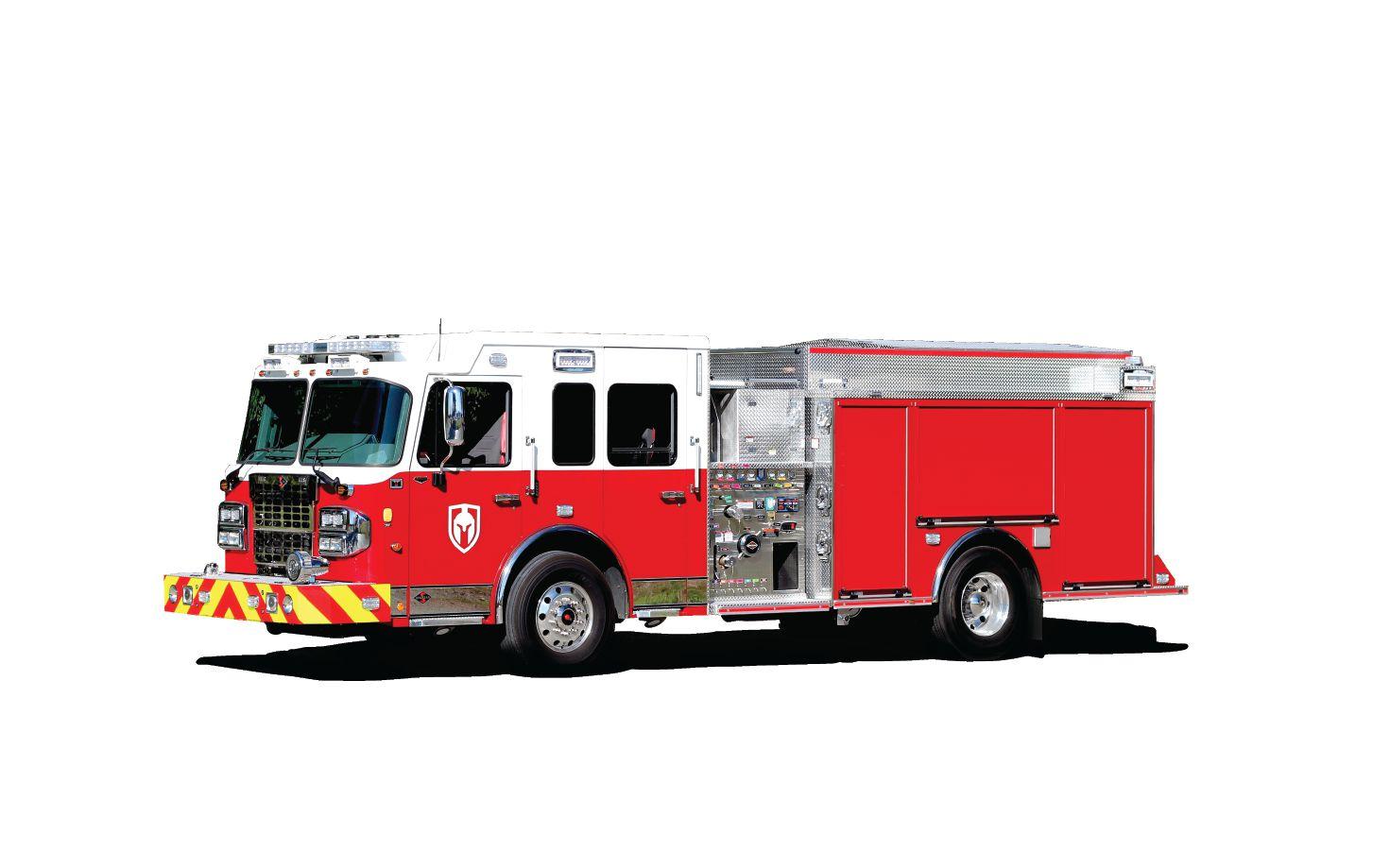
Department needs across Canada can be as diverse as the country itself. As the nature of the service continues to change, and fire crews respond to more medical and rescue calls, municipalities are adding features to their apparatus that address community-specific needs.
Community needs, climate and surrounding geography can affect which features are paramount when management is buying a new truck.
In recent years, fire truck manufacturers and sales people are seeing a greater demand for dual-purpose trucks in many of the rural and volunteer composite departments. Like its departments’ firefighters, the vehicle must wear multiple hats.
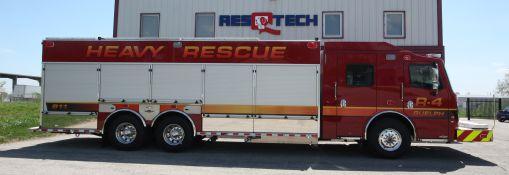
“You see now more of a push towards a pumper/rescue, or a tanker/pumper,” said ResQtech operations manager Kyle Innes. “Instead of specializing it, you’re making a current apparatus to serve more of a dual purpose.”
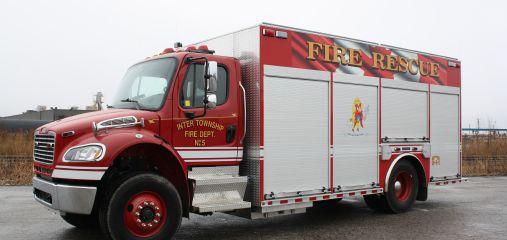
LEFT Fire departments across the country have to meet different community needs within different council budgets. This impacts every Canadian department, and as a result, the truck features they consider when purchasing are also affected.
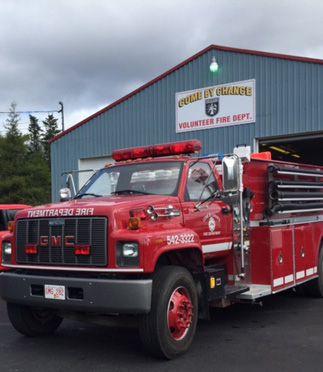
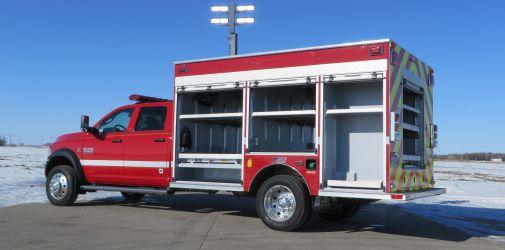
ABOVE The fire department in Come By Chance, N.L., has a fleet of two trucks: one pumper/ tanker, and one 4x4 pickup truck.
Todd Finnie is the general manager of Carrier Centres Emergency Vehicles, which is the Ontario dealer for Metalfab fire trucks, parts, and services. He says dual-purpose vehicles are one of the best ways small departments can get “the best bang for their buck.”
“The biggest driving force that I see is [the] dollars and cents that are available to municipalities,” Finnie says.
Brad Petrie, inside sales manager for Fort Garry Fire Trucks, says this difference in cost often sees volunteer departments opting for commercial chassis.
“Ninety-nine per cent of full-time career departments would be looking at the custom chassis, which comes at a price, as opposed to the commercial chassis,” Petrie says. “Predominantly, a volunteer fire department would be on a commercial chassis.”
Brian Nash, national sales manager with Fort Garry, says the desire and demand for custom chassis is high, but so is the cost.
“Well I’m sure every department would love a custom chassis, but it’s a price point thing too, those custom chassis ballpark at a minimum of $100, 000,” Nash says.
Duane Antle is the fire chief in Come By Chance, N.L. He heads a small volunteer department that has two trucks in service: one 2002 pumper/tanker and a new 4x4 pick-up truck.
With a small budget, he says he needs to be very deliberate with purchasing choices. Not only does he need to take into consideration his community’s needs, but also the needs of his mutual aid partners. When it does come time to purchase, the vehicle needs to serve multiple purposes.
He says this helps Come By Chance and surrounding departments save money on truck buying together.
“For us, looking at what our mutual aid departments carry helps us make a decision because as opposed to having a duplication of services, we look at what our mutual aid partners weaknesses and strengths and we build on those.”
Located on the east coast, Antle says that corrosion is a huge issue for his trucks due to the proximity to the Atlantic Ocean. ResQtech’s Innes, this corrosion protection is becoming a must-have for departments.
“The big thing we’ve seen is a push towards better corrosion protection on fire trucks. So what we’re seeing a lot of are requests for galvanized frames,” Innes says. “In the past they were painted, but due to corrosion issues, oftentimes that’s kind of dictated what the life of the apparatus will be.”
“If I were to buy a new truck today, I would ask for an aluminum or stainless steel body,” Antle says.
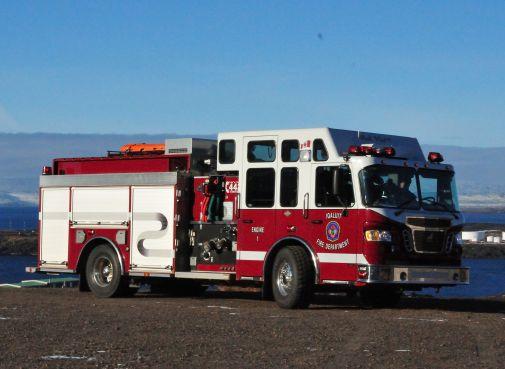
Unlike the department in Come By Chance, Iqaluit Deputy Chief Nelson Johnson says the small northern city of 8, 000 residents has no mutual aid and only one fire station. The station runs both the fire and EMS services with one quint, one engine, and two ambulances.
Like many Canadian departments, the
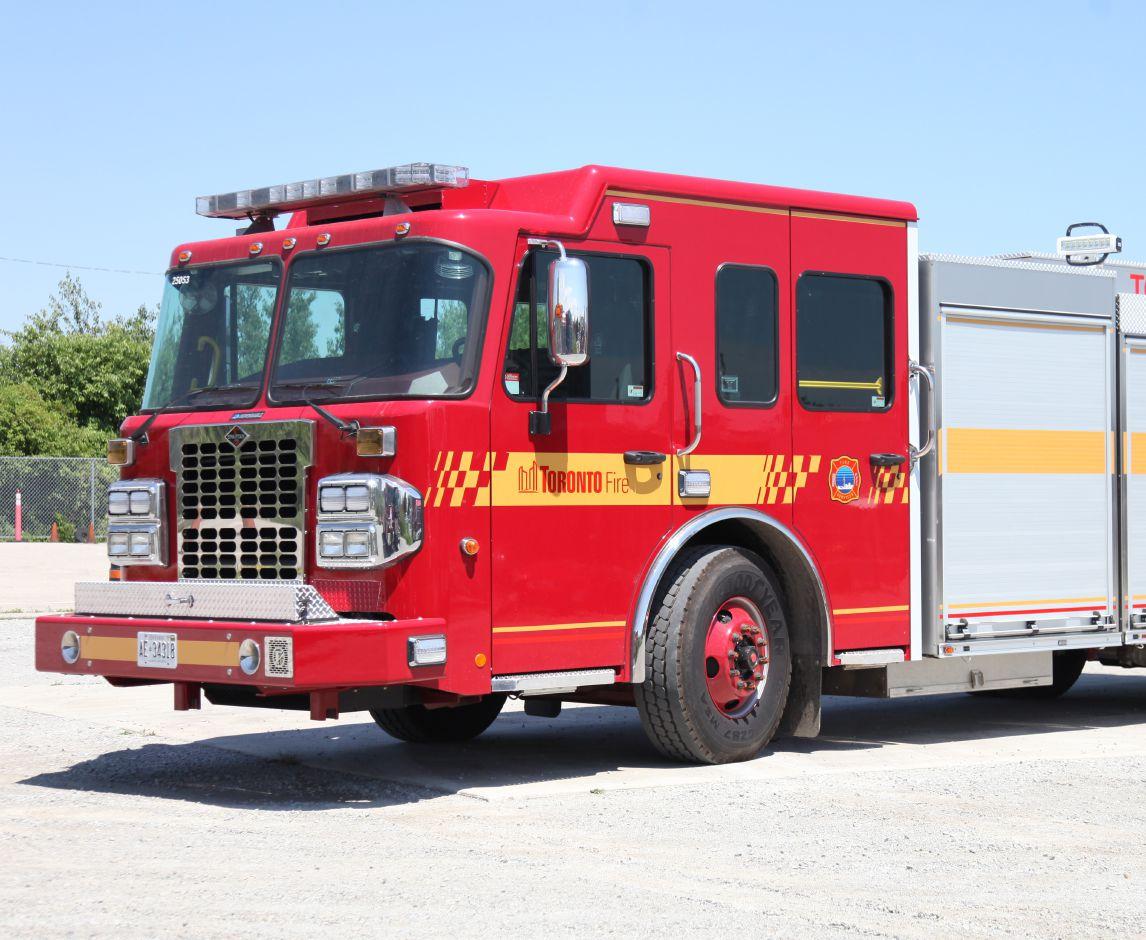
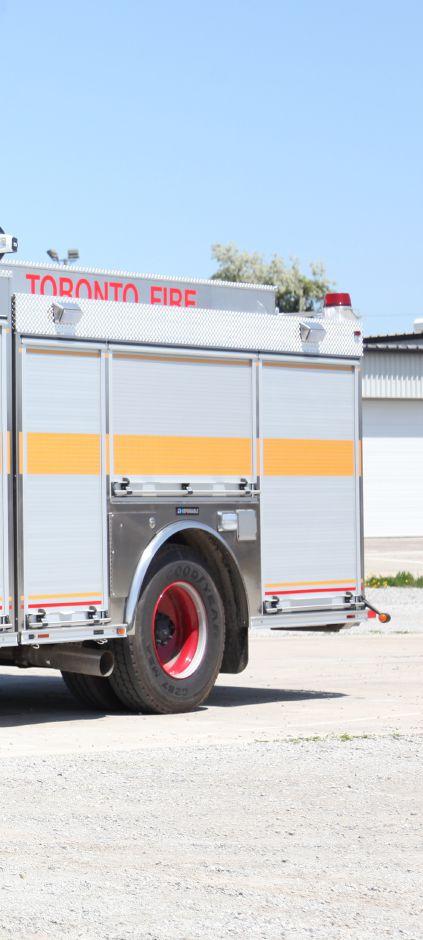
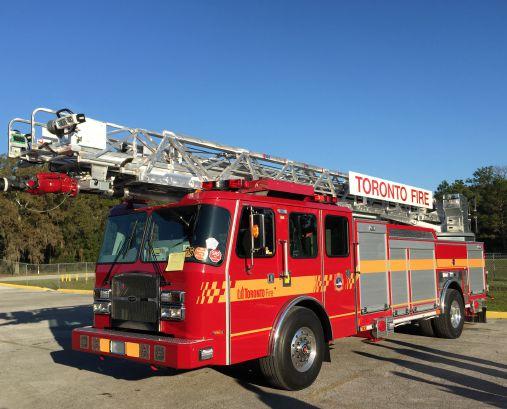
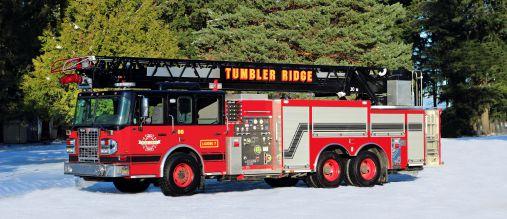
Toronto has the largest municipal fire service in Canada, with more than 3,000 firefighters and nearly 150 front line vehicles. Two of the major considerations when buying a truck in Toronto are high rise buildings and narrow city streets.
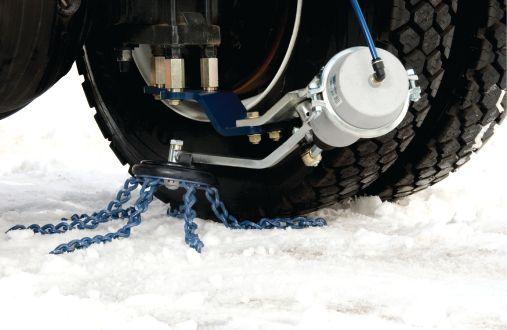
cold is a big factor when purchasing a truck. This means winterized features packages that may include enclosed pump panels, heat tracing on piping systems, pump heaters, enhanced insulation, and automatic tire chains for traction in snow and ice.
“No. 1 for us here is cold weather capabilities. Is the pump panel enclosed? Do we have a good heat source? Is the pump all enclosed? Does it have a heater? Do the drains freeze on us?” Johnson says.
Iqaluit has a unique set of difficulties when it comes to buying trucks because the city is located very far from distributors. This means the department has to put a lot of time and consideration into initial inspections, travel costs and shipping, Johnson says.
“We actually have to go to the mainland to do our final inspections before it gets shipped to us...The average for us is about $2,000 just to go there one way and back. That’s a huge cost for us just for that travel.”
He says the department usually buys trucks and parts out of eastern Ontario or Quebec. Most times, trucks have been shipped by sea out of Montreal, but this creates a whole new set of challenges for the often-icy island. Because most trucks and parts are shipped by boat, the department can only take delivery in the summer.
In order to avoid long wait times, Iqaluit tries to purchase what Johnson calls “off the shelf trucks.” If an issue with the vehicle occurred, they would have to take the truck to a local garage for repairs so they can have it back on the road quicker.
“We can’t wait for parts to be shipped out of the States . . . so we try to avoid customization,” Johnson says.
Much further south at Toronto Fire Services, customization is key.
Rob Anselmi is the division chief of mechanical maintenance in Toronto. He says most vehicles are specialized and don’t serve the same dual purpose as many apparatus in rural departments do. Toronto has the largest fleet in the country, which includes 30 front line aerials, engines, 55 pumpers, 28 rescues, two highrise trucks, two staffed hazmat trucks, and even two fire boats.
“We probably have more specialized stuff than a lot of smaller towns do,” said Anselmi. “A lot of departments are forced to buy a truck that is a command vehicle and a haz truck and a bit of a heavy rescue.”
While budgets may not be as tight as smaller rural communities, Toronto has to deal with tight city streets.
Anselmi says he is always looking to make things smaller when designing a new custom truck.
“Believe it or not, I buy them with as short a wheel base as I can just for that reason, for driving downtown,” he says. “If you look at a New York truck, who has the same problem as we do but times 10, you’ll notice they’re very cut off. There’s no corners at all. They cut the angles off the steps up the back, they cut the angle off the front of the bumper. But if you look at our [trucks] compared to anybody surrounding us, or any rural [department], we’re way smaller.”
Unlike the department in Come By Chance, which covers 30 minutes each way on the Trans-Canada, Anselmi says Toronto’s custom trucks rarely have to drive very far. But what the trucks lack in mileage, they make up for in constant stress, causing wear and tear.
“If you take a 78,000 pound tandem-axel aerial truck and do three-point turns in it all day, that causes massive issues with it,” he
The City of Iqaluit runs its fire and paramedic services out of the same station, which houses one quint, one engine, and two ambulances.
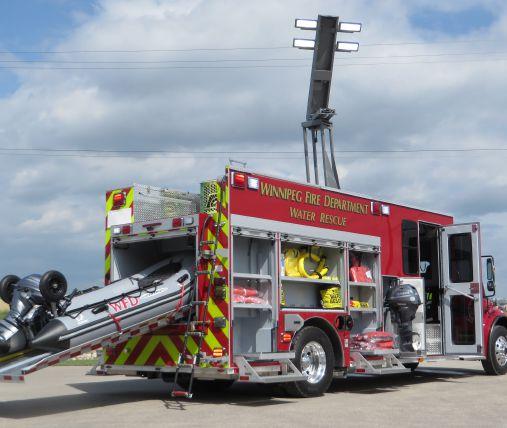
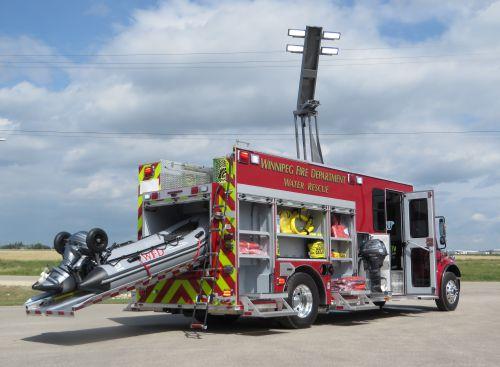
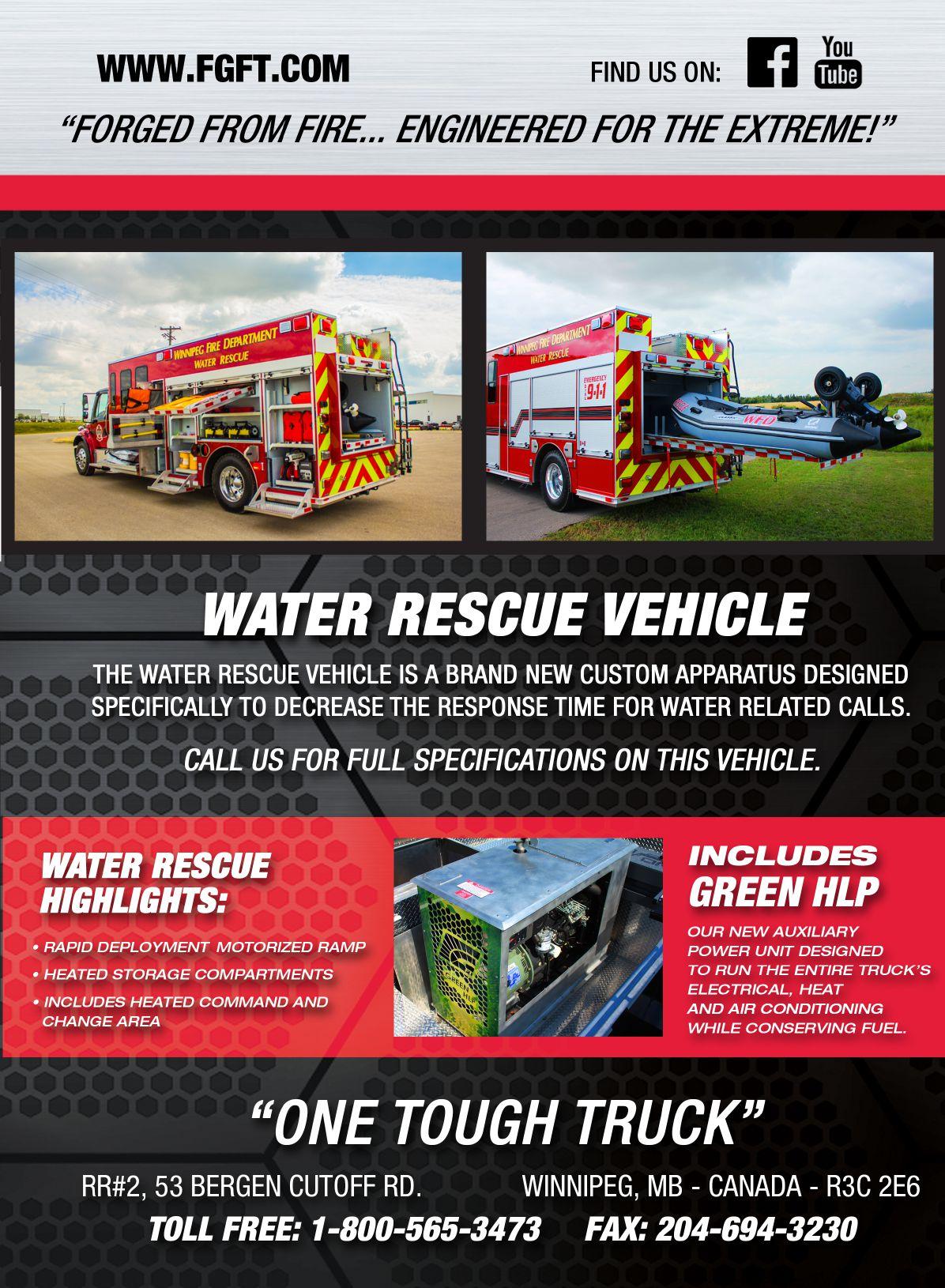
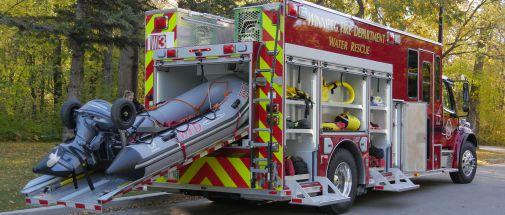
Water rescue is the most popular specialized program in Winnipeg. As a result, the Winnipeg Fire Paramedic Service recently took delivery of two custom water rescue vehicles that house Zodiac boats inside.
When you and your equipment are at their best, there are no doubts when the call comes. Maximum condence is the all-new Super Duty® Chassis Cab. The military-grade aluminum alloy^ body let engineers upgrade the frame, driveline, suspension and brakes. Ford Commercial Vehicle specialists have the uptting and modifying expertise to make sure your Super Duty® is ready for duty. We’ll stop at nothing to make equipping your team easier. FORD.CA/BUILTFORBUSINESS
You protect the public
Let us heLp protect you
For your cleaning, decontamination, inspection, testing, repair and record keeping of your firefighter’s protective clothing... we have you covered!
• 24/7 access to Firetrack®, the online data base that provides you with complete details of your C&M Program with FSM. We do the work for you!
• ETL Verified
• ISO 9001 Registered
• Fast turnaround
• Complete Bunker Gear Rental Program – Toronto Location
Firefighter safety is the most important consideration for
while
says. “A system like that is made to be on the highway like a transport truck.”
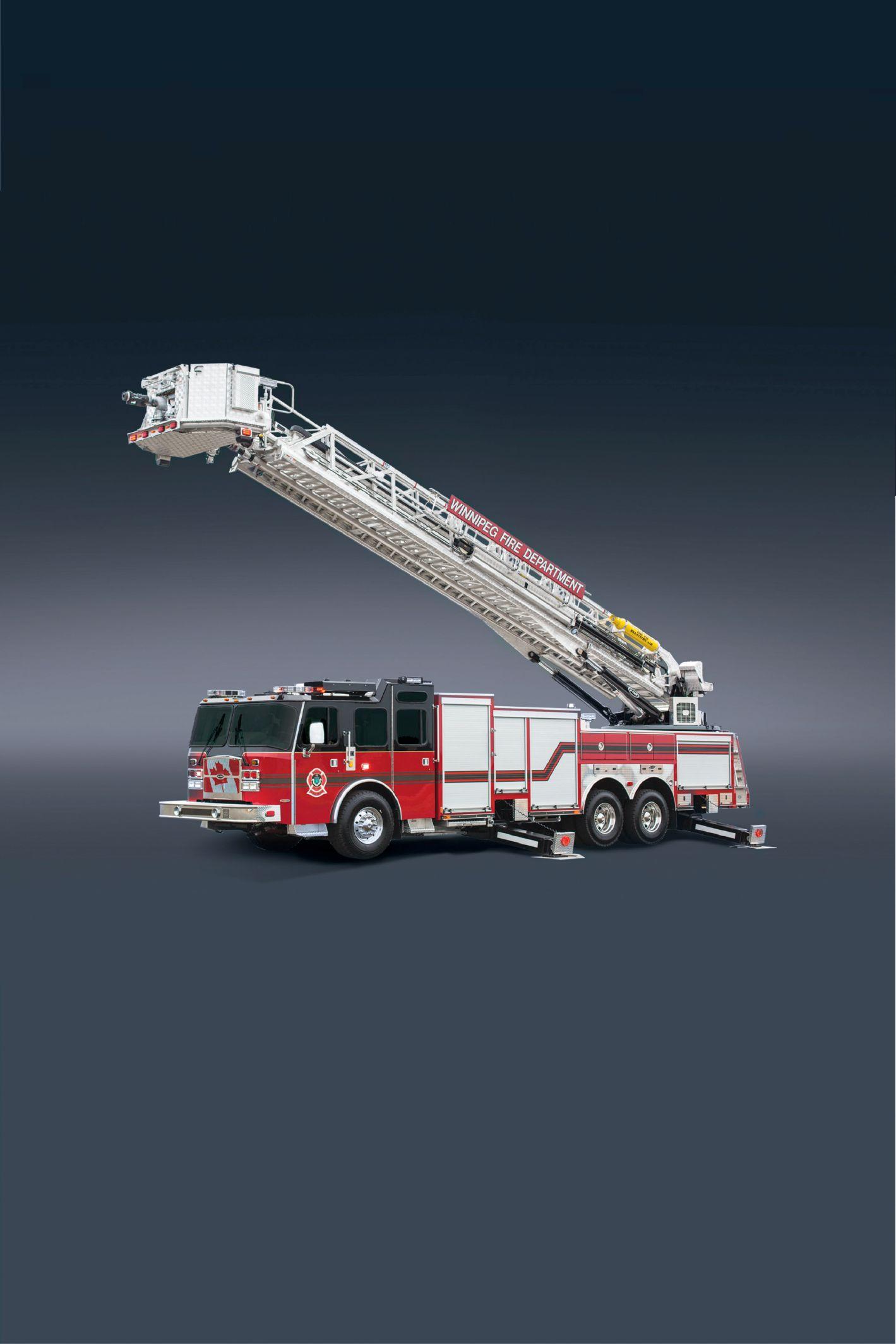
In the prairies, Winnipeg Fire Paramedic Service recently received two new water rescue vehicles that are very specific to their city’s needs.
Winnipeg Deputy Chief Tom Wallace says water rescue is the most popular specialized program the department has.
The city has four rivers running through it: the Assiniboine, La Salle, Seine and Red River. There are also a number of small retention ponds that crews are often called out to.
Instead of attaching a rescue boat to the back of the rescue vehicle, the boat is stored inside the truck.
“These two new water rescue units actually carry Zodiac boats inside the back cab that can be deployed quickly,” Wallace says.
The department does not have a station with riverbank access. This means that prior to the custom rescue boats, crews had to drive to a launch point and drive up the river to an incident. Now rescuers can drive directly to the closest bank to the incident for quicker deployment.
“Those two vehicles were designed very specifically with our topography in mind.”
Another important consideration for Winnipeg is the extreme climate. Most Canadian cities need to winterize their fleets, but in Winnipeg this may mean more robust cold weather protection.
“The only difference I think in Winnipeg is just the extremes of our climate. We’ll go from -30 C in the wintertime to 30 C in the summertime.”
Ontario (toronto) 1-888-731-7377
Western canada (calgary) 1-403-287-0155
Mid-West USa (Detroit, Mi) 1-866-887-6688
“Some of the things we’ve incorporated over the years are covered pump panels, so we’ll have roll-down doors that cover our pump panels that are on the exterior of the vehicles.” He says exterior truck compartments are heated.
The most recent engine purchases have more robust ventilation in the cab, which Wallace says helps to mitigate fogging. He says crews reported that the windows of previous trucks would fog up when firefighters got back in the vehicle after wet, snowy calls during the winter.
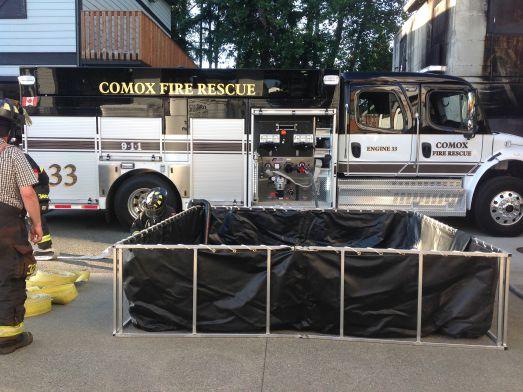
Comox, B.C., Chief Gord Schreiner. He says that
traditional fire trucks are predominantly red, Comox trucks are black and white trucks to increase visibility.
TRUCKTECH
To refurb or not to refurb
By CHRIS DENNIS
Fire-service leaders today do a good job convincing council of the importance of upgrading the apparatus fleet. Municipality underwriter’s insurance companies are helping to lead the way. They are steering department recommendations towards becoming essential repairs and replacements in the eyes of council.
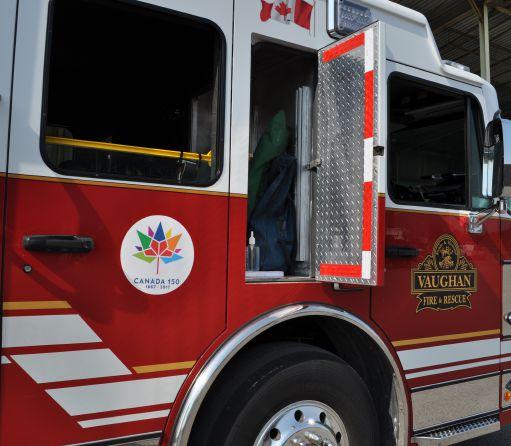
As far as I know, no one has come out and said this; it’s only my interpretation. I have been through two audits in my career and wrote an article on the experience for Fire Fighting in Canada in February 2014. It was a real eye-opener to see where our weak areas were, and where there is room for improvement. Even with a full mechanical repair division, Vaughan Fire and Rescue Service (VFRS) still needed to make some changes. Council and taxpayers will love you if the department qualifies for a lower insurance rate. However, with insurance companies driving rates up, the needs of the apparatus fleet can fall into the crosshairs.
The last article I wrote for Fire Fighting in Canada was on preventative maintenance. A good preventative maintenance program will help keep the apparatus on the road longer, while avoiding costly repairs or catastrophic failures.
It appears to me that every department across Canada, be it full-time, composite or volunteer, has a schedule for replacing trucks. Most are done via time cycles. For example, pumpers should be replaced every 12 years, aerial devices should be replaced every 15 years, and a new rescue vehicle should join the fleet every 10 years. Life spans can differ for every apparatus in every department. The full life expectancy of an emergency vehicle is 20 years, but the reality is, a lot of departments don’t have the funding to replace equipment. As a result, trucks are kept on the road much longer than recommended.
It’s all about money, and when it comes to fire trucks, nothing is under $100,000. Heck, a glorified pick-up truck from your local dealer can cost around $60,000. Some of the diesel-powered three-quarter and one-ton units can start at around $90,000, and that’s without a body. The sky is the limit for custom-built trucks.
In my shop at VFRS, we also do maintenance work for surrounding fire departments. Some of them are volunteer departments with minimal budgets. One department has two fire stations that house four custom fire trucks, and a number of utility and mini rescue trucks. The annual repair budget for the entire fleet is less than $ 15,000. The department is well outfitted, but the repair budget, in my eyes, is unrealistic. A brake job, one fire pump overhaul, and a tire change on one truck could be enough to gobble up the entire budget. This means the department should have budgeted for equipment refurbishment earlier in the truck’s life. Again, this is my personal opinion and not that of VFRS.
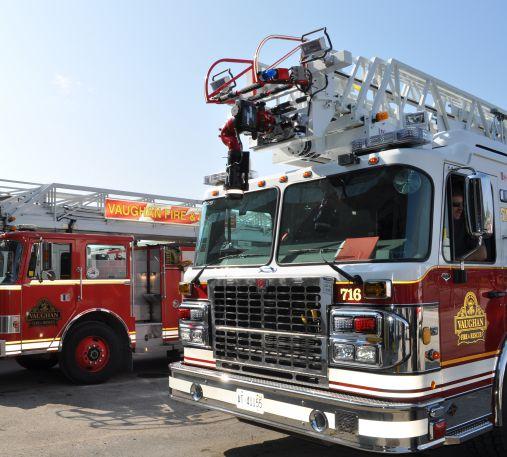
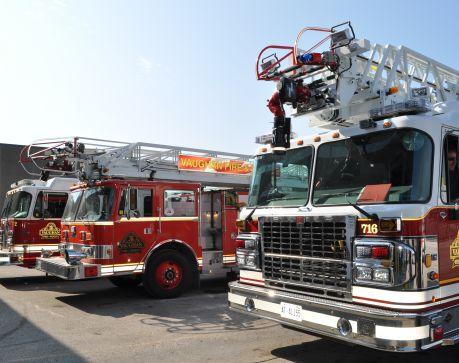
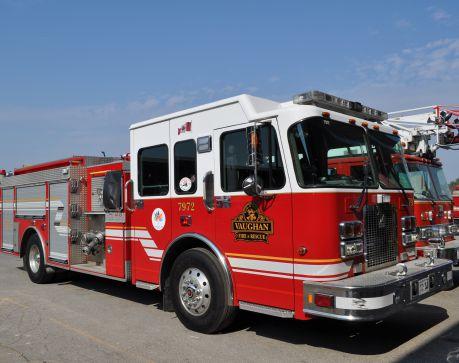
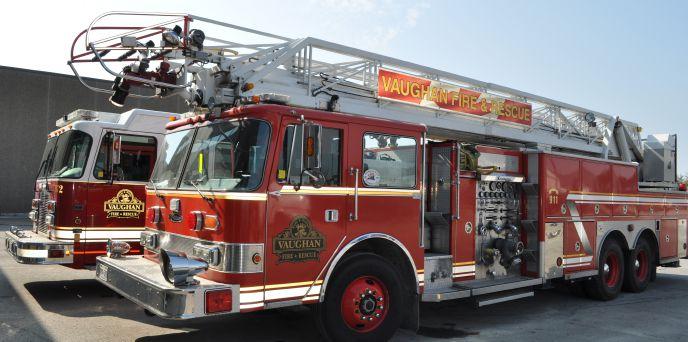
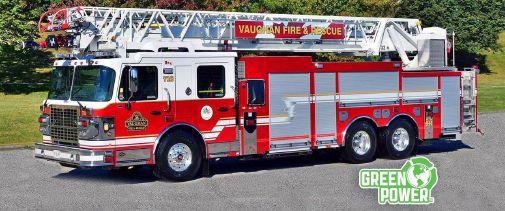
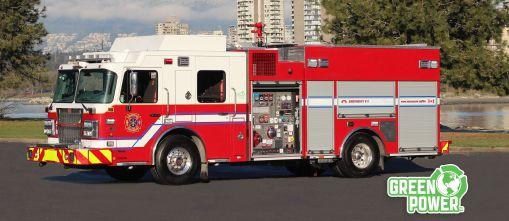
The trucks at Vaughan Fire and Rescue Services (VFRS) vary in age and ability. The truck furthest right is one of the newer purchases, a 2016 aerial, the middle truck is from 1988 and has been refurbished many times over the years. The final truck is from 2002.
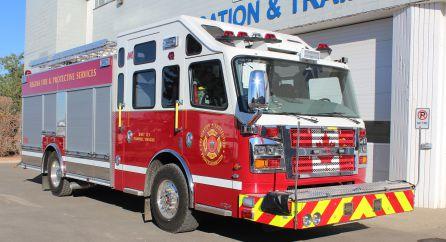
This 2002 pumper has been refurbished many times over the years. It was recently put into reserve.
BY
PHOTO 1
PHOTO 2
PHOTOS
LAUREN SCOTT
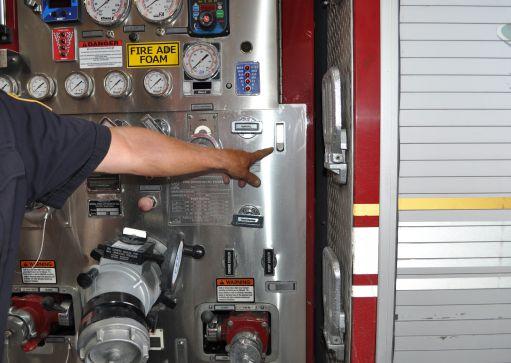
When purchasing a truck, make sure the department includes pop latches for the pump panel. This saves the mechanical maintenance crew hours of time, as they no longer have to unscrew the entire panel to get behind it.
The odds are, these trucks will run for more than 15 years. When their time is up, nothing will go to reserve status or spare. It will just be junk, with very little trade-in or resale value. Departments are throwing thousands of dollars at a vehicle with no way of getting even a small percentage back at the end of its life span, because there was no regular maintenance. Typically, the trucks will be great for the one to three years. Around the threeyear mark, we start to notice visible corrosion, wear and tear.
NFPA 1911 Standard for the Inspection, Maintenance, Testing and Retirement of In-Service Automotive Fire Apparatus and 1912 Standard for Fire Apparatus Refurbishing are the go-to books. Some departments may not have looked at this particular standard, especially if the department has only a couple of trucks. Reading this standard may help your department to make informed decisions.
So, to refurbish or not to refurbish? That is the question.
VFRS refurbished a 32-metre (105-foot) steel aerial four years ago. That truck was already 11-years-old and the repair costs were very high. However, because the maintenance had been accounted for, there were no surprises. The refurbishment went ahead because it would be three years before the department planned to bring in a replacement truck.
The new truck arrived this July and is currently in service. The
PHOTO 3
TRUCKTECH
previous truck, a 2002 custom aerial, has now gone to reserve. The fire chief looked at the expense of refurbishing the truck to remain safe and in service. But by keeping the truck as a spare, the department was able to avoid the high cost attached to continuing repairs. As for the new truck, we are already working on a timeline and budgeting for possible refurbishing and what it may cost to remain compliant with NFPA 1912 in the future. In the past, we have learned that the cost to refurb a unit that is over 20-years-old (besides a simple paint job) is not money well spent.
Drawing from NFPA 1912, here are a few common refurbishing questions fire chiefs should ask themselves before making decisions. Below is my advice for chiefs questioning whether to refurbish a vehicle or not.
QWhat is the overall condition of the rig? Was there a significant repair done that may happen again? Overall, should you spend money on an apparatus that will continue to give your department little return?
Answer: There will not be a large return for the money invested in an old or badly damaged vehicle. Keep good financial records of department spending for each truck. Look at the condition of the truck and the circumstances of your department to make calculated decisions based on both safety and taxpayer dollars.
QDoes the rig meet the current needs of the municipality or city? Are the functions are obsolete? Are the parts needed to fix it still available? Again, is it cost effective?
Answer: Do not invest money into something that will come back to haunt your department with one repair after another. If you need a second opinion, contact a fire truck mechanic to give you his or her
advice. Consider what your community needs and whether or not this truck can provide it. Safety is No.1. For example, imagine your community had only a few multi-story buildings or subdivisions with lots of undeveloped land 15 years ago; now a multi-story apartment complex is being built as well as larger subdivisions. The aerial device or pumper you currently have has a 5000 LPM fire pump, which could have handled anything the department threw at it 15 years ago. But now the community has different needs. Replacing the fire pump for a bigger one to meet multiple hose line needs is not cost effective. The multi-year strategic plan could help departments determine future truck purchases.
QOnce you have refurbished the truck, will it continue to be safe? Could it possibly meet the capabilities of a newer fire apparatus?
Answer: It is possible that the refurbished truck will remain safe, and even match the abilities of a newer apparatus. However, there are a few key points departments should keep in mind when refurbishing a truck. For example, fire departments cannot change the gross vehicle weight when rebuilding the truck. If your truck needs to carry more water because the township or city got bigger, you can’t install a bigger on-board water tank, foam tank, or add on a large amount of extra equipment. A change in total vehicle weight changes the way a truck handles. The chassis may not have been designed to carry the amount of weight the city now requires. If you have an open-rear crew cab design truck and are looking to enclose this area, remember to be compliant to the standards. The enclosure may be enough to put the truck overweight, and make the vehicle unsafe.
An important feature in newer VFRS vehicles is a side storage unit, which helps to keep loose equipment and gear out of the main cab.
The latches allow mechanics to easily get to the pump panel wiring, without hours of removal time. While this may seem like a small feature when departments are looking to purchase, it will get the truck back on the road faster.
PHOTO 5
PHOTO 4
TRUCKTECH
QIf a truck could be refurbished regularly, will it be virtually major repair free? What happens if there is a major issue? How much longer will the parts last if a major break down occurred? Answer: Trucks are machines and mechanical components can fail. Like a light bulb, your truck may work one second and burn out by the next time it is needed. What I mean by this is that fire service leadership should prepare for failure, because all trucks will break over time. Ask other departments of your size what common failures are affecting their trucks. Can you apply this information to your fleet? Find out who does their maintenance work and recertification. During the initial truck build, be sure to add the length of time the manufacturer has been in business in your RFP or bid for tender. Find out which departments have the trucks and ask what they do for parts and service assistance, especially on trucks over 15-years-old. Best practice is if the repair cost is more than the truck is worth or repairs over time have added up to the same initial cost, then it’s not a good choice to move forward with repairs or refurbishing.
QIf a truck has a good trade-in or sale value today, will the rig still have value in a few years? Does the refurbishment cost compare to (or outweigh) the cost to get a new or used rig?
Answer: Resale value is all about transparency. The taxpayer wants the best return for their dollar. Most fire apparatus over 12 to 15 years-old have little trade-in value. To get the most out of new or used vehicles, create a maintenance plan the day it is delivered. At the beginning of a truck’s life departments should also take into consideration the middle and end of its life cycle. To a certain extent, chiefs can use regular maintenance to set a truck’s life cycle to fit the department’s strategic long-term plan.
Whatever you decide, keep in mind that firefighter safety is paramount. Crews should have access to a reliable rig so they can perform the tasks they were trained to do. An unreliable fire truck that could potentially break down could jeopardize the safety of all, while failing to fulfill the needs of the department.
To quote NFPA 1911 “An old, worn out, or poorly maintained fire apparatus has no role in providing emergency services to a community.”
Thanks friends. Be safe and remember: rubber side down.
Chris Dennis is the chief mechanical officer for Vaughan Fire & Rescue Service in Ontario. He can be reached at Chris.Dennis@vaughan.ca
full life expectancy of most emergency vehicles is 20 years. Pumpers should be replaced every 12 years, aerial devices every 15, and rescue vehicles every 10 years.
PHOTO 6
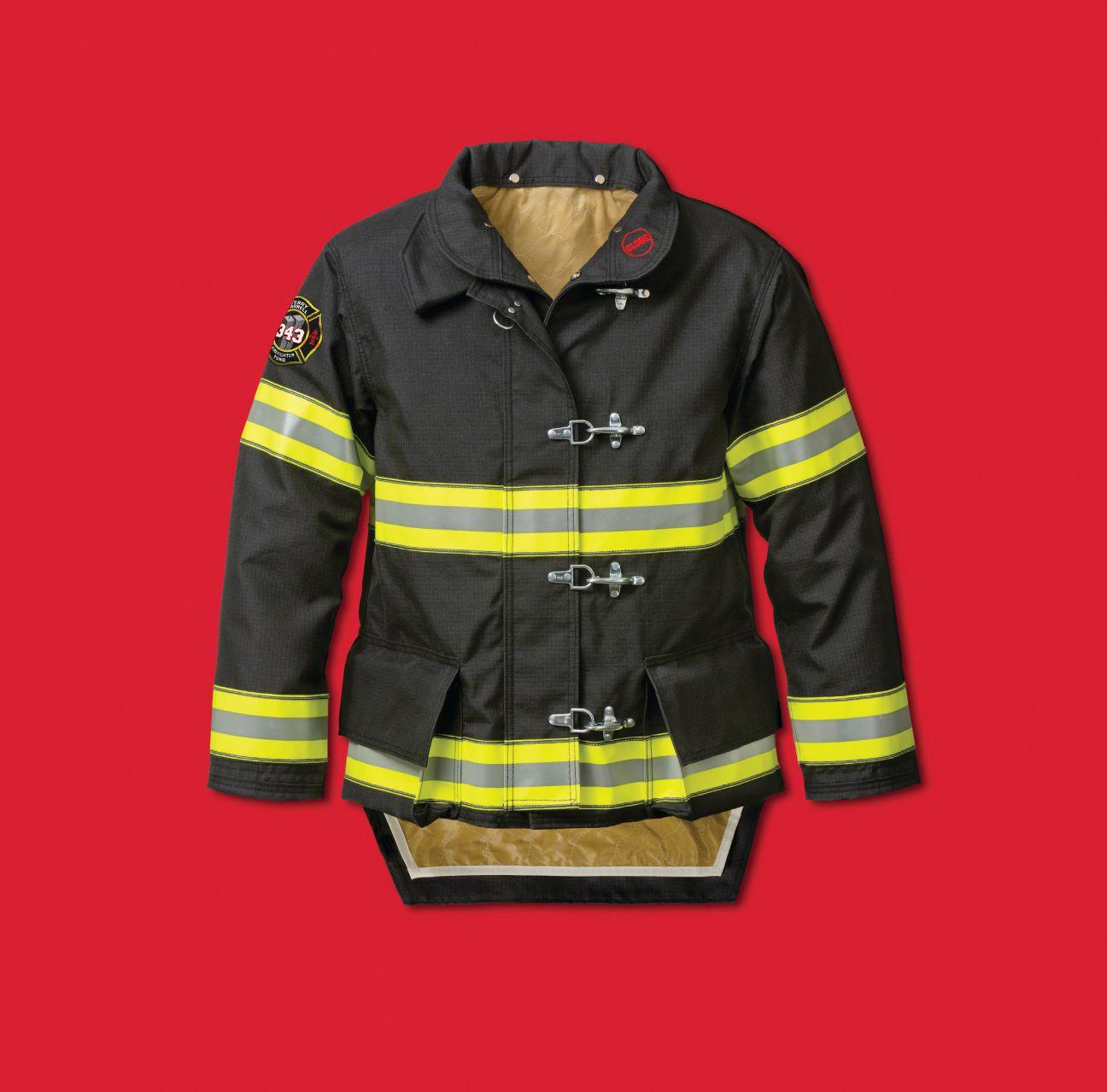
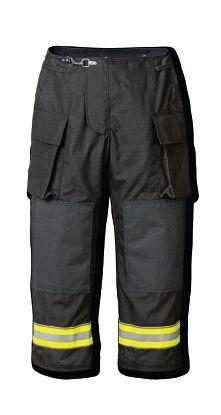
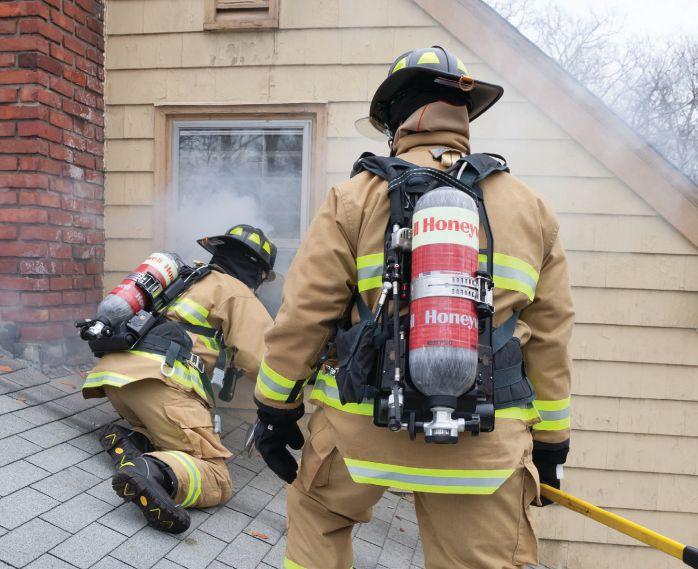
Drop shoulder design for improved reach
Telescoping sleeve band and wristers with thumb loop
Shorter expansion pockets work with SCBA belt
TRAINER’SCORNER
All firefighters should understand wildland terms
By ED BROUWER
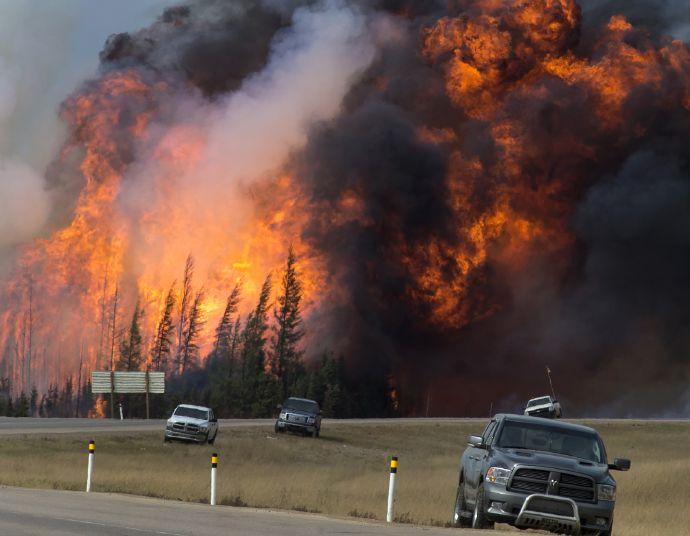
This past summer proved to be a record-breaking wildfire season for the province of British Columbia. While I was on the fireline for a 22-hour shift, I found myself thinking about the Horse River wildfire that ravaged Fort McMurray, Alta., last year.
It is hard to be in the fire service and not know about this fire that began on May 1, 2016, just outside of Fort McMurray. Two days later, it had swept through Fort McMurray, moving into Saskatchewan. By the time it was fully extinguished on Aug. 2, 2016, the fire had destroyed 2,400 homes and buildings, and burned up nearly 600,000 hectares.
If you are involved with fire service training, I highly recommend you read an independent report on the miscommunications between crews during the Horse River wildfire, released this June, from consulting firm MNP. You can download a PDF copy at: www.alberta. ca/assets/documents/Wildfire-MNP-Report.pdf.
The report offers insight into wildfire fighting communications during the response effort and makes 10 recommendations for improvement. I suggest taking a close look at the section on wildland urban interface response (pages 39 to 44). I also recommend reading the recommendation on pages 45 to 47, suggesting that all crews involved in wildfire suppression adopt a standard ICS procedure.
After reading this report I realized although we in the fire service have worked diligently to implement the ICS program into our training, there are still grey areas. Structural firefighters still struggle with understanding wildfire terminology.
For example, most firefighters should know that a “30/30 cross” means temperatures over 30 C and humidity below 30 per cent. However, if firefighters don’t know what it means on the fireground, it is of little value to them. They must understand that a 30/30 cross means fires will start faster; they should expect severe burning conditions, erratic fire behaviour, and rapid rate of spread.
In the week leading up to the Horse River wildfire temperatures around Fort McMurray were rising steadily as relative humidity levels decreased. Temperatures were forecast to rise to 30 C, while relative humidity levels dropped to 15 per cent and winds approached 25 kilometres per hour. This should have been a heads up to all firefighters to expect erratic fire behaviour.
On May 1, the day the fire started, the relative humidity in the area dropped rapidly in the morning. It dropped from 30 per cent to less than 20 per cent in under an hour, all by 10 a.m. The temperature also rose throughout the day, creating “crossover” conditions. Higher than normal winds were blowing by midday, which intensified the already extreme burning conditions. The rate
All firefighters should understand the fire triangle: heat, fuel and oxygen. On top of this, wildfire crews need to know understand fire behaviour in wildland environments; this is understood with an additional triad: fuel, weather and topography.
of spread (ROS) is the rate at which a fire extends its horizontal dimensions, which is expressed in terms of distance per unit of time, usually metres per minute (m/min) and kilometres per hour (km/h). ROS is especially important to determining a fire’s forward movement. For every eight kilometres the wind speed increases, the ROS doubles. So, if the ROS is 16 metres per minute and the wind increases by eight kilometres per hour, our ROS can go upwards of 32 metres per minute.
FUEL
UNSTOPPABLE
FEATURING THE SP 777E2 SPREADER
IN A WORLD WHERE SAVING TIME SAVES LIVES , HURST JAWS OF LIFE ® DELIVERS THE NEW SP 777E2 THE MOST POWERFUL 32” BATTERY-POWERED SPREADER ON THE MARKET. GET THE JOB DONE , AND GET IT DONE FASTER THAN EVER. LIGHTWEIGHT. HEAVY-DUTY. UNSTOPPABLE
TRAINER’SCORNER
The words “red flag” are also concerning to me. A red flag warning is a forecast warning issued by the Meteorological Service of Canada; it was first used by the National Weather Service in the United States to inform fire fighting agencies that conditions are ideal for wildland fire combustion and rapid spreading.
A red flag warning means that critical fire weather conditions are either occurring or are about to occur. This could be a combination of strong winds, low relative humidity, and warm temperatures.
An example of these conditions in Fort McMurray happened on the afternoon of May 15, 2016, when warming temperatures and lower relative humidity levels, along with moderate winds, caused the wildfire to behave more aggressively.
All firefighters, whether structural or wildland, must understand the fire triangle: heat, fuel and oxygen. In addition to the fire triangle, wildland firefighters use another triad: fuel, weather and topography. Each of those three categories has three factors that affect fire behaviour. Here is a breakdown of each factor for those who may be unfamiliar with wildland fire fighting.
■ FUEL
• Moisture content - a critical factor in determining the flammability of fuels.
• Size of fuel - Fine fuels, like grass and foliage, can ignite easily and become consumed rapidly, while heavy fuels, such as logs, can take longer or require higher heat levels to reach ignition temperature.
• Continuity - the continuous (or discontinuous) distribution of fuel.
Note: The term “ladder fuel” is used to describe lower branches or intermediate vegetation, such as shrubs, that provide connectivity for the fire to climb upwards to the tree tops (crown).
■ WEATHER
• Wind - Wind probably has the biggest impact on a wildfire’s behaviour. It is also the most unpredictable factor. Wind can influence the direction and rate of fire spread. The stronger the wind blows, the faster the fire spreads. The fire can generate winds of its own that are up to 10 times faster than
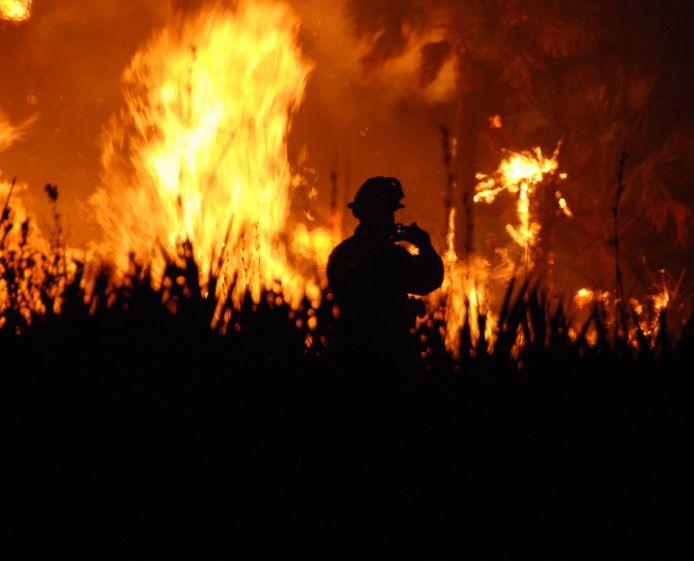
All firefighters should understand basic fire terms, including wildland terms, so there is no confusion on the fire ground. For example, a “30/30 cross” means temperatures over 30 C and humidity below 30 per cent. When this term is used, firefighters should understand that fires will start and spread faster.
Much can be learned from the Horse River wildfire that began on May 1, 2016 in Fort McMurray, Alta. An independent report looking into the communication effort during the wildfire response shows there is room for improvement, and recommends changes to adopt standard practices.
PHOTO
TRAINER’SCORNER
ambient wind. It can even throw embers into the air and create additional fires; wildland firefighters call this “spotting.” Storms - Thunderstorms and the passage of cold fronts can pose challenges to fire fighting operations. Thunderclouds can push the wind in all directions.
Temperature - Fuels heated by the sun will ignite and burn faster than cooler fuels.
• Moisture - The amount of moisture in the air will affect the moisture levels in fuels.
■ TOPOGRAPHY
• Slope - The steepness of a slope affects both the rate and direction in which a wildfire spreads. Fires generally move faster uphill than downhill, and the steeper the slope, the faster the fire will move. For every 25 per cent increase in slope the ROS doubles.
• Aspect - Aspect is the compass direction that a slope faces. The aspect of a slope will influence the amount of sunshine the slope receives. South-aspect slopes receive more solar radiation than north-facing slopes, meaning fuels can ignite easier and spread faster.
• Terrain - As wind passes over a ridgetop, turbulence and eddies can form on the leeward side. When wind is forced through a narrow valley or canyon,
wind velocity will increase.
When you place the fire triangle upsidedown on top of the wildland triangle it forms an hourglass. If you consider all of these factors it will give fire crews a pretty good idea of the length of the fire fight they are facing.
Information gives firefighters the power to make good, safe and timely decisions. I encourage all firefighters to read through the MNP report on the Horse River wildfire. There may be some recommendations that apply to the safety of your members. If you discover something useful in the report, I’d love to hear about it.
I know it is more than a year later, but I’d like to extend my thanks to all of you who helped to fight this wildfire. I know some Fort McMurray firefighters saw their own homes go up in flames, while protecting the homes of neighbours. Crews never gave up, and in the end only 15 per cent of homes were lost, thanks to the tremendous efforts of firefighters.
As always train like lives depend upon it, because they do.
Ed Brouwer is the chief instructor for Canwest Fire in Osoyoos, B.C., and deputy chief training officer for Greenwood Fire and Rescue. Contact Ed at aka-opa@hotmail.com
A red flag warning means that critical fire weather conditions are either occurring or are about to occur. This could be a combination of strong winds, low relative humidity, and warm temperatures.
re·li·a·ble /rə’līəb(ə)l/ adjective
l
l a person or thing with trustworthy
Skid Units
BACKtoBASICS
Check the nozzle before making entry
BY MARK VAN DER FEYST
Irecently conducted a structural burn session class for a local fire department, where members had access to a school building for live-fire training. The training day allowed firefighters to refine their skills under realistic conditions.
During one of our class rotations, I was the attack line instructor. Before we made entry for fire attack operations, I instructed the firefighter holding the nozzle to check the nozzle before going in. He did so by quickly opening the nozzle only a quarter of the way, so that just a trickle of water came out. Then he shut the nozzle down. As the day proceeded, I noticed some of the other teams checking their nozzles the same way before making entry. We quickly stopped the evolution so we could explain to the entire group why it is important to check the nozzle.
So why do firefighters need to check the nozzle before entering a burning structure? To answer this question fully, we need to look at two perspectives: outside the building and inside the building.
■ OUTSIDE OF THE BUILDING
When we pull our hoseline off the fire truck, we will flake it out and get it ready for water to be delivered to the nozzle. After all the kinks have been removed, firefighters should ensure they have both the nozzle and a coupling for the hoseline upon entry, so there is enough hose to go in with. When water finally comes from the pump, the hose starts to fill up with both air and water. Once the hose has been filled, firefighters should let out the excess air in the handline by opening up the nozzle. If excess air isn’t released from the nozzle, the oxygen could contribute to fire growth and delay water delivery.
This can be accomplished by simply opening up the nozzle to let the air out, which inevitably lets out a bit of water as well. However, this does not mean the hoseline is ready to make entry. Crews should check the pump panel dials to make sure there is adequate water and proper pressure at the nozzle before making entry. Firefighters at the nozzle can help to ensure proper pressure by flowing the nozzle for about 15 to 20 seconds outside the building before making entry.
By taking some time to allow the water to flow, we are giving the pump operator time to ensure the pump is set properly and running without any apparent problems. Crews need to have the proper flow and pressure to combat the heat release rates (HRR) that are waiting for them inside. If you don’t have the right flow and pressure, then you aren’t armed correctly to combat HRR.
Photo 1: Firefighters should always flow water outside of the structure so they can ensure they have the right stream selected prior to entry.
PHOTOS BY MARK VAN DER FEYST
Photo 2: When entering a burning structure, crews should always use a straight stream.
Photo 3: When using an automatic nozzle, any contact with other objects when entering the structure could cause the pattern to change. Always double check settings once inside.
BACKtoBASICS
It’s also a good idea to flow water outside the structure so firefighters know they have the right stream selection with the nozzle. When using a smooth bore nozzle like in photo 1, this is not a concern, because there is only one type of stream – a solid stream. However, when using an automatic type of nozzle, there are multiple options for stream selection. In this case, firefighters must ensure they are using a straight stream.
When entering a burning structure crews should always use a straight stream. Never use a fog pattern of any type for interior attack operations; a fog pattern will be detrimental to interior operations. The fog stream can cause mass steam conversion, air entrainment and inadequate water levels for penetrating the thermal column.
An experienced firefighter should be able to tell by the sound the water makes when it hits the ground whether or not the stream is adequate. Each nozzle and hose is different, so this skill will come as you continue to practice with department equipment and flowing water.
Whenever using an adjustable gallonage nozzle, flowing the water outside will allow the firefighter at the nozzle to check they have the right selection for the amount of gallons per minute on the dial.
■ INSIDE THE STRUCTURE
So how does checking the nozzle impact the inside operations of a structure fire? Firefighters will notice the impact when they start to flow water on the fire after dragging the hoseline in. If pressure is correct and excess air has been eliminated, the fire should get smaller as crews deliver water; the fire will grow larger if this is not done correctly.
When crews are using a smooth bore nozzle, there is no concern about the pattern type changing from the nozzle moving along the floor. It will always flow a solid stream. When fire crews use an automatic nozzle, the pattern may change when the nozzle rubs against the floor, bumps into objects, and brushes against firefighters. When the nozzle comes in contact with other objects, the pattern changes. The head of the nozzle might move from the straight stream selection to a fog selection. So, when firefighters begin fire suppression efforts, they may be surprised to see a fog pattern when they open up the nozzle, instead of a solid stream as shown in photo 3.
The nozzle person needs to quickly check nozzle patterns before applying water to the fire. The firefighter can do this in one of two ways: flow a bit of water on the floor or use a free hand to turn the head of the nozzle to the right for reach. By doing this, firefighter at the nozzle knows they will have a straight stream when they begin to suppress the fire.
Mark van der Feyst has been in the fire service since 1999 and is a full-time firefighter in Ontario. Mark teaches in Canada and the United States and India. He is the lead author of Residential Fire Rescue. Mark@FireStarTraining.com
“They couldn’t even leave the scene until they could get it scraped off,” he said.
Very few parts of Canada don’t require winterization packages on their fleets. But there are a few exceptions out on the west coast.
“In the lower mainland of British Columbia, typically those departments don’t need to winterize their trucks as a department in Ontario would have to or Alberta,” says Wayne Stephens, vice-president of Safetek, Canada’s dealer of Smeal apparatus.
On Vancouver Island, crews rarely have to deal with snow and extreme cold.
However, due to rain, some of the rescue units in Comox, B.C., are equipped with pop-up tents for vehicle incidents.
Instead of buying heating packages, Comox Chief and Fire Fighting in Canada columnist Gord Schreiner, looks at custom ways to cool down his members and keep them safe.
Schreiner added external detox-misting systems to a few of the department’s most recent purchases. The system is mounted in each side of the vehicle and mists firefighter with cold drinkable water, allowing them to cool down faster after a response.
He said it cost his department about $500 per side, which is a relatively inexpensive upgrade that has really benefitted members.
“When you’re looking at the price of a fire truck, I think that’s pretty reasonable,” he said. “It’s certainly within the ball park figure of any fire department.”
“The firefighters love it and I think it’s something you’ll see on more and more fire trucks moving forward,” Schreiner says.
Some other safety features on Comox trucks include increased lighting around the truck, hydraulic ladder storage, lowered hose beds, external ladders in place of steps, and of course external misting systems for detox.
One important safety change Schreiner made to the trucks he buys is colour.
While the traditional truck is predominantly red, Schreiner has opted for black and white trucks. He says that this increases visibility, as red lights are more visible on a black background than a red background.
“We’re silly to put a red flashing light on a red background,” he said. “When I have to justify a truck purchase to a political body like a council, I can justify it with the safety aspect rather than just the fact that we want to look cool.”
Most manufacturers and distributors across Canada said that firefighter safety features are some of the most popular additions. Fort Garry’s Petrie and Carrier Centres’ Finnie both have seen a major push for safety.
“[Firefighter safety] is not a trend, it’s a fact,” Petrie says.
“There’s a big focus on firefighter safety at this point,” Finnie says.
At the end of the day, departments are buying apparatus based on their specific needs. Whether city council buys-in to safety, climate, or even geographical considerations, both the department and its trucks will continue to change to serve the community.
Every department varies, and so does its fleet.
“We have a saying that all fire trucks are snowflakes,” Stephens says. “Meaning that they’re all custom and they’re typically manufactured to the exact needs of individual fire departments.” CONTINUED FROM
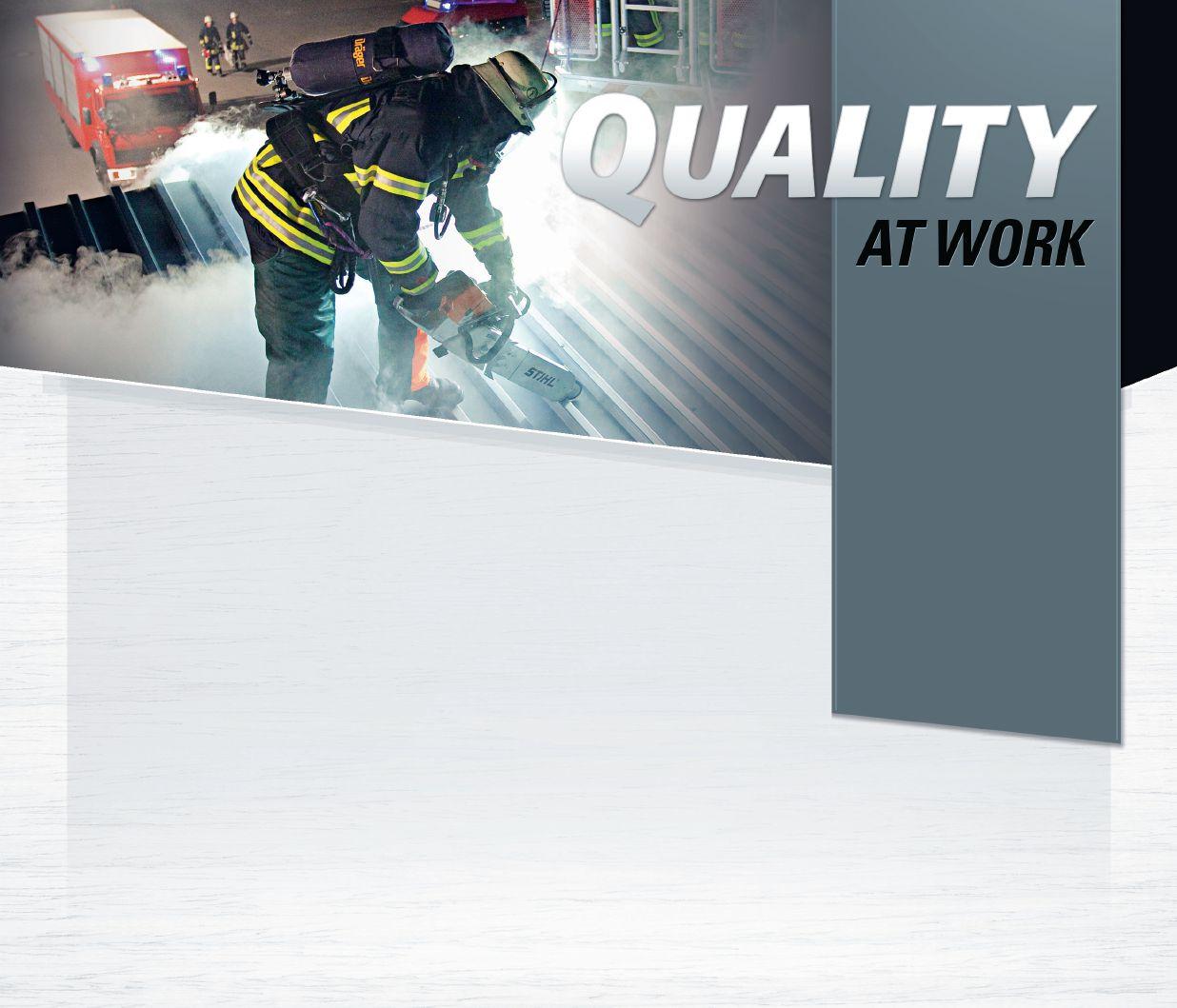
High-performance when every second counts
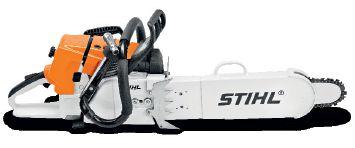
Extreme working conditions, such as fires, rescues or clearing obstacles demand supreme performance from technology and personnel. Rescue workers need to be able to count on their equipment 100%, and with the reliable STIHL MS 461 R MAGNUM® Rescue Saw, they can. Every aspect of this tool is designed to meet the toughest demands, and it is ideally suited in many ways for use in rescue services or disaster response work.
A sharp answer to a tight spot
The technology and features of the high-performance STIHL MS 461 R MAGNUM® Rescue Saw is primed for the particular challenges faced by emergency services in rescue work and firefighting. The compact, 4.4 kW machine gives the carbide saw chain immense thrust even at medium speeds. And it has even more to offer: key power factors and a whole host of useful features. See for yourself what the famed STIHL quality and reliability can do.
For over 90 years, STIHL has been a world market leader and innovator in outdoor power equipment. German engineered products featuring the latest pioneering technologies make STIHL the preferred choice for professionals, consistently providing uncompromising quality. STIHL products are only available at independent STIHL Dealers who provide personal advice and expert service. Thank you for the continuous support and for making STIHL the brand you trust. * “#1 Selling Brand in Canada” is
†Excluding fuel, guide bar and saw chain.
BY MATT PEGG Fire chief, Toronto
LEADERSHIPFORUM
Steps to solving personnel problems
Whether we like it or not, one of the main responsibilities of every leader, especially for chief officers, is to deal with problems. In fact, I spend the majority of each day dealing with problems, issues and challenges as they arise.
Despite the fact that the overwhelming majority of an officer’s responsibilities are non-operational in nature, we spend very little of our staff development and training time teaching officers how to lead others and deal with departmental problems.
We would never expect (or allow) a new firefighter with no experience or training to assume command of an incident. But all too often we expect new officers to magically know how to deal with interpersonal issues when they arise, simply by virtue of being promoted.
Dealing with problems that involve other people can be difficult, especially when emotions run high and people are upset. In my experience, dealing with issues requires two separate and progressive strategies – problem leadership and problem management.
The goal of problem leadership is for the direct supervisor to identify the problem and personally assist the affected worker through the problem to the resolution, without escalating the issue. At this stage, the outcome is largely up to the worker. As the direct supervisor, there are three steps to follow as you lead someone through to a resolution. First, identify the problem that needs to be corrected. Secondly, suggest a suitable way to resolve to the issue and assist the worker to implement the corrective action. Finally, support the worker through the transition and ensure that a positive and supportive environment is maintained.
the opportunity to resolve the issue, forcing the leader to escalate the issue up the chain of command. This could involve the fire chief, human resources or, in severe cases, legal services.
The goal of problem management is to limit the damage caused while an issue is being investigated or corrected. This is the stage where more senior leaders become engaged and, as such, the outcome is no longer determined by the worker.
Problem management also involves three steps. Firstly, the damage must be limited. This may mean removing the involved individuals from the workplace, while the second step – a full investigation – can be completed. This can be a complex and challenging process. Department leaders are often required to conduct interviews and investigations, to determine the root cause of the issue. Once the causes have been identified, the final stage of problem management is completed when corrective action is implemented.
If the firefighter in the example above had rejected his captain’s advice, refused to make corrections, or accept responsibility for his actions, the captain would have no choice but to escalate the issue. A chief officer would then have to take steps to limit the damage, while
As leaders, it is always preferable when we can guide others to resolve their own problems.
’’
I recently saw this approach work very well when a captain identified problematic behaviour in one of his firefighters. The captain privately addressed his observations directly with the firefighter, and explained the damage the firefighter was doing to himself and his crew. The captain then suggested corrective actions. In this case, the captain’s recommendations were embraced and this issue was resolved without damage, discipline, or further incident.
This approach could be seen as an informal means of resolution, or even coaching, without escalating to the second stage: problem management.
Problem management begins when an attempt to lead or coach someone through an issue is unsuccessful, or the colleague rejects
Matthew Pegg is the chief with Toronto Fire Services, having previously served in Georgina, Ajax and Brampton, Ont. Contact Pegg at matthew.pegg@toronto.ca
imposing corrective action and discipline to formally address the issue.
As leaders, it is always preferable when we can guide others to resolve their own problems. But, all too often, people refuse to take responsibility for their own situation, giving the officer no choice but to escalate the issue to problem management.
Being a leader in today’s fire service is not an easy task. The higher you climb in the chain of command, the more time you will spend managing problems. A fire chief must be a highly skilled coach, leader and manager, who can address a multitude of problems as they arise.
If you aspire to be an effective chief officer, I suggest investing in management education and training. Take the time to enrol in personnel management training, and find a mentor who you can ask for advice when you need it. Your success as a senior leader will depend on it.
A pump failure at a critical time out in the field can result in devastating losses. Consequently, WATERAX is tirelessly dedicated to providing the highest quality Genuine pump parts. The care and precision taken in producing these parts ensures the reliability that has made WATERAX pumps the benchmark of excellence in forest firefighting.
BY DAVE BALDING Fire chief, Golden, B.C.
IFIRELINES
Good leaders are humble people
was recently asked by some of my firefighters why I chose to ride in the rear seat of our rescue truck during a motor vehicle incident (MVI) response in early September rather than taking my usual command vehicle. Sure, I could have jumped in the front seat, but I left that role open to an up-and-coming member. Once on-scene, the incident was straightforward and command clearly had the situation under control, so why wouldn’t I make myself available on the tools? Operationally, it makes sense for everyone to be competent at the task level, but this decision meant more than that. It sends a message to my firefighters that I too am willing to do more than command or supervise. The 40-minute trip back to the fire hall also provided me with some meaningful time with the other members.
I believe humility is an essential quality for leaders to possess. It lives at the opposite end of the spectrum to arrogance – that terrible quality that is so detrimental to a team setting. A lack of humility stifles subordinates’ creativity, ambition, and eventually their willingness to participate. Somewhere on that sliding scale is the confident leader who is assertive, yet not aggressive or arrogant – that balance is so important. As fire service leaders, we are no longer just one of the guys, but we cannot fall into the habit of being detached from our subordinates or unapproachable.
Humility is not a single quality, rather a blend of several components. In part, it consists of a willingness to listen to others. Firefighters bring a diversity of talent to the department, many of them with specialized knowledge that I don’t posses. When I decide to make changes within the department, I make an effort to ask members for their input. The ability to accept critique and make changes is a strength that benefits every aspect of the organization. Make no mistake, there are many times when a decision goes unchanged for operational, safety or other reasons, but I try not to dismiss input for the simple fact that I’m the fire chief. On occasion I’ll ask a firefighter for their opinion or advice on an issue. As an example, rope rescue is admittedly not my best suit. However, I have NFPA 1006 qualified members that I frequently consult about technical rescue logistics. Leaders are learners; I learn from my firefighters and I’m not afraid to show it. I’ve also made my share of mistakes, and when I’m wrong, I will admit it to my members. There is, in my mind, no alternative. I believe that allowing our members to make mistakes and accept accountability encourages learning and growth as firefight-
ers, and leaders in their own right.
Fire-service leaders, especially chief officers, tend to garner attention from the public and the media around events in the fire department –both good and bad. The humble leader will not deflect responsibility for fear of bad publicity; instead, they will take more than their share of the blame. Good news, or praise, should be diverted to others – let’s make them look good. Firefighters are an intuitive bunch, they will quickly notice which leaders want the department and its members to succeed, and which ones are in it for self-promotion.
I tell my firefighters that no one is above duties like washing fire apparatus; that means I occasionally wash fire trucks alongside our members. I expect my firefighters to take initiative, pitch in, and be self-starters; I believe their chief should do the same – lead by example, pitch in and help however he can. Fortunately, we are a small fire department, which allows me to occasionally participate directly with my members. These small actions help to dispel any perceived elitism – the polar opposite of humility, which suppresses morale and lowers levels of respect for department leadership. Naturally, there
‘‘ ’’
Firefighters are an intuitive bunch, they will quickly notice which leaders want the department and its members to succeed, and which ones are in it for self-promotion.
must be balance. My job is primarily administrative, so I mustn’t get so immersed in hands-on tasks that I lose sight of my role as a leader. However, I fervently believe that connections with the most important element of our departments – our firefighters – must be maintained.
Dave Balding joined the fire service in 1985 and is now fire chief in Golden, B.C. Contact Dave at dave.balding@golden.ca and follow him on Twitter at @FireChiefDaveB
Ironically, it takes courage to be humble, to be open to others’ ideas, admit mistakes, and divert attention to the department members we lead. Can we lead with humility, while still holding our members accountable for their performance in all aspects? I believe so. The key is finding the right place on the humility – arrogance continuum. That balanced place is dynamic; it moves one way or the other depending on personal leadership styles, our subordinates and the situation. In time, a dedicated leader will find that balance, as they work with each of their department members. Our firefighters want, need and deserve humble, yet firm leadership.
Holistic HEROES
The employer plays a significant role in supporting the health and well-being of our most important asset – our firefighters. Fire chiefs manage the fire department assets through business plans, strategic and operational plans, as directed by the municipal council or regional district. We allocate funds to manage the business of the fire department including the repair and replacement of fire department assets such as: fire engines, pumps, hoses, tools and station maintenance to name a few. Ask yourself how much time during any given shift pattern do we spend on ensuring that our No. 1 asset is fully functional and fit to meet the various challenges of the day? This is the question the management team at the Oak Bay Fire Department asked in 2014.
The Oak Bay Fire Department (OBFD) in British Columbia consists of 26 career members operating a single-engine company or ladder company, and includes a one-person fire prevention division and the emergency management program director for the District of Oak Bay.
In 2012 and 2013, the department averaged 12 to 14 days of sick leave benefits per member. OBFD management initially looked at the reactive approach to managing staff that was engrained in our fire-department culture, and quickly realized the system was broken. We chose to examine the underlying, systemic problems in the department that were affecting the well-being of our members. The one constant we found was a lack of preventative maintenance for our firefighters. We were spending countless hours ensuring our trucks and tools were ready for action, but we were not investing in our people the same way.
The management team reviewed what other fire departments were doing, both locally and provincially, to prepare their firefighters. The program is based on the principles set out by the IAFF/IAFC in the Joint Labor Management Wellness/Fitness Initiative and Oak Bay has tailored its program to better suit its members and their needs. We used the initiative as a guideline
A British Columbia fire department maximizes efficiency with holistic health program.
By DAVE COCKLE, SARA WEGWITZ, AND KEN GILL
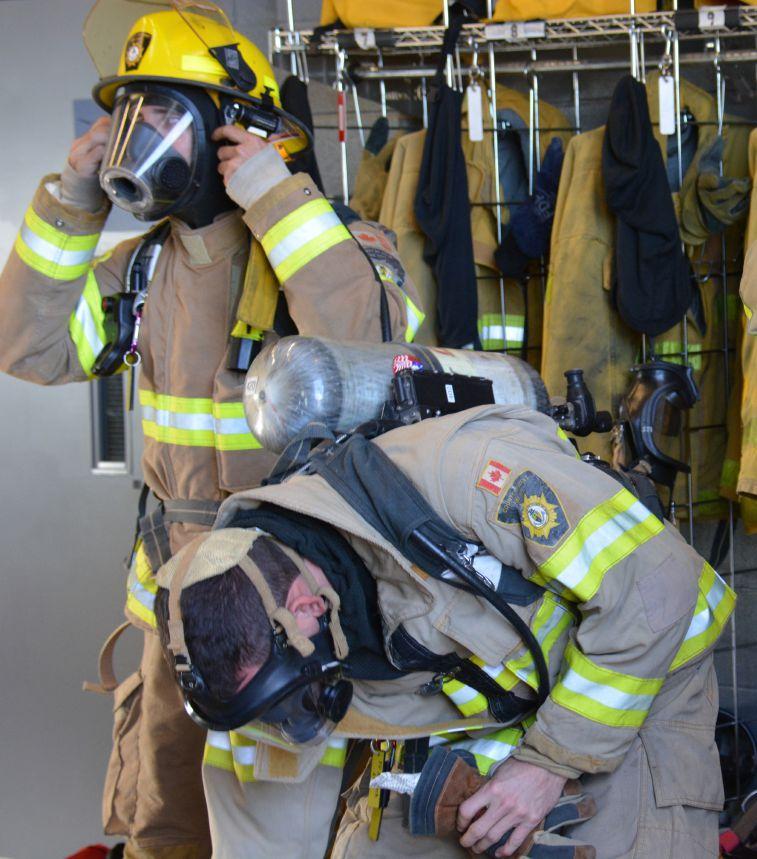
ABOVE Firefighters are the most important asset to any local fire service. Having a departmental health and wellness program can help to maximize mental and physical efficiency both at home and in the fire hall.
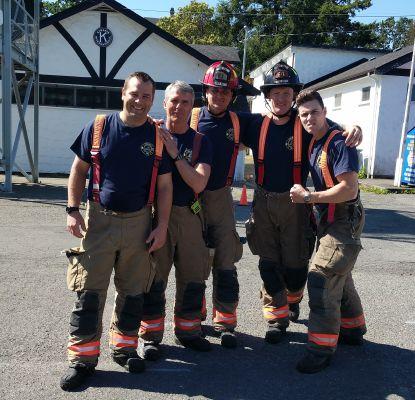
Department members participate in Combat Challenge, a fitness activity that is part of Oak Bay’s health and wellness program.
RIGHT
PHOTO BY SARA WEGWITZ
PHOTO BY LAURA KING
BY
to come up with a holistic approach to address the health and wellness of our people.
With the full support of the department management team and unionized members, we developed a health and wellness initiative committee; contracted a registered nurse who specializes in developing tailored health and performance programs; and integrated a chaplain into the program. The program was designed to help improve our members’ overall well-being and quality of life. We were detailed and specific in the terms of reference: the program was to address body, mind, and spirit. To achieve this, we used the following guiding principles:
1. Ensure that the fire department members sustain and/or improve their overall health
2. Improve employee understanding of issues that impact their health and well-being
3. Provide assistance and coaching to employees to help them manage and understand the stressors that affect their health on a day-to-day basis
4. Encourage employees to take ownership of their health
5. Ensure all aspects of the health and wellness program meet budget guidelines
6. Ensure that each crew’s platoon health leaders are supported in their role
■ IMPLEMENTATION
Making changes in the fire department can be slow, however timing is everything. The union was engaged; politically, all levels of labour management continue to recognize the job-related health issues many first responders face.
There were some hurdles to overcome
concerning the daily structure in the department. Some of the questions that we needed to address included: How do we fit this initiative into an already busy schedule? How do we get buy-in from the membership? How do we obtain funding from council to support the program?
The adage “anything worthwhile is worth the effort” comes to mind. In a unionized environment, the key to any change is to establish communication early, listen to members’ concerns, identify roadblocks, and work to create a functional program.
The local was very aware of the health and wellness concerns of our members, and union leaders were also looking for avenues to improve firefighter well-being. One of the biggest challenges was to educate members and the municipal management team that the program was not simply a gym workout every day, but a program that was about body, mind, and spirit – including mental health, nutrition, sleep, hygiene practices, and physical exercise.
The health and wellness program also includes educating firefighters’ family members at training sessions that focus on first responder mental health. These sessions provide some tools to help family members recognize symptoms of stress, gain coping strategies, and learn how to access assistance. Maintaining the confidentiality of each member’s health and well-being status was critical to the success of the program. It was important that no information regarding members’ health and well-being were shared with the employer. This was resolved by having the registered nurse work with each member privately when discussing health concerns.
PHOTO
SARA WEGWITZ
FROM BOOTS ON THE GROUND TO EYE IN THE SKY, WE’VE GOT YOUR BACK.
FLIR’s wide range of TICs can help you identify hot spots from a variety of distances – making safety the top priority. Learn more at FLIR.ca/fire
Trade in your current TIC — of any brand, in any condition — and receive a trade value of up to $2,250 off select new FLIR K-Series cameras .
· FLIR M-SERIES PAN-TILT-ZOOM TIC s FOR ARFF , HAZMAT & ALL EMERGENCY VEHICLES
· FLIR AERIAL FIRST RESPONDER KITS
■ COUNCIL
The health and wellness team provided our chief administrative officer and council with a presentation on the health challenges present within the department at the time of the program’s inception. These included high levels of stress, sickness, multiple soft tissue and joint injuries, and fatigue. We also identified the common chronic illnesses for firefighters, such as heart disease, depression and cancers. We then unveiled a plan for a comprehensive and holistic program that would ultimately reduce,
prevent, and mitigate the risk of firefighters acquiring an occupational disease or injury. The dividends of such a program include:
• Decreased costs related to injury and decreased sick time
• Increased health of all members, mentally, physically and emotionally
• Enhanced personal responsibility for health and wellness
• Increased levels of performance on the job, as well as in other aspects of life
• Increased morale and a more positive
work environment
• Upstream approach helps to identify current stressors and assist the individual to address behaviour before negatively impacts their health
Other key program elements that were of interest to council included:
• Oversight of the program as a joint management-labour function supported and facilitated by an experienced health and wellness professional
• The program follows recognized legislation and firefighter standards relating to occupational health and safety, and NFPA 1500 and NFPA 1538
■ MEDICAL OVERSIGHT
We cannot understate the importance of having an experienced health professional oversee and facilitate the program. Our RN, Sara Wegwitz, ensures the program stays within the terms of reference and provides firefighter-specific health and wellness training throughout the year. Wegwitz’ role opens the door to the health world and provides our members access to resources that support the program goals and objectives. Through the program we have had many guest health professionals give presentations to our firefighters about how to eat, move, sleep, and even think, so that they are mentally and physically prepared for each shift. These presentations take approximately one hour and can easily fit into a drill period on a quarterly basis.
The health professional also plays a key role in fostering trust and confidentiality with each member to provide another portal of access to more personalized support and resources. This enables a degree of separation between the employer and employee regarding each firefighter’s personal health and level of growth in the program. Having a health professional’s perspective when it comes to health and wellness programming has been instrumental in the sustainability of our program.
■ CHAPLAINCY
OBFD is very fortunate to have a well-respected retired member of our department serve as our fire chaplain. Ken Gill is forward thinking, and when approached about the program, he was fully supportive. A chaplaincy element gives firefighters and their families greater
Chief Dave Cockle (left), Sara Wegwitz, (centre), and Ken Gill helped found the health and wellness program in Oak Bay.
PHOTO BY SARA WEGWITZ
visit firefightingincanada.com/subscribe/ to subscribe today!
guidance through the mental well-being and spiritual component of the program. Gill is trained and certified by the Federation of Fire Chaplains. He is also a member of the B.C. Association of Fire Chaplains and has taken specialized training in pastoral counselling, grief and loss, and mental health. The main role of the chaplain is to be a confidential and supportive presence; this presence is achieved by building and maintaining caring relationships with the firefighters and their families, often through personal contacts, regular station visits and involvement in various department activities. The chaplain provides an important resource to our members and their families by serving with compassion and understanding without judgement. The chaplaincy is extremely valuable to the program; our members have confidence in the chaplain to provide assistance with the mental and spiritual challenges of the fire service.
■ FIRE DEPARTMENT MANAGEMENT
Management worked collaboratively to update operational guidelines for sick leave, modified-duty / return-to-work, and attendance-management policies. In addition, we created a health and wellness policy to ensure sustainability and give direction to the program in the future. This step creates accountability, encouraging all members to participate. Our investment in the program is $380 per member per year, but our return is three times the investment in reduced sick leave and backfill. We have reduced sick leave average from about 13 days to 5.5 days within a year since the program was introduced, and our firefighters are more mentally and physically prepared to complete the tasks the day may bring. The department schedule was adjusted to provide the optimum time for health and wellness during the shift as operational
requirements permit. A simple change such as meal-break timing for during an evening shift can make an enormous difference. Recent complementary additions to our program have included training our firefighters in the Canadian Mental Health Association’s Resilient Minds train-the-trainer course and updating our approach to critical incident stress management and peer counselling.
The fire service is constantly challenged to sustain a high level of efficiency and effectiveness. By re-allocating some of your resources to your greatest asset – the firefighter – you can reduce the cost of employer-paid benefits and enhance the well-being of your firefighters to enable them to operate at peak efficiency. The changes, although subtle, have made drastic improvements in the culture, morale, and the overall health and well-being of our members. Investing in your firefighters’ health and well-being may cost more money upfront, but from our experience in Oak Bay, the dividends the program is yielding to our members and their families is priceless.
Chief Dave Cockle has been a career firefighter with the Oak Bay Fire Department for 30 years. He is a founding member and chair of the BC Earthquake Alliance and ShakeOut BC. Contact him at dcockle@oakbay.ca
Sara Wegwitz is a registered nurse who specializes in mental fitness and resilience training. She provides training and education to a number of fire departments across British Columbia and is the primary facilitator of the Oak Bay Fire Department’s wellness program. Contact her at sara@tailormakinghealth.ca
Ken Gill retired as a captain/inspector with the Oak Bay Fire Department in 2014. In April 2015, Ken was appointed as the department’s fire chaplain. Contact him at obfdchaplain@shaw.ca
BY
The wellness program promotes healthy lifestyles, emphasizing leisure activities. In this photo, department members are shown participating in an off-duty hike.
PHOTO
SARA WEGWITZ
TRAININGDAY2017 Veteran and aspiring firefighters learn new skills
By LAUREN SCOTT
Experienced firefighters and service hopefuls got the chance to learn from industry experts and expand their skillset at a unique educational event.
On Sept. 30, Canadian Firefighter magazine held its annual Firefighter Training Day and Career Expo at the Fire and Emergency Services Training Institute (FESTI) in Mississauga, Ont.
At Training Day, career and volunteer firefighters from across Ontario and Quebec participated in one of seven courses:
• Aircraft rescue
• Auto extrication
• Fire education and prevention programming
• Firefighter survival
• Forcible entry
• Live fire rescue
• Patient packaging and triage
Shane Peters, a firefighter with Frontenac Fire Rescue was at the event. Peters has attended Training Day three times, participating in firefighter survival, live fire rescue, and this year, fire education and prevention programming. He was very impressed with course instructors Tanya Bettridge and Samantha Hoffmann, who he said made pub ed exciting.
“It was a very informative program. I learned lots of information that I can take back to my department and help improve and better implement the fire education side of the fire service within our own community,” Peters said.
Training Day couldn’t have been possible without its sponsors, FESTI, Fort Garry Fire Trucks, Innotex, and FLIR. Some of our sponsors even got to put their fire fighting skills to the test on the training ground. Fort Garry’s Graeme Cross spent the day participating in auto extrication
FESTI headquarters is located right next to Toronto Pearson International Airport, which makes aircraft rescue an important skill for Greater Toronto Airport Authority firefighters to possess. Firefighter Training Day made this training available to other fire departments free of charge.
Career Expo participants learn more about the fire service industry from exhibitors in FESTI’s main hall.
TRAININGDAY2017
activities with FESTI instructor Randy Fleming.
Inside the main FESTI building, aspiring firefighters participated in Career Expo, where industry experts explained what the fire fighting industry is all about.
This year the event was divided into three streams: those who are considering a career in the fire service, firefighters in training, and those who want to secure a department job.
Brittany Noel recently completed the pre-service fire fighting program at Humber College and is in the process of completing stage one and two Ontario Fire Administration Inc., testing, and passing her CPAT. Once she has her credentials, she said she will be applying to departments.
She attended Firefighter Career Expo to receive more information about the process. She met fire service leaders from across the Greater Toronto Area, and was even interviewed on stage, which she said was a unique opportunity she couldn’t get anywhere else.
“I got to meet a lot of amazing people,” Noel said. “They gave me a lot of really great advice, not only on resumes but interviews, applying, different tips and stuff that I’ll definitely take away from this.”
One of the service leaders who spoke at Career Expo was FESTI’s own Dave Lane, deputy chief of training and development. He has been instrumental in hosting Training Day and Career Expo for the past five years.
Auto extrication is one of Training Day’s most popular courses, which filled up quickly during the registration period. Taught by FESTI’s Randy Fleming, firefighters learned the basics of auto ex and had the chance to practice their skills.
Now that Firefighter Training Day and Career Expo 2017 is over, Lane is looking forward to next year’s event.
“Every year, I look forward to asking the question, and say, ‘what else can we do next year that will enhance it even more?’”
BY ELIAS MARKOU
Sleep better, feel better
Poor sleep is bad news for firefighters. After combing through the latest research on sleep deprivation, poor sleep and insomnia, I decided to write this column on sleep and review some sleep-improving strategies for firefighters.
Over time, the nature of fire fighting conditions people to become light sleepers, with the ability to wake up at any time of day to respond to a call immediately.
This process has put the health of many firefighters at risk.
In a landmark 2014 study in the Journal of Clinical Sleep Medicine, researchers from Brigham and Women’s Hospital interviewed 7, 000 firefighters from 66 fire departments across the United States. The researchers found about 37 per cent of those firefighters had an undiagnosed sleep disorder, including obstructive sleep apnea, restless legs syndrome, shift work disorders, and insomnia.
According to the Institute of Medicine’s Committee on Sleep Medicine and Research, people who sleep less than seven hours a night for 30 days have increased rates of obesity, diabetes, cardiovascular disease, hypertension, anxiety symptoms, depression and alcohol use.
Sleep is vital and we need to bring awareness to this issue by giving firefighters the tools to get better rest between responses. To simplify the process, here are some suggestions for improving your sleep.
1. Monitor your sleep
There are ways to self-monitor your sleep. Many of you may have a smart watch like a FitBit, an Android watch or the Apple iWatch. There are many apps that can help track sleep. Apps like Sleep Watch, Sleep Cycle and Sleep++ collect comprehensive data about your sleep. Monitor the quality and quantity of your sleep over 30 days.
2. Get a diagnosis
WELLBEING
3. Develop better sleep habits
Try to improve your sleep at home when you aren’t on a shift or on-call. Turn off your television and put your phone away before bedtime. Avoid doing stimulating things and get to bed early. Avoid eating heavy meals before bed and, more importantly, avoid alcohol. Alcohol creates a false sense of relaxation, disrupting sleep and sometimes leads to increased snoring.
4. Relaxing bedtime rituals
A warm shower or an Epsom salt bath before bedtime is a great way to relax your muscles and stimulate sleep. I recommend a warm beverage like a chamomile or passionflower tea an hour before bedtime.
5. Sleep supplements
I recommend speaking with a physician to assess what is best for you and your condition. Firefighters with sleep issues should consider
…[T]he nature of fire fighting itself conditions people to become light sleepers, with the ability to wake up at any time of day, including in the early hours of the morning, to respond to a call immediately. ‘‘ ’’
After your monitoring has determined your sleep to be poor, have your doctor refer you to a sleep clinic to get a proper diagnosis. A sleep specialist will conduct an overnight sleep study, called a polysomnogram, recording data for brain activity, eye movements, heart rate, blood pressure, oxygen levels, and body movement. With a proper diagnosis you can look at the best treatment options for you.
Dr. Elias Markou is a naturopathic doctor in Mississauga, Ont. He is the chief medical officer for the Halton Hills Fire Department. Contact him at drmarkou@mypurebalance.ca
taking magnesium at bedtime, which regulates melatonin levels and helps to control sleep cycles. Along with magnesium you can explore taking 5-HTP and GABA supplements. Both 5-HTP and GABA help the brain to relax, triggering a deeper sleep.
6. Activity, yoga and mental preparation
Studies have shown that having an active lifestyle and practicing yoga regularly can help improve sleep quality. Adjusting your mindset, and placing an increased importance on healthy sleep habits, will help improve your overall sleep.
Sleep is vital to a long career as a firefighter. Make getting a better night’s rest a priority, and try out different strategies and techniques to help improve your sleep. You will quickly see what a world of difference it can make to your overall health.
BY DON JOLLEY Fire chief, Pitt Meadows, B.C.
VFalse alarm strategies save time and money
olunteer and composite fire services respond to a very high percentage of fire alarms that are unwarranted or false. Responding to these incidents can negatively impact a department by creating increased call volume, higher enforcement costs, increased cost of paid on-call wages, inconvenience to volunteer firefighters, among other issues.
Between 2009 and 2015, Pitt Meadows Fire & Rescue Service responded to 714 alarms-ringing calls of all types: residential, commercial, multi-family, school, industry. Of those calls, 98.3 per cent of the responses were determined to be false with no legitimate cause. The remaining 1.7 per cent had an identified cause, but none were of any significant nature, for example, burnt food or minor electrical fires.
Fire services in North America, Europe and Australia have conducted research that confirms our local data, positing that traditional fire alarm responses are inefficient, create risk and generate a burden on operations. Pitt Meadows data shows that the chances of an actual emergency are minimal when only a single fire protection system is activated. Conversely, it is clear that when a legitimate event does occur, a secondary notification (for example, a fire alarm plus a 911 caller) is overwhelmingly present.
Some jurisdictions in Canada and the United States have made changes in both the number of apparatus responding and mode of travel (emergency vs. routine). Meanwhile, others in Europe and Australia are sending small rapid response crews to alarm incidents. These crews are able to effectively mitigate the vast majority of alarms without incurring undue risk.
departmental response was maintained.
In addition, our department made changes to the alarm notification protocol for both property owners and alarm-monitoring stations.
For single-family homes where the fire/smoke alarm system is monitored, alarm-monitoring companies should verify the alarm via call back to the home prior to activating emergency responders. If a false alarm cannot be verified, responders will be sent.
For multi-family, commercial, and industrial buildings that are required to have monitored fire alarm systems, the current code provision that allows for call back verification should be utilized. If fire dispatch cannot verify if a call is a false alarm, responders will be sent immediately.
If at any time fire dispatch suspects a significant emergency, a full departmental response will be initiated. While the department cannot compel an organization to utilize verification, we are educating the public about the benefits of doing so.
The department also made significant changes our public education and awareness efforts. Reminder stickers were put in
Fire services of all sizes should be looking at and adopting measures to reduce the burden on their organization and personnel.
In April 2016, Pitt Meadows implemented its Unwanted False Alarm Reduction Strategy. The strategy recognized that our response profile, alarm monitoring and notification protocols required modifications.
As a result, our service was able to reduce the number of apparatus responding to alarms-ringing calls at residential homes, multi-family, commercial and industrial properties that have fire sprinkler protection systems. In appropriate cases, the department also changed secondary apparatus to routine response when a first due or duty officer is on scene. For multi-family, commercial or industrial properties that were without a sprinkler system, a full
Don Jolley is the fire chief for the City of Pitt Meadows, and the first vice-president of the Fire Chiefs’ Association of British Columbia. Contact him at djolley@pittmeadows.bc.ca
place for all alarm systems to remind service technicians to use test settings during maintenance. Requests were made for property owners to notify the fire service of any home renovations that could cause accidental alarm activation. In addition, fire inspectors are taking a more aggressive approach to enforcement requirements, and letters were sent to residents to inform them that smoke alarms should not be interconnected with the home security monitoring system.
Any or all of these changes and enhancements can easily be made by any department, or modified to fit local conditions and resources.
One year later, the initiative has generated positive outcomes. There was a 32 per cent decrease in overall alarm calls (the second fewest since 2008) and a similar decrease in billable false alarm fines despite no change in call volume. There was a 63 per cent
reduction in full departmental responses, leading to a 29 per cent decrease in paid on-call hours and wages. Most importantly, there were no occurrences of inappropriate dispatching or significant events with reduced resources. Further, the decreased number of emergency responses reduced risk to both firefighters and public.
To date, there have not been any negative impacts associated with the strategy. The overall benefits of the Unwanted Fire Alarm Reduction Strategy can be summarized as:
1. Decreased operational and financial burden on the fire service for both firefighters and administration.
2. A safer community, resulting from better compliance with fire code and bylaw requirements.
3. Reduced risk to firefighters and the public.
4. Minimal enforcement action for billable false alarms.
Fire services of all sizes should be looking at and adopting measures to reduce the burden on their organization and personnel. Community compliance can be achieved through targeted education efforts so property owners adopt more appropriate fire protection system maintenance programs, while lowering cost and burden on the local fire department.
MANUFACTURERS’ DIRECTORY
AN ALPHABETICAL LISTING OF MANUFACTURERS, SUPPLIERS AND DEALERS OF APPARATUS AND COMPONENTS TO THE CANADIAN FIRE SERVICE.
A.J. STONE COMPANY LTD.
62 Bradwick Dr., Vaughan, ON L4K 1K8
Tel: 416-785-3752
Fax: 416-781-2827
Toll Free: 1-800-205-3473
email: order@ajstone.com website: www.ajstone.com
Joyce, Lindsay
A.J. Stone Co. Ltd. has proudly served the needs of the Fire/Rescue and First Responder Services of Canada since 1972, featuring quality products, knowledgeable sales reps, and training support.A.J. Stone supplies equipment from MSA, Genesis Rescue Systems, Paratech Rescue, Akron, Kochek, FireAde 2000, Streamlight, Innotex Bunker Gear, Pro-Tech Gloves, E.S. Safety Systems, CET, BullEx, and much more. We service what we sell!
AIR VACUUM CORPORATION
PO Box 517, Dover, NH 03821
Tel: 603-743-4332
Fax: 603-743-3111
Toll Free: 1-800-540-7264
email: sales@airvacuumcorporation.com
website: www.airvac911.com
Thomas Vitko, Regional Sales Manager, John Koris
The AIRVAC 911® exhaust removal system is a hosefree, fully automatic filtration system that addresses both the gasses and particulate emitted from diesel engines. The AIRVAC 911® system is 100% effective for a clean and safe environment. For a free quote visit www.airvac911.com or call 1-800-540-7264.
BECOMING A FIREFIGHTER
PO Box 530, 105 Donly Drive S., Simcoe, ON N3Y 4N5
CANADIAN SAFETY EQUIPMENT INC.
2465 Cawthra Rd., Unit 114, Mississauga, ON L5A 3P2
Ross Humphry, Nick Desmier, Scott Gamble, Steve Shelton, Mark Kentfield, Bob Brown, Maria Murphy, John Donovan
We supply SCBA’s, Thermal Cameras, Auto Extrication, CAF Systems, Fall Protection, Bunker Gear, Fire Hose, Communications Equipment, Nozzles, Fittings, Hazmat Suits, Ventilation Fans, Gas Detectors, Confined Space Rescue Equipment, High Angle Rescue Equipment, Boots and Gloves. Everything for Fire Fighting and Confined Space Rescue.
AIR TECHNOLOGY SOLUTIONS CANADA INC.
251 Queen St. S., Ste. 512, Mississauga, ON L5M 1L7
Randall Weber, VP Marketing & Sales, Canada Air Technology Solutions is dedicated to our Clients, offering updated, timely, full service Indoor Air Quality (IAQ) solutions. Air quality concerns are mitigated using a unique combination of professional indoor air quality assessment coupled with solutions. Off the shelf or customized site specific air cleaning equipment is available to resolve IAQ issues. Our technical experts review client requirements and budgetary availability. The finest appropriate air cleaning systems are provided. Air Technology Solutions is a leader in Diesel Exhaust Remediation and is the ONLY environmental tested and proven filtration system to exceed standards: NFPA, NIOSH, OSHA and ASHRAE.Building and facility managers, business owners, contractors, architects, and engineers have been working with Air Technology Solutions since 1986 to resolve IAQ needs. Employee and personnel safety and health are key issues. Breathing safe air in the workplace is of utmost importance.We provide global customized solutions to control contaminants, pollutants and odours in your facility. We look forward to servicing your requirements.
Canadian family owned and operated business that offers a higher standard of service and sales for all your Fire Apparatus needs. C-Max Fire Solutions offers 24 Hour service from EVT Technicians with fully stocked service trucks. We offer Pump testing and repairs to all makes and models. We offer ground ladder testing as per NFPA 1932. We are also Ontario’s Factory Sales and Service Centre for KME Fire Apparatus.
CET FIRE PUMPS MFG.
75, rue Hector, C.P. 90, Pierreville, QC J0G 1J0
Tel: 450-568-2719
Fax: 450-568-2613
Toll Free: 1-888-844-2285
email: sales@fire-pump.com
website: www.fire-pump.com
Stephan Thibault
The Flow Starts Here! Powerful, portable pumps since 1908.CET manufactures portable pumps, skid units, brush trucks, foam trailers, Glider kits, CAFS, and water tanks and is ISO 9001 certified. Call today for a quote through an authorized dealer.
APPARATUSSHOWCASE
Built on a Freightliner M2 chassis and powered by a Cummins 360 HP engine, this 5083 salt water marine grade aluminum unit features a 12kw auxiliary power unit that automatically powers apparatus after five minutes of idle time and an electrically operated boat deployment ramp. Heated and air conditioned so it can be used as rehab area. Command Light CL602D-FS large scale LED light tower to light up rivers at night.
DEPARTMENT: Winnipeg Fire Department, Manitoba
Built on a Commander 4000 chassis, this unit is powered by a Cummins ISL 450 HP engine and Allison EVS 3000 transmission. Features include driver and officer Vista screen, Rosenbauer CT stainless body, Waterous 1050 IGPM pump, FRC TGA 400 pressure governor, 500 gallon water tank, Foam Pro 2002 system with 30 gallon tank, Smart Power 10kw generator, Command Light Knight2 with Spectra Max and a 200ft electric cable reel with junction box.
DEPARTMENT: Windsor Fire Department, Ontario
PUMPER-TANKER | DEPENDABLE EMERGENCY VEHICLES
Built on a Spartan Metrostar chassis, and powered by a Cummins ISL9 450 HP engine with an Allison 3000EVS transmission. This formed aluminum unit features a Hale QFLO pump/120 US GPM, Hale FoamLogix 2.1A foam system and ProPoly water tank holding 3000 US gallons of water/30 US gallons of foam. Options include Whelen warning equipment, Federal Signal Q-siren, FRC pressure governor and water level gauges, Harrison generator, CET portable pump, Zico access ladder, A.H. Stock dump valve, storage for two Husky portable water tanks, full ground ladder compliment and Amdor painted roll-up doors.
DEPARTMENT: Bradford West Gwillimbury, Ontario
Built on Spartan MetroStar chassis, and powered by Cummins ISL 400 HP engines and Allison 3000 EVS transmissions, these Smeal custom pumpers feature Hale QMAX pumps and carry 600 imperial gallons of water on board. Complete with FoamPro 2002 Class systems, Akron 3440 monitors with 1577 Akromatic nozzles, 6kw hydraulic generators and Command Light KL450 light towers.
DEPARTMENT: Barrie Fire and Emergency Service, Ontario
Built on a Freightliner M2 chassis and powered by a Cummins 350 HP engine, this full frame 5083 salt water marine grade aluminum unit features a Darley PSP1250 pump, 1000 I.G. Copoly tank and Foam Pro 2001 A & B with 25 I.G. dual integral foam tanks.
DEPARTMENT: Manitouwadge Fire Department, Ontario
Built on a Rosenbauer Commander custom 4 door chassis with hot dipped galvanized frame, and powered by a Cummins ISX15 litre 500 HP engine and Allison EVS4000 transmission, this Rosenbauer ULC 101’ Cobra Smart Aerial features Aerial remote control, 2000 USGPM Waterous CSUC20 pump, Foam Pro 1600 system, Whelen electronic siren and Federal Q mechanical. Whelen warning light package, galvanized ladder sections as well as torque box and outriggers and 2000 GPM monitor.
DEPARTMENT: Cape Breton Regional Municipality Fire Service, Nova Scotia
DEPARTMENT: Whitchurch-Stouffville
& Emergency
Built on a Spartan MetroStar chassis, and powered by a Cummins ISL 450 HP engine and Allison 3000 EVS transmission, this Smeal custom pumper features a Waterous CSUC20 1,750 GPM pump and carries 800 imperial gallons of water on board.
Complete with a FoamPro 2001 system, 20-gallon Class A foam tank, Akron Apollo monitor with stacked tips, enclosed pump panel and speedlays.
Fire
Services, Ontario
Built on a Freightliner M2-112 chassis and powered by a Cummins 450 HP, this full frame 5083 salt water marine grade aluminum unit features a Hale SideKick 750 GPM pump and 3000 I.G. Copoly tank.
DEPARTMENT: County of Newell, Alberta
PUMPERS | SAFETEK
MXV 4 MAN CROWN | FORT GARRY FIRE TRUCKS
CSE INCENDIE ET SÉCURITÉ
5990 Vanden Abeele, St. Laurent, QC H4S 1R9
Tel: 514-737-2280
Fax: 514-737-2751
Toll Free: 1-866-737-2280
email: info@cseis.com website: www.cseis.com
Richard Abraham, Mike Heering, Patrick Lambert, Genevieve Poirier
We supply SCBAs, Thermal Imaging Cameras, Auto Extrication Tools, CAF Systems foam, Bunker Gear, Fire Hose and accessories, nozzles, fall protection communications equipment, fittings, hazmat suits, ventilation fans, rescue saws, ice and water rescue gear, high angle rescue gear, boots, helmets and gloves.
CUTTERS EDGE
PO Box 846, 3855 23rd Street, Baker City, OR 97814
Cutters Edge saws are designed for fire and rescue situations. Our product line includes the MULTI-Cut Fire Rescue Chainsaw equipped with carbidetipped BULLET®Chain and Depth/Guard Gauge. The H2 Series Rotary Rescue Saw with Black Diamond Rescue Blade or the new Cutters Edge BULLETBLADE®, and the CE94CRS Concrete Cutting Chainsaw with Diamond Chain; designed specifically for cutting reinforced concrete up to 16”.
DARCH FIRE INC.
9-402 Harmony Rd., Ayr, ON N0B 1E0
Tel: 519-622-6110
Fax: 519-622-7705
Toll Free: 1-800-254-2049
email: sales@darchfire.com
website: www.darchfire.com
John Darch
Darch Fire is a family owned and operated company, servicing the Ontario Emergency Service Industry since 1993! Darch Fire represents Pierce Manufacturing, the leading fire truck manufacturer in North America and state of the art Fire Fighting equipment including Holmatro Rescue Tools. We also partner with Drager, Elkhart Brass, Geargrid Corporation, Key Hose, Blowhard Fans, and Southcombe Brother Gloves.Our EVT certified service technicians work alongside with the parts department to ensure each service request is completed on time and above our customer’s expectation. Darch Fire employees work as a team and take pride in assisting our customers in any way possible.
E-ONE, INC.
1601 S.W. 37th Ave., Ocala, FL 34474
Tel: 352-237-1122
Fax: 352-237-1151
email: info@e-one.com
website: www.e-one.com
CANADIAN DEALERS
Associated Fire Safety Equipment
106-3070 Norland Ave., Burnaby, BC V5B 3A6
Phone: 604-320-3303
Territory: British Columbia, Yukon
Keewatin Truck Service
610 Keewatin St., Winnipeg, MB R2X 2R9
Phone: 204-633-2700
Territory: Manitoba, Ontario
Techno Feu Apparatus Maintenance
105 Marie-Victorin, St. Francois-Du-Lac, QC J0G 1M0
Phone: 450-568-2777
Territory: Quebec, Atlantic Canada
ELKHART BRASS
1302 W. Beardsley Ave., Elkhart IN46514
Tel: 574-295-8330
Fax: 574-293-9914
Toll Free: 1-800-346-0250
website: www.elkhartbrass.com
Elkhart Brass is the industry’s most experienced manufacturer of rugged and innovative firefighting and fire protection equipment; including nozzles, valves and monitors. Elkhart’s global presence services the Mining market, municipal fire departments, OEM’s, offshore drilling sites, military, marine, LNG, refineries and other markets. elkhartbrass.com 1-800-346-0250
FIRE FIGHTING IN CANADA/CANADIAN FIREFIGHTER
PO Box 530, 105 Donly Dr. S., Simcoe, ON N3Y 4N5
Tel: 519-429-5178
Fax: 888-404-1129
Toll Free: 1-888-599-2228 ext. 252
email: fire@annexweb.com
website: www.firefightingincanada.com
Publisher, Martin McAnultyAdvertising Manager, Adam Szpakowski
FIRE RESEARCH CORP.
26 Southern Blvd., Nesconset, NY 11767
Tel: 631-724-8888
Fax: 631-360-9727
Toll Free: 1-800-645-0074
website: www.fireresearch.com
Fire Research Corp. specializes in safety equipment, controls, instrumentation/displays, scene lights and station accessories for the fire service and the Mining industry. The SPECTRA LED lamp-heads are the brightest LED scene lights available with an unmatched output of 28,000 lumens of super bright white light. In addition, the inView 360™, powered by SEON, and InControl governors TankVision Pro are some of the most advanced equipment systems available.fireresearch.com, 631-724-8888
APPARATUSSHOWCASE
Built on a Rosenbauer Commander R3724 chassis, and powered by a Cummins L9 450 HP engine and Allison 3000 EVS transmission, this custom top mount enclosed pumper features a Rosenbauer N 6000 LPM, FRC TurboFoam TFC200 system, Federal Signal eQ2b audible warning, Whelen optical warning, full-depth compartments, coffins, and 30” wide pump area.
DEPARTMENT: Carstairs Fire Department, Alberta
Built on a Spartan Metro Star chassis, and powered by a Cummins ISL 9 450 HP engine with an Allison EVS 3000 transmission, this custom Smeal 75’ aerial features a Waterous CSUC20 2,250 GPM pump, and carries 400 imperial gallons of water on board. Complete with a Waterous One-Step CAFS with Advantus 6E, Akron SaberMaster 1,500 GPM monitor, EHL hose bed and a Firecom wireless intercom system.
DEPARTMENT: Yellowknife Fire Division, Northwest Territories
Built on a Commander 4000 chassis, this unit is powered by a Cummins ISX 500 HP engine and Allison EVS 4000 transmission. Features include driver Vista screen, Rosenbauer EXT body, Safe Steps, Waterous 1500 GPM pump, FRC TGA 400 governor, 500 gallon water tank, Foam Pro 2002 system with 30 gallon tank, Onan 10kw generator, Wilburt Nightscan chief light tower, portable winch with attachment points, air system complete with high and low pressure rescue reels and a 200ft electric cable reel with junction box.
Built on a Freightliner M2-106 chassis, and powered by a Cummins ISL9 350 HP engine with an Allison 3000EVS transmission, this unit features a Darley HM500 pump, UPF water tank, Federal Signal warning equipment, Will-Burt light tower, rear access ladder, Amdor roll-up doors, storage for 28 SCBA bottles and roof coffin compartments.
DEPARTMENT: Inter Township Fire Department, Ontario
Built on a Spartan Metro Star chassis and powered by a Cummins 380 HP engine, this full
Built on a Dodge 5500 chassis
powered by a 6.7L Cummins engine, this full frame 5083 salt water marine grade aluminum unit features a Command Light SL442D Whelen LED system.
DEPARTMENT: Deer Lake Fire Department, Newfoundland
Built on a Spartan Metro Star chassis and powered by a Cummins 400 HP engine, this full frame 5083 salt water marine grade aluminum unit features a Waterous CSU1250 pump and 500 I.G. Copoly tank.
DEPARTMENT: Thunder Bay Fire Rescue, Ontario
Built on Spartan MetroStar chassis, and powered by Cummins ISL 450 HP engine with Allison 3000 EVS transmission, this Smeal Custom UT 100 rear mount aerial features a Waterous CSUC20 – 2000 GPM pump, and carries 300 imperial gallons of water on board. Complete with FoamPro 2002 single foam system, Akron StreamMaster electric monitor 3578 with Akron Akromatic 1250 GPM nozzle and Onan 8kw hydraulic generator.
DEPARTMENT: Tumbler Ridge Fire Department, British Columbia
FIREHALL BOOKSTORE
PO Box 530, 105 Donly Drive S., Simcoe, ON N3Y 4N5
Canadian distributors for education and training products. Product lines include NFPA, IFSTA, PennWell, Brady, Action Training, Emergency Film Group & Jones & Bartlett.
FLASH FIRE & SAFETY
#107, 977 Fir St., Sherwood Park, AB T8A 4N5
Tel: 780-358-2358
Toll Free: 1-844-FLASH-44 (844-352-7444)
email: Info@FlashFireSafety.com
website: www.FlashFireSafety.com
Flash Fire & Safety - Your One-Stop Fire & Safety Shop!
• Western Canada Distributor of WATERAX Fire Pumps, Hoses and Accessories
• We provide Inspection and Certification services for Fire Extinguishers, Fire Alarm, Kitchen Suppression,Security and Sprinkler systems
• Portable Wildland Fire Suppression equipment
• FlameOut Fire Suppressant FoamNow with two locations: Sherwood Park and Waskatenau, Alberta.
Adam Szpakowski, Advertising Manager Firehall.com provides an excellent forum for exchange among firefighters and others involved in the fire service. Advertising options include banner ads and e-blasts and offer extensive exposure to the rank and file.
Canada’s Premier facility dedicated exclusively to providing the best in bunker gear cleaning, assessing, decontamination and repair. NFPA 1851:2014 compliant, ISO 9001: 2008 registered, ETL verified for all fabric repairs and all moisture barrier repairs. Locations: Calgary, Toronto, Detroit.
FOAMPRO
26 Southern Blvd., Nesconset, NY 11767
Tel: 631-724-8888
Fax: 631-360-9727
Toll Free: 1-800-533-9511
website: www.foampro.com
FoamPro proportioners are innovative, fully automatic systems incorporating advanced technology for fire fighting in Municipal, Industrial, Marine, Wildland and stationary applications. Using push-button technology, our innovative design and patented microprocessor control technology continually monitors water flow and system performance for precise foam solutions. foampro.com, 800-533-9511
FORT GARRY FIRE TRUCKS LTD.
RR 2, 53 Bergen Cutoff Rd., Winnipeg, MB R3C 2E6
Tel: 204-594-3473
Fax: 204-694-3230
Toll Free: 1-800-565-3473
email: bnash@fgft.ca
website: www.fgft.com
Brian Nash
Fort Garry Fire Trucks is Canada’s oldest and largest manufacturer of high quality fire apparatus offering a complete line of quality Pumpers, Tankers, Rescues, Sutphen Corporation, Aluminum Aerials, Bronto Skylift, Articulated Aerial Platforms and Custom Designed & Engineered Specialized Units. Worldwide mobile service by EVT certified technicians and fully stocked part sales for all brands.
COAST TO COAST SALES AND SERVICE NETWORK:
• Brian Nash – National Sales Manager - bnash@fgft.ca Toll Free: 1-800-565-3473 (ext. 3471) Cell: 204-981-7845
– Steven Suche - ssuche@fgft.ca Toll Free: 1-800-565-3473 (ext. 3472)
APPARATUSSHOWCASE
Built on a Spartan Gladiator chassis, and powered by a Cummins ISX 15 550 HP engine with an Allison EVS 4000 transmission, this Smeal custom pumper features a Waterous CSUC20 2,250 GPM pump, and carries 750 imperial gallons of water on board. Complete with a Waterous Advantus 6 foam system, Elkhart Cobra EXM electric monitor with remote, Firecom wireless intercom system, KL415A Command light and the Smeal SG09 Green Power auxiliary power unit.
DEPARTMENT: Fort St. John Fire Rescue, British Columbia
Built on a Freightliner M2 chassis and powered by a Cummins 300 HP engine, this full frame 5083 salt water marine grade aluminum unit features heated compartments.
DEPARTMENT: County of Wetaskiwin – Buck Lake Fire Department, Alberta
Built on a Rosenbauer Commander chassis and powered by a Cummins ISL 450 HP engine and Allison EVS 3000 transmission, this Rosenbauer 78’ Viper Smart aerial features Weldon V-Mux electrical, Hale QMAX XS - 1850 IGPM pump, FoamPro 2002, Whelen warning system, Rosenbauer 78’ VIPER - 750LB tip load ladder, Rosenbauer Smart Aerial joystick control and Elkhart Cobra EXM 7250 monitor with wireless remote.
DEPARTMENT: Hinton Fire Department, Alberta
AERIAL | ROCKY MOUNTAIN
Built on a Rosenbauer Commander 11” raised roof 4-door chassis, and powered by a Cummins ISX 15 L 500 HP engine and Allison EVS 4000 transmission, this Cobra 100’ mid-mount platform Smart aerial features a Hale 8FG pump/2000 GPM, Foam Pro 2002 system, Whelen audible and optical warning, and auto bedding, wireless remote, soft touch controls, 8kw Onan generator and short jack capability.
DEPARTMENT: Castlegar Fire Department, British Columbia
AERIAL | SAFETEK
Built on a Spartan Gladiator chassis, and powered by a Cummins ISX 500 HP engine with an Allison EVS 4000 transmission, this Smeal 75’/23M rear mount aerial features a Hale QMAX pump and carries 400 imperial gallons of water on board. Complete with a FoamPro 2001 system, Akron StreamMaster II monitor with SaberMaster 1577 Nozzle, EHL hose bed and a 10kW generator.
DEPARTMENT: Burlington Fire Department, Ontario
Built on a Spartan Metro Star chassis and powered by a Cummins 450 HP engine, this full frame 5083 salt water marine grade aluminum unit features a Hale QFlo1250 pump, 625 I.G. Copoly tank and Foam Pro 2001 with 25 I.G. integral foam tank.
DEPARTMENT: Cornwall Fire Department, Ontario
Built on a Spartan Gladiator chassis, and powered by a Cummins ISX 550 HP engine with an Allison EVS 4000 transmission, this Smeal 32M/105FT rear mount aerial features a Hale QMAX pump, and carries 400 imperial gallons of water on board. Complete with an Akron StreamMaster II monitor, SaberMaster 1577 nozzle and an EHL hose bed.
DEPARTMENT: Ajax Fire & Emergency Services, Ontario.
Built on a Freightliner M2 chassis, this unit features an FX body, Waterous 5000 LPM pump, FRC TGA 400 pressure governor, 1,000 gallon water tank, Foam Pro 2001 system, 30 gallon foam tank, TFT monitor, hydraulic hosebed covers and Respond Ready storage system.
DEPARTMENT: Township of North Glengarry, Ontario
GLOBE MANUFACTURING COMPANY, LLC
37 Loudon Rd., Pittsfield, NH 03263
Tel: 603-435-8323
Fax: 603-435-6388
Toll Free: 1-800-232-8323
email: info@globefiresuits.com
website: www.globeturnoutgear.com
Stephanie McQuade
Fighting fires is demanding, physical work requiring maximum athletic performance. The fact is, if you want to perform like an athlete, your equipment has to enhance your performance. Your gear should move the way your body does, without restriction. And, of course, it must protect you. It’s more than turnout gear. It’s athletic gear for firefighters. You can learn more about Globe gear by visiting www.globeturnoutgear.com. But the website only tells part of the story. You have to try on the gear, and experience firsthand the difference wearing athletic gear for firefighters can make.
Ralph Briggs, ralph.briggs@innotexprotection.com (226-791-8275)
INNOTEX® is a premier manufacturer of Fire Fighter Turnout Gear, Gloves and Hoods sold via quality Distribution Partners worldwide.
METALFAB LTD.
847 Central St., Centreville, NB E7K 2E8
Tel: 506-276-4551
Fax: 506-276-3648
Toll Free: 1-800-561-0012
email: info@metalfabfiretrucks.com
website: www.metalfabfiretrucks.com
Ryan A. Stacey, Sales & Marketing Manager
Metalfab is a Canadian Manufacturer of customized Fire Apparatus. Our product line includes Pumpers, Tankers, Walk in Rescues, Walk Around Rescues, Mini Pumpers and other Fire Department Vehicles.
HIGHWATER HOSE INC.
12 rue Willard, East Angus, QC J0B 1R0
Fax: 819-832-4340
Toll Free: 1-888-832-4310
email: hoseman@mindspring.com
website: www.highwaterhose.com
Dave Pritchard
Worldwide supplier of a wide range of rubber covered and lightweight, layflat fire and industrial hoses.
A New Evolution in Fire Fighting:
• Deluge™ - Designed for high volume water supply where excellent friction loss, packability and cold temperature flexibility are critical.
• X-Stream™ Plus - Designed for aggressive interior attack where excellent abrasion and cut resistance are essential and where color-coded attack lines are crucial.
• Available with the iREFLECT™ and iDENTIFY™ Coding SystemOUR CANADIAN DISTRIBUTORS
Robert L. Richardson, President, W.S. (Scott) Fraser, Canadian Sales, Claude Berube, Quebec Sales
More than Just a Fire Hose and Pump
ManufacturerBacked by over 35 years of manufacturing firefighting innovation, Mercedes Textiles Limited provides premium fluid delivery systems worldwide. These include municipal, forestry, industrial and cabinet, fire hoses and fire pumps, snowmaking and high water hoses and firefighting supplies.
FIRE HOSE: Innovation Delivered
• KrakenEXO®, the most advanced attack fire hose on the market - weighs less, kinks less, flows more water
• Highly visible WAYOUT® couplings, designed for improved “firefighter safety” during interior suppression
• iDENTIFY® Coding System - Recessed zone on hose couplings (patent pending) designed to receive and protect identification markings and decals from abrasion damage
• Innovative iREFLECT Lock Lever Storz couplings, designed to greatly assist firefighters during LDH deployment and retrieval applications
• UniqueMertex lining yields an extremely low friction loss, for maximum flow and superior adhesion for long life
• Features our Mercedes Textiles Limited 2-10-L warranty (“2 year All Hazards”, “10 year against manufacturing defects” and “Lifetime against delamination”)
PORTABLE FIRE PUMPS:
• A leading manufacturer of high pressure, lightweight, portable fire pumps for forestry and municipal fire department applications
Built on a Spartan Metro Star chassis and powered by a Cummins 450 HP engine, this formed 5052 marine grade aluminum unit features a Hale DSD1500 pump, 1000 I.G. Copoly tank and Foam Pro 2001 A & B with 10 I.G. dual integral foam tanks.
DEPARTMENT: Pemberton Fire Department, British Columbia
PUMPER/RESCUE | RESQTECH/ROSENBAUER
Built on Commander 4000 chassis, this unit is powered by a Cummins ISL 450 HP engine and Allison EVS 3000 transmission. Features include driver Vista screen, Rosenbauer EXT body, Safe Steps, Rosenbauer 6,000 LPM pump, Rosenbauer LCS governor, 750 gallon water tank, FRC Turbo Foam system with 30 gallon tank, Kubota 8kw generator, Greenstar idle reduction technology, Command Light Knight2 light tower with Spectra LEDs, hydraulic ladder rack and 200ft electric cable reel with junction box.
DEPARTMENT: City of Kingston, Ontario
| SAFETEK
Built on a Spartan Metro Star chassis, and powered by a Cummins ISL9 450 HP engine with an Allison EVS-3000 transmission, this SVI custom mobile command unit features Safetek in cab command and rear command with slide out, Command light tower light, generator, AMX system, weather station, TelFlex communications, 65” SmartBoard, liveto-air TV and advanced occupant protection.
DEPARTMENT: Burlington Fire Department, Ontario
SVI CUSTOM HAZMAT UNITS | SAFETEK
MINI PUMPER/RESCUE | SAFETEK
Built on a Ford F-550 4x4 chassis, and powered by a Ford 6.7L V8 330 HP turbo diesel with a TorqShift 6 speed automatic transmission, this mini pumper fire rescue vehicle features Hale DSD 1250 GPM, single stage, 300 US gallon /20 US gallon and Foam Pro 2001 system.
DEPARTMENT: Surrey Fire Services, British Columbia
EMERGENCY RESCUE | FORT GARRY
Built on a Freightliner M2 chassis and powered by a Cummins 350 HP engine, this full frame 5083 salt water marine grade aluminum unit features a Hale QMAX2000 pump, 800 I.G. Copoly tank and Foam Pro 2001 Class A with 25 I.G. dual integral foam tank.
DEPARTMENT: Comox Fire Department, British Columbia
| FORT
DEPARTMENT: M.D. of Greenview, Alberta
| ROCKY MOUNTAIN PHOENIX/ROSENBAUER
Powered by a Cummins ISL9 L 400 HP engine and Allison EVS3000 transmission, this Rosenbauer ULC side mount pumper features 1250 IGPM Rosenbauer N series direct drive PTO pump, 1270 imperial gallon water tank, Whelen audible and optical warning, ground ladders in body, front bumper crosslay beds, forward engineer’s compartment for stabilization and rescue gear, Zico electric porta tank rack, 4” direct tank
10” square dump valve with swivel chute and EZ Climb access
DEPARTMENT: Calgary Fire Department, Alberta
DEPARTMENT: Petite Riviere Fire Department, Nova Scotia
SVI MOBILE COMMAND
TANKER
GARRY
Built on a Freightliner M2-112 chassis and powered by a Cummins 450 HP engine, this full frame 5083 salt water marine grade aluminum unit features a Waterous CXNPA1000 pump and 3000 I.G. Copoly tank.
Built on Spartan Metro Star chassis, and powered by Cummins ISL9 450 HP engines with Allison 3000 EVS transmissions, these three new SVI HAZMAT units feature ROM roll-up doors, roll-out curbside awnings, Onan PTO generators and CL series Command light towers.
fill,
ladder.
ONSPOT AUTOMATIC TIRE CHAINS
1075 Rodgers Park Dr., PO Box 1077, North Vernon, IN 47265
Tel: 203-377-0777
Fax: 203-380-0441
Toll Free: 1-800-766-7768
email: onspot@onspot.com
website: www.onspot.com
Eric Jones, VP Sales & Mktg.
The Onspot Automatic Tire Chain system permanently fastens to the vehicle’s rear suspension and allows the operator to engage and disengage tire chains at the flip of the dashboard switch without stopping, to enhance traction and braking in forward or reverse.
PIERCE MANUFACTURING
PO Box 2017, Appleton, WI 54912-2017
Tel: 920-832-3231
Fax: 920-832-3084
website: www.piercemfg.com
Pierce Manufacturing Inc., an Oshkosh Corporation
[NYSE: OSK] company, is the leading North American manufacturer of custom fire apparatus. Products include custom and commercial pumpers, aerials, rescue trucks, wildland trucks, mini pumpers, elliptical tankers, and homeland security apparatus. In addition, Pierce designs its own foam systems and was the first company to introduce frontal airbags and the Side Roll Protection system to fire apparatus. To learn more about Pierce, visit www.piercemfg.com.
RESQTECH SYSTEMS INC.
189 Bysham Park Dr., Woodstock, ON N4T 1P1
Tel: 519-539-0645
Fax: 519-539-0646
Toll Free: 1-800-363-7370
email: resqtech@resqtech.com
website: www.resqtech.com
Brian Innis
ResQtech Systems, Inc. has served the fire industry since 1985 and is dedicated to providing firefighters with innovative products and solutions. ResQtech Systems is the exclusive fire apparatus dealer for Rosenbauer and Hackney emergency vehicles in Ontario and offer a full line of emergency equipment which includes the Rosenbauer Heros-Titan Helmet, Junkyard Dogg Struts, Interspiro SCBA, Phoschek Firefighting Foam, Vindicator Nozzles, Viking Bunker Gear, Argus Thermal Imaging and much more. In addition to the extensive product line, ResQtech has service technicians for your apparatus and emergency equipment needs, available at our location or on the road.
R•O•M created the innovative roll up door technology. Manufactured tough; R•O•M doors, cargo slides and lighting are used worldwide. Simple to operate R•O•M doors provide quick, efficient access and include options specifically designed for various applications and requirements. romcorp.com, 816-318-8000
Rocky Mountain Phoenix is a leader in the supply of vehicle solutions, products and services to the emergency response and fire combat industry. Your complete source for MSA SCBA, Thermal Imaging, Protective Clothing, Suppression Tools and Equipment. Visit our online catalogue at www. rockymountainphoenix.com
Safetek Emergency Vehicles is Canada’s single-source provider for Spartan® , Smeal® and SVI fire-rescue vehicles, parts and service. We offer the industry’s largest portfolio of fire-rescue vehicles and stock over $1.5 million of OEM approved parts from our service locations in B.C. and Ontario. Mobile techs are also available for service where and when it’s most convenient for you, in station. Our team of EVTs is Spartan, Smeal and SVI certified, and we have the experience, resources and expertise to help keep your fire-rescue vehicles on the job.New for 2018 is our local representation of Spartan Vehicles, Parts and Service through Carriere Fire & Safety of Winnipeg, Manitoba. Carriere will be looking after departments in Saskatchewan, Manitoba and Northwestern Ontario.
SEATS CANADA INC.
1800 Bonhill Road, Mississauga, ON L5T 1C8
Tel: 905-364-5843
Fax: 905-364-7822
email: seatsinfo@seatscanada.com
website: www.seatscanada.com
Hasan Mohammed
We offer a complete line of quality Emergency Vehicle seating for driver, officer, crew, wall mount and jump seats. Engineered for comfort and safety, these seats have easy exit flip-up split headrest and are manufactured in a wide variety of covering material.
APPARATUSSHOWCASE
Built on a Spartan Metrostar chassis, and powered by a Cummins ISL9 380 HP engine with an Allison 3000EVS transmission, this formed aluminum unit features a Hale QMax pump/2,000 GPM, FoamPro 2001 system and Brayneck Canaplast water tank with 600 US gallons of water and 30 US gallons of foam. Options include Whelen warning equipment, Federal Signal Q-siren FRC pressure governor, TFT intake valves, Harrison hydraulic generator, Command Light, Amdor painted roll-up doors, aluminum hose beds and multiple winch receiver points.
DEPARTMENT: Niagara Falls Fire Department, Ontario
Built on a Freightliner M2 chassis and powered by a Cummins 350 HP engine, this full frame 5083 salt water marine grade aluminum unit features a Command Light SL442D LED system.
Built on a Commander 4000 chassis, this unit is powered by a Cummins ISX 500 HP engine and Allison EVS 4000 transmission. Features include Rosenbauer EXT body, Hale 8FGR 2000 GPM pump, FRC TGA 400 pressure governor, 300 gallon water tank, automatic aerial technology, outrigger and aerial screens and Akron Streammater II monitor.
DEPARTMENT: CFB Trenton, Ontario
Built on Smeal Sirius chassis, and powered by Cummins ISX12 500 HP engines with Allison EVSP-R transmissions, these nine Smeal custom CAFS engines feature Waterous CMUC20 2,250 GPM pumps, and carry 400 imperial gallons of water on board. Complete with Waterous one-step CAFS, Akron monitors, Diagrammatic overlay pump panels and the Smeal SG09 Green Power auxiliary power units.
DEPARTMENT: Vancouver Fire & Rescue Services, British Columbia
Built on a Rosenbauer Commander 4-door air ride cab/air ride rear suspension chassis, and powered by a Cummins ISL 9.0 L 450 HP engine and Allison EVS 3000 transmission, this Crossfire pumper features a Hale 8FG/1750 IGPM pump, Foam Pro 2002 system, Federal Signal optical and audible PA4000 with Rumbler, Rosenbauer low profile hydraulic ground ladder rack and Orlaco three camera recording system tower.
DEPARTMENT: Prince Rupert Fire Rescue, British Columbia
18’ WALK IN RESCUE | FORT GARRY AERIAL | SAFETEK
20’ WALK IN RESCUE | FORT GARRY
Built on a Spartan Gladiator chassis, and powered by a Cummins ISX15 600 HP engine with an Allison 4000 EVS-R transmission, this Smeal custom 30M/100’ aerial ladder platform features a Hale QMAX 2250 GPM Water pump.
DEPARTMENTS: Edmonton Fire Rescue, Alberta
Built on a Spartan Metro Star chassis and powered by a Cummins 380 HP engine, this full frame 5083 salt water marine grade aluminum unit features a Waterous CSU1750 pump, 600 I.G. Copoly tank and Foam Pro 1600 with 25 I.G. integral foam tank.
DEPARTMENT: Revelstoke Fire Department, British Columbia
Built on an International 4400 chassis and powered by a Cummins 300 HP engine, this full frame 5083 salt water marine grade aluminum unit features a Command Light KL450 LED system.
DEPARTMENT: Grunthal Fire Department, Manitoba
CAFS ENGINES | SAFETEK
SECURITRIM 2002 INC.
9200 - 5E ave., Ville Saint-Georges, QC G5Y 2A9
Tel: 418-226-4961
Fax: 418-221-6147
Toll Free: 1-888-666-4961
email: info@securitrim.ca
website: www.securitrim.comNew! Purchase online!
Yves Bourgault
SECURITRIM 2002 inc is a specialized supplier of 3M, Orafol and Avery prismatic sheeting for commercial and emergency vehicle graphics.
RCHEKpoints
for COMPLIANT chevrons over Diamond Checkerplate are available in several colors. Personalized red and yellow or lime CARGO TRAY or RUB RAIL EDGE STRIPING is now available for Fire apparatus OEM’s and Fire Departments, who, to date, were limited to red and white DOT conspicuity tape to increase safety and visibility. Custom fabricated ONE PIECE “edge sealed” chevrons using 3M 983 Diamond Grade are now an innovative cost-efficient option
SHIBAURA PORTABLE FIRE PUMPS
111 Spartan Cr., Pointe Claire, QC H9R 3R4
Tel: 514-630-8931
Fax: 514-630-8926
Toll Free: 1-800-673-0931
e-mail: info@portable-fire-pumps.com
website: www.portable-fire-pumps.com
Ken Matsumoto
We are the only exclusive distributor of RABBIT PORTABLE Fire Pumps in Canada & USA. Shibaura Rabbit Originality and a completely new design enables quick and easy inspection and maintenance.
Sparkle Solutions. We are the industry leader in supplying Complete Laundering Solutions for personal protection equipment.Complete firefighter protection:When our Ram ExpressDry Gear Dryers are used as a team with our Continental ExpressWash Gear Washers, firefighters can feel secure knowing they are able to properly clean and dry their equipment.
TASK FORCE TIPS, INC.
3701 Innovation Way, Valparaiso, IN 46383-9327
Tel: 219-462-6161
Fax: 219-464-7155
Toll Free: 1-800-348-2686
email: sales@tft.com
website: www.tft.com
Jim Menkee, National Sales Mgr.; Brian Podsiadlik (Pods), Cdn. Mgr.
Please contact our local authorized Distributor for all your fire suppression needs:
Starfield Lion has a legacy and ongoing vision of introducing PPE that is designed to ensure the health, safety and performance of the first responders who serve our communities. Your safety is our top priority. Your needs drive our innovations, we listen and develop the solution.
Survitec Group is a world leader in the supply and manufacturing of safety equipment for search and rescue and marine safety professionals.
We go the extra mile to give you personalized service that is second to none. Technical assistance is available 24/7 from knowledgeable staff with many years of fire service experience. If you should require service or repair of a product, we maintain a 24 hour in house turn-a-round on all equipment.Providing the best service to our customers is not just a goal, it’s our way of doing business every day.
TOA CANADA CORPORATION
6150 Kennedy Road, Unit 3, Mississauga, ON L5T 2J4
Tel: 905-564-3570
Fax: 1-800-463-3569
Toll Free: 1-800-263-7639
email: sales@toacanada.com
website: www.TOAcanada.com
Rico Lucia, General Manager
TOA Corporation was founded in Kobe, Japan in 1934 and is the leading commercial audio, professional sound, and security product manufacturer in the world.TOA products range from digital amplifiers and speakers, to mixers, wireless microphone systems and digital processors used in sound reinforcement, to integrated VOIP intercom and emergency paging and voice evacuation systems for security and communications.TOA Canada Corporation was formed in 1990 as a complete sound solutions provider, specializing in commercial audio, including, public address, voice communications, voice evacuation and emergency paging requirements. TOA Canada Corporation offers complete solutions for all corporate and commercial audio communications and intercom requirements.TOA Canada Corporation provides regional sales, technical support and warehousing from one convenient location.
APPARATUSSHOWCASE
Built on Spartan Gladiator Classic chassis, and powered by Cummins ISX 15 550 HP engines with Allison 4000 transmissions, these four new Smeal 105’ rear mount aerial trucks feature 105’ Smeal heavy duty ladders, Akron 3480 StreamMaster monitors, EHL hose beds, and Green Power SG-09 auxiliary power units.
DEPARTMENT: Toronto Fire Services, Ontario
Built on a Commander 4000 chassis, this unit is powered by a Cummins ISX 500 HP engine and Allison EVS 4000 transmission. Features include Rosenbauer FX body, Greenstar idle reduction system, Waterous 2000 GPM pump, EZ Load hosebed, Smart Aerial, two TFT 1500 GPM electric monitors and aerial command seal.
DEPARTMENT: City of Kingston, Ontario
Built on a Spartan Metro Star chassis and powered by a Cummins 380 HP engine, this full frame 5083 salt water marine grade aluminum unit features a Hale DSD1250 pump, 600 I.G. Copoly tank and Foam Pro 1600 with 25 I.G. integral foam tank.
DEPARTMENT: Essex Fire Department, Ontario
Built on a Commander 4000 chassis, this unit is powered by a Cummins ISL 450 HP engine and Allison EVS 3000 transmission. Features include driver and officer Vista screen, Rosenbauer stainless steel body, Waterous 5000 LPM pump, 500 imperial gallon tank, Foam Pro 2002 system, 30 gallon foam tank, Command Light Knight 2 light tower with Hi Viz lights, Smartpower 8kw generator and a 200ft electric cable reel with junction box.
DEPARTMENT: City of Kitchener, Ontario
Built on a Rosenbauer Commander R4724 chassis, and powered by a Cummins L9 450 HP engine and Allison 3000 EVS transmission, this custom top mount enclosed pumper features a Waterous S100D 7000 LPM pump, FoamPro / Eclipse 200 CAFS system, Federal Signal warning system, and electronic interior pump control with five pumpers.
DEPARTMENT: City of Regina Fire Department, Saskatchewan
Built on a Spartan Gladiator chassis, and powered by a Cummins ISX 500 HP engine with an Allison 4000 EVS transmission, this Smeal 32M/105’ rear mount aerial features a Waterous CSUC 7000 LPM single stage pump and carries 400 imperial gallons of water on board. Complete with 105’ Smeal ladders, Akron 3480 StreamMaster II with an Akron SaberMaster 1577 nozzle, EHL hose beds and Green Power SG-09 auxiliary power.
DEPARTMENT: Vaughan Fire Services, Ontario
Built on a Spartan Metrostar chassis, and powered by a Cummins ISL9 380 HP engine with an Allison 3000EVS transmission, this formed aluminum unit features a walk-in rescue body, Whelen warning equipment, Federal Signal Q-siren, Roto-Ray, hinged aluminum doors, Whelen Pioneer surface-mounted scene lights, Hannay hydraulic hose reels and E-S Safety Systems SCBA storage.
DEPARTMENT: Stratford Fire Rescue, Ontario
Built on Spartan Sirius chassis, and powered by Cummins ISX12 500 HP engines with Allison EVSP-R transmissions, these five Smeal custom CAFS rescues feature Waterous CMUC20 2,250 GPM pumps, and carry 400 imperial gallons of water on board. Complete with Waterous one-step CAFS, Akron monitors, Diagrammatic overlay pump panels, and the Smeal SG09 Green Power auxiliary power units.
DEPARTMENT: Vancouver Fire & Rescue Services, British Columbia PUMPER | ROCKY MOUNTAIN PHOENIX/ROSENBAUER
WATERAX INC.
6635 Henri-Bourassa W., Montreal, QC H4R 1E1
Tel: 514-637-1818
Toll Free: 1-855-616-1818
email: info@waterax.com
website: www.waterax.com
Trusted by wildland firefighters around the world, WATERAX sets the industry standard by developing innovative, portable fire pumps and water-handling equipment designed to withstand demanding applications and rugged environments. With a timetested legacy of reliability, WATERAX carries on its mission to place powerful, precision engineered pumps into the hands of the men and women who protect our forests and most cherished natural resources from the ravages of wildfires!
WATEROUS COMPANY
125 Hardman Ave. S., South St. Paul, MN 55075
Tel: 651-450-5000
Fax: 651-450-5090
email: info@waterousco.com
website: www.waterousco.com
Mike Sterbentz
Since 1886 Waterous Company has been manufacturing fire pumps and accessories in the USA. Waterous - Then, Now, Always, Made in America.
ZIAMATIC CORP. (ZICO)
10 West College Ave., PO Box 337, Y ardley, PA 19067-8337
Tel: 215-493-3618
Fax: 866-493-1401
Toll Free: 1-800-711-3473
email: sales@ziamatic.com
website: www.ziamatic.com
Mike Adams, Vice President - Sales Ziamatic Corp. (ZICO) was founded in 1958 with the intention of providing the men and women of the fire services industry with products that make their profession safer and easier. Over 50 years later those ideas still stand – innovative, quality products at an affordable price. If you want quality, you want ZICO.
Built on a Rosenbauer Commander 4000 chassis and powered by a Cummins ISX 12L 500 HP engine and Allison 4000 EVS automatic transmission, this unit features a WELDON V-MUX electrical system, electronic stability control, auxiliary engine/brake/ steering controls, ON-SPOT tire chains, Hale rear mounted fire pump/1500 IGPM, FRC pressure governor, Foam Pro 2002 foam system, Whelen LED light package, traffic advisor with side body mounted light heads, 12V scene and brow lights, 10kw Onan hydraulic generator and Command Light Tower with 6000 watts.
DEPARTMENT: Yellowhead County Fire Department, Alberta
Built on a Freightliner M2-108 chassis and powered by a Cummins 380 HP engine, this full frame 5083 salt water marine grade aluminum unit features a Darley LDM1250 pump, 2500 I.G. Copoly tank and Foam Pro 2001 A&B with dual 25 I.G. integral foam tanks.
DEPARTMENT: Opaskwayak Fire Department, Manitoba
Built on Spartan Gladiator chassis, and powered by Cummins ISX 12 500 HP engines with Allison 4000 EVS transmissions, these five new Smeal custom top mount enclosed pumpers feature Waterous two-stage CMUC20C-2000 GPM pumps, and carry 550 imperial gallons of water on board. Complete with Eclipse CAFS with Advantus 3 single foam systems, 30 imperial gallon class A foam tank, Akron 3440 Deck Master electric monitor with Saber Master 1,250 GPM nozzles, Command Light traffic flow boards and Green Power SG-09 auxiliary power units.
DEPARTMENT: Calgary Fire Department, Alberta
FIRE TANKER | FORT GARRY
APPARATUS DIRECTORY RESTRICTIONS ON USE
ALL INFORMATION contained in this apparatus directory, both product and company listings, is for the exclusive use of the purchaser and is to be used solely by the purchaser. None of the information included in this directory may be used to create, in whole or in part, any mailing list or other data compilation, in written or electronic form, that is to be sold or otherwise distributed to any third party. The purchaser may not include directory information as part of their own marketing materials. Failure to comply with these restrictions will constitute violations both of this agreement and the copyright laws of Canada. Purchase and use of this directory constitute acceptance of the restrictions set forth herein.
Although FireFightingInCanada magazine makes every effort to ensure the accuracy of information contained in this directory, it must rely on others over whom it has no control for certain information. Purchaser acknowledges that FireFightingInCanada magazine and its publishers cannot and do not guarantee or warrant that the information in the directory is complete, correct or current. Additions or corrections are invited at any time.
For more information on appearing in a future edition of the directory, please contact the publisher at 1-888-599-2228 ext. 252 W
ADAPTERS
A.J. Stone
C-Max
Canadian Safety Eqpt.
CSE Incendie
Darch Fire
Elkhart Brass
Fort Garry
Mercedes Textiles
Metalfab
Metz Fire
ResQtech Systems
Rocky Mountain Phoenix
Safetek Emergency
Task Force Tips
AERIAL REPAIRS
C-Max
CET Fire Pumps
Darch Fire
E-One, Inc.
Fort Garry
Metz Fire
ResQtech Systems
Rocky Mountain Phoenix
Safetek Emergency
AERIAL TESTING
C-Max
CET Fire Pumps
Fort Garry
Metz Fire
Rocky Mountain Phoenix
Safetek Emergency
AERIALS
C-Max
CET Fire Pumps
Darch Fire
E-One, Inc.
Fort Garry
Metz Fire
Pierce Manufacturing
ResQtech Systems
Rocky Mountain Phoenix
Safetek Emergency
AIRPORT CRASH TRUCKS
E-One, Inc.
Fort Garry
Metz Fire
ResQtech Systems
Rocky Mountain Phoenix
Safetek Emergency
ALTERNATORS
C-Max
Darch Fire
Rocky Mountain Phoenix
Safetek Emergency
AMBULANCES
Rocky Mountain Phoenix
Safetek Emergency
Ziamatic Corp. (ZICO)
AXLES
C-Max
Fort Garry
Rocky Mountain Phoenix
Safetek Emergency
BACK-UP ALARMS
C-Max
Canadian Safety Eqpt.
CSE Incendie
Darch Fire
Fort Garry
Metalfab
Rocky Mountain Phoenix
Safetek Emergency
BATTERIES
Safetek Emergency
BELLS
C-Max
Darch Fire
Fort Garry
Metalfab
ResQtech Systems
Rocky Mountain Phoenix
BOATS
Canadian Safety Eqpt.
CSE Incendie
Rocky Mountain Phoenix
Survitec Group
BRAKES
C-Max
Darch Fire
Fort Garry
ResQtech Systems
BRUSH TRUCKS
A.J. Stone
CET Fire Pumps
Darch Fire
Fort Garry
Metalfab
Metz Fire
Pierce Manufacturing
ResQtech Systems
Rocky Mountain Phoenix
Safetek Emergency
Ziamatic Corp. (ZICO)
BUNKER GEAR
A.J. Stone
Canadian Safety Eqpt.
FireService Mgmt.
Globe Mfg.
Innotex
ResQtech Systems
Rocky Mountain Phoenix
Safedesign Apparel
Starfield - Lion
CARGO SLIDES/TRAYS
Darch Fire
Metalfab
R.O.M.
Rocky Mountain Phoenix
Safetek Emergency
Securitrim 2002
CASES – WATERPROOF
A.J. Stone
Canadian Safety Eqpt.
CSE Incendie
Darch Fire
Rocky Mountain Phoenix
CHASSIS
C-Max
Darch Fire
Fort Garry
Metalfab
ResQtech Systems
Rocky Mountain Phoenix
Safetek Emergency
CO2 SYSTEMS
Survitec Group
COMMAND POSTS –MOBILE
A.J. Stone
Canadian Safety Eqpt.
CSE Incendie
Darch Fire
Fort Garry
Metalfab
Metz Fire
ResQtech Systems
Rocky Mountain Phoenix
Safetek Emergency
COMMERCIAL LAUNDRY
EQUIPMENT
A.J. Stone
Sparkle Solutions
COMMUNICATIONS
EQUIPMENT – ON-BOARD
Canadian Safety Eqpt.
CSE Incendie
Darch Fire
Fire Research
Metalfab
ResQtech Systems
Rocky Mountain Phoenix
Safetek Emergency
COMPARTMENT DOORS
C-Max
Darch Fire
Fort Garry
Metalfab
R.O.M.
ResQtech Systems
Rocky Mountain Phoenix
Safetek Emergency
COMPARTMENT FLOORING
C-Max
Darch Fire
Fort Garry
Metalfab
ResQtech Systems
Rocky Mountain Phoenix
Safetek Emergency
COMPARTMENT LIGHTING
C-Max
Darch Fire
Fire Research
Fort Garry
Metalfab
Metz Fire
R.O.M.
Rocky Mountain Phoenix
Safetek Emergency
COMPRESSED AIR FOAM SYSTEMS
A.J. Stone
C-Max
Canadian Safety Eqpt.
CET Fire Pumps
CSE Incendie
Darch Fire
Fort Garry
Metalfab
Metz Fire
Rocky Mountain Phoenix
Safetek Emergency
Waterous
COMPRESSORS
A.J. Stone
C-Max
Canadian Safety Eqpt.
CSE Incendie
Darch Fire
Fort Garry
Metalfab
Rocky Mountain Phoenix
Safetek Emergency
COMPUTER MOUNTS
Darch Fire
Metalfab
ResQtech Systems
Rocky Mountain Phoenix
Safetek Emergency
COMPUTERS – APPARATUS
MOUNTED
Rocky Mountain Phoenix
Safetek Emergency
CONSULTING – VEHICLE INSPECTION
C-Max
Darch Fire
Metalfab
Rocky Mountain Phoenix
Safetek Emergency
CORROSION CONTROL
C-Max
Fort Garry
Metalfab
CRIBBING
A.J. Stone
C-Max
Darch Fire
Metalfab
ResQtech Systems
Rocky Mountain Phoenix
DECK MATTING
A.J. Stone
C-Max
Darch Fire
Fort Garry
Metalfab
Rocky Mountain Phoenix
Safetek Emergency
DECK MONITORS
A.J. Stone
C-Max
Canadian Safety Eqpt.
CSE Incendie
Darch Fire
Elkhart Brass
Fort Garry
Metalfab
ResQtech Systems
Rocky Mountain Phoenix
Safetek Emergency
Task Force Tips
DECONTAMINATION SYSTEMS
A.J. Stone
Canadian Safety Eqpt.
CSE Incendie
Darch Fire
Rocky Mountain Phoenix
DETECTION SYSTEMS
A.J. Stone
Canadian Safety Eqpt. CSE Incendie
DOCK LIGHTS
A.J. Stone
Fort Garry
Safetek Emergency
DRY CHEMICAL SYSTEMS
A.J. Stone
Flash Fire
Fort Garry
Metalfab
Rocky Mountain Phoenix
DUMP VALVES
A.J. Stone
C-Max
Canadian Safety Eqpt.
CSE Incendie
Darch Fire
Fort Garry
Metalfab
Metz Fire
ResQtech Systems
Rocky Mountain Phoenix
Safetek Emergency
Ziamatic Corp. (ZICO)
ELECTRIC THROTTLES
C-Max
Darch Fire
Fire Research
Fort Garry
Metalfab
Metz Fire
Rocky Mountain Phoenix
Safetek Emergency
ELECTRICAL SERVICE/ REPAIR
C-Max
Fort Garry
Metalfab
Metz Fire
Rocky Mountain Phoenix
Safetek Emergency
ENGINE BRAKE
C-Max
Darch Fire
Fort Garry
ResQtech Systems
ENGINE GOVERNOR SYSTEMS
C-Max
Darch Fire
Fire Research
Fort Garry
Metalfab
ResQtech Systems
Rocky Mountain Phoenix
Safetek Emergency
ENGINES
Metalfab
EXHAUST EXTRACTION
Air Technology
Air Vacuum
FITTINGS
A.J. Stone
C-Max
Canadian Safety Eqpt.
CSE Incendie
Darch Fire
Elkhart Brass
Flash Fire
Fort Garry
Metalfab
ResQtech Systems
Rocky Mountain Phoenix
Safetek Emergency
Task Force Tips
FLOORING – NON-SKID
A.J. Stone
Darch Fire
Safetek Emergency
FLOWMETERS
A.J. Stone
C-Max
Canadian Safety Eqpt.
CSE Incendie
Darch Fire
Fire Research
Fort Garry Metalfab
ResQtech Systems
Rocky Mountain Phoenix
Safetek Emergency
FOAM SYSTEMS
A.J. Stone
C-Max
Canadian Safety Eqpt.
CET Fire Pumps
CSE Incendie
Darch Fire
Elkhart Brass Fire Research
Flash Fire
FoamPRO
Fort Garry
Mercedes Textiles
Metalfab
Pierce Manufacturing
ResQtech Systems
Rocky Mountain Phoenix
Safetek Emergency
Waterous
FRAME REPAIRS
C-Max
Fort Garry
GENERATOR GOVERNOR SYSTEMS
Canadian Safety Eqpt.
CSE Incendie
Fire Research
Fort Garry
Metalfab
ResQtech Systems
Safetek Emergency
GENERATORS
A.J. Stone
Darch Fire
Flash Fire
Fort Garry
Metalfab
ResQtech Systems
Rocky Mountain Phoenix
Safetek Emergency
GROUND LADDER INSPECTIONS
C-Max
CET Fire Pumps
Metalfab
Rocky Mountain Phoenix
Safetek Emergency
HAZARDOUS MATERIALS
UNITS
Canadian Safety Eqpt.
CSE Incendie
Darch Fire
Metalfab
Metz Fire
Rocky Mountain Phoenix
Safetek Emergency
HEADSETS
A.J. Stone
Canadian Safety Eqpt.
CSE Incendie
Darch Fire
Fort Garry
Metalfab
ResQtech Systems
Rocky Mountain Phoenix
Safetek Emergency
HELICOPTER FIRE FIGHTING SYSTEMS
Survitec Group
HORNS
A.J. Stone
C-Max
Canadian Safety Eqpt.
CSE Incendie
Darch Fire
Fort Garry
Metalfab
ResQtech Systems
Rocky Mountain Phoenix
Safetek Emergency
TOA Canada
HOSES & ACCESSORIES
A.J. Stone
C-Max
Canadian Safety Eqpt.
CSE Incendie
Darch Fire
Flash Fire
Fort Garry
Highwater Hose
Mercedes Textiles
Metalfab
ResQtech Systems
Rocky Mountain Phoenix
Safetek Emergency
Survitec Group
Ziamatic Corp. (ZICO)
INDUSTRIAL TRUCKS – INPLANT
CET Fire Pumps
Darch Fire
E-One, Inc.
Metalfab
Pierce Manufacturing
Rocky Mountain Phoenix
Safetek Emergency
INSTRUMENT PANELS
C-Max
Canadian Safety Eqpt.
CSE Incendie
Metalfab
Rocky Mountain Phoenix
Safetek Emergency
INTERCOMS
A.J. Stone
C-Max
Darch Fire
Fort Garry
Metalfab
Rocky Mountain Phoenix
Safetek Emergency
TOA Canada
INTERFACE VEHICLES
Darch Fire
Fort Garry
Metalfab
Rocky Mountain Phoenix
Safetek Emergency
LADDER ACCESS SYSTEM
A.J. Stone
C-Max
Canadian Safety Eqpt.
CSE Incendie
Darch Fire
Fort Garry
Metalfab
Safetek Emergency
Ziamatic Corp. (ZICO)
LDH HARDWARE
A.J. Stone
C-Max
Darch Fire
Elkhart Brass
Fort Garry
Mercedes Textiles
Metalfab
Metz Fire
Rocky Mountain Phoenix
Safetek Emergency
Task Force Tips
LEASE/PURCHASE
FINANCING
A.J. Stone
E-One, Inc.
Fort Garry
Rocky Mountain Phoenix
Safetek Emergency
LIGHT CONTROL SYSTEMS
A.J. Stone
C-Max
Darch Fire
Fort Garry
Metalfab
ResQtech Systems
Rocky Mountain Phoenix
Safetek Emergency
LIGHTS – BARS/STROBES
A.J. Stone
C-Max
Canadian Safety Eqpt.
CSE Incendie
Darch Fire
Fort Garry
Metalfab
ResQtech Systems
Rocky Mountain Phoenix
Safetek Emergency
LIGHTS – FLOOD
A.J. Stone
C-Max
Canadian Safety Eqpt.
CSE Incendie
Darch Fire
Fire Research
Fort Garry
Metalfab
ResQtech Systems
Rocky Mountain Phoenix
Safetek Emergency
LIGHTS – WARNING
A.J. Stone
C-Max
Canadian Safety Eqpt.
CSE Incendie
Darch Fire
Fort Garry
Metalfab
ResQtech Systems
Rocky Mountain Phoenix
Safetek Emergency
MASTS – TELESCOPING
A.J. Stone
C-Max
Canadian Safety Eqpt.
CSE Incendie
Darch Fire
Fort Garry
Metalfab
ResQtech Systems
Rocky Mountain Phoenix
Safetek Emergency
MINI-PUMPERS
A.J. Stone
CET Fire Pumps
Darch Fire
Fort Garry
Metalfab
Metz Fire
Pierce Manufacturing
ResQtech Systems
Rocky Mountain Phoenix
Safetek Emergency
MONITORS
A.J. Stone
C-Max
Canadian Safety Eqpt.
CSE Incendie
Darch Fire
Elkhart Brass
Fort Garry
Metalfab
ResQtech Systems
Rocky Mountain Phoenix
Safetek Emergency
Survitec Group
Task Force Tips
TOA Canada
N.D.T. INSPECTIONS
C-Max
CET Fire Pumps
Rocky Mountain Phoenix
Safetek Emergency
NOZZLES
A.J. Stone
Canadian Safety Eqpt.
Darch Fire
Elkhart Brass
Metalfab
ResQtech Systems
Rocky Mountain Phoenix
Survitec Group
Task Force Tips
PEDESTALS – COMPUTER & RADIO
Darch Fire
Metalfab
Rocky Mountain Phoenix
PIPED-IN WATERWAYS
Fort Garry
Rocky Mountain Phoenix
Safetek Emergency
PORTABLE EXTINGUISHERS
A.J. Stone
C-Max
Canadian Safety Eqpt.
CSE Incendie
Flash Fire
Fort Garry
Metalfab
ResQtech Systems
Rocky Mountain Phoenix
Safetek Emergency
Survitec Group
PORTABLE FOAM UNITS
A.J. Stone
Canadian Safety Eqpt.
Darch Fire
ResQtech Systems
Rocky Mountain Phoenix
Survitec Group
Task Force Tips
PORTABLE MONITORS
A.J. Stone
C-Max
Canadian Safety Eqpt.
CSE Incendie
Darch Fire
Elkhart Brass
Fort Garry
Metalfab
ResQtech Systems
Rocky Mountain Phoenix
Safetek Emergency
Task Force Tips
PUMP ACCESSORIES
A.J. Stone
C-Max
Canadian Safety Eqpt.
CSE Incendie
Darch Fire
Flash Fire
Fort Garry
Metalfab
Metz Fire
Rocky Mountain Phoenix
Safetek Emergency
Waterous
PUMP SERVICE & TESTING
C-Max
Darch Fire
Fort Garry
Metalfab
Metz Fire
Rocky Mountain Phoenix
Safetek Emergency
PUMPERS
Darch Fire
E-One, Inc.
Fort Garry
Metalfab
Metz Fire
Pierce Manufacturing
ResQtech Systems
Rocky Mountain Phoenix
Safetek Emergency
PUMPS – PORTABLE
A.J. Stone
C-Max
Canadian Safety Eqpt.
CET Fire Pumps
CSE Incendie
Darch Fire
Flash Fire
Fort Garry
Mercedes Textiles
Metalfab
Metz Fire
ResQtech Systems
Rocky Mountain Phoenix
Safetek Emergency
Shibaura Portable Fire Pumps Waterax Inc.
Waterous
PUMPS
A.J. Stone
C-Max
Canadian Safety Eqpt.
CSE Incendie
Darch Fire
Flash Fire
Fort Garry
Metalfab
ResQtech Systems
Rocky Mountain Phoenix
Safetek Emergency
Shibaura Portable Fire Pumps
Waterax Inc.
Waterous
REELS – ELECTRICAL
A.J. Stone
C-Max
Canadian Safety Eqpt.
CET Fire Pumps
CSE Incendie
Darch Fire
Flash Fire
Fort Garry
Metalfab
Metz Fire
ResQtech Systems
Rocky Mountain Phoenix
Safetek Emergency
REELS – HOSE
A.J. Stone
C-Max
Canadian Safety Eqpt.
CET Fire Pumps
CSE Incendie
Darch Fire
Flash Fire
Fort Garry
Mercedes Textiles
Metalfab
Metz Fire
ResQtech Systems
Rocky Mountain Phoenix
Safetek Emergency
Survitec Group
REFLECTIVE TAPE & MARKINGS
A.J. Stone
C-Max
Flash Fire
Fort Garry
Metalfab
ResQtech Systems
Rocky Mountain Phoenix
Safetek Emergency
Securitrim 2002
REFURBISHING
C-Max
CET Fire Pumps
E-One, Inc.
Fort Garry
Metalfab
Metz Fire
ResQtech Systems
Rocky Mountain Phoenix
Safetek Emergency
RESCUE TOOLS
A.J. Stone
Canadian Safety Eqpt.
Darch Fire
RESCUES
A.J. Stone
C-Max
CET Fire Pumps
Darch Fire
E-One, Inc.
Fort Garry
Metalfab
Metz Fire
Pierce Manufacturing
ResQtech Systems
Rocky Mountain Phoenix
Safetek Emergency
ROLL-UP DOORS
C-Max
Darch Fire
Fort Garry
Metalfab
Metz Fire
R.O.M.
ResQtech Systems
Rocky Mountain Phoenix
Safetek Emergency
SALVAGE TRUCKS
Darch Fire
Fort Garry
Metalfab
Rocky Mountain Phoenix
Safetek Emergency
SAWS
A.J. Stone
Canadian Safety Eqpt.
Darch Fire
ResQtech Systems
Rocky Mountain Phoenix
SCBA BRACKETS
A.J. Stone
C-Max
Canadian Safety Eqpt.
CSE Incendie
Darch Fire
Fort Garry
Metalfab
Metz Fire
ResQtech Systems
Rocky Mountain Phoenix
Safetek Emergency
Survitec Group
Ziamatic Corp. (ZICO)
SEATING
C-Max
Darch Fire
Fort Garry
Metalfab
ResQtech Systems
Rocky Mountain Phoenix
Safetek Emergency
Seats Canada
Ziamatic Corp. (ZICO)
SIRENS
A.J. Stone
C-Max
Canadian Safety Eqpt.
CSE Incendie
Darch Fire
Fort Garry
Metalfab
ResQtech Systems
Rocky Mountain Phoenix
Safetek Emergency
TOA Canada
SKID UNITS
A.J. Stone
C-Max
Canadian Safety Eqpt.
CET Fire Pumps
CSE Incendie
Darch Fire
E-One, Inc.
Flash Fire
Fort Garry
Metalfab
Metz Fire
ResQtech Systems
Rocky Mountain Phoenix
Safetek Emergency
SPEAKERS
A.J. Stone
C-Max
Darch Fire
Fort Garry
Metalfab
ResQtech Systems
Rocky Mountain Phoenix
Safetek Emergency
TOA Canada
SPEAKERS – EARLY
WARNING SYSTEMS
ResQtech Systems
Rocky Mountain Phoenix
Safetek Emergency
TOA Canada
STEP CHOCKS
A.J. Stone
C-Max
Canadian Safety Eqpt.
CSE Incendie
Darch Fire
Fort Garry
Metalfab
ResQtech Systems
Rocky Mountain Phoenix
Safetek Emergency
STOP & GO LIGHTS
Rocky Mountain Phoenix
Safetek Emergency
STRAINERS
A.J. Stone
C-Max
Canadian Safety Eqpt.
CSE Incendie
Darch Fire
Elkhart Brass
Fort Garry
Metalfab
ResQtech Systems
Rocky Mountain Phoenix
Safetek Emergency
Task Force Tips
Ziamatic Corp. (ZICO)
TANKERS
CET Fire Pumps
Darch Fire
E-One, Inc.
Fort Garry
Metalfab
Pierce Manufacturing
ResQtech Systems
Rocky Mountain Phoenix
Safetek Emergency
TANKS
A.J. Stone
C-Max
CET Fire Pumps
Flash Fire
Fort Garry
Metalfab
ResQtech Systems
Rocky Mountain Phoenix
TIRE CHAINS – AUTOMATIC
Darch Fire
Fort Garry
Metalfab
Onspot
ResQtech Systems
Rocky Mountain Phoenix
TIRES
ResQtech Systems
TOOL MOUNTS
A.J. Stone
Darch Fire
TRAILERS
A.J. Stone
Flash Fire
Metalfab
Rocky Mountain Phoenix
Safetek Emergency
TRAINING & EDUCATION
A.J. Stone
Elkhart Brass
Fire Fighting In Canada
Firehall BookStore
NFPA
TOA Canada
TRUCK FINISHES – PAINTS
Metalfab
Safetek Emergency
TRUCK SERVICE & REPAIR
C-Max
Darch Fire
Fort Garry
Metalfab
Rocky Mountain Phoenix
Safetek Emergency
TURRETS – BUMPER
C-Max
Darch Fire
Elkhart Brass
Fort Garry
Metalfab
ResQtech Systems
Rocky Mountain Phoenix
Safetek Emergency
TURRETS – ROOF
C-Max
Elkhart Brass
Fort Garry
Metalfab
ResQtech Systems
Rocky Mountain Phoenix
Safetek Emergency
USED APPARATUS
CET Fire Pumps
Darch Fire
Fort Garry
Metalfab
ResQtech Systems
Rocky Mountain Phoenix
Safetek Emergency
VALVES
A.J. Stone
C-Max
Canadian Safety Eqpt.
CSE Incendie
Darch Fire
Elkhart Brass
Flash Fire
Fort Garry
Metalfab
Rocky Mountain Phoenix
Safetek Emergency
Task Force Tips
Waterous
VEHICLE ACCESSORIES
A.J. Stone
C-Max
Darch Fire
Fire Research
Fort Garry
Metalfab
Rocky Mountain Phoenix
Safetek Emergency
Securitrim 2002
Ziamatic Corp. (ZICO)
VEHICLE CONSOLES
C-Max
Darch Fire
Fort Garry
Metalfab
Rocky Mountain Phoenix
Safetek Emergency
VEHICLE UPFITTING
C-Max
Metalfab
Rocky Mountain Phoenix
Safetek Emergency
VIDEO & RECORDING SYSTEMS – APPARATUS MOUNTED Fire Research
WATER/FOAM AIRCRAFT
ResQtech Systems
Rocky Mountain Phoenix
Safetek Emergency Waterous
WELDERS
C-Max
Metalfab
WHEEL CHOCKS
A.J. Stone
C-Max
Canadian Safety Eqpt. CSE Incendie
Darch Fire
Fort Garry
Metalfab
ResQtech Systems
Rocky Mountain Phoenix
Safetek Emergency
Ziamatic Corp. (ZICO)
WINCHES
A.J. Stone
C-Max
Canadian Safety Eqpt.
CSE Incendie
Fort Garry
Metalfab
ResQtech Systems
Rocky Mountain Phoenix
Safetek Emergency
BY VINCE MACKENZIE Fire chief, Grand Falls - Windsor, N.L.
FVOLUNTEERVISION
First responders are reminded of trauma
irefighters do hazardous work, and that work can be very unpleasant at times. Emergency services form the safety network of our communities, and in the vast majority of communities volunteers are doing this work.
In my May column, I wrote about the increasing public awareness around first responder mental health issues and how this could possibly affect our recruitment efforts. On the topic of mental health, my focus this month is the construction of makeshift monuments that community members erect on our highways and roads to mark the tragic losses of loved ones. These markers can remind first responders working in the area of the traumatic highway accident scenes that they responded to.
I understand that these highway memorials can bring comfort to families and friends that have lost loved ones. As first responders, we can sympathize. However, I think it is our caring and compassionate natures that make us a little reluctant to protest these monuments publicly, for fear of seeming insensitive to community members who were affected by the accident.
First responders might be simply taking a drive, patrolling during a workday, or responding to other incidents in the area, when these markers may force them to relive negative past experiences. First responders typically serve the same response districts, which are usually near where they live. The memorials can serve as a constant grim reminder to responders who were on scene. I fear these reminders could interfere in the healing process and further contribute to any mental stress injuries first responders suffered as a result of the response.
I know I don’t feel very nice when I drive past a location where I have responded to a tragic incident, especially if it is marked with a cross on the exact spot. As the same crews respond to more and more incidents in the community, these numbers start to add up in our mental filing cabinet of scenes we would prefer to forget. Over time, it could negatively affect the mental wellbeing of first responders. In some respects, it seems a little cruel that the people who answer the call for help are being constantly reminded of their worst responses. If public awareness around mental health is being raised, maybe it’s time for government departments to consider regulating or prohibiting this type of activity?
at the scene, and some tragically by suicide.
There are many times in our fire fighting careers that can seem like we are responding to nothing but death and destruction for a continued period of time. This has been the case for me, due to the events in recent months. While I didn’t experience this stress first-hand, those public incidents have had a significant impact on firefighters, as well as police officers and EMS workers.
Firefighters are often the first to arrive on scene. Many of our tragic responses also become news stories. This sort of coverage has a tendency to drag on emotionally, as the community deals with this situation. The continuous news cycle and social media makes it even more difficult for first responders to avoid thinking about the incident. This makes the availability of mental health awareness training and support services for our volunteers even more important.
More often I find myself being brought back to calls of trauma and tragedy throughout my career. I have spoken to other responders across the country and many feel the same. First responders in police, EMS, and fire services are working our roadways on a daily basis; the highways essentially become our workplaces. These mon-
I believe the government should protect first responder’s mental health and put regulations in place. ‘‘ ’’
uments can become an operational hazard, by constantly reminding first responders of traumatic calls.
In the past few weeks, fire departments across Atlantic Canada have responded to a number of very public tragic incidents. Some were horrific calls where responders died in the line of duty, some due to accidents
Vince MacKenzie is the fire chief in Grand Falls-Windsor, N.L. He is an executive member of the Canadian Association of Fire Chiefs. Email him at firechief@townofgfw.com and follow him on Twitter at @FirechiefVince
Perhaps the public doesn’t realize the degree of pain that these calls can cause first responders. Especially in small communities, volunteers often know the victims or the families personally. I think if affected families knew the impact these monuments can have on first responders’ mental health, this practice would change. I think it is time that we communicate this issue to the public in a respectful way and I believe the government should protect first responders’ mental health and put regulations in place. The Highway Traffic Act and municipal traffic regulations should also adopt changes to help those who keep our communities safe.
First responders work on our highways and we should protect their mental health as best we can, just as we protect other workers from occupational health and safety risks.
AUTOMATIC nozzles at 75, 55 or 45 psi
FIXED GPM, SMOOTH BORE AND BREAK-APART
SELECTABLE GPM nozzles at 75 psi
Low Pressure, High Flows
TFT has the best tools to meet your fireground tactics regardless of flow or pressure. If you’re interested in lower pressures, TFT offers hundreds of models in automatic, fixed gpm and selectable versions. All backed by the only 24/7 customer service division in the water flow market. Your fireground, your choice.