





There’s always a strong response when the EDA asks members to talk about the innovations they are deploying, hence this extended year-end edition of The Distributor magazine. This issue focuses on how the sector is bringing about transformative change, while helping to future-proof and decarbonize Ontario’s electricity grid.
Innovation is a long-standing value and focal point for distribution utilities and plays out across all the various facets of our business. Even small-scale innovations and incremental business improvements collectively create a better and more cost-effective customer experience.
However, much of the most innovative work in our sector today focuses on bigger-picture challenges and objectives – some of the biggest facing our province and our global community. The imperative behind them is the dual need to expand electricity supply, while also driving electricity’s carbon content progressively down towards net zero.
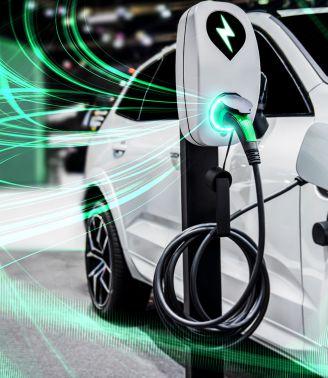
Electrification of transportation is one of these big-picture changes, and distribution utilities will necessarily play an essential role. EDA members are actively engaged in grid-impact research and assessment, in exploration of the potential of vehicle-to-grid integration, and even in a trial of the conversion of an existing emitting vehicle into a non-emitting EV.
Pull the lens back further, and you’ll see examples in our sector of efforts to test out dramatically different local energy markets – ones within which consumers will be more directly engaged, and where more of the full potential of distributed energy resources will be captured.
As all of this proceeds, we can expect to see significant evolution within distribution utilities, not only to their business model but to the technology used, assets owned and services offered to customers. We need flexibility and a shared commitment to innovation from regulators to make this a reality.
We’re headed towards a very different future and we need to get there quickly. But there will of course be some constants. One steadfast rule to remember is that the cheapest megawatt of electricity is the one that doesn’t get used or need to be generated, and that’s a reminder to us all of the sustained importance of conservation.
On that point, I encourage you to read a summary of a new EDA conservation and demand-management position paper, The Power of Local Conservation, on page 8. It maps out the concept of distributor-driven “Conservation Accelerator Programs.” And while this represents more of a return to the tried-and-proven formula than an innovative departure, nonetheless, it is essential to the required scope and stability of tomorrow’s greener electricity supplies.

Sincerely,
Bryce Conrad President & CEO, Hydro Ottawa Chair, Electricity Distributors Association
The Electricity Distributors Association (EDA) publishes The Distributor for its members and stakeholders. All rights to editorial content are reserved by the EDA. No article can be reproduced in whole or in part without the permission of the EDA.
PUBLISHED WINTER 2022/23 FOR:
Electricity Distributors Association
3700 Steeles Avenue West, Suite 1100 Vaughan, ON L4L 8K8 www.eda-on.ca
EDA STAFF CEO’S OFFICE
Teresa Sarkesian, President and CEO
Natasha Galati, Executive & Administrative Assistant
POLICY, GOVERNMENT AND CORPORATE AFFAIRS
Ted Wigdor, VP, Policy, Government & Corporate Affairs
Derek Nardone, Director, Corporate, Government & Public Affairs
Brittany Ashby, Senior Regulatory Affairs Advisor
Antonio Brieva, Advisor, Government & Stakeholder Relations
Tina Wong, Senior Policy Advisor
MARKETING, COMMUNICATIONS AND MEMBER RELATIONS
Mike Chopowick, VP, Marketing, Communication & Member Relations
Marica Macura, Director, Member Relations
Gibb McGugan, Senior Manager, Communications & Marketing
Lesia Kostecki, Member Marketing Specialist
Sari Maritzer, Communications Specialist
FINANCE AND ADMINISTRATION
Tamara Orlova, Chief Financial Officer
Arlene Klemmer, Accounting Clerk
Matthews Joseph, Senior IT Analyst
Chrissan Pascal, Office Services Assistant
PUBLISHED AND PRINTED BY ANNEX BUSINESS MEDIA, 111 Gordon Baker Road, Suite 400, Toronto, ON M2H 3R1 (416) 442-5600
annexbusinessmedia.com
Agreement #: 43526108
ADVERTISING SALES titus/one mediasales@eda-on.ca

EDA LDC MEMBERS SEND SUPPORT IN WAKE OF FIONA
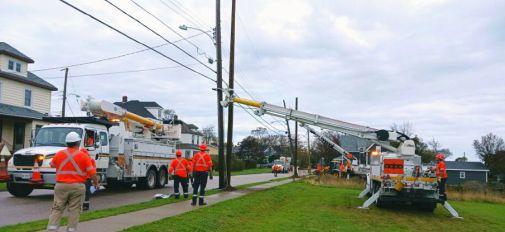
Post-tropical storm Fiona made landfall in Canada in late September and severely impacted a stretch of Atlantic Canada spanning Nova Scotia’s eastern mainland to Cape Breton, Prince Edward Island and southwestern Newfoundland. EDA members Hydro Ottawa and Hydro One were among those from outside the affected region that proudly answered the call to send line workers and equipment to help get power restored and rebuild the local grid.
GARY ROSSI APPOINTED AS ENWIN UTILITIES’ NEXT PRESIDENT AND CEO

The EDA would like to congratulate Gary Rossi, on behalf of our members and staff, on his new appointment at ENWIN Utilities. Currently Vice President of Water Operations, he will become President and CEO effective January 1, 2023. The EDA looks forward to working alongside him.

With almost two decades of experience in the electricity sector, Basilio supported the strategic advancement of Alectra and provided leadership oversight to many areas of the business including corporate governance, enterprise financial risk management, taxation, regulatory affairs, and treasury. The EDA wishes him well in his retirement.

Michael Davison, C.E.T., LET, is a licensed electrical engineering technologist with more than 30 years of experience in the field. He has held various senior management positions in the electricity sector across the province. He was most recently the director of engineering and operations at Lakefront Utilities.

Volodymyr Ivanov, MBA, CPA, is an experienced financial professional, which includes previous roles as a CFO and IT finance manager. Since 2017, he has led a CFO consulting business where he worked with organizations seeking to improve their performance, and provided solutions for private companies looking to go public.

September 2022 marked the end of another successful District AGM season at the EDA. A huge thank you to all the EDA volunteers and host organizations! The EDA appreciates the opportunity to gather with members in their own communities, and we look forward to another roster of District AGMs in 2023.
A Muskoka woman was the first female apprentice to take the podium at this year’s International Lineman Rodeo in Overland Park, Kansas – a competition based on skills and tasks specific to the trade. 23-year-old Mackenzie Gillan has been an apprentice with Hydro One since 2020, and began studying in the powerline technician program at Conestoga College in 2018. She came in 1st place in the division for utilities with Hydro One’s ownership structure, she placed 4th in the written test and out of 384 apprentices, Mackenzie came in 4th in the Overall Apprentice category. Mackenzie hopes her work will inspire other young women to explore a career in the electricity sector.
Oakville Hydro has been recognized with an industry award by the Infrastructure Health and Safety Association (IHSA) for achieving two million hours worked with no lost time injuries.
In January 2022, Alectra’s fleet services began collecting results from 13 diesel vehicles for a six-month pilot project with dynaCERT’s HydraGENTM system. The technology creates hydrogen and oxygen on-demand through a unique electrolysis process and supplies these gases through the air intake to enhance combustion, which has been shown to lower carbon emissions and improve fuel efficiency.
In support of the Ross Tilley Burn Centre at Sunnybrook Hospital, the EDA took part in the 2022 Ontario Energy Network (OEN) Charity Golf Tournament, with over 300 golfers, for a chance to connect with our sector and support our community.


Entegrus (with the support of other local companies) held its tenth annual Thanksgiving lunch for those in need in the community, handing out individually prepared meals outside of the Spirit and Life Centre in Chatham. “The last few years have been challenging for many non-profits that rely on volunteers for staffing. More than ever, we feel it’s important that we give back to our community,” said Entegrus President and CEO Jim Hogan.
Burlington Hydro is encouraging its customers to sign up for paperless e-billing while supporting the Burlington Food Bank. With every new customer registration, a $5 donation will be made to the Burlington Food Bank. The campaign is intended to help alleviate paper clutter and do it in a manner that brings benefit to the community.
GrandBridge Energy has helped make home ownership a reality for a local mom and her three children. The Brant-Norfolk chapter of Habitat for Humanity Heartland Ontario reached out for assistance with powering a home in Brant County. An existing wood hydro pole needed to be removed and two new poles installed in order to deliver safe and reliable electricity to the Habitat for Humanity home.
EDA utility members among the 2022 award recipients were: Worker Safety Category - Waterloo North Hydro; and Consumer Home and Safety Category - Niagara Peninsula Energy Inc.





Protecting the health and safety of all workers at all times is the right thing to do.
One of the most proactive approaches to eliminating workplace injuries and illnesses is to develop and maintain an e ective occupational health and safety management system (OHSMS).
An occupational health and safety management system is a framework put in place by employers to manage risks, establish controls, and minimize the incidence of injury and illness to their workers. This is accomplished through identifying, assessing, and controlling risks to workers in all workplaces.
When you map a 28% reduction in injury rate onto return on an investment—in terms of the cost of claims, as well as the overall burden of injuries and illnesses to workers—it’s quite significant.
COR™ is having a significant impact on reducing workplace injuries and incidents across Ontario and playing a growing role in helping to keep Ontario workers safe and healthy while on the job.
First brought to Ontario by the Infrastructure Health and Safety Association (IHSA) in 2012, COR™ (Certificate of Recognition) is a national accreditation standard that verifies full implementation of an employer’s occupational health and safety management system.
Because COR™ is fundamentally based around a general occupational health and safety management system, it can be utilized and achieved by companies across any industry and scaled to firms of any size.
Workplaces that are COR™-certified in Ontario are proven to be 28% safer.


The University of British Columbia (UBC) recently conducted an extensive research study on the impact COR™ has had on firm-level injury rates in Ontario since its introduction to the province by IHSA (the Infrastructure Health and Safety Association) in 2012.
In the study, researchers concluded that COR™-certified firms experienced a 28% reduction in lost-time injury rate and a 20% reduction in high-impact injury rate (when compared to non COR™-certified firms of a similar size in the same sector).
By achieving COR™, employers are able to demonstrate to buyers of their services that they maintain an occupational health and safety management system which has been developed, implemented, and is evaluated on an annual basis through comprehensive internal and external audits.
Firms that are certified or registered in the COR™ program may qualify ahead of others for certain jobs. For example, buyers of services such as construction can make COR™ a requirement for contractors bidding on jobs in order to be more confident in the contractor’s health and safety performance. Providing immediate proof that you have an e ective OHSMS in place will give your organization a competitive advantage. Buyers of your services can be assured that you will bring superior safety practices to the workplace.
The list of buyers of services in the public and private sectors now requiring COR™ certification as a condition of contract continues to grow, and includes: Cities of Toronto, Mississauga, Brampton, Vaughan, Ottawa; York Region; Town of Milton; Toronto Transit Commission (TTC); Greater Toronto Airports Authority (GTAA); Liquor Control Board of Ontario (LCBO); Metrolinx; and Infrastructure Ontario.
Find out more about IHSA and COR™ by visiting www.ihsa.ca/cor
This latest EDA policy paper makes the case for a key role for the distribution sector in the urgently needed effort to accelerate conservation and demand management results in Ontario.
While OEB guidelines allow LDCs to offer non-wires alternatives (NWA) in limited circumstances, there isn’t much flexibility for them to do so in ways that will help address the supply-demand gap in the short term. Current regulation also precludes consideration of the full scope (provincial/grid) of benefits delivered by NWAs. THE CURRENT SITUATION
The IESO is projecting a supply-demand gap in Ontario in the near future, and the most cost-effective way to close it is through expanded conservation and demand management (CDM). The Province needs to significantly step up its acquisition of CDM efforts and outcomes.
Energy consumers of all types are increasingly keen to reduce their use and demand, and to lower both their costs and their carbon emissions in the process. The provincial government has various programs and initiatives in place to help make energy more affordable for families and businesses.
LDCs have the trust of their customers, and a track record of delivering CDM programs that are tailored to customer needs, and that come in at the lowest cost per unit of energy savings.
LDCs should have access to funding for direct, self-initiated CDM programming where it is cost effective and supports provincial, regional or local needs.
IESO – Independent Electricity System Operator
OEB – Ontario Energy Board
LDC – Local Distribution Companies (utilities)
LDCs should be able to develop and deliver programs targeting significant energy and peak demand savings in their service territories, and can do so for 10% less than the current IESO rate for its Local Initiatives Programs.
By 2026, the re-engagement of LDCs in CDM could address 94% of the energy supply shortfall identified in IESO’s 2021 Annual Planning Outook, and could eliminate it by 2032.
Non-Wires Alternatives (NWAs) – An electricity-related investment (including CDM programs) that prevents or delays the need to invest in “wires” or other physical infrastructure.





By Gulnar Joshi,
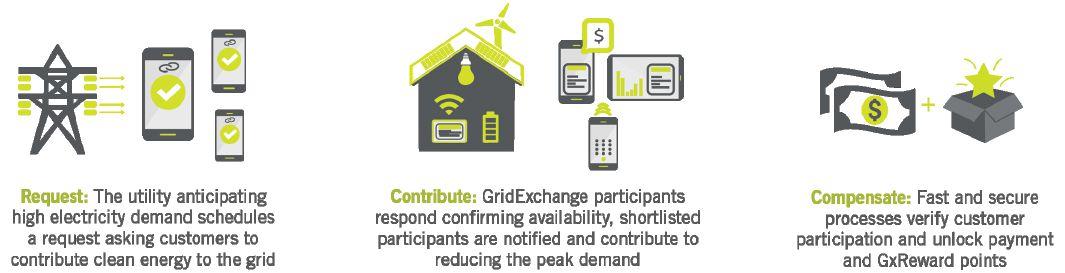
Alectra’s GridExchange platform, which incentivizes customers to exchange clean energy with their utility, demonstrates that customers are ready to become active participants in the clean energy future.
Energy consumers are increasingly adopting distributed energy resources (DERs) – such as rooftop solar panels, battery storage, and electric vehicles (EVs) – which enable them to produce enough energy to power their homes, help optimize their energy consumption, and transition from being consumers of energy to becoming prosumers (both a consumer as well as a producer) of energy.
This shift has the potential to increase the amount of clean energy produced in our communities thereby reducing greenhouse gas (GHG) emissions, lowering energy bills, and increasing grid flexibility and resilience.
For utilities, customer DERs represent an opportunity to leverage local flexible power to reduce peak demand as well as provide energy services that may enable them to defer capital investment in infrastructure. The challenge is in ensuring flexible contracting, secure transactions, and speedy settlements for many small customer DERs in an efficient and cost-effective manner.
Alectra’s GridExchange is a cloud-based software platform that leverages
blockchain technology to enable energy consumers to capitalize on their DERs and engage in a two-way energy flow with their utility. Initial work on Alectra’s GridExchange project started in July 2019, and the live pilot project was conducted between August 2021 and January 2022. A select group of residential customers from Vaughan, Markham, Richmond Hill, Barrie, and Hamilton participated in the pilot project.
The GridExchange platform matches available customer energy resources with power grid needs through real-time, secure energy data exchanges, smart contracting, and settlement of financial compensation and rewards. Available on web and mobile, GridExchange features a robust settlement process with instant financial compensation and rewards. During anticipated periods of high electricity demand, the utility sends a notification to customers via the GridExchange app, requesting their participation in energy services. The energy service requests can include “Manage EV Charging” to slow down charging rate, “Balance the Grid” to discharge backup battery storage, or “Reduce GHG Emissions” to provide solar energy to the grid.
During the GridExchange pilot project, participants were able to choose
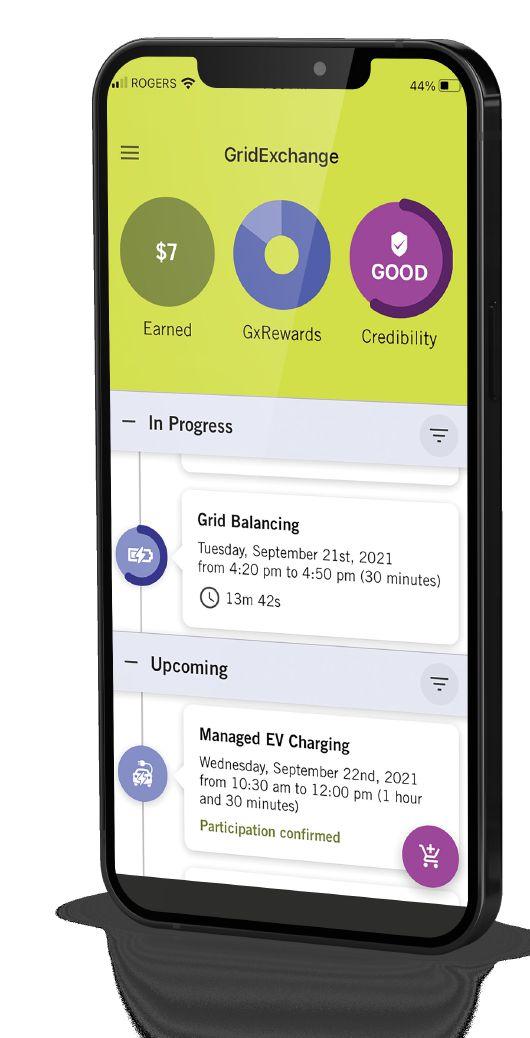

whether they wanted to opt in to the three energy service requests. They had the option of switching their participation to “auto pilot mode” or responding to each notification as it arrived. In exchange and upon completion of the services, they received financial compensation directly into their bank accounts along with “GxRewards”.
GxRewards are loyalty points earned each time a customer participates and completes an energy service request. GxRewards earned during the live pilot project could be redeemed for products and services at local businesses participating in the GridExchange ecosystem. Four local businesses were signed up to help participating customers redeem their GxRewards.
In the GridExchange pilot program the following key energy services were tested:
• Manage EV Charging: When the grid is
strained, participants with EVs receive requests to charge their EVs at a reduced charging rate or at an alternative time. This helps enable utilities to continue to provide stable electricity on the grid by reducing the energy demand surge caused by EVs.
• Reduce GHG Emissions: Ontario’s power grid relies on several energy sources, some of which emit GHGs and negatively impact the climate. This service enables utilities to use clean energy generated by customer solar panels to reduce non-renewable energy on the grid.
• Balance the Grid: To address peak energy demand, this service harnesses customers’ backup battery storage to support the grid in two ways: energy in the backup battery is reserved in case it is needed to help
• Empower customers by giving them clean energy choices, while utilities benefit from leveraging existing DERs to help manage the grid.
• Enable utilities to have improved grid planning and balancing decisions, which may help in reducing overall energy system costs.
• Motivate regulators to adapt new standards and policies that help to shape a clean energy future.
• Engage communities in a journey that enables climate change action leading to a greener future. How GridExchange Works
meet energy demand on the grid (availability); and energy from the backup battery is supplied to the grid to help meet the energy demand (delivery).
The GridExchange pilot project successfully proved the value that customer energy resources can bring to the electricity system. Participants saw first-hand the monetary benefits of transitioning from a consumer to a prosumer of energy, and they appreciated the ability to earn from their existing energy assets. Local businesses got energized when customers redeemed their GxRewards. And the entire community benefitted by getting approximately 5 MWh of energy from previously untapped resources. Alectra’s goal is to continue to enhance the platform for internal and external use. More information on the project can be found at: Alectra.com/GridExchange

Essex Powerlines is implementing a near real-time, local electricity market in its southwestern Ontario service territory. This innovative project, called PowerShare, will harness the flexibility of distributed energy resources (DERs) such as solar panels, battery storage, electric vehicles, and demand response resources to meet or reduce electricity demand.
In the first phase, participants will include new and existing DER owners in the commercial, agricultural and manufacturing industries in Leamington. From a transmission system perspective, the project will test the provision of wholesale grid services outside of the IESO-administered market, and will involve development of local market rules and testing of a transmission-distribution coordination protocol.
PowerShare is made possible by the Independent Electricity System Operator (IESO) Grid Innovation Fund and the Ontario Energy Board Innovation Sandbox, and is supported by partners NODES (Norway), Essex Energy and Utilismart Corporation.
As the first project of its kind in North America, PowerShare is changing the paradigm for what a distribution utility can look like, with the potential for tremendous benefits for all parties involved. Put differently, Essex Powerlines will demonstrate the ability of a local distribution company (LDC) to take on the broader role of a distribution system operator (DSO).
Waterfront of Leamington, where the first phase of PowerShare will be undertaken.
By putting a DSO model into practice, Essex Powerlines may be able to increase Ontario’s power supply, bring customers back online faster after outages, contribute to electrification and net-zero emissions goals, increase customer choice, reduce and/ or eliminate grid constraints, and reduce the cost of infrastructure buildouts. Ratepayer savings on hydro bills could be an outcome.
PowerShare has the potential to meet the significantly increased forecasted demand for electricity in southwestern Ontario. Consider Essex County and Windsor, a region with active manufacturing and agricultural sectors.
Demand from the agricultural sector in this region alone is expected to grow from 500 MW today to at least 2,100 MW by 2035, according to the IESO’s WindsorEssex Integrated Regional Resource Plan (IRPP), released earlier this year. To meet
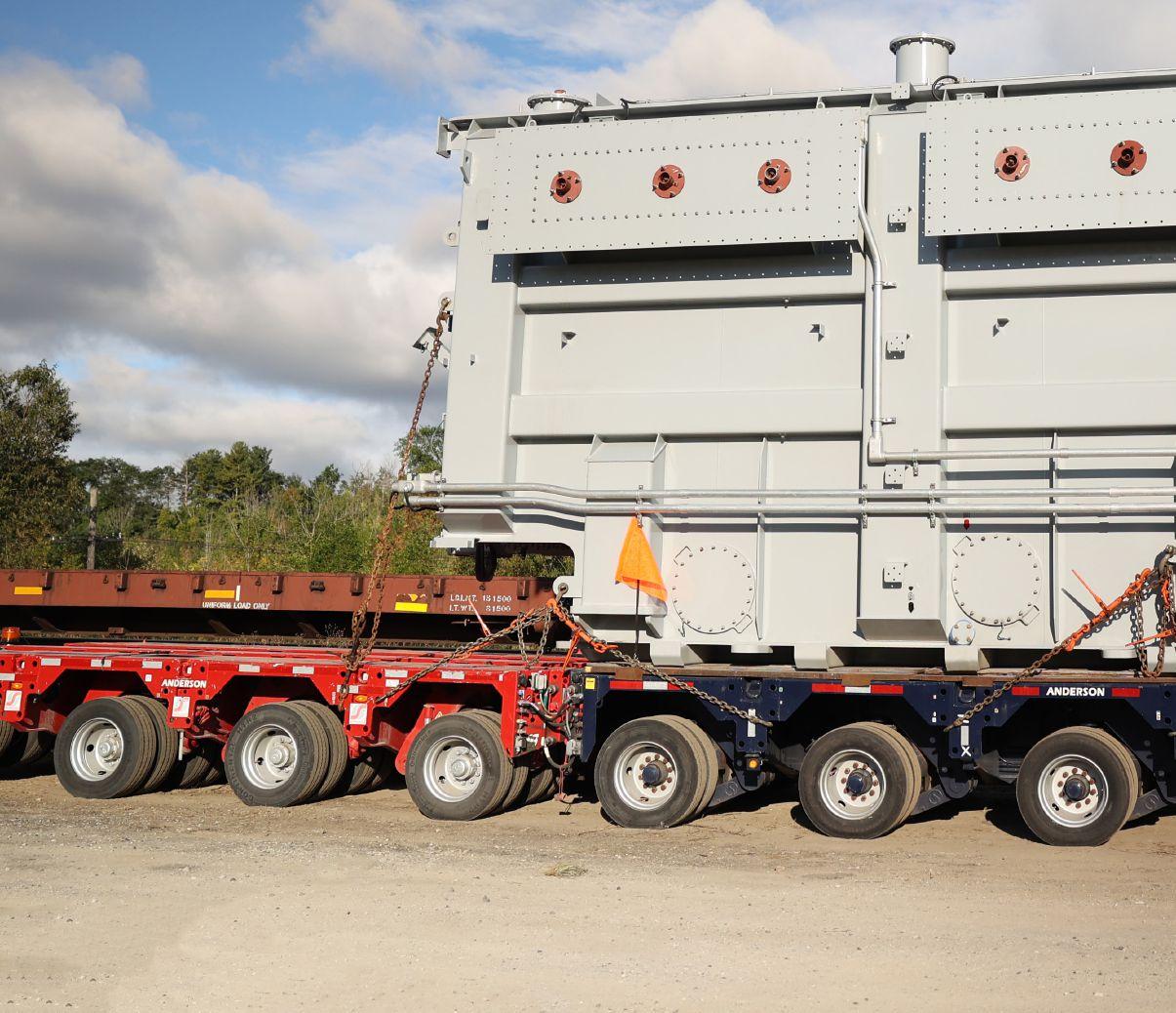
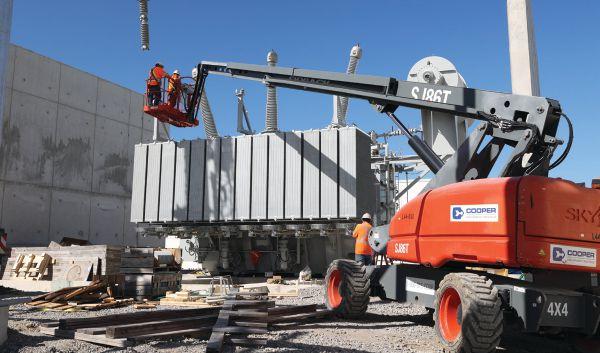
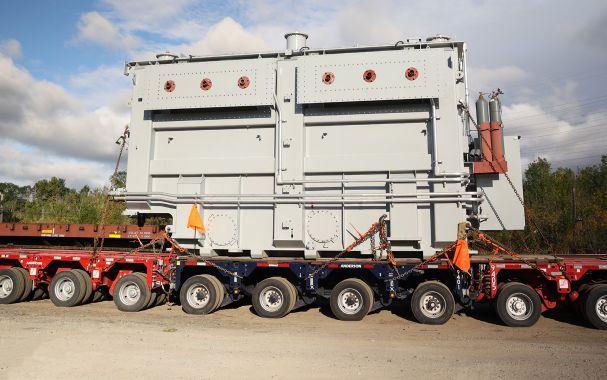
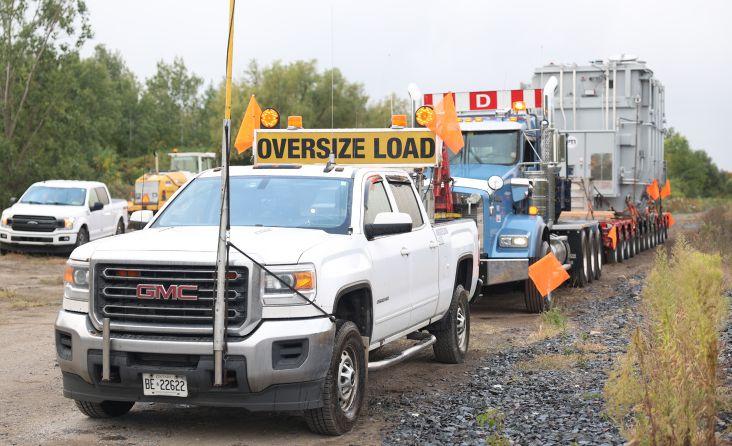
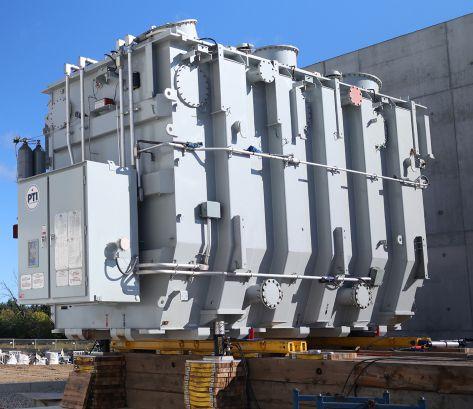
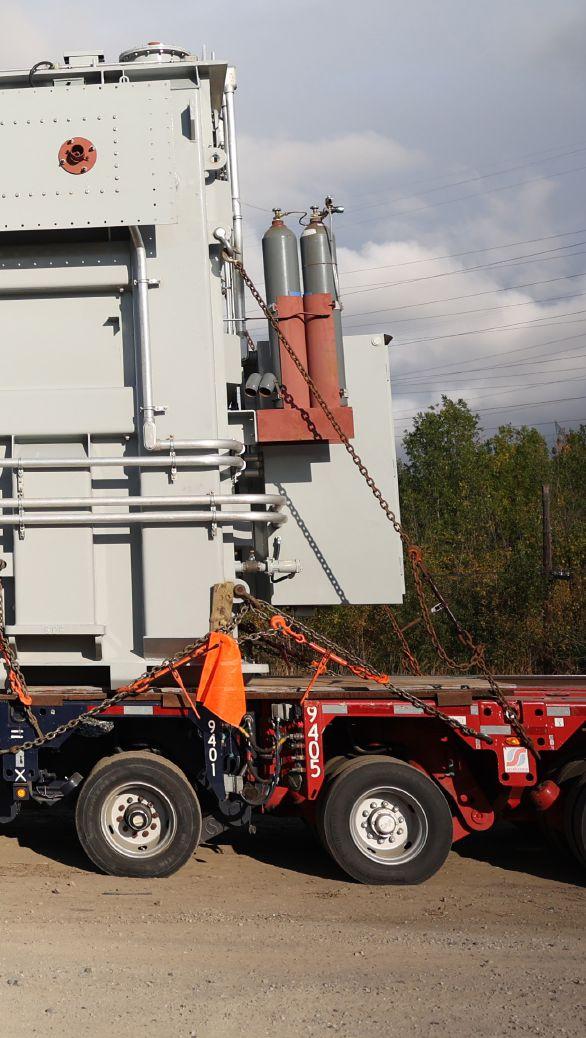
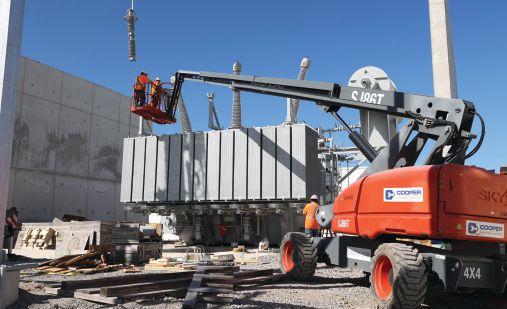
The Seaton Municipal Transformer Station Number 1 (Seaton TS) is scheduled to commence operations in December 2022. This is the first municipal transformer station wholly owned and operated by Elexicon Energy and will provide connection capacity for renewable energy resources to the community.
The story of the Seaton TS began in 2010 when stakeholders were creating the vision for the new Seaton Community in Pickering, near Brock and Taunton Roads. This is a master-plan development with 20,000 new homes under construction, as well as anticipated commercial and industrial customers.
While Elexicon Energy had infrastructure in the area, it was clear that a new transmission facility would be needed to serve the growing population. The local
The story of this transformer station began with a stakeholdercreated vision for the new Seaton Community.
distribution company worked with the City of Pickering and developers to assess electrical requirements for the area and produce a comprehensive business case. When the research was complete, Elexicon Energy determined that constructing its own fully owned and operated transformer was the most cost-effective way to power the new development.
When selecting the location for the Seaton TS, Elexicon Energy conducted an extensive environmental assessment in consultation with ten Indigenous communities with historical connections to the project area.
There were three potential locations considered for the transformer station, chosen in part for their optimal connection points with Hydro One’s transmission network. The site for the transformer was ultimately selected based on a combined consideration of cost, technical requirements, and environmental impacts – including potential archeological concerns of First Nations communities such as the Mississaugas of Scugog Island First Nation (MSIFN) located near Port Perry.
“Through the environmental assessment process, Elexicon
Energy has advanced our relationship with the Indigenous communities in our service territories,” said Indrani J. ButanyDeSouza, President and CEO. “We have gained a better understanding of Indigenous perspectives and priorities towards the lands on which we build, and we are excited to continue that dialogue as we look ahead to the land restoration work around the new transformer in 2023.”
In planning for the new transformer, Elexicon Energy took the opportunity to investigate innovations that will better serve customers today and into the future. The main advantage is the
“We are in the unique position of being the energy provider for one of the fastest growing regions in Ontario...”

overall lower cost of having one provider for electricity transmission and distribution. Another key customer benefit is that Elexicon Energy can gain greater process efficiencies in relation to ongoing maintenance and repairs, and electricity restoration in the case of a power outage.
“We are in the unique position of being the energy provider for one of the fastest growing regions in Ontario, as Durham Region’s population increased by 7.3 per cent over the past five years,” said Butany-DeSouza. “The new Seaton TS marks a significant milestone for Elexicon Energy as we plan for future growth in a booming region and service territory to meet the needs of our customers.”
Elexicon Energy has invested in modern equipment, built to current municipal transformer station standards. The equipment is housed in a climate controlled indoor environment for better reliability compared to outdoor equipment that is exposed to the elements, animal interference, and other potential issues.
The transformer equipment also offers improved safety for staff working around it. The indoor switch gear is “gas insulated”, meaning all energized components are in a non-flammable gas that insulates them from outside elements and enables a much smaller equipment footprint, reducing the cost of the building that houses it.
“Elexicon Energy is committed to exploring innovations that haven’t been part of our equipment inventory,” said Craig Smith, Manager of Special Projects – Distribution Operations. “We continue to take on new challenges to enhance our services and do what’s right for our customers.”
Statistic source: Durham Region, Planning for Growth
As electric vehicles (EV) increase in popularity – and more of them roll off assembly lines and onto roads – we may also see the conversion of some existing fleet vehicles from traditional internal combustion engines (ICE) to electric motors.
However, how do you prepare your team, and new technicians, on the inner workings of EV components without taking apart a brand-new vehicle?
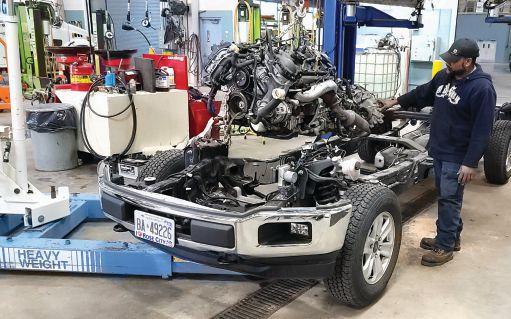
ENWIN Utilities Ltd. in partnership with Automobility Enterprises and St. Clair College have met this challenge head on, by creating a project through which one of ENWIN’s existing fleet pickup trucks has been transformed from ICE to EV.
This project began in November of 2021 with the launch of the Canadian Automobility Hub in Windsor. The Hub was created to establish a centre of innovation and collaboration, which builds upon the rich history of the auto industry in the local area.
Led by Invest WindsorEssex, a cluster of key partners was pulled together, with the single goal of making the local region the Automobility Capital of Canada. It was here that discussions commenced that culminated this past spring with a Ford F-150 sipping its last drop of gasoline, upon its delivery to St. Clair College to begin its makeover.
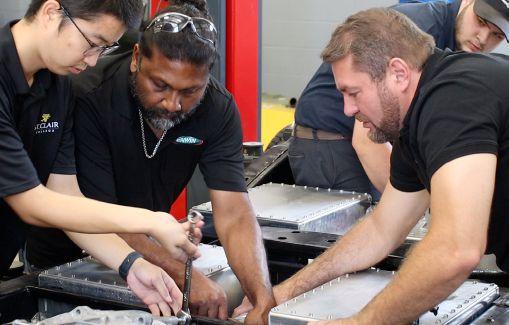
The team responsible for this amazing project is comprised of a diverse group of individuals with different backgrounds and specialties. This includes ENWIN team members and vehicle technicians, instructors and students from St. Clair College, and engineers and project managers from Automobility Enterprises, along with trusted suppliers in the industry.
The task of making an ICE vehicle into an EV is no easy feat. As an example, the truck had to be meticulously taken apart with its previous drivetrain removed from its body

St. Clair College’s fabrication team developed a custom switch pad and emergency stop bracket, allowing the EV driver to switch the gear and easily use the emergency brake.
and frame. Additionally, since new components were not made specifically for this vehicle, custom fabrication had to be utilized. This included the use of sophisticated scanning machines, detailed Computerized Numerical Control (CNC) production, and even the use of 3D printers to build mock-ups and unique internal dash fittings.
Every step of the process was carefully documented as the information obtained will be vital for future EV fleet integrations and for the training of the next generation of engineers and technicians. The team has also documented its progression via social media, with the hashtag #ENWINEV, which sparked the CBC to cover the story on The National
The new EV features eight large batteries strategically placed on the frame to optimize weight distribution. The motor itself can be lifted easily by hand, by two people, but can produce the equivalent of over 600 foot-pounds of torque. The vehicle will also feature custom wiring and cooling components, a GPS-based digital speedometer, and what could be considered a
push-button gearbox. However, there are no gears – only forward and reverse.
It will maintain some of its previous features including four-wheel drive, heating, and air conditioning. According to Barry Leavitt, Director of Corporate Operations and Innovation for ENWIN, “Once the project is completed and the vehicle is tested, we fully intend on integrating the truck within our fleet and a real-world environment. This will provide us with ample information on the performance capabilities of EV fleet vehicles within our sector and prepare us for the next-generation platforms.”
With plans to complete the project this December, the vehicle will feature custom graphics to make it stand out from ENWIN’s traditional fleet. One key graphic that states, “Community Built, Electric Powered,” is a testament to the teamwork of all the groups involved in coming together on this ground-breaking project.





















The shift to electrification is one of the most significant technological and environmental transformations in recent history, and it’s unfolding in real time.
Electrification is a win-win: it lowers costs for electricity customers and it’s good for the environment. Hydro One is uniquely positioned to enable electrification in Ontario as it transmits and distributes some of the cleanest energy in North America, and now the Hydro One team is partnering to create a grid truly built for the future.
Peak Power is a proven leader in the electric vehicle (EV) space, and has worked with Hydro One on rollout of a pilot program designed to study the benefits of using EV charging technology to improve power resilience and reliability for customers.
This innovative initiative, funded in part by the Independent Electricity System Operator’s (IESO) Grid Innovation Fund, is studying how this technology could be applied to assist in keeping Hydro One’s system reliable.




Two-way vehicle-to-home (V2H) charging technology is being installed at the homes of program participants to study the ability of EVs to act as batteries and provide back-up electricity through simulated power outages.

An isolation point between the charger and the power supply allows the bi-directional charger to provide back-up electricity to participating residences. This technology, already gaining traction in other countries, could play a critical role in the shift to electrification and a low-carbon economy in Ontario.
allows for twoway power flows between your home and your electric vehicle.
While this technology is already being used with Nissan Leaf EVs in Japan, Europe and Australia, there are very few manufacturers of bi-directional V2H charging technology in Canada. With this pilot program, the challenge became finding chargers and cars available to test the technology.
That’s why Hydro One partnered with Peak Power, which developed revolutionary vehicle-grid-integration (VGI) software for its world-leading Peak Drive pilot program in partnership with Nissan and the Government of Canada.
The Peak Drive program has successfully demonstrated that EVs with vehicle-to-grid chargers can save both electricity bills and emissions by providing power to buildings during moments of peak demand. Not only can EVs act as batteries to alleviate strain on the grid, but Peak Power’s software also turns EVs into sources of back-up power during outages.
With technological advances, newer EVs have the potential to power a home for three days and to still keep enough battery in


View our

MEARIE is proud to be the exclusive Reciprocal P&C insurer to Ontario’s energy sector. Formed and governed by Members, we deliver stability and service excellence.
MEARIE makes the difference...
Premium stability and long-term sustainability
Industry-focus protection spanning full LDC/Affiliate operations Consistently robust insurance coverages
EDITOR’S NOTE
Subsequent to the preparation of this article, Jason Fitzsimmons was appointed Ontario’s Deputy Minister of Energy.
reserve to drive to a recharging site.
This pilot will allow both companies to determine how distributed energy resources can provide affordable solutions to restoring power quickly and safely, particularly to customers located in remote areas experiencing frequent power outages.
Ontario is also experiencing a significant increase in consumer EV adoption, with nearly seven in ten Canadians planning on making their next vehicle purchase an EV, according to KPMG Canada, which will drive up the need to invest in electricity infrastructure. This project will help Hydro One plan for the future by exploring this new technology and understanding how V2H charging can support customer needs and enhance power reliability for customers.
“At Hydro One, we are committed to meeting the needs of our customers and providing exceptional service. As a leader in the integration of clean energy resources, we are making smart investments in our electricity system to enhance power resiliency,” said Jason Fitzsimmons, Chief Corporate Affairs and Customer Care Officer, Hydro One.
CONTINUED FROM PAGE 12
forecasted capacity requirements, the IRRP recommends installing two new 230-kV load supply stations in the Kingsville and Leamington areas. But PowerShare could represent a non-wires alternative solution.
A local DSO may also be able to shorten outage duration times, especially when extreme weather events interfere with supply. The severe derecho storm that hit much of Ontario on the May long weekend of this year, for example, left hundreds of thousands of customers without power for days and caused damage to thousands of poles and hundreds of transformers.
Access to the energy flexibility provided by DERs, and channelling it into the electricity grid, has the potential to significantly reduce outage times in the wake of such events.
PowerShare can thus provide grid-level resilience, flexibility, and reliability to customers – and with climate change likely to increase the frequency and severity of storms, this is more important than ever. By accessing existing capacity and investing in clean energy sources, PowerShare brings us one step closer to electrification, decarbonization, and achieving the Government of Canada’s goal of net-zero

“Our partnership with Peak Power and the IESO will help us explore how this technology can lower costs and improve service for our customers.”
A resilient and flexible electricity system is critical to support the shift to electrification, a low carbon economy, and greater customer choice in the future. Hydro One is committed to collaborating with regulators, government, and industry partners to help ensure the right investments are being prioritized so the grid can accommodate mass adoption.

emissions by 2050.
Finally, PowerShare enables customer choice. This project marks a movement away from the traditional poles-and-wires model – where utilities simply supply power and consumers pay for it – and towards a model where DER owners interact with their LDC/ DSO in a decentralized energy market in order to earn revenue.
The DSO can make use of energy assets that already exist rather than spend more on
additional infrastructure buildouts, potentially passing down these savings to ratepayers. It is a win-win-win situation for DER owner, DSO, and ratepayer alike.
PowerShare represents a watershed moment in the utility world. And with its wide range of potential benefits –encompassing supply, outage restoration, environmental goals, customer choice and more – PowerShare is changing the very way customers think about LDCs for the better.

Hydro One’s 2023-2027 five-year Investment Plan will energize life in Ontario by proactively building a resilient and reliable system to support economic growth and prepare for the impacts of climate change. Read more at HydroOne.com/5YearPlan
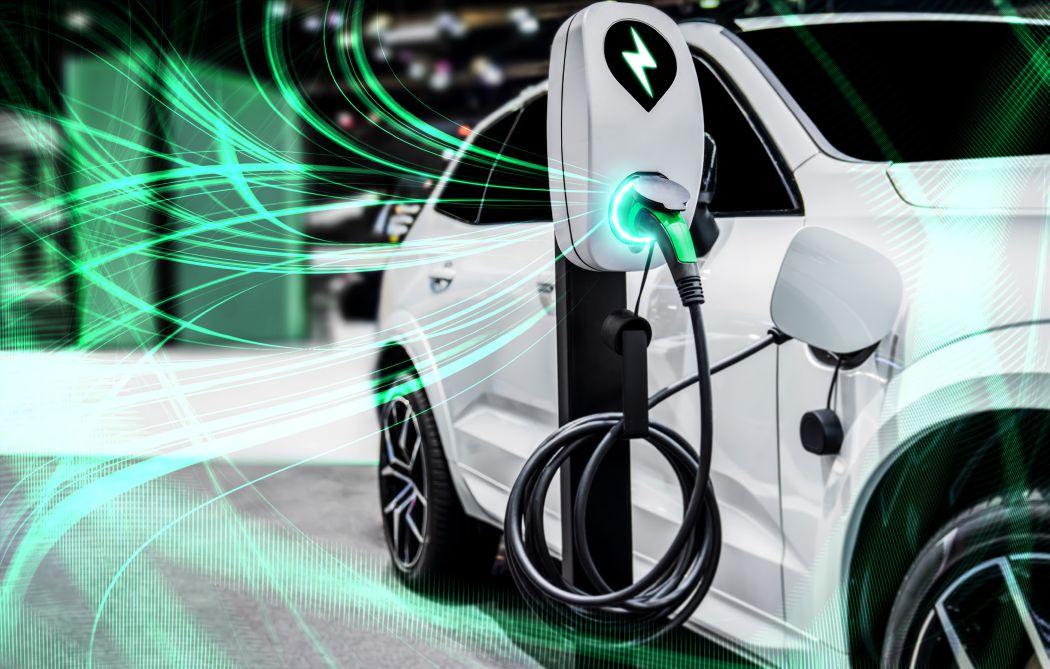
Local distribution companies (LDCs) have less than 15 years to prepare for a major step-up in electric vehicle adoption, driven in part by the requirement that all light-duty cars and passenger trucks sold in Canada after 2035 be zero-emission. LDCs need to enable a smooth and reliable transition to electrified transportation while managing any potential impacts on their current infrastructure.
London Hydro has been preparing for the increased demand on its distribution system since the introduction of electric vehicles (EVs) in 2010, in part through communitybased research and analysis to ensure customers’ growing needs are met while maintaining the system’s overall reliability. The full strategy includes various components.
Using Electrical Safety Authority data, London Hydro recently identified over 300 addresses in its service territory where
customers have installed EV chargers. It then leveraged smart meter data for these addresses to simulate various load modelling and adoption rates. The assessment indicated no evident grid limitation in most cases, although actual loading on secondary cables and transformers will continue to be monitored and standards revisited if loading is trending above the equipment rating.
Additionally, London Hydro conducted an EV survey of its Commercial and Industrial (C&I) customers. Slightly higher than 50 per cent of respondents indicated they intend to incorporate EVs into their fleet, and 20 per cent of the respondents have already electrified 90 per cent of their fleet. A good segment of the companies surveyed are planning their fleet electrification within the next five years.
London Hydro has also created a data analytics tool based on the
Institute of Electrical and Electronics Engineers standard that assesses transformer capacity to accept new loads such as EVs. The tool uses several variables to ensure that transformers can be used to their fullest capacity without undue degradation or “loss of life”. These include:
• time-based load data collected through London Hydro’s smart meter data system and aggregated by transformer;
• ambient temperature operating conditions collected through a third-party database; and
• transformer design parameters from manufacturer test reports.
London Hydro reviews monthly reports to determine whether a transformer is overloaded or can support more growth. This allows for proactive planned maintenance and/or replacement of assets. These reports will also support longer-term planning based on forecast scenarios related to customer EV adoption.
London Hydro is a member of the Canadian Urban Transit Research &
CUTRIC to evaluate system capacity on the identified routes, and charging depot requirements for the initial ten battery electric buses.
Over 72 per cent of London Hydro’s own greenhouse gas emissions are fleet related. The utility is proud to have already reduced its overall emissions by approximately 31 tonnes of CO2 per year by introducing technologies such as GRIP idle-control devices, and by purchasing 21 hybrid and 11 plug-in electric vehicles.
London Hydro recently purchased its first all-electric utility van using a new total cost of ownership (TCO) purchasing practice, allowing competitive evaluation of electric vs. fossil-fuel vehicle options. TCO based on actual vehicle operation will be validated through fleet management software that includes electric charging data.
London Hydro also uses its own Green Button-enabled commerce interval-data application to monitor and optimize charging impacts and to report on emissions reductions. The utility will leverage these

London Hydro. “All LDCs have the same responsibility to support their
We work with expert partners to seamlessly produce turnkey solutions for our clients. Through a single contract and point of contact, we can, collectively, put together a full service team to successfully deliver every aspect of a power project.
On September 1, 2022, Kitchener-Wilmot Hydro Inc. (KWHI) and Waterloo North Hydro Inc. (WNH) merged to become one company, Enova Power Corp. (Enova).
Enova is making full use of its talent and resources to advance new ideas and innovation and has recently formed an Innovation and Business Transformation department.
“The future of electricity distribution and the opportunities in distributed energy generation and grid automation have been areas of interest for both legacy utilities, but at times this work has been done from the corners of our desks. Creating a dedicated team focused on those opportunities will let us maximize the talents of our teams,” says Rene Gatien, Co-CEO, Enova.
But the work will not be focused solely on the grid. Innovation will be driven by the needs of customers and improving the customer experience, improving efficiency across the business in operations and maintenance, and the need to support electrification.
“During the brand development work for Enova one of the personality traits to come through was we are the ‘the smart friend you can rely on’. That resonated with us and captured what we do every day, laying the framework for a thoughtful, needs-based approach to innovation and solving problems for our customers,” says Jerry Van Ooteghem, Co-CEO, Enova.
By partnering with customers, Enova can explore solutions that fit the needs of its customers. “We don’t want to say ‘no’, we want to say: ‘why not?’. Let’s listen to our customers and seek to deliver the solutions they need,” says Gatien.
To better enable two-way conversation, Enova has reintroduced key account advisors dedicated to that work.
“A few years ago, our key accounts teams used their expertise to build relationships and help our business customers maximize their building and process efficiency through conservation and demand management projects,” says Van Ooteghem . “Using that expertise and those relationships in partnerships will allow us to find solutions together.”
In 2021, Waterloo North Hydro’s FLISR project reduced Customer Minutes of Interruption by 35 per cent. There is now opportunity to introduce the program to customers in Kitchener and Wilmot Township.
Both KWHI and WNH had existing projects that will now benefit both companies and their customers.
“These projects are jewels in the merger from a company perspective,” says Gatien. “Both companies bring unique approaches and projects to this merger that everyone can benefit from. It’s an exciting prospect.”
For example, KWHI’s Information Technology and Billing teams collaborated to automate its billing system to improve billing accuracy and reduce the need for intervention and correction on meter reads.
The project has been a great success and KWHI received several awards from the Independent Electricity System Operator for its billing accuracy and data

synchronization with the Meter Data Management/Repository, most recently receiving the 2022 LDC Excellence Award for overall best in class.
In 2018, WNH launched a pilot program called the Fault Location, Isolation and Service Restoration Project (FLISR).
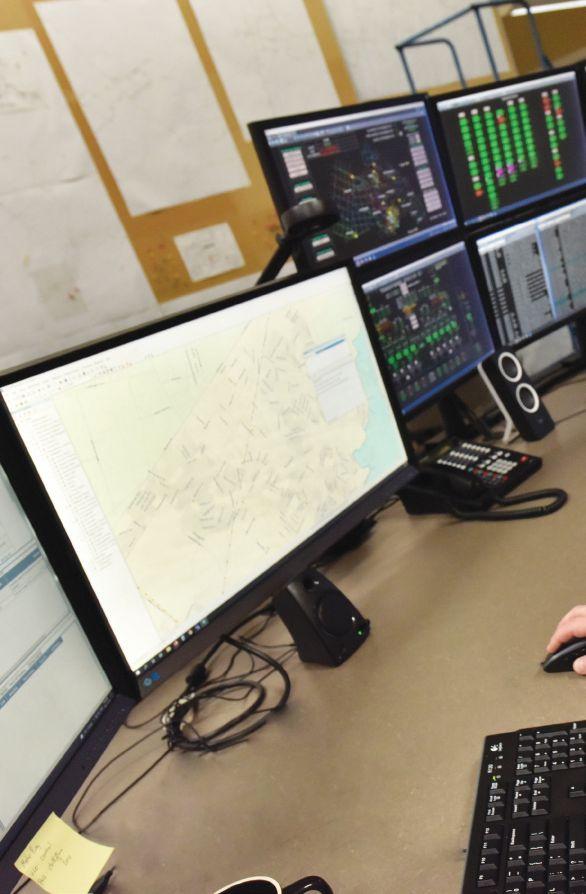
FLISR automatically activates SCADAcontrolled devices when a fault is detected, restoring power to as many customers as possible after an outage, often without operator intervention.
The award-winning pilot program was introduced on six feeders and in 2021 reduced Customer Minutes of Interruption
“These projects are jewels in the merger from a company perspective. Both companies bring unique approaches that everyone can benefit from. It’s an exciting prospect.”
– Rene Gatien, Co-CEO, Enova.
by 35 per cent. It has since been expanded to include all customers in the legacy WNH service territory with similar results, and there is now the opportunity to introduce the program to customers in Kitchener and Wilmot Township.
In 2020, WNH partnered with Innovia GEO and Grand River Energy, Pileworks, WalterFedy, Ryerson University, and HCM Group to complete a unique GEO-pile project at its Eby Rush Transformer Station.
The GEO-pile array combines geothermal heating and cooling with steel piles that are commonly used in building foundations. The piles installed at the transformer station provide heating and cooling to the building while acting as a state-of-the-art research facility, and they eliminate the need for the deep vertical wells common in ground source heat pump systems, which can run 182 metres deep. The site includes a loop geothermal system so the performance of the two systems can be easily compared using the same building, site, and climate information.
The data collected at the site is being used to develop future projects and further improve the efficiency and sustainability of the system.
“We’re not innovating for the sake of innovation,” says Van Ooteghem. “We’re looking at practical solutions that make good business sense, and we now have capacity to do even more with the projects that are already in place.”
“Sometimes the greatest inventions aren’t those that land with a boom,” Gatien adds. “Sometimes they’re almost undetectable but they make a significant difference in how we live.”
By Josie Erzetic, CEO
The Electrical Safety Authority’s (ESA) vision is an Ontario where people can live, work and play safe from electrical harm. In order to implement this vision in today’s world of ever-changing technology, we must address new and evolving concerns about potential electrical harms.
Since I have assumed the role of CEO at ESA, I have taken the opportunity to have in-depth conversations with our senior leaders, employees at all levels of the organization and our board of directors in order to ask ourselves if our current culture, level of collaboration, and capabilities allow us to follow through on our vision and implement our five-year strategy as well as plan for the next one.
As a result, we have developed a framework that will foster a culture of accountability which means every single employee of ESA is focused on our vision of electrical safety. In that sense, we are one team, powered by the same purpose. This drives engagement, internally, as well as externally in the way we want to interact with our stakeholders, including local distribution companies (LDCs). Electrical safety is at the core of all ESA staff – whether you are an inspector, work in IT or in finance – we are all part of the electrical safety ecosystem and want to bring ESA’s voice and value to the table.
We see the electricity sector evolving very quickly. As the safety regulator, we also need to evolve. That includes maintaining active awareness of changes, ensuring we are valueadd and having a good understanding of changes sooner rather than later so that we can appropriately regulate.
ESA does not want to hinder new technologies and innovation but rather

enable and support them while ensuring a robust electrical safety culture in our sector. We want to work with industry, as a safety partner, to do that and not be passive on the sidelines.
We also want to reduce regulatory and administrative burdens for our stakeholders and customers – without sacrificing safety.
So how do we get there?
As a modern regulator in Ontario, ESA collaborates with stakeholders, including LDCs, to ensure that safety measures are met and to minimize dangerous powerline contacts and injuries. LDCs are very important partners, in particular helping disseminate safety messaging around powerline and storm safety. I applaud all of you in those efforts.
We want to keep this collaboration going and reach into other areas as well where we see data of increasing safety risk. For example, disseminating messaging regarding safe installation of electric vehicle charging systems, batteries or back-up generators. We see this as an important area of collaboration for ESA and the LDC community.

At ESA, we recognize the importance of improving our capabilities, such as with new digital tools and services to help us work more effectively with stakeholders to achieve our common goals in addressing the safety needs for Ontario consumers. Ways that we are doing this include:
• using data and analytics to understand where the safety risks are in order to inform our safety campaigns;
• effectively communicating and raising awareness of electrical harm in areas where we know dangers may be higher; and
• adopting digital technologies to enhance the LDC portal to improve access to connection authorizations.
Over the course of the pandemic, ESA pivoted to prioritizing digital projects to create more resilience within our organization, all while pushing forward on other innovation goals. Last year alone, our inspectors conducted almost 445,000 inspections. In order to be more efficient and responsive to customers, we launched a remote inspection program. As a result, ESA conducted over 11,700 remote inspections using either photos or videos.


Also, in carrying out those inspections, our recently launched risk-based oversight (RBO) tool has assisted us by allowing us to spend less time inspecting lower risk electrical and focus more time on higher risk areas.
Another example of our modernization efforts occurred last summer when ESA launched a new mapping tool that improves inspection scheduling and communication to customers. It provides inspectors with a better tool for planning inspection routes and enables ESA to communicate inspection times with customers making it easier for them to plan their days. I’m proud of the fact that ESA recently won a technology award for this project and that our work is being recognized more broadly.
Why do all of this? Our aim is to foster a culture of accountability. Our aim is to be a relevant and value-add safety regulator that plays an important role in the electricity ecosystem as it evolves. Our aim is also to do that in collaboration with LDCs whom we see as key safety partners in these goals.
Above all, our aim is to serve the people of Ontario by protecting them from electrical harm while supporting innovation in our sector.





















By Carolyn Calwell, Chief Corporate Services Officer & General Counsel
The Ontario Energy Board (OEB) is on a modernization journey, with the ultimate goal of being recognized as a top-quartile regulator. Reaching that goal resides with our people, and to truly engage them we have embraced a Diversity, Equity, and Inclusion (DEI) lens in all that we do. DEI is not about how we differ from one another but about embracing everyone’s unique attributes to make us stronger, more resilient, and innovative.
The OEB’s approach to DEI had been organic, employee led, and one that recognized notable observances and cultural events. With Susanna Zagar’s appointment as CEO, DEI has become part of the OEB’s cultural fabric. It is a deliberate corporate priority that is leadership driven and universally applied, and one that I am proud to champion.
The OEB’s People Plan strategy and roadmap have empowered cross-functional teams to develop and adopt many of our DEI initiatives.
Together, we have adopted a corporate statement on DEI and created an Indigenous Land Acknowledgement and Protocol. An honoraria policy now ensures we recognize, in a consistent way, external guest speakers who contribute to the OEB’s journey. We also signed Electricity Human Resources Canada’s (EHRC) Leadership Accord and are a Canadian Centre for Diversity and Inclusion partner agency.
Meanwhile, the roadmap acts as a touchstone for accountability, whereby the OEB resolves to “create DEI awareness through training, education and open dialogue; develop data-based insights; ensure DEI goals are linked to talent management processes and programs; and be accountable to each other in support of the principles of DEI.”

Carolyn Calwell
Notably, employers that incorporate DEI into the workplace may be more attractive to job hunters. Employees who feel safe, included, heard, and valued are more likely to deliver effectively and share their positive impression of their workplace with their external networks. Notably, operational benefits do not make our DEI efforts any less sincere. They make us a more engaged, effective, and innovative team.
A foundation of understanding and awareness begins with education, training and creating a safe environment. Supporting this effort at the OEB is the volunteer, employee-led DEI Council, which helped to create a training plan that brought guest speakers to the OEB such as Indigenous Elder Barb Nolan, Ojibwe and Pottowattomi educator Liz EdgarWebkamigad, and DEI specialist and community advocate Dr. Joseph Smith.
Many employees have also chosen to participate in programs related to Indigenous reconciliation, anti-racism, and anti-bias awareness offered through organizations such as the Canadian Centre for Diversity and Inclusion, EHRC, and Dalhousie University.
The DEI Council also tracks culturally significant dates and periods such as Black History Month, Pride Month, Orange Shirt
Day and the National Day of Truth and Reconciliation. Recognized or celebrated internally, they often lead to welcomed discussions among colleagues about cultures, languages, geographies, identities, and perspectives. Such initiatives help demonstrate to employees that they operate in a safe space, where personal viewpoints can be expressed. And as whole selves are celebrated, OEB’s collective perspective is refreshed, and new thinking nets new approaches.
In October 2021, the OEB began collecting voluntary and anonymous demographic information. We asked staff questions about themselves so that we can better understand who we are and how we can be more representative of the Ontarians we serve.
Results indicate we have a good gender balance. However, despite strong female leadership at the executive level, slightly more men than women occupy leadership roles. Population groups at the OEB closely mirror

those in the Greater Toronto Area.
One year after introducing this demographics data program, 44 per cent of employees have responded. While we consider this a strong baseline, we hope that with time more employees will share their information. The more we know about who we are, the more we can refine our recruitment processes and talent pipeline.
And on the topic of recruitment, we have expanded our traditional list of contacts and hiring pools to include under-represented populations. We’ve reviewed policies and job posting language with a DEI lens, and expanded our student programs, getting to the talent pipeline at the earliest opportunity.
Our continued approach to DEI will seek to build respect for and an understanding of the experiences of our entire team, while building our capacity for psychological safety. The outcome we seek is a workplace where employees feel they belong, and are safe and empowered both personally and professionally. This is what will help to drive innovation at the OEB.
Sustaining DEI long term will mean getting into increasingly difficult conversations that explore what our people need to fully contribute. We are up for that challenge. The success of our DEI journey – and by extension our modernization journey – lies with our people, and we’re confident we’re providing the tools to travel the road safely and securely.



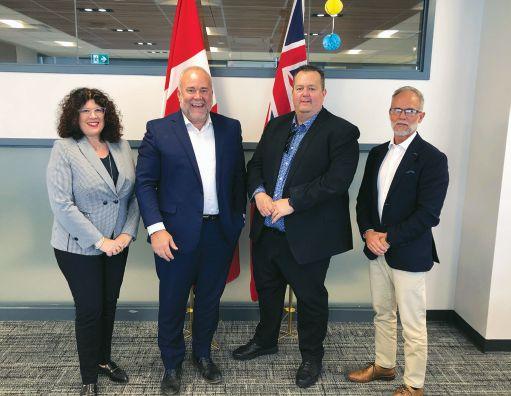
EDA President and CEO Teresa Sarkesian meets with Energy Minister Todd Smith, along with EDA Chair Bryce Conrad and Vice-Chair Todd Smith.
The EDA has begun engaging with new MPPs from all parties under the banner of the Power of Local Hydro brand. This has included meetings with PC MPP Jess Dixon (Kitchener South-Hespeler), who also serves as Parliamentary Assistant to the Minister of Energy; and with Liberal MPP Ted Hsu (Kingston & the Islands), who is his party’s energy critic. With a four-year mandate and more than 35 new MPPs, the EDA will work to ensure new voices at Queen’s Park understand the role and importance of LDCs.
EDA CEO Teresa Sarkesian represented the association and the sector at the first post-election Throne Speech in August. This was followed by an October meeting of the EDA’s officers with Energy Minister Todd Smith, which included discussion of the future distribution utility business model, among other topics. The EDA has also initiated what it foresees as highly constructive dialogue with Jason Fitzsimmons, who brings an extensive distribution sector background to his new role as Deputy Minister of Energy.
Conservation and demand management (CDM) has moved upward on the government’s priority list, with a growing focus on addressing potential supply shortfalls, and the October announcement of $342 million in additional funding for new and expanded energy efficiency programs to launch in spring 2023.
The EDA was an invited guest at this announcement, and was pleased to see partial alignment with its position in one of the components of the accompanying ministerial direction. Specifically, IESO has been tasked with exploring “opportunities for regulated distributors to build on IESO CDM programs where they can add value to their distribution system,” as part of its mid-term review due by the end of 2022.
See page 8 for a summary of a recently released EDA position paper proposing an enhanced distribution utility role in conservation.
The EDA has been closely engaged in development of regulations under the recent Getting Ontario Connected Act, focusing on potentially onerous timelines and fines relating to provision of locates and execution of broadband and other connections. There have already been indications of challenging human-resources implications for member utilities. Advocacy on this important file is being coordinated with other asset owners, such as the Association of Municipalities of Ontario.
Susanna Zagar, President and CEO of the Ontario Energy Board, attended the EDA’s October board meeting. This was an opportunity to discuss the pace of progress on regulatory modernization, and important energy transformation issues such as innovation.
The EDA continues to encourage the OEB to ready Ontario’s electricity system for tomorrow – and to better enable LDCs and other market participants to pursue distributed energy resources – by providing either guidance for such investments or more clarity with respect to approval processes. Similarly, the need to make the investments that will facilitate electric vehicle adoption and climate resilience have been communicated to both government and the regulator.
At the time of the October meeting, the OEB’s updated ministerial mandate letter was newly issued. While its implications had not yet been fully assessed, the EDA sees it very favourably and anticipates new opportunities ahead for distribution utilities.
The EDA continues to appreciate the opportunity for open and sustained engagement with the OEB under Zagar’s leadership.
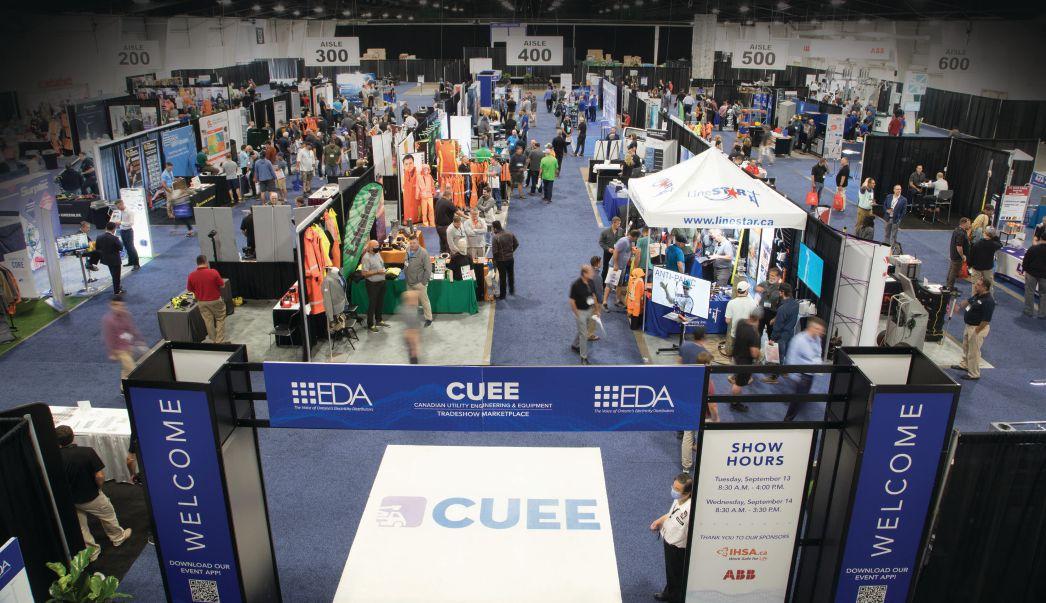
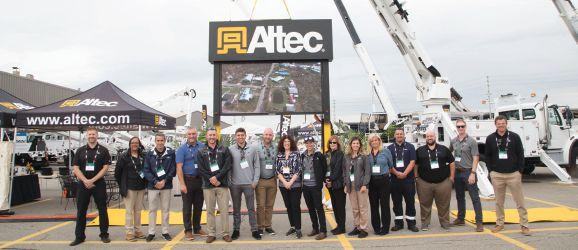
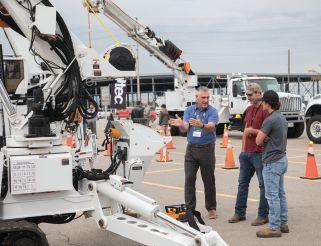
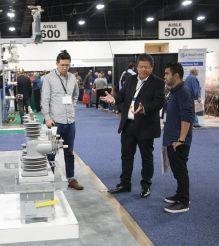
The Canadian Utility Engineering and Equipment Trade Show and Marketplace returned in September from its multi-year pandemic hiatus. With more than 130 exhibits and a total of about 1,750 attendees, CUEE 2022 was a dynamic experience, unfolding across more than 100,000 square feet of indoor and outdoor exhibition areas and demonstration stages.
CUEE is designed in particular for utility staff with hands-on operational responsibilities, and gives them an unparalleled opportunity to view, discuss and experience the latest technical solutions and service offerings of direct relevance to the distribution sector.
The EDA thanks the organizing committee for its particularly active
CUEE was an unparalleled opportunity to view, discuss and experience the latest solutions and service offerings.
contribution to the success of this year’s program. CUEE will be back in 2024.
The EDA’s Diversity, Equity and Inclusion conference – this year on the theme of “Moving from Awareness to Action” – marked its 10th anniversary in November. It provided an excellent opportunity for learning and dialogue, and for a gut-check on personal and organizational performance with respect to DEI.
The EDA’s ENERCOM speakers series also concluded with an October session on machine learning and artificial intelligence implications for the energy sector, and a December session on operational technology cyber-security.
The EDA’s next AGM and awards gala is coming into view on the new-year horizon. This signature event runs March 26-27, 2023, at the Fairmont Royal York in Toronto. Watch for program, registration and accommodation information here: www.eda-on.ca/EVENTS/Awards-Gala
A new video retrospective overviews all that was on offer at this year’s Electricity, Distribution, Information Systems & Technology Conference and Exhibition, which attracted more than 1,200 attendees to Markham in June. EDIST runs again May 30 - June 1, 2023.
By Jeff McGuire, Vice President, Clik2pay
People seldom like paying bills, and the process can be an inconvenience. Sometimes we misplace the statement, forget when payments are due, or forget to schedule the payment.
With all the investment in e-billing and customer communications, why can’t we make payment easier for customers?
For customers who prefer to pay with credit cards, third parties have enabled credit card payments with convenience fees.
But when given the choice, about half of Canadians prefer to pay directly from their bank account. This preference is even higher for basic services such as utility payments.
These are everyday Canadians who:
• are too young for credit, or have no, poor or limited credit;
• are too new to Canada to have a credit file;
• want control over their finances; and/or
• are concerned about card and personal data security.
These debit-preferring customers tend to skew a bit younger, rural and female.
Many of them would prefer not to provide credit card information to a third party, leaving online banking as their only option.
Most utilities have adopted a third-party payment model for credit and debit processing. This sees customers visiting another site, logging in, ensuring billing data is correct, ensuring payment information is correct, and finally making a payment. This payment then has to be posted and make its way back to the utility’s receivables system. When third-party payment models first
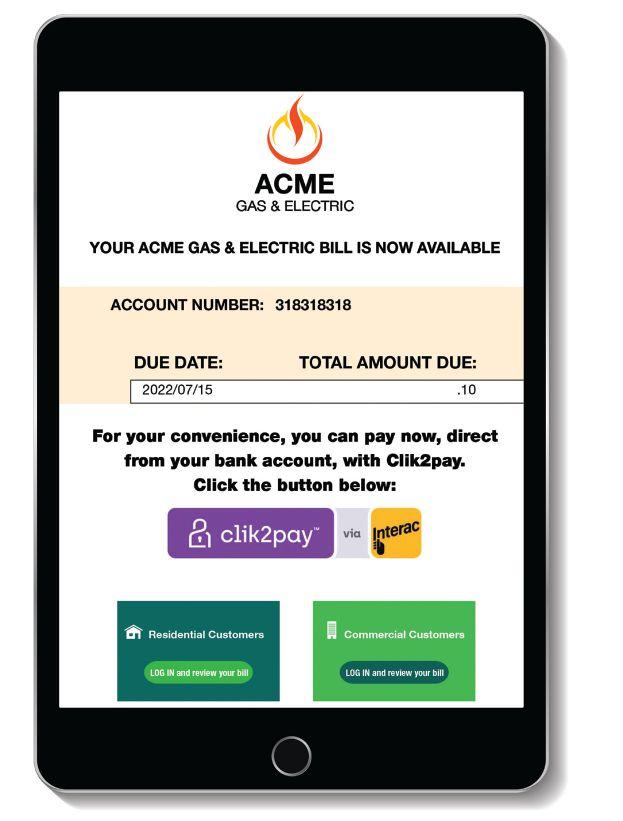
A Clik2pay link on a bill like the one shown here takes the customer directly to the Interac page.
If you have a bank account in Canada, you have probably used Interac. It is familiar and ubiquitous. Interac® e-Transfer is now used by Canadians to send money over a billion times per year.
came out they were innovative. The option to pay via credit card was not previously available. Customers had a new choice and it was a vast improvement from legacy processes. The bigger question now is “what happens next?”.
A much easier process in fact exists. This further evolution in payment traces its roots back almost 40 years to the introduction of the Interac
By Austin Creighton, Senior Manager, Cybersecurity
Internet connectivity has transformed how businesses operate—but also increased exposure to cyberattacks, malicious insiders, and human errors. Discovering, investigating, and recovering from threats against industrial and critical-infrastructure environments is a challenge for many organizations, and this has caused operational technology (OT) attacks to rise.
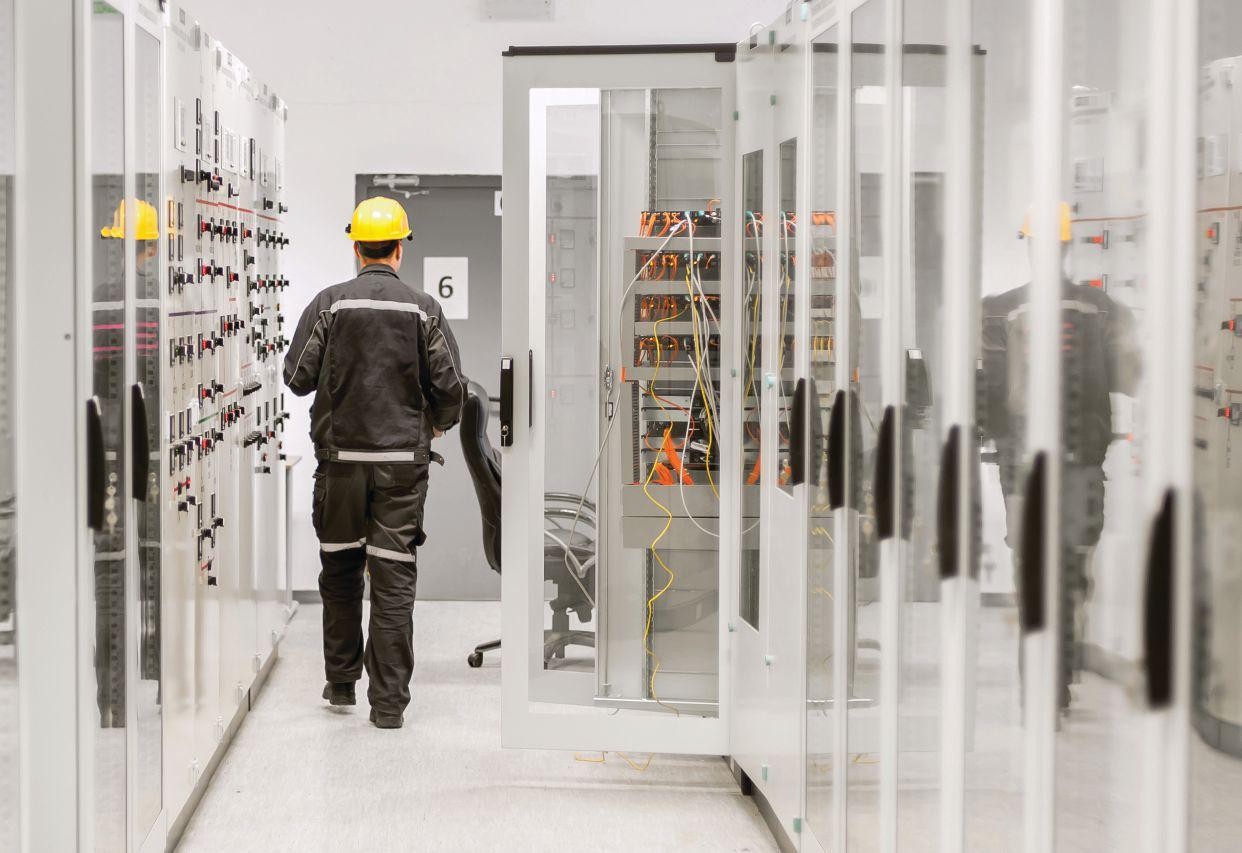
OT systems include supervisory control and data acquisition (SCADA), and the distributed control system applications used to monitor and control equipment in the power grid environment, including transmission protective relays, bay control units and other substation protection systems.
In August 2022, the U.S. Cybersecurity and Infrastructure Agency (CISA) published numerous cybersecurity advisories warning critical infrastructure owners of potential hardware vulnerabilities. Ontario’s local distribution companies (LDCs) must also heed these warnings and gain visibility

across their OT environments to ensure their OT/industrial control systems (ICS) operate securely.
OT environments have unique challenges compared to traditional information technology (IT) environments. IT typically supports corporate offices and includes devices like personal computers, phone systems, and printers. These systems operate on standardized equipment, which can increase the likelihood of known vulnerabilities, but also make it easier to maintain predictable windows of downtime during low usage periods.
OT systems, on the other hand, provide the backbone for physical processes such as energy production, manufacturing, and other industrial settings, meaning they often require continuous operation and are more sensitive to longer and unplanned periods of downtime. Additionally, many LDCs are at the mercy of their vendors who control when and how systems are upgraded. As a result, greater costs are incurred in OT environments when changing or updating equipment.
A successful hack on the grid could play out in several ways. For example, a hacker could gain access to computers controlling the circuit breakers in several generation substations and reduce electricity flowing into the grid. This sudden supply-demand
http://grantthornton.ca/cybersecurity-for-ldcs
imbalance would lower the frequency of electricity across the system, causing more generators to disconnect automatically rather than incur damage.
The grid would then be thrown further out of balance, causing a section of it to collapse and potentially leaving many customers without power. In the case of such a cyber incident, a strong OT vulnerability management program can strengthen the organization’s ability to respond quickly and reduce the level of critical infrastructure risk.
As attacks on ICS/SCADA devices increase, it’s essential you place specific emphasis on core security hygiene practices and begin to increase awareness of OT-related vulnerabilities. A formalized vulnerability management program designed to identify, detect, protect, respond to, and recover from OT vulnerabilities can help your organization spot, manage, and counter cybersecurity events quickly.
Here are four tips on creating a well-structured OT vulnerability management program:
Identifying and managing OT-related vulnerabilities can be done hassle-free using specialized scanning tools. You should look to passive OT management for vulnerability and patch monitoring. A properly installed, continuous and passive OT monitoring solution can alert you to malicious indicators and behaviours and allow your business to be proactive.
The tool begins by scanning the OT environment to identify industrial assets. Additional information such as vendor, model, firmware, and rack slot are also identified. Each of these assets are matched against a database of Common Vulnerabilities and Exposures (CVEs),
CONTINUED FROM PAGE 32
network. If you have a bank account in Canada, you have probably used Interac. It is familiar and ubiquitous. Interac® e-Transfer is now used by Canadians to send money over a billion times per year.
The Clik2pay innovation has taken the Interac service and added a request for payment – or a pre-programmed payment transaction –using the same system. Payment from any bank can be completed in just a few clicks. This allows businesses to use e-Transfer for more customer-friendly billing and collections.
The benefits for billers are clear:
• smooth customer experience, with payment available from any communication with a single link;
• QR code option for digital or paper bills;
• access to bank accounts at all major Canadian financial institutions;
• lower cost payments for utilities and their customers; and
• real-time, guaranteed payments for faster collection of funds.
Simple billing is the first function to which this new innovation can be applied. A bill is issued like the one shown on page 32, with a link that
misconfigurations, and other flaws. New vulnerabilities are flagged, and false positives are filtered out.
Once identified, security operators must determine a framework for prioritizing vulnerabilities. The best approaches distinguish between the type and severity of risk associated with a given vulnerability. Risk types are divided into safety, legal, and business with safety risks involving threats to employees, end users, and the public.
After your organization has pinpointed which vulnerabilities and exposures are present on your OT assets, the likelihood and impact must be evaluated. Doing this can be challenging. The cost of administering patches is particularly high as they must be tested on individual devices, requiring substantial employee hours and system downtime.
To manage the identified vulnerabilities, CISA recommends organizations take the necessary measures to secure all network connections to ICS, and that they continuously monitor the ICS network using OT monitoring tools while establishing policies and procedures.
Managing OT threats isn’t easy, but we can guide you through the challenges to help you safeguard your organization.
Contact Austin Creighton, Senior Manager, Cybersecurity, at Austin.Creighton@ca.gt.com to find out more.

Jeff McGuire, Vice President, Clik2pay
takes the customer directly to the Interac page.
The same process is adopted for reminders or even collections with an embedded link in a past-due or collections notice. When reminded and provided with an easy option, more customers pay.
Customers want payment options that align with their own money philosophy and circumstances. This should be the goal of innovation. And with Clik2pay “what is old is new again” when it comes to direct-fromaccount payments.
Clik2pay recently became an Electricity Distributors Association sponsor and is offering a special value package to members, involving simplified pricing and waiver of program set up fees. For more information, please contact: jeff@clik2pay.com


Ontario’s IESO – and its counterparts across Canada –have the formidable task of assuring a reliable supply of electricity while also working towards fully decarbonizing our grids on a net-zero basis. The potential costs of doing so are as daunting as the technological and policy tradeoffs are complex, all of which is reflected in key words and figures from a recent RBC Economics & Thought Leadership report.
Nationally, an allrenewable grid (+ battery storage) could add $7B in annual costs
Distribution utilities are on the frontlines of addressing these challenges. Achieving the right pace of progress, while safeguarding key customer interests, calls for an unleashing of their growing capacities for technological and other forms of innovation.

Having both will be
in
“Energy efficiency measures can dramatically reduce demand costeffectively… leaning into conservation this decade will cut the overall cost of transition.”
challenging
a net-zero electricity future
Renewables are vulnerable to “climate changedriven disruptions” (e.g. drought), which “acutely affected power prices” in Europe

“EACH [GENERATION] TECHNOLOGY SOLVES A PARTICULAR CHALLENGE, BUT ALSO COMES WITH ITS OWN UNIQUE RISKS.”
Targeted achievement date for a net-zero electricity grid: 2035 [<5,000 DAYS AWAY]

$5

Are you looking to gain more value from your assets? Our turnkey asset management solution enables you to do just that.
Our teams support the entire asset lifecycle from concept to implementation. From planning, engineering design, construction, GIS application services, asset inspection and field services, we provide the data you need to make the right decisions.
If you’re looking to achieve long-term asset value, we want to hear from you!
Contact us at info@oecorp.ca.