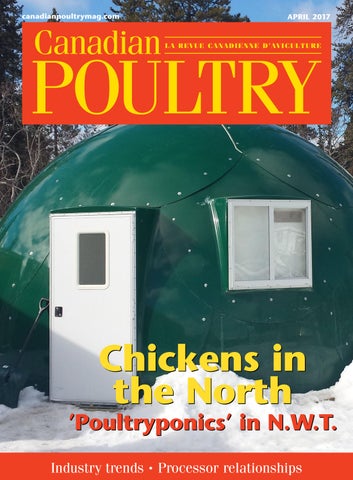
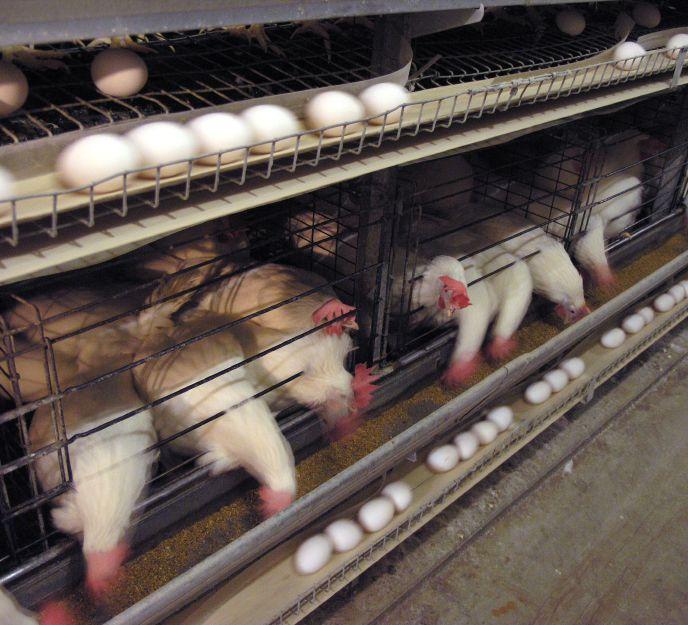
The “poultryponics” project kicks off this spring in the Northwest Territories. by Treena Hein
BUSINESS: Success story
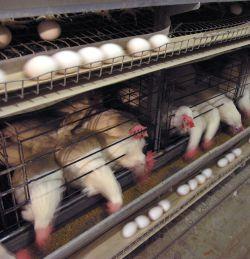
2016 saw the 10th consecutive year of growth in retail egg sales and this year may be even better. by Treena Hein
SUSTAINABILITY: Germany focuses on animal welfare A welfare initiative created by industry, for industry. by Melanie Epp
PRODUCTION: Algae for healthier eggs
CFIA gives regulatory approval to algae-based nutritional products. by Lilian Schaer
BIOSECURITY: Why is biosecurity so difficult?
Overcoming human nature is an important step in managing disease. by Karen Dallimore
BUSINESS: Border
by Karen Dallimore
FROM THE EDITOR
BY BRANDI COWEN
Talking trade
While making the rounds at ag industry events this winter, I noticed one topic was sure to draw a crowd every time. It seems producers, suppliers and other industry stakeholders are eager to soak up information on markets and international trade – and with good reason.
Within days of taking office, President Donald Trump signed an executive order withdrawing the United States from the Trans-Pacific Partnership (TPP), a 12-country deal representing about 40 per cent of the global economy. The move essentially killed the trade deal since, as Canada’s Foreign Affairs Minister, Chrystia Freeland, told reporters, “This agreement was so constructed that it can only enter into force with the United States as a ratifying country.”
When final details of the TPP were announced, industry groups expressed concerns. Chicken Farmers of Canada (CFC) noted Canada would be required to “increase its market access for chicken by 28 per cent to almost 10 per cent of our consumption” under the TPP, and Egg Farmers of Canada (EFC) cited “additional access to the Canadian egg market in the order of 16.7 million dozen eggs, increasing to 18.8 million (or approximately 2.3 per cent of production),” according to press releases issued by both groups in October 2015.
Turkey Farmers of Canada (TFC), too, had concerns about what increased market access for imported products could mean for Canadian production. However, as TFC chair Mark Davies stated in a press release, “Although the additional access granted to the Canadian turkey market will certainly be challenging, the finalization of the TPP agreement removes the cloud of uncertainty farmers have been living with over the last several years. We trust this will provide a stable,
predictable trading environment moving forward, as the government predicts.”
Now, with TPP off the table, that trading environment seems a lot less stable and predictable. In the days immediately after the U.S. pulled out of the agreement, cable news channels filled hours of programming with pundits speculating on what form a substitute for TPP might take. One thing most seemed to agree on? The governments that invested so much time and money in securing the TPP will eventually come up with a new trade deal; securing more favourable terms of trade with such a large proportion of the global economy –with or without the U.S. – is too tempting an opportunity to let slip away.
Another element of uncertainty stemming from south of the border is how the North American Free Trade Agreement (NAFTA) may be transformed if Trump fulfills his promise to “tweak” it.
Terms of trade with the U.S. may change anyway, at least in the poultry sector, in response to recent issues with American spent fowl exports to Canada in excess of total national production figures. As our story on page 30 explains, CFC has forwarded three key recommendations to the federal government that would address spent fowl fraud at the border and protect domestic producers’ share of the market. How the government will respond remains to be seen.
So, what are Canadian producers to do? Get involved with associations and commodity groups to help shape the messages being passed along to the officials who negotiate trade deals. You can bet other sectors will be advocating for their own interests. The poultry industry can’t afford not to have a voice at the negotiating table. n
U.S.A. - 1 Year $ 66.95 USD Foreign - 1 Year $ 70.95 USD
GST - #867172652RT0001
Occasionally, Canadian Poultry Magazine will mail information on behalf of industry-related groups whose products and services we believe may be of interest to you. If you prefer not to receive this information, please contact our circulation department in any of the four ways listed above.
With nearly 70 years of experience and more than 3 billion birds around the world drinking from a Lubing system on a daily basis, Lubing has established a rock solid position as a global leader developing innovative products for poultry production.
Our Tradition of Innovation keeps us at the forefront of the industry by continually offering cutting-edge technology that helps producers gain every possible advantage in production to maximize profits.
Got Lubing? You can’t afford not to. Contact us to find out how we can help improve your bottom line.
Good business management habits pay off WHAT’S HATCHING HATCHING
R
Thirty-six per cent of poultry and egg farmers reported having a formal business plan.
of all ages, nationwide, in the grains and oilseeds, beef, hogs, poultry and eggs, dairy, and horticulture sectors.
esearchers have established a direct link between farm business management planning and higher farm income and profitability.
According to the report entitled Dollars and Sense, released by Kynetec (formerly Ipsos Agriculture and Animal Health), leading Canadian farm businesses in the top 25 per cent financially outperform those in the bottom 25 per cent by a wide margin: a 525 per cent increase in return on assets (ROA), a 155 per cent increase in gross margin ratio, and 100 per cent increases in return on equity (ROE) and asset turnover.
The study, commissioned by AMI and Farm Management Canada, included 604 farms of all types and sizes, and farmers
According to the study, the top three leading drivers of farm financial success are: continuous learning, keeping finances current, and seeking the help of professional business advisors and consultants.
Four other drivers also ranked highly: having a formal business plan, knowing and monitoring cost of production, assessing and managing risk, and using budgets and financial plans.
Of the 55 poultry and egg farmers surveyed nationwide, 69 per cent felt the financial health of their farm was a little or much better now compared to five years ago.
The top 25 per cent of poultry and egg farms show a five per cent ROA compared to zero per cent in the bottom 25 per cent, a 37.7 per cent gross margin ratio compared
to zero per cent; a 15.6 per cent ROE compared to 15.4 per cent; and a 13.6 per cent asset turnover compared to 10.1 per cent.
Poultry and egg farmers lead the pack. Thirty-six per cent have a formal business plan, well ahead of the 25 per cent average of all other farmers, and 36 per cent have a financial plan with budget objectives, which again is higher than the 33 per cent average reported by all other farmers. Twenty-six per cent have a formal human resources plan – considerably more than the 17 per cent average of all other farmers.
The study also showed that 69 per cent of poultry and egg farmers use supply chain relationships to add value, which is significantly higher than the 49 per cent of all other farmers who do so.
The study was funded through the Growing Forward 2 federal-provincial-territorial initiative.
First shipments from new Aviagen hatchery
Poultry genetics company
Aviagen has reported that its new hatchery in Watertown, N.Y., is now fully operational and began shipping chicks to customers in early November 2016.
Located in upstate New York, just south of the Ontario border, the Watertown hatchery is strategically situated to supply Canadian customers with broiler breeding stock.
Resetting the agri-food trade agenda
An independent agri-food policy note released in late January by Agri-Food Economic Systems explored the expanding trade policy agenda now facing Canadian agri-food as the trade agenda of the Trump administration
“Aviagen continually makes investments that result in better service to customers,” said Kevin McDaniel, president of Aviagen North America. “The new hatchery enables us to keep up with the region’s expanding demand for our products, while at the same time promoting the success of our customers by offering them the highest quality of chicks possible.”
The Watertown facility has become Aviagen’s seventh
in the United States, as well as other factors, become evident.
“Not that long ago we thought the major sources of uncertainty dogging Canadian agri-food trade had been resolved,” said Al Mussell, Agri-Food Economic Systems research lead and co-author of the policy note, in a press release. “That is quickly being proved wrong. We had not expected U.S. trade policy to turn protectionist and, in the interim, a number of other major trade issues have
Veterinarians work to combat antimicrobial resistance
CANADA
The Canadian veterinary profession has created a national framework to address its responsibilities under new federal regulations for increased veterinary oversight of antimicrobials, expected to be implemented by the end of the year.
“Veterinary oversight of antimicrobial use – A Pan-
commercial breeding stock hatchery in the U.S.
With a hatching capacity of up to 135,000 high-quality chicks per week, the hatchery is able to keep up with a growing demand in the region. It is equipped with advanced technology equipment such as Jamesway Platinum incubators and hatchers, which are designed for heightened biosecurity and energy efficiency. Sophisticated environmental controls ensure consistently exceptional hatch results and provide the highest level of care available for eggs and chicks.
arisen,” he added.
The policy note takes stock of the range of developments in U.S. trade policy under the Trump administration, the implications and alternatives for Canadian agri-food and the consequent demands on trade and domestic agricultural policy. It highlights bilateral shifts and multilateral issues that will reshape domestic and trade policy and require Canadian attention.
The note can be accessed at www.agrifoodecon.ca.
COMING EVENTS
APRIL 2017
April 12, 2017
Canada’s Food Loss and Waste Forum Mississauga Convention Centre, Mississauga, Ont. For more information, visit provisioncoalition.com/newsevents/foodlosswasteforum.
MAY 2017
May 17, 2017
Western Meeting of Poultry Clinicians and Pathologists Ramada Plaza and Convention Centre, Abbotsford, B.C. For more information, visit westvet.com.
May 18, 2017
B.C. Poultry Symposium Quality Hotel and Conference Centre, Abbotsford, B.C. For more information, visit bcpoultrysymposium.com.
JUNE 2017
June 5-7, 2017
Canadian Meat Council 97th Annual Conference
The Westin Ottawa, Ottawa. For more information, visit cmc-cvc.com/en/ events/canadian-meat-councils-97th-annual-conference.
Canadian framework for professional standards for veterinarians” was developed by the Canadian Veterinary Medical Association’s veterinary pharmaceutical stewardship advisory group in collaboration with the Canadian Council of Veterinary Registrars.
It provides a template of professional standards that may be used by provincial and
territorial veterinary regulatory (licensing) bodies when developing their own regulations, guidelines, or bylaws relating to veterinarians’ professional responsibilities in providing oversight of veterinary antimicrobial use.
The framework describes the professional obligations for veterinarians as “suggested standards” and describes the professional obligations to be met by veterinarians when prescribing an antimicrobial drug.
We welcome additions to our Coming Events section. To ensure publication at least one month prior to the event, please send your event information eight to 12 weeks in advance to: Canadian Poultry, Annex Business Media, P.O. Box 530, 105 Donly Dr. S., Simcoe, ON N3Y 4N5; email dkleer@annexweb.com; or fax 519-429-3094. Please write “Event Submission” in the subject line.
HATCHING HATCHING
Management crisis expected for Canada’s poultry and egg farms
The Canadian Agricultural Human Resource Council (CAHRC) has completed a three-year study and released the Poultry and Egg: Labour Market Forecast to 2025.
By 2025, Canadian poultry and egg production will require an estimated 15,900 workers
The research included farm operations engaged in breeding, hatching and raising poultry for meat or egg production, including chickens, turkeys, ducks, geese, pheasants, partridges and pigeons. A levelling of demand for poultry and egg production and improved industry productivity will limit the demand for labour, while a shrinking supply of domestic labour will widen the industry labour gap.
In 2014, 15,600 people were employed in the poultry and egg industry and an additional 250 jobs went unfilled due to a lack of domestic labour. These shortages cost the industry an estimated $6 million in lost sales. By 2025, 15,900 workers will be required and 1,100 jobs are at risk of going unfilled. Manager and owneroperator jobs will be the most difficult to fill.
The industry will be significantly impacted by retirement, with nearly one-quarter of the workforce expected to retire by 2025. Finding Canadian workers with the right skills and experience is the greatest barrier to recruitment for the industry, despite the fact that it often offers attractive work conditions, including fulltime, year-round employment located relatively close to urban centres. The industry also has voluntary turnover rates that are below the sector average, which means fewer employees choose to leave their jobs.
The full report can be downloaded at www.cahrc-ccrha.ca/agriLMI.ca. Study data was validated through industry consultations conducted across Canada.
Poultry Industry Council: CELEBRATING 20 YEARS OF SERVICE TO THE INDUSTRY
What are the most significant changes you have seen in the industry during the past 20 years?
“Genetics. We’ve cut a half-day to market every year for the [last] 20 years on the broiler side and on the egg side, production is now up to 345 eggs per hen per year. Product specialization has also been big, with lutein-enriched eggs, omega-3 eggs, vegetarian-fed and more, taking eggs out of the commodity scenario. On the meat side, we are seeing antibiotic-free, vegetarian diets and the development of markets for specialty breeds like silkies and artisanal flocks. We’ve gone through two [avian influenza] outbreaks, and we’re seeing them happen all over the world. Due to investments possible through supply management, we’re ahead in biosecurity compared to other jurisdictions. We’ve also seen the consumer become a lot more savvy. The industry taking a close look at animal welfare aspects and other factors has been consumer-driven.”
What do you see ahead for the poultry industry?
“A lot in Ontario over the next three years. I believe that we’ll see more changes in the next 36 months in this province than we have in the last 36 years, and these changes reflect national trends. Now that Ontario has differential growth in quota, we’re expecting two hatcheries to be built in Ontario and that hasn’t happened in a long time. We are seeing a move to modular loading on the broiler side and a new turkey processing plant in Mitchell opening up, with modular loading and gas stun. On the layer side, housing will continue to move away from conventional battery cages, and on the meat side, [we will] continue towards antibiotic-free production. Being able to check fertility and sex the chicks in the egg shortly after fertilization is coming for layers and broilers. Huge efficiencies will be gained at the hatchery. Long term, there is research going into functional foods, such as the potential for egg membrane proteins to be used to treat depression.”
Al Dam, provincial poultry specialist
Intestinal health is important to maximize uniformity, productivity and profitability. Now, to help you optimize treatment of poultry worms, Panacur® Aquasol™, is available in a farm-friendly drinking water formulation.
• Easy to mix, stable suspension
• No sedimentation, clogged pipes or drinking nipples
• Zero egg withdrawal when hens are treated according to label
• Zero withdrawal for meat when chickens are treated according to label
Consult your veterinarian for more information.
Cover story Chickens in the greenhouse
The “poultryponics” project kicks off this spring in the Northwest Territories.
BY TREENA HEIN
As many of us have heard on the news recently, food security in Northern Canada is a serious problem. Most people in the Far North are completely reliant on food produced in the south. Food is generally very expensive, but fresh fruit and vegetables in particular cost three to four times what they would elsewhere. Numerous new greenhouse initiatives are underway to address the problem – most of them employing high-tech green energy solutions and extremely high levels of insulation. Several projects also involve fish production (known as aquaponics), and one – a world first – involves poultry production.
The story starts in 2014, when Glenn Scott (founder of Whitehorse-based AgriArctic Yukon) created the “AgriDome,” a modified northern survival structure made from available construction materials that’s designed to support hundreds of plants. It features vertical hydroponic growing towers, remote computer monitoring and high pressure sodium (HPS) lighting, with heat provided by a standard 1,500-watt space heater. The Yukon Research Centre at Yukon College provided funding and hosted the AgriDome project, which started in September 2014. Scott submitted a feasibility study in January 2016, with average power usage found to be 1.9 kilowatt-hours.
But Scott wasn’t satisfied. He’s among
The “AgriDome” is a modified northern survival structure made from available construction materials and designed to support hundreds of plants. It features vertical hydroponic growing towers, remote computer monitoring and high pressure sodium (HPS) lighting, with heat provided by a standard 1,500-watt space heater.
many who believe the heat, light and other synergies of a greenhouse should be used to support production of protein as well. In 2015, he was speaking to Kevin Wallington (head of marketing and sales at Polar Egg in Hay River, NWT; more on this later) about the possibility of combining vegetable and egg production. They brainstormed and approached
the Canadian Northern Economic Development Agency (CanNor), the Aurora Research Institute and the N.W.T. Ministry of Industry, Tourism and Investment to help complete their joint demonstration project. The rest is history in the making.
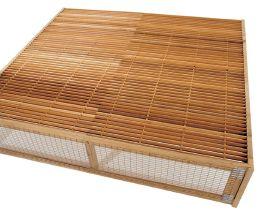
The hens, about 200 of them, will be housed in a hexagonal base structure. The
PRODUCING CHICKENS IN THE NORTH
If you could protect your farm this way, you wouldn’t need any cleaners or disinfectants.
These are some of the products eligible for the Vetoquinol Club points program. Sign up today at vetoquinolclub.ca and reap the benefits. club
Vetoquinol would like to remind you of the importance of a good biosecurity protocol and its implementation on a daily basis.
NEED MORE INFORMATION? CONSULT YOUR BIOSECURITY SPECIALIST.
CHICKEN ABOUT STARTING A BUSINESS PLAN?
#pledgetoplan
Establishing a clear business plan pays. It provides a strong sense of direction and a platform for communication with your team, not to mention much better financial returns.
Get started at www.pledgetoplan.ca
The Agri-food Management Institute is funded through Growing Forward 2 (GF2), a federal-provincial-territorial initiative.
Cover story
AgriDome situated above will have new hydroponics towers that will support the growth of 2,500 to 3,000 plants. Initially they will grow tomatoes, peppers, basil, kale and swiss chard, but later on, various herbs, vine plants such as cucumber and zucchini, and heavy fruiting plants like cantaloupe will also be grown.
In terms of synergies, some waste plant material will be fed to the hens (reducing the amount of feed required from the south), and chicken manure, in turn, will be treated in a bioreactor to produce fertilizer for the plants. Scott says the bioreactor (designed by Dr. Nick Savidov at Lethbridge College in Alberta) is basically a large tank in the centre of the structure that continually stirs the manure. Oxygen is bubbled through the mixture, causing an aerobic digestion process. “This reaction will produce a nutrient solution which will be fed back to the plants and a ‘slurry’ that could be used to augment agricultural soils,” Scott says. “It will also produce a substantial amount of heat.”
Indeed, so much heat will be produced by the bioreactor and the HPS lighting that Scott expects much of it will be vented. “A bioreactor of this size is capable of heating the entire building, but because the HPS lights in the hydroponics area also produce excess heat when they are on, the heat from the bioreactor will only be used up to 25 per cent of the time,” Scott explains. “This opens up the possibility of using excess heat to support flocks of meat birds in addition to the structure during the spring and the fall.”
Temperatures will be carefully managed by a computer-controlled heating, ventilation and air conditioning (HVAC) system, which will redistribute warm air throughout the building or vent it to the outside. All air exchanges to the hydroponics area will be run through a filter to prevent any contamination and through a dehumidifier to recover as much excess water as possible. “Because the building will have a very strong vapour barrier built into its envelope, it’s expected that water consumption can be reduced by as much as 95 per cent compared to a conventional hydroponic operation,” Scott explains.
Wallington says the 200 hens will
have the same amount of space as they would in any other free-range housing setup, with access to the outside in the summer. The eggs will be graded at the Polar Egg grading station (accredited by the Canadian Food Inspection Agency) with the rest of the company’s production. The “poultryponics” eggs could be marketed separately in the future, however, as free range eggs, if Polar Egg completes plans to modify one of its barns to free-range production with an outdoor enclosure.
At press time, the base structure was slated to be built in March, and the AgriDome was to be moved from Whitehorse to Hay River by the end of March. The chickens were scheduled to arrive by the end of April.
EGG PRODUCTION IN CANADA’S NORTH
In 2015, Canadian Poultry reported on Polar Egg, owned by Hay River Poultry Farms. Hay River and its sister operation, Choice North Farms, produce about 37 million eggs per year at a single site and send them south for grading and distribution. In 2012, Polar Egg, with its grading station, was created specifically to produce eggs for NWT consumers. Production totals about 203,000 dozen per year.
In terms of new developments, Wallington says, “We are preparing to move forward to a half-carton package for single people, seniors and people who are here working for a week and staying in a hotel with a kitchenette. Last year, we began selling bagged feed to local backyard poultry producers, made by our feed provider in Edmonton, and sales are going well. We are excited about both of these initiatives and about some new building we’ll be doing, now that a long-time temporary quota allocation has been made permanent.” Another possible development concerns the common packing area shared by Polar Egg, Hay River Poultry Farms and Choice North Farms. It’s currently heated with propane, but this will likely change to wood pellet heating once a large local biomass project is operational. The barns are not heated, as the chickens provide their own heat. n
Business Success story
2016 saw the 10th consecutive year of growth in retail egg sales and this year may be even better.
by Treena Hein
Last year marked a spectacular achievement for the Canadian egg industry. “It was the 10th consecutive year of growth in retail sales of eggs,” says Bonnie Cohen, Egg Farmers of Canada’s (EFC’s) long-time director of marketing and nutrition. “In addition, our end-ofyear data for 2016 shows that retail sales increased 5.6 per cent over 2015, which translates to an increase of 16.8 million dozen.”
Indeed, retail sales are going up in every category – regular white or brown, organic, omega-3 and every other type.
“About 85 per cent of sales right now are regular white or brown and we think that, mostly because of all the other specialty eggs now available, omega sales have decreased from 12 per cent about 16 years ago to about eight per cent of current national sales,” Cohen says. “Organic/free range/free run eggs have increased to a little over seven per cent. Eggs are a quick purchase, with consumers tending to pick up the same eggs that they’ve purchased many times before. There is certainly a fantastic variety of choice now, but most sales are still regular white or brown.”
Last year, Egg Farmers of Canada hosted “Wake Up to Yellow” events in Toronto, Montreal and Vancouver, where Canadian egg farmers handed out free egg sandwiches amid giant daffodil motifs.
CHANGE IN PERCEPTION
Increasingly, consumers see eggs as a very natural food, Cohen says. In an era where trust in the food system is historically low and concerns abound over genetically modified food products, artificial colours and flavours, additives and more, eggs are widely perceived as an unchanged and natural dietary choice that people can count on.
HUNGER FOR PROTEIN
Staff at both EFC and Agriculture and Agri-Food Canada (AAFC) note an increased consumer demand for proteinrich food in recent times has also boosted egg sales. Protein is perceived these days as very important in helping a person feel full for longer periods of time, thereby assisting them in weight loss or weight maintenance.
AFFORDABILITY
Marketing efforts by EFC and the provincial boards over many years have had a lot to do with this degree of success, but a number of strong recent trends are also boosting egg sales across the country.
It’s a perfect storm in reverse, if you will – and one that’s likely going to keep egg sales strong far into the future.
Here’s a closer look at the factors making more cartons fly off the shelves.
Cold cereal has been a very popular breakfast choice for many years in Canada, but steadily higher prices have caused many consumers to seek alternatives. “Boxes of cereal are smaller than ever and cost always seems to get bigger,” Cohen says. “Many parents also perceive some cereals as a poor nutrition choice with little protein and lots of undesirable or unnatural ingredients. Eggs are the direct opposite.”
However, while eggs are a much more economical protein choice in every meal, Cohen notes most people aren’t replacing meat with eggs at supper or lunch. “Most eggs are eaten at breakfast, and that’s where we promote it the most,” she says.
Interestingly, the McCormick 2017 Flavour Forecast (a highly anticipated annual food industry prediction of the hottest new
WAKE UP TO YELLOW CAMPAIGN
spice trends) has a large focus on eggs. McCormick forecasts egg yolks will be very popular in dinner and luncheon dishes this year, with the use of heady spice blends like shakshuka, an exotic mixture of smoked paprika, cumin, pepper, cayenne, turmeric and caraway. The popularity of the Flavour Forecast –and perhaps eggs – is also tied into the fact that more Canadians are cooking at home to save money and explore exciting new flavours and ingredients with family and friends. Many experts have noted that this trend began with the recession of 2008, but it’s still going strong.
DEMAND FOR EGG WHITES
AAFC identifies increased demand for products containing only egg whites, such as yolk-free omelettes and breakfast sandwiches, as another factor in increased egg sales. However, EFC regularly purchases data on restaurant sales, which Cohen says shows “there has been an increase in sales of egg salad sandwiches at Tim Horton’s over the last several years and the Egg McMuffin at McDonald’s, and these contain the whole egg.” This increase in whole egg products may be related to the current understanding among consumers that cholesterol in egg yolks is nothing to be worried about (see more below).
MARKETING
For about the last decade, EFC has focused much of its marketing efforts on debunking the myth that eggs are high in cholesterol. “The cholesterol myth was still strong several years ago, but our physician education program was very successful, along with
educating dietitians and doing media campaigns,” Cohen notes. “All of it contributed to the success. We went directly to medical professionals and educated them about the nutritional content of eggs and the science behind dietary cholesterol and once they understood, their recommendations to their patients on how many eggs to eat per week rose dramatically.”
Several years back, EFC also had concerns about the labelling for cholesterol on egg cartons: it’s listed in milligrams and looks like a very large number compared to the number for fat, for example, which is stated in grams, but this isn’t a big concern anymore. “There is no daily value associated with cholesterol and it’s measured in milligrams all over the world,” Cohen explains. “In addition, cholesterol claims for other foods were changed quite a while ago, and while it’s taken time to fully sink in, it’s also been a positive development.”
At one time, vegetable items like potato chips could make a “cholesterol-free” claim on the package, which left some consumers with the impression that anything with any amount of cholesterol was unhealthy. In 2003, however, Health Canada published new labelling regulations and foods that had never contained cholesterol were no longer permitted to make a “cholesterol-free” claim.
In addition, brand new guidelines from Health Canada, the Canadian Paediatric Society, the Dietitians of Canada and the Breastfeeding Committee for Canada all now state parents can begin feeding eggs to their babies starting at six months of age in order to reduce the risk of developing an allergy. Cohen believes this will also help egg sales stay strong or even grow in 2017.
The Wake Up to Yellow campaign comes back to the “natural” food source message, and according to EFC’s Bonnie Cohen, farmers are the most natural choice to convey that message to consumers.
As for the marketing plans going forward: “The cholesterol thing was a huge issue for us and we spent a lot of time and effort on that directly with doctors,” Cohen says. “As that issue has subsided, we’ve really started to focus on reaching out to consumers through social media and having conversations with them about things that they are interested in. More and more people want to know where their food comes from and who better to hear it from than egg farmers?”
Indeed, farmers are the new Canadian egg celebrities. (This is a switch from years ago, when EFC employed two famous women hockey players to promote eggs as a high-quality protein and energy source.) In 2016, EFC held “Wake Up to Yellow” events in Toronto, Montreal and Vancouver, where Canadian egg farmers handed out free egg sandwiches amid giant daffodil motifs. This campaign comes back to the “natural” food source
Business
message, Cohen says, and farmers are the most natural choice to convey that.
However, she notes there’s still a lot of work to be done to connect farms with everyday people. “The provincial boards do a great job – they go to agricultural fairs, to shows, to classrooms,” Cohen says. “In Quebec and Ontario, they take trailers to events, and Burnbrae [Farms] was at the [Calgary] Stampede with Egg Farmers of Alberta last year.”
In late January, EFC began further connecting farmers to consumers through a TV ad campaign, and Cohen says based on EFC’s research, it will be the most successful ad yet.
“We’ll also be focusing this year on feeding egg to your baby by six months of age to avoid allergy risk,” she says. “One other focus is helping Canadians eat more eggs in the morning. Some people eat them during the week for breakfast, but many only do so on the weekends because
they feel they’re too busy during the week. We’re trying to get a better understanding there and give them tactical ways to eat eggs on weekday mornings. As part of our research, we’ve had women videotaping themselves and their families.”
Cohen notes that there are still a number of people concerned about hen welfare, but that she and her colleagues at EFC, along with their provincial counterparts, have done a lot to show Canadians they can trust that hens are being looked after in a responsible manner. “Due to a variety of factors, the Canadian egg industry has made commitments to move completely away from conventional cages,” she says. “That is very positive. People have seen things online that aren’t pretty and we’d like to, ideally, get every Canadian out to a farm so that they can see how things work, but through social media and talking to farmers in person, we are using many avenues to help people to feel good about where their food comes from. Our research shows that there are a few things in production that consumers are really concerned about relating to the egg itself, and we had a very successful national radio campaign educating the public on how eggs have no added hormones or steroids, and why people can trust eggs as a safe and natural, highquality food source.”
According to AAFC, over the last 30 years, only the years from 1980 to 1986 posted higher per capita egg consumption than 2015. Almost 22 dozen eggs were eaten per Canadian in 1980, compared to 19.4 dozen in 2015. This trend towards higher egg consumption due to affordability, demand for protein and other factors is expected to continue in the medium to long term, says Jalila Soudari, market information officer with AAFC’s market and industry services branch.
Cohen concludes that affordability and other factors have certainly made a big difference in egg sales, but that the marketing is “really big.”
“It’s all about accessing great research and then targeting messages based on that research,” she says. “We also work with the U.S. egg folks and they are also seeing growth.” n
Sustainability Germany focuses on animal welfare
An animal welfare initiative created by industry, for industry.
BY MELANIE EPP
The German food industry has come together to form a partnership that addresses animal husbandry issues. Together, farmers, retailers and the meat industry are working to ensure stricter animal welfare standards are enforced – and that farmers are compensated for going the extra mile.
Over the years, animal welfare labels have been introduced to meat products in Germany, but very few have caught on. A similar trend has been seen in North America, where labels like organic, free range, cage-free and certified humane have left consumers confused as to what they’re actually paying for.
The program, called Initiative Tierwohl, began in 2015. The idea for Tierwohl was that the retail sector, which includes large supermarket chains like Lidl and Aldi, would set up a fund that could be later used to reward higher animal welfare standards. “The extra expense incurred by the livestock producers for the implementation of these additional animal welfare criteria is compensated at a flat rate via financial incentives independent of the market price,” explained Sandra Golz, a communications correspondent for Initiative Tierwohl.
“Retailers who partner with the Initiative Tierwohl pay 0.04 to 6.25 euros from 2018 onwards for every kilogram of meat – pork and chicken – that they sell to the Initiative Tierwohl,” she said. “By this, the initiative has a budget of around
FOR INDUSTRY, BY INDUSTRY
“The extra expense incurred by the livestock producers for the implementation of these additional animal welfare criteria is compensated at a flat rate via financial incentives independent of the market price,” explains Sandra Golz, a communications correspondent for Initiative Tierwohl. In 2018, retailers will pay 0.04 to 6.25 euros for every kilogram of chicken and pork they sell to the Initiative Tierwohl.
85 million euros a year.”
From 2018 onwards, that budget will grow to 130 million euros, she said.
Olaf Lück, project manager for QS Quality and Security, spoke at length about the initiative at EuroTier, the world’s largest agricultural trade fair, in Hannover, Germany. He said some 3,270 farms participate in the initiative (pork and poultry included), caring for nearly 290 million animals.
Not only do German farms take part, but so do farms in neighbouring countries. “We have four different funds,” Lück said. “Retail distributes between imported products sold to the consumers products produced in Germany. Different funds are then fed into for the foreign
Our Agriculture Specialists have the background you need.
When you want financial advice, you want to know that your advisor actually has a background in agriculture. TD Agriculture Specialists offer that assurance. That’s why Dave Jeffries and his sons entrusted Vince Puchailo to help the Jeffries family put a strategy in place to keep their operation thriving for generations to come. Share the benefit of our experience. Talk to a TD Agriculture Specialist today.
Sustainability
companies and for the German companies.”
At the moment there are 440 poultry sites in Germany and 204 sites in neighbouring countries. For turkeys, there are 211 farms in Germany, and 56 internationally.
IMPROVING WELFARE
Participating farmers not only agree to meet animal welfare criteria, but also agree to yearly training, as well as participation in an animal welfare control plan to check whether the measures are actually benefiting the animals or not.
TAKE CONTROL
The new standard for whole house control.
The recently updated Chore-Tronics® 3 Controller gives you complete command of your entire poultry house. New features include control of drinker line water columns, zoned sprinklers and multiple variable-speed fans. Get all this in a single, touch-screen control that can be monitored and adjusted remotely using our NEW Mobile App. Plus, receive alerts anywhere with our optional Broadcaster™ System.
See all the new features at choretime.com/control
Two essential criteria that farmers have to meet, Lück said, are the reduction of stocking density and the provision of enrichment tools.
“In 2018, we’ll introduce an obligatory climate and drinking-water check,” Golz added.
More specific details about Initiative Tierwohl can be found at https://goo.gl/7bvV14.
Compliance is monitored through a rigorous auditing process. Audits first take place at the farm level, but also include the abattoirs. “All in all, 1,396 audits have been carried out on farms,” Lück said. “For the most part, these audits were passed. We had a fail rate of 34 – or 2.4 per cent – so the farms were very well prepared.”
Not only do German farms take part, but so do farms in neighbouring countries.
Deviations were found mostly in facilities and buildings not being built properly, leakages, and troughs and feeding systems not working properly. There were also deviations in handling and emergency slaughter.
In turkey fattening, some of the deviations included farm hygiene, the buildings and facilities themselves and a lack of alarm systems to tell the turkey farmer when issues, like ventilation, arise.
Most farms, however, passed the inspections and money paid out in 2016 amounted to 7 million euros. “Animal farmers will probably be happy that their work has paid off,” Lück said.
While there are plans to continue
Sustainability
companies and for the German companies.”
At the moment there are 440 poultry sites in Germany and 204 sites in neighbouring countries. For turkeys, there are 211 farms in Germany, and 56 internationally.
IMPROVING WELFARE
Participating farmers not only agree to meet animal welfare criteria, but also agree to yearly training, as well as participation in an animal welfare control plan to check whether the measures are actually benefiting the animals or not.
TAKE CONTROL
The new standard for whole house control.
The recently updated Chore-Tronics® 3 Controller gives you complete command of your entire poultry house. New features include control of drinker line water columns, zoned sprinklers and multiple variable-speed fans. Get all this in a single, touch-screen control that can be monitored and adjusted remotely using our NEW Mobile App. Plus, receive alerts anywhere with our optional Broadcaster™ System.
See all the new features at choretime.com/control
Two essential criteria that farmers have to meet, Lück said, are the reduction of stocking density and the provision of enrichment tools.
“In 2018, we’ll introduce an obligatory climate and drinking-water check,” Golz added.
More specific details about Initiative Tierwohl can be found at https://goo.gl/7bvV14.
Compliance is monitored through a rigorous auditing process. Audits first take place at the farm level, but also include the abattoirs. “All in all, 1,396 audits have been carried out on farms,” Lück said. “For the most part, these audits were passed. We had a fail rate of 34 – or 2.4 per cent – so the farms were very well prepared.”
Not only do German farms take part, but so do farms in neighbouring countries.
Deviations were found mostly in facilities and buildings not being built properly, leakages, and troughs and feeding systems not working properly. There were also deviations in handling and emergency slaughter.
In turkey fattening, some of the deviations included farm hygiene, the buildings and facilities themselves and a lack of alarm systems to tell the turkey farmer when issues, like ventilation, arise.
Most farms, however, passed the inspections and money paid out in 2016 amounted to 7 million euros. “Animal farmers will probably be happy that their work has paid off,” Lück said.
While there are plans to continue
Sustainability
the project until 2020, the retail sector wanted to make sure the animals have benefitted from the initiative and are better off now than they were before. During the pilot stage, they collected data to see which measures were successful and which ones weren’t. The measures included factors like mortality in housing and number of culled animals. All information was carefully recorded.
Retailers also recorded the number of animals that were dead on arrival or the number that died during transport. Finally, they looked at footpad health and footpad changes.
“We’re working on this with scientists who also work for the pork industry, so that from all of these three indicators, an animal welfare index should be calculated, which tells you more about the farm,” Lück said. “Comparability between farms should be achieved.”
CONSUMER RESPONSE
What does the consumer think about the initiative? To inform them about the program, the retail sector created advertisements telling consumers that when they purchase meat products from their Initiative Tierwohl product range, they are supporting a changeover to an animal welfare adequate management system. The cost for advertising was footed by the retail sector, which was initially uncertain as to whether the initiative should be promoted through labeling or as a brand. Retailers are still struggling to make the advertising program work.
“There’s a certain risk in Germany of having even more labels on the market than we already have anyway,” Lück explained.
So far, customers have shown little reaction, and Lück offers two theories as to why. “The retail business said that the measures … and statements were perceived as uncritical. One thing is clear: statements should be more robust on the system in order to be able to give a correct response to critical questions.”
At the end of the day, Lück said, consumers ultimately want better quality without increasing costs. “If the consumer is not willing to pay more, the retail business will say, ‘Okay, then we’ll provide consumers with some support by providing the animal welfare initiative and establishing this fund’ and that’s the political concept behind all of this.”
The initiative is nearing the end of its first phase. Those involved are now in the process of reviewing what has been done and making recommendations for adjustments for the years to come. They’re also looking to get more retail chains and fast-food restaurants, like McDonald’s, involved.
“Everybody knows that the animal welfare initiative shouldn’t go on forever, but at some point in time the model should be integrated into an established system,” Lück concluded. “However, it is clear that after 2020, Initiative Tierwohl for poultry will not be continued in the present way.” n
Production Algae for healthier eggs
CFIA gives regulatory approval to algae-based nutritional products from Alltech.
BY LILIAN SCHAER
Canadian egg farmers have a new opportunity to offer healthy eggs high in omega-3 to nutrition-focused consumers thanks to a recent decision by the Canadian Food Inspection Agency (CFIA).
The agency has given regulatory approval to nutritional products from Alltech that are based on algae and can be added to the diets of laying hens, dairy cows, and pigs to enrich eggs, milk and meat with DHA.
Docosahexaenoic acid (DHA) is an essential omega-3 fatty acid that the human body can’t produce. This means it has to be added through diet. DHA is linked to healthy brain and eye development, as well as reduced inflammation and cardiovascular disease and slowing cognitive decline in older age.
Babies and infants get DHA from their mothers during pregnancy and via breast milk and enriched formula after birth, but there’s a nutritional gap that develops as people get older, since most don’t get adequate amounts of DHA in their diets.
“Dietary sources of DHA are mainly fatty fish, which aren’t commonly found on the plates of Canadian consumers,” explains Nikki Putnam, a registered dietitian and nutrition solutions specialist with Alltech. “This means an opportunity exists for food producers to fill the nutritional gap by increasing levels of
Alltech’s products, ForPlus and All-G Rich, are dried micro-algae fermentation products that can be added to laying hen rations to help with DHA enrichment of their eggs. DHA is an essential omega-3 fatty acid that the human body can’t produce.
DHA in the human diet.”
According to the Nielsen Global Health and Wellness Report, an annual global survey of eating habits and trends, beneficial ingredients that fight disease and promote health are increasingly ranked as important by consumers around the world.
In North America, 21 per cent of
respondents indicate foods rich in unsaturated fats are important to them, a category that includes DHA-enriched products, and 20 per cent value sustainably sourced ingredients.
And there is some willingness to pay more, especially among younger consumers: 60 per cent of respondents under age 35 indicated they’re prepared to pay
ENRICHING EGGS
a premium for these attributes.
As well, DHA omega-3 had the highest impact on purchase intent among 23 per cent of respondents in Cargill’s Fatitudes Study, which was conducted in 2013 and repeated the following year.
“Eggs had the high cholesterol stereotype that gave them a bad reputation
Production
in the past, but now consumers are realizing that eggs are actually incredibly healthy and are the perfect protein, containing all nine essential amino acids,” Putnam says. “And they are familiar with cooking them and are already eating eggs so we aren’t adding anything new to their diet.”
Alltech’s newly CFIA-approved products, ForPlus and All-G Rich, are dried micro-algae fermentation products that can be added to laying hen rations to help with DHA enrichment of their eggs. There are already omega-3 eggs available in the marketplace, but these are enriched with fish oil or with linseed or flaxseed.
Using an algae-based additive means a DHA source that’s renewable, traceable, and 100 per cent plant-based, making the eggs suitable for ovo-lacto vegetarians – those who eat eggs and dairy – as well as a good fit with sustainability initiatives.
Using an algae-based additive means a DHA source that’s renewable, traceable, and 100 per cent plant-based.
Putnam says there’s a common misconception that linseed and flaxseed are good sources of omega-3, but although they’re high in alpha-linolenic acid (ALA) – an omega-3 fatty acid that humans aren’t easily able to convert to DHA –DHA is where most of the human health benefits come from.
The other big advantage of the algaebased feed additive is it doesn’t change the taste or smell of the end product, nor does it have any impact on the birds.
“Although we’re enriching the DHA content for the end consumer, the eggs still look and taste exactly the same,” explains Kayla Price, poultry technical specialist with Alltech. “There’s also no negative impact on the body weight or performance of the birds themselves.”
It’s a question producers ask a lot, she says, adding that they’re interested
YOUR SUCCESS IS OUR SUCCESS
Biosecurity Why is biosecurity so difficult?
Overcoming human nature is an important step in managing infectious disease.
BY KAREN DALLIMORE
They’re an ancient foe, a worthy opponent. For over 300 million years, we’ve been battling the bugs of infectious disease – but are we winning?
Our best weapon for infectious disease control is biosecurity, according to J.P. Vaillancourt, but he’s quick to point out how badly we do it and says it comes down to human nature.
Working with both swine and poultry, Vaillancourt has helped design and test emergency measures for avian influenza (AI) and foot-and-mouth disease via simulations in North Carolina, Ontario, Quebec, and New Brunswick, working closely with the Canadian Food Inspection Agency advisory committees for the control of infectious diseases in poultry, pigs and beef cattle. He is currently a veterinary professor at the University of Montreal and leading the poultry sector of the World Veterinary Education in Production Animal Health organization based at the University of Luxemburg.
Addressing a crowd at the Be Seen, Be Safe Building Better Biosecurity Forum in Guelph, Ont., Vaillancourt said that since 1940, 335 emerging infectious diseases have been identified in humans. Of the 1,462 infectious diseases that are catalogued, 875 are zoonotic – transmissible between animals and humans. Avian influenza, Zika, and Ebola are just a few diseases re-emerging, shifting and “active.”
According to J.P. Vaillancourt, human nature can make simple biosecurity protocols tough to adhere to.
“We’ve had emerging and re-emerging disease for a long time,” Vaillancourt said. Some are just new strains of known viruses and bacteria showing different clinical signs, pathogenicity and virulence.
These diseases are nothing new, but these days we’re moving people, animals and goods very quickly around the world. Birds are being flown across
the continent, carrying diseases like Newcastle with them, quickly spreading disease through native populations.
Disease is also stigmatized; people sometimes knowingly allow it to disperse and seed areas with infection instead of admitting there is a problem. The reason for this comes down to more than just economics; people keep quiet because
SMALL STEPS, BIG CHALLENGES
they are embarrassed to be considered a source of disease spread.
Climate change has also encouraged diseases such as bluetongue to manifest in new frontiers. Once considered an exotic disease, bluetongue is now found throughout Europe and in North America. High pathogenic AI was first identified in 1959; now, at least seven AI strains have been identified in France and three are highly pathogenic.
THE IMPORTANCE OF BIOSECURITY
Biosecurity measures are becoming increasingly important as proven tools for preventing the spread of disease. For example, research has shown that campylobacter infections are five times more likely if there is a manure pile within 200 metres of the barn. The risk of Salmonella is seven times higher when cars are parked near the barn and three times higher when barn doors are left unlocked. Low pathogenic AI can be isolated 70 metres from the barn, and yet we park our cars next to the exhaust fans. Campylobacter is five times less likely to cause infection if you simply wash boots and hands. Many bugs are not all that resistant; simple soap will get rid of them. Don’t share equipment unless you have a strict sanitation procedure, restrict farm access to visitors, change your boots and sign a log book. “We know it works,” Vaillancourt said.
Under Vaillancourt’s supervision, PhD student Manon Racicot conducted a study that monitored three groups of farm workers using hidden cameras. Here’s an example of how bad we can be at biosecurity: only 71 per cent of the workers monitored were in compliance with the use of coveralls and only one-third wrote something in the logbook – which wasn’t even necessarily the correct information. “This is not high tech,” Vaillancourt said. “It’s 2016 and we’re still trying to convince people to do this.”
Vaillancourt says it’s human nature – people don’t want to do things unless it makes their lives easier and there are a long list of reasons as to why
people don’t adhere to biosecurity rules: everything from lack of knowledge, lack of training or time, economics, language or communication issues, incoherent information or difficulty applying biosecurity measures because of inadequate change areas. There could also be little or no adherence due to
personal beliefs, attitudes, culture, or perception.
Pathogen spread has a list of factors of its own, ranging from topography to wind and weather, and affected by temperature and humidity, insects and rodents, or barn traffic. The concentration of the pathogen and the distance it
Biosecurity
will travel are additional considerations. But transmission can be as simple as having the meter reader, who may have little or no biosecurity awareness, go from farm to farm.
Vaillancourt said, however, that it’s not all cut-and-dried yet. We have seen a pathogen go from farm to farm, but not travel between barns within one farm, and he’s not sure why.
One critical factor in biosecurity is the location of the farm and the size of its neighbours. While a planner may see three farms next to one another, nature takes an epidemiological view, seeing “one big fat juicy site.” Vaillancourt showed a photo of a new turkey farm in Minnesota: It had been designed economically, but was built near the road with multiple entrances and next to a large pond, so there should have been a risk assessment completed.
Why didn’t someone do a risk assessment? Some of the regulations for biosecurity standards in Canada attempt to remain palatable for everything from backyard to mega-farms, such as the distance between farms, rendering them marginal or inadequate. That is another area that needs to be addressed, said Vaillancourt. But overall, we’re not doing well with our biosecurity measurements. He pointed to the need for better partnerships and more data sharing, as there is a lot of communication but low adoption. It takes clarity and commitment,
especially from management, as well as discipline and accountability to make biosecurity work.
In Canada, we are at less risk of some disease because of our climate. Keeping animals indoors can be a positive factor unless we increase our regional farm density to levels seen in the United States. At certain times, depopulation is the only control measure that will be effective, but with sites in Iowa holding as many as six million layers, for example, Vaillancourt suggested that the numbers become “insane.” In outbreak situations, surveillance may be appropriate under certain circumstances, but at a high population density, we’ve been hit with the reality that if you don’t depopulate, you won’t control the disease.
Vaillancourt called on industry leadership to make important diseases such as mycoplasmosis and infectious laryngotracheitis reportable and provide standing committees in partnership with provincial governments, as a federal level perspective often reaches beyond local needs. When biosecurity becomes national or international, it can become a sensitive political issue that needs to be handled well.
The first step is to acknowledge there is a problem. “We need a concentrated effort,” Vaillancourt said, in reference to all farm sectors, not just poultry. The communication behind this will take effort but the technology to make it happen exists. n
CONTINUED FROM PAGE 24
in differentiation in the marketplace and want to offer different products to consumers, but at the same time are keen to protect their reputation for quality.
The algae used in the additive are grown in controlled environment fermenters similar to the process used to make yeast, and are then dried for use in feed rations. This means a very consistent, stable product with no contamination, according to Price.
Production
portfolio – we’re a company based around yeast and yeast products, and our algae is grown and used in a very similar manner,” Price says. “This is an extremely sustainable way of producing a DHA-enriched egg and we’ve been getting good response to it from the industry.”
The additive is available to all feed
companies in Canada, and egg producers are encouraged to speak with their nutritionist to learn more or have it added to layer diets. n
“There’s also no negative impact on the body weight or performance of the birds themselves.”
“We’re using heterotropic algae, it is absolutely not the algae that you would see growing in a pond, for example,” Price says. “When the birds consume feed with this additive, they translate the high DHA content of the algae into higher DHA content in the egg.”
The DHA is specifically expressed in the yolk, so the current application is for eggs, but Alltech is actively looking into other market opportunities. And although the DHA will come through in milk and meat as well, Alltech has found that eggs are easiest to enrich – lower DHA levels can be used in the hen ration with higher DHA levels expressed in the eggs, compared to other livestock species.
Although the algae additives are being used in other countries, this is the first time they’ve been registered in the Canadian market with a DHA health claim; there is no approval yet for use in the United States.
“Algae is an exciting part of the Alltech
Business Border issues update
CFC is lobbying to defend spent fowl markets for producers.
by Karen Dallimore
When a laying
hen is finished laying she becomes “spent fowl,” with her meat used for deli purposes or tenderized and flavoured for soup or TV dinners. Much of this spent fowl is imported from the United States under no tariff restrictions, fulfilling a Canadian demand that does not displace broiler meat.
Foul play was suspected, however, when more spent fowl started entering into Canada than the U.S. produced. It turns out broilers were being issued forged passports and shipped into Canada as spent fowl to avoid Canada’s importation rules for broiler chicken meat.
Chicken importation in Canada is subject to a tariff rate quota where a volume representing 7.5 per cent of the previous year’s production can enter the country duty-free or at very low duties, and other importations exceeding the 7.5 per cent access level face a stiff 238 per cent tariff.
FULFILLING A DEMAND IN THE CANADIAN MARKET
When a laying hen is finished laying she becomes “spent fowl,” with her meat used for deli purposes or tenderized and flavoured for soup or TV dinners. Much of this spent fowl is imported from the United States under no tariff restrictions.
One current American court case explains the situation clearly. In January, Tip Top Poultry Inc., a major processor and exporter of spent hens based in Marietta, Ga., filed a complaint against the Santemp Group of Detroit, a company that consolidates shipments for export. According to court documents, Tip Top alleges: “Santemp Group has utilized its inspection station to evade Canadian import controls by labeling broiler meat, whose importation into Canada is limited, as spent fowl. Santemp Group circumvented Canadian tariffs by placing Tip Top’s labels onto broiler meat and submitting paperwork to the [United States Department of Agriculture] inspector and Canadian border control agency falsely stating the package
contains spent fowl originating from Tip Top’s processing plants when it did not.”
The court documents go on to suggest that this “mislabelling” has occurred since 2012, when Canadian spent fowl imports were somehow higher than the United States’ entire spent fowl production. Following a slight decline during the following two years, imports in 2015 still appeared to be the equivalent of 95.6 per cent of the United States’ spent fowl production, allowing the U.S. little room to service other spent fowl markets, including their own.
Yves Ruel, manager of trade and policy at the Chicken Farmers of Canada (CFC), doesn’t believe the issue is being taken lightly south of the border. Tip Top, a family-owned and operated company since 1947, not only has their reputation at stake but the company would be placed at substantial risk in the event of a recall. At the same time, their spent fowl fills a demand. “We don’t want to stop legitimate imports, just the fraud,” Ruel says.
SPENT FOWL ISSUE – THE FIRST OF THREE RECOMMENDATIONS
In October 2016, Chicken Farmers of Canada (CFC) presented a pre-budget submission to the federal government’s standing committee on finance, making three recommendations. The first recommendation was to implement a mandatory certification for imports classified as spent fowl and randomly use a newly developed DNA test to guarantee proper classification. The CFC document reported that, in the first half of 2016, “Canada has imported 114 per cent of the United States’ entire spent fowl breast meat production. This is impossible of course
STAALKAT FARMPACKER GRADERS
and points directly to import fraud.”
Based on conservative estimates, that fraud added up to 37 million kilograms of illegally imported chicken disguised as spent fowl in 2015, equivalent to 3.4 per cent of domestic chicken production. The final total for imports of spent fowl in 2016 came in at 99 million kilograms.
One problem in detecting this fraud is that there has been no way to visually distinguish spent fowl from broiler meat, but a new forensic DNA test, developed at Trent University with support from CFC, may be able to do just that.
In response to the CFC request, in November 2016, federal Minister of Agriculture Lawrence MacAulay announced that “to ensure appropriate tariff classification of spent fowl, the government will also look at specific
Business
options regarding certification requirement for imports of spent fowl product, while ensuring that any such requirement would be fully consistent with Canada’s international trade obligations.”
At this point the Canadian Food Inspection Agency (CFIA) is also reviewing the validity of the DNA test to make sure the results will “stand up in court.” Ruel says just increasing audits without the DNA test won’t work. “Based on the legal complaint from Tip Top, they’re forging papers and paper audits will not catch that.”
The next step will include a feasibility pilot project that will help to streamline the logistics of the audit process. As Ruel explains, trucks will not get screened at the border but samples will be collected at the receiving plant where the sealed
Whentruckload will be opened and inspected by the CFIA. Random DNA samples will be taken to identify the source of the meat, then it will be up to the Canada Border Services Agency (CBSA) to collect any duties owing.
Ruel is hopeful this initiative will move forward quickly and he is expecting a new system to be in place by this summer.
DUTIES RELIEF PROGRAM
The second recommendation made by CFC involved the Duties Relief Program (DRP), under which companies can import goods without duty as long as they are exported after processing within a maximum timeframe of four years. The CFC argues the DRP is not designed for poultry.
As Ruel explained, the Duties Relief
DNA testing chicken meat will ensure consumers get what they pay
you go to a restaurant for an expensive dinner, you expect you’re going to get exactly what you ordered.
But what if the restaurant or its supplier substituted your sword fish for a cheaper product like tilapia and didn’t tell you? The products might be similar in taste and appearance, leaving you misled about what you really paid for.
The same problem can exist in poultry. Consumers and importers expecting to purchase fresh chicken raised by Canadian farmers could potentially be deceived into buying meat from older laying hens (called spent fowl) that are a byproduct of egg production.
While birds called broiler chickens are raised for meat consumption and are the product most frequently found at meat counters, spent hens will also be processed once their egg laying productivity declines. Their meat, which can be tougher and stronger tasting, is used for processed products like soups, patties, nuggets or deli meats.
More seriously, though, meat from spent fowl could pose a risk to someone
with a severe allergy to eggs if it is improperly labelled.
Broiler meat entering Canada is subject to import controls and tariffs, but those limits don’t exist for spent fowl, resulting in a high potential for deception. Until recently, there wasn’t a DNA test that could differentiate between the two.
This problem is believed to reduce the Canadian chicken industry’s contribution to the national economy by an estimated $500 million annually, taking a toll in lost sales, jobs, and GDP contributions. Now there’s a potential solution, thanks to a Canadian DNA-based analytical company called Sterisense.
Sterisense had already been working on DNA testing of products for grocery stores and restaurants when, in 2012, after meeting with Canadian meat processors, company president Geoff Lumby was asked if he thought a spent fowl test was possible.
He embarked on a successful partnership with researchers at the Natural Resources DNA Profiling and Forensics Centre (NRDPFC) at Trent University to determine just that. Although the project
for
is still being tested, the results so far are encouraging.
Lumby, Trent scientists, CFC and other industry representatives have met with federal government representatives to demonstrate their findings and are now working toward a deeper validation of the testing. That will include working with legitimate American companies on blind samplings to ensure the test accurately and reliably distinguishes between the two types of meat.
Yves Ruel, CFC’s manager of trade and policy, says that the next challenge will be to determine how the testing is implemented.
“It’s a technology that both the industry and consumers are really interested in,” Lumby says. “The tests will remove all risks of buying fraudulent product and give consumers added reassurance that what they’re paying for is what they’re getting.”
This article is provided by AgInnovation Ontario, a project of the Agri-Technology Commercialization Centre (ATCC). The ATCC is funded by Growing Forward 2, a federal-provincial-territorial initiative.
Program works well for manufactured items, such as a ships: the steel would be imported, integrated into the ship, then the ship would be exported. For perishable products, it’s unrealistic. Not only is the four-year time frame between import and export not reasonable for a meat product, even if frozen, it does not address substitution of product when poultry is measured on a weight basis, rather than on value. The DRP also allows marination, which results in less chicken being re-exported, pound for pound.
Under these loopholes, Ruel estimates that for every 100 kilograms of meat imported under the DRP, about 20 kilograms stays in Canada, taking away that production from Canadian farms and processors.
Fraud is happening with the DRP too. Earlier in 2016, the CBSA found five companies in violation of the Duties Relief Program. Those companies received fines to cover applicable duties, interest and penalties and their DRP licences were suspended.
The CFC has recommended that chicken be excluded from the DRP and be brought into Canada instead through the pre-existing Import to Re-Export Program (IREP), administered by Global Affairs Canada and specifically designed for supplymanaged products. Under the IREP program, companies have three months to re-export with no substitutes of different quality and no marination. Such a move would also be more efficient, reducing duplication of government programs.
At this time the Canadian government is conducting consultations with users regarding potential changes to both programs. The dairy and poultry industry associations were expected to be involved in further industry consultations after questionnaires were completed on Feb. 24.
A THIRD RECOMMENDATION
While the CFC had the ear of the finance committee, they made a third recommendation, to re-instate the sauce and cooking requirements of specially defined mixtures (SDM) as defined in Canada’s commitments to the World Trade Organization (WTO).
“Chicken combined with 13 per cent of other ingredients is labeled a ‘specially defined mixture’ (SDM) and is not considered chicken for import control purposes,” the proposal states. “Some companies have identified this as an opportunity to circumvent trade rules by adding sauce to a box of chicken wings or by creatively packaging two distinct products together.”
In financial terms, CFC estimates reinstating the sauce and cooking definition requirements of specially defined mixtures as contained in Canada’s WTO commitments would translate into 262 new jobs, $19.7 million added to the country’s gross domestic product (GDP) and $6.6 million in new tax revenues.
Closing the loophole for illegal spent fowl would not have huge budget implications but would create an estimated 2,771 new jobs, contribute $208.5 million to the GDP and generate $69.6 million in new tax revenues. Excluding chicken from the DRP would add an estimated 1,423 jobs, contribute $107.1 million to the GDP and add $35.7 million in new tax revenues. n
CPRC Update Optimizing lighting for precision feeding
Uniformity of body weight within a breeder flock remains a key challenge faced by the hatching egg industry. Broiler breeders are genetically selected for increased growth rates, which is associated with an increased appetite. Reproduction in broiler breeders is impeded unless their growth is constrained, which has resulted in the implementation of feed restriction strategies that may not allow for co-ordination of nutrient requirement and nutrient supply in non-uniform flocks. Dominant birds tend to eat more and become overweight while subordinate birds remain below target weight. Poor flock weight uniformity may result in low reproductive success.
A Precision Broiler Breeder Feeding System (PBBFS) has been developed by Dr. Martin Zuidhof from the University of Alberta. The PBBFS is a feed restriction system that allocates feed to individual birds based on their body weight in real time. Validation studies show implementation of the PBBFS is capable of meeting birds’ target body weight profiles and obtaining increased flock uniformity, producing flocks that will respond uniformly to photostimulation (CPM, December 2015), a management strategy used to initiate reproduction.
Light detection in poultry is facilitated by photoreceptors, which are specialized neurons capable of converting light to electrical signals. Photoreceptors are present on the retina within the eye and the pineal gland and hypothalamus, which are located within the brain. Detection of light through retinal photoreceptors regulates behavioural patterns, whereas hypothalamic photoreceptors control the reproductive axis. It is possible to adjust lighting programs to specifically manipulate behavioural
patterns and/or the reproductive axis. Dr. Gregoy Bedecarrats, from the University of Guelph, has developed a lighting spectrum LED light bulb (with 60 per cent red spectral output), used for specific applications within the poultry industry. Validation studies show this LED light bulb triggers rapid sexual maturation and promotes high peak production in layer hens (CPM, November 2015). Drs. Zuidhof and Bedecarrats are co-operating on research combining precision feeding and lighting to optimize broiler breeder performance.
This LED light bulb triggers rapid sexual maturation and promotes high peak production in layer hens.
THE APPROACH
To facilitate the application of the PBBFS within a commercial flock, the amount of time birds have access to the PBBFF would need to be increased. This could be achieved by providing an auxiliary non-photostimulatory light during the dark phase. Thus, the objective of the research is to provide sufficient light for broiler breeder pullets to maximize access to the PBBFS (24 hours a day) without activating the reproductive axis of the birds prior to them reaching target
weight/age, nor delaying sexual maturation as a consequence of being exposed to long photoperiod during the juvenile stage. Additionally, determination of the optimal combination of main barn and auxiliary light spectrum, intensity and photoperiod will be studied to increase reproductive success in broiler breeders. This research combines both precision feeding and spectrum lighting to enhance broiler breeder industry reproductive success.
THE EXPERIMENTS
Three overlying experiments were planned to accomplish the objectives of this research. The initial experiment will determine the effects of adding varying spectrum and intensity auxiliary LED lighting to tube feeders, in addition to using varying LED spectrum light bulbs in the main barn lighting system. The second experiment aims to determine the effects of differing spectrum lighting as the main barn-lighting system throughout the production cycle, in combination with switching the lighting spectrum prior to photostimulation. The final experiment will determine the effect of increasing the photoperiod during pullet rearing, in addition to varying body growth profiles throughout the production cycle. Experiment three will determine if increased photoperiods increase time allocation per bird to the PBBFS without impacting sexual maturation and egg fertility and hatchability. It will also determine if reproductive success can be maintained while reducing feed restriction during the rearing and laying phases.
INTERIM RESULTS
The initial experiment measured body growth profiles and egg production. Results show main barn lighting
CPRC Update
spectrum had no effect on body growth profiles, whereas the red LED light bulb spectrum made a significant increase to egg production during the early lay stage. Constant auxiliary red spectrum lighting induced a significant increase in growth profiles and delayed onset of egg laying. These results suggest constant
exposure to red spectrum auxiliary lighting desensitized the reproductive axis, as there was a delayed response to photostimulation.
Further hormonal analysis revealed neither the main barn lighting spectrums, nor the auxiliary lighting spectrums, had effects on plasma estradiol levels.
THE NEXT STEPS
The second and third experiments have been initiated and are ongoing. Outcomes based on preliminary findings show increasing success in implementation of the application of the PBBFS and fundamental findings of light spectrum influences within a commercial flock of broiler breeders throughout a production cycle.
DRY FLOORS PROMOTE BIRD WELFARE AND REDUCE RELIANCE ON ANTIBIOTICS
Enhancing bird welfare and eliminating non-therapeutic use of antibiotics is a world-wide trend and poultry producers are discovering that one of the most effective ways to achieve this goal is by maintaining dry litter conditions.
Central to this goal is effectively managing nipple type watering systems in a manner that discharges sufficient water to stimulate bird growth, but not over-supply water which creates wet litter.
Wet litter can become a breeding ground for disease and ammonia release resulting in pododermatitis and a host of other bird welfare and health issues.
Understanding enclosed watering system concepts and applying them when managing watering systems is essential for maintaining drier litter conditions year round.
Best practices and guidelines available for enclosed watering systems are available through poultrywatering.com, a reference and resource site for all things related to poultry watering.
Constant auxiliary red spectrum lighting induced a significant increase in growth profiles and delayed onset of egg laying.
This research is funded by Alberta Livestock and Meat Agency, Alberta Chicken Producers, OMAFRA, Thies Electrical Distributing and CPRC.
CPRC, its board of directors and member organizations are committed to supporting and enhancing Canada’s poultry sector through research and related activities. For more details on these or any other CPRC activities, please contact the Canadian Poultry Research Council, 350 Sparks Street, Suite 1007, Ottawa, Ontario, K1R 7S8, phone: (613) 566-5916, fax: (613) 241-5999, email: info@cp-rc.ca, or visit www.cp-rc.ca.
The membership of the CPRC consists of Chicken Farmers of Canada, Canadian Hatching Egg Producers, Turkey Farmers of Canada, Egg Farmers of Canada and the Canadian Poultry and Egg Processors’ Council. CPRC’s mission is to address its members’ needs through dynamic leadership in the creation and implementation of programs for poultry research in Canada, which may also include societal concerns. n
Sustainability
Free-market economy challenges
How a free-market economy affects European poultry producers.
BY MELANIE EPP
For the most part, European farmers view the liberalization of agricultural markets positively. Many felt that farmers were relying too heavily on subsidies, a dependence that negatively impacted markets. In terms of trade, the use of subsidies also disadvantaged some countries – particularly those in developing nations – and cost taxpayers dearly each year. In recent years, policy reform and the reduction of trade barriers have addressed these issues; now new problems have surfaced. Harald von Witzke, president of Humboldt Forum for Food and Agriculture, described these problems and offered possible solutions at this year’s International Poultry Conference. The conference was held in conjunction with EuroTier, the world’s largest animal livestock trade fair, in Hanover, Germany.
According to von Witzke, the liberalization of agricultural markets was an important and correct decision. But, as he pointed out, it also meant being subject to the rules of the World Trade Organization (WTO). This is a particular problem for Europeans because the standards of many of the countries with whom they trade do not meet their high standards. In places where standards are difficult or too costly to meet, production and jobs are simply moved to another country.
“A good example that has been well documented is Germany’s phasing out of cages for laying hens, which has indeed
According to Harald von Witzke, only with highly efficient production will global agriculture be able to meet rapidly growing food needs and simultaneously preserve natural habitats and biodiversity.
moved production to other countries,” von Witzke said. “In one way this has even reduced the level of animal welfare.”
As a result of this move, eggs are now exported to Germany from countries like India, Ukraine and Albania. “I’m going to leave it to your imagination under which conditions eggs are produced in those parts of the world,” von Witzke said.
But according to Michael Scannell, director of the Food and Veterinary Office of the European Commission, the
European Union (EU) only accepts eggs from the Ukraine. “Very little comes from Albania,” he said. “What we do import is very large quantities of egg powder that is used in the confectionary/biscuit industry. And, yes, the countries concerned are not required to meet our conditions in relation to sizes of egg-laying cages.”
How can these trade issues be resolved? Some have suggested an import ban on sub-standard production. “This really isn’t a solution,” von Witzke said. “Import
EFFICIENCY IS KEY
Jacques DeBlois FCC Senior Relationship Manager
Sustainability
restrictions placed on domestic animal welfare standards would be a violation of WTO rules.”
“Rules of the WTO permit trade restrictions only if a country can claim serious moral concerns,” he explained. “Standards of livestock production, however, don’t
Another possible solution is to tax sub-standard agricultural commodities. However, such taxes would be regressive, von Witzke said. “If you have these taxes on sub-standard products or any other taxes that make food more expensive, you punish the poor most.”
for particular animal welfare standards be permitted to impose their preferences on everyone else? “My answer to this is based on economic theory,” he said. “And my answer is no. It would be a violation of the principle of consumer sovereignty. It would be inconsistent with principles of market value.”
The only solution consistent with a market economy, he said, is labelling.
“In my view there is no alternative to modern poultry production, which meets the broad range of consumers’ diverse preferences,” von Witzke concluded.
Following his talk, von Witzke joined industry experts in a panel discussion. Joining him on the panel were Paul Lopez, president of AVEC, the association representing the poultry meat industry in the EU; Alex Thiermann, president of Terrestrial Animal Health Code Commission, World Organisation for Animal Health (OIE); Ricardo Santin, vicepresident of the International Poultry Council; and Scannell.
According to Scannell, it is important to adhere to EU-wide standards. He said countries that don’t respect those standards cannot be allowed to undermine the EU’s competitive position. He wants higher welfare standards enforced with a focus on concerns like poultry density standards, which he said do not apply to Europe’s international trading partners.
Thiermann agreed, noting that without proper standards, we won’t have fair trade. Santin believes science-based requirements are very important and must be the same for all countries.
Lopez argued producers should first comply with consumer requirements. That, however, also means not accepting that the rules outside of Europe are not the same. For this reason, he and his colleagues at AVEC want to see country of origin labelling enforced.
Von Witzke didn’t think it would be possible to enact and enforce universal welfare requirements, but Scanell stood by his statement. “We can’t keep importing food of a lower standard any longer,” he said. “Consumers don’t want it.”
“We need to be more offensive in defending our interests,” he concluded.
PERSPECTIVES
BY RONNIE P. CONS, C&C PACKING INC.
Enhancing the farmerprocessor relationship
Canadian poultry processors need a consistent supply of dependable, high-quality chicken to supply to their distributors and retailers. In order to achieve this, many processors have contracts with multiple farmers. This begs the question: Can anything be done to ensure the quality of their supplied product?
The short answer is yes. Establishing trust and communication between the farm and the processor will help ensure the processor receives the expected product from their suppliers. An open and trusting relationship between the farmer and the processor will motivate the farmer to produce a higher quality product, as they will feel more like an important partner of the processor rather than just another supplier.
Open lines of communication should allow farmers to express any complaints or concerns they have as a supplier. Farm managers should be encouraged to report potential supply problems or other issues on the farm that can impact supply so the processor can be prepared. Of course, the farmer must feel confident that they will only gain by this openness.
Let’s elaborate on one technique of enhancing trust; specifically, the processor and the farmers should contribute to similar worthy causes. This will lead to a closer and more trusting partnership-oriented relationship, which will encourage the supplier to maintain higher quality. Below are some recommendations for implementation:
1. The processor should appoint an in-house existing director to be in charge of running this program. He should research and come up with worthy causes that are relevant and local (if possible) to both the processor and the farmer.
farmer operates, acknowledging that they made a joint contribution to a good cause. The piece can explain how the farmer and processor work closely together and care about local causes. Ideally, they can both bring a cheque to the charity and have a photographer take pictures of the donation.
5. Next, the processor makes and delivers two to three certificates to the farmer, to the effect that they are proud partners in contributing to good causes. These certificates are to be placed in the owner’s office as well as a place where the farm employees will see them. It is important that the workers see them, as they are crucial to the quality of the product.
6. A letter signed by the CEO of the processor should be mailed to the owner of the poultry farm, explaining how happy he is to be jointly contributing to a worthy local cause and to have him as his supplier. This can be followed up with a phone call to this effect. The processor can use this call to further open the channel of communication between both firms.
The result of this simple program will be a closer and more productive relationship.
7. Another letter should be addressed to the employees of the farm explaining, again, how happy the processor is to be partnered with them for this good cause. The CEO of the processing company should also express his appreciation for their good work and quality of product they supply to his company.
8. The above steps should be repeated annually to reinforce the farmer-processor relationship.
2. He should then contact the owner/director of the farm and ask him if he/she would like to partner up in supporting a worthy local cause. He can explain that they don’t need to donate much but that this will help their public image which is good for business, and bring both their businesses closer together.
3. The joint contribution is then made to the cause in the name of a program name such as “ABC Processor and XYZ Farm Charity Fund.”
4. A publicity release is issued to local media where the
The result of this simple program will be a closer and more productive relationship. In addition, the processor will have a poultry supplier who feels like a true and appreciated partner with the processor. This sense of partnership among the farm employees and owner/management should encourage the owner and his employees to work even harder to maintain the quality and quantity of the poultry supplied to the processor.
A happier and more productive relationship, and all for a good cause – a true win-win situation. n
Ronnie P. Cons is CEO of C&C Packing Inc., a Canadian meat and poultry distributor. He can be reached at rcons@ccpacking.com.
GAME CHANGER
Cobb MV Male
• More efficient breeder
• Tested globally for 3 years (Asia, Africa, Middle East, North America and South America)
• Performs well in all environments and nutritional programs
• More efficient broiler
• Better FCR at lighter weights (advantage increases as broiler reaches heavier weights)
• Better livability for life of flock
PROVEN PERFORMANCE IN THE FIELD
LOGGIA Advanced design to maximize production, egg quality and ease of management. Each tier is equipped with nest, feed, water and perch.
ALTERNA Design ensures efficient operations and optimum use of floor space, maximizes bird numbers.
Customizable features include automatic system egg collection and ground level manure belt.