
AGENDA
9:15 am Welcoming Remarks
9:25 am Keynote – The Power of 3: Family, Business, Ownership
10:25 am Preparing for a Sale – Best Practices With Real Life Case Studies
10:55 am Coffee Break
11:25 am Timing & Valuation: Why and When to Sell and for How Much?
12:00 pm Networking Lunch
1:00 pm A Little T&L: Taxes and Legal
1:30 pm EOTs: The Employee Ownership Option
2:15 pm The Price is Right? Understanding Buyer Motivations
2:45 pm Coffee Break
3:00 pm Just Sold: Succession Success Stories
3:45 pm Closing Remarks
4:00 pm Networking Reception
SCAN QR CODE to see full agenda
SPEAKERS


















Alessandro Bertucci Broker of Record, Area Realty Inc.
Edward Fitchett Founder & Former Owner & President, Fitch Security Integration Inc.
Michael Ras CEO Employee Ownership Canada
Scott Jamieson CEO - Annex Business Media
Chris Hutchinson Partner and Senior Vice President, Ernst & Young Orenda Corporate Finance Inc.
Joshua Golden serial entrepreneur, EOT exit
Nathan Choran CPA, CA, CPA (ILLINOIS), PARTNER, Zeifmans
Tammy Buss Founder & Family Business Advisor, BlueRoots Inc.
David Turnbull Head of Private Company Advisory, IG Private Wealth Management
Manny LoVoi Founder, ELPC
Paul Hogendoorn Founder
Thomas Bevilacqua Harmony Succession Partners
Dennis Beker Partner, Founders
Mark MacLaren former founder, owner and President of the MacLaren Group; Strategic Advisor at Heart Consulting
Robert Bezede Harmony Succession Partners
Tiara Letourneau CEO and co-founder of Rewrite Capital Advisors
THANK YOU TO OUR SPONSORS






Your RBC business succession team


We offer a team approach to helping you navigate the complexities of succession planning and managing wealth.


Succession planning isn’t just a management task; it’s a meticulous strategic process for preparing to transfer leadership and ownership within a company. It’s about ensuring a seamless transition between generations due to retirement, unexpected events, or other circumstances. To make it work, you need a deep understanding of internal talent, company culture, and external factors like market trends. The goal is to secure sustainability and maintain your valuable legacy.
RBC is here to partner with you to encourage a smooth transition for your business, whether it’s selling or transferring to a family member, a management buyout, a partner or shareholder buyout, or selling to a third party.
PLATINUM SPONSORS
GOLD SPONSORS
THE BUSINESS OF SELLING YOUR BUSINESS
B y Jack Kazmierski
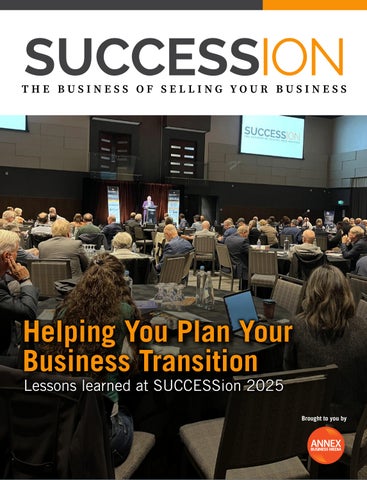
More than 140 guests attended SUCCESSion 2025, a one-day conference in Vaughan, Ont., on May 21st, focused on helping owners and operators sell their respective business. Hosted by Annex Business Media, the inaugural event attracted entrepreneurs and business owners who are thinking about selling their businesses to third parties, or passing the baton to family members.
“I can appreciate the challenges these business owners are facing,” says Scott Jamieson, CEO, Annex Business Media, Canada’s largest B2B media company. “As a company, we went through this process ourselves. In fact, I was brought on in 2019 by the owners, a husband and wife, to try to sell the company. We made mistakes, we learned by doing, and now we’re trying to help other business owners avoid
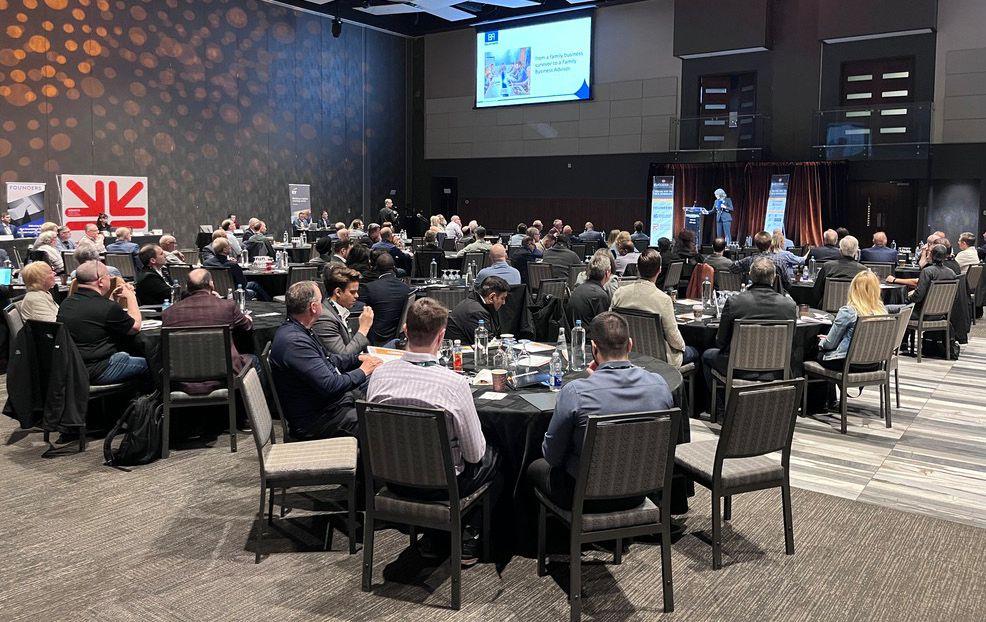
Business owners from a variety of markets came together in Vaughan on May 21 to learn what it is involved when selling their business.
making the same mistakes.”
The May 21st conference was the first of a series, Jamieson adds. The next conference is scheduled to take place in Calgary on October 22, with more events being considered in other parts of Canada throughout 2026.
The business owners in attendance benefitted from the roster of succession
“This conference taught me that in order to make a company attractive to buyers, it requires a lot of planning.”
– Tribu Persaud, Norwich Plastics
experts Annex invited to speak at this full-day event. Tammy Buss, founder and family business dvisor at BlueRoots Inc., based in London, Ont., calls herself a “family business survivor,” because her succession plans were not as smooth as they could have been. Her goal is to help other business owners avoid making mistakes.
In her keynote address at SUCCESSion, Buss explained that 6.9 million Canadians are employed by family businesses, and shared some eye-opening statistics with the audience. “When it comes to passing the family business on to the
next generation,” she said, “roughly 30% of family businesses make it to the second generation, 12% to the 3rd, and only 3% to 4th.”
Communication is Key
When it comes to succession planning, Buss stressed the importance of communication, especially when family is involved. To illustrate her point, she prepared a Venn diagram with three circles: one for family (each family must decide which family members are in this circle), one for business (whoever makes an income from the business), and one for ownership (anyone who has a stake in the business).
It’s critical for everyone to understand the privileges, responsibilities and benefits wherever each of these circles overlap, she explained. Not all owners need to be working in the business. Family could be working in the business, but not have an ownership stake. Although non-family members can have an ownership stake in a family business, it’s important for family members to understand why. For example, the non-family member may have a specific skill that is essential to the ongoing success of the family business.

Harmony’s Robert Bezede and Thomas Bevilacqua share their thoughts on best practices when preparing to sell your business.
Some people are in all three circles. Buss added: they’re family, they work in the business and they have an ownership stake. “If you’re that person, what happens after you leave?” she asked. “Even if you plan to work until you die, you need to have a plan. Succession is all about that plan. Will your kids know how to run the business? Will they fight over who will do what?”
Selling a Business
While some entrepreneurs may want to pass their businesses on to family, others may be considering selling to a third party. Thomas Bevilacqua and Robert Bezede from Harmony Succession Partners explained that presale planning is paramount, and that it’s critical to know your potential buyers.
According to Bevilacqua, buyers fall into three categories: strategic buyers (those within your industry—competition, customers, suppliers), financial sponsors (those who want a financial investment, including private equity groups), and individual buyers (high-worth individuals, for example).
The good news, according to Bevilacqua, is that there’s no shortage of buyers. “It’s actually quite a crowded buyer’s market right now,” he said.
Naturally, all business owners want to know how much their businesses are worth. Bevilacqua and Bezede explained that on average, “a family-owned traditional business valued at less than $30 million trades within a 4X to 6X EBITDA range. However, certain businesses and industries are outliers, and their multiples may be higher.”
When it comes to assessing your company’s worth, they added,
your performance over the last one to three years is key, but your last 12 months will have the greatest impact on your valuation. They strongly recommend working with a team of M&A professionals. If you don’t, you may be leaving money on the table.
Chris Hutchinson, partner and senior vice-president at Ernst & Young Orenda Corporate Finance Inc., explained that a letter of intent from a buyer who comes in off the street is worthless. They will take their time to assess your business, he said, and they will take their time to make an offer on your business. In the meantime, you’ll be left wondering what’s happening, and when they’ll make up their minds. “Don’t fall for it,” he added. “You need a controlled process, and you need to be the one in control.”
Hutchinson spoke about the need to create competitive tension in the sale process, rather than allowing one potential buyer to take their time to make an offer. The only
way to so so, he explained, is to sell your business with the help of an M&A professional who knows the business, knows the buyers, knows what to ask, and knows how to maximize your profit.
Taxes and Legal Issues
A number of panelists explained that it’s critical to get tax and legal specialists involved in the sale of your business long in advance. A tax advisor should be engaged at least two years, or more, ahead of a sale. Your legal team, however, can be in place as you get closer to the date when you start speaking with potential buyers.
They discussed the Lifetime Capital Gains Exemption limit for the sale of small business shares, which was increased to $1.25 million per person as of June 25, 2024. Understanding how you can take advantage of this limit when you sell your business is key to cutting taxes.

Thanks to Bill C-59, which passed in 2024, business owners can now sell shares of a family business and make use of their $1.25 million capital gains exception. Prior to this, the proceeds of the sale would have been considered a dividend. Some conditions apply, so you’ll need to work with your tax and legal team to make this strategy work for you.
T he Employee Ownership Option
Recent legislation, passed in Canada in 2024, allows employees to have an ownership stake in a business. Annex Business Media CEO Scott Jamieson participated in a panel discussion that explained this new succession strategy, which has been available in the U.S. and the U.K. for many years. The Canadian model, however, has its own unique attributes.
Jamieson explained that this is the succession solution that Annex decided on, and noted that it can take several years to prepare your business for employee ownership, so planning is key.
T iara Letourneau, CEO and cofounder of Rewrite Capital Advisors explained that the term “employee ownership” is a bit of a misnomer since the employees don’t actually own the company. Rather, the shares are owned by a trust. That means employees don’t attend shareholder meetings or cast votes. Rather, they are beneficiaries who get a dividend. Family members and key employees, however, can still own shares.
How do you protect your company when it’s time to sell the business? By selling to your employees.
Do you know that selling to your employees is a viable succession plan?
We help middle-market Canadian companies transition ownership to their employees through an Employee Ownership Trust.
The first $10 million in capital gains when a business sells to an EOT is exempt from taxation.
The art of valuing your business: Methods and considerations
When it comes to selling a business, one of the most crucial steps is determining the value of your enterprise. Accurately valuing a business is both an art and a science, involving quantitative methods, strategic considerations, and market factors. This article offers a comprehensive guide to valuing your business, highlighting different approaches and variables influencing business valuation.
Methods of valuing a business
Several standard methods are used to value a business, each with its strengths and weaknesses. The most suitable method for your business will depend on its size, industry, and specific circumstances
1. Earnings multiplier method
This approach uses a business’s earnings, typically its EBITDA (Earnings Before Interest, Taxes, Depreciation, and Amortization), and multiplies it by an industry-specific multiplier. It provides a relatively straightforward valuation but relies heavily on the predictability of future earnings.
2. Net asset value method
This method values a business based on the net value of its assets. It’s often used for companies with significant tangible assets, like real estate or equipment, but it may undervalue businesses with substantial intangible assets or growth potential.
3. Discounted cash flow (DCF) method
DCF analysis values a business based on the present value of its projected future cash flows. This method can capture the value of future growth but is highly sensitive to assumptions about long-term growth rates and discount rates.
4. Comparable sales method
This approach values a business based on the sale prices of similar companies in the same industry. It can be straightforward and convincing to buyers, but finding comparable businesses can be challenging.
Factors affecting business valuation
Many factors can influence the value of a business, some of which may be specific to your industry or location. Here are a few key considerations:
1. Financial performance
A business’s past financial performance and future earning potential are typically the most significant drivers of its value. Profitability, revenue growth, cash flow stability, and financial management efficiency all factor into this.
2. Market conditions
The state of the economy and the specific market in which the business operates can significantly influence its value. Demand for businesses in your industry, competition, and overall economic health are essential factors.
3. Assets
Tangible assets (like property and equipment) and intangible assets (like trademarks, patents, and customer relationships) can add to a business’s value.
4. Dependence on the owner
If the business’s success heavily depends on the owner’s skills, relationships, or knowledge, this could decrease its value to potential buyers.
In conclusion, valuing a business is a nuanced process that requires careful analysis and judgment. Selecting the valuation method that best reflects your business’s unique circumstances and potential is essential. While this guide provides a starting point, consider engaging a professional business valuator to ensure a comprehensive and accurate valuation.










START MY NEXT ADVENTURE



Does your financial advisor put you at the centre?
At IG Private Wealth, you’ll work with an advisor who understands your family, your business, and your dreams. You’ll have an integrated, tax-efficient plan built around your goals by a team of experts who provide guidance on maximizing business value, as well as portfolio construction, retirement, and estate planning. Achieve what matters most to you. Visit BeAtTheCentre.com to get started.
Uncover immediate financial planning opportunities. Answer these essential questions for business owners.

Our Powerhouse Team.
Our team consists exclusively of lawyers from top-tier corporate law firms. Our clients benefit from a unique mix of this experience and the efficiency of a boutique law firm.
Chris Payne, Co-Founder and Partner

Chris is an experienced corporate and transactional lawyer. His area of expertise focuses on a variety of secured and unsecured debt financing transactions, including acquisition finance, cash-flow financings, real estate financings, ABL financings, restructurings and DIP/exit financings as well as high-yield debt. He also has a growing FinTech practice.
On lender-side transactions, Chris has acted for major Canadian and US financial institutions, hedge funds and private equity firms and has a number of ongoing borrower-side clients. He has led large teams on a number of domestic and cross-border financing transactions and has supported numerous public and private companies with their ongoing day-to-day business and legal needs. He offers a pragmatic solution driven approach for his clients.
Money Khoromi, Co-Founder and Partner

Money is an experienced and pragmatic transactional lawyer who prioritizes clients’ interests and always aims to facilitate transactions as efficiently as possible. He has worked extensively with start-ups, public and private companies, agents and underwriters on mergers and acquisitions, corporate finance, securities, and general corporate law matters in a variety of industries including technology, cannabis, hospitality, financial services, mining, entertainment, real estate, automotive, health, packaged goods, seniors housing and apparel.
Money also assists companies with their corporate governance, regulatory compliance, licensing, and continuous disclosure obligations. In addition to providing legal advice, Money leverages his engineering and business background, his network and experience as an investor and entrepreneur to assist clients with business, operation and strategic needs.
Dennis Beker, Partner

Dennis is a transactional lawyer who leverages his prior in-house experience to facilitate pragmatic solutions for his client’s legal needs. He has worked extensively with start-ups, public and private companies, agents and underwriters on mergers and acquisitions, corporate finance, securities, and general corporate law and commercial matters
across a variety of industries including technology, cannabis and health. In Dennis’ previous role, he served as the sole lawyer and first employee of an international medical cannabis company, where he helped the company complete several M&A and other strategic transactions. Combined with his business degree, Dennis’ background enables him to understand complex business issues and provide pragmatic and high-quality legal advice.
Kyle Jacobson, Associate

Kyle is a transactional lawyer who works with start-ups, as well as public and private companies across a variety of industries. His practice focuses on mergers and acquisitions, venture capital and corporate finance, and general corporate matters. Before joining Founders, Kyle was an associate at a large Canadian law firm practicing corporate law with a main focus on technology companies.
Kyle received his J.D./M.B.A. from Dalhousie University, where he acted as Co-Chair of the Business Law Association.
Jean Anderson, Senior Counsel

Jean’s practice focuses on debt financing, corporate transactions and financial services regulatory matters. With more than 40 years of legal experience, she has developed extensive expertise in the areas of acquisition financing, project finance, structured finance, asset-based lending, P3 finance, debt restructuring and complex domestic and cross-border financings and regulatory matters relating to foreign and domestic financial institutions. Clients represented include domestic and foreign chartered banks, private debt funds and corporate borrowers.
She served as a law clerk to the Chief Justice of the Ontario Court of Appeal. Prior to joining Founders in 2024, Jean was a partner at Goodmans LLP.
Kip Daechsel, Senior Counsel,

Kip offers his clients: (i) sound legal and strategic judgment, which he has acquired in his many years on Bay Street; (ii) a successful track record of recruiting and leading engaged teams, whether for a specific deal or the long term support of a client’s commercial needs; and (iii) the ability to draw on his network, in multiple sectors and geographies, to connect with the right people to help his clients resolve their issues. Kip holds strongly to the view that the best lawyers cut through the “noise” to identify their clients’ key legal and commercial concerns and then propose and implement creative and efficient solutions.

DELIVERINGTHENEXT GENERATIONOFBAYSTREET CORPORATELEGALSERVICES





KeyExpertiseTeam
M&A,privateequityandventurecapital
Corporatefinanceandsecurities
Debttransactionsandrestructurings
Emergingandhighgrowthcompanies
Corporatereorganizations
Shareholderdisputes
RecentDeals



AteamofBayStreetlawyersuniquelypositionedtodelivertop-tier corporatelegalservicesinaflexibleandefficientmanner


MoneyKhoromi(previouslyGoodmans):M&A,privateequity,securities DennisBeker(previouslyGoodmans):M&A,emerging/highgrowthcompanies ChrisPayne(previouslyGoodmans):debtfinancings,FinTech KipDaechsel(previouslyDentons):M&A,strategiccorporateadvice JeanAnderson(previouslyGoodmans):debtfinancings,regulatory KyleJacobson(previouslyGoodmans):M&A,start-uplaw,debtfinancings
ActedforAnnexinconnection withitsleveragedbuyoutand relateddebtfinancing

ActedforAlchemyCapital Partnersinconnectionwithits acquisitionofSchaafFoodsInc. andrelateddebtfinancing

ActedforFirePoweraslenderin connectionwithitsdebt financinginfavourofaCanadian infrastructurecompany
ActedforBluwatrinconnection withitsacquisitionofamajority interestinWATTConsulting Group
www.founders.law

EHPNF Corporate Law Case Study: Preparation and Execution of a Multi-Generational Family Business Exit
Background
Joe and his brother Jack owned and operated a produce processing business which was originally started by their grandfather, 50 years prior. They were both at retirement age and none of their children were interested in continuing to operate the family business.
They had undertaken previous tax planning approximately 5 years prior but were looking at revisiting their corporate structure in anticipation of a potential sale of the business in the next 3-5 years.
While the brothers had operated a successful business, their corporate records were not up to date, many commercial contracts including with their long-time suppliers, and customers were all handshake deals, and they had only 2 written employment contracts signed by any of their 35 employees.
The brothers recognized that taking a more proactive approach to preparing for an exit, would lead to a higher valuation, less risk of a broken deal, and a cleaner exit. They retain Andrew Chudnovsky at EHPNF to provide comprehensive and holistic legal services in the lead up to, and through the sale process.
Action taken
The first action was a review of the business, including a review of the corporate records, a review of all commercial records including employment contracts. This involved trips to both the factory and head office, as many documents were not digitized. Andrew recognized a few opportunities and took the following actions:
1. Introduction to Tax Expert: The brothers were introduced to a tax planning expert to review the corporate holdings with the knowledge of the intention to sell, to determine whether there was a more efficient ownership structure for exit.
2. Implementation of Tax Plan: Andrew acted for the company on a corporate re-organization based on the tax plan provided by the tax accountant. This included the implementation of a family trust, a Land Transfer Tax deferred transfer of real estate, and a partial estate freeze to include one of the brothers spouses, who was an active employee of the business in the corporate structure.
3. Internal Commercial Preparation: Andrew assisted the corporation in negotiating a written supplier agreement with a long-time supplier. This contract added clear term lengths and termination provisions, which would help de-risk the transaction for a potential purchaser. Andrew further assisted the corporation in rolling out updated employment contracts that brought the relationships in line with the Employment Standards Act, another act to help de-risk the transaction for potential purchasers.
4. Sale of Business: Andrew acted for the corporate ownership group in the sale of all the shares in the operating company. Andrew worked closely with the investment bank that was retained to assist in the sale and guided the ownership group through the diligence process and ultimate transaction close.
Results
Having performed an internal review of corporate contracts and gaining deep knowledge of the operations of the company, Andrew was able to guide the ownership group through a clean sale process. The business sold for approximately $13 million which was over $2.5 million more than the previous valuation done prior. While market forces were a contributing factor, the purchaser of the business and their advisors cited the organization, clear commercial contract, and smooth diligence process as contributing factors to the successful sale.
Meet Andrew Chudnovsky

Andrew is a boutique corporate transactions lawyer focusing on the lower-middle market, with specific expertise in dealing with family and private enterprises. He grew up in an entrepreneurial family, with family members who started, grew, and exited a large children’s clothing manufacturer, as well as a large upper mid-market logistics and 3PL business. He takes an entrepreneurial and business first approach to providing legal services and having worked as an operations manager in his family business prior to pivoting to a career in law, he understands the unique challenges in a family and multigenerational dynamic.
In his practice Andrew assists clients with corporate re-organizations and tax planning in conjunction with his network of financial planners and tax specialists. He helps prepare a company and its owners for an eventual exit, anticipating the diligence needs of an eventual purchaser, and the operational and legal strategies to prepare for these types of transactions. He further assists the ownership group through the eventual sale and disposition of the company shares or assets.
Andrew’s strategy to service provision is to take a hands on, and commercially focused approach. He makes an effort from the beginning of any mandate to understand the goals and reasoning for entering into any transaction. He always tries to understand the operational aspects of the business that may have an impact on the diligence and transaction process and uses his background in logistics and family business operations to connect with his clients on a level beyond simple legal drafting and review. He has a core belief that a boutique firm is well placed to provide comprehensive representation, that adds value to the client and ultimately keeps more money in the client’s hands after closing, without sacrificing a level of service.

Case Study: Succession Planning for an Owner-Managed Business
The Opportunity
Anthony and Angela, a married couple who co-own a successful manufacturing company in the Greater Toronto Area, had plans to exit their business in the next 3–5 years. They were eager to engage in tax planning as their concern was clear: without proactive planning, the sale could result in a significantly higher tax bill.
After 25+ years in operation, the business had recently experienced record-breaking growth in both revenue and profitability. Anthony and Angela had built a strong management team and felt the time was right to begin preparing for succession. While they were not yet certain who the eventual buyer would be, they knew that tax planning would be critical to maximize the after-tax proceeds of the sale. Despite the business’s long-standing success, little to no tax planning had been done since its initial incorporation. Anthony was not even sure if the corporate minute book was up to date. Angela, although active in the business, had never been made an official shareholder, and no ownership had been extended to their children.
The company had accumulated significant retained earnings over the years. These funds had been reinvested within the corporation in the form of a stock portfolio, GICs, and real estate — all classified as “non-active” assets. Anthony and Angela were aware that this could jeopardize their ability to claim the Lifetime Capital Gains Exemption (“LCGE”), as the presence of too many non-active assets can disqualify the shares.
Recognizing the importance of a proactive plan, Anthony and Angela engaged ELPC Tax to help ensure they could structure a tax-efficient exit strategy.
The Solution Delivered by ELPC Tax
ELPC Tax conducted a comprehensive assessment of their current corporate and ownership structure, then developed a customized tax planning strategy tailored to their goals. The key elements of the solution included:
1. Preserving Tax Deferral: Continue holding retained earnings within the corporate group to defer personal taxation.
2. Purification of the Operating Company: Transfer non-active assets to a new corporation on a tax-deferred basis, thereby allowing the operating company’s shares to meet LCGE qualification criteria.
3. Ownership Restructuring:
• Introduce Angela as a shareholder to access her own LCGE.
• Establish a family trust to hold shares, enabling the inclusion of additional family members (e.g., their children) in the ownership structure while maintaining full control in the hands of Anthony and Angela.
4. Additional Benefits Layered into the Tax Plan:
• Creditor protection by isolating passive assets from the operating business.
• Tax-efficient family support, respecting income-splitting rules.
• Estate tax minimization, preserving more wealth for their heirs.
• Simplified wealth transfer and estate administration for future generations.
The Result
The implemented plan will deliver over $5 million in tax savings—including significant reductions in taxes payable upon the eventual sale of the business.
With ELPC Tax’s guidance, Anthony and Angela gained peace of mind, knowing their years of hard work would translate into preserved wealth for their family’s future.


EY-Parthenon: transformative strategy and transaction advisors
Our unique combination of transformative strategy, transactions, tax and corporate finance professionals offer real-world value — approaches that work in practice, not just on paper.
Benefiting from EY’s full spectrum of services, we’ve reimagined strategic consulting to work in a world of increasing complexity. With deep functional and sector expertise, paired with innovative AI-powered technology and an investor mindset, we work with CEOs, boards, private equity and governments every step of the way, enabling you to shape your future with confidence.
What M&A advisory services can do for you
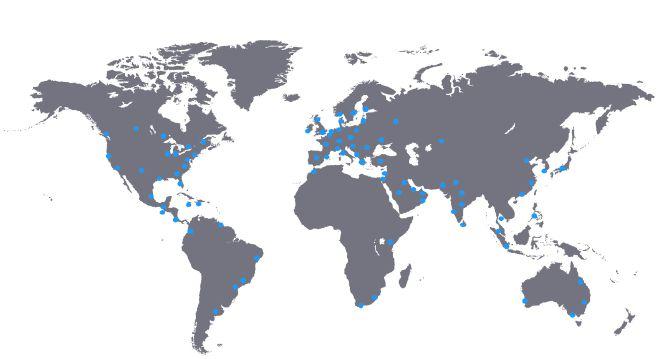

Our clients receive personalized attention from a fullservice organization that provides access to broad intellectual capital, extensive relationships, and leading-class solutions tailored to both buy-side and sell-side M&A needs, as well as capital debt market services. We are one of the few major professional consulting organizations that offers fully dedicated multidisciplinary M&A advisory capabilities. Learn more at ey.com/en_ca/insights/mergers-acquisitions
We offer deep insight into portfolio management to help you get answers to key questions:
• What should I sell to reposition my business in the market?
• How can I sell assets at optimal prices?
• How can I reshape my portfolio to help meet sustainability/ESG targets?
• How can I optimize my portfolio to raise capital for future investments?
• How can I sell non-core assets to preserve capital and help digitally transform my business?
• How can I reframe my geographic footprint through divestments?
Thought leadership and expertise
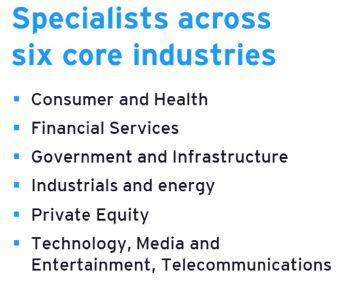
Our commitment to thought leadership sets us apart. We continuously analyze market trends and industry developments, providing you with insights that inform your decision-making process. Whether through white papers, case studies, or industry reports, we strive to keep you informed and empowered. Subscribe at info.ey.com/EY_Canada_Preference_Center to M&A updates.
Select M&A and capital raise transactions
We closed over 52 transactions in 2024! High volume keeps our team consistently in the market providing fresh information, viewpoints and perspectives across capital markets. Below, we showcase a curated selection.




Fazzari + Partners LLP, Chartered Professional Accountants, is a unique accounting firm that offers a diverse range of services tailored to our clients’ needs. Our services include accounting, taxation, business advisory services, valuations, forensic accounting, and support for accounting firms. With our affiliation with MGI Worldwide, we extend our services not only in Canada but also globally.

We serve a broad range of businesses, including construction, real estate, distribution, and manufacturing, as well as franchisors, franchisees, and retailers with multiple locations, among others. Many of our clients operate in the service sector as well, including professional service firms and not-for-profit entities. We support family offices and provide litigation support. As part of our advisory services, we also offer M&A support, including due diligence investigations.
Since our establishment in 1988, Fazzari + Partners LLP has experienced significant growth. Today, we are a team of 25 professionals with over 175 years of combined experience. We provide expert advice to public, private, and not-for-profit organizations, as well as to individuals and families. Our deep understanding of our client’s needs and challenges enables us to deliver the right guidance at the right time. Over the years, we have developed extensive expertise across a wide range of industries, including manufacturing, distribution, construction, real estate development, and service-based businesses. Fazzari + Partners LLP also proudly serves as the auditor of record for numerous not-for-profit organizations.
At Fazzari + Partners LLP, we don’t just provide accounting services. We act as your trusted financial business advisors, committed to gaining an in-depth understanding of your situation – even as it evolves. Then, we provide you with the services and resources you need to address your challenges, resolve your issues – and succeed.
What Makes Us Different
Several factors distinguish us from other accounting firms, establishing us as the preferred accountants for clients who seek personalized expert service from a provider ready to anticipate and meet their evolving needs:
NETWORKING
We have earned a reputation as a trustworthy centre of influence, providing clients and associates with an extensive list of affiliations and contacts to help them make the connections they need. We are frequently asked to provide referrals to experts in specific areas. Our Rolodex is one of our most valuable assets, and we prioritize nurturing it to further our client’s interests.
EDUCATION
We believe in the importance of training and continuing education—not only for Fazzari + Partners LLP employees but also for other local CPAs. Our regular fall seminars are highly popular, and we now offer staff-led courses for Chartered Professional Accountants of Ontario in Toronto, empowering you with the knowledge you need to make informed financial decisions.
As part of our commitment to educating the public and other professionals, several of our partners have published articles in national publications, including The Globe and Mail and various trade journals.
QUALITY CONTROL
To enhance our focus on assurance work, the firm has established a dedicated department dedicated to our innovative Quality Control processes, and we continue to refine best practices in this critical area. As a result, Fazzari + Partners LLP now acts as the Quality Control department for smaller CPA firms that refer their assurance work to our experts.
Many not-for-profit organizations and our greater business community also rely on our professionals for advice and guidance at the Board of Directors and committee levels – a testament to the value they place on our expertise and experience.
At Fazzari + Partners LLP, we are more than just accountants. We act as your trusted financial business advisors, committed to gaining an in-depth understanding of your situation – even as it evolves. You can rest assured that we are here to support you every step of the way.
Our award-winning firm of Chartered Professional Accountants, Tax Advisors and Business Advisors are ready to serve you in the Greater Toronto Area, across North America and Internationally.

Taxation
Business
Forensic


INSURANCE CASE STUDIES
Case Study 1:
Leveraging Tax Indemnity Coverage for ERC Claims in a U.S. Business Sale
Client: U.S.-based service company | Sale Price: $12MM | Industry: Healthcare Services
A client preparing to sell their business had previously claimed Employee Retention Credits (ERC) totaling over $1.5MM. However, the buyer raised concerns about potential IRS audits and disallowed claims post-closing. To preserve deal value and reduce escrow holdbacks, we structured a Tax Indemnity Insurance Policy covering the full ERC amount plus interest and penalties.
This allowed the seller to retain more proceeds at closing and gave the buyer confidence in the ERC claims without requiring protracted diligence or indemnification negotiations. The policy was placed within two weeks of execution of the LOI, enabling a clean exit and maximizing seller liquidity.
Case Study 2: Sell-Side R&W Coverage for Canadian Industrial Manufacturer
Client: Family-owned Canadian Manufacturer | Enterprise Value: $5MM | Buyer: Private Equity Fund
We advised a Canadian manufacturing client on the sale of their business to a U.S.-based private equity fund. Despite the relatively small enterprise value, the buyer requested reps & warranties protection. We successfully placed a sell-side Transactional Liability Policy with a $1M limit, covering key reps (financials, tax, environmental, employee matters) and eliminating the need for a large escrow.
The policy provided certainty to the seller, who was winding down operations and retiring post-close. By leveraging our transactional experience and broker relationships, we secured
broad terms with a $25K retention and minimized the cost through a competitive underwriting process.
INSURANCE & EMPLOYEE BENEFITS CASE STUDY:
Case Study 3: Buy-Side Diligence
& Post-Close Risk Management for $600MM+ Canadian Sporting Goods Acquisition
Client: European Private Equity Firm | Target: Multinational Sports Equipment Manufacturer | Deal Size: $600MM+
We were engaged by a Canadian Law firm to support buyside insurance and benefits due diligence on a $600MM+ acquisition of a global sporting goods manufacturer with operations across North America and Europe. Our mandate included:
Full audit of the target’s global insurance portfolio, uncovering critical gaps in product liability, cyber risk, and contingent business interruption, particularly in U.S. and EU jurisdictions.
Employee benefits due diligence, which revealed misaligned benefits plans across regions, non-compliance with Canadian ESA and U.S. ACA requirements, and several unfunded severance obligations that could trigger post-close liabilities.
Working alongside legal and HR advisors, we advised on specific reps & warranties language to address these risks. After close, we led the integration and restructuring of both operational insurance and employee benefit programs: Placed a global controlled master program across all commercial lines to ensure compliance and claims efficiency. Consolidated and optimized benefit plans across jurisdictions to drive alignment with the buyer’s platform standards and unlock cost savings.
This holistic approach reduced the total cost of risk by 15%, ensured benefits compliance across 6 jurisdictions, and met all lender and ESG requirements.
EMPLOYEE BENEFITS CASE STUDY:
Case Study 5:
Optimizing Employee Benefits Pre-Sale
Client: Canadian Tech Company | 120 Employees | Sale Value: $75MM
Prior to sale, the company’s benefits program was fragmented and non-compliant across provinces. We:
• Identified ESA compliance gaps and costly redundancies
• Consolidated plans into a unified, tiered national program
• Prepared clean documentation for buyer diligence
Result: The buyer accepted the updated plan as-is, avoided a $400K HR liability holdback, and the seller exited cleanly with no post-close adjustments.
CORPORATE LIFE INSURANCE CASE STUDY:
Case Study 4: De-Risking a Founder-Led Sale with Corporate Life Insurance
Client: Canadian Professional Services Firm | Transaction Value: $40MM
In preparation for a full sale, the founder-led company faced buyer concerns around key person dependency. To address this, the company implemented a $5MM corporate-owned life insurance policy and $2MM disability policy, with the business as the beneficiary.
These policies were tied into a funded buy-sell agreement and disclosed in the data room with full underwriting and assignment documentation. This approach gave the buyer confidence in business continuity and succession, reducing the requested escrow by $1.5MM and eliminating the need for specific indemnities tied to the founder.

Meet Connor McFall
PARTNER, ACCOUNT EXECUTIVE
Connor, a seasoned insurance professional, has dedicated the past seven years to specializing in risk solutions for a variety of industries. His expertise extends to providing cross-border solutions for multinational businesses, publicly traded companies, and owner-operated businesses with international exposure. Connor’s broad knowledge base allows him to assist clients across various industries, including Private Equity Firms, Asset Managers, Real Estate Developers, Construction Companies and Tech Companies With a forwardthinking approach and a strong track record, Connor continues to excel in delivering comprehensive coverage solutions for his valued clients.
Contact Connor at:
PHONE: 416.561.1711
EMAIL: connorm@jdimi.com

Navigating Tax Hurdles in Family Business Succession: The New Intergenerational Share Transfer Rules
Canada’s capital gains deduction is a powerful tax break available to Canadian-resident individuals who sell shares in a Qualified Small Business Corporation (QSBC). It allows up to $1.25 million in capital gains to be tax-free. For an Ontario resident at the top marginal rate, that can mean tax savings as high as $335,000.
To qualify, the business must, among other things, be a Canadian-controlled private corporation that generates active business income. If more than one person owns shares—like a spouse or adult children—each can potentially claim the deduction, multiplying the benefit.
Passing the business to family isn’t as straightforward. If a child buys the shares through their own holding company—often the most practical setup—the sale may be taxed as a dividend instead of a capital gain, wiping out the deduction. From a tax perspective, that can make selling to a stranger more beneficial than selling to your own child.
Recognizing the flaw, the federal government introduced new rules in January 2024 that allow for the deduction to still apply in family transfers—but only if certain conditions are met for either three or ten years after the sale. These rules are designed to confirm the transfer is a genuine succession plan and not a workaround to withdraw corporate funds tax-free. If those conditions aren’t met, the CRA can retroactively reclassify the capital gain as a dividend, which could trigger a large tax bill.

If claiming the deduction isn’t possible, an estate freeze is another option. It allows the current owner to lock in the value of their shares and shift future growth to the next generation, all without triggering immediate tax. Parents can still access money through dividends, redeem shares gradually, or continue drawing a salary. They can also keep voting control of the business.
Selling or passing down a business isn’t just about finding the right buyer—it’s about structuring it in a way that protects what you’ve built and supports your family’s future.
Need guidance on your next steps? Zeifmans can help.
Zeifmans specializes in guiding family businesses through seamless succession planning. From tax-efficient wealth transfers to leadership transitions, our team helps you protect your legacy and prepare the next generation. With personalized strategies and over 65 years of experience, Zeifmans ensures your business stays strong for years to come. Learn more at www.zeifmans.ca or connect with a team member today.
Nathan Choran leads Zeifmans’ Canadian Tax Group, bringing over 25 years of experience advising ownermanagers on private company tax matters, with a focus on real estate and Canada–US cross-border issues. Before joining Zeifmans in 2015, he was a Tax Partner at a Big Four firm. He holds Canadian accounting designations and is a licensed US CPA (Illinois). Learn more at www.zeifmans.ca



Who is Harmony Succession Partners?

We do one thing and do it exceptionally well. We sell private businesses worth $3MM to $30MM across Ontario. Our mission is to provide the highest client experience to business owners looking to sell their business. HSP has one of the largest networks of qualified family offices, private equity, strategic buyers and high net worth investors focused on acquiring companies in Southern Ontario. In the last 5 years, our team has closed over 50 acquisitions totaling $250MM in value. Our transaction experience includes companies in manufacturing, consumer products, skilled trades, distribution, professional services, construction, and more.
Let Harmony Succession Partners do the heavy lifting when selling your business:
Our Pre-Sale Process
Preparing a business for sale takes 2-5 years. Our name is rooted in our desire to work in harmony with advisors such as your accountant, lawyer, wealth advisor, and banker years in advance. We help address any financial, HR and operational challenges to help you realize the highest exit value for your business. Our goal is to identify and provide recommendations on how to ensure your business is best positioned for an exit. Our Sale Process
Month 1 to 2: Planning & Data Collection
We identify your sale objectives and clearly understand what we need to deliver on to ensure a successful outcome. We spend 1-2 months doing a detailed review of the business’s operations and financials via several on-site & virtual meetings to prepare a financial model and prospectus describing the business and its growth potential.
Month 2 to 3: Go-to-Market
Confidentiality is critical to our process; every buyer we contact is pre-approved by you. On average, we contact 60 to 100 qualified buyers and have multiple calls with them to confirm their interest and reaffirm the opportunity your business offers them.
Month 4: Preliminary Offers
Our goal is to create a competitive auction to increase your exit price. We generate between 5 and 15 preliminary offers prior to the buyers meeting with you. Buyers are assessed based on financial strength, cultural fit, and ability to close. The top 3 to 5 groups are selected to advance to the next stage.
Month 5: Final Offers
The top buyer groups meet with you to learn more about your business and receive additional information to firm up the bank financing required to close their offer. A second and final Letter Of Intent (LOI) is submitted. We aim to source detailed offers and ensure we clearly address all deliverables at this stage to avoid any surprises during the closing process.
Month 6 to 9: Operational Diligence
HSP leads the closing process jointly with your accountant and lawyer. We host weekly calls to address any friction and ensure consistent progress and data flow.
Our job doesn’t finish once we source an offer; we work with you until the very end of your transaction, helping prepare key documents to reduce your legal and accounting closing costs.
Closing: Legals & Closing
We support the lawyer in preparing the information required for the legal documents. We also regularly communicate with the buyer’s bank to ensure all the information is readily available and complete to avoid any deal delays.
About HSP’s founding partners:

Robert Bezede
Robert is an experienced M&A professional selling lower middle-market companies. Robert excels at managing client relationships and is known for his hands-on approach throughout the entire transaction lifecycle. Prior to HSP, he was a corporate finance partner at an accounting firm where he led the sale of 30 companies. He started his career as a commercial banker financing over $200MM of buy/sell, MBO and sub-debt transactions with Roynat Capital, a division of Scotiabank.
In his spare time, Robert loves to ski, spend time with his wife, read lots of books, play basketball and create educational content for his YouTube channel.

Thomas Bevilacqua
Thomas is committed to helping business owners retire successfully. He specializes in navigating the complexities of succession planning, maximizing exit value, preserving legacies, and ensuring that their next chapter is as successful as the first. While the majority of his career has been dedicated to assisting over 20 privately held business owners at a middle-market M&A firm, Thomas began his professional journey at Deloitte, CIBC, and MNP.
Outside of work, Thomas enjoys spending time with family and friends, cycling, playing hockey, and blowing off steam by splitting firewood up north.
Contact information:

Robert
Bezede Partner
Tel: 416-716-6910
rbezede@harmonysuccession.com
Thomas
Bevilacqua Partner
Tel: 416-970-0005
tbevilacqua@harmonysuccession.com
Your RBC business succession team
Your RBC business succession team
We offer a team approach to helping you navigate the complexities of succession planning and managing wealth.
We offer a team approach to helping you navigate the complexities of succession planning and managing wealth.
Strategy 10 –Business succession planning
Plan a successful transition of your business
Succession planning isn’t just a management task; it’s a meticulous strategic process for preparing to transfer leadership and ownership within a company. It’s about ensuring a seamless transition between generations due to retirement, unexpected events, or other circumstances. To make it work, you need a deep understanding of internal talent, company culture, and external factors like market trends. The goal is to secure sustainability and maintain your valuable legacy.
succession and strategies to buy out the senior, are much more successful.
Succession planning isn’t just a management task; it’s a meticulous strategic process for preparing to transfer leadership and ownership within a company. It’s about ensuring a seamless transition between generations due to retirement, unexpected events, or other circumstances. To make it work, you need a deep understanding of internal talent, company culture, and external factors like market trends. The goal is to secure sustainability and maintain your valuable legacy.
Groom and transition out
RBC is here to partner with you to encourage a smooth transition for your business, whether it’s selling or transferring to a family member, a management buyout, a partner or shareholder buyout, or selling to a third party.
Many Canadians have built their wealth by operating a small business or will realize substantial wealth when their private business is sold. Having a business succession plan can help a business owner plan for their family’s future. In addition, other benefits of a succession plan include:
Together, we can create your business succession plan, which may include:
• Potential strategies to transition from your business in a tax-effective way.
● Minimizing tax
Have your chosen successor gradually take on more responsibility, and meet key business contacts well before you transition out. Then be willing to let go of the lead. Have faith in your chosen successor to take over the business.
a business succession plan and will determine if the owner has adequate resources to support their retirement lifestyle and highlight which, if any, additional retirement saving strategies (e.g. an IPP, Retirement Compensation Arrangement (RCA), etc.) are required.
RBC is here to partner with you to encourage a smooth transition for your business, whether it’s selling or transferring to a family member, a management buyout, a partner or shareholder buyout, or selling to a third party.
Together, we can create your business succession plan, which may include:
• Potential strategies to transition from your business in a tax-effective way.
● Improving the financial stability of the business
• Strategies or options to fill any gaps in your existing plans.
• Strategies or options to fill any gaps in your existing plans.
● Maintaining family harmony
Your advisor team
Your advisor team
Here are some key issues that you should consider for a successful business succession plan, along with the tax and estate planning strategies:

• Possible retirement savings solutions for you or your key employees.
• Possible retirement savings solutions for you or your key employees.
Hire an external advisor for assistance
• Overall financial and contingency planning to help protect you and your business.
• Overall financial and contingency planning to help protect you and your business.
● Estate freeze. An estate freeze using a family trust is a common business succession and income-splitting strategy that transfers some or all of the future growth of the business to the next generation, helping to minimize and defer tax. Ensure that the estate freeze is flexible enough so that you can possibly reverse the freeze if necessary.
Michael Francella B.Comm., CIM | Investment Advisor, RBC Dominion Securities 437-770-4043 | michael.francella@rbc.com
Choose your successor wisely Communicate openly with your children and determine which child is most interested and most capable of leading your business. In some cases, you may have to choose a non-family member, such as a key employee, to take over your business, or you may need to sell the business outright.
There are professional family business succession facilitators with years of experience to assist your family with the succession plan. Having a neutral third party facilitating the discussion in many cases can help open the lines of communication between the parents and children and lead to a more successful transition.
Fair does not mean equal
Michael Francella B.Comm., CIM | Investment Advisor, RBC Dominion Securities 437-770-4043 | michael.francella@rbc.com
Michael oversees a wealth advisory team with the aim of providing individuals and businesses with the same high-quality wealth management he would expect to receive for his family. He believes that this commitment to excellence, together with his integrity, collaborative approach, and dedicated work ethic are among the reasons that his clients have chosen to remain with him since day one where many of these relationships now span three generations.
In order to maintain family harmony, it may make sense to give children who aren’t involved in the business nonbusiness assets, such as securities or life insurance proceeds, as part of their inheritance, instead of giving them active business shares.
Michael received his Bachelor of Commerce, specializing in finance and economics from the University of Toronto - Rotman School of Business. Michael is an active leader in his community, highlighted by receiving the Arbor Award from the University of Toronto. With over 18 years of financial services experience Michael has been recognized twice as an annual RBC Performance Convention Award recipient, which is a testament to his outstanding efforts in making a positive difference for RBC Wealth Management clients, and the communities he serves.
Let your chosen successor lead the plan

Michael oversees a wealth advisory team with the aim of providing individuals and businesses with the same high-quality wealth management he would expect to receive for his family. He believes that this commitment to excellence, together with his integrity, collaborative approach, and dedicated work ethic are among the reasons that his clients have chosen to remain with him since day one where many of these relationships now span three generations.
● Shareholder agreement. A welldrafted shareholder agreement provides a framework for the smooth operation of a business and addresses business ownership issues when certain triggering events occur (death, disability, retirement, marriage breakdown and so on).
Michael received his Bachelor of Commerce, specializing in finance and economics from the University of Toronto - Rotman School of Business. Michael is an active leader in his community, highlighted by receiving the Arbor Award from the University of Toronto. With over 18 years of financial services experience Michael has been recognized twice as an annual RBC Performance Convention Award recipient, which is a testament to his outstanding efforts in making a positive difference for RBC Wealth Management clients, and the communities he serves.
Michael lives in Toronto with his wife and their two young daughters. He is an avid golfer and an alumnus of the Royal Conservatory of Music piano performance program.
In Dr. Dean Fowler’s book Successful Habits of Family Business Succession, he proves that the traditional succession plan where the senior takes the lead, focusing on estate planning, tends to fail. However, plans where the chosen successor takes the lead, focusing on management
Michael lives in Toronto with his wife and their two young daughters. He is an avid golfer and an alumnus of the Royal Conservatory of Music piano performance program.
Succession planning should start five to ten years before your anticipated retirement age.
Marc Keohane, MBA | Sr. Relationship Manager, Commercial Financial Services 437-232-4021 | marc.keohane@rbc.com
437-232-4021 | marc.keohane@rbc.com
Common financial planning strategies within a business succession plan
● Financial plan. A financial plan for the owner is a critical component of
● Insurance. Appropriate disability, key person and life insurance are imperative to ensure that the business can continue and your family members are able to maintain their lifestyle should death or disability occur prematurely. Insurance is also a low-cost solution for funding taxes at death and funding buy/sell agreements. It can also be used to transfer surplus corporate assets to your beneficiaries on a tax-effective basis.
Marc Keohane, MBA | Sr. Relationship Manager, Commercial Financial Services
Marc is a strategic advisor providing advice on financing and other banking related needs for clients in the construction and real estate segment, primarily within the GTA. Bringing 15+ years of relationship management experience, Marc is dedicated to adding value to his clients with unique and customized financing solutions helping to minimize costs and grow their businesses’ bottom lines. Having earned an executive MBA with a focus on finance from the Smith School of Business at Queen’s University, Marc uses his education, experience, and personal and professional network to stay on top of local, national and international economic trends, synthesizing large amounts of information and distilling it down to digestible and meaningful advice to his clients.
Marc is a strategic advisor providing advice on financing and other banking related needs for clients in the construction and real estate segment, primarily within the GTA. Bringing 15+ years of relationship management experience, Marc is dedicated to adding value to his clients with unique and customized financing solutions helping to minimize costs and grow their businesses’ bottom lines. Having earned an executive MBA with a focus on finance from the Smith School of Business at Queen’s University, Marc uses his education, experience, and personal and professional network to stay on top of local, national and international economic
your business in a tax-effective way.
• Strategies or options to fill any gaps in your existing plans.

Your advisor team

Your RBC business succession team
• Overall financial and contingency planning to help protect you and your business.
Adam Delville, PFP | Private Banker, RBC Wealth Management 647-920-8276 | adam.delville@rbc.com
We offer a team approach to helping you navigate the complexities of succession planning and managing wealth.
Michael Francella B.Comm., CIM | Investment Advisor, RBC Dominion Securities 437-770-4043 | michael.francella@rbc.com



Adam brings over 12 years of banking experience to his role serving high-net-worth families and their businesses. As a private banker, Adam provides an elevated and personalized banking experience at every client interaction. Adam partners with specialists from across RBC to provide tailored expert advice and wealth management solutions including estate and tax planning, succession planning, complex credit, and cash management solutions to a select group of business owners, executives, and professionals.
Succession planning isn’t just a management task; it’s a meticulous strategic process for preparing to transfer leadership and ownership within a company. It’s about ensuring a seamless transition between generations due to retirement, unexpected events, or other circumstances. To make it work, you need a deep understanding of internal talent, company culture, and external factors like market trends. The goal is to secure sustainability and maintain your valuable legacy.
Michael oversees a wealth advisory team with the aim of providing individuals and businesses with the same high-quality wealth management he would expect to receive for his family. He believes that this commitment to excellence, together with his integrity, collaborative approach, and dedicated work ethic are among the reasons that his clients have chosen to remain with him since day one where many of these relationships now span three generations.
Prior to joining RBC Private Banking, Adam spent over 10 years as a senior commercial banker where he established a reputation for being a trusted strategic advisor. He possesses a strong understanding of complex corporate structures rooted in a decade of experience enabling business owners to achieve their goals.
RBC is here to partner with you to encourage a smooth transition for your business, whether it’s selling or transferring to a family member, a management buyout, a partner or shareholder buyout, or selling to a third party.
Together, we can create your business succession plan, which may include:
Potential strategies to transition from your business in a tax-effective way.
Michael received his Bachelor of Commerce, specializing in finance and economics from the University of Toronto - Rotman School of Business. Michael is an active leader in his community, highlighted by receiving the Arbor Award from the University of Toronto. With over 18 years of financial services experience Michael has been recognized twice as an annual RBC Performance Convention Award recipient, which is a testament to his outstanding efforts in making a positive difference for RBC Wealth Management clients, and the communities he serves.
Possible retirement savings solutions for you or your key employees.
Adam holds a Bachelor of Business Administration with a finance major from the Goodman School of Business at Brock University. He is an active facilitator for RBC Future Launch, which partners with youth-serving organizations to facilitate workshops and provide resources for youth to prepare for the jobs of tomorrow.
Strategies or options to fill any gaps in your existing plans.
Overall financial and contingency planning to help protect you and your business.
Michael lives in Toronto with his wife and their two young daughters. He is an avid golfer and an alumnus of the Royal Conservatory of Music piano performance program.
Your advisor team
Adam was born and raised in Hamilton before moving to Toronto in 2011, where he currently lives with his wife and son. When he’s not in the office he enjoys staying active by going to the gym, golfing, and playing soccer.
Michael Francella B.Comm., CIM | Investment Advisor, RBC Dominion Securities 437-770-4043 | michael.francella@rbc.com
Marc Keohane, MBA | Sr. Relationship Manager, Commercial Financial Services 437-232-4021 | marc.keohane@rbc.com
Your extended wealth management and services team:
Sasha Kraus, BA, JD, TEP Will & Estate Consultant RBC Family Office Services
Michael oversees a wealth advisory team with the aim of providing individuals and businesses with the same high-quality wealth management he would expect to receive for his family. He believes that this commitment to excellence, together with his integrity, collaborative approach, and dedicated work ethic are among the reasons that his clients have chosen to remain with him since day one where many of these relationships now span three generations.
Marc is a strategic advisor providing advice on financing and other banking related needs for clients in the construction and real estate segment, primarily within the GTA. Bringing 15+ years of relationship management experience, Marc is dedicated to adding value to his clients with unique and customized financing solutions helping to minimize costs and grow their businesses’ bottom lines. Having earned an executive MBA with a focus on finance from the Smith School of Business at Queen’s University, Marc uses his education, experience, and personal and professional network to stay on top of local, national and international economic trends, synthesizing large amounts of information and distilling it down to digestible and meaningful advice to his clients.
Adam Littlejohn, CFP, CLU, TEP

Jonathan Santos, CFA Branch Director RBC Dominion Securities

Brandon Beadow, CFA Director, Mid-Market Mergers & Acquisitions RBC
Michael received his Bachelor of Commerce, specializing in finance and economics from the University of Toronto - Rotman School of Business. Michael is an active leader in his community, highlighted by receiving the Arbor Award from the University of Toronto. With over 18 years of financial services experience Michael has been recognized twice as an annual RBC Performance Convention Award recipient, which is a testament to his outstanding efforts in making a positive difference for RBC Wealth Management clients, and the communities he serves.
Michael lives in Toronto with his wife and their two young daughters. He is an avid golfer and an alumnus of the Royal Conservatory of Music piano performance program.
Estate Planning Specialist RBC Wealth Management Financial Services

Salvatore (Sam) De Cillis, CPA, TEP High Net Worth Planning Services and Business Owner Specialist | U.S. and Canadian Cross-Border Tax and Estate Planning Specialty RBC Family Office Services

Adam Delville, PFP | Private Banker, RBC Wealth Management 647-920-8276 | adam.delville@rbc.com
Bobby Hinduja, CPA, CA, CBV Vice President, High Net Worth Planning Services RBC Family Office Services
RBC Dominion Securities Inc.
Marc Keohane, MBA | Sr. Relationship Manager, Commercial Financial Services 437-232-4021 | marc.keohane@rbc.com
Wealth is about more than money. It’s understanding that the decisions you make today will have far reaching implications – both for you and your family.
Marc is a strategic advisor providing advice on financing and other banking related needs for clients in the construction and real estate segment, primarily within the GTA. Bringing 15+ years of relationship management experience, Marc is dedicated to adding value to his clients with unique and customized financing solutions helping to minimize costs and grow their businesses’ bottom lines. Having earned an executive MBA with a focus on finance from the Smith School of Business at Queen’s University, Marc uses his education, experience, and personal and professional network to stay on top of local, national and international economic trends, synthesizing large amounts of information and distilling it down to digestible and meaningful advice to his clients.
Adam brings over 12 years of banking experience to his role serving high-net-worth families and their businesses. As a private banker, Adam provides an elevated and personalized banking experience at every client interaction. Adam partners with specialists from across RBC to provide tailored expert advice and wealth management solutions including estate and tax planning, succession planning, complex credit, and cash management solutions to a select group of business owners, executives, and professionals.
Whether your wealth management needs are simple or complex, having access to a team of experts can help you develop the plans and strategies that will allow you to maximize your wealth and build your legacy. Let’s work together to help you answer:
Prior to joining RBC Private Banking, Adam spent over 10 years as a senior commercial banker where he established a reputation for being a trusted strategic advisor. He possesses a strong understanding of complex corporate structures rooted in a decade of experience enabling business owners to achieve their goals.
• How can you reduces your taxes?
• What’s the best way to your transition your business?
• How can you transfer wealth in a tax efficient way?
• What retirement income strategies are best for you?
• How can you leave a lasting legacy?
Adam holds a Bachelor of Business Administration with a finance major from the Goodman School of Business at Brock University. He is an active facilitator for RBC Future Launch, which partners with youth-serving organizations to facilitate workshops and provide resources for youth to prepare for the jobs of tomorrow.
Adam was born and raised in Hamilton before moving to Toronto in 2011, where he currently lives with his wife and son. When he’s not in the office he enjoys staying active by going to the gym, golfing, and playing soccer. Page
OCTOBER 22, 2025