
Access to Healthy and Nutritious Food in Utah: Results From the 2024 Utah Wellbeing Survey
Heather H. Kelley, Palak Gupta , and Courtney Flint
Background
Access to healthy and affordable food remains a critical concern across Utah, as highlighted by the Utah State University (USU) Extension 2023 Statewide Needs Assessment (Narine, 2023). This comprehensive evaluation identified food and nutrition security as one of the highestpriority issues for Extension programming, based on residents’ perceptions of where USU Extension should concentrate its efforts. Issues such as ensuring access to affordable, healthy foods and addressing hunger were consistently ranked with high priority scores, indicating strong public demand for action in these areas.
Highlights
The needs assessment also identified gaps between current resources available on these issues and ideal conditions for Utahns. This model revealed significant discrepancies in areas directly tied to food security, including the availability of affordable, healthy food options, employment support services, and grocery stores that accept food stamps. These gaps suggest urgent needs that, if addressed, could substantially improve food access and overall wellbeing for Utah residents.
Further supporting these findings, data from Feeding America (2025) shows that 14.2% of people in Utah were food insecure in 2023, a significant increase from 9.2% in 2021. Vulnerable populations, including children, single-parent households, seniors, and Black, Indigenous, and People of Color (BIPOC) communities, are disproportionately affected.
• A statewide needs assessment identified food and nutrition security as one of the highest-priority issues in Utah, with strong public demand for action.
• Factors such as income, race, age, having a chronic health condition or disability, and location were associated with levels of concern regarding access to food.
• Those in rural cities indicated more concern with food access than those in established or rapid-growth cities.
• Increasing access to high-quality, healthy foods may be one way to improve overall wellbeing among Utahns.
• Local leaders, policymakers, community organizations, and residents can take bold, coordinated action to improve access.
Together, these insights form a compelling case for expanding efforts to improve food access and nutrition across Utah. This fact sheet explores the current landscape, identifies key challenges, and outlines strategic opportunities for USU Extension and its partners to enhance food security statewide.
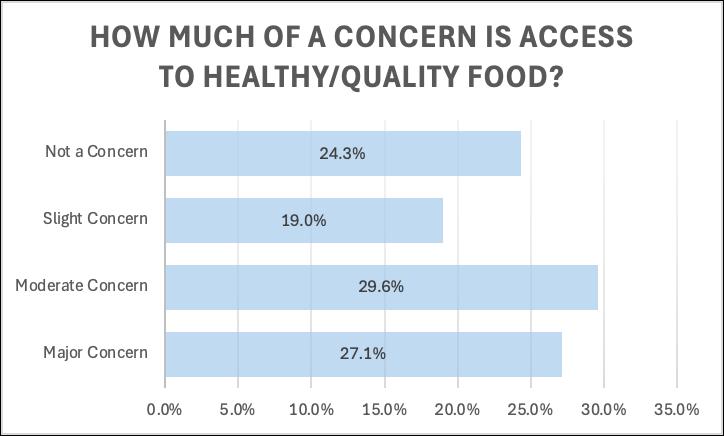
We asked Utahns, “As you look to the future of your city, how much of a concern is access to healthy/quality food?”
Income
The Utah Wellbeing Project (Flint, 2025) collected 13,942 responses to this question from individuals across 51 Utah cities in 2024 (Figure 1). Response options were not a concern, slight concern, moderate concern, and major concern. We found that three in every four Utahns (75%) were at least slightly concerned, with over a quarter of Utahns (27%) stating that access to food was a “major” concern. Factors such as income, race, age, having a chronic health condition or disability, and location were associated with levels of concern regarding access to food. Some participants also shared how food access affected their wellbeing in response to open-ended questions.
As income increased, Utahns were less likely to report access to food as a major concern. Among Utahns who reported making $50,000 or less a year, 63% reported access to food as a moderate or major concern, compared to 56% of those who made over $50,000 a year.
Race and Ethnicity

“[I want more] access to culturally diverse foods and restaurants…. I would love to see an Asian supermarket open in Logan it would eliminate my needs to go elsewhere for ingredients and food.”
– Logan resident
“Lower food prices. We [can’t] even buy groceries without going broke.”
–
Nephi resident
Utahns who identified as Pacific Islander (70%), Black (68%), Hispanic (67%), Middle Eastern or North African (65%), and Asian (65%) were all more likely to report access to food as a moderate or major concern compared to White Utahns (56%).
There were even bigger differences when we looked at racial and ethnic differences in concerns about accessing culturally relevant food. While only 24% of White Utahns reported that access to culturally relevant food was a moderate or major concern, 58% of Asian, 48% of Hispanic, 46% of Pacific Islander, and 41% of Middle Eastern or North African Utahns reported that access to culturally relevant food was a moderate or major concern.
Age
Accessing healthy or quality food remains an important concern for Utahns across the lifespan; however, we observe a slight downward trend in concern as Utahns age. Specifically, of young adults (ages 18–29), 61% expressed that access to food was a moderate or major concern. We saw small gradual decreases as
Figure 1. Utahns’ Concerns About Food Access
we looked at older groups, with 59% of adults ages 30–39, 57% of adults ages 40–49, 56% of adults ages 50–59, 55% of adults ages 60–69, and 53% of adults 70 years of age or older reporting food access as a moderate or major concern.
Disability or Chronic Health Condition
Individuals with disabilities were more likely to be concerned about access to food, with 65% of individuals with a disability reporting it as a moderate or major concern, compared to 56% of those without a disability. There was a similar trend among individuals with chronic health conditions, with 63% of those with a chronic health condition reporting access to food as a moderate or major concern compared to 56% of individuals without a chronic health condition.
Location
Overall, those from rural cities were more likely to find accessing high-quality food a concern, with 64% reporting it as a moderate or major concern, compared to 55% from established cities and 53% from rapid-growth cities. At the city level, there were much bigger differences, with the percentage of those who reported it was a moderate or major concern ranging from 31% to 85% (see Figure 2)
“The grocery store prices are horrendous, and the food options are just as bad. We need to bring in another grocery store or find a solution to fix this problem. This isn’t a recent problem.... Most people in Blanding travel to other cities at least once a month to buy items in bulk because our grocery store is unreasonably expensive.”
– Blanding resident
“[We need to] lower the prices in the grocery stores. We are all struggling and having high prices and no options is despicable!”
– Delta resident
“I wish there was somewhere to buy groceries.”
– Vineyard resident
“Nutrition is a component of wellbeing. It starts with the kids who are not fed a nutritious meal at school. They say it is, go to the schools and eat lunch for a week. That’s a huge issue here and has been for years.”
– Vernal resident
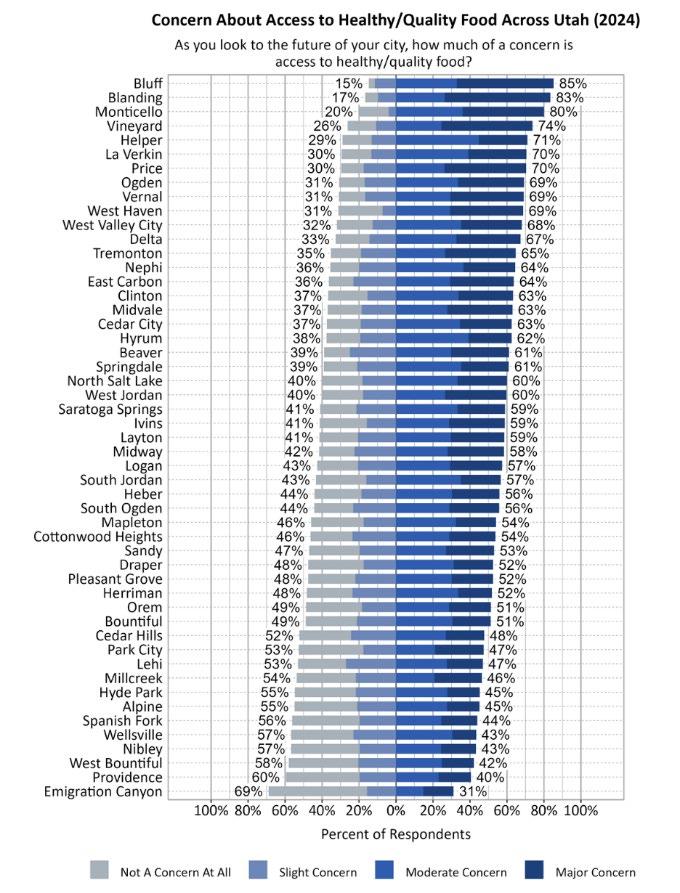
Figure 2. Concerns About Healthy/Quality Food Access Across Utah, 2024
Note. This figure shows how concern about access to healthy/quality food varies across cities in Utah. The cities near the top reported the most concern about access to food, while the cities at the bottom reported less concern.
Concern About Food and Individual Wellbeing
Across our sample of nearly 14,000 Utahns, those who reported more concerns about accessing healthy and quality food reported slightly lower levels of overall wellbeing on average (Figure 3). Increasing access to high-quality, healthy foods may be one way to improve overall wellbeing among Utahns.
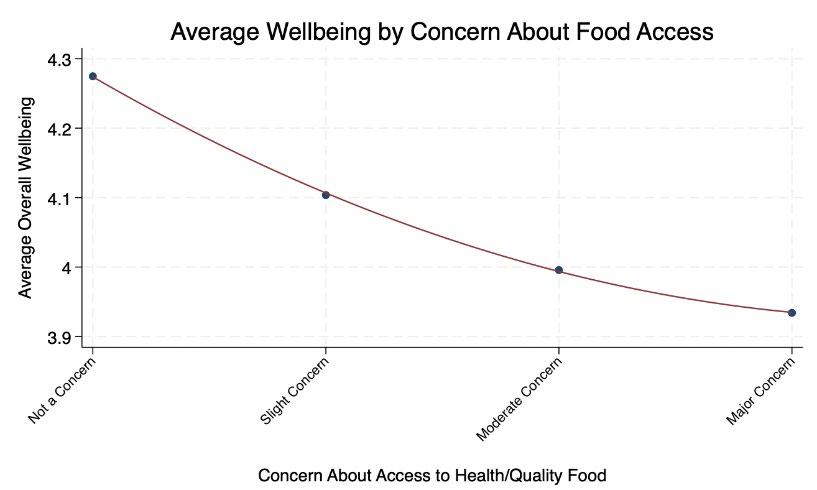
Figure 3. Utahns’ Average Concern About Wellbeing and Food Access
Note. This figure shows that the average individual wellbeing gradually decreased from 4.3/5 to 3.9/5 as Utahns reported more concern about food.
Call to Action
Every Utahn, regardless of income, ZIP code, race, age, or health status, deserves reliable access to affordable, nutritious, and culturally meaningful food. Yet, too many communities across the state face persistent barriers that limit their ability to eat well and live healthy lives.
To build a more equitable and resilient food system, we urge local leaders, policymakers, community organizations, and residents to take bold, coordinated action:
• Expand and sustain local food systems.
Support farmers markets, community gardens, and small-scale producers that keep food dollars local and fresh food accessible. Research shows that farmers markets, community gardens, and local farms increase fruit and vegetable consumption and can improve community connection and resilience (Hume et al., 2022; SavoieRoskos et al., 2016). Local and state governments can offer grants, zoning flexibility, infrastructure support for urban gardens and market spaces, and Supplemental Nutrition Assistance Program (SNAP)/electronic benefits transfer (EBT) access to help grow and sustain local food systems.
• Invest in healthy food retail and mobile markets in underserved neighborhoods.
Close geographic and economic gaps in food access. Limited options for purchasing food leads to poorer dietary quality and increased chronic disease rates (Walker et al., 2010). City councils can support healthy food retail development, incentivize mobile markets, and collaborate with local businesses to bring affordable produce and staple foods closer to where people live and work
• Strengthen connections to existing resources.
Currently, many individuals who are eligible for benefits such as SNAP, Women, Infants, and Children (WIC), school meal programs, and other local food programs are not being served due to a lack of awareness, stigma, or other barriers (Insolera et al., 2022). Expanding outreach can help individuals and families more easily access food assistance, nutrition education, and support services. Cities and counties can expand outreach campaigns, integrate enrollment at community health events, and partner with trusted community organizations to improve access to these vital supports.

• Support culturally relevant food initiatives.
Access to culturally relevant, health-promoting foods is essential for advancing nutrition security and community wellbeing across Utah. These foods, deeply tied to cultural identity and tradition, foster inclusion while supporting healthier eating patterns (House et al., 2024). To make this vision a reality, city governments, nonprofits, and community organizations can partner with the Utah Food Bank, local food pantries, and cultural groups to ensure that culturally preferred, nutritious foods are consistently available to all Utahns. By funding culturally relevant food initiatives, engaging local farmers and suppliers, and working closely with cultural organizations to identify priority foods and preparation methods, we can build a food system that reflects Utah’s diversity.
• Integrate food access with health promotion. By linking nutrition education to chronic disease prevention and wellness programs, we can decrease chronic disease risk, healthcare costs, and improve overall wellbeing (Cross et al., 2025). Local governments can integrate these efforts through health departments, clinics, and Extension services, ensuring that healthy food access is part of every wellness strategy.
• Prioritize addressing food insecurity in rural areas.
Individuals in rural areas face higher levels of food insecurity due to limited retail options, transportation barriers, and systemic inequalities (Byker Shanks et al., 2022; Pinard et al., 2016). Funding and policy solutions are needed that focus on food insecurity in rural areas and among historically underserved groups to ensure that no community is left behind. Some examples of policy solutions include expanding transportation support, funding rural food hubs, and incentivizing mobile markets or cooperative grocery models.
References
Byker
Shanks, C., Andress, L., Hardison-Moody, A., Jilcott Pitts, S., Patton-Lopez, M., Prewitt, T. E., Dupuis, V., Wong, K., Kirk-Epstein, M., Engelhard, E., Hake, M., Osborne, I., Hoff, C., & Haynes-Maslow, L. (2022). Food insecurity in the rural United States: An examination of struggles and coping mechanisms to feed a family among households with a low-income. Nutrients, 14(24), 5250. https://doi.org/10.3390/nu14245250 Cross, V., Stanford, J., Gómez-Martín, M., Collins, C. E., Robertson, S., & Clarke, E. D. (2025). Do personalized nutrition interventions improve dietary intake and risk factors in adults with elevated cardiovascular disease risk factors? A systematic review and meta-analysis of randomized controlled trials. Nutrition Reviews, 83(7), e1709–e1721. https://doi.org/10.1093/nutrit/nuae149 Feeding America. (2025, May 14). Hunger & poverty in Utah [Interactive map – Map the Meal Gap]. Feeding America. https://map.feedingamerica.org/county/2023/overall/utah Flint, C. (2025). Utah wellbeing project. Utah State University. https://www.usu.edu/utah-wellbeing-project/ House, J., Brons, A., Wertheim-Heck, S., & Van der Horst, H. (2024). What is culturally appropriate food consumption? A systematic literature review exploring six conceptual themes and their implications for sustainable food system transformation. Agriculture and Human Values, 41(2), 863–882.
Hume, C., Grieger, J. A., Kalamkarian, A., D’Onise, K., & Smithers, L. G. (2022). Community gardens and their effects on diet, health, psychosocial and community outcomes: A systematic review. BMC Public Health, 22(1), 1247. Insolera, N., Cohen, A., & Wolfson, J. A. (2022). SNAP and WIC participation during childhood and food security in adulthood, 1984–2019. American Journal of Public Health, 112(10), 1498–1506. https://doi.org/10.2105/AJPH.2022.306967
Narine, L. K. (2023). 2023 statewide needs assessment [Report]. USU Extension. Power BI. https://app.powerbi.com/view?r=eyJrIjoiZTZhZTEzNmQtN2RlZi00ZjBiLThiMTktM2YxMTc4ODRkMzM4IiwidCI6ImFj MzUyZjliLWViNjMtNGNhMi05Y2Y5LWY0YzQwMDQ3Y2VmZiIsImMiOjZ9&pageName=ReportSectionc880f14f6d943 b1f0e84
Pinard, C. A., Byker Shanks, C., Harden, S. M., & Yaroch, A. L. (2016). An integrative literature review of small food store research across urban and rural communities in the U.S. Preventive Medicine Reports, 3, 324–332. https://doi.org/10.1016/j.pmedr.2016.03.008
Savoie-Roskos, M. R., Wengreen, H., & Durward, C. (2017). Increasing fruit and vegetable intake among children and youth through gardening-based interventions: A systematic review. Journal of the Academy of Nutrition and Dietetics, 117(2), 240–250. Walker, R. E., Keane, C. R., & Burke, J. G. (2010). Disparities and access to healthy food in the United States: A review of food deserts literature. Health & Place, 16(5), 876–884
In its programs and activities, including in admissions and employment, Utah State University does not discriminate or tolerate discrimination, including harassment, based on race, color, religion, sex, national origin, age, genetic information, sexual orientation, gender identity or expression, disability, status as a protected veteran, or any other status protected by University policy, Title IX, or any other federal, state, or local law. Utah State University is an equal opportunity employer and does not discriminate or tolerate discrimination including harassment in employment including in hiring, promotion, transfer, or termination based on race, color, religion, sex, national origin, age, genetic information, sexual orientation, gender identity or expression, disability, status as a protected veteran, or any other status protected by University policy or any other federal, state, or local law. Utah State University does not discriminate in its housing offerings and will treat all persons fairly and equally without regard to race, color, religion, sex, familial status, disability, national origin, source of income, sexual orientation, or gender identity. Additionally, the University endeavors to provide reasonable accommodations when necessary and to ensure equal access to qualified persons with disabilities. The following office has been designated to handle inquiries regarding the application of Title IX and its implementing regulations and/or USU’s non-discrimination policies: The Office of Equity in Distance Education, Room 400, Logan, Utah, titleix@usu.edu, 435-797-1266. For further information regarding non-discrimination, please visit equity.usu.edu, or contact: U.S. Department of Education, Office of Assistant Secretary for Civil Rights, 800-421-3481, ocr@ed.gov or U.S. Department of Education, Denver Regional Office, 303-844-5695 ocr.denver@ed.gov. Issued in furtherance of Cooperative Extension work, acts of May 8 and June 30, 1914, in cooperation with the U.S. Department of Agriculture, Kenneth L. White, Vice President for Extension and Agriculture, Utah State University.
The authors did not use generative AI in the creation of this content, and it is purely the work of the authors. This content should not be used for the purposes of training AI technologies without express permission from the authors.

November 2025
Utah State University Extension Peer-reviewed fact sheet