The upcoming Honoapi ! ilani Highway realignment provides a unique opportunity for your input on the future of the Olowalu and Ukumehame coastal corridor that reflects ! ike kupuna, nature-based solutions, and community priorities.
Welcome and introductions
Project context
Overview
Goals and structure
Engagement results
Draft design concepts
Menti Co-design activities
Wrap up discussion

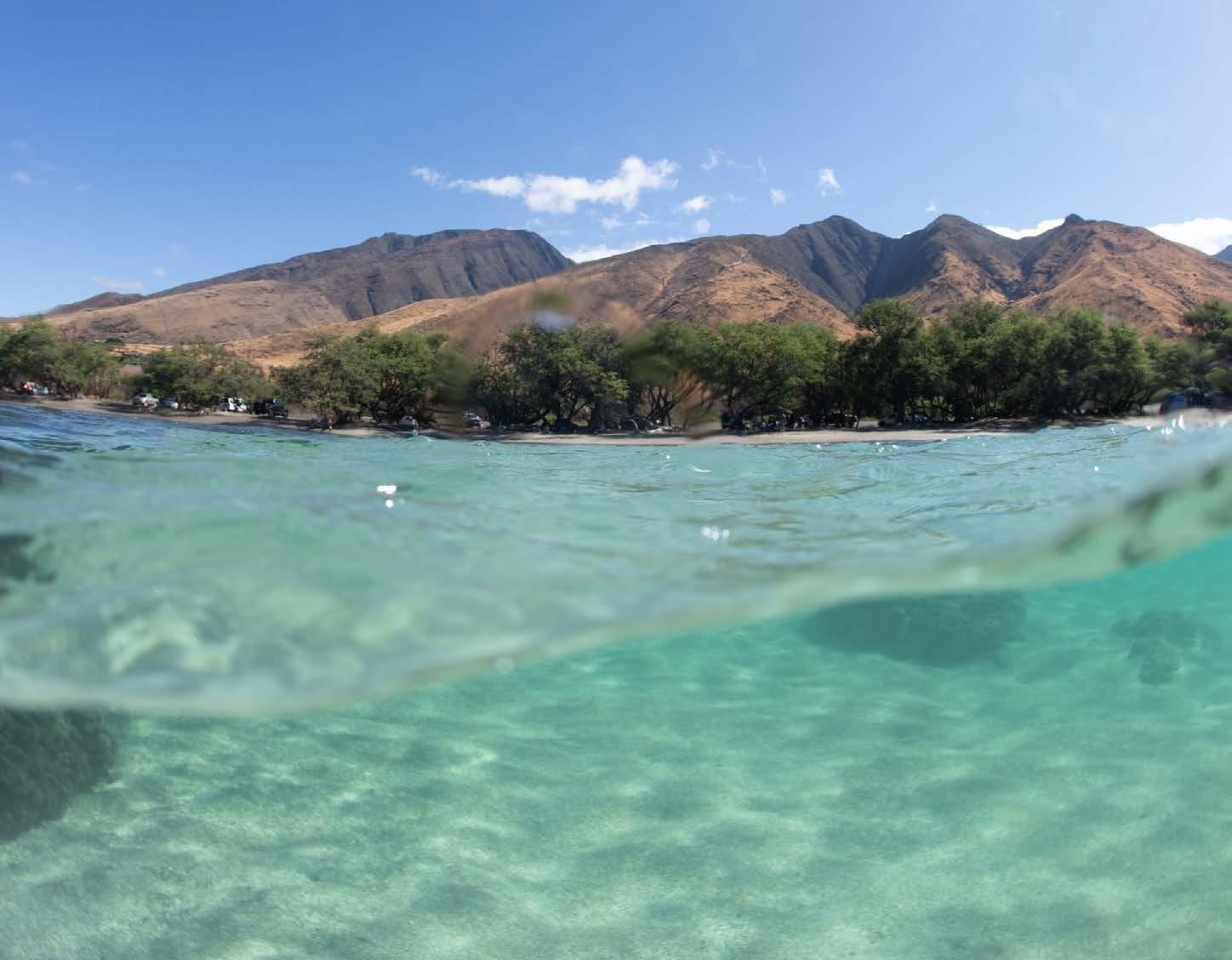
© Manuel Meija
Our Mission:
To conserve the lands and waters on which all life depends
I ola ka ʻāina, i ola mākou nei
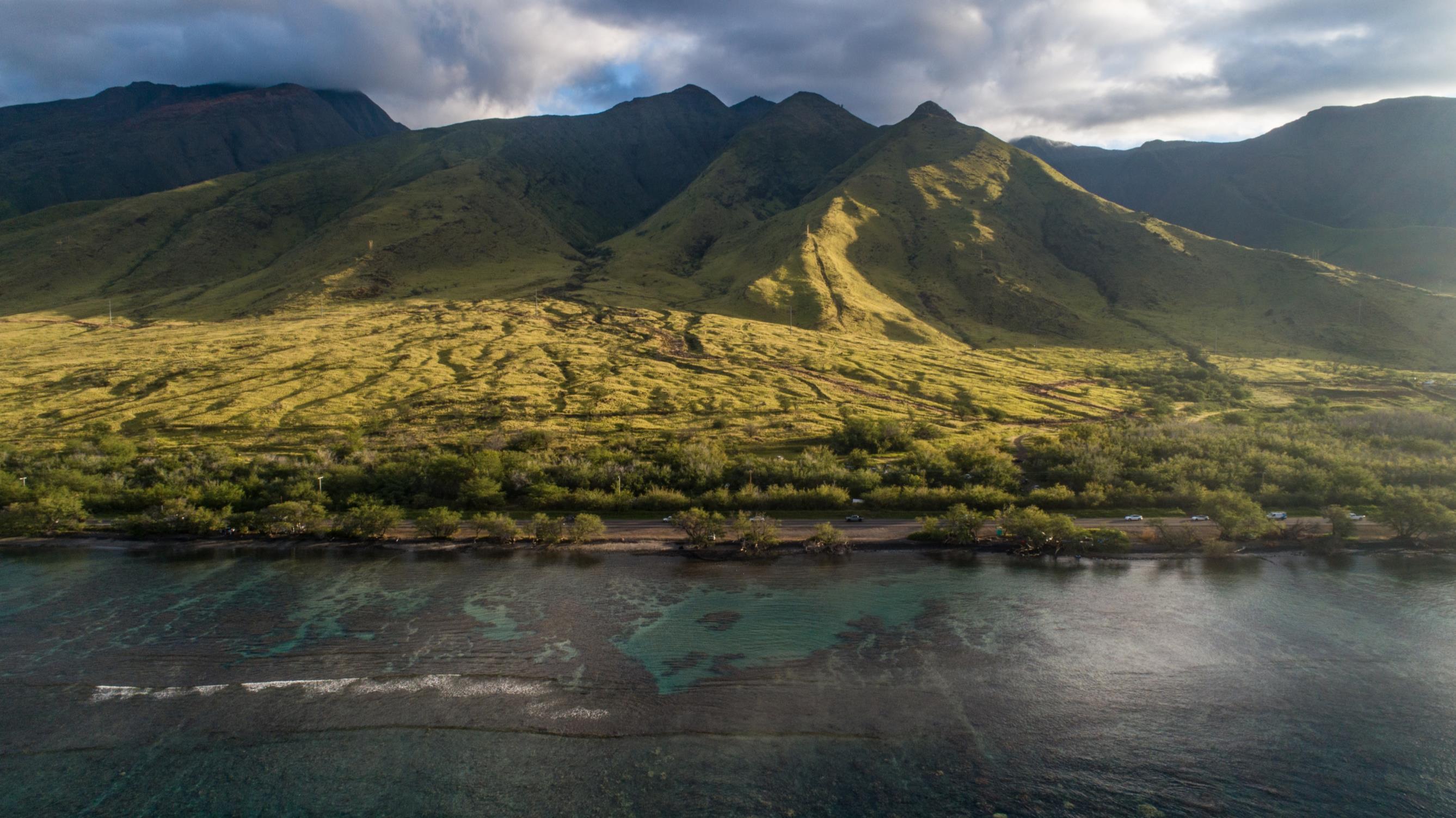
Working together to build resilience - m auka to m akai
ʻA ʻohe hana nui ke alu ʻia

• Nature-based Solutions
• Biocultural Practices
• Multi-functional ecological approaches
• Working mauka to makai, connecting wai
• Wetlands and upland native forest reforestation
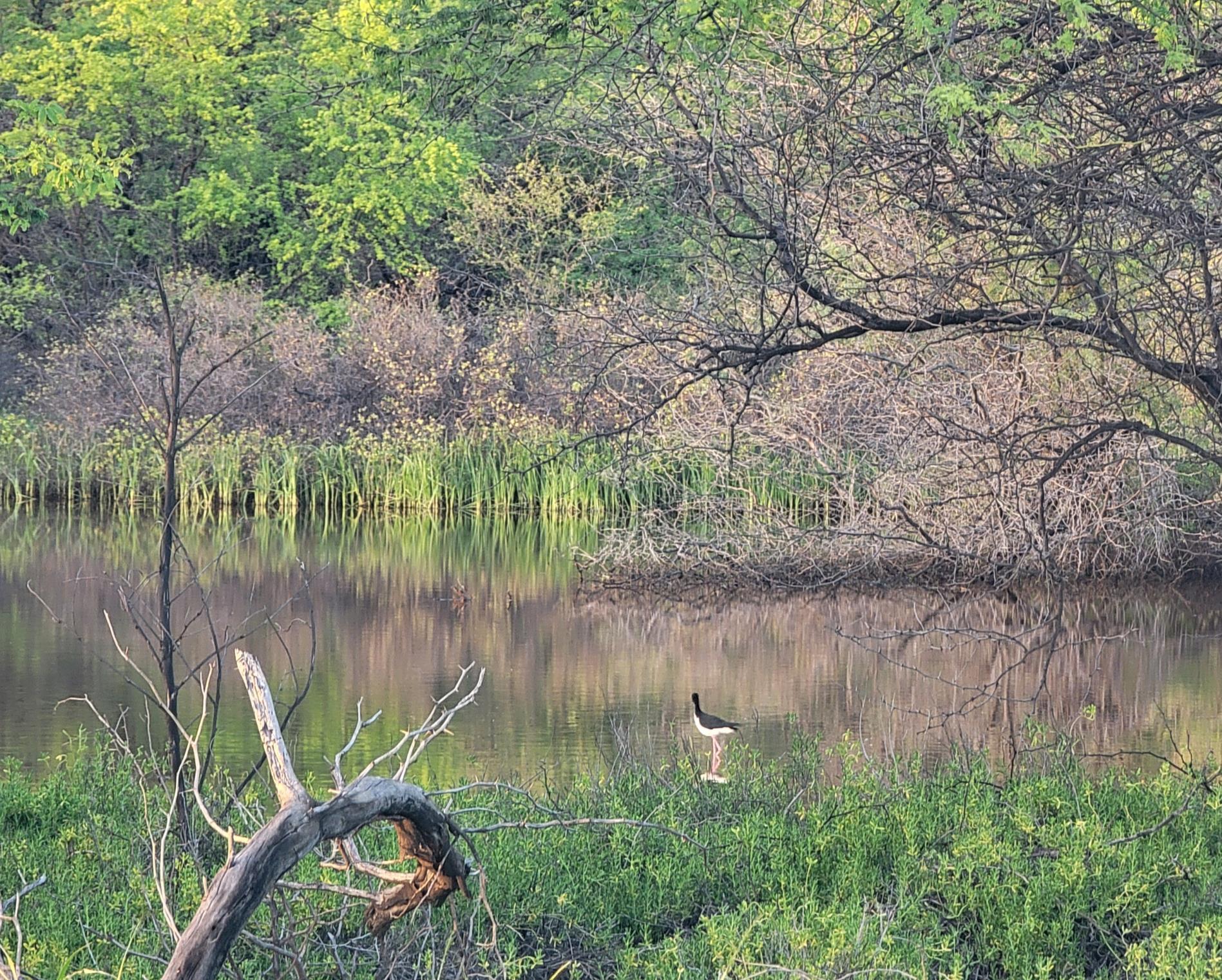
© Christopher Brosius
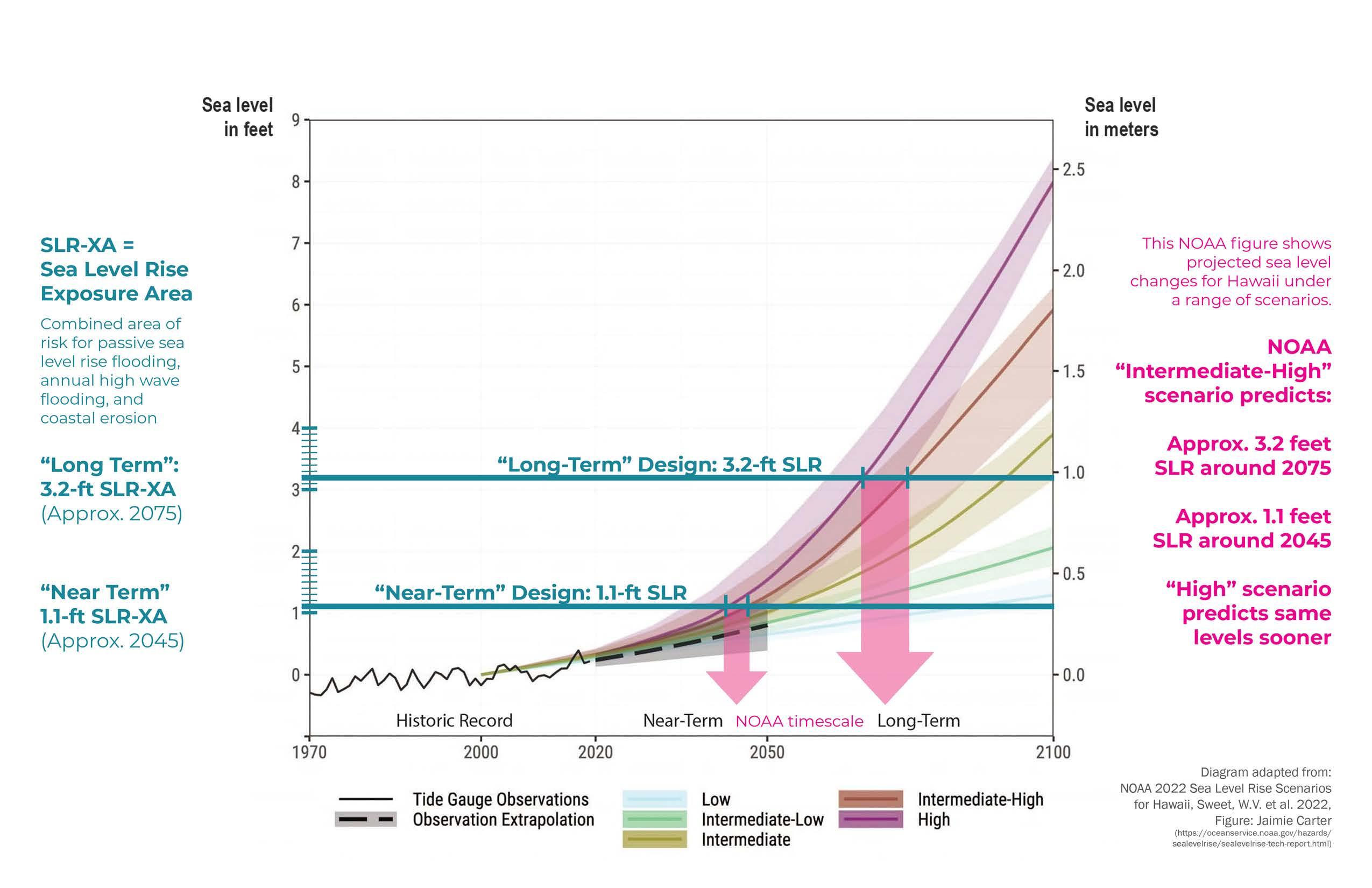
• Projected to increase
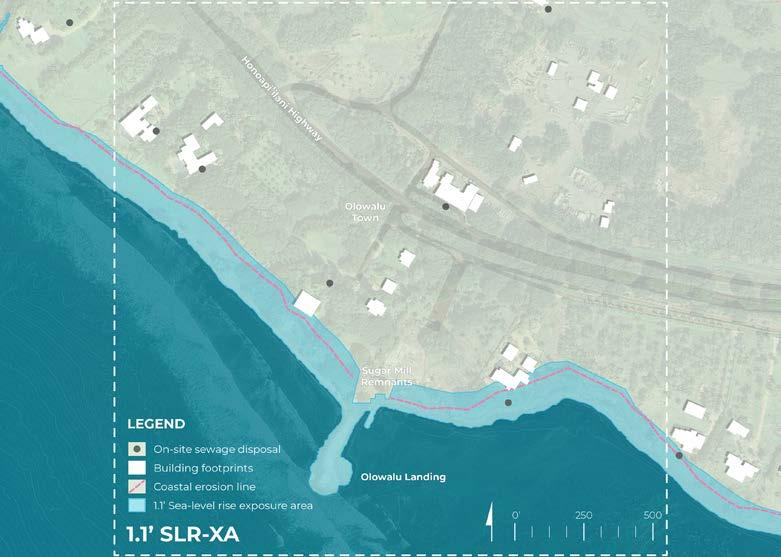
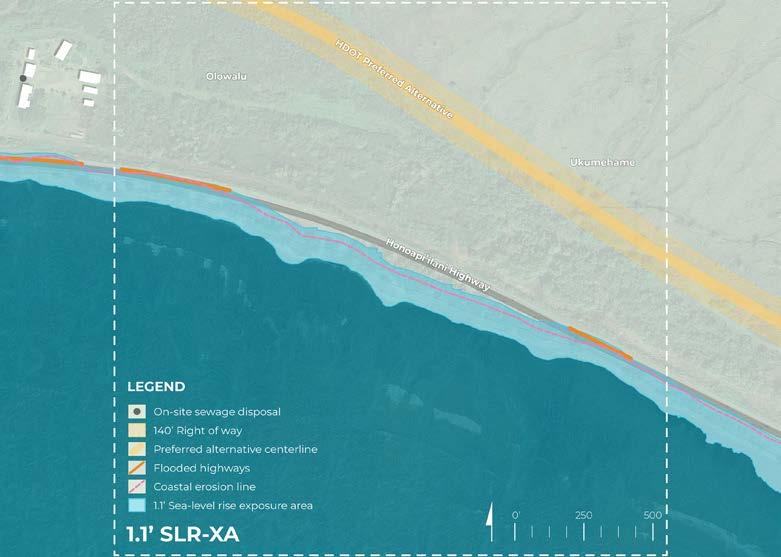
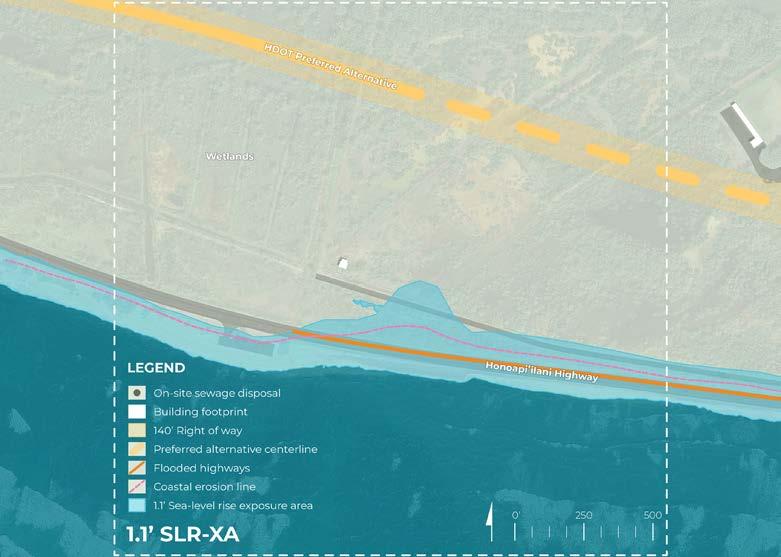
• 1.1 feet by 2045
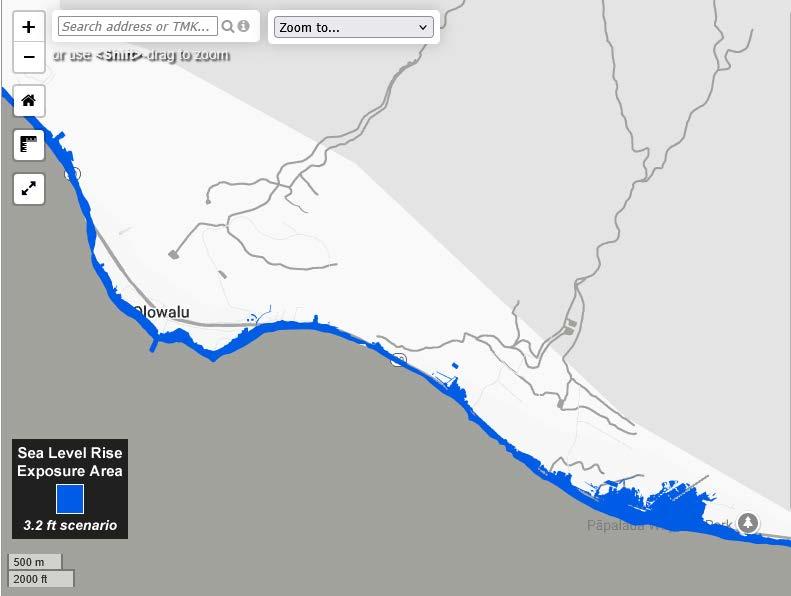
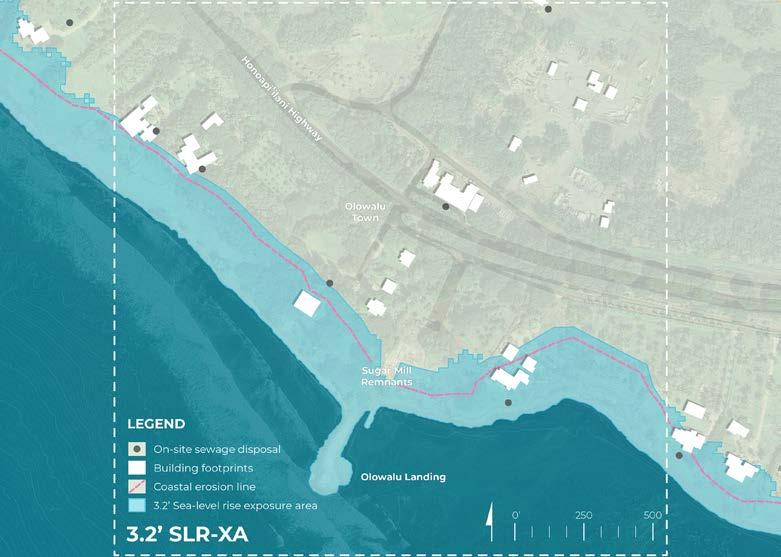
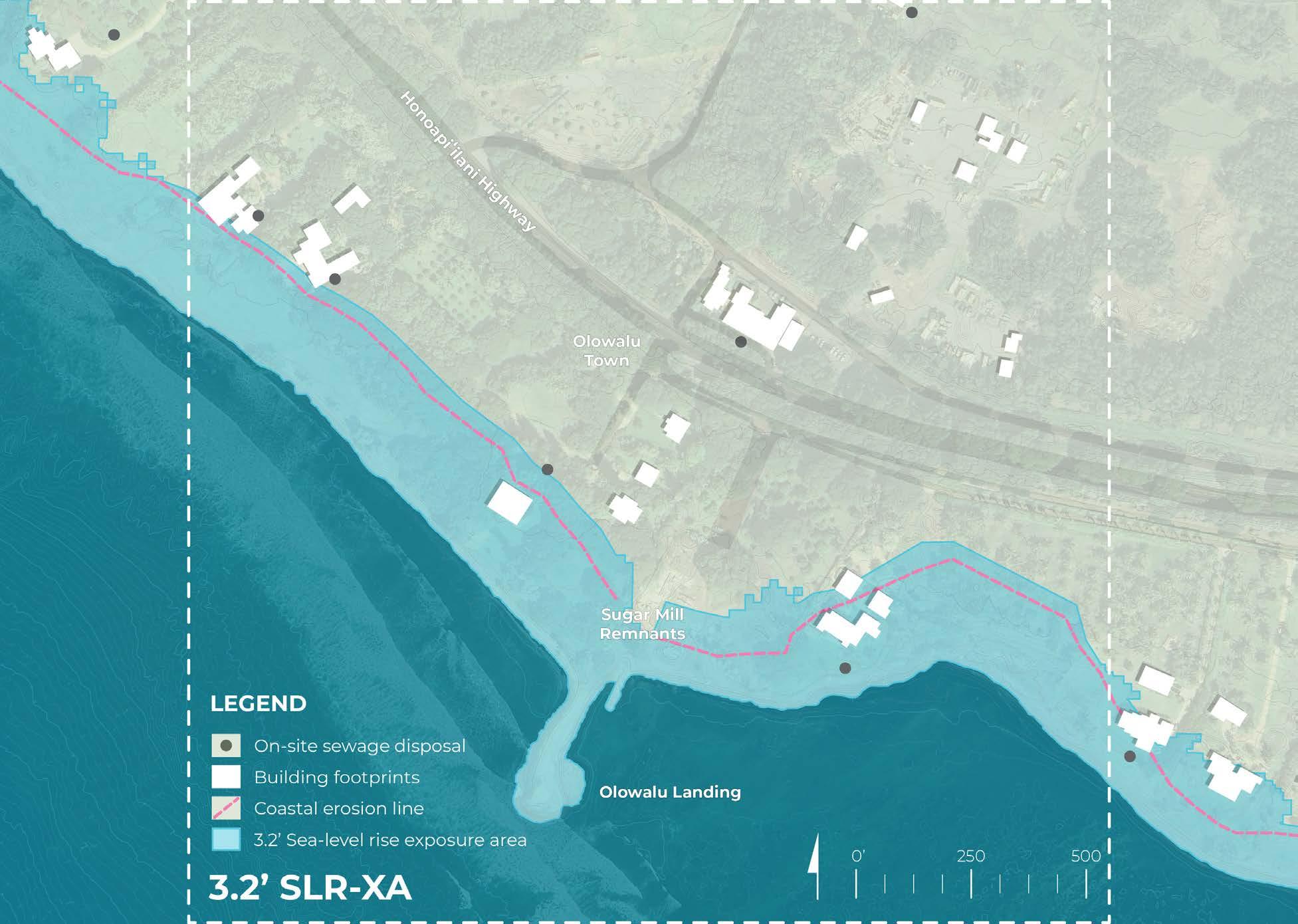
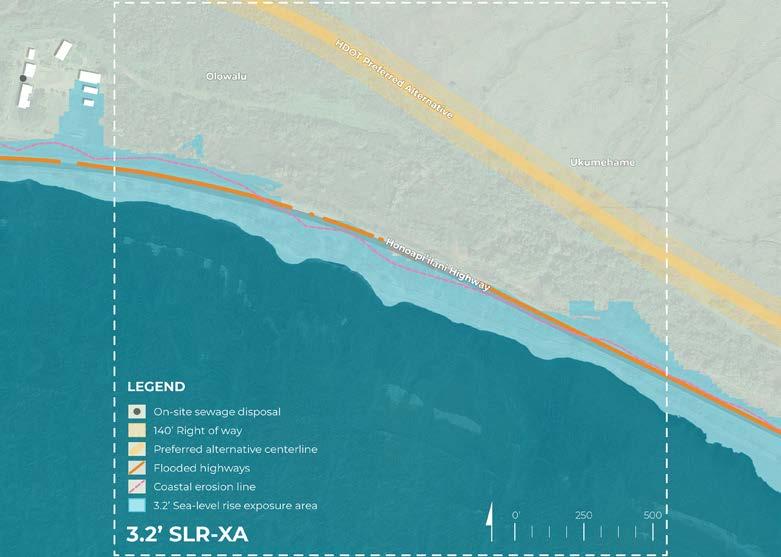
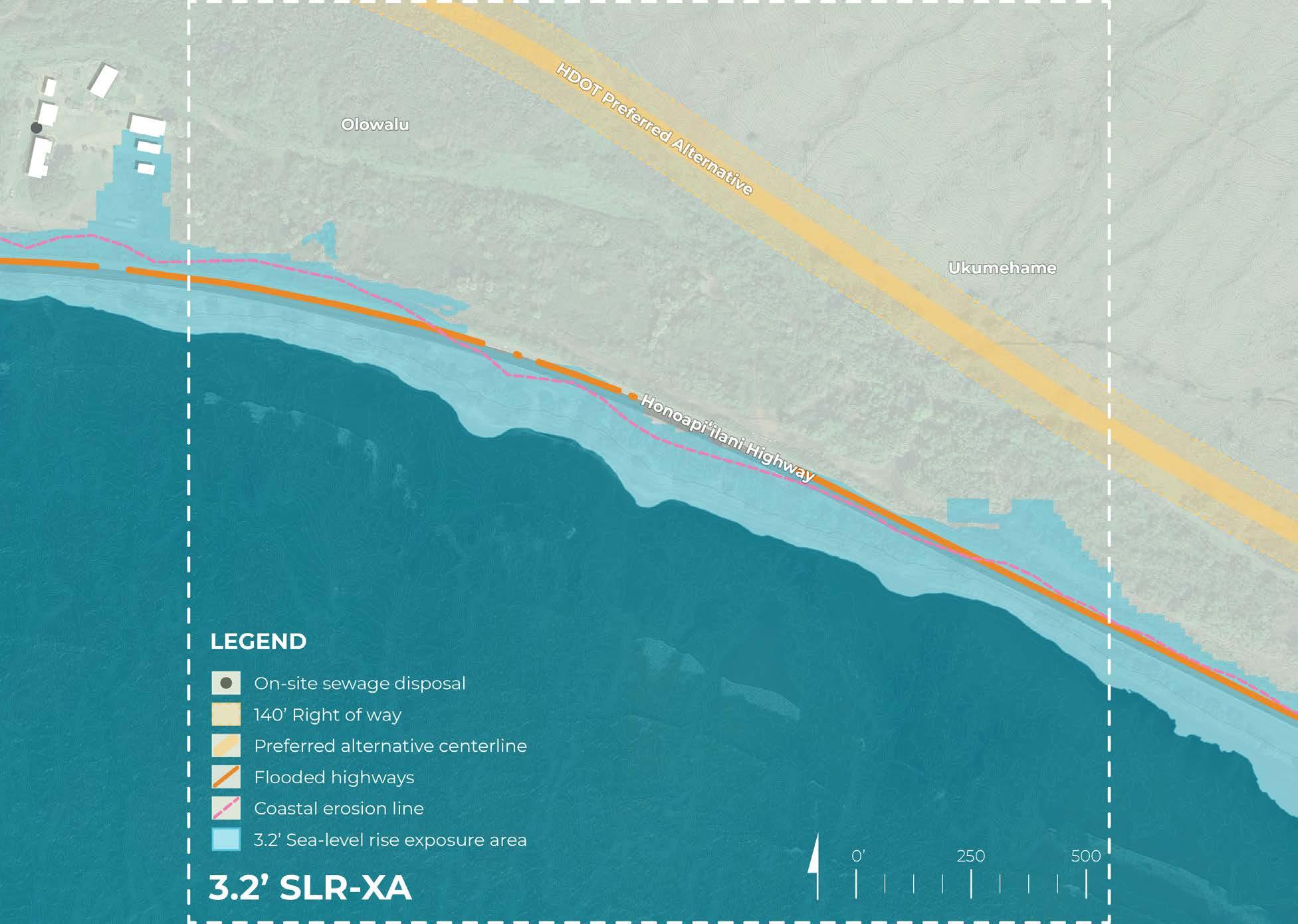
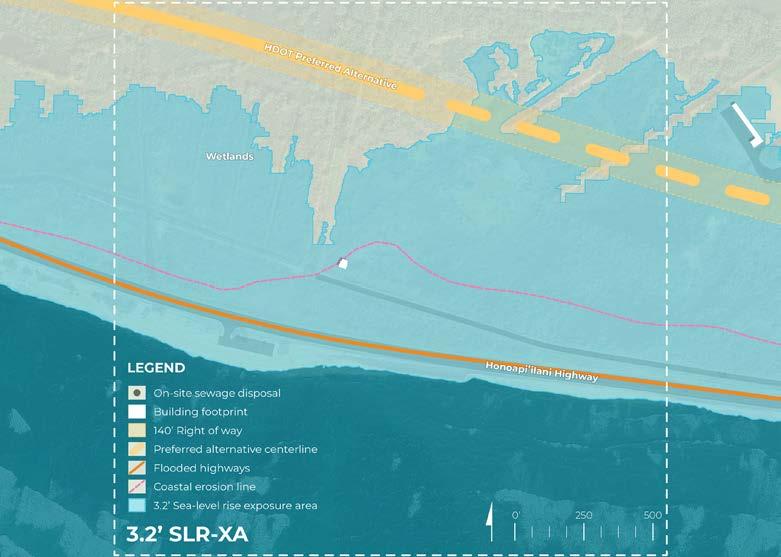
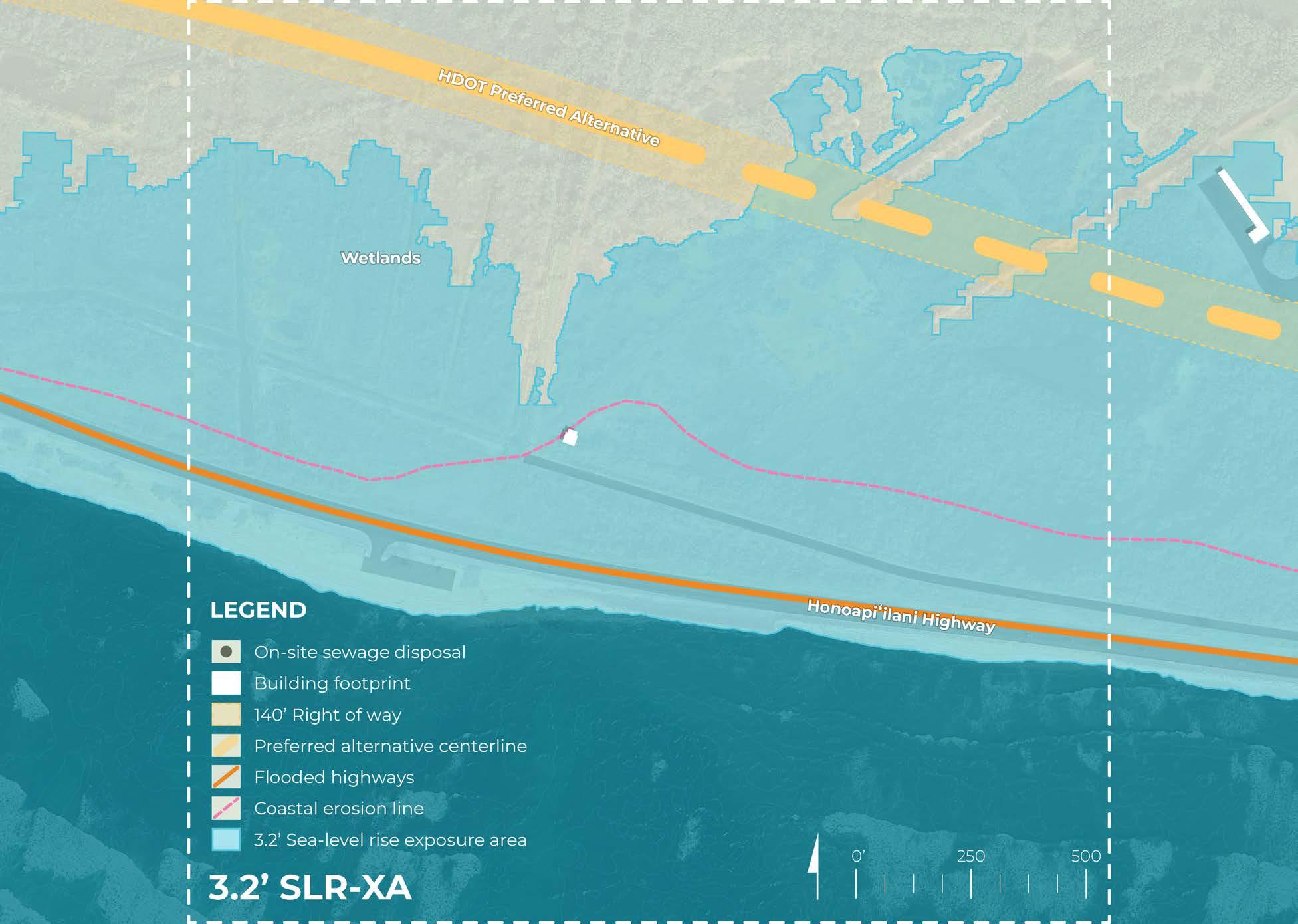
• 3.2 feet by 2075
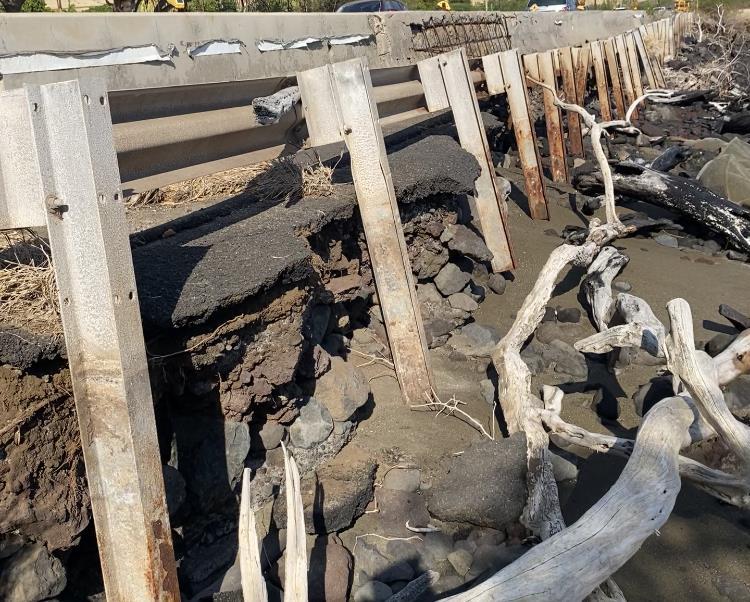
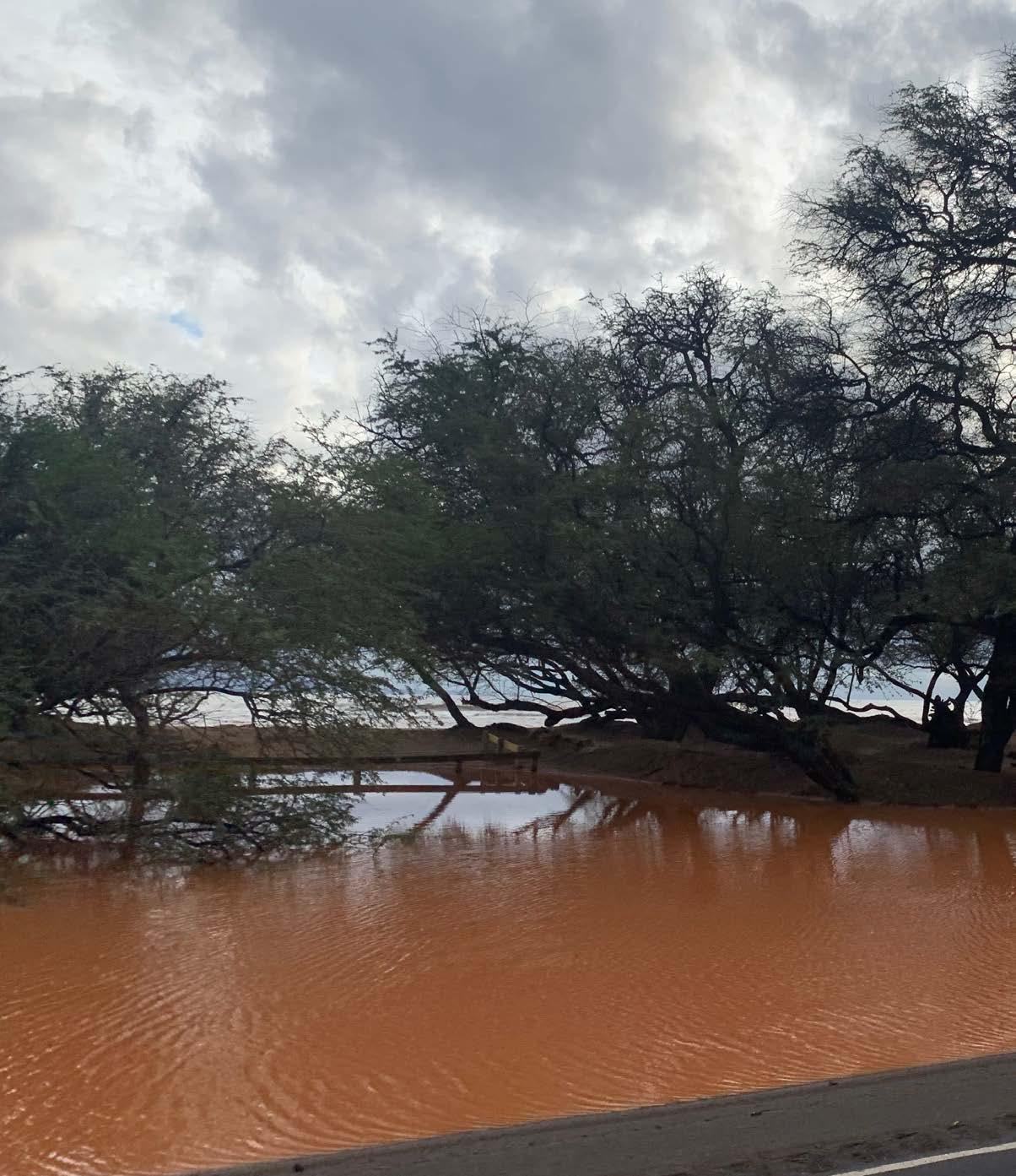
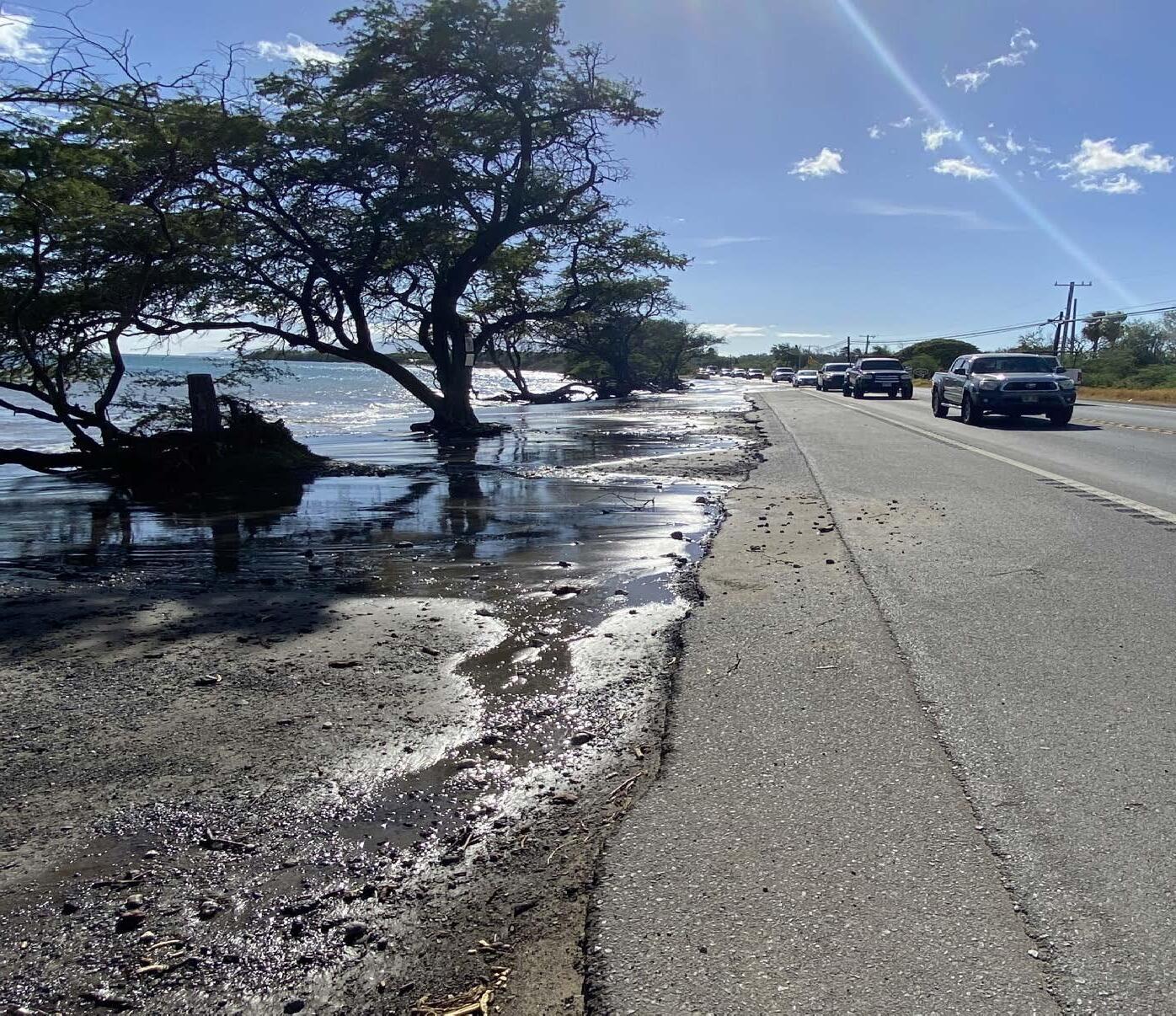
• High erosion rates, impacts to the road, common flooding prompting need for realignment
• Portions of existing highway are considered low adaptation and must be eventually be decommissioned
• Traffic Emergency Zone at MM 14.5, highest rate of erosion and a sign of things to come
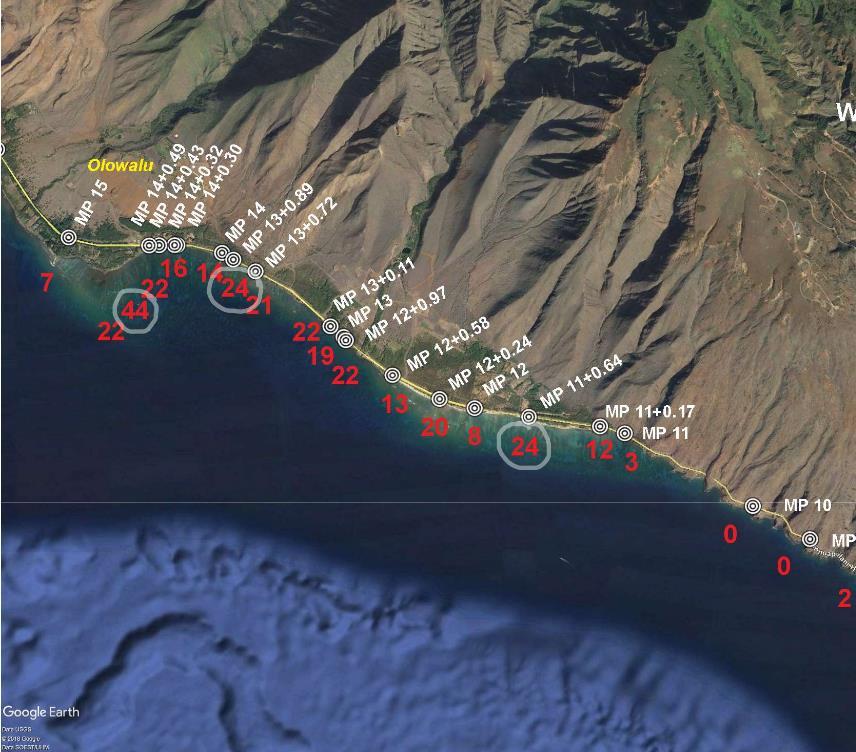
Highway Analysis and Adaptation Study – w/ Tetratech
• Explore nature-based and hybrid solutions to protect eroding shoreline over 5-20 years
• Prioritize areas at highest risk
• SLRXA + high CRESI values
• Provide insight to state and county agencies as alternatives to shoreline hardening
• Address immediate needs in ways that can adapt to long-term initiatives
Ukumehame Beach Park Case Study
— w/ UH Sea Grant/UH Hilo
• Small-scale pilot in area of high erosion risk
• Using native plants to e nhance natural processes of sand accretion
• Taking initial steps to support implementation of living shorelines
© Tamara Farnsworth
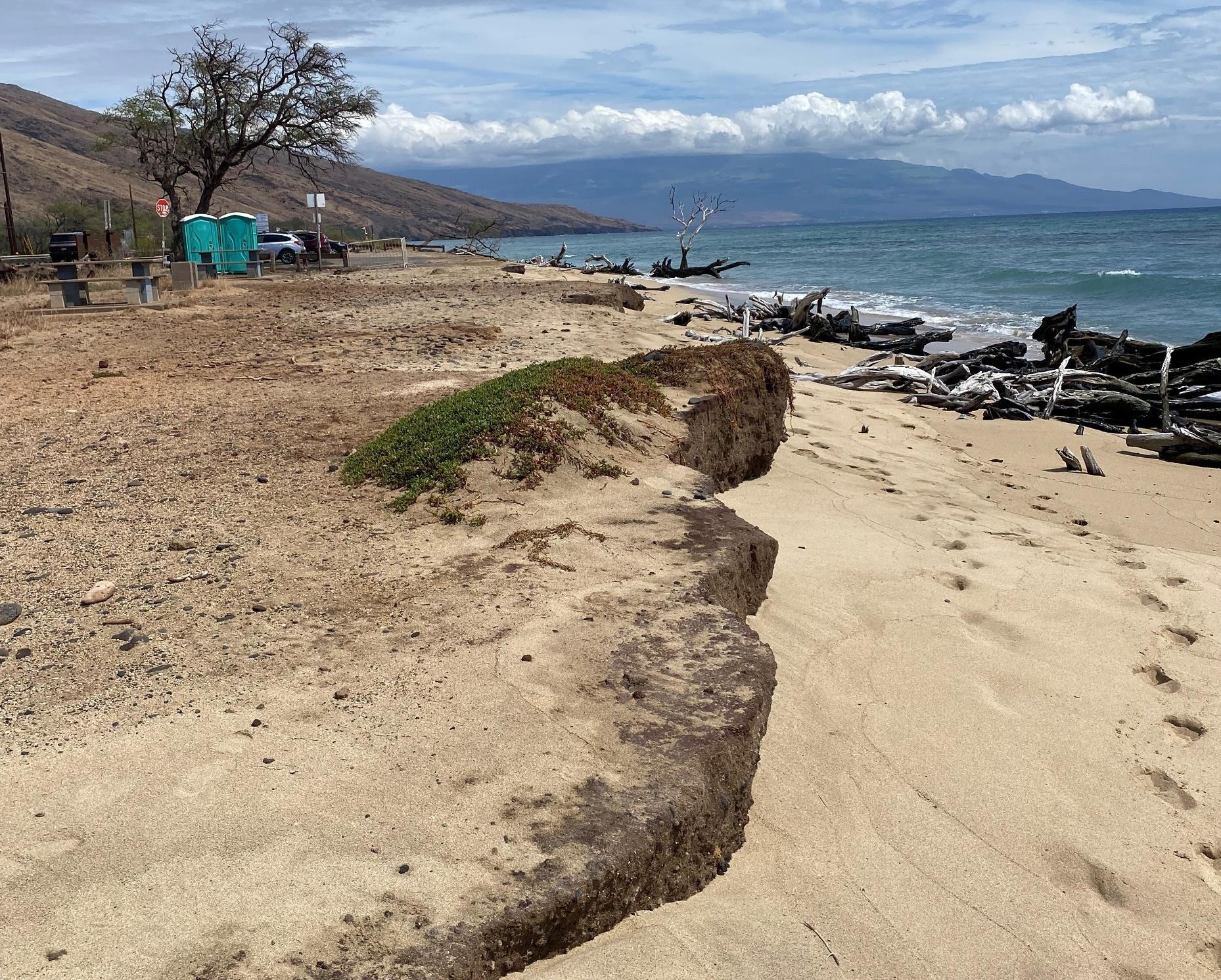
Beach Park, August 2025
• Reflecting and incorporating community values and concerns
• Stakeholder input – inclusion and gaining support
• Combining place -based knowledge with community input leads to useful design proposals
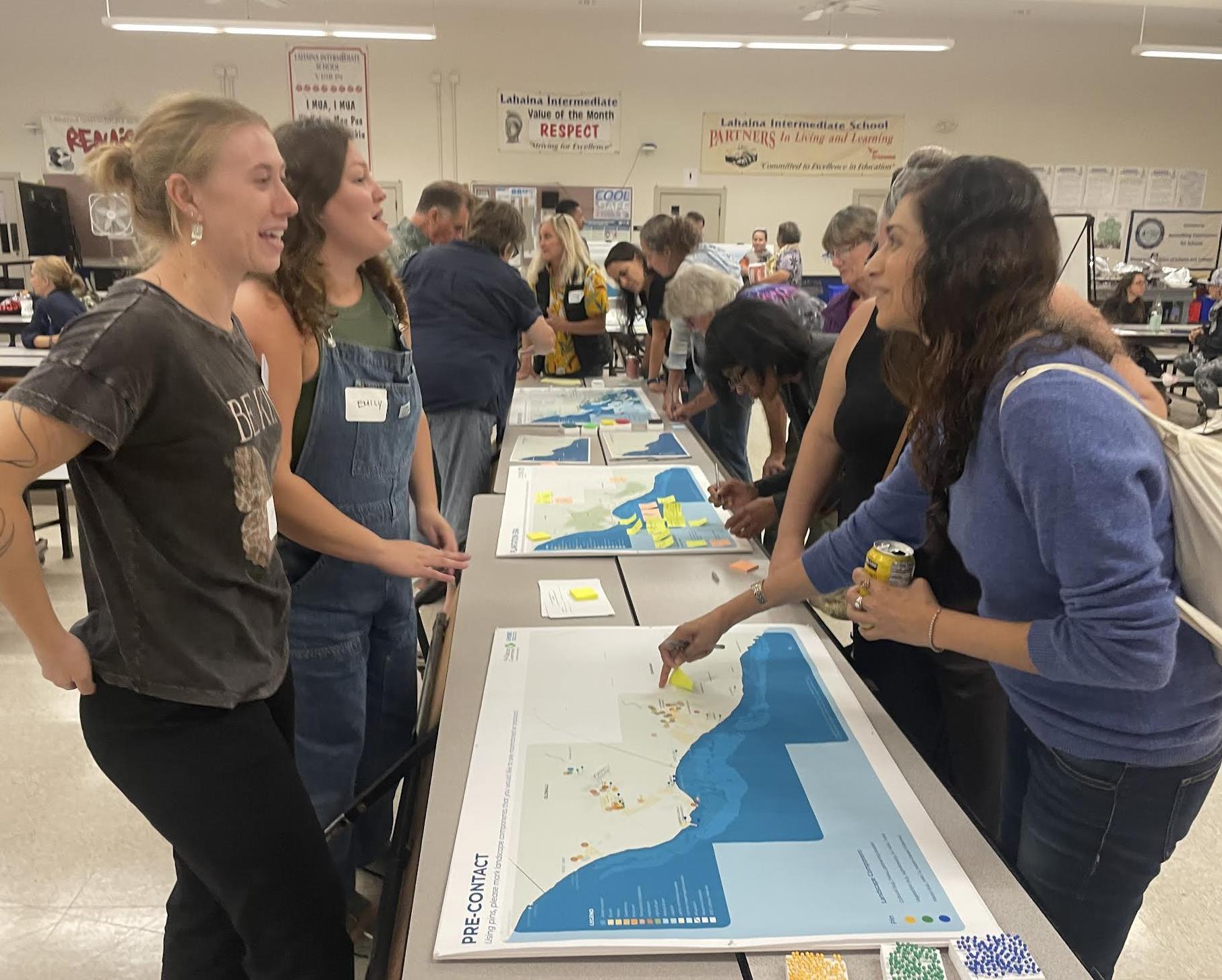
Addressing values and concerns such as:
• Green spaces and conservation
• Protection of cultural and archaeological sites
• Protection of ocean resources
• Parking and shoreline access
• Public recreation
• Open space management
• Safety and traffic concerns
© Kelly James
We are a collective of University of Hawai’i at Mānoa faculty, staff, and allied professionals across university departments and disciplines, assisted by student interns and recent graduates. UHCDC provides a platform for learning and professional development opportunities for students.

We work at the intersection of university, government, non-profits, and community stakeholders, gathering diverse perspectives to define and inform projects that serve the public.
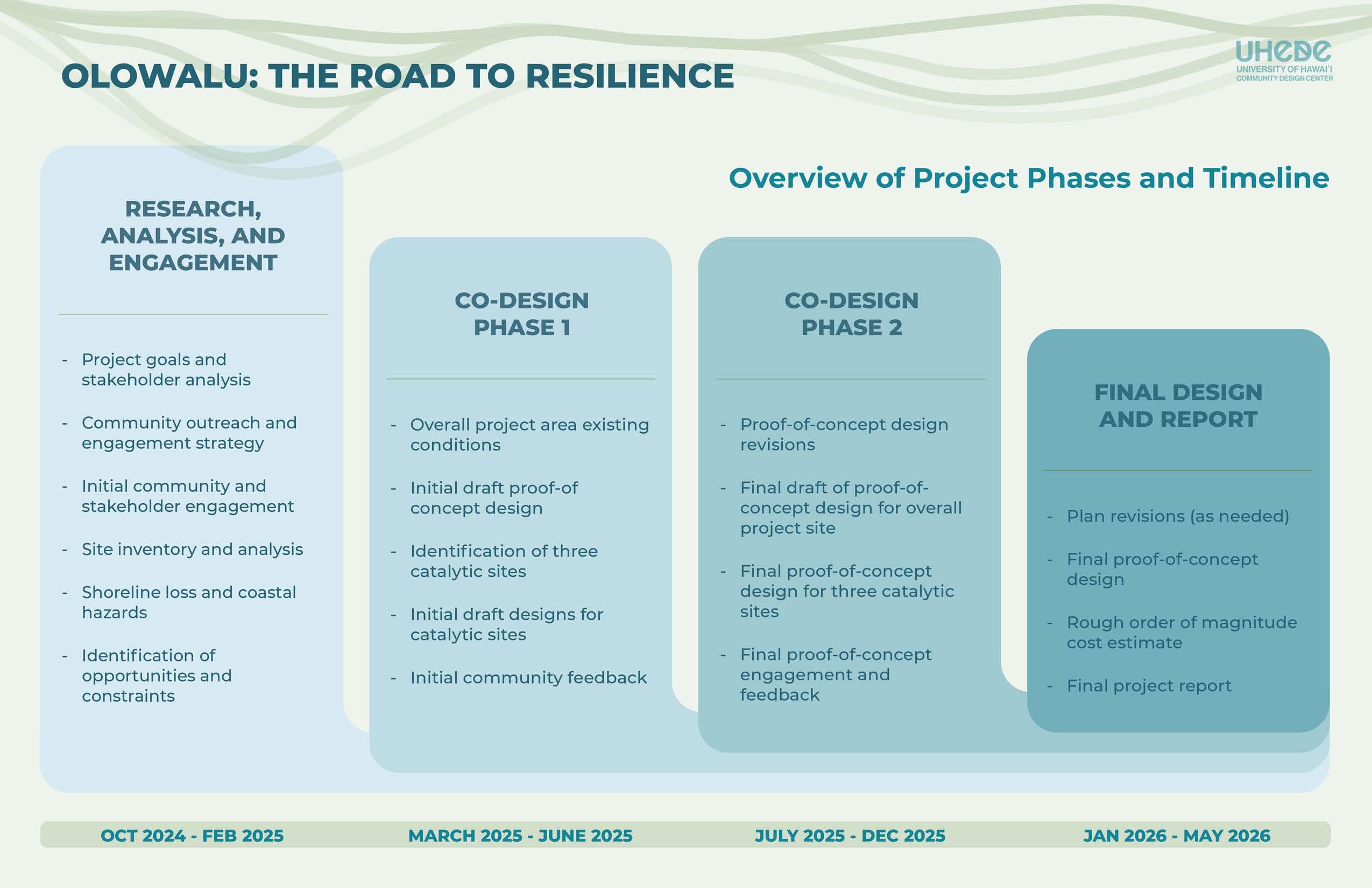
Olowalu: The Road to Resilience

We provide PROOF OF CONCEPT engagement, research, planning, and design services, a pre-procurement scope of work that typically happens AHEAD of the professional design team.
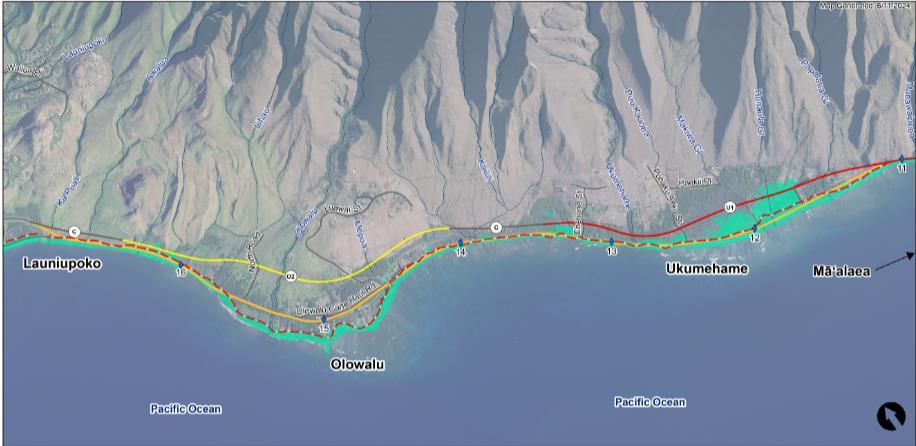
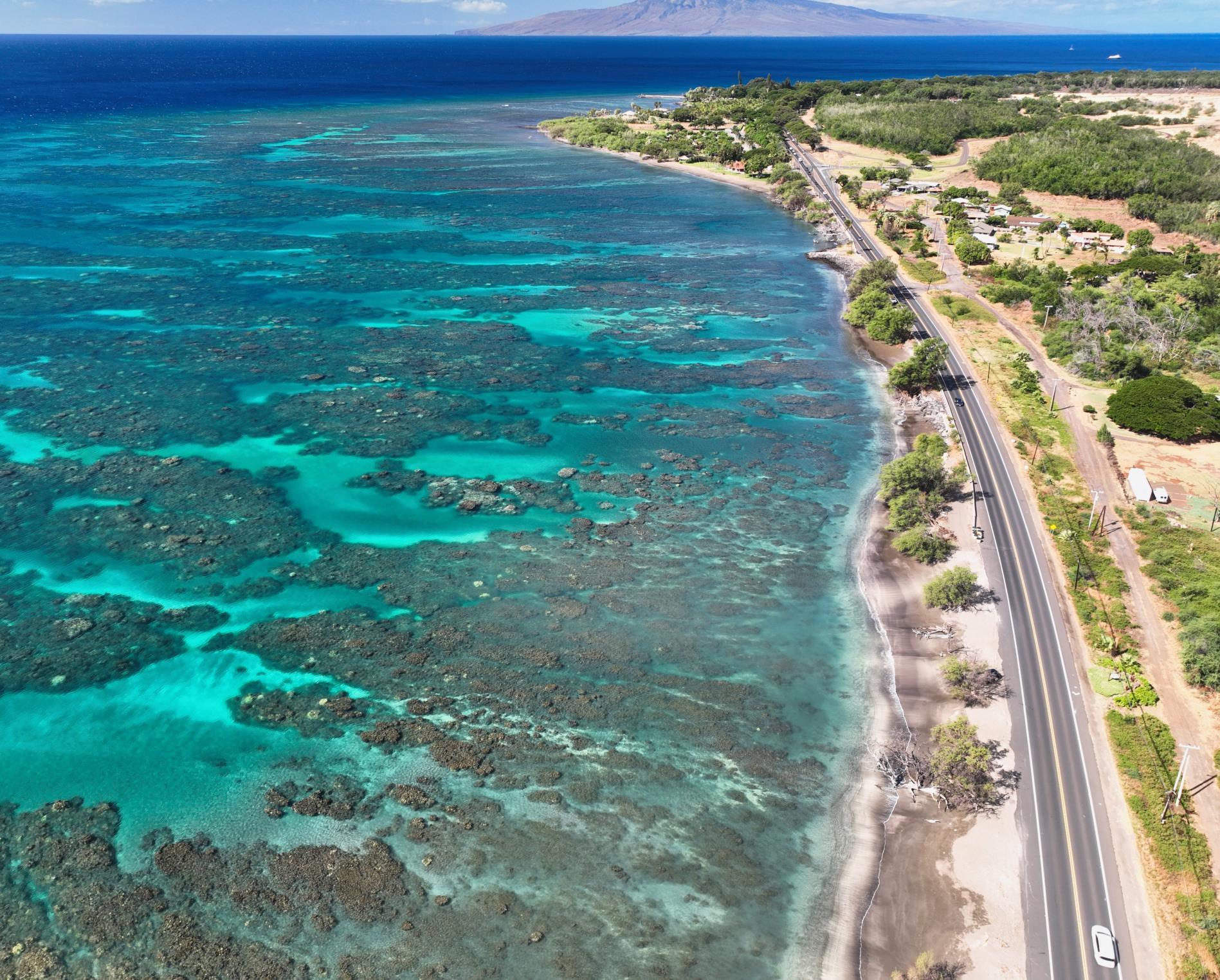
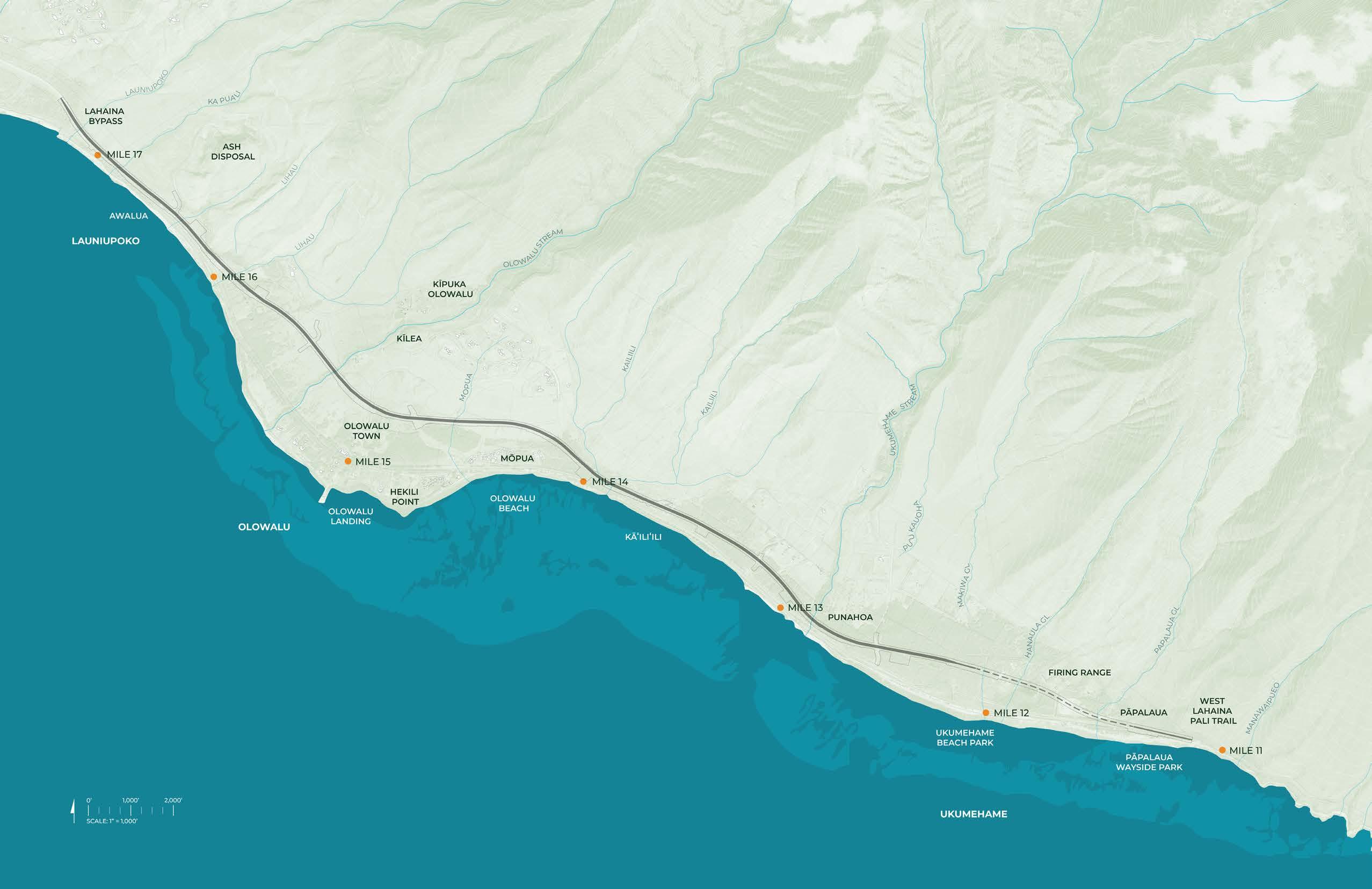
The planned Honoapi! ilani Highway realignment provides opportunities to re-imagine the Olowalu-Ukumehame coastal corridor by incorporating park spaces, traditional biocultural practices, and nature-based solutions. This project aims to strengthen coastal ecosystems, reduce pressures on the OlowaluUkumehame reef system, and improve resilience to help the area adapt to climate change effects, including sea level rise.
TNC Team:
Tamara Farnsworth, Coastal Resilience Project Manager
Dr. Kim Falinski, Coastal & Estuarine Scientist
Scott Crawford, Maui Marine Program Director
Emily Fielding, Hawai’i Marine Conservation Director
Nalei Sampson, Maui Marine Project Coordinator
UHCDC Team:
Judith Stilgenbauer, FASLA, Principal Investigator and Professor, School of Architecture
Xavier Duarte, Research Associate
Kaimana Tuazon, Project Designer
Emily Sobolewski Knight, ASLA, Research Associate
Student Assistants: Sierra Spears, Dersel Bonai, Zoë Angelopulo, Sarah Obra-Nakata, Kenny Morrow
Facilitators:
‘A‘ali‘i Alliance

Olowalu: The Road to Resilience

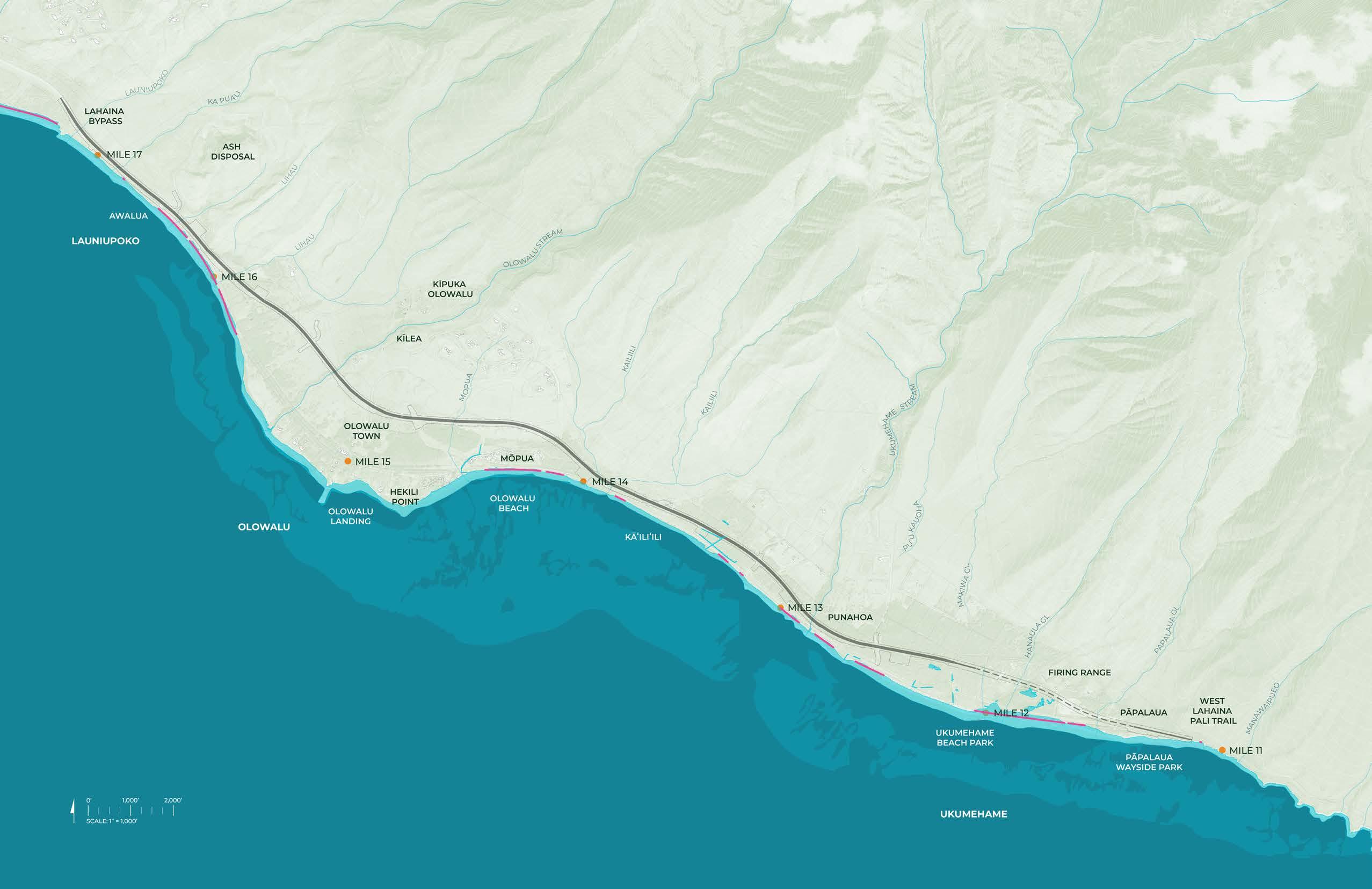
Approximately 2045
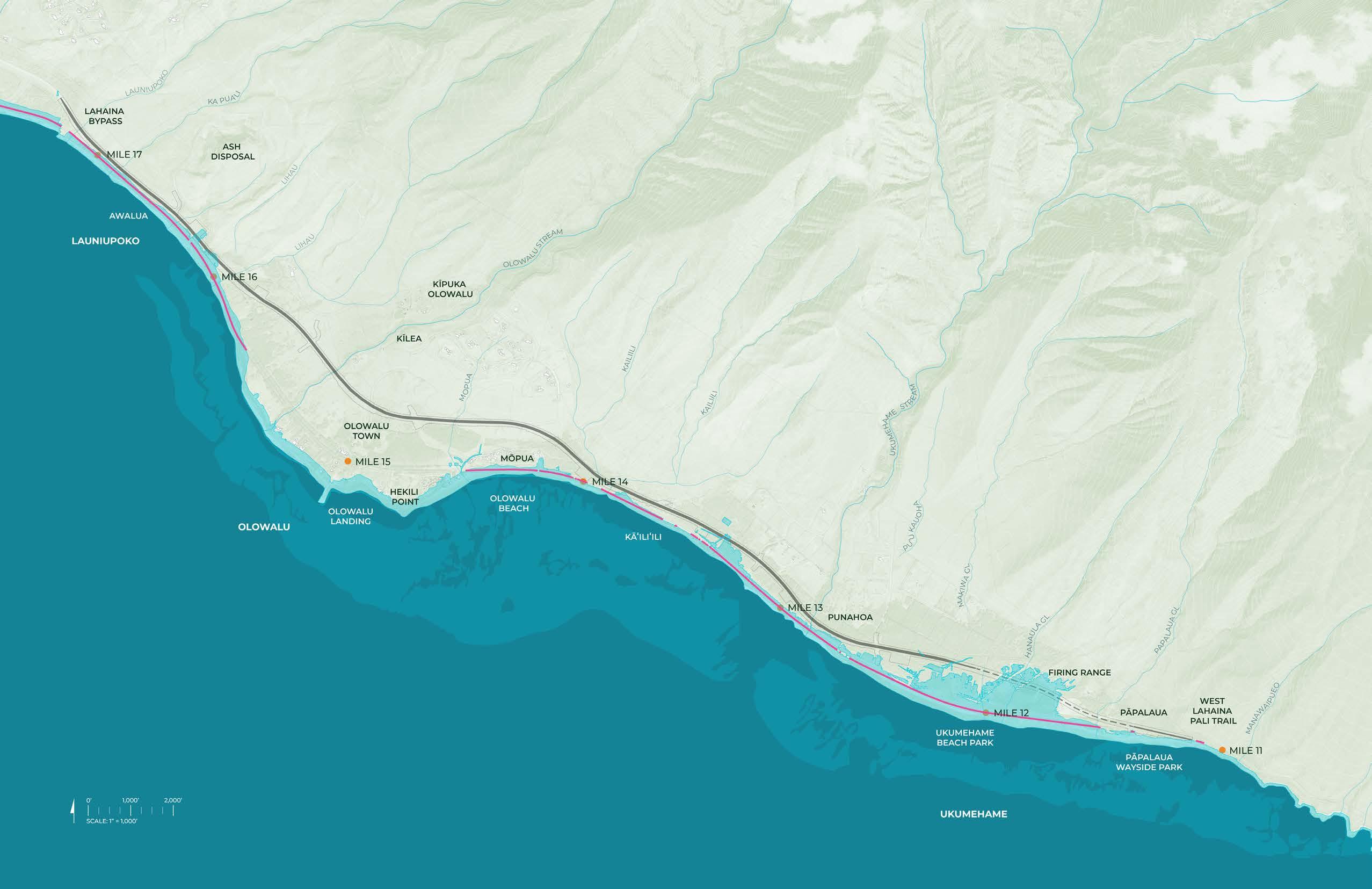
Approximately 2075
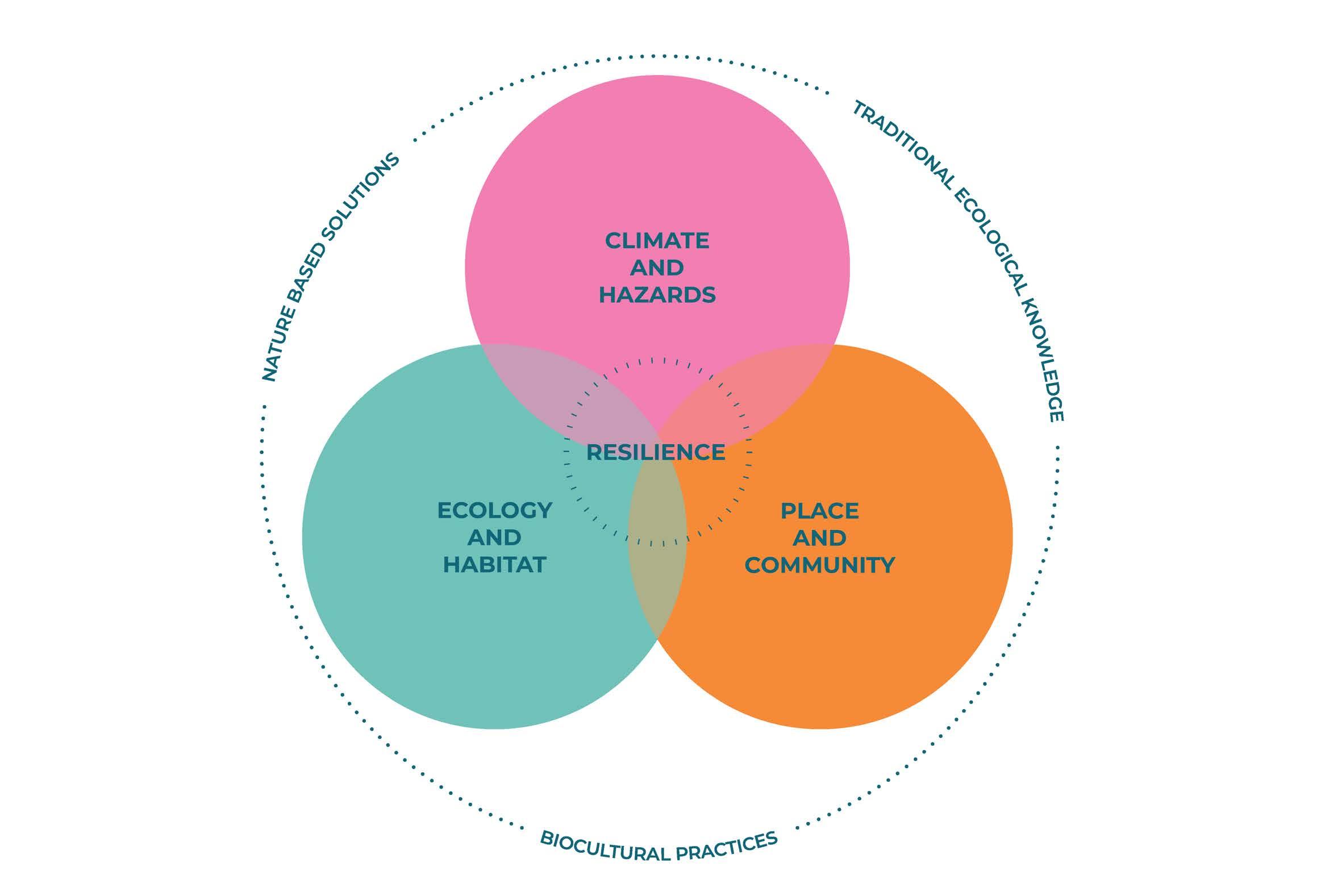
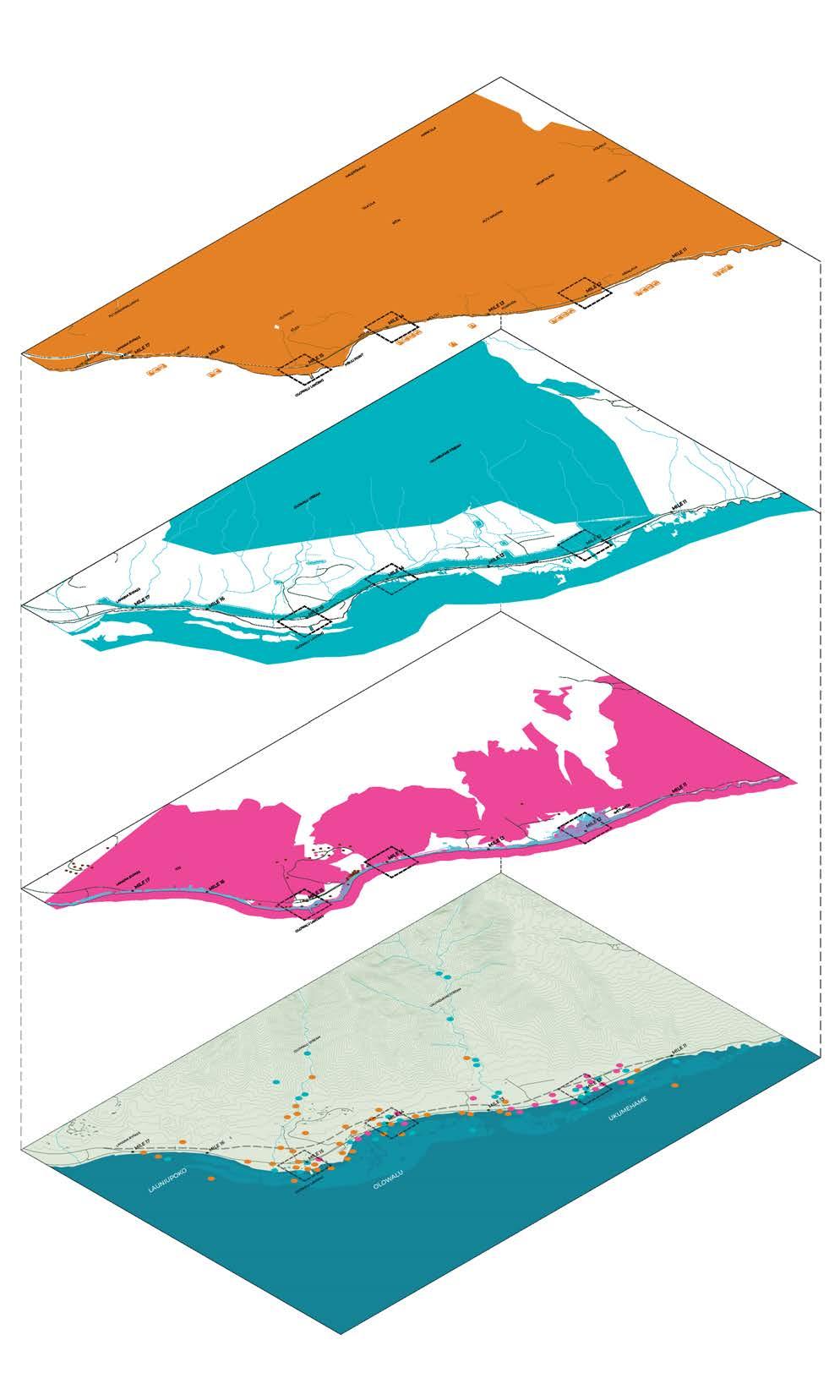
PROJECT GOALS MAP LAYERS
PLACE & COMMUNITY
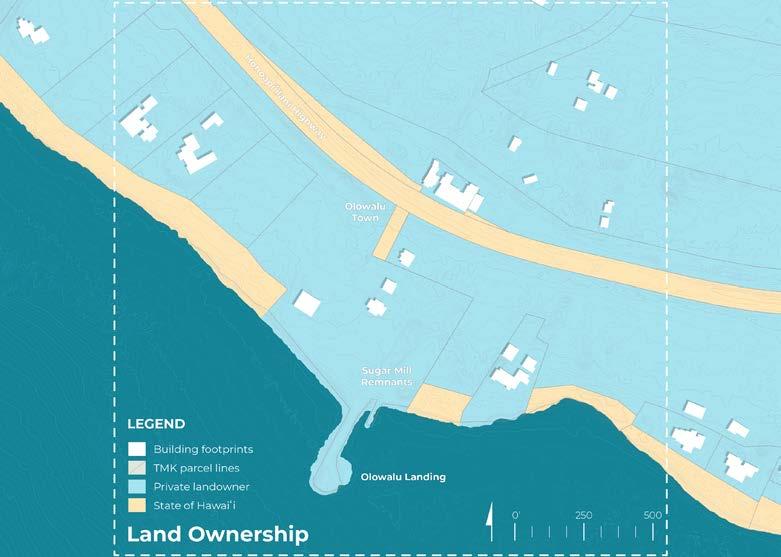
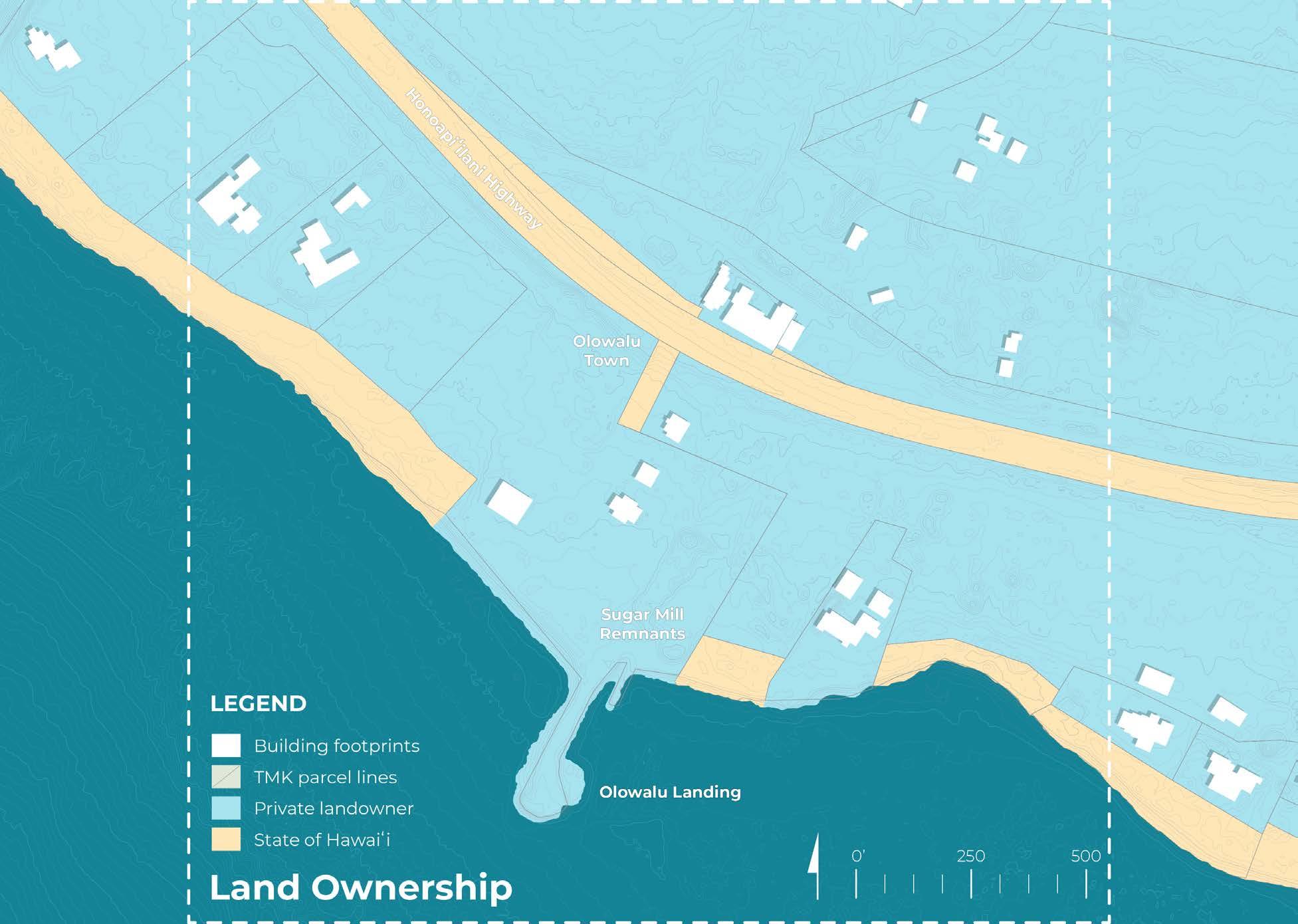
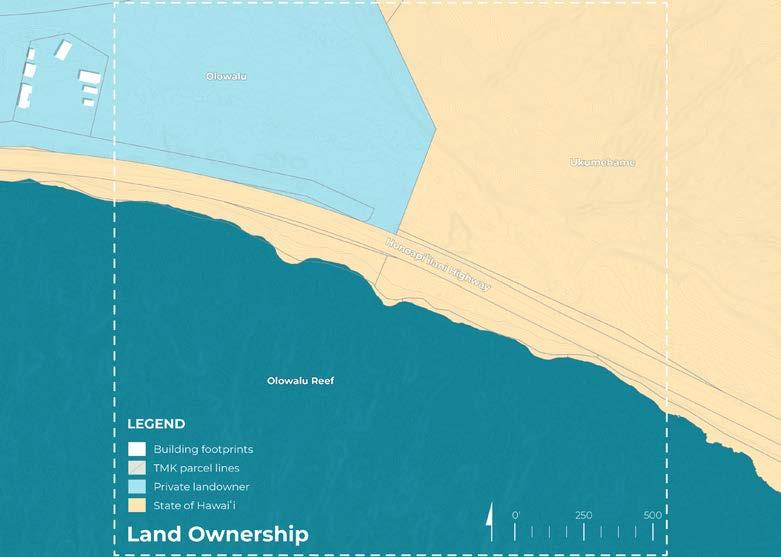
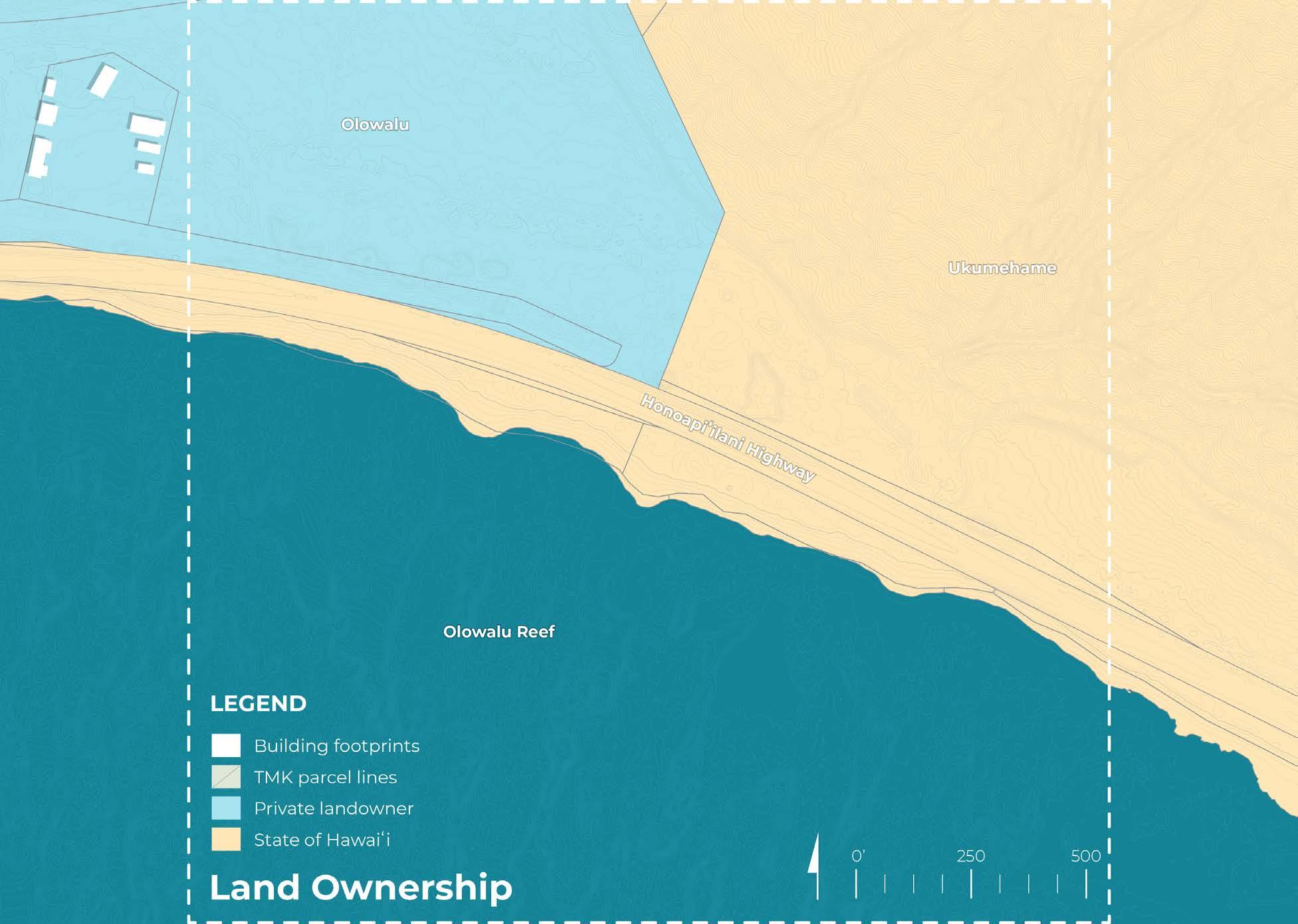
• Public and private landowners
• Ocean recreation
• Parcels / TMK
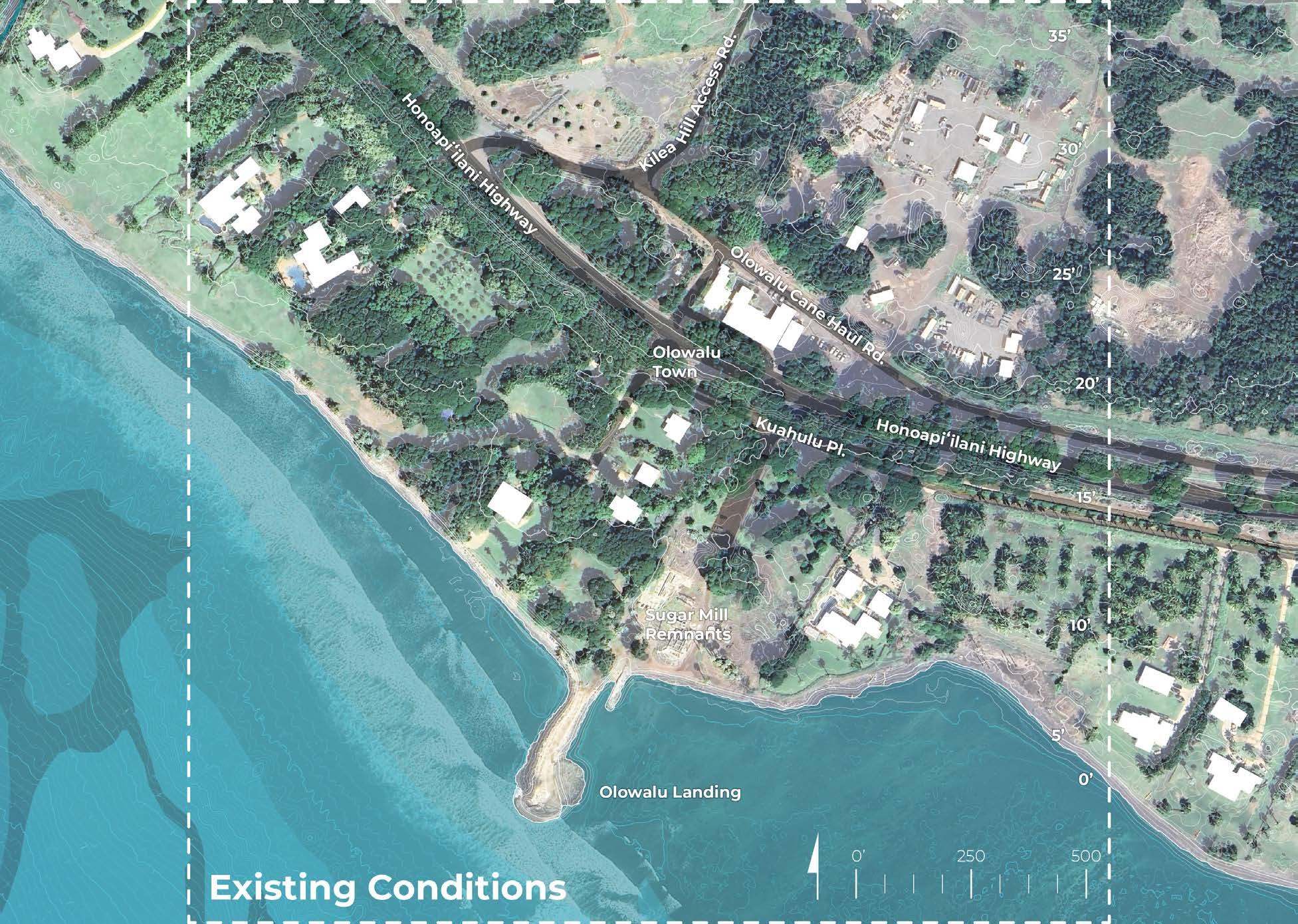
• Roads and circulation
• Wahi Pana / Hawaiian placenames
ECOLOGY & HABITAT
CLIMATE & HAZARDS
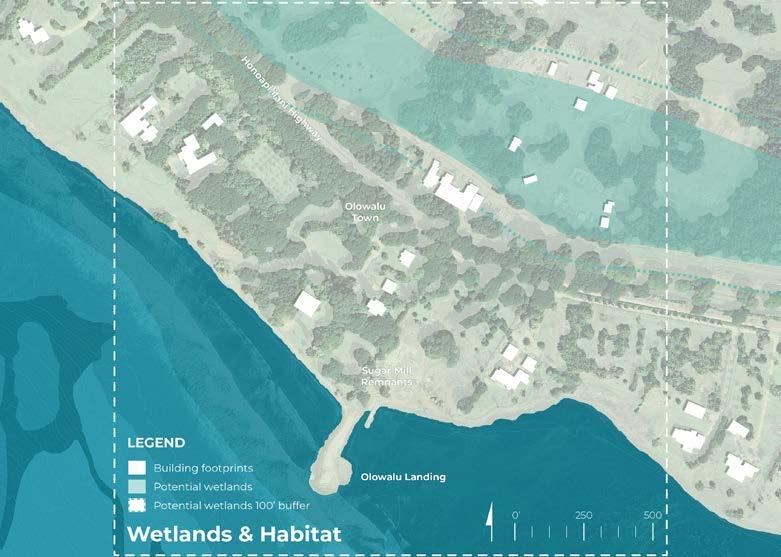
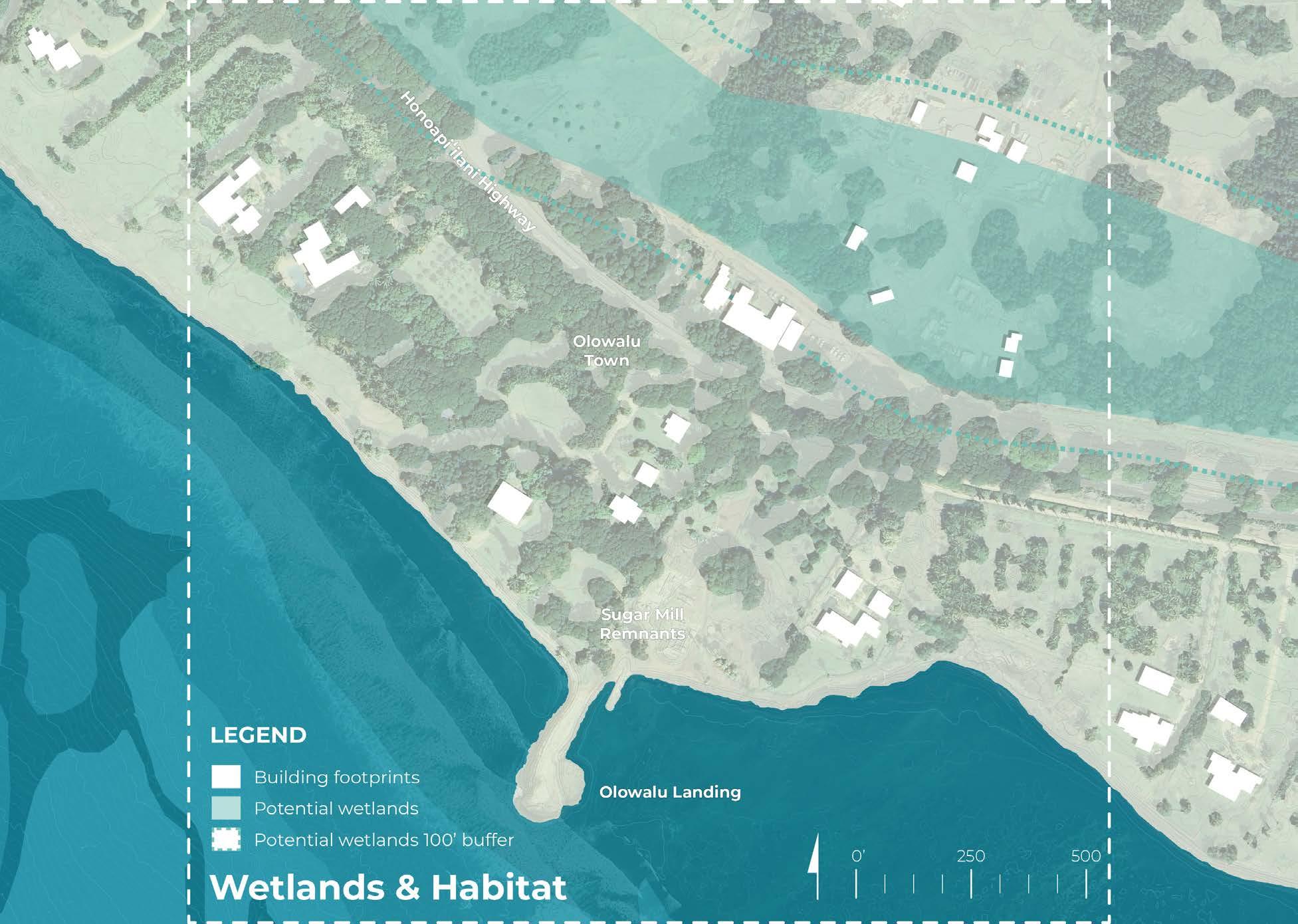
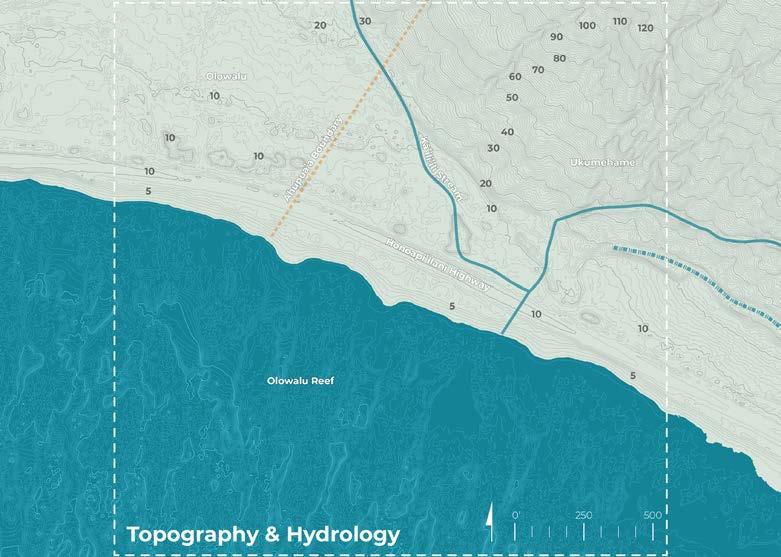
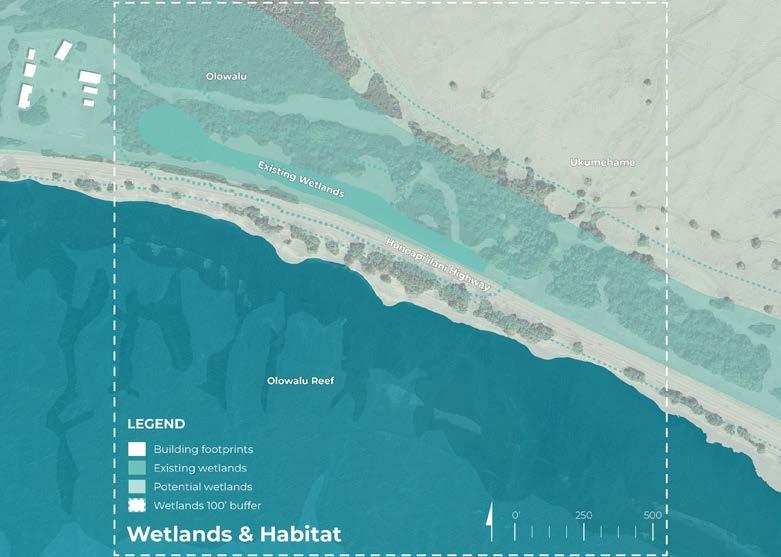
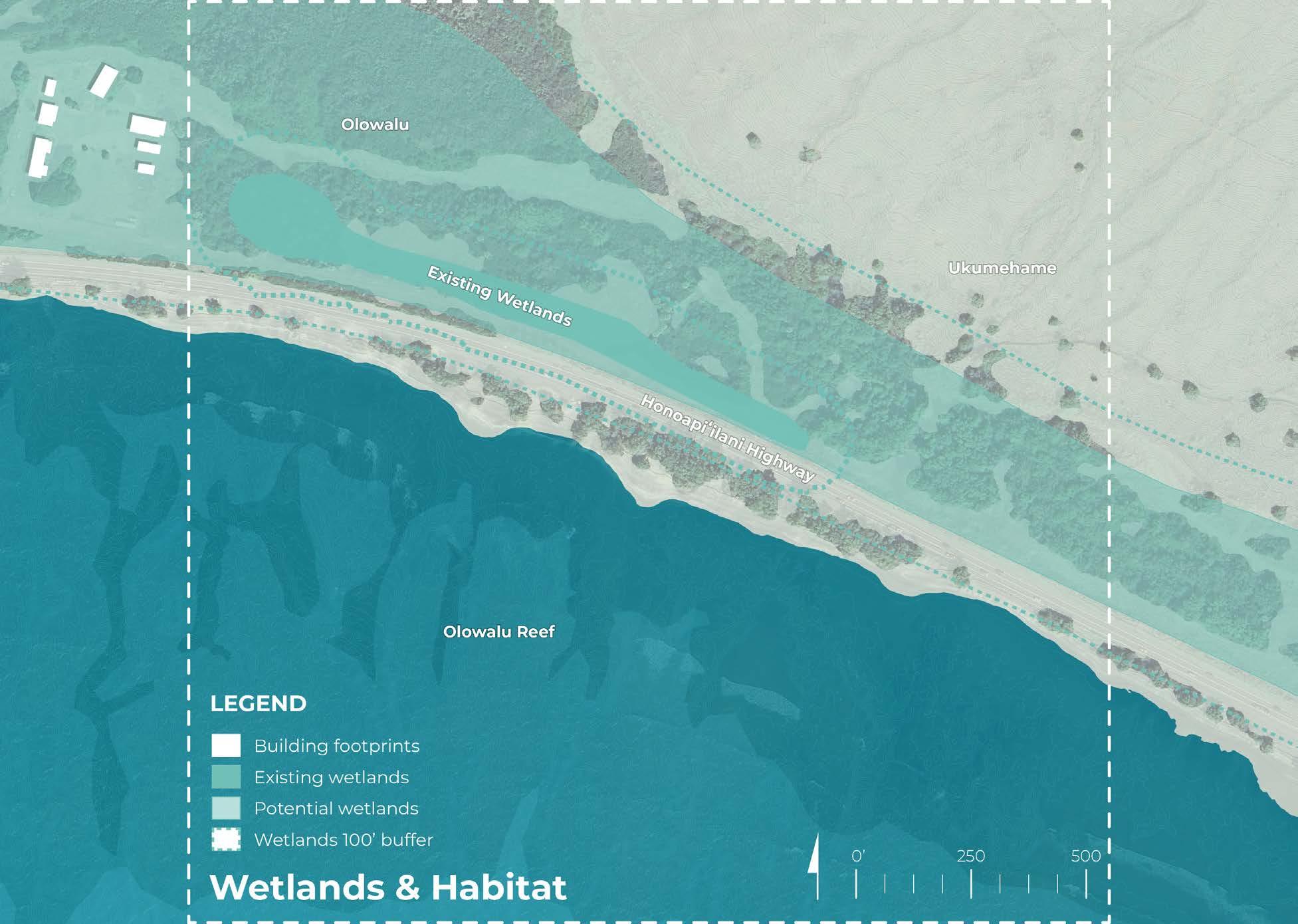
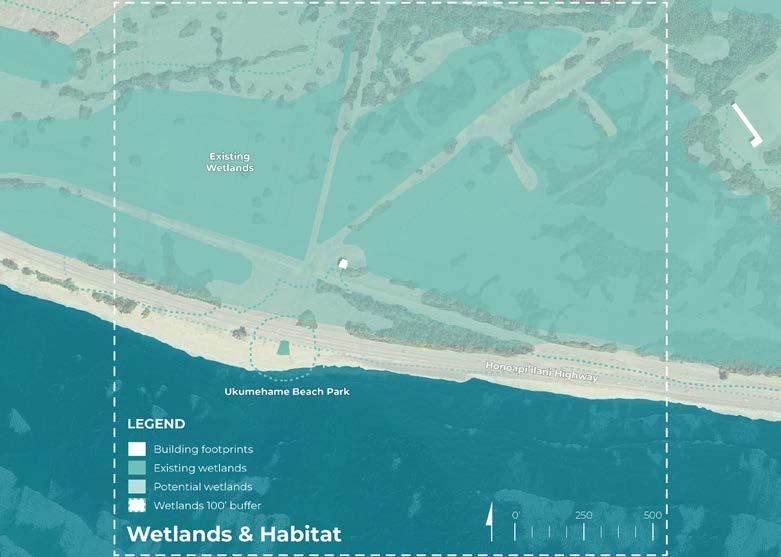
• Wetlands & potential wetlands
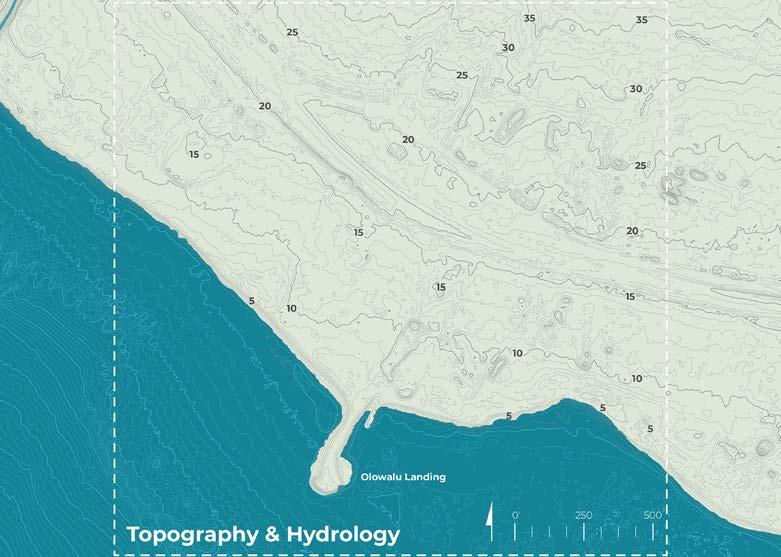
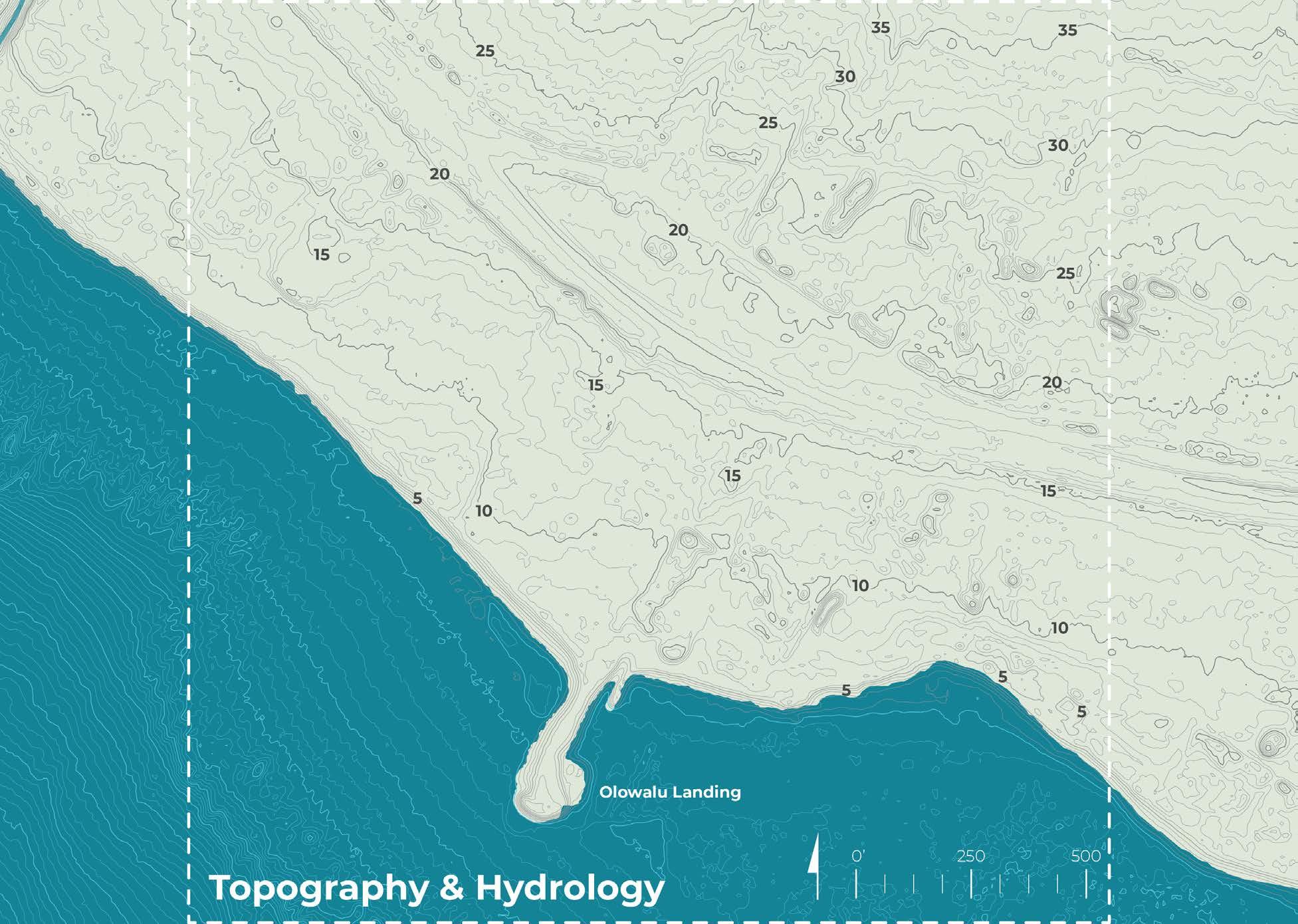
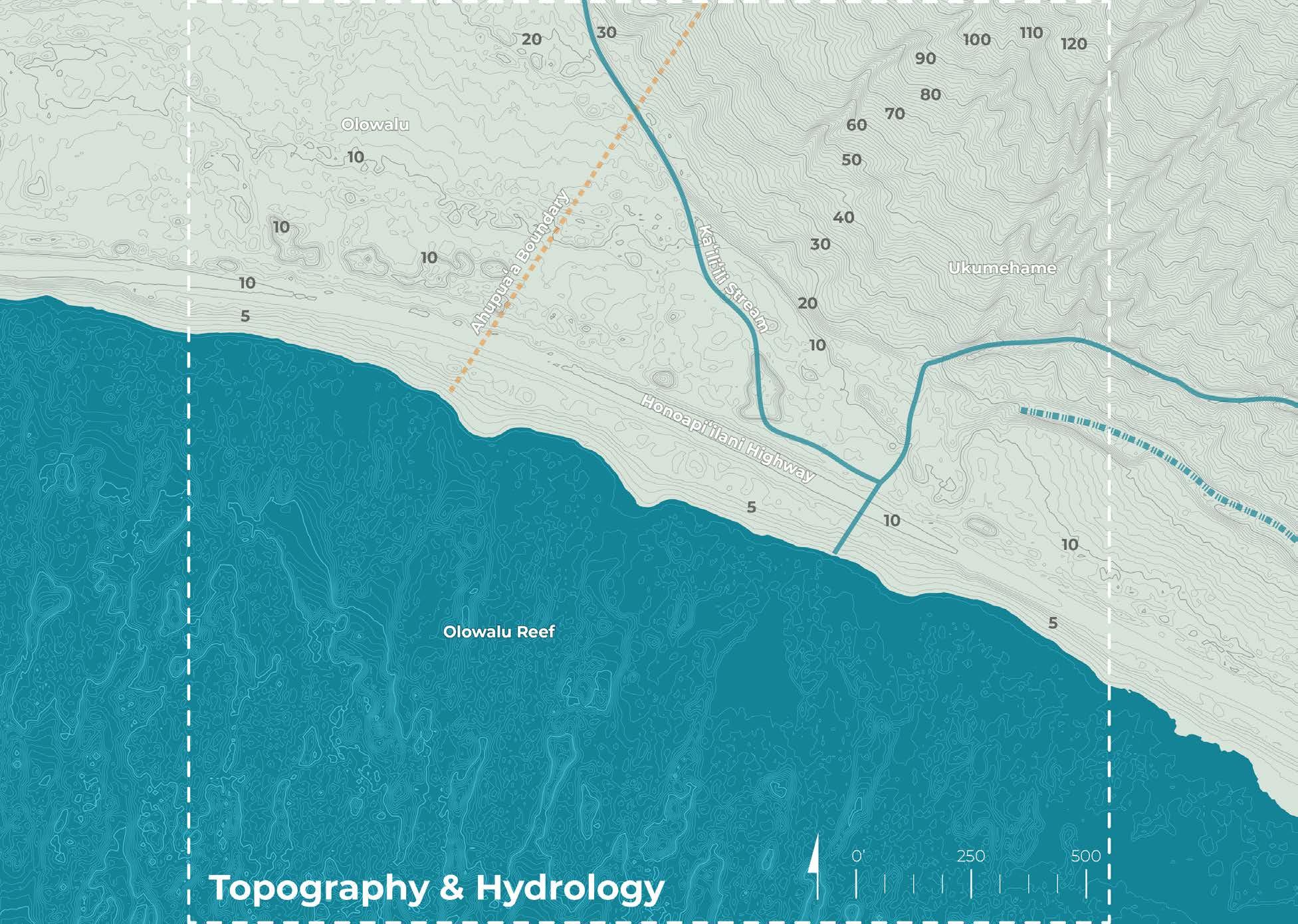
• Hydrology (streams and ditches)
• Forest reserves
• Benthic habitat and reef footprint
• Sea walls
COMMUNITY FEEDBACK
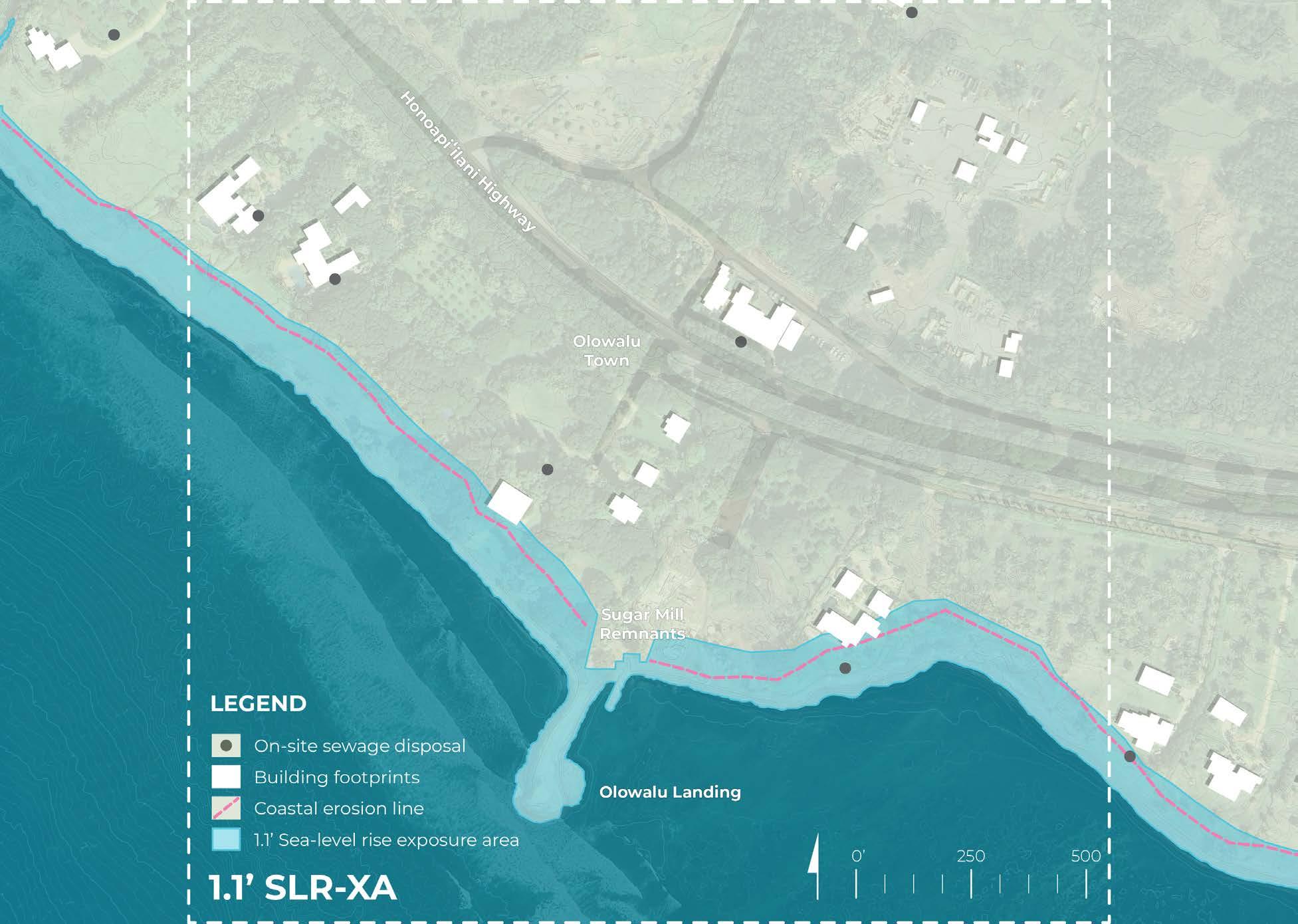
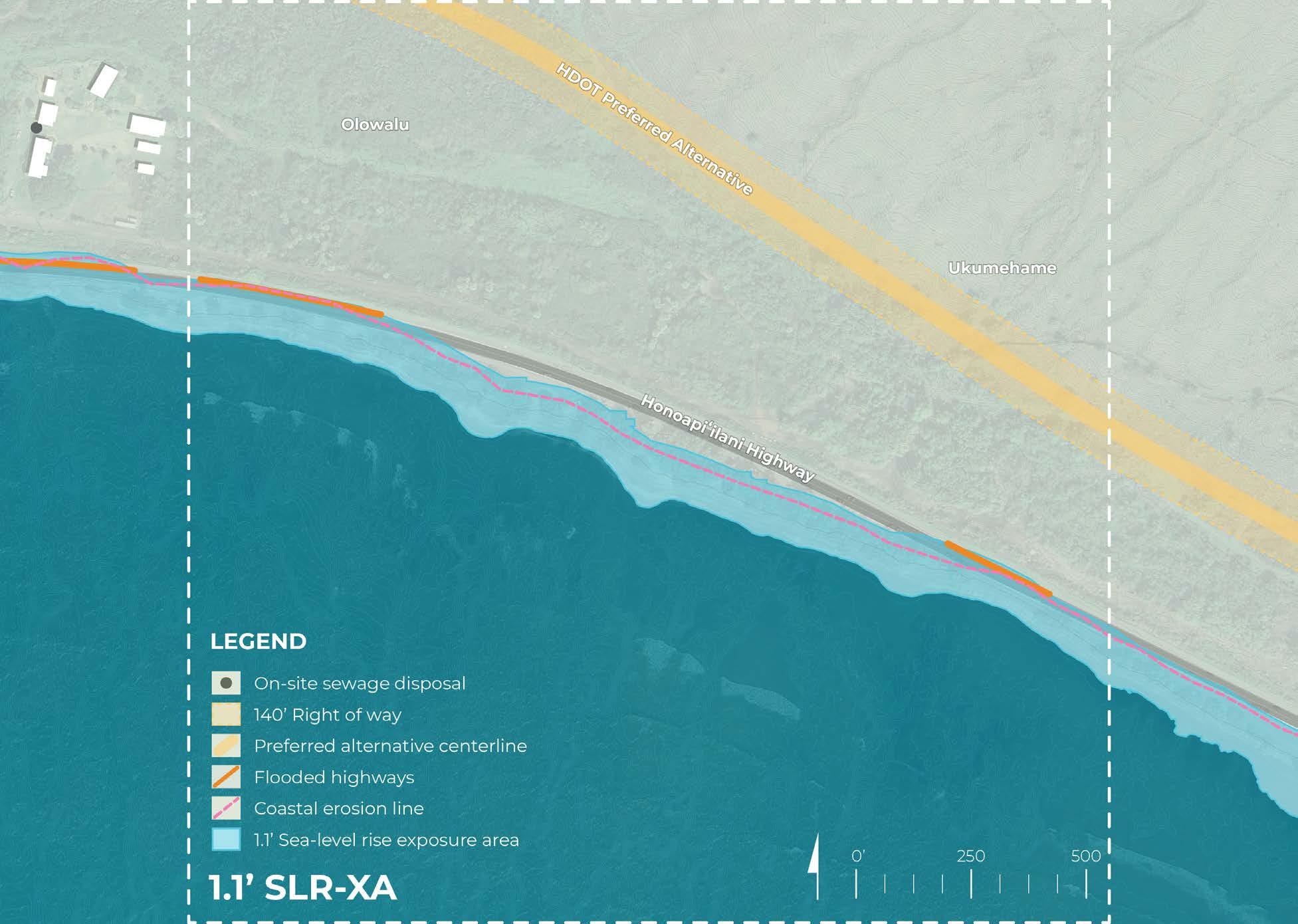
• Sea-level rise exposure area (3.2’ SLR-XA)
• FEMA flood zones
• Historic fires
• On-site sewage disposal systems
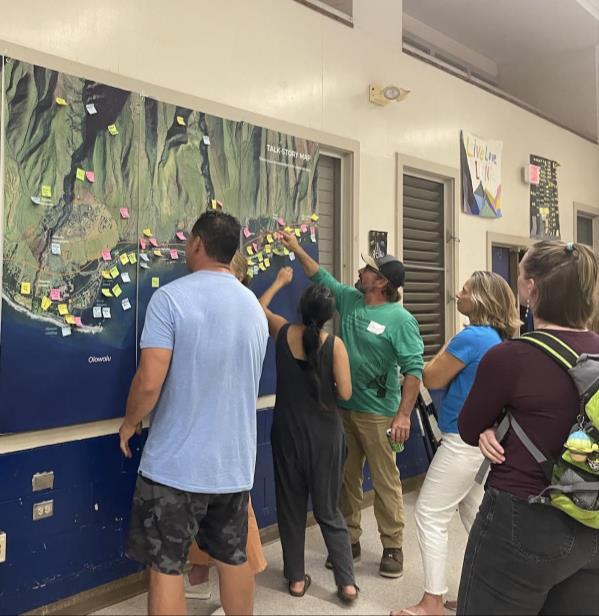
• Talk story map results
• Ridge-to-reef model results
• Coastal interventions: resilient future results

The upcoming Honoapiʻ ilani Highway realignment provides a unique opportunity for your input on the future of the Olowalu and Ukumehame coastal corridor that reflects ʻ ike kupuna, nature-based solutions, and community priorities.
JOIN US TO LEARN ABOUT THE PROJECT AND SHARE YOUR ʻ IKE AND MANAʻ O.
Thursday Feb 6, 2025
5:30 - 7:30 PM
LAHAINA INTERMEDIATE CAFETERIA
871 Lahainaluna Rd, Lahaina, HI 96761
VIRTUAL
ALTERNATIVE 1
Tuesday Feb 11, 2025 12 - 1:30 PM
ZOOM REGISTRATION

https://tnc.zoom.us/meeting/register/x4O3irrQQqONiFoIkhWTA
VIRTUAL
ALTERNATIVE 2
Thursday Feb 13, 2025 5:30 - 7 PM ZOOM REGISTRATION

https://tnc.zoom.us/meeting/register/ pxGgqK0MToiRijZvvUdPyA
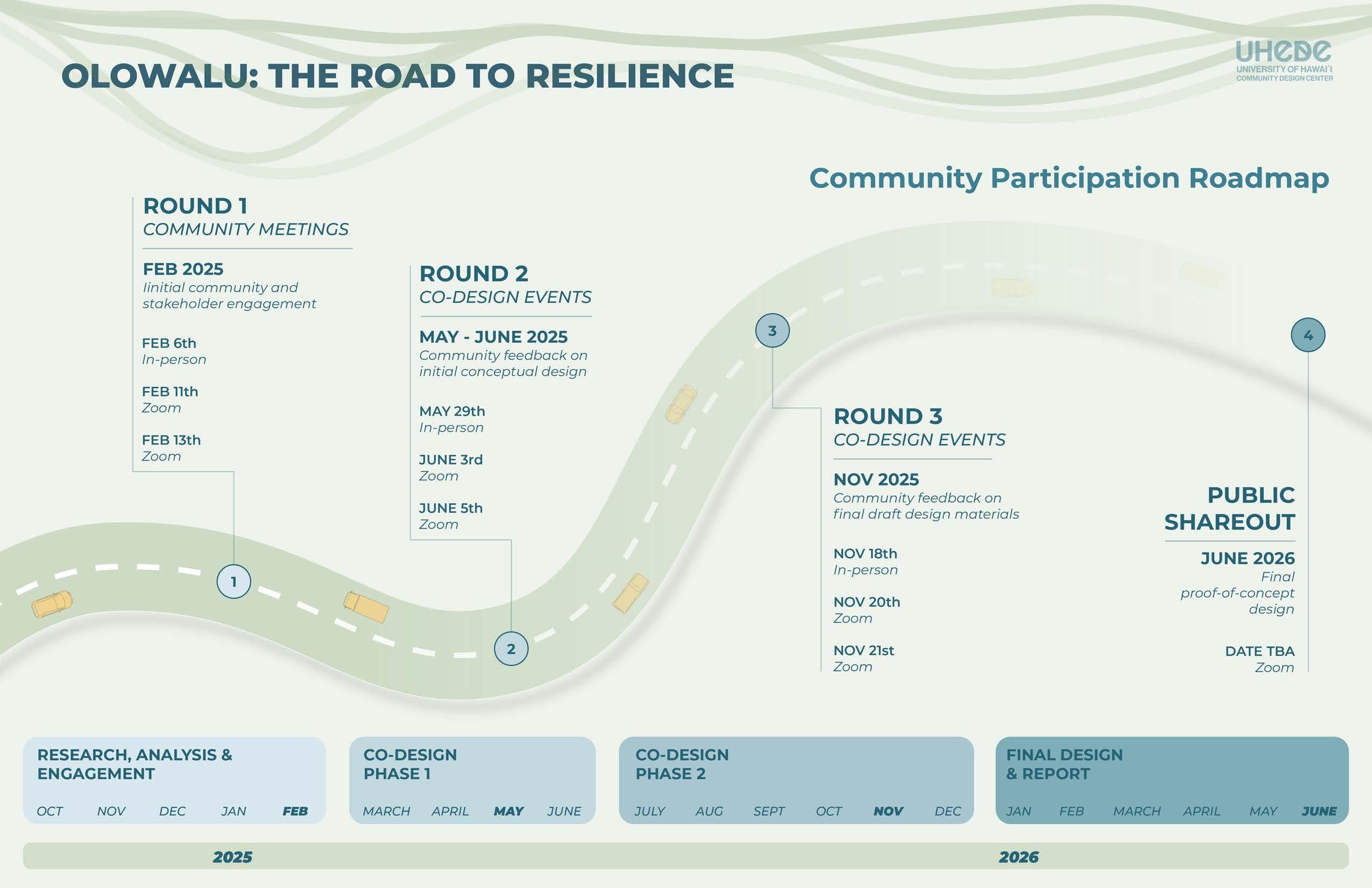
Each meeting will cover the same content: project introduction, interactive community visioning, and talk story. At the in-person event, light dinner and beverages will be served. Throughout the year, there will be two additional rounds of visioning and co-design meetings.
LEARN MORE
For additional project and meeting info, please scan the QR code.
https://storymaps.arcgis.com/stories/2ba79613d0aa4da182fe9bc34cc10cc7

QUESTIONS?
Contact: t.farnsworth@tnc.org UHCDC.olowalu@gmail.com
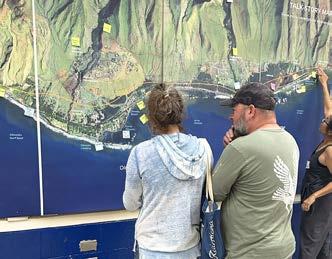
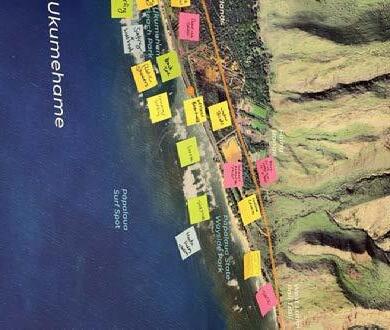
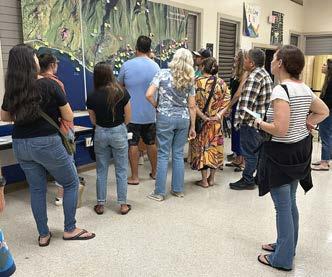
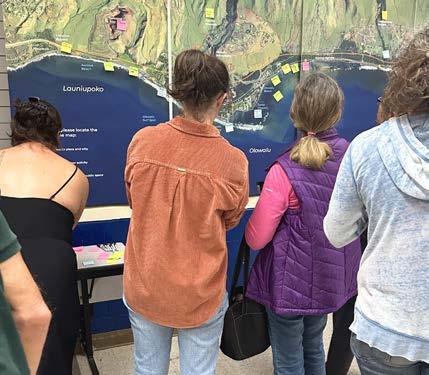
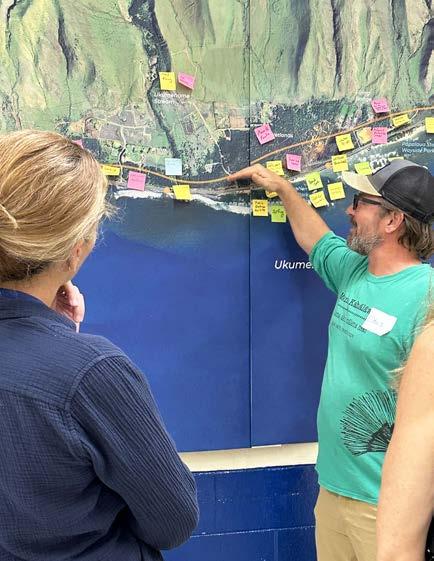
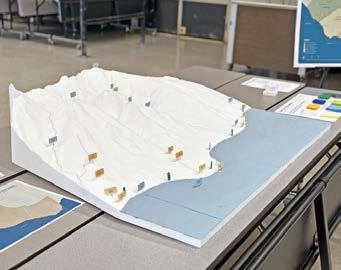
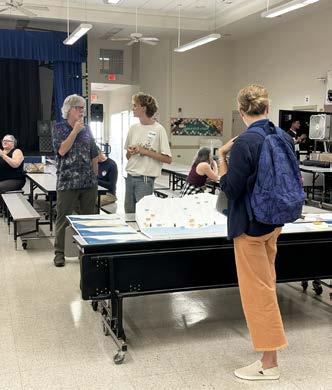
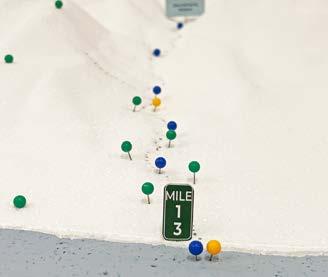
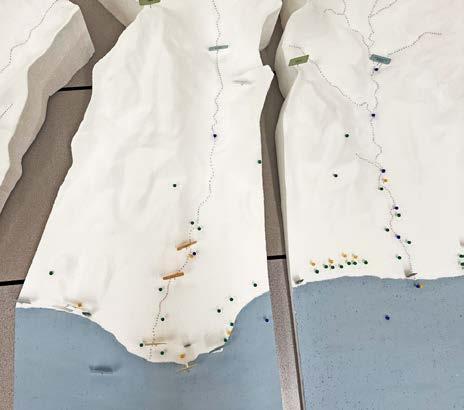
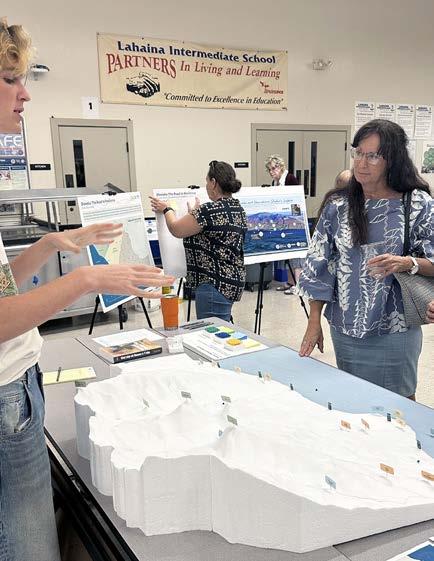
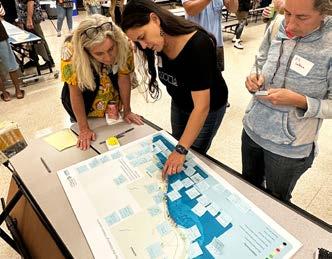
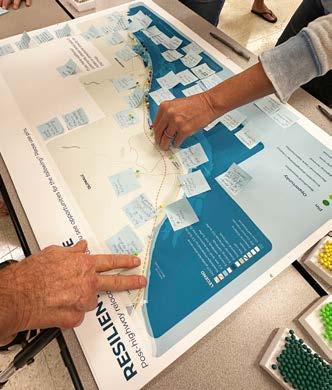
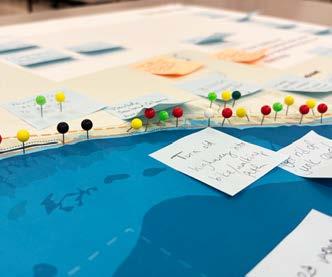
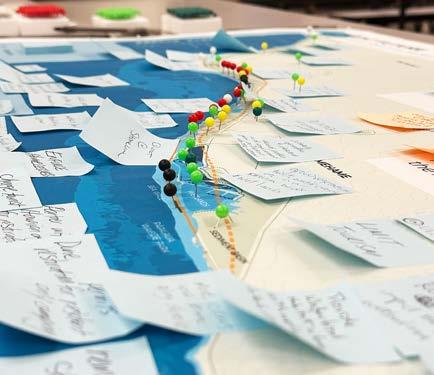
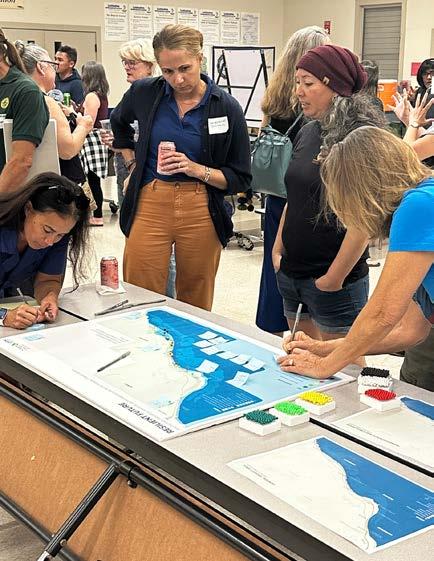
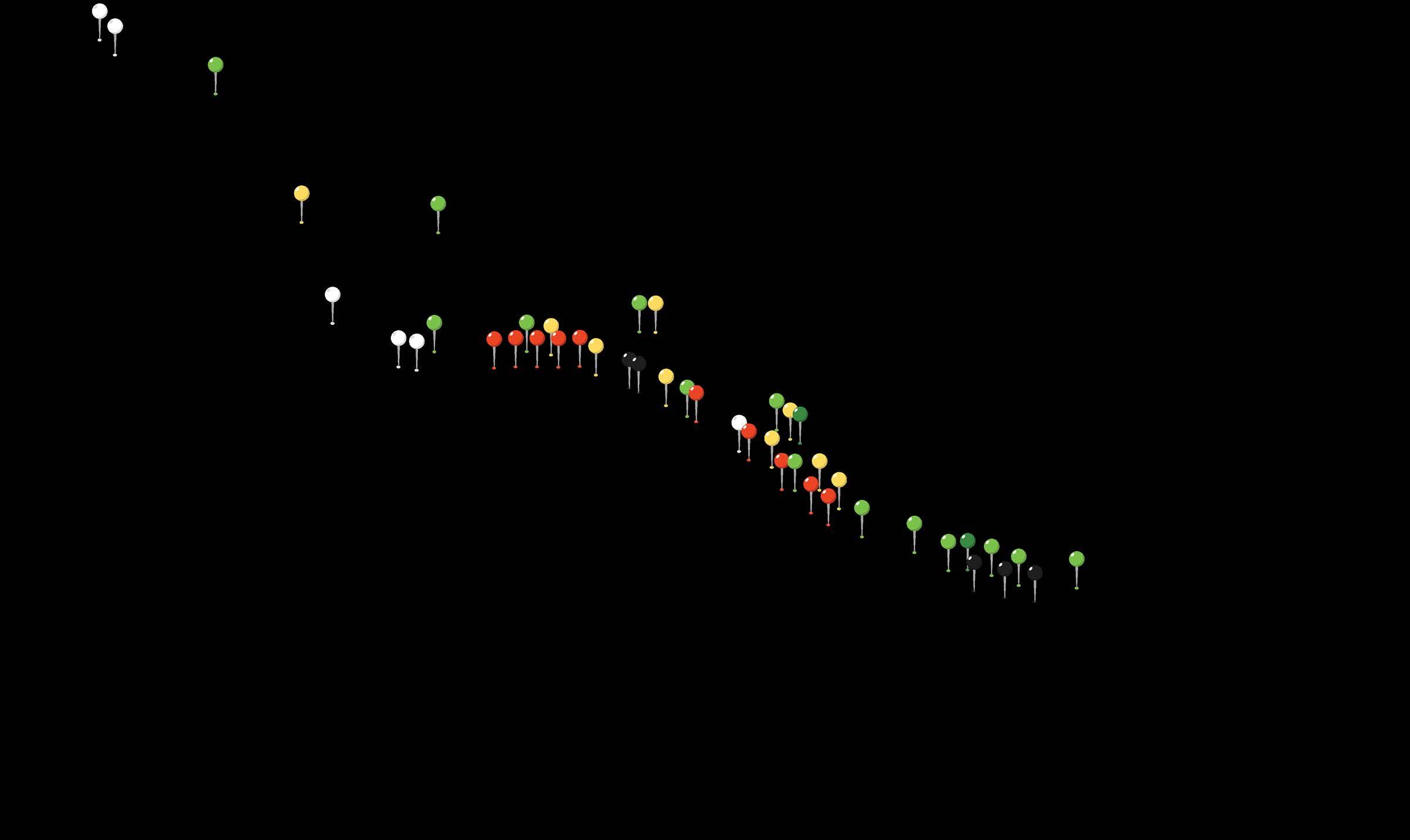
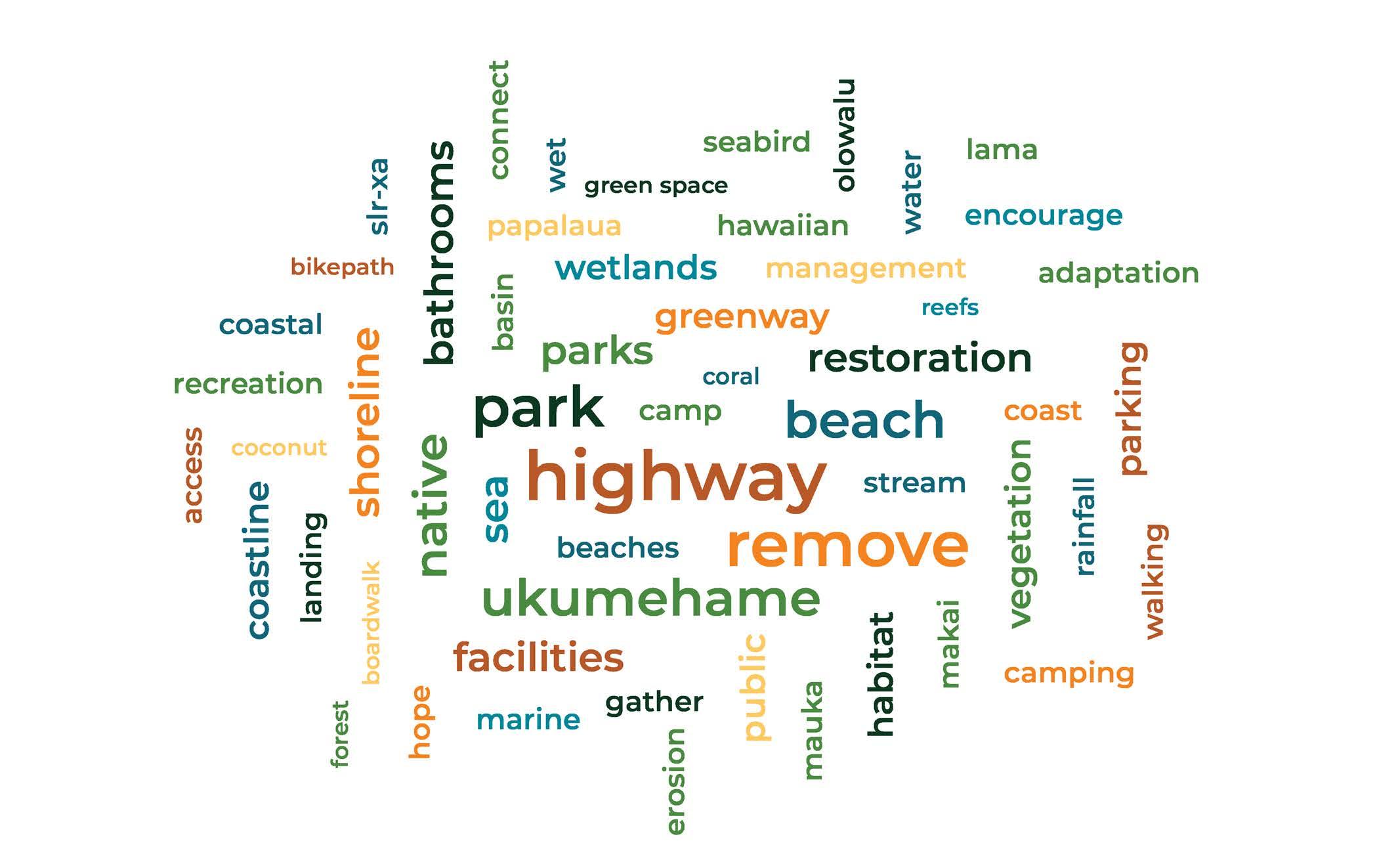
Synthesis of In-Person and Virtual Event Participant Comments
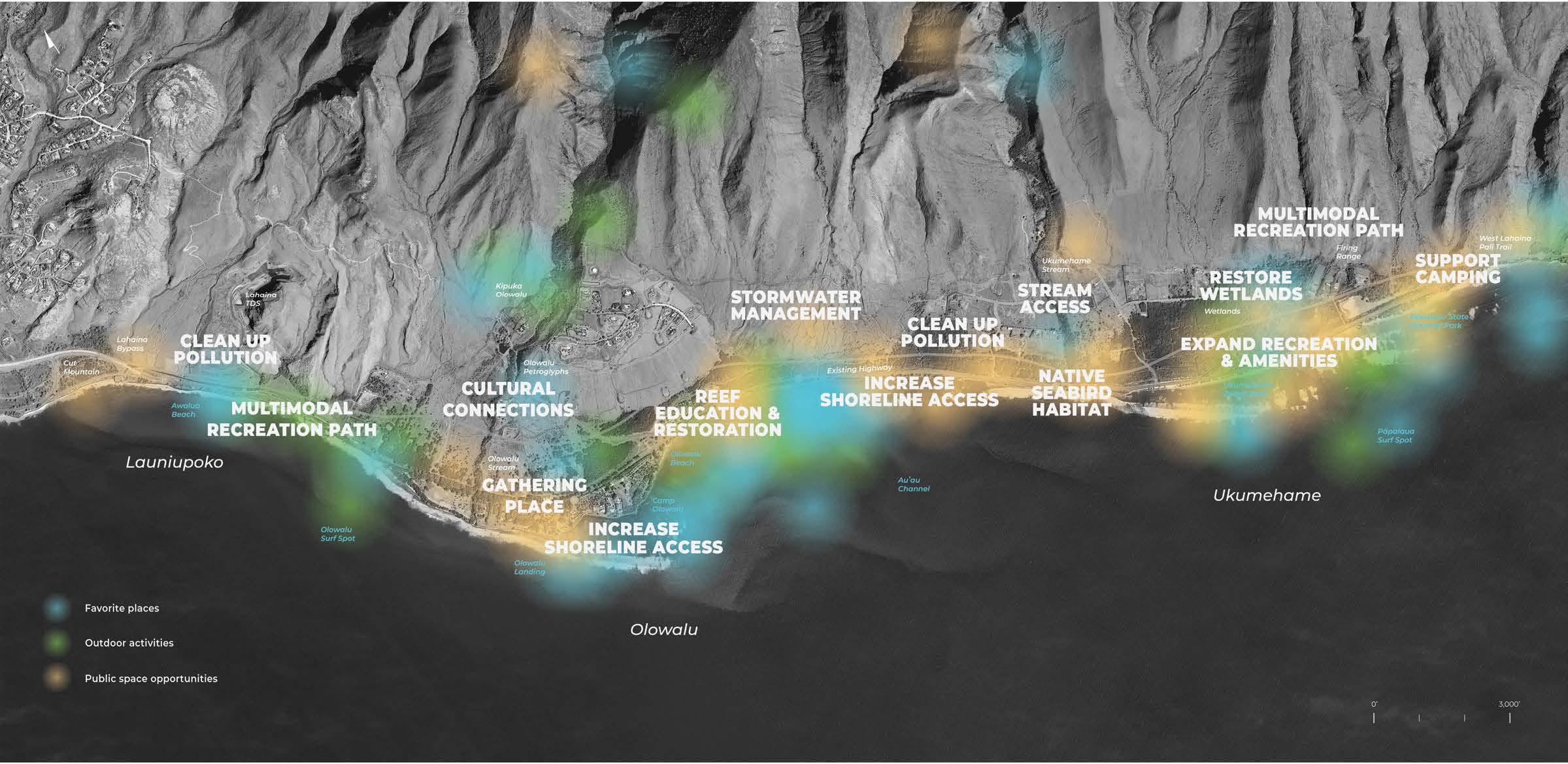
TALK-STORY MAP SYNTHESIS

PROTECT MAUKA AREAS
RESTORENATIVEFORESTS CLEAN UP POLLUTION
STRENGTHEN CULTURAL SITES PROTECT STREAM
CONTROLSPECIESINVASIVE
Summary of In-Person and Virtual
Engagement Event Comments
(2/6/25, 2/11/25, 2/13/25)
COASTAL PROTECTION
RESTORE NATIVE FORESTS
IMPROVE ACCESS
The upcoming Honoapiʻ ilani Highway realignment provides a unique opportunity for your input on the future of the Olowalu and Ukumehame coastal corridor that reflects ʻ ike kupuna, nature-based solutions, and community priorities.
Please join us to give your feedback on the first draft of a conceptual design based on prior community input and potential solutions addressing environmental threats and hazards.
Thursday May 29, 2025 5:30 - 7:30 PM LAHAINA INTERMEDIATE CAFETERIA 871 Lahainaluna Rd, Lahaina, HI 96761
RSVP LINK: https://forms.gle/9NYMGwLMfx2c8mJU6
Tuesday June 3, 2025 12 - 1:30 PM
ZOOM REGISTRATION

https://tnc.zoom.us/meeting/register/ RfynS8L9Sjys6yixS7-hxA#/registration
Thursday June 5, 2025 4:30 - 6 PM ZOOM REGISTRATION

https://tnc.zoom.us/meeting/register/ uHYN0qanQhuYFo9LyvXdxQ#/registration
Each meeting will cover the same content: brief project overview, summary of initial community engagement, participatory design, and talk story. At the in-person event, light dinner and beverages will be served. In the fall, there will be one additional round of co-design meetings.
For additional project and meeting info, please scan the QR code.
QUESTIONS? https://arcg.is/9qzyn1 LEARN MORE

Contact: t.farnsworth@tnc.org UHCDC.olowalu@gmail.com
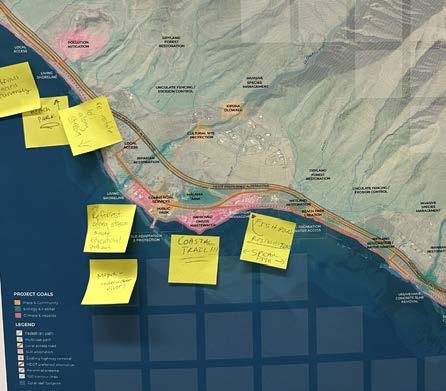
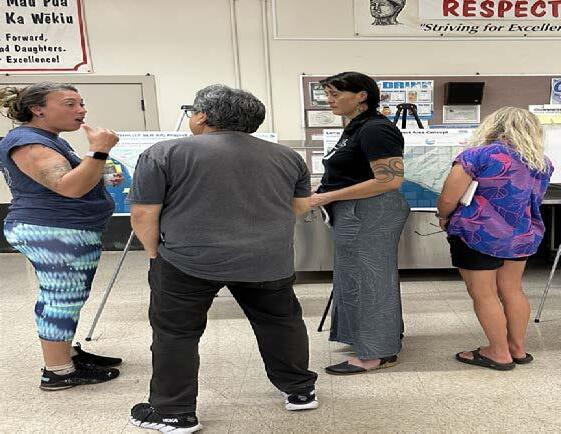
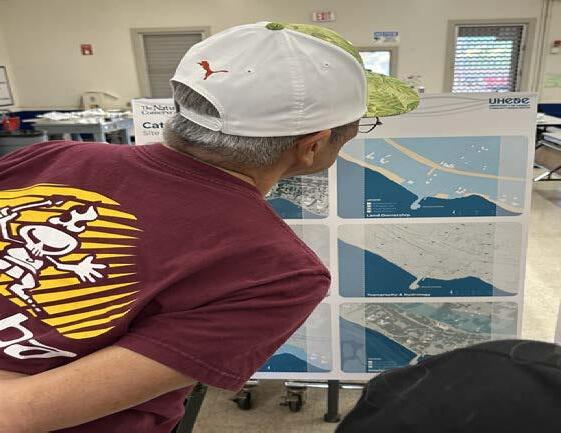
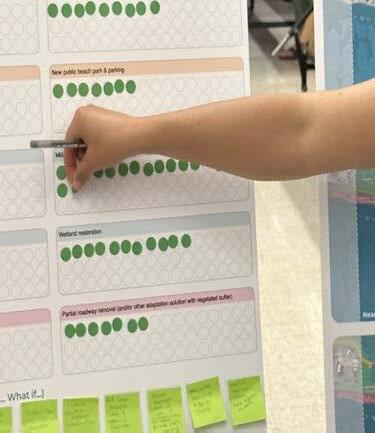
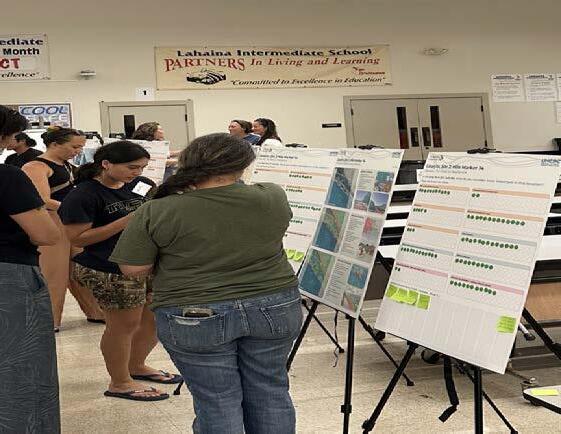
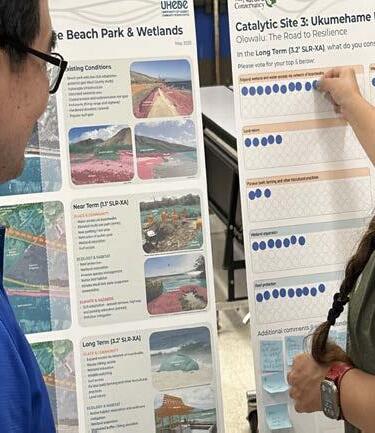
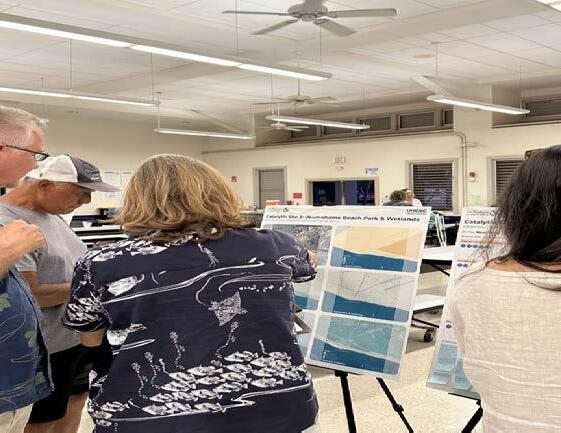
In-Person and Virtual Engagement Event Participant Input
(5/29/25, 6/3/25, 6/5/25)
Initial Draft Conceptual Design Sketch
Please leave sticky note comments: I




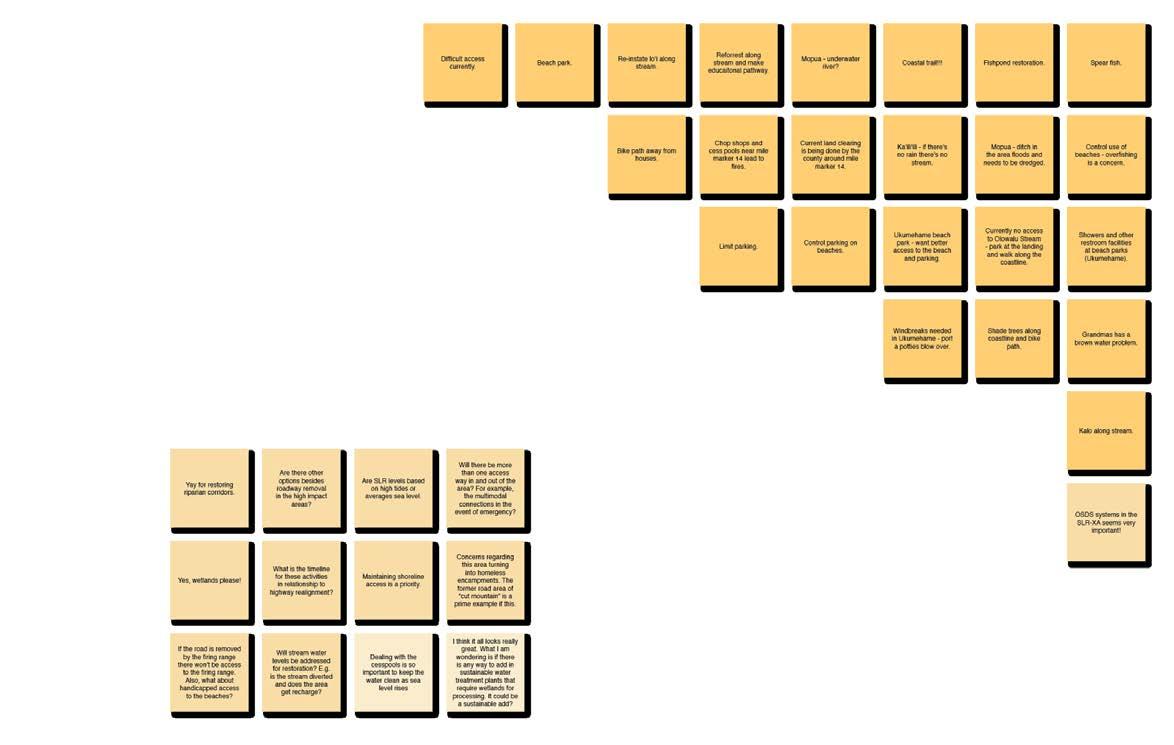
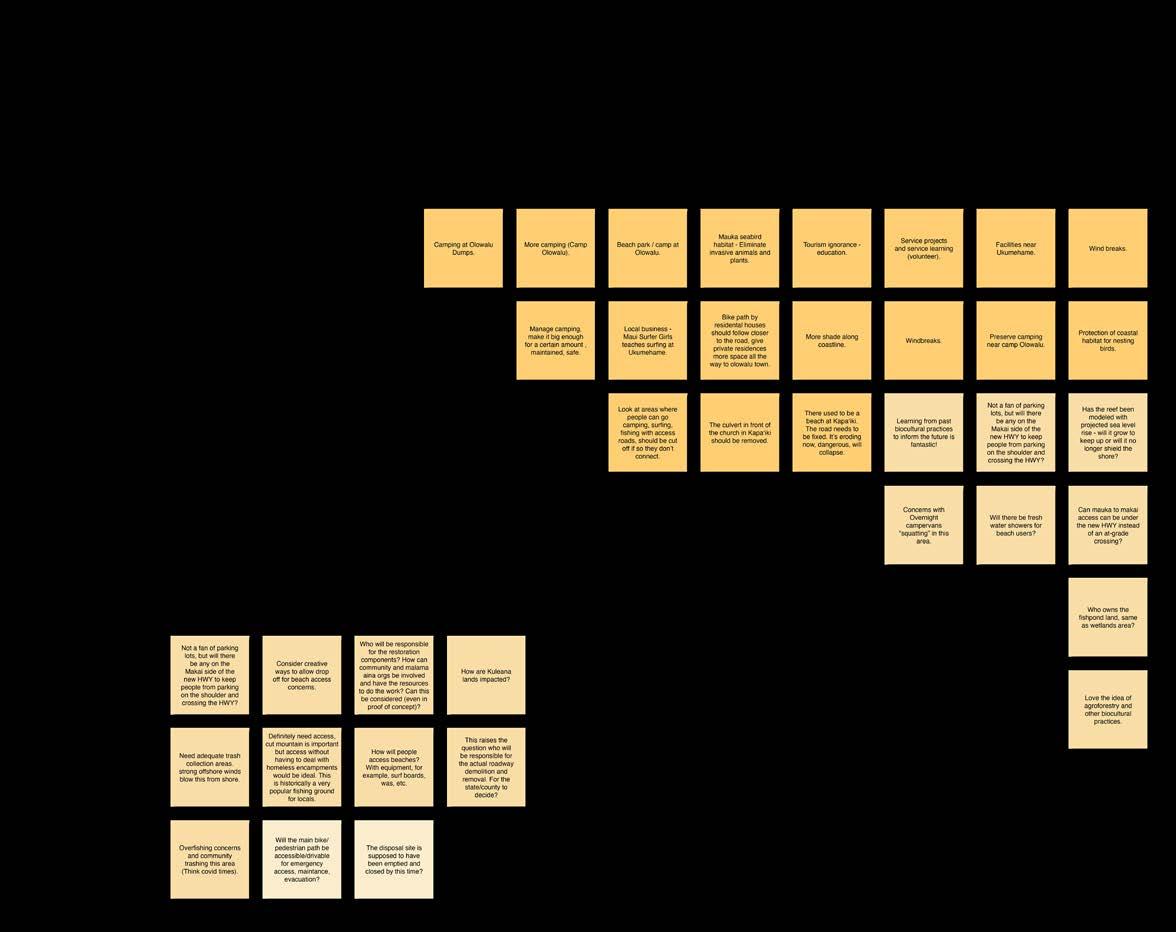
(5/29/25, 6/3/25, 6/5/25)
• Improve access to beaches, trails, and facilities (including ADA and emergency routes)
• Provide more amenities like restrooms, showers, shade, and windbreaks`
• Manage parking and address concerns about encampments and safety
• Restore streams, wetlands, loʻ i, and fishponds using biocultural practices)
• Protect native ecosystems and support traditional fishing methods
• Use restoration projects as opportunities for education & stewardship
• Address cesspools, flooding, fires, and pollution risks
• Plan for sea level rise with better modeling and infrastructure adaptation
• Clarify roles, responsibilities, and timelines for hazardrelated projects
Number of Sticky Notes Left Per Project Goal Category
Place & Community
Ecology & Habitat
Climate & Hazards
Near-Term Participant Priorities 9 15 22
• Protect and improve access to beaches, campsites, and trails
• Add facilities and amenities like showers, shade, and drop-off zones
• Support local land use and educate visitors and site users on respectful practices
• Restore and protect native habitat and manage invasive species
• Support traditional biocultural practices and empower local stewardship
• Clarify land ownership and management/ maintenance responsibilities for ecological priority areas
• Address environmental threats like overfishing, pollution, and wind impacts
• Plan for sea level rise and long-term infrastructure adaptation and relocation
• Establish responsibility for land care, roadway maintenance and hazard mitigation
Number of Sticky Notes Left Per Project Goal Category
Place & Community Ecology & Habitat 7 24
& Hazards 10

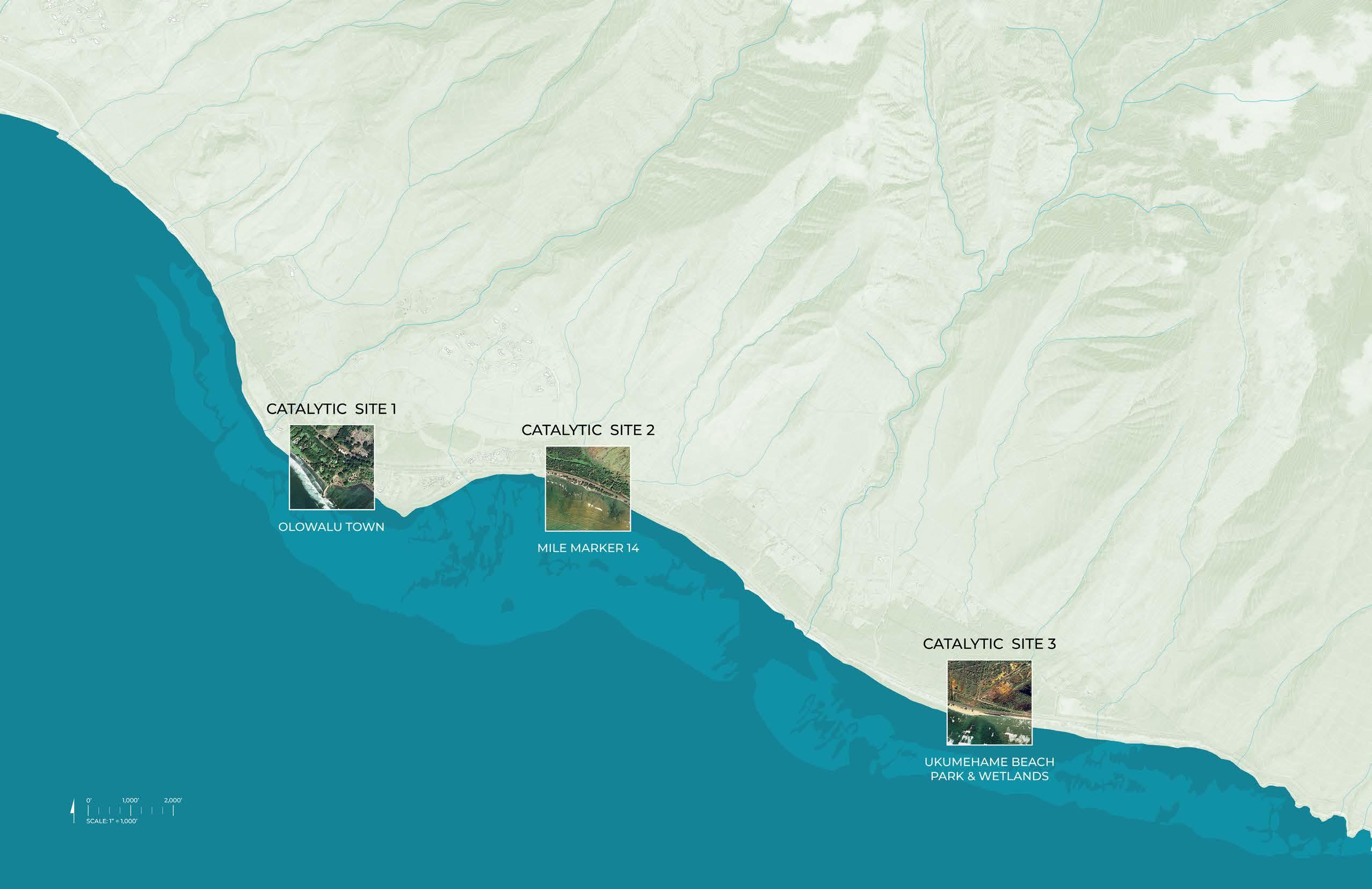
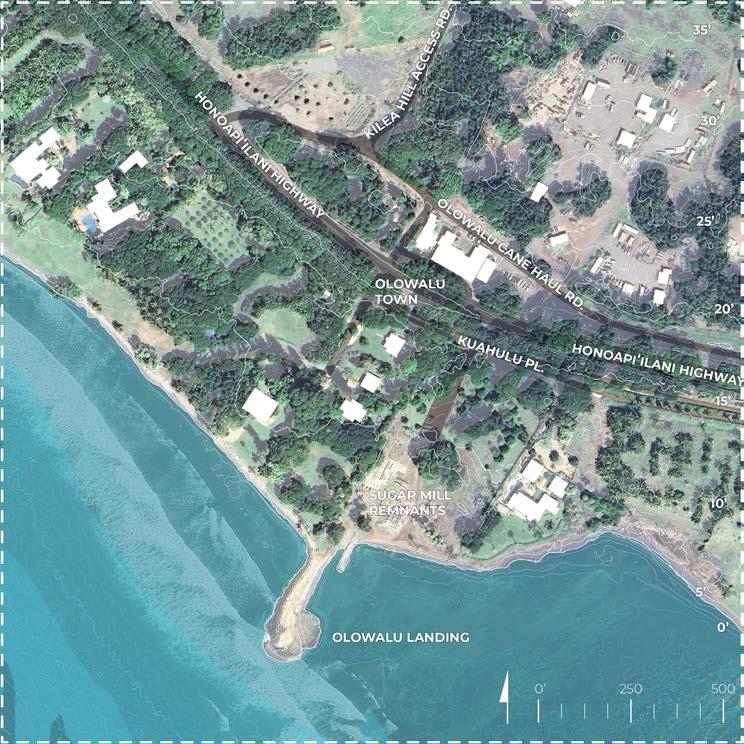
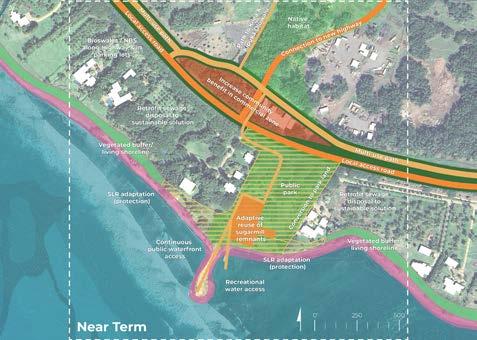
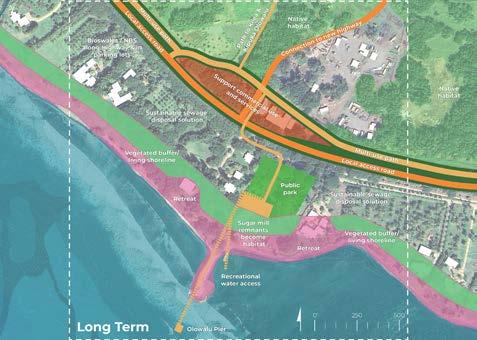
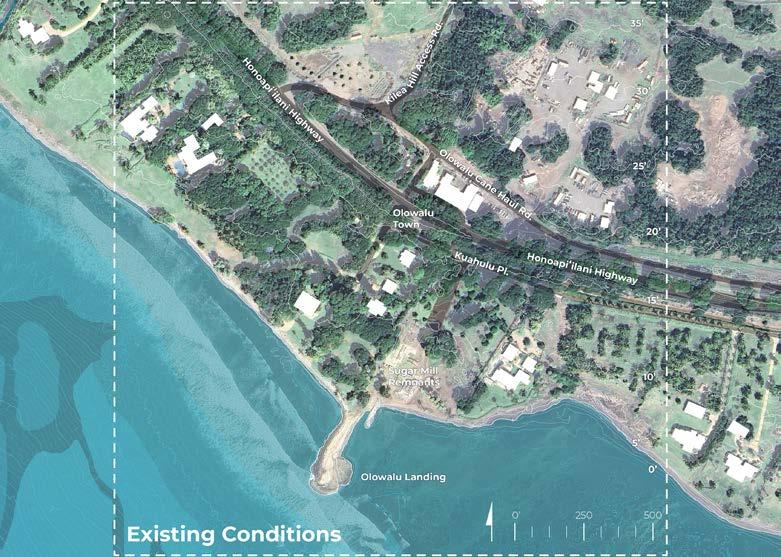
Catalytic Site 1: Olowalu Town Site Analysis: Opportunities and Constraints
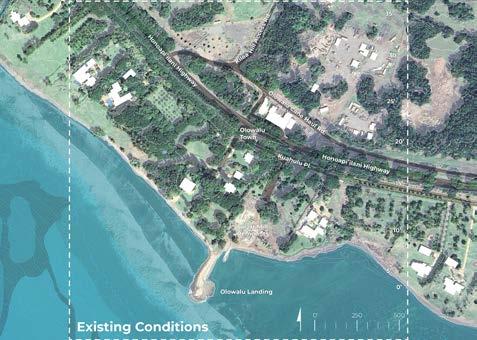
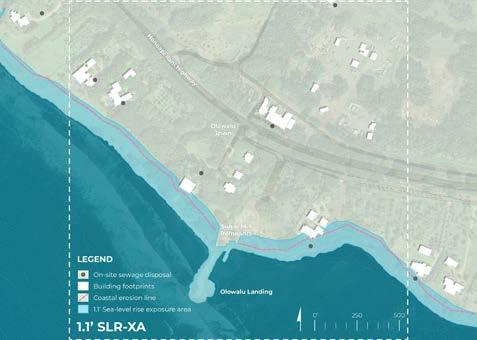
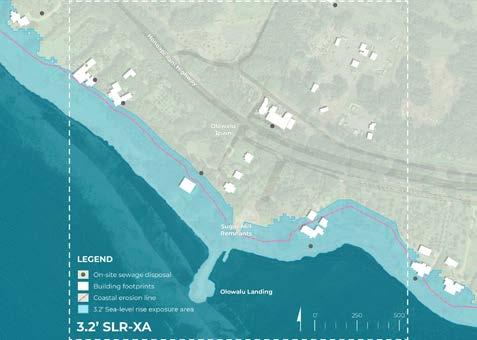
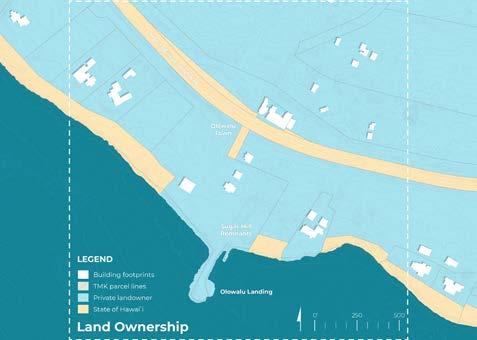
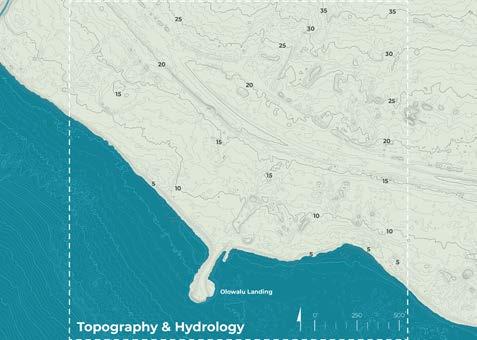
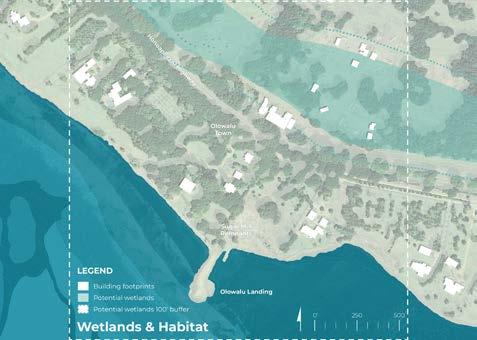
Catalytic Site 1: Olowalu Town Initial Draft






Catalytic Site 1: Olowalu Town
Olowalu: The Road to Resilience
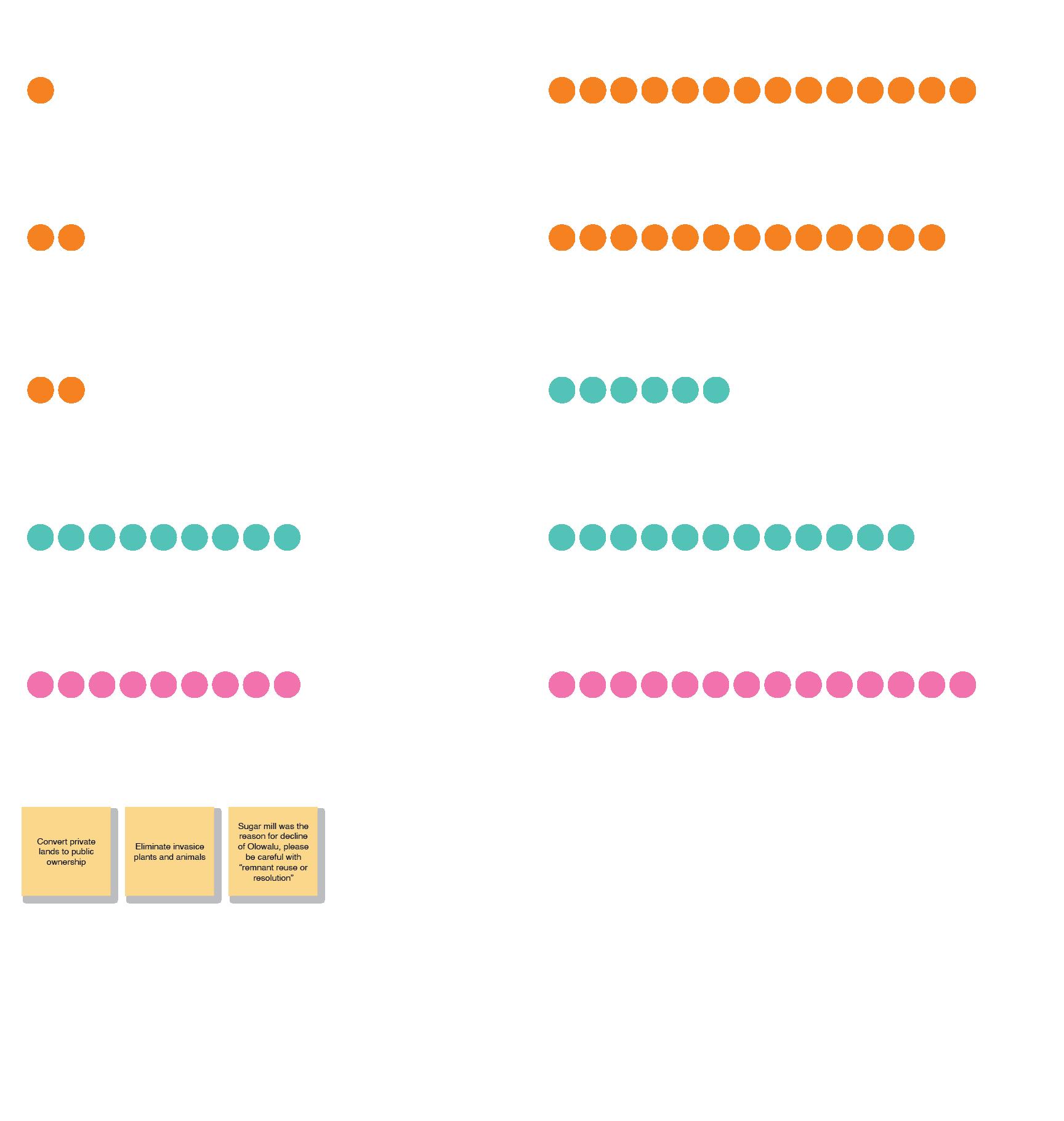
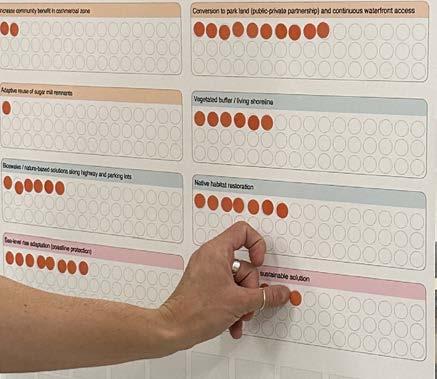
Near-Term Dot Voting Board Results
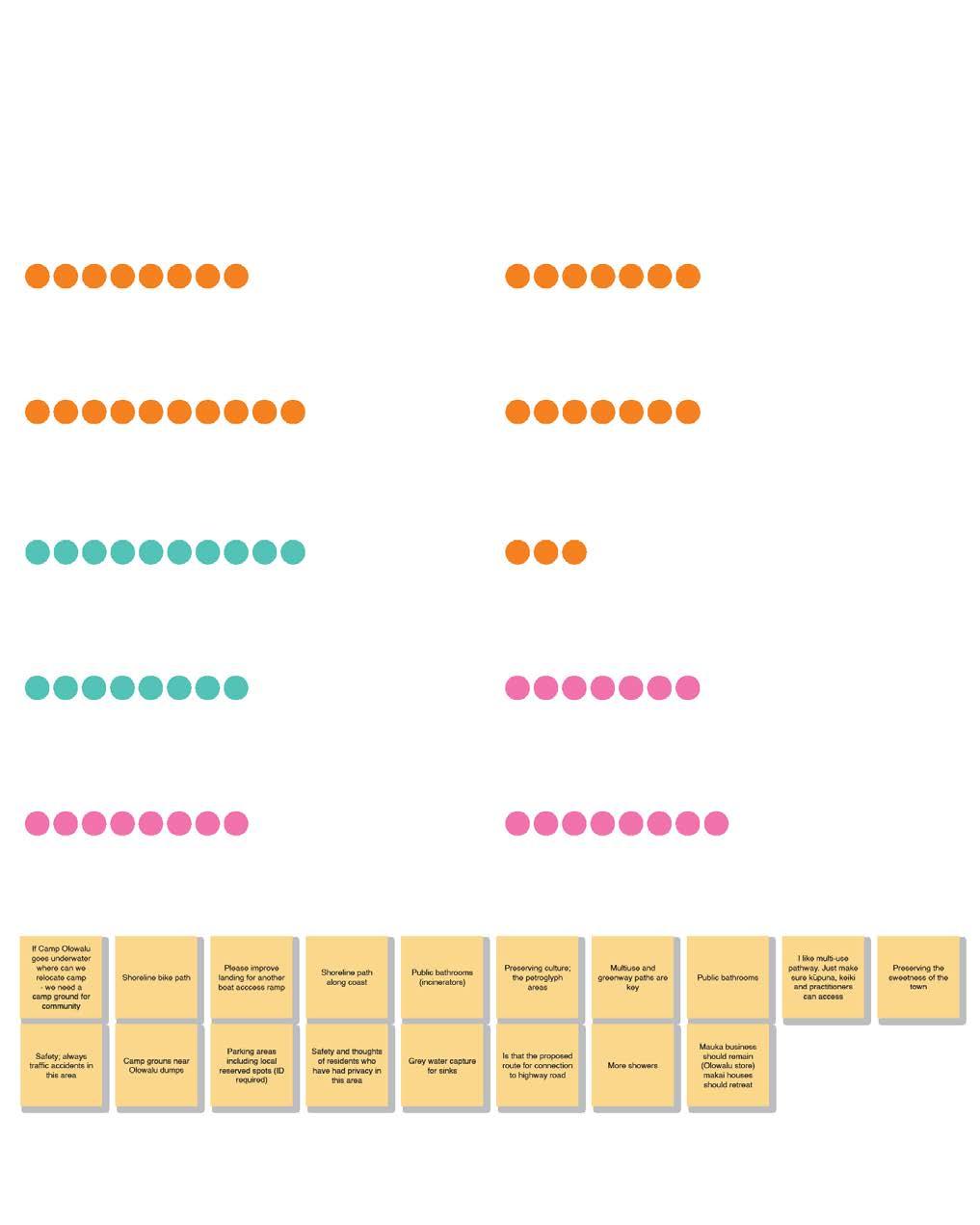
Long-Term Dot Voting Board Results
The Road to Resilience
• Improve coastal access for beaches, trails, campsites, and recreation
• Improve and implement public infrastructure, including restrooms, showers, bike paths, and parking
• Preserve local identity by protecting cultural and historical sites and supporting local businesses
• Ensure safety with better traffc management and thoughtful land use
• Increase community beneft through public land ownership and sustainable design (e.g., resilience hubs)
• Restore native ecosystems and culturally signifcant areas like streams, reefs, and petroglyphs
• Remove invasive species and promote native plantings
• Support biocultural practices and community-led stewardship
• Educate visitors and site users to encourage respectful practices and mālama ʻāina



Participant voting on design goals equally emphasized place & community and ecology & habitat 2045
• Prepare for climate impacts including sea level rise, fooding, high winds, and fre
• Address infrastructure risks (e.g., wastewater, greywater, erosion)
• Establish clear roles of accountability, funding, and long-term maintenance plans
• Approach redevelopment carefully to avoid repeating past environmental harms
LONG-TERM DESIGN
In their voting, participants prioritized the place & community design goal, followed by ecology & habitat and climate & resilience identifed as secondary priorities.
93 total votes
46 total votes
57 total votes
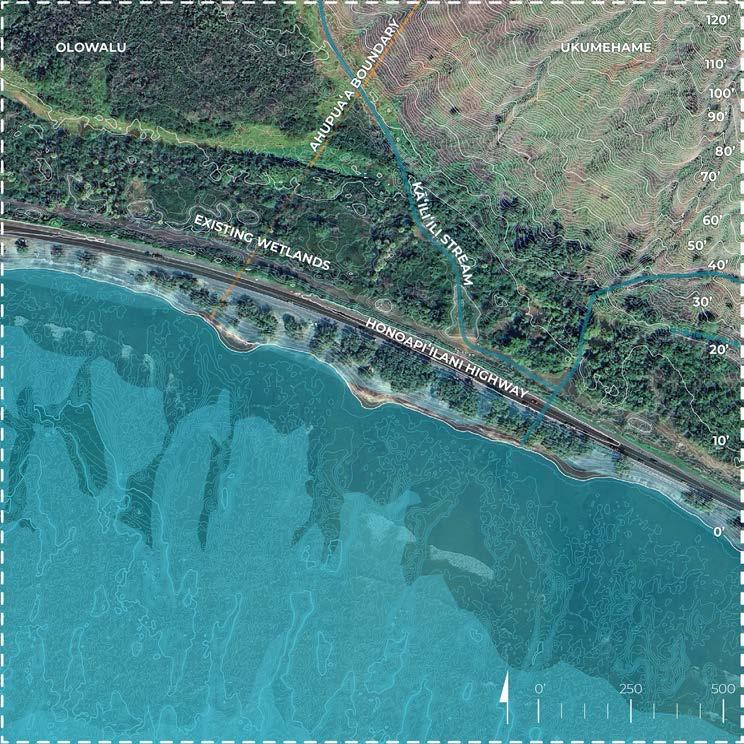
Catalytic Site 2: Mile Marker 14
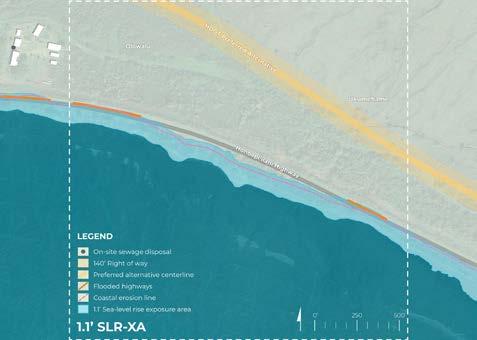
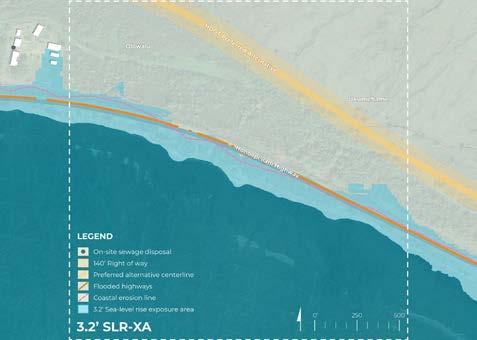
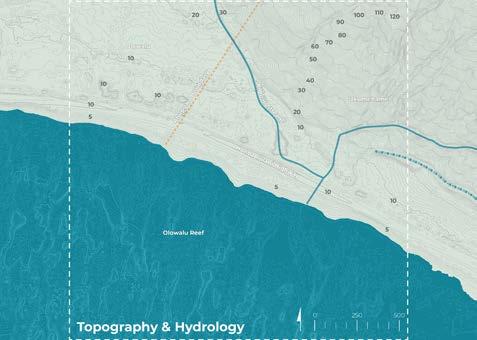
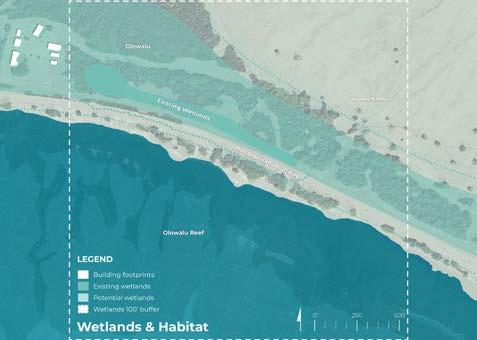
Site Analysis: Opportunities and Constraints
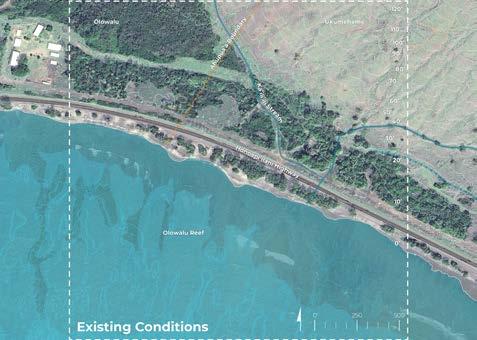

Catalytic Site 2: Mile Marker 14
Initial Draft Conceptual Design Sketches





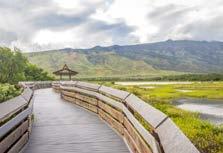


Catalytic Site 2: Mile Marker 14
Olowalu: The Road to Resilience
In the Near Term (1.1’ SLR-XA), what do you consider most important in this location?
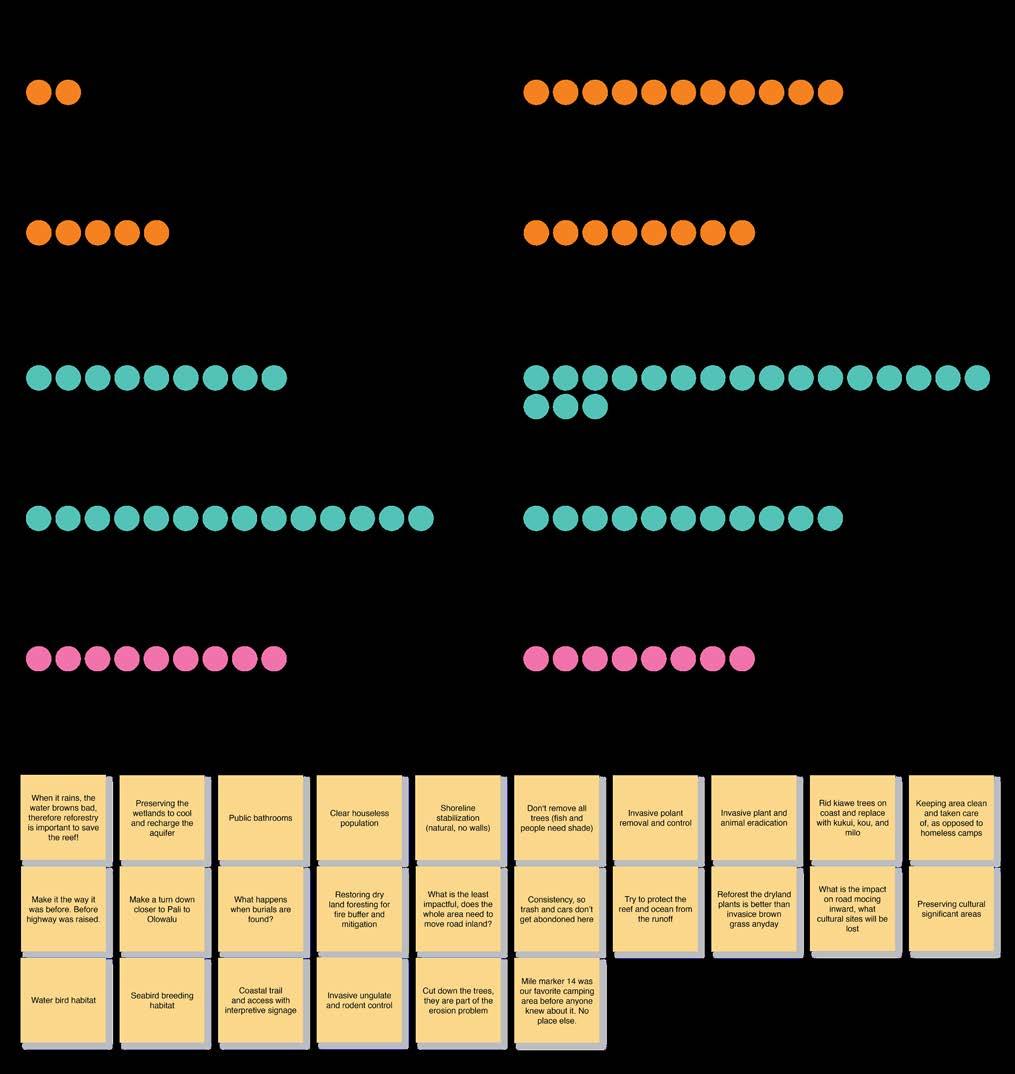
Catalytic Site 2: Mile Marker 14
Olowalu: The Road to Resilience In the Long Term (3.2’ SLR-XA), what do you consider most important in this location?
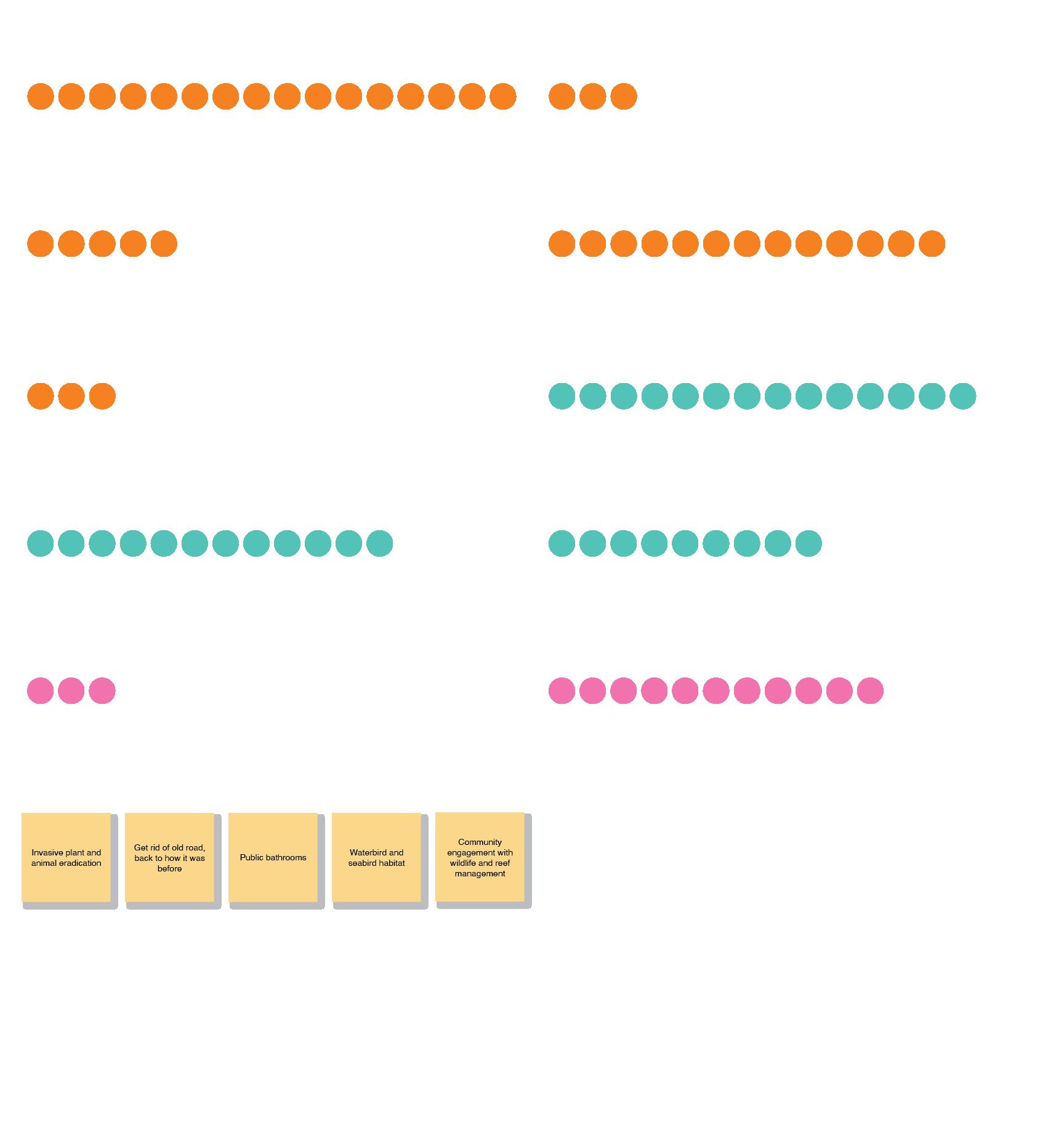
Olowalu: The Road to Resilience
• Improve beach access, bathrooms, showers, trash services, and creative parking solutions
• Preserve and maintain camping areas, while staying concerned with preventing houselessness and over-commercialization
• Protect cultural sites and restore pre-highway conditions
• Create clean open spaces that serve local families and day users
• Promote public participation, especially Native Hawaiian leadership, in planning and stewardship
• Integrate farm stands, coconut groves, and gathering spaces
• Native reforestation, wetland restoration, and canoe crop plantings
• Protect reef, seabird, and wetland habitats
• Remove invasive species (e.g., kiawe, rodents, and ungulates)
• Integrate loʻi kalo, ʻuala, and ʻulu as part of food and ecological resilience
• Ensure restoration efforts are grounded in education and culture
81 total votes
106 total votes
30 total votes
2045
Participant voting on design goals emphasized ecology & habitat design goal, followed by place & community.
• Use native vegetation to reduce fre and drought risk
• Relocate roads inland and avoid shoreline hardening
• Respond to reduced rainfall, groundwater access, and wetland health
• Manage runoff and pollution to protect reef
• Address erosion, fooding, and other near-term threats
LONG-TERM DESIGN
In their voting, participants prioritized the place & community design goal followed by ecology & habitat and climate & hazards.
87 total votes
2075
72 total votes
33 total votes
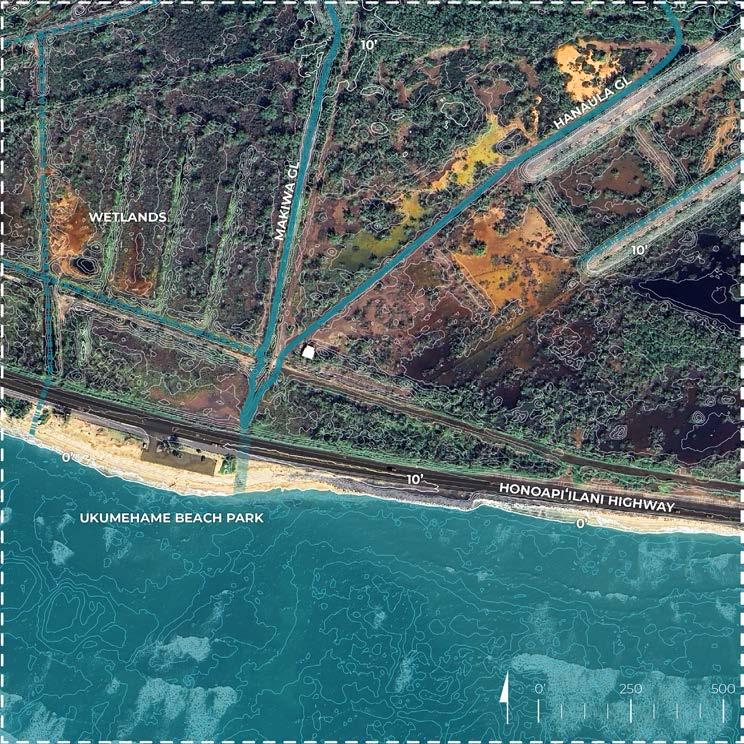
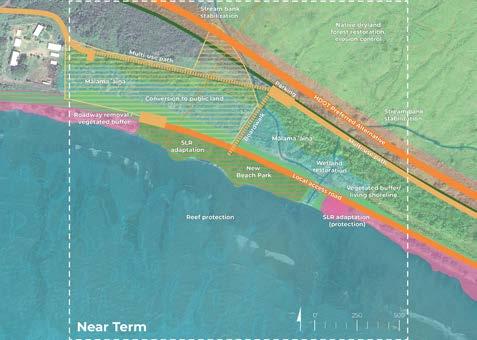
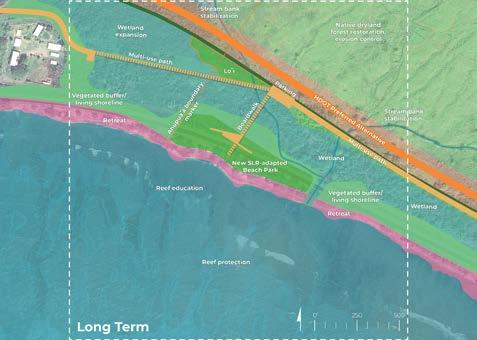
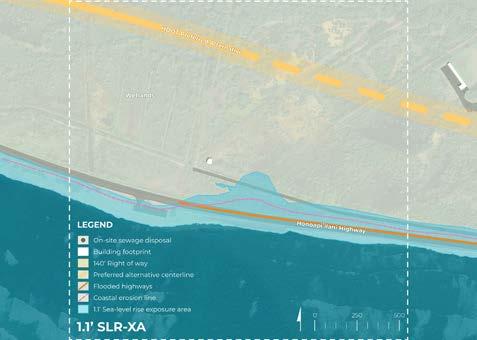
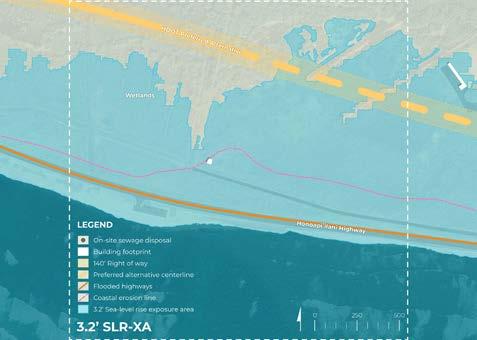
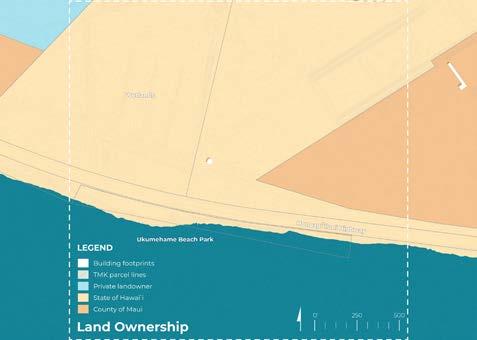
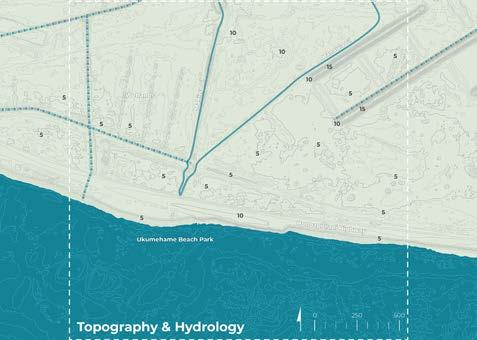
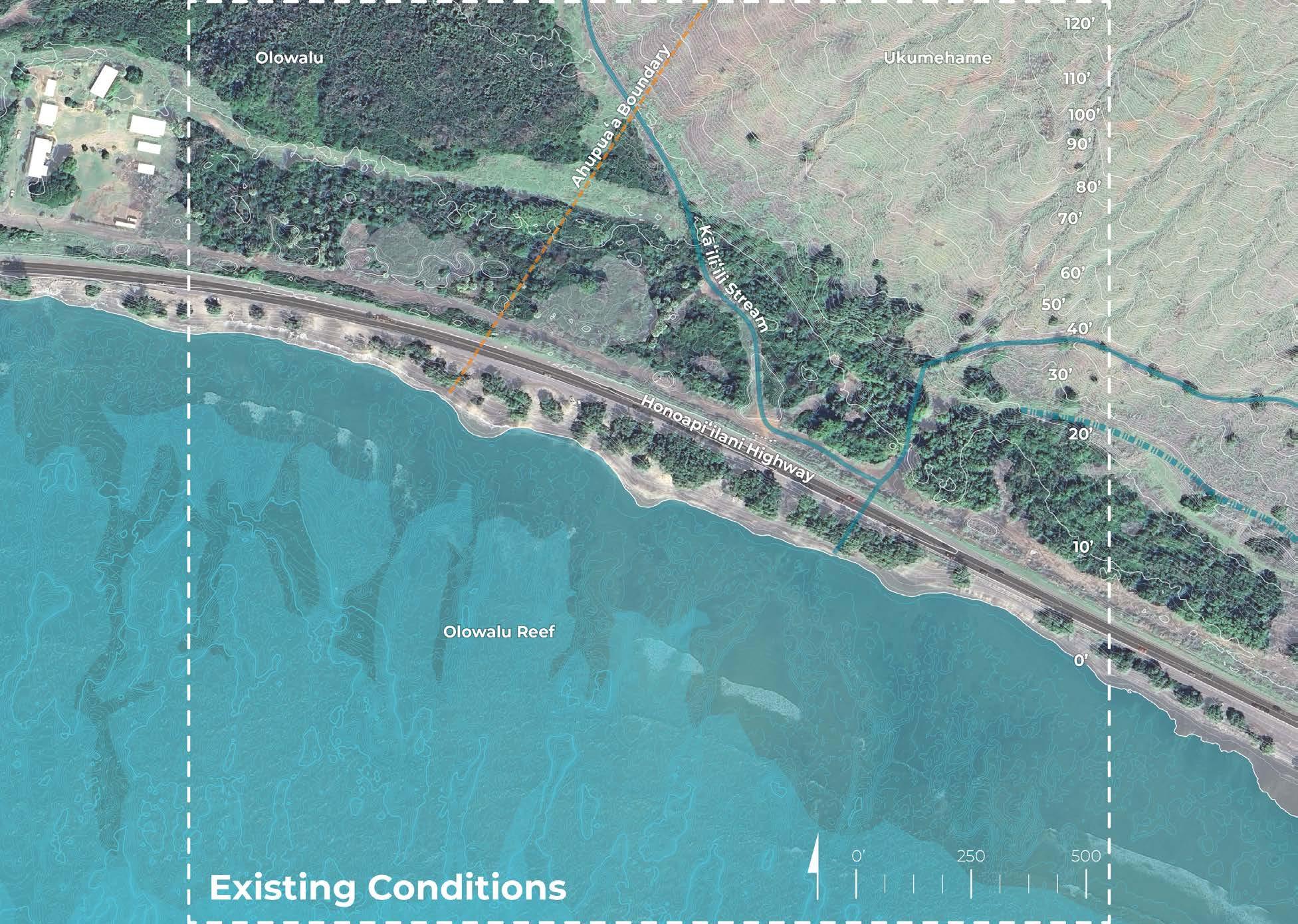
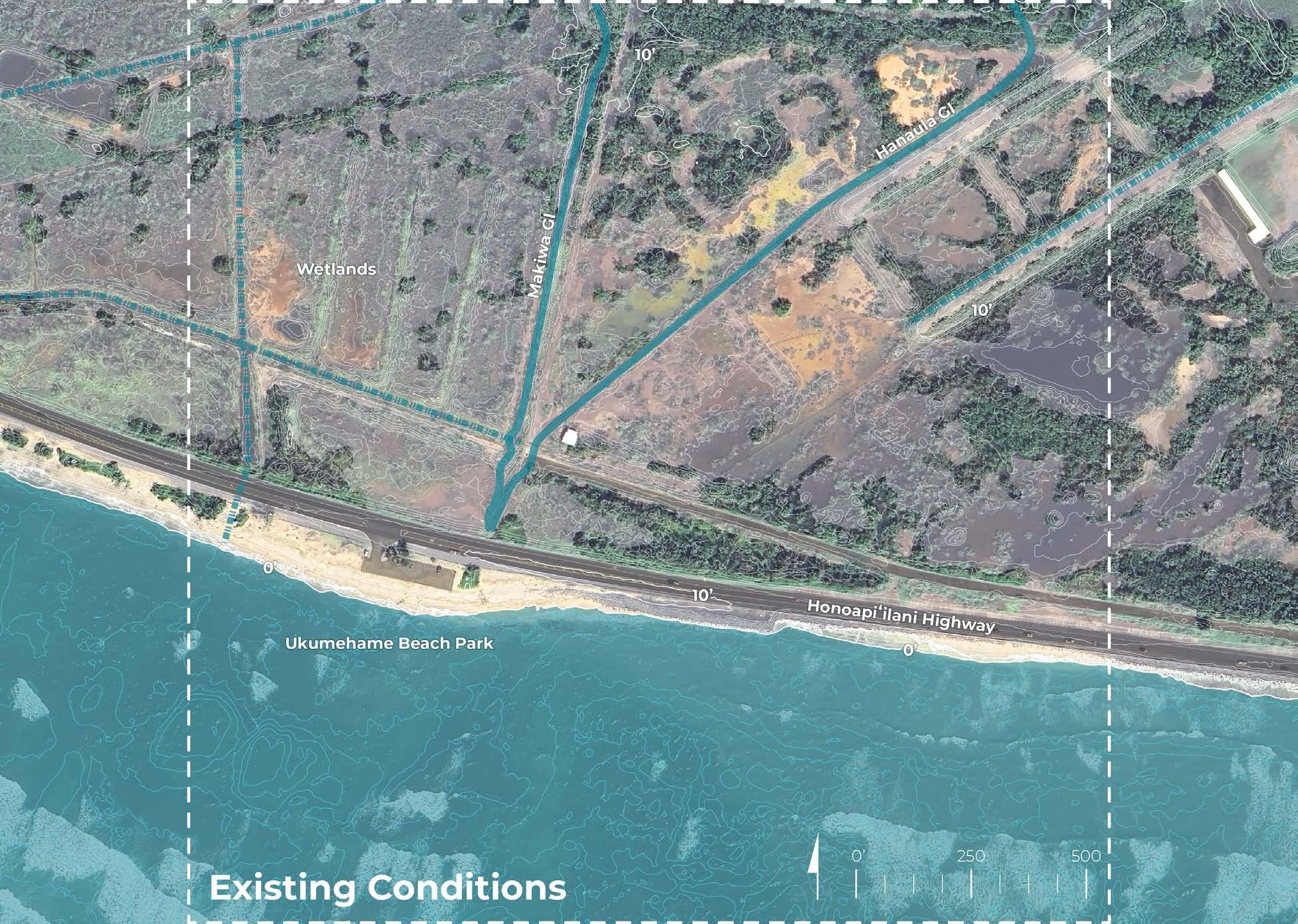
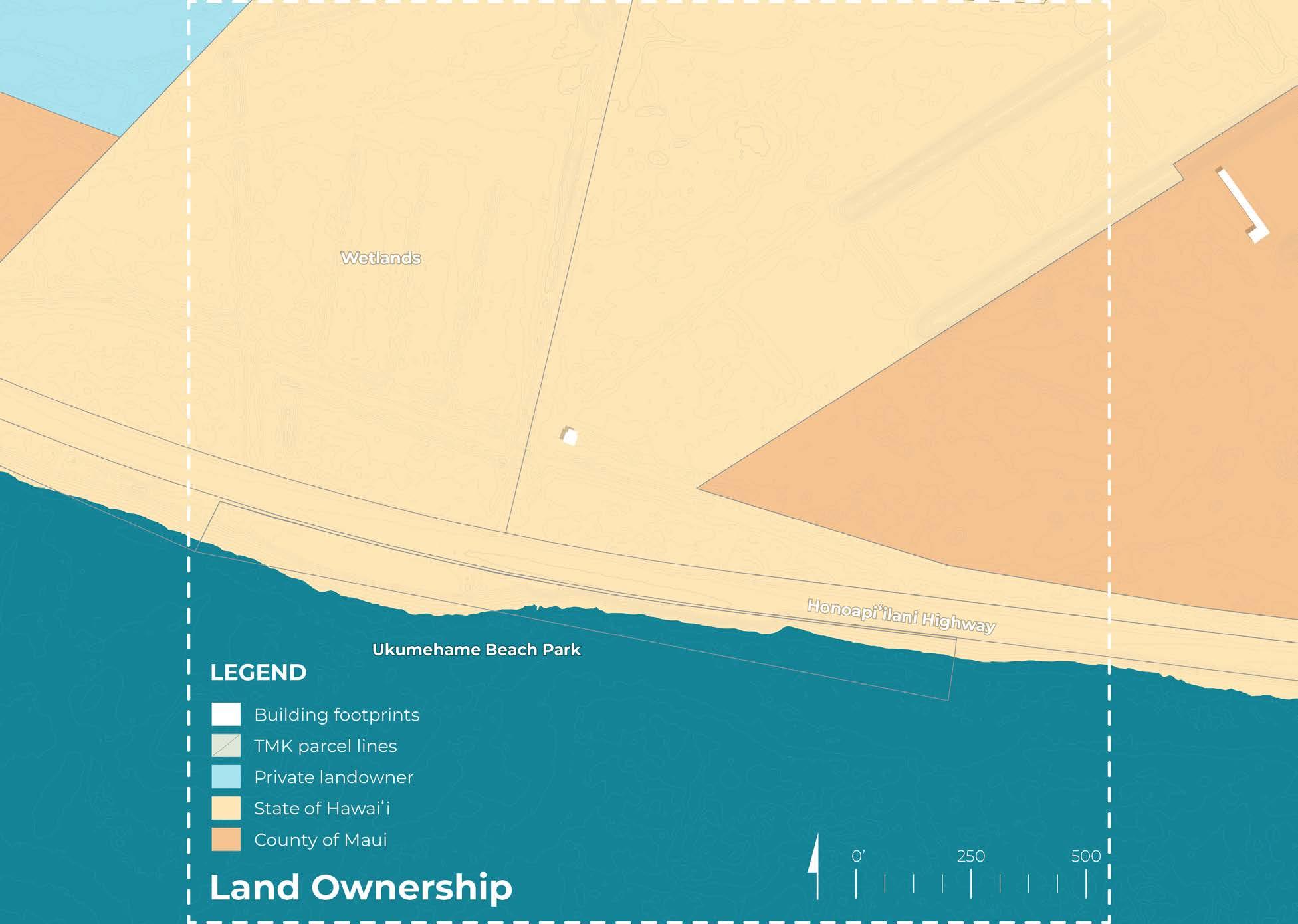
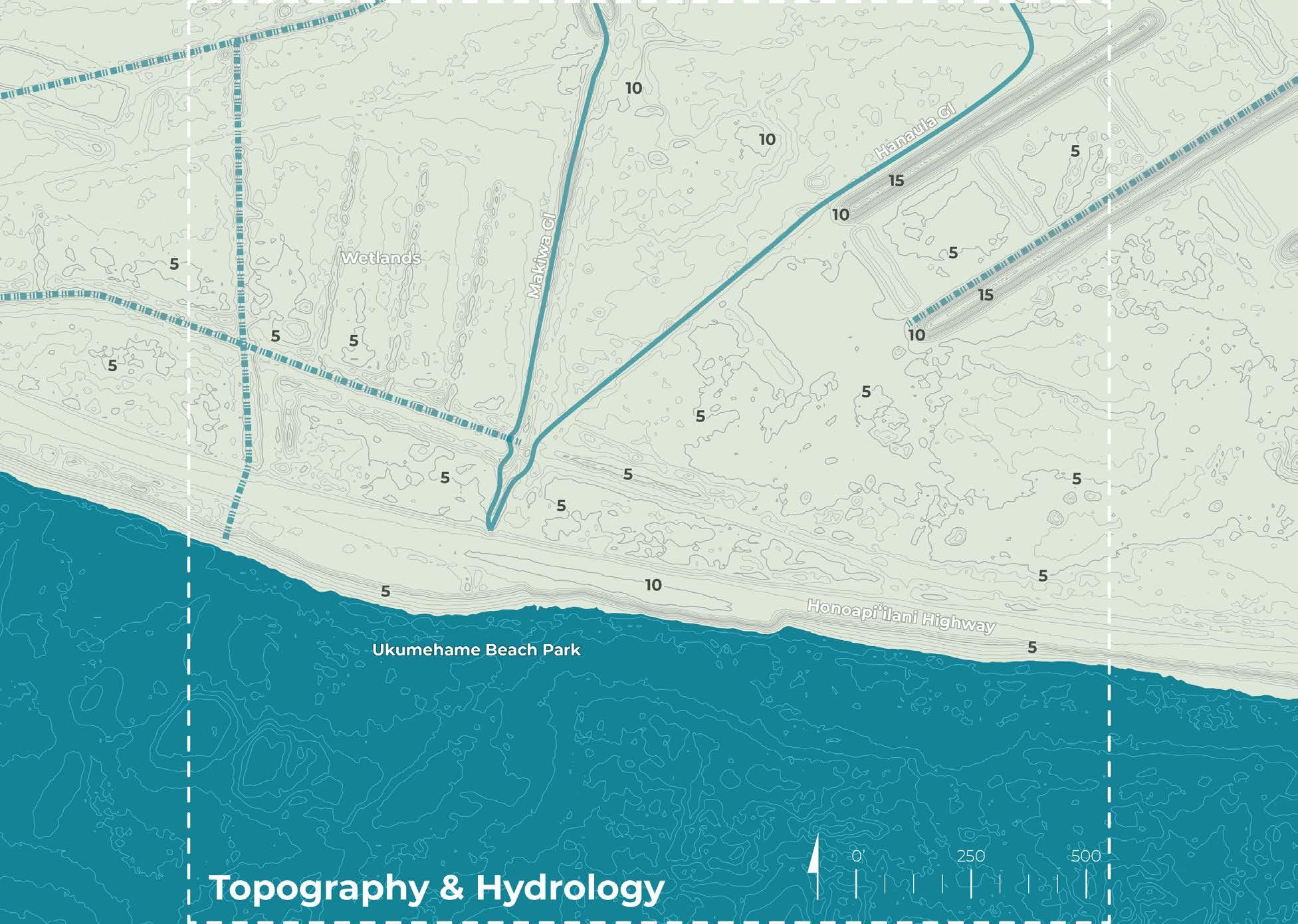
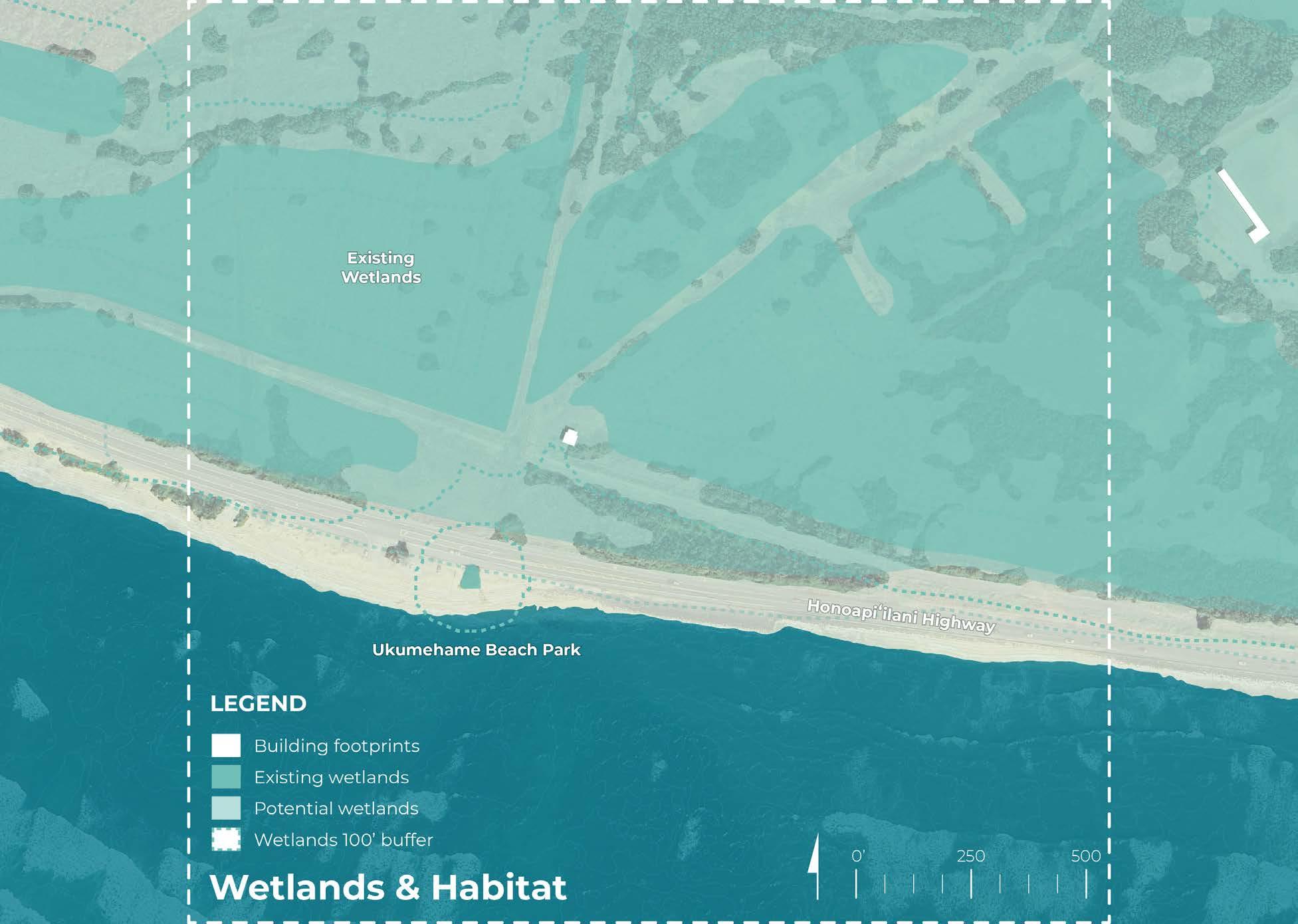
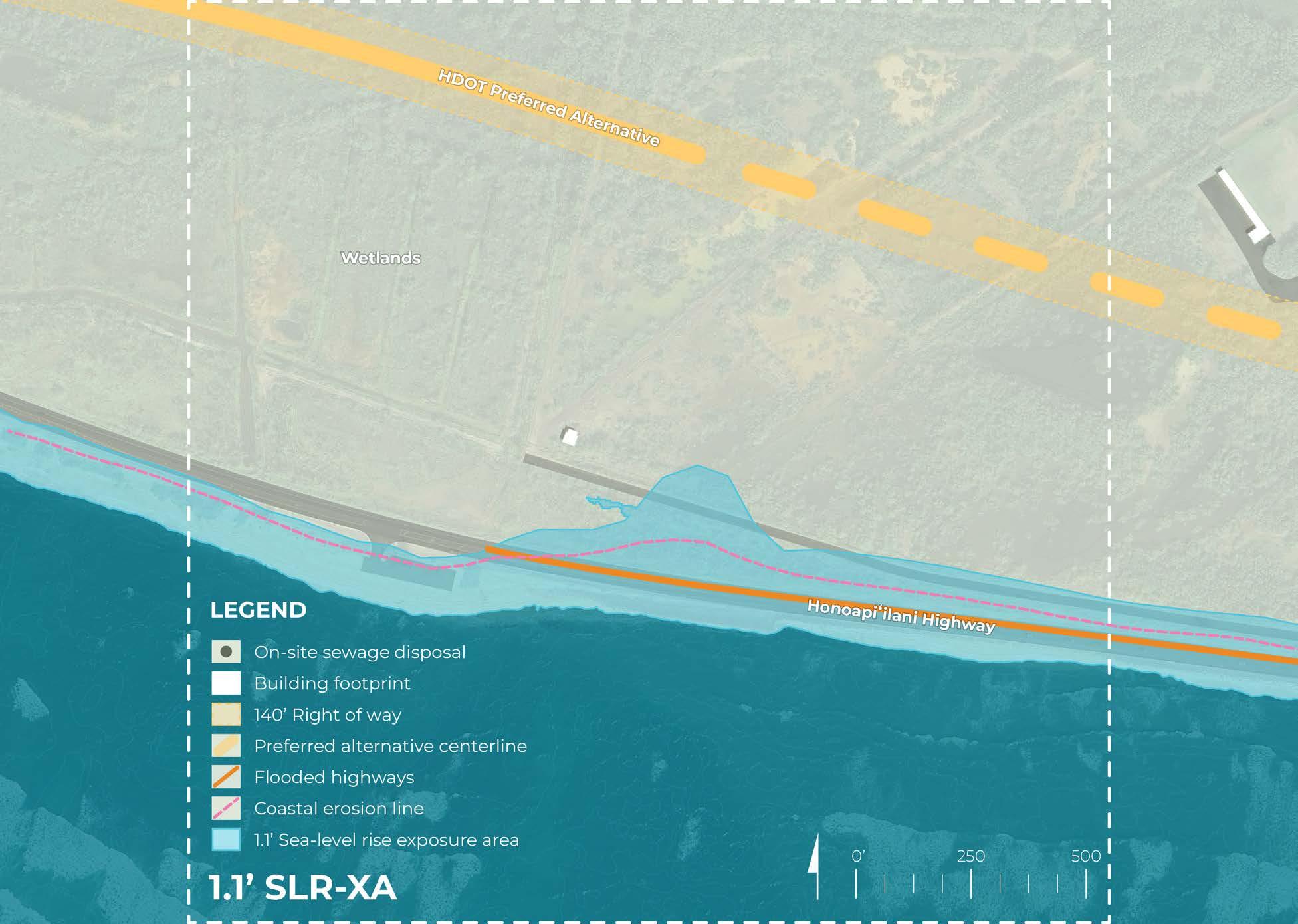
Catalytic Site 3: Ukumehame Beach Park & Wetlands
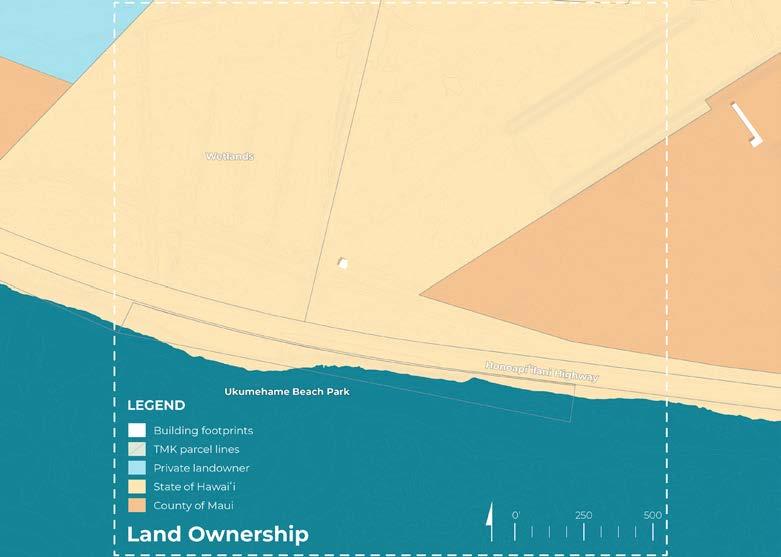
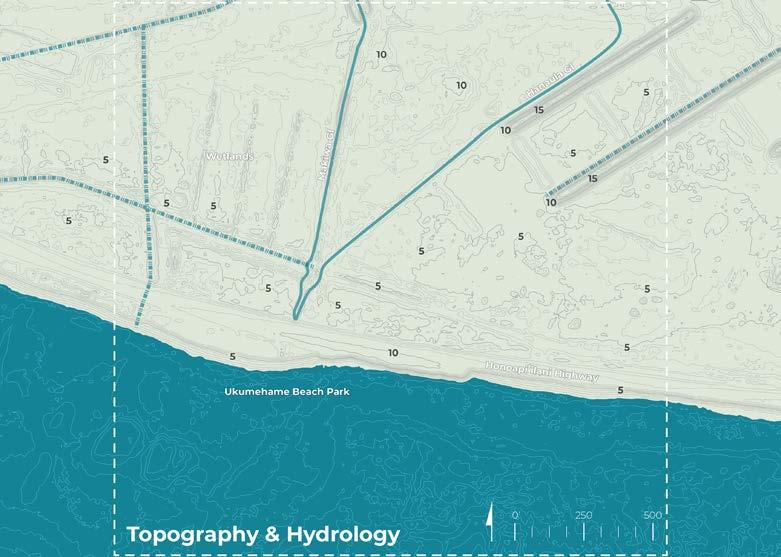
Site Analysis: Opportunities and Constraints
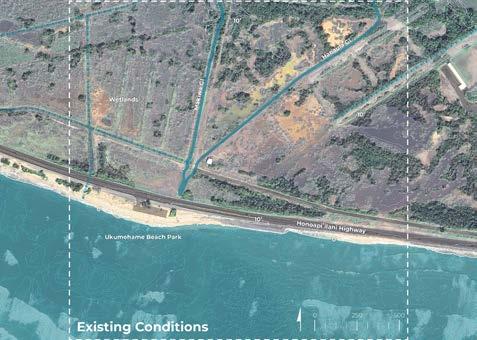
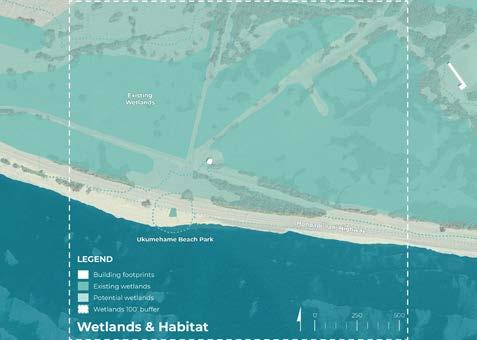
Catalytic Site 3: Ukumehame Beach Park & Wetlands
Initial Draft Conceptual Design Sketches
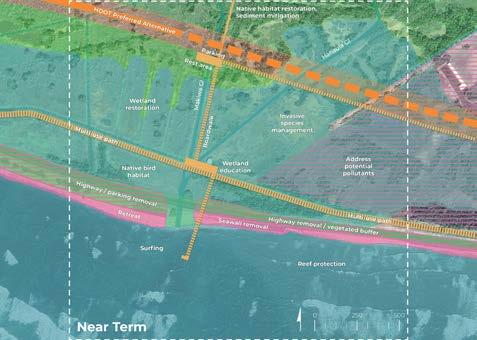
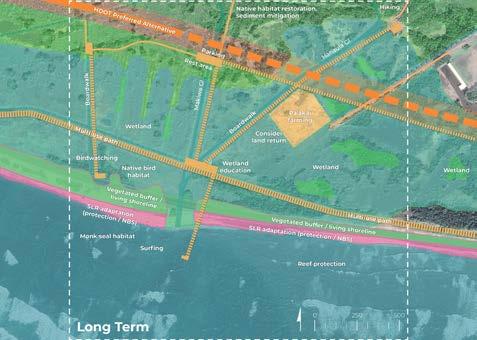
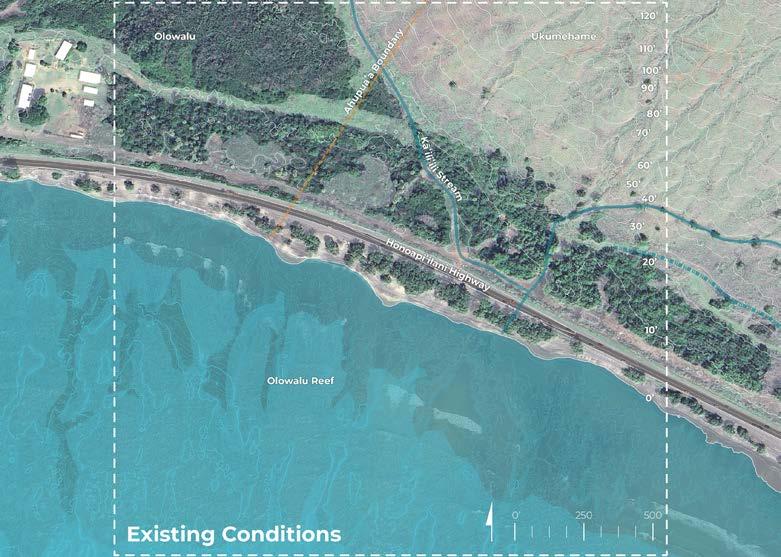
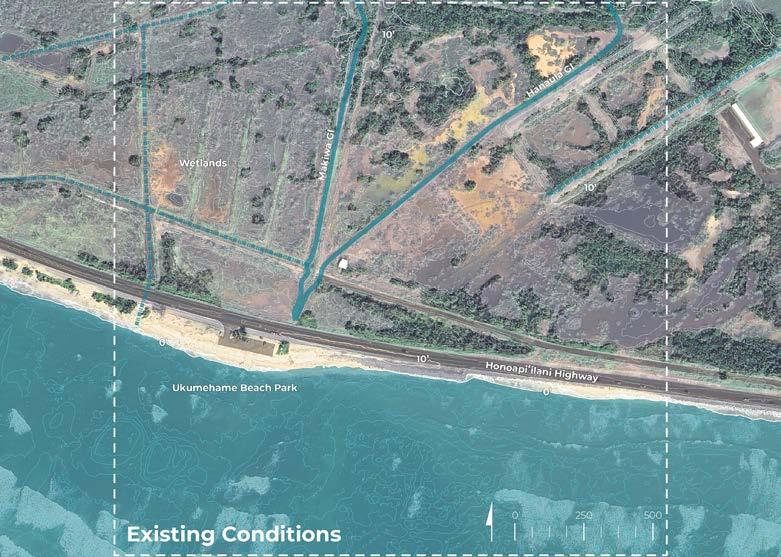
Existing Conditions
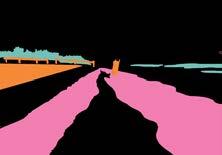

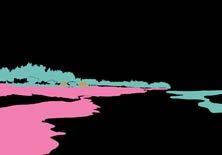




Catalytic Site 3: Ukumehame Beach Park & Wetlands
Olowalu: The Road to Resilience
In the Near Term (1.1’ SLR-XA), what do you consider most important in this location?
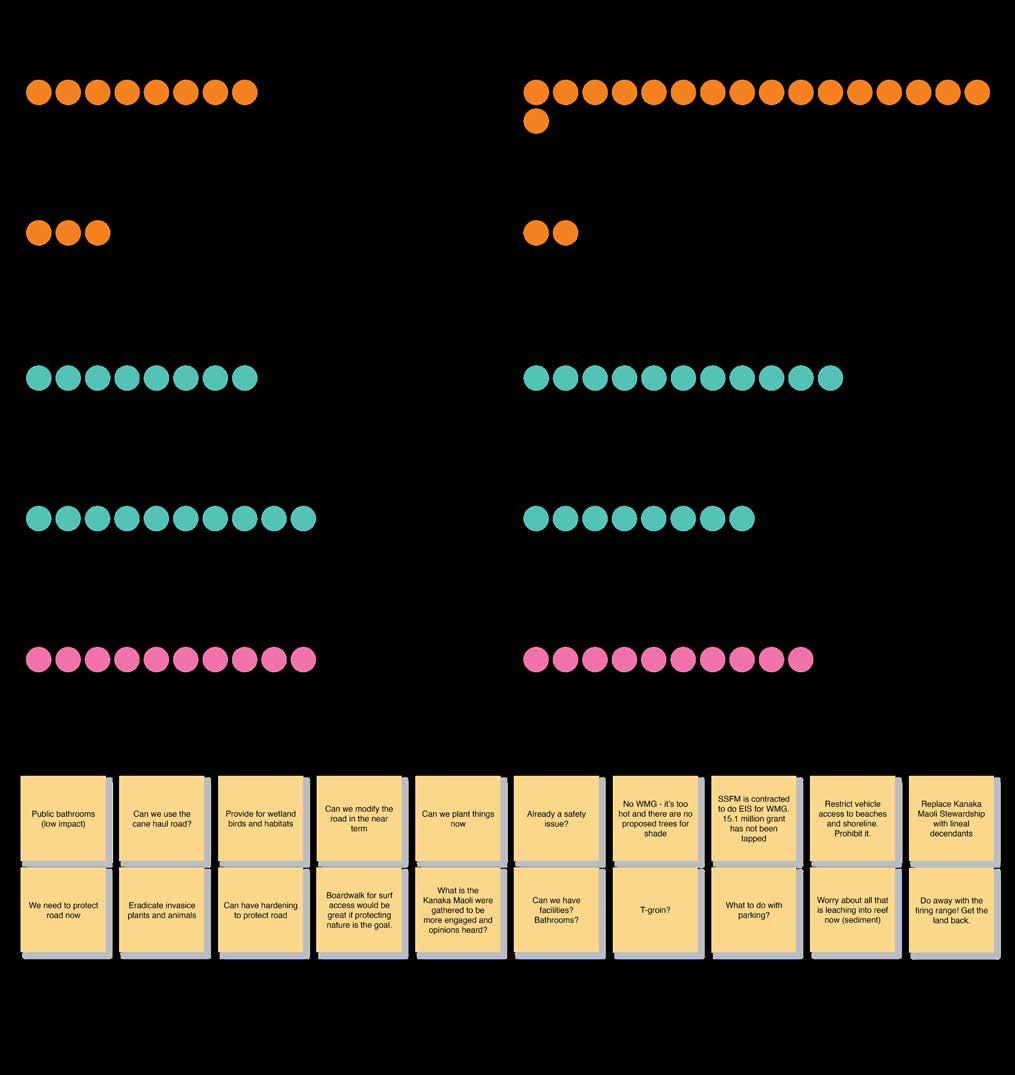
Catalytic Site 3: Ukumehame Beach Park & Wetlands
Olowalu: The Road to Resilience
In the Long Term (3.2’ SLR-XA), what do you consider most important in this location?
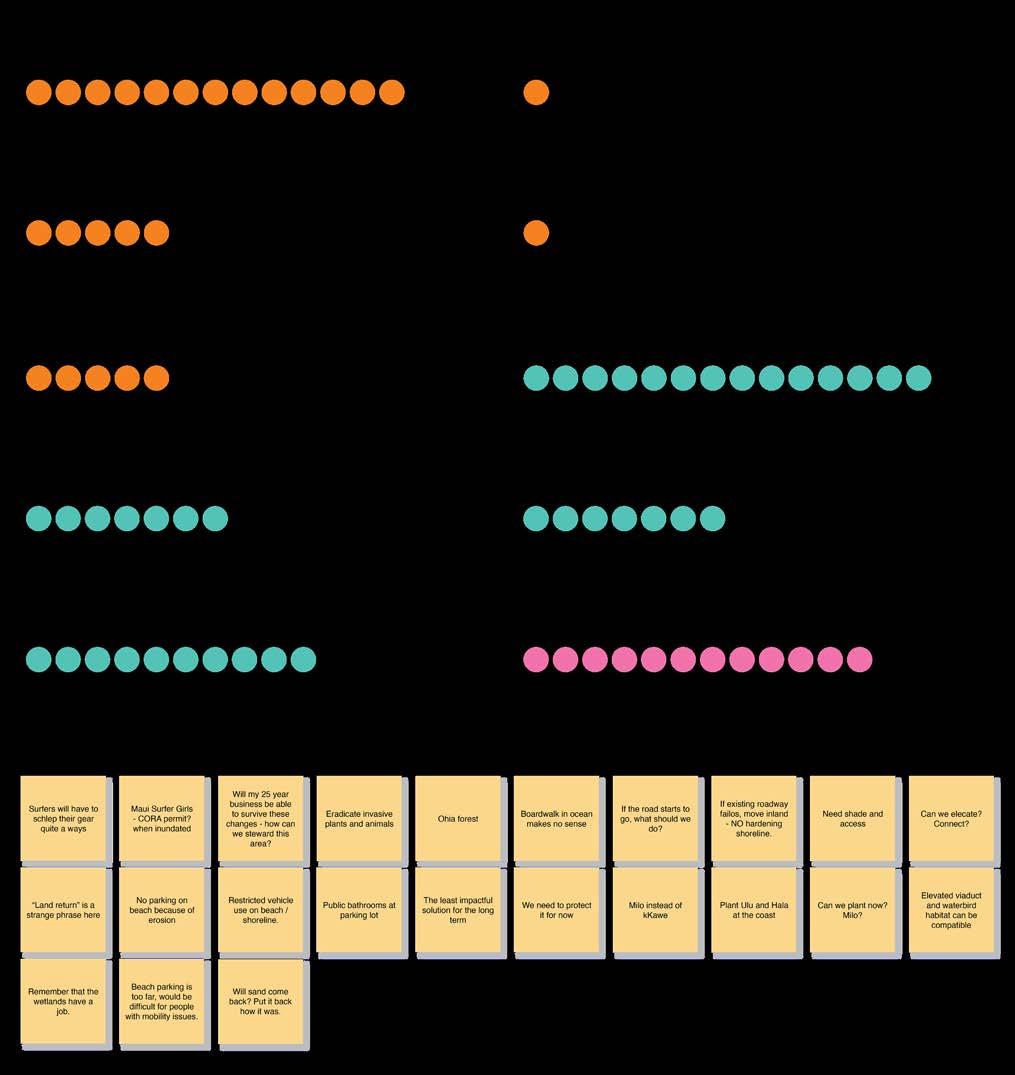
Olowalu: The Road to Resilience
• Low-impact amenities (e.g., bathrooms, showers, shade, and educational signage)
• Access should serve all users (e.g., surfers, families, divers) while avoiding beach parking and campervan use
• Inclusive, managed public access with minimal environmental footprint
• Incorporate Native Hawaiian leadership, especially lineal descendants, in future planning and land stewardship
• Restore loʻi, loko i‘a, and ahupuaʻa systems, reinforcing kuleana and cultural connection
• Public engagement through education, signage, and stewardship
• Restore native habitats with immediate planting of species like milo, ʻulu, and hala
• Protect wetlands, reef systems, and bird habitats
• Remove invasive species including kiawe and rodents
• Create an ecological zone with elevated walkways and minimal disturbance
• Intertwine ecosystem protection with cultural practices and public education
67 total votes
87 total votes
37 total votes
LONG-TERM DESIGN
In their voting, participants prioritized the ecology & habitat design goal, followed by place & community as a secondary priority.
Participant voting on design goals emphasized ecology & habitat design goal followed by place & community.
• Roads inland and avoid shoreline hardening
• Address erosion, sea-level rise, saltwater intrusion, and fre risk
• Prioritize nature-based solutions
• Manage runoff, watershed pollution, and legacy contamination
• Explore alternative routes for future access (e.g., cane haul road)
• Long-term land management to address trash, overfshing, and houselessness
60 total votes
87 total votes
22 total votes
Please Share Your Feedback on Conceptual Design Ideas
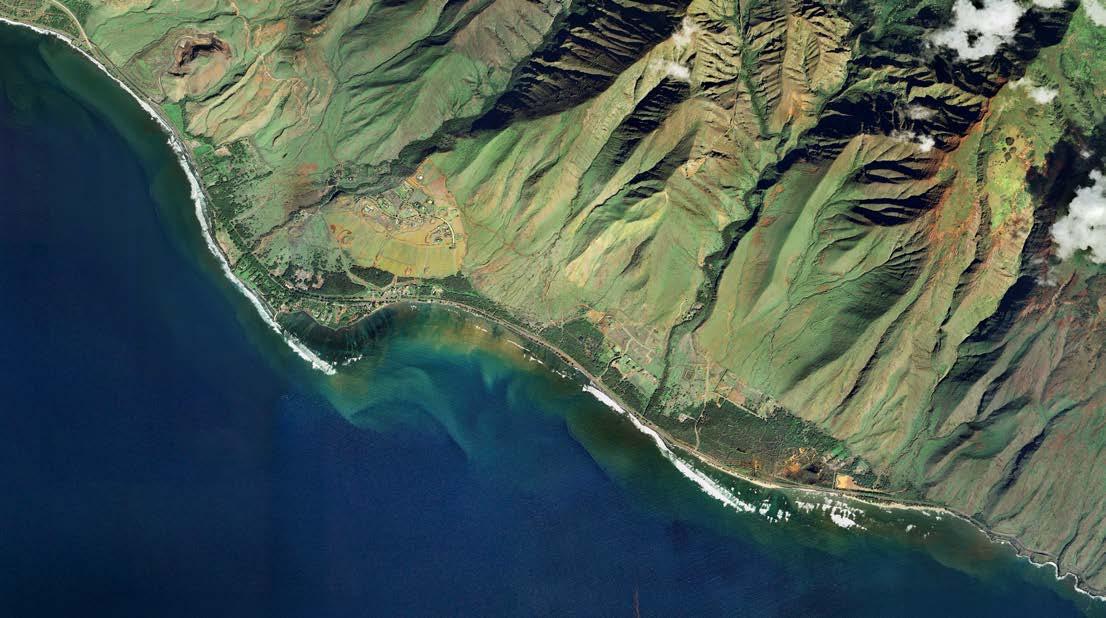
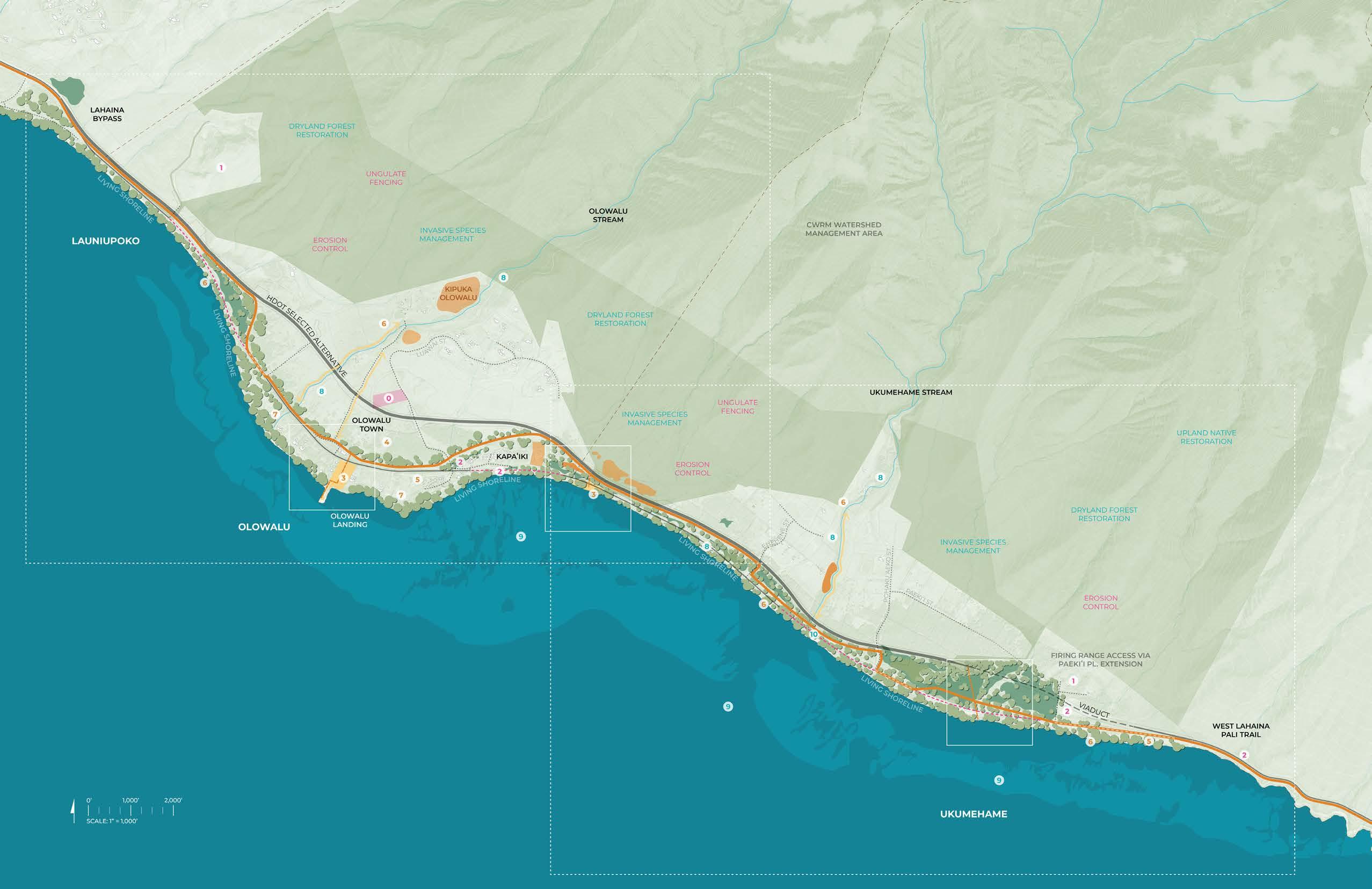
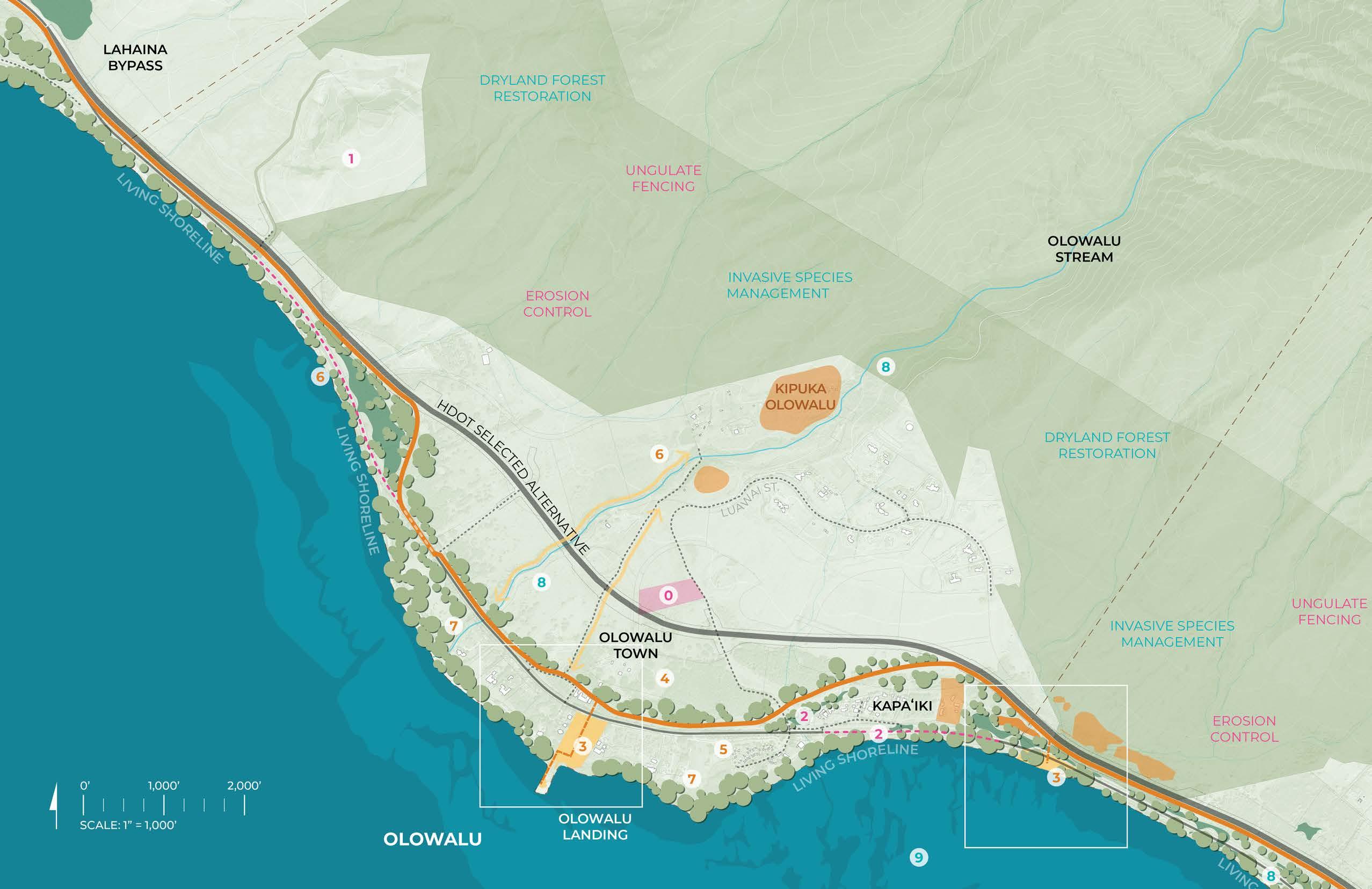
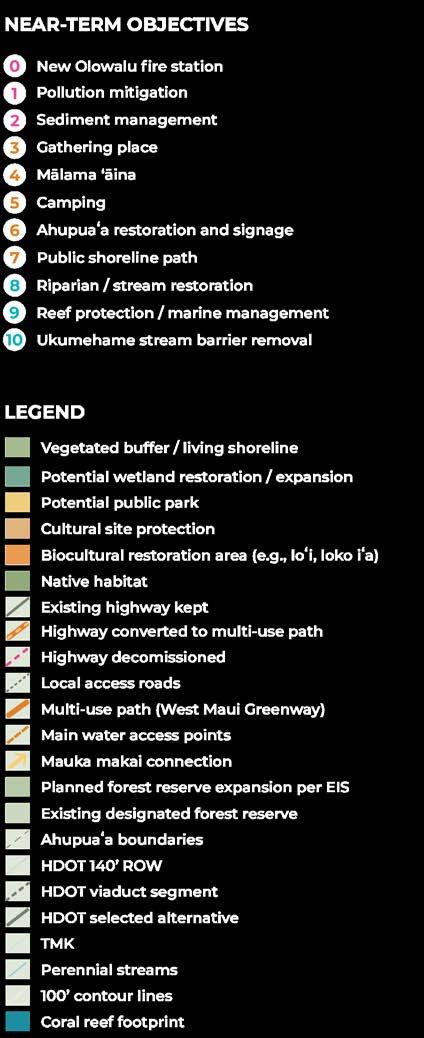
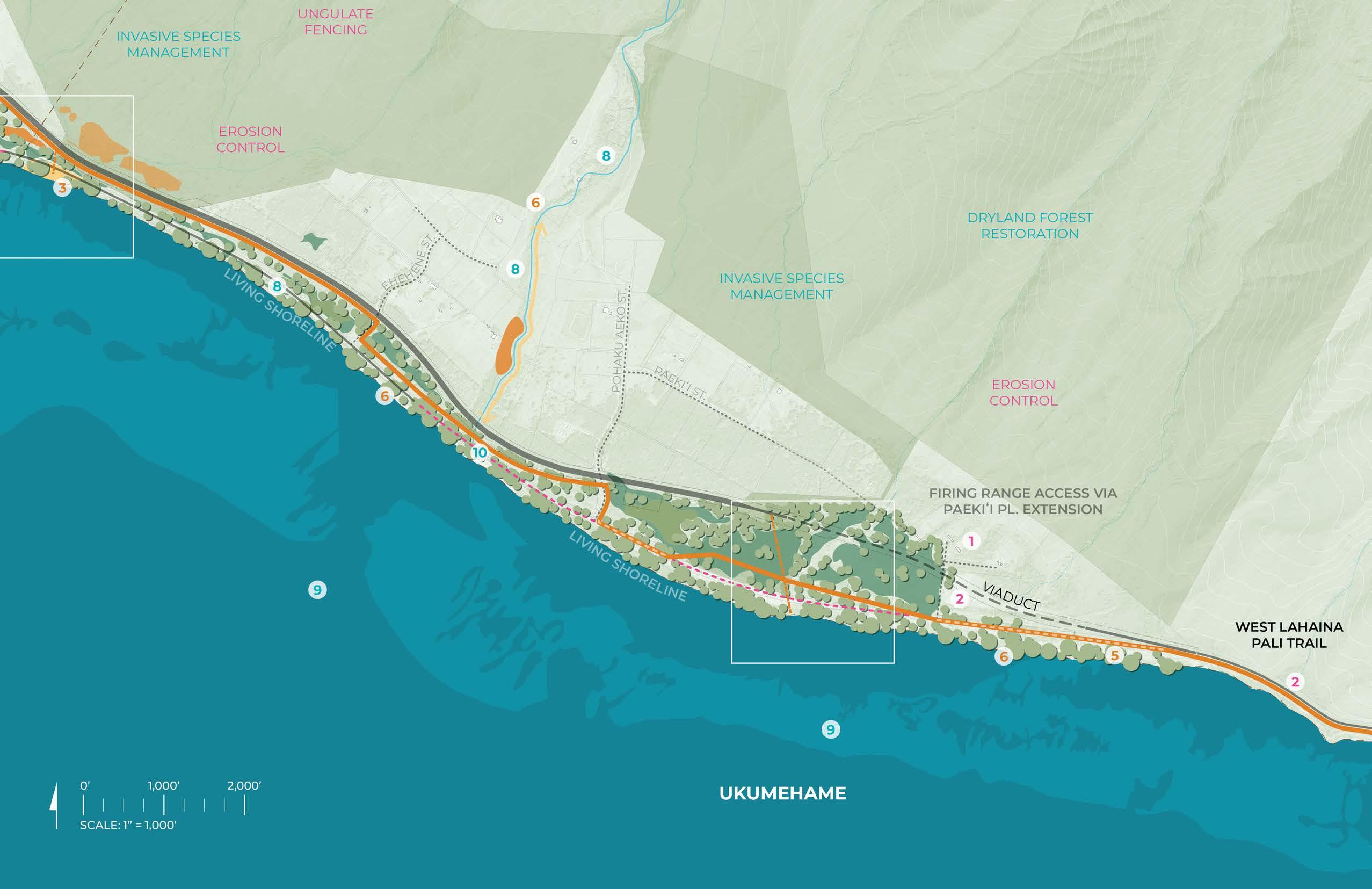
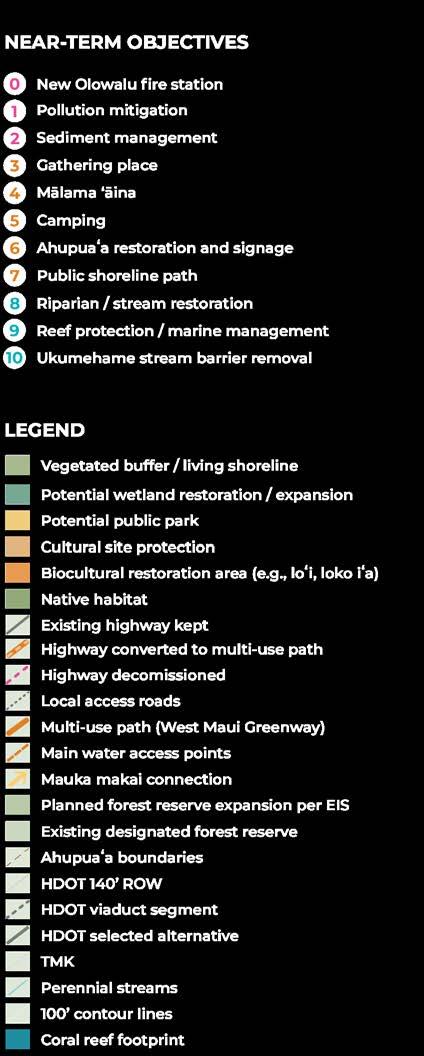
OVERALL PROJECT AREA
CONCEPT
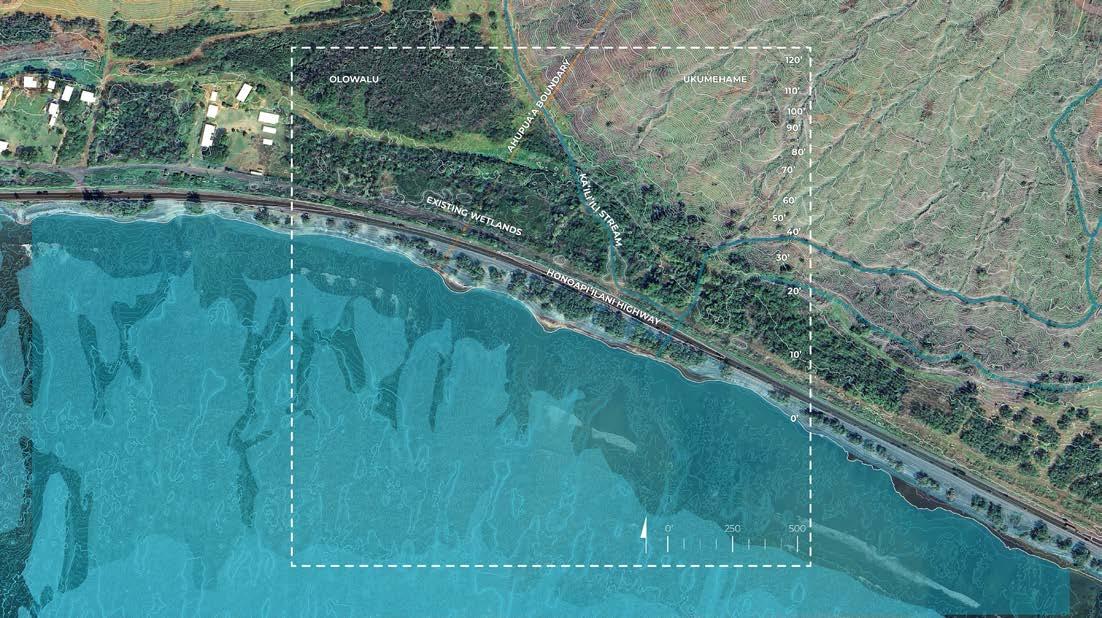
MILE MARKER 14
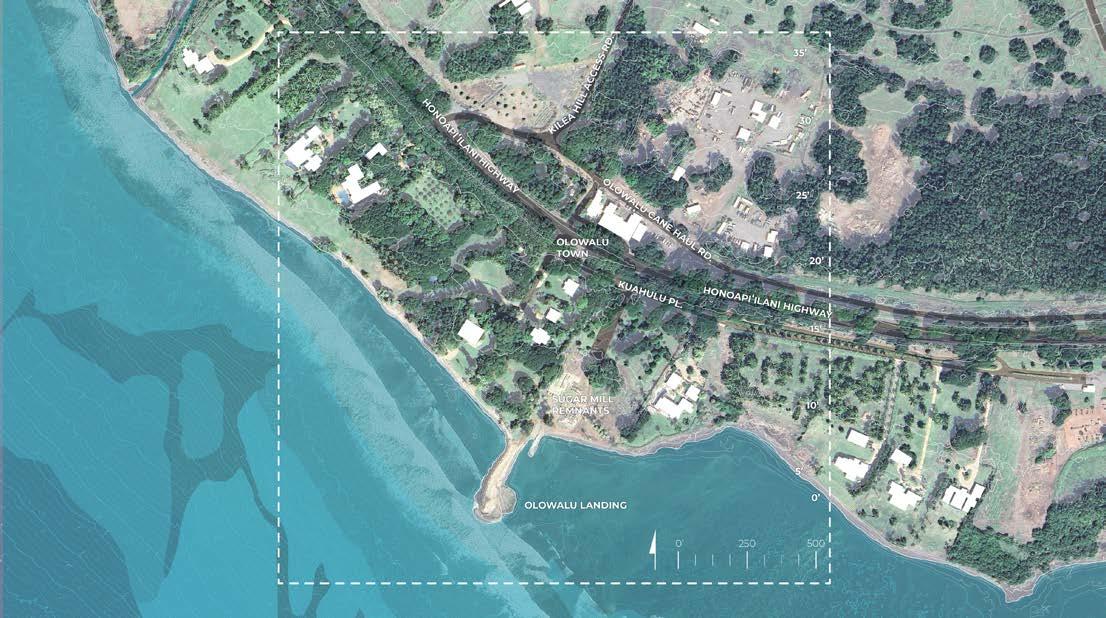
CATALYTIC SITE
OLOWALU LANDING
OLOWALU TOWN
CATALYTIC SITE
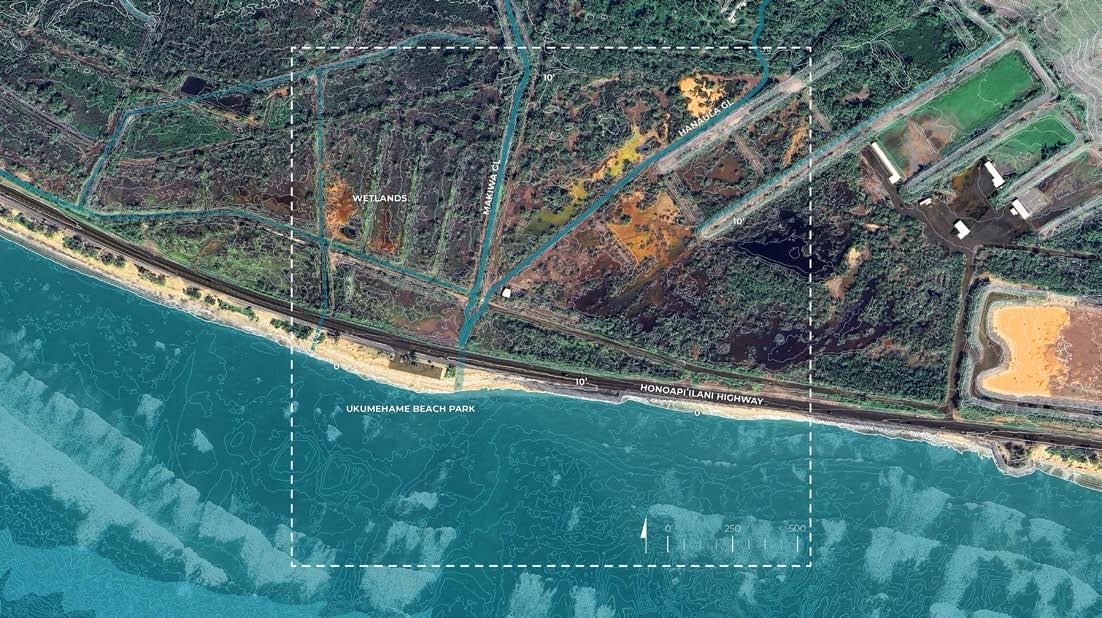
UKUMEHAME WETLANDS
UKUMEHAME BEACH
CATALYTIC SITE
PARK CATALYTIC SITE
Approximately 2045
1.1-ft SLR-XA (approx. 2045)
1.1-ft SLR-XA (approx. 2045)
1.1-ft SLR-XA (approx. 2045)
Approximately 2075
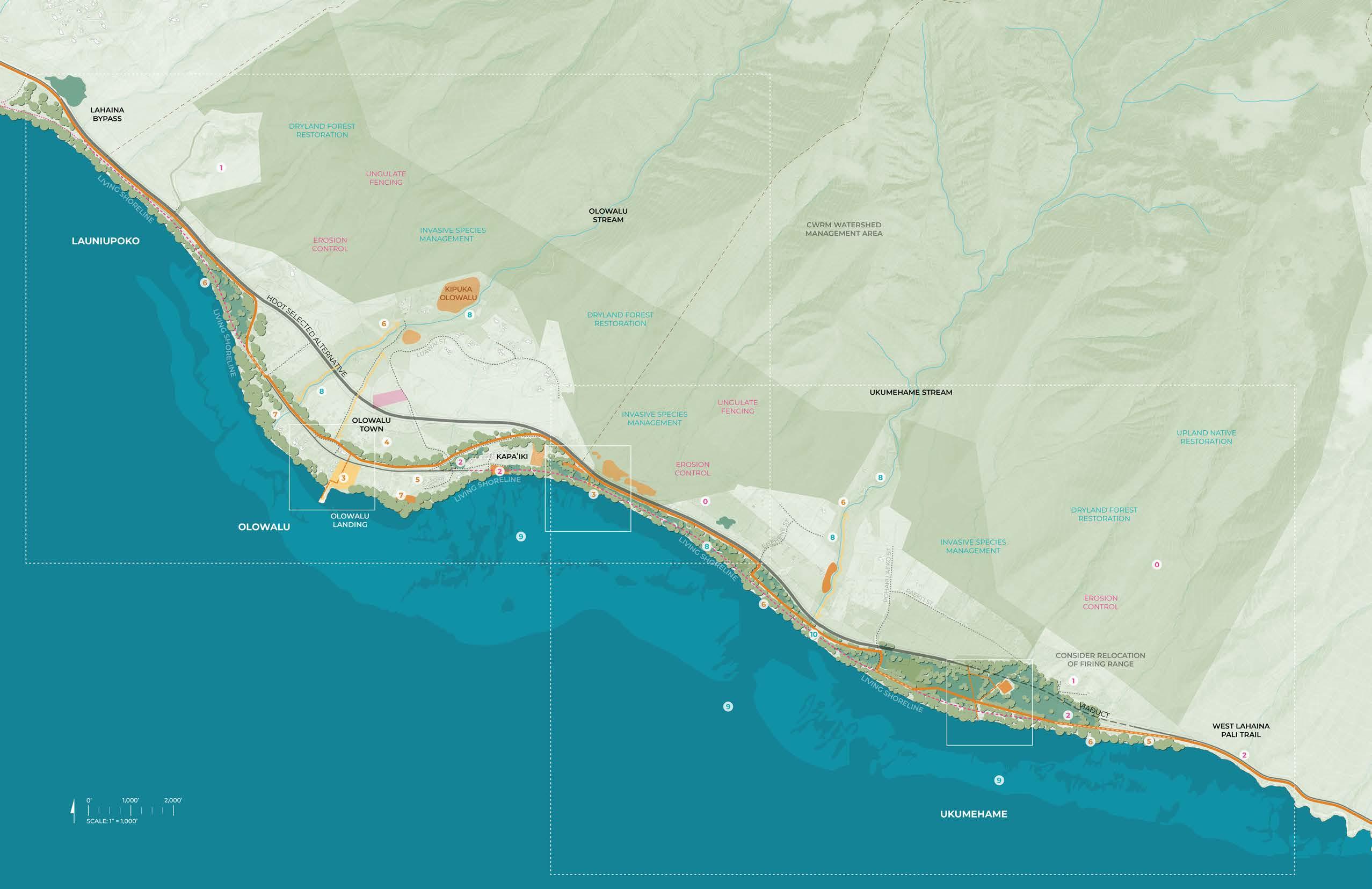
3.2-ft SLR-XA (approx. 2075)
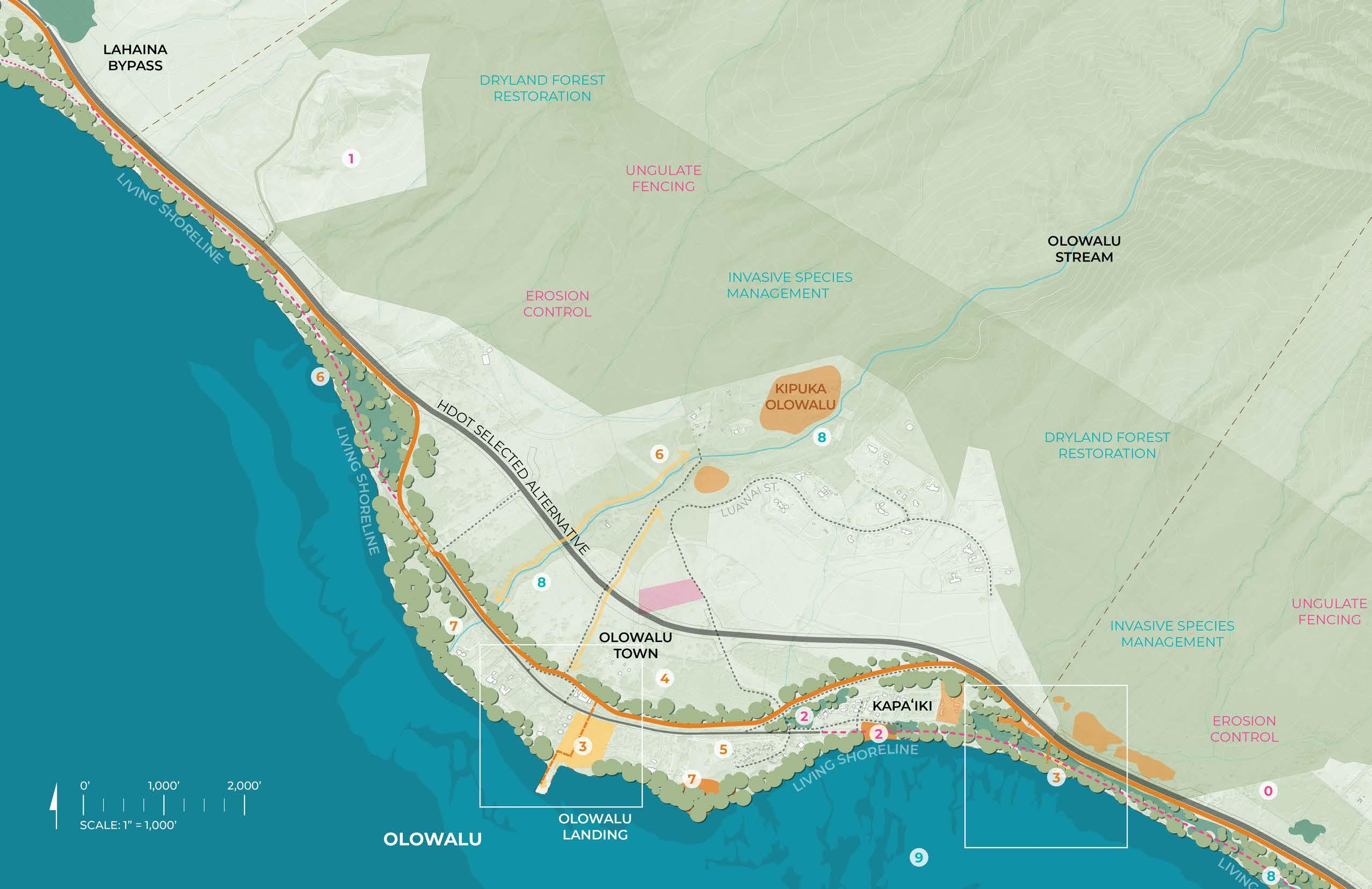
3.2-ft SLR-XA (approx. 2075)
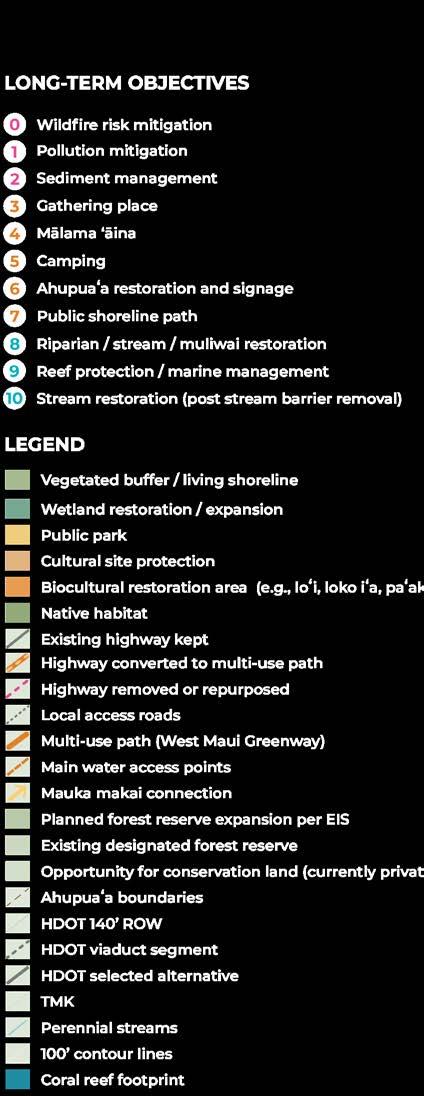
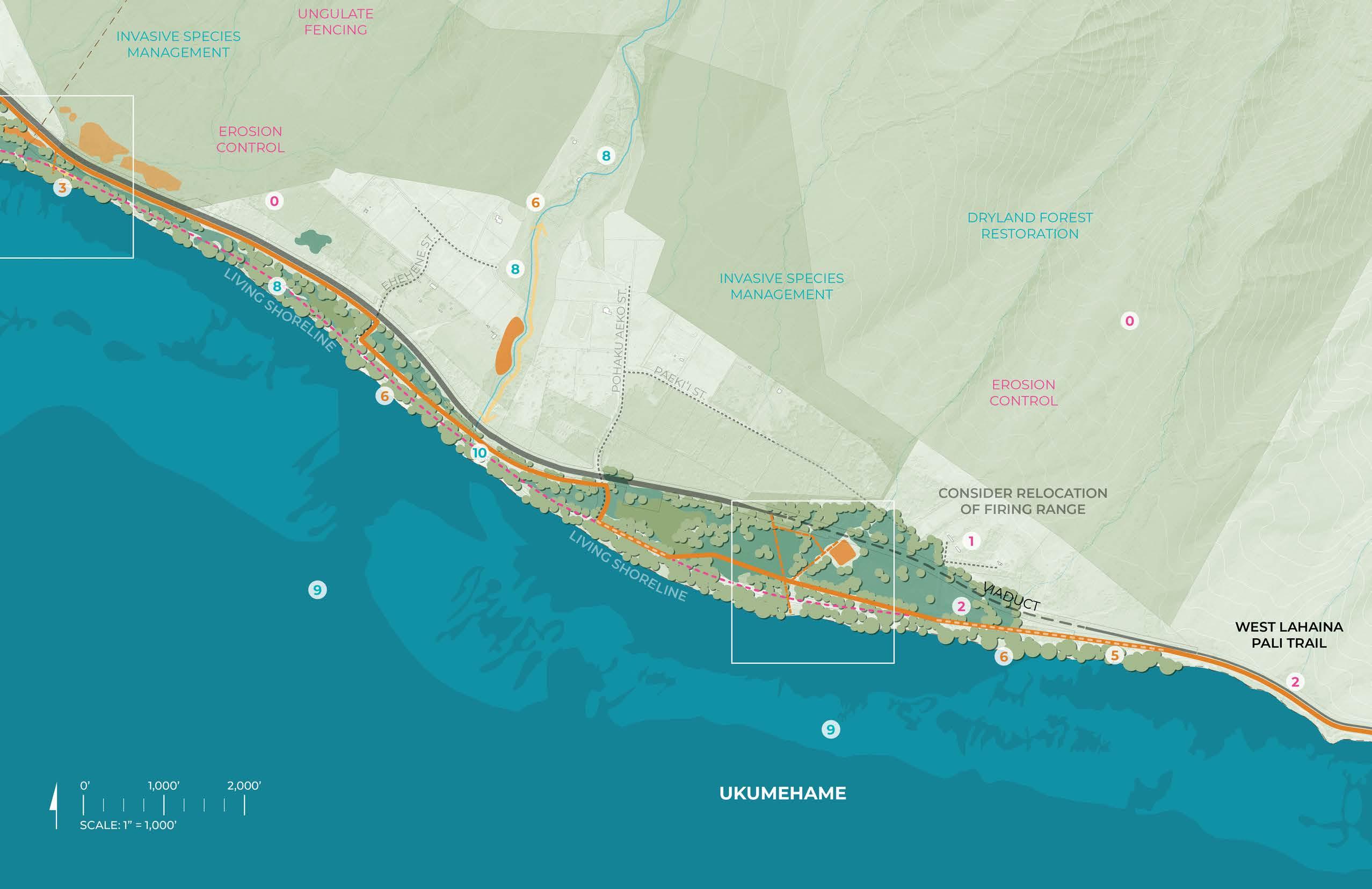
3.2-ft SLR-XA (approx. 2075)
Olowalu: The Road to Resilience
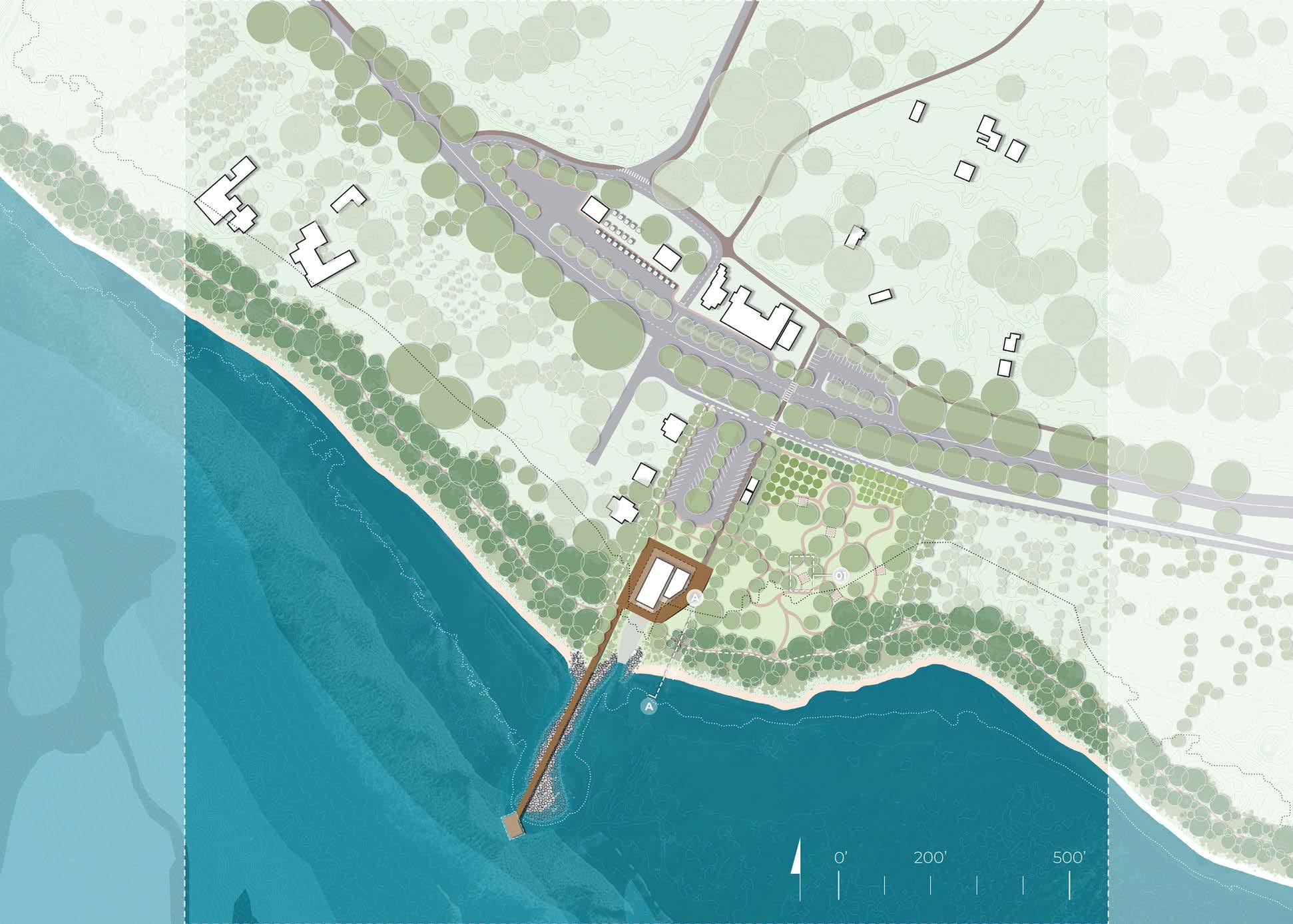
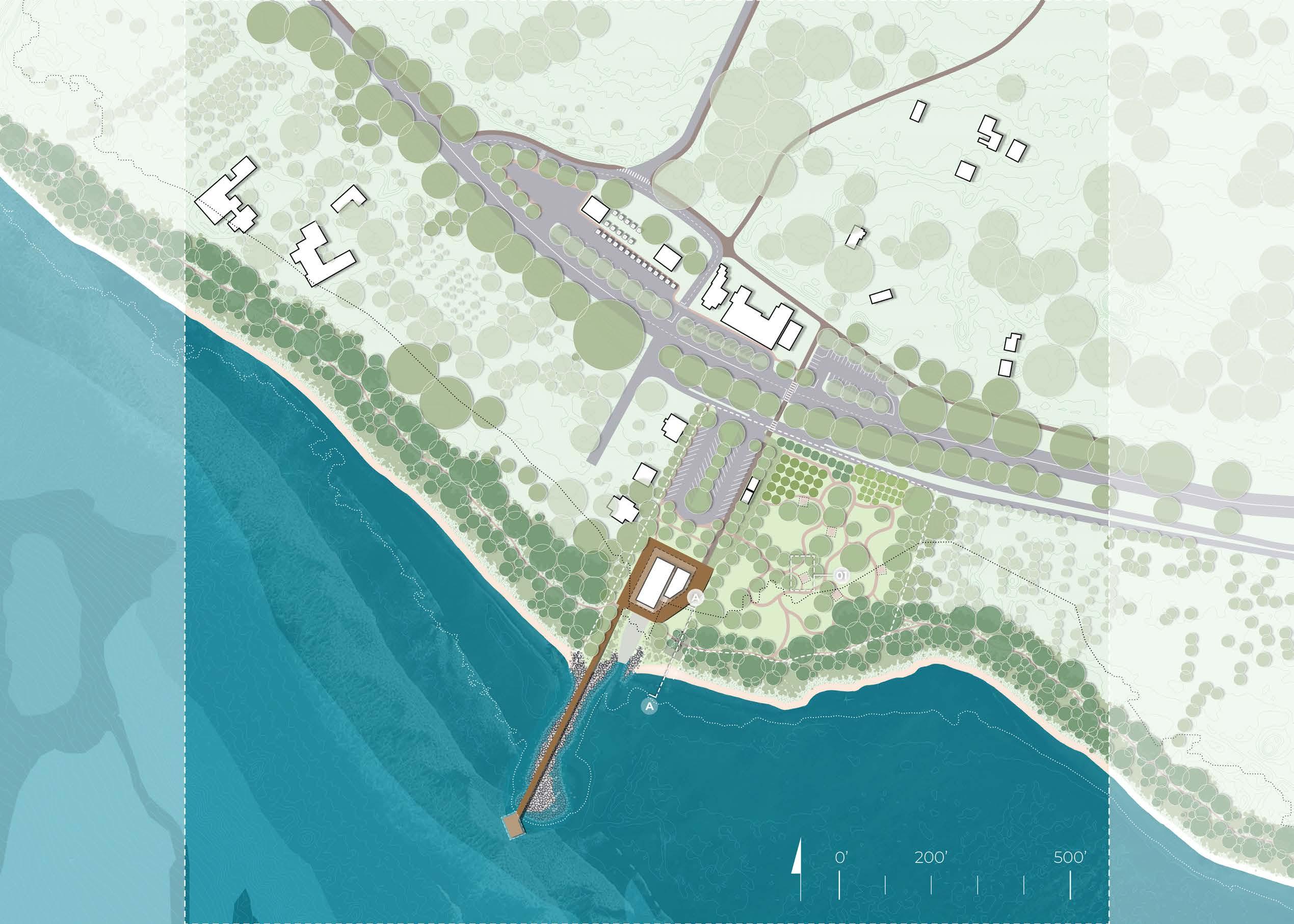
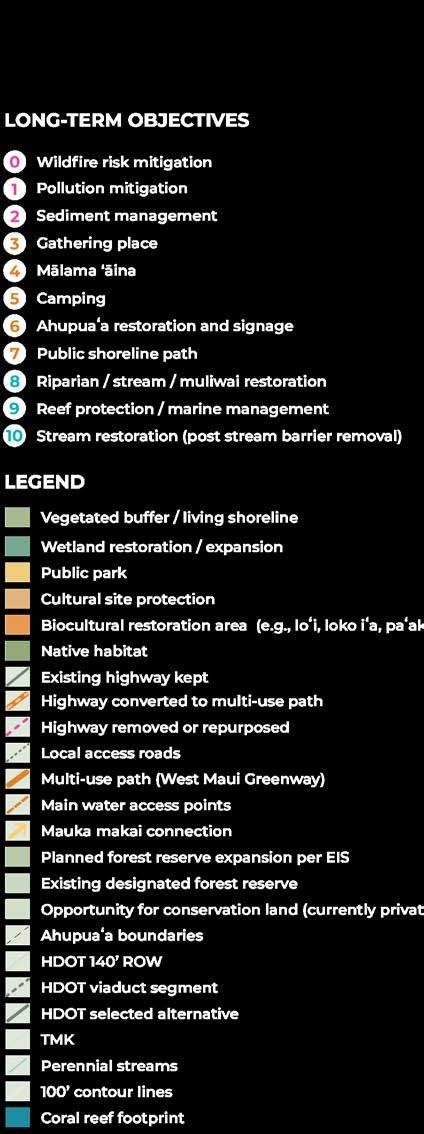
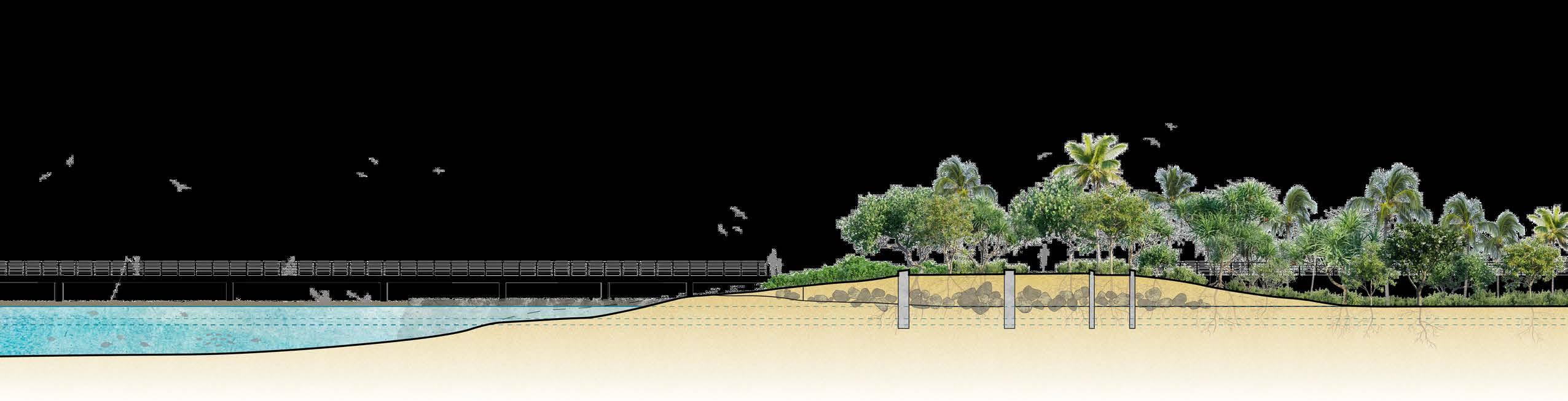
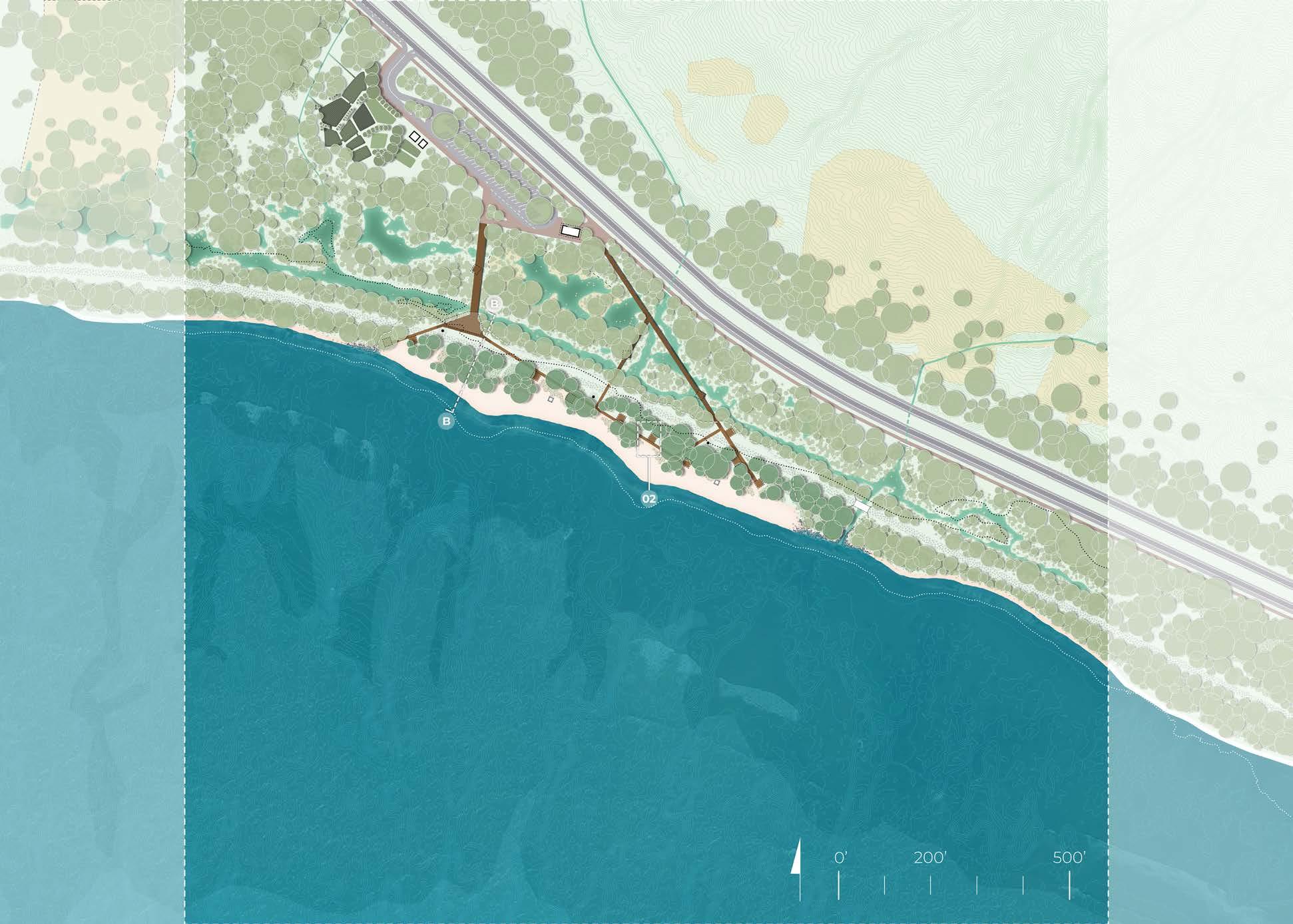
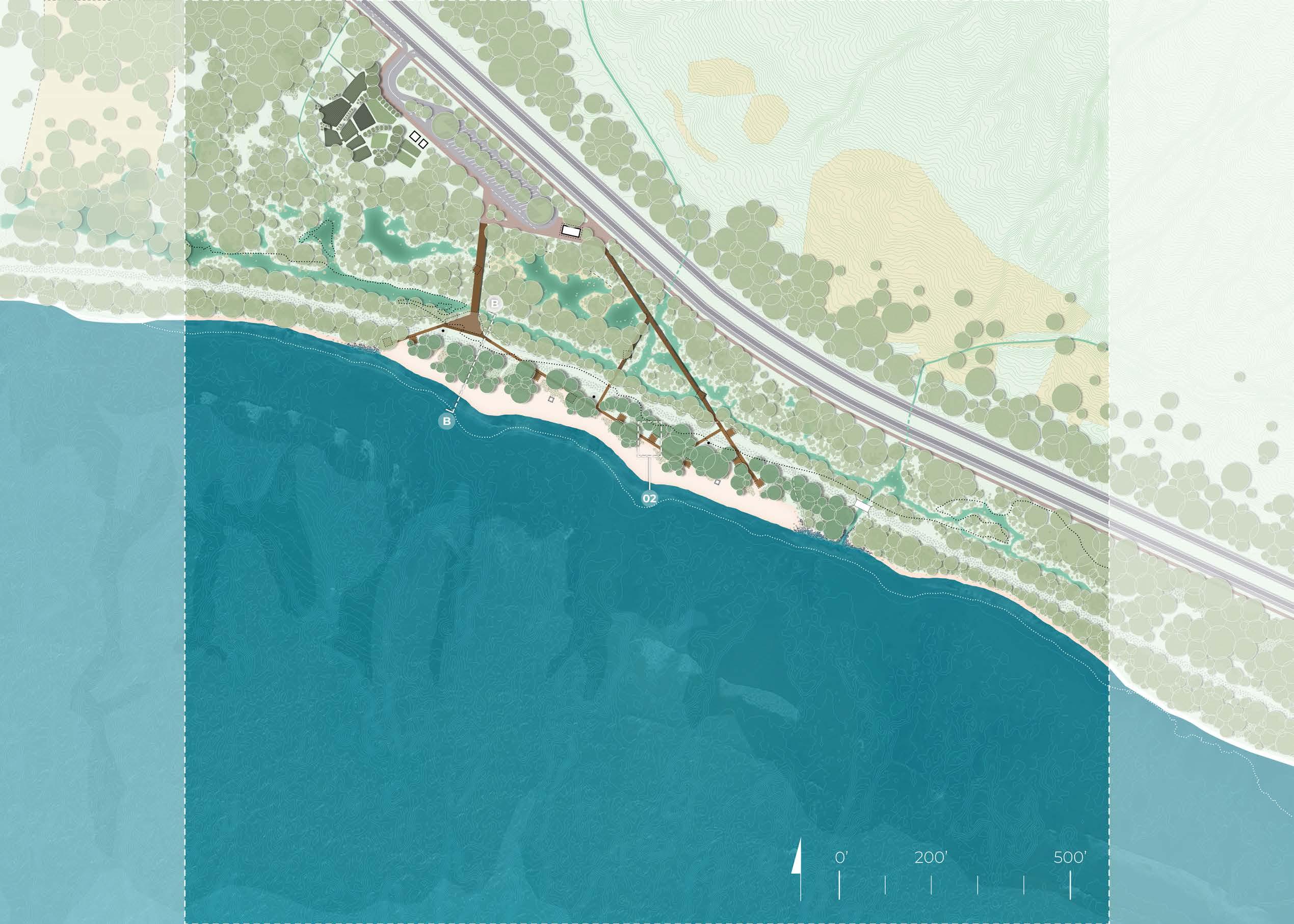
Draft Conceptual Section A - A’: Long-Term Vision (3.2-ft SLR-XA, approx. 2075) Draft Conceptual Plan: Long-Term Vision (3.2-ft SLR-XA, approx. 2075)
Re-use rocks from current shoreline to stabilize living protective berm and repurpose sugar mill remnants
Potential Public Park
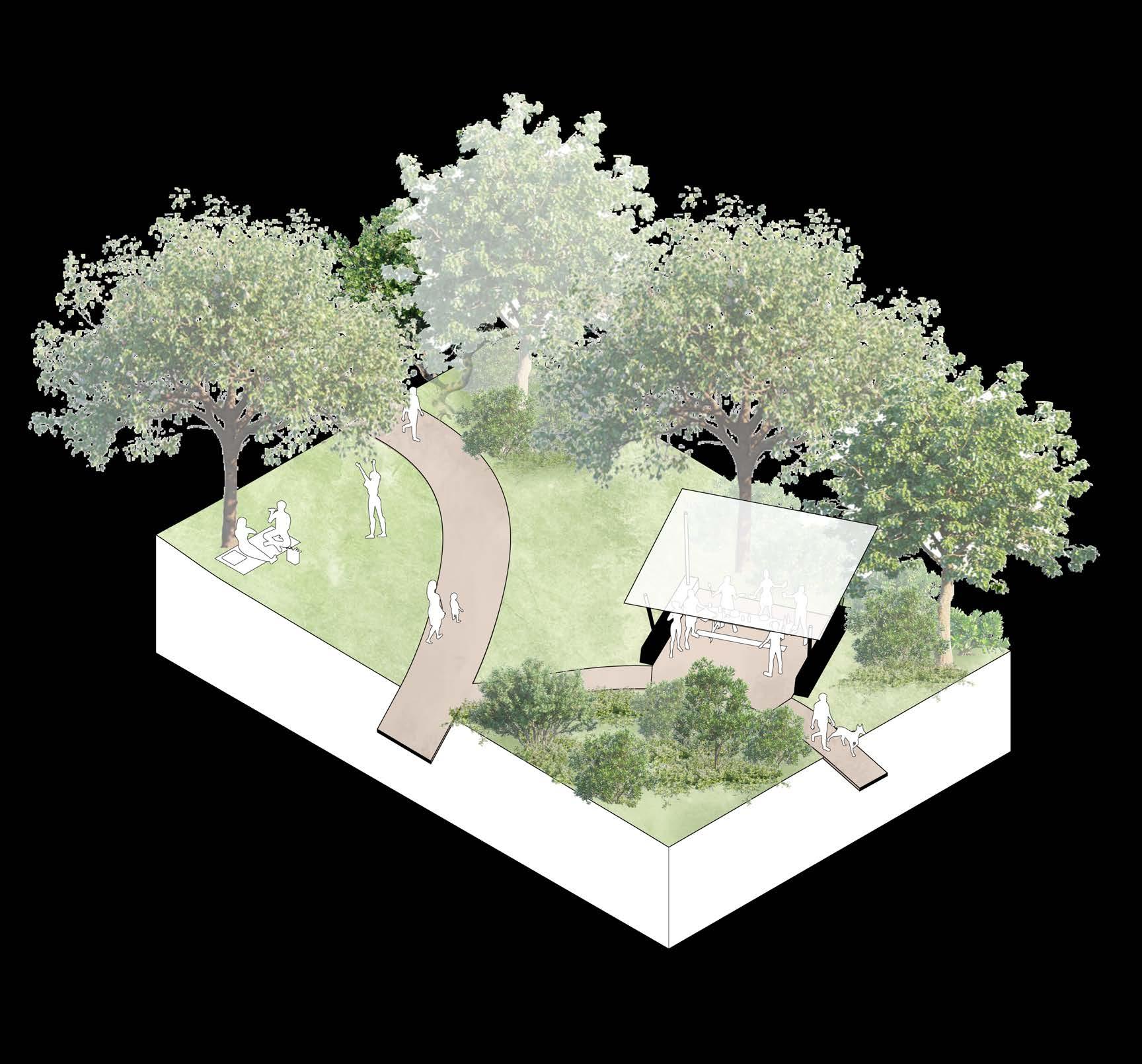
Picnic Area
Draft Conceptual Plan: Long-Term
Olowalu: The Road to Resilience
New Beach Park
Climate-Adaptive Coral Reef Restoration
Living Shoreline / Erosion Control
Groundcovers
Kaupo‘o, Kākuaohiʻ iaka
Kipukai
Pa‘uohi‘iaka
Pōhuehue ‘Akulikuli
Shrubs / small trees Large trees Niu
Naupaka Kahakai Hala Kamani
‘Aki‘aki
‘Uhaloa
Draft Conceptual Section B - B’: Long-Term Vision (3.2-ft SLR-XA, approx. 2075) Draft Conceptual Plan: Long-Term Vision (3.2-ft SLR-XA, approx. 2075)
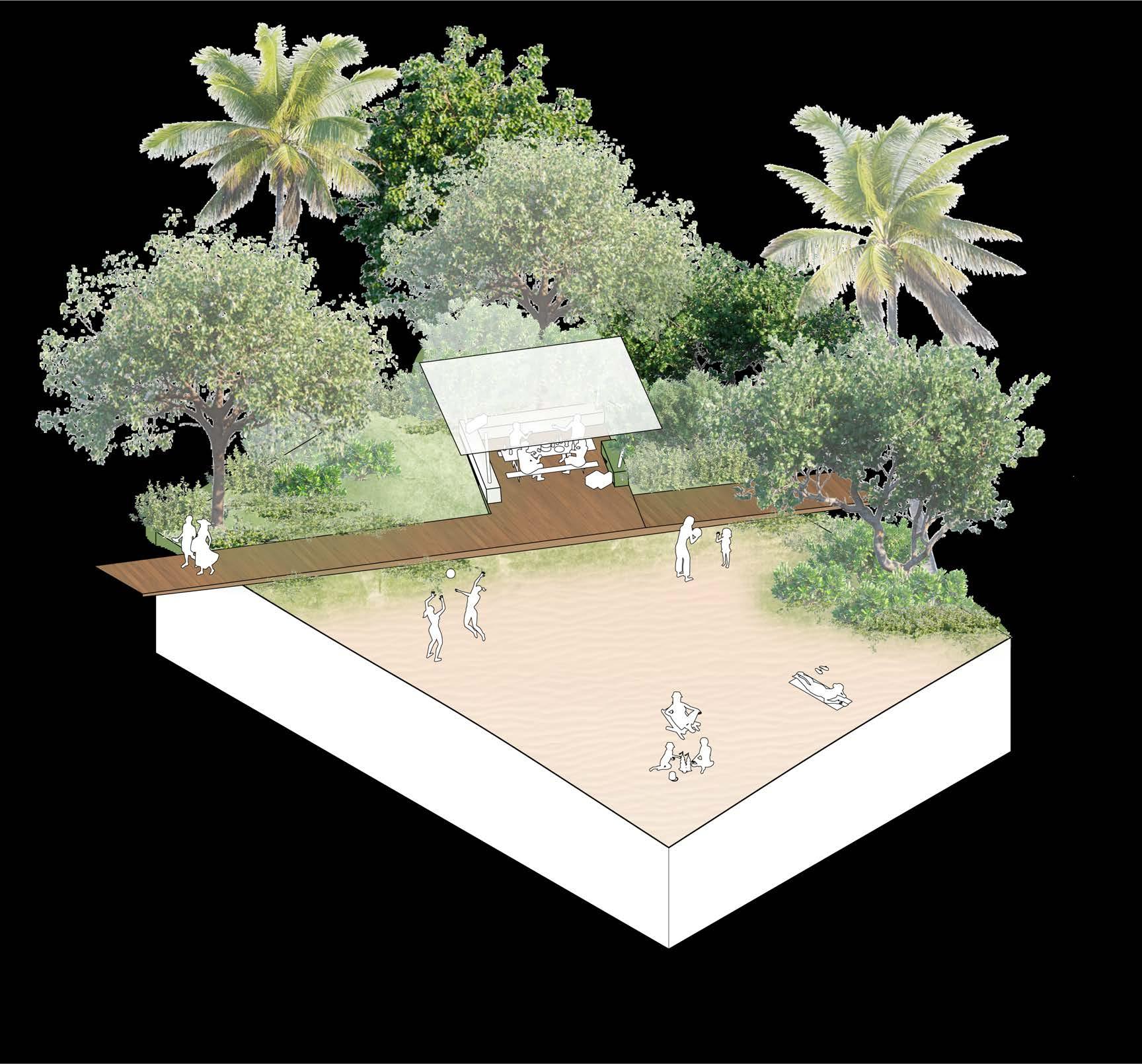
Emergency & Maintenance AccessPicnic Shelter & Connection to Boardwalks
Landscaped berm (designed to prevent sedimentation from eroding road materials), floodable, drivable, can be used for picnic areas when not in use
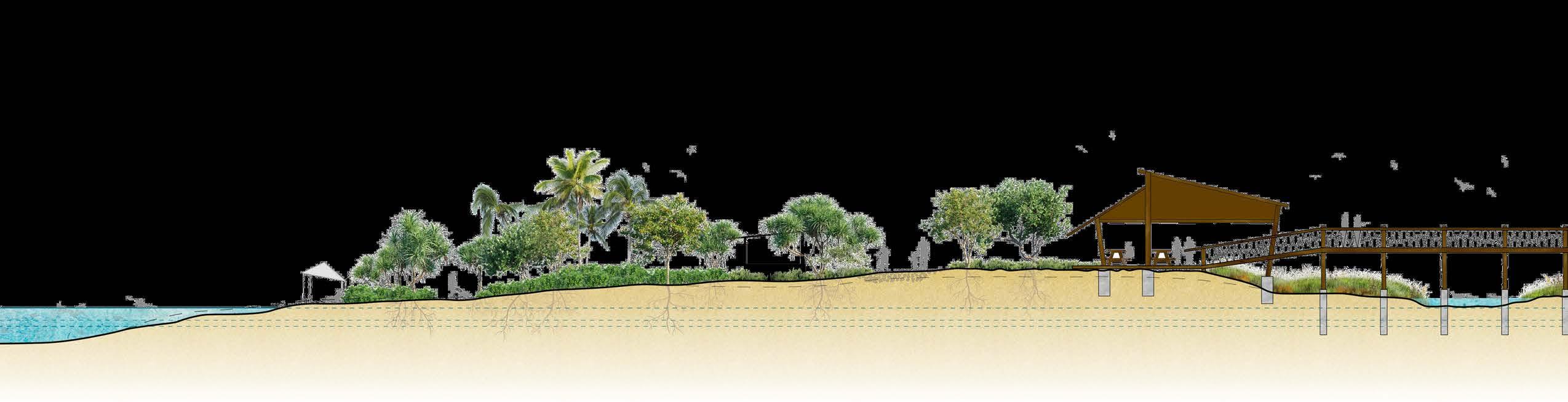
Provide shade, weather protection, picnic benches / tables
Hydrological Connection to Wetland
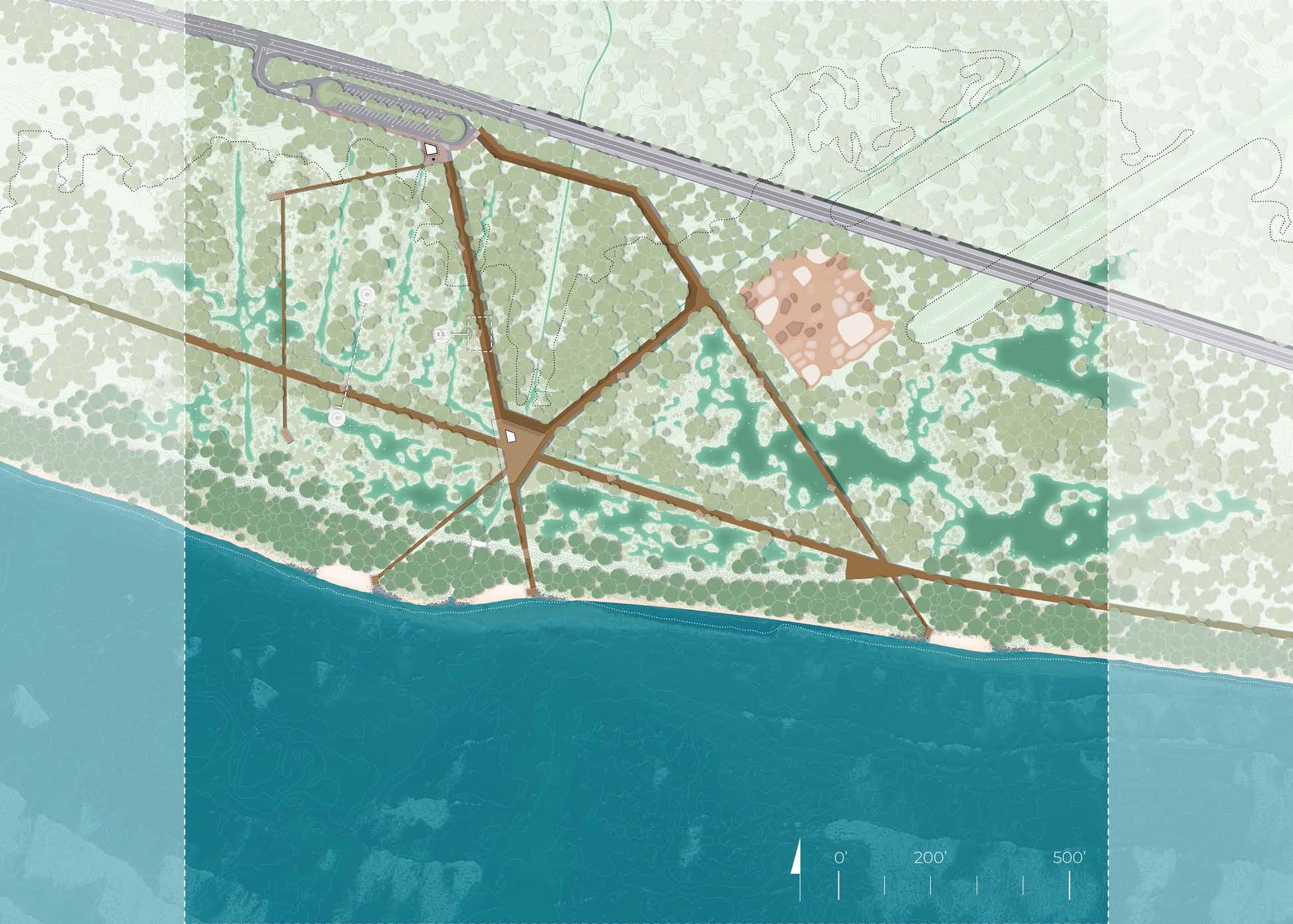
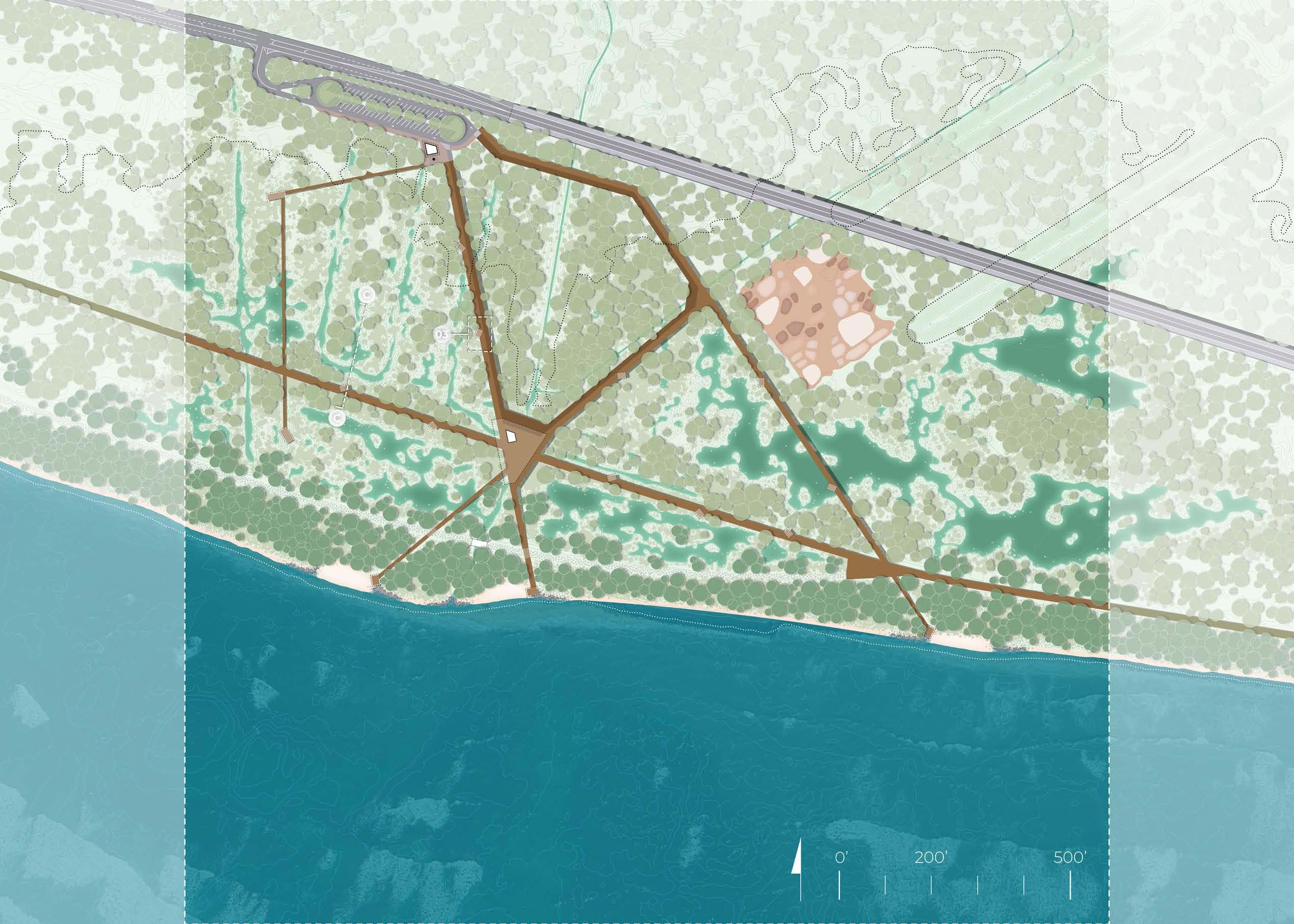
Draft Conceptual Plan: Long-Term Vision (3.2-ft SLR-XA, approx. 2075)
Hydrological Connection to Wetland
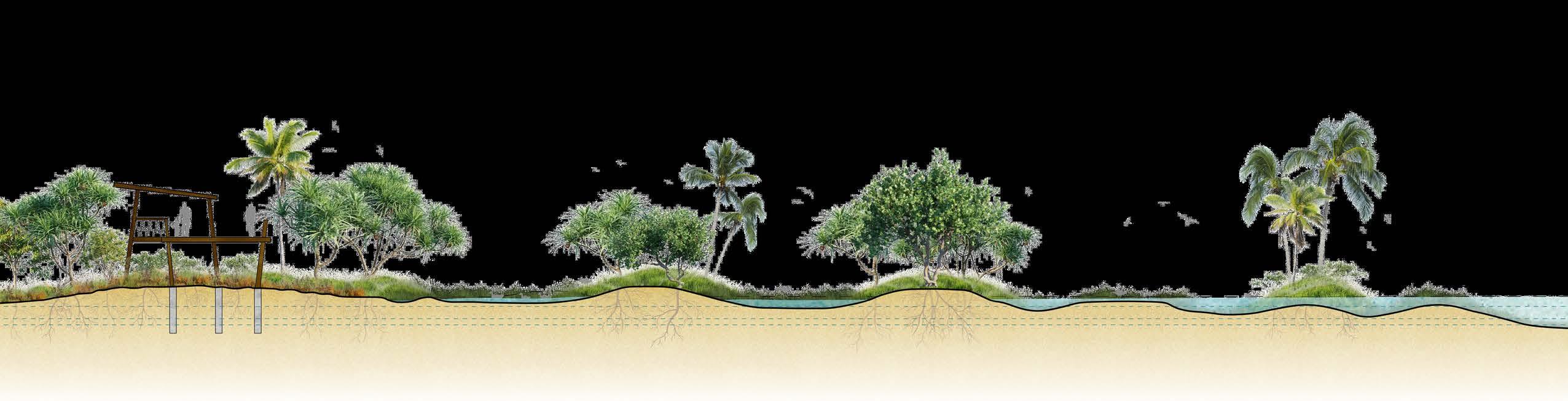
Erosion controlWest Maui GreenwayNative Habitat
Draft Conceptual Section C - C’: Long-Term Vision (3.2-ft SLR-XA, approx. 2075)
Shared, drivable boardwalk
Shared Drivable Beach Access Boardwalk
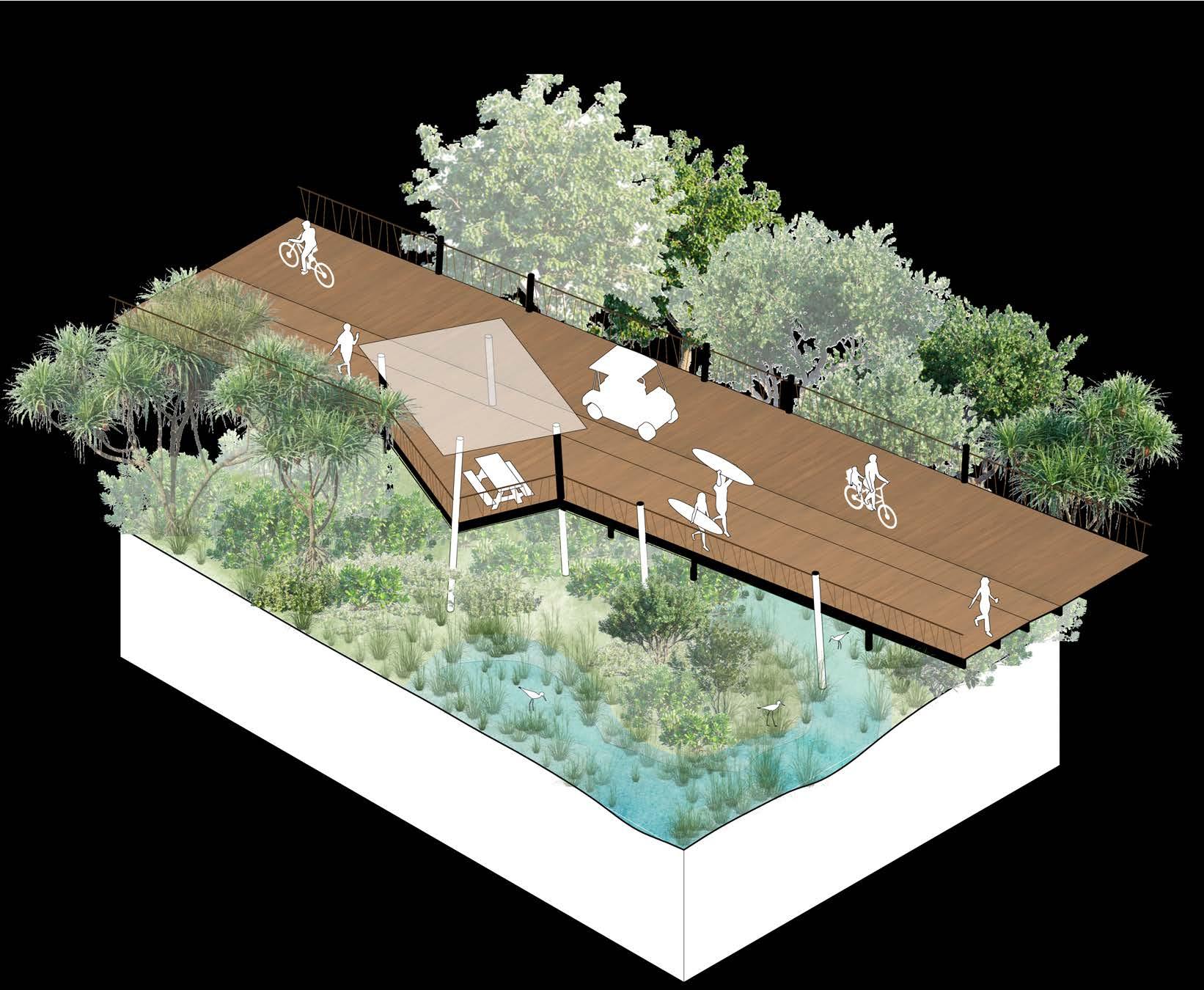
Shaded rest, view, and picnic zones
Wetland restoration Native habitat
Welcome and introductions
Project context
Overview
Goals and structure
Engagement results
Draft design concepts
Menti Co-design activities
Wrap up discussion