
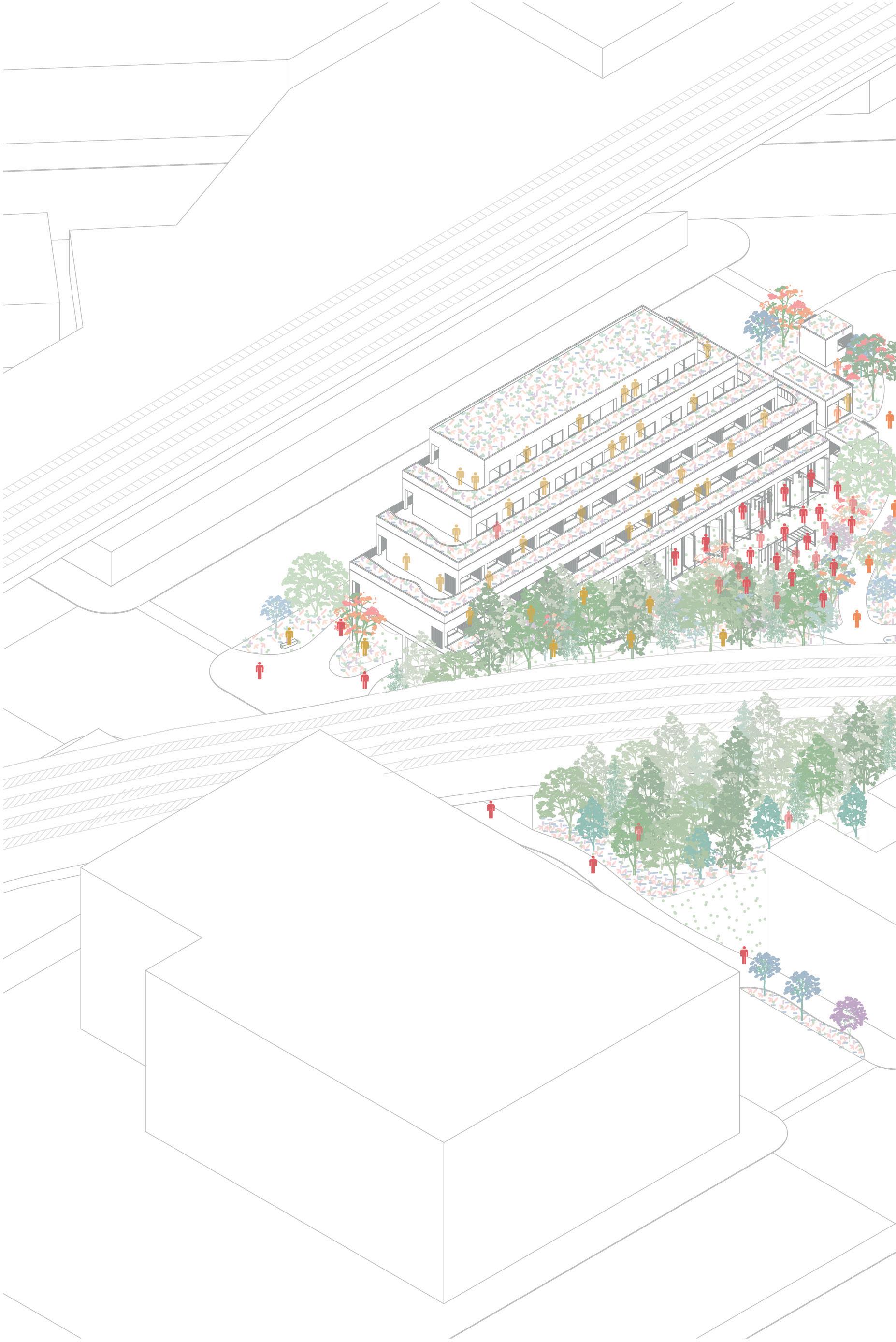
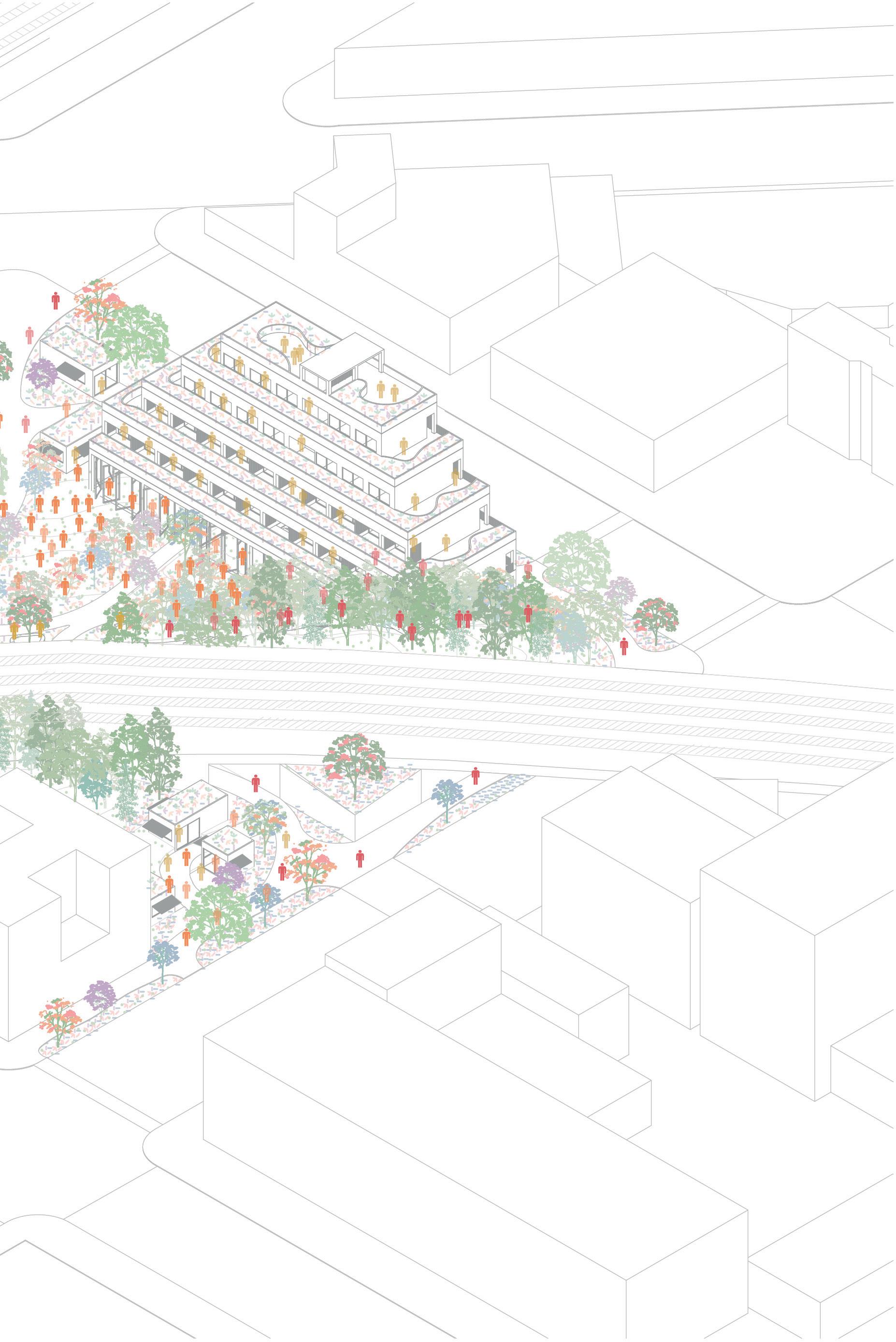
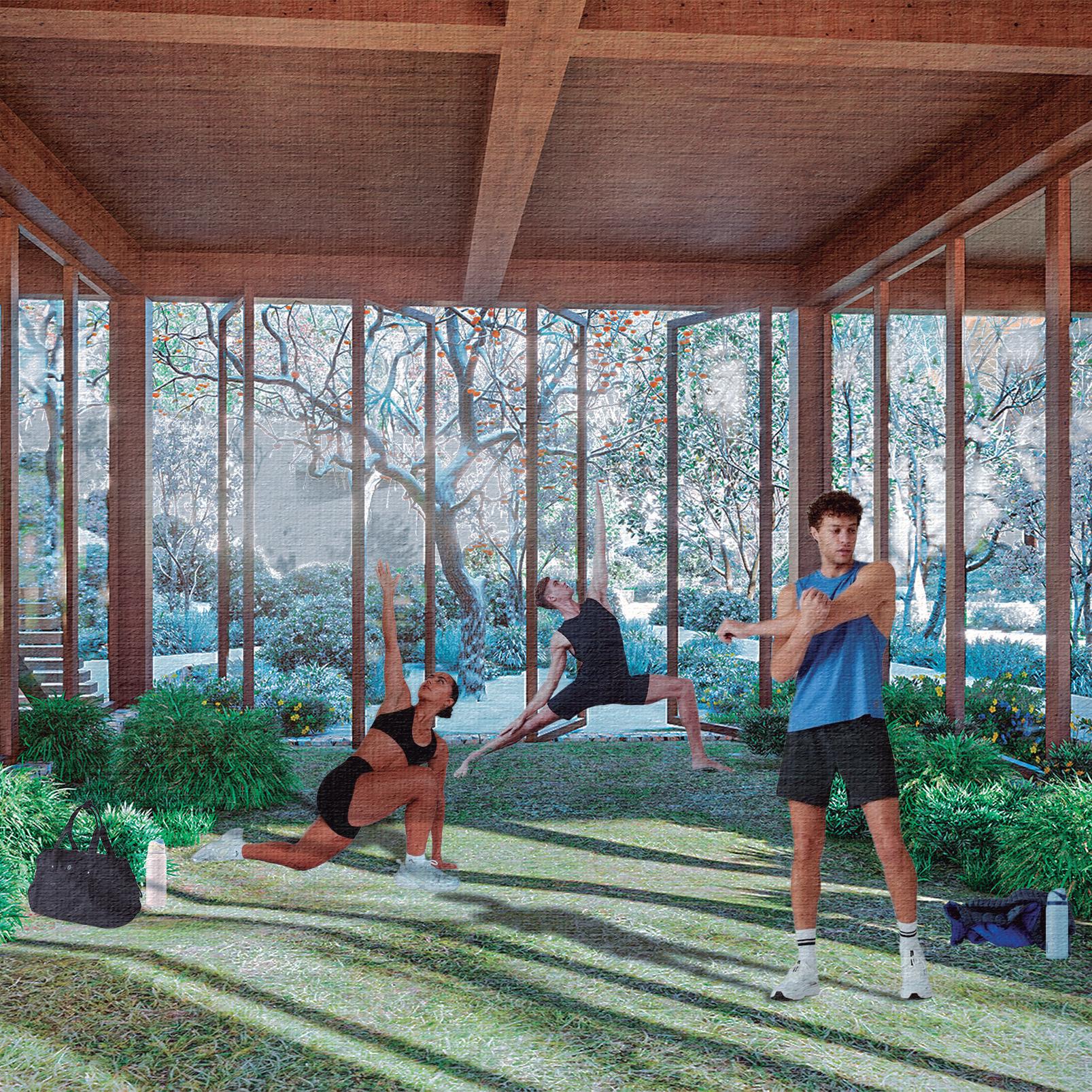
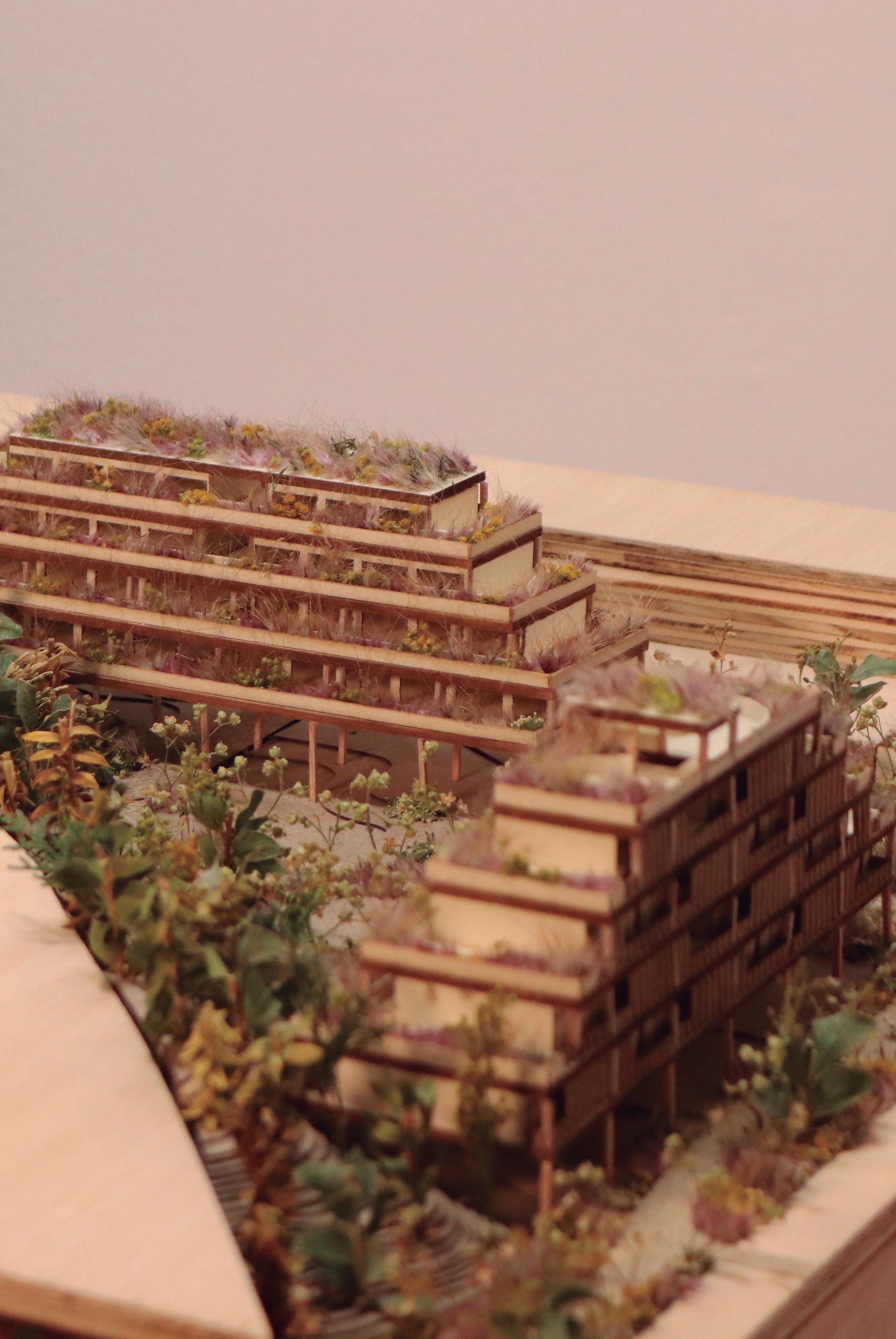
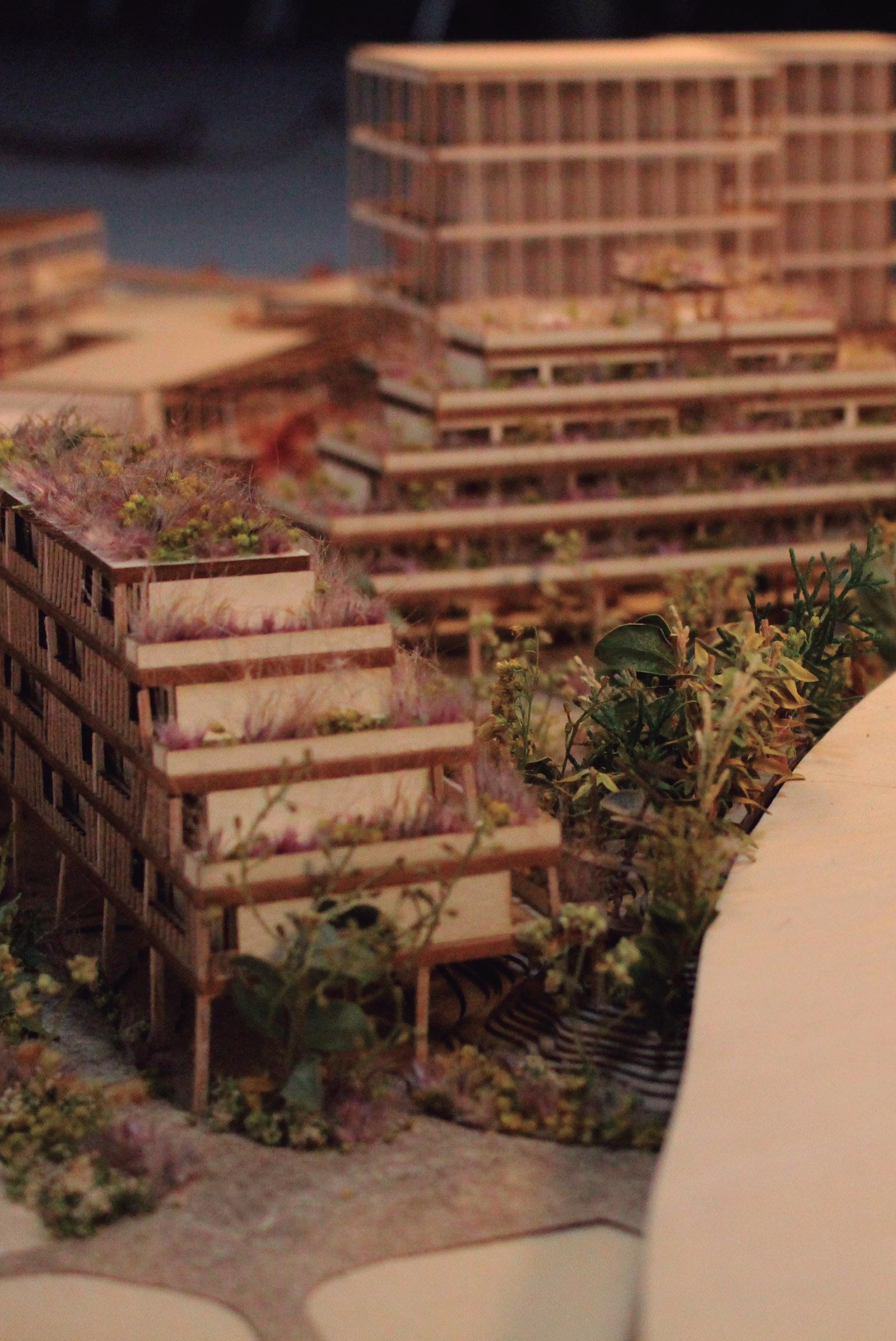
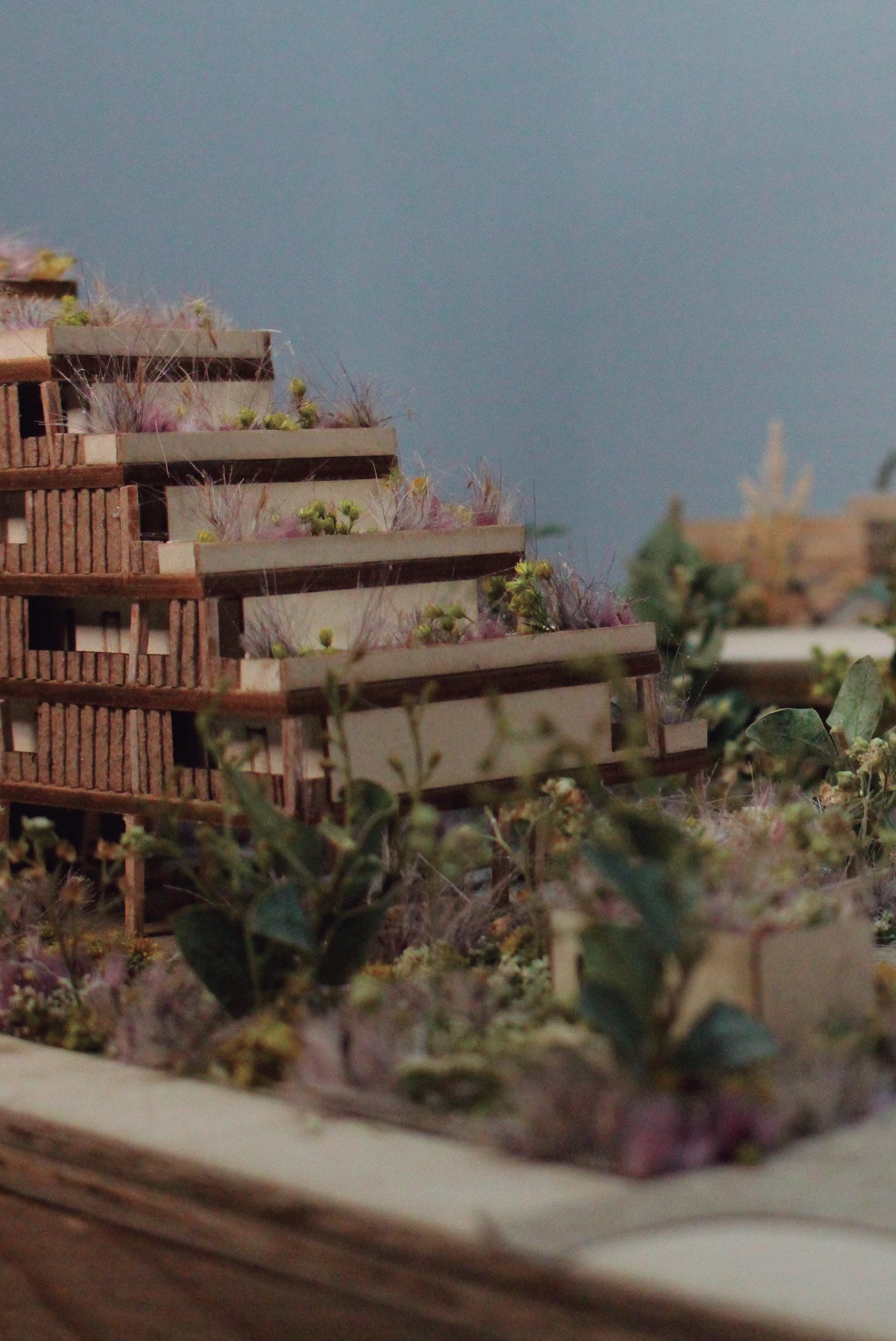
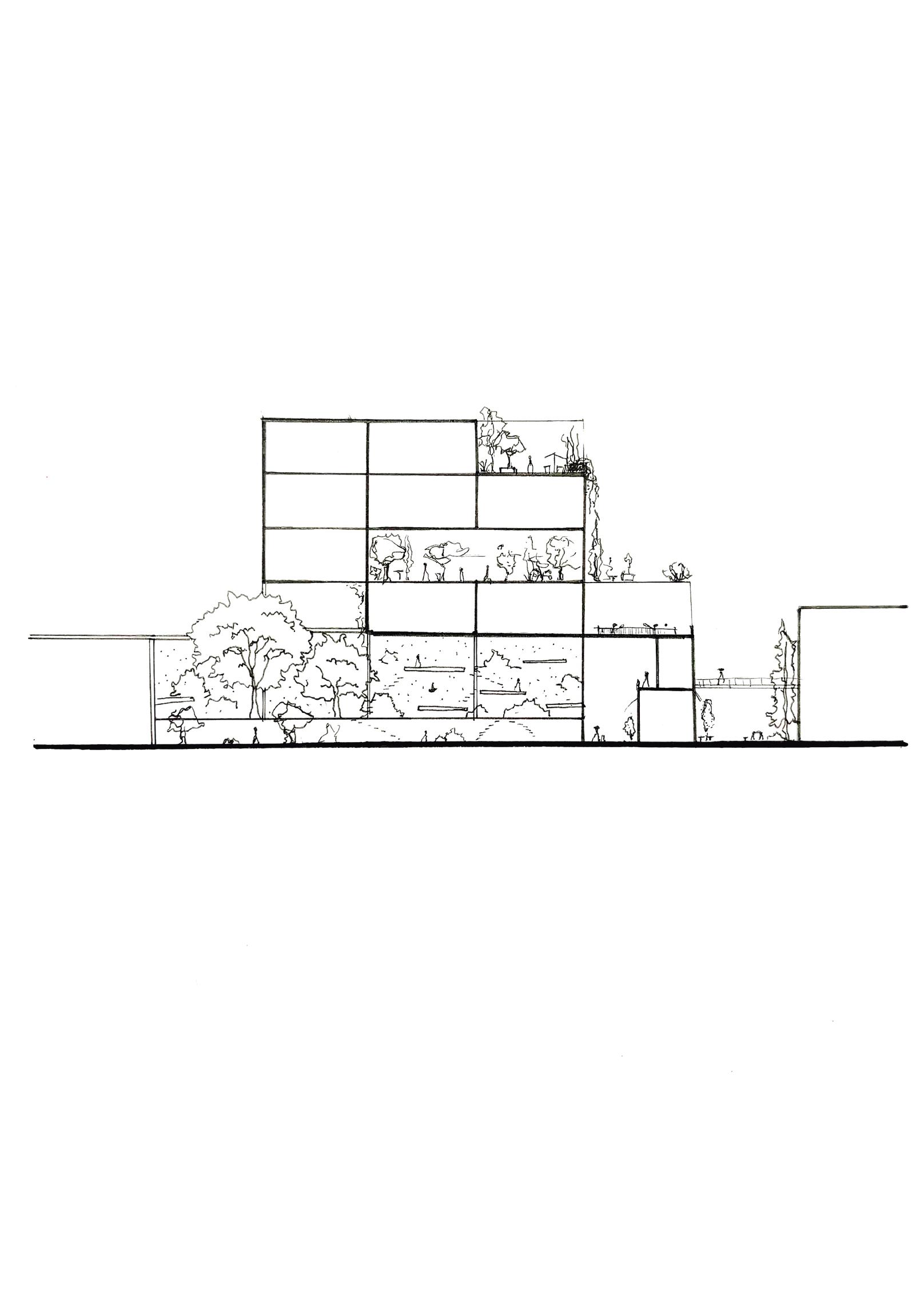
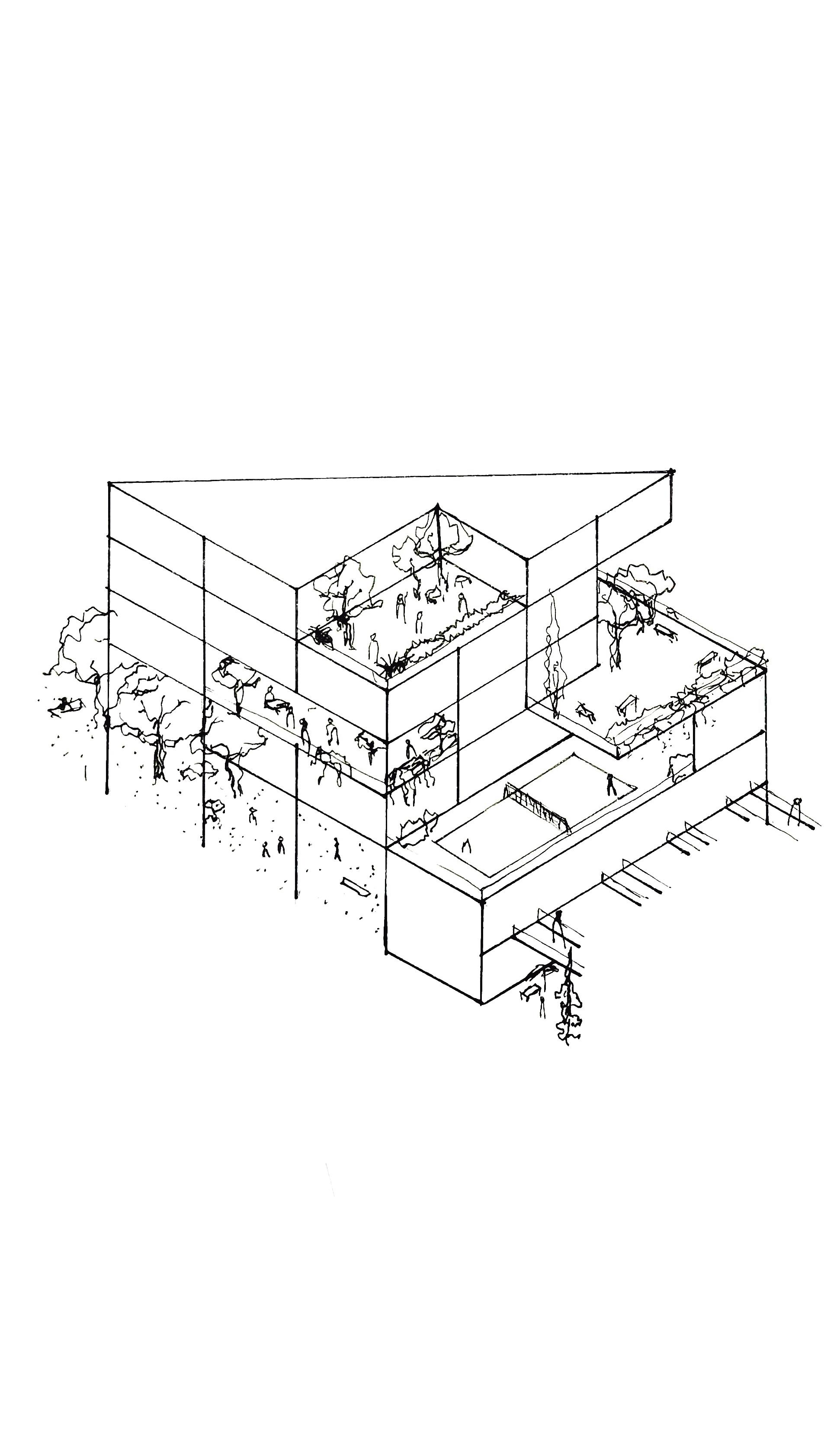
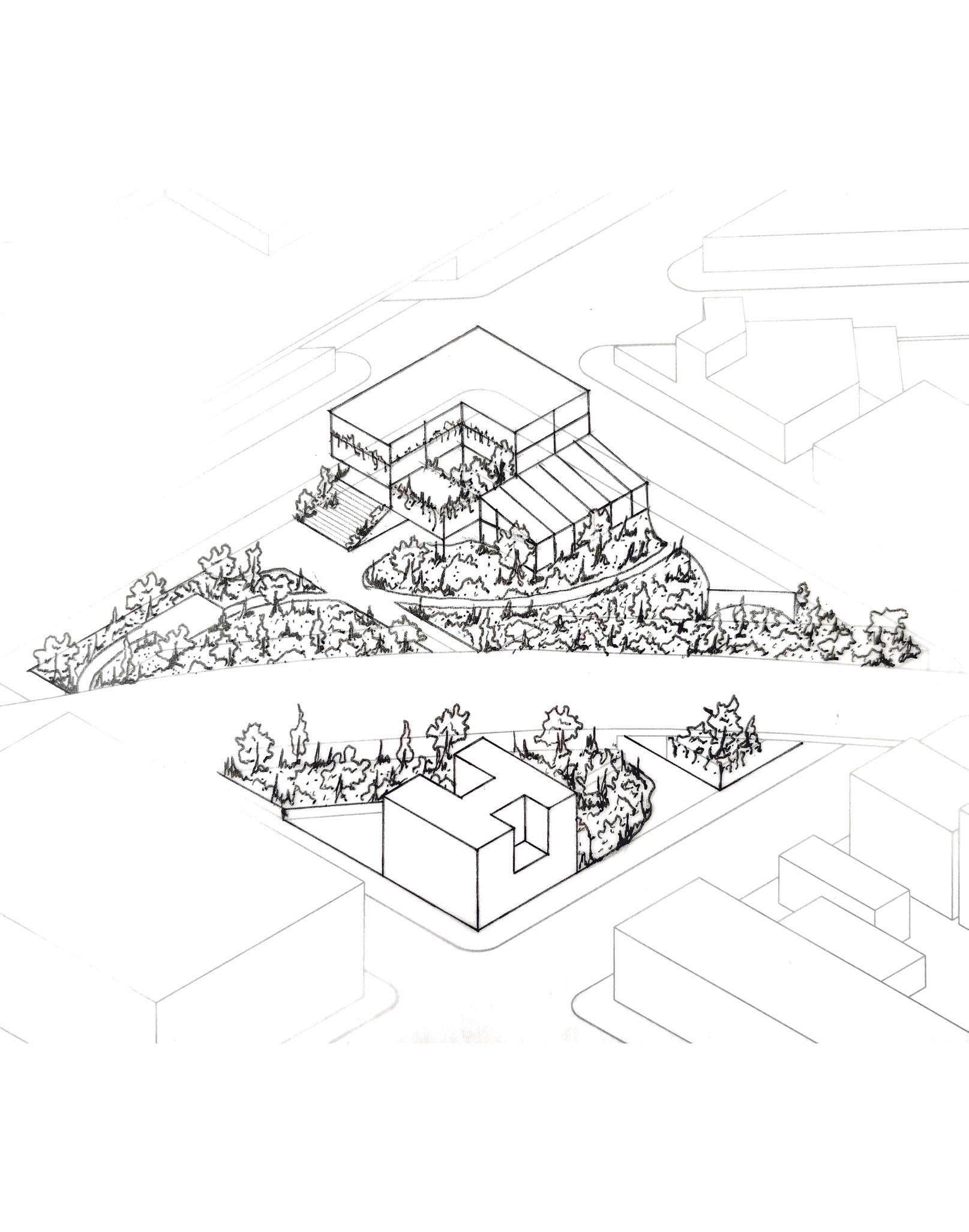
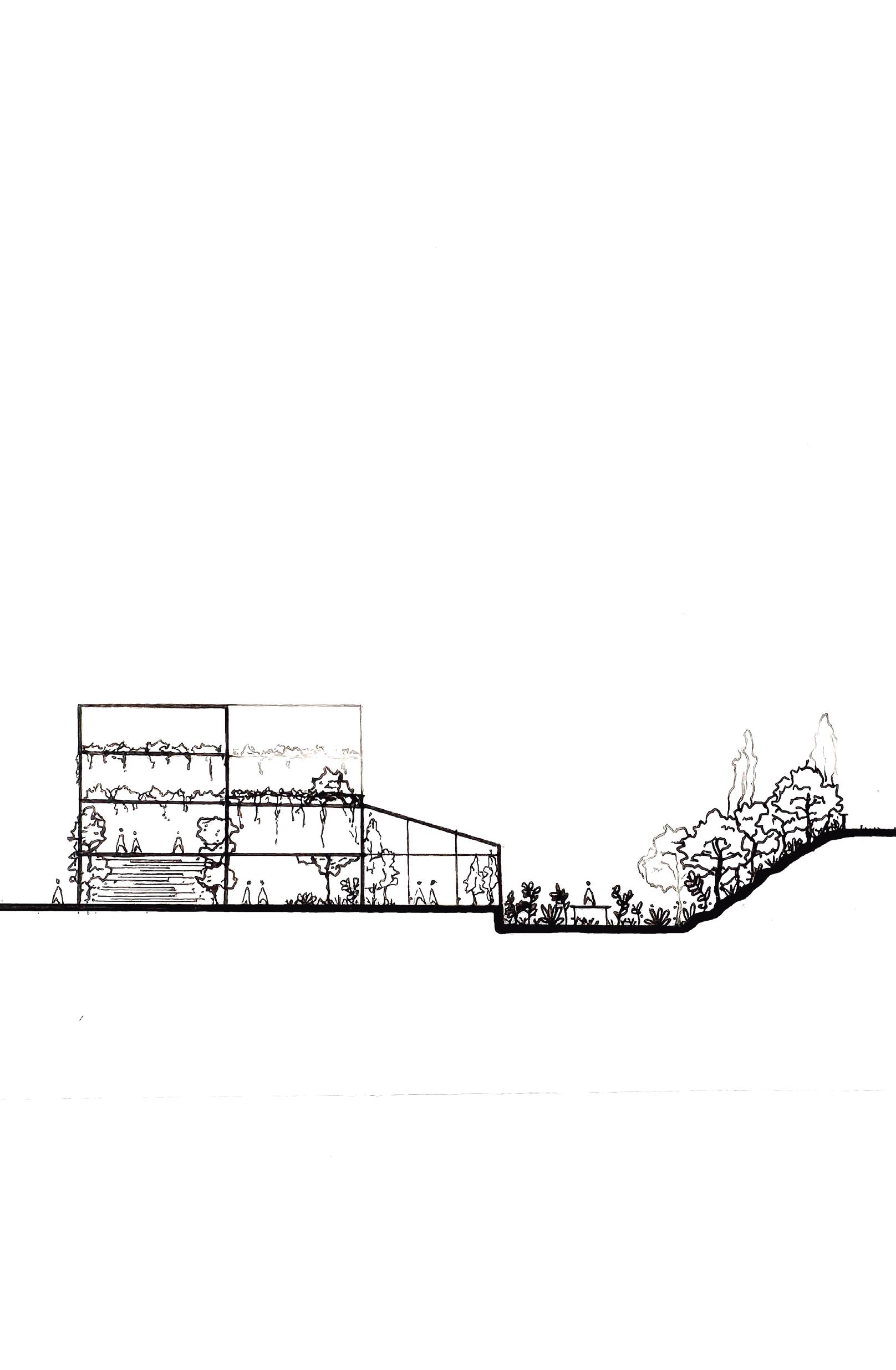
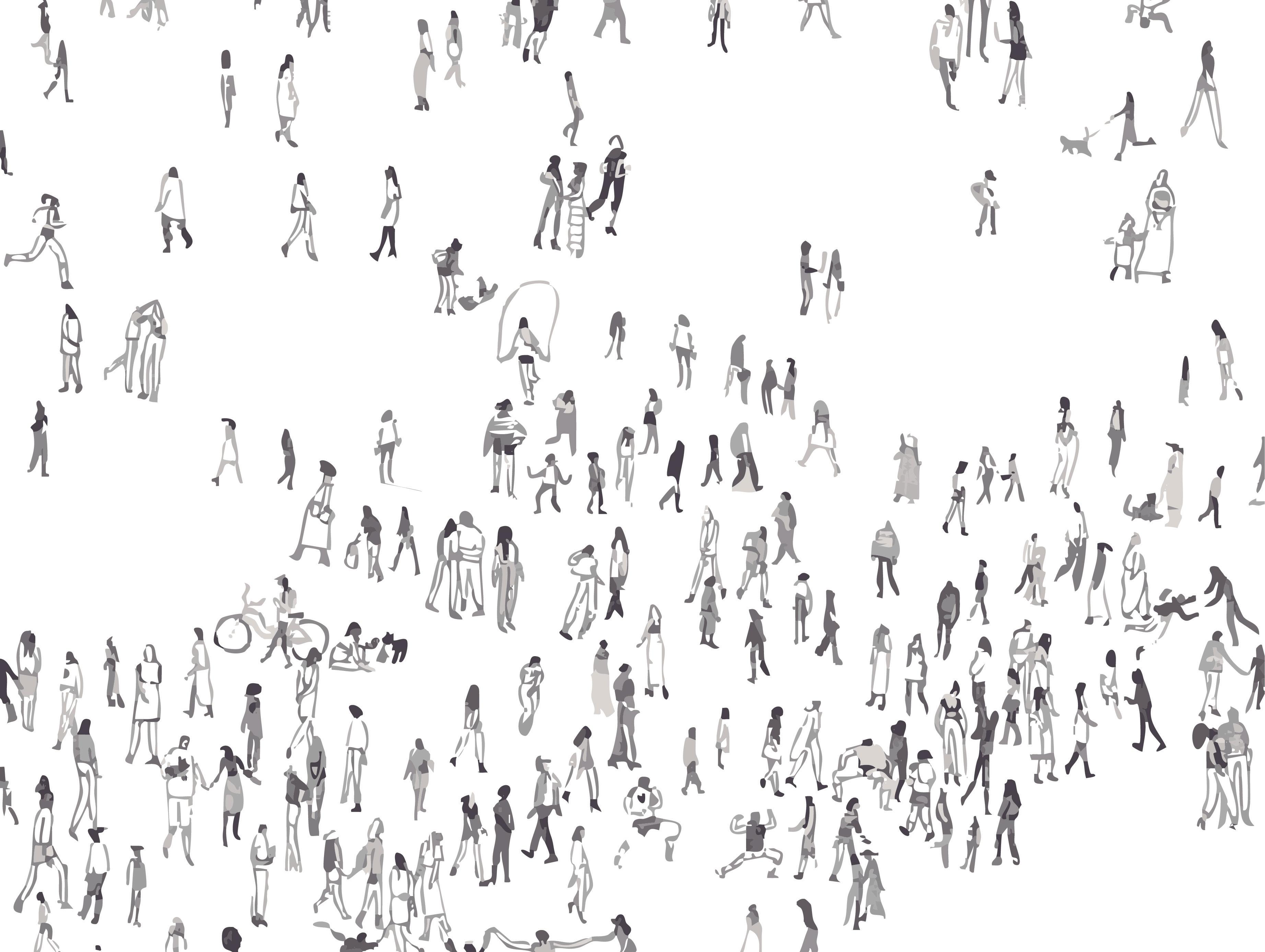
Vital Movement emerges as an impulse that reawakens the body’s energy in dialogue with its surroundings. It takes shape through dynamic gestures—jumps, supports, climbs, changes of direction— that spark strength and celebrate natural agility. This movement reminds the body that it was made to explore: that running can be play, that balance invites laughter, that the musculature responds when the space calls for it. When practiced, the city opens up: it feels wider, more breathable, almost as if it were moving alongside those who traverse it.

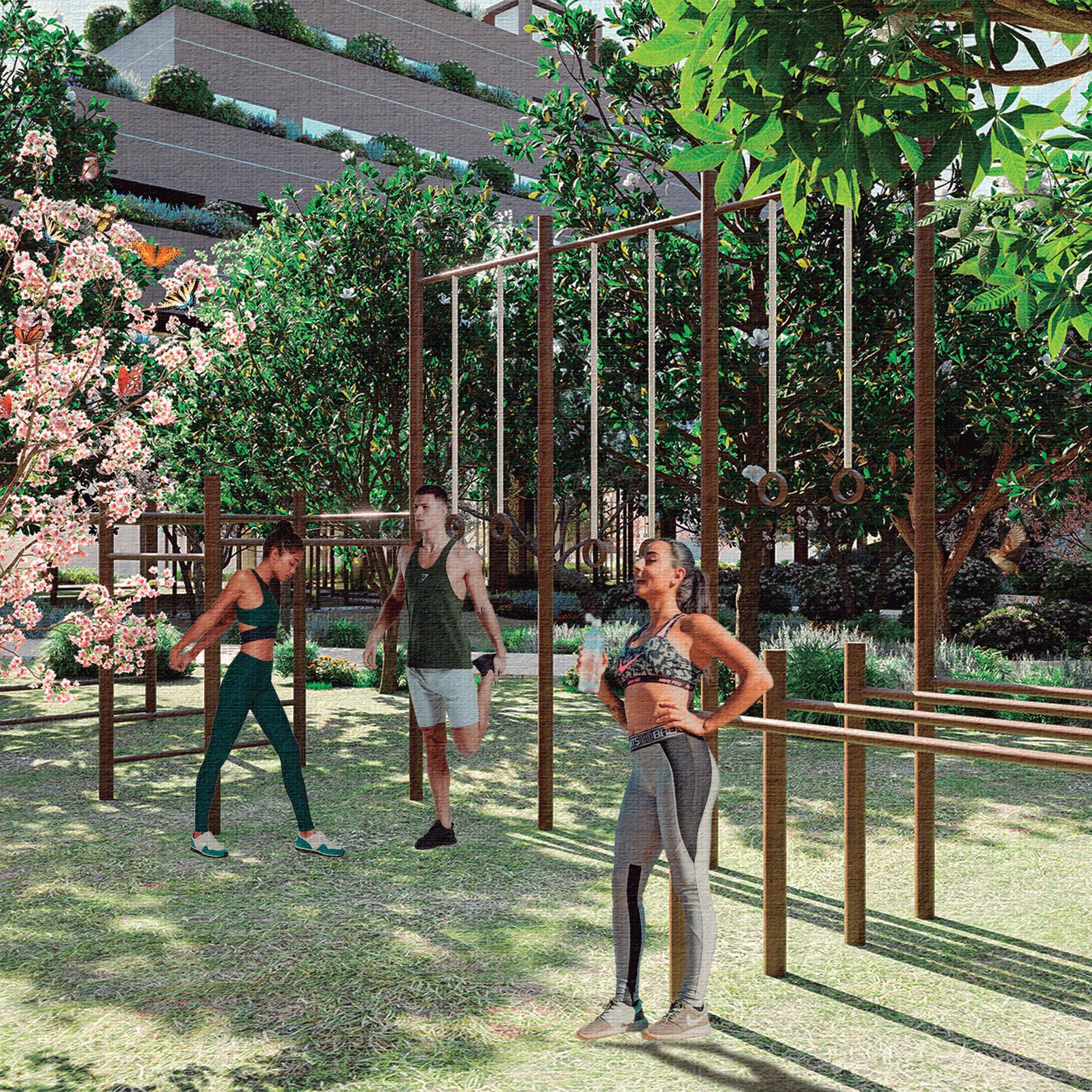

Conscious Movement is a slow conversation between breath, posture, and landscape. Its actions—flowing, mirroring, sustaining, moving gently—reeducate the body and refine presence. Here every gesture finds its tempo, every inhale accompanies the motion, every shift in weight brings clarity. The practice invites a deep listening to the environment: the light marking transitions, the wind softening the pace, the temperature embracing the body. To move in this way is to inhabit space with shared awareness, as if body and territory were learning to move together.
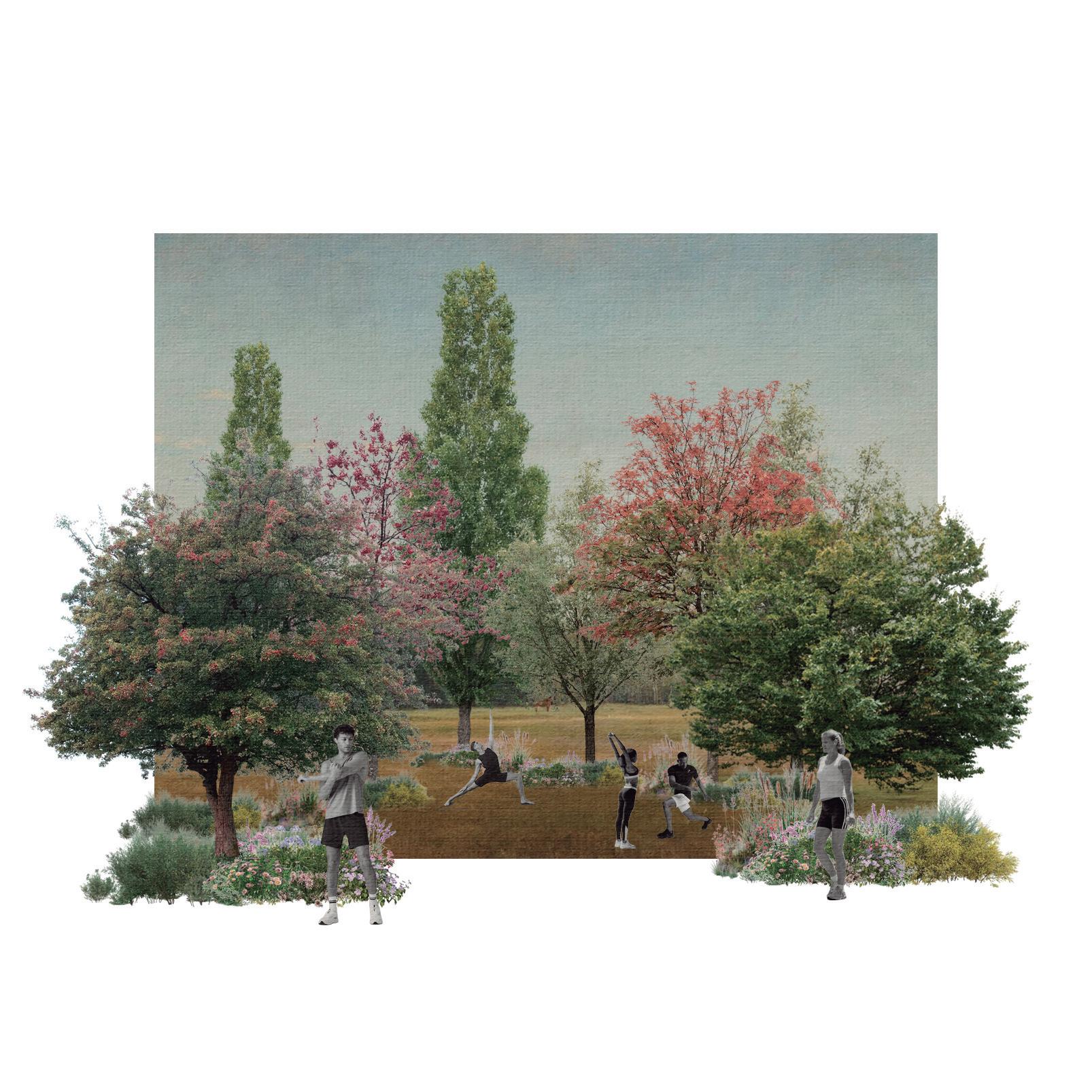

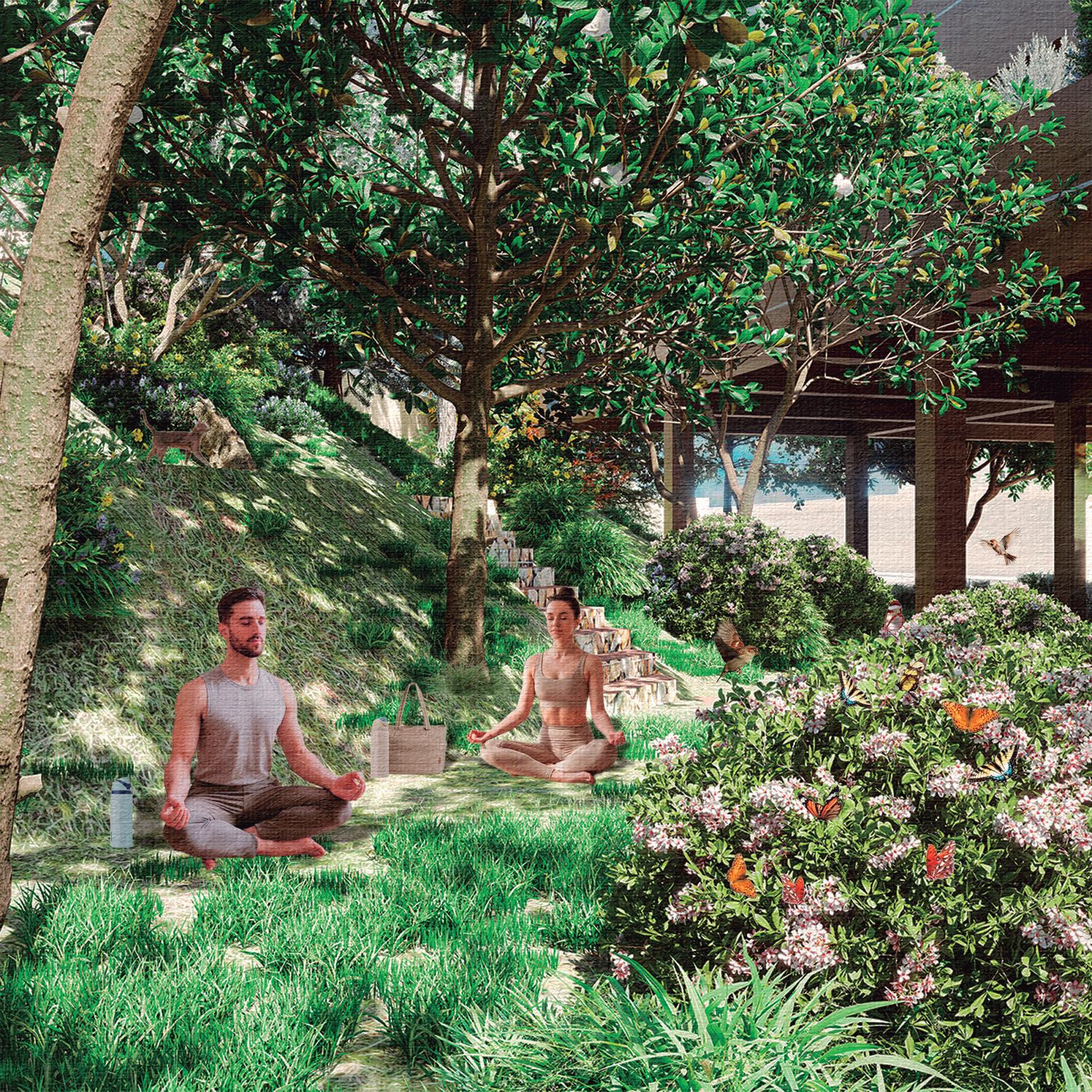
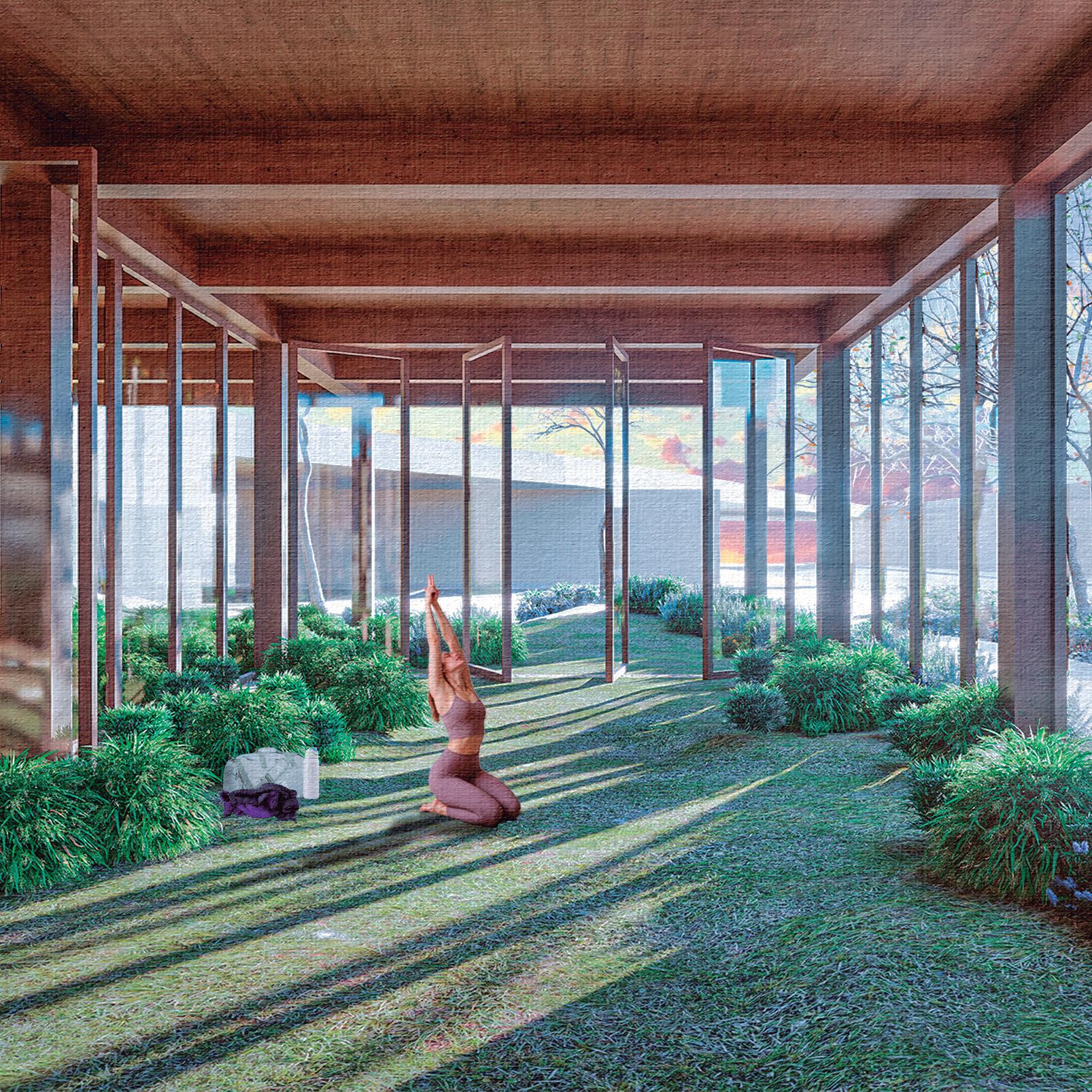
Restorative Movement is a slow return inward. It offers expansive breaths, gentle stretches, meditative walks, and gestures that soothe the nervous system. It is a movement that supports and repairs: it opens the senses, allows the body to be felt without hurry, and creates a pause within urban rhythms. In this practice, time loosens, the mind quiets, and the body regains its natural balance. It does not seek performance, but relief: the possibility of returning to oneself with honesty and softness.

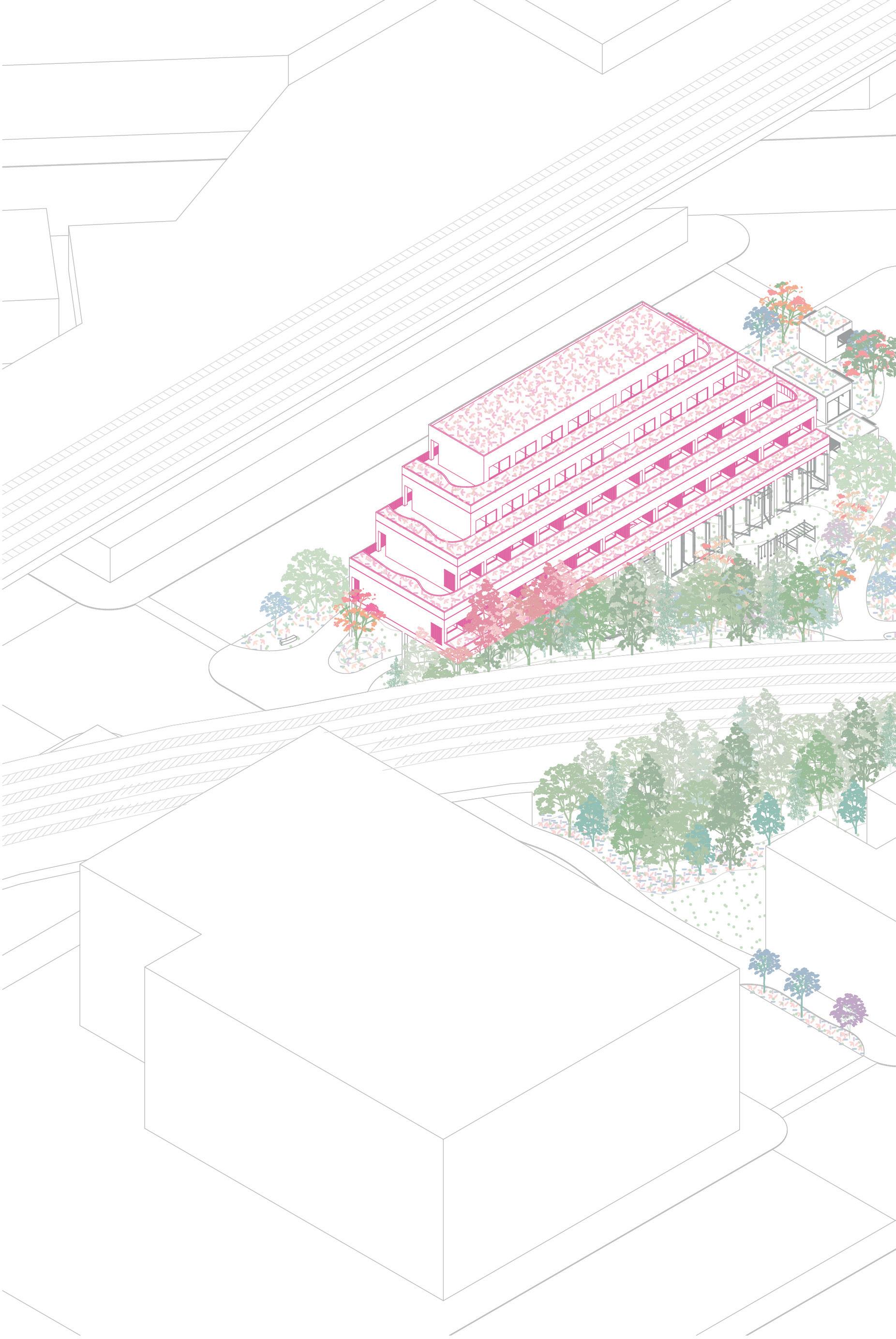
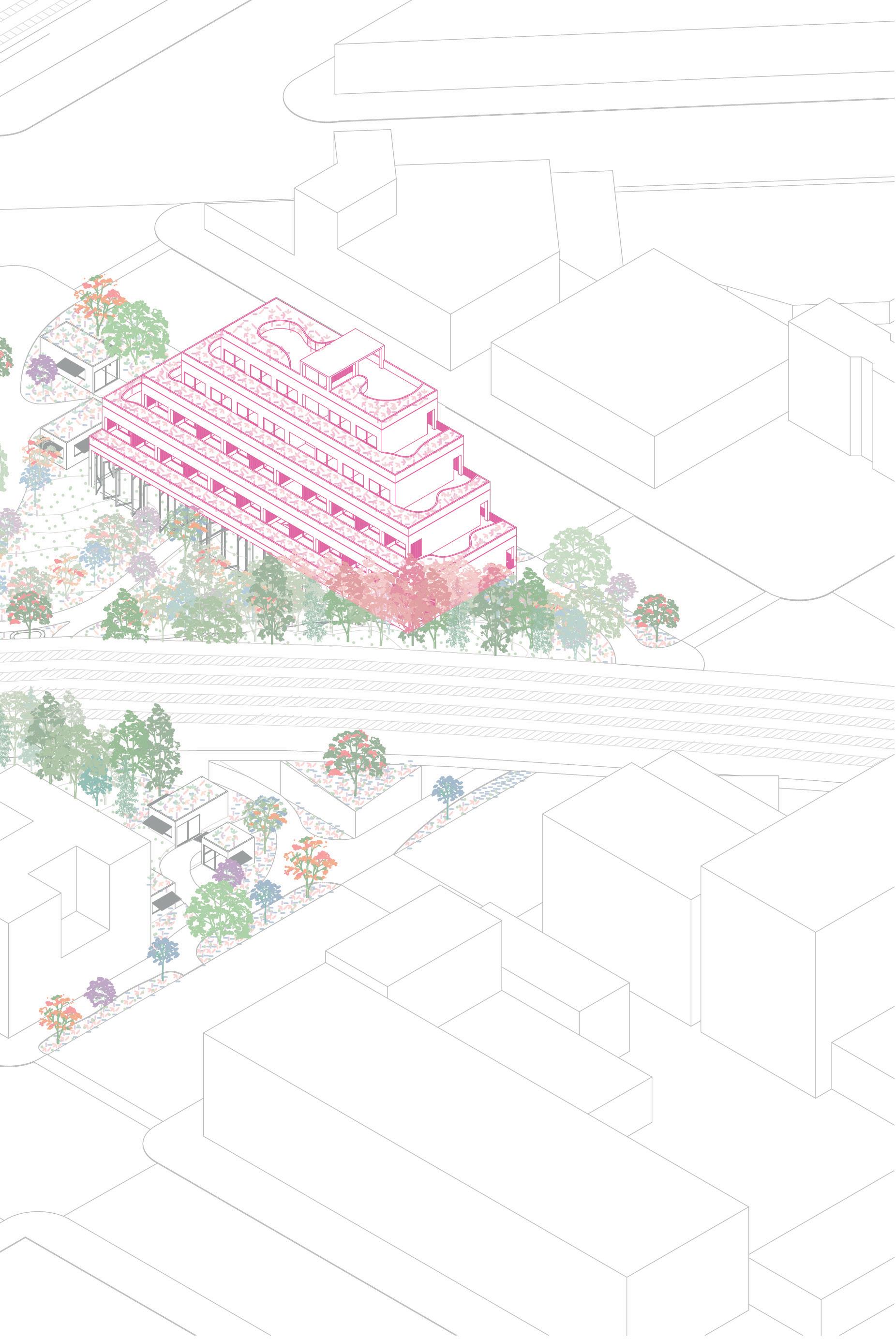
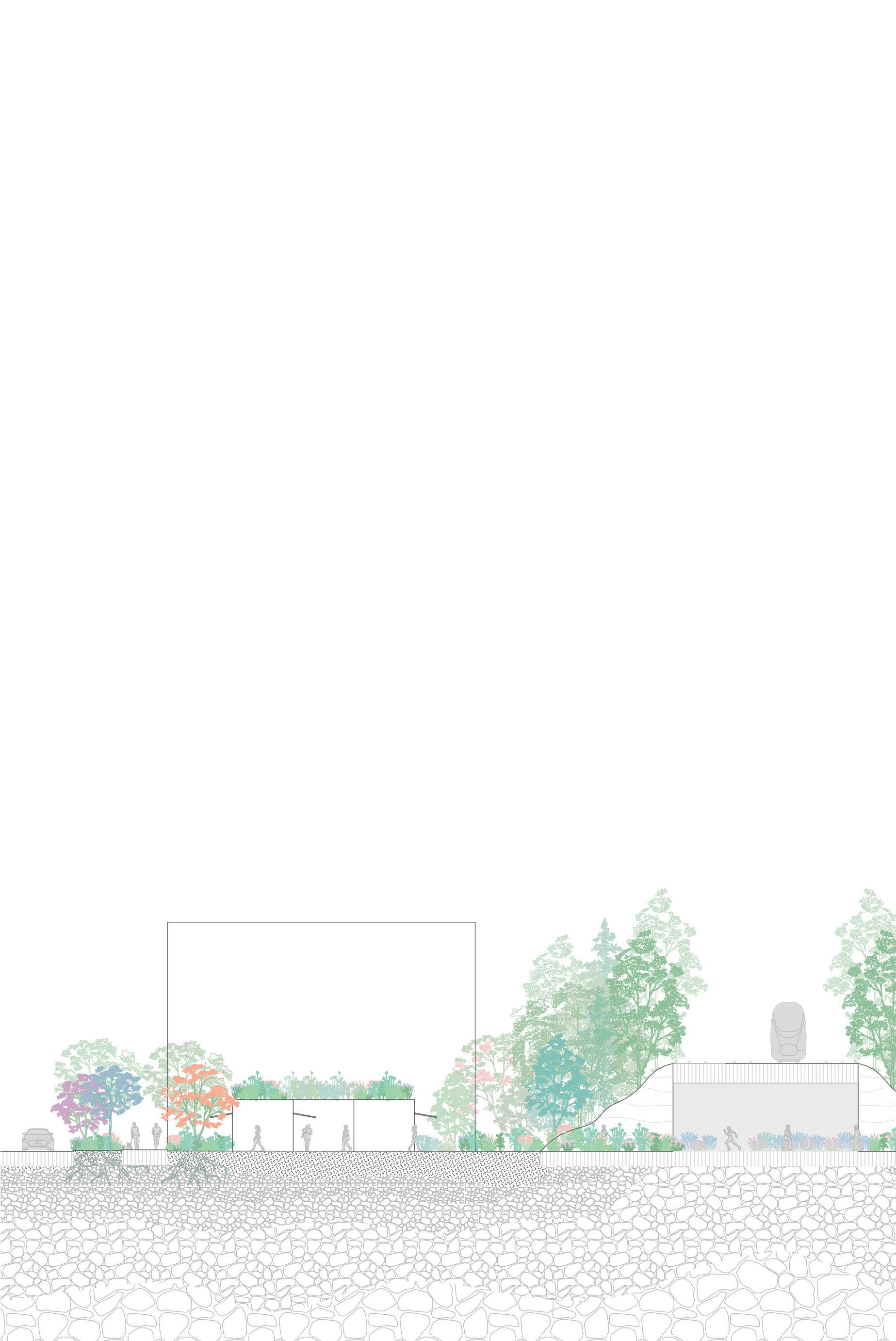
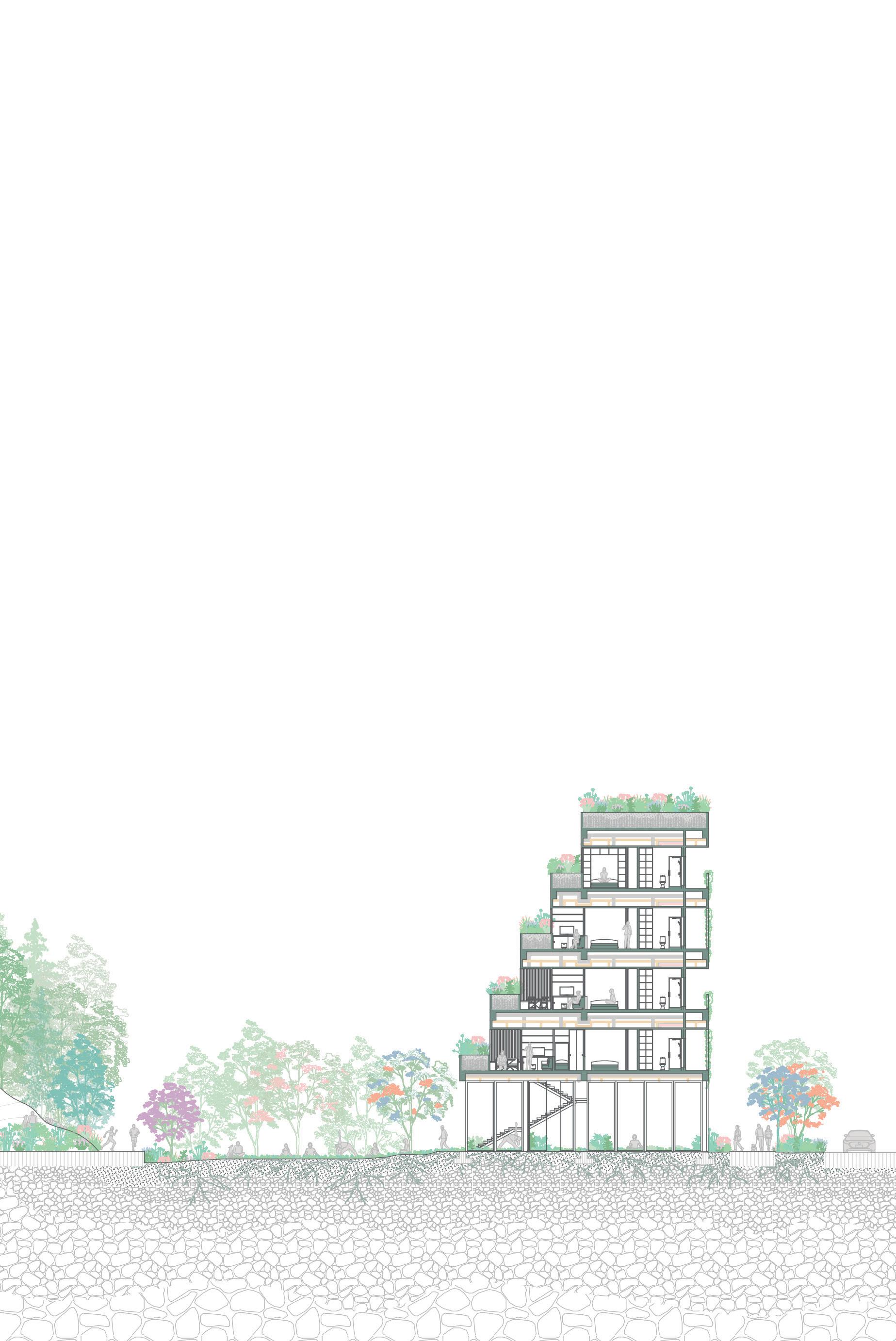
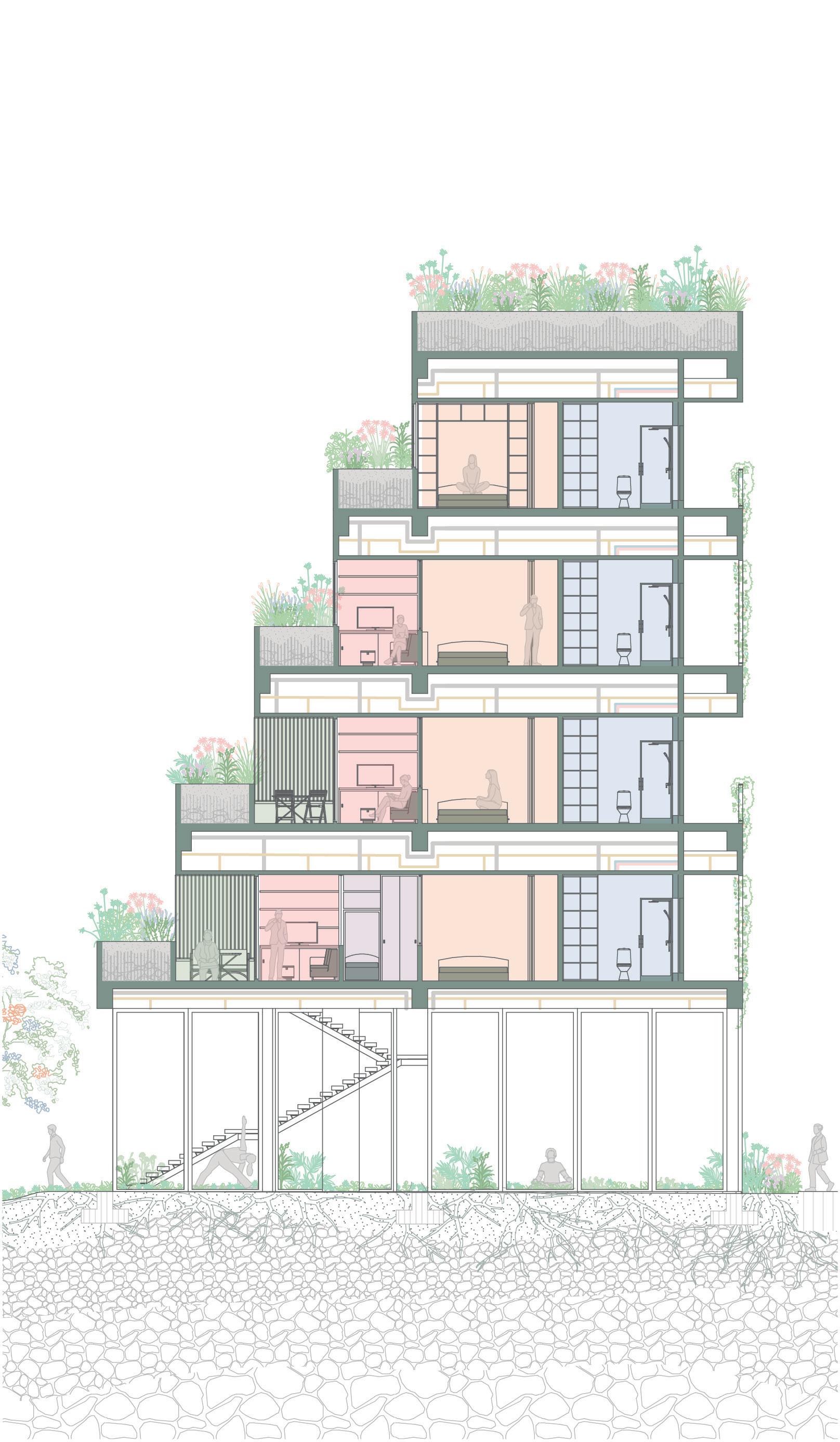
Housing modules
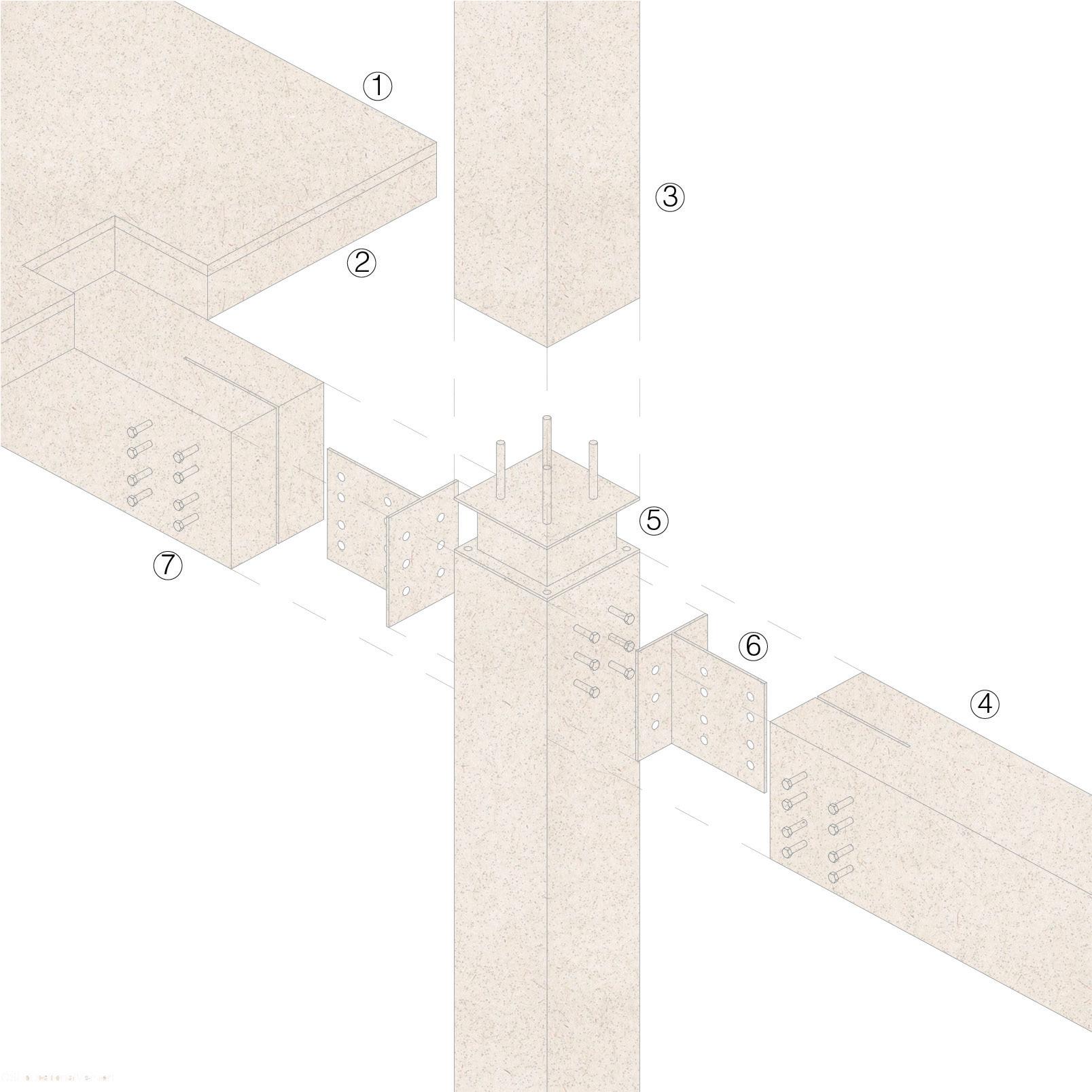
1.Concrete finish
2.Cross laminated timber slab
3.16” x 16” Structural wooden column
4.16” x 16” Structural wooden beam
5.Steel union
6.Steel fin plate
7.Bolt

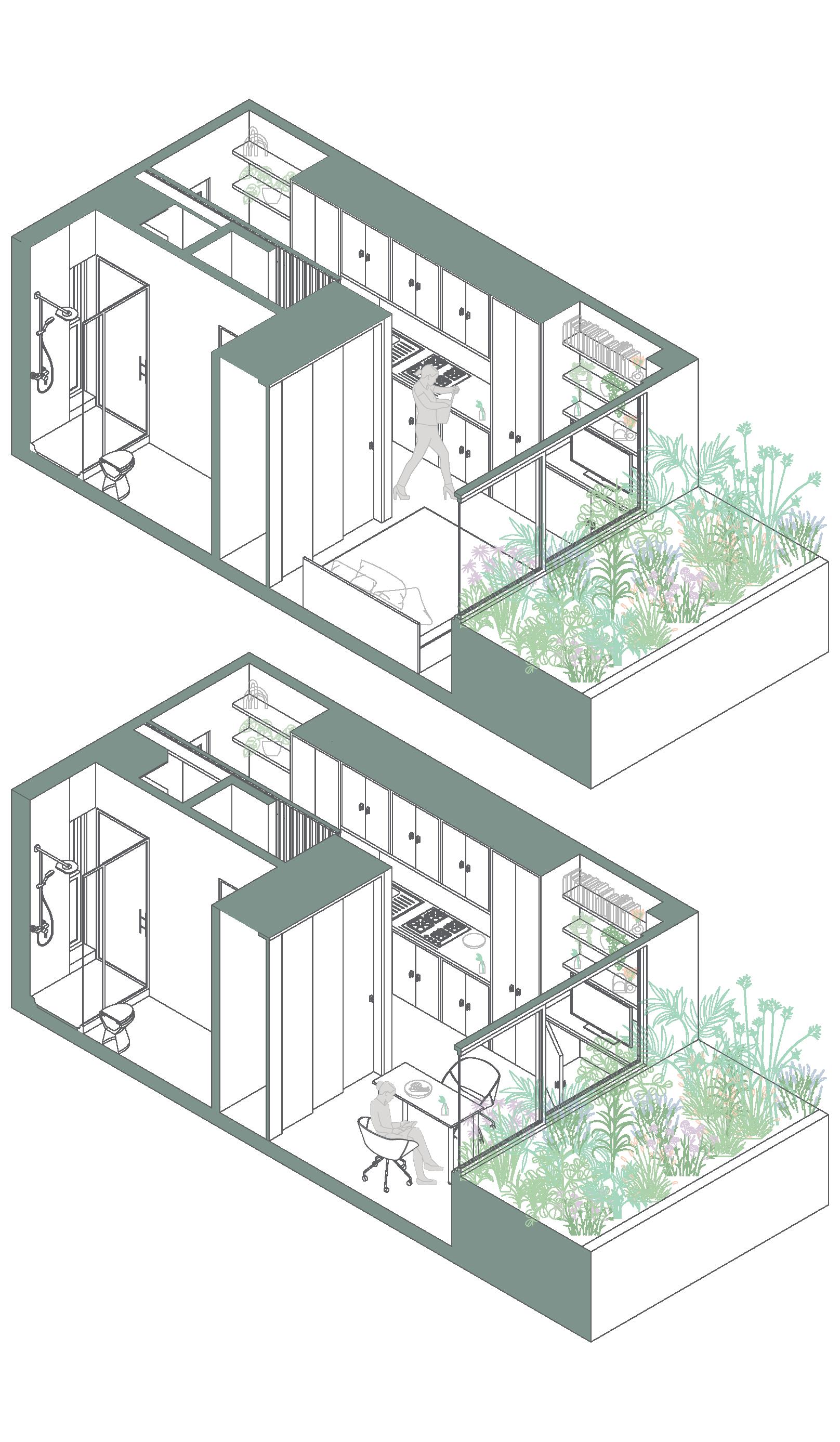
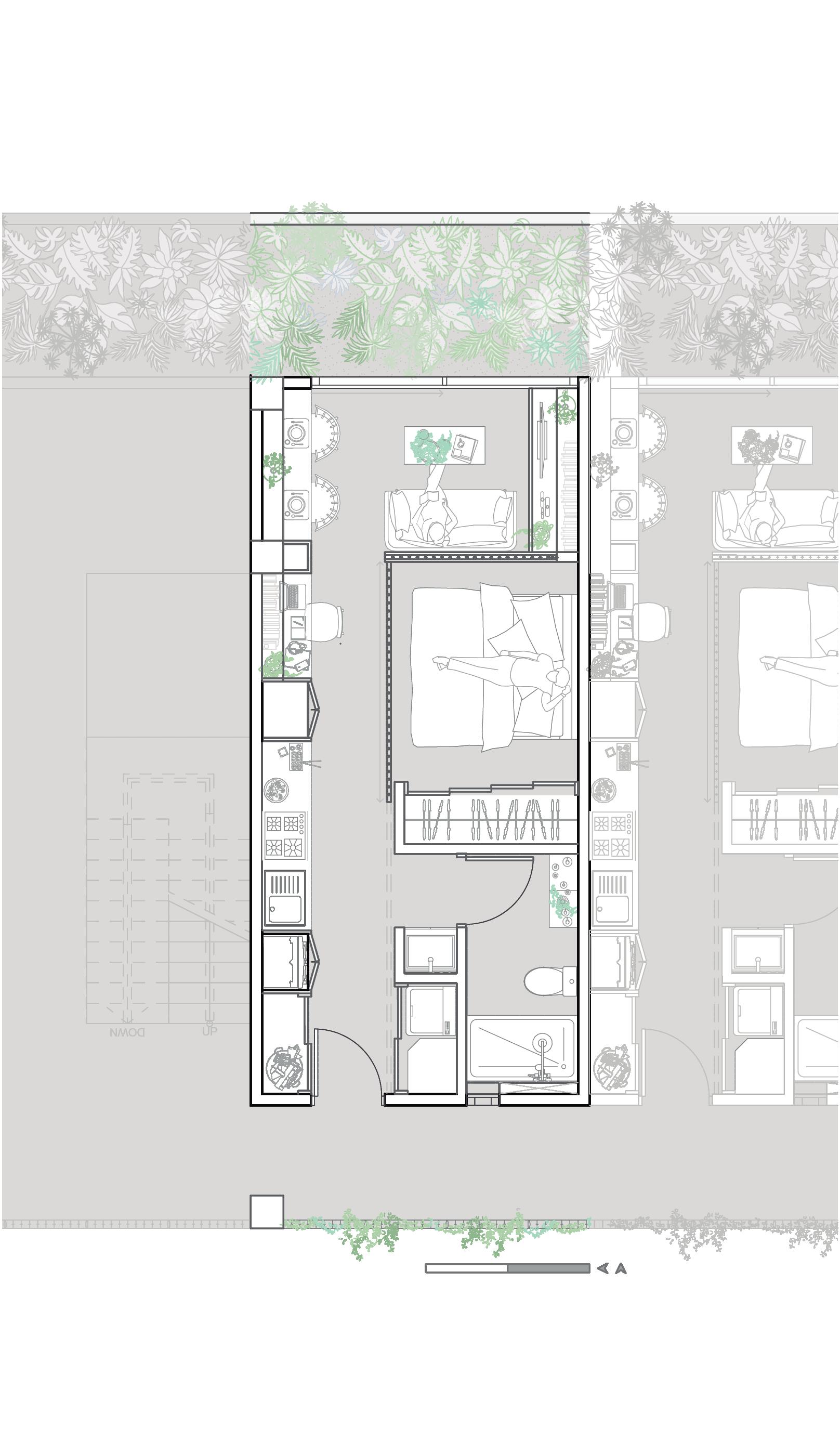
Kitchen
Storage

Sliding Panel
Dividing Panel
Workspace
Dining
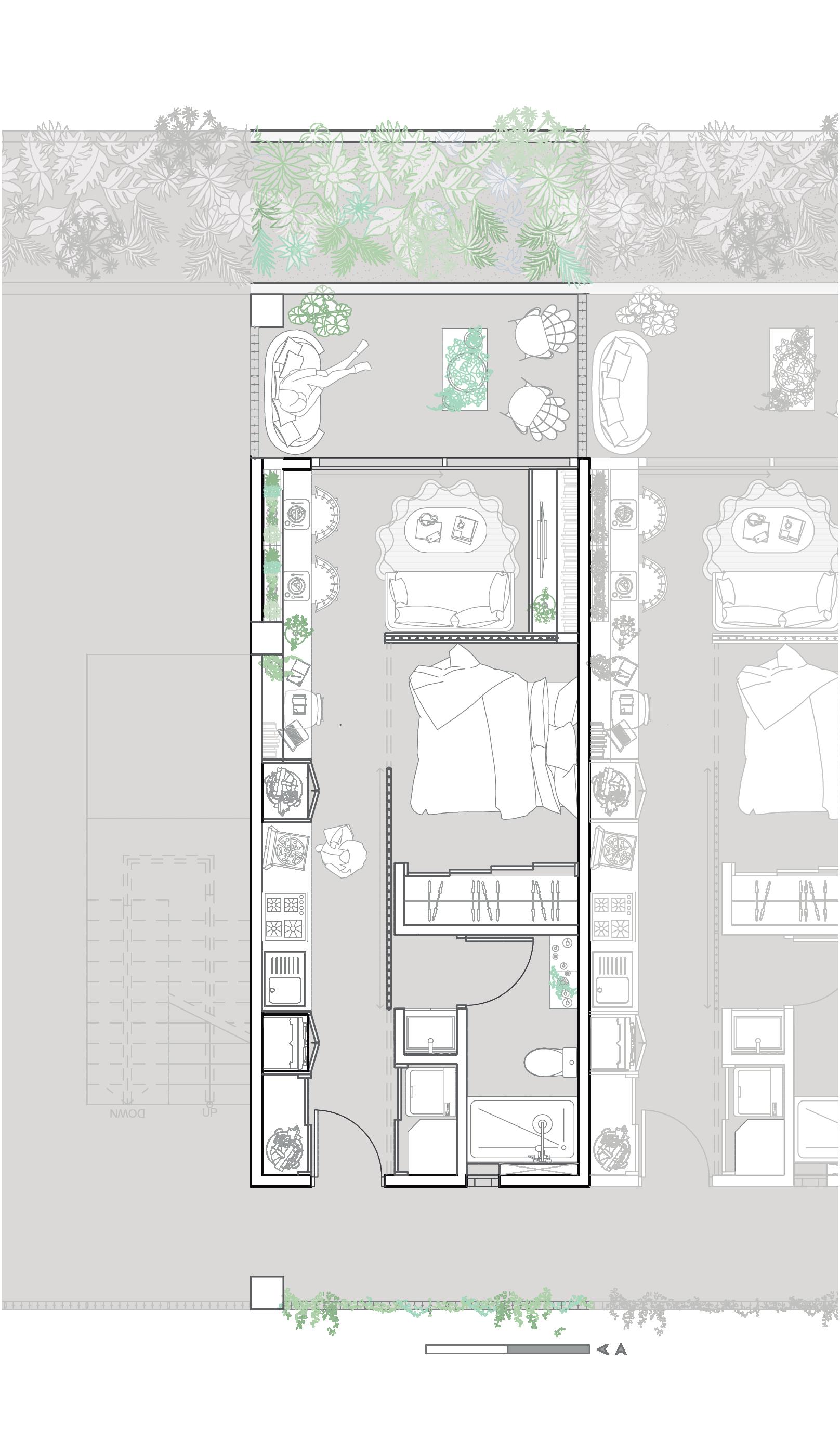
Storage
Sliding Panel Kitchen
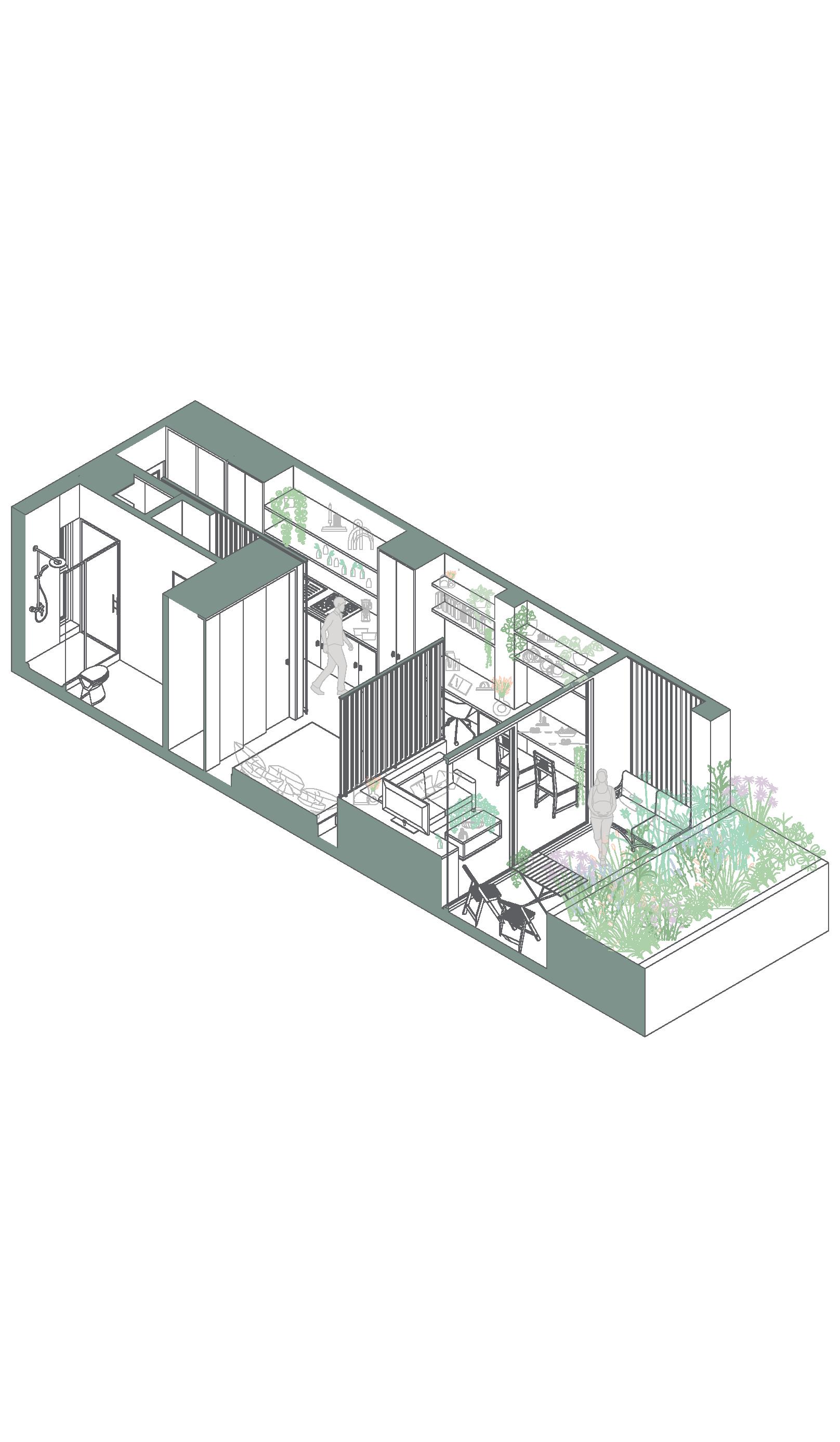
Workspace
Dividing Panel
Living Room
Dining
Terrace
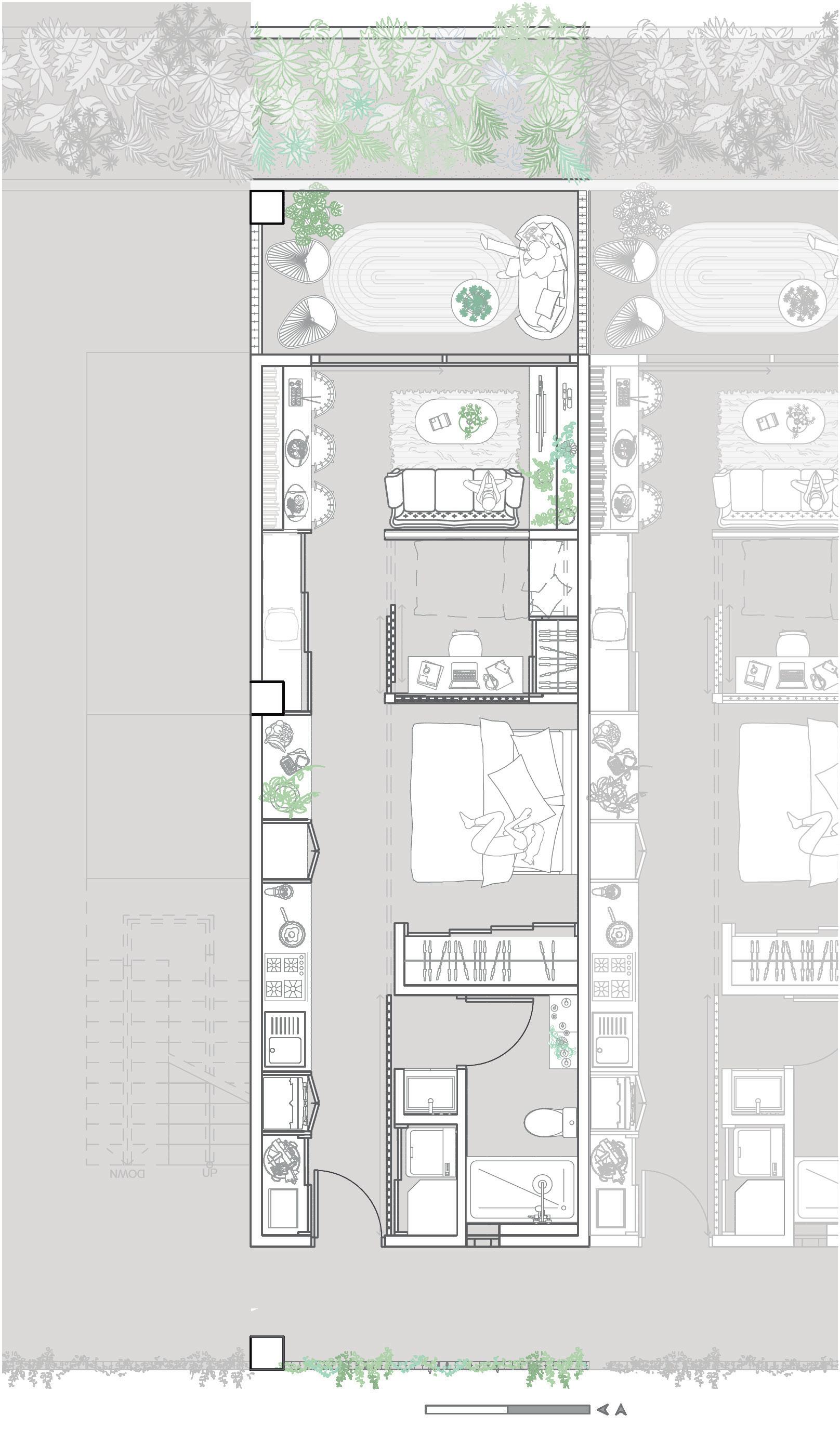
Storage
Sliding Panel
Kitchen
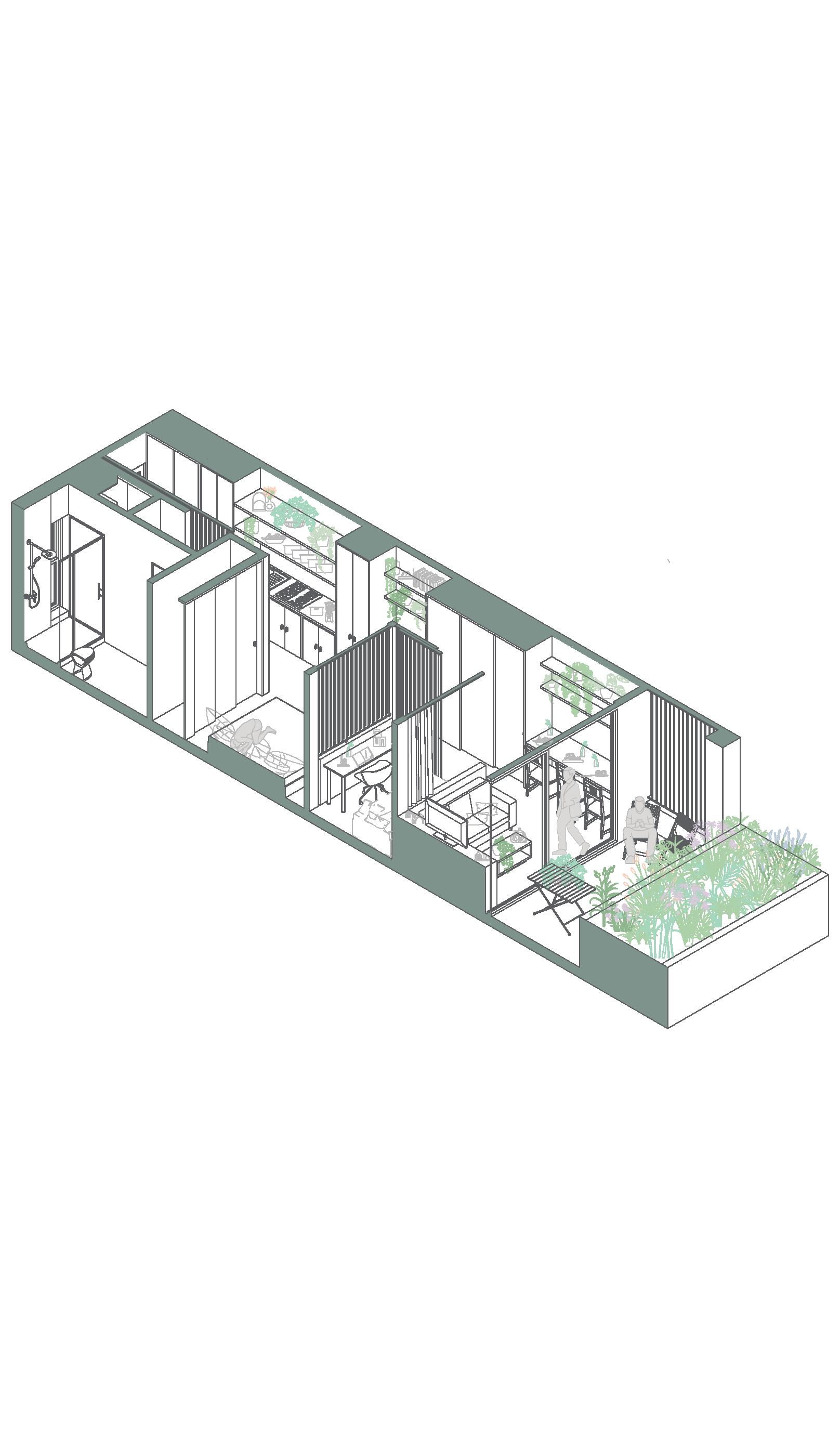
Office / Secondary Room
Storage
Dining
Terrace
Living Room
Dividing Panel
Workspace
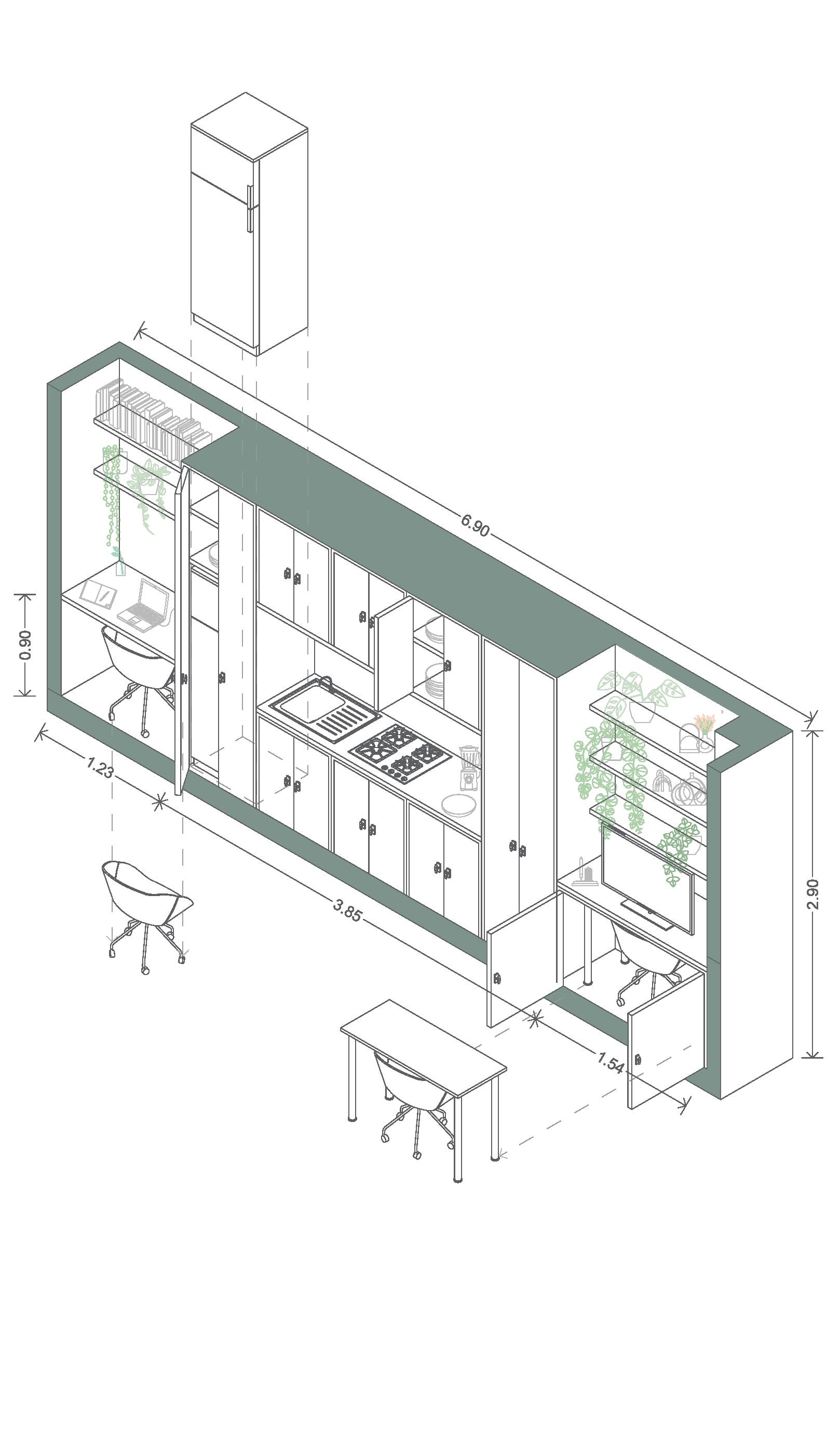
Typology A
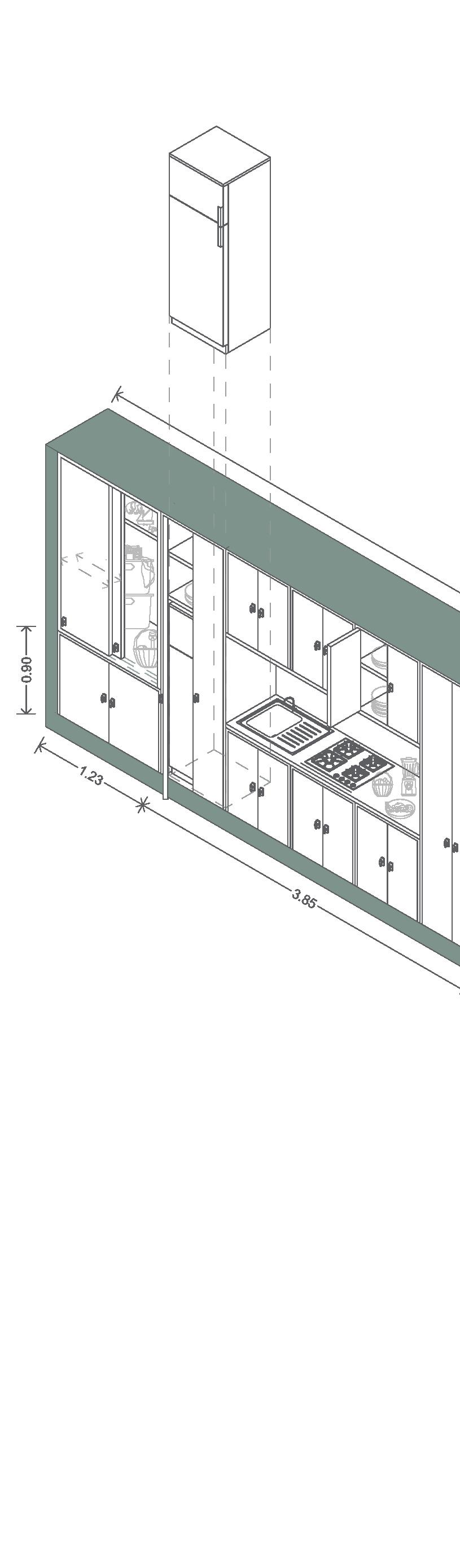
Typology


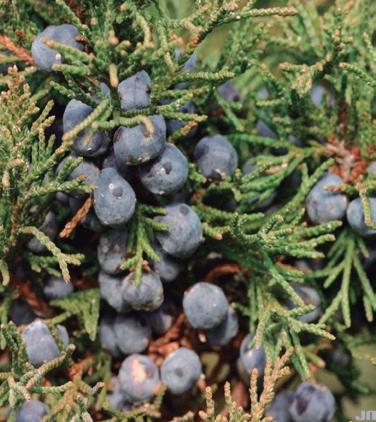
Chinese Juniper
>40 ft 13-20 ft
Evergreen T
American Holly >40 ft 18-40 ft
Evergreen T


Eastern White Pine >40 ft 20-40 ft
Evergreen I
Blue Spruce 25-40 ft 10-20 ft
Evergreen M

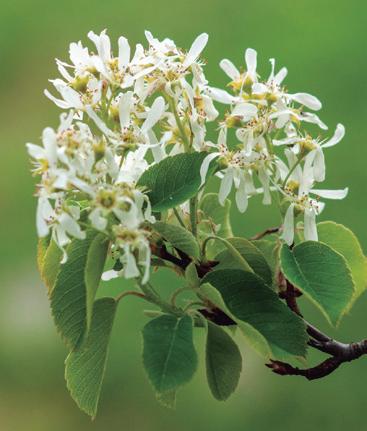
Serviceberry 15-25 ft
Variable
Deciduous T
Crabapple 15-40 ft
20-30 ft
Deciduous T

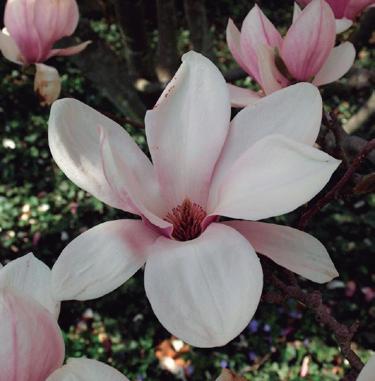
Saucer Magnolia
25-40 ft
20-30 ft
Deciduous M
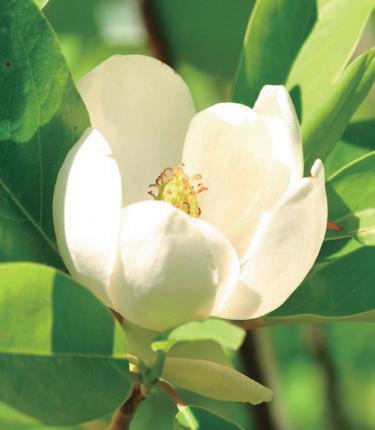
Sweetbay Magnolia
25-40 ft 10-20 ft
Deciduous I

Flowering Dogwood
15-40 ft
20 ft
Deciduous
Intolerant
Sugar Maple >40 ft 40-50 ft
Deciduous
Black Gum Tupelo
25-40 ft
20-30 ft
Deciduous M

Height Width
Drought tolerant
Drought intolerant
Moderately
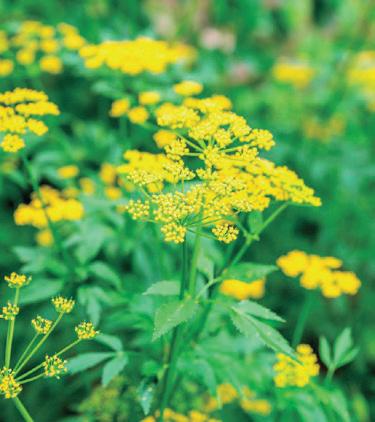


Golden Alexanders 1’ - 2’


Orange Cornflower
2’ - 2 1/2’ 1 1/2’ - 2’ T
Butterflyweed 1’-2 - 1/2’ 1’ - 3’ T
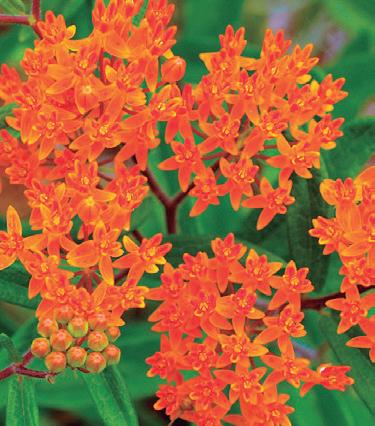
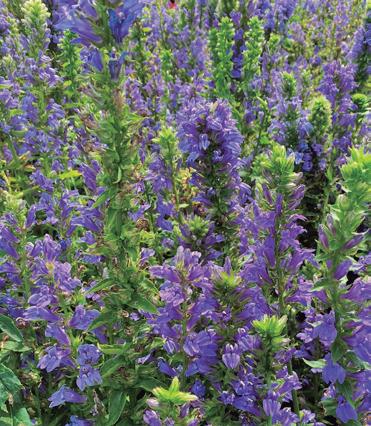
Blue
2’ - 3’ 1’-1 1/2’ T


Attractions
Bee

Butterflies


Hummingbirds
Birds

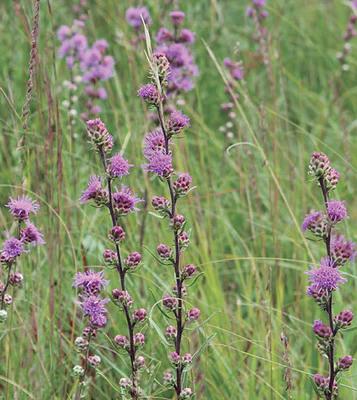
Rough Blue Aster 1 1/2’ - 3’ 1 1/2’ - 2’
Rough Blazing 2’ - 5’ 1’ - 1/2’

Pennsylvania Sedge
1/2’ - 1 1/2’ - 2’
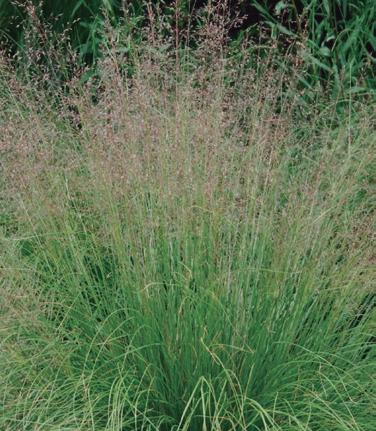
Prairie Dropseed 2’ - 3’
2’ - 3’ T
Height Width
Drought tolerant
Drought intolerant
Moderately drought tolerant Sun
Partial sun Shadow T I M
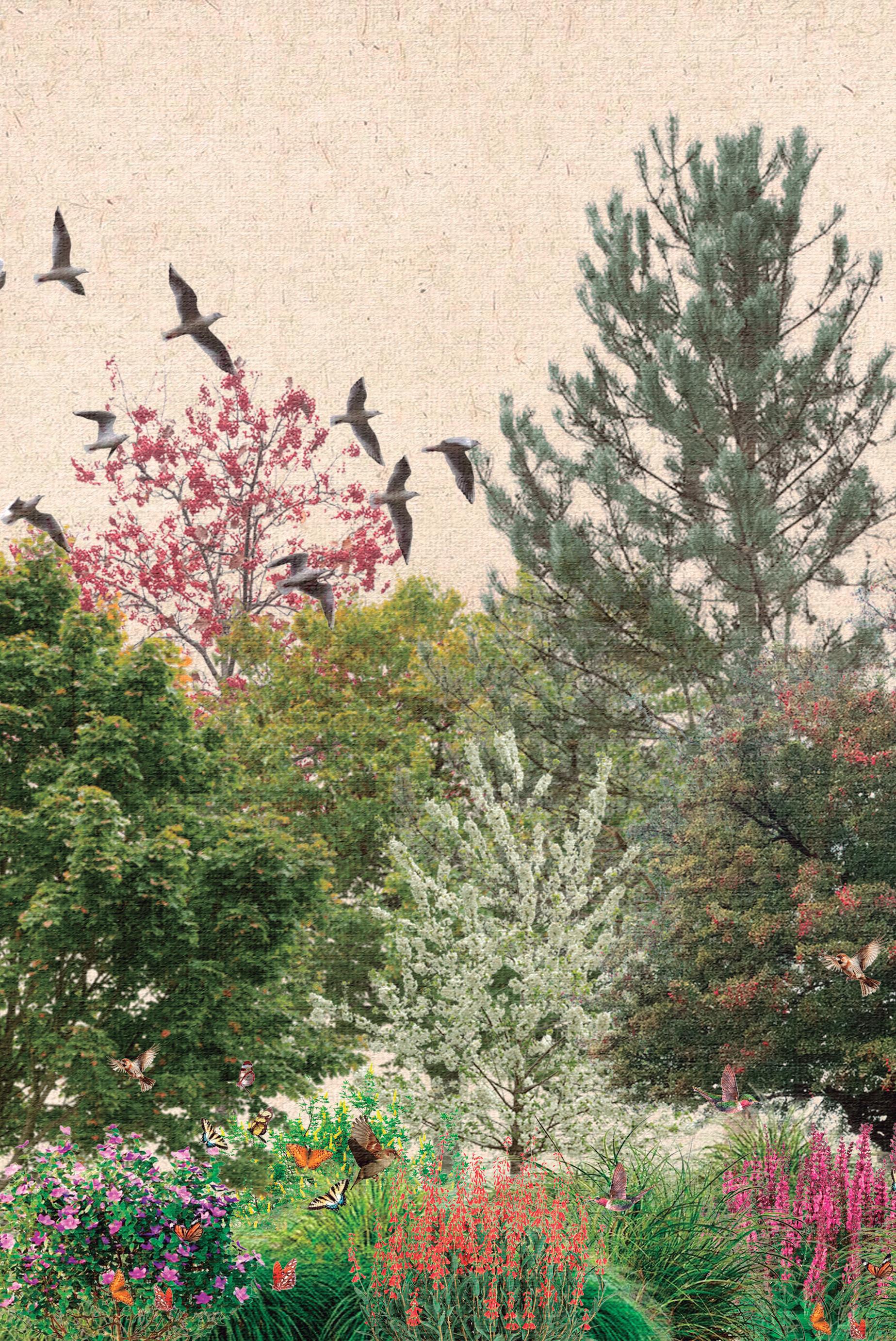

American holly
Eastern white pine
Blue spruce
Downy serviceberry
Prairie crabpple
Flowering dogwood
Saucer magnolia
Sweetbay magnolia
Sugar maple
Black gum tupelo
Golden alexanders
Orange cornflower
Butterflyweed
Great blue lobelia
Rough blazing
Smooth blue aster
Pennsylvania sedge
Prairie dropseed

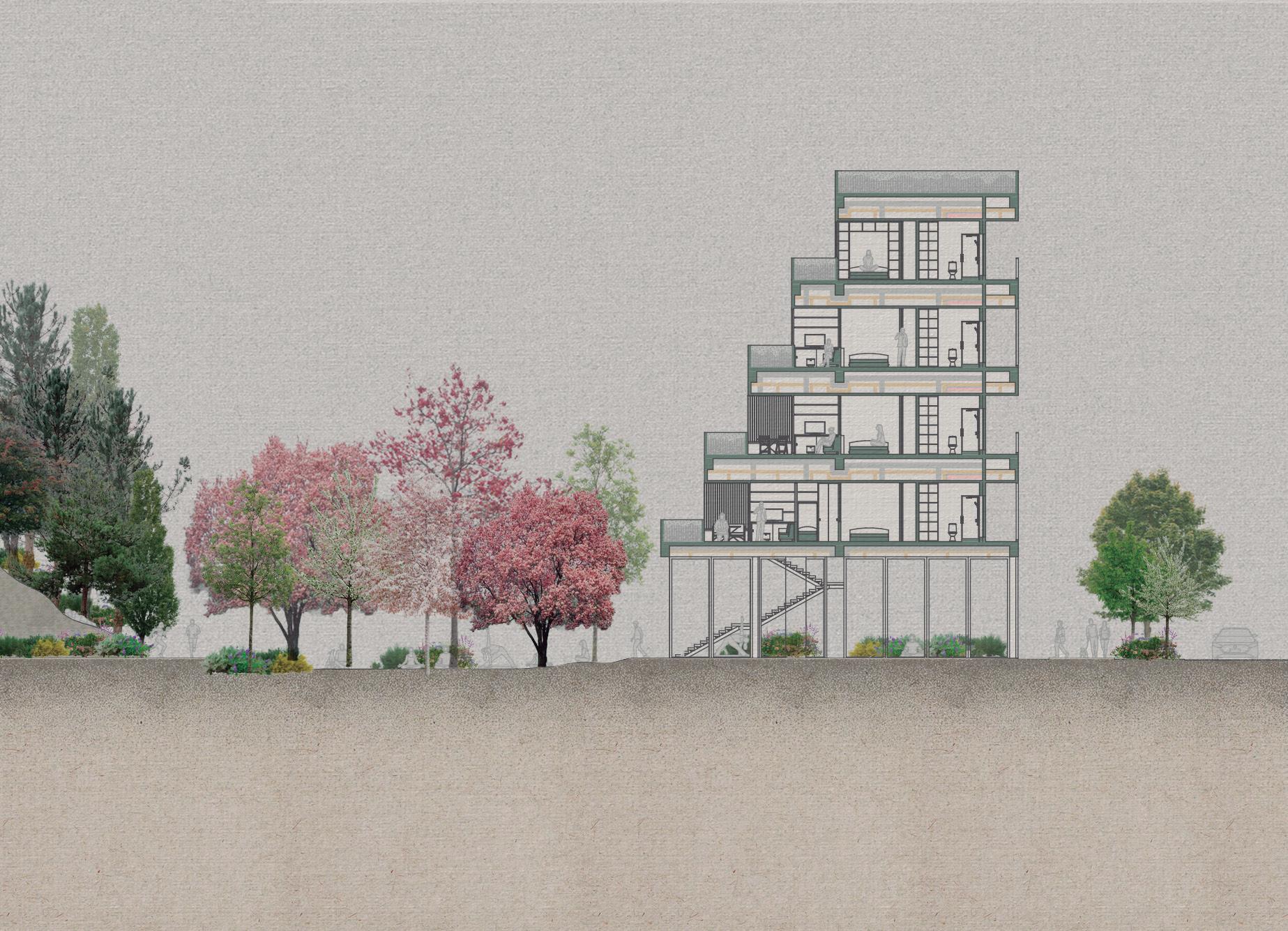
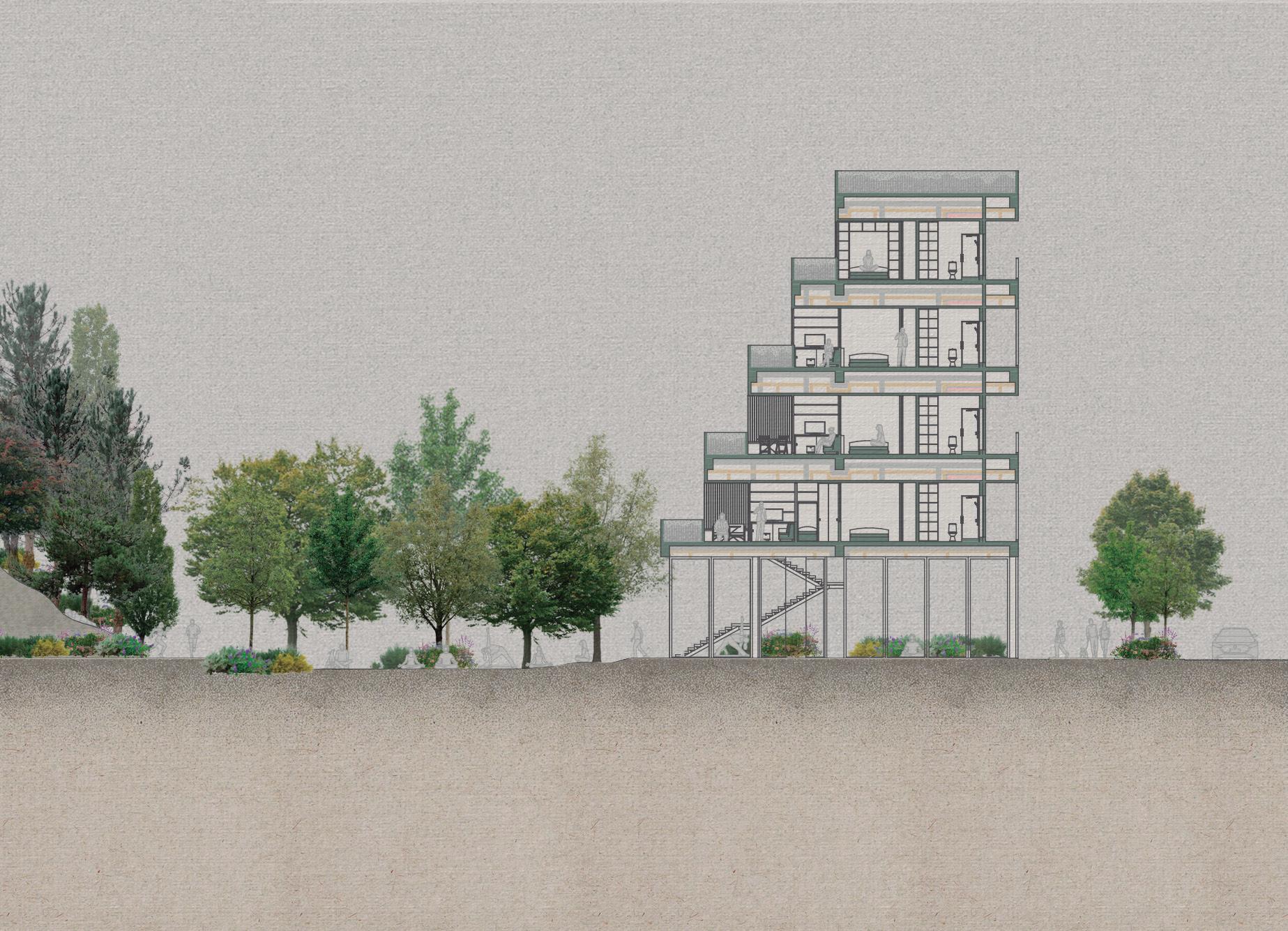


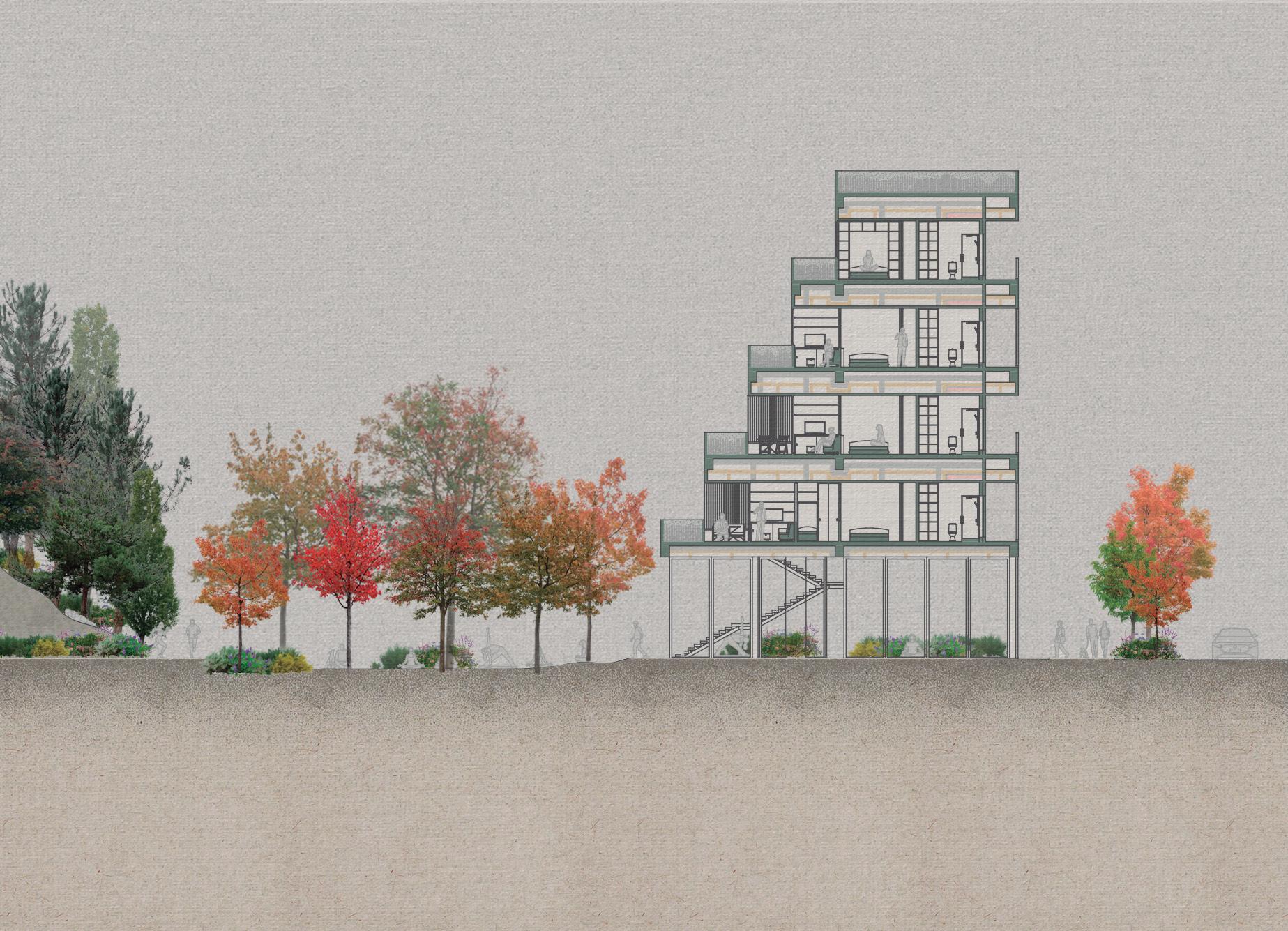
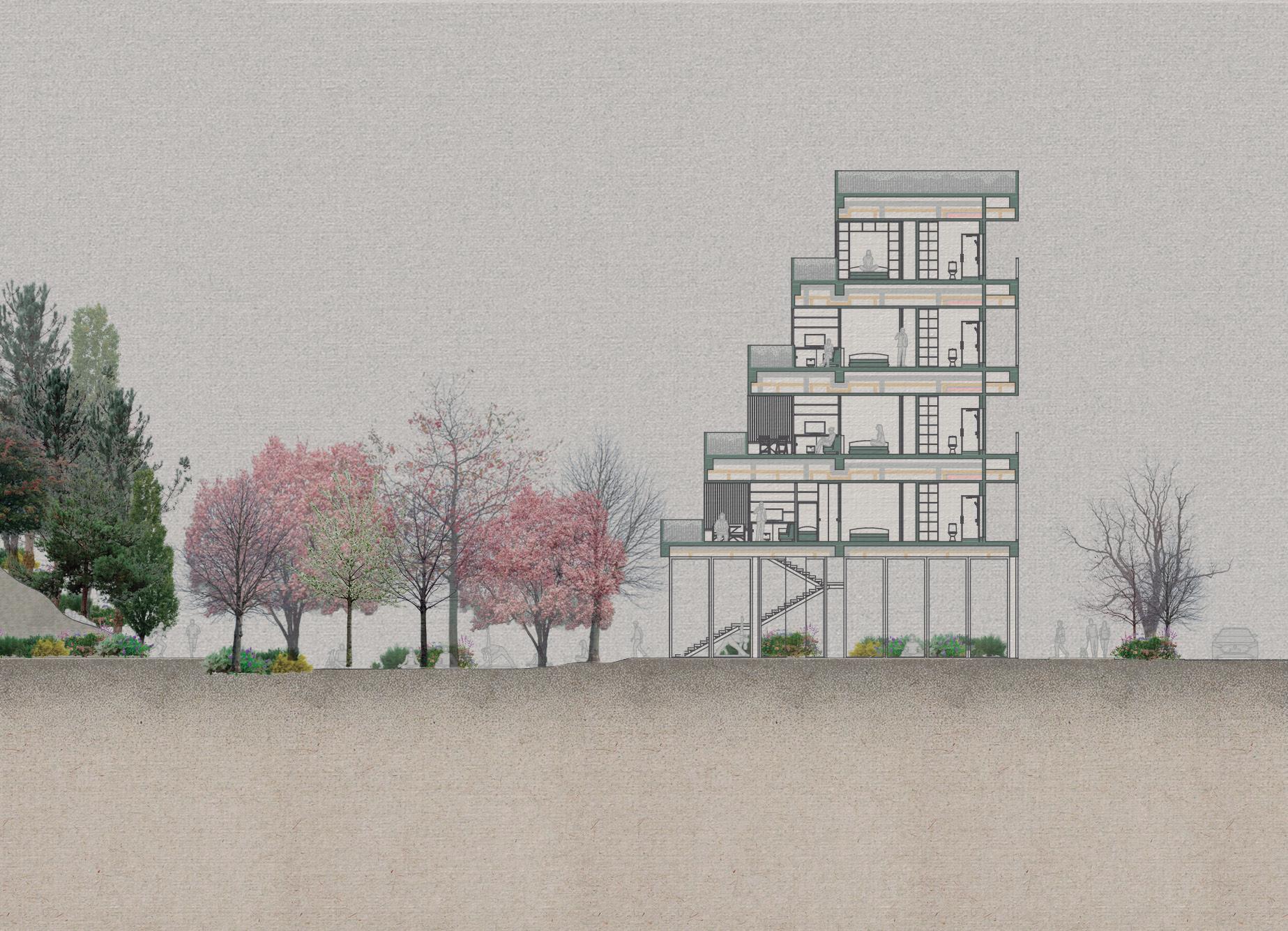
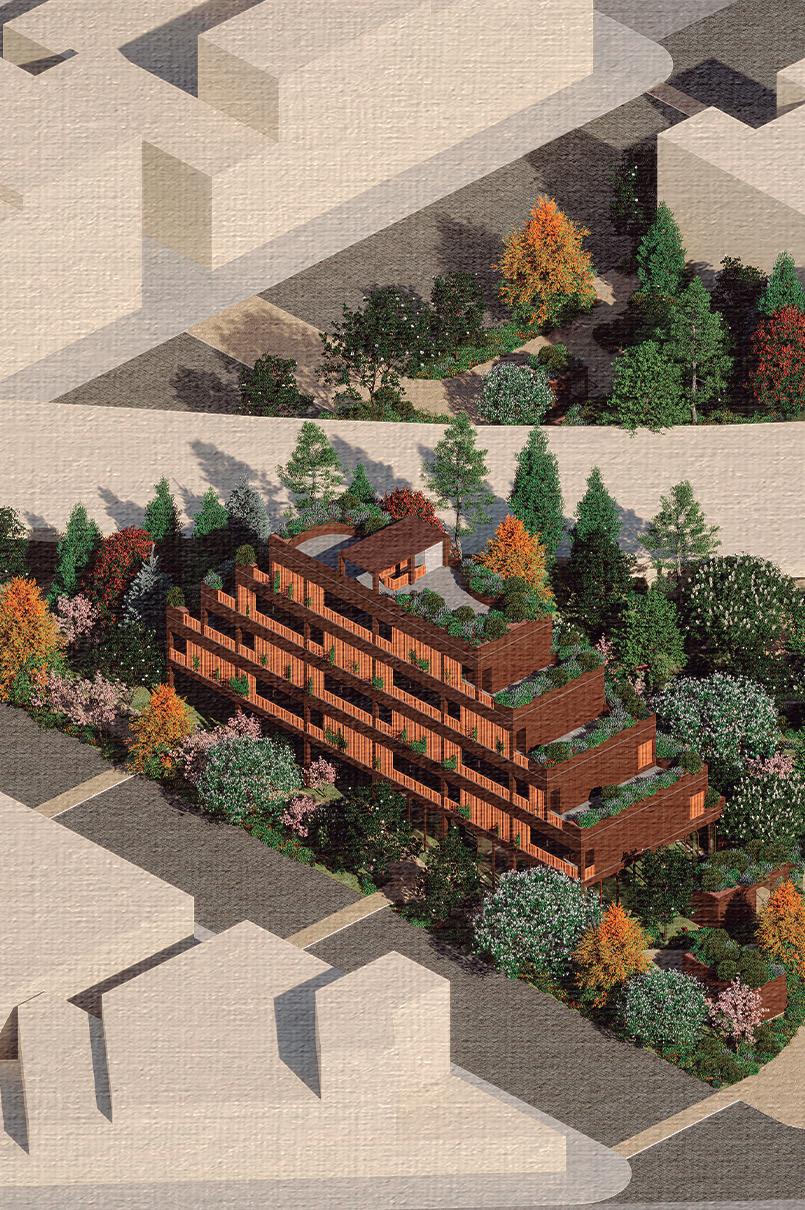

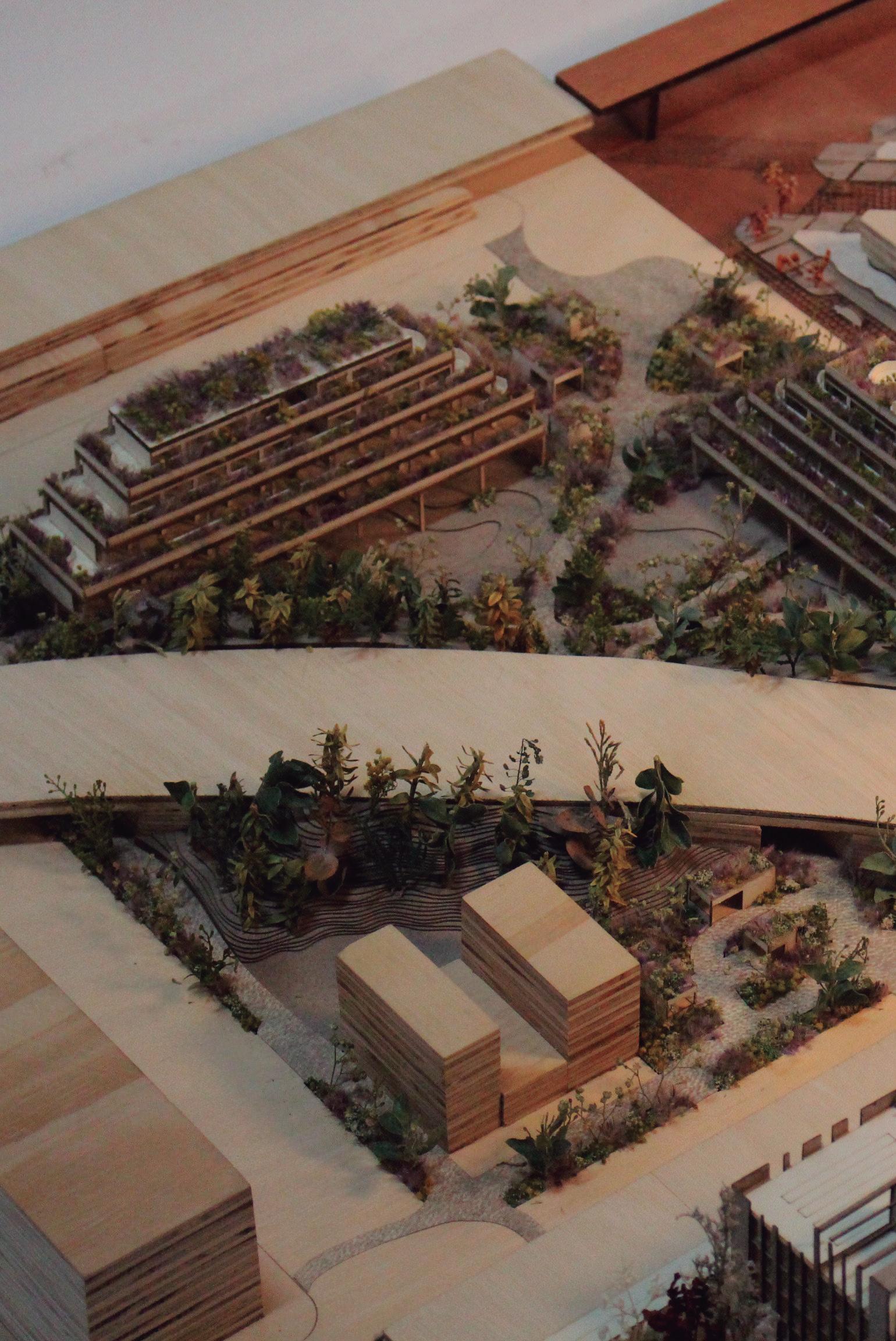
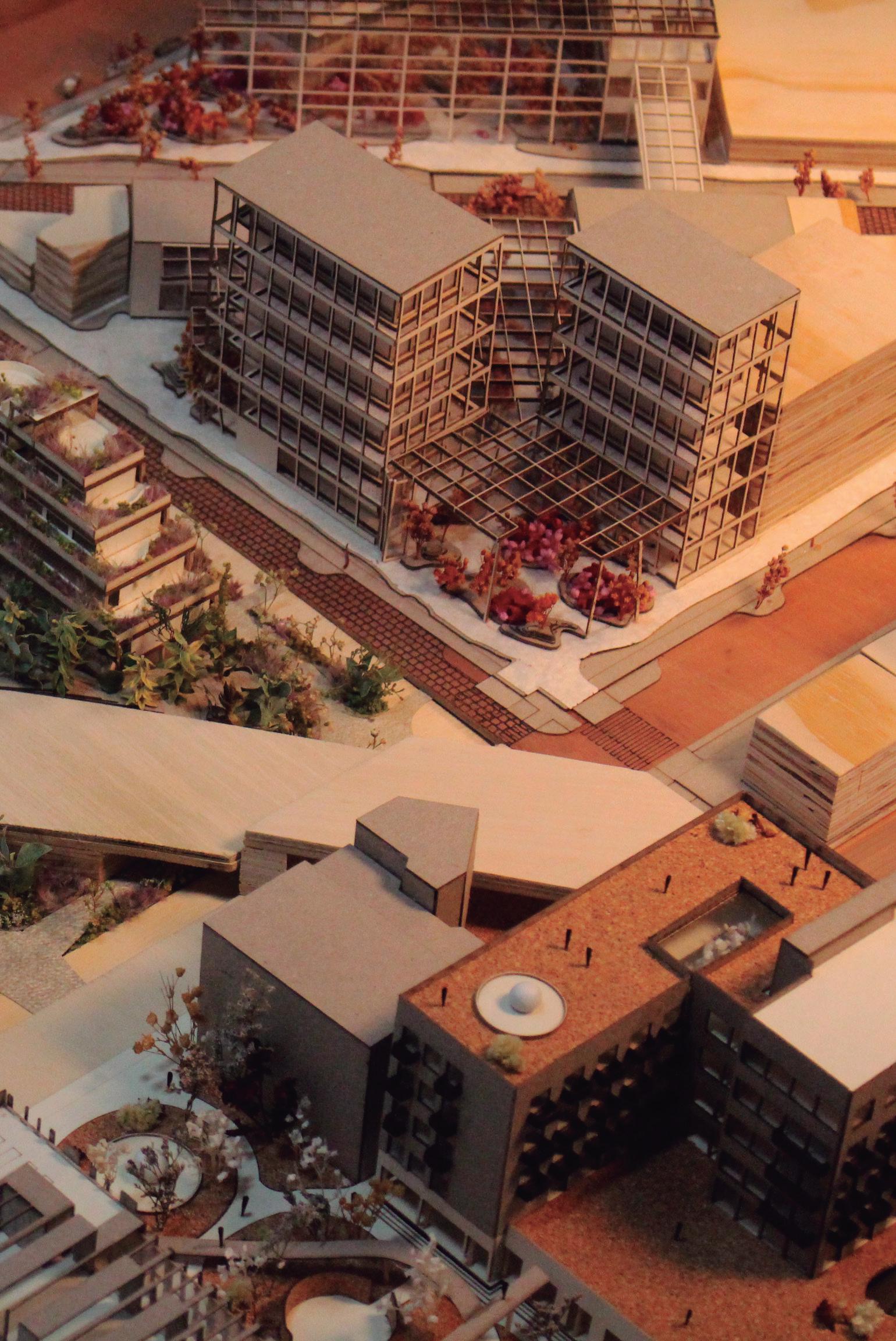
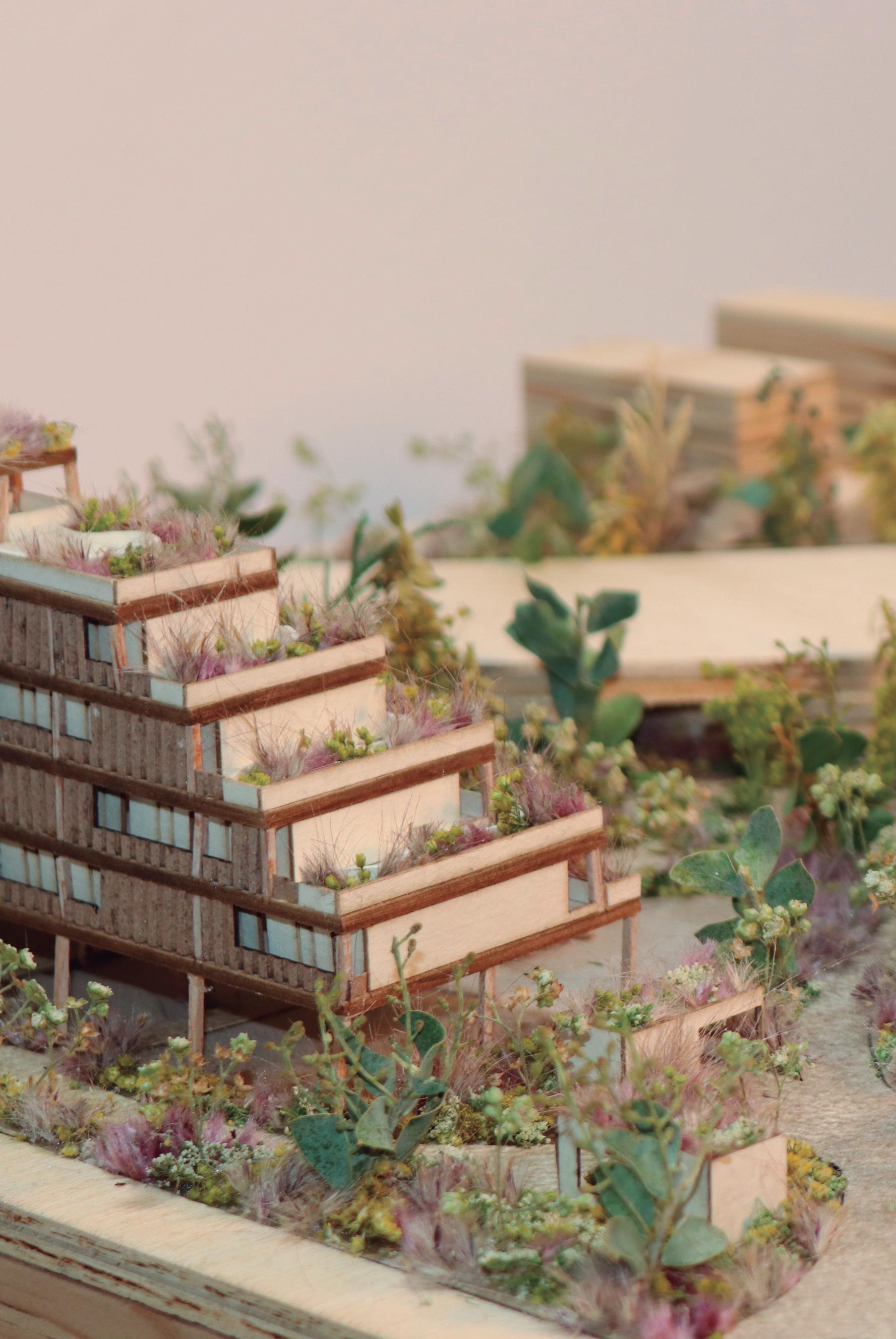







LEARNING FROM OTHERS
The High Line is an elevated linear park built on a former railway spur on Manhattan’s west side. It transforms abandoned infrastructure into a dynamic public space that blends nature, movement, and urban life. Stretching approximately 1.45 miles, it connects neighborhoods, streets, and cultural landmarks, offering a continuous green corridor within a dense city.
Adaptive reuse is about taking infrastructure that is underused or normally inaccessible and transforming it into meaningful, welcoming public spaces. Urban ecology comes into play by incorporating native plants, walking paths, and gardens, which not only create habitats but also improve the city’s microclimate. The design encourages movement and interaction, providing areas to walk, pause, and gather socially, fostering both physical activity and mindful engagement. Connectivity is also key, linking fragmented parts of the city, much like green corridors connect parks and open spaces. Finally, flexibility and inclusivity ensure that the space can accommodate a variety of activities—recreational, social, and cultural—while remaining seamlessly integrated into the urban fabric.

The Lurie Garden, located in Millennium Park, Chicago, is a 2.5-acre urban garden designed by Piet Oudolf and Kathryn Gustafson. It transforms an urban site into a vibrant, ecologically rich landscape that blends naturalistic planting with public accessibility. The garden is planted with perennial species and native flora, creating a dynamic environment that evolves through the seasons.
The Lurie Garden uses ecological planting with native and perennial species to foster biodiversity and create habitats for birds and insects. Its design incorporates seasonal dynamics, changing visually throughout the year and offering continuous sensory engagement while connecting people with natural cycles. The garden encourages public interaction, inviting walking, contemplation, and immersive experiences within the urban environment. It integrates seamlessly with the dense city context, serving as a natural oasis that allows people to connect with nature without leaving the city. Overall, the design combines aesthetics with ecological function, showing how urban landscapes can support both human experience and environmental health.

Brock Commons Tallwood House is an 18-story residential building that demonstrates how mass timber construction can be a viable, sustainable, and highly efficient alternative in urban environments. The structure combines 17 timber floors (CLT panels on glulam columns) over a concrete base, with concrete cores providing stability.
The project is characterized by fast and controlled construction: thanks to the prefabrication of its components, the timber structure was completed in approximately 70 days from the arrival of materials on site—considerably faster than a conventional project of this scale. Its design houses a student residence with over 400 beds, combining private spaces (rooms) with shared areas, which promotes community, social interaction, and functionality.
From an environmental and sustainability perspective, Brock Commons stands out because the timber used acts as a carbon sink, significantly reducing construction-related emissions compared to traditional materials. Additionally, its hybrid typology— timber + concrete + steel—demonstrates flexibility, allowing structural efficiency and sustainability to coexist without compromising safety, comfort, or code requirements (even under strict seismic or fire protection standards).

a+t Architecture Publishers (Aurora Fernández Per, Javier Mozas & Javier Arpa, eds.). This Is Hybrid: An Analysis of MixedUse Buildings. a+t Architecture, VitoriaGasteiz, 2011. ISBN: 978-84-614-6452-4
Creating Wildness: Piet Oudolf’s Private Gardens. (n.d.). FLOWERMAG. https:// flowermag.com/piet-oudolf-gardenshummelo/
High Line. (n.d.). The High Line. https:// www.thehighline.org/ Northern Illinois
Think Wood. (2022, September 16). Brock Commons Tallwood House - Think Wood. https://www.thinkwood.com/constructionprojects/brock-commons-tallwood-house
Think Wood, & WoodWorks. (2022). Mass Timber Design Manual (Vol. 2). Think Wood / WoodWorks.
Tree Species List. (n.d.). The Morton Arboretum. https://mortonarb.org/app/ uploads/2021/05/Northern_Illinois_Tree_ Species_List.pdf ULUC, Sea Grant, & Storm water home. (n.d.). Illinois Native
Oudolf, P., & Kingsbury, N. (2013). Planting: A New Perspective. Timber Press
Plants for the Home Landscape. Illinois Extention ULUc. https://iiseagrant.org/wpcontent/uploads/2024/03/Illinois-NativePlants-for-the-Home-Landscape_Spanish. pdf Whats blooming. (n.d.). Lurie Garden. https://www.luriegarden.org/
Structurlam Mass Timber Technical Guide. (2020) Structurlam Mass Timber U.S., Inc.
Zimmermann, A. (Ed.). (2015). Constructing Landscape: Materials, Techniques, Structural Components (3rd ed.). Birkhäuser.
MOVEMENT IS THE MOST AUTHENTIC
AUTHENTIC WAY TO INHABIT THE WORLD.