
Name:
Class: School:

Academic Authors: Sneha Sharma, Chandni Bhargava, Bhawna Bisht
Design & Production: Amisha Gupta, Bhavna Tripathi, Satish, Mangal Singh Rana, Vishesh Agarwal
Project Lead: Sneha Sharma
VP, Learning: Abhishek Bhatnagar
All products and brand names used in this book are trademarks, registered trademarks or trade names of their respective owners.
© Uolo EdTech Private Limited
First edition 2025
Second edition 2026
This book is sold subject to the condition that it shall not by way of trade or otherwise, be lent, resold, hired out, or otherwise circulated without the publisher’s prior written consent in any form of binding or cover other than that in which it is published and without a similar condition including this condition being imposed on the subsequent purchaser and without limiting the rights under copyright reserved above, no part of this publication may be reproduced, stored in or introduced into a retrieval system, or transmitted in any form or by any means, electronic, mechanical, photocopying, recording or otherwise, without the prior written permission of both the copyright owner and the above-mentioned publisher of this book.
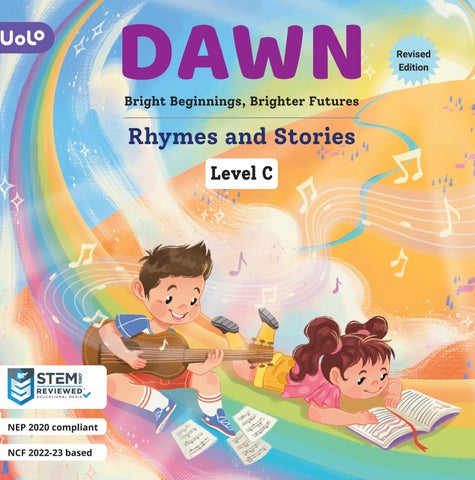
Book Title: Dawn Rhymes and Stories Level C
ISBN: 978-93-49697-44-7
Published by Uolo EdTech Private Limited
Corporate Office Address:
91Springboard, 3rd Floor
145, Sector 44, Gurugram, Haryana 122003
CIN: U74999DL2017PTC322986
Printed by: Printpro Solutions
Illustrations and images: www.shutterstock.com, www.stock.adobe.com and www.freepik.com
All suggested use of the internet should be under adult supervision.

elcome to DAWN, our comprehensive series for Early Childhood Education, meticulously crafted to align with the guidelines of the Foundational Stage as outlined in the National Education Policy (NEP) 2020 and the National Curriculum Framework for the Foundational Stage (NCF-FS) 2022
DAWN offers a rich blend of interactive and activity-based content to support each child’s physical, emotional, intellectual and spiritual growth. Our approach ensures that learning is enjoyable and meaningful, and caters to every child’s interests and abilities.
Inspired by the Panchakosha Framework, DAWN offers a thoughtfully curated curriculum designed to nurture each child’s physical, emotional, intellectual and spiritual growth, and create engaging and meaningful learning experiences for all children and cultivate a lifelong love for learning.
1. Physical Development
Through movement-based activities, action rhymes, gross and fine motor skill, exercises, yoga and simple meditation practices, children enhance their coordination, balance and self-regulation.
2. Social and Emotional Growth
Discussions, role-plays, games, storytelling and collaborative activities encourage empathy, cooperation, self-expression and social awareness.
3. Intellectual Growth
A structured, age-appropriate progression from concrete to abstract concepts builds strong problem-solving, logical thinking and cognitive skills.
4. Spiritual and Moral Development
Stories, rhymes and reflective discussions teach values such as kindness and honesty. Yoga and meditation help children stay calm, focused and happy.
5. Sensory and Experiential Learning
Activities in art and craft, STEM-based explorations, interactive games and fun activities ensure hands-on engagement, creativity and imaginative thinking.
The DAWN curriculum is not merely a series of lessons, but a journey of discovery, growth and joy. The package comes with digital content, provided free of cost, to ensure a seamless and holistic learning experience for children. By providing a nurturing and stimulating environment, DAWN lays the foundation for future success—preparing children not just for school, but for life.

Thank you for embarking on this educational journey with us. Together, we can make the DAWN of early childhood education a bright and promising start for every child.


The table below helps us understand how the Panchakosha elements have been incorporated into the DAWN Curriculum:

Physical Development
Social and Emotional Growth
Intellectual Growth
Spiritual and Moral Development
Sensory and Experiential Learning

The National Education Policy (NEP) 2020 represents a transformative shift in the country’s education system. It aims to establish a more holistic, dynamic and multidisciplinary approach to learning. NEP 2020 emphasises the development of conceptual understanding, skills, values and competencies aligned with the demands of the 21st century, while also honouring India’s rich cultural heritage.
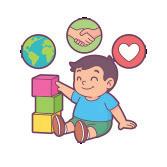
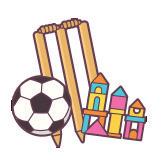
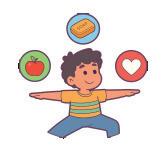
UOLO is fully committed to realising the vision of NEP 2020 by meticulously following its recommendations. Below is the list of icons that are spread across the books to showcase DAWN’s adherance to the values rooted in the NEP and NCF.




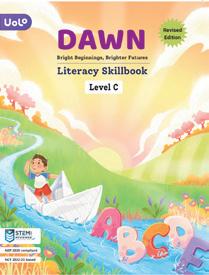
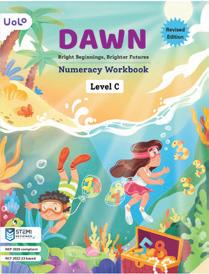
DAWN is an activity-based learning programme covering all areas of Early Childhood Education. It includes textbooks in English, Maths, General Awareness, STEM, Art and Craft, Phonic and Rhymes & Stories, along with lesson plans and resources to support teachers. Digital tools like animated videos, phonics songs and interactive exercises further enrich classroom learning.

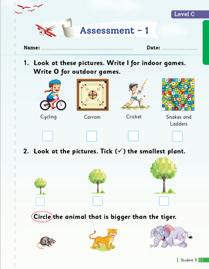
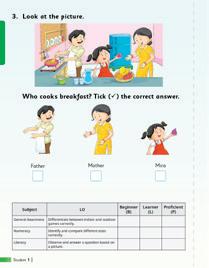


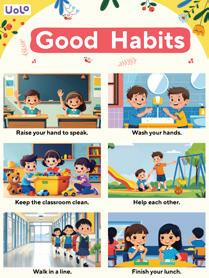

This book brings together delightful rhymes and simple stories that open the world of language to young children. The rhymes and stories are carefully selected around familiar themes such as family, animals, seasons, nature, food and more to connect with the child’s everyday world.
The texts build vocabulary, listening skills, and expression through repetition, rhyme and storytelling. The Let’s Talk section encourages children to listen, retell, ask questions and express their ideas. Teacher Tip provides guidance to make real-life connections and add fun element to enhance learners' experience.
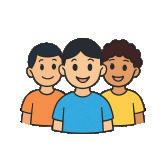
Encourage children to say each other’s names with a smile.
Let's Talk
1. Why were the animals afraid?
2. Do you think the hare was clever? Why?
3. What happened to the lion?
Each rhyme and story comes alive through engaging video animations—just scan the QR code to watch and enjoy! A perfect blend of learning and fun, whether in the classroom or at home.
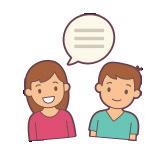
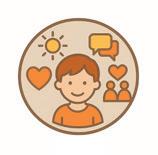
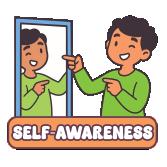
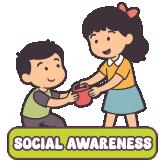
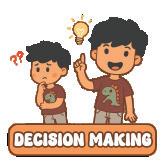
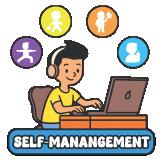
Social and emotional learning is thoughtfully woven into the book to nurture the heart along with the mind. Special SEL icons and questions highlight opportunities to build empathy, self-awareness, friendship, responsibility and emotional expression. Other icons throughout the book reflect strong alignment with the NEP and NCF, ensuring a well-rounded learning experience.

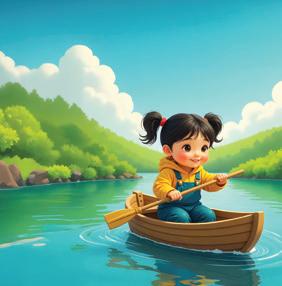


What do you like doing with your father?

Greet your friends by shaking hands and saying ‘hello’.
Specially selected Spotlight Rhymes are designed for performances, assemblies and class showcases—encouraging confidence, expression and joyful participation on stage.


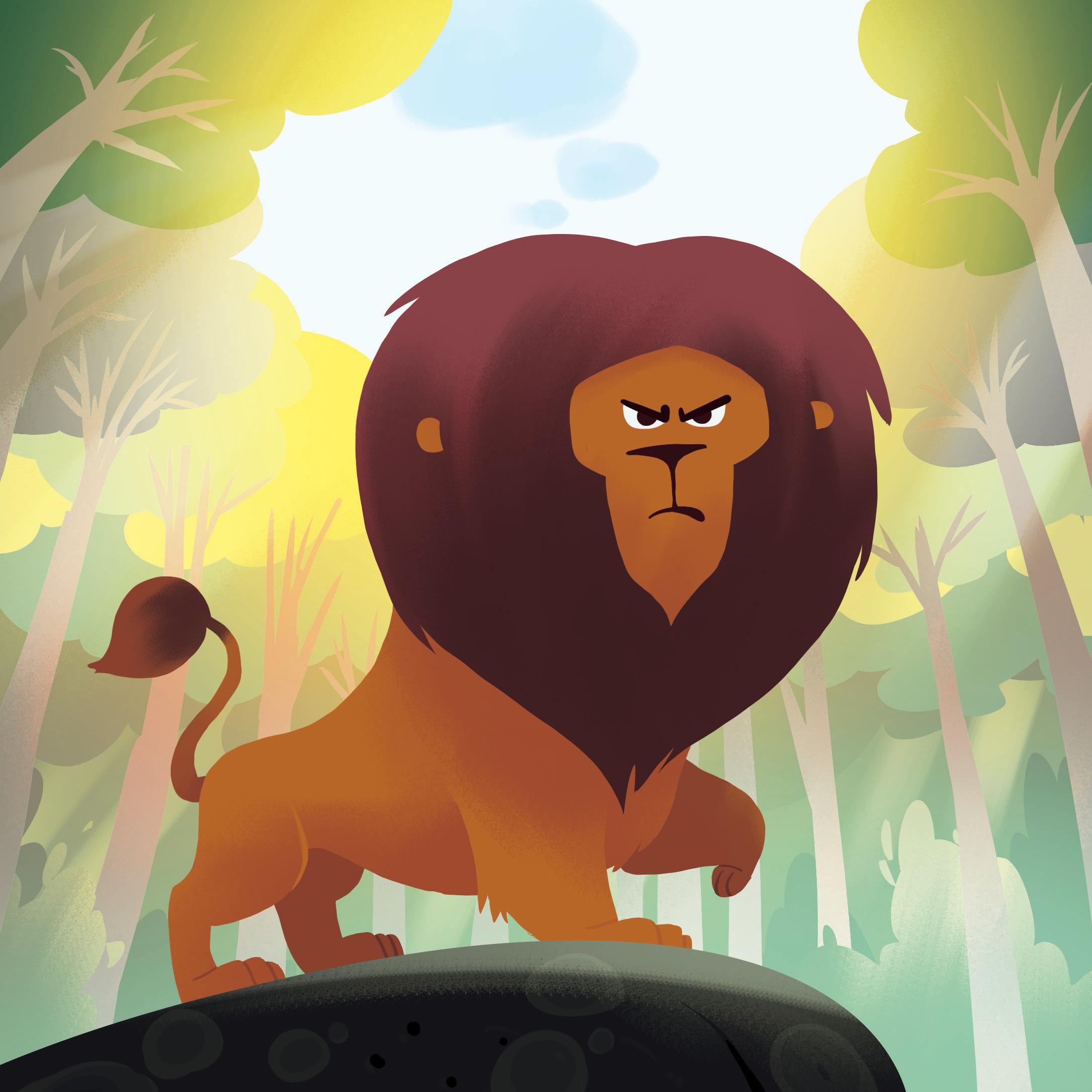

Once upon a time, a big and strong lion lived in the jungle. He would scare the other animals!
All the other animals were afraid of the lion! So, they spoke to the clever hare.
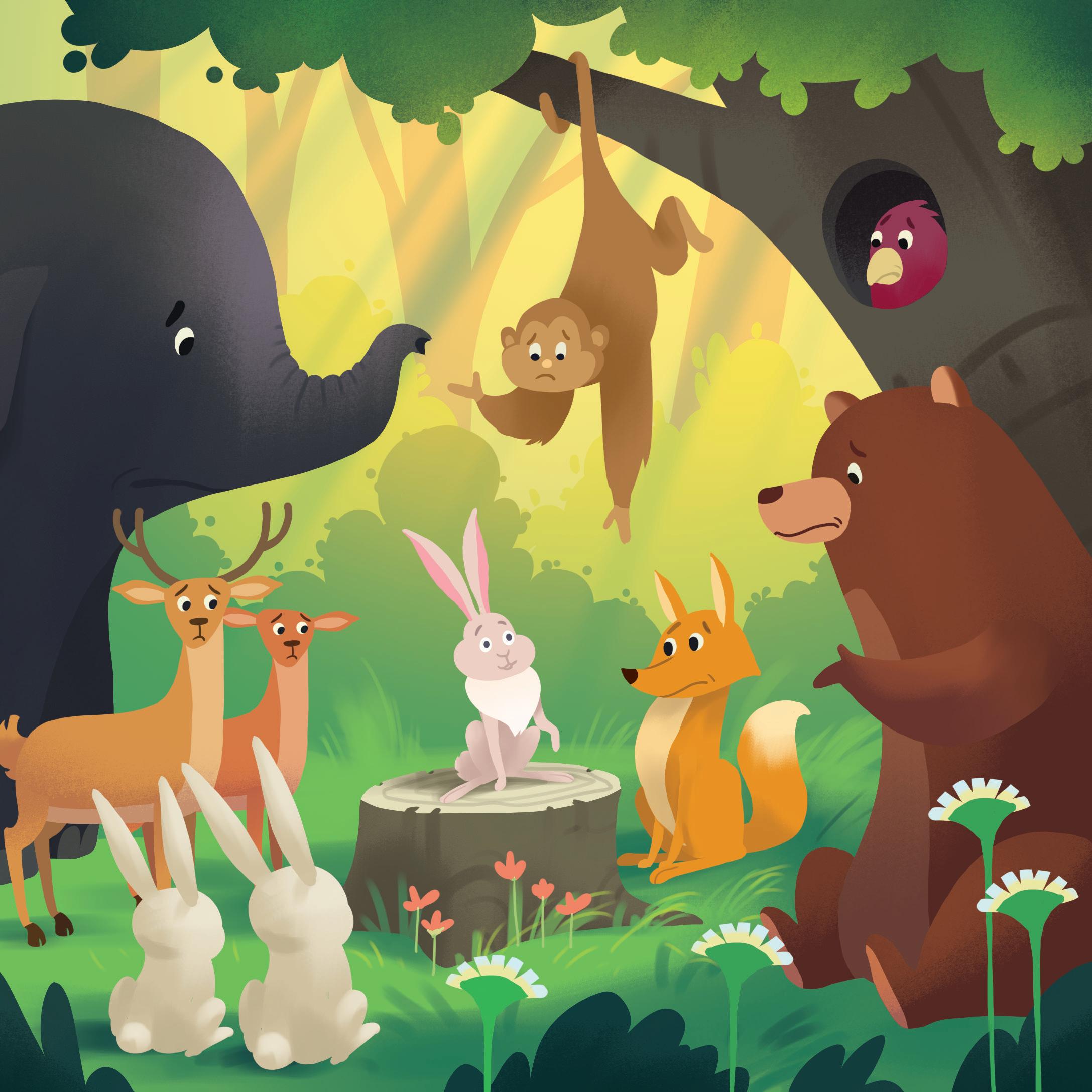
What do you feel afraid of? Why?
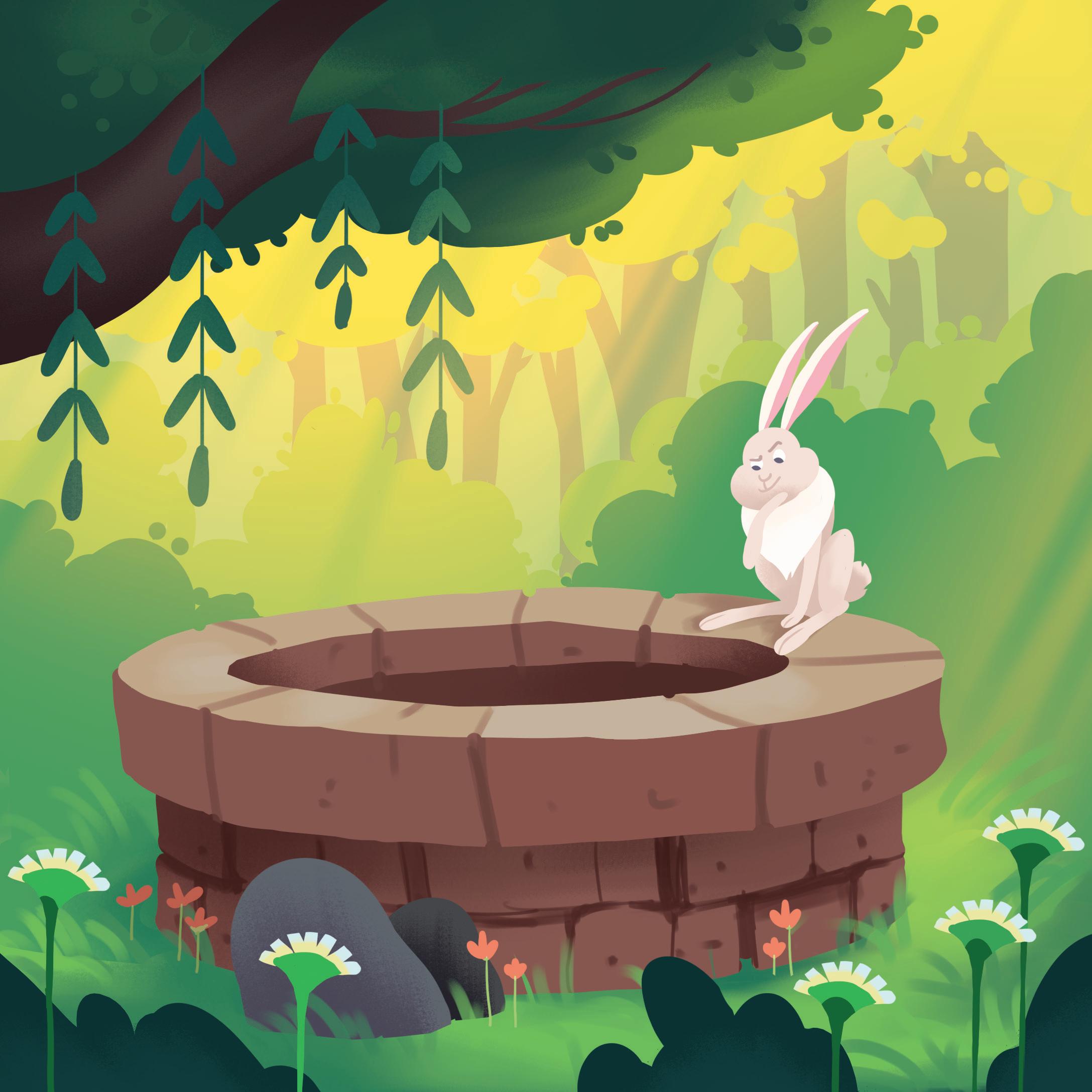
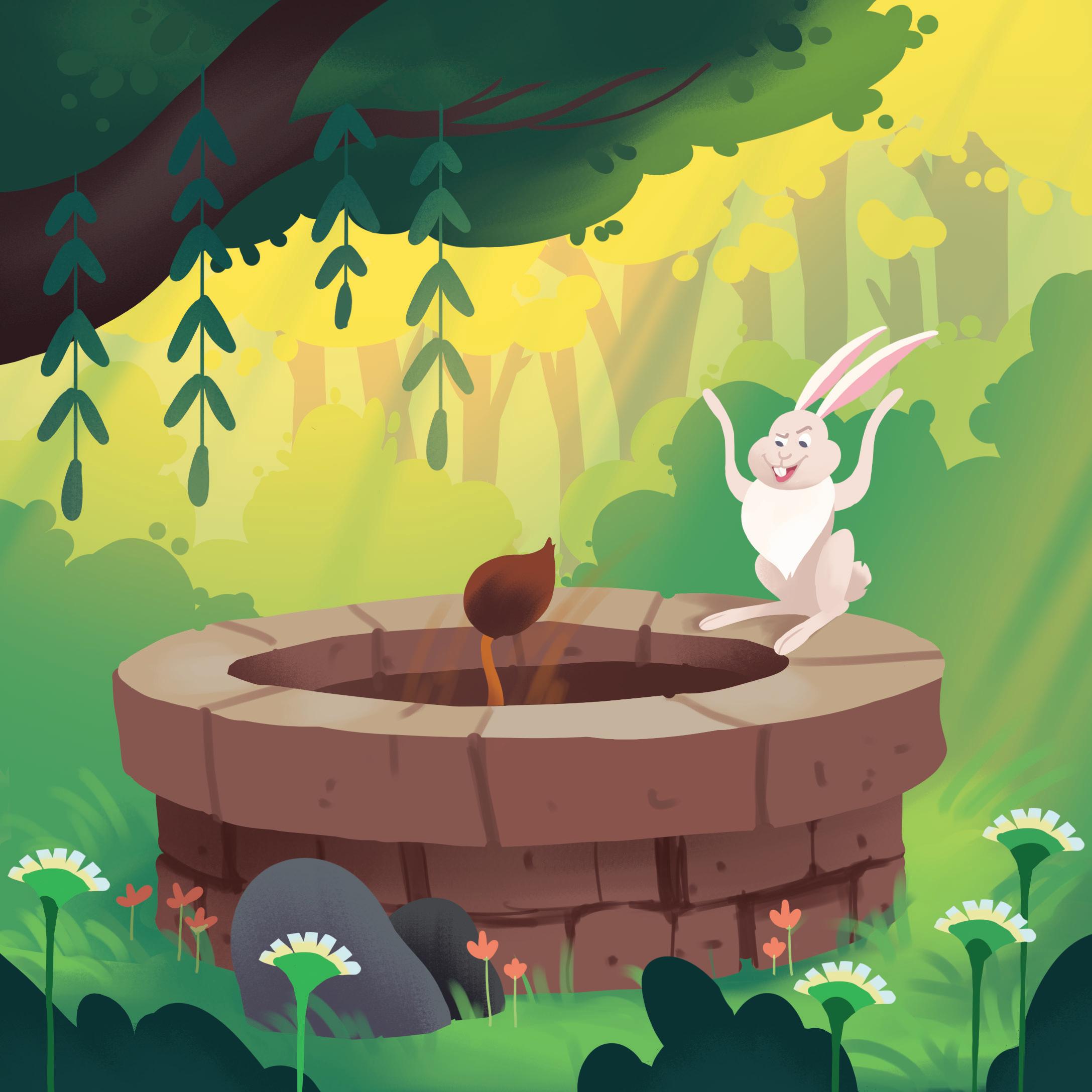
The clever hare went to the well. He thought of a plan.
The hare told the lion that another lion lived in the well.
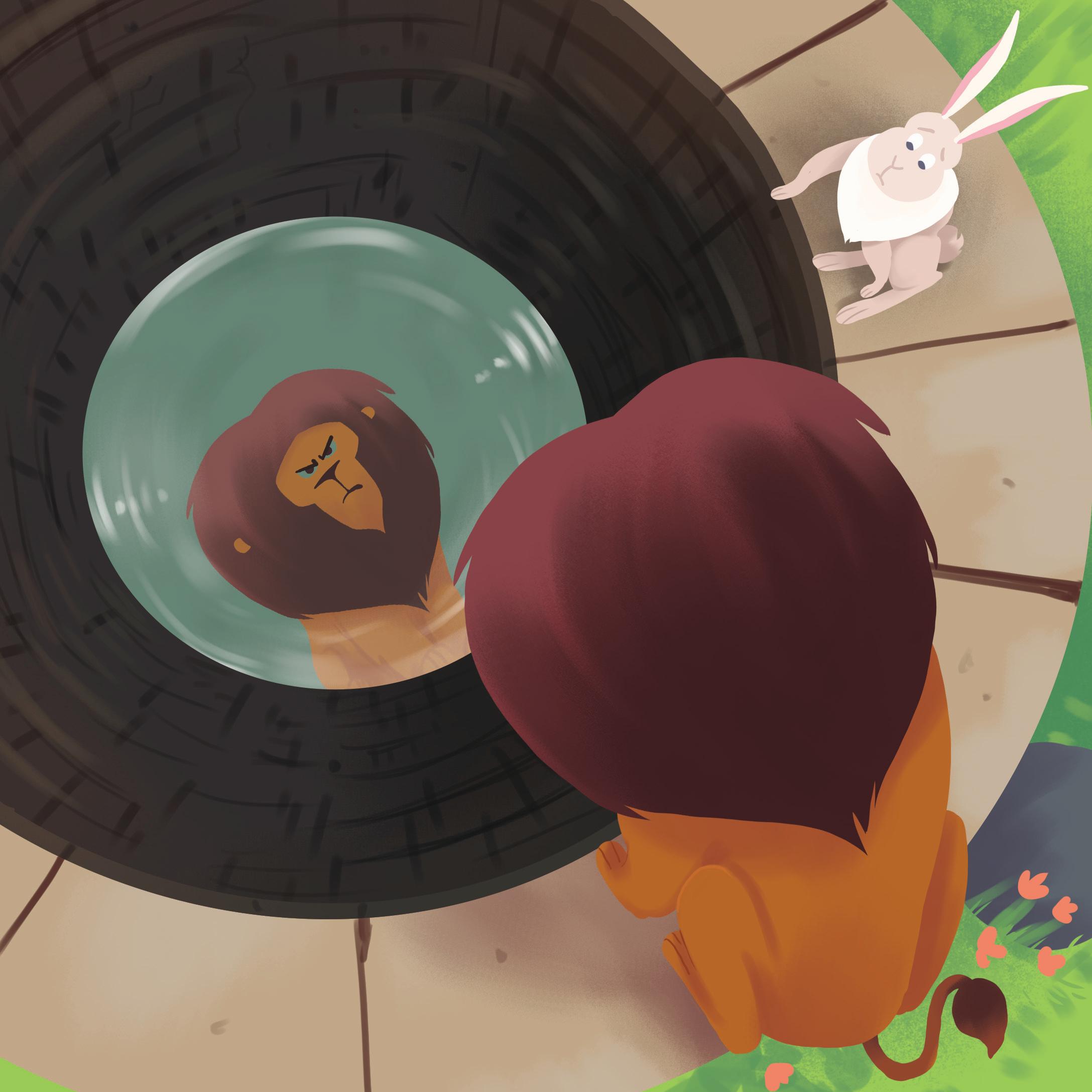
The lion saw his reflection in the well. He thought it was another lion. He jumped to attack it and fell into the well!
1. Who were the animals afraid of?
2. Do you think the hare was clever? Why?
3. What happened to the lion?
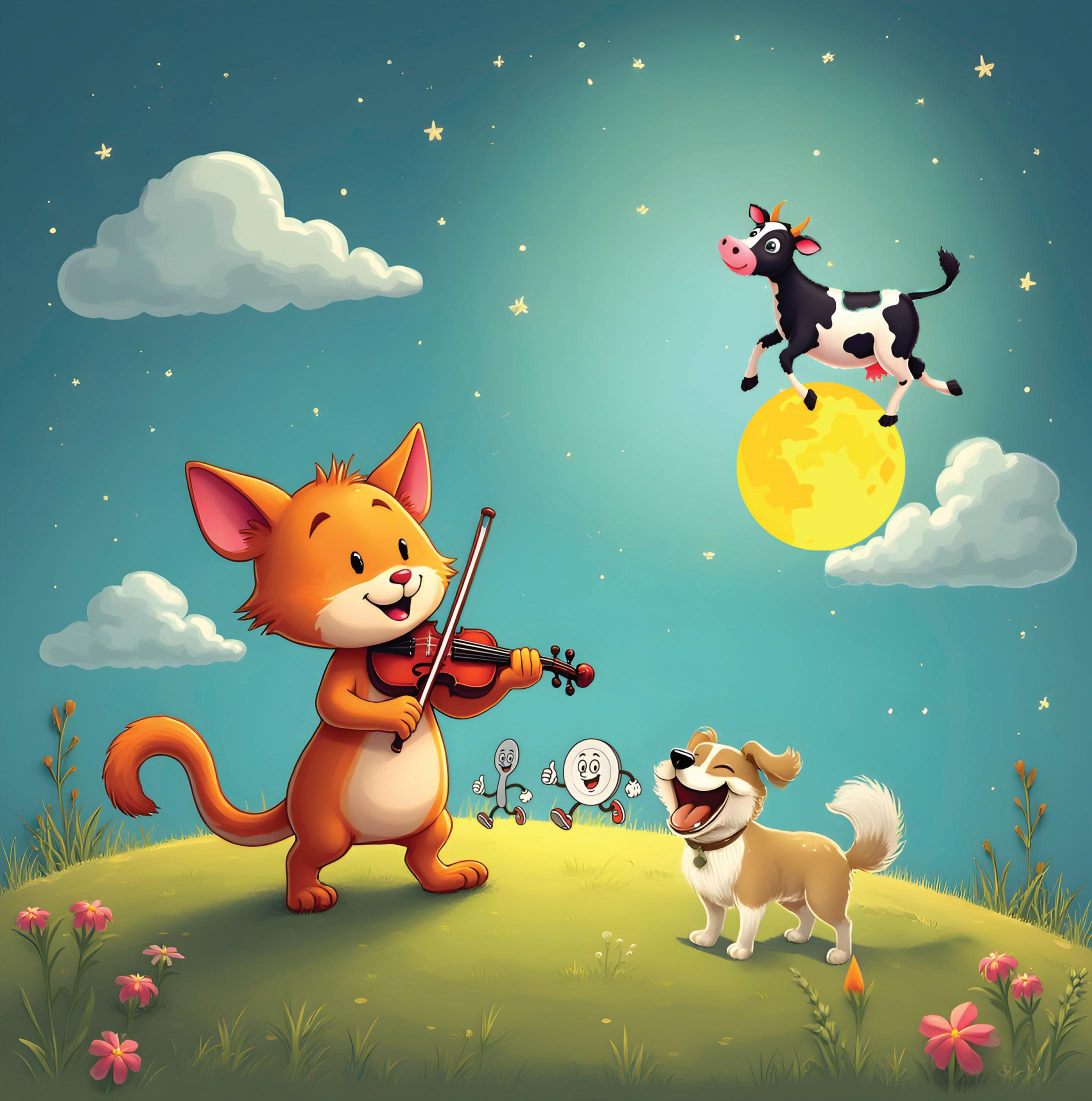
Hey diddle diddle!
The cat and the fiddle. The cow jumped over the moon. The little dog laughed To see such fun. And the dish ran away with the spoon.

Encourage children to act out the rhyme with moves like jumping and laughing.
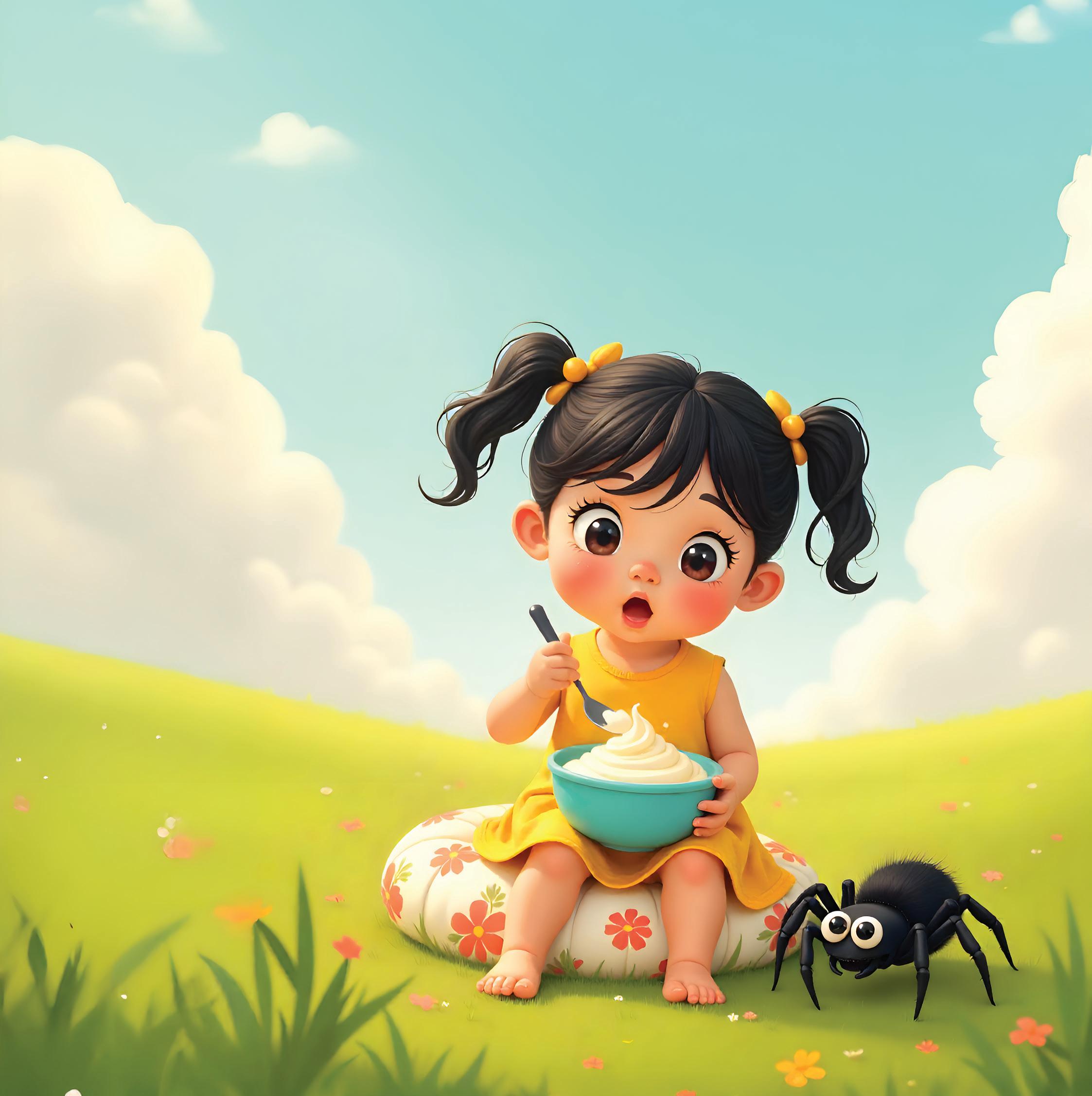

Little Miss Muffet
Sat on a tuffet, Eating her curds and whey.
There came a big spider, Who sat down beside her And frightened Miss Muffet away.
Ask the children to show or act out the expression of feeling scared.
Who do you go to when you feel scared of an insect?
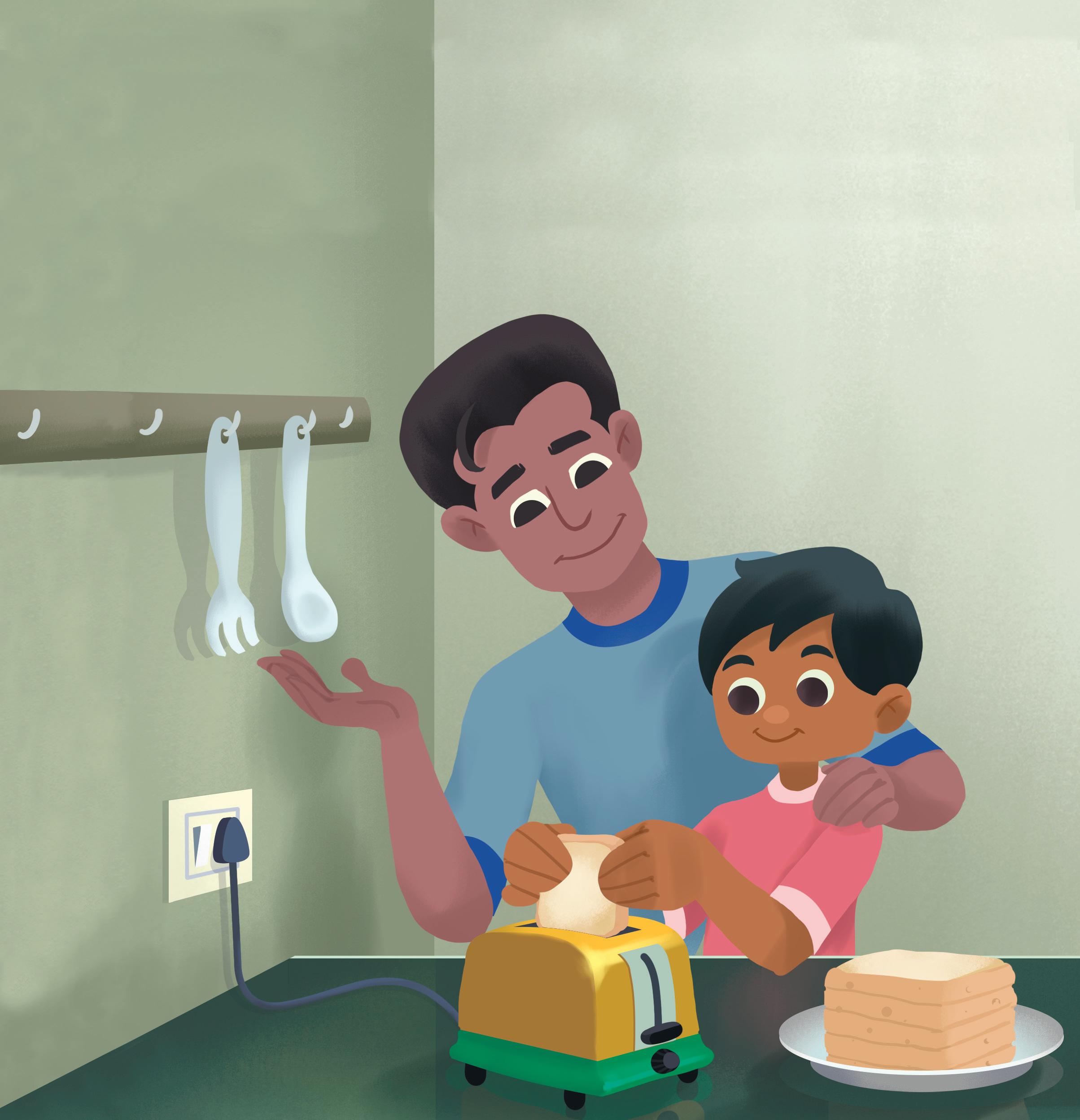
Dad and I are making breakfast. We put bread in the toaster.

What do you like doing with your father?
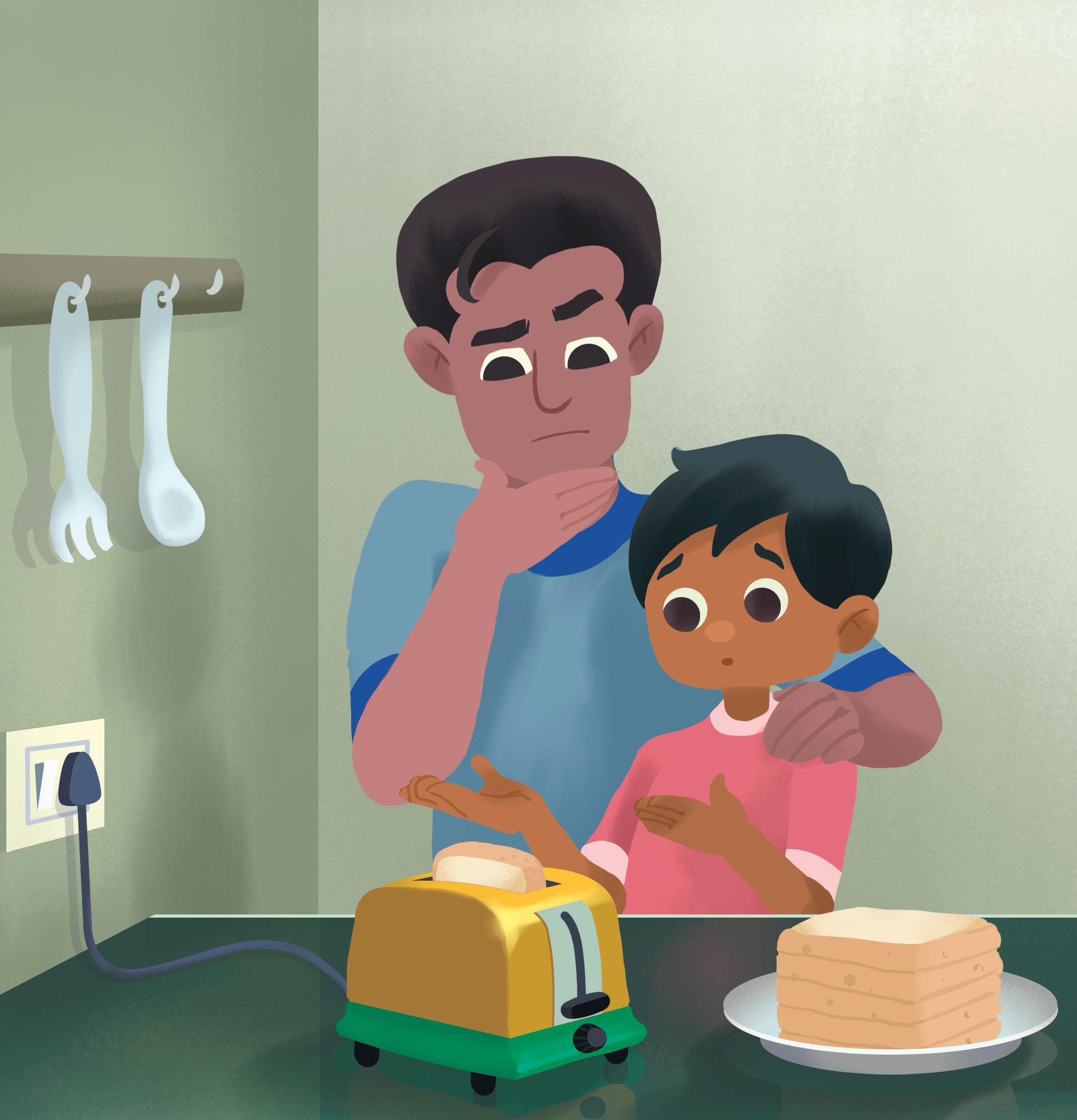
Oh no! The toaster does not work. The bread is still cold.
What do we do? First, we check if the toaster is plugged in.
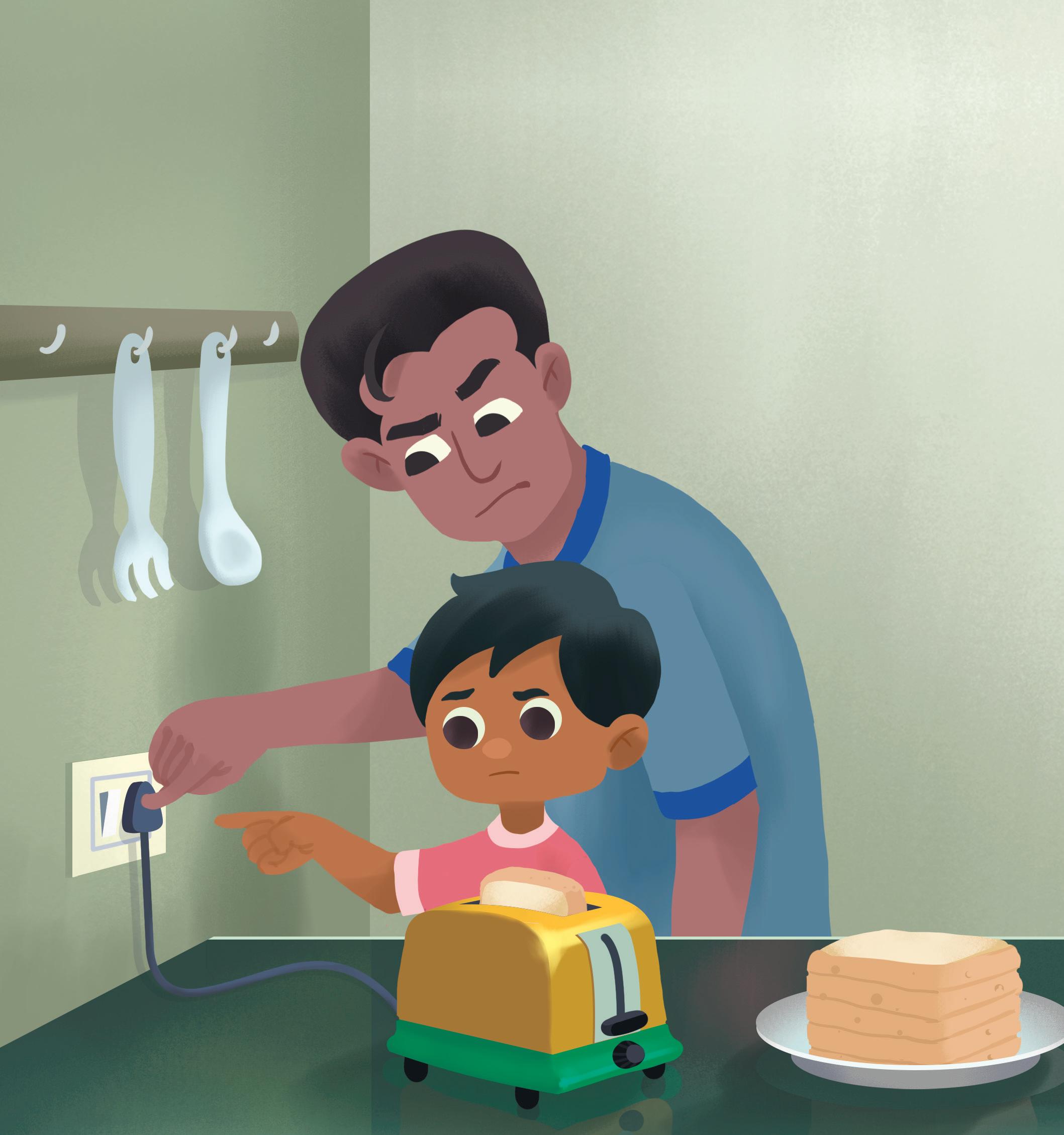
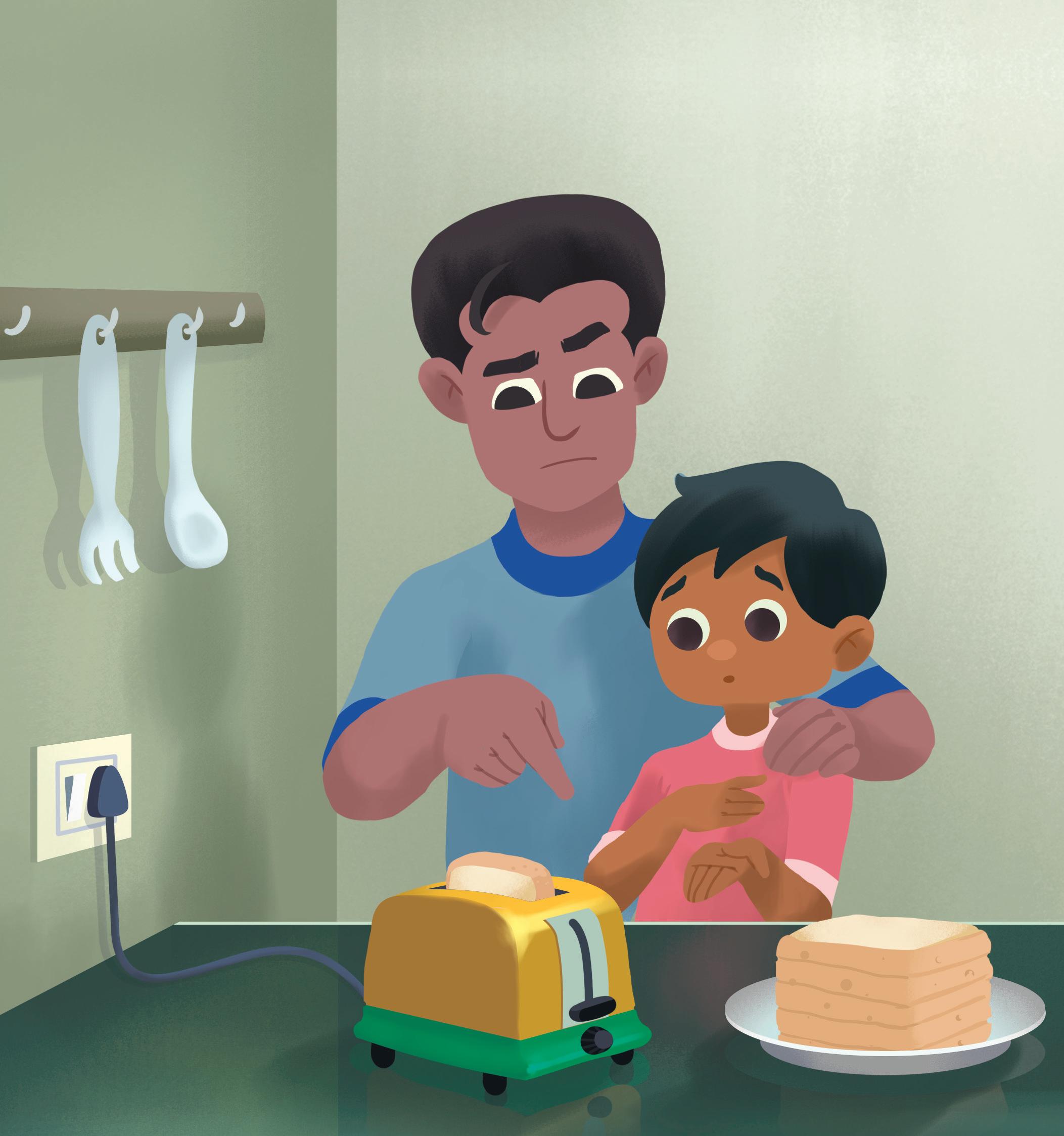
Next, we look at the settings. Did we turn the toaster on?
We find the problem. The lever is not working. We set it right.
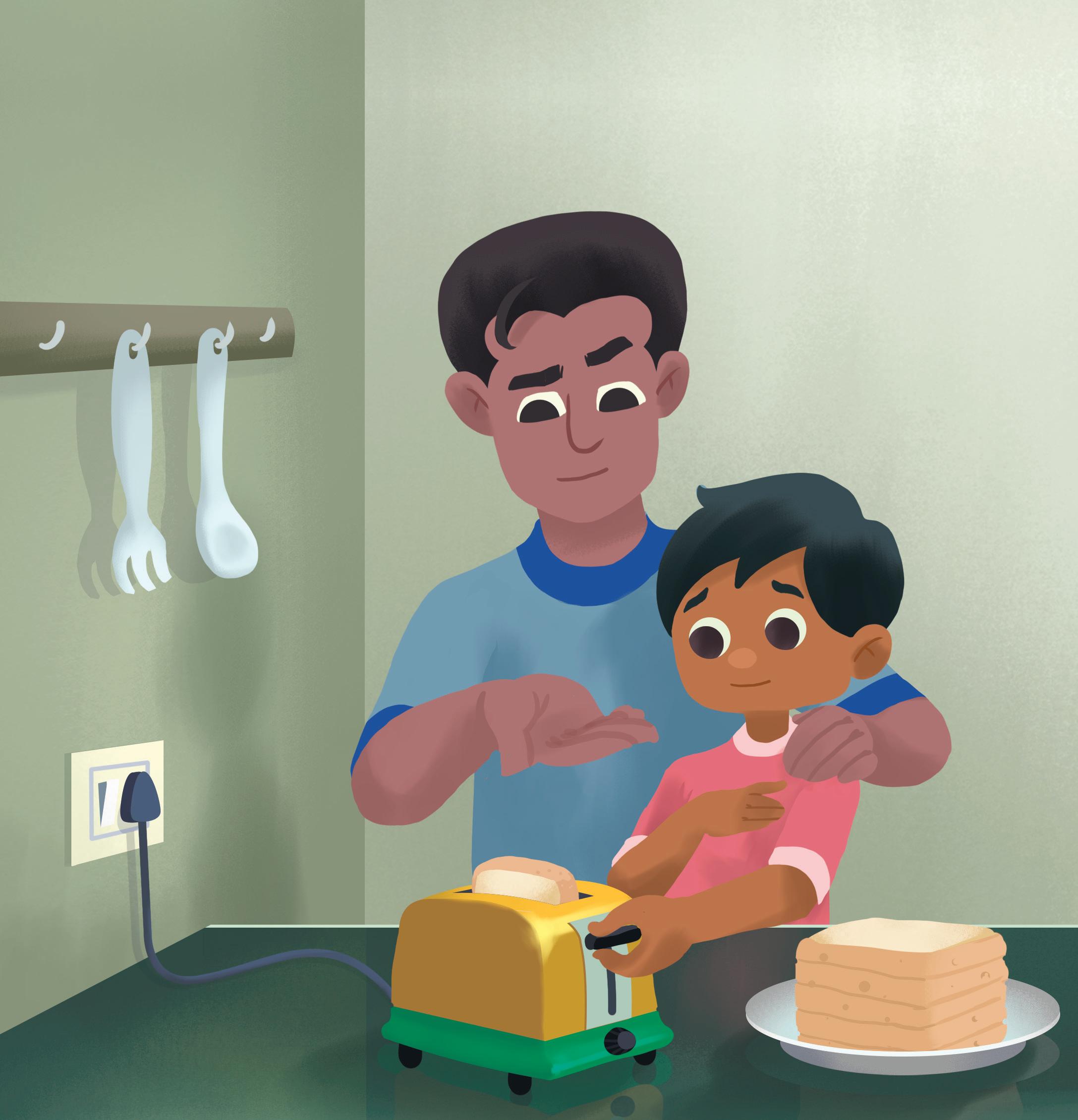
Encourage children to solve problems step by step, without rushing. Use simple, age-appropriate examples such as finding a lost item or tying shoelaces.
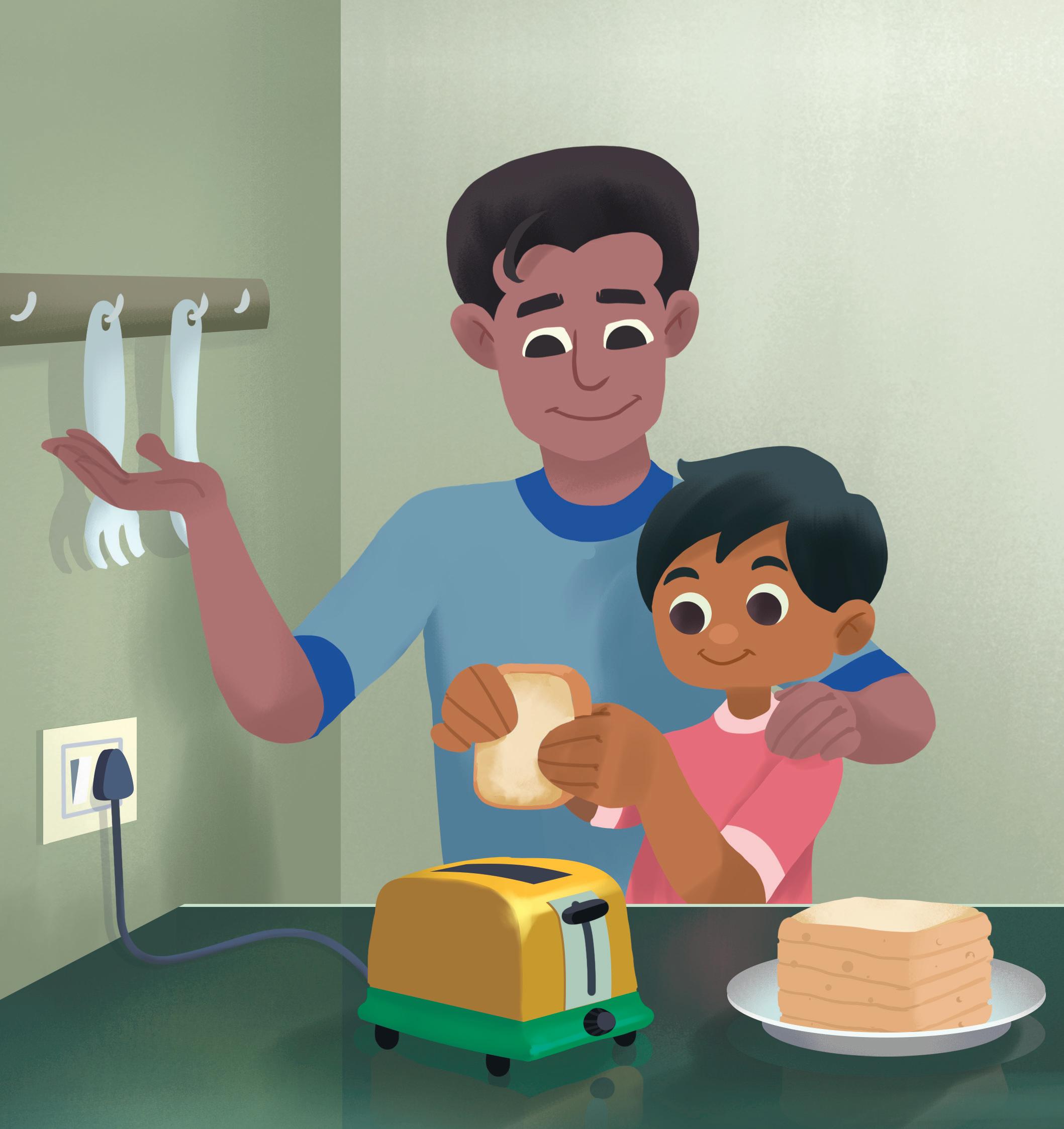
Now, the toaster works. And we have toasted the bread!
Let's Talk
1. What were Dad and the boy doing?
2. What did they check first to make the toaster work?
3. Why was the toaster not working?

Everybody has a name, Names are fun and not the same. My name is ____. It’s special to me. Names help us call to meet and greet. Every name is special, too. Yours is special, and mine is too!
Encourage children to say each other’s names with a smile.

Mary had a little lamb, Its fleece was white as snow. And everywhere that Mary went, The lamb was sure to go. It followed her to school one day, Which was against the rules. It made the children laugh and play,
To see a lamb in school.

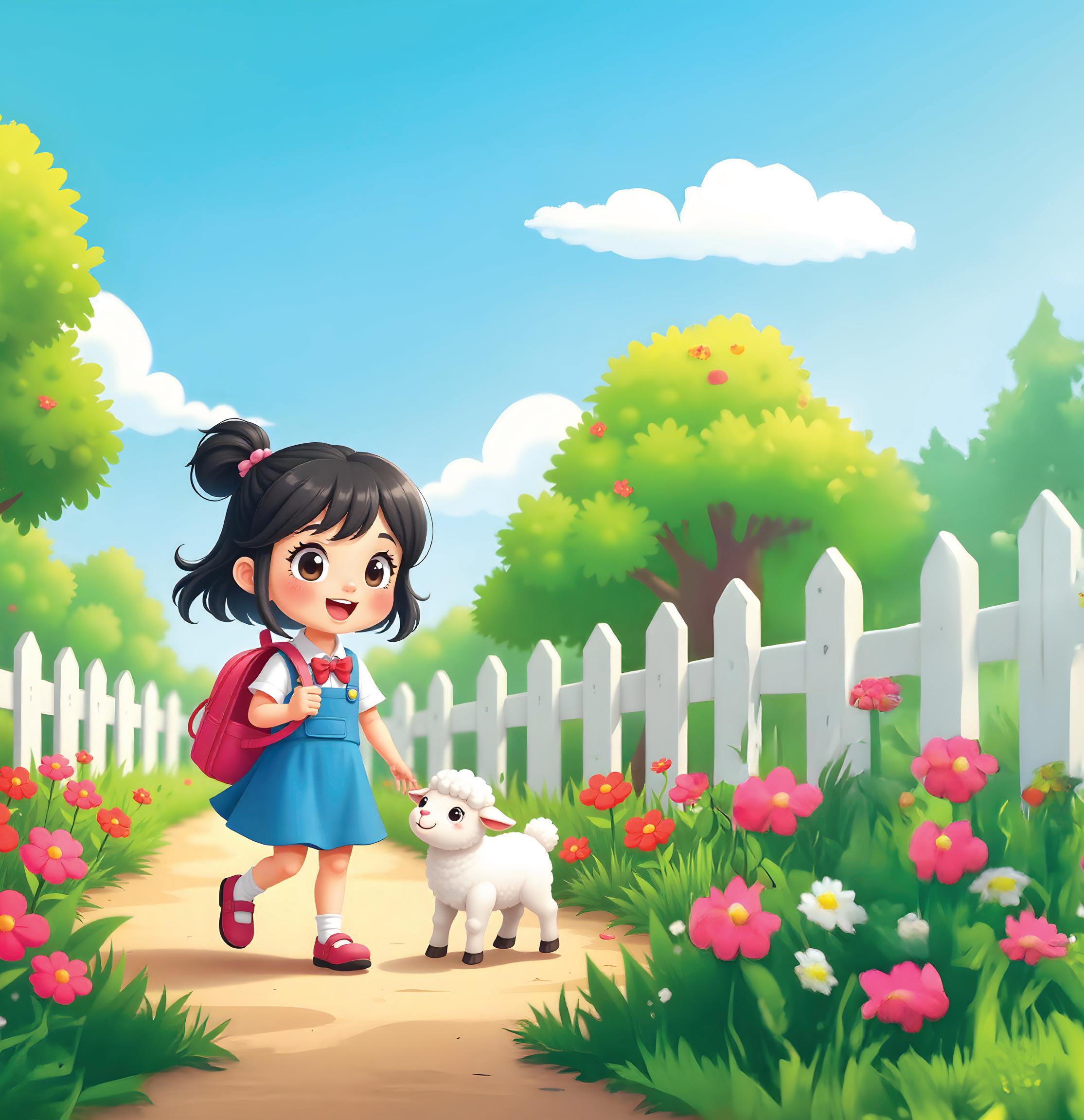
Discuss how to care for animals. Let children share their stories when they helped or saw someone help an animal.
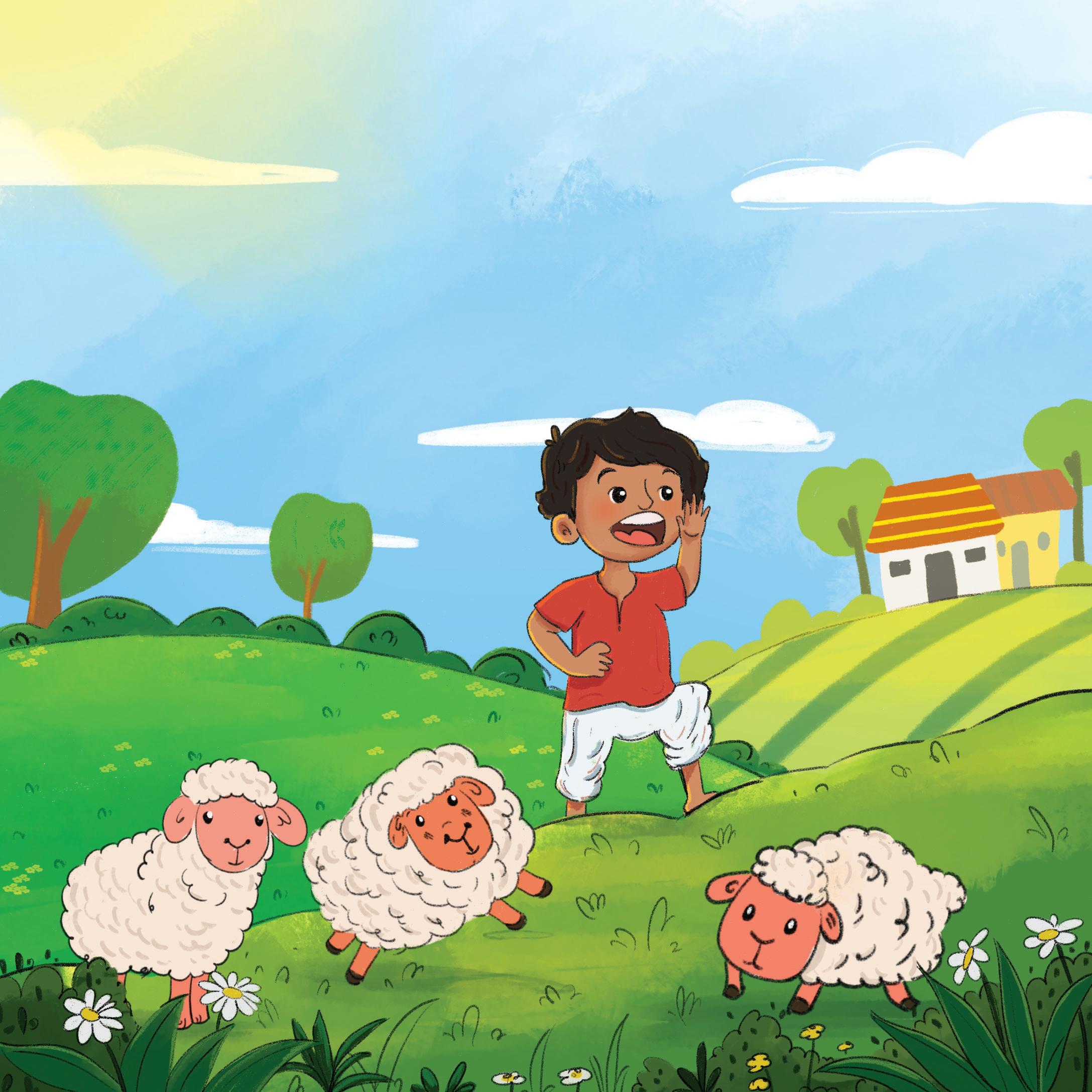
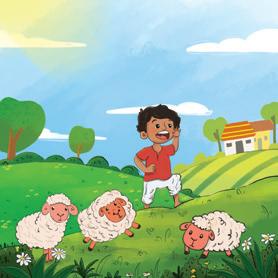
Once there was a naughty boy who looked after sheep.
There was no wolf but “Wolf! Wolf!” he cried!
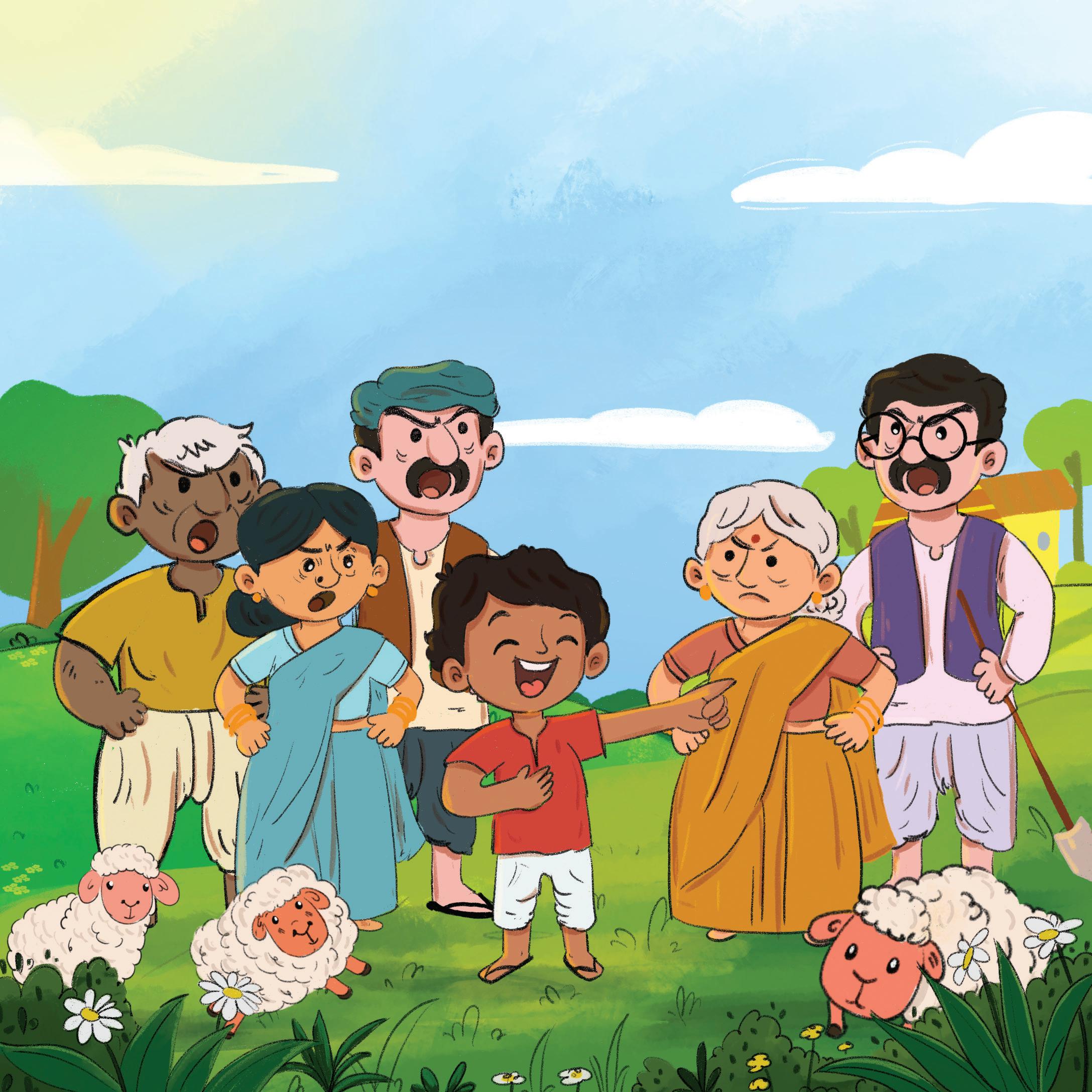
The villagers ran to help. But there was no wolf! The boy laughed at them!
He did the same thing the next day. He laughed even louder when the villagers came running.
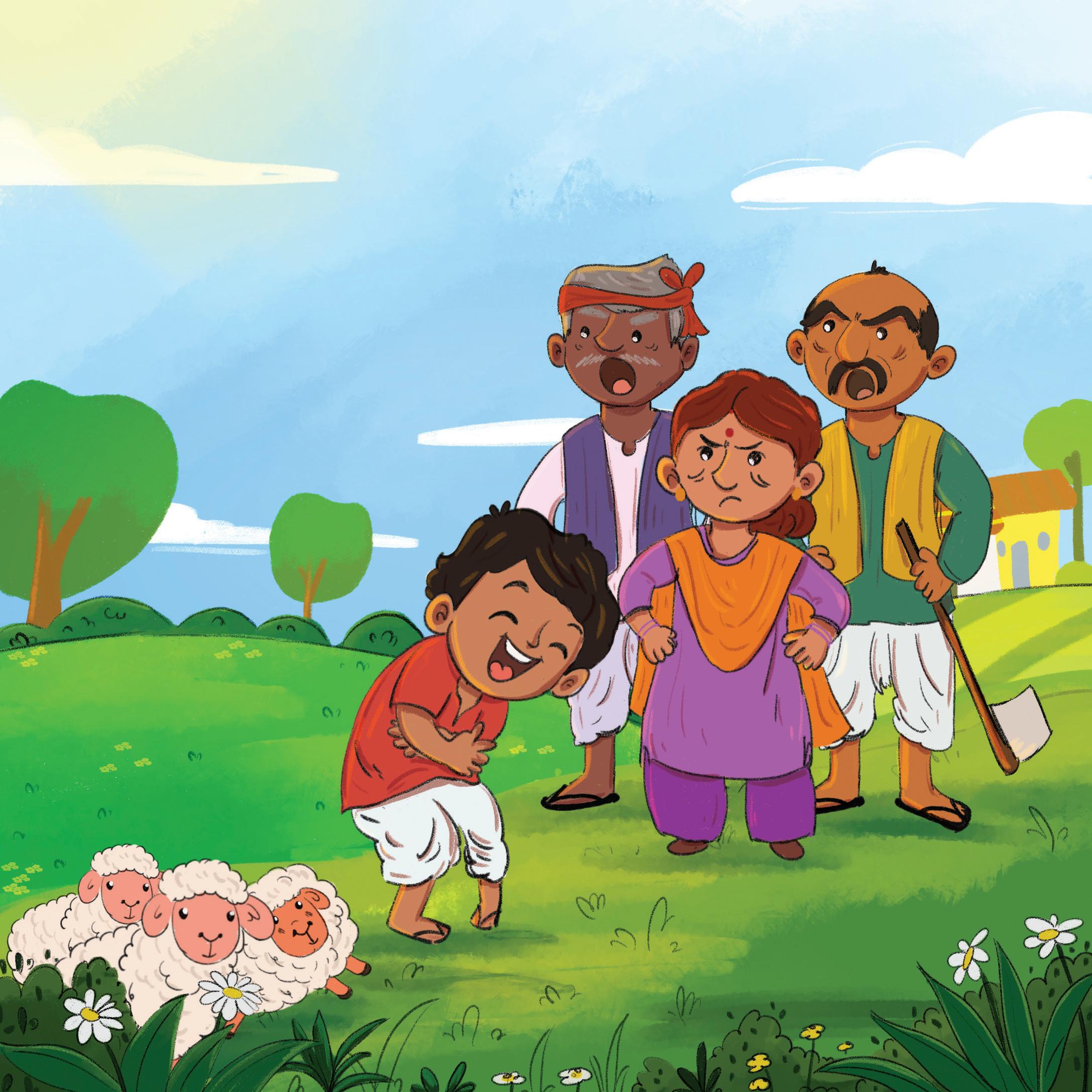
The boy lies and makes fun of people. Is he doing the right thing? Why or why not?
Not long after, a real wolf came along. It looked big and hungry. Scared, the boy yelled, “Wolf! Wolf!”
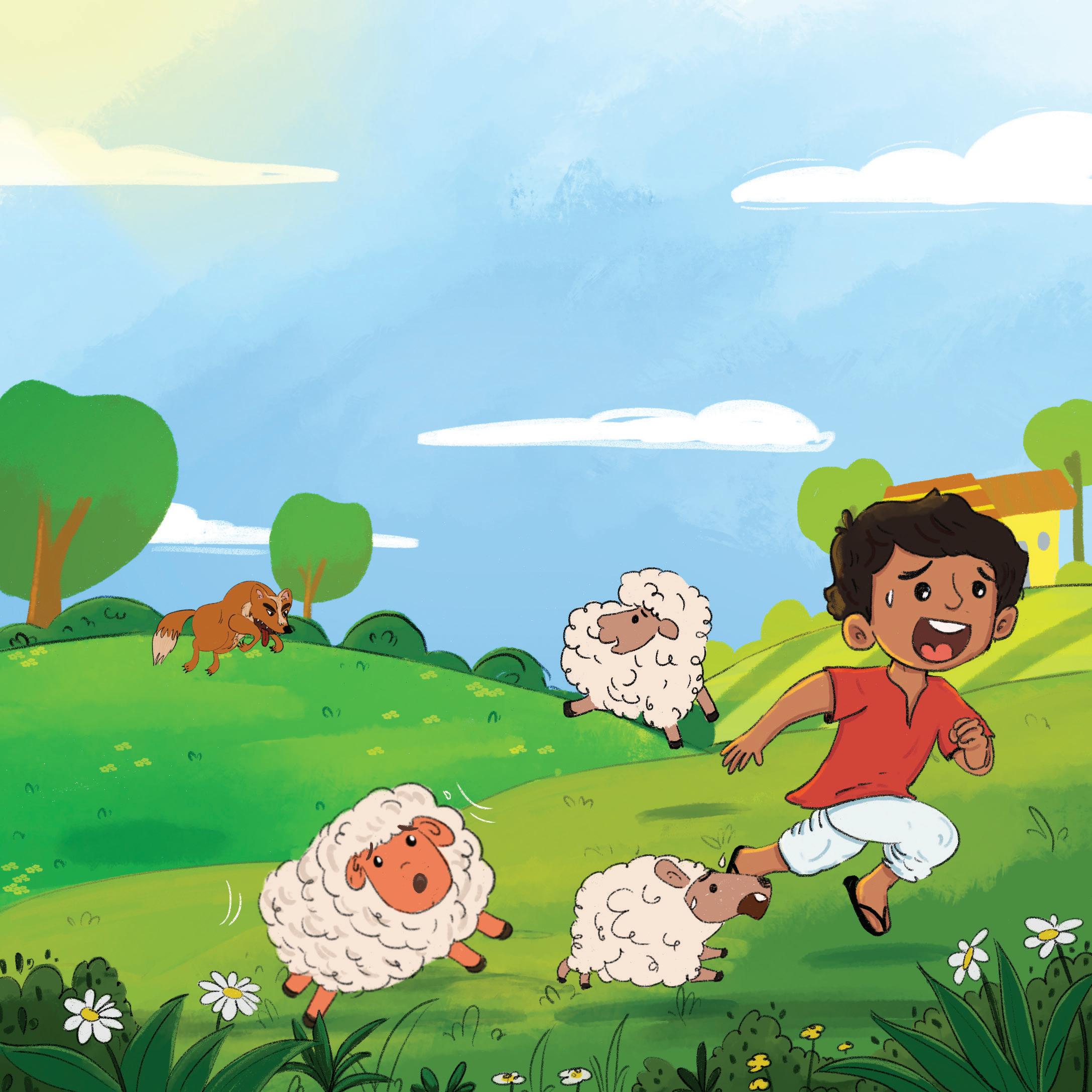
Encourage children to take turns and act as the boy, the villagers and the wolf.
This time, no one came to help. The wolf chased the sheep away. The poor boy cried and cried!
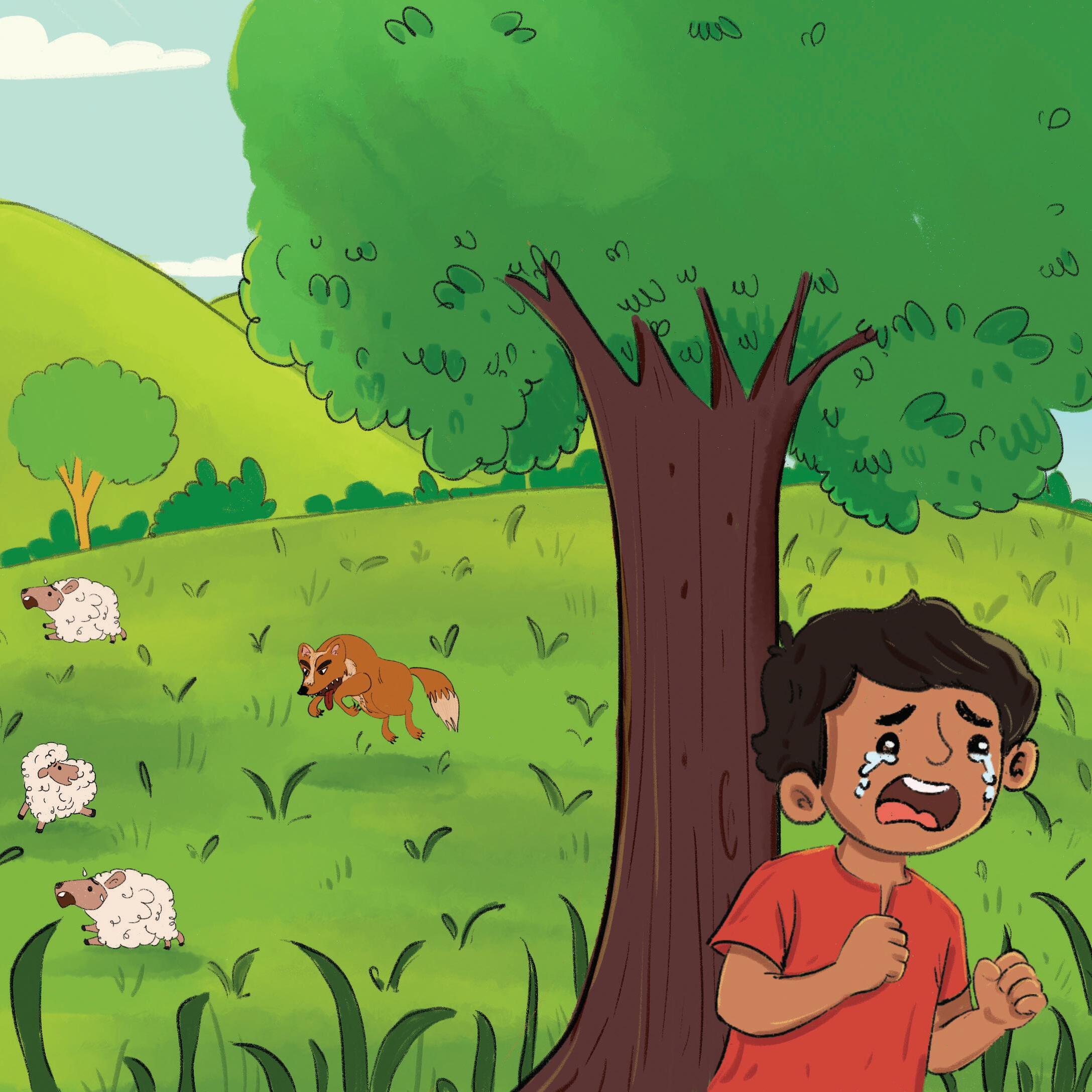
1. Who looked after the sheep?
2. How did the boy make fun of the villagers?
3. Why did the villagers not come to help the boy at the end?
My little hands are soft and small, They help me play, and catch a ball. With my hands, I can clap, Wave hello, or give a tap.
I can draw and paint, a bee, Build castles–just wait and see!
Hands can hug and hold so tight, My hands make everything feel right!
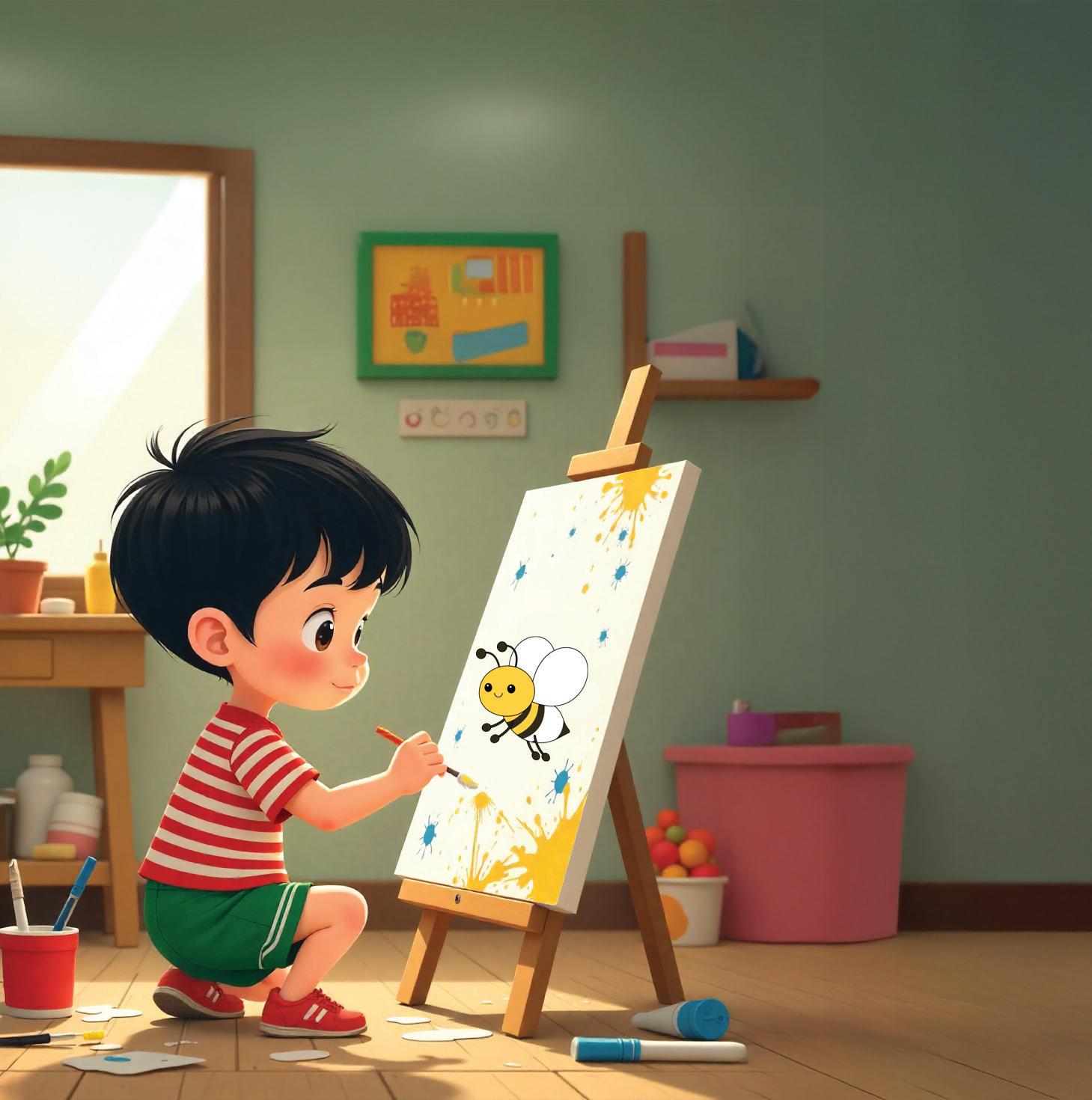
After singing the rhyme, ask children to show what their hands can do—clap, wave or tickle.
Greet your friends by shaking hands and saying ‘hello’.
Wee Willie Winkie Runs through the town. Upstairs and downstairs, In his nightgown.
Knocking at the window, Calling at the lock, “Are all the children in their beds?
For it’s past ten o’clock.”

Discuss the importance of bedtime. Let children share the time they go to bed.
What bedtime rules do you follow at home?
Row, row, row your boat, Gently down the stream.
Merrily, merrily, merrily, merrily Life is but a dream.
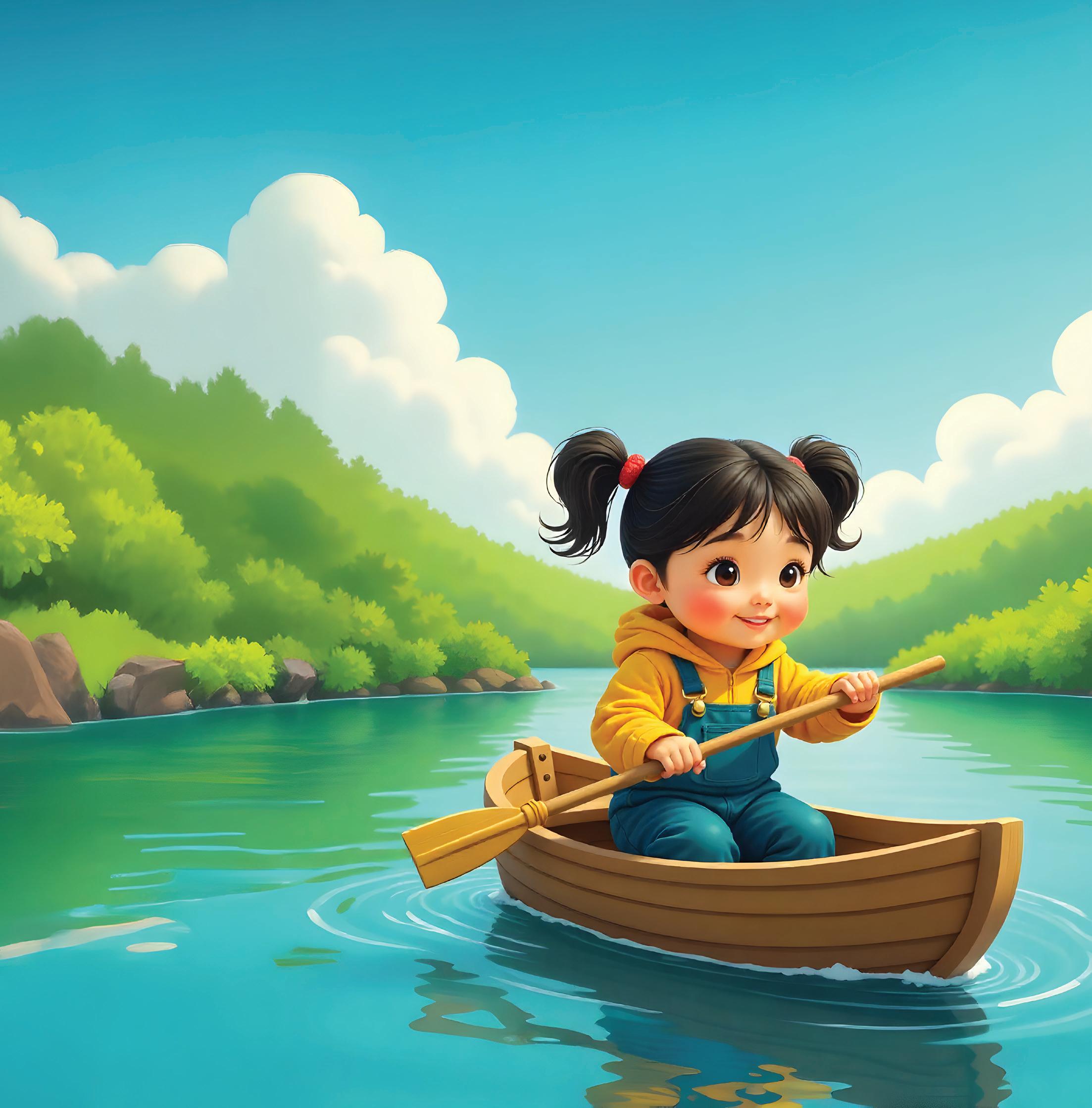
Row, row, row your boat, Gently to the shore. If you see a lion, Don’t forget to roar!

Guide and encourage children to make a paper boat and pretend to row it gently.
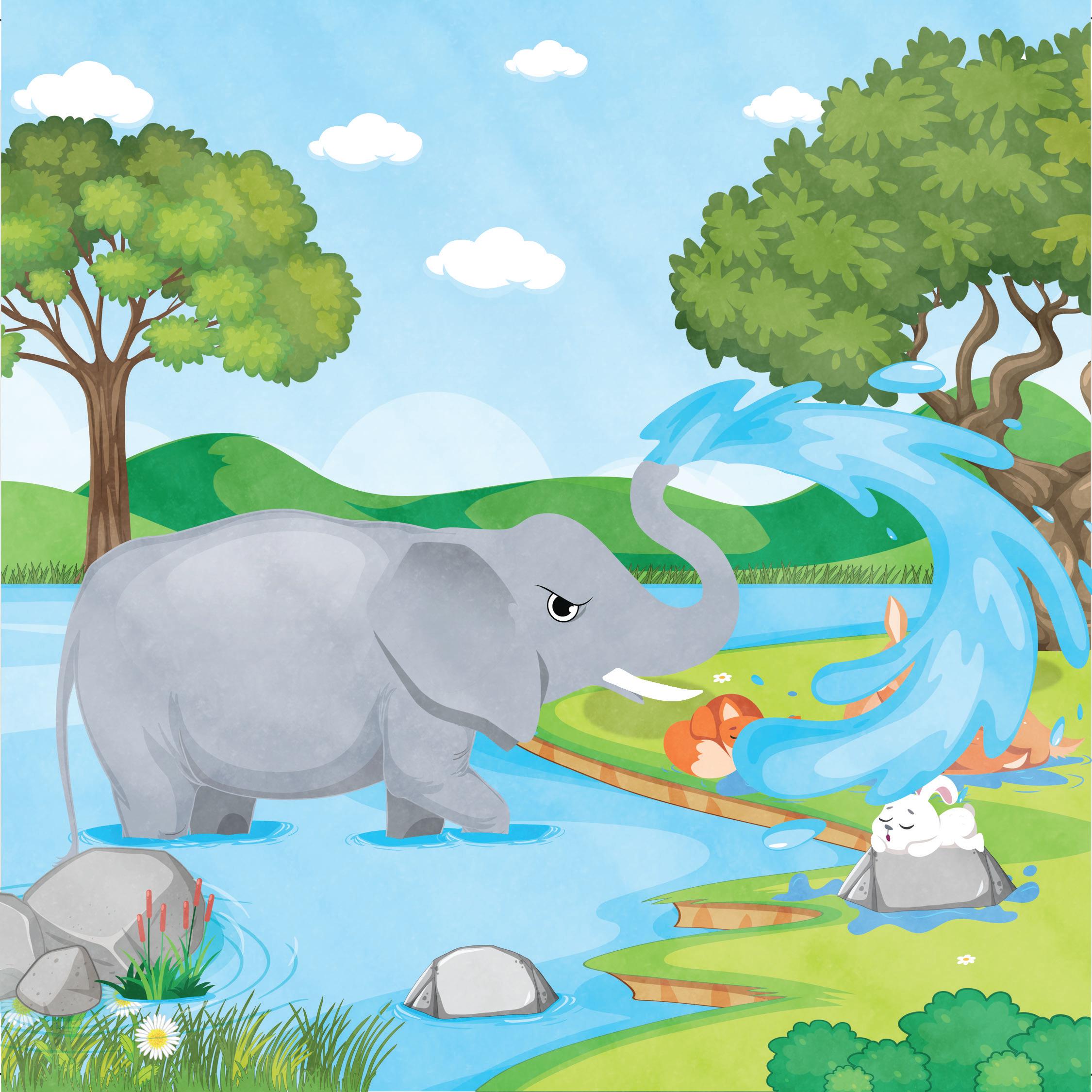
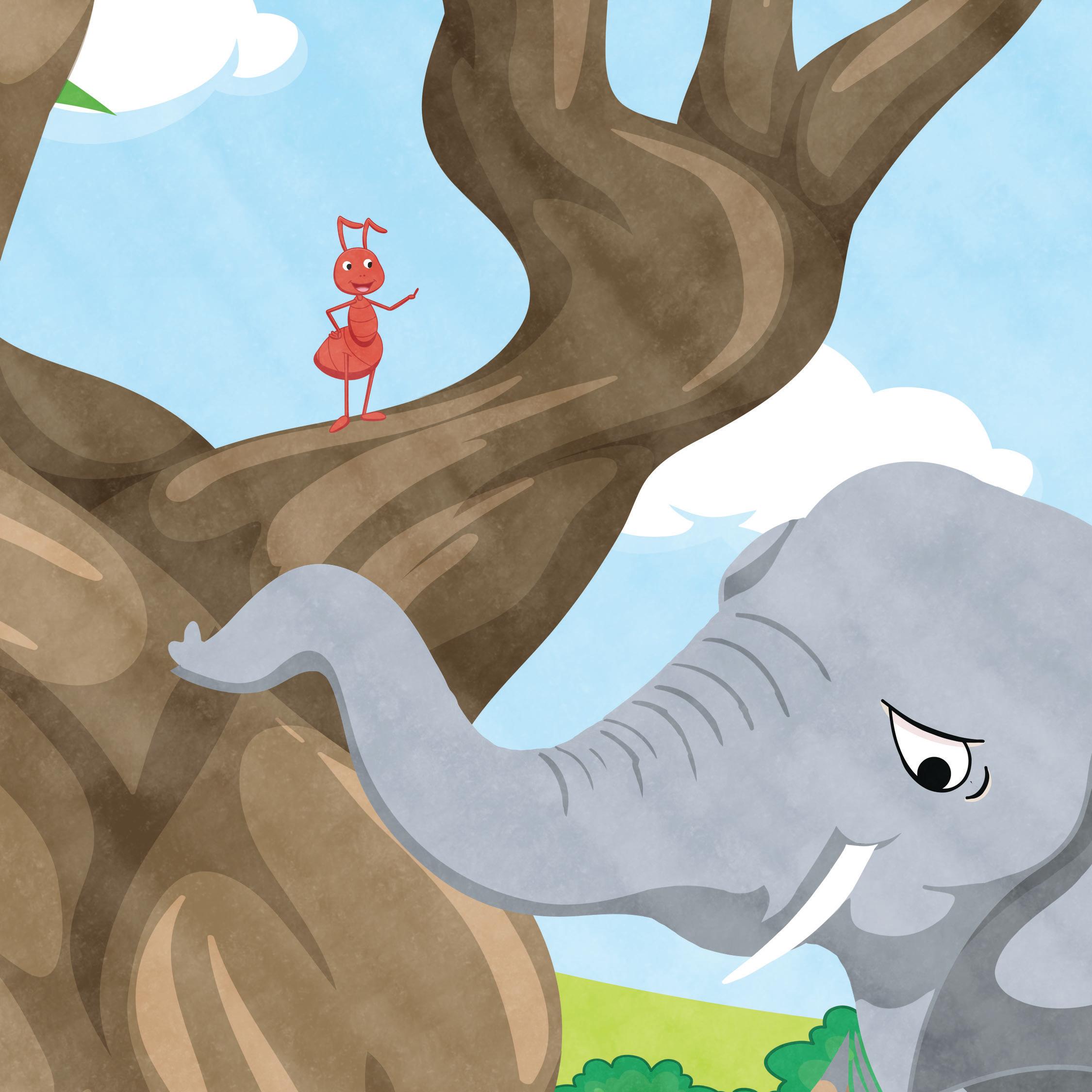
In the forest, there was a big elephant. He was mean to the other animals. When they lay on the riverbank, he sprayed them with water.
He trumpeted at them to get out of his way. He stamped his feet. The animals were scared of him.
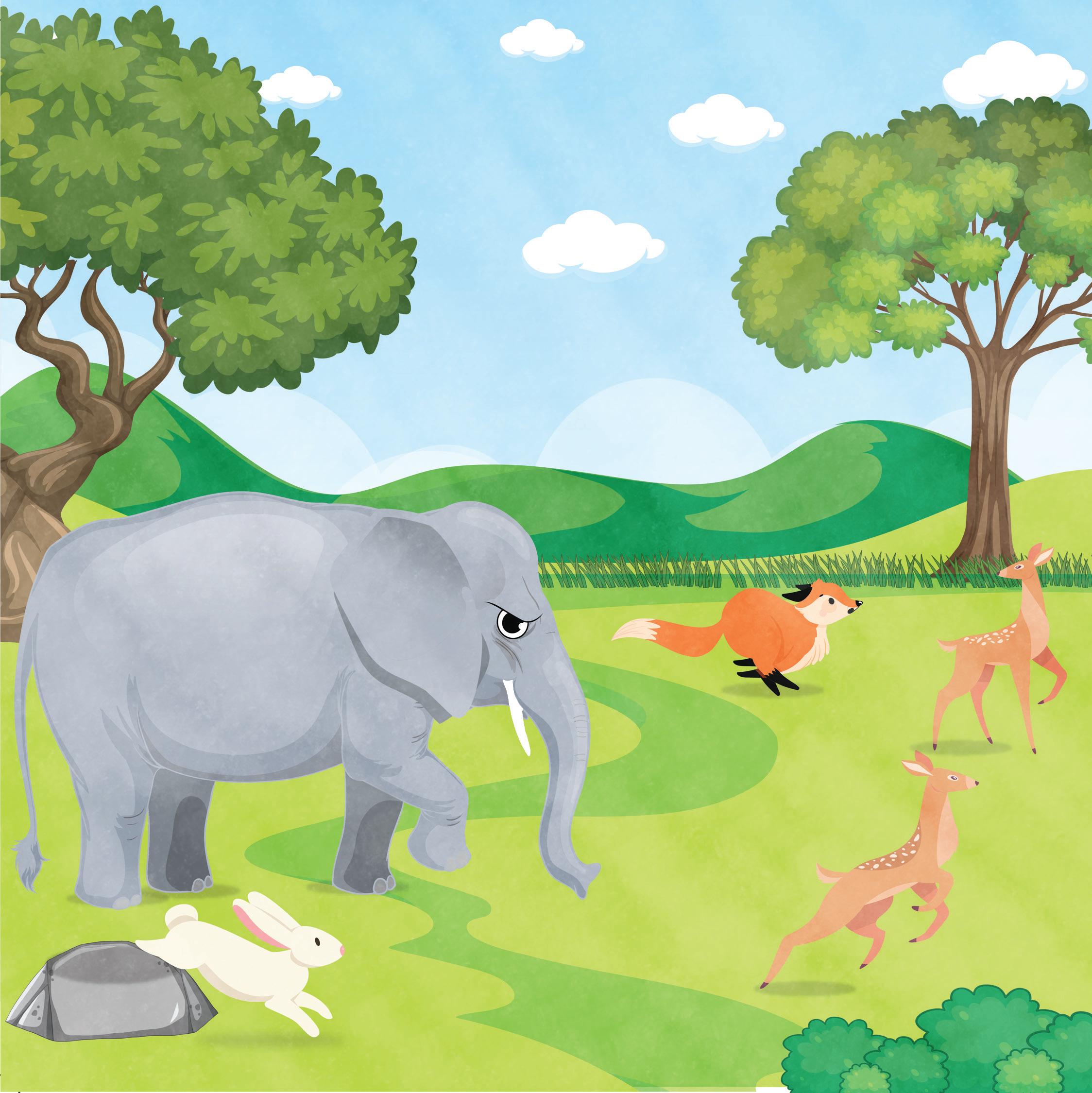
What will you do if someone is troubling you?
The brave ants decided to teach the elephant a lesson. When he was sleeping, the ants crawled up his nose. They started tickling him.
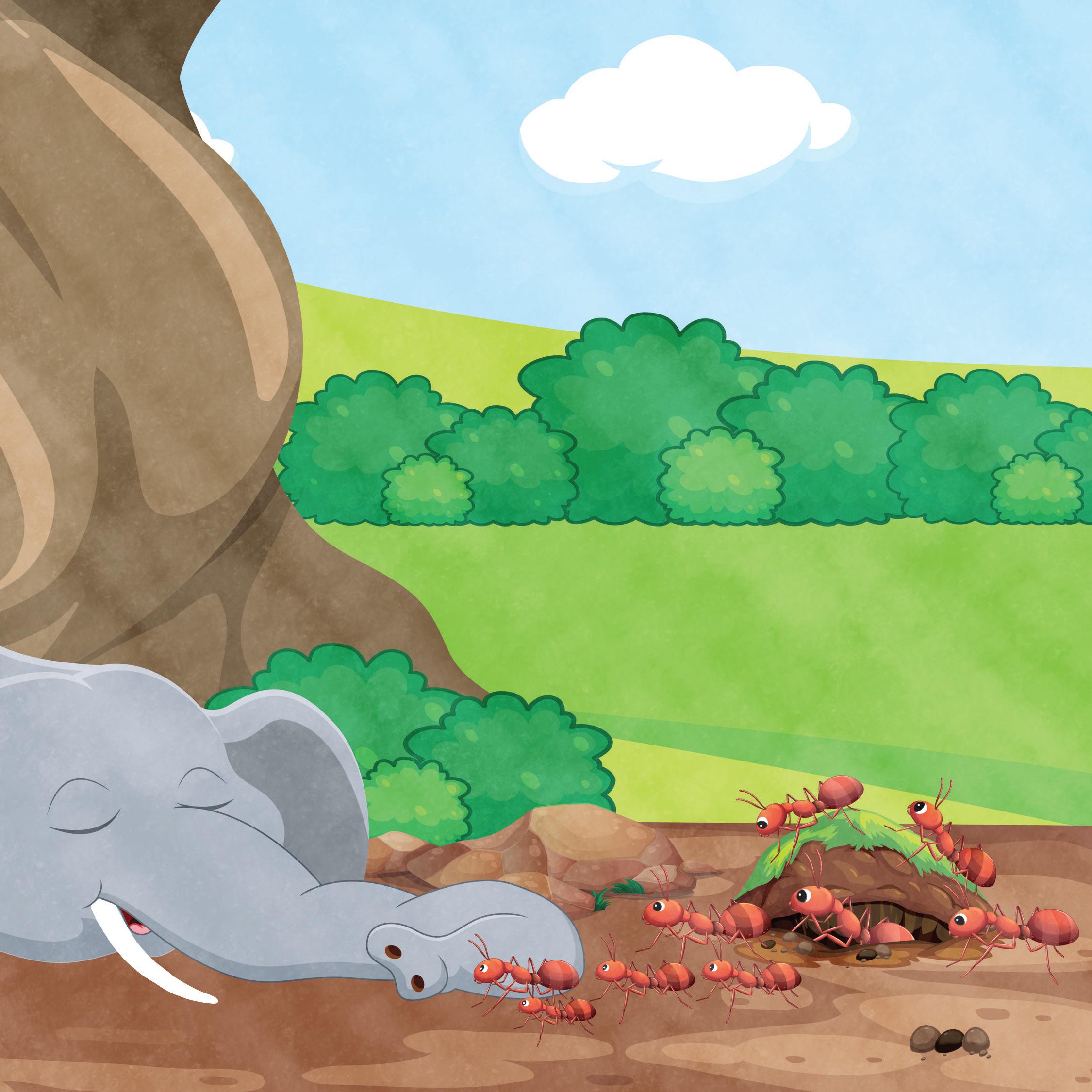
The elephant sneezed loudly—ACHOO!
But the tiny ants were still there! ACHOO! There were still some ants in his nose.
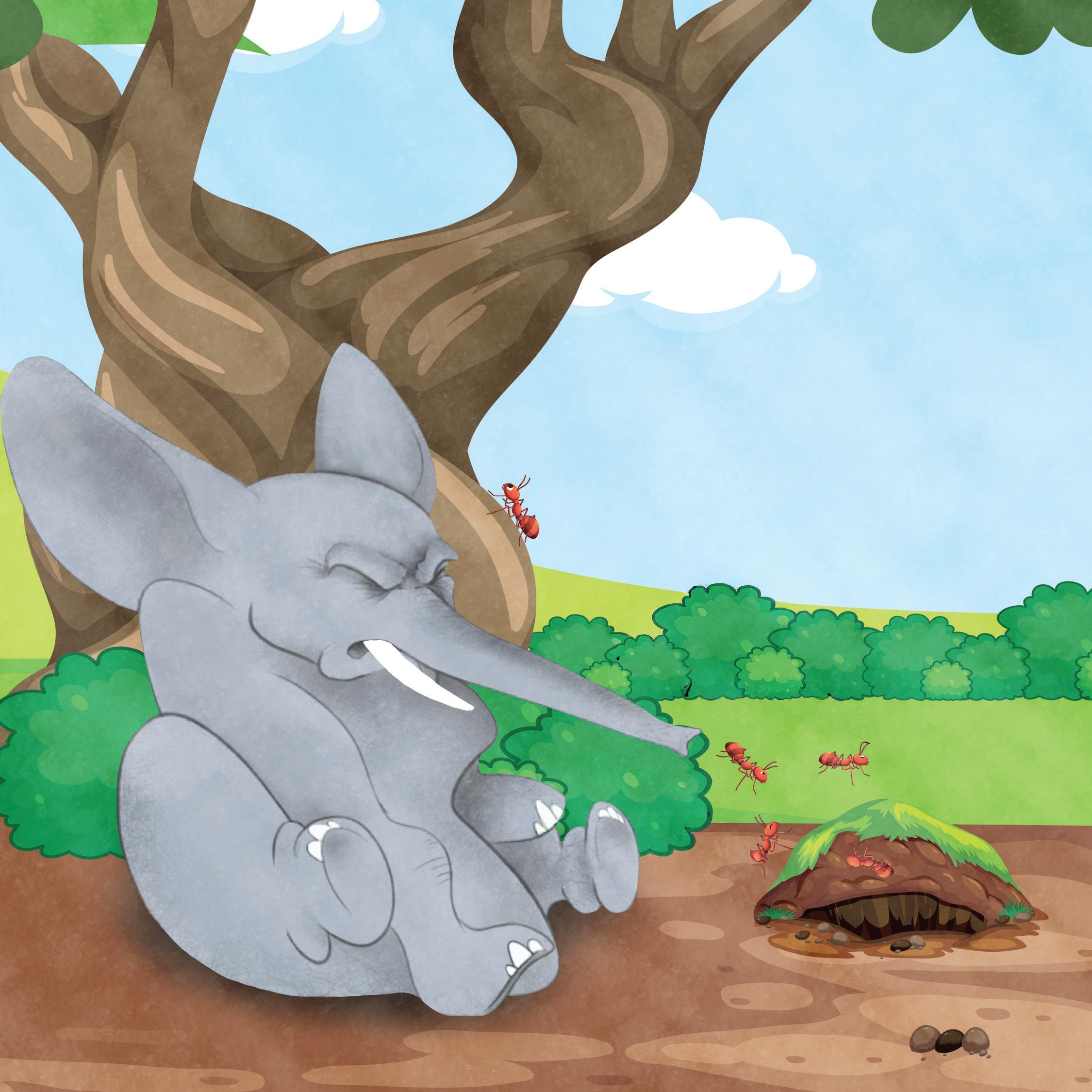
ACHOO! ACHOO!ACHOO!
Ask the children to act out a loud sneeze like the elephant.
The elephant realised his mistake and said sorry. The ants left him alone. From that day on, he was kind to everyone!
Let's Talk
1. How did the elephant scare the other animals?
2. How did the ants teach the elephant a lesson?
3. What did you like the most about the story?
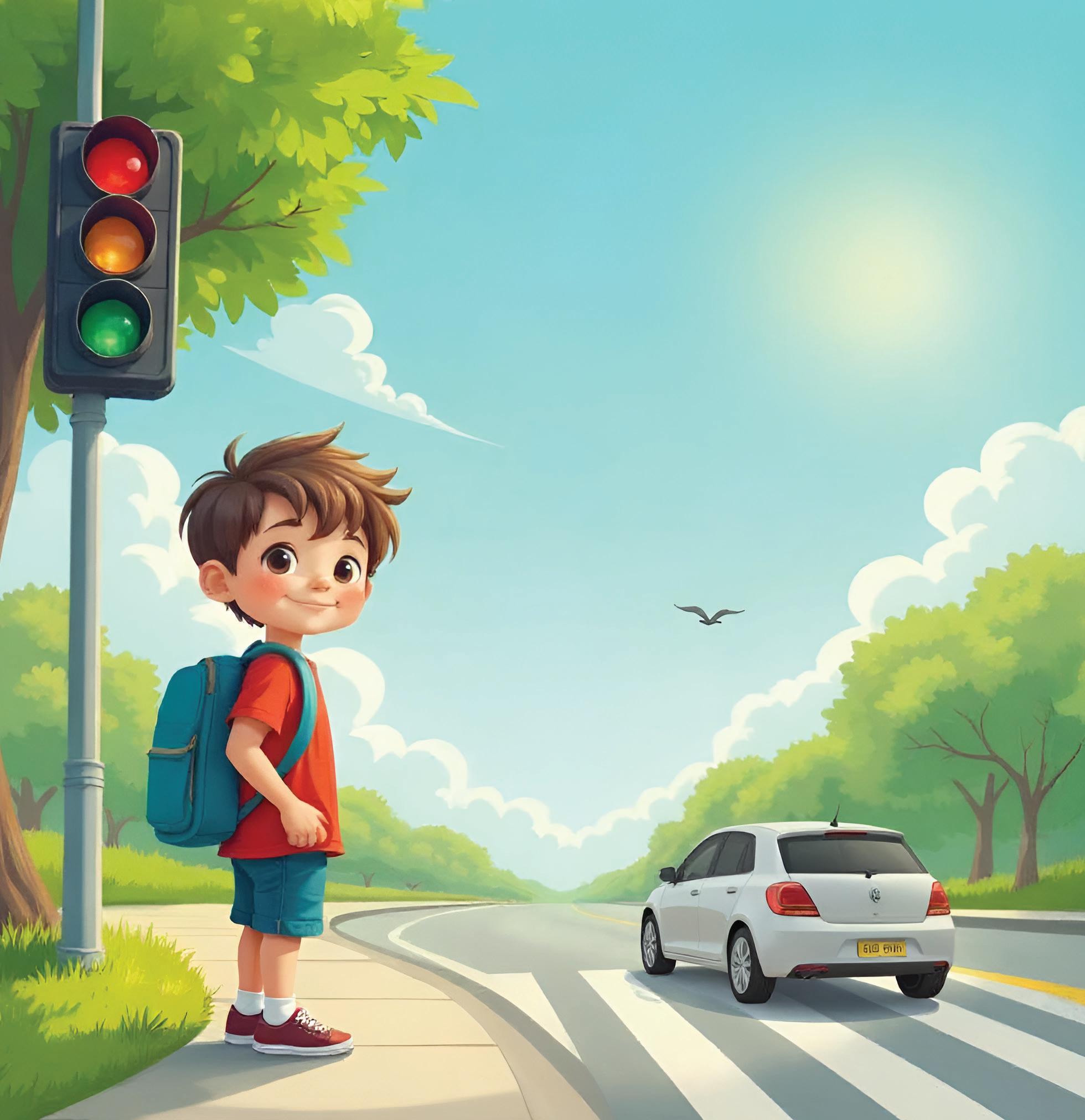
Up the street, I look and see, If any traffic is near me.
Down the street, I look as well, And listen for a horn or bell.
Something is coming,
I must
so I
wait,
be careful, not run straight. Now the road is clear and wide,
I
can cross safely to the other side.
Ask children to practise crossing a pretend road: stop, look both ways, then walk safely.
If you see your friend playing on the road, what will you do?
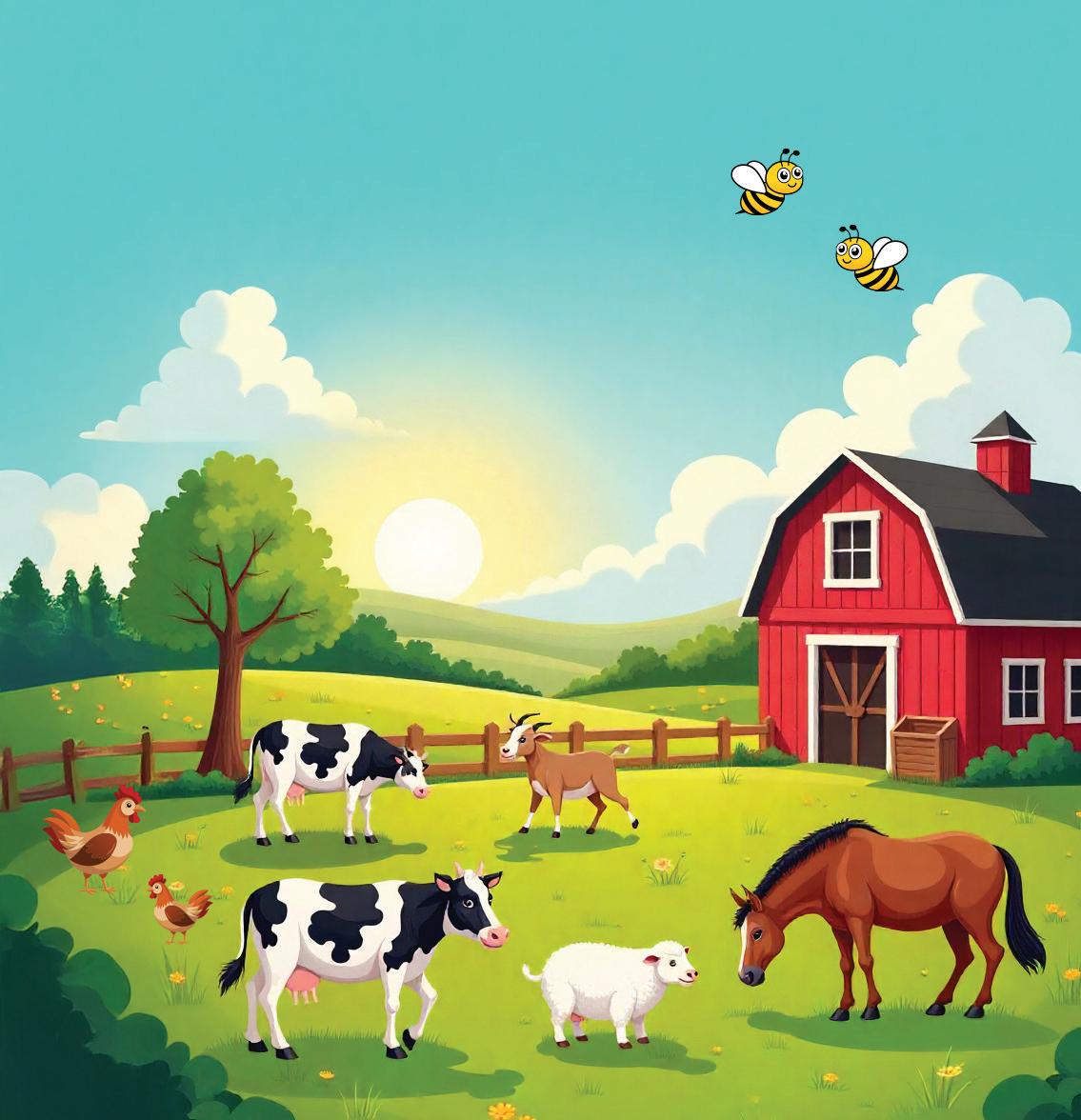
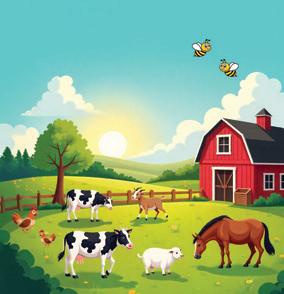
Honeybees hum, with honey so sweet.
Cows gives us milk, a creamy treat.
Hens lay eggs in cosy nests.
Our animal friends, they are truly the best.
Sheep give us wool, so warm and soft.
Goats give us cheese that we keep in the loft.
Horses we ride, with a clip clop sound.
In fields and farms, joy is found.

Talk about the things we get from animals.

Firemen, firemen, In red and gold, Rushing to the fire, Brave and bold.
With hoses and water, They fight the flame.
Firemen are heroes, That’s their name!
Let children role-play as firemen using toy hoses or actions.
Who else do you think is brave? Why?
Before Mama went out, she asked Uma and Sai to feed all the pets.
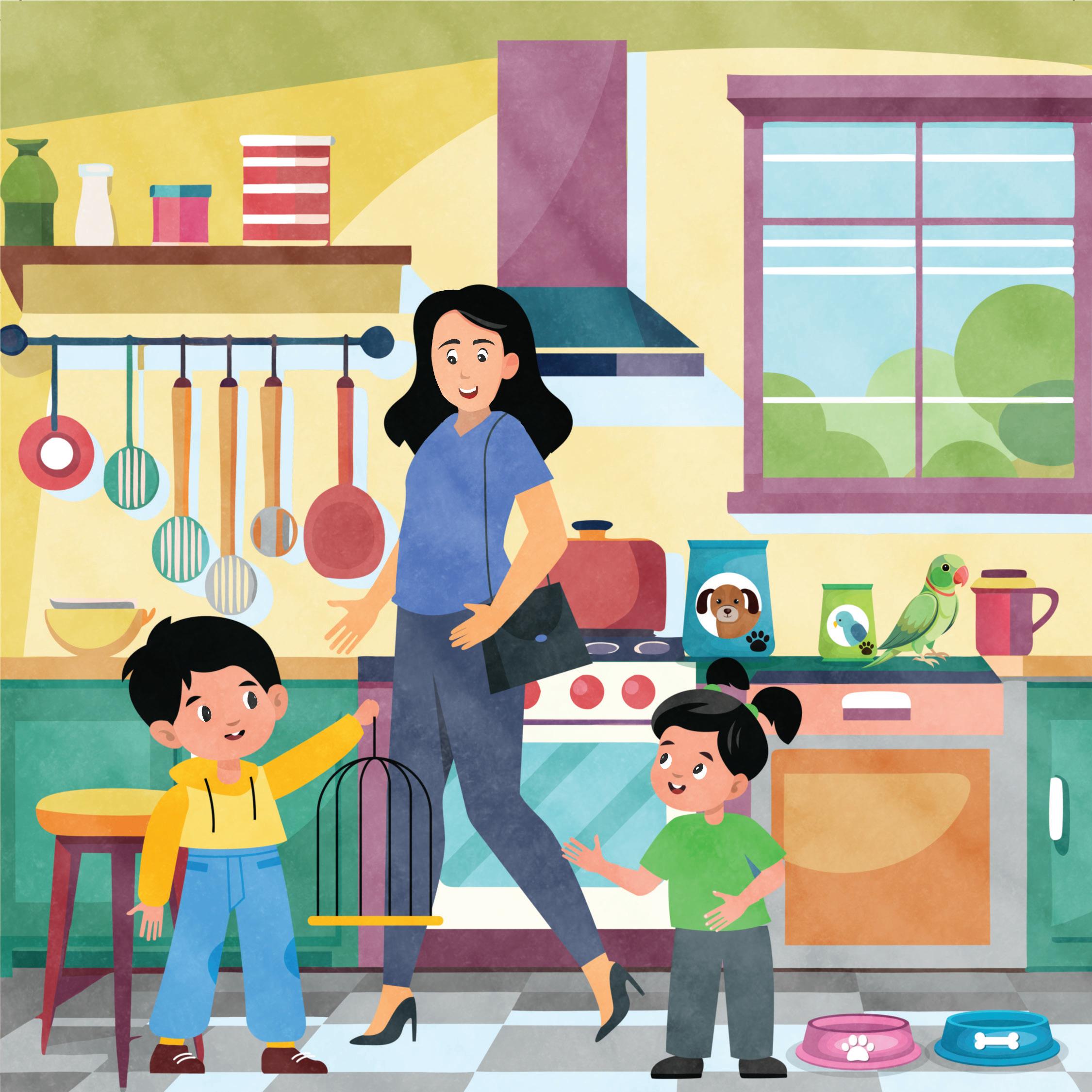
Buddy the dog gets the dogfood from the blue bag.
Kitty the cat eats fish from the small packet. Pete the parrot gets the seeds from the green bag.
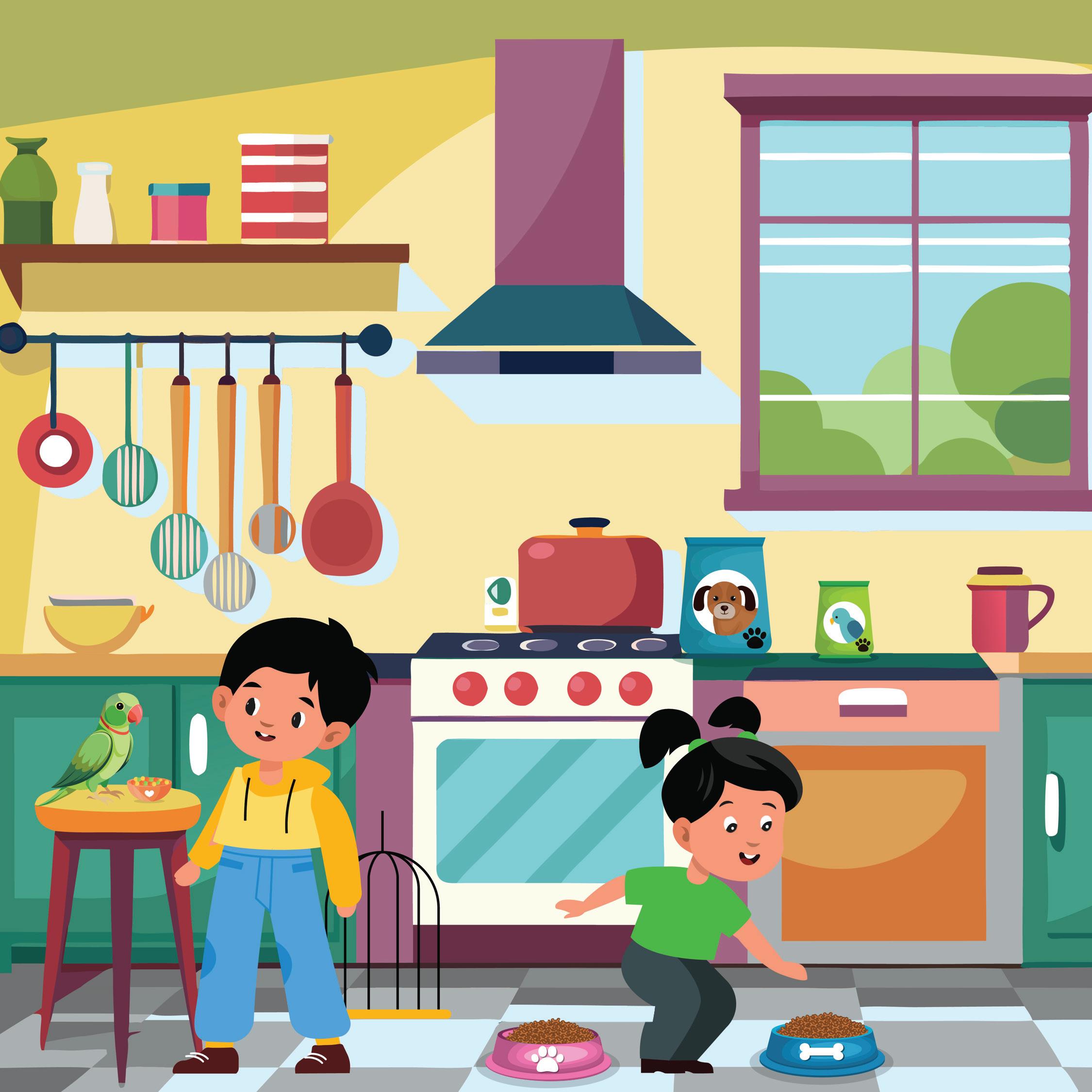
Uma put the cat food into a bowl. She put Buddy’s food in another bowl. Sai filled the parrot’s bowl.
Buddy was very hungry. He gobbled up Kitty’s food and then his own! He wagged his tail for more. Kitty sat in the window looking angry! “Oops! What will we do now? That was the last packet of cat food!” said Uma.
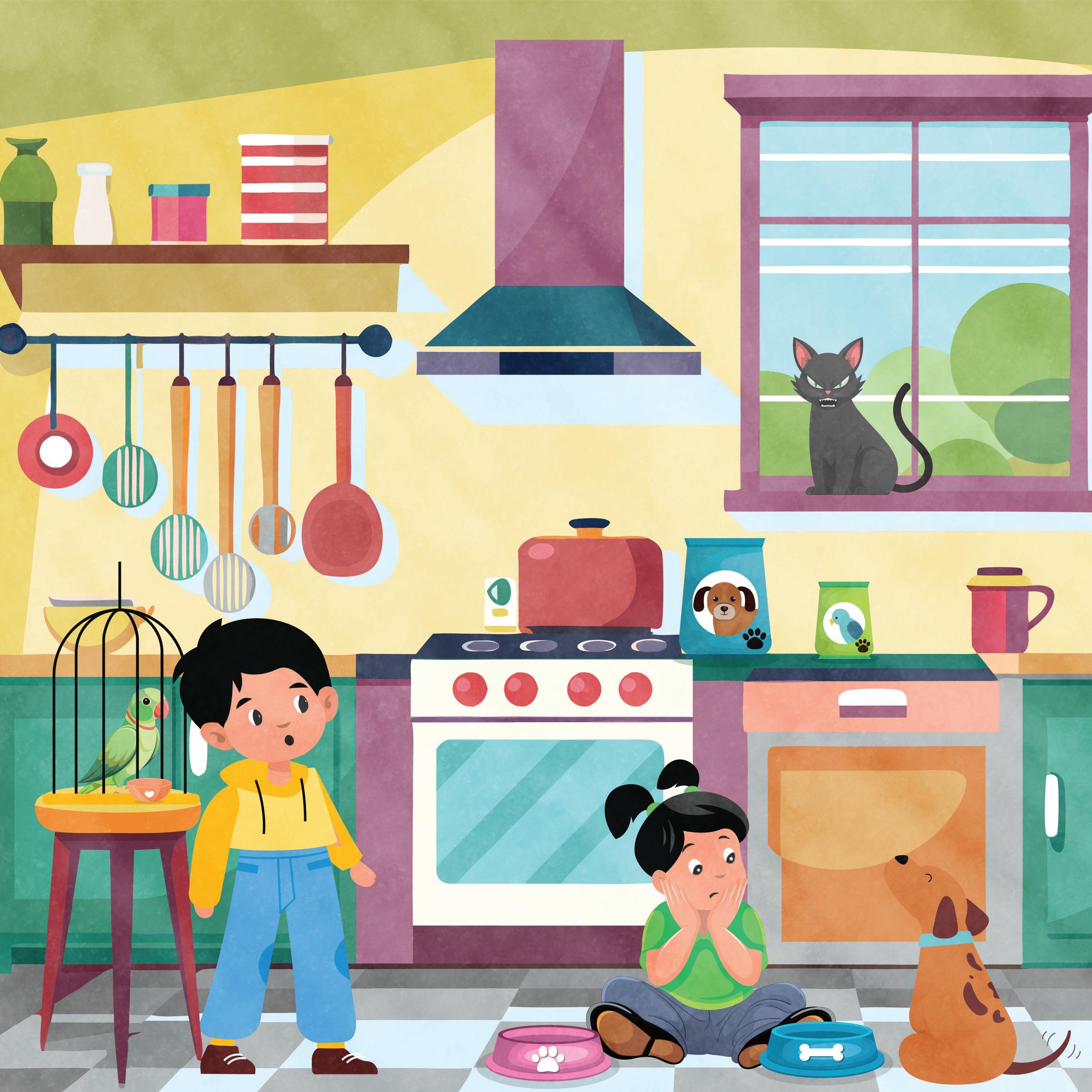
What can you do if your pet is hungry or thirsty?
“Kitty, would you like some dog food?” asked Sai. He gave her a bowl. Just then, Buddy jumped up and spilled the parrot food all over the floor. “Squawk,” said Pete.
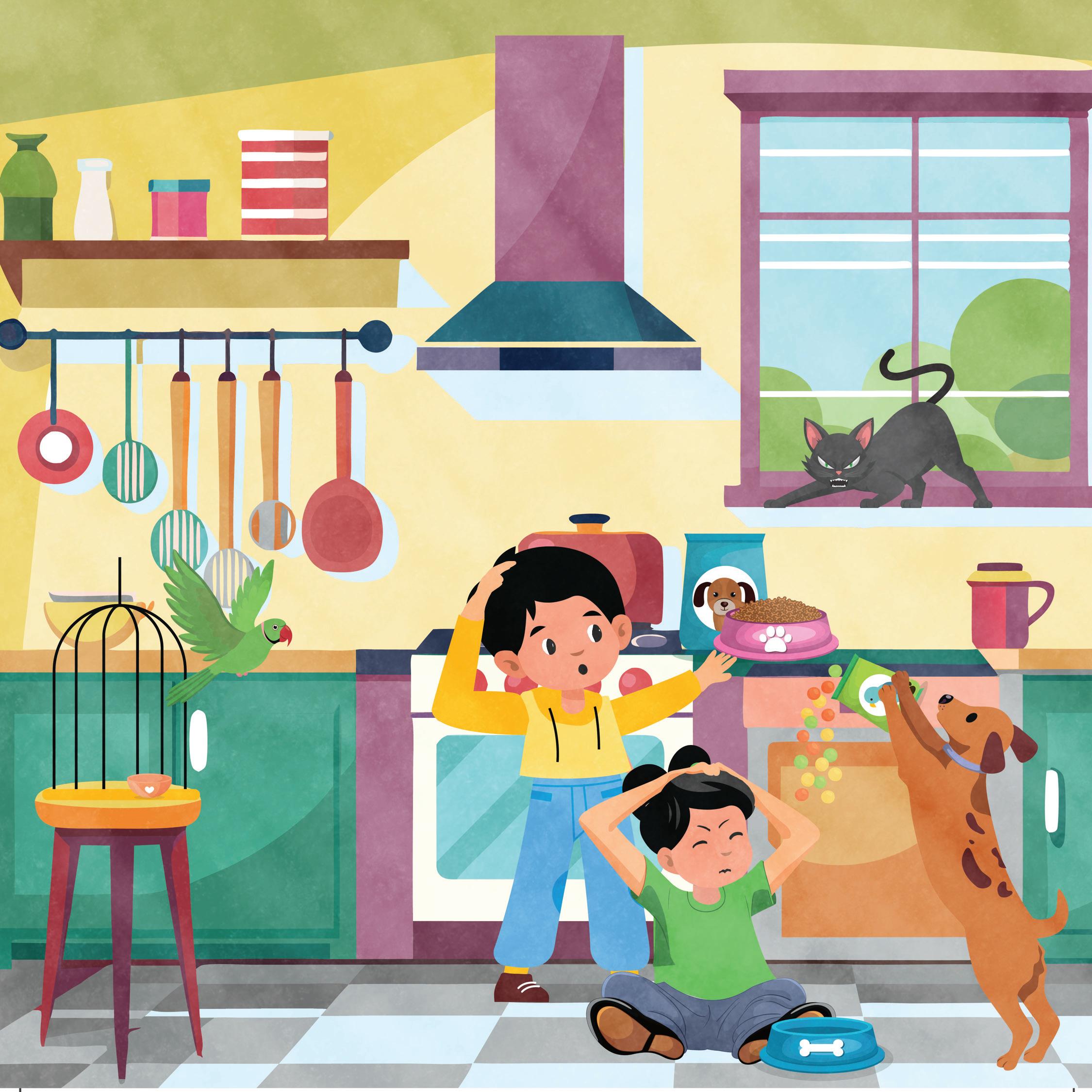
Encourage children to act like the angry cat and surprised children.
Mama came in and looked at the mess. “What happened here?” she asked. “Oops!” said Uma and Sai pointing at Buddy.
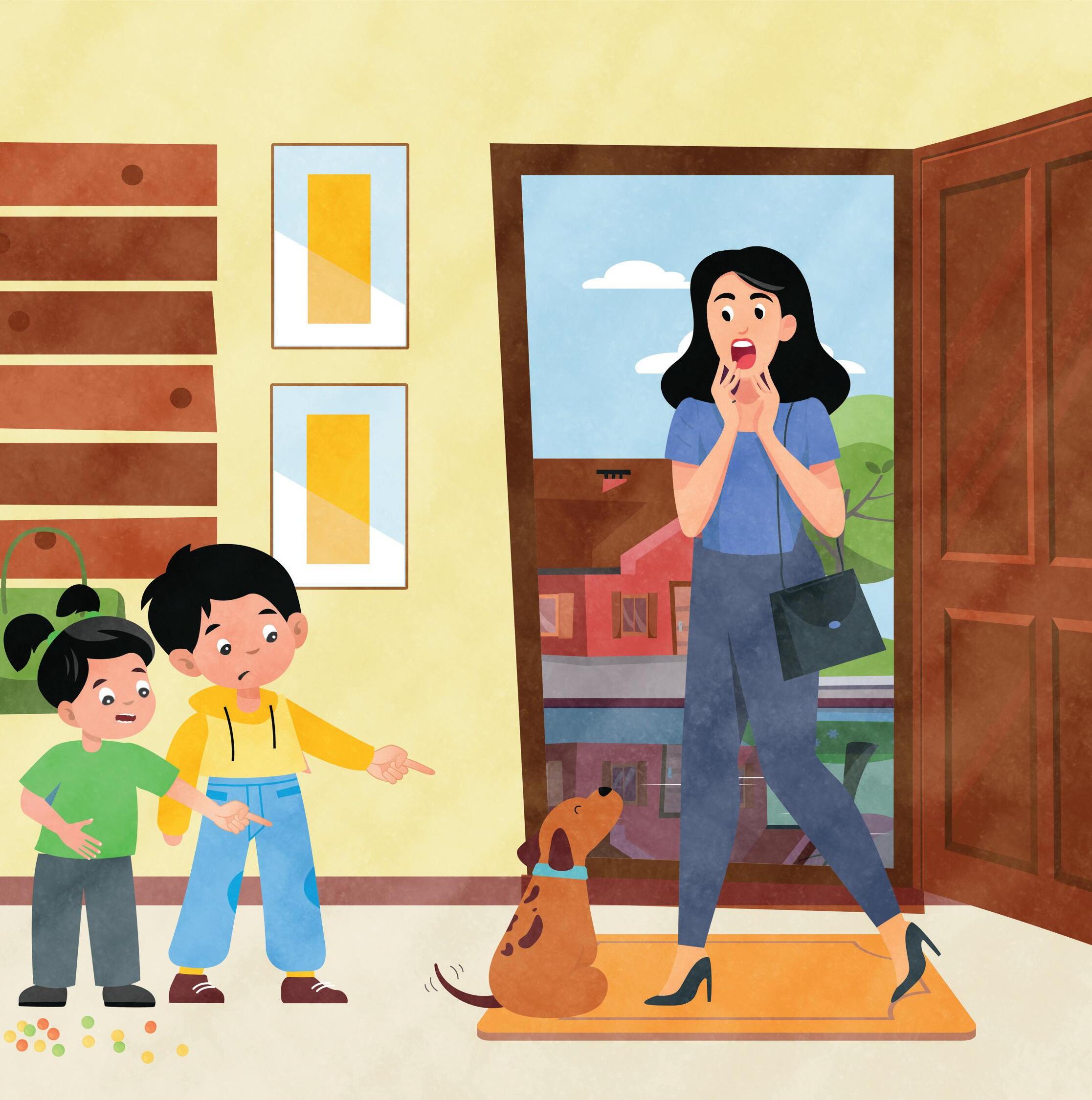
1. Which pets did Uma and Sai have?
2. Who was the naughtiest among the pets?
3. How did Mama feel when she came back?
4. How can we avoid wastage of food?
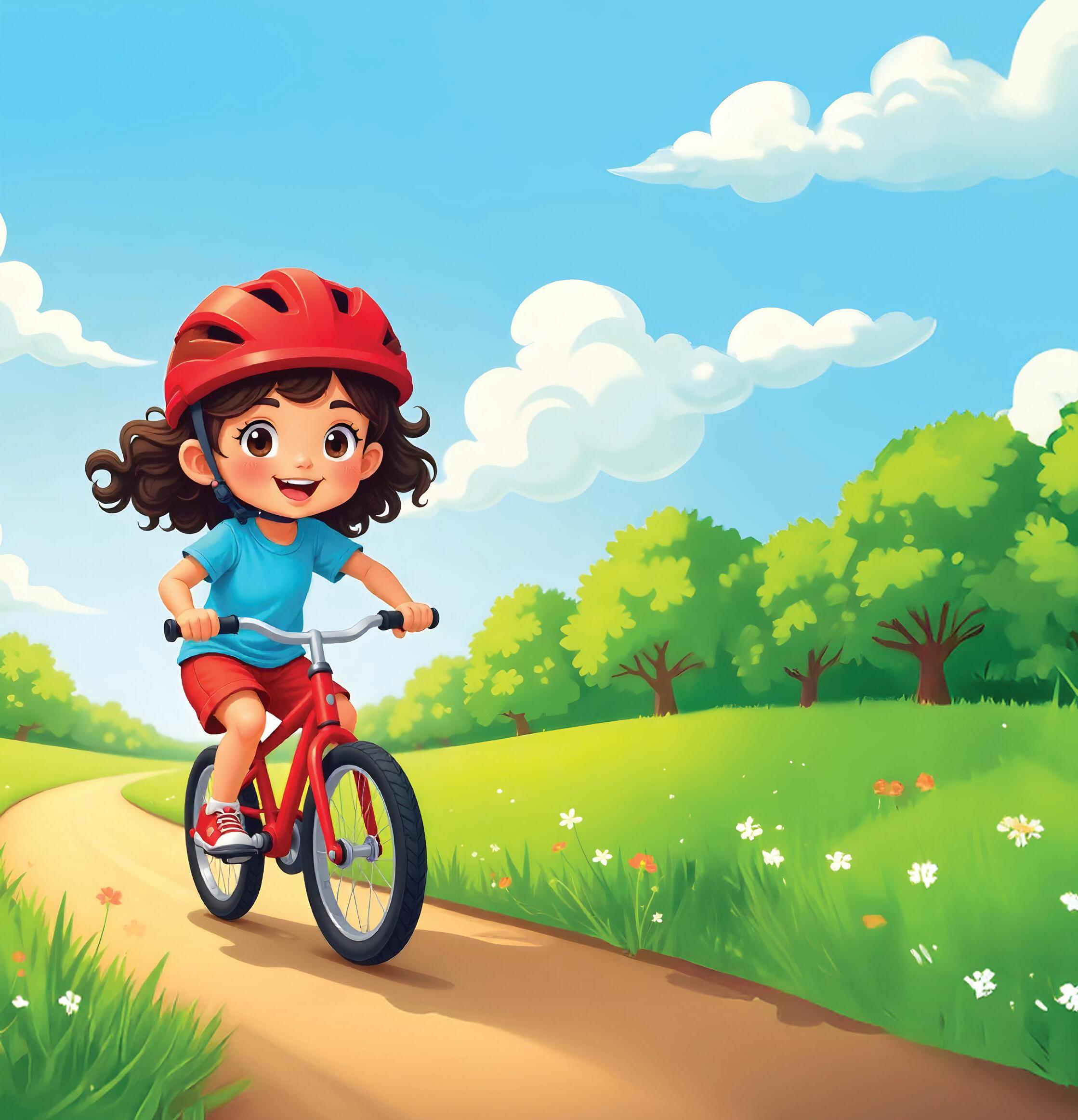
Play safe, play smart, Let’s be careful from the start.
I’ll wear my helmet, strap it tight, And play safely from day to night.
I’ll look both ways before I cross, Hold hands tight, no time for loss.
I’ll share my toys and have good fun, Playing safely is good for everyone!

Talk with the children about how to stay safe when they are outdoors.
Why should we wear a helmet when we ride a cycle?
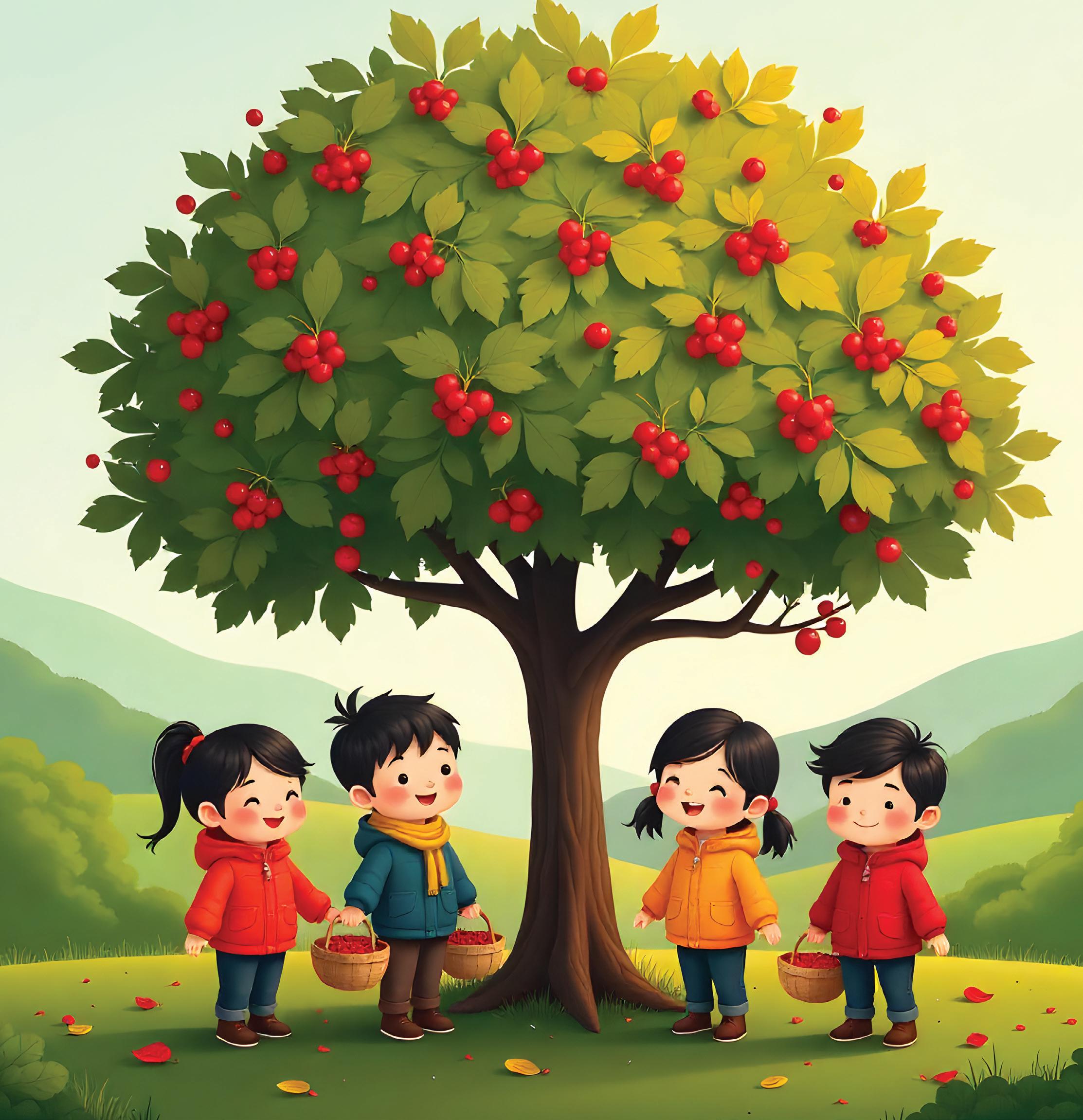
Here we go ’round the mulberry bush, Mulberry bush, Mulberry bush, Here we go ’round the mulberry bush, On a cold and frosty morning. This is the way we wash our face, Wash our face, Wash our face, This is the way we wash our face, On a cold and frosty morning.
You can continue with other lines like: “This is the way we brush our teeth” and “This is the way we comb our hair.”
How can we keep our body clean every day?
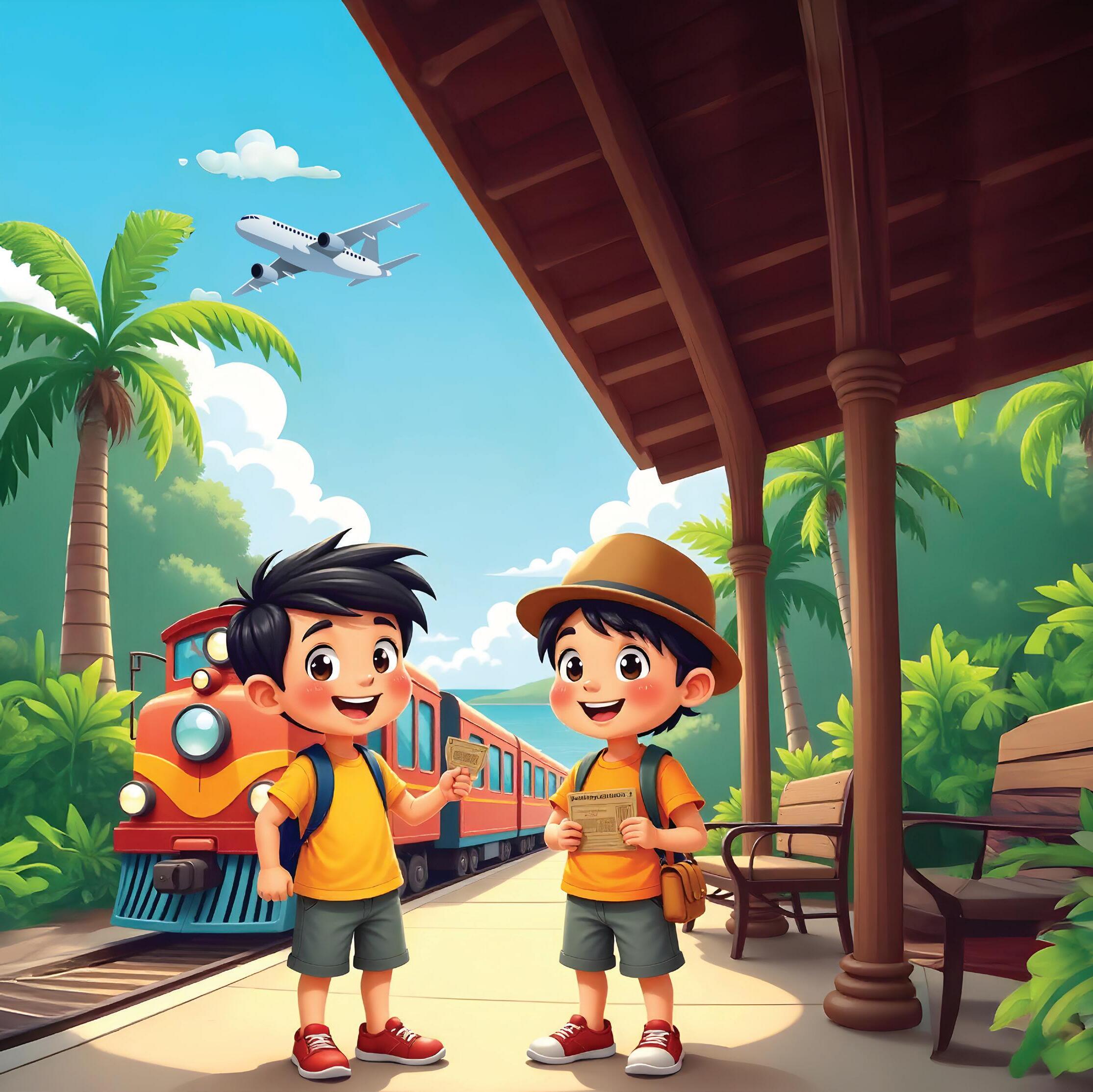

Get a ticket, ticket, ticket, for the train. Don’t stand out in the wind and rain.
Get a ticket, ticket, ticket, for the bus.
Climb aboard, you can ride with us.
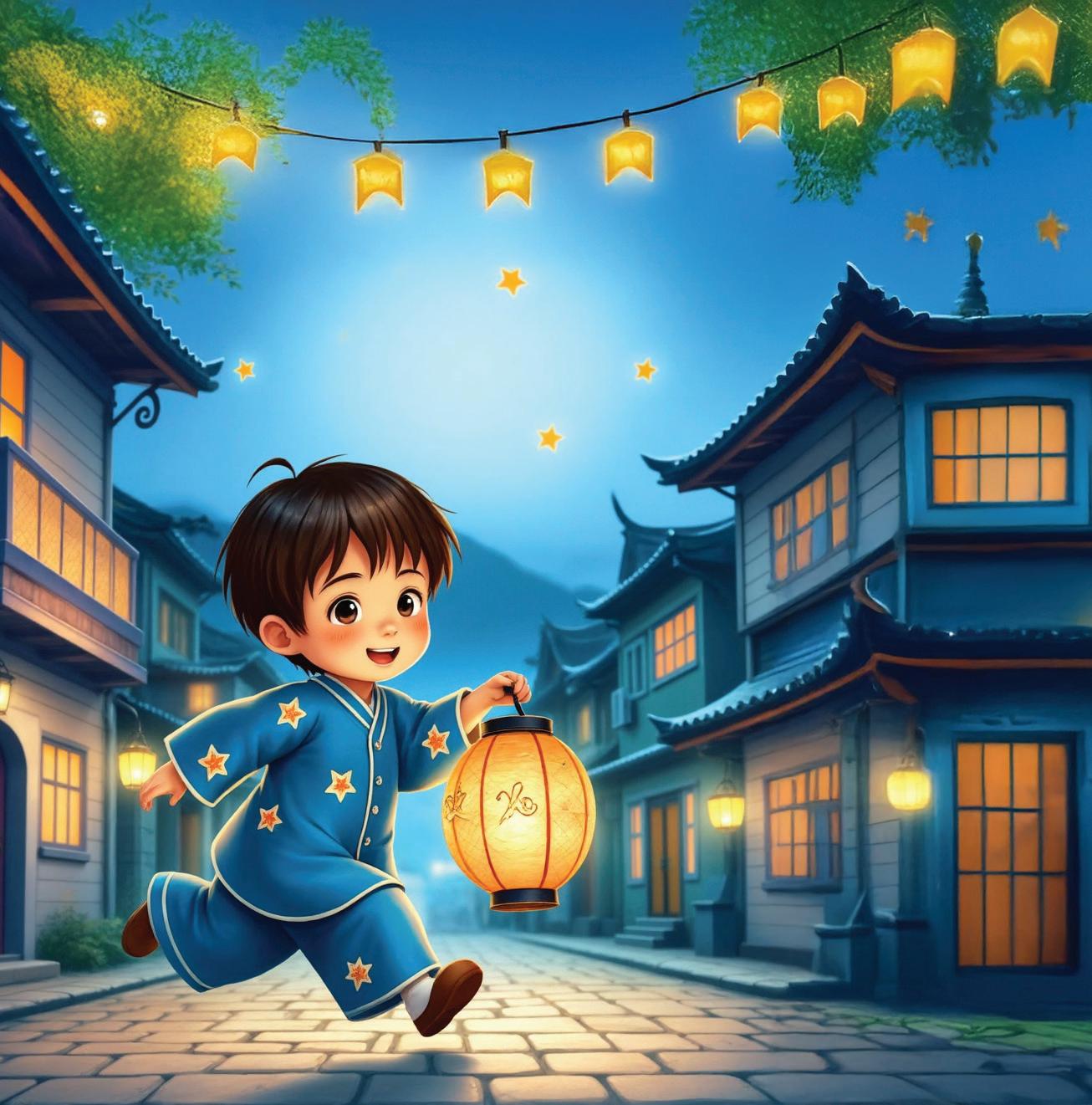
Get a ticket, ticket, ticket, for the boat.
The water’s too cold to swim or float.
Get a ticket, ticket, ticket, for the plane.
Up in the clouds, we’ll fly in the rain.

Guide children to make and decorate a paper plane. Then let them fly their planes to see how far they go.
Why is it important to follow rules while traveling?
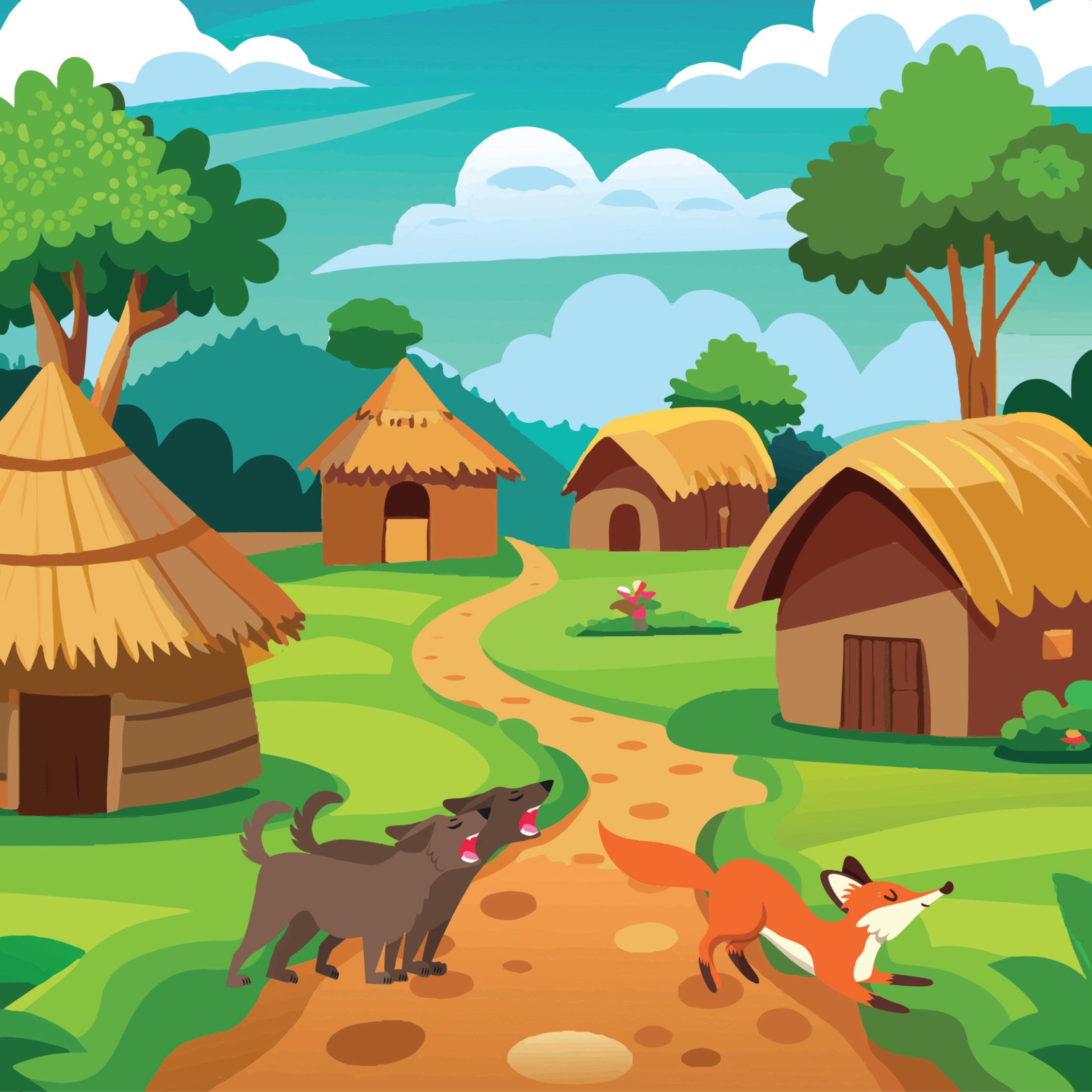
Once upon a time, a hungry jackal went to a village looking for food. But the dogs started chasing him.

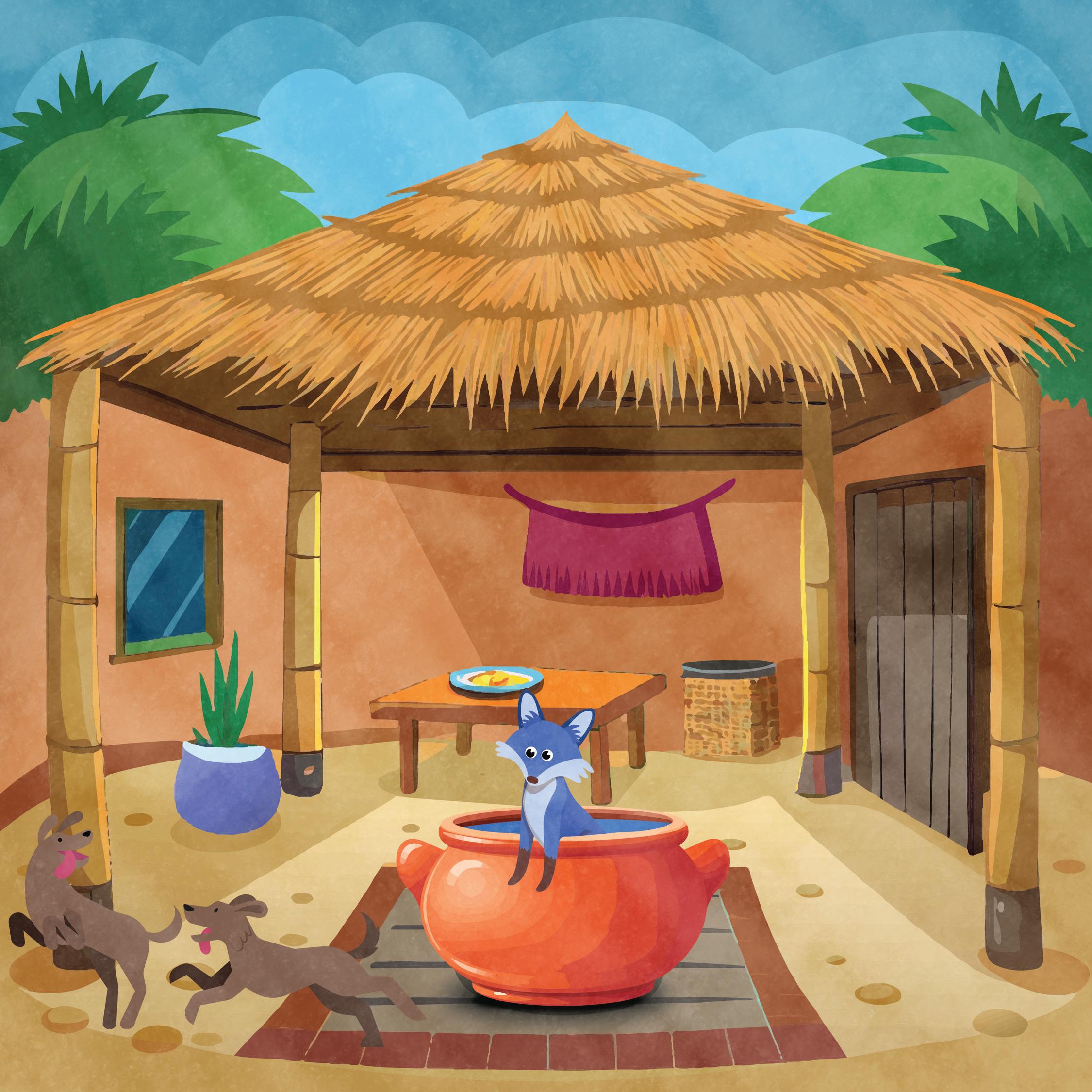
The jackal ran to a washerman’s house. He saw a tub and quickly jumped into it. The dogs got a fright when they saw the blue jackal and ran away.
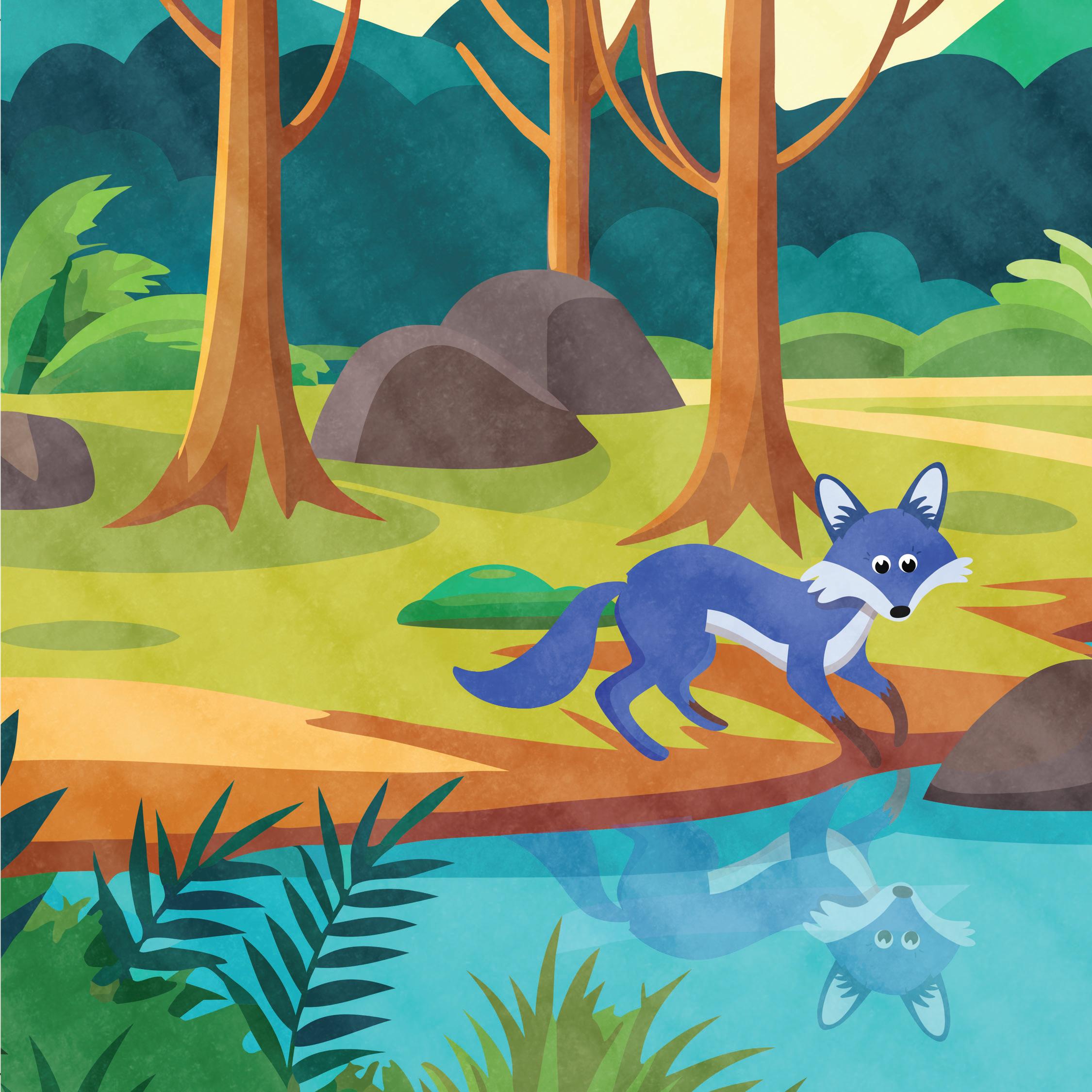
The jackal went back to the jungle. All the animals ran away from him. He was surprised. It was only when he looked into the river that he saw he was blue!
The clever jackal had an idea. He told the animals that he was special, and he was their king. The animals believed him and brought him food and gifts.
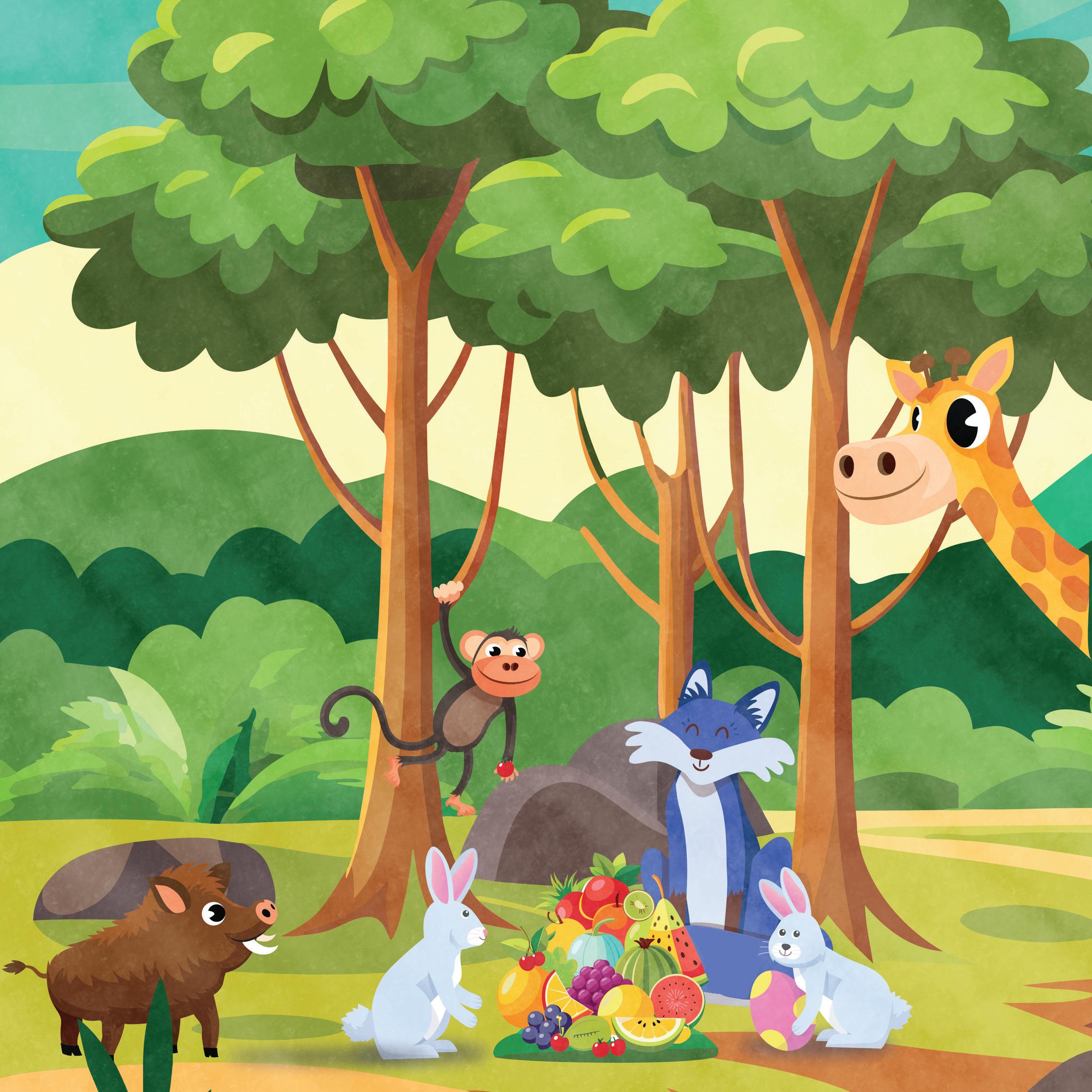
Is it a good idea to fool other people? Why?
But one day, the jackal heard other jackals howling. He couldn’t stop himself and howled with them. The animals realised that he was a jackal. They grew angry and chased him away.
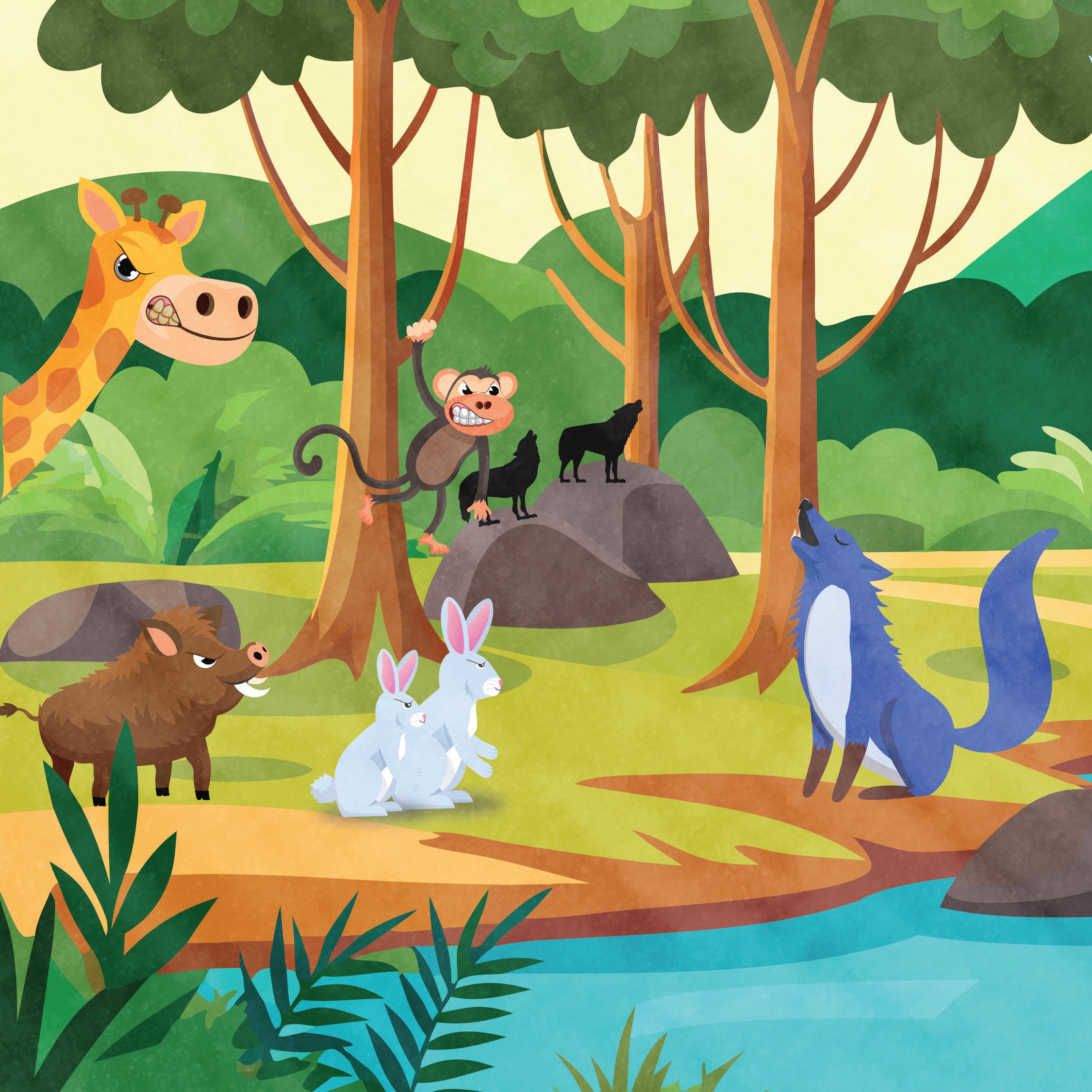
1. What happened to the jackal when he jumped into the tub?
2. How did the jackal fool other animals?
3. How was the jackal's truth revealed?


My dear friends, let’s sing and play, Festivals are here, they're here today!
My dear friends, see lights so bright, Let’s celebrate all through the night.
My dear friends, see colours in the air, Festivals bring joy for us to share.
My dear friends, with smiles so dear, Let’s celebrate, year after year!
Discuss about the different festivals we celebrate in our country and the activities we do during each festival.
Which is your favourite festival? Why?
The policeman walks along the street, With shiny shoes upon his feet. He helps us cross, and keeps us safe, He has a smile on his face.
He stops the cars, so we can go,
And waves his hand to say hello.
So, when you see him, wave and say, “Thank you, sir, for helping me today!”
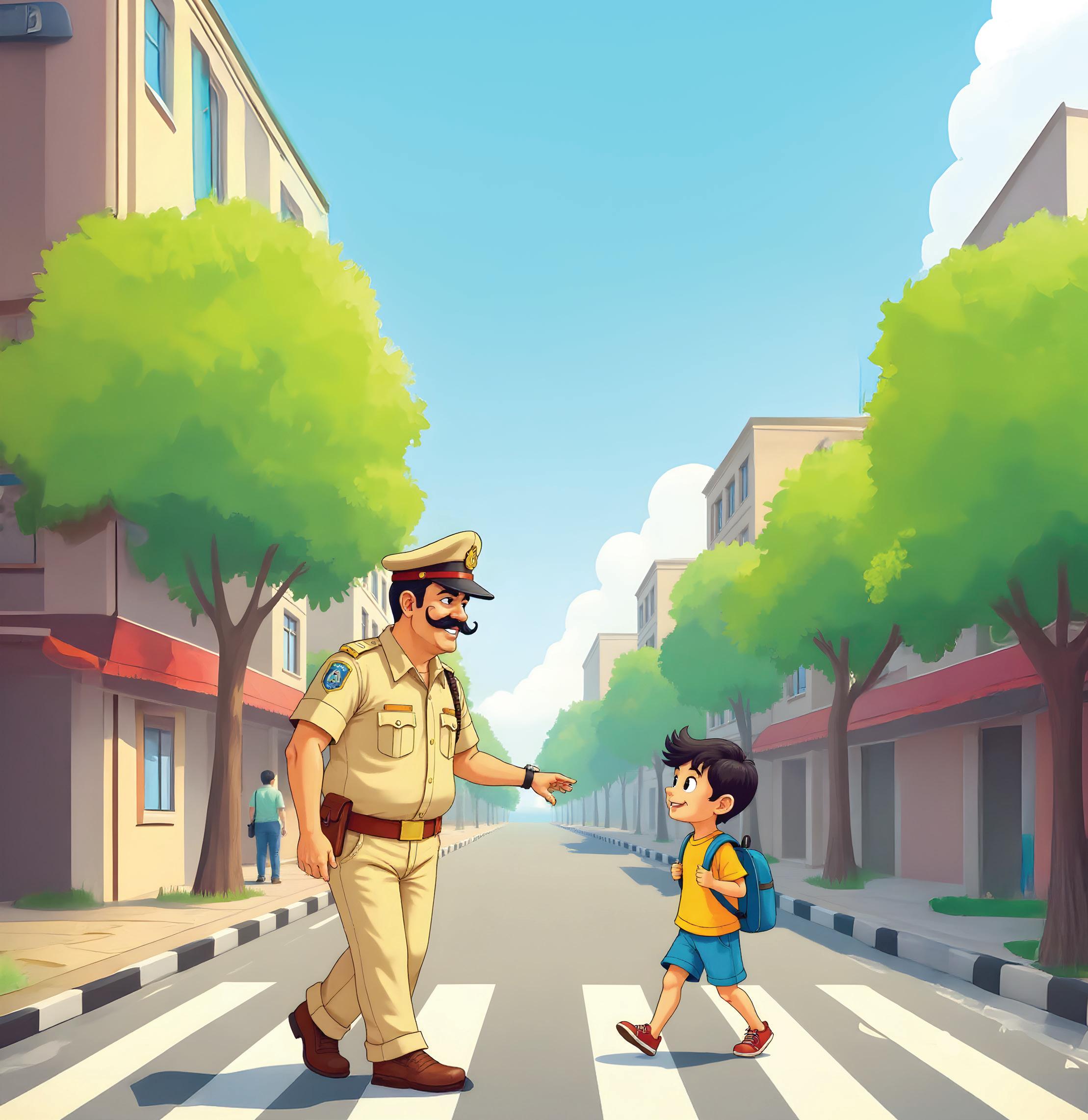
Talk about how policemen keep us safe.
Can you name a few helpers? How can we be nice to them?
There were ten children in the bed,
And the little ones said, ‘‘Roll over, roll over.’’ So they all rolled over, And one fell out.
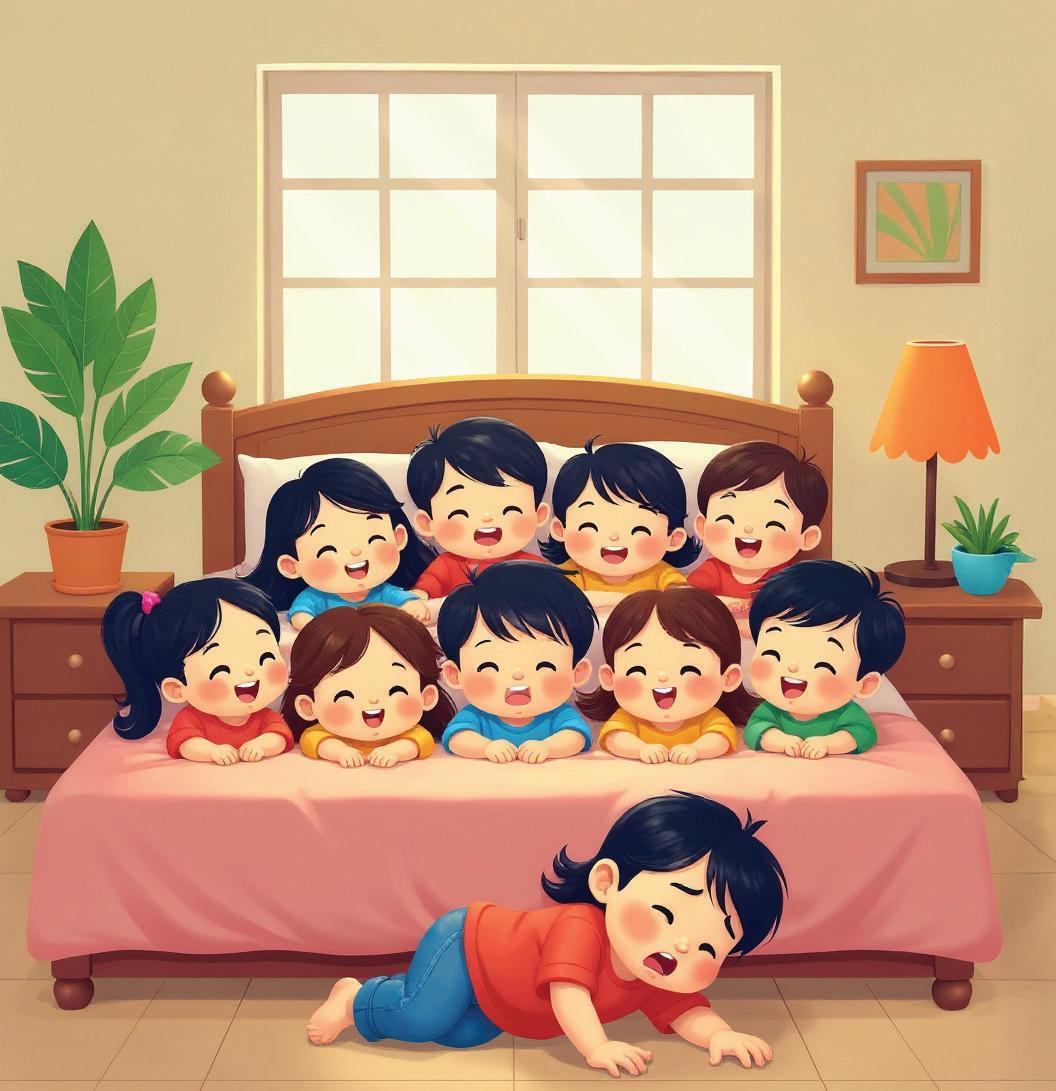
There were nine children in the bed,
And the little ones said, ‘‘Roll over, roll over.’’
So they all rolled over, And one fell out.
You may continue the lines with numbers in descending order. Allow the children to sing and act out the rhyme by rolling gently.
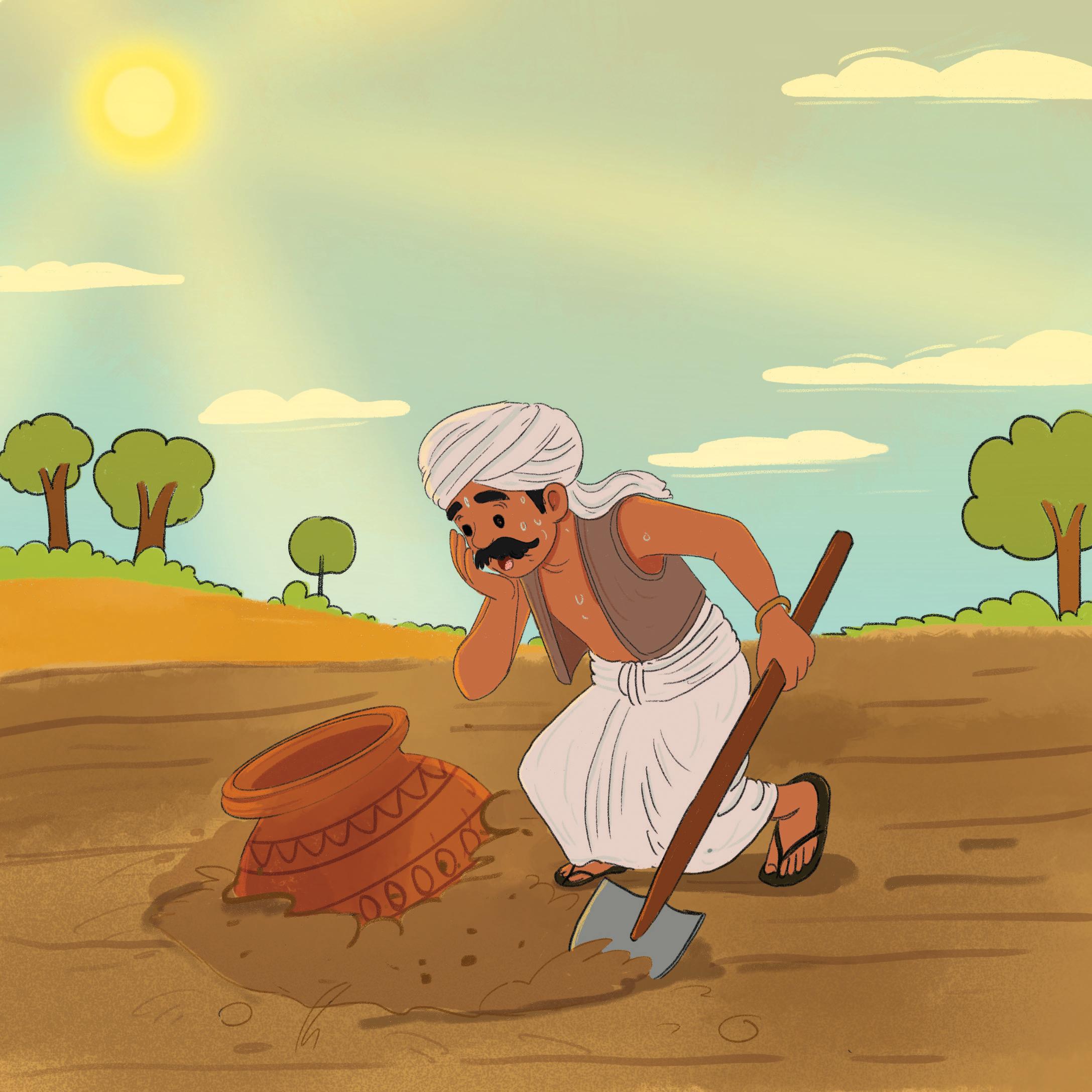
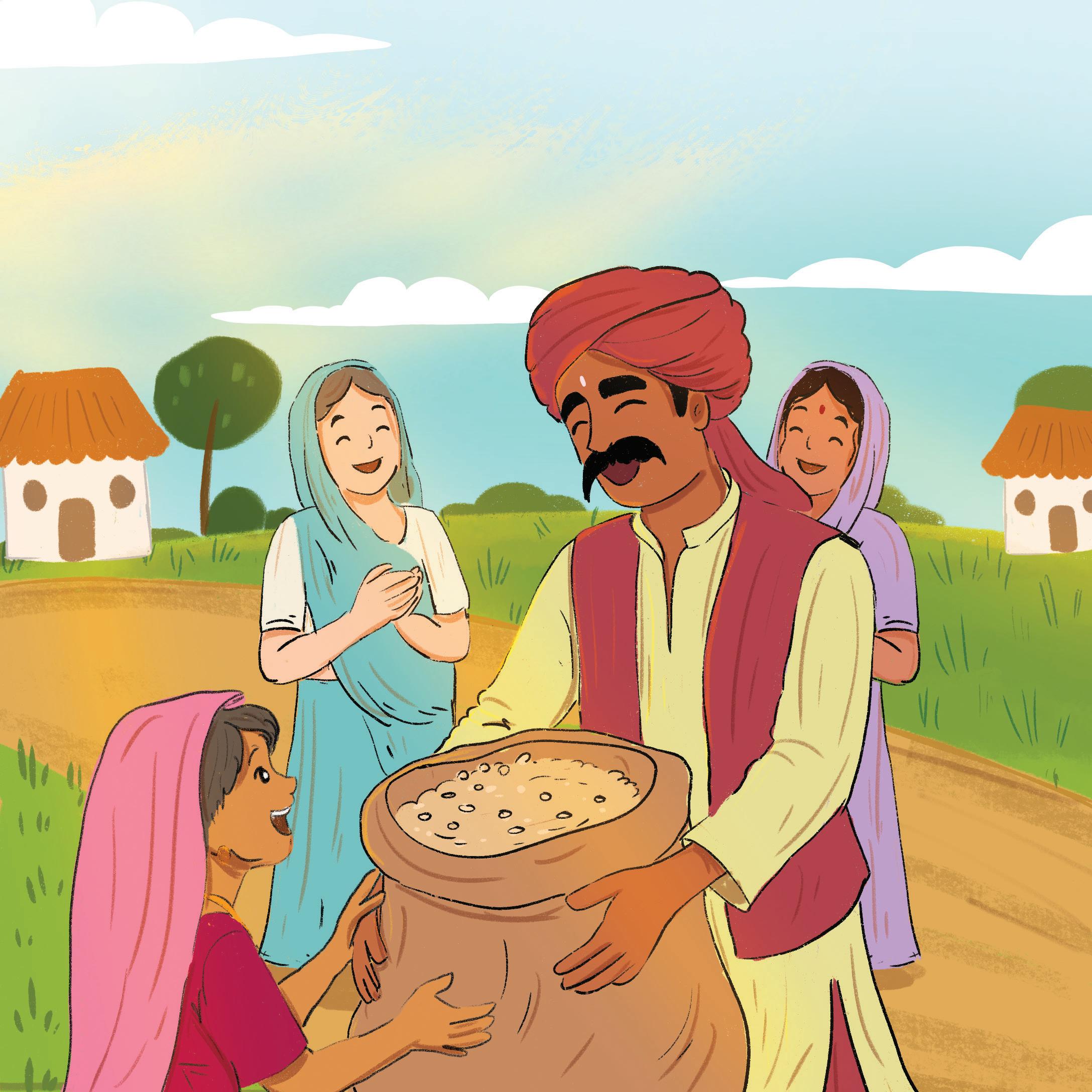
On a hot afternoon, Gopi the farmer was ploughing the field. While digging, he suddenly heard a CLANG! Gopi found a big metal pot.
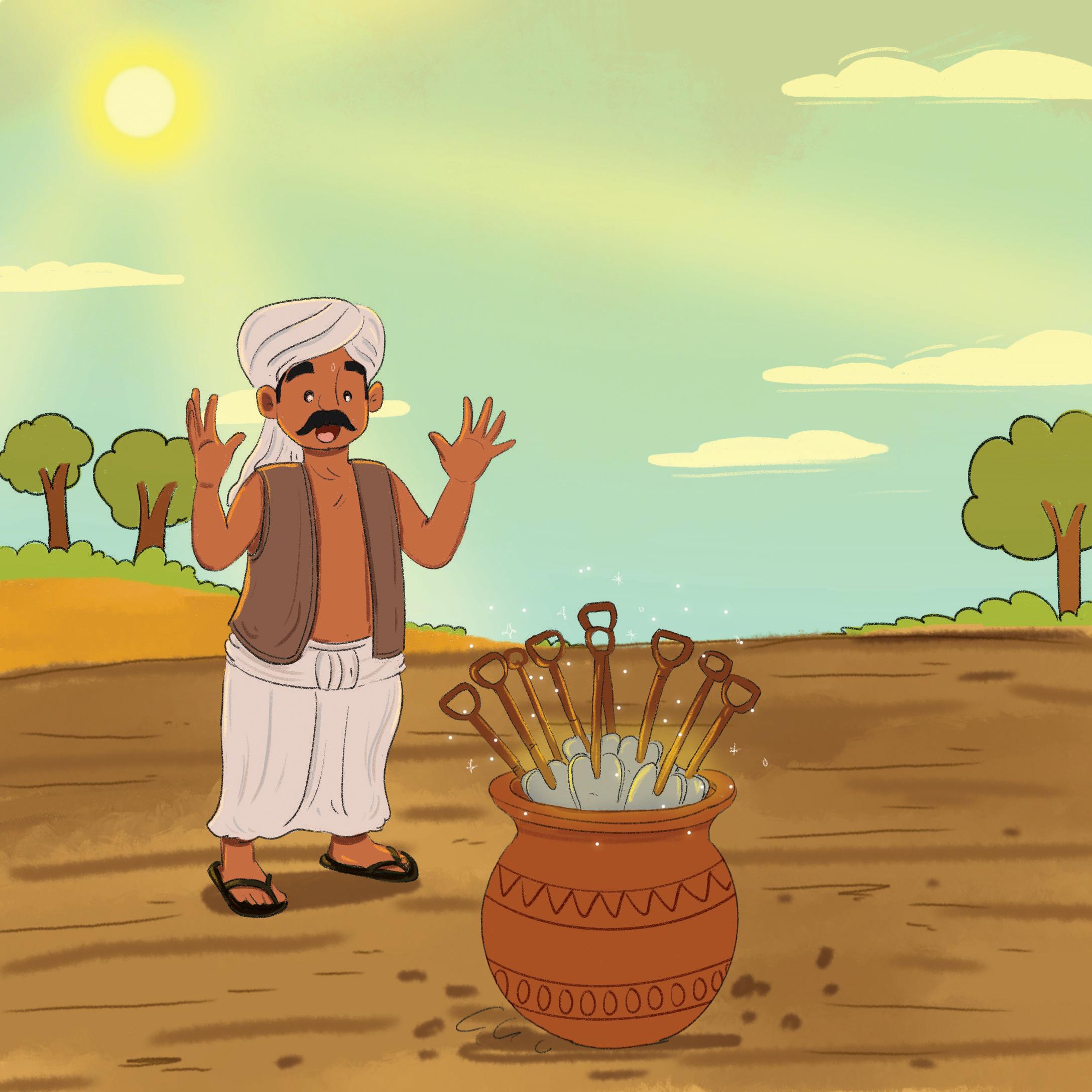
When Gopi got tired, he put the spade into the pot. After sometime when he looked again, he could not believe his eyes—there were lots of spades! “Wow! This is a magic pot!” he said to himself.
He then put an apple in the pot and found lots of apples! Gopi shared the spades and the apples with the villagers. Gopi kept the pot a secret. He became rich and helped the people in his village.
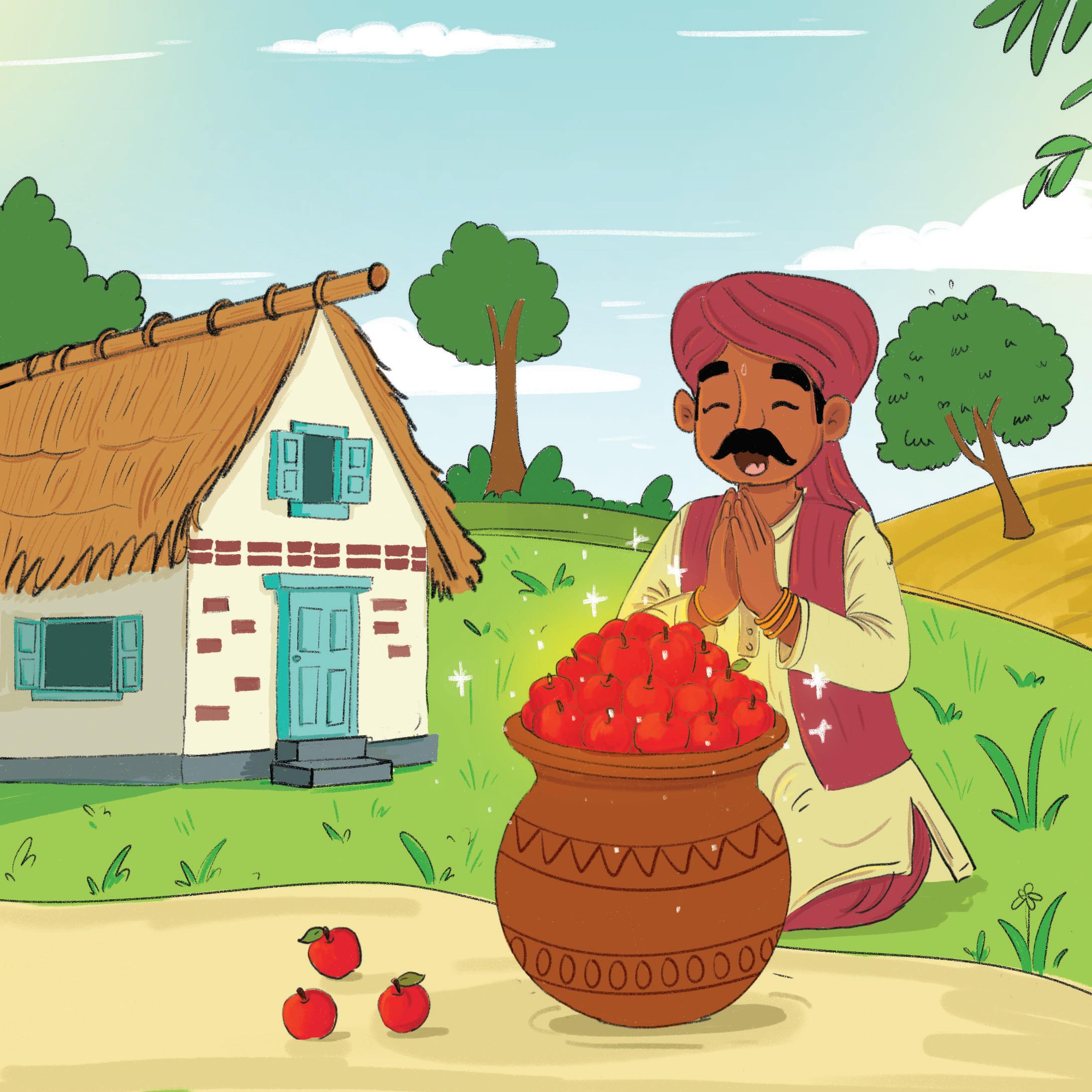
What would you put in the magic pot to help your family?
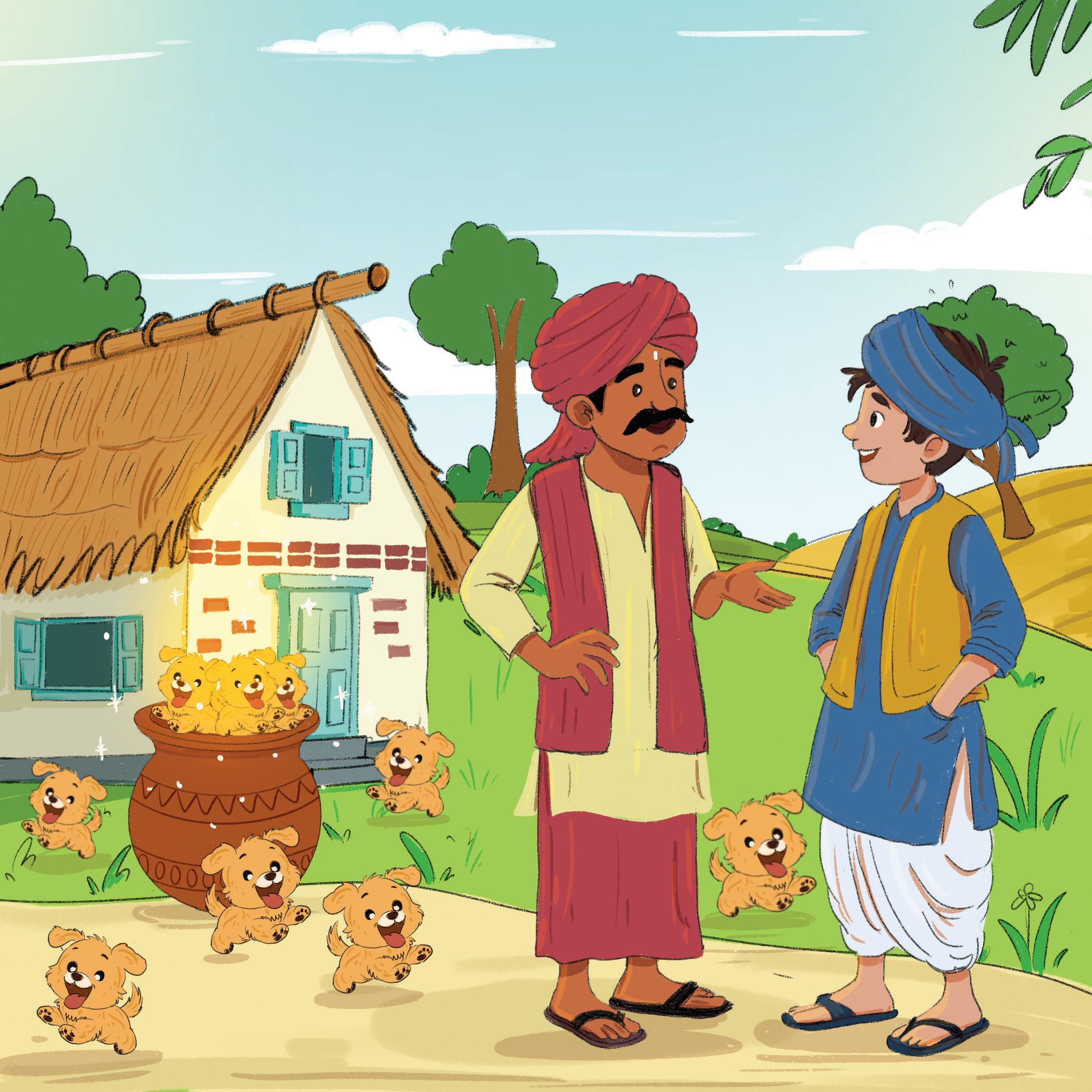
Gopi’s neighbour wanted to know what Gopi’s secret was. He visited Gopi's house. His dog jumped into the pot. Lots of dogs came out of it! They all looked the same.
The neighbour ran away in fright! All the dogs ran after him, barking loudly. The neighbour never came to Gopi’s house again. Gopi kept on helping the villagers.
Let's Talk
1. What was magical about the pot?
2. Why did the neighbour not come back again?
3. Do you think Gopi was a good man? Why or why not?
"You put your right hand in, you put your right hand out, You put your right hand in, and you shake it all about. You do the boogie woogie and you turn yourself around, That’s what it’s all about!
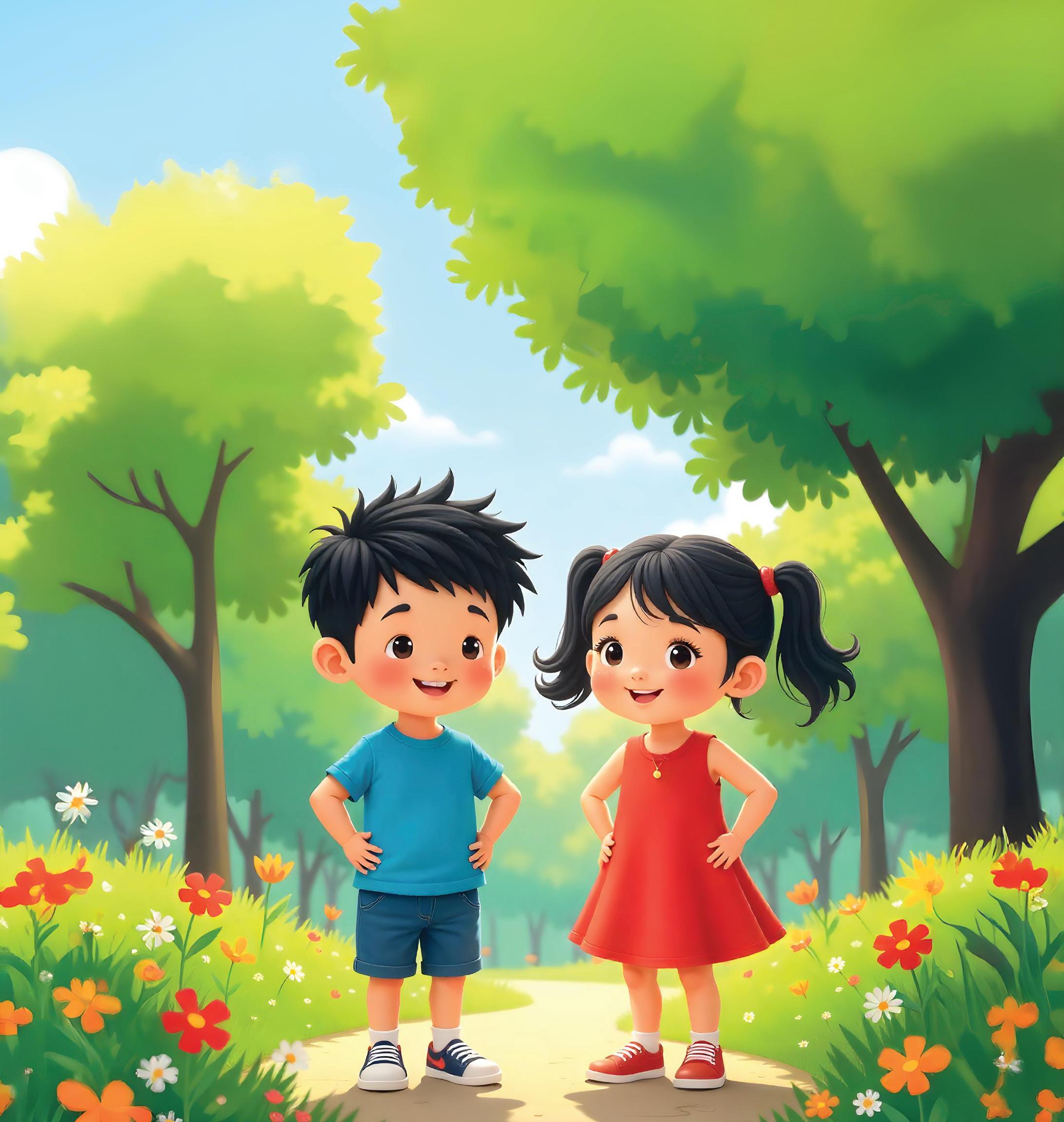
Continue this poem by including other body parts.
Now put your left hand in, put your left hand out, Put your left hand in, and you shake it all about. You do the boogie woogie and you turn yourself around, That’s what it’s all about!"
Blow, blow, blow, Wind, where do you go?
Up so high, You take kites to the sky.
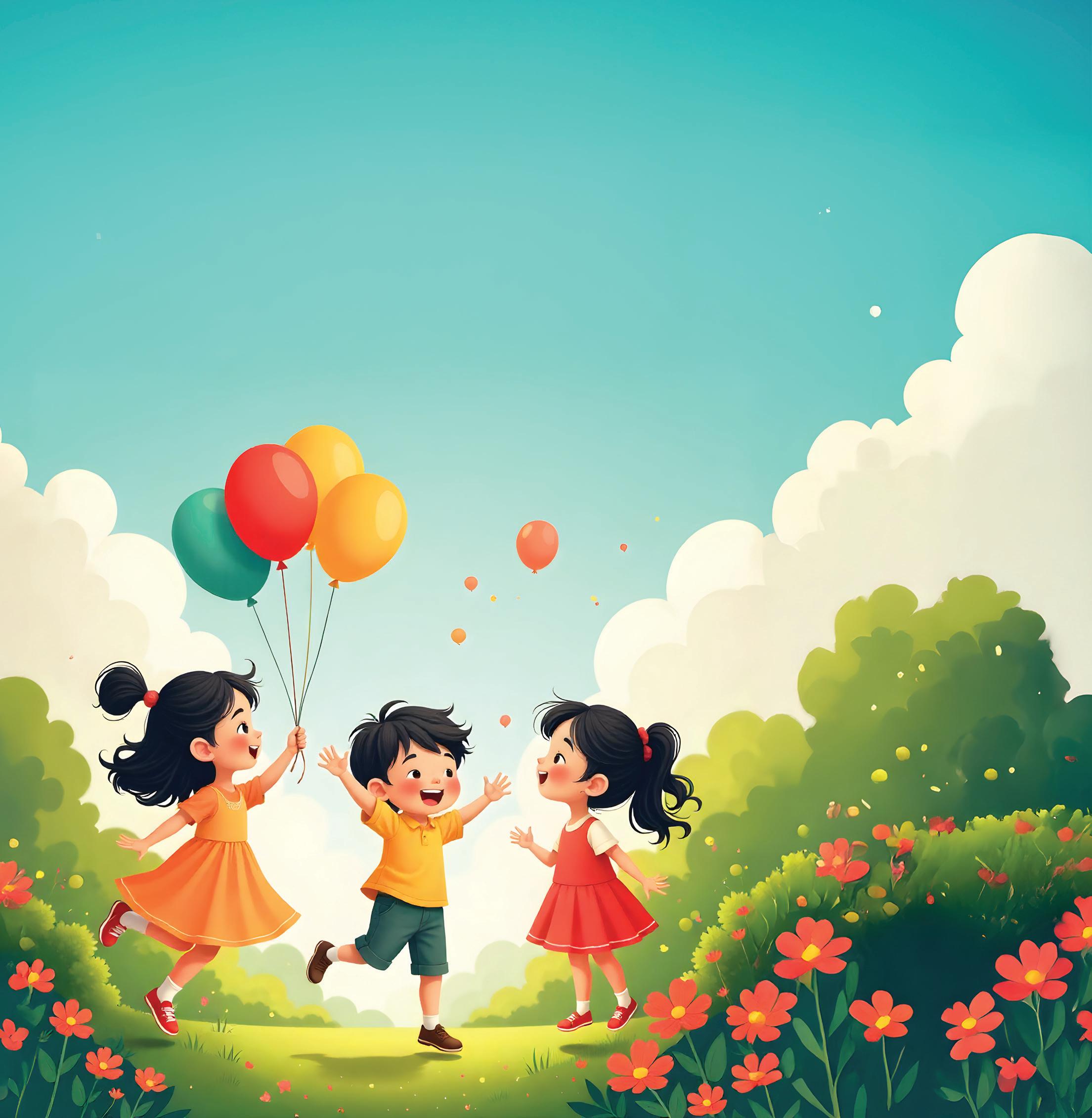
Blow, blow, blow, Wind, where do you go?
Through the trees, You play with the leaves.
Blow, blow, blow, Wind, where do you go?
Up in the sky, You make balloons fly.
Let children make paper kites or pinwheels and see how the wind moves them.
What other things can the wind move around?
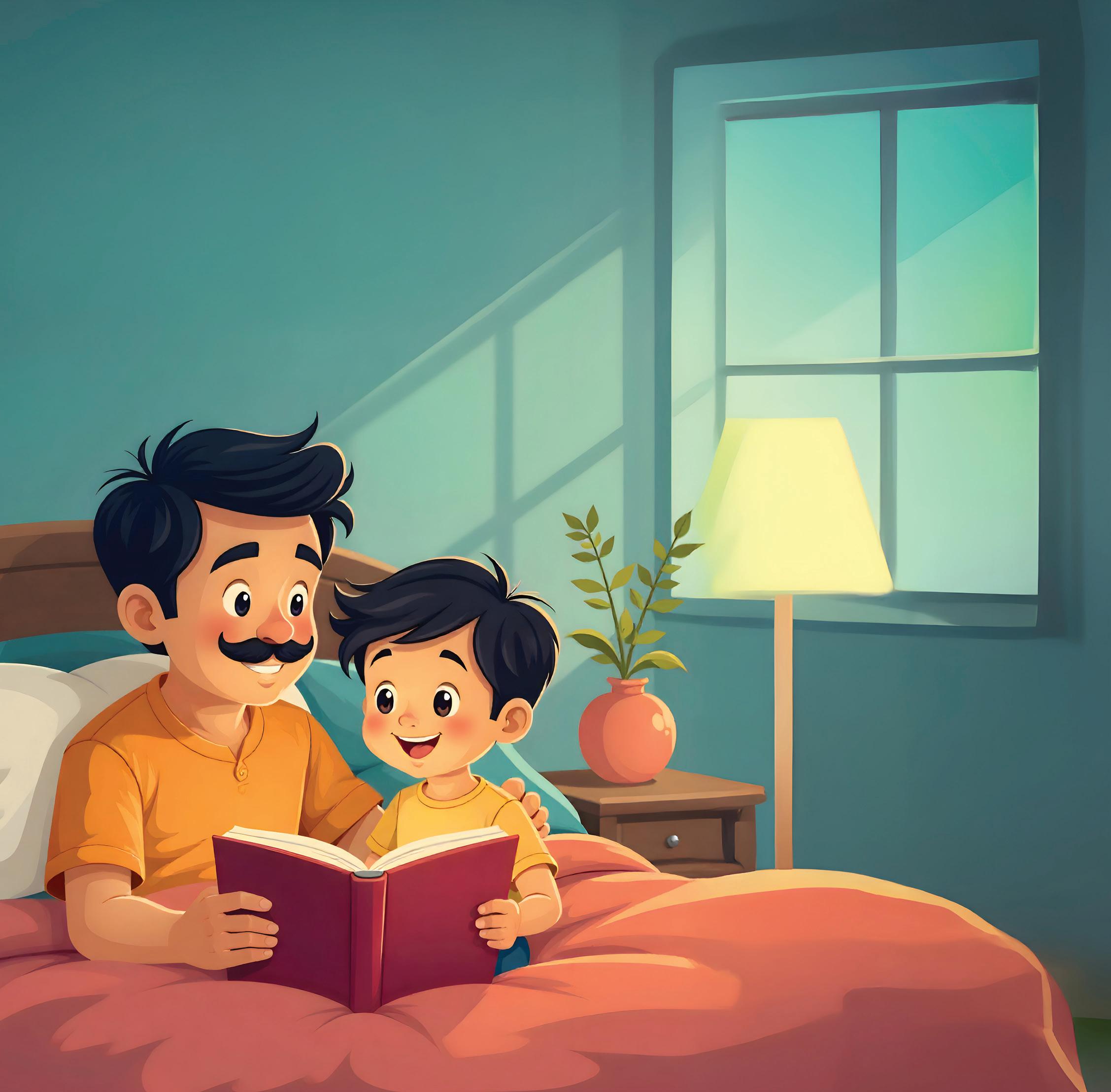
Daddy and me, Daddy and me, Daddy makes me happy, you see.
We play in the park, We laugh and run, Daddy and me, We have so much fun.
Daddy and me, Daddy and me, He tells funny stories And bounces me on his knee.
We sing songs And dance all around, With my Daddy, joy is always found.
Daddy and me, Daddy and me, He’s the best Daddy there could be!
Encourage children to draw a greeting card for their father.
What do you like the most about your father? What do you like doing with him?
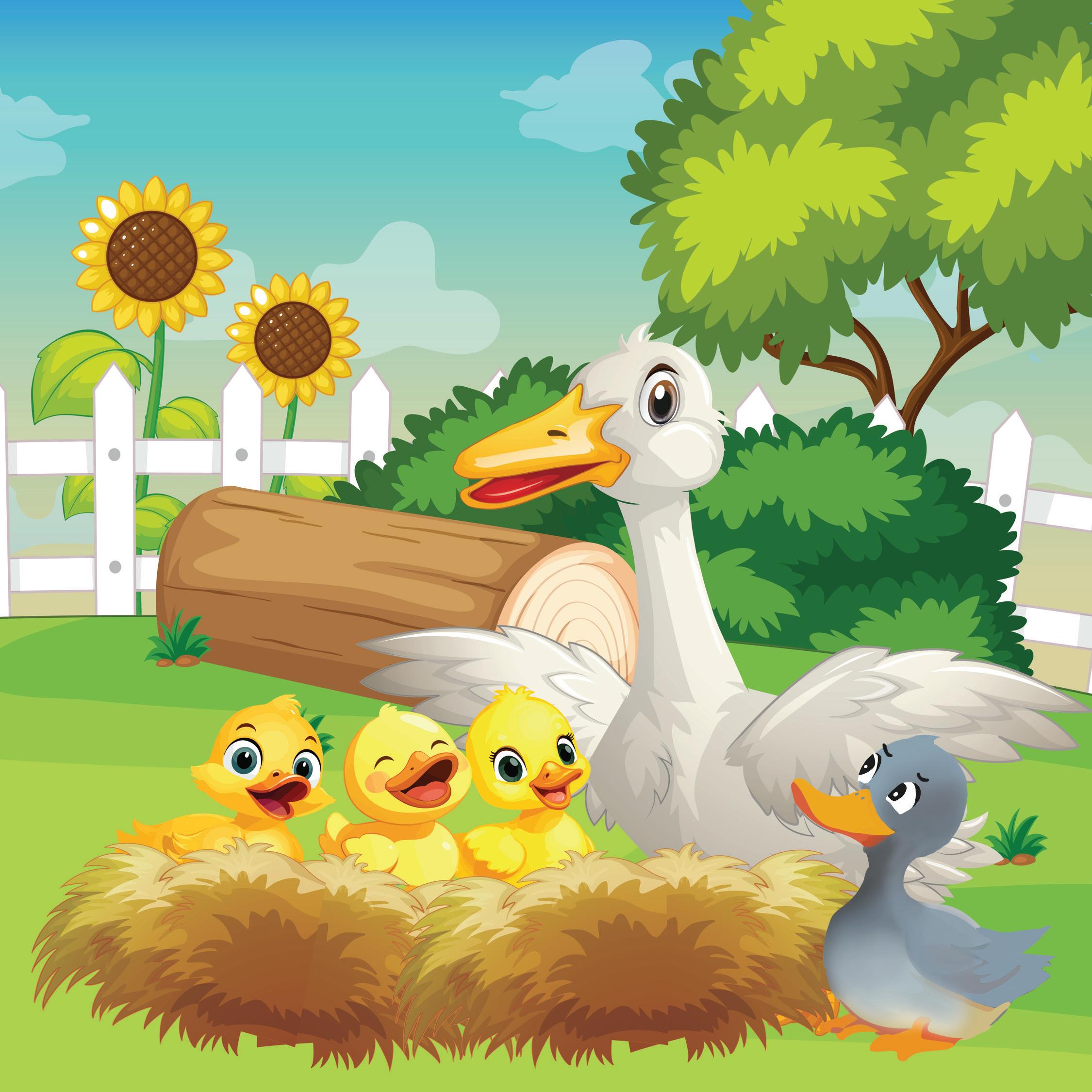
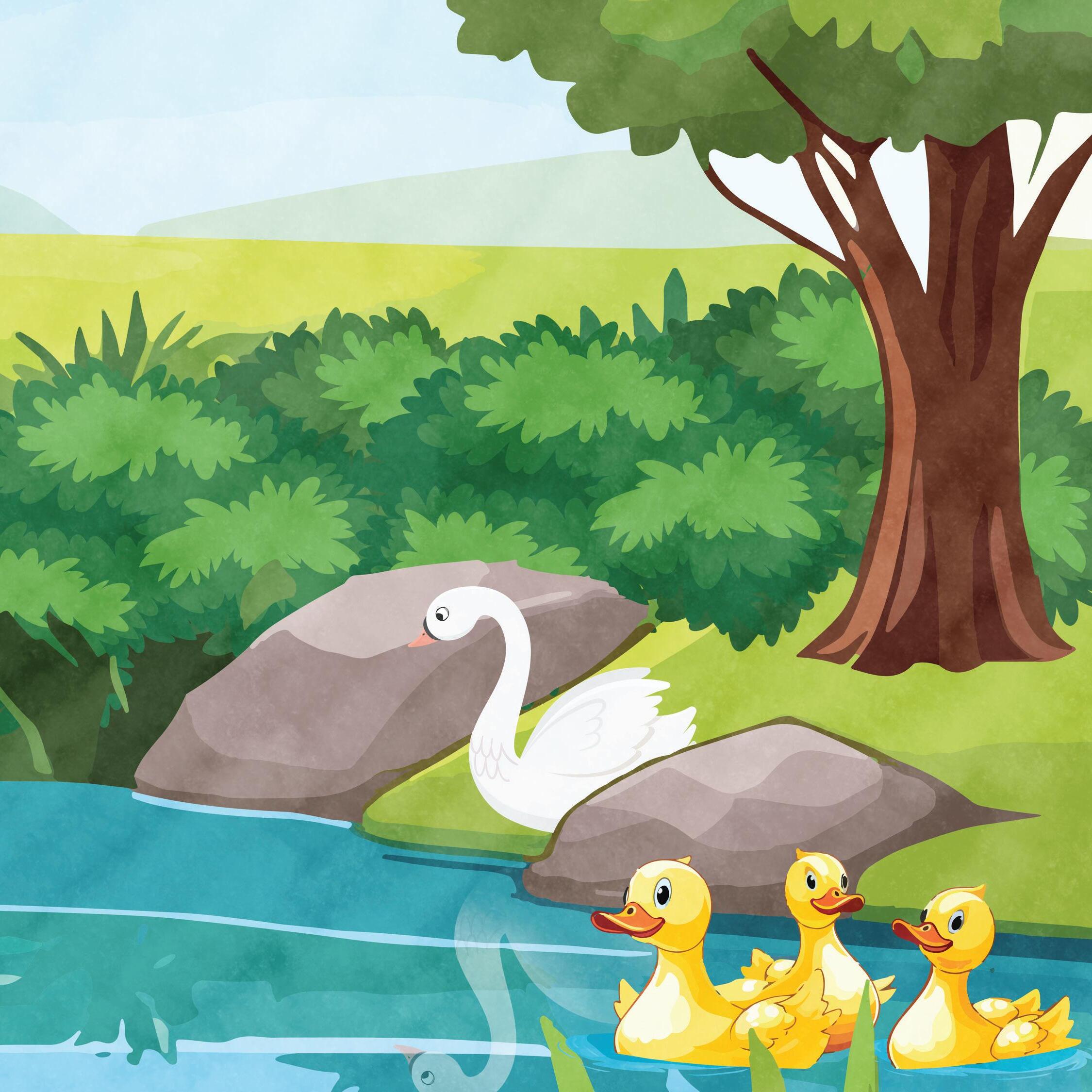
Once upon a time, there was a duckling who looked very different from others. They were yellow, but he was grey. They laughed at him and called him ugly.
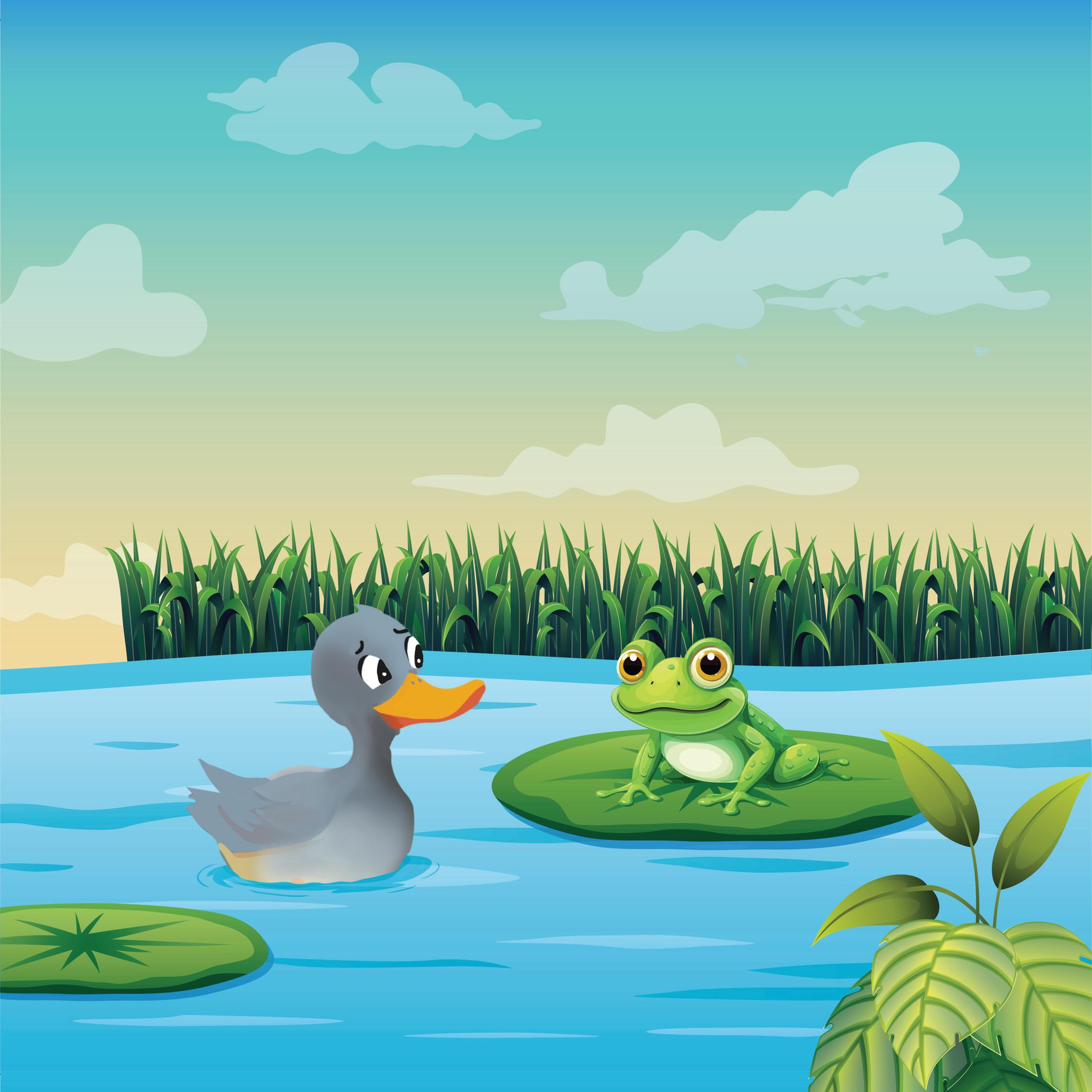
The duckling swam on his own, feeling sad and lonely. He asked a frog, “Why are my feathers so dull?” “Why am I so big?” The frog just croaked, “CROAK, CROAK.”
What can you do if you see a friend feeling sad or left out?
The duckling grew and grew. Now he was much bigger than other ducklings in the pond. He was white and had a long neck. He looked at himself in the pond and said, “Now I am even uglier!”
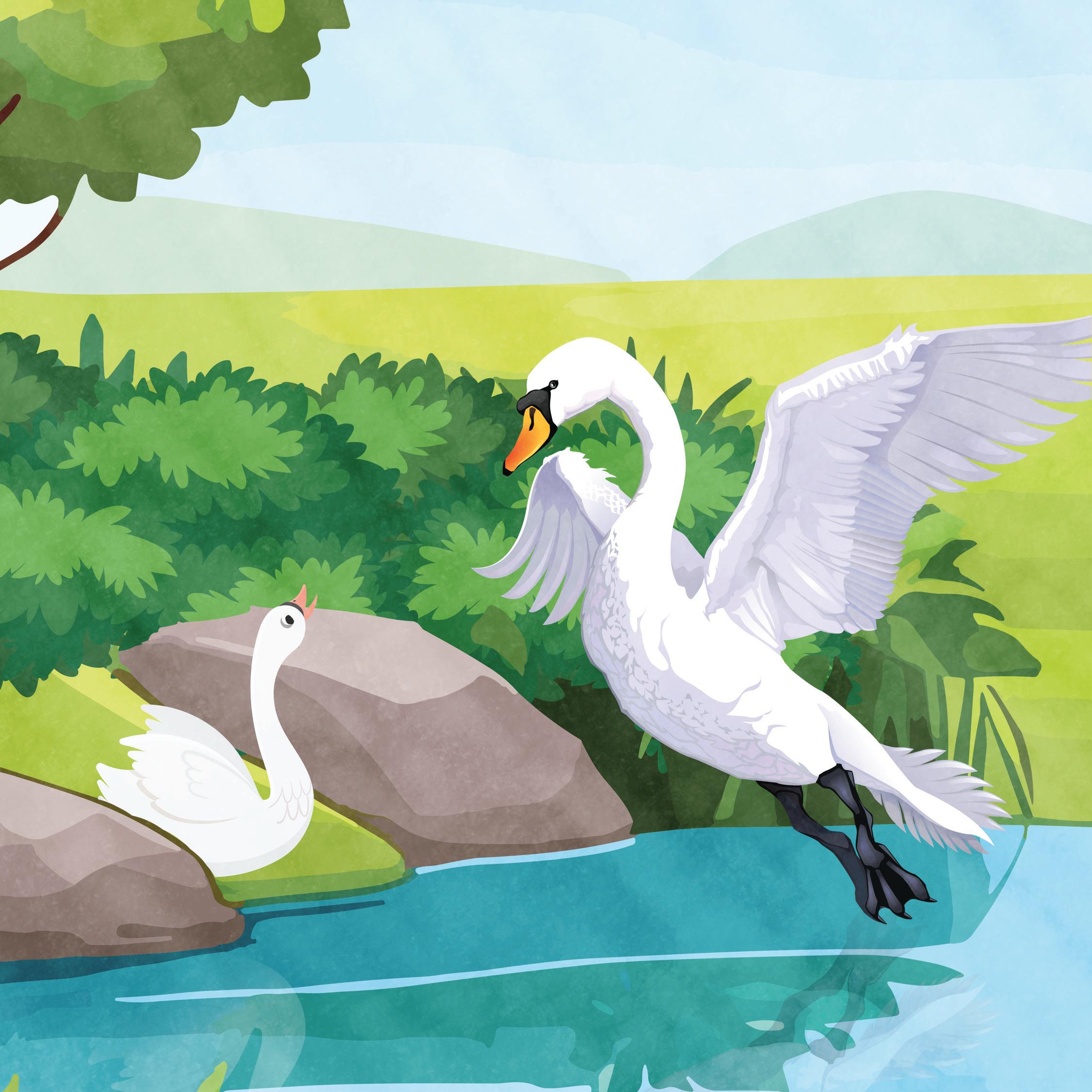
A big white bird flew down and landed in the pond. The bird looked just like him! It could fly! “What kind of bird are you?” asked the duckling. “I am a swan, just like you,” said the bird, “Come and fly with me.”
Remind children that everyone is special in their own way and we should be kind to all friends.
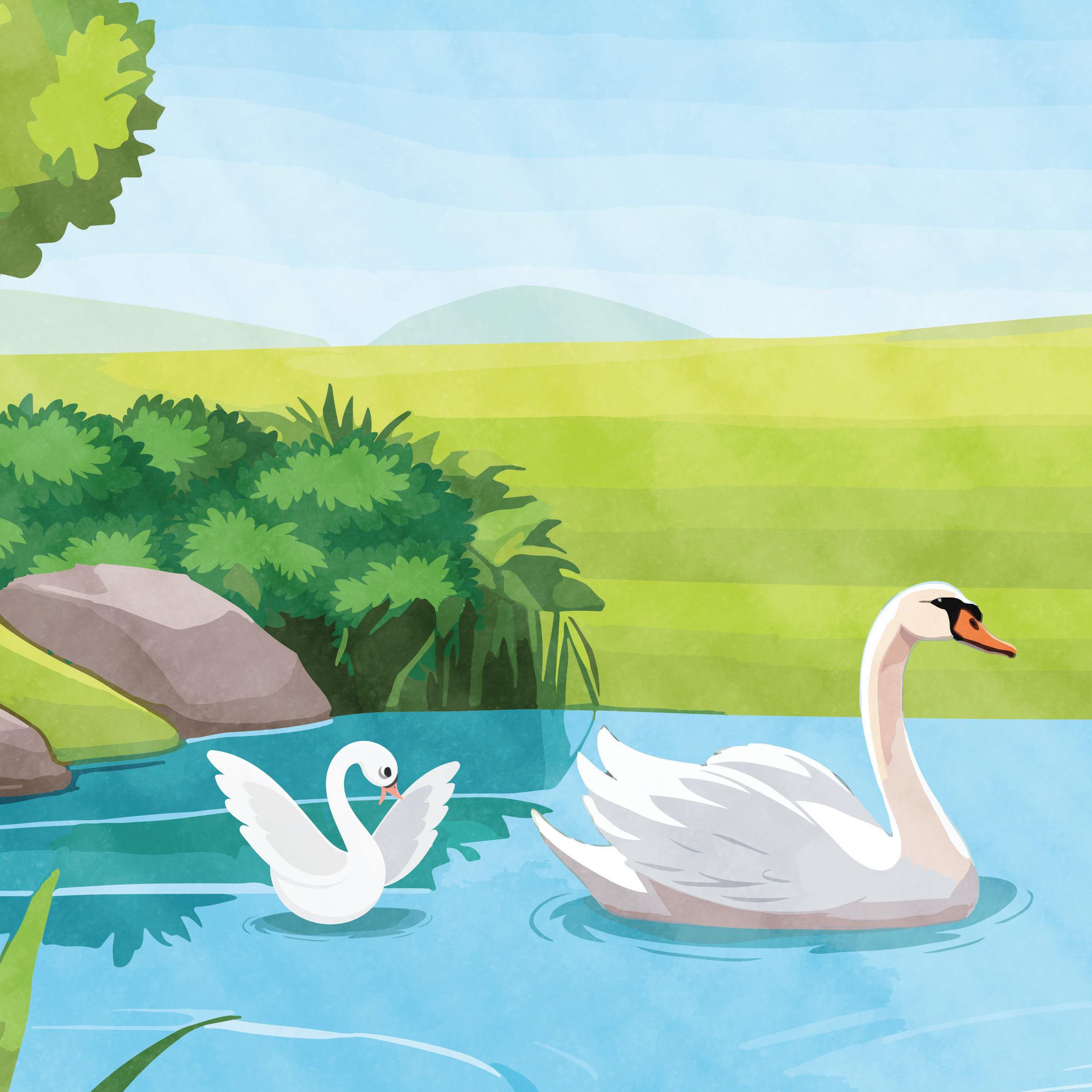
He spread his wings once, twice, three times. He landed in the water. “You just need to try,” said the swan. Soon he was flying, and he and his friend flew away. He was not an ugly duckling. He was a beautiful swan!
Let's Talk
1. What colour was the big duckling?
2. How did other ducklings treat him?
3. What did the ugly duckling grow into?
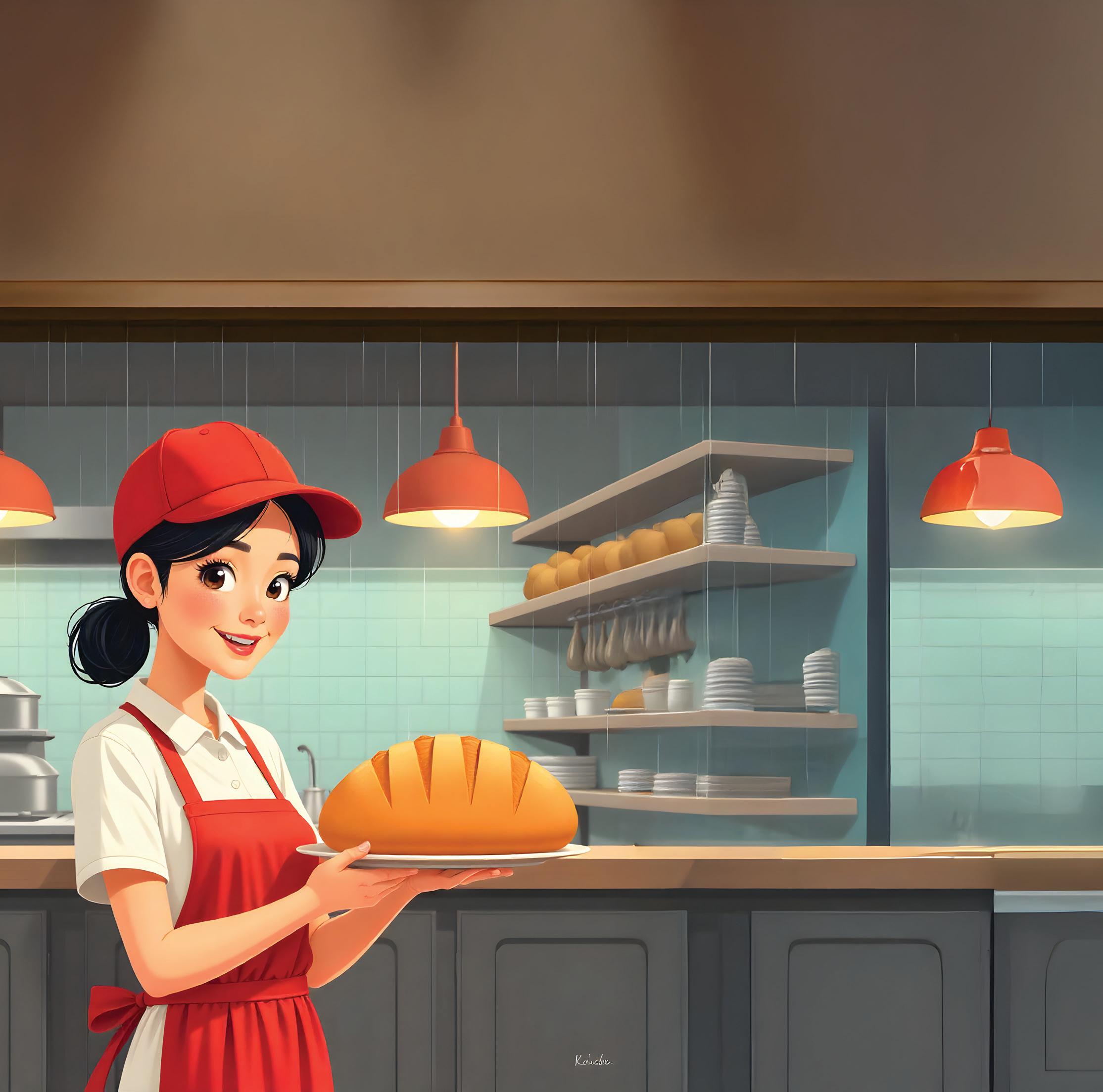
Here is the baker, I smell the bread, She wears a red cap on her head.
I buy two loaves, one white, one brown, I am on my way through my hometown.
Helpers, helpers work all day, They help us out in every way.
Next is the grocer, kind and sweet, He makes our meals a tasty treat! He rings the till, tells me what I owe, Helps me pack, so I can go.
Helpers, helpers work all day, They help us out in every way.
Talk to children about how helpers in the community work hard. Encourage them to show respect, and say 'thank you' to them.
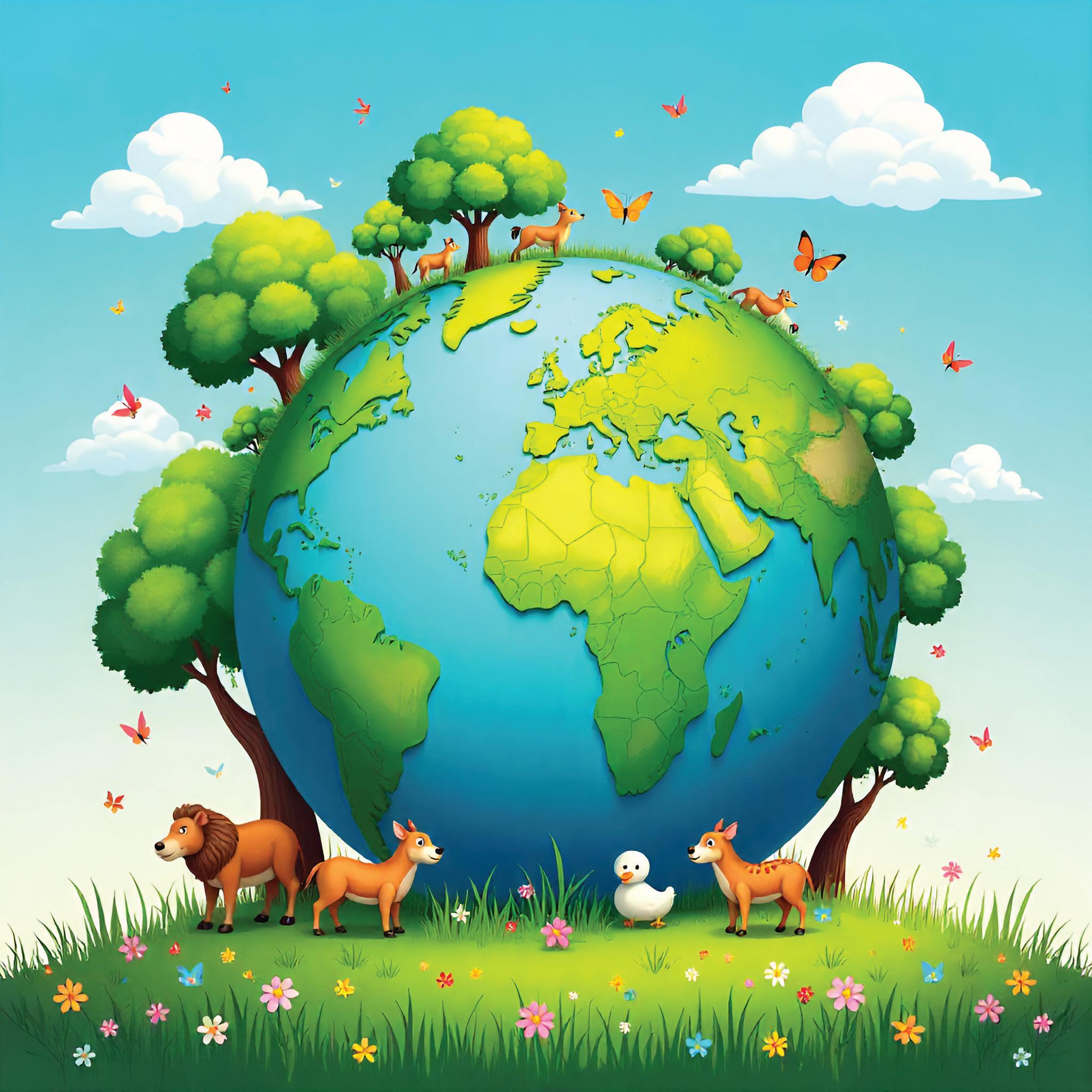
Mother Earth is big and round,
Trees and flowers all around.
Birds that sing and rivers too,
Sky so bright and oceans blue.
Mountains tall and valleys deep,
Animals that run and leap.
Butterflies and buzzing bees,
Air that whispers through the trees.
We must keep her clean and fair, Show her love and take good care.
Pick up litter, don’t throw waste, Keep her beauty, not erase.
Mother Earth is home for all, Let’s protect her, big and small!
Encourage children to share ways to take care of Mother Earth.
What sounds do you like to hear in nature?

Song
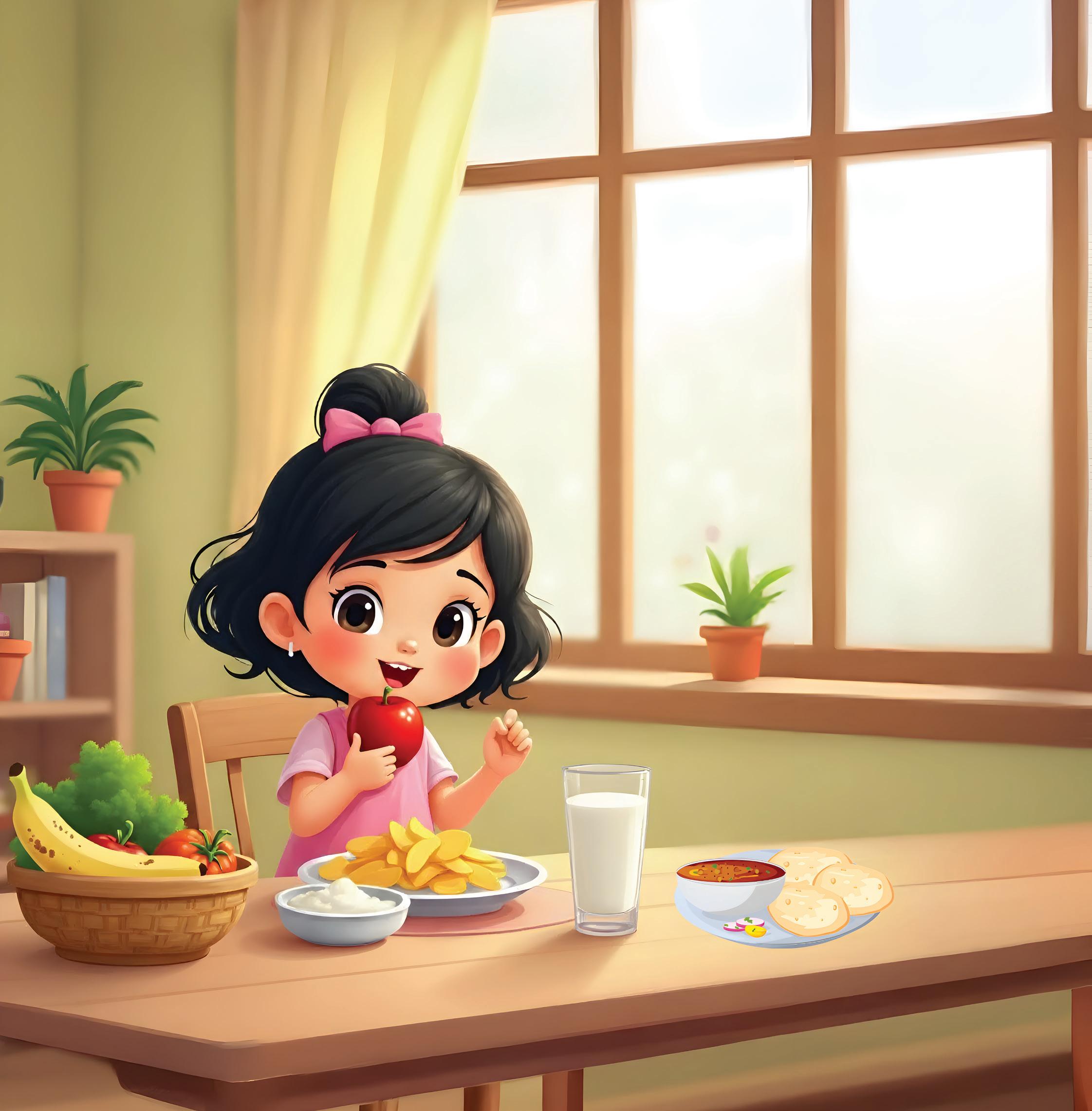
Fruits and veggies, fresh and sweet, They are the best for us to eat.
Milk and curd, and nuts to chew, Make us strong and healthy too.
Chapati, rice, and pulses bright, Give us energy, day and night.
Drinking water, clean and pure, Keeps us fresh and helps for sure.
Too many chips and sugary cakes, Give us pain and toothy aches.
Cold drinks, candies, pizzas too,
Are not so good for me and you. So let’s eat healthy every day, To grow strong, happy, and play!
Encourage children to eat healthy food and follow good hygiene practices.
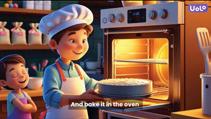
Once upon a time, an old woman and an old man made a gingerbread man. They mixed the dough, rolled it out, and cut out a shape. They put it in the oven. When the baking was done, out jumped the gingerbread man!

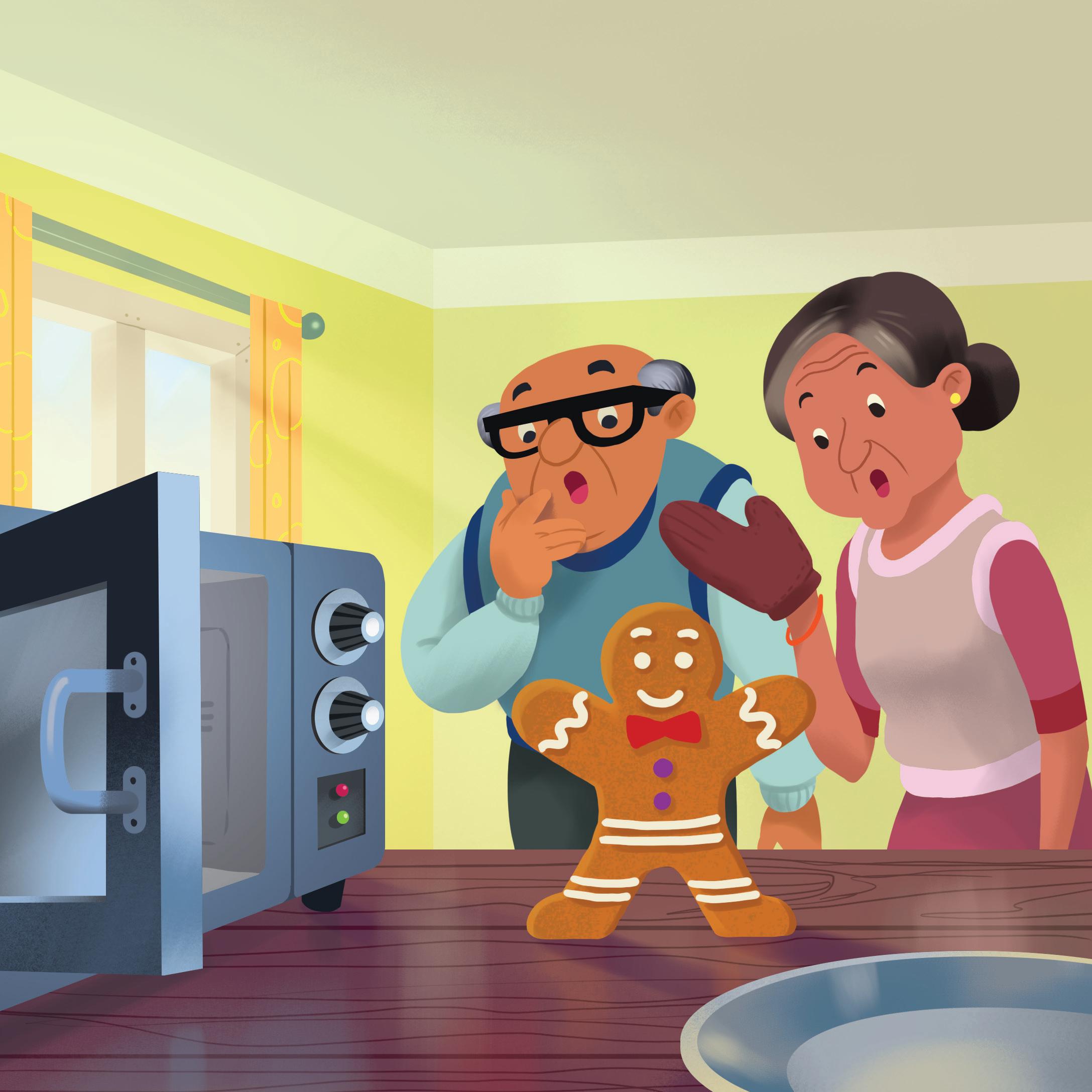
Run, run, as fast as you can! You can’t catch me! I’m the gingerbread man!
The gingerbread man then ran outside. The old woman and the old man chased him. The gingerbread man just ran faster and faster. Come back! Come back!
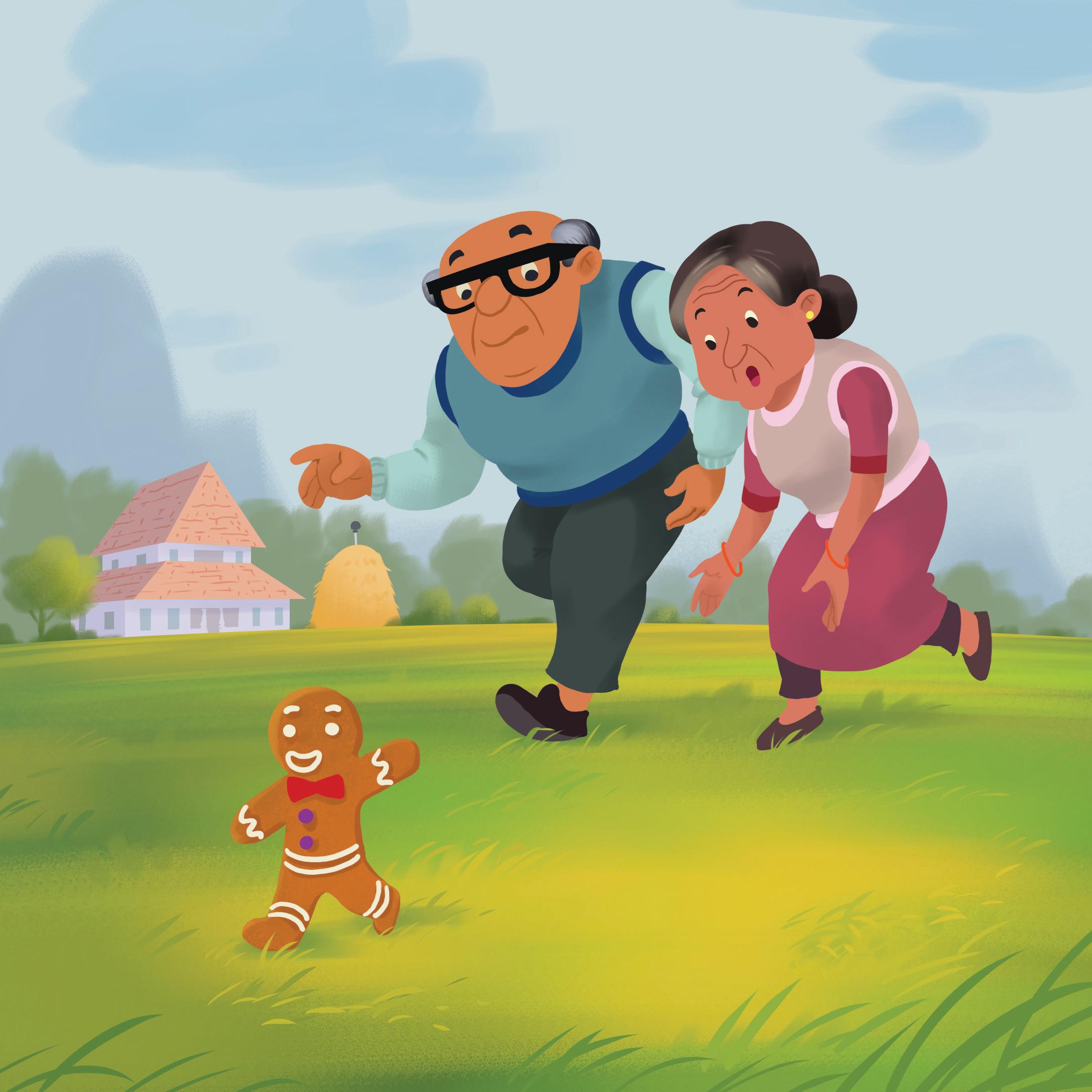
Run, run, as fast as you can! You can’t catch me! I’m the gingerbread man!
He ran past a cow, a horse, and a donkey. They all ran after him to catch him.
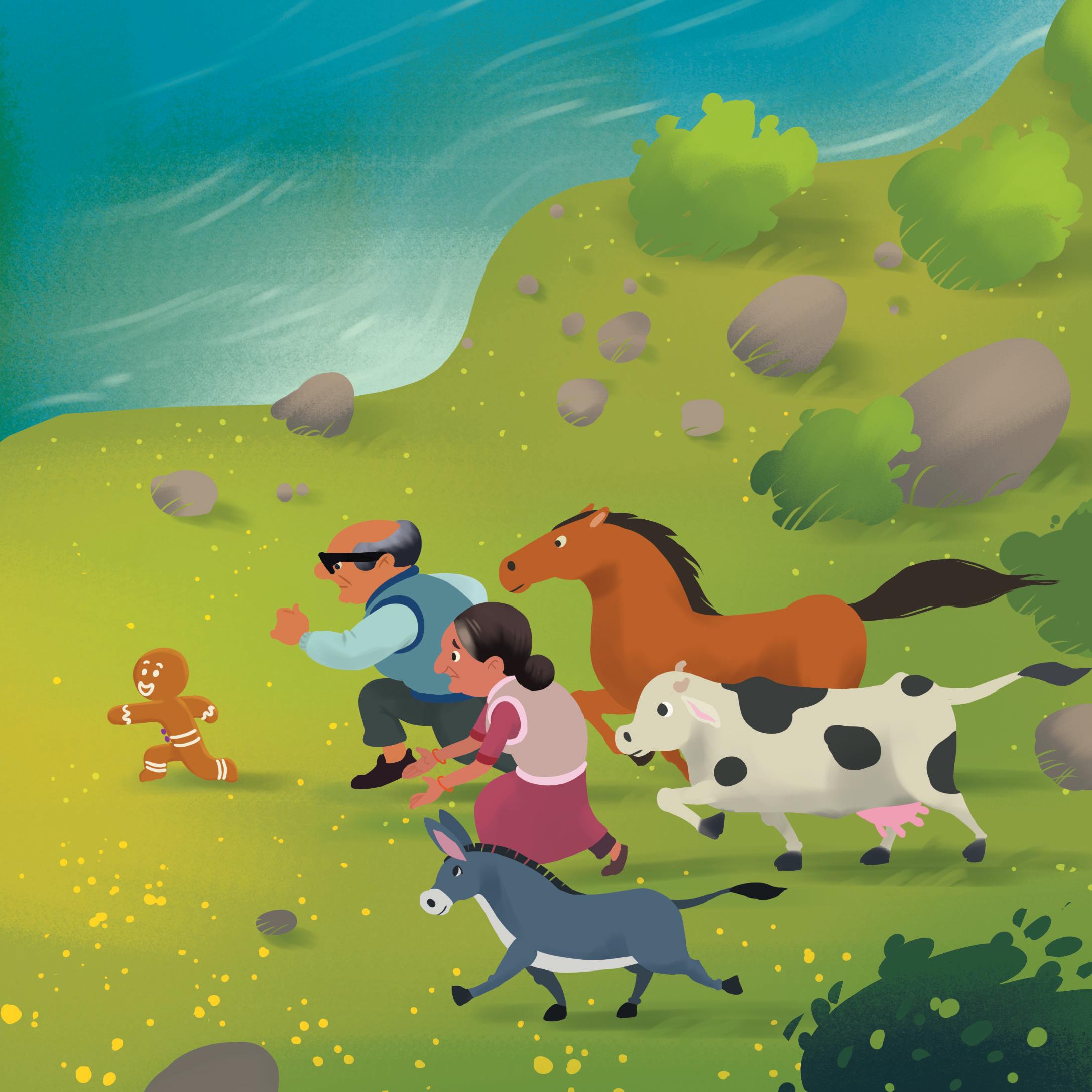
Run, run, as fast as you can! You can’t catch me! I’m the gingerbread man!
He came to a river. He did not know how to cross it.
A clever fox was standing at the river. He saw the gingerbread man. He knew how to catch him.
Jump on my head.
I will help you cross the river.
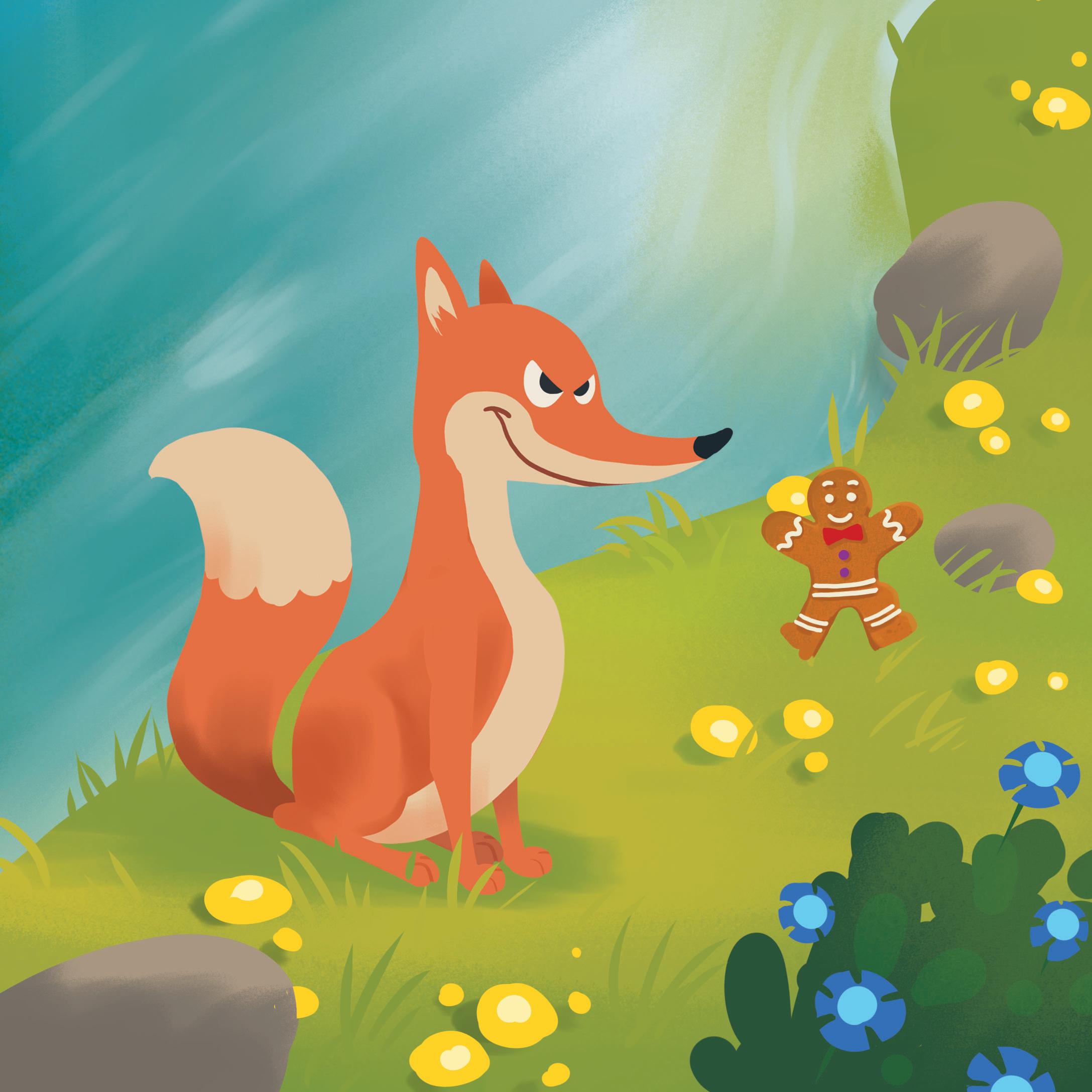
Guide children to never trust the strangers.
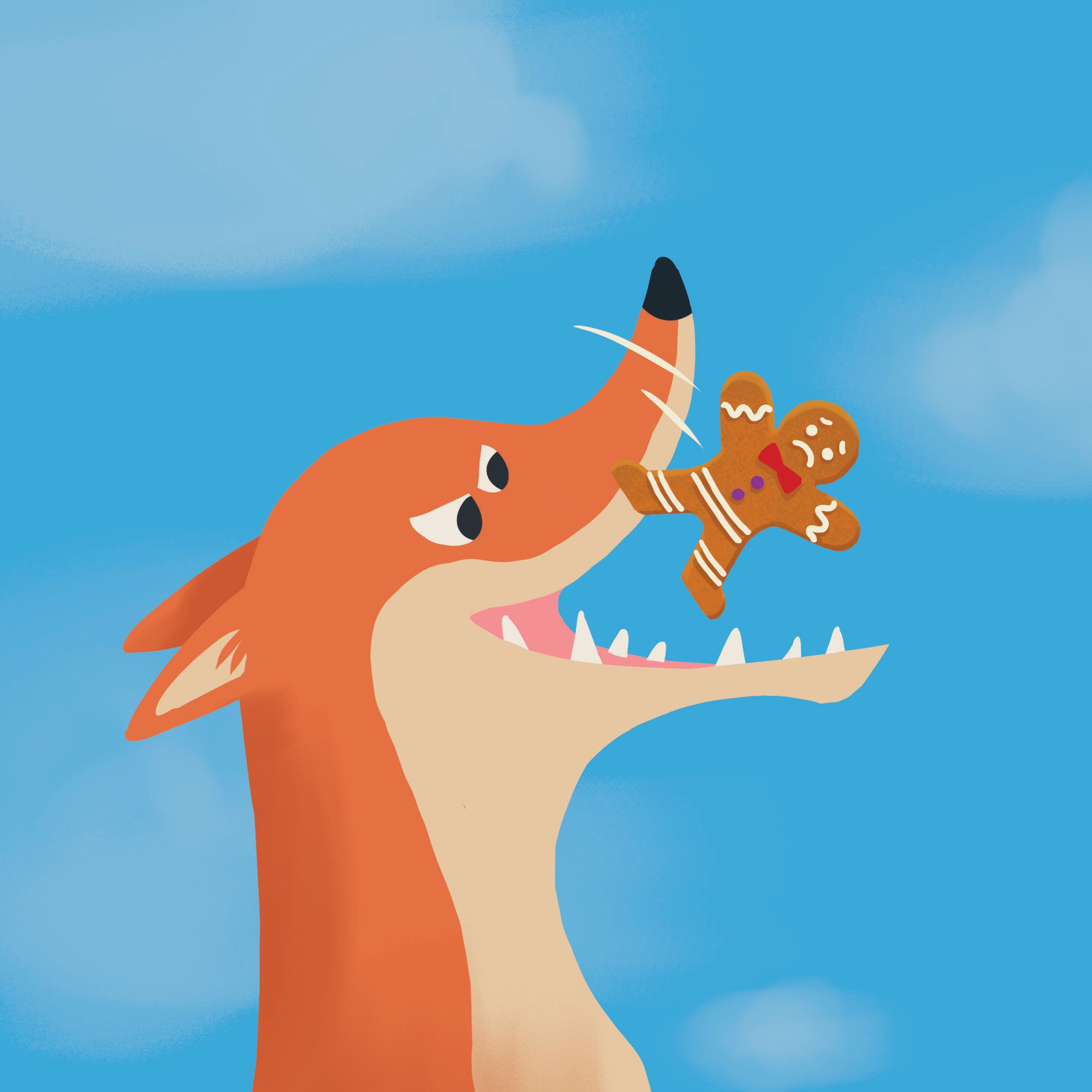
Thank you, mister fox!
The gingerbread man jumped high. SNAP went the fox’s mouth. And that was the end of the gingerbread man!
Let's Talk
1. Who made the gingerbread man?
2. Which song did the gingerbread man sing?
3. Was the gingerbread man wise? Why or why not?
DAWN is a comprehensive, NCF 2022-based Early Childhood Education program that lays a solid foundation for lifelong well-being and holistic growth, encompassing physical, cognitive, and socio-emotional development.
Designed to inspire love for reading and build listening comprehension skills, this coursebook exposes learners to a range of engaging rhymes and captivating stories.
Additional Resources
• Sticker Sheets
• TLM and Flashcards
• Charts and Posters
• Assessment Sheets
• Holistic Progress Card
• Teacher's Manual
• Digital Resources
• Play-based learning activities, which promote holistic development of the child in all ECE domains
• School readiness, which is assured in the curriculum and learning design
• All-round development, in areas of physical, cognitive, cultural and socio-emotional domains
• Teacher assets, like assessment tools and lesson plans to help maximise program quality and outcomes
Uolo partners with K-12 schools to provide technology-enabled learning programs. We believe that pedagogy and technology must come together to deliver scalable learning experiences that generate measurable outcomes. Uolo is trusted by over 15,000+ schools across India, Southeast Asia and the Middle East.
ISBN 978-93-49697-44-7

hello@uolo.com
Not to be sold separately