

Name:
Class: School:

Academic Authors: Sneha Sharma, Chandni Bhargava, Bhawna Bisht
Design & Production: Amisha Gupta, Bhavna Tripathi, Satish, Mangal Singh Rana, Vishesh Agarwal
Project Lead: Sneha Sharma
VP, Learning: Abhishek Bhatnagar
All products and brand names used in this book are trademarks, registered trademarks or trade names of their respective owners.
© Uolo EdTech Private Limited
First edition 2025
Second edition 2026
This book is sold subject to the condition that it shall not by way of trade or otherwise, be lent, resold, hired out, or otherwise circulated without the publisher’s prior written consent in any form of binding or cover other than that in which it is published and without a similar condition including this condition being imposed on the subsequent purchaser and without limiting the rights under copyright reserved above, no part of this publication may be reproduced, stored in or introduced into a retrieval system, or transmitted in any form or by any means, electronic, mechanical, photocopying, recording or otherwise, without the prior written permission of both the copyright owner and the above-mentioned publisher of this book.
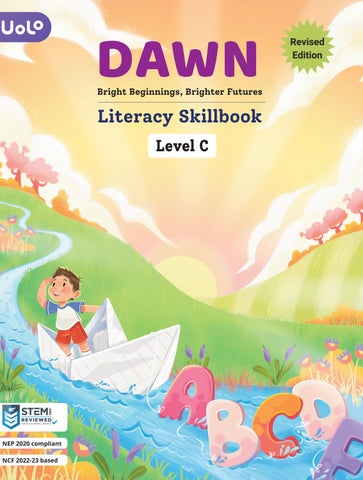
Book Title: Dawn Literacy Skillbook Level C
ISBN: 978-81-980375-1-0
Published by Uolo EdTech Private Limited
Corporate Office Address:
91Springboard, 3rd Floor
145, Sector 44, Gurugram, Haryana 122003
CIN: U74999DL2017PTC322986
Printed by: Printpro Solutions
Illustrations and images: www.shutterstock.com, www.stock.adobe.com and www.freepik.com
All suggested use of the internet should be under adult supervision.

elcome to DAWN, our comprehensive series for Early Childhood Education, meticulously crafted to align with the guidelines of the Foundational Stage as outlined in the National Education Policy (NEP) 2020 and the National Curriculum Framework for the Foundational Stage (NCF-FS) 2022.
DAWN offers a rich blend of interactive and activity-based content to support each child’s physical, emotional, intellectual and spiritual growth. Our approach ensures that learning is enjoyable and meaningful, and caters to every child’s interests and abilities.
Inspired by the Panchakosha Framework, DAWN offers a thoughtfully curated curriculum designed to nurture each child’s physical, emotional, intellectual and spiritual growth, and create engaging and meaningful learning experiences for all children and cultivate a lifelong love for learning.
1. Physical Development
Through movement-based activities, action rhymes, gross and fine motor skill, exercises, yoga and simple meditation practices, children enhance their coordination, balance and self-regulation.
2. Social and Emotional Growth
Discussions, role-plays, games, storytelling and collaborative activities encourage empathy, cooperation, self-expression and social awareness.
3. Intellectual Growth
A structured, age-appropriate progression from concrete to abstract concepts builds strong problem-solving, logical thinking and cognitive skills.
4. Spiritual and Moral Development
Stories, rhymes and reflective discussions teach values such as kindness and honesty. Yoga and meditation help children stay calm, focused and happy.
5. Sensory and Experiential Learning
Activities in art and craft, STEM-based explorations, interactive games and fun activities ensure hands-on engagement, creativity and imaginative thinking.
The DAWN curriculum is not merely a series of lessons, but a journey of discovery, growth and joy. The package comes with digital content, provided free of cost, to ensure a seamless and holistic learning experience for children. By providing a nurturing and stimulating environment, DAWN lays the foundation for future success—preparing children not just for school, but for life.

Thank you for embarking on this educational journey with us. Together, we can make the DAWN of early childhood education a bright and promising start for every child.


The table below helps us understand how the Panchakosha elements have been incorporated into the DAWN Curriculum:


The National Education Policy (NEP) 2020 represents a transformative shift in the country’s education system. It aims to establish a more holistic, dynamic and multidisciplinary approach to learning. NEP 2020 emphasises the development of conceptual understanding, skills, values and competencies aligned with the demands of the 21st century, while also honouring India’s rich cultural heritage.
UOLO is fully committed to realising the vision of NEP 2020 by meticulously following its recommendations. Below is the list of icons that are spread across the books to showcase DAWN’s adherance to the values rooted in the NEP and NCF.






DAWN is an activity-based learning programme covering all areas of Early Childhood Education. It includes textbooks in English, Maths, General Awareness, STEM, Art and Craft, Phonic and Rhymes & Stories, along with lesson plans and resources to support teachers. Digital tools like animated videos, phonics songs and interactive exercises further enrich classroom learning.
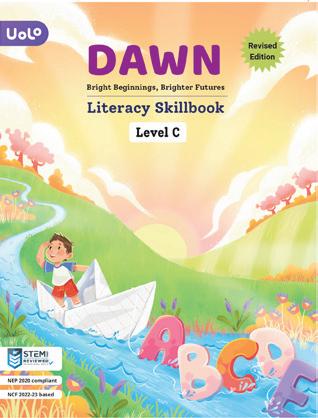



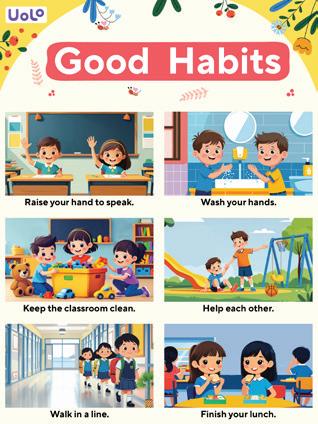



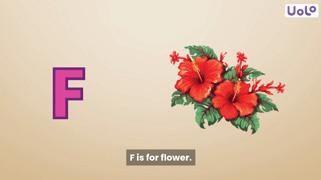



The language curriculum takes a balanced approach, focusing on oral language, vocabulary, phonemic awareness, and early reading and writing skills. The Skillbook helps children hear, identify, and manipulate sounds in CVC words and introduces blends and digraphs for decoding tricky words. The Workbook provides practice for each concept.
Child-friendly rhymes, stories and picture posters add a fun element to learning while building oral language and vocabulary skills. The Let’s Talk section encourages children to listen, retell, ask questions and express their ideas. Teacher Tip provides guidance to make real-life connections and enrich concept delivery in the classroom.
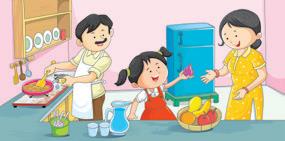






After each concept, the fun continues with the Let’s Do It! section—featuring simple, engaging worksheets to help children trace letters and apply their learning. QR codes link to friendly concept videos, adding a layer of digital learning to make understanding even more exciting!
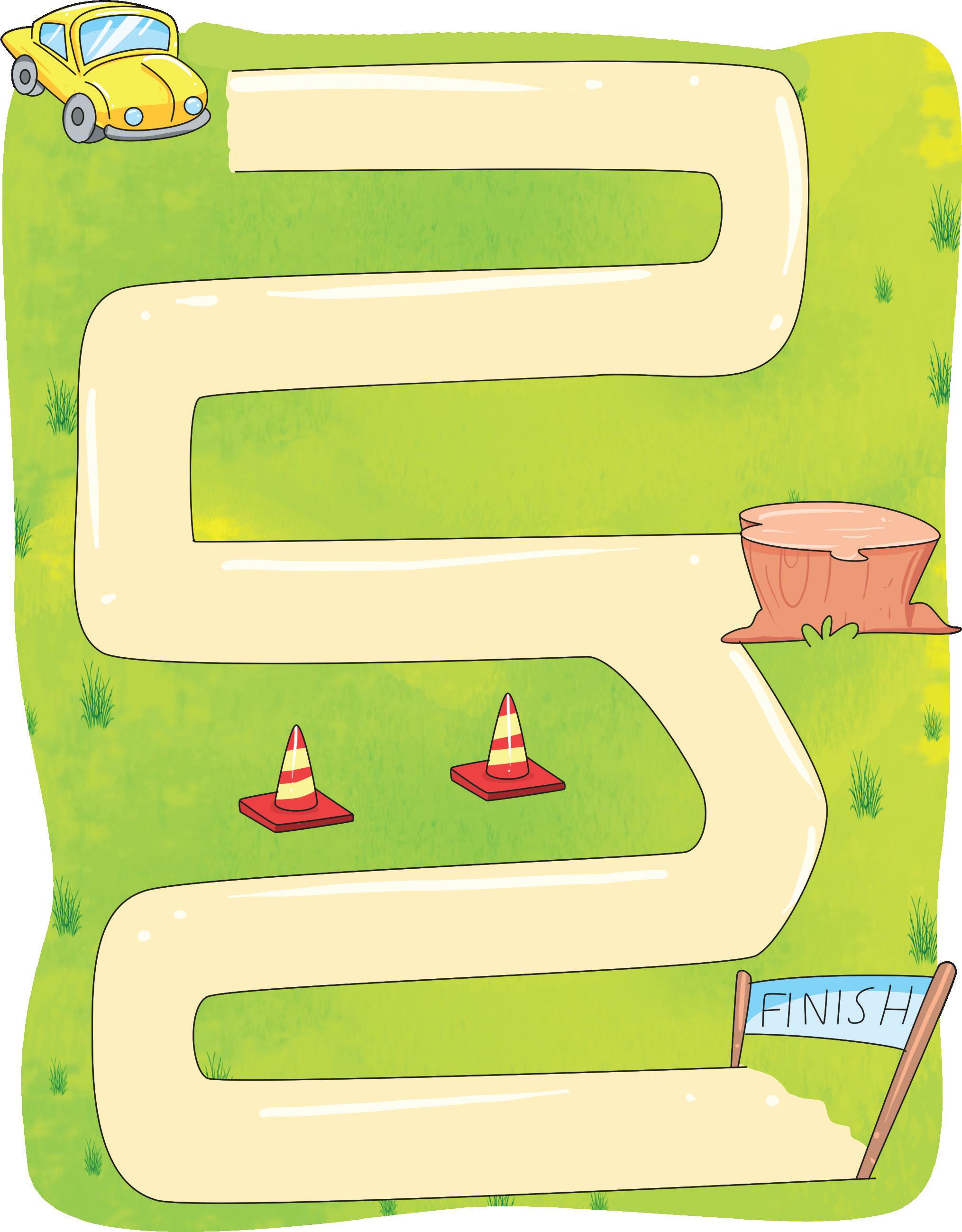
The book engages multiple senses through bright visuals, conversation posters, catchy rhymes, simple stories and hands-on activities. Fun Zone tasks such as mazes and puzzles, and sticker activities help build thinking and motor skills in an enjoyable way.



The Learning Outcomes sheet highlights the key skills and concepts covered in the book and helps track each child’s progress. Special icons throughout the book reflect strong alignment with the NEP and NCF, ensuring a well-rounded learning experience.





Join the letters while saying them aloud. Then, name and colour the pictures.


Write the first letter to complete the word. One has been done for you.
H i I j J
e an ir nsec ox e n o e r n ine ui ar oo ro a uice
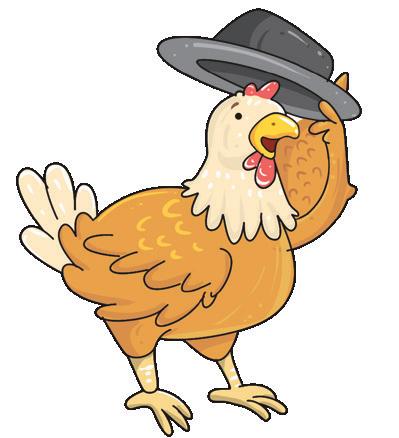
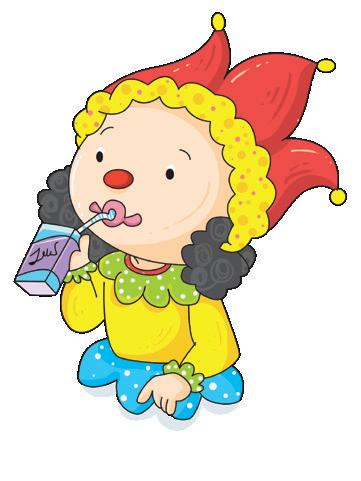
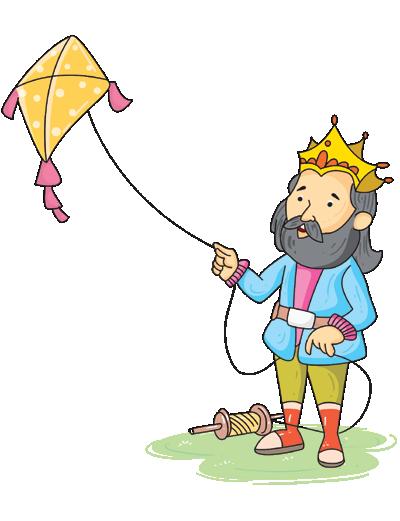
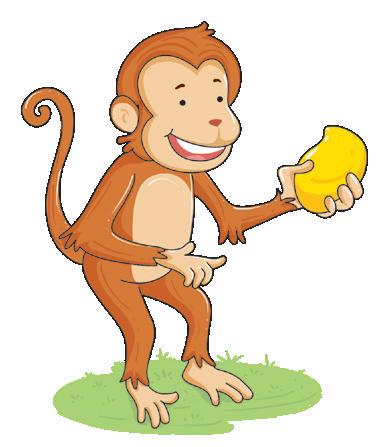
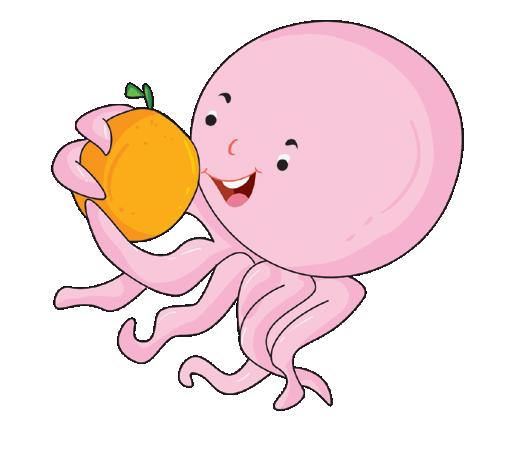
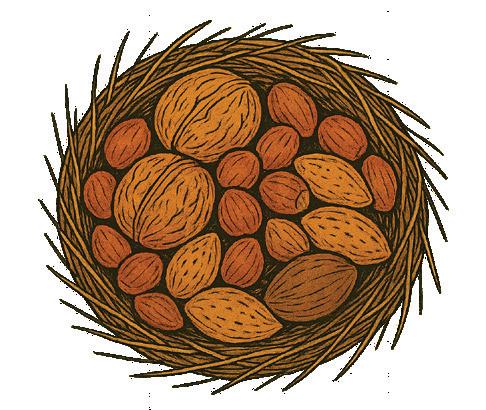
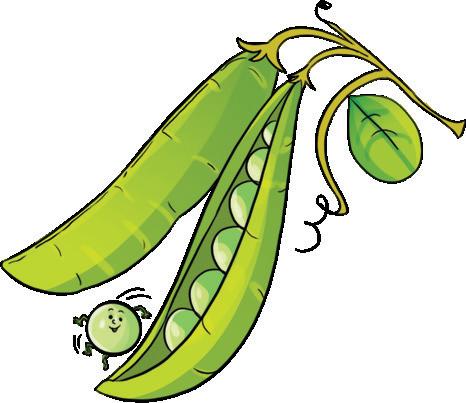
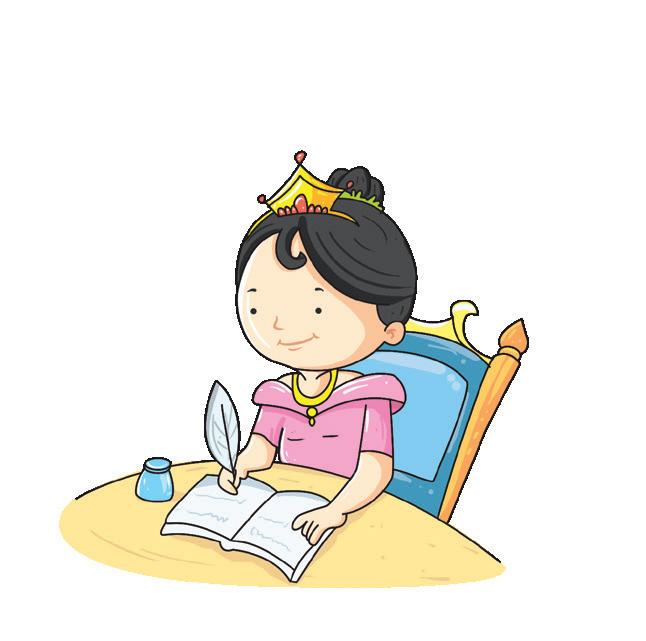
ueen ars nc e o o or oise u ure ui m re a ose a e e e a e
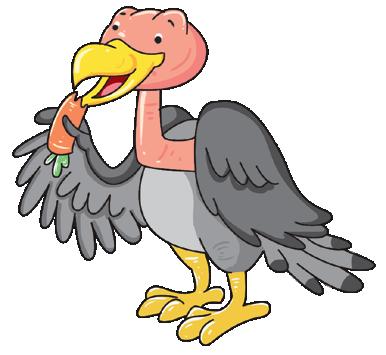
X x
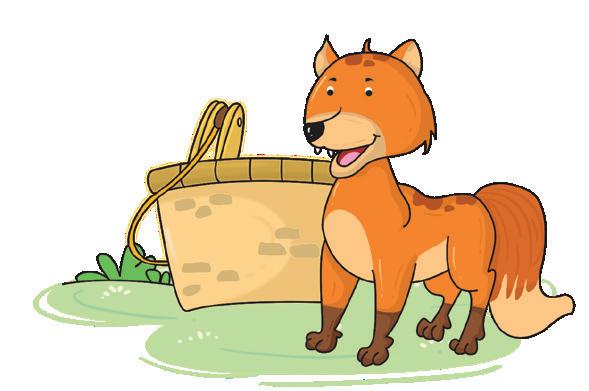
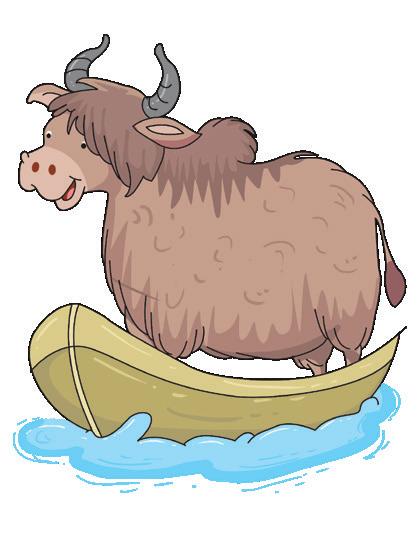
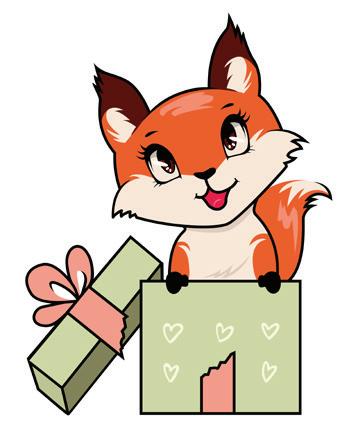
o o e ra a ac o i za
Write the letters that come before the given letters. P Y e c X L k q
Fill in the missing letters to complete the alphabet.
A, E, I, O, U,
Vowels are fun, it’s true!
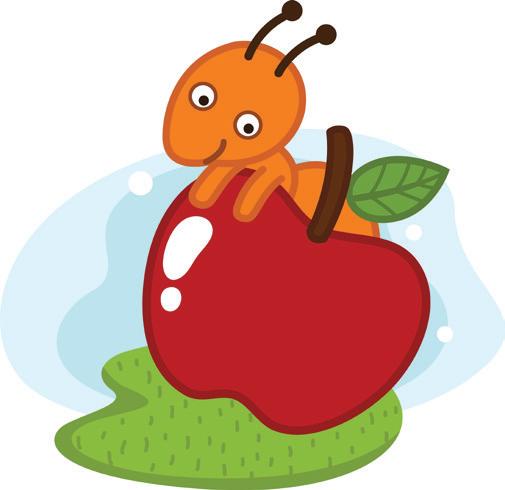
A for apple, red and sweet.
E for egg, a tasty treat.
I for igloo, cold and bright.
O for orange, a fruity delight.
U for umbrella, keeps us dr
Vowels are stars up in the sk
26 letters in the English alphabet. The letters
a, e, i, o, u are called vowels. The rest of the letters are called consonants.
Colour the stars with the vowels in ellow. Colour the starts with the consonants in blue.

Circle the words that start with a vowel (a. e, i, o, u).










lephant
‘A’ and ‘An’
When a word begins with a consonant sound, we use ‘ a’ in front of it.
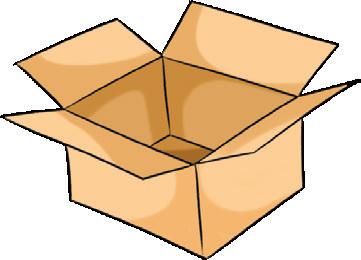
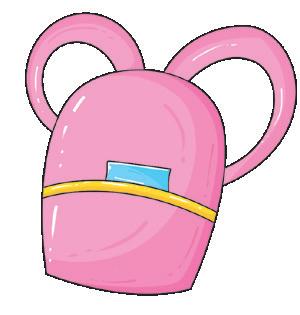
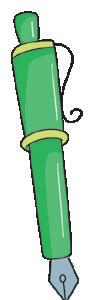
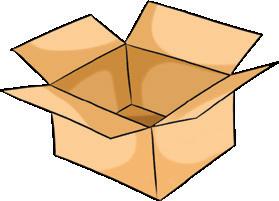
When a word begins with a vowel sound, we use ‘an’ in front of it. an e gg a box
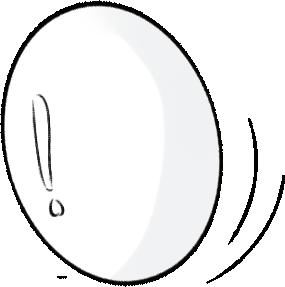
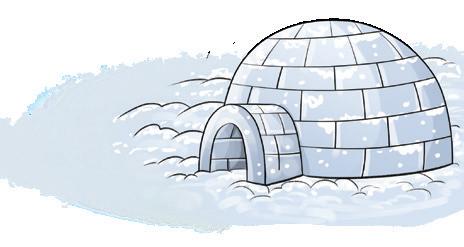
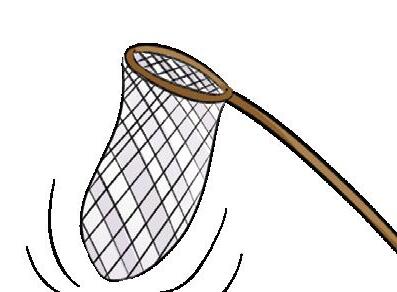
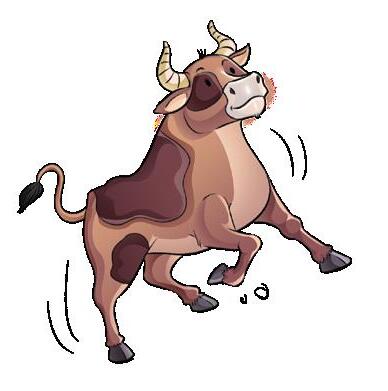
Look at the picture. Say its name aloud. Circle ‘a’ or ‘an’.


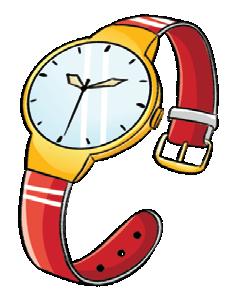
a / an e lephant a / an van
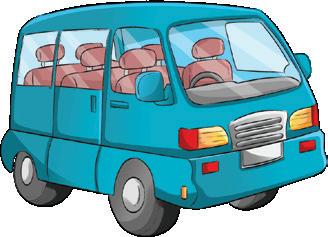
a / an circle a / an apple
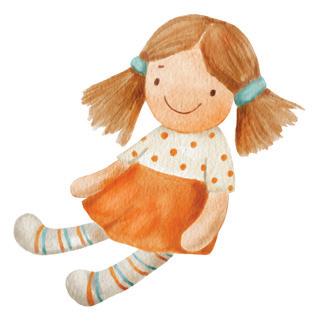
a / an umbrella a / an doll



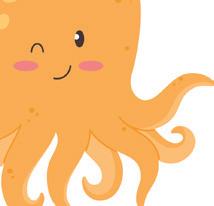

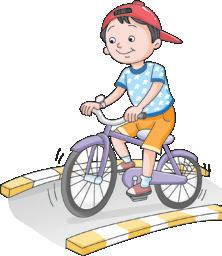
a / an bicycle a / an octopus



a / an watch a / an ant
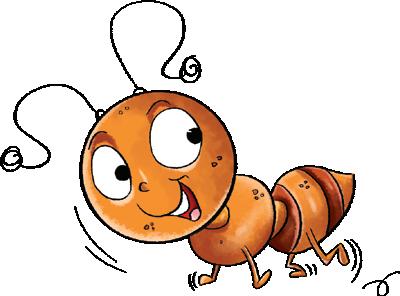
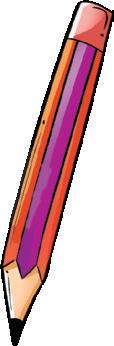
a / an orange a / an pencil
a / an tortoise a / an igloo
Look at the pictures. Answer the questions.

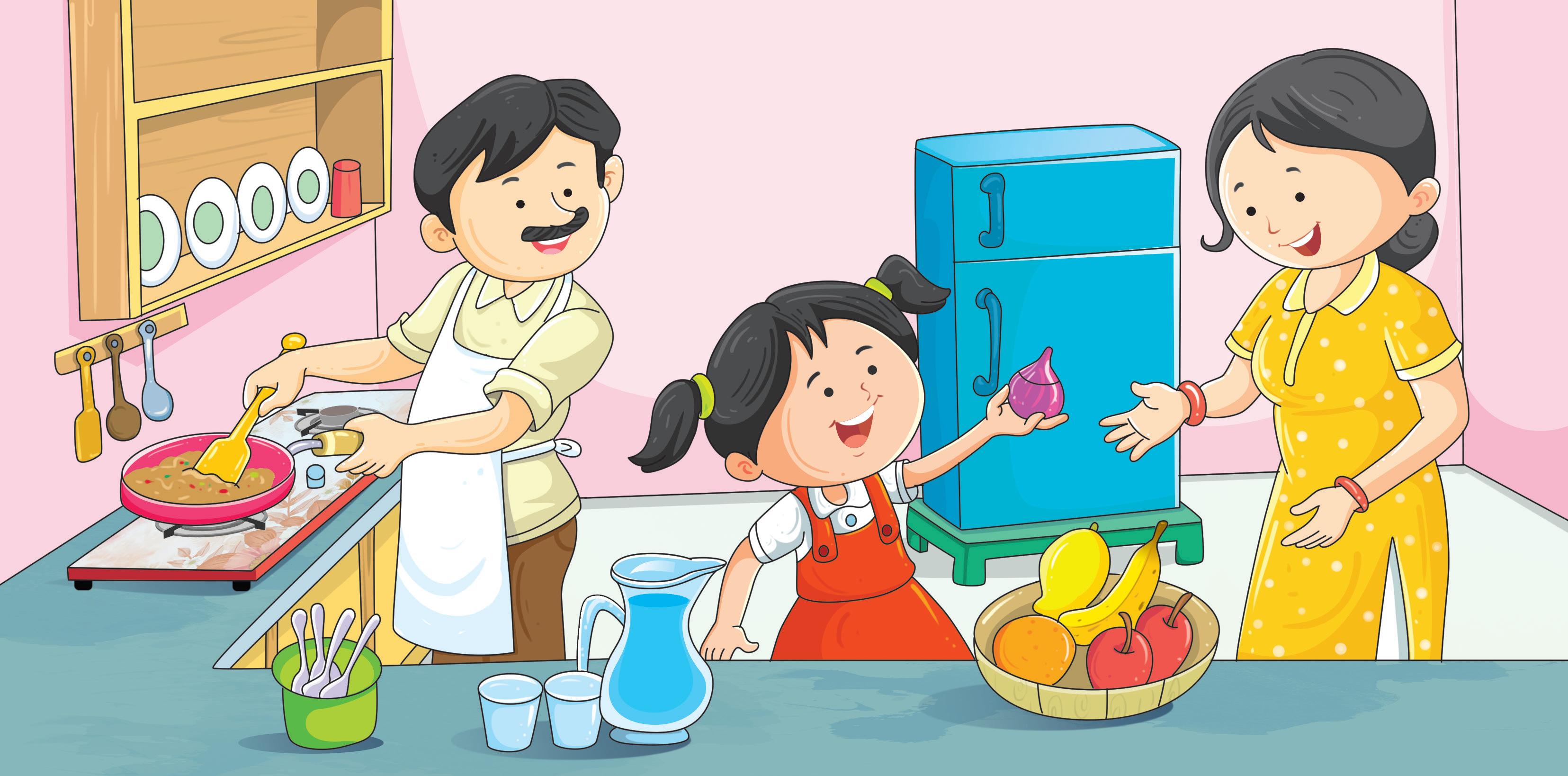


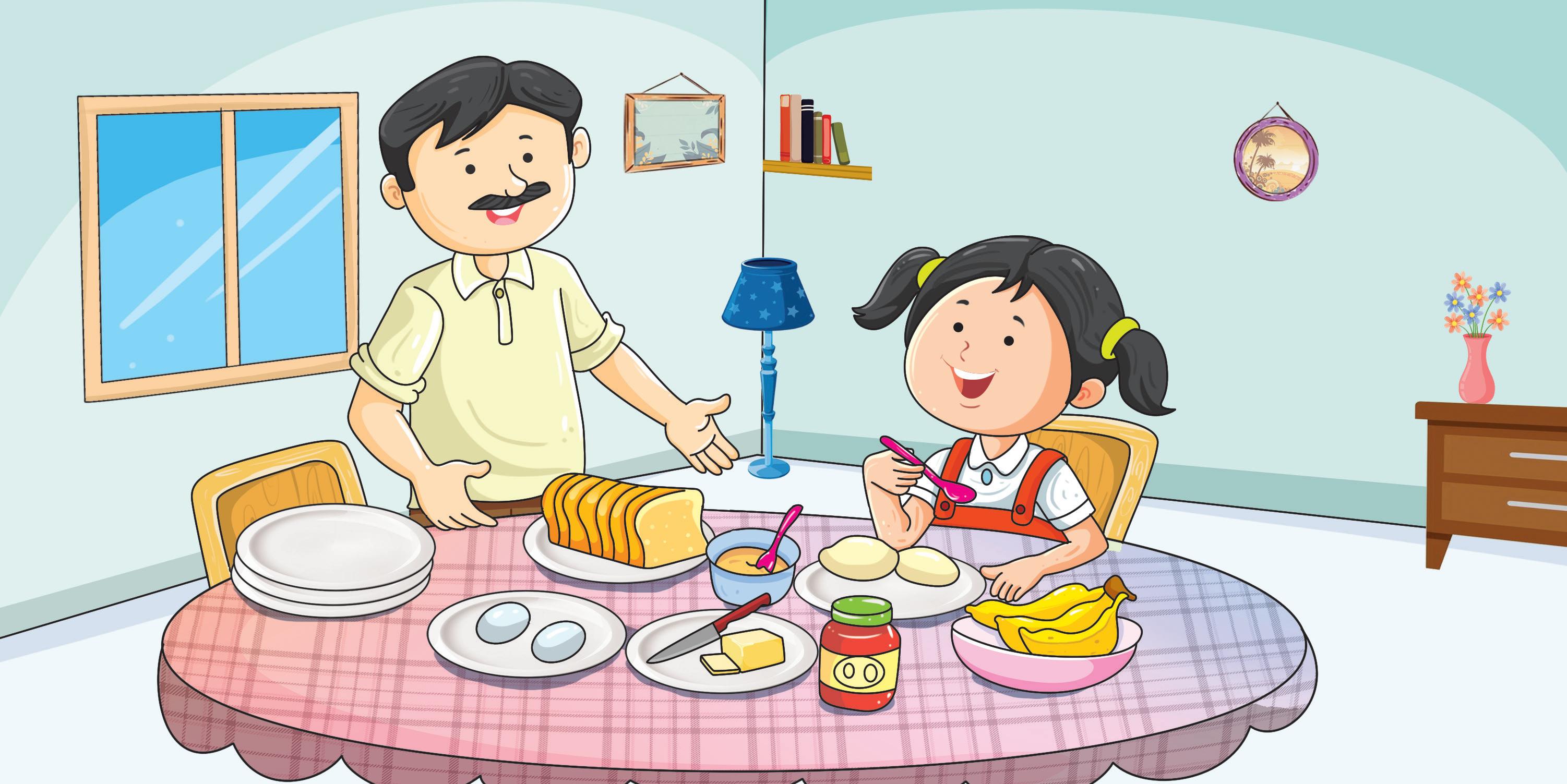
Encourage children to wake up early and sleep early to stay strong and healthy.
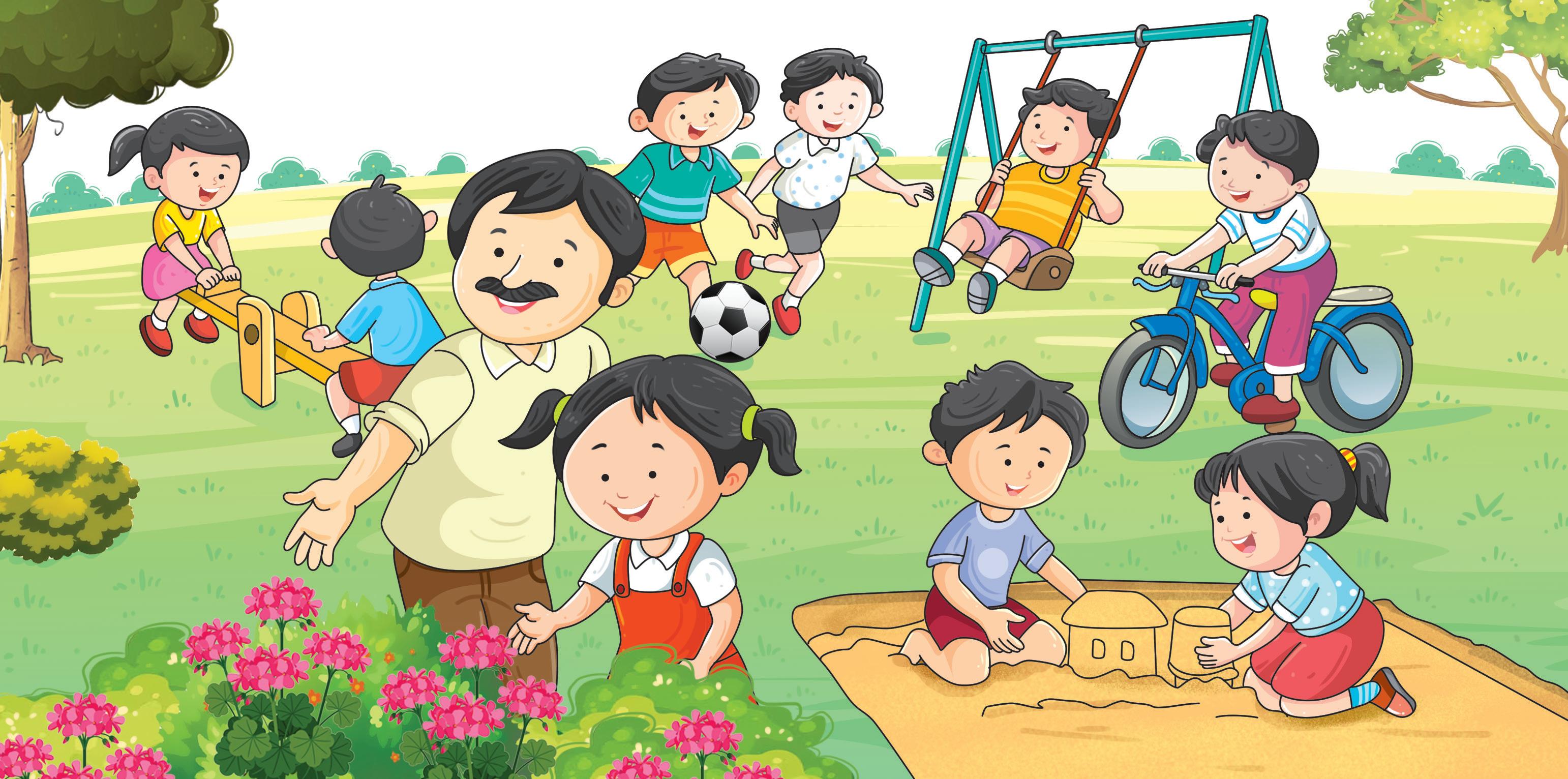
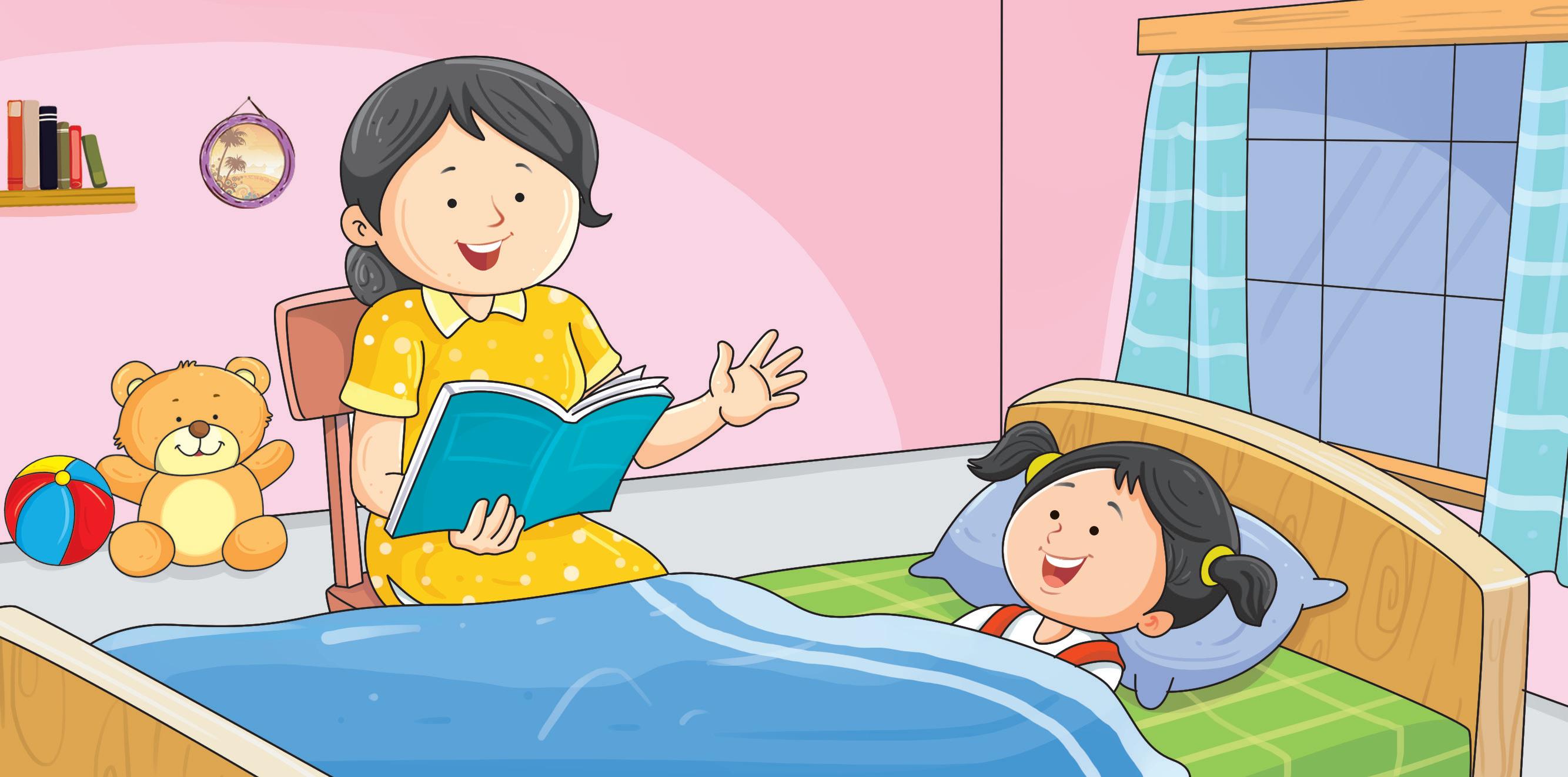
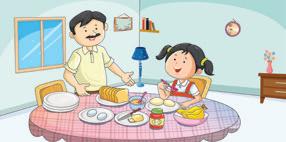
1. Who makes breakfast for Mira?
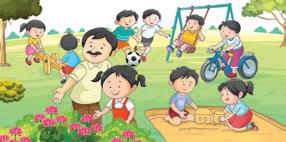
2. Who goes to the park with Mira?
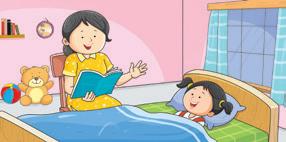
3. What does Mira do before sleeping? 4. How do you spend your Sunday?
Look at the pictures. Say the words aloud.
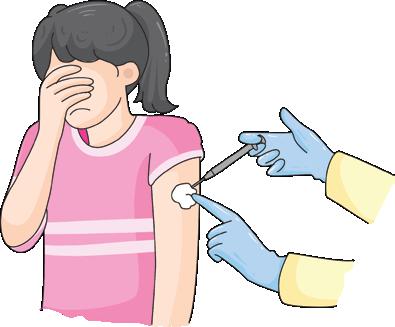

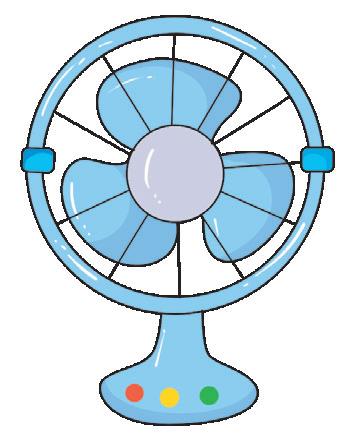
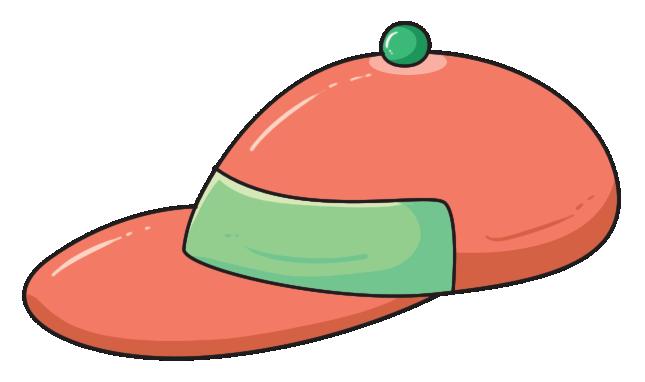
cap
tap
lap gap nap map
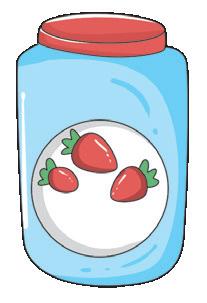
sam jam
ham ram
dam yam
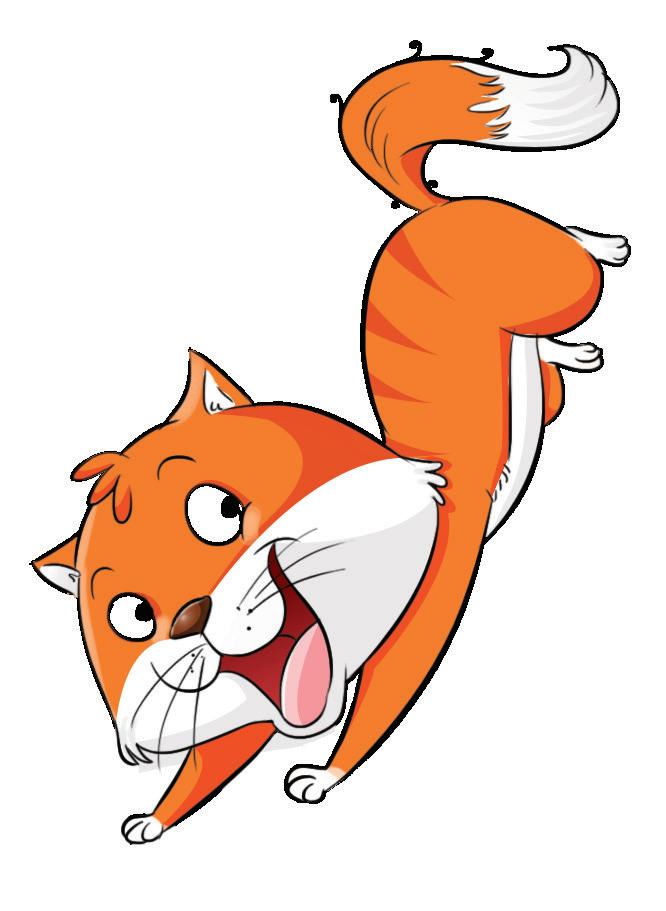
cat

hat
mat fat sat
rat bat pat
Trace and Colour
cap
Look at the pictures and complete the puzzles.

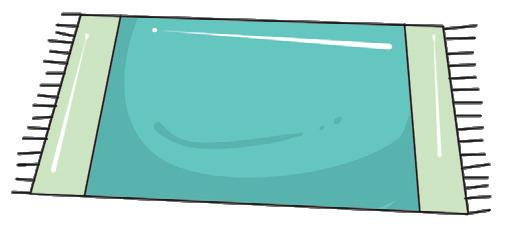

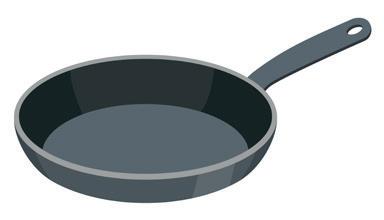
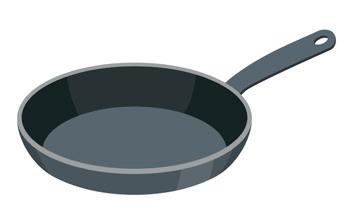
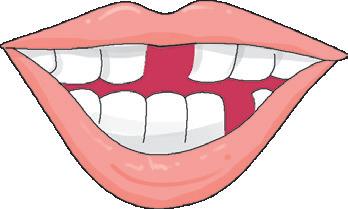

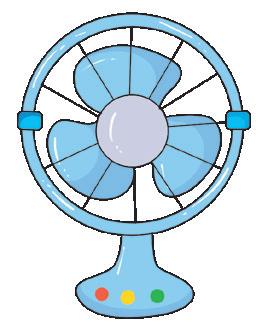
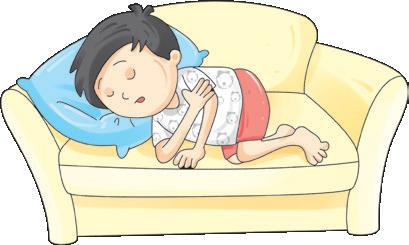

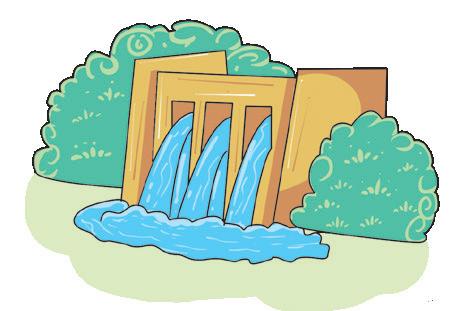
Match the words to the pictures.
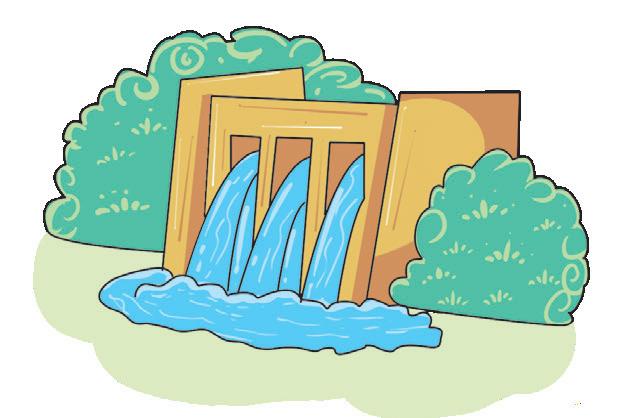
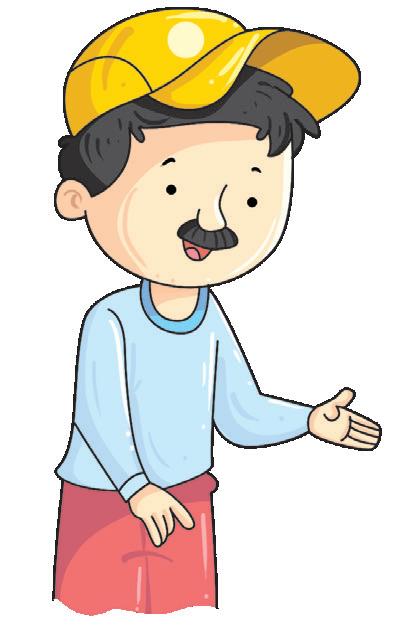
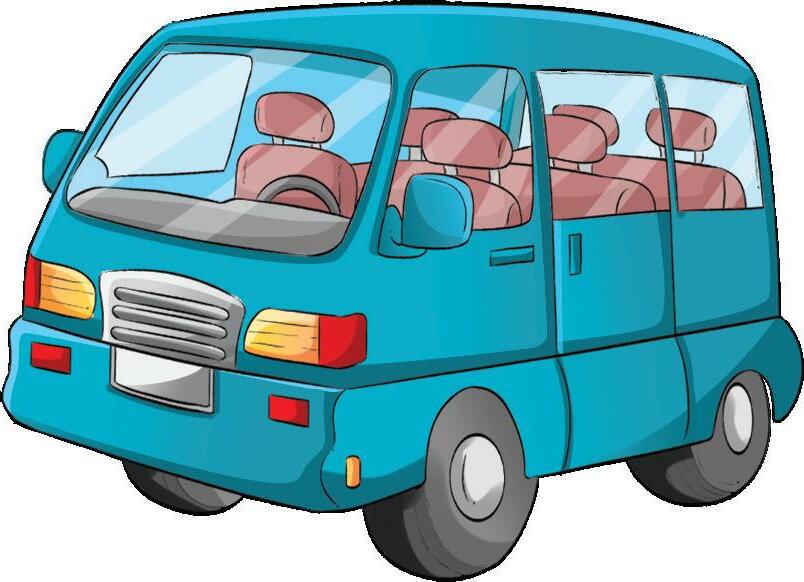

Read the words. Colour the words from the same family.
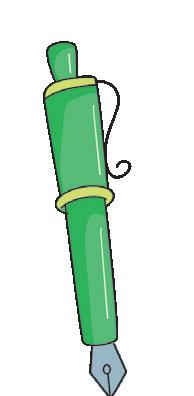

fen
ten men den

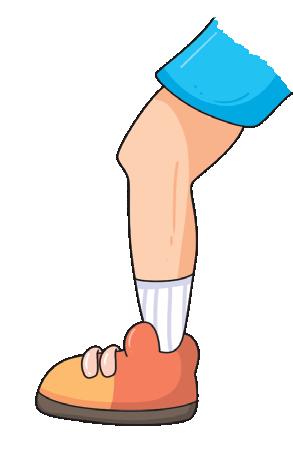
Look at the pictures. Say the words aloud. fed led wed get pet met set let yet leg peg red bed pen hen j beg keg en et ed eg
Look at the pictures and complete the puzzles.
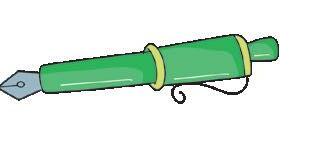
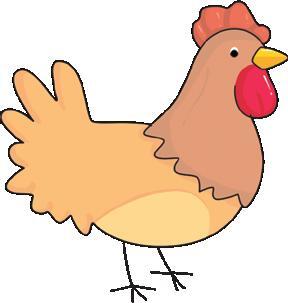
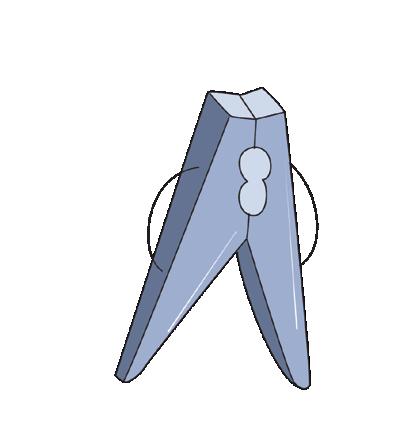
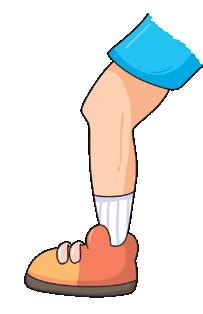
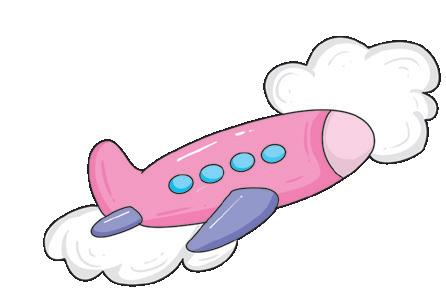
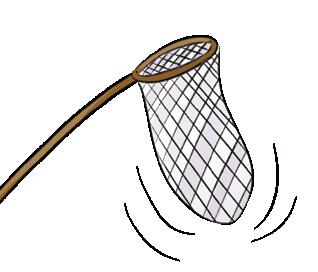
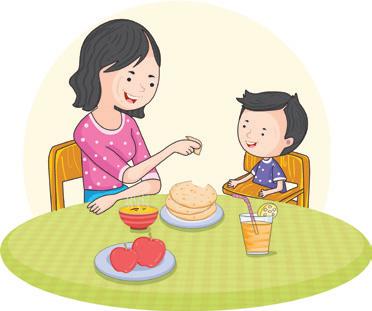
Colour the word that matches the picture.
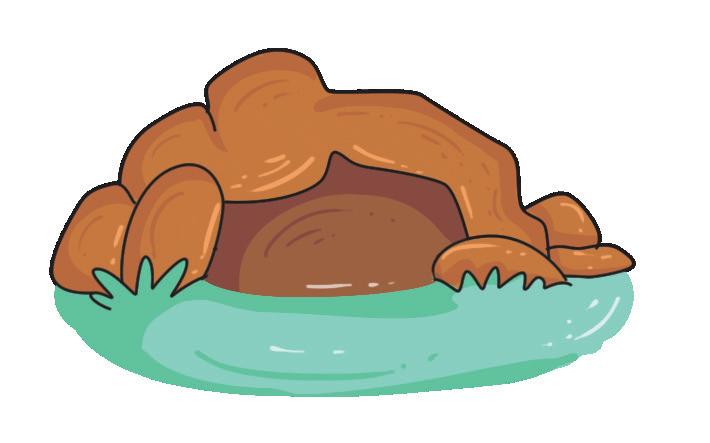
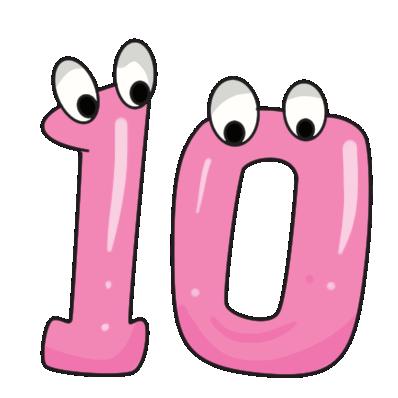
men den pen ten
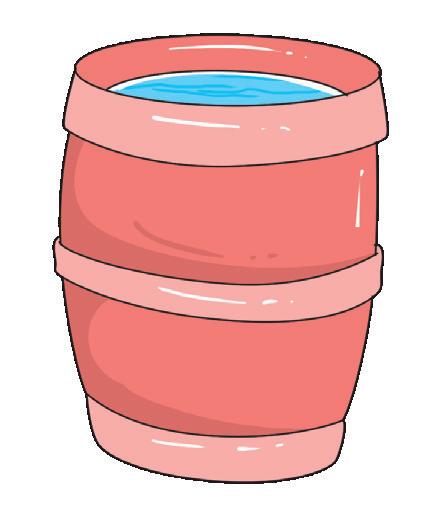
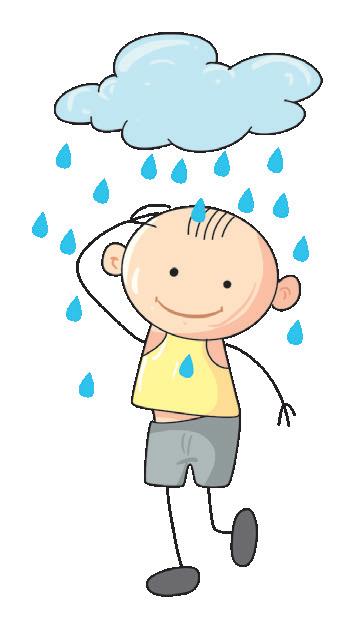
keg leg pet wet
met set net vet
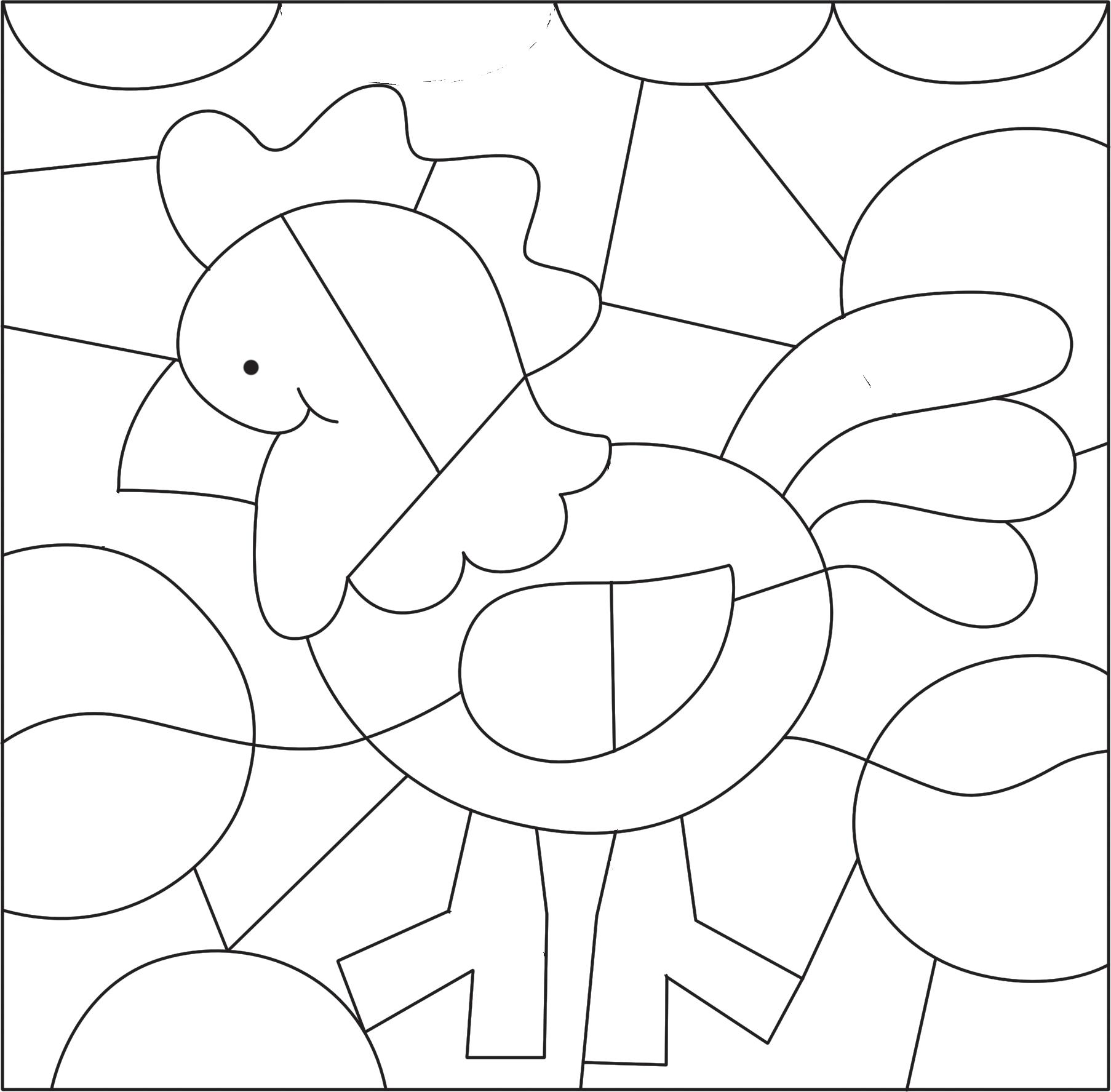
Look at the colour codes and colour the picture.
Fill in the blanks with the correct vowels.

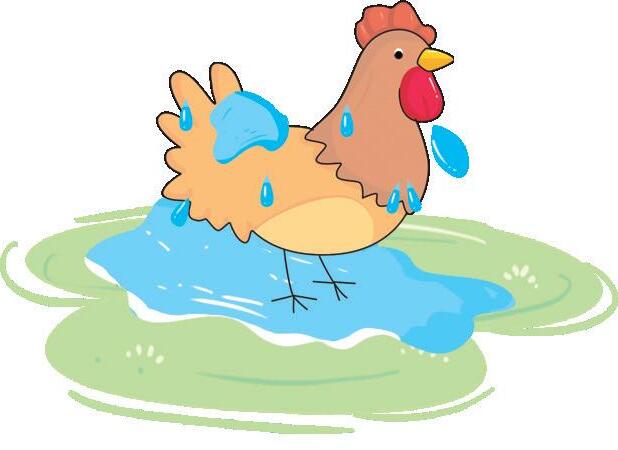
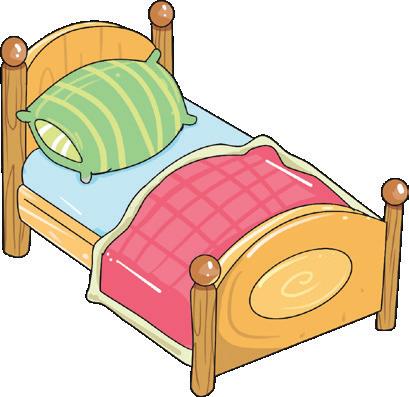

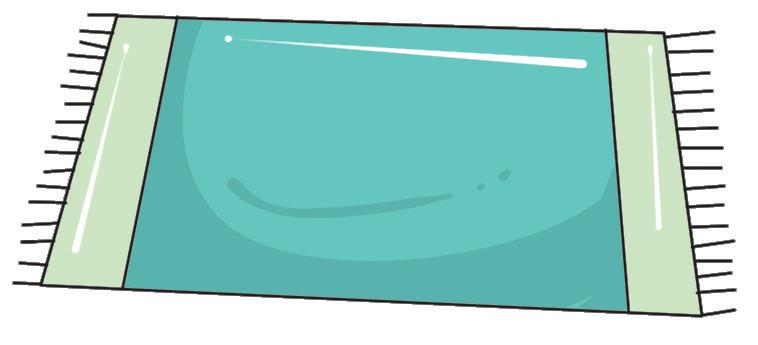
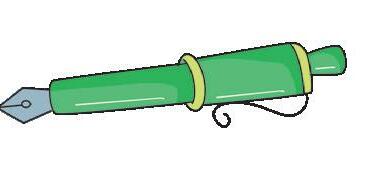
Look at the pictures. Say the words aloud.
big rig
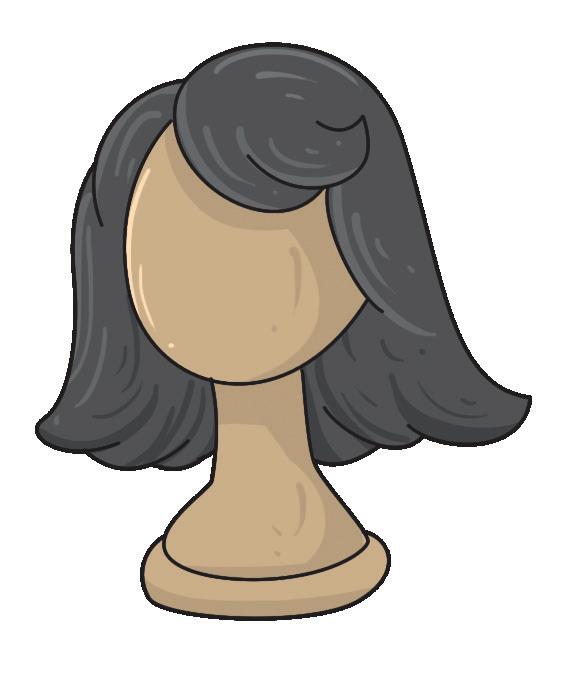
dig jig ig wig
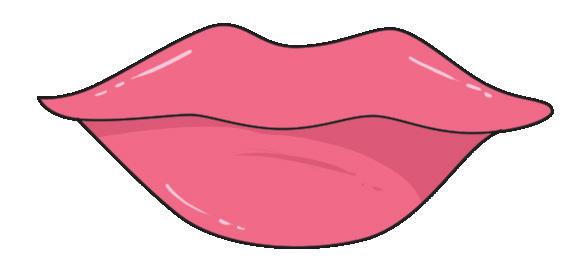
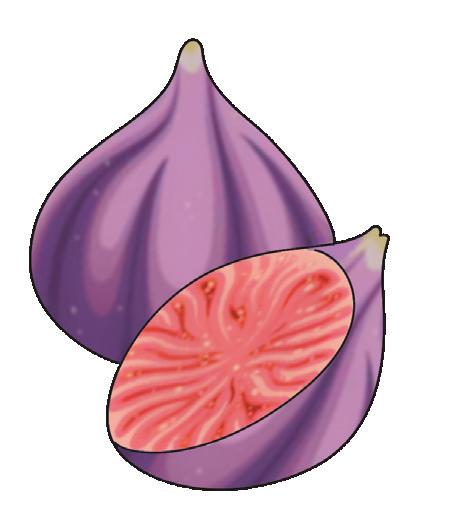
fig zip lip
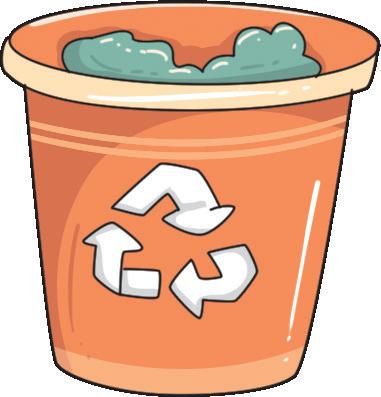
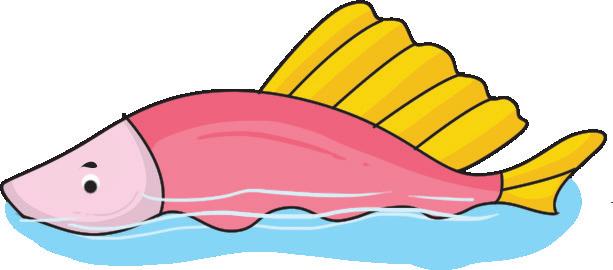
rip tip hip ip
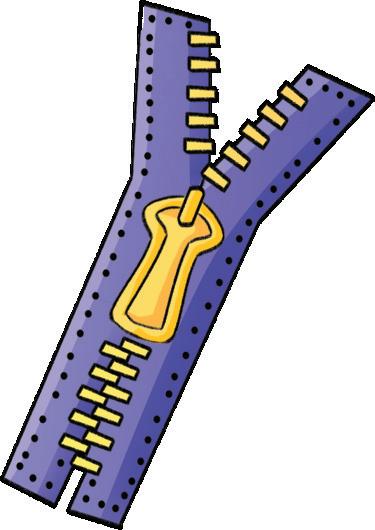
dip nip sip


fin bin pit kit
din win
pin
tin
hit fit
sit lit

ib id im ix
rib fib lid kid nib bib
bid did rid
mid hid
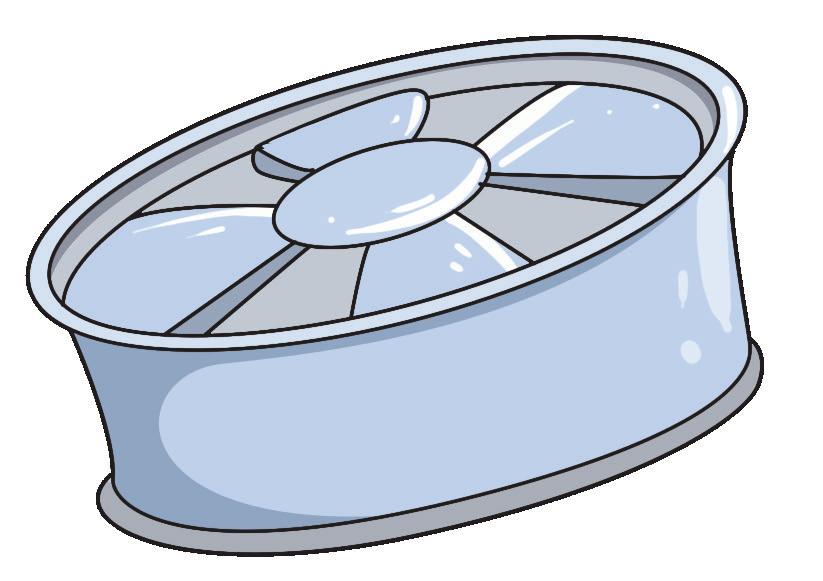
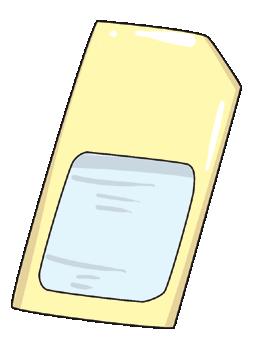
sim

rim mix six
dim him fix
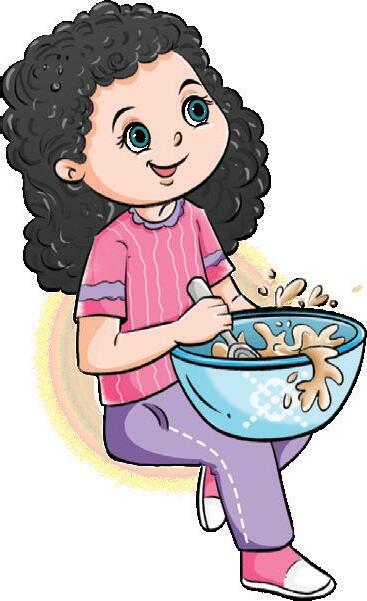
Find and circle the words in the word search puzzle. One has been done for you. lid pit
Look at the pictures and complete the words.
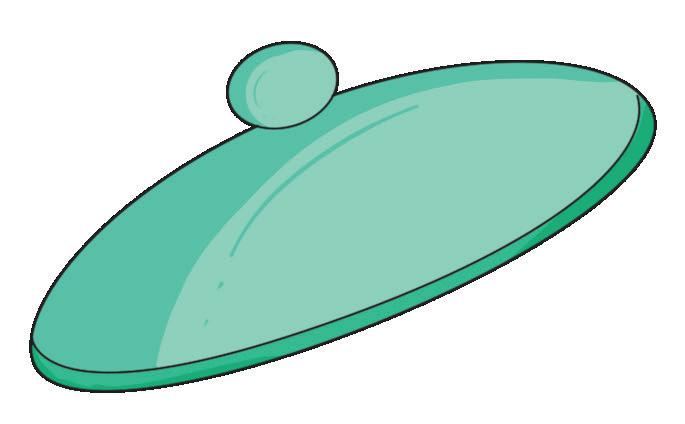
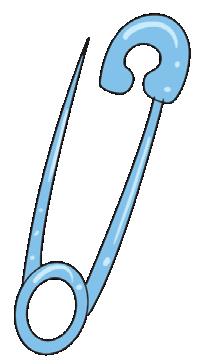

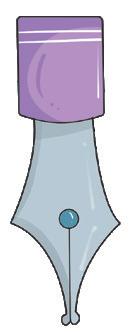
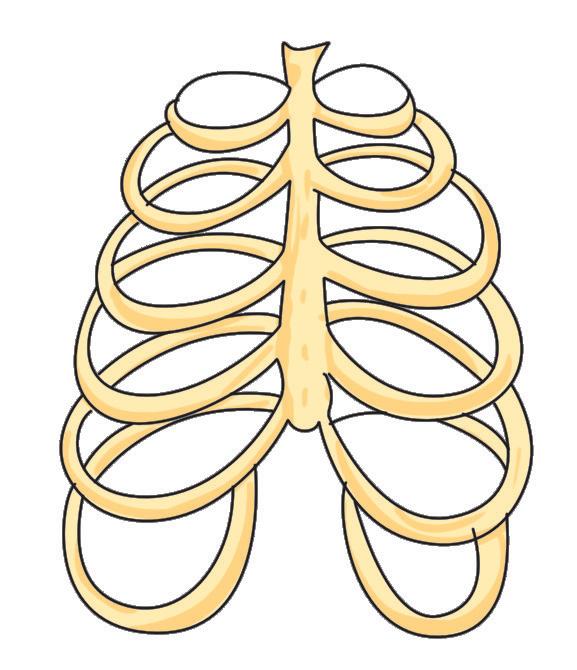



Look at the pictures. Colour the correct words.
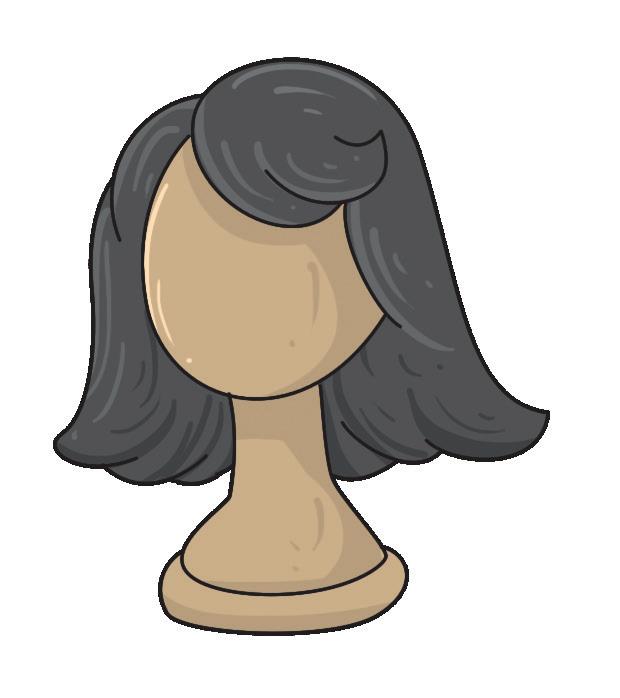
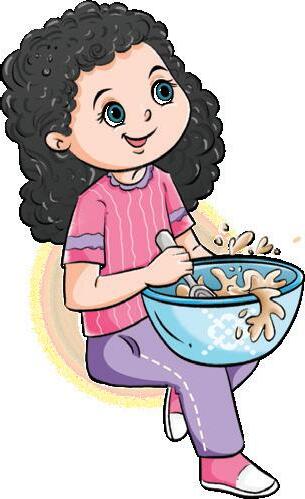

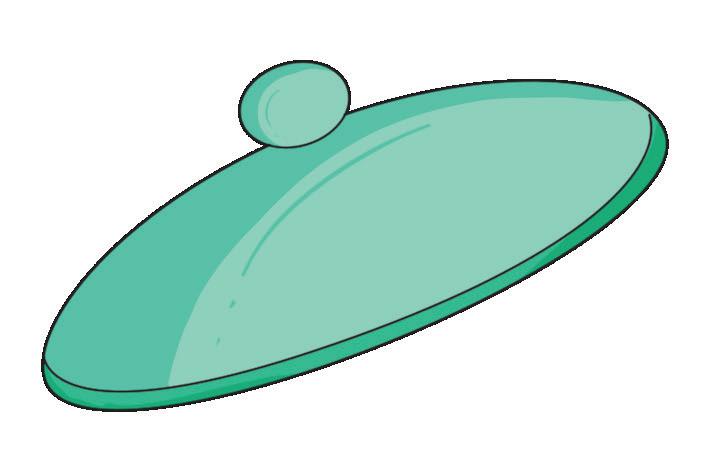
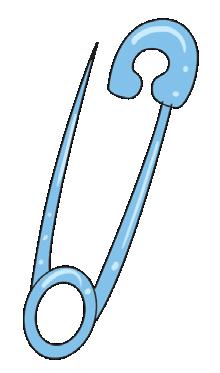

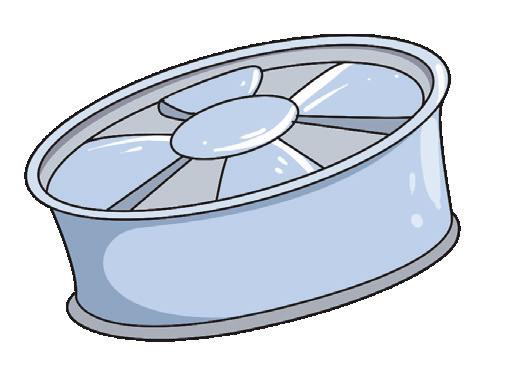
Look at the pictures and circle the correct word.
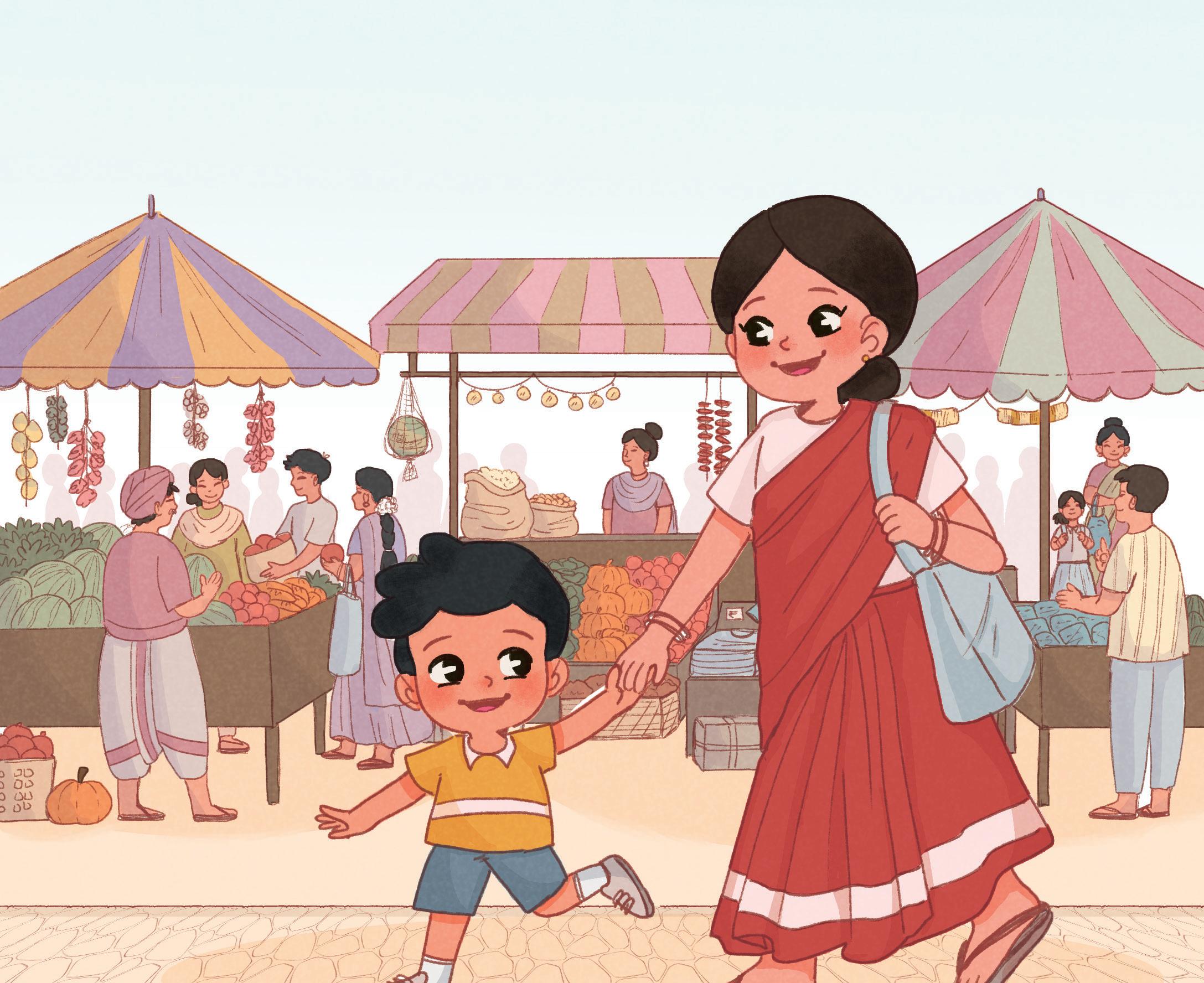

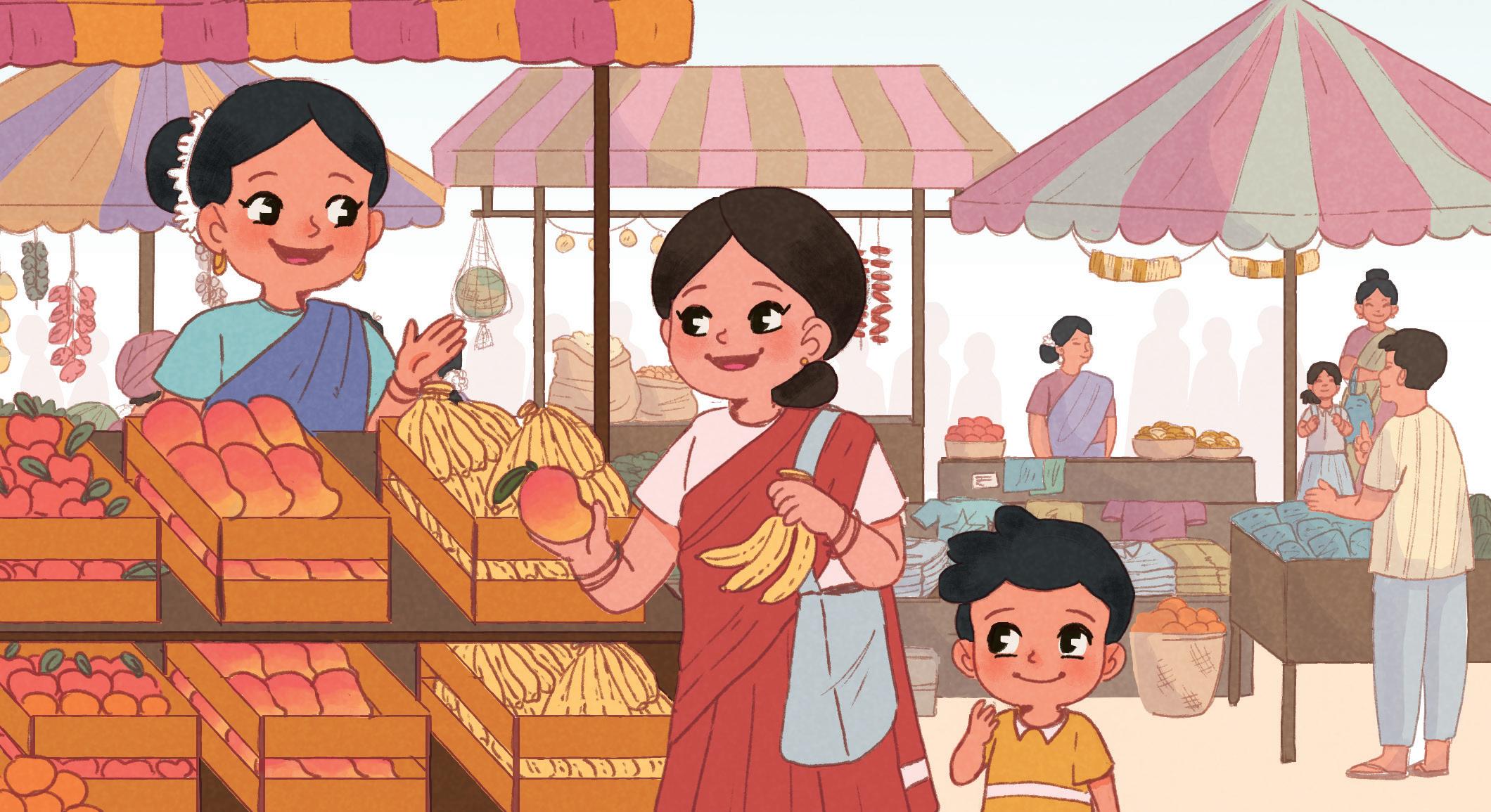
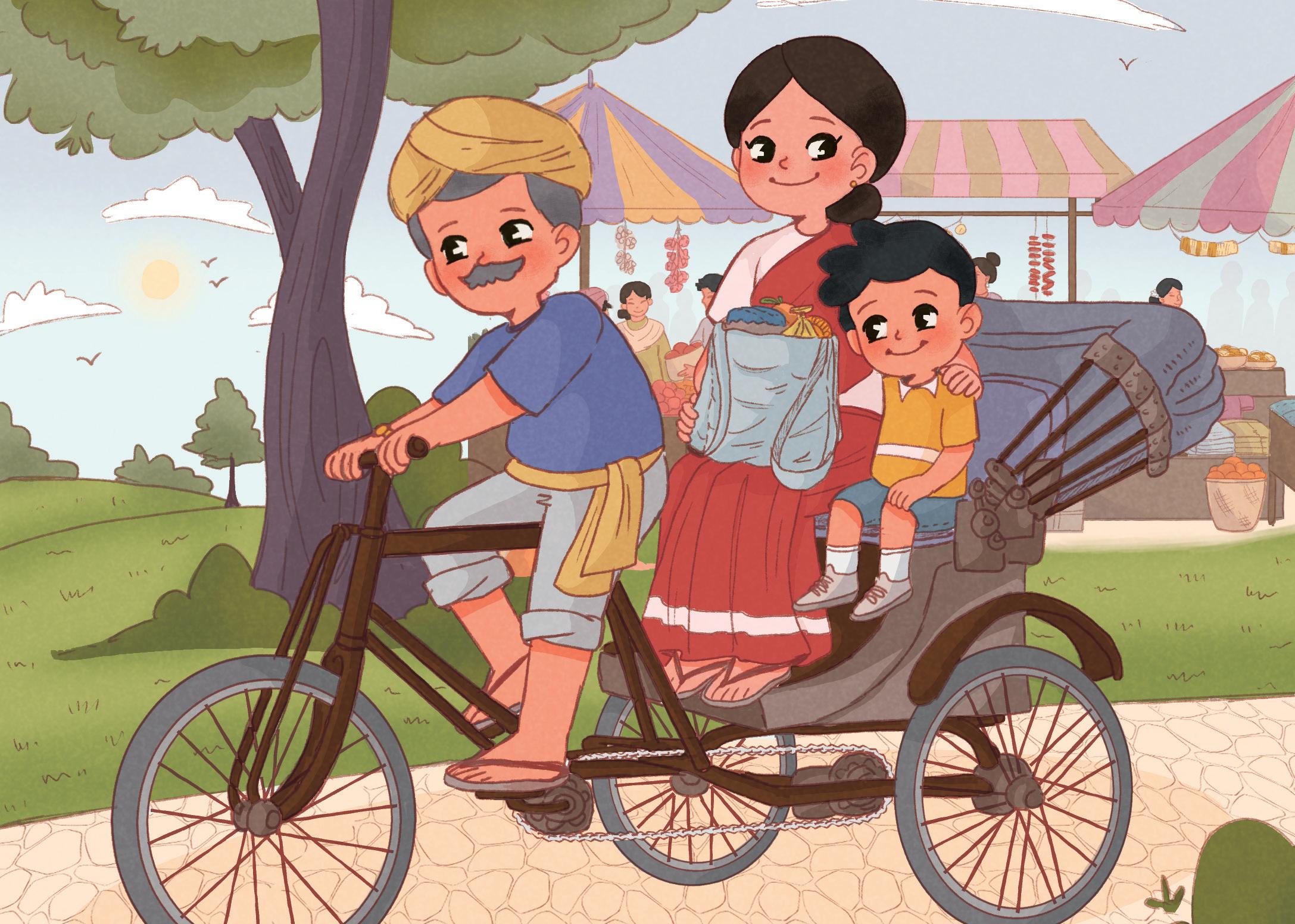
My name is Hira. Amma and I are at the market. Amma buys mangoes. Amma buys bananas.
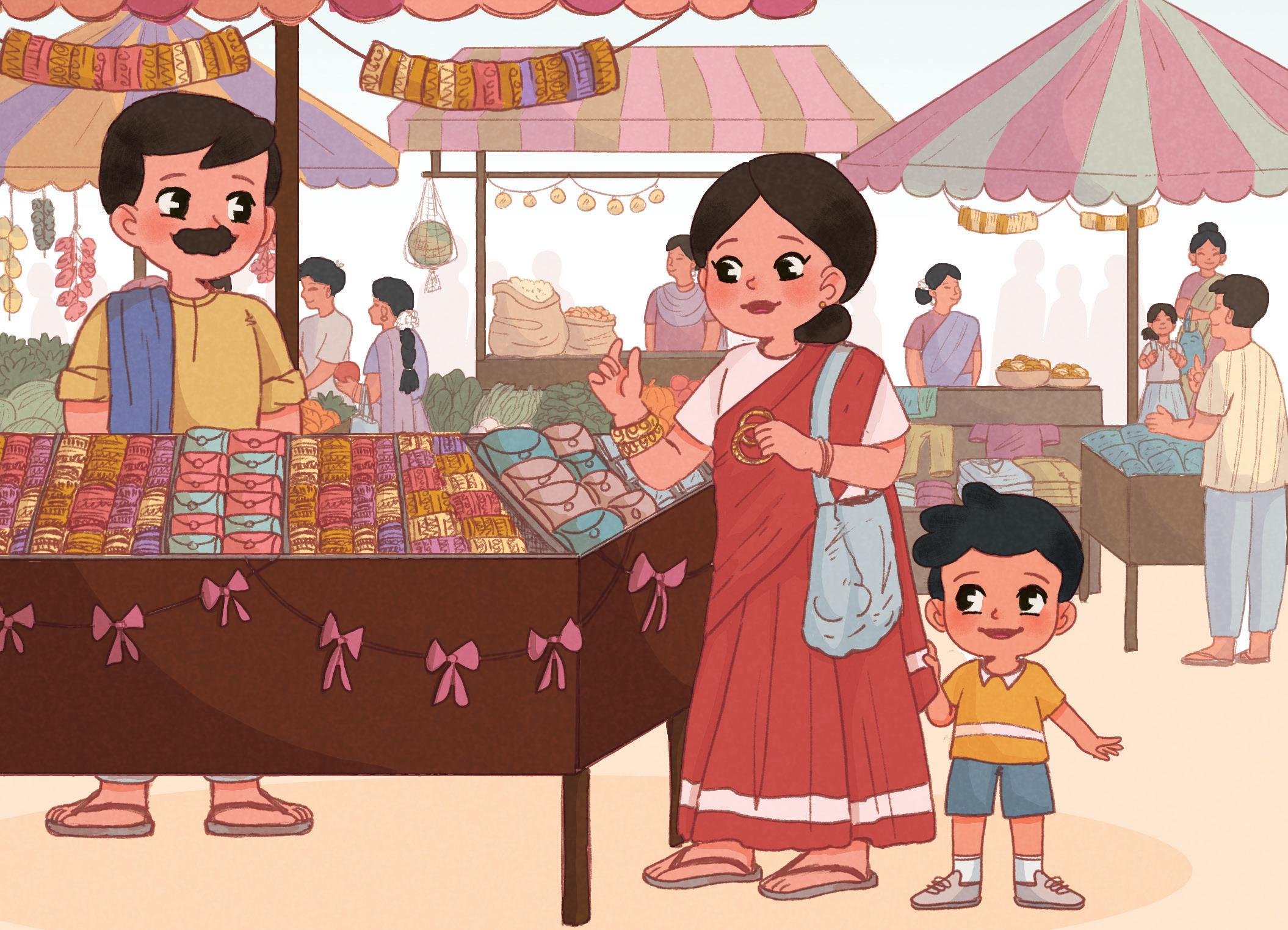
Amma buys colourful bangles.
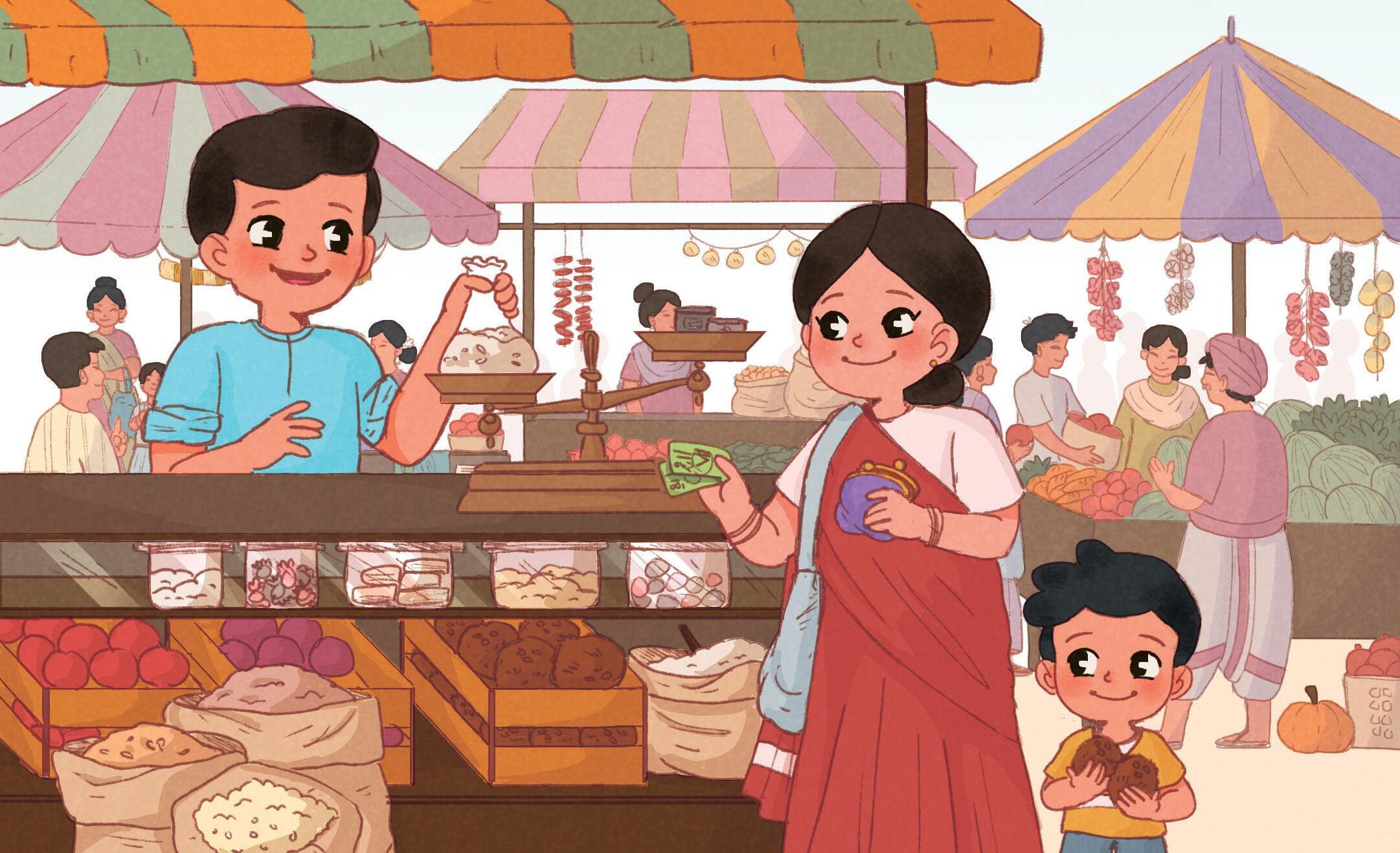
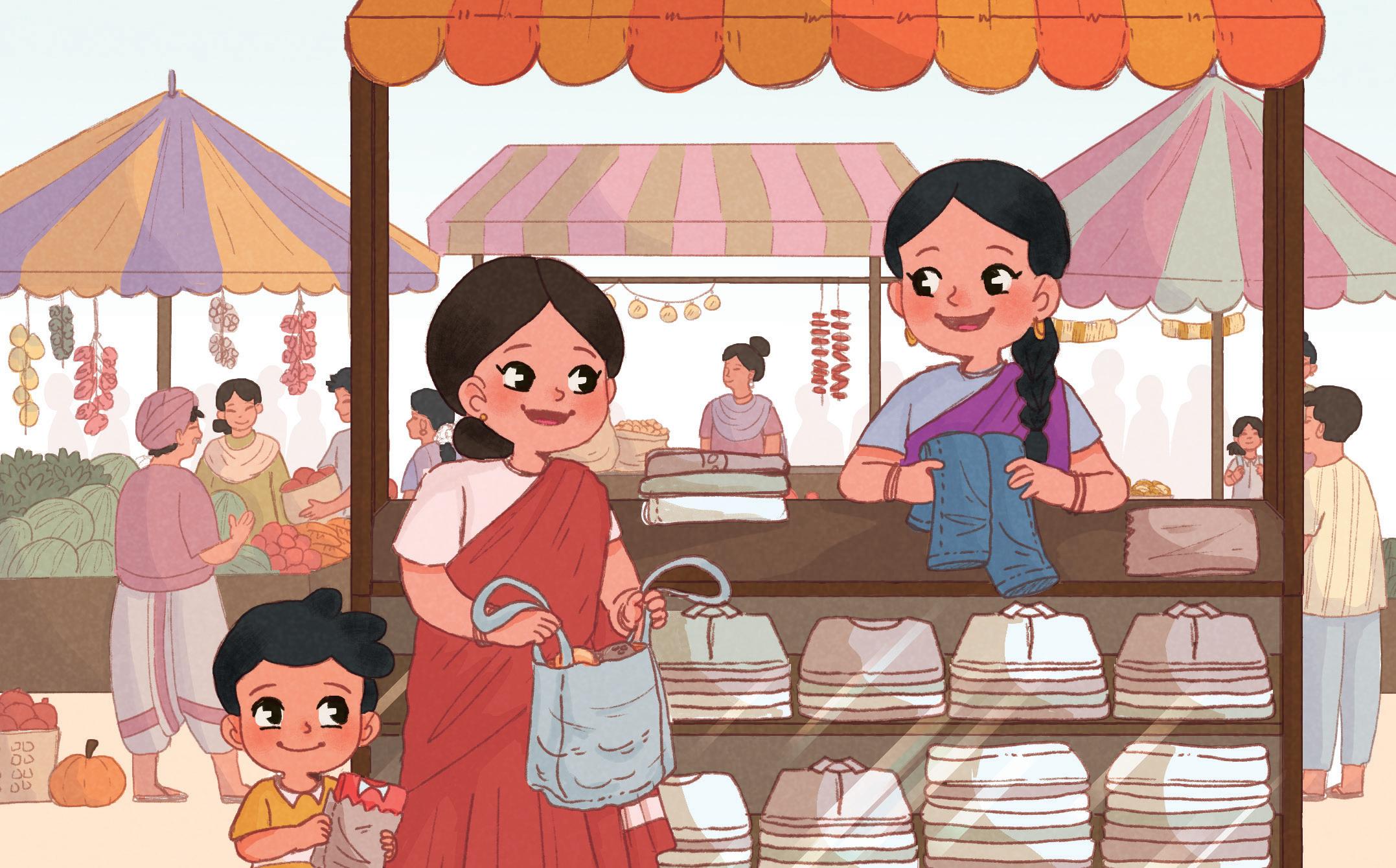
Amma buys a shirt for me. Amma buys a pair of pants for me.
Oh, I am so tired! Amma takes a rickshaw. We go home.
Let's Talk
1. What did Amma buy for Hira?
2. What different things do you see when you go to the market?
3. What do you like to buy from the market?
Look at the pictures. Say the words aloud.
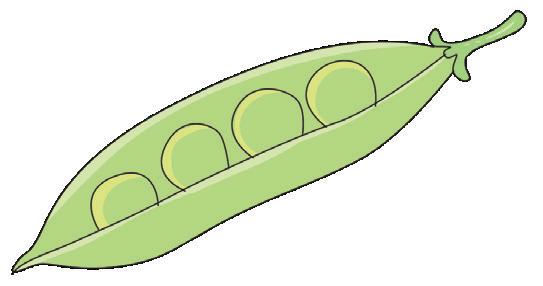
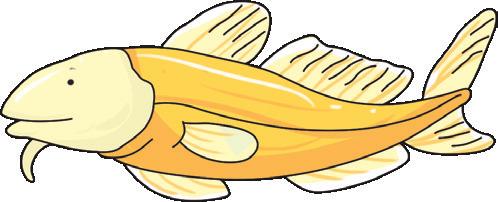
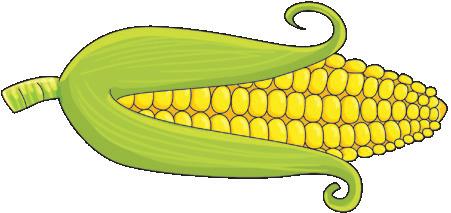
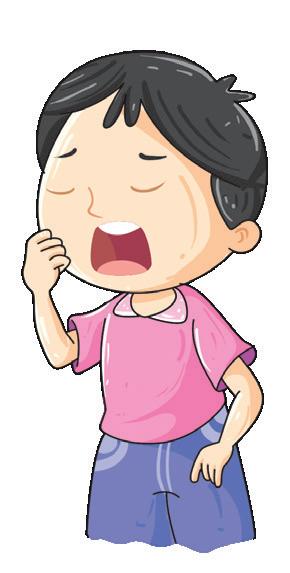
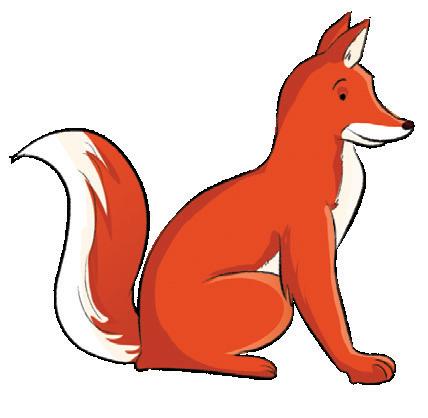

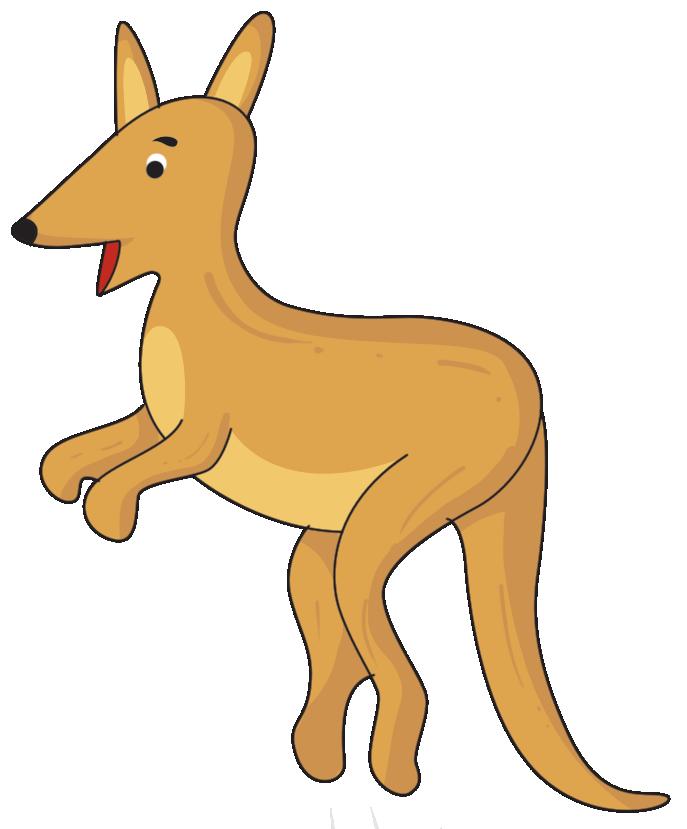
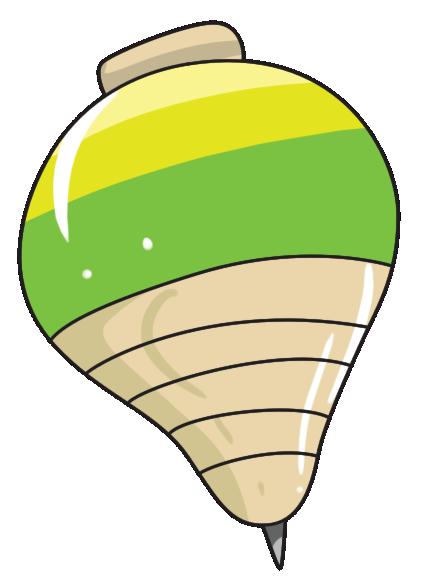
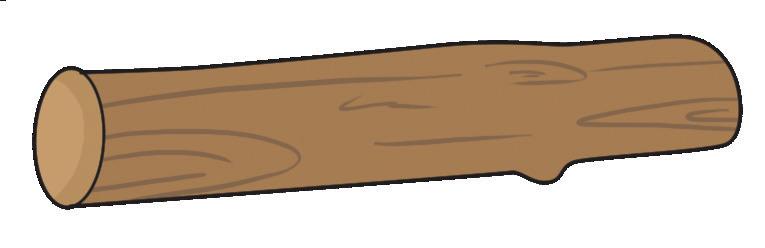
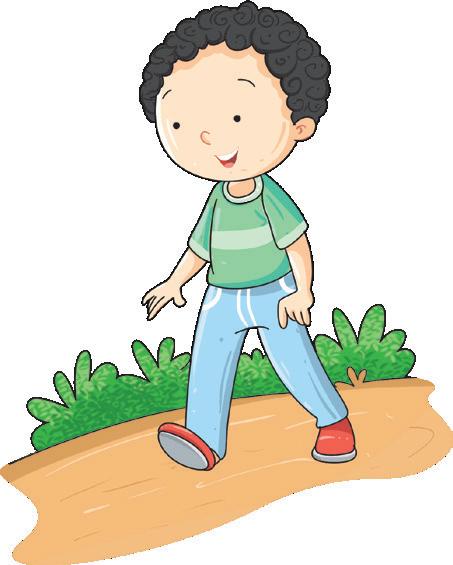
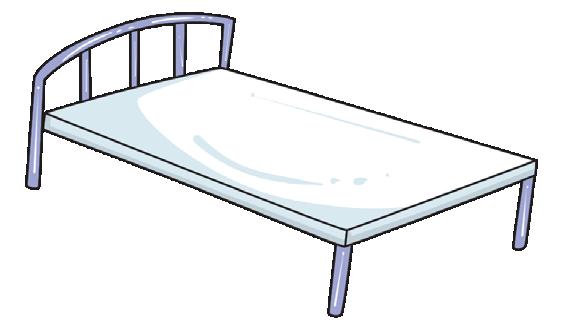
log cot
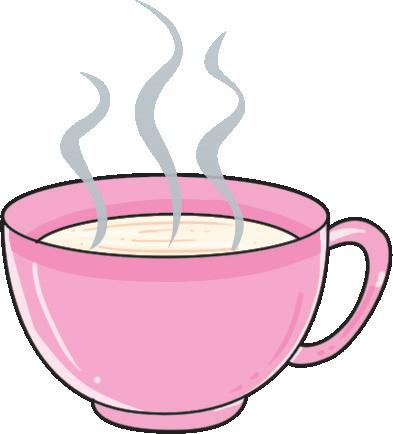
dog bog
jot dot not pot tot jog hot
rot lot got
Match the words that are the same.
Find and circle the words in the word search puzzle. One has been done for you
Look at the pictures and complete the words.
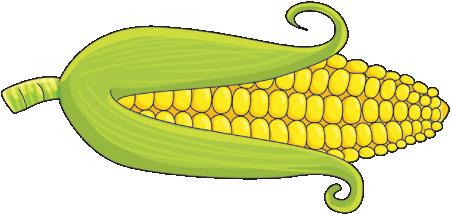
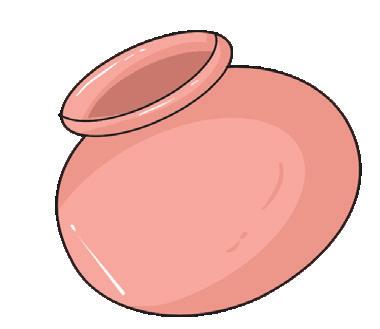
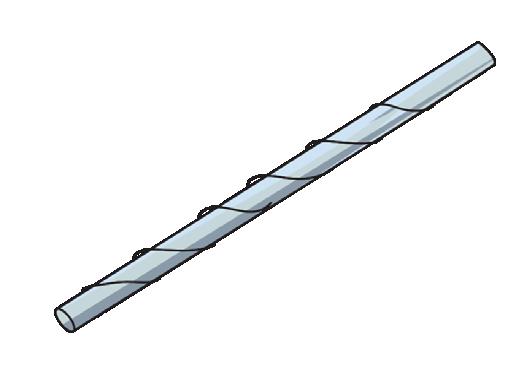
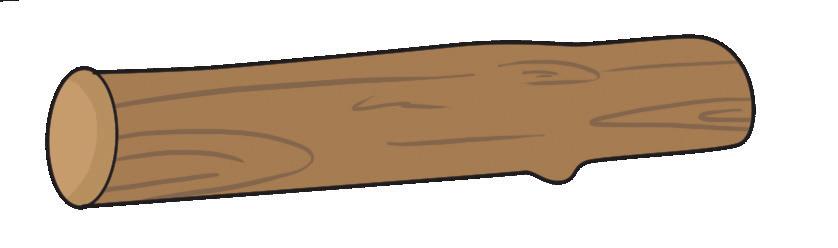
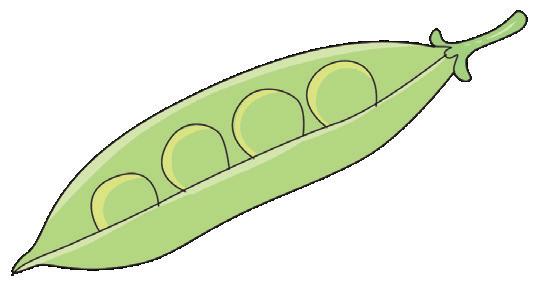
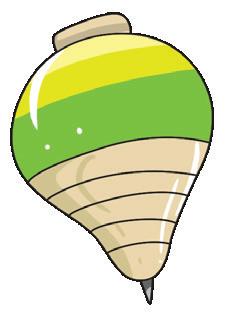
Read and colour.
red box
Look at the pictures and complete the puzzles.
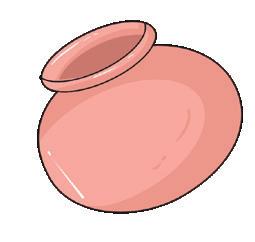
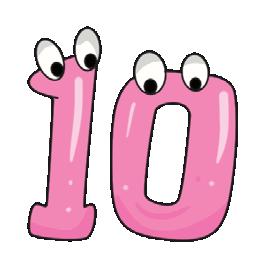

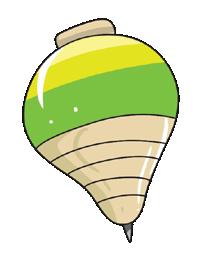
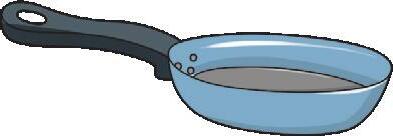
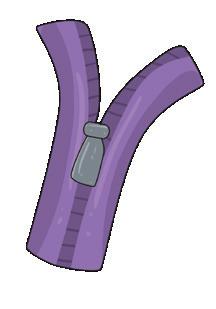
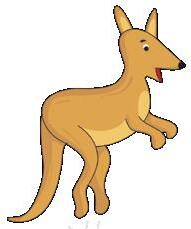
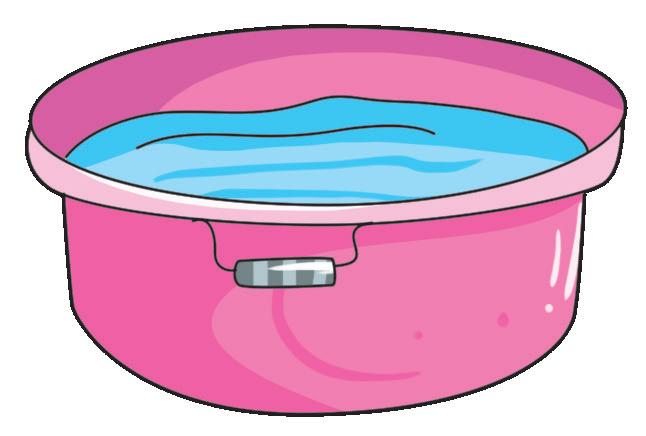
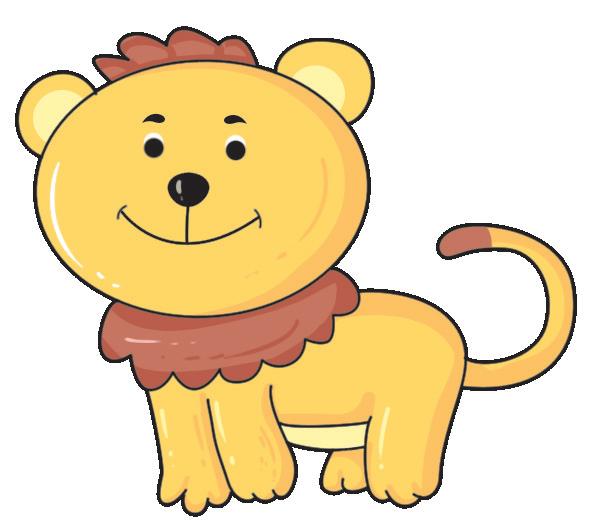
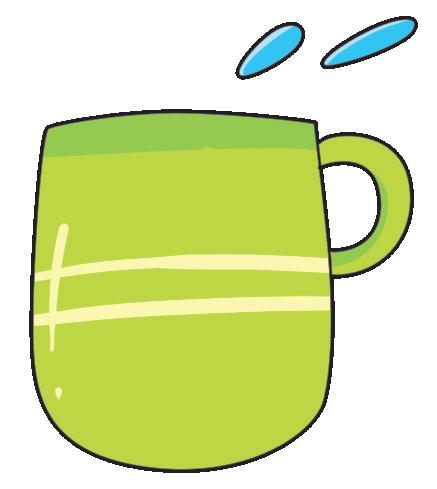
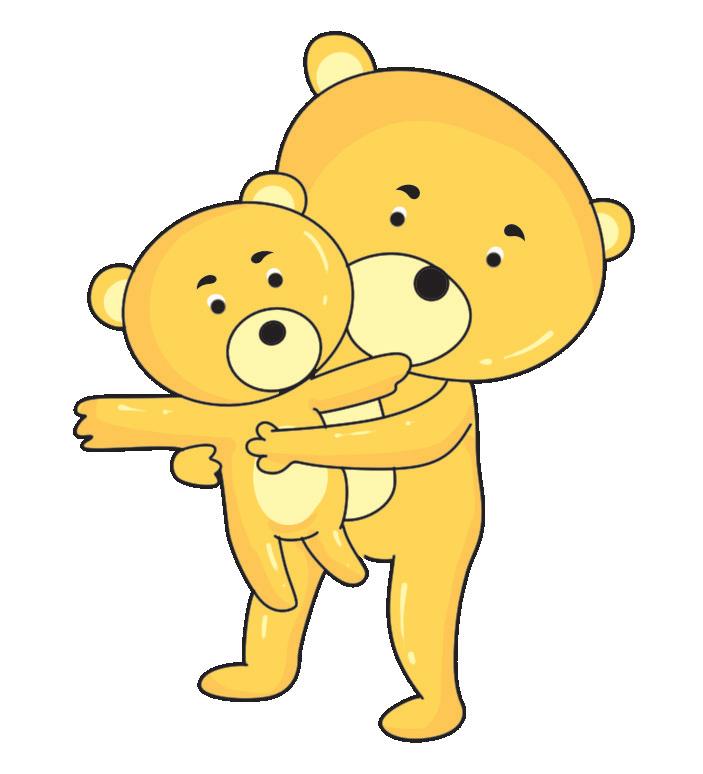
cub tub hug mug
hub rub dub

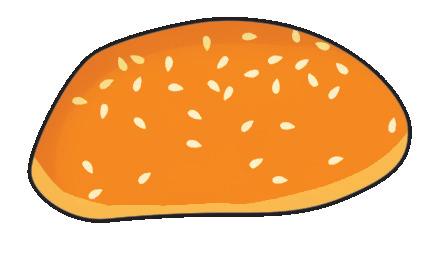
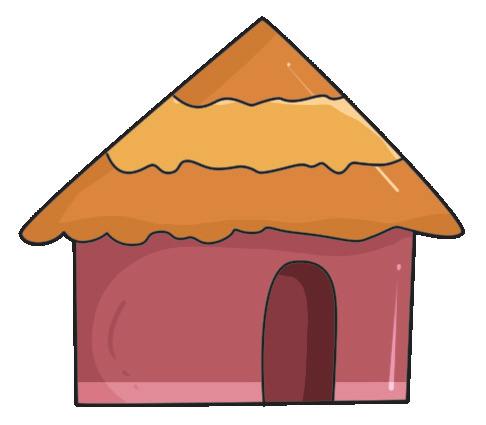
Look at the pictures. Say the words aloud. nut but cut hut
rug bug jug tug
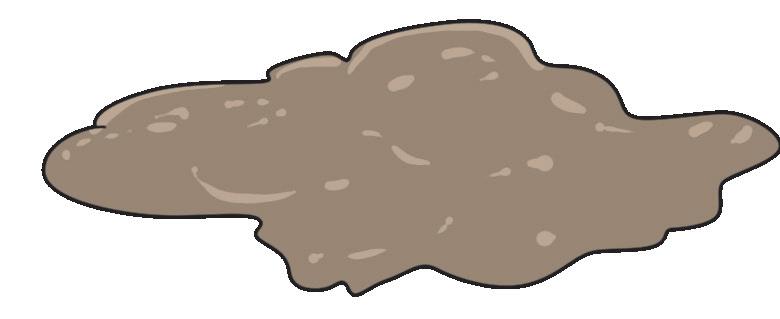
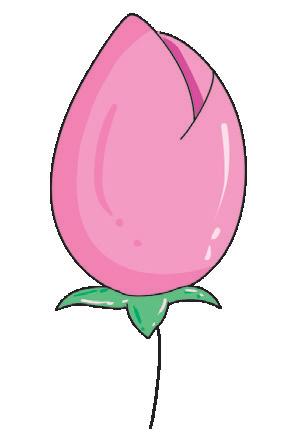
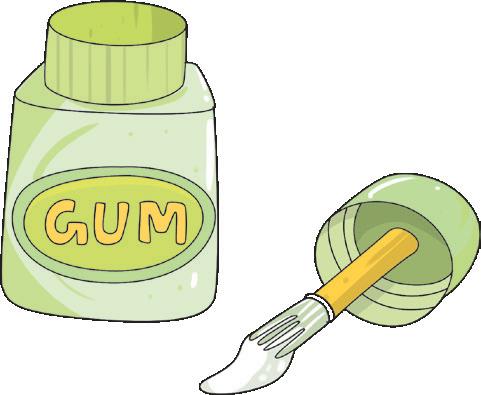
yum hum mum




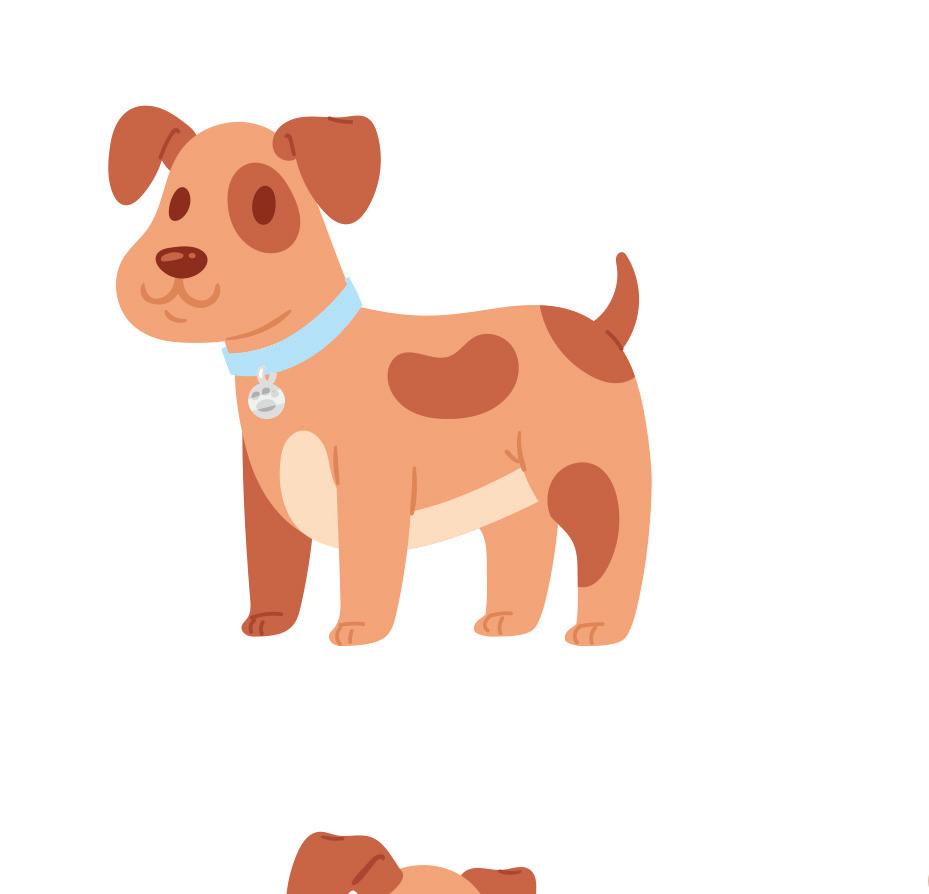
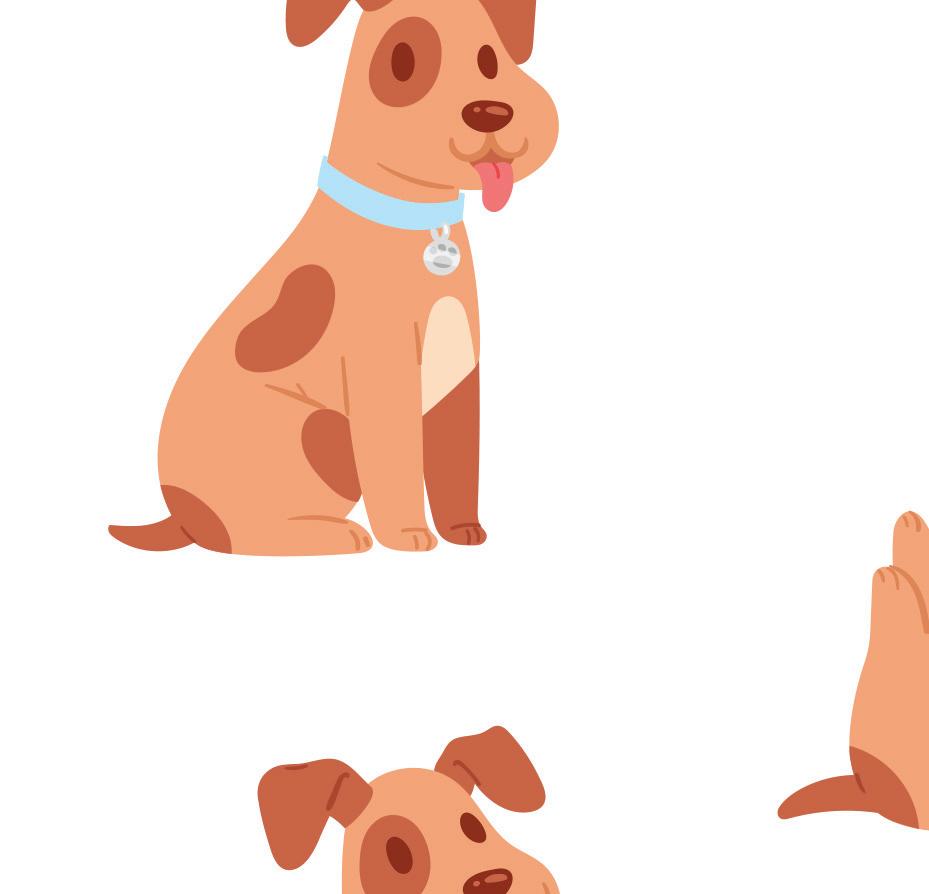

Look at the pictures and complete the puzzles.
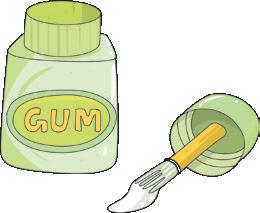
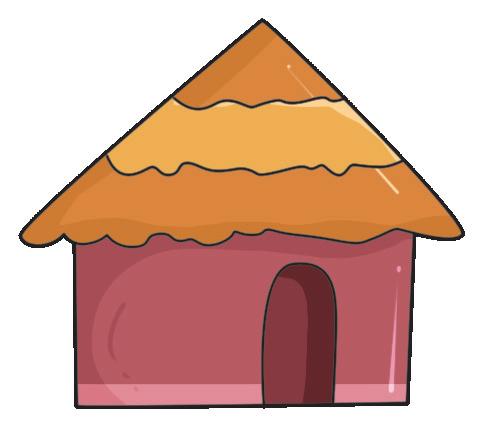
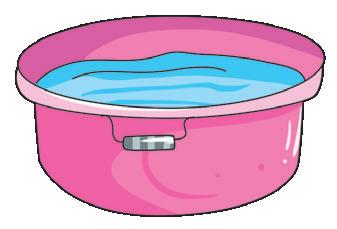

Look at the pictures. Colour the correct words.



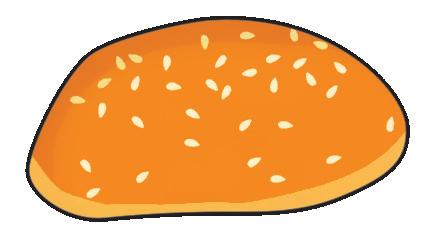
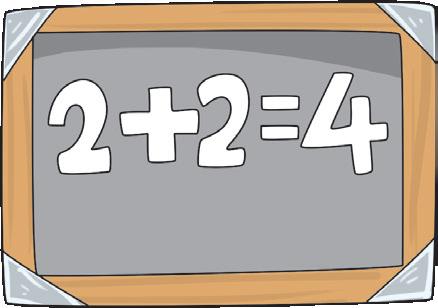
Match the pictures with the correct words.
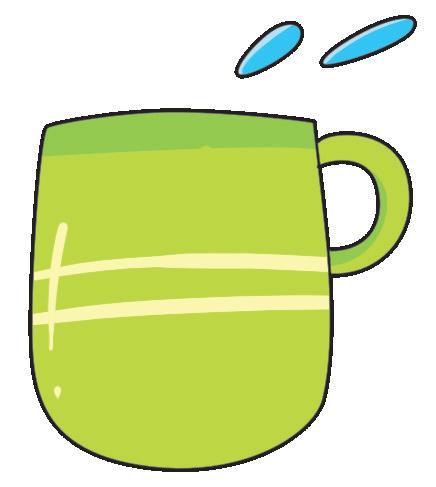

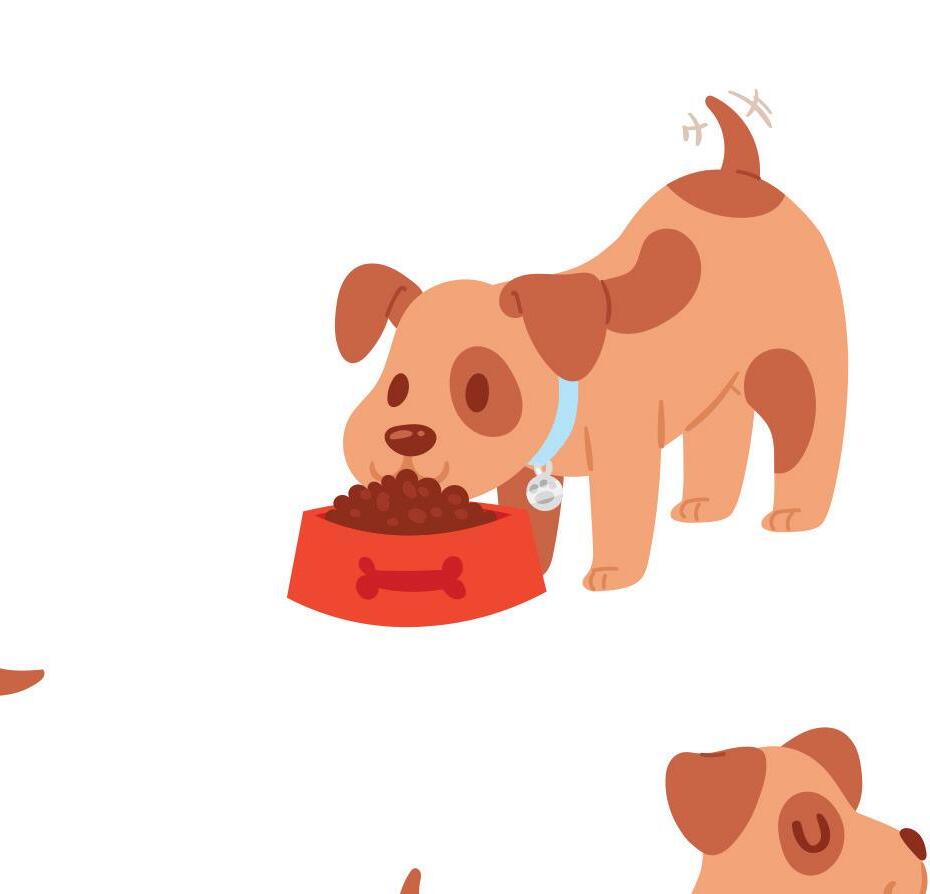
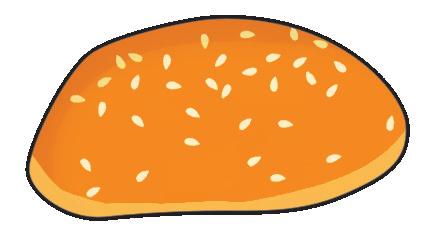
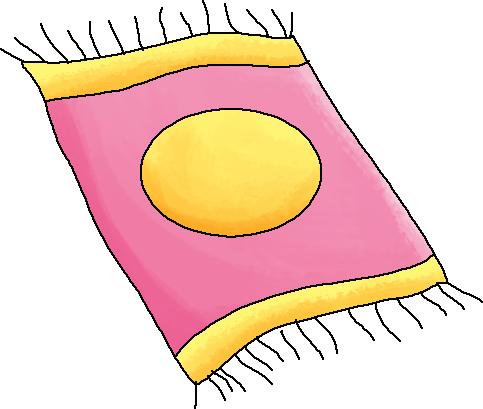
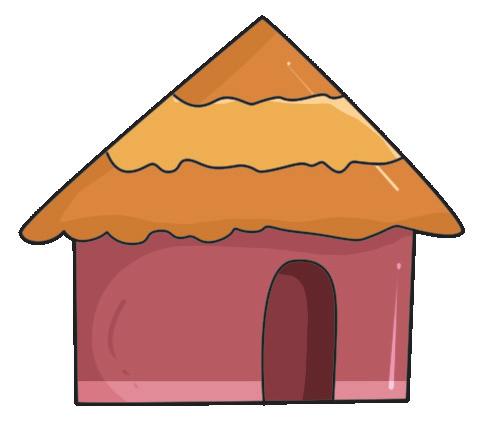
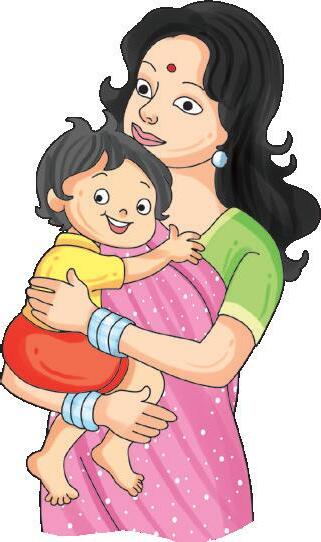
Say the name of each picture. Then write its first and last letter.
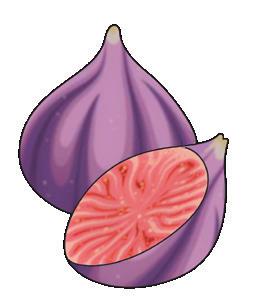
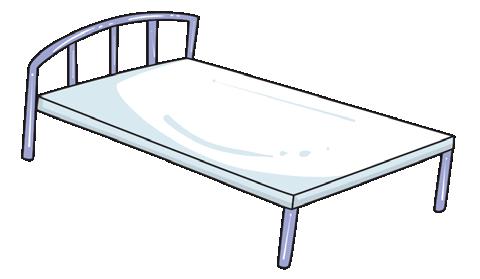
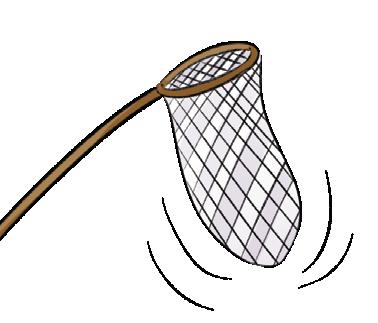
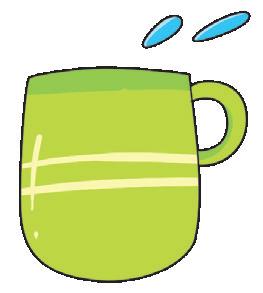
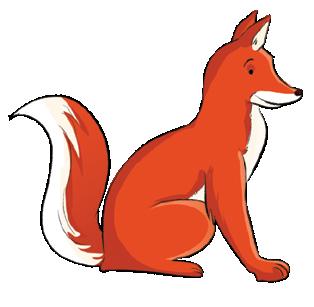
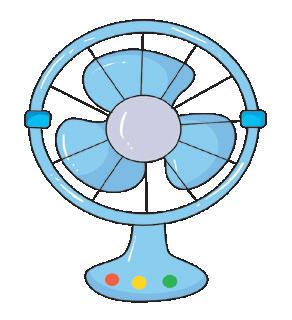
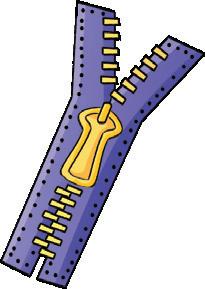
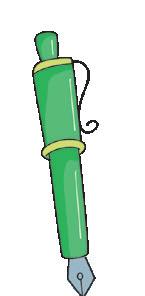
Look at the pictures. Write the names in the correct column. The first row has been done for you.
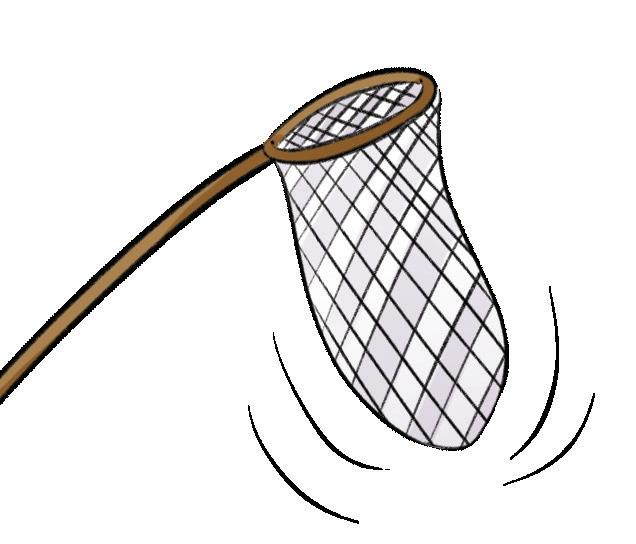
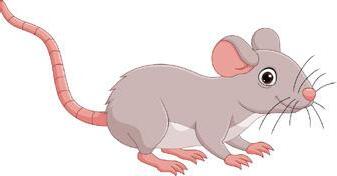
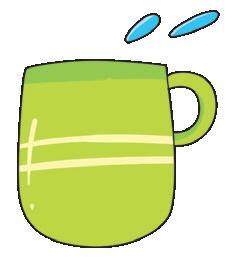
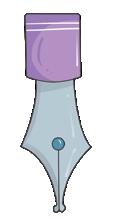
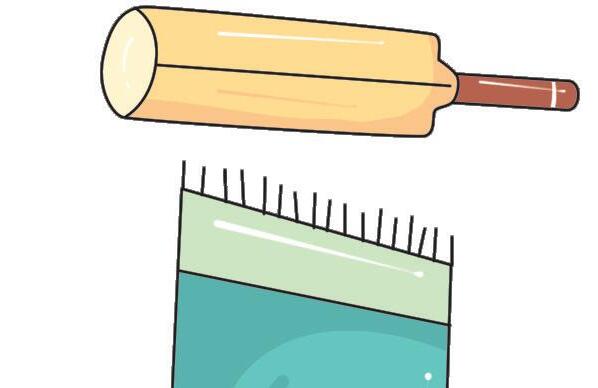
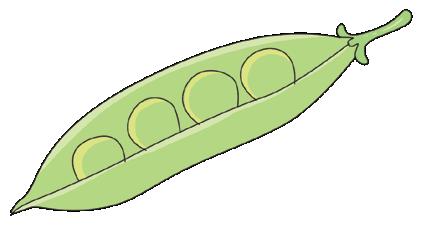
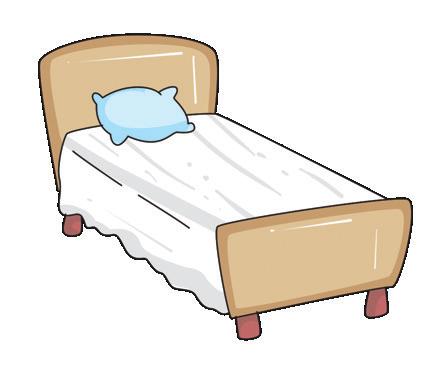
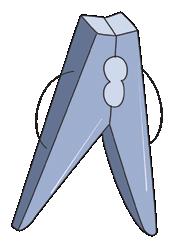
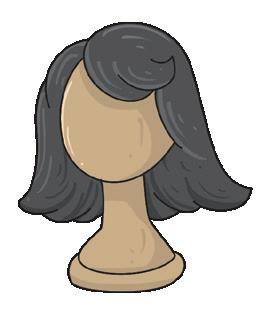
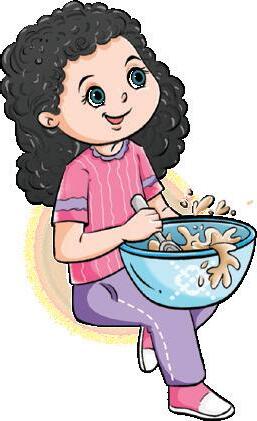
rat net dog wig mug
Fill in the blanks using the picture clues.
1.





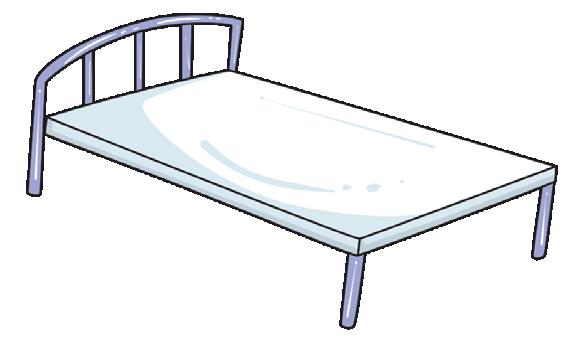
Match the sentences with pictures.
The cat had a nap.
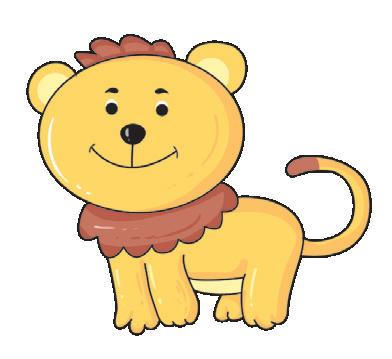
The cub is big.
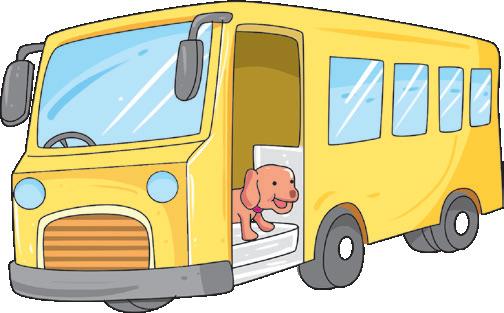
We sat in a bus.
The pan is hot.
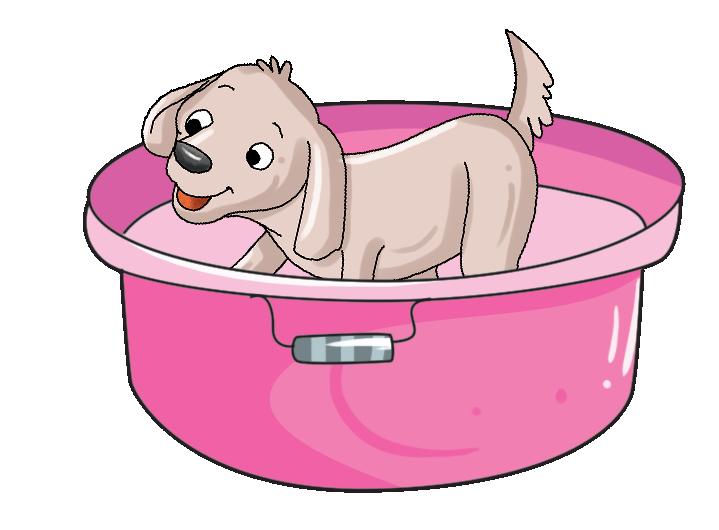
The pup is in a tub.



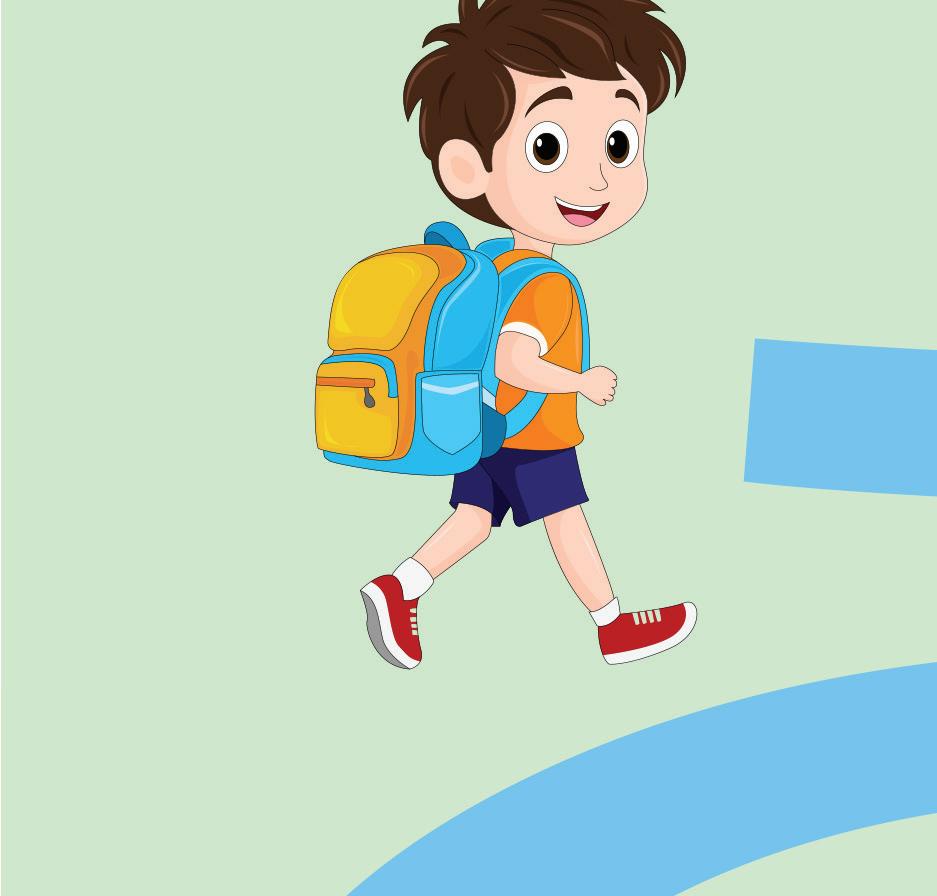



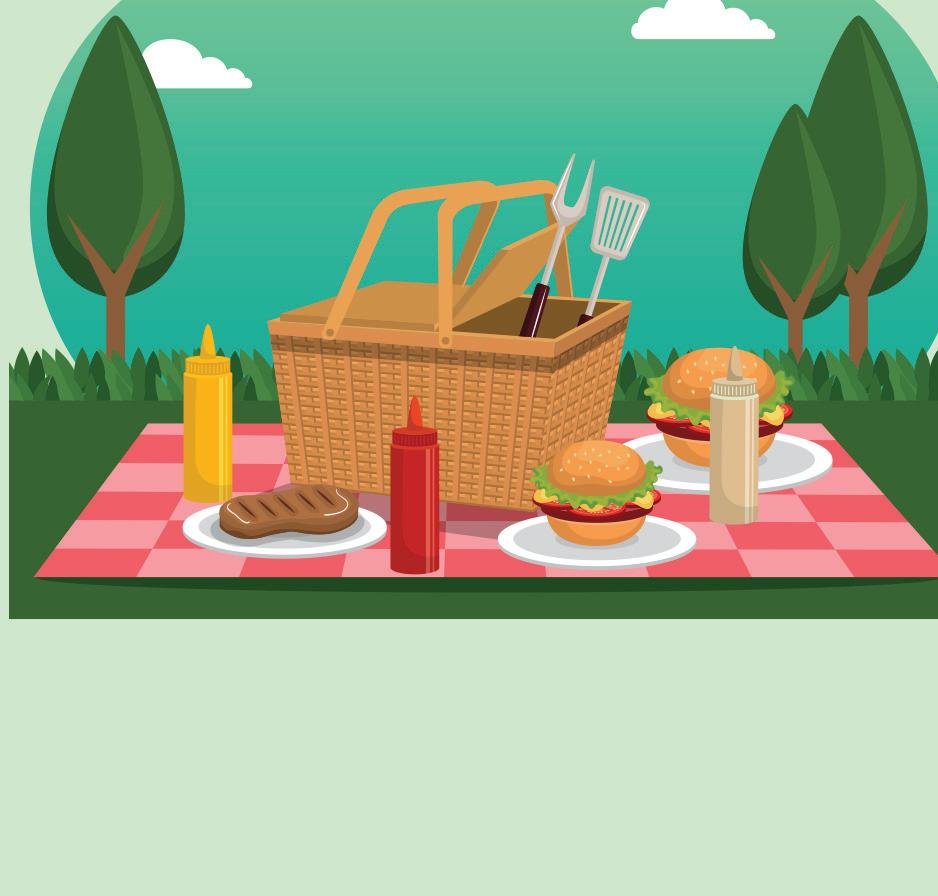
Read the CVC words. Trace the path to help the boy collect and pack his picnic bag.








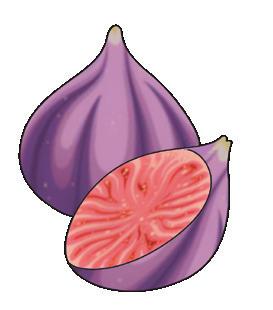



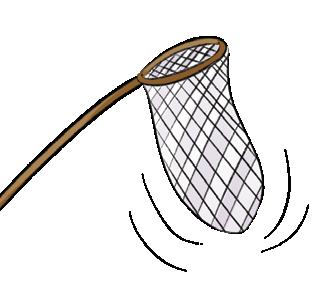


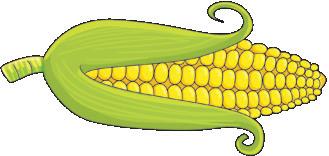

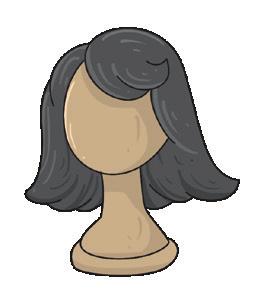








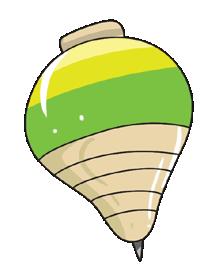


















The words that have the same ending sounds are called rhyming words. For example, ‘mat’ and ‘rat’.
Circle the rhyming words. One has been done for you.
‘This’ is a word we use when we talk about a thing that is near us.
‘That’ is a word we use when we talk about a thing that is far from us. Read and understand.
This is a top.
That is a cod.
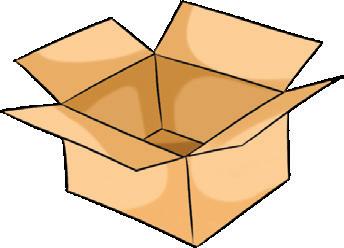
This is a box.
That is a dog.
’ is a word we use when we talk about a thing that is near us.
This is a n
What is this? Writ his is a le
‘That’ is a word we use when we talk about a thing that is far from us.
That is a bin.
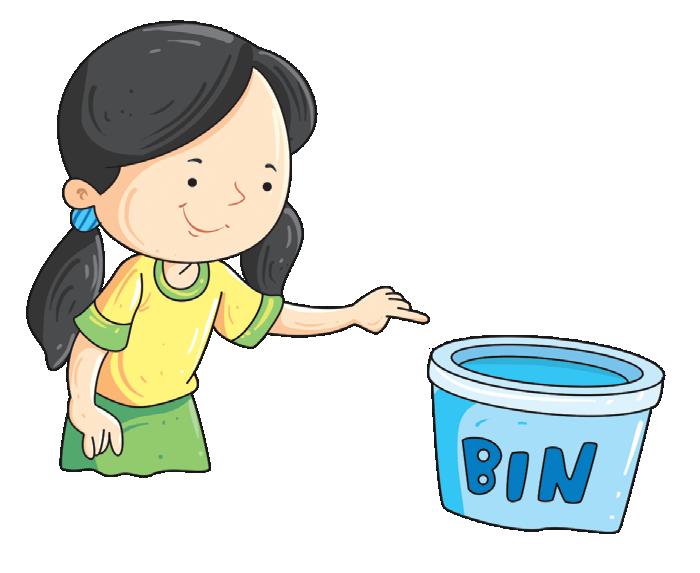
What is that? Write sentences. Tha is a i .
Tha is a bib.
Tha is a lid.


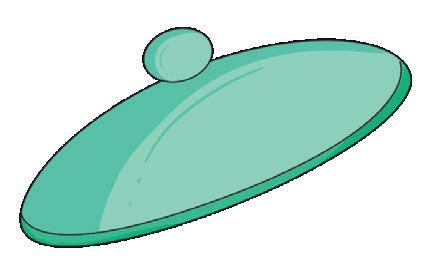
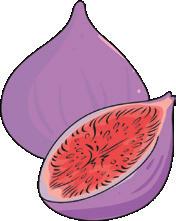
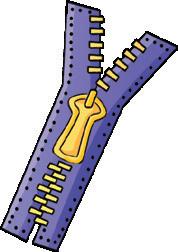
If we see a cat, we say, It is a cat.
‘It’ is used for
plants, animals and things.
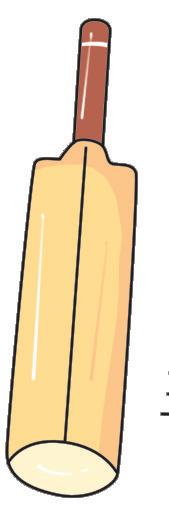
Read, understand and write sentences using ‘It is...’. I is a a I is a can.

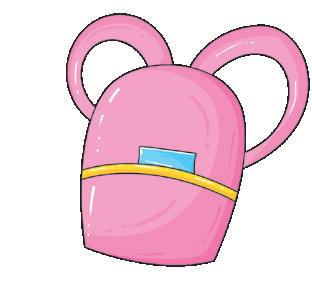
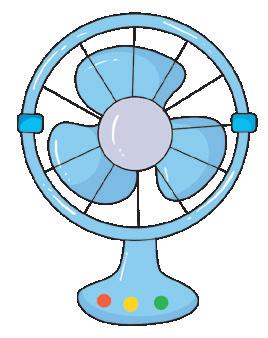
is a a . 1. 2. 3. 4. 5.
Circle ‘This’ or ‘That’. Read and colour the pictures.
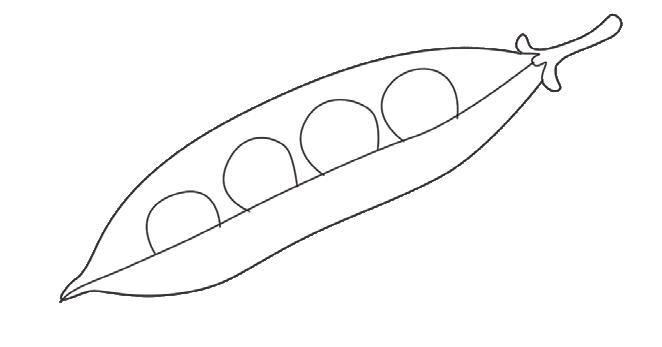
This / That is a pod. It is green.
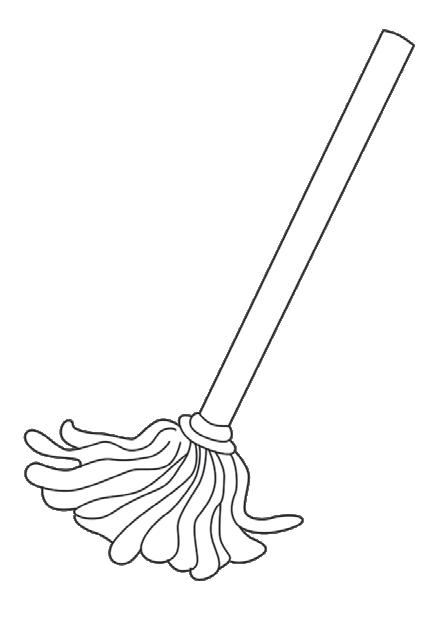
This / That is a mop. It is yellow.
This / That is a fox. It is orange.
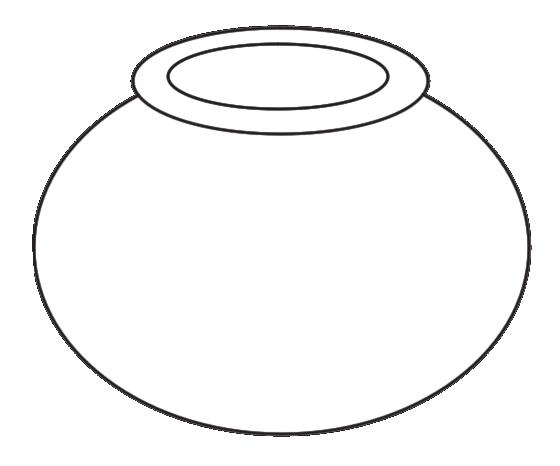
This / That is a pot. It is brown.
Blends are two or more consonants that come together, and you can still hear the sound of each letter, like ‘pl’ in plum or ‘cl’ in clap.
Read the words that begin with cl, fl, pl, sl.







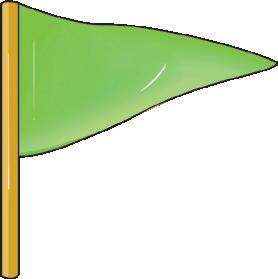
Tell children about our national flag and discuss its three colours.


Write the starting blends.












These words begin with cr, dr, fr, pr. Read them aloud.
ab
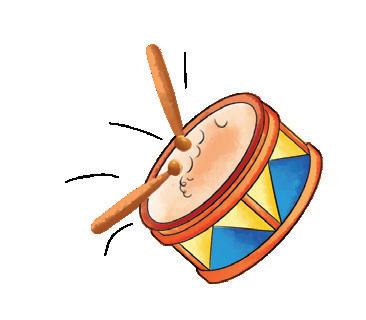
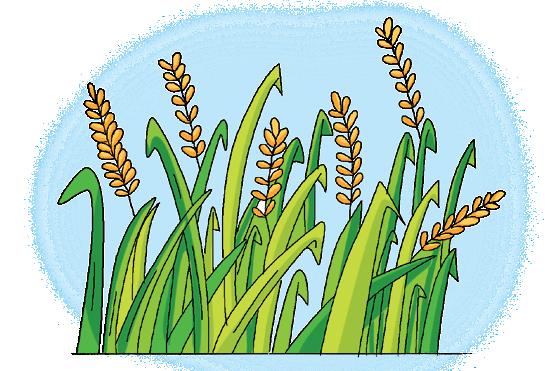
op
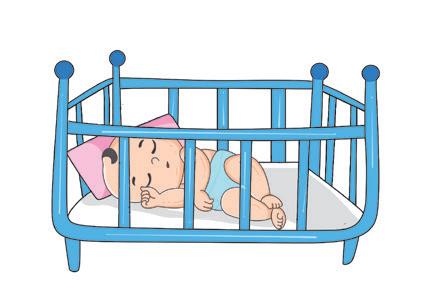
ib

op
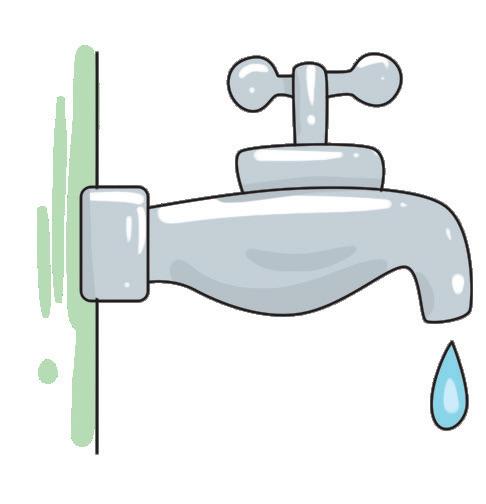
ip

Write the starting blends.

These words begin with sp, sk, st, sn. Read them aloud.

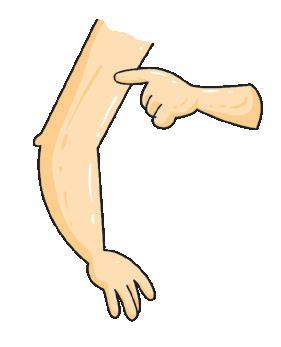
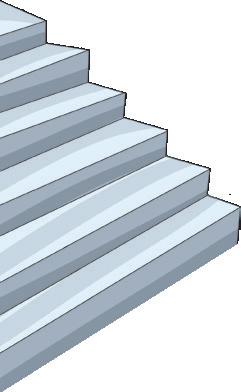
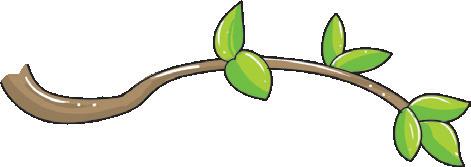



Write the starting blends.

These words end with ng, nt, nk, nd. Read them aloud.
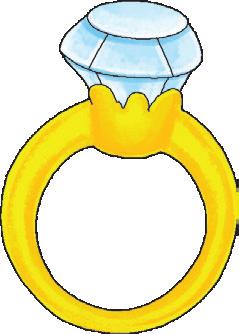
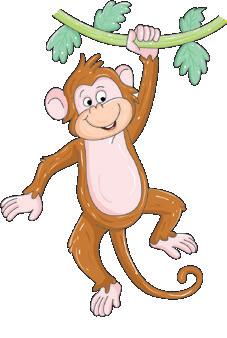







Match the words with the pictures.

These words end with mp, ft, lt, sk, st. Read them aloud.








jump


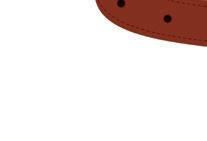
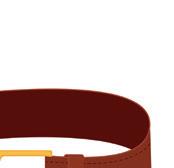
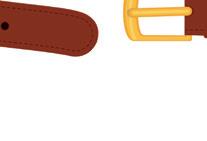







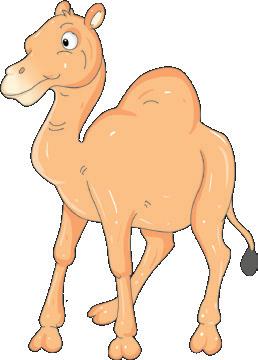
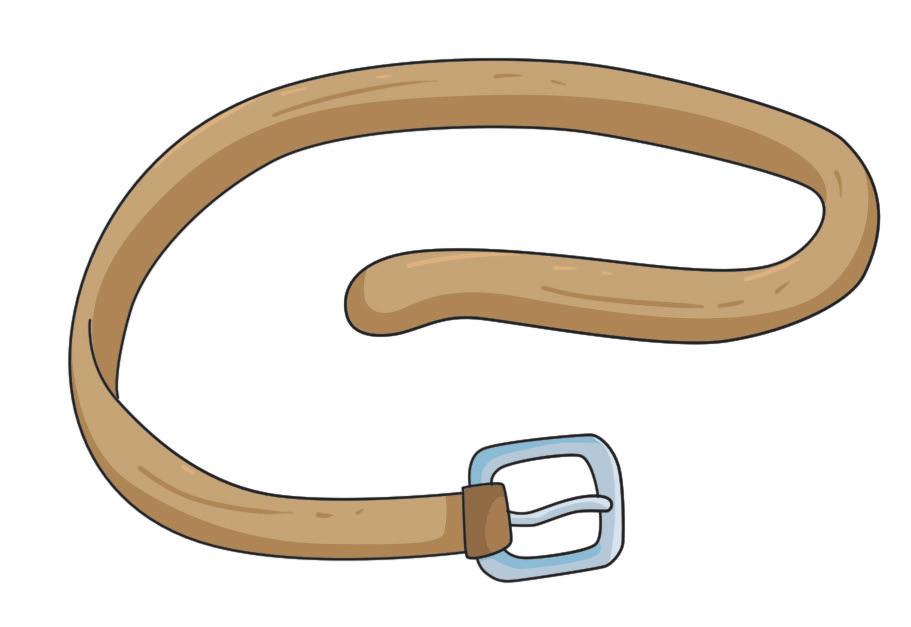
left belt desk nest camp lift melt mask rest hump gift salt tusk fist mp ft lt sk st




































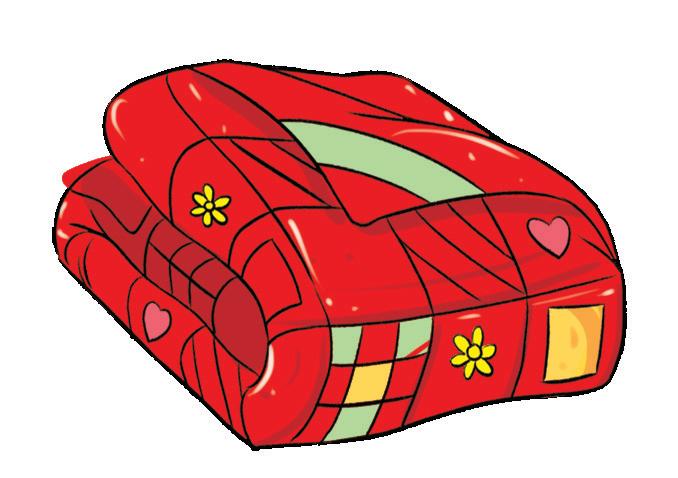
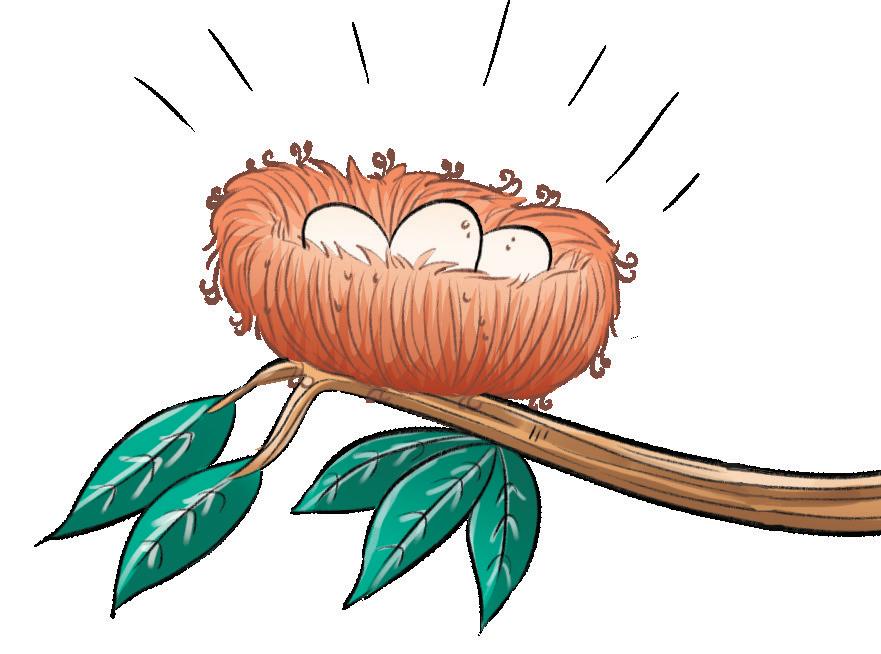





Look at the pictures and complete the words. me ne sa e i u ve












ju e
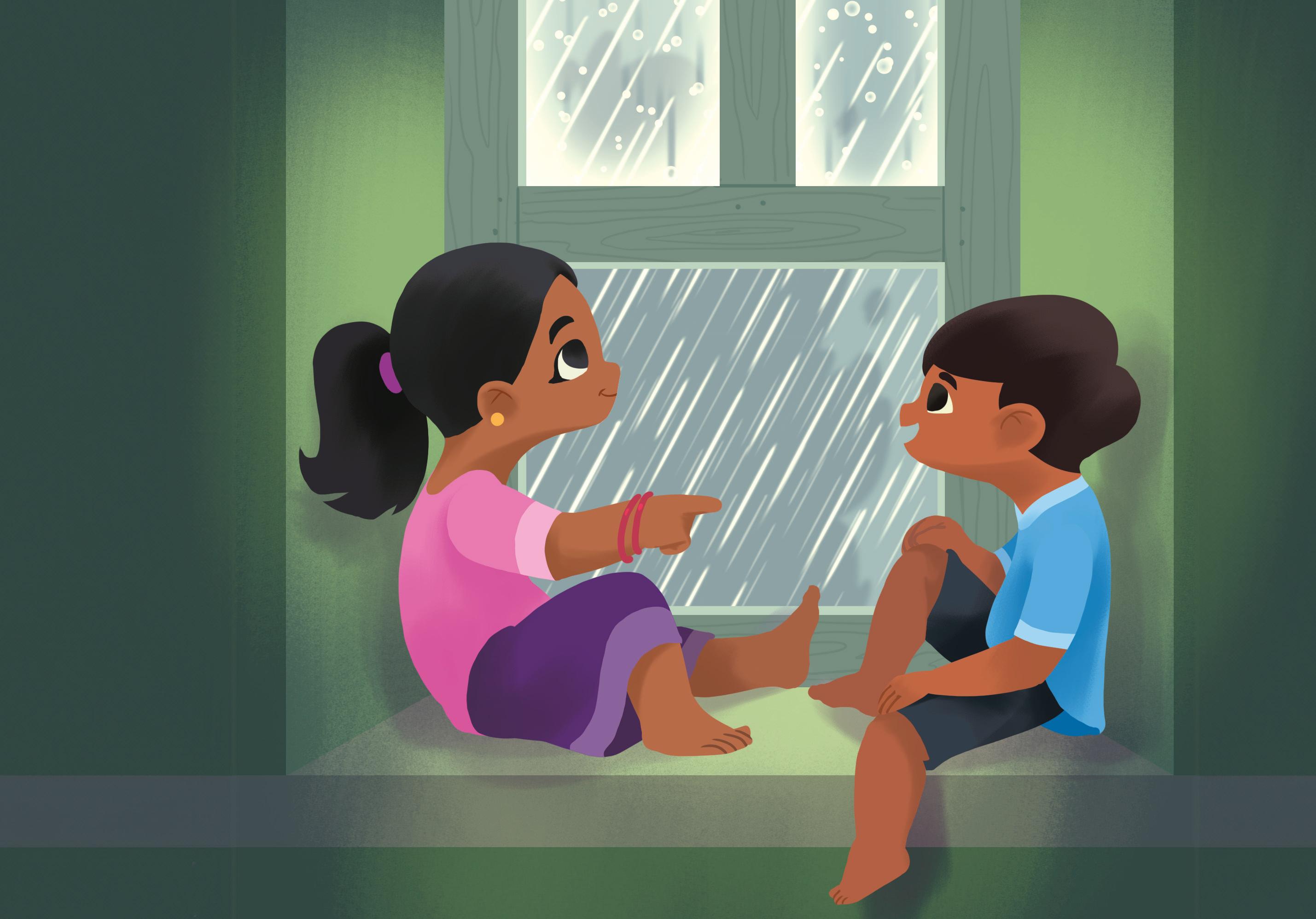

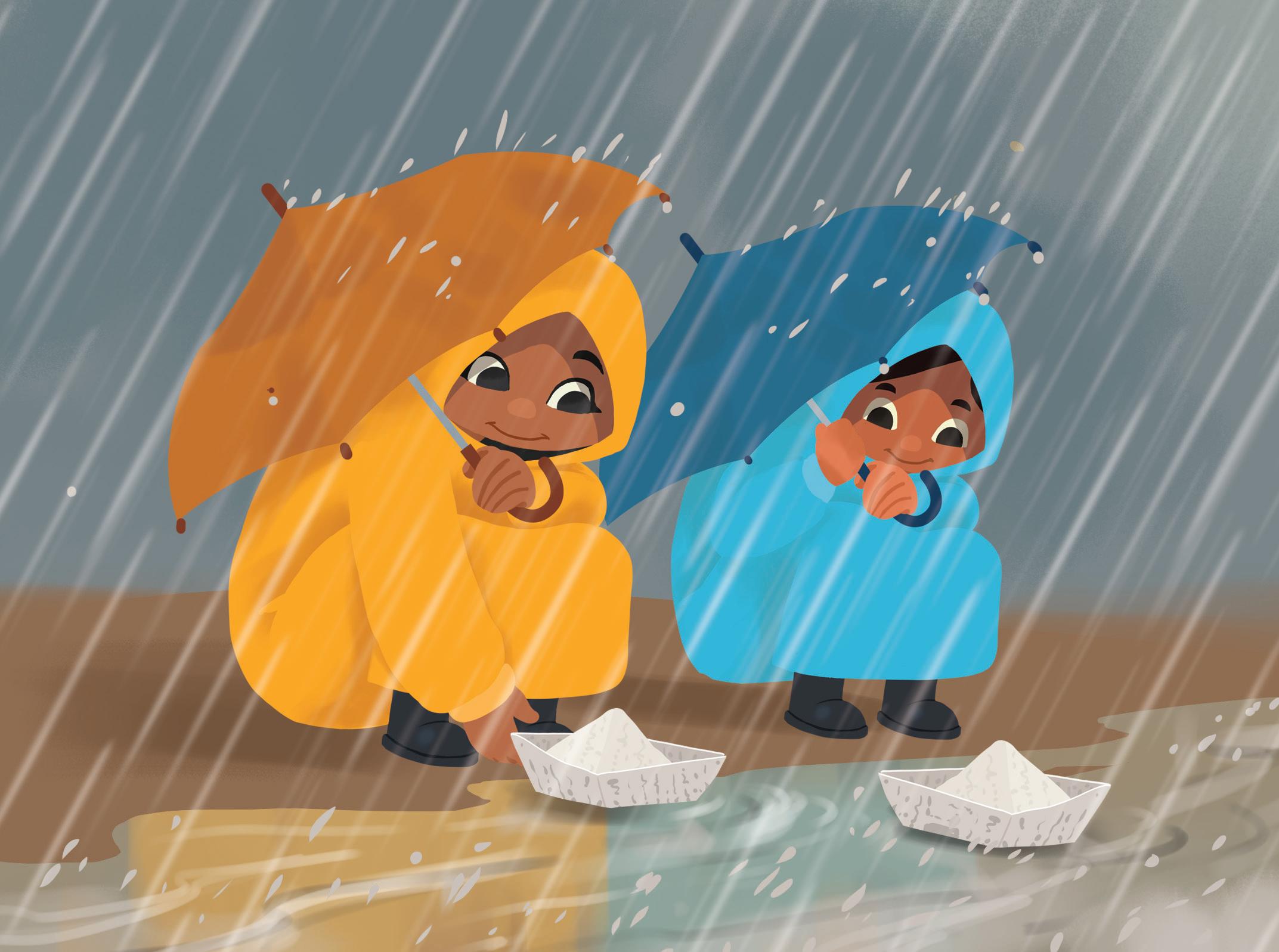
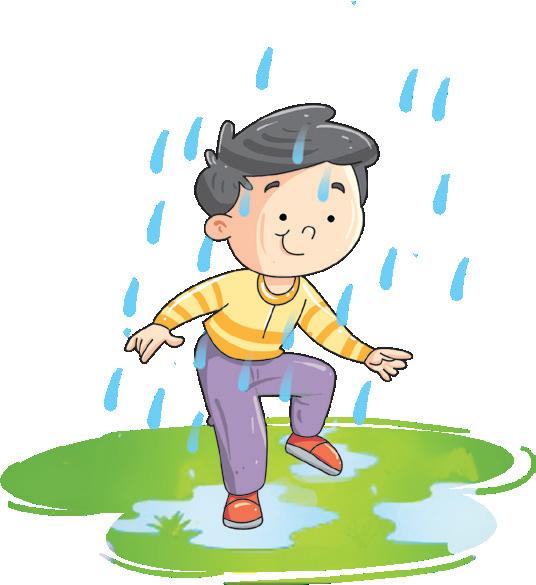
Sunday afternoon is a rainy day. Anisha and Asif are happy.
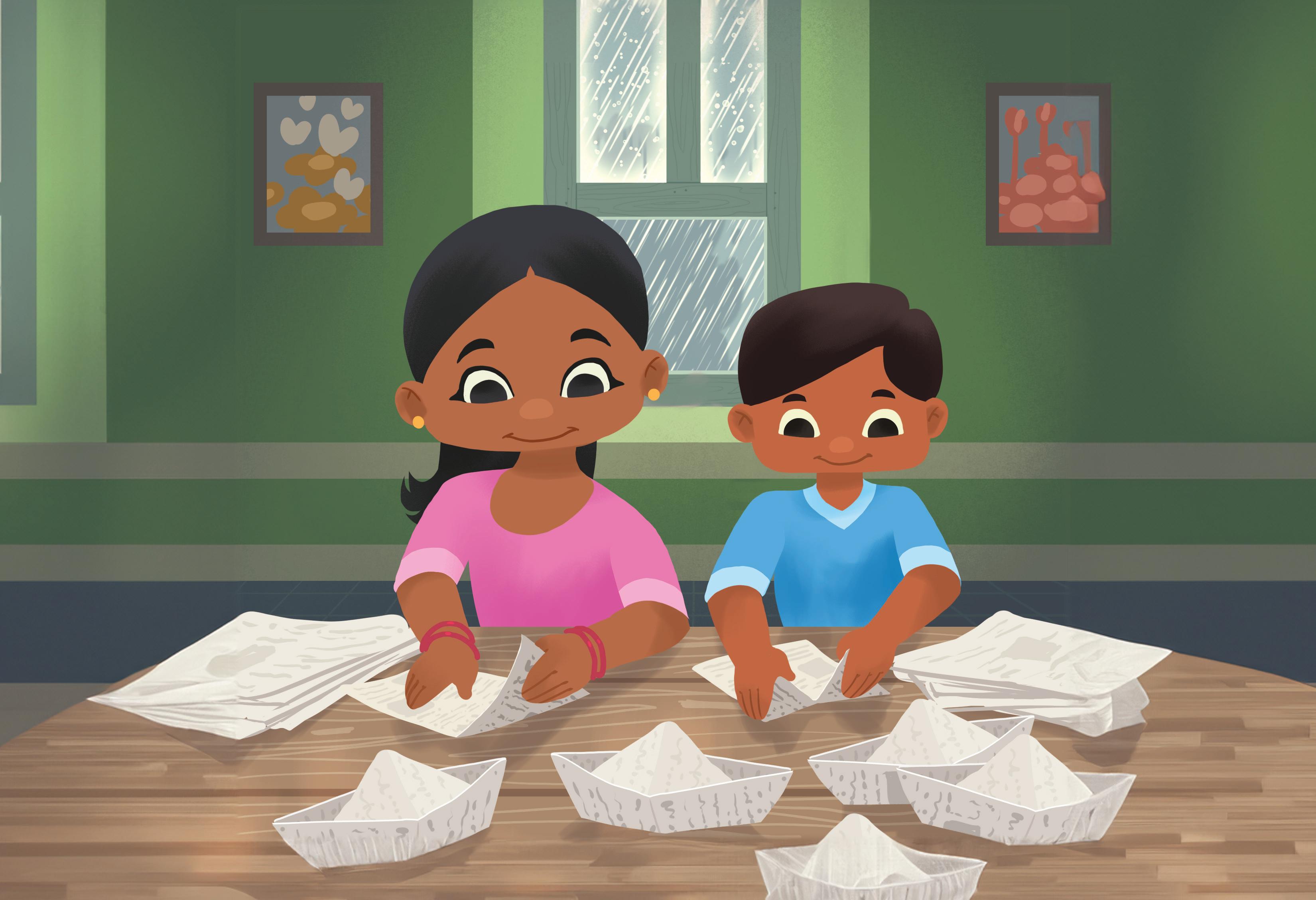
They want to make paper boats. They make the boats with newspapers.

TEACHER TIP
Encourage and guide children to make a paper boat, and decorate it.
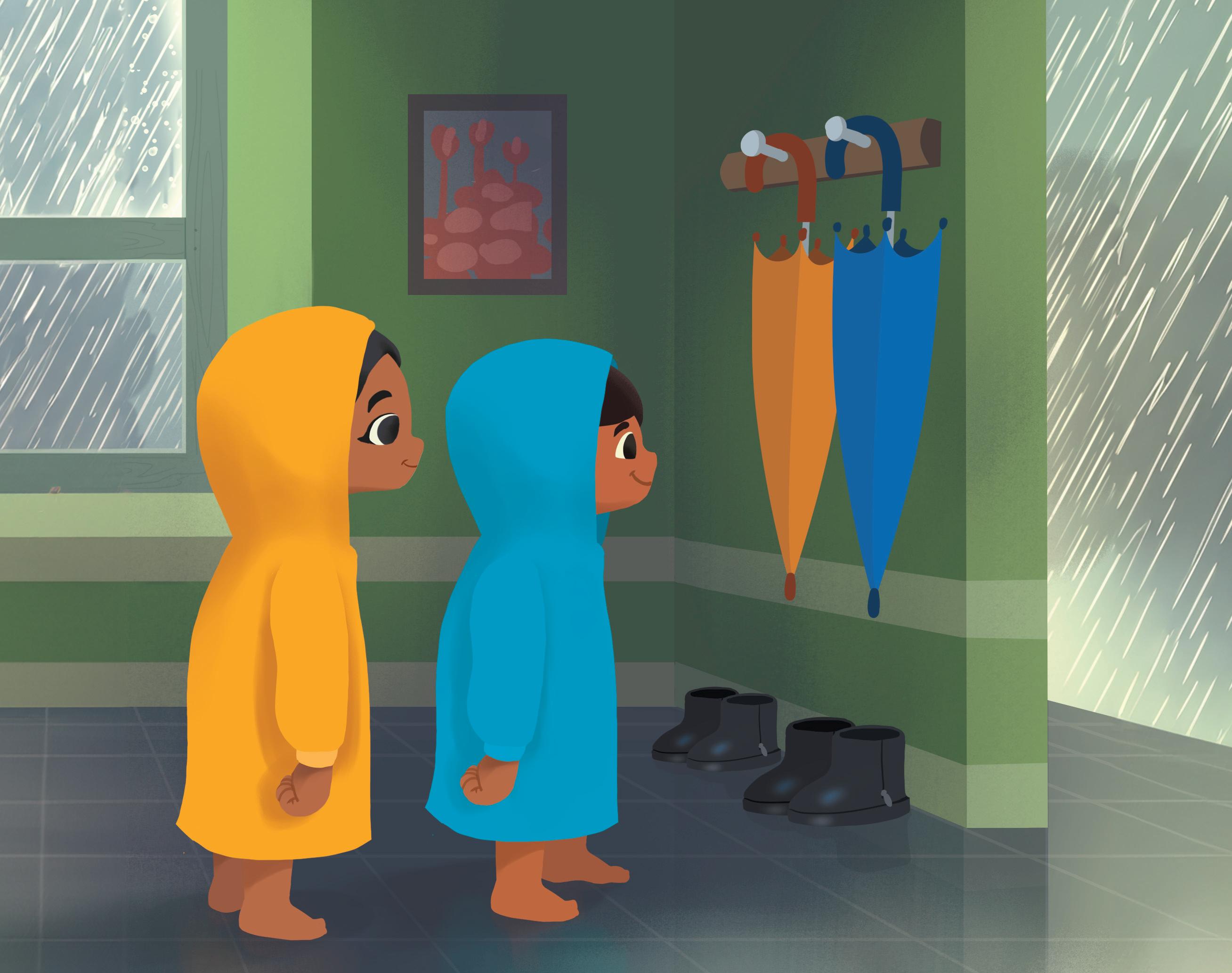
They wear their raincoats. They take their umbrellas. They wear their boots.
They go outside to float their boats.
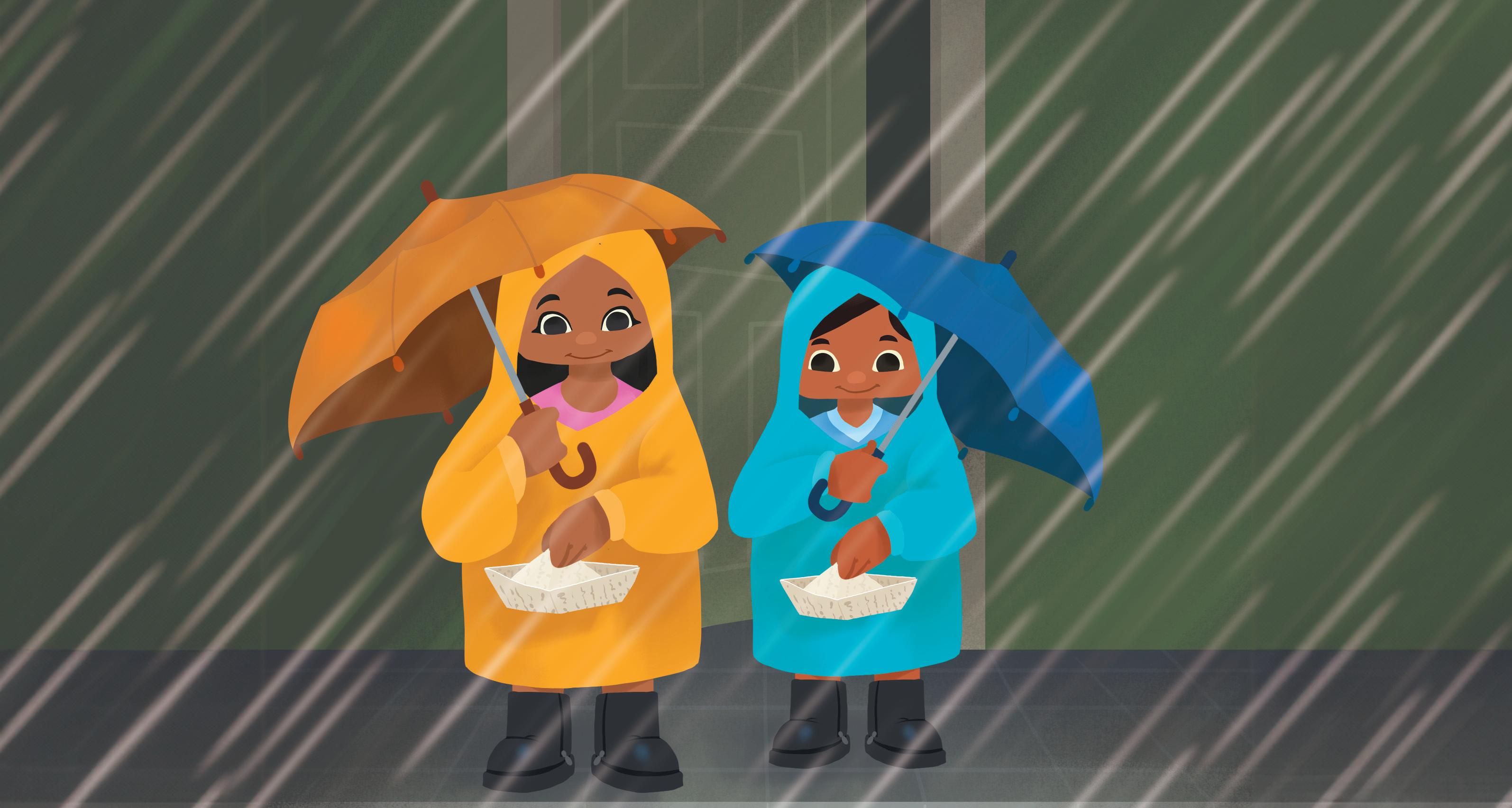
They find a big puddle of water. They float their paper boats in it.
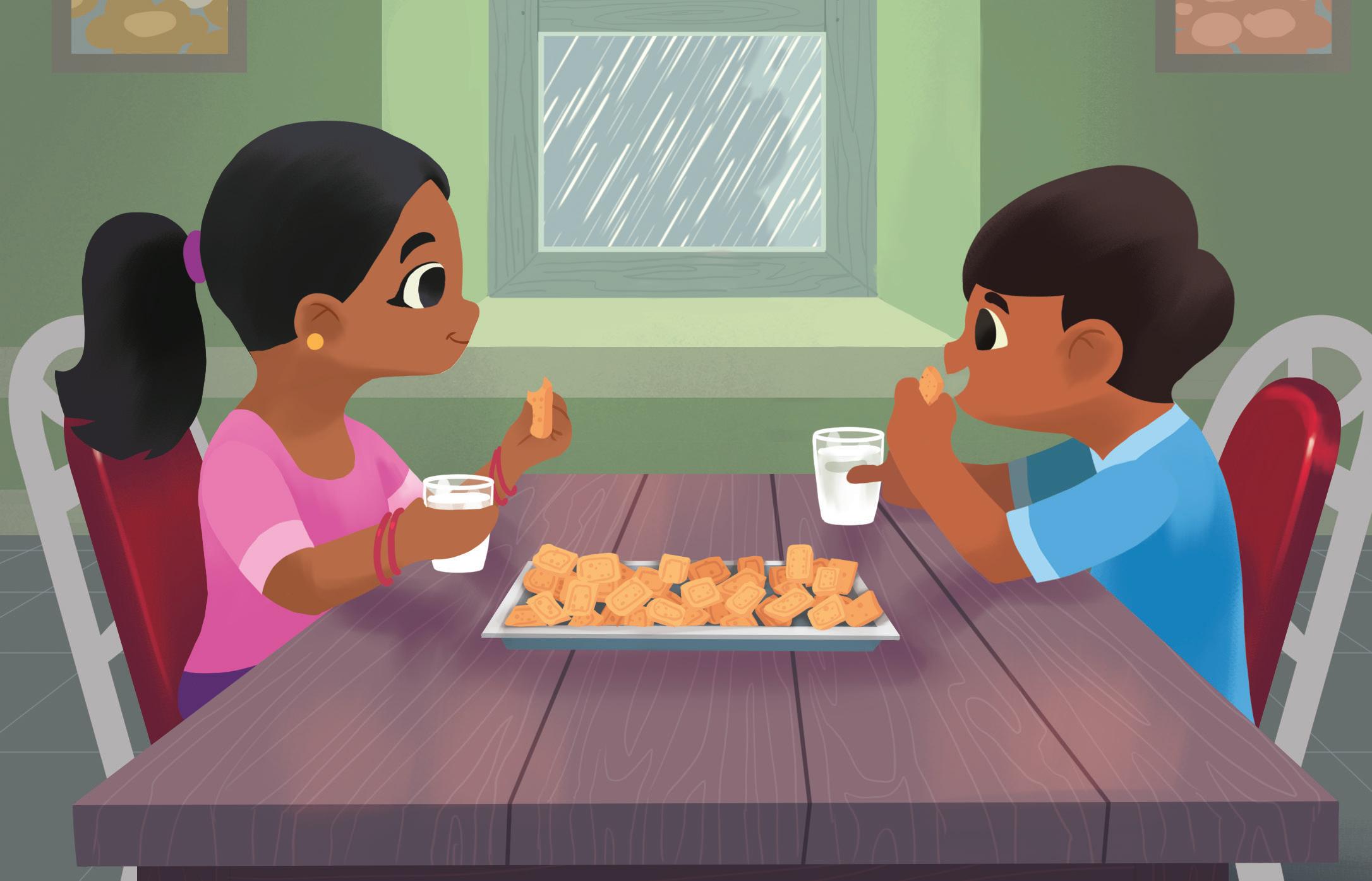
After a while, they go home. They enjoy warm milk and biscuits. They have a lot of fun.
Let's Talk
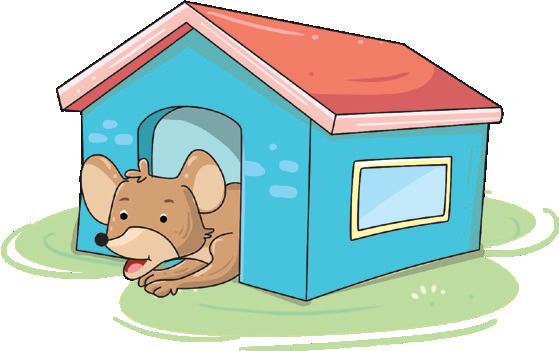
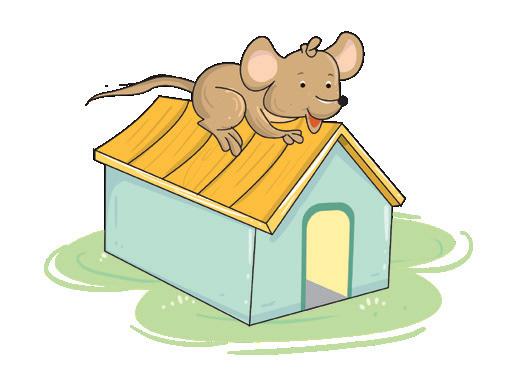
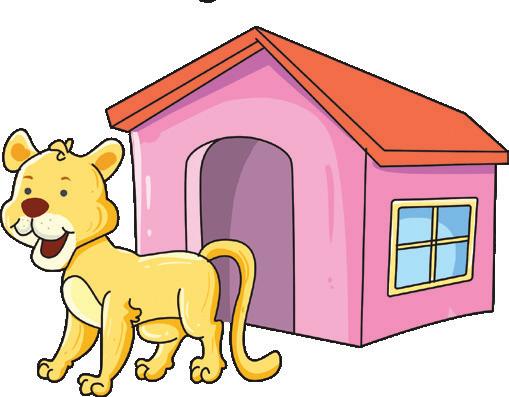
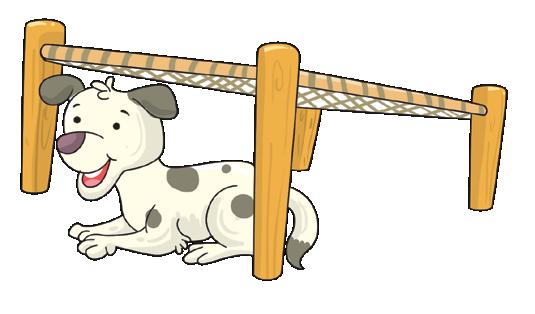
Position words tell us where things are, like on, under, in or near.
The cat is in the cup.
Where is it? Write in or on.
The cat is on the cup.
The ball is the box.
e ball is the box.
The rat is the hut. The rat is the hut.
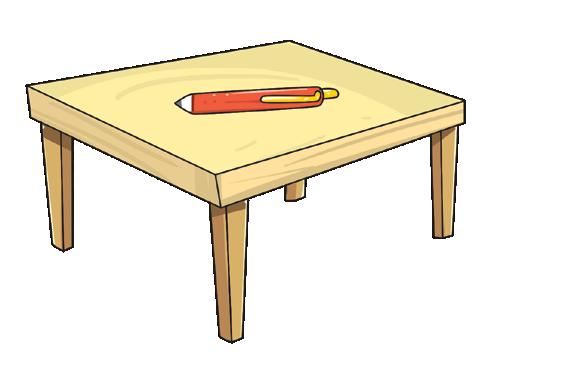
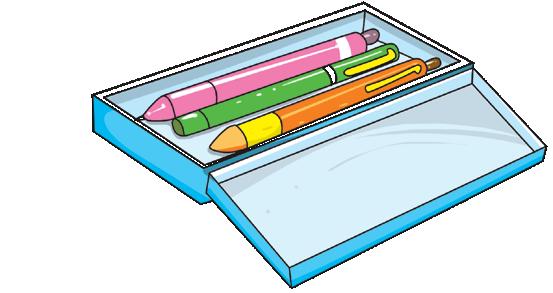
The pen is the table. The pen is the box.
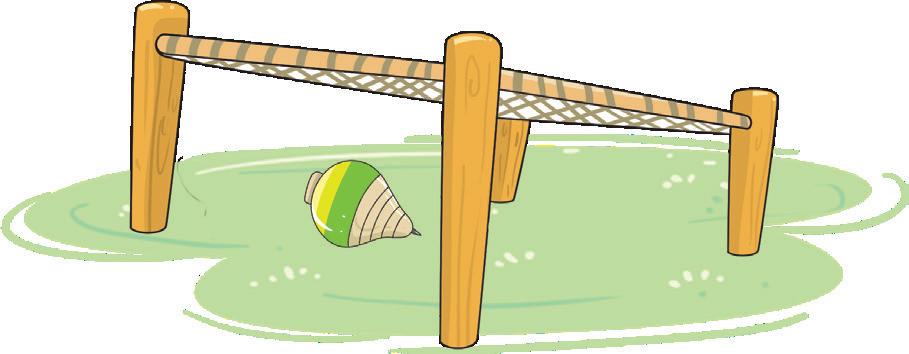
The top is under the cot.
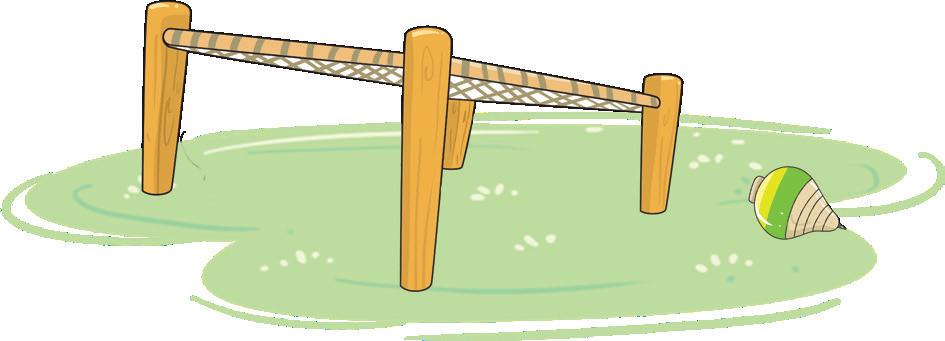
The top is near the cot.
Where is it? Write under or near
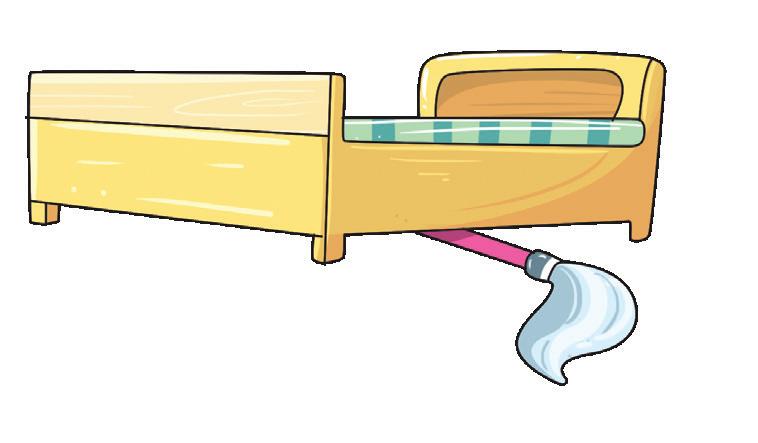
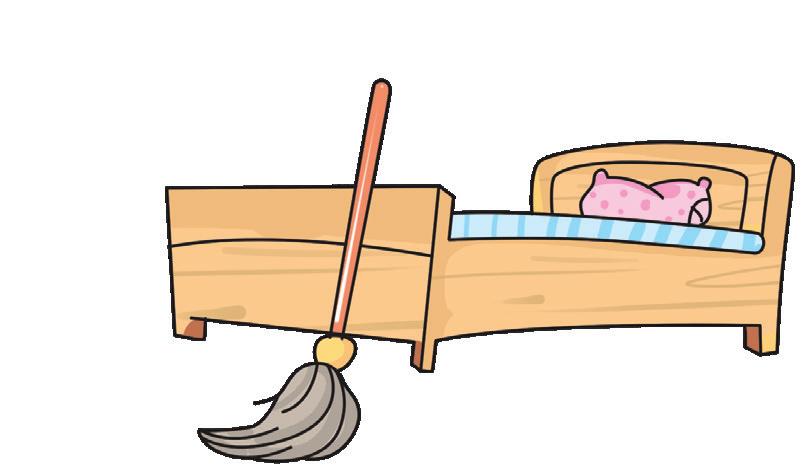
The mop is the bed. The mop is the bed.

The bug is the flower. The bug is the flower.
The cat is the table. The cat is the table.
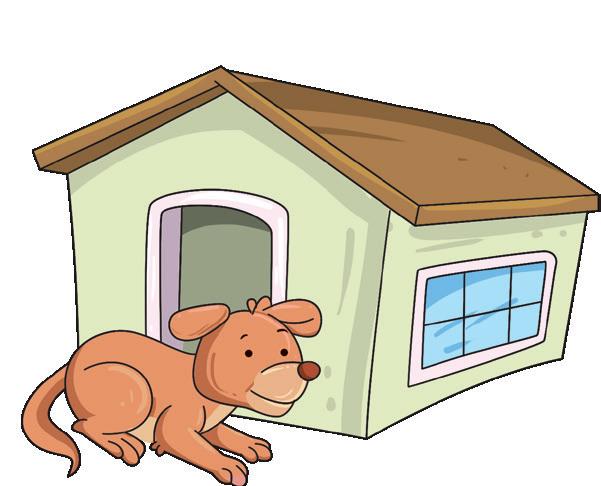
The pup is in front
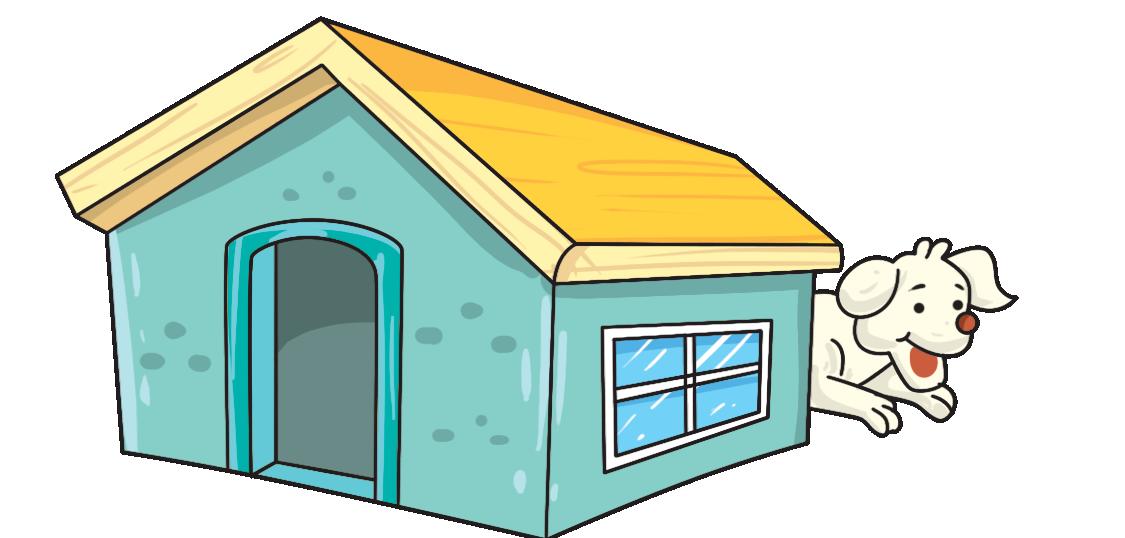
The pup is behind of the hut. the hut.
Where is it? Write in front of or behind.
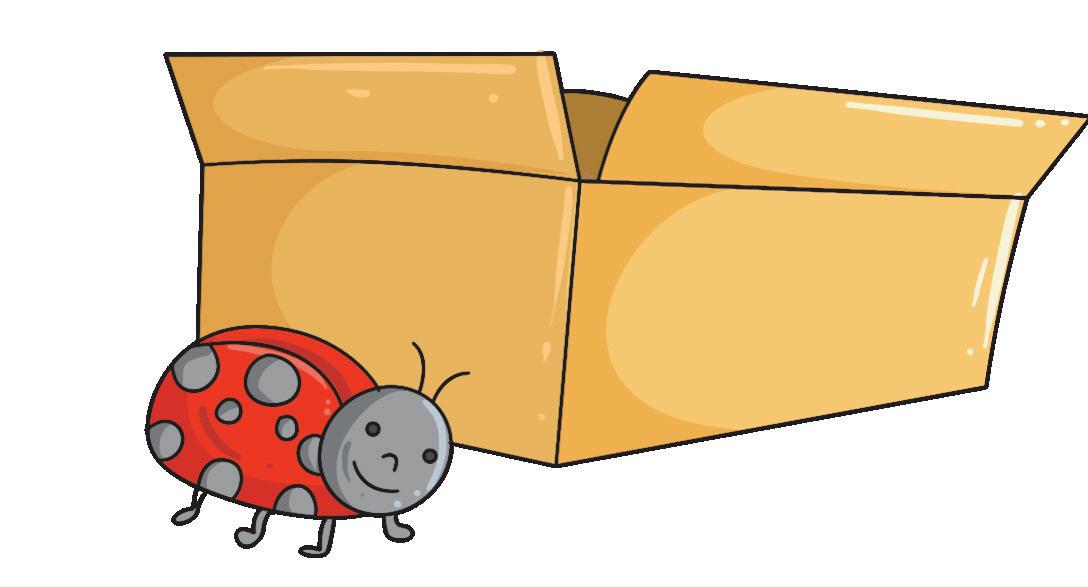
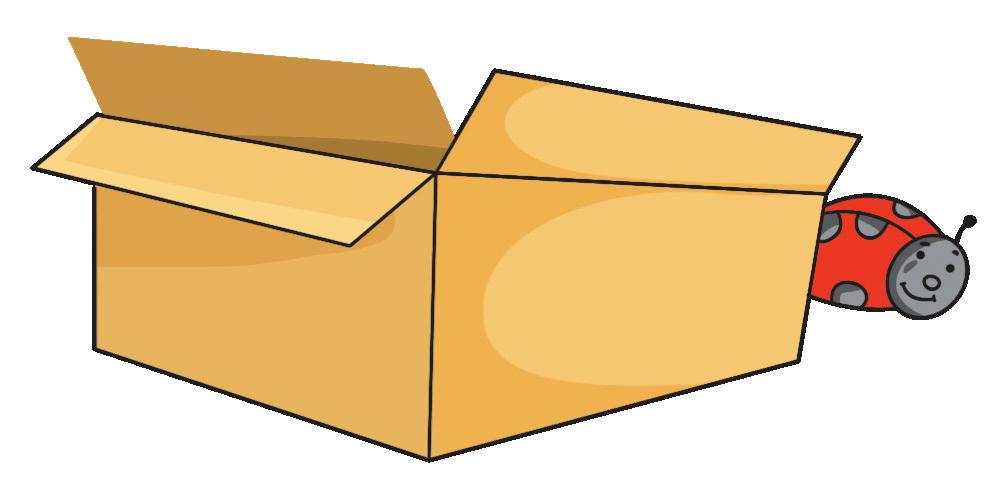
The bug is the box. The bug is the box.
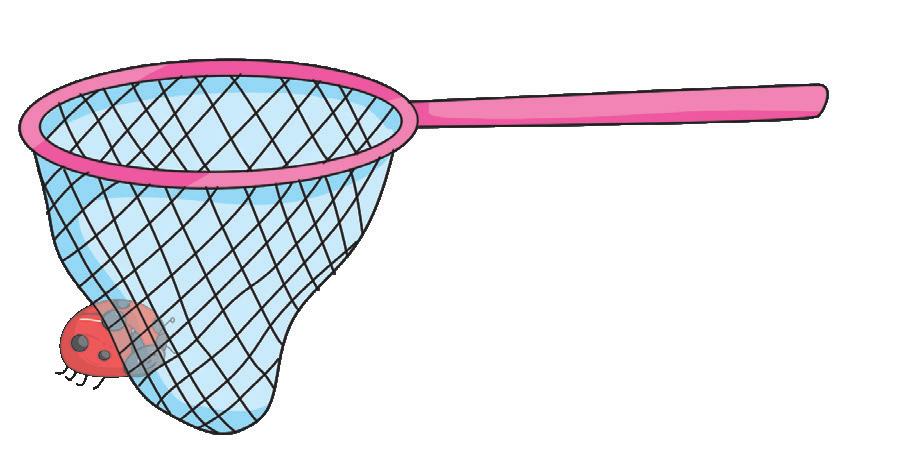
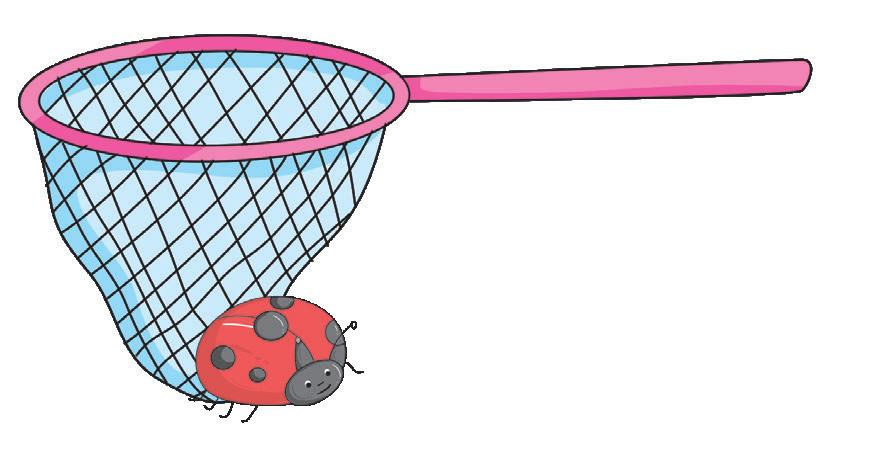
The bug is the net. The bug is the net.
Look at the pictures and write the correct position words.
in on in front of behind under near
____________ the
A digraph is when two letters come together to make one sound, like ‘sh’ in ship or ‘ch’ in chair.












ick
















These words begin with digraphs ch, sh, wh, th. Read them aloud. chop













in















Name these pictures. Then, circle the correct starting digraph.

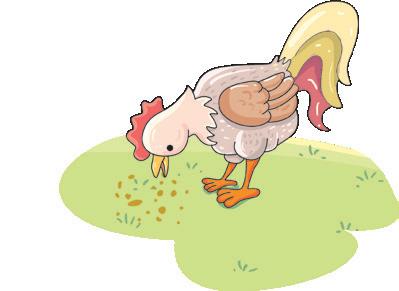
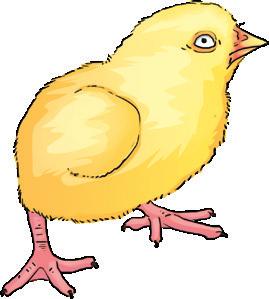
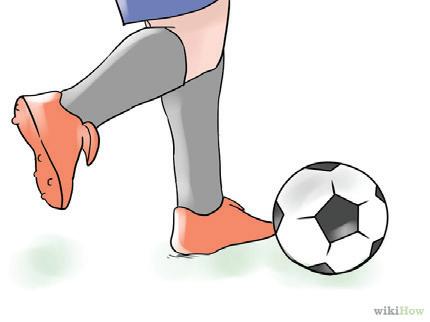
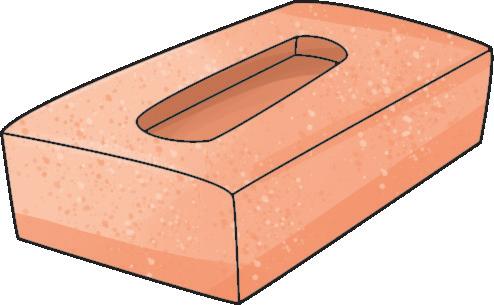
These words end with the digraph ck. Read them aloud.
ack
eck
ck
sack black rack

neck check peck
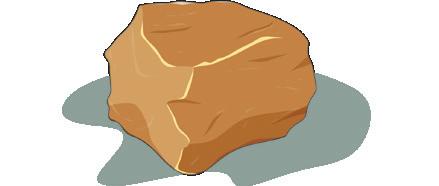
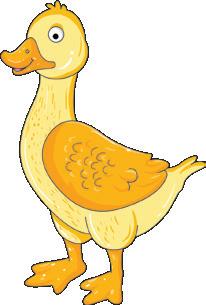
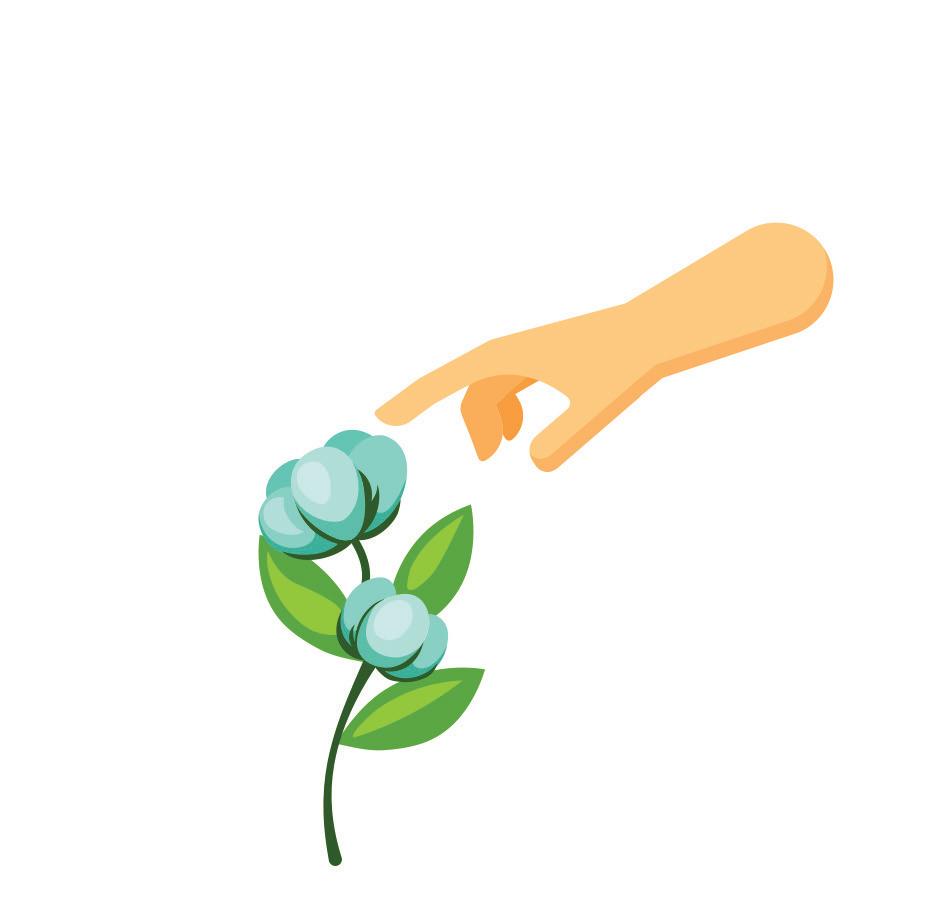
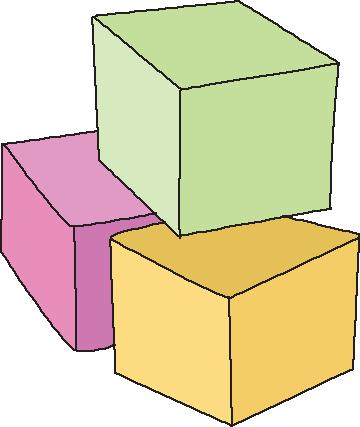
Look at the pictures. Complete the words.
s a n e
h i c k
c k f r o
t r u r o
c l o b l o
These words end with the digraph ll. Read them aloud.





















































Look at the pictures. Complete the words.
o f a






























i b i w e b e w a b a s h e p i






















































These words end with the digraph ss. Read them aloud. iss

















Look at the pictures. Complete the words.

g r a h i d r e t o c r o g l a k i m e c h e c l a
These words end with digraphs sh, ch, th. Read them aloud.

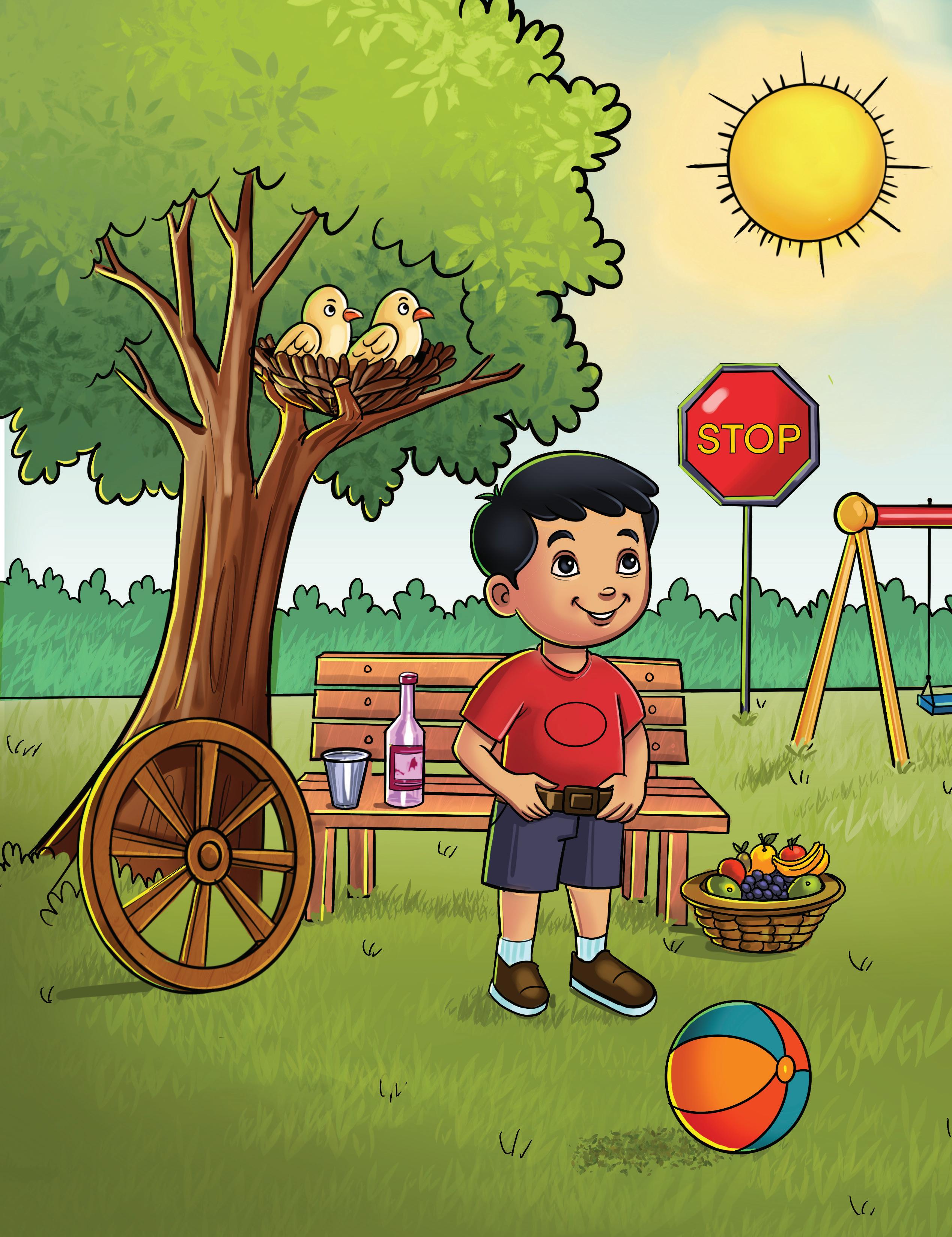
Look at the picture. Circle the objects that have the blends and digraphs given in the box.



Look at these words arranged side by side. They are opposites. Read them aloud.

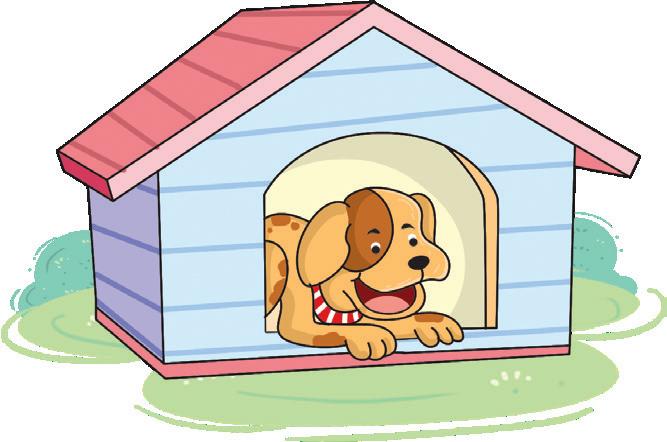









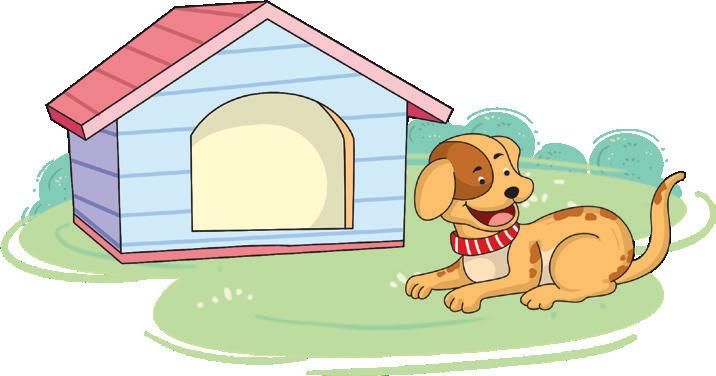





Look at the pictures. Read the words. Circle the correct opposite.
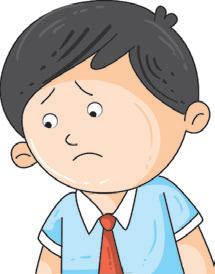









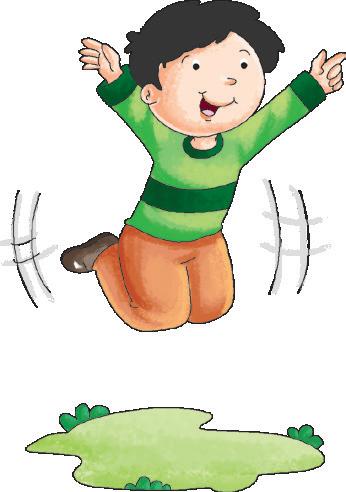
These words tell us what someone is doing. Read them aloud.
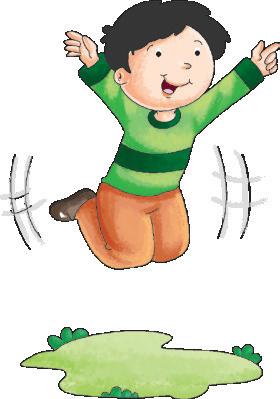



Match the pictures to the correct action words.
Read the sentences and circle the correct picture.
I kick.
I jump.










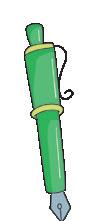
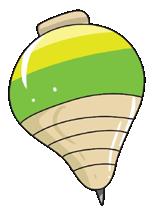
one pen one top one bag
many pens
many tops many bags
Add ‘s’ at the end of the words to write the words for more than one.
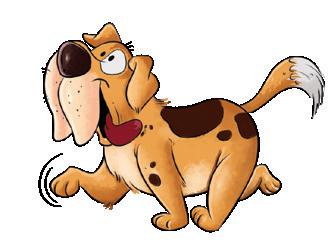
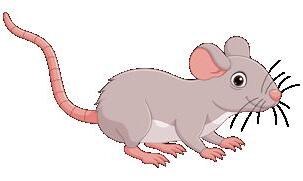
When we talk about one person or thing we use is.
When we talk about more than one person or thing
we use are.
The rat is small.
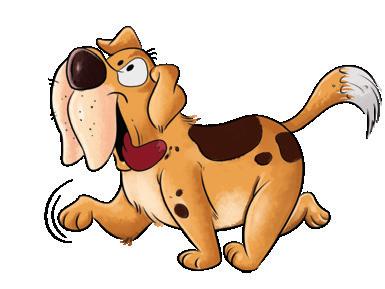
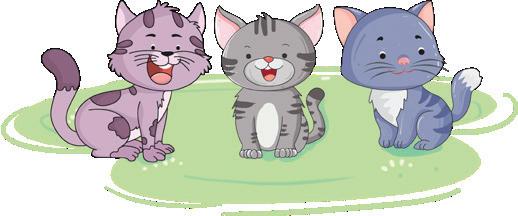
The rats are small.
Look at the picture. Fill in the blank with ‘is’ or ‘are’. 1. The dog happy.




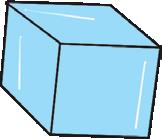
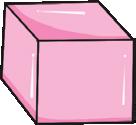
We use these for more than one thing near us.
We use those for things that are far from us.
What are these?
These are apples.
What are those?
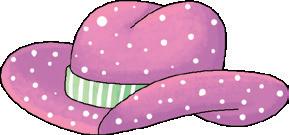
Those are hats.
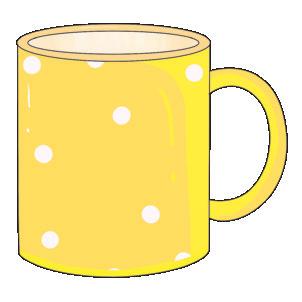
What are these?
These are mugs.
What are those?
Those are bats.
1. What are these?
2. What are those?
3. What are these?
4. What are those?

5. What are these?

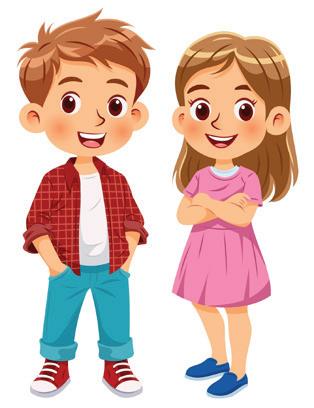
We use he when we talk about a boy or a man.
We use she when we talk about a girl or a woman.
We use it when we talk about a place, thing or animal.
Circle the correct word.


































Some things go together. We use and to join two words or ideas, like apple and banana.
Look, read and write.
bread
butter













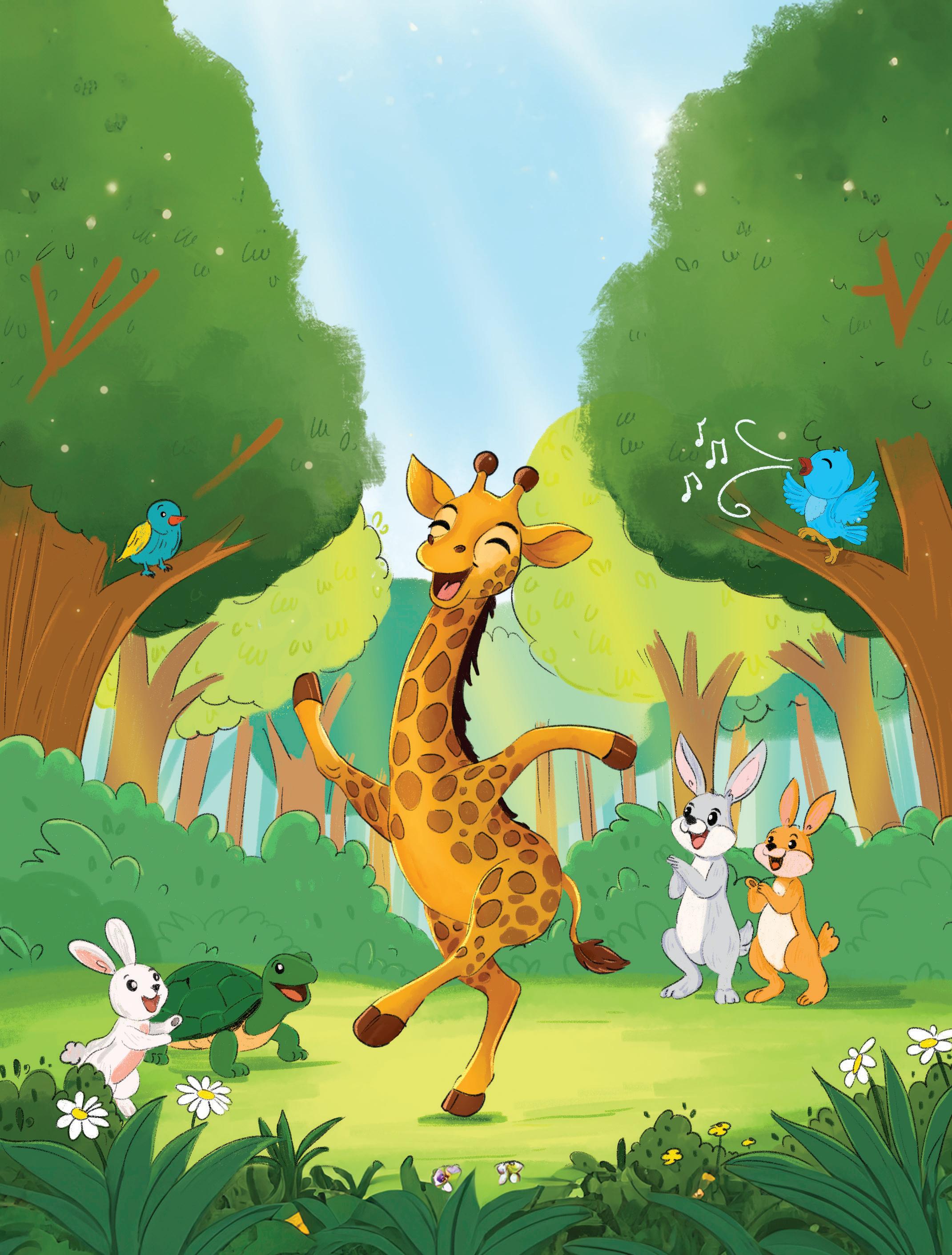
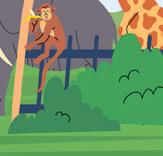
Once, in a big forest, there was a giraffe who loved to dance. He tapped his feet and swayed his long neck. All the animals clapped.

Ask the children to make the sounds of different animals, like an elephant trumpeting, a monkey chattering or a lion roaring.
A lion came along and roared, “Stop dancing, you’re too noisy!” But the giraffe did not even hear him!
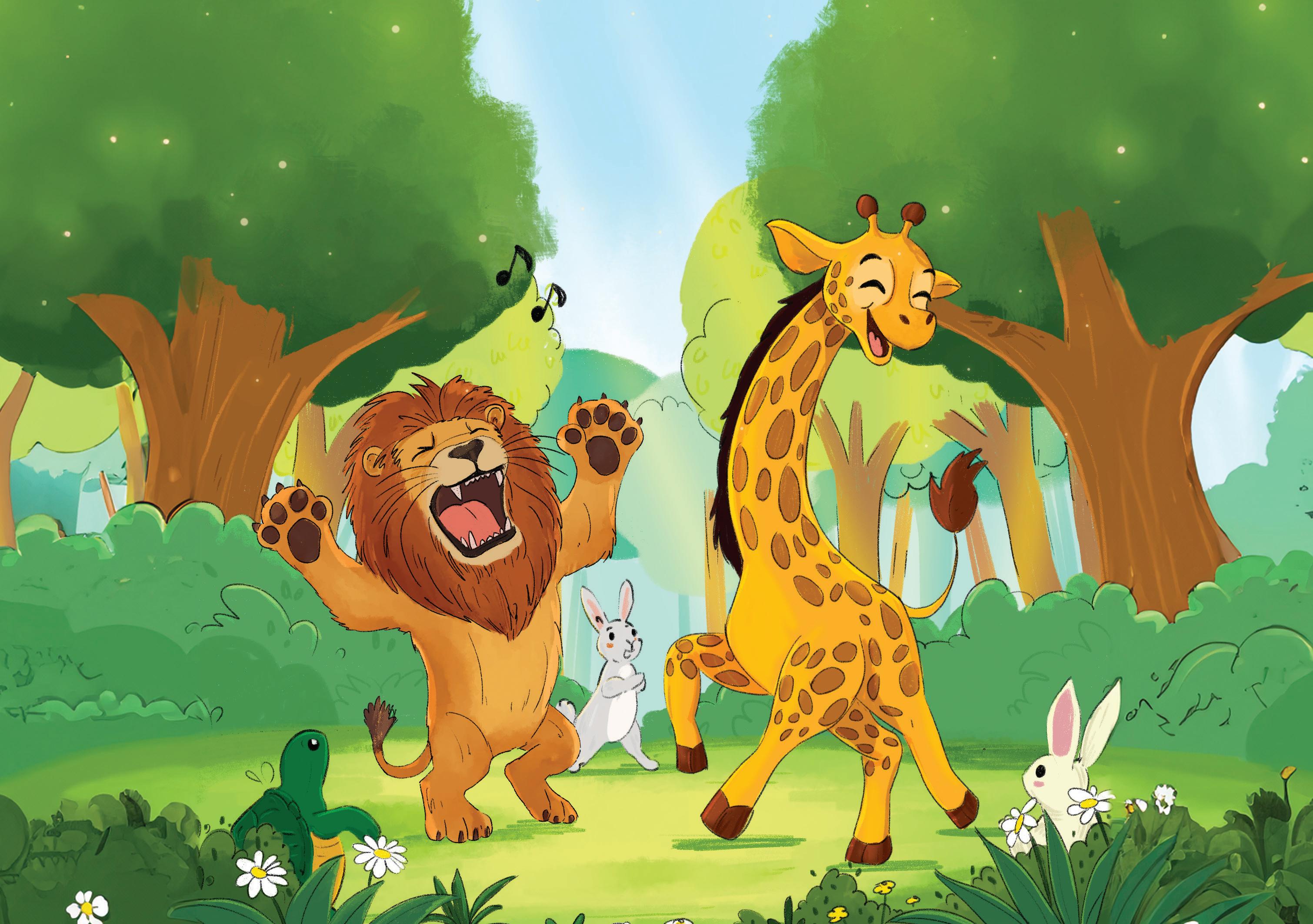
Then, the giraffe opened one eye and said, “Come and dance with me. You never have fun.”
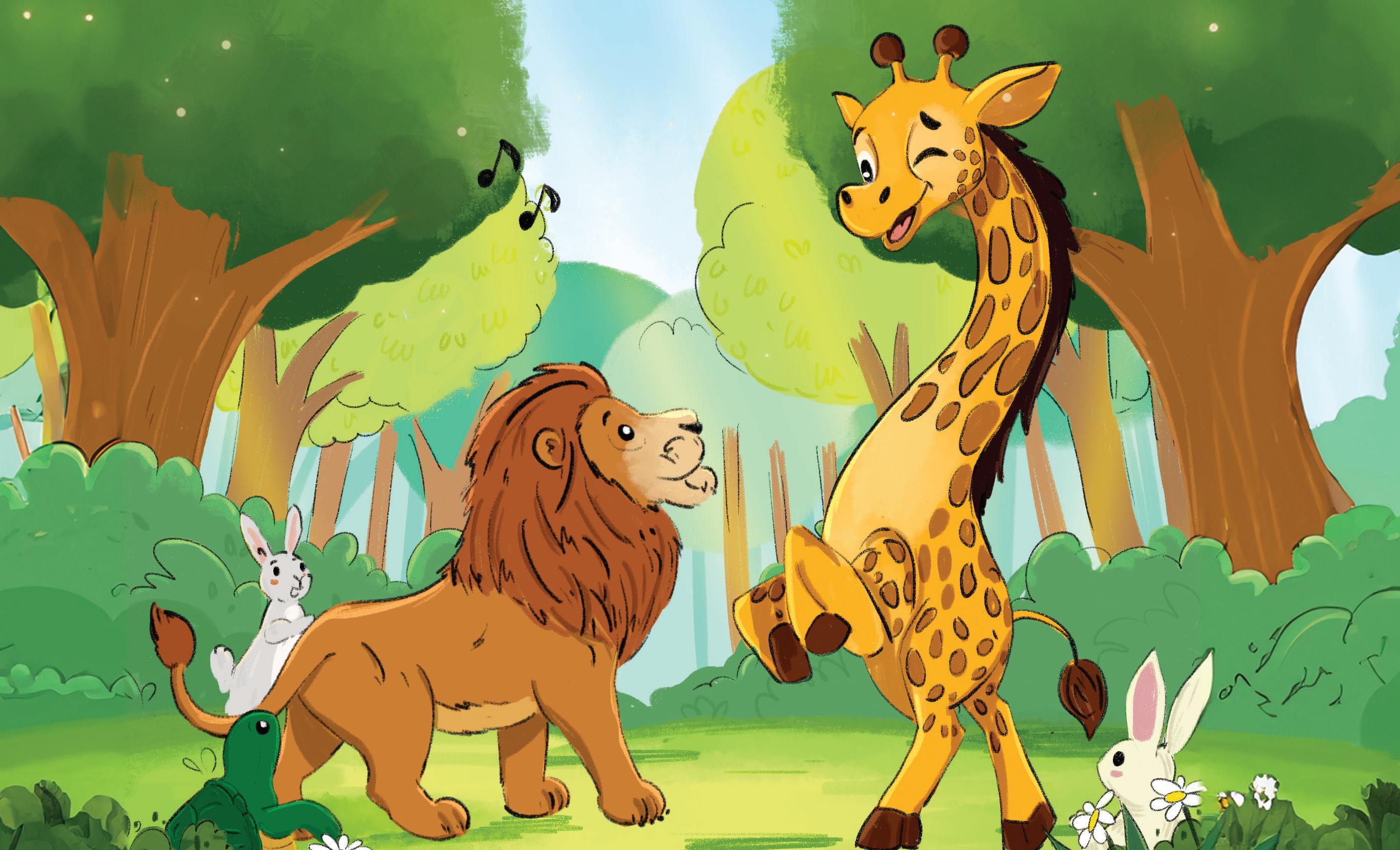
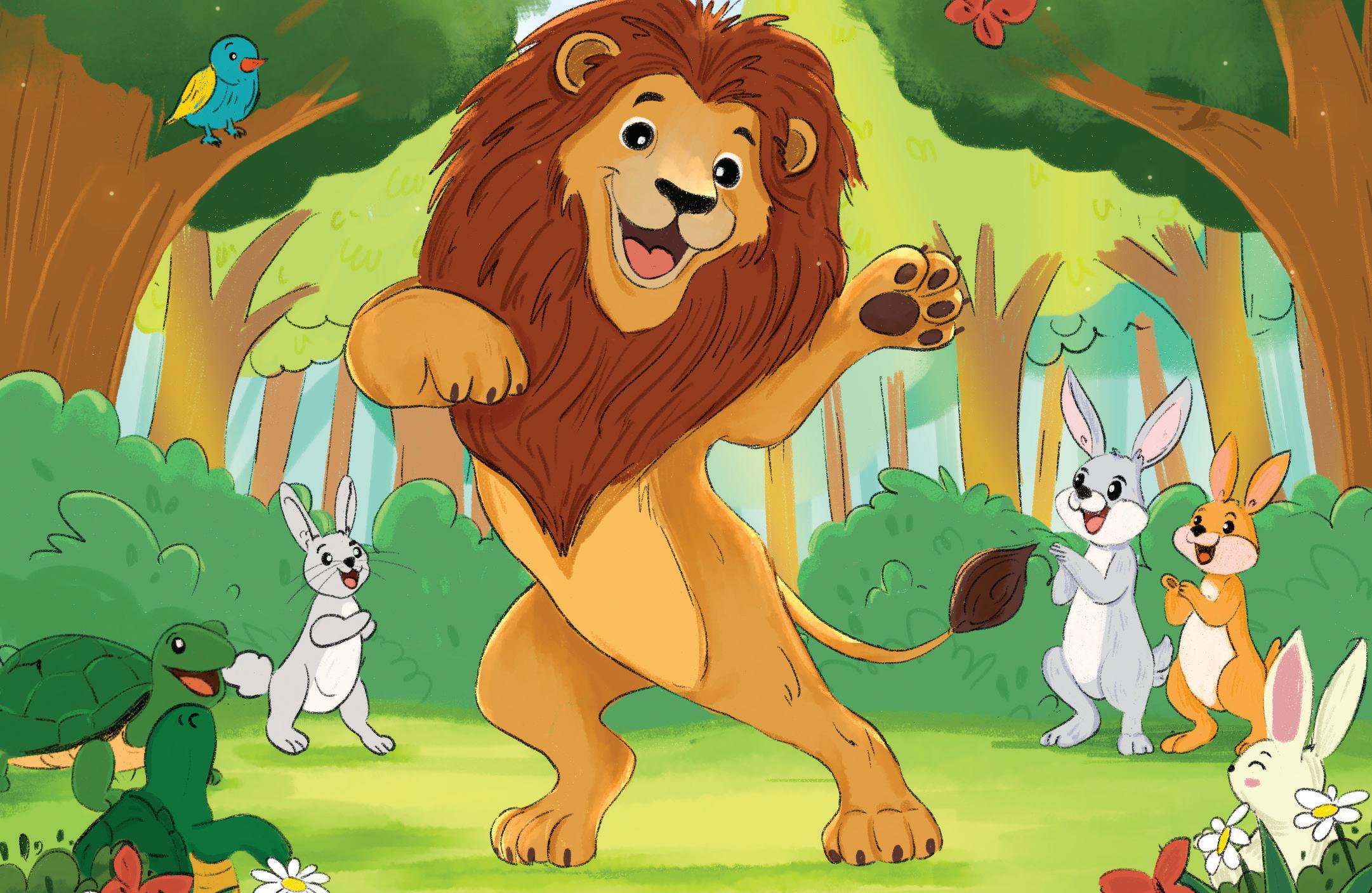
The lion tried a few steps, and all the animals cheered. He gave three steps left and three steps right, there steps left and three steps right.
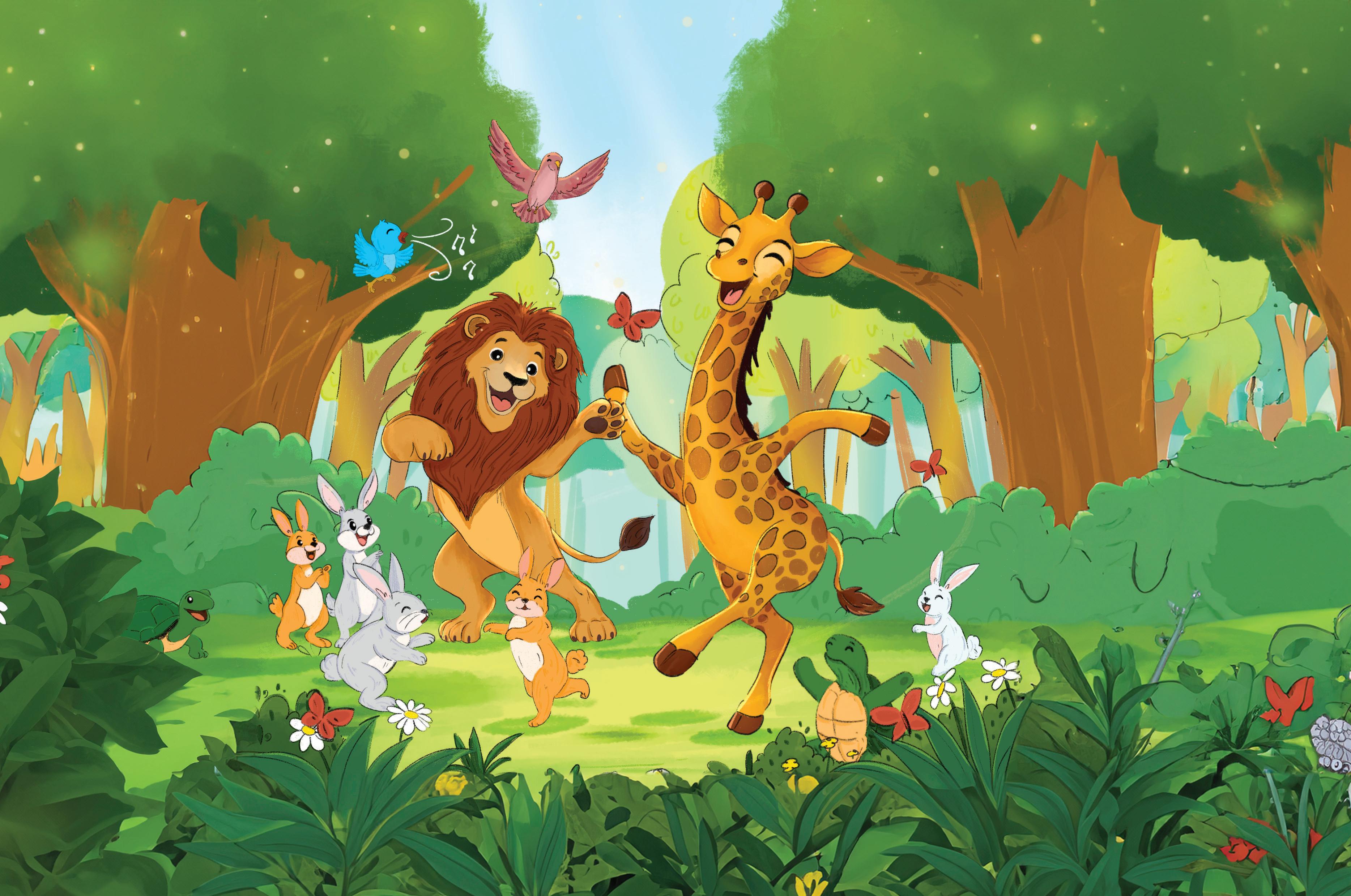
Soon, all the animals—rabbits, birds and even turtles—joined the dance. The forest was a happy place.
Let's Talk
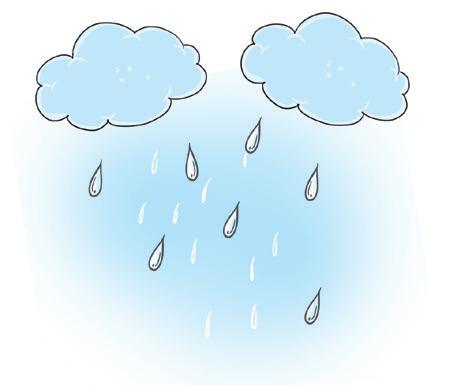
Look at the pictures and read the words aloud. rain
ail
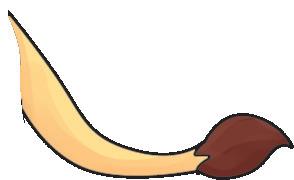

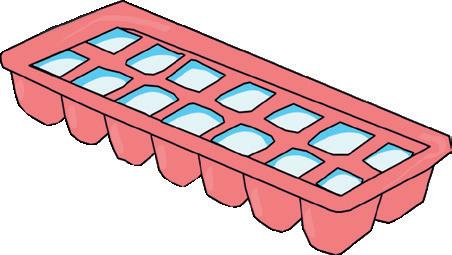

Read the words. Write them in the correct boxes.
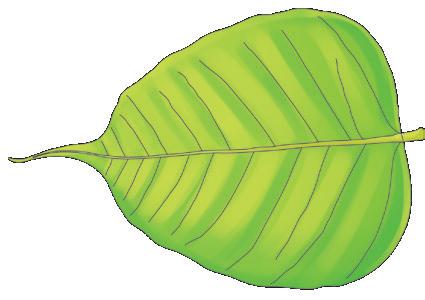
Look at the pictures and read the words aloud. deep
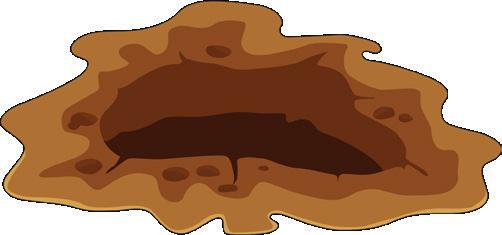
eep

eed bee tree teeth


Read the words. Write them in the correct boxes.
Look at the pictures and read the words aloud.
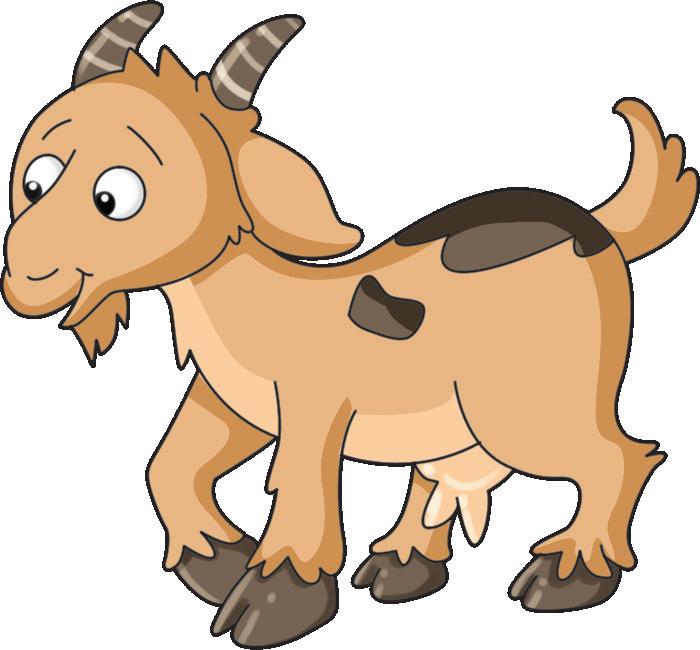
oat
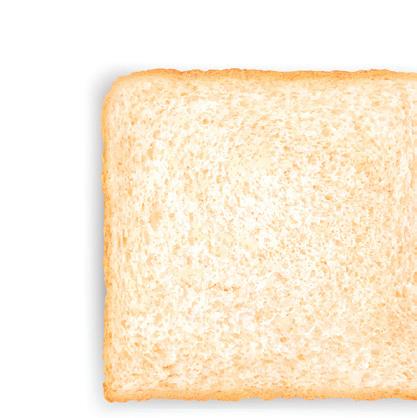
d






Read the words. Write them in the correct boxes.
Look at the pictures and read the words aloud. book
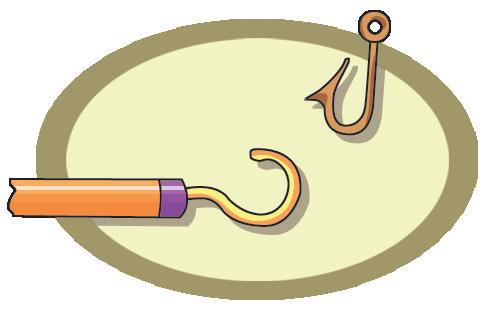

ook
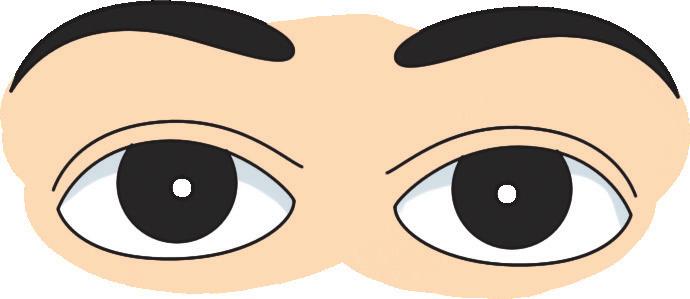
ook


oot










oon

oon
ool
ood hook
oon
oom
When there is an ‘e’ at the end of the word, we use the long sound of the first vowel.
Read these words aloud.
e

cone
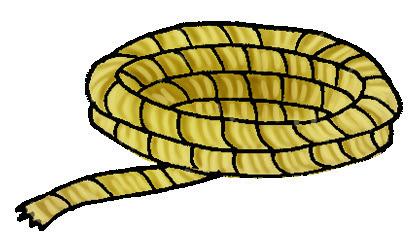
ope

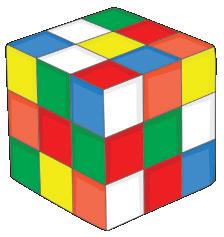
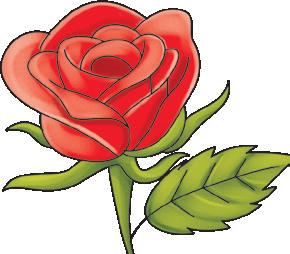

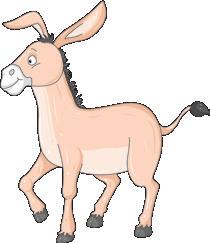
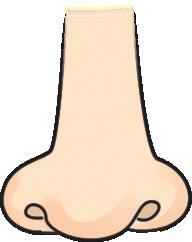
ose nose tube cube
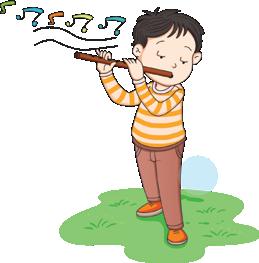
ule tune
Look at the pictures. Circle the correct words.
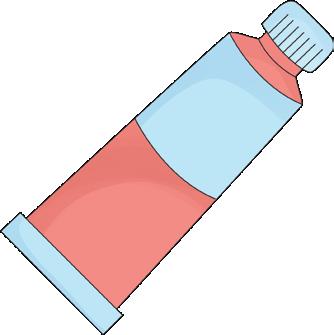

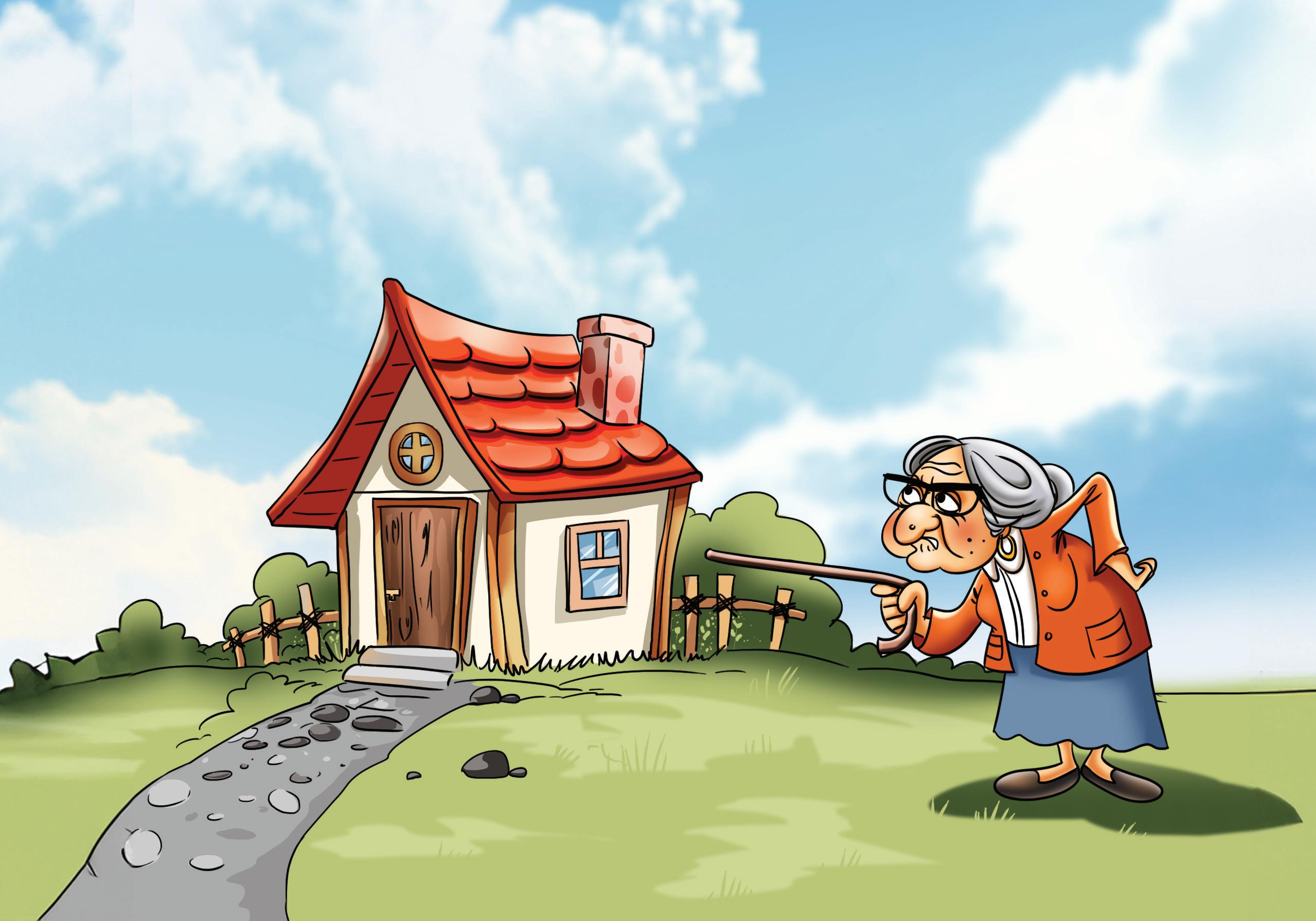
A grumpy old woman lived in a tiny little house. She grumbled loudly.
Humph, Humph, Fee. This is not good enough for me!
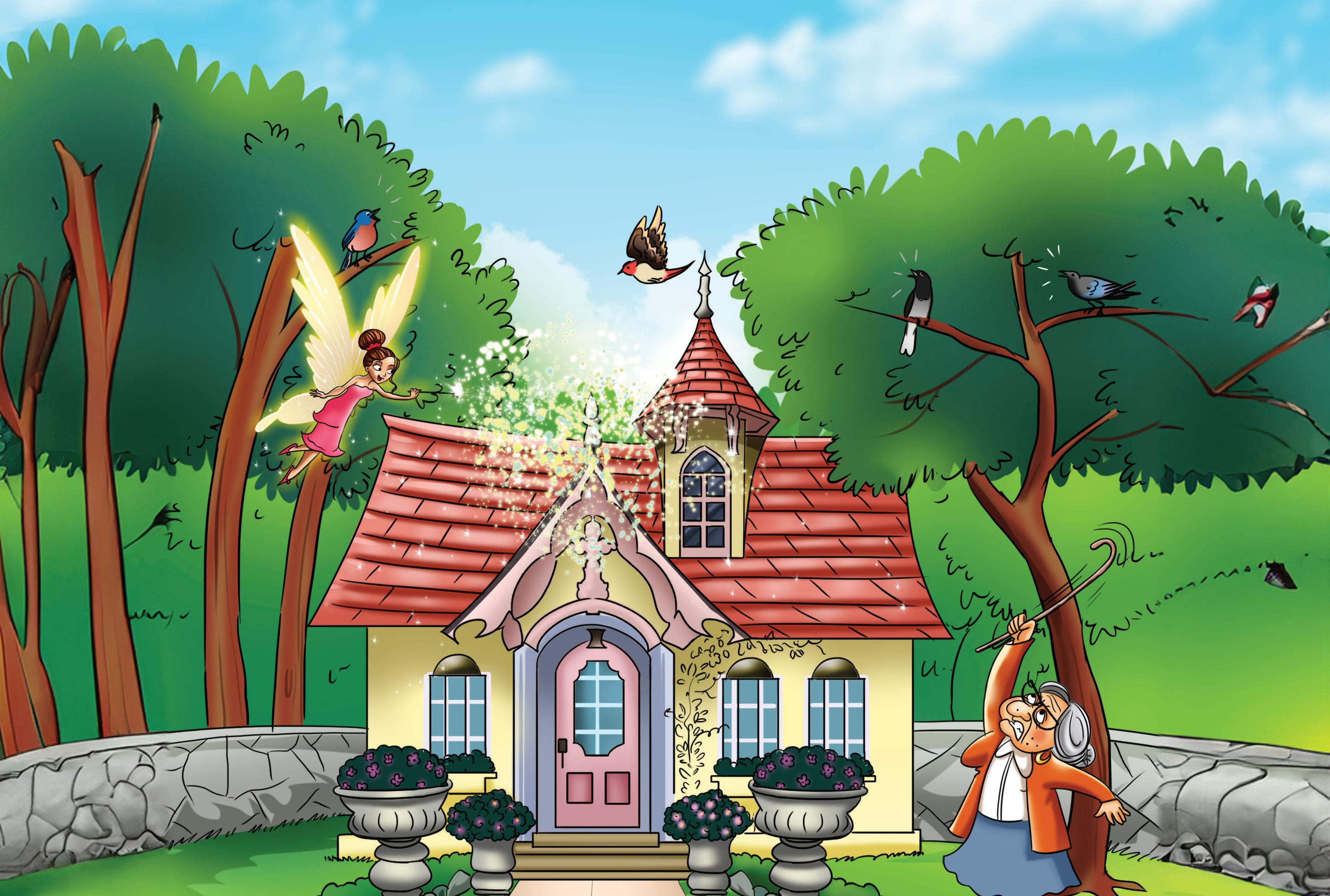
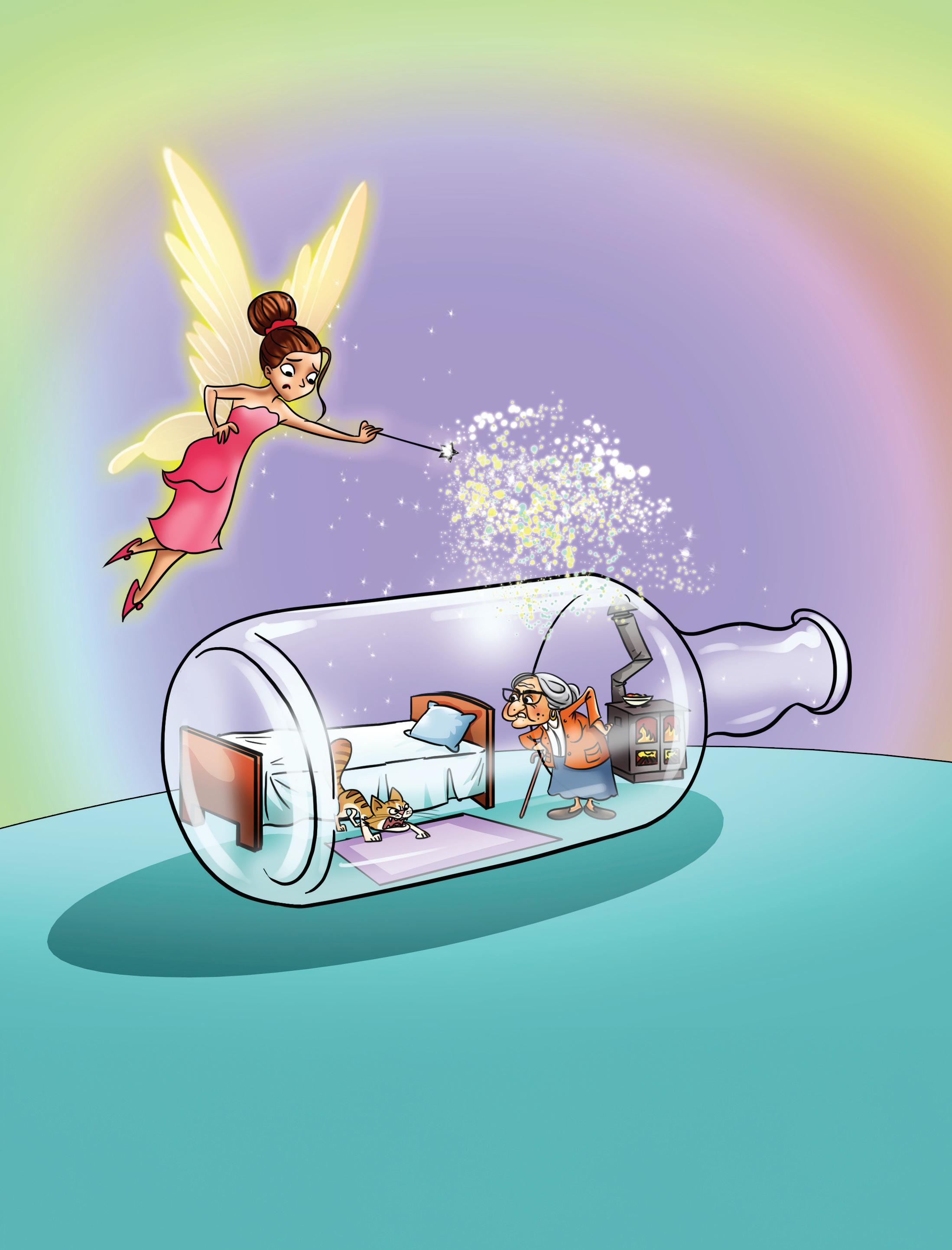
A fairy felt sorry for her. She waved her wand and suddenly the old woman was in a pretty cottage. The old woman was still not happy.
The birds are too noisy! Humph, Humph, Fee. This is not good enough for me!
Encourage children to say “thank you” for the little things they have, like their food, toys, family and friends.
The fairy tried again. She gave the old woman a beautiful house in a city. But, the old woman was still not happy.
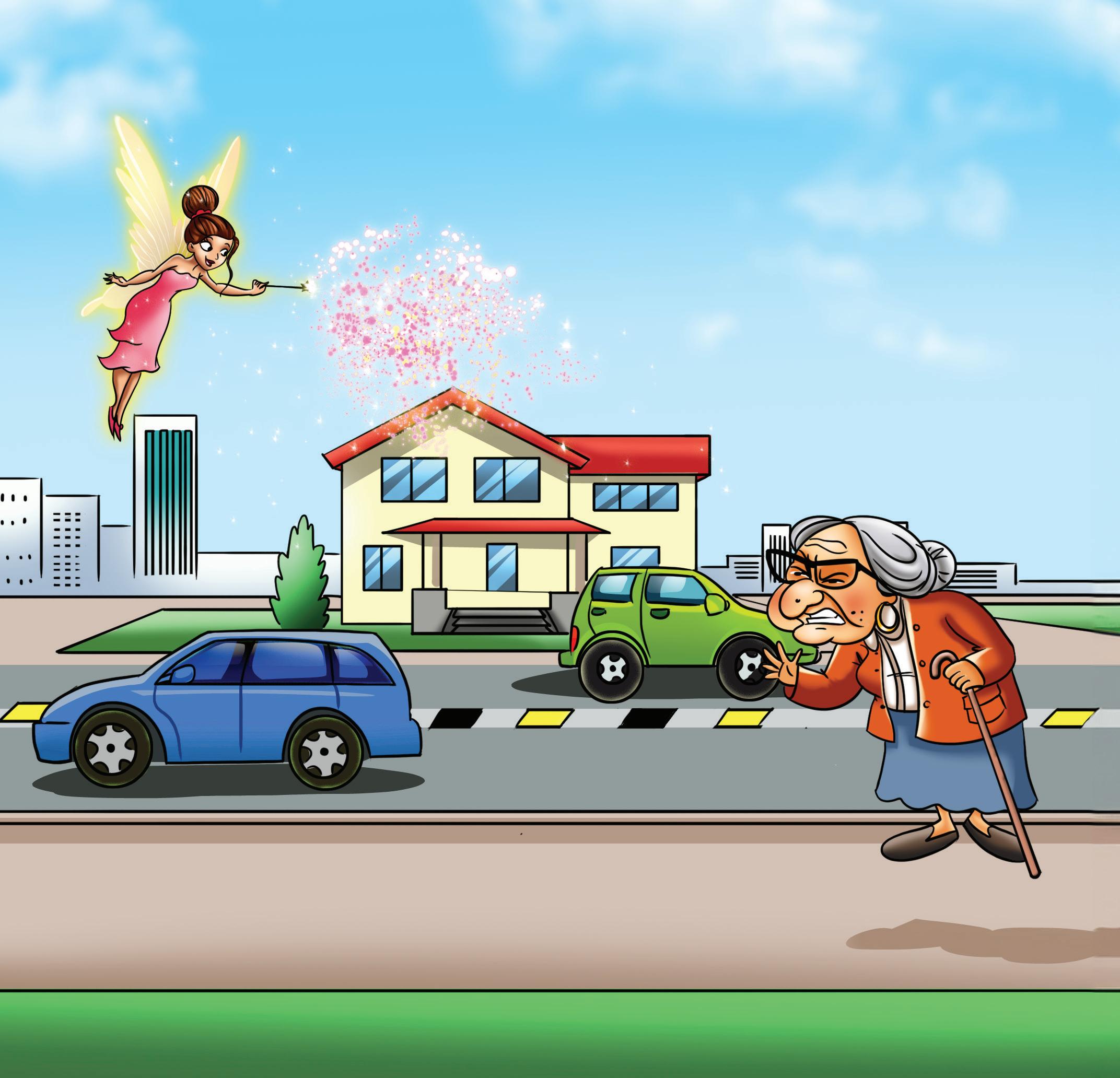
There are too many cars here! Humph, Humph, Fee. This is not good enough for me!
So, the fairy gave her a castle in the forest. The old woman was still not happy.
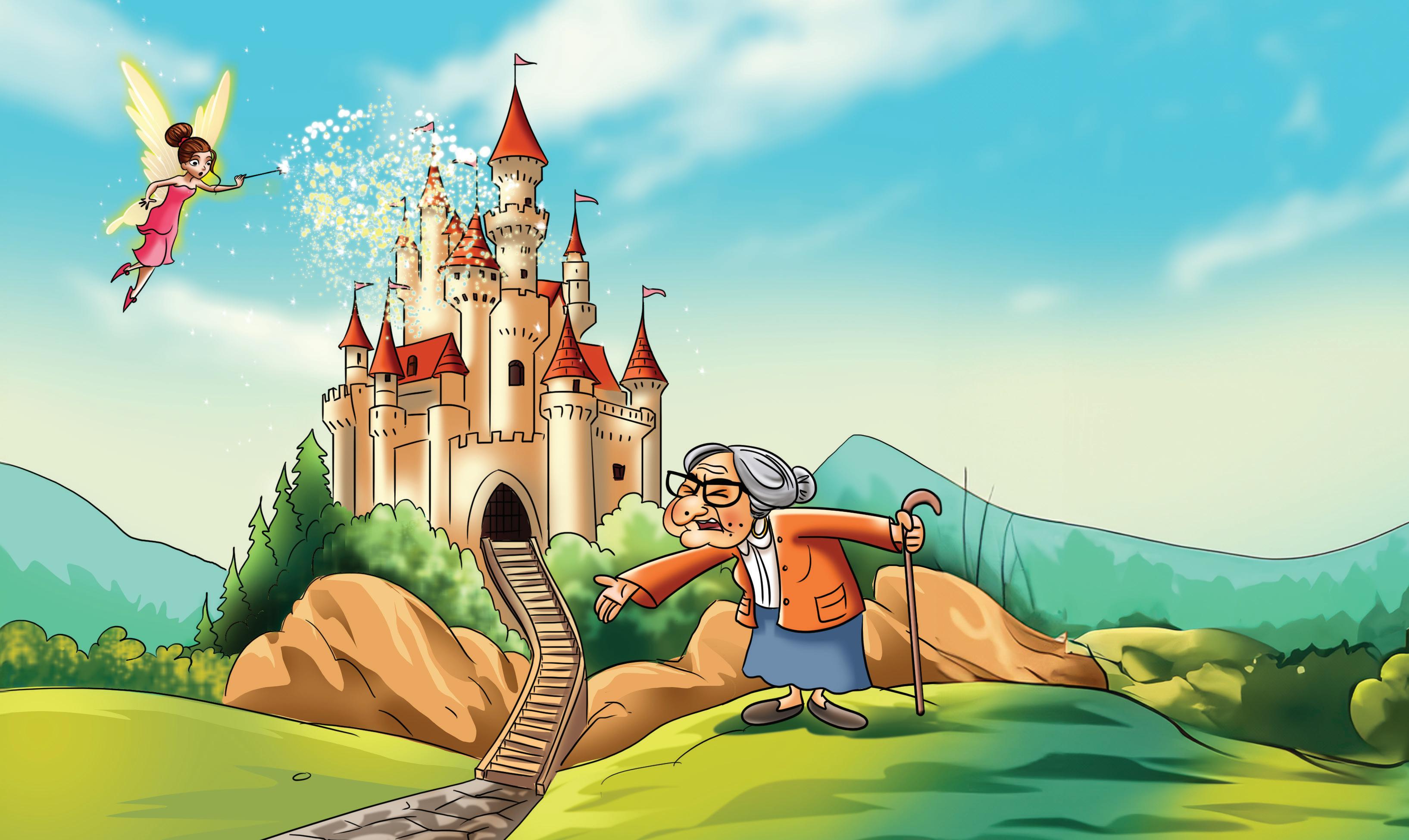
How will I clean this big place? Humph, Humph, Fee. This does not work for me!
The fairy was tired of the old woman’s grumbling.
“Well,
if you want something small to clean, I will put you in a vinegar bottle.”
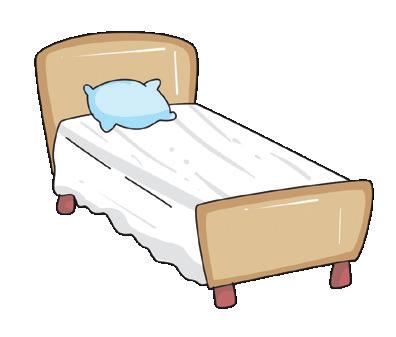
So, that is how the woman had to live. Now, she only had a tiny bed, a little mat, an old stove and a grumpy cat!
Let's Talk
1. Who helped the old woman in the story? 2. What happened when she was not happy with her house? 3. What do you feel thankful for?
Monday, Tuesday, Wednesday too,
Thursday, Friday, just for you.
Saturday, Sunday, that’s the end,
Now let’s say them all again!
Monday, Tuesday, Wednesday,Thursday
Friday, Saturday, Sunday hey!
Seven days are in a week,
Let’s all shout and clap and speak!

Trace the names of the days of the week.
Monda Tuesda Sa urda Frida Wednesda
Sunda
Thursda
TEACHER TIP
Let children count the days of the week on their fingers while singing the rhyme.
Write the names of the days of the week.
What comes after?
Monday Wednesday Saturday
Tick (✓) the activity you want to do on Sunday.
January, February, March and April, May, June, July and August,
September, October, November, December,
These are the months of the year!
Clap your hands and sing along,
Learn the months, it won't take long.
Trace the names of the months of a year.
Januar March A ril Ma June Jul Au us Oc ober November December
Februar Se ember
September Which is your birthday month?
TEACHER TIP
Discuss about the festivals and special occasions in different months.
Meet the Vowels Recites the vowel rhyme confidently
Vowels and Consonents
'A' or 'An'
Recognises and names both vowels (A, E, I, O, U) and consonants
Understands the use of articles “a” and “an” and use them correctly with simple words
Let's Talk! Mira's Sunday Shares their daily routine and responds orally to related questions
Middle Sound /a/ Identifies short /a/ word families using phonics and picture cues
Middle Sound /e/ Identifies short /e/ word families using phonics and picture cues 21–24
Middle Sound /i/ Identifies short /i/ word families using phonics and picture cues
Hira and Amma Go to the Market Listens to the story, recalls events and answers simple questions
Middle Sound /o/ Identifies short /o/ word families using phonics and picture cues
Middle Sound /u/ Identifies short /u/ word families using phonics and picture cues
Rhyming Words Recognises and matches rhyming words through picture-word associations
This is...
That is....
It is...
Starting Blends–1
Starting Blends–2
Starting Blends–3
Ending Blends–1
Ending Blends–2
the phase “This is …” to name objects
Uses the phrase “That is …” to point out and name objects that are far
Uses the phrase “It is …” to describe or name objects, animals or things
Recognises and reads words with beginning blends (cl, fl, pl and sl) and pronounces them correctly
Recognises and reads words with beginning blends (cr, dr, fr and pr) and pronounces them correctly
Recognises and reads words with beginning blends (sp, sk, st and sn) and pronounces them correctly
Recognises and reads words with ending blends (ng, nt, nk and nd) and pronounces them correctly
Recognises and reads words with ending blends (mp, ft, lt, sk and st) and pronounces them correctly
Rainy Day
Listens to the story “A Rainy Day”, recalls events and answers questions 68–70
Position Words: In and Out Understands and use position words like in and on correctly 71
Position Words:
Under and Near Understands and use position words like under and near correctly 72
Position Words: In front of and Behind Understands and use position words like in front of and behind correctly 73
Starting Digraphs
Recognises and read words that begin with digraphs like sh, ch, th and wh 75–76
Ending Digraphs –1 Recognises and reads words with ending digraphs (...ck, ..ck, ..ck, ...ck, ..ck) and pronounces them correctly 77–78
Ending Digraphs –2 Recognises and reads words with ending digraphs (...ll, ..ll, ..ll, ...ll) and pronounces them correctly 79–80
Ending Digraphs –3
Recognises and reads words with ending digraphs (...ss, ..ss, ..ss, ...ss) and pronounces them correctly 81–82
More Ending Digraphs Recognises and reads words with ending digraphs (...sh, ..th, ..ch) and pronounces them correctly 83
Opposities Identifies pictures and words that show opposites 86–88
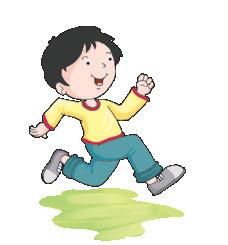
Action Words Recognises and uses simple action words such as run, jump, clap and sit 89–91
One and Many Recognises and identifies objects as “one” or “many” and uses the terms correctly 92
Is and Are Uses “is” and “are” correctly in simple sentences to describe people, animals and objects 93
These and Those Uses “these” and “those” to talk about objects near and far correctly 94
He, She, It
Uses the pronouns “he,” “she” and “it” correctly to talk about people, animals and objects 96
Use of 'and' Uses the word “and” to join words and make simple sentences 97–98
Come and Dance With Me
Long A: ai, ay
Long E: ee, ea
Long O: oa, ow
Listens to the story on wild animals, recalls events and answers questions 99–101
Recognises and reads words with the long A sound spelled as “ai” and “ay” and pronounces them correctly
Recognises and reads words with the long E sound spelled as “ee” and “ea” and pronounces them correctly
Recognises and reads words with the long O sound spelled as “oa” and “ow” and pronounces them correctly
102–103
104–105
106–107
Words with oo Recognises, reads and pronounces words with the “oo” sound correctly 108
The Old Woman in a Vineger Bottle
Days of the Week
Months of the Year
Listens to the story, recalls events and answers questions 111–113
Recognises, names, writes and sequences the days of the week 114–115
Recognises, names, writes and sequences the months of the year 116–117
DAWN is a comprehensive, NCF 2022-based Early Childhood Education program that lays a solid foundation for lifelong well-being and holistic growth, encompassing physical, cognitive, and socio-emotional development.
This Literacy Skillbook has been designed to especially develop phonemic awareness, soundsymbol relationship, vocabulary, oral language, reading comprehension and writing skills.
Additional Resources
• Sticker Sheets
• TLM and Flashcards
• Charts and Posters
• Assessment Sheets
• Holistic Progress Card
• Teacher's Manual
• Digital Resources
• Play-based learning activities, which promote holistic development of the child in all ECE domains
• School readiness, which is assured in the curriculum and learning design
• All-round development, in areas of physical, cognitive, cultural and socio-emotional domains
• Teacher assets, like assessment tools and lesson plans to help maximise program quality and outcomes
Uolo partners with K-12 schools to provide technology-enabled learning programs. We believe that pedagogy and technology must come together to deliver scalable learning experiences that generate measurable outcomes. Uolo is trusted by over 15,000+ schools across India, Southeast Asia and the Middle East.
hello@uolo.com
ISBN 978-81-980375-1-0