No part of this book may be reproduced, distributed, or transmitted in any form or by any means, including photocopying, recording, or other electronic or mechanical methods, without the prior written permission of the publisher, except in the case of brief quotations embodied in critical reviews and certain other non-commercial uses permittedbycopyrightlaw.
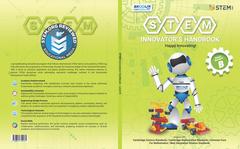
Thankyouforjoiningusonthisexcitingjourney!TheSKOOL21STEMInnovatorsseriesis designednotonlytoignitecuriosityinstudentsbutalsotoempowerteacherstolead meaningful, hands-on STEM learning experiences. Through this series, you will guide young innovators as they explore, design, and solve real-world challenges using science,technology,engineering,andmathematics(STEM).
BuildingonaStrongFoundation
EachleveloftheSKOOL21STEMseriesbuildsuponthepreviousone,creatingastrong continuum of learning — from simple machines to advanced 3D modeling. Students travel through key technological eras, from the Industrial Revolution to the innovations shaping our future. No matter their starting point, every learner will discovernewskillsanddeeperunderstandingalongtheway.
LearningbyDoing
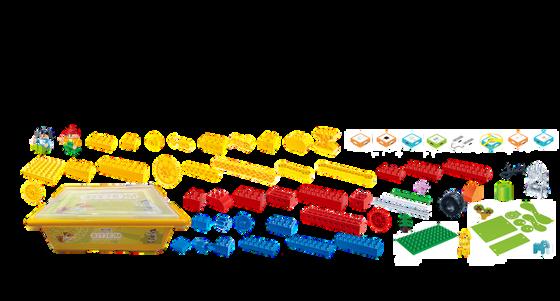
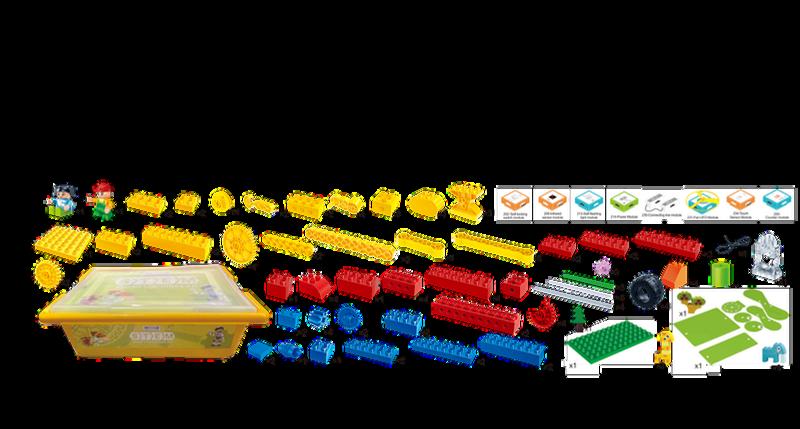
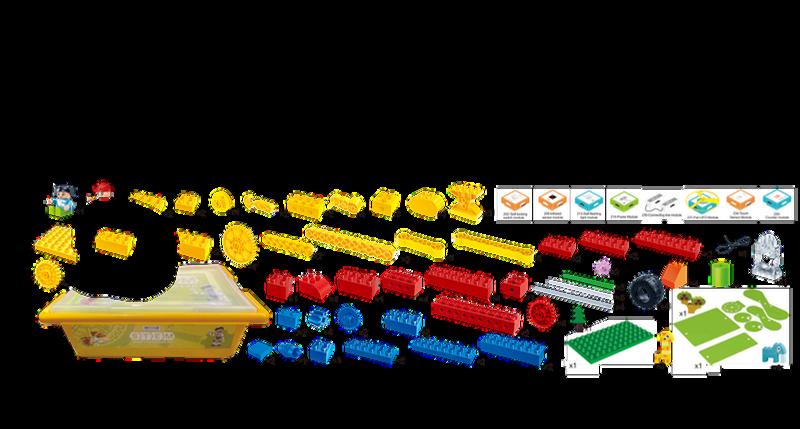
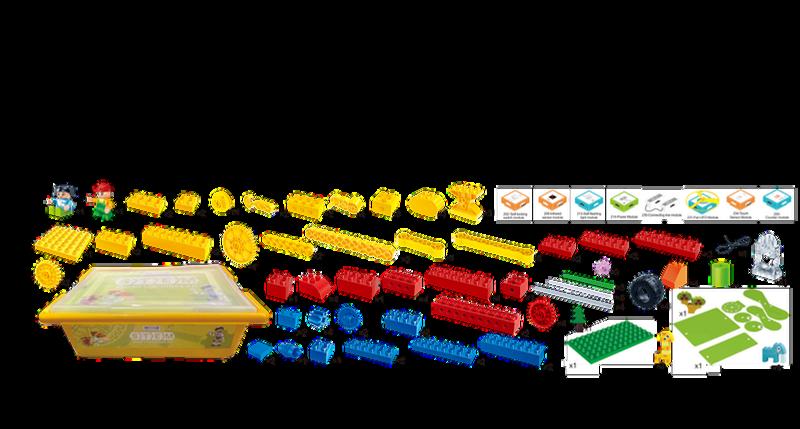
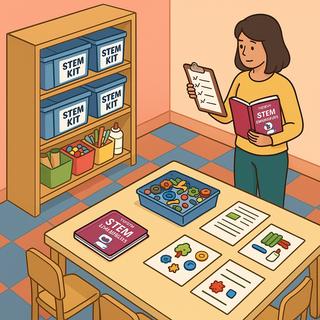
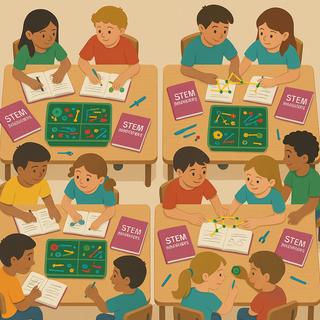
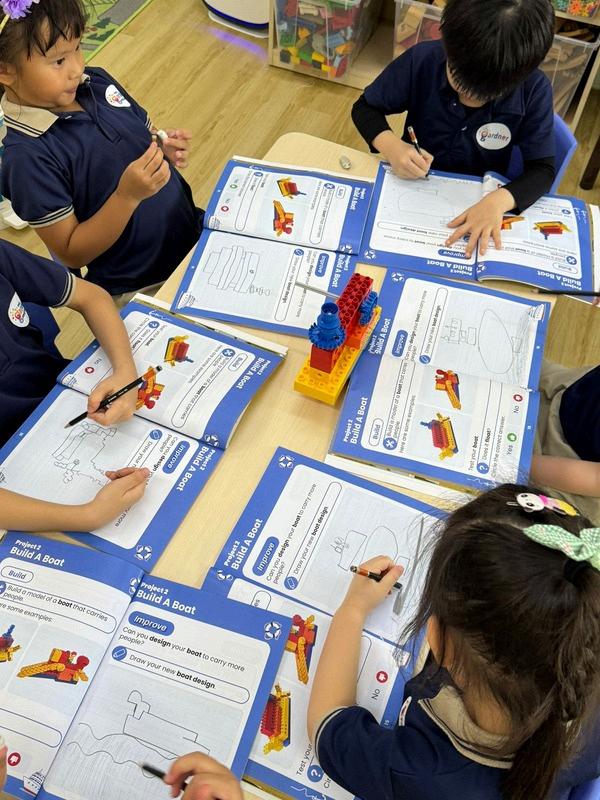
At SKOOL21, we believe students learn best by doing. Each book comes with a comprehensive STEM kit, enabling students to build, test, and explore concepts through hands-on challenges. As a teacher, you will facilitate engaging projects where students actively create, problem-solve, and apply critical thinking skills — all whilehavingfun.
MakingaReal-WorldImpact
Every project is designed to connect learning to real-world issues, inspired by the SustainableDevelopmentGoals(SDGs).Throughthesechallenges,studentsseehow their ideas can contribute to solving problems like clean water access, renewable energy, and environmental conservation empowering them to envision a better world.
TeachingLikeaPro
The SKOOL21 STEM program aligns with international standards and best practices, ensuring that both teachers and students are developing the collaboration, innovation, and design thinking skills valued in today’s world. You’re not just supporting schoolwork — you’re preparing the next generation of thinkers, leaders, andchangemakers.
LessonStructure
Each lesson in the handbook follows a structured format to ensure clarity and effectiveimplementation.Thestructureincludes:
TheEngineeringDesign Process
The Engineering Design Process (EDP) is a systematic approach used by engineers and designers to solve problems and create innovative solutions. It provides a structured framework for developing new products, processes, or systems by following a series of well-defined steps. This process is not only applicable in engineering but is also widely used in various STEM disciplines to tacklechallengesanddevelopcreativesolutions.
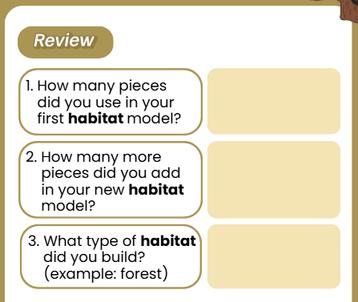
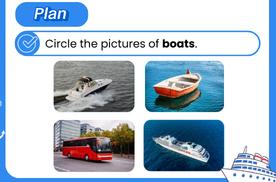
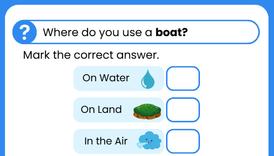
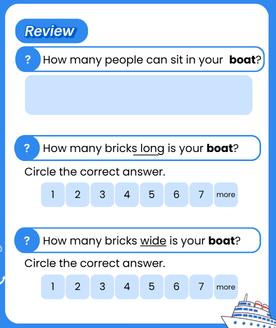
For students in first grade and above, the typical Engineering Design Process follows multiple iterative steps, including identifying a problem, researching,brainstorming,designing,prototyping, testing, and refining solutions. However, for Preschool and Kindergarten learners, this process has been adapted to three essential steps: Plan, Do,andReview Thissimplifiedversionensuresthat young learners can engage with STEM concepts in adevelopmentallyappropriatemanner.
The table below illustrates how the three-step PreK and Kindergarten EDP aligns withthemorecomplexengineeringdesignprocessusedinhighergrades:
This structured approach encourages creativity, critical thinking, and iteration, formingastrongfoundationforfutureSTEMlearning.
FosteringSocialSkills
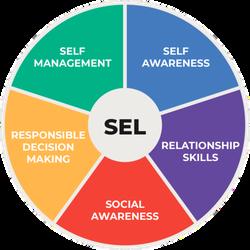
STEM activities naturally build key social skills. Teachers can help students practice and strengthen these skills by guiding them during group work, discussions,andprojectchallenges
Teaching STEM also teaches students how to think, work, and lead. By actively supporting social skills during projects, teachers prepare students not just for academicsuccess,butforfuturecareersandlifechallenges.
At SKOOL21, assessments are a tool for learning and growth not just grading. From Pre-K to Grade 12, we use assessments to guide students in building skills, confidence, and a love of STEM learning. We focus on feedback, reflection, and continuousimprovementtohelpeverystudentreachtheirfullpotential.