TeacherGuide-DataScienceLevel8
Teacher Guide
Copyright©2024
Copyright © 20
Author: NatashaKarampela
Editors: LindseyOwnandErinGoodwin
ISBN: 978-981-17737-2-3
Publishedby:
SKOOL21PTE.LTD.-Singapore
DUOTower,Level8#831
3FraserStreet,189352,Singapore
Allrightsreserved,firstedition2024. Nopartofthisbookmaybereproduced,distributed,ortransmittedinanyformorby anymeans,includingphotocopying,recording,orotherelectronicormechanical methods,withoutthe priorwrittenpermissionofthepublisher,exceptinthecaseof briefquotationsembodiedincriticalreviewsandcertainothernon-commercialuses permittedbycopyrightlaw.
Forpermissionsorinquiries,pleasecontact:
Email: info@skool21.org
Website: https://skool21.org
Preface
WelcometotheFutureofTeachingandLearning!
Welcome to th
Thank you for joi designed not on meaningful, han young innovato science, technol
BuildingonaStrongFoundation
Each level of the
novators series is teachers to lead es, you will guide challenges using creating a strong
Thankyouforjoiningusonthisexcitingjourney!TheSKOOL21STEMInnovatorsseriesis designednotonlytoignitecuriosityinstudentsbutalsotoempowerteacherstolead meaningful,hands-onSTEMlearningexperiences.Throughthisseries,youwillguide younginnovatorsastheyexplore,design,andsolvereal-worldchallengesusing science,technology,engineering,andmathematics(STEM).
EachleveloftheSKOOL21STEMseriesbuildsuponthepreviousone,creatingastrong continuumoflearning—fromsimplemachinestoadvanced3Dmodeling.Students travelthroughkeytechnologicaleras,fromtheIndustrialRevolutiontothe innovationsshapingourfuture.Nomattertheirstartingpoint,everylearnerwill discovernewskillsanddeeperunderstandingalongtheway.
LearningbyDoing
AtSKOOL21,webelievestudentslearnbestbydoing.Eachbookcomeswitha comprehensiveSTEMkit,enablingstudentstobuild,test,andexploreconcepts throughhands-onchallenges.Asateacher,youwillfacilitateengagingprojects wherestudentsactivelycreate,problem-solve,andapplycriticalthinkingskills—all whilehavingfun.
MakingaReal-WorldImpact
Everyprojectisdesignedtoconnectlearningtoreal-worldissues,inspiredbythe SustainableDevelopmentGoals(SDGs).Throughthesechallenges,studentsseehow theirideascancontributetosolvingproblemslikecleanwateraccess,renewable energy,andenvironmentalconservation—empoweringthemtoenvisionabetter world.
TeachingLikeaPro
TheSKOOL21STEMprogramalignswithinternationalstandardsandbestpractices, ensuringthatbothteachersandstudentsaredevelopingthecollaboration, innovation,anddesignthinkingskillsvaluedintoday’sworld.You’renotjust supportingschoolwork—you’repreparingthenextgenerationofthinkers,leaders, andchangemakers.
Building on a not just leaders, and c
IntroductiontotheKit
ABOUTDATABOTS
TheDatabotsKitisaninteractivelearningsolution thatcombinesprogrammablemini-robotswith real-worlddataanalysis.Itprovidesstudentswith thetoolstoexplorefundamentalconceptsindata collection,visualization,andAI-drivendecisionmaking.Whetherintheclassroom,STEMlabs,or extracurricularprograms,thiskitfosterscritical thinking,problem-solving,andcomputationalskills.
SETUPYOURDATABOT
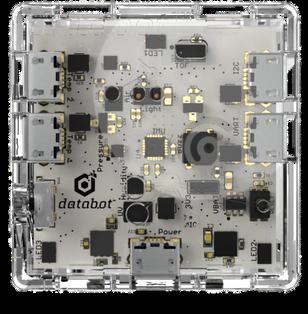
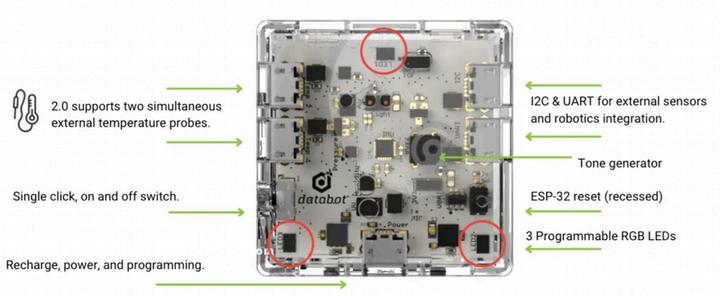
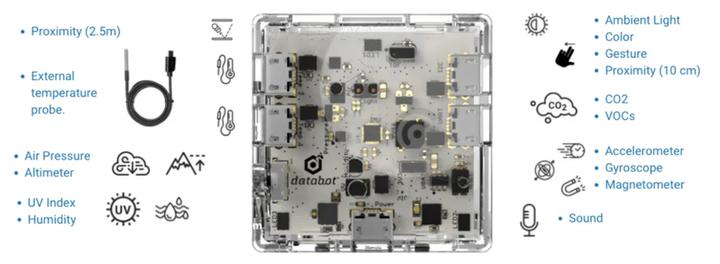
Databotisacuboidwith16sensorsthatcansenddatatoafreeapplication calledVizeeyforvisualization.
Takeyourdatabotoutofthepackageandlocatethechargingport,which isthesidewithasingleportandhasthe“<-X->”axis.Italsowillsay “Power”insmalllettersontheprintedcircuitboard(PCB).Plugitintoa standard5Vsourcetochargeforanhourtocharge.Thebatterywilllastfor 4-6hours.
on the “<B Th d
Whileitischarging,youcanturnitonwiththe“on”switchthatisonthe“<Y->”axisside.TheswitchisverysmallandembeddedinthePCB.Thered andblueLEDs(labelledLED1andLED2onthePCB)shouldturnonwhileitis charging.Notethatthedevicecanbeusedwhileitischarging.
Lookatthedatabotandidentifywherethedifferentsensorsarelocatedon thecuboid.
TheDatabotsKitismorethanjustacodingtool—it’sagatewaytotheworldof datascience,preparingstudentsforcareersinAI,machinelearning,andbeyond.
Letthejourneybegin!
LessonStructure
Eachlessoninthehandbookfollowsastructuredformattoensureclarityand effectiveimplementation.Asamplesolutionisalsofoundattheendofeach lesson.Thestructureincludes:
Lessonobjectives
NGSSStandards
CambridgeScienceStandards
ISTEStandardsConnections
CambridgeMathStandards
CommonCoreMathStandards
DefinetheProblem
Studentsareintroducedtothescienceconcept andarelatedrealworldproblemtheyaretasked withsolving.
GettingStarted
Everyprojectbeginswithguidedfirststeps.This helpsthestudenttoconfidentlytacklethe challengewithasolidfoundation.
DesignandPlan
Build-Test-Improve
Studentsbrainstormindividually,thencollaborate withtheirteamtocomeupwiththebestdesign plan.
Studentscollaboratetobuild,test,andimprove models.Then,theypracticegivingandreceiving constructivefeedback.
MathandScienceConnection/Reflect
Studentsconnecttheirlearningbacktothe academicobjectivesandanswerguided reflectionquestions.
TheEngineeringDesignProcess ocess
TheEngineeringDesignProcess(EDP)isasystematicapproachusedby engineersanddesignerstosolveproblemsandcreateinnovativesolutions.It providesastructuredframeworkfordevelopingnewproducts,processes,or systemsbyfollowingaseriesofwell-definedsteps.Thisprocessisnotonly applicableinengineering,butisalsowidelyusedinvariousSTEMdisciplinesto tacklechallengesanddevelopcreativesolutions.
Forstudentsinfirstgradeandabove,thetypicalEngineeringDesignProcess followsmultipleiterativesteps,includingidentifyingaproblem,researching, brainstorming,designing,prototyping,testing,andrefiningsolutions.
Thisstructuredapproachencouragescreativity,criticalthinking,anditeration, formingastrongfoundationforfutureSTEMlearning.
forming a str
FosteringSocialSkills
STEMactivitiesnaturallybuildkeysocialskills.Teacherscanhelpstudents practiceandstrengthentheseskillsbyguidingthemduringgroupwork, discussions,andprojectchallenges.
Keysocialskillsdevelopedinclude:
Encouragestudentstoshareideas andassignrolesduringgroup worktobuildteamworkand respectfordifferentperspectives.
Promptstudentstoask"why"and "whatif"questionswhensolving problemsordesigningsolutions.
Collaboration EmpathyandRespect
Remindstudentstovalue everyone'sideasandsupport peersbyusingkind,respectful language.
Coach studentstotalkthrough disagreementscalmlyandfind solutionsthateveryonecan accept.
Buildreflectionintotheprocessby askingstudentswhatworkedwell, whatwaschallenging,andwhat theywoulddodifferentlynexttime.
Communication
Modelclearcommunicationand askstudentstoexplaintheir thinkingandlistencarefullyto teammates.
Problem-Solving
Challengestudentstotrydifferent strategieswhentheyface obstaclesandpraisepersistence.
TimeManagement
Helpteamssetmini-deadlines andguidethemtobreakprojects intosmaller,manageabletasks.
PresentationSkills
Givestudentsregularchancesto presenttheirworktopeers,using clearspeakingandsupportive feedback.
Teamworking
Celebratestrongteamworkby recognizingwhenstudentsshare leadership,encourageeachother, andsolveproblemstogether.
TeachingSTEMalsoteachesstudentshowtothink,work,andlead.Byactively supportingsocialskillsduringprojects,teacherspreparestudentsnotjustfor academicsuccess,butforfuturecareersandlifechallenges.
academic su
MakerspaceSetup
Amakerspaceisacreative,hands-onareawherestudentsexploreSTEM conceptsthroughbuilding,experimenting,andsolvingproblemstogether.This guideisdesignedforteacherswhoarenewtoSTEMandlookingforclearstepsto setupandmanageamakerspace.
SpaceDesign:
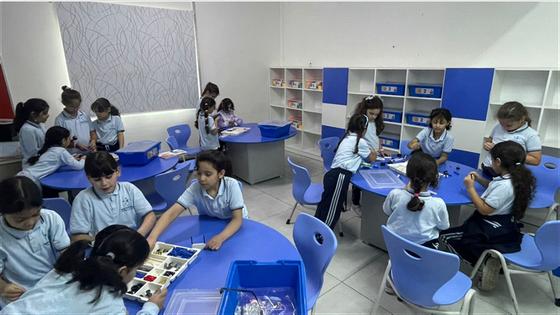
Chooseaclean,well-litspacewithroomtomove. Arrangetables/chairsinclustersof2–4students. Uselow,openshelvesforeasyaccesstomaterials. For30students,750–900sqftisrecommended (25–30sqftperstudenttoallowmovement, collaboration,andtool/machine/materialuse).
MaterialsManagement:
Ensurethatkitsarecompleteandaccessiblebefore eachproject.
Provideracksoropenshelvestoorganizeandstore STEMkitsforeasyaccess.
RefertotheprojectinstructionsintheSKOOL21book toidentifyifadditionalmaterials(e.g.,craftitems, recycledobjects)areneeded—planaheadand preparetheminadvance.
SharedResources:
ProvideoneSTEMkitpersmallgroup. Encourageteamworkbyhavingstudentsco-design andco-buildprojects.
SafetyFirst: Keep a fi
Setsimplesafetyrulesandreviewoften. Supervisealltooluseclosely. Keepafirst-aidkitinthespace.
STEMClassroomManagement
STEMclassesarehands-on,highlyengaging,andoftennoisy—that’sagood thing!Butwithoutclearroutinesandstructures,theycanquicklybecome chaotic.Awell-managedmakerspaceallowsstudentstoexploreandinnovate safely,responsibly,andcollaboratively.
STEMClassSessionRoutine
Setaclearandconsistentstructuretoeachsessionsostudentsknowwhatto expectandstayfocused:
90-minuteproject (Grade3toGrade12)
Grade 3 to Grade 12)
5-minute
45-minuteproject (Pre-KtoGrade2)
o ect Pre-K to Grade 2)
SpaceOrganization:
Provideracksoropenshelvestostorekitsneatlyandaccessibly.
ToolandMaterialsRules:
Usetoolswithcare–noplayingormisusingmaterials.
Returneverythingtoitslabeledplace.
Askbeforetakingextrasupplies.
Handstoyourself—respectothers’creationsandspace.
Assignspecificworkzones:BuildArea,SupplyRack,QuietZone,Cleanup Station.
Keepaprojectmaterialchecklisttomakesurekitsarecompletebefore starting.
Onlyonegroupmember(MaterialManager)maycollectmaterialsatatime.
GroupManagementwithTeamRoles
Groupworkcanbemessywithoutstructure.SKOOL21encouragesstudent collaboration,sorotatingroleshelpsbalanceresponsibilityandensure activeparticipation:
Leader
MaterialManager Reporter
TestingSupervisor
Keepsteamontask,trackstime,encourages collaboration.
Collectskits/materialsfromtheteacher,ensuressupplies arereturnedpost-build.
Sharesoutcomes,challenges,andsolutionswiththeclass.
Evaluatesthemodel,givesfeedback,suggestschanges.
ImplementationGuide
TheSKOOL21STEMInnovatorsHandbookoffersproject-basedSTEMlessonsfor Pre-KthroughGrade12.Teacherscanusethreemainmodelstoimplementthese projects:
IntegratedApproach
EmbedSTEMprojectsintoexistingscienceandmathlessons.Forexample,a scienceunitonplantsmightincludeahands-onengineeringchallengefrom thehandbook.ThisalignsSTEMactivitiesdirectlywithcurriculumstandards andlearningobjectives.ResearchshowsthatteachingSTEM subjectstogether (aswithintegratedlessons)deepensunderstandingandretentionandmakes learningmorerelevantandconnectedtotherealworld.
Advantages:
Reinforcesrequiredscience/mathstandardswithhands-onapplication. Buildsproblem-solvingandcritical-thinkingskillsthroughproject-based learning.
Helpsstudentsseeconnectionsacrosssubjects(an“interconnected viewpoint”).
Usesexistingclasstime(noextraperiodsneeded),soSTEMisn’tanadd-on butpartofthecurriculum.
PracticalTips:
Alignprojectstolessons: ChooseSKOOL21projectsthatmatchyourunit goals(e.g.useasimplemachineprojectduringaforces&motionunit).
Startsmall: BeginwithashortSTEMactivity(one45-minutesession)ina scienceormathlesson,thenbuilduptolongerprojects.
Co-teachifpossible: Collaboratewithascienceormathcolleagueto shareplanningandbringindifferentexpertise.
Usegrade-appropriatepacing: ForPre-K–Grade2,integratea45-min STEMmini-projecteachweek;forGrade3+,youmightsplita90-min scienceperiodintolecture+projecttime.
connect
Emphasizestandards: SKOOL21projectsaredesignedtoalignwithNGSS, CommonCorestandards,Cambridgemathandscience.Highlightthese connectionsinyourlessonplantomeetacademicgoals.
Stand-AloneClassApproach
ScheduleadedicatedSTEMclassormakerspacesession(e.g.aweekly90minutelabperiodorrotatingSTEM special).Inthismodel,studentsworkina makerspaceorlabwithtoolsandmachines(likeroboticskits,3Dprinters,craft materials,etc.).Amakerspaceis“acollaborativeworkspaceinsideaschoolfor making,learning,andexploring”.StudentsinteamstackleSKOOL21projects fromstarttofinish,usinghands-onmaterialsratherthanjusttextbooks.
Advantages:
Focusedhands-onlearning:Studentscantakeabstractconceptsand makethemconcrete(forexample,learningcircuitrybyactuallybuildinga papercircuit).
Resilienceandcreativity:Thetrial-and-errornatureofmakingteaches perseverance;studentslearntoiterateondesignswhenthingsdon’twork andthusdevelopgrit.
Equityandaccess:Awell-stockedSTEMlabgivesallstudents(including girlsandunder-representedgroups)equalaccesstotechandengineering tools.
PracticalTips: g
Scheduleregularly: BlockoutaconsistentSTEMlabperiod(45–90 minutes)eachweekorrotateclassesin/outofthelab.
Preparematerialsinadvance: Keepcommonkits(e.g.robotics,simple circuits,designsets)readysoeachsessionisn’tdelayedbysetupand leavetimeforcleanupduringclass
Trainteachers: ProvidebasictrainingorguidesontheSKOOL21projectsso teachersfeelconfidentusingtheequipmentandmanaginghands-on activities.
Groupstudentsthoughtfully: Mixskilllevelsinteams;olderstudentscan mentoryoungeronesinamakerspaceproject.
Blendwithcurriculum: Eveninastand-aloneclass,tieprojectsto standards(e.g.acodingprojectthatteachesmathlogicoradesign challengethatreinforcesphysicalscienceconcepts).
Extra-CurricularApproach
RunSTEMprojectsasafter-schoolclubs,lunch-timeactivities,orsummer camps.Theseareoptionalprograms(STEMclubs,roboticsteams,coding camps,etc.)whereinterestedstudentscanexploreSKOOL21challengesmore freely.After-schoolSTEM“engagesstudentsinhands-on,real-worldprojects,” makingSTEMfeelexcitingandrelevant.
Advantages:
Extratimetoexplore:Studentsgetmorehourstoquestion,tinker,andlearn beyondthelimitedschoolday.Forexample,aweeklyroboticsclubmight meetforanhourafterschool.
Buildsinterestandidentity:Funclubactivitiessparkmotivationanda positiveattitudetowardSTEM,helpingstudentsdevelopaSTEMidentity.
Flexibleandstudent-driven:Studentsself-select;theyworkattheirown paceoncreativeprojects(e.g.codingagame,buildingamodelbridge).
Reachesdiverselearners:Clubscantargetdifferentagegroupsandskill levels–frombasicscienceforyoungerkidstoadvancedroboticsforteens. Thishelpsbridgeenrichmentgaps(makingSTEMopportunitiesavailableto allstudents).
PracticalTips:
Keepitlow-stakes: Emphasizefunandcuriosityovergrades.Short,handsonprojects(likemini-challenges)keepstudentsengaged.
Advertisewidely: Inviteallstudents,notjusthigh-achievers.Useschool announcements,flyers,andparentnewsletterstoraiseawareness. Tietocompetitionsorshowcases: Useevents(sciencefairs,robotics tournaments)tomotivatetheextraeffort.
Leveragesummerorcamptime: Ifresourcesallow,runaweek-longSTEM summercampusingseveralSKOOL21projectsfordeeperimmersion.
Collaboratewithcommunity: Inviteguestspeakers(engineers,makers)or partnerwithlocallibraries/museumsformaterialsandinspiration.
HybridApproach (BlendingAllModels)
Inpractice, manyschoolsuseamixofmodels.Ahybridapproachmight integratesimpleSTEMtasksintoregularlessonsandalsoofferadedicated STEMlabplusanafter-schoolclub.Thisway,everystudentgetssomeSTEM exposureandthosewholoveitcandivedeeper.
Whentointegrate:
Usecurriculum-linkedprojectsduringcoreclasses.Forexample,inaGrade4mathclassyou mightuseaSKOOL21projectongearstoteachratios,orinscienceclassstudentsmight buildamodelecosystem.Smallerorsingle-sessionactivitiesfitwellhere.
Reservelonger,open-endedprojectsforSTEMclassorthemakerspace.Complex engineeringchallenges(robotdesign,3Dmodeling,advancedcoding)needlongerblocks, sothesesuita90-minSTEMperiodorseriesoflabsessions.
Offerstudentsaspaceforexplorationthatdoesn’tfitthecurriculumortimeline.These projectscanbedrivenbystudentinterestandcanspanseveralweekswithoutpressureto “coverthecurriculum.”
Usingahybridplanensuresflexibility.Teacherscanadapt:ifasemesteris heavywithtesting,leanonafter-schoolclubsforenrichment;whencovering standards,weaveSTEMintolessons.Alwayscheckthatevenfree-formprojects stilltouchacademicgoals.
(Note:SKOOL21projectsarealreadyalignedtoNGSSandCommonCore standards,CambridgeMathematicsandCambridgeScience,sowhether integratedorstand-alone,theysupportlearningobjectives.)
StandardsAlignment
DataCollection8.NS.A.1 8Ss.04
8.EE.C.7 8Ae.04
8.F.B.5 8As.07
Analyze
Interpretand communicate
MS-PS1-38Cp.01
MS-PS4-28Ps.04
MS-LS1-58Bp.03
MS-PS4-28TWSc.07DataCollection8.F.B.4 8As.04
8.F.A.3 8Ae.04
8.G.A.5 8Gg.11
8.SP.A.1 8Ss.05
8.EE.C.8.c8Ae.06
Testand interpret
Statistical investigation
MS-ESS3-58ESc.02
MS-ESS3-28SIC.02
MS-PS4-28Ps.04
MS-PS2-28Pf.03 Statistical investigation
1 AirQuality Analysis 60-90minSDG3
2 UV-Protection ProductTesting 60-90minSDG12
3JumpCounter60-90minSDG3
4SoundproofWalls60-90minSDG1
5 Greenhouse Effect 60-90minSD G1 3
6 Landslide prevention 60-90minSDG9
7BlackoutCurtains60-90minSDG5
8 Package Parachute 60-90minSDG2
Collect/Consider Data
MS-PS3-38TWSa.04
8.EE.B.5 8As.03 9 SplitThermal Lunchbox 60-90minSDG4
8.EE.C.7 8As.04
Interpretand Communicate
MS-PS3-28Pe.01
MS-ETS1-18SIC.02 AnalyzeData8.SP.A.4 8Ss.05
MS-PS4-38TWSa.02AnalyzeData8.F.B.5 8As.07
8.F.B.4 8As.04
Collect/Consider Data
8.F.B.4 8As.04
Interpretand communicate
8.G.B.8 8Gp.01
Interpretand Communicate
MS-ETS1-18Pf.05
10MaglevTrains60-90m inS DG7
11BlindSpotSensor60-90minSDG9
12 Conductor Converter 60-90minSDG10
13BalanceBallChair60-90minSDG8
MS-ETS1-18Bp.03. A s . 0 4 G p 0 1
MS-LS1-78Bs.04
MS-PS2-28Pf.03
AltitudeSickness Alarm 60-90minSDG15
14
15 BikeStability Monitor 60-90minSDG11
16CapstoneProject60-90minSDG3
CambridgeScienceAlignment
LearningObjective
ThinkingandWorkingScientifically
8TWSc.07 Collectandrecordsufficientobservationsand/or measurementsinanappropriateform.
8TWSa.02 Describetrendsandpatternsinresults,including identifyinganyanomalousresults.
8TWSa.04 Evaluateexperimentsandinvestigations,andsuggest improvements,explaininganyproposedchanges.
Structureandfunction
8Bs.04 Describethediffusionofoxygenandcarbondioxidebetween bloodandtheairinthelungs.
Lifeprocesses
8Bp.03 Discusshowhumangrowth,developmentandhealthcanbe affectedbylifestyle,includingdietandsmoking.
Propertiesofmaterials
8Cp.01 Understandthattheconcentrationofasolutionrelatestohow manyparticlesofthesolutearepresentinavolumeofthesolvent.
Forcesandenergy
8Pf.03 Describetheeffectsofbalancedandunbalancedforceson motion.
8Pf.05 Explainthatpressureiscausedbytheactionofaforce,exerted byasubstance,onanarea(pressure=force/area).
Lightandsound
8Ps.04 Describehowcoloursoflightcanbeadded,subtracted, absorbedandreflected.
Electricityandmagnetism
8Pe.01 Describeamagneticfield,andunderstandthatitsurroundsa magnetandexertsaforceonothermagneticfields.
CyclesonEarth
8ESc.02 UnderstandthattheEarth'sclimatecanchangedueto atmosphericchange.
ScienceinContext
8SIC.02 Describehowscienceisappliedacrosssocietiesand industries,andinresearch.
8SIC 02 Describe h industries, and in r
NGSSAlignment
LearningObjective
EarthandHumanActivity
MS-ESS3-5. Askquestionstoclarifyevidenceofthefactorsthathave causedtheriseinglobaltemperaturesoverthepastcentury.
MS-ESS3-2 Analyzeandinterpretdataonnaturalhazardstoforecast futurecatastrophiceventsandinformthedevelopmentof technologiestomitigatetheireffects.
EngineeringDesign
MS-ETS1-1 Definethecriteriaandconstraintsofadesignproblem withsufficientprecisiontoensureasuccessfulsolution,takinginto accountrelevantscientificprinciplesandpotentialimpactson peopleandthenaturalenvironmentthatmaylimitpossiblesolutions.
FromMoleculestoOrganisms:StructuresandProcesses
MS-LS1-5 Constructascientificexplanationbasedonevidencefor howenvironmentalandgeneticfactorsinfluencethegrowthof organisms.
MS-LS1-7 Developamodeltodescribehowfoodisrearranged throughchemicalreactionsformingnewmoleculesthatsupport growthand/orreleaseenergyasthismattermovesthroughan organism.
MatteranditsInteractions
MS-PS1-3 Gatherandmakesenseofinformationtodescribethat syntheticmaterialscomefromnaturalresourcesandimpactsociety.
WavesandtheirApplications
MS-PS4-2 Developanduseamodeltodescribethatwavesare reflected,absorbed,ortransmittedthroughvariousmaterials.
MS-PS4-3 Integratequalitativescientificandtechnicalinformationto supporttheclaimthatdigitizedsignalsareamorereliablewayto encodeandtransmitinformationthananalogsignals.
MotionandStability
MS-PS2-2 Plananinvestigationtoprovideevidencethatthechange inanobject’smotiondependsonthesumoftheforcesontheobject andthemassoftheobject.
Energy
MS-PS3-3 Applyscientificprinciplestodesign,construct,andtesta devicethateitherminimizesormaximizesthermalenergytransfer.
Develop of objects interact
MS-PS3-2 Developamodeltodescribethatwhenthearrangement ofobjectsinteractingatadistancechanges,differentamountsof potentialenergyarestoredinthesystem.
CambridgeMathematics Alignment
Algebra
8Ae.04 Understandthatasituationcanberepresentedeitherin wordsorasanalgebraicexpression,andmovebetweenthetwo representations(linearwithintegerorfractionalcoefficients).
8Ae.06 Understandthatasituationcanberepresentedeitherin wordsorasanequation.Movebetweenthetworepresentations andsolvetheequation(integerorfractionalcoefficients,unknown oneitherorbothsides).
8As.03 Understandthatafunctionisarelationshipwhereeach inputhasasingleoutput.Generateoutputsfromagivenfunction andidentifyinputsfromagivenoutputbyconsideringinverse operations(includingfractions).
8As.04 Understandthatasituationcanberepresentedeitherin wordsorasalinearfunctionintwovariables(oftheformy=mx + c),andmovebetweenthetworepresentations.
GeometryandMeasure
8Gg.11 Recogniseanddescribethepropertiesofanglesonparallel andintersectinglines,usinggeometricvocabularysuchas alternate,correspondingandverticallyopposite.
8Gp.01 Understandandusebearingsasameasureofdirection.
StatisticsandProbability
8Ss.04 Useknowledgeofmode,median,meanandrangeto comparetwodistributions,consideringtheinterrelationship betweencentralityandspread.
8Ss.05 Interpretdata,identifyingpatterns,trendsandrelationships, withinandbetweendatasets,toanswerstatisticalquestions. Discussconclusions,consideringthesourcesofvariation,including sampling,andcheckpredictions.
CCSSMathematicsAlignment
LearningObjective
8.NS.A.1 Knowthatnumbersthatarenotrationalarecalled irrational.Understandinformallythateverynumberhasadecimal expansion;forrationalnumbersshowthatthedecimalexpansion repeatseventually,andconvertadecimalexpansionwhich repeatseventuallyintoarationalnumber.
ExpressionsandEquations
8.EE.B.5 Graphproportionalrelationships,interpretingtheunitrate astheslopeofthegraph.Comparetwodifferentproportional relationshipsrepresentedindifferentways.Forexample,compare a distance-timegraphtoadistance-timeequationtodetermine whichoftwomovingobjectshasgreaterspeed.
8.EE.C.7 Solvelinearequationsinonevariable.
8.EE.C.8.c Solvereal-worldandmathematicalproblemsleadingto twolinearequationsintwovariables.Forexample,given coordinatesfortwopairsofpoints,determinewhethertheline throughthefirstpairofpointsintersectsthelinethroughthe secondpair.
Functions
8.F.A.3 Interprettheequationy=mx+basdefiningalinear function,whosegraphisastraightline;giveexamplesoffunctions thatarenotlinear.Forexample,thefunctionA=s2givingthearea ofasquareasafunctionofitssidelengthisnotlinearbecauseits graphcontainsthepoints(1,1),(2,4)and(3,9),whicharenotona straightline.
8.F.B.4 Constructafunctiontomodelalinearrelationshipbetween twoquantities.Determinetherateofchangeandinitialvalueof thefunctionfromadescriptionofarelationshiporfromtwo(x,y) values,includingreadingthesefromatableorfromagraph. Interprettherateofchangeandinitialvalueofalinearfunctionin termsofthesituationitmodels,andintermsofitsgraphoratable ofvalues.
8.F.B.5 Describequalitativelythefunctionalrelationshipbetween twoquantitiesbyanalyzingagraph(e.g.,wherethefunctionis increasingordecreasing,linearornonlinear).Sketchagraphthat exhibitsthequalitativefeaturesofafunctionthathasbeen describedverbally.
Geometry
8.G.A.5 Useinformalargumentstoestablishfactsabouttheangle sumandexteriorangleoftriangles,abouttheanglescreated whenparallellinesarecutbyatransversal,andtheangle-angle criterionforsimilarityoftriangles.Forexample,arrangethree copiesofthesametrianglesothatthesumofthethreeangles appearstoformaline,andgiveanargumentintermsof transversalswhythisisso.
8.G.B.8 ApplythePythagoreanTheoremtofindthedistance betweentwopointsinacoordinatesystem.
StatisticsandProbability
8.SP.A.1 Constructandinterpretscatterplotsforbivariate measurementdatatoinvestigatepatternsofassociationbetween twoquantities.Describepatternssuchasclustering,outliers, positiveornegativeassociation,linearassociation,andnonlinear association.
8.SP.A.4 Understandthatpatternsofassociationcanalsobeseen inbivariatecategoricaldatabydisplayingfrequenciesand relativefrequenciesinatwo-waytable.Constructandinterpreta two-waytablesummarizingdataontwocategoricalvariables collectedfromthesamesubjects.Userelativefrequencies calculatedforrowsorcolumnstodescribepossibleassociation betweenthetwovariables.
SchemeofWork
SessionObjectivesMaterials
Lesson1:LEDTest
1 (45mins)
Setupandprogram a Databotusing Microblocks.
InnovatorsBook
Databotkit Computer
Lesson2:UsingtheTiltSensor
2 (45mins)
UseMicroblocksto readandgraphtilt sensordata.
Innovators Book
Databotkit Computer
Lesson3:Savingdatatoa.csvfile
3 (45mins)
Storeandsave sensordatainCSV filesusing Microblocks.
Innovators Book
Databotkit Computer
Describethe functionsand usesofa Databot.
Explainhowatilt sensordetects motionor position.
Explainhow soundsensors collectand record environmental data.
Lesson4:ControlOutputsWithanInput
4 (45mins)
Programsensorsto controlDatabot outputsusing Microblocks.
Innovators Book
Databotkit Computer
Project1:AirQualityAnalysis
5 (45mins)
6 (45mins)
IdentifyVOCsources andmeasurelevels
Designandprogram aVOCalarm
Innovators Book
Databotkit Computer Lighter
Fan
Related Science Related Math Sustainability Themes
Applyblockbasedcoding logictocontrol DatabotLEDs.
Interprettilt sensorvalues usinggraphical representations
Organizesensor readingswith timestampsfor dataanalysis.
tainability
Explainhow sensors influence outputslikelight andsound.
Analyzesensor valuechanges andresulting output behaviors.
Explainhow VOCsaffect humanhealth andindoorair quality.
Project2:UV-ProtectionProductTesting
7 (45mins)
8 (45mins)
MeasureUVindex andtestmaterials usingthedatabot sensor.
Programadatabot systemtosignalUV exposurelevels.
Project3:JumpCounter
9 (45mins)
10 (45mins)
Innovators Book
Databotkit Computer Polarized Sunglasses Non-polarized Sunglasses
Useaccelerometer datatodetectand recordjumps.
Innovators Book
ExplainUV radiationandits effectsoneyes andskin.
Recordand analyzeVOC readingsin ppmacross environments.
Recordand compareUV readingsto evaluate product effectiveness.
Programasystemto countandsavetotal jumps.
co jum
Databotkit Computer JumpRope
Explainhow accelerometers measure movementand support cardiovascular health.
Analyzeand storejump countsusing thresholdsand CSVfiles.
Project4:SoundproofWalls
11 (45mins)
12 (45mins)
Measuresoundlevelsin decibelsusingthe databotsensor.
Testfabricsandidentify themosteffective soundproofingmaterial.
Project5:GreenhouseEffect
13 (45mins)
14 (45mins)
MeasureCO₂ and temperaturechanges usingdatabot sensors.
Recordandcalculate averageCO₂ and temperatureduring combustion.
Innovators Book
Databotkit
Computer Shoebox withlid
Innovators Book
Databotkit
Computer Airtight container
Project6:Landslideprevention
15 (45mins)
16 (45mins)
Measureslopeangles withdatabotto identifycriticalsoil movement.
Programanalarm systemtowarnof unstableslopes.
Innovators Book
Databotkit
Computer Plasticbin
Project7:BlackoutCurtains
17 (45mins)
18 (45mins)
Measurelightlevels withdatabottotest fabriccoverings.
Recordandcompare fabricdatatofind bestblackout material.
Innovators Book
Databotkit
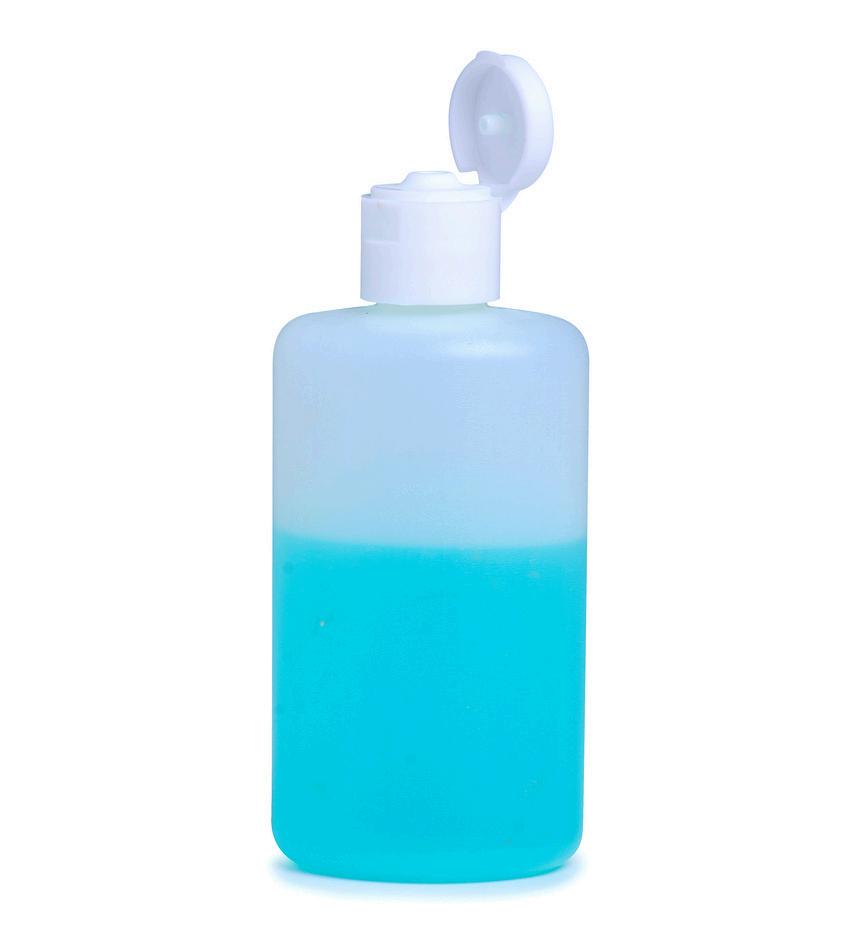
Computer Spraybottle
Project8:PackageParachute
19 (45mins)
20 (45mins)
Measureacceleration withdatabottostudy fallingmotion.
Designandtest parachutestoreduce package acceleration.
Innovators Book
Databotkit
Computer Flashlight Assorted fabrics
Project9:SplitThermalLunchbox
21 (45mins)
22 (45mins)
Measuretemperature changesusingthe databotsensor.
Explainhow materialsblock orabsorbsound waves.
Recordand comparesound datausingCSV files.
Innovators Book
Databotkit
Explainhow greenhouse gasestrapheat andaffect climate.
Analyzesensor dataand compute averagesfrom CSVfiles.
Explainhow gravity,friction, andsoil conditionsaffect landslides.
Recordand analyzetilt sensordatato determine criticalangles.
Explainhowlight affects melatoninand sleepquality.
Collectand analyze brightnessdata usingCSVfiles.
Explainhow gravityandair resistanceaffect fallingobjects.
Recordand analyze acceleration datausingCSV files.
Explainhowheat transferaffects foodsafety.
Recordand compare temperature datausingCSV files.
ma be
Testinsulating materialstoidentify bestheatbarrier.
Computer Lunchbox
Project10:MaglevTrains
23 (45mins)
24 (45mins)
Measuremagneticfield strengthusingthe databotsensor.
Recordandcompare magnetsetupsfor stablelevitation.
Project11:BlindSpotSensor
25 (45mins)
26 (45mins)
Measureproximity valueswithdatabotto simulateblindspots.
Programanalert systemforblindspot detection.
Innovators Book
Databotkit
Computer
Innovators Book
Databotkit
Computer
Cardboard
Project12:ConductorConverter
27 (45mins)
28 (45mins)
Detectanddisplay handgesturesusing thedatabotsensor.
Programgesturesto triggermetronome beepsforrhythm.
Innovators Book
Databotkit
Computer
Blindfold
Project13:BalanceBallChair
29 (45mins)
30 (45mins)
Exploreballpressure& AIposturedetection.
Testinflationlevels, recordcomfort,and analyzeresults.
Innovators Book
Databotkit
Computer Airpump
Project14:AltitudeSicknessAlarm
31 (45mins)
32 (45mins)
Measurealtitude changeswithdatabot inscalemodel.
ProgramalarmwithLED colorsandlogaltitude data.
Innovators Book
Databotkit
Computer
Project15:BikeStabilityMonitor
33 (45mins)
34 (45mins)
Measurebiketiltvalues toexplorestabilityand wobbling.
Testbikestability, programalerts,and calculateminimum safespeed.
Innovators Book
Databotkit
Computer
Meterstick Timer
Explainhow balancedforces enablemagnetic levitation.
Collectand analyze magneticfield datainCSV files.
Explainhowblind spotscreate risksfordrivers andpedestrians.
Recordand analyze proximitydata usingCSVfiles.
Explainhow gesturesensors translatemotion intosignals.
Recordand analyzegesture datausingCSV files.
Explainhow inflationaffects postureand ergonomic support.
Recordand analyze pressurevalues withcomfort ratings.
Explainhow reducedair pressurecauses altitudesickness.
Recordand analyzealtitude thresholddata using.csvfiles.
Explain relationship betweenspeed, tilt,andbicycle stability.
Measure distance,time, andcalculate bikingspeed.
CapstoneProject
35 (45mins)
36 (45mins)
Brainstormfitness problemsanddesign a databot-based prototype.
Innovators Book
Databotkit
Explainhow sensorsmeasure bodymovement orfitnessactivity.
Collect,record, andanalyze numerical fitnessdata.
Testprototype,record results,andsuggest improvements.
Te res im
Computer
LessonPlans andAnswerkey
Project1:AirQualityAnalysis LessonPlan
LearningObjectives Duration: 90minutes
Bytheendofthislesson,studentswillbeableto:
1. Explainwhatvolatileorganiccompounds(VOCs)are,identifywheretheycomefromin everydayenvironmentsanddescribewhytheymaybeharmfultohumanhealth.
2. Usethedatabot’sSGP30sensortoaccuratelymeasureVOClevelsindifferentindoorand outdoorconditions.
3. Designandprogramafunctionalsystemthatusesthedatabottoalertuserswithanaudio orvisualsignalwhenVOClevelsriseaboveathresholdthat indicatespoorairquality.
4. Proposepracticalsolutionsforimprovingindoorairqualityandreducinghumanexposure toharmfulcompounds,whileconnectingthislearningtoreal-worldworkplaces.
Materials
Vocabulary
VOCs(VolatileOrganic Compounds)
PPM(PartsPerMillion)
Gasesemittedintotheairfromproductsorprocessessuchassprays, paints,orcleaningsolutions,whichmaybeharmfulwheninhaled.
Aunitofmeasurementthatexpressestheconcentrationofagasinthe air,usedtoevaluatewhetherlevelsaresafeorunhealthy.
AtypeofVOCthatdissolvesothersubstancesandcancontributeto indoorandoutdoorairpollution.
Achemicalcompoundcommonlyfoundinnailpolishremoverthat evaporatesquickly,isclassifiedasaVOC,andcancauseirritationto theeyes,skin,andlungs.
Preparation(TeacherTo-DoBeforeClass)
1. Ensurethatalldatabotdevicesarefullychargedandfunctioningbeforethelessonbegins.
2. Open microblocks.fun/run/microblocks.htmloneachstudentcomputerandverifythatthe USBconnectionsareworkingproperly.
3. Pre-loadthedatabotlibraryandtestasimpleprogramthatreadsanddisplaysVOCvalues, soyoucandemonstratehowthegraphingsystemworks.
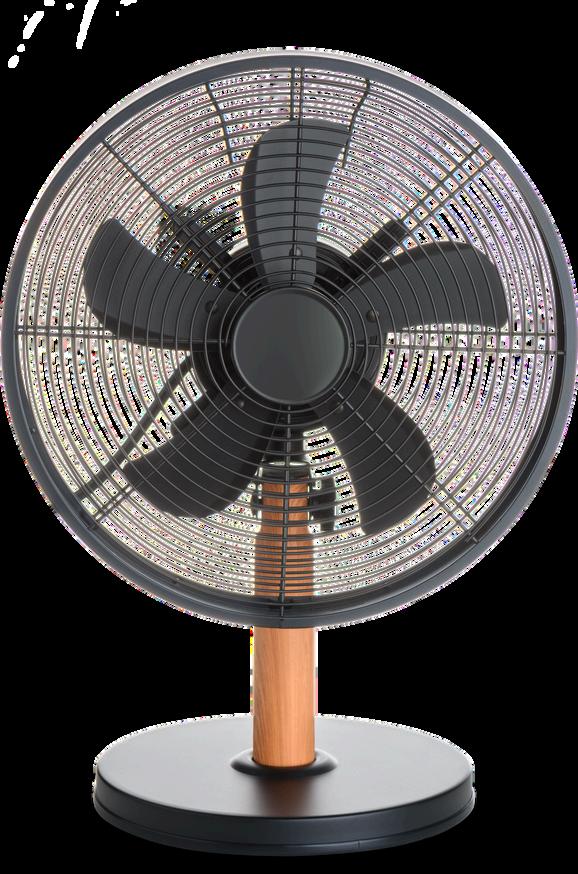
4. Prepareasafedemonstrationenvironment.Keepwindowsopenorfansrunningand remindstudentsaboutsafetywhentestingwithhairspray,nailpolishremover,orcandles. Providemasksifpossibletoreduceexposureduringtesting.
5. BuildandtestanexampleprogramthatgraphsVOClevelsinpartspermillionandusesa conditionalblocktotriggeranalert(suchasasoundorflashingLED)whentheVOCssurpass anunhealthylevel.Thiswillserveasareferenceforstudentswhomayneedextraguidance.
Grade8 InnovatorsBook Databotwith SGP30sensor
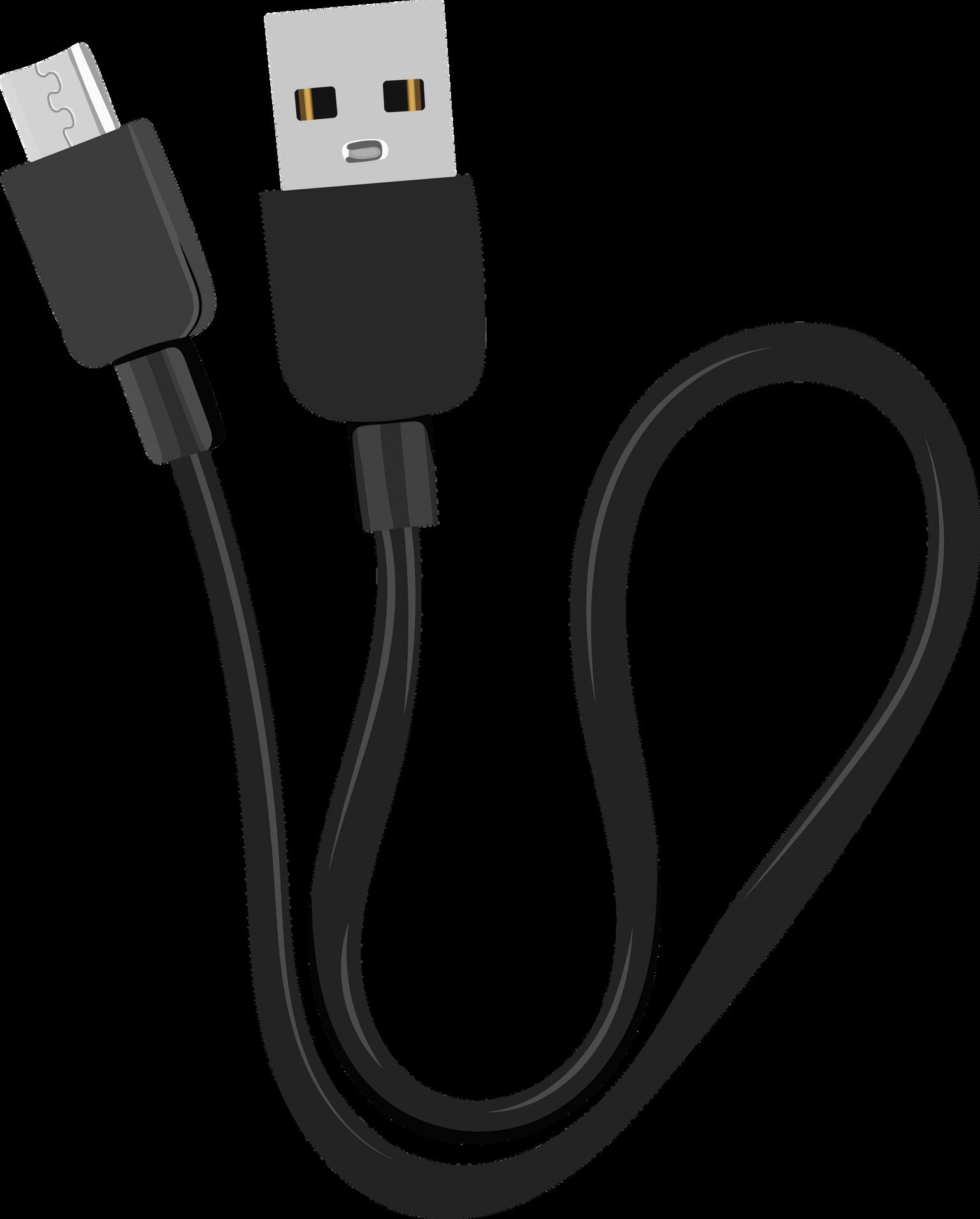
USBCableand Computer
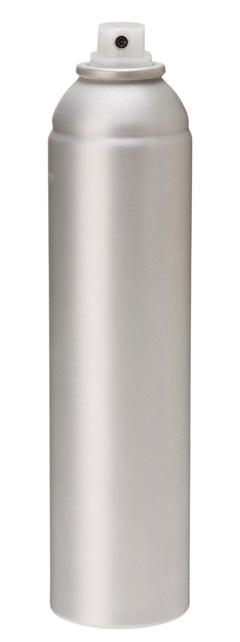
Hairspray
NailPolish Remover Candleand Lighter Fan
LearningActivities(Session1)
Introduction
1. Beginwithadiscussionbyaskingstudents:“Whatdoyounoticewhensomeoneusesnail polishremover,lightsacandle,orsprayshairsprayinaroom?”Guidethemtothinkabout strongsmellsandinvisiblefumes.
2. Explainthattheseproductsreleasegasescalledvolatileorganiccompounds(VOCs). EmphasizethatVOCscannotbeseen,buttheycanaccumulateintheairandaffecthuman health.
3. Shareexamplesofworkplacessuchasbeautysalonswhereemployeesareregularly exposedtoVOCsandexplainthatlong-termexposurecanleadtorespiratoryillnessesor worsenasthma.
4. Highlighthowscientistsandengineersusedatacollectiontools,likesensorsandgraphs,to measureVOClevelsintheairanddetermineifaspaceissafetobreathein.
DefinetheProblem
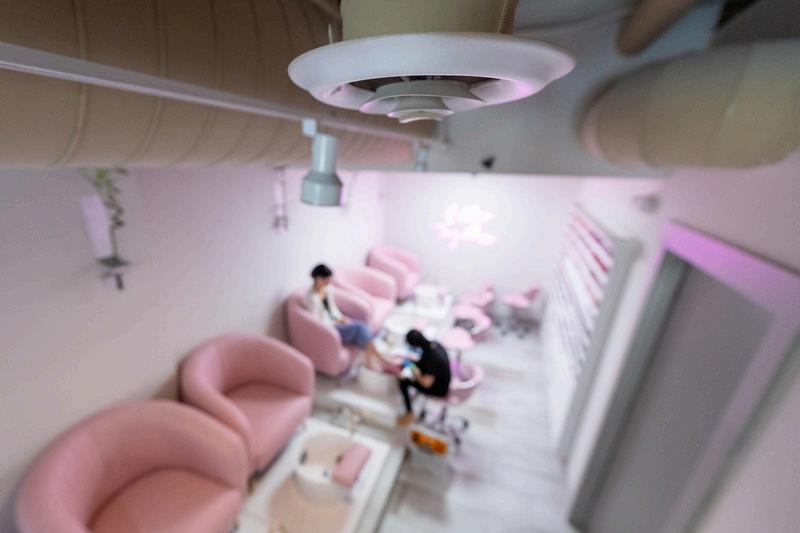
1. Readthe“DefinetheProblem”sectionaloudwiththeclass.Thescenariostates:Abeauty salonownerwantstotesthersalon’sventilationtoensurethatitissafetousehairspray,nail polishremover,andcandlesinside.Canyouprogramthedatabottotesttheairqualityand alerttheclientwithanalarmiftheairqualityisunhealthy?
2. Encouragestudentstodiscusswhyitisimportantforasalonownertomonitorairquality andaskthemtobrainstormpotentialrisksofpoorventilation.
3. Emphasizethattheirchallengeistodesignasystemthatdetectsharmfulairconditions andprovidesaclearwarningtoprotectpeople’shealth.
MeasureYourSuccess
1. Together,reviewthecriteriaandconstraintsfortheproject:
ThesystemshouldmeasureandreportVOClevelsintheenvironment.
ThesystemshouldnotifytheuserwithaclearsignaliftheVOCsriseaboveanunhealthy level.
Theprojectmustuseonlythematerialsprovided.
Theprogramshouldbeabletosaveorlogthedataforlaterreviewandcomparison.
2. Askguidingquestionssuchas:“Whatshouldoursystembeabletodoinordertosolvethe salonowner’sproblem?”and“Howwillweknowifthesystemisworkingcorrectly?”
GettingStarted
1. DividethestudentsintotheirteamsandhelpthemassignprojectrolessuchasProject Manager,ResourceManager,Communicator,andTester.
2. Reviewthevocabularytermsaloudandaskstudentstoprovideexamplesfromtheirdaily liveswherethesetermsmightapply.
3. AssiststudentsinconnectingthedatabottothecomputerusingtheUSBcable.Verifythat thedatabotisrecognizedbytheMicroblocksprogram.
WireandCode
1. GuidestudentstoaddthedatabotlibraryinMicroblocksandsetuptheSGP30sensor.
2. ExplainhowtocreateavariablecalledVOCtostoresensorreadingsandshowhowthe SGP30producestwovalues(CO₂ andVOC).Studentsshouldselectthesecondvalue,which representsVOClevels.
3. Demonstratehowtoruntheprogram,viewVOCdataonthegraphandinterpretthe changingvalues.
4. Posethequestion:“AtwhatppmlevelsdoVOCsbecomeunsafeindoors?”Guidestudents toexploresourcessuchastheCDCforreferencelevelsandbeginconsideringthresholdsfor theiralarmsystem.
EndofSession1
LearningActivities(Session2)
Introduction
1. BeginwitharecapofSession1byaskingstudentswhattheydiscoveredaboutVOC readingsduringtheirinitialtests.
2. RemindthemwhymonitoringVOClevelsmattersforprotectingbothworkersand customersinindoorspaces.
3. Introducethegoalofthissession:buildingandtestingaworkingVOCalarmsystem.
Challenge
1. Supportstudentsinenhancingtheircodebyaddinganotificationfeaturethatactivates whenVOClevelsexceedasetthreshold.Thisnotificationcouldbeasound,aflashingLED,ora combinationofboth.
2. DemonstratehowtouseanifstatementinMicroblockstocreatetheconditionthattriggers thealert.
3. Encouragestudentstoexperimentwithdifferentwaystomakethealertnoticeable,suchas varyingthepitchordurationofatone,orflashingpatternsonthedatabotLEDs.
4. Ifagroupstruggles,allowthemtoreviewthesamplesolutionandthenadaptittotheirown project.
DesignandPlan
1. Askeachteamtocreateasketchoftheirsystembeforetheybeginbuildingandtesting. Theirsketchesshouldincludethedatabot,thevariableforVOCreadings,thealert mechanismandtheenvironmentalconditionstheyplantotest.
2. Promptteamstoexplaintheirdesignchoices,includingwhatppmleveltheysetasthe thresholdforunhealthyairandwhytheychosetheiralertstyle.
EvaluateandTest
1. Allowstudentstotesttheiralarmsystemsunderdifferentrealconditions,whilemaintaining safetyprecautions(ventilation,teachersupervision).
2. Suggesttestingwiththefollowingscenarios: Indoorswithwindowsclosed Indoorswithwindowsopenbutnofan Indoorswithwindowsopenandafanrunning Indoorswithwindowsclosedbutafanrunning Outdoors
3. HavestudentsrecordtheVOCreadingsinppmforeachconditionandnotewhetherthe systemtriggeredthealarmcorrectly.
4. Askreflectivequestionssuchas:“Didyouralarmactivatewhentheairqualitywaspoor?” and“Whatcouldyouchangeinyourprogramtomakethesystemmorereliable?”
ShareandDiscuss
1. HaveeachgrouppresenttheirVOCalarmsystemtotheclassandsharetheirtestresults.
2. Supportconstructivepeerfeedbackandremindstudentsthatfeedbackisnotonlyabout evaluationbutalsoabouthelpingeachotherimproveideas.
3. Iftimeallows,havestudentsrevisetheirdesignsbasedonthefeedbackreceived.
MathandScienceConnection
SupportstudentsinworkingontheMathandScienceConnectionpage.Dependingonyour studentsneeds,youmayhavethemcompletethisindependently,intheirgroups,ortogether asawholeclass.
Reflection
1. ReviewtheSustainableDevelopmentGoals(GoodHealthandWell-beingandDecentWork andEconomicGrowth),andbrainstormwithstudentshowthisprojectmightrelatetothese SDGs.(Seeanswerkeyforsuggestions.)
2. Discussthefinal“reflection”questionswithstudents,andhavethemrecordtheirown answersintheirworkbooks.
Clean-Up
1. Remindstudentstodisconnecttheirdatabotdevices,closetheirprograms,andstoretheir equipmentsafely.
2. Collectalltestmaterials,suchasspraysandcandles,andreturnthemtoasafestorage location.
3. Ifpossible,takephotosofeachteam’ssystemtodocumenttheirworkforfuturereflectionor forsharingwithparents.
EndofSession2
Project2:UV-ProtectionProductTesting
LessonPlan
LearningObjectives
Bytheendofthislesson,studentswillbeableto:
Duration: 90minutes
1. Explainwhatultraviolet(UV)radiationisanddescribehowoverexposurecanharmhuman health,particularlytheeyesandskin.
2. UsethedatabotUVsensortomeasuretheUVindexindifferentconditionsandwithdifferent protectiveproducts.
3. DesignandprogramadatabotsystemthatsignalsUVindexvaluesdirectlythroughsound orlightpatterns,withoutrelyingonacomputerdisplay.
4. Comparetheeffectivenessofdifferentprotectivematerials(suchaspolarizedsunglasses, eyeglasses,andwindows)inblockingUVraysandusedatatodrawconclusionsabout productsafety.
Materials
Vocabulary Word Meaning
UV(Ultraviolet)
ElectromagneticWave
Wavelength
Grade8 Innovators Book Databotwith
Atypeofelectromagneticradiationthathasshorterwavelengthsthan visiblelightandisinvisibletothehumaneye.
Awavethattransfersenergythroughelectricandmagneticfields,such aslight,UV,orradiowaves.
Thedistancebetweentwoidenticalpointsonconsecutivewaves,used tomeasurethepropertiesofelectromagneticradiation.
Preparation(TeacherTo-DoBeforeClass)
1. Makesurealldatabotdevicesarechargedandreadyfortestingoutdoors.
2. Open microblocks.fun/run/microblocks.htmlonstudentcomputersandtesttheUSB connection.
3. AddthedatabotlibraryandrunabasicprogramthatreadstheUVindex.
4. PrepareanexampleprogramthatshowshowtodisplayUVindexvaluesandsignalthem withlightorsound.Thiswillserveasamodelforstudentswhoneedextrahelpduringthe codingchallenge.
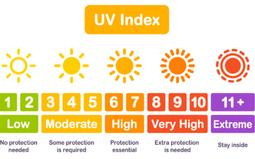
5. ReviewtheUVindexscaleandpreparetoexplainwhatlevelsaresafe,moderate,high,or extreme.
LearningActivities(Session1)
Introduction
1. Beginthesessionbyasking:“Whathappenswhenwegooutsideonasunnydaywithout sunglassesorsunscreen?”Letstudentssharepersonalexperiences.
2. ExplainthatsunlightcontainsinvisibleUVraysthatcandamageoureyesandskinifweare notprotected.StressthatUVexposureisresponsibleforconditionslikecataractsand sunburnoftheeye(photokeratitis).
3. Highlightthatnotallsunglassesprotectequally.SomemayblockglarebutnotUV radiation,this iswhyscientifictestingofmaterialsisimportantforconsumersafety.
4. ShowstudentstheinfographiconUV-relatedeyedamageandask:“Whydoyouthink scientistsandengineersneedtomeasureUVexposurewhendesigningsafetyproducts?”
DefinetheProblem
1. Readaloudtheproblem:TheproductreviewboardwouldliketocomparehowmuchUV lightpolarizedsunglassesblockcomparedtoothermaterialstoensuretheyprovidesufficient protectionfromharmfulUVrays.Canyouhelpbydesigningasystemtomeasureand comparedifferentproducts?
2. Encourageaclassdiscussionaboutwhytestingisimportantbeforerecommending productstoconsumers.
3. EmphasizethattheirchallengeistocreateasystemthatmeasuresUVexposureand signalsthelevelinawaythatiseasytounderstand.
MeasureYourSuccess
1. Reviewtheproject’scriteriaandconstraints: MustmeasureandreporttheUVlevelsdetectedbythesensor. MustnotifytheuserwhenUVlevelsareaboveanunhealthythreshold. Mustuseonlytheprovidedmaterials. Mustsaveorrecorddataforlateranalysis.
2. Askguidingquestions:“Howwillyouknowifyourprogramisworkingcorrectly?”and“What kindofalertwouldbeclearenoughforsomeoneusingsunglassesoutdoors?”
GettingStarted
1. Havestudentsformteamsandassignroles(ProjectManager,ResourceManager, Communicator,Tester).
2. Reviewvocabularytermsanddiscussexamplesofelectromagneticwavesthatstudents alreadyknow(suchasradio,microwaves,orvisiblelight).
3. Supportstudentsastheyconnectthedatabottotheircomputerandverifythatitis communicatingwithMicroblocks.
WireandCode
1. GuidestudentstoopenMicroblocks,addthedatabotlibrary, andsetuptheUVindexsensor.
2. ShowhowtoruntheprogramandviewtheUVindexvaluesby holdingthedatabotuptothesun.
3. Ask:“WhatlevelsofUVareconsideredunsafeforpeopleif exposedwithoutprotection?”Encouragestudentstoresearch theUVindexscaleandrecorditintheirworkbooks.
EndofSession1
LearningActivities(Session2)
Introduction
1. BeginwitharecapofSession1byaskingstudentswhattheynoticedwhenmeasuringUV levelsdirectlyinsunlight.
2. RemindthemoftherisksofUVexposureandhowsunglassesandwindowscanblockor reduceharmfulrays.
3. Introducetheday’sgoal:tobuildandtestasystemthatsignalsUVlevelsthroughlightsor soundssouserscaneasilyunderstandwhenUVexposureisdangerous.
Challenge
1. Guidestudentstoimprovetheircodesothatthedatabotproducesdifferentsignalsbased ontheUVindexrange.
2. ExplainhowtouseifandelseifblocksinMicroblockstocreateconditionalrules.For example:
IfUV=0 turnLEDsgreen.
IfUVisbetween1–3 beeponceandturnLEDsyellow. IfUVishigh(6+) beeprepeatedlyandflashLEDsred.
3. Encourageteamstodesignuniquepatternsofsoundandlightthatcommunicatethelevel clearlytotheuser.
DesignandPlan
1. AskstudentstosketchhowtheirsystemwilldisplaytheUVindex(lightpatterns,sound sequences)beforeprogrammingit.
2. Promptthemtojustifytheirdesignchoices,suchas:“Whydidyoudecidethatthreebeeps shouldmeanhighUV?”
EvaluateandTest
1. Oncetheprogramsaredownloadedtothedatabot,takestudentsoutsidetotesttheir systems.
2. First,measuredirectsunlighttoestablishthecontrolvalue.Thentestdifferentmaterials suchas:
Non-polarizedsunglasses
Polarizedsunglasses
Normaleyeglassesorreadingglasses
Classroomwindow
Carwindow(tinted)
3. HavestudentsrecordtheUVindexreadingsforeachmaterialinatable.Askreflection questionssuchas:“WhichmaterialsprovidedthestrongestUVprotection?”and“Didyour databotsignalclearlywhenUVwashigh?”
ShareandDiscuss
1. Alloweachteamtopresenttheirsystem,sharetheirresults,andexplainhowwelltheiralerts worked.
2. Supportpeerfeedbackandencourageteamstorefinetheirsystemsbasedonthe feedbacktheyreceive,evenmakingsmallimprovementsiftimepermits.
SupportstudentsinworkingontheMathandScienceConnectionpage.Dependingonyour studentsneeds,youmayhavethemcompletethisindependently,intheirgroups,ortogether asawholeclass.
Reflection
1. ReviewtheSustainableDevelopmentGoal(ResponsibleConsumptionandProduction),and brainstormwithstudentshowthisprojectmightrelatetothatSDG.(Seeanswerkeyfor suggestions.)
2. Discussthefinal“reflection”questionswithstudents,andhavethemrecordtheirown answersintheirworkbooks.
1. Havestudentsdisconnectandsafelystoretheirdatabots.
2. Collectallsunglassesandmaterialsandreturnthemtotheirproperplaces.
3. Ifpossible,takeagroupphotoofstudentstestingtheirproductsoutdoorsas documentationoftheactivity. Clean-Up
EndofSession2
Project3:JumpCounter LessonPlan
LearningObjectives
Bytheendofthislesson,studentswillbeableto:
Duration: 90minutes
1. Explainhowanaccelerometermeasureschangesinspeedanddirectionanddescribehow itcanbeusedtotrackhumanmovement.
2. Usethedatabot’saccelerometertodetectjumpsandstoretheresultsinafileforlater review.
3. Designandprogramasystemthatcountsthenumberofjumpsperformedandreportsthe totaltotheuserattheendofthesession.
4. Understandhowjumptrackingcontributestoimprovingcardiovascularhealthand supportshealthierlifestyles.
Materials Grade8 Innovators Book
Vocabulary
Word
Cardiovascular
Accelerometer
CSVfile
and Computer JumpRope
Meaning
Referstoactivitythatincreasesyourheartrate,breathing,sweating, andoverallbloodflow,improvingheartandlunghealth.
Atext-basedfileformat(Comma-SeparatedValues)usedtostore tabulardata,suchasjumpcounts,soresultscanbereviewedlater. Adevicethatmeasuresacceleration,meaningtherateofchangein speedanddirection,bydetectingvibrationsandmotion.
1. Ensurethatalldatabotsarechargedandfunctionalbeforeclassbegins.
2. Open microblocks.fun/run/microblocks.htmlonstudentdevicesandcheckthatUSB connectionsareworkingcorrectly.
3. Addthedatabotlibraryandrunasampleprogramthatdisplaysaccelerometervaluesin realtime,soyoucanshowstudentshowthedevicerespondstomovement.
4. Prepareanexamplejump-countingprogramandtestittomakesurethedatabotcan detectconsistentjumpreadings.
5. Ensureasafetestingenvironmentforstudentstojumpwiththeirropes(enoughopen space,noobstacles,andproperfootwear). Preparation(TeacherTo-DoBeforeClass)
LearningActivities(Session1)
Introduction
1. Beginwithashortdiscussion:“Howcanwemeasurehowactiveweareduringexercise?”Let studentsshareideassuchascountingsteps,heartratemonitors,orfitnesstrackers.
2. Explainthatanaccelerometer,liketheoneinsidethedatabot,measuresaccelerationand canbeusedtotrackmovementssuchasjumps.
3. Connectthistoreal-worldhealthbyexplaininghowjumpcountingcanhelppeoplestay motivatedinworkouts,tracktheirprogress,andimprovecardiovascularhealth.Mentionthe WHOstatisticthatinsufficientphysicalactivityisoneoftheleadingriskfactorsfordeath worldwide.
4. Showstudentsthevelocity–timegraphandexplainhowscientistsusethesegraphsto analyzemovementanddetermineacceleration.
DefinetheProblem
1. Readthechallengealoud:Agroupworkoutinstructorwantseachpersonintheclassto havearopejumpingtrackerthatrecordsindividualstatisticsovertimetoencourage improvementandfriendlycompetition.Canyoudesignasystemthatcancountandrecord jumps?
2. Encouragestudentstothinkaboutwhyaworkoutinstructorwouldwantsuchdata.Discuss howitcouldencouragehealthycompetitionandpersonalimprovement.
3. Emphasizethattheirtaskistodesignajumpcounterthatissimple,accurate,andeasyfor userstoreview.
MeasureYourSuccess
1. Reviewtheprojectcriteriaandconstraintstogether:
Thesystemshouldusethedatabot’saccelerometertocountjumps.
Thesystemshouldkeeptrackofjumpswithavariable.
Theprojectmustuseonlythedatabot(noexternalsensors).
TheprojectshouldsaveresultstoaCSVfileforlaterreview.
2. Askstudentsguidingquestionssuchas:“Whatshouldourprogrambeabletotelluswhen wearefinishedjumping?”and“Whyissavingdatainafileusefulforlong-termtracking?”
GettingStarted
1. Formstudentteamsandassignprojectroles(ProjectManager,ResourceManager, Communicator,Tester).
2. Reviewvocabularyandaskstudentstoprovidereal-lifeexamples(e.g.,“Whatareother devicesthatuseaccelerometers?Smartphones,Fitbits,etc.”).
3. Supportstudentsinconnectingtheirdatabotstothecomputerandverifying communicationwithMicroblocks.
WireandCode
1. Guidestudentstocreateaprogramthatreadsaccelerationvaluesfromthedatabot.
2. DemonstratehowtotrackchangesintheZ-directiontodetectjumps,sinceacceleration spikesoccurwhenthebodyleavestheground.Ask:“WhatZ-valuesmightindicatethata jumphasoccurred?”andencourageexperimentation.
EndofSession1
LearningActivities(Session2)
Introduction
1. BeginwitharecapofSession1,asking:“WhatZ-valuesdidyouobservewhentestingjumps yesterday?”
2. Discusshowscientistsusethresholdsindatatoidentifyevents,likesteps,falls,orjumps, fromaccelerometersignals.
3. Introducetoday’stask:buildingafulljumpcounterthatnotonlydetectsjumpsbutalso reportsthetotalnumberbacktotheuser.
Challenge
1. Guidestudentstoextendtheirprogramsoitcountsjumpsandstorestheresultinavariable (e.g.,count).
2. Showhowtouseifstatementstoincrementthecountwheneveraccelerationvaluespassa definedthreshold.
3. IntroducetheuseofCSVfilessoresultscanbesavedforlater.Explain:“Thisallowsusto compareourworkoutresultsovertime.”
4. Encouragestudentstoaddfeedbacktotheirsystem,suchashavingthedatabotsaythe totalcountordisplayitgraphically.
DesignandPlan
1. Askeachteamtosketchtheirplannedprogram,includingthevariablecount,thecondition fordetectingajump,andhowthetotalwillbereported.
2. Promptstudentstoexplaintheirdesigndecisions:“Whydidyousetyourthresholdatthat value?”and“Howwillyourprogramavoidover-countingwhenthedatabotshakes?”
EvaluateandTest
1. Havestudentstesttheirjumpcountersbyperformingashortsetofjumpswhileholdingthe databotorkeepingitinapocket.
2. Aftertesting,guidethemtoreconnectthedatabotandretrievetheCSVfilewithjumpdata (File GetFilefromBoard count.csv).
3. Askreflectionquestions:
“Didyourcountermatchtheactualnumberofjumpsyouperformed?”
“Ifitover-counted,whydoyouthinkthathappened?”
“Whatchangescanmakethesystemmoreaccurate?”
ShareandDiscuss
1. Havestudentspresenttheirsystemsandresultstotheclass,showingboththeircodeand theirjumpdata.
2. Guidepeerfeedbackwithpromptssuchas:“Whatworkedwellaboutthissystem?”and “Howmightthecodeberefinedtoimproveaccuracy?”
3. Encourageteamstorevisetheirprogramsbasedonclassfeedbackandretestiftime allows.
SupportstudentsinworkingontheMathandScienceConnectionpage.Dependingonyour studentsneeds,youmayhavethemcompletethisindependently,intheirgroups,ortogether asawholeclass.
Reflection
1. ReviewtheSustainableDevelopmentGoal(GoodHealthandWellbeing),andbrainstorm withstudentshowthisprojectmightrelatetothatSDG.(Seeanswerkeyforsuggestions.)
2. Discussthefinal“reflection”questionswithstudents,andhavethemrecordtheirown answersintheirworkbooks.
1. Remindstudentstosafelydisconnecttheirdatabotsandstorethemwithallcables.
2. Ensurethatjumpropesarecollectedandreturnedtostorage.
3. Ifpossible,takeapictureofeachteam’sprogramandgraphresultstodocumentprogress. Clean-Up
EndofSession2
Project4:SoundproofWalls LessonPlan
LearningObjectives
Bytheendofthislesson,studentswillbeableto:
Duration: 90minutes
1. Explainhowsoundtravelsinwavesandhowmaterialscanblockorabsorbsoundenergy.
2. Usethedatabot’smicrophonesensortomeasuresoundintensityindecibels(dB).
3. Designandcarryoutasoundproofingexperimentbytestingdifferentfabricsinsideaboxto determinewhichreducesnoisethemost.
4. CollectandanalyzesounddatausingaCSVfileandrankmaterialsbasedontheir effectivenessatdampeningsound.
5. Connecttheirfindingstoreal-worldchallengesofimprovingsleepqualityandhealth outcomesinnoisyurbanenvironments.
Materials
Vocabulary
Asurfaceorstructuremadeofdenseorabsorbentmaterialthat preventssoundwavesfrompassingthroughit. Aunitusedtomeasuretheloudnessorintensityofsound.
1. Ensurealldatabotsarechargedandfunctioning.
2. Open microblocks.fun/run/microblocks.htmlonstudentdevicesandchecktheUSB connections.
3. Testanexampleprogramthatrecordssoundlevelsandsavestheresultstoa.csvfilefor laterreview.
4. Prepareademonstrationshoeboxwithonesamplefabrictoshowhowthedatabotwillbe tested.
5. Identifyaconsistentsoundsourcethatstudentscanuseduringtesting(e.g.,clapping, tappingthebox,oraphonetone).
LearningActivities(Session1)
Introduction
1. Beginwithadiscussion:“Whatsoundskeepyouawakeatnightormakeithardto concentrate?”Letstudentssharerealexamplesfromtheirneighborhoods.
2. Explainthatnoisepollutionespeciallyfromtraffic,construction,orairportsaffectssleepand health.HighlightWHOfindingsthatlong-termnoiseexposurecanleadtoheartdiseaseand reducedproductivity.
3. Introducetheconceptofsoundproofingandexplainhowfabricsandmaterialscanblock orabsorbsoundenergy.
4. Askstudents:“Whydoyouthinksoundproofingmightbeespeciallyimportantinlowincomeareasnearfactoriesorhighways?”
DefinetheProblem
1. Readaloudtheproblem:Thedepartmentofhousingisresearchingtofindthebestfabricto usetodecreasenoiselevelsinlow-incomeapartments.Canyourteamtestmaterialstofind thebestoptionforsoundproofingwalls?
2. Encouragestudentstothinkabouthowdatacanhelphousingdepartmentsmakefairand evidence-baseddecisions.
3. Emphasizethattheirchallengeistomeasureandcomparesoundlevelsfordifferent fabrics,thenrecommendthemosteffectiveone.
MeasureYourSuccess
1. Reviewtheproject’scriteriaandconstraints: Thetestshouldmeasurethedecibellevelrecordedinsidethebox. Thetestshouldidentifywhichfabrictrialdampenssoundthemost. Onlytheprovidedmaterialscanbeused. Datamustbesavedina.csvfileforlaterreview.
2. Ask:“Howwillweknowwhichfabricworkedthebest?”and“Whyisitimportanttostoreour resultsforlater?”
GettingStarted
1. Havestudentsformtheirteamsandassignprojectroles:ProjectManager,Resource Manager,Communicator,Tester.
2. Reviewthevocabularytogetherandask:“Wherehaveyouseensoundproofinginyourown life?”(Examples:recordingstudios,curtainsintheaters,ordouble-glasswindows.)
3. Supportstudentsinconnectingthedatabottothecomputerandaddingthenecessary libraries.
1. Guidestudentstocreatecodethatrecordssoundlevelswhilethedatabotisinsideaclosed box.
2. Demonstratehowtostorethesoundvaluesina.csvfileusingtheFileslibrary.
3. Havestudentsperformatestbycoveringthelightsensor,producinganoise,andthen checkingifthereadingsarestored.
4. Posethequestion:“Whichfabricdoyoupredictwillreducesoundthemost?Why?”andlet studentsrecordtheirpredictions. WireandCode
EndofSession1
LearningActivities(Session2)
Introduction
1. BeginwithareviewofSession1:askstudentswhatpredictionstheymadeaboutwhich fabricwouldworkbest.
2. Discusshowscientistsdesignfairtestsbykeepingallconditionsthesameexceptforone variable(inthiscase,thetypeoffabric).
3. Introducetoday’sgoal:totesteachfabricsystematically,recordsoundlevels,and determinewhichfabricabsorbssoundmosteffectively.
Challenge
1. Guidestudentstoimprovetheircodesothedatabotnotonlyrecordssoundbutalso identifieswhichtestnumberhadthelowestsoundlevel.
2. EncourageteamstousevariablessuchasTestNumberandSoundLeveltoorganizetheir data.
3. Showhowtouseifblockstocomparesoundlevelsandkeeptrackofthefabricthat producedthequietestresult.
DesignandPlan
1. Askeachteamtosketchtheirtestingprotocol,including: Howtheywillwrapthedatabotinfabric, Howtheywillplaceitinthebox, Whatsoundtheywillmake, Howlongtheywillwaitforreadings.
2. Promptthemtoexplainhowtheywillkeepthetestfair,forexample:“Whyisitimportantto makethesametypeofnoiseeachtime?”
EvaluateandTest
1. Supportstudentsintestingfabricsoneatatime,followingaconsistentroutine: Wrapdatabotinthefabric. Placeitintheshoeboxandclosethelid. Makeaconsistentsound(e.g.,taporclap). Waitthesameamountoftimebeforerecording. Saveresultstothe.csvfile.
2. Havestudentsfillintheirresultsinatable.
3. Askreflectivequestions:“Didthefabricyoupredictedperformthebest?”and“Howmuchof adifferencewastherebetweenthebestandworstfabrics?”
ShareandDiscuss
1. Haveteamssharetheirresultsandrecommendationswiththeclass.
2. Encourageconstructivepeerfeedbackbyasking: “Wouldthismaterialworkinrealapartments?” “Howmightcostoravailabilityaffectthechoice?”
3. Allowstudentstorevisetheirrecommendationsbasedondiscussion.
SupportstudentsinworkingontheMathandScienceConnectionpage.Dependingonyour studentsneeds,youmayhavethemcompletethisindependently,intheirgroups,ortogether asawholeclass.
Reflection
1. ReviewtheSustainableDevelopmentGoal(NoPoverty),andbrainstormwithstudentshow thisprojectmightrelatetothatSDG.(Seeanswerkeyforsuggestions.)
2. Discussthefinal“reflection”questionswithstudents,andhavethemrecordtheirown answersintheirworkbooks.
Clean-Up
1. Remindstudentstodisconnectandstoredatabotsproperly.
2. Collectandfoldfabrics,returningthemtotheirdesignatedplaces.Storeshoeboxesand othertestequipment.
3. Ifpossible,photographeachteam’stestingsetuptodocumenttheirexperiments.
EndofSession2
Project15:BikeStabilityMonitor LessonPlan
LearningObjectives
Bytheendofthislesson,studentswillbeableto:
Duration: 90minutes
1. Explainwhybicyclesbecomeunstableatverylowspeedsanddescribehowspeed,tilt,and stabilityarerelated.
2. Usethedatabot’stiltsensortomeasurestabilitybydetectingchangesinthez-axistiltwhile thebikeismoving.
3. Designandprogramasystemthatalertstheriderwithlightsorsoundswhenthebikeisnot movingfastenoughtoremainstable.
4. Relatetheirfindingstoreal-worldurbanplanningbydiscussinghowsafeminimumbiking speedsinfluencecityinfrastructure,suchasbikelanesandintersections.
Materials
Chalk(tomark distancesfor speedtests)
Vocabulary
Bicycle(orasaferolling cartifbikesarenot availableindoors) Meterstick Timer
USBCable and Computer
Grade8 Innovators Book Databotwith SGP30sensor
Asensorthatdetectschangesinorientationorinclinationrelativeto gravity,oftenusedtomeasurebalanceortilt.
Aregularbicyclewithanaddedelectricmotorandbatterythatassists theriderwhilepedaling.
Theconditionofbeingsteadyandbalanced;forbicycles,stability dependsonmaintainingaminimumspeedthatkeepsthewheelsfrom wobbling.
Aquantitythathasbothdirectionandmagnitude,usefulfordescribing howabikemovesthroughspace.
1. Fullychargealldatabotdevicesbeforeclass.
2. Open https://microblocks.fun/run/microblocks.htmlonallstudentcomputersandconfirm thatUSBconnectionswork.
3. Prepareademonstrationshowinghowtoattachthedatabotsecurelytoabicycle(or simulatethisonacartifbikesarenotavailableindoors).
4. Markoutashortridingareawithchalkandmeasureitslengthusingameterstick.Prepare astopwatchortimertocalculatespeeds.
5. BuildandtestasampleprogramthatchangesLEDcolorsdependingonwhetherthebikeis stable(tiltwithinasaferange)orunstable(tiltoutsidetherange).
LearningActivities(Session1)
Introduction
1. Beginwithaclassdiscussion:“Whathappenswhenyoutrytorideabikeveryslowly?Why dobikeswobbleortipoverifyoudon’tkeepmoving?”
2. Explainthatbicyclesneedaminimumspeed(around5–6km/h)tostaystablewithout constantcorrections.Belowthisspeed,thewheelslosebalanceandthebikecantip.
3. Connectthistothereal-worldproblem:Cityplannersneedtoknowthesafeminimum bikingspeedwhenbuildingbikelanes,especiallywhereridersmayhavetostopandstart often.
4. Emphasizethatinthisproject,studentswillusethedatabot’stiltsensortodeterminewhen abikeisstableandcreateasystemtoalertriderswhentheyneedtogofaster.
DefinetheProblem
1. Readthe“DefinetheProblem”sectionwiththeclass:Citieswanttobuildsafebikelanes,but theyneedtoknowtheminimumstablespeedofabicycle.Canyourteamdesignasensorto detectwhenthebikeisstable?
2. Facilitatediscussion:Whyisknowingtheminimumstabilityspeedimportantforbothsafety andcityplanning?
3. Highlightthatthechallengeistodesignaprototypethatmeasurestiltandwarnstherider whenstabilityisatrisk.
MeasureYourSuccess
1. Reviewthesuccesscriteriatogether:
Thesystemshouldmeasurethetilt(z-axis)ofthedatabot. ThesystemshouldalerttheriderwithLEDchanges(orsound)whenthebikeisunstable. Thesystemmustuseonlythematerialsprovided.
Thesystemshouldsavethedatainafileforlaterreview.
2. Askstudentsguidingquestions:
“Howwillweknowifthebikeisunstable?” “Whatsignalwouldbeclearenoughtoalertarider?”
GettingStarted
1. Dividethestudentsintotheirprojectteams.Assignroles:ProjectManager,Resource Manager,ProjectCommunicator,andProjectTester.
2. Reviewthevocabularytermsandaskstudentstogiveexamplesfromeverydaylife(e.g.,tilt sensorsinphonesore-bikes,vectorsinphysics).
3. Guidestudentstoconnectthedatabottotheircomputersandconfirmthatthetiltsensor valuesaredisplayed.
WireandCode
1. HelpstudentsaddthedatabotlibraryinMicroblocks.
2. Guidethemtowriteasimpleprogramthatdisplaysthez-axistiltvalues.Demonstratetilting thedatabotandshowhowthevalueschange.
3. Explainthattiltvaluesnearzeroindicatestability,whilelargepositiveornegativevalues suggestwobblingorinstability.
EndofSession1
LearningActivities(Session2)
Introduction
1. RecapSession1byasking:“Whattiltvaluesdidyouobservewhenthedatabotwasstable versusunstable?”
2. Remindstudentsthattoday’sgoalistomountthedatabottoabicycle(orcart)and measuretheactualminimumspeedrequiredforstability.
Challenge
1. Supportstudentsinrefiningtheircodesothatitalertsthebikertospeedupwhenthetilt valuesshowinstability.
2. Discusssafeattachmentmethodsforthedatabottothebike.Emphasizesafety—databot shouldbesecureandnotinterferewiththewheelsorrider.
3. EncouragestudentstoexperimentwithLEDcolors,beepingtones,orbothtomakethealert clear.
DesignandPlan
1. Haveeachteamsketchtheirsetup:wherethedatabotwillbemounted,howthetiltsensor willdetectwobbling,andwhatkindofalertwillbeused.
2. Promptthemtoexplainhowtheywillcalculatebikespeed: Measurethechalkeddistance.
Useatimertorecordthetimetakentocrossthedistance. Dividedistancebytimetocalculatespeed.
3. Encourageteamstosetatiltthresholdfor“unstable”andexplainwhytheychoseit.
EvaluateandTest
1. Allowteamstoattachthedatabottothebikeandperformtestrides(orsimulatebyrolling cartsindoorsifneeded).
2. Havethemrecordtiltvalues,LEDcolorchanges,andthecalculatedspeedatwhichstability isachieved.
3. Askreflectivequestions:
“Didthesystemwarnyouaccuratelywhenthebikewasunstable?” “Whatchangescouldmakethealertsmorereliable?”
ShareandDiscuss
1. Haveeachteampresenttheirstabilitymonitorsystemandsharetheirrecordedminimum stablebikespeeds.
2. Encouragepeerfeedback:Werethealertsystemseffective?Weresomemorenoticeable thanothers?
3. Allowteamstorevisetheircodeoralertmechanismbasedonfeedback.
SupportstudentsinworkingontheMathandScienceConnectionpage.Dependingonyour studentsneeds,youmayhavethemcompletethisindependently,intheirgroups,ortogether asawholeclass.
Reflection
1. ReviewtheSustainableDevelopmentGoal(SustainableCitiesandCommunities)keyfor suggestions.)
2. Discussthefinal“reflection”questionswithstudents,andhavethemrecordtheirown answersintheirworkbooks

3. Havestudentswritetheirreflectionsintheirworkbooksanddiscussasaclass.
Clean-Up
1. HavestudentsdisconnecttheirdatabotdevicesandclosetheirMicroblocksprograms.
2. Collecttimers,chalk,andothertestingmaterials.
3. Remindteamstostoretheirbikesorcartssafely.
4. Takephotosofeachteam’ssetupandgraphsfordocumentation.
EndofSession2
AssessmentGuide
AtSKOOL21,assessmentsareatoolforlearningandgrowth—notjustgrading. FromPre-KtoGrade12,weuseassessmentstoguidestudentsinbuildingskills, confidence,andaloveofSTEMlearning.Wefocusonfeedback,reflection,and continuousimprovementtohelpeverystudentreachtheirfullpotential.
Getasnapshotof students’starting knowledgebefore onboardinginSTEM.
StudentsembarkontheSTEMLearningJourney,consisting ofanIntroductoryLessonfollowedby15hands-onSTEM projectsalignedwithcurriculumobjectives.
Helpstudentsconnectmath andscienceconceptsthrough real-worldSTEMchallenges.
Pre-Assessment(optional)
Encouragestudentstoreflect, takeownershipoftheirlearning, andsetpersonalgoals.
Celebratestudents' learningthroughrealworldprojectsthatapply keyskills.
Pre-assessmentcanbeformal(ashortquiz)orinformal(adiscussionoractivity)–SKOOL21 treatsitasoptionalsoteachersuseitwhenitaddsvalue.Donethoughtfully,pre-assessment honorsDewey’sideathatconnectingtostudents’priorexperienceboostslearning
TeacherTips:
Keepitlow-stakes:Thumbs-up/downpolls. Open-endedquestions:Quickdiscussions. Mini-quizzes:Shortandsimple.
KWLCharts:Capturewhatstudentsknowandwanttolearn. Play-basedobservation:EspeciallyforPre-K/K
Math&ScienceConnection
Byassessinghowstudentsapplymathskillsinscienceactivities(andviceversa),teachers candeepenunderstandingofbothsubjects.Thisunderscoresthereal-worldrelevanceof STEMlearningandreinforcescriticalthinking.

Cross-linkactivities:Measure,graph,orcalculate duringscienceexperiments.
TeacherTips: just grading tools
Userealtools:Rulers,scales,charts,simplecoding tools.
Askmathquestionsinscience:“Howtallisyourplant?” Teamwork:Solvescienceproblemswithmathin groups.
Linktostandards:Alignwithbothmathandscience
Link to sta goals.
Self-AssessmentRubrics
TeacherTips:
Introducerubricsearly:Define"what successlookslike."
Modelreflection:Scoresamplework together.
Selfandpeerreview:Studentsrate anddiscuss.
Askreflectivequestions:“Whatwas yourbiggestchallenge?”
Celebratehonesty:Praiseaccurate self-assessment.
Post-Assessment:CapstoneProject
Self-reflectonyourworkonthisproject.
Icanbreakdown aproblem.
Icandevelopa workingprototype.
Icancodemyprototype todowhatIwant.
Self-assessmenthelpslearnersidentifytheirstrengthsandareastoimprove,reinforcing metacognition.Teachersplayaguidingroleinthisprocess,helpingstudentslearnhowto honestlyandconstructivelyjudgetheirwork.
Thecapstoneprojectdesignedasaculminatingexperienceforstudentstodemonstrate andsharetheirlearningwithanauthenticaudience.Thecapstonecanbeconsideredand usedasanassessmenttask,allowingstudentstosynthesizeknowledgeandskillsdeveloped overthecourseofthe15-projectSTEMseries.
Throughthecapstoneproject,studentsengageinameaningfulapplicationofproblemsolving,criticalthinking,andengineeringdesignprinciples.Theyarechallengedtoaddress real-worldproblems,showcasingtheirabilitytointegrateconceptsacrossscience, technology,engineering,andmathematicsdisciplines.
STEMInnovationFair
Tocelebratestudentachievements,schoolsareencouragedtoorganize eventssuchasaSTEMShowcase,InnovationFair,orOpenHouse.These eventsprovideanauthenticplatformforstudentstopresenttheir capstoneprojectstopeers,educators,families,andcommunitymembers. Studentsarticulatetheirdesignprocess,explaintheirdecisions,and respondtofeedbackfromanengagedandsupportiveaudience.
Possiblepresentationformatsinclude:
Interactivedemonstrations
Postersessions
Digitalportfolios
PitchpresentationsmodeledafterprofessionalSTEMconferences
nforcing rn how to celebrating education w
Organizersmayalsoinviteindustryexperts,localbusinesses,oruniversitypartnerstoserve aspanelistsormentors,furtherenhancingthereal-worldrelevanceofstudentprojects.By celebratingstudentinnovationinapublicforum,theseeventsreinforcethevalueofSTEM educationwhilefosteringconfidence,communicationskills,andcollaboration.