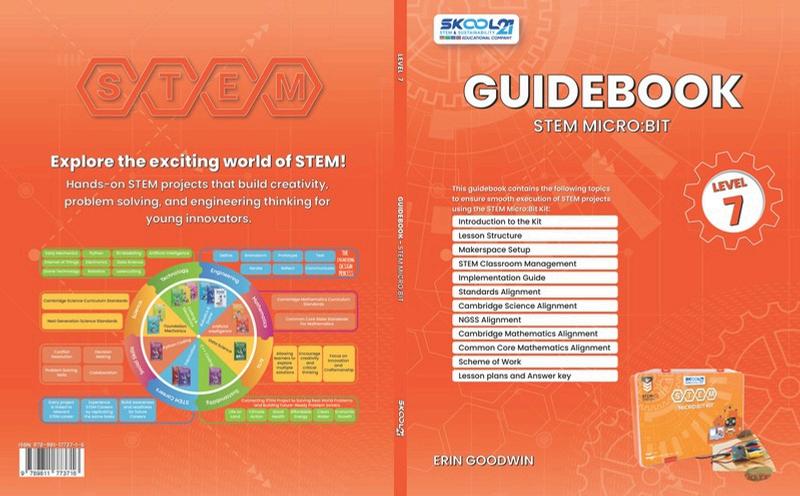
Teacher Guide - Level 7

Page 1


TeacherGuide-STEMMicrobitLevel7

Teacher Guide

Copyright©2024

Copyright © 20

Author: NatashaKarampela

Editors: ErinGoodwinandLindseyOwn

ISBN: 978-981-17737-1-6

Publishedby:

SKOOL21PTE.LTD.-Singapore

DUOTower,Level8#831

3FraserStreet,189352,Singapore

Allrightsreserved,firstedition2024. Nopartofthisbookmaybereproduced,distributed,ortransmittedinanyformorby anymeans,includingphotocopying,recording,orotherelectronicormechanical methods,without thepriorwrittenpermissionofthepublisher,exceptinthecaseof briefquotationsembodiedincriticalreviewsandcertainothernon-commercialuses permittedbycopyrightlaw.

Forpermissionsorinquiries,pleasecontact:

Email: info@skool21.org

Website: https://skool21.org

Preface

WelcometotheFutureofTeachingandLearning!

Welcome to th

Thank you for joi designed not on meaningful, han young innovato science, technol

BuildingonaStrongFoundation

Each level of the

Thankyouforjoiningusonthisexcitingjourney!TheSKOOL21STEMInnovatorsseriesis designednotonlytoignitecuriosityinstudentsbutalsotoempowerteacherstolead meaningful,hands-onSTEMlearningexperiences.Throughthisseries,youwillguide younginnovatorsastheyexplore,design,andsolvereal-worldchallengesusing science,technology,engineering,andmathematics(STEM).

LearningbyDoing

MakingaReal-WorldImpact

creating a strong

EachleveloftheSKOOL21STEMseriesbuildsuponthepreviousone,creatingastrong continuumoflearning—fromsimplemachinestoadvanced3Dmodeling.Students travelthroughkeytechnologicaleras,fromtheIndustrialRevolutiontothe innovationsshapingourfuture.Nomattertheirstartingpoint,everylearnerwill discovernewskillsanddeeperunderstandingalongtheway.

AtSKOOL21,webelievestudentslearnbestbydoing.Eachbookcomeswitha comprehensiveSTEMkit,enablingstudentstobuild,test,andexploreconcepts throughhands-onchallenges.Asateacher,youwillfacilitateengagingprojects wherestudentsactivelycreate,problem-solve,andapplycriticalthinkingskills—all whilehavingfun.

TeachingLikeaPro novators series is teachers to lead es, you will guide challenges using

Everyprojectisdesignedtoconnectlearningtoreal-worldissues,inspiredbythe SustainableDevelopmentGoals(SDGs).Throughthesechallenges,studentsseehow theirideascancontributetosolvingproblemslikecleanwateraccess,renewable energy,andenvironmentalconservation—empoweringthemtoenvisionabetter world.

TheSKOOL21STEMprogramalignswithinternationalstandardsandbestpractices, ensuringthatbothteachersandstudentsaredevelopingthecollaboration, innovation,anddesignthinkingskillsvaluedintoday’sworld.You’renotjust supportingschoolwork—you’repreparingthenextgenerationofthinkers,leaders, andchangemakers.

Building on a not just leaders, and c

IntroductiontotheKit

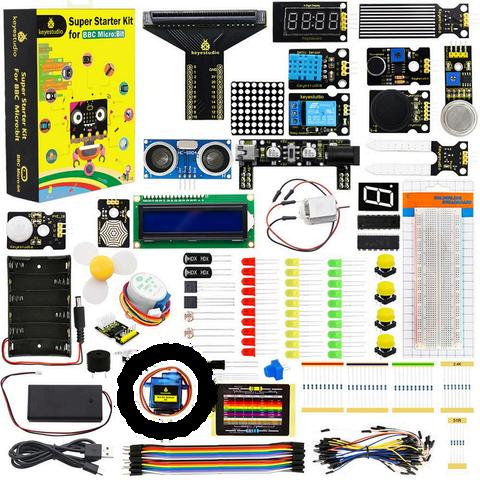
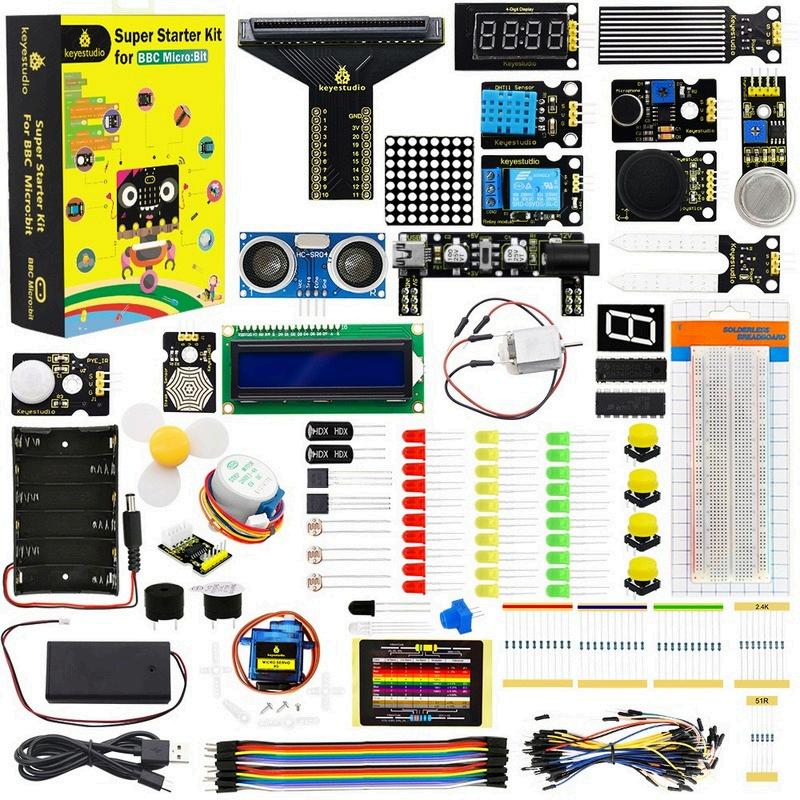
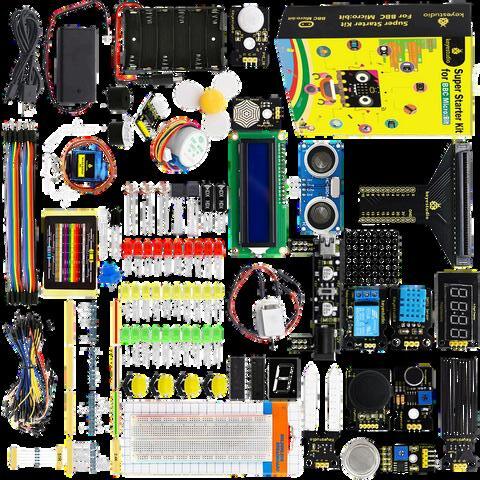
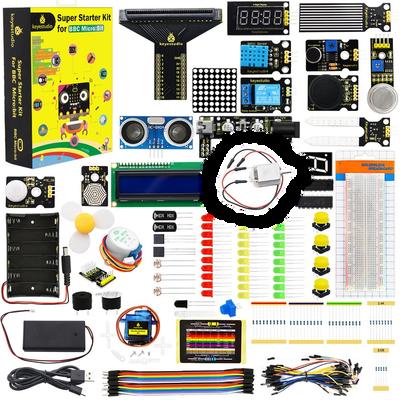
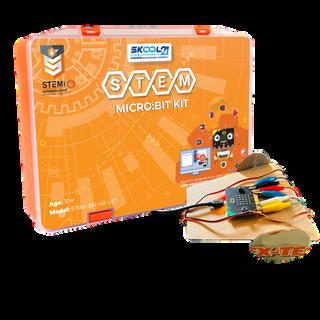
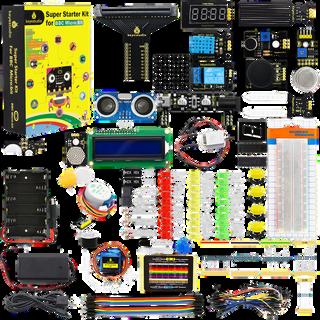
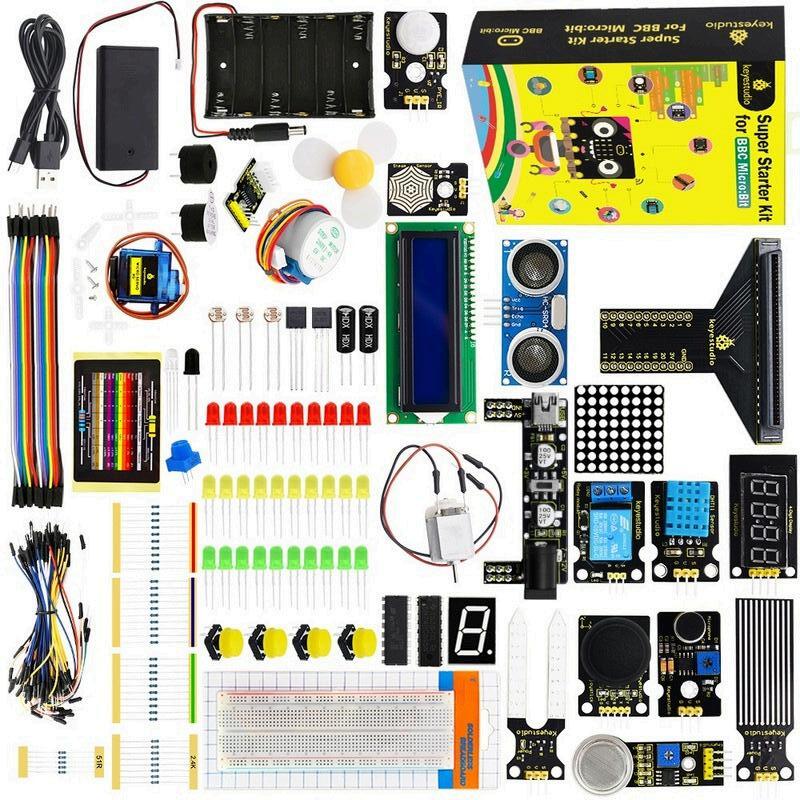
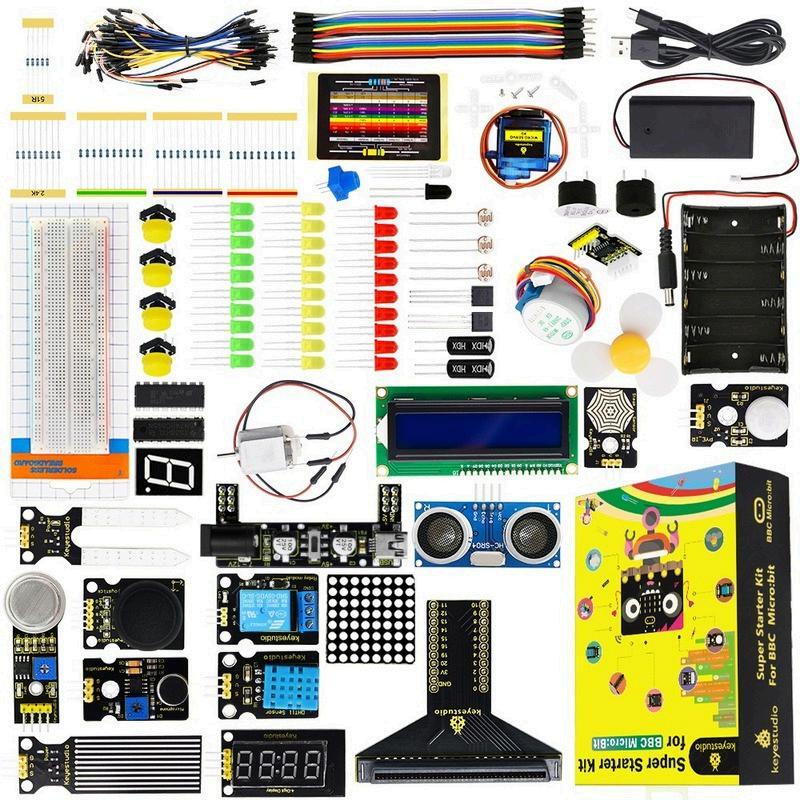
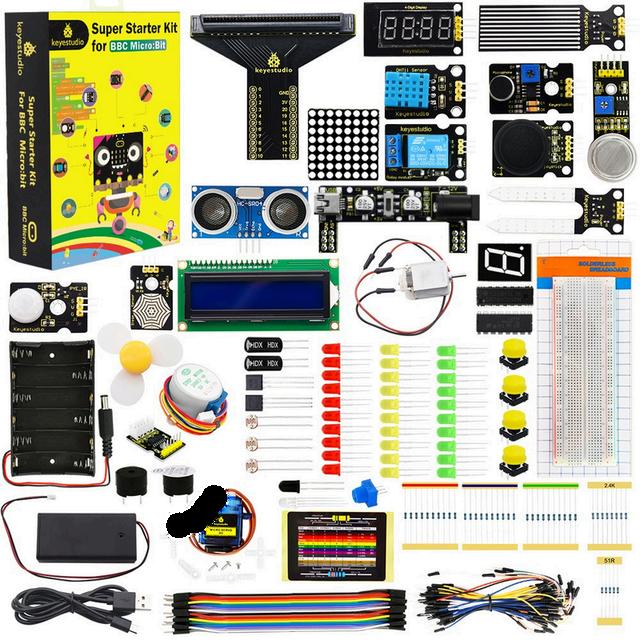
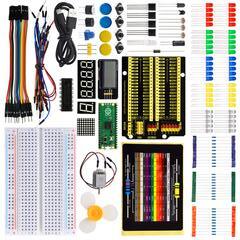
TheSKOOL21STEMMicro:bitLearningKitisahands-onelectronicsandcodingkit designedspecificallyforstudentsinLevel6and7.PairedwiththeSTEM InnovatorsHandbook,thiskitintroducesyounglearnerstothefundamentalsof programming,electronics,andautomationthroughinteractiveandageappropriatereal-worldprojects.

AttheheartofthekitistheBBCMicro:bitmicrocontroller, whichisprogrammedusingblock-basedcoding(via MicrosoftMakeCode)ortext-basedPython.Studentsexplore howhardwareandsoftwareinteractbybuildingprojectssuch assensor-basedalarms,smartfans,LEDcontrols,andmore.

LessonStructure

Eachlessoninthehandbookfollowsastructuredformattoensureclarityand effectiveimplementation.Asamplesolutionisalsofoundattheendofeach lesson.Thestructureincludes:

Lessonobjectives

NGSSStandards

CambridgeScienceStandards

ISTEStandardsConnections

CambridgeMathStandards

CommonCoreMathStandards

DefinetheProblem

Studentsareintroducedtothescienceconcept andarelatedrealworldproblemtheyaretasked withsolving.

GettingStarted

Everyprojectbeginswithguidedfirststeps.This helpsthestudenttoconfidentlytacklethe challengewithasolidfoundation.

DesignandPlan

Build-Test-Improve

Studentsbrainstormindividually,thencollaborate withtheirteamtocomeupwiththebestdesign plan.

Studentscollaboratetobuild,test,andimprove models.Then,theypracticegivingandreceiving constructivefeedback.

MathandScienceConnection/Reflect

Studentsconnecttheirlearningbacktothe academicobjectivesandanswerguided reflectionquestions.

TheEngineeringDesignProcess ocess

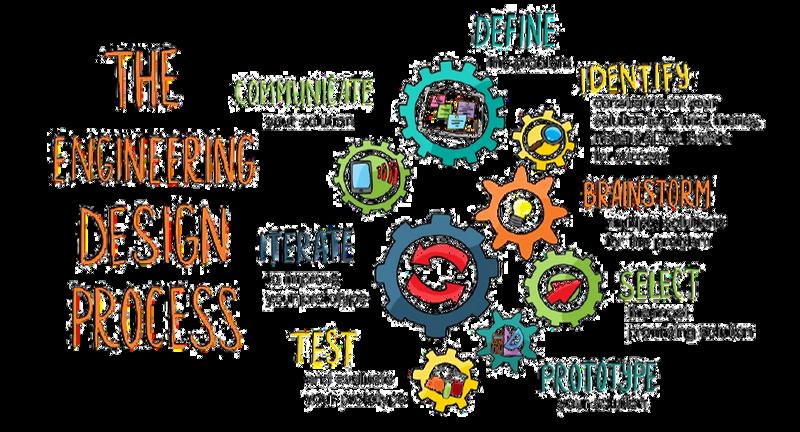
TheEngineeringDesignProcess(EDP)isasystematicapproachusedby engineersanddesignerstosolveproblemsandcreateinnovativesolutions.It providesastructuredframeworkfordevelopingnewproducts,processes,or systemsbyfollowingaseriesofwell-definedsteps.Thisprocessisnotonly applicableinengineering,butisalsowidelyusedinvariousSTEMdisciplinesto tacklechallengesanddevelopcreativesolutions.

Forstudentsinfirstgradeandabove,thetypicalEngineeringDesignProcess followsmultipleiterativesteps,includingidentifyingaproblem,researching, brainstorming,designing,prototyping,testing,andrefiningsolutions.

Thisstructuredapproachencouragescreativity,criticalthinking,anditeration, formingastrongfoundationforfutureSTEMlearning.

forming a str

FosteringSocialSkills

STEMactivitiesnaturallybuildkeysocialskills.Teacherscanhelpstudents practiceandstrengthentheseskillsbyguidingthemduringgroupwork, discussions,andprojectchallenges.

Keysocialskillsdevelopedinclude:

Collaboration

Encouragestudentstoshareideas andassignrolesduringgroup worktobuildteamworkand respectfordifferentperspectives.

Promptstudentstoask"why"and "whatif"questionswhensolving problemsordesigningsolutions.

Remindstudentstovalue everyone'sideasandsupport peersbyusingkind,respectful language.

Coach studentstotalkthrough disagreementscalmlyandfind solutionsthateveryonecan accept.

Buildreflectionintotheprocessby askingstudentswhatworkedwell, whatwaschallenging,andwhat theywoulddodifferentlynexttime.

Communication

Modelclearcommunicationand askstudentstoexplaintheir thinkingandlistencarefullyto teammates.

Problem-Solving

Challengestudentstotrydifferent strategieswhentheyface obstaclesandpraisepersistence.

TimeManagement

Helpteamssetmini-deadlines andguidethemtobreakprojects intosmaller,manageabletasks.

PresentationSkills

Givestudentsregularchancesto presenttheirworktopeers,using clearspeakingandsupportive feedback.

Teamworking

Celebratestrongteamworkby recognizingwhenstudentsshare leadership,encourageeachother, andsolveproblemstogether.

TeachingSTEMalsoteachesstudentshowtothink,work,andlead.Byactively supportingsocialskillsduringprojects,teacherspreparestudentsnotjustfor academicsuccess,butforfuturecareersandlifechallenges.

academic su

MakerspaceSetup

Amakerspaceisacreative,hands-onareawherestudentsexploreSTEM conceptsthroughbuilding,experimenting,andsolvingproblemstogether.This guideisdesignedforteacherswhoarenewtoSTEMandlookingforclearstepsto setupandmanageamakerspace.

SpaceDesign:

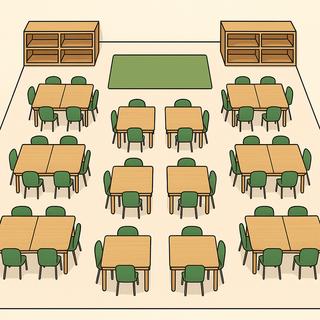
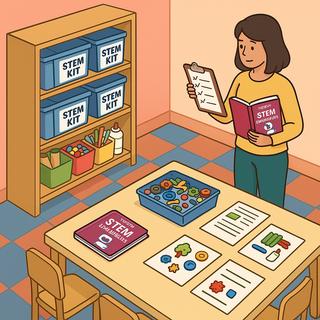
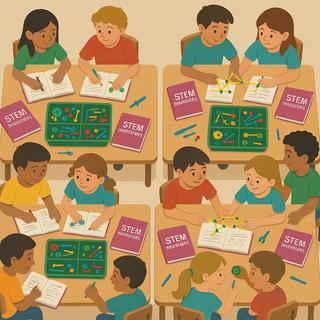
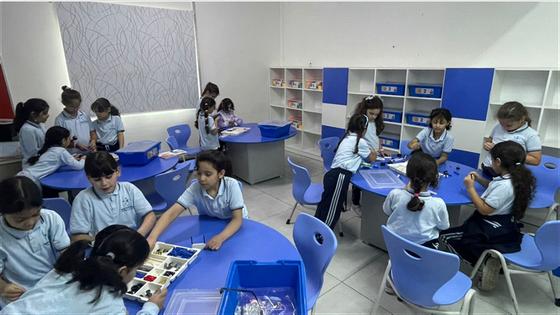
Chooseaclean,well-litspacewithroomtomove. Arrangetables/chairsinclustersof2–4students. Uselow,openshelvesforeasyaccesstomaterials. For30students,750–900sqftisrecommended (25–30sqftperstudenttoallowmovement, collaboration,andtool/machine/materialuse).

MaterialsManagement:

Ensurethatkitsarecompleteandaccessiblebefore eachproject.

Provideracksoropenshelvestoorganizeandstore STEMkitsforeasyaccess.

RefertotheprojectinstructionsintheSKOOL21book toidentifyifadditionalmaterials(e.g.,craftitems, recycledobjects)areneeded—planaheadand preparetheminadvance.

SharedResources:

ProvideoneSTEMkitpersmallgroup. Encourageteamworkbyhavingstudentsco-design andco-buildprojects.

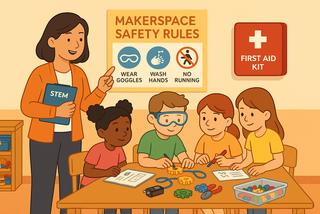
SafetyFirst: Keep a fi

Setsimplesafetyrulesandreviewoften. Supervisealltooluseclosely. Keepafirst-aidkitinthespace.

STEMClassroomManagement

STEMclassesarehands-on,highlyengaging,andoftennoisy—that’sagood thing!Butwithoutclearroutinesandstructures,theycanquicklybecome chaotic.Awell-managedmakerspaceallowsstudentstoexploreandinnovate safely,responsibly,andcollaboratively.

STEMClassSessionRoutine

Setaclearandconsistentstructuretoeachsessionsostudentsknowwhatto expectandstayfocused:

90-minuteproject (Grade3toGrade12)

Grade 3 to Grade 12)

5-minute

45-minuteproject (Pre-KtoGrade2)

o ect Pre-K to Grade 2)

SpaceOrganization:

Provideracksoropenshelvestostorekitsneatlyandaccessibly.

ToolandMaterialsRules:

Usetoolswithcare–noplayingormisusingmaterials.

Returneverythingtoitslabeledplace.

Askbeforetakingextrasupplies.

Handstoyourself—respectothers’creationsandspace.

Assignspecificworkzones:BuildArea,SupplyRack,QuietZone,Cleanup Station.

Keepaprojectmaterialchecklisttomakesurekitsarecompletebefore starting.

Onlyonegroupmember(MaterialManager)maycollectmaterialsatatime.

GroupManagementwithTeamRoles

Groupworkcanbemessywithoutstructure.SKOOL21encouragesstudent collaboration,sorotatingroleshelpsbalanceresponsibilityandensure activeparticipation:

Leader

MaterialManager Reporter

TestingSupervisor

Keepsteamontask,trackstime,encourages collaboration.

Collectskits/materialsfromtheteacher,ensuressupplies arereturnedpost-build.

Sharesoutcomes,challenges,andsolutionswiththeclass.

Evaluatesthemodel,givesfeedback,suggestschanges.

ImplementationGuide

TheSKOOL21STEMInnovatorsHandbookoffersproject-basedSTEMlessonsfor Pre-KthroughGrade12.Teacherscanusethreemainmodelstoimplementthese projects:

IntegratedApproach

EmbedSTEMprojectsintoexistingscienceandmathlessons.Forexample,a scienceunitonplantsmightincludeahands-onengineeringchallengefrom thehandbook.ThisalignsSTEMactivitiesdirectlywithcurriculumstandards andlearningobjectives.ResearchshowsthatteachingSTEM subjectstogether (aswithintegratedlessons)deepensunderstandingandretentionandmakes learningmorerelevantandconnectedtotherealworld.

Advantages:

Reinforcesrequiredscience/mathstandardswithhands-onapplication. Buildsproblem-solvingandcritical-thinkingskillsthroughproject-based learning.

Helpsstudentsseeconnectionsacrosssubjects(an“interconnected viewpoint”).

Usesexistingclasstime(noextraperiodsneeded),soSTEMisn’tanadd-on butpartofthecurriculum.

PracticalTips:

Alignprojectstolessons: ChooseSKOOL21projectsthatmatchyourunit goals(e.g.useasimplemachineprojectduringaforces&motionunit).

Startsmall: BeginwithashortSTEMactivity(one45-minutesession)ina scienceormathlesson,thenbuilduptolongerprojects.

Co-teachifpossible: Collaboratewithascienceormathcolleagueto shareplanningandbringindifferentexpertise.

Usegrade-appropriatepacing: ForPre-K–Grade2,integratea45-min STEMmini-projecteachweek;forGrade3+,youmightsplita90-min scienceperiodintolecture+projecttime.

connect

Emphasizestandards: SKOOL21projectsaredesignedtoalignwithNGSS, CommonCorestandards,Cambridgemathandscience.Highlightthese connectionsinyourlessonplantomeetacademicgoals.

Stand-AloneClassApproach

ScheduleadedicatedSTEMclassormakerspacesession(e.g.aweekly90minutelabperiodorrotatingSTEM special).Inthismodel,studentsworkina makerspaceorlabwithtoolsandmachines(likeroboticskits,3Dprinters,craft materials,etc.).Amakerspaceis“acollaborativeworkspaceinsideaschoolfor making,learning,andexploring”.StudentsinteamstackleSKOOL21projects fromstarttofinish,usinghands-onmaterialsratherthanjusttextbooks.

Advantages:

Focusedhands-onlearning:Studentscantakeabstractconceptsand makethemconcrete(forexample,learningcircuitrybyactuallybuildinga papercircuit).

Resilienceandcreativity:Thetrial-and-errornatureofmakingteaches perseverance;studentslearntoiterateondesignswhenthingsdon’twork andthusdevelopgrit.

Equityandaccess:Awell-stockedSTEMlabgivesallstudents(including girlsandunder-representedgroups)equalaccesstotechandengineering tools.

PracticalTips: g

Scheduleregularly: BlockoutaconsistentSTEMlabperiod(45–90 minutes)eachweekorrotateclassesin/outofthelab.

Preparematerialsinadvance: Keepcommonkits(e.g.robotics,simple circuits,designsets)readysoeachsessionisn’tdelayedbysetupand leavetimeforcleanupduringclass

Trainteachers: ProvidebasictrainingorguidesontheSKOOL21projectsso teachersfeelconfidentusingtheequipmentandmanaginghands-on activities.

Groupstudentsthoughtfully: Mixskilllevelsinteams;olderstudentscan mentoryoungeronesinamakerspaceproject.

Blendwithcurriculum: Eveninastand-aloneclass,tieprojectsto standards(e.g.acodingprojectthatteachesmathlogicoradesign challengethatreinforcesphysicalscienceconcepts).

Extra-CurricularApproach

RunSTEMprojectsasafter-schoolclubs,lunch-timeactivities,orsummer camps.Theseareoptionalprograms(STEMclubs,roboticsteams,coding camps,etc.)whereinterestedstudentscanexploreSKOOL21challengesmore freely.After-schoolSTEM“engagesstudentsinhands-on,real-worldprojects,” makingSTEMfeelexcitingandrelevant.

Advantages:

Extratimetoexplore:Studentsgetmorehourstoquestion,tinker,andlearn beyondthelimitedschoolday.Forexample,aweeklyroboticsclubmight meetforanhourafterschool.

Buildsinterestandidentity:Funclubactivitiessparkmotivationanda positiveattitudetowardSTEM,helpingstudentsdevelopaSTEMidentity.

Flexibleandstudent-driven:Studentsself-select;theyworkattheirown paceoncreativeprojects(e.g.codingagame,buildingamodelbridge).

Reachesdiverselearners:Clubscantargetdifferentagegroupsandskill levels–frombasicscienceforyoungerkidstoadvancedroboticsforteens. Thishelpsbridgeenrichmentgaps(makingSTEMopportunitiesavailableto allstudents).

PracticalTips:

Keepitlow-stakes: Emphasizefunandcuriosityovergrades.Short,handsonprojects(likemini-challenges)keepstudentsengaged.

Advertisewidely: Inviteallstudents,notjusthigh-achievers.Useschool announcements,flyers,andparentnewsletterstoraiseawareness.

Tietocompetitionsorshowcases: Useevents(sciencefairs,robotics tournaments)tomotivatetheextraeffort.

Leveragesummerorcamptime: Ifresourcesallow,runaweek-longSTEM summercampusingseveralSKOOL21projectsfordeeperimmersion.

Collaboratewithcommunity: Inviteguestspeakers(engineers,makers)or partnerwithlocallibraries/museumsformaterialsandinspiration.

HybridApproach (BlendingAllModels)

Inpractice, manyschoolsuseamixofmodels.Ahybridapproachmight integratesimpleSTEMtasksintoregularlessonsandalsoofferadedicated STEMlabplusanafter-schoolclub.Thisway,everystudentgetssomeSTEM exposureandthosewholoveitcandivedeeper.

Whentointegrate:

Usecurriculum-linkedprojectsduringcoreclasses.Forexample,inaGrade4mathclassyou mightuseaSKOOL21projectongearstoteachratios,orinscienceclassstudentsmight buildamodelecosystem.Smallerorsingle-sessionactivitiesfitwellhere.

Whentodostand-alone:

Reservelonger,open-endedprojectsforSTEMclassorthemakerspace.Complex engineeringchallenges(robotdesign,3Dmodeling,advancedcoding)needlongerblocks, sothesesuita90-minSTEMperiodorseriesoflabsessions.

Whentouseclubs:

Offerstudentsaspaceforexplorationthatdoesn’tfitthecurriculumortimeline.These projectscanbedrivenbystudentinterestandcanspanseveralweekswithoutpressureto “coverthecurriculum.”

Usingahybridplanensuresflexibility.Teacherscanadapt:ifasemesteris heavywithtesting,leanonafter-schoolclubsforenrichment;whencovering standards,weaveSTEMintolessons.Alwayscheckthatevenfree-formprojects stilltouchacademicgoals.

(Note:SKOOL21projectsarealreadyalignedtoNGSSandCommonCore standards,CambridgeMathematicsandCambridgeScience,sowhether integratedorstand-alone,theysupportlearningobjectives.)

StandardsAlignment

LessonPlans andAnswerkey

Project1:SunlightFinder LessonPlan

LearningObjectives

Bytheendofthislesson,studentswillbeableto:

Duration: 90minutes

1. Understandhowlightintensityaffectstheenergyproductioninplantsthrough photosynthesis.

2. UsetheMicro:bit'slightsensortoidentifyareaswithhighsunlightexposure.

3. Designandtestalightdetectionsystemthatalertsusersusingpitch,volume,and frequencywhenlightlevelsareoptimalforplantgrowth.

Materials

Apartofaplantcellthatcapturessunlighttomakefoodthrough photosynthesis.

Theprocesswhereplantsusesunlight,water,andcarbondioxideto makefoodandoxygen.

Adevicethatdetectsandmeasurestheamountoflight.

Partsofcellsthatgenerateenergybybreakingdownfood.

Asmallmoleculethatcombinestoformproteins,whichareessential forthestructureandfunctionoflivingthings.

Preparation(TeacherTo-DoBeforeClass)

1. Openmakecode.microbit.orgonalldevicesandensureeachgrouphasaccesstoa Micro:bitworkspace.

2. Prepareandorganizeallclassroommaterialsneededfortheactivity.

3. BuildanddemonstrateanexamplesetupusingtheMicro:bitlightsensoranda programmedalertsystemtoprovidestudentsavisualreferenceofhowlightdetectionand audiosignalingworks.

LearningActivities(Session1)

Introduction

1. Beginwithadiscussionabouthowplantsandanimalsgenerateenergy.Askstudents:“What doesaplantneedtogrow?”and“Whyissunlightimportantforplants?”

2. Highlighttheroleofchloroplastsincapturingsunlightandtheprocessofphotosynthesis. Contrastthiswithhowanimalcellsusemitochondriatobreakdownfood.

3. Guidestudentstoexplorewhysomeplantsneedfullsunlightandhowthisisessentialfor photosynthesis.

4. Askstudentstorefertotheinfographicanddiscusshowlightintensitysupportsplant growthandsustainability.

DefinetheProblem

1. Readthe"DefinetheProblem"sectiontogether.Askstudents:“Whatchallengeisthe gardenerfacing?”and“Howcanwehelpthemsolveit?”

2. Emphasizethatthegoalistocreateasystemthatidentifiesareaswiththehighestsunlight forplacingfull-sunplantseffectively.

3. Encouragestudentstothinkabouthowtechnologycansupportsustainablegardening practices.

MeasureYourSuccess

1. Reviewthecriteriaandconstraintswiththeclass.Ask:“Whatshouldoursystembeableto do?”and“Howwillweknowifitworks?”

2. Highlightthattheprojectshouldmeasurelightintensityandalerttheuserthroughsoundif thelightlevelishigh.

3. Emphasizethatthesolutionshouldbedesignedcollaborativelyanduseonlytheprovided materials.

1. Havestudentsformtheirteamsandassignprojectroles.Reviewvocabularyaloudandask studentstoidentifyorprovideexamples.

2. SupportstudentsastheyconnecttheMicro:bittotheircomputerusingaUSBcable. GettingStarted

Code

1. Ensureeachgroupopensmakecode.microbit.organdcreatesabasicprogramtomeasure anddisplaylightlevelsusingthebuilt-inlightsensor.

2. Demonstratehowtodisplaythelightvaluesontheserialmonitorandhowtousethedata viewtointerpretthelightreadings.

3. Guidestudentsinenhancingtheirlightmeasurementsystemwithasoundalert.Explain thatthegoalistocreateaprogramthattriggersanaudiosignalwhenthelightintensity surpassesadefinedthreshold.

LearningActivities(Session2)

Introduction

1. BeginbyreviewingwhatstudentslearnedinSession1,particularlytheirobservationsoflight levelsandhowtheyrelatetoplantneeds.

2. Revisittheinfographicandre-emphasizetheenvironmentalimpactofusingnaturallight effectively.

3. Introducetoday’sgoal:buildingandtestingthealertsystemthathelpsfindthesunniest spots.

Challenge

1. GuidestudentstobuildaportablesensorsystemusingtheMicro:bitandbatterypack. Supporttheminsettingupasystemthatwillalerttheuserwithasoundwhenthelightlevelis highenoughforfull-sunplants.

2. Encourageexperimentationwithpitch,frequency,andvolumetosignalhigherlightlevels moreclearly.

3. Ifstudentshaddifficultydevelopingtheiralertsystemduringthelesson,theycanadvisethe samplesolutionattheendofthelesson.

4. Havestudentscarrytheirdevicesaroundtheroomoroutsideandrecordwhichlocations producedthestrongestalerts.

DesignandPlan

1. Askeachteamtosketchtheirsystembeforetheybeginbuilding.Thesketchshouldinclude theMicro:bit,thelightsensor,thealertmechanism,andthelocationswheremeasurements willbetaken.

2. Promptstudentstoexplaintheirdesigndecisions,includinghowtheydeterminedthelight thresholdandhowtheiralertsystemfunctions.

Test

1. Allowstudentstotesttheiralertsystemsinvariouslocations.Encouragethemtoobserve andnotethedifferencesinlightlevelresponse.Ask:“Didyoursystemalertyoucorrectlyin high-lightareas?”and“Whatchangescanmakethealertsmoreaccurateormore noticeable?”

2. Haveeachteamrevisitthecriteriaandconstraintstoensuretheirsolutionmeetsthegoals oftheproject.

Share&Improve

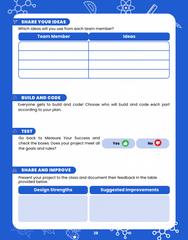
1. Readthe“ShareandImprove”sectionwithyourstudentsandexplainthatthey’llbesharing theirprojectstogetfeedbackfrompeers.Remindthemthatfeedbackhelpsimproveideas, notjustevaluatethem.

2. Supportstudentsingivingandreceivingconstructivefeedback.Useguidingquestionssuch as“Whatworkedwellinthisdesign?”and“Whatimprovementscouldbemade?”.

3. Encourageteamstoreflectonthefeedbackandrevisetheirdesignsiftimeallows.Remind themthatinnovationcomesthroughtestingandimproving,andeveryvoiceinthegroup mattersduringthisphase.

MathandScienceConnection

SupportstudentsinworkingontheMathandScienceConnectionpage.Dependingonyour studentsneeds,youmayhavethemcompletethisindependently,intheirgroups,ortogether asawholeclass.

Reflection

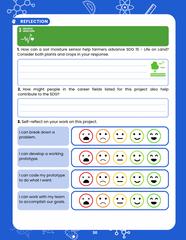
1. ReviewtheSustainableDevelopmentGoal(AffordableandCleanEnergy),andbrainstorm withstudentshowthisprojectmightrelatetothatSDG.(Seeanswerkeyforsuggestions.)

2. Discussthefinal“reflection”questionswithstudents,andhavethemrecordtheirown answersintheirworkbooks.

Cleanup

1. Aftersharingandreflecting,considertakingaphotographofeachprojectforyourown recordsand/ortosharewithparents!

2. Havestudentsdisassembletheirprojectsandreturnmaterialstotheappropriateplace.

EndofSession2

AnswerKey

MathandScienceConnectionAnswers

1. LightProblem:

Multiplytheincreaseratebythetime:

Addthistothecurrentbrightness:

2+3=5lumens

1. WaterProblem:

Multiplythewaterperplantperdaybythenumberofplants:

15x==7.5cupsperday Answer: 5lumens x4==3lumens

Multiplythedailywateramountbythenumberofdays:

7.5cups/day×14days=105cups Answer: 105cups

1. Thedevicehelpsfarmersgrowcropsmoreefficientlybyidentifyingareaswithoptimal sunlight,reducingwasteinresourceslikewaterandfertilizer.Engineerscouldadaptsimilar technologiesforoptimizingsolarpanelplacement.

2. Agriculturalscientistscanuselightsensorstoenhancecropyields,whilerenewableenergy engineerscanoptimizesolarpanelinstallationanddevelopmoreefficientenergysystems.

Project2:AIFitnesstimer LessonPlan

LearningObjectives

Bytheendofthislesson,studentswillbeableto:

Duration: 90minutes

1. UnderstandhowsensorsandAIcandetectandclassifyphysicalactivity.

2. TrainanAImodeltodistinguishbetweenexerciseandrestusingmovementdata.

3. Buildandprogramawearablefitnesstimerthattrackstimespentexercisingandresting.

Materials

Vocabulary

Preparation(TeacherTo-DoBeforeClass)

1. Ensurestudentshaveaccesstocreateai.microbit.organdmakecode.microbit.orgontheir devices.

2. Prepareandorganizeallmaterialsforbuildingasimplewriststrap.

3. TestasampleAImodelandconnectionbetweenBluetoothandMicro:bittoensuresmooth operation.

LearningActivities(Session1)

Introduction

1. Beginwithadiscussionaboutphysicalactivityanditsbenefitsforhealthandwellbeing.Ask students:“Whathappensinourbodywhenweexercise?”and“Howcanweusetechnologyto trackmovement?”

2. Introducetheconceptofaccelerometersinfitnesstrackersandhowtheyhelpdetect changesinmotion.

3. ExplainhowAIcanclassifypatternsinmovementdatatotellwhensomeoneisexercising versusresting.

4. Askstudentstoconsiderhowthistypeofsystemcouldhelpolderadults,athletes,oranyone tryingtoimprovetheirfitness.

1. Readthe"DefinetheProblem"sectiontogether.Askstudents:“Whatistheelderlycarefacility askingustobuild?”

2. Emphasizethatthegoalistodesignawearablefitnesstimerthattrackshowlongsomeone isexercising.

3. Discusswhereandhowthiskindofsolutioncouldbehelpfulindailylife.

MeasureYourSuccess

1. Reviewtheprojectcriteria.Ask:“Whatshouldthissystemdoautomatically?”and“Howdo weknowit’sworkingwell?”

2. Emphasizethatthedeviceshouldbewearable,functional,andaccurate.

3. Highlighttheimportanceofusingonlytheprovidedmaterialsandmakingsurethedesign issafeandcomfortable.

1. Havestudentsformtheirteamsandassignprojectroles.Reviewthevocabularytermaloud andaskforexamples.

2. GuidestudentstoconnecttheMicro:bittotheirdeviceusingtheUSBcable. GettingStarted

CollectData

1. Askstudentstoopencreateai.microbit.organdselect"GetStarted"followedby"New Session."

2. SupportstudentsastheyconnecttheMicro:bitviaBluetoothandcollectmovement samplesforeachaction.

3. Remindteamstoremoveanyobviousoutliersamplesandrepeatifnecessarytoimprove modelquality.

TraintheAIModel

1. Afterrecordingenoughsamples,askstudentstoclick"TrainModel"andbeginthetraining process.

2. Encouragestudentstotesttheirmodelandreviewitsaccuracy.Ifthemodelmisclassifies actions,studentsshouldaddnewtrainingsamplesandretrain.

3. Oncesatisfiedwiththeresults,studentsshouldclick"EditinMakeCode"tobegin programming.

Code

1. SupportstudentsastheyexplorethestartercodeblocksforMLactionrecognition.

2. GuidestudentstouseMLblockstoincreasethevariablecounteachtimeoneofthe actionsstops.

3. DemonstratehowtousethebuttonpressblockstodisplaythevaluesontheMicro:bit screen.

EndofFirstSession

LearningActivities(Session2)

Introduction

1. BeginbyreviewingwhatstudentslearnedaboutmotiontrackingandAIrecognitionin Session1.

2. Askstudentstosharehowaccuratetheirmodelswereandwhatchallengesthey encounteredwhiletraining.

3. Revisittheprojectgoals:designingandcodingawearablefitnesstimerforreal-worlduse.

Challenge

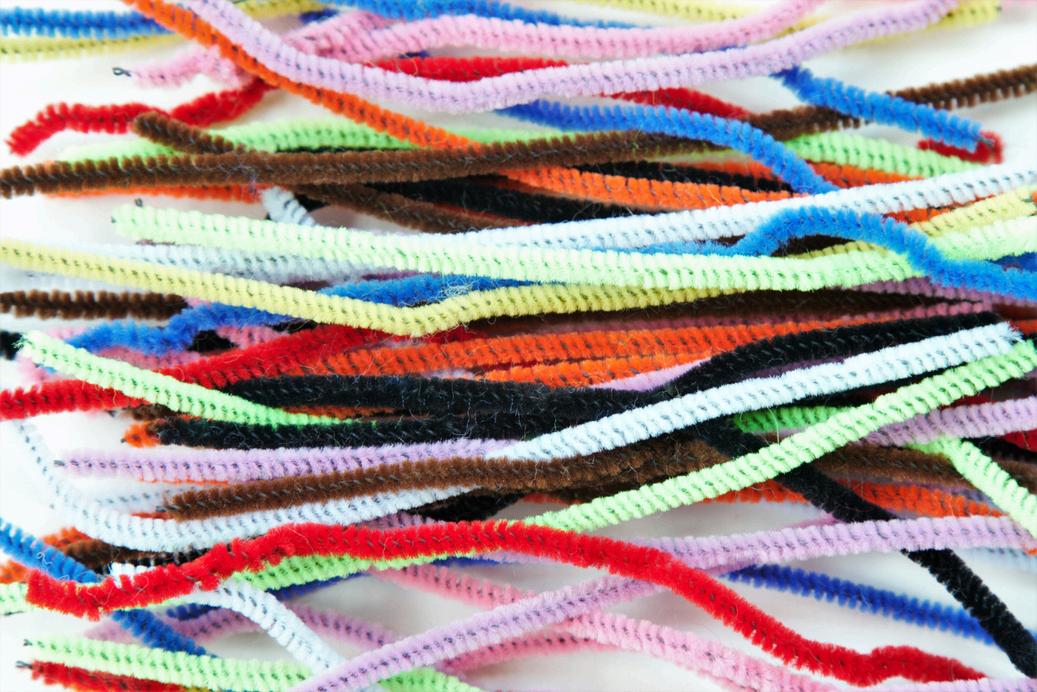
1. Guidestudentsastheydesignawearablestrapusingchenillestemsorelasticmaterialsto securetheMicro:bitandbatterypack.

2. Encouragestudentstopersonalizetheirdesigntomakeitsecure,comfortable,and functional.

3. Supportstudentsinchoosingoneadditionalchallenge:addingsoundorLEDfeedback, displayinga'?'whentheAIisunsure,ortrainingthemodeltodetectspecificexercises.

4. Allowteamstotesttheirmodificationsanddiscusshowtheseenhanceusabilityand feedback.

DesignandPlan

1. AskstudentstosketchtheirwearabledesignandindicatewheretheMicro:bitandbattery willbeplaced.

2. Studentsshouldalsooutlinehowtheirchosenchallengewillbeimplementedinthecodeor structure.

3. Encouragestudentstoexplainhowthedesignsupportssafetyandaccuratemotion detection.

Test

1. Allowstudentstotesttheirwearabletimerbysimulatingexerciseandnormalactivity.Ask: “Doesyourmodelcorrectlyrecognizewhenyou'reexercising?”and“Doyourtimersdisplaythe correctvalues?”

2. Promptteamstomakeadjustmentsforanyerrorsorunexpectedresults.

Share&Improve

1. Readthe“ShareandImprove”sectionwithyourstudentsandexplainthatthey’llbesharing theirprojectstogetfeedbackfrompeers.Remindthemthatfeedbackhelpsimproveideas, notjustevaluatethem.

2. Supportstudentsingivingandreceivingconstructivefeedback.Useguidingquestionssuch as“Whatworkedwellinthisdesign?”and“Whatimprovementscouldbemade?”.

3. Encourageteamstoreflectonthefeedbackandrevisetheirdesignsiftimeallows.Remind themthatinnovationcomesthroughtestingandimproving,andeveryvoiceinthegroup mattersduringthisphase.

MathandScienceConnection

SupportstudentsinworkingontheMathandScienceConnectionpage.Dependingonyour studentsneeds,youmayhavethemcompletethisindependently,intheirgroups,ortogether asawholeclass.

Reflection

1. ReviewtheSustainableDevelopmentGoal(GoodHealthandWell-Being),andbrainstorm withstudentshowthisprojectmightrelatetothatSDG.(Seeanswerkeyforsuggestions.)

2. Discussthefinal“reflection”questionswithstudents,andhavethemrecordtheirown answersintheirworkbooks

Cleanup

1. Aftersharingandreflecting,considertakingaphotographofeachprojectforyourown recordsand/ortosharewithparents!

2. Havestudentsdisassembletheirprojectsandreturnmaterialstotheappropriateplace.

EndofSession2

AnswerKey

1. Itisimportanttolookfortrendsinthedataandidentifyoutliersto removeimagesthatmay confusemodel andcauseittogiveinaccurateresults.

2. Totalworkouttime=Segment1+Segment2+Segment3=2x+1.5+3x–0.5+x+2.25=2x +3x+x+1.5-0.5+2.25= 6x+3.25

1. Thefitnesstimercanhelptheelderlycarefacilityprovideessentialhealthcareservicesby trackingandmotivatingtheresident’sactivity.Thisrelatestohelpingcreatequalityhealth careservices.

2. Medicalpractitionersandnursescanrecommendthattheirpatientsusethetrackerto motivatetheelderlytoexercise.Fitnessinstructorscanusethedevicesintheirsessionsto timeeveryone’stimespentdoingcertainactivities.
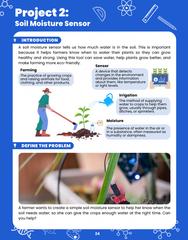
Reflection

Project3:KeyClassification LessonPlan

LearningObjectives

Bytheendofthislesson,studentswillbeableto:

Duration: 90minutes

1. Understandhowdichotomouskeyshelpscientistsclassifyorganismsbasedonobservable traits.

2. UsetheMicro:bittocreateaninteractiveclassificationtoolthatguidesusersthrougha decisiontree.

3. Applyproportionalreasoningtoidentifypatternsinanimalgroupsandbuildaprogramthat classifiesspeciesusingLEDsandbuttoninputs.

Materials

Vocabulary

DichotomousKey

Palaeontologist Fossil Species

Extraterrestrial

Atoolthathelpsidentifythingsbyansweringaseriesofyes/no questions.

Ascientistwhostudiesfossilstolearnaboutlifeinthepast.

Thepreservedremainsortracesofaplantoranimalthatlivedlong ago.

Agroupoflivingthingsthatcanreproduceandhavesimilar characteristics.

SomethingthatcomesfromoutsideEarth,likealiens.

Preparation(TeacherTo-DoBeforeClass)

1. Openmakecode.microbit.orgonallstudentdevicesandprepareexamplecodetotestLED output.

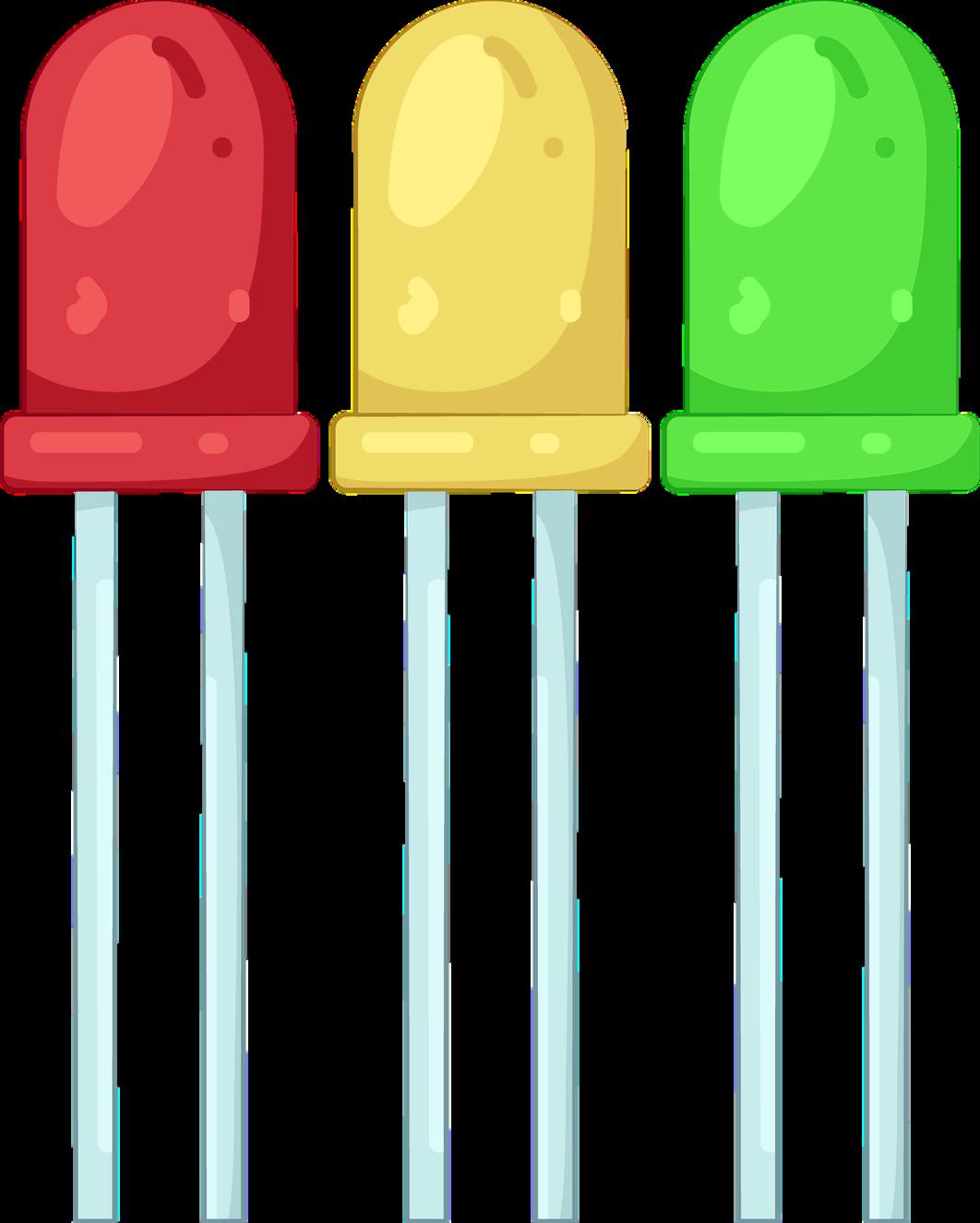
2. CreateaworkingsampleoftheMicro:bitwiredtothreeLEDsandloadedwithabasic classificationprogram.

3. Printordisplaythedichotomouskeyforvertebrateclassification.

LearningActivities(Session1)

1. Beginwithadiscussionabouthowscientistsclassifylifeforms.Askstudents:“Whydo scientistsneedtoclassifyspecies?”and“Whatkindsoftraitshelpustellspeciesapart?”

2. Showtheinfographicofthedichotomouskeyforvertebrateclassification.Explainhow dichotomouskeysworkbypresentingtwooptionsatatimetohelpidentifyspecies.

3. Discussreal-worldapplicationsofclassification,suchasexploringfossilsorsearchingfor signsoflifebeyondEarth.

DefinetheProblem

1. Readthe"DefinetheProblem"sectionasaclass.Ask:“Whatdoesthemuseumwantusto build?”

2. Emphasizethattheprojectrequiresadigitalversionofadichotomouskeythatguidesusers throughsimpleclassificationquestions.

3. Highlighthowthefinaloutputshouldincludevisualindicators(LEDs)andtext-based guidance.

1. Reviewthesuccesscriteriaasagroup.Ask:“Whatshouldtheprogramdowhenwepress buttonAorB?”and“Howdoweknowit’sworkingcorrectly?”

2. Emphasizetheneedtodisplaywhichcategorytheanimalbelongsto.

3. Reiteratethatalldesignideasmustcomefromthegroupandonlytheprovidedmaterials shouldbeused.

GettingStarted

1. Havestudentsformtheirteamsandassignprojectroles.Reviewthevocabularyterms aloudandhavestudentsgiveexamples.

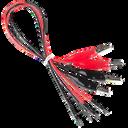
2. AssiststudentswithwiringthreedifferentlycoloredLEDstopins0,1,and2oftheMicro:bit usingalligatorclipsandabreadboard.

3. EnsuretheshortlegofeachLEDisconnectedtoGNDviathebreadboard’snegative column.

Code

1. AskstudentstouploadabasicprogramthatturnsoneachLEDonebyone.Thischecksthe wiringandUSBconnection.

2. Guidestudentstowriteaclassificationprogramusingserialmessagesandbuttoninputs. Supportstudentsinaddingbranchinglogicusing"if/else"blockstocontinueclassifying basedonobservablefeatureslikefeathersorskintype.
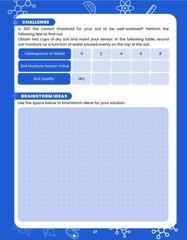
EndofFirstSession

LearningActivities(Session2)

Introduction

1. Beginbyreviewingwhatstudentslearnedabouthowdichotomouskeysworkin classification.

2. AskstudentstosharehowtheyusedbuttoninputsandLEDstorepresentdifferentspecies.

3. Revisitthemuseum’srequestforaninteractivedisplayandconnectthistohowreal scientistscommunicateclassificationresults.

Challenge

1. Challengestudentstocreateaseconddichotomouskey,thistimeforidentifyingplanttypes.

2. GuidethemtoreusetheirMicro:bitandLEDsetupwhilewritinganewclassification sequence.

3. Promptthemtoincludedifferenttypesoffeatures(e.g.,leafshape,floweringvs.nonflowering)inthenewkey.

DesignandPlan

1. Askeachgrouptocreateasketchoftheirupdatedkeyandthelogicstructureforbutton inputs.
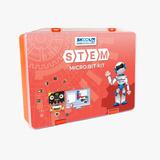
2. StudentsshouldmapoutwhichLEDcombinationswillrepresenteachplantcategory.

3. Havestudentsexplainhowtheirdecisiontreeflowslogicallyandwhetheritmeetsthe successcriteria.

Test

1. Allowstudentstotesttheirplantclassifierusingasetofplantphotosormodels.Ask:“Doyour questionsleaduserstothecorrectplanttype?”and“DoestheLEDlightupasexpected?”

2. Encouragestudentstoreviseanyunclearlogicorfixhardwareissues.

1. Readthe“ShareandImprove”sectionwithyourstudentsandexplainthatthey’llbesharing theirprojectstogetfeedbackfrompeers.Remindthemthatfeedbackhelpsimproveideas, notjustevaluatethem.

2. Supportstudentsingivingandreceivingconstructivefeedback.Useguidingquestionssuch as“Whatworkedwellinthisdesign?”and“Whatimprovementscouldbemade?”.

3. Encourageteamstoreflectonthefeedbackandrevisetheirdesignsiftimeallows.Remind themthatinnovationcomesthroughtestingandimproving,andeveryvoiceinthegroup mattersduringthisphase.

MathandScienceConnection

SupportstudentsinworkingontheMathandScienceConnectionpage.Dependingonyour studentsneeds,youmayhavethemcompletethisindependently,intheirgroups,ortogether asawholeclass.

Reflection

1. ReviewtheSustainableDevelopmentGoal(LifeonLand),andbrainstormwithstudentshow thisprojectmightrelatetothatSDG.(Seeanswerkeyforsuggestions.)

2. Discussthefinal“reflection”questionswithstudents,andhavethemrecordtheirown answersintheirworkbooks

Cleanup

1. Aftersharingandreflecting,considertakingaphotographofeachprojectforyourown recordsand/ortosharewithparents!

2. Havestudentsdisassembletheirprojectsandreturnmaterialstotheappropriateplace. EndofSession2

1.

2. Therewere7poriferaoutof77specieslogged.P== 29oftheanimalsarebirds,andthereare72animalsintotal.Thus,×72= 16birds

1. Akeyclassificationsystemcanhelpdiscovernewspeciesinremoteareas,contributingto biodiversitydata.Itcanhelpidentifyfossils,providinginsightsintoextinctspeciesand ecosystemsandassistmonitoringspeciesatriskofextinction.

2. Akeyclassificationsystemcanhelppaleontologistsusefossilstounderstandpast ecosystemsandpredictbiodiversitytrends.Itcanhelpecologistsmonitorspecies populationsanddevelopconservationstrategies.

Project4:DecomposerPopulationAnalysis

LessonPlan

LearningObjectives

Bytheendofthislesson,studentswillbeableto:

1. Understandtheroleofdecomposersinecosystemsandfoodwebs.

Duration: 90minutes

2. SimulatechangesinpopulationlevelsusingvariablesandMicro:bitprogramming.

3. Predictandanalyzeproportionalchangesinotherspecieswhendecomposersareadded orremoved.

Materials

Atinylivingthing,likebacteria,thatcanonlybeseenwitha microscope.

Anorganism,likefungiorbacteria,thatbreaksdowndeadplantsand animals.

Adiagramshowinghowenergyandnutrientsmovethroughaseriesof organisms.

Acommunityoflivingthingsandtheirenvironment.

Toaddnutrientstosoilorplantstohelpthemgrow.

Anetworkofinterconnectedfoodchainsinanecosystem.

Preparation(TeacherTo-DoBeforeClass)

1. Openmakecode.microbit.orgonalldevicesandensureeachgrouphasaccesstoa Micro:bitworkspace.

2. Prepareandorganizeallclassroommaterialsneededfortheactivity.

3. Reviewtheconceptoffoodchainsandhowdecomposerssupportproducersand consumers.

LearningActivities(Session1)

1. Beginbydiscussingfoodchainsandfoodwebs.Ask:“Whatroledodecomposersplayin nature?”.Highlighthowdecomposersrecyclenutrientsthatareessentialforproducers(like plants).

2. Introducetheproblem:Whatifdecomposersdisappearedorrapidlyincreased?Whatwould happentotherestofthefoodweb?Connectthisideatooceanhealthandbiodiversity preservation.

1. Readthe"DefinetheProblem"sectiontogether.Askstudents:“Whatkindofsimulationdoes thescienceteacherneed?”

2. ExplainthatthegoalistobuildaMicro:bitprogramthatmodelspopulationchangeswhen decomposersareaddedorremoved. DefinetheProblem

1. Reviewthecriteriaandconstraints.Ask:“Howwillweknowoursimulationisworking?”

2. Emphasizethatpopulationvaluesshouldnotfallbelowzeroandmustadjustaccurately basedoninputs.

3. Reiteratethatonlytheprovidedmaterialsshouldbeused. MeasureYourSuccess

1. Havestudentsformtheirteamsandassignprojectroles.Reviewthevocabularyterms aloudandhavestudentsgiveexamples.

2. AskstudentstoopenMakeCodeandnametheirproject"DecomposerPopulationAnalysis." GettingStarted

1. Guidestudentstocreatethefollowingvariables:"decomposerpop,""producerpop," "herbivorepop,"and"carnivorepop."

2. Encouragestudentstotesttheircodetoseereal-timeupdatesinthesimulatorordata logger. Code

EndofFirstSession

LearningActivities(Session2)

Introduction

1. RecapwhatstudentsbuiltinSession1andaskwhatpatternstheynoticed.

2. Invitestudentstoconsiderhowdifferentchangeratesmightaffectecosystems.

Challenge

1. Readthechallengealoudwithyourstudents,thenask:"Canyoupredictwhatmighthappen ifthedecomposerpopulationincreasesordecreasesby10units?"

2. Askstudentstomodifytheirprogramusingnewrates.Forexample:

ButtonA:+10decomposers,+8producers,+5herbivores,+3carnivores

ButtonB:-10decomposers,-8producers,-5herbivores,-3carnivores

3. Emphasizeaccuracyandlogicalrelationshipsbetweentrophiclevels.Useanalogiesto explainthatmoredecomposersmeansmorenutrients moreplants moreherbivores morecarnivores.Emphasizethecause-and-effectchain.

DesignandPlan

1. Havestudentssketchapyramidordiagramoftheirfoodweb,showingtherelationships.

2. Askthemtoannotatetheirdiagramswithexpectedchangeswhenpopulationsshift. Supportstudentsinwritingpseudocodetoplantheirprogramlogic.

Test

1. StudentstestpopulationincreasesanddecreasesusingtheAandBbuttons.Ask:“Doyour outputsmakesenseforeachchange?”and“Arepopulationsstayingabovezero?”

2. Supportteamsincorrectingerrorsoradjustingpopulationratios.

Share&Improve

1. Readthe“ShareandImprove”sectionwithyourstudentsandexplainthatthey’llbesharing theirprojectstogetfeedbackfrompeers.Remindthemthatfeedbackhelpsimproveideas, notjustevaluatethem.

2. Supportstudentsingivingandreceivingconstructivefeedback.Useguidingquestionssuch as“Whatworkedwellinthisdesign?”and“Whatimprovementscouldbemade?”.

3. Encourageteamstoreflectonthefeedbackandrevisetheirdesignsiftimeallows.Remind themthatinnovationcomesthroughtestingandimproving,andeveryvoiceinthegroup mattersduringthisphase

MathandScienceConnection

SupportstudentsinworkingontheMathandScienceConnectionpage.Dependingonyour studentsneeds,youmayhavethemcompletethisindependently,intheirgroups,ortogether asawholeclass.

Reflection

1. ReviewtheSustainableDevelopmentGoal(LifeBelowWater),andbrainstormwithstudents howthisprojectmightrelatetothatSDG.(Seeanswerkeyforsuggestions.)

2. Discussthefinal“reflection”questionswithstudents,andhavethemrecordtheirown answersintheirworkbooks

Cleanup

1. Aftersharingandreflecting,considertakingaphotographofeachprojectforyourown recordsand/ortosharewithparents!

2. Havestudentsdisassembletheirprojectsandreturnmaterialstotheappropriateplace.

EndofSession2

AnswerKey

MathandScienceConnectionAnswers

1. No,populationscannotbecomelowerthan0.

2. Thefollowingprogramshowsanexampleofhowtomultiplythedecomposer,producer, herbivore,andcarnivorebyascalarinsteadofaddingorsubtractingvalues.

3. First,findthepercentincreaseofherbivores:66/60=1.1.Thismeansthattheherbivore populationhasincreasedby10%.Thus,thecarnivorepopulationwillincreaseby4%.

Carnivores:25x1.04= 26carnivores.

5. Ifoneecosystemisaffectedinagroupof8,thereare7othersthatcouldbeaffected.If75% oftheremainderareaffected,then:7x0.75=5.25ecosystemswouldbeaffected.Roundingto thenearestwholenumber, 5 otherecosystemsinthenetworkof8wouldbeaffected.

1. Localgovernmentscanusetheresultstoimposefishinglimits,protectingaquatic decomposersandmaintaininghealthymarinefoodwebs.

2. Ecologistscanstudydecomposerpopulationstoensurebalancedecosystems.Policy makerscanimplementconservationmeasuresbasedonecosystemanalyses.

Reflection

Project5:MetalorNonmetal? LessonPlan

LearningObjectives

Bytheendofthislesson,studentswillbeableto:

Duration: 90minutes

1. Distinguishbetweentheelectricalpropertiesofconductorsandinsulatorsbyexamining howtheyinfluencecurrentflow.

2. Designandconductacircuit-basedinvestigationusingaMicro:bittoevaluatethe conductivityofvariousmaterials.

3. Interprettestresultstoclassifymaterialsasmetalsornonmetals,basedontheirabilityto completeanelectricalcircuit..

Materials

Micro:bitKit

Vocabulary

Ashiny,strongmaterialthatconductsheatandelectricity.

Amaterialthatallowselectricityorheattofloweasily.

Amaterialthatisusuallynotshinyanddoesnotconductelectricityor heatwell.

Amaterialthatdoesnotletelectricityorheatpassthrougheasily.

Asmalldevicethatemitslightefficientlywhenanelectriccurrent passesthroughit.

Preparation(TeacherTo-DoBeforeClass)

1. Open makecode.microbit.orgonalldevicesandensureeachgrouphasaccesstoa Micro:bitworkspace.

2. Prepareandorganizeallmaterialsrequiredfortheactivityandvariousmaterialstotest (metallicandnonmetallicitems).Labelmaterialsclearlytosupportstudent-led experimentationandclassification.

3. BuildanddemonstrateanexampleLEDcircuitwiththeMicro:bitusingaknownconductorto showhowelectricalcurrentcompletestheloop.

LearningActivities(Session1)

Introduction

1. Beginbydiscussingmetalsandnonmetalsandtheirusesindailylife.Ask:“Whyisit importanttoknowwhichmaterialsconductelectricity?”

2. Explainthatover95%ofmetalsareconductorsandthatconductivityisakeytraitthathelps classifymaterials.ChallengethentocreateatoolusingtheMicro:bittotestifamaterialisa metaloranonmetal.

1. Readthe"DefinetheProblem"sectionasaclass.Emphasizetheneedtocreateaworking circuitthatcantestforconductivity.

2. Askstudentstoidentifywhatascientistmightneedthistoolforinreal-worldapplications.

1. Reviewthesuccesscriteria.Promptstudents:"Howwillweknowifamaterialconducts electricity?"

2. Emphasizetheneedforaccuratetestingandforstudentstorecordwhetheramaterialisa conductororinsulator.

GettingStarted

1. Assignteamrolesandreviewvocabulary.Userealmaterialstodemonstrateexamplesof conductorsandinsulators.

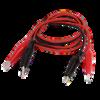
2. GuidestudentsinwiringanLEDcircuitontheMicro:bitusingalligatorclipsandatest materialinplaceofaresistor.

3. EnsurestudentsunderstandhowtoconnecttheLED:longerlegtoport0throughatest materialandshorterlegtoGND.

1. AskthemtowritecodethatturnsontheLEDwhenaclosedcircuitisformed.Ifstudents struggle,providethemodelcode.

2. OncestudentswiretheirLEDwitharesistororknownconductor,askthem: “DidtheLEDturnon?”

“Howcanyoutellthatyourcodeisworkingasintended?”

“Whatdoesthistellusaboutthematerialusedinthecircuit?”

3. Instructstudentstoreplacetheresistorwithvarioustestmaterials(e.g.,spoon,scissor blade,fabric,potato,etc.)andobservewhethertheLEDlightsup.

LearningActivities(Session2)

Introduction

1. Recaptheprevioussession.Askstudents:"Whatmaterialswereconductors?Whichwere insulators?Werethereanysurprises?"

2. Connectthefindingstoreal-worldusesofmetalsandinsulatorsininfrastructureand devices.

Challenge

1. Presentthechallengeandask:Canyourteamcreateaprogramthatidentifiesifamaterial isametalornonmetalbasedonwhetheritconductselectricity?

2. Guidestudentstowireasensororcreatealoopthatonlycompletesifthetestmaterial allowselectricitytopass.

DesignandPlan

1. Askstudentstosketchtheircircuitandlabelhowthecurrentflowswhenusingaconductor vs.aninsulator.

2. Encouragethemtoplanthecodeusingpseudocodefirst:"Ifcurrentflows,thendisplay 'metal'ontheserialmonitor."

Test

1. HavestudentstesteachmaterialandrecordwhethertheLEDlituporamessageprinted.

2. Guidetheminclassifyingeachmaterialasaconductor(likelymetal)orinsulator(likely nonmetal).Ask:“Doyourresultsmatchyourpredictions?”Ifnot,whatmightexplainthe differences?

Share&Improve

1. Readthe“ShareandImprove”sectionwithyourstudentsandexplainthatthey’llbesharing theirprojectstogetfeedbackfrompeers.Remindthemthatfeedbackhelpsimproveideas, notjustevaluatethem.

2. Supportstudentsingivingandreceivingconstructivefeedback.Useguidingquestionssuch as“Whatworkedwellinthisdesign?”and“Whatimprovementscouldbemade?”.

3. Encourageteamstoreflectonthefeedbackandrevisetheirdesignsiftimeallows.Remind themthatinnovationcomesthroughtestingandimproving,andeveryvoiceinthegroup mattersduringthisphase

SupportstudentsinworkingontheMathandScienceConnectionpage.Dependingonyour studentsneeds,youmayhavethemcompletethisindependently,intheirgroups,ortogether asawholeclass.

Reflection

1. ReviewtheSustainableDevelopmentGoal(Industry,Innovation,Infrastructure),and brainstormwithstudentshowthisprojectmightrelatetothatSDG.(Seeanswerkeyfor suggestions.)

2. Discussthefinal“reflection”questionswithstudents,andhavethemrecordtheirown answersintheirworkbooks

Cleanup

1. Aftersharingandreflecting,considertakingaphotographofeachprojectforyourown recordsand/ortosharewithparents!

2. Havestudentsdisassembletheirprojectsandreturnmaterialstotheappropriateplace.

EndofSession2

AnswerKey

MathandScienceConnectionAnswers

1. Wirelengthneeded=5+3–6–0.5=1½cm

2. Letxrepresentthetestmateriallength.First,writeanequationmakingthewiresoutfrom powerandthewiresbacktoGNDequal.

5+x=6+0.5+2½

x=9–5= 4cm

Reflection

1. Suchadetectorcanhelpidentifyefficientconductiveorinsulativematerialsforindustrial andinfrastructuraluse.Thissupportsthedevelopmentofinnovativetechnologies,suchas energy-efficientwiringandrobustbuildingmaterials.

2. Electricalengineersuseconductivematerialstoconnectcircuitsandinsulativematerialsto protectpeoplearoundhighvoltagecurrents.Materialscientistscandevelopinsulatorsto improvetheefficiencyofelectricitytransfer.

Project6:ThermalParticleModel LessonPlan

LearningObjectives

Bytheendofthislesson,studentswillbeableto:

Duration: 90minutes

1. Explaintherelationshipbetweentemperatureandparticlebehaviorindifferentstatesof matter,includingsolid,liquid,andgas.

2. DesignandbuildaMicro:bitmodelthatusesLEDanimationstorepresentparticle movementatvarioustemperatures.

3. Analyzeandadjusttheircodeusingreal-timetemperaturereadingstosimulaterealistic thermalbehaviorinasafe,repeatableexperiment.

Materials

Vocabulary

Astateofmatterwheregasischargedwithenergy,likeinstars.

Astateofmatteratextremelylowtemperatureswhereatomsactas one.

Averysmallpieceofmatter.

Anythingthathasmassandtakesupspace.

Preparation(TeacherTo-DoBeforeClass)

1. Openmakecode.orgonalldevicesandensureeachgrouphasaccesstoaMicro:bit workspace.

2. Prepareandorganizeallclassroommaterialsneededfortheactivity.

3. BuildanddemonstrateanexamplesetupusingtheMicro:bitlightsensoranda programmedalertsystemtoprovidestudentsavisualreferenceofhowtemperaturesensing andLEDsignalingwork.

LearningActivities(Session1)

Introduction

1. Beginwithadiscussionaboutmatteranditsdifferentstates.Askstudents:“Whathappens toparticleswhenmatterheatsup?”

2. Explainhowtemperatureimpactsparticlespeedandspacing,causingchangesinphysical state.

3. Sharereal-worldapplications—whyshippingandstoringmaterialsatpropertemperatures matters.

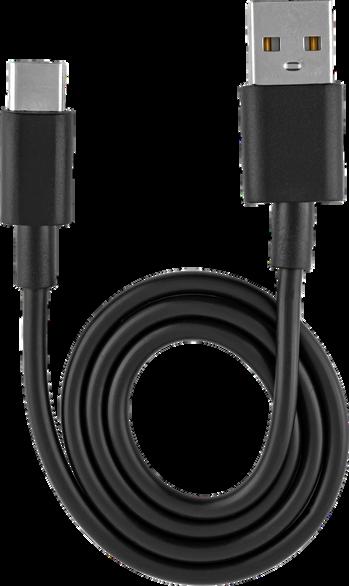
Micro:bitKit Computer USBCable Grade7 InnovatorsBook

DefinetheProblem

1. Readthe“DefinetheProblem”sectiontogether.Askstudents:“Whatexactlydoesthe professorneedhelpmodeling?”

2. Explainthattheprojectsimulatesparticlebehaviorinrealtimeusingtemperaturedata.

MeasureYourSuccess

1. Reviewthesuccesscriteria.Ask:“Howcanwemakesureourparticlemodelrespondsto temperature?”

2. Clarifythatboththetemperaturereadingandthespeedoftheparticleanimationmustbe accurate.

3. Remindstudentstouseonlytheprovidedmaterials.

GettingStarted

1. Assignteamrolesandreviewkeyvocabulary.Guidestudentstoconnectthejoystickshield totheMicro:bitandtestanalogreadingviaserialoutput.

2. InstructstudentstoopenMakeCodeandnametheirprogram“ThermalParticleModel.”

Code

1. Demonstratehowtoreadvaluesfromthejoystick’sX-axisandconvertthemintoa “temperature”variable.

2. SupportstudentsinwritingcodethatusesLEDpatternstosimulateparticlebehavior— fasterblinkingpatternsforhighertemperatures.

3. Explainhowtomodeldifferentstatesusingconditionallogicbasedontemperature thresholds.

4. Encouragethemtotestcodeandchecktheserialmonitorfortemperatureandparticle speed.

EndofFirstSession

LearningActivities(Session2)

Introduction

1. Recapthepriorsessionanddiscusswhatworkedandwhatcouldbeimproved.

2. IntroducethechallengeofreplacingthejoystickwiththeMicro:bit’sbuilt-intemperature sensor.

Challenge

1. Presentthechallenge:Canyourteamupdateyourmodeltouserealtemperaturedata insteadofsimulatedjoystickinput?

2. Askstudentstorevisetheircodetouseinput.temperature()andtestbehaviorindifferent environmentalconditions.Guidethemtoupdate“while”loopsandanimationsaccordingly.

DesignandPlan

1. Askstudentstosketchdiagramsoftheirmodellogic(e.g.,howtemperatureinputtriggers differentanimations).

2. Supporttheminwritingpseudocodeandlogicflowcharts.

3. Encourageteamworkinidentifyingchangesneededinthe“if”statements.

Test

1. AskstudentstotesttheirmodelsbyapplyingwarmorcoolairneartheMicro:bitsensor.

2. Posequestionslike:“Doestheanimationspeedincreasewithwarmth?”and“Isthecorrect statedisplayed?”

3. Helpthemtroubleshootandverifythateachconditionworksasintended.

Share&Improve

1. Readthe“ShareandImprove”sectionwithyourstudentsandexplainthatthey’llbesharing theirprojectstogetfeedbackfrompeers.Remindthemthatfeedbackhelpsimproveideas, notjustevaluatethem.

2. Supportstudentsingivingandreceivingconstructivefeedback.Useguidingquestionssuch as“Whatworkedwellinthisdesign?”and“Whatimprovementscouldbemade?”.

3. Encourageteamstoreflectonthefeedbackandrevisetheirdesignsiftimeallows.Remind themthatinnovationcomesthroughtestingandimproving,andeveryvoiceinthegroup mattersduringthisphase

MathandScienceConnection

SupportstudentsinworkingontheMathandScienceConnectionpage.Dependingonyour studentsneeds,youmayhavethemcompletethisindependently,intheirgroups,ortogether asawholeclass.

Reflection

1. ReviewtheSustainableDevelopmentGoal(WorkandEconomicGrowth),andbrainstorm withstudentshowthisprojectmightrelatetothatSDG.(Seeanswerkeyforsuggestions.)

2. Discussthefinal“reflection”questionswithstudents,andhavethemrecordtheirown answersintheirworkbooks.

Cleanup

1. Aftersharingandreflecting,considertakingaphotographofeachprojectforyourown recordsand/ortosharewithparents!

2. Havestudentsdisassembletheirprojectsandreturnmaterialstotheappropriateplace.

EndofSession2

AnswerKey

MathandScienceConnectionAnswers

1. 25.5×

2. Letxrepresentthemaximumvalueofthejoystick. = 38°C 3 1 2 5 x=10°C

x=50°C

Now,findhowfar-20isonthewayto–50: -20/-50=2/5.

Theuserwouldneedtomovethejoystick2/5ofthewaytowardstheminimumxpositionfor thetemperaturetoreach-20°C

1. Themodelcansimulatehowtemperatureaffectsmaterialproperties,helpingindustries optimizeprocesseslikestorage,transportation,andmanufacturing.Thisensuresproduct qualityandreduceseconomiclosses.

2. Scientistscandeveloptemperature-sensitivematerials,engineerscandesignsystemsto stabilizetemperatureduringtransport,andpolicymakerscanenforceregulationstoensure safeandefficienthandlingofgoods.

Reflection

AssessmentGuide

AtSKOOL21,assessmentsareatoolforlearningandgrowth—notjustgrading. FromPre-KtoGrade12,weuseassessmentstoguidestudentsinbuildingskills, confidence,andaloveofSTEMlearning.Wefocusonfeedback,reflection,and continuousimprovementtohelpeverystudentreachtheirfullpotential.

Getasnapshotof students’starting knowledgebefore onboardinginSTEM.

StudentsembarkontheSTEMLearningJourney,consisting ofanIntroductoryLessonfollowedby15hands-onSTEM projectsalignedwithcurriculumobjectives.

Helpstudentsconnectmath andscienceconceptsthrough real-worldSTEMchallenges.

Pre-Assessment(optional)

Encouragestudentstoreflect, takeownershipoftheirlearning, andsetpersonalgoals.

Celebratestudents' learningthroughrealworldprojectsthatapply keyskills.

Pre-assessmentcanbeformal(ashortquiz)orinformal(adiscussionoractivity)–SKOOL21 treatsitasoptionalsoteachersuseitwhenitaddsvalue.Donethoughtfully,pre-assessment honorsDewey’sideathatconnectingtostudents’priorexperienceboostslearning

TeacherTips:

Keepitlow-stakes:Thumbs-up/downpolls. Open-endedquestions:Quickdiscussions. Mini-quizzes:Shortandsimple.

KWLCharts:Capturewhatstudentsknowandwanttolearn. Play-basedobservation:EspeciallyforPre-K/K

Math&ScienceConnection

Byassessinghowstudentsapplymathskillsinscienceactivities(andviceversa),teachers candeepenunderstandingofbothsubjects.Thisunderscoresthereal-worldrelevanceof STEMlearningandreinforcescriticalthinking.

Cross-linkactivities:Measure,graph,orcalculate duringscienceexperiments.

TeacherTips: just grading tools

Userealtools:Rulers,scales,charts,simplecoding tools.

Askmathquestionsinscience:“Howtallisyourplant?” Teamwork:Solvescienceproblemswithmathin groups.

Linktostandards:Alignwithbothmathandscience

Link to sta goals.

Self-AssessmentRubrics

TeacherTips:

Introducerubricsearly:Define"what successlookslike."

Modelreflection:Scoresamplework together.

Selfandpeerreview:Studentsrate anddiscuss.

Askreflectivequestions:“Whatwas yourbiggestchallenge?”

Celebratehonesty:Praiseaccurate self-assessment.

Post-Assessment:CapstoneProject

Self-reflectonyourworkonthisproject.

Icanbreakdown aproblem.

Icandevelopa workingprototype.

Icancodemyprototype todowhatIwant.

Self-assessmenthelpslearnersidentifytheirstrengthsandareastoimprove,reinforcing metacognition.Teachersplayaguidingroleinthisprocess,helpingstudentslearnhowto honestlyandconstructivelyjudgetheirwork.

Thecapstoneprojectdesignedasaculminatingexperienceforstudentstodemonstrate andsharetheirlearningwithanauthenticaudience.Thecapstonecanbeconsideredand usedasanassessmenttask,allowingstudentstosynthesizeknowledgeandskillsdeveloped overthecourseofthe15-projectSTEMseries.

Throughthecapstoneproject,studentsengageinameaningfulapplicationofproblemsolving,criticalthinking,andengineeringdesignprinciples.Theyarechallengedtoaddress real-worldproblems,showcasingtheirabilitytointegrateconceptsacrossscience, technology,engineering,andmathematicsdisciplines.

STEMInnovationFair

Tocelebratestudentachievements,schoolsareencouragedtoorganize eventssuchasaSTEMShowcase,InnovationFair,orOpenHouse.These eventsprovideanauthenticplatformforstudentstopresenttheir capstoneprojectstopeers,educators,families,andcommunitymembers. Studentsarticulatetheirdesignprocess,explaintheirdecisions,and respondtofeedbackfromanengagedandsupportiveaudience.

Possiblepresentationformatsinclude:

Interactivedemonstrations

Postersessions

Digitalportfolios

PitchpresentationsmodeledafterprofessionalSTEMconferences

nforcing rn how to celebrating education w

Organizersmayalsoinviteindustryexperts,localbusinesses,oruniversitypartnerstoserve aspanelistsormentors,furtherenhancingthereal-worldrelevanceofstudentprojects.By celebratingstudentinnovationinapublicforum,theseeventsreinforcethevalueofSTEM educationwhilefosteringconfidence,communicationskills,andcollaboration.

Turn static files into dynamic content formats.

Create a flipbook
Issuu converts static files into: digital portfolios, online yearbooks, online catalogs, digital photo albums and more. Sign up and create your flipbook.
Teacher Guide - Level 7 by SKOOL21 - Issuu