SUSTAINABILITY STRATEGIES
From inputs to outputs: on-farm tips to lower emissions Pg 12

SUSTAINABILITY STRATEGIES
From inputs to outputs: on-farm tips to lower emissions Pg 12
Producers look to sustainability measures now and for future generations
THE VOICE OF ONTARIO DAIRY PRODUCERS LATE SPRING/EARLY SUMMER 2023
Sustainability is a balancing act that preserves the past, nurtures the present, and anticipates the future.
Genetics helps build herds that are resilient, sustainable, and profitable.
Lactanet’s Feed Efficiency evaluations measure a cow’s ability to convert feed at the bunk to milk in the tank. Selecting for cows with improved feed efficiency leads to gains in production and supports the environmental sustainability of the dairy sector.

For more information visit lactanet.ca/en/access-feed-efficiency-heifers/
Feed Efficiency evaluations are automatically reported for all females linked to a DHI herd inventory and for bulls marketed by an A.I. customer of Lactanet.

PUBLISHED BY DAIRY FARMERS OF ONTARIO
6780 Campobello Road
Mississauga, ON L5N 2L8 EDITOR
Theresa Rogers theresa.rogers@milk.org
ADVERTISING
Pat Logan pat.logan@milk.org
519-788-1559
GRAPHIC DESIGN
Katrina Teimo
CONTRIBUTORS
Katie Duncan
Chris McCullough
Jeanine Moyer
Robert Price
Renee Schrift
Canada Post Publications Mail Sales Product Agreement No.40063866. Return postage guaranteed. Circulation: 8,000. ISSN 0030-3038. Printed in Canada.
SUBSCRIPTIONS
For subscription changes or to unsubscribe, contact:
MILK PRODUCER

6780 Campobello Road
Mississauga, ON L5N 2L8
Phone: (905) 821-8970
Fax: (905) 821-3160

Email: milkproducer@milk.org
Opinions expressed herein are those of the author and/or editor and do not necessarily reflect the opinion or policies of Dairy Farmers of Ontario. Publication of advertisements does not constitute endorsement or approval by Milk Producer or Dairy Farmers of Ontario of products or services advertised.
Milk Producer welcomes letters to the editor about magazine content.

*All marks owned by Dairy Farmers of Ontario.
WEBSITES & SOCIAL MEDIA www.milkproducer.ca www.milk.org
Facebook: /OntarioDairy
Twitter: @OntarioDairy
Instagram: @OntarioDairy
LinkedIn: dairy-farmers-of-ontario
12
Farmers have been practising environmental sustainability for generations. Read how three Ontario dairy families approach continuous improvement of the efficiency of their farms.


I was at a national meeting recently discussing strategic planning and was reminded of the “Ready, Aim, Fire” approach to executing on strategy.
With this approach, the business pulls the trigger, taking its shot and then realizes it should have aimed. In other words, the business reacts before thinking everything through.
As I think about our collective target – our goal of reducing carbon emissions and achieving Net-Zero greenhouse gas emissions by the year 2050 – I think about our approach as individual farmers.
Although taking care of the environment is not new to dairy farming, the emphasis is only now being articulated. In the next few years, there will be a lot of “getting ready.” Educating
ourselves by reviewing resources and best practices, as well as thinking, evaluating options and determining feasibility are the first steps.
What is the target on your farm? Determine realistic goals that work for your operation. Avoid the tendency to simply fire off by taking on a practice you’ve seen on another farm. Determine if it’s the best solution for you. Let’s develop plans that work for our individual farms, knowing it also helps the collective.
Begin executing on your plan and new approaches with timing that makes sense. Revaluate and adjust as necessary. In this issue, several farms are highlighted,


providing just a few examples of what can be done. As you read, be curious and think about how some of these initiatives may work on your own farm. In the coming months, I look forward to the possibilities that will be identified and the stories we will all share to help the industry reach our target.


Sustainability is a hot topic in all aspects of business today, including food production. Canadians are strongly focused on how their food choices relate to either improving or degrading environmental sustainability. As dairy producers, we are uniquely positioned to capitalize on this scrutiny and expand into even more environmentally sustainable practices to become more profitable.
Our industry is rooted in practices that help meet national carbon reduction targets and which are beneficial to our bottom line. Inevitably, this makes our products more appealing to environmentally conscious consumers and pushes back against the false narratives challenging our industry. By simply expanding on practices that fit naturally into our business models, we are further cementing our place as an essential food sector and as leaders in emissions reduction.
Provincially and nationally, there is a coordinated effort to develop, expand and communicate practical, sustainable efforts. Consumers expect to be presented with data that is backed by science in the same way we want to know these management practices will help to improve our margins. The DFC environmental best management practices touched on throughout this issue are a good example of these efforts.
The way I see it, almost every time a farmer makes any adjustment to their operation in order to yield more milk per cow, the gains in efficiency generally contribute to sustainability. Emissions related to the production of one litre of Canadian milk are less than half the average global footprint of a litre of milk. In fact, our emissions from milk production are among the lowest in the world. What we need now is the ability to quantify those contributions in
a routine way. That’s why we’re investing in a range of research including how predictive modeling technology can make tracking onfarm emissions easier.
We are fortunate to be able to approach this issue from a position of strength. Now is the time to position producers to reap the rewards of their sustainability efforts.

Formulating diets with higher quality forages can enhance rumen fermentation to reduce methane emissions . Testing forage quality can help determine nutritional value, the palatability for cattle and optimize animal diets.
On a dairy farm, steps toward efficiency often equal conservation, process improvement and taking better care of resources. The results can be impressive: increased production efficiency, enriched soils, improved cropping practices, and of course, lowering greenhouse gas emissions.
Using Dairy Farmers of Canada’s recently released Net Zero by 2050 Best Management Practices Guide to Mitigate Emissions on Dairy Farms, here are some examples of one practice in five areas where producers can make an impact on the road to Net-Zero.
NUTRIENT STEWARDSHIP
Optimizing the rate of fertilizer applied over the growing season by taking into consideration the availability of nutrients from all sources and testing soil annually for available nutrients may reduce fertilizer use rates and improve efficiency.
To reduce GHG emissions, cover liquid manure storage systems to prevent them from being released into the atmosphere or separate manure into liquids and solids
Reducing energy use can lower GHG emissions and energy costs Any improvement to efficiency can also reduce on-farm energy demand.
Planting trees and shelterbelts on dairy farms has many benefits, and may reduce soil erosion , improve air and water quality, and enhance biodiversity.


Wilkridge Farm, Fournier, ON
Ken & Peggy Wilkes are the fifth generation farmers and now their son Andrew and his partner Reagan continue the next generation. They currently milk 80 cows with two GEA DairyRobot R9500’s.

‘‘ Our five-year goal was to milk 80 cows and have a 40-kilo average in a robotic environment. Presently we’re at 45 kilos and we have peaked as high as 47. So we’re very happy. ’’
We like the pit idea. We designed this room to make it work with two in one room because we wanted one room to clean.
BRITISH COLOMBIA
Pacific Dairy Centre Ltd.
Chilliwack — 604 852-9020
ALBERTA
Dairy Lane Systems Alberta
Leduc — 780 986-5600
Nobleford – 587-335-9742
Lethbridge Dairy Mart Ltd.
Lethbridge — 888 329-6202
In this environment the cows do what they want when they want, their health has to be better. I’m sure our vet bills have decreased by 50% and our cell count usually runs between 80 and 100 thousand.
SASKATCHEWAN
Dairy Lane Systems
Saskatchewan
Warman — 306 242-5850
Emerald Park — 306 721-6844
MANITOBA
Tytech
Grand Pointe — 204 770-4898
ONTARIO
Conestogo Agri Systems Inc.
Alma — 519 638-3022
Dairy Lane Systems
Komoka — 519 666-1404
Lawrence’s Dairy Supply Inc.
Moose Creek — 6 13 538-2559
McCann Farm Automation Ltd.
Seeley’s Bay — 613 382-7411
Performance Dairy Centre Inc.
Embro — 519 423-9119
Wood’s Dairy Source
Keene 705 295-3247
ATLANTIC PROVINCES
Atlantic Dairy Tech, Inc.
AMS Sub-dealer for Sheehy Entreprises Ltd.
Charlottetown, PE — 902 368-1719
Sheehy Entreprises Ltd.
Shubenacadie, NS — 902 758-2002
Lower Queensbury, NB — 506 478-4878
• Swap out incandescent lighting in the barn
• Use dimmers and motion sensors on barn lights


• Match the size of the tractor to the size of implements

• Ensure equipment tires are inflated properly


• Ensure tight-fitting windows and doors in farm buildings


• Seal windows with caulking and weather stripping
• Find out about the potential of generating wind energy
• Look into anaerobic digestion of manure for green energy and reduced odour
• Explore opportunities for using solar energy around the farmstead or around the farm (powering electric fences and water pumps)
• Find out about using shelled corn as a heating fuel


Silage compaction roller


The MAX PACK has been specially designed to increase forage compaction to pack silage tighter, increasing storage capacity and silage quality
Adjust the weight of MAX PACK by filling the drum with water
Provides a raking action to help level the silage

The 4 in. high fins help press in silage tight, while solid drum packs


Side shift models available
Pack better along walls
Hydraulically shift the MAX PACK 3 ft left or right for better safety in drive over piles and when silage is high above bunker walls

Bump wheels standard on outside of frame to prevent damage to walls and machine


An integrated approach to HOOF TRIMMING AND CARE using the Recommended Code of Practice for the Care and Handling of Dairy Cattle \ Breed assessments \ with CQM and proAction.
www.vicshooftrimming.course.ca
519-274-0878


• Change to a milk pre-cooler system to cool the milk before it enters the bulk milk tank
• Use variable speed drives (VSD) on vacuum and milk pumps on milking equipment

• Install a heat reclaimer
• Investigate availability of water recycling equipment
• Insulate hot water lines
• Avoid irrigating on hot, sunny or windy days
• Use a timer on the water heater so the water is the right temperature only when needed
• Flush the sediment from the hot water tank regularly
• Maximize natural ventilation in livestock barns wherever possible
• Clean ventilation fans
• Apply only the amount of irrigation water required for crop growth
• Consider an on-farm energy audit
Source: Ontario Ministry of Agriculture, Food and Rural Affairs (OMAFRA)
We’re stewards of the land and the environment and it’s our responsibility to protect it and improve it for future generations.
To me, this is much bigger than our own neighbourhoods and communities – this is for the betterment of all. On our farm we recycle plastics, plant cover crops and practice no-till of the land. It’s provided great benefits in terms of soil structure but also in terms of yield. We have invested in technologies, such as robots in the barn and tech in our tractors, and the efficiencies make it affordable. It’s incredible how much more efficient you can be. There has to be a bottom-line net return for these initiatives but the actions also don’t have to be large. If every producer takes one small step, the overall effect is huge.
Read more from Mark on p. 29


Farmers have been practicing environmental sustainability for generations. However you define it, the actions taken over decades to enhance productivity, profitability and community legacies have established the sustainability of the dairy sector.
Today, the emphasis on reducing greenhouse gas (GHG) emissions and mitigating the impact of climate change are driving innovation and the adoption of new farming technologies and practices. Here, three Ontario dairy farms share their approach to continuously improving the efficiency of their farms. Each one can be described as an early adopter of new ideas and practices, and have been striving to grow their farms, herds, businesses, and families, long before “sustainability” became the buzzword it is today.

BRANT COUNTY DAIRY FARMER CHRIS VANDENBERG believes the sustainability of his family farm encompasses his livestock, barns, facilities, economics, and the environment.
“Each segment of the farm needs to be sustainable on its own and are equally important. Together they strike a balance, enabling our farm to be sustainable for our family to grow, prosper and carry it on to the next generation,” he says.
Since transitioning into the farm in 2005, Vandenberg has worked diligently to realize its potential and his goal is continuous growth. That’s one of the reasons he’s invested in a whole farm approach to adopting innovations to support its sustainability. “The progression of technology is always on my radar. I’m looking for opportunities that will benefit the environment, our bottom line, reduce labour and improve feed quality,” explains Vandenberg.
The Vandenbergs farm in Harley, ON, milking 120 cows with three robots. In 2010, they invested in renewable energy with a microfit
10 kw solar system, installing three solar trackers, each with 18 solar panels. Vandenberg says he had been interested in solar technology, looking for the ability to reduce the farm’s energy costs, but didn’t have the confidence to make the investment until a government program became available that helped solar technology pencil out in his favour.
“We’re happy with the solar panels. They’re yielding a return on investment, and when the 20-year contract runs out I will consider upgrading the technology and installing new systems on our barn roof,” says Vandenberg.
To reduce soil erosion, much of the Vandenbergs’ farm is planted with wintering cover crops, which build soil health and maximize acres for forage production. Lighting in the barns has also been upgraded with LED bulbs to reduce costs and improve energy efficiency.
In 2021, Vandenberg took a new approach to managing the plastic from his bales and feed bunks by purchasing a cardboard baler to

bale the low-density polyethylene plastic wrap. The farm now has a process to collect, sort and bale all the plastic waste, producing 300-pound bales of plastic and recycling a total of 4,300 lbs each year that would have otherwise ended up in a landfill. “Not only is recycling the right thing to do, but it offsets the cost of dumpster fees and the fuel required for weekly pick ups. Now I have an integrated and streamlined approach to recycling that only requires the plastic bales to be picked up once each year,” explains Vandenberg. The addition of the cardboard baler has been seamless, but this new approach to plastic recycling does require space to store the bales.
These days, environmental considerations have greater bearing on decision-making than in the past. “Today we’re taking a more balanced approach by prioritizing our environmental impact over making upgrade and investment decisions that only impact the bottom line,” says Vandenberg. Earlier this year, the family installed an automated feed kitchen that dramatically cut the farm’s fossil fuel consumption by eliminating 20 L of diesel each day, reducing labour requirements and expanding ration options to optimize livestock diets. Not only does the new automated feed kitchen reduce the farm’s carbon footprint, but it also enhances the farm’s overall sustainability, something Vandenberg continues to strive for.

“We are all responsible for the sustainability of our farms, so when farmers are faced with the crucial moments of making an investment in their farm, it’s important we consider options that will benefit every aspect, including the environment.”


DAN BREEN FOLLOWS FOUR KEY RULES FOR SOIL MANAGEMENT
– keep it green, covered, growing, and don’t disturb it. This approach has helped him enhance the health, stability and productivity of the field crops he relies on to produce nutrient-rich feed for his dairy herd in Putnam, ON. Breenacres Family Farm has 75 milking cows with two robots and crops 1,000 acres. The family is currently working through a farm succession between Dan and wife, Kathy, and the next generation, his daughter Vanessa, and her husband Ryan. “It’s a privilege to manage my land and pass on the knowledge and experiences to the next generation to keep improving our most valuable resource,” says Breen.
Since taking over the family farm in 1989, Breen has taken a socioeconomic approach to land management, investing in soil health for the mutual benefit of the environment and the growth of his farm. Breen believes Ontario dairy farms should strive for more than environmental sustainability, aspiring to continually improve every aspect of the farm.
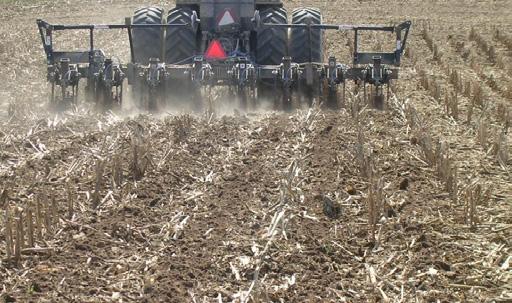
Since transitioning to no-till cropping in 1990, and seeding his first cover crop in 2006, Breen’s goal is to keep 100 per cent of his land planted with a living root at all times (in the form of a living crop or cover crop). Breen explains a growing crop sequesters carbon, builds root biomass, improves soil organisms and structure, and maintains macro pores and worm populations. “The benefits of healthy soil extend throughout the farm, from improved nutrient density in our crops, to stronger protein and butterfat in our milk production,” explains Breen. “Investing in soil health is always the right thing to do.”
Depending on the chosen cover crop, investment costs can range, but are generally economical, especially when compared with the long-term return on investment to soil health and resulting crop productivity. Soil and crop resilience is one of the greatest benefits Breen has realized from his efforts to improve soil health. He says his investment regularly pays off, especially in years with extreme weather, like drought or unseasonable wet conditions. Other land management practices, such as wind breaks and wetland conservation, have also enhanced soil and the overall environmental health of the land, too. Breen’s crop rotation includes alfalfa, corn, soybeans, wheat, triticale, rye, tillage radishes, peas, and oats. Fields are planted according to rotation and soil type, with careful consideration given to the types of cover crops that will provide the most benefit for each field.
“Thanks to the variety of feed and forage needs for our livestock, I’m fortunate to have a wide crop rotation,” notes Breen. “The livestock also provide manure as a natural source of soil and crop nutrients.”
Breen is confident in his land management approach, prioritizing the continuous improvement of soil health. “Healthy, vibrant soil translates throughout the farm, to the health and production of our milking cows, right through to the bottom line,” says Breen.


“Healthy, vibrant soil translates throughout the farm, to the health and production of our milking cows, right through to the bottom line.”
― Dan Breen

IF A PROGRESSIVE ATTITUDE COULD BE A GENETIC TRAIT, it runs in the Green family. Father and son team, Gord and David Green of Greenholm Farms Ltd., are always on the lookout for progressive ideas to enhance their herd nutrition, improve soil health, and increase the overall economic and environmental sustainability of their farm.
“As farmers, our desire has always been to pass the farm to the next generation in as good, or better shape than it was when we started,” says Gord, who was one of the first to adopt no-till cropping in his area in 1995. “I’m always asking myself how we can do better with the resources we have.”
Located in Embro, ON, the Greens crop 800 acres and milk 250 cows in a double 12 parlour. Over the years, the family has implemented a variety of new practices to enhance the sustainability of their multigenerational family dairy farm. The fields are managed using strictly no-till or strip till systems and are annually double cropped with oats and rye that are grown for the dual purpose of cover crops and additional feed sources. “The oats that are planted after winter wheat and harvested in the fall are mainly fed to our heifers,” says David, explaining the family also plants rye after corn silage that is harvested for feed the following spring. “This is our way of optimizing every acre and supplementing feed while maintaining soil health.”

David is proud to call his dad progressive, saying it’s hard to keep up with Gord’s leading-edge approach and new ideas. Every new concept proposed on Greenholm Farms is thoroughly researched and evaluated for economic viability and opportunity for improvement. “Most of our decisions are based on economics and whether or not it’s the right thing to do,” explains David.
The farm is also home to two anaerobic digesters that produce 500 kw of renewable energy. The digester byproduct, digestate manure, is spread on the oat and rye cover crops as they grow, and Gord says he’s been impressed by the resulting boost in yield and crop growth. “We often run our own trials and side by side comparisons, and we’ve learned that applying digestate manure to green crops offers an economic advantage.” Digestate solids are also used on bedding packs for the farm’s livestock. The Greens also press their own soybeans, selling the oil and keeping the soy meal as a home-grown protein source for their herd. David says while it makes economic sense to grow and press their own soybeans, the closedloop system also contributes to the reduction of greenhouse gas emissions from the farm. “It’s simple; we’re able to lower our carbon footprint because the soybeans never leave the farm to be processed,” says David.
Reflecting on the adoption of new practices on farms, Gord notes that all agricultural sectors have progressed over the years by implementing innovations for efficiencies as well as economic and production advantages. “We are all doing more with less of an environmental impact, and today we call these practices sustainable. Our industry has always been sustainable and will continue to be with each generation.”
Gord
David Green, Embro, ON
“I’m always asking myself how we can do better with the resources we have.”
― Gord GreenThe Green family, from left to right: Laurita, Stella, Dave, Ryerson, Scarlett, Ireland, Gord, and Laura.
ENDOVAC-Dairy not only provides your herd unmatched E. coli mastitis protection, but protection from multiple gram-negative bacterial diseases. This industry leading vaccine provides cattle in every stage of production protection from E. coli, Salmonella, Pasteurella, and Mannheimia bacteria while increasing the animal’s production of antibodies, B and T lymphocytes, and neutrophils.

Unprecedented efficacy
Does not create large milk drop because it has zero active

Unrivaled pathogens protected
Activates immune system for stronger responses
Only Immunostimulant included in a vaccine
Increases antibodies, lymphocytes, and neutrophils
Immune Plus raises the overall immune system of the animal. This is important both for response to vaccination as well as overall health at critical times. Two key components of the immune system, lymphocytes and antibodies are both significantly increased with Immune Plus. Elevating the animal’s own immune response to ward off harmful pathogens, as well as enhancing the ability to respond to all your vaccinations, is key.
THE ROADMAP TO GETTING THE DAIRY INDUSTRY TO NET-ZERO GREENHOUSE GAS EMISSIONS BY 2050 reached an important milestone with Lactanet’s April release of the national genetic evaluations for methane efficiency.
Canada is the first country globally to deliver evaluations aimed at reducing methane emissions in dairy cattle.
Through a collaborative initiative with Semex Alliance, dairy farmers can now select Holstein cattle for reduced methane levels without affecting production.

The story behind the genetic evaluations involves several research projects and international initiatives including the Resilient Dairy Genome Project (RDGP), a large-scale applied research project funded by Genome Canada that uses genomic approaches to improve dairy cattle resilience and sustainability.
Dr. Christine Baes, professor at the University of Guelph and Canada Research Chair in Livestock Genomics, who heads up the project, is focused on feed efficiency and methane reduction, while other project leaders are focused on topics ranging from enhanced fertility and disease resistance to optimizing other traits that maximize sustainability.
“These evaluations represent Canada’s ability to develop and implement a meaningful, long-term, economically sustainable approach to reducing greenhouse gas emissions from the dairy industry,” she explains. “When embedded into the current breeding program, and in the broader context of a resilience index, we are achieving a huge goal while still
University of Guelph research technicians carry out methane testing as part of the Resilient Dairy Genome Project. Over the past eight years, more than 60 undergraduate and graduate student volunteers have helped collect methane data, making development of genomic evaluations for methane in Canada possible.
increasing production and fertility and improving welfare via selection for health traits. That’s a win for everyone: reduced costs for farmers, improved health and resilience for cows, reduction in emissions and use of resources for the environment, provision of safe, nutritious and high-quality
protein for consumers, and reduction in the environmental footprint of dairy for everyone.”
Dr. Filippo Miglior, an adjunct professor at the University of Guelph and Lactanet’s
Senior Advisor for Genetic Strategic Initiatives, is also a member of the RDGP. He says a cow’s methane emissions can be predicted in milk using mid-infrared spectroscopy (MIR), a technology already used to analyze milk components including fat and protein percentages by measuring the absorption of light through the samples. Lactanet’s genetic evaluations for Methane Efficiency were developed using methane predictions from milk spectral data and methane data collected from several research projects including the RDGP. Spectral data are regularly collected as a part of Canada’s rigorous milk quality system, which Baes says is integral to the success of these latest genetic evaluations.
“It’s amazing that Canada is the first to publish these evaluations and we really have to give credit to producers who have worked hard together to build a
consistent infrastructure for data collection and sharing,” Baes explains. “Registering animals, collecting and storing milk data; they’ve contributed for decades and it means we can easily deploy new technology, systems and analysis because we keep our house in order.”
For Baes and the Resilient Dairy Genome Project team, these evaluations represent the research coming full circle because producers can use these genetic evaluations to select sires whose daughters have a predisposition to producing less methane without sacrificing production traits.
“The higher a sire’s Relative Breeding Value (RBV) for Methane Efficiency, the less methane their daughters are expected to produce,” explains Miglior. “For every five-point increase in a sire’s RBV, their daughters are expected to produce approximately three kilograms less methane

There’s something special about this industry. Canadian cattle producers and their veterinarians genuinely care for their cattle. That’s why we started research in Alberta to make a product that would provide long lasting, effective pain control for cattle at an affordable price.
As a result of your commitment to the animals in your care, we’ve eased the pain for hundreds of thousands of cattle. Thanks to you and your veterinarian for all your efforts in making the Canadian cattle industry a leader in animal care. And thanks for doing the right thing.
For more information about the longest lasting pain control available in a single dose, contact your local veterinarian*.
Solvet researches, develops and manufactures products to meet the needs of Canadian producers from their headquarters in Calgary, Alberta.
“It’s amazing that Canada is the first to publish these evaluations and we really have to give credit to producers who have worked hard together to build a consistent infrastructure for data collection and sharing.”
― Dr. Christine Baes, professor at the University of Guelph and Canada Research Chair in Livestock Genomics
per year. This leads to a 1.5 per cent reduction in methane emissions per cow per year, making a 20 to 30 per cent reduction by 2050 possible.”
Baes is hopeful and proud about the Canadian dairy industry she envisions by 2050.
“I see us as a serious and major part of the global solution to greenhouse gas emission reduction. I see our country playing a role in the world having a stable, robust and food secure future.”
Katie Duncan is Communications Specialist for Dairy at Guelph, at the University of Guelph.
Canada is the first country globally to deliver evaluations aimed at reducing methane emissions in dairy cattle with the publishing of Lactanet Canada’s first official Methane Efficiency genetic evaluations for the Holstein breed in a collaborative initiative with Semex Alliance.

Methane is a potent greenhouse gas (GHG) that warms the atmosphere at a rate 25 to 27 times more than that of carbon dioxide. The average Holstein cow produces nearly 500 g of methane per day or 180 kg per year, mainly due to burping. A 30 per cent difference above or below average can also be seen between cows, meaning two cows in the same herd can differ in their methane emissions by up to 110 kg per year. This highlights the opportunity to decrease methane emissions using genetic selection.
Researchers from the University of Guelph used artificial intelligence and machine learning approaches to determine that a cow’s milk mid-infrared spectroscopy data can be used as a good predictor of its methane emissions. Thanks to this pivotal result, Lactanet was able to replicate this research through several data processing steps and develop methane predictions using milk spectral data and methane data collected from research herds in Canada. The resulting data used for Methane Efficiency genetic evaluations is milk MIR predicted methane on first lactation Holsteins between 120 and 185 days in milk. This includes records on more than 700,000 cows in milk-recorded herds across Canada.
Source: Lactanet
TO SUPPORT AND OPTIMIZE OVERALL IMMUNE FUNCTION AND INTESTINAL HEALTH

LACTIFEN CONSISTS OF BENEFICIAL ANTIMICROBIAL PEPTIDES COMMONLY FOUND IN COLOSTRUM, AND IS USED TO IMPROVE WEIGHT GAIN AND INTESTINAL HEALTH

DURING PERIODS OF STRESS
Give your calves a Sure Start in life.


SETTING A NATIONAL TARGET OF NET-ZERO GREENHOUSE GAS EMISSIONS BY 2050 may have seemed like news when Dairy Farmers of Canada announced it in 2022, but dairy farmers across Canada have been committed to responsible, environmentally sustainable farming practices for decades.
What DFC’s public commitment does is challenge milk producers to find greater efficiencies in their businesses – efficiencies that will benefit the environment as much as it profits their farms.
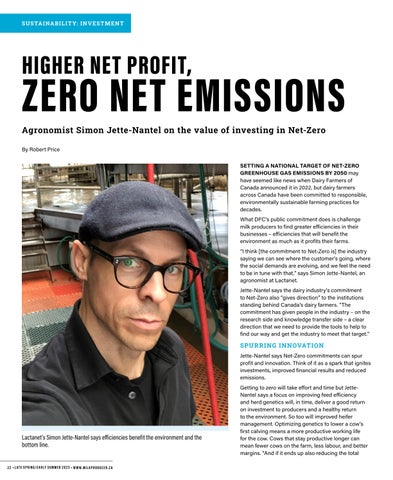
“I think [the commitment to Net-Zero is] the industry saying we can see where the customer’s going, where the social demands are evolving, and we feel the need to be in tune with that,” says Simon Jette-Nantel, an agronomist at Lactanet.

Jette-Nantel says the dairy industry’s commitment to Net-Zero also “gives direction” to the institutions standing behind Canada’s dairy farmers. “The commitment has given people in the industry – on the research side and knowledge transfer side – a clear direction that we need to provide the tools to help to find our way and get the industry to meet that target.”
Jette-Nantel says Net-Zero commitments can spur profit and innovation. Think of it as a spark that ignites investments, improved financial results and reduced emissions.
Getting to zero will take effort and time but JetteNantel says a focus on improving feed efficiency and herd genetics will, in time, deliver a good return on investment to producers and a healthy return to the environment. So too will improved heifer management. Optimizing genetics to lower a cow’s first calving means a more productive working life for the cow. Cows that stay productive longer can mean fewer cows on the farm, less labour, and better margins. “And if it ends up also reducing the total
amount of heifers you’re keeping, then it will also contribute in terms of reducing greenhouse gases,” he adds.


Genetic improvements, like improved feed efficiency, are long-term investments with a three- to five-year window before farmers will see a return. “But” says Jette-Nantel, “the investment cost is minimal because it’s a matter of genetic selection.” Select the right cattle and the right feed today and harvest significant savings later.

Many solutions in the Net-Zero commitment happen at the level of each individual farmer. “It’s all about trying to find which investments are best for your farm because every farmer will start from a different place,” he says. Farmers with newer barns may already have an energy-optimized facility. Others with older farms can make minor investments, like better cooling systems, that pay off in terms of cow comfort, higher productivity and lower emissions.
“What I like about setting targets now is that it allows the industry a span of 25
years to adapt. At some point within those 25 years, most producers will have to build new facilities and will be able to consider a number of those factors to make the right investment for them and at the same time to try to meet the Net-Zero target.”

The Net-Zero journey is an opportunity for producers to remember why they do what they do. Why do you have this farm? What are the values of this farm? What does it stand for?
“Oftentimes, these values are very deeply embedded and producers don’t necessarily recognize them. But recognizing what you’re doing and how it serves the greater purpose can motivate you and all the stakeholders, employees and everyone around you,” says Jette-Nantel.
“Being able to identify all those practices that serve both the greater good and your bottom line – I don’t have to talk too much about it to convince you that it’s a good thing.”

An agronomist works in the field of agronomy which is a branch of agriculture that deals mainly in field-crop production, soil and land management, and water resources.
Agronomy integrates all aspects of crop production, from variety selection to harvesting, and from soil management to entomology. It is a science that finds ways to grow crops effectively and commercially while protecting the environment.
In agriculture, we know the value of checking in. Checking the fields. Checking the markets. Checking the weather. But what about checking in on yourself?
Make sure your well-being is a priority and talk to somebody if you or someone you know needs help.

Where can you start? FCC has a mental health check-in online.
Learn more at fcc.ca/Wellness
JUST AS PRODUCERS CAREFULLY CONSIDER FINANCIAL AND BUSINESS ADVICE, selecting a team to help bring facilities and manure management visions to life deserves the same thoughtful evaluation.
Proper manure handling is necessary for animal health and comfort, and it plays a significant role in a dairy farm’s sustainability plan.
Manure handling often presents many challenging tradeoffs between environmental, economic, community, and producer priorities. Appropriate manure management will ensure

valuable manure resources are used with minimal impact on the environment and surrounding communities.
While the carbon footprint of Canada’s milk production is currently among the lowest in the world at 0.92 kg of carbon dioxide per litre, consumers expect continued progress.

Hitting these goals means maximizing facilities, handling options, employee workflow, nutrient utilization, and future options. Here are four points to consider:
Choose a manure management solution and partner dedicated to continuous improvement. A prospective partner should include a team with deep industry knowledge, technical expertise and a history of tackling challenges that result in positive outcomes for their customers, so ask for references. Years of experience supplying unique solutions with local engineering, service and knowledge are strong attributes to consider.


Handling manure, especially sand-laden manure, requires heavyduty equipment. Look for equipment that’s easy-to-use, to get the job done right. Ask about equipment downtime, parts runs and investment needed to maintain the equipment.

To transform manure from a challenge into an opportunity, look for a team of manure management engineers focused on process development and the evolution of manure on your dairy farm. Walk them through your barns, talk to your team and collaborate with your local dealer. Discuss the challenges you face today, whether it’s an increasing cost of sand, concerns about sand ending up in lagoons, wear and tear on equipment or how to incorporate the right manure handling solutions that synchronize with an anaerobic digester system.
Then, look ahead to future needs. Are you going to expand your farm? Do you like the way you’re currently handling manure? Are you interested in putting a flume in, for example, because you’ll be adding another barn? Do you need to change your conveyance system to get manure out of the barn for processing? These are just a few of the questions you’ll need to think about whether you are considering a new facility or updating an existing barn.
Investigate a potential partner’s dealer network and sales team. Do they have the knowledge needed to deliver the results you need today and tomorrow? Does a potential partner collaborate with their dealers to offer continuing education and solutions to keep their

• Analyze challenges and opportunities.

• Share experiences from other farms.
• Make recommendations to benefit your farm, specifically.


• Develop an effective manure management plan that can flex as your needs change.

OCTOBER
1 - 6
Cattle Onsite

Proper manure handling is necessary for animal health and comfort, and it plays a significant role in a dairy farm’s sustainability plan.


customers competitive and growing while addressing sustainable environmental and economic considerations? Ensure the resources are there to get the results you want.
In a nutshell, a good partner is concerned about outcomes, committed to team goals, willing and able to listen, eager to work on your farm’s team, and able to offer challenging ideas. This partner will also help you set the stage for the future and work to ensure your farm is prepared for tomorrow – whatever it may bring.

Renee Schrift is Business Line Director – Agricultural Systems, McLanahan Corporation.

The


Last year, Mark Hamel, Vice Chair, Dairy Farmers of Ontario and Board Member for Region 11, Bruce and Grey, pledged “I’m In,” in Dairy Farmers of Canada’s integrated ad campaign focusing on DFC’s pledge to reach Net-Zero greenhouse gas emissions by 2050.

Resourcefulness and efficiency are in the DNA of every dairy producer. Every day, dairy producers across Ontario take steps toward making their farms more efficient. DFO and the board fully support the national dairy industry target of Net-Zero emissions by 2050. Together, DFO and Dairy Farmers of Canada are focused on supporting realistic and practical on-farm solutions that improve environmental sustainability. A recent survey of our farmers showed 81 per cent are taking steps to promote soil health, for example, by reducing erosion and rotating cover crops. Others are installing biodigesters, changing animal feed and reducing plastic waste. We’re proud of their efforts and will continue to support producers in achieving the Net-Zero goal on their farms.
“We use Udder Comfort™ on fresh cows, works tremendously on fresh 2-yr-olds, softening udders quickly to increase comfort and performance. We have used Udder Comfort 10 years, spray in the parlor, lotion at shows. There is a real bene t there,” says Jeff King, Kings-Ransom Farm, Schuylerville, NY, milking 1000 registered Holsteins, making 14,000kgM at 90,000 SCC.


Award-winning products start with quality udders making quality milk. They credit staff, milking routines, tness genetics, sand bedding, cow comfort, including Udder Comfort for fresh 2-yr-olds. With over 120 EX, they produce A.I. sires like Dynasty, Cadillac, Dropbox from homebred cow families like Cleavage, Cleo, Dextra.


“It’s easy to love the great ones but when cows walk in the freestall with good feet and legs and udders full of milk, cows the kids enjoy showing, that’s what it’s about,” adds Jan King.


AT THE ANNUAL POLICY CONFERENCE earlier this spring, Dairy Farmers of Canada (DFC) unveiled a new 44-page guidebook designed to help farmers learn about on-farm practices they can implement to drive further progress on sustainability on their farms.

The Best Management Practices Guide to Mitigate Emissions on Dairy Farms (BMP guide) outlines 30 innovative, practical solutions farmers can implement to reduce emissions and increase carbon sequestration.

Data shows that consumers increasingly covet products with a strong track record on sustainability, and the Blue Cow Quality Milk logo can help them identify dairy products that meet those high environmental standards.


The guide provides dairy farmers with the appropriate tools and examples of what they can do to ensure Canadian dairy remains a staple for consumers for generations to come.
It is a key part of DFC’s sustainability strategy, as farm-level solutions will play a key role toward helping the sector reach Net-Zero greenhouse gas emissions by 2050.
As extreme weather events become more common, farmers are seeing the impacts of climate change first-hand. From droughts and floods to wildfires and storms, extreme weather is having a real impact on farms. Reducing GHG emissions helps Canada reach our
shared objective of lessening the impacts of extreme weather events, while conservation practices can increase a farm’s ability to be resilient to their effects when they do occur. The Best Management Practices Guide is full of suggestions to help today’s farmers preserve and maintain the resources they rely on for necessities, such as crops and water for animals.
Moreover, market research shows that consumers’ values are evolving. Environmental sustainability ranks higher with dairy’s consumer base than ever before, and as millennials and Gen-Zs become heads of their households this trend will only continue. At every stage in the supply chain from processors to suppliers to consumers at their local grocery store – research shows that more people are weighing the impact a food has on the environment before choosing.
Fortunately, many of the initiatives required to address these challenges are well underway, since dairy farmers have a long legacy of progress on sustainability. Our BMP guide will help them confront
Working toward Net-Zero demonstrates that the sector will continue to be part of the solutions to tackle climate change and ensure Canadians can continue enjoying dairy products made with 100 per cent Canadian milk for generations to come.
consumer concerns head-on, but in a way that’s sensitive to the bottom line – because what’s good for the environment, good for the herd, and good for business go hand-in-hand-in-hand.


The recommendations found in the BMP guide build on the innovative nature of dairy farming and the sector’s commitment to continuous improvement. The booklet also describes the potential economic benefits associated with each one, as many of the BMPs provide opportunities for cost savings some even produce new revenue streams. Examples include improving feed efficiencies, and generating green energy and selling that energy back to provincial grids.

The BMPs are organized according to five categories: Livestock Management; Feed Management; Manure Management; and Energy, Infrastructure and Transportation; and Land Management
The guide reflects the feedback and concerns we received from dairy farmers in every region across Canada. Dairy farmers had a
direct impact on the final document and their feedback will continue guiding further research into the effects on the BMPs.
Working toward Net-Zero demonstrates that the sector will continue to be part of the solutions to tackle climate change and ensure Canadians can continue enjoying dairy products made with 100 per cent Canadian milk for generations to come. Of course, no one knows the work behind this milk and what will work on an individual farm better than dairy farmers themselves.
The recommendations found in the BMP guide build on the innovative nature of dairy farming and the sector’s commitment to continuous improvement.
There is no one-size-fits-all solution, and farmers must have the flexibility to run their operations as they see fit. Every action that can be taken to reduce our carbon footprint as a sector preserves the popularity of our product among consumers, who will see farmers as strong partners in the economy of tomorrow.
The wide range of BMPs available ensure we can help farmers choose and implement solutions that work for the environment and their business. DFC hopes to arm farmers to better address some of the challenges and pressures facing the dairy sector and show consumers that high Canadian standards encompass all of their concerns.
Download the Net Zero by 2050 Best Management Practices Guide to Mitigate Emissions on Dairy Farms guide here: https://dairyfarmersofcanada.ca/en/farmerresources
With demand for high-quality, animal-sourced protein increasing globally, the dairy sector is well positioned to contribute to a sustainable food system without compromising dairy’s nutrition or farmers’ livelihoods. The global dairy sector is strongly committed to climate action and shares evidencebased knowledge vital to dialogue with international organizations. Through these international relations we have tremendous opportunities to engage with respected scientists, academics, and other dairy organizations with expertise that complements our work at DFO. This multi-stakeholder dialogue and collaboration is essential for strengthening consensus-building and continuous improvement. The dairy sector has the ability to bring its sustainability goals to life and they can be achieved through collaboration, innovation, research, and continuous improvement.
― BITA FARHANG, RESEARCH AND DEVELOPMENT MANAGER, DAIRY FARMERS OF ONTARIO▶ Oxford Cattle Company is working with genetic companies to select sires for use in our guaranteed calf buy back program.
▶ Honest transparent program with premiums for heavier calves, paid promptly via direct deposit.
▶We are now pleased to announce that we interested in buying your Holstein Bull Calves and can include them in your regular pick up. We will take calves that are over 92 lbs and 10 days old. The price will be negotiated on a weekly basis

▶ Presently serving Southwestern Ontario region and Ottawa region with interest in expanding.
▶ For a Calf Pick Up Request text (519) 788-1399 by 1:00 pm Mondays
Dairy products are nutrient-dense and a vital part of a healthy and nutritious diet.
BRITISH COLUMBIA
Mountain View Electric Ltd.
Enderby — 250 838-6455
Pacific Dairy Centre Ltd.
Chilliwack — 604 852-9020
ALBERTA
Dairy Lane Systems
Leduc — 780 986-5600
Nobleford – 587-335-9742
Lethbridge Dairy Mart Ltd.
Lethbridge — 888 329-6202
If you are transporting manure more than 6 km, it’s time to consider a safe and economical solution.
SASKATCHEWAN
Dairy Lane Systems
Warman — 306 242-5850
Emerald Park — 306 721-6844
MANITOBA / NW ONTARIO
Penner Farm Services Ltd.
Blumenort — 204 326-3781
Thunder Bay ON – 800 461-9333
Tytech Grande Pointe — 204 770-4898
ONTARIO
Claire Snoddon Farm Machinery
Sunderland — 705 357-3579
Conestogo Agri Systems Inc.
Drayton — 519 638-3022
1 800 461-3022
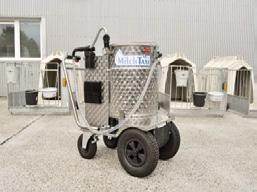
The GEA Manure Semi-Tanker is a road ready solution to save time and reduce hours on your tractor.

• Field tested reservoir proven to be manure ready.
• Partnered with a galvanized undercarriage from one of the largest trailer manufacturers in North-America.
County Automation
Ameliasburg — 613 962-7474
Dairy Lane Systems
Komoka — 519 666-1404
Keith Siemon Farm Systems Ltd.
Walton — 519 345-2734
Lamers Silos Ltd.
Ingersoll — 519 485-4578
Lawrence’s Dairy Supply Inc.
Moose Creek — 613 538-2559
McCann Farm Automation Ltd.
Seeley’s Bay — 613 382-7411
Brockville — 613 926-2220
McLaren Systems
Cobden — 613 646-2062
Melbourne Farm Automation

Melbourne — 519 289-5256
Aylmer — 519 773-2740
Watford — 519-876-2420
Silver-Tech Systems Inc.
Dunnville — 905 981-2350
ATLANTIC PROVINCES
Atlantic Dairy Tech.
Charlottetown, PE — 902 368-1719
Mactaquac Farm Equip. Ltd.
Mactaquac, NB — 506 363-2340
Sheehy Enterprises Ltd.
Shubenacadie, NS — 902 758-2002
Sussex Farm Supplies
Sussex, NB — 506 433-1699
AS NUMEROUS COUNTRIES PROGRESS TOWARD NET-ZERO DAIRY FARMING, one farm in New Zealand is already well advanced on the journey to cutting emissions.

While most countries, including Canada, are aiming for 2050 as their goal for cutting all carbon emissions produced on the farms, the New Zealand farm is striving to get there earlier.
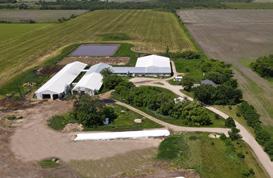
The project farm is owned by Fonterra, a global dairy co-op, and is located beside the processor’s Whareroa site, in the Taranaki region, on New Zealand’s North Island.
The 290-hectare farm is being run by the Dairy Trust Taranaki in a five-year project with partners Fonterra and Nestlé.
In a news release, Fonterra CEO Miles Hurrell says the collaboration will help both Fonterra and Nestlé accelerate progress toward their own greenhouse gas emission goals.
Cows
“We hope that by initiating this kind of work we can have farmers talking to farmers, demonstrating practically what works and helping to build understanding of the implications this change may bring for their own operations.”




 — Margaret Stuart, Director, Corporate Affairs and Sustainability, Nestlé
Jason Rolfe, General Manager of Operations at Dairy Trust Taranaki, says the farming system in New Zealand means cows are outside on pasture year-round. The Whareroa farm is run as a commercial research farm and supplies its milk to Fonterra.
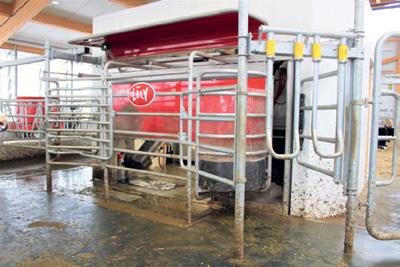
“We currently have 550 Friesian cross breed cows and rear around 90 to 100 replacement calves each year on the drystock part of the farm before going to a grazer from one to two years of age,” he says. “The cows are milked on a 60-unit rotary parlour with automatic cup removers.”
With an initial deadline to cut emissions 30 per cent by mid-2027, the farm is using a number of methods to reduce carbon.
“Animal Green House Gas (GHG) emissions are assessed using the New Zealand GHG Inventory methodology, while the AgResearch Life Cycle Assessment model framework is used to qualify all other GHG emissions associated with land use and from the production and use of all farm inputs,” Rolfe says. This follows the internationally accepted methods from the International Dairy Federation guidelines (IDF2015).
Manure is stored in effluent ponds and in some cases, applied to land as fertilizer. Spreading effluent onto land is an effective way of recycling nutrients back into the farm system rather than losing them to the environment.
The Net-Zero farm partnership will aim to reduce on-farm total GHG emissions of methane, nitrous oxide and carbon dioxide, by adopting more emission-efficient farming techniques.
“It is also possible to reduce the amount of carbon dioxide already in the air via carbon removals, such as tree planting on the farm itself,” Rolfe adds.
The project farm is currently gathering data and is welcoming farmers onto the site to show them what is being done.
“We wanted to undertake this work on a dairy farm that Fonterra owned and was representative of a typical New Zealand dairy farm so that we were able to make changes across the board,” Rolfe says.

Whareroa farm was already being used for research purposes and met the criteria of being a representative farm.
“Dairy Trust Taranaki also runs three other farms with one of these already showing positive results from system changes to reduce environmental impact. We look forward to sharing our first year’s results later in 2023,” says Rolfe adding producers regularly visit the farm showing “a fair amount of interest and good support.”
Affirming the partnership’s mission of examining all aspects of farm operations, Fonterra’s Anne Douglas, who supports the farmer-facing part of the co-op, which helps ensure business
quality it takes for farmers to produce it.
We raised a glass in celebration, and we hope you did too!
Embro Farm Systems, Inc.
(519) 423-9595
Keith Siemon Farm Systems, LTD. Walton (519) 345-2734
646-2062
success, says everything, including the adoption of new technologies such as electric motorbikes, pasture and crop changes, an increased use of trees, breeding program changes, and a review of energy and water use, are open to scrutiny.

Lessons learned and activities will be shared through open days with farmers. “Ultimately, this is about giving our farmers the ability to use proven techniques and technologies to reduce emissions on their own farms.
“Of course, the practices and solutions delivered must be economically viable, practical and available to all farmers to adopt. It’s important to remember that for any game-changing solution to be successful, it needs to be good for the environment, good for the farmer, good for the cow, and good for the milk.”
The need to address climate change requires collaboration and action from business, communities and government. “None of us can wait,” says Margaret Stuart, Director, Corporate Affairs and Sustainability at Nestlé.
The dairy industry, like every other industry, needs to accelerate transformation, she says.
“That’s where our partnership with Fonterra comes in. Together, we aim to develop a commercially viable Net-Zero carbon dairy farm. This will require

improvements right across farm operations to accelerate emission reduction and boost carbon storage, all while maintaining the excellent animal welfare standards New Zealand dairy farmers are known for.


“More broadly, projects like this, which aim to explore ways for farms to reduce emissions, are an important way for Nestlé to co-develop pathways to reduce emissions which will be accepted by farmers and wider stakeholders.”
Stuart says change must take place in different geographies, acknowledging that dairy farms differ greatly worldwide.
“We hope that by initiating this kind of work we can have farmers talking to farmers, demonstrating practically what works and helping to build understanding of the implications this change may bring for their own operations,” she says.
DFO is dedicated to helping Ontario producers navigate the Net-Zero commitment through funding for related research.


Right now, for example, researchers are looking at the effects of grazing behaviour and pasture management on dairy cow health and production, and we’re also looking at wrap and silage covering made from biomaterials to reduce the use of plastics. These are just two projects of many. We know that GHG emissions from Canadian dairy farms has decreased an average of one per cent per year since 1990 and that between 2011 and 2016, water use decreased six per cent and land use by 11 per cent. At the same time, milk production has increased 13 per cent through improvements in animal nutrition, genetics and housing. These are important gains and they’ve all been made through the dedication of our researchers and producers to the environment and to our communities.

“It’s important to remember that for any game-changing solution to be successful, it needs to be good for the environment, good for the farmer, good for the cow, and good for the milk.”
― Anne Douglas, Fonterra― GUY SEGUIN, SENIOR ADVISOR, SPECIAL PROGRAMS, DAIRY FARMERS OF ONTARIO


In February 2022, Dairy Farmers of Canada (DFC) announced a commitment to achieving net-zero greenhouse gas (GHG) emissions by 2050. While that objective is still relatively new, dairy farmers’ stewardship of our natural resources is not: As a result of these longstanding efforts, the carbon footprint of Canadian dairy production is among the lowest in the world. These efforts, while primarily geared towards improving the environment and our way of life, also help us raise awareness among and remain relevant to millennial and generation-Z consumers amid growing competition from dairy imitators. Farmers are also increasingly mindful of the threats posed by extreme weather and climate change, which put the future of our livelihoodsin jeopardy.
This type of leadership is a tangible way to demonstrate that dairy farmers will continue to be part of the solutions to tackle climate change so that consumers can feel good about purchasing dairy products made with 100% Canadian milk for generations to come.
It is also important to note that these efforts, while primarily geared toward improving the environment and our way of life, also help us in raising awareness and remaining relevant to our consumers amid growing competition from dairy imitators. Farmers are also increasingly mindful of the threats posed by extreme weather and climate change, which put the future of our livelihoods in jeopardy.
From DFC’s continued annual investments in research, to the emergence of new technologies and farming techniques, to the efforts of individual farmers across the nation, we are proud to say the dairy sector has a long history of progress on sustainability.
That is why at our Annual Policy Conference in March, DFC unveiled a comprehensive sustainability strategy. The strategy leverages the progress made to date, and streamlines current and future efforts into a comprehensive plan to help our sector reach its net-zero objective.
In developing the strategic plan, we assessed options to reduce on-farm GHG emissions through the uptake of BMPs. The accompanying BMP guide to the strategy focuses on four main categories of BMPs including: livestock management, feed production, manure management, energy infrastructureand transportation and land management.
It’s important to acknowledge that dairy farms are as unique as the people operating them. Our strategic approaches are designed to guide farmers to the best recommendations for their farms, implement them, and measure their effectiveness.
Farmers will not be alone in pursuing the net-zero objective –as your national association, DFC has a significant role to play as well, through the following approaches:
•Life cycle assessments: DFC has been tracking the sector’s environmental progress through five-year life cycle assessments, which quantify aspects like the carbon footprint, water consumption and land use of Canadian milk production. The current assessment includes a new biodiversity assessment and is supplemented by a coordinating carbon sequestration study.
Net zero means achieving an overall balance between GHGs emitted, and the GHGs removed from the atmosphere. To reach net zero by 2050, DFC will help farmers adopt best management practices (BMPs) to reduce emissions as much as possible and increase carbon sequestration efforts to remove what’s left.
DFC worked with Viresco Solutions, experts in low carbon and sustainable agriculture, to assess options to reduce GHG emissions on dairy farms. They evaluated available research to determine impact on GHG emissions, return on investment, and co-benefits. Dairy farmers in every region across Canada participated in focus groups to provide input on the BMPs and the feasibility of implementation. Viresco Solutions then consulted with experts and modeled the potential impact of the most feasible BMPs.
• It is complemented by other instruments, including on-farm tools that farmers can use to assess their impact. We can expect the initial results this year.
• Research investments under the five-year National Dairy Research Strategy: Released in 2021, it guides our investments in five research objectives: Sustain feed cropping system long-term productivity; reduce GHG emissions, maximize carbon sequestration and adapt to climate change; better use and conservation of water on dairy farms; and increase biodiversity.
• Working to identify government programs and funding opportunities that can assist farmers and the sector as a whole.
•Working with like-minded organizations under the Here for Tomorrow Sustainability Partnerships program. Current partners include Ducks Unlimited Canada, Trees Canada, and Cleanfarms; DFC is leveraging these partnerships to tap into our partners’ sustainability expertise and programs.
DFC’s new sustainability str ategy sends a strong message that dairy farmers ar e confr onting consumer concerns head-on while protecting their way of life. Read more about the Strategic Plan at dairyfarmersofcanada.ca/en/farmerresources/net-zero-2050
Ontario dairy farmers are early adopters of on-farm sustainability measures and understand their positive impact on the bottom line.
As Bob Stiles wrote in this article from the January 1993 issue of Milk Producer, efficient energy use is a high priority on most farms as producers look to get the most value from their energy dollars. Milkhouse equipment, he writes, is the largest user of electricity on a dairy farm, accounting for two-thirds of energy use.

To conserve electricity in the milkhouse, Ontario Hydro recommended staying out of hot water.
“Use less hot water, install an energy-efficient milk heat reclaimer and fine tune your present hot water and milk cooling equipment,” said hydro rep Jim Bell.
Up-front energy efficiency and conservation are easily the best ways to lower energy use and greenhouse gas emissions.
The HiFlo Evolution pulsator is the true evolution within BouMatic’s legacy. BouMatic’s first pulsator was born in 1939 through the hard work and dedication of Lawrence Bouma. What became the BouMatic milking principle of milking gently, quickly and completely was reflected then in the original design and continues today.
The HiFlo Evolution pulsator embodies the efficient simplicity and rugged reliability that Lawrence Bouma engineered into his first BouMatic pulsator in 1939.
The HiFlo Evolution will become the heartbeat of your dairy as it has become the heartbeat of BouMatic.


Request more information at BouMatic.com/HiFlo. It is in the best interest for the life of your dairy.


•
• Pleasing udders & F&L’s suited for any environment
• Backed by two generations of VG-2YR-Old dams that stem from the former #1 GTPI ManO-Man and #2 Protein Cow in North America
• A great settler, Calving Ease designated, & an A2A2 carrier
