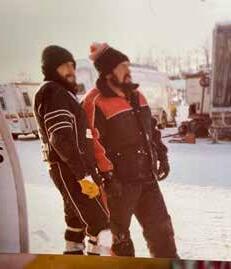
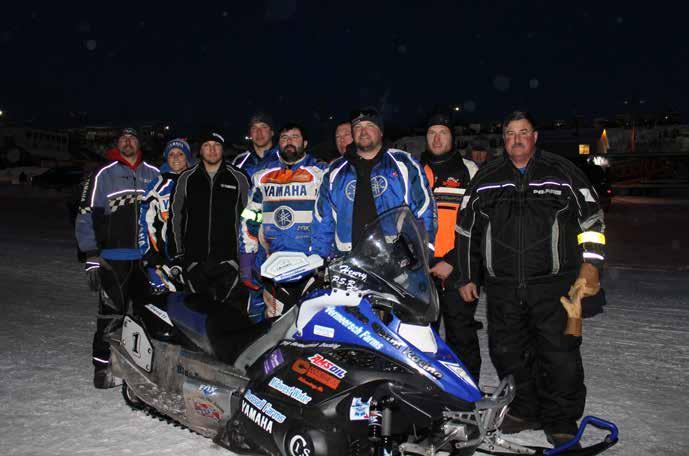
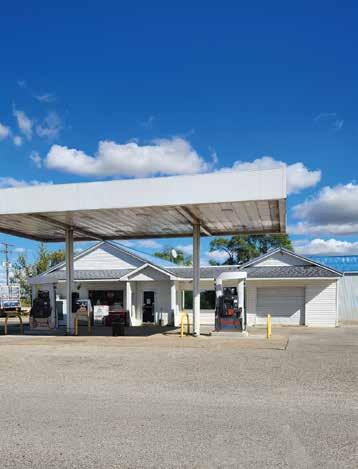
Ric Federau, Stacey Drzewiecki, Kim Kisner, Mike Olmstead, Dominic Santina, Jay Haven, Joyce Wiswell
STAFF PHOTOGRAPHER
Faith Taylor SALES
Scott Drzewiecki, Chris Sutton DESIGNERS
Kelly Kosek, Kaitlyn Schoen
MICHIGAN
Adventure | The Iron Dog Challenge brought to you by
Alaskan
Wired for the Wild
Eric Christensen and Alex Hetteen
Tackle the Iron Dog
BY KIM KISNER CONTRIBUTING WRITER
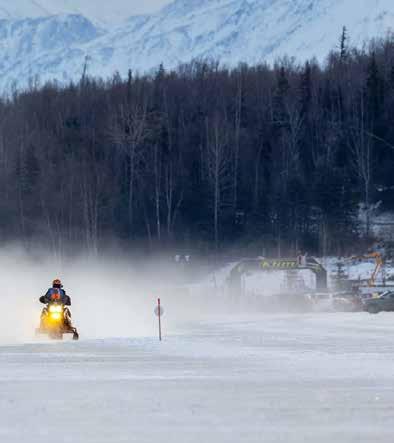
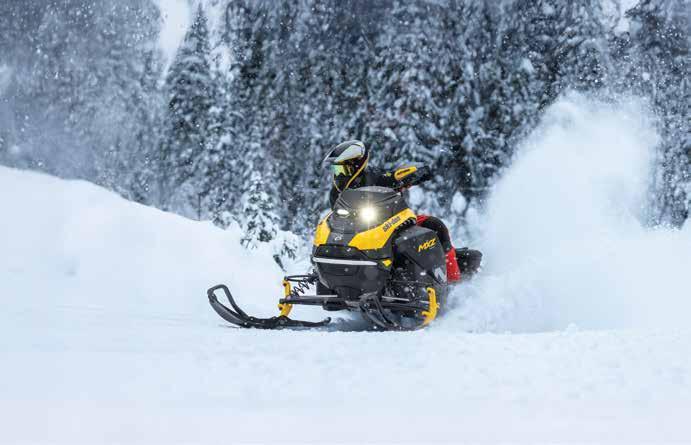
The Iron Dog is not a race for the faint of heart. Across 2,500 miles of Alaska’s most brutal, breathtaking wilderness, riders face cold that burns, winds that batter, and terrain that can swallow a machine whole. For veterans, it’s a call to test their limits once again. For rookies, it’s a plunge into the unknown. And for those who dare, the race becomes more than miles — it becomes a measure of who you are.
Wired for the Wild
continued from page 7
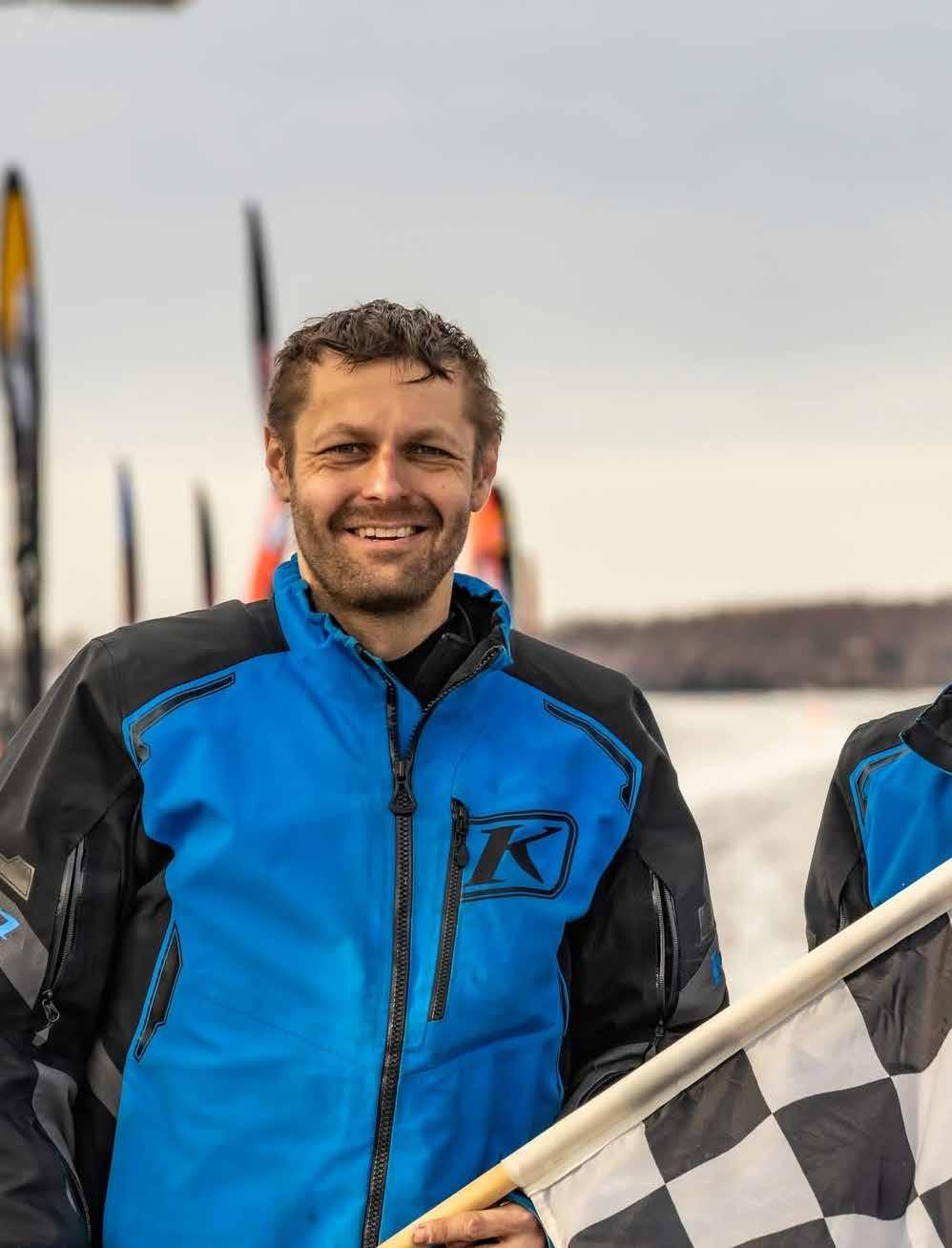
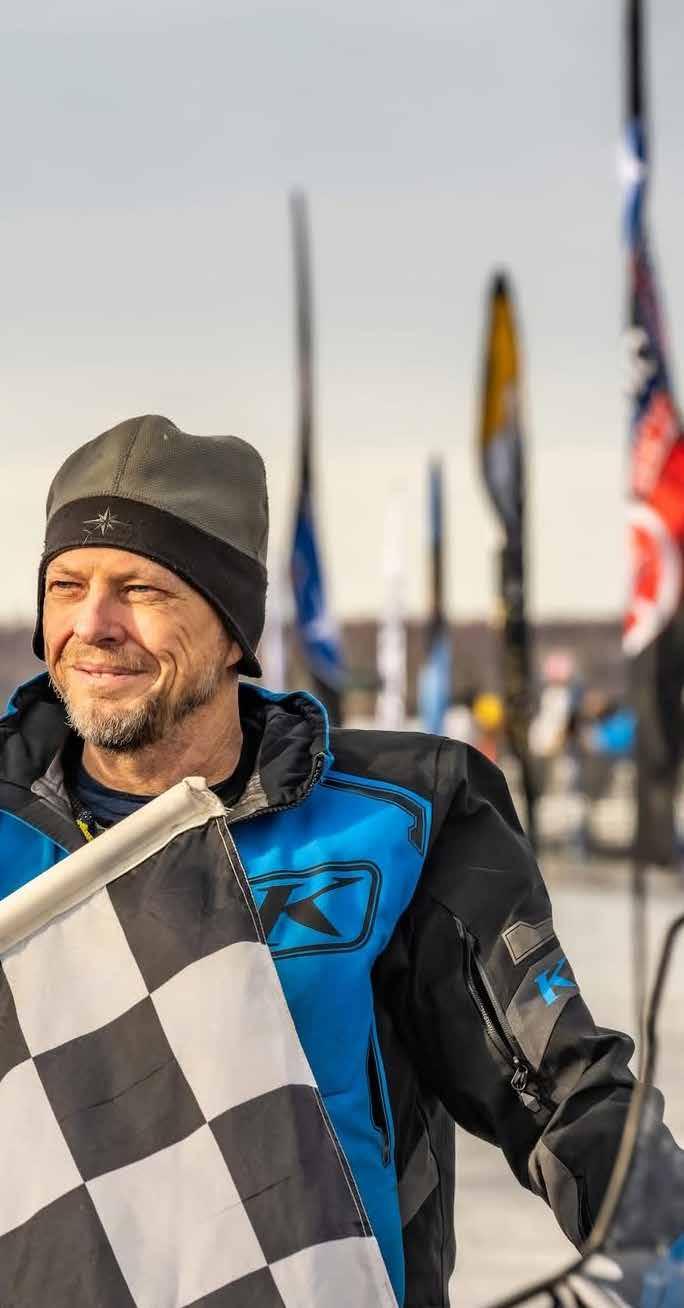
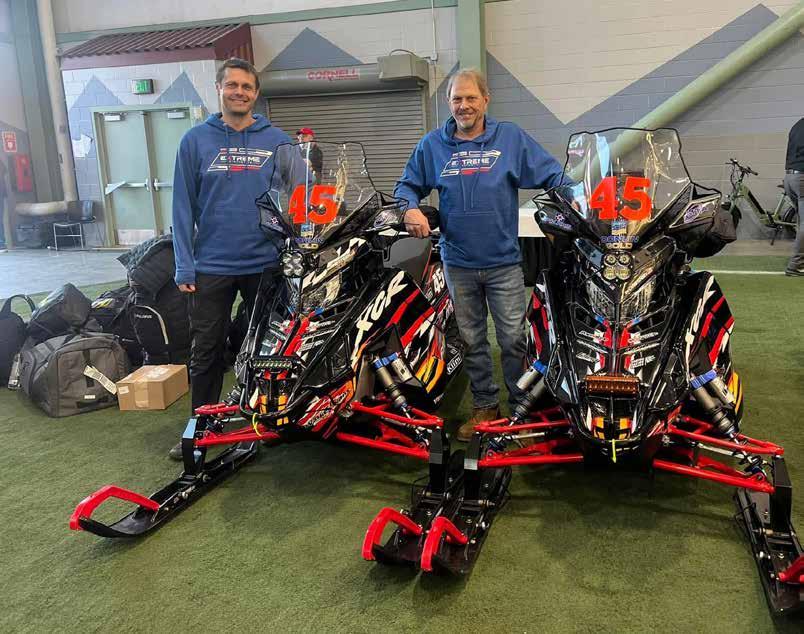
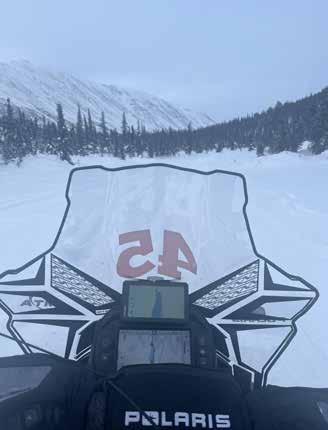
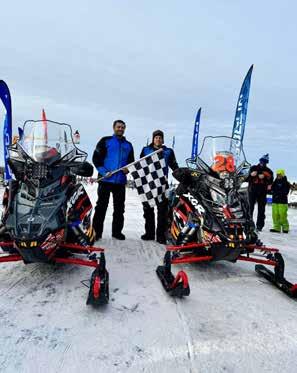
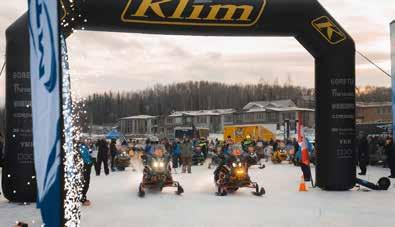
In March of 2025, Eric Christensen of Centuria, Wisconsin and Alex Hetteen of Roseau, Minnesota stood at the starting line with two different stories converging. For Eric, a veteran of the course and a past Polaris ambassador, Iron Dog was familiar ground — unpredictable, unforgiving, and addictive. For Hetteen, a Powertrain engineer at Polaris and longtime racer, 2025 marked his first attempt at the Pro Class. Their connection ran deeper than snowmobiles: Christensen’s grandson runs cross country on Hetteen’s team, a family tie that sparked a partnership built on trust, grit, and the shared Polaris name stitched across their jackets.
DIFFERENT PATHS TO THE SAME DREAM
Christensen’s journey to Iron Dog started years ago, not on the course, but in his imagination.
“I’d been following the race since the ’90s,” he recalls. “Always something I wanted to do when I was younger but never had the chance.” In 2022, Polaris tapped him to join its ambassador program, riding halfway with other snowmobilers, handing out gear to kids, and fueling communities along the route. That experience lit the fire. By 2023, he was racing with another rider, learning the terrain firsthand from a local Alaskan.
Hetteen’s path was different, grounded in both work and
passion. He and his wife have been racing together for over a decade, but the Iron Dog had always loomed as a nearly impossible feat for someone based outside Alaska. “It’s a hard race to get into, especially from down here,” he explains. When Polaris extended an invitation through its ambassador program to Hetteen’s wife she took the ambassadorship and he dove into the deep end, deciding to run the Pro Class. “I really wanted to do the race at the same time as my wife so we could experience it toether, he said.
The decision for Christensen and Hetteen to ride together felt natural. Christensen’s experience paired with Hetteen’s engineering mind created a complementary
team. And in a race where preparation can make or break you before the first mile, the duo leaned into their strengths. Hetteen handled much of the sled testing and tuning up north, while Christensen, hampered by two snowless winters at home, poured hours into physical training. “If you don’t have snow, you find some way to prepare,” Christensen says. “Weights, bike, tracker, gym time — anything to keep yourself ready.”
Ask either man what makes Iron Dog unique, and the answer isn’t just the distance. “You never know where you’re going to spend the night,” Christensen says. “In cross-country racing you have a schedule, a finish line, a plan. Iron Dog has so many unknowns.”
For Hetteen, it was the sheer time in the saddle and the logistics. “We didn’t have plane support, so everything had to be carried. The preparation is on another level.” Just getting their sleds to
Located in Reese, Michigan, Finishline Shocks specializes in high-performance suspension solutions for trail riding enthusiasts . Owned and operated by Dave Hausbeck, a seasoned competitor in Alaska’s renowned Iron Dog Snowmobile Race, the company is driven by expertise and passion for the sport. Dave personally builds and tunes each set of shocks to ensure peak performance, durability, and customer satisfaction.
Elevate your trail ride with custom-crafted shocks tailored to take your snowmobile to the next level. We specialize in Walker Evans and Polaris skids, but can build multiple other brands of shocks.
“Dave is the man to see for shocks on your Polaris sleds. I’ve had him do a few sleds for me over the years, and they have turned out great. Anyone who rides my sled with the finish line shocks on it is blown away of how well they ride compared to stock sleds. If you want the full potential out of your sled, go see Dave. You will not regret it.”
Wired for the Wild
continued from page 9
Anchorage meant crating them in St. Paul, trucking them to Seattle, and sending them by barge for five days before they could even begin the pre-race work.
ALASKA’S BRUTALITY AND BEAUTY
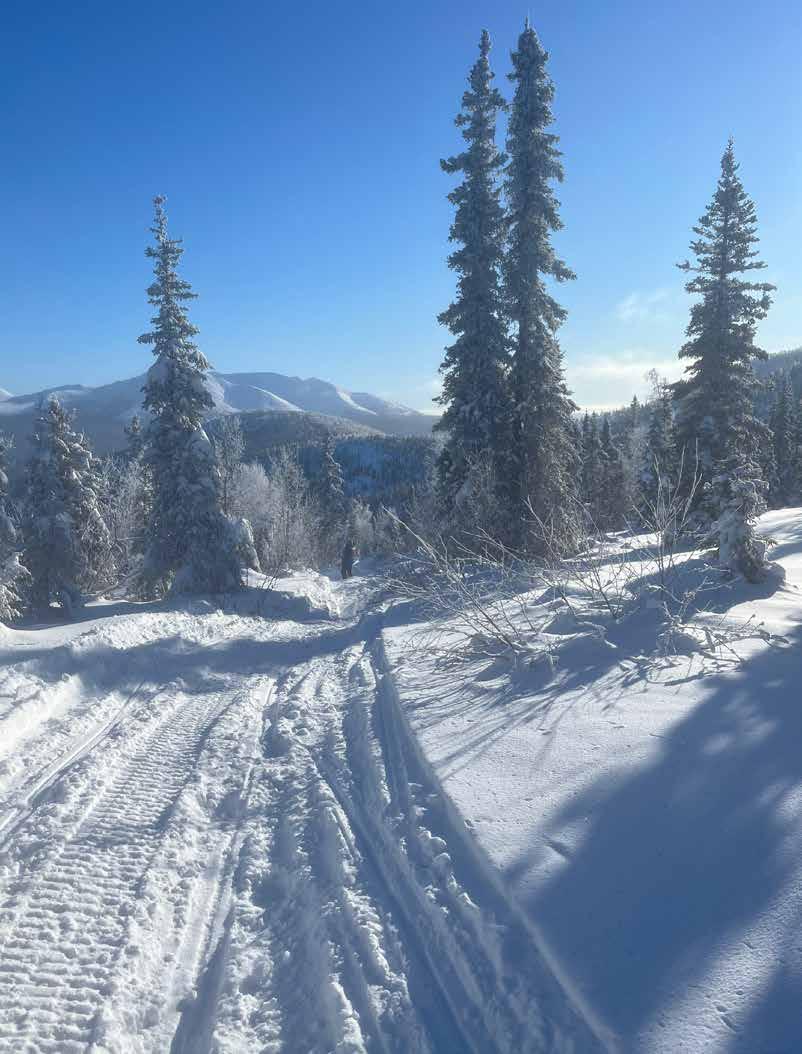
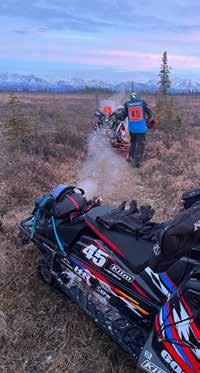
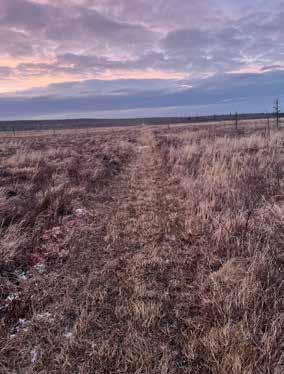
Riding in Alaska is an experience few from the Lower 48 can fully grasp. Christensen describes it as stepping off the grid in every sense. “Once you leave the start, you might cross one road. No cars, no light poles, no people. Just the environment.”
Hetteen remembers the rivers —
deceptively thin ice hiding moving water beneath — and the shock of 70- to 80-mile-an-hour winds screaming into Nome. “Conditions could flip in a day,” he says. “Deep snow, then sketchy rivers, then more deep snow. The variety is like nothing else.”
And then came the Burn. For Christensen, it was hours of frustration as engine temps forced them to crawl mile by mile, turning what should have been a sevenhour trek into twelve. “It’s mentally tough,” he admits. “Knowing we lost four hours. Then thinking — how do we come back through this?”
They regrouped in Nome, adjusted strategy, and shaved four hours off the return leg.
For Hetteen, the toughest moment came almost immediately: a crash on the first day left him with a cracked rib. “It was painful for the rest of the ride,” he says. “It was tough to sleep, hard to hit bumps, and we still had 2,000 miles left.”
Success in Iron Dog depends as much on sled prep as on skill. Their Polaris sleds were sealed tight against water intrusion, equipped with auxiliary GPS units, fuel tanks, windshields, radios, spare
continued on page 12
Wired for the Wild
continued from page 10
parts, and toolkits. “One of the most important things is sealing everything — keeping water off the belt when you’re on sea ice,” Christensen explains. Every detail mattered: lights, suspension tuning, storage for food and safety gear. In the Iron Dog, redundancy is survival.
Hetteen’s role at Polaris added another dimension. He was part of the team calibrating the very engines many racers rely on. That meant endless testing, tuning, and conversations with other teams, blurring the line between work and the race. “It’s personal,” he says. “You’re invested in every outcome.”
After the finish line, battered and exhausted, the question lingers: why do it in the first place?
Hetteen says the answer is simple: the challenge. “That’s the draw,” he says. For Christensen, it’s something deeper. “It’s how we’re wired. We’re snowmobilers. It’s what we do.”
They both describe moments of beauty that punctuate the pain: wildlife in the distance, a stretch of untouched wilderness, or the surreal peace of a minus-40degree day, the sun cutting across the snow. “It’s not miserable,” Christensen says with a smile. “It’s actually, a good time on a snowmobile.”
LESSONS FOR THE NEXT GENERATION
Both men agree: for anyone considering Iron Dog, preparation is everything. Eric shares his wisdom with his nephew, who he’ll race with in 2026: focus on gear, wear only breathable shells, never overdress. Hetteen stresses suspension tuning, thorough preparation and learning from veterans. “Talk to people who’ve done it. Don’t waste time fixing
preventable problems – prep the sled properly so you don’t have to fix things during the race in the middle of nowhere. And don’t crash.”
In the end, Iron Dog isn’t about conquering Alaska. It’s about confronting yourself — your patience, your pain, your preparation — and seeing if you
can come out stronger on the other side. For Christensen and Hetteen, teammates bound by experience and resilience, 2025 wasn’t just about surviving the course. It was about living the essence of what the Iron Dog demands: to keep pushing, no matter what, because that’s simply who they are. •
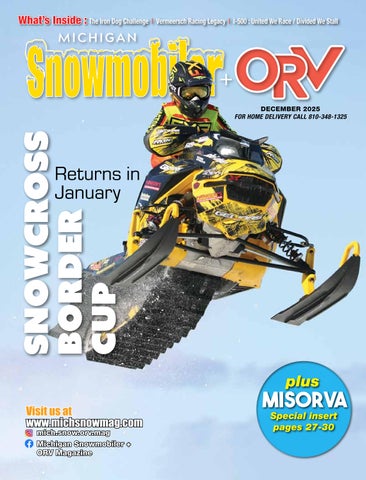
Returns in January
BY DOMINIC SANTINA CONTRIBUTING WRITER | PHOTOGRAPHY BY ASHLEY LIZZIE PHOTOGRAPHY
Mancelona -
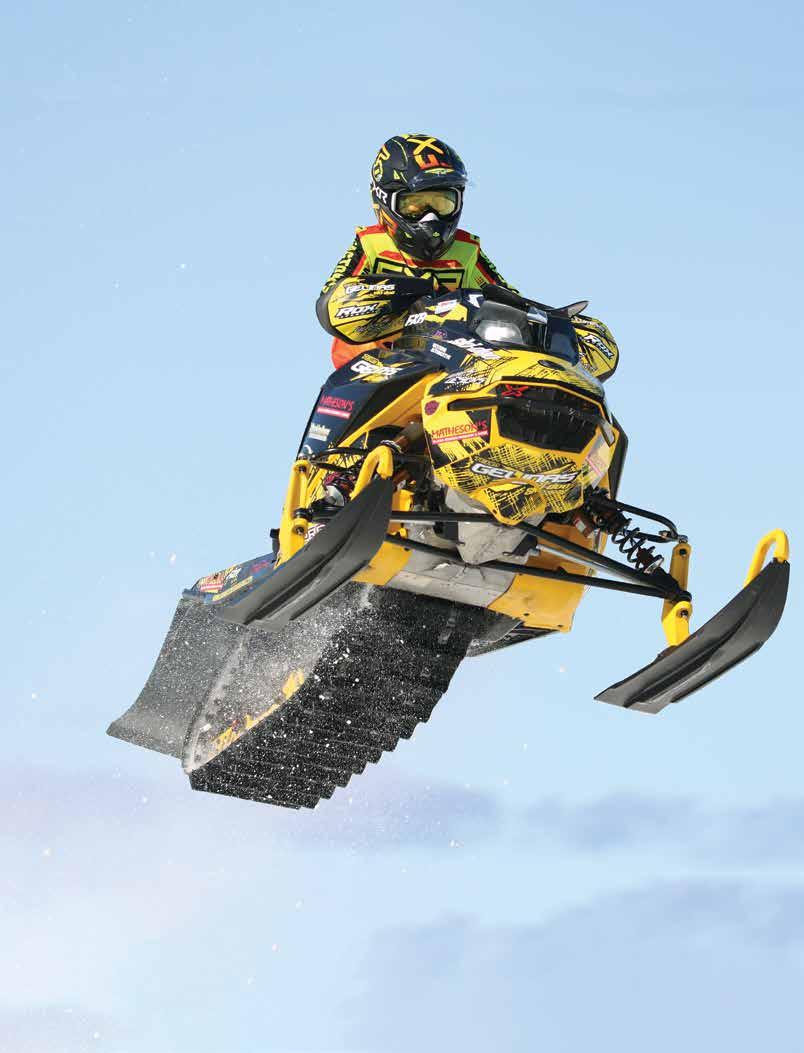
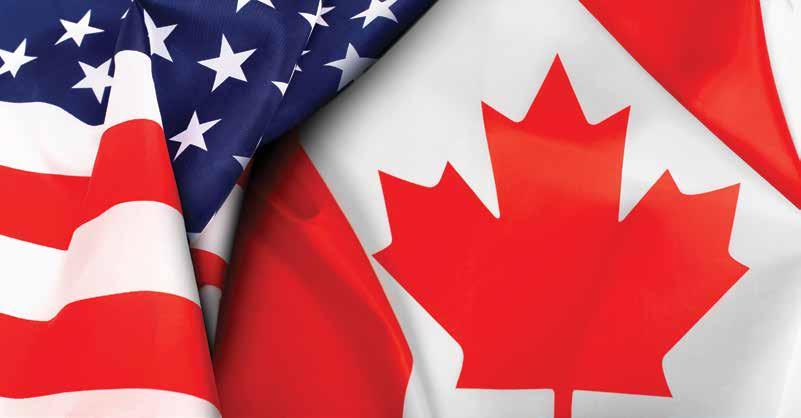
The Battle Resumes! Northern Power Race Park will once again set the stage for the second edition of the Snowcross Border Cup between Team USA and Team Canada. After Team Canada won the inaugural edition in 2024, Team USA will be looking for revenge this year.
The event will see its dates change this year. The Border Cup not only opened the season last year for both the Michigan Snocross series and the Canadian Snowcross Racing Association, but also marked the first race of any kind of the snocross season. This year, the event will be contested on Saturday, January 3 and Sunday, January 4. The move to push the event a little later in the season allows riders to shake off their rust and come fully prepared to represent their country. This will be the second race weekend for the Michigan Snocross series, while CSRA will host its first pointspaying race at the Border Cup.
The rules of the border battle will remain mostly the same, with riders earning series points throughout the day. Border Cup points will be awarded based on finishing position for the top 10 in each main event. A handful of classes will be contested by only one series and will not be factored into Border Cup points; they can be found on the Northern Power Race Park website.
A significant addition will be made to the Border Cup schedule for this season, following the CSRA’s
announcement that it will bring mods back to its series. The leadership also decided to run a modified race on Saturday night at NPRP. It will be an exciting addition and one that many fans have been asking for over the past few years.
After an almost 900-point win last year, Team Canada will be looking to repeat as Border Cup champions. There were a few riders last year who played a massive role in helping secure the Cup and will factor in once again.
TEAM CANADA
Jack Gelinas # 680 - Transition Rider
A young and upcoming star in the sport of snocross. Gelinas continued to show his riding ability with having a strong presence in the inaugural Border Cup. Gelinas ended up winning five heat races and swept the final of the younger transition class. A force to be reckoned with on both the Michigan circuit and the National circuit, he will be a big piece for Team Canada.
Dylan Sabourin #124 - Transition / Junior Rider
It would be hard to find anyone who had a better Border Cup than Dylan Sabourin. She claimed 10 total wins, including sweeping the transition girls 8-12 on the weekend. She also swept the finals in the Junior Girls 9-13 division and picked up two more heat wins on Sunday. A powerful performance that put her among the riders to score points for Team Canada.
and Kinross has improved greatly They have fixed most of the problems in that area As you may recall, there
was a photo that went viral a couple years ago featuring an SSA groomer sunk in that area Then, there are a couple of culvert projects W hich, if they work out, should go un-noticed by most sledders And, a reroute in the Raco area Moving a bit of Trail just a bit Maybe this year Probably
next year
Anyhow, as of June, the SSA is looking good Good membership Good leadership And, a good plan to keep the Trails groomed and open Also, they keep remembering the Number One Rule: When you have a summer picnic, you have to invite the reporter T hanks again guys As always What Martin said, “Good food Good fun Good comradery ”
next year
Trail just a bit Maybe this year Probably
Anyhow, as of June, the SSA is looking good Good membership Good leadership And, a good plan to keep the Trails groomed and open Also, they keep remembering the Number One Rule: When you have a summer picnic, you have to invite the reporter Thanks again guys As always What Martin said, “Good food Good fun Good comradery ”
Peterman & Grandfather, Al Cottle shar a moment over Smores Yum Yum
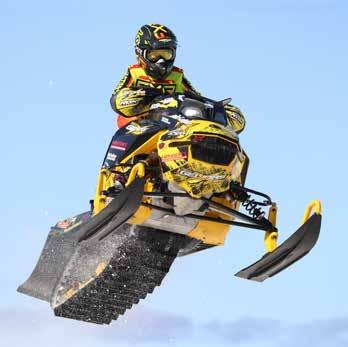
Carter Van Horsigh #740Junior Rider
While Sabourin was dominant, Carter Van Horsigh was just using Border Cup to start a very strong snocross season. Van Horsigh took six wins out of the Border Cup, with two heat race wins coming in the Sport Lite division and four wins coming in the Junior 14-17, where he claimed two heat race wins and swept the finals. Van Horsigh was also presented with the MI Snocross Media Most Valuable Rider award for helping Team Canada claim the Border Cup.
Shyann Gosselin #144Pro Women
Shyann Gosselin was another rider who used the Border Cup only to catapult herself into a strong campaign. Gosselin showed she was the one to beat in the Pro Women’s class and dominated all weekend long. As she swept the Canadianfilled field and helped add many points towards the title.
One of the most significant question marks heading in for Team USA will be how much support shows up. The Michigan Snocross crew represented well last season,
but did not have enough firepower to overcome the CSRA crew. If more riders make the trek to represent their country, there will be a better chance of taking the Border Cup from Team Canada.
While more riders will be necessary, a few guaranteed riders to make a difference for Team USA will be :
TEAM USA
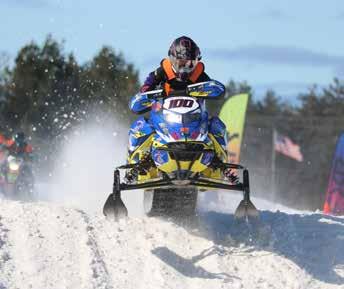
Tess Stone #100 - Transition Rider
The rider with the most wins all time in NPRP history. Stone picked up six
continued on page 18
Jack Gelinas # 680
Dylan Sabourin #124
Carter Van Horsigh #740
Shyann Gosselin #144
BRONSON POWERSPORTS AUCTIONS
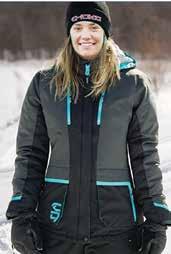
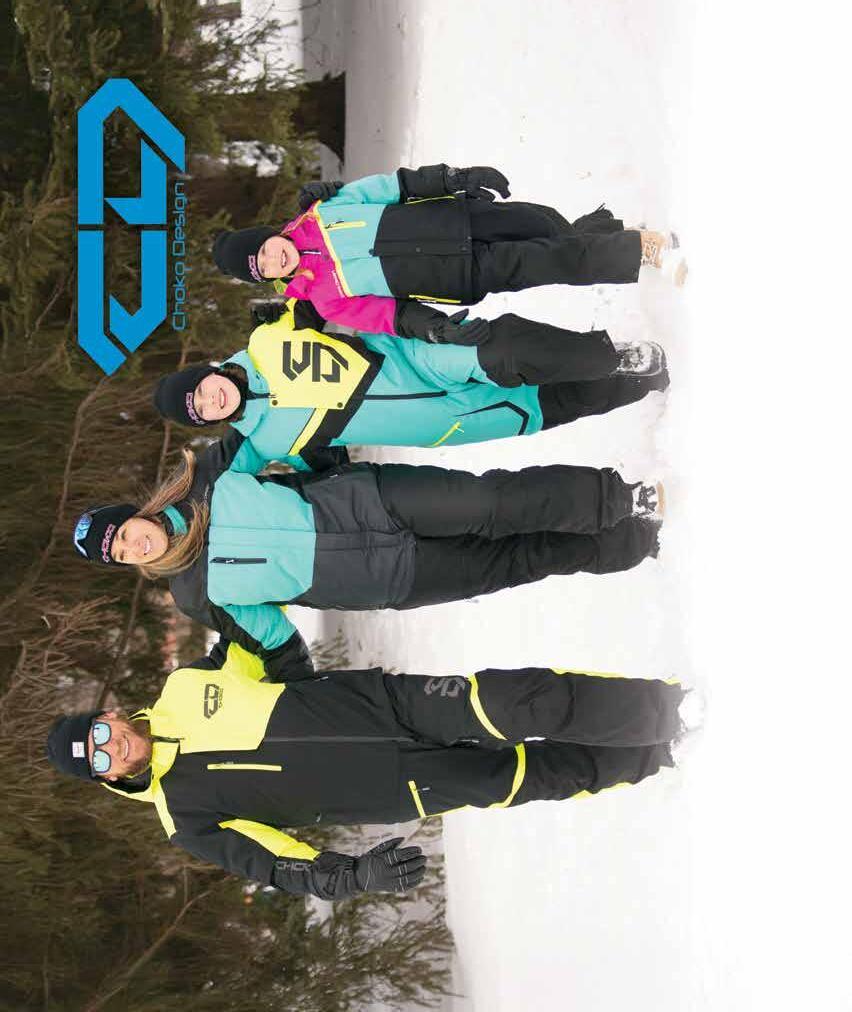
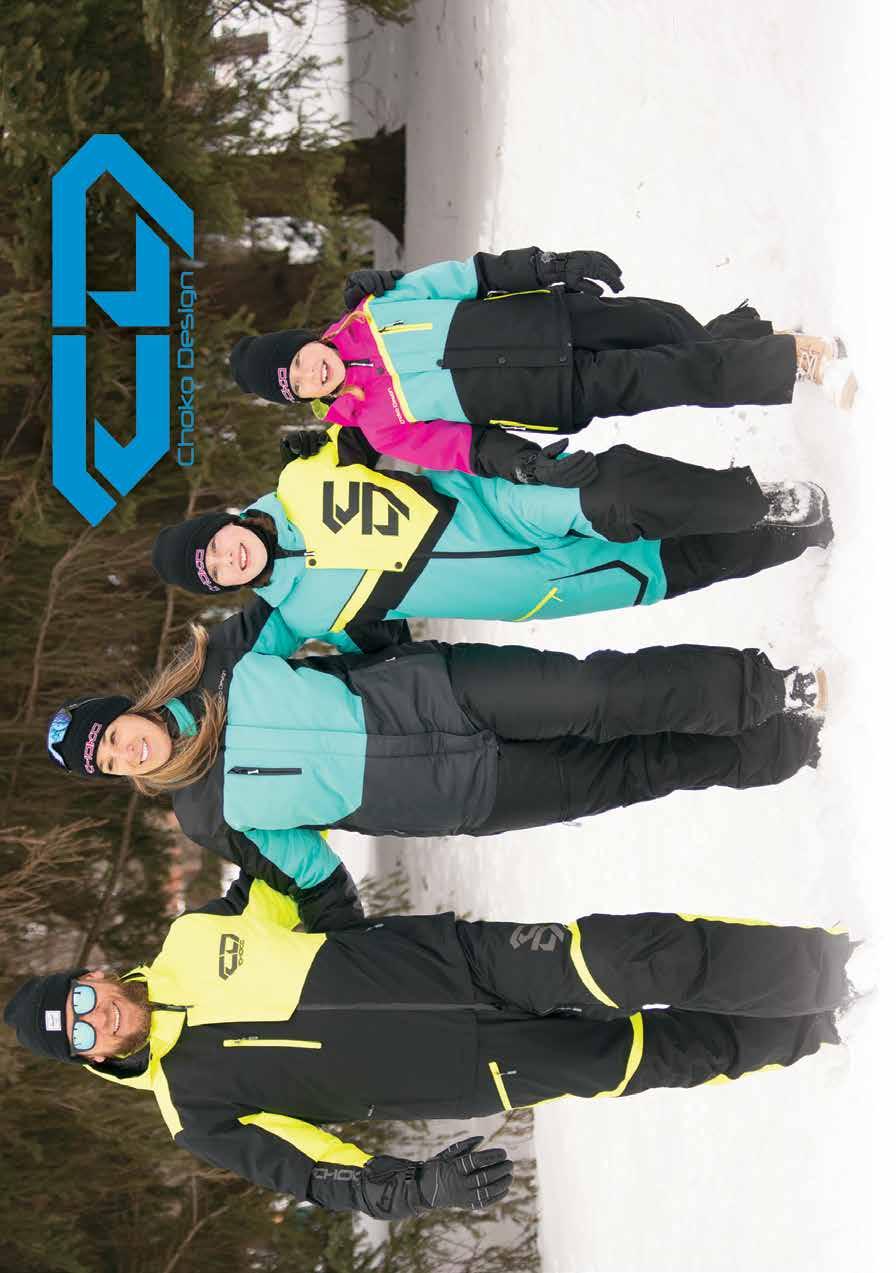
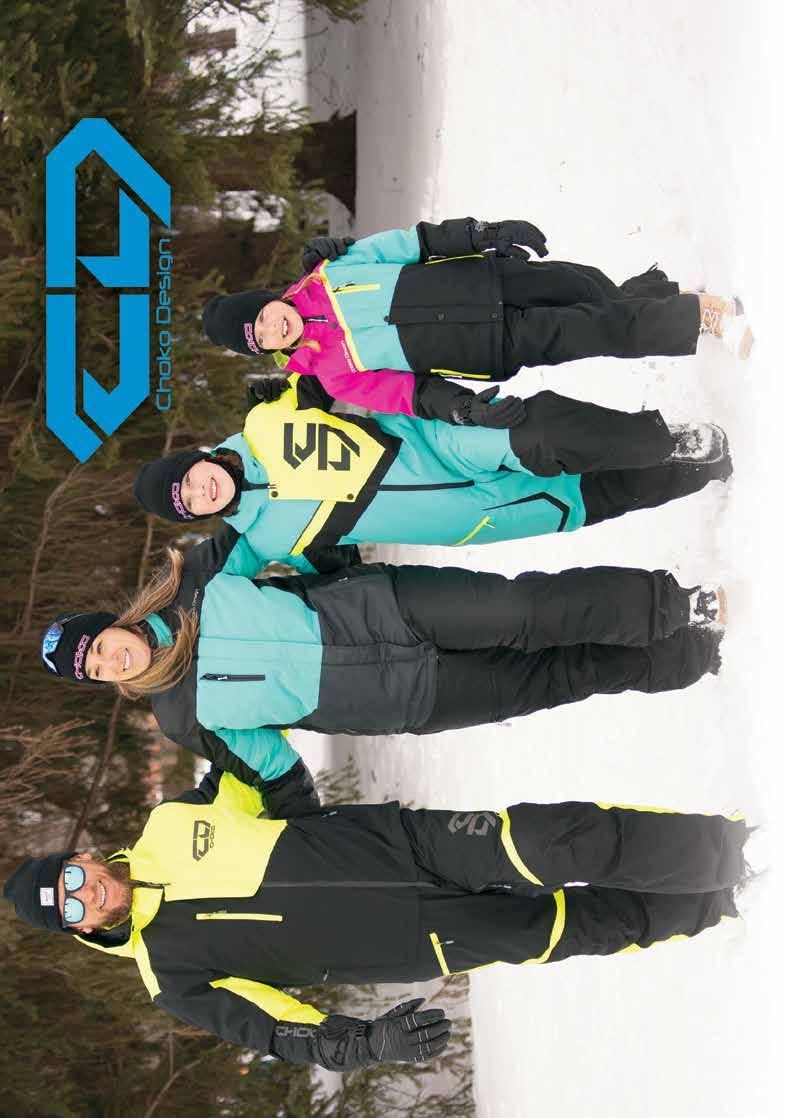
2019 CHOKO SNOWMOBILE SUIT
would you for the Choko jacket and bibs It looks great! I look forward to using it on the bile rides next season.
My husband and I rode in the Cadillac area and the UP from Newberry to Paradise when our kids were young. My husband pulled a sleigh behind his snowmobile with 2 of the kids in it while i
njoy taking our time on the trail taking in the sights and visiting waterfalls and lighthouses. Thanks again. Kim Fredenburg
The mens Snowmobile suit Winner was Joel Reeves of Franksville, WI.
To qualify to win just complete the information on the entry form. Winners are responsible for any shipping or transportation costs and no cash equivalent will be given. Deadline for entries February 27, 2026
www.redlion.com/newberry.co 12956 State Route M-28 - Newbe
continued from page 16
wins during the Border Cup last season, while some of the classes she runs will not be scored. She has proven through the 200 ranks that she can beat some of the boys. A girl who knows her way around the park and tough competition, she will be one of the younger riders to learn.
Jackson Goike #762 - Junior Rider
Jackson Goike exploded on the scene last season. He started by winning five heat races and a final during the Border Cup. That only translated to another 48 wins during the Michigan Snocross season. Goike claimed the most wins throughout the series last year and will be moving up to the Junior 14-17 for this Border Cup. He will be one to watch for his adjustment and to see if he can help bring some depth to that class for Team USA.
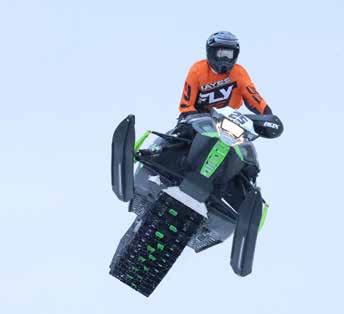
Tyler
Oomen
#25 - Pro Am/Vet Rider
A former national Pro Lite rider, turned Pro Am 30+ rider, Tyler Oomen was the top USA representative in the Pro
Vet class at Border Cup. Oomen finished with a heat win in the Border Cup last year, but not much more. He earned a top-three finish in the National points standings and will be looking to carry that momentum into this season and hopefully a solid run at the Border Cup.
Shade Meyer #753- Sport/ Pro Lite Rider
A rider who showed some surprise during the inaugural Border Cup. Meyer claimed multiple heat race wins and swept the Pro Lite finals. Meyer knocked off the top CSRA talent and Michigan Snocross talent, including his own brother Hayden Meyer. Meyer was a prominent Team USA representative in the top classes. Can he repeat and do the same thing this year.
Regardless of who claims the title or who is the biggest contributor to each team, it will be great racing action all weekend long at NPRP. You can find more information for riders, spectators and anything else related to the Snowcross Border Cup at Northernpowerracepark.com •
Tess Stone #100
Jackson Goike #762
Tyler Oomen #25
Shade Meyer #753
UNITED WE RACE/ DIVIDED WE STALL
BY RIC FEDERAU CONTRIBUTING WRITER
There’s a lot of truth behind the title of this article. Throughout the decades “Oval ice” racing has gained recognition and interest from race fans across North America, especially within the mid-west region of the United States and Canada. For years on end the sport has survived struggling economic times, the “Covid” period and unpredictable weather conditions. Three elements that have had a directed impact on the sport. The sport never wavered through the tough times and uncertain conditions. There’s a driving force behind the sport of oval ice racing that overcomes adversity. It’s the solid camaraderie among race teams, track venues and fans who support the sport. In addition, there are three main entities within the sport of oval ice racing who collectively recognize the importance of working together to support the sport. These three main entities within the snowmobile oval ice racing arena have a huge impact
on how the sport influences race fans, teams and sponsors. What’s recognized among these entities is the importance of working together in order to keep the interest and sport alive and strong.
Assuming you’re not aware of who the three entities are, I’ll back off the throttle somewhat and explain a tad bit about the three main entities I’m speaking about.
FIRST:
“Eagle River Derby Track” (Aka: World Champion Derby Track) The venue is located in Northern Wisconsin. It’s a first-class racing venue that has supported oval ice racing for decades on end. From a racer’s perspective, racing at Eagle River is a MUST. The history and reputation of Eagle River make it many racers favorite place to race. Throughout the winter months race fans can count on Eagle River to provide exciting competition from various styles of
Brent Kohn
What attracted you to the I-500?
I learned about the I-500 when I started dating my wife. She was always telling me about how fun it was and how awesome the people were. I started volunteering at the race in 2019 and I’ve been drawn in since. The community and tradition that surrounds the I-500 is legendary. It’s more than just a snowmobile race, it’s a celebration of our local culture, dedication, and teamwork. The excitement, the history, and the amazing food really pulled me in.
What year was your first as a volunteer and the first year you got on the board of directors?
My first year volunteering was in 2019, and I officially joined the Board of Directors in 2024. Starting as a volunteer gave me a real appreciation for all the time and hard work that goes into making the race possible, and it inspired me to take on a larger role. I really appreciate the help from past and current board members, and more seasoned volunteers who have helped guide me and learn my role. The work at the track doesn’t stop once the checker flag flies. It is truly a year round production.
continued on page 22
MEET YOUR I-500 BOARD MEMBER
Brent Kohn
continued from page 21
Being a board member for the I-500, what is your favorite part of race week?
My favorite part of race week is the energy from the early morning preparations to the excitement on the track and on the bluffs! Our fans are truly amazing. Seeing the volunteers, racers, and fans all come together after months of planning is incredibly rewarding. There’s nothing quite like the roar of engines at the start line and the sense of accomplishment when the checkered flag drops.
What is your fondest memory during your time serving as an I-500 board member?
One of my fondest memories from the race in general is from my second year volunteering, which was the first year I flagged with my wife on the back stretch. When that green flag dropped on the first lap and the roar of the entire pack of sleds came flying by, it was unlike anything I’d ever experienced before. It’s a moment I’ll never forget.
As a board member, one of my favorite memories is traveling to Canada with fellow board member, Ryan to work at the promotional booths. I loved meeting so many people, hearing their stories, and talking about the races, especially when we met past racers or family members of racers. Moments like those remind me exactly why we all work so hard to keep this incredible tradition alive year after year.
As an I-500 board member, what aspiration do you have for the future of the I-500?
My hope for the future of the I-500 is that we continue to grow while preserving the race’s rich history. I’d love to see more young volunteers and racers get involved, ensuring the event thrives for generations to come. Expanding community engagement and continuing to improve the racer and fan experience are key goals moving forward.
I-500: The Finish Line
continued from page 20
snowmobile racing and the opportunity for snowmobile race fans to experience the unique venue and all it has to offer for spectators, teams and sponsorship participation.
SECOND:
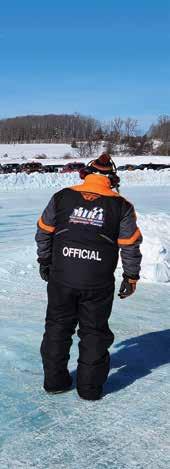
M.I.R.A. (Mid-West International Racing Association) This organization is dedicated to working with teams providing a scheduled circuit of oval ice track venues who host races throughout Michigan. In addition to a circuit schedule in Michigan, M.I.R.A. team members race at Eagle River and occasionally at Canadian ice track venues. The M.I.R.A. participation has a major influence on the sport of oval ice racing. The dedication to their race teams is second to none recognizing race teams
need to have set schedules of race venues to visit. There’s a lot more that M.I.R.A. does to benefit the sport of oval ice endurance racing and race teams who participate under the direction of M.I.R.A.
THIRD:
Third and certainly not least by any means is the International 500 snowmobile race hosted at Sault Ste. Marie, Michigan. Aka: I-500 or SOO 500, the venue is totally different than Eagle River or any of the venues that M.I.R.A. has scheduled. It’s the “GrandDaddy” of all snowmobile endurance racing. Hosted on the only mile oval ice track in North America, it’s the “Big-One “ all drivers want to win. The I-500 venue is an experience that everyone is sure to enjoy assuring you’ll
M.I.R.A. (Mid-West International Racing Association)
BIG MILER
Perfectly Groomed Trails
sledalgoma.com
I-500: The Finish Line
continued from page 22
return to enjoy future exciting experiences and high-octane excitement that race teams and fans crave. There’s not a race anywhere in the world like the “ International 500.” A weeklong series of events leading UP to the main 500-mile race always hosted the first Saturday in Feb. each year. “It’s all left turns from here.”
In a class act move the first weekend in November 2026, the host of the Novi Powersports and Snowmobile expo offered the three entities the opportunity to set down together and collectively discuss the history, current status of oval ice racing and the importance of WORKING TOGETHER in the best interest of the sport and all its participants. Based on facts supporting “ where we were, where we are and where we’re headed.”
Representing Eagle River Derby Track was Mr. Tom Anderson. M.I.R.A. was well represented with Mr. Chris Reames and the International 500 being represented by Ric Federau (I-500-Project Chairman).
This meeting was simply outstanding as were the discussions between the three representatives about the importance of working together for the betterment of the sport of oval ice endurance racing. For those of you who may not know, many of the teams who race at Eagle River, participate in
continued on page 26
“Eagle River Derby Track” (Aka: World Champion Derby Track)
The Algoma trail system consists of over 1,000 miles of groomed trails carved through the rugged Canadian Shield and old growth forests.
Your Winter Playground
continued from page 24
the scheduled racing circuit directed by M.I.R.A. Plus they race at the International 500 as well. There is a mutual understanding of support for each of the three entities towards one another. The fact is all three entities must collectively support and promote each other in order for the sport to continue on the path towards success.
Hence...... “ United We Race/Divided We Stall.”
A special word of gratitude to the staff from Snowmobile and Powersports U.S.A. for facilitating the most memorable meeting experience between the three main entities providing promotion and exciting high-octane experiences on behalf of the sport of oval ice snowmobile racing.
I’ll conclude this article with a lingering thought I wish to share. The sport of oval ice endurance racing is gaining much needed and deserved recognition; we encourage you as race fans to get on board and continue following the sport of oval ice endurance racing by visiting the social media sites of the three entities. We’re committed to ongoing support for each other and our involvements within the sport of oval ice endurance racing.
The bridge that carries race fans from Summer into Winter has been built to perfection. Join us this 2026 snowmobile oval ice racing season
“RACING DOESN’T
MISORVA Michigan Snowmobile and ORV Association
Proposed Forest Road Access Changes
What You Need to Know
TKaren Middendorp Executive Director MISORVA
he Michigan Department of Natural Resources (DNR) has announced proposed changes affecting access to forest roads located on State of Michigan public lands. These proposals may include closing certain roads to conventional vehicles, restricting or closing access for ORVs, and opening other forest roads for expanded ORV use
Because forest roads play a vital role in recreation access— including snowmobiling, ORV riding, hunting, camping, and tourism— these proposed changes may have a significant impact on Michigan’s outdoor users.
WHY THESE CHANGES ARE BEING PROPOSED
According to the DNR, the
recommendations are based on:
• Field evaluations and site reviews conducted by DNR staff
• Public comments and input received throughout the year
• Land management, maintenance, and resource protection needs
The goal of the review process is to balance access with responsible land use and sustainability. Forest road access decisions can affect trail connectivity, emergency access, logging and forest management, and outdoor recreation opportunities.
HOW TO REVIEW PROPOSED ROAD CHANGES
The full list of proposed changes will be available beginning November 1. Visit: Michigan.gov/ForestRoads
The website includes an interactive map, allowing users to zoom in by county, region, or individual road segment. Each proposed change will include a detailed description and a
clear justification.
This review process is important, as changes may affect:
• Local ORV trail loops connectivity
• Access to hunting and remote camping areas
• Road access needed for grooming equipment
• Recreational access to public lands during all seasons
• Tourism and economic activity in rural communities
HOW TO SUBMIT COMMENTS
Public feedback is a required step in the decision-making process. Interested individuals, clubs, and organizations are encouraged to submit comments before the deadline. Comment period closes: December 1 You may comment via:
• The interactive map at Michigan. gov/ForestRoads
• Email: DNR-RoadInventoryProject@ Michigan.gov
MISORVA has a presence on the Snowmobile Advisory Work group (SAW) and ORV Advisory Work group (ORVAW) State Board that makes recommendations on our trail program.
Where Does Your Snowmobile Trail Permit Money Really Go?
The idea for this article came to me while working the MISORVA booth at the Novi Snowmobile Show. Every year thousands of riders stop by to purchase their trail permits and memberships, and every year I am reminded of how many snowmobilers genuinely don’t know where their trail permit dollars go. Many believe the permit is simply another state tax to generate government revenue. Others think the DNR keeps the money to fund unrelated projects like boat launch dredging or improving state parks. One of the most common misconceptions is that the DNR is grooming the trails and doing all the trail work.
Let’s clear up the confusion.
SNOWMOBILE TRAILS ARE PAID FOR BY SNOWMOBILERS
The Michigan snowmobile program is 100% funded by snowmobilers, through a combination of:
Snowmobile registration
Trail permit revenue
No state general fund tax dollars support grooming, trail
maintenance, equipment, signage, or law enforcement on the snowmobile trail system. And because all riders pay equally into a user-funded system, there is no higher price for out-ofstate permits —everyone pays the same because everyone is funding the same trail system.
Even more important: these funds are constitutionally protected and can only be used for snowmobile-related purposes.
A PROGRAM BUILT BY SNOWMOBILERS FOR SNOWMOBILERS
MISORVA, originally the Michigan Snowmobile Association (MSA), played a major role in developing this program. The first trail permit was introduced in 1995 at a cost of $10.00 . Over time, as equipment and maintenance costs increased, the permit was raised through legislative action. In 2001 the permit increased to $20 , and in 2004 to $25 . Because repeatedly passing legislation for permit increases was time-consuming and inefficient, a bill was later passed to allow the permit price to adjust automatically every four years based on the Consumer Price Index (CPI) . The next scheduled increase will take effect for the 2026-
2027 season , and based on recent inflation trends, it will likely be significant.
WHY OPINIONS VARY ON PERMIT COSTS
At the Novi Show, about half of the riders said the permit is too expensive, while others felt it should cost more to improve trail quality. Both perspectives are understandable:
Rider Type: High-mile riders
Viewpoint: Willing to pay more because smooth trails over thousands of miles are worth the investment.
Rider Type: Casual riders
Viewpoint: May ride only a few weekends, and if conditions are poor on those days, they feel they didn’t get value from the permit.
There’s another important group to consider—new and young riders. These riders may only be able to access local trails near home and may struggle to afford trips, lodging, fuel, and transportation. If the permit becomes too costly, they may never join the sport. Every time we get a big snowfall downstate, the surge in trail permit sales proves how many riders are local and casual users.
Snowmobiling must remain financially reachable if we want to grow the next generation of riders.
WHERE YOUR PERMIT DOLLARS ACTUALLY GO
When you see:
• Trails are brushed and graded before the season
• Miles of signage
• Groomers working long overnight hours
• Law enforcement on the trails
You are seeing the direct use of your registration and permit dollars. In recent years, the rough estimate is that one trail permit covers the cost of grooming about nine miles of trail one time. For riders who log thousands of miles, the permit is truly a bargain.
WHO REALLY GROOMS THE TRAILS?
Here’s the part many are shocked to learn:
Michigan’s snowmobile trails are groomed and maintained by 66 grant sponsor clubs—nearly all volunteer based—not the DNR.
These clubs handle:
• Signing
• Brushing
• Grading
• Trail clearing after storms
• Operating and maintaining grooming equipment
• Managing paperwork and reporting
Most clubs run with a small core group of volunteers who sacrifice evenings, weekends, and holidays to make trails smooth.
HOW YOU CAN HELP BEYOND BUYING A PERMIT
For riders who say the permit should cost more to support the system, there is a better and more immediate solution:
Join the clubs where you ride. Donate. Volunteer if you can.
Clubs use membership dollars to:
• Keep spare parts on hand to reduce equipment downtime
• Purchase tools and shop equipment
• Improve the reliability of groomers
• Fill funding gaps not covered by state dollars
A grooming breakdown during the heart of the season—already only about 12–16 weeks, depending on snow—can mean miles of rough trail for days.
THE BOTTOM LINE
Snowmobile trails don’t just happen. They exist because thousands of snowmobilers:
• Buy trail permits
• Volunteer
• Donate
• Advocate
Support local clubs and MISORVA
The very least every rider can do is:
• Purchase your trail permit proudly
• Join a club
• Support the volunteers who make the trails possible
Together, we keep Michigan riding. ■
NEXT STEPS IN THE DECISION PROCESS
• January 2026
• Formal informational memo presented to the DNR Director at the Natural Resources Commission (NRC) meeting
• February 2026
• Final Land Use Order of the Director submitted for approval and action
• Public comments will be accepted at both NRC meetings
These decisions, once finalized, typically take effect later in the year and remain active until updated in future review cycles.
WHY YOUR VOICE MATTERS
Public land access affects everyone—from riders and hunters to tourism businesses and rural communities. Whether you support or oppose individual changes, the DNR relies on public feedback to shape policy and ensure decisions reflect real-world needs.
What You Can Do Now
• Review the map on November 1
• Share this information with your club or community.
• Attend NRC meetings or submit written comments.
• Document how changes may affect local users, safety, or economic impact.
STAY ENGAGED. STAY INFORMED.
Forest road management decisions impact thousands of miles of access and the freedom to enjoy Michigan’s outdoor recreation opportunities. Thoughtful public participation ensures a balanced and transparent process.
If you represent an organization, club, or community group, consider submitting a unified response with specific examples of how changes may affect your region. ■
Respect the Land, Respect your Neighbor
Protect the Ride: Why Staying on the Trail Matters More Than Ever.
If you’ve ever spent time on Michigan’s trails, you know the magic: that first breath of crisp winter air, the rumble of your sled beneath you, the sparkle of untouched snow ahead. It’s freedom. It’s why we return, season after season.
But lately, something’s been weighing on many of us — trespassing. It might seem harmless to veer off the marked trail for a shortcut or carve a few extra tracks through a field. But those few feet off-trail can cause real damage — not just to the land, but to the future of our entire trail system.
OUR TRAILS DEPEND ON TRUST
Here’s something many riders don’t realize: most of Michigan’s snowmobile and ORV trails cross private property. Landowners don’t have to let us ride there — they choose to. They trust us to respect their land, their fences, and their peace of mind.
When that trust is broken — when someone cuts across a field, spooks livestock, or rides behind a barn — it doesn’t just upset the landowner, it jeopardizes the trail itself. And once a trail is closed, it’s not as simple as finding a new route. Rebuilding access can take years of negotiations, volunteer
hours, and hard-earned goodwill. So when you see a “Stay on Trail” sign, take it to heart. It’s not there to spoil your fun — it’s there to protect it for all of us.
WE’RE ALL IN THIS TOGETHER
If you’re reading this, chances are you love this sport as much as I do. You love the community, the camaraderie, and the beauty of Michigan in every season. That’s exactly why we all need to do our part to keep this privilege alive.
Joining a local club or MISORVA is one of the best ways to make a difference. Clubs aren’t just about meetings and dues — they’re the backbone of our sport. Club members mark trails, talk with landowners, groom routes, and advocate for our right to ride. When you join, you become part of that effort. You help protect access, educate new riders, and strengthen the future of our trails. Even your membership number helps. And let’s be honest — being part of a club makes riding better. You’ll meet people who share your passion, swap stories, trade maintenance tips, and maybe even find your new favorite riding crew.
NEVER RIDE ALONE
Here’s something I always tell people: never ride alone. No matter how
experienced you are or how short the trip, things can go wrong fast. A breakdown, a sudden storm, an injury — it happens. Having at least one other person with you can make all the difference.
Besides, riding with others is just more fun. You laugh more, learn more, and look out for each other. That’s what this community is all about.
RESPECT. RESPONSIBILITY. RIDING FOR THE FUTURE.
If we want our kids — and their kids — to feel the same thrill we do when we hit the trails, it starts with us. We have to lead by example. Respect the land. Respect the landowners. Stay on the marked routes. Join a club. Lend a hand. Share the message.
Every time we choose to do the right thing, we help keep another trail open. Every conversation about responsible riding helps someone new understand why it matters.
So next time you’re out there, take a moment to appreciate what we have — thousands of miles of beautiful, wellmaintained trails that exist because people care. Because you care.
Let’s keep that going. For us, for the landowners, and for every rider who’s ever felt the thrill of Michigan’s open trails.
Stay safe. Ride smart. Respect the land, and Think Snow!
See you out there. ■
Racing Legacy Vermeersch
Three Generations of Grit, Speed and Heart
BY ROGER VERMEERSCH
From the very beginning, snowmobiling wasn’t just a sport for me—it was a bond, a passion, and eventually a family tradition. My brother, Larry Vermeersch, was the spark. Around 1970, before I was even old enough to drive, Larry was loading up the sled, hauling me to races, and signing for me so I could compete. At just 15 years old, full of excitement and determination, Larry and I bought our first snowmobile together and
raced anywhere our community would let us.
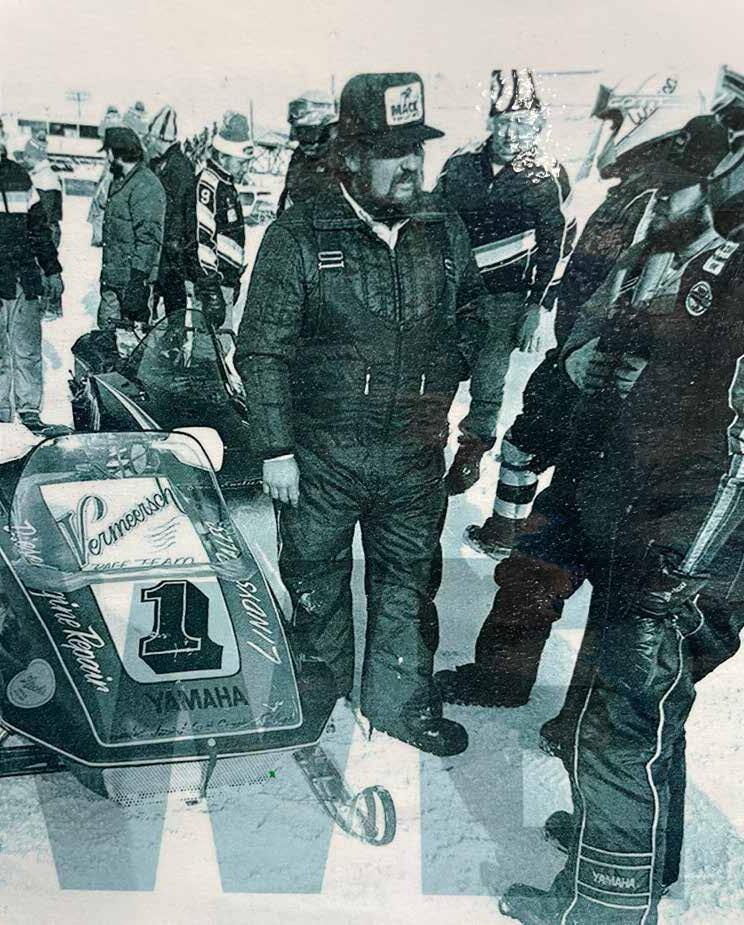
Those early years taught us grit—and they paid off. One of the proudest moments of my career came in the late 1970s when we earned the #1 spot for most points, a milestone that meant everything to me. Over the years, I competed in the I-500 for more than a decade, conquered the Triple Crown, and raced for Vermeersch Farms alongside
Racing Through Generations
BY BRANDON VERMEERSCH
“My father, Roger Vermeersch, and his brother, Larry Vermeersch, were the ones who ignited my passion for snowmobiling. They didn’t just introduce me to the sport — they lived it. With their Budweisersponsored race team, Vermeersch Farms, they brought excitement, dedication, and an unshakable love for racing. Watching them compete, learning from them, and being part of that world inspired me to follow in their tracks.
I owe my start — and my lifelong love for racing — to Roger and Larry.
My racing journey officially began in 2001, at 18 years old, when I raced at Lucky Thumb Racing. Competing on vintage singlecylinder sleds for Team Carhartt alongside my brother Craig and Troy Vermeersch, I discovered the thrill of the track, the intensity of competition, and the camaraderie that comes with it. Those early years laid the foundation for
everything that came next.
One of my proudest achievements came in 2013, when I became the only Yamaha snowmobile racer to finish the Soo I-500 — a milestone that will always shine in my racing career.
In 2008, I took a major step forward by joining the Michigan Ice Racing Association (MIRA), racing under Bell Racing with Rodney and Tom Bell. That year, I tackled
sprint races aboard a Yamaha RX1, pushing both myself and my machine to the limit. The following season, in 2009, I teamed up with Matt Russell, racing a Polaris 600 Gen 2, continuing to learn, grow, and chase that checkered flag.
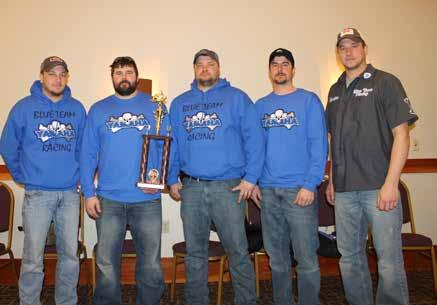
In 2010, I founded my own team: Blue Team Racing. It was a true family effort — my dad Roger, my brother Troy, and my
continued on page 36
under the helmet Vermeersch Racing
BRANDON VERMEERSCH
continued from page 34
cousins Steve, Brad, and Shaun Gruehn served as my supportive pit crew. My sister, Amanda Stockmeyer, also competed on a Yamaha SX 500 as part of our family team. Together, we poured our hearts into every race, competing fiercely until 2015, when we decided to retire from racing.
But racing has always been more than just a sport — it’s a family legacy. Following in my dad’s
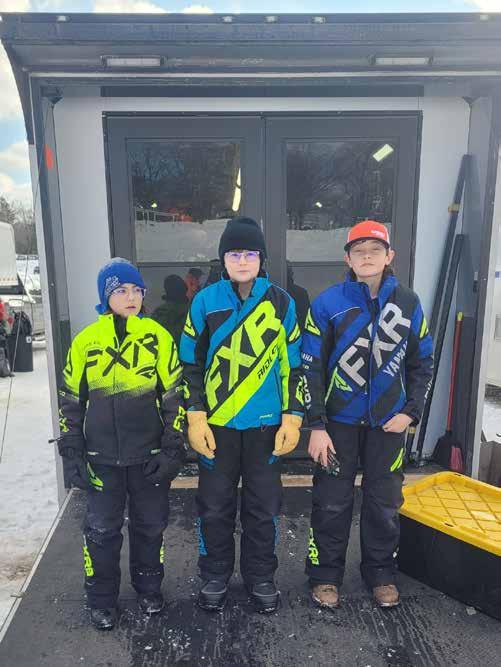
footsteps as the second generation of Vermeersch racers is one of my greatest accomplishments. And now, that legacy continues with my children — Cash, Memphis, and Copper — the third generation of Vermeersch snowmobilers. Watching their growing passion for racing fills me with pride, knowing the spirit of speed, dedication, and family will keep running strong for years to come. •
under the helmet Vermeersch Racing the next generation
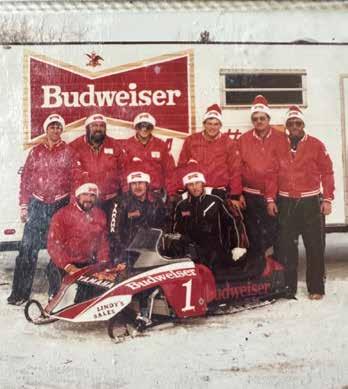
ROGER VERMEERSCH continued from page 33 an unforgettable team: Larry as crew chief, Mac Downing, Jim Jacoby, Dennis Reames, Kim Gainforth, and James Bell as pit crew members.
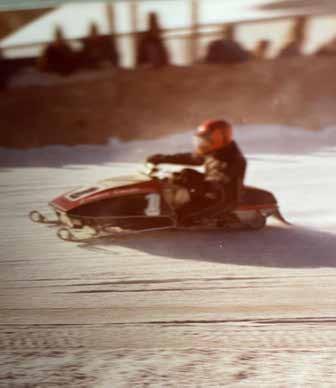
Family has always been at the heart of our racing story. In the mid-1970s, my cousin Gregg Vermeersch joined the circuit, and in the early 1980s, my cousin Grant Vermeersch carried the torch forward. In 1980, our team celebrated a major milestone with sponsorship from Budweiser, proudly racing under the iconic #1.
From the start, my dream was simple but bold: win the I-500. Building and leading my own race team gave me the chance to chase that dream with everything I had.
That passion didn’t end with me. My son, Brandon, and my daughter, Amanda, chose to continue the snowmobiling legacy. I’ll admit—I was hesitant at first. I understood the risks better than anyone. But their determination won me over, and supporting them became one of my greatest honors.
Today, nothing makes me prouder than watching the third generation—Cash, Memphis, and Copper— carry the Vermeersch racing tradition into the future.
Three generations, one legacy, and a family built on the thrill of speed, the power of teamwork, and the love of the sport.
The story continues— and the track is far from finished.•
Chasing the Checkered Flag
BY CASH VERMEERSCH
Racing has been part of who I am since the day I was born. When my dad was competing, I was only a baby — but I was at every track, bundled up and taking it all in. My family still jokes that I used to nap inside my dad’s race bag during the events. From the very beginning, the sights, sounds, and energy of the racing world surrounded me. With my grandpa Roger and my dad both competing before me, I grew up knowing exactly what path I wanted to follow: the tradition of the Vermeersch family in the MIRA (Midwest International Racing Association) circuit.
My grandpa always reminded me that racing is a dangerous sport — one that demands respect, discipline, and focus. But those warnings never slowed my excitement or my conversations with my dad. Racing was what we bonded over. It was all we talked about: stories from the past, dreams under the helmet
for the future, and everything in between. Before long, I wasn’t just talking about racing — I was part of it.
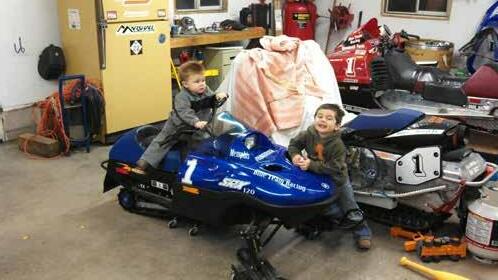
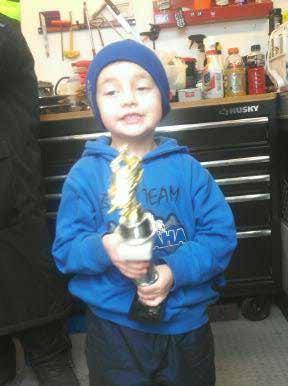
I started competing at the age of 3 on a little Kitty Cat sled, wearing number 1. Even then, I felt a rush that told me this sport was meant for me. Over the years, that spark grew stronger. In 2023, my cousin Brent Vermeersch gave me an incredible opportunity — the chance to race his son’s 340 sled in Lincoln, Michigan. That moment changed everything. It gave me the confidence and experience I needed to move toward the next step.
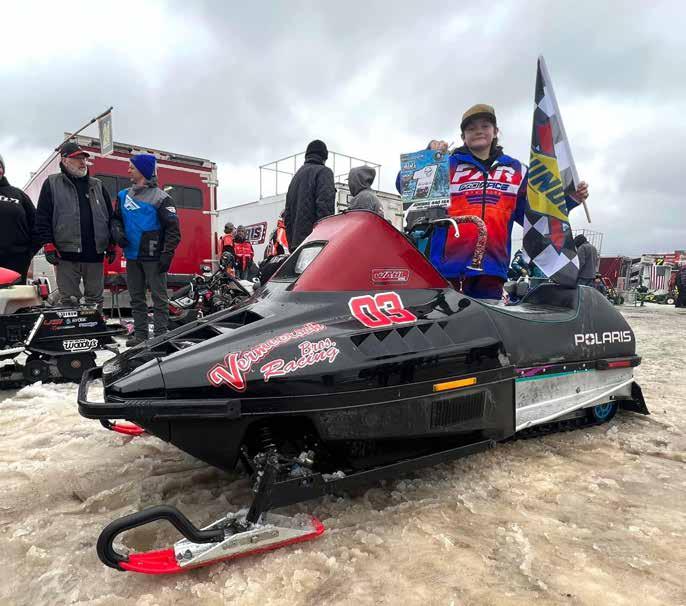
In 2024, I reached a major milestone when I bought my own sled: a 1996 Polaris Indy Sport 440. Owning my own machine meant responsibility, commitment, and pride. It also marked the beginning of real growth in my racing career. Since then, my proudest accomplishments have included winning multiple races and finishing second overall at the end-of-
season awards. Standing on that stage, I realized how far I had come — and how far I still want to go.
My ultimate goal is to race in the I-500. That race represents the highest level of endurance, skill, and determination in our sport, and it’s a dream I’m working toward every day. Racing isn’t just something I do on weekends; it’s a passion, a lifestyle, and a family legacy that I’m honored to carry forward. Everything I’ve learned, every step I’ve taken, and every race I’ve run has been inspired by my dad, who passed down his love for the sport to me.
Preparing for each race takes long hours, hard work, and a lot of dedication — along with the costs, the maintenance, and the patience required to keep a sled competitive.
None of this would be possible without my dad’s constant help in making sure my sled is race-ready and my family’s support at every race, through every challenge. When I line up at the starting line,
I’m not just representing myself. I’m racing for the Vermeersch name, the generations before me, and the future I hope to build on the ice and snow.
I’m proud of where I’ve started, grateful for the opportunities I’ve had, and determined to keep growing as a racer. The journey is just beginning — and I can’t wait to see where it takes me. •
under the helmet Vermeersch Racing
Life in the Fast Lane
BY COPPER VERMEERSCH
“Racing has always been part of my family’s story. My grandpa, Roger, raced for years, and my dad followed in his footsteps, flying across snowy tracks on his sled. Growing up, I loved listening to my dad’s racing stories — the wins, the wipeouts, the adrenaline — and I always knew I wanted to be part of that world too.
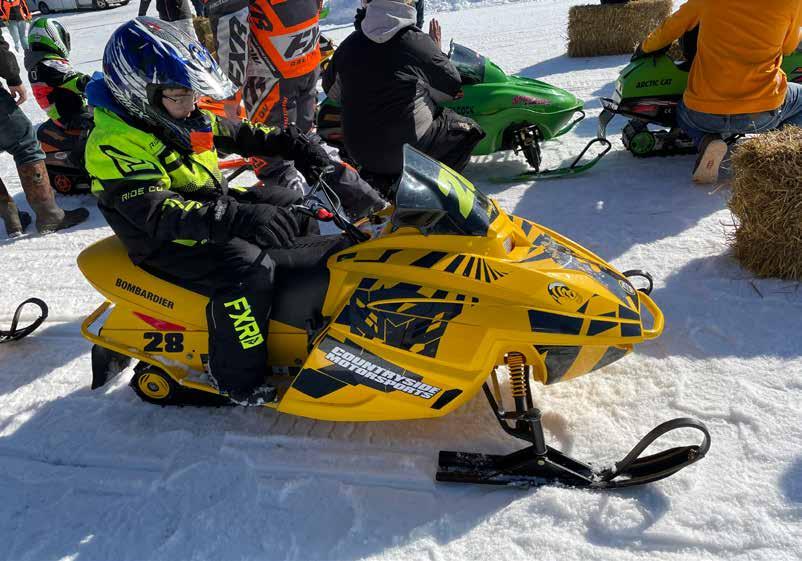
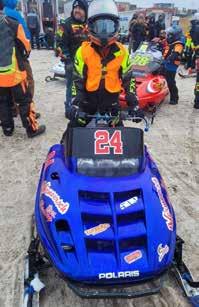
I”started young, racing a 120 for Countryside Motorsports.
That’s where I realized this sport was truly for me. I loved the speed, the sound of the engine, and the thrill of every ride.
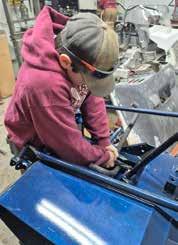
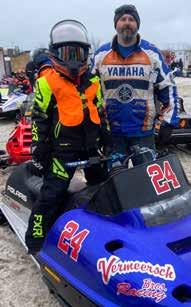
In 2023, I took my first big step as an independent racer. I bought my own sled, chose my colors,
and picked my number — 24. The moment I climbed on, I felt an excitement unlike anything else. I knew I was starting my own chapter in our family’s racing legacy.
From my very first race, I was hooked. Every turn and every jump pushed me to grow. By the end of my first season, I finished
second overall in my class. But what mattered most wasn’t the placement — it was the challenges I worked through, the skills I gained, and the pride I felt carrying on my family’s tradition.
For me, racing is more than a sport. It’s speed, passion, and the connection it builds with my family. It motivates me,
challenges me, and inspires me to keep pushing forward.
My dream is to race in the Soo I-500 one day alongside my brothers, Cash and Memphis — and to bring home a win together.
I’m especially grateful for my dad, who always makes sure my sled is race-ready, and for my mom, who supports me and cheers for all of us at every race. Racing may be fast, loud, and competitive, but at its core, it will always be about family. •
under the helmet Vermeersch Racing
A Legacy of Speed
BY MEMPHIS VERMEERSCH
Racing has always been woven into the fabric of my life. My dad, Brandon, introduced me to the thrill of snowmobiling before I was even old enough to walk. From the moment he first shared stories about his own racing days — the challenges, the victories, and the unforgettable moments on the track — I felt a pull toward the sport. His passion inspired me to follow in his footsteps and continue a tradition that runs deep in the Vermeersch family.
Some of my earliest memories were made at the track. I grew up surrounded by the roar of engines, the smell of fuel, and the excitement of race day. My family still loves to remind me how, as a little kid, I used to fall asleep in the trailer inside my dad’s race bag while he competed. Even then, the track felt like home. I didn’t just watch the races — I lived them.
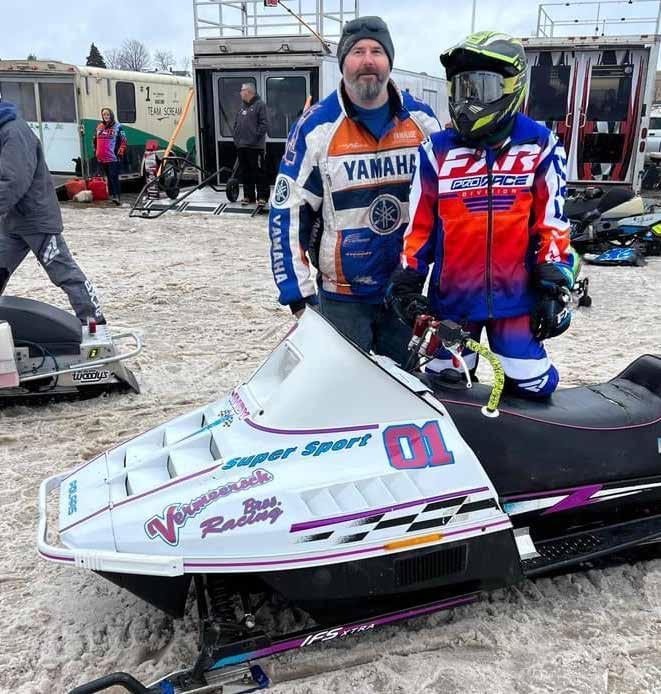
I officially began my racing journey on a Kitty Cat 120, learning the fundamentals one lap at a time. Over the years, I progressed through bigger sleds and more competitive classes, eventually working my way up to a 440. Each step taught me discipline, patience, and respect for the sport. One of my proudest accomplishments came when I purchased my very own snowmobile. Choosing my sled’s colors and selecting my race number — 01, the same number my dad raced with on the Blue Team Racing team — was a defining moment. It symbolized not only independence as a racer, but also
a deep connection to the legacy that came before me. Racing, however, has never been a solo journey. It is truly a family effort. My team includes my two brothers, who share the same competitive spirit, and my parents, who have supported us through every challenge the sport brings. The long nights in the garage, the last-minute fixes, the early mornings, and the travel would not be possible without them. I am especially grateful
to my dad, whose dedication to preparing and maintaining our sleds is unmatched. He spends countless hours ensuring that my brothers and I are not only able to race, but that we do so safely and with equipment we can trust. My ultimate dream is to compete in the legendary Soo I-500 — a race that demands endurance, skill, and unwavering determination. Every time I line up at the starting line, I feel a sense of responsibility and
pride. I am not only representing myself but also honoring the generations before me who built the foundation for my love of snowmobiling. Carrying on the Vermeersch name in this sport is something I take seriously, and it motivates me to push harder, ride smarter, and chase bigger goals. Racing isn’t just a hobby for me — it is a passion,
and a family legacy that continues to grow with every season. Through dedication, teamwork, and the support of my family, I am proud to play a role in keeping the Vermeersch racing tradition alive for future generations. The track is where I feel most connected to my past, most focused on my present, and most excited for my future. •
BITEHARDER
Products
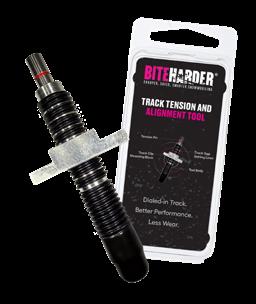
Our mission at BITEHARDER has always been to make snowmobiling safer and smarter by continuing to bring you innovative products that save you money and time. We are excited this season to announce a new website, the return of our coveted Side Support Pole, our new Track Tension and Alignment Tool that simplifies track adjustments, updates to our Carbide Runner and Stud Sharpening Tools, and some exciting news about our products now being used in snowmobile racing.
Our new website makes learning about our products and making purchases much easier with detailed promotional and instructional videos, more written content, and a simplified buying experience. Check it out at www.biteharder.com.
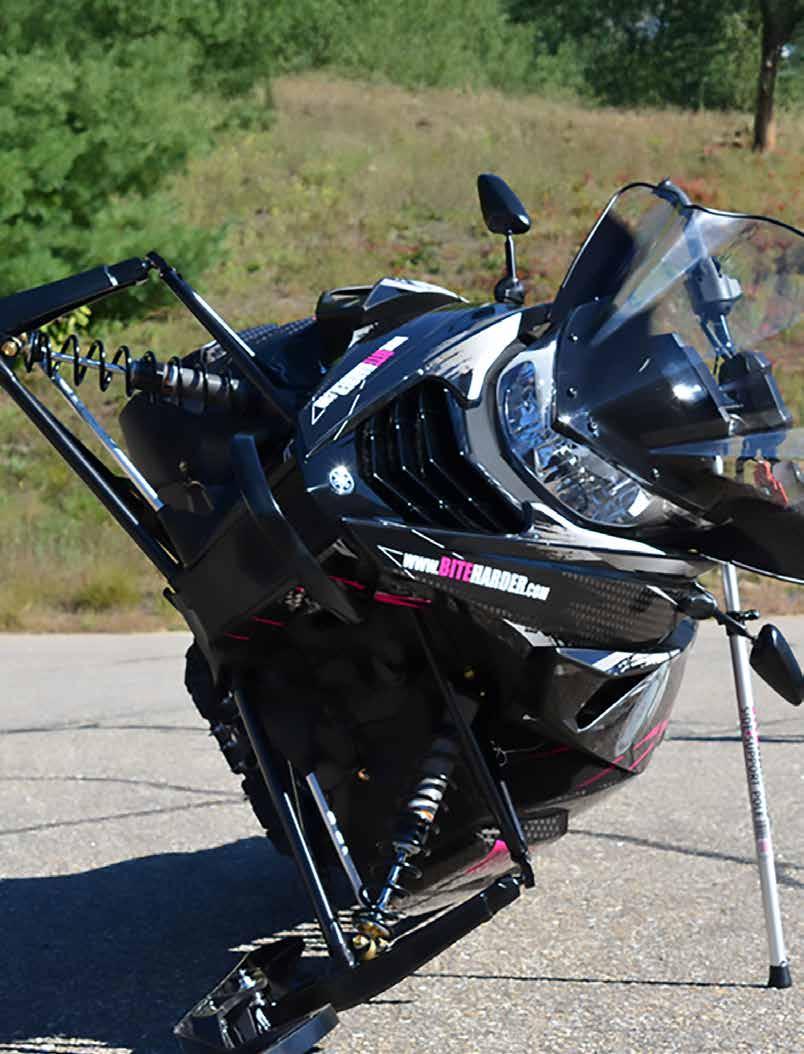
studs, hitting your grease fittings, adjusting your suspension components, replacing your hyfax or simply cleaning things up, our Side Support Pole is there to hold your sled firmly in place.
Since COVID, getting the correct material required to manufacture our Side Support Poles was impossible. Last season we continued to receive inquiries about when the product would be back. Over the summer months we started researching and resourcing the material required, and for this season they are back! Tipping your snowmobile on its side (at any angle) without your buddy saying, “hurry up this thing is getting heavy,” is now a oneperson job. Whether it is sharpening your
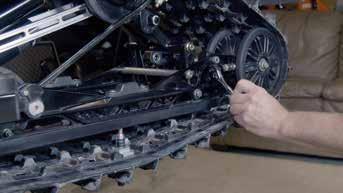
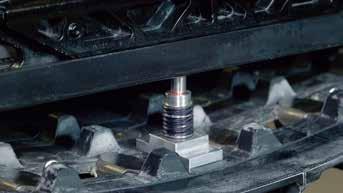
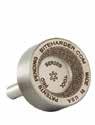
One of the most overlooked areas on all snowmobiles is the track. Improper track tension and alignment can lead to uneven component wear, poor performance and control issues, faster hyfax wear and a host of other problems. As tracks wear over time, the required tension, gap and alignment do as well. BITEHARDER’s new Track Tensioning and Alignment Tool now allows you to make these adjustments using a single tool, all in a hands-free manner.
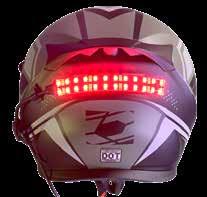
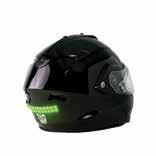
Visit our new website to see how simple the process is, and enjoy the benefits of better performance, improved ride characteristics, increased fuel efficiency, less hyfax wear and greater overall reliability. When you are out riding you cannot miss seeing BITEHARDER’s Helmet Safety Light’s on the trails. The comments and testimonials we receive about the product are amazing with some professional reviews saying, “these lights should be a mandatory product on all snowmobile helmets.” If anyone knows about
continued from page 45
snowmobiling, it’s Craig Nicolson - The Intrepid Snowmobiler. Check out his review of our lights on his home page or at the following link (https:// intrepidsnowmobiler.com/helmet-safety-lights/).
We have continued to evolve our award-winning line of Carbide Runner and Stud Sharpening tools with improved diamond cutting media. These next generation of tools have been re-engineered to give you longer tool life. Maintain your carbide runners edges all season long and sharpen all of your studs in your track not only once or twice, but up to five times (PRO tool only), saving you both time and money over replacing.
Last November the ISR (the sanctioning body for snowmobile racing rules) introduced a new rule for Vintage Oval, Oval Sprint and Enduro racing classes that would mandate an orange LED helmet safety light on the
back of every racer’s helmet. As the leader in helmet safety lights, BITEHARDER was asked if we could design and build a light that met the requirements of the new rule. Prototypes were built and evaluated (in actual racing conditions) over the 2024/2025 season. All testing feedback was incorporated into the final design. In May of this year the new rule was officially voted on, and passed, with BITEHARDER’s light being approved. Watch the difference our orange lights make at a snowmobile race coming to you.
At BITEHARDER we work hard to bring you the latest innovations in keeping you safe on the trails and saving you money at the same time. That is why our motto is Sharper, Safer, and Smarter Snowmobiling. Check out the full line BITEHARDER Products at www.biteharder.com. •
Snowmobiles Can’t Swim
Tell That to Jeff Moyle’s Racers
BY JAY HAVEN UPPER PENINSULA TRAILBLAZER
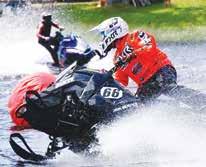
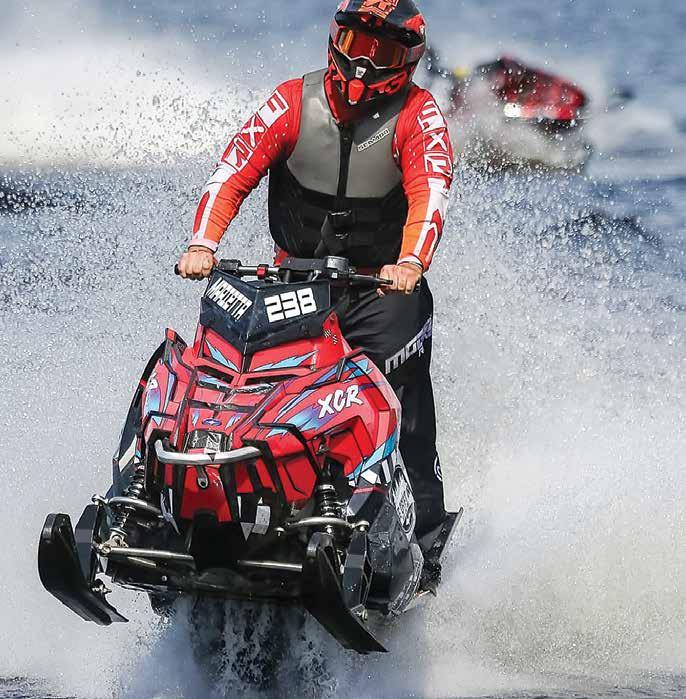
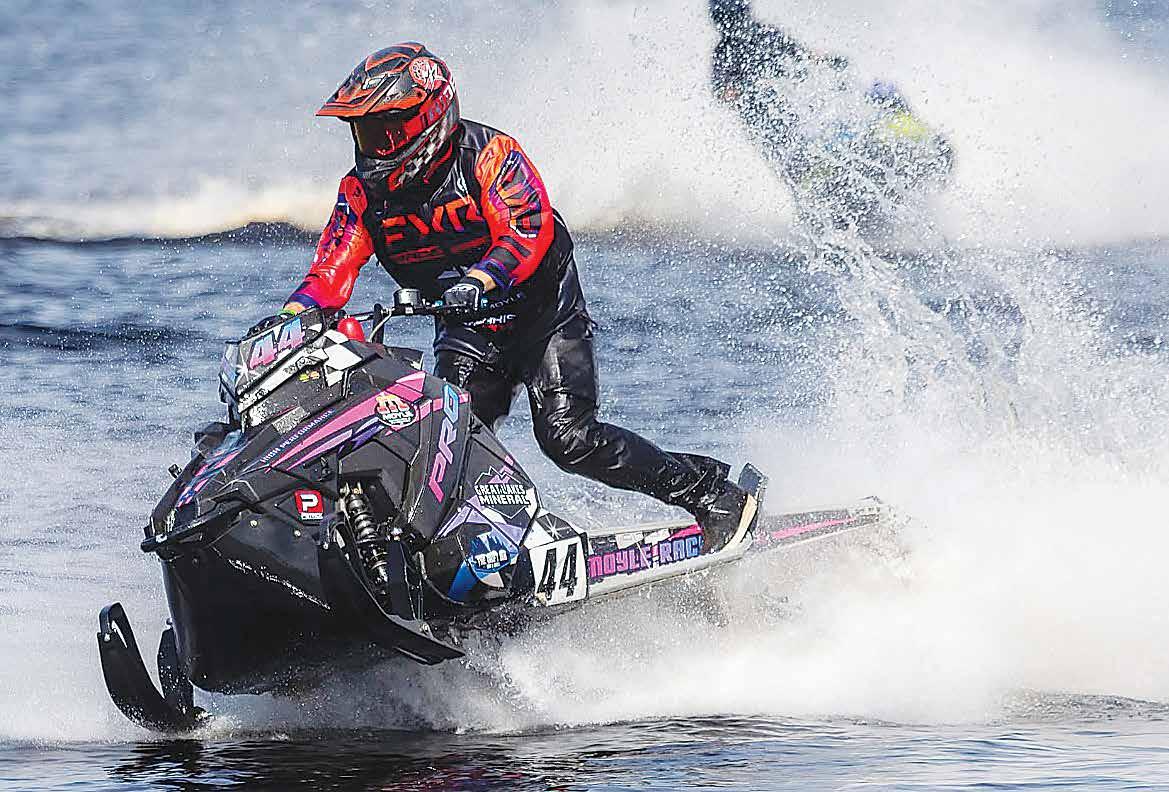
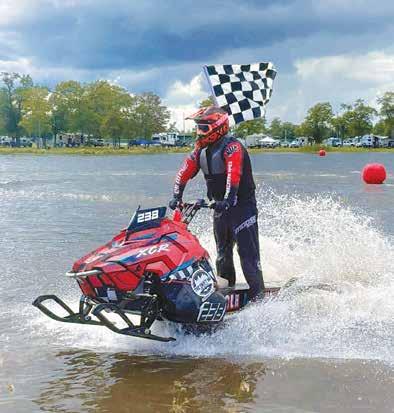
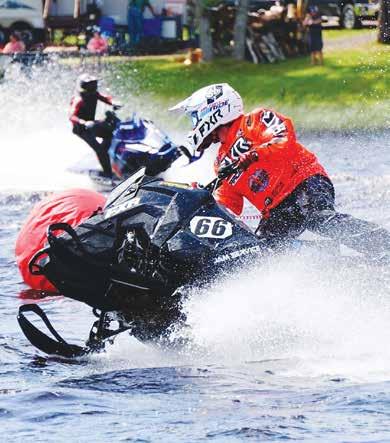
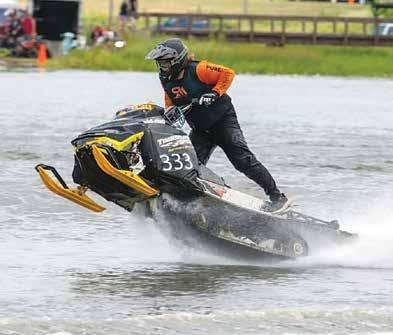
Throttles build pressure, like a thrilling dare creating a harmony of engines gunning toward the water. Then comes the spray – crisp and slapping behind the tracks of snowmobiles. Out on the lake you hear the scream of sleds on open water and the cheers of the crowd on land. Believe it or not your snowmobile is an amphibious vehicle as long as you can stay afloat. Popular in Wisconsin and parts of Michigan, snowmobile waterskipping (a.k.a. watercross) is an insane feat that takes serious skill. Every August, the Jeff Moyle Memorial Race takes place in Lake Linden, Michigan. That’s about eight hours north of Detroit in Michigan’s Upper Peninsula, or about five hours north of Green Bay.
Snowmobile culture is no joke up here. It knows no season and never stops. A typical winter can bring 300+ inches on a good year on the Keweenaw Peninsula, but it’s never enough for true sledheads. Waterskipping is a thrilling passion for locals like Austin Serotzke, an owner of Jam Service Inc. in Lake Linden. Serotzke not only loves to promote the race, he looks forward to taking his skip across the water each year. He says his friend group helped ignite the flame for a local race by attending others in the region.
“The way the race kind of started is many years ago there was actually a watercross in Baraga,” said
Snowmobiles Can’t Swim
continued from page 48
Serotzke. “That kind of went away for many years. Then, a group of us got started into racing again. There’s one fellow that had raced back in the day in Baraga. His kid is a good buddy of mine. They went to a watercross race and him and another one of their buddies kind of went, well, let’s build or buy a couple of sleds and get into it.”
THE RACE WAS BORN
Instead of going five to six hours south for waterskipping, the group decided to work on bringing a race to Lake Linden. The heartstopping show takes place at the Lake Linden Village Campground, with a perfect sandy beach start for sleds. It’s all a fundraiser for the Lake Linden Fire Department. Hundreds of people flock to watch around 40 riders try their might on Torch Lake. Not to be confused with Torch Lake in the Lower Peninsula, this one’s way up north!
“So Saturday racing is your qualifying racing,” said Sorotzke. “We do oval races and depending on the class, determines how many laps you do in that. So, typically, your qualifying races, there are three people out on the water at a time. Then when we get into our finals, you actually have six people out at a time.”
Racers will navigate an oval course hitting specific checkpoints – and even jumps. They speed across water like a boat, leaving a wake glimmering in the sun. It’s a spectacle to feast your eyes on, but what happens when they sink? (Or maybe that’s the fun part.) Serotzke’s family business at Jam Service is marine needs – so they stay on standby with a barge to retrieve sleds. He says every contestant has a buoy attached so their machine can be easily located and pulled out when bad luck strikes. Once on dry land – a good
mechanic can get a sled running again in five to ten minutes. The International Watercross Association also attends, and runs another vessel for recoveries. The Jeff Moyle Races are one of six events the association promotes through the year. Some would even say it’s the best.
“It’s adrenaline packed,” said Serotzke. “You’re smelling the smells of burnt race fuel, which is a completely different smell than your typical fuel. We’re running, a lot of these sleds, like the one that I race, I mean, we’re running really high fuel. Like, you go to a fuel pump, the highest you can get is 91, 93 octane. We’re running 116. I race a Ski-Doo. It is pretty heavily modified. That one we’re up in the neighborhood of like 180-190 horsepower. Twin pipes – so they’re loud. You hear them, they’re going on.”
continued on page 52
Austin Serotzke
Snowmobiles
Can’t Swim
continued from page 50
If you’re looking to try it next year – Serotzke says it’s worth entering even if you’re just starting to skip.
“Riding across the lake it kind of takes your mind off everything, you know, from your day-to-day life, and you’re focusing on one thing, and it’s an absolute blast because you’re riding something on the water that shouldn’t be out on the water, right? So you got that thrill of yeah, you can get the sled back, dry it out, but you don’t want to be in that position.”
Results of 2025
Pro Open: Dayton Moyle
Semi Pro Open: Tim Corrigan
Sport Open: Nick Hagemann
Pro Stock: David Fischer
Semi Pro Stock: Tyler Baird
Pro Lemans: Dayton Moyle
Semi Pro Lemans: Jake Bradshaw
FULL SENDS ONLY
When the last sleds came back to land, Torch Lake continued on page 54
HOUGHTON LAKE
Houghton Lake Higgins Lake Lake St.
James Marrieta
Snowmobiles
continued from page 52
shimmered with summer’s glow, waterspray and disbelief. The names on the leaderboard weren’t just racers. These contestants in the Jeff Moyle Races are families, neighbors, mechanics and die-hard sledheads who’d been working on their machines all summer long.
But, the leaderboard is just a footnote. What people remember is the spray, the roar and the crowd leaning in screaming for one more run. It’s the sound of twostrokes and laughter bouncing across Torch Lake from the campground. By Monday, the campground will be quiet again. The buoys will be pulled, the sleds drained and drying in garages. But anyone who was here will still hear it — that wild symphony of water and throttle that says summer’s alive and kicking. You can follow the races on Facebook, or stay tuned to the International Watercross Association for more details on race dates and more near you.
THE DUALITY OF A SNOWMOBILE
It’s funny when you think about it — the same sleds skipping across Torch Lake in August will be carving through powder before long. The same engines that screamed over water will ride over snowdrifts, steam rising off hoods instead of spray. That’s the duality of a snowmobile: built for winter, but restless in summer. •