EXPLORES
New film is tribute to icon of Arusha’s rap scene
UNSEEN NAIROBI Cinema beyond the mainstream



New film is tribute to icon of Arusha’s rap scene
UNSEEN NAIROBI Cinema beyond the mainstream
A very Happy New Year to all our valued passengers and welcome to the first issue of Paa Tanzania in 2026. As the calendar turns it brings not just a change in date, but a renewed sense of purpose and opportunity. Last year taught us the value of resilience and adaptability. This year we will focus on stable and reliable service without forgetting the core value of safety that travellers have come to expect from Precision Air. Your trust is our greatest asset, and we pledge to uphold it daily.
We are excited to embark on this journey with route rationalisation a necessary step that allows us to concentrate our resources on our key domestic routes connecting Arusha, Kilimanjaro, Mwanza, Zanzibar, as well as Nairobi, Kenya, and Hahaya and Anjouan in Comoros. The result is a network you can depend on.
Our investment in the future continues at the Precision Air Training Centre. Last year, we proudly graduated over 280 cabin crew students and hosted more than 50 thirdparty courses in safety and security. Building on this success, we plan to expand our curriculum to include pilot type ratings, customer service, and flight operations officer courses, strengthening aviation excellence across our region.
We have continued our participation in community outreach programmes, including an apprenticeship scheme that provides aircraft engineering graduates from the National Institute of Transport (NIT) and other universities with the opportunity to gain essential skills and hands-on experience at our maintenance facilities. This programme has successfully developed highly skilled technical personnel for Precision Air and other airlines across Tanzania. In partnership with NIT, we plan to extend this strategic collaboration.
As we continue serving you, your feedback is invaluable to us. We warmly invite you to share your travel experiences and suggestions with us. Please reach out to our team at customer-relations@precisionairtz.com or connect with us on our social media pages.
Thank you for flying with us.
Patrick Mwanri Managing Director and CEO Precision Air Services Plc

Precision Air Services Plc
Diamond Plaza
PO Box 70770, Dar es Salaam, Tanzania
Tel: +255 (0)22 219 1000 Fax: +255 (0)22 286 0725 www.precisionairtz.com
Marketing and Corporate Communications Manager: Hillary Mremi Email: hmremi@precisionairtz.com
Paa Tanzania Magazine is published by: Land & Marine Publications (Tanzania) Ltd 5th floor, Josam House Plot Number 16, Mikocheni Area Along Coca-Cola Road, Dar es Salaam Tel: +255 686 118 816 www.landmarine.com
ADVERTISING: Godfrey S. Urassa Tel: +255 (0)686 118 816 (WhatsApp) Email: godfreyurassa@landmarine.com
General enquiries
Email: paa-tz@landmarine.org
EDITOR: Mark Edwards Email: markedwards@landmarine.com
Head office:
Land & Marine Publications Ltd
6 The Square, Ipswich, Suffolk, IP5 3SL UK Tel: +44 (0)1206 752902
Email: publishing@landmarine.com www.landmarine.org
The contents and opinions expressed in this publication are not necessarily those of the editor, or any other organisation associated with this publication. While every care is taken to ensure accuracy in preparing the magazine, the Publisher and Precision Air assume no responsibility or liability for any inaccuracies or omissions. All submitted material is accepted on the understanding that the material can be edited, amended or abridged for publication. ©2025 Land & Marine Publications (Tanzania) Ltd.
Request your e-version subscription by emailing: subscribe@landmarine.org
www.precisionairtz.com
Facebook: @Precisionair Tanzania
Instagram: @Precisionairtz
LinkedIn: Precision Air Tanzania
X: @PrecisionAirTZ
TikTok: @_precisionairtz
YouTube: @PrecisionAirOfficial
Precision Air recognised for Best Improved Intra-Africa Connectivity
Precision Air has been honoured with the prestigious Best Improved Intra-Africa Connectivity award for 2024 by the African Airlines Association (AFRAA). Presented at the 57th Annual General Assembly in Angola, this recognition highlights the airline’s efforts in expanding its network and strengthening regional connections across East Africa and beyond.
Precision Air Chief Executive Officer Patrick Mwanri was presented with the award at AFRAA’s Annual General



Assembly in Angola.
In his acceptance speech, Mr Mwanri said: “This award reaffirms our steadfast commitment to delivering reliable, efficient, safe, and affordable air travel across Africa. It is a testament to the hard work of our entire Precision Air team and our unwavering focus on connectivity.”
He added, “This recognition will further energise our mission to build an even
more seamless network, facilitating smoother and more convenient travel for passengers within Tanzania and across the wider African region.”
Currently, Precision Air operates scheduled flights to 10 domestic and regional destinations. Through strategic codeshare and interline partnerships, the airline extends its reach, connecting travellers to an expansive network of destinations throughout Africa and beyond.
On January 30, 2026, the Precision Air training centre celebrated its 14th graduation ceremony, with 37 students successfully completing their courses. The event was graced by the presence of Hon Nasra Nasser, Zanzibar Special MP, who attended on behalf of the Tanzania Civil Aviation Authority (TCAA) Director General, Salim Ramadhani Msangi.
In his address, Precision Air Group Managing Director Patrick Mwanri
announced strategic plans to enhance the TCAA-approved training facility with the aim of establishing it as a major centre for aviation knowledge in East Africa.
Hon Nasra Nasser congratulated Precision Air on this significant investment. She emphasized that the facility plays a crucial role in developing the human resources essential for the growth of Tanzania's aviation sector.
Congratulations to all the students. Precision Air is sure you’ll go far.
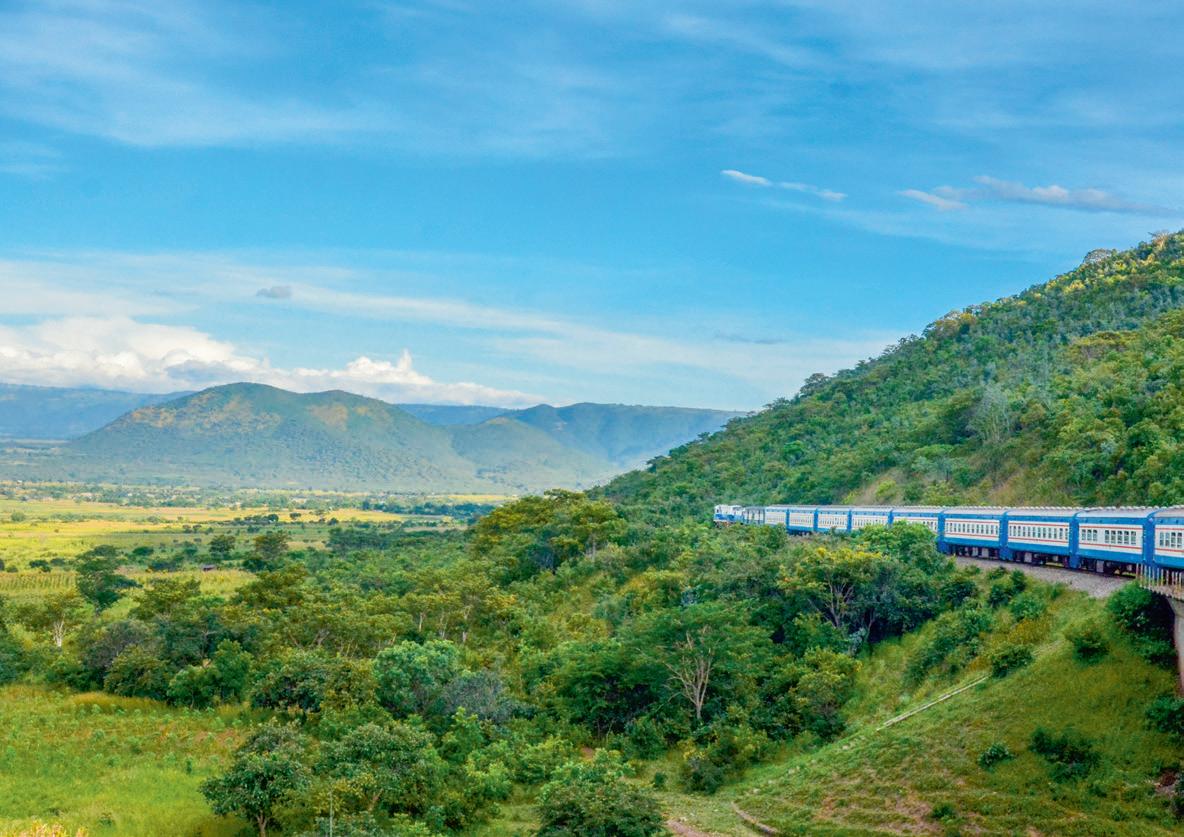
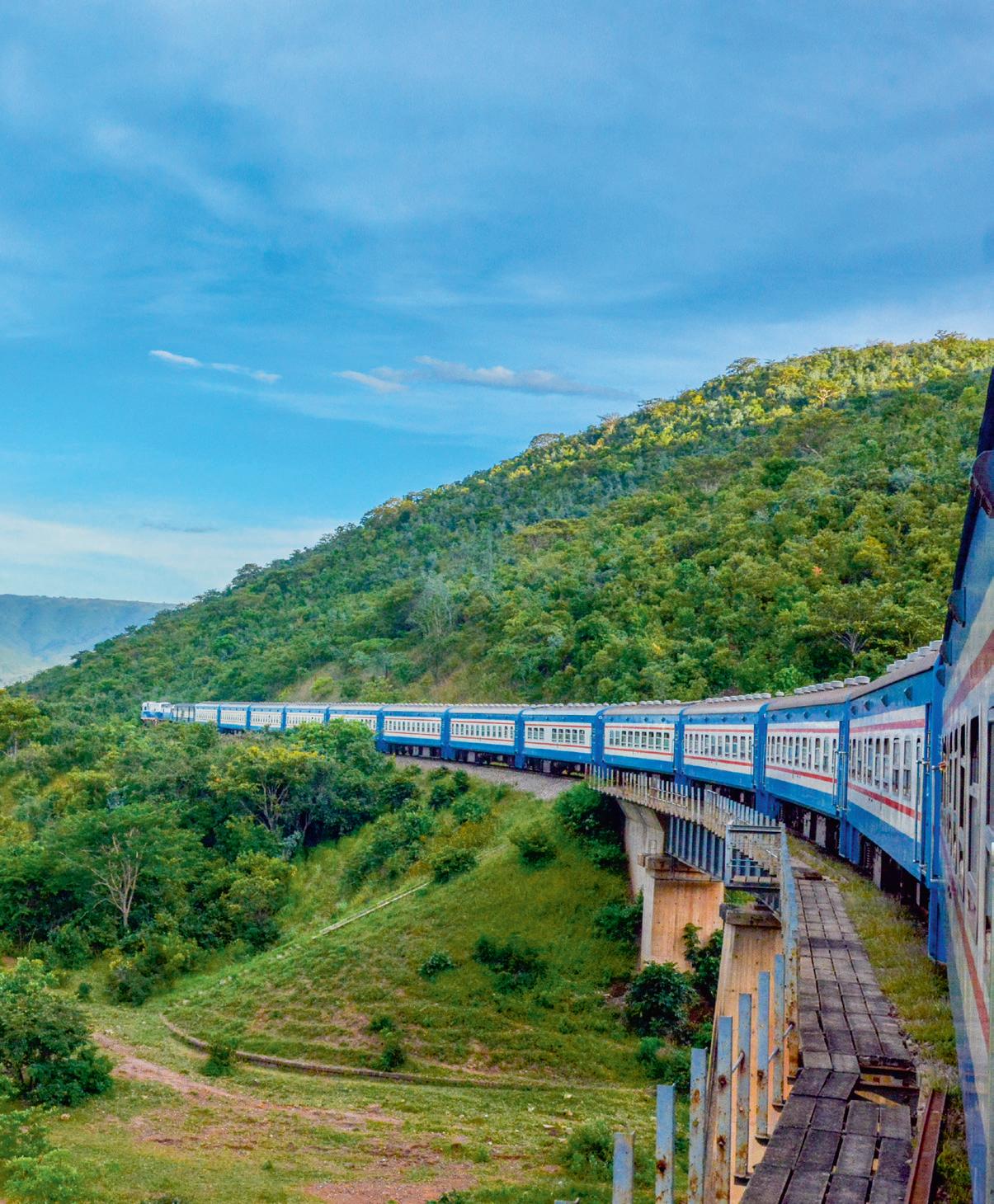
Stretching 1,860km from Dar es Salaam to Kapiri Mposhi in Zambia, the TAZARA railway was considered one of the greatest feats of African engineering on completion in 1976. Paa speaks to two of the driving forces behind ‘TAZARA Stories’, a featurelength film documentary that captures the human connection to this lifeline for locals.
In the mid-1960s when work began on the TAZARA Railway it was billed as The Great Uhuru (‘Freedom’) Railway – a bold partnership between two recently independent African countries, Tanzania and Zambia, that would bring economic liberation and self-reliance to each. Stretching from Dar es Salaam on Tanzania’s Indian Ocean coast to Kapiri Mposhi, the gateway to Zambia’s lucrative copper belt, the 1,860km railway gave landlocked Zambia a trade route
that bypassed white-settler-led Rhodesia (now Zimbabwe) and apartheid South Africa while helping turn the port city of Dar into an international gateway.
Beyond its geopolitical legacy, TAZARA’s most profound effect was on local communities along the cross-border route. The railway’s primary purpose was to move bulk goods like copper and timber, but its passenger-carrying trains helped transform previously remote rural areas into vital hubs for trade, culture, and community life. This

‘passenger belt’ includes a stretch in southern Tanzania between the fertile regions of Mbeya in the southern highlands and Mang’ula in the Kilombero Valley. Traders board the train in the river valley with hessian sacks of dried fish or rice to sell in the highlands to the west while on the journey back they carry baskets of onions, tomatoes and cabbages that are not grown in the valley’s wetlands.
In the 1990s, Professor Jamie Monson was often sharing a carriage with traders on this ‘town on the tracks’. A decade earlier the American academic had visited the Kilombero Valley as research for her PhD dissertation on the colonial history of agricultural and environmental change in the region. The
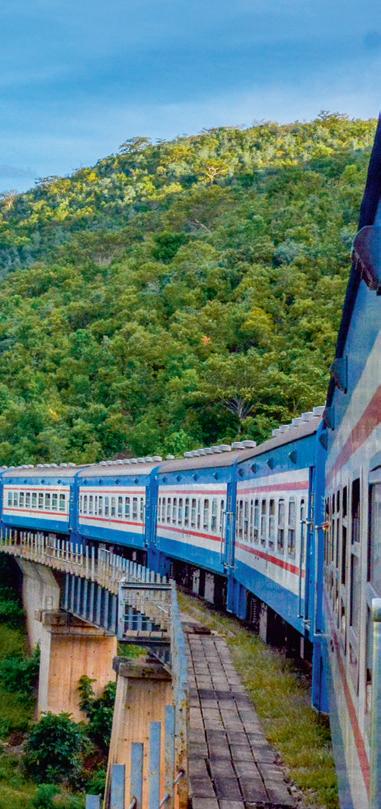
return visit was made in the hope of expanding the thesis into a book, but her frequent rail travel inspired a new direction.
“When I found myself riding the TAZARA line up and down the valley, I realized that the railway itself had brought more profound changes to the lives and livelihoods of people living in the valley than any other interventions I had studied,” Jamie tells me from the US where she is an Adjunct Professor of African History at Michigan State University. “I began to think about writing a history of the railway from a ‘bottom up’ perspective, with a focus on the lives of the people I had been living and learning from over the last years.
“Most histories of technology focus on the technology itself and

see the technology as the ‘agent’ of change. In my work I try to show the ways that users of technology don’t just passively use it, but shape and transform it. The changes in mobility and livelihoods weren’t just due to the train itself but to the ways human lives intersected and interacted with the train.”
Jamie had learned to speak Swahili as a Peace Corps volunteer working with women’s groups in Kenya’s Taita Hills in the early 1980s and continued to study the language during her graduate years. Her fluency enabled her to form close bonds with locals whose lives had entwined with TAZARA as traders, travellers, or as the first engineers, drivers and other railway specialists that formed what was known as the ‘TAZARA generation’.
After more than a decade of research, Jamie’s book, ‘Africa’s Freedom Railway’, was published
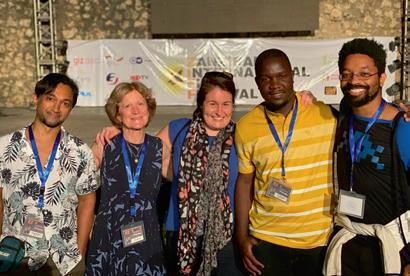
in 2009. A year later she was back riding the TAZARA and reacquainting with old friends, but this time with cameraman Ru Sheng capturing the interviews on film. Dipesh Shapriya, a Tanzanian filmmaker, editor, and writer who was tasked with editing the more than 100 hours of these field recordings into a 20-minute film, says Jamie’s familiarity to locals coupled with her Swahili skills meant the footage was revelatory.
“She had spent years building trust with workers and their families in Tanzania and Zambia. Many were elderly, but they shared their memories openly in ways they might not have for a traditional film crew,” he says. “This gave the film a depth and intimacy that’s rare in historical documentaries. For these people, TAZARA was transformative. They knew their stories needed to be captured before they were lost.”
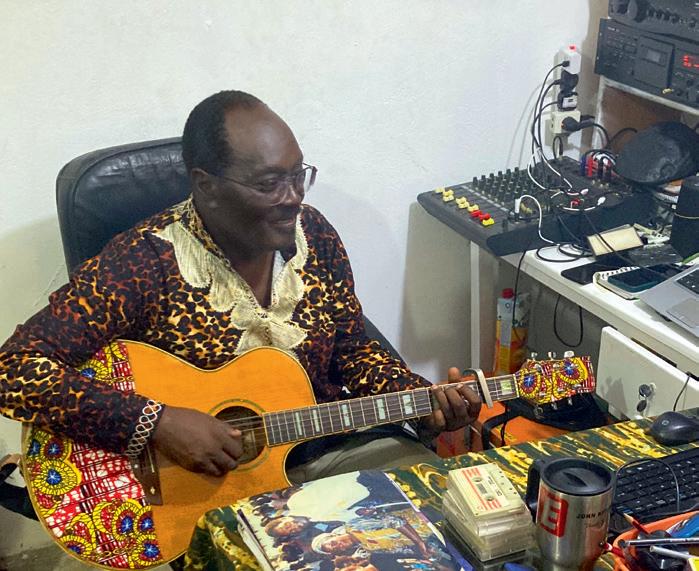
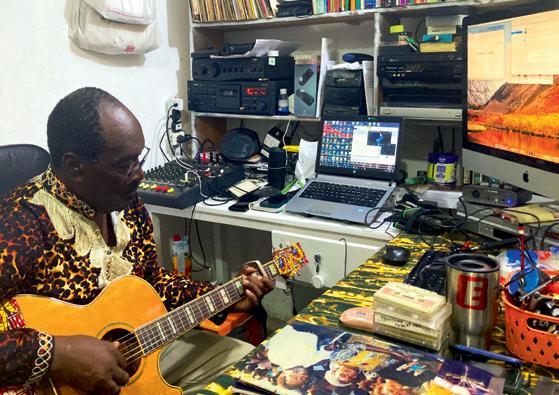
In the years to follow this short film was expanded into a feature-length documentary with additional video archive of the railway under construction and new interviews and scenes shot in Zambia’s TAZARA towns. To get the latter footage and deepen their research for the film, Jamie and Ru travelled the entire length of the railway from Dar to Kapiri Mposhi. “That was a very long trip,” Jamie remembers. The film’s final cut was prepared in the US with Dipesh part of an editing team that also included American Justin Leggs and German Aylin Basaran. The film also benefits from a evocative soundtrack composed by Tanzanian musician and archivist John Kitime. "He is a legendary guitar player and he created original music [influenced by] the 1970s and
also from the Southern Highlands region of Tanzania as well as from Zambia."
‘TAZARA Stories’ was released in 2021 and made the official selection of that year’s Zanzibar International Film Festival (ZIFF). At the time ZIFF’s director Martin Mhando praised the film’s “masterful storytelling and character-driven approach [that] invites viewers to reflect on the power of community and the shared human experience, making this film a significant contribution to documentary cinema”.
The film shares the human-focused approach of the book, beginning with the narrated line: ‘It’s people that make a train’. For Dipesh TAZARA Stories is an important oral history that preserves the voices of those that ensured the success of a hugely ambitious and influential project. “It’s hard to overstate how significant TAZARA was – it wasn’t just a railway; it was a symbol of independence, solidarity, and shared purpose. We wanted to preserve the human side of that achievement before it was lost to time.”
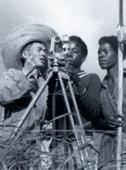
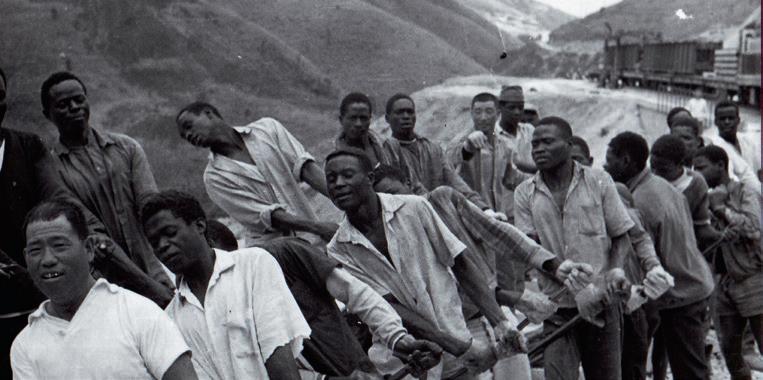
The film makes innovative use of rare or previously unseen archival footage, including clips shot on 16mm film by Chinese cameramen during the construction of the railway. Chinese involvement in the railway was fundamental with the country supplying vast quantities of equipment and sending more than 50,000 personnel to work with around 60,000 Tanzanians and Zambians on construction.
China is heavily invested in infrastructure and building projects across East Africa today, but TAZARA, as both Jamie and Dipesh point out, distinguished itself not
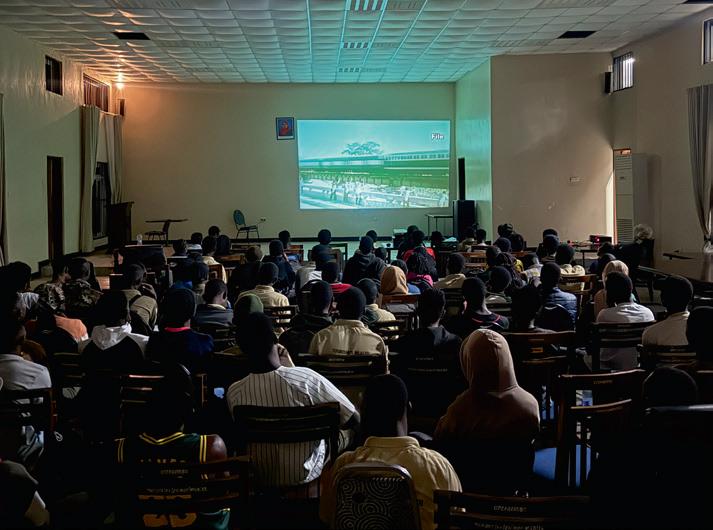
'We managed to show the film in the communities, creating cinemas at a soccer pitch, a school, a college classroom and in Mbeya train station''
only as the first such project, but also as one motivated more by political goals, including cultural exchange, than financial gain.
“The TAZARA project was an early example of Afro-Asian solidarity,” Jamie says. “There are many stories of friendship and connection, most of them from the workers who were engaged in the engineering workshops and other centres of training at Mang’ula in Tanzania and at Mpika in Zambia.”
Ships from the port of Guangzhou bought the Chinese workforce to Dar es Salaam. Most of them worked for two-year contracts, sometimes renewed, from the survey in 1968 to completion and handover in 1975-6. “[They] worked alongside Tanzanians and Zambians, learning languages and forming real bonds,” says Dipesh. “Today, it’s remembered as a rare example of
The film benefits from archive footage shot during construction of the railway

cooperation driven by friendship and ideals rather than profit.”
The cultural exchange was two-way with a select group of Tanzanians and Zambians sent to Beijing for advanced technical and engineering training. TAZARA Stories uses wonderful archive footage and human testimonies to bring this period to life. The African visitors turned heads in China, a country where Western embargoes and its own Cultural Revolution had left it isolated from much of the world. For many Chinese people it was the first time they had seen an African.
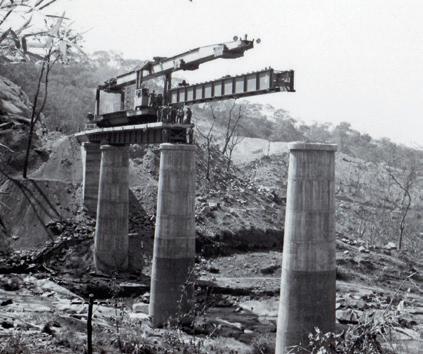
Chinese, Tanzanians, and Zambians worked and suffered together in building the railway. The film captures how ambitious and, on occasions, dangerous the project was. Lives were lost. A route had to be cleared through mountainous terrain, especially between Mlimba and Makambako in southern Tanzania where 18 tunnels and 46 bridges had to be constructed. Many of the bridges crossed rivers with the foundations having to be built underwater with significant human effort. Then there was the risk from
wild animals. The TAZARA route cuts through wildernesses such as the Selous Game Reserve (now the Nyerere National Park) where lions, elephants, and buffalo roam.
“There were many sacrifices,” Jamie says. “Some of the work was mechanized but mostly [it involved] a lot of hard human labour especially in building the bridges and blasting the tunnels. They worked day and night to get the job done. There was a lot of scepticism globally about whether the railway could even be built successfully in that difficult terrain. The workers remember this time with a lot of nostalgia – they were young men, and they feel that they were part of something that was changing the lives of their own communities and contributing to the larger nation.”
That sense of achievement is evident in Jamie’s interviews with the original TAZARA staff in the film. However, there is a bittersweet quality to TAZARA Stories that contrasts to the book that inspired it. The reason? The railway is still operating largely with its original tracks and trains. The film,
put together two decades after the research for the book, captures a time in TAZARA’s life when the detrimental effects of the ageing infrastructure and limited investment have brought serious challenges to the railway’s reliability.
faster as it has fewer stops – and the Kilimanjaro ‘Ordinary’ train are only reliable in as much as they are always late. To travel the length of the line now takes at least 50 hours.
The decline in the services hit home to Jamie when she was filming at Mlimba, a town in the foothills of the Udzungwa Mountains dependent on TAZARA for trade. “The train was delayed night after night, and we heard stories from many angry passengers who had goods that were perishable. Some were carrying mangoes that needed timely delivery to retain their quality. One woman had a bamboo cage of chickens that needed food and water after days of waiting. Those who had travelled on foot or by bicycle from far away villages had nowhere to stay so they slept on the platform or on the floor of the station. I just felt so sad and frustrated that the railway had let these people down.”
Slow-running trains, frequent breakdowns, and delays mean the TAZARA timetable holds little credence today. Both the Mukuba ‘Express’ – considered
Ironically, the inefficiencies of the railway came into play when a tour of pop-up screenings of TAZARA Stories was organised for communities in Mang’ula, Ifakara, and Mbeya where the majority of the film’s Tanzanian scenes were shot. The tour had initially been scheduled for 2021 after the ZIFF premiere, but the Covid-19 outbreak caused its cancellation. With 2025 marking the 50th anniversary of the launch of TAZARA, the tour was rescheduled with the intention that the screening team – Jamie and Dipesh among them –would travel by TAZARA to each venue.
“On the day of departure our train was delayed for so long that we had to take the new SGR train to Morogoro and travel onwards by bus,” Jamie says. “We still managed to show the film in the communities, creating cinemas at a soccer pitch, a school, a training college classroom and also in the Mbeya train station.”
It is not just the railway’s infrastructure that has suffered neglect. The film talks to original TAZARA staff members who are now approaching their later years without the financial support of a company pension despite decades of dedicated service. There are also interviews with current employees that have not been paid in months but continue to carry out their duties – whether servicing ailing engines or manning rundown rural stations – out of a mix of personal
pride and civic duty.
Jamie was touched by the sacrifices of people she had come to know a friends. “Going back to TAZARA to work on the film brought many emotions for me – the warmth of my connections with the people who had built and used TAZARA over the years, and their contributions to the railway and to the region over the course of their working lives. At the same time, there was a lot of frustration and anger about the decline of the train that they had worked so hard to build and operate. The workers were not being paid, and those who had retired were not receiving their pension benefits.”
“The railway still carries more than a million passengers every year,” says Dipesh. “The fact the railway still runs at all is a testament to local mechanics’ ingenuity.” The formative years of the railway saw the creation of a generation of skilled African technicians that have used and shared their expertise to battle the operational challenges that were to come. The staff may talk glowingly of the railway’s early years, but they have not given up on the present. “There was a lot of nostalgia for the years when things were running more smoothly, when the now elderly workers were seen as having
made a difference in the national development,” Jamie says. “Many of these elders encouraged me to record their stories for the film, to document both their successes in construction and operations in the past, as well as the decline of the operations in the present. They also wanted me to show that there have been hopeful moments as well, and efforts by workers and management to make things better. They didn’t want the film to be only a story of decline, but also a story of hope and the possibility of a brighter future.”
That brighter future could be close at hand. In late 2025 the Tanzanian and Zambian governments were reported to have signed a US$ 1.4 billion deal with China for a major revitalisation of TAZARA that will upgrade infrastructure and transform the line.
Dipesh holds out hope that the “modernisation can renew both

TAZARA’s functional role and its symbolic legacy”. Jamie believes the agreement “bodes well” but says it is important the upgrade will focus on passenger services as well as freight movement. “I do hope that the passenger train services will be greatly improved and become a treasured and supported asset for Tanzanians and Zambians,” she says. “It is the passenger train that makes such a huge difference for everyday lives and livelihoods, and it deserves ongoing support.”
While there is newfound excitement for the future, appreciating TAZARA means honouring its pioneers. This, as Dipesh points out, is what TAZARA Stories will always be there to do. “For the workers, TAZARA wasn’t just a job. It was a mission, a purpose, a contribution to something larger than themselves. It represented independence, pride, and proof that ordinary people can accomplish extraordinary things when they come together.”
Watch TAZARA Stories on YouTube here: https://tazarastories.com/
Africa’s Freedom Railway by Jamie Monson is available as an ebook or physical copy at https://qrs.ly/9vh820s
As well as being a vital conduit for local traders, the TAZARA passenger service is a unique tourism adventure for intrepid travellers. The route passes through vast swathes of Nyerere National Park, which is home to elephants, buffalo, and lions, plus it’s a stronghold for wild dogs. The railway also skirts the southern edge of Mikumi National Park as well as the fringes of the Udzungwa Mountains and Kazimzumbwi Forest.
TAZARA offers First Class (4-berth sleepers), Second Class (6-berth sleepers), and Super Seater (reclining seats) on its Express and Ordinary trains, with dining cars. As long as you are not on a tight schedule, a trip on the TAZARA is the ultimate slow safari. Tickets must be booked in advance. Visit https://www.TAZARAsite.com/tickets-and-reservations
Tanzanian musician and archivist John Kitime knew Marijani Rajabu from his days as the schoolboy star of STC Jazz Band to his pioneering bandleading role with the Dar es Salaam International Orchestra. He looks back at the life of a legendary musician and a friend.
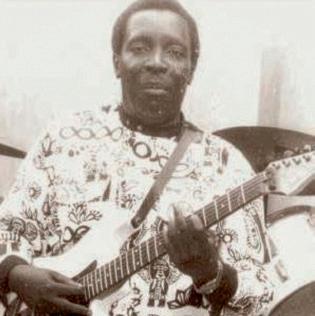
In 1972 I was a student at Iringa Teachers’ College, now known as Klerruu Teachers’ College. My roommate was fellow guitarist, Yusuph Mdee, the uncle of the famous singer Vanessa Mdee. We had received information that the STC Jazz Band had arrived in Iringa and the musicians were lodging at the Kilimanjaro guest house near the Tivoli cinema hall.
We had our own college band and were excited to meet our more famous comrades. Yusuph was already acquainted with one of the band’s musicians, Raphael Sabuni, whom

Marijani Rajabu
he had met in Arusha sometime before. We found the musicians sitting outside the guest house; they had a small record player in front of them, and they had just bought a new 45 record by the famous Congolese band, Vox Africa, led by the maestro Jeannot Bombenga. I even remember the song they were listening to, it was titled ‘Magui.’ That was when I met Marijani Rajabu for the first time. He was a slim young man who had not yet attained any fame. While listening to that song, I recall Marijani asking us all, “When will we ever learn to sing this well?” I believe he came to surpass that level.
The STC Jazz Band came to perform several shows in Iringa, upon the invitation of the Iringa branch of the State Trading Corporation (STC). STC was a public corporation that had stores in almost every region nationwide.
These stores distributed goods wholesale or retail as part of the government’s effort at that time to distribute products and sell them at fair prices to its citizens in line with the Ujamaa policy.
That evening, we sneaked out of college to listen to the STC Jazz
Band, which was performing at the Welfare Centre in the Kitanzini area. That is where I first heard Marijani Rajabu sing, performing the band’s hit songs such as ‘Shida’, ‘STC Tuko Hapa’ (‘STC is here’) and ‘Ilikuwa Usiku wa Manane’ (‘It was late at night’). But because I was then a budding guitarist, I was following closely what the lead guitarist Raphael Sabuni was doing. To date, I still remember the white trousers he was wearing and the colour of his guitar, an Egmond with a dark red body and white pickguard. At the time, I was in a phase of enjoying ‘Western’ songs. Before the STC Jazz

‘In those years, soul music from America had a big following among African urban teenagers’
Band entered into a contract with the State Trading Corporation, they were called The Jets and were very skilled at playing Western songs. That night, they played many of the songs that I loved such as ‘Direct Me’ by Otis Redding and ‘Hey Joe’ by The Jimi Hendrix Experience. I was ecstatic.
In those years, soul music from America had a big following among African urban teenagers. STC Jazz Band even had their own Zaramo soul song, ‘Muleme Muleme’, a song asking a woman to leave her boyfriend and the singer would buy her Khanga cloth.
The next morning my friends and I started rehearsing some of the songs we heard STC Jazz Band perform. In the following years, we met Marijani many times and became acquainted, especially when I was a musician with the TANCUT Almasi Orchestra of Iringa.
We regularly played at the in the Keko area of Dar es Salaam.
The

When the band struck up the opening notes of ‘Masikitiko’, a song composed by the late Kyanga Songa, Marijani would join us on stage. I think it was because this song had Manyema beats, and Marijani was from the Manyema tribe that has its roots in the DRC.
The last time I met Marijani was at the end of 1994. I met him outside his home in Dar’s Gerezani neighbourhood. At that time, I was also the Chairman of the Tanzanian Dance Music Association. Ma rijani had a small shop where he sold cassettes of his songs. We talked a lot about the music business. A few months later, on March 23, 1995, Marijani Rajabu passed away. Marijani began playing music while still a very young boy. When I first saw him perform in Iringa with the STC band he was still a teenage secondary school student. This situation caused problems for the
STC Jazz Band, which was owned by a public corporation. It was accused of employing a schoolboy who had started missing lessons because of music. He had to leave the band.
Marijani joined The Trippers, a band owned and run by David Mussa – a multi-instrumentalist who was, at the time, also working at a bank. The Trippers mostly performed cover songs, but Marijani’s arrival transformed the band and its music. They changed their name to the Safari Trippers started to compose and play their own songs.
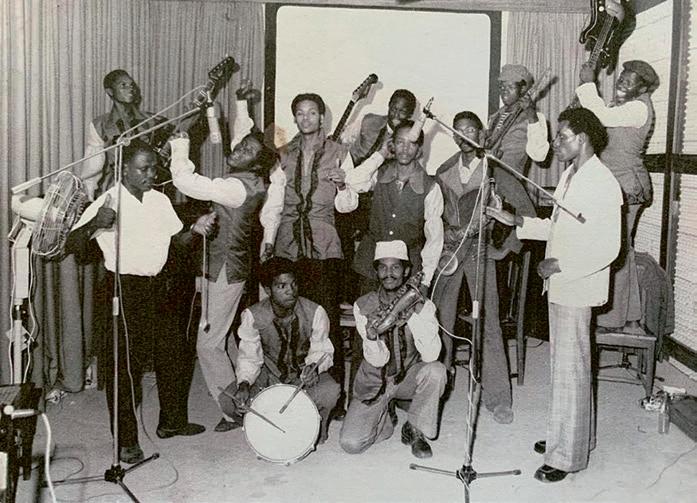
Marijani participated in composing or singing almost all of the songs, and played guitar on some of them. In 1976, Marijani and assorted other Safari Trippers musicians left the band and set up the Dar es Salaam International Orchestra, which was under the ownership of Mzee Zakaria Ndabemeye. The new band’s line-up included Abel Baltazar from



The new-look band pioneered the ‘Super Bomboka’ – a vibrant, popular dance music style that blended traditional Tanzanian rhythms with Congolese Soukous/ Rhumba influences. Musicians who were there at the time narrate that Marijani composed a song, ‘Kidudu Mtu’, that mocked Abel Balthazar; but the RTD censorship committee refused| to record it due to the song’s moral content.
Marijani was also known for nurturing budding musicians. In 1983, he discovered from Tanga a young man named Mkuu Waziri Kungugu Kitanda Milima, famously known as Fresh Jumbe. Marijani was so taken with his prodigy that he would let him lead the band while he rested at home. Besides
Fresh, other musicians discovered by Marijani include Tino Masinge, Mohamed Mwinyikondo, Juma Choka, and many others. Dar International broke up in 1987. Marijani continued making music and, for a short period, was the director of Kurugenzi Arusha Jazz Band. Later bands included Mwenge Jazz Band, Watafiti, which eventually became the group Tatunane. And Africulture Band. He also recorded with another great Tanzanian vocalist, Eddy Sheggy.
In 1987, Marijani Rajabu and Muhidin Maalim Gurumo led the 50-strong band Tanzania All Stars to compose songs for the celebrations of 10 years of political party Marijani’s songs are still being performed by many Tanzanian groups even today. May his soul rest in eternal peace.
This article first appeared in a longer version as a blog on the online archive of the John Kitime Music Museum. For more recollections and archives from Tanzania’s musical history, visit https://www.kitimemusicmuseum.co.tz
John also has his own radio show “dedicated to the golden sounds of East and Central Africa”. Go to https://onlineradiobox.com/tz/kitimezamazile/
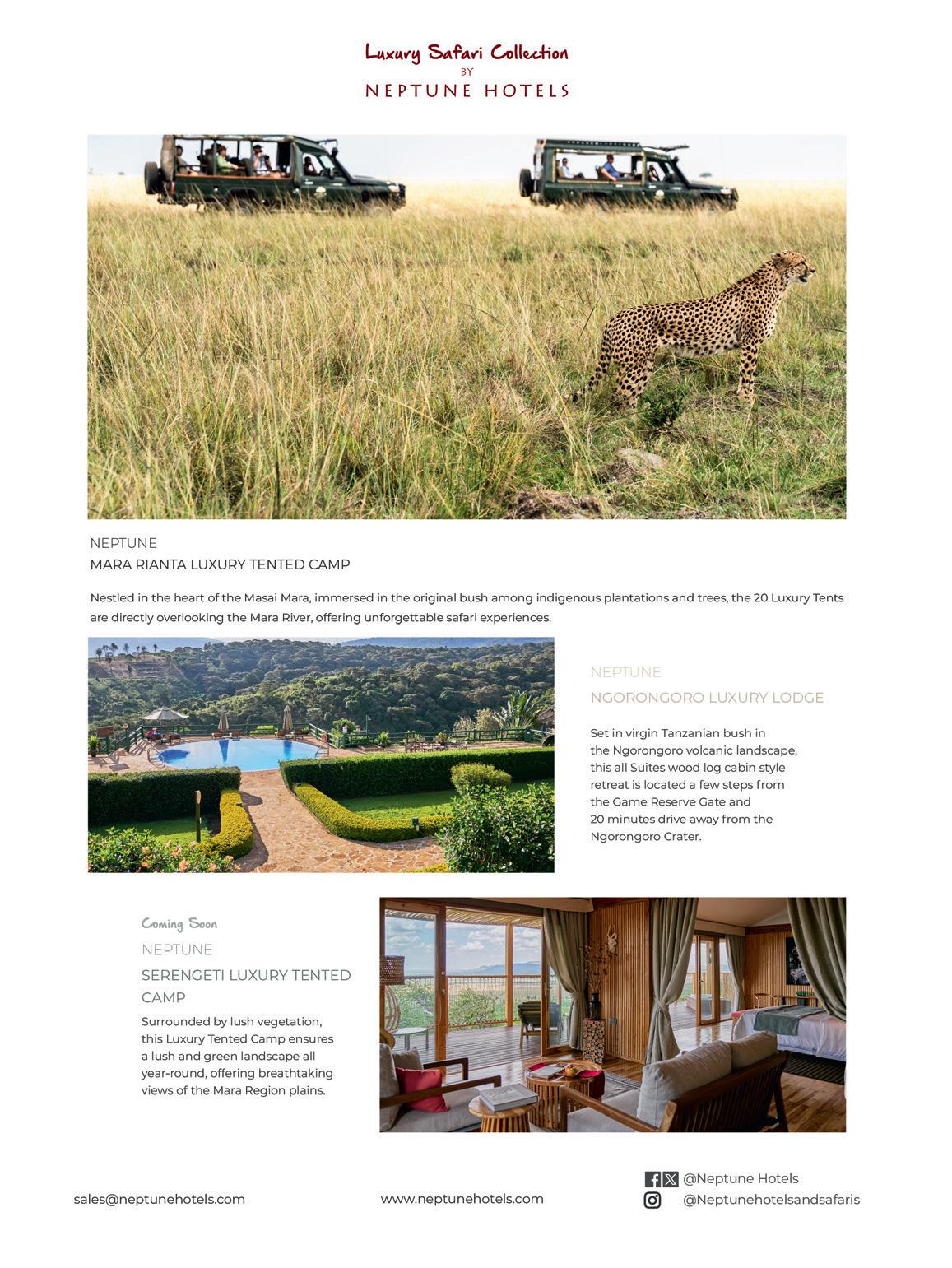
Tanzania is a safari dreamland, but with so many incredible parks, how do you choose?
Whether you’re chasing big cats, craving solitude, or yearning for a mix of beach and bush, here’s your ultimate guide to finding the perfect park for your travel style.
Where? Serengeti National Park
What? The Serengeti is Tanzania’s most iconic park, famous for its vast plains and the annual Great Migration. It’s a predator hotspot, with lions, leopards, and cheetahs all thriving here.
Why? If you want to witness nature’s drama –lions hunting, cheetahs sprinting,
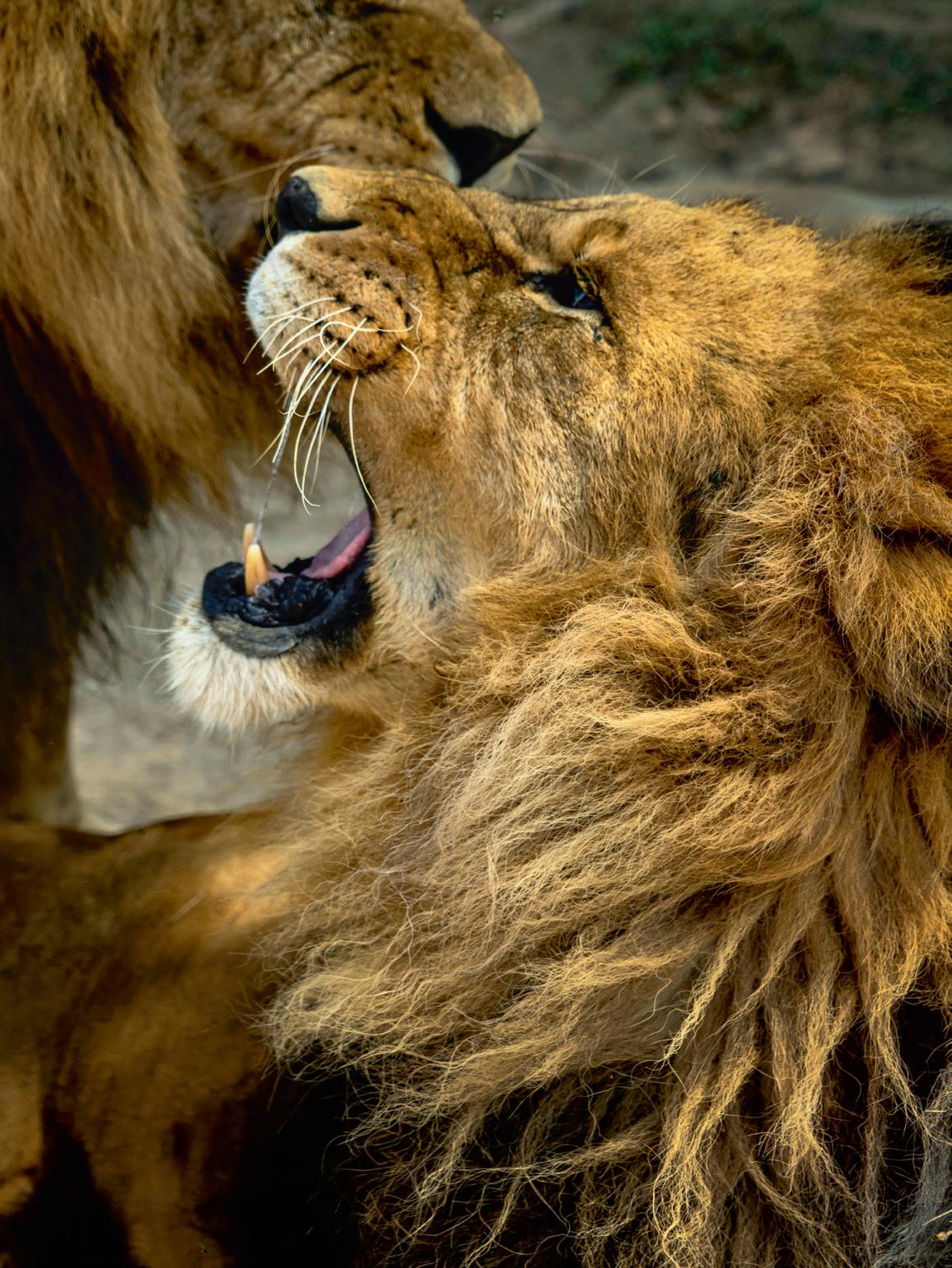
and leopards lounging in acacia trees – this is the place. The sheer abundance of wildlife means you’re never far from the action
Must-see: Time your visit for the Great Migration (June to October or December to March) to see thousands of wildebeest and zebras on the move, with big cats in close pursuit. Don’t miss the Seronera Valley for classic predator sightings.
Where? Lake Manyara National Park
What? Nestled at the base of the Rift Valley escarpment, Lake Manyara is a birdwatcher’s paradise, with over 400 species recorded.
Why? The park’s alkaline lake attracts huge flocks of flamingos, pelicans, and storks,
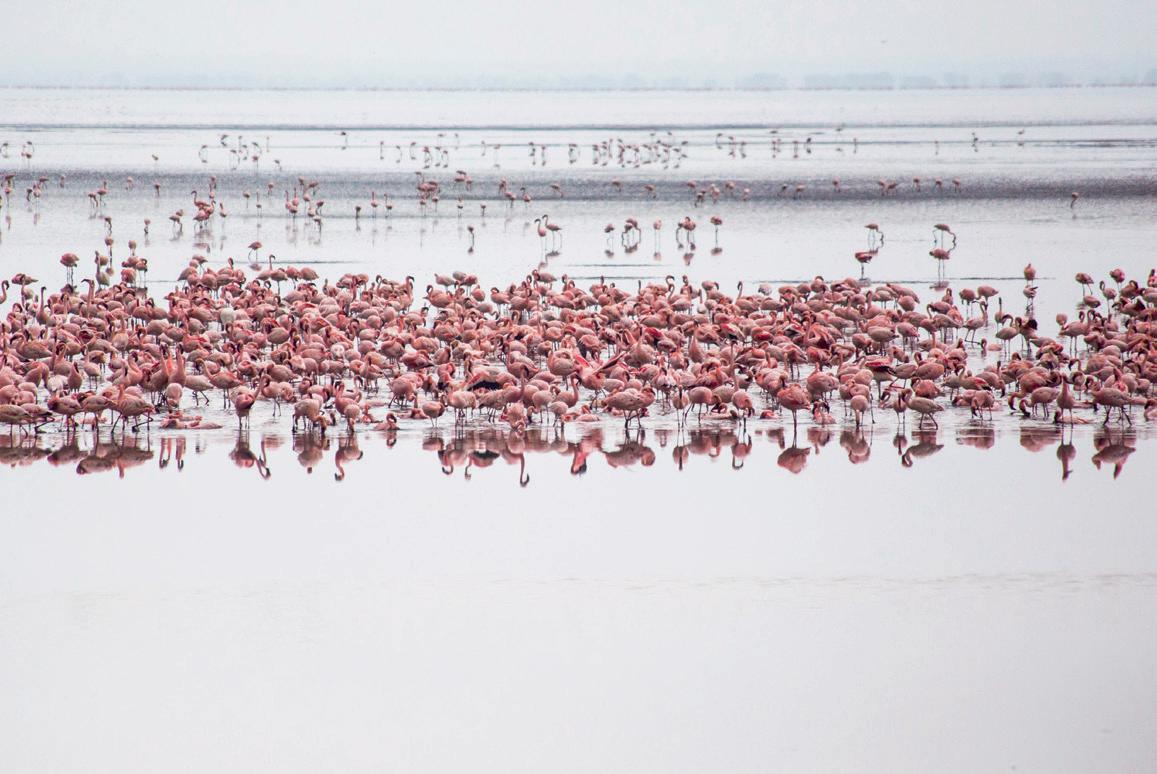
while the forests and woodlands are alive with hornbills, kingfishers, and bee-eaters.
Must-see: Visit the lake’s edge for a pink spectacle of flamingos and keep an eye out for the park’s famous tree-climbing lions and large troops of baboons.

Where? Ruaha National Park
What? Tanzania’s largest national park, Ruaha is wild, remote, and blissfully uncrowded.
Why? Ruaha’s rugged landscapes are home to massive elephant herds, rare antelope,
and a healthy population of big cats. With far fewer visitors than the northern parks, you’ll often have the wilderness all to yourself.
Must-see: Explore the Mwagusi River area for excellent game viewing, and don’t miss a sundowner overlooking the baobab-studded plains.
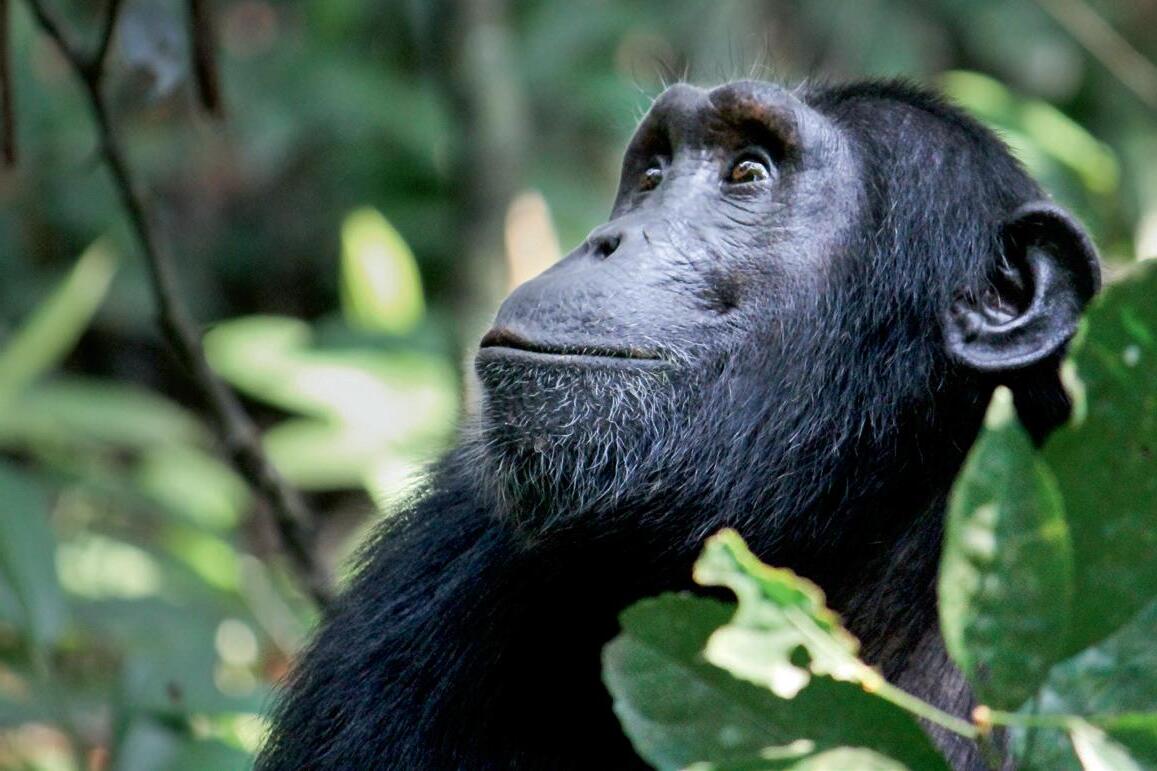
Where? Mahale Mountains National Park
What? Set on the shores of Lake Tanganyika, Mahale is a lush, mountainous park best known for its wild chimpanzee population.
Why? Trek through dense rainforest to observe chimpanzees in their natural habitat – a truly unforgettable experience. The park’s remote location means you’ll feel like a true explorer.
Must-see: Join a guided chimp trek, then cool off with a swim in the crystal-clear waters of Lake Tanganyika. The sunsets here are legendary.
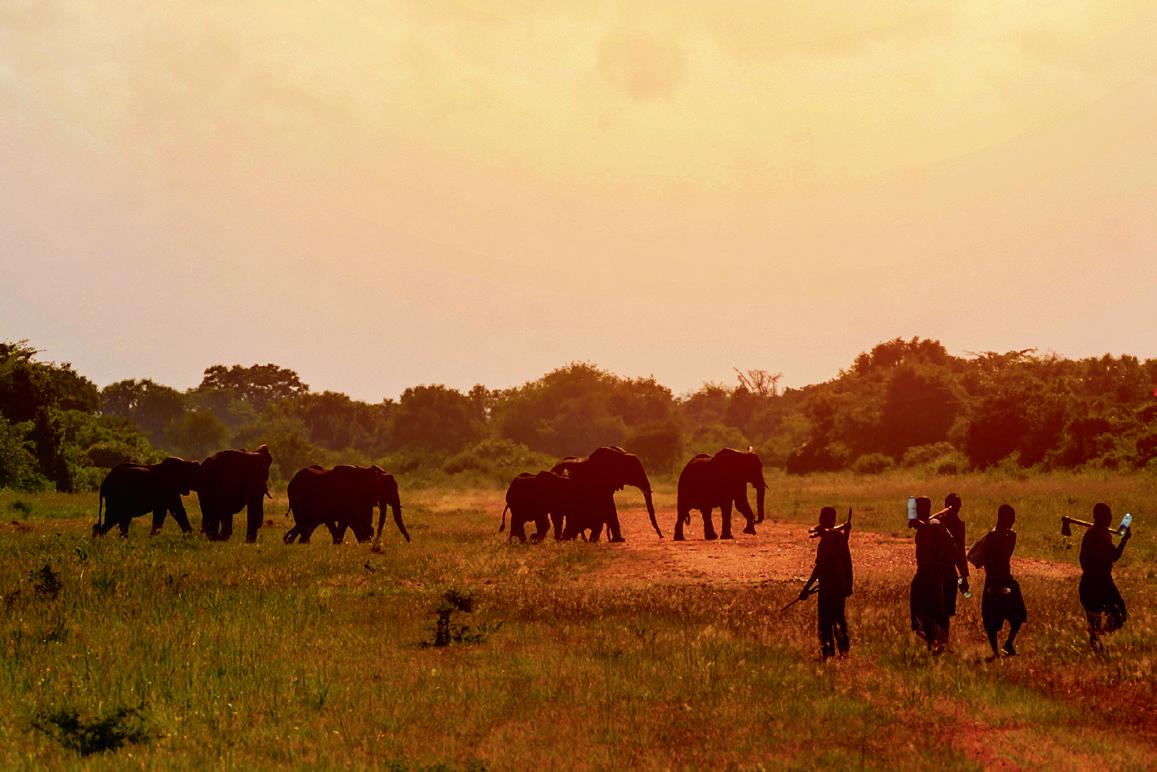
Where? Saadani National Park
What? The only park in East Africa where the bush meets the beach, Saadani offers a unique blend of wildlife and Indian Ocean coastline.
Why? Watch elephants and giraffes stroll
along the sand, then relax on a deserted beach. It’s the ultimate “two holidays in one” destination.
Must-see: Take a boat safari on the Wami River for hippos and crocs, then enjoy a beach picnic.
Amboseli’s legendary tusker
When I first heard the news that Craig, Amboseli’s legendary super tusker, had passed away I felt a pang of loss that surprised me. Amboseli has close to two thousand elephants roaming its plains but seeing Craig always felt like a talismanic moment. He stood large and patient, his ivory tusks nearly touching the earth, sometimes framed against the distant silhouette of Mount Kilimanjaro.
Photographers would hold their breath when they saw him and travelers would whisper. Craig had always seemed more than just another elephant but was a symbol of survival, a living testament to
what decades of protection and careful conservation could achieve. He carried a quiet dignity, unhurried even in the presence of humans.
I remembered vividly the early morning game drive during my stay at Angama Amboseli, when our goal was to find him among the herds. By bringing travellers into the heart of Amboseli with responsible safari experiences, Angama helps fund anti-poaching patrols, community outreach, and habitat protection programmes managed in partnership with the Kenya Wildlife Service (KWS) and local conservation initiatives. Every game drive, educational talk, or photography session at the lodge is also an
opportunity to raise awareness about the fragile population of super tuskers (rare, older male African elephants known for their exceptionally large tusks).
I woke before sunrise, eager to capture that golden light with the surreal backdrop of Mount Kilimanjaro. My guide from Angama Amboseli, Jeremy Lorinyo, had promised me sun after the previous night’s heavy downpour. But what truly elevated this experience was riding alongside Jay Supeyo, a conservation photographer and Angama’s resident lensman. Throughout the drive, Jay and Jeremy shared stories of Craig and being that I was also learning photography, they offered technical tips while reviewing my shots.
During that game drive at Kimana sanctuary, the awe of searching for him was entwined
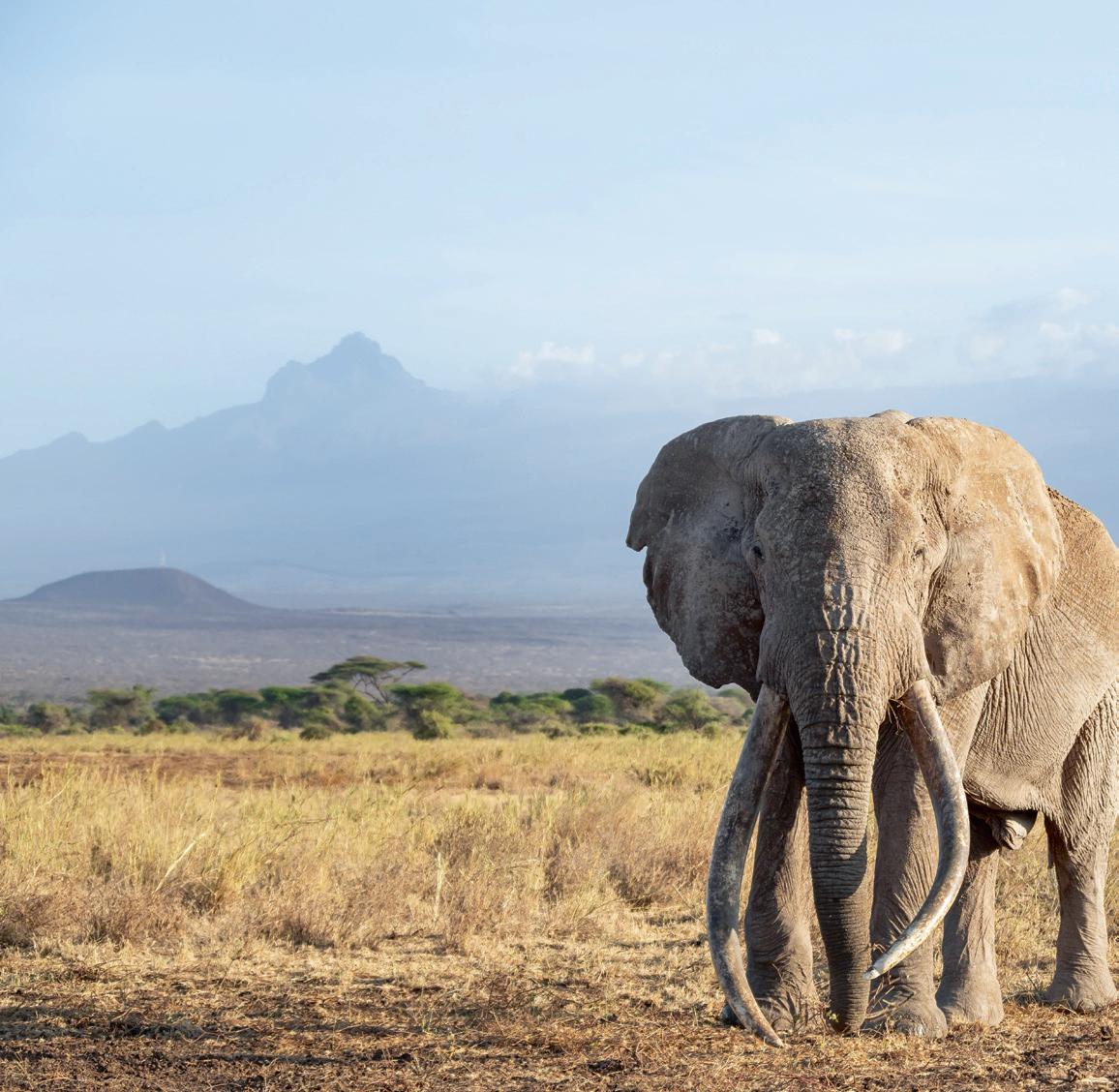
with the beauty of the park itself.
The Amboseli ecosystem stretches beneath the shadow of Kilimanjaro, its vast plains punctuated by swamps, acacias, and dusty tracks.
While we were enjoying a bush breakfast break, we were notified that Craig had been spotted. We set off immediately, but our vehicle was soon stuck in the muddy terrain. With assistance from the crew of another vehicle, we managed to get back on the road. Luckily, calm, patient Craig was still there when we arrived.
As we gazed in amazement, Jeremy whispered to me: “Tuskers are male elephants with exceptionally large tusks, typically weighing over 45 kilograms each. They are extremely rare, with only a handful left in the wild.”
He added that despite the fact that he has seen Craig many times, each new meeting was one to cherish.
Beyond their iconic status, tuskers play a vital role in ecosystems.
Their feeding habits help shape vegetation, create water pathways for other animals, and maintain the balance of habitats.
Craig’s story is inseparable from Amboseli itself. Born in January 1972 to the matriarch Cassandra of the CB elephant family, he grew into one of Africa’s few ‘super tuskers’. In a continent where ivory poaching decimated elephant populations, Craig’s longevity and survival were remarkable. His enormous tusks, once coveted by poachers, became emblems of conservation success rather than tragedy. Over decades, rangers, KWS, local communities, and conservation partners ensured his safety, enabling him to roam freely and live into his mid-50s – a rare feat for an elephant in the wild.
Craig’s death is significant because each super tusker represents not only genetic diversity but also a cultural and ecological legacy. With so few remaining, the loss of one tusker like Craig is a reminder that even the most well-protected giants are vulnerable,
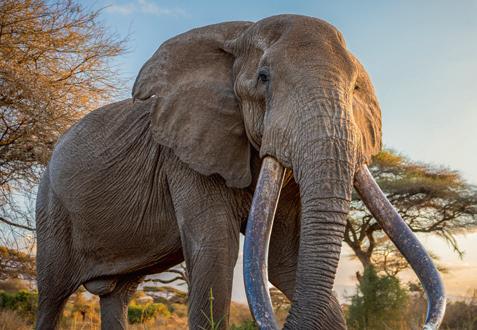
and every conservation success is also a call to continued vigilance and stewardship.
However, despite the fears, his life also stands as clear proof that concerted conservation achieves lasting outcomes. Craig sired several calves over the years, ensuring that his powerful genes and gentle temperament continue to shape elephant families within the Amboseli ecosystem. Additionally, Kenya’s elephant population has been growing, rising from around 36,280 in 2021 to over 42,070 in 2025, according to official estimates. These are not merely numbers but symbols of resilience in a world where ivory poaching once devastated elephant numbers.
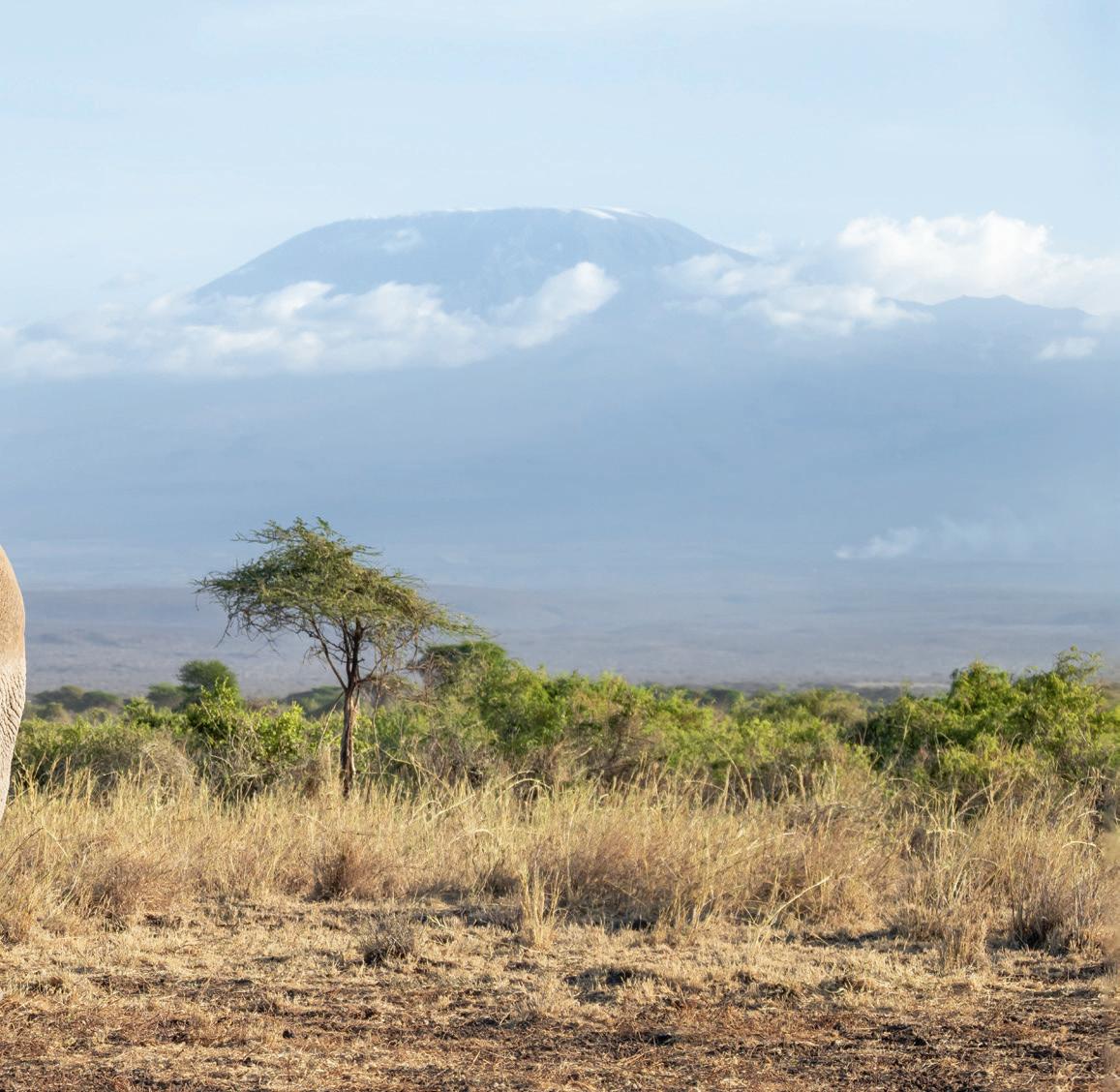
Amboseli National Park is a four-hour drive south from Precision Air destination Nairobi or three hours (plus the border crossing) from Arusha. Day trips are possible with a very early start, but an overnight stay near the park would make the experience less hectic.

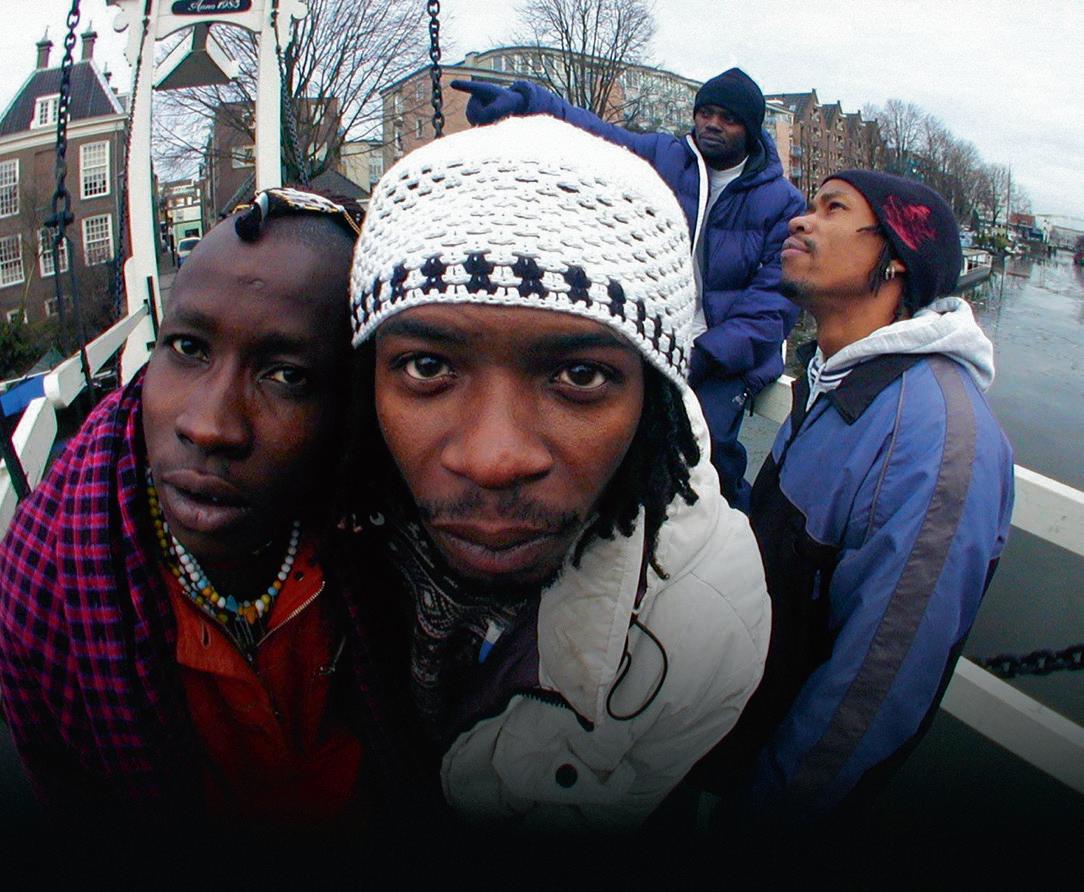
New documentary ‘This is GSan: The Untold Story of X-Plastaz and Maasai Hip-Hop’ pays tribute to the life and legacy of the pioneering Tanzanian rapper, who died in March 2025. Paa speaks to the film’s American director, Gordon Fischer, about why hip-hop is so popular in GSan’s hometown of Arusha and how the music continues to give voice to a new generation of artists in the city.
The annual BET (Black Entertainment Awards) celebrates African Americans in music. A highly anticipated section of the event is the ‘Cypher’ in which the year’s biggest hip-hop stars take turns to rap live over a beat. The 2009 performance is widely regarded as one of the most memorable in the event’s history. The stellar line-up included legends Eminem, Mos Def (Yasiin Bey),
and KRS-One, but it was the appearance of a handsome, charismatic Tanzanian freestyling (performing an improvised rap) in Swahili that was arguably the highlight.
The artist was GSan (real name Godsun Rutta) – an Arushaborn rapper who was one of the founding members of pioneering Tanzanian hip-hop collective X-Plastaz. The band had become hugely influential in their home
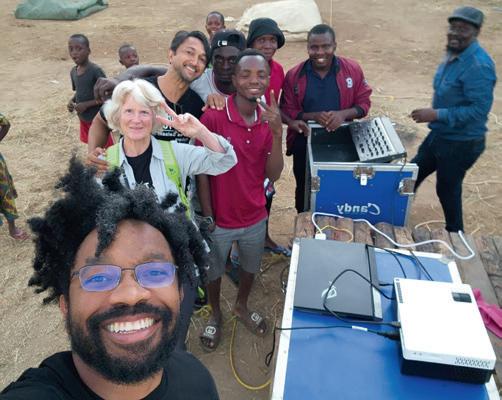
The film's director, Gordon Fischer

country, attracting a fervent following for their distinctive fusion of hardcore rap with traditional Maasai vocal styles and socially conscious lyrics. Their renown grew globally with tours across Europe and South America. They were also embraced by the US rap scene with GSan becoming the first Tanzanian rapper to be invited to the BET Cypher. GSan’s amazing musical journey is chronicled in a new feature-length documentary, ‘This is GSan: The Untold Story of X-Plastaz and Maasai Hip-Hop’. Sadly, the film was prompted by the untimely passing of GSan – he died from cancer in March last year in Chicago, USA, at the age of just 47.

The film’s director, Gordon Fischer, was given privileged access to GSan’s family – including younger siblings Diney and Steve who became part of X-Plastaz as pre-teens – as well as the wider Arusha hip-hop community. The result is a unique and intimate perspective of ‘A-Town’ – the name rap-loving locals have given the city. We see Arushans united in grief at the loss of a ‘soldier’ but also energised by plans to carry GSan’s legacy into the future.
Fischer’s access included being among those invited to receive GSan’s body when it was flown in from the US the ahead of his burial in Arusha. “When GSan passed, I began discussing the idea of a commemorative documentary with (prominent local hip-hop artists) JCB and Chaka, who were chairing the funeral ceremonies,” Fischer says. “They introduced me to GSan’s parents. Everyone blessed the idea and encouraged me to go ahead. The next night when I went to Kilimanjaro International Airport with JCB, Sugu and Chaka to receive GSan’s body from Chicago, I knew that it was my duty to make this documentary.”
Fischer, an American who first came to Tanzania in 2013, has gained respect from Arusha’s hip-hop inner circle since basing himself in the city over a year ago.
A life-long fan of hip-hop music – Fischer says his childhood was soundtracked by an iTunes library of over 20,000 songs, “most of them being old school New York rap” – he has gone on to embrace the culture and community beyond the music.
“After living in the Bronx – the birthplace of hip-hop culture – for years, Arusha attracted me as the home of hip-hop in Tanzania,” he says. “When I came here after college, I found a country that shared my understanding that hip hop is more than music – it’s a culture, a tribe, a religion.”
The New Yorker has learnt to speak – and rap – Swahili and says the mellifluous language lends itself to an MC’s flow. “Swahili is truly a beautiful language and there are thousands of incredibly talented MCs here in Arusha alone. There are also new slang words invented daily. The language itself is melodic sounding even in casual conversation, so when rapping over a beat, the flow comes naturally.” Fischer launched Metisha
Movement in 2020, a social enterprise and streetwear brand, that provides an outlet for Tanzanian creatives through elements of hip-hop culture such as street art, live concerts, fashion and studio recordings.
Diney attends to GSan’s hair ahead of a show on the
He says: “Thanks to my best friends like Scooby ‘Askari Wa Miguu’, JCB, Fekeche ‘Beat Kubwa’ and Sanaa Maisha, I’ve been welcomed into the music scene. After one year in Arusha Metisha Movement has a role as a cultural architect and respected figure in the game due to our series of open mics, live shows, murals and streetwear. It’s a huge honour to be here contributing to the Arusha hip-hop scene.”
As part of the scene, Fischer felt the shock waves that ran through it at the news of GSan’s death. “When GSan passed, the whole Tanzanian hip-hop community came together in mourning. As I began to learn more about the legacy of GSan and X-Plastaz, I realised their story is incredible.”

Arusha was integral to the music and identity of X-Plastaz. GSan and his older brother Faza Nelly (real name Nelson Chrizostom Rutta) started out rapping to entertain their friends and customers at the barber shop they ran in the city’s Kijenge neighbourhood. X-Plastaz
'When GSan died, Mama C [above] became the spiritual force that united the community around conscious remembrance'
This is GSan
was launched in 1996 with their Arushan roommate Ziggy-Lah the third founding member. While the trio were influenced by urban US rap they wanted to give their music a Tanzanian twist with Swahili lyrics and traditional instrumentation that acknowledged the country’s tribal heritage. When demand grew for their music and live concerts were organised, X-Plastaz did not just perform in Tanzania’s key cities, they also toured Arusha’s surrounding rural areas. Fans in these remote communities included Yamat Ole Meipuko (also known as Merege), a Maasai singer who joined the group in 1997. Merege’s traditional chanting would become key to the group’s unique ‘Maasai hip-hop’ style. X-Plastaz’s first single, ‘Bamiza’, became a big hit across Africa and was followed by many more successful releases that demonstrated the group’s lyrical skill in addressing societal issues and what it means to be young and African. “X-Plastaz were rapping about the reality of life in the streets, the struggle and the culture which is why I believe their message and music lives on today nearly 20 years after they stopped performing regularly,” says Fischer.
While the renown of X-Plastaz spread worldwide, the group never forgot their roots. As ‘This Is GSan’ reveals, the Rutta family are still closely linked to Arusha. Steve still lives in the city and the film captures both he and Diney recreating one of their X-Plastaz raps as adults. GSan’s parents also still call the city home. One of the film’s most powerful moments is at the funeral when the artist’s mother – who has had to bury two

of her sons, Faza Nelly was killed in 2006 when he tried to intervene in a neighbourhood dispute –addresses the camera to eloquently reveal amid evident grief how she always supported her sons’ musical aspirations and believes all parents should encourage their children to pursue their talents.
Knowing the importance of the project, Fischer put his heart and soul into ‘This Is GSan’. He has been making independently produced documentaries since he was a student at Colby College in Maine, in the US. “I gravitated to the art form of documentary after growing up making collages, learning how to take pictures in the streets of New York, and realizing that video storytelling would be essential in the age of smartphones and the internet.” Many of his films would focus on his triptych of passions:

basketball, social justice, and hip-hop. “Some of my best pieces include ‘Flags Are Merely Symbols’ (2014) about how history is taught in post-colonial Tanzania, and ‘This is G-House’ (2020) about a basketball team from Brooklyn,” he says.
Fischer employs a narrative structure that much like a hip-hop track ‘cuts and pastes’ interviews, archival footage, and music samples to piece together an affecting portrait of the Arusha music scene. “I approached editing the film like a producer, historian and philosopher making a memorial mixtape,” Fischer says. “One of the core elements of the documentary is a mural commissioned by Metisha Movement and painted by our graffiti artist Sanaa Maisha with assistance from MC Marangii. The painting of the mural is the symbolic backbone of the doc, a grounding motif we keep coming back to. As viewers’ understanding of the X-Plastaz legacy expands, the evolution and eventual completion of the mural mirrors that evolving awareness. By the end of the documentary, we are reviving their legacy and memorialising them to be remembered forever.”
Memories of GSan and X-Plastaz
‘Msimu kwa msimu’ – Maasai Hip Hop
Version One of their most notable and popular hits that showcases the band’s unique blend of traditional Maasai chanting with hip hop.
‘Nini dhambi kwa mwenye dhiki? A conscious rap song dedicated to the poor. The video was shot on the top of the Ol Doinyo Lengai volcano.
‘Dunia dudumizi’ A standout track that demonstrates the group’s lyrical skill in addressing societal issues with captivating rhythms.
‘Bamiza’ This was the group’s very first single and became a big hit across East Africa shortly after its release in 1998.
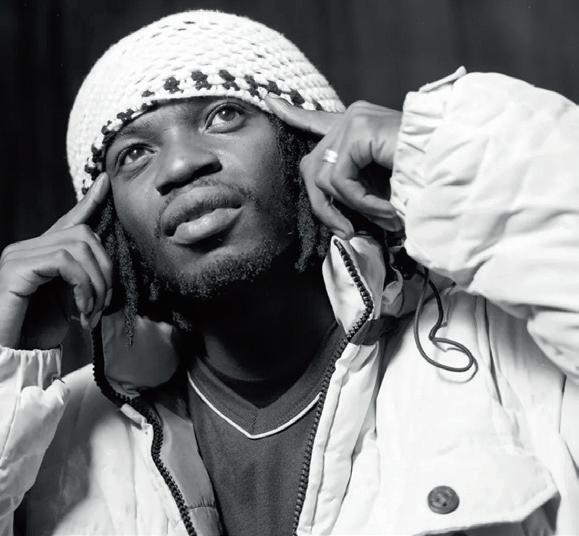
are also brought to life by some excellent archive footage, which was recorded during the band’s European tour by their then manager, Thomas Gesthuizen or J4. “It became a key foundation of the documentary,” says Fischer.
‘This Is GSan’ also explores the roots of the America-Arusha cultural cross-fertilisation. There are scenes of the Tanzanian city’s streets clogged with dala dala minibuses decorated with graffiti depicting US rap stars such as 2Pac and Fat Joe while Arushan MCs are interviewed on camera about the Stateside hip-hop albums and artists that inspired their musical journey. Arusha is also famous as the Tanzanian city that gave sanctuary to Black Panther power couple Pete and Charlotte O’Neal when they were forced to flee the US in the early 1970s. The couple have called A-Town home ever since and have built strong connections with the local music scene just as the Black Panther Party (BPP) served as a significant inspiration for early political hip-hop artists in America.
Charlotte O’Neal – now best known to Arushans as ‘Mama C’ – is a captivating presence in ‘This Is GSan’, seen performing
'Fischer hopes that his film raises awareness of the richness of the Arusha hip-hop scene'
her own music and as a figure of wisdom and dignity at the funeral. “I heard about the mythic legend of Mama C a decade ago, and this year I was fortunate to meet her at an event she was performing at with her band,” says Fischer. “We became friends and when GSan died, Mama C became the spiritual force that united the community around conscious and collective remembrance. It is a huge honour to unite with her here in East Africa, and I’m proud that the documentary also helps shine light on the legacy of the Black Panthers.”
Fischer’s presence continues the American connection, and his hope is that he can be the conduit for further hip-hop cultural exchange. “When I began seeing myself in Tanzania for the long term, I realized I’m naturally positioned as a bridge between
New York and Arusha, someone rooted in the culture who can help connect the two cities through our shared love of hip-hop. One of our upcoming goals is to host a concert in Arusha for New York legends and to organize a crew of Arusha MCs to perform in New York.”
Fischer hopes that his film raises awareness of the richness of the Arusha hip-hop scene and the foundational role played by GSan and X-Plastaz. Watch the film – it’s available to stream on YouTube by scanning the QR code on this page – and you’ll find plenty of reasons to visit the city beyond its renown as the gateway to wildlife adventures in Tanzania’s northern safari circuit. The city looks fantastic through Fischer’s lens – it is incredible he was working with just a smart phone – with the streets bathed in evening light as Mount Meru looms mistily in the background.
Music lovers will find plenty to do and listen to here. Fischer says the hip-hop scene in Arusha is thriving right now with Metisha Movement at the centre of the action. “We have our own studio with an in-house producer graffiti artist and photographer and videographer,” he says. “We have a dream of opening our own radio station, complete with podcasts, a magazine and online blog. There is so much talent here and Metisha Movement is a platform for organizing and collaborating. We host Open Mics and Live Shows almost every weekend so if you’re in Arusha, hit us up.”

How to watch ‘This Is GSan’ Stream for free on YouTube, scan the code or go to www.qrs.ly/uch6hxz
Abstract artist Elisa Zorzi
Elisa Zorzi – a lawyer by day and abstract artist by night – recently unveiled her latest collection of paintings, ‘Portals’, in Dar es Salaam. Ziada Abeid was there.

Smiles, loud chatter, and a perfectly displayed canvas bursting with colour, the kind that feels almost like a reflection of yourself.
That is exactly how Elisa Zorzi wanted audiences to feel when they entered the launch event for her latest solo exhibition, Portals, hosted by the Golden Tulip hotel in Dar es Salaam.
“Each painting is an opening point for the viewer to explore their inner world. It’s a journey inward,” she explains.
Her canvases, layered with acrylics, powdered textures, textiles, palm fibres, and mixed media, are not representational. They are emotional landscapes – invitations to feel rather than understand.
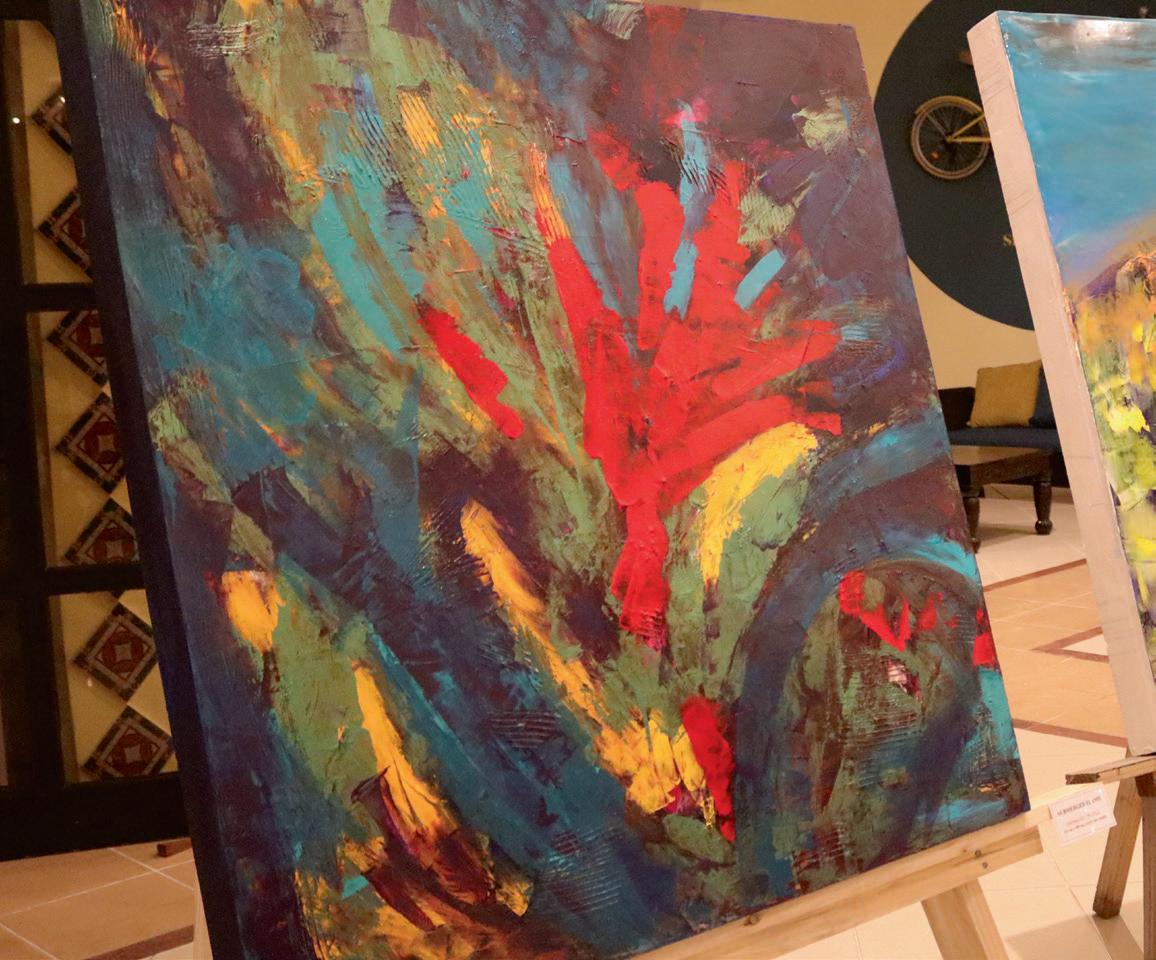
'As a lawyer, I have to follow the rules strictly. So, in the end, when I come home, I’m crazy,” she says with a laugh. “I need all my creativity, all my chaos, and all my rules. So, I enjoy. I come back from work, and I start painting… and on Sunday I paint a lot.'



When asked, “What do you expect someone to see when they look at your painting?” Elisa’s response is immediate: “I expect people to see a reflection of themselves.”
This is why the collection is called ‘Portals’. Not because she offers answers, but because she offers space. Her paintings do not instruct. They allow.
Elisa, the Italian-born, Brusselstrained lawyer now based in Dar es Salaam with the EU Delegation, spent two and a half years creating this body of work. “There are 19 pieces, and they are very big,” she
says. “If you consider that I work from 8.30am to 5.30pm every day, I have Saturdays, Sundays, and nights.”
“As a lawyer, I have to follow the rules strictly. So, in the end, when I come home, I’m crazy,” she says with a laugh. “I need all my creativity, all my chaos, and all my rules. So, I enjoy. I come back from work, and I start painting… and on Sunday I paint a lot.”
It is this duality, order and surrender, discipline and instinct, that shaped the Portals exhibition. To understand the depth of this work, you must understand the artist herself: a woman who paints not what she sees, but what she feels. Someone who treats art not as an object but as a threshold into the self.
Elisa has been painting since she was a young adult, transforming the walls of her home and those of friends into living canvases. Her philosophy is disarmingly simple: art is not something one merely looks at. Art is an experience. It’s a crossing.
Her pieces begin with a concept, often a philosophical one. Once the idea takes shape, she works intuitively with colour, which she calls “her impulse”.
“All my creations start with a philosophical concept; death, life, freedom... And then I look at all the philosophers who speak about that,” she explains. “Then I start with colour, grab onto the vision and start producing.”
Her influences – from Kant and Nietzsche to Pollock and Kandinsky – appear not in form, but in feeling. She paints with a brush, sometimes a knife, a
Abstract artist Elisa Zorzi
palette, her fingers, or stitched textures embedded into the canvas. Abstract work, she says, gives her room to breathe. “With abstracts, you can play a little bit more.”
Abstract art, for Elisa, is liberation from systems that demand rigidity. Having lived in Tanzania for five years, she says the country has offered her something deeper. “Tanzania brings me peace of mind… only Tanzania can give me these feelings.” The coastline, the atmosphere, the quiet sense of belonging, none of these directly shape her aesthetic, but they provide the inner stillness her work requires. “After five years, I feel at home.”
Law and art may seem like opposite worlds, but for Elisa, they feed one another. Her legal career requires structure, precision, and diplomacy. Her artistic life demands instinct, emotion, and release. The tension between these two identities is where her creativity thrives.
The 2025 collection, Portals, is an invitation to pause, breathe, and step into yourself, even if just for a moment. And as you stand before each canvas, the experience becomes personal, intimate, and entirely your own. Because in Elisa’s world, a painting is never just an image. It is a portal... and the only way to understand it is to walk through it.
Find out more
To explore the full collection of Elisa’s work, visit her website. https://www.zorziart.com/



Paa cookery columnist Monalisa Rwechungura shows you how to make moist muffins to rival any bakery.
Muffins are a favourite of mine at any time of year. They’re quick and easy to make and are incredibly versatile with a wide array of flavours. When it comes to my favourite muffin, it would have to blueberry. Nothing compares to this classic, and this recipe guarantees muffins that are moist, sweet, and bursting with fruity flavour.
Everyone appreciates a fresh batch of muffins, and they taste a treat as breakfast or a snack and in some cases, a dessert. This easy recipe yields a dozen of the softest, fluffiest, most deliciously buttery blueberry muffins. They rival any bakery muffin but come together quickly in your own kitchen. Follow me for fresh, warm blueberry muffins in under an hour.
Prep time: 15 minutes
Cook Time: 25 minutes
Total Time: 40 minutes
Servings: 12 muffins

• 1 tablespoon lemon zest
• 150 grammes sugar
• 60 grammes unsalted butter
• 2 eggs
• 240 ml milk
• 1 teaspoon vanilla
• 250 grammes all-purpose flour
• 1 tablespoon baking powder
• 1 pinch salt
• 250 grammes blueberries
• Mix all wet ingredients together in a clean bowl.
• Mix all dry ingredients in a separate bowl
• Combine the dry and wet ingredients until a thick batter is achieved
• Fold the blueberries into the batter
• Pour equal portions of the batter into a muffin tin
• Coat the blueberries with a tablespoon of all-purpose flour or corn starch
• Bake at 200°C for 25 minutes.


Tanzania’s Freshpack Technologies has emerged as one of the five finalists for the prestigious Milken-Motsepe Prize in AI and Manufacturing, a US$1million award recognising breakthrough innovations that accelerate Africa’s industrial growth. Team leader Editha Mshiu explains how its pioneering work in AI-powered cold storage is transforming how fresh produce from smallholder farms is preserved and transported across East Africa

At the heart of Freshpack’s mission is a critical challenge: “We are solving the lack of affordable, energy-efficient cold-storage manufacturing for fresh produce in Africa,” explains team leader Editha Mshiu. “Today, 40 per cent of vegetables spoil before reaching consumers because existing storage technologies are too expensive, require electricity, or are not built for informal markets.” This loss hits micro-manufacturers and small vendors – especially women –hard, eroding incomes, weakening food security, and deepening poverty. “Climate change and rising temperatures are making traditional cold-chain systems even

less reliable and more costly, widening the gap,” Mshiu adds.
The Milken-Motsepe Prize in AI and Manufacturing provides “a global platform and network for future-forward entrepreneurs and social impact companies,” according to Emily Musil, a managing director at Milken Institute Strategic Philanthropy, where she leads the Environmental and Social Innovation portfolio. “By focusing on AI and manufacturing, this award identifies and supports visionary teams transforming industry with advanced technologies, which has a multiplying effect by creating economic opportunity for communities across Africa,” she says. Freshpack’s solution stands
out for its use of artificial intelligence and innovative materials. “We use AI to optimise cooling automatically based on crop type, temperature, and humidity – something traditional storage systems cannot do,” says Mshiu. The units are built from bio-inspired smart materials that cool naturally and require no electricity, making them affordable for off-grid communities. “Unlike conventional cold rooms or fridges, our manufacturing process is low-cost, lightweight, and portable, designed specifically for small vendors and farmers,” Mshiu notes.
AI also plays a predictive role: “AI helps us predict spoilage patterns, guiding users on how
long each vegetable can stay fresh and how to store it best. Overall, we deliver smart, data-driven cooling at a price point and energy level that no existing technology offers in emerging markets,” Mshiu explains.
The company’s traction is impressive. “We have generated US$1.25 million in cumulative revenue by 2025, showing strong market demand,” Mshiu reports. “We have deployed 21,400 Freshpack units across Kenya, Uganda, Tanzania, and Rwanda, making us one of the fastest-scaling storage solutions in the region.” The impact is tangible: “Our technology has helped users reduce vegetable spoilage by up to 30%, directly increasing income for farmers and vendors.” Freshpack’s team of 45 employees, the majority women, underscores its commitment to inclusive manufacturing and job creation. “Our cross-country traction demonstrates both scalability and real-world impact in diverse markets,” Mshiu observes.
Introducing a new technology to informal markets is never easy.
“Our biggest challenge has been market penetration, especially convincing small vendors and farmers to adopt a new type of cooling technology they have never seen before,” Mshiu recalls. “Many users were initially hesitant because they were used to traditional storage methods and needed proof that a non-electric, AI-enhanced solution could really work.” To
build trust, Freshpack launched community-based demonstrations, allowing vendors to test the units in real markets and see the spoilage reduction for themselves. “We partnered with local cooperatives, horticulture associations, and NGOs to build trust and expand awareness faster. As a result, adoption increased significantly, leading to 21,400 deployments across four countries and strong word-ofmouth growth,” Mshiu says.
Winning the Milken-Motsepe Prize would be a game-changer for Freshpack. “Winning will give us the capital and credibility needed to scale rapidly into new African markets,” Mshiu explains. “The funding will help us expand our manufacturing capacity, allowing us to produce more units at a lower cost. The visibility and validation from the Milken-Motsepe Prize will open doors to new distributors, government partners, and large buyers across the continent.”
The company’s ambitions extend beyond East Africa: “It will accelerate our plans to expand beyond East Africa and enter West and Southern Africa, where post-harvest losses are equally high. Overall, it will position us to become Africa’s leading AI-driven cold-chain manufacturing solution, reaching millions more farmers and vendors,” Mshiu says.
Freshpack’s technology roadmap is ambitious. “We plan to expand production by integrating semi-automated manufacturing lines and increasing monthly output to meet growing demand across Africa,” Mshiu says. The next generation
‘It will accelerate our plans to expand beyond East Africa and enter West and Southern Africa…’
of its AI engine will deliver real-time freshness prediction, personalised storage guidance, and digital shelf-life tracking for each crop type. “We’re also deploying solar-powered display and storage units to support small vendors and markets needing low-cost
BleagLee, Cameroon: Uses AI and specialised software to identify, collect, and recycle plastic, e-waste, and agricultural waste into high-value materials, including polymers, 3D printing filaments, and bio-carbon. Visit www.bleaglee.org/

DIGITECH OASIS LTD, UNITED KINGDOM / GLOBAL: Develops advanced AI and robotics systems that automate warehouse and fulfilment operations, bridging industrial automation and modern logistics. Visit www.digitechoasis.net/
FRESHPACK TECHNOLOGIES, TANZANIA: Provides AI-powered cold-storage and food-preservation systems designed to reduce food waste, especially within Africa’s informal and rural markets. Visit www.freshpacktechnologies.com/
cold display solutions,” Mshiu adds.
A digital platform is on the horizon: “We’ll launch the Freshpack mobile platform where users can track storage performance, receive AI advisories, and access a vegetable-temperature database.” Regional expansion is also key: “We aim to establish local manufacturing or assembly partnerships in West and Southern Africa, reducing logistics costs and accelerating distribution. And we’ll continue developing our AI-enhanced cold carrier for transporting vegetables between regions, designed for off-grid, long-distance supply chains,” Mshiu says.

SPIRO, UNITED ARAB EMIRATES: Designs and manufactures accessible, affordable electric mobility solutions that can scale across African markets, supporting cleaner transport and job creation. Visit: www.spironet.com/
TOTO SAFI LTD, RWANDA: A circular textile manufacturing platform enabling women-led cooperatives to produce reusable hygiene products, such as period pants and diapers, integrating AI, manufacturing, and social impact, demonstrating the potential for positive change.
Visit www.totosafi.com/
For more information about the finalists and the Milken-Motsepe Innovation Prize Program, visit www.milkenmotsepeprize.org/
Unseen Nairobi, Kenya’s first independent cinema, looks beyond the blockbusters for its carefully curated film choices. Paa finds about more about the films, food, and community on offer at this cinematic sanctuary in the capital.

There are few clues from ground level, but on the top-floor of an eight-storey office block in Nairobi’s bustling Kilimani neighbourhood you’ll find a 50-seater cinema showing some of the best films you may never have heard of.
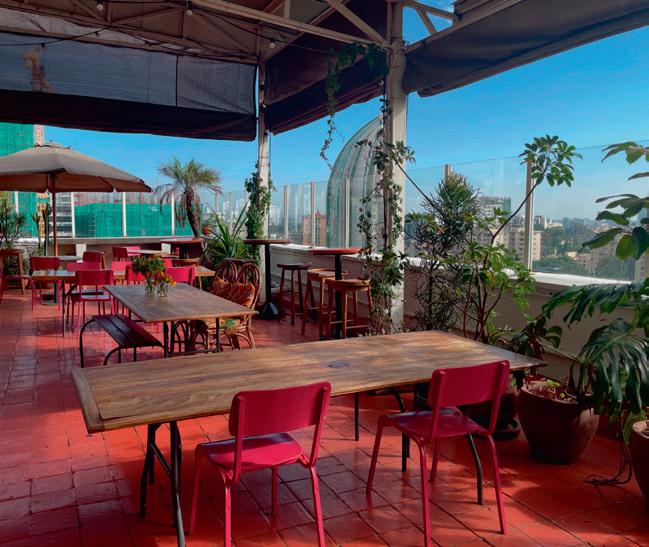
Launched in 2021, as Kenya’s first independent cinema, Unseen Nairobi has gone on to foster a creative community in the capital through its diverse and thought-provoking film programming and special events. Film lovers can come here to escape the city bustle, turn their phones off for a couple of hours and lose themselves in the magic of cinema. There is also the opportunity to combine a movie with
a meal by dining at the venue’s Rooftop bar and restaurant that enjoys wonderful views over Nairobi’s urban core.
The Kenyan capital has more than 10 multiplex cinemas, two of which offer giant Imax screens and surround sound, but the choice of films between them is a dwindling slate of global blockbuster releases.
Films that resonate
Co-founder and creative director at Unseen Nairobi Naomi O’Callaghan says the cinema’s success reflects a growing desire among Kenyans to watch films that resonate with their realities. “We prioritise new Kenyan and East African.
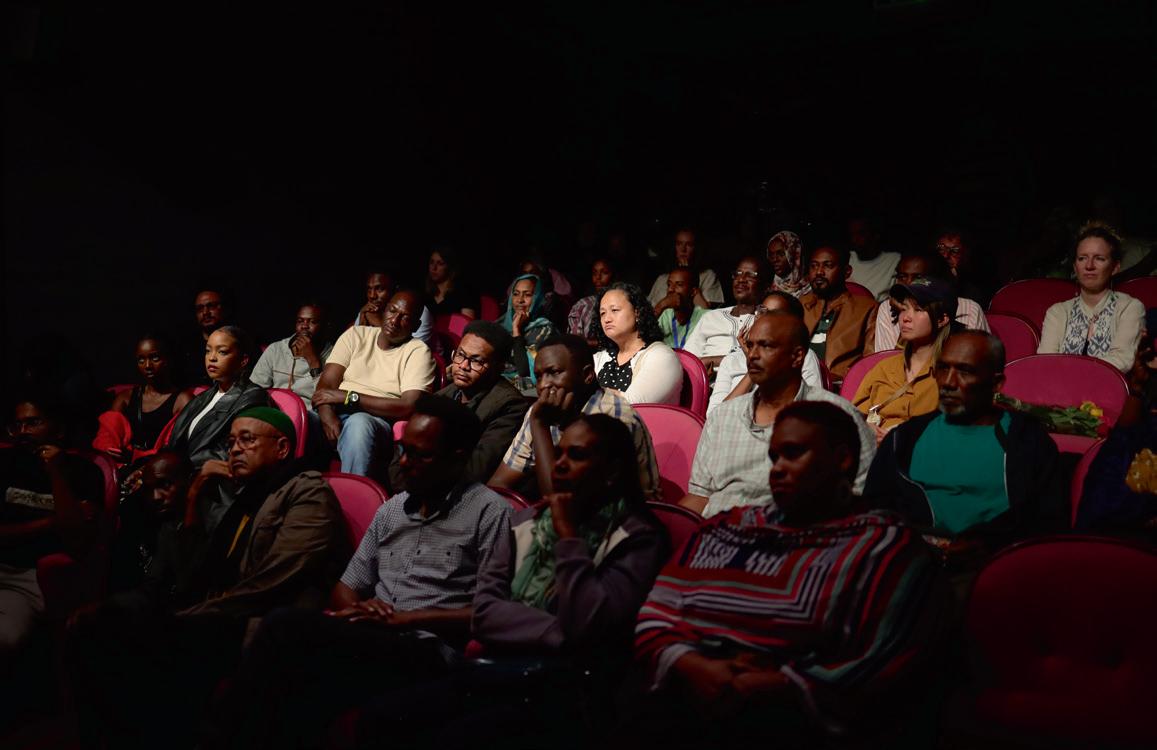
“The multiplex cinemas are not screening enough Kenyan, East African or even African films, but there is a demand for them.
“We mostly screen films from the past two years and preferably new releases. The curation is mostly done by the cinema’s directors, but we do have guest curators for specific events or film festivals.”
Recent screenings include acclaimed new Kenyan documentaries ‘How to Build a Library’, which chronicles the restoration of Nairobi’s historic McMillan Library, and ‘The People Shall’ – a cinematic homage to the country’s Gen Z-led protests.
This February presents more opportunities to see the powerful Sudanese documentary ‘Khartoum’, which made a strong impact when first screened at last year’s Nairobi Film Festival with Unseen Nairobi among the 10-day event’s screening venues.
Asked to pick a few of her favourites, Naomi says it is an almost impossible task as there are “so many”, but gives special
mention to another Kenyan doc ‘Battle For Laikipia’, which, she says, had a “huge impact” when screened, as well as ‘Soundtrack to a Coup d’Etat’, an inventive documentary which explores the link between US jazz and geopolitical machinations surrounding control of the Democratic Republic of the Congo in the 1950s and 1960s.
Naomi also highlights the week-long Aflam-Sudan (Sudan Film Festival) that Unseen Nairobi hosted in 2024 with films including the award-winning drama ‘Goodbye Julia’.
The cinema hosts two screenings every day except Wednesday when it is closed for private hire. Sundays start from 10am with children’s film club Mini Mornings that creates a cosy, kid-friendly environment with soft lighting and lowered volumes for animated films such as Kenyan series ‘Uli & Tata’.
Every fourth Sunday the breadth of programming at Unseen Nairobi
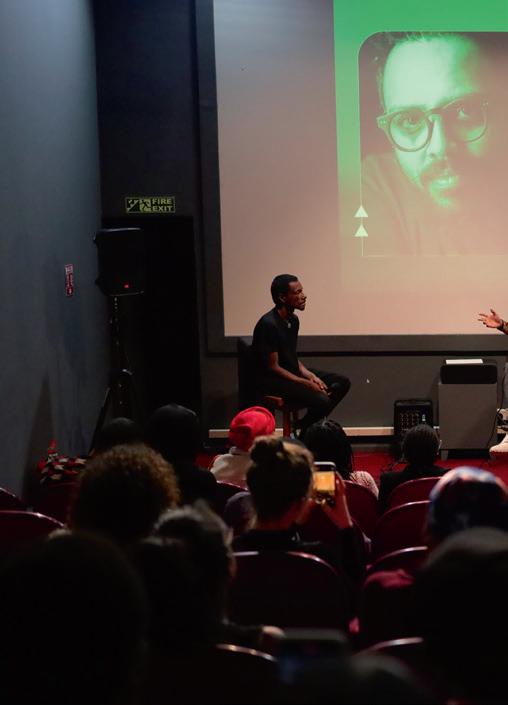
As well as film screenings, Unseen Nairobi hosts talks and interviews that immerse its community in film and filmmakers
widens even further with Unseen Gems, a film club that introduces audiences to rare releases and cult classics from around the world.

Recent screenings range from the 2020 Ivorian prison drama ‘Night of the Kings’ to American silent classic ‘Within Our Gates’ released a century earlier and believed to be the oldest surviving film by a black director. The club is run by Unseen Nairobi in collaboration with Matthew Daintrey-Hall, a British film lecturer and novelist now based in Nairobi.
Weeks ahead of each screening he selects three films around a chosen theme and posts the shortlist on the Unseen Gems Instagram page. The film with the most online votes from followers is the one screened. The interactive element to the club continues once the screening is over with Matthew leading a discussion in which
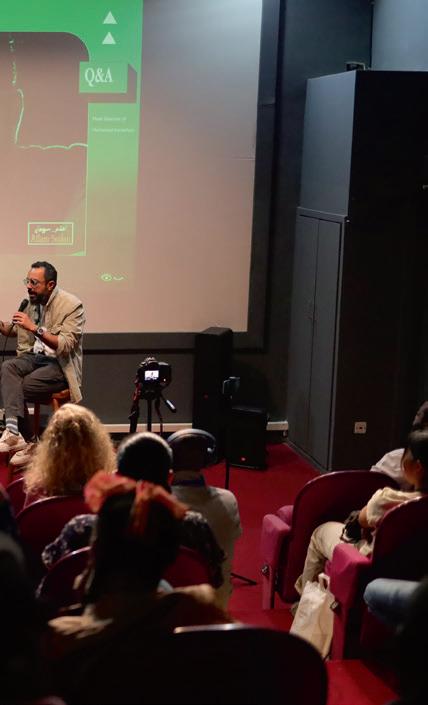
audience members can share their reactions to the film.
The club is an excellent way to build your cinema knowledge, which you can then put to the test at Unseen Nairobi’s regular quiz nights held at the Rooftop and led by actor and filmmaker Mugambi Nthiga and animation director and musician Naddya Adhiambo Oluo Olunya.
The hosts are examples of the creatives who have found a like-minded community at Unseen Nairobi.
“We have many filmmakers and film lovers who have made it the unique space it has grown into,” says Naomi. “We have a loyal customer base that loves the feel of the space. They soon gave the cinema, bar and restaurant a great energy that they have continued to come back for.”
The Rooftop is where the community comes together. Open
‘Unseen Gems is a monthly film club that introduces audiences to rare releases and cult classics from around the world’
from 10am it offers breakfasts (with an expanded brunch menu at weekends) until 4pm along with an all-day selection of sandwiches, soups, and platters made for sharing with your cinema date. There is also a well-stocked bar to create signature cocktails such as the Unseen Whiskey Sour made with bourbon, Angostura bitters, ginger beer, lime, and black pepper. Bar drinks can be enjoyed while watching your movie as can the Rooftop’s unique range of cinema snacks such as homemade
arrowroot crisps and black sesame, salt and marshmallow popcorn.
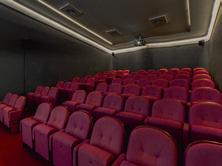
The air-conditioned cinema itself was built from scratch by the Unseen Nairobi team and features 50 plush seats that were reclaimed from an old Nairobi theatre. “It gives the room it’s charm,” says Naomi.
Whether you’re a longtime fan of cinema or just starting your journey into the world of film, Unseen Nairobi is ready to welcome you to its rooftop world.
To see upcoming film schedules at Unseen Nairobi and book screening tickets, go to www.unseen-nairobi.com/
To see the film shortlist for the next Unseen Gems and to register your vote, go to the club’s Instagram page @unseengems_filmclub


African video game developers are increasingly creating games targeting the local market. Harriet James reveals how the sector is redefining how the continent plays.
Across Africa, game developers are turning folklore, city life, and culture into digital adventures, creating computer and mobile games designed by Africans for African players. Industry analysts estimate that Africa’s gaming market could surpass US$1.5 billion by 2025, fueled by smartphone adoption, affordable data, and the rise of mobile payment systems.
Africa’s game developers are not just coding; they are redefining how the world plays, learns, and dreams. Each title, from Lagos to Nairobi to Joburg, is more than entertainment; it’s a digital expression of culture, resilience, and imagination.
‘Nairobi X’, created by self-taught game developer and 3D animator Andrew Kaggia, remains a landmark in African gaming. First released in 2015, the 3D first-person shooter game is set in a futuristic version of Nairobi and follows ‘Otero’, a special forces agent battling
alien invaders threatening the city. There are nine missions to be completed with each success unlocking the next level. The game involves moving through the environment, shooting at enemies, and managing your health and ammunition, which is communicated through prompts that include Kenyan Sheng slang.
When it launched, it made headlines as one of Africa’s first high-quality 3D games proving that African stories could be told with the same ambition and technical skill as any Hollywood-inspired franchise.
Another standout Kenyan adventure game is ‘Mzito’, a free mobile platformer aimed at children in which players take on a heroic quest across iconic locations to save Africa from an ancient corruption by journeying across iconic locations. As one of the two ‘Mzitos’ – the Swahili
word means ‘chosen ones’ – players use ancient spirits to awaken sleeping lions and purge the land of evil. It was created by Weza Interactive, a Nairobi-based developer creating instructive content for and about Africa.
Meanwhile, Usiku Games, founded by Jay Shapiro, focuses on fun, education, and local relevance. Its Ukweli Trivia game, a Swahili–English quiz, promotes general knowledge while integrating African culture and language. Another hit, Super Jump, encourages young coders to develop digital creativity skills while keeping entertainment accessible and relatable.


Kenya’s success story extends beyond indie studios. Tales of Kenzera: ZAU , developed by Abubakar Salim’s Surgent Studios and published by EA Originals, draws from Swahili mythology and explores themes of grief and ancestral connection through an Afrofuturist lens. The game’s global release in 2024 marked a milestone in placing African-inspired storytelling on the international gaming map.

In Ethiopia, Qene Games, founded in 2016 by Henok Tesfaye, has established itself as a trailblazer in East Africa’s digital entertainment scene. The Addis Ababa–based studio became Ethiopia’s first dedicated game company, focusing on African-inspired mobile games.
Its first title, Kukulu, is a 3D adventure in which players help the titular chicken avoid becoming someone’s dinner. It won the AppsAfrica Award for Best Media and Entertainment App in 2018. Qene Games’ second hit, Gebeta – a modern, digital take on the traditional mancala board game – won AppsAfrica’s Best App of the Year in 2020. The studio has since partnered with Ethio Telecom to improve in-app payments and distribution, helping
Africa’s game developers are not just coding; they are redefining how the world plays, learns and dreams.
overcome a key challenge for local developers: monetization.
Qene’s approach, combining local art, music, and cultural storytelling, demonstrates how African studios can create world-class games grounded in local identity.
Rwanda is quickly positioning itself as a hub for digital innovation. Digital Realm Entertainment, also known as Realm Games, based in Kigali, is working on Tribal Conclave, an upcoming title inspired by East African myths and storytelling traditions. Another studio, DopeApps, developed Keza 3D, an educational endless-runner focused on adolescent and reproductive health –showing how games can also serve as tools for social impact.
In Uganda, Kola Studios, founded by Tshaka Mayanja, made a breakthrough with Matatu, a mobile version of the country’s popular two-player card game amatatu. The game achieved over one million downloads, becoming one of East Africa’s most-played titles. Its success demonstrated the commercial potential of games that reflect daily African life and culture.
West Africa is home to some of the continent’s earliest and most influential studios. Leti Arts, founded by Eyram Tawia in Ghana, has led the movement with its Africa’s Legends series – a blend of comic-book storytelling and superhero gameplay. Its digital heroes draw inspiration from African folklore and real-world icons, tackling themes from corruption to justice. Ananse: The Origin,
another Leti Arts title, revives the famous trickster spider god from West African mythology, bridging ancient tales with modern, interactive storytelling.
In Nigeria, Maliyo Games, founded by Hugo Obi, captures the spirit of everyday African life through relatable humour and experiences. Its titles, like Okada Ride – where players weave through chaotic Lagos traffic – and SweeperMan, which turns street cleaning into an urban adventure, have resonated with players across Africa.
In Cameroon, Kiro’o Games, founded by Olivier Madiba, achieved international acclaim with Aurion: Legacy of the KoriOdan, a fantasy RPG (role-playing game) rooted in African mythology and ancestral power. Released on Steam, it became the first major African RPG to reach a global audience, proving that African studios could compete internationally with original, high-quality storytelling.
In Tanzania, Funsoft Studios developed Rangi, a virtual reality puzzle game that immerses players in a world inspired by African tribal patterns, rhythm, and mysticism. Its artistic design and engaging gameplay earned global praise. And in South Africa, Free Lives, creators of the hit Broforce, have shown that African developers can balance commercial success with creative freedom.
African game developers are transforming the industry by blending local stories and culture with digital innovation. As the sector grows, these games not only entertain, but also share Africa’s unique perspectives with the world.



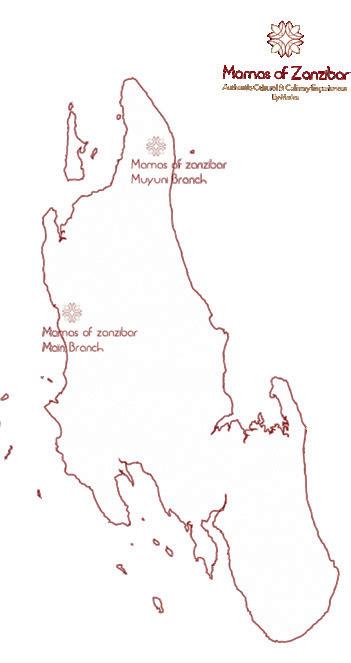
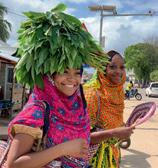
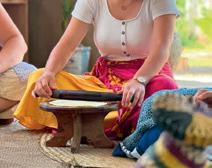
Discover the flavours, stories and soul of Zanzibar with the Mamas of Zanzibar Signature Cooking Experience – an immersive culinary journey that goes far beyond a typical cooking class. Your morning begins with a warm introduction to Zanzibari cuisine before heading to the local fish and spice markets to choose fresh ingredients. Back at the Mamas’ home, you’ll learn to prepare up to 10 traditional dishes using traditional tools. The experience concludes with a shared feast – stories, laughter and a sweet Swahili dessert included! The experience directly supports women-led community initiatives, ensuring your visit has a meaningful impact.
For a chance to enjoy this unforgettable cooking experience, email a photo of yourself holding this issue of Paa while on your Precision Air flight to competition @landmarineorg by 14 April 2026. GOOD LUCK!
4.5-hour immersive cooking experience
Guided local market visit
Cooking of up to 10 traditional Zanzibari dishes
Homemade meal and dessert shared with the Mamas
All ingredients and equipment provided

Terms & Conditions: One entry per person, entrants must be 18 or over. Prize excludes travel to and from the venue and is subject to availability. Employees and relatives of Precision Air, Land & Marine Publications Ltd, and Mamas of Zanzibar are not eligible. The winner will be announced in the next issue of Paa and contacted directly.
Precision Air flights to Mtwara unlock the hidden gem on Tanzania’s southern coastline.
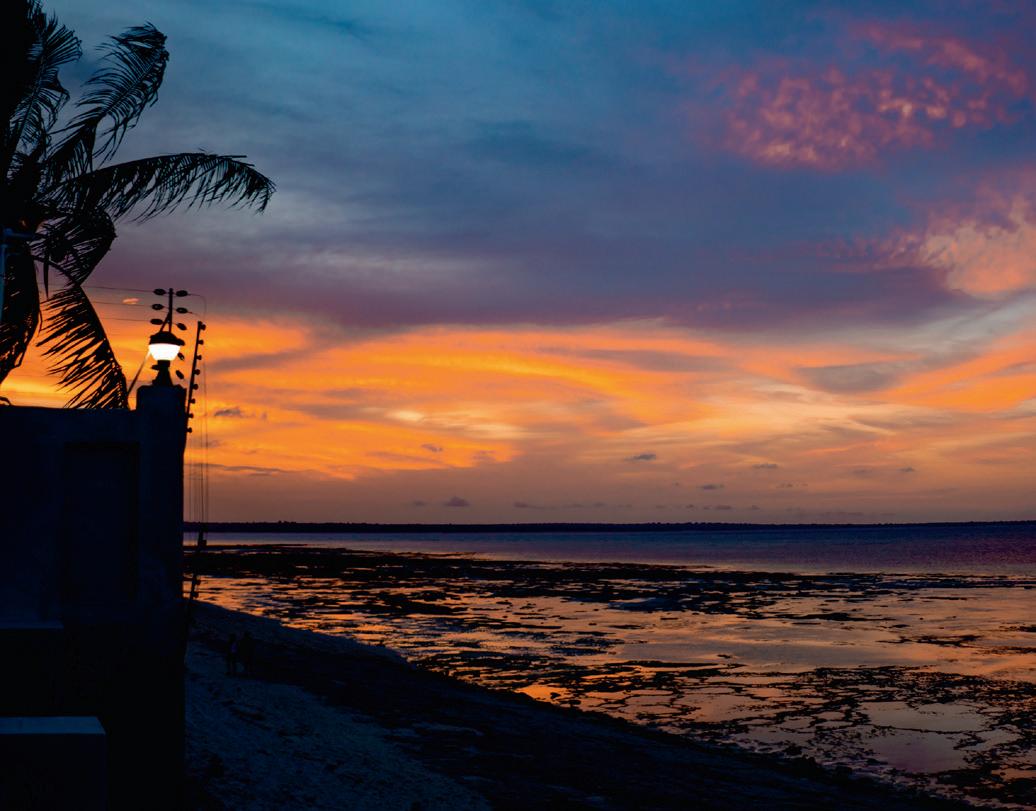
1 Dive into the Mnazi Bay Marine Park
Diving from Mtwara in these protected waters that stretch to the Mozambique border offers incredible experiences with vibrant coral reefs (over 250 species!), seagrass beds, and diverse marine life like dolphins, turtles, and potential whale sightings. Dive operators in Mtwara or Mikindani provide access to these untouched underwater environments.

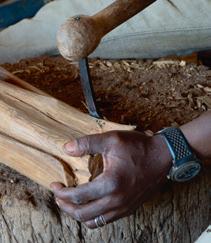
2 Discover the artistry of Makonde wood carvers
The Mtwara region is the traditional home of the Makonde people who are celebrated for their intricate wood carvings. Visit local workshops to watch artisans work on ‘shetani’ (spirit) carvings, often from ebony.
3 Relax on Mtwara’s best beaches
Mtwara offers several peaceful, unspoilt beaches. Shangani Beach is especially popular for its calm waters and proximity to Mikindani, making it ideal for swimming and sunbathing. Msimbati Beach, located within Mnazi Bay, is another gem, known for its powdery sand and tranquil atmosphere.
4 Explore the historic coastal town of Mikindani
Mikindani is a fascinating Swahili town with a rich history as a former trading centre and port. Its winding streets are lined with coral stone houses and intricately carved doors. Key attractions include the Makumbusho Mikindani Museum, which showcases local heritage, and the lively markets where you can experience authentic Tanzanian culture.
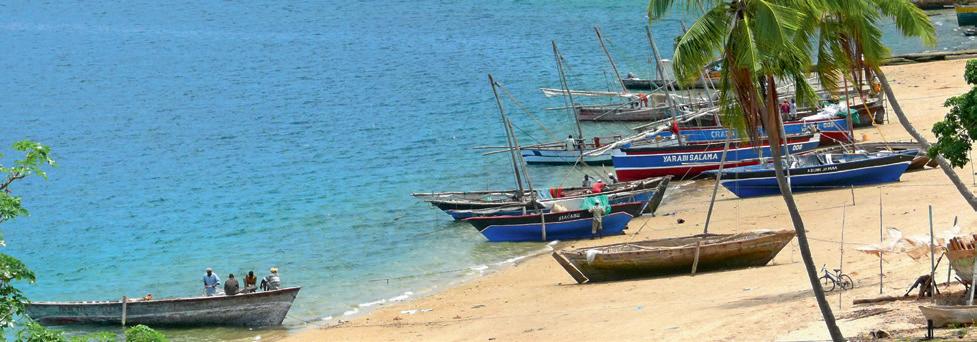

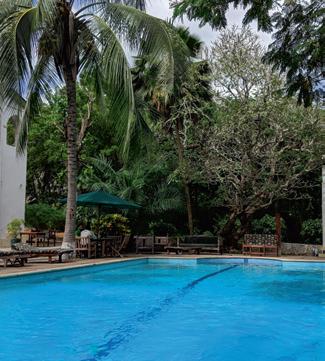
The Old Boma Hotel is a luxurious base for your adventures in the Mtwara Region. The beautifully restored colonial building in Mikindani overlooks the Indian Ocean from its hilltop location. Guests enjoy elegant rooms, fine dining, and a serene setting that blends historic charm with modern comfort.
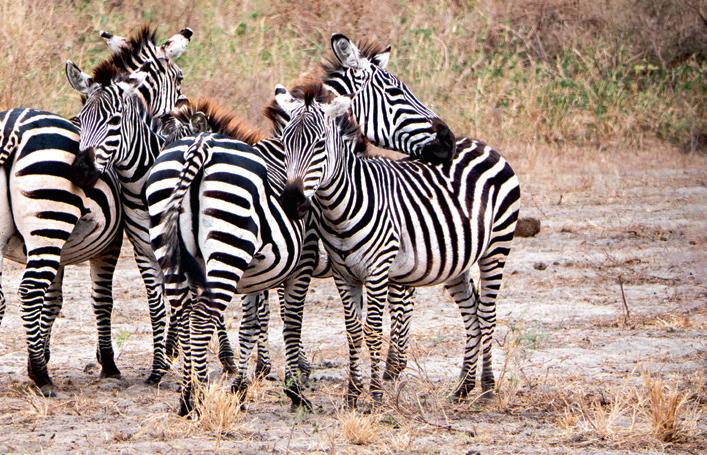
Mtwara is a gateway to Tanzania’s less-crowded Southern Circuit, including Ruaha and Nyerere National Parks. These parks offer spectacular wildlife viewing – think elephants, lions, and rare antelope –without the crowds found in the north. It’s perfect for adventurous travellers seeking an authentic safari experience.

7 Visit the cashew farms
Nature lovers will enjoy a trip to the Rondo Plateau, a lush highland area with unique flora and fauna. The plateau offers hiking trails, birdwatching opportunities, and panoramic views over southern Tanzania.

Chuno Centre Market is at the heart of Mtwar’s hustle with hundreds of stalls selling fresh produce, spices, and crafts. The fish market on Mtwara Bay is a lively spot to watch fishermen bring in their catch and sample the freshest seafood.
The Ruvuma River forms the natural boundary between Tanzania and Mozambique. It can be reached by a two-hour drive from Mtwara. On arrival, take a boat trip or simply enjoy the scenic views – this river is rich in history and offers a unique perspective on the region’s geography and cross-border culture.
The Mtwara Region is considered Tanzania’s cashew capital. The are opportunities for immersive experiences for visitors, including farmto-factory tours (planting, harvesting, processing, packaging), hands-on activities (roasting, shelling), cultural interactions with farmers, and learning about sustainable practices.
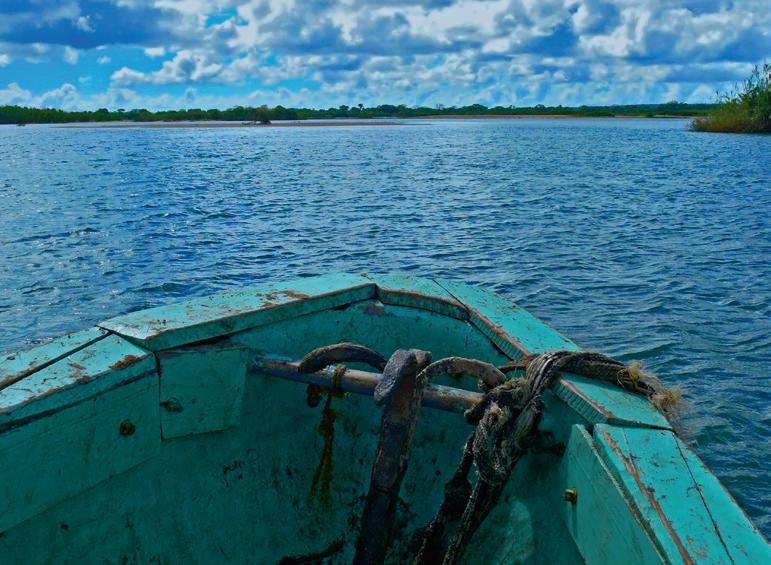

It is no secret that countries and tourism boards across East Africa are fixated on achieving the five-million-visitor milestone.
My recent trip to Rome this year for the World Travel & Tourism Council (WTTC) Global Summit showed me what East Africa as a region can learn from Italy – a global tourism leader –about attracting such large volumes of travellers.
Italy’s tourism engine thrives on its deep cultural roots like ancient ruins, renaissance cities, art, cuisine, and landscapes. Yet what makes it stand out is not just what it has, but how it manages it. The country has heavily invested in preserving and packaging its heritage through museums, digital tourism tools, and storytelling. East Africa also holds immense cultural capital such as the Swahili coast’s Mombasa, Lamu and Zanzibar. However, much of these remains under-promoted,
underfunded, or disconnected from modern travel trends. Learning from Italy, East Africa could benefit from investing in creative cultural economies, from virtual museum tours and heritage trails to festivals celebrating indigenous food, art, and storytelling.
Second lesson to learn is that Italy’s success also rests on its world-class infrastructure. For East Africa, connectivity remains one of the biggest challenges to unlocking tourism potential. Poor road access to parks like Amboseli, Mara or Mount Kenya, limited and expensive domestic flight options, and fragmented regional air policies continue to hold back growth. Strategic investment in road networks, expanded airports such as Malindi and Kisumu, and air service agreements could transform how easily tourists move across the region and how long they stay.
Perhaps the strongest lesson from Italy’s playbook is coordination. The

Paa columnist Harriet James is a Nairobi-based travel journalist who loves to promote African destinations, meet new people and inspire change and positivity wherever she goes. Follow her on Instagram and LinkedIn @HarrietOwalla.
Global Summit is hosted in partnership with the Italian Ministry of Tourism, the national tourism board (ENIT), the Municipality of Rome, and the Lazio Region illustrating how alignment between national and local governments, private investors, and global institutions can drive a unified tourism strategy.
East Africa’s regional blocs, such as the East African Community (EAC), offer a similar framework. A harmonized visa regime, joint marketing of cross-border circuits like ‘Safari to the Sea’ (linking Maasai Mara to Zanzibar), and shared data systems could position the region as one cohesive destination rather than competing markets.
As East Africa races toward its target of five million visitors, the goal should not be to merely increase arrivals but to enhance the quality, sustainability, and inclusivity of tourism.

Precision Air is always looking to give its customers an exclusive and memorable service experience; and the Paa Royal benefits programme is part of that mission. The membership categories* are as follows:

Upon enrolment, members will be given their unique Paa Royal number, which they must always show whenever they buy tickets as well as during check-in at the airport. After flying three times or more, members will be given a Jade membership card. With the card, they will be recognised as members of the Paa Royal Programme.
Other benefits of Jade membership:
• Priority membership baggage tags to ensure tagged bags will be handled with special care and delivered first on the conveyor belt at the passenger’s arrival destination
• An opportunity to get a free ticket within the Precision Air’s network after accumulating enough points in their account.
*Please note that, in each membership category, if a member is unable to maintain the required number of flights in a year, he or she will be downgraded to their tier level achieved in that current year.

After attaining Silver membership level, the member will be issued with a Silver membership card which he (or she) must show at all Precision Air point of sales in order to receive the recognition that he deserves. Should a member book online by logging into Paa Royal Pages, he will automatically receive points earned to his account. Members will be entitled to special treatment and priority treatment whenever they travel.
Other benefits of Silver membership:
• Free 5 kg baggage every time member travels on a PW operated flight
• Priority membership baggage tags to ensure tagged bags will be handled with special care and delivered first on the conveyor belt at member’s arrival destination
• Opportunity to obtain a free ticket within the Precision Air network after accumulating enough points in your account
• Priority telephone reservation in those times when you want to make your reservation and cannot visit our office or travel agent. Booking is a call away through our Paa Royal helpdesk line.

After attaining the Gold membership, members will begin to experience royal and exclusive treatment whenever they fly. Members will be opened up to a new world of opportunities and experiences and, of course, receive more rewards. Should a member book online by logging into Paa Royal Pages, he (or she) would automatically receive points earned to his account.
Other benefits of Gold:
• Free 10 kg baggage every time member travels on a PW operated flight
• Priority membership baggage tags to ensure tagged bags will be handled with special care and delivered first on the conveyor belt at member’s arrival destination
• Opportunity to obtain a free ticket within the Precision Air network after accumulating enough points in your account
• Priority telephone reservation at times when you want to make your reservation and cannot visit our office or travel agent. Booking is a call away through our Paa Royal helpdesk line
• Priority waitlist/airport standby each time you want to travel and your selected flight is full.

When members reach Tanzanite member they attain ultimate royalty. We will always strive to give these royal members an exclusive and memorable flight experience. At this level, members will already be used to royal treatment; royalty will be their way of life.
Other benefits of Tanzanite:
• Free 15 kg excess baggage every time the member travels on a PW-operated flight
• Opportunity to obtain a free ticket within the Precision Air network after accumulating enough points in your account
• Confirmation on any flight if a member is prepared to pay Y class fare, regardless of the flight booking status
• Priority waitlist/airport standby whenever you want to travel and your selected flight is full
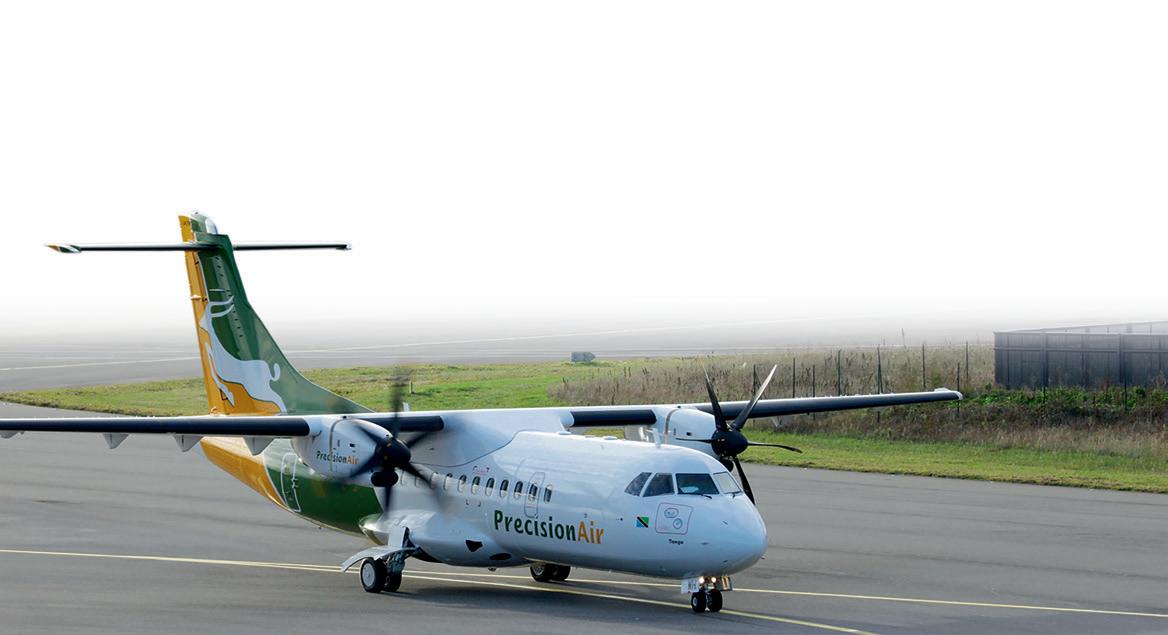
• Priority telephone reservation at times when you want to make your reservation and cannot visit our office or travel agent. Booking is a call away through our Paa Royal helpdesk line.
• Priority membership baggage tags to ensure tagged bags will be handled with special care and delivered first on the conveyor belt at member’s destination.
• Silver, Gold and Tanzanite members also get discounts of up to 20 per cent when visiting GSM shopping malls Msasani and Pugu, Southern Sun Hotel, Akemi restaurant, East Point Restaurant and the Colosseum hotel and sports club - all in Dar es Salaam.
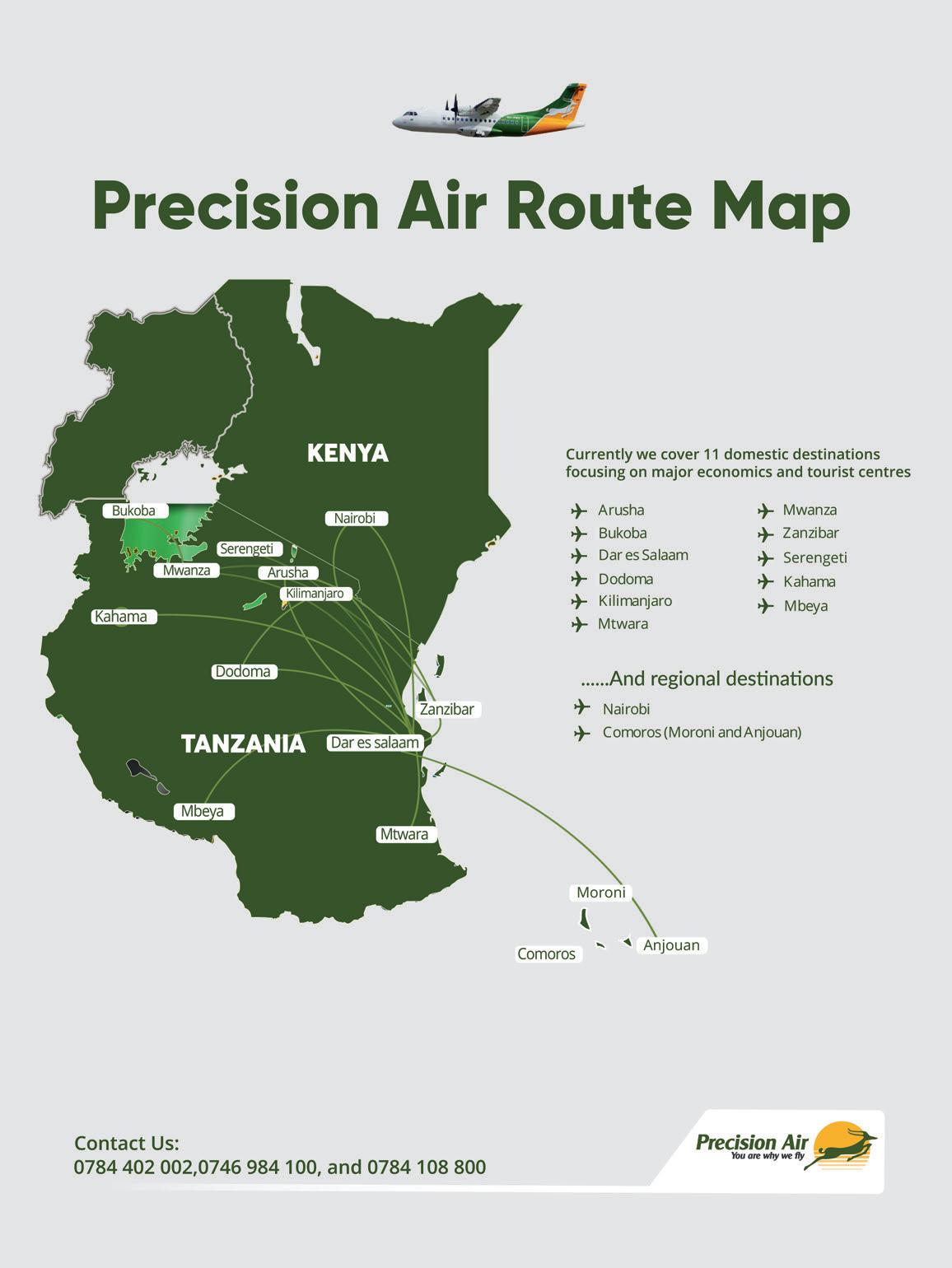
Dar es Salaam Head Office
Diamond Plaza, 1st Floor, Plot no 162 / 38, Mirambo Street/ Samora Ave, Dar es Salaam
Tel: +255 (0)22 219 1000
Contact Centre:
+255 (0)787 888 409/408/417
Email: pwreservations@precisionairtz.com
Dar es Salaam Sales Office
NIC HDQ BUILDING, Samora Ave/Pamba Road
PO Box 70770, Dar es Salaam
Tel: +255 (0)22 213 0800 / 212 1718
Fax: +255 (0)22 211 3036
Email: salesdar@precisionairtz.com
E-COMMERCE
(For users of VISA and MasterCard)
Diamond Plaza, 1st Floor Plot no 162/38
Mirambo Street/Samora Ave
Dar es Salaam
Tel: +255 (0)686 177 458/ (0)689 669 446
Fax: +255 (0)22 211 3036
Email: pwreservations@precisionairtz.com
ARUSHA
Ngorongoro Tourism Center
First Floor
Goliondoi & Makongoro Road
PO Box 1636, Arusha
Tel: +255 27 254 5489 / 254 5503
Email: pw-arksales@precisionairtz.com
BUKOBA
Bukoba Office-GSA, Bukoba Machinery, Bukoba Centre
Kawawa Road, Bukoba
Tel: +255 (0) 28 222 0545/222 0204
Mob: +255 (0) 713 316 806/ (0) 787 616 806
Email: bukobamachinery55@yahoo.com
DODOMA
Mtendeni street, Dodoma
Tel: +255 787 845 200 / 754 972 173
MOSHI
KNCU Building, Ground Floor
Old Moshi Road, Moshi
Tel: +255 784 686 418
+255 (0)272 753 495/753 498
Mob: +255 (0)787 800 820
Email: sales@acobtravel.com info@acobtravel.com
MTWARA
Tanu Road, Posta Building
PO Box 1066, Mtwara
Tel: +255 (0)23 233 4116
Mob: +255 (0)787 818 442/ 767 818 442
Email: pw-mwzgsa@precisionairtz.com
Along Kenyatta Road, Plot no 002, Mwanza
Tel: +255 (0)28 250 0819/250 0204
Fax/Tel: +255 (0)28 250 1054
Mob: +255 (0)784 402042
Sales Office Mobile: +255 (0)784 968427
ZANZIBAR
Zanzibar Airport
Tel: +255 (0)24 223 4521
Fax: +255 (0)24 223 4520
Email: pwznz@precisionairtz.com
NAIROBI
Barclays Plaza, 7th Floor, Loita Street
PO Box 50990-00100, Nairobi
Tel: +254 (0)20 327 4282 / 4290 / 4297
Mob: +254 (0)724 76 0736 / +254 (0)736 046 595
Airport: +254 (0) 733 934 795 / 731 530 000
Email: pw-nbo@kenya-airways.com
AVIAREPS
Terminal A Tambo International, Johannesburg
Tel: +27 11 783 1181
Email: jnbres.precision@aviareps.com
Pan Africa House
Plot no.3 Kimathi Avenue
PO Box 5619, Kampala
Tel: +256-790 381 431 (24hr Emergency)
Mob: +256 784(704) 329 793
Email: precisionair.eva@utb.co.ug
Argentinierstrasse 2/4
A-1040 Vienna, Austria
Tel: +43 1 585 3630
Fax: +43 1 558 536 3088
Suite 1302, 109 Pitt Street
Sydney, Australia
Email: helpdesk@apg-ga.com.au/ australia@apg-ga.com
Park Hill, J.E Mommaertslaan 18B
1831 Diegem, Belgium
Tel: +32 (0)2 712 0584
Fax: +32 (0)2 725 8392
Mobile: +32 (0)47 770 9971
Precision Air C/o Aviareps
PL 10 00750 Helsinki, Finland
Tel: +46 8 5556 9162
Email: PWres.scan@aviareps.com
Precision Air, 11 rue Auber 75009 Paris, France
Mob: +33 (0)6 21 824 908
Reservation: +33 (0)1 534 35397
Fax: +33 (0)1 5343 7919
MUNICH OFFICE
Josephspitalstrasse 15 80331 Munich
Germany
Tel: +49 (0)895 525 3373
Fax: +49 (0)895 450 6842
FRANKFURT OFFICE
Kaiserstrasse 77
60329 Frankfurt / Main
Germany
Tel: +49 (0)69 770 673 010
Fax: +49 (0)69 770 673 018
7 Stadiou Street, Athens 10562 Greece
Tel: +30 (0)210 9341 500/501
Fax: +30 (0)210 934 1620
Email: PrecisionairSales@tal-aviation.gr
Precision Air GSA
APG Ireland
27 Lower Ormond Quay Dublin, Ireland
Reservations: +353 (0)1 804 5100
Email: precisionair@apg-ga.ie
Beechavenue 104 1119 PP Schiphol, Netherlands
Tel: +31 (0)20 520 0280
Fax: +31 (0)2 6 23 0151
Bravo Murillo 101, Planta 6
Oficina 3, 28020 Madrid, Spain
Tel: +34 (0)91 458 5560
Fax: +34 (0)91 344 1726
Email: Precisionair.spain@aviareps.com
Aviareps, Riddargatan 17 11457 Stockholm
Sweden
Tel: +46 (0)8 5556 9162
Email: PWres.scan@aviareps.com
Badenerstrasse 15, 8004 Zurich
Switzerland
Tel: +41 (0)44 286 99 60
Fax: +41 (0)44 286 99 00
Email: precisionair-switzerland@aviareps.com
Discover The World -Turkey
Nef22 E Blok 13. Kat No:194
Atakoy/ İstanbul 34156 TURKEY
Tel: +90 212 806 11 87
Email: info@discover-tk.com/ sales@discover-tk.com
USA and CANADA
AirlinePros
420 Lexington Ave Suite 358-360
New York, NY 10170
Tel: +1 877 496 9887
Email: reservations@precisionairlines.us Precisionair_tanzania@airlinerpos.ca
APG Global
Highbridge House, 581 Bath Road Longford, West Drayton
Middlesex, UB7 0EW
Reservations: +44 (0)844 482 2313
Email: precisionair@apg-ga.co.uk
GSA OF ASIA PACIFIC (excluding Japan and China)
Elite Holiday Travel Service
Taipei, Taiwan
FAX: 8
Tel: 886-2-2541 3366
Fax: 886-2-2536 1824
Email: sales@eliteholiday.com.tw
Diamond Plaza, 1st Floor Plot no 162/38, Mirambo Street
Samora Ave, Dar es Salaam, Tanzania
Tel: +255 784 772 823 / +255 786 447 411
Email: pw-offline@precisionairtz.com
Precision Air takes passenger safety very seriously. Aviation safety isn’t just the pilot’s or the cabin crew’s job – it takes all of us.
It is easy for our natural sense of caution to be dulled in our modern environment, where things don’t go wrong very often. Whether in the air or on the ground, your life and the lives of your family members could some day be saved if you make it a point, in every situation, to create a mental plan of action in case of emergency. Here are some important tips to help you enjoy your travel experience with Precision Air – in flight and around the airport.
A passenger who is allocated an emergency exit seat:
A. Must be both willing and physically able to open the exit doors in an emergency
B. Must completely understand the printed emergency evacuation techniques
C. Must be 16 years old and above.
Although the information seems repetitious, the locations of the closest emergency exits may be different depending on the aircraft that you fly on and the seat you are in.
There are strict rules about what you can bring on board an aircraft. Because:
A. Not all aircraft have space to store your carry-on baggage.
B. In an accident, baggage in the aisles makes it harder to get out of the aircraft quickly.
Carry-on bags must be small enough to fit under the seat in front of you or in the overhead bins. Please confirm with Precision Air rules before your travel to avoid delays.
*Remember: All carry-on baggage must be left behind in an evacuation.
Boarding and leaving an aircraft requires your full attention. As you move to and from the aircraft, you may be in a busy area with many other passengers and cargo, moving vehicles, other aircraft, slippery walkways and/or stairs.
Everyone has the right to safe and secure travel. That is why Precision Air employees and the aviation authority will not tolerate any behaviour that interferes with the flight or puts the safety of passengers and crew at risk.
Seatbelts must be fastened during take-off, landing, during turbulence and any time the crew deem it necessary. Keeping the belt on when you are seated provides that extra protection you might need in case of emergency. If you are responsible for an infant or a child, you must first ensure that your own seatbelt is properly fastened, then secure the child and, if it is an infant, secure the child’s or the infant’s restraints.
Important note: There are a number of events involving air turbulence that highlight the importance of keeping seatbelts fastened throughout the flight.
Though rare, in-flight turbulence is the leading cause of injuries to both passengers and crew.
For the your own safety and the safety of your fellow passengers and crew, we ask you to wear a face mask during the entirety of your flight today. Thank you!
It’s a good idea to keep your seatbelt fastened even when the seatbelt signs are not on.
If you have a medical condition and may need assistance during your travel, kindly ask the Precision Air offices or agents about procedures before your flight. If you are pregnant, you will need to fill a Precision Air medical form, to be signed by your doctor, to confirm that you are OK for travel. For further details, kindly ask while booking your ticket from our sales offices and/or customer services.
Use of portable electronic devices such as mobile phones, laptops, tablets, MP4 players, iPads, etc are not allowed during take-off, landing, taxiing, descent and climb.
Precision Air prohibits the use of some electronic devices during flight because they emit signals that can interfere with the aircraft's instrumentation. Some of the items prohibited include cellphones, radios, remote-controlled games/toys, laser pointers, iPads or tablets that transmits frequencies, portable printers, walkie-talkies, scanners and laptops. These items need to be stowed away for these phases of the flight to avoid injuries in case of an emergency.