WITH COMPLIMENTS OF SAFARILINK | DECEMBER 2025–FEBRUARY 2026
WITH COMPLIMENTS OF SAFARILINK | DECEMBER 2025–FEBRUARY 2026
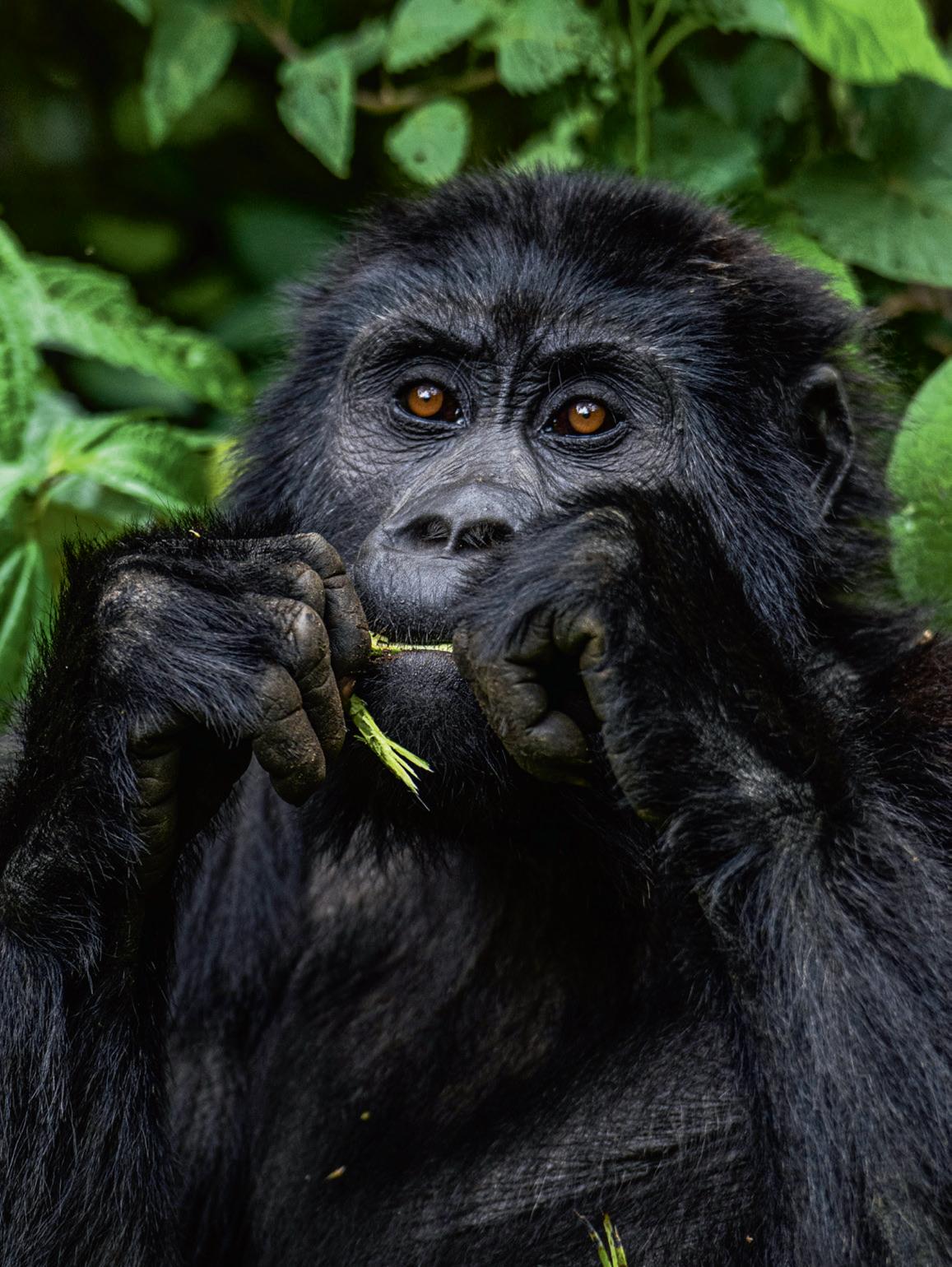
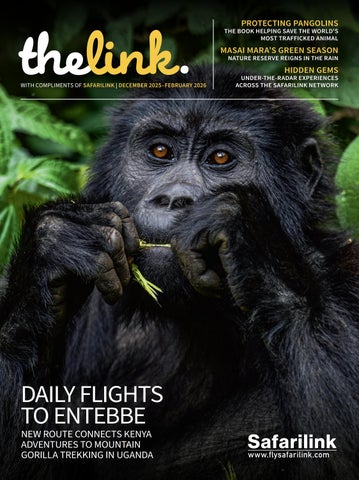
NEW ROUTE CONNECTS KENYA ADVENTURES TO MOUNTAIN GORILLA TREKKING IN UGANDA
PROTECTING PANGOLINS
THE BOOK HELPING SAVE THE WORLD'S MOST TRAFFICKED ANIMAL MASAI MARA’S GREEN SEASON NATURE RESERVE REIGNS IN THE RAIN HIDDEN GEMS UNDER-THE-RADAR EXPERIENCES ACROSS THE SAFARILINK NETWORK


Take the quiz: Find the right Kenyan coastal resort for
Kenya’s mausoleums Harriet James pays tribute to the greats of the past
Remembering Wildlife Photographers join forces to save the pangolin 28 Animal adventures Safarilink adds flights to Entebbe and Arusha
Phoenix House, Wilson Airport
PO Box 5616-00506, Nairobi, Kenya
Tel: +254 20 6690000 / 730 888 000
E: res@flysafarilink.com www.flysafarilink.com
safari adventure like no other
Rescue.co Service helps adventurers stay safe on safari

The Link is published by:
Media & Design House Ltd
A Subsidiary of Land & Marine Publications Ltd
Park Place, 2 Parklands Road Off Limuru Road, Nairobi, Kenya
Head Office: Land & Marine Publications Ltd
6 The Square, Ipswich, Suffolk, IP5 3SL, UK
T: +44 (0)1206 752902
E: publishing@landmarine.com www.landmarine.com
Managing Editor: Mark Edwards
E: markedwards@landmarine.com
Advertising sales: Antony Gathi, Country Manager
T: +254 (0)721 584 465
E: antonygathi@landmarine.com
Terryann Mutindi
Digital marketing and communications strategist
E: terryann@flysafarilink.com Printed by Majestic, Nairobi
It gives me great pleasure to welcome you onboard your Safarilink flight today and to the latest edition of our inflight magazine, The Link.
As we celebrate the festive season and welcome a new year, we wish all our passengers a joyful holiday and a prosperous 2026. Whether you are travelling for leisure, business, or to reconnect with loved ones, we are delighted to have you with us.
This year has been a landmark for Safarilink, marked by significant achievements and a strong commitment to safety and sustainability. Our fleet has grown with the arrival of three new Grand Caravans and we look forward to introducing another Dash 8 aircraft.

we wish all our passengers a joyful holiday and a prosperous 2026
Safarilink has once again demonstrated its unwavering commitment to safety by renewing its ISSA (IATA Safety Standard Assessment) certification. After undergoing the renewal audit this year, we have maintained the internationally recognised validation of our operational standards that has been in place since May 2019.
We have also committed to a greener future through two separate agreements to introduce hybrid-electric aircraft technology into our fleet: one for new aircraft and another for retrofitting existing ones.
We operate scheduled and charter flights to sensitive wildlife and national park areas in Kenya and Tanzania so the reducing of noise and CO2 emissions is a strategic priority. These initiatives will help us lead the way in low-emission aviation across Africa.
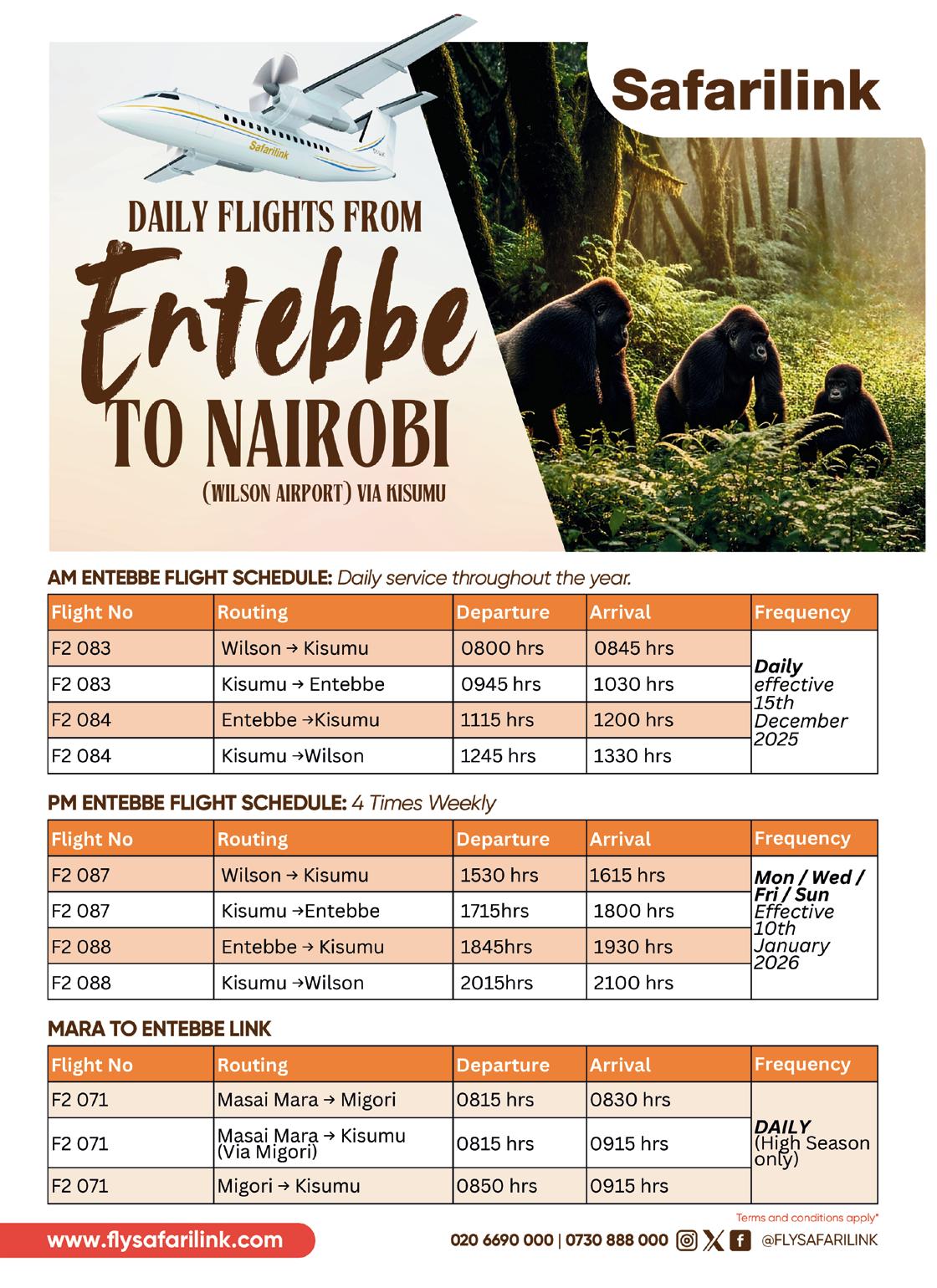
We are also expanding our route network, with daily flights to Entebbe via Kisumu and twice-daily services to Arusha, making East Africa’s most treasured destinations more accessible.
ALEX
AVEDI | CEO
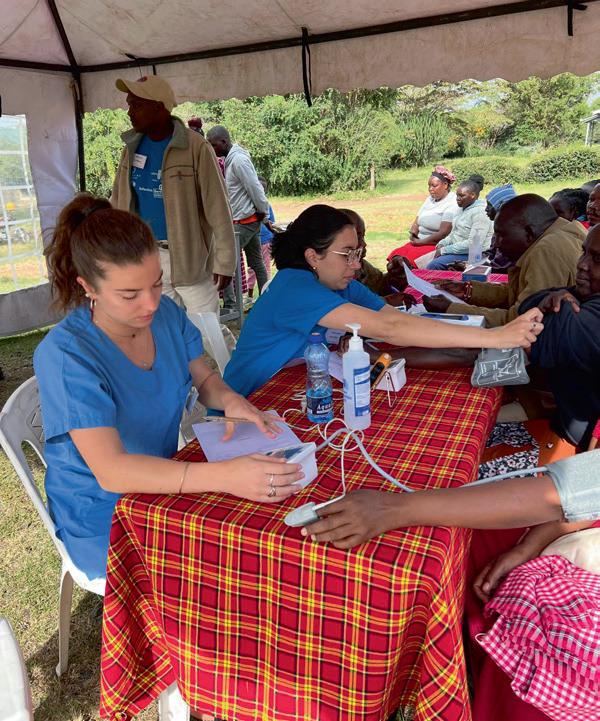
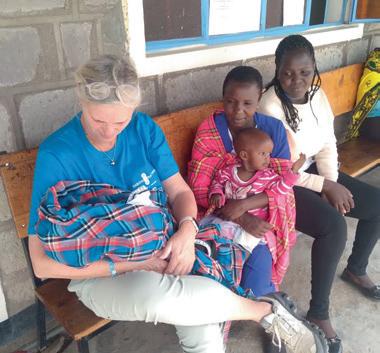
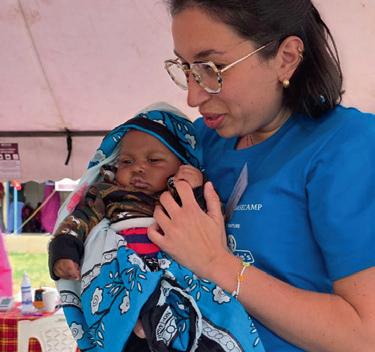
In October, Safarilink proudly supported the latest edition of the Aitong Free Medical Camp, continuing a tradition of bringing essential healthcare to the heart of the Masai Mara.
The 2025 camp marked the most recent chapter in a longstanding partnership, with Safarilink providing vital backing to ensure the event’s success.
Each year, the camp delivers free medical consultations,
treatments, and health education to hundreds of local residents, many of whom have limited access to healthcare services.
Safarilink is proud to support this impactful initiative once again, in collaboration with Saruni Basecamp, Gertrude’s Children’s Hospital, CHP Kenya, and Kicheche Community Trust.
The camp takes place at the Aitong Health Centre in the Mara North Conservancy. For
more than 10 years it has been providing general consultations, paediatric services, gynaecological care, and HPV [cervical cancer virus] testing all free of charge.
The Aitong Free Medical Camp is one of several community health initiatives supported by Safarilink. This ongoing support reflects our commitment to giving back to the communities we serve, making a real difference in the lives of those in remote areas.
Safarilink is renowned for revealing some of East Africa’s most remote and rewarding adventures. Here’s some hidden gems that should be on your 2026 to-do list.
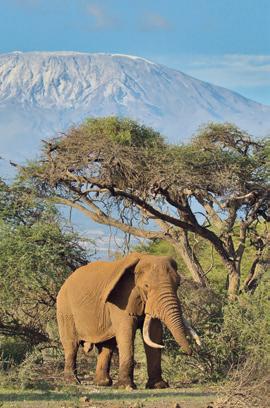
SAFARILINK DESTINATION: AMBOSELI HIDDEN GEM: KIMANA SANCTUARY
While Amboseli is famed for its elephants and views of Kilimanjaro, few venture to the nearby Kimana Sanctuary. This community-run conservancy offers intimate wildlife encounters and supports local conservation efforts.
Travel tip: Book a guided walk with a local ranger for the best chance to spot wildlife and learn about community conservation. Early morning or late afternoon visits offer cooler temperatures and more animal activity.
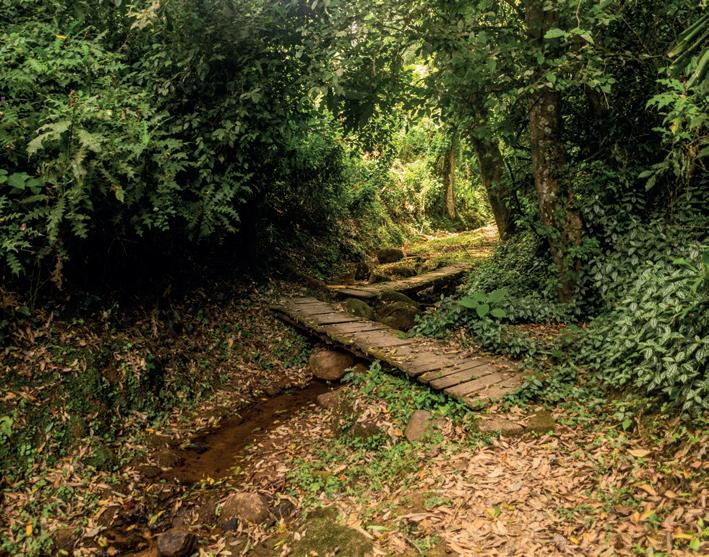
SAFARILINK DESTINATION: UKUNDA/DIANI HIDDEN GEM: KAYA KINONDO SACRED FOREST
Just a short drive from Diani’s white sands, the Kaya Kinondo Sacred Forest is a UNESCO-listed site. Walk with a local guide through ancient coastal forest, learning about the spiritual traditions of the Digo people.
“Don't forget to wear insect repellent and
comfortable walking shoes”
Travel tip: Dress modestly and respect local customs. Guided tours are required and can be arranged at the forest entrance. Don’t forget insect repellent and comfortable walking shoes.
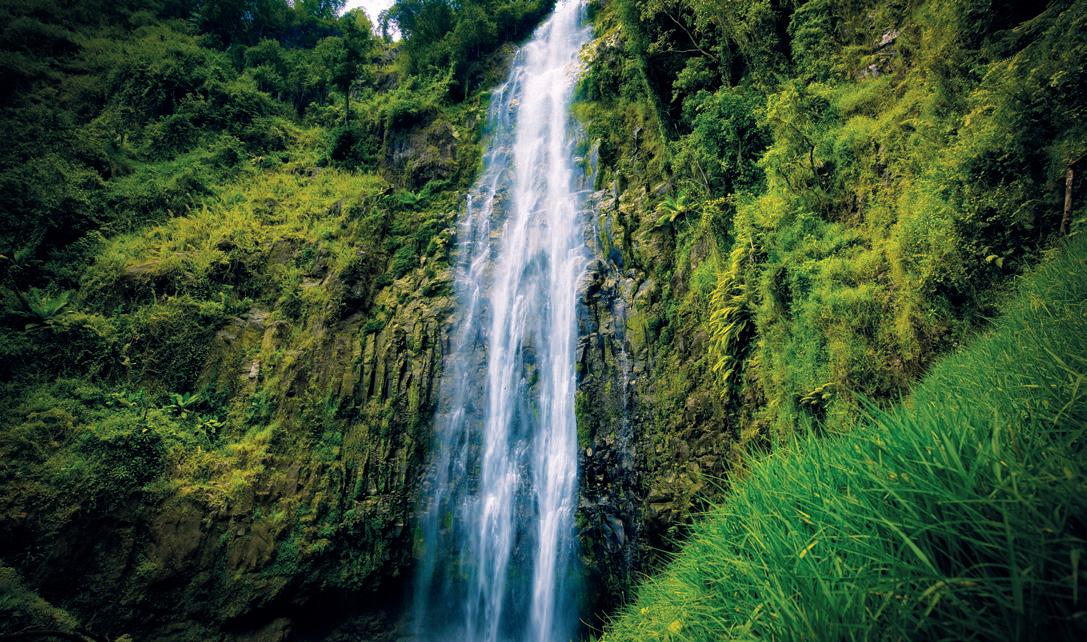
SAFARILINK DESTINATION: KILIMANJARO
HIDDEN GEM: MATERUNI WATERFALLS AND COFFEE TOUR
Skip the summit crowds and explore Materuni village, where you can hike to a stunning waterfall and join a hands-on coffee-making experience with Chagga hosts.
Travel tip: Be ready to work for your coffee. Part of the experience is grinding the beans with a giant mortar and pestle that requires some serious elbow grease. All the effort only makes your brew taste sweeter.
SAFARILINK DESTINATION: KISUMU
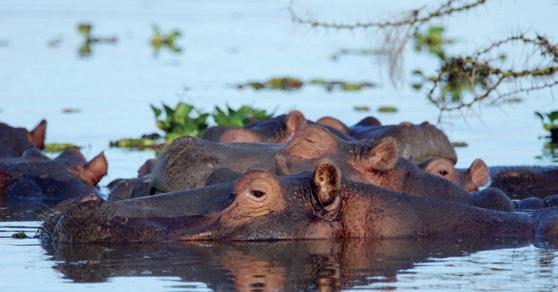
HIDDEN GEM: NDERE ISLAND NATIONAL PARK
On Lake Victoria, Ndere Island is a peaceful haven for birdwatchers and nature lovers. Enjoy a boat trip and picnic on this rarely visited island, home to monitor lizards, hippos, and over 100 bird species.
Travel Tip: Arrange your boat trip in advance through a local tour operator. Bring binoculars for birdwatching and pack a picnic as there are no shops on the island.
SAFARILINK DESTINATION: LAMU
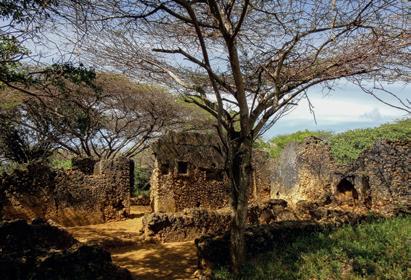
HIDDEN GEM: TAKWA RUINS
Beyond Lamu’s old town, take a dhow to Manda Island and explore the atmospheric Takwa Ruins, remnants of a 15th-century Swahili settlement shrouded in mystery and baobab trees.
Travel tip: Take a boat at high tide, especially in the morning to avoid crowds and heat. Bring plenty of water and wear comfortable shoes for walking on uneven ground and consider hiring a local guide to learn more about the site's history.
SAFARILINK DESTINATION: LEWA DOWNS
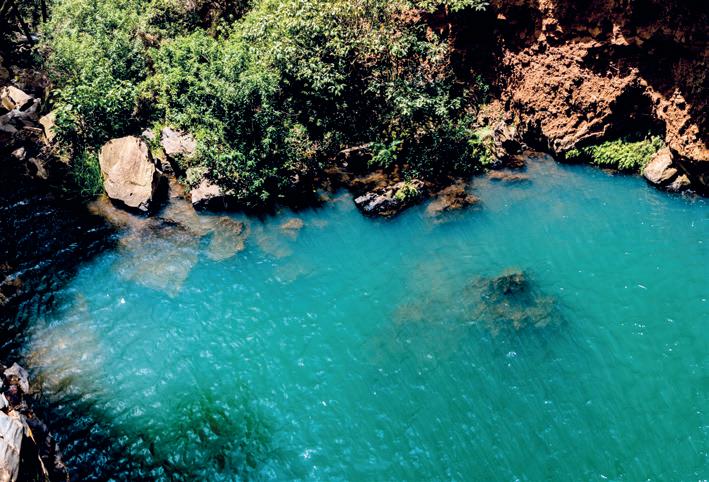
HIDDEN GEM: NGARE NDARE FOREST
A short drive from Lewa, the Ngare Ndare Forest offers canopy walks, turquoise pools, and forest elephant sightings. It’s a magical spot for hiking and swimming in crystal-clear streams.
Travel tip: A four-wheel-drive vehicle is recommended. Driving is the easiest way to reach the pools, but travellers will learn more about the forest by walking. Trained guides are available to help.
SAFARILINK DESTINATION: ZANZIBAR
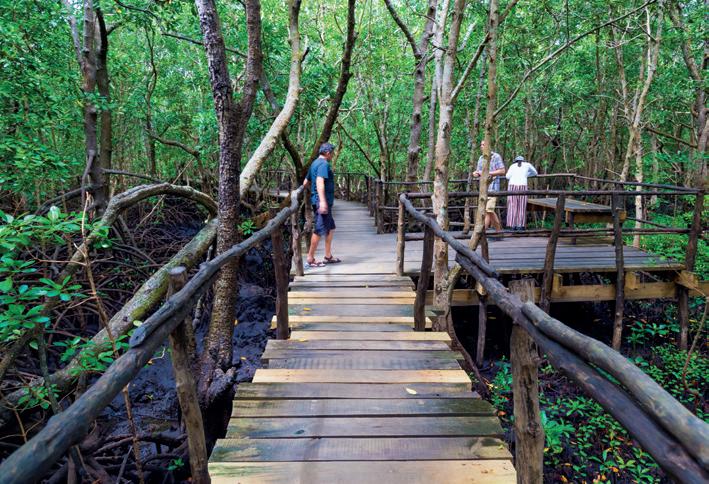
HIDDEN GEM: JOZANI CHWAKA BAY NATIONAL PARK
SAFARILINK DESTINATION: SAMBURU
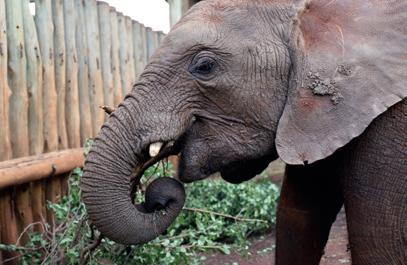
HIDDEN GEM: RETETI ELEPHANT SANCTUARY
North of Samburu, the Reteti Elephant Sanctuary is the first community-owned elephant orphanage in Africa. Visitors can witness the rescue and rehabilitation of baby elephants and learn about local conservation.
Travel tip: Book in advance. Visits are by appointment only to protect the elephants. The entrance fee supports the local Samburu community and the elephants’ care.
Beyond Zanzibar’s beaches, Jozani Forest is home to the rare red colobus monkey. Guided walks reveal mangrove swamps, medicinal plants, and a unique ecosystem.
Travel tip: Early morning is best for wildlife sighting. Guided tours take between one and three hours and will focus on the monkeys
and the mangrove boardwalk that showcases coastal flora and fauna. You will also learn about the medicinal properties of various plants in the forest.
"Guided walks reveal mangrove swamps, medicinal plants & a unique ecosystem"
Challenging 21 km race pits wildlife rangers against each other across Africa. Harriet James reveals how the event provides vital support for the work of these dedicated but often under-resourced guardians of our wildlife.
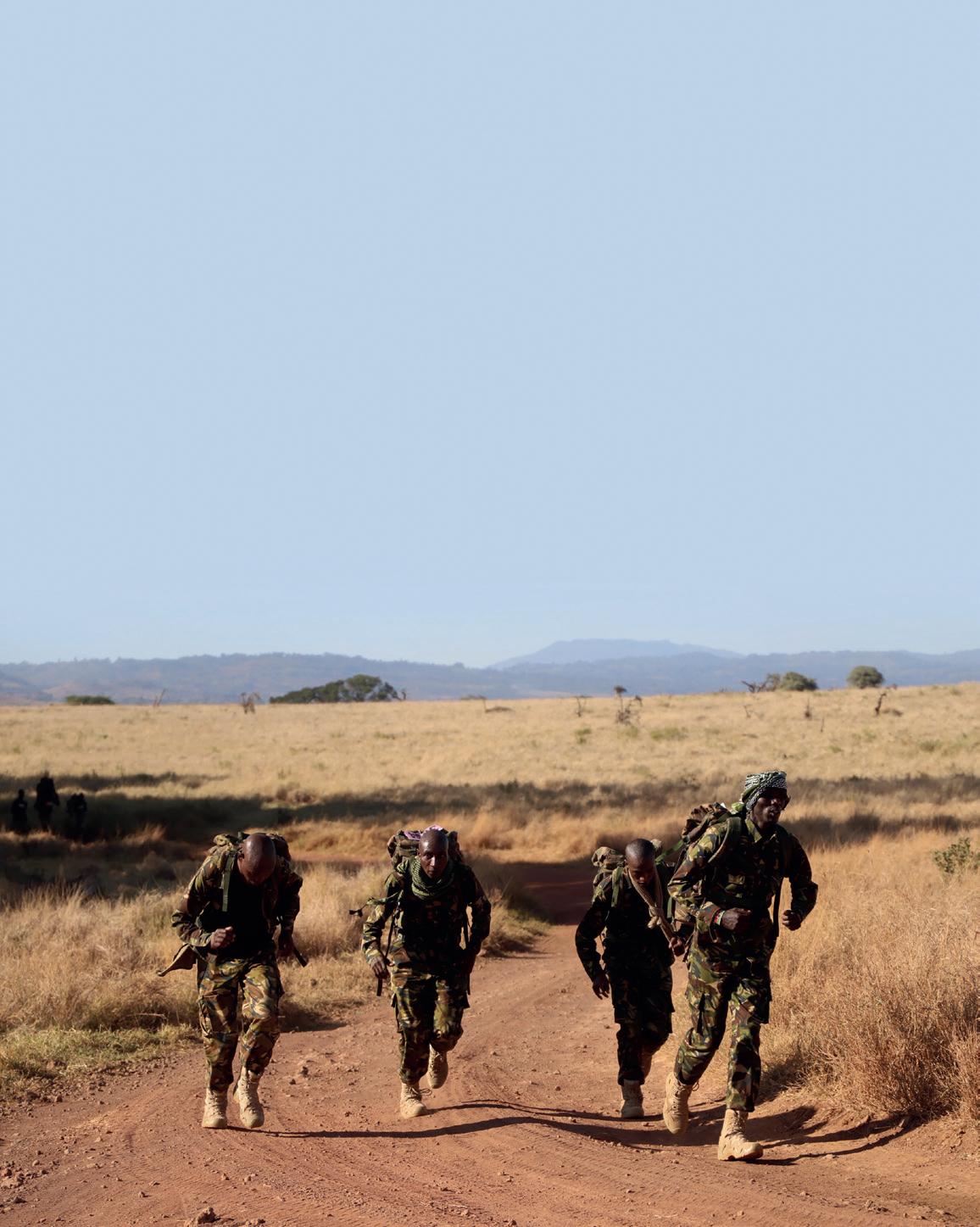
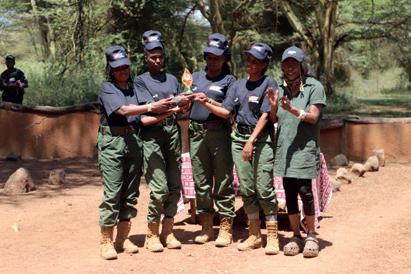
It’s daybreak and the sun is creeping over the rolling plains of the Lewa Wildlife Conservancy. The air is thick with anticipation. Boots thud against the earth and breaths come heavy as 26 ranger teams head out across the rugged savannah. Each ranger carries a
22kg backpack, a symbolic load representing the weight of their daily duty protecting Africa’s wildlife. This is the beginning of the Wildlife Ranger Challenge (WRC) 2025. The annual 21 km event is not just a race, it is a test of endurance, teamwork, and unyielding spirit.

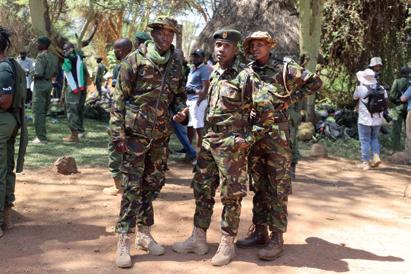

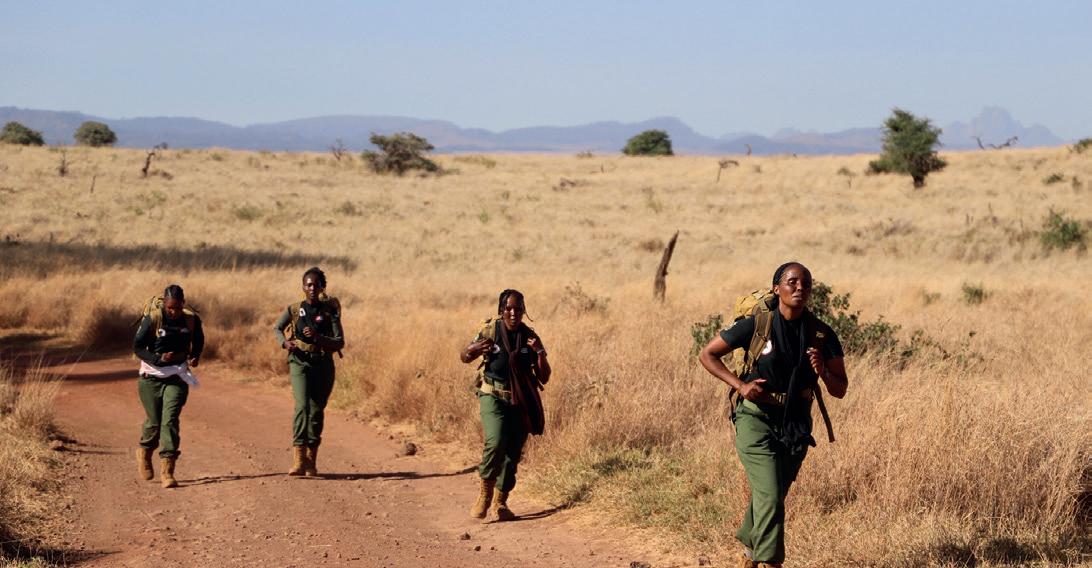
This year’s challenge brought together more than 1,000 rangers taking part in races across 24 African countries. Preparing for the Wildlife Ranger Challenge is no easy feat. For ten weeks before race day, teams across Africa take part in smaller “mini-challenges” – quizzes, sit-ups, push-ups, and time trials – testing both mind and body. Their training takes place in diverse terrains, from tropical rainforests and acacia savannah to rocky escarpments and sandy riverbeds. Along the way, encounters with elephants, buffalo, and lions are not uncommon.
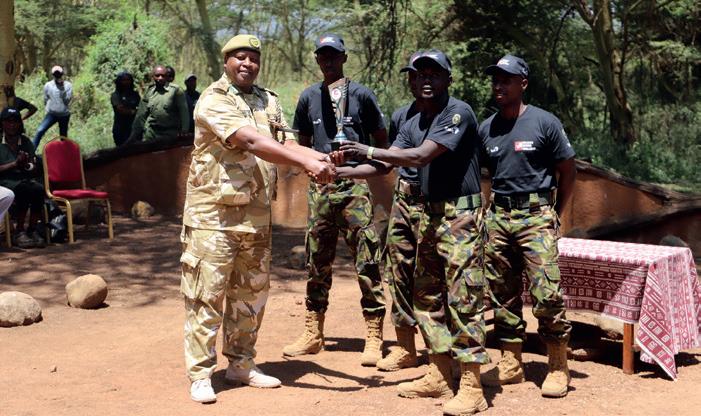
The Kenyan event took place in the Lewa Wildlife Conservancy with 25 Kenyan teams and one Tanzanian team competing. The Northern Rangelands Trust (NRT) squad were triumphant in the men’s event, finishing in an impressive two hours, 24 minutes, and 20 seconds. Team leader Josephat Lesirma said the victory came through grit and unity.
“Running with that weight on your back is not easy – it takes teamwork and patience,” he said after crossing the finish line. “We
trained on hills and rough terrain, just like the places we patrol. The terrain was tough, but it’s the same challenge we face every day in our work.”
The winning NRT were closely followed by teams from the Mara and Lewa conservancies. Among the women’s teams, Team Lioness from Amboseli claimed first place, followed by Sera Women’s Rangers, continuing Kenya’s strong performance over other participating countries, including Tanzania.
Yet beyond the medals and times, the race symbolizes something much deeper – solidarity across borders and recognition of rangers’ tireless service. The WRC unites men and women who risk their lives daily to protect wildlife, prevent poaching, and foster coexistence between communities and conservation areas.
The Wildlife Ranger Challenge, now in its sixth year, is an initiative of UK-based conservation charity Tusk and the Game Rangers Association of Africa (GRAA). Launched in 2020 in response to the Covid-19 pandemic, it initially aimed to
keep rangers employed at a time when donor funding was drying up. Over time, it evolved into an annual celebration of solidarity and resilience, a platform to raise funds and awareness for ranger welfare across Africa.
The 2025 edition sought to raise over US$ 3 million for ranger welfare, training, and equipment. According to Andrew Campbell, Head of Special Projects at GRAA, the initiative has already raised US$ 21 million since inception, improving lives and working conditions for thousands of rangers.
“Each team uses the funding differently, but the focus is always on improving rangers’ lives,” Campbell explained. “We’ve seen teams use the grants to buy new uniforms, boots, communication gear, and even fuel for patrol vehicles. It’s about giving rangers dignity and safety.”
For Campbell, the challenge also builds camaraderie and connection across the continent.
“For the past six years, we’ve seen teams improve their physical fitness and mental health while
building unity beyond borders,” he added.
“This year, Tanzanian and Kenyan teams ran side by side – a perfect symbol of regional co-operation. We’re also seeing more women take part, and that’s something we’re proud to grow.”
Behind the spectacle of the challenge lies the tough reality of ranger life. Many work under life-threatening conditions, facing armed poachers, dangerous wildlife, and harsh terrain. According to Tusk’s data, 89 per cent of rangers in Africa have faced life-threatening situations in the field. Yet, 40 per cent lack health insurance, 50 per cent have no life insurance, and 60 per cent have no long-term disability cover. Their average salary is less than half that of police officers
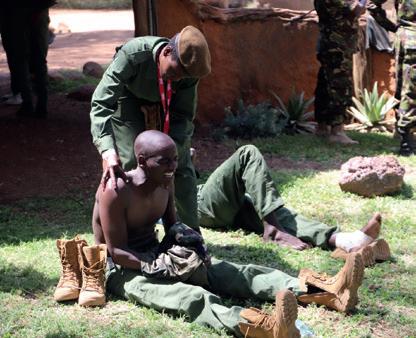
despite their crucial role in protecting biodiversity and supporting global conservation targets like the ‘30x30’ global initiative protect at least 30 per cent of the Earth's land and sea by the year 2030.
Enoch Ochieng, Head of Monitoring and Patrol at Mount Kenya Trust, reflected on the impact of funds raised through the challenge. “The WRC funds sustained our ranger salaries during the Covid-19 crisis when conservation organisations struggled to pay staff,” he said. “The money has supported training in human rights and mental health, improved gear, and boosted morale.”
However, Ochieng also noted persistent gaps. “We still face
inconsistent welfare standards across countries, delayed salaries, and limited training in leadership and first response,” he added.
In response, the Ranger Welfare and Standards Initiative (RWSI) – a partnership between Tusk, GRAA, the International Ranger Federation, and the Royal Foundation – aims to standardise welfare policies and improve insurance coverage for rangers.
The Kenya Wildlife Service has also pledged to enhance ranger housing and health benefits, recognising their crucial frontline role in conservation.
The diversity of participating ranger teams reflects the vast breadth of conservation work across the continent. From Tsavo’s aerial rangers flying over elephant herds to marine rangers nurturing coral nurseries off Mnemba Island, from lion rangers in northern Kenya to mountain gorilla trackers in Uganda’s Bwindi Impenetrable Forest – each represents a vital piece of Africa’s conservation puzzle.
At African People & Wildlife in Tanzania’s Tarangire, community game scouts act as peacekeepers between herders and wildlife. They gather real-time conflict data, patrol communal lands, and mediate tensions – proving that conservation is as much about people as it is about animals.
Meanwhile, all-female ranger units such as the Atsikana Team in Zambia’s South Luangwa National Park and Kenya’s Lioness Team are redefining what it means to serve in the wild. Their participation in the challenge inspires more women to join conservation careers once dominated by men.

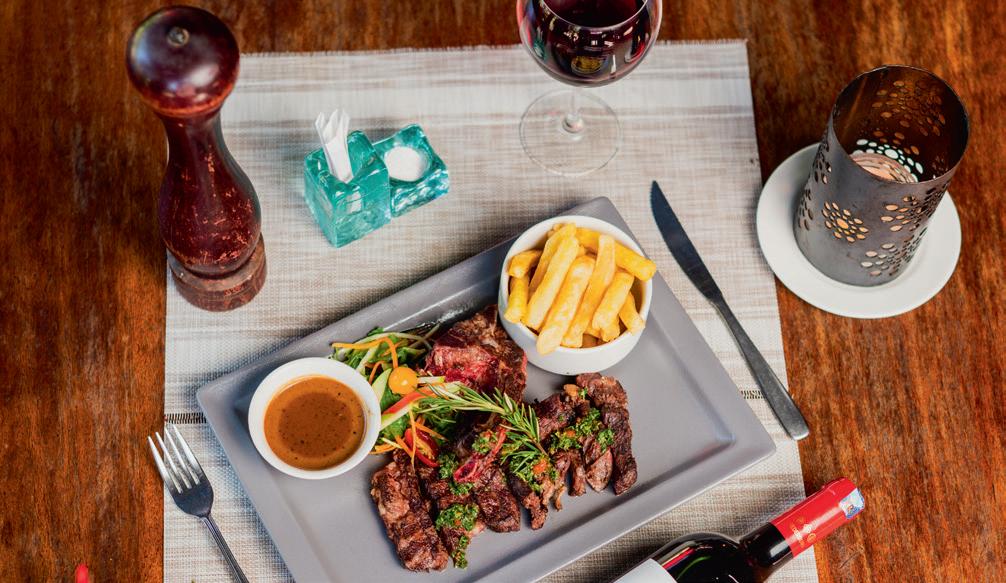
Here’s your chance to enjoy a relaxed, flavour-packed evening for two at Tamarind Brasserie, one of Karen’s most welcoming dining spots. Part of the renowned Tamarind Group, the Brasserie blends heritage with a fresh, modern feel - offering a mix of garden ambience, warm Kenyan hospitality, and a menu built around bold, flame-driven flavours.
Tamarind Brasserie celebrates the best of Kenya’s ingredients, from coastal
seafood to hearty grill favourites. Among the signature dishes are the Piri Piri Prawns, a long-loved Tamarind classic; the Grilled Nyama Platter, which brings together perfectly cooked cuts inspired by Kenya’s barbecue traditions; and the Garlic Prawns, a sizzling take on the iconic Tamarind recipe with a local twist. Whether you’re seated outdoors in the leafy garden or indoors in the airy dining space, the Brasserie offers a setting that feels both relaxed and refined.
TERMS & CONDITIONS: One entry per person, entrants must be 18 or over. Prize excludes travel to and from the venue and is subject to availability. Employees and relatives of Safarilink, Land & Marine Publications Ltd, and The Tamarind Group are not eligible. The winner will be announced in the next issue of The Link and contacted directly.
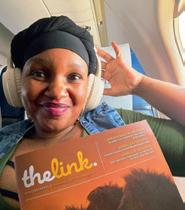
Congratulations to Rose Wairimu Muchira who wins a two-night stay Emboo Safari Camp, Masai Mara. Well done and thanks for flying with Safarilink. For more information on Emboo Safari Camp visit www.emboo.com
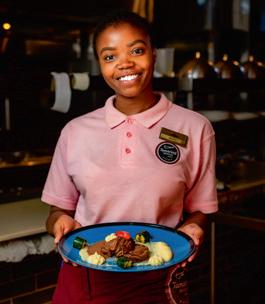
For a chance to enjoy this dining experience, simply email a photo of yourself holding this issue of The Link magazine while on your Safarilink flight to: competition@landmarine.org by 15 February 2026.
Cornelia ‘Corrie’ Mukandie is the founder of this new Kenyan fashion brand. Its debut capsule collection launched earlier this year with a range of sustainably made statement dresses.
Aesthetic: This chic collection of five stylish and versatile outfits is ideal for work, travel or social occasions. They combine modern femininity with a touch of ease.
Ready to wear: The Alessia is a sleek, short, and elegant dress that has long sleeves that can be worn in two different ways, allowing you to effortlessly switch up your look. It retails at KES 4,500 (US$ 35).
Find out more at https://girlabout.com/

Founded by supermodel Liya Kebede, Lemlem (meaning "to flourish" in Amharic) is a brand of sustainable clothes hand spun and embroidered in Ethiopia
Aesthetics: The collections feature vibrant, handwoven textiles and are inspired by traditional Ethiopian craftsmanship. Perfect for a relaxed, resort-ready style, the brand’s kaftans, dresses, and tops add a splash of unique colour and texture to your wardrobe.
Ready to wear: The new collection, Resort ‘26, includes beach-ready swimwear and cool kaftans and slip dresses. Our pick is the ‘Edna’ dress with its flattering v-neck and short bell sleeves. Price US$ 555
Looking for your next look? Here are five standout East African fashion brands to inspire your search.


This Kampala-based fashion brand takes a stand against the supply chain of second-hand clothing (known in East Africa as mitumba) from the global north. Intended as charity, the avalanche of donated clothes actually stifles the work of the local textile industry. Buziga Hill’s Return to Sender range customises these gifted clothes to create imaginative and desirable products available worldwide.
Aesthetic: Unique upcycled creations include fourpanel hoodies, snap track pants and customised denim jackets.
Ready to wear: We love the striking Nyakihanda Double Neck Shirt. It’s two cotton shirts joined diagonally at the shoulder.
The Zanzibar-based designer is inspired by the colours and the cosmopolitan culture of her island home. Her clothes draw on local traditional weaving skills and the bright patterns of khanga cotton prints, but with a modern twist. Mashika works with local artisans, including Maasai women who hand-work glass beads and Zanzibari weavers with each hand-worked garment often demanding four to six hours of weaving.
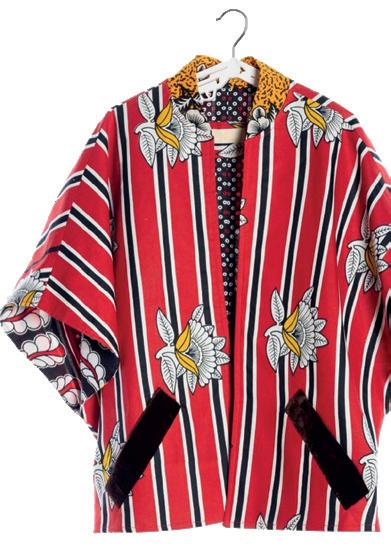
Aesthetic: Designs feature a fusion of Zanzibari tradition and and craftsmanship for a luxurious, resort-wear feel.
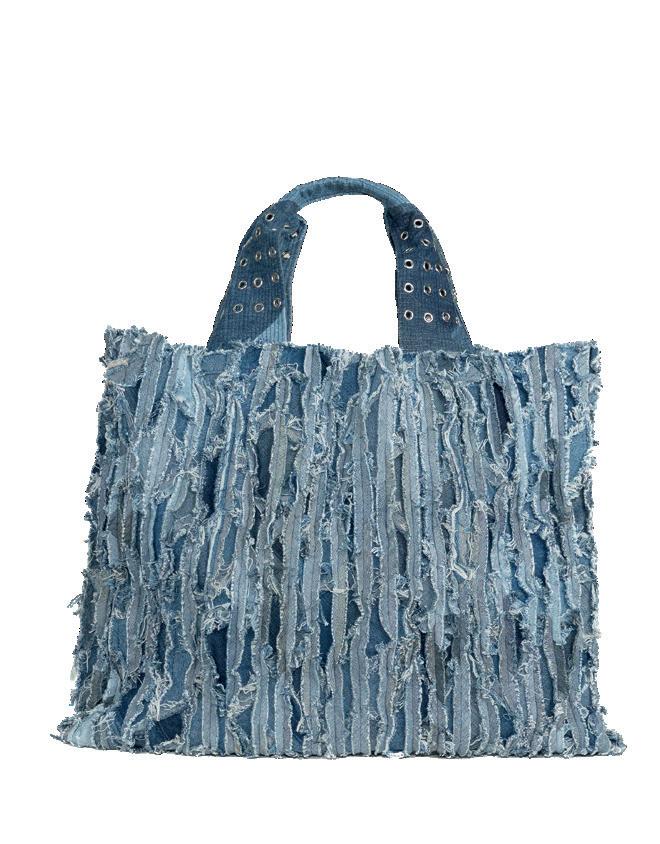

Kiki's Fashion was founded by Christine Kissa ‘Kiki’ Zimba. The brand creates bespoke couture designs as well as ready-towear collections. Clothes are available online and from the brand’s studio in Masaki, Dar es Salaam.
Aesthetic: Kiki’s designs adapt African textiles into contemporary pieces that are accessible and stylish for everyday wear. Many of the brand’s garments, such as kaftans and boubous, are characterized by their loose, flowing, and comfortable fit. This creates a relaxed yet sophisticated “rich aunty vibe,” as the brand puts it.
Ready to wear: The brand’s new summer-ready ‘Batik’ collection creates an elegant silhouette with loose-fitting viscose maxi dresses and trouser suits.
Visit @kikisfashion on Instagram for full details.

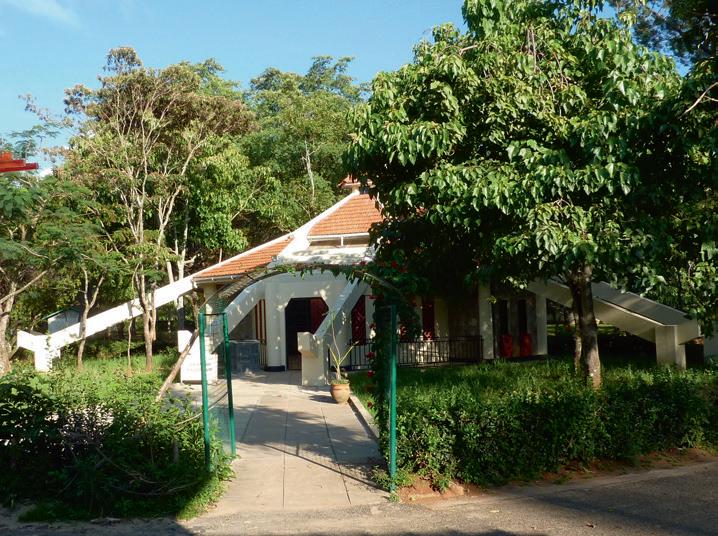
The death of Raila Odinga in October spurred national mourning in Kenya, especially at the mausoleum in his hometown in Siaya County where the country’s former Prime Minister now lies alongside his father, Kenya’s first Vice-President. Harriet James reveals the country’s other prominent monuments paying tribute to greats of the past.
Kenya’s mausoleums are more than burial sites, they are open-air classrooms of memory. They tell the stories of courage, conviction, and the cost of leadership. In addition, they serve as living archives of the nation’s political and cultural history, preserving the legacies of leaders who shaped the country’s identity and struggle for independence.
Since 1995, the Jaramogi Mausoleum has stood as a historical attraction for those seeking to understand Kenya’s political past. It is a place where visitors came to trace the roots of the Odinga legacy long before it became a national shrine of remembrance. Today, it has become the most visited grave in the country, drawing thousands each week who come to pay tribute to two of Kenya’s most influential leaders.
Now, the final resting place of both Jaramogi Oginga Odinga and his son Raila Odinga, fondly remembered as ‘The Enigma’. The Bondo site stands as a symbol of Kenya’s enduring democratic struggle and generational leadership. The mausoleum was originally built

after Jaramogi’s death in 1994 on his family compound, ‘Kango ka Jaramogi,’ which in Dholuo means “the home of Jaramogi’s first wife.”
At its entrance, two sculpted lions – representing Jaramogi’s indomitable spirit during his years in the opposition – guard the path. Inside, black-and-white photographs line the chamber walls, chronicling his journey from a teacher and freedom fighter to Kenya’s first Vice President and later an opposition icon.
The site is both intimate and political. Jaramogi’s shoes, ceremonial
hats, and walking sticks, each symbolising different stages of his life through political parties like KANU, KPU, and FORD, are displayed alongside his personal belongings, including diabetes medication and his favourite bottle of wine. Nearby, an ajua board offers a glimpse into his leisure hours, while traditional weapons, bows, arrows, and shields. underscore his cultural stature among the Luo.
With Raila now buried beside him, the mausoleum has taken on renewed meaning. For many visitors, it marks the closing of a powerful
political chapter – a father and son united not just in blood, but in their shared defiance, reformist zeal, and lifelong pursuit of justice.
Inside the adjacent museum, displays celebrate the larger Odinga family history, photos of Raila’s global activism, his years in detention, and awards from across the world. A separate section houses animal displays, including leopard skins and oryx, symbolizing Kenya’s biodiversity and Jaramogi’s reverence for the land.
But this is not the only mausoleum in the western region. Around 200km from Bondo, on the serene Rusinga Island, stands another monument to Kenya’s independence era – the Tom Mboya Mausoleum. To access it from Bondo, head to Luanda K’otieno for a two-and-a-half-hour ferry ride to Mbita.
Built two years after his assassination in 1969 and gazetted as a national monument in 2001, the mausoleum honours Tom
Mboya, the brilliant trade unionist, pan-Africanist, and cabinet minister whose death shook the nation. Shaped like a bullet, the structure captures the tragic irony of his life, a visionary silenced by violence.
Guided tours, often led by Mboya’s relatives, take visitors through galleries filled with personal artifacts: traditional Luo musical instruments like the nyatiti and orutu, his tuxedos and campaign jackets, and family heirlooms like his father’s walking stick and his mother’s kitchen utensils. There’s also a replica of Mboya’s mud hut from Kilimambogo, where he was born, and symbolic items like sisal plants representing his early trade union days – his work encompassed organisations such as Kenya Plantation & Agricultural Workers'
EVEN IN DEATH, HIS STORY EMBODIES BOTH TRIUMPH AND TRAGEDY – A REMINDER OF KENYA’S TURBULENT YET HOPEFUL POLITICAL EVOLUTION.
Union (KPAWU) that represents workers in the sisal sector, which includes tea, coffee, and cotton plantations.
The museum’s walls tell stories of Mboya’s international influence, his friendship with John F Kennedy, his role in the airlift programme that sent hundreds of East African students to the US, and his feature on the cover of Time magazine, a rare honour for an African at the time. Even in death, his story embodies both triumph and tragedy –a reminder of Kenya’s turbulent yet hopeful political evolution.
In Matungu, Kakamega County, the Nabongo Mumia Mausoleum honours the last and most prominent king of the Wanga Kingdom, the only centralised monarchy in Kenya before colonial rule.
Blending traditional Wanga architecture with modern design, the mausoleum showcases royal regalia, historical photographs, and cultural artifacts that narrate the story of precolonial governance, diplomacy, and resistance. More than a burial site, it functions as a cultural learning centre that preserves Kenya’s indigenous heritage and celebrates African leadership before colonial interference.
Further west in Bungoma County lies the Masinde Muliro Mausoleum, built in honour of Masinde Muliro, one of Kenya’s foremost independence heroes and advocates for democracy. Muliro, a founder of the Kenya African Democratic Union (KADU), later became a key voice in the fight for multi-party democracy. His mausoleum contains personal memorabilia and political documents chronicling his long struggle for justice, integrity, and unity.
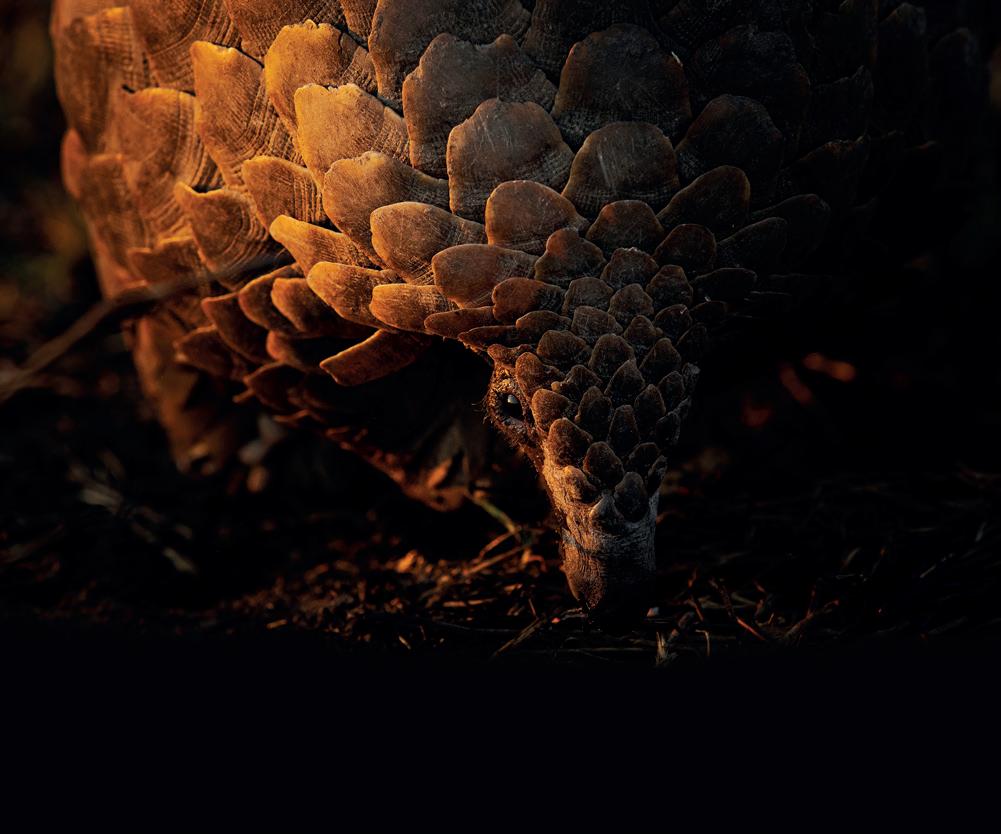
The latest edition of ground-breaking series of wildlife books highlights the plight of the pangolin. Sarah Kingdom charts the 10-year impact of Remembering Wildlife and speaks to founder Margot
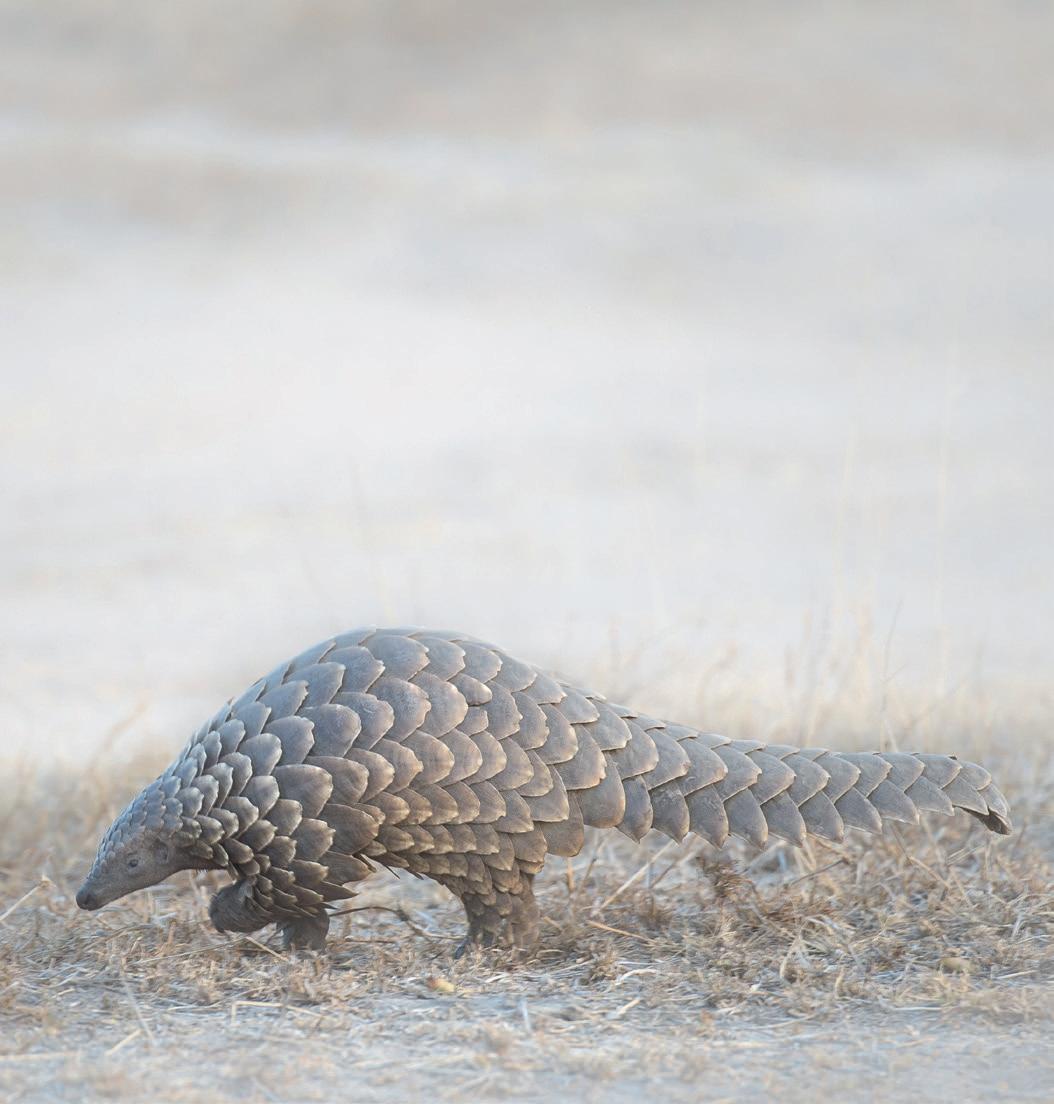
It’s early afternoon and the air is still as a crate is lifted from the back of a vehicle and placed gently on the ground. The front slides open, and for a moment nothing happens. Then, a small, scaled creature appears, hesitant, blinking at the light. Within seconds, it scurries toward the bush, its armour catching the last glint of sun before it disappears into the grass.
The rescued pangolin, seized from traffickers months earlier, had been painstakingly rehabilitated before
being ready for release. Pangolins are the most trafficked mammal in the world, with poachers killing as many as 2.7 million African pangolins every year. Watching this pangolin vanish back into the wild is a rare kind of victory, fragile and fleeting, but real. It’s moments like this that capture the essence of Remembering Wildlife, a project that has spent a decade turning compassion into conservation.
Founded by British photographer Margot Raggett, Remembering Wildlife began as a reaction to loss. In 2014, while on safari in
Kenya, Margot came across a poached elephant. The image of its lifeless body stayed with her, not as a photograph, but as a call to action. “I needed to do something that changed outcomes, not just awareness,” she says.
Two years later came Remembering Elephants, the first in what would become a ground-breaking series of wildlife books. Each volume features donated work from leading photographers, with all profits directed toward conservation. The formula was simple:
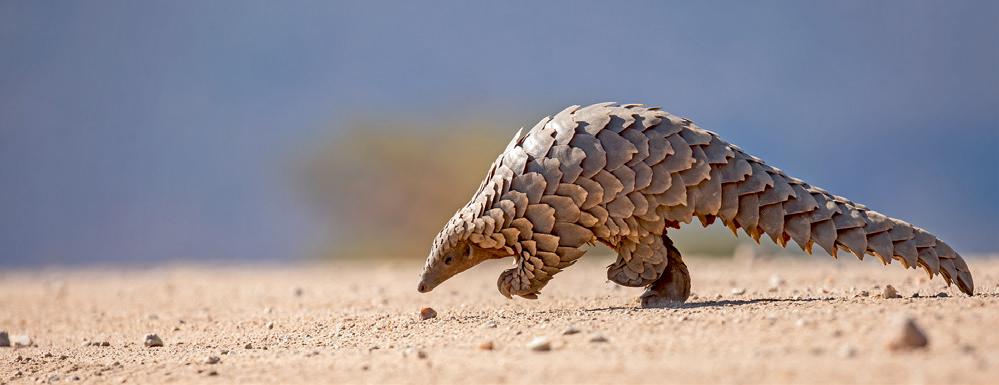
"despite their rarity, pangolins are the most trafficked mammals on earth"
harness the power of beauty and empathy to raise funds for endangered species.
Since that first edition, the series has expanded to include Remembering Rhinos, Lions, Great Apes, Cheetahs, Wild Dogs, Bears, Leopards, and Tigers. Collectively, the books have raised more than US$ 1.58 million, supporting 80 conservation and community projects across 34 countries.
What sets the project apart is its independence. Every book is selffinanced through pre-sales and crowdfunding, allowing profits to flow directly to those in the field, from anti-poaching units and research initiatives to rehabilitation centres. The result is a network that connects photographers, scientists, and small NGOs, providing agile support that large institutions often can’t match. “It’s about being nimble,” Margot explains. “If a ranger team needs a vehicle or a rehab centre needs equipment, we can act quickly.”
The impact has been tangible. More than 55,000 books have been sold worldwide, and Remembering Wildlife has provided crucial funding for projects ranging from snow leopard monitoring in Afghanistan to the rescue of sun
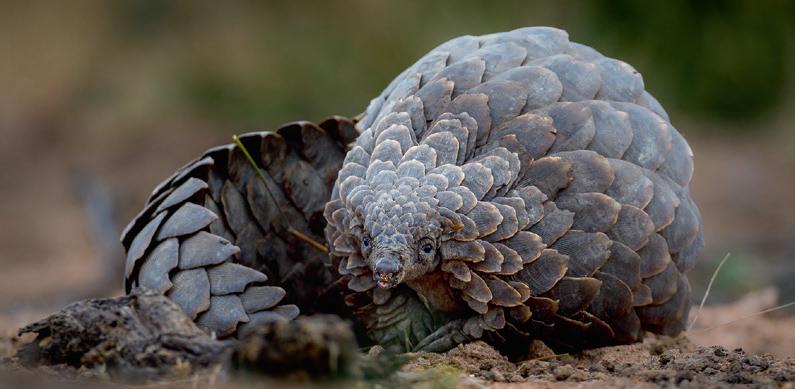
bears in Borneo. The initiative’s reach and efficiency earned Margot an MBE in the King’s Birthday Honours in 2023 for her services to international wildlife conservation.
Behind the professional success, however, lies a deeply personal story. In 2015, as Margot was raising funds for the first book, she was diagnosed with breast cancer.
“At 9am, we hit our Kickstarter goal,” she recalls. “By 9pm, I was told I had cancer.” She underwent surgery and months of radiation while continuing to coordinate the project. Remembering Elephants was published the following year, a triumph of perseverance as much as passion.
The diagnosis, she says, reshaped her sense of time and purpose.
“You can’t control everything, but you can decide what matters.”
That urgency, born of limited time and renewed focus, became the heartbeat of Remembering Wildlife.
Ten years later, cancer-free, Margot remains the driving force behind every book, orchestrating photographers and partners from her home in the UK while spending months each year on assignment across Africa and Asia.
The latest volume, 10 Years of Remembering Wildlife, is both a retrospective and a new beginning. It celebrates the photographers, conservationists, and readers who have made the series possible,
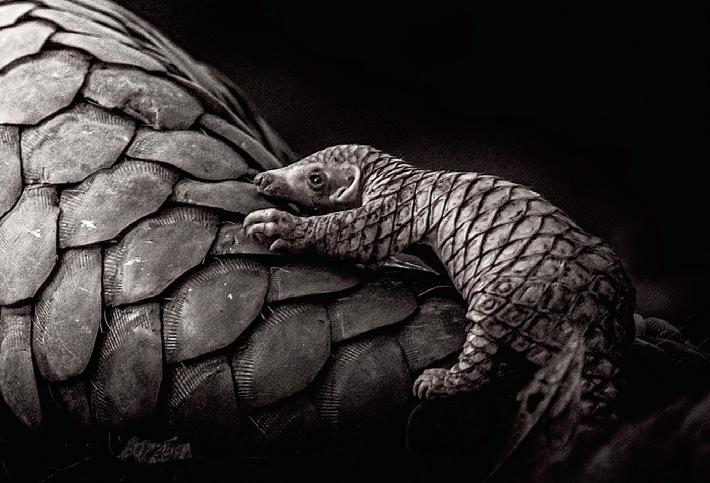
while shining a light on one of the world’s least understood and most imperilled creatures, the pangolin.
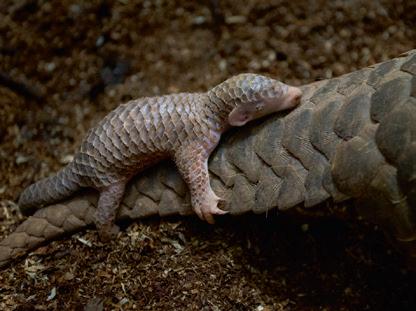
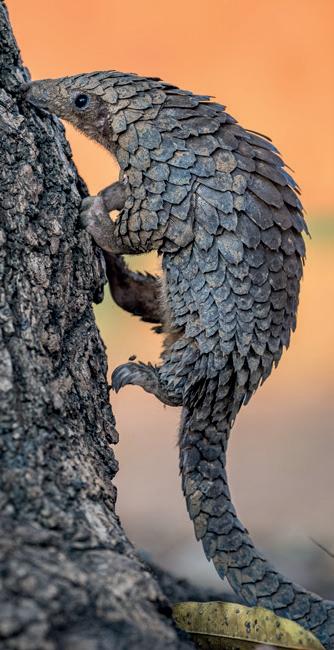
Pangolins are small, nocturnal mammals covered in keratin scales. They feed on ants and termites, play a vital ecological role, and curl into a tight ball when threatened, a defence that tragically makes them easy targets for poachers.
Despite their rarity, pangolins are the most trafficked mammals on Earth. Estimates suggest one is taken from the wild every five minutes. The animal’s meat is considered a delicacy in some parts of the world, and its scales are used in traditional medicine. Habitat loss compounds their decline, and all eight species are now at risk of extinction. “They’re a symbol of everything we risk losing because we’re not paying attention,” Margot says.
Funds from the new book will support pangolin rescue and antitrafficking efforts across Africa and Asia. The photographers whose works are featured in the book, and
who spent weeks and sometimes months searching for these most elusive of creatures, have created one of the most comprehensive visual records of pangolins ever assembled. Each image captures the fragility and resilience of an animal that has survived for over 80 million years yet faces erasure within a generation.
As the 10th anniversary edition makes its debut, Remembering Wildlife has become much more than a publishing venture. It’s a community bound by a shared belief that images can move people to act, and that even small, collective efforts can shift the fate of species. For Margot, it has
also been a decade of personal transformation. “At first, I thought I was creating a book,” she says. “But really, I was building a bridge; between those who can help and those who need it.”
A decade after that first encounter with a fallen elephant, Margot’s mission continues. From elephants to pangolins, each volume tells a story of survival, loss, and hope, a visual reminder that beauty alone is not enough, unless it drives us to protect it.
Somewhere in the wild, a rehabilitated pangolin disappears into the undergrowth, a small, triumphant symbol of what can happen when awareness turns into action. For Margot Raggett and Remembering Wildlife, that’s the point: transforming grief into guardianship, and photographs into futures.
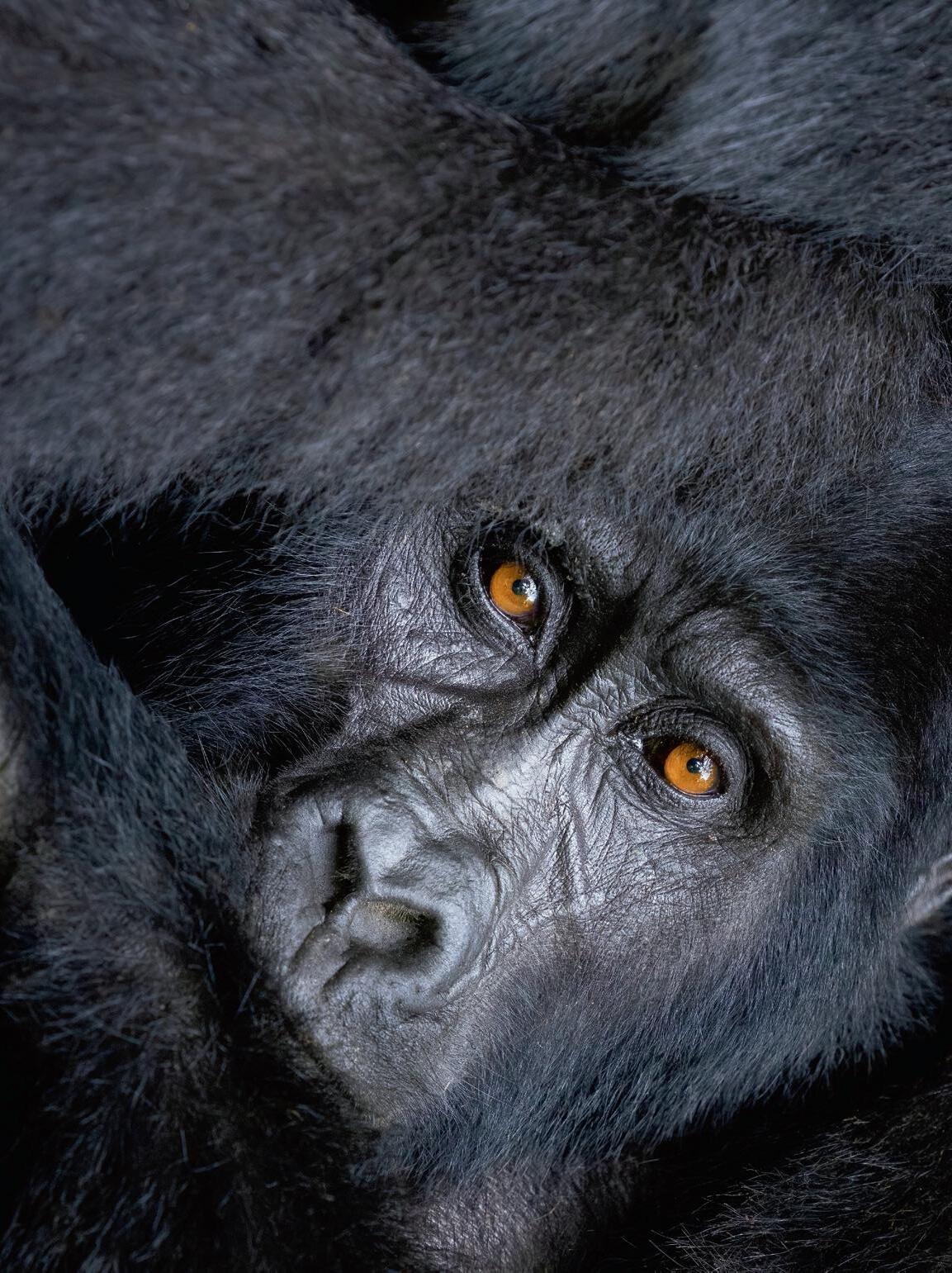
With Safarilink adding Entebbe and Arusha to its international network passengers can now easily add wild adventures in Uganda and Tanzania to their Kenyan safaris. Here’s some of the animal attractions that await
Animal adventure: Witnessing the Great Migration
Why is it so special? See millions of wildebeest and zebras thunder across the plains, pursued by predators—a true natural spectacle.
What is the best time of year to experience? June to July for dramatic river crossings, or January to March for calving season.
Fascinating Fact: The migration is the largest overland movement of animals on Earth.
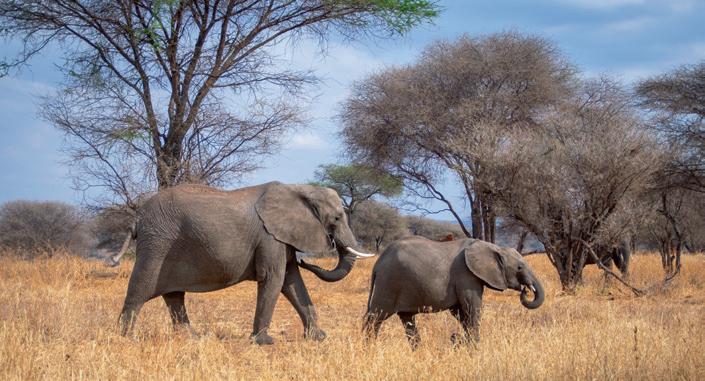
Animal adventure: Elephant and baobab safari
Why is it so special? Witness large herds of elephants and ancient baobab trees, along with diverse wildlife including lions and over 500 bird species.
What is the best time of year to experience? June to October, during the dry season when animals gather at the river.
Fascinating fact: Tarangire is known for having the largest concentration of elephants in northern Tanzania.

Animal adventure: Tree-climbing lion spotting
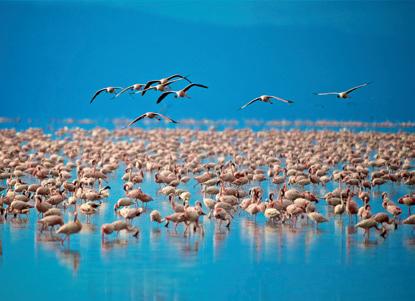
Why is it so special? Search for the park’s famous tree-climbing lions and enjoy sightings of flamingos, hippos, and baboons along the lakeshore.
What is the best time of year to experience? July to October for wildlife viewing, or November to June for birdwatching.
Fascinating fact: Lake Manyara is home to over a million flamingos during peak season.
Animal adventure: Shoebill stork spotting
Why is it so special? The prehistoric-looking shoebill is one of Africa’s rarest and most sought-after birds – spotting one is a true wildlife trophy!
What is the best time of year to experience? December to February and June to September, when water levels are lower and birdwatching is at its peak.
Fascinating fact: Shoebills can stand over 1.2 metres tall and remain motionless for hours while hunting.
Animal adventure: Up-close encounters with rescued wildlife
Why is it so special? Get a behindthe-scenes tour and help feed giraffes, rhinos, and chimpanzees, learning about conservation efforts for Uganda’s native species.
What is the best time of year to experience? Year-round, but mornings offer cooler temperatures and more active animals.
Fascinating fact: The centre is home to over 50 animal species, many of which have been rescued from poaching or illegal trade.
Animal adventure: Feed and observe rescued chimpanzees
Why is it so special? Observe rescued chimpanzees in a semi-wild environment on an island in Lake Victoria, accessible by boat from Entebbe.
What is the best time of year to experience? June to September and December to February, when lake conditions are calmest.
Fascinating fact: The sanctuary cares for over 50 orphaned chimpanzees and offers visitors the chance to watch their daily feedings.
A festival adds fun to any holiday, and Zanzibar hosts some of Africa’s best showcases of music, movies, and moonlight. Here are our top picks.
FLY WITH US: TWO FLIGHTS DAILY

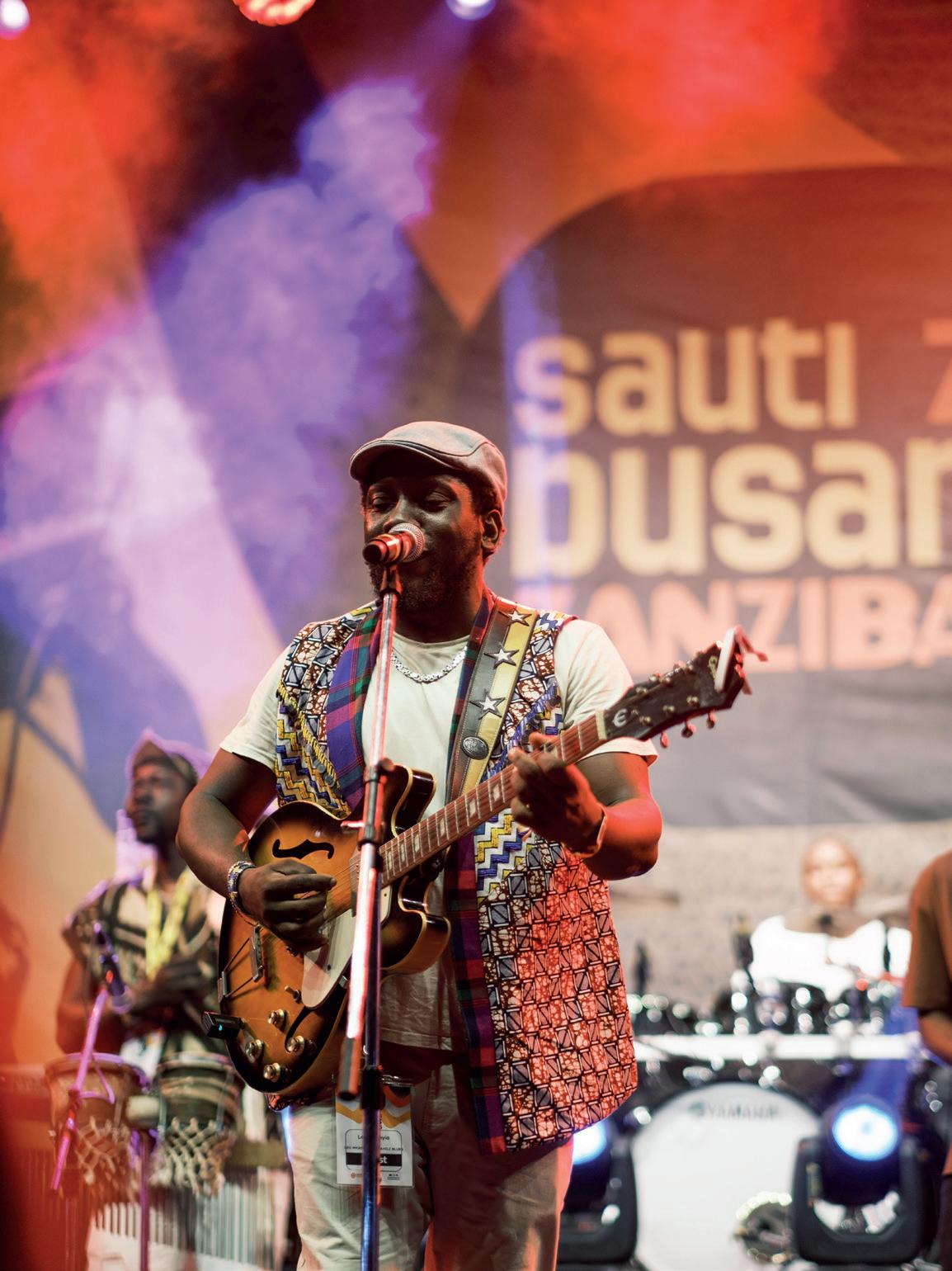
What is it? Sauti za Busara, which means ‘Sounds of Wisdom’ in Swahili, is one of East Africa’s premier music festivals. It celebrates African music and culture, bringing together musicians and fans from across the continent and the world. The festival emphasises the importance of music and art in preserving cultural traditions and showcases a diverse range of African-originated music. Past headliners have included Zimbabwean rapper and singer Sampa The Great, Ivorian reggae legend Tiken Jah Fakoly, and Zanzibari talent such as Rajab Suleiman and Siti & The Band, who take the island’s traditional taarab music in new directions.
When is it? The festival is held annually in February. The next edition is scheduled to take place from February 5 to 8, 2026
Where is it? Sauti za Busara takes place in Stone Town, Zanzibar, a UNESCO World Heritage site. The main venue is the Old Fort (Ngome Kongwe), a 17th-century Omani fortress, with additional performances held at nearby locations, including the Forodhani Gardens.
What do people say about it?
“Sauti za Busara is and has been the flagship for live music events in East Africa for over two decades now. The goal has always been to create a festival that truly resonates with the local community and reflects their identity.” (Festival director Lorenz Herrmann)

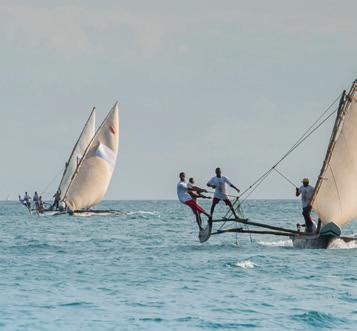
What is it? The Zanzibar International Film Festival (ZIFF), also known as the Festival of the Dhow Countries, is one of East Africa’s largest cultural events. Established in 1997, ZIFF showcases a diverse range of films from Africa, the Middle East, Asia, Europe, and beyond. The festival aims to promote film and cultural industries as catalysts for social and economic growth.
When is it? The festival is held annually, typically in late June. The next edition is scheduled to take place from June 25 to June 29, 2026
Where is it? ZIFF takes place in Stone Town, Zanzibar. The main venue for

screenings, concerts, and workshops is the Old Fort; however, pop-up cinema events, boat races, art exhibitions, and music concerts are also held across the major islands of Zanzibar (Unguja) and Pemba.
What do they say about it? “For many years, ZIFF was the only space in Zanzibar where you would be able to sit with hundreds of people to enjoy a film screening. The 1980s saw the closing down of cinemas across the continent, and festivals became the home of cinema lovers. Film has helped bring the world to people who would otherwise be estranged from the rest of the world.”
(ZIFF director Martin Mhando)
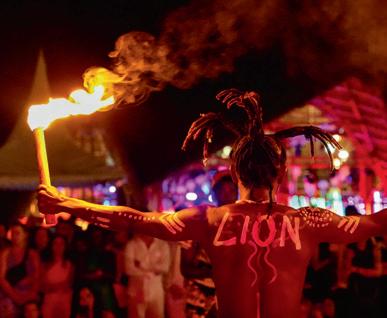
What is it? In 1996, on a clear full moon night on the northernmost tip of Zanzibar, a small group of friends and guests at the Kwenda Rocks Hotel held a beach party. The monthly event has grown in scale over the years, with thousands of revellers from all over the world now heading to the beachfront hotel to enjoy a star-studded line-up of music, food, fire shows and dancing. Past performers include Tanzanian dancer-turned-musician Chino Kidd and South African singer Daliwonga.
When is it? Every fourth Saturday of the month, to coincide with the full moon.
Where is it? Kendwa Rocks is located on Kendwa Beach, on the northwest coast of Zanzibar Island. It is situated near Nungwi on the north shore and is about an hour to an hour and a half drive from Stone Town.
What do they say about it?
“It’s impossible not to dance at the Full Moon Party – it’s more than just music, it's the vibes, the people, and the pure magic of the Full Moon Party!" (@ Fullmoonparty on Instagram).
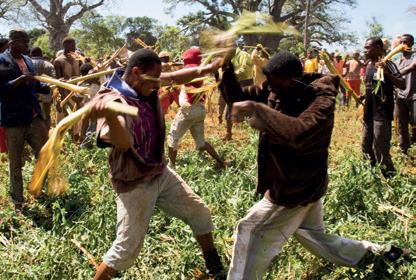
What is it? This lively and bizarre festival pays tribute to Zanzibar’s first non-African settlers, the Shirazi, who migrated to the Swahili coast from Persia (modern-day Iran). The festival marks the Shirazi New Year, and its rituals symbolise moving on from the past. Old straw huts are burned while male villagers stage mock fights armed with banana stalks to call an end to rivalries in the community. It’s a far cry from the Zanzibar postcard image of white sands and crystal waters, but Mkaka Kogwa has a unique aura that should not be missed.
When is it? Mwaka Kogwa typically takes place mid-July. The Islamic lunar calendar determines the exact date. The specific 2026 dates will be announced closer to the time once the new moon is sighted.
Where is it? The festival is held in the (usually) peaceful village of Makunduchi on the southeast coast of Unguja. The beach is not far away if you want to pair kitesurfing or sunbathing with your festival visit.
What do they say about it? “Whether you're drawn to raw cultural experiences, African traditions, or just want to see a side of Zanzibar that most people have never even heard of, this is one story you won’t want to miss.” (Travel influencer Weyni Tesfai)
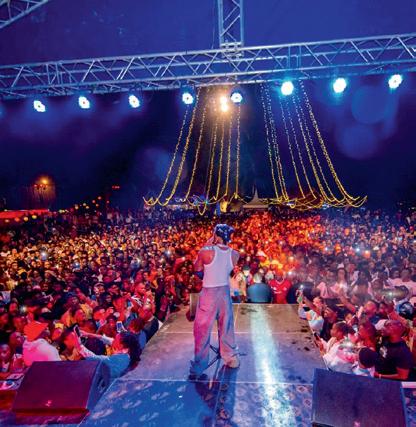
What is it? The sustainable residential development, Fumba Town, marked its 10th anniversary in 2025. During that time, 3,000 eco homes, as well as universities, gyms, and cafes have been built to support an affordable, cosmopolitan and family-friendly community. To mark the decade milestone, CPS Africa, the developer behind Fumba Town, has launched an annual festival titled Futopia. The all-ages event celebrates the creativity and sustainability at the heart of Fumba Town with three days of music, up-cycled fashion, wellness sessions, food stores, and craft and technology workshops open to all.
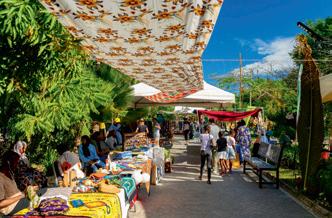
Where is it? Fumba Town is located on the Fumba Peninsula, about a 15-minute drive from Zanzibar International Airport.
When is it? Fumba Town took place from August 29 to August 31, 2025. You can visit www.Fumba. town for updates on the 2026 dates.
What they say about it?
"Platforms like FuTopia Festival are powerful bridges that connect artists with new audiences and cultures. As an AfroJazz musician, performing there not only allowed me to share my roots and sound with the world but also it gave me a space to express my story through my music and connect with people who truly value authentic African music.” (Humphrey Mubba, Tanzanian jazz musician)
Take our test to find your dream getaway across the Safarilink network of Indian Ocean gems.
What’s your ideal way to spend a morning by the ocean?
A. Diving, kayaking, or trying a new watersport
B. Meditating, doing yoga, or relaxing in a peaceful hotel
C. Exploring historic streets and chatting with locals
D. Sampling exotic dishes and joining a spice tour
E. Building sandcastles and going on family adventures
F. Watching the sunset with your favourite person
Which of these sounds most appealing?
A. Joining a diving school and exploring coral reefs
B. Staying in a treetop lodge surrounded by nature
C. Visiting ancient forts and bustling markets
D. Eating fresh seafood and unique local treats
E. Taking a glass-bottomed boat ride with the kids
F. Sailing on a dhow at dusk
What’s your must-have holiday vibe?
A. Action-packed and energetic
B. Calm and restorative
C. Culturally rich and historic
D. Flavourful and adventurous
E. Safe, friendly, and fun for all ages
F. Romantic and intimate
What’s your dream souvenir from a holiday?
A. An underwater GoPro video
B. A handmade beaded bracelet from a local artisan
C. A carved wooden dhow or antique coin
D. A jar of local spices or a recipe book
E. A family photo with everyone smiling
F. A pressed flower from a romantic walk


Which animal encounter excites you most?
A. Spotting dolphins or sea turtles while snorkelling
B. Watching colourful birds from your balcony
C. Seeing monkeys in the trees as you explore town
D. Sampling fresh seafood straight from the fishermen
E. Visiting a butterfly house or marine park
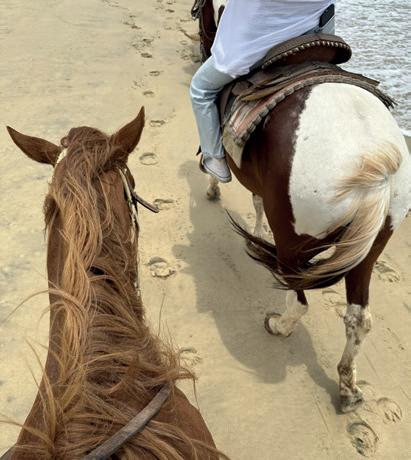
F. Horse riding along the beach at sunset
What’s your ideal evening activity?
A. Night diving or a beach volleyball match
B. Stargazing from a hammock
C. Listening to live taarab music
D. Joining a cooking class or food market tour
E. Movie night at the hotel with the kids
F. Sharing a candlelit dinner by the sea
Which view would you most like to wake up to?
A. The ocean dotted with kite surfers
B. Sunrise over a mangrove forest
C. Minarets and old rooftops
D. A bustling fish market
E. Palm trees and a playground
F. A private terrace with endless blue water
What’s your go-to holiday read?
A. An adventure novel
B. A mindfulness or wellness guide
C. A historical epic
D. A cookbook or food memoir
E. A family-friendly mystery
F. A romantic classic
What’s your favourite way to travel around?
A. By speedboat or jet ski
B. Barefoot or by bicycle
C. Tuk-tuk or on foot through winding streets
D. On a spice tour bus
E. By camel or glass-bottomed boat
F. By private car or horse-drawn carriage

Which phrase best sums up your holiday motto?
A. “Life’s a wave – catch it!”
B. “Breathe in peace, breathe out stress.”
C. “Every street tells a story.”
D. “Eat well, travel often.”
E. “The more, the merrier!”
F. “Love is in the air (and the sea breeze).”
MOSTLY A’S:
You’re made for Diani Beach
– the ultimate spot for sporty types and watersports lovers!
MOSTLY B’S:
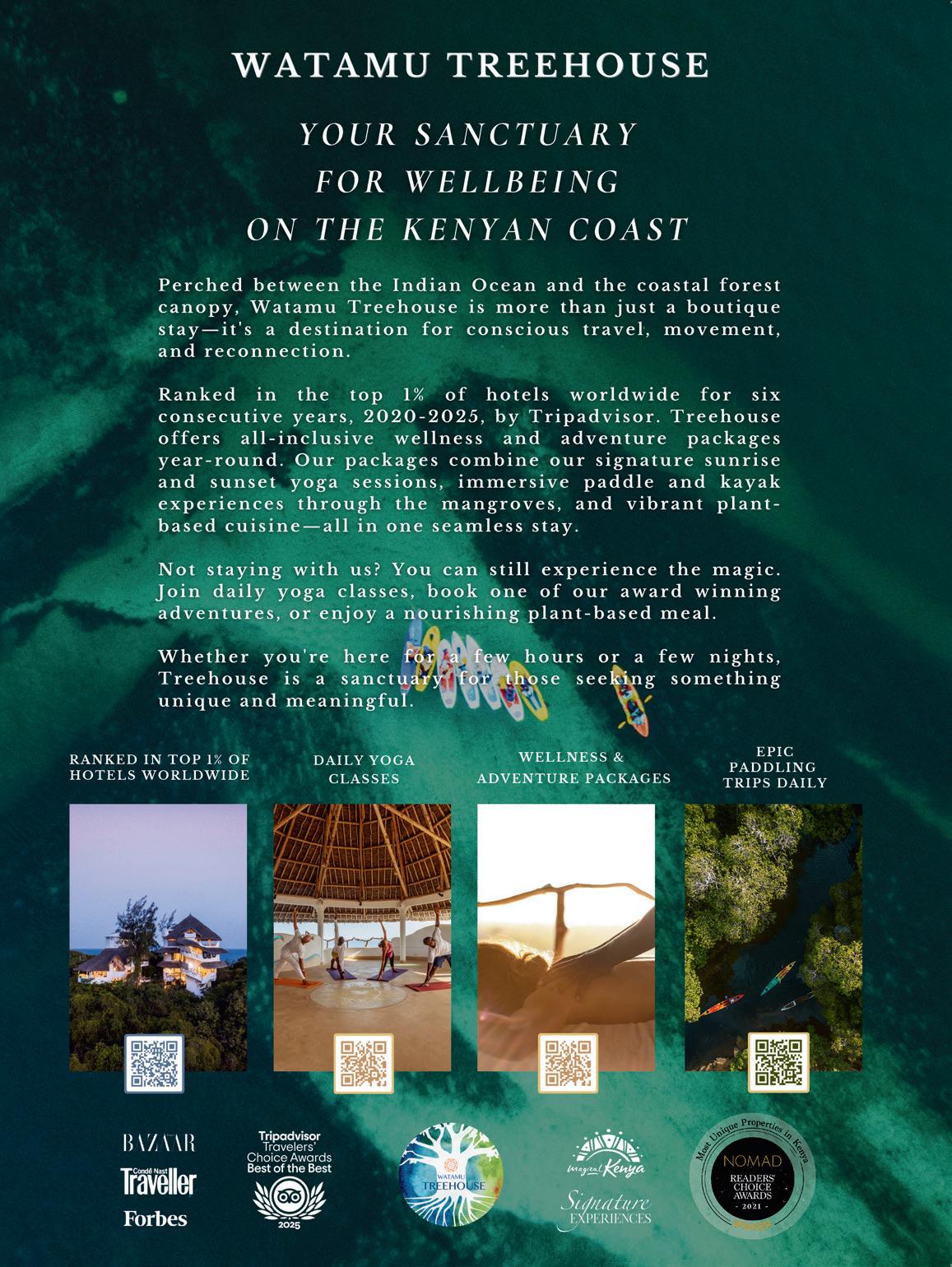
Head to Watamu for a peaceful, mindful escape in nature.
MOSTLY C’S:
Mombasa is your go-to for soaking up Swahili culture and history.
MOSTLY D’S: Zanzibar will delight your taste buds and culinary curiosity.
MOSTLY E’S: Malindi is perfect for families seeking fun, safety, and friendly vibes.
MOSTLY F’S: Zanzibar is the dream destination for couples in search of romance.
As 2025 draws to a close, Safarilink Aviation celebrates a transformative year marked by fleet expansion, strategic route development, and a bold step toward sustainable aviation.
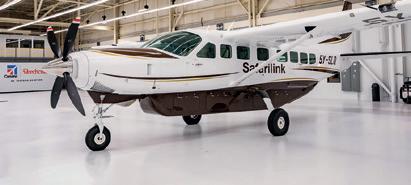
This year Safarilink welcomed three new aircraft –the Grand Caravans SLP, SLQ and SLR – enhancing our capacity and reliability across regional routes. Looking ahead, we anticipate the arrival of a Dash 8 aircraft by the end of this year or early 2026, further boosting our operational capabilities and passenger comfort.
Our global standard safety and operational levels were also reaffirmed with this year's successful renewal of the IATA Standard Safety Assessment (ISSA). Safarilink was the first airline in Africa and the Middle East to achieve the ISSA in 2019 and the renewal demonstrates our ongoing commitment to safety standards.
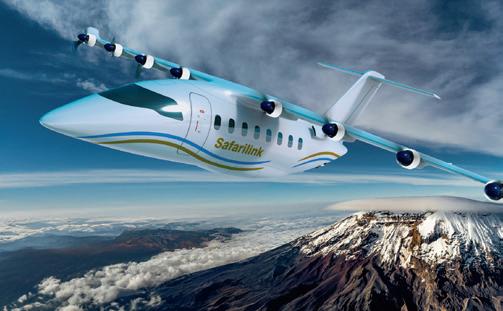
In June 2025, during the Paris Air Show, Safarilink signed a Letter of Intent (LOI) with French aerospace manufacturer AURA AERO for the acquisition of four 19-seater ERA hybrid-electric regional aircraft, with options for two more. This move positions Safarilink as a leader in low-emission aviation in Africa.
The ERA aircraft offers:
• Hybrid-electric propulsion with up to an 80 per cent reduction in. CO2 emissions
• A range of 900 nautical miles
• From short, unpaved runways
• Capacity for 19 passengers or 1.9 tonnes of cargo
This partnership aligns our operations with global sustainability goals while enhancing regional mobility.
Safarilink continues to expand its footprint with exciting new routes:
• Twice-daily flights to Entebbe via Kisumu: Launching December 15, 2025. This new service connects Nairobi to Entebbe through Kisumu, strengthening regional integration and offering seamless travel between Kenya and Uganda.
• Twice-daily flights to Arusha: Following the Tanzanian government's opening of Arusha International Airport, Safarilink will now replace its existing Kilimanjaro service with a more convenient twice-daily flight to Arusha operating both morning and afternoon. This strategic shift enhances accessibility for our customers and complements our broader East African network – linking Amboseli and Tsavo West to Laikipia and the Masai Mara to Diani and Mombasa.
These new connections support tourism, business travel, and conservation efforts by making East Africa’s most treasured landscapes more accessible than ever.
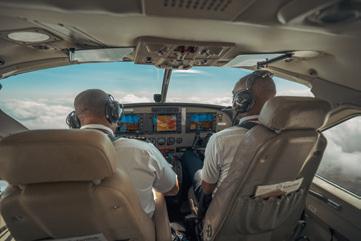
Safarilink remains committed to innovation, sustainability, and excellence in regional aviation. With a growing fleet, expanding network, and a bold sustainability roadmap, we are excited to continue serving our passengers with unmatched service and connectivity.
Here's to another year of soaring higher together.

FLY WITH US: THREE DAILY FLIGHTS TO MARA'S AIRSTRIPS
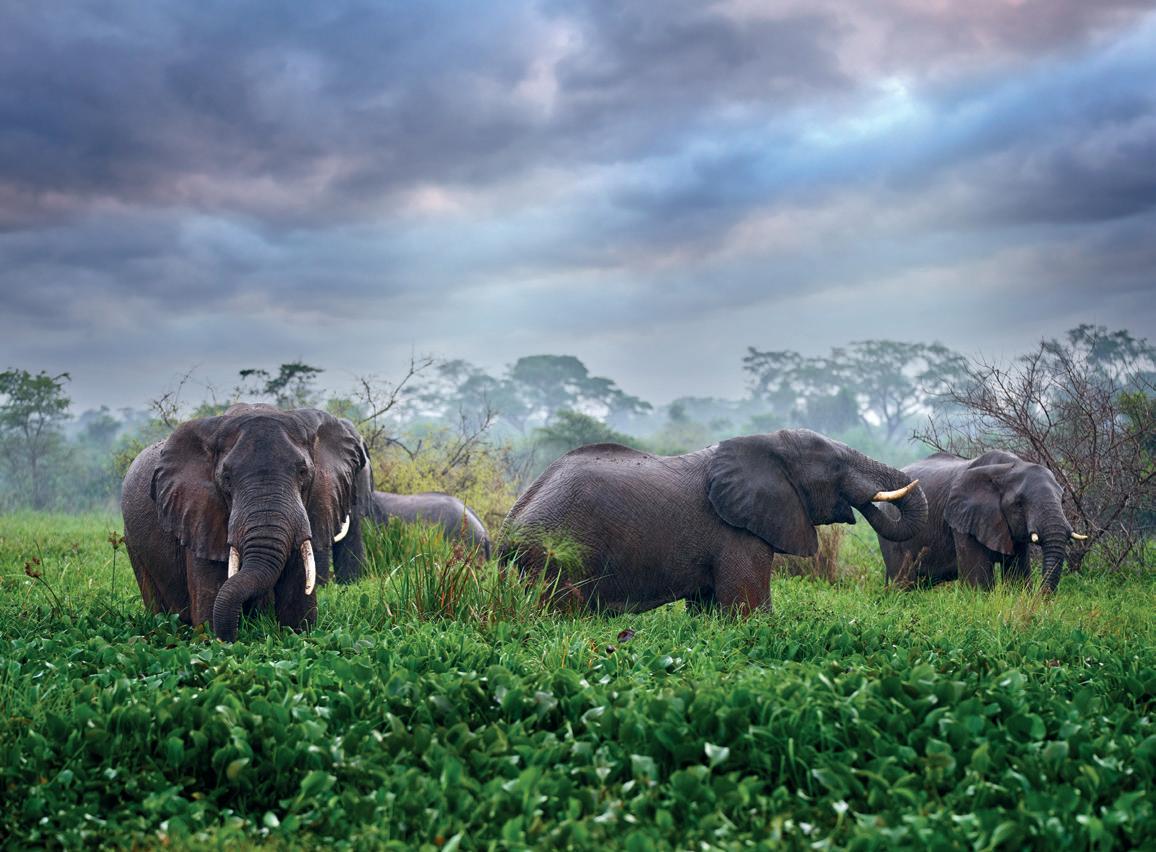
Why December to February is the prime time for clued-up Wildlife Enthusiasts.
When most people dream of the Masai Mara, they imagine the vast savannah set ablaze with the drama of the Great Migration. But there’s another side to this world-famous reserve, one that few travellers know about: the ‘green season’. From December to February, the Mara undergoes a stunning transformation, offering safari-goers an experience brimming with colour, life and unexpected delights.
Why the Green Season Is so special
First thing’s first: what exactly is the green season? As the short rains sweep across the plains, the landscape is rejuvenated, turning arid grasslands into lush, emerald carpets. The air is fresh; the skies are dramatic – often painted with photogenic thunderclouds – and there’s a tangible sense of renewal everywhere you look.
This time of year is often overlooked in favour of the migration,
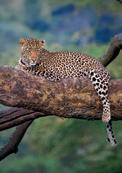
but those in the know will tell you the green season is the Masai Mara’s best-kept secret. Not only does the Reserve look its most vibrant, but the relative lull in tourist numbers means you can enjoy the wilderness in peace – no jostling for the best look at a lion or waiting your turn for that perfect photo.
Wildlife wonders: babies and bird life
One of the most enchanting aspects of the green season is the baby boom. Many animals time


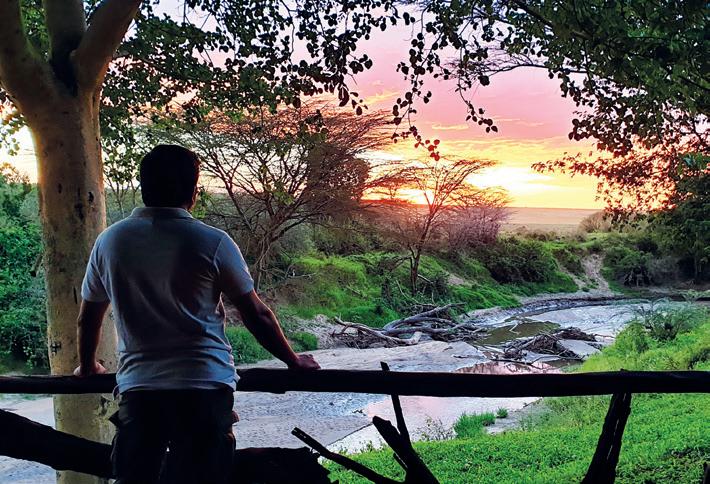
their births with the rains, so expect to see wobbly-legged zebra foals, gangly giraffe calves and playful wildebeest youngsters learning about life in the wild. Predators, as you can imagine, are never far behind, making for thrilling game drives packed with drama and tender moments alike.
Bird enthusiasts, meanwhile, are in for a treat. Over 450 recorded bird species can be spotted in the Mara, and during the green season, migratory birds arrive in droves, showing off their vibrant plumage. From the dazzling lilac-breasted roller to stately crowned cranes, the Reserve becomes a living aviary.
Photographers will find the Mara’s green season positively irresistible. The lush grasslands provide a beautiful backdrop for wildlife shots, and the play of light after rain showers can create magical, ethereal scenes. The dramatic cloud formations make every sunrise and sunset a spectacle, ideal for capturing those postcard-perfect moments.
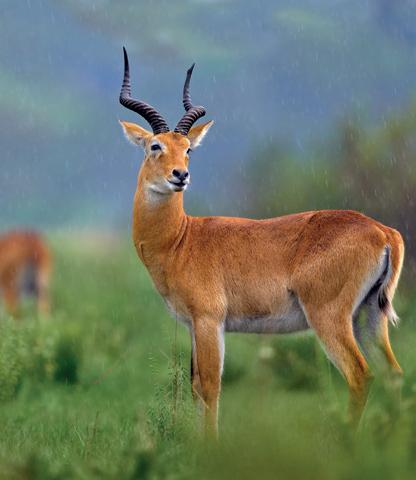
With fewer crowds, many lodges and camps offer special green season deals, and your guides have more time to tailor game drives or walking safaris to your interests. Imagine breakfast in the bush, surrounded only by birdsong and the distant rumble of thunder, or an afternoon spent learning traditional Maasai customs without feeling rushed.
Seasonal standouts: what not to miss
The Mara River: Swollen with rain, offering dramatic views and the chance to spot resident hippos and crocodiles basking on the banks.
Oloololo Escarpment: With lush vegetation, this ridge provides panoramic views across the reserve— especially stunning during green season.
Balloon Safaris: Floating above the freshly washed savannah at sunrise is an experience that’s simply magical.
Community Visits: The Maasai people are especially welcoming and keen to share their culture during the quieter months.
Night Drives: Take advantage of cool evenings to spot elusive nocturnal creatures like aardvarks and bushbabies.
Top tips for travellers
Pack a lightweight waterproof jacket and binoculars for birdwatching. Remember, while rain is part of the charm, showers tend to be brief and followed by brilliant sunshine. And don’t forget your camera – you’ll want to capture every mesmerising moment!
If you’re after an exclusive, intimate safari packed with colour, life and genuine adventure, the Masai Mara’s green season should soar to the top of your travel list. It’s a time when the reserve reveals its softer side, offering unforgettable encounters and breathtaking beauty. So, next time you’re browsing for your dream wildlife getaway, consider visiting between December and February – you’ll be in for a wild, wonderful surprise.
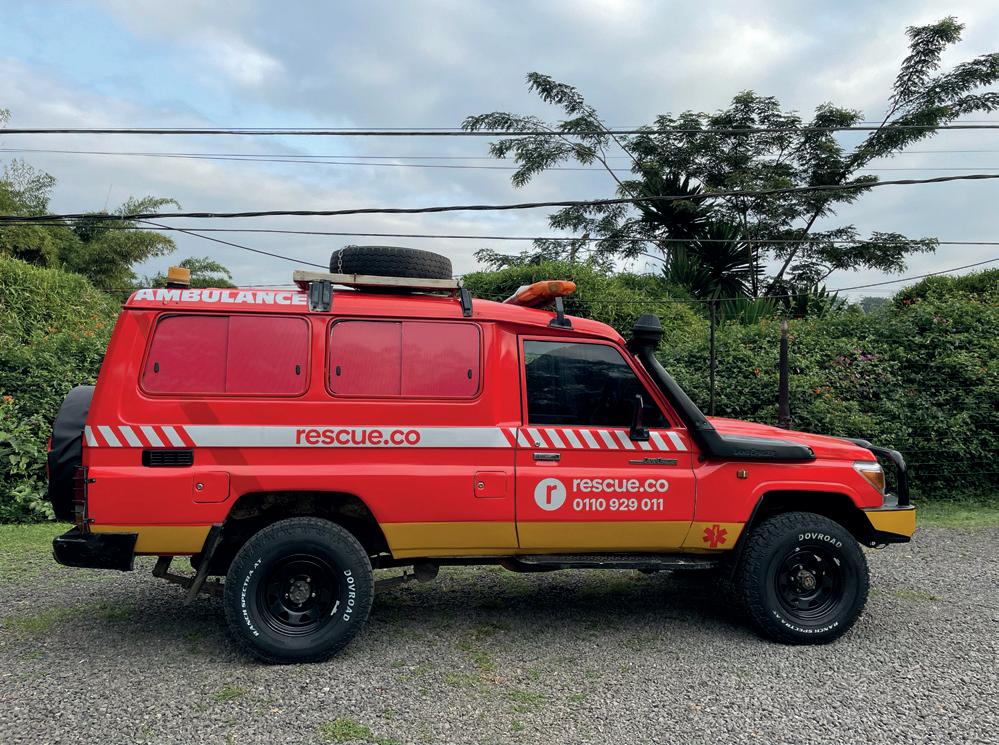
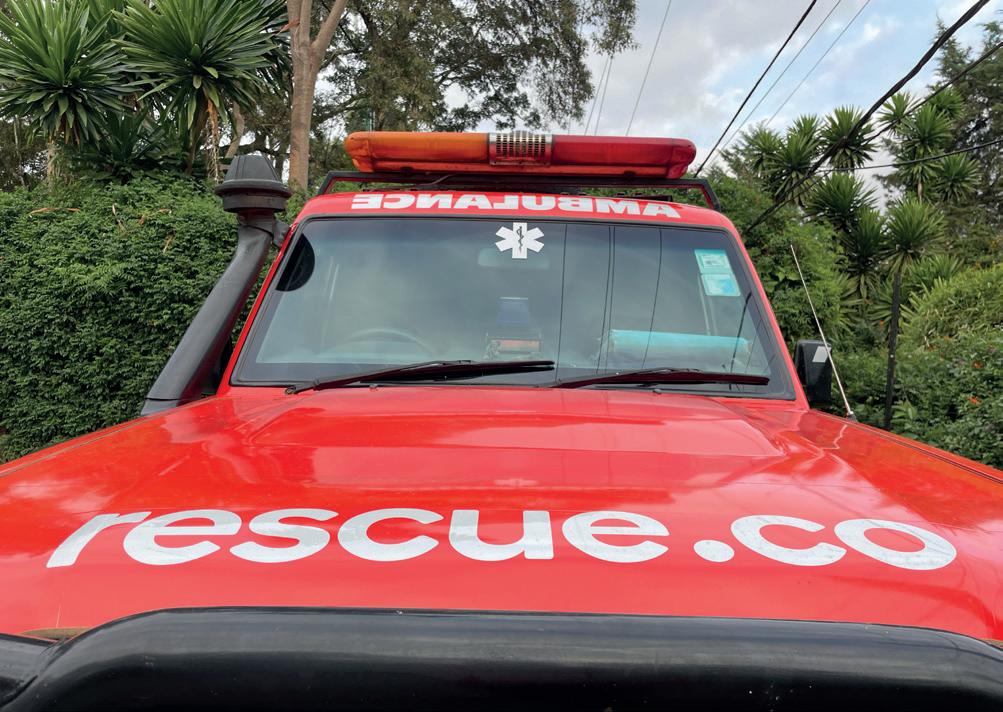
Safarilink flies explorers to East Africa’s wildest frontiers, while Rescue.co stands ready to respond should the unexpected happen. The Link speaks to Darshani Haria, commercial director at Rescue.co, about how the rapid response service brings peace of mind to adventurers.
Q: What sets Rescue.co’s approach apart in East Africa’s emergency landscape?
Rescue.co’s model redefines emergency response in East Africa by uniting hundreds of independent first responders into one coordinated, tech-enabled ecosystem. In East Africa, where infrastructure and geography pose unique challenges, our strength lies in our hybrid model: we don’t rely on owning vehicles. Instead,
we partner with over 800 ground ambulances and 90-plus aircraft, including rotary and fixed-wing options, all connected through our Flare dispatch technology.
This 24/7 platform enables our medically trained dispatchers to instantly locate, deploy, and live-track the nearest available ambulance or aircraft, ensuring patients reach the most equipped and capable facility as quickly as possible.
Q: How have technology and partnerships enhanced your operations?
Our proprietary platform, Flare, integrates real-time data on responders and hospitals across Kenya, Uganda, and Tanzania. It’s the backbone of our speed and reliability; reducing average response times by up to 91%, from 162 minutes to as low as 15 minutes in cities and under an hour in wilderness areas.
"WE cater to both domestic and international travellers, ensuring peace of mind"
We collaborate with operators across East Africa to ensure continuous, high-quality response coverage.
Q: What inspired the creation of SafeTravels, the company’s fully comprehensive ground and air rescue cover across East Africa. How is it tailored for tourists?
SafeTravels was born out of a simple reality: tourists exploring East Africa often lack rapid access to emergency response, especially in remote destinations. We created SafeTravels to bridge that gap, offering short-term evacuation cover (30 days) for medical emergencies.
It’s specifically designed for the safari and adventure travel industry, where time, terrain, and communication can mean the difference between life and death. The product caters to both domestic and international travellers, ensuring peace of mind for visitors exploring Safarilink destinations such as the Masai Mara, Tsavo, Lewa Downs and Mount Kenya.
Q: What are the main features and benefits of SafeTravels?
A 24/7 emergency hotline staffed with physicians, nurses, and paramedics. Air evacuations from mountains, islands, or bush locations using helicopters or fixedwing aircraft. Ground ambulance and inter-facility transfers with live-tracking.

Night-time rescue capability is supported by ground ambulances when aircraft cannot operate. Medical concierge and over-thephone guidance during critical moments.
One number, one team, one solution, complete coordination from distress to hospital admission. Crucially, we don’t require insurance pre-authorisation; our team launches immediately based on your membership status.
Q: How does Rescue.co handle emergencies in remote locations?
Our distributed network allows us to respond from multiple dispatch bases across East Africa. In Kenya, we leverage multiple airbases and ground networks to reach remote
areas. Where air evacuation isn’t possible (for example at night or during severe weather), our ambulance network provides stabilisation and overland transfer until a flight is feasible.
Q: What is the enrolment process for SafeTravels?
Travellers can enrol through partner tour operators, lodges, or directly online for the duration of their trip. No medical exams or pre-approvals are required, just coverage that activates the moment help is needed.
Q: Does Rescue.co offer multilingual support?
Yes. Our dispatch centre currently supports English, Swahili, and French, with ongoing plans to



expand to more languages to better serve the growing number of international travellers across East Africa.
Q: Are there any exclusions travellers should note?
SafeTravels has minimal exclusions. We do not exclude highrisk or high-altitude activities, chronic conditions, or adventure sports; key for tourists climbing Kilimanjaro or diving off the Kenyan coast. The only exclusion is travel undertaken against a doctor’s advice.
Q: Can you share impact stories or data from SafeTravels?
To date, Rescue.co has handled over 55,000 rescues across East
Africa and supports over 30,000 travellers annually through SafeTravels partnerships. In Tanzania, recent rescues include many successful high-altitude evacuations from Kilimanjaro and the first-ever HEMS [helicopter emergency medical service] transfer from the Serengeti.
Q: How do you gather feedback and continuously improve?
Every case is tracked and reviewed through our digital systems, including caller experience metrics, partner feedback, and quality audits. We actively engage with tour operators, conservancies, and our partners to refine training, logistics, and communication protocols, ensuring seamless collaboration in future emergencies.
"we actively engage with tour operators, and conservancies to refine training & logistics "
Q: Are there plans for regional expansion?
Yes. We are currently expanding from East Africa into Southern Africa and are looking to build a truly pan-African emergency response network capable of serving both residents and travellers across the continent.
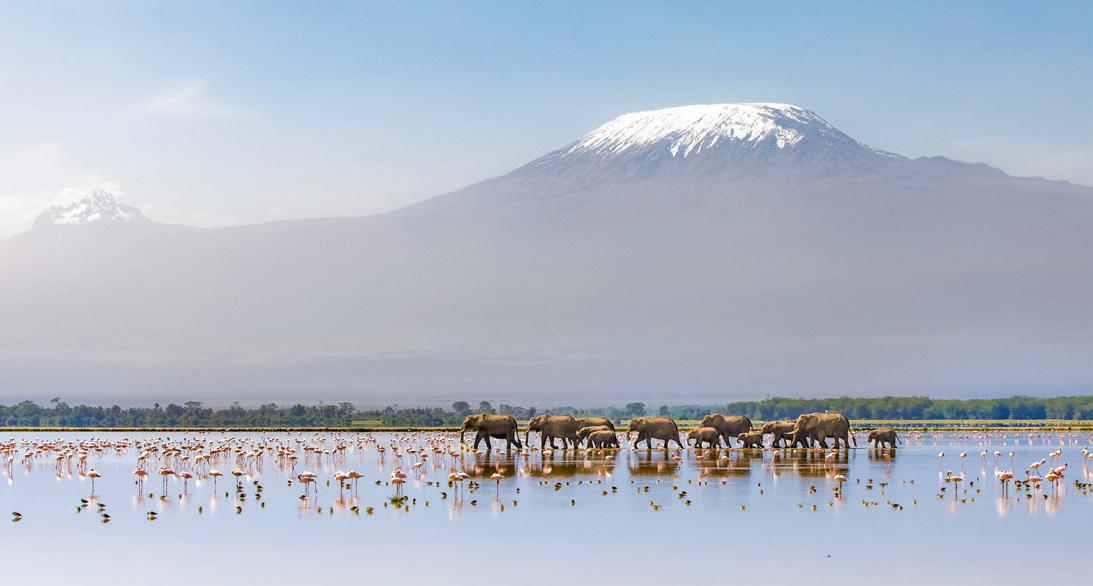
From Kenya’s premier national parks through Africa’s highest mountain to the best beach resorts of the Indian Ocean coast, Safarilink’s network of 17 destinations showcases East Africa’s finest attractions.
The non-stop Kenyan capital is also Safarilink’s hub with our operations centred at the city’s Wilson Airport. Nairobi is the place to soak up Kenya’s contemporary culture with its vibrant food, music and art scenes. If you want to escape the bustle, head to the capital’s ‘green lungs’, Karura Forest, or make the most of Nairobi being the world’s only wildlife capital with a visit to Nairobi National Park.
ARUSHA (Two flights daily)
Arusha is a vibrant city with a growing cultural scene, offering diverse music, food, and art experiences. Known as the ‘Safari City’, it’s the gateway to Tanzania’s world-renowned
Northern Circuit of wildlife reserves such as Serengeti, Ngorongoro Crater and Tarangire National Park. For those short on time, Arusha National Park offers game drives, walking safaris, and canoeing on the city’s doorstep.
(Two flights daily)
Entebbe is a welcoming lakeside town on the shores of Lake Victoria, offering a relaxed atmosphere and friendly locals. It’s not just a charming destination itself, but also the gateway to Uganda’s prime animal adventures. From here, embark on unforgettable mountain gorilla trekking or head to Jinja, the adventure capital of East Africa, for
thrilling activities like white-water rafting and bungee jumping.
TSAVO WEST (Daily flights)
Tsavo West National Park offers some of the most magnificent game viewing in the world with its safari staples including elephant, rhino, hippos, lions, cheetah, leopards and buffalo.
NANYUKI (Three flights daily)
The gateway to the wilderness of Mount Kenya National Park where wildlife includes leopards, giant forest hogs and more than 100 bird species. The town is also the starting point to trails ascending Africa’s second-highest peak, Mount Kenya.
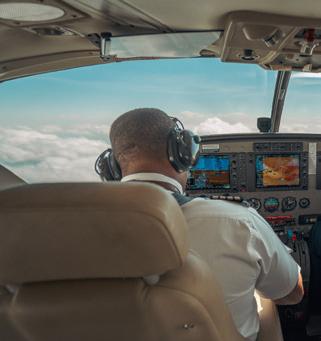
(Two flights daily)
Kenya’s historic second city is a living museum that reflects its time as a trading hub linking Africa with China and India. It is also an excellent starting point for Kenya’s renowned beach resorts.
MALINDI (Daily flights)
The town of Malindi sits amid a string of tropical beaches dotted with hotels and resorts. Much of the spectacu-
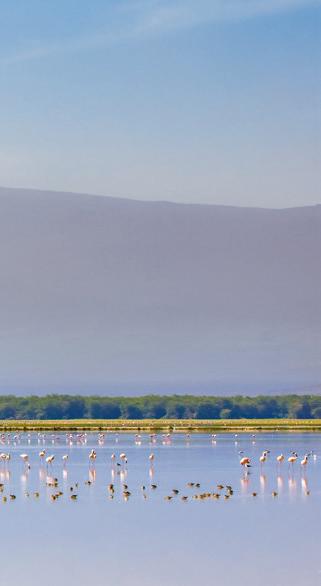
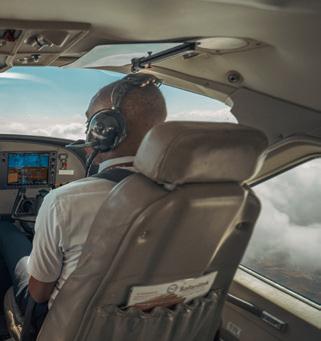
lar coastline is protected by the Malindi Marine National Park and there is more untouched natural splendour at the nearby Arabuko-Sokoke Forest Reserve, which is home to elephants and more than 200 species of birds.
(Three flights daily)
The Lewa Wildlife Conservancy is famous for the variety of rare wildlife it protects. Set in a valley in the middle of the
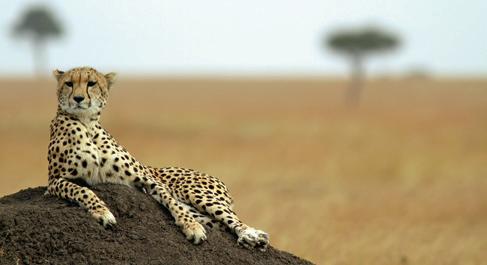
Laikipia Plateau, it is home to East Africa’s largest rhino population as well Grevy's zebra, Sitatunga antelope, cheetah, lion, elephant and reticulated giraffe.
LAMU (Daily flights)
Sun, sea and Swahili culture. Lamu is a true island escape. Wander the labyrinthine streets of its Unesco-recognised town – the oldest and best-preserved Swahili settlement in East Africa – take in the spectacular sunset from a traditional dhow fishing boat or just explore the stretches of footprint-free beaches that ring the island.
(Two flights daily)
Mount Kilimanjaro provides the stunning backdrop to the Amboseli National Park, framing your safari views of huge herds of elephant as well as leopard, lion, cheetah, giraffe and more than 600 bird species.
(Two flights daily)
This vibrant Indian Ocean island offers visitors a taste of Swahili culture old and new. In the ancient port of Stone Town coral and limestone houses, palaces, and forts survive from its 19th century trading heyday while the island’s coastline is a blend of sleepy fishing villages and swanky beach resorts. Inland
follow your nose for the heady perfume of the spice farms.
(Three flights daily)
The Samburu National Reserve is known for its abundance of rare northern specialist species such as the Grevy Zebra, Somali Ostrich, Reticulated Giraffe, Gerenuk and the Beisa Oryx – also referred to as the ‘Samburu Special’.
NAIVASHA (Daily flights)
The calm, glassy waters of Lake Naivasha contain a huge hippo population. Boat trips are available, some that take you to the privately owned game sanctuary of Crescent Island, which is walkable and will reveal giraffe and zebra. Far more wild animals are to be found in the neighbouring Hell’s Gate National Park with herds of buffalo and all manner of antelope roaming amid the dramatic Rift Valley landscape.
(Three flights daily)
The wild and rugged landscapes of the Masai Mara offer Kenya’s premier safari adventures. From July to October, it hosts the world-famous Great Migration of 1.5 million wildebeests with the Mara river crossings a dramatic highlight. The park also hosts all of the Big Five animals.
(Three flights daily)
The Loisaba Conservancy in Northern Kenya is a haven for over 260 bird and 50 mammal species, including endangered Grevy’s zebra. Big cat lovers will also find prides of lions, cheetahs and leopards. African wild dogs, thought for many years to be extinct in the region, are returning.
KISUMU (Three flights daily)
Kenya’s third-largest city is situated on the northern shores of Lake Victoria. The lakeside vantage point offers some spectacular sundowner opportunities as well as boat rides and fishing trips. For animal adventures, head to the Kisumu Impala Sanctuary that shelters herds of impalas, zebras, cheetahs and baboons.
(Two flights daily)
The Kenyan coast is blessed with beautiful beaches galore, but Diani may be the fairest of them all. With 15 km of powdery white sand and waters calmed by an off-shore coral reef it provides ideal conditions for swimming, snorkelling, scuba diving, kite surfing, and water sports like windsurfing and kiteboarding.
MIGORI (Daily flights)
The high altitude and clean air of this city nestled in the highlands of western Kenya has produced some of the world’s best distance athletes. It is a place that rewards the outdoor life with natural attractions such as the Rift Valley, Kakamega Forest, Kerio Valley and the Nandi Hills nearby.
Kisumu
Entebbe Migori
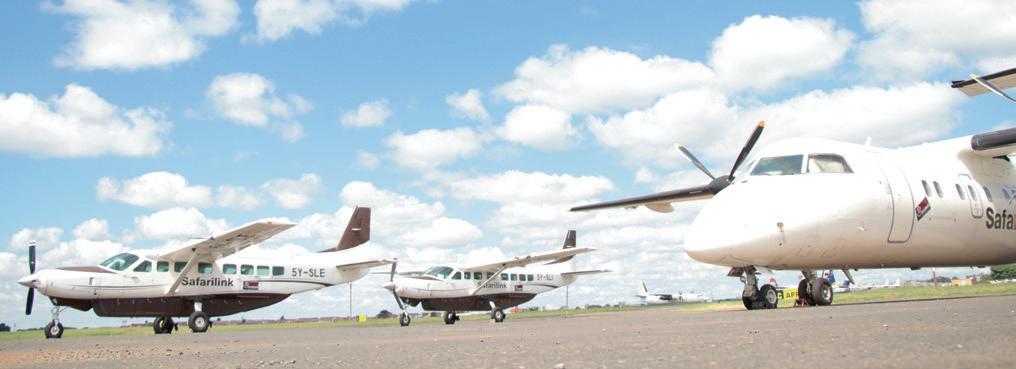
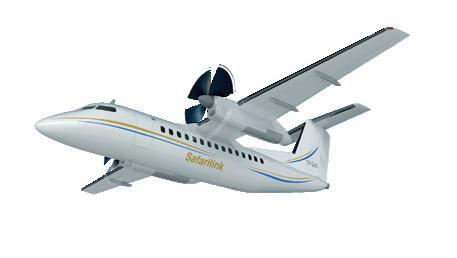
The 14-strong Safarilink fleet includes aircraft suited to the remote airstrips and short flight times that make up the majority of the destinations we serve. We also have four twin-engine Dash 8s to fly more passengers on longer routes
CESSNA CARAVAN C208BS
Number of aircraft: 11
Engine type: Turbo-prop single engine
Manufacturer: Textron Inc (formerly Cessna)
Crew: Two pilots
Maximum passengers: 12
▪ This workhorse of the fleet is a rugged fixed under-carriage aircraft that is ideal for landing on the ‘dirt’ airstrips common in game parks. Its high wings and large windows allow exceptional viewing of the unfolding scenery and animals while in flight. Our Cessna Caravan fleet now totals 10 after the arrival of two new aircraft in March 2024.
8-106 (5Y-SLD)
Number of aircraft: One Manufacturer:
DeHavilland Canada
Engine type: Twin engine Crew: Two pilots and one flight attendant
Maximum passengers: 37
▪ This Pratt & Whitney 120A powered aircraft is well known to commuter travellers around the world. Its pressurised cabin enables it to fly above the weather on the longer routes and its all-leather seats provide a touch of luxury.
8-315 (5Y-SLK)
Number of aircraft: One Manufacturer:
DeHavilland Canada
Engine type: Twin engine Crew: Two pilots and two flight attendants
Maximum passengers: 52
▪ This Pratt & Whitney PW123E powered aircraft has a pressurised cabin which enables it to fly above the weather on the longer routes. It features all-leather seats for each passenger.
8-311 (5Y-SLC)
Number of aircraft: One Manufacturer: DeHavilland Canada Engine type: Twin engine Crew: Two pilots and two flight attendants Maximum passengers: 50
▪ This Pratt & Whitney PW123B powered aircraft has a pressurised cabin which enables it to fly above the weather on the longer routes. It features all-leather seats for each passenger.
8-202 (5Y-SLO)
Number of aircraft: One Manufacturer: DeHavilland Canada Engine type: Twin engine Crew: Two pilots and one flight attendant Maximum passengers: 37
▪ This Pratt & Whitney PW123D powered aircraft has a pressurised cabin which enables it to fly above the weather on the longer routes. The interior is with all leather seats to provide a touch of luxury.
ADDRESS: PHOENIX HOUSE, WILSON AIRPORT, PO BOX 5616, NAIROBI 00506, KENYA
TEL: +254 20 6690000/ +254 730 888 000
EMAIL: RES@FLYSAFARILINK.COM
WEBSITE: WWW.FLYSAFARILINK.COM
CALL CENTRE: 020 669 0000
NAIROBI
PHOENIX HOUSE, WILSON AIRPORT
MOBILE: +254 730 888 000
@FLYSAFARILINK FACEBOOK: @FLYSAFARILINK
DIANI
TELEPHONE: +254 710 772 222/ 735 697 410
EMAIL: DIANIOFFICE@FLYSAFARILINK.COM
KISUMU
TELEPHONE: +254 793 500 500/ 757 500 500
EMAIL: KISUMUOFFICE@FLYSAFARILINK.COM
MALINDI
TELEPHONE: +254 769 700 700
EMAIL: MALINDIOFFICE@FLYSAFARILINK.COM
LAMU
TELEPHONE: +254 769 600 600
EMAIL: LAMUOFFICE@FLYSAFARILINK.COM
MOMBASA
TELEPHONE: +254 769 000 444/ 101 888 000
EMAIL: MBAAIRPORT@FLYSAFARILINK.COM
ZANZIBAR
TELEPHONE: +255 674 308 858
EMAIL: ZNZOFFICE@FLYSAFARILINK.COM

Book your flights at www.flysafarilink.com and pay by credit card or mobile money. Alternatively, email res@flysafarilink. com for other payment options such as credit card payment links‚ or bank transfer options.
Children of two years of age and above but not more than 12 years of age are charged at 75 per cent of the applicable adult fare‚ depending on the class booked. Infants under two years of age are not charged providing they are not occupying a seat. Infants are not entitled to a baggage allowance.
Save time at the airport and check-in online between 18 hours and two hours before your flight. You can also checkin and download your boarding pass on your phone. When you check-in online‚ you can choose your seat for free. Once you have checked in online you will be required to present yourself at the check-in counter to confirm your presence.
Check-in counters will close 60 minutes prior to departure time on international flights (to/from Zanzibar and Kilimanjaro) and 30 minutes prior to departure time on other services. After these cut-off times passengers will not be allowed to check-in.

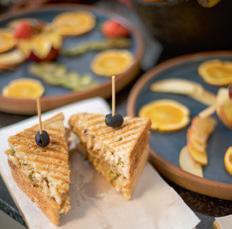
Our Safari Lounge is an extension of our main dedicated lounge and is located at our head office on the first floor at Wilson Airport‚ Nairobi. Whether you’re travelling for business or pleasure‚ you can relax in our executive lounge for up to four hours before your flight. While here passengers can enjoy the services of a personalised barista with coffee roasted by hand. They can also take advantage of the shower facilities and

the drink and snack bar. The Safari Lounge opens daily from 0600hrs to 1600hrs and can be booked for passengers on both private charters or scheduled flights at a fee of US $40 per person. It must be booked at a minimum of six hours prior to departure time. Children under 12 years will not be permitted unless booked as part of a private charter group. To book‚ contact our reservations team at res@flysafarilink. com or call +254 730 888 000.
▪ Safarilink’s frequent flyer programme, ‘Safari Bonus’, allows passengers to earn reward points on every Safarilink scheduled flight. To sign up complete the online enrolment form on our website.
▪ Once you have signed up you will get a membership number, which you will need to quote at the time of booking or upon checking in.
▪ Points can be earned on both one way or return Safarilink scheduled flights. The number of points earned are subject to the class of travel and fare paid.
▪Points cannot be earned on complimentary tickets. Children upwards of two years old can register as members. Points earned can be transferred to a registered member.
▪ Once you have sufficient points‚ book your reward ticket to any of our 17 amazing destinations
▪ Requests for award tickets should be sent to safaribonus@ flysafarilink.com‚ quoting your membership number and name. For any queries or clarifications‚ please send an email to safaribonus@flysafarilink.com
Zanzibar‚ Kisumu‚ Diani‚ Lamu, Mombasa and Malindi: 20Kg max
All other destinations: 15kg max
▪ The baggage allowance is inclusive of hand luggage. Infants not paying for a seat are not entitled to baggage allowance. Excess baggage will only be carried‚ at the sole discretion of the captain of the aircraft‚ if the payload of the aircraft and/or space permits and will be charged at the prevailing rate for carriage of freight.
Is there anywhere I can store any excess baggage?
▪ Yes‚ there is a complimentary secure store at our Wilson Airport Office. Please ask at the Check-in counter.
Is the 15kg baggage allowance inclusive of hand luggage?
▪ Yes. If passengers have significant excess baggage they can book a ‘freight’ seat at an adult rate‚ which permits confirmed carriage of an extra 75 kgs.
What happens if my baggage is over the weight limit?
▪ In most circumstances our check-in staff will use their discretion and allow a leeway of up to two kgs. However additional excess baggage will only be carried‚ at the sole discretion of the captain of the aircraft‚ if the payload of the aircraft and/or space permits and will be charged at the prevailing rate for carriage of freight (currently KES350 per kg on domestic flights; US$5 per kg between Mombasa and Zanzibar; and US$10 per kg on flights between Nairobi and Zanzibar).
Why do you ask that my luggage is in a soft bag?
▪ Most of our flights are operated by aircraft whose luggage compartments have limited volume and are of an irregular shape. It is thus more difficult for us to stow large rigid suitcases‚ which in an extreme situation‚ might have to be carried on the next available flight.