
Flightlink celebrates landmark year
The photobook protecting the pangolin
Arusha and Mwanza: Combine the cities for top-tier safaris
Race supports vital work of Africa's park rangers








Flightlink celebrates landmark year
To our cherished passengers and valued travel partners.
As the year draws to a close, we are filled with immense gratitude. This message is a heartfelt thank you to each one of you who has chosen Flightlink, trusted us with your journeys, and stood by us as we soared through the skies. The very existence and success of our airline depend on your steadfast support, and for that, we are profoundly grateful.
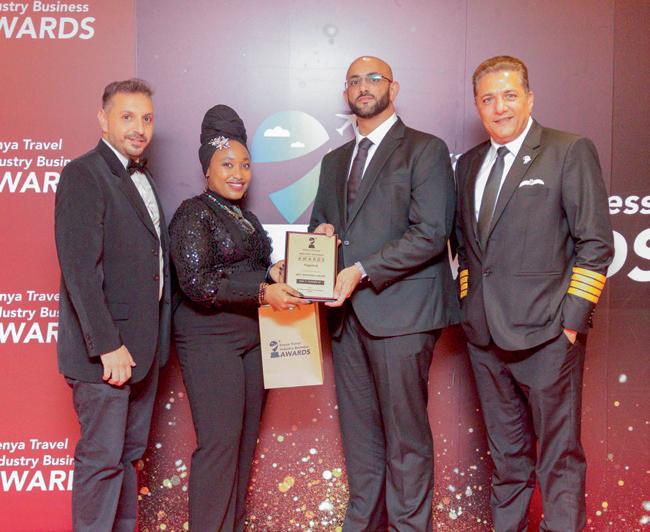
This year has been a milestone, and we are bursting with pride to share that Flightlink has been recognized at the Kenya Travel Industry Business Awards as 2025’s First Runner-Up for Best Regional Airline in East Africa. Standing among the region’s legacy carriers and earning this position is a powerful validation of our hard work and a shared achievement for every Tanzanian. It is an honour that spotlights our commitment on a regional stage, and we are incredibly proud to be your representative in this contest.
As we look to the future and the promise of a new year, we make these core promises to you:
1. Punctuality is our priority: We understand your time is precious. We are committed to doing our very best to ensure you reach your destination on time, every time.
2. Safety is our foundation: Above all else, the safety and security of every flight we operate is our non-negotiable promise. It is the bedrock of everything we do.
3. Trust is our bond: We will continue to work tirelessly to be the most trusted and reliable airline for you. As part of this commitment, we are excited to grow our network, connecting our treasured tourists to the most exotic and breathtaking destinations across Tanzania and Kenya.
Today, we celebrate the joy of Christmas and the hope of the New Year. We pray that you are blessed with the warmth of family and loved ones this festive season, and that the coming year brings you success, happiness, and new horizons.
From our Flightlink family to yours, we wish you a Merry Christmas and a prosperous, forward-moving New Year!
With sincere thanks and best wishes,
Munawer Dhirani Managing Director


REMEMBERING WILDLIFE
A decade of saving species 15
8 | December 2025 to February 2026
3rd floor‚ Oyster Pearl Galleria‚ Chole Rd Masaki‚ PO Box 2858, Dar es Salaam‚ Tanzania.
For the latest flights, information and to book online, visit: www.flightlink.co.tz
Reservations: centralreservations@flightlink.co.tz
E: customerservice@flightlink.co.tz
Marketing: Shabbir Ebrahim
T: +255 748 505 624
M: +255 769 981 899
E: s.ebrahim@flightlink.co.tz
Zebra Stripes is published by:
Land & Marine Publications (Tanzania) Ltd
5th floor, Josam House plot Number 16, Mikocheni Area
Along Coca-Cola Road, Dar es Salaam
T: +255 686 118 816
Head Office: Land & Marine Publications Ltd
6 The Square, Ipswich, Suffolk, IP5 3SL, UK
T: +44 (0)1206 752902
E: publishing@landmarine.com www.landmarine.com
A culinary tour of Flightlink’s destinations
SOUNDS OF THE CITY A music lover's guide to Dar
SAANANE 'SPECIAL FIVE ' Mwanza's island national park
Editor: Mark Edwards
E: markedwards@landmarine.com
Advertising sales: Godfrey S. Urassa
M: +255 (0) 686 118 816 (WhatsApp)
E: godfreyurassa@landmarine.com
Printed by Jamana Printers Ltd, Dar es Salaam
The opinions expressed in this publication are not necessarily those of the editor, or any other organisation associated with this publication. No liability can be accepted for any inaccuracies or omissions. ©2025 Land & Marine Publications Ltd.
Flightlink is beyond proud to have been named first runner-up in the Best Regional Airline category at the Kenya Travel Industry Business Awards (KeTIBA) 2025. It is a huge achievement for an independent airline competing in a shortlist that includes national carriers from the region. The award is a recognition of Flightlink’s continued success in providing safe and reliable regional travel in East Africa. Thanks to our dedicated team and the incredible support from you, our amazing passengers. Here's to many more unforgettable adventures together!
Book your flight with Flightlink today through our website www.flightlink.co.tz or mobile app, available on Android and Apple devices.
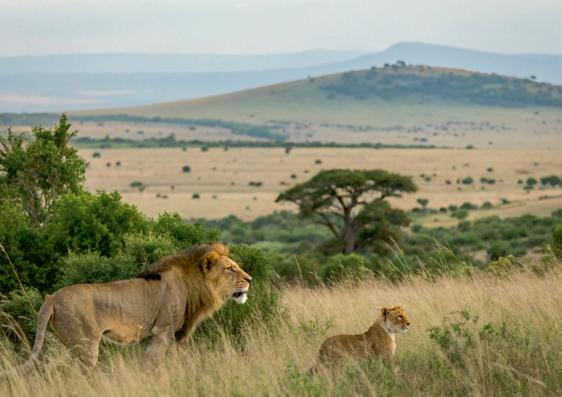
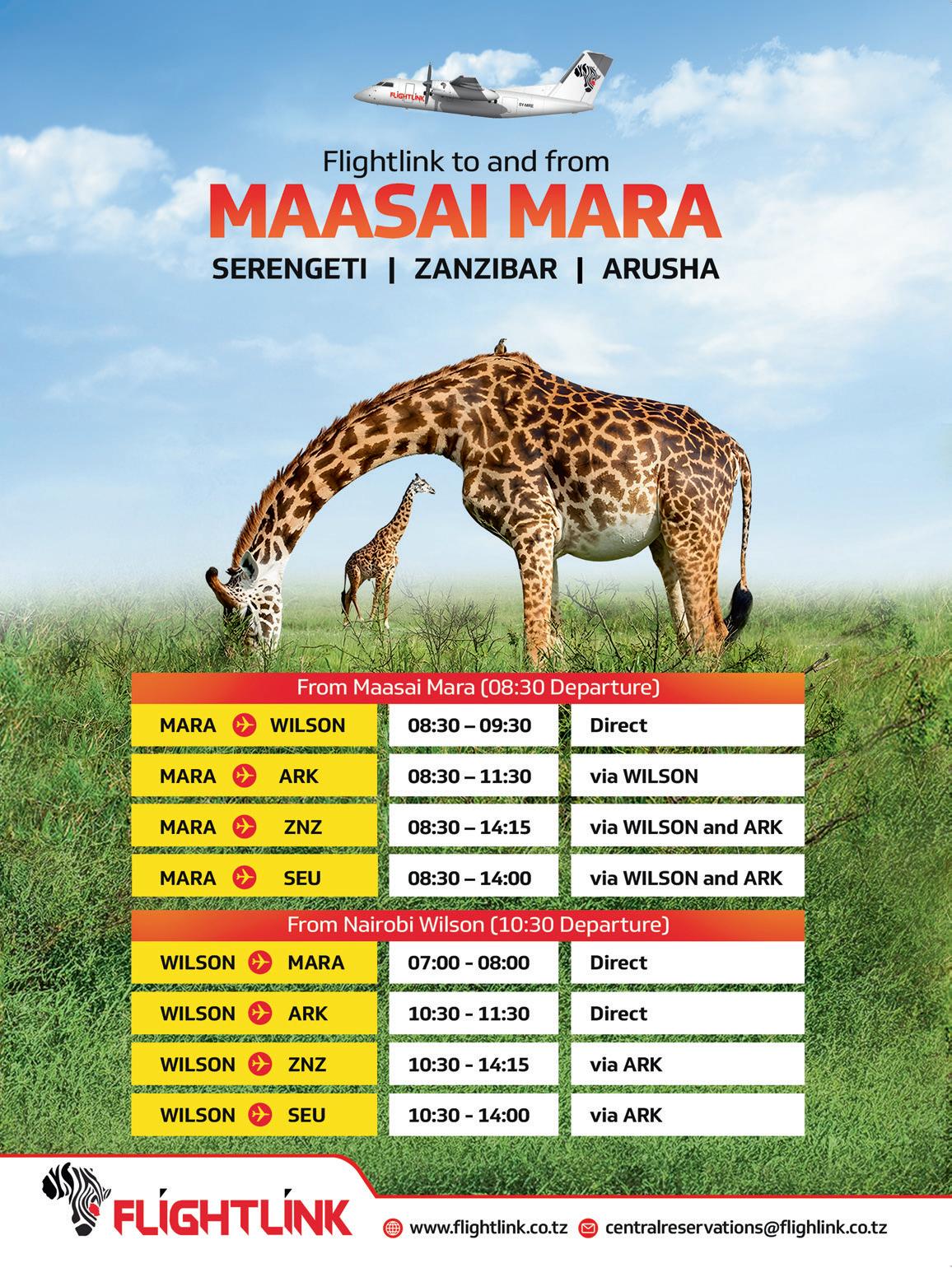
Flightlink is working hard to build the best travel experience in the region by strengthening the connection between Kenya and Tanzania. Our services link Kenya’s Masai Mara and Nairobi with Tanzania’s Serengeti and Zanzibar, giving travellers an easy way to reach some of East Africa’s most iconic destinations.
These routes are part of our ongoing effort to improve regional accessibility, support tourism, and offer a smooth journey for both local and international travellers. We’re committed to growing these connections and making cross-border travel simpler, more comfortable, and more reliable for everyone who flies with us.

Exploring the advantages of Tanzania’s commercial capital

Dar es Salaam, Tanzania’s largest city and principal port, has emerged as a vibrant hub for commerce and industry in East Africa. Its dynamic business environment, strategic location, and growing infrastructure make it a top choice for professionals seeking opportunities on the continent.

Dar es Salaam offers direct access to the Indian Ocean and serves as a gateway to Tanzania and its neighbouring countries. The city’s port is one of the busiest in the region, facilitating trade and logistics for businesses operating locally and internationally. Julius Nyerere International Airport provides convenient air links to major cities across Africa, Europe, and the Middle East, making business travel efficient and accessible.
Tanzania’s economy has shown robust growth in recent years, with Dar es Salaam at its heart. The city is home to a diverse range of industries including finance, telecommunications, manufacturing, and tourism. Business travellers will find a wealth of opportunities, from investment prospects to networking events, as Dar es Salaam continues to attract
foreign direct investment and foster entrepreneurship.
Dar es Salaam boasts modern office buildings, conference centres, and hotels designed to cater to the needs of business travellers. High-speed internet, reliable transport options, and state-of-the-art meeting spaces contribute to a seamless working experience. The Julius Nyerere International Convention Centre is highly important to Dar es Salaam as a premier, purpose-built facility that positions the city as a major hub for international conferences, meetings, trade shows, and cultural events in East Africa.
The city’s business centres include the Kinondoni Road area, which features offices and amenities, and Masaki, a new central business district with international company headquarters and retail. Other options include coworking hubs like Seedspace as well as business services
offered by hotels such as Sea Cliff, Serena and Hyatt Regency.
Visitors to Dar es Salaam experience the warmth and hospitality for which Tanzanians are renowned. The city’s cosmopolitan atmosphere is reflected in its diverse cuisine, lively entertainment, and rich cultural heritage. After meetings, business travellers can unwind at the city’s beautiful beaches, sample local dishes, or explore museums and art galleries, making for a well-rounded trip.
Dar es Salaam is considered one of the safer major cities in East Africa, with efforts continually being made to improve security for residents and visitors alike. English is widely spoken in business circles, making communication straightforward for international professionals. Visa processes are streamlined, and business support services such as translation, legal advice, and logistics are readily available.
The city regularly hosts international conferences, trade fairs, and business forums, providing ample opportunities for networking and professional growth. Organisations such as the Tanzania Private Sector Foundation and the Dar es Salaam Chamber of Commerce are valuable resources for connecting with local and international partners.
Sometimes it’s good to get away from it all. From historic boutique hotels tucked away in Stone Town to island escapes that can only be reached by boat, here are some retreats across the Flightlink network that allow guests to disconnect from the world and reconnect with themselves.
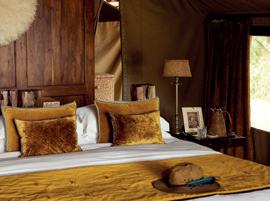
Few visitors make it to Ruaha National Park so those that do get a secluded and immersive safari experience. This ten-suite camp is a haven of comfort nestled deep in this vast, untouched wilderness. It is located alongside the seasonal Jongomero River, a tributary of the Great Ruaha River. It’s a popular spot for the park’s abundant wildlife and with the camp unfenced they get very close indeed. Elephants are daily and nightly visitors to the camp while vast herds of buffalo come close and lions and leopards have been known to pass through. The tents are stilted and designed for safety, offering a great vantage point from which to take in the sights and sounds of the African bush.
For more information, visit www.labalaba.com/ jongomero_hebergement_en/
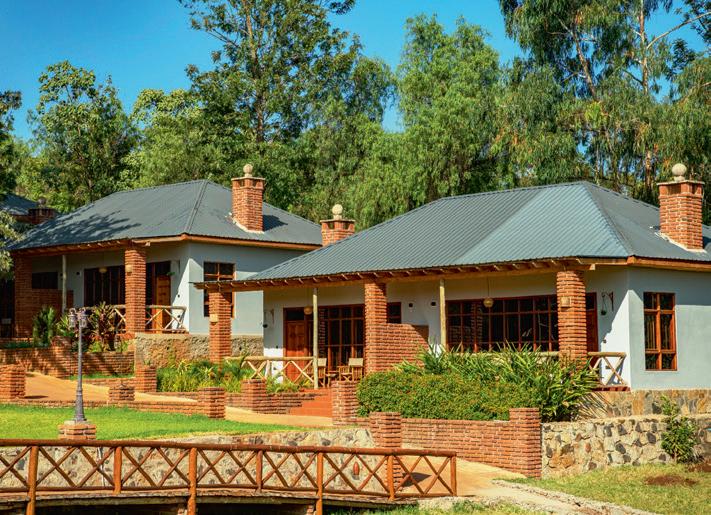
This tranquil natural retreat is the perfect base between safaris in northern Tanzania. Masailand Coffee Lodge is tucked away amid the rolling hills and coffee plantations (including one located onsite) near the town of Karatu, just 15km from the gate to the Ngorongoro Conservation Area and within day-trip driving distance to Lake Manyara and Tarangire national parks. The 18 rooms (14 executive suites and four family rooms) are
The selfcontained rooms and suites at Masailand Coffee Lodge are supremely spacious
enormous, beautifully furnished and each features a fireplace to counter the highlands’ evening chill. The rooms frame an outdoor swimming pool and manicured gardens spanned by a striking raised wooden walkway that provides access to the main building. Here you’ll find a spa, gym, and a restaurant serving exquisite food that can be enjoyed on its large terrace to take in your highland hideaway.
For more information, visit www.masaicoffeelodge.com

The Mara River crossings are one of the dramatic stages of the world-renowned Great Migration, but it does draw the crowds, making it feel like the human presence rivals the massive wildebeest numbers. However, this six-tent camp is located on a bend in the river within the Lamai triangle, a private concession with limited access. This remote setting provides guests with exclusive viewing of one of nature’s greatest spectacles. Singita is all about a serene wildlife experience with the camp a sanctuary of luxury amenities – such as offers a range of amenities including a plunge pool, spa treatments, yoga classes, a bar and restaurant, a library and lounge area – for when you return from the twice-daily game drives. The tent interiors have recently undergone a makeover that maximises the camp’s sense of escape and intimacy.
For more information, visit singita.com
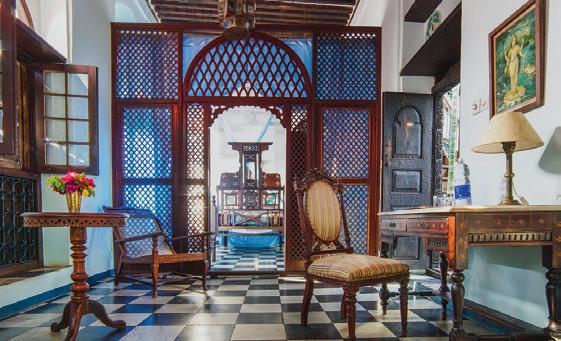
Finding a place of seclusion and quietude amid the bustling labyrinthine lanes of Stone Town, Zanzibar’s historic centre, may seem a lost cause. However, a stay at Emerson on Hurumzi feels like an escape into a magical world. The mansion once belonged to the richest merchant on the Swahili coast and has been lovingly restored to its former grandeur. The rooms and suites each have their own stories and architectural quirks that make a stay here unforgettable. Guests at the Middle-Ages-inspired Keep Suite have to traverse bridges and stairs to reach their room while the Suite Tour has four distinct sections including a castle keep with carved lattice windows that open to views over the city. The hotel’s Tea House Restaurant also has those rooftop views. Enjoying dishes here that are a modern twist of Swahili cuisine while watching the sunset over Stone Town’s unique skyline of minarets and spires is a very special experience.
For more information, visit www.emersonzanzibar.com/
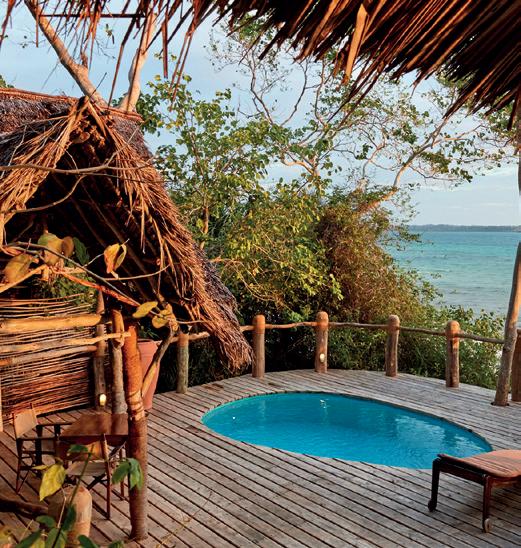
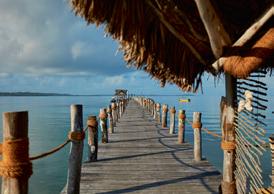
Only accessible by plane or boat, Fundu Lagoon offers a barefoot luxury escape on a pristine 3-km-strip of beach on Pemba’s forested southwestern coast. All of the five star’s 18 rooms – tented bungalows built under thatched roofs – have views of the ocean. A spectacular recent addition is the hilltop infinity pool that provides views over the forest and the coast. Other features include a spa, two restaurants – meals can be served on the candle-lit jetty or your room’s verandah – and yoga classes. The hotel has its own 5-star Padi dive centre and there are rich coral gardens to explore just offshore, or boat rides will take you to nearby Misali Island, which is ringed by protected reefs.
For more information, visit www.fundulagoon.co.uk
Women-run culinary experience reveals the taste and traditions of the island that most visitors never see.
Bububu is a small village with a beautiful beach on the central west coast of Zanzibar. It is located only 10km north of Stone Town, but it is a world away from the historic port’s concentration of tourist attractions. “This is the real Zanzibar,” says Maskat Shineni Abdullah.
Bububu is a small village with a beautiful beach on the central west coast of Zanzibar. It is located only 10km north of Stone Town, but it is a world away from the historic port’s concentration of tourist attractions. “This is the real Zanzibar,” says Maskat Shineni Abdullah.
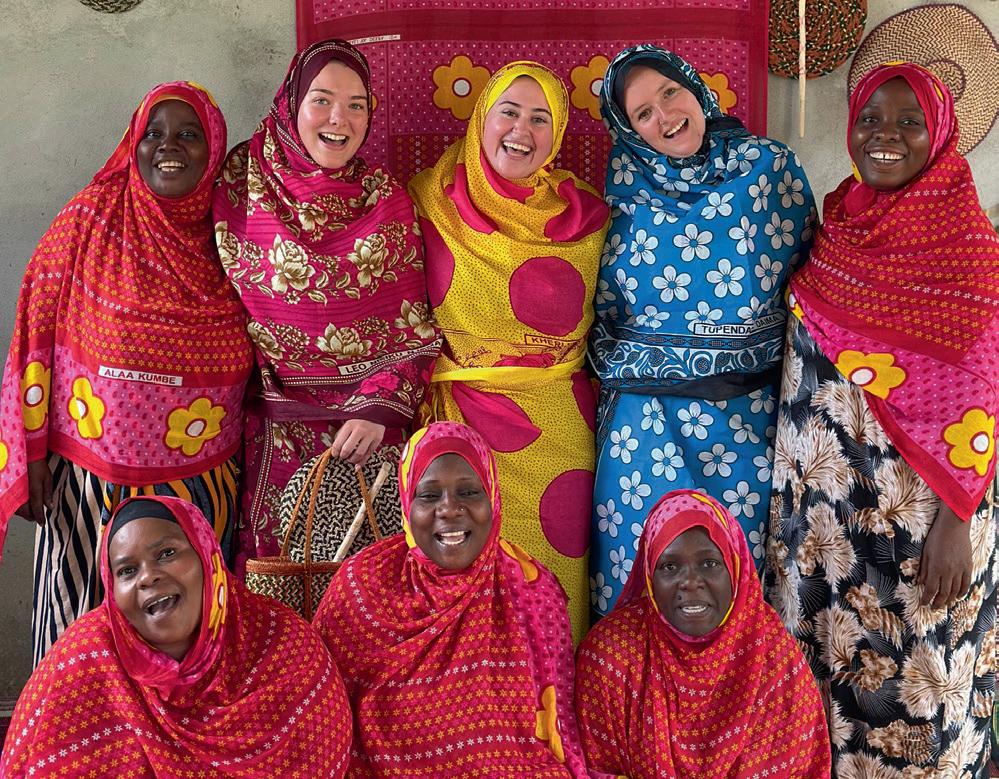
Bububu is where you’ll find Mamas of Zanzibar, a hands-on culinary experience, founded by Maskat, in which guests get to create authentic Swahili cuisine from scratch with the help of a talented team of local women.
This cooking and tasting of traditional dishes goes beyond experiencing new flavours to providing an insight into the Zanzibar’s rich heritage of customs shaped by African, Arab, Indian and Persian influences.
Women tour guides are rare in Zanzibar, but Maskat believes they have an unmatched understanding of Swahili values,

social structures, and daily life. “There’s no better way to connect with Zanzibar than through its women, its stories, and its flavours,” she says.
In 2021, when a newly divorced Maskat relocated to Bububu with her three young children, she was struck by the warm welcome the women of the village gave her. Now many of these women are part of Mamas of Zanzibar and now guests get to experience this Swahili sisterhood, and the women’s love of sharing their stories and their skills.
There are now around 20 mamas in the team. All are excellent cooks. Preparing food for their families is a daily ritual that is a bridge between past and present.
“These women are the keepers of family recipes passed down through generations,” Maskat says. “Mamas of Zanzibar gives us the opportunity to share these culinary traditions with the world and bring travellers from
around the globe into our homes to learn from us, to cook with us, and to experience the magic of Zanzibar through our food.”
Opposite: The Mamas of Zanzibar team welcome guests to Bububu
The Mamas of Zanzibar tours go deep into local life. Guests get to be a Zanzibari for the day. They are given traditional loose-fitting clothes to wear before accompanying the mamas to the Bububu food markets. Everyone knows the mamas here so you’ll have access all areas. Guests are taught how to recognise the freshest locally farmed fruit and vegetables, choose the best of the seafood catch of the day, and select the spices that will bring out the flavours Swahilistyle. Then it’s back to Maskat’s home in the village for the cooking and eating.
The mamas prepare traditional Zanzibari meals from scratch

Meals are created from scratch from these organic ingredients revealing the culinary secrets that locals hold dear. This includes the coconut milk – made by grating the flesh of a fresh coconut, soaking it in hot water, and then straining the liquid – which is the base of Mamas of Zanzibar favourites such as plantains in coconut sauce and ‘vipopo’, a delicate dessert of mini sweet dumplings. This is true Swahili food – cooked in clay pots over an open fire – and not to be found on the usual tourist culinary trail. Maskat mentions
The Mamas show guests how the careful combination of spices can create unique flavour profiles
‘makapushi’, a dumpling cooked in cassava flour, that you “won’t see on menus in local hotels”. Other local specialities include ‘makopa’, a dish of cassava with fish, and ‘mchuzi kwa papa’, a dried coconut shark stew.
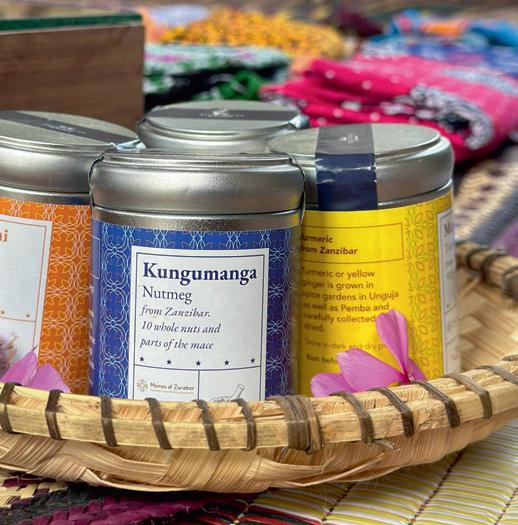
The rich flavour of Zanzibar cuisine owes much to the wide variety of spices that have been cultivated on the archipelago for more than a thousand years. The Mamas show guests how the careful combination of spices can create unique flavour profiles. Maskat has also recently collaborated with Zanzibar-based, German-run company Four Spices on a ‘Taste of Zanzibar’ line of spice blends sourced from farms and co-operatives on the island. The range includes turmeric, a key ingredient in the Mamas’ fish curry – a favourite among tour guests. For those visitors who want to recreate the dish at home, the recipe is printed on the side of the tin. The spices are available to buy as souvenirs on the tours of from the Mamas of Zanzibar website. All of the proceeds from sales of the spices, as with the tours, goes to the local community.
To book a culinary experience with Mamas of Zanzibar or buy from the ‘Taste of Zanzibar’ spice range, visit www.mamasofzanzibar.com The spices are also for sale at selected hotels and stores on Unguja, including Memories of Zanzibar in Shangani, Stone Town; The Mora Zanzibar hotel in Matemwe; and Zuri Zanzibar in Kendwa.
Let Flightlink connect you to two of Tanzania's most captivating cities
With Flightlink’s recent launch of direct flights between Arusha and Mwanza, travellers now have a seamless way to experience the unique charms of both cities. Whether you are drawn by the promise of wildlife safaris or the allure of lakeside serenity, this new route offers the perfect opportunity to combine urban exploration with natural wonders.
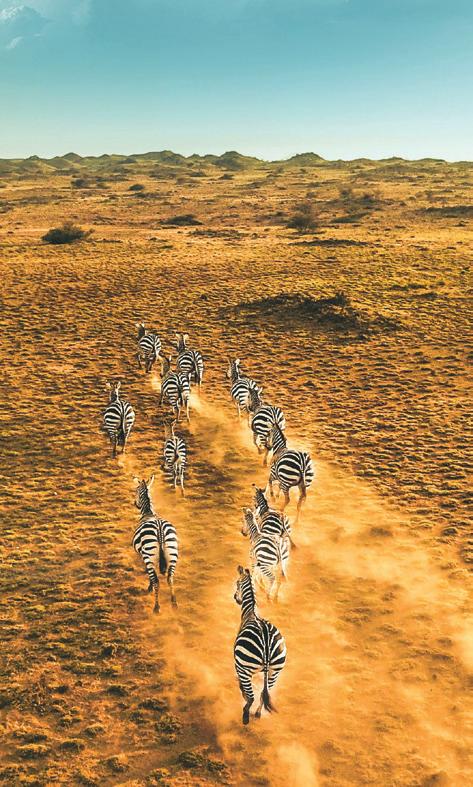
Nestled at the base of Mount Meru, Arusha is often regarded as the gateway to Tanzania’s world-famous northern safari circuit. The city buzzes with a cosmopolitan vibe, thanks to its role as an international hub for safari-goers, NGOs, and business travellers. From Arusha, you’re perfectly positioned to access the Serengeti, Ngorongoro Crater, Lake Manyara, and Tarangire National Park – each offering a different perspective on Tanzania’s incredible biodiversity.
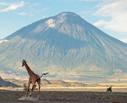
Arusha National Park: Just a short drive from the city, this park boasts diverse landscapes, from lush forests to open savannah, and is home to giraffes, zebras, and colourful birdlife.
Cultural Heritage Centre: Dive into Tanzania’s rich artistic traditions with beautiful carvings, paintings, and jewellery on display.
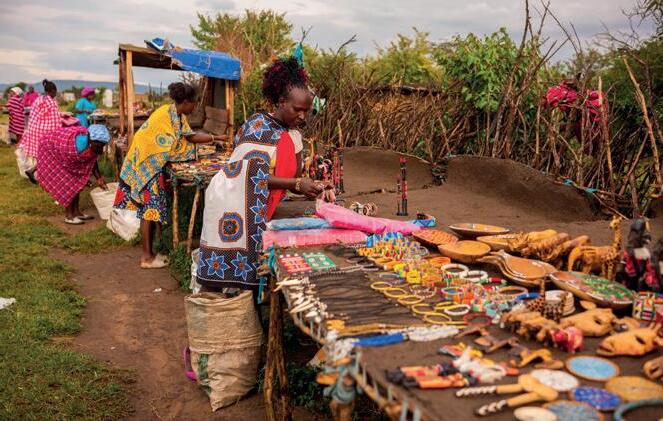
Maasai Market: Experience vibrant local culture and pick up handcrafted souvenirs ranging from beadwork to textiles.
Mount Meru: For the adventurous, a trek up Tanzania’s second-highest peak promises stunning views and a rewarding challenge.
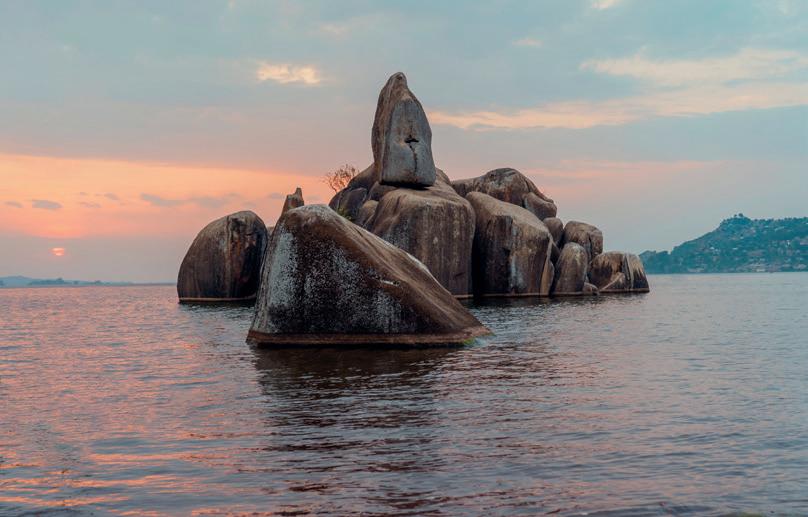
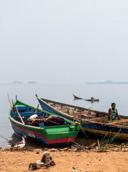
Set on the southern shores of Lake Victoria, Mwanza is affectionately known as the ‘Rock City’ for its dramatic granite boulders scattered across the landscape. Mwanza offers a relaxed lakeside atmosphere, a lively port, and a melting pot of cultures influenced by the lake’s proximity to Kenya and Uganda.
Saanane Island National Park: Only a short boat ride from the city centre, this park is ideal for day trips, wildlife viewing, and picnics amidst unique flora and fauna.
Bismarck Rock: An iconic Mwanza landmark, perfect for photo opportunities, especially at sunset as the rocks glow against the lake’s waters.
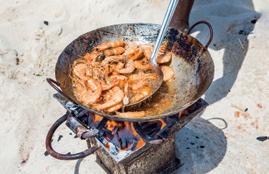
Lake Victoria beaches: Enjoy serene moments or vibrant activity along the shoreline, whether you prefer a quiet walk or sampling local fish dishes at lakeside restaurants.
Local markets: Soak up the sights, sounds, and tastes of Mwanza at its bustling markets, where fresh produce, crafts, and regional delicacies abound. Serengeti connections: While Arusha is widely considered the main gateway to the Serengeti for organized safaris and is a more frequent starting point for tour operators, Mwanza is actually the closest city to the western corridor of the Serengeti, making it a practical choice for self-guided trips or shorter excursions.
Flightlink’s new service bridges two of Tanzania’s most diverse cities, offering convenience, reliability, and comfort. Whether you are a tourist, business traveller, or local resident, these flights open up fresh opportunities for discovery and adventure. With flexible schedules and outstanding service, Flightlink ensures your Tanzanian journey is as memorable as the destinations themselves.
Flightlink’s new direct flights make it easier than ever to discover both cities in a single trip. Here are some tips for making the most of your journey:
Start in Arusha: Immerse yourself in the excitement of a safari and cultural exploration. Spend a few days discovering local attractions and perhaps embark on a day trip to a national park.
Fly to Mwanza: A short, comfortable flight with Flightlink whisks you from the foot of Mount Meru to the shores of Lake Victoria. Enjoy the contrast between the wild savannahs of Arusha and Mwanza’s tranquil waterfront.
Experience the lake: Relax by the water, explore Saanane Island, and experience Mwanza’s vibrant markets and unique rock formations.
Return or continue your adventure: With easy connections, you can choose to return to Arusha or continue your travels elsewhere in Tanzania, making the most of both urban and natural highlights.

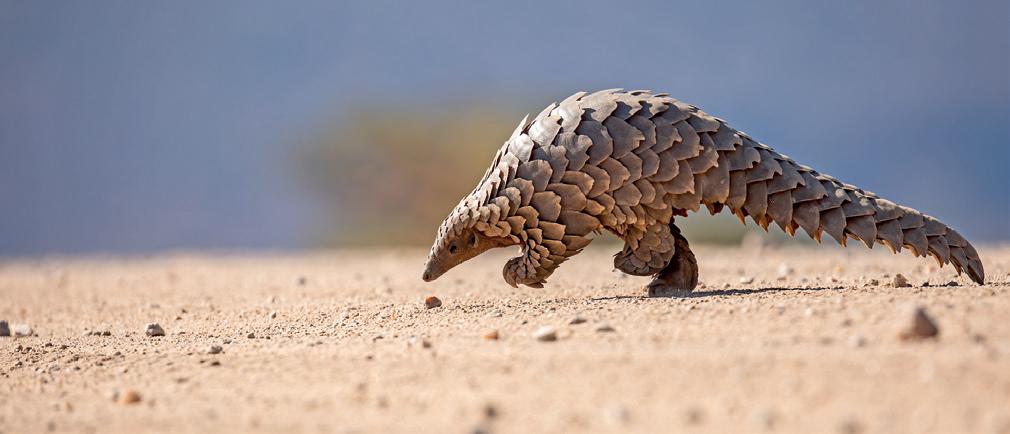
The latest edition of a ground-breaking series of wildlife books highlights the plight of the pangolin. Sarah Kingdom charts the 10-year impact of Remembering Wildlife and speaks to founder Margot Raggett.
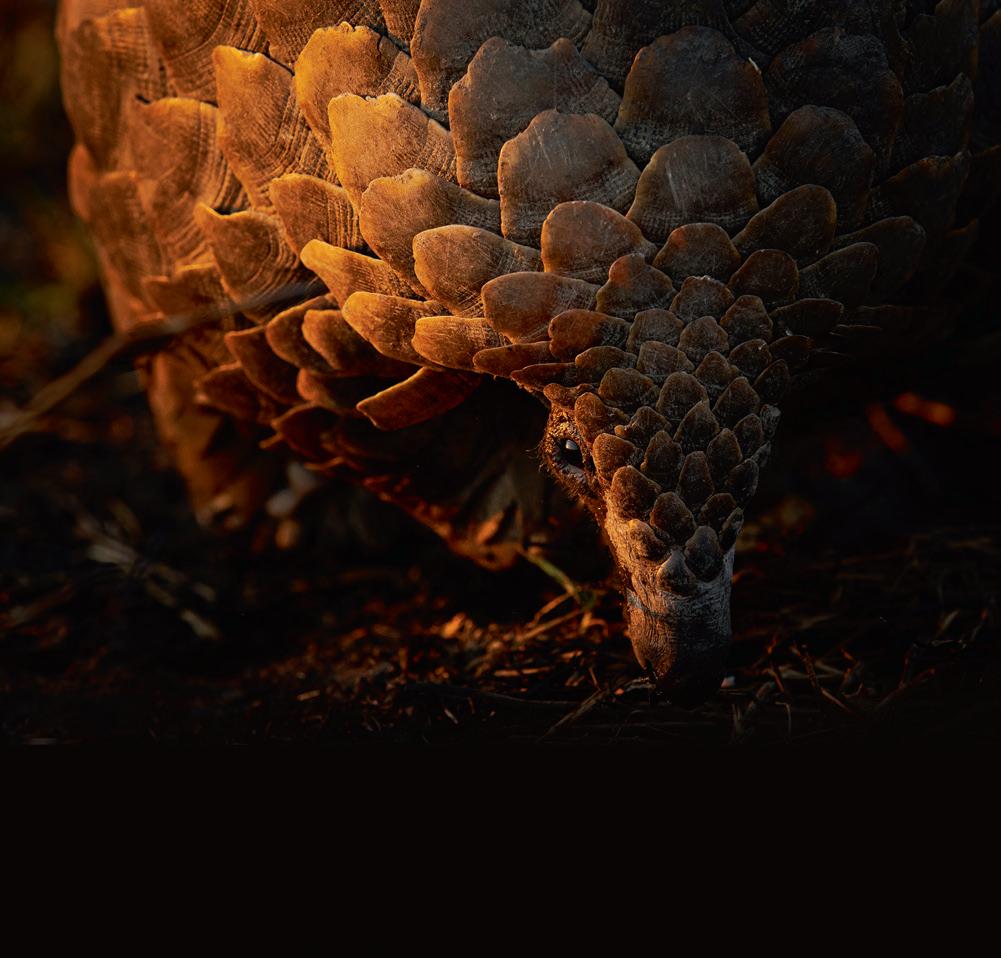
It’s early afternoon and the air is still as a crate is lifted from the back of a vehicle and placed gently on the ground. The front slides open, and for a moment nothing happens. Then, a small, scaled creature appears, hesitant, blinking at the light. Within seconds, it scurries toward the bush, its armour catching the last glint of sun before it disappears into the grass.
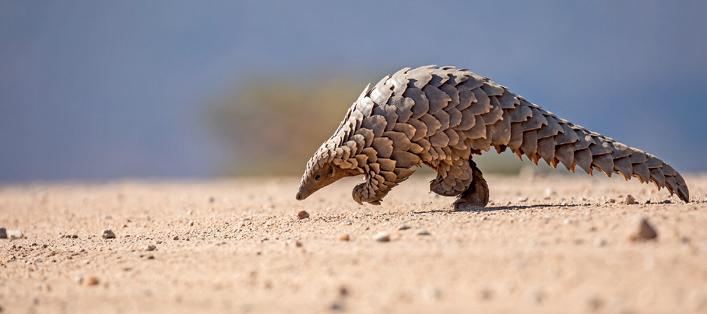
The rescued pangolin, seized from traffickers months earlier, had been painstakingly rehabilitated before being ready for release. Pangolins are the most trafficked mammal in the world, with poachers killing as many as 2.7 million African pangolins every year. Watching this pangolin vanish back into the wild is a rare kind of victory, fragile and fleeting, but real. It’s moments like this that capture
Pangolins are the most trafficked mammal in the world
the essence of Remembering Wildlife, a project that has spent a decade turning compassion into conservation.
The beginning of the books Founded by British photographer Margot Raggett, Remembering Wildlife began as a reaction to loss. In 2014, while on safari in Kenya, Margot came across a poached elephant. The image of its lifeless body stayed

with her, not as a photograph, but as a call to action. “I needed to do something that changed outcomes, not just awareness,” she says.
Two years later came Remembering Elephants, the first in what would become a ground-breaking series of wildlife books. Each volume features donated work from leading photographers, with all profits directed toward conservation. The formula was simple: harness the power of beauty and empathy to raise funds for endangered species.
Supporting conservation
Since that first edition, the series has expanded to include Remembering Rhinos, Lions, Great Apes, Cheetahs, Wild Dogs, Bears, Leopards, and Tigers. Collectively, the books have raised more than US$ 1.58 million, supporting 80 conservation and community projects across 34 countries.
What sets the project apart is its independence. Every book is self-financed through pre-sales and crowdfunding, allowing
profits to flow directly to those in the field, from anti-poaching units and research initiatives to rehabilitation centres. The result is a network that connects photographers, scientists, and small NGOs, providing agile support that large institutions often can’t match. “It’s about being nimble,” Margot explains.
“If a ranger team needs a vehicle or a rehab centre needs equipment, we can act quickly.”
The impact has been tangible. More than 55,000 books have been sold worldwide, and Remembering Wildlife has provided crucial funding for projects ranging from snow leopard monitoring in Afghanistan to the rescue of sun bears in Borneo. The initiative’s reach and efficiency
earned Margot an MBE in the King’s Birthday Honours in 2023 for her services to international wildlife conservation.
Behind the professional success, however, lies a deeply personal story. In 2015, as Margot was raising funds for the first book, she was diagnosed with breast cancer. “At 9am, we hit our Kickstarter goal,” she recalls. “By 9pm, I was told I had cancer.” She underwent surgery and months of radiation while continuing to coordinate the project. Remembering Elephants was published the following year, a triumph of perseverance as much as passion.
The diagnosis, she says, reshaped her sense of time and purpose. “You can’t control everything, but you can decide what matters.” That urgency, born of limited time and renewed focus, became the heartbeat of Remembering Wildlife. Ten years later, cancer-free, Margot remains the driving force behind every book, orchestrating photographers and partners from her home in the UK while spending months each year on assignment across Africa and Asia.
The latest volume, 10 Years of Remembering Wildlife, is both a retrospective and a new beginning. It celebrates the photographers, conservationists, and readers who have made the series possible, while shining a light on one of the world’s least understood and most imperilled creatures, the pangolin.
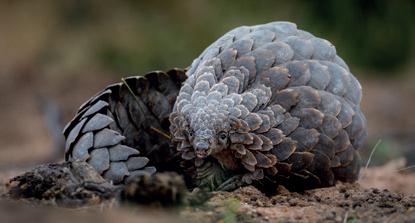
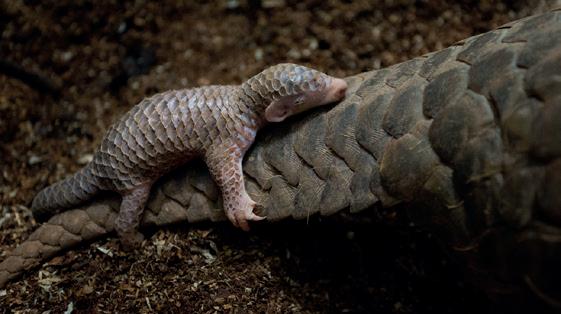
Pangolins are small, nocturnal mammals covered in keratin scales. They feed on ants and termites, play a vital ecological role, and curl into a tight ball
[Pangolins are] a symbol of everything we risk losing because we're not paying attention
when threatened, a defence that tragically makes them easy targets for poachers.
Despite their rarity, pangolins are the most trafficked mammals on Earth. Estimates suggest one is taken from the wild every five minutes. The animal’s meat is considered a delicacy in some parts of the world, and its scales are used in traditional medicine. Habitat loss compounds their decline, and all eight species are now at risk of extinction. “They’re a symbol of everything we risk losing because we’re not paying attention,” Margot says.
Funds from the new book will support pangolin rescue and anti-trafficking efforts across Africa and Asia. The photographers whose works are featured in the book, and who spent weeks and sometimes months searching for these most elusive of creatures, have created one of the most comprehensive visual records of pangolins ever assembled. Each image captures the fragility and resilience of an animal that has survived for over 80 million
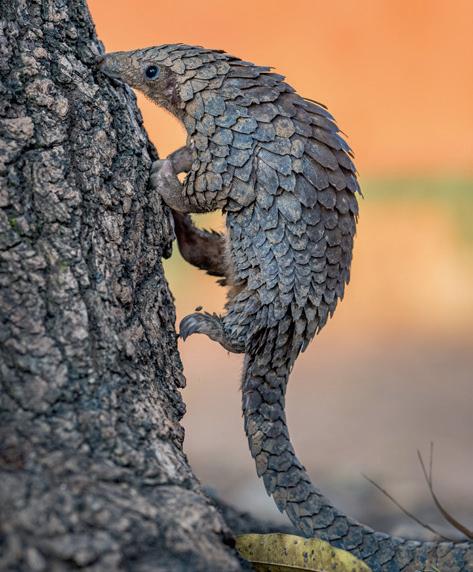
years yet faces erasure within a generation. As the 10th anniversary edition makes its debut, Remembering Wildlife has become much more than a publishing venture. It’s a community bound by a shared belief that images can move people to act, and that even small, collective efforts can shift the fate of species. For Margot, it has also been a decade of personal transformation. “At first, I thought I was creating a book,” she says. “But really, I was building a bridge; between those who can help and those who need it.”
A decade after that first encounter with a fallen elephant, Margot’s mission continues. From elephants to pangolins, each volume tells a story of survival, loss, and hope, a visual reminder that beauty alone is not enough, unless it drives us to protect it. Somewhere in the wild, a rehabilitated pangolin disappears into the undergrowth, a small, triumphant symbol of what can happen when awareness turns into action. For Margot Raggett and Remembering Wildlife, that’s the point: transforming grief into guardianship, and photographs into futures.
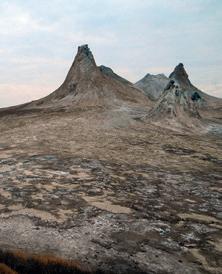
2,962 metres
That’s the height of Ol Doinyo Lengai, dominating the sweeping plains of northern Tanzania.
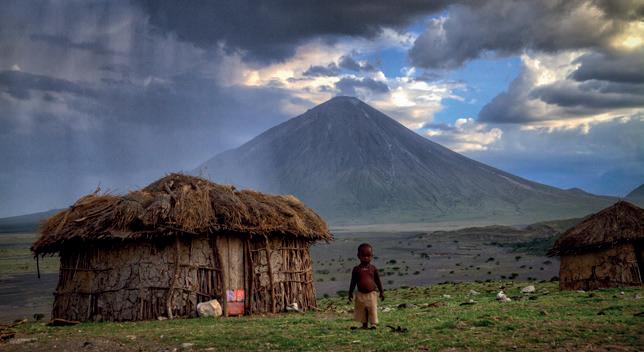
15 In the past 100 years, Ol Doinyo Lengai has erupted around 15 times. Now that’s an active volcano!
9,000 people
The approximate number of Maasai living in the surrounding area, for whom the mountain holds deep spiritual significance.
1966
The year of one of its most famous eruptions, which sculpted new craters and drew scientists from across the globe.
24 hours
Keen trekkers can summit and descend the volcano within a single day, though expect a strenuous climb and dramatic sunrise views.
50,000 years
Age is just a number! Geologists estimate the volcano began forming approximately 50,000 years ago.
3
The number of major craters formed during its lifetime, all visible from the summit on a clear day.
5000C
Its lava is the coolest in the world, erupting at temperatures of around 500°C. That’s almost half as hot as most other volcanoes.

1

The only volcano on Earth that erupts natrocarbonatite lava, giving it a unique, ashygrey flow instead of the typical red-hot glow.
120 km
The distance from Ol Doinyo Lengai to Arusha, the nearest large city and gateway for adventurers.

Lewa Wildlife Conservancy Wildlife
Harriet James reveals how annual pan-African endurance event provides vital support for the work of these dedicated but often underresourced guardians of our wildlife.
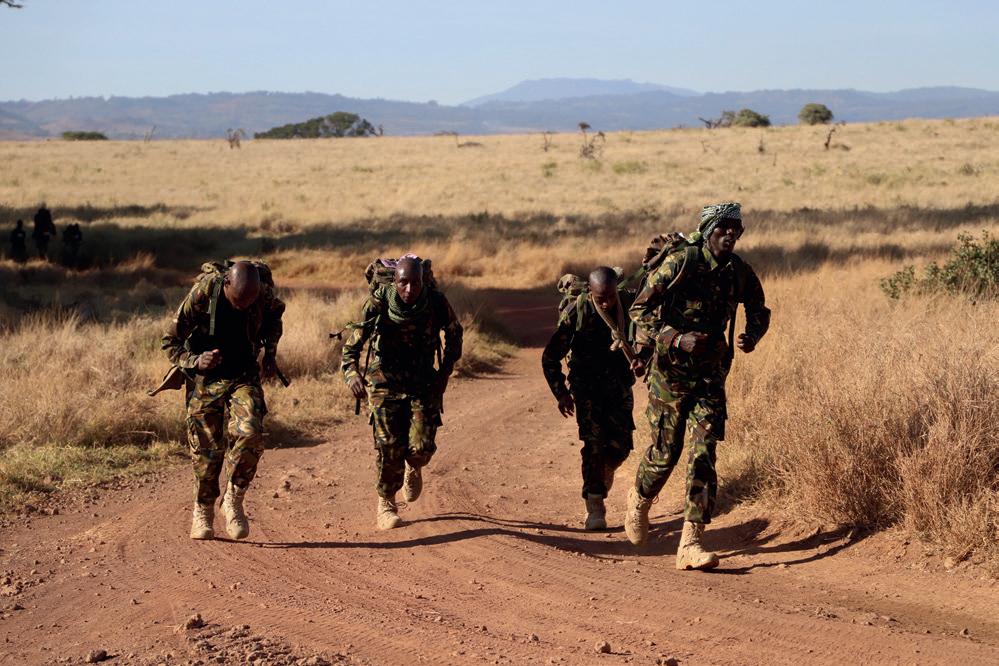
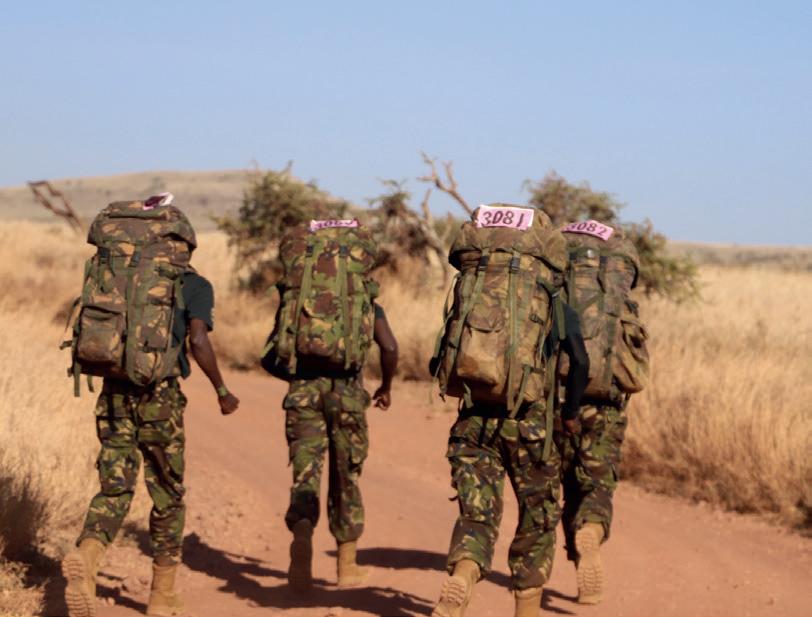
It’s daybreak and the sun is creeping over the rolling plains of the Lewa Wildlife Conservancy. The air is thick with anticipation. Boots thud against the earth and breaths come heavy as 26 ranger teams head out across the rugged savannah. Each ranger carries a 22kg backpack, a symbolic load representing the weight of their daily duty protecting Africa’s wildlife. This is the beginning of the Wildlife Ranger Challenge (WRC) 2025. The annual 21 km event is not just a race, it is a test of endurance, teamwork, and unyielding spirit.
This year’s challenge brought together more than 1,000 rangers taking part in races across 24 African countries. Preparing for the Wildlife Ranger Challenge is no easy feat. For ten weeks before race day, teams across Africa take part in smaller “mini-challenges” – quizzes, sit-ups, push-ups, and time trials – testing both mind and body. Their training takes place in diverse terrains, from tropical rainforests and acacia savannahs to rocky escarpments and sandy riverbeds. Along the way, encounters with elephants, buffalo, and lions are not uncommon.
The Kenyan event took place in the Lewa Wildlife Conservancy with 25 Kenyan teams and one Tanzanian team competing. The Northern Rangelands Trust (NRT) squad were triumphant in the men’s event, finishing in an impressive two hours, 24 minutes, and 20 seconds. Team leader Josephat Lesirma said the victory came through grit and unity.
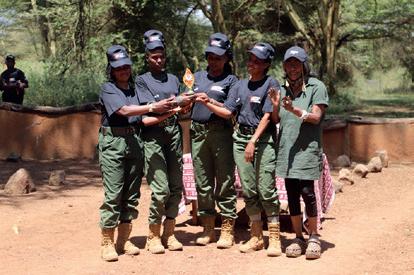
“Running with that weight on your back is not easy – it takes teamwork and patience,” he said after crossing the finish line. “We trained on hills and rough terrain, just like the places we patrol. The terrain was tough, but it’s the same challenge we face every day in our work.” The winning NRT were closely followed by teams from the Mara and Lewa conservancies. Among the women’s teams, Team Lioness from Amboseli claimed first place, followed by Sera Women’s Rangers,
Each ranger carries a 22kg backpack, a symbolic load representing the weight of their duty protecting the wildlife”

continuing Kenya’s strong performance over other participating countries, including Tanzania.
Yet beyond the medals and times, the race symbolizes something much deeper –solidarity across borders and recognition of rangers’ tireless service. The WRC unites men and women who risk their lives daily to protect wildlife, prevent
poaching, and foster coexistence between communities and conservation areas.
The Wildlife Ranger Challenge, now in its sixth year, is an initiative of UK-based conservation charity Tusk and the Game Rangers Association of Africa (GRAA). Launched in 2020 in response to the Covid-19 pandemic, it initially aimed to keep rangers employed at a time when donor funding was drying up. Over time, it evolved into an annual celebration of solidarity and resilience, a platform to raise funds and awareness for ranger welfare across Africa.
The 2025 edition sought to raise over US$ 3 million for ranger welfare, training, and equipment. According to Andrew Campbell, Head of Special Projects at GRAA, the initiative has already raised US$ 21 million since inception,
improving lives and working conditions for thousands of rangers.
“Each team uses the funding differently, but the focus is always on improving rangers’ lives,” Campbell explained. “We’ve seen teams use the grants to buy new uniforms, boots, communication gear, and even fuel for patrol vehicles. It’s about giving rangers dignity and safety.”
For Campbell, the challenge also builds camaraderie and connection across the continent.
“For the past six years, we’ve seen teams improve their physical fitness and mental health while building unity beyond borders,” he added.
“This year, Tanzanian and Kenyan teams ran side by side – a perfect symbol of regional co-operation. We’re also seeing more women take part, and that’s something we’re proud to grow.”
Behind the spectacle of the challenge lies the tough reality of ranger life. Many work under life-threatening conditions, facing armed poachers, dangerous wildlife, and harsh terrain. According to Tusk’s data, 89 per cent of rangers in Africa have faced life-threatening situations in the field. Yet, 40 per cent lack health insurance, 50 per cent have no life insurance, and 60 per cent have no long-term disability cover. Their average salary is less than half that of police officers despite their crucial role in protecting biodiversity and supporting global conservation targets

like the ‘30x30’ global initiative protect at least 30 per cent of the Earth's land and sea by the year 2030.
Enoch Ochieng, Head of Monitoring and Patrol at Mount Kenya Trust, reflected on the impact of funds raised through the challenge. “The WRC funds sustained our ranger salaries during the Covid-19 crisis when conservation organisations struggled to pay staff,” he said. “The money has supported training in human rights and mental health, improved gear, and boosted morale.”
However, Ochieng also noted persistent gaps. “We still face inconsistent welfare standards across countries, delayed salaries, and limited training in leadership and first response,” he added.
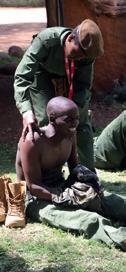
In response, the Ranger Welfare and Standards Initiative (RWSI) – a partnership between Tusk, GRAA, the International Ranger Federation, and the Royal Foundation – aims to standardise welfare policies and improve insurance coverage for rangers. The Kenya Wildlife Service has also pledged to enhance ranger housing and health benefits, recognising their crucial frontline role in conservation.
The diversity of participating ranger teams reflects the vast breadth of conservation work across the continent. From Tsavo’s aerial rangers flying over elephant herds to marine rangers nurturing coral nurseries off Mnemba Island, from lion rangers in northern Kenya to mountain gorilla trackers in Uganda’s Bwindi Impenetrable Forest – each represents a vital piece of Africa’s conservation puzzle.
At African People & Wildlife in Tanzania’s Tarangire, community game scouts act as peacekeepers between herders and wildlife. They gather real-time conflict data, patrol communal lands, and mediate tensions – proving that conservation is as much about people as it is about animals.
Meanwhile, all-female ranger units such as the Atsikana Team in Zambia’s South Luangwa National Park and Kenya’s Lioness Team are redefining what it means to serve in the wild. Their participation in the challenge inspires more women to join conservation careers once dominated by men.
Why savvy travellers choose to visit beyond peak times
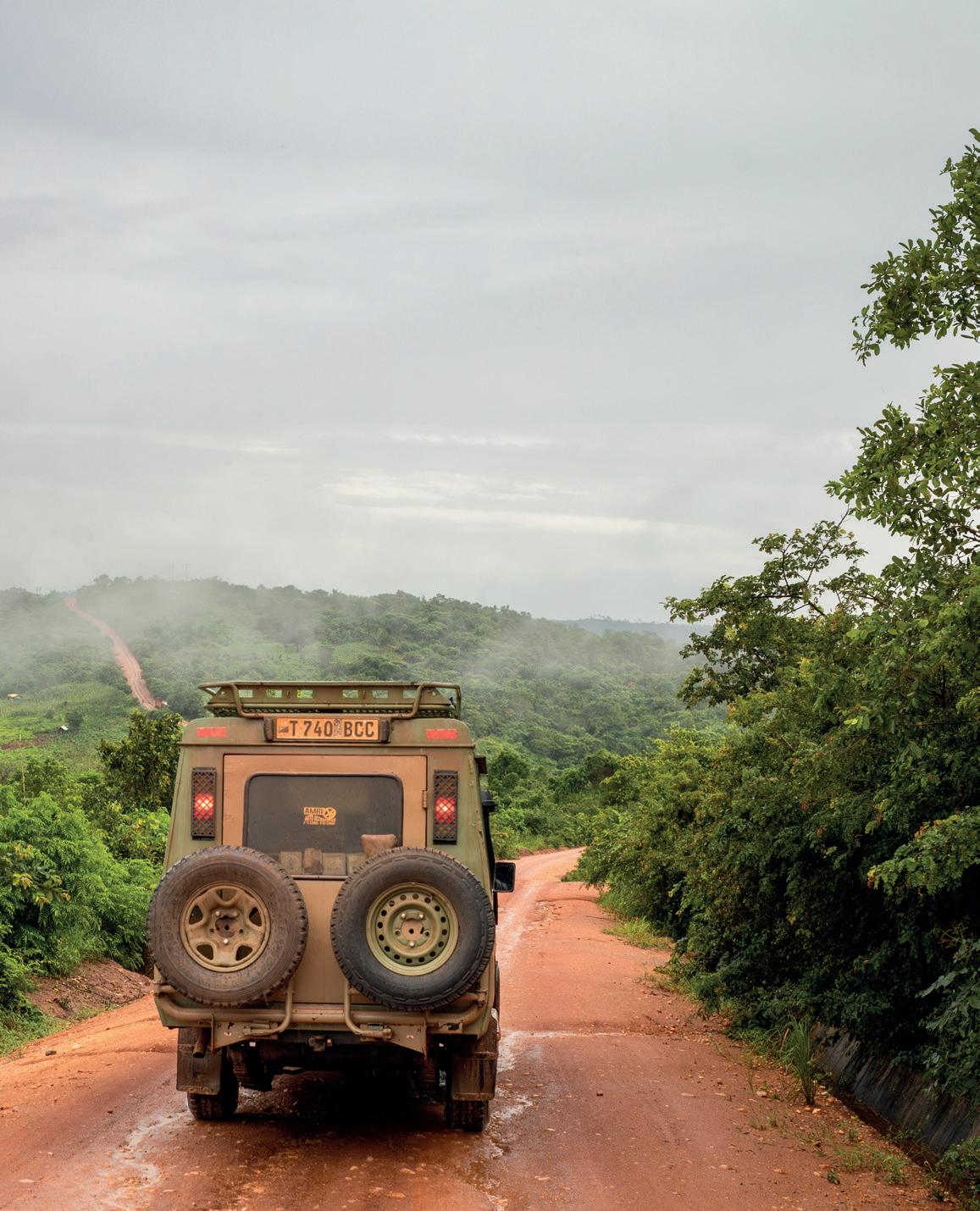
One of the most significant benefits of travelling to Tanzania in the off-season is the noticeable reduction in tourist numbers. Popular destinations like the Serengeti, the Ngorongoro Crater, and Zanzibar’s beaches become much less crowded. This means visitors can enjoy game drives, guided walks, and cultural encounters in a far more relaxed and personal setting. The sense of solitude allows for a deeper connection with nature and the local way of life.
The off-season is often referred to as the “green season” due to the lush landscapes brought on by seasonal rains. During this period, many lodges, hotels, and tour operators offer substantial discounts to attract visitors. Flights, accommodation, and safari packages are generally much more affordable, allowing travellers to experience luxury at a fraction of the usual cost. For budget-conscious tourists, this is an excellent opportunity to get more value for their money.
While the off-season coincides with Tanzania’s rainy periods, the showers are usually short and interspersed with beautiful sunshine. The resulting greenery transforms the scenery into a vibrant spectacle, with wildflowers blooming and rivers flowing. Photographers and nature lovers will find the landscapes especially captivating, offering unique perspectives that contrast with the drier months.
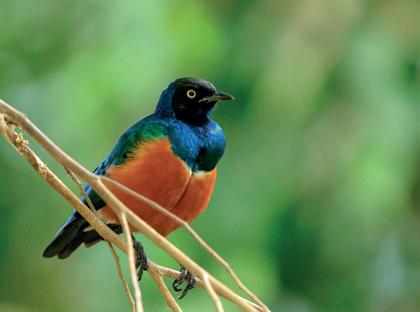
The off-season is a paradise for birdwatchers. The rains attract migratory species, and the abundance of water leads to increased activity among resident birds. With fewer vehicles around, birding enthusiasts can enjoy peaceful observation and photography, often spotting rare or elusive species that are less visible during the busier months.
Contrary to common belief, wildlife viewing can still be exceptional during the off-season. Many animals, including the iconic “Big Five,” remain within the national parks year-round. The lush vegetation provides unique backdrops for wildlife photography, and animal behaviour, such as calving in the Serengeti, can be observed. The presence of fewer safari vehicles allows for more exclusive encounters and less competition at wildlife sightings.

With fewer tourists in the country, local communities are more available and welcoming to visitors. This provides a wonderful chance to engage in authentic cultural exchanges, whether through village visits, traditional food experiences, or learning about Maasai customs. Off-season travellers often report more genuine and meaningful interactions with Tanzanians.
The off-season brings greater flexibility in travel planning, with ample availability at popular lodges and camps. This makes it easier to secure last-minute bookings or to customise itineraries without the pressure of peak-season demand. Travellers can take their time and design a holiday that truly suits their interests and pace.
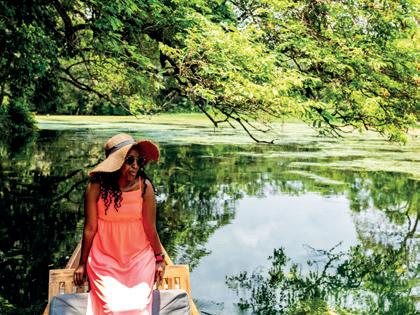

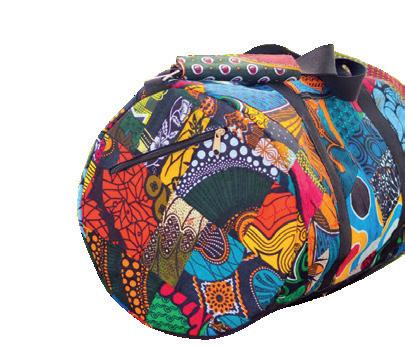
Christine Kissa Zimbia’s KiKi Fashion is a rising star, known for reimagining traditional African prints into trendy, wearable art. The brand’s bold dresses, skirts, and accessories are popular among locals and tourists alike, offering a fresh take on Tanzanian style for
Kiki’s Fashion Boutique, Haile Selassie Road, Oysterbay, Dar es Salaam.
Kiki’s Fashion on Etsy for select items.
The boutique is known for highquality, contemporary pieces using African Kitenge wax fabric. Men’s and women’s styles
Shanga is a social enterprise based in Arusha employing artisans with disabilities to create beautiful glassware, jewellery, and woven goods. The Foundation’s products are not only stunning but also come with a story of empowerment and inclusion – a gift that truly gives back.

Physical store and workshop: Shanga Shop, Elewana Arusha Coffee Lodge, Dodoma Road, Arusha. Open daily 9am to 4.30pm.
Online: shanga.org/shop for catalogue and international orders.
Local tip: Visit the workshop for tours, glass-blowing, and beading activities. Products are also sold in select safari lodges and gift shops across Tanzania.

Founded in 2012 but gaining major momentum in the last few years, Anne Kiwia’s brand is all about sustainability and style. Her colourful headbands and accessories are made from upcycled vintage textiles sourced in Dar es Salaam, making each piece unique. This is the go-to brand for eco-conscious gifting with a Tanzanian twist.
Online: annekiwia.com/shop for unique headbands and accessories, shipped internationally.
Physical pop-ups: Occasionally available at pop-up shops in Dar es Salaam (check local listings or the brand’s social media).
Local tip: Each piece is made from upcycled Tanzanian textiles, so stock and designs are always changing.

fashion and accessories
Zanzibar-based Doreen Mashika’s brand is a darling of the international fashion press (Vogue among them). Her collections blend traditional Tanzanian fabrics and motifs with modern silhouettes, resulting in chic dresses, bags, and accessories that are as at home in Stone Town as they are in London or Paris. Her pieces are perfect for the fashionforward gift-giver who wants to support local craftsmanship with global flair.
Physical Store: Shangani Street, Stone Town, Zanzibar. The boutique is opposite the Park Hyatt and near the Serena Hotel. Look for the ‘DM’ initials on the outside.
Online: doreenmashika.com and Industrie Africa for international orders.


Local tip: Visit during weekdays for a quieter experience. The shop features clothing, hats, jewellery, and other locally made products, many by women artisans.
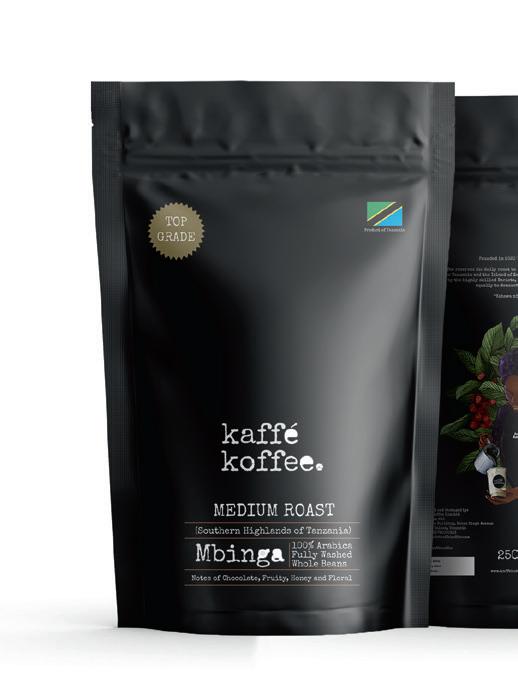
This Tanzanian bean-to-cup coffee brand roasts top-grade coffee sourced from farms in Kilimanjaro, Mbeya, and Mpinga. You can buy it ground or whole bean in bags from supermarkets and partner hotels in Tanzania and Zanzibar or head to its five very cool round-the clock coffee shops – three in Dar and one each in Zanzibar and Arusha – to savour a baristacrafted brew.
Online: kafekoffee.com information and direct contact.
Stockists: Dar es Salaam – Kaundra Drive, Slipway Road, and Singh Road. Zanzibar –Old Airport Road. Arusha – Swahili Street.
Local tip: If you want a true Tanzanian speciality coffee, ask for the peaberry roast. Peaberries are a special type of coffee bean that occurs when a coffee cherry produces only one bean instead of two, leading to a rounder shape and a richer taste, often with notes of citrus, dark chocolate, and spice.
Aromas of Zanzibar is a newer boutique brand making waves with its locally inspired perfumes and hand-poured candles. Using Zanzibar’s legendary spices and botanicals, the company’s products capture the essence of the islands in every scent – ideal for anyone who wants to bring a whiff of the Indian Ocean home.
Physical store: Shop No. 371, Soko Muhogo Street, Stone Town, Zanzibar. Also found on Gizenga Street.
Contact: +255 784 200 242
Local tip: Open daily 9am to 4.30pm. The shop specialises in locally made perfumes, candles, spices, and textiles. Staff are happy to share stories about the products and artisan.
food and handcrafted
Mama Muggy is a newer brand making a name for itself with a range of gourmet foods (like coconut oil, honey, and teas) and handcrafted home goods. Mama Muggy’s products are rooted in Tanzanian tradition but packaged for the modern market, making them perfect for foodies and homebodies alike.

Online: madeintanzania.co.tz for pili pili sauces and other products.
Physical stores: Look for Mama Muggy products at local markets and food shops in Dodoma and other major Tanzanian cities.
Local Tip: For a wider selection, visit local food markets or ask at gourmet shops for ‘Mama Muggy’.

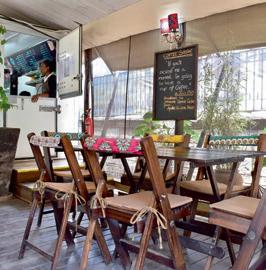
Nairobi’s café culture is thriving, with new spots popping up that blend world-class coffee, stunning interiors, and a buzzing creative crowd. Whether you’re a digital nomad, an artist, or just a coffee lover, these five cafés are redefining what it means to sip in style in Kenya’s capital.

With branches in the leafy suburbs of Karen and Langata, Tin Roof Café is a great option to escape the city bustle and savour some locally roasted coffee. The ethos of these outdoor cafés is as green as their setting with barista-brewed coffees coming in biodegradable cups (both branches are proudly plastic-free) and the excellent food menu showcasing a host of locally sourced veggies.

This specialty micro roastery located in the Gigiri area in downtown Nairobi is a must for discerning coffee drinkers. Its coffee is sourced from the highly prized Nyeri Kaagari region in the Central Highlands of Kenya. The beans are then house-roasted, ground and prepared via a range of brewing methods to unlock the drink’s full potential. The roastery also serves a range of excellent pastries. What’s not to like?
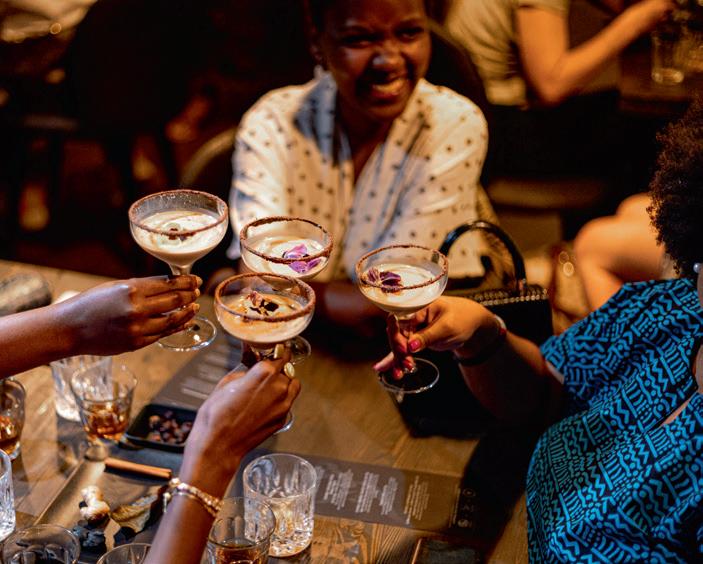
Founded by a particle physicist, this Nairobi small batch roastery brings the science to sourcing, roasting and brewing East African Coffee. Guests can share in the expertise with regular coffee cupping experiences and there’s more opportunity to test the brand’s single origin coffee at its garden café in Westlands. This hidden gem in the city is a tranquil spot to get work done, meet up with fellow coffee lovers, and pair some speciality coffee with pastries.
This specialty coffee brand and café is owned and run by a team of Kenyan women. It’s located inside the Nairobi Gallery in the city centre. The museum’s position as the Kenyan landmark from which all distances are measured gave rise to the brand’s name. The Pointzero single origin coffee – to dunk in, take away or buy as retail bags of whole beans – is a major draw for customers, but the café also serves food such as salads, smoothie bowls, lasagne, and pastries.

Guests can share in the expertise with regular coffee cupping experiences
Just a half-hour drive north of Nairobi in the lush and scenic area of Kiambu is this boutique third-generation Kenyan coffee farm. Tours can be booked for an up-close insight to the coffee-growing process as well as plenty of opportunities to taste the single-origin Arabica bean coffee that has been grown here since 1928.
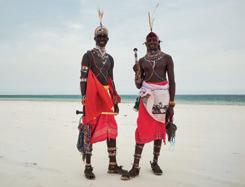
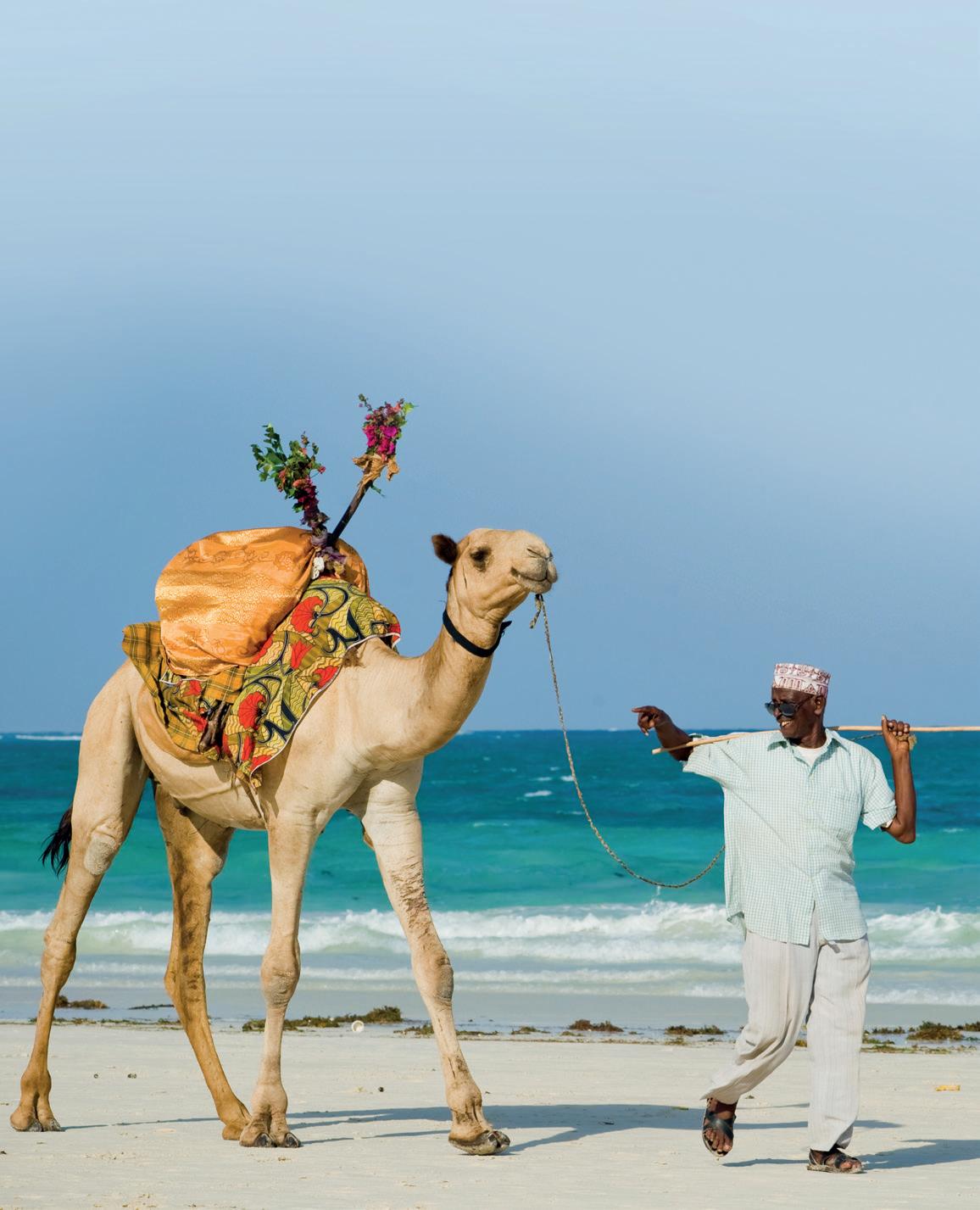
Combine these jewels of the Indian Ocean whether you are after the ultimate beach break or a deep dive into the history that shaped the unique Swahili culture.
Flightlink connects travellers to the wonders of East Africa, offering seamless journeys between the pristine beaches of Zanzibar and the vibrant coastal city of Mombasa. By combining these two destinations, travellers unlock a tapestry of Swahili culture, breathtaking landscapes, and unforgettable adventures.
Why combine Zanzibar and Mombasa?
Zanzibar and Mombasa each offer their own unique charms, but together they create a richer, more immersive experience. Travellers can explore the ancient alleyways of Stone Town in Zanzibar, a Unesco World Heritage Site, and then wander through the historic Old Town of Mombasa, with its blend of Swahili, Arab, and Portuguese influences. Both destinations are renowned for their white-sand beaches, turquoise waters, and vibrant marine life, but each has its own flavour—Zanzibar’s beaches are famed for their untouched beauty and dramatic tidal scenery, while Mombasa’s coastline is celebrated for its accessibility and lively urban energy.
Combining the two allows travellers to: Experience a broader spectrum of Swahili culture, from Zanzibar’s spice markets and taarab music to Mombasa’s lively festivals and street food.
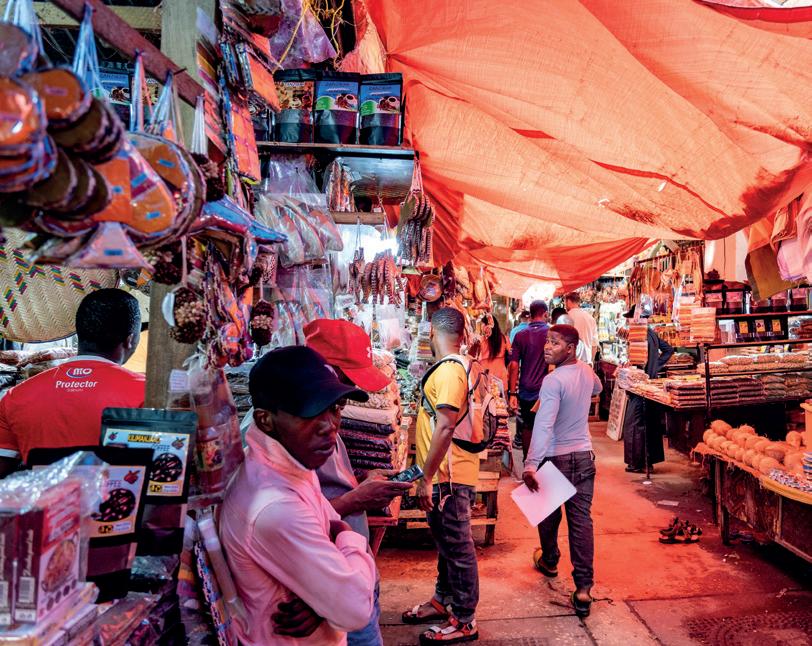
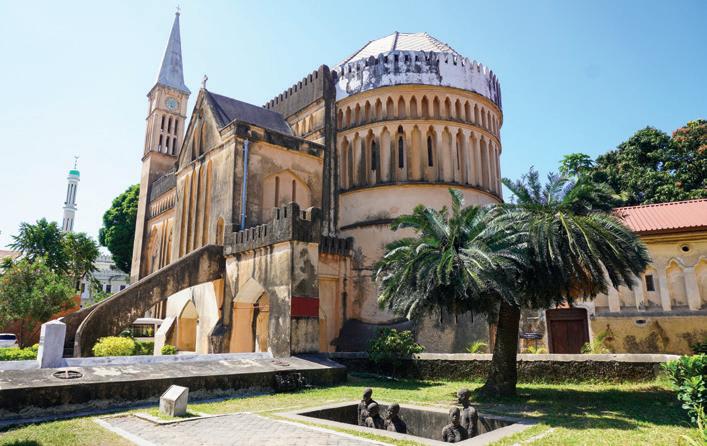
Enjoy a variety of marine adventures, from snorkelling at Mnemba Atoll in Zanzibar to diving and deep-sea fishing off Diani Beach just south of Mombasa.
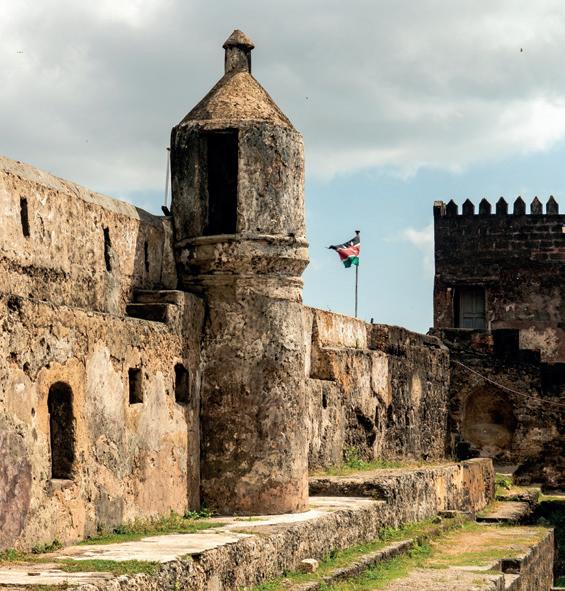
Discover historical depth, with Zanzibar’s centuries-old sultan palaces and Mombasa’s iconic Fort Jesus.
Much of Stone Town, Zanzibar Island’s historic centre, was built during this trading heyday."
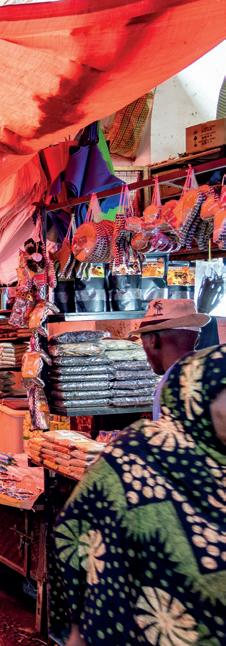
Both Zanzibar and Mombasa are at the heart of Swahili culture – a blend of African, Arab, Persian, and Indian influences shaped by centuries of trade and migration. Much of Stone Town, Zanzibar Island’s historic centre, was built during this trading heyday. The town remains as a living museum with daily life bustling among the winding alleyways and ornate doors.
Mombasa, meanwhile, is a living crossroads of cultures. Its Old Town is a maze of coral stone buildings, colourful markets, and historic mosques.
The city’s festivals, music, and cuisine – think spicy pilau, coconut-grilled fish, and sweet dumplings cooked in a rich, spiced coconut sauce – invite visitors to savour the true spirit of the coast.
Stone Town: UNESCO World Heritage Site, famous for its history, architecture, and vibrant markets.
Nungwi and Kendwa Beaches: These beach resorts on the northern tip of the island are known for pristine sands and clear waters, ideal for relaxation and water sports.
Jozani Forest: Home to the rare red colobus monkey.
Prison Island: Tortoise sanctuary and beautiful beaches.
Mnemba Atoll: Premier spot for snorkelling and diving.
Fort Jesus: A Unesco World Heritage Site, offering a fascinating glimpse into the region’s colonial history.
Old Town: Rich in Swahili, Arab, and Portuguese architecture.
Haller Park: Nature reserve with giraffes, hippos, and botanical gardens.
Diani Beach: Renowned for its long, uncrowded stretches and water sports.
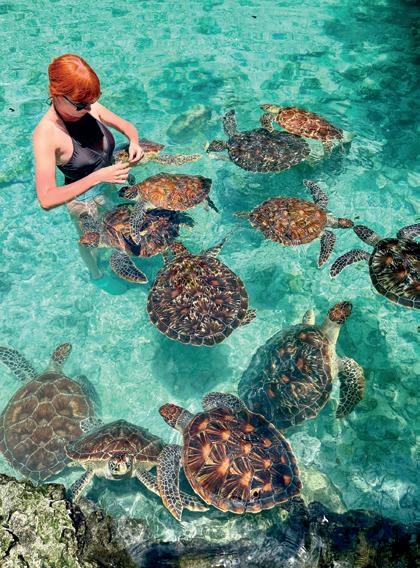
Mombasa Marine National Park: Coral reefs, turtles, and open water adventures
Both destinations are a paradise for marine enthusiasts. Zanzibar’s coral reefs and tidal lagoons are perfect for snorkelling, diving, and dolphin watching. Mombasa’s coast offers jet skiing, deep-sea fishing, and easy access to nearby safari parks for those seeking a blend of beach and wildlife experiences.
Discover one local dish from each stop across our network
If you thought the excitement of travel was all about catching breathtaking views and snapping selfies at remarkable landmarks, you might be missing out on one of the greatest joys of exploring new places: the food! Zebra Stripes sets off on a culinary journey aboard Flightlink and choose one representative dish from each of its dazzling destinations. Bring your appetite!
Located on the southern edge of Lake Victoria, Mwanza is Tanzania’s fishing capital. The city’s star dish is Nile Perch, often served grilled and accompanied by Ugali (maize porridge) and a fresh tomato relish. Tuck into this flavourful fish, and you’ll taste Mwanza’s lakeside spirit in every bite.


The incessant hustle of Tanzania’s commercial capital needs to be kept fuelled. Step forward Dar’s thriving street food scene. This food-onthe-go is what keeps mbongo (slang for Dar residents that comes from the city’s nickname ‘Bongo’, meaning ‘brain’ in Swahili) going. King of the streetcorner snacks has to be mishkaki, grilled meat skewers of marinated beef, chicken, or goat cooked over charcoal. It’s a true taste of Dar’s coastal character.
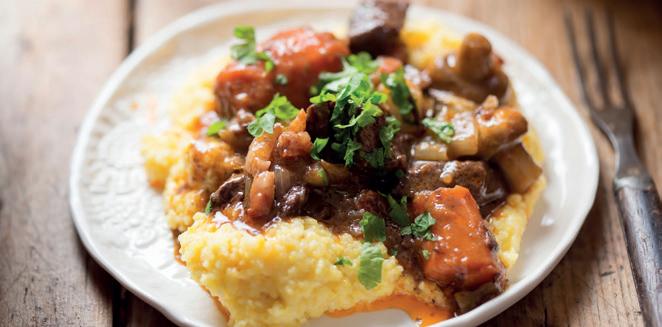
Kenya’s bustling capital, Nairobi, serves up Nyama na Ugali (meat stew with maize porridge). Whether you choose beef or goat, this comforting classic is served in homes and restaurants across the city, bringing people together with its simple, wholesome flavours.
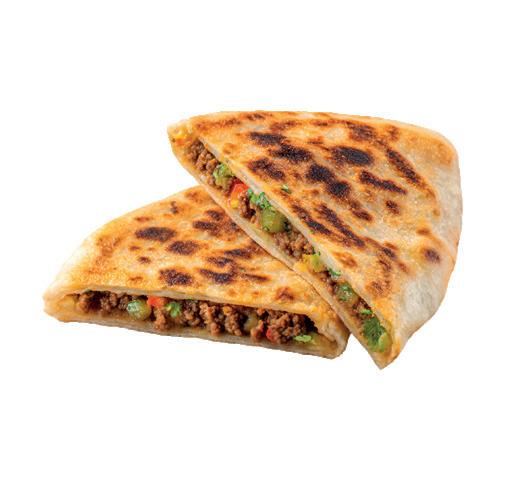
Every evening in Forodhani Gardens – a small park on the harbour front in Stone Town – hundreds of stalls are set up to prepare Swahili street food favourites. The must-try dish here is Zanzibar Pizza – a savoury or sweet stuffed flatbread, pan-fried until crispy. Fillings range from minced meat and vegetables to cheese, eggs, or even chocolate and banana for a sweet twist.

Mombasa’s cuisine is shaped by centuries of trade along the Swahili coast. Pilau, a fragrant rice dish spiced with cardamom, cinnamon, cloves, and loaded with beef or chicken, is the pride of Mombasa’s bustling markets and family kitchens.

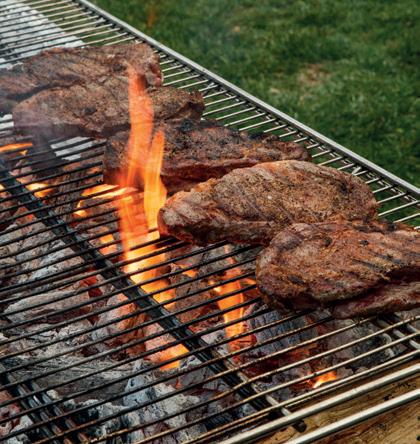
The gateway to safari adventures, Arusha is also the home of Tanzania’s beloved Nyama Choma – grilled meat, typically beef or goat, cooked over open flames and served with kachumbari (fresh tomato and onion salad). It’s the perfect meal after a day spent exploring the foothills of
The ‘Green Island’ is famed for its lush spice farms and seafood. Coconut fish curry is a local favourite, blending fresh catch of the day with coconut milk and a medley of island spices. Served with rice, this dish is an aromatic celebration of Pemba’s tropical bounty.

Discover the rhythms, venues, and vibrant scene of Tanzania’s coastal metropolis to Dar

Dar es Salaam, Tanzania’s bustling port city and commercial capital, is a melting pot of cultures, sounds, and rhythms. For music lovers, it offers a vibrant scene where traditional Swahili melodies meet contemporary urban beats. Whether you’re seeking the hypnotic sway of taarab, the infectious energy of bongo flava, or lively nights out at the city’s favourite venues, Dar es Salaam is sure to satisfy your musical curiosity.
Live music is at the heart of Dar es Salaam’s nightlife. Here are some of the city’s iconic venues where music takes centre stage:
Triniti Bar: This welcoming bar and restaurant in Oyster Bay really comes alive at weekends with DJ sets and live bands. Expect an eclectic range of local and international acts playing music from jazz to Afrobeats.
High Spirit Lounge Bar:
Located in the city centre, this rooftop venue offers stunning views of Dar es Salaam’s
skyline. Expect energetic live bands covering everything from Tanzanian classics to global hits, alongside DJ sets that go on until the early hours.
Samaki Samaki: Known for its seafood and vibrant atmosphere, this lively Tanzanianowned chain, including one outlet on Haile Selassie Road hosts bands and DJs specialising in Afro-pop and bongo flava, making it a favourite for locals and visitors alike.
Slow Leopard: A relaxed bar popular with expats, Slow Leopard injects the city’s music scene with regular live performances, especially reggae and acoustic sessions.
Jumatano Groove: A weekly live music showcase (Jumatano means ‘Wednesday’ in Swahili) hosted by Alliance Française that features emerging and exciting talent from Tanzania and across Africa. Entrance is free.
Nafasi Arts Space: This cultural hub in the Mikocheni district frequently features music in its programming. It plays host to Marafiki Music Festival, Hip Hop Asili Festival, Marahaba Swahili Music Festival, and monthly art and music event Lete Stori. Visit www.nafasiartsspace.org for details.
Bongo Flava: The city’s signature genre, bongo flava, fuses hip hop, R&B, reggae, and traditional Tanzanian music. Its lyrics often touch on everyday life, love, and social issues.
Taarab: With roots in Zanzibar, taarab is characterised by poetic Swahili lyrics, orchestral arrangements, and a blend of Arabic, Indian, and African
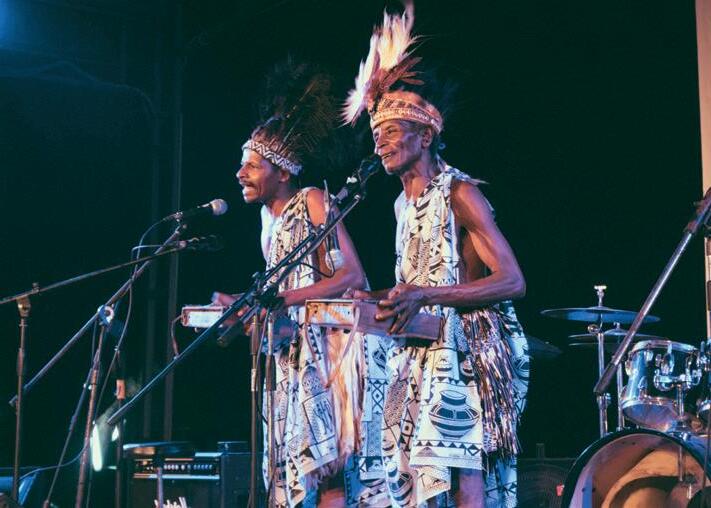
influences. It’s performed at weddings and cultural events throughout the city.
Dansi: A Tanzanian take on big band music, dansi features brass instruments and rhythmic dance beats, keeping the tradition alive in Dar es Salaam’s music halls.
Singeli: A fast-paced, electronic genre born in the city’s neighbourhoods, singeli is the sound of Dar’s youth, marked by rapid beats and rap.
Dar es Salaam is home to some of East Africa’s most influential musicians and up-and-coming stars. Here are a few artists you should look out for:
Abigail Chams: Regarded as one of East Africa's most promising young talents, Abigail Chams gained significant attention in 2025, notably with her hit collaboration "Me Too" with Harmonize, which topped Tanzanian charts and earned her a BET nomination for
Chino Kidd: Recognised as ‘Best Upcoming Artist of the Year’ at the 2024 Tanzania Music Awards. He is known for blending Amapiano, Bongo Flava, and Afrobeat in his music with hits in 2025 including ‘Tunakusha’ and ‘Maisha’.
DJ Travella: This prodigy from Dar es Salaam is redefining African electronic music with his futuristic take on Singeli that is proving popular at home and as far afield as Europe where

For music lovers, Dar es Salaam offers a vibrant scene where traditional Swahili melodies meet contemporary urban beats "
this teenage talent has toured extensively.
Check local listings and social media for pop-up concerts and impromptu performances, especially at the city’s hotels and restaurants.
Attend a music festival, such as the Karibu Music Festival, a three-day event celebrated just north of Dar in Bagamoyo.
Engage with local musicians –many are happy to share their stories, and you may even get a
behind-the-scenes glimpse at a recording session or rehearsal. Music studios include Black Dot in the Gerezani neighbourhood and Sisso Studios – where the first singeli recordings were made – in Mburuhati
Whether you’re a fan of soulful taarab, the urban sounds of bongo flava, or just looking for a fantastic night out, Dar es Salaam will have something for every music lover. With its diverse venues, exciting artists, and a deep-rooted appreciation for rhythm and melody, the city is a true gem for those looking to immerse themselves in East Africa’s musical heartbeat.


WHY THEY’RE SPECIAL:
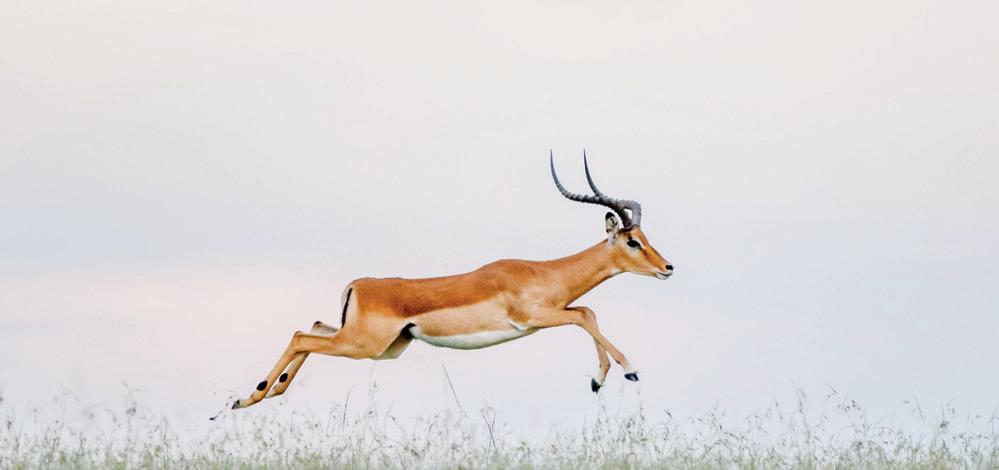
Impalas are the park’s graceful jumpers, able to leap up to 3 metres high and 10 metres long in a single bound! This agility helps them escape predators and move swiftly through Saanane’s mixed terrain.
WHY THEY’RE SPECIAL:
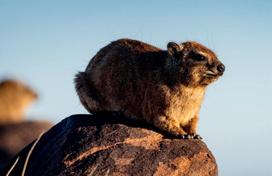
Despite looking like oversized guinea pigs, rock hyraxes are actually distant relatives of elephants! Their padded feet act like suction cups, allowing them to climb steep rocks with ease.
FUN FACTS:
Rock hyraxes have a unique vocal repertoire, including whistles, grunts, and shrieks to communicate with their colony. They spend hours sunbathing on rocks to regulate their body temperature.
Their teeth and skull structure are surprisingly similar to those of elephants, hinting at their ancient evolutionary link.
FUN FACTS:
Impalas are known for their ‘stotting’ behaviour – springing into the air with all four feet off the ground. They live in herds, which provides safety in numbers and makes for spectacular group movements.
Males have lyre-shaped horns, which they use in dramatic battles for dominance during the breeding season.
WHY THEY’RE SPECIAL:
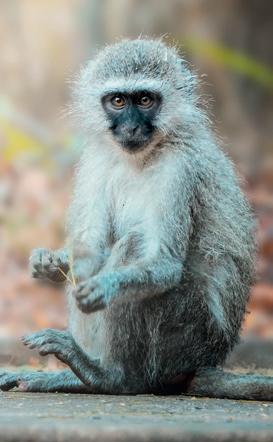
Vervet monkeys are the park’s clever pranksters, famous for their curiosity and social antics. They thrive in Saanane’s varied habitats, from forest edges to lakeside trees.
FUN FACTS:
Vervet monkeys have different alarm calls for different predators – one for snakes, another for eagles (both present on Saanane) and a third for leopards! They are known to ‘wash”’their food in water before eating.
Young vervets love to play, chasing each other and swinging from branches, much to the delight of visitors.
WHY THEY’RE SPECIAL:
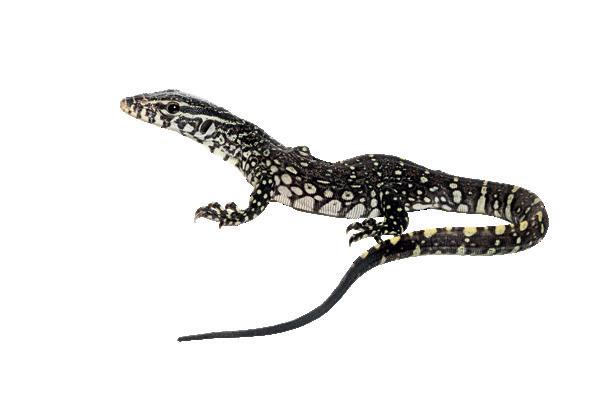
As the largest lizard in Saanane, the Nile monitor is a true survivor. It’s equally at home on land and in water, making the park’s island setting ideal.
FUN FACTS:
Nile monitors can hold their breath underwater for up to 15 minutes. They use their powerful tails as whips for defence. These lizards are opportunistic eaters, feasting on everything from fish and birds to eggs and insects.

Shilinde Swedy wins a return ticket a return flight between Dar es Salaam and Zanzibar international airports, well done and thank you for flying with Flightlink

We know Flightlink customers are smart – you chose to fly with us for a start – but just how smart? Well, here’s the test:
10 questions to occupy your minds during your flight. Answer them all correctly – you’ll find all the answers within the articles in this issue of Zebra Stripes if you need help – and you could win a return ticket between Dar es Salaam and Zanzibar on us.
To be in with a chance of winning a return flight between Dar es Salaam and Zanzibar international airports, email your answers along with a picture of yourself holding this issue of Zebra Stripes on your flight today to competition@landmarine.org Closing date for entries is 10 February 2026.
Here are the questions!
1
What is the only mammal with scales?
2
What is the name of the mountain – the second-highest peak in Tanzania – that looms over Arusha?
3
Mwanza is home to the smallest national park in Tanzania. What is its name?
4
What is the passenger capacity of the ATR 72-500 in the Flightlink fleet?
5
What is the translation into English of Ol Doinyo Lengai from the Maasai language?
6
What is the distance of the annual African Rangers Race?
7Alliance Française in Dar es Salaam hosts a weekly live music event, Jumatano Groove. What day does it take place?
8
In what century was Fort Jesus in Mombasa first built?
9
What is the name of the nightly street food market in the harbour area of Stone Town, Zanzibar?
10
From which Nairobi airport do Flightlink's direct flights from the Kenyan capital to Zanzibar take off?

Our growing network includes eight Tanzanian destinations and is now international with the recent additions of Mombasa and Nairobi in Kenya. Here’s a brief guide to each to help you plan your next trip with Flightlink.
Dar es Salaam (meaning ‘haven of peace’ in Arabic) is Tanzania’s largest city and its commercial capital. Dar is the third fastest growing city in Africa and home to a thriving arts, music and food culture. It is also a coastal city with beautiful beaches, including Coco Beach, which is known for wealth of beach bars and nightclubs. Soak up the city's bustle at its markets. Kariakoo Market is the pulse of the city's traditional commerce with fresh fruit, vegetables and spices, second-hand clothes and bargains galore. Make an early start to catch the fishermen laden with the night's catch at Kivukoni Fish Market on the waterfront. It's a great place to see daily life and enjoy seafood. For a more tranquil shopping experience head to The Slipway shopping centre overlooking Msasani Bay.
Zanzibar is an archipelago of more than 47 islands off the east coast of Tanzania. Unguja (also known as Zanzibar Island)‚ Pemba and Mafia are the main islands and attract visitors from all over the world. The islands are known for their rich history, spectacular beaches and diverse marine life. Unguja is just a 20-minute flight from Dar es Salaam and is famous for its
historic port Stone Town, which is home to a cosmopolitan community shaped by centuries of trade with the Middle East, Europe and Africa, The island is ringed with coral reefs with diverse marine life. An incredible underwater world awaits divers here while kite surfers will love the idyllic conditions of the south-east coast.
Arusha in northern Tanzania is the gateway to the world-famous national parks of the ‘Northern Safari Circuit’. It is also the place from where hikers set off to ascend Mount Kilimanjaro. Getting to the top of ‘Kili’, as Africa’s highest peak is affectionately called, is a bucket-list experience for climbers the world over. With close to 760,000 inhabitants‚ Arusha region is one of the most developed in Tanzania‚ not only due to its tourism infrastructure‚ its business community‚ but also because the city serves as home to the diplomatically important East African Community.
One of Africa’s seven natural wonders, the Serengeti National Park covers an area of over 30,000 sq km and boasts massive wildlife populations,

including the Big Five. It is best known for its Great Migration in which millions-strong herds of wildebeest, zebra and antelope move from the Ngorongoro region in the south east‚ westwards into the Serengeti and then north over the border into the Masai Mara and back again in a cyclical search for green pastures to feed on. Lying in wait on this perilous journey are predators including around 4,000 lions.
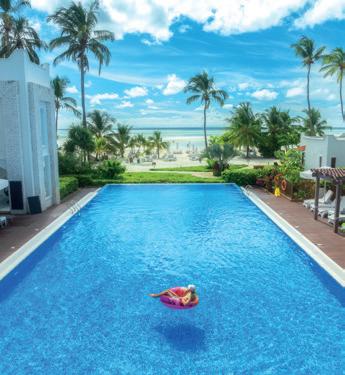
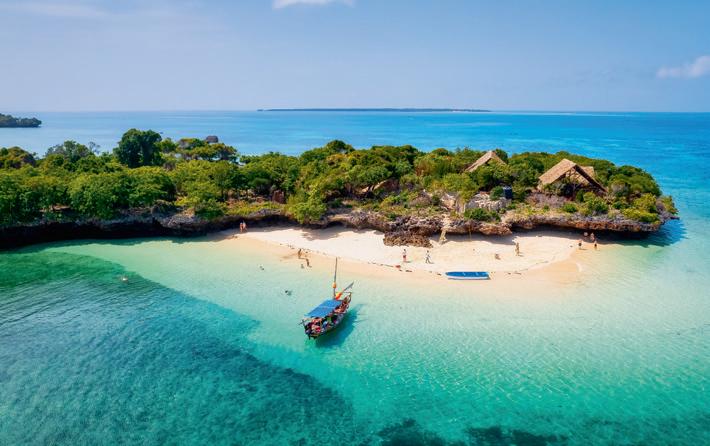
Pemba‚ often referred to as ‘The Green Island’, is part of the Zanzibar archipelago‚ and
is renowned for its lush‚ tropical landscapes‚ including dense forests‚ spice plantations‚ and pristine beaches. The island offers a quieter‚ more authentic experience compared to its larger, more developed Zanzibar Island. Visitors can explore historic ruins‚ vibrant markets‚ and traditional Swahili culture. Pemba is famous for its thriving spice trade‚ particularly cloves. Diving and snorkelling enthusiasts are drawn to the crystal-clear waters surrounding Pemba‚ which host a diverse marine ecosystem‚ including coral reefs.
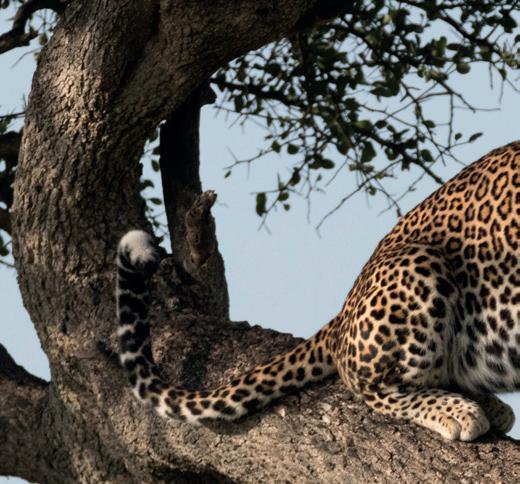
The Masai Mara National Reserve is one of Africa’s most celebrated and enchanting wildlife sanctuaries. It is home to all members of the ‘Big Five’ along with a dazzling array of other animals, including cheetahs, hyenas, giraffes, and
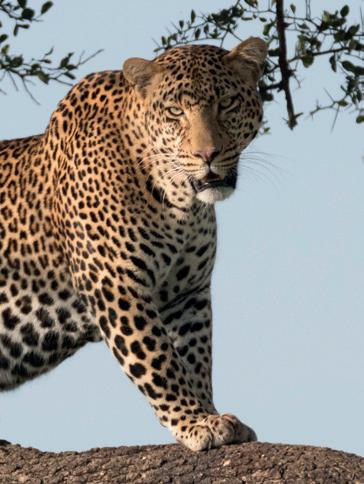
more than 450 species of birds. The Great Migration reaches the Mara from July to October. More than 1.5 million wildebeest, accompanied by hundreds of thousands of zebras and gazelles, continue their perilous journey that includes dramatic river crossings at the Mara River, where hungry crocodiles lurk beneath the surface, and predators roam the banks.
Kenya’s oldest city and second largest after Nairobi is the gateway to the magnificent beaches of southern Kenya and the Mombasa National Marine Park. Nearby beaches such as Kilifi‚ Watamu and Diani are among the most beautiful of the East Africa coastline. The cosmopolitan Old Town is a rewarding destination for a walk.
Nairobi‚ the capital and largest city of Kenya‚ is a dynamic metropolis. It serves as the
political‚ economic‚ and cultural centre of Kenya‚ and it's known as the Green City in the Sun due to its pleasant climate and lush greenery. It boasts a mix of modern skyscrapers and colonial-era architecture. It is the only capital city in the world with a national park in it where wildlife roam against a backdrop of the city’s spectacular skyline.
Tanzania’s second city hugs the southern shore of Lake Victoria. Mwanza is nicknamed ‘Rock City’ because it’s overwhelmingly beautiful coastline features hundreds of massive boulders. Visitors can explore Africa’s largest lake on fishing trips, sunset cruises and ferry rides to island national parks. Surprising to some, is that Mwanza is a gateway to animal adventures. It is the closest city to the Serengeti with the world-famous national park’s scenic Western Corridor just a two-hour drive away.
Masai Mara
Kogatende
Fort Ikoma
Seronera
Loliondo
Lake Manyara
Ndutu
Mwanza
Serengeti Mombasa
Current Destinations (Routes)
Serengeti Airstrips
Fort Ikoma, Kogatende, Seronera
Loliondo, Ndutu, Lake Manyara, Ngorongoro
Nairobi Airports
Jomo Kenyatta International Airport
Wilson International Airport
Masai Mara Airstrips
Angama, Cottar's, Keekorok, Kichwa Tembo, Musiara, Naboisho, Ngerende, Mara North, Ol Seki, Olare Orok, Ol Kiombo, Serena Zanzibar Airports
Abeid Amani Karume International Airport Nungwi Airport
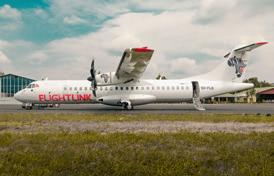
ATR72-500
Number in fleet: Three
Twin-engine turboprop aircraft
Passenger capacity: 72 seats
Maximum cruising speed: 275 knots per hour (510 km/h)
The ATR 72-500 is a modern turboprop aircraft designed for comfort and efficiency on regional routes. With spacious seating for up to 70 passengers, large overhead bins, and quiet, fuelefficient engines, it’s built to make short flights smooth and enjoyable. Its excellent performance on shorter runways also means it can take you closer to East Africa’s most unique destinations.
Tanzania HQ
3rd Floor, Room number No 3 Oyster
Pearl Galleria, Chole Road Masaki, PO Box 2858 Dar es Salaam.
Kenya HQ
Wilson Business Park, Wilson Airport, Langata Road, Karen, Nairobi.
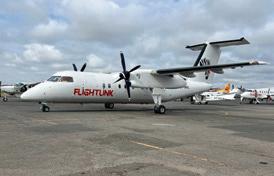
DASH-8 Q100/200
Number in fleet: One
Twin-engine turboprop aircraft
Passenger capacity: 37 seats
Maximum cruising speed: 252 knots per hour (467 km/h)
Compact, reliable, and built for regional flying, the Dash 8 Q100/200 is perfect for connecting East Africa’s shorter routes. Seating around 37 passengers, it offers a comfortable cabin and the ability to operate from smaller airstrips, bringing you closer to safari parks, islands, and remote destinations. With its smooth performance and quiet ride, the Dash 8 makes every journey as enjoyable as the destination.
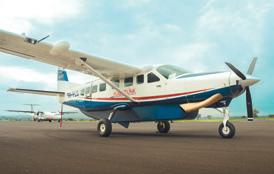
Cessna Grand Caravan G1000
Number in fleet: Two
Single engine turbo prop aircraft
Passenger capacity: 13 seats
Maximum cruising speed: 185 knots per hour (343 km/h)
The Cessna Grand Caravan G1000 is a true explorer’s aircraft—rugged, dependable, and perfect for East Africa’s skies. Seating up to 12 passengers, it combines modern Garmin G1000 avionics with the ability to land on shorter runways, making it ideal for safari airstrips and island getaways. Comfortable and reliable, the Grand Caravan connects you seamlessly to adventure.
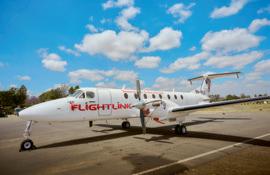
Beechcraft 1900C
Number in fleet: One
Twin-engine turboprop aircraft
Passenger capacity: 19 seats
Maximum cruising speed: 284 knots per hour (526 km/h)
The Beechcraft 1900C is a versatile 19-seat aircraft designed to connect travellers to destinations where larger planes can’t reach. Its compact size makes it ideal for short runways and remote airstrips, while still offering a safe, comfortable, and reliable flight. Perfect for regional hops, the 1900C gets you closer to East Africa’s hidden gems with ease.


Established in 2001, Flightlink is a Tanzanian-owned airline, fully licensed and certified to operate in both Tanzania and Kenya. Our core objective is to facilitate convenient travel, bridging the gap between major international airlines and domestic or safari destinations within Tanzania.
At the heart of our operations are three key principles: safety, punctuality, and exceptional customer service. We are deeply committed to upholding stringent safety standards, ensuring that our passengers reach their destinations both safely and on schedule. Our focus on quality service aims to make every journey with us a memorable experience.
To connect tourists with the diverse wonders of East Africa, from its iconic wildlife destinations to its stunning coastal regions, through a dedicated fleet and a passion for exceeding expectations.
To be the premier airline in East Africa recognised for connecting tourists with the region’s most extraordinary experiences.
Flightlink's commitment to your well-being and safety is the foundation upon which we operate. We provide the highest levels of safety for our passengers and crew‚ fostering a culture of safety awareness throughout our organization.
Our commitment to safety is reflected in our strict adherence to both local and international standards . We operate in accordance with the standards set by the European Union Aviation Safety Agency (EASA)‚ the Federal Aviation Administration (FAA)‚ the International Civil Aviation Organization (ICAO)‚ and the Tanzania Civil Aviation Authority (TCAA). In addition to the above standards ‚ TCAA conducts regular inspections and audits to ensure our continued compliance.
Flightlink takes pride in its fleet of modern‚ eco-friendly ATR-72-500 turboprop aircraft. These twin-engine planes are known for their fuel efficiency and are meticulously maintained to meet the highest safety standards.
We have implemented a robust Safety Management System (SMS) that aligns with ICAO guidelines and best practices. This comprehensive system is fully approved by the TCAA. By prioritising safety‚ we aim to earn your trust and provide you with a peace of mind whenever you choose to fly with Flightlink.
Promise Dreams Delivered, On time, every time.
The larger ATR72-500 has a stand up pressurized cabin, 2 pilots with 2 cabin crew
1 pc of 20kg on domestic services including Nairobi Wilson and 1 pc of 23kg on regional services.
5Kg hand baggage allowance
Free on board snacks and drinks on selected routes
Book, pay and check in online with our Flightlink App
We accept payment with all major currencies and cards
LIPA number and mobile payment accepted
Convenient and timely connections to the tourism circuits
Safe, reliable and on-time performance
Flightlink App (iOS and Android) guaranteed 5% discount