Latest attractions in Rwanda’s oldest and largest rainforest
Animal adventures
Unforgettable wildlife experiences
We launch new route to Mwanza and Kahama with our 50-seater Dash 8-300
Auric Air Services Limited Plot 154, Block 'B', Malaika Road, Ilemela, PO Box 336 Mwanza, Tanzania
986123
auric@auricair.com www.auricair.com
www.facebook.com/auricair
www.instagram.com/auricair
www.x.com/auricair
auric-air-services-limited
Explorer is published by: Land & Marine Publications (Tanzania) Limited 5th floor, Josam House, Block A, along Coca Cola Road, Mikocheni Area, Dar es Salaam
Head Office: Land & Marine Publications Limited 6 The Square, Ipswich, Suffolk, IP5 3SL, UK
T: +44 (0)1206 752902
E: publishing@landmarine.com
Printed by Jamana Printers, Dar es Salaam.
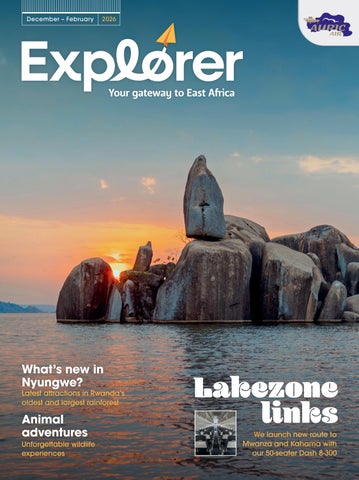
Linking with the Lake Zone
We’re delighted to welcome you on board this Auric Air flight, where every journey is an invitation to discover Tanzania’s hidden gems and remote wonders. As you settle in for your flight, we invite you to join us in celebrating the spirit of exploration that defines our airline.
This year marks a significant chapter in our story. With the arrival of our 25th Cessna Caravan, Auric Air now boasts one of East Africa’s largest fleets of this versatile aircraft – purpose-built to connect adventurous travellers with the country’s most breathtaking and off-the-beaten-path destinations. Whether you’re heading to the iconic Serengeti, the wilds of Ruaha, or the tranquil shores of Pangani, our fleet is ready to take you to the heart of Tanzania’s natural beauty
We’re also proud to announce the launch of our new Lake Zone route, linking Mwanza and Kahama with Dar es Salaam. This exciting development opens up seamless travel between the vibrant lakeside cities and the coast, making it easier than ever to explore the diverse landscapes and cultures that make Tanzania so unique. Whether you’re travelling for business or leisure, these new flights offer fresh opportunities for discovery and connection.
At Auric Air, our mission is simple: to reveal the extraordinary destinations that lie beyond the familiar, and to make every journey an adventure. Thank you for choosing to fly with us today. We look forward to helping you uncover the hidden treasures of Tanzania and East Africa.
Deepesh Gupta Director of Corporate Affairs
OUR 25TH CESSNA CARAVAN HAS ARRIVED
Auric Air has marked a major milestone with the addition of a 25th Cessna Caravan aircraft to its growing fleet.
We now have one of the largest fleets in East Africa of the Cessna Caravan, a comfortable and durable aircraft ideally suited to connecting passengers to Auric Air’s network of remote and breathtaking destinations.
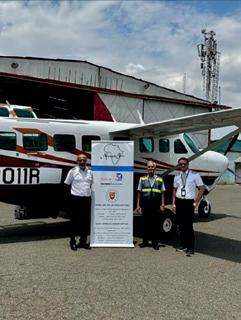
Captain Martin Rychtalik flew the Auric Caravan N2011R into Wilson Airport – a moment that highlights how far Auric Air has come in shaping Tanzania’s tourism and regional connectivity.
AURIC AIR LAUNCHES NEW LAKE ZONE ROUTE
Auric Air is delighted to announce the launch of its new triangular route, connecting two of Tanzania’s most vibrant lake zone cities – Mwanza and Kahama – with the country’s commercial capital, Dar es Salaam. This exciting development marks a significant step forward in domestic travel, offering seamless connectivity between the lakeside region and the coast.
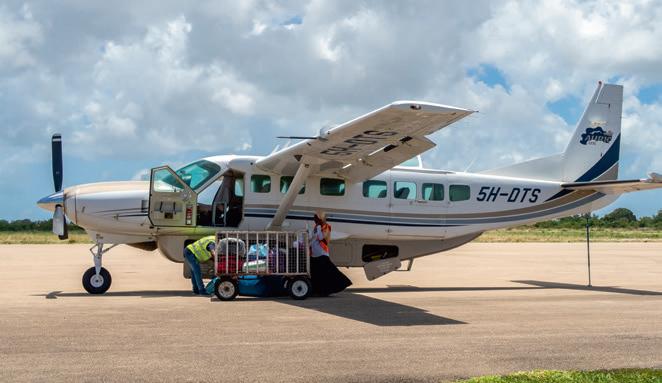
Launched in October, scheduled flights operate four times a week – on Mondays, Wednesdays, Fridays, and Sundays –using a comfortable 50-seater Dash 8-300 aircraft. The new route is designed to enhance travel options for both business and leisure passengers, making it easier than ever to explore the diverse landscapes and cultures of Tanzania.
Whether you’re heading to Mwanza, known for its stunning lakeside scenery and bustling markets, or to Kahama, celebrated for its rich history and welcoming atmosphere, this route opens up new possibilities for discovery. Be sure to check out the dedicated articles in this magazine showcasing the unique attractions and experiences awaiting you in both Mwanza and Kahama.
Auric Air remains committed to improving domestic connectivity and supporting tourism and commerce across Tanzania. We invite you to take advantage of this new route and experience the best that the Lake Zone and Dar es Salaam have to offer.
The Auric Air chatbot is available to answer your questions 24 hours a day, 365 days a year. Scan the code below or WhatsApp “Hello” to +255 783 233334 to get started.
Magical Mwanza: Tanzania’s hidden gem
New Auric Air destination Mwanza is an experience. Wildlife adventures on your doorsteps and the country’s most beautiful sunsets. Ziada Abeid is won over on her first visit to Tanzania’s second city.
ith its green landscapes, dramatic rocky outcrops, and stunning views of Lake Victoria, Mwanza is a feast for the eyes. I arrived ready to explore and left with a camera full of photos and moments I’ll never forget. The sunsets alone were worth the trip. As days draw to a close here, rich, golden colours spill across the horizon and are mirrored in the still waters. Here’s how Mwanza worked its magic on me, and how it might work for you.
At 7.30am the next morning there’s around 50 of us packed into Bwindi’s tourist hub. The forest hosts 20 habituated gorilla families, spread across four sectors, and ranging in size and temperament. A stern, uniformed
tracker tells us: “Bwindi is called the impenetrable rainforest for a reason.”
Embrace the wild
If you only have a day, Saanane National Park offers an easy escape into nature without straying far from the city. For something more adventurous, Rubondo Island National Park gives you hiking trails, lake views, and a good dose of wildlife.
Not into big safari parks? Mwanza has alternatives. I spent my afternoon strolling around Wag Hill Zoo (located within the lakeside Wag Hill Lodge and Spa), feeding the zebras. Kassa Zoo is another easy option if you want to get up close to local wildlife in a relaxed, family-friendly environment.
Gateway to the Serengeti
Here’s the secret: Mwanza is just 140 km from the Ndabaka Gate, the western entrance to Serengeti National Park. Which means, yes, you can base yourself in the city and still tick ‘Serengeti’ off your list in a single day. Wildlife, vast landscapes, and then back in time for a lakeside dinner.
Chase the sunset
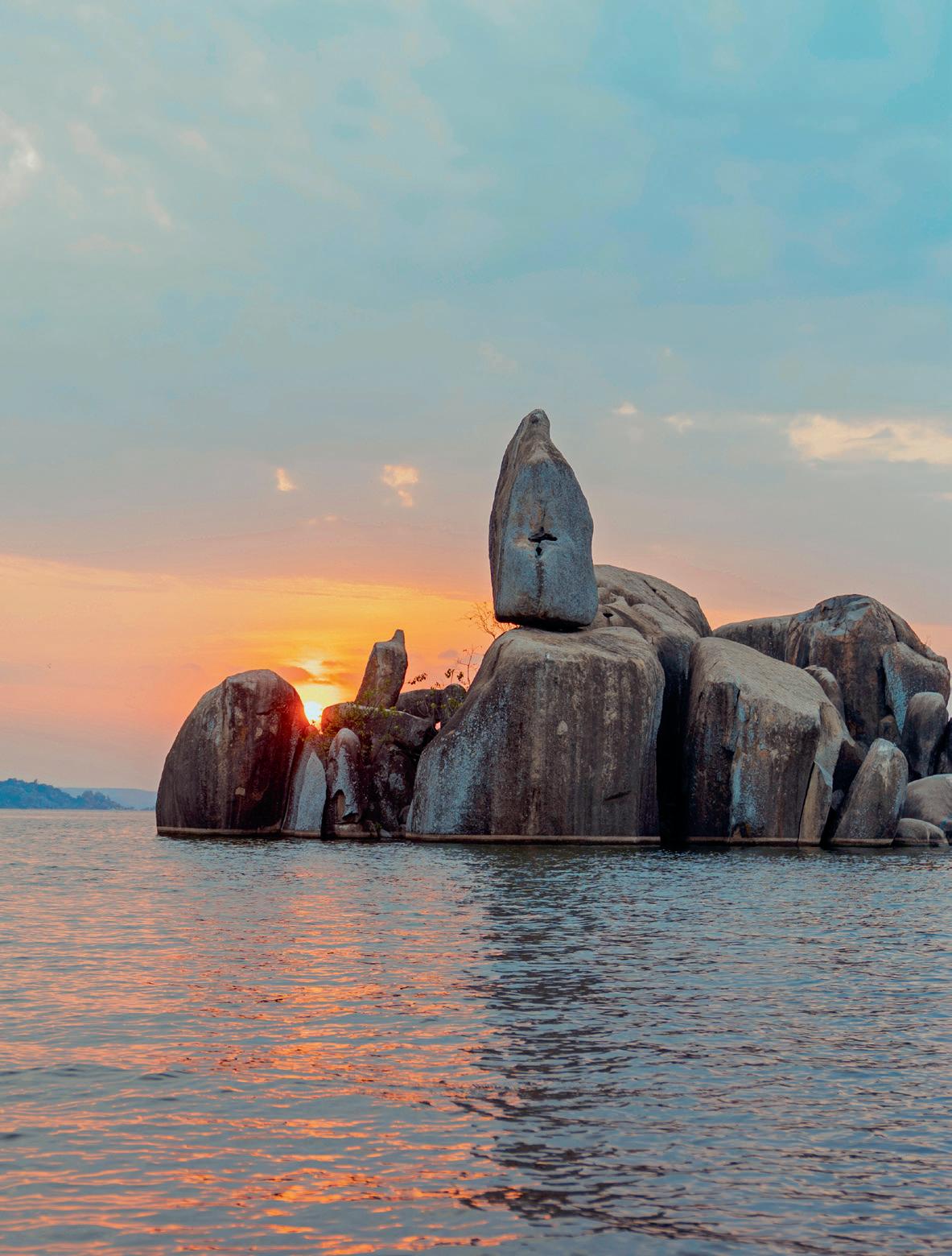
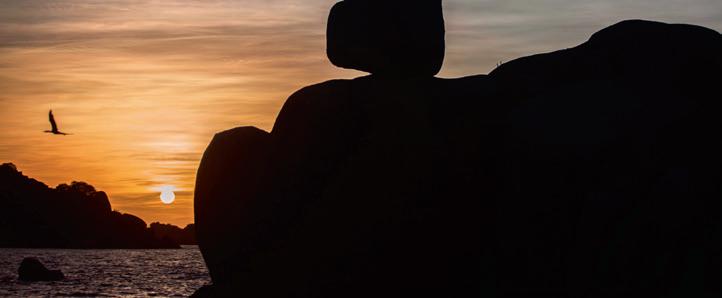
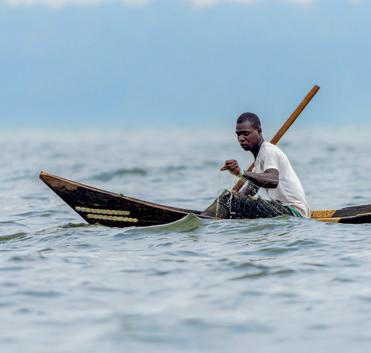
I’ve seen many sunsets in Tanzania, but Mwanza’s? The most stunning sunset I've ever witnessed. The best way to experience them is on a Lake Victoria cruise. Cruising along the serene waters of Lake Victoria as the sky turns fiery orange, and the famous Bismarck Rock standing tall in silhouette is the kind of moment you’ll want to bottle up and keep forever.
“Mwanza surprised me with its beauty, energy and warmth”
Feel the beat at night
When the sun dips below the horizon, Mwanza comes alive with energy and rhythm. From Thursday into the weekend you’ll find local bands performing at bars and clubs. Rock City Mall is a nightlife hub, housing numerous pubs and lounges where you can relax, enjoy a drink, and enjoy some authentic local entertainment. Notable spots like The Cask and Malaika Hotel are also must-visit destinations for any night owl.
Taste the lake
A visit to Mwanza isn’t complete without tasting famed local fish dish ‘sato’ (tilapia freshly caught from Lake Victoria). Restaurants
serve it in different styles – grilled, fried, or cooked in traditional sauces that will have your taste buds dancing. For a high-end dining experience, The Cask is a top choice, while Kijiji Bar and Grill offers a more casual yet equally delightful meal in the heart of the city.
Find affordable comfort
Mwanza is an ideal destination for budget travellers and families alike. The city offers numerous budget-friendly hotels, such as the Leyshof Hotel and The Pigeon Hotel, both located in the city centre. For those seeking a more luxurious stay, family resorts like Wag Hill and Malaika, situated on the outskirts of the city, provide
all-inclusive packages and are perfect for group retreats.
Mwanza surprised me with its beauty, energy, and warmth. It’s more than just a stopover; it’s a destination that deserves your time. If you're planning a holiday in Tanzania, consider adding Mwanza to your itinerary for a quick stop and let this lakeside city work its quiet magic on you.
Auric Air launched scheduled services to Mwanza (and Kahama) from Dar es Salaam on October 1, 2025. The new route utilizes a 50-seater Dash 8-300 aircraft and operates four times a week.
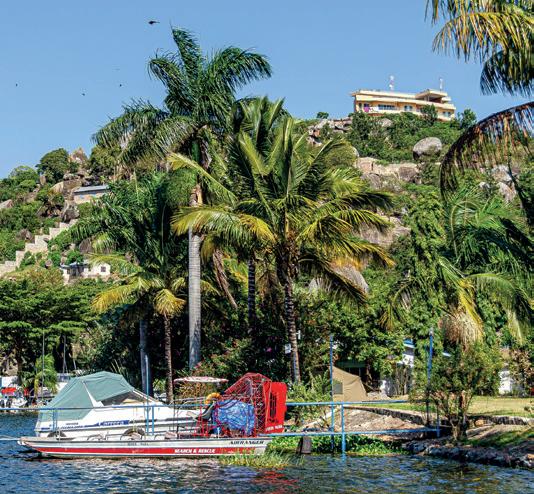
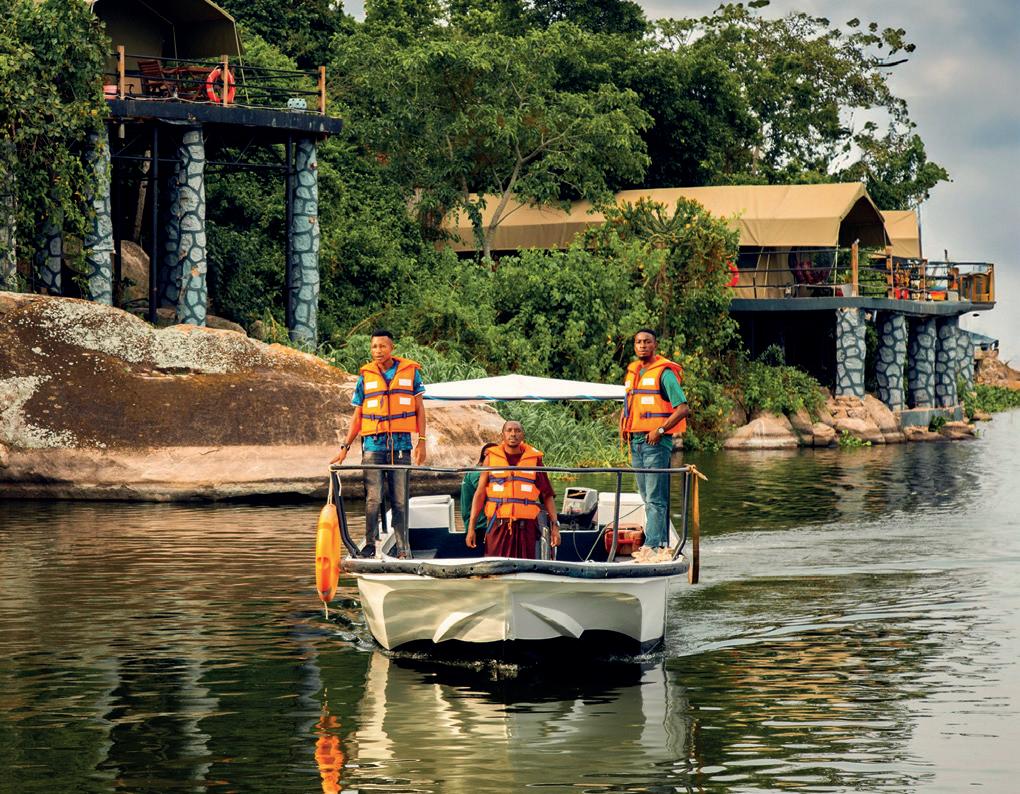
Lake life at the Wag Hill Lodge and Spa
Travel
TECH
From luggage trackers to portable chargers, these are our tried-and-true
tial rechargeable luggage companion. Created by Knog, an award-winning Australian accessory brand famous for its unconventional designs, such as the world’s first silicone bike light. The tracker is currently only compatible with iOS, but Android users can join the waiting list for the upcoming Google Play Store version.
www.knog.com/products/scout-travel
Say goodbye to cable chaos. This foldable MagSafe-compatible charger powers your iPhone, AirPods, and Apple Watch simultaneously. Its adjustable stand doubles as a viewing dock, and the included travel pouch keeps everything neat. Perfect for those who want fast charging without the bulk.
Timekettle M3 Translator Earbuds
Break language barriers instantly. These sleek earbuds deliver real-time translations in dozens of languages while doubling as noise-cancelling headphones. Ideal for explorers who want seamless conversations from Dar es Salaam to Doha without fumbling for apps.
www.timekettle.co
Pacsafe CX Anti-Theft Backpack
Security meets sustainability. Crafted from recycled fishing nets and plastic bottles, this lightweight backpack is armed with anti-slash panels, lockable zippers, and RFID-blocking pockets. Its structured top stays open for easy packing, and it fits a 16-inch laptop – perfect for urban explorers and long-haul adventurers alike.
www.pacsafe.com
Moonbird Breathing Coach
Travel stress is real – Moonbird makes it manageable. This handheld device guides you through calming breathing exercises, helping nervous flyers relax and even improve sleep quality. Compact, rechargeable, and clinically backed, it’s wellness tech for the skies.
www.moonbird.life
The advantages of visiting Tanzania in the Green Season
Why savvy travellers choose Tanzania beyond peak times
1FEWER CROWDS AND A MORE INTIMATE EXPERIENCE
One of the most significant benefits of travelling to Tanzania in the offseason is the noticeable reduction in tourist numbers. Popular destinations like the Serengeti, the Ngorongoro Crater, and Zanzibar’s beaches become much less crowded. This means visitors can enjoy game drives, guided walks, and cultural encounters in a far more relaxed and personal setting. The sense of solitude allows for a deeper connection with nature and the local way of life.
2 LOWER PRICES AND BETTER VALUE FOR MONEY
The off-season is often referred to as the “green season” due to
the lush landscapes brought on by seasonal rains. During this period, many lodges, hotels, and tour operators offer substantial discounts to attract visitors. Flights, accommodation, and safari packages are generally much more affordable, allowing travellers to experience luxury at a fraction of the usual cost. For budget-conscious tourists, this is an excellent opportunity to get more value for their money.
3 LUSH SCENERY AND DRAMATIC LANDSCAPES
While the off-season coincides with Tanzania’s rainy periods, the showers are usually short and interspersed with beautiful sunshine. The resulting greenery transforms the scenery into a
Learn about Maasai culture
“The resulting greenery transforms the scenery into a vibrant spectacle, with wildflowers blooming and rivers flowing”
vibrant spectacle, with wildflowers blooming and rivers flowing. Photographers and nature lovers will find the landscapes especially captivating, offering unique perspectives that contrast with the drier months.
4 UNIQUE WILDLIFE SIGHTINGS
Contrary to common belief, wildlife viewing can still be exceptional during the off-season. Many animals, including the iconic “Big Five,” remain within the national parks year-round. The lush vegetation provides unique backdrops for wildlife photography, and animal behaviour, such as calving in the Serengeti, can be observed. The presence of fewer safari vehicles allows for more exclusive
encounters and less competition at wildlife sightings.
5 EXCELLENT BIRDWATCHING OPPORTUNITIES
The off-season is a paradise for birdwatchers. The rains attract migratory species, and the abundance of water leads to increased activity among resident birds. With fewer vehicles around, birding enthusiasts can enjoy peaceful observation and photography, often spotting rare or elusive species that are less visible during the busier months.
6 AUTHENTIC CULTURAL EXPERIENCES
With fewer tourists in the country, local communities are more available and welcoming
to visitors. This provides a wonderful chance to engage in authentic cultural exchanges, whether through village visits, traditional food experiences, or learning about Maasai customs. Off-season travellers often report more genuine and meaningful interactions with Tanzanians.
7EASIER BOOKINGS AND GREATER FLEXIBILITY
The off-season brings greater flexibility in travel planning, with ample availability at popular lodges and camps. This makes it easier to secure last-minute bookings or to customise itineraries without the pressure of peak-season demand. Travellers can take their time and design a holiday that truly suits their interests and pace.
Adventures
assured
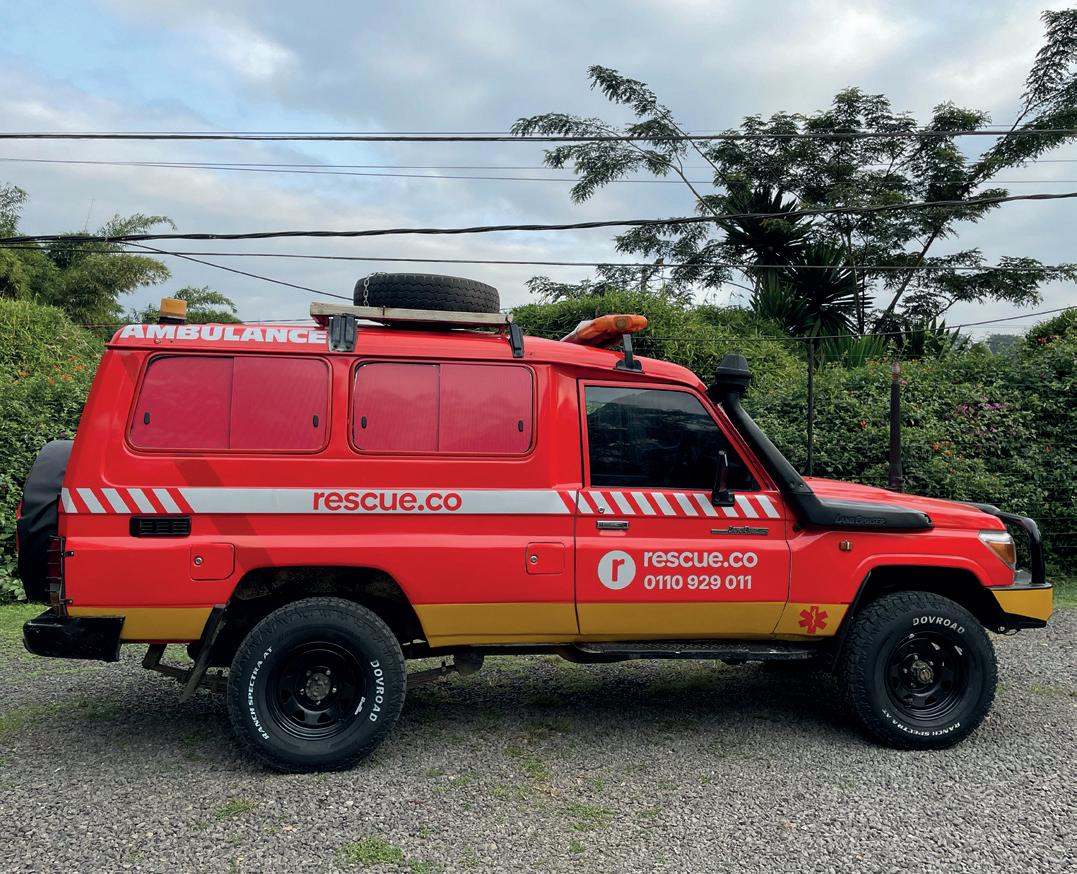
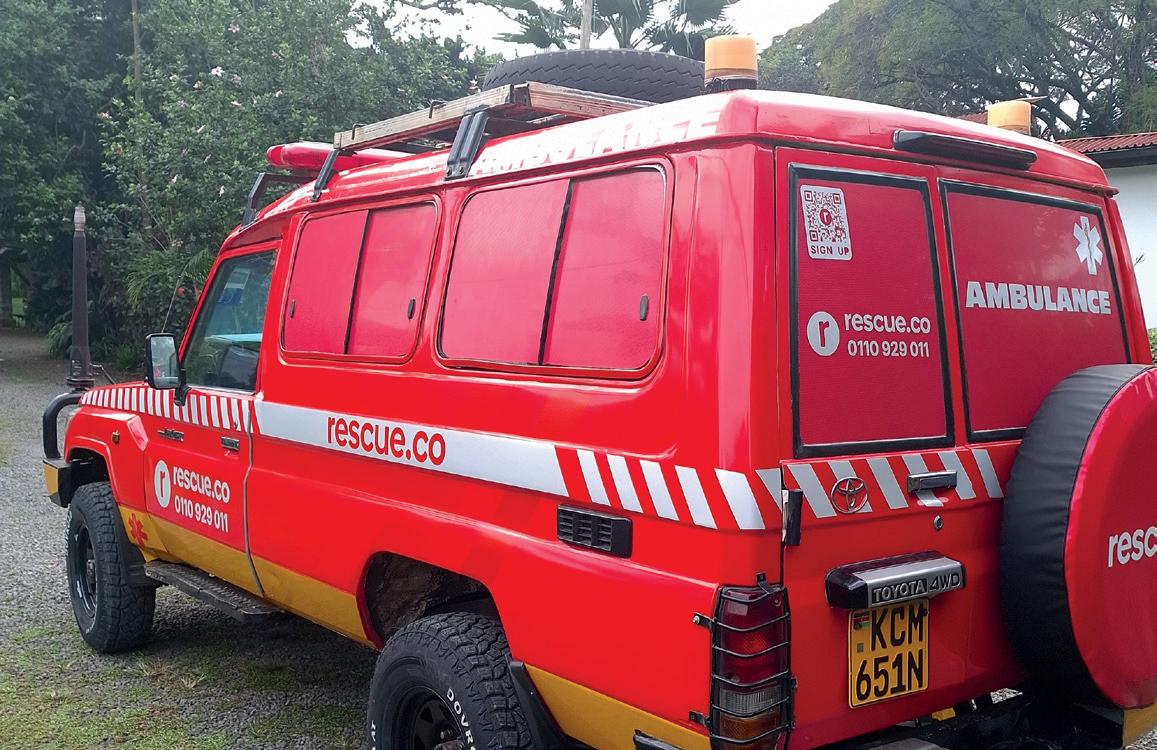
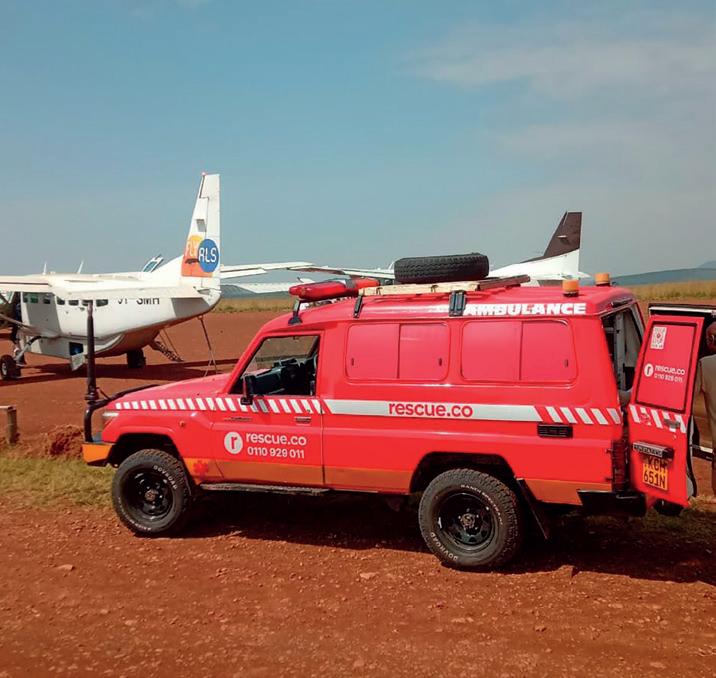
Auric Air transports explorers to East Africa’s wildest frontiers, while Rescue.co stands ready to respond should the unexpected happen. Explorer speaks to Darshani Haria, commercial director at Rescue.co, about how its rapid response service brings peace of mind to adventurers.
Q: What sets Rescue.co’s approach apart in East Africa’s emergency landscape? Rescue.co’s model redefines emergency response in East Africa by uniting hundreds of independent first responders into one coordinated, tech-enabled ecosystem. In East Africa, where infrastructure and geography pose unique challenges, our strength lies in our hybrid model: we don’t rely on owning vehicles. Instead, we partner with over 800 ground ambulances and 90-plus aircraft, including rotary and fixed-wing
options, all connected through our Flare dispatch technology.
This 24/7 platform enables our medically trained dispatchers to instantly locate, deploy, and live-track the nearest available ambulance or aircraft, ensuring patients reach the most equipped and capable facility as quickly as possible.
Q: How have technology and partnerships enhanced your operations?
Our proprietary platform, Flare,
integrates real-time data on responders and hospitals across Tanzania, Kenya, and Uganda.
It’s the backbone of our speed and reliability; reducing average response times by up to 91%, from 162 minutes to as low as 15 minutes in cities and under an hour in wilderness areas.
We collaborate with operators across East Africa to ensure continuous, high-quality response coverage.
Q: What inspired the creation of SafeTravels, the company’s fully comprehensive ground and air rescue cover across East Africa. How is it tailored for tourists?
SafeTravels was born out of a simple reality: tourists exploring East Africa often lack rapid access to emergency response, especially in remote destinations. We created
SafeTravels to bridge that gap, offering short-term evacuation cover (30 days) for medical emergencies.
It’s specifically designed for the safari and adventure travel industry, where time, terrain, and communication can mean the difference between life and death. The product caters to both domestic and international travellers, ensuring peace of mind for visitors exploring places like Kilimanjaro, Serengeti, and Zanzibar.
Q: What are the main features and benefits of SafeTravels?
A 24/7 emergency hotline staffed with physicians, nurses, and paramedics. Air evacuations from mountains, islands, or bush locations using helicopters or fixedwing aircraft. Ground ambulance and inter-facility transfers with live-tracking.
Night-time rescue capability is supported by ground ambulances when aircraft cannot operate. Medical concierge and over-thephone guidance during critical moments.
One number, one team, one solution, complete coordination from distress to hospital admission. Crucially, we don’t require insurance pre-authorisation; our team launches immediately based on your membership status.
Q: How does Rescue.co handle emergencies in remote locations? Our distributed network allows us to respond from multiple dispatch bases across East Africa. In Tanzania, we leverage multiple airbases and ground networks to reach remote areas such as the Ngorongoro Crater, Serengeti plains, and Zanzibar islands. Where
The Rescue.co network can link with remote air bases
“We cater to both domestic and international travellers, ensuring peace of mind”
air evacuation isn’t possible (for example at night or during severe weather), our ambulance network provides stabilisation and overland transfer until a flight is feasible.
Q: What is the enrolment process for SafeTravels?
Travellers can enrol through partner tour operators, lodges, or
directly online for the duration of their trip. No medical exams or pre-approvals are required, just coverage that activates the moment help is needed.
Q: Does Rescue.co offer multilingual support?
Yes. Our dispatch centre currently supports English, Swahili,
and French, with ongoing plans to expand to more languages to better serve the growing number of international travellers across East Africa.
Q: Are there any exclusions travellers should note?
SafeTravels has minimal exclusions. We do not exclude highrisk or high-altitude activities, chronic conditions, or adventure sports; key for tourists climbing Kilimanjaro or diving in Zanzibar. The only exclusion is travel undertaken against a doctor’s advice.
Q: Can you share impact stories or data from SafeTravels?
To date, Rescue.co has handled over 55,000 rescues across East Africa and supports over 30,000 travellers annually through SafeTravels partnerships. In Tanzania, recent rescues include many successful high-altitude evacuations from Kilimanjaro and the first-ever HEMS [helicopter emergency medical service] transfer from the Serengeti.
Q: How do you gather feedback and continuously improve? Every case is tracked and reviewed through our digital systems, including caller experience metrics, partner feedback, and quality audits. We actively engage with tour operators, conservancies, and our partners to refine training, logistics, and communication protocols, ensuring seamless collaboration in future emergencies.
Q: Are there plans for regional expansion?
Yes. We are currently expanding from East Africa into Southern Africa and are looking to build a truly pan-African emergency response network capable of serving both residents and travellers across the continent.
rescue.co has handled over 55,000 rescues across East Africa
New attractions in Rwanda Nyungwe Forest
Auric Air can connect travellers in Tanzania with further wild adventures in neighbouring Rwanda. Nyungwe Forest National Park is a hidden gem within the ‘Land of a Thousand Hills’. Mark Edwards finds it a magical place for animal and aerial adventures.
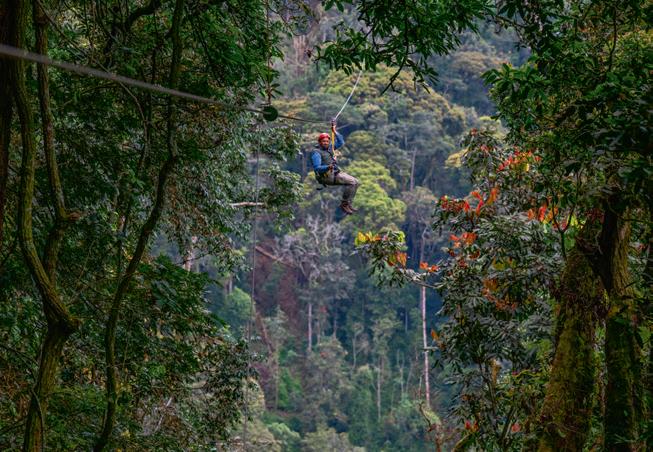
am being propelled by gravity at a speed of 60 kilometres per hour, the wind roaring in my ears. Around 50 metres below me –when I pluck up the courage to look down – I see the verdant canopy of one of Africa’s oldest rainforests intersected by jagged ravines and a rushing waterfall.
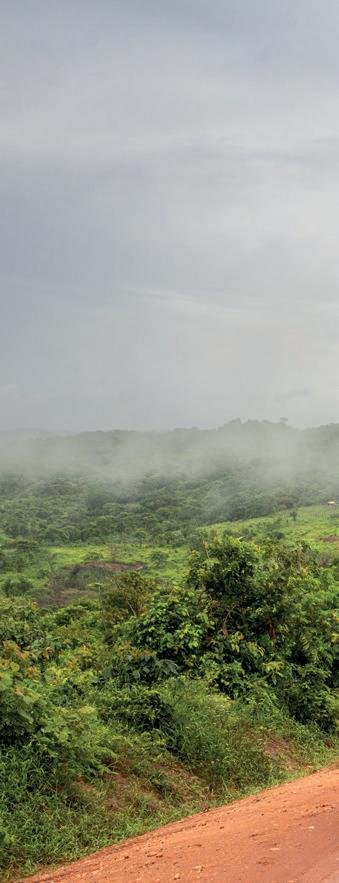
This unforgettable, adrenaline-charged experience is provided by the Nyungwe Zipline, which was opened to the public in May this year as the latest visitor attraction in Nyungwe National Park in Rwanda’s south-west corner. It’s my first time visiting the park and when my picturesque five-hour car journey from Kigali reaches its final stages on the smooth paved roads that wind through the mountainous terrain here, I am transfixed by the floating layers of mist that seems to hold the forested peaks in a magical embrace.
Around an hour later, having received my zipline safety briefing at the 2,400-metres-above-sealevel Uwinka Visitor Centre where the ride begins, I am hurtling through that very mist, wrapped up in its magic and feeling its moist air kiss my skin. The zipline
is made up of three sections, with each subsequent section longer, higher and faster than the previous one. The first section, ‘Monkey’, is 335m, the second, ‘Chimpanzee’ is 580m, and the last, ‘Gorilla’, is just over a kilometre-long and connects facing cliff tops across the spectacular rainforest valley. The names for the individual rides not only reflect their ascending size, but also Rwanda’s diverse primate population. While Volcanoes National Park in the north-west of the country is one of only three places in the world to see mountain gorillas in the wild, Nyungwe is known for its chimpanzees and many species of monkey. Nyungwe harbours around 6 percent of Africa’s primate species, or about 12 percent of those found on the African mainland, making it a vital stronghold for primate conservation.
As it comes first when you’re not sure what to expect, ‘Monkey’ was the one to give me pre-ride jitters. I am nervous around heights – I have to mentally prepare myself to ride an escalator – and I could see that the ground below the zipline soon plunged away into a deep crevice. Fortunate then that I had Jean-Paul – my driver and guide
for my three-day adventure in Nyungwe designed by Rwandanowned tour company Shalom Safaris Rwanda – to offer encouragement. Along with many other young Rwandans working in the local hospitality industry, Jean-Paul had recently been given the opportunity to ride the zipline before its official opening to the public. He tells me he was nervous, but he loved the experience, ending up riding each section twice. “Face the fear and do it,” is his advice. “It will be worth it.” He proves right.
By the time I was riding ‘Gorilla’ all nerves had gone and I was able to relax and soak up the stunning views. It took just 45 seconds to whizz along the final section’s 1,020 metres, but I relished each one as a moment of pure freedom. That sense of emancipation was to remain throughout my time in Nyungwe. The national park is Rwanda’s largest tract of mountain
“The Igishigishigi ferns are believed to be among the oldest plants on the planet”
Mark Edwards
rainforest, covering 1,019 sq km, and there were times when I felt like I had it all to myself. The Unesco World Heritage-listed Nyungwe doesn’t yet attract the visitor numbers of Rwanda’s national park headliners, Volcanoes and Akagera, while the towering natural landscapes can create a feeling of being enveloped in a private, serene world.
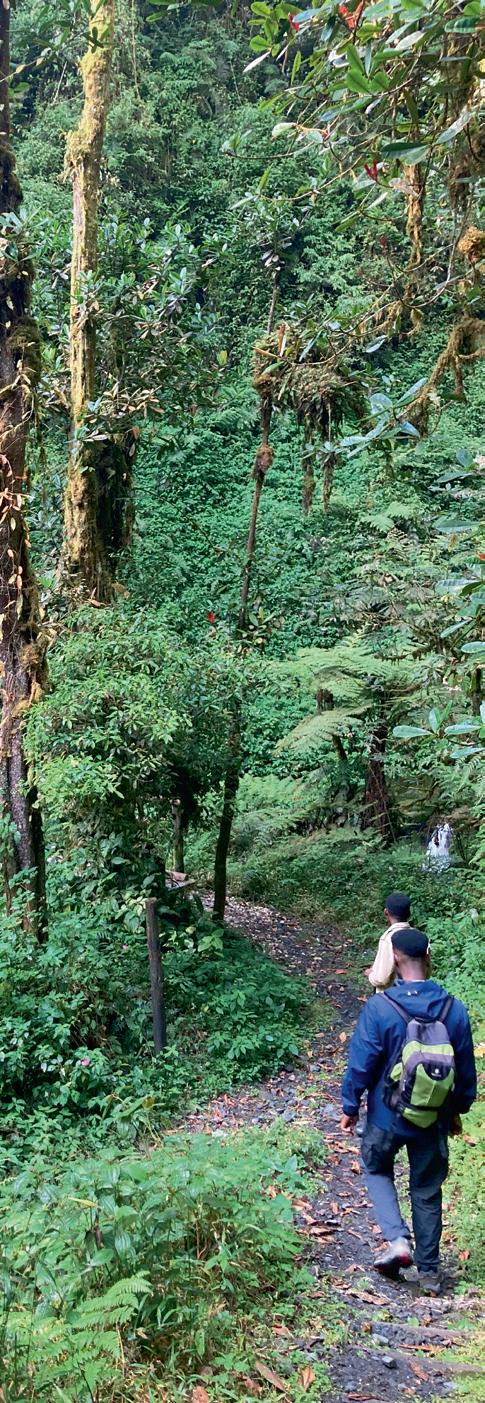
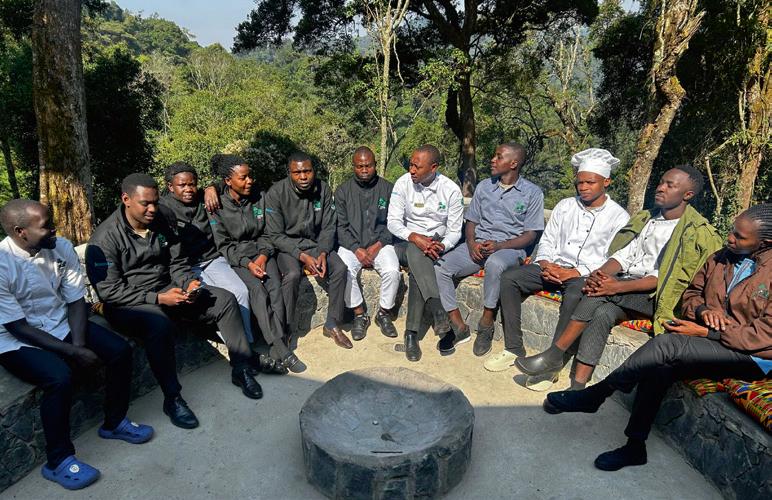
I feel that immersion in nature walking the Igishigishigi Trail back up to the visitor centre from the last zipline station with the route shrouded by an abundance of the giant tree ferns the trail is named after in Kinyarwanda. One of the three guides who oversaw my zipline rides accompanies me back along the trail. Like the other young locals that will steer my explorations over the next few days, he has been trained by the Rwanda Development Board (RDB) – the government body that has managed Nyungwe since 2010 and has shared the running of the park with international conservation organisation African Parks since 2020 – and is impressively knowledgeable and passionate about the diverse ecosystem here.
Over the 2km trek he shares a host of insights – among them that the Igishigishigi ferns are believed to be among the oldest plants on the planet with fossils found that predate the dinosaurs. Our trek also takes us past the canopy walk. Like the ziplines, this 160-metre-long bridge suspended 70 metres above the ground offers exhilarating panoramic views of the rainforest, but it has been around far longer. It was built in 2010 as the first of its kind in East Africa.
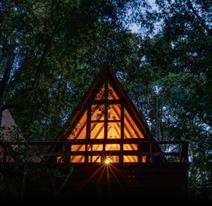
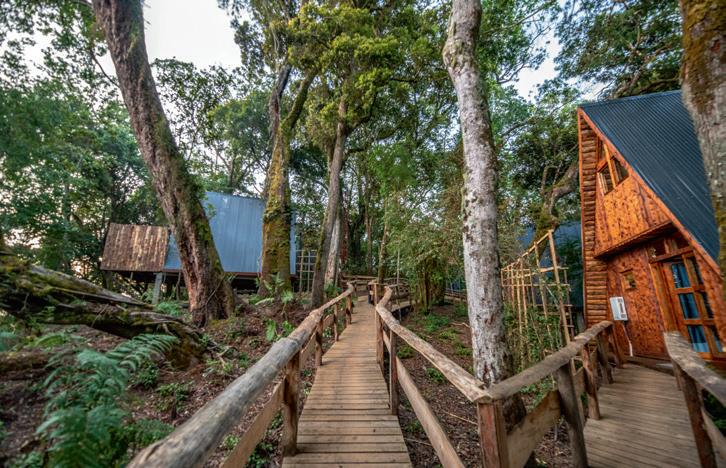
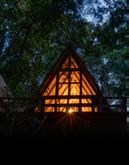
My accommodation while in Nyungwe is Munazi Lodge. As the first and only hotel built within the national park, the new eco-lodge – it was officially opened in June, and I am privileged to be among the first guests – is just a 5km drive from the Uwinka Visitor Centre. The last kilometre is a private dirt track that hugs the mountain side before revealing Munazi deep within the forest with its nine wooden A-frame chalets elegantly blending in with the natural surrounds.
Almost all of the lodge’s impressive wooden infrastructure and furniture – from the boardwalk that connects the chalets to the central
lounge area right down to the tree slices used as tablemats in the dining area – is handmade by local builders and artisans. Assistant manager at Munazi Lodge Marie Solange Umotoniwase points out that all the wood used is from invasive trees cut from Nyungwe to allow for the natural regeneration of indigenous plants in the national park. Nyungwe is one of the oldest forests in Africa with mountain streams considered the most remote sources of the Nile and Congo basins. The park’s high rainfall and numerous rivers create a network of microhabitats, leading to the evolution of species found nowhere else. Today 70 per cent of Rwanda’s fresh water originates here. Prioritising the growth of indigenous trees is key to preserving this vital ecosystem.
Run by RDB and African Parks, Munazi Lodge is aligned with the park management team’s drive to conserve and enhance the natural beauty, wildlife and cultural heritage of Nyungwe. As well as the use of sustainable building materials, Munazi’s low impact living includes site-wide solar-powered energy, and a kitchen creating wonderful dishes from locally sourced produce. As in the rest of the park, no plastic bottles are allowed. Glass carafes in the rooms are refilled daily with chilled water sourced from a mountain spring and filtered on-site using high-quality, approved filtration systems.
The elevated chalets make the most of their forest views with floor to ceiling windows that open onto a large veranda complete with hammock. The height of the A-frame structure allows for a cosy mezzanine level bedroom. My room was a double but there are two chalets designed with families in mind that offer extra beds. The downstairs living area is spacious with banquettes to stretch out on and soak up that view, a workspace (there is
“The elevated chalets make the most of their forest views with floor to ceiling windows that open onto a large veranda complete with hammock”
wi-fi), a kitchenette, and en-suite shower room.
I head to the communal area for dinner. It’s a cavernous space, but artfully divided by two log fires, which were lit each evening for welcome warmth – it gets chilly in the evening at this altitude. The fires’ accompanying chimneys demarcate a large dining area as well as two more intimate spaces, including a snug corner library with high-backed armchairs and a good selection of books that I came to cherish.
Outside there is a large veranda with a fire pit surrounded by a semi-circular stone seating area ideal for story-swapping with fellow guests after your day’s adventures. The views across the valley from here are impressive. The hotel’s food and beverage manager Ishimwe tells me Lake Kivu is visible on a clear day. He also identifies a line of towering
trees just metres from the veranda as waterberry, named after its edible fruit that is much loved by the park’s monkeys and baboons. The waterberries blossom in October with guests getting a ringside seat as the primates tuck in.
Human guests will also find plenty of food to enjoy at Munazi Lodge. Stays here are full-board and meals are inventive, artistic and nutritious. The hotel’s charismatic chef, Pacifique Niyonkuru, crafts a delicious three-course dinner that begins with homemade guacamole and chapati chips followed by steak fillet with mustard sauce on a bed of dodo, a type of spinach that thrives locally, and rounded off with a heavenly homemade chocolate pudding.
Stomach satisfied, I return to my chalet, which feels a little chilly compared the fire-warmed lounge. However, when I pull back the duvet of my bed, I find housekeeping has left two ‘bush babies’ – the name the hotel gives to its complimentary hot water bottles – to warm the sheets. Toasty again, I fall into a sleep so deep I don’t even hear the raucous calls of the tree hyrax – a rabbit-sized mammal that hotel staff have warned me dominates the nocturnal forest soundtrack.
The chalets have spacious living areas
Photo credit: Gael RVW
I’m up at six the next day to meet Jean-Paul. Who knows what time Pacifique woke up because he is waiting for me in the lounge, having created an amazing breakfast involving a selection of freshly baked pastries, a fruit platter including tangy local favourite the tree tomato, and a plate of sausage, bacon and eggs.
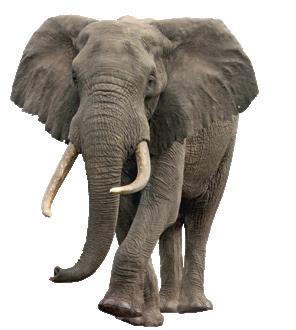
After breakfast, Jean-Paul and I head to Gisakura Visitor Center in the park’s western corridor. As well as a café and a campsite, the centre now has its own tree-top obstacle course that includes rope walks, balance poles and mini-ziplines to test your ape-like agility. We, though, our heading on a hike to one of Nyungwe’s hidden gems, the Kamiranzovu waterfall. Jean-Paul shows me the fall’s starting point first, stopping the car on a mountain road so we can look down on a vast, almost circular expanse of high-altitude wetland. This is the Kamiranzovu swamp. Its Kinyarwanda name derives from ‘kamira’ (to swallow) and ‘nzovu’ (elephant) as its ooze is believed to have claimed the lives of elephants unfortunate to walk into it. It was actually
poaching that led to the extinction of elephants in Nyungwe in 1999, but the shameful practice is well guarded against here now and there are plans to reintroduce a population of tuskers soon.
We begin our hike to the falls at the Gisakura tea plantations on the edge of the park where the fields of tightly packed tea bushes are a shade of green so lush they shimmer. Near the entrance to luxury hotel One&Only Nyungwe House we find the start of the trail and immediately drop down into forest cover. The enormous variety of plants in Nyungwe – the national park is home to at least 1,000 species – amazes me. Such density of growth means plants are engaged in a fight for light with some employing dirty tricks to survive. Our guide Jack points out a strangler fig that has wrapped its roots around the trunk of another tree – a deadly embrace that will starve the host of resources.
Jack knows his flora – he also points out a cluster of towering munazi, the tree my lodge is named after, and which is also known as ‘the broccoli tree’
because of its floret-like evergreen crown of leaves – but his real passion is birds. The 6km hike to the waterfall offers an excellent opportunity to see some of Nyungwe’s 275 bird species. Stand-out spots include yellow-eyed black flycatcher and blue-headed sunbird, both endemic here, as well as great blue turaco, Neumann’s warbler, and red-throated alethe. Jack encourages the birds to come close by imitating their calls. When he sees a bird not in his impressive repertoire, he plays the call through an app. It’s an effective tactic and gives us an intimate audience with the park’s diverse avian population.
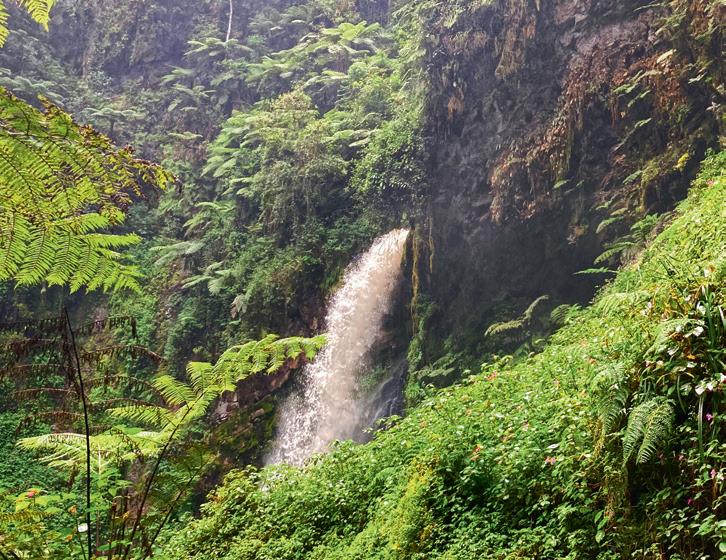
We hear the falls before we see it, which adds to the anticipation. Soon the trail grows slick with water spray and there it is: a torrent of crystal-clear water bursting from rocks 20 metres above us. It feels like our hike has uncovered a treasure hidden deep within Nyungwe. This moment of communion with wondrous nature is ours alone – the three of use shrouded from the outside world by sheer slopes of forested mountain. I am surprised by the purity of water given its source, but Jack informs me the swamp acts as a natural filter with its vegetation trapping sediment. By the time the water reaches the waterfall it has been significantly cleaned.
The steep uphill return journey is happily broken up by more bird sightings, including a soaring African harrier-hawk. Back at the plantation, I am given a crash course in tea picking by a mother and daughter team. They are among the more than 1,000 residents of Gisukura village – 530 pickers and 700 to clear the bushes of weeds – employed at the farm. It’s a dependable job – tea can be picked all-year-round here – and employees get help with school fees and health care. I am taught
Guests at Munazi Lodge will find plenty of food to enjoy
The semi-circular stone seating area at Munazi Lodge
Mark Edwards
Mark Edwards
the ‘plucking’ technique that involves grasping the tea plant between thumb and forefinger before snapping it off. I am woefully slow, struggling to differentiate between young tender shoots ripe for picking and older leaves that should be left to grow. In contrast, my two teachers are a vision of delicacy and speed. Working with both hands, they have soon filled their baskets and, pityingly, begin filling mine as well.
The next morning at 4am, JeanPaul and I are heading back to the Uwinka Visitor Centre for the start of a chimpanzee trek. Unbelievably, by this time I have already had a three-course breakfast lovingly prepared by Pacifique. When does this man sleep? I’m thankful for the fuel because chimp trekking is more intense than your standard hike. There are around 400 eastern or mountain chimpanzees in Nyungwe, but they are constantly on the move and build new tree-top nests in new locations each night. Trackers have been out ahead of our trek and have found the latest nesting site of a community of habituated chimps deep in the forest. However, the chimps rise at dawn to begin foraging for food, and they move fast and cover large distances. Hence the early start and why I and seven more tourists on the trek are frantically trying to keep up with the lead ranger as he sets out at pace from the village of Banda. Our guide Clare has told us that seeing the chimps cannot be guaranteed and we don’t want to miss out. Once in the jungle, the path steepens and we are crossing streams on rocks and battling through dense foliage at near head-height. I stay close behind the ranger and can hear crackling reports on the chimps’ location come through his walkie talkie. We are moving faster than ever now.
Suddenly, the ranger instructs us all to stop and stay silent. The
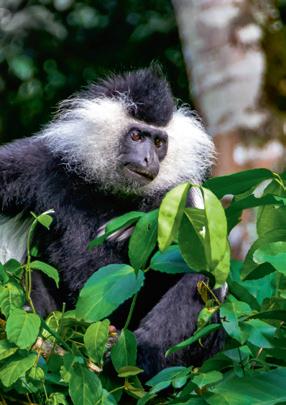
forest’s symphony of natural sounds – cicada chirp, the gentle murmur of a stream, and the wind blowing through the trees –comes into stark relief. Then, the peace is broken by a chorus of grunts that build into high-pitch screams. It’s such a primal and thrilling noise to hear in the wild. This is the famous ‘pant-hoot’ of excited chimpanzees. The team of trackers point out the chimps high in the branches of fig trees filled with ripe fruit. They are joined for breakfast by a troop of mountain monkeys and greycheeked mangabey monkeys. There is some fighting over food with the chimps – apes, not monkeys with bigger bodies and no tails – benefiting from their size advantage. However, the mangabeys, with their coats so uniformly dark they look like acrobatic living shadows, give as good as they get. A chimpanzee trek permit – which must be booked through the RDB in advance – allows the holder one hour to observe the animals once located. The time flies by. There are few things more joyous than watching playful chimpanzees swing from branch to branch before you. This community of
“It feels like our hike has uncovered a treasure hidden deep within Nyungwe”
chimps is habituated so used to human presence, but there was one mangabey that didn’t seem to appreciate having their morning meal disturbed by us, displaying their displeasure by flinging the weighty fruit shells of the African crabwood tree in our direction.
The chimp trek marked the end of my time in Nyungwe, but I hope to return soon for more adventures. The park’s vast network of trails allows for guided multi-day hikes with accommodation in wooden huts along the route. This seems an ideal next step in embracing the freedom of this wild, magical world.
Mark’s travel and Nyungwe tour itinerary was curated by Shalom Safaris Rwanda, a family-run tour company that specialises in creating we specialize in creating personalised tours across the country and East Africa. For more details on their tours and destinations, visit www.shalomsafarisrwanda.com/
To book a full-board stay at Munazi Lodge, visit www. visitnyungwe.org/munazi-lodge or email munazi. lodge@africanparks.org or edwardb@africanparks.org
Mark Edwards
Animal across the Auric Air network adventures
Our East African network is home to some of the world’s wildest animal spectacles. From iconic migrations to rare primates, these adventures offer unforgettable wildlife experiences at every destination.
Entebbe
Animal adventure:
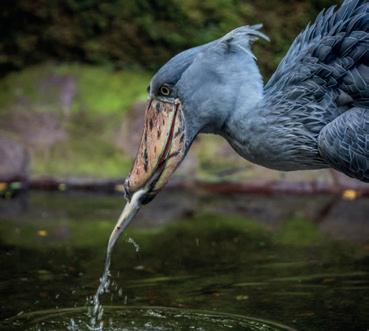
SHOEBILL STORK SPOTTING AT MABAMBA SWAMP
Why is it so special? The prehistoric-looking shoebill is one of Africa’s rarest and most sought-after birds – spotting one is a true wildlife trophy!
What is the best time of year to experience? December to February and June to September, when water levels are lower and birdwatching is at its peak.
Fascinating fact: Shoebills can stand over 1.2 metres tall and remain motionless for hours while hunting.
Mafia Island
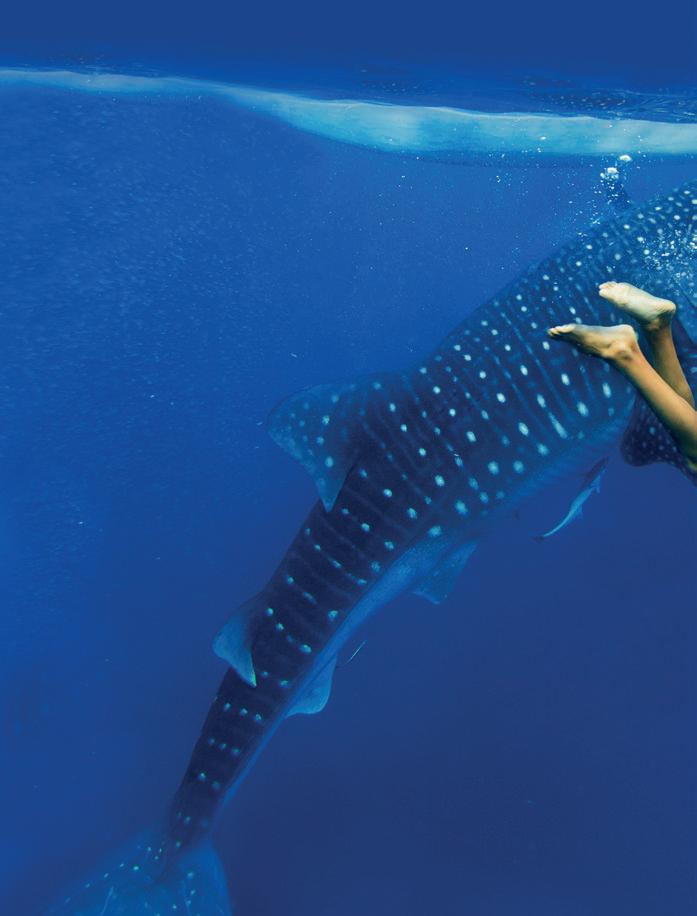
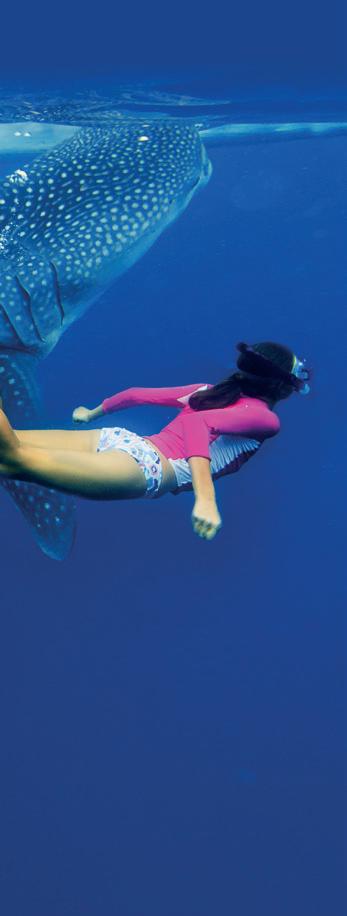
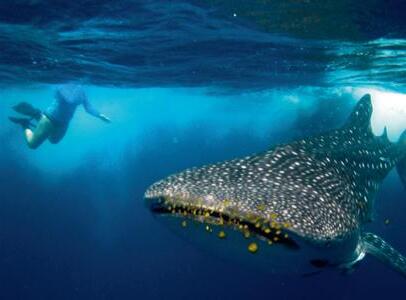
Animal adventure: SWIMMING WITH WHALE SHARKS
Why is it so special? Mafia Island is one of the few places in the world where you can snorkel alongside gentle whale sharks in crystal-clear waters.
What is the best time of year to experience? October to March, when whale sharks gather off the coast.
Fascinating fact: Despite their size (up to 12 metres long), whale sharks are filter feeders and completely harmless to humans.
Nyerere National Park
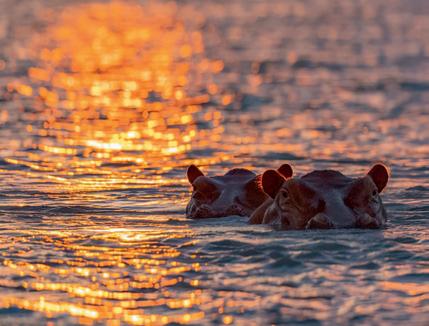
Animal adventure: BOAT SAFARI WITH HIPPOS AND CROCODILES
Why is it so special? Nyerere’s vast waterways offer thrilling boat safaris, bringing you face-to-face with Africa’s largest crocodile and hippo populations.
What is the best time of year to experience? June to October, during the dry season when animals congregate at the rivers.
Fascinating fact The park is home to over 40,000 hippos!
“Despite their size of up to 12 metres long, whale sharks are completely harmless to humans”
Ruaha National Park
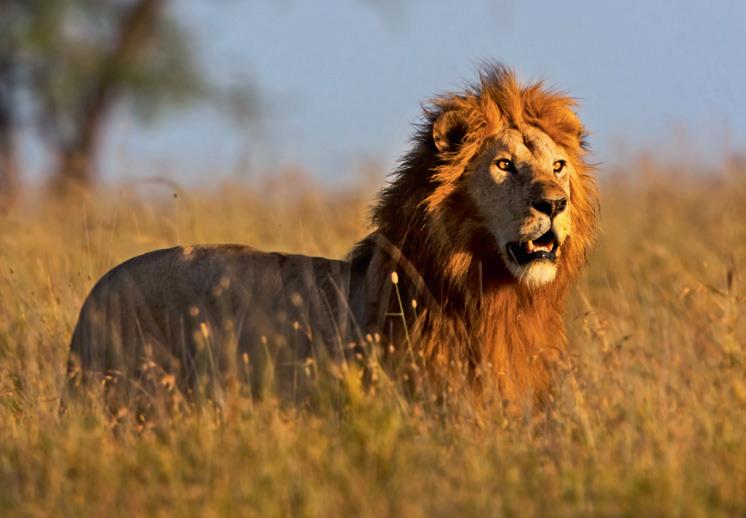
Animal adventure: LION TRACKING
Why is it so special? Ruaha boasts one of Africa’s largest lion populations, with prides often seen hunting on the open plains.
What is the best time of year to experience? June to October, when wildlife gathers around the Ruaha River.
Fascinating fact Ruaha’s lions are known for their unusually large pride sizes – sometimes over 20 individuals.
Rubondo National Park
Animal adventure: CHIMPANZEE TRACKING
Why is it so special? The park is unique in East Africa for its successful rewilding project: chimpanzees, rescued from captivity, were introduced to the island in the 1960s and have since adapted to life in the wild, offering visitors a rare chance to track these remarkable primates in a truly remote setting. Beyond chimps, Rubondo is a sanctuary for sitatunga antelope, bushbuck, hippos, crocodiles, and over 300 species of birds, making it a paradise for nature lovers and adventurous travellers alike.
What is the best time of year to experience?
June to October, for drier trails and better visibility.
Fascinating fact: The initial population of 16 chimps has since grown to around 60 individuals, with some born on the island.
Zanzibar Island
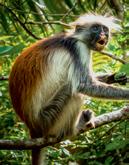
Animal Adventure: RED COLOBUS MONKEY ENCOUNTERS IN JOZANI FOREST
Why is it so special? The endangered Zanzibar red colobus monkey is found nowhere else on earth – watch their playful antics in the treetops.
What is the best time of year to experience? June to October and December to February, for pleasant weather and active monkeys.
Fascinating fact: The red colobus often emits a sharp, sneeze-like call to communicate with its troop.
Pemba Island
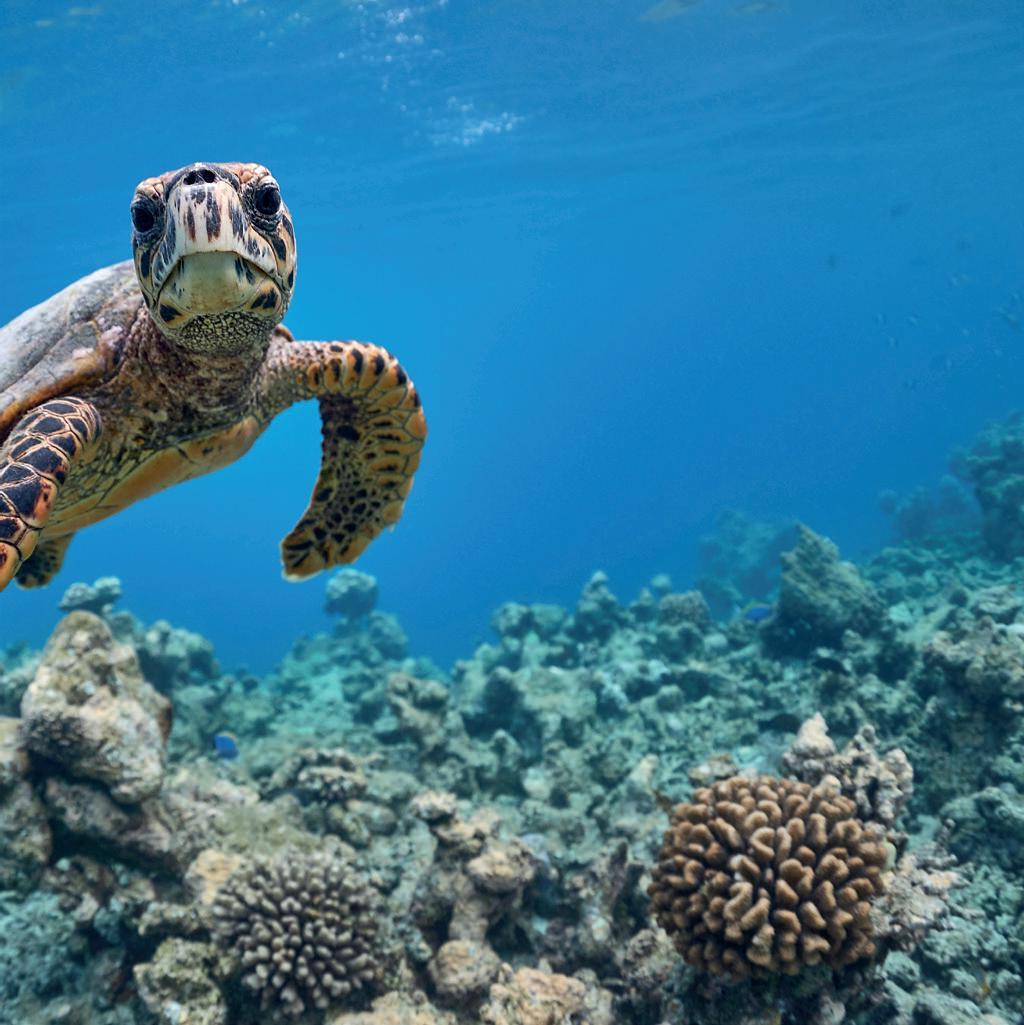
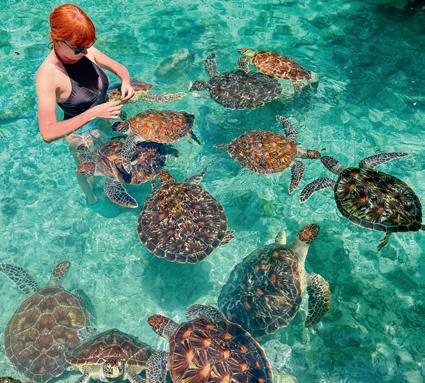
Animal adventure: DIVING WITH GREEN TURTLES
Why is it so special? Pemba’s pristine reefs are a haven for green turtles, offering divers and snorkellers magical underwater encounters.
What is the best time of year to experience? July to October, when visibility is best and turtles are most active.
Fascinating fact: Pemba’s Ngezi Forest is also home to the rare Pemba flying fox, a giant fruit bat.
Serengeti
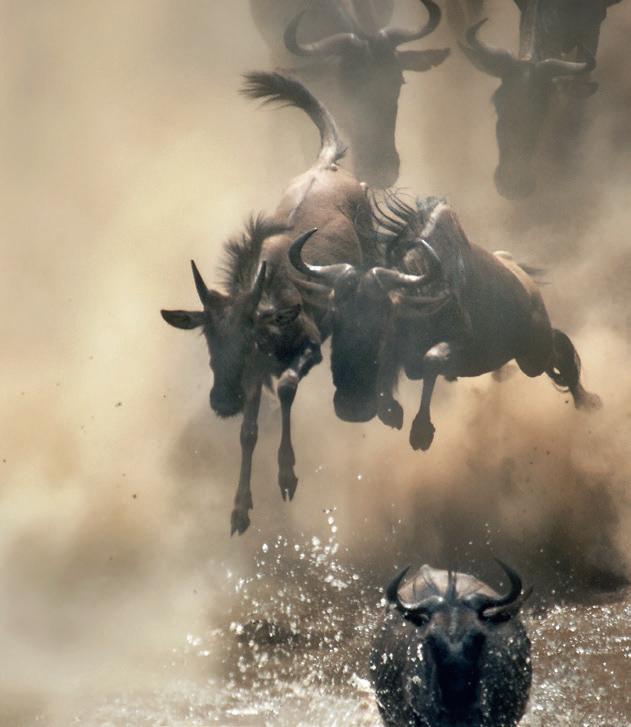
Animal adventure: WITNESSING THE GREAT MIGRATION
Why is it so special? See millions of wildebeest and zebra thunder across the plains, pursued by predators – a true natural spectacle.
What is the best time of year to experience? June to July for dramatic river crossings, or January to March for calving season.
Fascinating Fact? The migration is the largest overland movement of animals on Earth.
Masai Mara
Animal Adventure: BIG CAT SAFARIS
Why is it so special? The Mara is famous for its high density of lions, cheetahs, and leopards – perfect for thrilling predator sightings.
What is the best time of year to experience? July to October, when the Great Migration herds arrive.
Fascinating Fact? The Mara’s lions are among the most studied in the world, thanks to long-term research projects.
“The migration is the largest overland movement of animals on Earth”
Volcanoes National Park, Rwanda
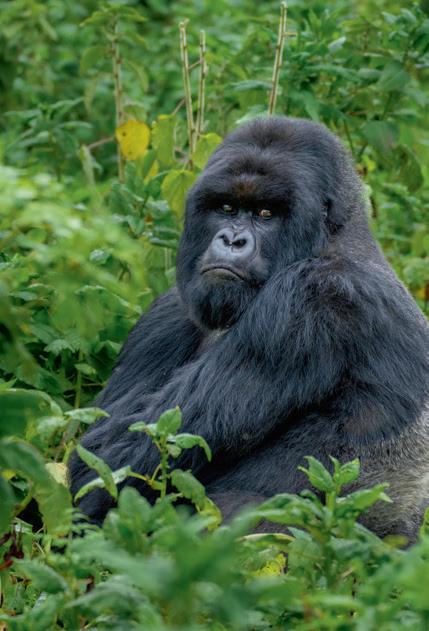
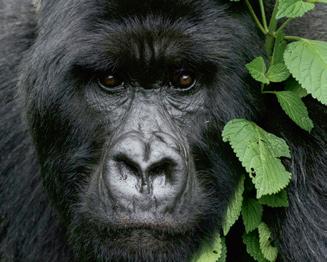
Animal adventure: GORILLA TREKKING
Why is it so special? Trekking through misty forests to meet a family of mountain gorillas is one of the world’s most moving wildlife experiences.
What is the best time of year to experience? June to September and December to February, when trails are drier.
Eric Isselee / Shutterstoc.com
Fascinating Fact? Only about 1,000 mountain gorillas remain in the wild, and Volcanoes National Park is one of their last strongholds.
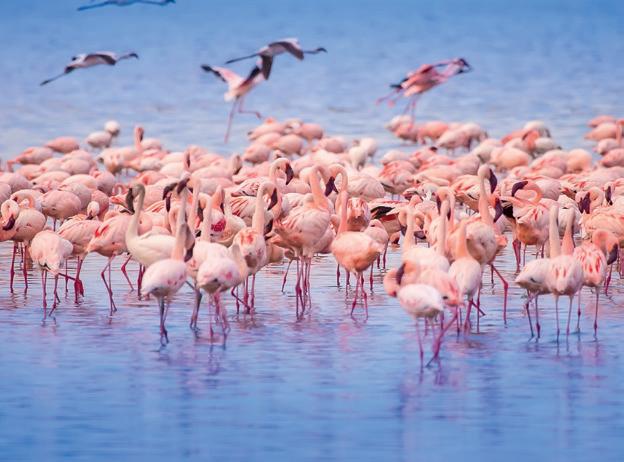
Auric Air destination Lake Manyara is known for flamboyant flamingo population. Explorer runs the numbers on the lake’s famous feathered residents.
1.5 million
Flamingos
The estimated total number of lesser flamingos in East Africa, with many regularly gracing Lake Manyara’s shores.
3
The average number of months each year when Lake Manyara’s waters are awash with flamingos. This is typically during and just after the rainy seasons.
The wingspan of a greater flamingo, providing the necessary lift for its longdistance and energy-
The number of flamingo species you’ll spot here: the lesser flamingo, famous for its vibrant pink hue, and the greater flamingo, the world’s largest flamingo.
The number of flamingos that can make up the flocks that gather on the lake.
1936
5,000 to 6,000
The number of flamingo pairs that sometimes nest on the muddy islands during peak breeding times.
Rangers’ Race is
a showcase of fitness and fearlessness
Challenging 21 km race pits wildlife rangers against each other across Africa. Harriet James reveals how the event provides vital support for the work of these dedicated but often under-resourced guardians of our wildlife.
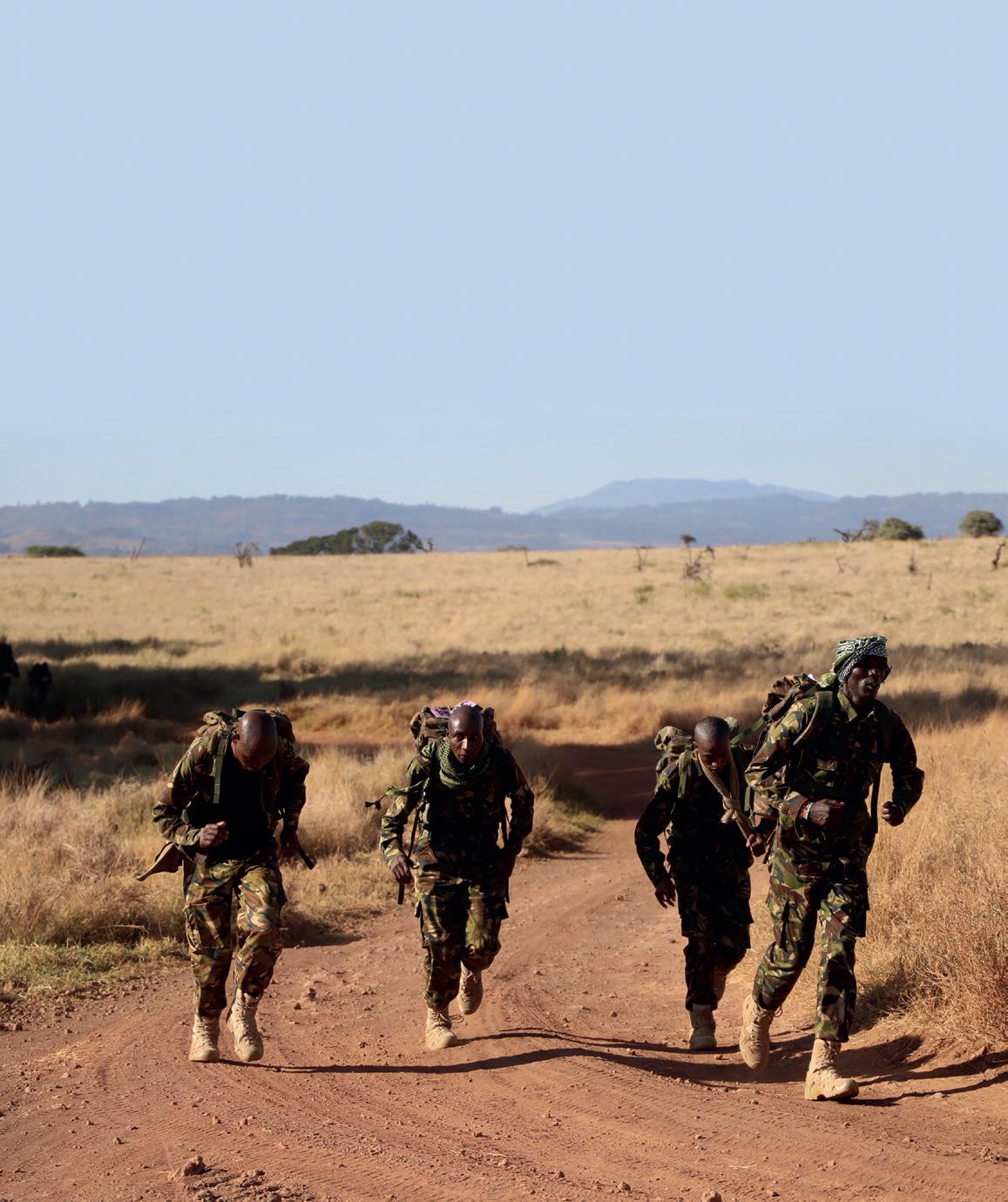
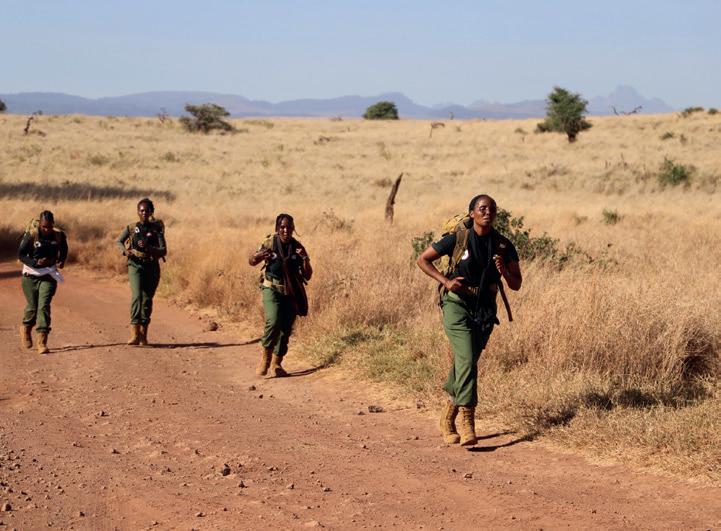
it’s daybreak and the sun is creeping over the rolling plains of the Lewa Wildlife Conservancy. The air is thick with anticipation. Boots thud against the earth and breaths come heavy as 26 ranger teams head out across the rugged savannah. Each ranger carries a 22kg backpack, a symbolic load representing the weight of their daily duty protecting Africa’s wildlife. This is the beginning of the Wildlife Ranger Challenge (WRC) 2025. The annual 21 km event is not just a race, it is a test of endurance, teamwork, and unyielding spirit.
This year’s challenge brought together more than 1,000 rangers taking part in races across 24 African countries. Preparing for the Wildlife Ranger Challenge is no easy feat. For ten weeks before race day, teams across Africa take part in smaller “mini-challenges” – quizzes, sit-ups, push-ups, and time trials – testing both mind and body. Their training takes place in diverse terrains, from tropical rainforests and acacia savannahs to rocky escarpments and sandy riverbeds. Along the way, encounters with elephants, buffalo, and lions are not uncommon.
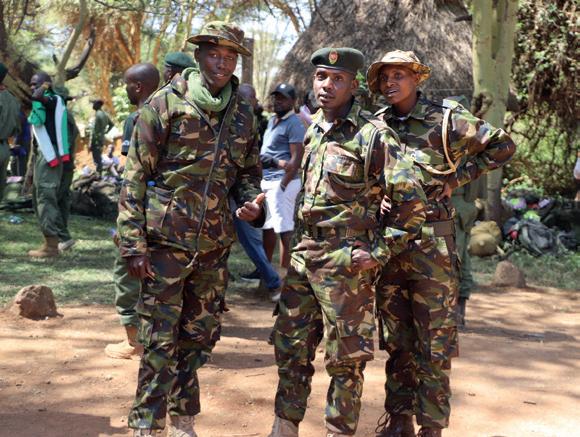
The Kenyan event took place in the Lewa Wildlife Conservancy with 25 Kenyan teams and one Tanzanian team competing. The Northern Rangelands Trust (NRT) squad were triumphant in the men’s event, finishing in an impressive two hours, 24 minutes, and 20 seconds. Team leader Josephat Lesirma said the victory came through grit and unity.
“Running with that weight on your back is not easy – it takes teamwork and patience,” he said after crossing the finish line. “We trained on hills and rough terrain, just like the places we patrol. The terrain was tough, but it’s the same challenge we face every day in our work.”
The winning NRT were closely followed by teams from the Mara
and Lewa conservancies. Among the women’s teams, Team Lioness from Amboseli claimed first place, followed by Sera Women’s Rangers, continuing Kenya’s strong performance over other participating countries, including Tanzania.
Yet beyond the medals and times, the race symbolizes something much deeper – solidarity across borders and recognition of rangers’ tireless service. The WRC unites men and women who risk their lives daily to protect wildlife, prevent poaching, and foster coexistence between communities and conservation areas.
The Wildlife Ranger Challenge, now in its sixth year, is an initiative of UK-based conservation charity Tusk and the Game Rangers Association of Africa (GRAA). Launched in 2020 in response to the Covid-19 pandemic, it initially aimed to keep rangers employed at a time when donor funding was drying up. Over time, it evolved into an annual celebration of solidarity and resilience, a platform to raise funds and awareness for ranger welfare across Africa.
The 2025 edition sought to raise over US$ 3 million for ranger welfare, training, and equipment. According to Andrew Campbell, Head of Special Projects at GRAA, the initiative has already raised US$ 21 million since inception, improving lives and working conditions for thousands of rangers.
“Each team uses the funding differently, but the focus is always on improving rangers’ lives,” Campbell explained. “We’ve seen teams use the grants to buy new uniforms, boots, communication gear, and even fuel for patrol vehicles. It’s about giving rangers dignity and safety.”
For Campbell, the challenge also builds camaraderie and connection across the continent.
“For the past six years, we’ve seen teams improve their physical fitness and mental health while building unity beyond borders,” he added.
“This year, Tanzanian and Kenyan teams ran side by side – a perfect symbol of regional co-operation. We’re also seeing more women take part, and that’s something we’re proud to grow.”
Behind the spectacle of the challenge lies the tough reality of ranger life. Many work under life-threatening conditions, facing armed poachers, dangerous wildlife, and harsh terrain. According to Tusk’s data, 89 per cent of rangers in Africa have faced life-threatening situations in the field. Yet, 40 per cent lack health insurance, 50 per cent have no life insurance, and 60 per cent have no long-term disability cover. Their average salary is less than half that of police officers despite their crucial
“Their training takes place in diverse terrains, from tropical rainforests to rocky escarpments”
role in protecting biodiversity and supporting global conservation targets like the ‘30x30’ global initiative protect at least 30 per cent of the Earth's land and sea by the year 2030.
Enoch Ochieng, Head of Monitoring and Patrol at Mount Kenya Trust, reflected on the impact of funds raised through the challenge. “The WRC funds sustained our ranger salaries during the Covid-19 crisis when conservation organisations struggled to pay staff,” he said. “The money has supported training in human rights and mental health, improved gear, and boosted morale.”
However, Ochieng also noted persistent gaps. “We still face inconsistent welfare standards
across countries, delayed salaries, and limited training in leadership and first response,” he added.
In response, the Ranger Welfare and Standards Initiative (RWSI) – a partnership between Tusk, GRAA, the International Ranger Federation, and the Royal Foundation – aims to standardise welfare policies and improve insurance coverage for rangers. The Kenya Wildlife Service has also pledged to enhance ranger housing and health benefits, recognising their crucial frontline role in conservation.
The diversity of participating ranger teams reflects the vast breadth of conservation work across the continent. From Tsavo’s aerial rangers flying over elephant herds to marine rangers nurturing coral nurseries off Mnemba Island, from lion rangers in northern Kenya to mountain gorilla trackers in Uganda’s Bwindi Impenetrable Forest – each represents a vital piece of Africa’s conservation puzzle.
At African People & Wildlife in Tanzania’s Tarangire, community game scouts act as peacekeepers between herders and wildlife. They gather real-time conflict data, patrol communal lands, and mediate tensions – proving that conservation is as much about people as it is about animals.
Meanwhile, all-female ranger units such as the Atsikana Team in Zambia’s South Luangwa National Park and Kenya’s Lioness Team are redefining what it means to serve in the wild. Their participation in the challenge inspires more women to join conservation careers once dominated by men.
Each ranger carried a 22kg back pack throughout the race
‘The Africa’ is coming to Zanzibar
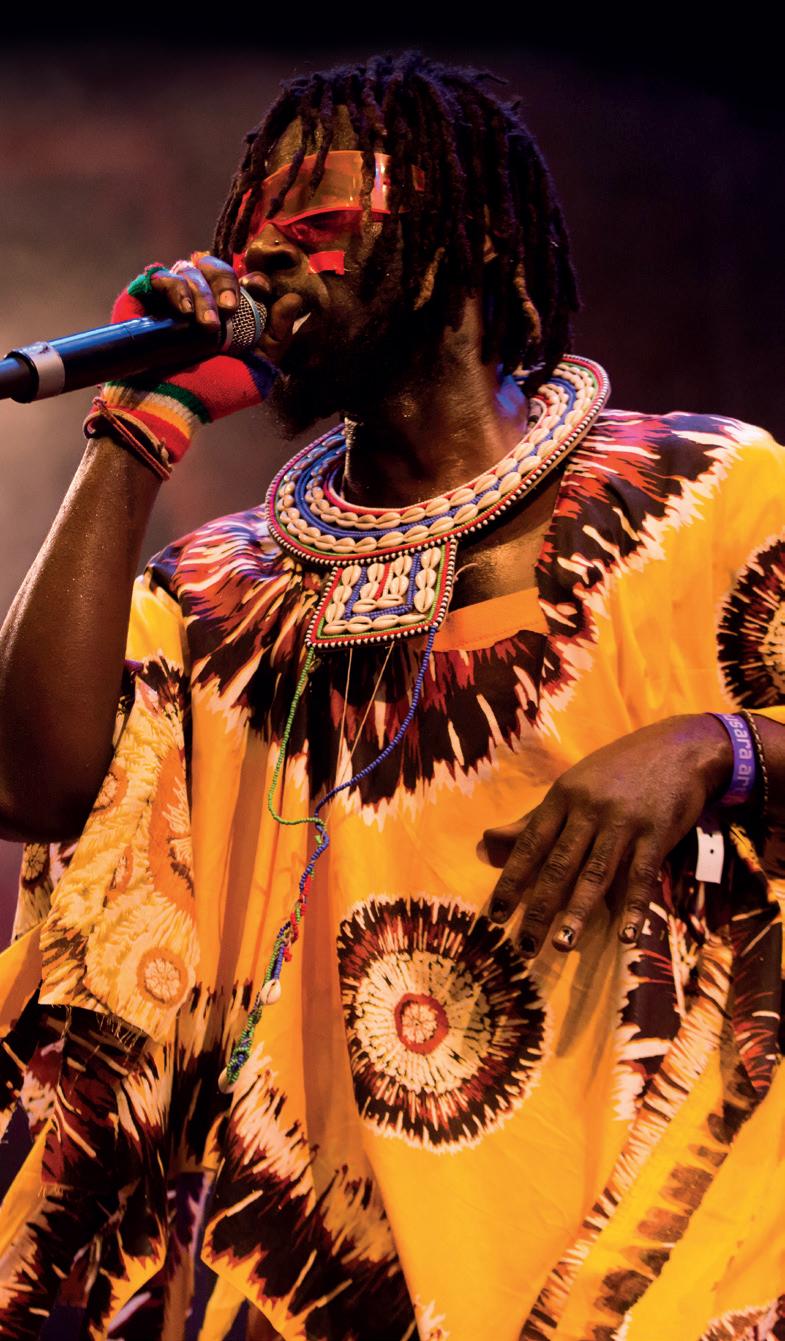
Malian music legend Salif Keita will headline the 2026 Sauti za Busara festival
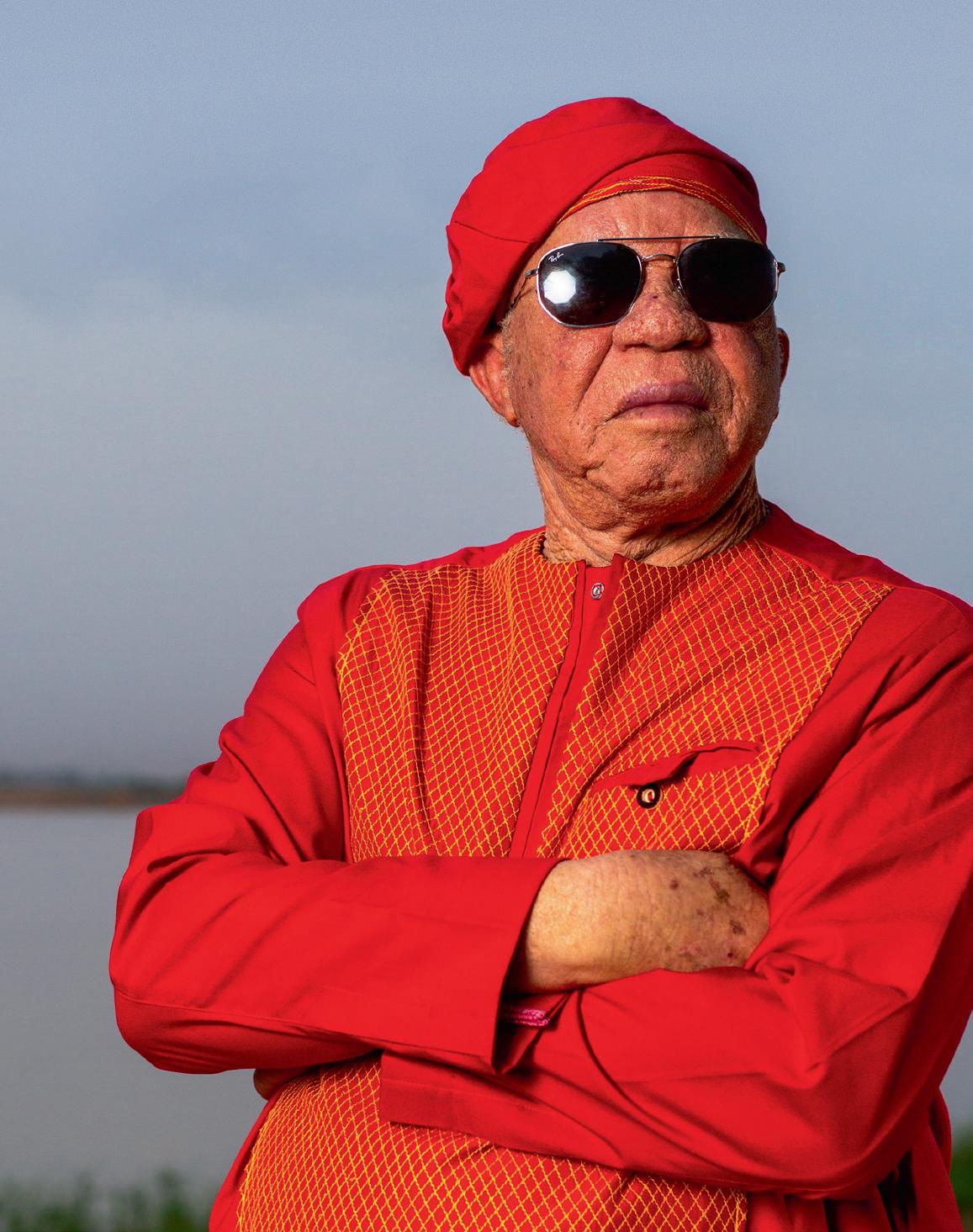
World Music star Salif Keita will play Sauti za Busara for the first time in 2026
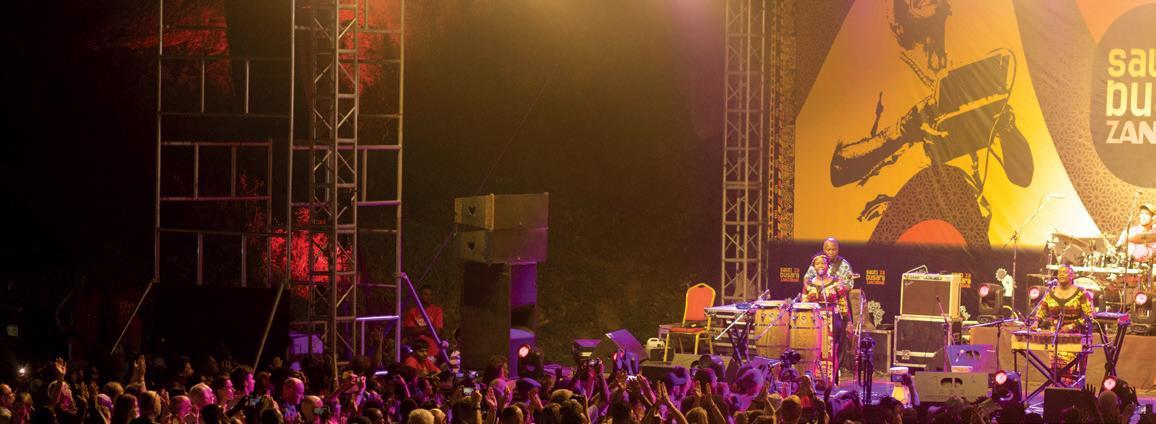
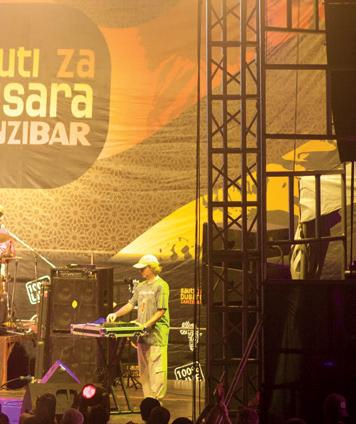
auti za Busara is one of Africa’s most respected music festivals. Its reputation has been earned over more than 20 years of showcasing authentic live music from across the continent. Held annually in the spectacular open-air arena of the Old Fort in Stone Town, Zanzibar, the three-day festival attracts a diverse audience of locals and international visitors. The event joins the dots between established and emerging local talent to show the rich heritage that informs African music old and new.
The line-up for next year’s event – which runs from February 5 to 8 – has been announced. It is typically eclectic with the live acts ranging from a Malian musical legend who has been performing for more than half a century to the latest singeli disco dance from the streets of Dar es Salaam.
Here is Explorer’s guide to some of the musical highlights in store.
Salif Keita (Mali)
Sauti za Busara has bagged itself a bona fide African legend. The 76-year-old Malian superstar Salif Keïta stands among the pioneers who put African music on the global map. His songs that blend traditional Malian sounds with jazz, funk, and rock were important in shaping Afropop. Known as the ‘Voice of Africa’, the multi-Grammy-nominated artist is able to convey poignant emotion in songs that explore themes of love, identity, and social justice, with a strong focus on the challenges and pride of his own albinism.
Must-listen: Salif Keita’s 2025 album So Kono showed the septuagenarian is still in fine form with a collection of pared-back songs that showcase his nimble guitar playing and poignant voice.
Ben Pol (Tanzania)
Ben Pol is one of Tanzania’s leading contemporary singers, known for his smooth vocals and heartfelt lyrics. Blending Bongo Flava with R&B and Afrobeat, his music often explores themes of love and relationships. Ben Pol’s collaborations with artists across East Africa have helped him build a strong regional following.
Must-listen: ‘Moyo Mashine’ – a soulful hit that showcases his emotive singing and songwriting.
Man Fongo (Tanzania)
Man Fongo is a pioneer of singeli, Tanzania’s fast-paced street dance music. His energetic performances and witty lyrics have made him a favourite among younger audiences. Man Fongo’s music is rooted in the vibrant urban culture of Dar es Salaam, bringing a raw and infectious energy to the stage.
Ukhoikhoi
(South Africa)
photo by Michaela Sovkova
Zenji
Boy (Zanzibar) photo by Dhruv Chauhan
Thandiswa
(South Africa) photo by Dhruv Chauhan
island with contemporary influences. Their music is a celebration of cultural diversity, featuring lively percussion and melodic vocals.
Must-listen: ‘Hainaga Ushemeji’ –a singeli anthem that captures the spirit of Tanzania’s dance floors.
Pilani Bubu (South Africa)
Pilani Bubu is a South African singer-songwriter celebrated for her unique blend of folk, jazz, and soul. Her music draws on personal stories and African heritage, delivered with a warm, expressive voice. Pilani’s performances are known for their intimacy and storytelling.
Must-listen: ‘Miss Understood’ – a reflective track from her album “Folklore Chapter 1” that highlights her lyrical depth.
Lindigo (Réunion island)
Lindigo brings the sounds of the Indian Ocean to Zanzibar, fusing traditional rhythms from Réunion
Must-listen: ‘Maloya Power’ – a vibrant song that showcases the group’s roots in Réunion’s maloya tradition.
Sousou and Maher Cissoko (Sweden/Senegal)
This duo combines Swedish and Senegalese musical traditions, creating a rich tapestry of kora (West African harp), vocals, and modern arrangements. Their performances are both joyful and deeply moving, reflecting themes of unity and cross-cultural dialogue.
Must-listen: ‘Africa’ – a beautiful collaboration that highlights their mastery of the kora and harmonious vocals.
Ahamada Smis (France/Comoros)
Ahamada Smis is a FrenchComorian artist whose music blends hip-hop, spoken word, and traditional Comorian sounds. His
lyrics often address identity, migration, and social issues, delivered with poetic flair.
Must-listen: ‘Origines’ – a track that explores his roots and the fusion of cultures in his music.
Tarajazz (Zanzibar)
Tarajazz is a local Zanzibar band known for their innovative fusion of taarab (Swahili orchestral music) and jazz. Their performances are a celebration of Zanzibar’s musical heritage, reimagined for contemporary audiences.
Must-listen: “Zanzibar Nights’ – a lively piece that captures the spirit of the island and the band’s creative approach.
(Above) Mozambique artist Assa Matusse performs on the Sauti za Busara main stage
Assa Matusse (Mozambique) photo by Masoud Khamis
Your gateway to East Africa
Our fleet
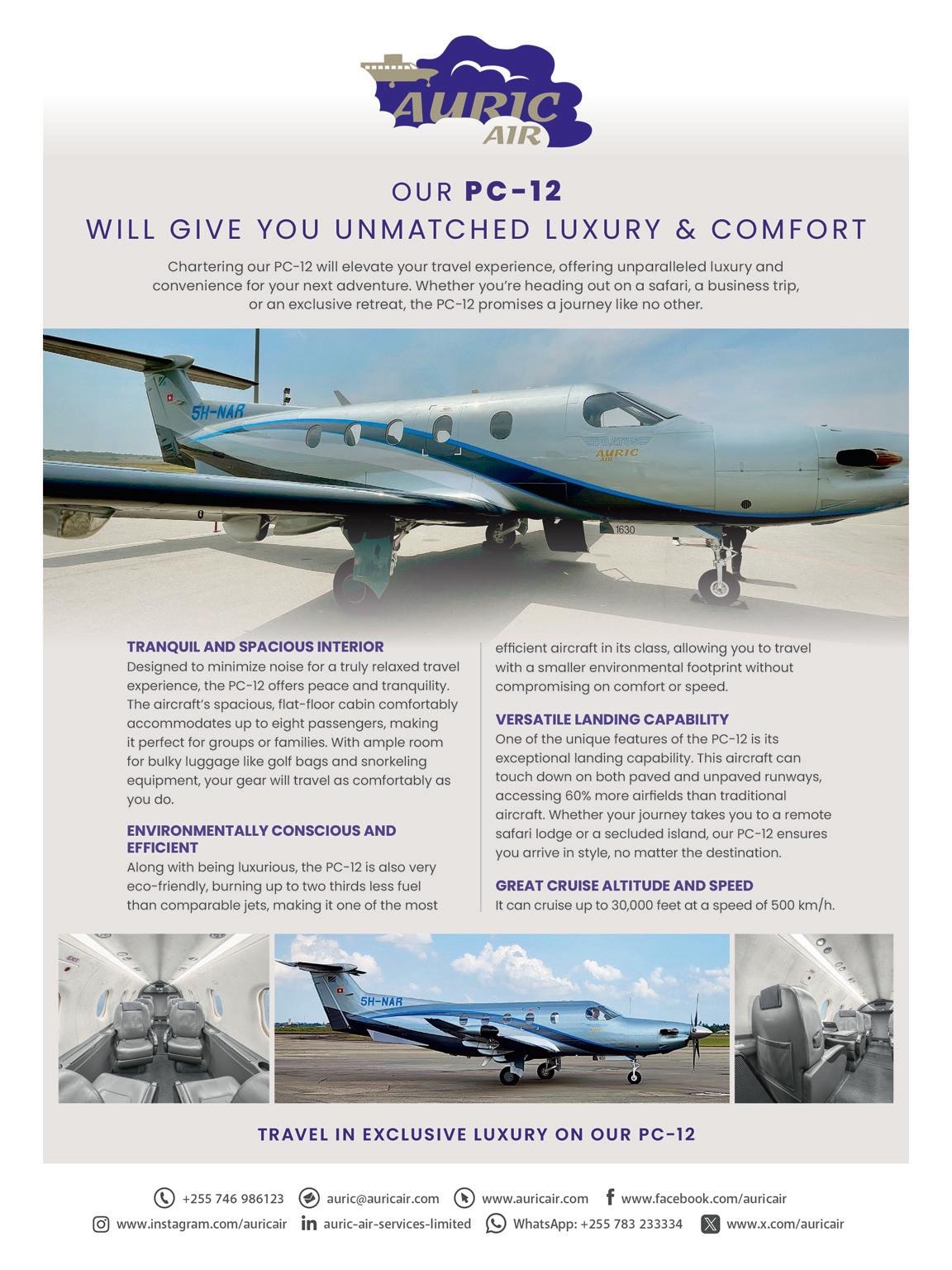
With their short take-off and landing capabilities‚ the 26-strong Auric Air fleet opens up a world of possibilities for reaching destinations that are inaccessible to larger aircraft. Here’s a closer look at our built-for-adventure fleet.
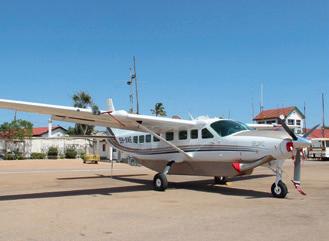
Cessna Grand Caravan C208B EX
NUMBER OF AIRCRAFT IN FLEET: 15
MAXIMUM RANGE: 912 NM
MAXIMUM CRUISE SPEED: 185 KTAS
MAX OCCUPANTS: 10 TO 14
Cessna Grand Caravan C208B
NUMBER OF AIRCRAFT IN FLEET: 4
MAXIMUM RANGE: 1,070 NM
MAXIMUM CRUISE SPEED: 186 KTAS
MAX OCCUPANTS: 13 WITH ONE PILOT OR 12 WITH TWO PILOTS
Safety and maintenance
Our entire fleet is meticulously maintained by Hawk Aviation Ltd‚ a reputable organisation head-quartered at Wilson Airport, Nairobi. With approvals from the Kenya Civil Aviation Authority‚ the Tanzania Civil Aviation Authority‚ and the Uganda Civil Aviation Authority‚ Hawk Aviation ensures the highest standards of safety and reliability. All Hawk Aviation engineers in charge of maintaining the aircraft are appropriately licensed having attended approved aircraft type-rating courses with considerable practical experience ensuring all aircraft are looked after by the best of personnel.
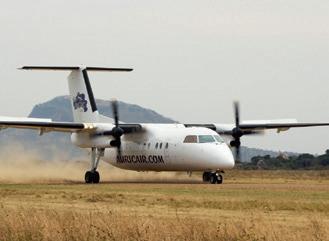
De Havilland Canada Dash 8
NUMBER OF AIRCRAFT IN FLEET: 2
MAXIMUM RANGE: 1,148 NM
MAXIMUM CRUISE SPEED: 270 KNOTS
MAX OCCUPANTS: 39
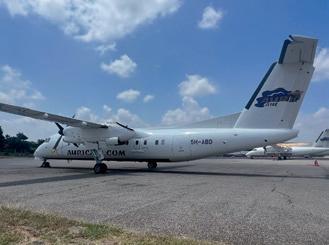
Dash 8-300
NUMBER OF AIRCRAFT IN FLEET: 2
MAXIMUM RANGE: 1,490 NM
MAXIMUM CRUISE SPEED: 287 KNOTS
MAX OCCUPANTS: 50
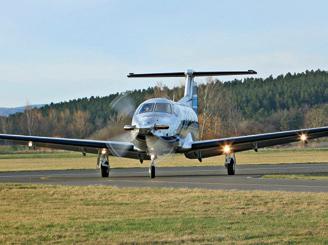
Pilatus PC-12
NUMBER OF AIRCRAFT IN FLEET: 2
MAXIMUM RANGE: 1,137 NM
MAXIMUM CRUISE SPEED: 280 KNOTS
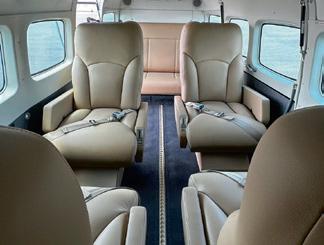
MAX PASSENGERS: 9 (ONE PILOT), 8 (TWO PILOTS) SIX EXECUTIVE SEATS
Executive Cessna Grand Caravan
NUMBER OF AIRCRAFT IN FLEET: 1
MAXIMUM RANGE: 1,490 NM
MAXIMUM CRUISE SPEED: 140-180 KNOTS
MAX OCCUPANTS: 11 PASSENGERS AND ONE PILOT
Our destinations
Our 15-strong network of destinations connects with some of the most remote and unforgettable attractions across Tanzania and beyond. Here’s where we fly.
Dar es Salaam
What began as a humble fishing village is now the biggest and busiest city in Tanzania. Dar es Salaam is where you can experience the fusion of the Swahili culture and modern life. The culturally diverse city has a vibrant community with thriving food, music and art scenes. Here you can get a hit of city life and a toes-in-the-sand slice of the beach all in one.
Entebbe
The Ugandan city on the shores of Lake Victoria is the gateway to a host of primate adventures such as mountain gorilla trekking in Bwindi National Park and boat rides to Ngamba Island Chimpanzee Sanctuary, which protects orphaned chimps
Iringa
Time spent in this tranquil town in the southern highlands of Tanzania reveals a rich historical background – battles were fought here during German colonial times and the world wars – as well as insight into traditional African culture. It can also be the base for safari adventures with Ruaha National Park close by.
Kahama
Once a modest settlement in north-western Tanzania, Kahama has grown into a bustling town, shaped by the region’s gold mining industry. Today, Kahama offers a blend of energetic urban life and authentic Tanzanian hospitality. The town’s lively markets, local eateries, and welcoming atmosphere provide a window into daily life in the Shinyanga region.
Kigali
More gorilla adventures can be pursued in Rwanda. The country’s capital, Rwanda, is one of Africa’s most progressive cities as well as being the launch pad for trips to Volcanoes National Park where wild gorillas live among the high forest of the Virunga Mountains – a dramatic backdrop for the trekking experience.
Lake Manyara
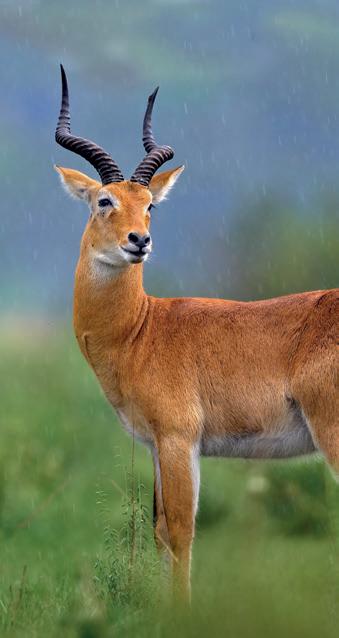
The beautiful, bijou Lake Manyara National Park is dominated by its titular soda lake that takes up almost two thirds of the park during the wet seasons and attracts vast flocks of flamingo, pelican and more than 130 more species of birds. It comprises a diverse range of habitats with herds of elephant, giraffe, baboons
and impala roaming the grass and woodland while its forests contain all manner of monkeys as well as tree-climbing lions.
Lake Tanganyika
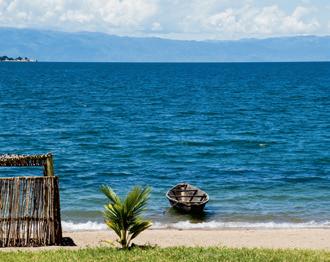
A trip to Tanzania’s deepest lake opens up the country’s remote west. Here you can dive or snorkel to explore the lake’s unique marine life or take longer canoe and trekking adventures into the Mahali Mountains, renowned for its wild chimpanzees.
Mafia Island
The waters surrounding the Mafia archipelago are protected so its pristine reefs teem with marine life and offer some of the best diving experiences in East Africa. Giants of the sea such as whale sharks and humpback whales are also regulars here.
Masai Mara
This protected reserve in southern Kenya is one of the best places in the world to observe animals in the wild. Its sprawling plains are home to the Big Five‚ there are hippos and crocodiles in the rivers‚ and more than 500 species of birds. The
Lake Tanganyika Rwanda
Mafia Island
reserve is particularly famous for its big cats—lions‚ leopards‚ and cheetahs. While the wildlife viewing at almost any time of the year is superb‚ the Masai Mara is best visited during the months of the Great Migration‚ when millions of zebra‚ wildebeest‚ and gazelle make their way north into the park from the Serengeti‚ crossing the Mara River in search of fresh grazing.
Mwanza
Tanzania’s second city hugs the southern shores of Lake Victoria with its iconic coastline of gigantic granite rocks. The city centre is a bustling place with markets galore. For escapes into nature, you can take boat trips on the lake or take a ferry trip to Ukerewe Island with its lush forests. Mwanza can also be the starting point for safari trips into Tanzania’s world-famous Northern Circuit.
Nyerere National Park
Nyerere National Park is Tanzania’s newest and now largest national park,
Your gateway to East Africa
WhatsApp: +255 783 233334
+255 746 986123
auric@auricair.com www.auricair.com
yet tucked away in the country’s southern wilderness it is something of a hidden gem. Its rivers and lakes are the lifeblood of the park that hosts some fabulous game‚ including elephants‚ wild dogs‚ buffalo‚ hippo‚ crocodiles‚ and fantastic prides of lions.
Pemba
Pemba is the second-largest island of the Zanzibar archipelago and provides a lush, lowkey alternative to its larger neighbour, Unguja. Nicknamed ‘The Green Island’, Pemba is renowned for its fertile soil with its clove and vanilla plantations securing it global trading renown. Ringed with pristine beaches and reefs and with a forested interior that is home to endemic birds and mammals, Pemba is a haven for nature lovers.
Ruaha National Park
This massive national park is ideal if you want to escape the crowds. Here you can enjoy outstanding levels of wildlife – some of the country’s largest
Serengeti
prides of lions and herds of elephants call Ruaha home – with almost no other vehicles around.
Rubondo Island
This island in the southwest corner of Lake Victoria has national park status with colobus monkeys, elephants, giraffes, hippos and crocodiles enjoying its sanctuary. As well as its animal adventures, the island is a true wild getaway with deserted beaches and virgin forest to explore.
Serengeti
With access to the hot-spots of the Great Migration and some of the largest concentrations of African wildlife – including more wild lions than anywhere else in the world, the Serengeti takes safaris to another level. The park welcomes almost a hundred thousand tourists every year.
Tanga
In colonial times, this port city in northern Tanzania headed East Africa’s trade links with the world. Now it has a more sleepy, laidback appeal, offering charming insights into the Swahili lifestyle. It also provides access to the East Usambara Mountains and the beaches of Pangani.
Zanzibar Island
Zanzibar’s main island, Unguja, has become one of Africa’s most popular tourist attractions. Resorts pepper its spectacular beaches while its historic centre, Stone Town, is a living museum of its trading heyday as well as vibrant proof of the cosmopolitan Swahili culture with its exciting food, music and arts scenes.
Kahama
Why gold mining town is Tanzania’s hidden gem
December marks the start of Auric Air’s four weekly flights between Dar and Kahama. Here’s what to see and do in a Tanzanian town that blends history, culture, and untamed nature.
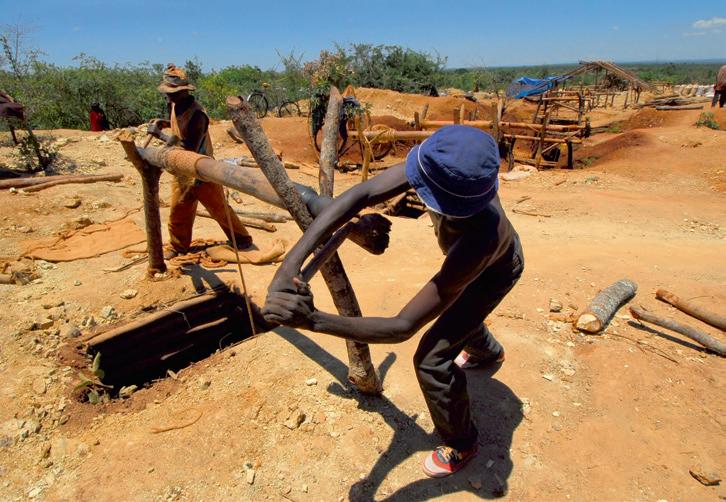
he discovery of gold has transformed Khama from a once sleepy town in the Shinyanga region into a lively city. Guided tours (bookable through local operators) let you witness the scale of modern mining and even meet artisanal miners, offering a rare glimpse into the industry that put Kahama on the map.
Kahama’s urban scene is a feast for the senses. Start your exploration at the bustling Kahama Market, the city’s beating heart. This is the place to find the best produce from the extensive farmland that surrounds the city. Here, you’ll find everything from fresh tropical fruits such as mangoes, bananas, guavas, papaya, and indigenous figs to handmade crafts and vibrant textiles.
Where to eat and drink
Sample some spicy and tasty dishes at 101 Grano Restaurant or check out the diverse menu at Royal Bakery & Fast Food with dishes ranging from Swahili classics to Italian, Indian and Chinese fare.
Gateway to wild Tanzania
Kahama is your launchpad for some of Western Tanzania’s most spectacular wildlife adventures:
Kigosi Game Reserve
Just 100 km west of Kahama, Kigosi is one of Tanzania’s largest and least-explored reserves. Its miombo woodlands, wetlands, and floodplains are home to elephants,
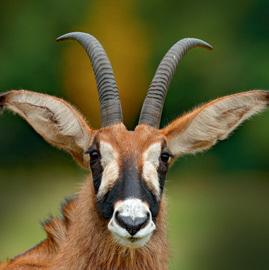
“Wetlands and floodplains are home to rare antelopes like roan and sable”
lions, leopards, buffalo, and rare antelopes like roan and sable. Birdwatchers will be thrilled by over 350 species, including the elusive shoebill stork. Game drives, walking safaris, and birding tours offer intimate encounters with nature, far from the crowds.
Burigi-Chato
National Park
A vast, untamed wilderness stretching from Lake Victoria to the Rwandan border, Burigi-Chato is a mosaic of grasslands, wetlands, and acacia woodlands. Spot elephants, giraffes, zebras, lions, and the rare sitatunga antelope. The park’s lakes and rivers are perfect for boat safaris and birdwatching, with tranquil waters reflecting the endless African sky. Because it’s off the beaten path, you’ll often have the landscapes – and the wildlife –all to yourself
Miners looking for gold in the Shinyanga region
TANZANIA
Auric Air chatbot is available to answer your questions 24 hours a day, 365 days a year. Scan the code or WhatsApp "Hello" to +255 783 233334 to get started.
Lake Tanganyika Kipili Airstrip
Ma a Island
Serengeti National Park
Masai Mara
Rubondo
Lake Victoria
Lake Tanganyika
Kigali
Ruaha National Park
Pemba
Iringa
Tanga
Zanzibar
Lake Manyara National Park
Nyerere National Park (Selous Game Reserve)
Dar es Salaam
Mwanza
Kahama
Passenger information
Need help?
Auric Air chatbot is available to answer your questions 24 hours a day, 365 days a year. Scan the code or Whatsapp “Hello” to +255 783 233334 to get started.
Everything you need to know to get your journey with us off to a smooth start.
Baggage
Baggage allowance for each passenger is 20kg (inclusive of hand baggage‚ cameras‚ filming equipment and any other personal item including loose clothing). Hard suitcases are allowed, but the dimension of individual items of luggage should not exceed dimension of 90cm in length, 65cm in width and 35cm in depth.
If passengers anticipate they will have excess baggage‚ excess baggage is bookable in advance in slabs of 10kgs. The excess baggage cost is between US$ 30 and US$ 60 depending on destination.
A maximum of four slabs (40kgs) additional luggage can be booked per person. For more than 40kgs‚ a freight seat at child fare is to be booked‚ which will permit a carriage of an extra 75kgs
There is a complimentary secure store at our Dar es Salaam airport office. Please enquire in advance.
Bookings
You can make payment online by credit card or mobile money at the time of making your booking. Alternatively‚ email reservations@auricair.com for other payment options such as credit card payment links or bank transfer options.
Children aged between two and 11 years (inclusive) are charged 75 per cent of the applicable adult fare. Infants under two years of age are not charged providing they are not occupying a seat. Infants are not entitled to baggage allowance.
Missed flights
No-show passengers will be required to book and pay for new tickets. If prior
notification is received by up to 24 hours before the flight‚ Auric Air can transfer your booking‚ at a cost of 50 per cent of your ticket basic cost‚ to the next available flight but has no responsibility whatsoever for any related extra costs. If seats are not available‚ no refunds will be made. You are advised to ensure that your travel insurance covers such situations. Details of any amendment or a cancellation must be sent by email to reservations@auricair.com
Check-in times
The latest Check-in time for all passengers is strictly 60 minutes before flight time. Auric Air reserves the right to depart up to 15 minutes ahead of the scheduled departure time if passengers are not present at the place of departure by that time. Auric Air has no responsibility for direct or indirect costs resulting from passengers missing a flight due to non-compliance‚ for whatever reason‚ with the above check-in times.
Auric Air operates from Terminal 1 at Julius Nyerere International Airport in Dar es Salaam.
Flying when pregnant
A woman with an uncomplicated pregnancy and clearance from their doctor can board flights up to the end of the 30th week of pregnancy. A doctor’s certificate or clinical card must be provided and Part 1 of our MEDI form must be completed by the passenger. They then have to be seated on the last single seat near to the emergency door.