
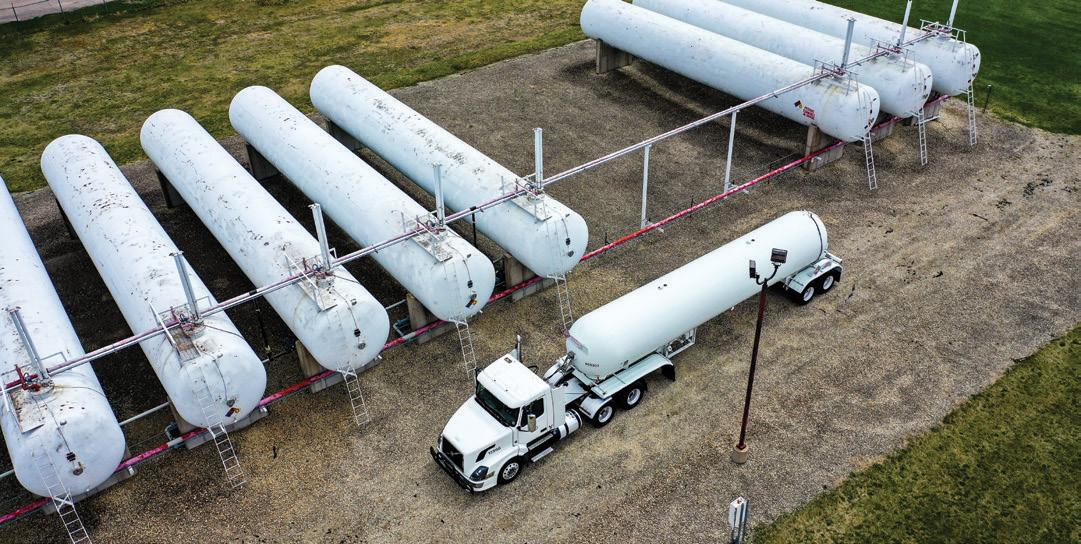



You deserve a partner who understands the pressures you face. That’s why CHS gives you easy access to expert account managers, insightful market intelligence and proven price risk tools. You have industry-leading propane control room technology, plus equipment purchasing power and technical expertise from major manufacturers. And a safety commitment second to none. With CHS, you get propane solutions to drive your profitability.

Visit CHSpropaneinsights.com, contact Donna Smith at donna.smith@chsinc.com or call 651-355-8409 to start planning your supply needs today.

MATT SOLAK
As we move into the next heating season, I want to take a moment to reflect on the progress our association has made and the opportunities that lie ahead. The propane industry continues to demonstrate resilience, adaptability, and innovation in the face of changing energy demands and regulatory landscapes. Our members are leading the way in ensuring that propane remains a safe, reliable, and sustainable energy choice for homes, businesses, and communities.
This year, our association has focused on three key priorities: advocacy, education, and member engagement. We’ve strengthened our voice at both the state and national levels, ensuring policymakers understand the value propane brings as part of the clean energy conversation. And through events, committees, and networking opportunities, we continue to build connections that strengthen our industry from within.
Looking ahead, we see tremendous opportunities to highlight propane’s role in reducing emissions, providing energy security, and serving as a flexible partner in the clean energy transition. Together, we will continue to tell propane’s story, advance our industry, and ensure our members have the tools and resources needed to thrive.
I encourage you to stay involved—join us at upcoming meetings, lend your voice to our advocacy efforts, and share your expertise with your peers. It is through your active participation that our association remains strong and effective. Thank you for your continued support and dedication to our industry. I am honored to serve as your Executive Director and look forward to all we will accomplish together in the months ahead.
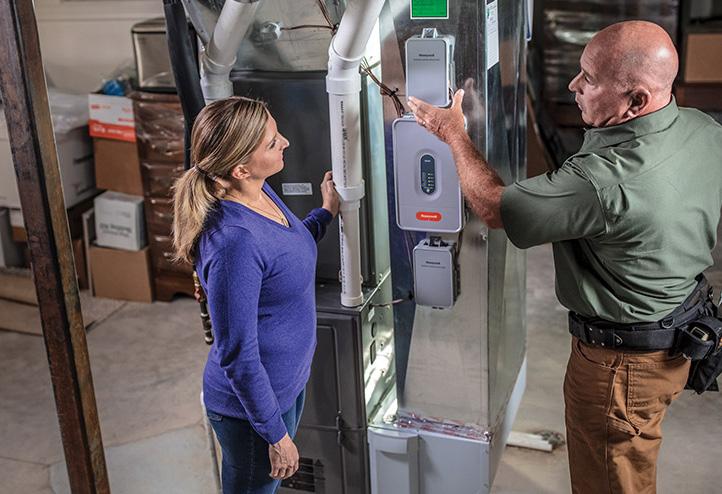
The PPGA has rebate funds available for you and your propane customers to take advantage of in 2025. Click here for more information.
2025 rebates include:
• On Road Propane Vehicle Rebate
• Regulator Rebate

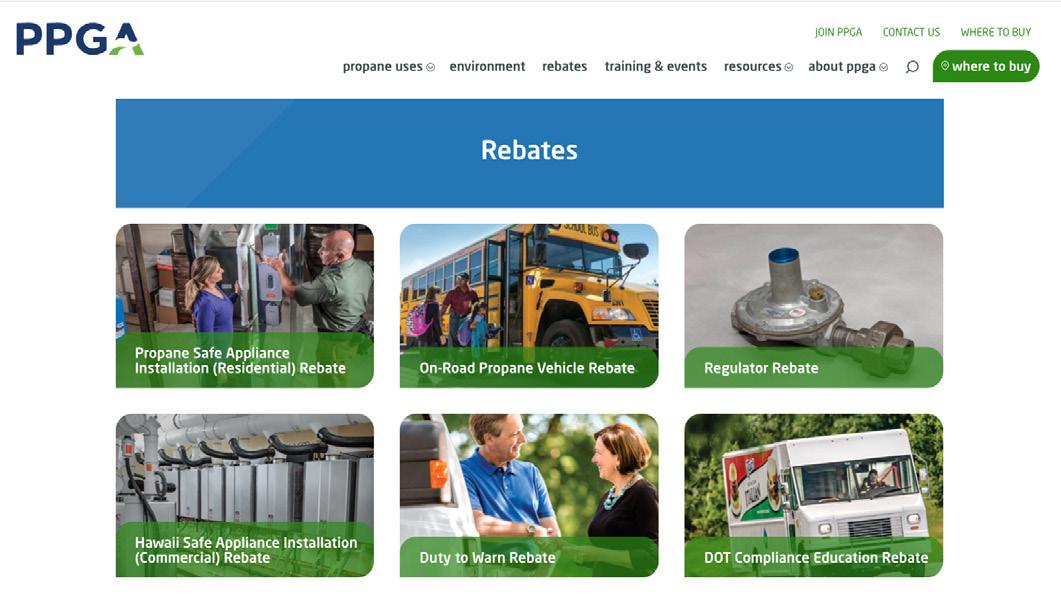

• Propane Safe Appliance Installation (Residential) Rebate
For more information and applications, visit pacificpga.org and click on Rebates.
• Hawaii Safe Appliance Installation (Commercial) Rebate
• Duty to Warn Rebate
• DOT Compliance Education Rebate
Rebates are available until December 31 or while funds are available.


JENNY DRESLER
While we saw a significant amount of activity in the energy arena this session, the number of bills that passed were minimal. Public Affairs Counsel appreciated the opportunity to advocate and monitor the following issues for the Pacific Propane Gas Association (PPGA) during the 2025 Oregon legislative session.
This is a recap of issues that were identified as legislative priorities and issues of concern for PPGA.
CLIMATE PROTECTION PROGRAM FIX (NO BILL NUMBER)
As part of the conversations around the transportation package, Senator Bruce Starr (R-Dundee) pursued the idea of a bill that adopted a cap-and-trade program in Oregon. That bill would be modeled heavily after Washington’s cap-and-trade policy and used provisions from the CPP or California where industry ran into challenges in Washington. The concept was integral to transportation package discussions, as it proposed to take the allowance revenue generated from a staterun auction and use that to fund transportation and other environmental programs at the Legislature’s discretion. Funds would have been dedicated by the legislature as concerns among legislators are growing with how CPP funds are being directed and spent. FINAL ACTION: WAS NOT INTRODUCED. THERE WAS ABOUT A MONTH OF HEAVY DISCUSSION AND INDUSTRY STAKEHOLDER INVOLVEMENT AS WE WORKED TO CRAFT AN AMENDMENT THAT COULD ADVANCE IN 2025 ALONGSIDE A TRANSPORTATION PACKAGE. ULTIMATELY, HEAVY CONCERN BY THE ENVIRONMENTAL COMMITTEE DELAYED THIS BILL FROM BEING INTRODUCED OR BEING CONSIDERED BY THE TRANS-
PORTATION NEGOTIATORS. THIS CONCEPT WILL BE ONE TO WATCH OVER THE SUMMER AND INTO THE FALL AS WE HEAD INTO 2026, AS THERE IS A BIPARTISAN GROUP OF LEGISLATORS INTERESTED IN A CPP FIX AS PART OF A BROADER TRANSPORTATION PACKAGE. THIS SESSION, THE TRANSPORTATION PACKAGE FAILED TO ADVANCE – AND THE GOVERNOR IS ALREADY DEMANDING LAWMAKERS COME BACK AND ADDRESS TRANSPORTATION IN A SPECIAL SESSION.
TRANSPORTATION OMNIBUS (HB 2025): HB 2025:
1. Directs the Division of Audits to conduct performance audits of the Department of Transportation.
2. Alters the duties of the Joint Committee on Transportation and the Continuous Improvement Advisory Committee.
3. Provides that the Governor shall appoint the Director of Transportation.
4. Revises the formula for weight-mile taxes.
5. Provides for diesel fuel to be taxed in the same manner as gasoline.
6. Modifies the definition of “combined weight” for purposes of motor carrier regulation.
7. Allows the Department of Transportation to use a motor carrier’s registration card as the tax enrollment document instead of the vehicle’s weight identifier.
8. Eliminates reinstatement fees for weight identifiers.
9. Increases and adds transportation-related fees and taxes and prescribes uses of revenues.
10. Imposes a mandatory per-mile road usage charge for registered owners and lessees of vehicles over time beginning with electric vehicles on July 1, 2026.
11. Allows an annual fee in lieu of the mandatory per-mile road usage charge.
HB 2025 took flight in the last week before the end of session with a slew of public hearings on deck to discuss the extensive bill before its specialty committee - the Joint Committee on Transportation Reinvestment.
FINAL ACTION: DIED. ATTEMPTS TO PASS A TRANSPORTATION PACKAGE FIZZLED OUT AT THE END OF SESSION - FAILING TO GARNER THE SUPPORT OF REPUBLICANS AND DEMOCRATS.
“LIGHT” (HB 3402)
On the last day of the 2025 session, leadership introduced an amendment to HB 3402 to fund transportation in the interim. This package included a 3% increase to the gas tax to fund ODOT and a modest increase to registration fees. In the final hours of session, this package elicited significant backlash from local governments and the environmental community, and did not garner the support needed to get it across the finish line.
FINAL ACTION: DIED. HOUSE REPUBLICANS DID NOT AGREE TO WAIVE THE CHAMBER RULES TO MOVE THE BILL IN THE FINAL HOURS OF SESSION, AND THE BILL DIED.
MICROGRID DEVELOPMENT (HB 2064)
In the microgrid development space, HB 2064 requires the Oregon Public Utility Commission and Oregon Department of Consumer and Business Services to take several actions related to microgrids, including the creation of standards. It also permits local governments to take actions to prepare for and encourage microgrid development.
FINAL ACTION: DIED. HB 2064 RECEIVED A PUBLIC HEARING EARLY IN THE LEGISLATIVE SESSION, BUT EVENTUALLY DIED AFTER RUNNING OUT OF TIME.
MICROGRID DEVELOPMENT (HB 2065)
Another bill easing the microgrid development process, HB 2065 requires individuals to have the option, when applying to a public utility for authority to interconnect a community microgrid or microgrid with the public utility’s transmission or distribution system, to either agree to have the public utility, or contract with a third-party consultant, to conduct a required study or engineering evaluation of the interconnection.
The bill was amended to add new requirements and activities for third-party consultants and public utilities to comply with and undertake when entering contractual agreements related to microgrid and community microgrid interconnection studies.
FINAL ACTION: PASSED. ONE OF TWO BILLS AROUND MICROGRIDS THAT THE LEGISLATURE CHOSE TO ADVANCE AND PASS.
HB 2066 requires the Oregon Public Utility Commission to conduct an investigation to establish a regulatory framework for allowing the ownership, deployment, and use of microgrids and community microgrids within the service territories of electric companies. During the legislative process, the bill was amended to modify, remove, and add new requirements to the PUC’s regulatory framework for microgrids and community microgrids. The amendment also grants permissions to local government similar to that which is in HB 2064, with the goal of encouraging microgrid development.
FINAL ACTION: PASSED. LEGISLATION MOVED FORWARD AND WAS ADOPTED DURING THE 2025 SESSION.
PPGA joined other business groups in opposing a change to Oregon’s connection to federal taxable income from its current automatic connection to one that is frozen to December 31, 2024.
FINAL ACTION: DIED.
HB 2746 requires employers and employment agencies to include wage and benefit information in job postings. The bill requires an individual alleging violation to file a complaint with the Bureau of Labor and Industries (BOLI). It makes it an unlawful employment practice for an employer or employment agency to discriminate or retaliate against an employee for exercising rights related to wage and benefit information in job postings. Finally, the measure adds employment agencies to the prohibition against inquiries regarding salary history and past criminal convictions and exempts the Oregon Employment Department from the definition of employment agency.
FINAL ACTION: DIED. THIS BILL PASSED OUT OF THE HOUSE COMMITTEE ON LABOR AND WORKPLACE STANDARDS ALONG PARTY LINES, BUT DIED IN COMMITTEE AT THE END OF SESSION.
The measure increases the maximum license fees for commercial weighing and measuring instruments regulated by the Oregon Department of Agriculture (ODA) under ORS 618.141. The fee increases apply to various types of weighing devices, continuous weighing systems, liquid-fuel metering devices, and special liquid fuel measuring equipment. Additionally, the measure authorizes ODA to increase license fees by up to 10% annually for the fiscal years beginning July 1, 2026, and July 1, 2027, exceeding the standard 3% annual cap established under ORS 618.136 (3).
FINAL ACTION: PASSED.
This bill was a priority 1 to oppose for PPGA. It establishes a state policy on the purchase of new zero-emission school buses, directing DEQ to adopt rules requiring the purchase of new zero-emission school buses in certain specified areas and requires purchase of zero-emission school buses if certain criteria are met. PPGA testified against the bill and shared data with legislators about propane bus uptake in Oregon.
FINAL ACTION: DIED. HB 2945 HAD A SIGNIFICANT FISCAL IMPACT AND WAS OPPOSED BY SCHOOL ADMINISTRATORS.
HB 3187 makes it an unlawful employment practice for an employer, prospective employer, or employment agency, prior to completing initial interview or making conditional offer of employment, to request or require disclosure of applicant’s age or date of birth or when applicant attended or graduated from any educational institution. The measure permits the information to be requested if it is necessary to affirm that applicant meets bona fide occupational qualifications or comply with any provision of federal, state or local law, rule or regulation. The bill was amended significantly in the House to remove proxies from the definition of “because of age” for age discrimination lawsuits.
FINAL ACTION: PASSED. HB 3187 PASSED OUT OF BOTH CHAMBERS AND WAS SIGNED BY THE GOVERNOR.
3477)
Many groups were opposed to HB 3477, which sought to modify state greenhouse gas emissions reduction goals and replace the term “global warming” with “climate change” in provisions related to the Oregon Climate Action Commission.
FINAL ACTION: DIED. HB 3477 RECEIVED A PUBLIC HEARING IN THE HOUSE COMMITTEE ON CLIMATE, ENERGY, AND ENVIRONMENT, BUT NEVER MADE IT PAST THAT THIS SESSION, AND PUBLICLY ALL CARBON CONCEPTS STALLED OUT THIS SESSION.
This was a lateintroduced statement that it is the intent of the House and Senate to reduce transportation taxes when capand-invest is adopted and revenues are realized.
FINAL ACTION: DIED. ALTHOUGH LEADERSHIP INTENDED TO PASS THIS MEASURE, THE TRANSPORTATION PACKAGE FAILED ON THE LAST DAY OF SESSION, AND THIS RESOLUTION WAS NOT NEEDED.
88)
SB 88 prohibits an electric or gas utility from recovering certain costs or expenses associated with advertising, political influence activity, litigation, penalties or fines, and certain compensation from ratepayers. The measure directs the Public Utility Commission (PUC) to limit the amount that a utility may recover from ratepayers for costs and expenses incurred by the utility as part of a contested case proceeding. It requires a utility to submit an annual report and imposes civil penalties for violations.
FINAL ACTION: DIED. LEGISLATORS ADVANCED THIS BILL TO THE SENATE RULES COMMITTEE FOR CONVERSATIONS, BUT IT FAILED TO ADVANCE IN 2025.
Originally, proponents of medical marijuana included provisions in sections 30-33 of the omnibus marijuana bill to require that employers accommodate medical marijuana use in the workplace with limited exemptions. This was stripped from the bill before passage and the bill was narrowed to the medical marijuana program specifically.
FINAL ACTION: DIED.
SB 369 prohibits the Governor and specified state agencies from taking measures to reduce greenhouse gas emissions in Oregon unless authorized by the Legislative Assembly by law enacted on or after the effective date of the Act.
FINAL ACTION: DIED.
SB 409 declares that the policy of this state is to include atmospheric carbon sequestered by the lands and waters of this state in any calculation to determine progress toward the greenhouse gas emissions reduction goals.
FINAL ACTION: DIED.
SB 510 requires the Public Utility Commission to study the rate impacts associated with implementing the reduction of greenhouse gas emissions required by House Bill 2021 (2021).
FINAL ACTION: DIED. SB 510 DIDN’T GAIN TRACTION THIS SESSION.
(SB 679)
SB 679 would provide that if a party caused a certain amount of greenhouse gas emissions, they are strictly liable to the harmed parties for damages incurred because of extreme weather attributable to climate change or a climate disaster.
FINAL ACTION: DIED. THIS BILL DIDN’T GAIN ANY REAL TRACTION THIS SESSION, LARGELY DUE TO THE FACT THAT THE CONCEPT IS BEING LITIGATED IN OTHER STATES.
680)
This bill prohibits a person from publishing an environmental marketing claim, net zero claim, or reputational advertising that is materially false, misleading, deceptive, or fraudulent and establishes doing so as a new unlawful trade practice under ORS 646.607. It makes a person who commits that unlawful trade practice liable for damages of not more than $200 to a plaintiff who can show that: They were a recipient of the claim or reputational advertisement; and They purchased a product or service from the person based on a reliance on the materially false, misleading, deceptive or fraudulent claim or reputational advertising.
FINAL ACTION: DIED. SB 680 DIED EARLY IN THE SESSION AFTER FAILING TO PASS THE FIRST CHAMBER DEADLINE. THE BILL IS LIKELY TO RETURN IN FUTURE SESSIONS, PARTICULARLY GIVEN THE CLASS ACTION LAWSUIT AGAINST TILLAMOOK CREAMERY.
SUPERFUND COST
(SB 682/ SB 1187)
Both bills would establish a Climate Superfund Cost Recovery Program to adapt to and mitigate the effects of climate change and hold responsible parties strictly liable for the costs of climate change caused by covered greenhouse gas emissions.
FINAL ACTION: DIED. SB 1187 RECEIVED TWO PUBLIC HEARINGS BEFORE SUCCUMBING TO THE FIRST CHAMBER DEADLINE.
888)
SB 888 restricts local governments from prohibiting or limiting the residential use of natural gas as an energy source.
FINAL ACTION: DIED. SB 888 WAS A REPUBLICAN SPONSORED BILL THAT WAS NOT HEARD THIS SESSION.
(SB 1178)
SB 1178 establishes that the existing requirement that 10 percent of the electricity sold in this state by each electric company that makes sales to 25,000 or more retail electricity consumers to be generated by small-scale renewable energy facilities or certain biomass facilities must be owned by a person that is not an electric company. Further, the bill requires electric companies to make their best efforts to continually increase the annual percentage of electricity sold that is generated by smallscale renewable energy facilities until 2030.
FINAL ACTION: DIED. SB 1178 FAILED TO ADVANCE OUT OF THE SENATE COMMITTEE ON ENERGY AND ENVIRONMENT.
Senate Joint Resolution 28 proposes an amendment to the Oregon Constitution to establish a fundamental right to a clean, safe and healthy environment. It establishes that all of Oregon’s public natural resources are the common property of all people, including generations yet to come, and establishes that the state shall conserve and maintain these resources against substantial impairment. It allows any person to obtain declaratory or equitable relief against the state for action or inaction allowing harm, or the threat of harm, to public safety and health, and it establishes what the prevailing parties are entitled to. It also establishes that this right is enforceable upon enactment.
FINAL ACTION: DIED. THOUGH THE BILL DIED IN THE 2025 SESSION, THIS CONCEPT WILL LIKELY RETURN IN THE FORM OF A BALLOT MEASURE OR REFERRAL FOR THE 2026 ELECTION. OREGON BUSINESS AND INDUSTRY IS MONITORING ACTIVITY ON THE REFERRAL.
Matt Klabo, Vice President of Sales for FEI has announced two Energy Sales position changes.

Bert Turn has been promoted to Director of Sales, Energy Division
Bert has 40+ years of industry experience in customer service and sales. He currently serves on the Board of Directors for the National Propane Gas and Pacific Propane Gas Associations.
Jim Bailey, Territory Manager will serve customers in Washington, Oregon, Western Idaho, Northern California and Alaska.
He has 30+ years of industry experience in customer service, sales, hazardous materials, CDL restrictions and HVAC installation along with training and coaching.




JIM HEDRICK
The 2025 Washington State legislative session was one of the most tumultuous in recent memory, marked by significant political tension and major fiscal challenges and deep ideological splits over how to address the state’s $16 billion budget shortfall. For the first time in 12 years Washington had a new governor and 30 legislators in new seats with either House members now serving in the Senate or new legislators. Further, the House had 5 new committee chairs and the Senate had 7 new committee chairs. For context, half that many new committee chairs would be “a lot”. This was a session with significant built in challenges, a high learning curve and new faces. The legislature adjourned its regular session for the year on April 27.
To address the $16 billion budget shortfall the Washington legislature cut $6 billion in on-going spending, passed the largest tax increase in state history with over $9 billion in estimated new revenue over 4-years, funds shifts with a scant $250 million surplus. The 2026 Washington State legislature will reconvene for their supplemental budget session on January 12, 2026. Given the latest state revenue forecast, the state is already in an approximate $450 million budget shortfall.
The final 2025-27 operating budget, Senate Bill 5167, appropriates $77.87 billion an 8.2% increase or nearly $6 billion more thank the 2023-25 budget. The 1,366 page document moved through the legislature from conference committee report to final
passage in less than 30 hours. This budget passed the House on a 52 to 45 vote having 6 House Democrats cross-over with all 39 House Republicans to oppose the bill. The state Senate passed the budget on a more comfortable 28 to 19 vote with moderate Democrat in a special election swing district race this fall, Sen. Deborah Krishnadasan (D-Gig Harbor), the lone Democrat to oppose the bill.
While the budget assumes significant savings, it does not reduce net spending. In fact, it increases spending by $1.039 billion above the maintenance level; the cost to continue current services after adjusting for caseload and inflation. The budget largely shifts funding from prior commitments to state and nonstate employee collective bargaining agreements (CBAs). The budget does not assume furloughs of state employees as previous versions did. The proposed conference report leaves a projected ending balance for the 2025-27 biennium of $225 million and $2.3 billion in total reserves, including $2.1 billion in the Budget Stabilization Account or Rainy Day Fund.
Adequate budget reserves was an issue Governor Ferguson highlighted that he needed to see in a final budget. The final $77.8 billion operating budget includes nearly $6 billion in cuts and close to $9 billion in new revenue over the four-year outlook — significantly less revenue than legislative Democrats had initially sought. Governor Ferguson previously rejected each version of the revenue plan, citing concerns that the proposals were “too risky.”
The final budget also steers clear of furloughs for state employees, an option both Governor Ferguson and Senate Democrats had floated earlier in the session. Governor Ferguson signed the budget into law reducing the overall spending level by a scant $25 million with his partial veto power.
The revenue package passed by the legislature is expected to generate $9.379 billion. The legislature passed a suite of bills with increasing existing taxes, eliminating some tax loopholes and authorizing new taxes. Components of the revenue package include increases on the business and occupation (B&O) tax; the state’s “top-line” gross receipts tax.
• HB 2081 (Fitzgibbon, D-Seattle) will increase B&O tax rates on manufacturing from 0.484 percent to 0.5 percent and retailing from 0.471 percent to 0.5 percent and the large “catch-all” category of business services jumps from 1.5 percent to 2.1 percent. B&O surcharge rates are increased from 1.2 percent to 1.5 percent for an additional tax on financial institutions. 2081 is expected to raise $5.6 billion over the next 4 years.
• SB 5814 (Frame, D-Seattle) places retail sales tax to many services and especially in the tech sector, makes nicotine products subject to the tobacco products tax, imposes an additional tax on cigarettes and create a mandatory one-time prepayment of retail sales tax collections for businesses with $3 million or more in taxable retail sales in calendar year 2026. 5814 is estimated to bring in $2.6 billion over the next 4 years.
• SB 5813 (Wilson, C., D-Federal Way) generating $680 million for the state in the next 4 years would apply an additional 2.9 percent excise tax on individual’s Washington capital gains exceeding $1 million and increase the qualifying family-owned business interests deduction amount for the estate tax to $3 million with annual inflation adjustments.
• SB 5794 (Salmon, D-Shoreline) repeals several tax preferences beginning January 1, 2026, including interest on real estate loans B&O tax deduction including: home energy assistance public utility tax (PUT) credit, dentistry prepayments insurance premiums tax exemption, international investment management services preferential B&O tax rate, international services B&O tax credit, and international banking facilities B&O tax exemption.
• HB 2077 (Fitzgibbon, D-Seattle) or the “Tesla Tax” establishes a new tax on businesses producing products under the zero-emission vehicles generating $281,000 over years.
• The Legislature was contemplating HB 2049 to increase
the property tax levy from 1 percent to 1 percent plus the rate of inflation and population growth up to 3 percent for both state and local property tax levies. Those provisions were removed from the bill.
Recycling Reform Act “Bad Wrap”: SB 5284 (Lovelett). Passed Legislature. PPGA: Neutral with amendment exempting petroleum cannisters.
• SB 5284 establishes an Extended Producer Responsibility (EPR) program.
• Provides an exemption for liquid petroleum canisters designed to be refilled.
• The Recycling Reform Act would create an EPR program for most kinds of paper and packaging and establishes a statewide recycling collection list.
• Provides curbside recycling for all homes that already have curbside trash service, and establishes an advisory panel and conduct a statewide recycling needs assessment.
• Producers would ultimately reimburse waste service providers 90% of recycling system costs, and that funding could be used for investment in system improvements, according to the bill.
• Washington becomes the seventh state to adopt laws establishing an EPR for packaging, joining Maine, Oregon, California, Colorado, Maryland, and Minnesota.
• Under the legislation, EPR would be fully implemented in Washington by 2030.
Agricultural Exemptions under Climate Commitment Act: HB 1912 (Dent). Passed Legislature. PPGA: Support with amendment to explicitly exempt propane.
• Final bill defines “liquified petroleum (also known as propane)” as a “special fuel” and exempt from the Climate Commitment Act (CCA) or cap-and-trade law. This clarifies the tax status of propane. Exemption terminates in 2030.
• “diesel” and “biodiesel” are also defined as “special fuel” and exempt
• Earlier versions included “kerosene” as a special fuel but did not make the final version.
B&O Tax Increase: HB 2081 (Fitzgibbon). Passed Legislature. PPGA: Opposed
• For all taxpayers and PPGA members HB 2081 increases the retail B&O tax rate from 0.484% to 0.5% effective January 1, 2027.
• Increases the B&O rate for “services and other activities” from 1.75% to 2.1% effective October 1, 2025. This represents a 20% tax increase in B&O taxes.
Every year, millions of people hit the road to visit their favorite travel destinations, generating $2.6 trillion in economic output annually as of 2024. Behind the hotels, excursions, and restaurants, there’s a quieter — but equally as important — engine driving it all: public transportation. Whether guests are exploring a national park or visiting historic landmarks, reliable, efficient rides are essential to delivering positive experiences. That’s why more paratransit fleet owners in the tourism sector are investing in propane autogas vehicles. It provides the range, clean emissions profile, and comfortable ride guests need without the fluctuations of traditional fuel costs or the downtime of electric vehicles. It’s already the trusted energy choice for many of the country’s most visited attractions and travel destinations.
Reliability is critical when drivers are moving hundreds or thou-
sands of guests a day through popular destinations. Across the country, propane autogas is allowing fleet owners to keep their schedules on track, even on the busiest days of the season. Whether shuttling visitors through Acadia National Park on their Island Explorer buses, bringing tourists to the historic Biltmore Estate in North Carolina, driving guests around resorts like Big Cedar Lodge, or providing local paratransit services through Broward County, Florida’s breathtaking everglades, propane autogas keeps fleets moving thanks to reliable range, fast refueling, and increased uptime.
Many tourism fleet owners choose to operate EPA-certified bi-fuel systems. The vehicle runs primarily on propane autogas but includes a reserve tank of gasoline as an emergency backup. These vehicles provide flexibility and range that battery-electric options can’t match, especially when air conditioning or long routes put additional strain on an EV’s charge.

Fleet owners can also feel confident that propane autogas refueling infrastructure will meet their demands. Refueling solutions are customizable, scalable, and can be installed on site for added convenience. Unlike electric charging stations that can take years to develop and cost hundreds of thousands of dollars, propane fueling stations are cost-effective and quick to install. Plus, when it’s time to refuel the bi-fuel vehicles, drivers can fill up in minutes, not hours like EVs.
Many fleet owners also find that switching to propane autogas helps keep vehicles out of the shop and on the road. Diesel vehicles require complex aftermarket emissions systems to meet compliance, and these added fluids and filters can often leave vehicles inoperable. Because propane autogas is a clean energy source, it doesn’t require these added components, meaning the potential for reduced downtime that allows drivers to stay on schedule.
Equally as important as providing a reliable ride, tourism fleet owners also need to offer their guests a safe and comfortable trip. Propane autogas helps with both areas by creating a more
enjoyable environment with quieter engines and cleaner air. Compared to diesel, propane autogas engines are significantly quieter, allowing drivers to better hear their surroundings and communicate with riders. This contributes to safer service, especially in busy pedestrian areas, while enhancing the comfort of guests riding between their destinations.
Propane autogas is also a clean energy source that reduces nitrogen oxide (NOx) and particulate matter (PM) emissions that are known to exacerbate breathing issues like asthma and bronchitis. Today’s propane autogas engines are 90 percent cleaner than Environmental Protection Agency (EPA) standards. For fleets that idle frequently — like those used in popular tourist locations for pickups and drop offs — this reduced emissions profile makes a measurable difference to provide cleaner air for riders and drivers.
One of the biggest cost drains for fleet owners is their fuel budgets, and if they’re operating with a traditional fuel like gasoline or diesel, they’re likely facing seasonal fuel spikes just when tourism picks up. Once again, propane autogas offers a solu-
2 BREMERTON, WA
BELLINGHAM, WA
Both Kitsap Transit and Whatcom Transportation Authority began looking for paratransit vehicles with cleaner emissions that would allow them to lower their overall fuel costs. Not only have both agencies seen a reduction in fuel spending — with propane autogas averaging 40% less than gasoline and 50% less than diesel, per gallon — but they have also benefited from reduced maintenance costs, including fewer quarts of oil required, fewer oil changes, and less costly filter packages.
BY THE NUMBERS
375.5 METRIC TONS in reduced carbon dioxide emissions
49 PARATRANSIT
PROPANE SHUTTLES added by Kitsap Transit since 2015
22 PROPANE BUSES purchased by Whatcom Transportation Authority since 2019
2
2,000-GALLON DISPENSERS in use by Kitsap Transit
3
1,000-GALLON DISPENSERS in use by Whatcom Transportation Authority
“Propane
tion. Because more than 90 percent of the U.S. propane supply is produced domestically, fleet owners are more insulated from global trends that can impact fuel prices, leading to more consistency and affordability.
— DENNIS GRIFFEY MAINTENANCE DIRECTOR, KITSAP TRANSIT
Most fleet owners report up to 50 percent savings on propane autogas fuel costs compared to gasoline or diesel. In many cases, a propane supplier will lease propane refueling infrastructure to a fleet owner for a mutually beneficial fuel contract that offers long-term predictability. These cost advantages are particularly beneficial for fleet owners that rely on fixed budgets where every dollar counts.
No matter where your tourism fleet is going, propane autogas delivers the performance, comfort, and cost efficiency needed to keep guests and businesses moving forward. Learn how you can bring these benefits to your fleet at propane.com/fleet-vehicles 5

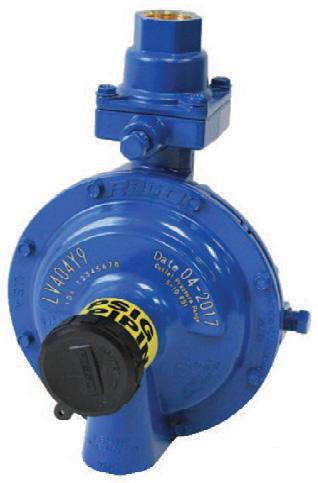


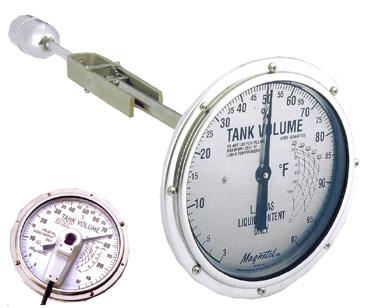
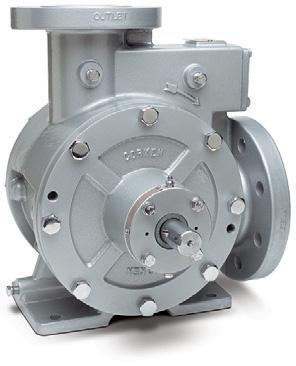










In 1957, Lowry Tims began offering quality products to the propane industry, prioritizing customer satisfaction. Based in Cleveland, MS, he sold propane and manufactured storage vessels, laying the foundation for future growth. Under his son Jim Tims, Quality Steel Corporation (QSC) expanded in 2013 by acquiring facilities in Fremont, OH, and West Jordan, UT. Today, under third-generation leadership with CEO Sean Wessel, QSC continues to deliver superior steel asset solutions across the U.S.
We are dedicated to providing top-quality tanks, white-glove deliveries, and 5-star service. Your success is our priority, and we’re constantly improving to enhance your experience. Trust the people and tanks you know!
QSC offers high-caliber products and services, including:
• ASME tanks (120–2000 gallons) manufactured in the USA!
• LG gas, Autogas dispensers, and NH3 tanks
• Financing for approved customers
We partner with Buckeye Fabricating for custom tanks and LT Logistics for nationwide air-equipped deliveries.
Our team is as dependable as our products. Sean Bullock, West Coast Regional Sales Manager, exemplifies our commitment to customer success. He builds lasting relationships and delivers personalized, solutions-first service. With professionals like Sean, you’re gaining a trusted partner—not just a tank.

At QSC, we prioritize safety, quality, and integrity. Partnering with us means choosing experience, reliability, and a partner who puts your needs first.
FOR MORE INFORMATION, PLEASE CONTACT SEAN BULLOCK AT 662719-7373.
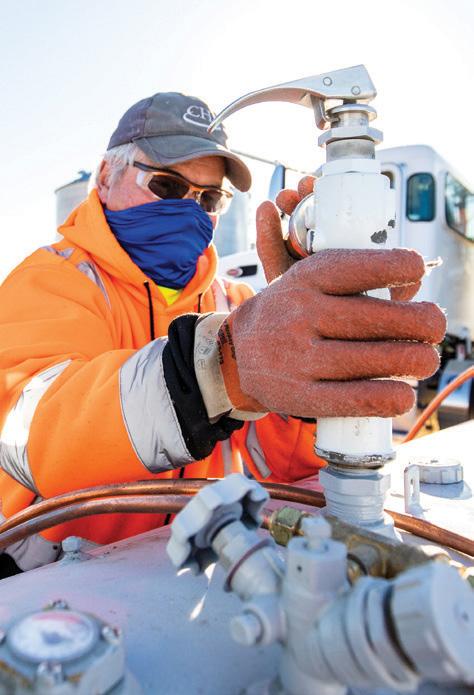
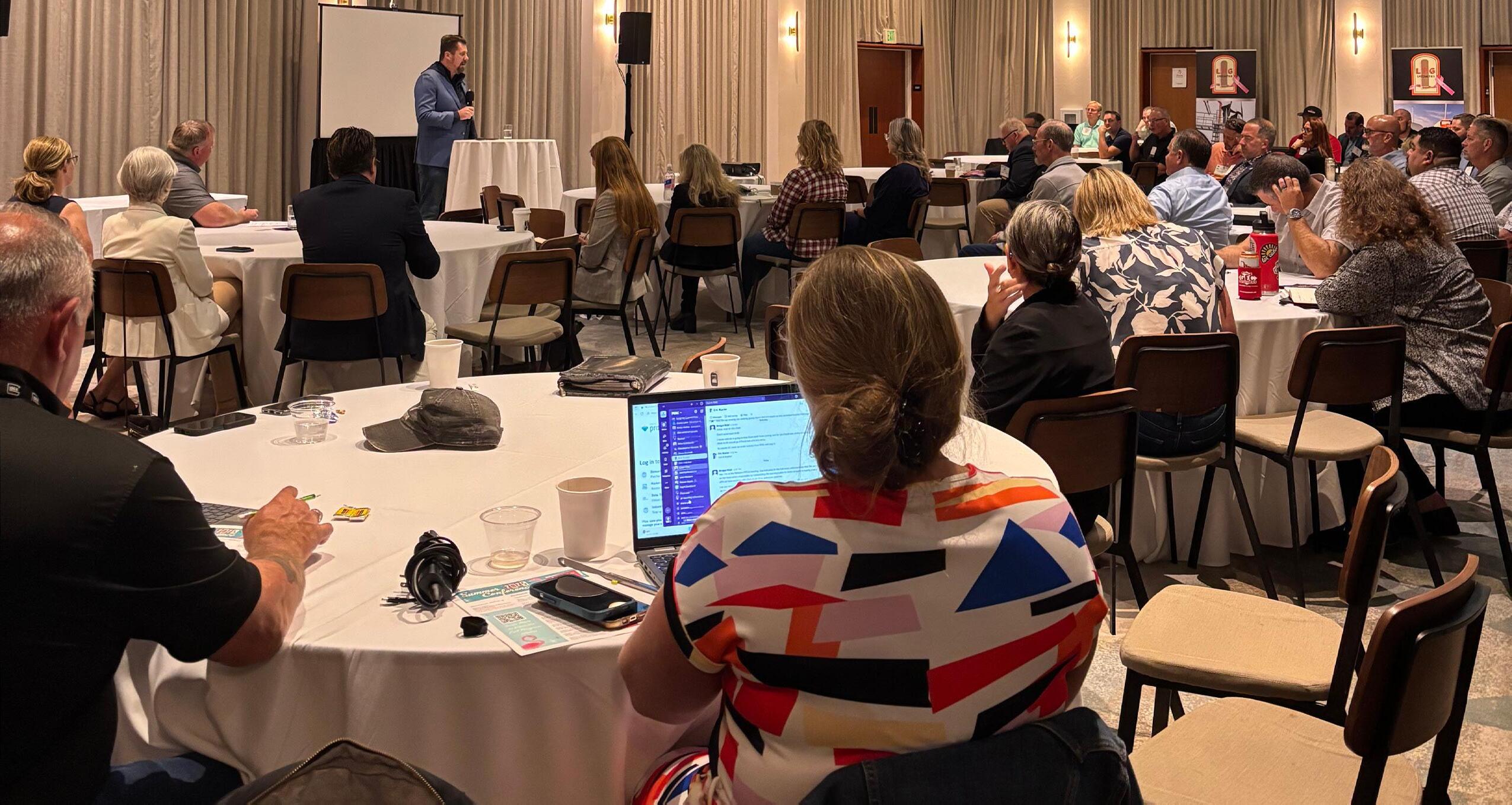
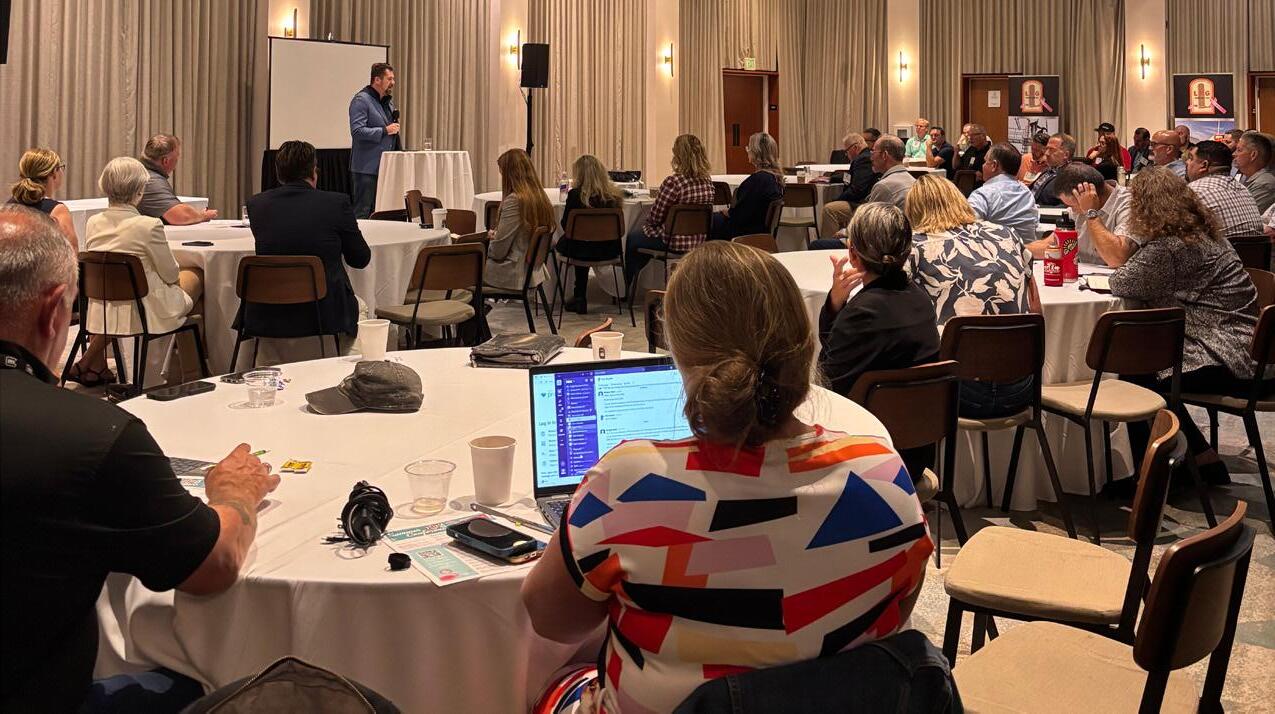
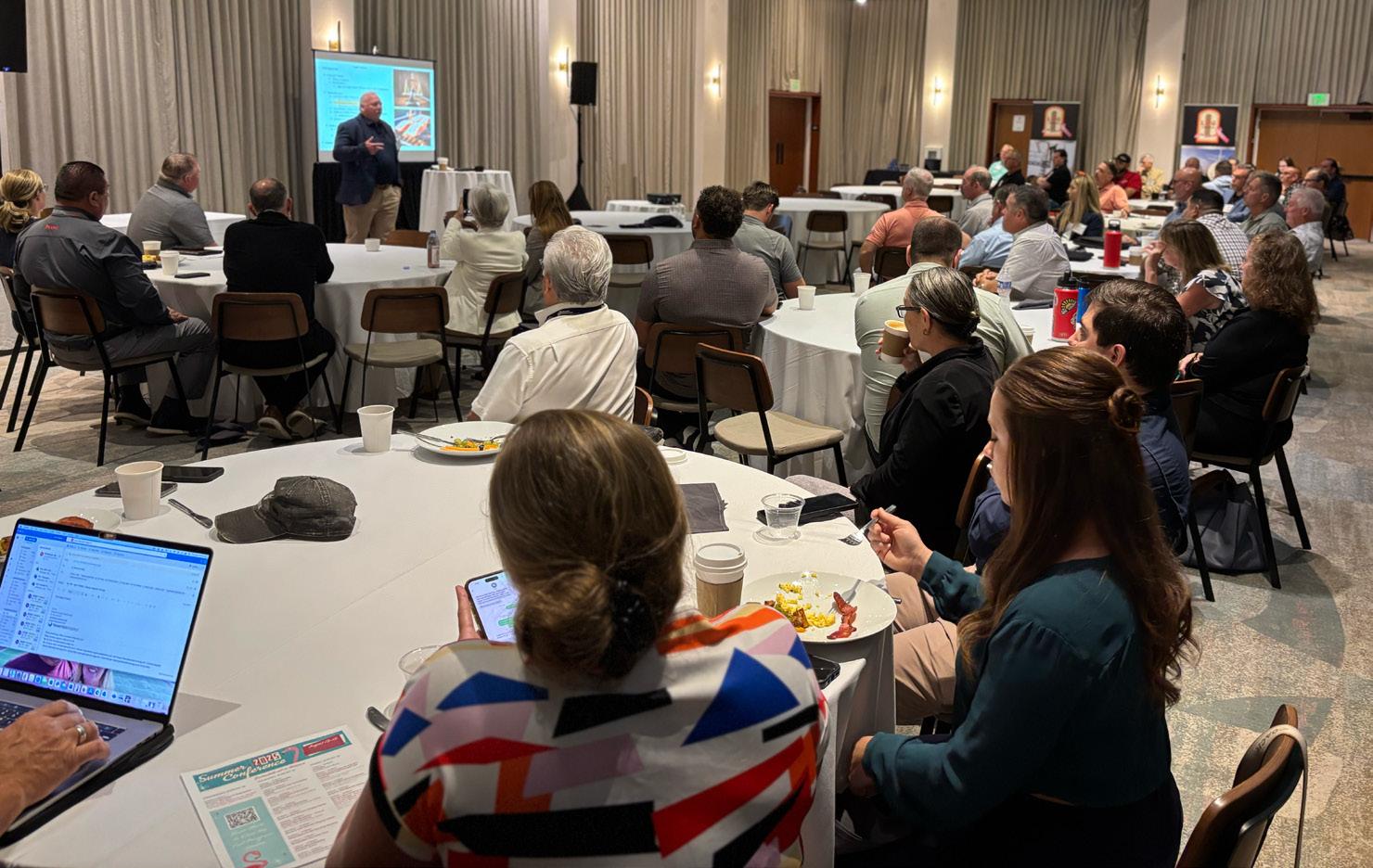
The annual PPGA/WPGA Summer Conference was a resounding success, drawing record attendance and delivering three days of networking, learning, and fun.
After a day of educational topics and association business meetings, members and their families were able to enjoy the beautiful resort and Santa Rosa. Whether it was during a round of golf, an impromptu poolside meet-up, or some banter during the popular cornhole tournament, connections were made that will fuel partnerships for years to come. On the final night, attendees enjoyed a tremendous dinner overlooking gorgeous vineyards.
We look forward to seeing everyone again next year — along with some new faces. Mark your calendars now for August 12-14, 2026 at Skamania Lodge in Stevenson, Washington.








Ports and other cargo and transportation hubs like airports are the lifelines of global commerce. They keep goods moving, economies growing, and supply chains running smoothly. But they’re also under increasing pressure to operate more cleanly and efficiently, and must do so without disrupting productivity. For operators looking to modernize equipment and meet tightening environmental standards, propane presents a powerful, ready-to-deploy solution.
From forklifts and terminal tractors to industrial sweepers and backup generators, propane-powered equipment is quietly making waves across America’s ports and similar high-traffic operations like airports, commercial warehouses, and more.
Ports are densely packed with machinery, vehicles, and personnel—all operating in confined spaces where emissions can quickly add up. While diesel engines contribute significantly to local air pollution and pose operational challenges with noise,
maintenance, and refueling, propane offers a cleaner-burning alternative. Propane engines produce up to 94 percent fewer harmful nitrogen oxide (NOx) emissions than diesel engines and fewer greenhouse gases. Propane also virtually eliminates particulate matter, a critical consideration for facilities aiming to comply with air quality regulations while improving worker safety.
Airports, distribution centers, and intermodal rail yards share many of the same equipment needs and environmental challenges as ports. These facilities can adopt similar propane-powered solutions to improve operations while meeting clean energy mandates.
Because such operations continue to be under scrutiny for air pollution from ships, trucks, cranes, and material handling equipment, an even cleaner option that is gaining momentum in these markets is renewable propane. Because renewable pro-

pane can be used in any existing propane equipment, it offers a clear pathway for facilities looking to reduce their carbon footprint without overhauling their existing infrastructure. This makes renewable propane an excellent solution for future planning and for operations focused on sustainability without sacrificing productivity, and without the need for retrofitting or additional machinery.
Forklifts and terminal tractors are already well established in propane form, preferred for their fast refueling, long run times, and consistent performance—even in heavy-duty applications. But the opportunities for propane go much further, including: Industrial sweepers and scrubbers, which keep docks, hangars, and warehouses clean with powerful, low-emission performance.
Backup power generators, which ensure uptime for security, refrigeration, and lighting systems during power outages. Ground Support Equipment (GSE) in which propane can fuel belt loaders, baggage tractors, and tugs, supporting both sustainability goals and reliable service delivery.
Light towers and HVAC, which are portable propane-powered systems that help maintain operations after dark and keep workers comfortable year-round.
Beyond basic power needs, today’s energy sources must support operational efficiency, meet environmental goals, and ensure safety at every turn. Propane stands out as a fuel that checks all these boxes, offering unique benefits that extend far beyond emissions and availability.
Propane equipment offers a lower total cost of ownership than diesel, combining fuel cost savings with longer engine life and reduced maintenance. Unlike electric equipment, which may require costly infrastructure upgrades, propane-powered systems are ready to go with minimal setup. And with propane prices remaining more stable than diesel or gasoline, port authorities can better predict fuel costs and manage budget plans.
In busy cargo or transportation environments where timing is everything, downtime isn’t just inconvenient, it’s costly. Propane offers operational reliability that helps facilities maintain momentum, even under pressure. Because it’s stored on-site in portable or stationary tanks, propane provides a consistent energy source that isn’t impacted by grid limitations, power outages, or utility constraints.
Compared to electric alternatives, propane systems deliver immediate power without the constraints of charging infrastructure or grid limitations. Propane’s flexibility makes it especially valuable in ports or terminals located in remote areas, or where access to electric infrastructure is limited. There’s no need to wait for expensive utility upgrades or large-scale charging systems, as propane-powered equipment can be implemented immediately with minimal setup.
When it comes to safety, propane is a proven performer. Propane cylinders and tanks are built to meet rigorous industry standards; and modern safety features such as leak detection systems and automatic shut-off valves help protect workers and property. Unlike diesel or gasoline, propane also doesn’t pose the same spill or contamination risks, making it a safer choice for equipment operating near sensitive cargo, fueling zones, or waterways.
LEARN MORE ABOUT PROPANE’S ROLE IN THE FUTURE OF CLEAN ENERGY AT PROPANE.COM/FOR-MY-BUSINESS/MATERIAL-HANDLING-FOR-PORTS/.
On July 7, the U.S. Department of Energy (DOE) released its final report pursuant to Executive Order 14262, which directs the DOE to establish a uniform methodology for evaluating electric resource adequacy and identifying at-risk regions of the bulk power system. The report outlines serious reliability concerns stemming from the rapid retirement of dispatchable generation resources – such as coal, gas, and nuclear – without corresponding capacity coming online. Simultaneously, nationwide electricity demand is accelerating due to broad electrification trends and the explosive growth of AI-driven data centers and other industrial sectors. The DOE warns that without urgent corrective action, the U.S. grid may be unable to meet reliability standards, with potential consequences for economic security and national defense.
Among its key findings, the DOE identified multiple regions as approaching or exceeding critical reliability thresholds. Contributing factors include delays in permitting, limited transmis-
sion capacity, and insufficient investment in firm, dispatchable resources. To address these challenges, the report calls for expedited permitting of new generation, targeted transmission build-out, preservation of existing gas and nuclear assets where appropriate, and modernization of planning standards to reflect emerging reliability risks. The DOE also recommends periodic updates to its methodology to reflect evolving technology and demand trends.
This report offers a clear window of opportunity. As policymakers increasingly recognize the importance of dispatchable energy, propane-powered generation—particularly in backup, bridge, and microgrid applications—can serve as a resilient, scalable, and low-emissions solution to help meet grid reliability needs. The propane industry is well poised to serve critical industries, such as data centers and large industrial operations, well into the future by offering low-carbon, reliable energy.
National Propane Day is October 7! This year, get ready to “Prepare with Propane” and highlight all the ways propane can help communities and consumers prepare for whatever comes their way – whether it’s storms and severe weather or hosting friends and family during the holiday season. Follow the Propane Education & Research Council on Facebook and LinkedIn to participate in weekly propane trivia contests for a chance to win some limited-edition items. Learn more and get all the resources you need at propane.com/NPD2025.





Ports are the lifeblood of global commerce, moving millions of tons of goods daily through networks of cargo handling equipment and operations. At the West Basin Container Terminal (WBCT) in the Port of Los Angeles, propane is helping power that activity in a way that’s cleaner, more efficient, and cost-effective.
WBCT handles approximately 1.5 million TEUs (twenty-foot equivalent units) each year, relying on a vast fleet of equipment moving at an extraordinary pace. This massive fleet includes 225 yard tractors, as well as forklifts, rubber tire gantry cranes, and top loaders.
While many ports continue to rely heavily on diesel-powered equipment, WBCT made a pivotal decision more than two decades ago to go a different route, by adopting propane as the primary fuel for their yard tractor fleet.
“We were the first container terminal in the U.S. to convert our yard tractor fleet totally to propane over 20 years ago,” shared Willy Won, Director of Engineering for Ports America. “That decision was driven by our commitment to reduce emissions while maintaining operational performance and cost-effectiveness.”
California’s strict emissions regulations make clean energy adoption critical, and WBCT’s early adoption of propane positioned them well ahead of the curve. The terminal now operates ultra low NOx propane engines certified by both the EPA and CARB, cutting nitrogen oxide emissions by up to 96% compared to diesel—an incredible improvement for local air quality and public health.
Notably, WBCT’s propane-powered equipment has demonstrated equal performance compared to diesel. “The ultra-low NOx propane engines have really been able to meet our duty cycles and also benefit our emissions reduction goals,” said Won. “There’s been no difference in our operational requirements. The equipment performs the same, but now it’s much cleaner.”
Beyond its environmental credentials, propane continues to be a smart financial decision for WBCT. In 2024, the terminal paid an average of $1.66 per gallon for propane—less than half the
price of diesel at $3.44 per gallon. Factor in available federal tax credits and reduced maintenance requirements, and the cost benefits multiply.
One of the critical advantages propane offers over electric alternatives is its rapid refueling capability. “When a propane unit runs out of fuel, it takes about 10 minutes to refuel and get back to work. Compare that with electric counterparts, which may be down for multiple shifts waiting for a charge,” Won explained.
This quick turnaround helps WBCT maintain performance continuity. Propane’s consistent availability and on-site storage capabilities further reduce operational uncertainty.
“Infrastructure has been a major issue for electric systems,” Won noted. “The brownouts we’ve experienced and the limitations of our electrical grid have made propane reliable as we work toward long-term zero-emission goals.”
WBCT has already proven propane’s viability in large-scale, high-demand port operations. The PSI 8.8-liter engine used in their terminal tractors delivers 270 horsepower and 565 footpounds of torque—more than enough to handle the terminal’s grueling duty cycles. And with on-site storage capacity of more than 100,000 gallons, refueling infrastructure is robust and scalable to future needs.
“The reliability and performance we’ve experienced using propane, combined with the ongoing technological improvements in ultra-low emission engines, make it a compelling choice not just for today, but for years to come,” Won affirmed.
As other ports explore long-term sustainability strategies, WBCT offers a compelling example of how propane can deliver cleaner operations without sacrificing reliability or cost-efficiency. Their decades-long success story shows propane is far more than a transitional fuel—it’s a high-performance, scalable solution for modern ports.
LEARN MORE ABOUT PROPANE’S ROLE IN THE FUTURE OF CLEAN ENERGY AT PROPANE.COM/FOR-MY-BUSINESS/MATERIAL-HANDLING-FOR-PORTS.

The world’s most affordable and accurate tank monitoring solution doesn’t just measure levels—it transforms your entire delivery model, turning reactive will-call customers into proactive, automatic deliveries.
Eliminate run-outs, automate drops, and maximize efficiency while boosting your return on investment with Otodata’s free online portal and smart monitors. Increase customer satisfaction and trust by offering the Nee-Vo App, where users can view consumption data and live tank levels anytime, anywhere— with no upfront costs, starting at just $1.50 a month!
Accurate tank level information is critical for your business. It can significantly reduce operating expenses and improve your service level. Otodata’s award-winning monitors are reliable, precise, and compatible with all tanks and software.
Works with your Existing Software: We understand many customers have invested heavily in their management systems. That’s why we built a flexible, dynamic data-sharing platform that integrates with virtually any software through our documented APIs.
Centralize your tanks and optimize drops with Otodata’s Free Online Portal: Designed to streamline your process, diminishing your drop frequency and increasing drop sizes, the portal does this by helping you increase route efficiencies and reducing overall delivery costs by as much as 30%. Remember, optimizing routes and drops can even double your driver performance! You can also notify customers, export data to CSV, manage recipient lists, set four customizable alerts per tank, and more.
Let your customers see the level of their tank anytime, anywhere: The free “Nee-Vo” mobile app allows users to view real-time tank levels, consult usage history, get low-tank alerts, request refills, and contact you directly. We’ll brand your app with your logo and colors at no extra cost! With Nee-Vo, you can generate business by creating in-app marketing campaigns and push messages to your customers, increasing your customer retention and loyalty by growing your interactions and visibility. We also offer free support to help you create your marketing campaigns whenever you need it.
Leverage our customizable promotional materials to showcase Otodata’s smart monitors and Nee-Vo app. Encourage will-call customers to convert by offering unmatched convenience and value.

As a leader in the tank level monitoring industry, we know supporting our customers is the key to our success, and we are dedicated to helping you every step of the way. With our U.S.-based, state-of-the-art facility and our growing sales team, you are definitely in good hands. We will continue to ensure you get the highest return on investment from our tank monitoring solution. Visit www.otodata.com and request your demo monitors today!
With online shopping accounting for an increasing share of U.S. retail sales, package processing and shipping can make or break a supply chain. Warehouse bottlenecks can trigger backups that can damage a company’s reputation and its bottom line, not to mention leave customers high and dry.
Fortunately, there’s a reliable and affordable workhorse on the job across the country: the propane forklift. Safe for use indoors in facilities with proper ventilation, these forklifts gather products off shelves in warehouses and place them on trucks, a process often replicated at several distribution nodes. In today’s fast-paced, one-click, quick-delivery world, propane forklifts are a popular choice for moving goods efficiently. Manufacturers, warehouses, distribution centers and retailers are choosing propane forklifts because they are more versatile and durable than diesel and electric forklifts. They offer the combination of ultra-low emissions with low cost of ownership, operation and ease of use.
Retail sales rose by 1.4% in March, a rate higher than economists expected and the largest monthly increase in two years. Experts believe the jump was driven by looming tariffs and the threat of an economic downturn. While the March numbers
were unexpected, certain times of year (think holidays and back-to-school) see a predictable and dramatic rise in sales volume. Moving those packages takes a material-handling solution that is up to the strain of the task.
Propane forklifts are best suited for long shifts and continuous operation primarily because of their versatility, which comes back to the fuel itself. Propane’s high energy content offers an excellent power-to-weight ratio, meaning propane forklifts can handle heavy loads with ease while remaining agile and maneuverable. This is an advantage for warehouses and distribution centers where speed and efficiency are essential.
Another advantage of propane forklifts is that they operate at full power as long as fuel is in the cylinder. Propane forklifts don’t slow down or even come to a stop, as is frequently the case when the battery on an electric forklift dies. Imagine being under heavy deadlines to get a load of packages out the door and your electric forklift simply comes to a stop in the middle of a warehouse. That’s a position no one wants to be in.
A propane forklift also features instant startup and shutdown. This is important because both new and seasoned trained operators can climb aboard and get to work right away, without having to wait for a diesel engine to warm up or a battery to finish charging. Operators of any skill level appreciate how a propane cylinder is replaced in minutes, and at 33 pounds, is light enough to be moved efficiently. An electric battery for a class 4 forklift is over 200 pounds and needs time to cool before it can be recharged.
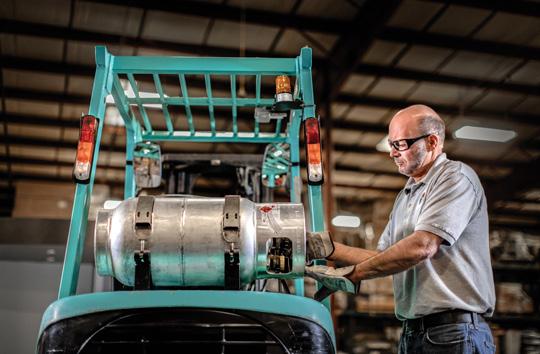
No matter the volume of packages at any given time, propane forklifts are reliable workhorses. They handle the strain of commerce and keep businesses humming at critical junctures throughout the year.
KRYSTAL BECKMAN
School: Oregon Tech
Parent: Stacey Beckman is employed by Wallowa County Grain Growers in Enterprise, Oregon

This fall I will be attending a four year college for my dream job: medical imagery. I plan to attend Oregon Institute of Technology for a bachelor’s degree in either their Diagnostic Medical Sonography program or their Echocardiography program. Regardless of the program I choose, once I am working, I would like to cross-train to gain the skills from the other program. I have always been very interested in the medical field because I wanted to help and interact with others.
ALYSSA FERNANDEZ
School: Pacific University
Parent: Randy Fernandez is employed by Hawaii Gas in Kahului, Hawaii

My plans for the future are staying connected to my roots and community as well as continuing in my professional aspirations. I am currently a double major in biology and business man agement, where I plan to complete my four years of undergraduate studies at Pa cific University. By my junior year, I plan to apply to dental schools such as UH Manoa, OHSU, and others. Once accepted, I will attend dental school for another four years and follow that with three additional years of residency for an orthodontist.
School: University of Kentucky
Parent: Curtis Hallberg is employed by Northwest Propane in Lynden, Washington

Name: Victoria Paulson
I intend to become a food scientist after earning a bachelor’s degree in food biosciences from the Martin-Gatton College of Agriculture, Food and Environment at University of Kentucky. I chose the food biosciences major because I want to improve the food that people buy and consume. I have many connections to the food industry, and they have created in me a desire to study and understand the biological and chemical aspects of food, as well as production and packaging mechanisms. With my chosen major, I want to work in a laboratory as a food scientist for a large company that produces and processes food products. I intend to complete research on the product ingredients, food quality, and its processing methods. I also plan to work in a laboratory that creates new food products and cultivars. I would like to create gluten-free food products that taste and hold together better than what has previously been created.
Pacific Propane Gas Association Scholarship
Hometown: Burien, Washington
School: University of Arizona in Tucson, AZ
Parent: Travis Paulson is employed by Christensen in Seattle, Washington
School: University of Arizona in Tucson, AZ

Parent: Travis Paulson is employed by Christensen in Seattle,
Next year, I will continue attending the University of Arizona as a Pre-Professional Nursing student and graduate with my BSN. Ultimately, I want to attend graduate school to obtain my MSN or NP. During my first year at the University of Arizona I expanded my community through clubs and work experience including The Professional Achievements in Nursing Club, Arizona Swim Team, Greek life, and becoming a
I would like to express donors who have made possible. Next year, I will the University of Arizona Professional Nursing student with my BSN. Ultimately, graduate school to obtain community growing up molding my character relationships I built within academics, and work experience. first year at the University expanded my community work experience including Achievements in Nursing Team, Greek life, and becoming employee. I had the opportunity Supplemental Instructor
BY TUCKER PERKINS, PRESIDENT AND CEO PROPANE EDUCATION & RESEARCH COUNCIL
For more than a decade and spanning three U.S. presidents, reducing greenhouse gas emissions was a top priority driven largely by a climate change narrative. A slew of policy proposals sprang forth from that priority including Cap-and-Trade legislation, the EPA’s Clean Power Plan regulations, and numerous state-level policy changes setting 100 percent renewable or carbon-free mandates. Years from now, historians may refer to this period of the energy transition as the ESG (Environmental, Social, and Governance) Era and show that it reached its peak in the U.S. in August 2022 with the passage of the Inflation Reduction Act.
The U.S. wasn’t alone. Countries around the world also embraced similar anti-fossil fuel policies with an array of results, including knee-buckling increases in electricity prices. Energy strategist, Dr. Jeffrey Krimmel, recently wrote about the surprising lack of effect all of this effort had on the world’s use of fossil fuels. “As of 2024,” he writes, “fossil fuels still contribute 87 percent of the world’s total energy supply. What was that number back in 1995? 89 percent.”
Why so little progress for so much froth? Nuclear power plants, while regaining some momentum in the U.S., remain difficult and expensive to build. At the same time, the uptake of solar and wind generation is slowing due to disappearing government incentives and grid-scale battery challenges.
The pendulum has definitely swung back. The realization that the grid can’t deliver on the promise of an easy energy transition is now in full view. The aging grid is in dire need of an upgrade at the same time that 100% renewable goals have become unrealistic. In what seems like just a few months’ time, however, data center load growth projections have switched the dominant energy narrative away from “climate crisis” to “power shortage.”
The invention of large language models made possible by AI technology have dramatically altered the electric load equation. The Electric Power Research Institute tells us why. In its 2024 report, it noted that one traditional Google search query uses about 0.3 watt-hour (Wh) of energy. AI-powered search engines like ChatGPT use 2.9 Wh per query, nearly 10X the power demand. Google’s former CEO, Eric Schmidt, was recently quoted saying, “AI’s natural limit is electricity, not chips. The U.S. is currently expected to need another 92 gigawatts of power to support the AI revolution” — the equivalent of building more than 90 new nuclear power plants.
It is not an exaggeration to say that AI has literally driven green hydrogen, direct air capture technology, and battery electric long-haul trucking, ships, and even aircraft, out of the news cycle. Innovations once trumpeted as inevitable have been shelved or are being pursued out of the spotlight.
DOE recently released a report entitled, “Evaluating the Reliability and Security of the United States Electric Grid.” One of the report’s key takeaways states that “Grid Growth Must Match Pace of AI Innovation,” and a second projects that the U.S. will experience a 100X increase in blackouts if coal and
natural gas-powered plants are retired by 2030 as currently scheduled amid rising demand from data centers.
Major outages already occur. In 2024, a January storm with high winds and ice knocked out power for over 200,000 customers in Oregon, and another near-one million outages in the Northeast were driven by coastal flooding, strong winds, and blizzards. Heavy rain and winds in California left another 850,000 customers without power, and then the hurricanes came. Between Hurricanes Beryl, Helene, and Milton, nearly 8 million customers lost power for some amount of time.
As extreme weather events become more frequent, weather-related outages now account for approximately 80% of the 300 major power interruptions experienced every year in the U.S. Even if the DOE’s estimate is exaggerated, the U.S. could experience tens of thousands of major power failures every year by 2030.
DOE’s report makes it clear that most of the reliability problems the U.S. might face in the coming years will be the result of removing coal and natural gas sources from the grid and that intermittent wind and solar generators simply don’t provide the same reliability.
In my view, the woefully overlooked news hidden among the headlines is that while the energy narrative has changed, carbon emissions are being reduced thanks to liquid fuels like propane and natural gas. In fact, utilities in the southern U.S. have filed requests to add 19,000 megawatts of lower carbon intensive natural gas-generated power.
Propane, an under-appreciated player in places not served by natural gas pipelines, is becoming a mainstay for applications like standby power and off-road vehicles, while ports like Long Beach are using more propane in their operations as part of their long-term emission goals. Engine manufacturers who may have been diverting research resources into hydrogen have realized that with much simpler modifications, heavy-duty engines can easily run on low carbon propane and renewable propane. Smallscale power generation (2 to 4 MW) and backup power for data centers are well-suited for propane generation units as well.
The energy transition requires a wide-path approach that incorporates an array of sources to power diverse applications. More twists and turns certainly lie ahead, and we can’t control every eventuality or whatever AI invents for us in the future. What we can and should do is stay flexible and continue to match the best possible low-carbon fuels to the tasks at hand.
The NPGA is committed to being a powerful and effective voice for the propane gas industry in Washington, D.C. PropanePAC, the political action committee of NPGA, strengthens the association’s advocacy efforts by supporting pro-industry lawmakers in Congress.
Businesses, including NPGA’s corporate members, are forbidden from directly contributing money to PACs. All contributions to PropanePAC must be from individuals, such as propane company executives and employees. The success of the PAC is dependent on receiving financial support from individual supporters.
To be eligible to contribute to PropanePAC, your company must first grant prior authorization to NPGA.

If you are already eligible to participate in PAC activities, you can access PropanePAC’s website.

The National Propane Gas Association (NPGA) is thrilled to announce the creation of a new program, NPGAid, to help full-time NPGA member company employees who are in need of financial assistance following an unforeseen disaster or personal hardship.
NPGA decided to start this fund in the aftermath of Hurricanes Helene and Milton in 2024, which were devastating to so many, including several NPGA member companies and their employees. The propane industry is an energy first responder — moving people and product to help devastated communities recover in times of disaster. But as President & CEO of NPGA, Stephen Kaminski, notes, “While the propane industry is always first to raise its hand to help others, Helene and Milton helped us realize that we had no direct way to help members of our own community cope with severe hardship. NPGAid is a way for us to meet that need. NPGAid will provide tax-free grants of up to $2,500 to qualified applicants directly impacted by a natural disaster or similar event. The goal is to develop a pool of disaster relief funds, “By Propane, For Propane.”
To kickstart the fund, NGPA is generously matching donations up to the first $100,000 raised. Anyone can make a tax-deductible donation on a one-time or recurring basis. The healthier the fund, the better positioned NPGAid will be to help members when disaster or hardship strikes. It’s safe and easy to donate:
To Donate Online: Click on the “Donate” button at www.NPGAid.com.
Text: Text NPGAID to 71777.
Donors may also mail a check payable to NPGF to 1150 Connecticut Avenue, NW, Suite 1200, Washington, DC 20036. NPGAid operates through the National Propane Gas Foundation (NPGF) and is partnering with Emergency Assistance Foundation (EAF), an independent third-party, to administer this 100% confidential program. More information about NPGAid, how to donate, and how to apply for a grant is at www.NPGAid.com
On August 12, 2025, NPGA secured important guidance from the Pipeline and Hazardous Materials Administration (PHMSA) regarding interpretation of its Remote Power Shut Off regulations, which are part of the hazardous materials regulations (HMR). NPGA worked with PHMSA for months regarding state enforcement of the HMR, where the state believed the regulations required all electric power to a vehicle be shut off in certain situations. Such an interpretation presented an unreasonable risk to both the driver and the product, and was contrary to the needs of both NPGA and its members. With member support, NPGA was able to ensure that the regulations are interpreted accurately — that all electric power to the product transfer equipment would be cut off, but not all electric power to the vehicle. Consequently, NPGA was able to preserve safety and eliminate improper enforcement of the HMR with respect to the Remote Power Shut Off regulations. For further information, please contact NPGA Senior Vice President of Regulatory and Industry Affairs Benjamin Nussdorf.
NPGAid provides emergency assistance to member company employees who are in need of immediate financial assistance following an unforeseen disaster or personal hardship.

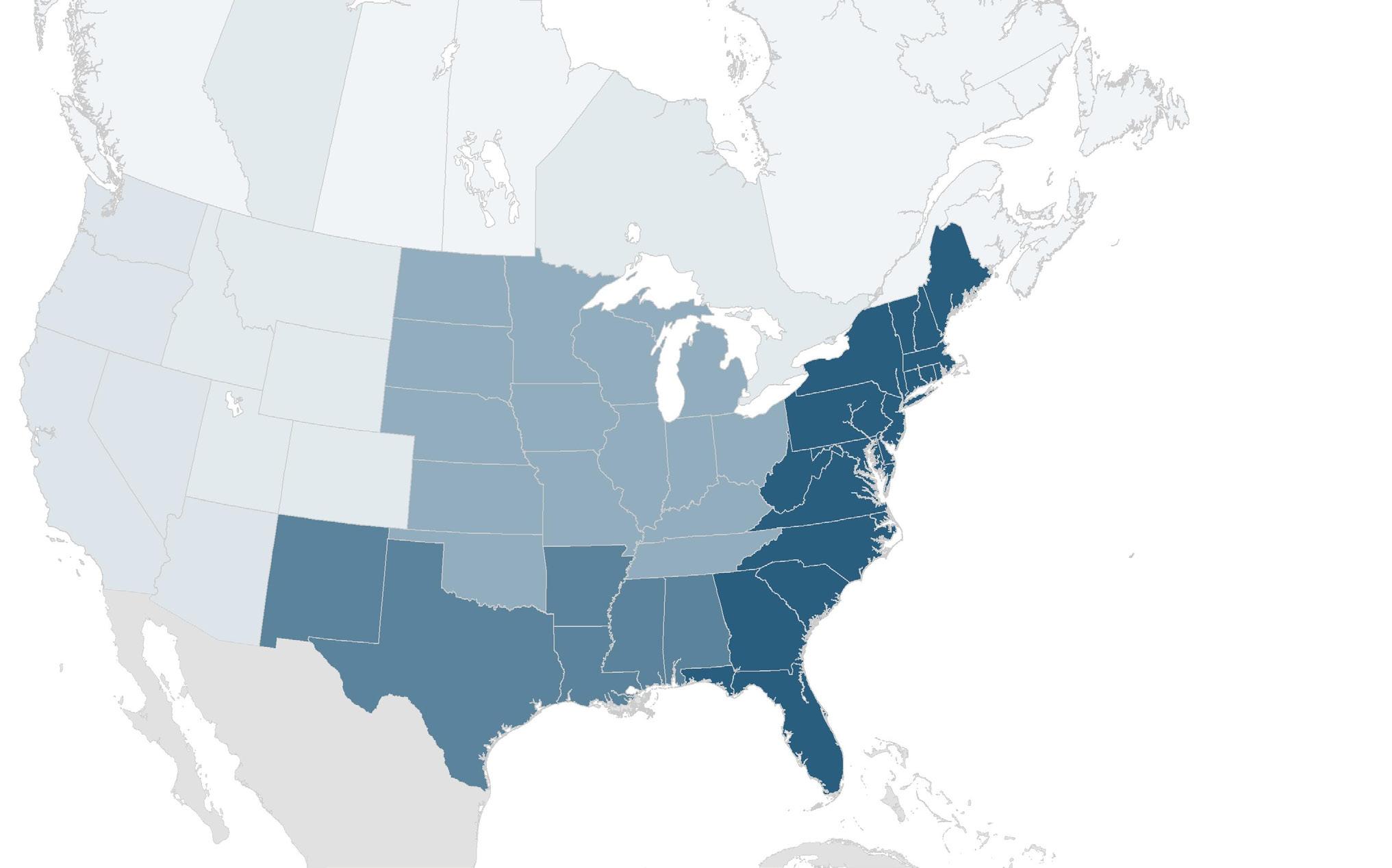
Kiva United Energy operates as a comprehensive, wholesale propane provider. Beyond fulfilling all your propane supply requirements, our company is equipped to offer multifaceted support to your business.
Under the banner of Kiva United Energy, our assets encompass a fleet of trucks, rail capabilities, storage facilities, and strategic supply agreements with the majority of North American Gas Plants and Refineries. Our Marketing and Logistics Team collaborates to deliver top-notch service, ensuring the most cost-effective supply precisely when and where our customers need it. The A-Team consists of seasoned propane Marketers with extensive experience, prepared to be at the forefront
during crucial moments with our customers. Additionally, our Distribution Managers prioritize the professional, efficient, and safe movement of fuel.
In your quest for a reliable propane supplier, you recognize that deliverability hinges on who controls the transports and dictates their routes. Unlike suppliers relying on external carriers, Kiva United Energy owns over 25 Transports, a number that continues to grow annually, ensuring we have made the necessary investments for secure and efficient operations.



















PRESIDENT
Gary Kelly City Service Valcon
VICE PRESIDENT
Glen Willmott
Kiva United Energy
SECRETARY/TREASURER
Ryan Nootenboom
Skagit Farmers Supply
DIRECTORS
Bryan Adams CoEnergy Propane
Jeremy Ball American Gas Services
Justin Carey Valley Wide Co-op
Casey Dell American Distributing
Bruce Engeman
R&D Propane
Alex Gallard
Blue Star Gas
Adam Schultz
LPG Specialties
Bert Turn FEI, Inc.
Alaska State Director
Casandra Russo AmeriGas
Hawaii State Director
Zoe Williams
Hawaii Gas
Oregon State Director
Ryan Buller
McMinnville Gas
Washington State Director
Emily Ochoa Christensen
STAFF
Executive Director Matt Solak matt@kdafirm.com
Deputy Executive Director Derek Dalling derek@kdafirm.com
Events Director
Lauren Concannon lauren@kdafirm.com
Financial Director Erin Dalling erin@kdafirm.com
Member Services Director Trina Miller trina@kdafirm.com
Creative & Communications Director
Melissa Travis melissa@kdafirm.com
Administrative Assistant
Brooklyn Heath brooklyn@kdafirm.com