








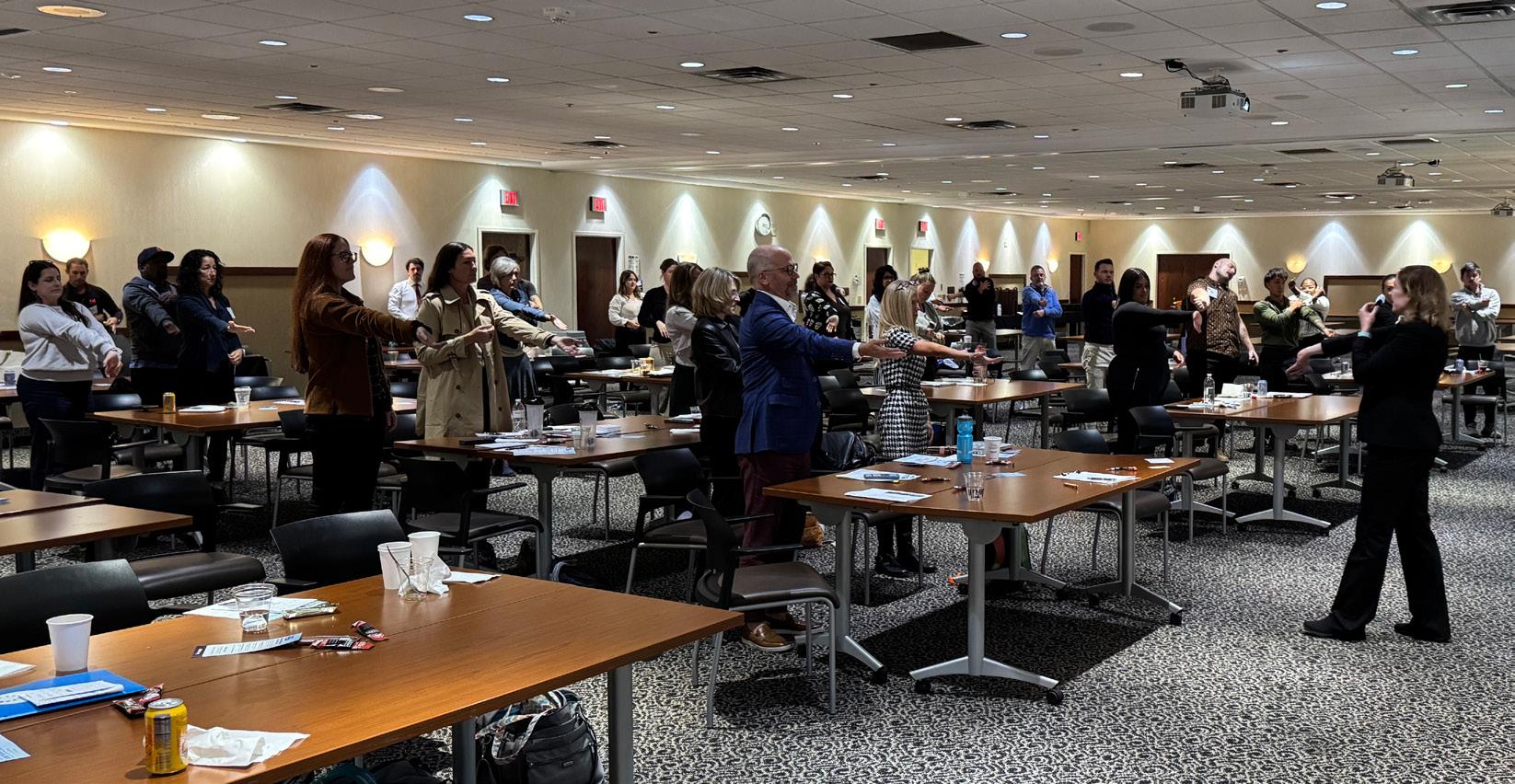



Dr. Segar’s work reveals a clear pattern: when individuals see exercise as something they “have to do”, motivation breaks down quickly. However, when they view movement as something they “get to do” — a privilege, a choice, or a form of self-care — consistency flourishes. The difference lies not in willpower, but in mindset. Workout motivation is precisely what Dr. Michelle Segar, a leading motivation and behavioral sustainability researcher at the University of Michigan, has spent her career
Fitness professionals across Michigan have heard it before: “I know I should work out, but I just can’t stay consistent”. Despite best intentions, motivation often fades when exercise feels more like an obligation rather than an opportunity. Workout motivation is precisely what Dr. Michelle Segar, a leading motivation and behavioral sustainability researcher at the University of Michigan, has spent her career studying. Her research explores why so many people struggle to maintain regular physical activity, and how shifting one’s mindset can change everything.
Dr. Segar’s work reveals a clear pattern: when individuals see exercise as something they “have to do”, motivation breaks down quickly. However, when they view movement as something they “get to do” — a privilege, a choice, or a form of self-care — consistency flourishes. The difference lies not in willpower, but in mindset.
For years, traditional fitness messaging emphasized discipline, appearance, and external goals. Many people learned to equate exercise with guilt or duty—something necessary to “burn off” calories or meet a specific number on a scale. Segar’s research, published through the University of Michigan’s Sport, Health,
and Activity Research and Policy Center, demonstrates that this approach often backfires.
When exercise is framed around pressure or punishment, it becomes emotionally draining. People are more likely to quit when they miss a session or fall short of expectations. Conversely, when physical activity is associated with immediate, positive experiences—such as energy, stress relief, or joy—the brain begins to link movement with reward rather than burden.
This concept is grounded in motivational science. Human behavior is more sustainable when driven by intrinsic motivation—the desire to do something because it feels good, meaningful, or personally valuable. Dr. Segar’s research shows that small mindset changes, like focusing on how exercise improves daily life rather than chasing long-term outcomes, make people more likely to stick with it for years, not weeks.
The “I get to” mindset shifts how people experience movement. Instead of thinking “I have to go to the gym”, the thought becomes, “I get to move my body today—I get to feel stronger, calmer, and more capable”. Dr. Segar’s studies find that when individuals associate movement with gratitude and enjoyment, they report higher motivation and consistency with exercise. This change doesn’t require major lifestyle overhauls; it starts with reframing purpose. The difference between “have to” and “get to” may seem small, but psychologically, it’s powerful. The first implies obligation, whereas the latter reflects opportunity. This mindset invites flexibility, compassion, and appreciation— all essential for sustainable behavior change.
For professionals in the fitness industry, Dr. Segar’s findings offer a practical roadmap to help members build lasting relationships with movement. Trainers, instructors, and gym owners can support this shift in mindset by focusing on how exercise makes people feel, not just how it makes them look. Instead of emphasizing strict regimens or external goals, fitness
professionals can encourage clients to notice small victories: improved energy, better sleep, less stress, or the simple satisfaction of showing up. This approach fosters self-efficacy—the belief that one’s actions make a difference—which in turn fuels continued engagement.
Dr. Segar’s research also highlights the importance of flexibility in fitness routines. When exercise plans allow for life’s unpredictability, people are more likely to adapt rather than abandon their goals. A missed workout no longer feels like failure; it becomes a natural pause in an ongoing process. This realistic mindset helps clients maintain motivation over time, even when schedules change or challenges arise. By cultivating positive emotion and adaptability, Michigan’s fitness professionals can transform their role from instructors to long-term motivators, helping people reimagine exercise as an act of self-respect and renewal.
At the heart of Dr. Segar’s work, her studies show success in maintaining health habits isn’t about intensity or perfection— it’s about consistency and connection. People who tie exercise to personal values, such as having more energy for family, handling stress at work, or aging with strength, are far more likely to keep moving throughout their lives. This aligns naturally with the Michigan Fitness Association’s mission of empowering
communities to live healthier, more active lives through accessible and inclusive fitness opportunities. By incorporating these mindset principles into training and program design, MFA members can help Michiganders build a more positive, lasting relationship with movement.
It’s important to remember that physical activity is not a punishment for what we’ve eaten or an obligation to meet society’s standards—it’s a daily opportunity to care for your body and mind. In this sense, “I get to” isn’t just a phrase for motivation; it’s a recognition of privilege. The ability to move, sweat, stretch, and grow stronger is something to celebrate, not suffer through. Dr. Segar’s research underscores that motivation built on joy and gratitude leads to greater physical and emotional well-being. When people move because they want to, rather than have to, exercise becomes a self-sustaining source of pride instead of pressure.
For Michigan’s fitness professionals, embracing this science means helping clients find movement that feels good, flexible, and fulfilling. It means teaching that progress is built through compassion, not perfection. And ultimately, it means showing every person who walks through the door that fitness isn’t another task to check off the to-do list, it’s a privilege to embrace.

Article by

That growing body of research is supported by Dr. Melissa Sundermann, a board-certified lifestyle medicine physician, endurance athlete, and member of the American College of Lifestyle Medicine. Her clinical work focuses on how lifestyle behaviors—including exercise, nutrition, and stress management—affect long-term health. Sundermann’s studies and public education efforts reinforce what health experts worldwide now agree on: consistent physical activity plays a central role in preventing and managing chronic disease.
Exercise does more than shape muscles—it shapes your future health. Across Michigan, fitness professionals see every day how movement helps people feel stronger, sleep better, and think clearly. But the science goes even deeper. Regular exercise can lower the risk of chronic diseases like arthritis, cancer, heart disease, and diabetes while improving recovery and quality of life for those already living with them.
That growing body of research is supported by Dr. Melissa Sundermann, a board-certified lifestyle medicine physician, endurance athlete, and member of the American College of Lifestyle Medicine. Her clinical work focuses on how lifestyle behaviors—including exercise, nutrition, and stress management—affect long-term health. Sundermann’s studies and public education efforts reinforce what health experts worldwide now agree on: consistent physical activity plays a central role in preventing and managing chronic disease.
Her research explores how exercise influences the body at every level. When people move regularly, their muscles release signaling proteins known as myokines that help reduce inflammation, regulate blood sugar, and strengthen immune defenses. Physical activity increases circulation and oxygen delivery to tissues, supporting their repair and regeneration. These physi-
ological changes work together to maintain hormone balance, stabilize metabolism, and protect against cellular damage that contributes to chronic disease.
The scientific community increasingly refers to exercise as a “polypill” because of its wide-ranging benefits. Decades of research confirm that regular physical activity improves cardiovascular function, bone density, immune health, cognitive performance, and emotional well-being. The positive effects are not limited to any one type of exercise. Walking, strength training, swimming, yoga, cycling, dancing, and other forms of movement all contribute to improved health outcomes when performed consistently. The most critical factors are sustainability and momentum—choosing activities that individuals can enjoy and maintain over time.
In conditions such as arthritis, movement plays a crucial role in maintaining joint health and overall mobility. Regular physical activity supports stronger muscles around the joints, improves blood flow, and reduces stiffness, all of which help preserve function and limit pain. These benefits apply across age groups and ability levels, offering a noninvasive way to manage symptoms and improve daily comfort.
Similarly, in the area of cancer prevention and recovery, the evidence continues to grow. Studies from the American Cancer Society, National Cancer Institute, and World Health Organization show that adults who engage in regular exercise experience significantly lower risks of developing several major cancers. Physical activity also helps regulate hormones, reduce inflammation, and strengthen the immune system—all factors linked to cancer prevention. For individuals undergoing or recovering from treatment, continued movement supports energy levels, mood, and long-term resilience.
Exercise also offers profound mental health benefits. Regular activity improves mood, focus, and cognitive clarity through enhanced blood flow and neurochemical balance. Research within the lifestyle medicine field shows that exercise can complement or, in some cases, reduce the need for pharmacologic treatments for mild to moderate anxiety and depression.

This connection between body and mind is a cornerstone of Dr. Sundermann’s approach to patient care, and it mirrors what many fitness professionals see daily—that movement restores not just physical capability, but also confidence and emotional well-being.
OR, IN SOME CASES, REDUCE THE NEED FOR PHARMACOLOGIC TREATMENTS FOR MILD TO MODERATE ANXIETY AND DEPRESSION.
The implications for Michigan’s fitness community are significant. As rates of chronic disease rise across the nation, the opportunity for collaboration between healthcare providers and fitness professionals becomes increasingly important each year. Physicians excel at diagnosis and treatment, while fitness experts specialize in changing behaviors and habits as they relate to exercise. Working together, they can create a bridge between medical guidance and daily action, transforming prescriptions into real and lasting progress.
Dr. Sundermann’s work with the American College of Lifestyle Medicine supports this collaborative model. She advocates for medical practices that integrate exercise counseling into routine care and for closer personal relationships between healthcare teams and certified fitness professionals. This partnership allows patients to move seamlessly from medical advice to super-
vised implementation in community gyms and wellness centers. It also expands healthcare’s reach by giving people access to consistent, guided movement in familiar, supportive settings.
Michigan’s fitness industry is well-positioned to take part in this broader movement. With hundreds of Michigan Fitness Association member gyms, studios, and wellness centers across the state, the foundation for preventative healthcare collaboration already exists. By establishing relationships with local healthcare providers, sharing evidence-based education, and promoting exercise as a first-line intervention, fitness professionals can help bring lifestyle medicine principles directly into neighborhoods and communities.
The research is clear, and the opportunity at hand is growing. Exercise can help individuals lower inflammation, stabilize their metabolism, strengthen their immunity, and enhance their mental well-being. It remains the most accessible and cost-effective way to improve one’s quality of life. Dr Sundermann’s contributions to the field of lifestyle medicine reinforce this principle toward a future where fitness and healthcare operate as partners rather than parallel industries.
For Michigan’s fitness professionals, that partnership begins with a shared mission: helping people move more, feel better, and live longer. Every class, coaching session, or personal training plan represents more than a workout—it’s a prescription for better health. By embracing collaboration and promoting movement as preventative care, MFA members can help shape a stronger, healthier, and more resilient Michigan.
Article by CR Marketing. For more information visit crmarketing.biz.





Y O U R
M E M B E R
S H E R R Y B R Y A N
D I R E C T O R O F S T R A T E G I C
P A R T N
O R V I S I T O U R W E B S I T E A T
W W W . S B A M . O R G
B
a n
A s k A n E x p e r t H o t l i n e ( L e g a l , H R & C y b e r s e c u r i t y I s s u e s ) b y
T a y l o r | E n g l i s h , t h e A m e r i c a n S o c i e t y o f E m p l o y e r s & S e n s C y
P a y r o l l S o l u t i o n s p o w e r e d b y T h e A h o l a C o r p o r a t i o n
P r e m i u m O n l y P l a n s & F l e x i b l e S p e n d i n g A c c o u n t s b y K u s h n e r & C o .
E R I S A C o m p l i a n c e S e r v i c e s b y K u s h n e r & C o .
C O B R A A d m i n i s t r a t i o n S e r v i c e s
F r e e S u m m a r y P l a n D e s c r i p t i o n ( f o r m e m b e r s e n r o l l e d i n a n S B A M -
s p o n s o r e d h e a l t h p l a n )
D i s c o u n t e d w o r k p l a c e p o s t e r s , e m p l o y e e h a n d b o o k s , p r e
e m p l o y m e n t s c r e e n i n g & e m p l o y e e t r a i n i n g
S A V E M O N E Y O N E X P E N S E S
F e d E x S h i p p i n g , P r i n t i n g & C o p y D i s c o u n t s
O f f i c e S u p p l y d i s c o u n t s p o w e r e d b y D B I , I n t e g r i t y B u s i n e s s
S o l u t i o n s & O f f i c e E x p r e s s ( O E X )
M e r c h a n t S e r v i c e s t h r o u g h U p P a y m e n t
D e b t C o l l e c t i o n b y C B M S e r v i c e s
S B A M E n e r g y S o l u t i o n s
B E P R O T E C T E D
A c c i d e n t F u n d W o r k e r s ' C o m p e n s a t i o n C o v e r a g e
R i s k A s s u r e C y b e r R i s k S c a n n i n g T o o l
A l l s t a t e I d e n t i t y P r o t e c t i o n
G A N . W I T H
T H A T M E M B E R S H I P C O M E S T H E
A B I L I T Y T O P A R T I C I P A T E I N T H E S E
M E M B E R B E N E F I T S P A R T N E R S I N B E N E F I T S
*Current direct members of SBAM who are also members of MFA are ineligible for Strategic Partner membership under this partnership agreement
O T H E R S E R V I C E S
S m a l l B u s i n e s s C e r t i f i c a t i o n
O w n e r 2 O w n e r n e t w o r k i n g e v e n t s
S u b s c r i p t i o n t o F o c u s M a g a z i n e
S u b s c r i p t i o n t o S m a l l B u s i n e s s W e e k l y a n d L a n s i n g W a t c h d o g ,
S B A M ' s m e m b e r e - n e w s p u b l i c a t i o n s
S B A M A d v o c a c y & G r a s s r o o t s N e t w o r k
A c c e s s t o o n l i n e r e s o u r c e s

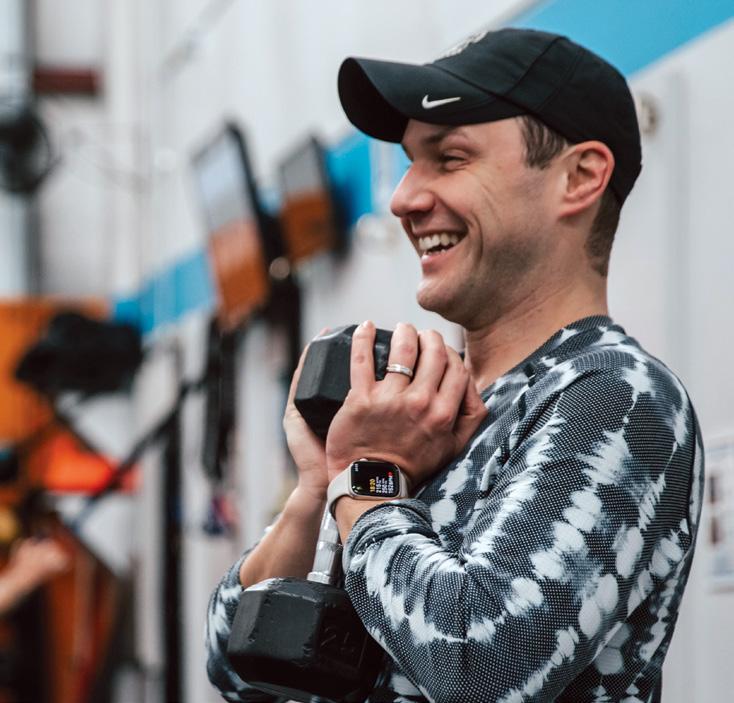
In fitness, resistance builds strength. Leadership works the same way. Every challenge—whether financial stress, staffing shortages, or demanding clients—offers a chance to grow steadier and smarter. That’s the idea behind The Unshakable Leader: Using the Thoughtful Mindset to Transform Your Life and Leadership Perspective (August 2025) by leadership coach and fitness entrepreneur Patrick Hoban.
Every gym owner or trainer understands how unpredictable the fitness business can be. A trainer calls in sick. A client cancels at the last minute. Equipment breaks right before class. Moments like these test more than patience—they test leadership. True strength in leadership doesn’t come from talent or title. It comes from the ability to stay grounded when things get tough.
Hoban explains it simply: “Being unshakable doesn’t mean being unbreakable. It means being anchored to values that don’t shake, no matter the storm.”
In fitness, resistance builds strength. Leadership works the same way. Every challenge—whether financial stress, staffing shortages, or demanding clients—offers a chance to grow steadier and smarter.
A thoughtful mindset means pausing before reacting, focusing on what can be controlled, and making decisions based on purpose rather than pressure. It’s a daily practice, not a personality trait. Over time, it strengthens the same way muscles do— through repetition.
Fitness professionals already know how to coach through resistance. The same principles apply to leading teams and running a business.
• When the schedule changes or clients drop off, adapt-
ability replaces frustration.
• When a team member struggles, patience and guidance replace criticism.
• When progress slows, focus shifts to what can be improved rather than what went wrong.
Mental fitness requires regular training just like physical fitness. Small, consistent habits create steady leaders.
1. Start the day grounded. Take a quiet moment before the rush begins. Breathe deeply and set one intention for how to lead today.
2. Focus on what’s controllable. Effort, attitude, and consistency are always within reach—even when everything else feels uncertain.
3. Stay aligned with core values. Integrity, service, and resilience guide better than any trend or spreadsheet ever could.
4. Reflect daily. End each day by noting one success and one lesson learned. Improvement compounds with reflection.
5. Practice patience. Growth—whether physical, financial, or emotional—takes time. Progress never happens all at once.
In fitness facilities, energy flows from the top down. When leaders stay calm under pressure, teams perform better and clients feel it. A thoughtful leader listens more than they lecture, makes decisions based on long-term goals, and supports staff through challenges. They replace panic with presence. Leadership speaker and fitness professional Robin Arzón often reminds audiences that “power starts with presence.” When leaders show up composed and intentional, they model the behavior teams naturally follow.
That steadiness doesn’t mean ignoring problems. It means approaching them with clarity and patience. The result is a work environment built on confidence instead of chaos.
The thoughtful mindset doesn’t stop at management. It also strengthens personal health and purpose. Most fitness profes-
sionals choose this industry to improve lives—helping others move, recover, and feel their best. But it’s easy to lose that sense of purpose in the daily grind of operations, budgets, and schedules.
Taking time to reconnect with why the work matters reignites motivation. Leadership speaker Eric Thomas often says, “When you want to succeed as bad as you want to breathe, then you’ll be successful.” Add a layer of balance to that: success that lasts comes from staying steady and centered while chasing big goals.
Great gyms are built by great people—and great people are guided by leaders who stay steady. A thoughtful mindset doesn’t just help navigate hard days; it creates a ripple effect across the entire business. Teams communicate better. Members feel supported. Challenges turn into opportunities to improve.
Strong leadership isn’t about being louder, tougher, or faster.
It’s about being grounded, deliberate, and emotionally aware. The most respected leaders in fitness are the ones who lead by example: calm under pressure, confident in direction, and kind in approach.
As Marcus Aurelius wrote nearly two thousand years ago, “Waste no more time arguing what a good person should be. Be one.” In the gym world, that translates perfectly: don’t just talk about strength—live it.
Every fitness professional can become an unshakable leader. It starts by treating mindset like a muscle—one that needs training, patience, and consistency. Pause before reacting. Focus on what can be changed. Lead with clarity and integrity. Because true strength in leadership isn’t about never bending under pressure, it’s about standing tall afterward, ready for whatever the next rep brings.
Article by CR Marketing. For more information visit crmarketing.biz.

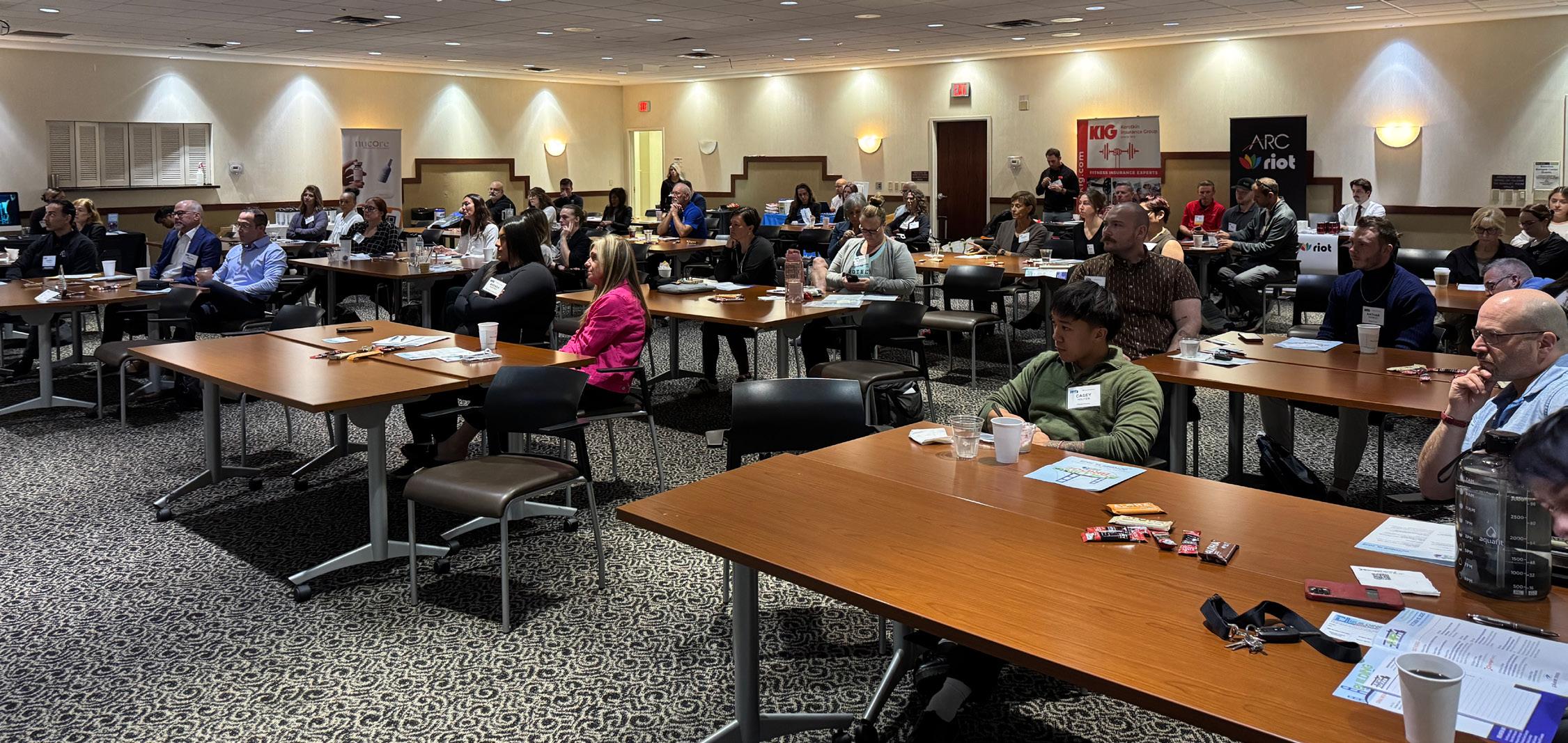
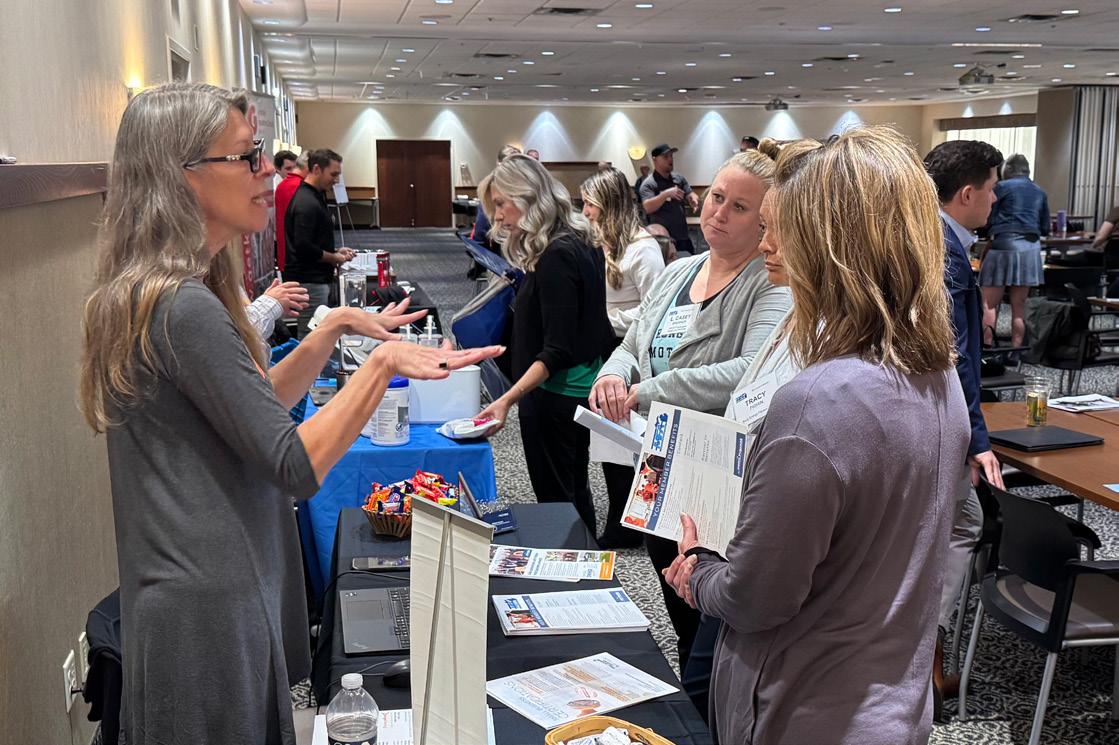
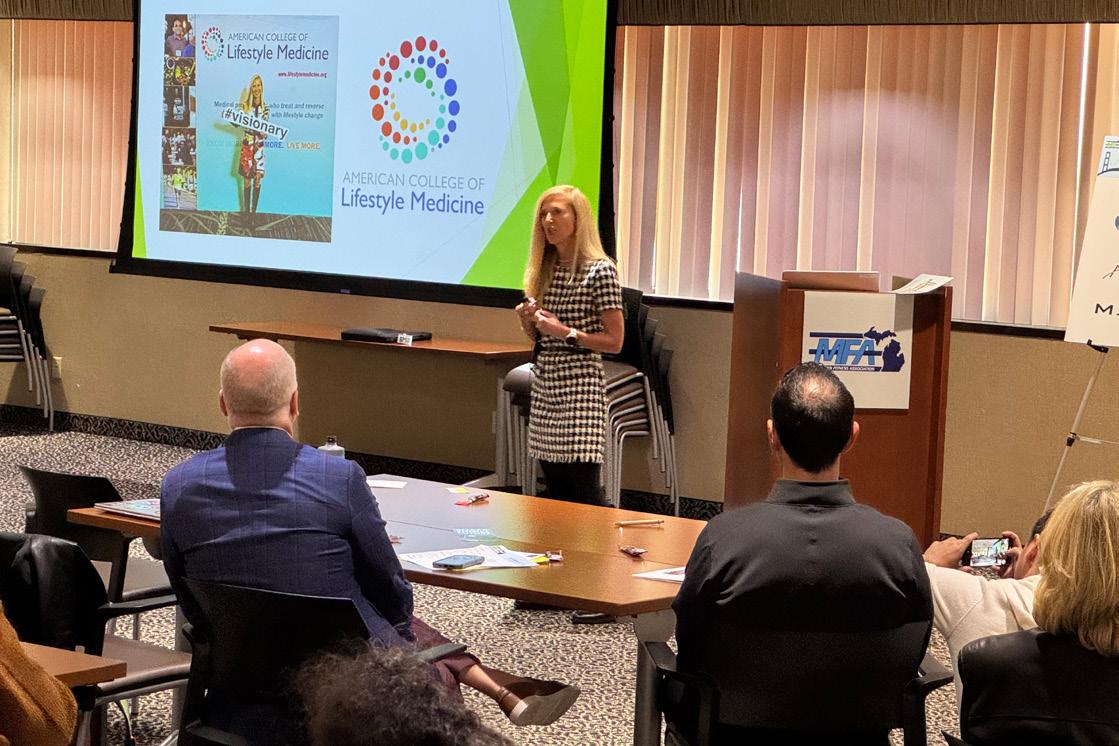
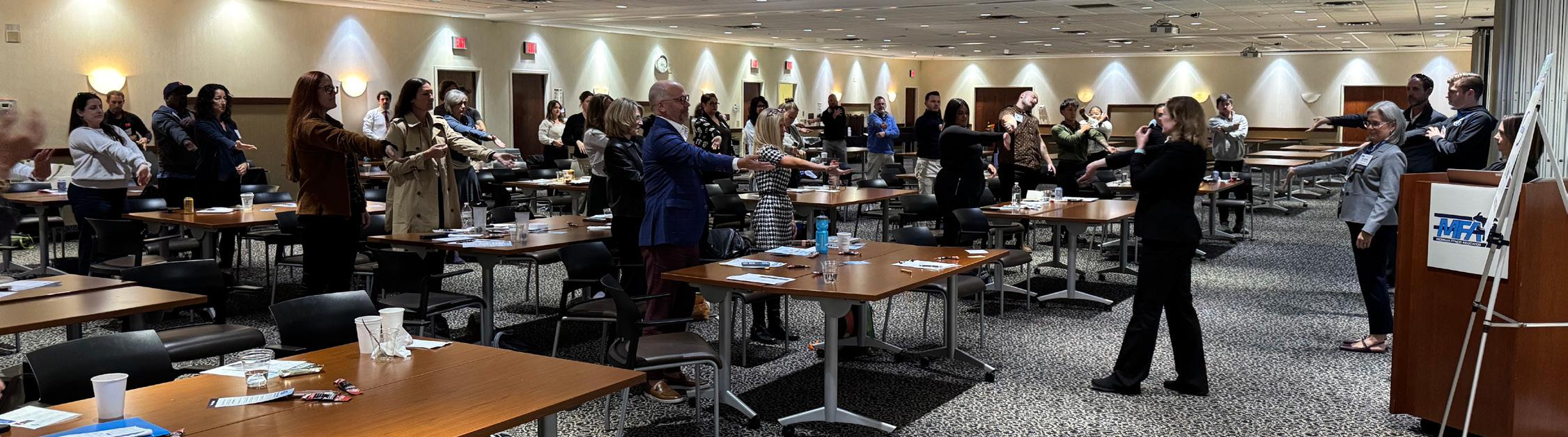
MFA is thrilled to share that the 2nd Annual Conference, held on October 15, was a resounding success! The goal was to embody the “Building the Bridge” theme, and focus on bridging the gap in healthcare and fitness. We certainly accomplished that with the excellent lineup of education and the great group of people who attended.
• Engaging Speakers: The MFA was honored to host Michael Stack to discuss the State of the Industry: The
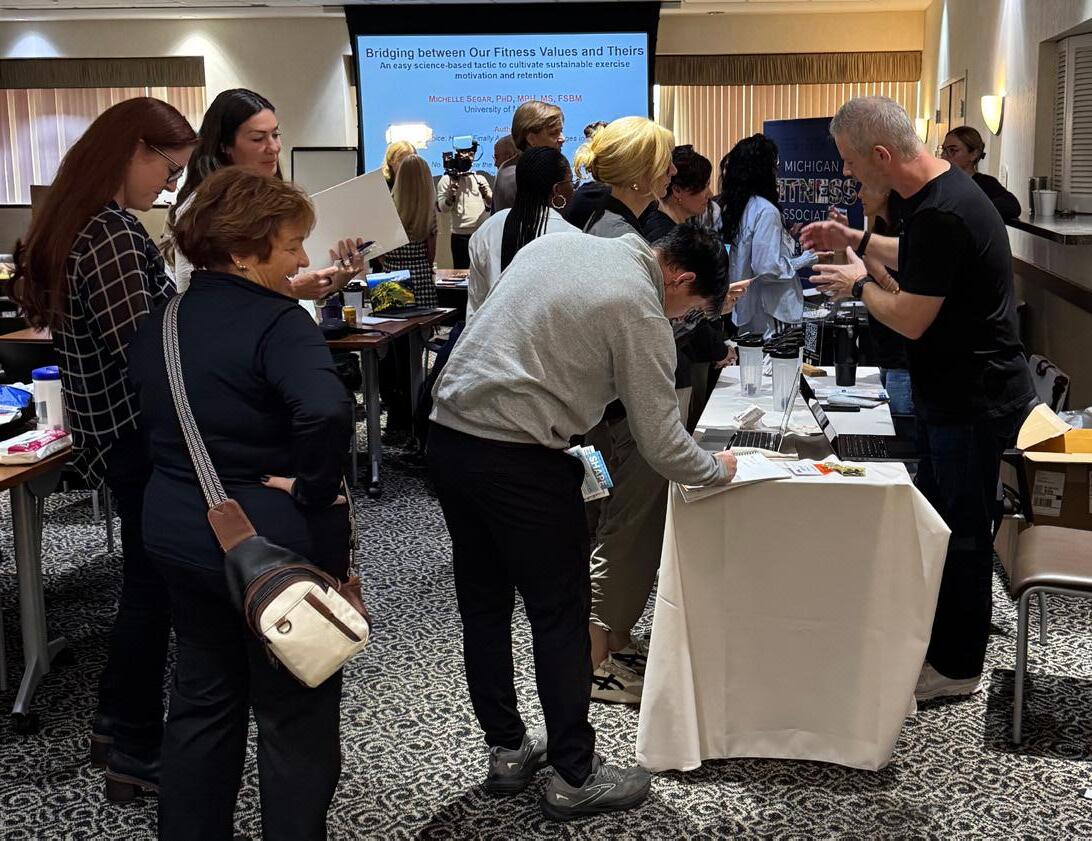
Evolving Role of the Fitness Professional in Health, Wellness and Healthcare; Michelle Segar discussed Bridging Between Our Fitness Values and Theirs; Patrick Hoban covered Building High-Performance Teams in Fitness Through Leadership and Culture; Melissa Sundermann educated everyone on How Physical Activity Amplifies the Pillar of Lifestyle Medicine; and finally an informative panel discussion including moderator Amy Bantham and MFA members who shared best practices on Building the Bridge Between Healthcare and Fitness.
• Networking Opportunities: Participants had the chance to connect with industry leaders and peers, fostering valuable relationships.
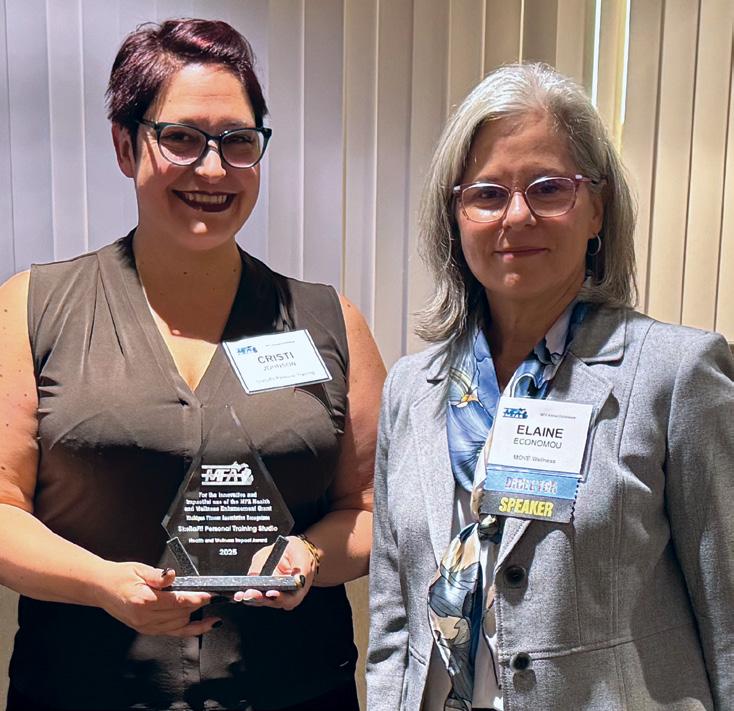
• Health and Wellness Impact Awards: MFA honored SkellaFit Personal Training Studio, Alpena and Iron Gorilla Gym, Bay City, for their innovative and impactful use of the Michigan Fitness Association Health and Wellness Enhancement Grant. The goals of this award was to acknowledge innovation, amplify voices and see ideas. Congratulations winners.
Thank you to everyone who participated and contributed to the success of the 2025 MFA Annual Conference. We look forward to seeing you at our next event!
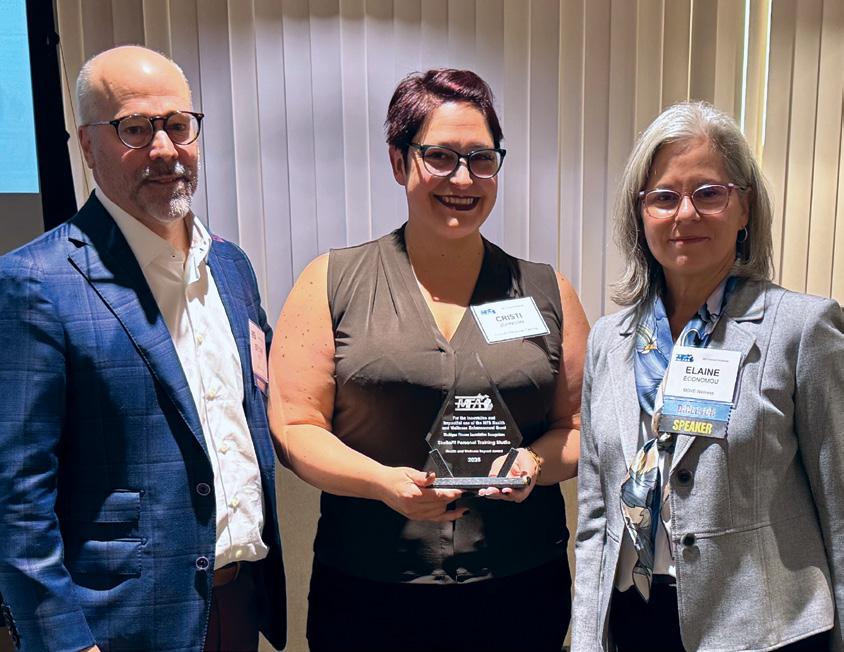
Congratulations to the winners of the Health and Wellness Impact Awards. MFA members voted for the program demonstrating exemplary initiatives that enhance the health and wellbeing of Michiganders, especially within marginalized or underserved communities. The recipients are:
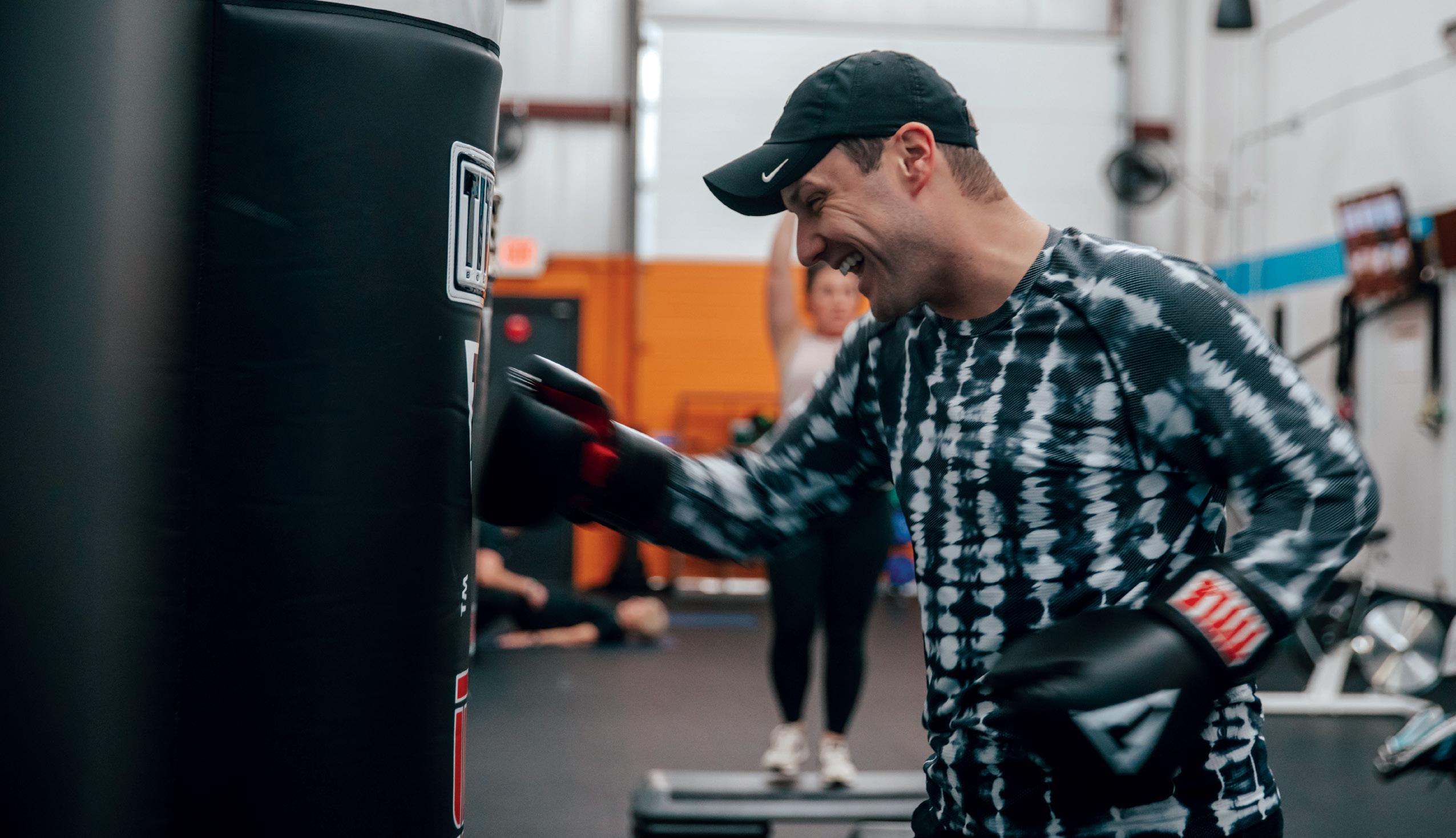
• Iron Gorilla Gym in Bay City for their rehabilitation program for juvenile offenders, LIFT989
• SkellaFit Personal Training Studio in Alpena for their self defense program for women, children and seniors
BOARD OF DIRECTORS
President ................................................................................... Bryan Reif
Vice President .............................................................. Alyssa Tushman
Treasurer Henry Dabish
Director ............................................................................ Michael Dabish
Director Elaine Economou
Executive Director ............................................................ Derek Dalling
Event Director ........................................................... Lauren Concannon
Finance Director .................................................................... Erin Dalling
Member Services Coordinator Erin Theis
Creative & Communications Director ......................... Melissa Travis
Communications & Administrative Assistant Brooklyn Heath
Marketing Consultant ............................................................... Joe Ross
Lobbyist Jim Ryan
MiFitNews is published quarterly by the Michigan Fitness Association, 629 W. Hillsdale St., Lansing, MI 48933. Michigan Fitness Association (MFA) is a membership organization that represents the fitness industry in Michigan. Our mission is to unite, protect, and promote the interests of health and fitness businesses in the State of Michigan. Opinions expressed by guest writers do not necessarily reflect the views of the MFA. MFA’s position on key issues will be clearly stated. MiFitNews accepts unsolicited manuscripts but reserves the right to edit due to space limitations. Editorial submissions must be typewritten and sent via email to melissa@kdafirm.com.
MiFitNews does not constitute endorsement of the advertiser, its products or services nor does MiFitNews make any claims or guarantees as to the accuracy or validity of the advertiser’s offer and reserves the right to reject any advertising deemed unsuitable. Advertising rates and additional information are available at www.mfafit.org.
MiFitNews is a digital publication emailed quarterly to all members and legislators throughout the State of Michigan. The publication reaches the desks of over 400 fitness professionals in Michigan. Our members spend millions of dollars annually on products and services relating to their wellness facilities.
The average open rate is 67% with a 10% click through rate! All ads are hyperlinked to the advertiser’s website.
Tap into this highly engaged market today!
ISSUE DEADLINE
Winter January 10
Spring March 25
Summer June 25
Fall September 15