Special thanks to Nisrina Khansa and Hannah Earnshaw for their creativity and help in creating Growing Pains, and for enduring my late night emails.
If I could give you one piece of advice myself about growing up, I would say don’t be so scared to say the wrong thing that you end up saying nothing. Also, box dyes build character. Don’t let any hairdresser out there tell you otherwise. EmmaLove,
I wanted to make a magazine about the situations people are likely to find themselves or their loved ones in as they grow up. What you are holding in your hands is an attempted manual on how to better navigate those moments and familiarise ourselves with some of the parts we don’t often talk about.
I wanted this to be advert free. Nobody in here is going to tell you how to do your make-up or what to wear. I also want to thank everybody who shared a piece of themselves to put in these pages.
It was stitched together from stories of people I grew up with, recently came to know or have loved all my life, in the hopes that someone might see themselves in one of their stories and feel a little less lonely.
2






3G rowing Pains








4
HARRISONSONABYILLUSTRATION 5G rowing Pains
6










7G rowing Pains



It was super weird timing and it was probably - or definitely - just a coincidence but it felt like a sign.
How did you find out you were moving?
Susan for
27, Fashion designer
DUCKERMABELBYILLUSTRATION
“I remember I was preparing to leave my friends flat in Glasgow to get an overnight megabus to London (it was as bad as it sounds) as we both had interviews for Kingston College in London. I’d had an interview in Manchester the week before. Just as we were about to walk out the door, I got a notification on my phone that I had been accepted into Manchester School of Art. I was buzzed.
8
I was already swaying towards Manchester over my other options but this kind of concreted the decision. I still went to London and had my interview at Kingston. We had a blast in London and I enjoyed being there but for a number of reasons I just could not see myself living there. The number one reason being how ridiculously expensive it is.” university
Moving Away
Pros and Cons? “Manchester nightlife in the 80s and 90s became a huge, if not the main influence in my work, so being able to explore my influence first hand with ease and attend exhibitions and talks was invaluable. Meeting new people and life-long friends. Being able to buy alcohol after 10pm was a treat. The independence and freedom. The opportunities, achievements and memories. Being able to commute to London in 2 hours and Glasgow in 3 hours. Having another place in the world that will always feel like Although,home. commuting back and forth could be mundane at times, especially when there were cancellations or delays. I hated packing and I had to do a lot of it, often. The amount of junk we accumulated, both as a house and FOMOpersonally.on things back at home. I missed the beautiful Scottish scenery and the outdoors. The student debt, but you pay it back in such small increments so it’s no biggie. Also, the amount of experimentation needed (two years worth) to finally land on a solid hangover Chinese takeaway.”
9G rowing Pains
“I just had a feeling about Manchester. I had imagined I would have been physically unable to make a decision (indecisive Libra) but it was surprisingly easy. I had a friend who was already doing the course at the School of Art so she was able to give me the lowdown on her insight into the quality of the course which was ideal. I stayed with her while I was down for my interview and managed to get out and do some exploring afterwards. I went with my gut feeling and accepted my place at the School of Art. Two of my closest friends from college had chosen Manchester too, so we ended up living together and they are still two of my favourite people to this day.”
10
BELLVEHÍMARBYILLUSTRATION
Moving away definitely made me appreciate folk more and I would say it strengthened all of my relationships. It was nice to leave home and get some independence but I was still in regular contact with my mum and we would text all the Shetime. would always send me these hilarious care packages that would be the most random assortment of objects and would often include socks and tights, chocolate and those random pens that are shaped like an ice cream cone or have a fluffy ball on top. Gifts are definitely her love language and they were always greatly appreciated. My home in Manchester was essentially free accommodation for my friends from home. I obviously saw them a lot less but we made the most of it when they would come visit. They would come down for festivals or gigs or drag shows so it was always a fun time.
11G rowing Pains
There were some friends I would be in contact with more than others but it just depended on our existing dynamic as friends. There were probably some people I ended up not being as close with after returning back to Glasgow but that just happens in life and I wouldn’t say it was directly affected by me moving away from home. Or your relationship? We’re still together now! Obviously it was tough at times. It was sometimes strange to merge back into having a person there after being used to being on my own for a long period of time, but it was a temporary situation and it worked out for us. For the most part we would see each other monthly. I was in Glasgow for most of the summer every year, and then had I three weeks holiday at Christmas and Easter. During term time we would see each other monthly. We’d make our plans in advance so we knew the date we would be reunited and could both look forward to it. We would get so buzzed to see each other and would go to gigs or exhibitions, scope out new pubs or places to eat and just squeeze in as much as we could into the time we would have together.
In my final year, we saw each other less during term time as I was just too busy and had to focus all my time on my graduate collection. I’m sure there was a time when we didn’t see each other for three months, but my boyfriend was super supportive and completely understood that is what I was there to do so it all worked out in the end.
12
If you could go back and change something… “I would have started house-hunting earlier for sure. There is a huge student population in Manchester and most students get flats or houses in the Fallowfield area. We went down in June, which turned out to be the weekend of Parklife. It was hella rainy and it turns out I had typed in my contact number wrong when arranging the viewings. Most of the estate agents I had booked with couldn’t get a hold of me to confirm the bookings so the majority of them didn’t go ahead. We managed to sort out the viewings we had scheduled for later on in the day thankfully and got to view a few houses. Three to be exact. The first flat was recovering from a Parklife party the night before and was an absolute riot. The other one had chicken bones leading up the stairs like a trail of breadcrumbs. And the last one was a really old but beautiful Victorian house. It was the best of a bad bunch so we went for Afterit. moving in, we realised the boiler was so old and impossible to work. The windows were single glazing, pretty much like tracing paper, so we spent a lot of the winter months in three layers of pyjamas at all times. I wish I had been more clued up on what questions to ask during house viewings and been a bit more ballsy with the landlord and estate Despiteagents.theboiler-related issues, we still have loads of really fun memories from that house and it was a learning experience for sure. We scheduled viewings in plenty of time for our next year and made sure to ask lots of questions. We found a cute, warm and double glazed house and wound up staying there right through to the end.”
13G rowing Pains
Advice or tips?
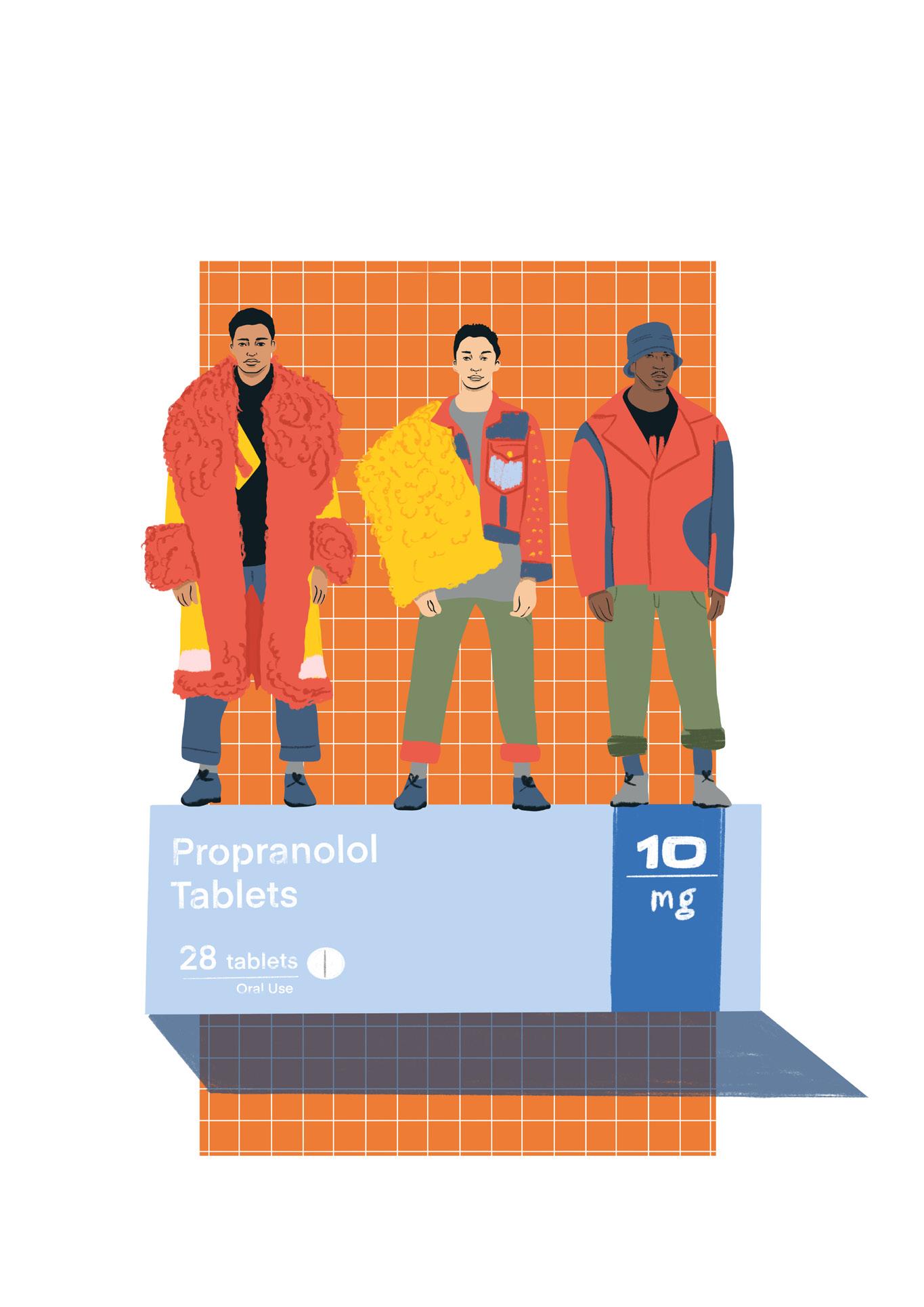
Ifeeling.ended up visiting my doctor a week later and he prescribed me a shortterm course of beta blockers to tackle the physical symptoms I was experiencing, which allowed me to navigate my way through it mentally. I began acknowledging the presence of the anxiety without trying to control or fight it, and quickly my sense of strength and excitement had been restored. I emerged with a metaphorical toolbox that would assist me in manoeuvring my way through future struggles. So, I guess my advice is that you learn so much about yourself being away from home, especially in the hard times. There will be bumps in the road along the way but navigating your way through the struggles independently is invaluable life experience. When you are going through a rough time, remember that your feelings are not permanent, it’ll pass and you will emerge with a better understanding of Someyourself.other tips: Spend some time after your interview exploring the city so you can get a feel for the place. Take a couple of things to decorate your bedroom but not too muchremember you will have to pack it all up in three years. Drink more water. Have some plans in place for your friends or partner to come visit - it’s good to have things to look forward to - but make sure to make an effort with new friends too. If you are doing a creative course, experiment as much as you can and explore your craziest ideas. Do not worry about student debt. Embrace everything and make the most of the experience because it’ll be over before you know it.”
“I had a rough old anxious time in the beginning in Manchester, sparked by a pesky care package sneaked into my luggage by my mum. It was, literally, the sweetest handwritten note from her and she had included loads of pictures of me and my dad, who died when I was younger. For some reason, I was all of a sudden filled with panic and impending doom and my thoughts were racing. I had experienced anxiety before but not as intense. Looking back, it was a combination of the change, anxiety, some unresolved dead dad trauma and probably some other undiagnosed mental health issue but it was so god damn intense. I powered through as best I could but I could not concentrate on anything apart from my rapid heartbeat and existential dread. I spoke about how I was feeling to basically everyone and I just could not budge this intensely bad
It was a once in a career opportunity to live in Germany at a time when U.K. Defence was looking at reducing its commitments abroad.” Pros and cons? “It was a bit of a double edged sword. The accommodation I was living in was cheap, in a great location and had good transport links to the rest of Germany and Europe – with road access across the entire of Europe, it wasn’t uncommon for me and some colleagues to drive to a different country/city once a However, it was also a former German army barracks from the second world war that had not been upgraded since the Ineighties.order to improve the quality of living, I spent a significant amount of time and money on improving my personal space to a standard which balanced out. .its short comings.
ollie 28, Corporal DUCKERMABELBYILLUSTRATION Moving Away workfor 14
If you could go back and change something… “I would have liked to have practiced my German more whilst living in the country. Unfortunately, the German education system teaches English to such a high standard that most Germans are able to converse comfortably in English, which removes the onus to learn more German.”
Plus, in the event that something happened back home which required me to return on short notice, it could be a very expensive and long journey.”
Any worries that weren’t worth worrying about?
Did anything change with your family and friends? “I didn’t find it affected my relationship with my family at all. Prior to my move to Germany I had been living in Newcastle for a six month period so when the time came to move abroad it was effectively the same. I didn’t feel like it affected my relationship with my friends at home either, everyone has their own stuff to do during the week so it was only really noticeable at the weekends if I was still in Germany or elsewhere.“ Or your relationship? “I actively chose not to date during my time in Germany, a lot of my friends and co-workers had either German or British partners and found their relationships under significant strain during those times of separation.“
15G rowing Pains
“My biggest concern was probably meeting my new co-workers. I was one of two new guys being sent out at the time and I’d heard a number of wild stories about the guys already living out there. Within a couple of days, we had been fully integrated within the team and all those concerns disappeared.” Advice or tips? “Definitely get out to the country as soon as possible, try and learn a bit of the local language and be open to trying new foods, they may initially seem a bit strange but they are most likely delicious!”
Pros and cons “The main pros were the all the croquetas, sangria and sun. The clubs closed at 7am and the university started in the afternoon, with the last class finishing at 9pm.
J ess How did you find out you were moving? “Oddly I can’t actually remember how I found out I was moving abroad, which is mad considering it was such a big thing in my life at the time.
This fit in so much better with my lifestyle at the time. It was amazing to be constantly meeting new people and making new friends. I met a friend who went to my university back home and we moved in together for years when we returned home from our year abroad. On the other hand, they didn’t have baked beans and sausages in Madrid which I found myself missing a lot, despite barely eating them before I moved there.
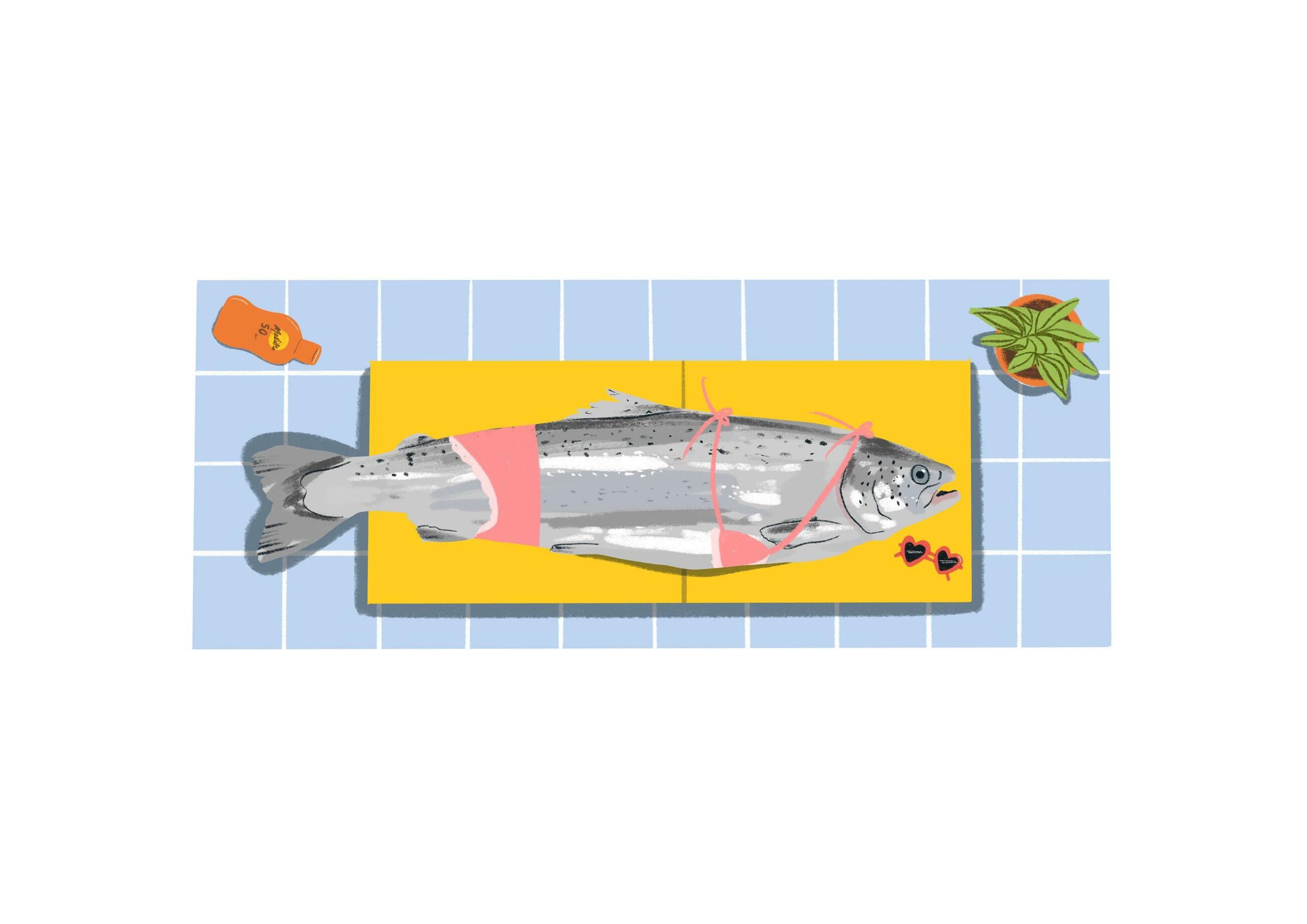
Erasmus is the programme that facilitated our year abroad so I found my accommodation on their website. It was a lovely flat in the city centre with seven other people. It had a cute little balcony that I would lie down on like a salmon to catch the sun (it really was that small).”
I think I was in complete shock that the application I made on a whim was really going to take me to another country for a year. I’d only thought about it for two Iminutes.feltvery nervous. In fact, I felt so nervous that I didn’t do a thing about it until the week before I left. I tried not to think about it until I absolutely had to.
study abroad
16
Moving Away to
25, Account manager
DUCKERMABELBYILLUSTRATION
Advice or tips? “I would say enjoy it! Enjoy every element of it, even the scary bits because it could end up being one of the best things you’ll ever do. It certainly was for me. Do some research on cool places to go so that you have some things to do when you’re feeling at a loose end, and don’t take too much rubbish in your suitcase. You will definitely come home with double the amount and you are probably going to be skint from doing lots of cool things in summer when university finishes, so paying for additional luggage on the plane home is not an option you want to consider.”
Did anything change with your family and friends? “I don’t think much changed with my family to be honest. I had already lived away from home for a while so we were all used to it. It was just a bit more difficult when I wanted a cuddle, knowing there was five hours of train rides, flights and taxis between us.
If you could go back and change something… “I wish I had travelled more when I was there and had seen more of Spain and the surrounding countries. I was just young and smitten with the sun, all of the food and how obscenely easy it was for me to relax there.”
My mum and dad felt a great distance away too, especially during stressful and tear-filled exam seasons.”
Any worries that weren’t worth worrying about? “I was worried that I wouldn’t develop a close knit group of friends and that I’d be lonely and missing my friends from home, but as it happens in life you settle and meet new people that feel a little like home.“
17G rowing Pains
Moving away didn’t affect my relationships at home too much as I’d already moved away to a different city for a few years, and that probably had more of an effect on my relationships with friends from home than moving to a new country. I’m a firm believer that those in your life are there for a reason and people will come back if it’s meant to be, so I would urge anyone to go for it in the knowledge that the people who love you will support you.”
Or your relationship? “Considering we ended things soon after I got back, I would say moving apart wasn’t great for our relationship. I got so caught up in meeting new people that it took the shine away from the brilliant person I already had, although maybe I’m only saying that five or so years later in memory of all the good bits. He had moved to Amsterdam to study at the same time I had moved to Madrid, so we got to travel more and explore one another’s new cities whilst having some comfort and familiarity from each other, which was great.”
Connor Moving
There was a little bit of trepidation in terms of what it would be like and there were a couple of drawbacks like my family, my girlfriend at the time and that voice in my head saying, ‘this is a bit scary going somewhere new’.
How did you find out you were moving?
18
“The first time I moved away from home, I moved to an island to work a summer season. I wasn’t doing anything that was going to make me happy or make my life better when this opportunity came up. I’d always been enticed by the idea of just disappearing anyway, so I jumped at it and I felt incredibly excited by the chance to do that.
DUCKERMABELBYILLUSTRATION
to travel 28,
Even with those concerns I was feeling really happy to be able to start again at day one, with brand new people around me.” Away Outdoor activity instructor
Cons are obviously that you’re missing your friends and you don’t know everyone. That’s also a pro thoughbeing surrounded by new people, that’s the biggest pro. You can be a new version of yourself, not a false version of yourself but a version you’ve turned into over Whentime.you are stuck in your hometown with the same people, they all have an idea of who you are and what you’re like. Their idea might not completely resonate with who you feel that you are and it’s hard to change that if you never leave that
Pros and cons? “I had my own place with my own rules. I could have people round, I could party, I could smoke inside. I had to start doing more things for myself, which at the time seemed like a con - learning how to cook and pay rent etc. but these things turned out to be massive pros.
19G rowing Pains
You’reenvironment.almostrestricted by your friend group and your family to be a certain way, which they believe you are because that’s what they’ve projected on to you. Another pro is that you’ll learn a lot about yourself. You’ll find out that you don’t know yourself as well as you first thought. You’ll find out that you’re capable of dealing with lots of stuff without having to look for help or rely on other people. It’s a confidence builder for sure.”
Did anything change with your family and friends? “Communication wise I’m really bad at keeping in touch so I would speak with my family a lot less. However, the relationship I now have with them is much stronger because you just grow more into adulthood when you start living alone and making your own decisions. It made me appreciate them more and I’d take them for granted less. In a similar way you’re speaking to your friends less - you’re calling them less and they’re calling you less. Although some relationships with friends strengthen as well. When you’re back home visiting, you notice the people who make time for you. Sometimes people come to visit you when you’re away and that’s amazing.
I found out a lot about my friends by seeing who was genuinely happy for me that I had reached a place in my life where I was starting to grow and develop a little bit. There would be a couple of people saying, ‘oh, he’s different’ whereas there might be other people saying, ‘it seems as if you’re enjoying yourself and it’s good to see’. You sort of find out who your friends are and who cares about you, and you find out who you care about.”
FUERTESFLORENCIABYILLUSTRATION
20
Don’t take so much stuff. You don’t actually need so many things. That goes as a travel tip if you’re going on holiday too but when you’re moving away, you don’t need absolutely everything. You’ll get other things in the place you’re moving to as well. As a general life tip, own less things. And take the plunge for the first time. Pick a place, move to it. Make it work for yourself and relax.”
Or your relationship?
Another factor was that after I moved away from home, it was becoming clear to me I would be doing more of this. I wanted to see different places and do different things, and the girl I was with at the time wasn’t like that. A relationship was too much of a tie at a time where I wanted to cut myself loose from everything.”
“I put distance in it but in the end, we broke up because of the communication aspect. Speaking every night gave me the feeling that I was sort of being pulled back from this new experience I was having by my girlfriend wanting to be on the phone when there was realistically nothing to talk about. Or I saw it that way at the time.
Advice or tips? “I would have left home sooner. I would have started travelling and building on my independence because the sooner you do that, the quicker you build up selfsufficiency and confidence to go out into the world.
Any worries that weren’t worth worrying about?
You’ll always make amazing friends but sometimes you’ll go somewhere and you’ll make fewer amazing friends, it doesn’t matter. It is pretty much always going to work out fine when you get there because life is just life everywhere and everybody is doing it more or less the same.”
“I worried about whether my boss at my job was going to like me and think I was a good worker, I worried about whether I would find a good group of friends there – people who had similar interests to me, and if I was going to make enough money. Basically everything. I have this every single time that I’ve moved anywhere new even though I move around a lot. I always have the same feelings of trepidation and at the end of the day everything’s okay. It’s not as daunting as people might think. You’ll be worried about stuff which will turn out to be fine and you won’t be worried about stuff that will go absolutely sideways. Every time that you get to a new place, the scenery might be different, the language might be different but you’ll quickly realise how similar the people there are to the people you’ve grown up with.
21G rowing Pains
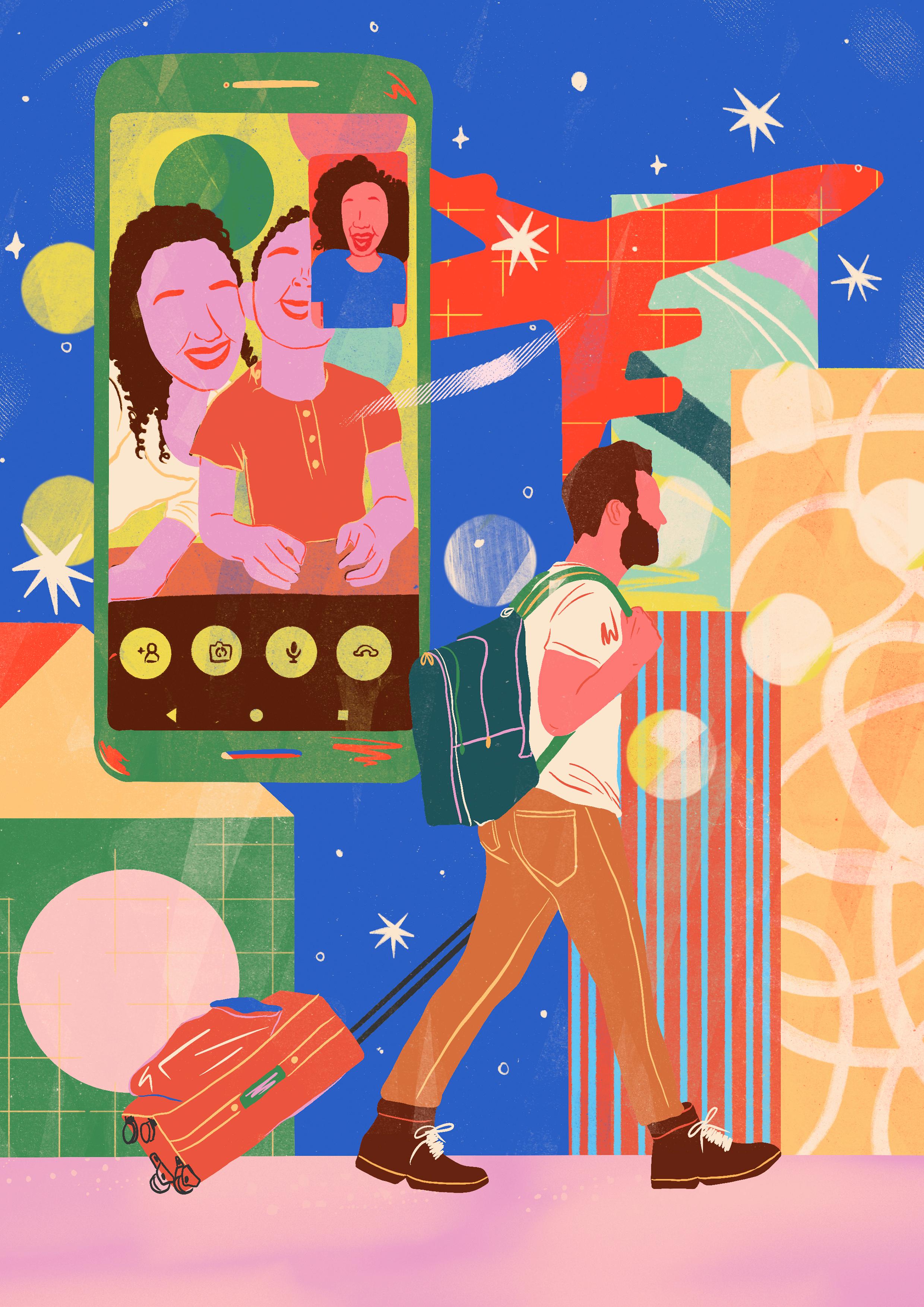
“I always knew I’d have to live in France to complete my degree, but I didn’t know where or how long for until a few months before I moved.
Instead when I arrived, I opened the door to a 10m2 studio flat and burst into tears.”
Michelle AwayMoving
I was asked to choose four towns I would be happy to live in and my university would send me to one of them. I ended up being sent somewhere that wasn’t in any of my four choices so it was pretty randomly assigned. Overall, I felt super anxious. I had a lot of different worries - missing my family, friends forgetting I existed, being a total failure etc. but I was also quite excited about my first taste of independence.
Pros and cons “Getting a taste of being an adult and having to manage my own life was the biggest benefit for me. Living with lots of other young people in one building made me more sociable too. to study
DUCKERMABELBYILLUSTRATION
28, Homeless change lead
How did you find out you were moving away?
The university in France sorted my accommodation and I would say I was given some of the best accommodation out of all of the international students. The French university seemed to perceive students from the UK as having the most disposable income, which was weird. I was told beforehand that it was a shared flat so I was excited to have flatmates.
22
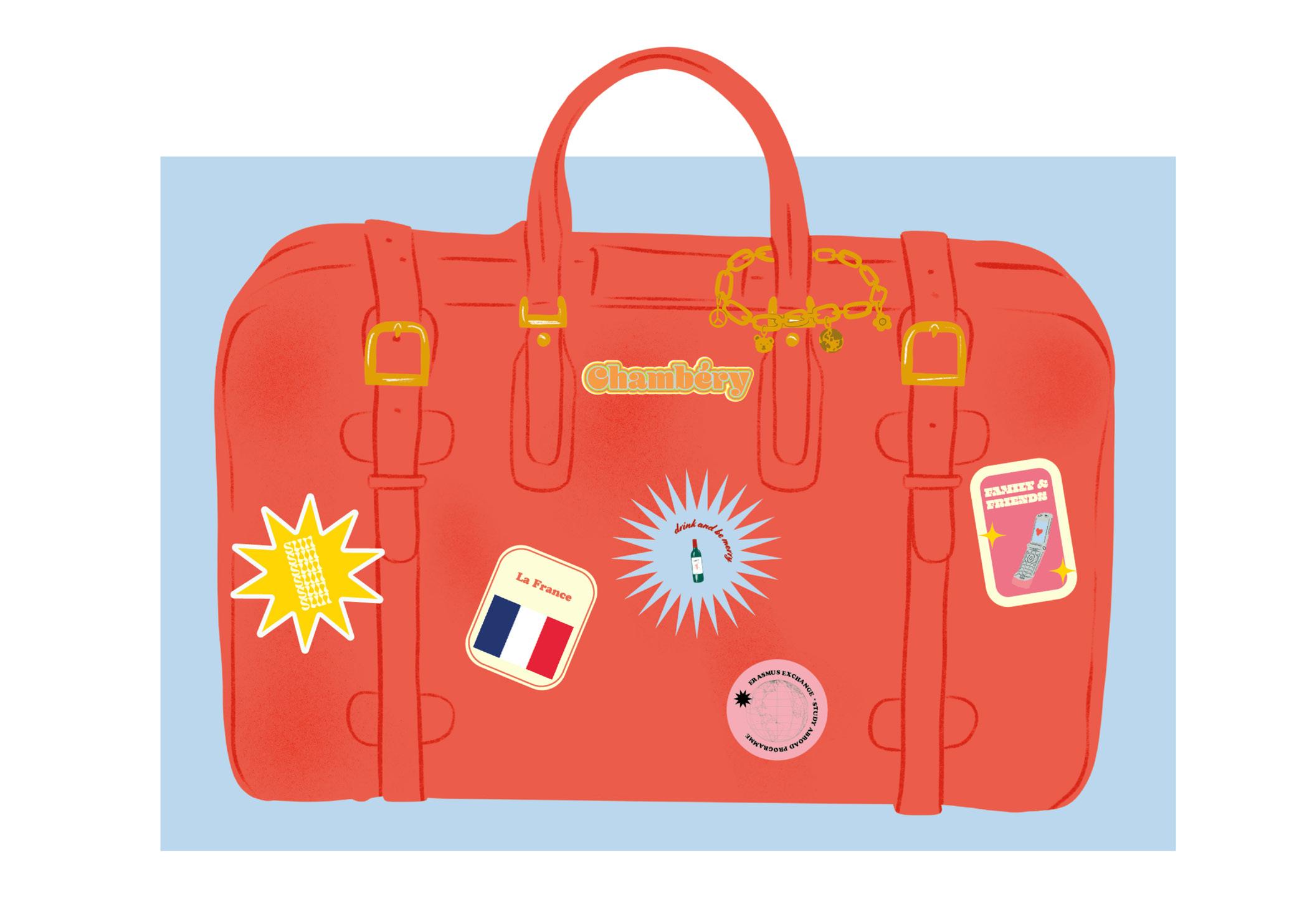
Although having nobody but myself to keep me accountable meant I completed no coursework, drank too much and ultimately failed my year abroad.” Did anything change with your family and friends? “With my family, it got better! We didn’t like to Skype so we messaged loads and had weekly phone calls. I felt like we spoke more when I was away.
23G rowing Pains
Or your relationship? “That went badly. As soon as I arrived in France, I knew it was a place I wanted to be single. My boyfriend at the time was also on the same course and doing a year abroad in another area of France. He had imagined we would do the year abroad together, meeting up regularly. I wanted to settle where I was and get to know people as a solo entity without feeling co-dependent on someone else to experience everything alongside me. I tried to make it work but after about three weeks I ended things so I could feel like I was making the most of my time there. I’m so glad I did because afterwards I started seeing my now husband.” If you could go back and change something… “At the time, I probably wished that I’d been better with money and more responsible about my coursework but looking back it was exactly what it was meant to be. I found a best friend for life there and found a passion which has turned into my career through my experiences so I wouldn’t change it.” Any worries that weren’t worth worrying about? “I was worried about having no friends, like really worried I wouldn’t speak to anyone for a year. I worried about feeling like the stereotypical foreign person in the class who doesn’t gel with Thatanyone.was ridiculous, everyone is in the same boat and wants to make friends so it’s a lot easier than you think! If anything, it was the most popular and sociable I’ve ever been in my life.”
Advice or tips? “If you can, go and visit the town beforehand with your family. If you’re worried about being homesick, book regular flights home before you go. If you want to learn a language, befriend some locals. If you’re not sure about your boyfriend, dump him.”
I learned to appreciate my family; I got a sense of my place in my family and what was missing when I was gone. A lot of my friendships kind of fell away when I moved abroad, which might be normal I suppose. A couple of friends came to visit me and that meant a lot to me and definitely cemented those friendships.”
DUPLESSYLUCIABYILLUSTRATION 24
25G rowing Pains
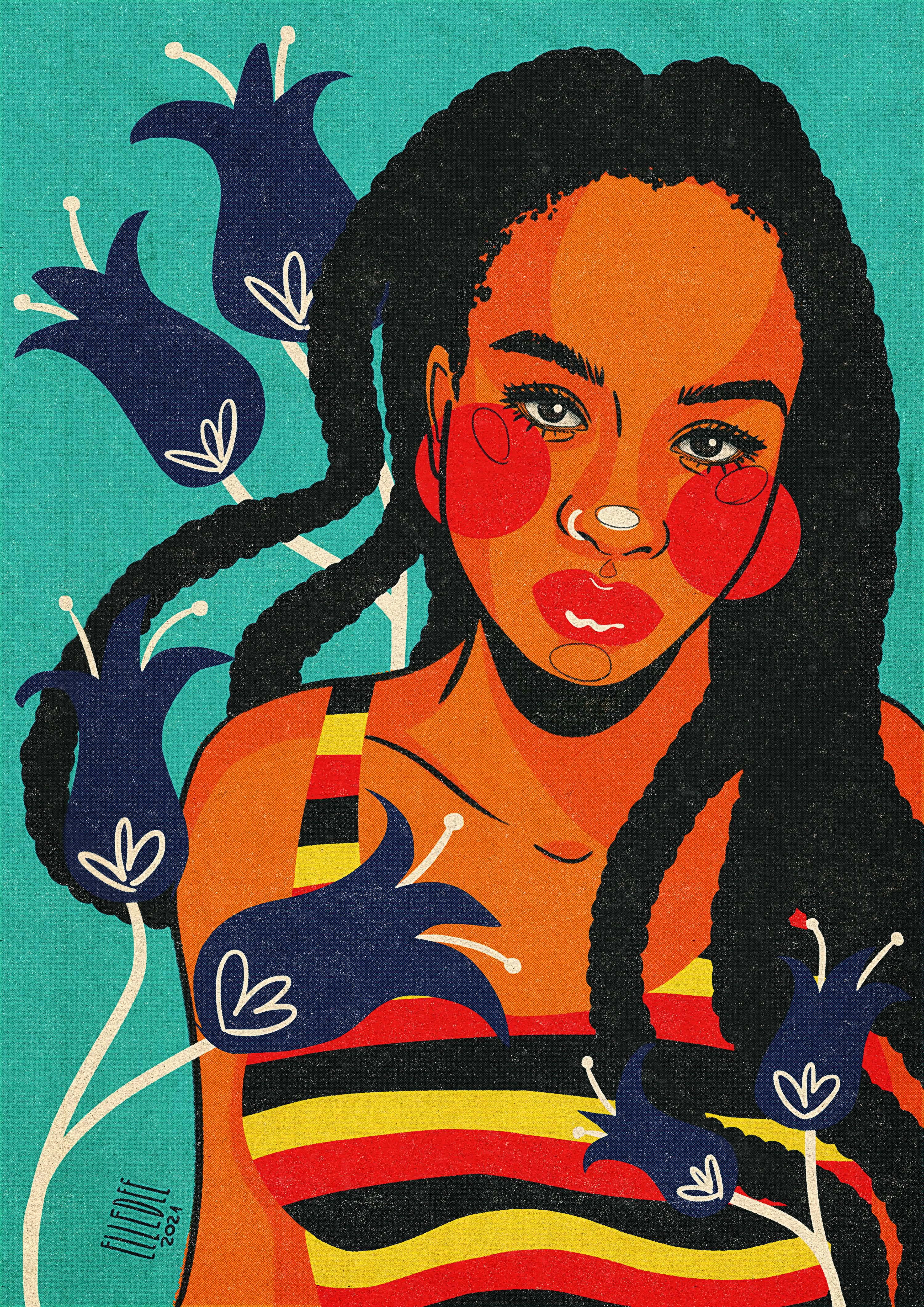
Moving away from home w i t h Z a i n a Zaina talks about moving to another continent at a y oung age and adjusting to a different climate, school system and way of life. She breaks down how the citizenship process work s, addresses the effect of growing up somewhere with a lack of ethnic diversity and shares how she came to find her second famil y.



Where were you born and what was it like to leave it behind at young age?
“ Definitely the language, I used to thinkpeople spoke so fast. I find it funny when people tell me to slow down now because that used to be me. The weather too! I didn’t understand why it was so cold at the time but I did arrive in Februar y The culture was so different, there are so many things that people in the UK tak e for granted – like a washing machine, a dishwasher, free milk and applesprovided in school, a free meal in school, even a free toywith your happy meal. The food was another big change, I remember being so sick from eating things like pizza and chips. I was used to eating fruit I had literally picked from a tree myself and suddenly I was in a place where I couldn’t do that, and the culture revolv ed around eating processed food. I had perfect teeth before I moved ov er to Scotland but with the amount of sugar available to kids here I had to get fillings after only two years. The change in diet was a shock for my body to adjust to.”
Do you ever miss anything about Uganda or wantto go visit?
What were some of the hardest adjustments to get u sed to after moving t o the UK?
Where were you born and what was it like to leave it behind at a young age? “I was born in Uganda and I left at the age of ten. It was painful and I wish I left at a younger age so I wouldn’t remember everything like it happened y esterda y.”
Wasitscarytomoveto a somewhereadvicewouldyougivetosomebodyconsideringmovingdifferentcontinentalone,andwhatentirelydifferenttowheretheygrewup? “Itwasn’tscaryuntil I gothere.InAfrica I AmTVshowsandthought“that’swhereI’mgoing”butinfactitwasactuallywatchedEnglishspeakingericaintheTVshows…sowhenIarrivedinthiscoldcountry,Iwasshookandbloodyfreezing.Myadvicewouldbetomakesureyoulearnaboutwhereyou’regoingandtrytohaveanunderstandingofthecultureintheregionyou’removingtobeforeyougothere.”
What were some of the hardest adjustments to get used to after moving to the UK?
“ Definitely the language, I used to think people spoke so fast. I find it funny when people tell me to slow down now because that used to be me. The weather too! I didn’t understand why it was so cold at the time but I did arrive so different, there are so many things that people in the UK e for granted – like a washing machine, a dishwasher, free milk and apples provided in school, a free meal in school, even a free toy with your
“Definitely the language, I used to think people spoke so fast. I find it funny when people tell me to slow down now because that used to be me. The weather too! I didn’t understand why it was so cold at the time but I did arrive in TheFebruary.culture was so different, there are so many things that people in the UK take for granted – like a washing machine, a dishwasher, free milk and apples provided in school, a free meal in school, even a free toy with your happy meal. The food was another big change, I remember being so sick from eating things like pizza and chips. I was used to eating fruit I had literally picked from a tree myself and suddenly I was in a place where I couldn’t do that, and the culture revolved around eating processed food. I had perfect teeth before I moved over to Scotland but with the amount of sugar available to kids here I had to get fillings after only two years. The change in diet was a shock for my body to adjust to.”
The food was another big change, I remember being so sick from eating things like pizza and chips. I was used to eating fruit I had literally picked from a tree myself and suddenly I was in a place where I couldn’t do that, and ed around eating processed food. I had perfect teeth before to Scotland but with the amount of sugar available to kids here I had to get fillings after only two years. The change in diet was a shock for Do you ever miss anything about Uganda or want to go visit? good life when I was over there. in Africa, y our life wasn’t the good life, I went to sc hool, I ate living in the UK has given amazing my family. I love Uganda and hopefully I can visit in the future
“I was born in Uganda and I left at the age of ten. It was painful and I wish I left at a younger age so I wouldn’t remember everything like it happened y esterda y.”
What were some of the hardest adjustments to get u sed to after moving t o the UK?
26
Was it scary to move to a different continent alone, and what advice would you give to somebody considering moving somewhere entirely different to where they grew up? “It wasn’t scary until I got here. In Africa I watched English speaking TV shows and thought ' that’s where I’m going ' but in fact it was actually Am erica in the TV shows… so when I arrived in this cold countr y, I was s hook and bloody freezing. My advice would be to make sure you learn about where y ou’re going and try to have an under s tanding of the culture in the region you’re moving to before you go ther e.”
“I do m is ss om e parts .I had av erygoodlifewhen I wasoverthere. M os t people s eemtothinkif y ougrewupinAfrica, y ourlifewasn’tthe bes t and y ouarepoor... I had a prettygoodlife, I wentto sc hool, I ate three meals a dayand I friends,manyamazingopportunitieswashappy!ButlivingintheUKhasgivenme.Ihaveamazingpeoplearoundmemyfamilyandmyboyfriend.IloveUgandaandhopefullyIcanvisitinthefutureasmostofmyfamilystilllivethere.”


Do you ever miss anything about Uganda or want to go visit?
“When I first moved over, I was on a VISA that only lasted a year. I moved over with a family member so after another year I could apply for a new VISA, but with the way that everything worked out, I moved over and after about seven months I was put into care. My family member had moved to London within the year so I had nobody to vouch for me or “claim me” - to say “this is my daughter” or “this is my niece” to make the process simpler.
Wha t wa s t he pro cess of y our c itize n ship like fo r y ou?
What was it like moving to a new school?
“School was probably the hardest bit of everything I had to do. I moved over when I was in primary seven (the last year of primary school) and by that point everybody had already made friends with each other, so everyone was already in their own groups. My classmates were all in the process of going into high school too and I didn’t have a clue what was going on, because the education system in Uganda is completely different.”
“There was a lot of waiting around and the home office didn’t tell me anything for years. Three weeks before I found out I was accepted for my indefinite leave to remain, they sent me a letter telling me they were going to deport me in ten days due to an error in their system. They had two people in the system with the same name as me, one in England and myself in Scotland, which meant someone had potentially stolen my identity.
What wa s it li k e mov in g t o a n e w sch o ol ?
How did you begin the citizenship process?
Ho w di d y ou begin th e c itize ns hi p p roce ss?
“I do miss some parts. I had a very good life when I was over there. Most people seem to think if you grew up in Africa, your life wasn’t the best and you are poor... I had a pretty good life, I went to school, I ate three meals a day and I was happy! But living in the UK has given me so many amazing opportunities. I have amazing people around me - my friends, my family and my boyfriend. I love Uganda and hopefully I can visit in the future as most of my family still live there.”
Social workers had to act as my guardians.
“ Wh en I f irst m oved over, I w as on a VISA that only la ste d a year. I m ov ed ove r w it h a f amily m ember so a fter an oth er yea r I cou ld app ly f or a new VI SA , but with t he wa y t hat eve rythin g worked out, I m ov ed ove r a nd a fter about s even mont h s I w as p u t into c are. My famil y m emb er ha d m ove d to Londo n w ithin t h e year so I had nob ody t o v ouc h for me or ' claim me ' - t o sa y ' th is i s my d aught er ' o r ' this i s m y niece ' to m ake th e p rocess s impler.
After that I had to apply for asylum and I was granted a refugee asylum until I was eighteen. Then when you get to that age, you can apply for indefinite leave to remain. I was by myself so everything took so much longer than it should. I applied for my indefinite leave to remain which should only have taken a year but mine took six years. It definitely should not have taken that Ilong.was really grateful to have the care system behind me because if I didn’t have them, it would have been much more complicated, but because they are my guardian everything had to go through them. I always had someone with me too which I’m really grateful for because most people don’t have anyone with them during the process.”
“S ch ool was p robably the hardest bit of everything I had to do. I moved over when I was in p rimary seve n (t he last year o f prim ary s chool) an d b y that point e ve rybod y h a d a lre ady made frien ds w ith e ach o th er , so everyon e w as alread y i n t heir own gro up s. M y cl a ss m ates w er e all in the proce ss o f g oi ng into high scho ol t oo an d I d idn’t ha ve a c lue w h at wa s g oing on , be cause the edu ca tion sys tem in Ugan d a is complete l y d iffe rent .”
I re me mber a few ye a rs bef o re t his, I made an a ppoint me nt with m y d octor and I w a sn’t a llowe d t o see them beca us e the re ce ptio nist t old me I w a sn’t regi st ered t here. T h ey said I was registered in a town I ’d never heard o f. I t happ ened tw ic e that mo n th but I though t i t w as just a m ix u p . Lo o ki ng back, that was p robabl y a sig n someo ne ha d st ole n my ident ity.
27G rowing Pains
Soci al wo rkers had t o act as my gu a rdia ns. After that , I ha d to app ly for asylum an d I w as grant ed a re f ugee a sylum until I was eight een. Th en w hen yo u get to th at age , you can ap pl y for indefinite l eave to remain. I was by my self so everyth ing took so m uch longer than it should . I applied for my in definite leave to rema in whi ch should only ha ve take n a y ear but mine took six years. It definite ly sh ould not ha ve taken that lon g. I was really grateful to have the care system behind me because if I didn’t ha ve t he m i t w ould have bee n m uc h m ore c omplicat ed, b u t beca us e t hey a ct as my guardian , everything had to go through them. I always had so me one with me too whi ch I’m really grate ful for be ca use most peo ple who don't hav e bi ological family in the co untry, don’t ha ve an yon e with them du ring th e court process .”
What was the process of your citizenship like for you?
“Th e re was a l ot of waiting aroun d an d the h ome off ice didn’t tell me a nythin g for ye a rs. Th ree we eks b ef or e I fou n d out I wa s acce pt ed for my ind efi nite lea ve to remain, t hey s ent m e a l etter telling m e the y w ere g oi ng to deport m e in ten days due to an er ror in their system. Th ey had two p eople in th e system with the same name as me , one in Englan d and myself in Scotlan d, which mea nt someon e had poten tiall y stolen my i dentit y.
“I had the best experience growing up in care. I moved into care about a year after I moved to the UK. The first year in the UK I was miserable, I wasn' t allowed to experience all of the things other kids my age were able to because of my living situation.
“It means a lot because it makes me feel more at home, having to wait in a different line at the airport and maybe have to do interviews at the airport r eally made me notice my skin colour was different. I won’t have to prove I c an wor k and live here when I enrol in educ ation or begin a new job.”
In what ways did it affect your life having to wait so long, and how do you think the process could be better?
Luckily enough because I am in the care system, everything is recorded so the police were contacted and blah blah blah… Fast forward to applying for my citizenship, the home office sent me back a letter and s aid, ' why are y ou applying for c itizenship when y ou’re already mar ried? ' s o I had to pr ove that wasn’t me and prove who I was. I’m reall y, really glad for the car e s y s tem becaus e everything I’v e ever done since I moved here is on paper.
How did it feel to have your citizenship officiated after waiting for so long and how did you celebrate? “ In those s ix years I wasn’t allowed to leave the country so I missed out on experiences like my first ever girl’s holiday, family holidays etc.
“ It affected my life so much because whe n you apply for a citizenship you aren’t allowed to leave the country. I missed out on so many opportunities with friends and my work as a performer. On the occasions where travel was required for work, someone would have to take my place which was gutting. I’ve been here for fifteen years and I think it would have been a lot more humanising to have the freedom to move in and out of the country whilst applying for my citizenship, especially after being here for so long.”
What was your experience like growing up in care, and do you still have a relationship with your Scottish family/families?
What does it mean to have a citizenship in the UK now, what can and can’t you do?
28
When I finally got the letter, my family had a massive party for me and I booked my first holiday. The pandemic got in the way but hopefully next year I’ll get to do that.”
After waiting six years and proving who I was, they realised they had made a mistake and my lawyer sent them a letter with all of my records and doc tor ’s notes and within three weeks I was ac c epted.”
When I was growing up and I moved to a bigger town, there was a few more black people but when I moved to the small town where I am now, there was only me and one other boy in school feel like a goldfish in a big, massive pond. My friends also used to go to clubs in London and come back and say, ‘I was literally the only white person in this club and it was crazy’ and I’ll say, ‘that’s how I feel every day’.
“I had the best experience growing up in care. I moved into care about a year after I moved to the UK. The first year in the UK I was miserable, I wasn’t allowed to experience all of the things other kids my age were able to
Do you ever find that people make assumptions about you before they know you?
What has it been like growing up in a predominantly white area and how did that affect you when you were younger?
After I moved into care, I could be a kid. I was allowed to make friends and I met people who are now my family. My Scottish family are my real family and I wish I could change my name to Zaina O’Neill Haddow Docherty. Care has given me some of the biggest opportunities that I wouldn’t have been able to achieve myself and I will forever be grateful.”
29G rowing Pains
What was your experience like growing up in care, and do you still have a relationship with your Scottish family/families?
Does any part about growing up in that environment still affect you today?
“ When I was growing up people used to always assume things like if you were born in Africa then you used to live in a hut or you used to go hunting. It had a bit of humour and stuff but as you grow up you realis e how uneducated people actually are about the general assumption that becaus e y ou c am e fr om Afric a y ou mus t be a poor person.”
What has it been like growing up in a predominantly white area and how did that affect you when you were younger?
It had a bit of humour and stuff but as you grow up you realise how uneducated people actually are about the general assumption that because you came from Africa you must be a poor person.”
When I was growing up and I moved to a bigger town, a few more black people lived there but when I moved to the small town where I am now, me and one other boy in school were the only black people. You do feel like a goldfish in a big, mas s iv e pond. My friends also us ed to go to clubs in London and come back and sa y, ‘I was literally the only white person in this c lub and it was c r az y ’ and I’ll s a y, ‘that’s how I feel every day’.
“I used to hate it. I still walk into a room, a party, a restaurant and the first thing I think about is ‘wow I’m literally the only black person here’. Every social gathering that I go to – and I think this is something I need to work on myself, I notice that I am the only black person in the room. If I go to an event, if I go to someone’s party, I will always notice that I am the only black person in the room. And it’s a fear of mine, obviously when I get married and I don’t have any biological family here it freaks me out and I’m a bit worried about being the only black person there.
A s I’v e grown up, I’ve s tar ted to ac c ept and absolutely love that I am kind of the only black person around here. I like it becaus e when I go into a room, people notic e me but when I was y ounger I used to really take offence to people as k ing m e s o m any ques tions.”
“ Yes it does, but as Rupaul said, ‘if you can’t love yourself, how in the hell are you gonna love somebody els e?’. I’ve gr own to love it . T he older I get , the more I lov e my skin.”
Do you ever find that people make assumptions about you before they know you? “When I was growing up people used to always assume things like if you were born in Africa then you used to live in a hut or you used to go hunting.
As I’ve grown up, I’ve started to accept and absolutely love that I am kind of the only black person around here. I like it because when I go into a room, people notice me but when I was younger I used to really take offence to people asking me so many questions.”
Does any part about growing up in that environment still affect you today? “Yes it does, but as Rupaul said, ‘if you can’t love yourself, how in the hell are you gonna love somebody else?’. I’ve grown to love it, the older I get the more I love my skin.” After I moved into care, I could be a kid. I was allowed to make friends and I met people who are now my famil y. My Scottish family are my real family and I wish I could change my name to Zaina O’Neill Haddow Dochert y. Care has given me some of the biggest opportunities that I wouldn’t have been able to achieve myself and I will forever be grateful.”
“I used to hate it. I still walk into a room, a part y, a restaurant and the first thing I think about is ‘wow I’m literally the only black person here’. Every social gathering that I go to – and I think this is something I need to work on myself, I notice that I am the only black person in the room. If I go to an event, if I go to someone’s part y, I will always notice that I am the only black person in the room. And it’s a fear of mine, obviously when I get married and I don’t have any biological family here it freaks me out and I’m a bit worried about being the only black person there.
Long with Haley
30
Distance Relationships
Sometimes as people grow up there are work, education or family situations which end up creating physical distance between peop le in their relationship. It can be hard to know how to handle the way a relationship changes when there’s suddenly a lot of space in it. Artist Haley Weaver found herself in one of those situations and here are some of her tips for getting through it.

1. Schedule trips to see each other, if you can. It’s a lot easier to be long distance if there’s a reunion date you can look forward to.
“There’s no blueprint for how to successfully manage a long distance relationship. Some couples talk every day. Some have a longer FaceTime call over weekends. And sometimes, life will get in the way of your scheduled calls. Re gardless, be ready to figure out your communication style (and be honest about what y ou need!).
My partner and I live on opposite coasts of the United States, and we had to not only work with each other’s schedules, but also the time difference.”
31G rowing Pains
3. Remember that a relationship is supposed to enhance your lif e, not define it. It is healthy (and fun!!!!) to have your own friends and hobbies outside of your relationship.
6. Ideally, have an end date. It was a lot easier to enter a long distance relationship when you have an idea of when you’ll be able to cl ose the gap.
4. I found it super helpful to throw myself into my own interes ts during our time apart.
2. Try to have virtual dates. My partner and I would sometimes take Buzzfeed quizzes together, or Facetime while eating a meal.
7. Of course, circumstances are different for each couple — the best advice of all is to communicate.
5. Send letters! This has been one of my favorite parts of long distance: snail mail. It’s a great way to show your partner you’re thinking of them.


32
“Hitting the road can be a daunting experience, especially for first time travellers. An all-inclusive resort holiday in Tenerife with your mum is one thing; tuk-tuk cruising through Bangkok at 2 AM is a different kettle of fish entirely.”
Travelling Tips WITH RYAN


















Rise early Pu ll yourself out of bed. In most places, especially rural areas, locals have been on the go since sunrise. Close to the equator , sunset is around 6pm every da y, all year round – a vibrant place can transform into a ghost town after dark. Don’t miss out on those delicious breakfast snacks! Alert your bank
If you don’t tell your bank you’re going abroad there is a very good chance they will block your card so you have no access to your bank account. Carry cash O thers may advise against this, however the ensuing feeling of dread when every card machine in town rejects your card for some unknown reason is si mply the worst. Expect sickness E ven those who are very rarely sick are likely to find themselves unwell at least once when they’re abroad. Don’t push yourself and give your body a break. There’s nothing wrong with spending a few days in bed, you’ll thank yourself. Travel Insurance Pre pare for the kind of sickness that might need medical attention. Buying travel insurance in your home country is pennies compared to paying for procedures and supplies abroad. Don’t wait until last minute to do it either in case you have to cancel your trip before you leave, travel insurance can save you from wasted de posits. Know your destination It should go without saying but knowing exactly where to go when you disembark an eight hour bus journey is essential. Download the area on Google maps offline and plan out your route to your pre-booked accommodation before you leave. Don’t rely entirely on spontaneity to get you through your travels. Nobody wants to sleep rough in a bus stop with all their belongings after finding out every room in town is already reserved. Drink local Read the label on your beer bottles in a nation like Colombia and you’ll realise all the most popular varieties are probably made by one compan y. Infact, half of the global beer market is controlled by four companies – Heineken, Carlsberg, Anheuser-Busch InBev and China Resource Enterprise. If you can find craft, buy it and support small businesses. Their products will be superior most of the time.
VADOODFATIMABYILLUSTRATIONS 33G rowing Pains
We’Co-habitateveallslept next to our friends at some point or another. In many places a private room with a double bed is cheaper than two bunks in a 12 bed dorm. Get cosy and get some privac y Guest houses
cheaper travel and less selfie sticks blocking the waterfall views. These are but a few reasons to travel during the quiet season. Though do be wary of extreme weather; monsoon rains will soak through your clothes in minutes, potentially damaging electronic s and paper bank notes in your pockets. If on a fine day you notice locals running for cover, start running too.
Don’t be an easy targe t
There is safety in numbers, even two is better than one and could be enough to dissuade anyone with bad intentions from coming your wa y. If you have to be alone, walk as though you have somewhere to be – dawdling around is a sign of a tourist. Wear earphones without music to discourage unwanted attention. Don’t break pace if you feel uncomfortable with the way someone is approaching you and don’t be afraid of being rude. It’s better to be rude than robbed, or worse.
Repeat custom If you’re in one place for a while, it can be a good idea to eat somewhere multiple times if you know it’s good. It’s common to become friendly with locals and receive more for your money each time you return. Why risk exchanging that goodwill f or a substandard meal?
34
CheaperOff-seasonrooms,
U sually not the most exciting or sexy options when it comes to hanging your hat, but these places can be exactly what you need if you’re sick of the music from the club next to the hostel. Normally they are run by a sweet old lady and Booking.com has plenty to choose Can’tEarfrom.plugsstand
the endless torrent of salsa music blaring from the bus speakers? Loud guy in the bed next to you grinding his teeth all night? Invest in re-usable ear plugs or bring a few disposable ones and plug them up.
Fluency is not essential but a little goes a long way. Not only is it polite, it can save you some hassle and even money; the ability to exchange pleasantries with a bus driver or a bartender can save you from being charged the tourist price, which is o ften double. A month of Duolingo can work w onders.
Speak the language
35G rowing Pains
Volunteer For many, the idea of work while on holiday sounds absurd. On the other hand, free accom m odation and three free meals a day with snacks sounds great. Whether y ou are feeding pigs, digging holes or teaching kids English, the opportunity to live in a family home and dive in to your host’s culture can enrich your trip and your life much more than an AirBnB or McDonald’s ever will. Programmes like Workaway can exceed expectations and offer travellers priceless experiences.