




Amy Baker, MSN, RN, PNP-BC, PCCN
Senior Quality Nursing Director
Mount Sinai International
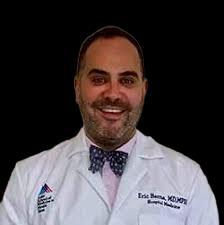
Eric Barna MD MPH
Associate Professor of Medicine and Medical Education
Director of Education, Division of Hospital Medicine
Clinical Leader, Mount Sinai International


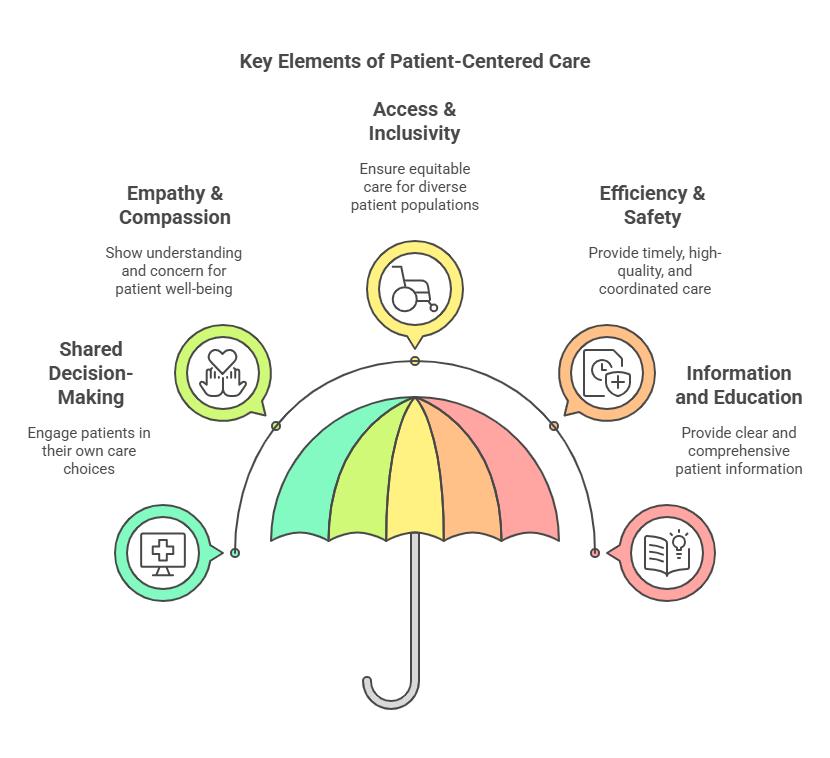
Know… effective communication, empathy and professionalism are the foundation of safer and more efficient care.

Do… Actively listen to your patients and colleagues, approach conflict with a resolution mindset.
Feel… Empowered to communicate with confidence and clarity, inspired to foster teamwork and motivated to create a culture where patients are heard, staff are valued, and the care team thrives together.


❑ Self-worth, confidence and value
❑ Strong correlation with communication
❑ Can be improved with self reflection, positive habits and mindset shifts
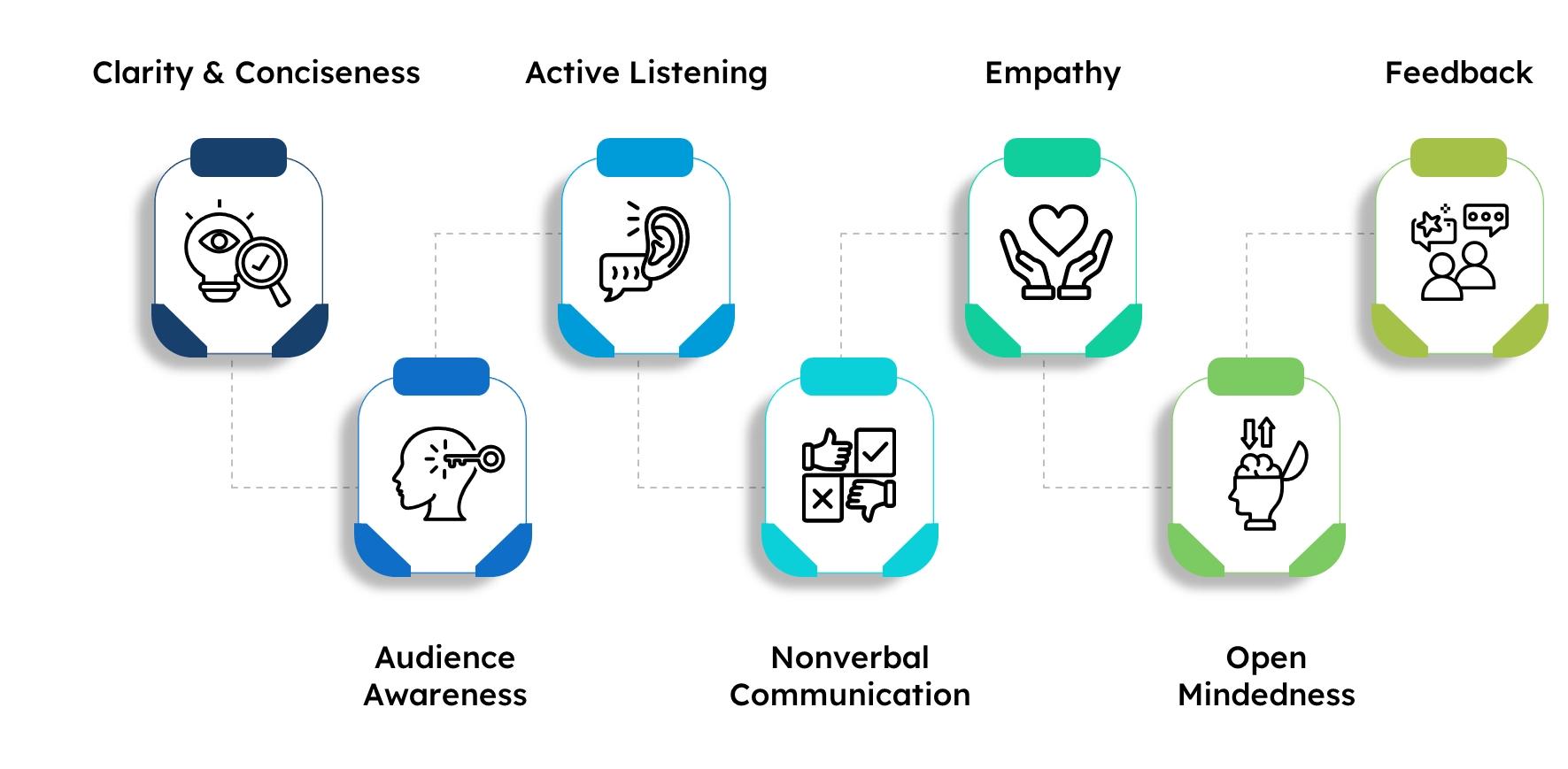
“The patient will never care how much you know until they know how much you care.”
— Sir William Osler
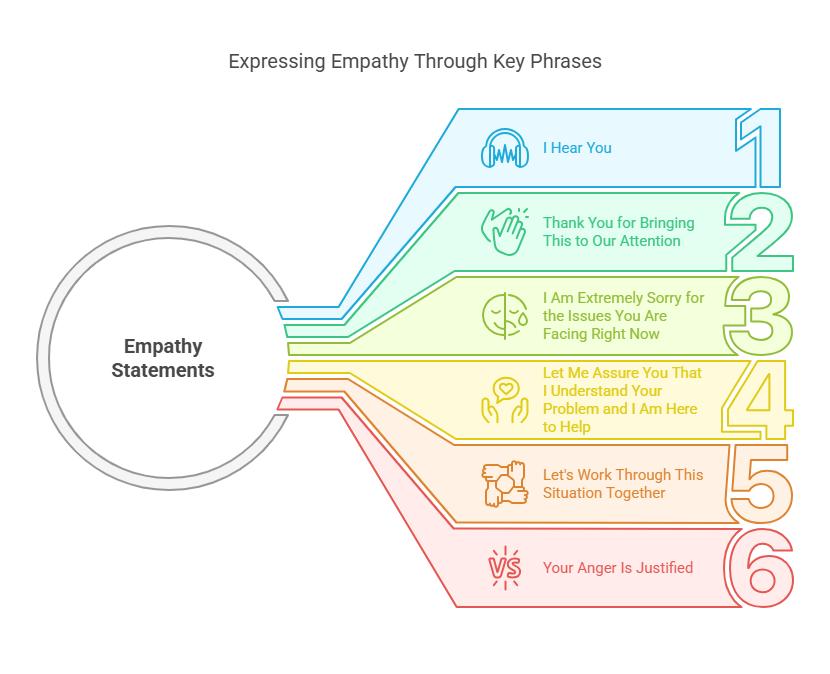
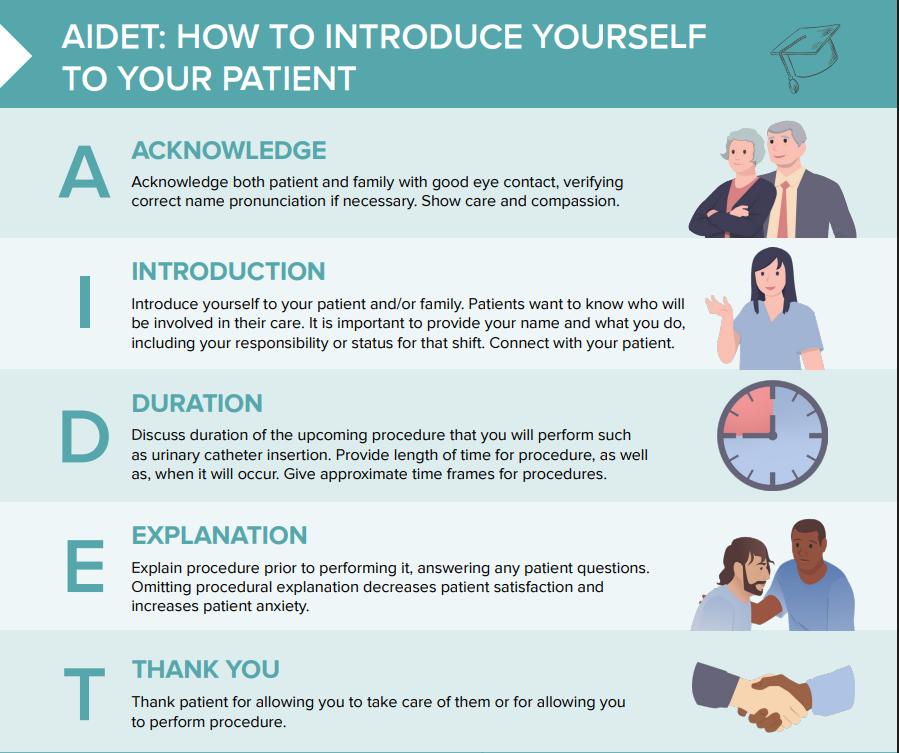
"Good morning, Mr. Smith! I see you’re here for your appointment today. How are you feeling?"
"My name is Dr. Eric Barna, and I’ll be taking care of you today. I’m here to ensure you get the best care possible."
"It looks like the doctor is running about 15 minutes behind today. I really appreciate your patience, and we’ll get you in as soon as possible."
"I’m going to perform a quick check on your vitals, which includes measuring your blood pressure and heart rate. It will only take a few minutes."
"Thank you for your patience. We know you’re busy, and we appreciate you taking the time to come in today."

Communication Issues “lack of clarity”
Expectations vs. Reality “wait times”
Scheduling Conflicts “missed appointments”
Can you share a conflict you faced and how you handled it?
Patient Behavior “demanding or aggressive”
Cultural Sensitivity “cultural confusion”
Quality of Care “disagreement on treatment”
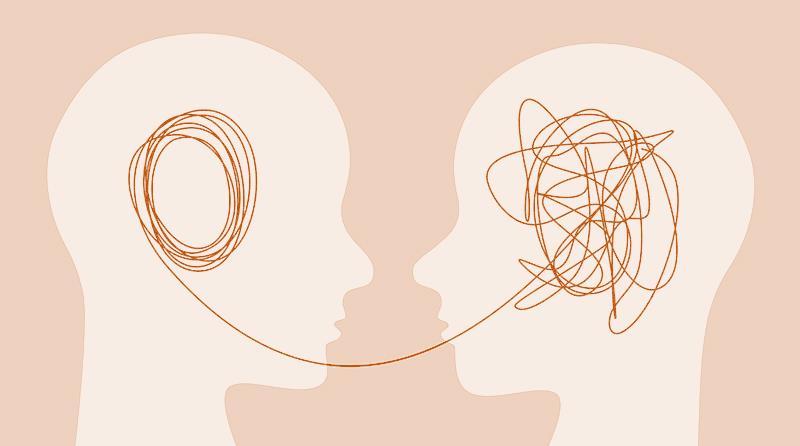
“The use of communication or other techniques during an encounter to stabilize, slow, or reduce the intensity of a potentially violent situation without using physical force, or with a reduction in force.”
– Department of Homeland Security
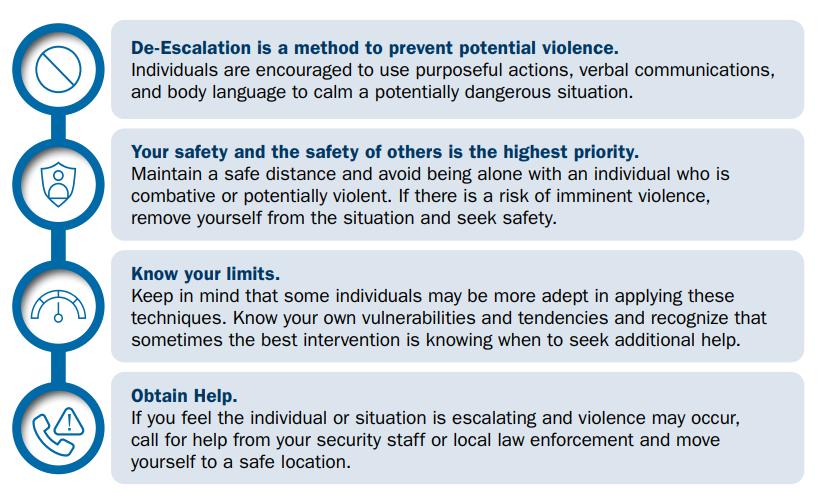
Change the Setting
What are some immediate purposeful actions you can take when facing a situation such as this?
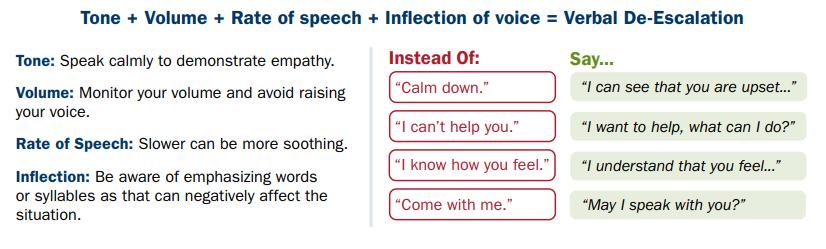
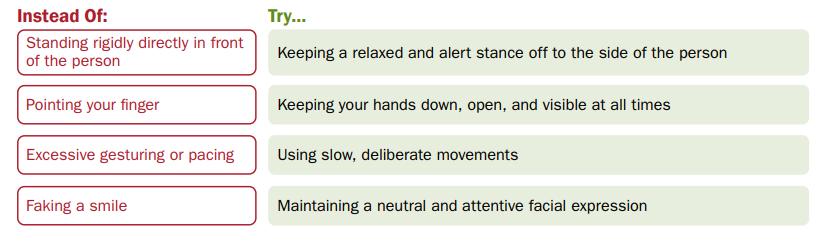


❑ Enhances patient outcomes and clinical efficiency
❑ Fosters a supportive and respectful work environment
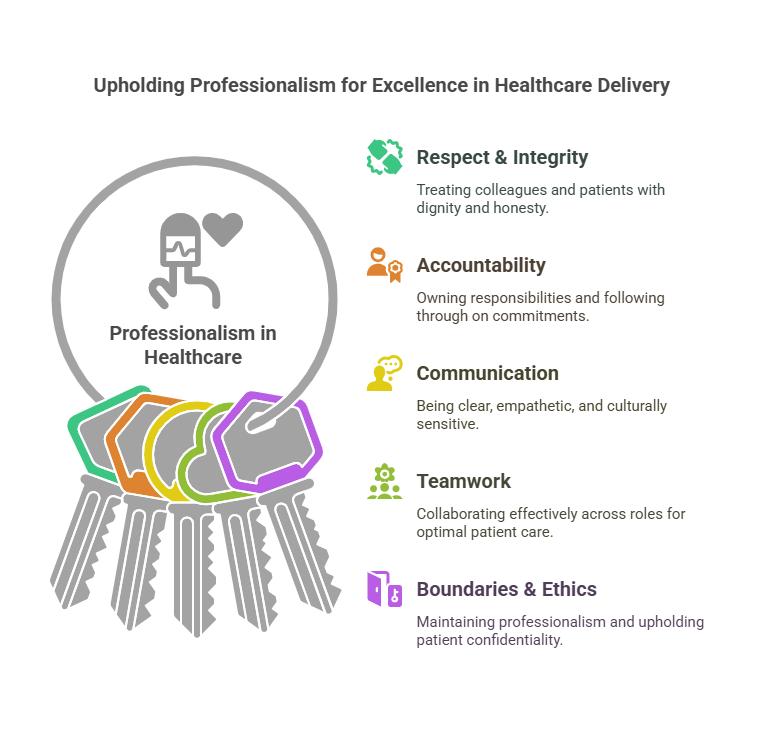
Key Principles of Effective Teamwork
Clear Communication Defined Roles and Responsibilities
Mutual Respect and Trust
Conflict
Resolution Skills
Interdisciplinary collaboration
Cultural Awareness
“They may forget your name, but they will never forget how you made them feel.”— Maya
Angelou

Feel… Empowered to communicate with confidence and clarity, inspired to foster teamwork and motivated to create a culture where patients are heard, staff are valued, and the care team thrives together.