Effective Teaching in a Digital Era GME Retreat 9.19.25
Dr. Vasundhara Singh
Associate Professor of Medicine
Associate Residency Program Director, MSMW
Dr. Eric Barna
Professor of Medicine and Medical Education
Director of Education, Division of Hospital Medicine
Director of Education, Mount Sinai International
Associate Residency Program Director, MSH
Acting Internship Clerkship Director, ICAHN SOM
Innovative Leadership in Medical Education: Teaching Effectively in a Digital World
We have no conflicts of interest, just a passion for medical education.
Thinking about the last 5 years, what changes have you noticed in how we teach and train in the era of digital medicine—both in terms of trainee education and your own teaching practices?
Know…
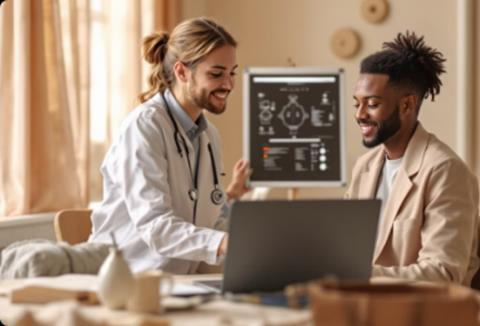
You are no longer “just” a teacher, you are a navigator.
Medical education in the digital era requires intentional blending of bedside presence, digital fluency, and learner connection.
Do…
Design every teaching moment.
Use preparation, digital layering, and personalization to turn distractions into engagement and technology into transformation.
FeelRe-inspired to teach in this new era.
You can be a high-impact educator that is tech-savvy, human-centered, and future-ready.
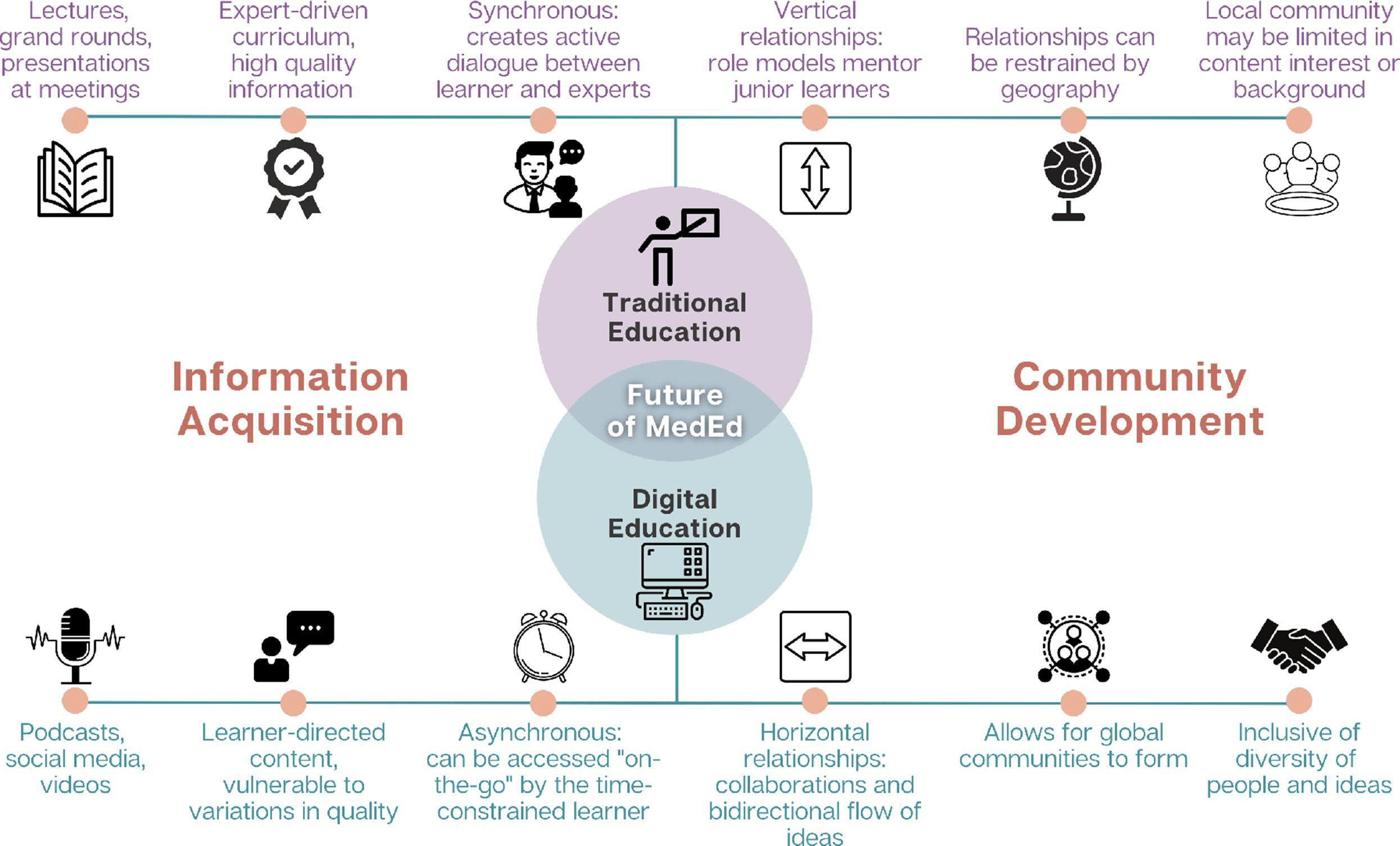
While it has been ongoing for several years, the digital transformation was accelerated by the COVID-19 pandemic. Physical distancing mandates created a vacuum in traditional inperson didactic curricula, spurring a rapid proliferation in digital platforms and content. In this new educational landscape, the digital space has become integral to how we access information and communicate with one another. Thus, the modern medical educator must be able to deliberately appraise both the advantages and pitfalls of the digital world and traditional modalities. Our challenge now is to thoughtfully integrate digital and traditional platforms to help the modern learner effectively acquire information and build community
Das, T, Kaur, G, Nematollahi, S. et al. Medical Education in the Digital Era: A New Paradigm for Acquiring Knowledge and Building Communities. JACC Adv. 2022 Jun, 1 (2) .
Ten Years of Educational Evolution
❑ Increased use of Technology (EMR/APP’s)
❑ Expansion of E-Learning and Virtual Platforms
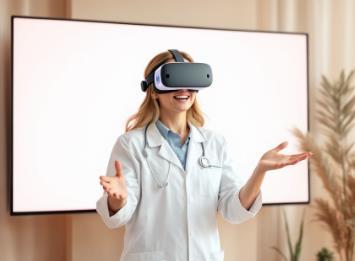
❑ Simulation Based Learning ( AR/VR )
❑ Social Media Based Medical Education
❑ Artificial Intelligence Boom
❑ Learning Analytics and Personalized Education
From Lecture Halls to Digital Platforms
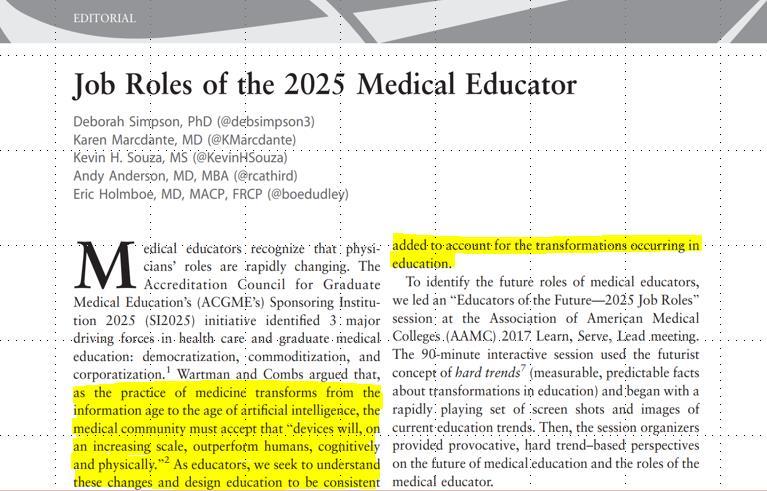
“Machines, for all their capabilities, cannot provide the empathetic touch, a comforting hand, or supportive words during difficult diagnoses. Dr. Abraham Verghese of Stanford Medicine has stressed the importance of not overly focusing on the "iPatient"—the virtual representation of a patient based on tests and data—since it cannot replace the act of physically examining a patient or building a personal connection”.
Let the Voice of Your Trainee Be Heard
“I wish we had more time for bedside teaching”
“I only wish all faculty could equally deliver high yield teaching points that are patient related and time conscious”
“We need a better balance of education on work rounds”
“Some of the best faculty have a true talent for physical exam skill development”
Step 1: Disrupt the Digital Drag/Bedside 2.0
Disrupting “Digital Drag”
❑ Set clear expectations for device use
❑ Model appropriate use
❑ Incorporate technology into learning
❑ Shift focus on mindfulness and “being present”
❑ Designate “Tech-Free” zones or times
❑ Call attention to key learning moment
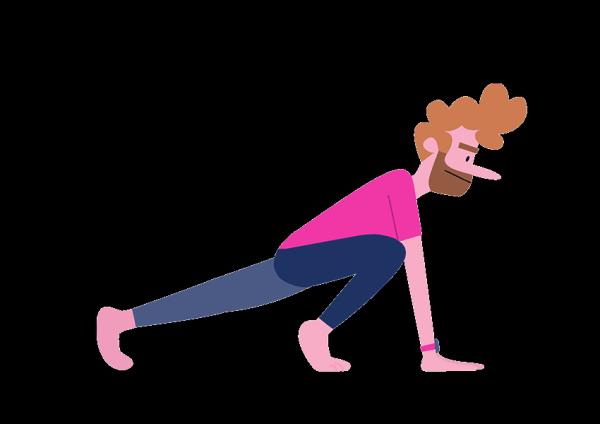
High Intensity Interval Training (HIIT)
Model: Mitigating Digital Distraction's
Planned Breaks
Minimize Cognitive load
Brief Digital Checks
Clear Urgent Messages
Case Presentations
Active Participation
Clinical Reasoning Management
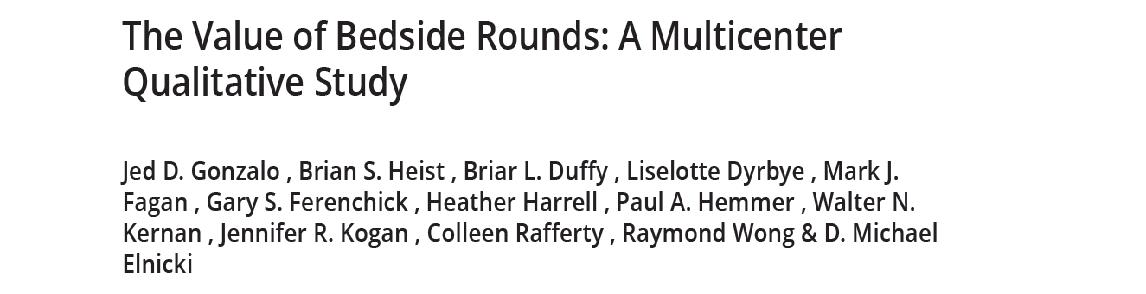
Where is the Value at the Bedside?
Methods: Recruited faculty from 10 institutions including clerkship directors + prior research experience in medical education and conducted bedside rounds
Data Collection/Analysis: Digitally recorded one to one interviews identifying themes and categories generating a codebook to facilitate analysis
Results: All 10 institutions participated 34 interviews conducted focus was directed at key thematic areas
Journal of Teaching and Learning in Medicine Vol. 25, Iss. 4, 2013
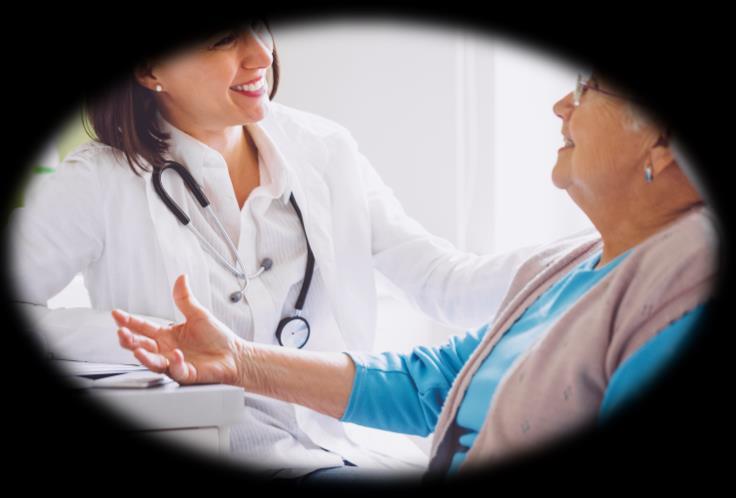
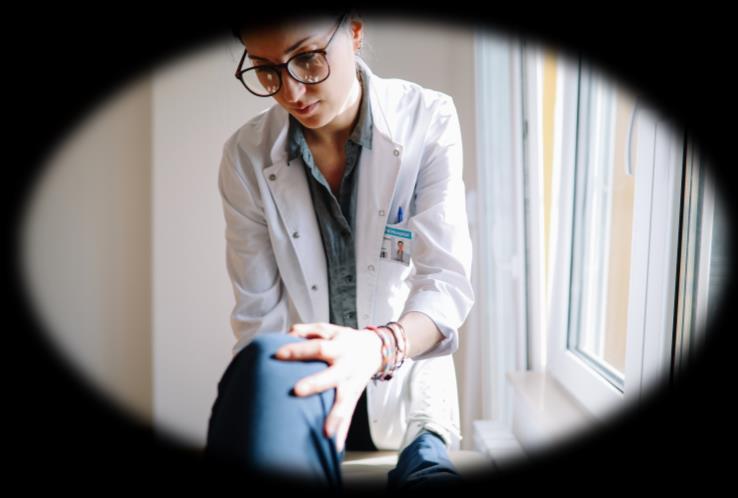
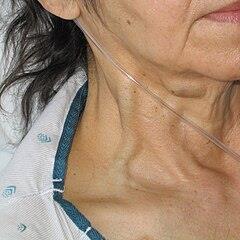
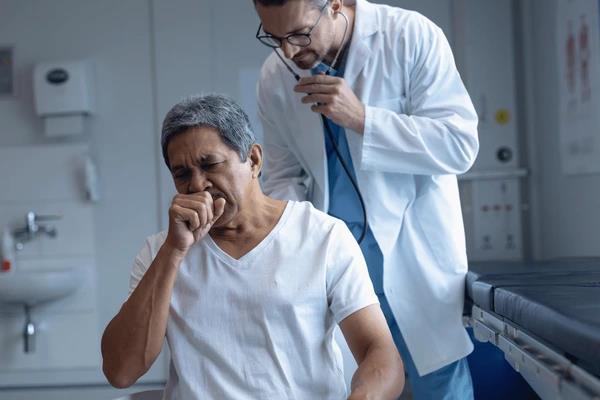
The Magic of Bedside Rounding
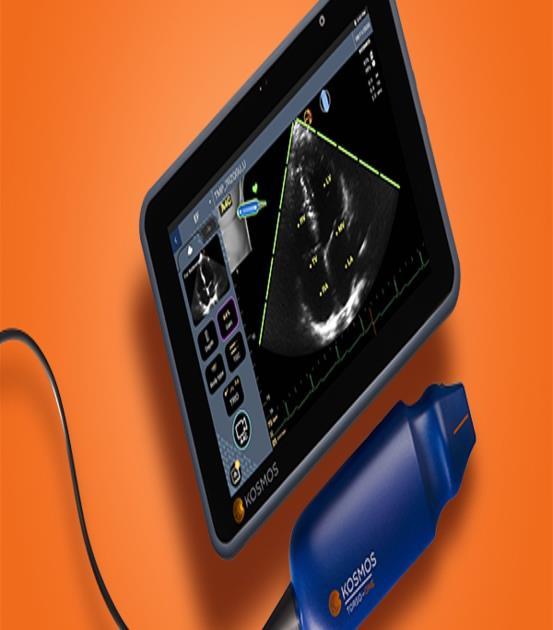
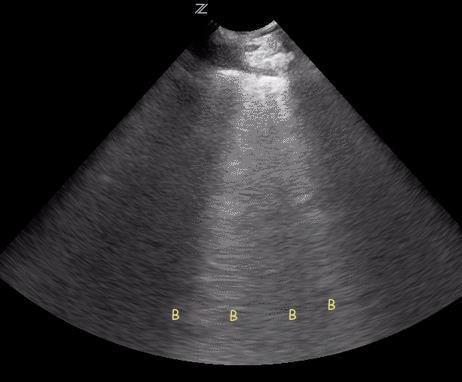
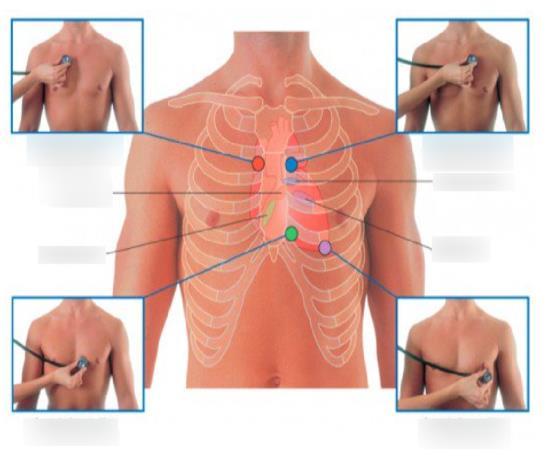
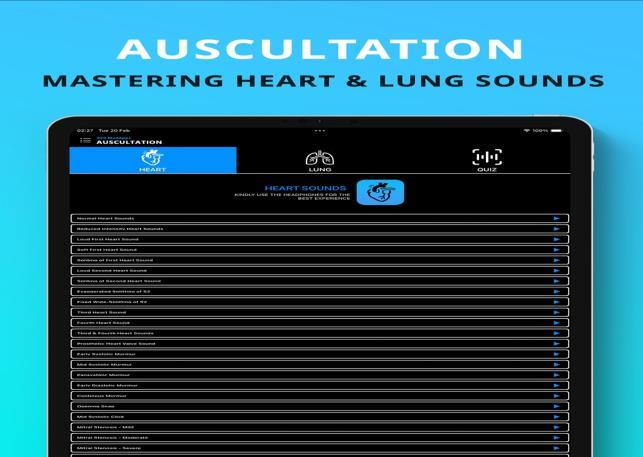
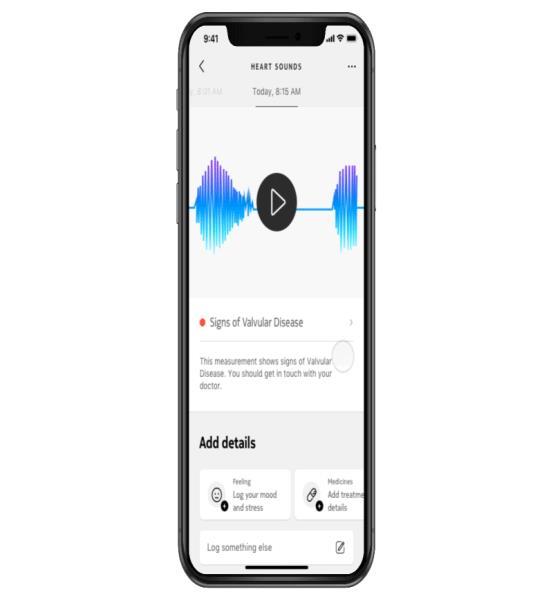
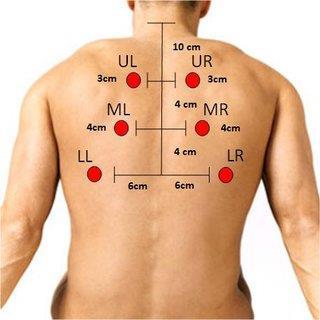
Digital Layering
Digital Layering
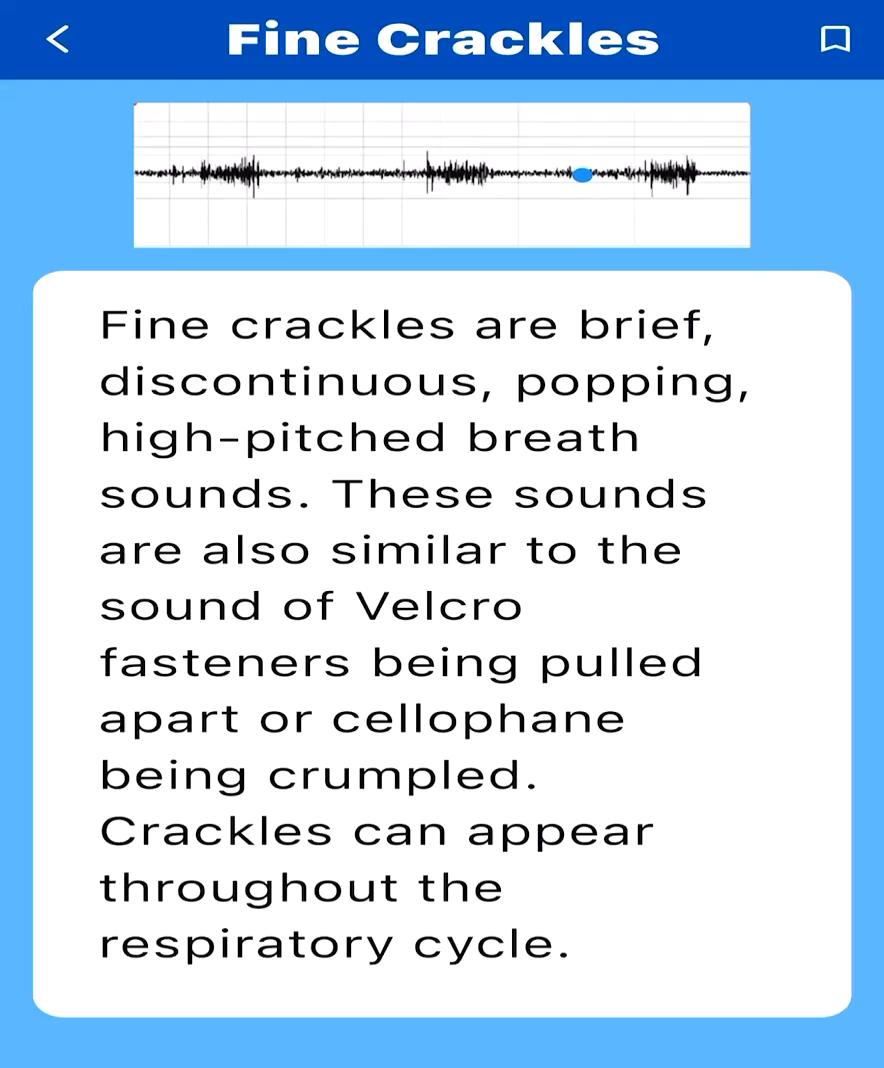
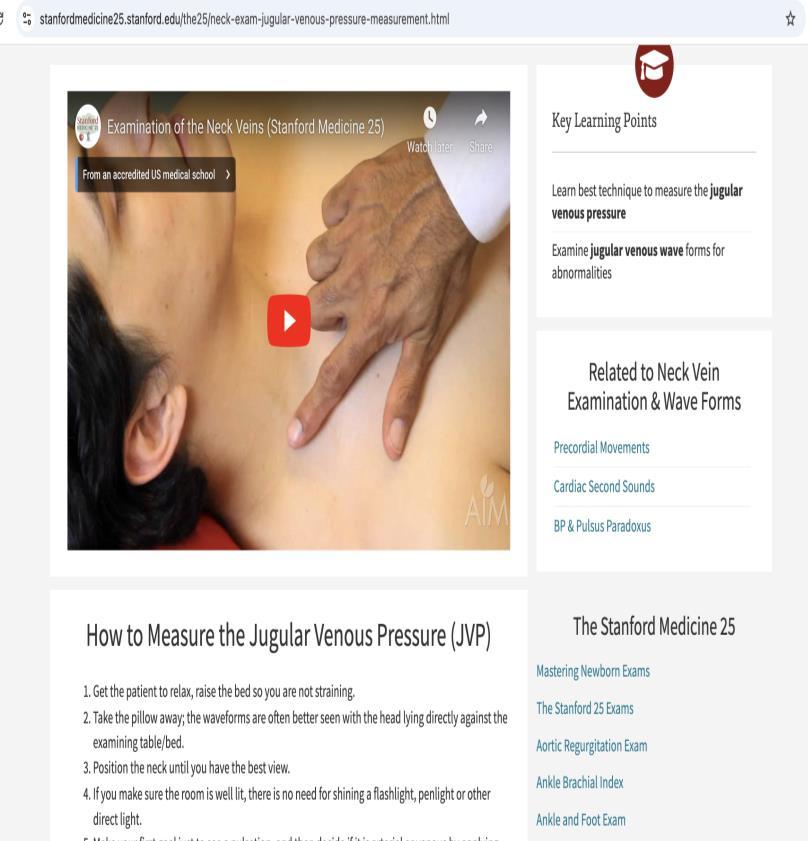
Lung Heart Sounds
Digital Layering
STEP 2: Build Foundational Teaching Skills
Setting the Stage
❑Preparation is everything
❑Create a safe and welcoming environment
❑ Email welcome before you come on service
❑Set clear expectations from day one
❑Identify your learners' strengths/interests
❑Use icebreakers
❑Draw a mental image your time together
Prepare to Succeed
What do you do to prepare before you meet your team/trainee for clinical rounds?
Preparation Toolkit
❑ Chart check the night before and get in early on your first day
❑ “Stealth Round” virtually on your new admissions (EMR efficiency)
❑ Pick 1 or 2 topics that you want to tackle that day
❑ Plan and map out your teaching session: -Organization/Timing -How will you engage the learner -Take home points -Homework assignments -Digital engagement plan -Prepare your technology
Notion APP
Personal Organization Tip:
In
the Era
of
Instant Gratification Waiting
for an Answer Is Key
Engagement
Motivation Inspiration
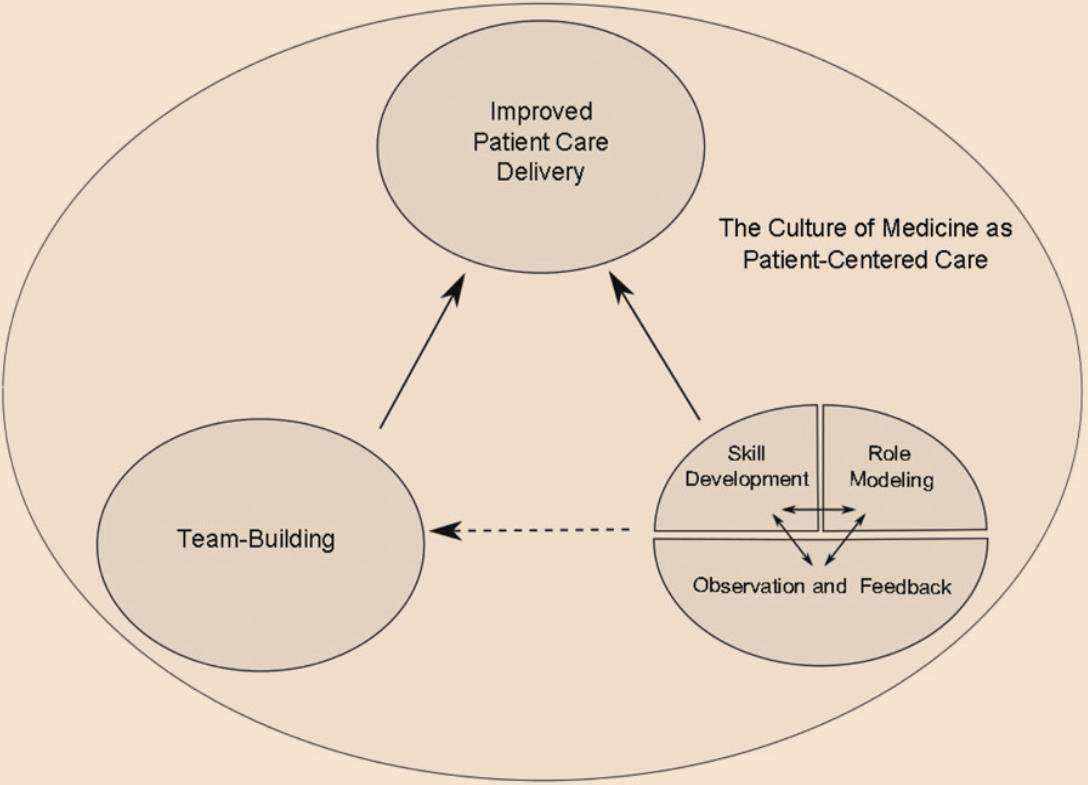
Team Building
❑ Personal investments in your learner and who they are as human beings
❑ Take some time for those “weekend plans” and “fun facts”
❑ Check in on the pulse of your team often
❑ Let your team leads lead
Step3:
From Screens to Skills: Amplifying Learning with
Navigating the Evolving Roles of Educators
❑ Diagnostic assessor
❑ Content curator
❑ Technology adopter
❑ Learner Navigator
❑ Professional coach
❑ Clinical role model
Web Based Infographics
Modeling EMR Use
❑ Demonstrate efficient workflow
❑ Review “smart setup” of dashboards
❑ Template and smart phrase review
❑ Highlight best practices
❑ Set key standards for note writing
❑ Integrate decision support tools (order sets, drug interactions, best practice alerts)
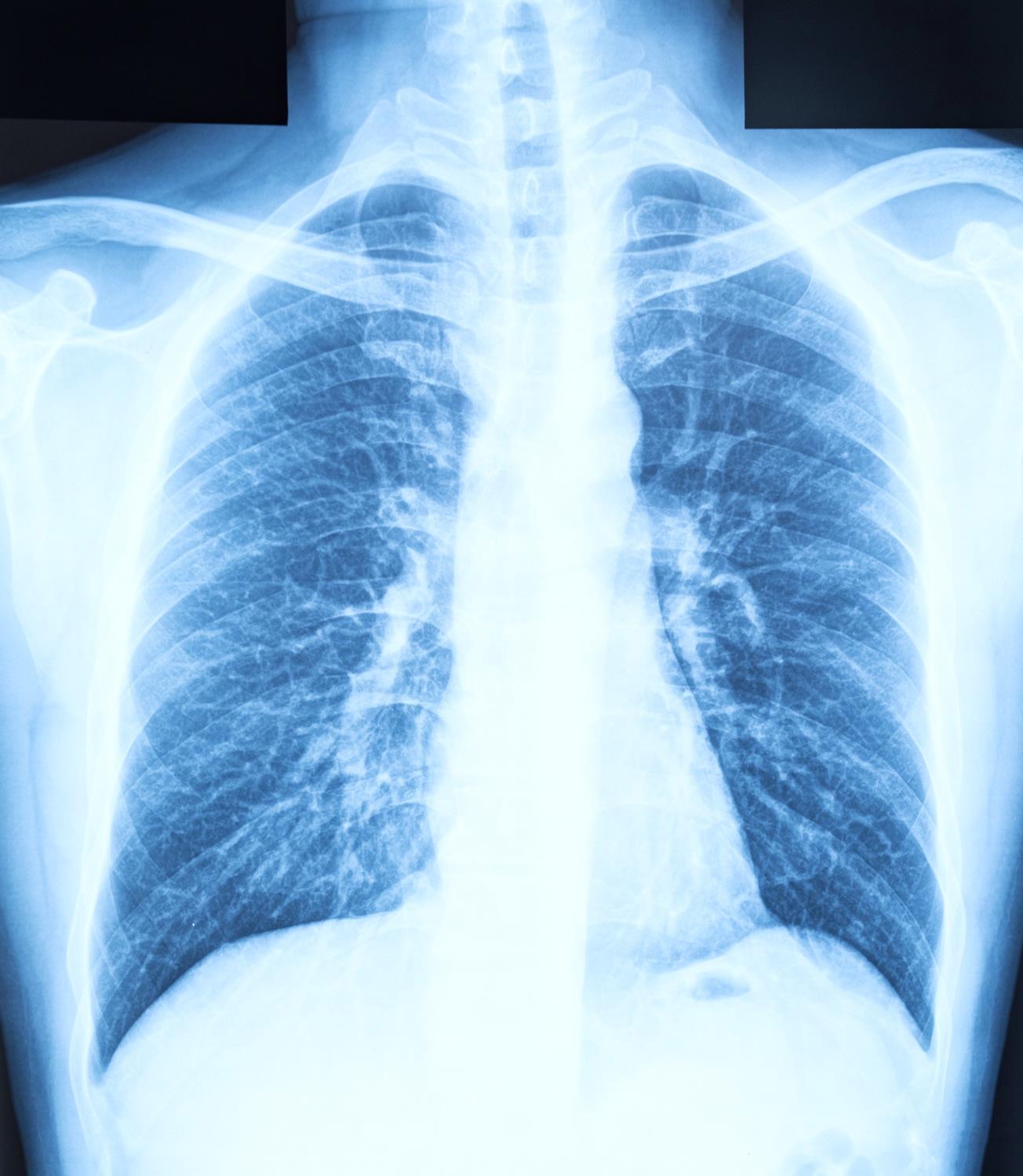
Educational “Time Out” for EKG/Radiography Review
The Power of Email + Shared Spreadsheets
AMA GME Competency Education Program
Medical Education on Demand: The Role of Podcasts in Modern Learning
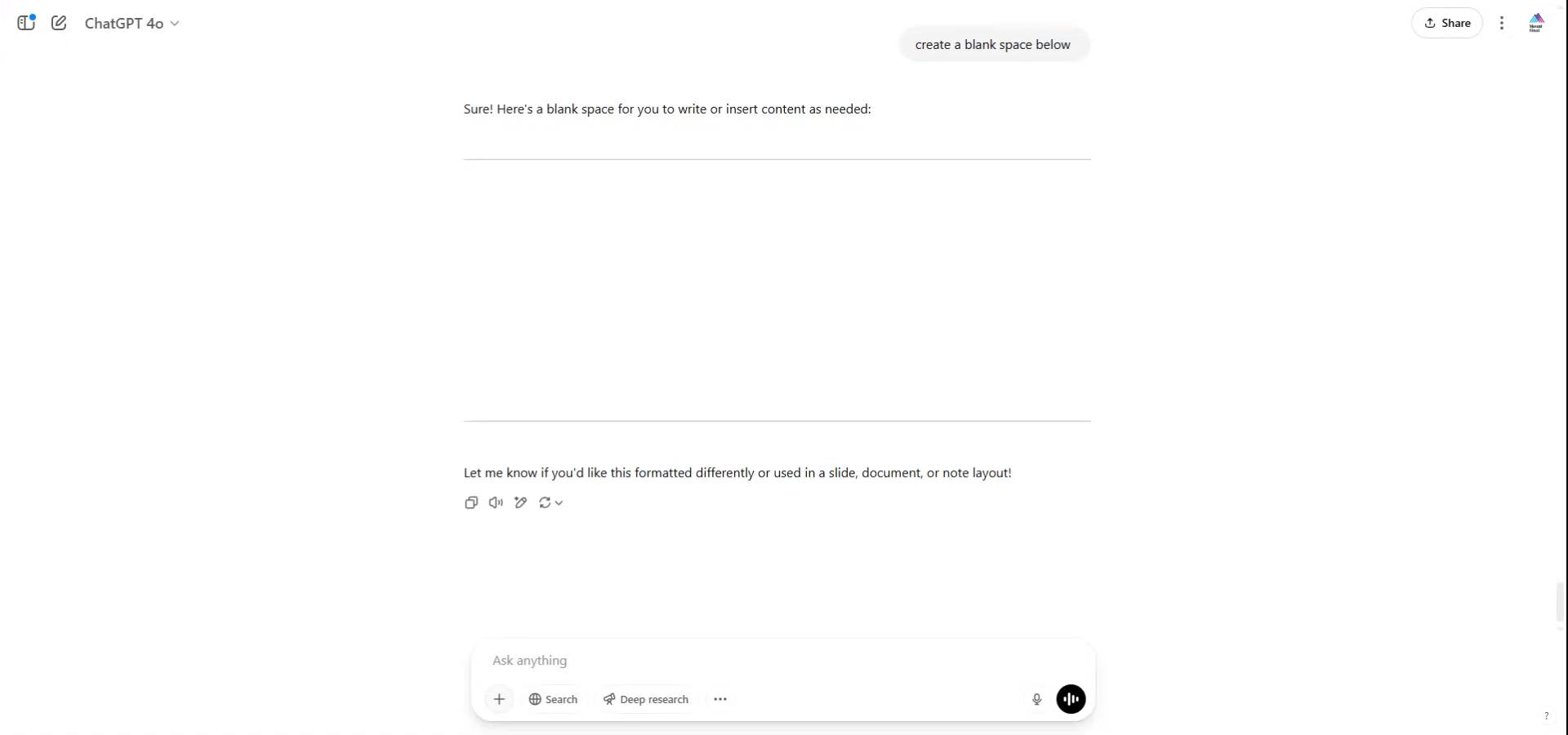
Featured Technical Tools: Chat GPT4o and Loom AI for Video Screen Capture
Practical Uses: Create curated podcast links for targeted clinical scenarios that can easily be shared with UME/GME trainees. Consider prompt engineering if you are looking for a specific Podcast.
Beyond the Basics: Unconventional Uses of Everyday Apps in Medical Education
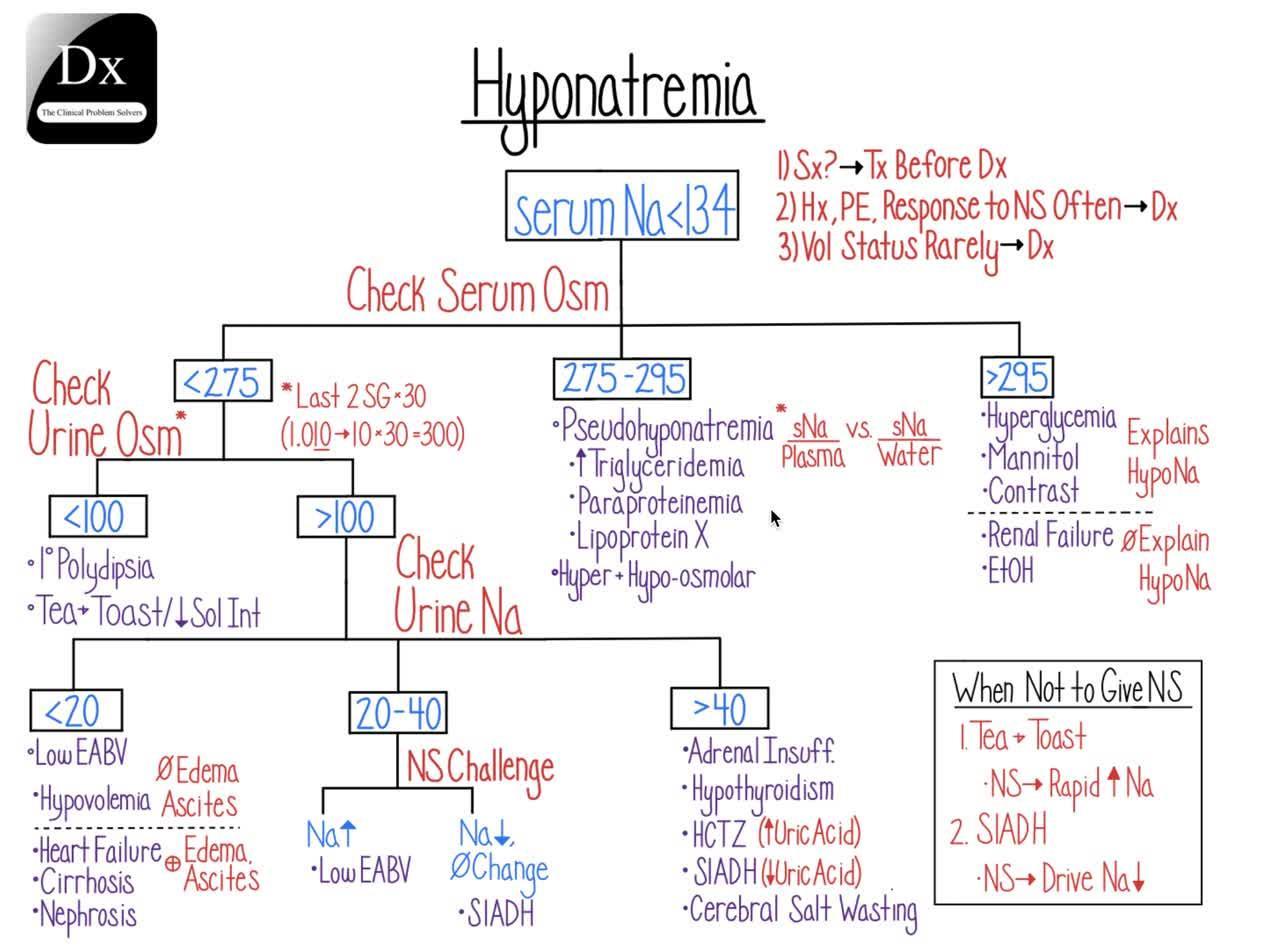
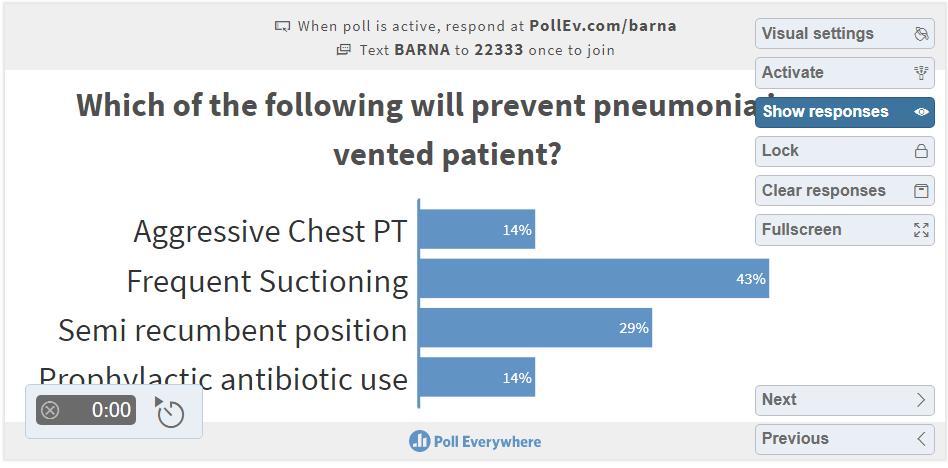
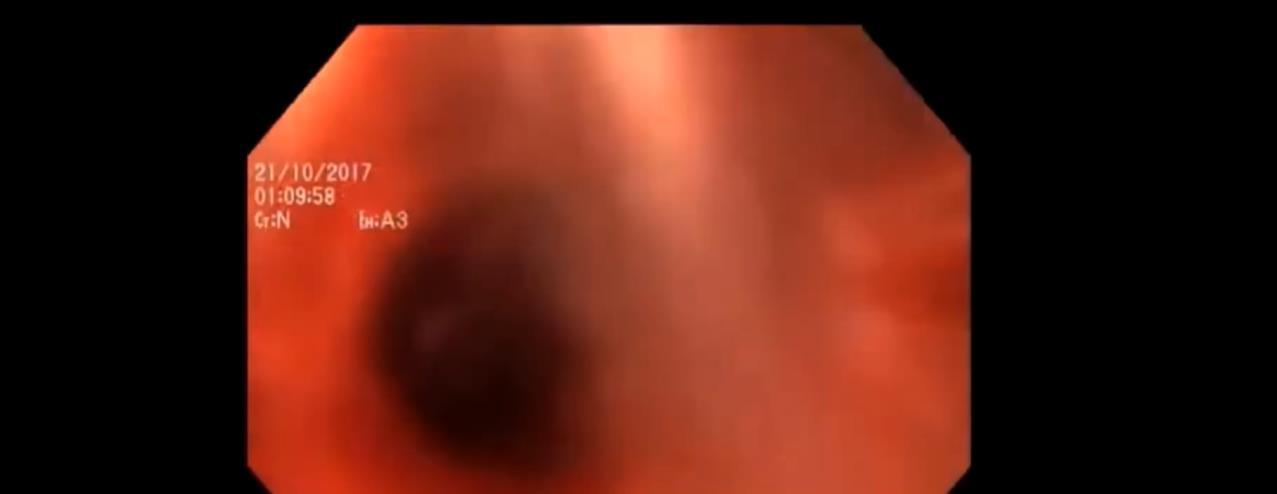
Example: Mr. Johnson is a 70 year old male with a known history of advanced COPD who presented with acute hypoxic respiratory failure was admitted to the MICU, course was complicated by an acute stroke requiring a tracheostomy and a PEG tube placement and he remains ventilator dependent. He is transferred to gen med teaching for continued care.
Fun
Technology driven
Board review focused
Knowledge development
Allows for corrective guidance
Beyond the Basics: Unconventional Uses of Everyday Apps in Medical Education
Example:
55-Year-old male with ETOH-Cirrhosis presenting with hypotension, acute blood loss anemia in the setting of an acute variceal bleed.
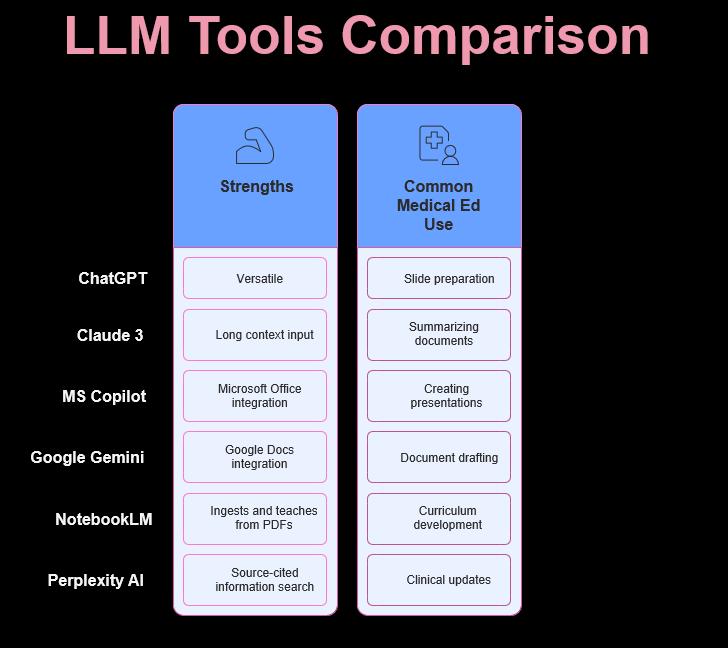
Large Language Models and Medical Education
❑ LLM Natives are coming
❑ 30% of undergraduate students use AI
❑ 20% of matriculating MS4’s use Chat GPT
❑ 67% of younger generations have a positive view of AI
❑ By 2034: 50-70% of learners could be using LLM’s in general education and 60-80% in medical education.
Quick Tips on Using Custom GPT in GME
1. Curate, don’t generalize.
2. Use it as a “clinical reasoning expert attending.”
4. Keep it interactive.
5. Build efficiency into teaching.
3. Ask precise, clinical questions.
AI as Your Co Educator: Large Language Models in Action
❑ Lesson planning
❑ Media generation
❑ Differential diagnosis
❑ Pathophysiology review
❑ Coaching, remediation, feedback
❑ EBM review and dissemination
❑ “On the Go” lookups
❑ Curriculum design
Choosing Your LLM
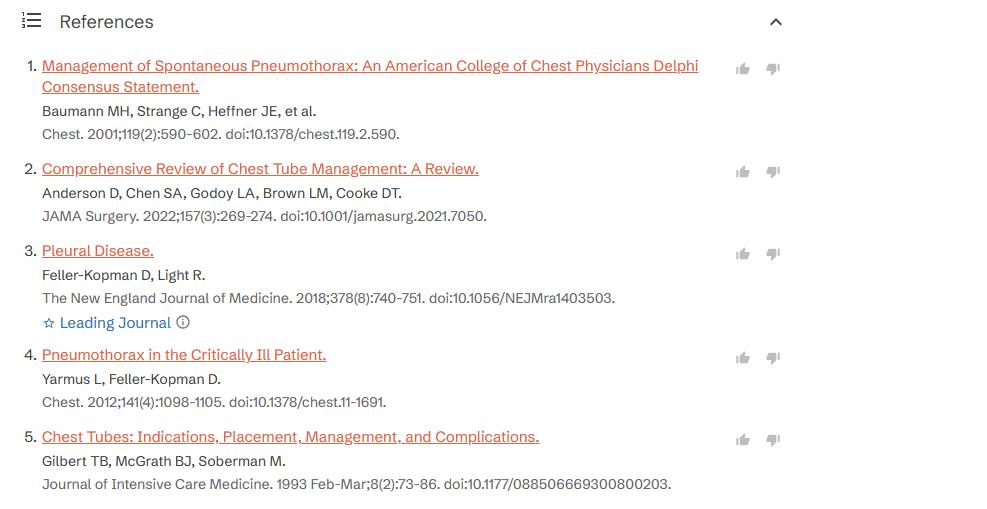
OpenEvidence: AI-Powered Evidence at the Point of Care
❑ Teaching tool: Generates quiz-style Q&A with explanations
❑ Evidence on demand: Supports case prep and resident teaching
f Transforms the “information firehose” into actionable, referenced knowledge in seconds
Hallucinations & Errors
Always verify against guidelines
Citation Integrity
Confirm cited papers (misattributions)
Over Reliance
Learners should use it as a consult note
Source Bias
May overemphasize US/Western sources
Privacy and Compliance
Use de-identified cases
Skill Dilution
Teach manual literature review
Pitfalls and Cautions for Using AI (OpenEvidence)
Bringing it All Together: Educational Quick Cards
The Educational Quick Card
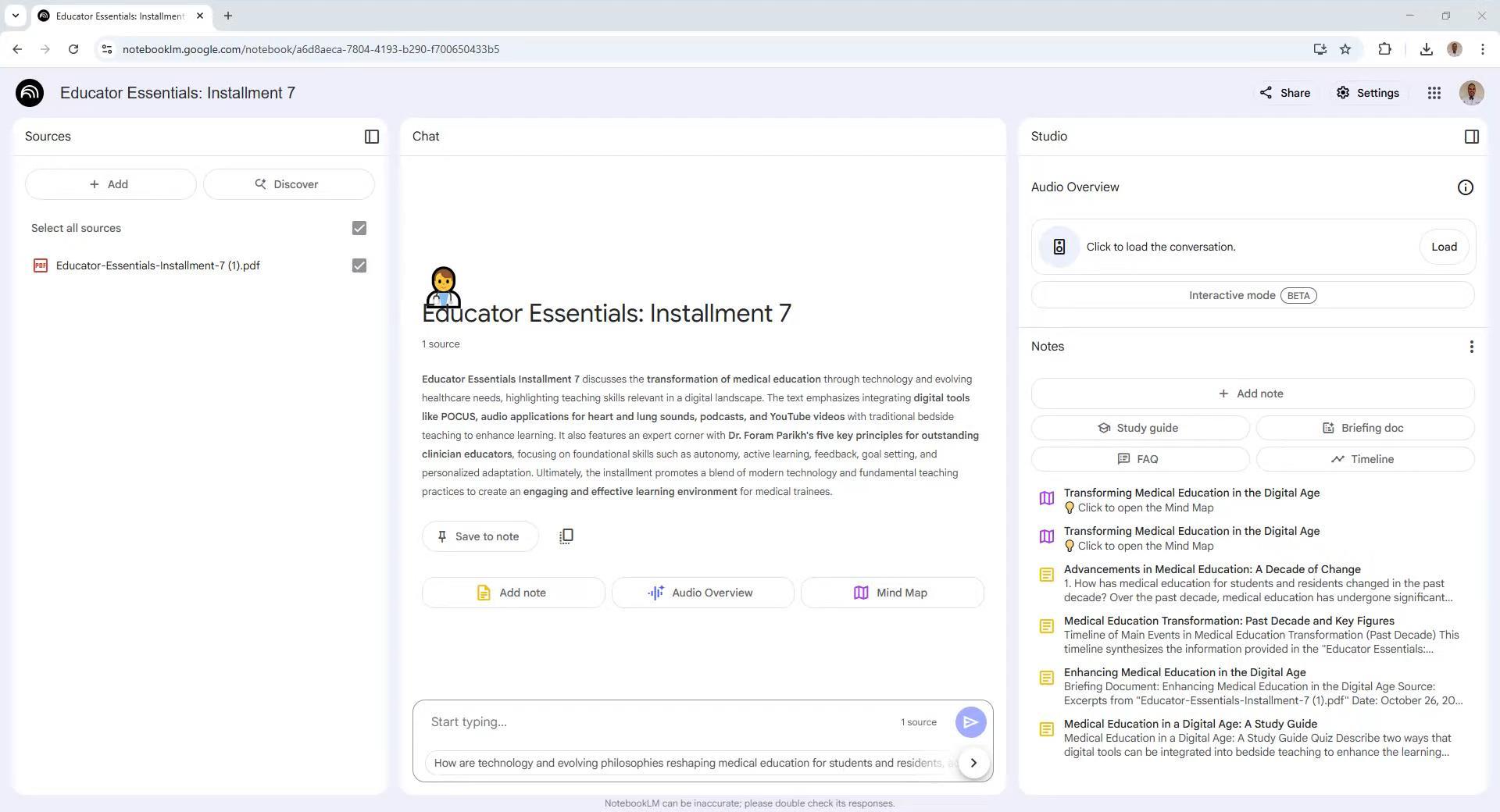
NotebookLM: Learn, Research, Organize
Know…
You are no longer “just” a teacher, you are a navigator.
Medical education in the digital era requires intentional blending of bedside presence, digital fluency, and learner connection.
Do…
Design every teaching moment.
Use preparation, digital layering, and personalization to turn distractions into engagement and technology into transformation.
FeelRe inspired to teach in this new era.
You can be a high-impact educator that is tech-savvy, human-centered, and future-ready.
“Medicine is a science of uncertainty and an art of probability, and in the digital age, data can turn the art into precision.” — Adapted from William Osler