




Eric Barna MD Professor of Medicine
and Medical Education
Director of Education, DHM
Director of Education MSI
Associate Residency Program Director
Acting Internship Clerkship Director

I have no conflicts of interest to disclose. And while today’s talk is about artificial intelligence, I’m not standing here as an AI expert. I’m standing here as a curious clinician-educator and someone who’s learning, experimenting, and frankly excited about how these tools can help us innovate, educate, and elevate.







How are you currently using AI in your professional or personal life?


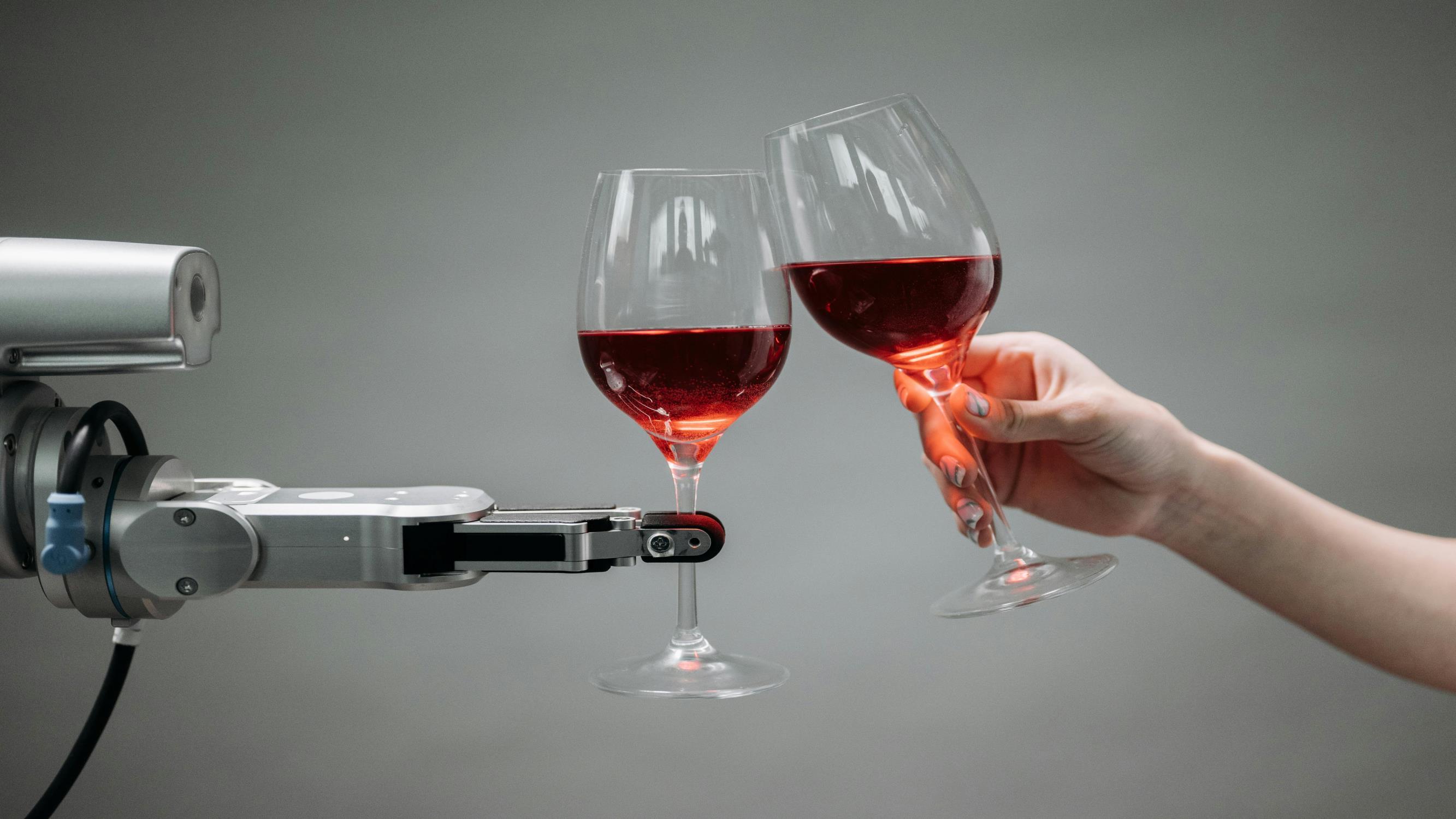












Artificial intelligence isn’t replacing educators; it is redefining our roles.
Clinician-educators who understand how to integrate AI will lead the next era of teaching, feedback, and professional growth.
… Experiment boldly but responsibly. Use AI as a co-educator, coach, and creative partner for designing curricula, analyzing feedback, creating more engaging content, and improving workflow efficiency.

Feel Inspired and empowered to see AI not as a threat to expertise but as a catalyst for innovation that reignites creativity, efficiency, and joy in medical education.

AI isn't a trend rather it's a toolset that can relieve burnout, elevate creativity, and enhance our role as educators and administrators. .
❑ Rapid evolution of the medical education landscape
❑ Program administrative/leadership burden is growing
❑ Trainees expect tech-savvy leadership

“Incorporating AI into medical education means training doctors who are not only clinically sharp—but also digitally fluent.”
– JAMA Editorial, “Preparing Medical Students for the AI Revolution,” 2020


•AI 1.0 (1950s–2000s) – Theory, algorithms, and rules-based systems (slow, limited use).
•AI 2.0 (2010s) – Machine learning and big data explosion (used in background systems like Netflix, Google, EMRs).
•AI 3.0 (2022–Present) –Generative AI (ChatGPT, Claude, Midjourney), democratization of tools, and rapid public/clinical adoption. We’re not in the future of AI. We’re in the early reality. The question isn’t if we use it — it’s how well we integrate it to support our teams and trainees.



Are any of you currently using AI in your teaching with medical students or residents?

❑ Increased use of Technology (EMR/APP’s)

❑ Expansion of E-Learning and Virtual Platforms
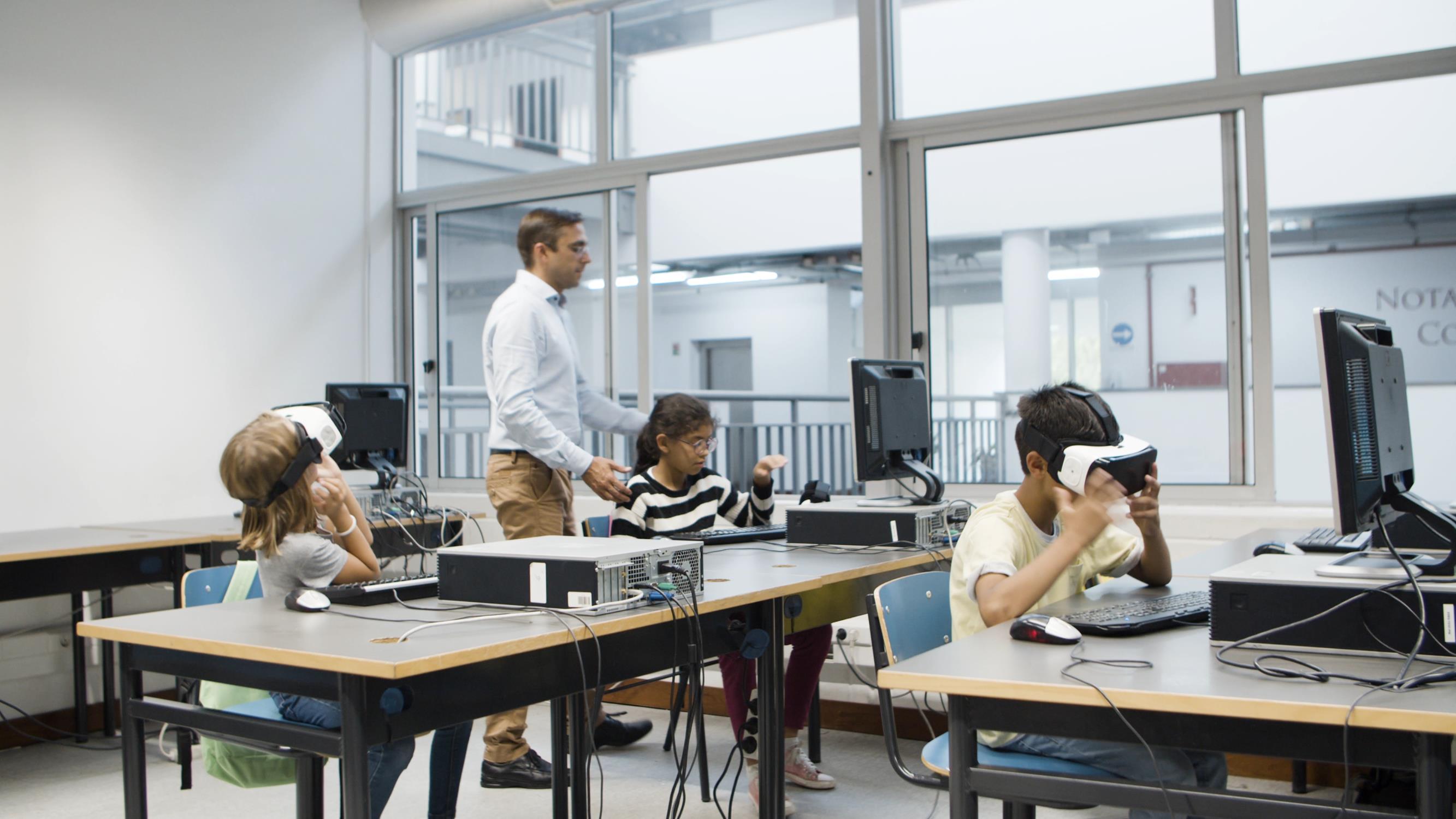
❑ Simulation Based Learning ( AR/VR )
❑ Social Media Based Medical Education
❑ Artificial Intelligence Boom
❑ Learning Analytics and Personalized Education





❑ Lesson planning
❑ Media generation
❑ Differential diagnosis
❑ Pathophysiology review
❑ Coaching, remediation, feedback
❑ EBM review and dissemination
❑ “On the Go” lookups
❑ Curriculum design






What it is:
❑ AI-driven medical search engine
❑ Synthesizes clinical evidence from top-tier journals (NEJM, JAMA, Lancet, etc.)
❑ Designed for clinicians and educators
Why it matters:
❑ First AI to score 100% on USMLE Step-style questions
❑ Used daily by 40% of U.S. physicians
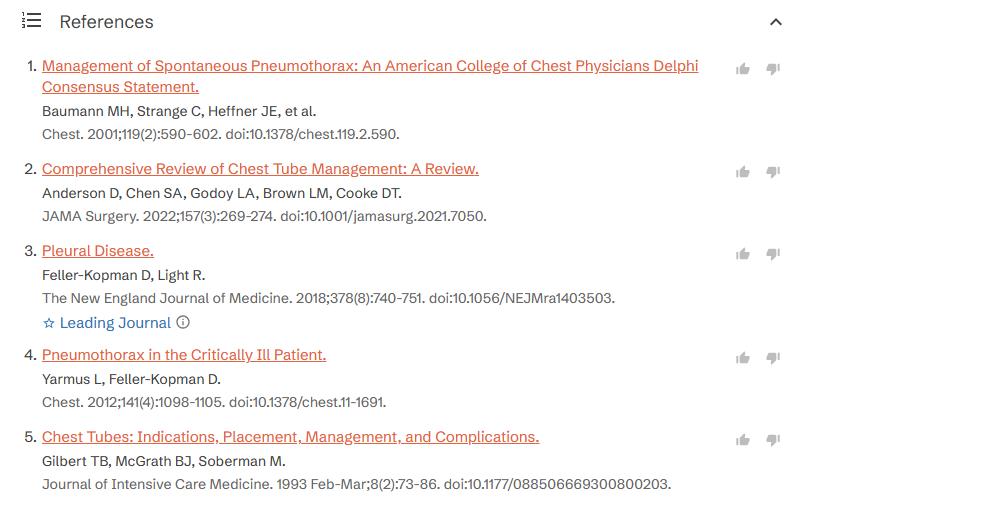
❑ Answers clinical questions with citations and reasoning
How faculty can use it:
❑ Stay current: Summarizes guidelines & recent trials
❑ Teaching tool: Generates quiz-style Q&A with explanations
❑ Evidence on demand: Supports case prep and resident teaching
f Transforms the “information firehose” into actionable, referenced knowledge in seconds




What is it?
Advanced AI search that uses natural language + semantic understanding

What are
Preparing lectures (broad query)

Identify Gaps in the Literature

Curriculum development


What makes it different?
Traditional search = Keywords


Can it be paired for impact?

Deep search = contextual, multi document



Broad deep search + OpenEvidence
Validation and fact checking





Always verify against guidelines




Citation Integrity
Confirm cited papers (misattributions)

Over Reliance


Privacy and Compliance
Learners should use it as a consult note


Source Bias
Overemphasis on US/Western sources

Use de-identified cases

Skill Dilution
Teach manual literature review








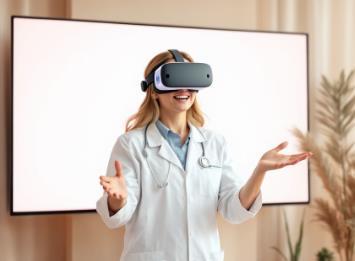



❑ Diagnostic assessor
❑ Content curator
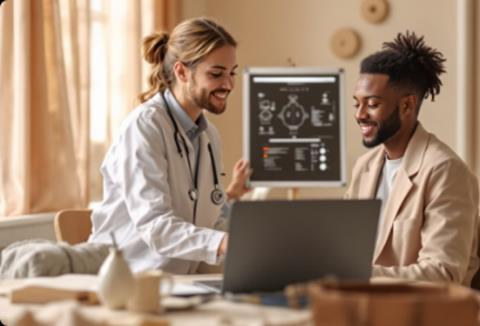
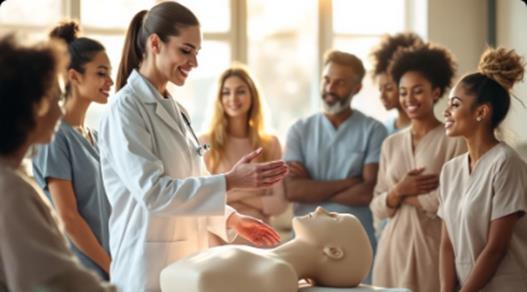
❑ Technology adopter
❑ Learner Navigator
❑ Professional coach
❑ Clinical role model
❑ Learning environment designer/implementer
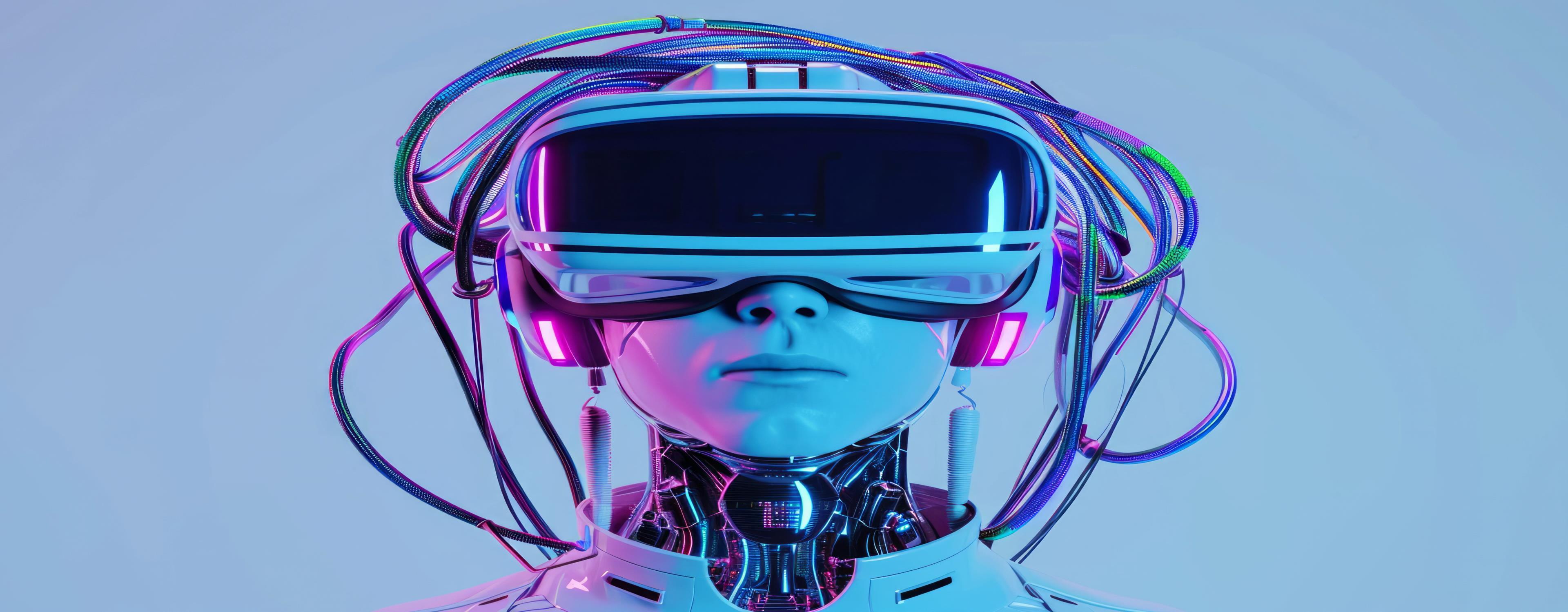
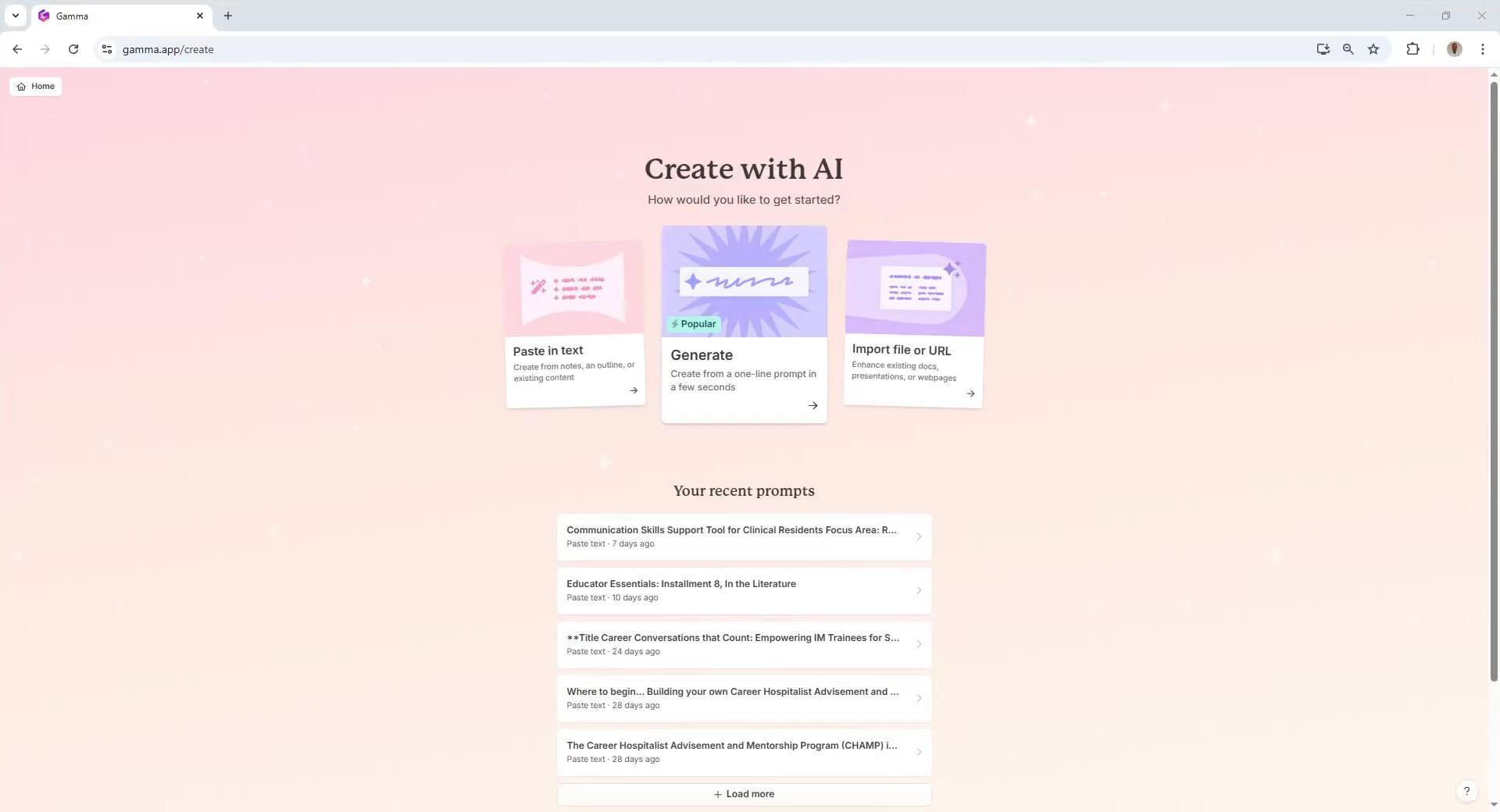
All Images seen in this slide are AI generated via Gamma and extracted to PowerPoint

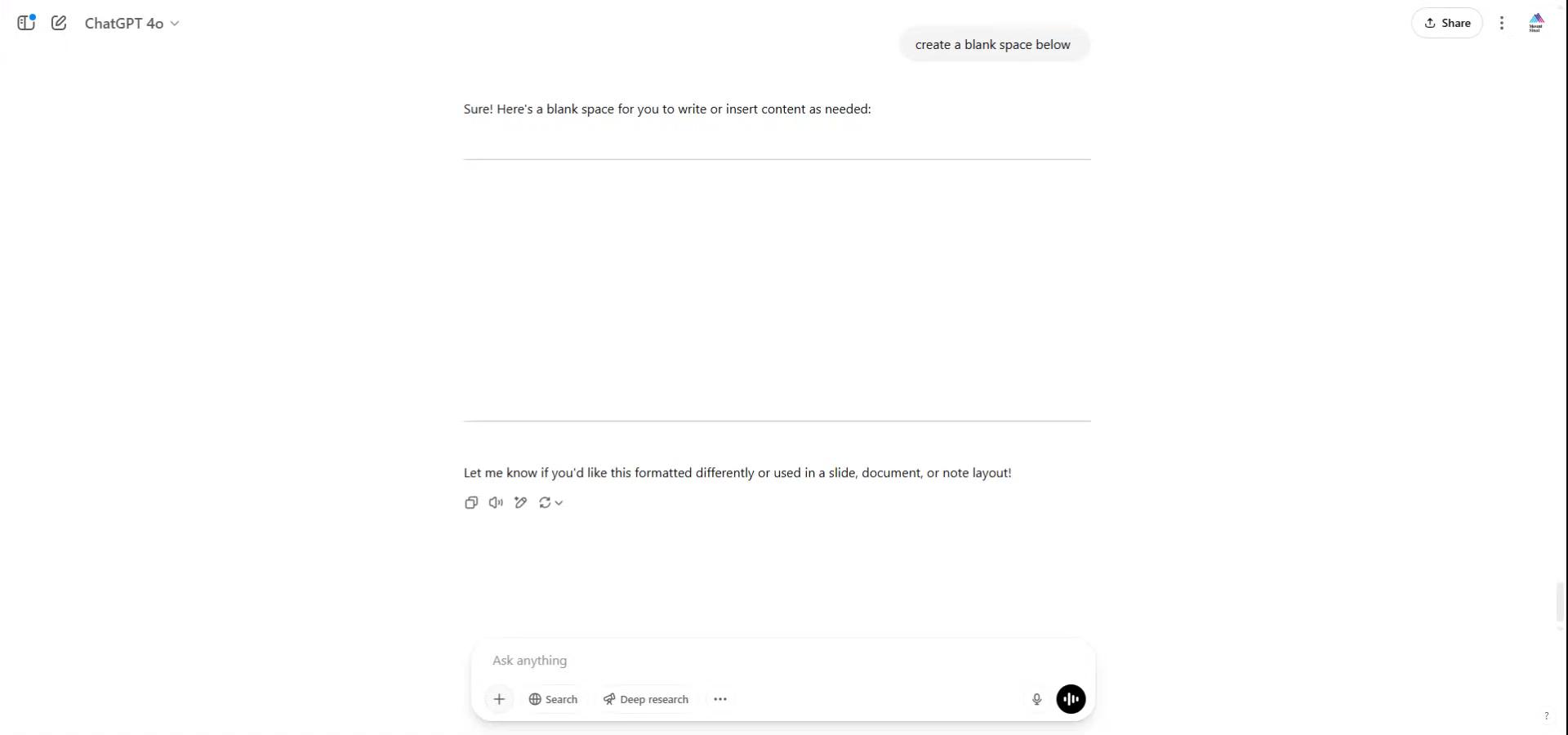
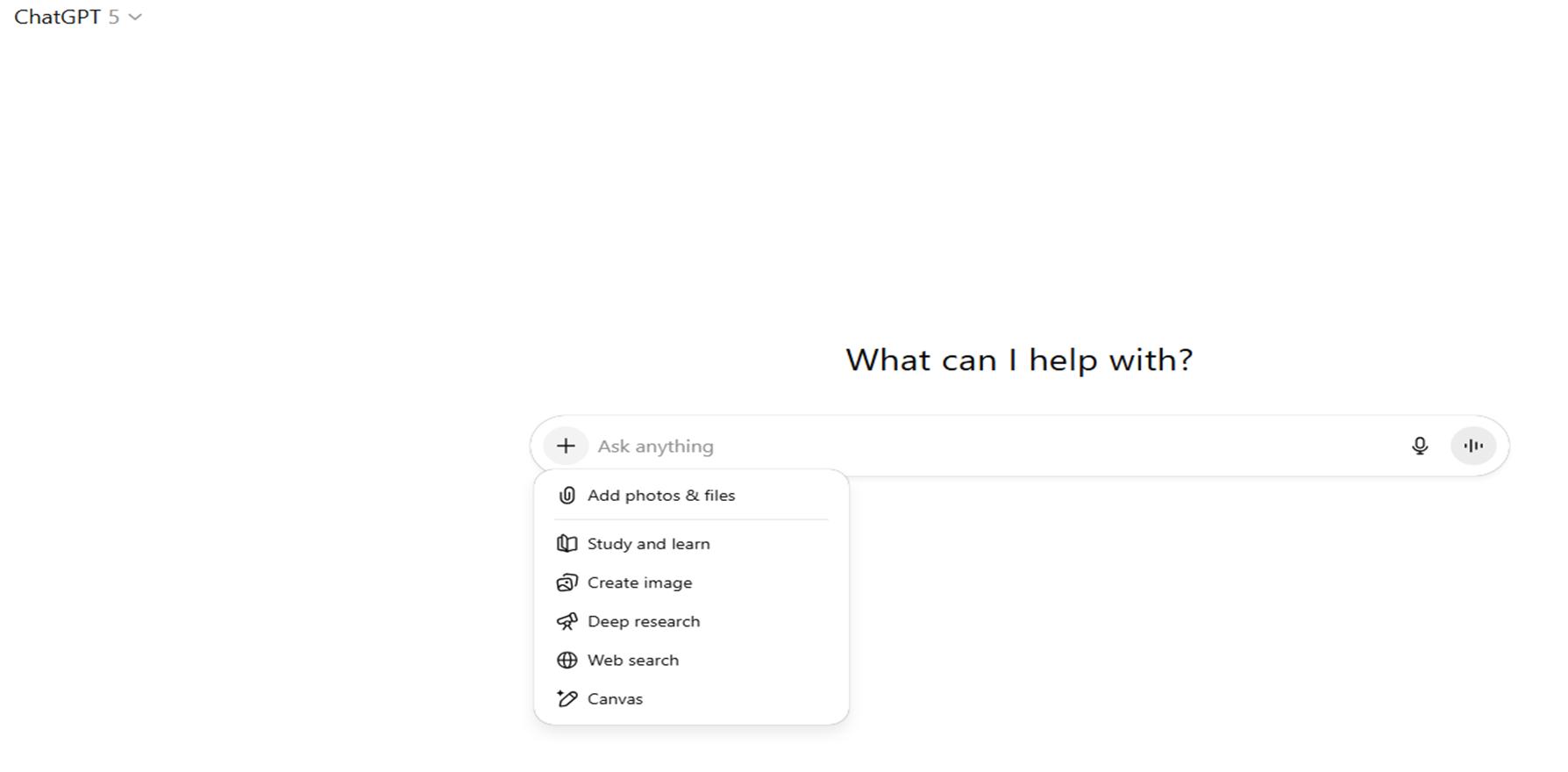
Featured Technical Tools: Chat GPT4o and Loom AI for Video Screen Capture
Practical Uses: Create curated podcast links for targeted clinical scenarios that can easily be shared with UME/GME trainees. Consider prompt engineering if you are looking for a specific Podcast.



Analyzing
Analyzing deidentified evaluation/feedback data
Personalizing development plans
Providing coaching tools Interview Skills
“Analyze the following de-identified narrative feedback for an internal medicine resident. Identify common themes, strengths, and areas for improvement. Summarize the feedback into key takeaways that align with ACGME competencies.”
Analyzing
Analyzing deidentified evaluation/feedback data
Personalizing development plans
Providing coaching tools
“Create a personalized 4-week remediation and development plan for a PGY-2 internal medicine resident who struggles with time management during rounds and delayed note completion. The tone should be supportive and growth-oriented, with weekly goals and specific learning activities.”
Interview Skills
Analyzing
Analyzing deidentified evaluation/feedback data
Personalizing development plans
“Provide coaching strategies and language to help a faculty member support a resident who is frequently interrupting during interdisciplinary rounds and struggling with team dynamics. Include conversation openers, reflection prompts, and tips for setting collaborative improvement goals.”
Providing coaching tools Interview Skills
Analyzing
Analyzing deidentified evaluation/feedback data
Personalizing development plans
Providing coaching tools Interview Skills
“Act as a fellowship interviewer and ask me 5 behavioral interview questions suitable for a PGY-3 internal medicine resident applying to a cardiology fellowship. After each response, give me specific feedback on content, clarity, and professionalism, and suggest how to improve.”





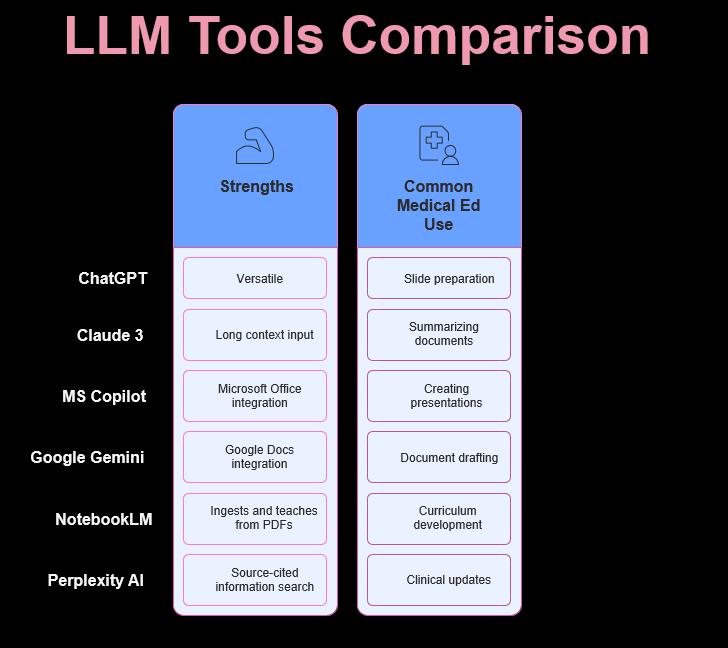
Why educators Love it: Smart templates
Great for: Data visualization, corporate style, professional
Why educators Love it: Clean, interactive and modern Great for: Story telling, multimedia, dissemination
Why educators Love it: Embedded in Microsoft
Great for: Word document to slide presentation or prompt




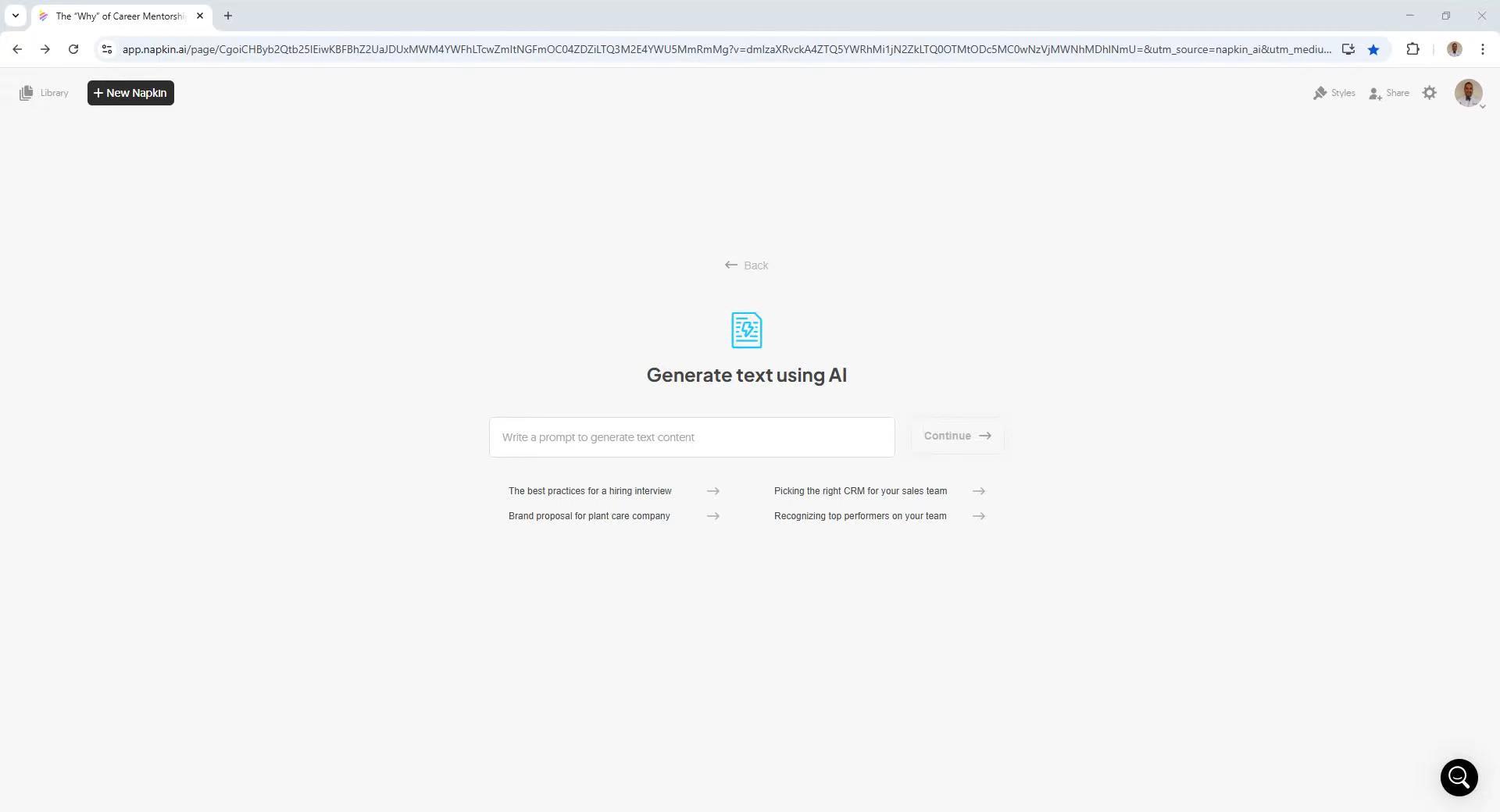


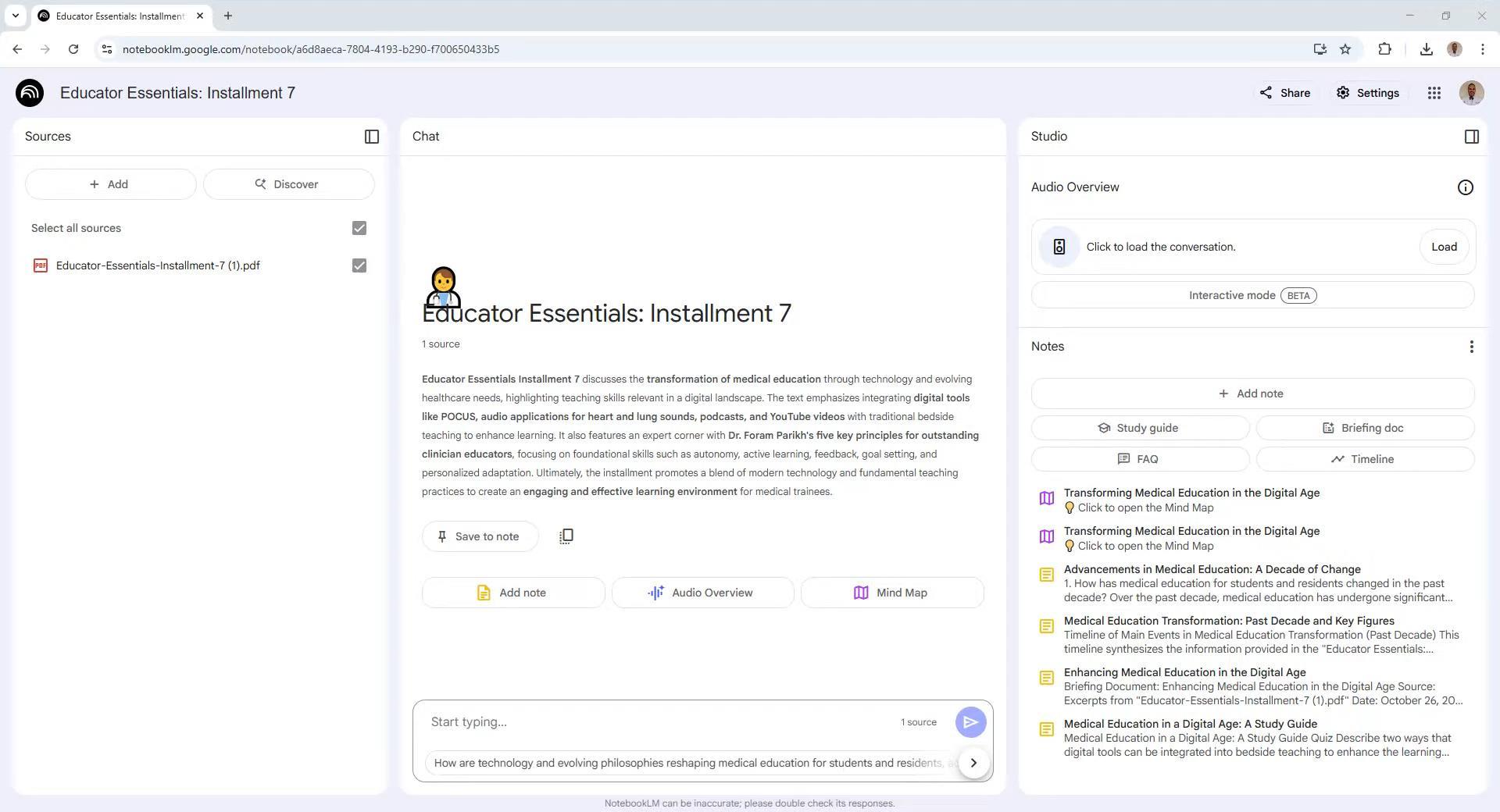
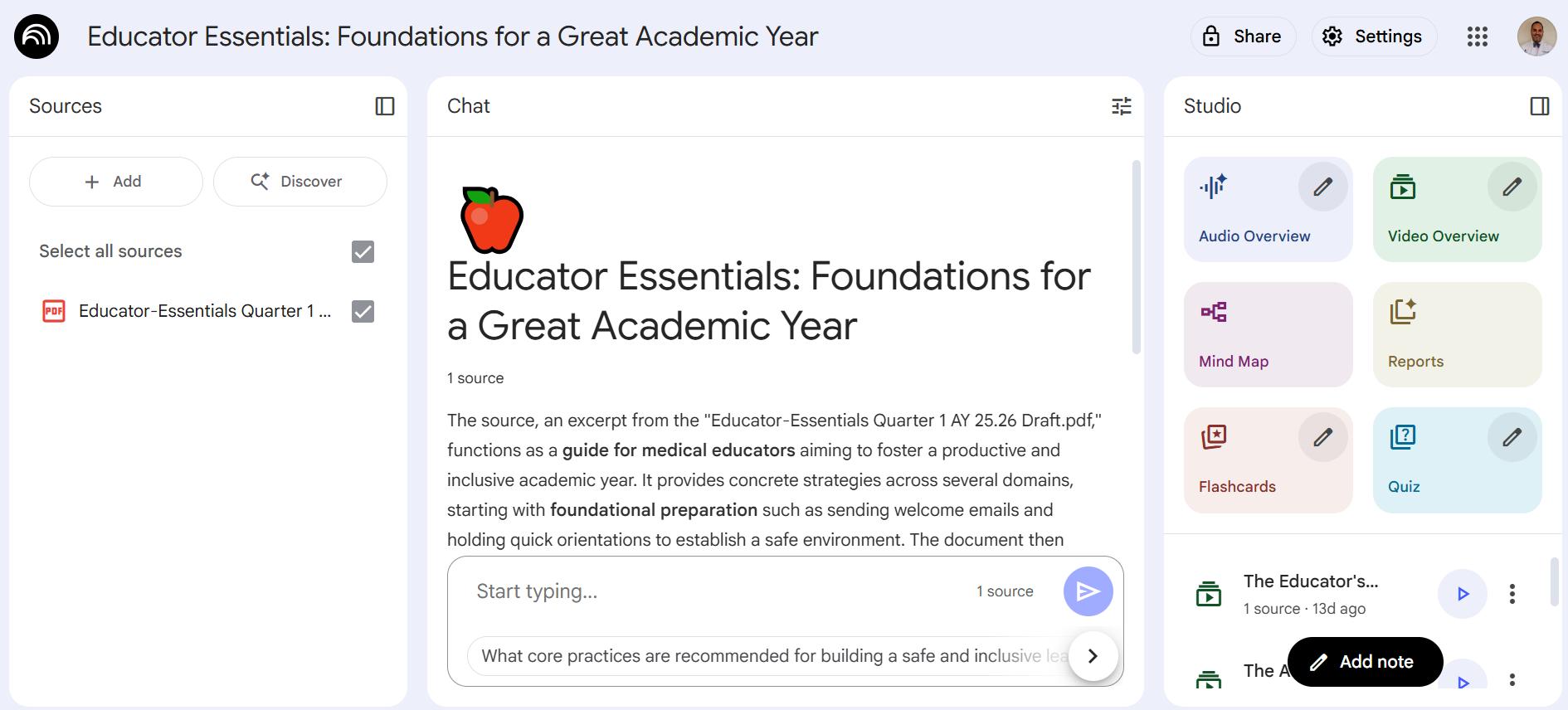

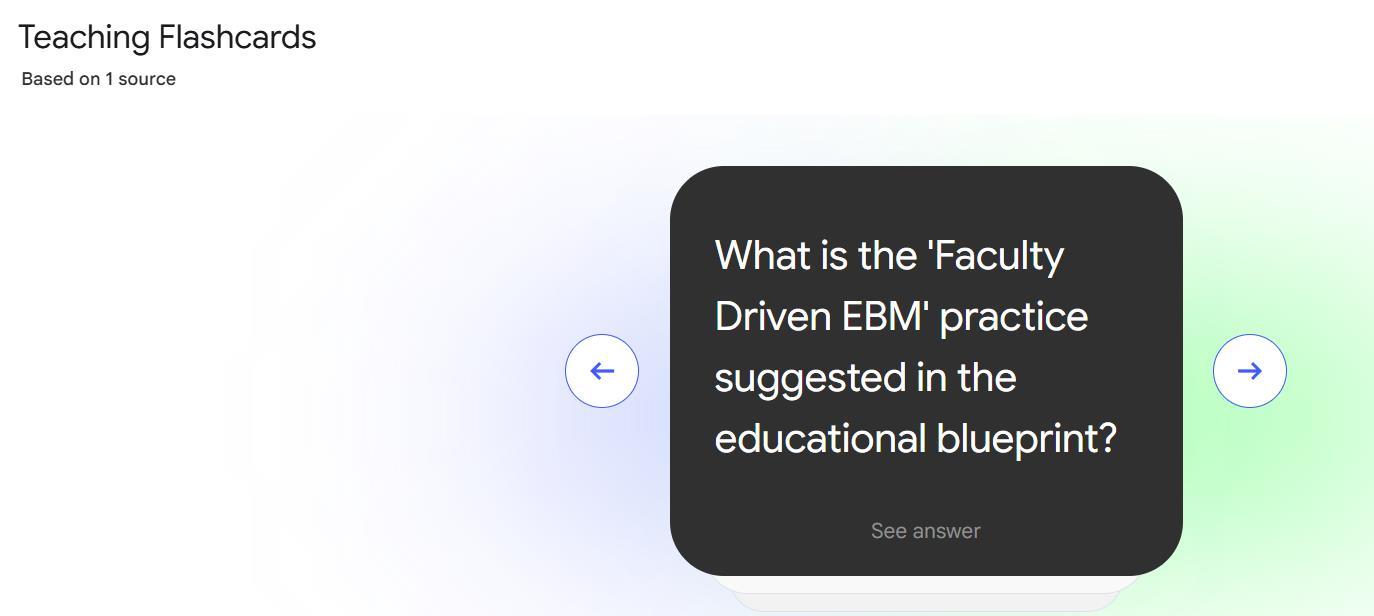
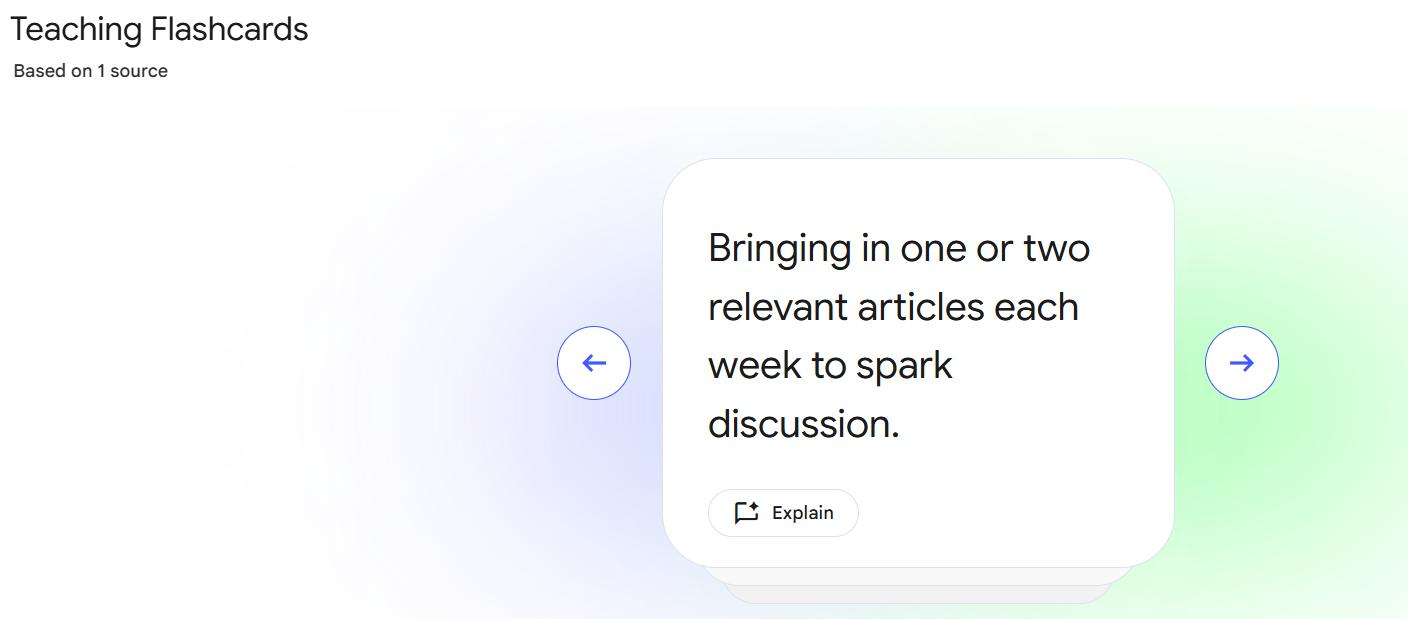
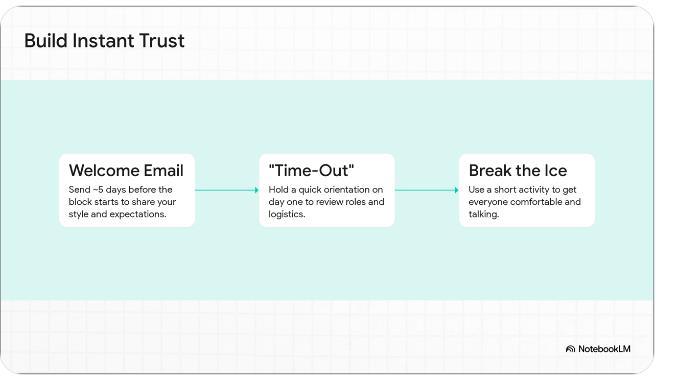

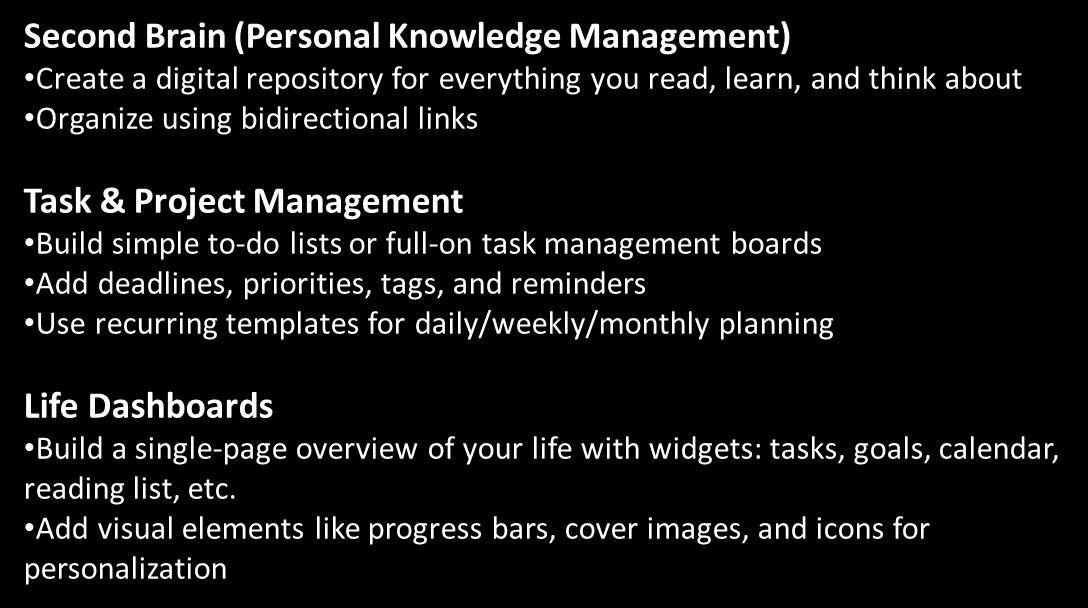
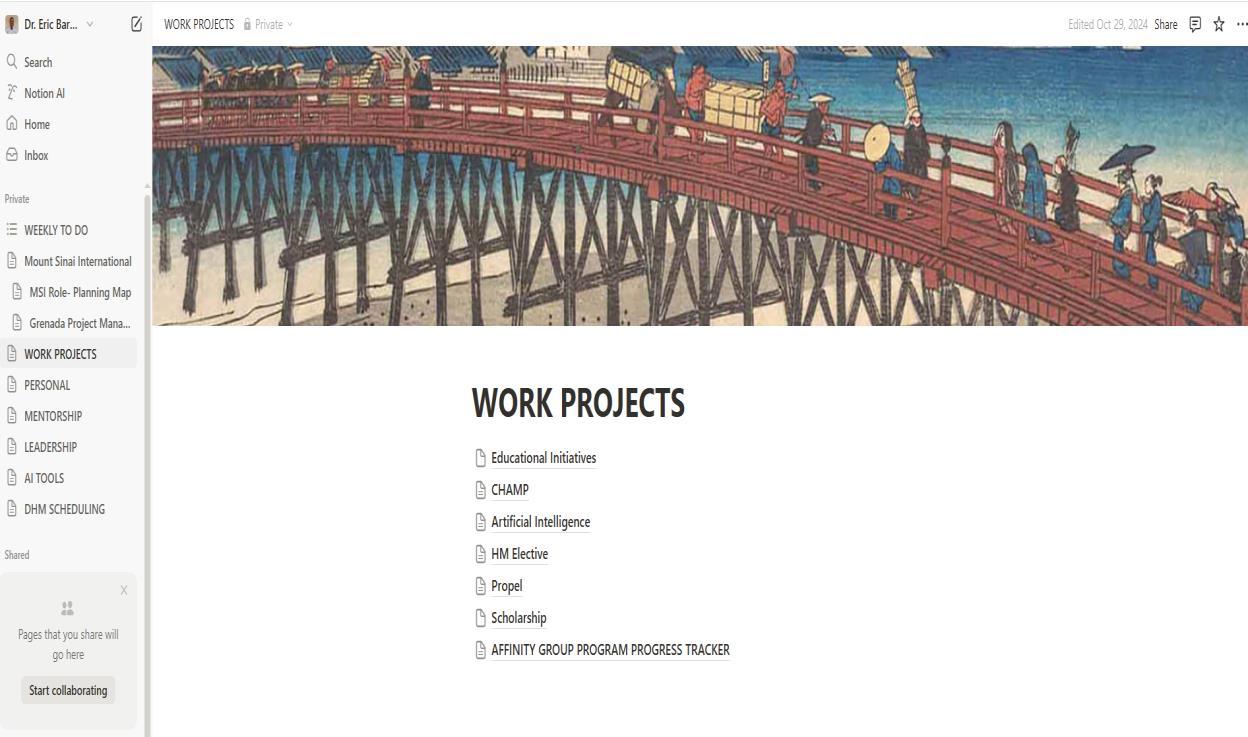
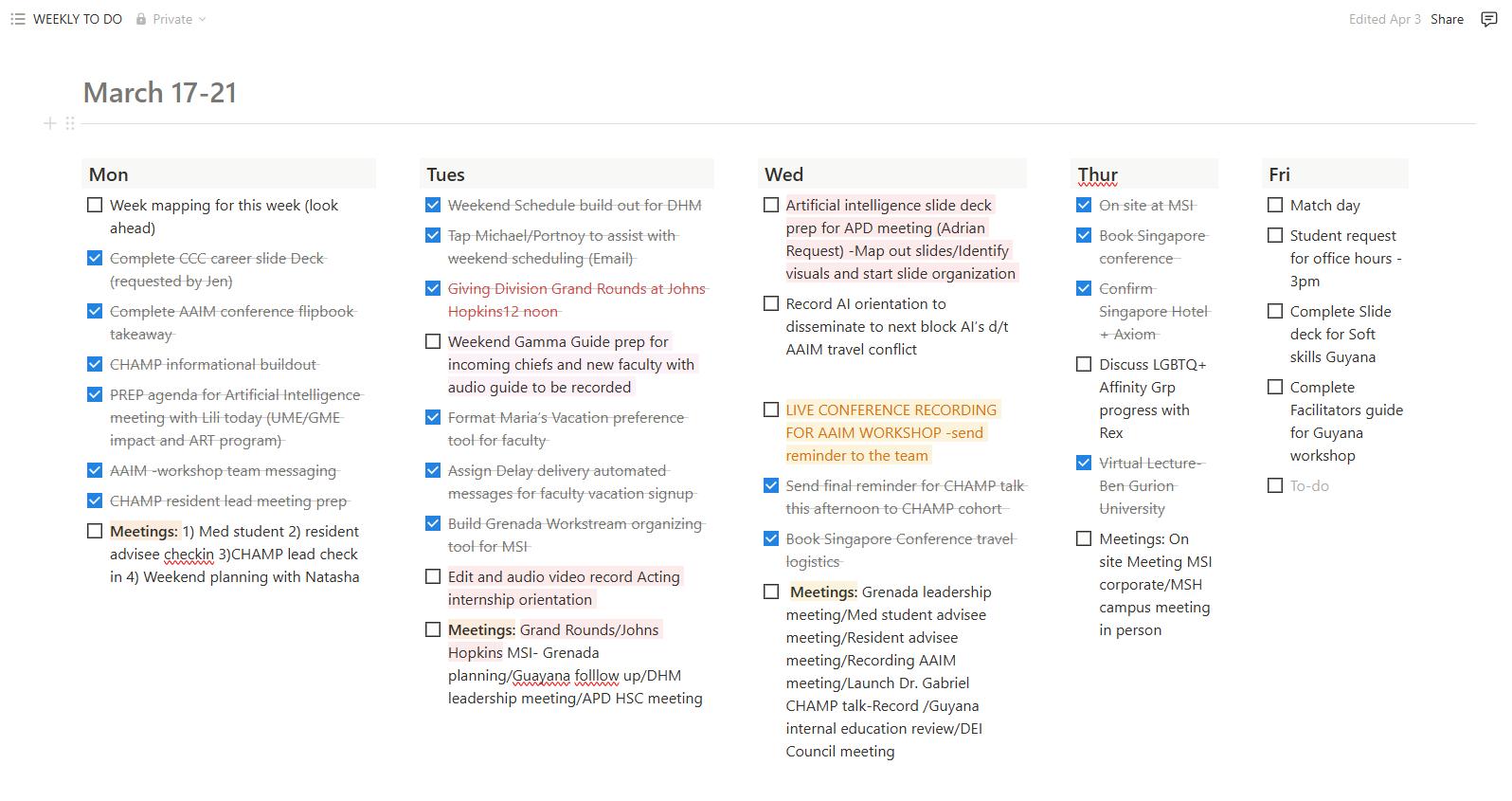
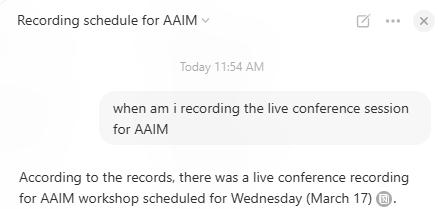
A central hub for note-taking, task management, databases, and collaboration tools.

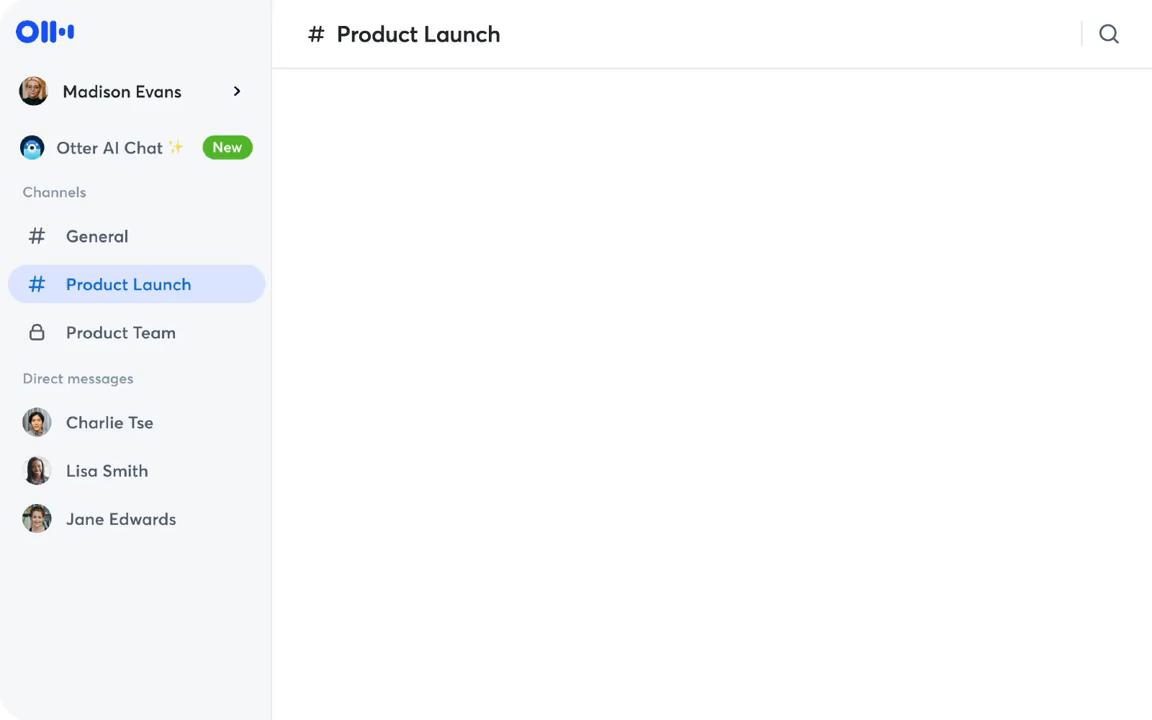
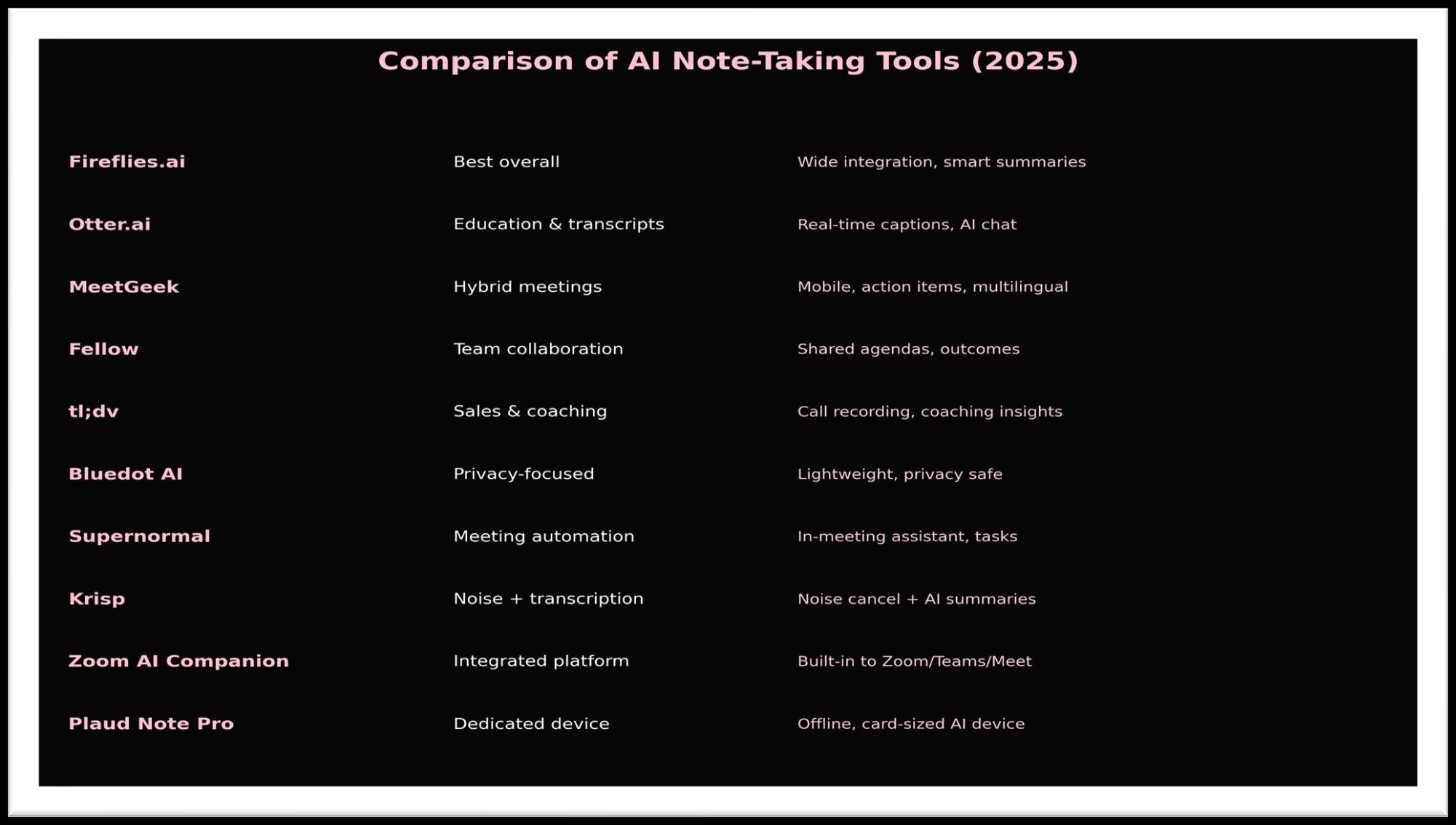




Do you use social media for your own professional development or networking?
Content Creation & Thought Leadership
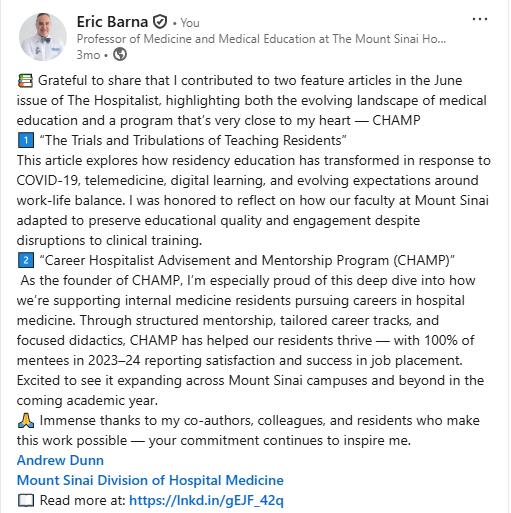
❑ Draft blogs, LinkedIn posts, or opinion pieces on medical issues
❑ Create educational content for patients or peers
Presentation & Slide Design
❑ Turn your ideas or outlines into polished presentations
❑ Help optimize your presentation skills with AI generated support Personal Branding and Web Presence
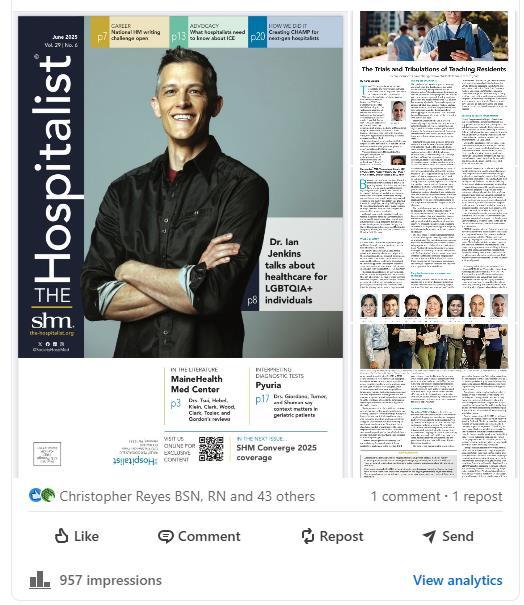
❑ Optimizing LinkedIn bios and profiles
❑ Newsletters, podcasts, carousels
Enhancing Personal Efficiency
❑ Summarizing meetings, drafting agendas
❑ Enhancing to do list

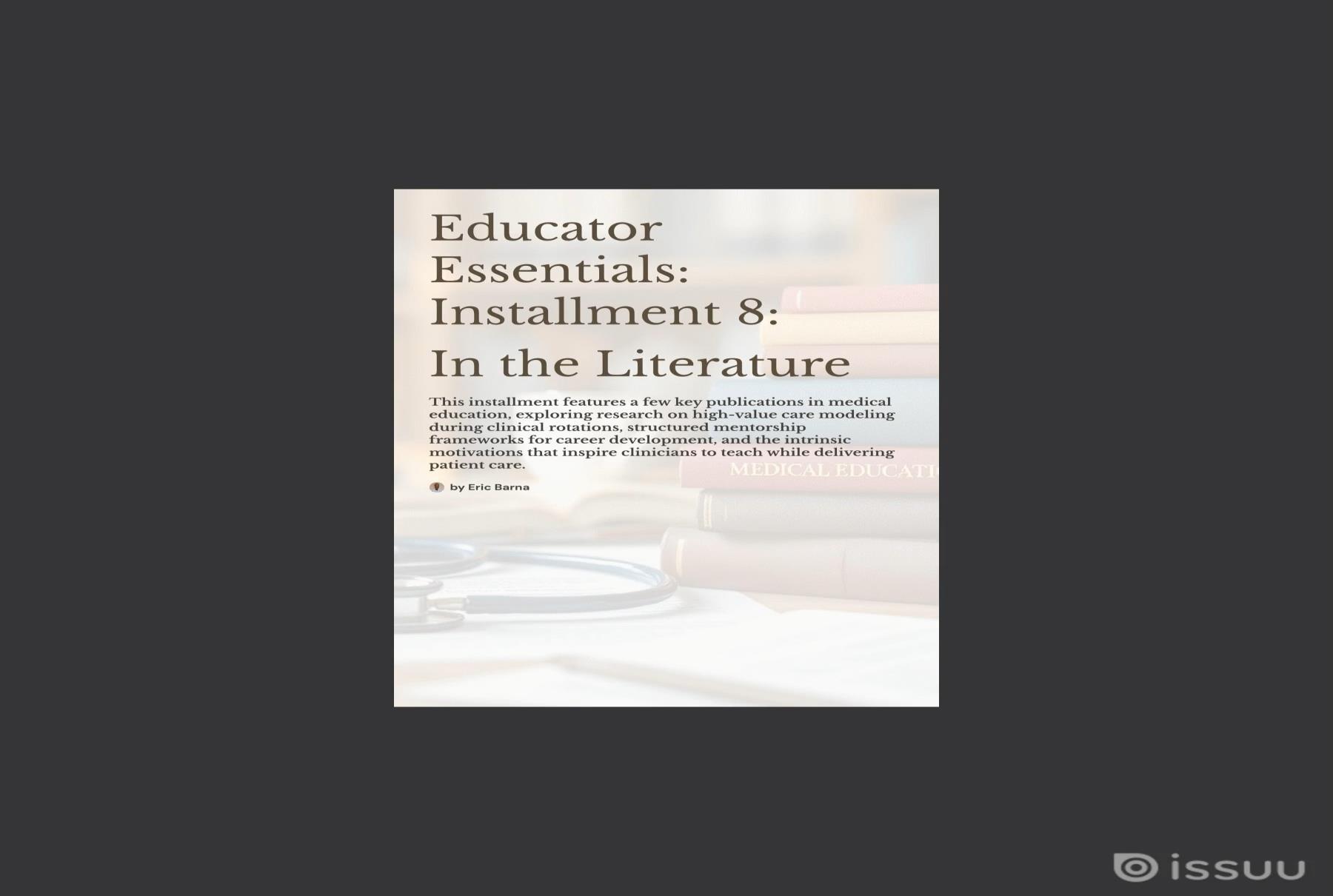
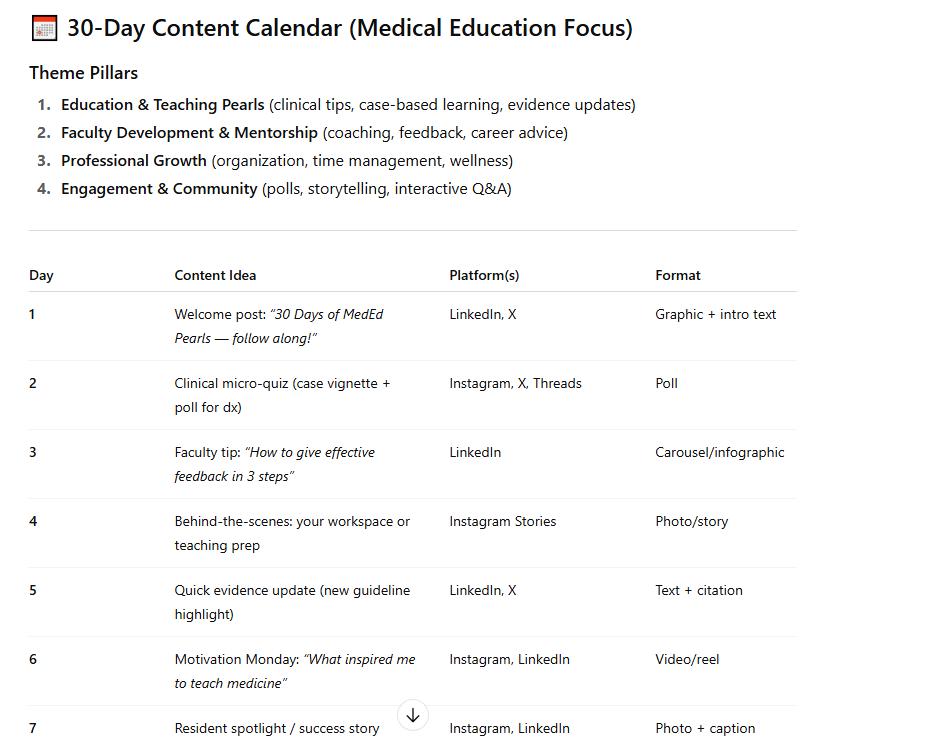
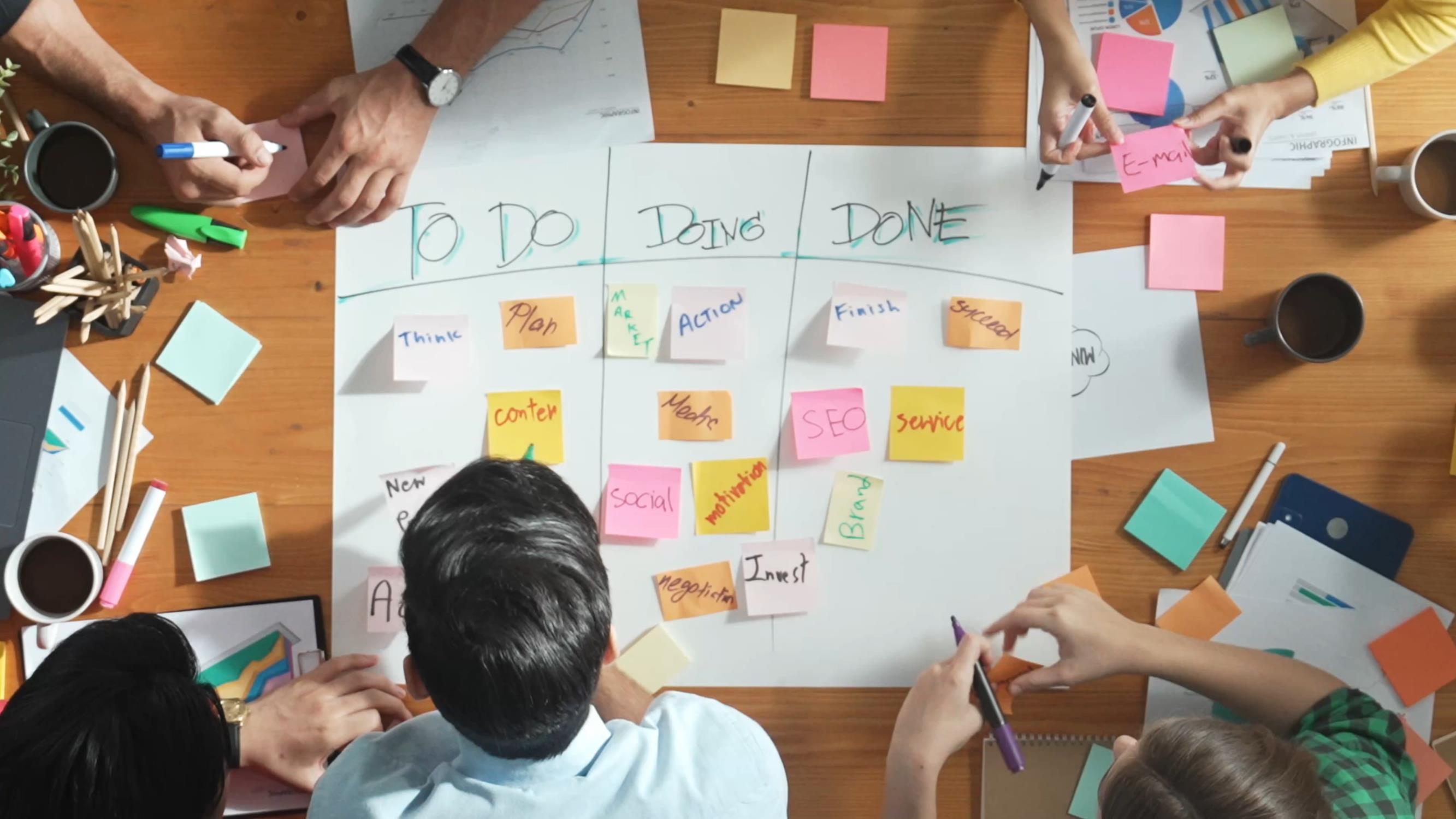
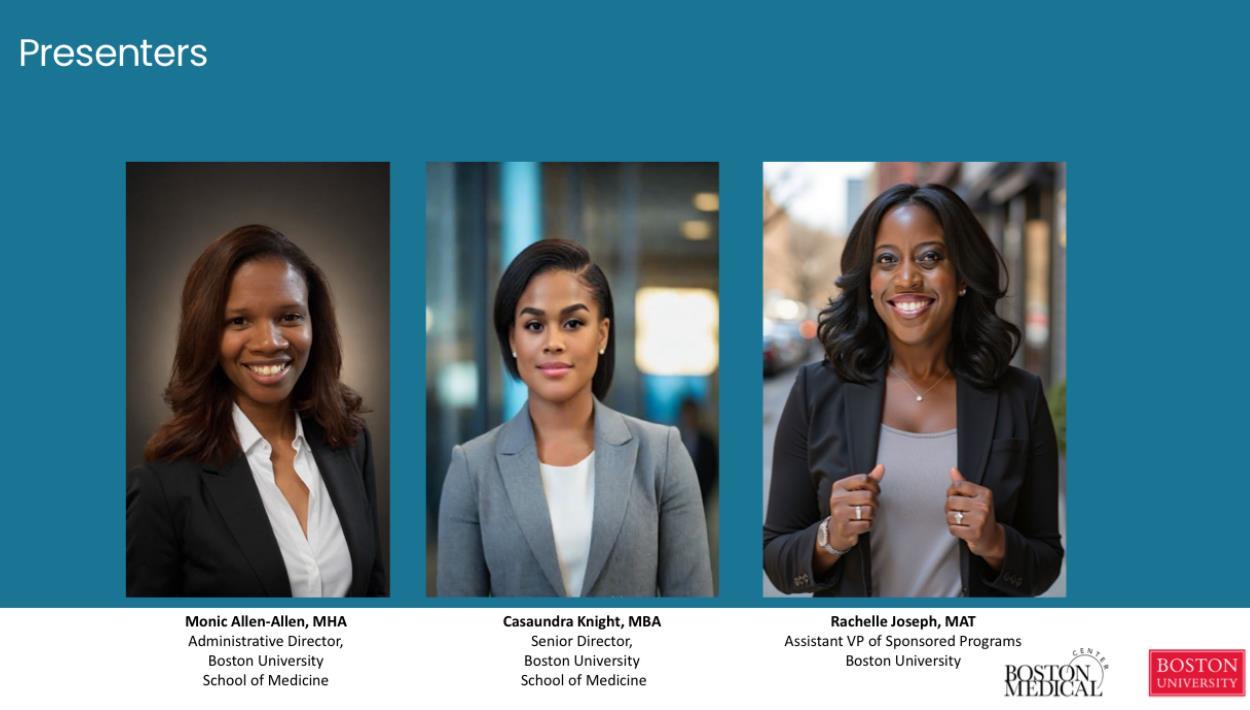
Presented by: Administrative team
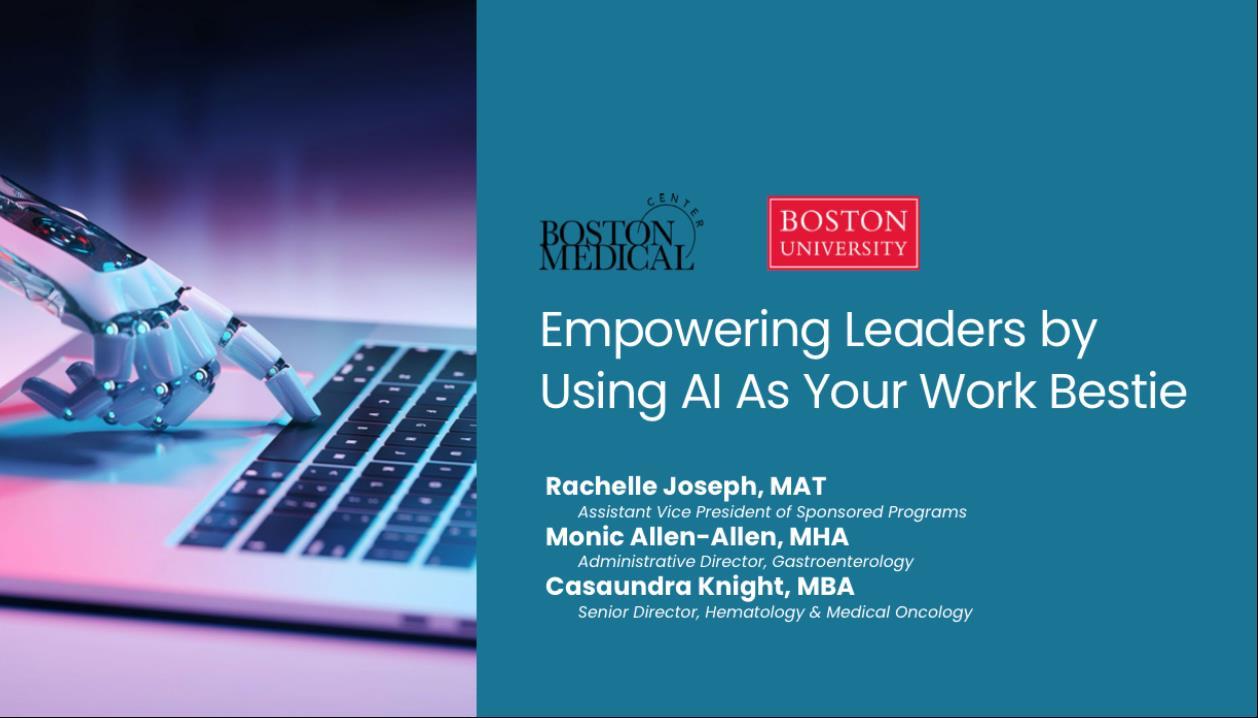
Boston University School of Medicine
❑ Build Foundational Knowledge
Develop an educational curriculum to support knowledge
❑ Promote Gradual Skill Development
Start with communication-based tasks to ease adoption.
❑ Leverage AI for Personal Assistance
Use AI tools for scheduling meetings, generating to-do lists, and extracting insights from Zoom meeting notes.
❑ Explore Practical Applications Through Case Studies
1. AI-generated policy summaries (e.g., Copilot)
2. Enhancing administrative efficiency (e.g., PowerPoint creation with ChatGPT + Copilot)
3. Marketing and content creation (e.g., social media campaigns or website content)


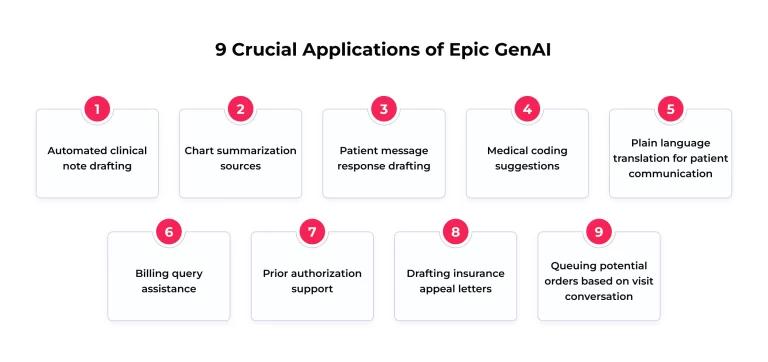
Generative AI tutors & Virtual Patients (Individualized Learning Models)



AI Agents and Autonomous Modular Systems (Independent multi-step)

AI for Clinical Documentation/Workflow (AI scribes/Automation/EHR)


AI Literacy/Ethical Foundation Responsible Use (Across all levels of training)


Quantum Computing + Machine Learning (Problem solving, drug discovery)


Organoid Intelligence AKA Wetware AI (Human brain tissue/computing)


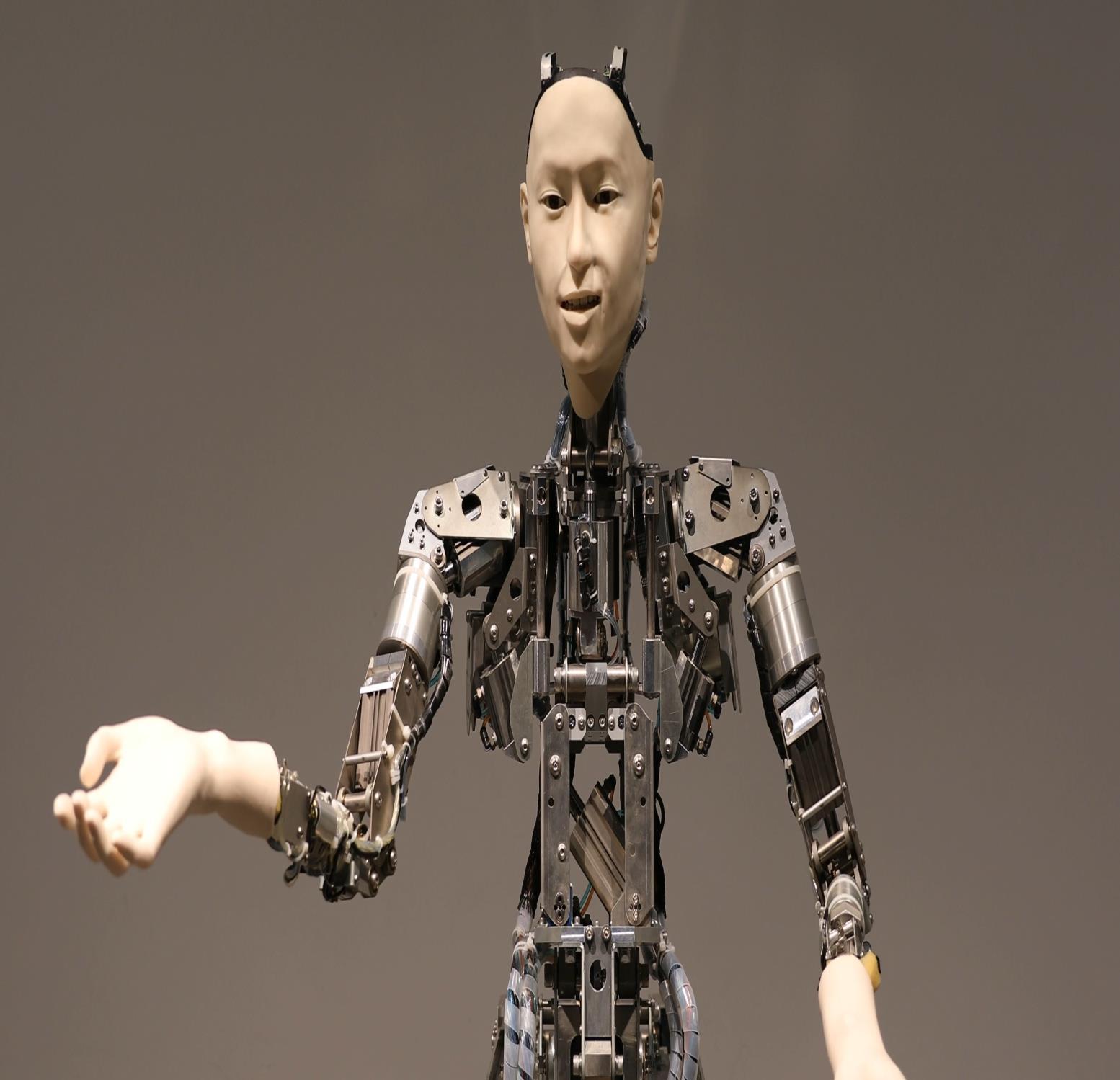
What’s Trending and What’s Next... Meet Art,
Artificial intelligence isn’t replacing educators; it is redefining our roles.
Clinician-educators who understand how to integrate AI will lead the next era of teaching, feedback, and professional growth.
… Experiment boldly but responsibly. Use AI as a co-educator, coach, and creative partner for designing curricula, analyzing feedback, creating more engaging content, and improving workflow efficiency.
Feel Inspired and empowered to see AI not as a threat to expertise but as a catalyst for innovation that reignites creativity, efficiency, and joy in medical education.
“Innovation begins when curiosity meets courage. AI is simply the tool— we are still the teachers.”
– Original quote (by ChatGPT)