Effective Teaching in a Digital Era Nuvance Health Grand Rounds 12.2.24
Dr. Vasundhara Singh
Associate Professor of Medicine
Associate Residency Program Director, MSMW
Former President, NY-RAIME
Dr. Eric Barna
Associate Professor of Medicine
Director of Education, DHM
Associate Residency Program Director, MSH
Acting Internship Clerkship Director
Innovative Leadership in Medical Education: Teaching Effectively in a Digital World
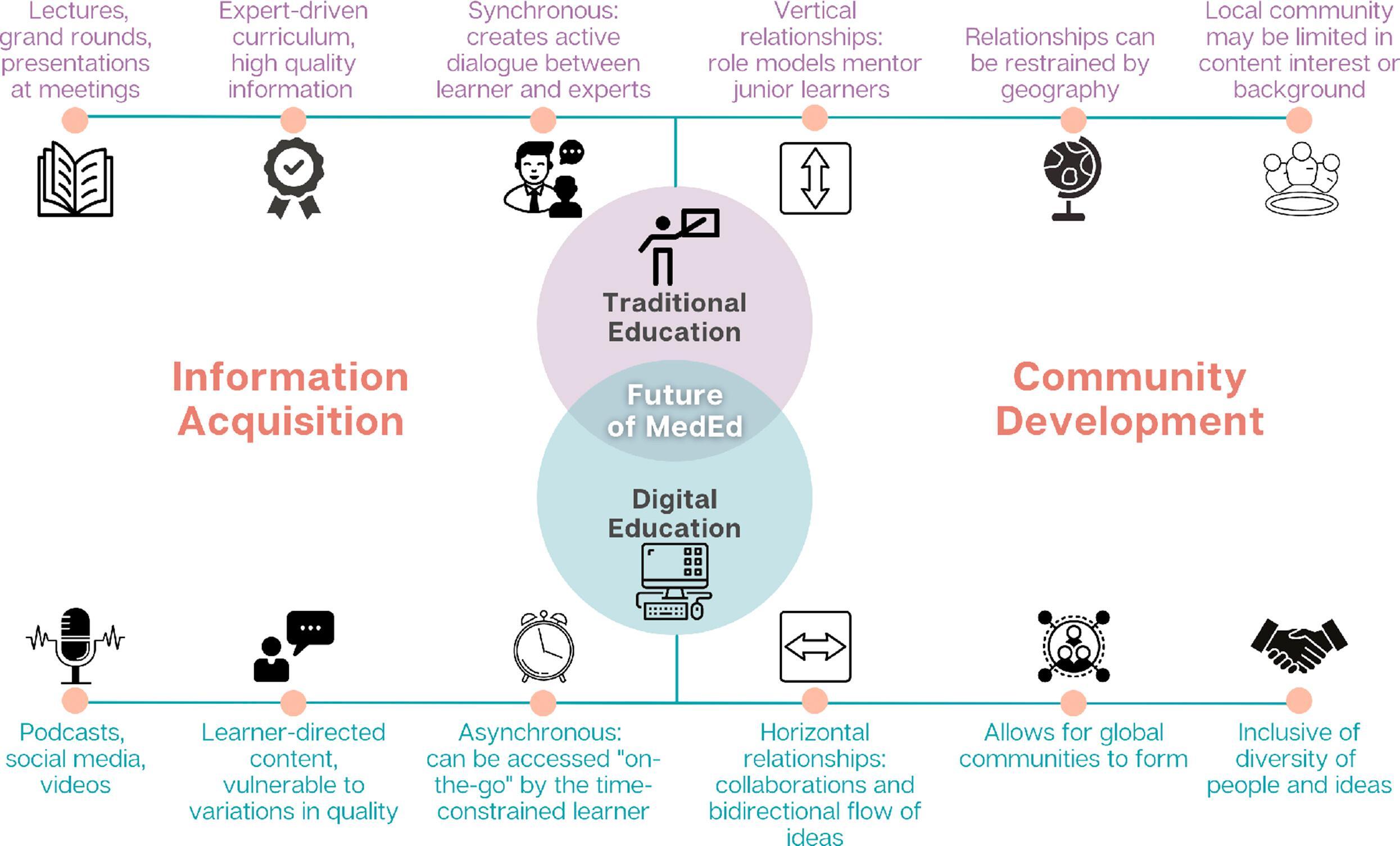
While it has been ongoing for several years, the digital transformation was accelerated by the COVID-19 pandemic. Physical distancing mandates created a vacuum in traditional inperson didactic curricula, spurring a rapid proliferation in digital platforms and content. In this new educational landscape, the digital space has become integral to how we access information and communicate with one another. Thus, the modern medical educator must be able to deliberately appraise both the advantages and pitfalls of the digital world and traditional modalities. Our challenge now is to thoughtfully integrate digital and traditional platforms to help the modern learner effectively acquire information and build community
Das, T, Kaur, G, Nematollahi, S. et al. Medical Education in the Digital Era: A New Paradigm for Acquiring Knowledge and Building Communities. JACC Adv. 2022 Jun, 1 (2) .
Ten Years of Educational Evolution
❑ Increased use of Technology (EMR/APP’s)
❑ Expansion of E-Learning and Virtual Platforms
❑ Simulation Based Learning ( AR/VR )
❑ Social Media Based Medical Education
❑ Artificial Intelligence Boom
❑ Learning Analytics and Personalized Education
From Lecture Halls to Digital Platforms
“Machines, for all their capabilities, cannot provide the empathetic touch, a comforting hand, or supportive words during difficult diagnoses. Dr. Abraham Verghese of Stanford Medicine has stressed the importance of not overly focusing on the "iPatient"—the virtual representation of a patient based on tests and data—since it cannot replace the act of physically examining a patient or building a personal connection”.
Let the Voice of Your Trainee Be Heard
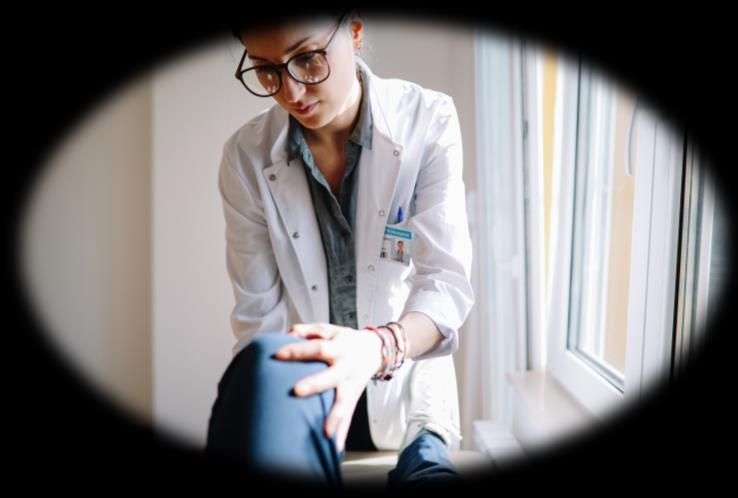
“I wish we had more time for bedside teaching”
“I only wish all faculty could equally deliver high yield teaching points that are patient related and time conscious”
“We need a better balance of education on work rounds”
“Some of the best faculty have a true talent for physical exam skill development”
Step 1: Disrupt the Digital Drag/Bedside 2.0
Disrupting “Digital Drag”
❑ Set clear expectations for device use
❑ Model appropriate use
❑ Incorporate technology into learning
❑ Shift focus on mindfulness and “being present”
❑ Designate “Tech-Free” zones or times
❑ Call attention to key learning moment
High Intensity Interval Training (HIIT)
Model: Mitigating Digital Distraction's
Planned Breaks
Minimize Cognitive load
Brief Digital Checks
Clear Urgent Messages
Case Presentations
Active Participation
Clinical Reasoning Management
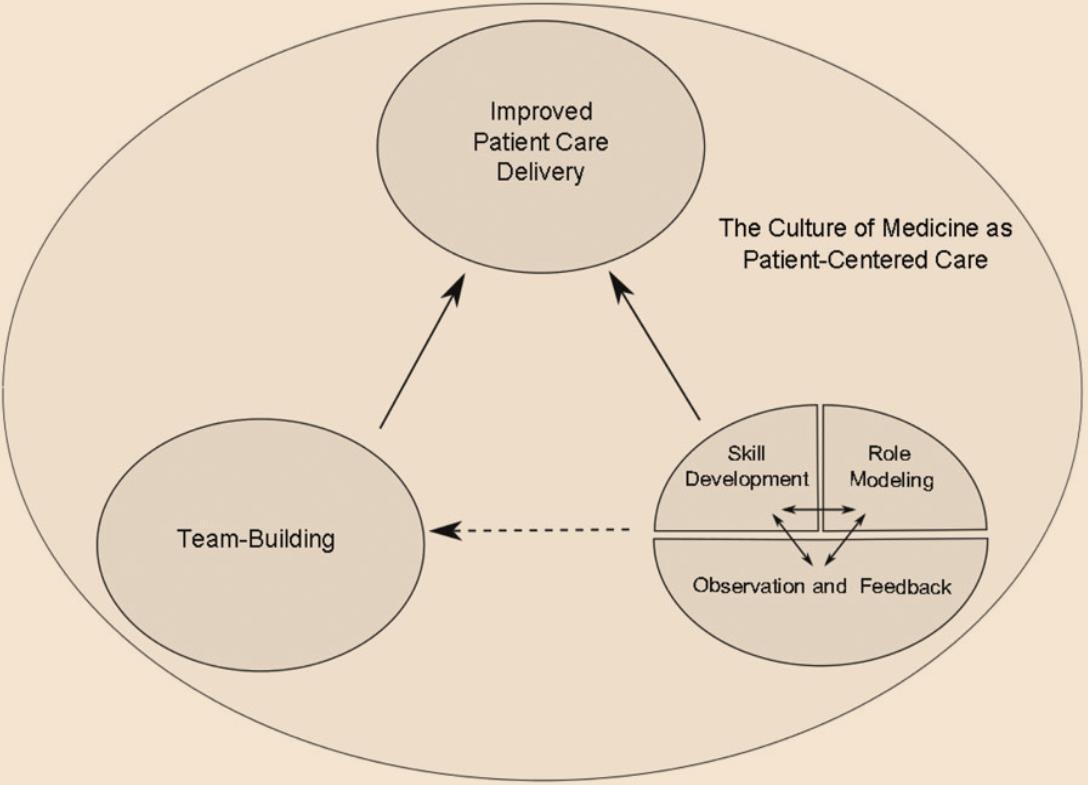
Where is the Value at the Bedside?
Methods: Recruited faculty from 10 institutions including clerkship directors + prior research experience in medical education and conducted bedside rounds
Data Collection/Analysis: Digitally recorded one to one interviews identifying themes and categories generating a codebook to facilitate analysis
Results: All 10 institutions participated 34 interviews conducted focus was directed at key thematic areas
Journal of Teaching and Learning in Medicine Vol. 25, Iss. 4, 2013
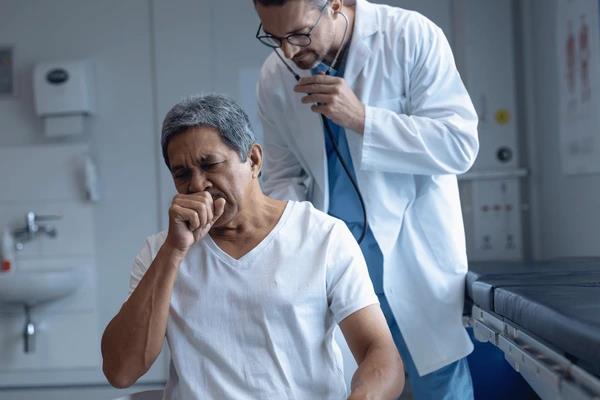
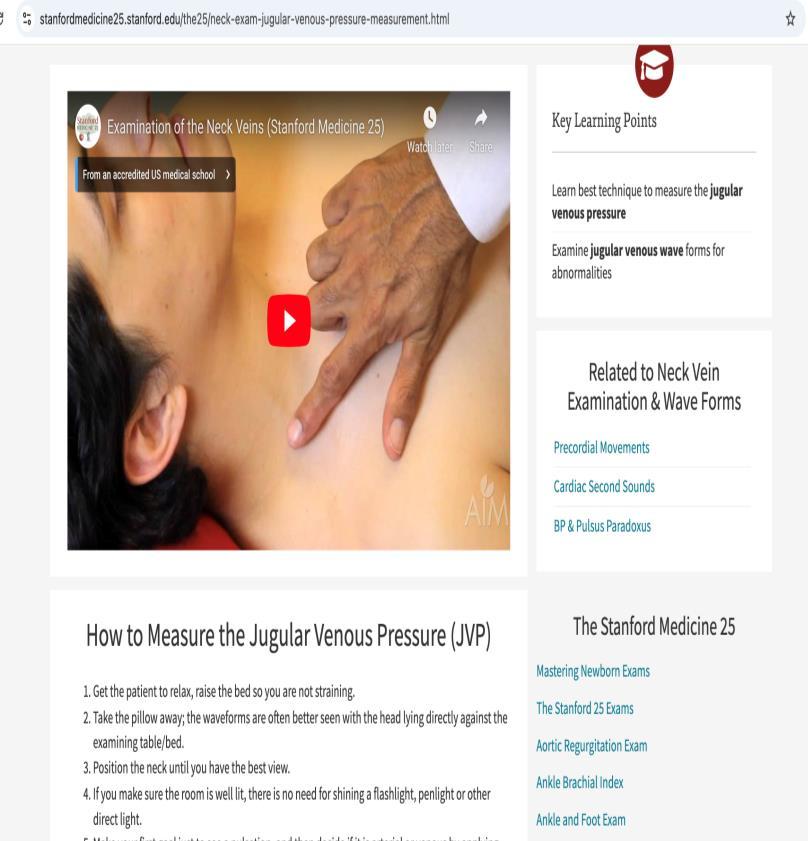
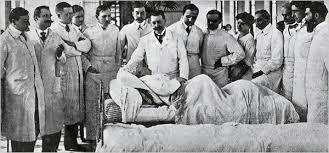
The Magic of Bedside Rounding
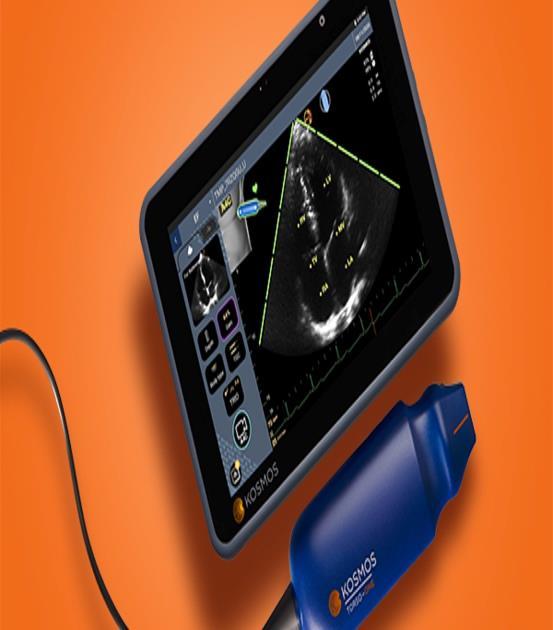
Digital Layering
Digital Layering
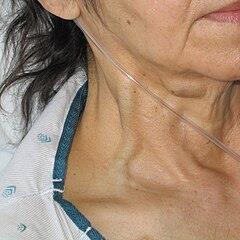
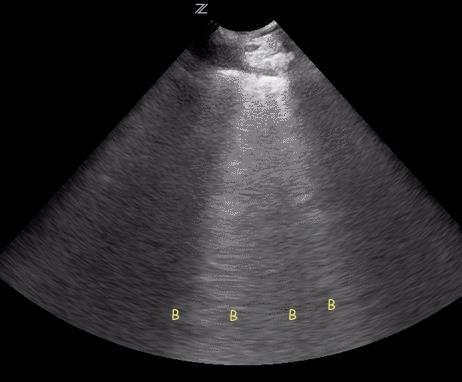
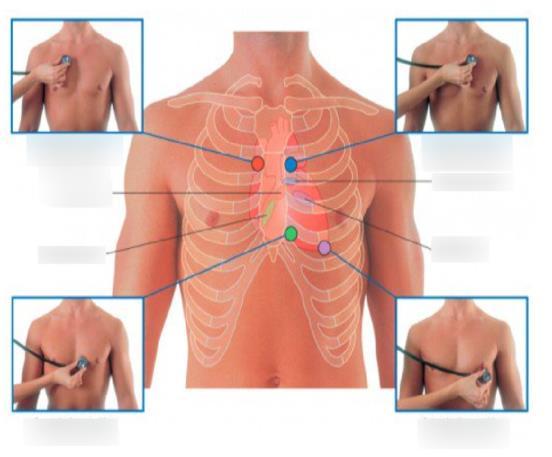
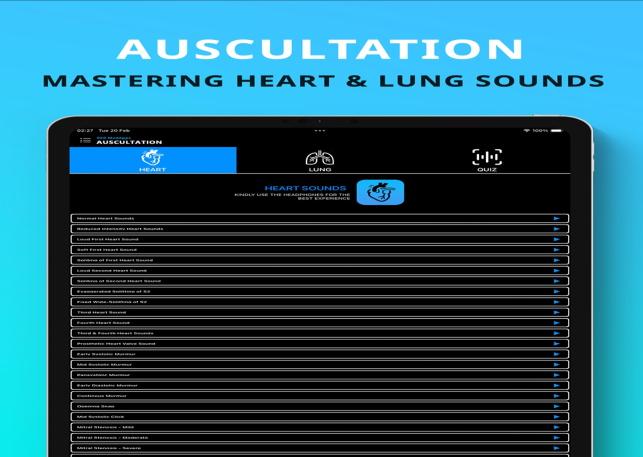
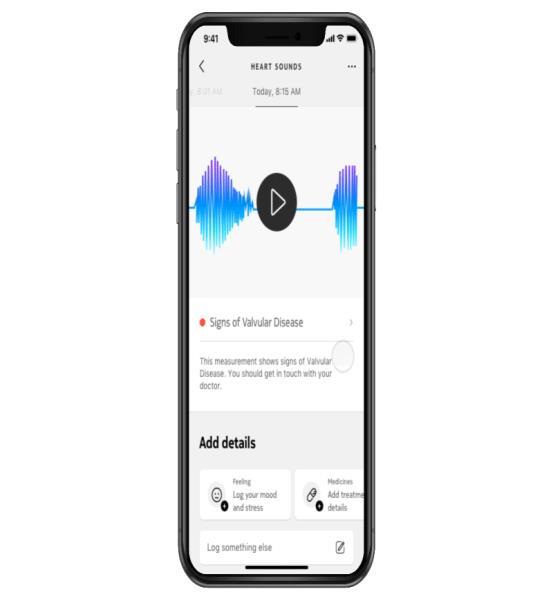
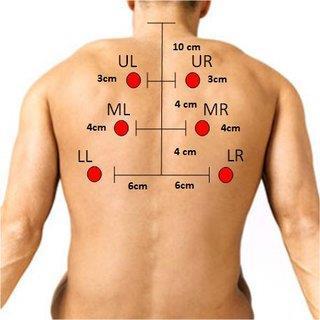
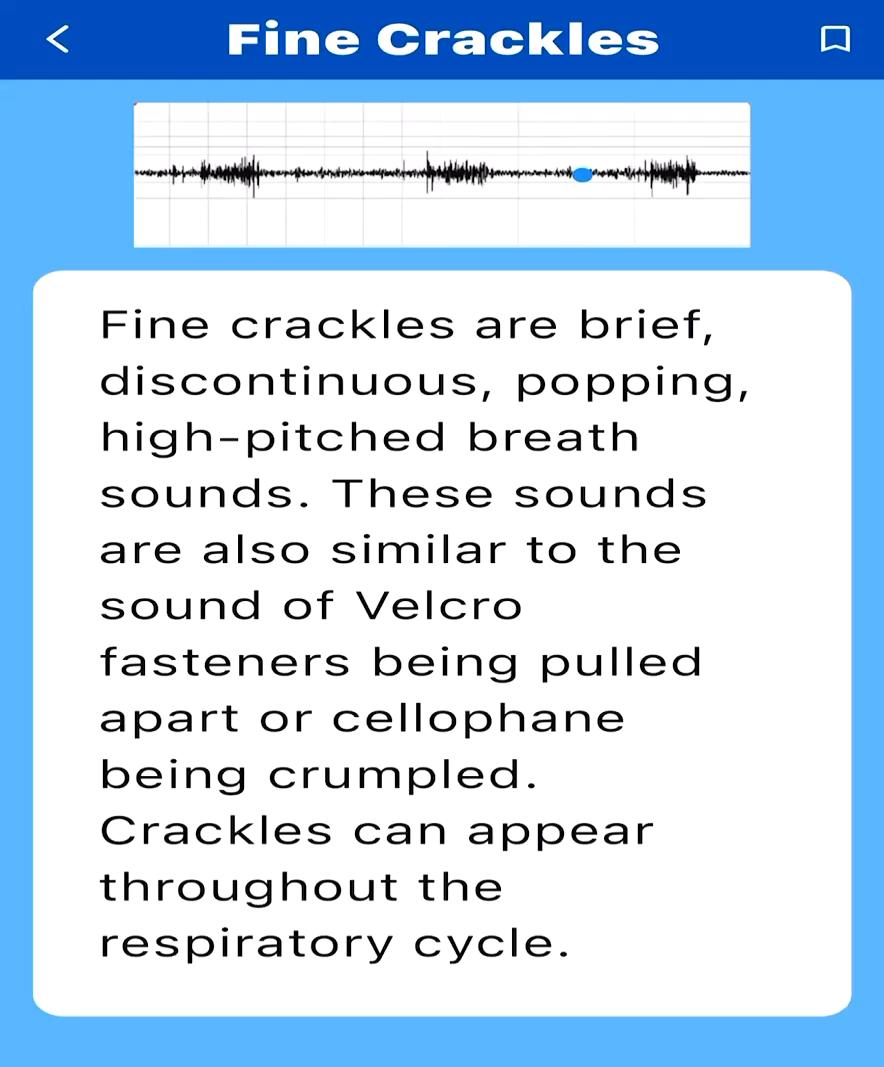
Lung Heart Sounds
Digital Layering
STEP 2: Build Strong Foundational Teaching Skills
Setting the Stage
❑Preparation is everything
❑Create a safe and welcoming environment
❑ Email welcome before you come on service
❑Set clear expectations from day one
❑Identify your learners' strengths/interests
❑Use icebreakers
❑Draw a mental image your time together
Prepare to Succeed
What do you do to prepare before you meet your team/trainee for rounds?
Preparation Toolkit
❑ Chart check the night before and get in early on your first day
❑ “Stealth Round” virtually on your new admissions (EMR efficiency)
❑ Pick 1 or 2 topics that you want to tackle that day
❑ Plan and map out your teaching session: -Organization/Timing -How will you engage the learner -Take home points -Homework assignments -Digital engagement plan -Prepare your technology
Notion APP
Personal Organization Tip:
In
the Era
of
Instant Gratification Waiting
for an Answer Is Key
Engagement
Motivation Inspiration
Team Building
❑ Personal investments in your learner and who they are as human beings
❑ Take some time for those “weekend plans” and “fun facts”
❑ Check in on the pulse of your team often
❑ Let your team leads lead
Step3: From Screens to Skills: Amplifying Learning with Digital Tools
Navigating the Evolving Roles of Educators
❑ Diagnostic assessor
❑ Content curator
❑ Technology adopter
❑ Learner Navigator
❑ Professional coach
❑ Clinical role model
❑ Learning environment designer/implementer
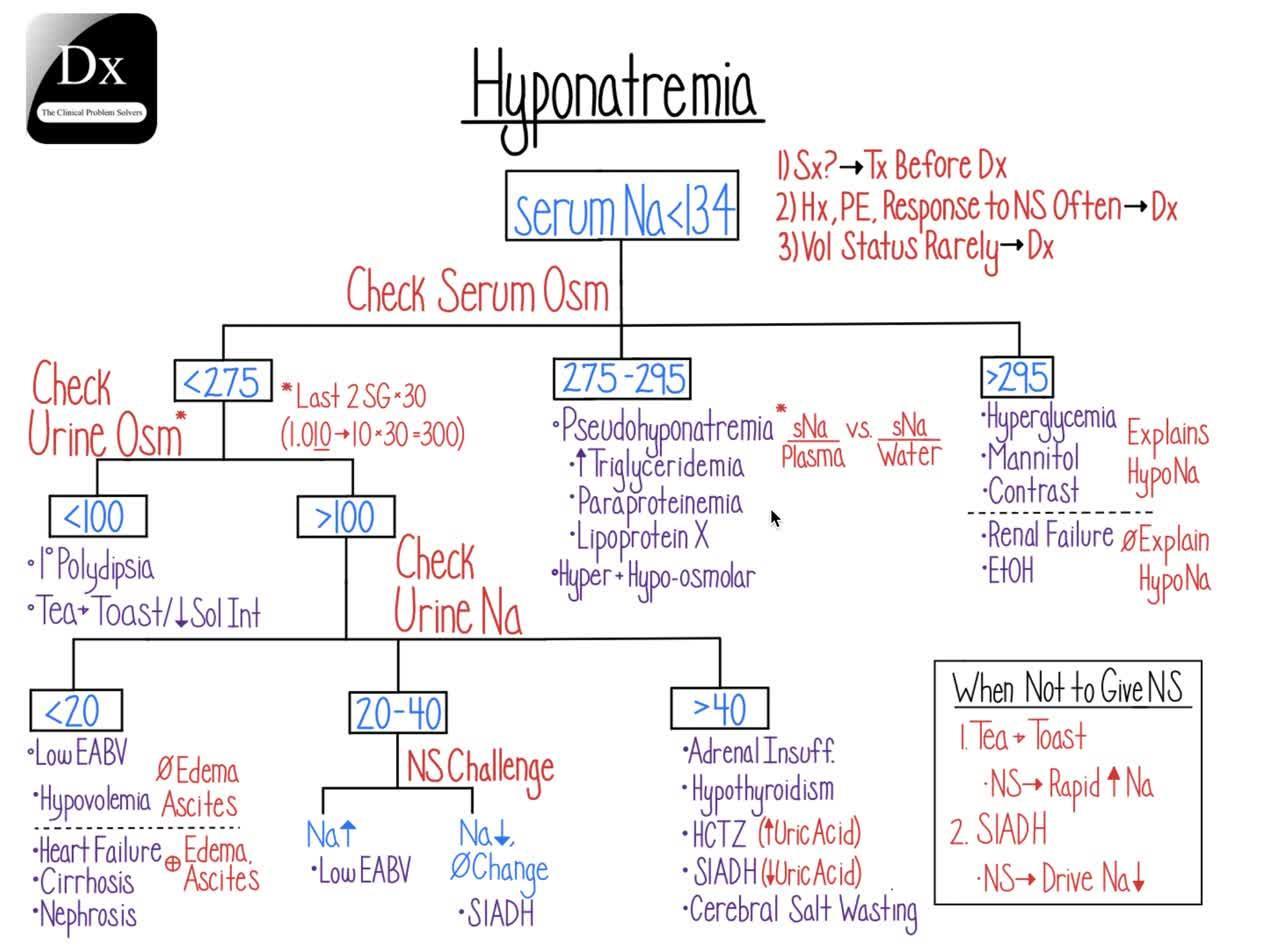
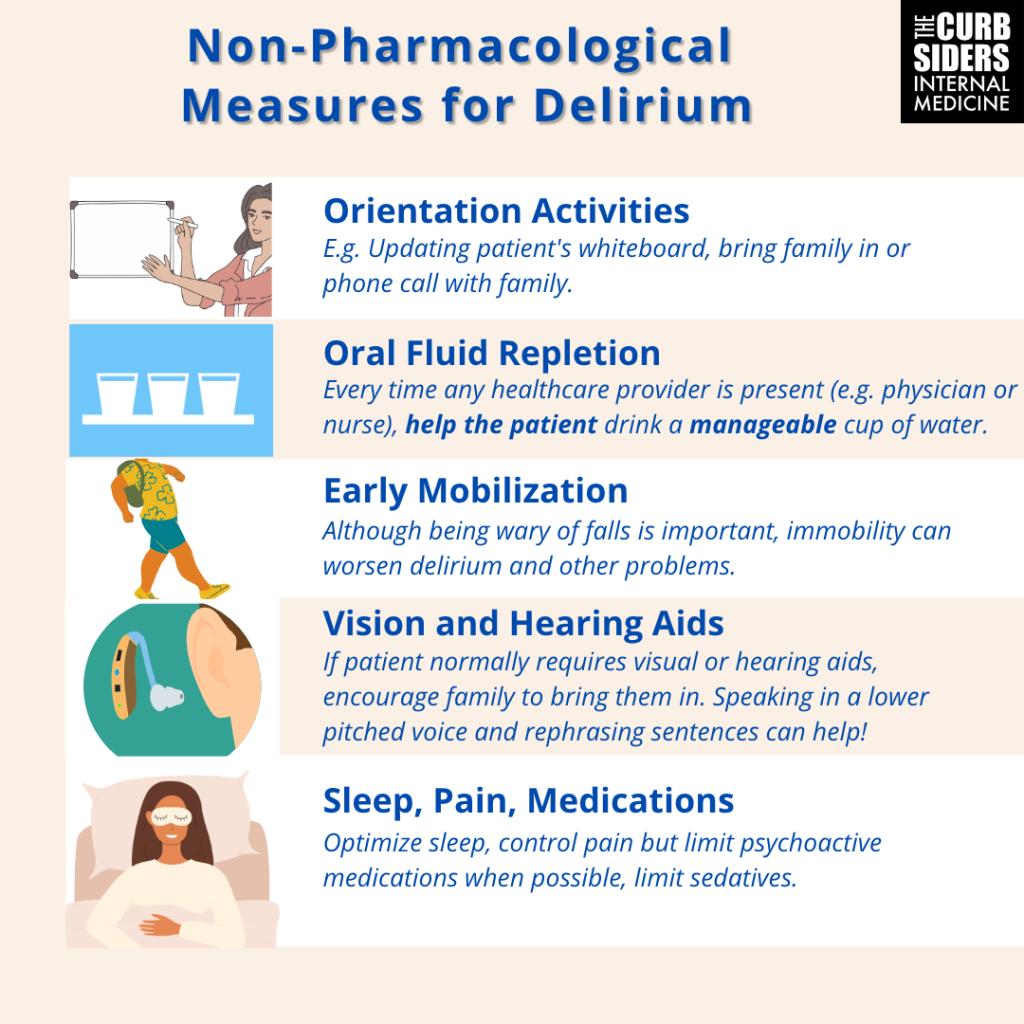
Web Based Infographics
Modeling EMR Use
❑ Demonstrate efficient workflow
❑ Review “smart setup” of dashboards
❑ Template and smart phrase review
❑ Highlight best practices
❑ Set key standards for note writing
❑ Integrate decision support tools (order sets, drug interactions, best practice alerts)
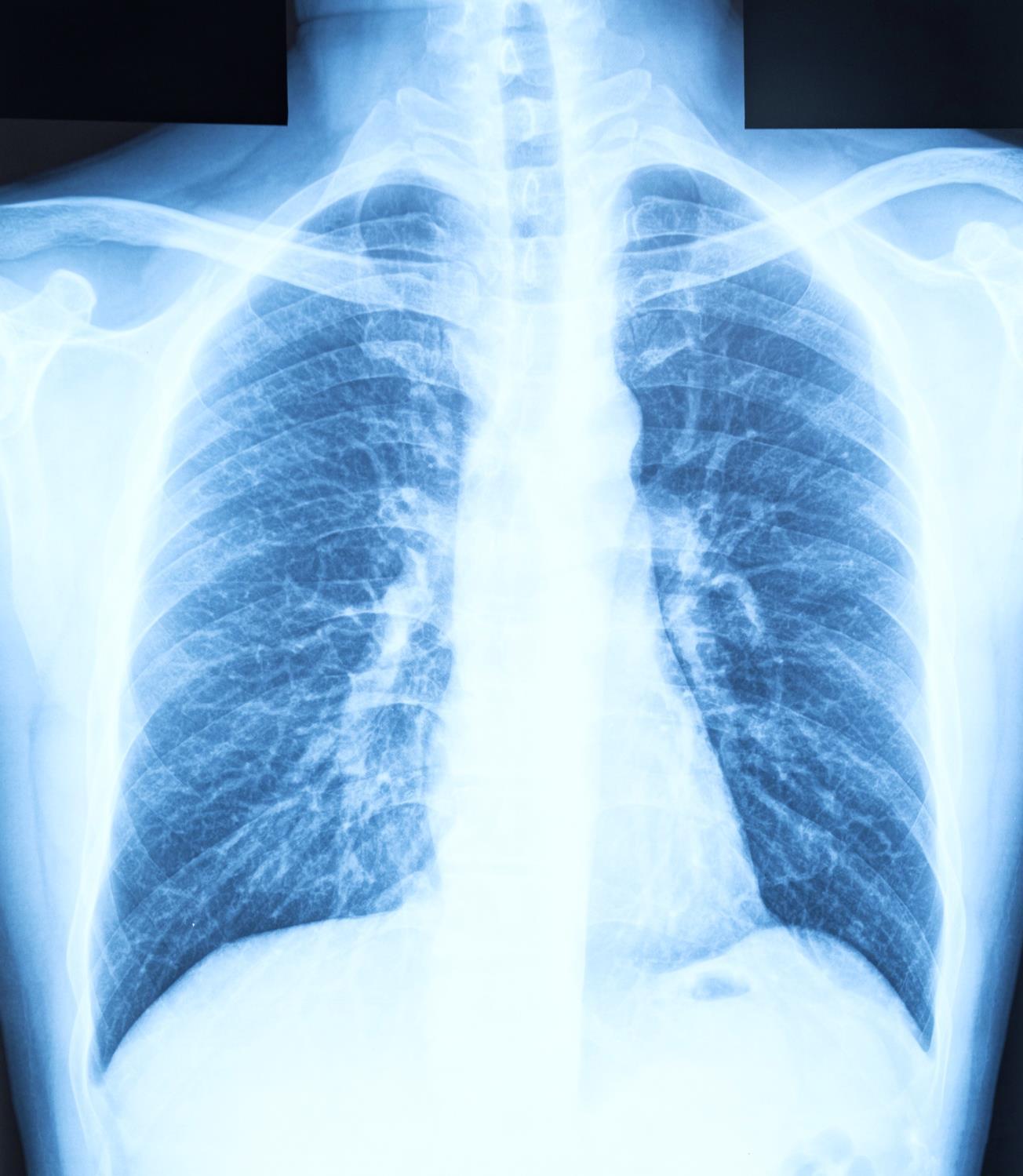
Educational “Time Out” for EKG/Radiography Review
The Power of Email
Follow Up
Shared Spreadsheet For Question Tracking
AMA GME Competency Education Program
Medical Education on Demand: The Role of Podcasts in Modern Learning
Beyond the Basics: Unconventional Uses of Everyday Apps in Medical Education
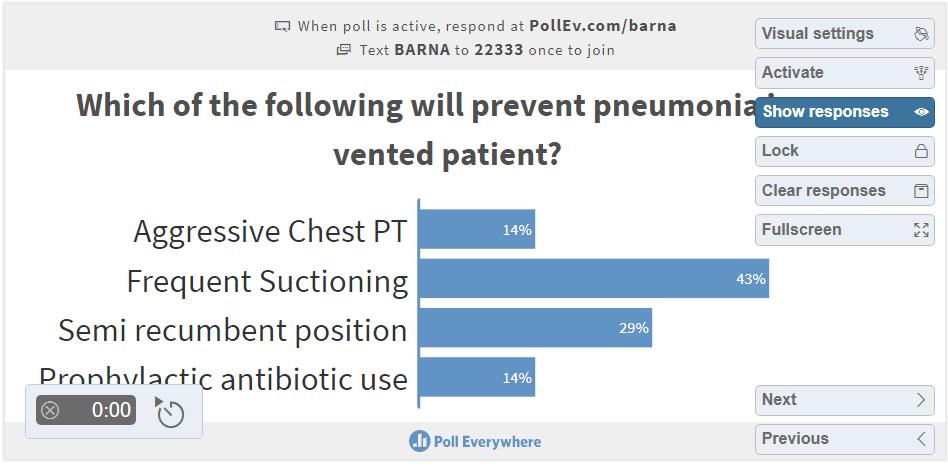
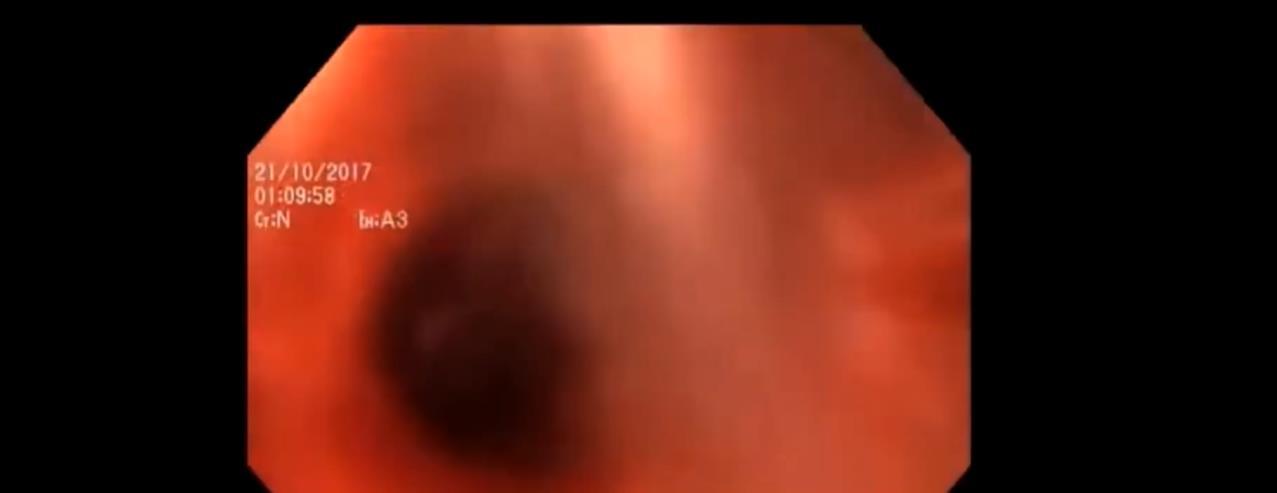
Example: Mr. Johnson is a 70 year old male with a known history of advanced COPD who presented with acute hypoxic respiratory failure was admitted to the MICU, course was complicated by an acute stroke requiring a tracheostomy and a PEG tube placement and he remains ventilator dependent. He is transferred to gen med teaching for continued care.
Fun
Technology driven
Board review focused
Knowledge development
Allows for corrective guidance
Beyond the Basics: Unconventional Uses of Everyday Apps in Medical Education
Example:
55-Year-old male with ETOH-Cirrhosis presenting with hypotension, acute blood loss anemia in the setting of an acute variceal bleed.
Large Language Models and Medical Education
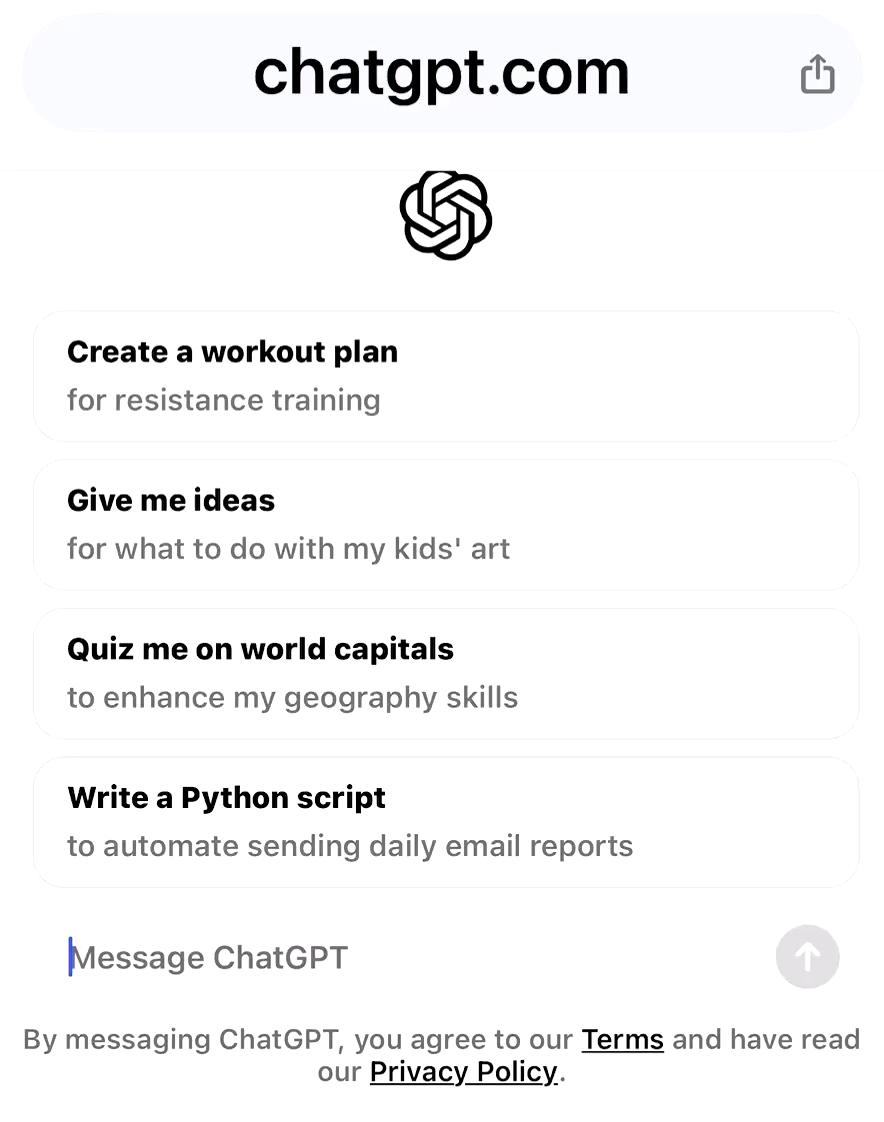
❑ LLM Natives are coming
❑ 30% of undergraduate students use AI
❑ 20% of matriculating MS4’s use Chat GPT
❑ 67% of younger generations have a positive view of AI
❑ By 2034: 50-70% of learners could be using LLM’s in general education and 60-80% in medical education.
Implications: Near and Distant Future
Near Future
Distant Future
Real-time assessment and feedback: for all physicians at all levels of training
❑ Textual analysis: letters of support, feedback, core integration into analytic workflow
Patient engagement: routine engagement with LLM
❑ Educational implications: explosion of new LLM driven learning tools which will disrupt the education landscape
Physician Experience: change in the overall experience at all levels of training
Implications For Medical Education
❑ Assessment of Clinical Reasoning: development and validation of machine learning models for assessment of resident clinical reasoning based on H&P
❑ Communication Improvement: enhanced communication strategies for difficult case scenarios (i.e., Pancreatic CA case)
❑ Predictive Outcomes/Procedures: assist with gesture analysis and prediction of clinical outcomes using video assessment (i.e., robotic prostatectomy)
❑ Bias Assessment: Used to detect and mitigate bias in text
University of Cincinnati (AAIM Conference)
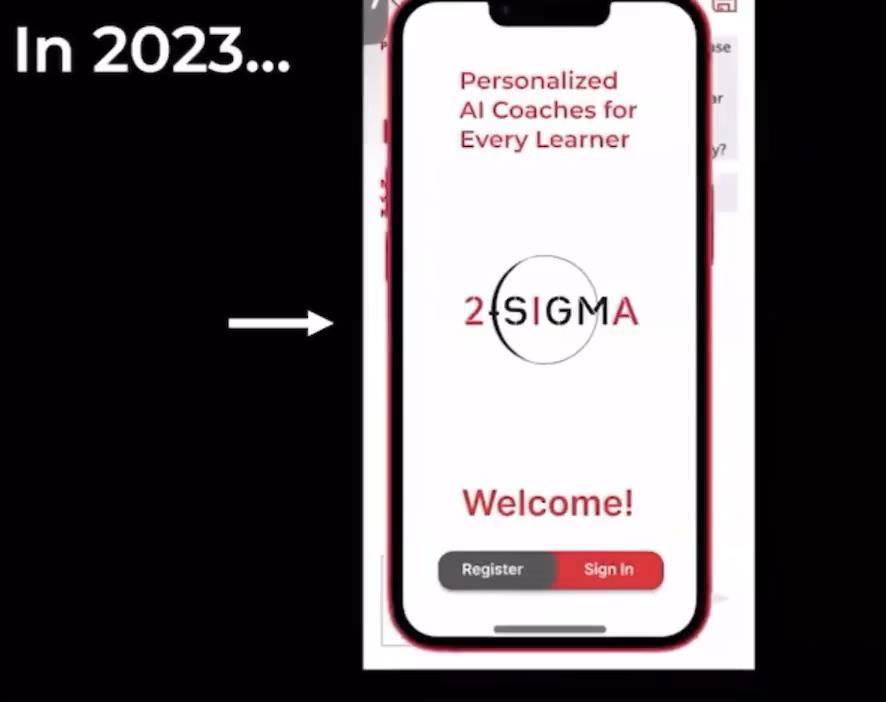
2-Sigma Medical Student Simulator (AAIM)
My Personal Use of LLM’s in Education
❑ Quick Lesson Plan Generation
❑ Clinical Guidelines and Evidence
Summaries
❑ Landmark Trial Summary for dissemination
❑ Clinical case simulation
❑ Interview Prep
❑ LLM’s to explore:
-BioGPT (literature focus)
-MedPalm (clinical questions)
Where Do Educational Institutions Begin?
“Medicine is a science of uncertainty and an art of probability, and in the digital age, data can turn the art into precision.”