330G and 332G Skid Steer Loader
Repair
( P I N : 1 T 0 3 3 0 G _ _ _ F 3 0 0 2 5 3 — )
( P I N : 1 T 0 3 3 2 G F 3 0 0 2 5 3 — )
REP AIR TECHNICAL MANUAL
330G and 332G Skid Steer Loader
TM14063X19 12MAR19 (ENGLISH)

Repair
( P I N : 1 T 0 3 3 0 G _ _ _ F 3 0 0 2 5 3 — )
( P I N : 1 T 0 3 3 2 G F 3 0 0 2 5 3 — )
330G and 332G Skid Steer Loader
TM14063X19 12MAR19 (ENGLISH)
This manual written for experienced Essential tools required performing certain service work are identified this manual and are recommended for use.
Live with safety: Read the safety messages the introduction this manual and the cautions presented throughout the text the

This the safety - alert symbol. When this symbol seen the machine this alert for the potential personal injury
T echnical manuals are divided two parts: repair and operation and Repair sections tell how repair the components. Operation and test sections help quickly identify the majority routine failures quickly
Information organized groups for the various components requiring service the beginning each group are summary listings all applicable essential tools, service equipment and tools, other materials needed the job, service parts wear and torque
T echnical manuals are concise guides for specific They are - the - job guides containing only the vital information needed for diagnosis, analysis, testing, and repair
Fundamental service information available from other sources covering basic theory fundamentals troubleshooting, general maintenance, and basic type failures and their causes.
IMPORT ANT : Use only supporting manuals designated for the specific incorrect manual improper service may occur
V erify product identification number (PIN) when choosing the correct manual.
Choosing the Correct Supporting Manuals
John Deere skid steers are available in dif ferent machine configurations based the various markets into which they are Dif ferent supporting manuals exist for dif ferent machine
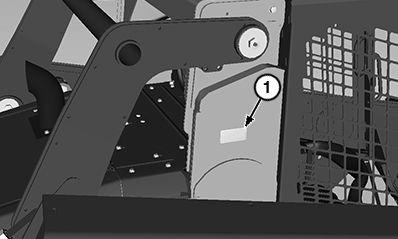
When necessary , product identification numbers are listed the front covers skid steer manuals. These numbers are used identify the correct supporting manual for the
The product identification number (PIN) plate (1) located the right side machine behind the Each machine has a - character PIN (2) shown PIN
STEER 330G
The PIN identifies the producing factory , machine model number , machine year engine emission and machine serial number
The following example for a machine that meets Final T ier 4 and Stage emission levels:
• W orld Code: Identifies location where machine
1T0
W orld Code (manufacturing location)
1DW Davenport W orks
1T8 Thibodaux W orks
1T0 Dubuque W orks
1FF USA)
1F9 São Brazil)
Check Letter (variable)
• (10)
Manufacturing Y ear Code: Identifies year machine
Manufacturing Y ear Code (variable)
• (4—8) Machine Model and Series Identifier: Identifies model number and
• Engine Emission Code: Represents engine emission certification.
330G Machine Model and Series Identifier 332G .
. Machine Model and Series Identifier
NOTE: Characters identify series and major machine configuration These characters will change from one machine another Machine Option Code
(EH)
2 - Speed Electrohydraulic (EH)
Single Speed High Flow Electrohydraulic (EH)
2 - Speed High Flow Electrohydraulic (EH)
Engine Emission Code
T ier 2 and Stage
T ier 3 and Stage III A
Interim T ier 4 and Stage III B
Final T ier 4 and Stage
Interim T ier 4 and Stage III A (19 - kW)
Final T ier 4 and Stage III A (19 - kW)
Final T ier 4 and Stage III B (37 - kW)
Final T ier 4 - kW)
• (12—17) Machine Serial Number: Identifies machine serial number This character will change from one machine another 000001
• (9) Check Letter: This is a random character assigned the factory . This not used in machine identification.
Machine Serial Number
Section Information
Group 0001
Group 0003 orque V alues
Section Group Wheels and Fastenings
Group 3140 Group 3160 System
Section Fabricated T ools
Group 9900 Fabricated T ools
Section and Suspension Systems
Group 0201 Axle Housing and Support Group 0250 Shaft, Bearings, and Reduction Gears
Section 03—T ransmission
Group 0325 Coupler Group 0360 System
Section 04—Engine Group 0400 and Installation
Section 05—Engine Auxiliary System
Group 0510 Systems
Group 0520 System
Group 0530 Exhaust Systems Group 0560 Fuel Supply Systems
Section System Group 1600 and Installation
Section Supporting Structure Group 1740 Installation
Section 18—Operator's Station
Group 1800 and Installation Group 1810 Enclosure
Group 1821 and Seat Belt Group 1830 and Air Conditioning
Section 19—Sheet Metal and Styling Group 1910 Engine Enclosure
Section 20—Safety and Convenience Group 2001
Section 21—Main Hydraulic System Group 2160 System
Section 31—Loader Group 3104 Coupler
Original All illustrations and specifications this manual are based the latest information available the time The right is reserved make changes any time without
Thanks very much for your reading,
Want to get more information,
Please click here, Then get the complete manual

NOTE:
If there is no response to click on the link above, please download the PDF document first, and then click on it.
Remove Paint Before W
- 0001 -
Service T ires Safely - 0001Use Proper Lifting Equipment - 0001Clean Exhaust Filter Safely - 0001Group 0003 orque V alues T orque V alue Unified Inch Bolt and Cap Screw
0001 - 6
Handle Chemical Products Safely - 0001 - 6
Handle Starting Fluid Safely - 0001 - 7
Decommissioning Proper Recycling and Disposal Fluids and Components - 0001 - 7
Exhaust Filter Ash Handling and Disposal - 0001 - 7 Prepare for Emergencies - 0001 - 8
Clean Debris from Machine - 0001 - 8
Add Cab Guarding for Special Uses - 0001 - 8
Use Steps and Handholds Correctly .
. - 0001 - 8
Start Only From Seat - 0001 - 9
Use and Maintain Seat Belt - 0001 - 9 Prevent Unintended Machine Movement - 0001 - 9
A void W ork Site Hazards - 0001 -
Service Recommendations for 37° Flare and 30° Cone Seat Connectors - 0003 - 6
Service Recommendations for
- Ring Face Seal Fittings with SAE Inch Hex Nut and Stud End for High Pressure
- Ring Face Seal Fittings with Metric Hex Nut and Stud End for Standard Pressure - 0003 -
A void Power Lines - 0001Keep Riders f Machine .
- 0001 - 1 1
A void Backover Accidents - 0001 - 1 1
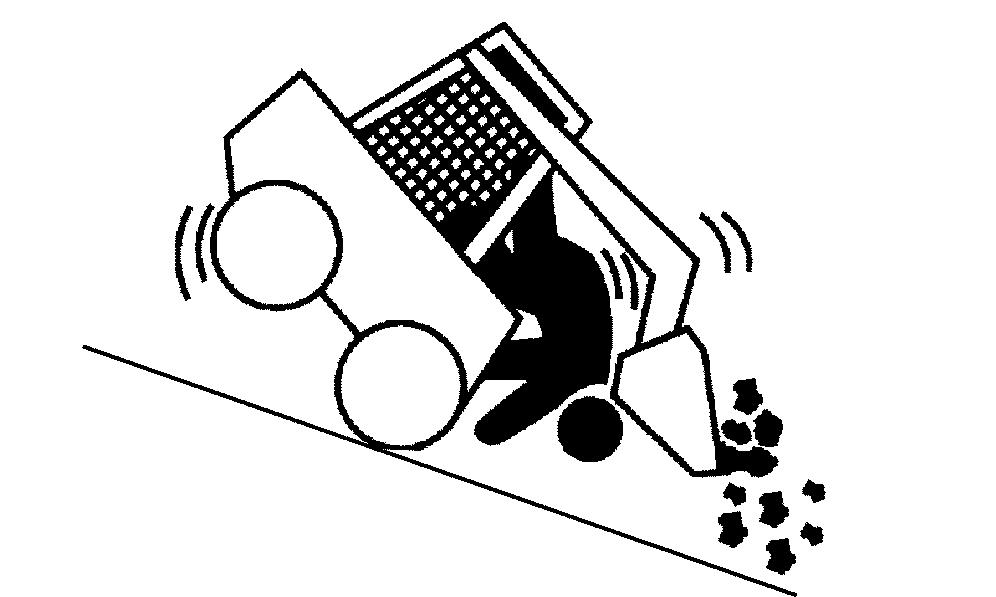
A void Machine T ip Over - 0001 - 1 1 Operating Slopes - 0001Operating T raveling Public Roads - 0001Inspect and Maintain ROPS - 0001T ravel Safely
- 0001Prevent Acid Burns - 0001Add and Operate Attachments Safely - 0001Park and Prepare for Service Safely - 0001Service Machines Safely
- Ring Face Seal Fittings with Metric Hex Nut and Stud End for High Pressure - 0003Service Recommendations for Metric Series Four Bolt Flange Fitting
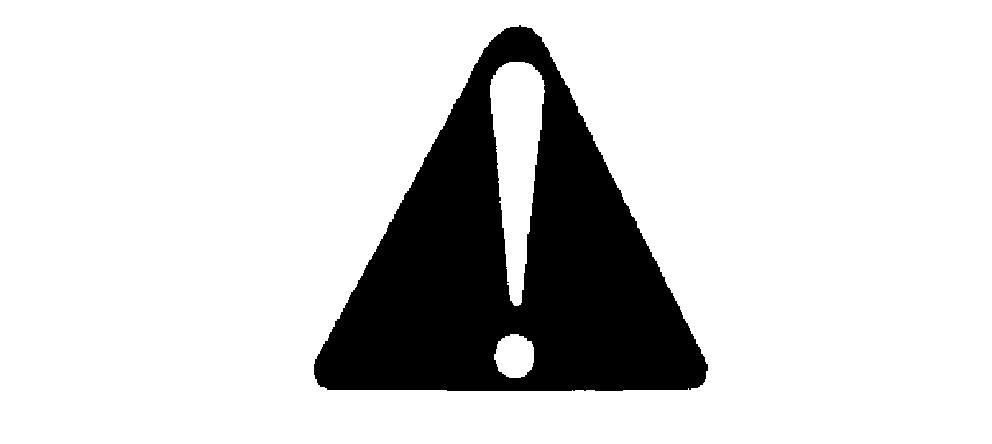
This the safety alert symbol. When you see this symbol your machine this alert for the potential personal injury
Follow the precautions and safe operating practices highlighted this
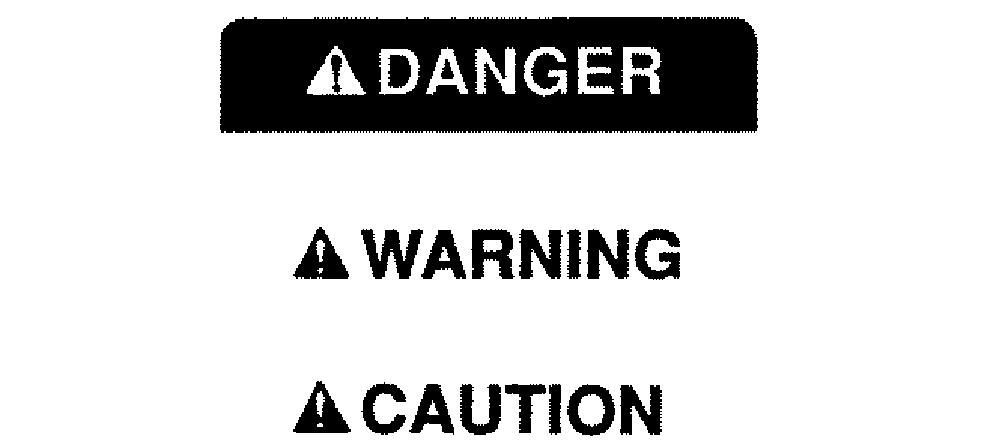
A signal word DANGER, W ARNING, CAUTION is used with the safety alert DANGER identifies the most serious
your DANGER signs are red color , W ARNING signs are orange, and CAUTION signs are yellow . DANGER and W ARNING signs are located near specific General precautions are CAUTION
Carefully read all safety messages in this manual and your machine safety signs. Keep safety signs good Replace missing damaged safety Use this operator ’ s manual for correct safety sign sure that new equipment components and repair parts include the current safety Replacement safety signs are available from your John Deere dealer
There can additional safety information contained parts and components sourced from suppliers that not reproduced this
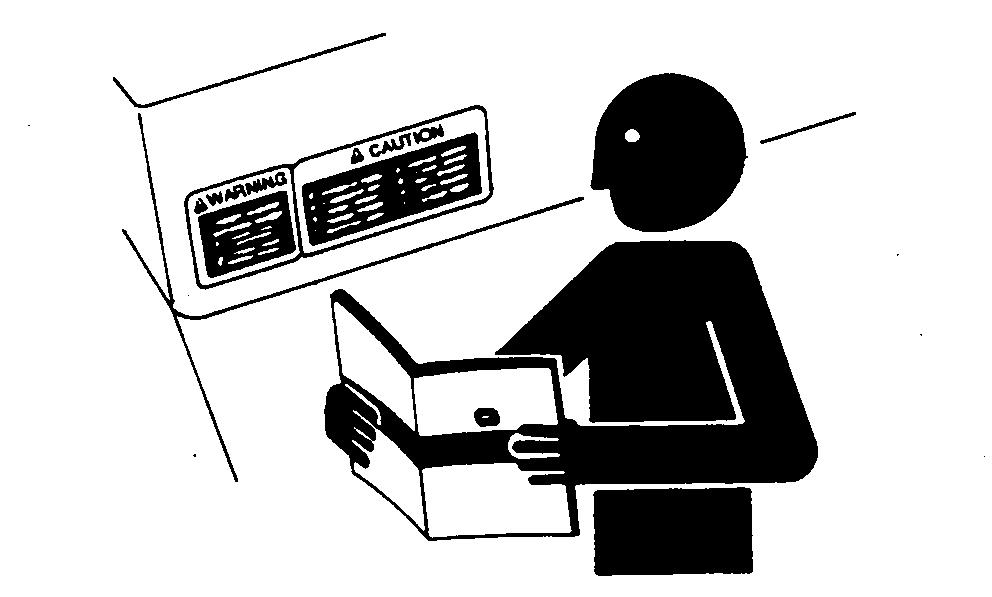
Learn how operate the machine and how use controls properly not let anyone operate without Keep your machine in proper working Unauthorized modifications the machine could impair the function safety and fect machine life.
you not understand any part this manual and need contact your John Deere dealer
not operate this machine unless the manual has been read carefully , and you have been qualified supervised training and
Operator should familiar with the job site and surroundings before T all controls and
machine functions with the machine open area before starting work.
Know and observe all safety rules that may apply every work situation and work
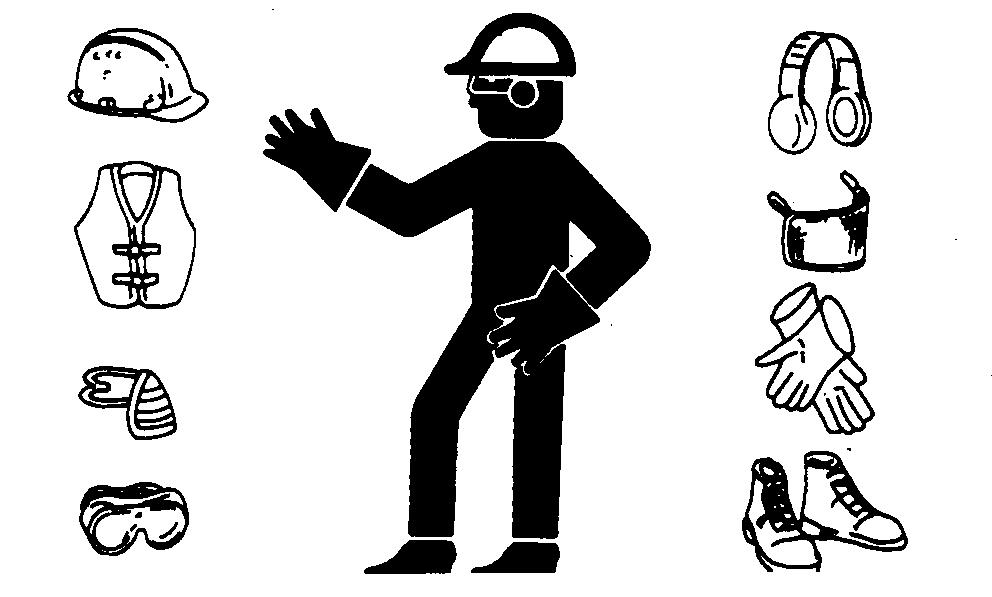
Guard against injury from flying pieces metal debris; wear goggles safety
W ear close fitting clothing and safety equipment appropriate the
Operating equipment safely requires the full attention the operator . not wear radio music headphones while operating
Prolonged exposure loud noise can cause impairment loss W ear suitable hearing protection such earmuf earplugs protect against objectionable uncomfortable loud noises. Radio music headphones are not suitable use for hearing
John Deere recommends using only genuine John Deere replacement parts ensure machine performance. Never substitute genuine John Deere parts with alternate parts not intended for the application these can create hazardous situations hazardous Non - John Deere any damage malfunctions resulting from their are not covered any John Deere warranty
reliability and may create a hazard for the operator others near the machine. The installer any modification that may fect the electronic controls this machine responsible for establishing that the modification does not adversely fect the machine its
Modifications this machine addition unapproved products attachments may fect machine stability
Always contact authorized dealer before making machine modifications that change the intended use, balance the machine that alter machine reliability
The control functions are described they are arranged when the machine leaves the factory Some control
Inspect machine carefully each day walking around before
Keep all guards and shields good condition and properly Fix damage and replace worn broken parts immediately Pay special attention hydraulic hoses and electrical
functions can changed suit particular operating Ensure that the operator aware all the functions before operating any the
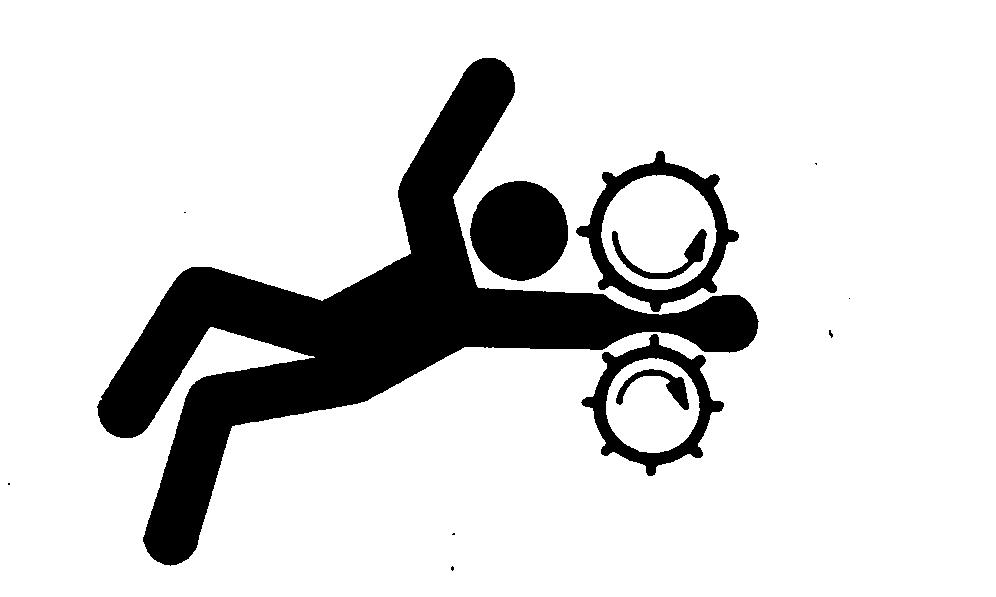
Entanglements in moving parts can cause serious injury
Stop engine before examining, adjusting, maintaining any part machine with moving
Keep guards and shields in Replace any guard shield that has been removed for access soon service repair is complete.
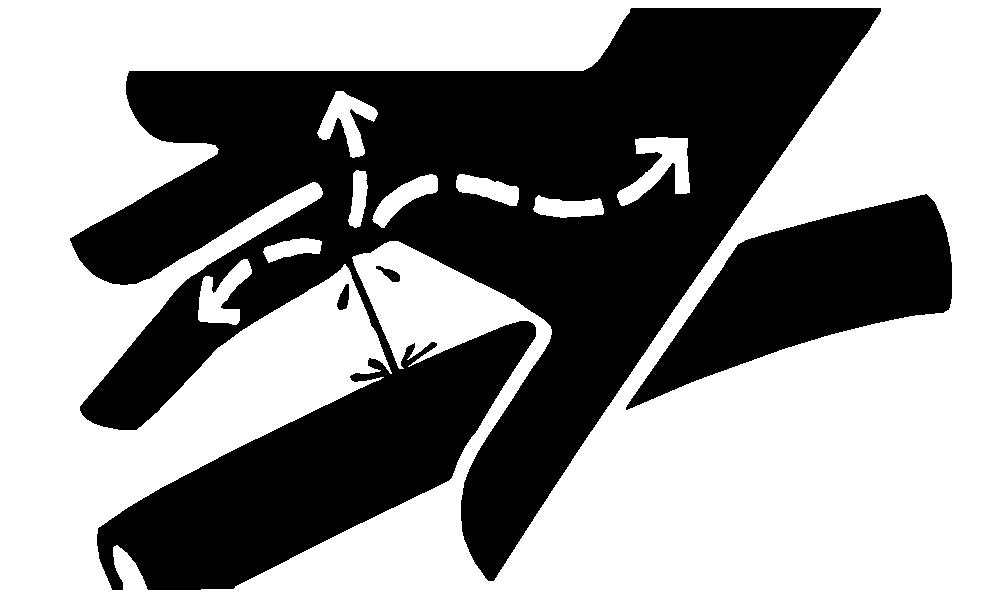
Escaping fluid under pressure can penetrate the skin causing serious injury
A void the hazard relieving pressure before disconnecting hydraulic other T ighten all connections before applying
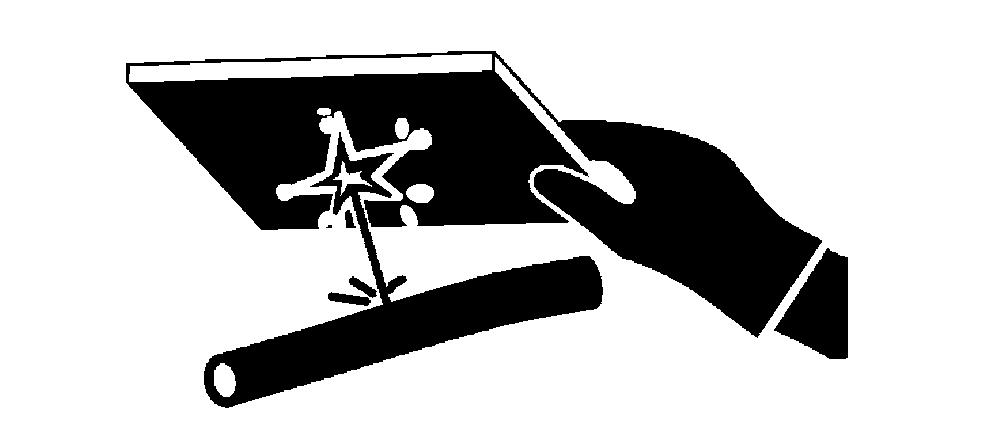
Search for leaks with a piece
Protect hands and body from high - pressure fluids.
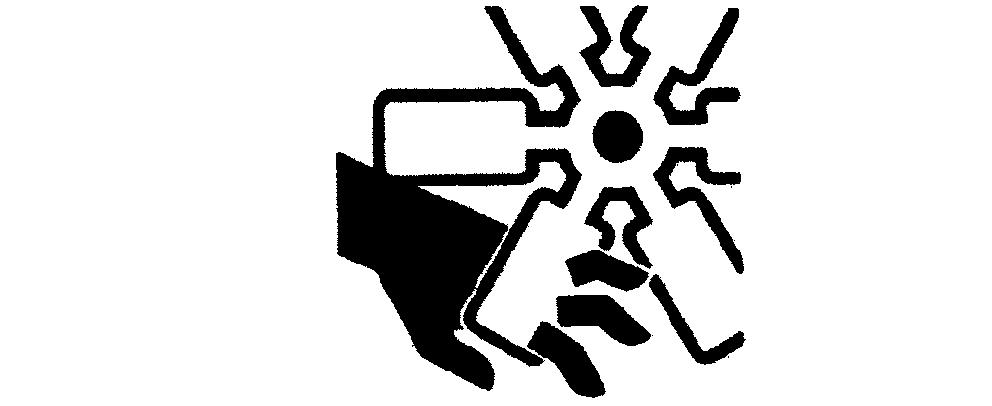
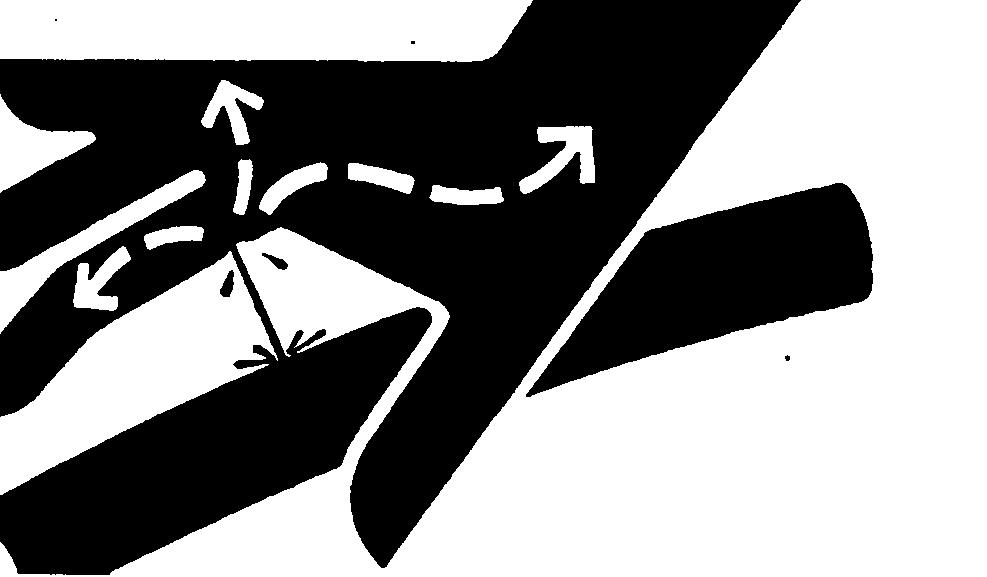
accident see a doctor immediately Any fluid injected into the skin must surgically removed within a few hours gangrene may Doctors unfamiliar with this type injury should reference a knowledgeable medical Such information is available from Deere & Company Medical Department in
This machine uses a high - pressure hydraulic Escaping oil under pressure can penetrate the skin causing serious injury .
Never search for leaks with your Protect
Use a piece cardboard find location escaping Stop engine and relieve pressure before disconnecting lines working hydraulic system.
hydraulic oil penetrates your skin, see a doctor immediately Injected oil must removed surgically within hours gangrene could Contact a knowledgeable medical source the Deere & Company Medical Department Moline, Illinois, U.S.A.
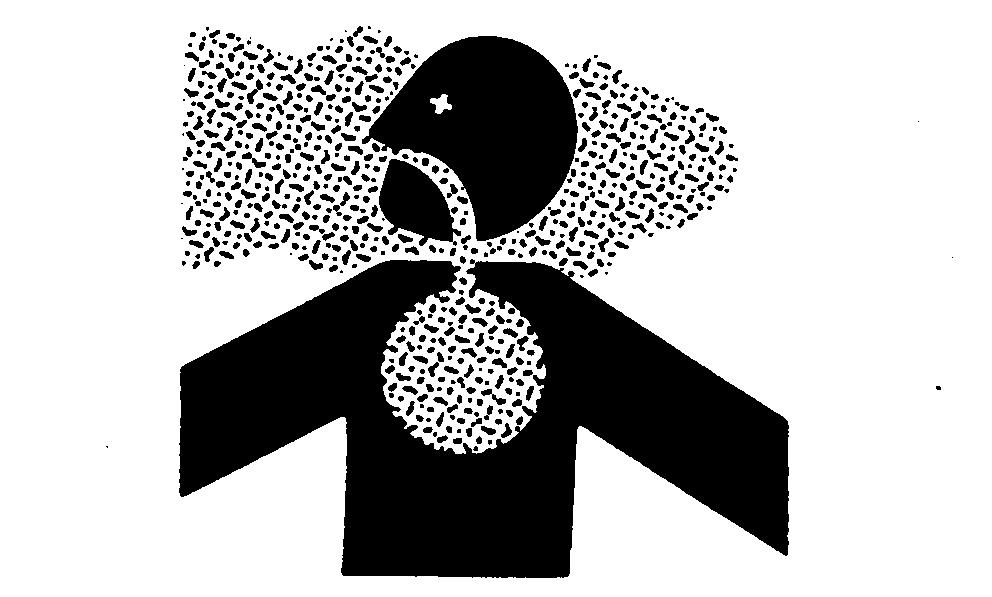
Engine exhaust fumes can cause sickness is necessary run engine enclosed remove the exhaust fumes from the area with exhaust pipe extension.
you not have exhaust pipe open the doors and get outside air into the
The removal sulfur and other compounds in Ultra - Low Sulfur Diesel (ULSD) fuel decreases its conductivity and increases its ability store a static
Refineries may have treated the fuel with a static dissipating However , there are many factors that can reduce the fectiveness the additive over
Static charges can build ULSD fuel while flowing through fuel delivery Static electricity discharge when combustible vapors are present could result a fire
Therefore, important ensure that the entire system used refuel your machine (fuel supply tank, transfer transfer and others) is properly grounded and Consult with your fuel fuel system supplier ensure that the delivery system is in compliance with fueling standards for proper grounding and bonding
Handle Fluids Safely: All most and some coolant mixtures are Store flammable fluids away from fire Never refuel machine while smoking when near sparks flame.
Clean Machine Regularly: Keep flammable debris straw , and oil from accumulating engine around fuel hydraulic exhaust and electrical Never store oily rags flammable materials inside a machine
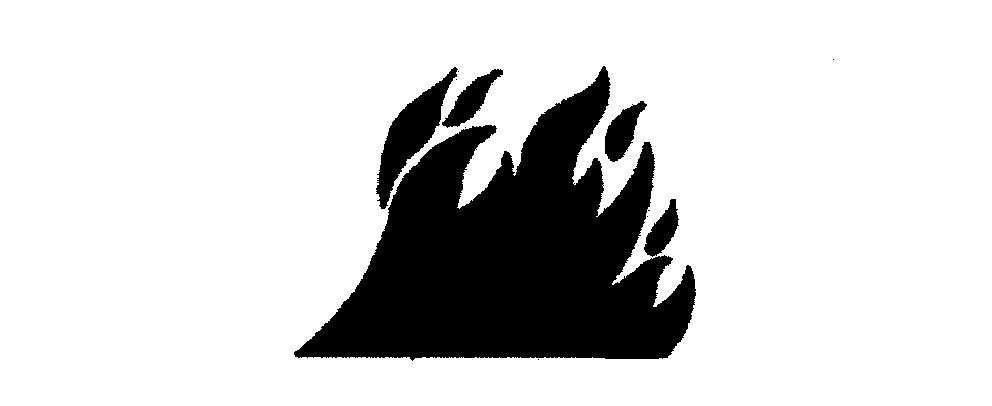
Maintain T and W iring: Replace hydraulic hoses and tubes immediately if they begin and clean any oil spills. Examine electrical wiring and connectors frequently for
Keep a Fire Extinguisher A vailable: Always keep a multipurpose fire extinguisher near the Know how use extinguisher properly .
A ware the Operating Environment: Airborne debris may contain sparks not operate near any
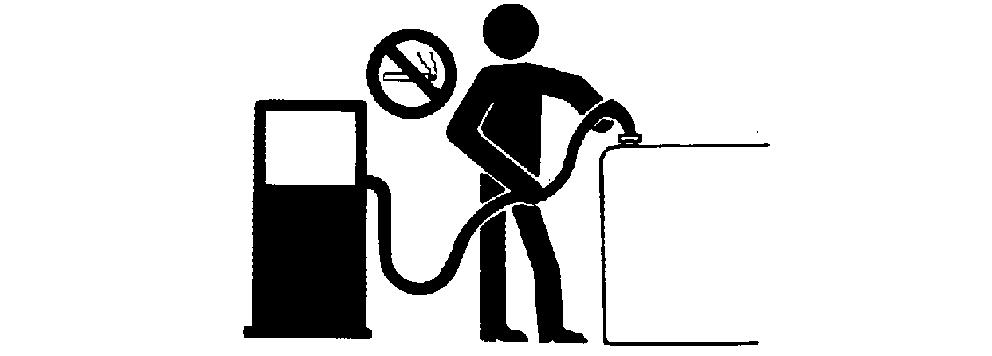

Many operations create flammable debris such and agricultural Operating in such environments may require frequent cleaning the machine and Frequency cleaning will vary depending a number including operating conditions and weather
CAUTION: A void personal injury from exposed Maintain safe
• T urn the engine
• T urn the battery disconnect switch the OFF position (if
• fight the fire using the portable fire extinguisher other fire suppression equipment (if equipped).
• Ensure that the fire does not spread the surrounding not risk injury a fire is too far not try extinguish
• Call for
Keep sparks, lighted matches, and open flame away from the top battery Battery gas can
Never check battery charge placing a metal object across the Use a voltmeter hydrometer
not charge a frozen battery; it may W arm battery 16°C (60°F).
Keep battery electrolyte levels properly maintained.
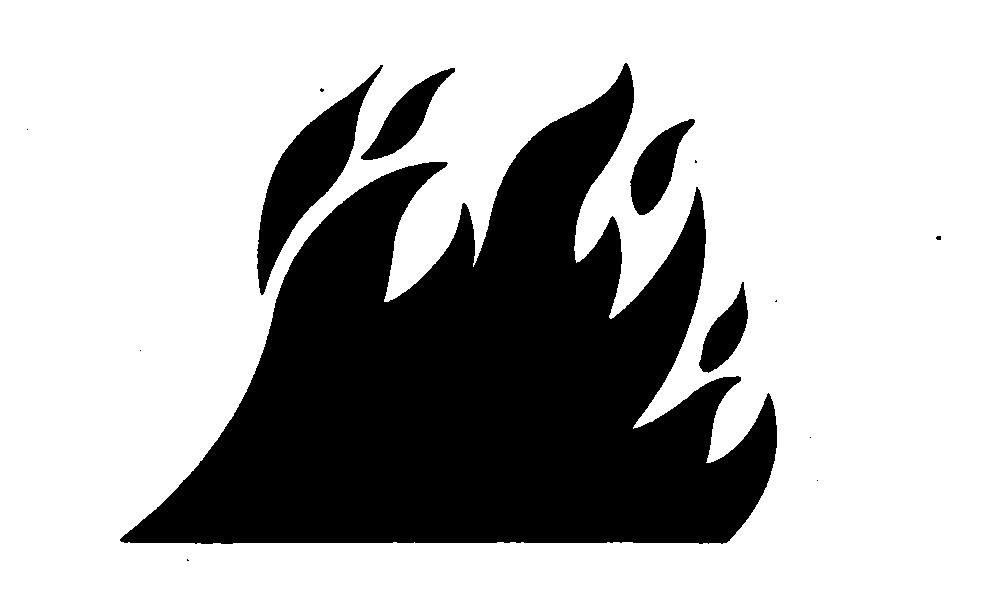
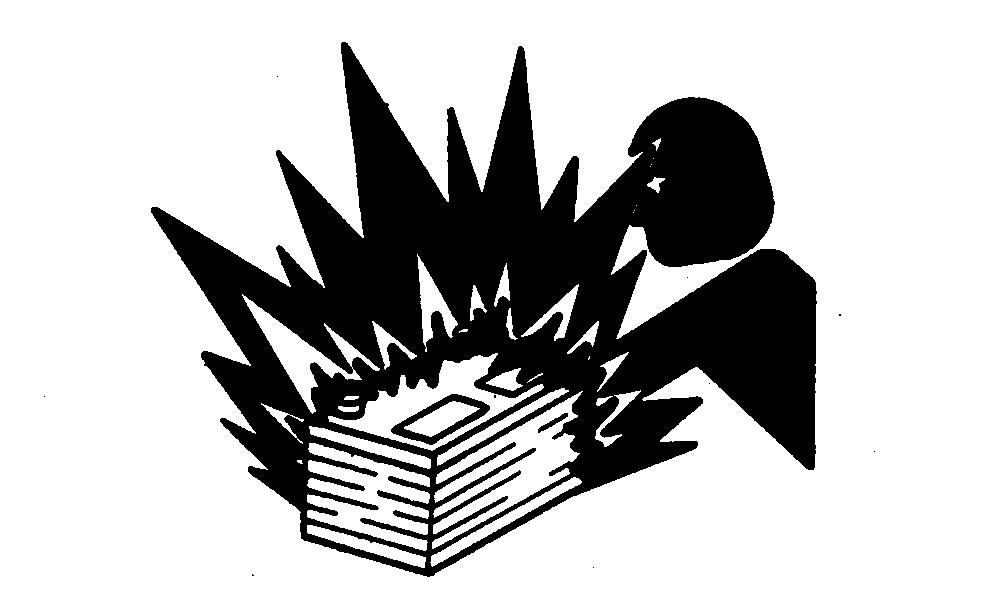
Direct exposure hazardous chemicals can cause serious injury Potentially hazardous chemicals used with John Deere equipment include such items and
A Material Safety Data Sheet (MSDS) provides specific details chemical products: physical and health safety and emergency response
Check the MSDS before you start any job using a hazardous That way you will know exactly what the risks are and how the job safely Then follow procedures and recommended
(See your John Deere dealer for MSDS’ s chemical products used with John Deere equipment.)

Starting fluid highly
Keep all sparks and flame away when using it. Keep starting fluid away from batteries and T o prevent accidental discharge when storing the pressurized keep the cap the container , and store in a cool, protected location.
not incinerate puncture a starting fluid container
not use starting fluid engine equipped with glow plugs air intake heater
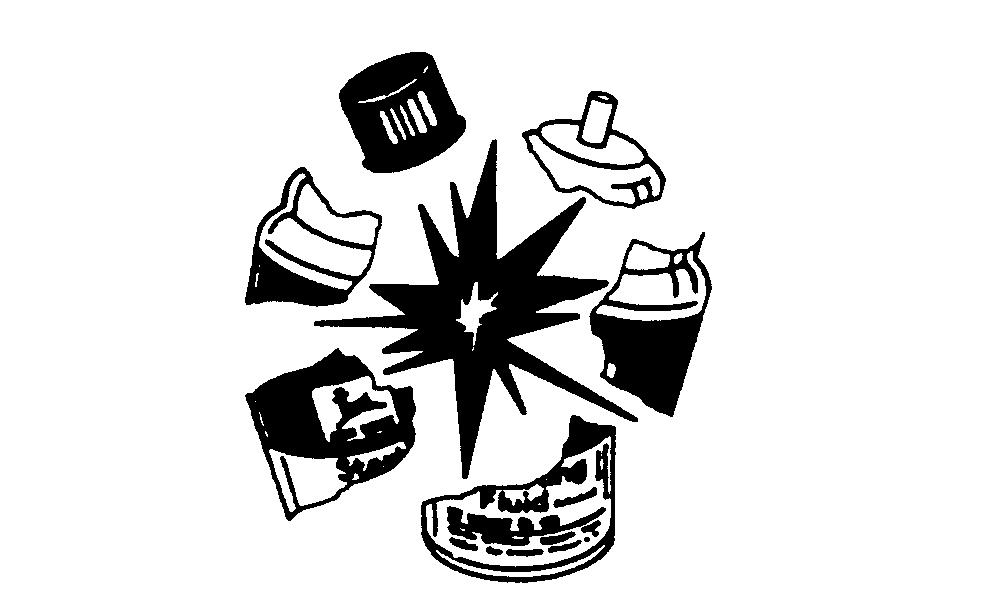
Safety and environmental stewardship measures must taken into account when decommissioning a machine and/or These measures include the following:
• Use appropriate tools and personal protective equipment such face shields glasses, during the removal handling objects and
• Follow instructions for specialized
• Release stored energy lowering suspended machine relaxing disconnecting the battery other electrical power , and releasing pressure hydraulic components, accumulators, and other similar systems.
• Minimize exposure components which may have residue from agricultural such fertilizers and Handle and dispose these components appropriately
• Carefully drain fuel hydraulic cylinders, reservoirs, and lines before recycling components. Use leak - proof containers when draining not use food beverage
• not pour waste fluids onto the down a into any water
• Observe all and local ordinances governing the handling disposal waste fluids (example: oil, fuel, coolant, brake fluid);
filters; batteries; other substances Burning flammable fluids components other than specially designed incinerators may prohibited law and could result exposure harmful fumes
• Service and dispose air conditioning systems appropriately . Government regulations may require a certified service center recover and recycle air conditioning refrigerants which could damage the atmosphere allowed
• Evaluate recycling options for rubber , and electronic components which may part completely
• Contact your local environmental recycling center , your John Deere dealer for information the proper way recycle dispose
CAUTION: Under federal, state, and local laws regulations, exhaust filter ash can classified a hazardous waste. Hazardous waste must disposed accordance with all applicable federal, state, and local laws regulations
governing hazardous waste disposal. Only a qualified service provider should remove ash from the exhaust filter Personal protective equipment and maintained a sanitary and reliable should used when handling and cleaning exhaust filter . See your authorized dealer for exhaust filter ash handling and disposal.
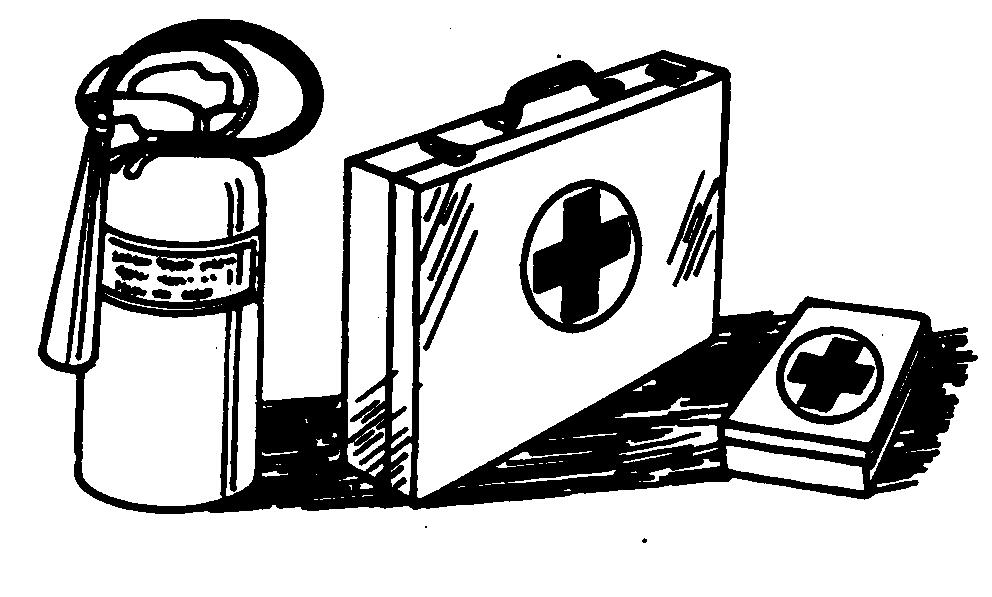
prepared a fire
Keep a first aid kit and fire extinguisher handy .
Keep emergency numbers for ambulance and fire department near your
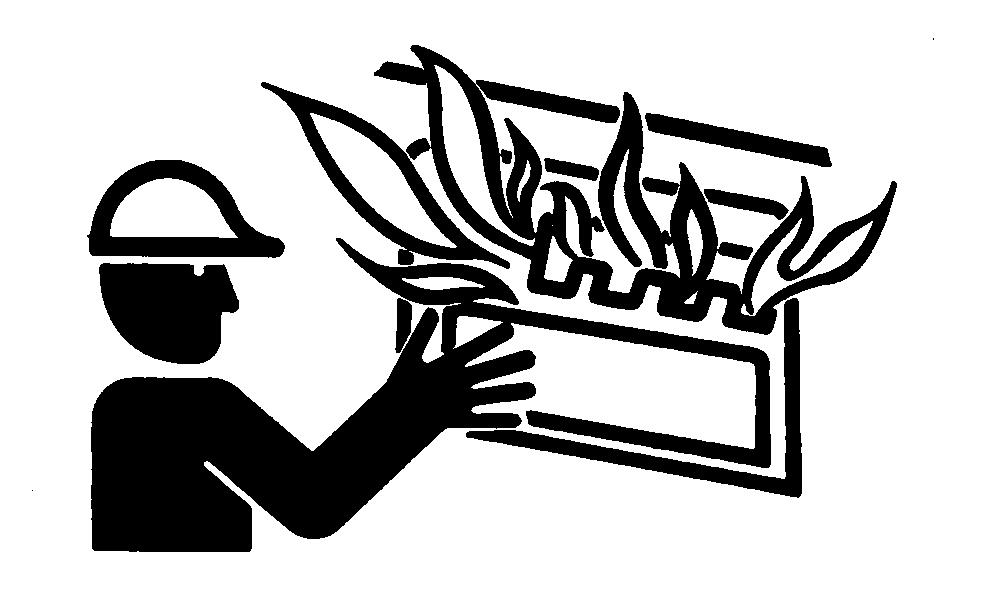
Keep engine radiator , hydraulic exhaust fuel and station clean and free
Clean any oil spills fuel spills machine
T emperature engine compartment could immediately after engine is GUARD FOR FIRES DURING THIS PERIOD.
Open access door(s) cool the engine faster , and clean engine
Special work situations machine attachments could create environment with falling flying W orking near overhead demolition using a hydraulic hammer working a forestry application wooded working in a waste management application, for example, could require added guarding protect the operator
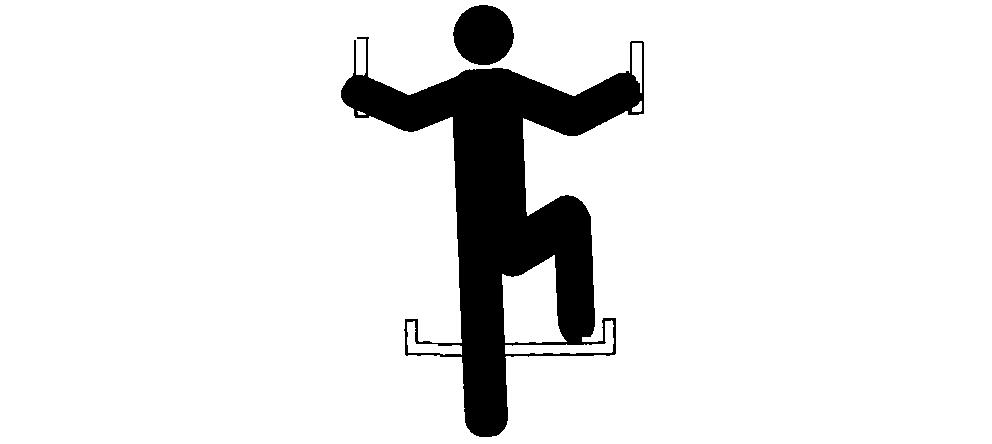
Prevent falls facing the machine when you get and Maintain 3 - point contact with steps and Never use machine controls
Use extra care when snow , moisture present slippery Keep steps clean and free grease Never jump when exiting Never mount dismount a moving
Additional level FOPS (falling object protective forestry protection and special screens guarding should installed when falling flying objects could enter damage the machine. A rear screen should always used with a winch protect against a snapping Before operating any special work follow the operator protection recommendations the manufacturer any specialized attachment Contact your authorized John Deere dealer for information protective guarding.
A void unexpected machine Start engine only while sitting Ensure that all controls and working tools are in proper position for a parked
Never attempt start engine from the not attempt start engine shorting across the starter solenoid

Use seat belt when operating machine Remember fasten seat belt when loading and unloading from trucks and during other
Examine seat belt frequently sure that webbing not cut Replace seat belt immediately any part damaged does not function properly
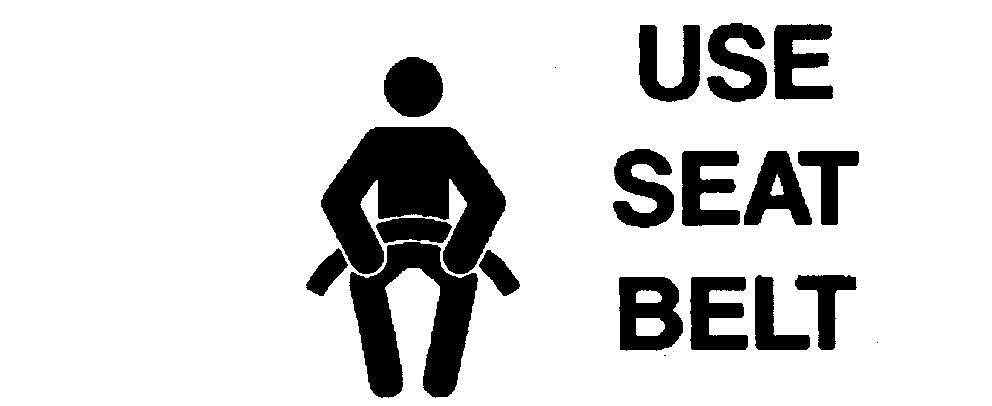
The complete seat belt assembly should replaced every three years, regardless appearance.
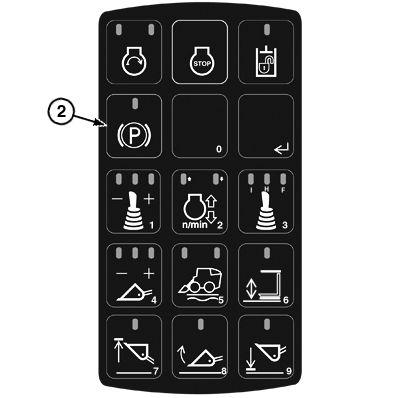
careful not accidentally actuate Follow these steps during work interruptions before allowing coworkers approach the machine, before standing up, leaving the exiting the machine:
• Lower equipment the
• Press park brake switch (2) engage park
• Stop the engine.
• Raise interlocking seat bar .
A void contact with gas lines, buried cables, and water Call utility line location services identify all underground utilities before starting
Prepare work site properly . A void operating near structures objects that could fall onto the Clear away debris that could move unexpectedly if run over
A void boom attachment contact with overhead obstacles overhead electrical lines. Never move machine closer than 3 m (10 ft) plus twice the line insulator length overhead
Keep bystanders clear all times. Keep bystanders away from raised and unsupported
A void swinging raising loads over near Use barricades a signal person keep vehicles and pedestrians away Use a signal person moving machine in congested areas where visibility restricted. Always keep signal person view . Coordinate hand signals before starting machine.
Operate only solid footing with strength suf ficient support especially alert working near embankments
A void working under over - hanging embankments stockpiles that could collapse under
can cause a sudden Always wear seat units equipped with shoulder belts always wear both the seat and shoulder belt and not lean forward while
Reduce machine speed when operating with tool near ground when obstacles may hidden during snow removal clearing high speeds hitting obstacles uneven manholes)
CAUTION: Power lines carrying more than 000 volts require a safety distance plus 1/2 (13 mm) for each additional 1000 volts above the 000 volt
Approach with caution areas where overhanging telephone electric power lines are present. Serious injury death electrocution can result the machine any its attachments are not kept a safe distance from high - voltage electric power
Maintain a distance between the machine, and any power line carrying 000 volts
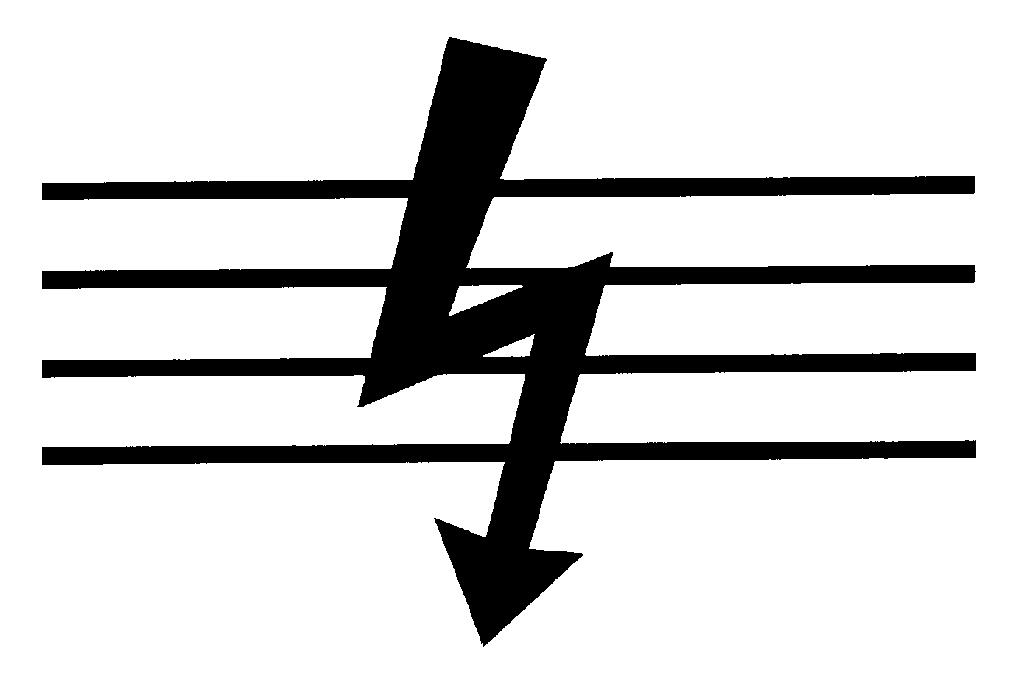
job site regulations require even greater safety distances than stated above, adhere strictly these regulations for personal
Only allow operator
Riders are subject injury . They may fall from machine, caught between machine struck foreign
Riders may obstruct operator ’ s view impair their ability operate machine safely .
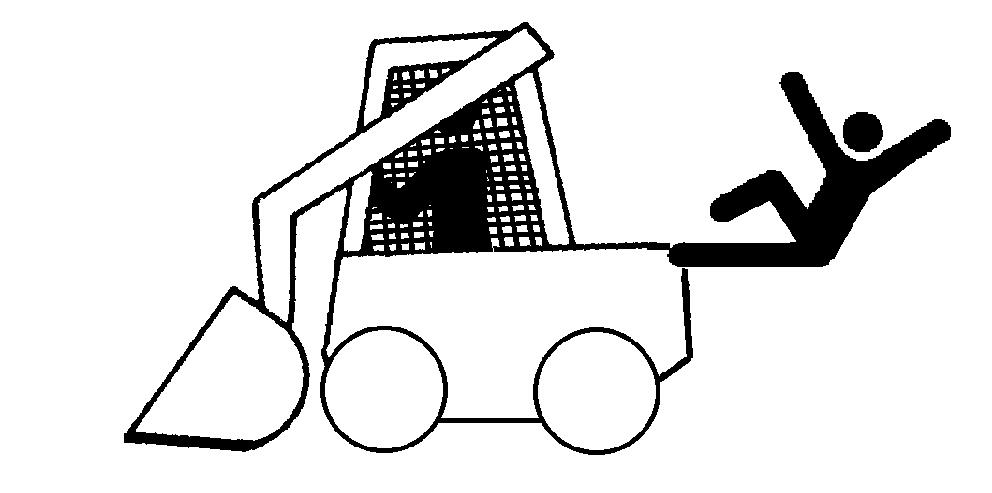
Before moving sure that all bystanders vehicles are clear machine path. T urn around and look directly for best visibility Keep windows
certain reverse warning alarm working properly
Use a signal person when backing view obstructed when close quarters. Keep signal person view all Use prearranged hand signals
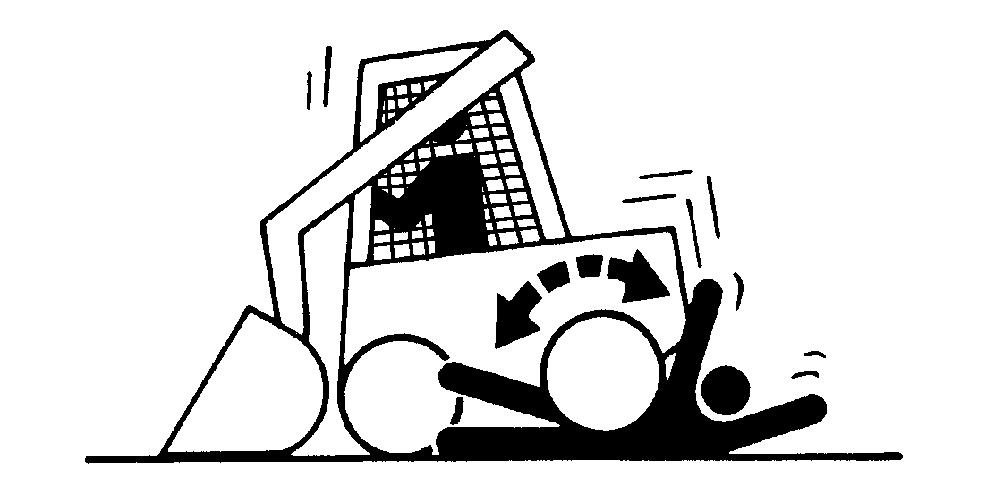
Use seat belt all times.
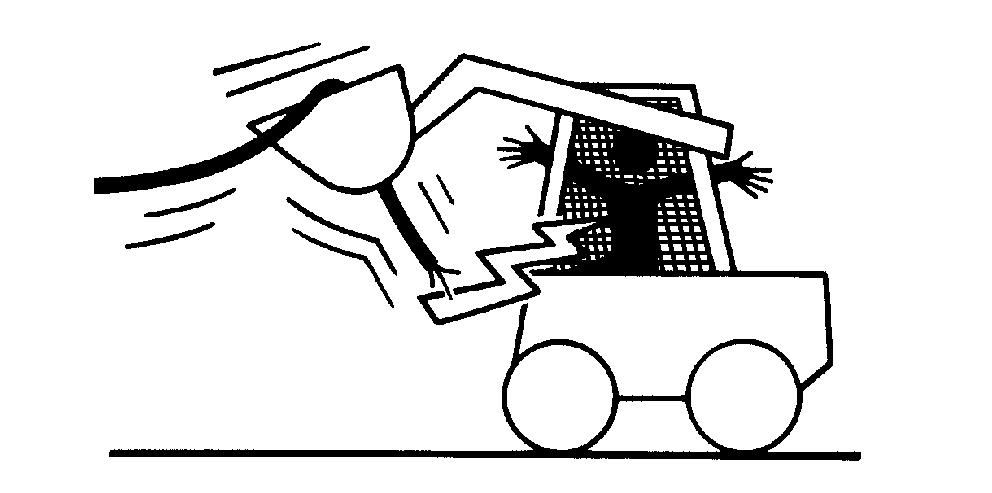
not jump the machine Operator will unlikely jump clear and the machine may crush operator .
Load and unload from trucks trailers carefully . Ensure that truck wide enough and a firm level Use loading ramps and attach them properly truck careful slopes. A void sharp Balance loads weight evenly distributed and load is Carry tools and loads close the ground aid visibility and lower center gravity Use extra care rocky , frozen ground.
Know the capacity the machine. not careful with heavy Using oversize buckets lifting heavy objects reduces machine stability
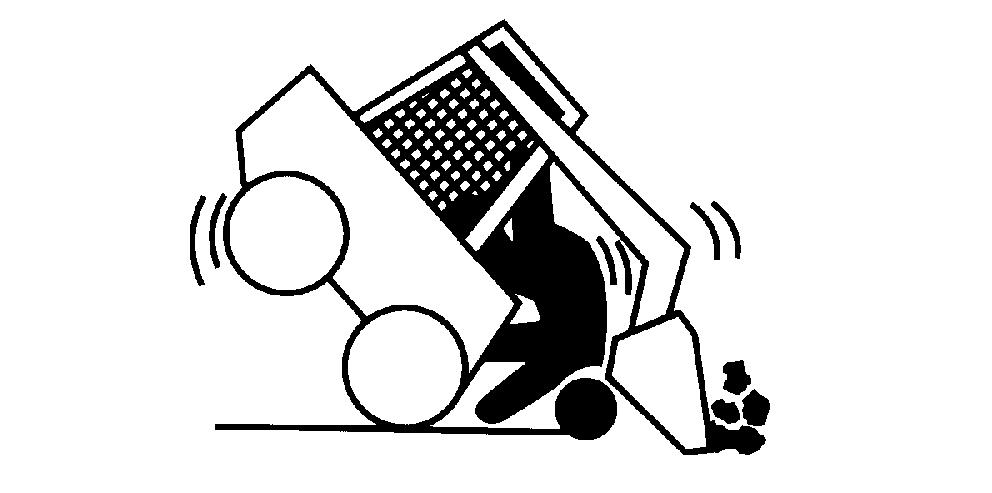
Ensure solid footing. Use extra care in soft ground conditions structures that may not uniformly support the especially when raising the not operate close banks open excavations that may cave and cause machine tip
A void side slope travel whenever When working steep travel straight and down possible and keep the heavy end the vehicle uphill prevent machine tip over .
Carry the load low possible for maximum stability and visibility
Select low speed before starting down The slope which you can operate safely will limited ground condition and the load being
alert wind direction and velocity .
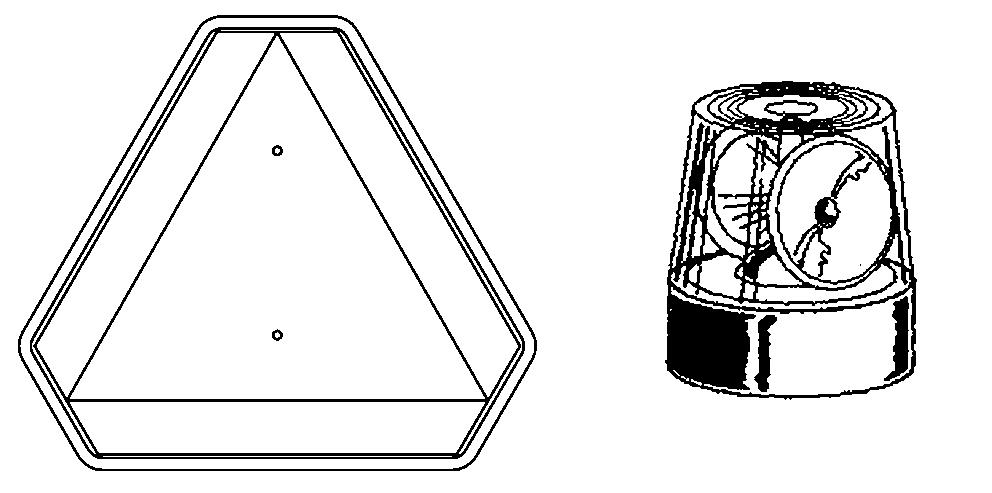
Machines that work near vehicle traf fic travel slower than normal highway speeds must have proper lighting and markings assure they are visible other drivers.
Install additional beacon slow moving vehicle (SMV) other devices and use required make the machine visible and identify it a work Check state and local regulations assure compliance. Keep these devices clean and in working
A damaged rollover protective structure (ROPS) should replaced, not reused.
The protection fered ROPS could impaired if ROPS subjected structural is involved in overturn any way altered
T o maintain the ROPS:
• Replace missing hardware using correct grade
• Check hardware torque.
• Check isolation mounts for damage, looseness, wear; replace them necessary
• Check ROPS for cracks physical
ROPS was loosened removed for any inspect carefully before operating the machine
When working steep travel straight and down possible prevent roll over NOT
Always park the machine level
Know the location bystanders before moving the
Always keep the reverse/travel warning alarm working condition. The alarm warns bystanders when the machine starts move
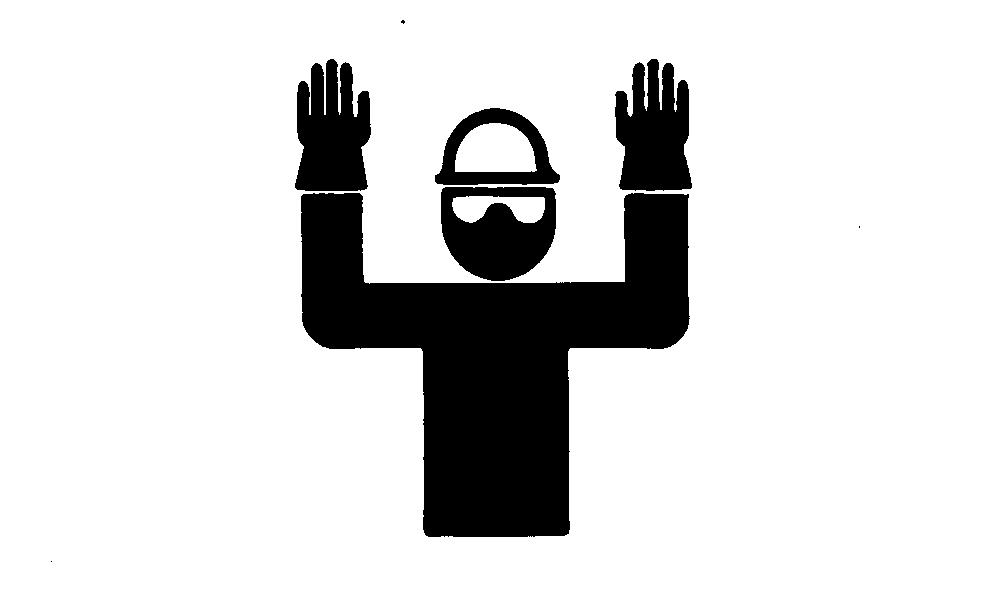
Use a signal person when moving the machine congested Coordinate hand signals before starting the machine.
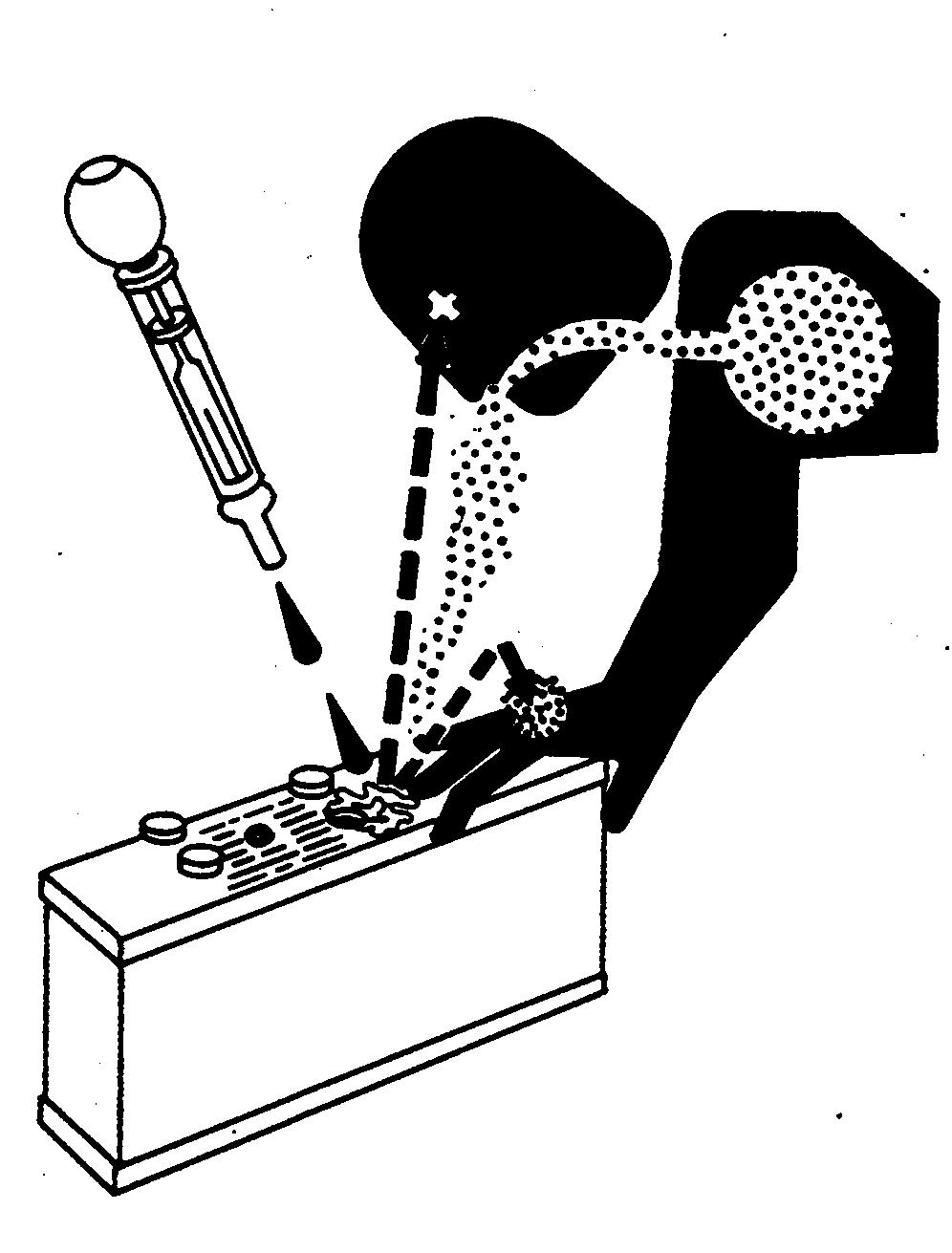
Sulfuric acid battery electrolyte is strong enough burn eat holes in and cause blindness splashed into
A void the hazard by:
Filling batteries a well - ventilated W earing eye protection and rubber
A voiding breathing fumes when electrolyte added.
A voiding spilling dripping
Use proper jump start
you spill acid yourself:
Flush your skin with water
Apply baking soda lime help neutralize the
Flush your eyes with water for Get medical attention immediately
acid swallowed:
not induce
Drink large amounts water milk, but not exceed 2 L quarts).
Get medical attention immediately
required V erify that all connections are secure and attachment responds properly
Always verify compatibility attachments contacting your authorized dealer . Adding unapproved attachments could fect machine stability reliability and could create a hazard for others near the
Carefully read attachment manual and follow all instructions and area free bystanders and carefully operate attachment learn its characteristics and range
Ensure that a qualified person is involved attachment installation. Add guards machine if operator protection
W arn others service work. Always park and prepare machine for service repair properly
• Park machine a level surface and lower equipment the
• Engage park
• Stop engine and remove key
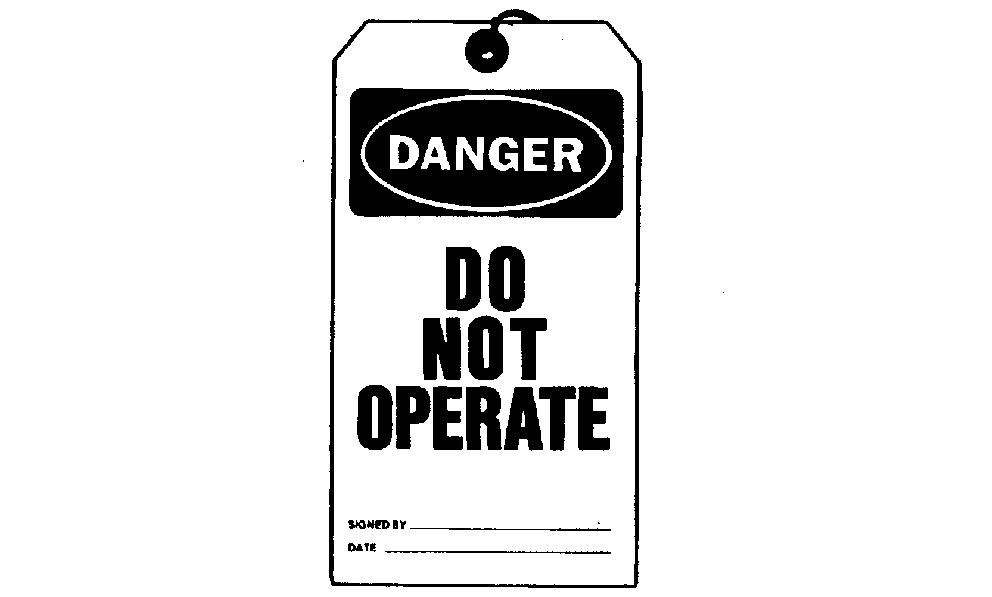
• Attach a “DO NOT OPERA TE” tag in obvious place the
Securely support machine attachment before working under
• not support machine with any hydraulically actuated tools
• not support machine with cinder blocks wooden pieces that may crumble
• not support machine with a single jack other devices that may slip out
• Always install boom lock before working around this machine with the loader boom raised.
Understand service procedures before beginning Keep service area clean and dry Use two people whenever the engine must running for service
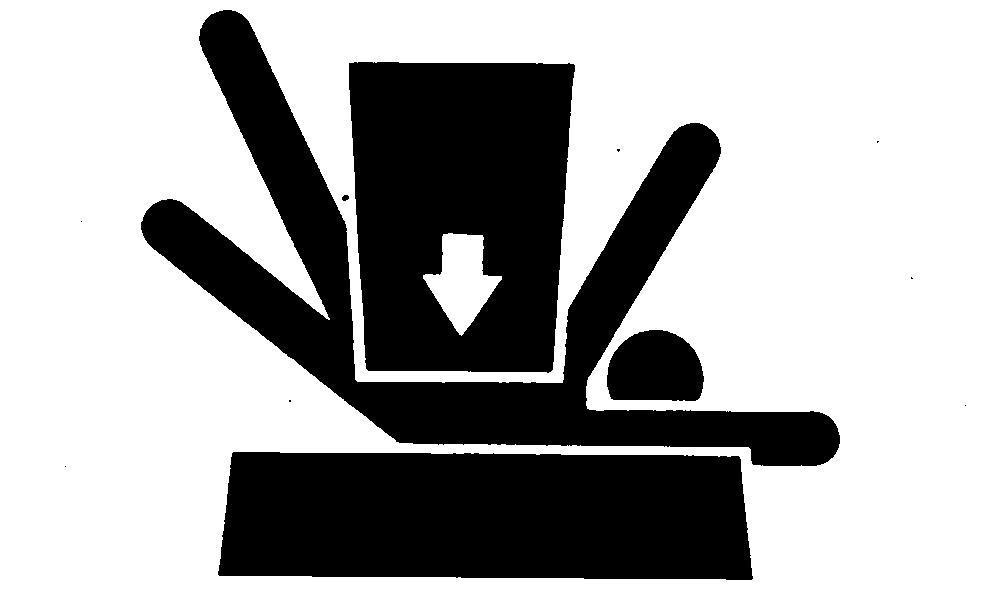
T long hair behind not wear a loose necklace when working near machine tools moving these items were get severe injury could
Remove rings and other jewelry prevent electrical shorts and entanglement in moving
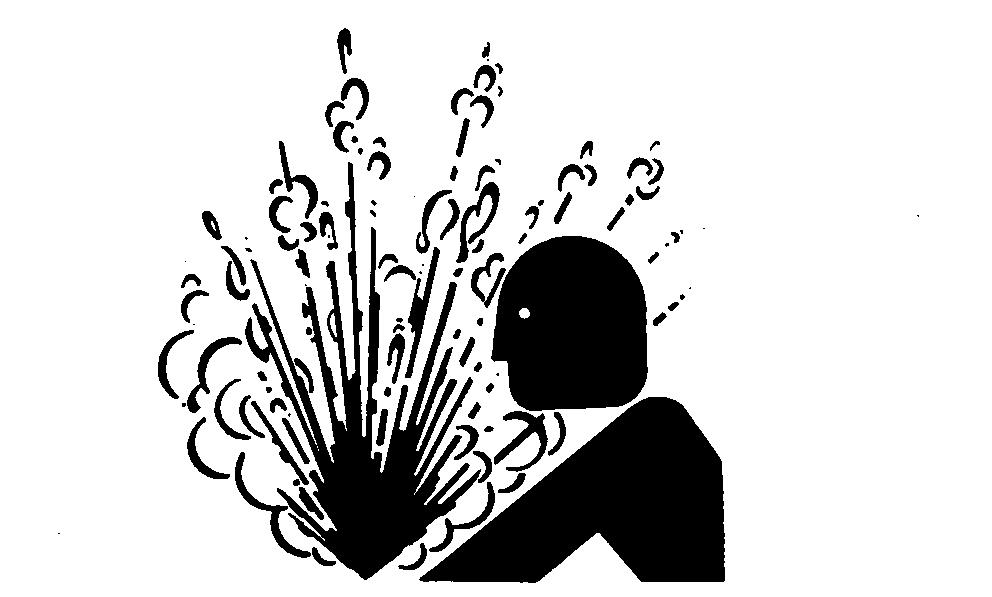
Explosive release fluids from pressurized cooling system can cause serious
not service radiator through the radiator Only fill through the surge tank filler Shut f Only remove surge tank filler cap when cool enough touch with bare Slowly loosen cap relieve pressure before removing completely