
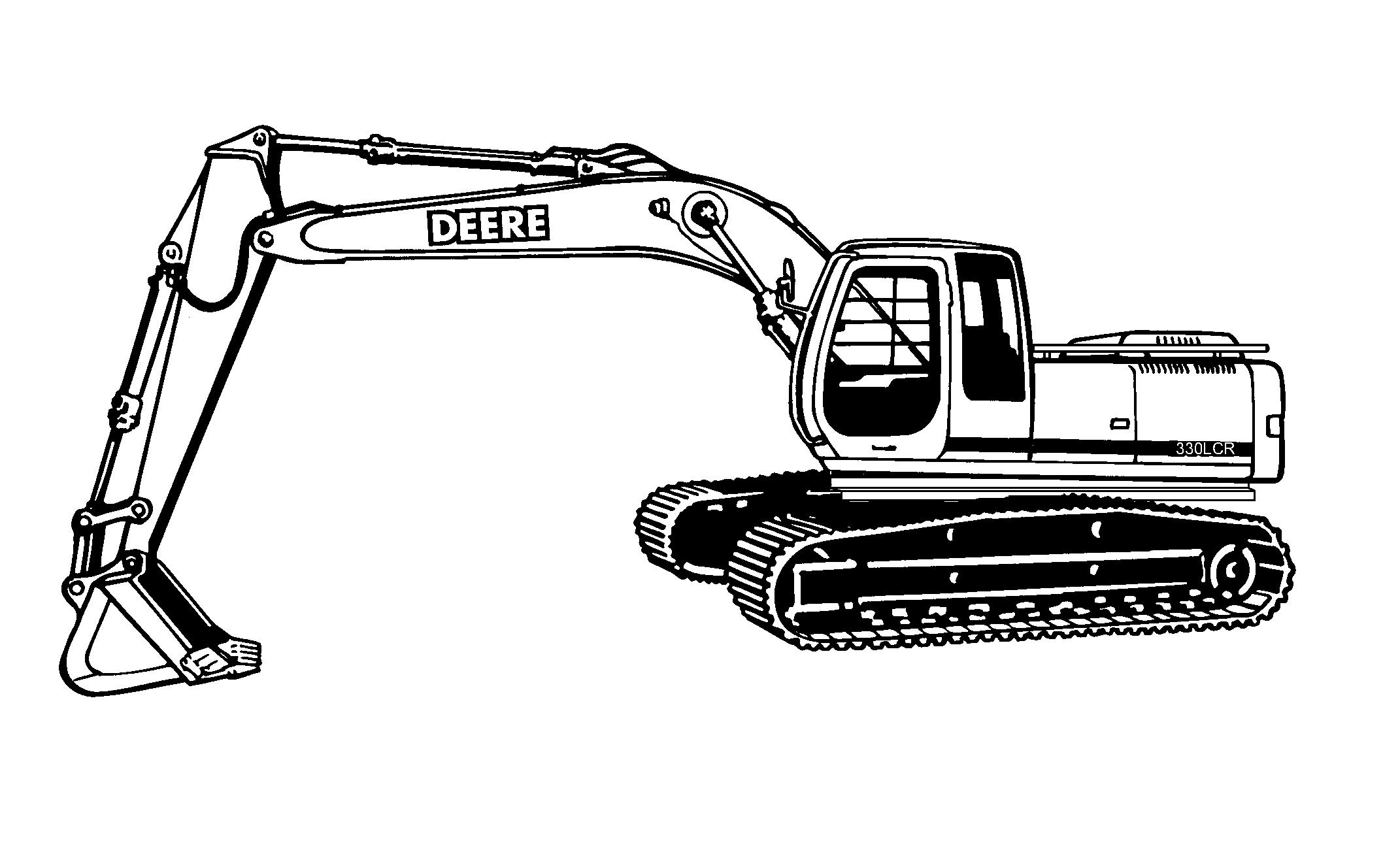
DOWNLOAD OPERATOR MANUAL
INSERT LATEST UPDATED PAGES. DESTROY SUPERSEDED DATA.
LIST OF EFFECTIVE PAGES
Note: The portion of text or illustration affected by the updates is indicated by a vertical line in the outer margins of the page. Updates to wiring diagrams are indicated by shaded areas. Dates of issue for original and updated pages are: Original 0 15 Februar y
No. No. *Zero in this column indicates an original page.
— A-23..........................0 A-24 blank............................0 B-1 — B-4............................0 C-1 — C-3............................0 C-4 blank..............................0
BLANK
Technical M anual No. 5-3805-281-10
TM 5-3805-281-10
HE ADQU ARTERS, DEPARTMENT OF THE ARMY Washington, DC, 15 February 2000
OPER ATOR’S M ANU AL
HYDRAULIC EXC AVATOR JOHN DEERE MODEL 330LCR NSN 3805-01-463-0805
REPORTING ERRORS AND RECOMMENDING IMPROVEMENTS
You can help improve this publication If you find any mistakes or if you know of a way to improve the procedures, please let us know. Submit your DA Form 2028-2 (Recommended Changes to Equipment Technical Publications), through the Internet, on the Army Electronic Product Support (AEPS) website. The Internet address is http://aeps.ria.army.mil. If you need a password, scroll down and click on “ACCESS REQUEST FORM”. The DA Form 2028 is located in the ONLINE FORMS PROCESSING section of the AEPS. Fill out the form and click on SUBMIT. Using this form on the AEPS will enable us to respond quicker to your comments and better manage the DA Form 2028 program You may also mail, fax or email your letter, DA Form 2028, or DA Form 2028-2 direct to: Commander, U.S. Army Tank-automotive and Armaments Command, ATTN: AMSTA-LC-CI, Rock Island, IL 61299-7630. The email address is AMST A-LC-CI@ria.army mil. The fax number is DSN 793-0726 or Commercial (309) 782-0726.
DISTRIBUTION STATEMENT A - Approved for public release; distribution is unlimited.
NOTE
As this operator manual is a commercial product supplemented to include Army specific procedures, the manual may advise the operator to perform tasks that would normally not be assigned to the operator level in a DATM. Always follow the limits established in the PMCS. Also, references are made throughout the manual to see your authorized dealer or John Deere dealer for repair or information In those instances, notify your supervisor or next higher maintenance level.
TABLE OF CONTENTS
i
TABLE OF CONTENTS (Continued)
TABLE OF CONTENTS (Continued)
TABLE OF CONTENTS (Continued)
TABLE OF CONTENTS (Continued)
TABLE OF CONTENTS (Continued)
Chapter 13 Maintenance—Every 50 Hours
Grease Working Tool Pivots (GRP NO. 3302)........................................................................13-1
Chapter 14Maintenance—Every 250 Hours
Check Swing Gearbox Oil Level (GRP NO. 4351)..................................................................14-1
Drain Hydraulic Tank Sump (GRP NO. 3364)........................................................................14-1
Check Pump Drive Gearbox Oil Level (GRP NO. 3361)........................................................14-2
Change Engine Oil and Replace Filter (GRP NO. 0407).........................................................14-3
Check Surge Tank Coolant Level (GRP NO. 0511)................................................................14-5
Check Battery Electrolyte Level and Terminals (GRP NO. 1671)...........................................14-6
Check Propel Gearbox Oil Level (GRP NO. 0250).................................................................14-8
Clean Dusty Primary Element (GRP NO. 0521)......................................................................14-10
Inspect Element (GRP NO. 0521)............................................................................................14-11
Chapter 15Maintenance—Every 500 Hours
Grease Swing Bearing (GRP NO. 4353)..................................................................................15-1
Grease Swing Bearing Gear (GRP NO. 4353).........................................................................15-2
Replace Final Fuel Filter (GRP NO. 0420)..............................................................................15-3
Replace Primary Fuel Filter (Water Separator) (GRP NO. 0560)............................................15-4
Check Air Intake Hoses (GRP NO. 0521)................................................................................15-5
Replace Hydraulic Oil Filter (GRP NO. 3360)........................................................................15-6
Check Coolant in Radiator (GRP NO. 0510)...........................................................................15-9
Chapter 16Maintenance—Every 1000 Hours
Change Swing Gearbox Oil (GRP NO. 4351)..........................................................................16-1
Change Pilot Control Oil Filter (GRP NO. 3362)....................................................................16-1
Change Pump Drive Gearbox Oil (GRP NO. 3360)................................................................16-3
Change Air Cleaner Elements (GRP NO. 0521)......................................................................16-3
Inspect Fan Belt (GRP NO. 0429)............................................................................................16-4
Replace Air Cleaner Dust Valve (GRP NO. 0521)..................................................................16-5
Chapter 17Maintenance—Every 2000 Hours
Change Propel Gearbox Oil (GRP NO. 0250).........................................................................17-1
Change Hydraulic Oil (GRP NO. 3360)...................................................................................17-2
Clean the Engine Crankcase Ventilation Tube (GRP NO. 0400) ............................................17-6
Check and Adjust Engine Valve Lash (Clearance) (GRP NO. 0409)......................................17-6
Firing Order 6—Cylinder Engine.............................................................................................17-8
Check Engine Speeds...............................................................................................................17-9
Engine Speed Control Cable Adjustment (GRP NO. 0515).....................................................17-10
Engine Control Motor and Sensor Adjustment (GRP NO. 0515)............................................17-11
Engine Speed Learning Procedure...........................................................................................17-12
Chapter 18Maintenance
Drain Cooling System (GRP NO. 0510)..................................................................................18-1
Diesel Engine Coolant (GRP NO. 0510)..................................................................................18-3
Cooling System Fill and Deaeration Procedure (GRP NO. 0510)...........................................18-4
Do Not Service Injection Nozzles............................................................................................18-5
Do Not Adjust Injection Pump.................................................................................................18-5
Bleeding the Fuel System.........................................................................................................18-6
Precautions for Alternator and Regulator.................................................................................18-7
Service Batteries Carefully.......................................................................................................18-8
Checking Electrolyte Specific Gravity.....................................................................................18-10
Using Battery Charger..............................................................................................................18-11
Replacing Batteries (GRP NO. 1671)......................................................................................18-12
Removing Batteries (GRP NO. 1671)......................................................................................18-12
Welding on Machine................................................................................................................18-13
TABLE OF CONTENTS (Continued)
Adding 12-Volt Accessories....................................................................................................18-14
Replacing Fuses........................................................................................................................18-14
Fuse (Blade-Type) Color Codes...............................................................................................18-16
Checking Travel Alarm System (GRP NO. 1671)...................................................................18-16
Removing the Bucket (GRP NO. 3302)...................................................................................18-17
Replacing Bucket Teeth (GRP NO. 3302)...............................................................................18-18
Replacing Bucket Tooth Tip—Heavy-Duty Bucket (GRP NO. 3302)....................................18-19
Do Not Service Control Valves, Cylinders, Pumps or Motors.................................................18-19
Track Sag General Information................................................................................................18-20
Hardware Torque Specifications..............................................................................................18-20
Check Track Shoe Torque........................................................................................................ 18-21
Unified Inch Bolt and Cap Screw Torque Values....................................................................18-22
Metric Bolt and Cap Screw Torque Values..............................................................................18-23
Additional Metric Cap Screw Torque Values..........................................................................18-24
Check Oil Lines and Fittings....................................................................................................18-25
Service Recommendations for O-Ring Boss Fittings...............................................................18-26
Service Recommendations for Flat Face O-Ring Seal Fittings................................................18-28
Service Recommendations for 37° Flare
TABLE OF CONTENTS (Continued)
Appendix AOperator Preventive Maintenance Checks and Services (PMCS) .......................................A-1
Appendix BComponents of End Item and Basic Issue Items List ............................................................B-1
Appendix CReferences .................................................................................................................................C-1
WARRANTY
1. General. This section explains the contractor’s warranty for the Hydraulic Excavator (HYEX), including all of its components and subassemblies. It also contains information, instructions, methods and forms required to obtain services and/or supplies and for processing claims for items covered under warranty for the HYEX. If additional warranty information is required for the HYEX, contact your local Warranty Control Office/Officer (WARCO) or TACOM-WRN Logistics Assistance Representative (LAR). If your WARCO or TACOM LAR is not available, contact TACOM-WRN. The numbers at TACOM to call are DSN 786-7215/(810) 574-7215, DSN 786-7420/(810) 574-7420, or DSN 786-8297/(810) 574-8297. The caller should be prepared to provide: (1) name, (2) telephone number and/or electronic address, (3) complete unit designation, (4) identification of the vehicle to include serial number(s) and (5) a brief description of the problem.
2. Coverage Specific. The information and data contained in this Technical Manual applies to the U.S. Army’s Hydraulic Excavator (HYEX), model number 330LCR, NSN 3805-01-463-0805. The HYEX is manufactured by Deere & Company, Moline, IL under contract number DAAE07-98-D-S009.
3. Claim Procedures. DA Form 2407, along with information and instructions provided by the contractor at time of delivery of the HYEX, shall be used to process warranty claims.
4. Claim Denial/Disputes. All denials or disputes will be handled by TACOM. The contact point for warranty claim denials or disputes is:
Commander
U.S. Army Tank-Automotive and Armaments Command ATTN: AMSTA-LC-CJBB
Warren, MI 48397-5000
Telephone: DSN 786-5314
Commercial: (810) 574-5314
5. Local WARCO. Upon completion of warranty actions by the contractor, the WARCO shall complete and provide a copy of DA Form 2407 to TACOM for information and warranty tracking purposes only. NOTE: The DA Form 2407 shall be stamped or otherwise clearly marked "FOR INFORMATION ONLY". Send the completed DA Form 2407 to:
Commander
U.S. Army Tank-Automotive and Armaments Command ATTN: AMSTA-LC-CJCB
Warren, MI 48397-5000
Telephone: DSN 786-7215
Commercial: (810) 574-7215
Forms may also be faxed to TACOM. Fax the forms to: DSN 786-5605, Commercial - (810) 5745605. Include ATTN: AMSTA-LC-CJCB on all related materials being faxed to TACOM.
INTRODUCTION
READ THIS MANUAL carefully to learn how to operate and service your machine correctly. Failure to do so could result in personal injury or equipment damage. This manual and safety signs on your machine may also be available in other languages. (See your John Deere dealer to order.)
THIS MANUAL SHOULD BE CONSIDERED a permanent part of your machine and should remain with the machine when you sell it.
MEASUREMENTS in this manual are given in both metric and customary U.S. unit equivalents. Use only correct replacement parts and fasteners. Metric and inch fasteners may require a specific metric or inch wrench.
RIGHT-HAND AND LEFT-HAND sides are determined by facing in the direction of forward travel.
GROUP NUMBERS (e.g., GRP NO. XXXX) following maintenance task titles in the
Table of Contents refer to the John Deere Functional Group Coding system.
WARRANTY is provided as part of John Deere’s support program for customers who operate and maintain their equipment as described in this manual. The warranty is explained on the warranty certificate, which you should have received from your dealer.
This warranty provides you the assurance that John Deere will back its products where defects appear within the warranty period. In some circumstances, John Deere also provides field improvements, often without charge to the customer, even if the product is out of warranty. Should the equipment be abused, or modified to change its performance beyond the original factory specifications, the warranty will become void and field improvements may be denied. Setting fuel delivery above specifications or otherwise overpowering machines will result in such action.
CALIFORNIA PROPOSITION 65 WARNING Diesel engine exhaust and some of its constituents are known to the State of California to cause cancer, birth defects and other reproductive harm.
CHAPTER 1
SAFETY AND SAFETY SIGNS
BLANK
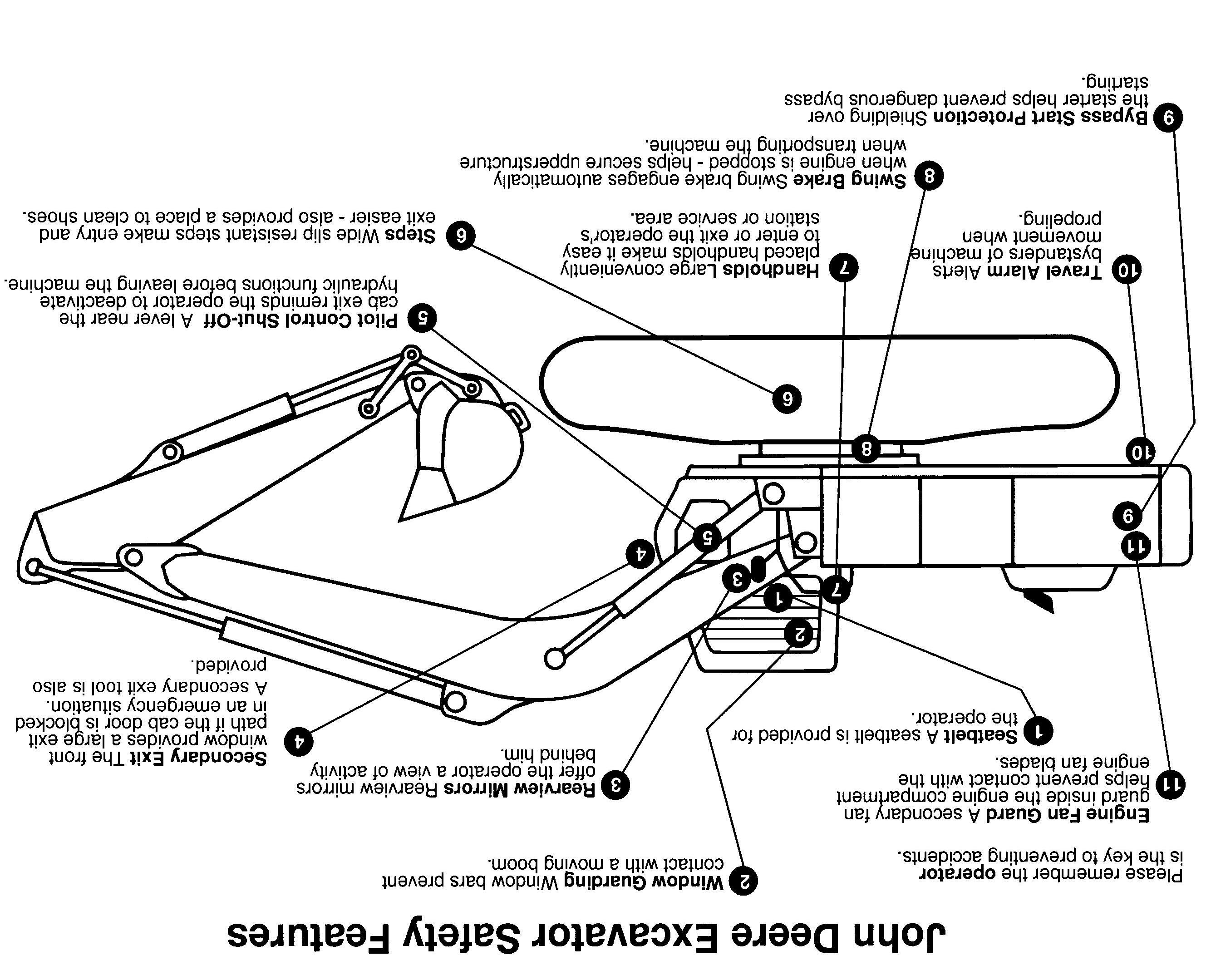
RECOGNIZE SAFETY INFORMATION
This is the safety-alert symbol. When you see this symbol on your machine or in this manual, be alert to the potential for personal injury.
Follow recommended precautions and safe operating practices.

UNDERSTAND SIGNAL WORDS
A signal word—DANGER, WARNING, or CAUTION—is used with the safety-alert symbol DANGER identifies the most serious hazards.
DANGER or WARNING safety signs are located near specific hazards. General precautions are listed on CAUTION safety signs. CAUTION also calls attention to safety messages in this manual.
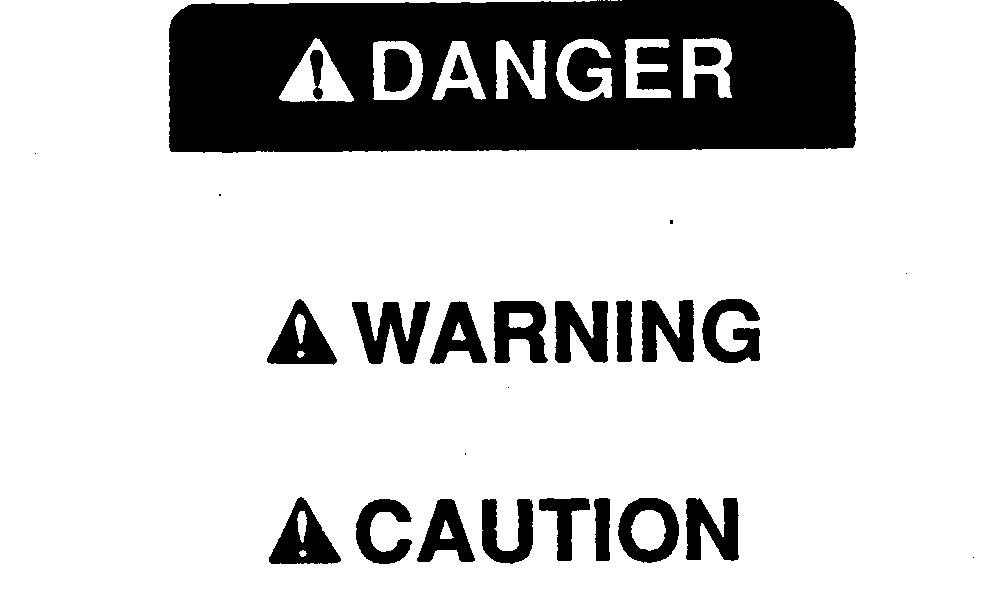
FOLLOW SAFETY INSTRUCTIONS
Carefully read all safety messages in this manual and on your machine safety signs. Keep safety signs in good condition Replace missing or damaged safety signs Be sure new equipment components and repair parts include the current safety signs.
Learn how to operate the machine and how to use controls properly Do not let anyone operate without instruction.
Keep your machine in proper working condition. Unauthorized modifications to the machine may impair the function and/or safety and affect machine life.
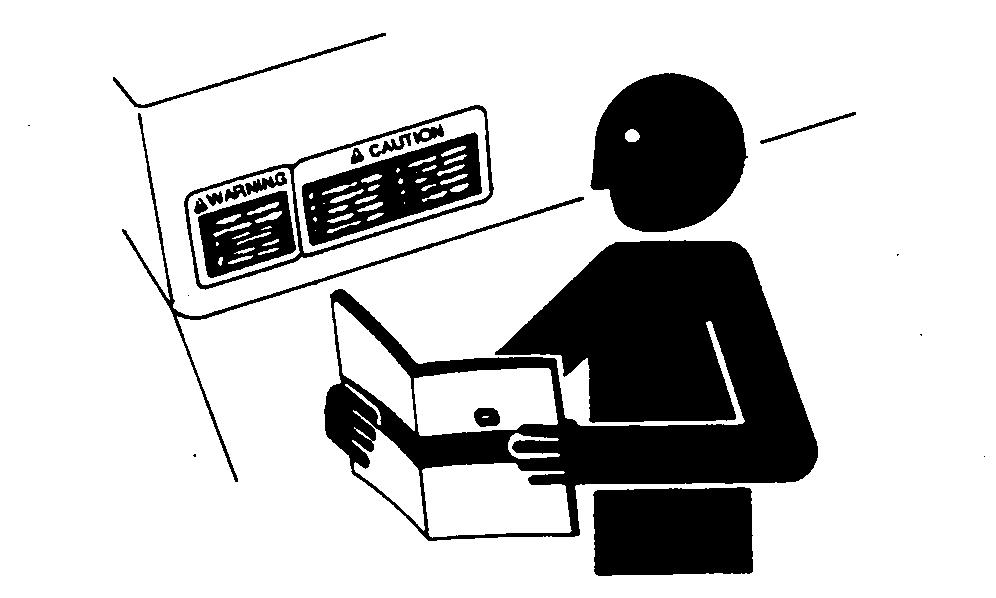
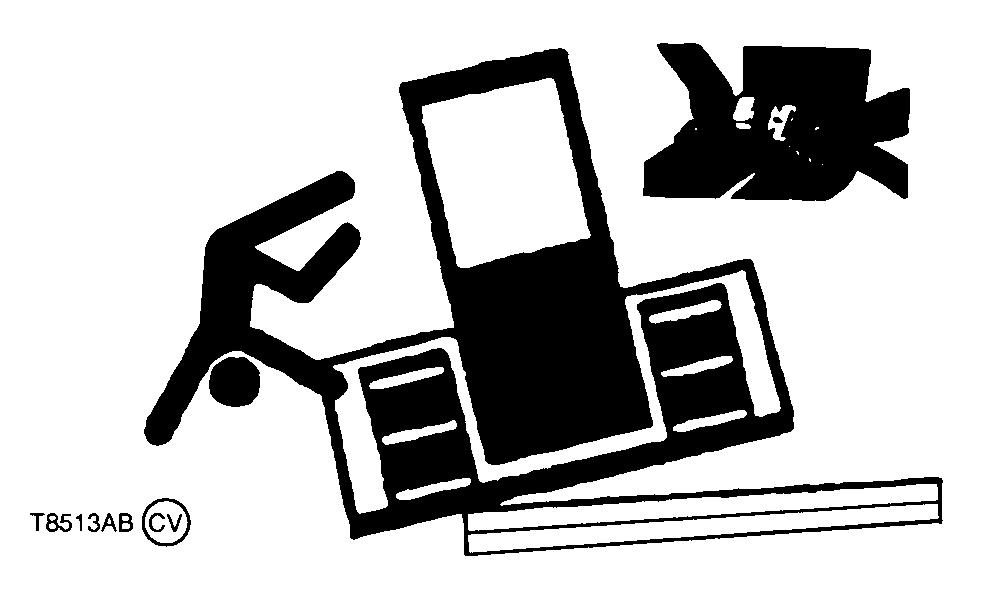
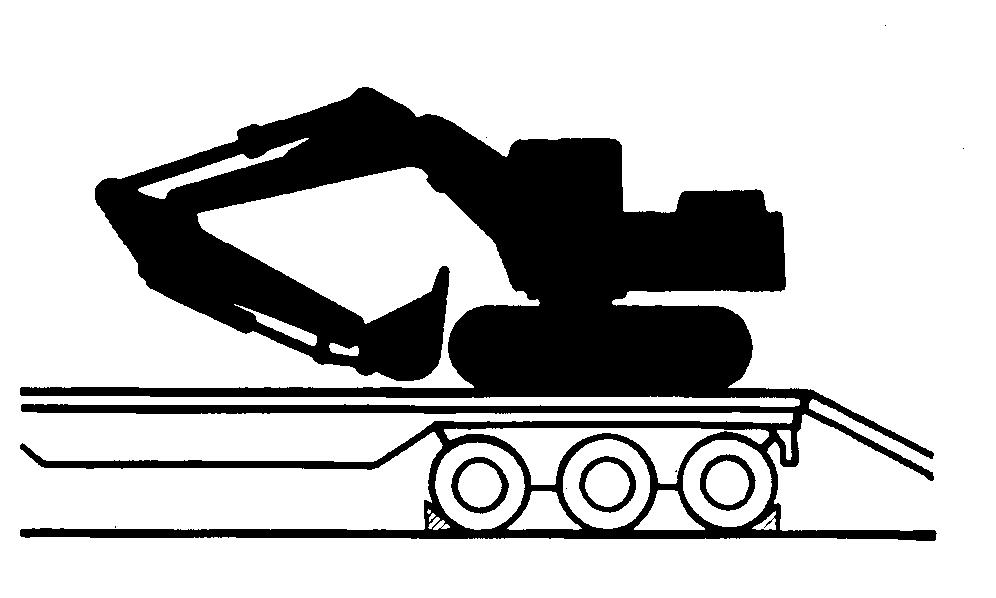
AVOID INJURY FROM: LOADING MACHINE ON A TRAILER, FASTENING MACHINE TO TRAILER, UNLOADING MACHINE FROM TRAILER
----------------------------------
ALWAYS USE CAUTION WHEN LOADING AND UNLOADING MACHINES ON A TRAILER
----------------------------------
ALWAYS KNOW AND FOLLOW THE RECOMMENDED PROCEDURES FOR THE MACHINE, BECAUSE ALL MACHINES ARE NOT LOADED, FASTENED, AND UNLOADED THE SAME WAY
----------------------------------
ALWAYS KEEP BYSTANDERS CLEAR OF THE AREA
To avoid injury:
Keep the trailer bed clean.
Park the trailer on a firm, hard, level surface that will not give way when the weight of the machine is on the trailer.
Put chock blocks against truck wheels.
Use a ramp or loading dock Ramps must be strong enough to adequately handle the load and have a low angle and correct height.
If machine is equipped with a seatbelt, fasten it before starting the engine.
Drive machine on or off the ramp slowly.
fasten chains or cables to machine tracks or track chain links. Do not place chains or cable over or against hydraulic lines or hoses.
AVOID INJURY FROM BACKOVER ACCIDENTS ----------------------------------
BEFORE MOVING MACHINE, BE SURE ALL PERSONS ARE CLEAR OF AREA ----------------------------------
ALWAYS BE ALERT FOR BYSTANDERS MOVING INTO THE WORK AREA. USE HORN OR OTHER SIGNAL TO WARN BYSTANDERS BEFORE MOVING MACHINE ----------------------------------
WHEN USING A SIGNAL PERSON, KEEP PERSON IN VIEW AT ALL TIMES, BE SURE SIGNAL PERSON IS CLEAR BEFORE BACKING UP
To avoid backover accidents:
Always look around before you back up Be sure that everyone is in the clear.
Keep travel alarm in working condition.
Use a signal person when backing up if view is obstructed Always keep signal person in view.
Learn the meaning of all flags, signs, and markings used on the job and who has the responsibility for signaling.
Keep windows, mirrors, and lights clean and in good condition.
Dust, heavy rain, fog, etc., can reduce visibility As visibility decreases, reduce speed and use proper lighting.
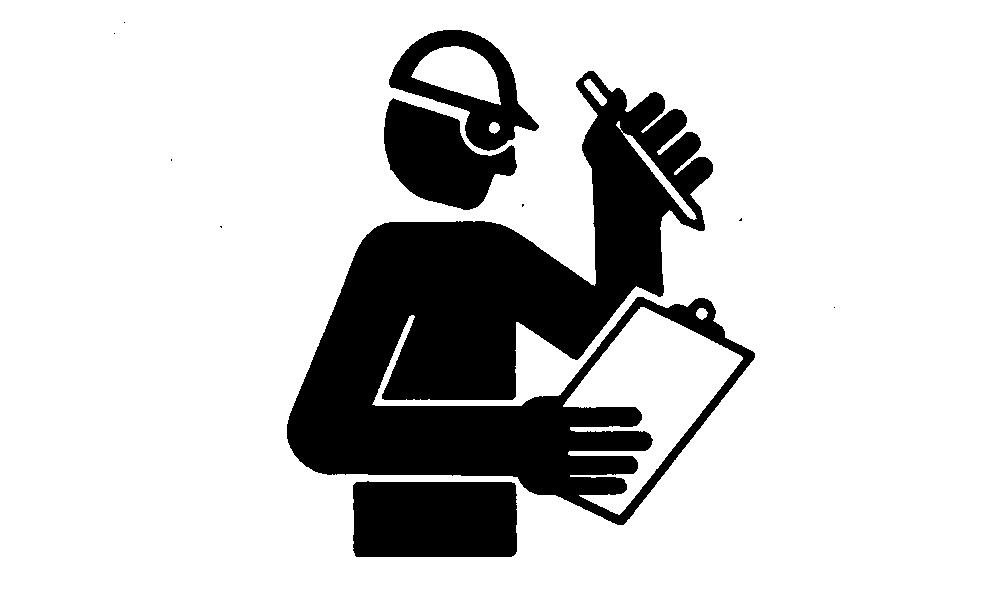
Read and understand the operating instructions in this operator’s manual.
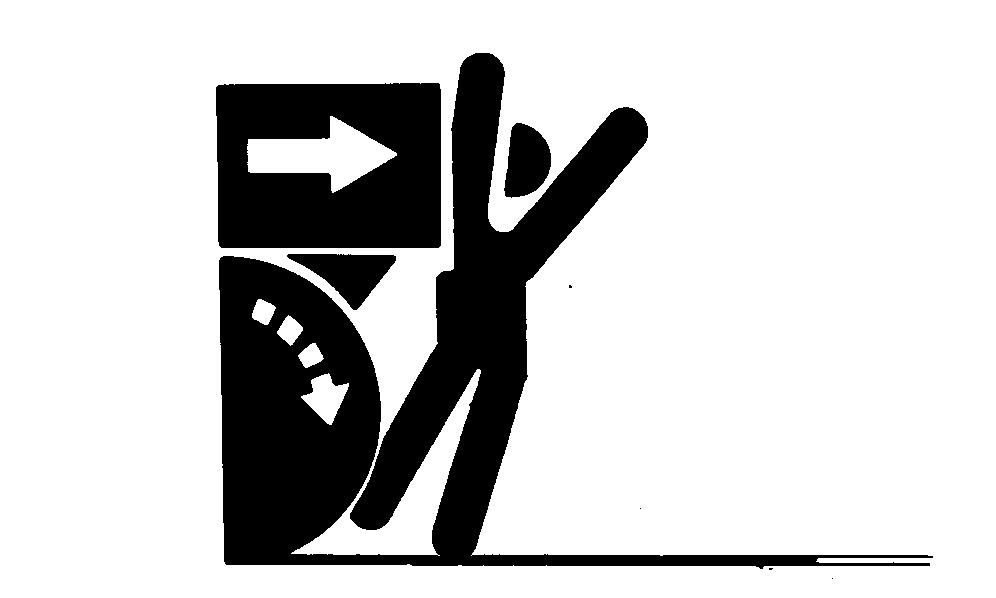
AVOID INJURY FROM ROLLAWAY ACCIDENTS --------------------------------
TO PREVENT ROLLAWAY, ALWAYS MAKE SURE MACHINE IS PROPERLY SECURED BEFORE LEAVING OPERATOR’S SEAT -------------------------------DEATH OR SERIOUS INJURY MAY RESULT IF YOU ATTEMPT TO MOUNT OR STOP A MOVING MACHINE
To avoid rollaways:
Select level ground when possible to park machine.
Pull pilot control shut-off lever to locked position.
Lower all equipment to ground.
Stop the engine.
Block all tracks if you must park on a grade Position machine to prevent rolling.
Park a reasonable distance from other machines.
Read and understand the operating instructions in this operator’s manual.

INSPECT MACHINE
Inspect your machine carefully each day by walking around it before you start it (See Pre-Start Inspection Chapter.)
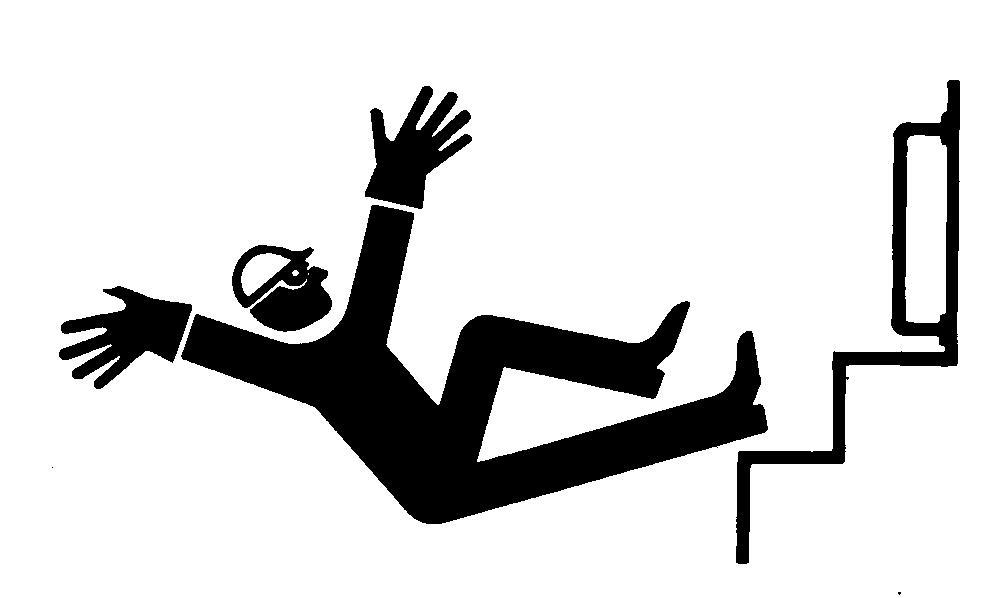
USE HANDHOLDS AND STEPS
Falling is one of the major causes of personal injury.
When you get on and off the machine, always maintain a three point contact with the steps and handrails and face the machine Do not use any controls as handholds.
Never jump on or off the machine Never mount or dismount a moving machine.
Be careful of slippery conditions on platforms, steps, and handrails when leaving the machine.
TX,05,DH832 –19–16MAR92–1/1
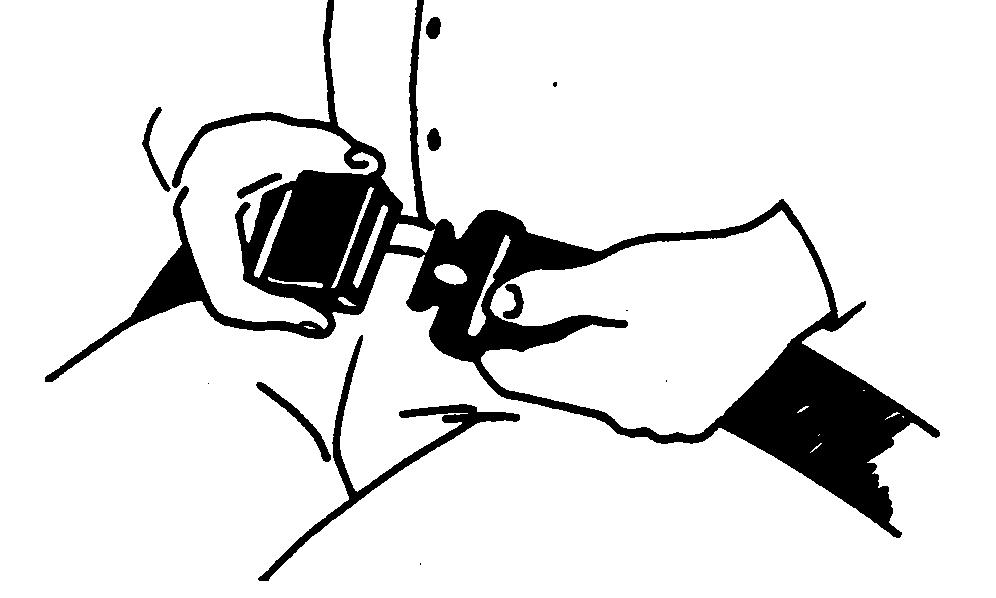
USE SEAT BELT
Always use the seat belt when operating your machine.
TX,05,DH3732 –19–18AUG95–1/1
MAINTAIN SEAT BELT
Keep the seat belt in good condition.
The complete seat belt assembly should be replaced after three years of usage, regardless of appearance
Between replacement intervals:
Carefully examine buckle, webbing, and attaching hardware.
Be sure that the retractor, if equipped, locks to prevent belt extension after latching buckle.
Be sure that attaching hardware is in place Tighten, if necessary.
Replace the seat belt if it does not operate properly, or if it is damaged, worn, or deteriorated.
TX,05,DH3729 –19–09AUG95–1/1
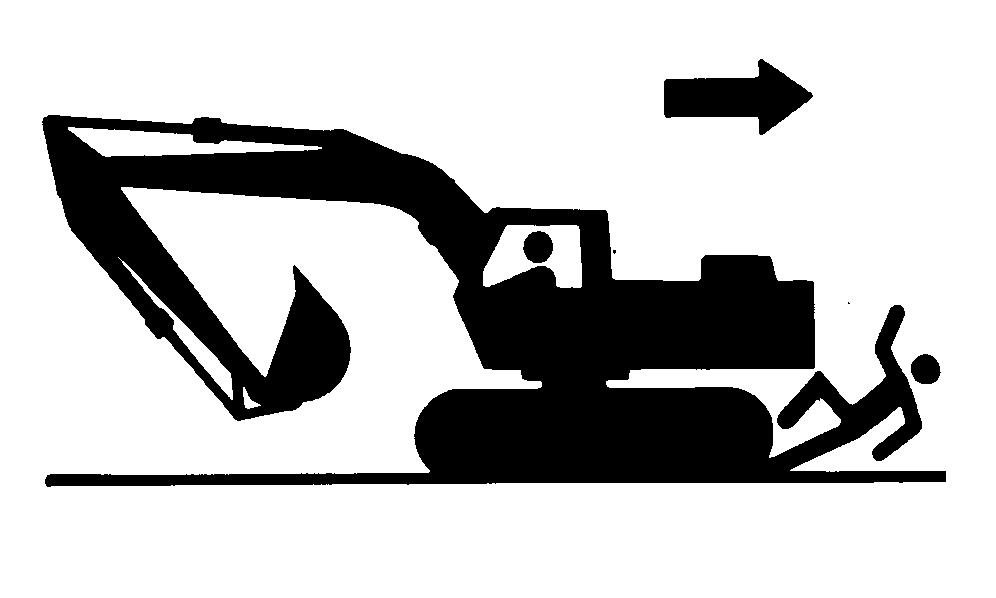
MOVE AND OPERATE MACHINE SAFELY
Bystanders can be run over. Know the location of bystanders before moving, swinging, or operating the machine.
Always keep the travel alarm in working condition It warns people when the machine starts to move.
Use a signal person when moving, swinging, or operating the machine in congested areas Coordinate hand signals before starting the machine.
TX,05,FF1806 –19–05OCT90–1/1
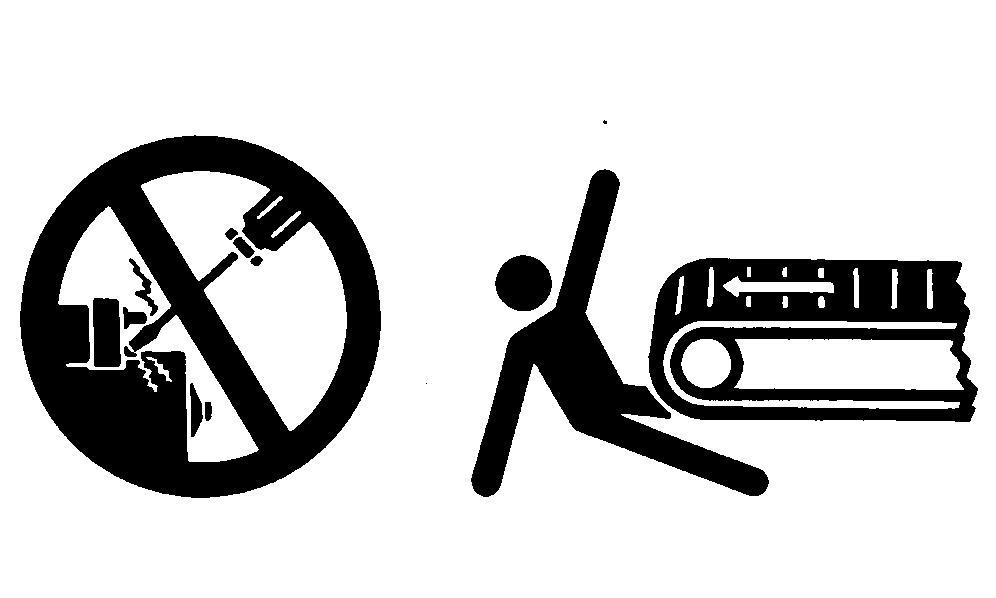
OPERATE ONLY FROM OPERATOR’S SEAT
Avoid possible injury or machine damage. Do not start engine by shorting across starter terminals.
NEVER start engine while standing on ground Start engine only from operator’s seat.
SECONDARY EXITS
Machines equipped with cabs are equipped with secondary exits For additional secondary exit information, see the topics ”Secondary Exit Tool” and "Opening Upper Front (Secondary Exit) Window" in chapter 10 of this manual.
OPERATE MACHINE SAFELY
Clear all persons from area of operation and machine movement.
Use your seat belt.
Make sure the work site footing has sufficient strength to firmly support the machine When working close to an excavation, position machine with propel motors at the rear.
Be cautious of tipping when working on frozen ground. Temperature increases will cause ground to become soft, making ground unstable.
When digging deep, avoid hitting bottom of boom or bucket cylinder hoses against the ground.
Use the bucket only for digging Do not use it as a jack hammer or wrecking ball.
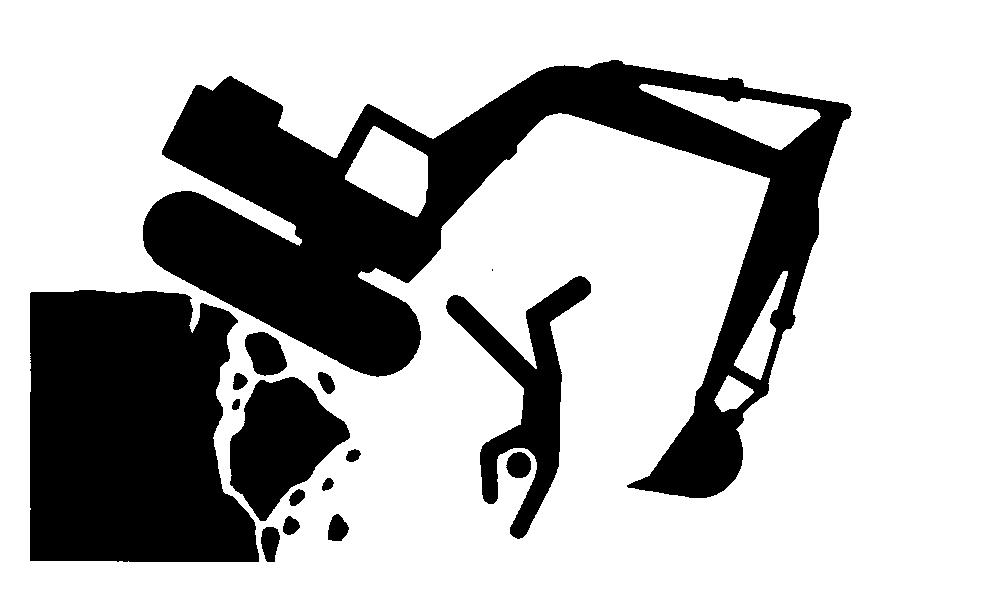
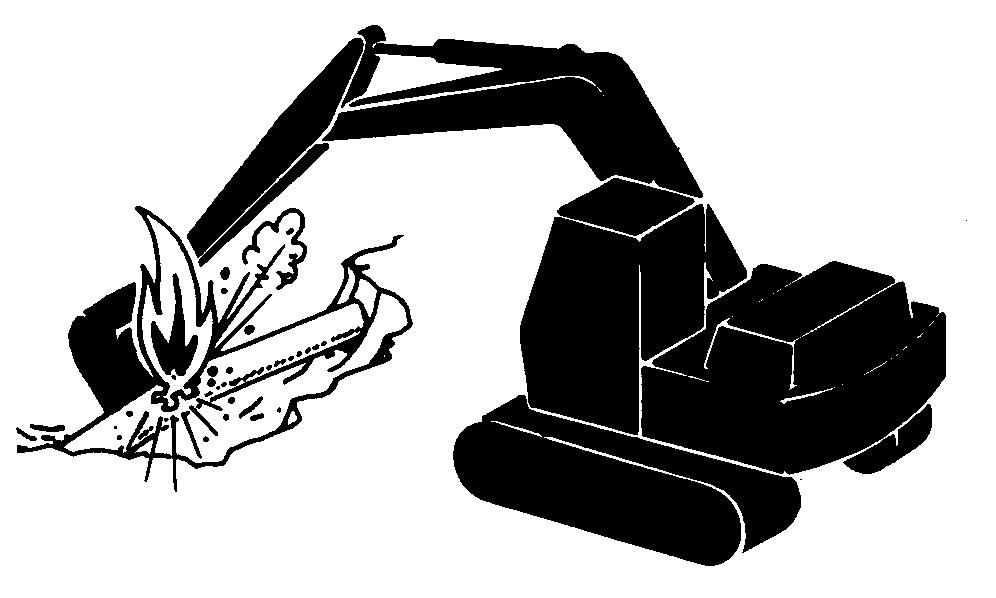
DIG WITH CAUTION
Before digging, check the location of cables, gas lines, and water lines.
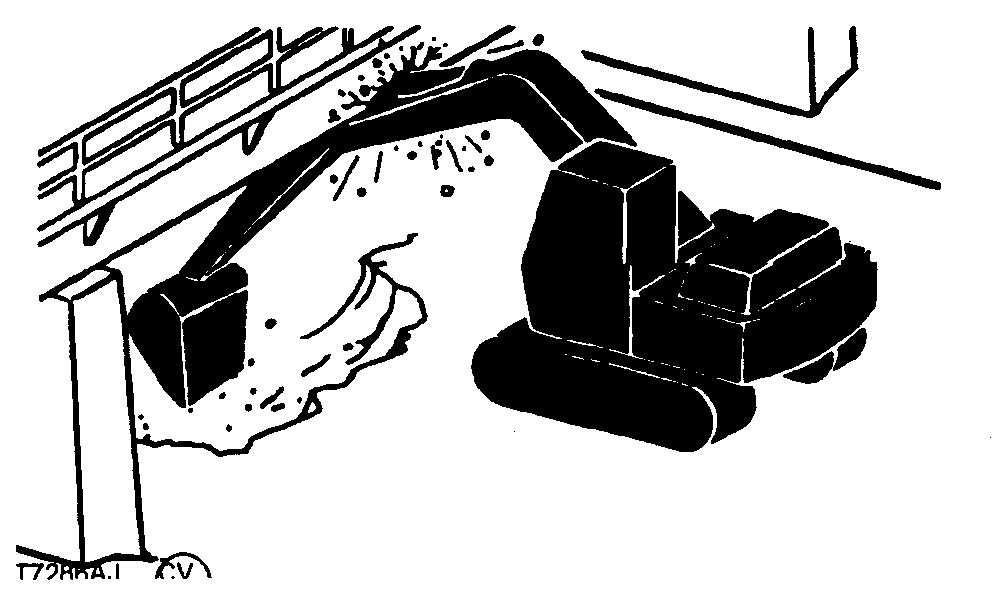
OPERATE WITH CAUTION
Avoid contact of boom or arm and overhead obstacles when you operate the machine.
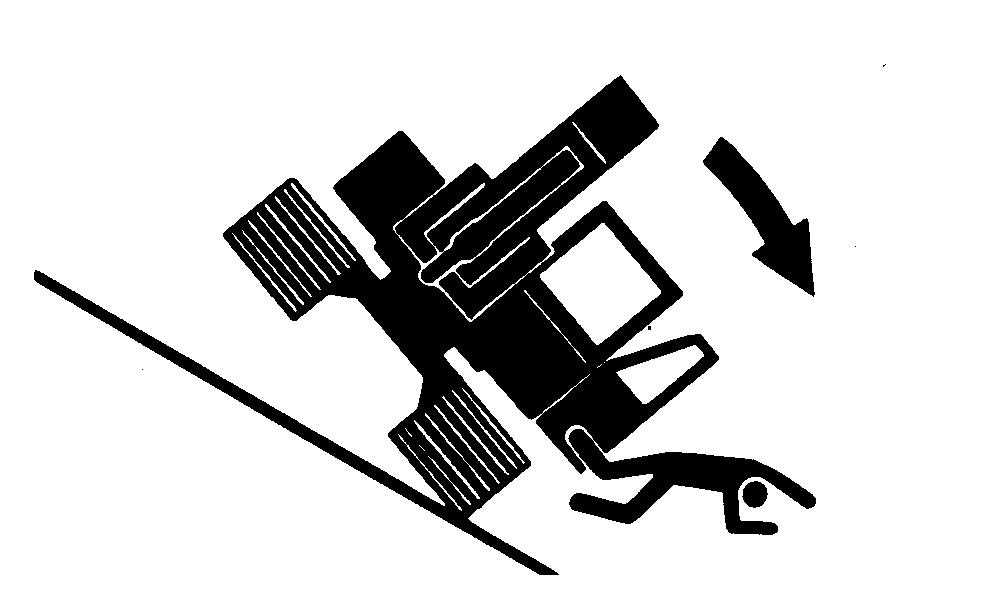
AVOID TIPPING
Use your seat belt.
When operating on a slope, keep bucket low to ground and close to machine Point tracks uphill.
Avoid tipping the machine when swinging heavy loads. Reduce swing speed as necessary.
Be cautious of tipping when working on frozen ground. Temperature increases will cause ground to become soft and make ground travel unstable.
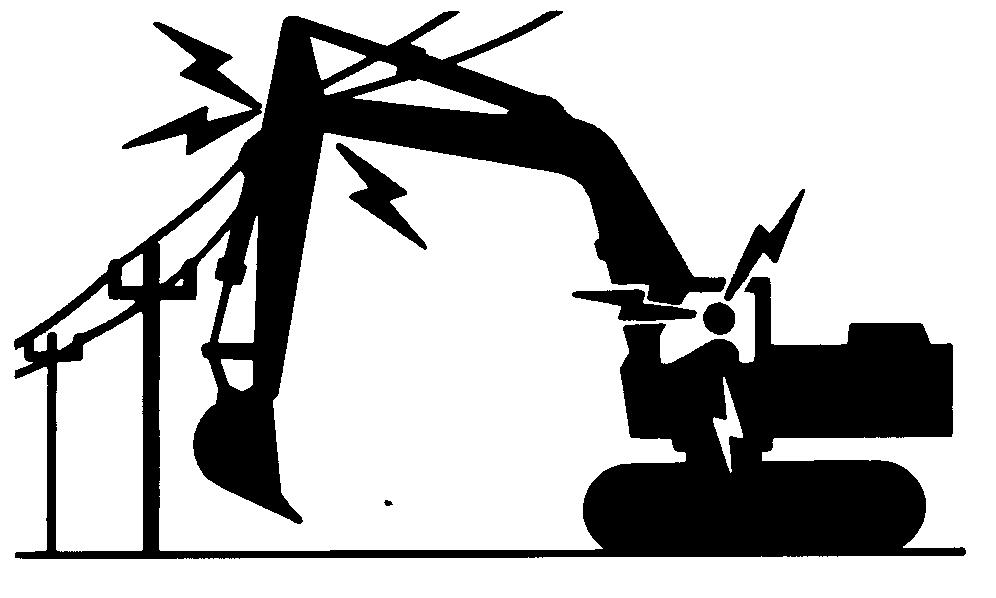
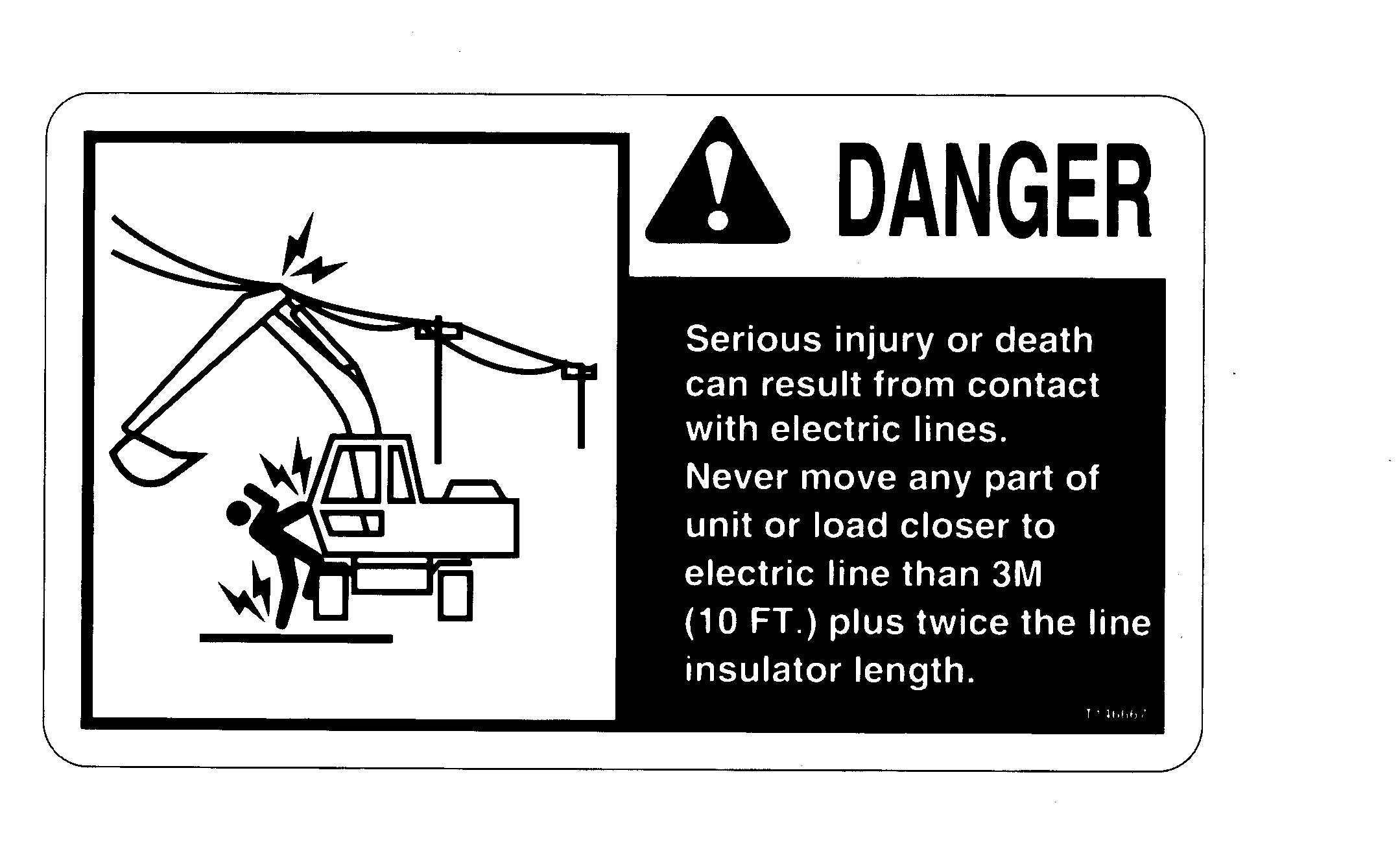
AVOID POWER LINES
Serious injury or death can result from contact with electric lines.
Never move any part of the machine or load closer to electric line than 3 m (10 ft) plus twice the line insulator length.
DRIVE MACHINE SAFELY
Use your seat belt.
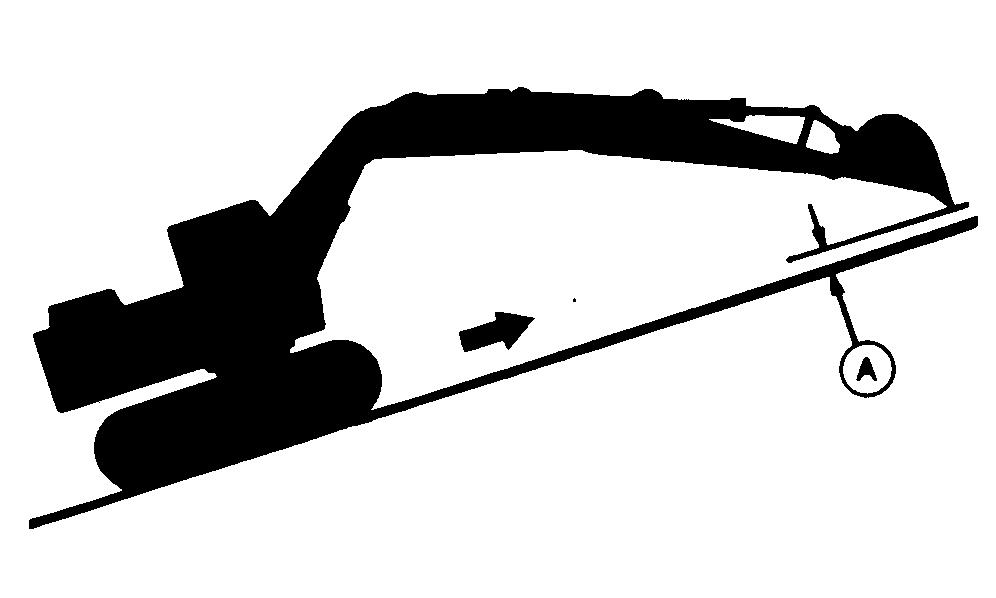
Before moving machine, find out which way to move propel pedals/levers for the direction you want to go. Pushing down on the front of the propel pedals or pushing the levers moves the machine towards the idlers.
Keep the bucket on the uphill side, approximately 30 cm (12 in.) (A) above ground, when going up or down hill If machine starts to slip or become unstable, lower the bucket immediately.
BEWARE OF EXHAUST FUMES
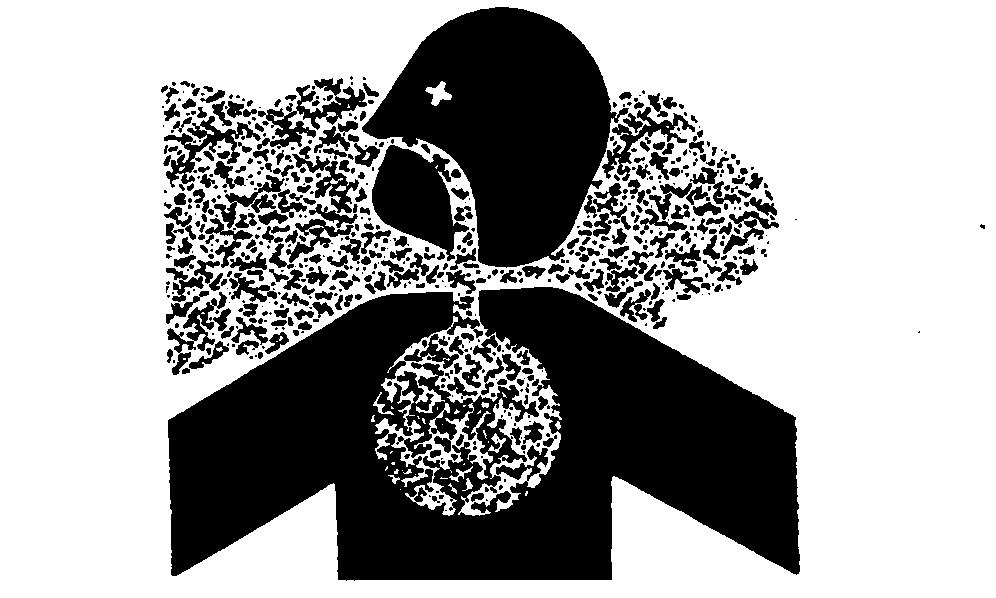
Prevent asphyxiation. Engine exhaust fumes can cause sickness or death.
If you must operate in a building, be positive there is adequate ventilation Either use an exhaust pipe extension to remove the exhaust fumes or open doors and windows to bring enough outside air into the area.
PARK MACHINE SAFELY
Before working on the machine:
• Park machine on a level surface.
• Lower bucket to the ground.
• Turn auto-idle switch off.
• Run engine with engine rpm dial at 1/3 position for 2 minutes.
• Move engine rpm dial to slow idle position.
• Turn key switch to OFF Remove key from switch.
• Pull pilot control shut-off lever to locked position.
• Allow engine to cool.
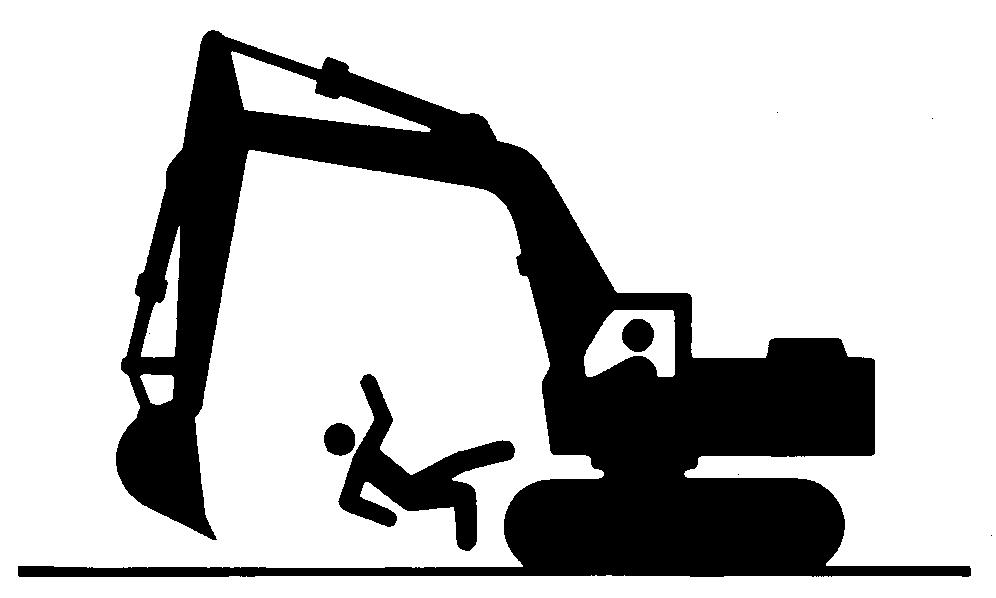
KEEP RIDERS OFF MACHINE
Only allow the operator on the machine Keep riders off.
Riders on machine are subject to injury such as being struck by foreign objects and being thrown off the machine. Riders also obstruct the operator’s view resulting in the machine being operated in an unsafe manner.
OPERATE ATTACHMENT SAFELY
An attachment may change the capabilities of your machine in any or all of these ways:
• Safe range of motion
• Machine stability
• Hydraulic performance
• Engine performance
Read the attachment manual to learn how the attachment works.
In an area free of bystanders and obstructions, carefully operate the attachment to learn the available range of motion Anticipate how objects manipulated by the attachment, or the attachment itself, may contact the machine, especially the operator’s station Consider adding guards to the machine to protect the operator, and if necessary, to prevent damage to machine.
See your dealer to match attachment demands to machine performance.
TX,05,FF2883 –19–29OCT92–1/1
HANDLE FLUIDS SAFELY—AVOID FIRES
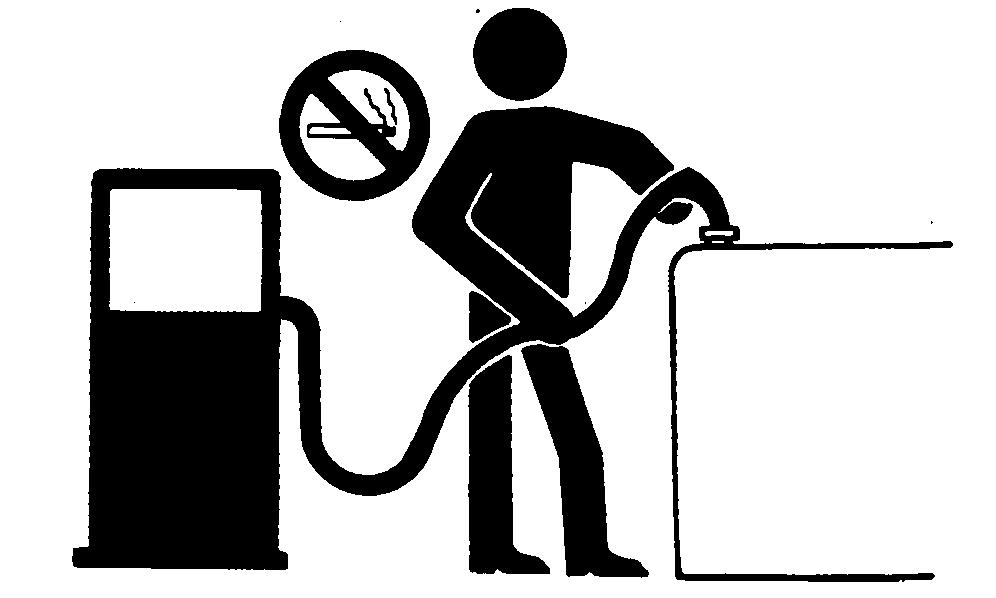
Handle fuel with care; it is highly flammable. Do not refuel the machine while smoking or when near open flame or sparks Always stop engine before refueling machine Fill fuel tank outdoors.
TX,05,FF1622 –19–14JUN90–1/2
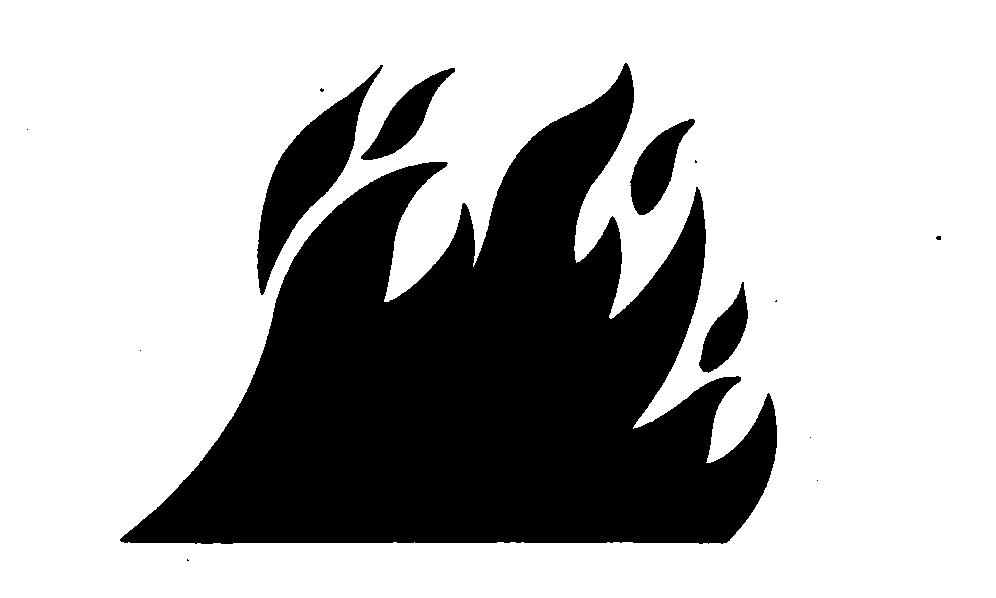
Store flammable fluids away from fire hazards Do not incinerate or puncture pressurized containers.
Make sure machine is clean of trash, grease, and debris.
Do not store oily rags; they can ignite and burn spontaneously.
PREPARE FOR EMERGENCIES
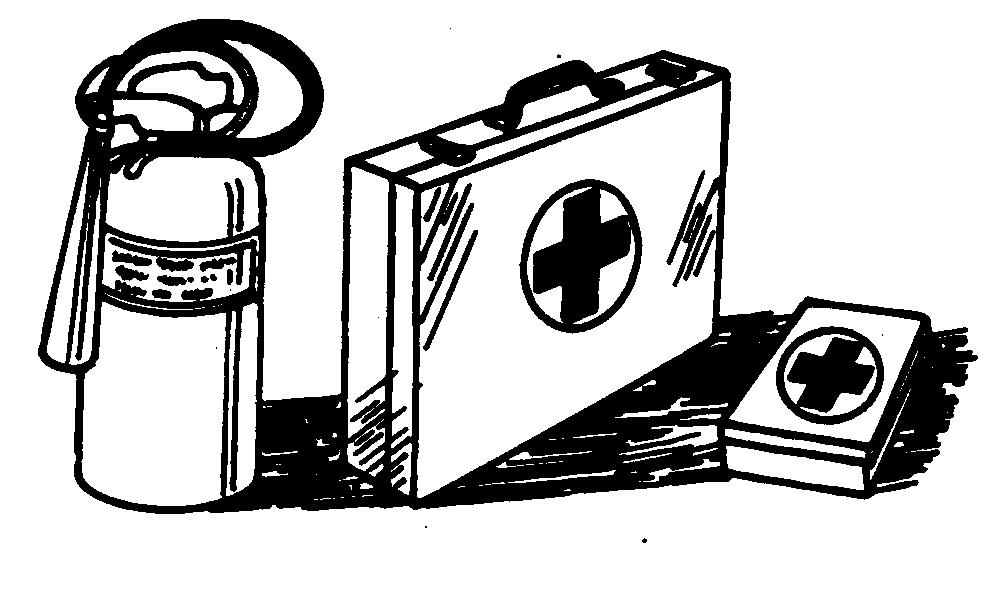
Be prepared if a fire starts.
Keep a first aid kit and fire extinguisher handy.
Keep emergency numbers for doctors, ambulance service, hospital, and fire department near your telephone.
HANDLE STARTING FLUID SAFELY
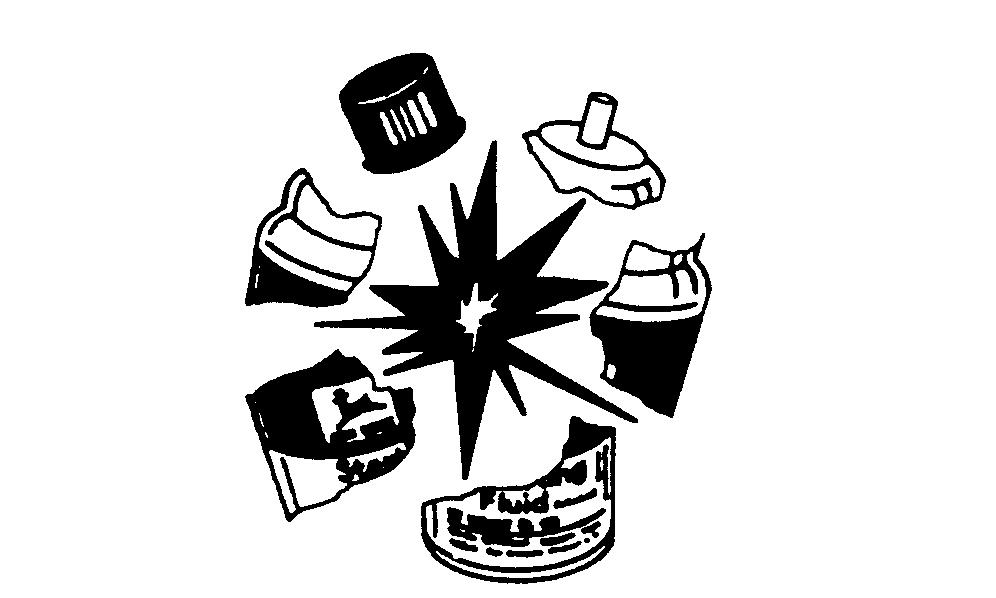
Starting fluid is highly flammable.
Keep all sparks and flame away when using it. Keep starting fluid away from batteries and cables.
To prevent accidental discharge when storing the pressurized can, keep the cap on the container, and store in a cool, protected location.
Do not incinerate or puncture a starting fluid container.
CLEAN TRASH FROM MACHINE
Keep engine compartment, radiator, batteries, hydraulic lines, fuel tank, and operator’s station clean.
Temperature in engine compartment may go up immediately after engine is stopped BE ON GUARD FOR FIRES DURING THIS PERIOD.
Open access door(s) to cool the engine faster, and clean engine compartment.
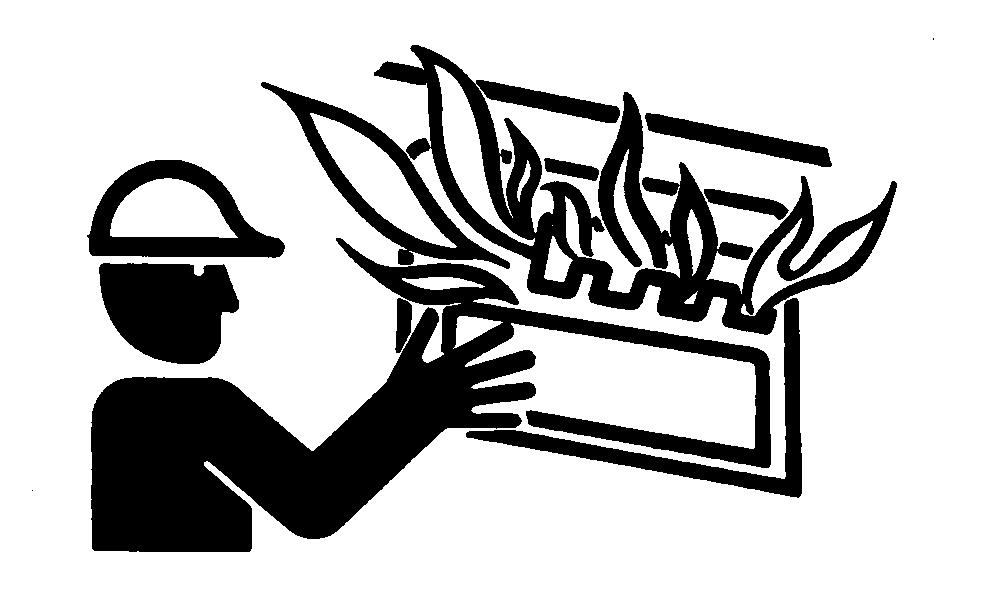
–19–14MAR90–1/1
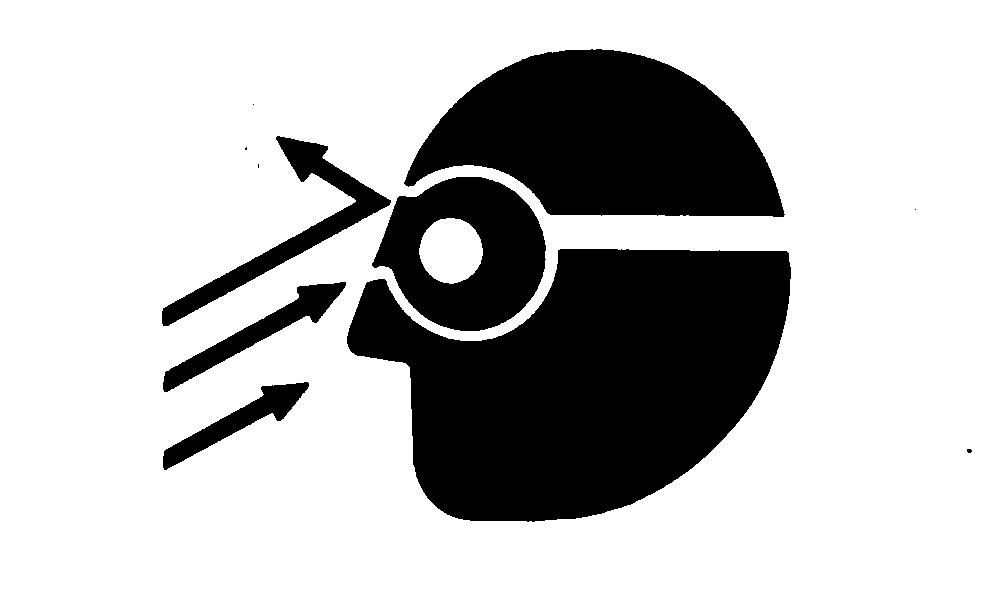
PROTECT AGAINST FLYING DEBRIS
Guard against injury from flying pieces of metal or debris; wear goggles or safety glasses.
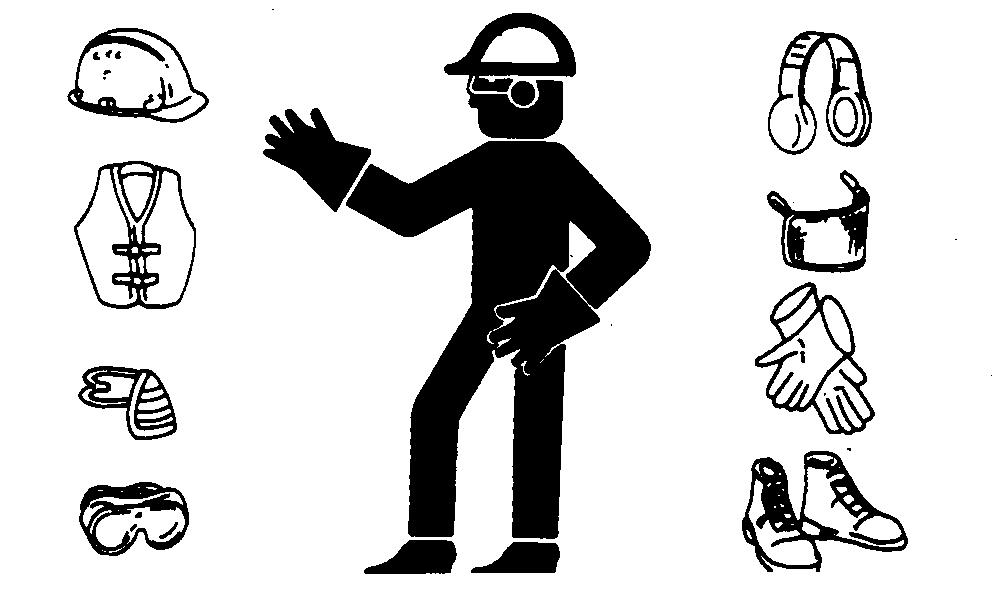
WEAR PROTECTIVE CLOTHING
Wear close fitting clothing and safety equipment appropriate to the job.
Operating equipment safely requires the full attention of the operator Do not wear radio or music headphones while operating machine.
–19–03MAR93–1/1
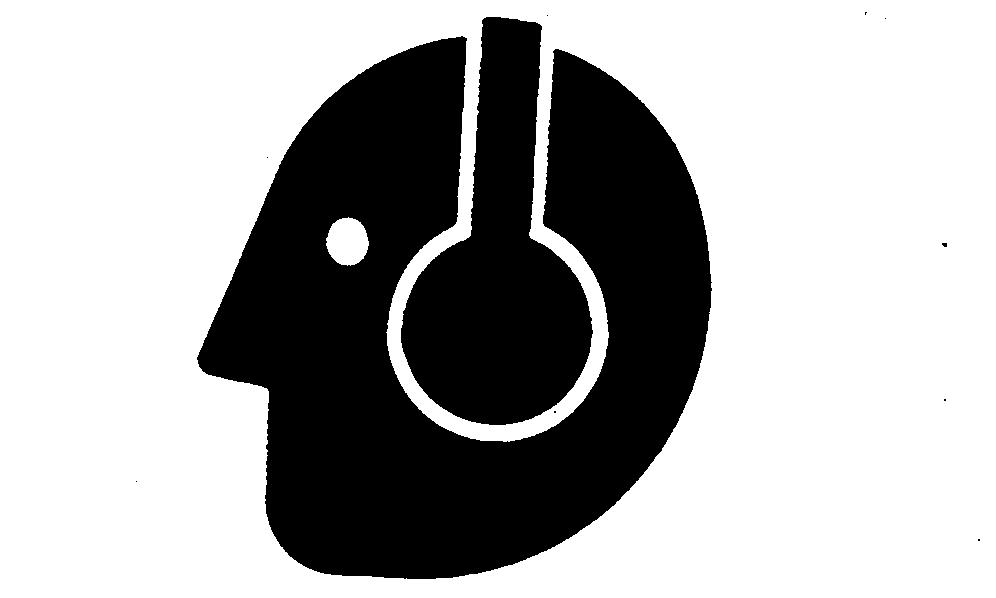
PROTECT AGAINST NOISE
Prolonged exposure to loud noise can cause impairment or loss of hearing.
Wear a suitable hearing protective device such as earmuffs or earplugs to protect against objectionable or uncomfortable loud noises.
HANDLE CHEMICAL PRODUCTS SAFELY
Direct exposure to hazardous chemicals can cause serious injury Potentially hazardous chemicals used with your machine include such items as lubricants, coolants, paints, and adhesives.
A Material Safety Data Sheet (MSDS) provides specific details on chemical products: physical and health hazards, safety procedures, and emergency response techniques.
Check the MSDS before you start any job using a hazardous chemical That way you will know exactly what the risks are and how to do the job safely Then follow procedures and recommended equipment.
See your authorized dealer for MSDS’s on chemical products used with your machine.

WARN OTHERS OF SERVICE WORK
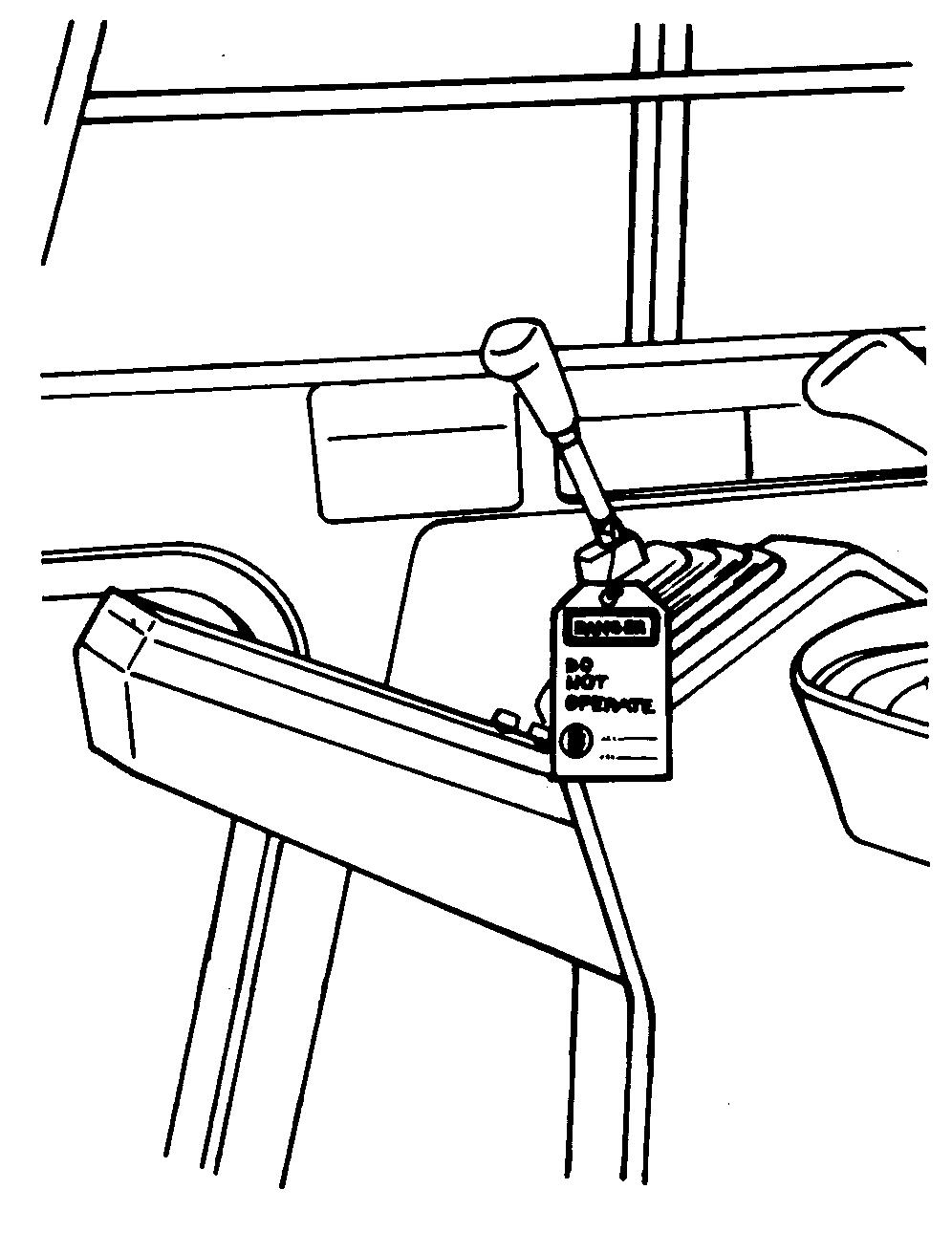
Unexpected machine movement can cause serious injury.
Before performing any work on the machine, attach a "Do Not Operate" tag on the right control lever.
T7273AP–UN–08JUN90
TX,05,RR,566 –19–23JUL91–1/1
STAY CLEAR OF MOVING PARTS
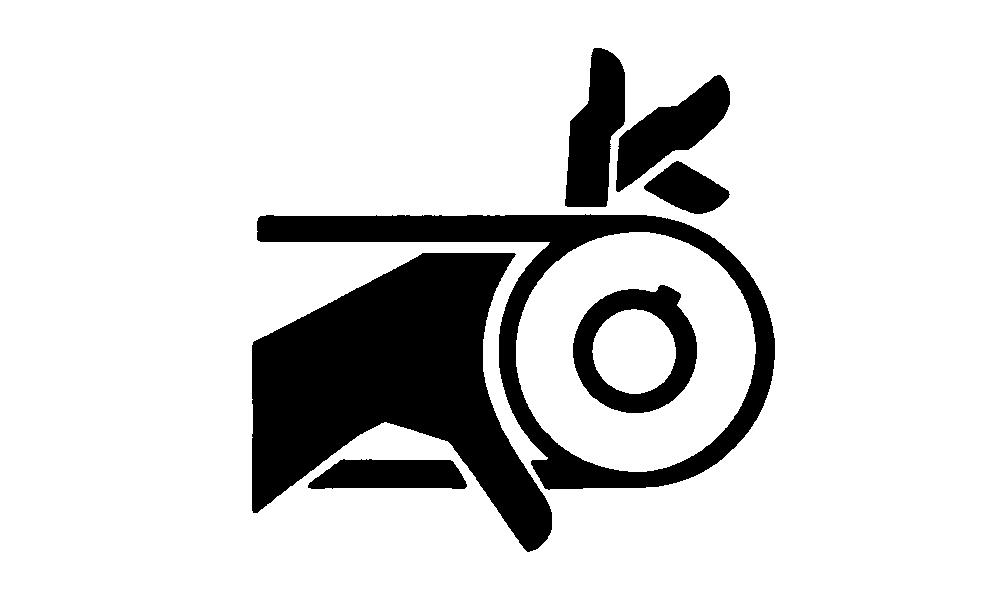
Entanglements in moving parts can cause serious injury.
To prevent accidents, use care when working around rotating parts.
T7273AS–UN–08JUN90
TX,05,RR,572 –19–12JUN90–1/1
SUPPORT MACHINE PROPERLY
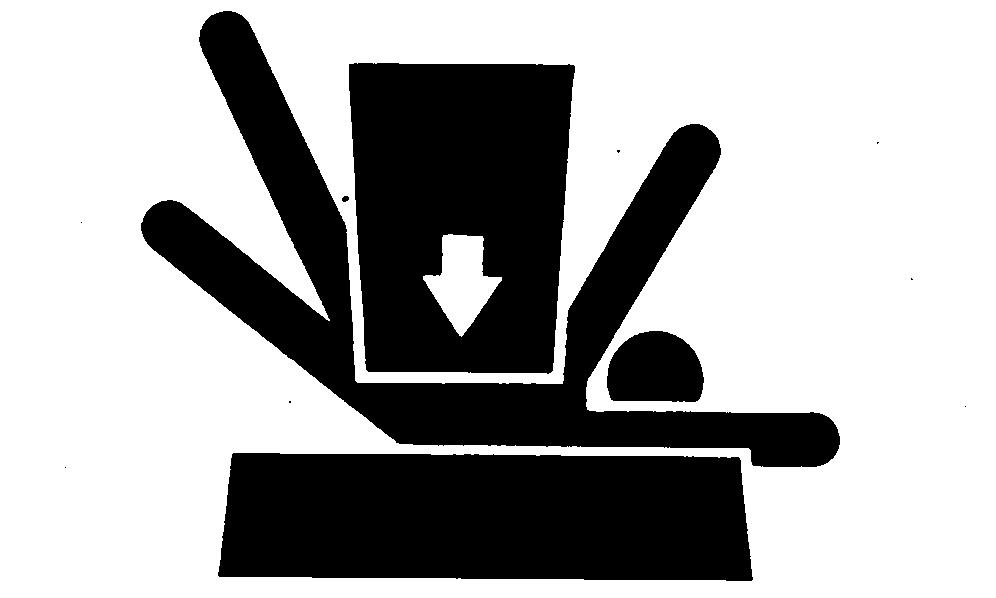
Always lower the attachment or implement to the ground before you work on the machine If you must work on a lifted machine or attachment, securely support the machine or attachment.
Do not support the machine on cinder blocks, hollow tiles, or props that may crumble under continuous load Do not work under a machine that is supported solely by a jack. Follow recommended procedures in this manual.
–19–04JUN90–1/1
SERVICE COOLING SYSTEM SAFELY
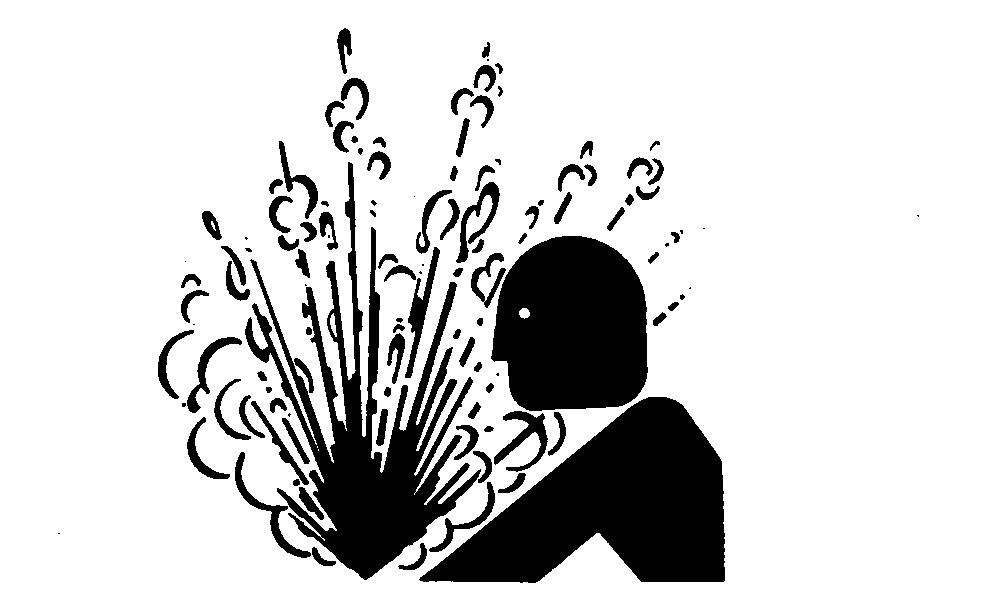
Explosive release of fluids from pressurized cooling system can cause serious burns.
Shut off engine Only remove filler cap when cool enough to touch with bare hands. Slowly loosen cap to first stop to relieve pressure before removing completely.
–19–04JUN90–1/1
PRACTICE SAFE MAINTENANCE
Understand service procedure before doing work. Keep area clean and dry.
Never lubricate or service machine while it is moving. Keep hands, feet and clothing from power-driven parts. Before servicing machine.
• Park machine on a level surface.
• Lower bucket to the ground.
• Turn auto-idle switch off.
• Run engine with engine rpm dial at 1/3 speed for 2 minutes.
• Move engine rpm dial to slow idle position.
• Turn key switch to OFF Remove key from switch.
• Attach a "Do Not Operate" tag on the right side controller lever.
• Pull pilot control shut-off lever to locked position.
• Allow engine to cool.
If maintenance procedure must be performed with engine running, do not leave machine unattended.
Securely support any machine elements that must be raised for service work Never work under a machine raised by the boom If the machine must be raised, keep a 90-110° angle between boom and arm.
Keep all parts in good condition and properly installed Fix damage immediately Replace worn or broken parts. Remove any buildup of grease, oil, or debris.
Disconnect battery ground cable (-) before making adjustments on electrical systems or welding on machine.

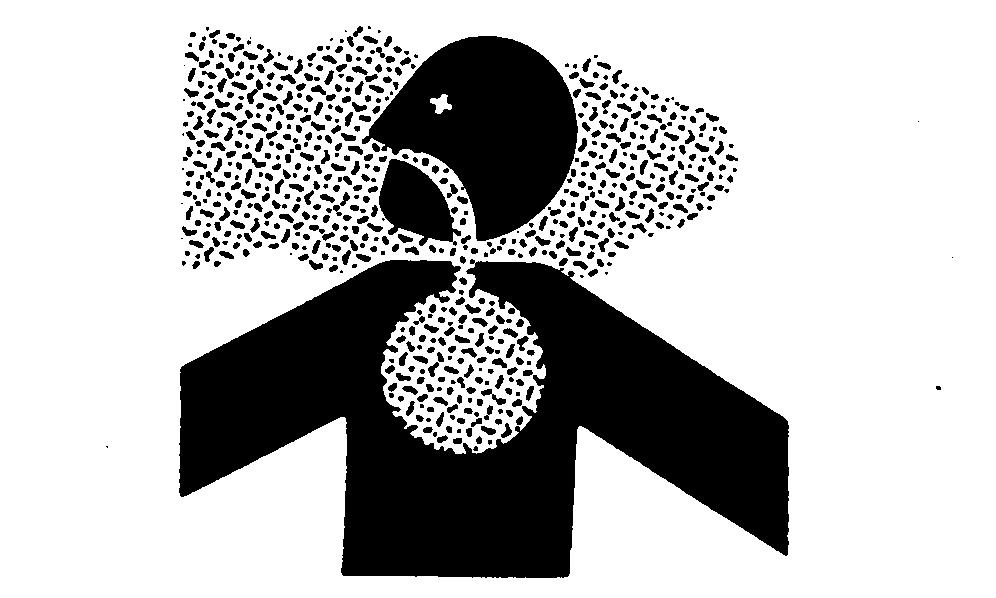
REMOVE PAINT BEFORE WELDING OR HEATING
Avoid potentially toxic fumes and dust.
Hazardous fumes can be generated when paint is heated by welding, soldering, or using a torch.
Do all work outside or in a well ventilated area Dispose of paint and solvent properly.
Remove paint before welding or heating:
• If you sand or grind paint, avoid breathing the dust. Wear an approved respirator.
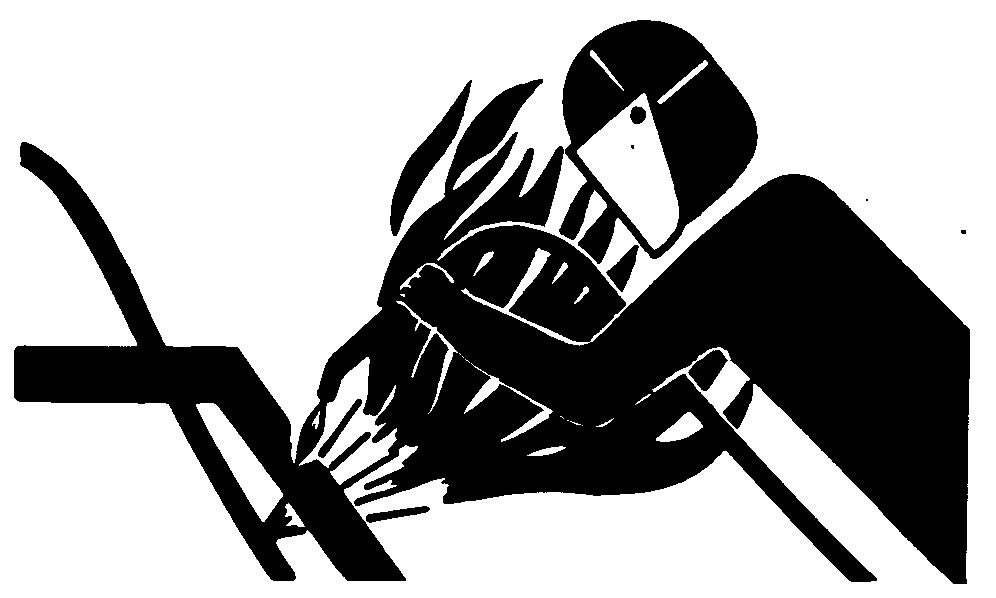
AVOID HEATING NEAR PRESSURIZED FLUID LINES
Flammable spray can be generated by heating near pressurized fluid lines, resulting in severe burns to yourself and bystanders Do not heat by welding, soldering, or using a torch near pressurized fluid lines or other flammable materials. Pressurized lines can be accidentally cut when heat goes beyond the immediate flame area.
• If you use solvent or paint stripper, remove stripper with soap and water before welding. Remove solvent or paint stripper containers and other flammable material from area. Allow fumes to disperse at least 15 minutes before welding or heating. DX,TORCH –19–03MAR93–1/1
DX,PAINT –19–03MAR93–1/1
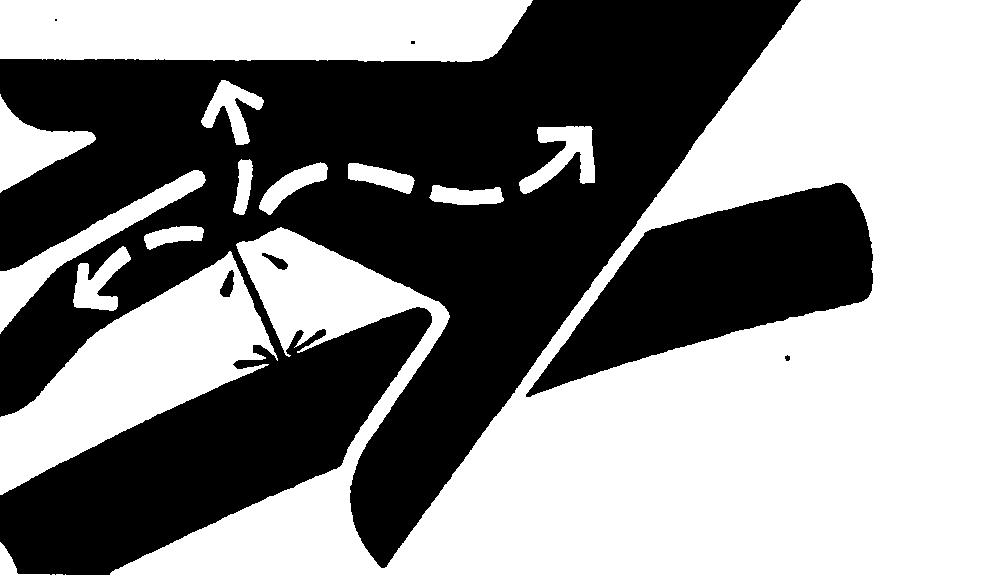
AVOID HIGH-PRESSURE FLUIDS
Escaping fluid under pressure can penetrate the skin causing serious injury.
Avoid the hazard by relieving pressure before disconnecting hydraulic or other lines Tighten all connections before applying pressure.
Search for leaks with a piece of cardboard Protect hands and body from high pressure fluids.
If an accident occurs, see a doctor immediately. Any fluid injected into the skin must be surgically removed within a few hours or gangrene may result Doctors unfamiliar with this type of injury should reference a knowledgeable medical source Such information is available from Deere & Company Medical Department in Moline, Illinois, U.S.A.
DX,FLUID –19–03MAR93–1/1
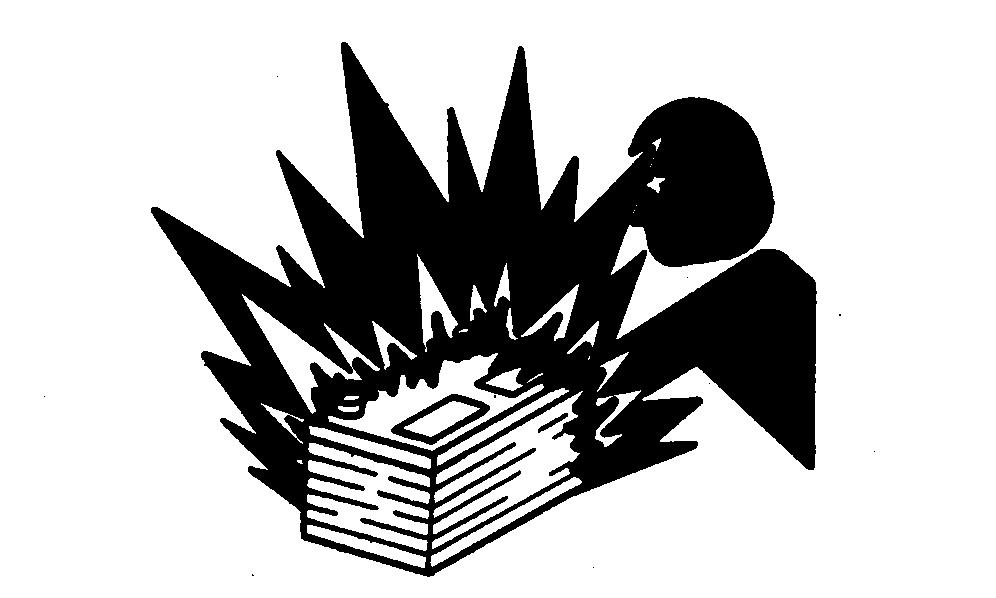
PREVENT BATTERY EXPLOSIONS
Keep sparks, lighted matches, and open flame away from the top of battery. Battery gas can explode.
Never check battery charge by placing a metal object across the posts Use a volt-meter or hydrometer.
Do not charge a frozen battery; it may explode Warm battery to 16°C (60°F).
–19–03MAR93–1/1
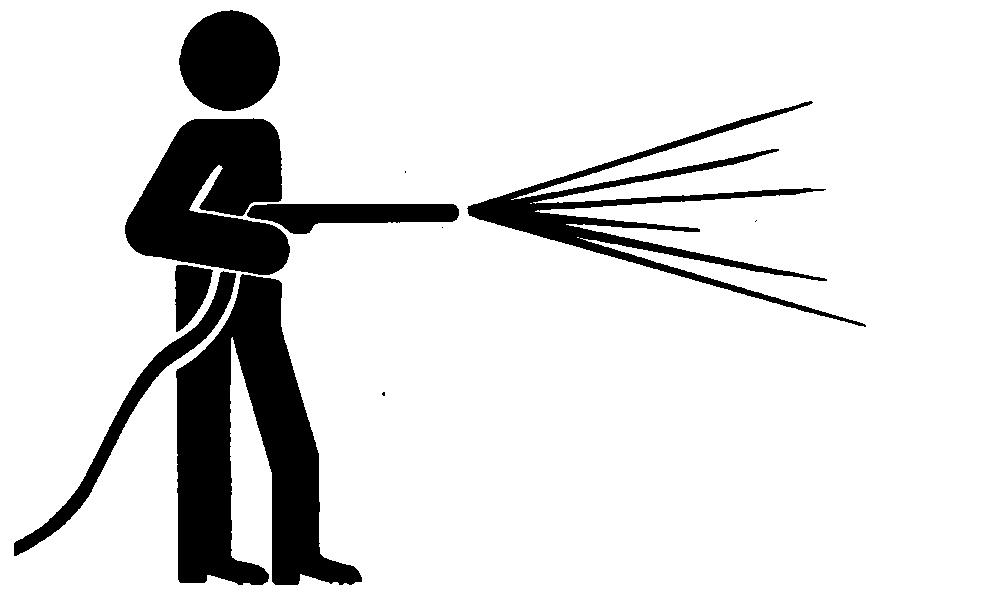
CLEAN THE MACHINE REGULARLY
Remove any grease, oil, fuel, or debris build-up to avoid possible injury or machine damage.
High pressure washing [greater than 1379 kpa (13.8 bar) (200 psi)] can damage freshly painted finishes Paint should be allowed to air dry for 30 days minimum after receipt of machine before cleaning with high pressure. Use low pressure wash operations until 30 days have elapsed.
Do not spray oil cooler fins at an angle. Fins may bend.
TX,05,FF2787 –19–27JUL94–1/1
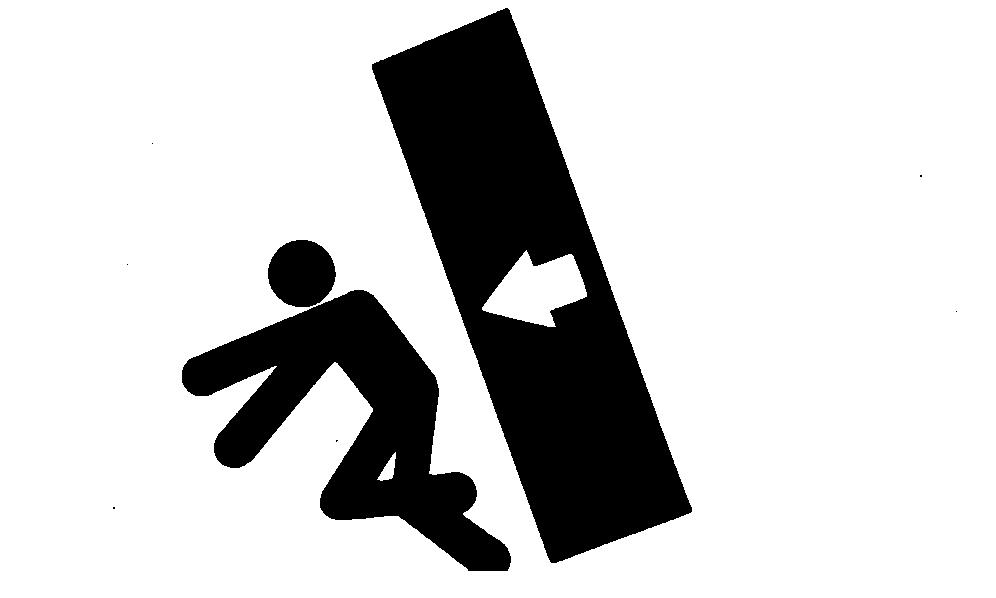
STORE ATTACHMENTS SAFELY
Stored attachments such as buckets, hydraulic hammers, and blades can fall and cause serious injury or death.
Securely store attachments and implements to prevent falling. Keep playing children and bystanders away from storage area.
TX,05,RR,576 –19–26APR90–1/1
DISPOSE OF WASTE PROPERLY
Improperly disposing of waste can threaten the environment and ecology Potentially harmful waste used with your machine include such items as oil, fuel, coolant, brake fluid, filters, and batteries.
Use leakproof containers when draining fluids Do not use food or beverage containers that may mislead someone into drinking from them.
Do not pour waste onto the ground, down a drain, or into any water source.
Air conditioning refrigerants escaping into the air can damage the Earth’s atmosphere Government regulations may require a certified air conditioning service center to recover and recycle used air conditioning refrigerants.
Inquire on the proper way to recycle or dispose of waste from your local environmental or recycling center, or from your authorized dealer.
TX,05,DH2502 –19–26AUG92–1/1
BATTERY TERMINALS, LIFTING EQUIPMENT, DRY CLEANING SOLVENT AND COMPRESSED AIR
WARNING: Avoid possible injury. Disconnect the negative terminal first and reconnect the negative terminal last when disconnecting/reconnecting battery terminals.
WARNING: When lifting equipment, ensure that the lifting device is capable of supporting the desired weights and the inspection date stamped on the lifting device has not expired.
WARNING: Dry cleaning solvent PD-680 Type III is toxic and flammable. Wear protective goggles and gloves and use only in a well ventilated area. Avoid contact with skin, eyes, and clothes and don’t breathe vapors Do not use near open flames or excessive heat The flash point is 200°F (93°C) If you become dizzy while using solvent, get fresh air immediately and get medical aid. If contact with eyes is made, wash your eyes with water and get medical aid immediately.
WARNING: Compressed air used for cleaning purposes shall not exceed 30 psi. Use only with effective chip guarding and personnel protective equipment (goggles/shield/gloves, etc.).
CED,OUOE042,40 –19–18OCT99–1/1
Safety Signs
SAFETY SIGNS
Continued on next page
CED,OUOE042,5057 –19–14APR99–1/11
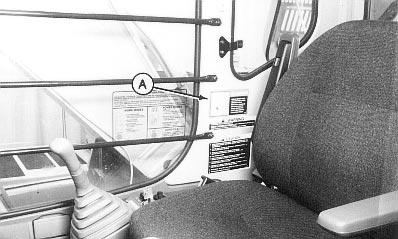
A—Danger Decal Location
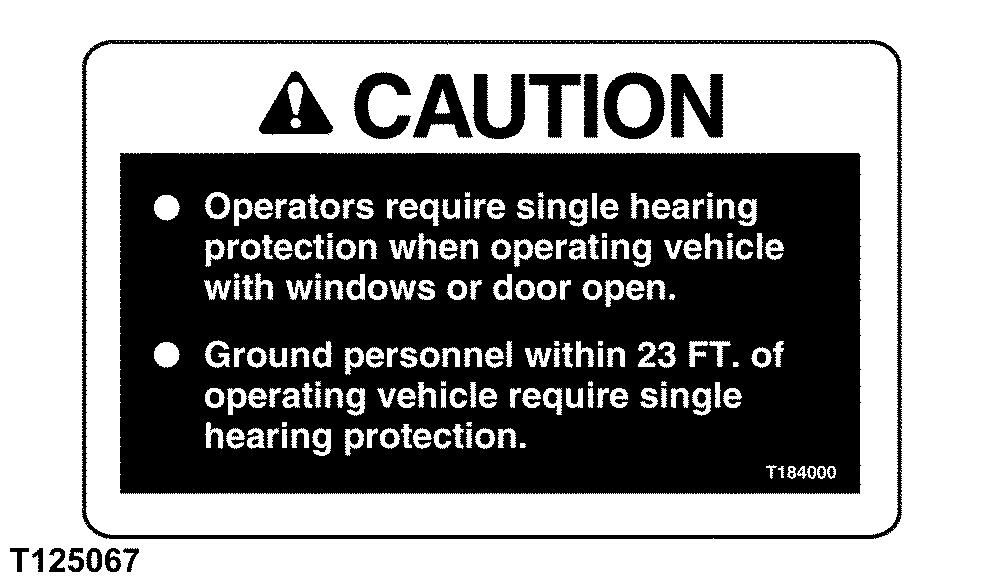
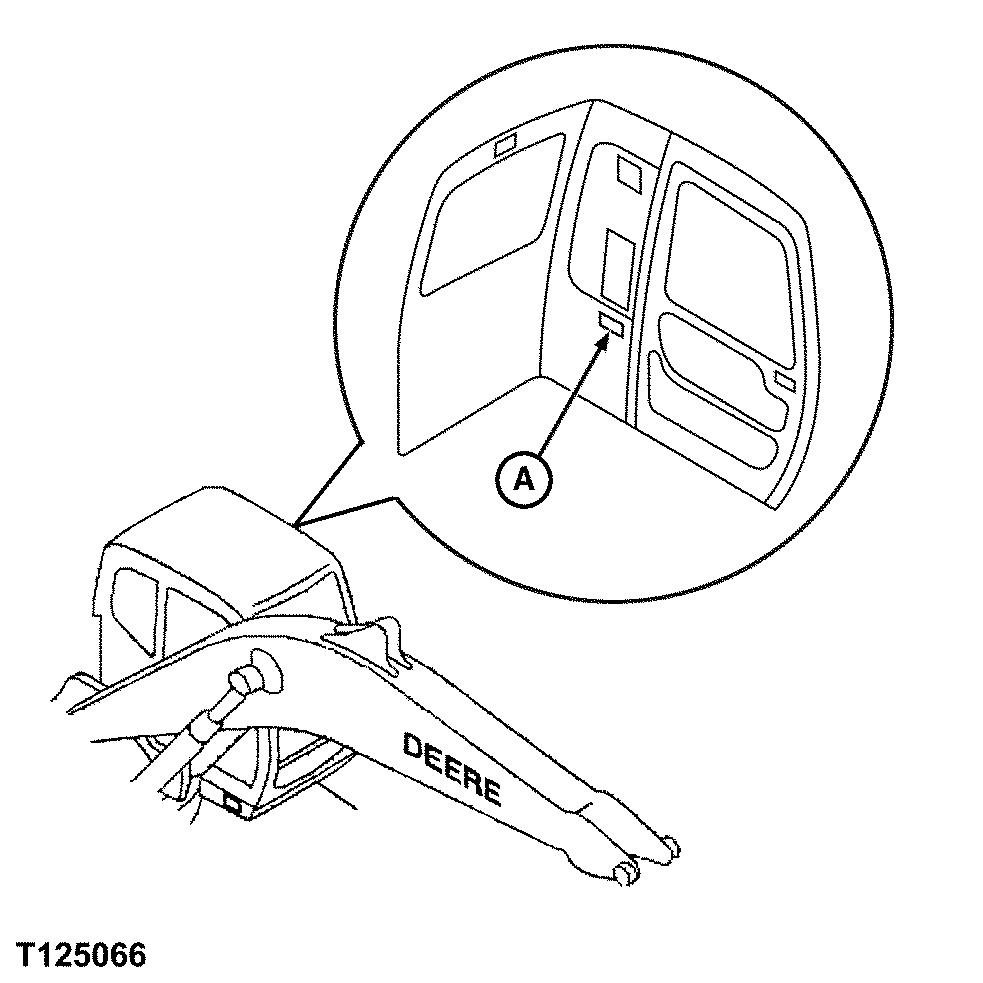
A—Caution Decal Location
Continued on next page
CED,OUOE042,5057 –19–14APR99–2/11