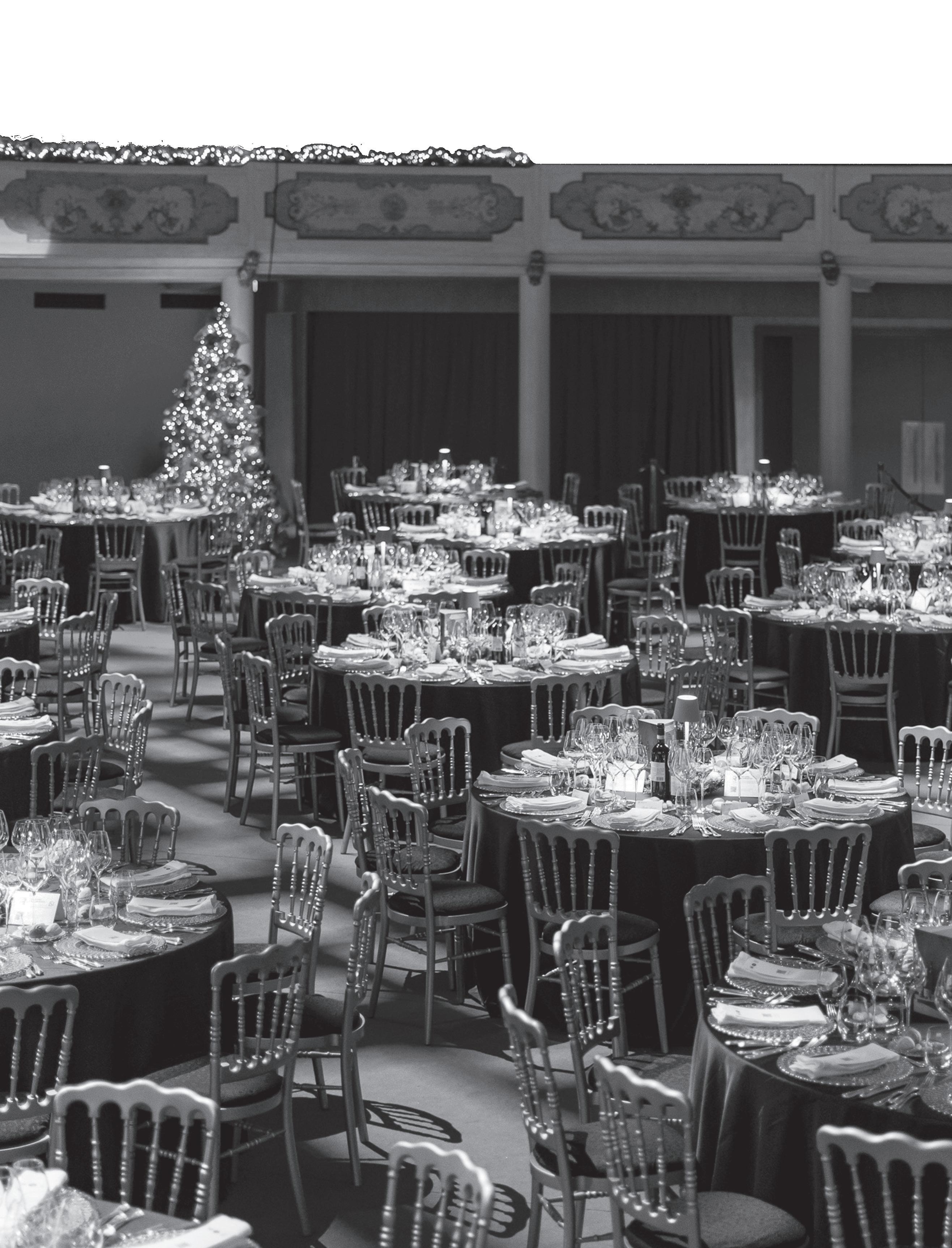
NATALE A VERONA TRA SPETTACOLI, MERCATINI, PRESEPI E TRADIZIONE CULINARIA • LA CITTÀ VERSO MILANO CORTINA 2026 / CHRISTMAS IN VERONA: DINNERS, SHOWS, MARKETS, NATIVITY SCENES, AND CULINARY TRADITIONS • THE CITY TOWARD MILANO CORTINA 2026
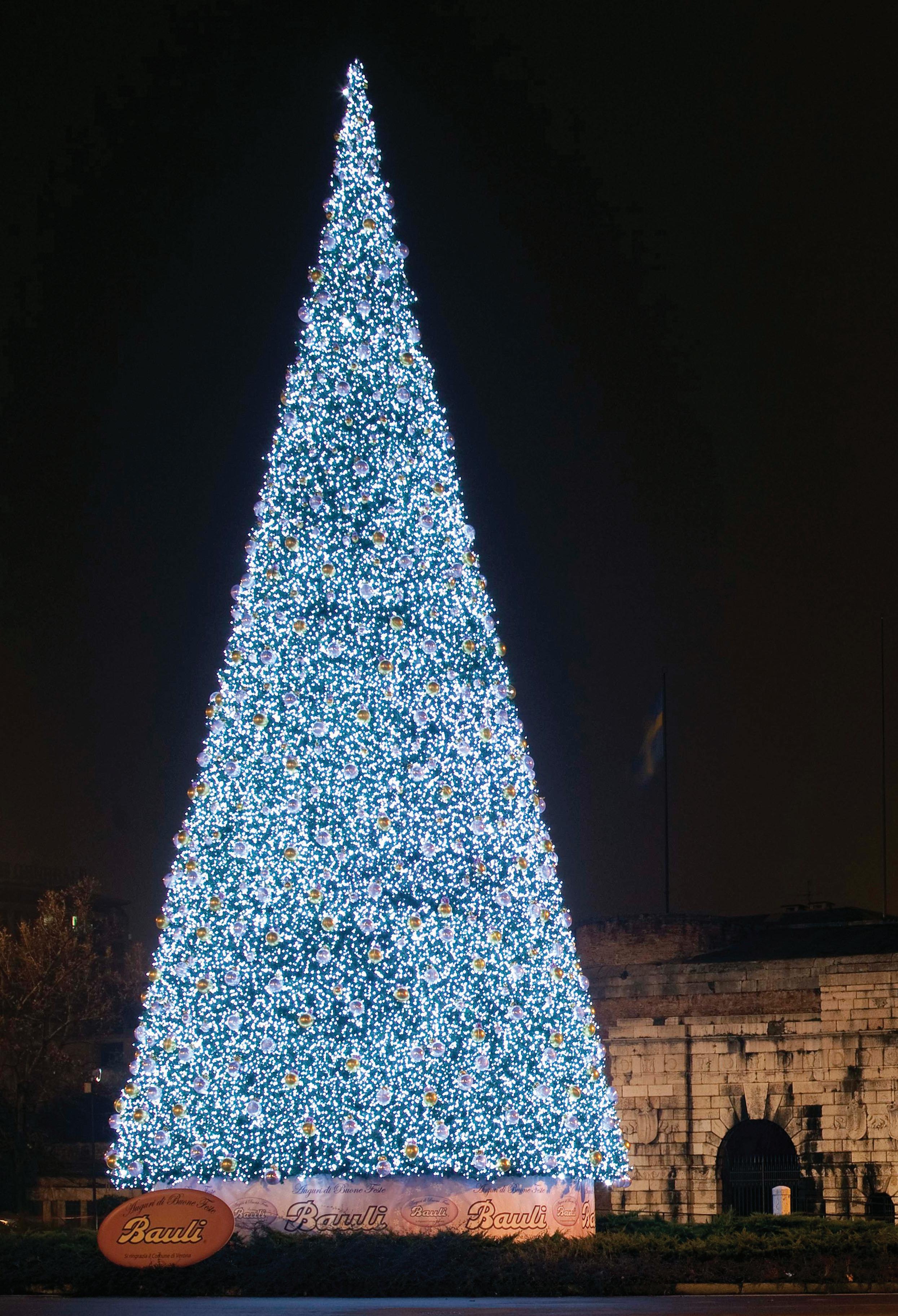
NATALE A VERONA TRA SPETTACOLI, MERCATINI, PRESEPI E TRADIZIONE CULINARIA • LA CITTÀ VERSO MILANO CORTINA 2026 / CHRISTMAS IN VERONA: DINNERS, SHOWS, MARKETS, NATIVITY SCENES, AND CULINARY TRADITIONS • THE CITY TOWARD MILANO CORTINA 2026
Care lettrici e cari lettori, chiudiamo un altro anno insieme, un anno in cui Carnet Verona ha continuato a raccontare la città attraverso ciò che più la rappresenta: la sua vitalità culturale, la sua capacità di custodire le tradizioni e allo stesso tempo rinnovarle, la sua instancabile voglia di mettere in scena bellezza.
In queste settimane, Verona si accende come sempre di luci e atmosfere uniche. Le Cene Spettacolo del Teatro Ristori tornano a fondere alta cucina e performance. Accanto a queste, gli appuntamenti del jazz club offrono l’occasione di vivere il teatro in una veste nuova, più metropolitana, facendo risuonare in città sonorità capaci di dialogare con il contemporaneo.
Tra eventi, mostre e iniziative che colorano questo periodo natalizio, non possiamo dimenticare ciò che scalda davvero le tavole dei veronesi: pandori, panettoni e un buon bicchiere di Recioto, il vino dolce per eccellenza della nostra tradizione. Quest’anno abbiamo incontrato chi ha saputo dare nuova vita proprio a queste eccellenze, raccontando storie di artigiani e visioni contemporanee. Un’attenzione particolare va al Recioto, diventato presidio Slow Food.
Intanto si avvicina sempre più l’appuntamento delle Olimpiadi Milano Cortina 2026. Verona sarà protagonista già da gennaio, quando la fiamma olimpica arriverà in città: un simbolo potente di partecipazione e unità, che ci accompagnerà verso un momento ricco di aspettative.
In questo numero troverete approfondimenti, interviste e articoli che, come sempre, vogliono offrire spunti di riflessione, suggestioni e curiosità. Un modo per guardare alla nostra città con occhi nuovi, anche alla fine di un anno intenso e appassionante.
A tutti voi, lettori e compagni di viaggio, il nostro più sincero augurio di un Buon Natale e di un felice anno nuovo, pieno di cultura, scoperte e bellezza.
Buona lettura!
Dear readers,
We are closing another year together, a year in which Carnet Verona has continued to tell the story of the city through what best represents it: its cultural vitality, its ability to preserve traditions while renewing them, and its tireless desire to showcase beauty.
In recent weeks, Verona has lit up as always with unique lights and atmospheres. The Teatro Ristori's Dinner Shows return to blend haute cuisine and performance. Alongside these, the jazz club events offer the opportunity to experience the theater in a new, more metropolitan guise, filling the city with sounds that dialogue with the contemporary.
Among the events, exhibitions, and initiatives that color this Christmas season, we cannot forget what really warms the tables of the Veronese: pandoro, panettone, and a good glass of Recioto, the sweet wine par excellence of our tradition. This year, we met those who have been able to breathe new life into these excellences, telling stories of artisans and contemporary visions. Special attention goes to Recioto, which has become a Slow Food presidium.
Meanwhile, the Milan Cortina 2026 Olympics are fast approaching. Verona will take center stage in January, when the Olympic flame arrives in the city: a powerful symbol of participation and unity that will accompany us toward a moment full of expectations. In this issue, you will find insights, interviews, and articles that, as always, aim to offer food for thought, suggestions, and curiosities. It is a way to look at our city with new eyes, even at the end of an intense and exciting year.
To all of you, readers and fellow travelers, we offer our sincerest wishes for a Merry Christmas and a Happy New Year, full of culture, discoveries, and beauty.
As always, happy reading!
30 Dove il vino incontra l’arte di ospitare
Where wine meets the art of hospitality
32 Natale in agriturismo per sentirsi a casa Christmas on a farm holiday to feel at home
34 I presepi tra le montagne veronesi Nativity scenes in the veronese mountains
37 Sinfonia d’inverno e benessere Winter symphony and wellness
Carnet sport/ sport
39 Montefortiana: quando una corsa fa la storia
Montefortiana: when a race makes history
42 Velocità e grazia a Cortina 2026
Speed and grace in Cortina 2026
Carnet Verona
Registrazione Tribunale di Verona nr. 1573 del 9/12/2003
Nr. Iscrizione ROC 21254
Questo periodo è associato all’Unione Stampa Periodica Italiana
Edito da Edyto Srl
Via Cefalonia, 3 – Marano di Valpolicella (VR)
Carnet Verona N. 155–dicembre/gennaio 2025
Editori
Nicolò Ballarini
Alberto Cetti
Direttore responsabile
Giancarla Gallo
Hanno collaborato
Giorgia Castagna
Agnese Ceschi
Miriam Cetti
Federica Clemente
Andrea Molinari
Georgia Passuello
Ilaria Savoia
Marta Tarasconi
Identità grafica
Andrea Rubele
Impaginazione grafica
Ilenia Cauchioli
Carnet benessere/ wellness
47 Knitting therapy: il benessere da un filo
Knitting therapy: wellbeing that comes from a thread
50 Natale è dei nonni (e dei loro occhi)
Christmas belongs to grandparents (and their eyes)
53 Bullismo: allarme della fondazione Foresta
Bullying: warning from fondazione Foresta
Carnet sostenibilità/ sustainability
56 L'esperto risponde The expert answers
57 Cartoni per bevande, da rifiuto a risorsa
Beverage cartons, from waste to resource
60 Recioto: un vino prezioso della tradizione veronese
Recioto: a precious wine from the veronese tradition
Carnet innovazione/ innovation
64 Piccola fuori, ibrida dentro Small on the outside, hybrid on the inside
66 Lavoro e competenze per il futuro
Work and skills for the future
Stampa Grafiche Marchesini
Via Lungo Bussè, 884 – Angiari (VR)
Contatti redazione@carnetverona.it info@carnetverona.it commerciale@carnetverona.it
In copertina: Cene Spettacolo,Teatro Ristori
69 Orizzonti sostenibili: per un Natale solidale Sustainable horizons: for a Christmas of solidarity
72 In scena On stage
75 Alla scoperta di: il Teatro Filarmonico Discovering: the Philharmonic Theater
78 Un salto nel cinema A jump into cinema
81 Pagina dopo pagina Page after page
84 Arte in giro Art around VIVERE.
87 Gli eventi di dicembre gennaio December and January events
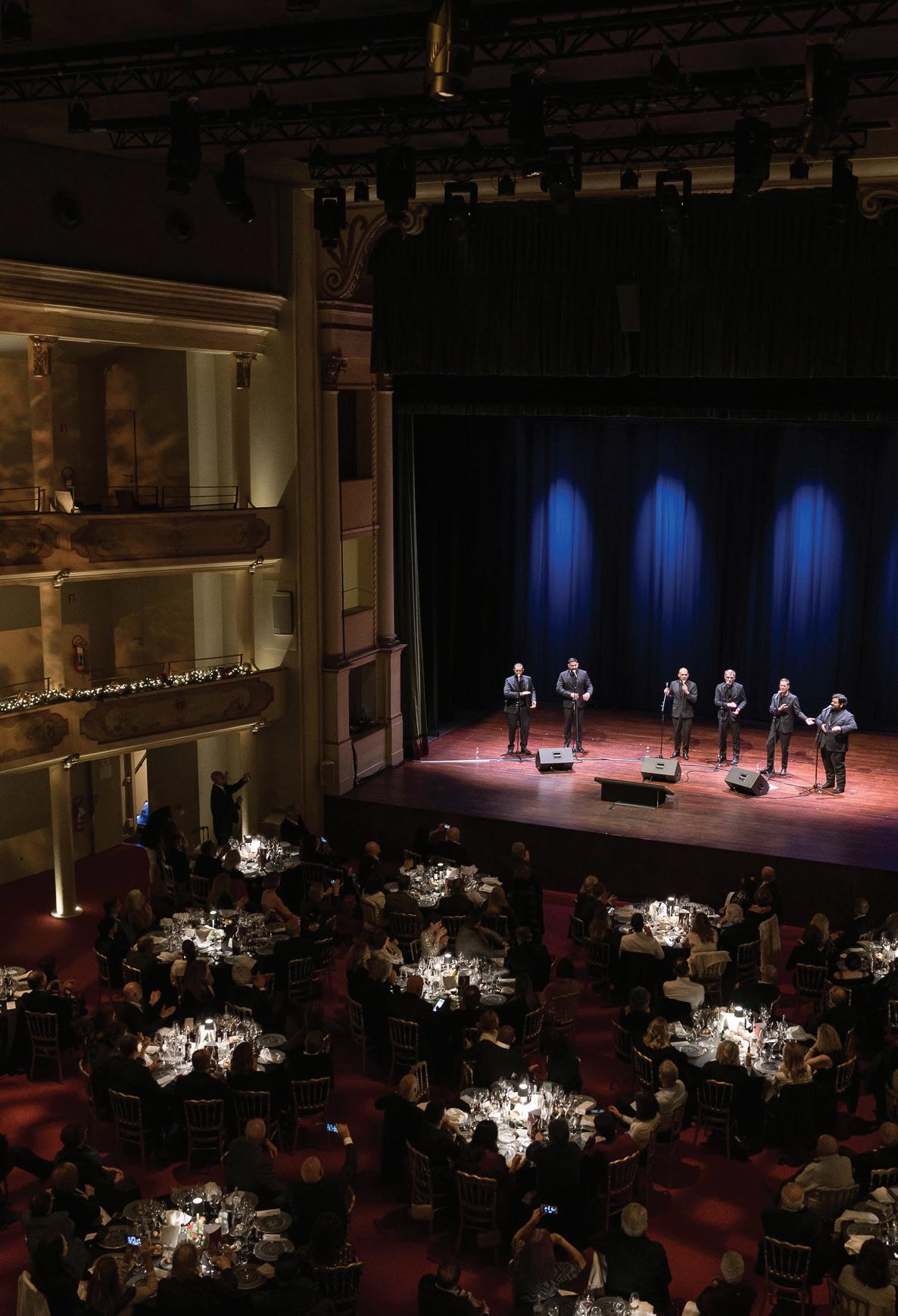
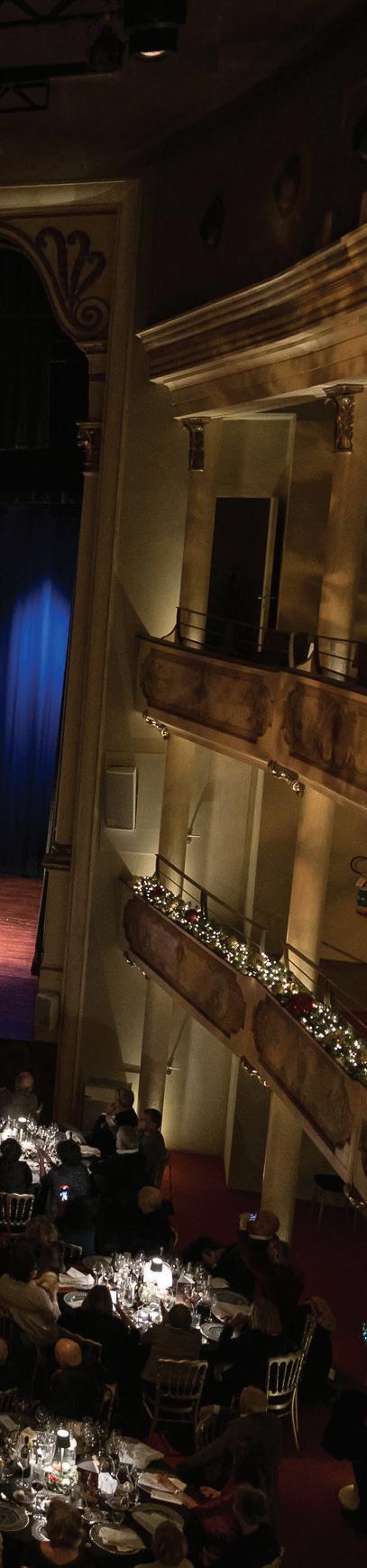
Fine e inizio anno al Teatro Ristori con una serie di appuntamenti che intrecciano eleganza, convivialità e atmosfere internazionali. Due mesi di proposte per chi ama vivere l’arte come esperienza condivisa, in un teatro che continua a essere laboratorio di linguaggi e luogo d’incontro tra generi e generazioni.
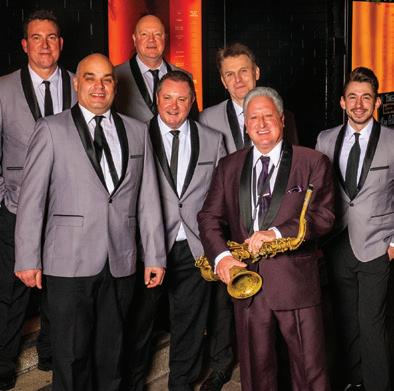
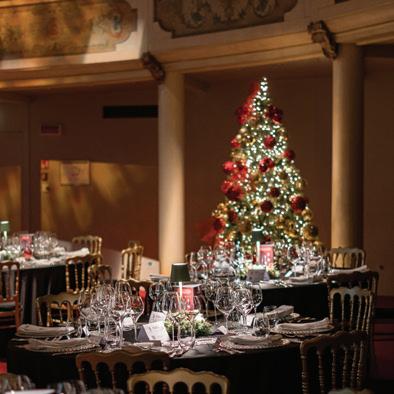
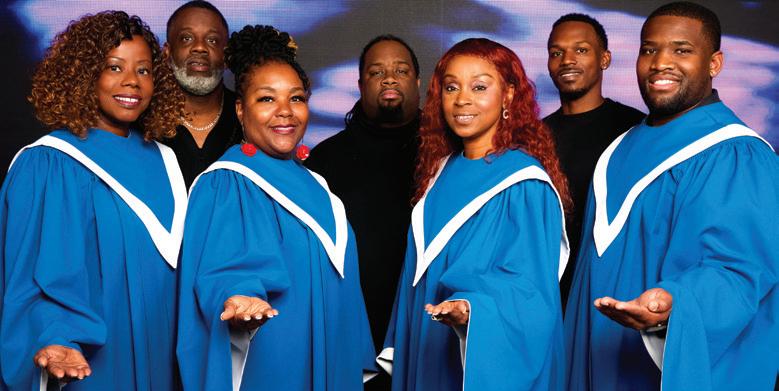
A dicembre il palcoscenico si trasforma in un raffinato salone delle feste grazie alle Cene Spettacolo, dove la musica incontra l’arte della tavola. Il 4 dicembre sarà protagonista la leggenda dello swing Ray Gelato & The Giants, il 12 dicembre il gospel travolgente dei The Heavenly Voices e il 17 dicembre l’imperdibile concerto a cappella “Christmas Night” degli Alti & Bassi, tra ironia e virtuosismo vocale.
Nelle stesse settimane debutta anche il Ristori Jazz
in collaborazione con Teatro Ristori in collaboration with Teatro Ristori Club, novità curata da Gegè Telesforo, che trasforma la platea in un club newyorkese con tavolini, luci calde e atmosfere intime. Tre domeniche, inizio alle 18, di grande musica: il 7 dicembre con i Cutello Bros 5tet, giovani promesse dal groove mediterraneo; il 14 dicembre con il quartetto “special edition” di Max Ionata, e il 21 dicembre con il Dado Moroni Trio in un tributo a Oscar Peterson. Il nuovo anno verrà salutato con il tradizionale Concerto di Capodanno dedicato al grande repertorio viennese. Il 1° gennaio alle 17, I Virtuosi Italiani, diretti dal M° Alberto Martini, accompagneranno il soprano Alessia Pintossi e il tenore Blagoj Nacoski in un programma che omaggia Strauss & figli, con valzer, polke e arie celebri. Un brindisi in musica per accogliere il 2026 tra leggerezza e incanto. A gennaio il sipario si apre sulla Danza Contemporanea,
In the city



rassegna curata da Emanuele Masi, con cinque appuntamenti che attraversano i linguaggi del corpo e della scena. Il 28 gennaio debutta in prima nazionale il collettivo Dewey Dell con una versione visionaria della Sagra della Primavera; seguirà l’11 febbraio il doppio programma con Equilibrio Dinamico e il coreografo lussemburghese Jill Crovisier; il 5 marzo arriva la Compagnia Abbondanza/Bertoni con La morte e la fanciulla, accompagnata dai Virtuosi Italiani; il 31 marzo il Nuovo Balletto di Toscana presenterà Il regno delle ombre; e infine, il 17 aprile, il Ballet de l’Opéra Grand Avignon chiuderà la stagione con Olympiade del duo KOR’SIA. Tutti i dettagli e i biglietti su www.teatroristori.org
Dinner shows and jazz club. New Year's Eve concert and dance debut.
End and beginning of the year at the Teatro Ristori with a series of events that combine elegance, conviviality and international atmospheres. Two months of events for those who love to experience art as a shared experience, in a theatre that continues to be a laboratory of languages and a meeting place for genres and generations.
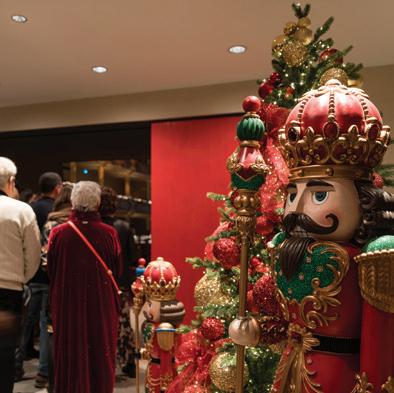
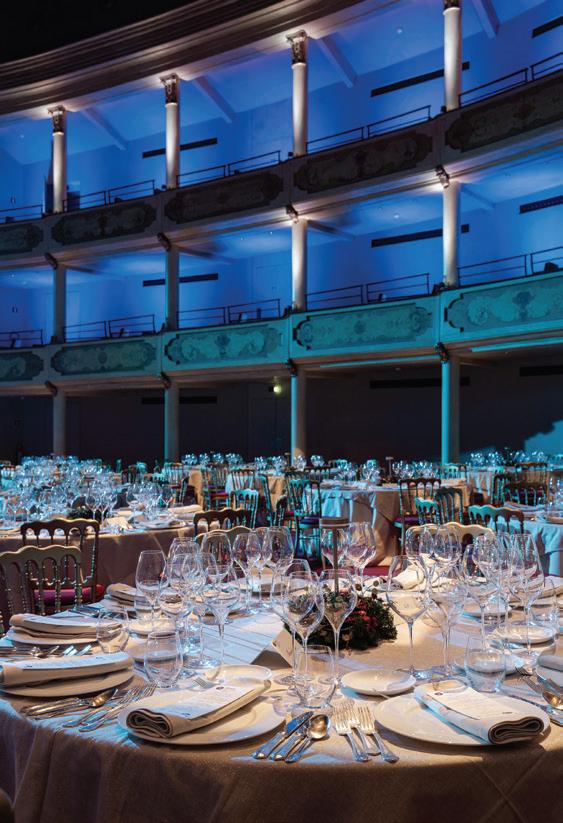
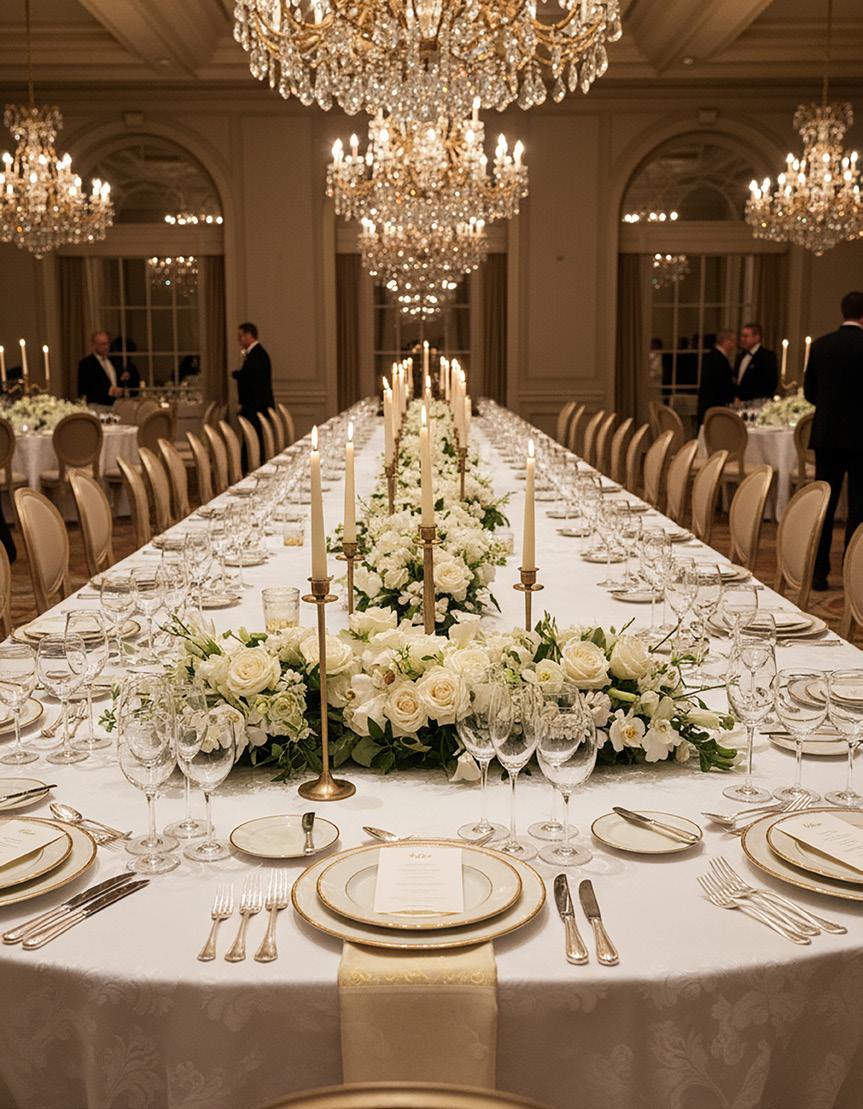
In December, the stage is transformed into a refined ballroom thanks to the Dinner Shows, where music meets the art of the table.
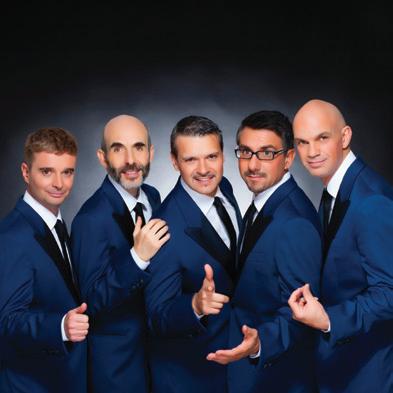
On 4 December, swing legend Ray Gelato & The Giants will take centre stage, followed by the rousing gospel of The Heavenly Voices on 12 December and the unmissable a cappella concert “Christmas Night” by Alti & Bassi on 17 December, combining
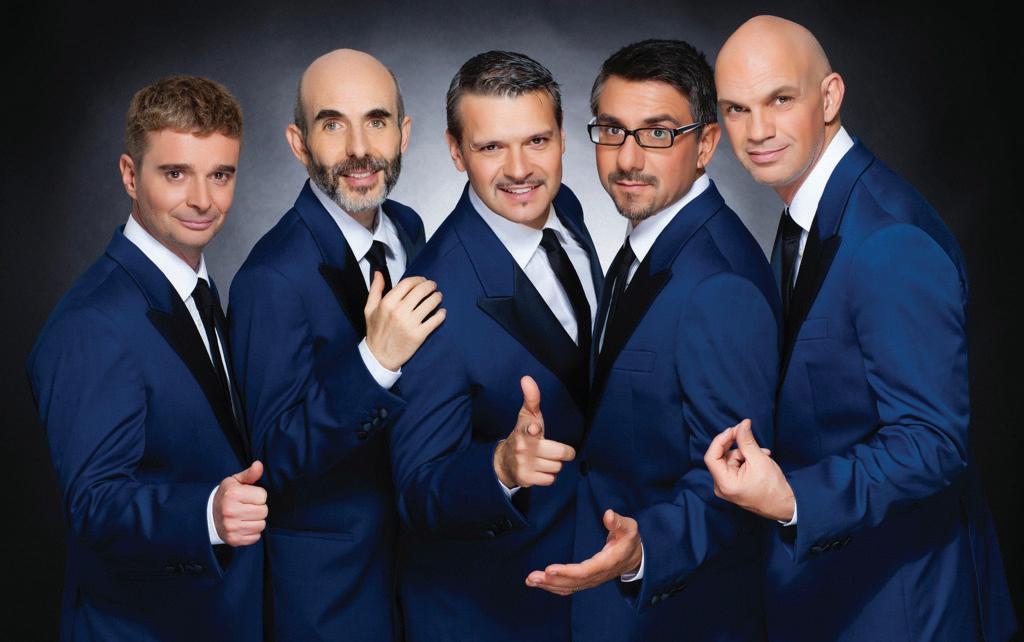
irony and vocal virtuosity.
The same weeks will also see the debut of the Ristori Jazz Club, a new addition curated by Gegè Telesforo, which transforms the auditorium into a New York club with tables, warm lighting and an intimate atmosphere. Three Sundays, starting at 6 p.m., of great music: on 7 December with Cutello Bros 5tet, promising young musicians with a Mediterranean groove; on 14 December with Max Ionata's “special edition” quartet; and on 21 December with the Dado Moroni Trio in a tribute to Oscar Peterson.
The new year will be welcomed with the traditional New Year's
Concert dedicated to the great Viennese repertoire. On 1 January at 5 pm, I Virtuosi Italiani, conducted by Maestro Alberto Martini, will accompany soprano Alessia Pintossi and tenor Blagoj Nacoski in a programme paying homage to Strauss & sons, with waltzes, polkas and famous arias. A musical toast to welcome 2026 with lightness and enchantment.
In January, the curtain rises on Danza Contemporanea, a series curated by Emanuele Masi, with five events that explore the languages of the body and the stage. On 28 January, the Dewey Dell collective makes its national debut with a visionary version of The Rite of Spring; this will be followed on 11 February by a double programme with Equilibrio Dinamico and Luxembourg choreographer Jill Crovisier; on 5 March, the Compagnia Abbondanza/Bertoni arrives with Death and the Maiden, accompanied by the Virtuosi Italiani; On 31 March, the Nuovo Balletto di Toscana will present Il regno delle ombre (The Kingdom of Shadows) and finally, on 17 April, the Ballet de l'Opéra Grand Avignon will close the season with Olympiade by the duo KOR'SIA. All details and tickets are available at www.teatroristori.org.
di by Ilaria Savoia
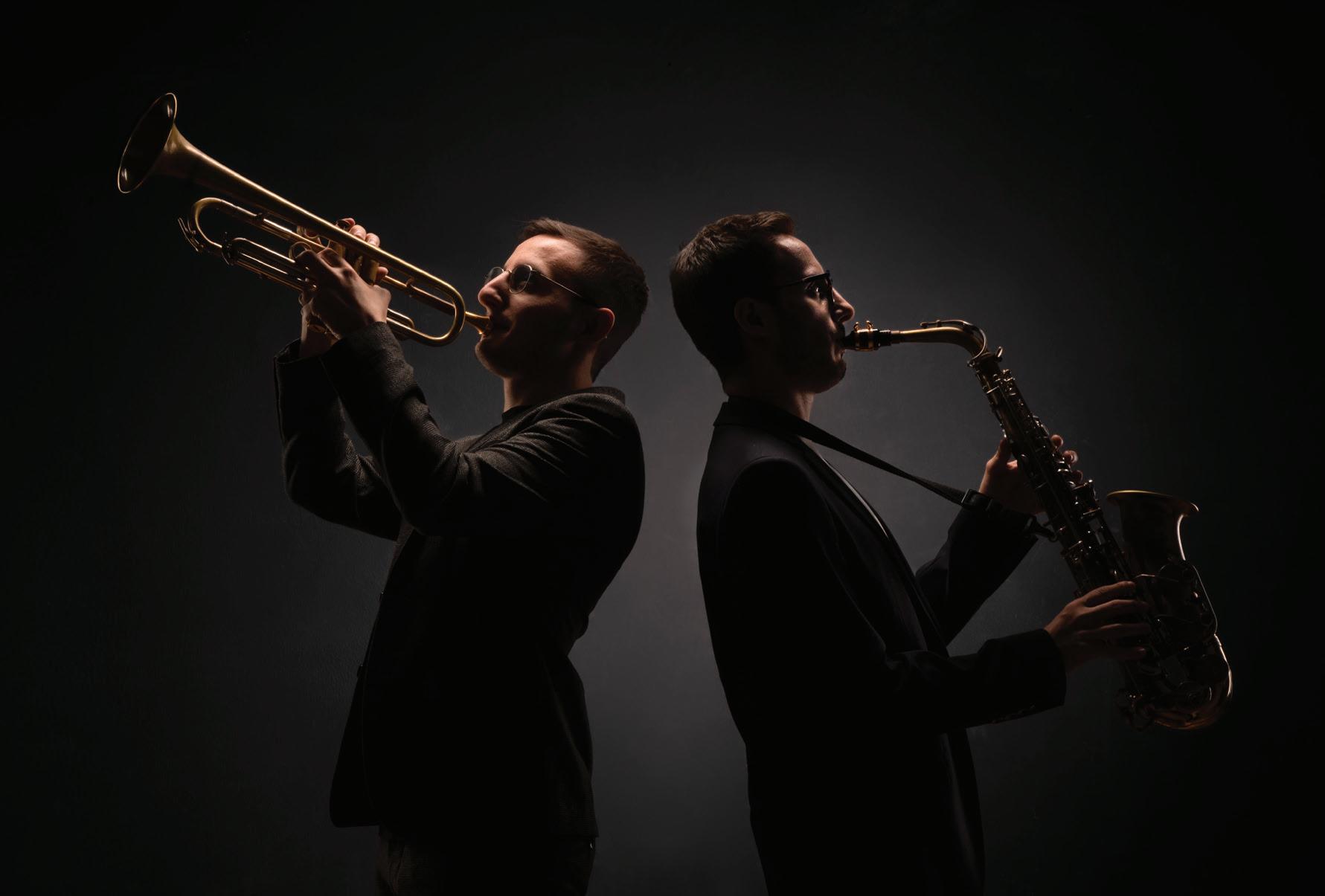
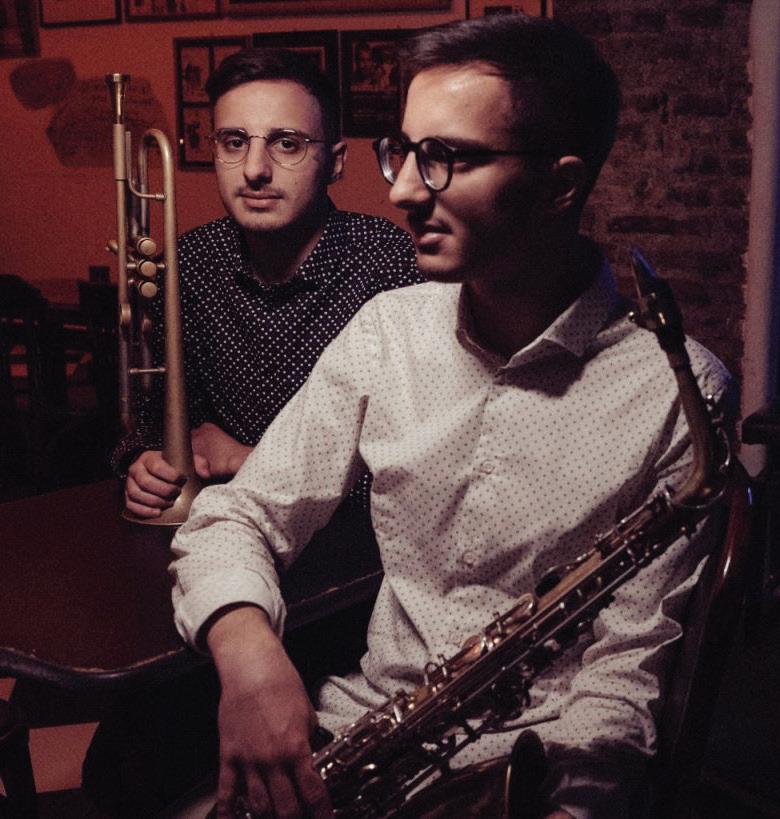
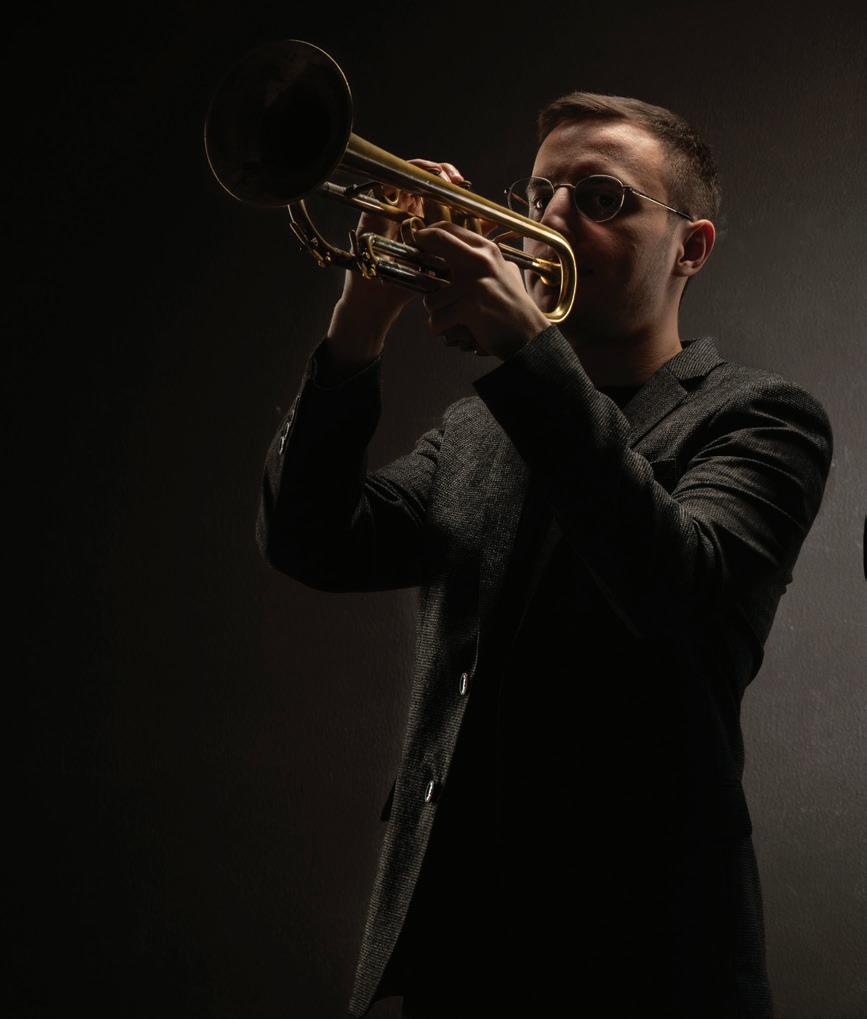
Giovanni al sassofono e Matteo alla tromba, ventisei anni e siete già una promessa del panorama jazzistico. Come è nata questa vostra passione e come si è evoluta?
La passione è stata trasmessa da nostro padre, appassionato di musica jazz che da quando avevamo cinque anni ha iniziato a portarci in giro per l’Italia ai jazz festival e concerti di artisti che poi negli anni sono diventati nostri colleghi.
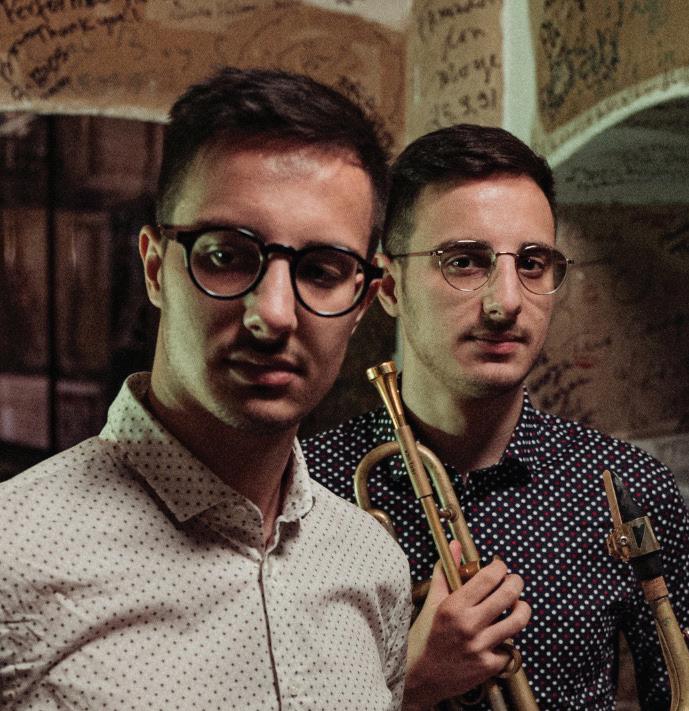
Ascoltare la musica sin da piccoli ha contribuito a farci sviluppare la musicalità che ci ha aiutato nel tempo. A sette anni ci siamo iscritti nella banda del nostro paese siciliano di Chiaramonte Gulfi, una vera e propria palestra e abbiamo iniziato a prendere lezioni private di jazz. A dieci anni siamo stati invitati da Mathias Ruegg a suonare a Vienna, a quindici abbiamo vinto il Premio Massimo Urbani. Dopo la maturità abbiamo vinto una borsa di studio che per quattro anni ci
ha permesso di frequentare il Berklee Collage of Music di Boston, la più grande istituzione musicale al mondo, dove abbiamo avuto modo di studiare con i più grandi interpetri del jazz contemporaneo. Poi nel 2020 Renzo Arbore ci ha invitati a salire sul palco con lui al concerto che ha fatto a Ragusa.
Riguardo proprio a Renzo Arbore lui vi ha definiti “I jazzisti italiani del futuro”, qual è la vostra impronta nel mondo del jazz contemporaneo?
Dichiarazione che ci onora molto e ci carica di grande responsabilità. Diciamo che abbiamo un occhio di riguardo rispetto al mondo che ci circonda, alle nuove tecnologie e come stanno cambiando la musica. Il jazz è rimasto integro rispetto a ciò ma adesso siamo in un momento in cui anche questo genere sta subendo un cambiamento e noi giovani abbiamo la responsabilità di portare avanti questo rinnovamento. Abbiamo deciso di intraprendere questo nuovo percorso tenendo conto anche delle contaminazioni di altri generi, a riguardo l’anno scorso c’è stata una nostra collaborazione con Stefano Di Battista e Alex Britti, un lavoro dove abbiamo fatto un blues cercando di fondere elementi di tradizione e modernità.
Alla luce di questa vostra impronta moderna che impostazione avrà lo spettacolo “Cutello Bros Quintet” che si terrà al Teatro Ristori?
L’idea è di prendere dei brani della nuova tradizione jazz, brani scritti da grandi interpreti del giorno di oggi come Kenny Garrett e Joshua Redman, guardare alla nuova contemporaneità, creare un nuovo repertorio jazzistico; un jazz che può essere definito moderno, non proprio tradizionale. In questo spettacolo non vi saranno contaminazioni di altri generi ma più un’evoluzione del jazz, che sarà suonato in maniera più aperta da un punto di vista ritmico, armonico e melodico. Quindi un jazz puro riproposto in chiave moderna. Ad accompagnarci ci saranno Cesare Panizzi, Alessio Zoratto e Gianluca Vescovini, con i quali collaboriamo già dagli anni di Boston; ci teniamo particolarmente a ringraziare Gegè Telesforo, curatore della rassegna jazz.
Chi sono i vostri punti di riferimento?
L’arte va imparata sul palco, una volta rientrati in Italia abbiamo avuto la fortuna di essere scelti da musicisti di grande livello, il primo è stato appunto Gegè Telesforo, che ci ha portati in giro con lui per tutta l’Italia ed è stato da qui che abbiamo visto da
Scoprire.
vicino come si fa musica, si organizza un tour e ci si rivolge al pubblico. Un altro è stato Stefano Di Battista che ci ha portato sempre con lui sul palco, sia in Italia che all’estero. Abbiamo potuto imparare in maniera diretta dai grandi del jazz italiano.
La vostra unicità è anche nel fatto che siete gemelli, com’è vivere questo rapporto nel vostro lavoro?
Questa nostra gemellarità porta ad un’intesa che ci distingue, il dialogo tra la tromba e il sax si è creato lungo ventisei anni di vita insieme. Un’ alchimia, un’intesa che non è trovabile ma che nella nostra musica viene fuori molto.
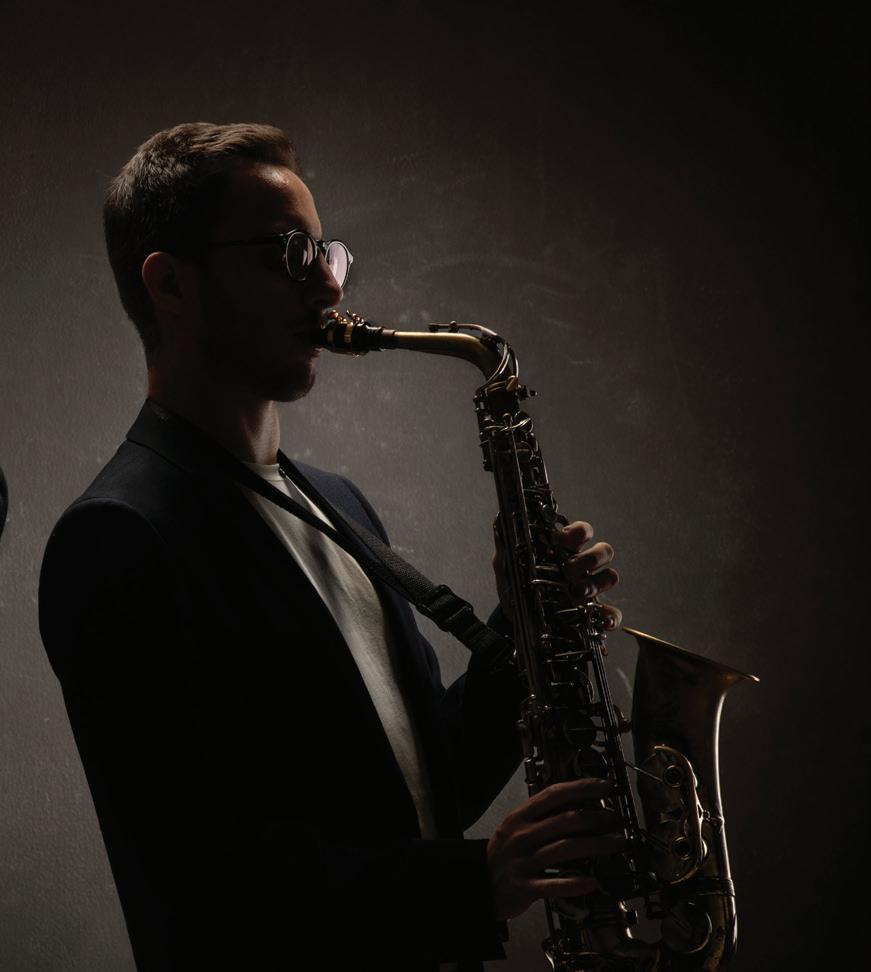
The Cutello brothers arrive at the Ristori on 7 December.
Giovanni on saxophone and Matteo on trumpet, twenty-six years old and already promising figures on the jazz scene. How did your passion begin and how has it evolved?
The passion was passed on to us by our father, a jazz music enthusiast who, when we were five years old, began taking us around Italy to jazz festivals and concerts by artists who, over the years, have become our colleagues. Listening to music from an early age helped us develop the musicality that has helped us over time. At the age of seven, we joined the band in our Sicilian village of Chiaramonte Gulfi, which was a real training ground, and we started taking private jazz lessons. At the age of ten, we were invited by Mathias Ruegg to play in Vienna, and at fifteen we won the
Massimo Urbani Award. After graduating from high school, we won a scholarship that allowed us to attend the Berklee College of Music in Boston, one of the most prestigious music institutions in the world, for four years, where we had the opportunity to study with the greatest contemporary jazz performers. Then, in 2020, Renzo Arbore invited us to join him on stage at his concert in Ragusa.
Renzo Arbore described you as “the Italian jazz musicians of the future”. What is your mark on the world of contemporary jazz?
We are very honoured by this statement, which fills us with a great sense of responsibility. Let's say that we have a keen eye on the world around us, on new technologies and how they are changing music. Jazz has remained intact in this respect, but now we are at a point where even this genre is undergoing change, and we young people have a responsibility to carry on this renewal. We have decided to embark on this new path, taking into account the influences of other genres. Last year, we collaborated with Stefano Di Battista and Alex Britti on a project where we created a blues sound, trying to blend elements of tradition and modernity.
In light of your modern approach, what will the “Cutello Bros Quintet” show at the Teatro Ristori be like?
The idea is to take pieces from the new jazz tradition, pieces written by great contemporary performers such as Kenny Garrett and Joshua Redman, look at the new contemporary scene, and create a
new jazz repertoire; a jazz that can be defined as modern, not exactly traditional. In this show, there will be no contamination from other genres, but rather an evolution of jazz, which will be played in a more open way from a rhythmic, harmonic and melodic point of view. So, pure jazz reinterpreted in a modern key. Accompanying us will be Cesare Panizzi, Alessio Zoratto and Gianluca Vescovini, with whom we have been collaborating since our years in Boston; we would particularly like to thank Gegè Telesforo, curator of the jazz festival.
Who are your points of reference?
Art must be learned on stage. Once we returned to Italy, we were fortunate enough to be chosen by high-level musicians, the first of whom was Gegè Telesforo, who took us around Italy with him. It was from this experience that we saw up close how music is made, how a tour is organised and how to address the audience. Another was Stefano Di Battista, who always took us with him on stage, both in Italy and abroad. We were able to learn directly from the great masters of Italian jazz.
Your uniqueness also lies in the fact that you are twins. What is it like to have this relationship in your work?
Our twinhood leads to an understanding that sets us apart. The dialogue between the trumpet and the saxophone has been created over twentysix years of growing up together. It is an alchemy, an understanding that cannot be found elsewhere but it comes through very clearly in our music.
di by Miriam Cetti

Il 26 novembre nella
cornice del Teatro Ristori si è svolto il primo evento di Carnet Group: una serata all’insegna dell’imprenditorialità per costruire nuove opportunità, nuove sinergie e nuove relazioni. Un evento che ha portato sul palco un nuovo modo di fare impresa, quello di Carnet Group, attraverso le voci di grandi esperti, per un momento di alta formazione e relazione, ma non solo.
Infatti come il teatro, luogo che lo ha ospitato, può suggerire “In basso a destra. Atto Unico” è stato un evento innovativo, tra interventi, talk e la sorpresa di un vero spettacolo teatrale.
Carnet Group
Creatività editoriale, strategia digitale e relazione autentica con il territorio. Questa è l’anima di Carnet Group.
In un mondo saturo di messaggi e contenuti, Carnet Group nasce per fare la differenza, per raccontare, dare voce e visibilità alle imprese, alle persone e ai progetti che vogliono emergere senza gridare: un punto d’incontro tra contenuti di qualità e soluzioni di comunicazione su misura.
Una realtà che aiuta a sviluppare e consolidare relazioni strategiche fra le imprese del territorio, creando reti di valore che amplificano le opportunità
di business, e agendo come ponte che usa e coordina i canali di comunicazione per accrescere la visibilità di tutti gli attori coinvolti.
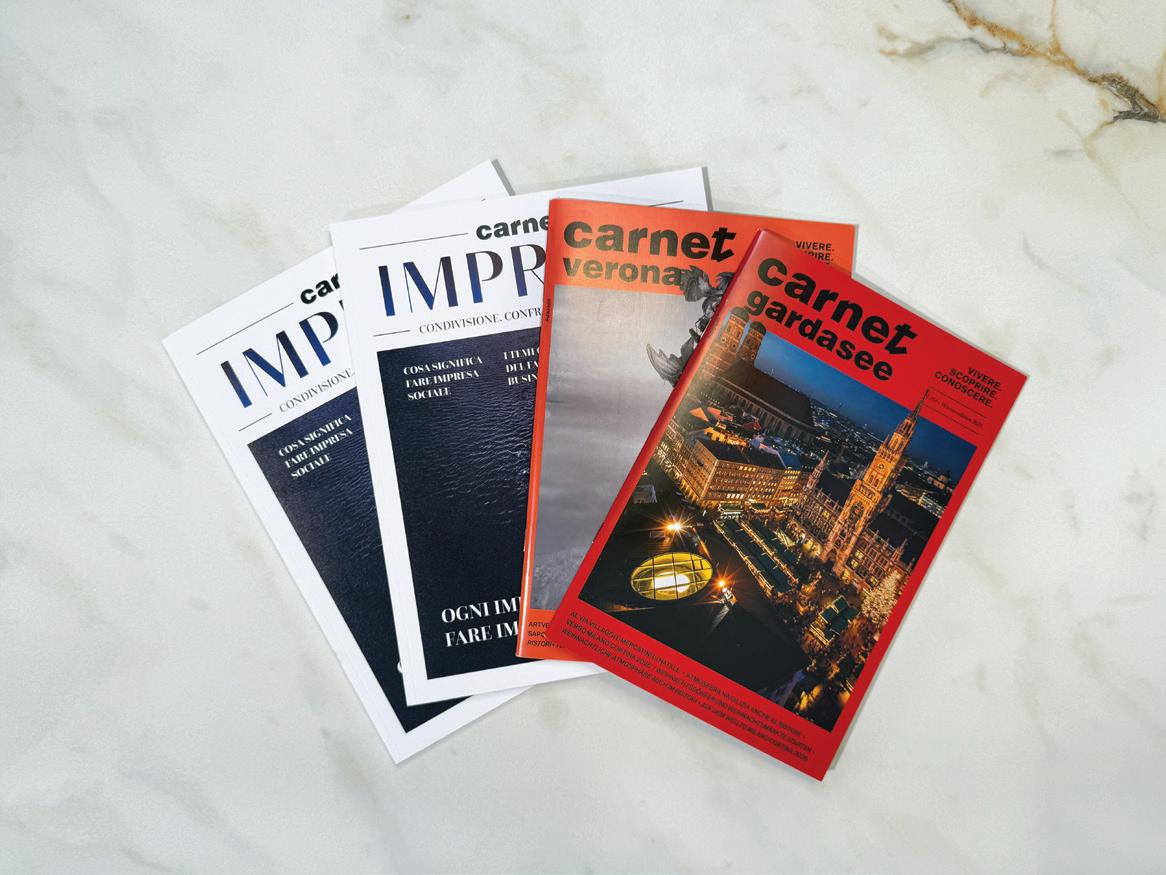
Carnet Impresa
È il nuovo prodotto di Carnet Group dedicato al mondo del business, una rivista che vuole essere di riferimento per un’imprenditoria virtuosa, posizionandosi come catalizzatore di alta formazione e di connessioni di qualità.
Ispirata ai principi di Condivisione, Confronto e Conoscenza unisce a un periodico, un ciclo esclusivo di eventi che offrono contenuti di altissima formazione e networking di valore per un ecosistema che accelera crescita e opportunità.
L’evento: In basso a destra atto unico
Il 26 novembre è avvenuto il primo evento, lancio della rivista e soprattutto momento per presentare Edyto e Carnet Group.
Un evento basato sull’incontro di storie e persone, per aprire una prospettiva diversa sul mondo del lavoro: l’Impresa di Comunità, una rivoluzione che mette il Noi al posto dell’Io al
centro dell’azienda. Un racconto nuovo, innovativo e di valore.
The Carnet Group launch event at the Teatro Ristori.
On 26 November, the Teatro Ristori hosted the first Carnet Group event: an evening dedicated to entrepreneurship with a view to building new opportunities, new synergies and new relationships.
An event that brought a new way of doing business to the stage, that of Carnet Group, through the voices of leading experts, for a moment of high-level training and networking, but not only.
In fact, as the theatre that hosted it might suggest, “Bottom Right –One-Act Play” was an innovative event, featuring speeches, talks and the surprise of a real theatre performance.
Carnet Group
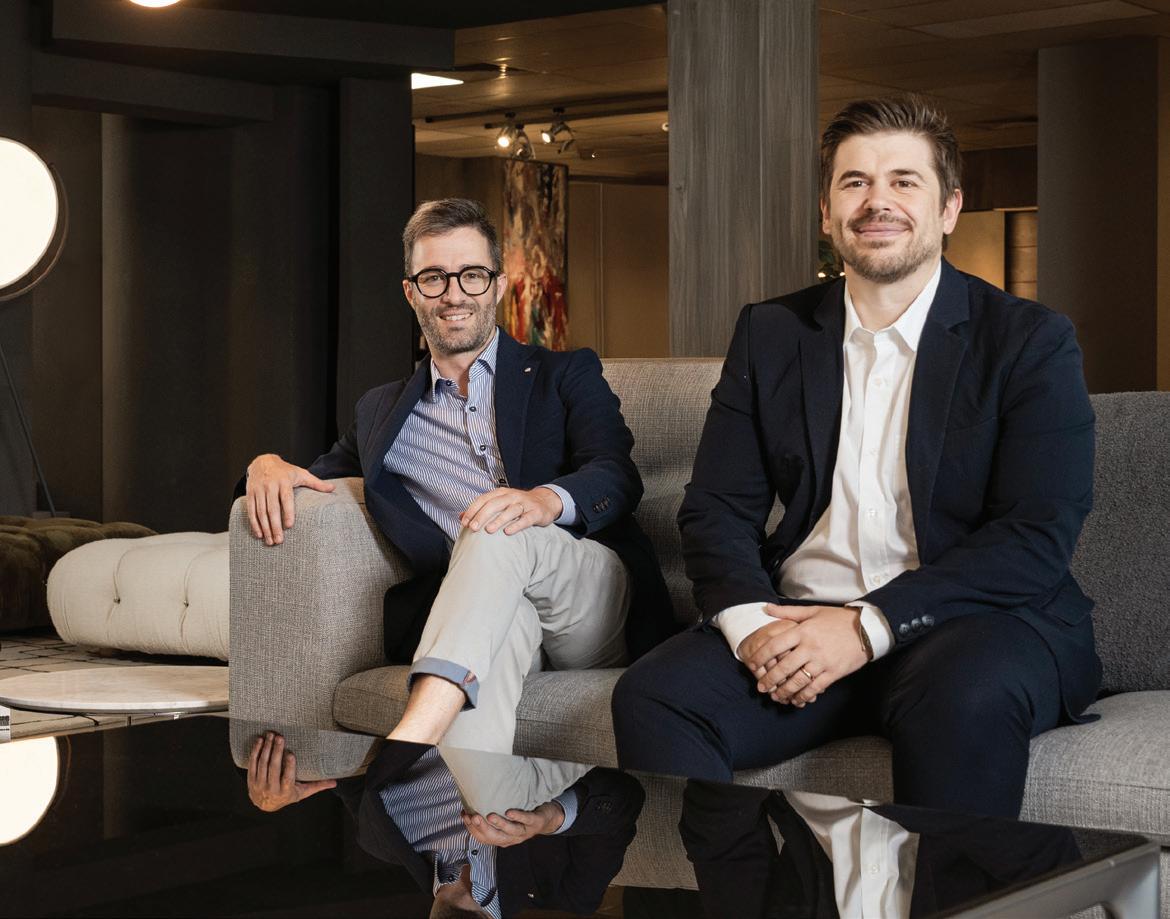
Editorial creativity, digital strategy and authentic relationships with the local area. This is the soul of Carnet Group.
In a world saturated with messages and content, Carnet Group was created to make a difference, to tell stories and give a voice to businesses, people and projects, and give them visibility that want to stand out without shouting: a meeting point between quality content and tailor-made communication solutions.
A reality that helps develop and consolidate strategic relationships between local businesses, creating valuable networks that amplify
business opportunities and acting as a bridge that uses and coordinates communication channels to increase the visibility of all those involved.
This is Carnet Group's new product dedicated to the business world, a magazine that aims to be a reference point for virtuous entrepreneurship, positioning itself as a catalyst for high-level training and quality connections. Ispired by the principles of Sharing, Comparison and Knowledge, it combines a periodical with an exclusive cycle of events offering high-level training content and valuable networking for an ecosystem that accelerates growth and opportunities.
The event: Bottom right single act
The first event took place on 26 November, launching the magazine and, above all, presenting Edyto and Carnet Group.
An event based on bringing together stories and people to open up a different perspective on the world of work: Community Enterprise, a revolution that puts “We” instead of “I” at the centre of the company. A new, innovative and valuable story.
di by Giorgia Castagna

Apartire dal 21 novembre Verona si è accesa di luci e si prepara a vivere uno spettacolare ed inaspettato Natale, segnato da molte novità.
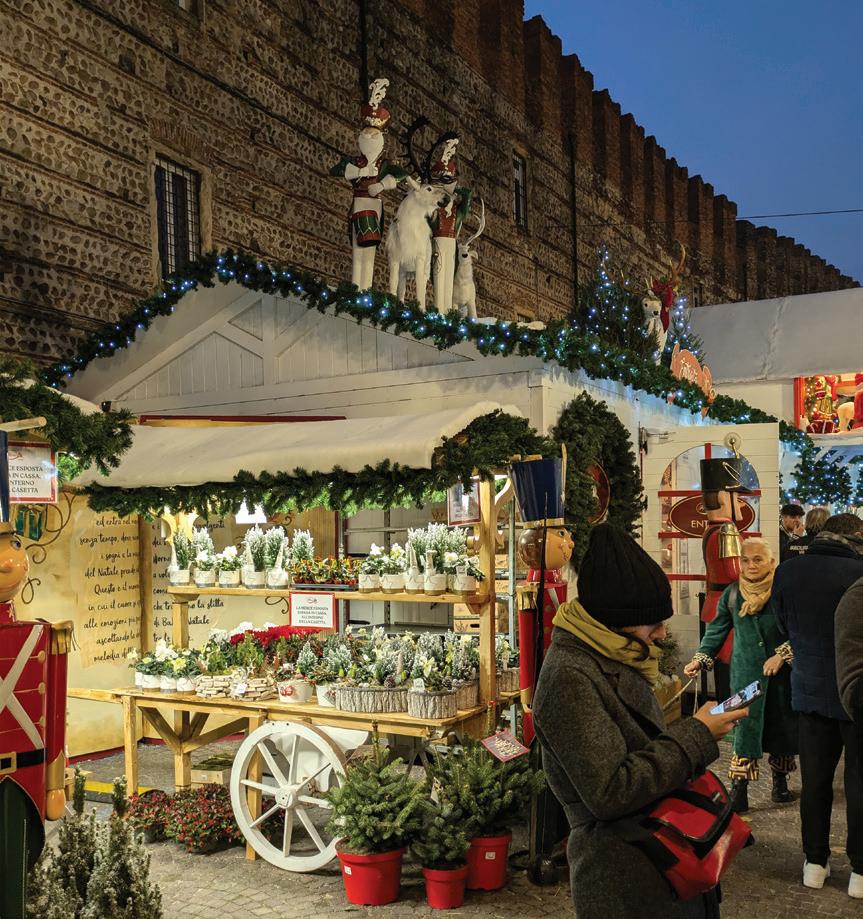
Tra queste, l’arrivo delle tradizionali casette dei mercatini che, per la prima volta, troveranno spazio in piazza Bra, incorniciate da Palazzo Barbieri, Arena e Gran Guardia.
Natale per Verona – Tutte e tutti vogliono fare gli auguri alla città
Novità assoluta è l’iniziativa “Natale per Verona”, un progetto sperimentale nato come augurio alla città, ai e alle veronesi e a chi ogni giorno visita Verona. L’obiettivo è unire aziende, istituzioni
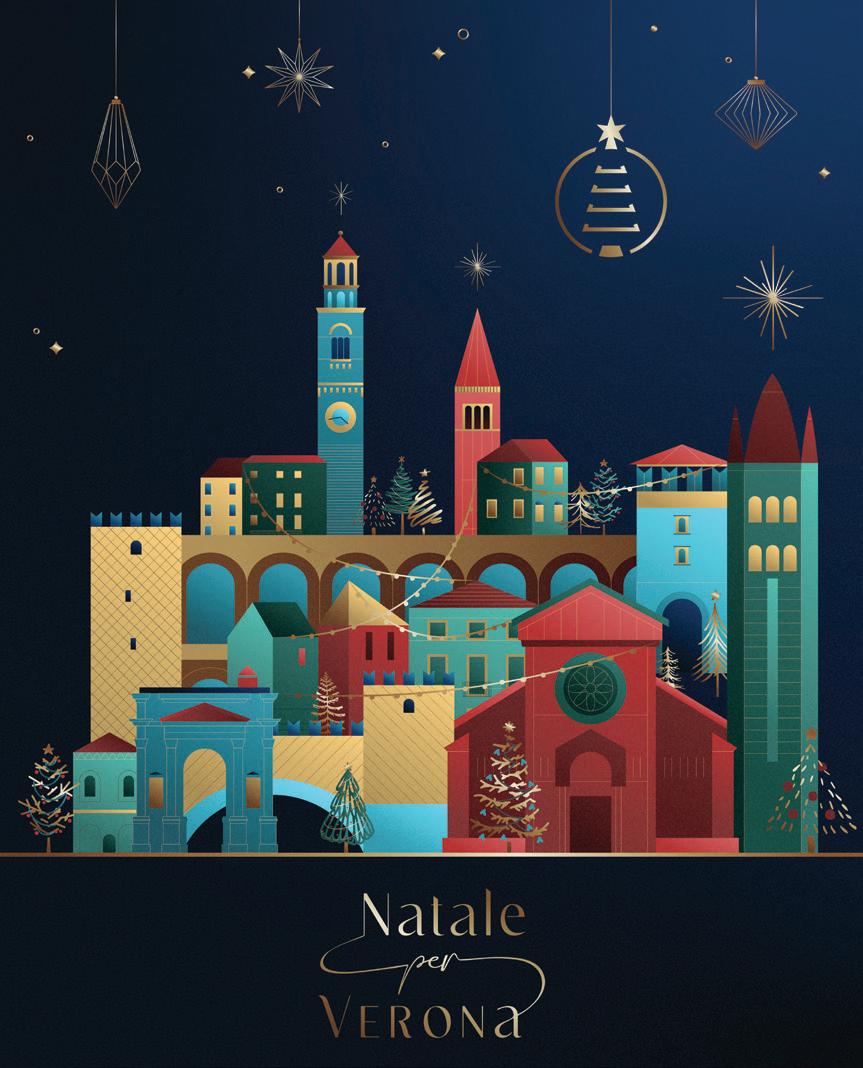
e comunità in un percorso di valorizzazione condivisa, che parte dal centro per poi, negli anni successivi, estendersi ai quartieri, già illuminati da nuove luminarie grazie alla collaborazione con i presidenti delle circoscrizioni e a un investimento comunale quasi raddoppiato.
La risposta all’iniziativa è stata sorprendente: storiche aziende del territorio, insieme a numerosi esercenti, realtà culturali, associazioni benefiche e di volontariato e alle società partecipate del Comune hanno scelto di intervenire, dando vita a un vero mosaico di energie.
Grazie a questa straordinaria adesione,
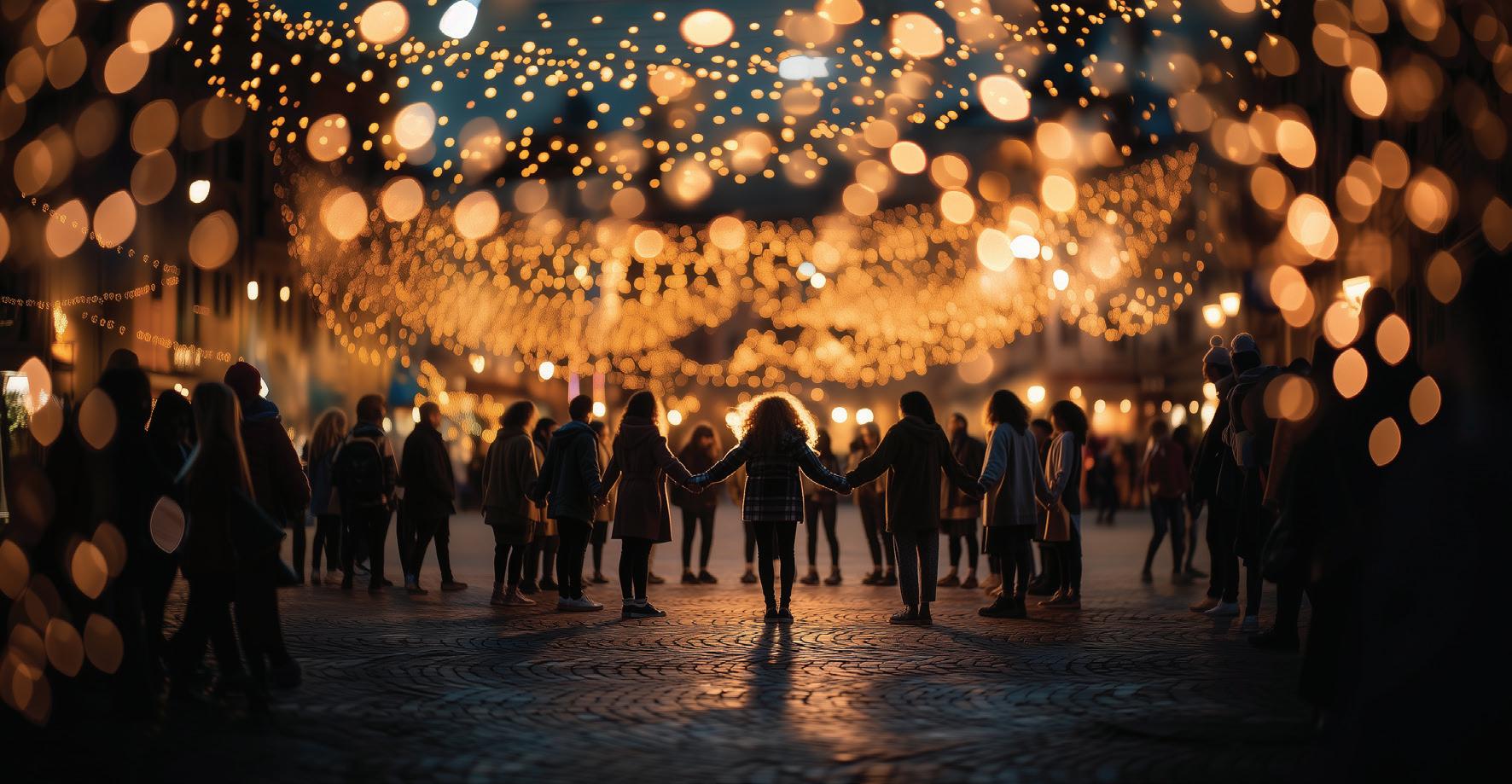
l’Amministrazione ha messo a disposizione più spazi cittadini del previsto, offrendo gratuitamente a sponsor privati la possibilità di realizzare attivazioni e installazioni ispirate ai luoghi adottati. Molti progetti saranno dedicati non solo agli adulti, ma anche a bambine, bambini e famiglie, con iniziative pensate per generare stupore, gioco e incontro. Gli spazi diventeranno così scenografie ad alto impatto visivo, pronte a trasformarsi in ricordi condivisi e luoghi speciali da vivere e immortalare.
Sono previsti eventi per tutte e tutti: concerti, letture, teatro, danza, laboratori e appuntamenti a ingresso libero che illumineranno il periodo delle Feste, come fa sapere l’assessorato
al Commercio e Manifestazioni.
Natale per Verona animerà la città dal 6 dicembre 2025 al 6 gennaio 2026, trasformando le sue piazze più iconiche in un percorso di luce, arte e partecipazione: un invito collettivo a vivere il Natale insieme.
Bambini pronti? Ecco la fiera di Santa Lucia
Un’affollatissima Piazza Bra accoglierà quest’anno, come da tradizione, anche la consueta Fiera di Santa Lucia in programma dal 9 al 12 dicembre.
L'evento sempre più atteso dai bambini veronesi, che attendono con gioia l’arrivo nella notte del 12 dicembre della Santa accompagnata dal suo fido asinello, vedrà riempirsi piazza Bra dei "Bancheti de Santa Lùssia". Questi offrono un'incredibile varietà di dolci, giocattoli, prodotti artigianali e idee regalo, con oltre 300 bancarelle provenienti da tutta Italia pronte a colorare la piazza di profumi e magia, creando un'atmosfera di festa unica e vivace. Un'occasione speciale per immergersi nelle usanze locali e vivere un momento di gioia per tutta la famiglia.
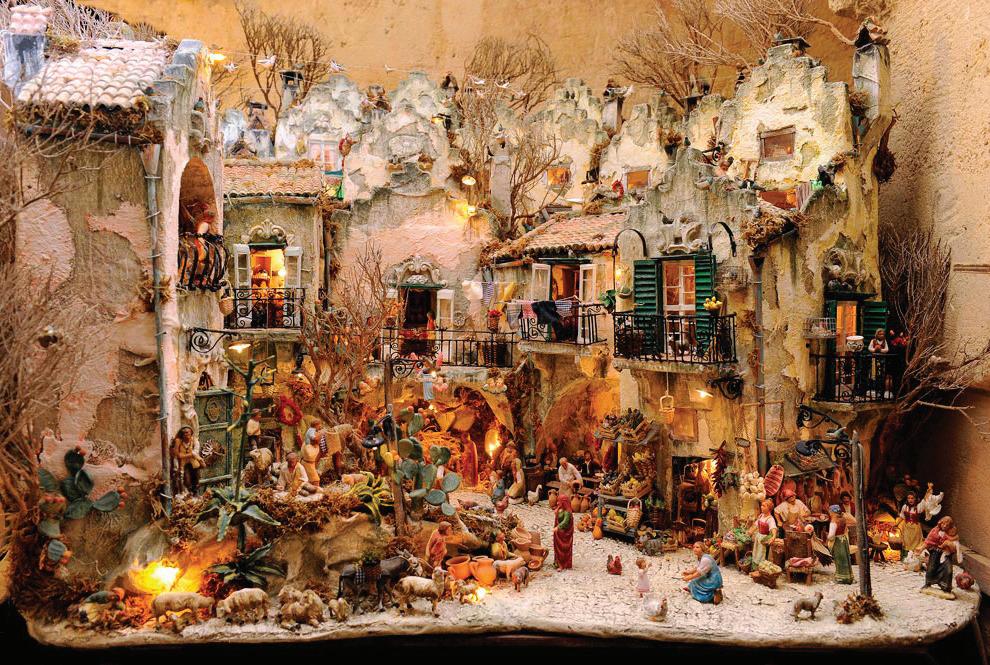
Presepi dal mondo a Verona al via la 41a
La 41a edizione della Rassegna “Presepi dal mondo” organizzata dalla Fondazione Verona per l’Arena troverà spazio quest’anno in un luogo del tutto nuovo e sconosciuto a tanti ma meritevole di essere visto. Stiamo parlando del Palazzo del Capitano nel cortile del Tribunale. Una sempre più ricca esposizione di presepi ed opere d’arte uniti dal tema della Natività.
Le opere provengono da musei, collezioni, maestri presepisti e appassionati di tutto il mondo e proprio per questo la mostra offre un quadro artistico completo della tradizione presepista intercontinentale. L’esposizione continua a ottenere grandi consensi e riconoscimenti ogni anno, a sottolinearne il carattere di multietnicità e tolleranza tra popoli di culture diverse e il valore artistico della collezione. La magia dei numerosi presepi e la spettacolare e suggestiva ambientazione sarà visitabile dal 16 novembre al 18 gennaio dalle ore 9.00 alle 20.00 con accesso da piazza Erbe e piazza dei Signori. Un trasloco questo che si è reso necessario visto l’arrivo in città delle Olimpiadi.
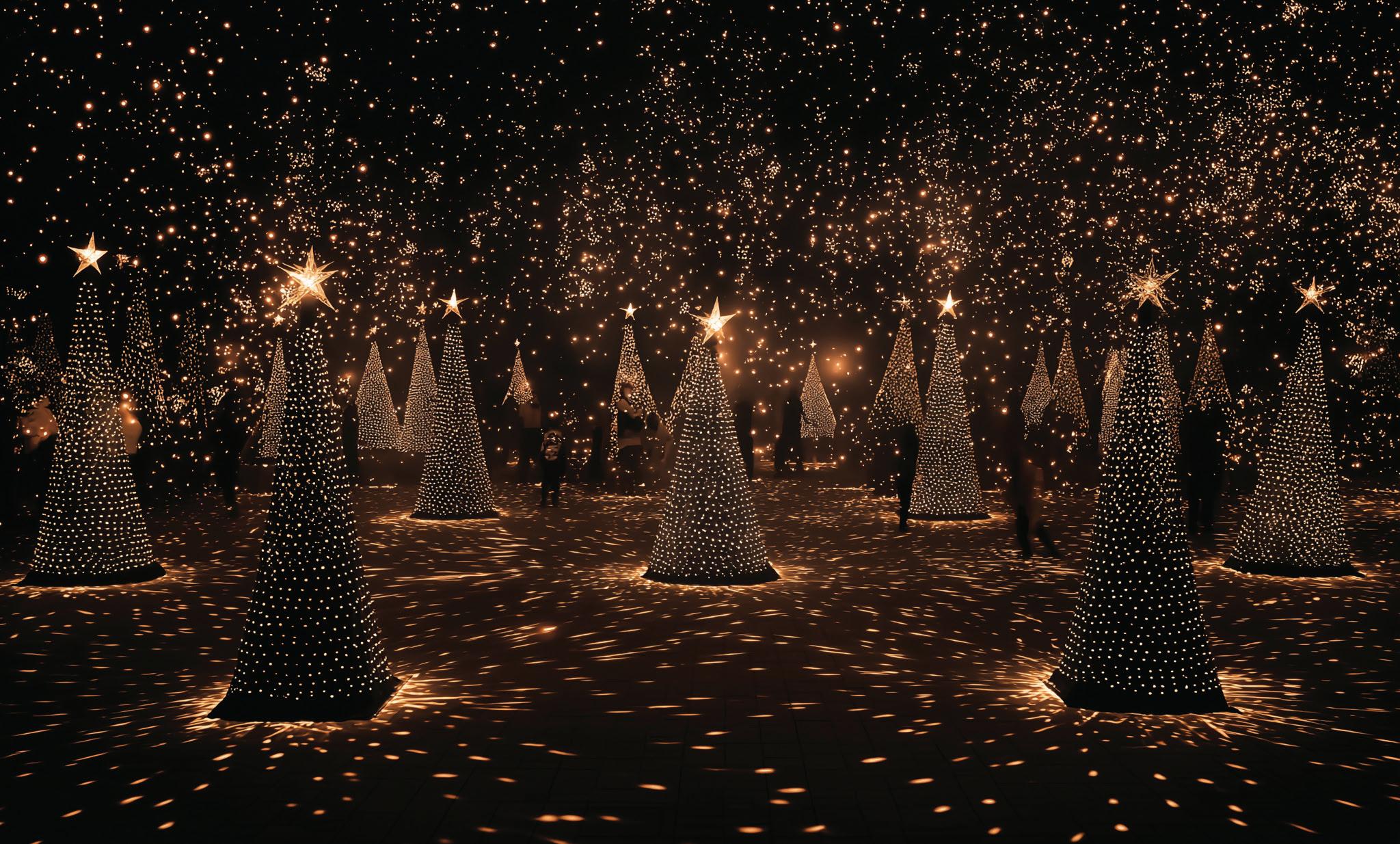
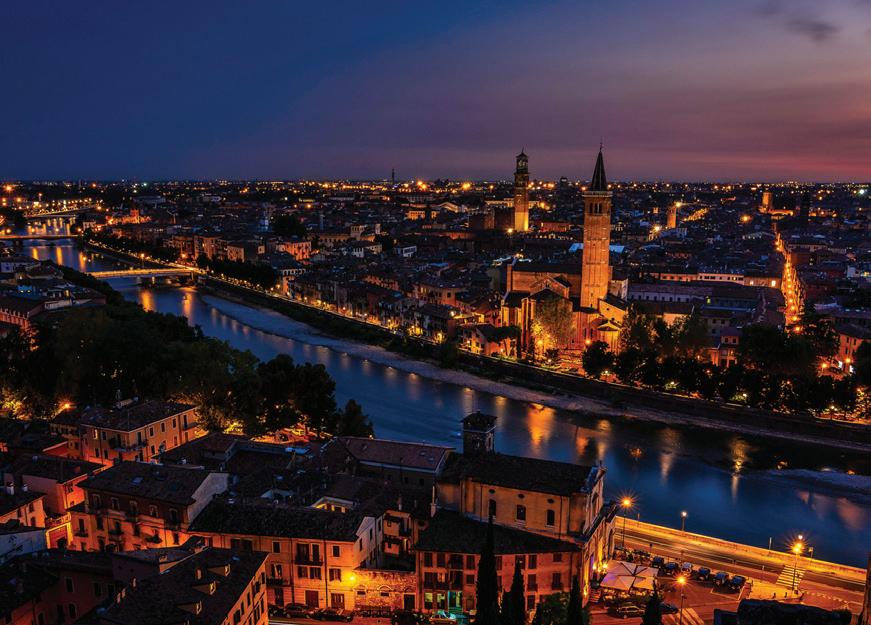
Christmas lights in the squares, the star and the stalls in Piazza Bra.
Starting on November 21, Verona lit up with lights and prepared to experience a spectacular and unexpected Christmas, marked by many new features. Among these was the arrival of the traditional market stalls, which, for the first time, were set up in Piazza Bra, framed by Palazzo Barbieri, the Arena, and the Gran Guardia.
Christmas for Verona – Everyone wants to send their best wishes to the city
An absolute novelty is the “Christmas for Verona”
initiative, an experimental project created as a gesture of goodwill towards the city, its residents, and those who visit Verona every day. The aim is to bring together businesses, institutions, and communities in a shared enhancement program, starting from the city center and then, in subsequent years, extending to the neighborhoods, already illuminated by new lights thanks to the collaboration with district presidents and a municipal investment that has almost doubled. The response to the initiative has been surprising: historic local companies, together with numerous businesses, cultural organizations, charities, and volunteer associations, as well as companies owned by the municipality, have chosen to participate, creating a veritable mosaic of energy..Thanks to this extraordinary response, the Administration has made more public spaces available than expected, offering private sponsors the opportunity to create free activations
and installations inspired by the adopted locations. Many projects will be dedicated not only to adults, but also to children and families, with initiatives designed to generate wonder, play, and interaction. The spaces will thus become visually striking settings, ready to be transformed into shared memories and special places to experience and immortalize.
There will be events for everyone: concerts, readings, theater, dance, workshops, and free admission events that will light up the holiday season, according to the Department of Commerce and Events.
Natale per Verona will enliven the city from December 6, 2025, to January 6, 2026, transforming its most iconic squares into a journey of light, art, and participation: a collective invitation to experience Christmas together.
Children, are you ready? Here comes the Santa Lucia Fair
As is tradition, the crowded Piazza Bra will also host the usual Santa Lucia Fair from 9 to 12 December.
This event is eagerly awaited by the children of Verona, who joyfully await the arrival of the Saint on the night of 12 December, accompanied by her trusty donkey. Piazza Bra will be filled with the “Bancheti de Santa Lùssia” (Santa Lucia's stalls). These offer an incredible variety of sweets, toys, handicrafts and gift ideas, with over 300 stalls from all over Italy ready to fill the square with scents and magic, creating a unique and lively festive atmosphere. A special opportunity to immerse yourself in local customs and enjoy a moment of joy for the whole family.
Nativity scenes from around the world in Verona: the 41st edition is underway
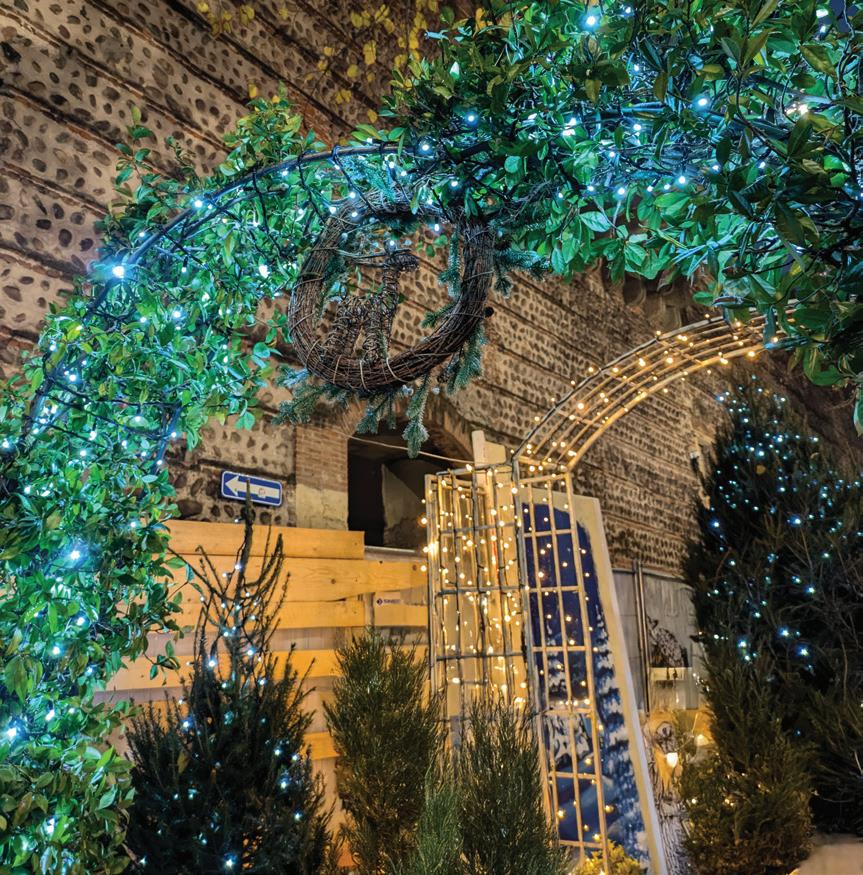
The 41st edition of the “Nativity scenes from around the world” exhibition organised by the Verona Arena Foundation will take place this year in a completely new location, unknown to many but well worth seeing. We are talking about the Palazzo del Capitano in the courtyard of the courthouse. An increasingly rich exhibition of nativity scenes and works of art united by the theme of the Nativity.
The works come from museums, collections, master nativity scene makers and enthusiasts from all over the world, which is why the exhibition offers a complete artistic picture of the intercontinental nativity scene tradition. The exhibition continues to receive great acclaim and recognition every year, highlighting its multi-ethnic character and tolerance between peoples of different cultures and the artistic value of the collection. The magic of the numerous nativity scenes and the spectacular and evocative setting will be open to visitors from 16 November to 18 January from 9 a.m. to 8 p.m., with access from Piazza Erbe and Piazza dei Signori. This move was necessary due to the arrival of the Olympics in the city.
di by Agnese Ceschi
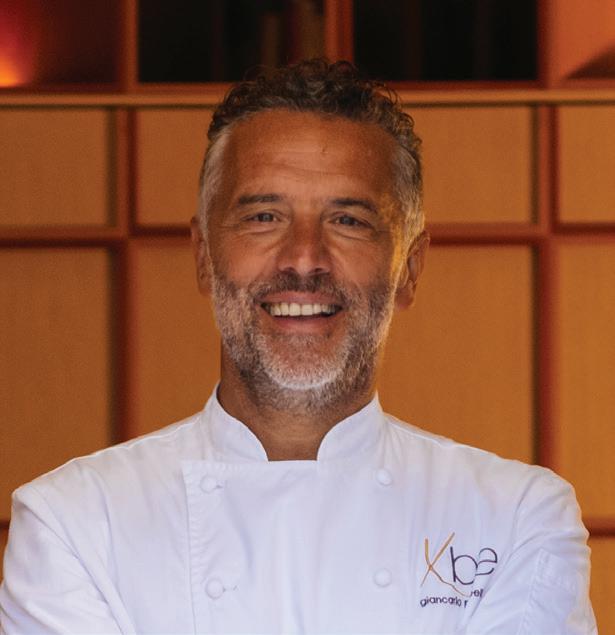
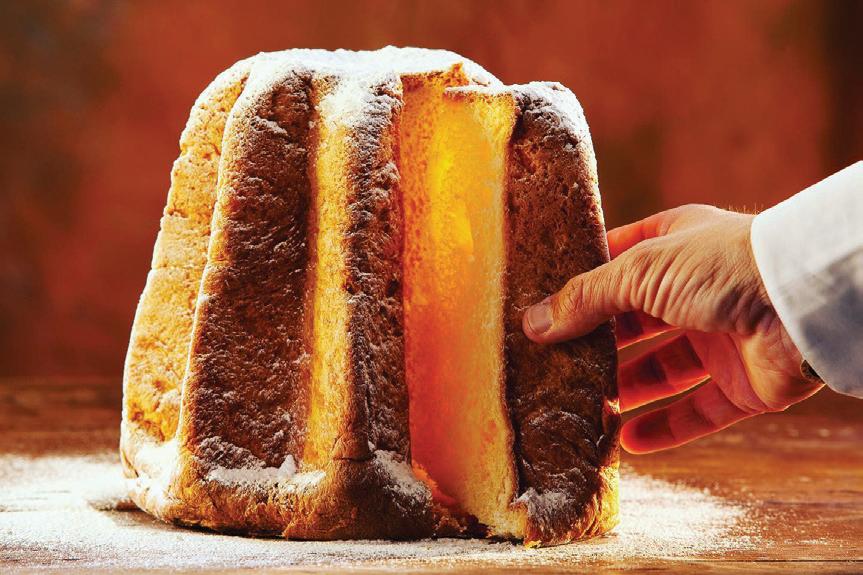
Pandoro o Panettone: qual è il vero dolce della tradizione veronese? Al di là dei gusti soggettivi, è davvero molto difficile scegliere, perché entrambi sono due delizie della pasticceria. Tra le proposte artigianali del panorama veronese, abbiamo chiesto a dei veri esperti di queste due eccellenze, allo Chef Giancarlo Perbellini ed al figlio Andrea, che oggi porta avanti l’azienda famigliare insieme alla sorella ed ai cugini, di raccontarci il nuovo Panettone frutto della loro collaborazione. E a Giuliomaria Turco, pronipote del fondatore del più antico marchio di prodotti per le ricorrenze natalizie, di svelarci i segreti del loro Pandoro, firmato Michele Turco 1909.
Il Panettone firmato chef Perbellini e Pasticceria Perbellini
Chef, questo ritorno al panettone con l’azienda di famiglia rappresenta per lei un viaggio alle origini?
Giancarlo Perbellini: Sicuramente. È un modo per rendere omaggio a mio zio Enzo, che con la sua dedizione e il suo rigore ha trasmesso a tutta la
nostra famiglia l’amore per i lievitati e per la qualità artigianale. Abbiamo reinterpretato un grande classico con una ricetta più moderna, diversa, per raccontare la nostra visione. Al panettone classico, che ha già il cedro e l’arancio, abbiamo aggiunto un leggero sentore di bergamotto e un po' di essenza di rosa. Inoltre, insieme al classico abbiamo realizzato anche un Panettone al Cioccolato.
Questo panettone nasce da una collaborazione a sei mani. Com’è partito il progetto?
Andrea Perbellini: Io, Giancarlo e Pierluigi (cugino di Andrea e nipote di Giancarlo, ndr.) abbiamo deciso di mettere in campo un progetto condiviso per creare un panettone classico di altissimo livello. Sui canditi, uno degli ingredienti più importanti, abbiamo fatto una ricerca spasmodica: volevamo qualcosa di estremamente fine, selezionato, ricercato. Oltre ai canditi, tutta la nostra base produttiva si fonda su materie prime eccellenti (uova, farina e burro).
La tradizione di pandori e panettoni è di famiglia. Giancarlo, quali ricordi ha della storia familiare?
GP: Io sono nato in una famiglia di “pandorai”. A casa mia si cenava tardi, verso le nove e mezza, perché si finivano gli impasti e solo allora si rientrava per la cena. Ho ricordi vividi di quando mi addormentavo su quelle pedane di sacchi di farina, aspettando che mi portassero a tavola.
Arriviamo alla domanda centrale: come deve essere, per voi, un panettone “doc”?
GP: Deve avere fragranza nei profumi e qualità negli ingredienti: arancio, cedro e uvetta, che sono le tre basi del panettone. Deve essere ricco e morbido, con un equilibrio tra consistenza e aromaticità.
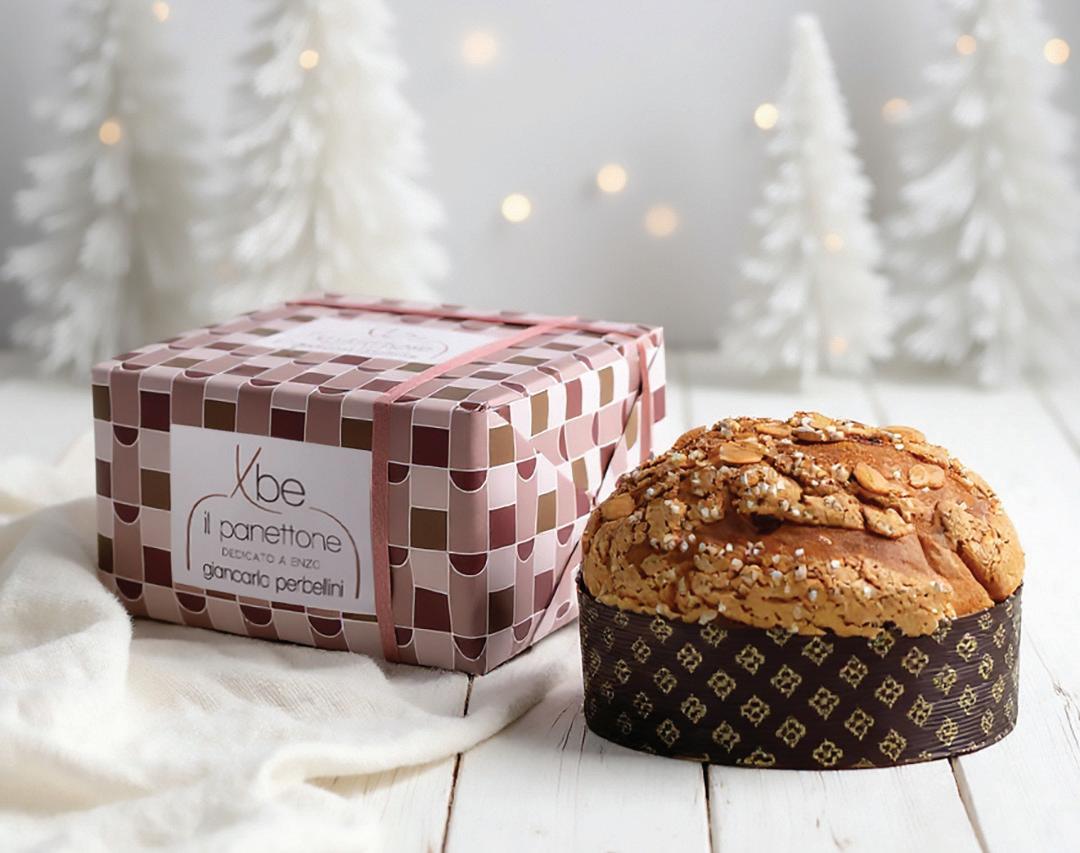
AP: Deve avere un equilibrio perfetto di morbidezza. Con Giancarlo abbiamo fatto 7-8 tentativi di cottura per trovare il punto perfetto: non secco, ma nemmeno eccessivamente morbido. La seconda caratteristica fondamentale è il candito: per noi è l’anima del panettone.
Chef, se dovesse suggerire un abbinamento per questo panettone?
GP: Lo abbinerei a un Recioto Amandorlato, una tradizione veronese un po’ dimenticata, ma che starebbe benissimo con un panettone fruttato. Il vino delle feste, senza dubbio.
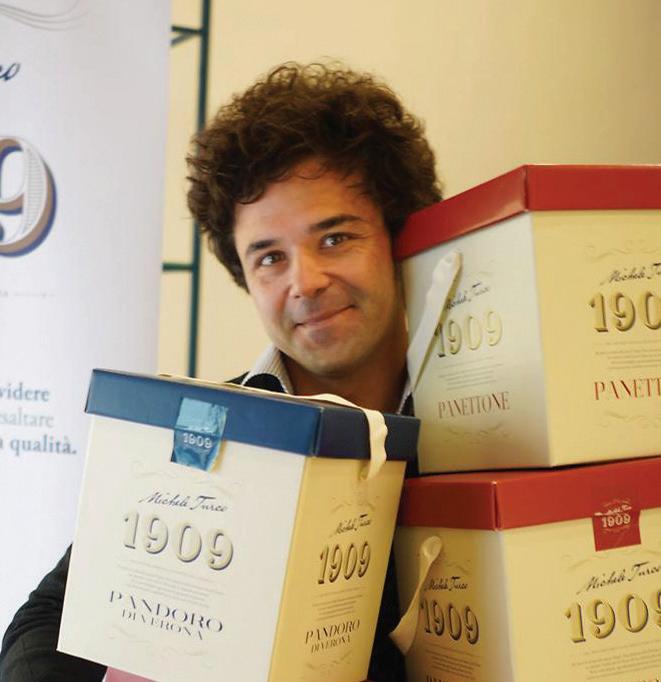
Il Pandoro di Verona firmato
Michele Turco 1909
Giuliomaria, come è realizzato il “Pandoro DOC”, secondo i vostri standard e la vostra tradizione?
Con l’utilizzo del lievito madre: si parte sempre da lì. Poi si aggiungono farina, latte, burro, uova e zucchero per ottenere l’impasto iniziale. Successivamente si procede con la “tagliata”
della palla di Pandoro, che viene inserita nello stampo metallico classico, quello a otto punte.
La lievitazione dura tra le sette e le nove ore, a seconda della temperatura e delle condizioni atmosferiche. È un prodotto vivo, e questo lo rende sensibile e in continua evoluzione. Una volta terminata la lievitazione, il Pandoro viene infornato per circa un’ora.
Qual è il vostro “tocco magico”, ciò che per voi è davvero imprescindibile?
La nostra filosofia è il tempo: dal primo impasto fino alla confezione passano quasi 30 ore. Qualcuno potrebbe pensare che sia eccessivo, ma per noi è dare valore al prodotto. È fondamentale concedere all’impasto il tempo necessario per esprimersi al meglio.
La vostra tradizione familiare è legata al brand Melegatti, un nome che a Verona è diventato sinonimo stesso di Pandoro. La mia bisnonna era la nipote di Domenico Melegatti. Domenico Melegatti, morto senza figli, lasciò tutto proprio a lei. Lei poi si sposò con Virgilio Turco e da lì nacque una tradizione familiare che ha contribuito allo sviluppo del Pandoro.
Poi la vostra famiglia ha continuato a portare avanti questa tradizione in maniera completamente artigianale, creando il brand Michele Turco 1909. Artigianalità per noi oggi è sinonimo di volumi ridotti ed estrema cura di ogni passaggio e dettaglio.
Pandoro and Panettone: what are their secrets?
Pandoro or Panettone: which is the true traditional Veronese dessert? Beyond subjective tastes, it is really very difficult to choose, because both are two pastry delicacies. Among the artisan offerings on the Veronese scene, we asked some real experts about these two excellences. Chef Giancarlo Perbellini and his son Andrea, who now runs the family business together with his sister and cousins, told us about the new Panettone, the result of their collaboration. Giuliomaria Turco, great-grandson of the founder of the oldest brand of Christmas products, revealed the secrets of their Pandoro, signed Michele Turco 1909.
In città
The Panettone by Chef Perbellini and Pasticceria Perbellini
Chef, does this return to panettone with the family business represent a journey back to your roots?
Giancarlo Perbellini: Definitely. It is a way of paying tribute to my uncle Enzo, who, with his dedication and rigour, passed on his love of leavened products and artisan quality to our whole family. We have reinterpreted a great classic with a more modern, different recipe to convey our vision. To the classic panettone, which already contains citron and orange, we have added a slight hint of bergamot and a little rose essence. In addition to the classic version, we have also created a Chocolate Panettone.
This panettone is the result of a six-handed collaboration. How did the project start?
Andrea Perbellini: Giancarlo, Pierluigi (Andrea's cousin and Giancarlo's nephew, ed.) and I decided to launch a joint project to create a classic panettone of the highest quality. We conducted extensive research on candied fruit, one of the most important ingredients: we wanted something extremely fine, select and refined. In addition to candied fruit, our entire production is based on excellent raw materials (eggs, flour and butter).
The tradition of pandoro and panettone is a family one. Giancarlo, what memories do you have of your family history?
GP: I was born into a family of “pandorai”. At home, we had dinner late, around half past nine, because we finished the dough and only then did we come home for dinner. I have vivid memories of falling asleep on those platforms of flour sacks, waiting for them to bring me to the table.
Let's get to the central question: what does an “authentic” panettone have to be like for you?
GP: It must have a fragrant aroma and highquality ingredients: orange, citron and raisins, which are the three basic ingredients of panettone. It must be rich and soft, with a balance between texture and aroma.
AP: It must have a perfect balance of softness. Giancarlo and I made 7-8 attempts at baking to find the perfect point: not dry, but not overly soft either. The second fundamental characteristic is the candied fruit: for us, it is the soul of panettone.
Chef, if you had to suggest a pairing for this panettone?
GP: I would pair it with a Recioto Amandorlato, a somewhat forgotten Veronese tradition, but one that
would go very well with a fruity panettone. The wine of the holidays, without a doubt.
Pandoro di Verona by Michele Turco 1909 Giuliomaria, how is “Pandoro DOC” made, according to your standards and tradition?
With the use of sourdough starter: that's always the starting point. Then flour, milk, butter, eggs and sugar are added to make the initial dough. Next, we “cut” the Pandoro ball, which is placed in the classic eightpointed metal mould.
The rising process takes between seven and nine hours, depending on the temperature and weather conditions. It is a living product, which makes it sensitive and constantly evolving. Once the rising process is complete, the Pandoro is baked for about an hour.
What is your “magic touch”, the thing that is truly essential for you?
Our philosophy is time: it takes almost 30 hours from the first dough to the final packaging. Some might think this is excessive, but for us it is about giving value to the product. It is essential to give the dough the time it needs to express itself to the fullest.
Your family tradition is linked to the Melegatti brand, a name that has become synonymous with Pandoro in Verona.
My great-grandmother was Domenico Melegatti's niece. Domenico Melegatti died without children and left everything to her. She then married Virgilio Turco, and from there a family tradition was born that contributed to the development of the Pandoro.
Your family then continued this tradition using fully artisanal methods, creating the Michele Turco 1909 brand.
For us today, craftsmanship is synonymous with small-scale production and extreme care in every step and every detail.
Michele Turco 1909
e v e n t i , r i u n i o n i , m e e t i n g a z i e n d a l i , c o r s i , s h o w
c o o k i n g , b o o k c l u b , u n c i n e t t o , c o r s i d i t r u c c o , m e e t u p , c o n f e r e n z e , c e n e a z i e n d a l i .
S c r i v i c i u n a e m a i l a h e l l o @ o f f i c i n a 1 8 . i t
V i e n i a t r o v a r c i i n V i a N i c c o l ò C o p e r n i c o 1 8 , 3 7 1 3 5 V e r o n a
Situato nel cuore produttivo della città, è stato riprogettato per offrire a professionisti di ogni settore l'ambiente ideale per crescere e collaborare. Che tu sia un freelance alla ricerca di un ambiente dinamico, una startup che vuole connettersi con una comunità vivace, o un team aziendale che ha bisogno di spazi flessibili e funzionali, Officina18 ha tutto ciò che ti serve per potenziare la tua produttività.
Qui lavorano professionisti provenienti da diversi settori, pronti a condividere idee e collaborare su progetti. È un ambiente che promuove il networking e la creazione di relazioni lavorative di valore.
Inoltre, grazie alla sua versatilità, lo spazio è disponibile per l'organizzazione di eventi privati come workshop, conferenze o eventi aziendali, adattandosi perfettamente a qualsiasi esigenza.
Flexibility for your business.
Located in the productive heart of the city, it has been redesigned to offer professionals from all sectors the ideal environment to grow and collaborate. Whether you are a freelancer looking for a dynamic environment, a startup wanting to
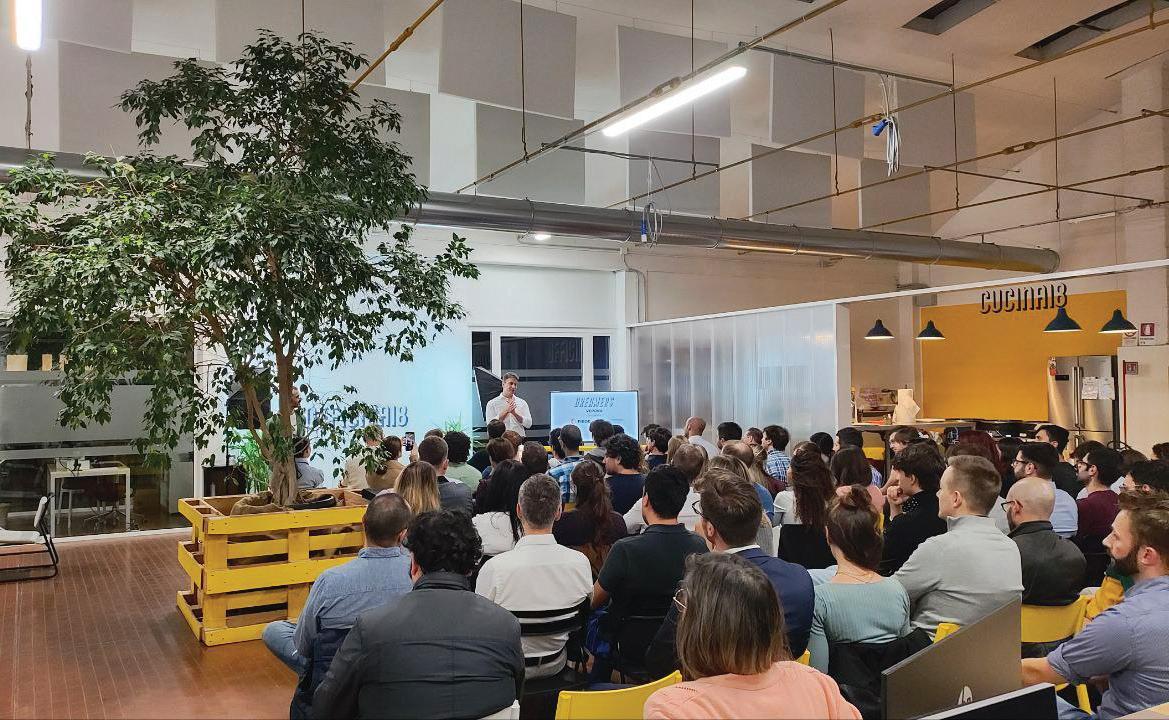
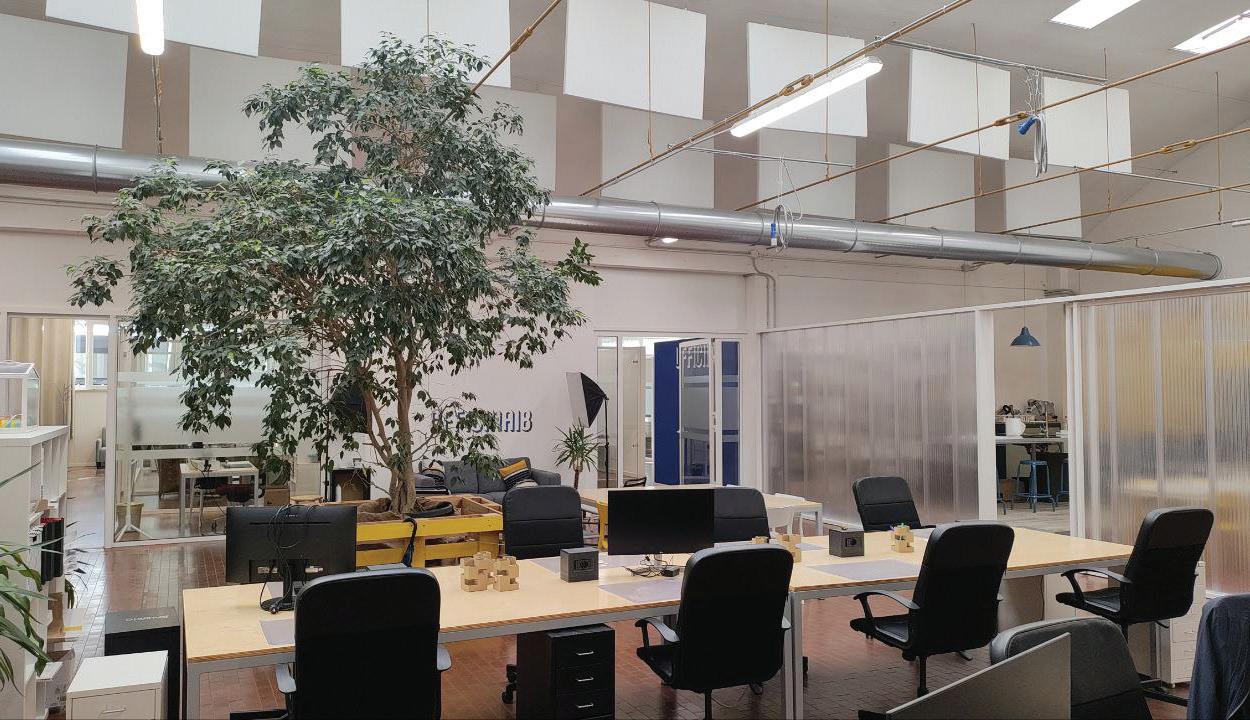
connect with a lively community, or a corporate team in need of flexible and functional spaces, Officina18 has everything you need to boost your productivity. Professionals from different sectors work here, ready to share ideas and collaborate on projects together. It is an environment
that promotes networking and the creation of valuable working relationships.
Furthermore, thanks to its versatility, the space is available for organizing private events such as workshops, conferences, or corporate events, adapting perfectly to any need.
di by Giorgia Castagna
Il Viaggio della Torcia Olimpica per i
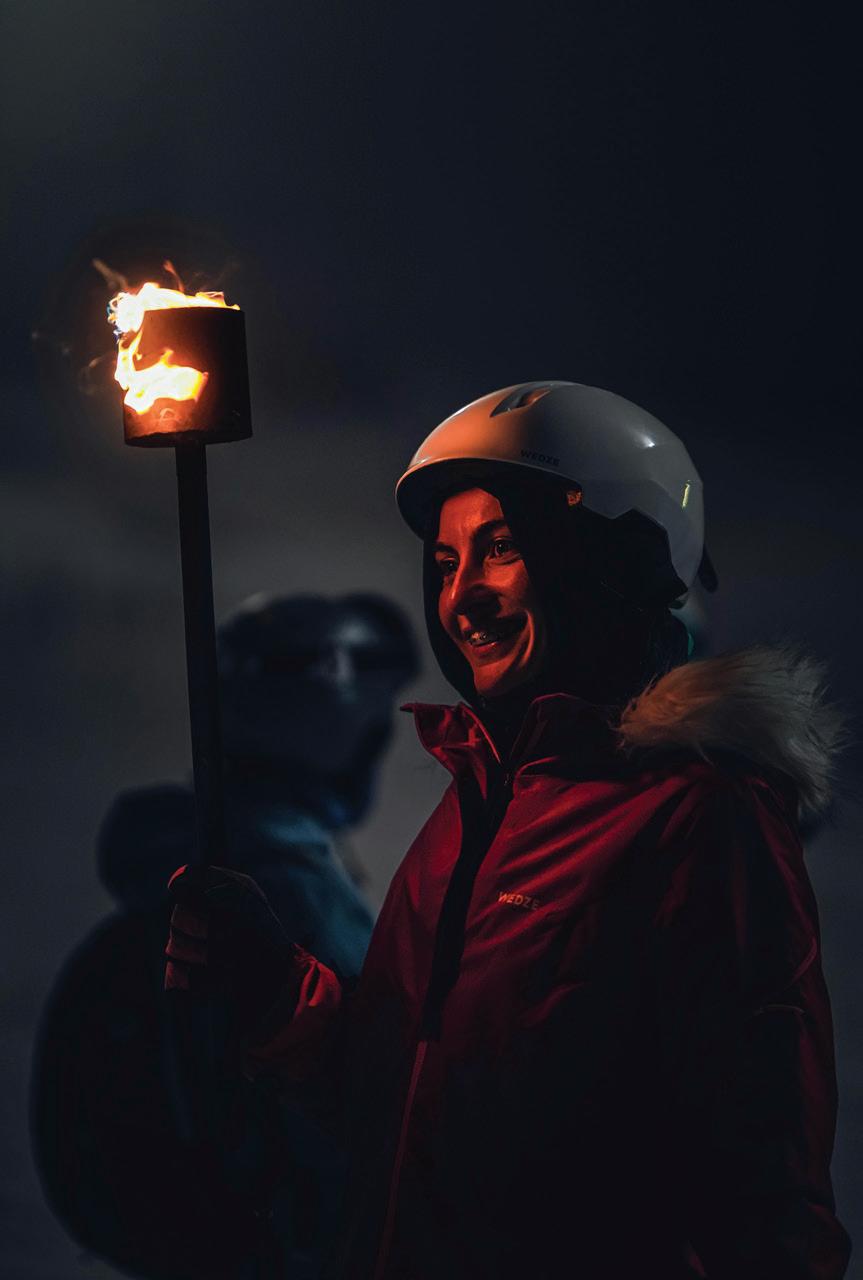
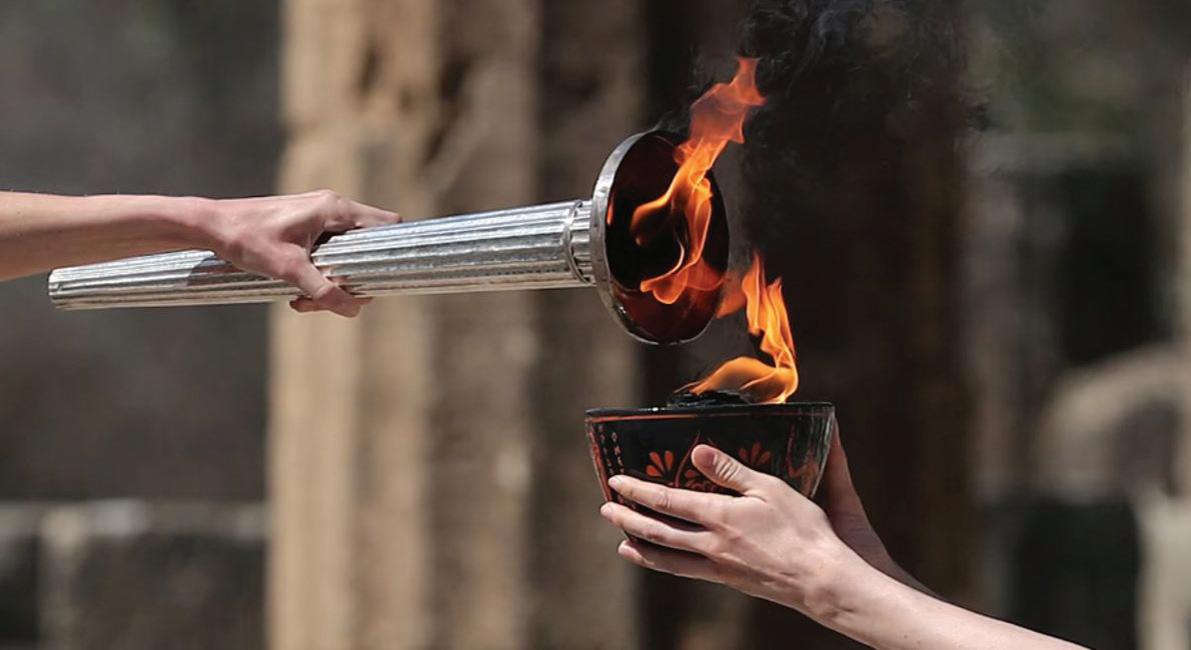
Giochi Olimpici e Paralimpici Invernali di Milano Cortina 2026 rappresenta un evento di grande rilevanza, simbolo di unità e celebrazione delle eccellenze italiane. Il percorso, denominato "Il Grande Viaggio", è stato presentato il 26 novembre 2024, esattamente un anno prima dell'accensione della fiamma. Il viaggio è quindi iniziato con l'accensione della fiamma a Olimpia il 26 novembre 2025.
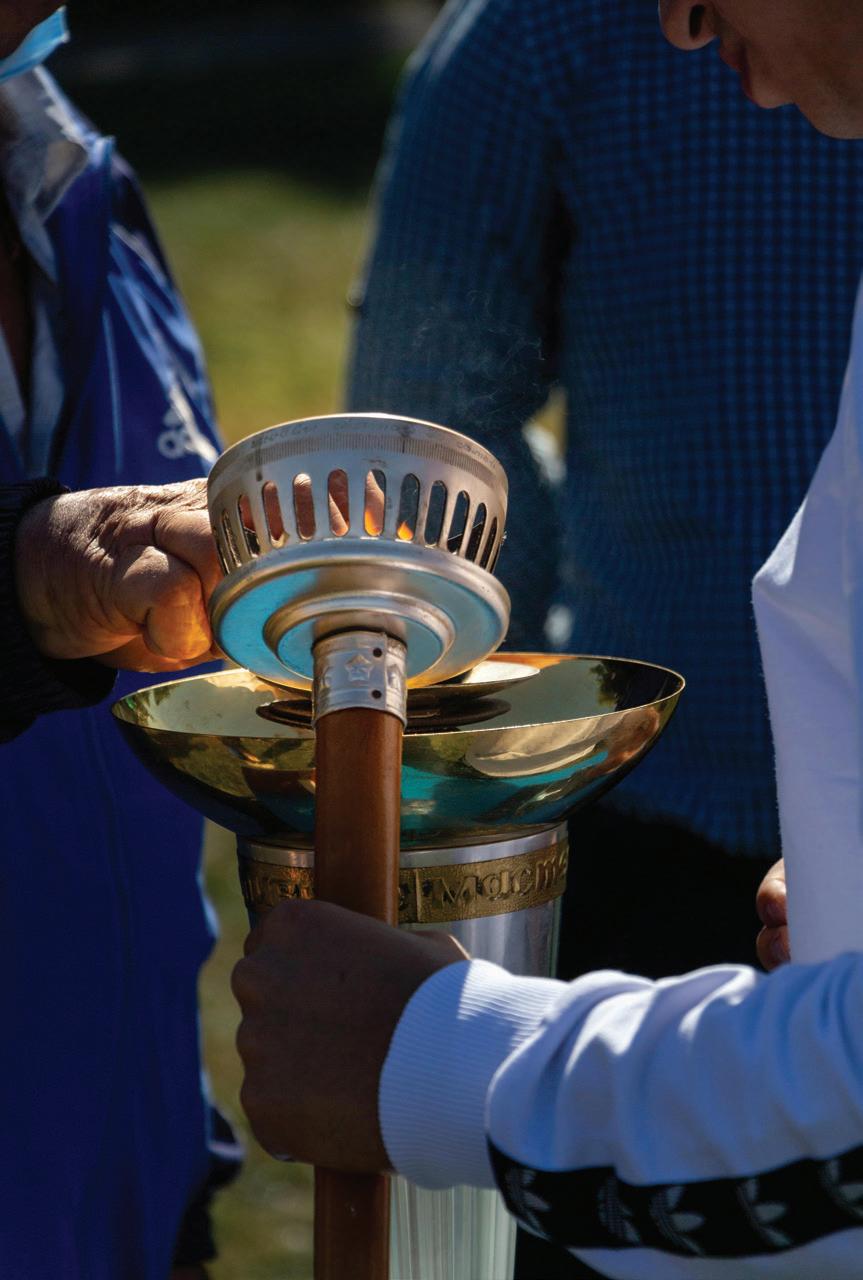
Dopo la cerimonia di consegna ad Atene il 4 dicembre 2025, la fiamma giunge a Roma, da dove partirà il percorso italiano il 6 dicembre 2025. Il tracciato vedrà attraversare tutte le regioni italiane, toccando numerosi siti patrimonio dell'umanità UNESCO, con lo scopo di mettere in luce la ricchezza storica e culturale del Paese. Inizierà così il tragitto veneto per la Fiamma Olimpica dei Giochi Invernali Milano Cortina 2026. Prima città del tour proprio Verona dove farà il suo arrivo il 18
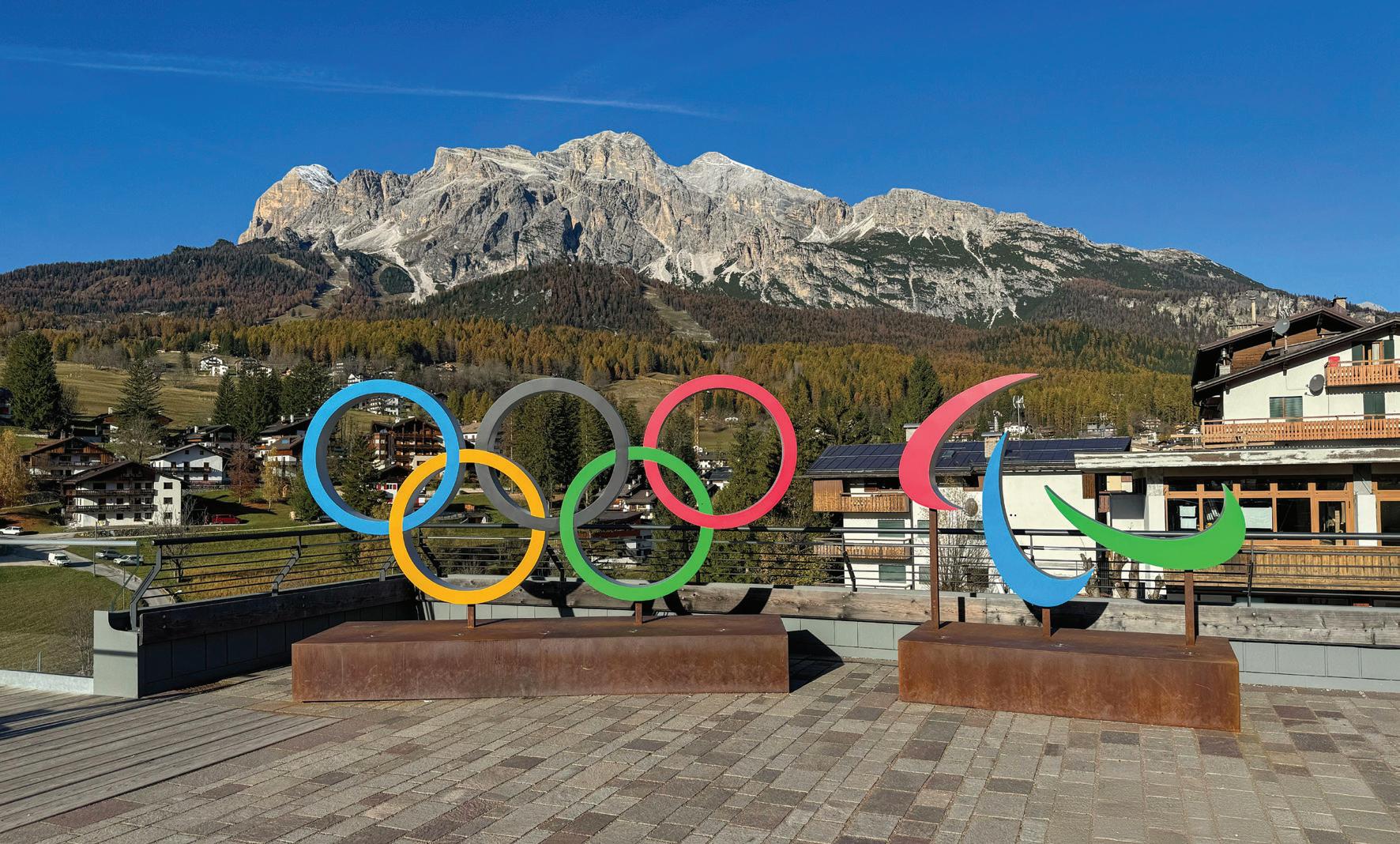
gennaio 2026 per poi passare per Vicenza, Padova, Venezia, Belluno e giungere il 26 gennaio a Cortina d'Ampezzo per celebrare il 70º anniversario dei Giochi Olimpici Invernali del 1956. Queste tappe evidenziano l'importanza del Veneto nel percorso della Fiamma Olimpica, celebrando la ricca storia e cultura della regione in preparazione ai Giochi Invernali del 2026. Il percorso culminerà a Milano il 6 febbraio 2026, giorno della Cerimonia di Apertura dei Giochi Olimpici Invernali. Ma parliamo un po’ di numeri della staffetta: 10.001 saranno i tedofori pronti a passarsi la fiamma alternandosi ogni 200/250 metri e transitando nei centri abitati per permettere agli spettatori di assistere; 12.000 i chilometri del grande viaggio; 63 i giorni, dal 6 dicembre al 6 febbraio; 110 le province toccate e 20 le regioni attraversate. La City Celebration che si terrà appunto il 18 gennaio, sarà un momento di festa con la cittadinanza in occasione dell'arrivo della Fiamma Olimpica, che permette di diffondere lo spirito e i valori del Movimento Olimpico, favorire il senso di appartenenza alla comunità sportiva, valorizzare le realtà sportive e artistiche del territorio. La staffetta si snoderà per le principali vie del centro cittadino, valorizzando i monumenti e gli scorci più iconici della città e si concluderà in Piazza Bra, dove sarà allestito il palco per la City Celebration. Parallelamente, la Staffetta della Torcia Paralimpica inizierà il 24 febbraio 2026 presso l'ospedale di Stoke Mandeville nel Regno Unito,
luogo di nascita spirituale del Movimento Paralimpico. Il percorso coprirà 2.000 chilometri in 12 giorni, coinvolgendo 501 tedofori, e si concluderà il 6 marzo 2026 all'Arena di Verona, in concomitanza con la Cerimonia di Apertura dei Giochi Paralimpici Invernali di Milano Cortina 2026. L’itinerario è stato progettato per celebrare l'intero territorio italiano, promuovendo i valori Olimpici e Paralimpici e coinvolgendo le comunità locali in un evento di portata mondiale.
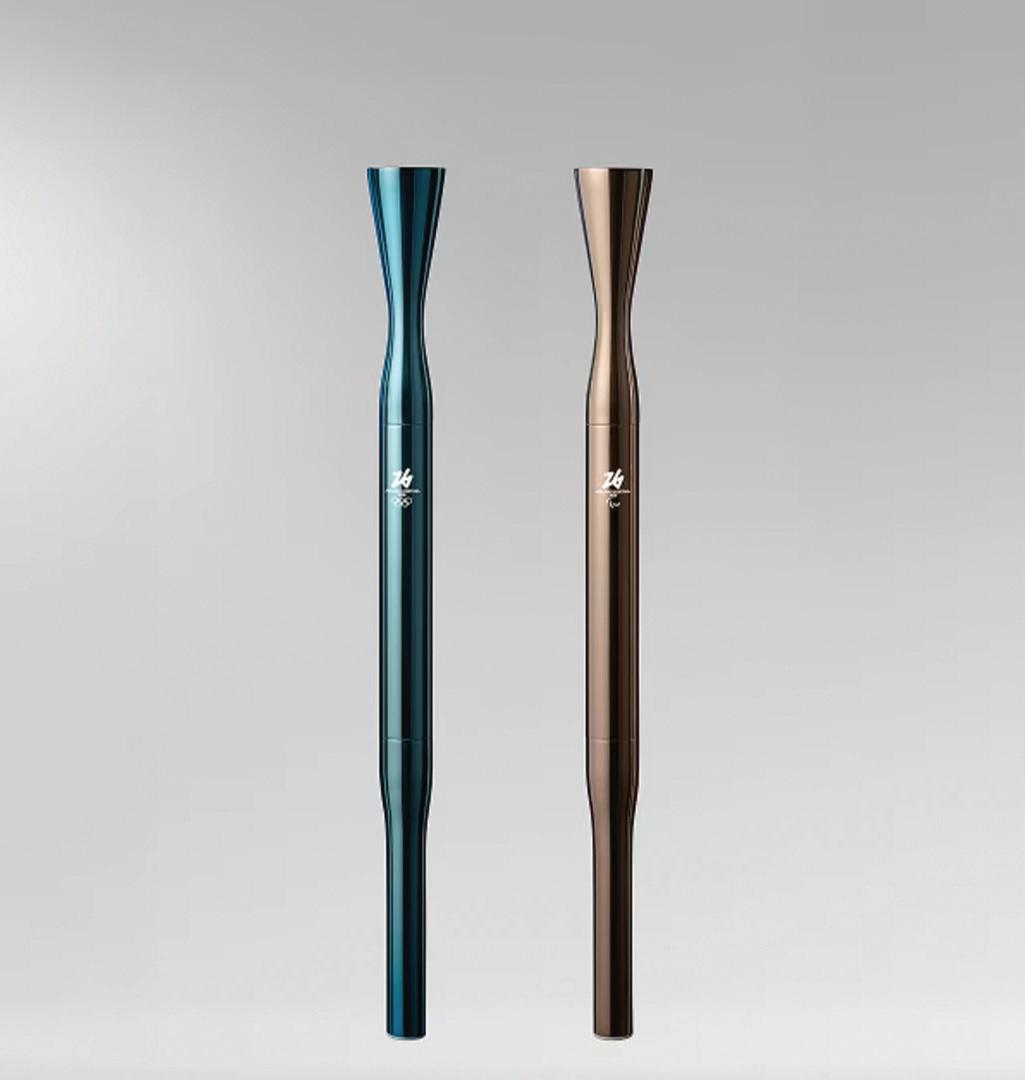
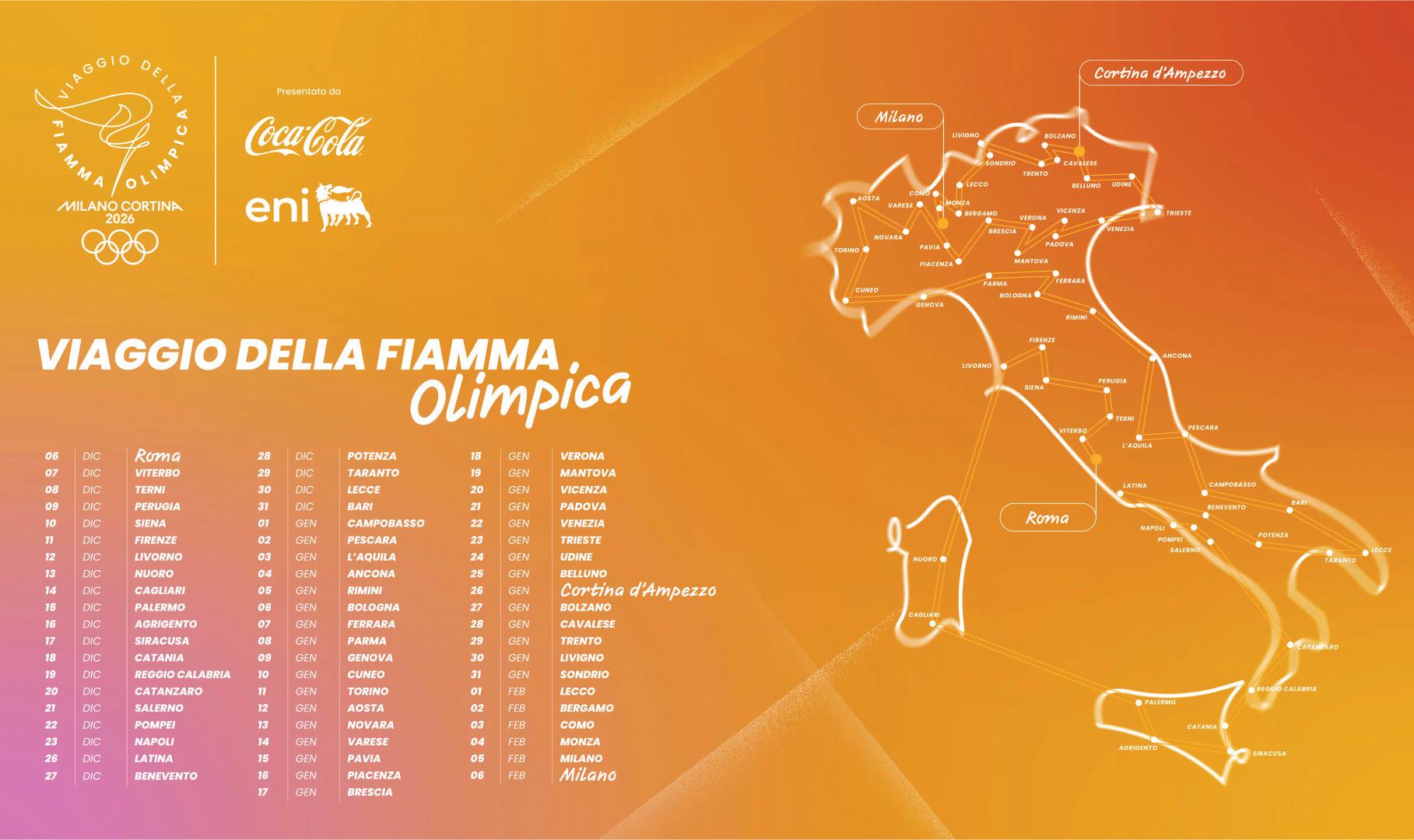
From Olympia to Verona, as it crosses the whole of Italy
The Olympic Torch Relay for the Milan Cortina 2026 Winter Olympic and Paralympic Games is a highly significant event, symbolising unity and celebrating Italian excellence. The route, called “The Great Journey”, was presented on 26 November, exactly one year before the flame is to be lit in Olympia, Greece.
The journey therefore began with the lighting of the flame in Olympia on 26 November 2025. After the handover ceremony in Athens on 4 December 2025, the flame arrived in Rome, from where the Italian route will start on 6 December 2025. The route will pass through all Italian regions, passing through numerous UNESCO World Heritage sites, with the aim of highlighting the country's historical and cultural wealth. This is how the Veneto leg of the Milan Cortina 2026 Winter Olympic Torch Relay will begin. The first city on the tour will be Verona, where it will arrive on 18 January 2026, before passing through Vicenza, Padua, Venice and Belluno, arriving in Cortina d'Ampezzo on 26 January to celebrate the 70th anniversary of the 1956 Winter Olympic Games. These stages highlight the importance of Veneto in the Olympic Torch relay, celebrating the rich history and culture of the region in preparation for the 2026 Winter Games. The relay will culminate in Milan
on 6 February 2026, the day of the Winter Olympic Games Opening Ceremony. But let's talk a little about the numbers behind the relay: 10,001 torchbearers will be ready to pass the flame every 200/250 metres, passing through towns and cities to allow spectators to watch; 12,000 kilometres will be covered during the great journey; 63 days, from 6 December to 6 February; 110 provinces will be touched and 20 regions crossed. The City Celebration, which will be held on 18 January, will be a moment of celebration with the citizens on the occasion of the arrival of the Olympic Flame, which will spread the spirit and values of the Olympic Movement, foster a sense of belonging to the sporting community, and promote the sporting and artistic realities of the territory. The relay will wind its way through the main streets of the city centre, showcasing the city's most iconic monuments and views, and will end in Piazza Bra, where the stage for the City Celebration will be set up.
At the same time, the Paralympic Torch Relay will begin on 24 February 2026 at Stoke Mandeville Hospital in the United Kingdom, the spiritual birthplace of the Paralympic Movement. The route will cover 2,000 kilometres in 12 days, involving 501 torchbearers, and will end on 6 March 2026 at the Arena di Verona, coinciding with the Opening Ceremony of the Milan Cortina 2026 Winter Paralympic Games. The route has been designed to celebrate the whole of Italy, promoting Olympic and Paralympic values and involving local communities in a global event.
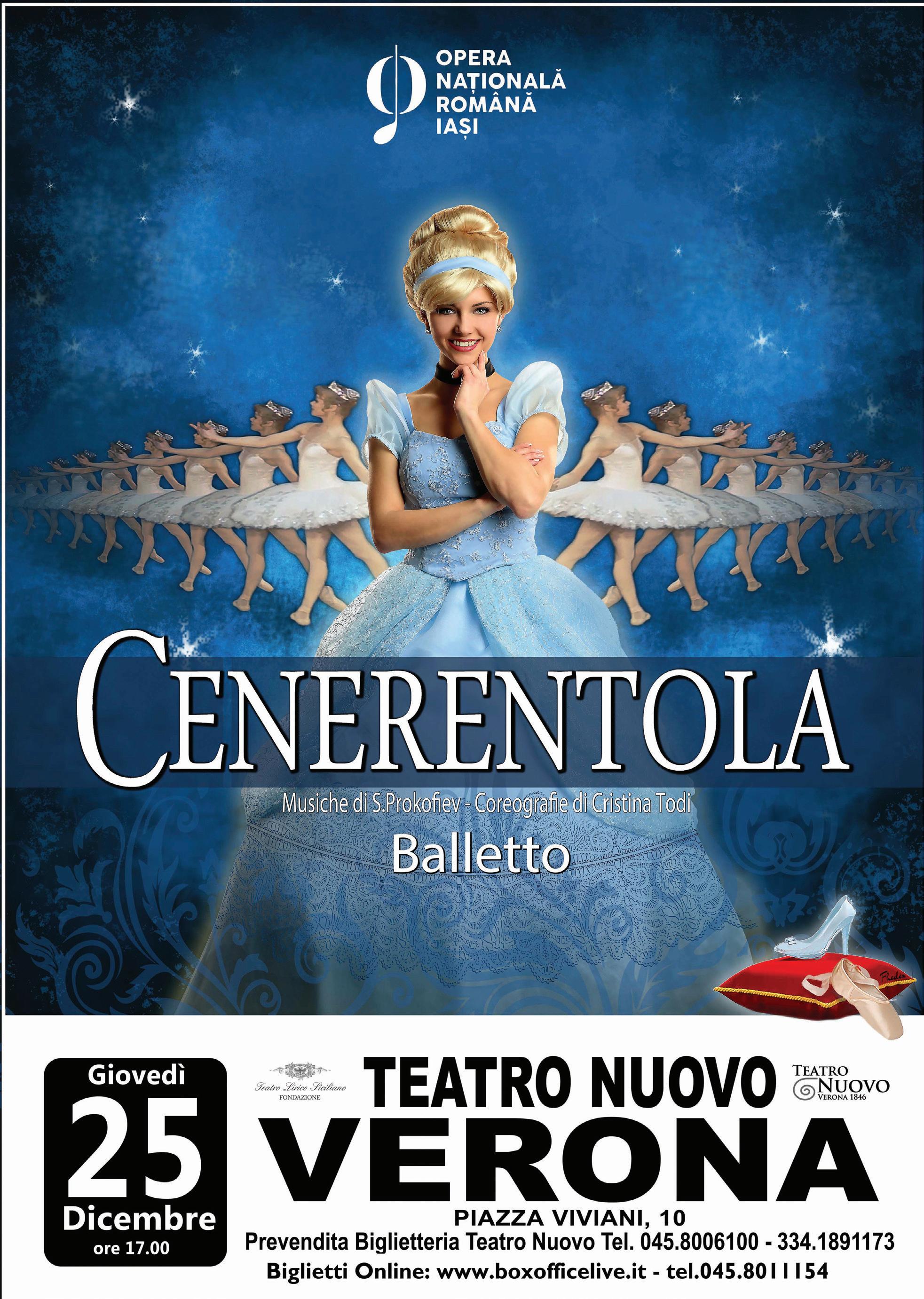
Il 31 dicembre alle 22:10 al Teatro Nuovo.
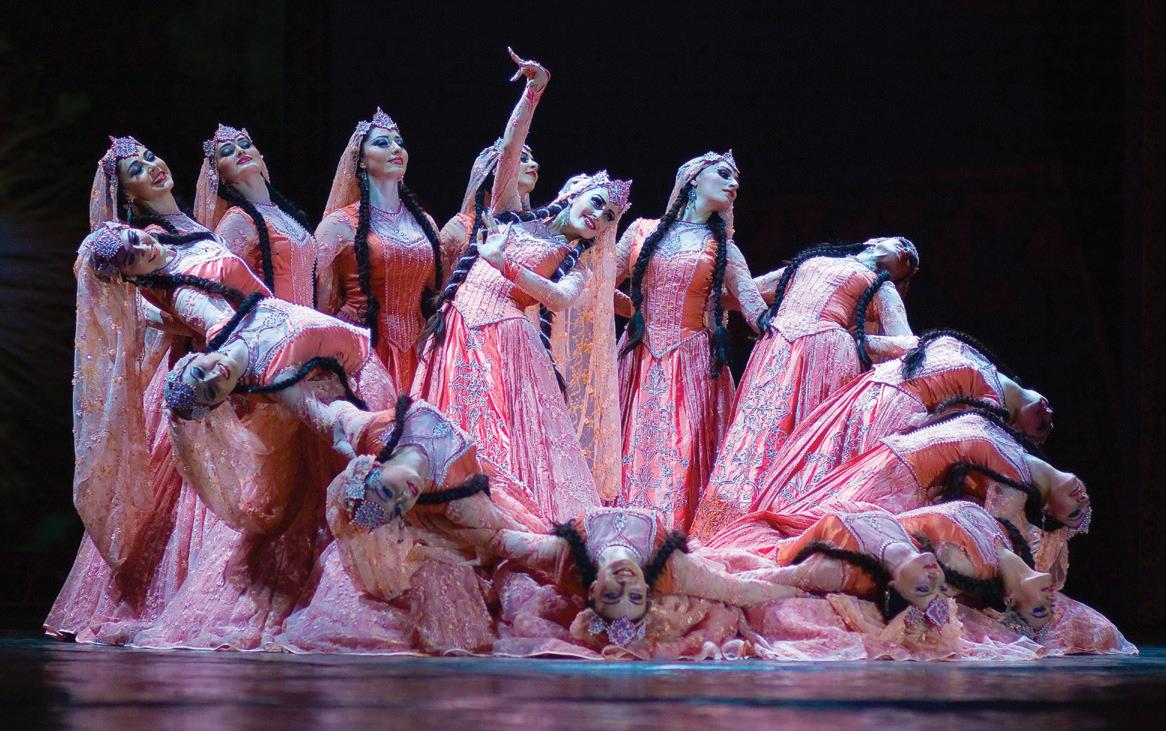
La Colchide, terra del mito di Medea e Giasone, oggi conosciuta come Georgia, rivive attraverso la straordinaria performance della compagnia artistica del Royal National Ballet of Georgia, diretta da Gela Potskhishvili e Maia Kiknadze.
Uomini forti e fieri, donne eleganti e leggiadre: "Fire of Georgia" accosta alla spettacolarità degli strepitosi virtuosismi maschili, fatti di salti acrobatici, giri incredibili e combattimenti con le spade, la grazia dei movimenti femminili. Alcune danze hanno ispirazione
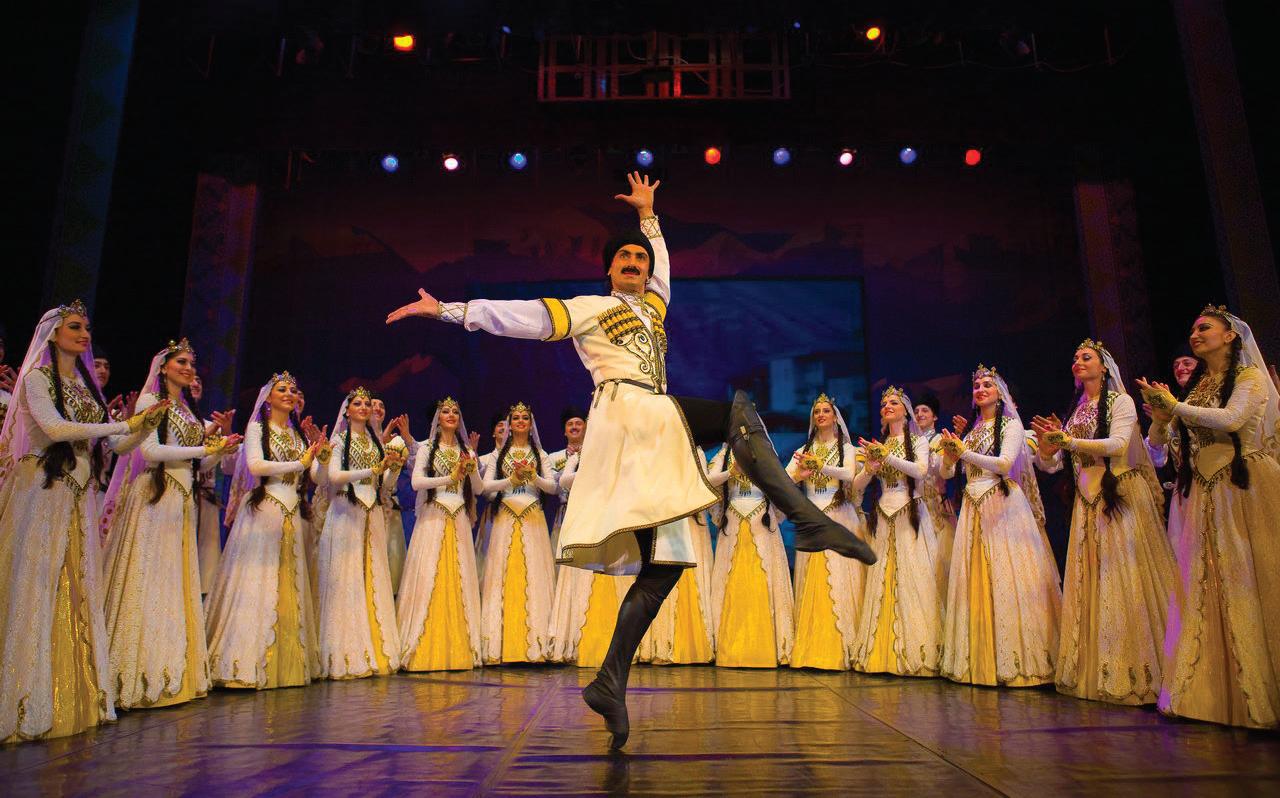
Compagnia: Royal National Ballet of Georgia
Direzione Artistica: Gela
Potskhishvili & Maia Kiknadze
Produzione: EuroEventi
Production
Organizzazione: Associazione
AGIMUS di Padova
Durata: 1h e 30m più intervallo
BIGLIETTI (diritti di prevendita esclusi): da 52 € a 70 €
Prevendita presso
• Biglietteria Teatro Nuovo
• Verona Box office
• online sul sito https:// www.boxofficelive.it
Per info: agimus.padova@agimus.it
nell'VIII secolo a.C. e, nonostante l'origine così remota, mantengono un dinamismo ed una modernità tale da ispirare le più note pop-star dei nostri giorni. Particolarmente intensa e drammatica la danza dove protagoniste della coreografia sono le spade che si incrociano in un turbinio di scintille. Così i georgiani esprimono oggi la loro sete di libertà.
Dopo lo spettacolo, a partire dalla mezzanotte, nel Piccolo Teatro di Giulietta (Ridotto) e nel foyer del teatro, saranno offerti al pubblico spumante e panettoni per festeggiare il nuovo anno.
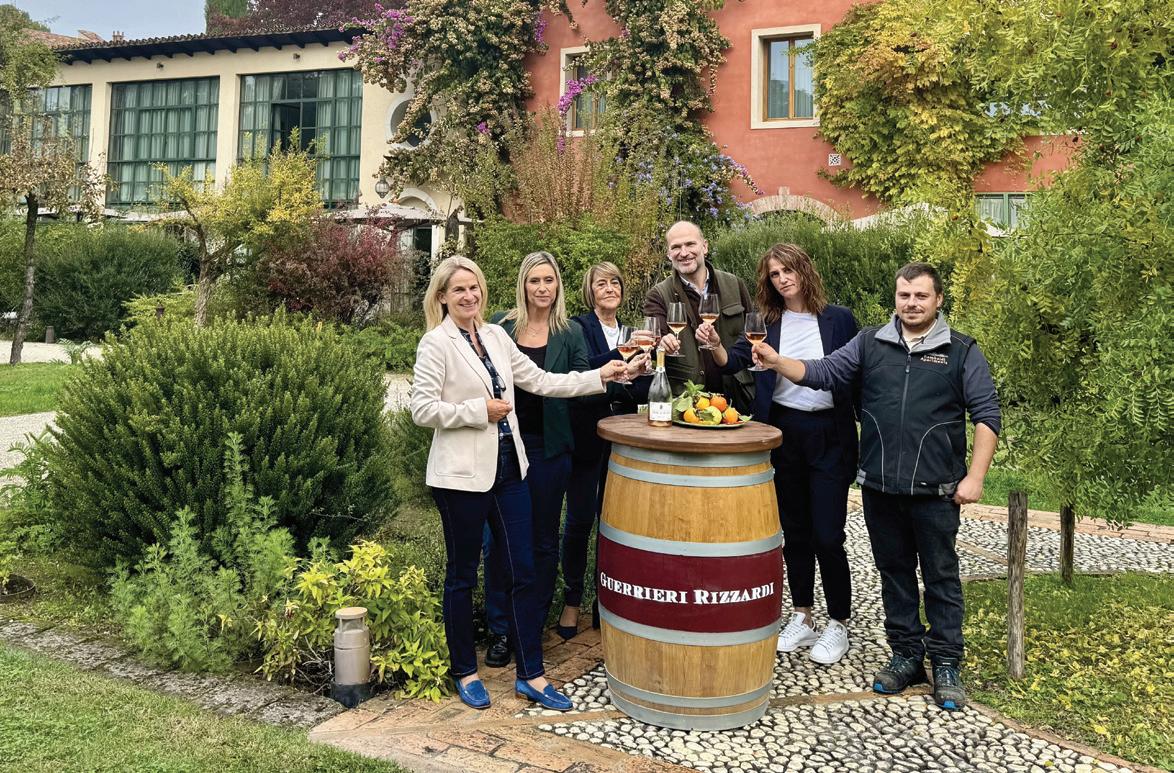
Nel cuore di Bardolino, tra le mura
medievali e le rive del Lago di Garda, le antiche cantine Guerrieri Rizzardi hanno trovato nuova vita trasformandosi in Rambaldi Apartments, una residenza diffusa dove vino, ospitalità e paesaggio si fondono insieme. Dopo una stagione di grande successo, Rambaldi Apartments ha ottenuto il prestigioso riconoscimento internazionale Global Best of Wine Tourism 2025, promosso dalla rete Great Wine Capitals, che ogni anno seleziona le migliori esperienze legate al turismo del vino nel mondo. Un premio che conferma la visione di una
famiglia che, da secoli, intreccia la produzione vitivinicola con l’arte dell’accoglienza.
Con radici nel Seicento e oggi pur guidata dai fratelli Agostino e Giuseppe, Guerrieri Rizzardi è una delle realtà storiche più significative della viticoltura veronese.
Le sue tenute, distribuite tra Lago di Garda, Valpolicella, e Soave, sono luoghi dove il tempo e la natura dettano i ritmi della produzione e dove la ricerca dell’eccellenza si esprime in ogni dettaglio, dal vigneto alla bottiglia.
La stessa filosofia guida il progetto Rambaldi Apartments, nato dal recupero architettonico e funzionale delle antiche cantine
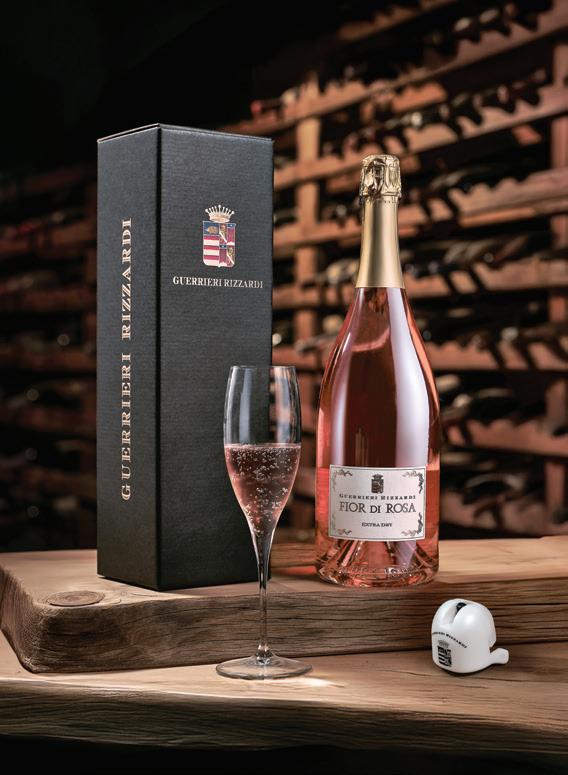
e dei palazzi di famiglia. Oggi il borgo custodisce 53 alloggi di charme, giardini e ristoranti che conservano l’anima originaria dei luoghi, offrendo agli ospiti un’esperienza fatta di bellezza, discrezione e autenticità.
Per Guerrieri Rizzardi, l’eccellenza non è un concetto da celebrare ma un gesto quotidiano: è la cura dei vigneti, l’attenzione per chi entra in cantina, il piacere di far conoscere il territorio attraverso il vino e le persone che lo rendono possibile. A Bardolino, ogni stagione rievoca storie di vino e famiglia.
Anche a dicembre il wine shop è aperto per visite e acquisti, sabato incluso.
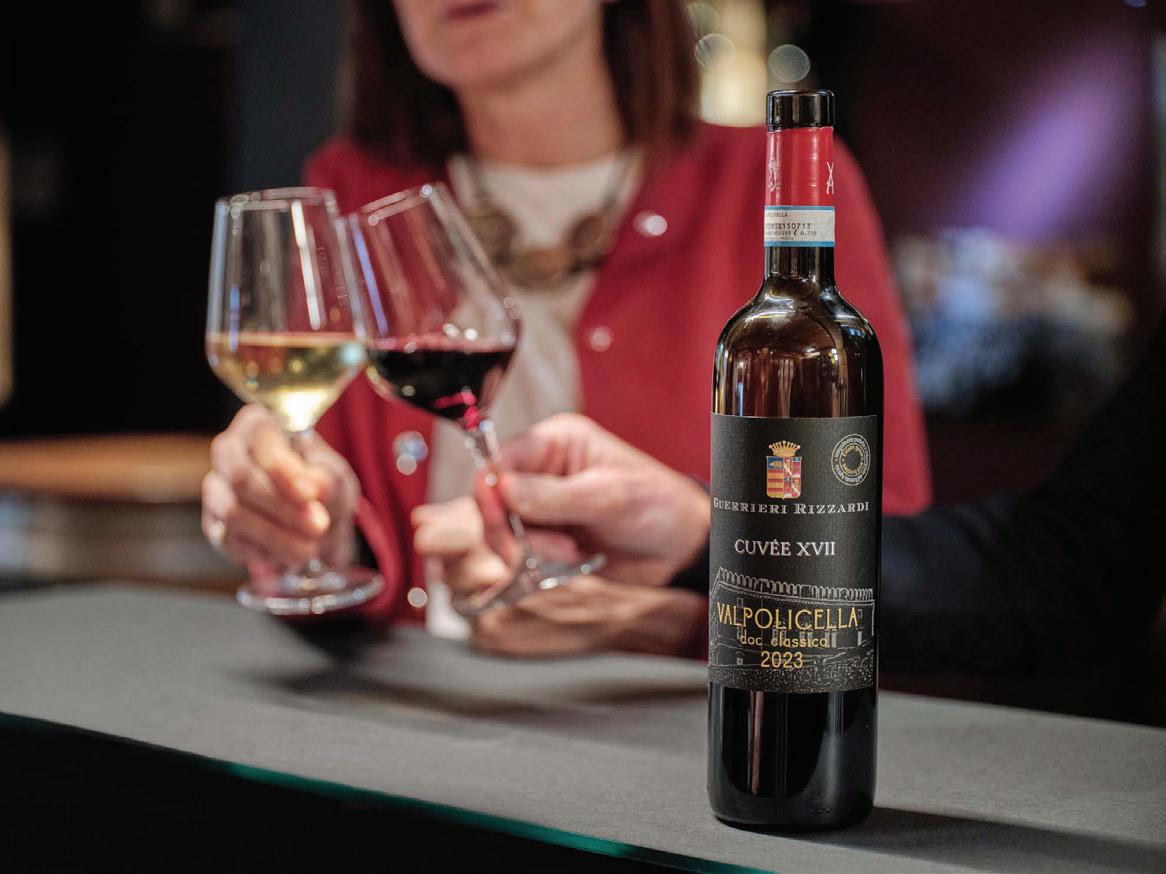
Per i tuoi regali di Natale, scopri in cantina vini e confezioni pensate per chi ama doni autentici, legati al territorio e alla bellezza delle cose fatte con cura.
In Bardolino, the story of a village reborn.
In the heart of Bardolino, between the medieval walls and the shores of Lake Garda, the ancient Guerrieri Rizzardi cellars have found new life, transforming into Rambaldi Apartments, a scattered residence where wine, hospitality and landscape come together.
After a highly successful season, Rambaldi Apartments has been awarded the prestigious international Global Best of Wine Tourism 2025 award, promoted by the Great Wine Capitals network, which selects the best wine tourism experiences in the world every year. This award confirms the vision of a family that has been combining wine production with the art of hospitality for centuries.
Founded in the 17th century and still run today by brothers Agostino and Giuseppe, Guerrieri
Rizzardi is one of the most significant historical figures in Veronese viticulture. Its estates, spread across Bardolino, Valpolicella, Soave and Cavaion, are places where time and nature dictate the rhythms of production and where the pursuit of excellence is expressed in every detail, from the vineyard to the bottle.
The same philosophy guides the Rambaldi Apartments project, born from the architectural and functional restoration of the family's ancient cellars and buildings. Today, the village houses 53 apartments, gardens and restaurants that preserve the
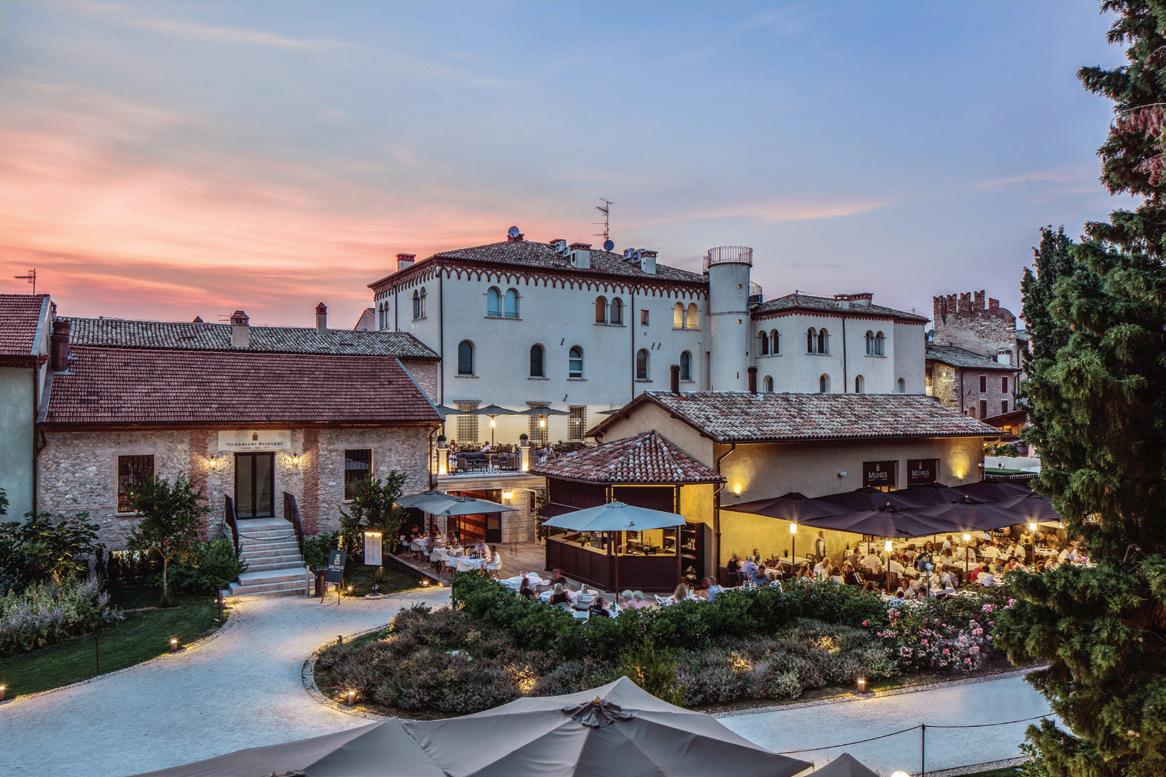
original soul of the places, offering guests an experience of beauty, discretion and authenticity.
For Guerrieri Rizzardi, excellence is not a concept to be celebrated but a daily gesture: it is the care of the vineyards, the attention paid to those who enter the cellar, the pleasure of introducing people to the territory through wine and the people who make it possible.
In Bardolino, every season becomes an opportunity to tell stories of tradition, passion and the future, amidst the light and scent of the lake.
For your Christmas gifts, discover wines and gift boxes designed for those who love authentic gifts, linked to the territory and the beauty of things made with care.
Aperto a Bardolino in Strada Campazzi, 2 dal lunedì al sabato dalle 9 alle 17.
Anche domenica 7 e lunedì 8 dicembre.
Per maggiori info: 045 7210028, anche wapp
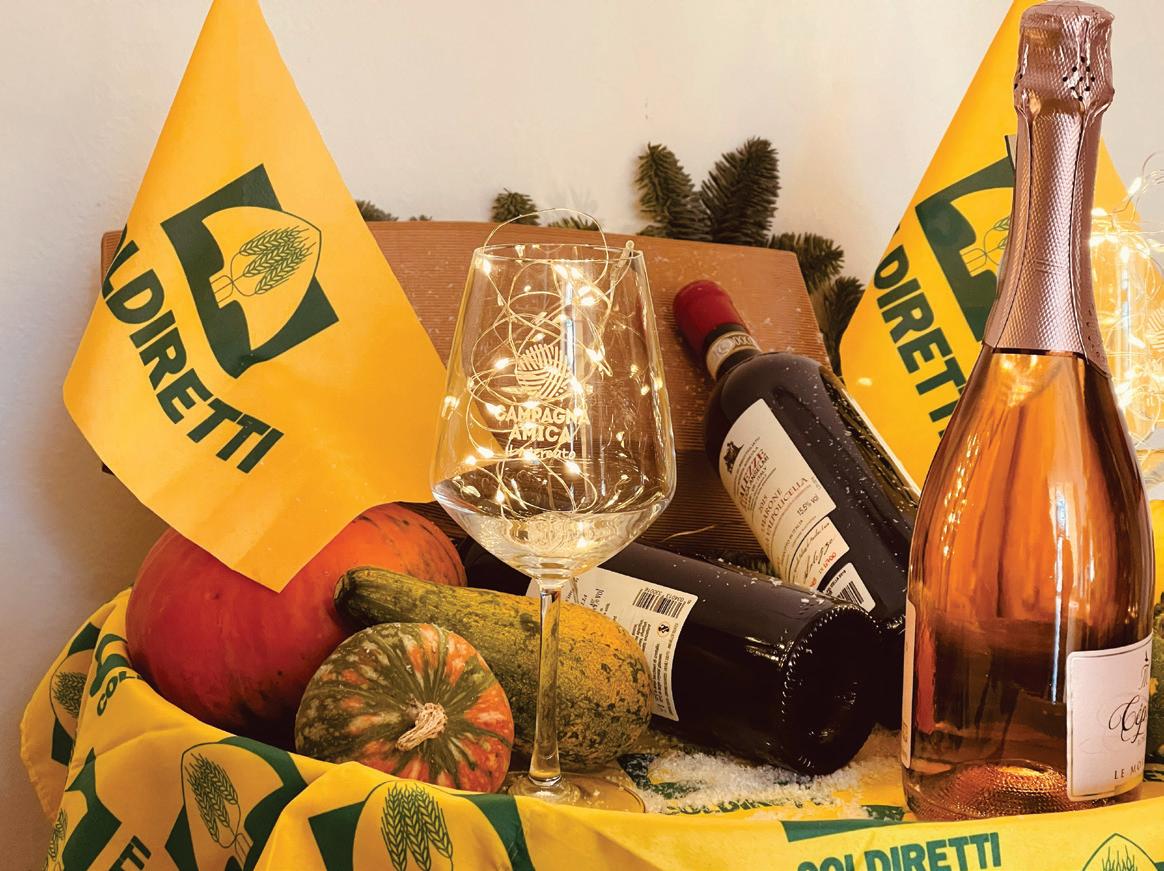
Negli ultimi anni l'agriturismo si è affermato come una vera eccellenza della vacanza Made in Italy. Questa attività, promossa e tutelata da Terranostra - l'associazione nazionale per l'agriturismo, l'ambiente e il territorio legata a Coldiretti - si basa sulla ricezione di ospiti in strutture connesse all'azienda agricola.
«Scegliere l'agriturismo – spiega Elisa Castellani, presidente di Terranostra Verona – offre un'esperienza autentica, intimamente legata ai prodotti e alla vita

di campagna, e rappresenta un'opzione particolarmente felice per trascorrere le vacanze, come dimostra l'impatto significativo che ha durante
le festività natalizie, perché venire in agriturismo in fondo è come stare in famiglia».
L'apprezzamento del pubblico per questo modello di ospitalità è evidente nei numeri: nel 2024 si stima che siano stati circa due milioni gli italiani e gli stranieri che hanno trascorso le feste in agriturismo, scegliendo tra pernottamenti e pasti nelle quasi ventiseimila strutture attive in tutto il Paese. La clientela è composta prevalentemente da italiani, che si avvicinano all'80% del totale, con una durata media della vacanza di circa tre notti.
«Ciò che traina la scelta della campagna anche d'inverno –continua Elisa Castellani che è anche Cuoca Contadina –non è solo l'eccellenza della buona cucina, ma soprattutto il turismo esperienziale.
L'enoturismo e l'oleoturismo, seguiti dalle proposte come con la birra e il formaggio, stanno attirando un numero sempre maggiore di appassionati, tanto che nel 2023 l'incidenza dei turisti enogastronomici ha superato un viaggiatore su due, raggiungendo il 58%».
In vista del Natale, le aziende arricchiscono ulteriormente la loro offerta con servizi innovativi, come corsi di cucina, attività culturali e proposte legate al wellness. Trascorrere le festività nelle aziende agricole diviene così anche un'occasione per scelte responsabili e sostenibili, che permettono l'acquisto diretto di prodotti e di artigianato locale, sostenendo l'economia e l'occupazione nelle zone rurali. Si tratta di opportunità che rappresentano ormai uno dei valori aggiunti e distintivi della vacanza in agriturismo, difficili da trovare altrove.
«L’esperienza in agriturismo – conclude Castellani –offre un connubio perfetto tra tradizione, sostenibilità e alta qualità esperienziale, specialmente durante il magico periodo delle feste natalizie».
Tradition and wellbeing increasingly sought after
In recent years, farm holidays have established themselves as a true excellence of Made in Italy holidays. This activity, promoted and protected by Terranostrathe national association for farm holidays, the environment and the territory linked to Coldiretti - is based on welcoming guests to facilities connected to the farm.
‘Choosing agritourism,’ explains Elisa Castellani, president of
Terranostra Verona, ‘offers an authentic experience, intimately linked to the products and life of the countryside, and is a particularly enjoyable option for spending holidays, as demonstrated by its significant impact during the Christmas season, because coming to an agritourism facility is basically like being with family.’
The public's appreciation for this model of hospitality is evident in the numbers: in 2024, it is estimated that around two million Italians and foreigners spent the holidays at agritourism establishments, choosing between overnight stays and meals in the nearly 26,000 facilities operating throughout the country.
The clientele is mainly Italian, accounting for almost 80% of the
total, with an average holiday duration of about three nights.
‘What drives the choice of the countryside even in winter,’ continues Elisa Castellani, who is also a farmhouse cook, "is not only the excellence of good food, but above all experiential tourism. Wine and olive oil tourism, followed by offerings such as beer and cheese, are attracting an increasing number of enthusiasts, so much so that in 2023, food and wine tourists accounted for more than one in two travellers, reaching 58%."
With Christmas approaching, farms are further enriching their offerings with innovative services such as cooking classes, cultural activities and wellness-related offerings. Spending the holidays on farms thus also becomes an opportunity for responsible and sustainable choices, allowing for the direct purchase of local products and crafts, supporting the economy and employment in rural areas. These opportunities now represent one of the added and distinctive values of agritourism holidays, which are difficult to find elsewhere.
‘The agritourism experience,’ concludes Castellani, ‘offers a perfect combination of tradition, sustainability and high-quality experiences, especially during the magical Christmas season.’ Surroundings
di by Andrea Molinari
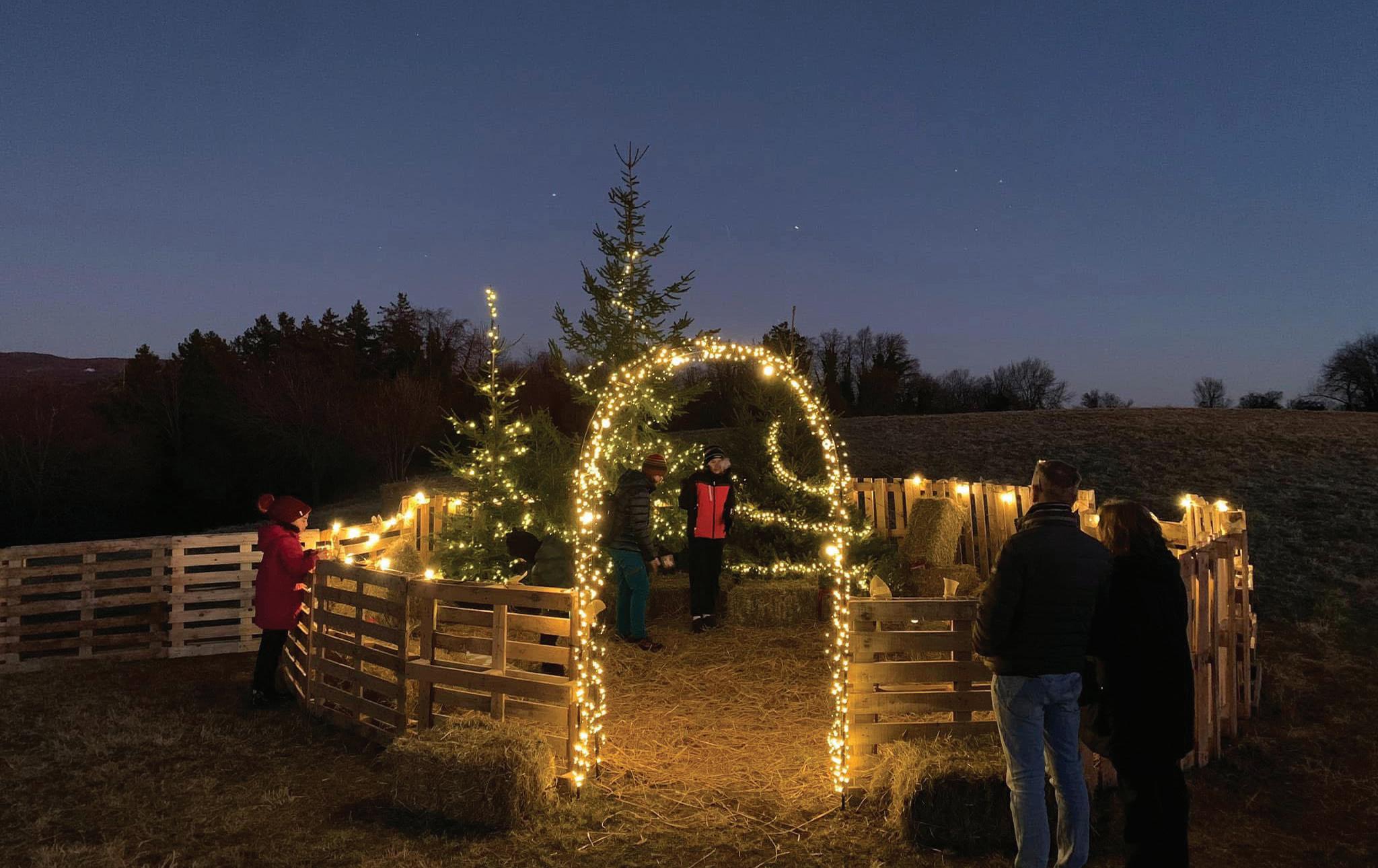
In Lessinia, quando arriva dicembre, l’aria si riempie di un silenzio diverso. Non è soltanto l’inverno che si posa sulle contrade, ma un’attesa antica, che profuma di legna, fieno e vin brulè. È la vigilia di un tempo speciale, quello in cui la comunità si raccoglie per celebrare il Natale attraverso i suoi riti più autentici.
Tra i più amati c’è il Presepe vivente di Contrada Vinchi, a Bosco Chiesanuova, una delle
Nei dintorni
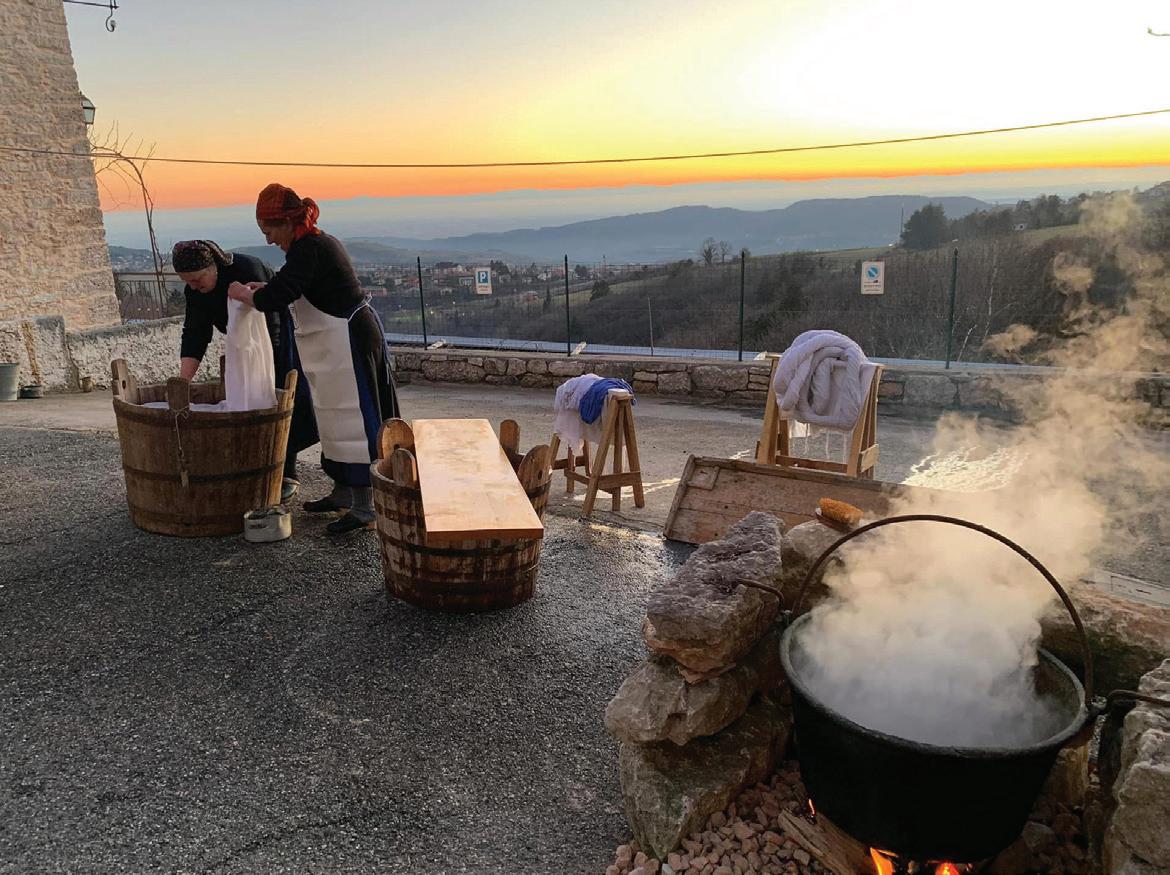
manifestazioni più suggestive dell’altopiano veronese. Per qualche giorno, la contrada si trasforma in un piccolo villaggio di Betlemme: le vie di pietra si riempiono di fiaccole, le stalle si aprono, i forni si riaccendono. Oltre centocinquanta figuranti tra uomini, donne e bambini danno vita a una rappresentazione corale, in cui la Natività si intreccia con la memoria dei mestieri di una volta. Ci sono il falegname e il
fabbro, le filatrici e i pastori, le donne al lavatoio e gli anziani che raccontano storie di un tempo. Chi visita il presepe non assiste soltanto a uno spettacolo, ma entra in un racconto. Ogni scena è preparata con cura, ogni gesto nasce dal desiderio di condividere. È un modo per ritrovare il senso profondo dello stare insieme: un gesto di comunità che unisce generazioni, un rito che rinnova il legame con la montagna. Qui il Natale
non è un evento da guardare, ma un’esperienza da vivere, fatta di piccoli dettagli che scaldano il cuore: il fumo dei camini, la neve che cade lenta, i bambini che guardano incantati la mangiatoia. Più a valle, la magia delle feste prosegue con un’altra iniziativa capace di coniugare natura e tradizione. Nella frazione di Corso di Grezzana, il Percorso dei Presepi lungo i sentieri di Corso invita a scoprire il Natale passo dopo passo, tra boschi, muretti a secco e scorci panoramici della Valpantena. L’itinerario, promosso dal progetto FEET (Facili Escursioni Ecologiche e Turistiche) del Comune di Grezzana, è pensato per chi ama camminare e lasciarsi sorprendere. Il sentiero, segnalato da piccole stelle dorate, conduce tra presepi artigianali disseminati lungo il percorso: realizzati da famiglie, associazioni, scuole e appassionati, sono piccole opere d’arte nate dal legno, dal muschio, dalla pietra o da materiali di recupero. Ognuno diverso, ognuno con la propria storia. L’iniziativa si terrà nella mattinata di domenica 21 dicembre, offrendo un’occasione
per vivere la montagna in modo lento e condiviso. Queste due esperienze raccontano meglio di tante parole lo spirito del Natale veronese. Due luoghi diversi, due atmosfere distinte, unite da un filo comune: la volontà di custodire la tradizione e di aprirla al futuro. In un periodo dell’anno spesso dominato dalle luci artificiali e dalle corse ai regali, la Lessinia e la Valpantena scelgono una strada diversa: quella dell’autenticità. Qui il Natale non si consuma, ma si costruisce insieme, con pazienza, come un fuoco che arde piano. È una festa che parla di appartenenza, di memoria e di gratitudine per la propria terra. Dalla contrada di Vinchi alle pendici di Corso, la provincia di Verona si illumina di una luce che non abbaglia ma scalda. È la luce dei presepi, dei sorrisi, delle mani che si intrecciano per mantenere viva una tradizione che non smette di emozionare. In fondo, è questo il senso più vero del Natale: ritrovare la bellezza nelle cose semplici, nel silenzio di un sentiero o in una candela accesa nella neve.
From Lessinia to Grezzana, tradition and magic
In Lessinia, when December arrives, the air is filled with a different kind of silence. It is not only winter that settles over the countryside, but an ancient anticipation that smells of wood, hay and mulled wine. It is the eve of a special time, when the community gathers to celebrate Christmas through its most authentic rituals.
One of the most beloved is the living nativity scene in Contrada Vinchi, in Bosco Chiesanuova, one of the most evocative events on the Veronese plateau. For a few days, the district is transformed into a small village in Bethlehem: the stone streets are filled with torches, the stables are opened, and the ovens are lit. Over 150 participants, including men, women and children, bring to life a choral performance in which the Nativity is intertwined with memories of the crafts of yesteryear. There are carpenters and blacksmiths, spinners and shepherds, women at the wash house and elderly people
Surroundings
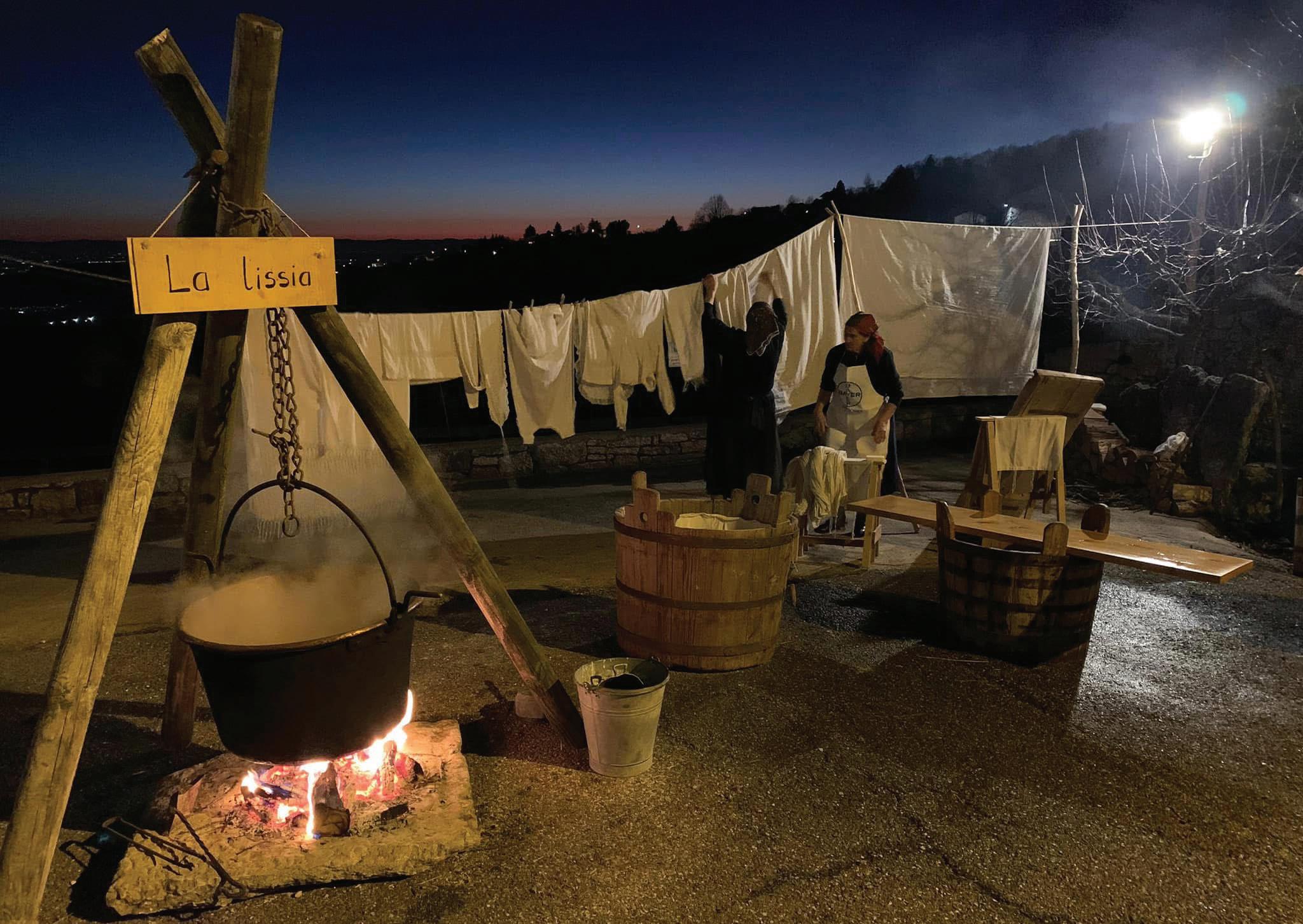
telling stories of times gone by. Those who visit the nativity scene are not just watching a show, but entering into a story. Each scene is carefully prepared, each gesture comes from a desire to share. It is a way to rediscover the profound meaning of being together: a gesture of community that unites generations, a ritual that renews the bond with the mountains. Here, Christmas is not an event to watch, but an experience to be lived, made up of small details that warm the heart: smoke from chimneys, snow falling slowly, children looking enchanted at the manger. Further down the valley, the magic of the festive season continues with another initiative that combines nature and tradition. In the hamlet of Corso di Grezzana, the Percorso dei Presepi (Nativity Scene Trail) along the paths of Corso invites you to discover Christmas step by step, among woods, dry stone
walls and panoramic views of the Valpantena. The itinerary, promoted by the FEET (Facili Escursioni Ecologiche e Turistiche - Easy Ecological and Tourist Excursions) project of the Municipality of Grezzana, is designed for those who love walking and being surprised. The trail, marked by small golden stars, leads past handmade nativity scenes scattered along the route: created by families, associations, schools and enthusiasts, these are small works of art made from wood, moss, stone or recycled materials. Each one is different, each with its own story. The initiative will take place on the morning of Sunday 21st December, offering an opportunity to experience the mountains in a slow and shared way. These two experiences convey the spirit of Christmas in Verona better than words ever could. Two different places, two distinct experiences atmospheres, united
by a common thread: the desire to preserve tradition and open it up to the future. At a time of year often dominated by artificial lights and the rush to buy gifts, Lessinia and Valpantena choose a different path: that of authenticity. Here, Christmas is not consumed, but built together, with patience, like a fire that burns slowly. It is a celebration that speaks of belonging, memory and gratitude for one's homeland. From the district of Vinchi to the slopes of Corso, the province of Verona is illuminated by a light that does not dazzle but warms.
It is the light of nativity scenes, smiles and hands clasped together to keep alive a tradition that never ceases to move us. After all, this is the truest meaning of Christmas: rediscovering beauty in simple things, in the silence of a path or in a candle lit in the snow.
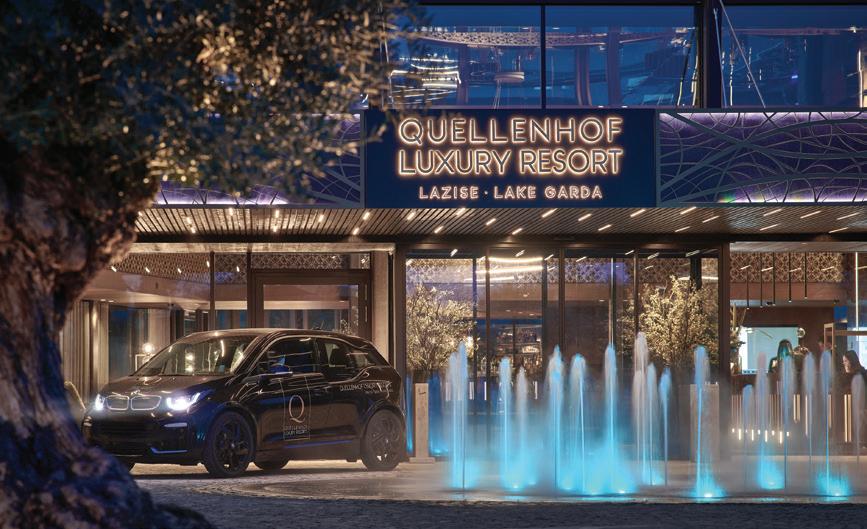
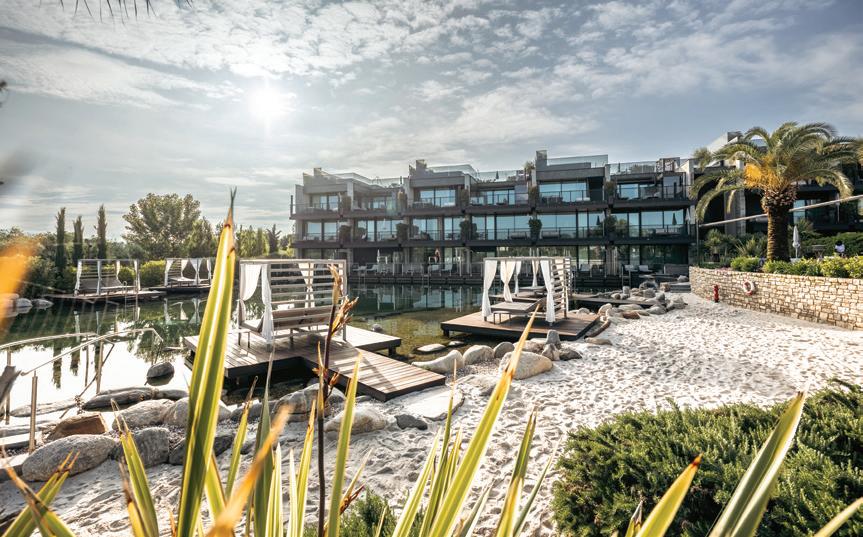
Quando l’aria si fa più frizzante e le luci del Natale iniziano a brillare tra le vie di Lazise, il Quellenhof Luxury Resort Lazise diventa un rifugio di pura armonia.
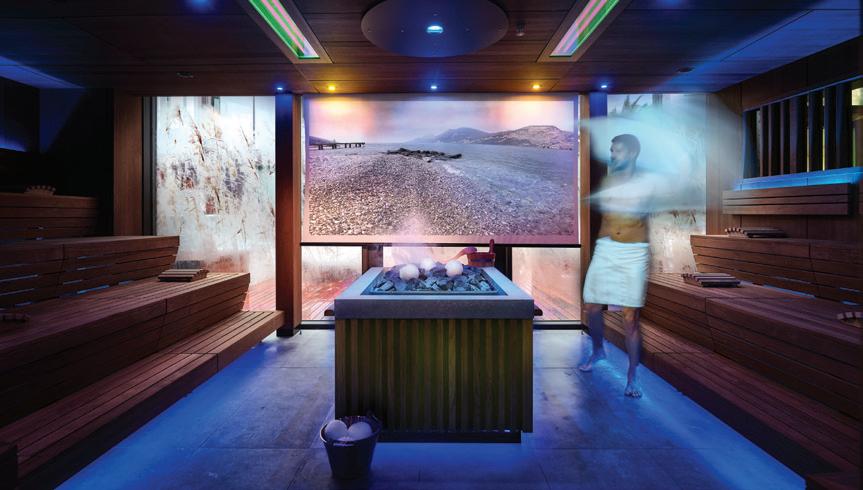
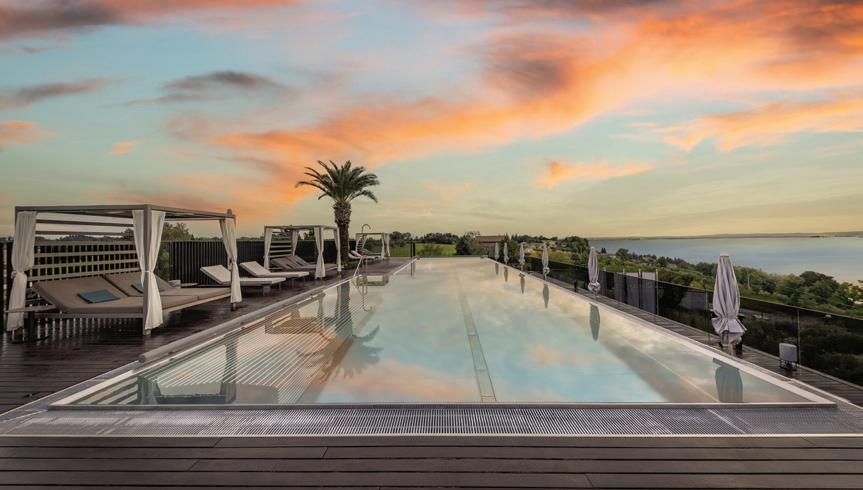
Dopo una passeggiata tra i mercatini o lungo le rive silenziose del lago, ritornare in hotel e lasciarsi coccolare prima nella spa, tra piscine panoramiche riscaldate, saune profumate, aree relax con vista lago e una zona adults only, e dopo al ristorante panoramico dove poter gustare la stagione in tutta la sua ricchezza con una vista mozzafiato, è il modo più dolce per concludere la giornata. In questa stagione, il Garda rivela il suo volto più intimo e romantico. Una pausa di benessere anche per chi non soggiorna. Anche i visitatori giornalieri
possono vivere la magia del Quellenhof grazie alle offerte esclusive Day Spa, perfette per un regalo natalizio o per concedersi un momento di relax tra un impegno e l’altro.
Il Quellenhof Luxury Resort Lazise è aperto tutto l’anno – e durante la stagione più luminosa e silenziosa, sa regalare esperienze che scaldano il cuore.
Quellenhof Luxury Resort Lazise
Famiglia Dorfer
Via del Terminon 19
37017 Lazise, Lago di Garda, Italia
Tel: +39 045 8531000 www.quellenhof-lazise.it info@quellenhof-lazise.it Codice CIN: IT023043A1GPFDIWTJ
Surroundings



Ogni carico.
Ogni chilometro.
Sempre sotto controllo.
Da oltre 60 anni, l’affidabilità viaggia con noi.
di by Giorgia Castagna
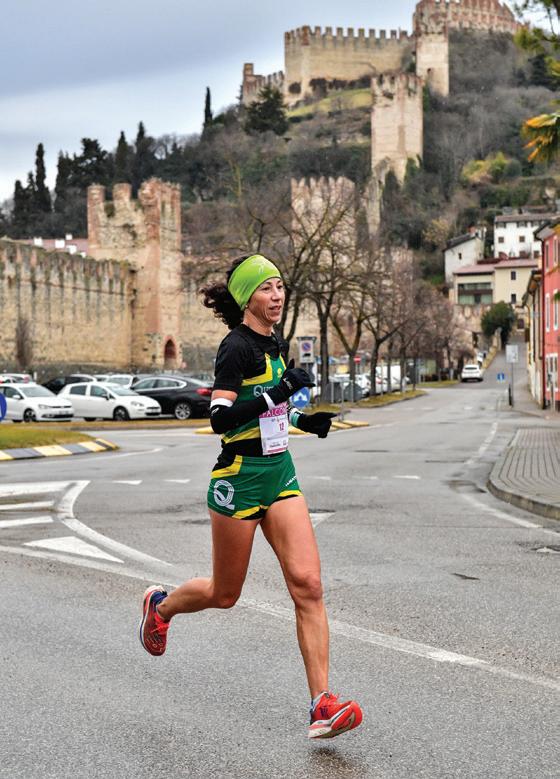
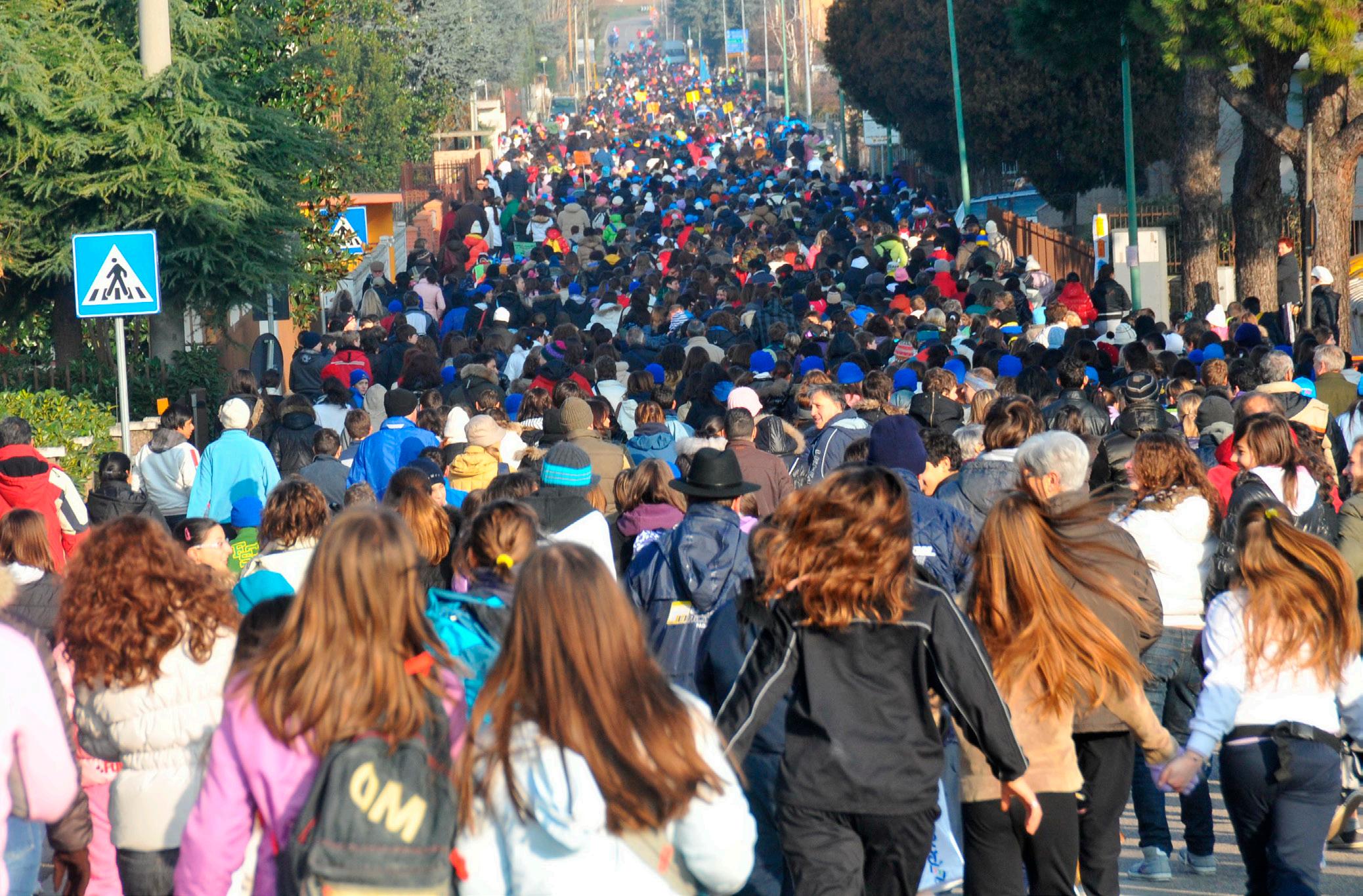
Ad un anno dallo spegnere 50 candeline abbiamo voluto “correre” a ritroso negli anni e scoprire la storia della Montefortiana. Giunta infatti alla 49a edizione la corsa podistica che si tiene a Monteforte d'Alpone ha origini che risalgono agli anni '70 quando con una semplice corsa podistica non competitiva si voleva riunire gli atleti della vallata in una giornata sportiva. La prima edizione storica della Montefortiana si è svolta nel 1976 mentre l'attuale versione più competitiva è stata istituita
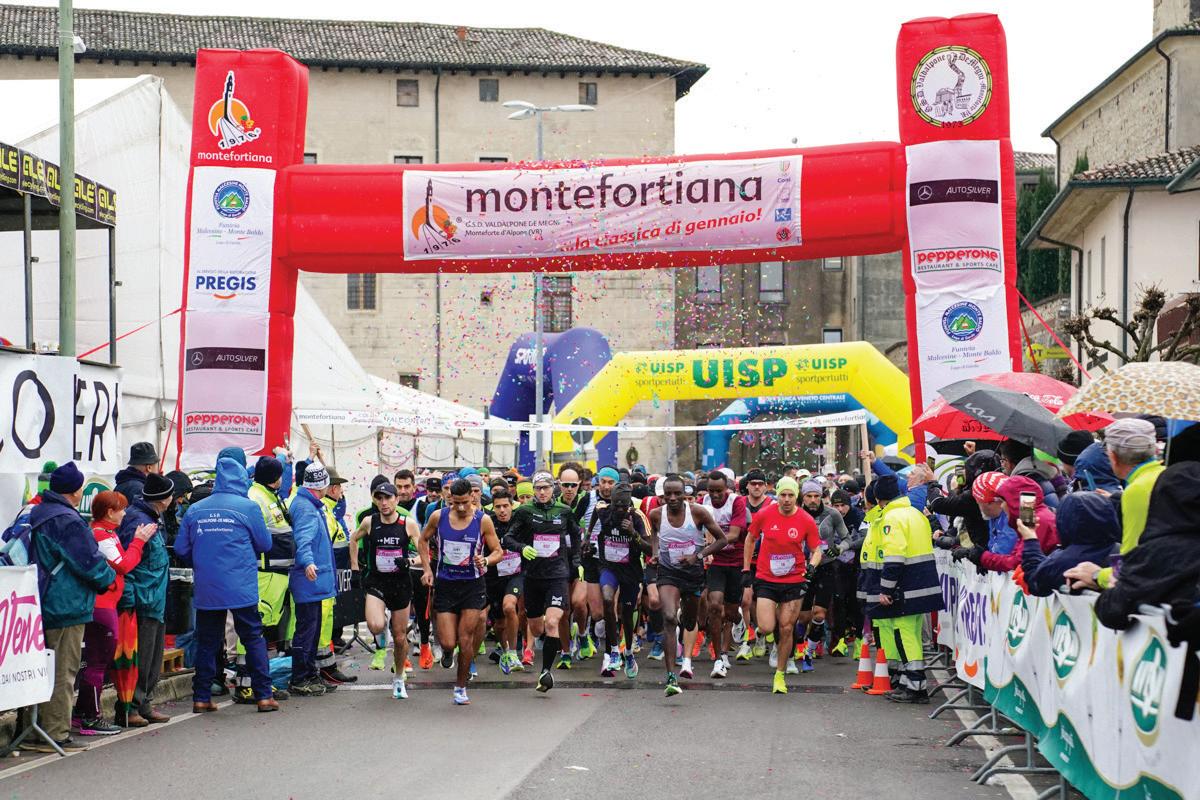
nel 1992 con lo scopo di diventare un evento di corsa e trail running di fama nazionale e internazionale, in grado di attrarre migliaia di atleti da tutto il mondo. La corsa si tiene in occasione dell'antica Sagra di Sant'Antonio Abate, 1º fine settimana dopo il 17 gennaio, aprendo la stagione delle competizioni podistiche a livello internazionale.
Il percorso del Trofeo Sant’Antonio Abate – Falconeri non è cambiato nella sua essenza, ma si è evoluto aggiungendo e diversificando le opzioni di distanza nel corso degli anni,
pur mantenendo la sua identità di corsa locale. Si è passati da un unico percorso per un evento che è cresciuto fino a includere diverse distanze. Quattro i percorsi di domenica 18 gennaio che si suddividono in 6, 9, 14 o 20 km e che conducono gli sportivi tra vigneti e colline, con soste ai celebri ristori della Montefortiana, ricchi di prodotti tipici e specialità locali. Un’esperienza unica che unisce sport, convivialità e tradizione, trasformando ogni passo in un’occasione per scoprire e gustare le eccellenze del territorio. Sempre la domenica Scoprire.
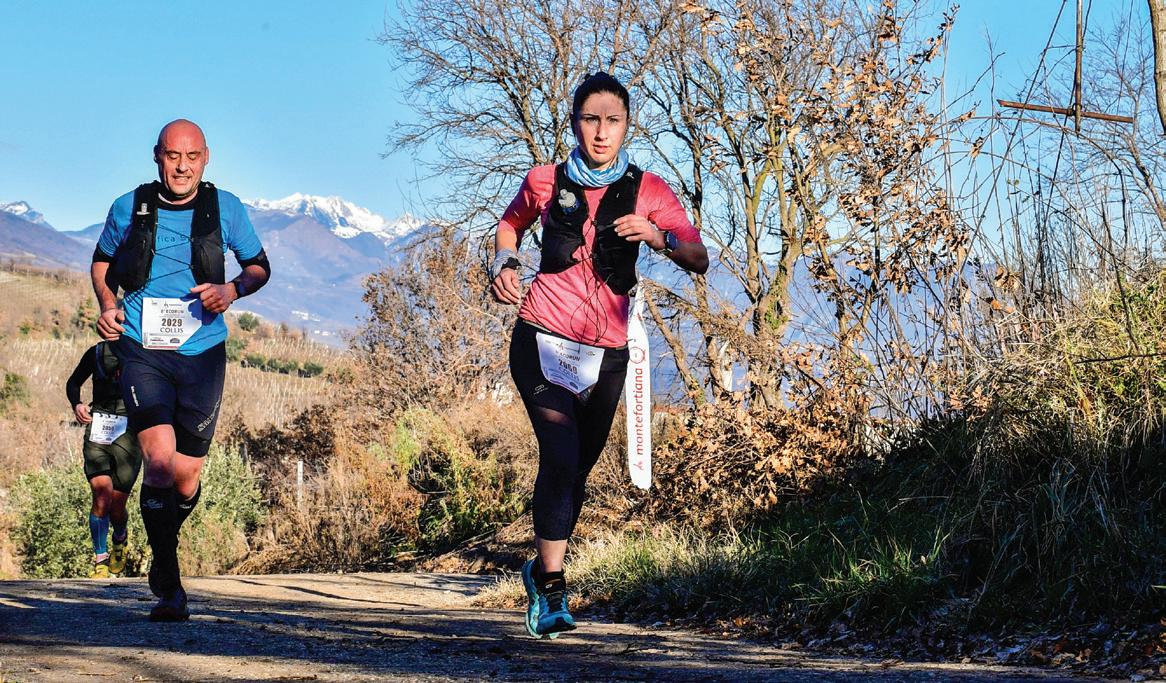
al via la 30° Maratonina Falconeri, la ormai storica 21 km del Soave, approvata CSI. Un percorso veloce ma tecnico, che si snoda tra le vie e le colline del territorio. Gara di riferimento per tanti appassionati. Si svolgerà invece sabato 17 gennaio l’EcoMaratona Clivus. È lei la regina delle gare competitive montefortiane che prevede 45 chilometri di pura fatica su 1.700 metri di dislivello positivo attraversando così i paesaggi più spettacolari della Val d’Alpone. Una sfida di resistenza e bellezza, con salite impegnative e un percorso che rimarrà nel cuore di ogni maratoneta. Ma non è tutto perché gli organizzatori da ormai 9 anni accontentano anche gli
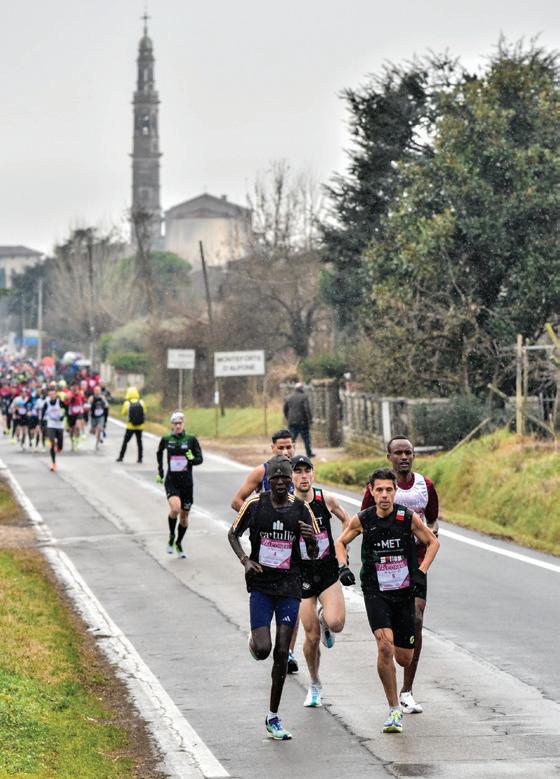
spiriti più liberi con l’EcoRun Collis, una corsa immersa nella natura tra vigneti, boschi e colline della Val d’Alpone con un tracciato tecnico e suggestivo di 26 km con 700 metri di dislivello positivo che unisce sport, paesaggio e tradizione.
The 49th edition will take place from 16 to 18 January.
Ayear after celebrating its 50th anniversary, we wanted to “run” back through the years and discover the history of the Montefortiana. Now in its 49th edition, the running race held in Monteforte d'Alpone has its origins in the 1970s, when a simple non-competitive running race was organised to bring together athletes from the valley for a day of sport. The first historic edition of the Montefortiana took place in 1978, while the current, more competitive version was established in 1992 with the aim of becoming a nationally and internationally renowned running and trail running event, capable of attracting thousands of athletes from all over the world. The race is held during the ancient Festival of Sant'Antonio Abate,
on the first weekend after 17 January, opening the international running competition season.
The route of the Sant'Antonio Abate - Falconeri Trophy has not changed in essence, but has evolved over the years with the addition and diversification of distance options, while maintaining its identity as a local race. It has gone from a single route for an event that has grown to include different distances. There are four routes on Sunday 18 January, divided into 6, 9, 14 or 20 km, which take athletes through vineyards and hills, with stops at the famous Montefortiana refreshment points, rich in typical products and local specialities.
A unique experience that combines sport, conviviality and tradition, transforming every step into an opportunity to discover and taste the excellence of the territory. Also on Sunday, the 30th Falconeri Half Marathon, the now historic 21 km race in Soave, approved by the CSI, will take place. A fast but technical route that winds through the streets and hills of the area. A benchmark race for many enthusiasts.
The Clivus EcoMarathon will take place on Saturday 17 January. This is the queen of competitive races in Monteforti, involving 45 kilometres of pure effort over 1,700 metres of elevation gain, crossing the most spectacular landscapes of the Val d'Alpone. A challenge of endurance and beauty, with challenging climbs and a route that will remain in the heart of every marathon runner. But that's not all, because for the past nine years, the organisers have also been catering to the more free-spirited with the EcoRun Collis, a race immersed in nature among the vineyards, woods and hills of the Val d'Alpone, with a technical and picturesque 26-kilometre route with 700 metres of elevation gain, combining sport, landscape and tradition.









di by Andrea Molinari

Se nella velocità si trova la scintilla dell’adrenalina, nella resistenza vive il battito profondo della montagna. Sono gli sport che parlano di tenacia, pazienza e silenzio. Meno spettacolari agli occhi del grande pubblico, ma forse più autentici. Quelli in cui il tempo rallenta, ma ogni secondo pesa come una montagna. Lo sci di fondo è la metafora perfetta di questa filosofia. Nessuna acrobazia, nessuna
discesa libera. Solo la neve, il respiro, e il ritmo costante degli sci che scorrono. È lo sport della costanza e della solitudine, dove la fatica diventa quasi meditazione. Gli atleti avanzano chilometro dopo chilometro, accompagnati solo dal fruscio della neve e dal battito del cuore. Ogni salita è una sfida contro sé stessi, ogni discesa una tregua. E quando il traguardo arriva, non c’è solo la vittoria sportiva, ma la conquista di un
equilibrio tra corpo e mente. Dal fondo nasce il biathlon, incontro perfetto tra opposti: la velocità del cuore e la calma della mente. Dopo chilometri di corsa sugli sci, l’atleta deve fermarsi, respirare e colpire un bersaglio grande come una moneta. È un paradosso affascinante: rallentare per vincere. In una gara tutto può cambiare in un istante, un respiro sbagliato, una mano che trema, e la vittoria sfuma. Il biathlon celebra la lucidità, la capacità di
trovare la calma nel caos, di far convivere tensione e controllo.
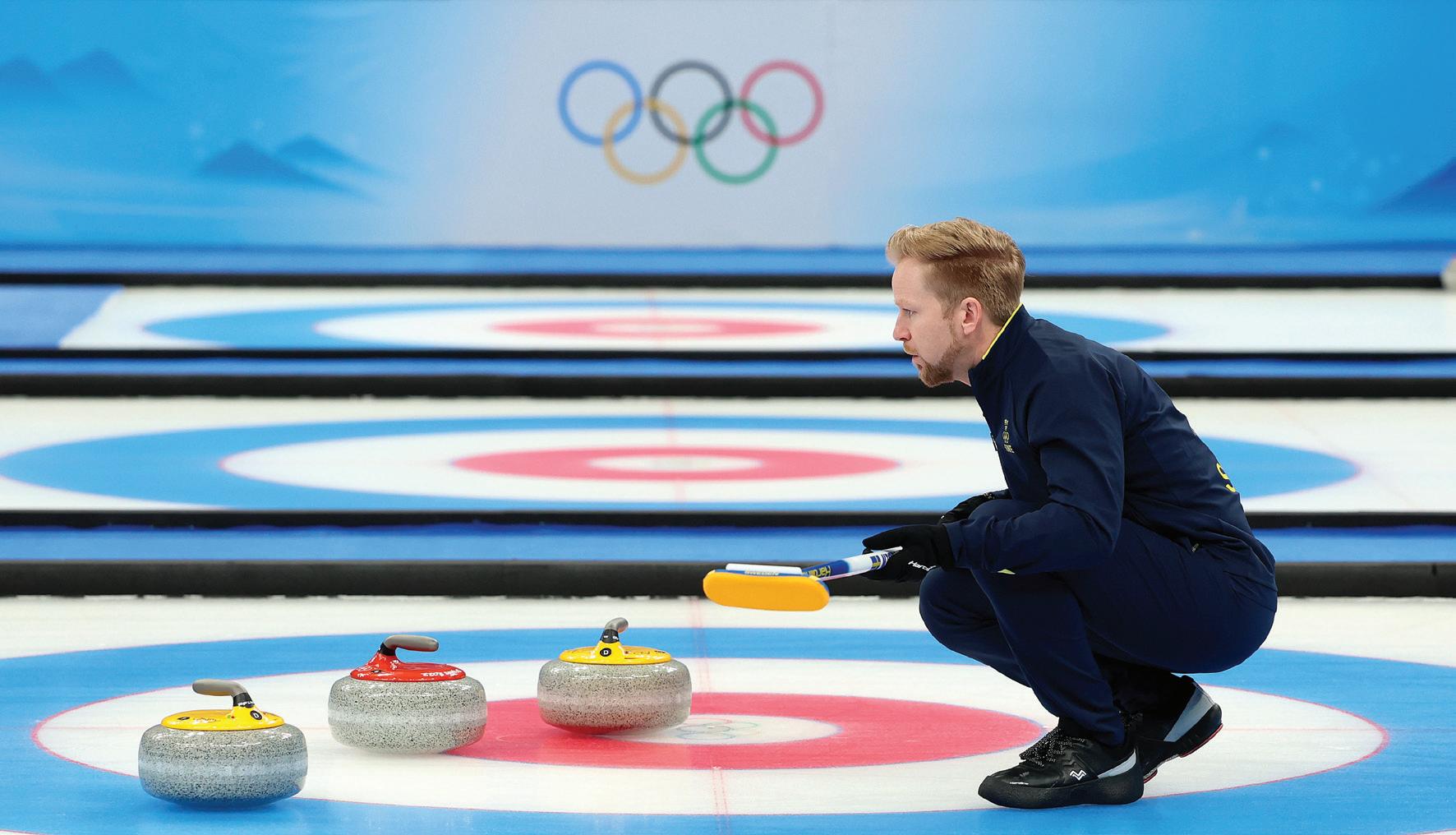
Più tranquillo in apparenza è il curling, che molti scoprono solo durante le Olimpiadi, affascinati da quelle pietre che scorrono lente sul ghiaccio. Ma dietro la calma si nasconde un gioco di precisione e strategia, quasi scientifico. Ogni lancio è studiato, ogni spazzolata misura attrito e direzione. È uno “scacchiere di ghiaccio” dove contano comunicazione e intuito. Nessuna esplosione di applausi, ma una tensione costante, che cresce a ogni turno. Il curling dimostra che anche la lentezza può essere emozionante, se guidata dall’intelligenza.
Poi c’è l’hockey su ghiaccio, il lato più fisico e frenetico dell’inverno. Qui lo spettacolo è fatto di ritmo, impatto e collettivo. Gli scontri, le fughe, i passaggi fulminei: tutto si muove come una danza veloce e potente. Dietro la forza, però, c’è una precisione tattica sorprendente. È una coreografia di squadra, dove ognuno ha il proprio ruolo e il gruppo diventa tutto. È lo sport che più di ogni altro rappresenta la forza collettiva, l’istinto, la capacità di reagire in un lampo. E poi la combinata nordica, la disciplina che unisce due anime: il volo e la resistenza. Prima il salto con gli sci, poi la prova di fondo. È una
metafora perfetta dell’equilibrio tra audacia e fatica. Vedere un atleta lanciarsi nel vuoto, poi affrontare chilometri di neve con le gambe che bruciano, è assistere alla sintesi dello spirito montano: la leggerezza del sogno e la concretezza della sfida. Serve coraggio, ma anche pazienza. Qui non basta la forza: serve equilibrio, la capacità di trasformare l’impulso del salto nella costanza della corsa.
Queste discipline raccontano un’altra faccia dell’inverno. Non quella dello show, ma quella del carattere. Raccontano la montagna come maestra di silenzio e resistenza. Non chiedono applausi, ma attenzione. Insegnano la pazienza, la concentrazione, la strategia. E ricordano che il successo, nello sport come nella
vita, nasce spesso dal ritmo lento e dal respiro profondo. Milano Cortina 2026 sarà anche questo: il palcoscenico di una montagna che premia la forza interiore tanto quanto la velocità. E il viaggio verso i Giochi passa anche da Verona, dove il 18 gennaio la fiamma olimpica illuminerà le vie del centro, portando con sé il simbolo di un Paese che si prepara a celebrare la propria energia migliore. Dopo il bagliore degli sport più spettacolari, ecco il respiro lungo di chi affronta la neve passo dopo passo. In un’epoca dominata dall’urgenza, queste discipline ci riportano all’essenza dello sport: il coraggio di resistere, la bellezza della lentezza, la forza silenziosa che tiene viva la fiamma.
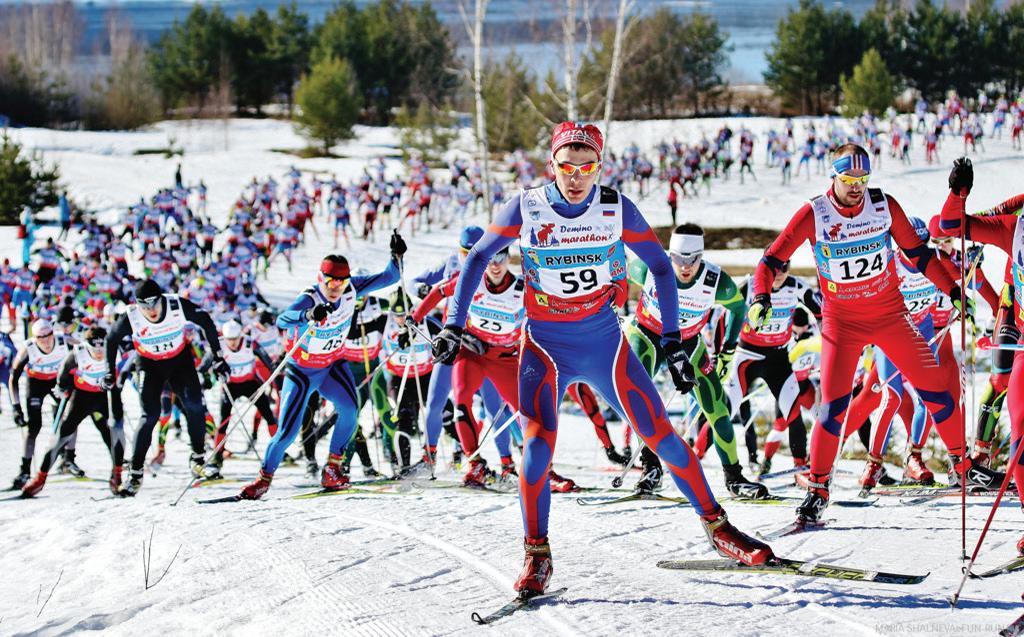
Endurance sports, from cross-country skiing to biathlon, to curling.
If speed provides the adrenaline rush, endurance embodies the deep heartbeat of the mountains. These are sports that speak of tenacity, patience and silence. They may be less spectacular in the eyes of the general public, but,more authentic. Sports in which time slows down, but every second weighs like a mountain.
Cross-country skiing is the perfect metaphor for this philosophy. No acrobatics, no downhill runs. Just the snow, your breath, and the steady rhythm of your skis gliding along. It is a sport of perseverance and solitude, where fatigue becomes almost meditative. Athletes advance kilometre after kilometre, accompanied only by the rustle of the snow and the beating of their hearts. Every climb is a challenge against oneself, every descent a respite. And when the finish line arrives, there is not only sporting victory, but the achievement of a balance between body and mind.
Cross-country skiing gave rise to biathlon, the perfect meeting of opposites: the speed of the heart and the calm of the mind. After kilometres of skiing, the athlete must stop, breathe and hit a target the size of a coin. It is a fascinating paradox: slowing down to win. In a race, everything can change in an instant, one wrong breath, one trembling hand, and victory slips away. Biathlon celebrates clarity, the ability to find calm in chaos, to bring tension and control together.
Curling is more peaceful in appearance, which many only discover during the Olympics, fascinated by those stones sliding slowly across the ice. But behind the calm lies a game of precision and strategy, almost scientific.
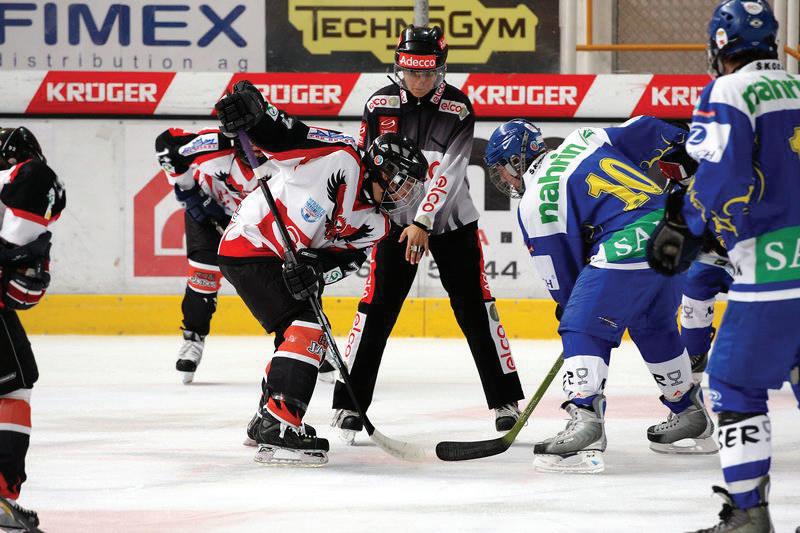
Every throw is studied, every brush measures friction and direction.
It is an “ice chessboard” where communication and intuition count. There are no bursts of applause, but a constant tension that grows with each turn. Curling proves that even slowness can be exciting when guided by intelligence.
Then there is ice hockey, the more physical and frenetic side of winter. Here, the spectacle is made up of rhythm, impact and teamwork. The collisions, the breakaways, the lightning-fast passes: everything moves like a fast and powerful dance. Behind the strength, however, there is surprising tactical precision. It is a team choreography, where everyone has their own role and the group becomes everything. It is the sport that more than any other represents collective strength, instinct and the ability to react in a flash. And then there is Nordic combined, the discipline that combines two souls: flight and endurance. First the ski jump, then the cross-country race. It is a perfect metaphor for the balance between daring and effort. Seeing an athlete launch themself into the void, then tackle kilometres of snow with burning legs, is to witness the essence of the mountain spirit: the lightness of
dreams and the reality of challenges. It takes courage, but also patience. Strength alone is not enough here: you need balance, the ability to transform the momentum of the jump into the consistency of the run.
These disciplines reveal another side of winter. Not the spectacle, but the character. They portray the mountains as a teacher of silence and endurance. They do not demand applause, but attention. They teach patience, concentration and strategy. And they remind us that success, in sport as in life, often comes from a slow pace and deep breathing.
Milan Cortina 2026 will also be this: the stage for a mountain that rewards inner strength as much as speed. And the journey to the Games also passes through Verona, where on 18 January the Olympic flame will light up the streets of the city centre, bringing with it the symbol of a country preparing to celebrate its best energy. After the glitz of the most spectacular sports, here comes the long breath of those who tackle the snow step by step. In an age dominated by urgency, these disciplines bring us back to the essence of sport: the courage to persevere, the beauty of slowness, the silent strength that keeps the flame alive.

di by Georgia Passuello
Vi è mai capitato di vedere in treno, in una caffetteria persone che usano ferri per creare maglioni o sciarpe, oppure sono concentrati in un lavoro all’uncinetto? Alberi, panchine cittadine rivestite di colori e quadrettoni fatti a mano, ebbene questa tradizione delle nostre nonne, dimenticata per tanto tempo, è ritornata decisamente di moda.
Partita questa tendenza come sempre dagli Stati Uniti è arrivata in questi ultimi anni in Italia. Già perché in un mondo che corre sempre più veloce, dove la tecnologia occupa ogni spazio e il tempo per sé stessi sembra un lusso, il ritorno a pratiche lente e manuali rappresenta una vera e propria ancora di salvezza. Questa nuova moda si chiama knitting, ovvero il lavoro a maglia, un hobby creativo, ma anche una forma di terapia del benessere mentale e fisico: la cosiddetta
knitting therapy generata da ferri, lana, aghi e uncinetto. I benefici sono dovuti a questo gesto ciclico, quasi ipnotico. Le mani si muovono in modo ripetitivo, il filo scorre tra le dita, la mente si concentra sul ritmo dei punti. Proprio questa ripetitività genera uno stato simile ad una meditazione che favorisce calma riducendo i livelli di stress. Diversi studi scientifici americani ed australiani hanno dimostrato che il knitting contribuisce ad abbassare la pressione sanguigna, rallentare il battito cardiaco e stimolare la produzione di serotonina, l’ormone del buonumore. Non finisce qui. Già perché il lavoro a maglia o all’uncinetto aiuta a migliorare la concentrazione e la memoria a breve termine, stimolando la coordinazione tra mente e corpo, questo è quanto è emerso da uno studio dell’Università Bicocca dove hanno addirittura istituito
un vero e proprio laboratorio aperto alcune ore al giorno, dove realizzare lavori a maglia. Il tintinnio dei ferri agirebbe come una sorta di cantilena rilassante. Non è un caso che molte strutture sanitarie, centri di salute mentale e case di riposo abbiano introdotto laboratori di knitting come strumento terapeutico complementare.
L’obiettivo non è solo realizzare sciarpe o maglioni, ma costruire spazi di ascolto e di presenza. Il filo che unisce i punti diventa metafora del legame che unisce le persone, dell’importanza di tessere connessioni reali in un mondo sempre più digitale.
A Verona invece dal 2022 è yarn bombing in italiano “Graffiti a Maglia” ovvero l’arte di avvolgere gli oggetti presenti nei luoghi pubblici con stoffe o tessuti, lavori a maglia e a uncinetto. L’artista è una veronese che vuole mantenere l’anonimato e che nel corso degli anni ha rivestito un albero in Lungadige Rubele soltanto per pura gioia personale, usando undici gomitoli diversi per circa 10 chilogrammi di lana.
The repetitive movement of knitting or crocheting with wool or cotton in your hands reduces stress and promotes concentration.
Have you ever seen people on the train or in a café using knitting needles to make jumpers or scarves, or concentrating on crochet work? Trees and city benches covered in colourful, handmade squares... Well, this tradition of our grandmothers, long forgotten, has definitely come back into fashion.
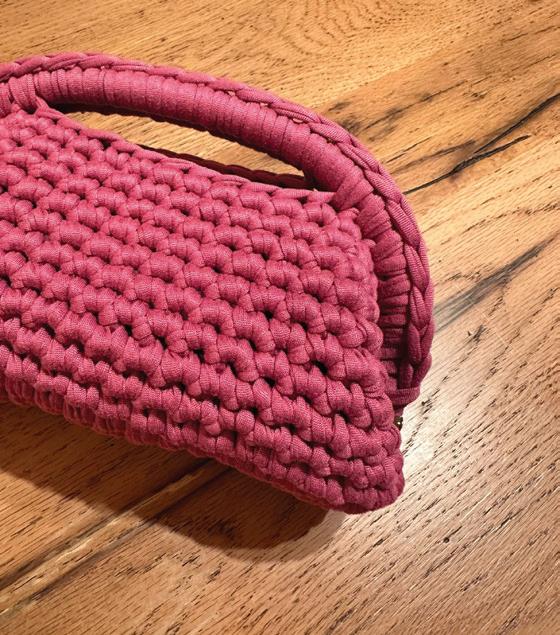
As always, this trend started in the United States and has arrived in Italy in recent years. In a world that is moving ever faster, where technology occupies every space and time for oneself seems a luxury, the return to slow, manual practices represents a real lifeline. This new fashion is called knitting, a creative hobby, but also a form of therapy for mental and physical well-being: so-called knitting therapy generated by needles, wool, hooks and crochet hooks.
The benefits are due to this cyclical, almost hypnotic gesture. The hands move repetitively, the thread runs through the fingers, the mind focuses on the rhythm of the stitches. It is precisely this repetitiveness that generates a state similar to meditation, which promotes calm and reduces stress levels. Several American and Australian scientific studies have shown that knitting helps to lower
blood pressure, slow the heart rate and stimulate the production of serotonin, the hormone responsible for good mood. But that's not all.
Knitting and crocheting also help improve concentration and short-term memory by stimulating coordination between mind and body, according to a study by the University of Milan-Bicocca, where they have even set up a workshop open a few hours a day for knitting.
The clacking of the needles acts as a kind of relaxing chant. It is no coincidence that many healthcare facilities, mental health centres and nursing homes have introduced knitting workshops as a complementary therapeutic tool. The aim is not only to make scarves or jumpers, but to create spaces for listening and presence. The thread that joins the stitches becomes a metaphor for the bond that unites people, for the importance of weaving real connections in an increasingly digital world.
In Verona, on the other hand, since 2022 there has been yarn bombing — or ‘Graffiti a Maglia’ in Italian — is the art of wrapping objects in public places with fabric or textiles, knitting and crochet.
The artist is a Veronese woman who wishes to remain anonymous and who, over the years, has covered a tree in Lungadige Rubele purely for her enjoyment, using eleven different balls of wool weighing approximately 10 kilograms.
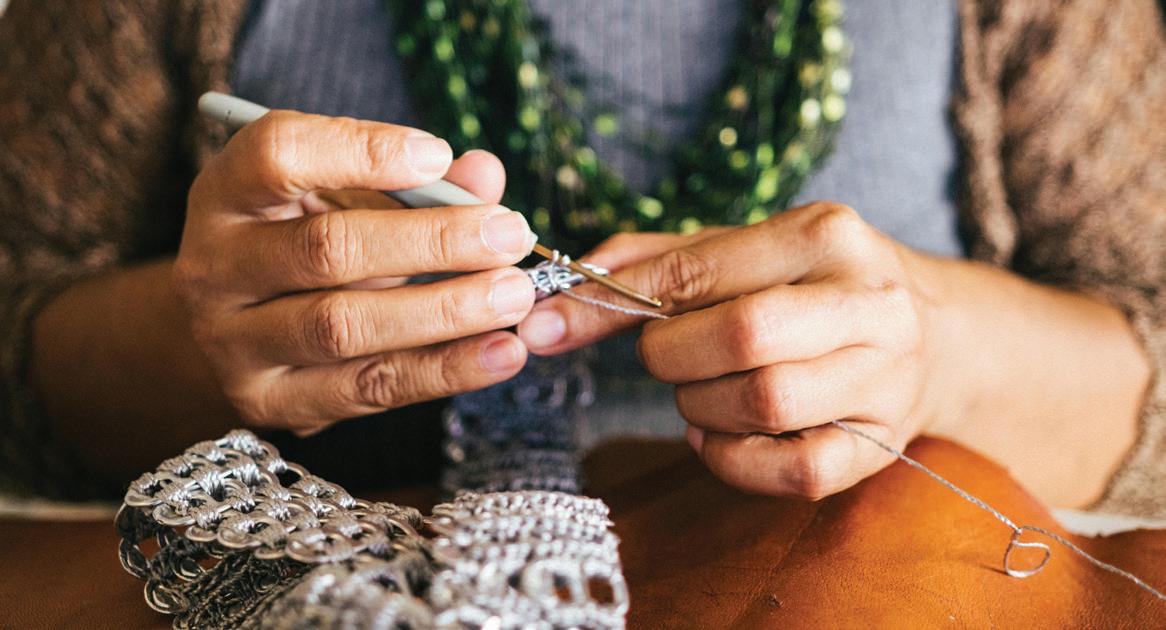


di by Andrea Molinari
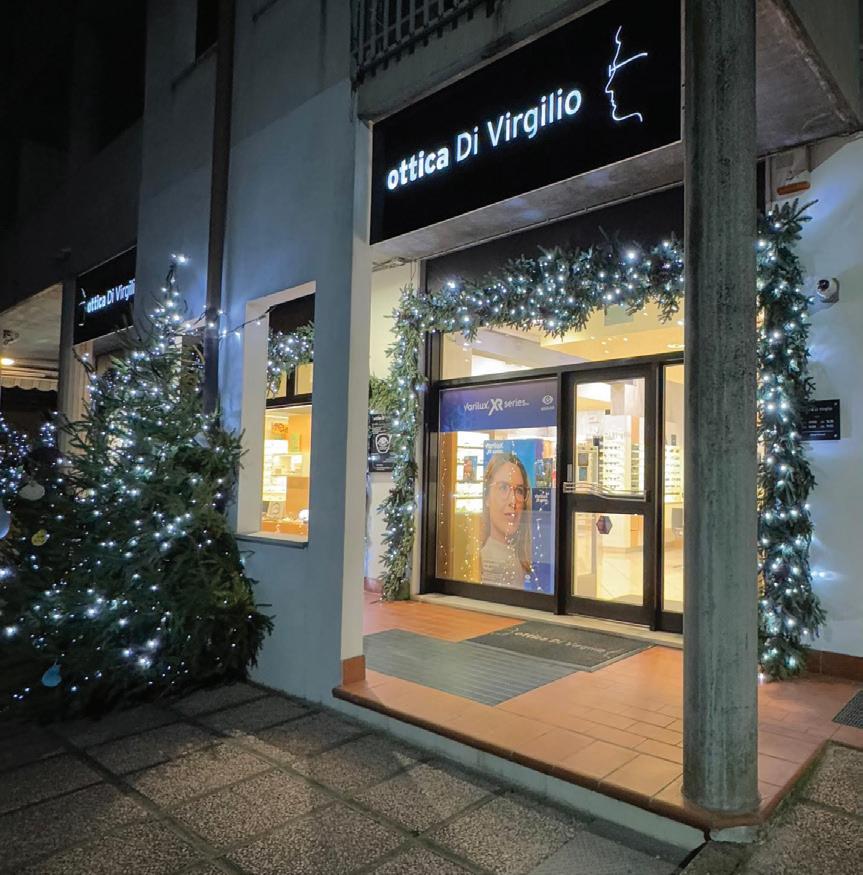
Natale è quel periodo in cui i nonni si trasformano in chef stellati: risotto, pasticcio, arrosti e dolci che sanno di casa. Ma mentre loro pensano a riempirci il piatto (più e più volte), noi cosa possiamo fare per loro? Quest’anno c’è un’idea regalo davvero speciale: i nuovi Nuance Audio Glasses, occhiali che uniscono vista e udito in un solo gesto. Sembrano normali occhiali, ma nascondono una tecnologia sorprendente. Nell’asta è integrato un sistema audio intelligente che aiuta a sentire meglio, con due modalità di ascolto selezionabili tramite app: una per gli ambienti tranquilli e una per quelli più rumorosi, così da poter seguire ogni parola anche durante le tavolate natalizie più affollate. In più, grazie all’app dedicata, l’occhiale viene tarato sulle esigenze di chi lo
indossa: si adatta alla propria sensibilità uditiva e si controlla facilmente dallo smartphone. E per quanto riguarda la vista? Nessun compromesso. I Nuance Audio Glasses possono montare lenti correttive oftalmiche personalizzatemonofocali o progressive - e sono disponibili anche in versione da sole o Transitions, che si adattano automaticamente alla luce. Dentro casa sono trasparenti, fuori diventano più scure, bloccano il 100% dei raggi UV e regalano sempre una visione perfetta. Le montature arrivano in eleganti tonalità Grigio o Smeraldo, ma si possono richiedere anche altre varianti colore per chi ama distinguersi. Il bello è che puoi provarli direttamente in negozio: Ottica Di Virgilio ha predisposto un’area dedicata dove testare gli occhiali e scegliere la configurazione ideale. E in negozio fino a dicembre sono attive
diverse promozioni sulle lenti per tutta la famiglia.
Quindi, quest’anno, invece di regalare l’ennesimo maglione con le renne, pensa a un dono che unisce affetto e innovazione. Con i Nuance Audio Glasses, i tuoi nonni (o chi ami) vedranno meglio, sentiranno meglio e, ne siamo certi, ti sentiranno dire più forte: Buon Natale!
A thought for those who taught us to look at the world.
Christmas is the time when grandparents turn into Michelin-starred chefs: risotto, pasta bakes, roasts and desserts that taste like home. But while they are busy filling our plates (again and again), what can we do for them? This year, there is a truly special gift idea: the new Nuance Audio Glasses, which combine sight and hearing in a single gesture.
They look like normal glasses, but they conceal some amazing technology. The arms feature a builtin smart audio system that helps you hear better, with two listening modes selectable via an app: one for quiet environments and one for noisier ones, so you can follow every word even during the busiest Christmas dinners. What's more, thanks to the dedicated app, the glasses are calibrated to the wearer's needs: they adapt to your hearing sensitivity and are easily controlled from your smartphone.
And what about vision? No compromise. Nuance Audio Glasses can be fitted with customised corrective ophthalmic lenses - single vision or progressiveand are also available in sunglasses or Transitions versions, which automatically adapt to the light.
Indoors they are transparent, outdoors they become darker, blocking 100% of UV rays and always providing perfect vision. The frames come in elegant Grey or Emerald shades, but other colour options are also available for those who like to stand out. The great thing is that you can try

them on directly in the shop: Ottica Di Virgilio has set up a dedicated area where you can test the glasses and choose the ideal configuration.
And until December, there are several promotions on lenses for the whole family in the shop.
So, this year, instead of giving yet another reindeer jumper, think of a gift that combines affection and innovation. With Nuance Audio Glasses, your grandparents (or loved ones) will see better, hear better and, we are sure, hear you say louder: Merry Christmas!



Siamo la generazione che ha scelto di non consumare il futuro, ma di alimentarlo con intelligenza.
ylios.eu
di by Agnese Ceschi
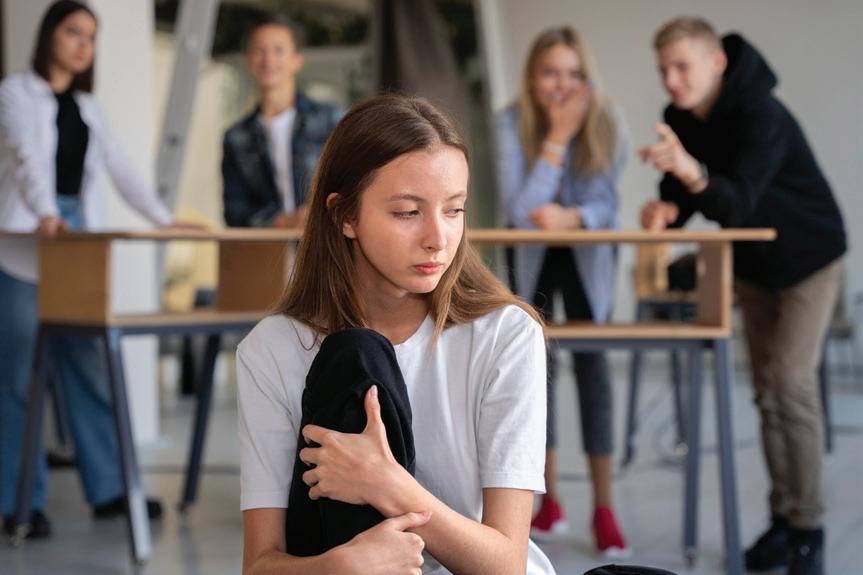
Più di uno studente su quattro ha sperimentato episodi di bullismo o cyberbullismo.
Ce lo dice un’indagine condotta su 5.849 studenti delle scuole superiori delle province di Padova, Vicenza e Verona da Fondazione Foresta ETS, punto di riferimento nella ricerca sulla salute e sul benessere giovanile, che non ci dà una visione rincuorante della condizione dei giovani di oggi.
“Il bullismo è uno specchio del disagio giovanile: dietro le prepotenze spesso si nasconde fragilità, bisogno di riconoscimento o assenza di punti di riferimento adulti” spiega il professor Carlo Foresta.
Il quadro che emerge dall’analisi dei questionari, anonimi e su base scientifica, restituisce un allarme preoccupante: più di uno studente su quattro, vittima di atti di bullismo o cyberbullismo, lo è per differenze significative per sesso e caratteristiche personali. Le femmine risultano più frequentemente

vittime, i maschi più frequentemente autori.
Chi è la vittima?
Generalmente una persona vulnerabile da un punto di vista emotivo e fisico. Tra i ragazzi vittime si osserva una maggiore prevalenza di sovrappeso/obesità, ma anche diversità nell'orientamento sessuale e identità di genere.
«Il bullismo colpisce soprattutto chi è percepito come diverso — per aspetto fisico, identità o
modo di vivere l’affettività — trasformando la vulnerabilità in un bersaglio» sottolinea Foresta.
Tra i segnali di disagio che accompagnano la vittimizzazione, emergono solitudine e sofferenza psicologica.
Sul fronte dei risvolti psicologici, la pratica di autolesionismo nel campione di studio è più di frequente nelle ragazze vittime di bullismo, con indicazioni coerenti di maggiore ricorso a supporto psicologico nelle femmine (ha già usufruito o ha sentito il bisogno di supporto il 63,7% contro 32,6% dei maschi).
Chi è invece il bullo?
La figura del bullo, specie al maschile, si accompagna a una più alta propensione a condotte a rischio: si fuma di più, si consumano più alcol e sostanze, e si registra una maggiore esposizione a pornografia online e sexting.
«In alcune adolescenti il confine tra subire e agire è sottile: il dolore non elaborato può trasformarsi in rabbia», commenta il professor Foresta.
«Il quadro complessivo parla di un fenomeno a doppia faccia: le vittime — più spesso femmine — portano i segni della solitudine e del disagio, mentre gli autori — più spesso maschi — si distinguono per trasgressività e comportamenti a rischio, specialmente nell’ambiente digitale. Il contesto familiare non mostra fratture eclatanti, ma tra gli autori si intravede una minore coesione. Non esistono solo bulli e vittime: esistono adolescenti in difficoltà che usano la rete, il corpo o la violenza per esprimere ciò che non riescono a dire».
Cosa possiamo fare?
Ciò che emerge da questa interessante analisi è un segnale di allarme per le scuole e per le famiglie. Secondo la Fondazione Foresta non bastano interventi punitivi: servono programmi di prevenzione che agiscano sull’empatia, sul
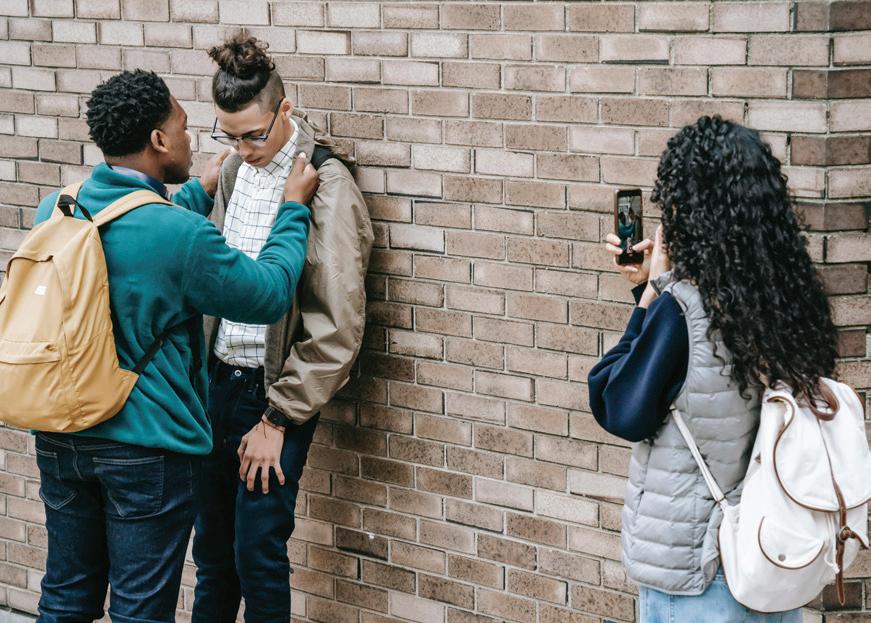
rispetto e sulla gestione dei conflitti, integrando l’educazione digitale con il supporto psicologico.
«Serve un’alleanza educativa stabile tra scuola, famiglia e territorio: riconoscere presto i segnali, offrire ascolto, costruire reti di protezione e di responsabilità» conclude Foresta.
The survey was also conducted in the province of Verona.
More than one in four students has experienced bullying or cyberbullying.
This is according to a survey conducted on 5,849 high school students in the provinces of Padua, Vicenza and Verona by Fondazione Foresta ETS, a leading research organisation in the field of youth health and wellbeing, which does not paint a comforting picture of the condition of young people today.
" Bullying is a reflection of youth distress: behind bullying often lies fragility, a need for recognition or a lack of adult role models," explains Professor Carlo Foresta.
The picture that emerges from the analysis of the anonymous, scientifically based questionnaires is alarming: more than one in four students who are victims of bullying or cyberbullying are targeted because of significant differences in gender and personal characteristics. Females are more frequently victims, while males are more frequently perpetrators.
Generally, someone who is emotionally and physically vulnerable. Among male victims, there is a higher prevalence of overweight/obesity, but also diversity in sexual orientation and gender identity. 'Bullying mainly affects those who are perceived as different — in terms of physical appearance,
identity or emotional expression — turning vulnerability into a target,' Foresta points out.
Among the signs of distress that accompany victimisation are loneliness and psychological suffering. In terms of psychological implications, self-harm is more common among girls who are victims of bullying in the study sample, with consistent indications of greater use of psychological support among females (63.7% have already used or felt the need for support, compared to 32.6% of males).
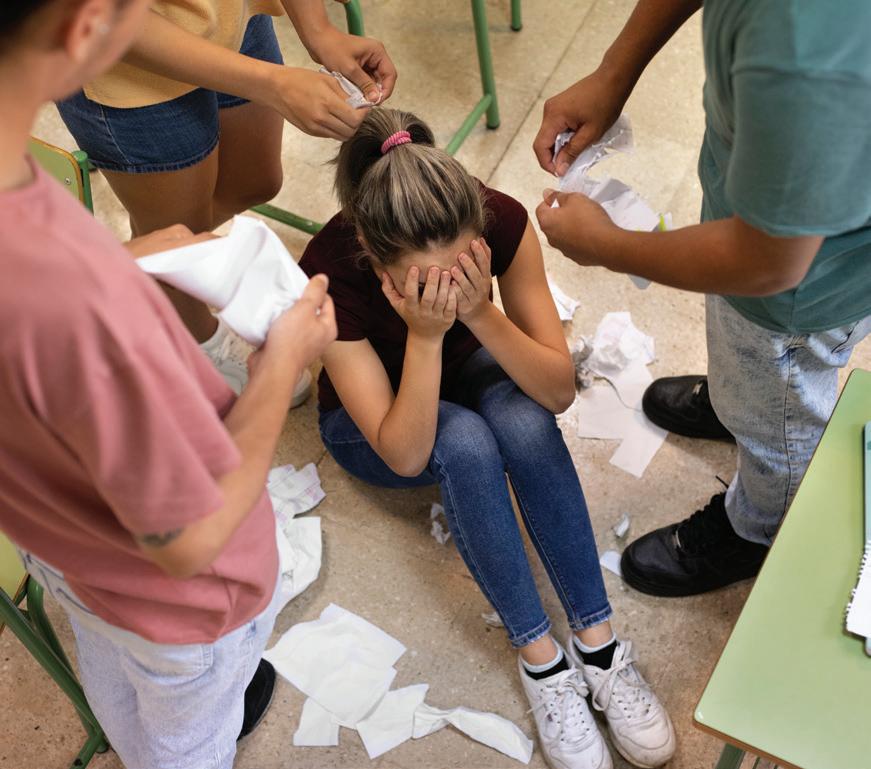
The bully, especially the male bully, is associated with a higher propensity for risky behaviour: they smoke more, consume more alcohol and substances, and are more exposed to online pornography and sexting.
'In some adolescents, the line between suffering and acting out is thin: unprocessed pain can turn into anger,' comments Professor Foresta.
'The overall picture shows a two-sided phenomenon: victims — more often female — bear the marks of loneliness and discomfort, while perpetrators — more often male — are distinguished by transgressive and risky behaviour, especially in the digital environment. The family context does not show any striking fractures, but there is less cohesion among the perpetrators. There are not only bullies and victims: there are adolescents in difficulty who use the internet, their bodies or violence to express what they cannot say."
What emerges from this important analysis is a warning sign for schools and families. According to the Foresta Foundation, punitive measures are not enough; we need prevention programme that focus on empathy, respect and conflict management, combining digital education with psychological support.
“We need a stable educational alliance between schools, families and the local community: recognising the signs early, listening, building networks of protection and responsibility,” concludes Foresta.
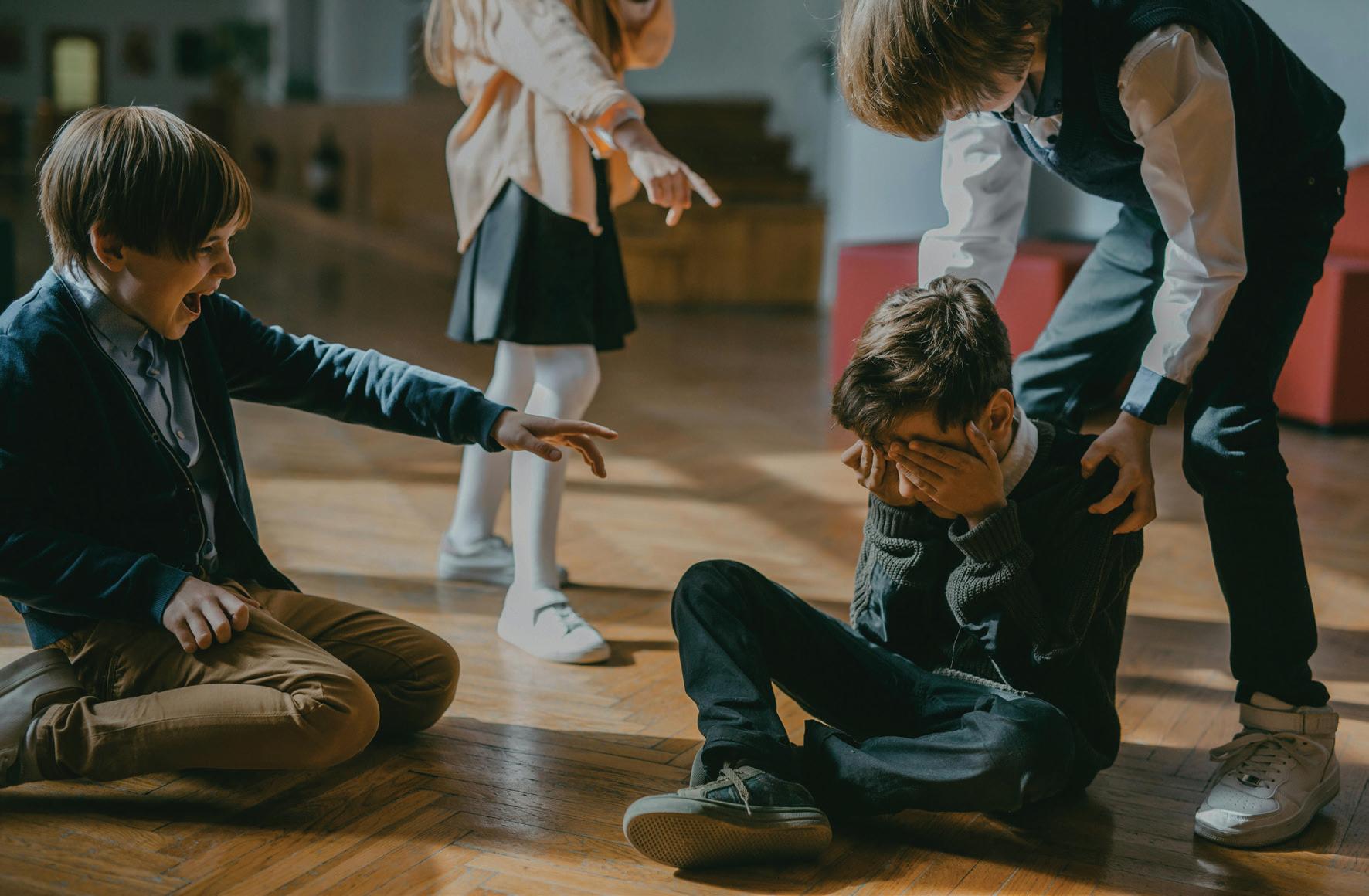

Vanno separati i tappi dalle bottiglie di plastica e dalle confezioni in tetrapak?
Sia nell’uno che nell’altro caso no, devono essere conferiti insieme al loro contenitore, ma ora vi diciamo di più. I tappi di plastica vanno conferiti insieme a bottiglie e bottigliette di acqua, bibita o altro. Un piccolo gesto talmente importante che dal 2019 una normativa europea (la 2019/94) impone tra le altre misure che i tappi delle bottiglie di plastica siano e rimangano agganciate al collo del contenitore di liquido. Un provvedimento additato da molti come scomodo e poco funzionale che tuttavia è legato ad un’emergenza ambientale ben precisa: le stime Ue, infatti, indicano che la plastica rappresenta oltre l’80% dei rifiuti marini. Anche per quanto riguarda il tappo in plastica sul contenitore in tetrapak va lasciato attaccato al contenitore stesso e buttato quindi nella carta (come abbiamo spiegato nell’articolo qui di seguito). Infatti, nello stabilimento veronese dove AMIA conferisce la carta, dotato di selettore ottico, la separazione della carta dagli altri materiali avviene in questa fase e non è un’incombenza per il cittadino.
Di volta in volta selezioneremo la domanda più interessante e un esperto di Amia risponderà. Continuate a fare domande sul nostro profilo instagram, tante sorprese in arrivo per chi partecipa!
Should caps be separated from plastic bottles and Tetra Pak packaging?
In both cases, no, they should be disposed of together with their container, but let us explain further.
Plastic caps should be disposed of together with bottles and small bottles of water, soft drinks, or other beverages. This small gesture is so important that, since 2019, a European regulation (2019/94) requires, among other measures, that plastic bottle caps be and remain attached to the neck of the liquid container. This measure has been criticized by many as inconvenient and impractical, but it is linked to a very specific environmental emergency: EU estimates indicate that plastic accounts for over 80% of marine waste. Plastic caps on Tetra Pak containers must also be left attached to the container itself and then disposed of with the paper (as explained in the article below). In fact, at the Verona plant where AMIA delivers paper, which is equipped with an optical sorter, the separation of paper from other materials takes place at this stage and is not a task for citizens.
From time to time we will select the most interesting question and an expert from Amia will answer. Keep asking questions on our instagram profile, lots of surprises coming up for those who participate!
di by di Federica Clemente in collaborazione con in collaboration with AMIA Verona
Ma davvero i cartoni per le bevande vanno conferiti con la raccolta della carta?
Proprio così. Nonostante per anni questi imballaggi siano stati considerati “ibridi” e quindi difficili da gestire, rappresentano al contrario una risorsa preziosa per l’economia circolare. I cosiddetti cartoni poliaccoppiati — usati per latte, succhi e altre bevande — sono infatti composti in prevalenza da carta (circa il 75%), con una piccola parte di plastica e alluminio che serve a garantire la conservazione del contenuto. Separare questi materiali non è semplice, ma la tecnologia rende possibile un riciclo completo ed efficiente.
In più, da oggi, sul territorio, questo processo avviene anche “a km zero”. Nel veronese, Cartiere Saci, azienda da anni impegnata non solo nella produzione ma anche nel recupero e nella valorizzazione degli imballaggi cellulosici, ha inaugurato Selecta, un impianto industriale di nuova generazione dotato di selettore ottico per la separazione automatica dei cartoni per bevande da altra carta e imballaggi.
Si tratta di una struttura altamente innovativa,
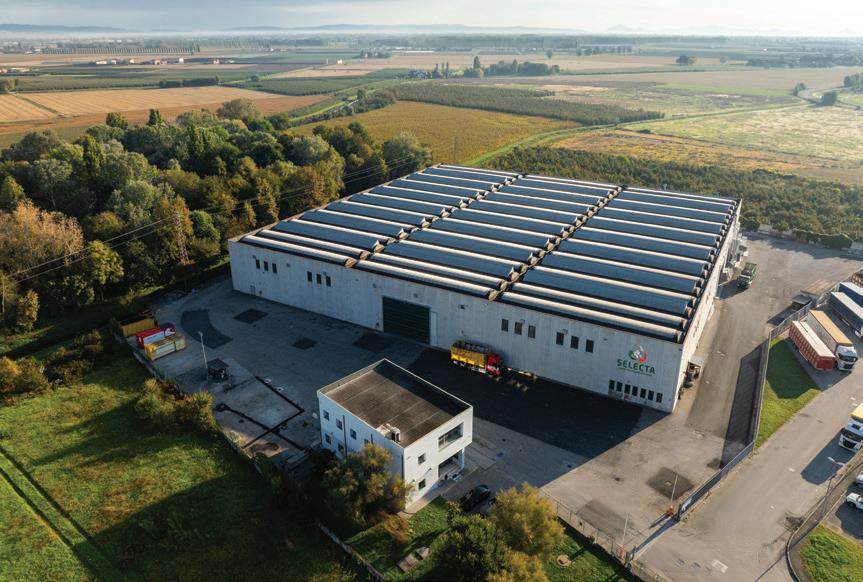
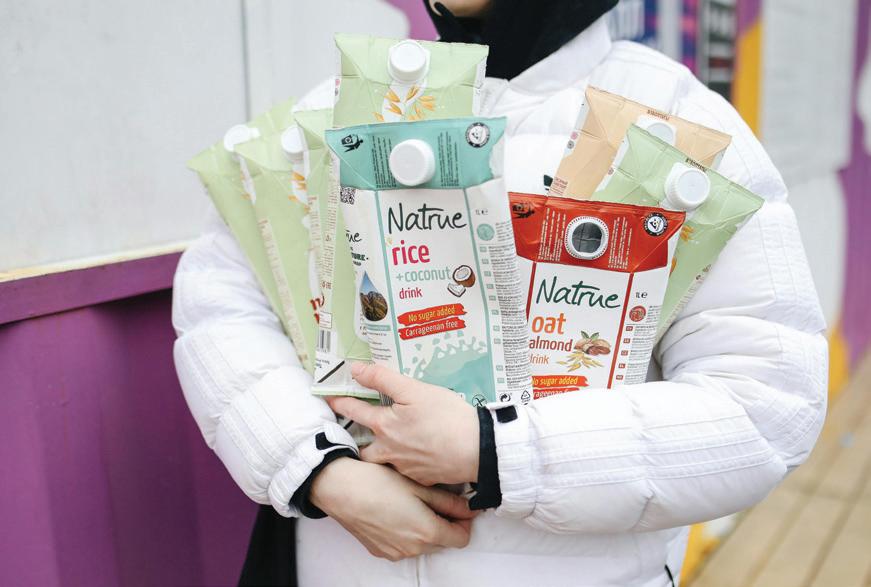
un vero e proprio fiore all’occhiello per il territorio, che rende Verona un’eccellenza nazionale nel settore del riciclo dei poliaccoppiati, insieme solo a Lucca. «La partenza dell’impianto – spiega Roberto Di Molfetta, Vicedirettore di Comieco – permette di riciclare a km zero non solo la carta, ma anche plastica e alluminio dei cartoni per bevande, chiudendo il cerchio dell’economia circolare in Veneto. A Verona oggi si selezionano circa 300 tonnellate di cartoni per bevande all’anno, ma il potenziale è molto più alto: l’obiettivo è raddoppiare entro tre anni. Un aumento che contribuirebbe alla crescita complessiva della raccolta differenziata di carta e cartone, che a Verona nei primi 9 mesi del 2025 ha sfiorato le 11.500 tonnellate e per le quali Comieco (Consorzio nazionale Recupero e Riciclo degli Imballaggi a base Cellulosica) ha riconosciuto corrispettivi economici pari a 845.000 euro». Tutto il materiale raccolto da Amia viene conferito direttamente a Cartiere Saci, dove avviene la separazione dei diversi strati del cartone. Le fibre di cellulosa vengono trasformate in nuova carta riciclata – destinata
alla produzione di fogli, sacchetti, scatole, fazzoletti e carta igienica – mentre plastica e alluminio trovano nuova vita in oggetti di uso quotidiano, come articoli per la casa o giocattoli.
Oltre al valore ambientale, l’impianto Selecta ha anche un forte impatto locale: il trattamento “a chilometro zero” riduce i costi e le emissioni legate al trasporto, favorisce l’occupazione e consolida il ruolo del territorio veronese come punto di riferimento nazionale per il riciclo sostenibile.
Un passo concreto verso un’economia circolare che non resta solo sulla carta.
In Verona, recycling truly becomes zero km.
But should beverage cartons really be disposed of with paper waste?
That's right. Although for years these packages have been considered “hybrid” and therefore difficult to manage, they are actually a valuable resource for the circular economy. So-called poly-coated cartons—used for milk, juice, and other beverages— are in fact mainly composed of paper (about 75%), with a small amount of plastic and aluminum to ensure the preservation of the contents. Separating these materials is not easy, but technology makes complete and efficient recycling possible.
Yes, it is. From today, this process also takes place ‘locally’ in the area. In the Verona area, Cartiere Saci, a company that has been involved for years not only in production but also in the recovery and recycling of cellulose packaging, has inaugurated Selecta, a new-
generation industrial plant equipped with an optical sorter for the automatic separation of beverage cartons from other paper and packaging.
This is a highly innovative facility, a real feather in the cap for the area, making Verona a national leader in the recycling of poly-coated materials, alongside Lucca.
“The launch of the plant,” explains Roberto Di Molfetta, Deputy Director of Comieco, "allows us to recycle not only paper, but also plastic and aluminum from beverage cartons locally, closing the circle of the circular economy in Veneto. In Verona, around 300 tons of beverage cartons are sorted each year, but the potential is much higher: the goal is to double this figure within three years. This increase would contribute to the overall growth of separate paper and cardboard collection, which in Verona reached almost 11,500 tons in the first nine months of 2025 and for which Comieco (National Consortium for the Recovery and Recycling of Cellulose-based Packaging) has recognized economic compensation of €845,000.
All the material collected by Amia is sent directly to Cartiere Saci, where the different layers of cardboard are separated. The cellulose fibers are transformed into new recycled paper—used to produce sheets, bags, boxes, tissues, and toilet paper— while plastic and aluminum are given new life in everyday objects, such as household items and toys.
In addition to its environmental value, the Selecta plant also has a strong local impact: zero-kilometer processing reduces transport costs and emissions, promotes employment, and consolidates the role of the Verona area as a national benchmark for sustainable recycling.
A concrete step towards a circular economy that is not just on paper.
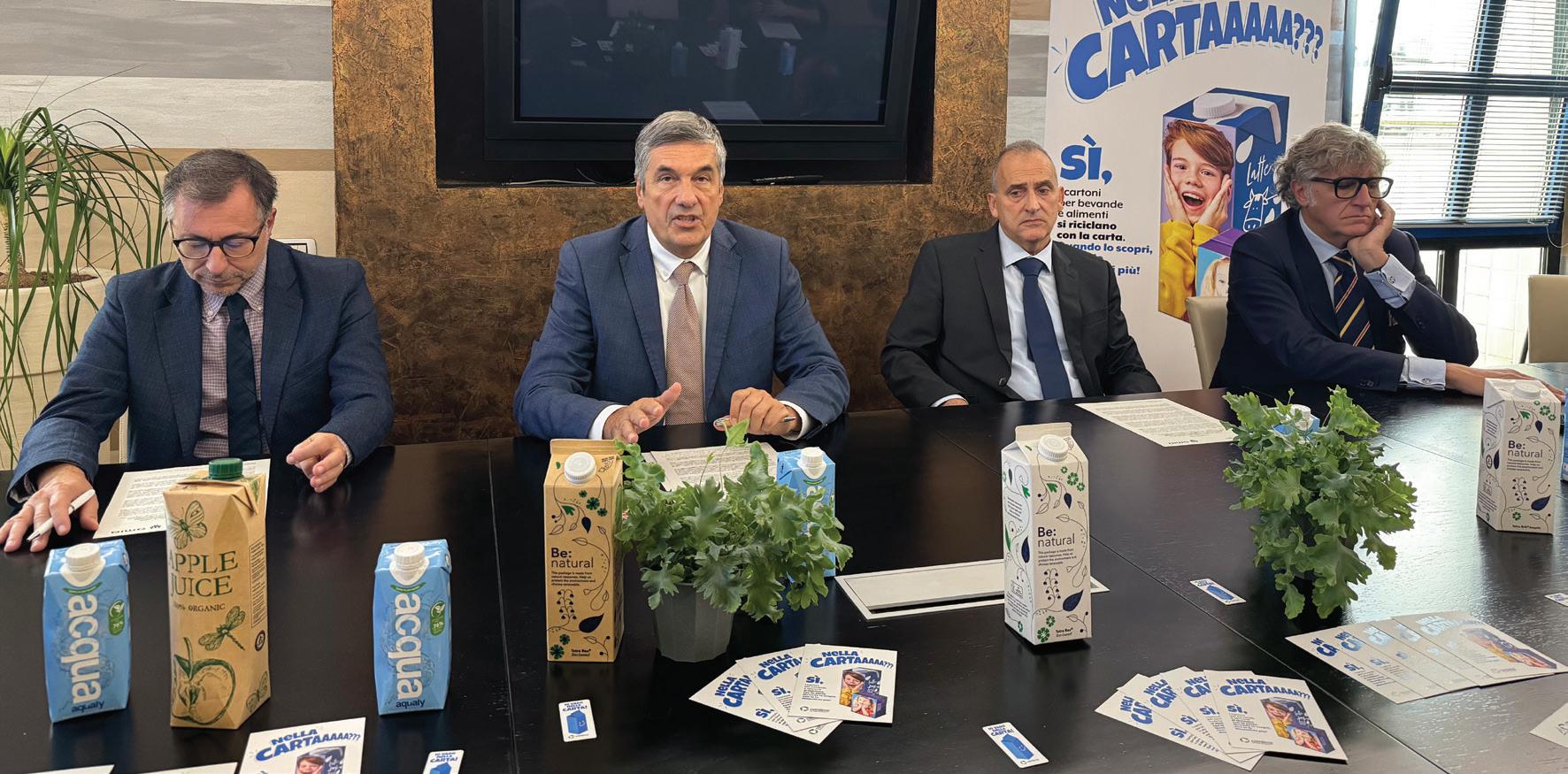
di by Agnese Ceschi
Un importante prodotto della tradizione vitivinicola veronese, il Recioto, non può mancare sulle tavole delle festività natalizie, e non solo. Negli anni però il successo di questo prezioso nettare dal sapore dolce e avvolgente e dalla storia antica è stato offuscato dal più noto, ma più recente, Amarone. Così Slow Food ha istituito un presidio per conservarne la tradizione ed il valore, perché ogni vino ha la sua unicità. A proposito di ciò, abbiamo chiacchierato con la sommerlier e giornalista Corinna Gianesini e le abbiamo chiesto di raccontarci meglio questo vino.
Com’è nato e viene prodotto il Recioto?
Il Recioto è un vino dalla storia molto antica. Fin dai tempi dei romani si era compreso che la frutta esiccata poteva essere conservata anche durante i
lunghi mesi invernali. Così è accaduto anche per l’uva che, appassita e poi spremuta, donava un liquido concentrato ricco di zuccheri e di aromi. Ancora oggi il Recioto è prodotto così. I grappoli vengono messi ad appassire in fruttaio e la spremitura avviene solo quando l’uva ha perso oltre il 50% del suo peso. Il mosto fermenta molto lentamente e durante il processo gli zuccheri non vengono trasformati del tutto in alcol dai lieviti dando vita ad un vino dall’alcolicità moderata che presenta un deciso residuo zuccherino.
Perché negli anni non è stato valorizzato nel modo giusto?
Il Recioto della Valpolicella ha una tradizione lunga e importante, è sempre stato il vino delle feste e delle ricorrenze familiari. Proprio per la sua preziosità ha
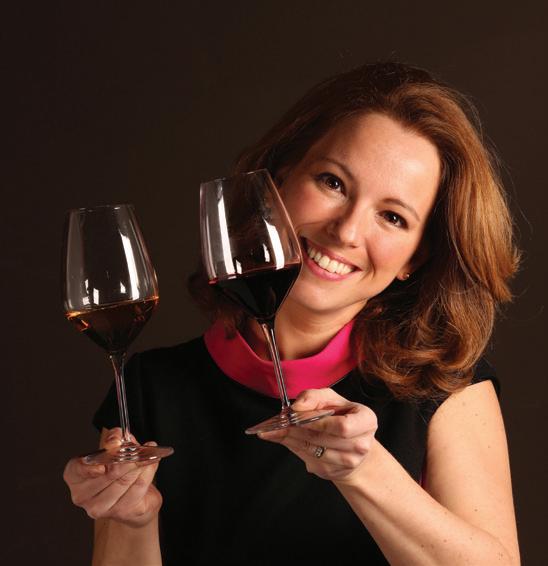
ottenuto il riconoscimento a Denominazione di Origine Controllata nel 1969 e successivamente l’adeguamento a DOCG nel 2010. Purtroppo nel corso dei decenni il grande successo dell’Amarone nei mercati internazionali ha offuscato il fascino del Recioto che oggi incide solo per lo 0,6% nella produzione della Valpolicella.
Il Recioto è diventato presidio Slow Food: ci spieghi cosa significa?
Slow Food ha istituito i Presìdi per custodire alcune produzioni che rischiavano di andare definitivamente perdute. Alcuni produttori hanno deciso di dare vita a questo Presidio, dotandosi di un regolamento interno più restrittivo rispetto alla DOCG, nell’ottica di preservare questo vino nella sua massima espressione qualitativa.
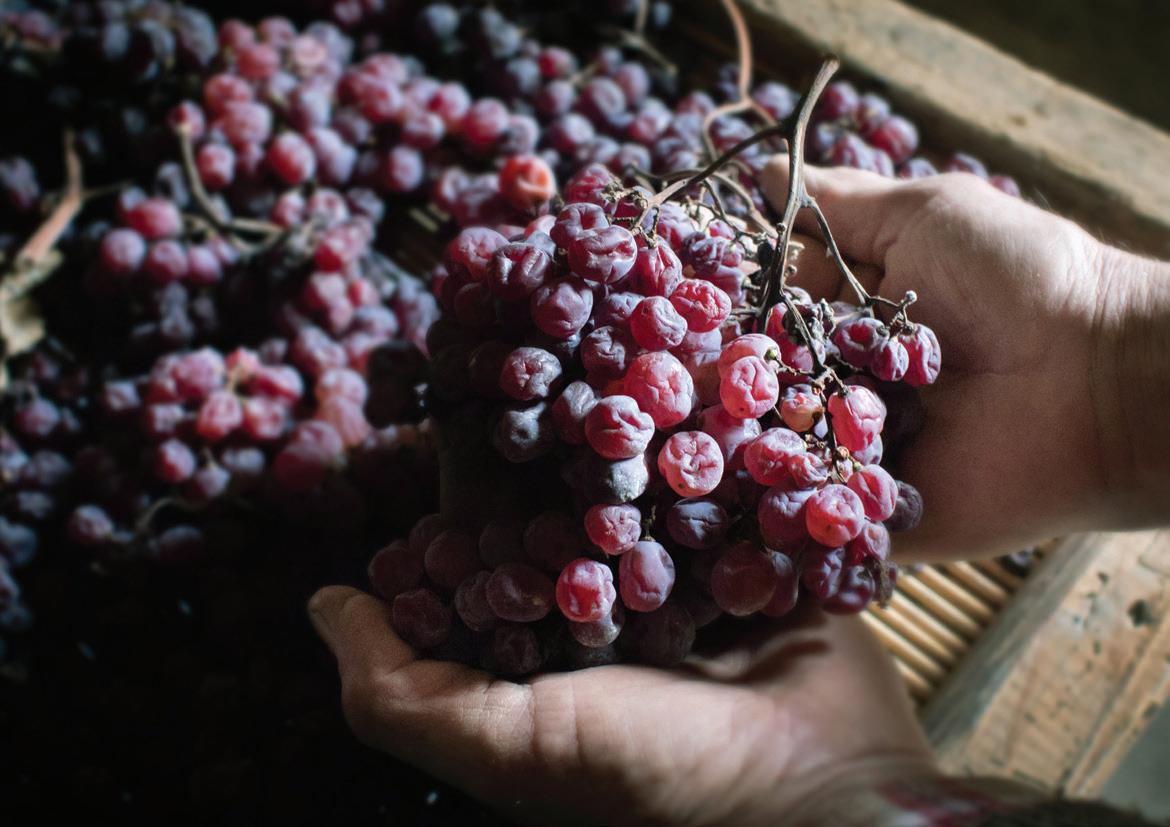
Nello specifico il regolamento prevede vigneti di almeno 15 anni di età, coltivati nel rispetto dell’ambiente e del paesaggio, senza l’utilizzo di diserbo chimico. L’uva dopo la raccolta deve sostare in fruttaio per 100 giorni e il vino che se ne ottiene deve affinare per almeno 5 anni, di cui 1 in bottiglia. Si tratta di un regolamento molto esigente e non tutti gli anni sarà possibile produrre questo vino meraviglioso, in cui la dolcezza dell’uva appassita incontra la speziata complessità donata dall’affinamento.
Ci consigli un buon abbinamento per le festività natalizie?
Il Recioto non è solo un vino dolce da relegare alla fine del pasto con un dessert a base di cioccolato o frutta secca. Certo questo è un abbinamento che può dare delle belle soddisfazioni, ma un buon Recioto, grazie alle sue doti di equilibrio e di profondità, può essere abbinato con gioia a dei cibi salati, come dei formaggi stagionati o erborinati. Il contrasto tra dolce e salato risulterà stuzzicante e gustoso. Per i palati più arditi si potrebbe provare in abbinamento
con una coda alla vaccinara un po’ piccante e, perché no, spolverata di cioccolato fondente. Un’ultima raccomandazione: rinfrescate sempre il vino, così da servirlo a circa 10-12 gradi.
A great classic for the Christmas holidays and beyond.
Recioto, asignificant traditional product of Verona's winemaking tradition, is a must on Christmas tables, and not only then. Over the years, however, the success of this precious nectar with its sweet, enveloping flavor and ancient history has been overshadowed by the better known, but more recent, Amarone.
So Slow Food has established a presidium to preserve its tradition and value, because every wine has its own uniqueness. We spoke to sommelier and journalist Corinna Gianesini and asked her to tell us more about this wine.
How was Recioto created and how is it produced?
Recioto is a wine with a very ancient history. Since Roman times, it has been understood that dried fruit could be preserved even during the long winter months. The same was true for grapes, which, when dried and then pressed, yielded a concentrated liquid rich in sugars and aromas. Recioto is still produced in this way today. The bunches are left to dry in the fruit cellar and are only pressed when the grapes have lost more
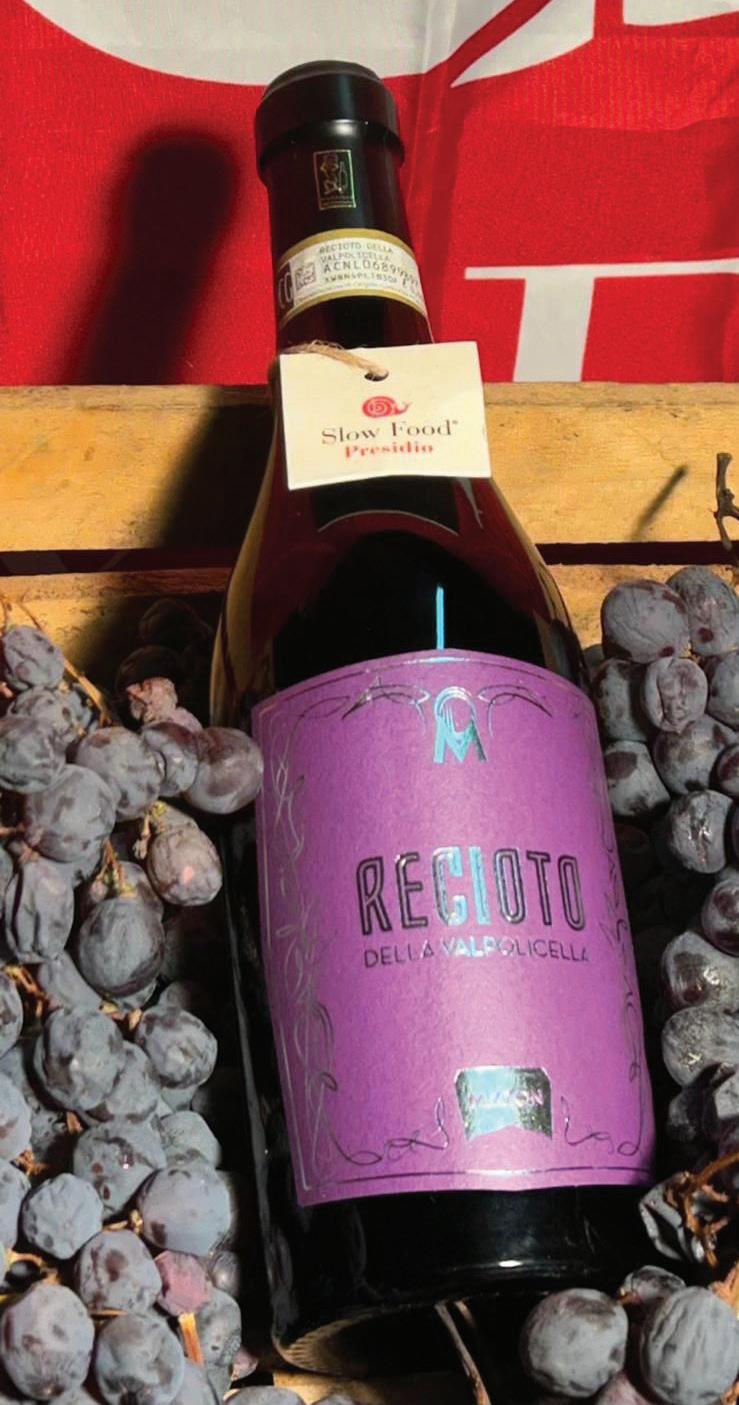
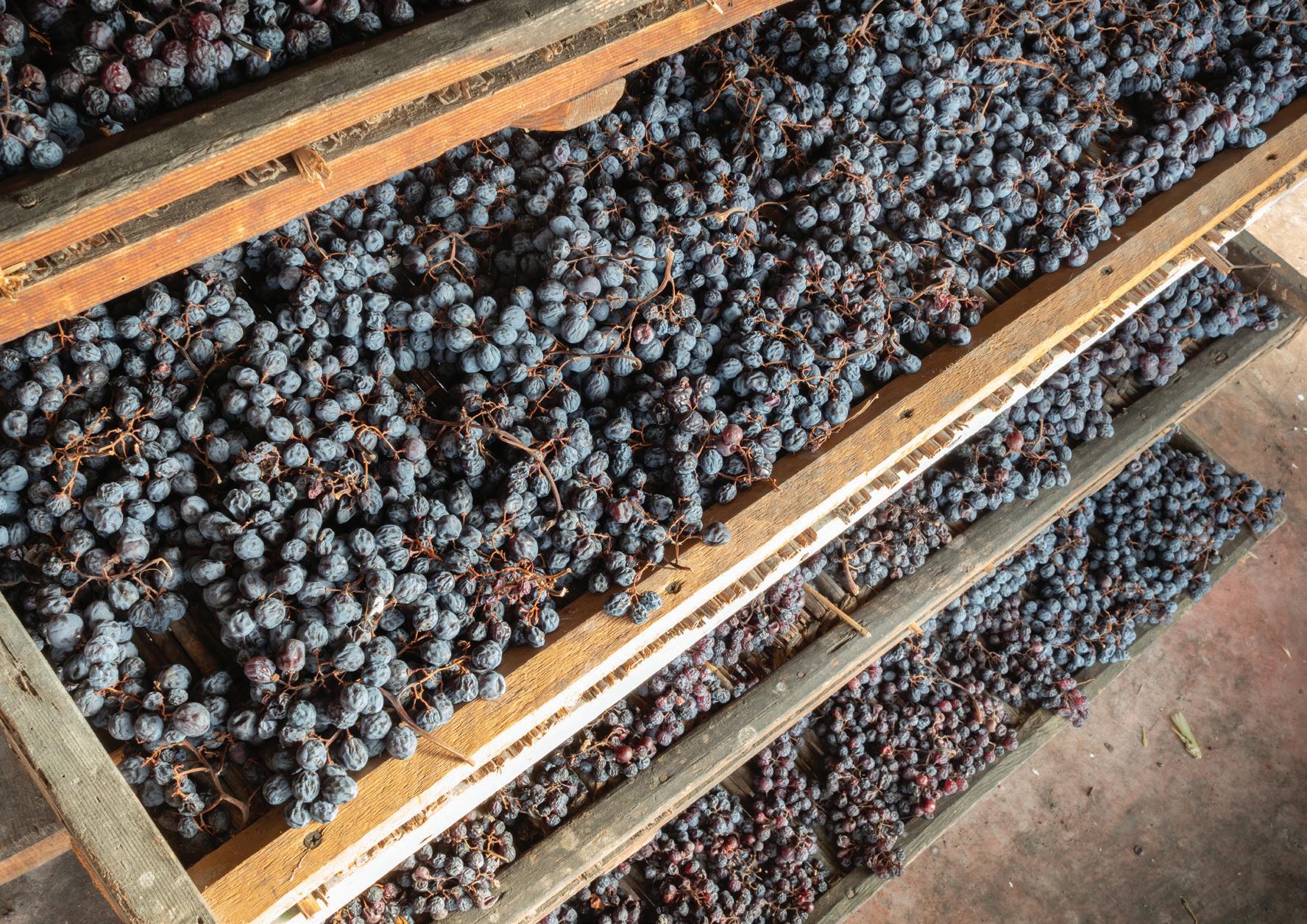
than 50% of their original weight.
The must ferments very slowly and during the process the sugars are not completely transformed into alcohol by the yeast, resulting in a wine with a moderate alcohol content and a distinct residual sugar content.
Why hasn't it been properly promoted over the years?
Recioto della Valpolicella has a long and significant tradition, and has always been the wine of celebrations and family occasions. Precisely because of its preciousness, it obtained Controlled Designation of Origin status in 1969 and was subsequently upgraded to DOCG in 2010. Unfortunately, over the decades, the great success of Amarone on international markets has overshadowed the appeal of Recioto, which today accounts for only 0.6% of Valpolicella production.
Recioto has become a Slow Food Presidium: can you explain what that means?
Slow Food established the Presidia to protect certain products that were in danger of being lost forever. Some producers have decided to set up this Presidium, adopting internal regulations that are more restrictive than the DOCG, with a view to preserving this wine at its highest quality. Specifically, the regulations require vineyards to be at least 15 years old, cultivated with respect for the environment and the landscape, without the use of chemical weedkillers. After harvesting, the grapes must remain in the fruit cellar for 100 days and the wine obtained must be aged for at least 5 years, including 1 year in the bottle. These are very demanding regulations and it will not be possible to produce this wonderful wine every year, in which the
sweetness of the dried grapes meets the spicy complexity given by the aging process.
Can you recommend a good pairing for the Christmas holidays?
Recioto is not just a sweet wine to be relegated to the end of a meal with a chocolate or dried fruit dessert. Of course, this is a pairing that can be very satisfying, but a good Recioto, thanks to its balance and depth, can be happily paired with savory foods, such as aged or blue cheeses. The contrast between sweet and savory will be tantalizing and tasty. For the more adventurous palates, you could try pairing it with a slightly spicy coda alla vaccinara (oxtail stew) and, why not, a sprinkling of dark chocolate. One last recommendation: always chill the wine so that it is served at around 10-12 degrees Celsius.
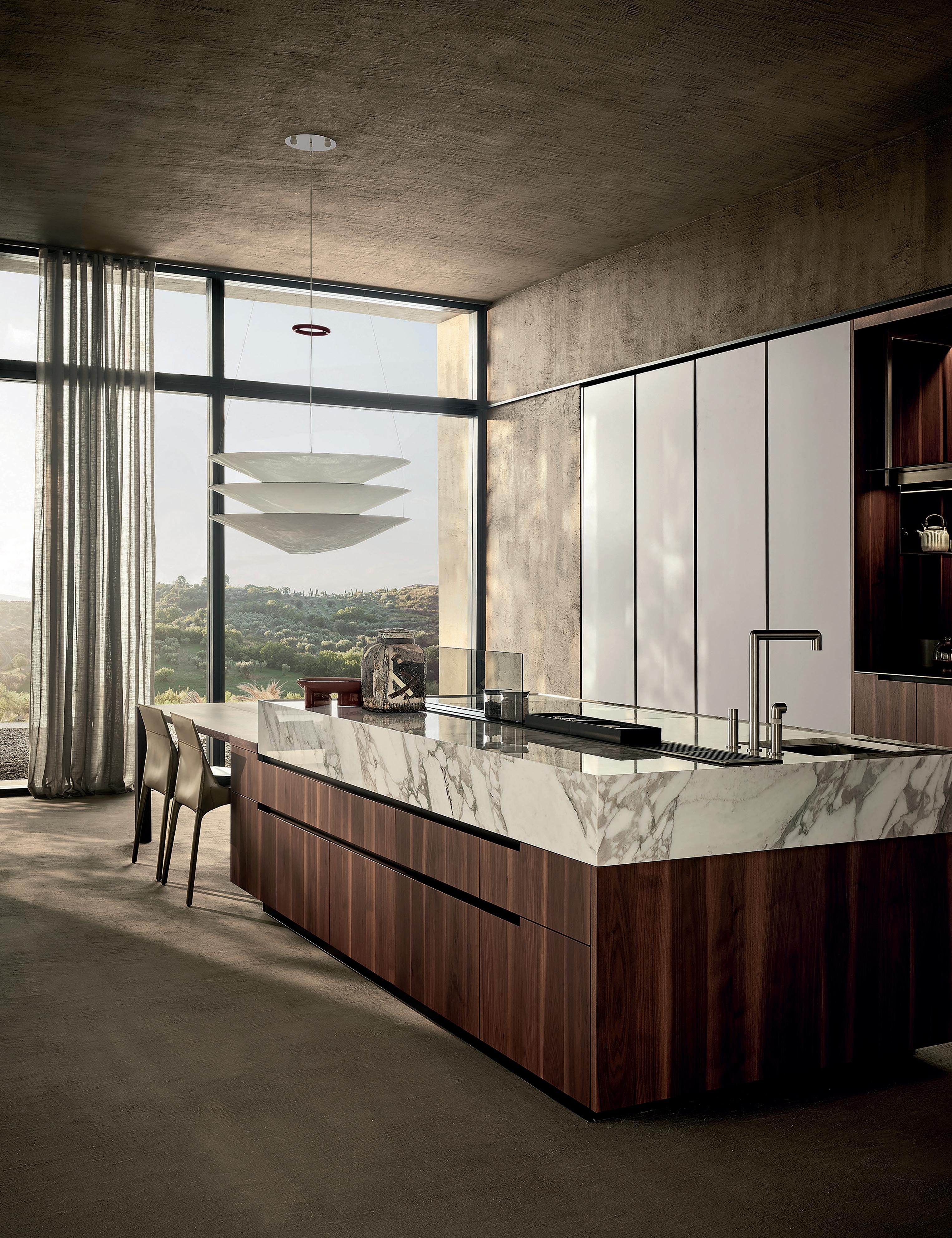
di by Andrea Molinari
Piccola, compatta e… ibrida! La nuova Toyota Aygo X Hybrid arriva pronta a portare una ventata di novità nel mondo delle city car. È la prima full hybrid del segmento A, quello delle city car, e già questo basterebbe per dire “wow”. Ma Toyota non si è fermata qui: ha messo insieme design, tecnologia e divertimento in un’auto che ama la città (e l’ambiente) allo stesso modo.
Sotto il cofano c’è il nuovo motore 1.5 Full Hybrid da 116 cavalli, che regala scatto e agilità con consumi da record: solo 3,7 litri per 100 km e appena 85 g/km di CO2. Tradotto:
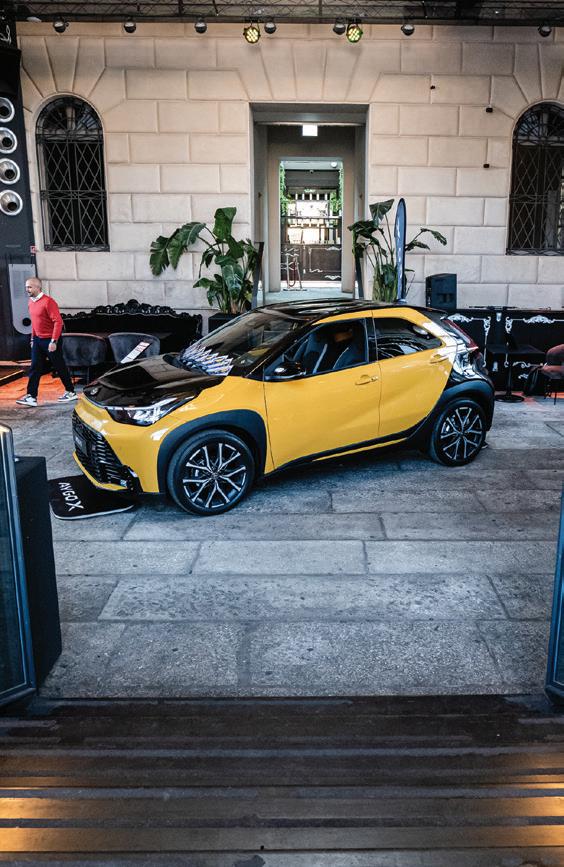
più potenza e meno consumi rispetto al modello precedente. È la prova che si può avere tutto: grinta, efficienza e una coscienza ecologica. La nuova Aygo X è costruita sulla stessa piattaforma della Yaris, ma resta super compatta (3,77 metri!) e facilissima da parcheggiare anche nei vicoli più ostinati.
Il peso piuma di circa 1.100 kg la rende scattante nel traffico, e con il baricentro basso si muove come un gokart con il cuore green.
Il look è in pieno stile crossover urbano: linee decise, assetto rialzato e colori da leccarsi i baffi. Per chi ama
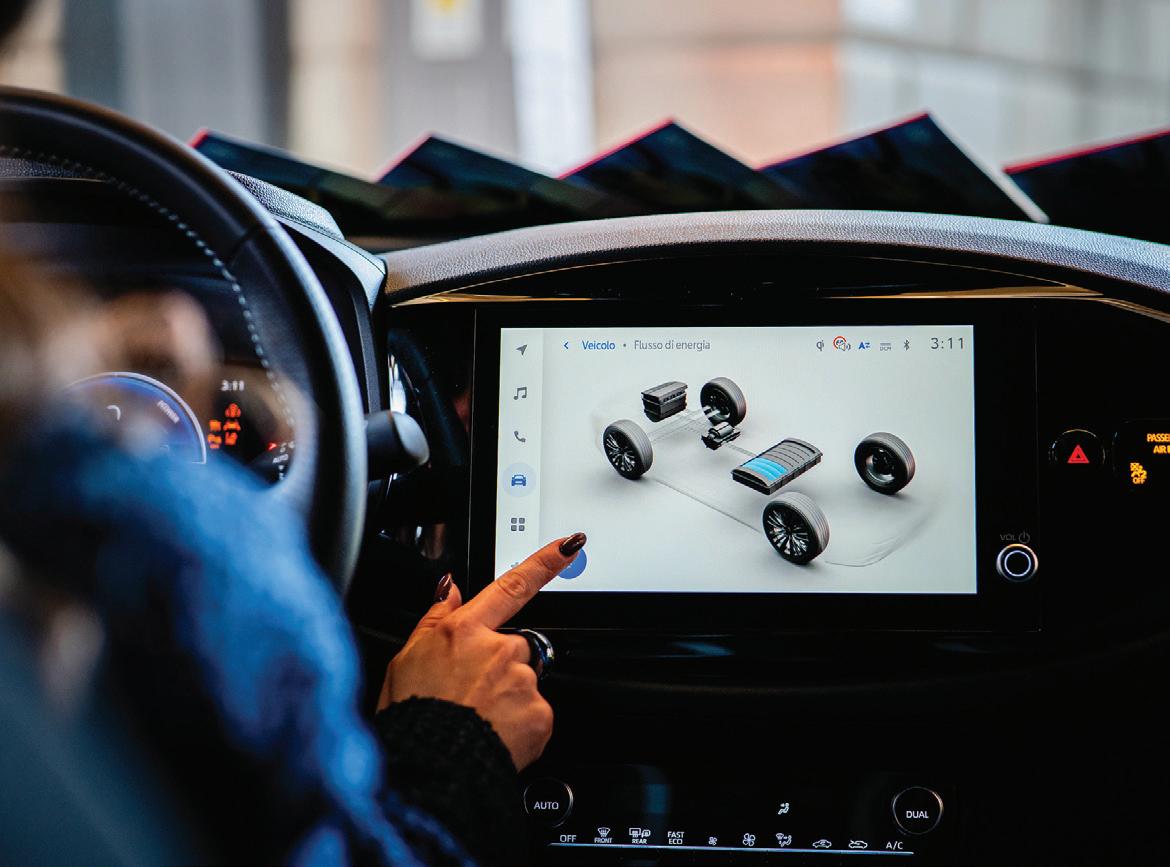
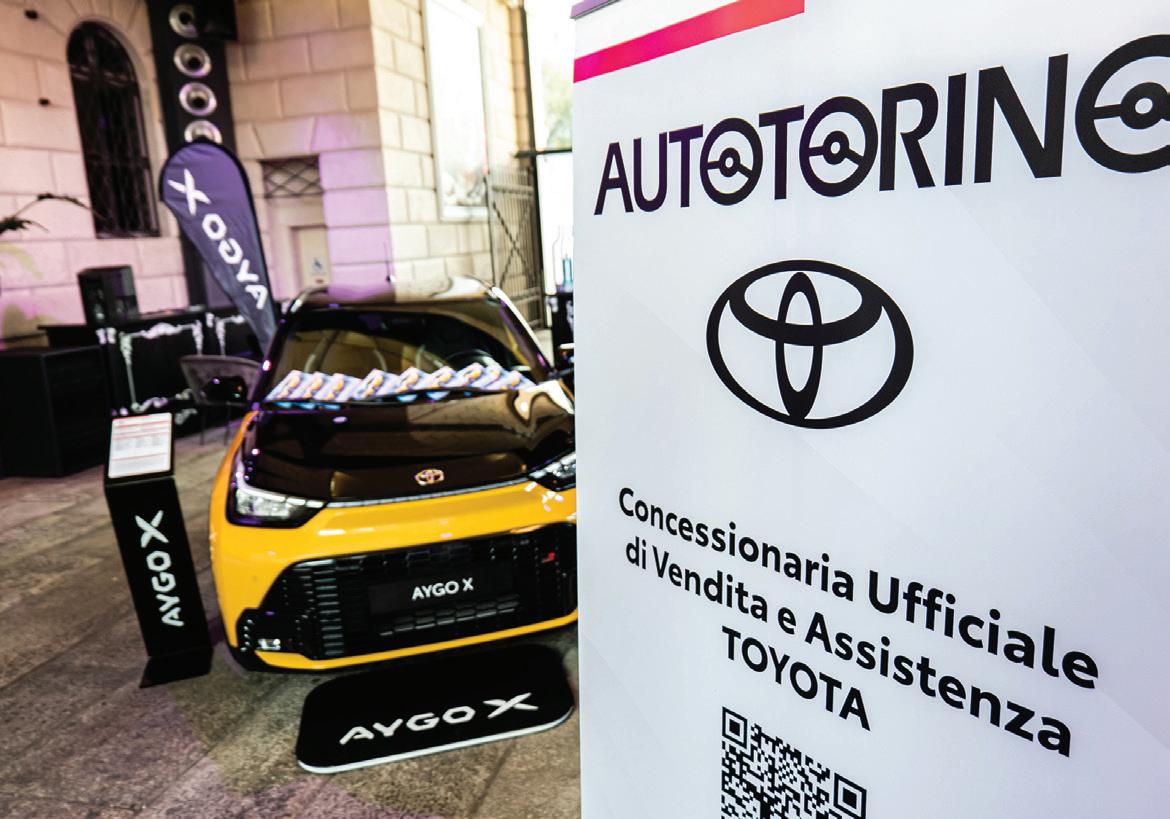
l’adrenalina, c’è anche la versione GR SPORT, con sospensioni dedicate e dettagli firmati Gazoo Racing. E all’interno, la Aygo X Hybrid è un piccolo salotto tecnologico.
Il pacchetto Toyota Safety Sense pensa anche alla sicurezza con frenata automatica, cruise control adattivo e assistenza alla sterzata: tu pensi solo a guidare (e sorridere). E c’è pure un’idea geniale: la polizza assicurativa “Connessa”, che sospende automaticamente la copertura per furto e grandine quando parcheggi in un luogo sicuro. In pratica, paghi solo quando serve. Il tutto a un prezzo che parte da 20.850 euro, ma con le promo di lancio e gli incentivi Toyota può scendere fino a 17.950 euro. Oppure, con Toyota Financial Services, la porti a casa con una rata da 119 euro al mese, o in formula KINTO a noleggio tutto incluso.
Un’auto così compatta ma così “smart” non poteva scegliere momento migliore per arrivare: solo a Verona, le immatricolazioni di ibride sono cresciute dell’11,6% nel 2025, e il segmento A rappresenta ormai una scelta su dieci. Insomma, la nuova Aygo X Hybrid è la prova
che anche le piccole possono pensare in grande. È la city car che non inquina, non si ferma mai e sa come farsi notare. Silenziosa quando serve, brillante quando vuoi: l’ibrida perfetta per chi ha la città nel cuore.
Discover the new Toyota Aygo X Hybrid
Small, compact and... hybrid! The new Toyota Aygo X Hybrid is ready to bring a breath of fresh air to the world of city cars. It is the first full hybrid in the A segment, the city car segment, and that alone would be enough to say ‘wow’. But Toyota didn't stop there: it has combined design, technology and fun in a car that loves the city (and the environment) equally.
Under the bonnet is the new 116 hp 1.5 Full Hybrid engine, which delivers acceleration and agility with record fuel consumption: only 3.7 litres per 100 km and just 85 g/km of CO2. Practically speaking: more power and lower fuel consumption than the previous model.
It's proof that you can have it
all: grit, efficiency and an ecological conscience. The new Aygo X is built on the same platform as the Yaris, but remains super compact (3.77 metres!) and easy to park even in the most stubborn of alleys. Its featherweight of around 1,100 kg makes it nimble in traffic, and with its low centre of gravity, it moves like a gokart with a green heart.
The look is pure urban crossover style: bold lines, raised suspension and mouth-watering colours. For those who love adrenaline, there is also the GR SPORT version, with dedicated suspension and Gazoo Racing details. Inside, the Aygo X Hybrid is a small technological living room.
The Toyota Safety Sense package also takes care of safety with automatic braking, adaptive cruise control and steering assist: all you have to do is drive (and smile). And there's also a brilliant idea: the “Connected” insurance policy, which automatically suspends theft and hail coverage when you park in a safe place. In practice, you only pay when you need to. All this at a price starting from £18,850, but with launch promotions and incentives, Toyota can drop it to £17,950. Or, with Toyota Financial Services, you can take it home with a monthly payment of £119, or with the KINTO all-inclusive rental formula.
Such a compact yet smart car couldn't have chosen a better time to arrive: in Verona alone, hybrid registrations grew by 11.6% in 2025, and the A segment now accounts for one in ten choices. In short, the new Aygo X Hybrid is proof that even small cars can think big. It is the city car that does not pollute, never stops and knows how to get noticed.
Quiet when you need it, brilliant when you want it: the perfect hybrid for those who love the city.
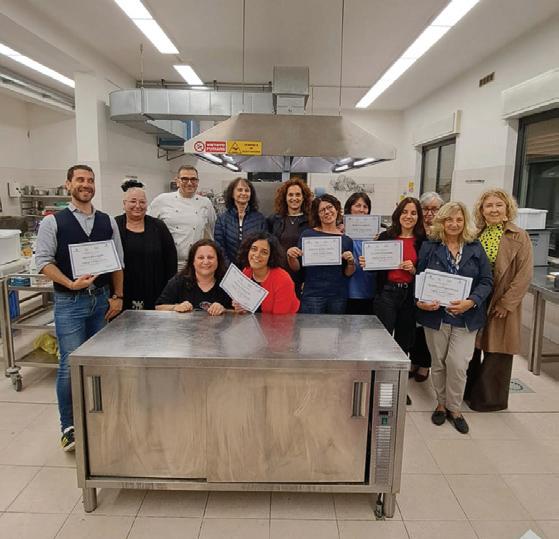
Gli Enti Bilaterali di Verona sono da anni un punto di riferimento per le imprese e i lavoratori del territorio. Nati come luogo di collaborazione tra rappresentanze datoriali e sindacali, sostengono concretamente chi opera nel commercio, nel turismo e nei servizi, attraverso assistenza, contributi economici e strumenti utili al lavoro.
Oltre ai sostegni economici che supportano le famiglie nella vita quotidiana –come i rimborsi per scuola, attività sportive o culturali –e alle misure che aiutano le imprese a innovare, assumere, stabilizzare e migliorare l’organizzazione interna, l’Ente investe con convinzione in corsi di formazione. Perché l’apprendimento continuo non rappresenta solo un dovere,
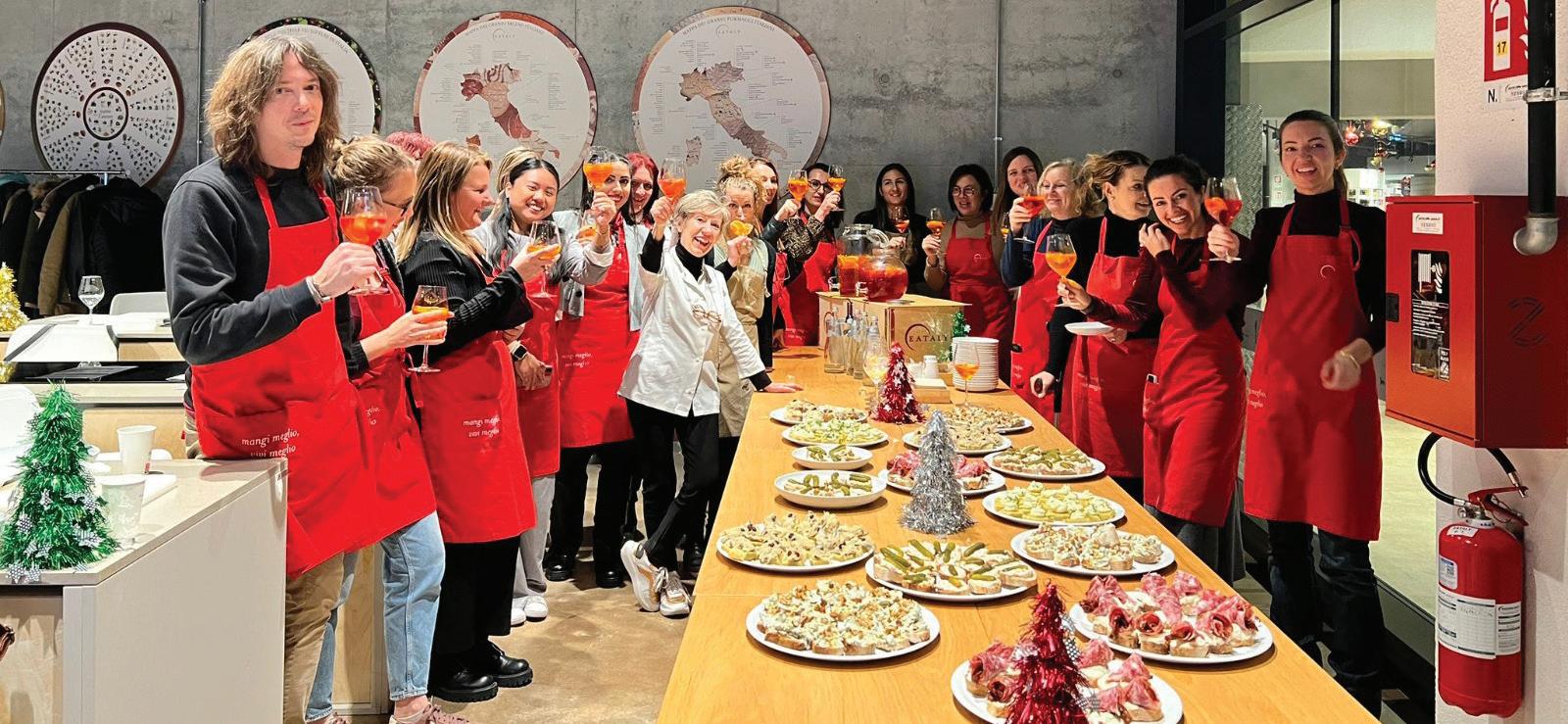
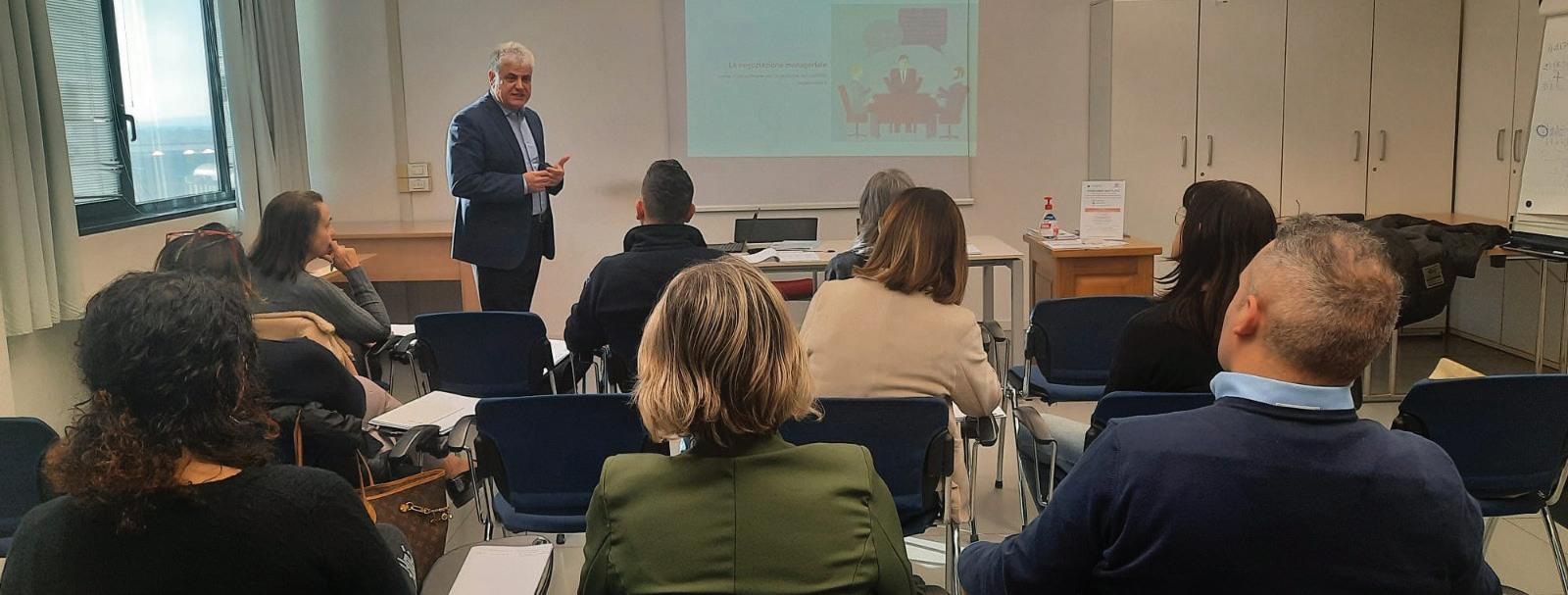
ma un’opportunità concreta di crescita personale e professionale.
I corsi di Formazione di Ente Bilaterale.
Per il 2026, l’offerta formativa è stata pensata con un’attenzione particolare alle esigenze reali delle aziende e delle persone che ci lavorano ogni giorno.
La Formazione Salute e Sicurezza, aggiornata secondo il nuovo Accordo Stato-Regioni 2025, permette alle imprese e ai lavoratori di essere in regola. Sono corsi per i quali verranno
rilasciati attestati validi e utili, svolti in aula o in teleformazione. La Formazione per lo Sviluppo Professionale punta invece alla crescita. Vengono trattate non solo competenze tecniche, ma capacità utili tutti i giorni in azienda: dal gestire un team, al comunicare in maniera efficace, raccontare la propria attività online, negoziare con sicurezza e usare strumenti digitali, come l’intelligenza artificiale, per ottimizzare tempo e produttività. Sono corsi pratici, con esempi e casi
concreti, pensati per chi ha ritmi intensi e ha bisogno di strumenti immediatamente applicabili.
La partecipazione ai corsi è completamente gratuita per chi è in regola con i versamenti dei contributi all’Ente, le sessioni vengono aggiornate ogni mese e le iscrizioni si fanno direttamente dal sito www.entebilaterale.vr.it.
In un momento in cui il lavoro chiede flessibilità, competenza e capacità di adattamento, sapere di poter contare su un supporto concreto fa la differenza. Gli Enti Bilaterali di Verona lavorano proprio per questo: accompagnare le persone e le aziende nel loro percorso, un passo alla volta, con strumenti utili e accessibili.
The role of Verona's Bilateral Agencies.
Verona's Bilateral Agencies have been a point of reference for local businesses and workers for many years. Created as a place for collaboration between employer and trade union representatives, they provide practical support to those working in commerce, tourism and services, through assistance, financial contributions and useful work tools.
In addition to financial support for families in their daily lives – such as reimbursements for school, sports or cultural activities – and measures to help businesses innovate, hire, stabilise and improve their internal organisation, the Agency invests heavily in training courses. Because continuous learning is not only a duty, but a real opportunity for personal and professional growth.
Ente Bilaterale training courses.
For 2026, the training programme has been designed
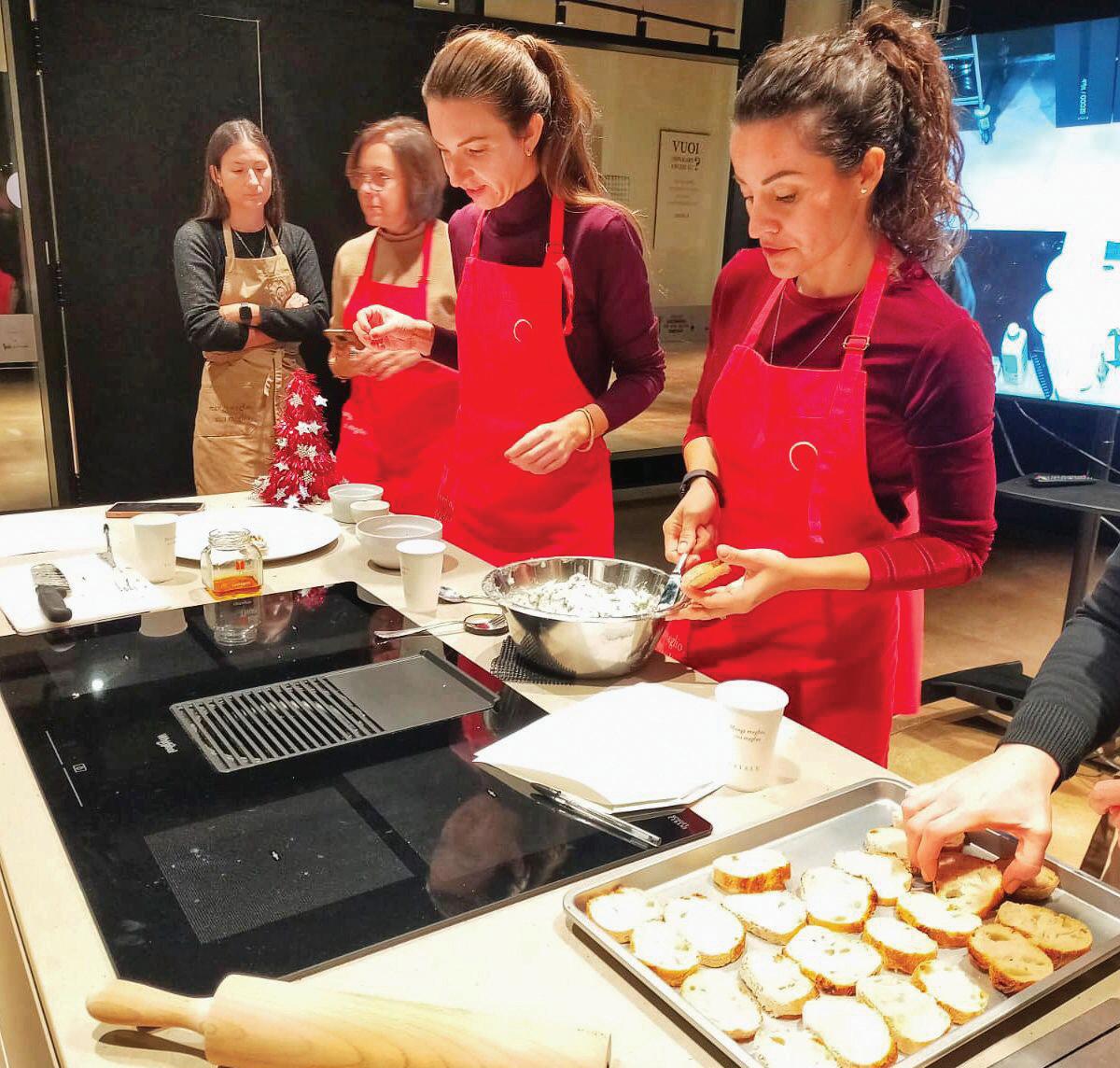
with a particular focus on the real needs of companies and the people who work there every day.
Health and Safety Training, updated in accordance with the new 2025 State-Regions Agreement, enables companies and workers to comply with regulations. These courses, which are held in classrooms or via distance learning, lead to valid and useful certificates.
Professional Development Training, on the other hand, focuses on growth. It covers not only technical skills, but also skills that are useful in everyday business: from managing a team to communicating effectively, talking about your business online, negotiating with confidence and using digital tools, such as artificial intelligence, to optimise time and productivity. These are practical courses, with examples and reallife cases, designed for those who have a busy schedule and need tools that can be applied immediately.
Participation in the courses is completely free for those who are up to date with their
contributions to the organisation. The sessions are updated every month and registration can be done directly on the website www.entebilaterale.vr.it.
At a time when work requires flexibility, competence and adaptability, knowing that you can count on concrete support makes all the difference. The Bilateral Agencies of Verona work precisely for this reason: to accompany individuals and companies on their journey, one step at a time, with useful and accessible tools.
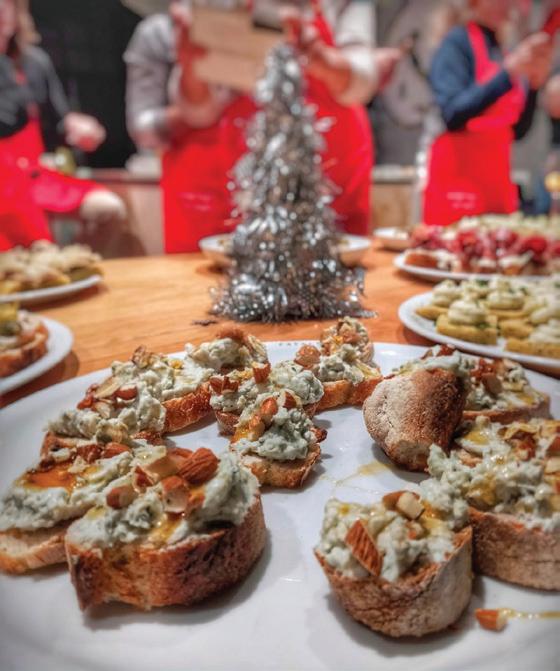

di by Marta Tarasconi
Se c’è un periodo dell’anno in cui ci sentiamo ispirati ad essere più solidali è proprio quello di Natale. Questo avviene per diverse ragioni, non legate necessariamente all’aspetto religioso, ma che anzi trovano le fondamenta in motivazioni più culturali e simboliche, che vedono il Natale come un momento di condivisione familiare e di pace. Non solo. Sotto Natale aumentano anche le campagne di sensibilizzazione e di raccolta fondi, sia fisiche che online, e ci sentiamo tutti più incentivati a donare, che si tratti del nostro tempo o dei nostri soldi.
A Verona esistono numerose associazioni che si dedicano, 365 giorni l’anno, a migliorare le condizioni di vita di persone più fragili e il Natale può essere un’ottima occasione per
riconoscergli il merito. Nella rubrica Orizzonti sostenibili di questo mese, vogliamo farvi conoscere 3 associazioni che da anni si impegnano ad essere di supporto a persone meno fortunate, ma l’invito vuole essere più ampio. Non importa infatti quanto, cosa o a chi volete donare, l’importante è farlo: perché quello che per noi può sembrare davvero poco, per tanti fa la differenza.
Ronda della Carità: la notte che accoglie. Dal 1995, ogni notte, i volontari e le volontarie della Ronda della Carità girano per le strade di Verona con coperte, cibo, vestiti e soprattutto conforto per le persone senza dimora. Nonostante il fenomeno della povertà in Italia sia aumentato, così come
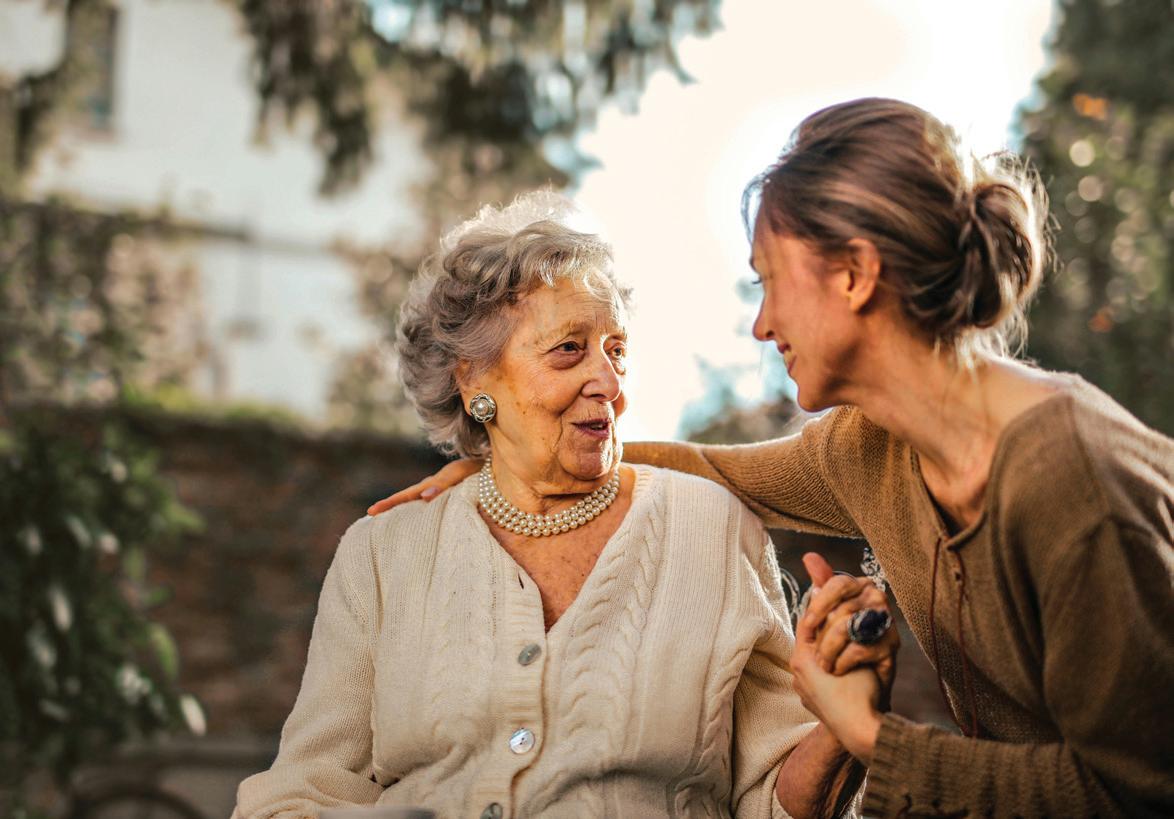
le persone che si ritrovano a vivere per strada, la Ronda della Carità è riuscita negli anni ad attivare numerosi servizi per migliorare le loro condizioni di vita. Dai cucinieri di strada, che si occupano della raccolta di generi alimentari, della cottura dei cibi e del confezionamento dei piatti sigillati, ai meccanici della ciclofficina, che si prendono cura delle biciclette donate a chi ne ha bisogno, ma anche barbieri di strada e volontari del laboratorio linguistico, pensato per migliorare l’inserimento sociale delle persone straniere.
Associazione Protezione della Giovane: un rifugio sicuro per le donne.
L’associazione Protezione della Giovane è nata a Verona all’inizio degli anni ’80 per rispondere alle sfide sociali legate all’emergenza abitativa femminile. Da sempre infatti, si impegna a offrire un servizio di accoglienza, ascolto e appoggio materiale e morale alle donne in difficoltà, che spesso sono lontane (o sono state allontanate) dal proprio nucleo familiare, o ne sono prive. Anche in questo
caso, negli anni, sono stati ampliati i servizi a loro offerti: dall’affiancamento alle visite mediche o agli appuntamenti con la pubblica amministrazione, all’alfabetizzazione, alla creazione di attività ludiche (spesso infatti con loro ci sono anche minori). Ma anche sostegno scolastico, distribuzione di beni di prima necessità, sorveglianza notturna, reinserimento lavorativo.
Fondazione Historie: dare valore a ogni persona e a ogni abilità.
C’è poi la Fondazione Historie, una realtà più recente ma già radicata nel tessuto sociale veronese. La sua missione è quella di costruire una società più equa e inclusiva, dove ogni individuo – minore, adulto o anziano – abbia il diritto di vivere una vita felice e piena. Offrono servizi diurni e residenziali per persone con disabilità, ma anche laboratori artigianali e un servizio di accompagnamento educativo. Agli anziani offrono servizi diurni per l’alzheimer, demenza cognitiva e parkinson, malattie degenerative molto diffuse, ma anche attività da fare
in gruppo perché la socialità è, e rimarrà sempre, un aspetto fondamentale per migliorare la qualità di vita. Tra i progetti di inclusione poi, ci sono anche quelli pensati per donne vittime di violenza e mamme single.
3 charities to discover in Verona
If there is one time of year when we feel inspired to show greater solidarity, it is Christmas. There are several reasons for this, not necessarily linked to religion, but rather based on more cultural and symbolic motivations, which see Christmas as a time for family sharing and peace. But that's not all. At Christmas, there is also an increase in awareness and fundraising campaigns, both physical and online, and we all feel more inclined to give, whether it be our time or our money.
In Verona, there are numerous associations that dedicate themselves, 365 days a year, to improving the living conditions
of the most vulnerable people, and Christmas can be an excellent opportunity to recognize their efforts. In this month's Sustainable Horizons column, we want to introduce you to three associations that have been committed to supporting less fortunate people for years, but the invitation is meant to be broader. It doesn't matter how much, what, or to whom you want to donate, the important thing is to do it: because what may seem very little to us can make a big difference to many.
Ronda della Carità: the night that welcomes.
Since 1995, every night, volunteers from Ronda della Carità have been walking the streets of Verona with blankets, food, clothes, and above all comfort for homeless people. Despite the increase in poverty in Italy, as well as the number of people living on the streets, Ronda della Carità has managed over the years to set up numerous services to improve their living conditions. From street cooks, who collect food, cook meals, and package sealed dishes, to bicycle mechanics, who take care of donated bicycles for those in need, as well as street barbers and volunteers at the language workshop, designed to improve the social integration of foreigners.
Associazione Protezione della Giovane: a safe haven for women.
The Associazione Protezione della Giovane was founded in Verona in the early 1980s to respond to the social challenges associated with the housing emergency for women. It has always been committed to offering a service of welcome, listening, and material and moral support to women in difficulty, who are often far from (or have been removed from)
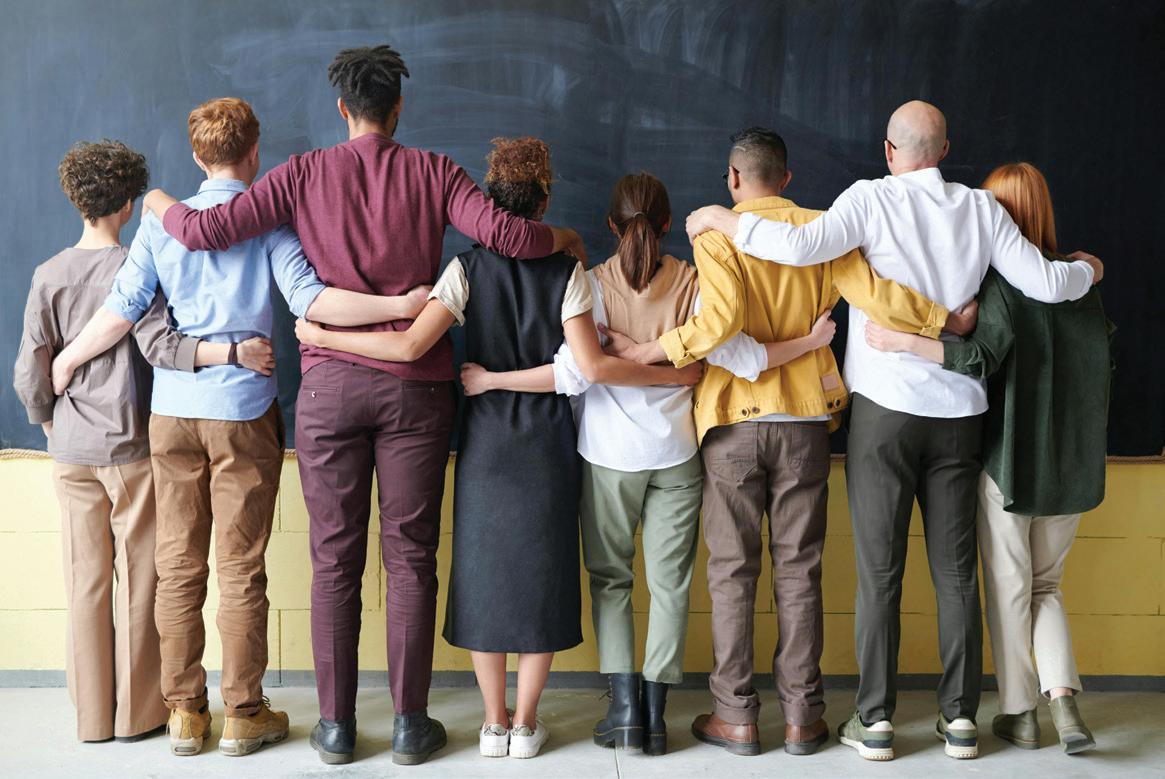
their families, or have no family at all. Here too, over the years, the services offered to them have been expanded: from accompanying them to medical appointments or appointments with the public administration, to literacy classes.
Historie Foundation: valuing every person and every skill.
Then there is the Historie Foundation, a more recent organization that is already deeply rooted in the social fabric of Verona. Its mission is to build a more equitable and inclusive society, where every individual— whether a minor, adult, or senior
citizen—has the right to live a happy and fulfilling life. They offer day and residential services for people with disabilities, as well as craft workshops and an educational support service. For the elderly, they offer day services for people with Alzheimer’s disease, cognitive dementia, and Parkinson’s, which are very common degenerative diseases, but also group activities because socializing is, and will always be, a fundamental aspect of improving quality of life. Among the inclusion projects, there are also those designed for women who are victims of violence and single mothers.
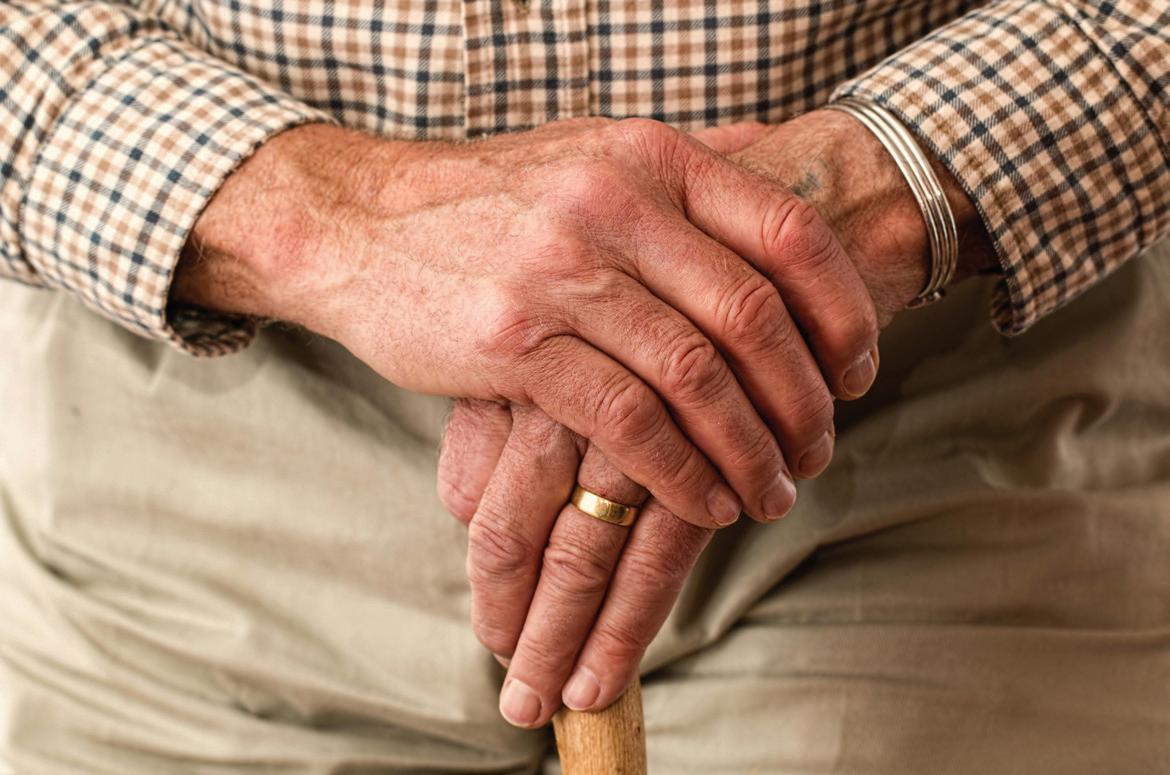
di by Federica Clemente
Eccoci con le ultime segnalazioni di questo 2025, anno in cui questa rubrica è nata e spero vi abbia accompagnato nelle vostre scelte teatrali. Rimanendo in città, tra dicembre e gennaio sono davvero molti gli spettacoli interessanti che andranno in scena sui diversi palchi, dal Teatro Ristori al Teatro Nuovo, dal Teatro Camploy al Teatro Fucina Culturale Machiavelli così come tutti gli spazi delle compagnie della rete RSVP che animano la nostra città. Cominciamo ora con le segnalazioni: da non perdere, dal 9 al 14 dicembre al Teatro Nuovo per il Grande Teatro, Mein Kampf di e con Stefano Massini dal testo di Adolf Hitler scritto cento anni fa. Un’indagine lucidissima e spietata sul potere delle parole e le loro conseguenze. Sul palco,
Massini rimanendo Massini e offrendo uno spettacolo dal ritmo serrato, consegna al pubblico il testo del Mein Kampf incrociato con testi e discorsi pubblici: «Perché queste parole hanno ipnotizzato le masse? Perché la Storia ha mutato direzione su queste pagine? E noi, spettatori del 2025, saremmo davvero impermeabili all’ascesa dal basso di questo profeta della rabbia? “Mein Kampf” è l’agghiacciante Verbo del Novecento più distruttivo, camuffato dentro la paranoica autobiografia di un invasato». Passando invece al Teatro Camploy, dove si alterneranno la rassegna L’Altro Teatro e L’Altro Teatro/City, segnaliamo un altro monologo, Autoritratto di e con Davide Enia, in scena venerdì 16 gennaio. «A Palermo, tutti possediamo una costellazione del lutto in cui le stelle sono
persone ammazzate da Cosa Nostra». Così lo stesso Enia descrive questo spettacolo che, intrecciando cunto e parole, corpo e dialetto, esplora la vita e i continui incontri dei palermitani con la mafia, «un lavoro che è una tragedia, un’orazione civile, una interrogazione linguistica, un processo di autoanalisi personale
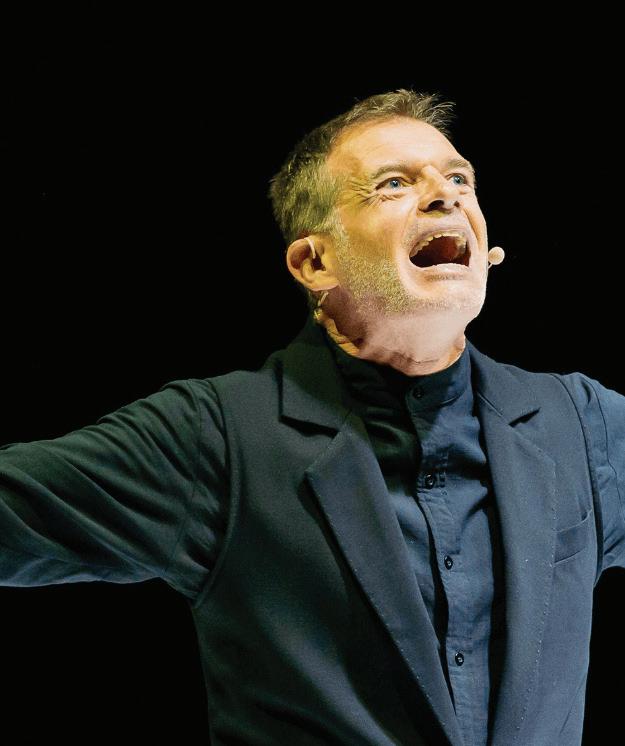
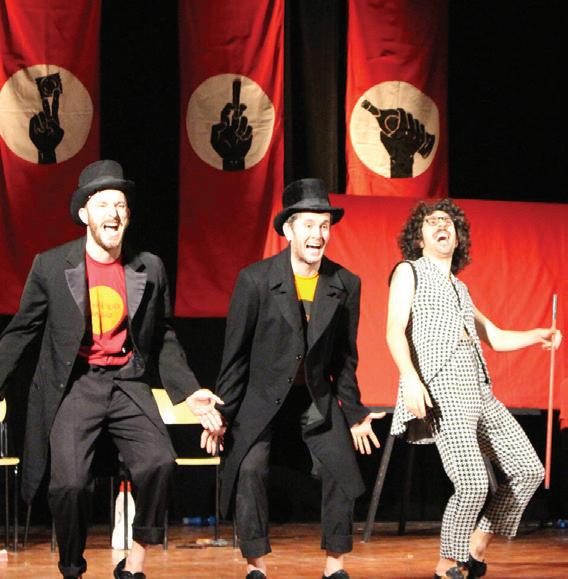
e condiviso. Un autoritratto al contempo intimo e collettivo».
Di tutt’altro genere lo spettacolo di Generazione disagio che andrà in scena in Fucina Culturale Macchiavelli venerdì 23 gennaio. Dopodiché stasera mi butto, di e con Enrico Pittaluga, Graziano Sirressi, Andrea Panigatti, Luca Mammoli, regista e co-autore Riccardo Pippa, è uno spettacolo di cinica autoanalisi collettiva, spettacolo irriverente, comico e profondo. «Un conduttore coinvolge gli spettatori in un folle gioco dell’oca su cui si muovono tre pedine umane: un dottorando, un precario e uno stagista attraverseranno imprevisti, prove collettive e individuali con un ritmo comico serrato e pezzi di improvvisazione. Vincerà chi riesce ad accumulare più sfighe e perciò più “disagio”».
E per quanto riguarda le segnalazioni per famiglie, sono due: una decisamente a tema natalizio. Alla Fattoria Didattica La Genovesa andrà in scena, sabato 13 dicembre, Il famoso canto di Natale del Signor Charles Dickens (del libro ne parla anche la rubrica Pagina dopo Pagina) dei Teatri Soffiati, di e con Giacomo Anderle e Alessio Kogoj. Tra rimandi,
citazioni, commenti, scherzi e dispetti, il racconto di Dickens si intreccia alle vicende dei due orfanelli, moltiplicandosi in scena in un continuo gioco di specchi, sospeso tra le parole del grande autore inglese e i gesti dei due narratori, culminando in una notte di Natale che lascerà il segno nel cuore di tutti. Per L’Altro Teatro/City, invece, la rassegna delle compagnie professioniste della città, riunite in RSVP, andrà in scena Cuor di Smeraldo del Teatro Scientifico/ Teatro Laboratorio, testo, regia e interpretazione di Isabella Caserta, musiche eseguite dal vivo da Valerio Mauro. «Il verde brillante dello smeraldo, che nell’antichità era simbolo di rinascita interiore e positività, esprime il rispetto e l’amore che si provano per tutte le forme di vita esistenti e la sua energia provoca un profondo effetto sulle emozioni. In ognuno di noi c’è un Cuor di Smeraldo. Con l’aiuto di Gatta Smeralda riusciranno i bambini che hanno l’animo incontaminato a riscoprirlo?». In scena al Teatro Camploy mercoledì 21 gennaio. Concludiamo parlandovi di una novità voluta dal nuovo direttore artistico del Comune di Verona: si tratta
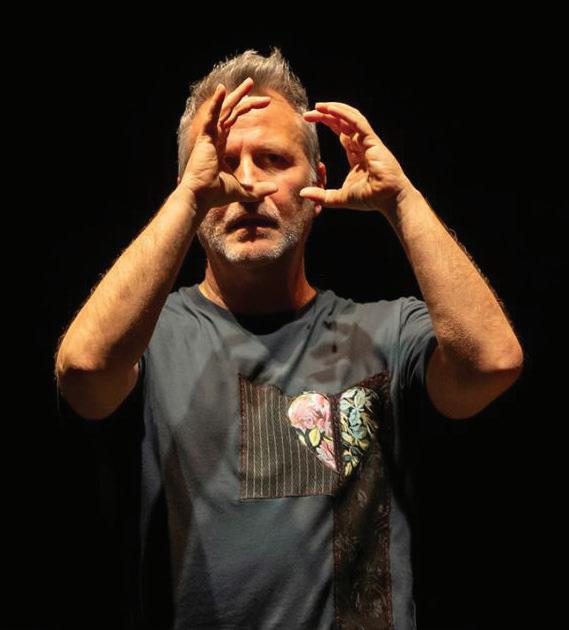
degli appuntamenti Extra dell’Altro Teatro. Si comincia quindi martedì 2 dicembre con Vera Gheno, sociolinguista, divulgatrice e docente. Si parlerà di inclusione, ma in senso più ampio, ponendo il focus sulla relazione tra linguaggio ed essere umani, capendo come le parole abbiano un potere trasformativo. Un incontro questo che va oltre il linguaggio teatrale, ma sempre di linguaggio, di parole, di relazioni si tratta. Questo è il teatro.
A selection and in-depth look at the shows on stage in Verona.
Here we are with the latest recommendations for 2025, the year this column was born, and I hope it has helped you in your theater choices. Staying in the city, between December and January there are many interesting shows that will be staged on various stages, from the Teatro Ristori to the Teatro Nuovo, from the Teatro Camploy to the Teatro Fucina Culturale Machiavelli, as well as all the venues of the RSVP network companies that enliven our city.
Let's start with the recommendations: not to be missed, from December 9 to 14 at the Teatro Nuovo for the Grande Teatro, Mein Kampf by and with Stefano Massini, based on the text written by Adolf Hitler a hundred years ago. A lucid and ruthless investigation into the power of words and their consequences. On stage, Massini remains Massini and offers a fast-paced show, presenting the audience with the text of Mein Kampf interspersed with public texts and speeches: 'Why did these words hypnotize the masses? Why did history change direction on these pages?
And we, spectators of 2025, would we really be impervious to the grassroots rise of this prophet of rage? Mein Kampf is the chilling Word of the most destructive century of the 20th century, disguised within the paranoid autobiography of a madman."
Moving on to the Camploy Theater, where the L'Altro Teatro and L'Altro Teatro/City festivals will alternate, we would like to highlight another monologue, Autoritratto (Self-Portrait) by and starring Davide Enia, on stage on Friday, January 16. “In Palermo, we all have a constellation of mourning in which the stars are people killed by the Cosa Nostra.” This is how Enia himself describes this show, which, intertwining cunto and words, body and dialect, explores the life and continuous encounters of the people of Palermo with the mafia, “a work that is a tragedy, a civil oration, a linguistic interrogation, a process of personal and shared self-analysis. A self-portrait that is both intimate and collective.”
The show Generazione disagio (Discomfort Generation), which will be staged at the Fucina Culturale Macchiavelli on Friday, January 23, is of a completely different kind. Dopodiché stasera mi butto (After that, tonight I'll take the plunge), by and with Enrico Pittaluga, Graziano Sirressi, Andrea Panigatti, Luca Mammoli, director and coauthor Riccardo Pippa, is a show of cynical collective self-analysis, irreverent, comical, and profound. “A presenter involves the audience in a crazy game of snakes and ladders on which three human pawns move: a PhD student, a temporary worker, and an intern will go through unexpected events, collective and individual trials with a fast-paced comic rhythm
and improvisation. The winner will be the one who manages to accumulate the most bad luck and therefore the most ‘discomfort’.
As for recommendations for families, there are two: one is decidedly Christmas-themed.
On Saturday, December 13, Il famoso canto di Natale del Signor Charles Dickens (The Famous Christmas Carol by Charles Dickens, also mentioned in the Page after Page column) by Teatri Soffiati, written and performed by Giacomo Anderle and Alessio Kogoj, will be staged at the Fattoria Didattica La Genovesa. Through references, quotations, comments, jokes, and pranks, Dickens' story intertwines with the adventures of two orphans, multiplying on stage in a continuous game of mirrors, suspended between the words of the great English author and the gestures of the two narrators, culminating in a Christmas night that will leave its mark on everyone's hearts. For L'Altro Teatro/City, on the other hand, the review of the city's professional companies, brought together in RSVP, will stage Cuor di Smeraldo (Emerald Heart) by Teatro Scientifico/Teatro Laboratorio,
written, directed, and performed by Isabella Caserta, with live music by Valerio Mauro. "The bright green of the emerald, which in ancient times was a symbol of inner rebirth and positivity, expresses the respect and love we feel for all forms of life, and its energy has a profound effect on our emotions. There is a Cuor di Smeraldo in each of us. With the help of Gatta Smeralda, will children with uncontaminated souls be able to rediscover it?"
On stage at the Camploy Theater on Wednesday, January 21.
We conclude by telling you about a new initiative launched by the new artistic director of the Municipality of Verona: the Extra dell'Altro Teatro events. The first event will take place on Tuesday, December 2, with Vera Gheno, sociolinguist, popularizer, and teacher. The discussion will focus on inclusion in a broader sense, focusing on the relationship between language and human beings and understanding how words have transformative power. This meeting goes beyond theatrical language, but it is still about language, words, and relationships. This is theater.
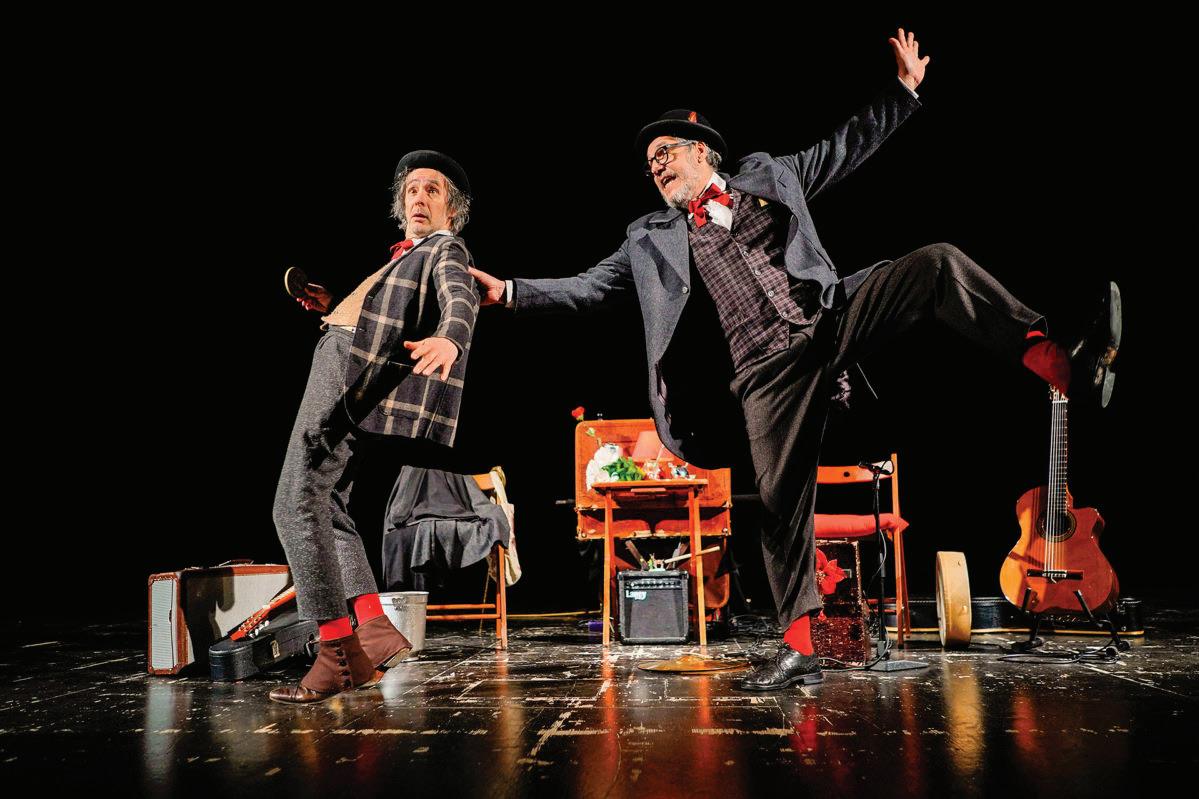
di by Miriam Cetti
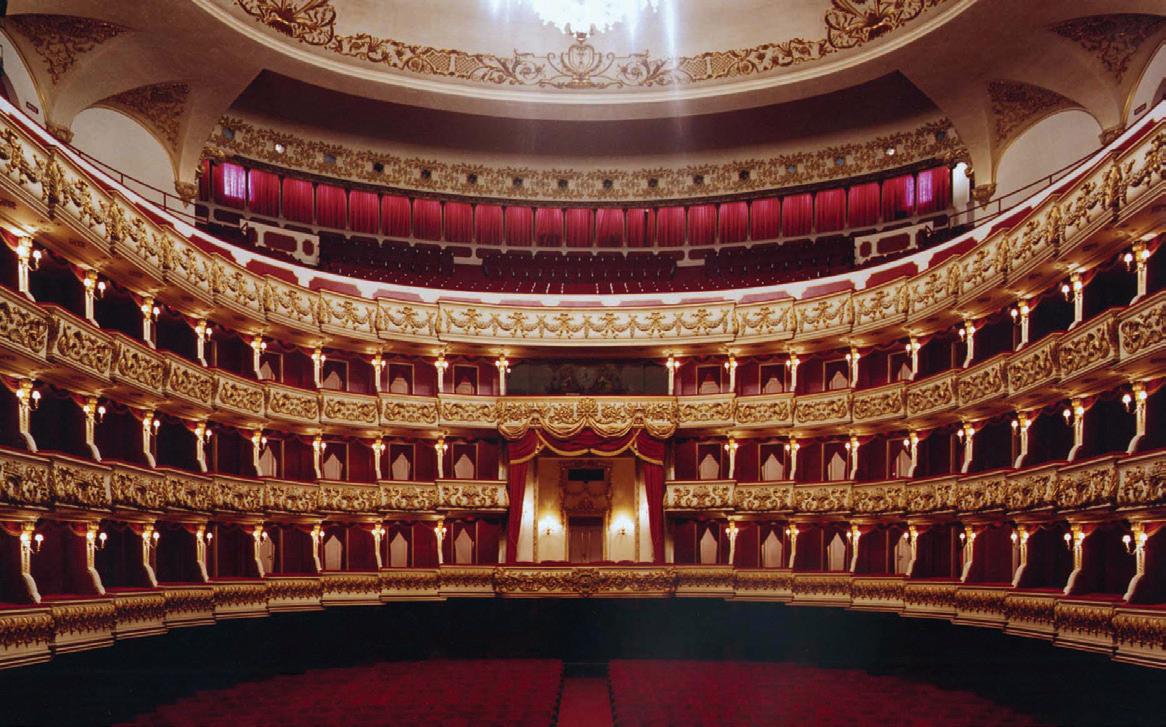
Nel cuore di Verona c’è un luogo dove arte, musica e storia si intrecciano da oltre tre secoli, un luogo che rappresenta uno dei pilastri della vita culturale della città. A pochi passi dall’Arena, ha ospitato anch’esso alcune delle più importanti rappresentazioni
Le rubriche.
liriche e sinfoniche d'Italia, diventando così un punto di riferimento per gli appassionati di musica e spettacolo. Venite con me alla Scoperta del Teatro Filarmonico!
La sua storia
Le origini del Teatro Filarmonico sono da sempre
legate all’Accademia Filarmonica di Verona, la più antica accademia musicale d’Europa, fondata da un gruppo di nobili e intellettuali veronesi nel 1543, con l’obiettivo di promuovere lo studio e la diffusione della musica.
Nel Seicento l’Accademia, ottenuto il terreno vicino ai Portoni della Bra, decise di dotarsi di una sede e un proprio teatro stabile dando così vita al Teatro Filarmonico. Abbandonato il primo progetto che prevedeva un teatro su modello del palladiano teatro Olimpico di Vicenza è nel Settecento che finalmente grazie allo slancio di Scipione Maffei venne costruito con “sala all’italiana”. L’incarico fu affidato all’architetto Francesco Galli Bibiena, il più celebre architetto teatrale dell’epoca. E così nel gennaio 1732
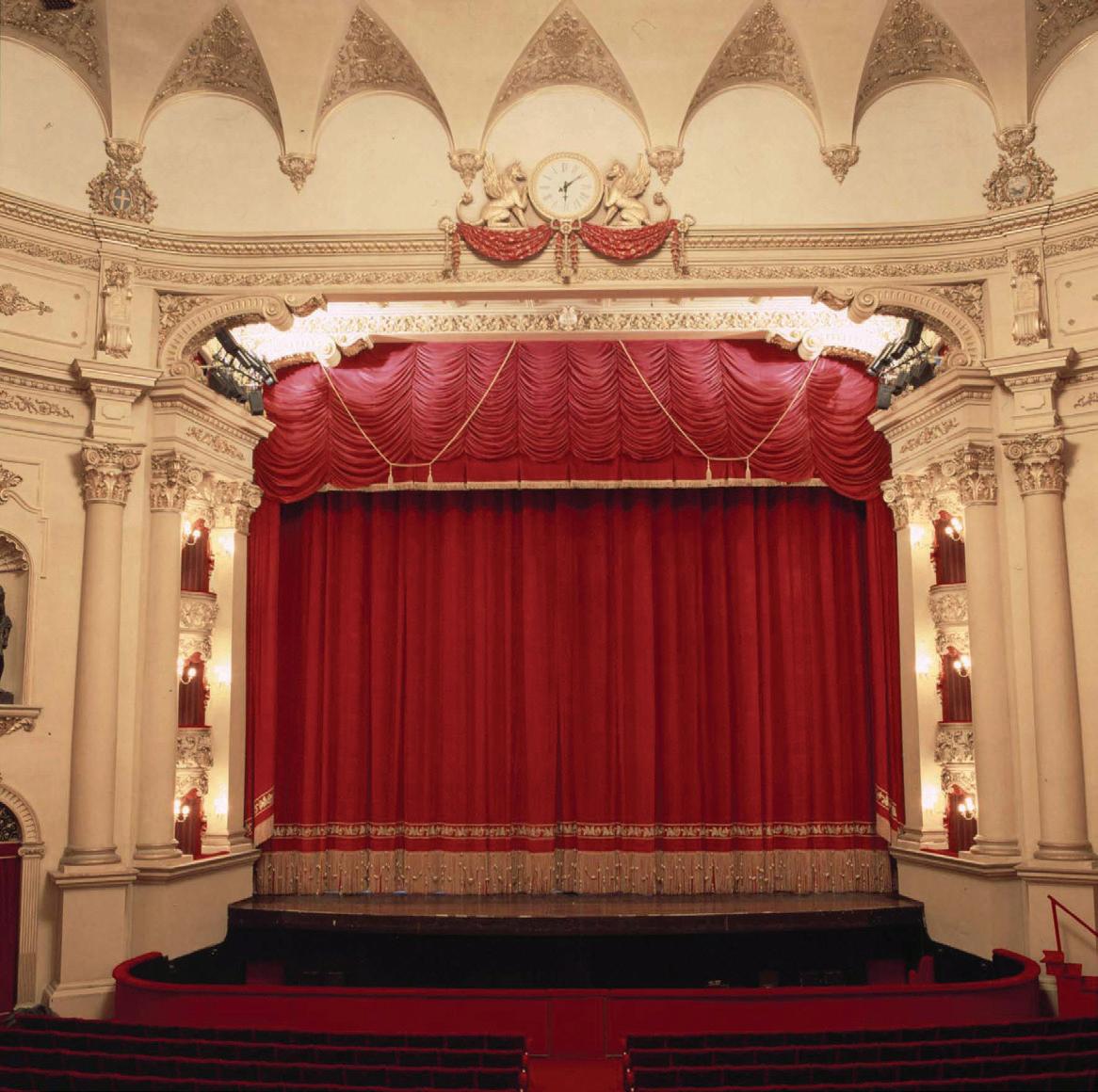
venne inaugurato con l’opera “La Fida Ninfa” di Antonio Vivaldi, composta appositamente per l’occasione su libretto dello stesso Maffei.
Nel corso della sua storia, il Teatro Filarmonico ha dovuto affrontare varie difficoltà: la notte tra il 20 e il 21 gennaio 1749 un incendio, divampato da uno dei palchetti, distrusse gran parte dell’edificio. Grazie al sostegno e al lavoro dell’Accademia, fu ricostruito e inaugurato nel 1754, più splendido che mai.
La notte del 23 febbraio 1945, poi, i bombardamenti rasero al suolo gran parte della struttura. Di nuovo l’Accademia veronese si mobilitò per la sua ricostruzione. I lavori non furono semplici e durarono diversi anni ma finalmente nel 1975 il teatro riaprì le sue porte con il Falstaff o sia le tre burle di A. Salieri.
Curiosità: Il 3 dicembre 1822
venne eseguita la cantata Il vero omaggio di Rossini alla presenza dell’imperatore Francesco II e altri dignitari europei riunitisi a Verona per partecipare al Congresso della Santa Alleanza.
La sala Maffeiana
Originariamente "Gran Sala", com’era definita prima di essere dedicata al Maffei, è insieme al Pronao, la facciata classica del teatro che si affaccia sul giardino del Museo Lapidario, testimonianza dell'antico edificio dell'Accademia Filarmonica, e soprattutto è l’unica parte sopravvissuta alle distruzioni del teatro. Ed è proprio al suo interno che il 5 gennaio 1770 ci fu il primo concerto italiano del giovanissimo Wolfgang Amadeus Mozart che stupì tutti gli accademici al punto da nominarlo maestro onorario.
Il Patrimonio storico
Notevole è il suo patrimonio storico, in particolare la preziosa collezione di strumenti musicali, eredità dell’Accademia Filarmonica. Essa custodisce 71 strumenti di cui alcuni davvero eccezionali, come gli unici due esemplari conosciuti di doppinone,12 flauti traversi rinascimentali, ben un quarto di quelli esistenti, e la celebre tromba “annodata” di A. Schnitzer (1585).
Inoltre, custodisce una collezione di costumi di scena storici, indossati nelle grandi produzioni dell’opera da celebri cantanti veronesi che hanno animato la storia del teatro, tra i quali Giacomo Rimini, Rosa Raisa, Nino Martini e una giovane Cecilia Gasdia. Oggi il Teatro Filarmonico, sempre guidato dall’Accademia, continua a essere la principale sala musicale di Verona con le sue stagioni liriche, concerti sinfonici, balletti e spettacoli teatrali, affiancando l’Arena nella promozione della grande musica.
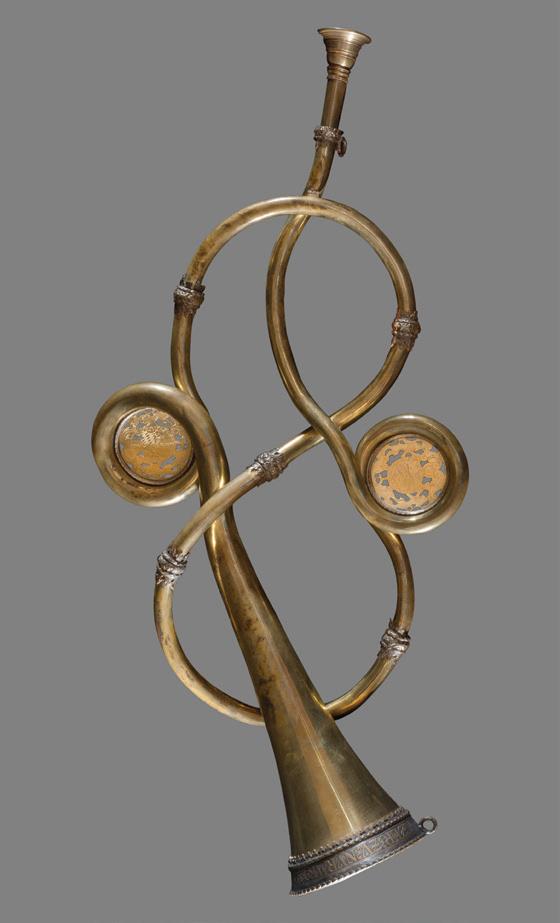
A journey through the city's culture and music.
IIn the heart of Verona, there is a place where art, music, and history have intertwined for over three centuries, a place that represents one of the pillars of the city's cultural life. Just a few steps from the Arena, it has also hosted some of Italy's most important opera and symphony performances, thus becoming a point of reference for music and entertainment enthusiasts. Come with me to discover the Teatro Filarmonico!
The origins of the Teatro Filarmonico have always been linked to the Accademia Filarmonica di Verona, the oldest music academy in Europe, founded by a group of Veronese nobles and intellectuals in 1543 with the aim of promoting the study and dissemination of music.
In the 17th century, the Academy acquired land near the Portoni della Bra and decided to build its own permanent theater, thus giving rise to the Teatro Filarmonico.
The initial project, which envisaged a theater modeled on Palladio's Teatro Olimpico in Vicenza, was abandoned, and in the 18th century, thanks to the impetus of Scipione Maffei, it was finally built with an “Italian-style hall.” The task was entrusted to Francesco Galli Bibiena, the most famous theater architect of the time.
And so, in January 1732, it was inaugurated with Antonio Vivaldi's opera ‘La Fida Ninfa’, composed especially for the occasion
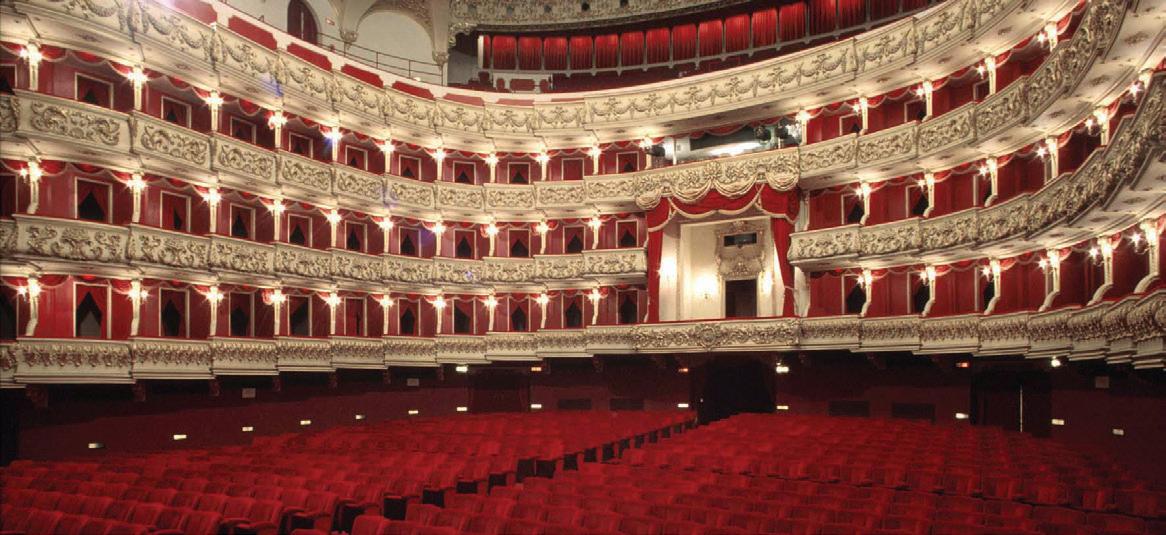
with a libretto by Maffei himself.
Throughout its history, the Teatro Filarmonico has faced various difficulties: on the night between January 20 and 21, 1749, a fire broke out in one of the boxes, destroying most of the building. Thanks to the support and work of the Academy, it was rebuilt and inaugurated in 1754, more splendid than ever.
Then, on the night of February 23, 1945, bombing raids razed most of the structure to the ground. Once again, the Accademia Veronese mobilized for its reconstruction.
The work was not easy and lasted several years, but finally, in 1975, the theater reopened its doors with Falstaff o sia le tre burle by A. Salieri.
Curiosity: On December 3, 1822, Rossini's cantata Il vero omaggio (The True Homage) was performed in the presence of Emperor Francis II and other European dignitaries gathered in They came to Verona to attend the Congress of the Holy Alliance.
The Maffeiana Hall
Originally called the “Gran Sala” (Great Hall) before being dedicated to Maffei, together with the Pronao, it forms the classical façade of the theater overlooking the garden of the Lapidary Museum, evidence of the ancient building of the Philharmonic
Academy, and above all, it is the only part that survived the destruction of the theater.
It was here that, on January 5, 1770, the very young Wolfgang Amadeus Mozart gave his first Italian concert, astonishing all the academics to such an extent that they named him honorary maestro.
Its historical heritage is remarkable, particularly the valuable collection of musical instruments, inherited from the Philharmonic Academy. It houses 71 instruments, some of which are truly exceptional, such as the only two known examples of the doppinone, 12 Renaissance transverse flutes, a quarter of those in existence, and the famous “knotted” trumpet by A. Schnitzer (1585).
It also houses a collection of historical stage costumes worn in major opera productions by famous Veronese singers who have animated the history of the theater, including Giacomo Rimini, Rosa Raisa, Nino Martini, and a young Cecilia Gasdia.
Today, the Teatro Filarmonico, still run by the Academy, continues to be Verona's main music venue with its opera seasons, symphony concerts, ballets, and theatrical performances, working alongside the Arena in promoting great music.
a cura di curated by Believe Film Festival
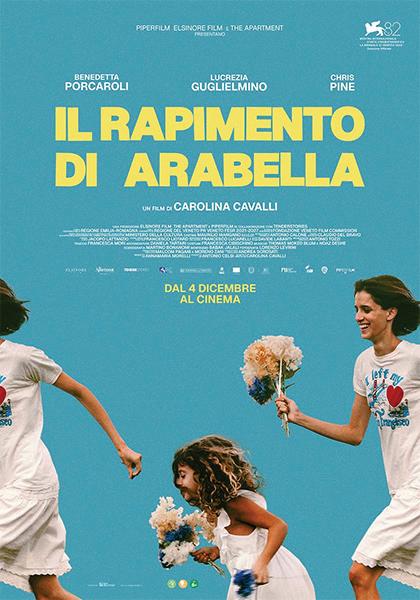
Regia / director: Carolina Cavalli
Durata / length: 107’
Interpreti / starring: Benedetta Porcaroli, Lucrezia Guglielmino, Chris Pine, Marco Bonadei
Uscita in sala / release: 4 dicembre 2025
Il rapimento di Arabella segue Holly, 28 anni, convinta di essere la versione sbagliata di sé stessa e che la sua vita non sia andata come sognava. Quando incontra Arabella, una bambina che crede essere la sé stessa del passato, decide di “rapirla” per darle la possibilità di diventare speciale, come lei non è riuscita a fare. Arabella accetta e nasconde la sua identità, trasformando la fuga in un viaggio simbolico. Holly, interpretata da Benedetta Porcaroli, premio Orizzonti come migliore attrice a Venezia 82, dà voce a una generazione che da bambini immagina mille vite, ma da adulti si sente intrappolata in una sola, dimenticando la bellezza e la naturale ingiustizia del reale.
The Kidnapping of Arabella follows Holly, 28, who is convinced that she is the wrong version of herself and that her life has not turned out as she dreamed it would. When she meets Arabella, a little girl she believes to be her past self, she decides to “kidnap” her to give her the chance to become special, something Holly herself has failed to do. Arabella accepts and hides her identity, turning the escape into a symbolic journey. Holly, played by Benedetta Porcaroli, winner of the Orizzonti Award for Best Actress at Venice 82, gives voice to a generation that imagines a thousand lives as children but feels trapped in just one as adults, forgetting the beauty and natural injustice of reality.
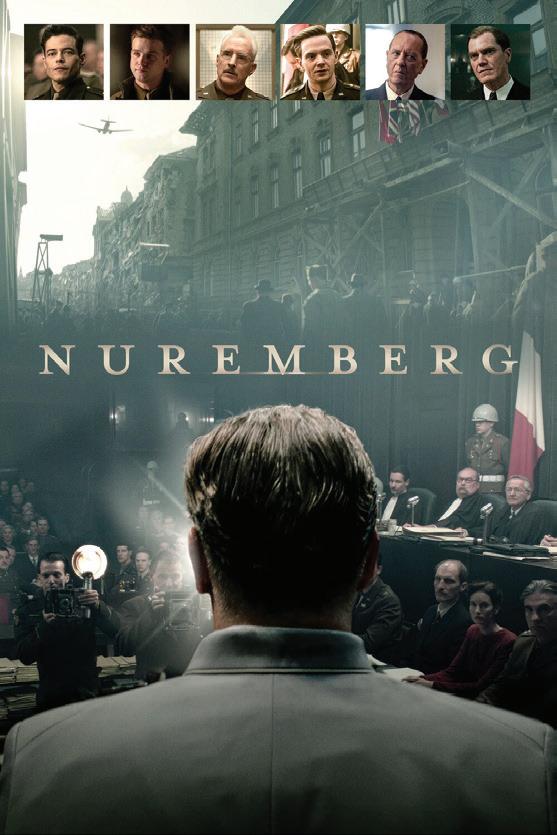
Regia / director: James Vanderbilt
Durata /length: 148’
Interpreti / starring: Rami Malek, Russell Crowe, Richard E.Grant, Michael Shannon, Leo Woodall
Uscita in sala / release: 18 dicembre 2025
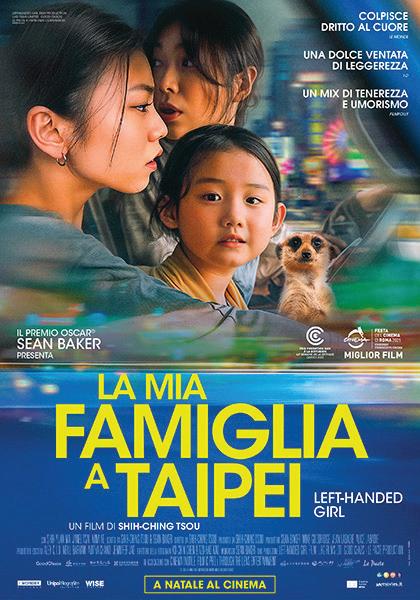
Regia / director: Shih-Ching Tsou
Durata /length:108’
Interpreti / starring: Janel Tsai, Ma Shihyuan, Nina Yeh, Brando Huang, Alvin Lin
Uscita in sala / release: 22 dicembre 2025
Dramma storico ambientato nella Germania del 1945, subito dopo la resa del Terzo Reich, il film ricostruisce i processi di Norimberga, in cui gli alti vertici del nazismo vengono chiamati a rispondere delle atrocità commesse durante la guerra. Tra loro spicca Hermann Göring, figura potente e carismatica del regime. Al centro della storia c’è Douglas Kelley, giovane psichiatra dell’esercito americano incaricato di valutare la sanità mentale degli imputati per stabilire se siano in grado di affrontare un processo regolare. Attraverso i suoi colloqui emerge un interrogativo che continua a tormentare la memoria collettiva: obbedivano agli ordini, erano folli, oppure incarnavano una forma lucida e calcolata di male?
La mia Famiglia a Taipei, vincitore del Miglior Film alla 20a edizione della Festa del Cinema di Roma, segue Shu-fen, madre single in difficoltà che lotta per mantenere un fragile equilibrio familiare. La figlia maggiore, I-Ann, ribelle e disillusa, rifiuta di aiutarla al chiosco e si rifugia in una relazione con il suo capo. La piccola I-Jing osserva il mondo con innocenza, vagando per i vicoli di Taipei, respinta persino dai nonni perché mancina, definita come la “mano del diavolo”. Sullo sfondo, i colori e i rumori del mercato notturno scandiscono una quotidianità fatta di sacrifici, silenzi e ferite. Tra conflitti e inattese complicità, madre e figlie dovranno imparare a ricucire il loro legame, nonostante precarietà, dolore e incomprensioni.
A historical drama set in Germany in 1945, immediately after the surrender of the Third Reich, the film reconstructs the Nuremberg trials, in which the top leaders of Nazism are called to account for the atrocities committed during the war. Among them stands out Hermann Göring, a powerful and charismatic figure of the regime. At the centre of the story is Douglas Kelley, a young psychiatrist in the US Army tasked with assessing the mental health of requires the defendants to determine whether they are fit to stand trial. Through his interviews, a question emerges that continues to haunt the collective memory: were they obeying orders, were they insane, or did they embody a a deliberate and calculated form of evil?
My Family in Taipei, winner of Best Film at the 20th Rome Film Festival, follows Shu-fen, a struggling single mother fighting to maintain a fragile family balance. Her eldest daughter, I-Ann, rebellious and disillusioned, refuses to help her at the kiosk and takes refuge in a relationship with her boss. Little I-Jing observes the world with innocence, wandering the alleys of Taipei, rejected even by her grandparents because she is left-handed, defined as the “devil's hand”. In the background, the colours and noises of the night market punctuate a daily life made up of sacrifices, silences and wounds. Amidst conflicts and unexpected complicity, mother and daughters must learn to mend their bond, despite precariousness, pain and misunderstandings.
Durata /length: 11’
Disponibile su/ available on: believeplay.tv

Inquadrando il QR code verrete rimandati direttamente al sito believeplay.tv per vedere il cortometraggio. È necessaria la registrazione gratuita.

Figli d’Icaro
Figli d’Icaro è un viaggio a tappe, emotive e temporali, in una Milano disorientante, dove la Madonnina del Duomo, la galleria Vittorio Emanuele e i grattacieli del capoluogo lombardo fanno da sfondo ad un gruppo di adolescenti, che mette in gioco la propria vita esplorando la città da prospettive inconsuete, praticando il rooftopping. Determinati a sottrarsi da una condizione sociale oppressiva che li tiene “a bada” con regole e aspettative soffocanti, i ragazzi trasformano la città in un campo di resistenza, riscoprendola come spazio di identità, ribellione e libertà.
Il tema è profondo e delicato: affronta la fragilità giovanile. Quelle commesse dai protagonisti sono azioni illegali, come giustamente scritto alla fine del cortometraggio da Vito Mistretta, regista catanese di 22 anni. Ma dietro il cortometraggio si svela un tema molto delicato: il disagio di un’intera generazione, che cerca in affanno di trovare un proprio posto in un mondo che sembra negare loro un futuro. Dietro l’illegalità c’è quindi una situazione di ricerca di libertà. Il cortometraggio è riuscito a sorprendere la Giuria dell’ottava edizione del Believe Film Festival, presieduta dal regista veronese Alberto Rizzi, ottenendo la Menzione Speciale “per il tema trattato che dà voce a una generazione che prova a confrontarsi con un passato in disuso e allo stesso tempo con l’urgenza di aria e libertà”.
Figli d'Icaro is an emotional journey through time through a disorienting Milan, where the Madonnina del Duomo, the Galleria Vittorio Emanuele and the skyscrapers of the Lombard capital provide the backdrop for a group of teenagers putting their lives on the line by exploring the city from unusual perspectives, practising rooftopping. Determined to escape an oppressive social condition that keeps them “in check” with suffocating rules and expectations, the young people transform the city into a field of resistance, rediscovering it as a space of identity, rebellion and freedom. The theme is profound and delicate: it addresses the fragility of youth. The actions committed by the protagonists are illegal, as rightly written at the end of the short film by Vito Mistretta, a 22-year-old director from Catania. But behind the short film lies a very delicate theme: the unease of an entire generation, desperately trying to find its place in a world that seems to deny them a future. Behind the illegality, therefore, lies a search for freedom. The short film managed to surprise the jury of the eighth edition of the Believe Film Festival, chaired by Veronese director Alberto Rizzi, obtaining a Special Mention “for the theme addressed, which gives voice to a generation trying to come to terms with a past that is no longer relevant and, at the same time, with the urgent need for air and freedom”.
a cura di by Anna Malgarise, Biblioteche del Comune di Verona
Natale, un tempo da trascorrere in famiglia, un tempo per leggere insieme. Un tempo per vivere le biblioteche, in un clima di festa e condivisione.
Per quest’ultimo numero del 2025 proponiamo quattro libri illustrati, adatti alla lettura condivisa. Storie insolite e sorprendenti, storie della tradizione popolare, storie classiche che accompagnano il Natale di generazioni di lettori. Buone feste!
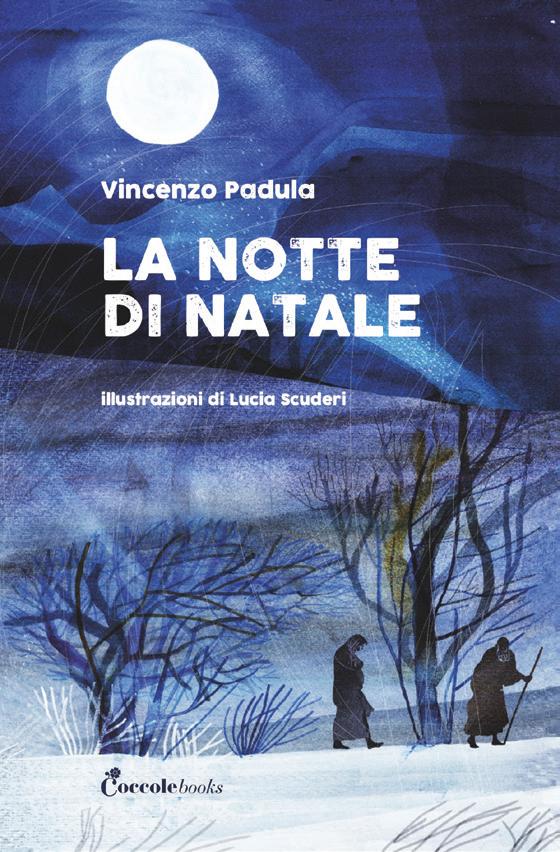
La notte di Natale di Vincenzo Padula, poeta e giornalista calabrese vissuto nell’arco dell’Ottocento, è il racconto in versi della Natività narrato da una nonna ai suoi nipotini. Padula ci fa ripercorrere il viaggio di Maria e Giuseppe alla ricerca di un rifugio e rivivere la meraviglia di una notte straordinaria attraverso l’incanto sonoro delle sue parole in dialetto calabrese. Le notturne, eleganti e preziose illustrazioni di Lucia Scuderi fanno da sfondo alla narrazione in versi: il racconto eterno e poetico di una notte magica, tramandato dalla tradizione popolare e cantato da poeti e scrittori della letteratura di tutti i secoli.
Christmas Eve
Christmas Eve by Vincenzo Padula, a Calabrian poet and journalist who lived during the 19th century, is a story in verse about the Nativity narrated by a grandmother to her grandchildren.
Padula takes us on a journey with Mary and Joseph in search of shelter and allows us to relive the wonder of an extraordinary night through the enchanting sound of his words in Calabrian dialect.
Lucia Scuderi's nocturnal, elegant, and precious illustrations provide the backdrop to the narrative in verse: the eternal and poetic tale of a magical night, handed down by popular tradition and sung by poets and writers of literature throughout the centuries..
Qualcuno mi aspetta dietro la neve
“Le rondini non festeggiano il Natale. Quando arriva l’inverno, sono sopra le foreste d’Africa a nuotare nell’aria umida.”
È la vigilia di Natale. Mentre una rondinella affronta il freddo e la neve con le sue piccole ali, un fattorino di gelati sfreccia pensieroso a bordo del suo camion tra l’Italia e l’Inghilterra. Senza saperlo, entrambi viaggiano verso lo stesso luogo... e la stessa persona. Un ultimo prezioso incontro trasformerà quel Natale solitario in un momento di grande umanità. Un racconto di Natale che non ti aspetti: sorprendente, una vera piccola meraviglia da godersi nella lettura autonoma e ad alta voce.
Quando un vecchio capitano solitario, troppo vecchio per solcare i mari, decide di organizzare una festa di Natale per far tornare il sorriso sul volto di una bambina, nasce una deliziosa favola natalizia. Lontano dai cliché del periodo natalizio, "Noël à bord", con illustrazioni delicate, evoca il periodo natalizio nel suo spirito di solidarietà e unione. La Biblioteca Civica Ragazzi offre una ricca dotazione di libri illustrati in lingua, in particolare francesi, grazie alla generosa donazione di Grafiche AZ, la stamperia veronese che dal 1971 stampa libri illustrati di qualità per le più importanti case editrici europee e nordamericane.
Someone is waiting for me behind the snow
"Swallows don't celebrate Christmas. When winter comes, they are above the forests of Africa, swimming in the humid air."
It's Christmas Eve. While a little swallow braves the cold and snow with its tiny wings, an ice cream delivery man speeds thoughtfully along in his truck between Italy and England. Without knowing it, they are both traveling to the same place and... the same person. One last precious encounter will transform that lonely Christmas into a moment of great humanity.
An unexpected Christmas story: surprising, a true little gem to be enjoyed on your own or read aloud.
Noël à bord
When a lonely old captain, too old to sail the seas, decides to organize a Christmas party to bring a smile back to a little girl's face, a delightful Christmas fairy tale is born. Far from the clichés of the Christmas season, “Noël à bord,” with its delicate illustrations, evokes the Christmas season in its spirit of solidarity and unity.
The Children's Library offers a rich collection of illustrated books in various languages, particularly French, thanks to the generous donation of Grafiche AZ, the Veronese printing company that has been printing quality illustrated books for leading European and North American publishers since 1971.
Tutti i libri sono disponibili nel Catalogo delle Biblioteche del Comune di Verona al link: www.abv.comune.verona.it


Non può esserci Natale senza il “Canto di Natale” (“A Christmas Carol”) di Dickens, forse il più famoso racconto di Natale di tutti i tempi. Un’opera letteraria che ha trovato casa nei teatri e nei cinema con moltissime versioni: anche Walt Disney si è cimentato nella sua, in cui tre spiriti del Natale fanno visita all’avaro Ebenezer Scrooge, nelle vesti di zio Paperone. C’è un libro che, più di ogni altro, rappresenta per immagini il racconto dickensiano, anche se non è una novità fresca di stampa: quello illustrato da Roberto Innocenti. Una pregiatissima edizione con copertina cartonata, purtroppo non più in commercio ma reperibile in Biblioteca Civica Ragazzi. Grazie alle immagini del grande illustratore toscano, la storia prende vita sotto gli occhi del lettore, catapultandolo nella fredda atmosfera della vigilia di Natale nella Londra di metà Ottocento. Innocenti sa cogliere perfettamente tutti i dettagli del racconto e narrare per immagini una storia commuovente, che è anche una presa di posizione critica nei confronti della società dell’epoca: Canto di Natale è una denuncia delle difficili condizioni di vita degli strati sociali londinesi più bassi, dove povertà, sfruttamento minorile, analfabetismo e malattie sono purtroppo quotidianità per troppe persone. Il libro racconta la redenzione del vecchio avaro Scrooge dopo l’incontro con tre spettri che gli mostrano come il denaro abbia preso il controllo della sua vita, allontanandolo da ciò che era veramente importante, e gli preannunciano una morte in completa solitudine.
There can be no Christmas without Dickens' “A Christmas Carol,” perhaps the most famous Christmas story of all time.
A literary work that has found a home in theaters and cinemas with many versions: even Walt Disney tried his hand at it, in which three spirits of Christmas visit the miser Ebenezer Scrooge, in the guise of Uncle Scrooge. There is one book that, more than any other, represents Dickens' story in pictures, even if it is not a recent publication: the one illustrated by Roberto Innocenti.
A highly prized hardcover edition, unfortunately no longer on sale but available at the Biblioteca Civica Ragazzi (Children's Public Library). Thanks to the images of the great Tuscan illustrator, the story comes to life before the reader's eyes, catapulting them into the cold atmosphere of Christmas Eve in mid19th-century London.
Innocenti perfectly captures all the details of the story and narrates a moving tale through images, which is also a critical stance towards the society of the time: A Christmas Carol is a denunciation of the difficult living conditions of the lower social classes in London, where poverty, child exploitation, illiteracy, and disease are unfortunately everyday realities for too many people.
The book tells the story of the redemption of the old miser Scrooge after he encounters three ghosts who show him how money has taken control of his life, distancing him from what was truly important, and predict that he will die in complete solitude.
a cura di by Agnese Ceschi
Fino al 29 marzo 2026
Until March 29, 2026
Treviso, Museo Nazionale Collezione Salce

Un magico inverno. Bianche emozioni dalla collezione Salce
Questa esposizione, inserita nel programma delle Olimpiadi Culturali in occasione di Milano Cortina 2026, è il racconto dell’evoluzione degli sport invernali dalle prime pioneristiche esperienze all’affermarsi del turismo sportivo, attraverso i cambiamenti nella vita quotidiana e l’impatto profondo sul paesaggio montano. L’inverno, da stagione temuta, soprattutto in alta montagna, si è trasformata nel momento migliore per le comunità montane e i loro ospiti. In mostra, oltre ai celebri manifesti della Collezione Salce, ci saranno documenti video, cimeli, scarponi e attrezzi sportivi, materiali e documenti storici, per offrire un racconto coinvolgente e preciso.
A magical winter. White emotions from the Salce Collection
This exhibition, part of the Cultural Olympics program for Milan Cortina 2026, tells the story of the evolution of winter sports from the first pioneering experiences to the emergence of sports tourism, through changes in everyday life and the profound impact on the mountain landscape. Winter, once a feared season, especially in the high mountains, has become the best time of year for mountain communities and their guests. In addition to the famous posters from the Salce Collection, the exhibition will feature video documents, memorabilia, boots and sports equipment, historical materials and documents, offering an engaging and accurate account.
Fino al 12 aprile 2026
Until April 12, 2026
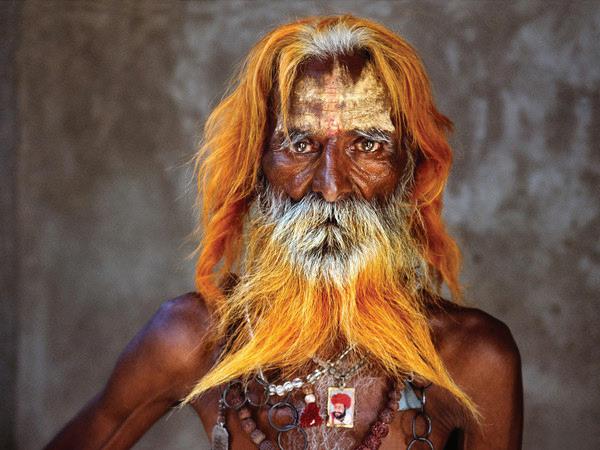
Fino al 25 gennaio 2026
Until January 25, 2026
Verona, Palazzo della Ragione
Parma, Palazzo Pigorini Le rubriche.
Steve McCurry. In viaggio attraverso le fotografie di McCurry
Steve McCurry, uno dei più grandi maestri della fotografia contemporanea, pluripremiato con il prestigioso World Press Photo Award – spesso considerato il “Premio Nobel” della fotografia – è protagonista di questo allestimento che evoca quel senso profondo di umanità che si respira in ogni scatto. In mostra non mancheranno le sue immagini più celebri, come il ritratto della ragazza afghana, realizzate in oltre quarant’anni di carriera: scatti intensi dal Sud-Est asiatico, dalla Cina, dal Sud America e da molte altre parti del mondo. Ogni volto ritratto da McCurry è un concentrato di storie, emozioni, dolore, speranza, paura e bellezza.
Lo studio sul Colle
Guido Trentini e Angelo Zamboni
Tra la fine dell’Ottocento e i primi decenni del Novecento, la cultura figurativa veronese è alimentata da influenze eterogenee: da un lato Venezia, finestra sull’arte europea più avanzata; dall’altro il rapporto diretto con i centri culturali della Mitteleuropa, in particolare Vienna e Monaco di Baviera. In questa scena, Guido Trentini e Angelo Zamboni fanno parte della cerchia di giovani artisti veronesi che segnano una rottura con la precedente tradizione antiaccademica. Le poetiche dei due autori si incontrano durante il periodo di condivisione dei rispettivi studi in un piccolo edificio sul Colle San Pietro, da qui l’ispirazione del titolo dell’esposizione.
GSteve McCurry. Traveling through McCurry's photographs
Steve McCurry, one of the greatest masters of contemporary photography and winner of the prestigious World Press Photo Award—often considered the “Nobel Prize” of photography—is the protagonist of this exhibition, which evokes the profound sense of humanity that permeates each shot. The exhibition will feature his most famous images, such as the portrait of the Afghan girl, taken over a career spanning more than forty years: intense shots from Southeast Asia, China, South America, and many other parts of the world. Each face portrayed by McCurry is a concentration of stories, emotions, pain, hope, fear, and beauty.
The Study on the Hill
Guido Trentini and Angelo Zamboni
Between the late 19th and early 20th centuries, Veronese figurative culture was fueled by diverse influences: on the one hand, Venice, a window onto the most advanced European art; on the other, direct relations with the cultural centers of Mitteleuropa, particularly Vienna and Munich. In this scene, Guido Trentini and Angelo Zamboni were part of a circle of young Veronese artists who marked a break with the previous anti-academic tradition. The poetics of the two artists came together during the period when they shared their respective studios in a small building on Colle San Pietro, hence the inspiration for the exhibition title.
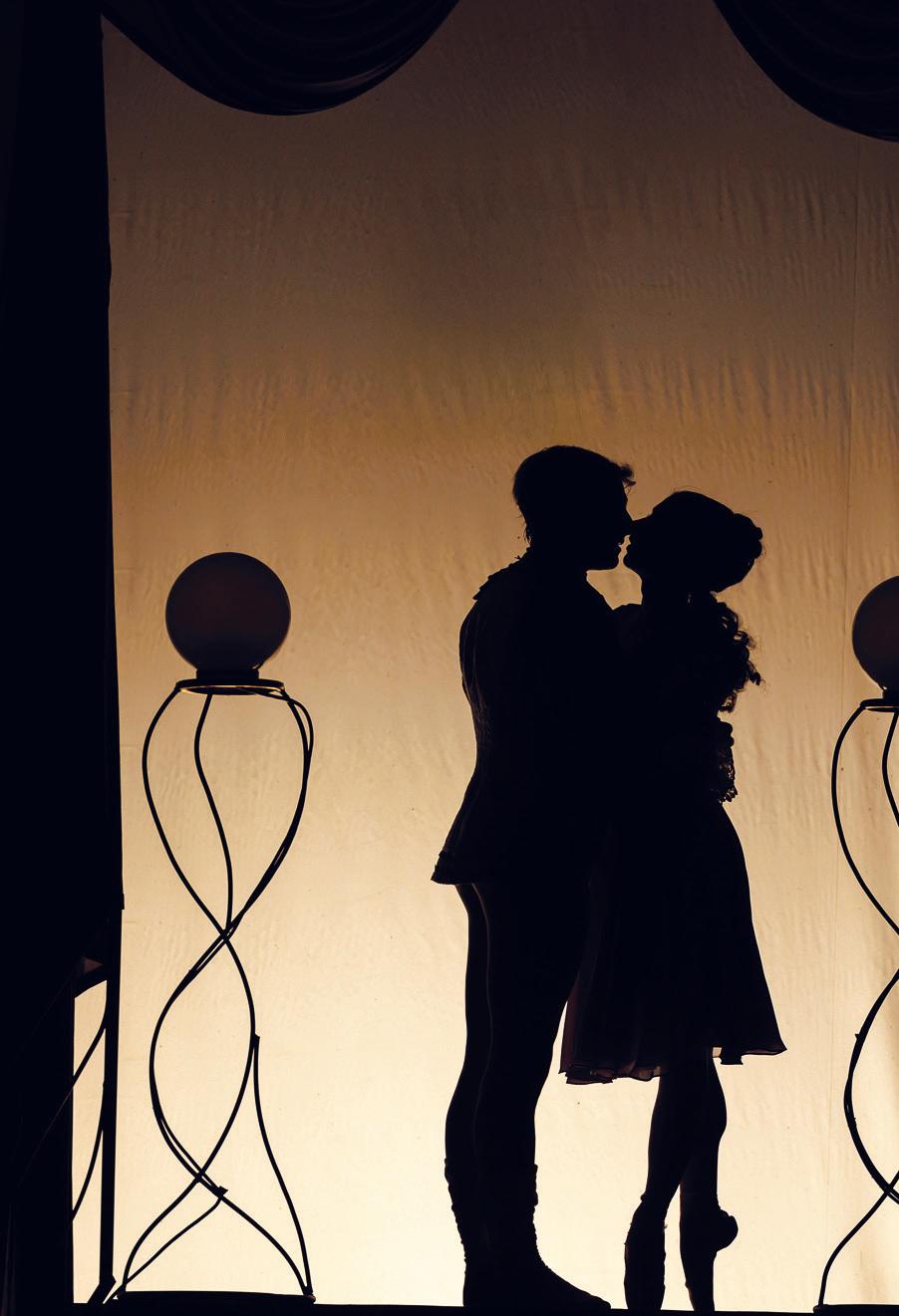
fino a domenica 28 dicembre 2025
Piazza Bra manifestazione Mercatini di Natale
fino a domenica 25 gennaio 2026
Galleria d'Arte Moderna Achille Forti - Palazzo della Ragione arte
Lo studio sul colle. Guido Trentini e Angelo Zamboni gam.comune.verona.it
fino a domenica 20 settembre 2026
Galleria d'Arte Moderna Achille Forti - Palazzo della Ragione arte
CONTEMPORANEO NON-STOP. Il respiro della natura | TERRA gam.comune.verona.it
fino a martedì 6 gennaio 2026
Flover Garden Center di Bussolengo manifestazione Villaggio di Natale Flover www.flover.it
da martedì 2 dicembre 2025
a venerdì 5 dicembre 2025 21:00
Teatro Nuovo
teatro
Divertiamoci a teatro
Volevo essere Marlon Brando www.teatrostabileverona.it
giovedì 4 dicembre 2025
20:00
Teatro Ristori teatro
Cene Spettacolo
Ray Gelato & The Giants “The Godfather of Swing” www.teatroristori.org
giovedì 4 dicembre 2025
20:45
Teatro Camploy teatro
L'Altro Teatro BACCANTI
www.spettacoloverona.it
venerdì 5 dicembre 2025 20.00
sabato 6 dicembre 2025 17:00
Teatro Filarmonico musica
Poulenc Aubade www.arena.it/teatro-filarmonico-verona
domenica 7 dicembre 2025 11:00
Sala Maffeiana musica
Stravinsky
www.arena.it/teatro-filarmonico-verona
domenica 8 dicembre 2025
9:00
Piazza Arsenale
sport
Marcia del Giocattolo www.marciadelgiocattoloverona.it
martedì 9 dicembre 20:45
mercoledì 10 dicembre 20:45
venerdi 12 dicembre 20:45
sabato 13 dicembre 16:30 e 20:45
domenica 14 dicembre 16:00
Teatro Nuovo
teatro
Grande Teatro
Mein Kampf www.teatrostabileverona.it
domenica 11 gennaio 2026
16:30
Teatro Fucina Machiavelli per bambini
Fucina dei Piccoli
Baby Mozart
www.fucinaculturalemachiavelli.com
giovedì 11 dicembre 2025
20:45
Teatro Camploy
teatro
L'Altro Teatro
Panoramic banana www.spettacoloverona.it/
venerdì 12 dicembre 2025
20:00
Teatro Ristori teatro
Cene Spettacolo
Serata gospel con The Triumphant Voices of Gospel www.teatroristori.org
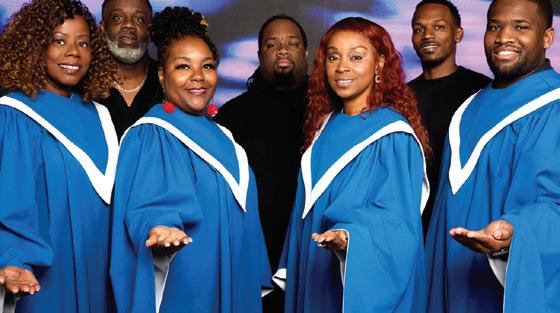
sabato 13 dicembre 2025
16:15
Fattoria Didattica La Genovesa per bambini
Teatro in Fattoria Il famoso canto di Natale del Signor Charles Dickens www.bambamteatro.com
sabato 13 dicembre 2025
19:00
Teatro Fucina Machiavelli musica
Festival delle Contaminazioni
Misa Criolla 2025 www.fucinaculturalemachiavelli.com
domenica 14 dicembre 2025 15:30
mercoledì 17 dicembre 2025 19:00
venerdì 19 dicembre 2025 20:00
domenica 21 dicembre 2025 15:30
Teatro Filarmonico opera Ernani
www.arena.it/teatro-filarmonico-verona
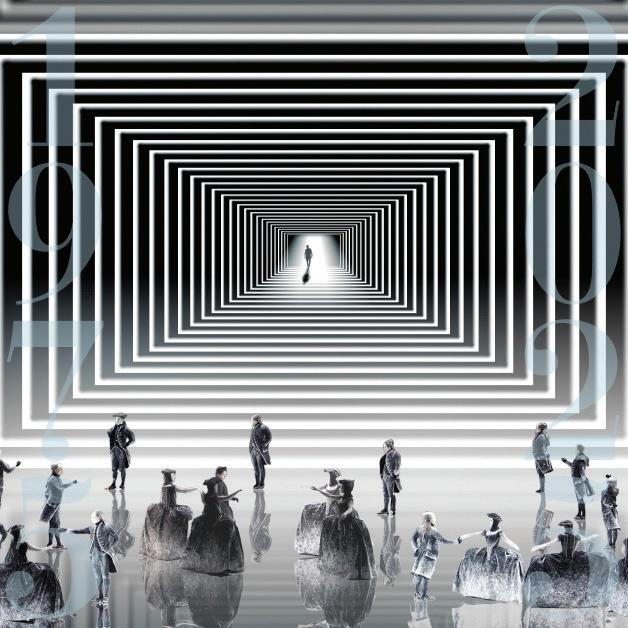
domenica 14 dicembre 2025
11:00
Teatro Fucina Machiavelli musica
Un'ora di musica
Integrale dei Quartetti di Beethoven Quartetto op. 133 La grande Fuga www.fucinaculturalemachiavelli.com
domenica 14 dicembre 2025
18:00
Teatro Fucina Machiavelli presentazione
"Non è amore. Pasolini 50 anni dopo" www.fucinaculturalemachiavelli.com
da martedì 16 dicembre 2025 a venerdì 19 dicembre 2025
21:00
Teatro Nuovo teatro
Divertiamoci a teatro Andavamo a mille www.teatrostabileverona.it
mercoledì 17 dicembre 2025
20:00
Teatro Ristori teatro
Cene Spettacolo
Gli Alti & Bassi “Christmas Night” www.teatroristori.org
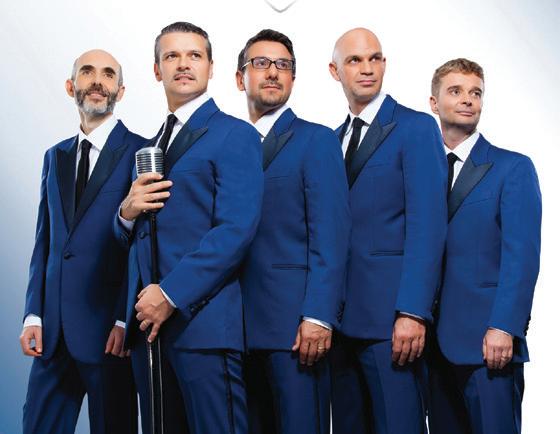
sabato 20 dicembre 2025
21:00
Teatro Fucina Machiavelli teatro
Surrealismo Capitalista www.fucinaculturalemachiavelli.com
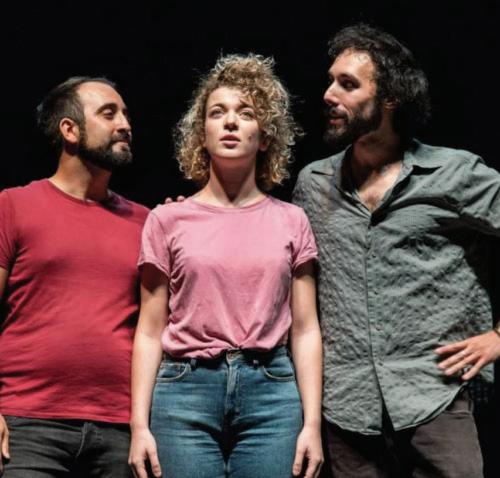
sabato 20 dicembre 2025
15:30
Teatro Filarmonico per bambini Arena Young NoTturno con…Brio! www.arena.it/teatro-filarmonico-verona
domenica 21 dicembre 2025
9:30
Piazza Bra sport
Adigeo Verona Christmas Run www.veronachristmasrun.it
domenica 21 dicembre 2025
16:30
Teatro Fucina Machiavelli teatro
Il Teatro Verde in giallo www.fucinaculturalemachiavelli.com
domenica 21 dicembre 2025
16:30
Teatro Stimate teatro
La freccia azzurra www.fondazioneaida.it Vivere.
domenica 21 dicembre 2025
18:00
Teatro Nuovo teatro
Giuseppe Ninno – La famiglia Imbarazzi www.teatrostabileverona.it
giovedì 25 dicembre 2025
17:00
Teatro Nuovo danza Cenerentola www.teatrostabileverona.it
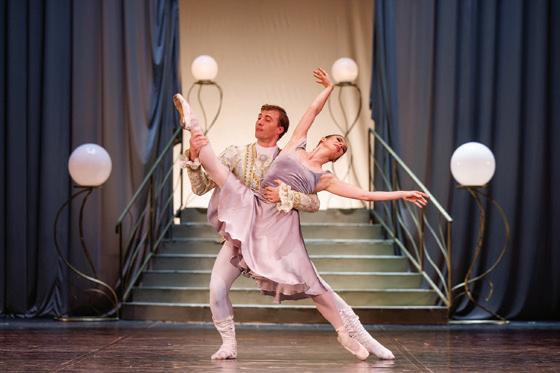
sabato 27 dicembre 2025
21:00
Teatro Fucina Machiavelli teatro Hijos de Buddha www.fucinaculturalemachiavelli.com
domenica 28 dicembre 2025
15:30 e 16:30
Teatro Fucina Machiavelli per bambini Fucina dei Piccoli
Radici di suoni: l'inverno www.fucinaculturalemachiavelli.com
domenica 28 dicembre 2025
16:00
Teatro Nuovo per bambini
Rudolph – Operazione Natale www.teatrostabileverona.it
lunedì 29 dicembre 2025
21:00
Teatro Nuovo musica
ABBA DREAM Tribute –DANCING DREAM Tour www.teatrostabileverona.it
martedì 30 dicembre 2025
21:00
Teatro Nuovo teatro
Valentina Persia – Ma che te ridi?! www.teatrostabileverona.it
mercoledì 31 dicembre 2025
19:30
Teatro Filarmonico Concerto di San Silvestro www.arena.it/teatro-filarmonico-verona
mercoledì 31 dicembre 2025
22:10
Teatro Nuovo danza
FIRE OF GEORGIA – Royal National Ballet of Georgia www.teatrostabileverona.it
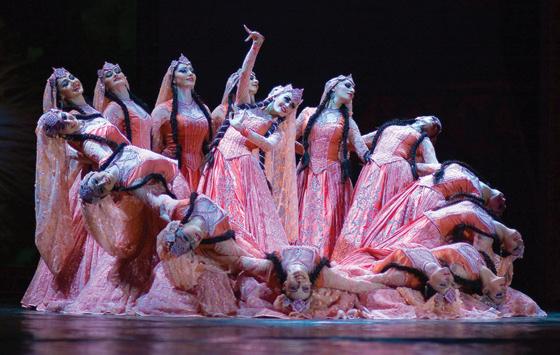
giovedì 1 gennaio 2026
17:00
Teatro Ristori musica I Virtuosi Italiani I Virtuosi Italiani “Concerto di Capodanno 2026” www.teatroristori.org

venerdì 2 gennaio 2026
17:00 e 21:00
Teatro Nuovo musical
A Christmas Carol Musical www.teatrostabileverona.it
sabato 3 gennaio 2026
21:00
Teatro Nuovo musical
Hairspray- The Broadway Musical www.teatrostabileverona.it
domenica 4 gennaio 2026
21:00
Teatro Nuovo danza
Il Lago Dei Cigni –Balletto di Siena www.teatrostabileverona.it
domenica 4 gennaio 2026
16:30
Teatro Stimate per bambini
Le mille bolle incantate www.fondazioneaida.it
da martedì 6 gennaio 2026 a sabato 10 gennaio
20:45
domenica 11 gennaio 2026
16:00
Teatro Nuovo
teatro
Grande Teatro
Sherlock Holmes - Il Musical www.teatrostabileverona.it
sabato 10 gennaio 2026 21:00
domenica 11 gennaio 2026 16.30
Teatro Camploy
teatro
Verona Passione Teatro
Canta, canta… che alle pagelle canto io! www.spettacoloverona.it
mercoledì 14 gennaio 2026
21:00
Teatro Nuovo teatro
Condominio Mon Amour www.teatrostabileverona.it
venerdì 16 gennaio 2026
20:45
Teatro Camploy teatro
L'Altro Teatro Autoritratto www.spettacoloverona.it
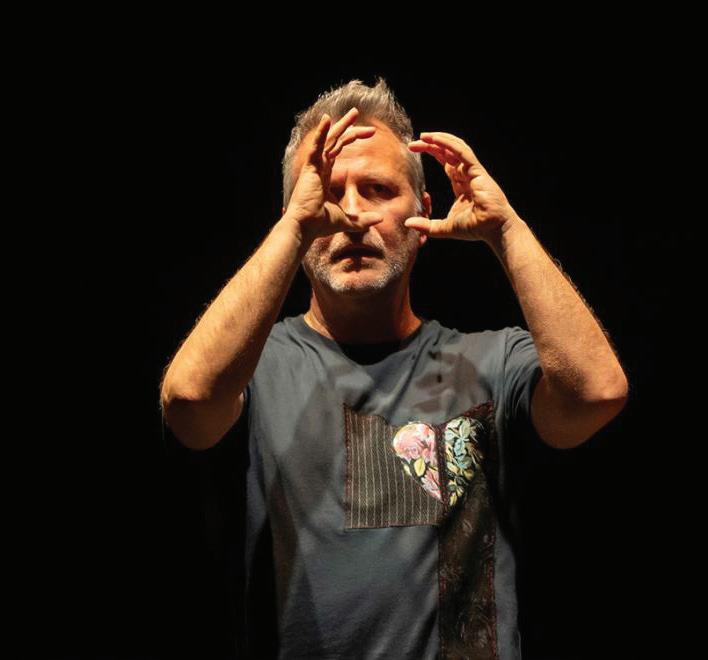
venerdì 16 gennaio 2026
21:00
Teatro Nuovo musica
Si Viaggiare, Battisti la storia www.teatrostabileverona.it
da venerdì 16 a domenica 18 gennaio 2026
Monteforte d'Alpone sport Monterfortiana www.montefortiana.org
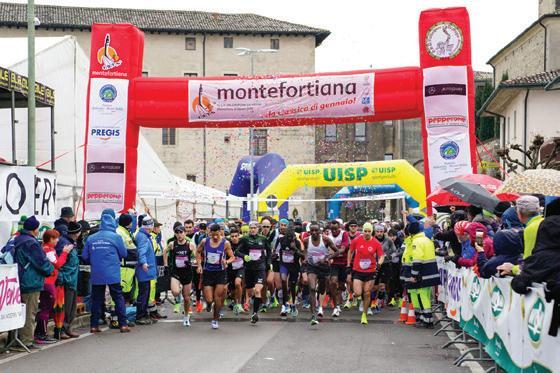
sabato 17 gennaio 2026 21:00
domenica 18 gennaio 2026
16.30
Teatro Camploy
teatro
Verona Passione Teatro
Buon compleanno www.spettacoloverona.it
domenica 18 gennaio 2026 15:30
mercoledì 21 gennaio 2026 19:00
venerdì 23 gennaio 2026 20:00 domenica 25 gennaio 2026 15:30
Teatro Filarmonico opera
Don Giovanni www.arena.it/teatro-filarmonico-verona
domenica 18 gennaio 2026
16:30
Teatro Stimate per bambini
La maga dei sogni www.fondazioneaida.it
domenica 18 gennaio 2026
17:00
Teatro Ristori per bambini
Per le famiglie
Big Band Bang! www.teatroristori.org
da martedì 20 gennaio 2026 a venerdì 23 gennaio 2026
21:00
Teatro Nuovo teatro Divertiamoci a teatro www.teatrostabileverona.it
mercoledì 21 gennaio 2026 10:00
Teatro Camploy teatro
L'Altro Teatro/City
Cuor di smeraldo www.teatroscientifico.com
venerdì 23 gennaio 2026
20:45
Teatro Camploy teatro L'Altro Teatro
Amleto Collettivo Cinetico www.spettacoloverona.it
venerdì 23 gennaio 2026
21:00
Teatro Fucina Machiavelli teatro Dopodiché stasera mi butto www.fucinaculturalemachiavelli.com
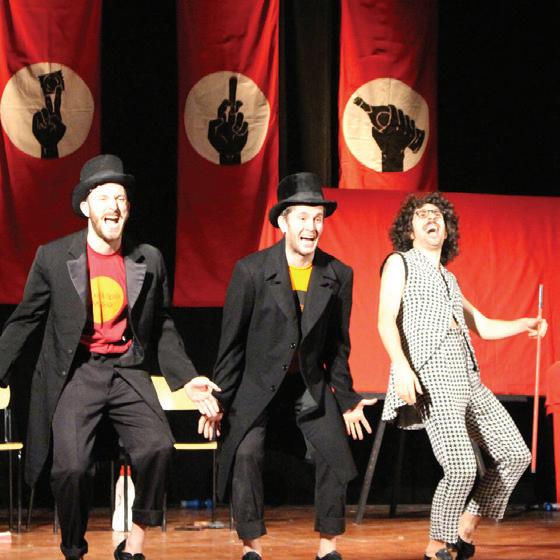
sabato 24 gennaio 2026
15:30
Teatro Filarmonico musica
Arena Young Mozart e Salieri Got Talent www.arena.it/teatro-filarmonico-verona
sabato 24 gennaio 2026 21:00
Teatro Nuovo musica
Dardust – Urban Impressionism www.teatrostabileverona.it
sabato 24 gennaio 2026 21:00 domenica 25 gennaio 2026 16.30
Teatro Camploy teatro Verona Passione Teatro Peso el tacon del buso www.spettacoloverona.it
domenica 25 gennaio 2026 11:00
Teatro Fucina Machiavelli musica Un'ora di musica Integrale dei Quartetti di Beethoven. Quartetti op. 95 e op. 135 www.fucinaculturalemachiavelli.com
martedì 27 gennaio 2026 a sabato 31 gennaio 2026 20:45 domenica 1 febbraio 2026 16:00
Teatro Nuovo teatro Grande Teatro Il Medico dei maiali www.teatrostabileverona.it
Per il calendario eventi aggiornato e per tutte le novità di città e provincia segui Carnet Verona sul sito www.carnetverona.it e sui canali social!
mercoledì 28 gennaio 2026
20:30
Teatro Ristori danza
Le sacre du printemps www.teatroristori.org
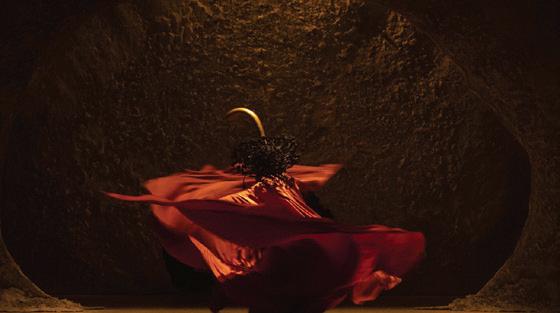
giovedì 29 gennaio 2026 20:45
Teatro Camploy teatro
L'Altro Teatro
L’angelo del focolare www.spettacoloverona.it
sabato 31 gennaio 2026
19:00
Teatro Fucina Machiavelli musica
Händel with care
Händel e il Messiah www.fucinaculturalemachiavelli.com
sabato 31 gennaio 2026 21:00 domenica 1 febbraio 2026 16.30
Teatro Camploy teatro Verona Passione Teatro
Sogno di una notte di mezza estate www.spettacoloverona.it

VIVERE le esperienze della città, del Lago di Garda e della provincia
SCOPRIRE luoghi
insoliti e curiosità del territorio
CONOSCERE storie, tradizioni, esperienze
Seguici sui nostri canali social e sul sito instagram Facebook-square telegram-plane | carnetverona.it