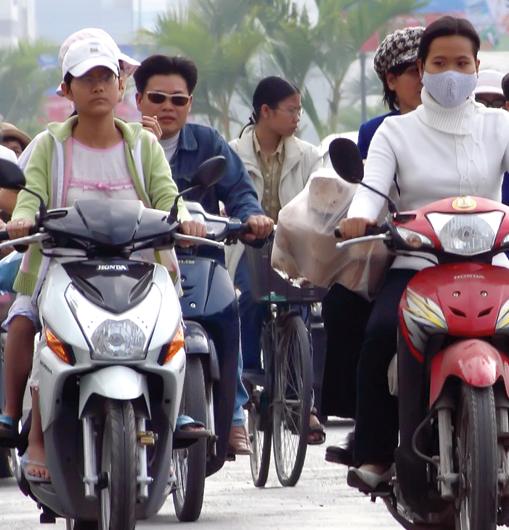
influence of China and its potential impact By Gordan
Butland
WATER SYSTEMS: Maintenance Is Key When was the last time you checked your watering system?
The Technical Team, Ziggity Systems Inc.
Prevention of C. jejuni Colonization By Tim Nelson, Executive Director and Kimberly Sheppard, Research Co-ordinator.
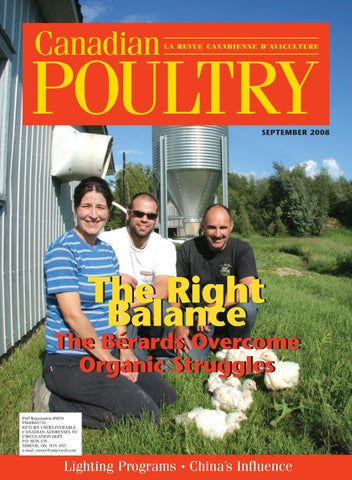
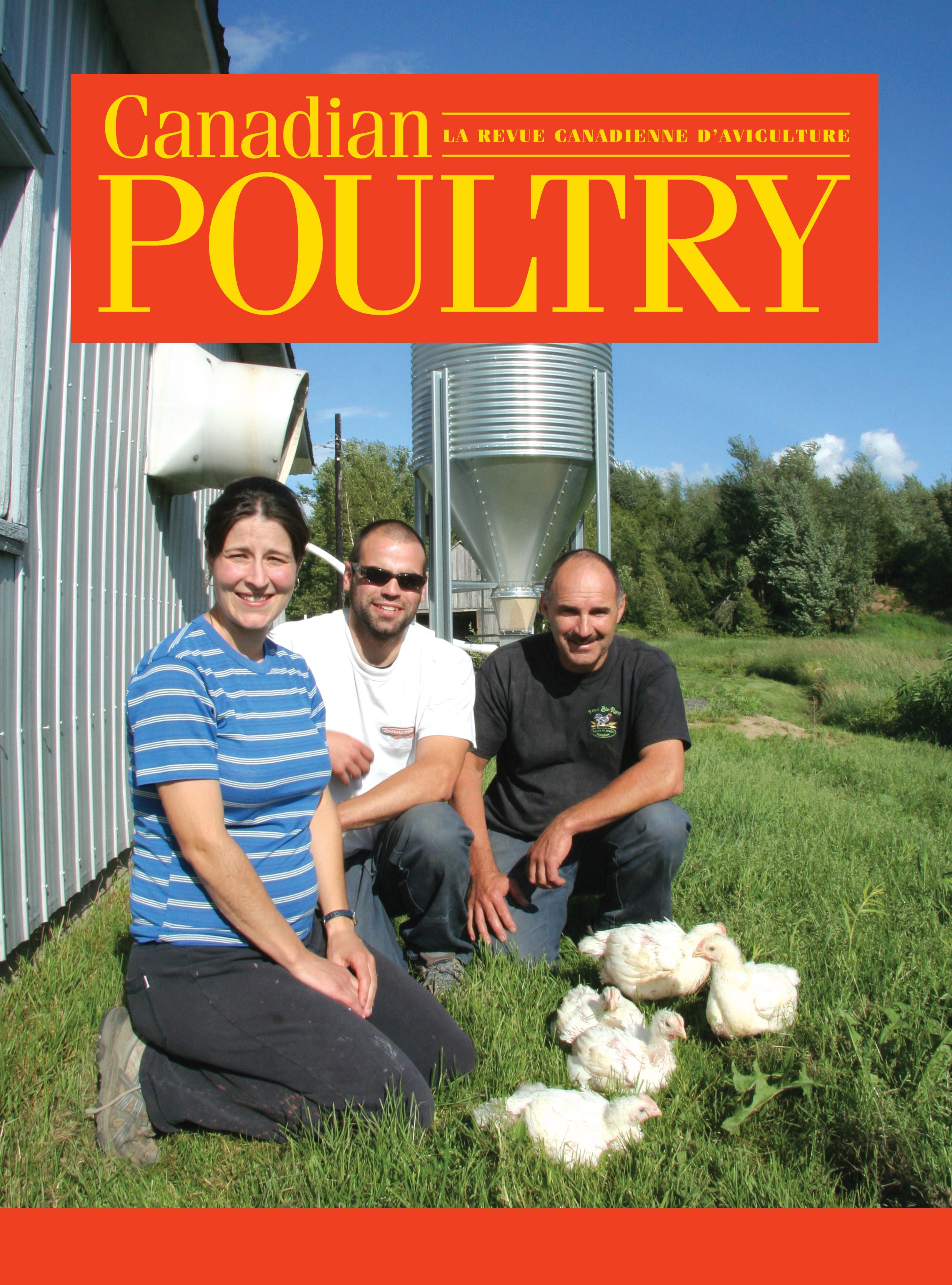
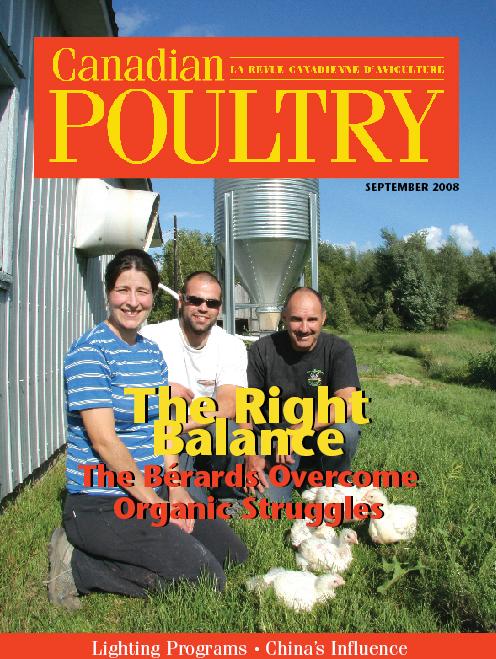
PRODUCTION: Finding the Right Balance Ferme Bio-Rard overcomes struggles to produce organic chicken
André Dumont
Jim Knisley
Ferme
FROM THE EDITOR
BY KRISTY NUDDS
Setting a Precedent
This fall, a decision that could present significant changes to the U.S. egg industry will be in the hands of the public.
On Nov. 4, 2008, Californians will be going to the polls during the state’s general election. The ballot will include Proposition 2, the proposed Standards for Confining Farm Animals initiative statute. Self-titled the Prevention of Farm Animal Cruelty Act, the proposition would add a chapter to Division 20 of California’s Health and Safety Code to prohibit the confinement of certain farm animals in such a manner that does not allow them full movement.
The proposition encompasses three types of confinement: veal crates, battery cages, and sow gestation crates. If voters approve the proposition, the statute would become operative on Jan. 1, 2015. The proposition would also essentially banish cage-free production, as space requirements per bird is part of the proposition. To meet these requirements, the United Egg Producers have stated that farmers would need to build 8-16 new barns each to produce the same amount of eggs as they are currently.
The idea behind this proposition isn’t new. In the past six years, Florida and Oregon have passed laws that prohibit gestation crates. Arizona and Colorado have passed similar laws that also include the prohibition of veal crates.
The California vote will be the first to allow voters to weigh in on battery cages. Not surprisingly, the Humane Society of the United States (HSUS), with support from fellow activist/welfare group Farm Sanctuary, has led the initiative.
As I discussed in the April 2008 issue, the HSUS is becoming a powerful lobby utilizing politics to fulfil its mandate. In the spring the HSUS orchestrated the
largest beef recall in U.S. history based on food safety concerns.
Interestingly, this proposition may hinder food safety. Numerous reports on Proposition 2 indicate that many egg farmers in California will be forced out of business, and consumers will have to rely on eggs from out of state or Mexico.
But the most significant component of the proposition, something that is not widely known, is that groups such as the HSUS can enforce it if it becomes law. Sections under California’s penal code and corporations code would allow non-profit representatives to act as peace officers.
I find this unnerving. How can a group that doesn’t base decisions on sound science have an untrained representative be given so much power?
My biggest concern is that many consumers/voters are totally unaware of this. They are also unaware of the risks that the proposition could pose to their health as well as the economic wellbeing of the state in which they live.
The United Egg Producers (UEP) and the Pacific Egg & Poultry Association commissioned an economic study that suggests, if the law passed, the state would lose more than 3,000 jobs and $615 million in the next seven years. Food safety group Californians for Safe Food cites increased health concerns, primarily due to increased risk of salmonella.
More than 85 per cent of eggs farms in California are independently certified as meeting the animal welfare guidelines established for the UEP by an independent scientific committee. From what I can see, the HSUS and Farm Sanctuary are basing their decisions on emotion and tidbits of scientific research. ■
September 2008
Vol. 95, No. 9
Editor Kristy Nudds – knudds@annexweb.com
888-599-2228 ext. 266
Contributing Editor
Jim Knisley – jknisley@kwic.com
Publisher/Sales Manager
Marilyn White – mwhite@annexweb.com 888-599-2228 ext 237 • fax: 888-404-1129
Sales Assistant
Mary Burnie – mburnie@annexweb.com
888-599-2228 ext 234
Production Artist
Brooke Shaw
Editorial Director
Drew McCarthy – dmccarthy@annexweb.com
VP/Group Publisher
Diane Kleer – dkleer@annexweb.com
President Mike Fredericks – mfredericks@annexweb.com
Mailing Address
P.O. Box 530, 105 Donly Dr. S., Simcoe, ON N3Y 4N5
Publication Mail Agreement #40065710
PAP Registration #9850
RETURN UNDELIVERABLE CANADIAN ADDRESSES TO CIRCULATION DEPT., P.O. BOX 530, SIMCOE, ON N3Y 4N5.
e-mail: cnowe@annexweb.com.
Periodicals postage paid at Buffalo NY. USPS 009-324, ISSN 1703-2911. Published monthly by Annex Publishing and Printing Inc. US Office of publication c/of DDM Direct.com, 1223 William St. Buffalo NY 14240. US Postmaster send address change to PO Box 611 Niagara Falls NY 14304.
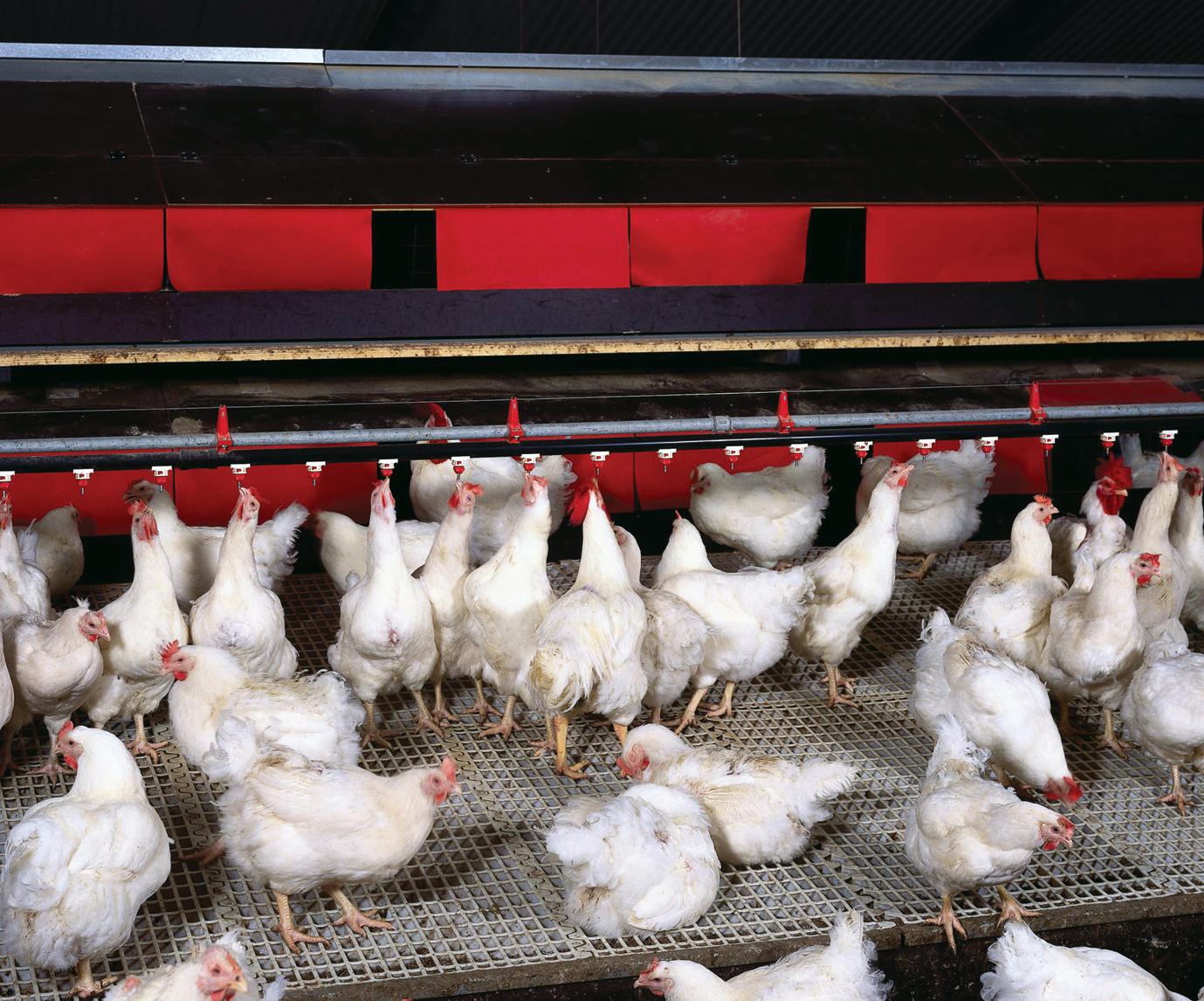
Studies prove and customers agree that higher flow rates grow BIGGER birds FASTER with BETTER results. Low-Volume flow drinkers ultimately restrict a bird's water consumption and have a negative effect on the bird's growth rate. Take the Upgrade Challenge and let us show you how much more can be going in your wallet with a quality Lubing Watering System.
Got Lubing? Contact your local Lubing Distributor for more detailed information.
Fax: (450) 263.9021
WHAT’S HATCHING HATCHING
S Trade Talks Collapse
o-called “last-chance” talks collapsed in late July during a ministerial meeting of the Doha development round at the World Trade Organization (above) in Geneva after the United States, China and India failed to compromise on farm import rules.
The issue in question concerned a “special safeguard” that developing countries India and China have demanded they need to deal with a sudden surge of imports or drop in prices. These emergency import tariffs are wanted by China, India and other developing countries to protect domestic farmers against cheap imports. The U.S. and several other developed nations had accused both China and India of insisting on allowances to raise farm tariffs above their
current levels, which the U.S. contends violates the spirit of the trade round.
After nine days of talks, WTO chief Pascal Lamy informed ministers that convergence could not be reached, sparing any threat to Canada’s supply-managed sectors, at least for the interim.
Canadian Trade Minister Michael Fortier stated in a release “Canada will move aggressively to negotiate the individual country-to-country trade deals to protect its economic interests.”
However, analysts say that Canada is at least five years behind on the game on this tactic, unlike the U.S., who started concentrating on bilateral deals during Doha round talks in Cancun, Mexico in 2003. Canada also has a much smaller market. ShirleyAnne George, head of policy for the Canadian Chamber of Commerce was quoted as saying “this is not good for
Canada because we don’t have the economic might to force what we need in bilaterals the way the U.S. and Europe does.”
Fortier and Agriculture Minister Gerry Ritz were reported to be cautiously optimistic that talks could resume soon, outlining several obstacles, the primary being that many countries involved are entering into election cycles.
In early August, Ambassador Crawford Falconer, chairman of the special session of the committee on agriculture, stated in his report to the trade negotiations committee that breakdowns over special safeguards was not technical but political.
He says to fix the problems in less than a three-year time frame, efforts need to be made in the very near future, and the only way this has ever been achieved is through intensive work at the senior officials’ level.
PRC Excels
The Poultry Science Association (PSA) recognized the research excellence at the Alberta Poultry Research Centre (PRC) during its centennial meeting in Niagara Falls in late July.
Dr. Frank Robinson was named a Fellow of the Poultry Science Association. Election to Fellow is one of the highest distinctions a PSA member can achieve.
Dr. Doug Korver received the American Feed Industry Association Poultry Nutrition Research Award for distinctive work demonstrating
Charity Golf
ONTARIO
M ore than $10,000 was raised by the Jim Johnstone Memorial Golf Tournament, held in June by the Egg Farmers of Ontario (EFO) and the Ontario Farm Animal Council (OFAC).
The funds will aid OFAC in its ongoing quest to bridge the gap between farmers and the general public.
sound research in poultry nutrition. Dr. Martin Zuidhof was recognized by the National Chicken Council Broiler Research Award for distinctive research work that has a strong economic impact on the broiler industry. Felicity Dennis received the Tyson Foods Support Personnel Award to acknowledge her long-term role in assisting faculty in poultry research.
Undergraduate student Lukas Kawalilak was awarded the PSA Student Research Paper Certification of Excellence. Graduate
student Mojtaba Yegani won the PSA Student Essay Competition for his essay on “The Future of Poultry Science.” Former graduate student Victoria Sikur received the PSA Early Achievement Award. Dr. Gita Cherian was recognized for her research manuscript by the American Egg Board Research Award. Dr. Cherian received her MSc and PhD from the Department of AFNS at the UofA. She is currently an associate professor with the Oregon State University, Department of Animal Science.
SEPTEMBER
September 25-27, 2008
Western Nutrition Conference, Crowne Plaza Chateau Lacombe, Edmonton, Alta. For more information, contact Joanne Morrison tel: 780-492-3236
September 30, 2008
19th Western Meeting of Poultry Clinicians and Pathologists (WestVet), Post Hotel, Lake Louise, Alta. For more information, visit www.westvet.com.
OCTOBER
October 1-2, 2008 Poultry Service Industry Workshop, Banff Centre, Banff, Alta. For more information, contact Kate Cheney by e-mail at info@poultryworkshop.com, or by telephone at 1-800-2679180, or visit www.poultryworkshop.com.
NOVEMBER
November 10-11, 2008 Poultry Innovation Conference (formerly known as the Poultry Health Conference), organized by the Poultry Industry Council (PIC).
In the wake of a precedentsetting decision by the New Jersey Supreme Court, animal protection and environmental organizations are calling on Premier Dalton McGuinty’s government to amend Bill 50, The Provincial Animal Welfare Act, 2008 by removing all Sections of the bill that exempt
wildlife, research and farm animals from protection under the Act.
The N.J. Supreme Court recently ruled that “factory farming practices cannot be considered humane simply because they are widely used... Many states have an exemption to their cruelty code for “routine” or “commonly accepted” practices which leaves animals
confined in factory farms unprotected from abuse.”
Currently, exemptions in Bill 50 prevent the OSPCA from investigating and laying animal cruelty charges for agricultural animals kept in accordance with reasonable and generally accepted practices. The Animal Alliance of Canada wants this amended so that farm animals will receive basic protection.
Day One comprises an afternoon of research reports in a similar format enjoyed by so many at this year’s Research Day. Day Two will feature very practical sessions designed by producers for producers and industry service professionals. The day will culminate in a gala dinner to celebrate our industry
ALBERTA
(Left to right) OFAC executive director Crystal Mackay, EFO Chair Carolynne Griffith, and Ethel Johnstone presented the cheque to OFAC Chair Jim Maskaant.
HATCHING HATCHING
COOL Disappoints Ritz
Agriculture Minister Gerry Ritz says he’s disappointed with the Country Of Origin Labelling (COOL) in the recent Farm Bill passed by U.S. Congress. This legislation is mandated as of Sept. 30, 2008, and impacts chicken, beef, lamb, pork, and goat meat, along with perishable agricultural commodities.
“We will analyze the recently released rule to determine the economic impacts on integrated North American markets,” Ritz says. He also remains concerned that it may discriminate against
Canadian products.
Since the Canada-U.S. Free Trade Agreement, and then the North American Free Trade Agreement, trade between Canada and the U.S. has tripled. Eliminating obstacles to trade has contributed to mutually beneficial supply chains, making both countries more competitive domestically and internationally.
Efforts are being made to ensure that the COOL guidelines remain consistent with the United States’ trade obligations and existing international standards.
Students Attend WPC
ight Canadian poultry science graduate students received funding from national agencies to present their research at the XXIII World’s Poultry Congress, held in Brisbane, Australia.
Above are: University of Saskatchewan graduate students Samira Dadgar, Joni Rynsburger, Salaheddin Ebsim, and Alison Ward;
University of Manitoba graduate student Wei Jia; University of British Columbia graduate student Renu Singh; and Jennifer Saunders-Blade, a recent PhD graduate from the University of Alberta.
The CTMA provided funds for Samira Dadgar. The other students were partially funded by CEMA and CHEP (formerly CBHEMA).
COMING EVENTS
with special guest speaker Donald McQueen Shaver. For more information, visit www.poultryindustrycouncil.ca or e-mail pic@poultry industrycouncil.ca.
JANUARY 2009
January 28-30, 2009 International Poultry Expo/International Feed Expo, Georgia World Congress Center, Atlanta, Ga. Registration now open. For more information, e-mail expogeneralinfo@ poultryegg.org; visit www.international poultryexposition.com or telephone 770-4939401
FEBRUARY 2009
February 19-20, 2009 Atlantic Poultry Conference, Old Orchard Inn, Greenwich, N.S. Registration information and details available soon. For more information, visit www.nsac.ns.ca/apri.
We welcome additions to our Coming Events section. To ensure publication at least one month prior to the event, please send your event information at least eight to 12 weeks in advance to: Canadian Poultry, Annex Publishing, P.O. Box 530, 105 Donly Dr. S., Simcoe, Ont. N3Y 4N5; e-mail knudds@ annexweb.com; or fax 519-429-3094.
These two really know farming. But only one of them works at the bank.
TD Canada Trust Agriculture Specialists understand farming. In fact, we have years of experience in agriculture and understand the factors that affect the industry in Canada. So whether you’re looking to expand your operation, finance equipment, quota, or livestock, or improve your cash flow, we’re always ready to provide insightful, one-on-one advice and innovative financial solutions tailored to your specific needs. Our specialists work to build a long-term relationship with you, your business, and the next generation of proud Canadian farmers. Because we know you have goals for your farm, and we want to help you achieve them. Contact one of our Agriculture Specialists today.
Nutrition Designing ValueAdded Products
Using nutritional strategies, poultry meat and eggs can offer consumers added health benefits, increasing economic value for producers
BY JIM KNISLEY
If someone was doing a recruiting poster for chicken and eggs it might read like the old U.S. Marine Corp pitch: “There is so much more you can be.”
While eggs have already come a long way with omega-3, they’re not going to stop there.
Scientists speaking at the recent Poultry Industry Council (PIC) research day in Guelph, Ont., described how poultry and eggs can deliver even more essential nutrients.
For example, Martin Zuidhof, of Alberta Agriculture and Rural Development, said understanding the seemingly obvious can lead to significant developments.
The seemingly obvious is that: “You are what your chickens eat.” The followup to that is that producers can add value to poultry meat through nutrition.
For example, through nutrition producers can reduce the amount of fat in chicken and, at the same time, increase the quality of the fat.
The result would be that you “differentiate your chicken to make it more valuable to your consumers.”
In economic terms differentiation allows producers to get out of the commodity trap. Commodities are large
DELIVERING MORE
Martin Zuidhof (inset) says that value to the consumer can be added through nutritional strategies, such as decreasing fat content or enriching fat with omega-3
volume, virtually identical, products that deliver the same value to consumers and fetch the same price. To break out of the trap and to reap higher prices (and more profit) the idea is to make your product more valuable to consumers.
An example of this would be the difference between your run-of-the-mill car and
a BMW or an Audi. Consumers are willing to pay more when they see extra value.
In the case of chicken, consumers see fat as a waste. Delivering chicken with less fat would be seen as better value, said Zuidhof. The way to do this is to increase the amount of dietary protein fed to chickens.
“The general rule is increasing protein in a broiler diet will increase lean yield and reduce fat,” he said.
Most important to accomplish this was the use of a pre-starter, which had the most sustainable lasting effect.
In work at the University of Alberta, Zuidhof said increasing protein in the diet increases the breast yield curve and a high protein pre-starter had a significant impact on breast yield curve. It was also noted that females had a higher breast yield curve than males.
The study also found that a pre-starter and the protein level in the feed also slightly affected leg yield curve. It was noted that males had a slightly higher leg yield curve than females.
Another result was that higher protein reduced the fat pad yield curve while a pre-starter did not affect fatness.
OMEGA-3 CHICKEN
Another study looked at feeding flaxseed to poultry to improve the quality of the fat.
This is not a new area of research, Zuidhof said. But this study tried to “optimize” the procedure.
The goal is to improve the quality of the fat by getting more omega-3 and less omega-6.
He said Canadian diets typically have an omega-6 to omega-3 ration of 10-25:1, a healthy ratio is 4:1.
In simple terms, saturated fatty acids – like those in omega-6 – are solid at lower temperatures and can clog arteries and have major impacts on cardiovascular systems. Polyunsaturated fatty acids (like omega-3) have a much lower melting point and don’t clog arteries.
The downside of feeding flax is higher production cost. There is reduced growth rate, poorer feed conversion and reduced meat yield, in addition to the added cost of feeding flax.
The objective of the flax feeding project was to “determine the optimum level and duration of dietary flax seed required to achieve: consumer health benefits; consumer acceptance; acceptable functional properties of the meat; acceptable
Nutrition
performance and yield; and acceptable cost of production.”
The study introduced flax seed into the diets at two levels – 10 per cent and 17 per cent.
The goal was to get omega-3 in the meat to above 300 milligrams per 100 grams of meat. At the high level of flax feeding (17 per cent) the desired level (the minimum level required for labelling) of omega-3 was reached in 12 days. At the lower level (10 per cent) the level was reached in 24 days.
The study concluded that an optimal strategy for producing and marketing omega-3 enriched breast meat would be to feed the high level (17 per cent) flax for 12 days.
Zuidhof said some back of the envelope calculations indicate that to offset the increased costs of feeding flax – which he estimated at 29 cents/kg or more – it would need to sell for about five cents per 100 grams at the deli counter.
The study also found that thigh meat absorbed omega-3 faster than the breasts. In four days or less, thigh meat reached the level required for enriched labelling.
“There might be a real marketing opportunity,” he said.
The bottom line is value can be added through chicken nutrition, he said.
DESIGNER EGGS
Rong Tsao of Agriculture and Agri-Food Canada introduced himself to the Poultry Industry Council research day by saying “I’m a chemist” and admitting he knows next to nothing about chickens, but said he does eat an egg a day.
From his scientific perspective he said eggs are “food capsules.”
The question for him was: Can these capsules go beyond their basic nutritional function and help reduce the risk of chronic disease or move into the realm of nutraceuticals and provide protection from chronic disease?
One area where this can apply is in soy isoflavones.
In the West, people are “concerned about is soy safety,” he said. “But even at high levels there are no adverse effects.”
From a scientific perspective, eggs can be considered “food capsules”, says AAFC’s Rong Tsao.
There are also benefits. Asian populations consume an average of 20 mg/day of isoflavones compared with five mg/ day for Western populations.
The increased levels of isoflavones result in a 29 per cent reduction in breast cancer and a recent study showed that high doses of soy isoflavone supplements (126 mg/day) improved bone density without severe adverse effects.
To get isoflavones into eggs a study was carried out feeding genistein to layers. The isoflavones are found in the yolks not the egg whites, he said.
There was no change in feed consumption or egg production during the study.
The study found that isoflavones can be incorporated very efficiently into egg yolks and there is a positive correlation between concentration and bioavailability.
“Isoflavone-rich chicken eggs are a good model for the development of socalled super eggs,” he said.
In the future researchers can look at other isoflavones, other phytochemicals and other super eggs/designed eggs, he said. ■
CORRECTION NOTICE
In the August 2008 issue, the article “Mycotoxins: Their Effects on Health” pages 23-27, Figures 1-3 were incorrectly identified in the text (Figure 1 was identified as Figure 3, Figure 2 as Figure 4, and Figure 3 as Figure 5). Canadian Poultry apologizes for any inconvenience this may have caused.
This is just one of the challenges that Danisco can help you solve.
Using new Thermo Protection Technology, Phyzyme XP TPT phytase is heat stable up to 95°C. This highly effective new generation phytase is at least 20% more effective than traditional phytases in improving the digestibility of phosphorus and other nutrients contained in many feed ingredients.
Thermo Protection Technology enables Phyzyme XP TPT to be included before pelleting in the majority of feed manufacturing processes. TPT
In order to evaluate China’s influence on the global poultry industry, we must first understand the economic position of China. To better compare, I have included data in brackets for the other Asian giant, India. China has a land mass of 9.6 (3.3) billion square kilometres and is home to just over 1.2 billion people (1.1). Population growth is low at 0.6 per cent per annum, compared to a global average of just over one percent and 1.4 per cent for India. The annual GDP for China expressed in $US/PPP is 6,800 compared to 3,300 for India.
Some predictions indicate that China will grow from 3 per cent of the global GDP in 2005 to 17 per cent in the year 2030. This increase will be at the expense of Japan and the EU who will both have little or no population growth.
In 2005, the amount of income spent on food was 36.9 per cent, and this is expected to fall to around 20 per cent over the next two decades.1 In absolute terms it is forecast to grow from 175 billion dollars to 683 billion, a growth of over 500 billion dollars. No wonder the world is looking at China as an investment opportunity but also as a competitor, both for markets and for raw material supplies.
HISTORICAL GROWTH
We can separate the growth periods into two distinct periods the decade of the 90s and the current decade (see Table 1). Due to the outbreaks of BSE, many countries
from rural to urban, its demand for poultry will grow, affect global raw material supply and impact trade markets.
experienced a fall in beef consumption in the period 1990 to 2000, so the growth in China was actually greater than the global total. The participation of China in the growth of the hog and egg sectors was phenomenal. For chicken the participation was much more modest although this was the largest growth of any country in the world.
What was the driver behind such enormous growth in all meat sectors? In 1980 the ratio of the rural population to urban was 80/20. The rural population has remained constant at 800 million for about 25 years, while the urban population has grown from 200 million to 500 million.
In the current decade China has
As China moves
UP AND COMING
Perspectives
and consequently exercise more technical control over the broiler flocks.
only contributed with 10 per cent of the growth in global consumption of poultry. Outbreaks of avian influenza and SARS have contributed significantly to the slowing down in the sector. In each of the beef, pork and egg sectors China has continued to dominate global growth leading all three segments.
However over the period of 15 years from 1990 to 2005 chicken increased its market share from 12 per cent to 20 per cent of the meat consumption while pork dropped from 80 to 63 per cent.
SITUATION TODAY
Table 2 shows the position of China in 2006 compared to the global livestock position. However, it is estimated that disease affecting hogs resulted in a loss of seven per cent of the total number of hogs. This would reduce the global share of hogs to 46 per cent. China also dominates both the egg and the duck sectors but chicken consumption is still well below world average.
Although accurate numbers are not available it does seem that the number of native birds is slightly higher than the Western broiler although in tonnage the position is reversed. So from the perspective of western genetics companies,
China is well behind Brazil, which will produce over five million broilers in 2008 compared to an estimated three million western broilers in China.
The big question mark over livestock production is the grain situation. China is the second largest corn producer in the world with about 20 per cent, similar to its population. The planted area is similar to that of the U.S. but yields are only just over a half. Stocks of corn have been steadily eroded since 2001 and exports have all but ceased. China has introduced a moratorium on the building of new ethanol plants.
For soybeans the situation is far more difficult, with China producing about seven per cent of the global production. This has resulted in the imports of 15 per cent of global output. This is obviously a strategic issue for the country and the press has indicated that China is actively encouraging its companies to buy land in South America.
A key factor in the surge in demand for soy is probably the increase in industrialized production as compared to backyard. More complete feed is certainly being produced and this will use more soybean meal or full fat soy in the formulations. This trend will certainly continue as food safety and disease issues are being addressed.
Production performance has to overcome many challenges. There are extremes of climate ranging from 30 degrees below zero to 40 degrees above. Often feed ingredient quality is not up to standards required by the modern birds. A large number of small farms, 300,000 farms with less than 2000 birds each, make control difficult. The tendency will be that the large integrators will slowly consolidate the industry and find solutions in the form of larger farms
A similar situation exists with processing plants. It is estimated that there are about 1500 processing plants, of which more than half process 20,000 birds a day or less. There are very few plants that have a daily production close to the average Brazilian plants of over 160,000 birds per day. Again the monitoring of such a large number of plants is a difficult task and almost certainly contributes to the difficulties in the area of food safety. The consolidation mentioned above should reduce by more than 60 per cent the number of small plants and the doubling of the number of large plants. Both Chinese and foreign companies have projects to implement large complexes in the near future.
The need for this consolidation is also driven by the needs of the fast food sector. In the year 2000 there were about 800 outlets of Kentucky Fried Chicken, McDonald’s and Dicos and by 2007 it is estimated that there were over 4,000. It is fair to say that the rate of future growth is dependent on the availability of reliable supplies of good quality product.
TRADE POSITION
In the past decade Chinese poultry exports have been under extreme pressure. In the late ’90s issues with residues resulted in a complete ban on EU imports from China, a situation that still exists although recent negotiation indicates that this ban will be lifted for cooked product. Similar residue problems affected exports of raw poultry to Japan and reduced market share into Japan, even though logistic, 48 hours in many cases, gives China a significant competitive advantage.
Outbreaks of SARS further reduced raw exports and then in 2004 outbreaks of avian influenza in China and Thailand led to a complete ban on exports of raw product from the two countries. By 2007 poultry imports into Japan were about 50/50 raw (90 per cent from Brazil) and cooked. China held a dominant
Table
Table 2: Position of China in Global Livestock
1 Beijing, Shanghai, Guangzhou 805607,00012.2
2 Eastern China (excluding above) 5001,2002,40010.9
3 Mid-China3604681,30010.5
4
market share up to 2007 of 58 per cent of Japanese cooked imports. However, in the first three months of 2008, Thailand held a slight advantage. This seems to be an immediate response to the food scares in Japan originating from Chinese imports late in 2007.
China, including Hong Kong, is now the worlds’ largest importer, although the large quantity of paws helps to achieve this position. The U.S. has been the largest beneficiary of this easing of import restrictions with well over half of these imports followed by Brazil. It is interesting to note that the three different products: leg quarters, wings and paws go to different geographical regions.
One might ask why China needs to import with the production capacity available? In this respect China is in a similar position to the EU. The EU has to import breast meat, as it would have a huge excess of leg meat and wings if it produced all its own breast meat. China has the inverse situation in as much as if it increases production to cover leg and wing demand it will have an excess of breast that is impossible to sell under current market conditions.
FUTURE
The growth in consumption of any food product is a function of three factors:
per cent but as Table 3 demonstrates, income growth is still highl. The figures are for 2006 and preliminary estimates for 2007 are over 11 per cent.
In this decade high GDP growth did not translate into a corresponding increase in poultry consumption. However, in 2007 it is estimated that consumption grew by over five per cent. Part of this was due to the problems with hogs, but it does indicate that the problems of avian influenza, although an ever present threat, now has less impact than when it first appeared.
The two main issues facing the industry for the future are food safety and the high price of grains.
The food safety issues will only significantly decrease, with the reduction in the n umber of small farms and processing plants. There will almost certainly be a shift towards larger companies with a much larger market share than they have today. The largest company in China today would occupy quite a low ranking in a Brazilian league table. The presence of branding is very important as we saw during the AI crisis that the brand names at meat and fast food levels retained their volumes.
and demand, we can expect today’s price levels to be around for a minimum of five years. Chicken, as the lowest cost of all the meats seems to be a beneficiary in the short term, but lower income consumers, of which there are many in China, could have difficultly in purchasing product. When this has happened in other countries there has been a movement to smaller bird and/or cheaper cuts.
CONCLUSION
China is not seen to be a threat to the major exporters such as Brazil and the U.S. Competition with Thailand to supply the cooked market in Japan will continue to be intense. Improved food safety, actual and perceived, will again swing the pendulum in favour of China, due to the logistics benefit, with some Chinese ports only 48 hours distance from Japan.
As consumption resume higher growth, the balancing of domestic production and consumption of the chicken parts should result in increasing imports, especially from the U.S. and Brazil.
As we saw in the introduction the forecast population growth is low at 0.6
The price of grains is not just a China issue. It is estimated that the global broiler industry has $28 billion US a year extra costs compared to 2006. This is about a 35 per cent increase and much of this has not been able to be passed on to the consumer. Large losses by U.S. public companies in the last quarter are testimony to this. As there seems to be no solution in sight to the grain supply
The demand for grains, especially soybeans will continue to outstrip meat growth as more backyard operations are eliminated. This will keep pressure on the demand side and consequently prices. ■ Gordan Butland was a keynote speaker on this topic at the XXIII’s World Poultry Congress, Brisbane, Australia.
Water Systems Maintenance Is Key
When was the last time you checked your watering system?
BY THE TECHNICAL TEAM, ZIGGITY
SYSTEMS, INC.
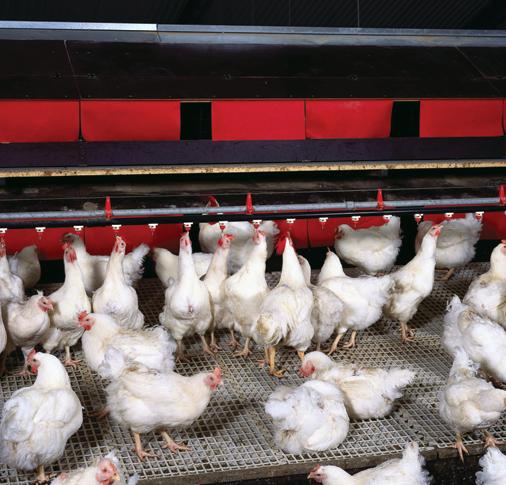
Just as your pickup truck needs regular maintenance, so does the watering system for your broiler operation. And, just as your pickup has a maintenance schedule, so should your watering system.
There are certain checks that should be done every day. There are others that require weekly or monthly attention. Described here is a suggested maintenance schedule for a well-run operation.
DAILY
Litter: You should walk your poultry houses each day looking at litter conditions. Litter, whether it is caked or dry, will tell you if you have problems with specific drinkers or if your pressure settings are correct. If the litter is wet under one or two drinkers, that is a good indication that the drinkers are leaking and the seat area may need cleaning. If the litter under a majority of the drinkers is caked, your pressure settings may be too high; or the drinkers have simply worn out and need to be replaced.
Meter readings: Keep a daily log of water usage based on your water meter. Any significant variation in water usage can alert you to problems with the birds, such as disease, or the system, such as leaks. Take the meter readings at the same time each day because birds drink at different rates throughout the day. By taking the readings at the same time, you ensure
REGULAR MAINTENANCE
A well-run operation requires that water systems are well looked after. Certain tasks should be performed on a daily, weekly, and monthly basis.
you are not comparing peaks and valleys of water usage.
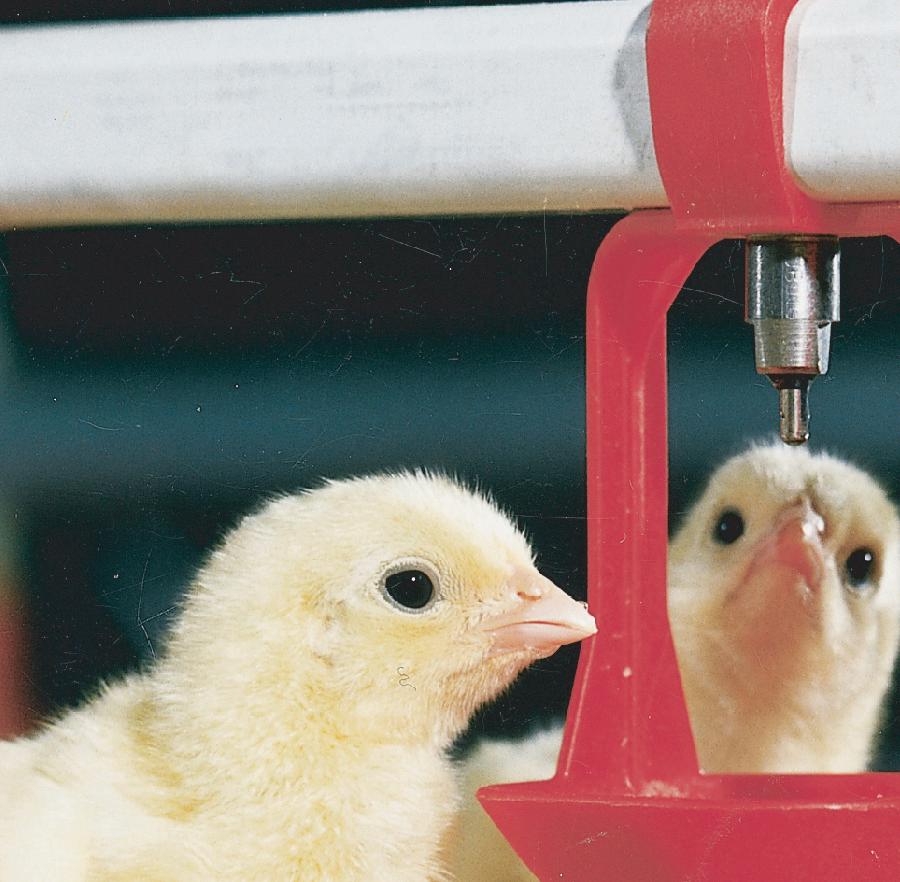
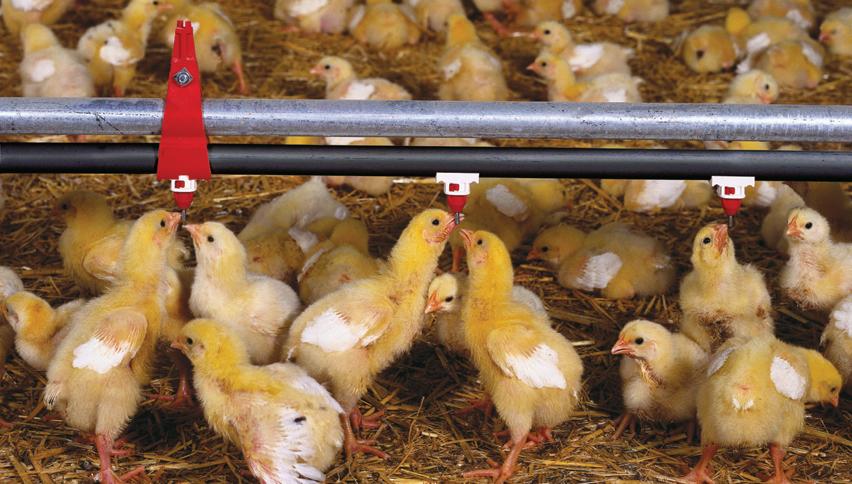
Drinking angle: Check the angle at which the birds are drinking. New chicks should drink at an angle of about 45 degrees (imagine a line drawn from their feet to their beaks). As the chicks age, you should raise the watering lines so they are drinking at a 50- to 55-degree angle.
If the watering line is too low, water will spill onto the litter. Lines too high force the birds to jump to get a drink.
Flush system: Finally, flush your watering system to rid it of sediment and biofilm on a frequent basis. It is recommended to flush more often during hot weather to rid the watering lines of warm water that can encourage the growth
Water Systems
of pathogens. Producers can take much of the labour out of flushing lines by installing automatic flushing equipment. Timers can automatically flush the system on a regular basis, and sensors can detect when the water temperature exceeds a certain point, requiring a flush.
WEEKLY
Water filters: At least once a week, you should check the water filters on the system to determine if they need cleaning or replacing. In some areas, where the groundwater contains high concentrations of substances, such as fine sand or iron, you may have to clean the filters more often than once a week.
Riser tubes: Another check to make is the riser tubes on the enclosed system. The tubes are open at the top and can allow foreign material to enter the watering system. Make sure the tubes are clean and unobstructed.
Water logs: While you have been looking at your water meter logs on a daily basis, it is good to also make a weekly overview. Also, compare the water meter readings with logs from prior flocks, taking into account climate change. This will give you a benchmark against which to judge your flock’s performance. Remember, a water meter records how much water goes into the house, not how much the birds drink. The meter cannot distinguish between water spilled on the floor or consumed by the birds. Any substantial increase or decrease in water usage indicates there is a situation in the poultry house that needs your attention. A large increase in water usage often signals leaking drinkers or lines. A substantial decrease could indicate a disease is causing the birds to not drink as much.
MONTHLY
System check: Once a month you should check the entire system from wellhead to the end of the drinker lines for any damage or problems. Make sure
items like the screen protecting the opening in your header tank is secure and the wellhead cover intact. It’s also a good idea to check the area around the wellhead for potential contaminants. Your well is a direct conduit to the groundwater. If contamination enters the well, it will foul the well water, as well as the groundwater.
Regulators, medicators: Also check the regulators and medicators to make sure they are in good working order. (A note of caution here: producers frequently use buckets to mix stock solutions for medicating their flocks. Make sure any
PIC Update Prevention of C. jejuni Colonization
Dr. Yoshinori Mine studies the efficacy of the sugar
ß-1-4 Mannobiose
BY TIM NELSON, EXECUTIVE DIRECTOR AND KIMBERLY SHEPPARD, RESEARCH CO-ORDINATOR
Poultry is a major reservoir of the bacteria Campylobacter jejuni (C. jejuni), and poultry products and eggs have been shown to be important vehicles of human infection. It is estimated that 75 per cent of poultry products that reach consumers contain C. jejuni. Therefore, reduction or elimination of C. jejuni contamination in poultry will greatly decrease the risk for public health. Various antibiotics are currently used to reduce intestinal carriage of C. jejuni by food producing animals. However, due to the potential increase of antibiotic resistant strains, alternative approaches are being investigated.
One such approach is the use of a type of sugar called ß-1-4 Mannobiose (MNB) derived from copra meals. In previous studies, Dr. Yoshinori Mine and his research team at the University of Guelph have found that inclusion of MNB in the diet of broiler chicks reduced susceptibility to Salmonella enteritidis colonization during infection. In the current project, Dr. Mine investigated the effects on MNB on C. jejuni colonization.
MNB was added to broiler diets at a rate of 0 per cent, 0.1 per cent or 0.5 per cent. At seven days of age, chicks were
infected with C. jejuni. Chicks were fed started diet to day 27 and grower diet from day 28 to day 33. Beginning on day 34, the MNB diets were fed to groups of birds. Six birds in each pen were sacrificed on Days 36, 38 and 41 to assess cecal contents for C. jejuni load.
Their findings? One day after the MNB feeding test started there was a significant decrease in shedding of C. jejuni lower compared to control. After three days of feeding MNB, this effect became more obvious and a marked decrease in shedding was observed throughout the remainder of the trial (seven days). It is concluded that MNB is very efficient at
A sugar called ß-1-4 Mannobiose (MNB) has been shown to reduce the colonization of Campylobacter jejuni (shown above) in the gut of broilers.
decreasing C. jejuni colonization in the chicken gut. Furthermore, no adverse effects were observed, such as weight loss or mortality. The researcher says that an Ontario-based poultry company is conducting extensive field trials and results are very good.
FEATURED RESEARCHER
PIC Update
Egg Board Research award in 2005. Dr. Mine is a renowned Egg Material Scientist at University of Guelph, Ont.
Dr. Mine received a M.Sc. degree in 1987 from Faculty of Agricultural Science (Food Science), Shinshu University, Japan and a PhD degree in Biochemistry from Tokyo University of Agriculture and Technology, Tokyo, Japan, in 1993. He joined the University of Guelph in 1996 as a faculty member at Department of Food Science. Currently, he is professor. He is a recipient of PREA (The Premier’s Research Excellence Award) in 2000 and American
Dr. Mine’s primary research interest is molecular approaches to the study of structure-function relationships of egg and milk derived bio-active proteins/peptides and egg allergy, to enhance human intestinal health. He is also exploring the use of egg yolk antibody as therapeutics in enteric infectious disease. The egg is the largest biological cell known which originates from one cell division and is composed of various important chemical substances that form the basis of life. Therefore, the avian egg is considered to be a store house of nutrients such as proteins, lipids, carbohydrates, enzymes and various biologically active substances including growth promoting factors and defences against bacterial and viral invasion. Milk is also recognized
Development and evaluation of value-added poultry feed from apple byproducts
DR. BRUCE RATHGEBER, AGRICULTURE AND AGRI-FOOD CANADA AND DR. VASANTHA RUPASINGHE, NOVA SCOTIA AGRICULTURAL COLLEGE
Poultry feed is generally formulated using corn and soybean-based ingredients. These ingredients are naturally poor in antioxidants, which are important for a couple of reasons. One is that antioxidants support disease prevention. Inclusion of antioxidants in broiler diets is beneficial, especially with respect to chronic and acute heart disease, because these diseases are related to oxidative stress. The other reason is related to meat quality. Poultry meat is especially prone to oxidative deterioration due to its high concentration of polyunsaturated fatty acids – oxidative stability can be improved by including antioxidants in the diet.
A major trend in the food industry, driven by consumer concerns, has been a shift from synthetic to natural antioxidants sourced from plants. One particularly rich source of antioxidants is apple peels. Nova Scotia produces nearly 45,000 tonnes of apples annually (over 10 per cent of the total Canadian apple crop). Over 65 per cent of these apples are processed for pie, juice and other food products, with a significant amount of byproduct, including skins, going to waste.
Dr. Bruce Rathgeber and Dr. Vasantha Rupasinghe along with their research teams at the Nova Scotia Agricultural College have been investigating a way to make use of this byproduct by including it in poultry rations as a natural source of antioxidant. If successful, this would appeal to the meat industry, apple industry and consumers.
The researchers collected apple skin from a pie processing plant, added a stabilizer to maintain its antioxidant properties, and ground it to a fine powder. The powder was analyzed and confirmed to have a high level of the antioxidants including
quercetin derivatives. Digestibility trials were carried out using diets formulated with several levels of apple powder – none up to 15 per cent. Using information from the first trial, diets were formulated and fed to groups of birds throughout the starter and grower period, or the finisher period only. Blood and tissue samples were taken to test for the antioxidant capacity of the various diets, as well as for the effect of quercetin alone.
Their findings? When included in the starter and grower diets, the higher levels of apple skin powder reduced apparent metabolizable energy, resulting in a lighter market-age bird. No such effect was observed when the apple-skin diets were fed during the finisher period. Because mortality was generally low despite diet, it was difficult to determine if there was a health benefit for broiler chickens fed apple skin powder at the levels evaluated. Regardless of levels used, there was no significant increase in total antioxidant capacity in tissues collected even though the quercetin, when fed directly, could be detected in tissues. This study demonstrates that feed ingredients high in natural antioxidants can be fed to broiler chickens when nearing market weight without negatively impacting bird growth but don’t necessarily improve antioxidant status of key tissues in the bird. Although there is evidence that this molecule from apples provides health benefits to humans consuming apples it is not clear that similar benefits are provided to broiler chickens. A study with birds kept longer than 35 days of age may provide insight regarding the value of this feed ingredient to the health of poultry. Additional research is underway to understand whether there are any specific health benefits of dietary apple ingredients to broiler chickens and laying hens.
To read more about this project, please visit www.poultryindustrycouncil.ca.
as containing an array of bio-activities that dramatically extended the range of influenced of mother over young beyond simple nutrition. His group is characterizing the biophysiological functions of egg and milk components and seeking novel biologically active substances. Egg and milk proteins have numerous potential for releasing biologically functional peptides due to degradation by pepsin, trypsin or chymotrypsin in the gut. His group is studying two major functions of immunomodulators, which enhance our immune system through mimicking peptides and mucosal defensin-like peptides, which inhibit adhesion of foodborne pathogens (salmonella and E. coli) to intestinal epithelial cells and their mechanism at a molecular level. Food allergy is a major human health concern. His lab is working on the fine mapping of allergenic epitopes of ovomucoid and ovalbumin, dominant allergens of egg white and structure-function studies of allergenic epitopes using site-directed mutagenesis for engineering food allergens to reduce their allergenicity. He is also interested in engineering of food allergens. His research group is also studying a mechanism of intestinal transportation of food allergens across epithelial cells and examining effective anti-allergenic agents from natural foods to prevent such allergic reactions. They are also working on the
PIC Update
molecular design of recombinant chimerical epitopes of human rotavirus to induce a specific antibody as vaccine candidates and also passive immunity using hen’s egg yolk antibody.
He has published three books, 20 book chapters, 13 review articles, 115 original papers to the peer-reviewed international journals and holds one patent. His most recently released book is Egg Bioscience and Biotechnology (from Wiley) in 2008.
PIC’S PICKS
Last call for Poultry Worker Award Nominations
It’s not too late to throw in an entry for this prestigious award, but you’ll need to be quick. We need your nominations before September 16.
Seen something innovative lately? Invented a useful gadget?
Don’t be shy, tell us about it and if it’s any good (saves time and money for producers), we’ll feature it at the November conference. Don’t hold back! Conferences and Meetings
Don’t forget to mark Nov. 10 and 11 for the Inaugural Poultry Innovation Conference at Bingemans in Kitchener, Ont. In the East? Unable to make it to Kitchener? Don’t forget the 2008 Eastern Ontario Poultry Conference on Wednesday, Nov. 5, 2008 at the St-Isidore
Recreation Centre in St-Isidore, Ont.
This bilingual conference will have presentations projected on-screen and conference kits in both languages and will feature an array of topical speakers. Covering everything from poultry nutrition, barn design and tax management, this conference has something for everyone. See our website for details.
Further South? The Pennsylvania Poultry Sales & Service Conference and 80th Northeastern Conference on Avian Diseases will be held Sept. 16-17, 2008, in State College, Pa. The program and registration information is available on our website.
Annual Meeting
The PIC’s annual meeting will be held on Oct. 7 at the Victoria East Golf Club in Guelph, Ont., from 9:30 a.m. to 12 noon. The PIC will provide lunch following the meeting.
Help us fill the gaps in the Research and Education Strategy. What’s new? What’s bugging you? What issues will our industry confront in future and how will we tackle them? Find out where your research money is being spent, how it’s taking us forward and what happens to research results.
For more details on any of the items in the PIC Update, please contact the PIC at 519-837-0284 or email us at pic@poultryindustrycouncil.ca ■
READ THESE STORIES AND MORE AT WWW.CANADIANPOULTRYMAG.COM
Managing the Poultry Feedstuff Supply Challenge
Robert Swick discusses the challenges of the expected tighter feedstuff supply in future and how the application of technologies will be needed to extract more available nutrients from feed ingredients. Presented at the XXIII’s World’s Poultry Congress.
BUYERS GUIDE
Our Buyers Guide is the only reference tool to bring the entire Canadian Poultry industry together in one directory.
Water Systems
Continued from page 21
such bucket system has a lid to prevent contaminants from entering the watering system.)
EVERY SIX MONTHS
Now is a good time to check the mechanics of your watering system — the items like the timers and the environmental controllers. Make sure these are in good working order and free from debris. Also, check on the water pressure from your well. If the pressure is down, it could indicate a problem with the well.
ANNUALLY
Once each year, you need to pay a professional to service your well. Unless you have had specific training, this is not a job you should try for yourself. The service should include:
The annual water test to determine bacterial, pH and mineral levels. Your well professional should know what conditions are prevalent in your area and what to test for.
Make sure the well pump is in good working order and at the optimal height within the well casing.
Determine the static flow rate of the well. This will tell you if the well is still performing to specifications or if remediation work is needed.
No matter how often you test your well water, consider testing the water whenever there is a change in the taste or smell or if members of your family are experiencing unexplained illnesses.
None of the procedures described above take much time to complete. By doing them on a regular basis, like the schedule proposed here, you will prevent more serious problems from developing.
Ignoring regular maintenance on your watering system is like ignoring regular maintenance on your pickup truck. Eventually, you will have a breakdown that can result in very expensive repairs. ■
Organic Production Finding the Right Balance
Ferme Bio-Rard overcomes struggles to produce organic chicken
BY ANDRÉ DUMONT
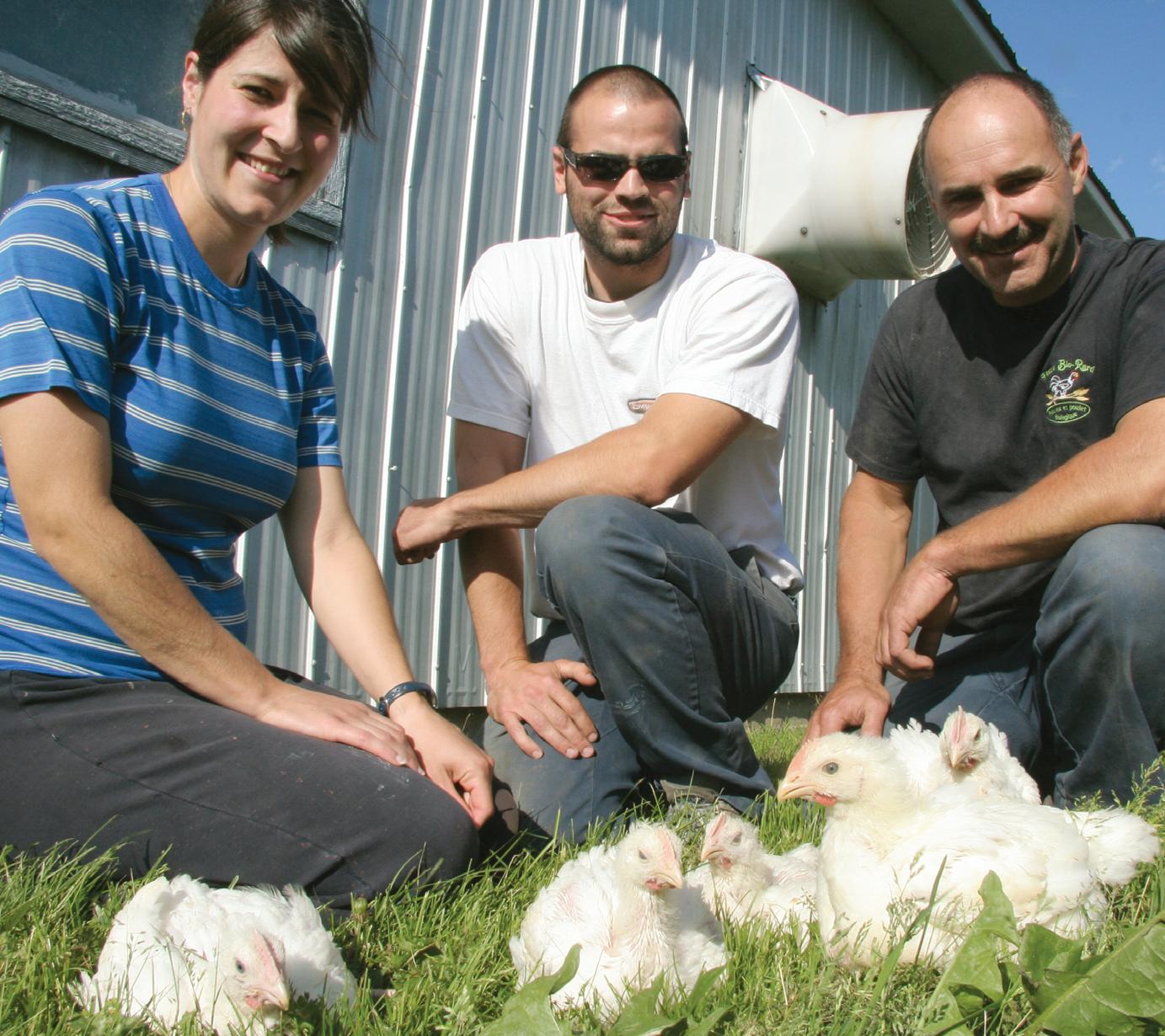
After four years of ups and downs and much time and money invested, the sun is finally shining on Ferme Bio-Rard’s organic chicken production. Since last February, 1,200 certified broilers leave the farm every week.
“During the first years, we didn’t cover our expenses,” says Mario Bérard. “It’s now starting to be worth it.”
The business Bérard founded with his daughter Annie, wife Karine and his son Donald to manage the organic side of their poultry farms has now found the right partner. Bio-Rard organic broilers, from Ange-Gardien, south of Montreal, are now processed and marketed by Ferme des Voltigeurs, near Drummondville.
Organic production was not always a part of Bérard’s career plan. His conventional broiler production and commercial feedmill were growing at steady pace when five years ago, his daughter Annie, now 28, suggested the family business diversify into organics. Her brother, Donald was just as enthusiastic.
Bérard had underestimated the impact of the values he and his wife had imparted to their children. Composting and recycling of domestic waste are wellestablished habits in the Bérard family home. Even the farm’s employees are instructed to recycle and reuse as much as they can. In the field, riparian zones near waterways and windbreaks have long been part of the landscape.
“If everyone made the same small
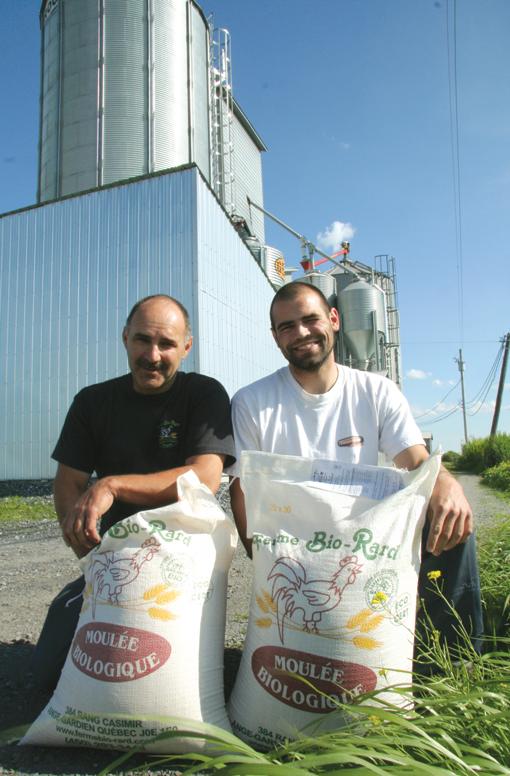
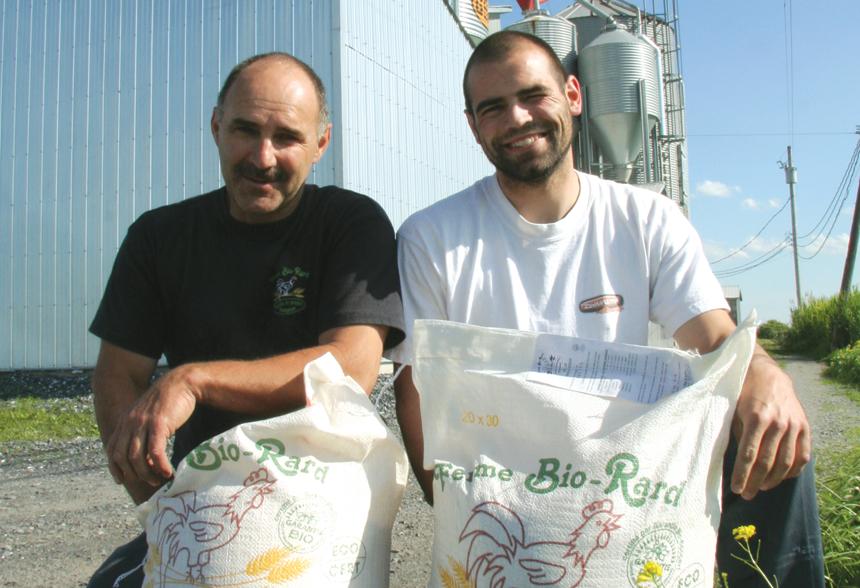
Annie and Donald convinced their father, Mario Bérard (above right), to diversify the family’s business by diverting part of it to organic production. They started with producing organic feed.
efforts we make, it would really make a difference for the environment,” Bérard says.
His son Donald, 26, describes himself as a tree planter. “I really believe the use of herbicides and fertilizer in agriculture must be reduced,” he says.
Pushed by their urge to do their share to protect the environment, the Bérard family embarked on its organic venture by first refurbishing an old feedmill that sat empty behind the newer, larger conventional feed facility. The abandoned mill was given a second life to cater
FAMILY DECISION
Kaitlin Hamilton (Ontario)
Organic Production
to organic sheep, poultry, hog and dairy producers, large and small.
“Our first client bought only one bag of feed!” Donald remembers. Five years down the road, the feedmill is starting to be profitable. Organic crop growers are now better established, prices they are offered have risen significantly and demand for organic
feed remains stronger than supply.
Shortly after launching their organic feedmill, the Bérards made their first steps in organic broiler production, using onestorey henhouses on a farm Donald had recently purchased. The learning curve was long. Good thing they weren’t in it for quick money.
“We had to learn everything. It’s very different than regular chicken production,” Mario says. Buildings were altered to give birds more natural light. Outdoor yards were set up. Animal density was reduced and antibiotics were removed from the feed.
After five years, weight gain has improved significantly, as has uniformity. Mortality rates have dropped. “There is no magic recipe,” Donald says.
According to Donald, if conventional broiler producers say they are not successful at raising flocks without antibiotics, it’s because they expect perfect results for every lot. Organic producers must have a higher tolerance for losses, he says.
“The more your animals are high-performing, the more vulnerable they are to diseases,” Mario says.
Ferme Bio-Rard broilers head for processing after 50 to 60 days. When weather permits in the summer, they are sent outside. However, Donald and Annie believe using a better feed and reducing animal density are really what make a difference.
“What pollutes the most are herbicides and pesticides used in the field,” Annie says.
Marketing is where the Bérards faced the greatest obstacles. They tried it all: on-farm sale, stands at farm show, public markets in Montreal. “It’s a lot of work”, Annie admits. “We are much better at producing.”
In early 2008, their main distributor ran into financial troubles. Flocks of organic chickens were about to be redirected to mainstream broiler processing plants. The family thought perhaps it was time to call it quits.
But a new partnership formed with Ferme des Voltigeurs has kept the organic operation going. The Drummondville family business already marketed its grainfed chicken all over Quebec and parts of Ontario, through a network of distributors. It now offers organic chicken under its own brand name, with a mention saying, “Raised by: Ferme Bio-Rard.”
With three barns that can be used for organic production, Ferme Bio-Rard is able to produce numbers high enough to make transportation and processing costs
Organic Production
reasonable. The Ange-Gardien farm can also increase its production to follow demand, by simply diverting some of the family’s quota (a total of 1,800 square metres) from regular to organic broiler production.
“Ferme des Voltigeurs can tell everyone they now offer organic chicken!” Donald says.
At Ferme Bio-Rard, organic agriculture will continue to grow alongside conventional farming. For the Bérards, there is no contradiction. It’s all about finding the right balance and focusing on what they do best: raising chicken.
Even their own crops are not organic, except for a tiny parcel. And with most of
their barns having three storeys, converting all their poultry production to organic standards is not an option.
“Because we also do organic farming, we think a little more about the environment,” Mario says. “We may not change the world, but we are definitely not making it worse.” ■
viruses
diseases such as Avian Influenza, Infectious Bursal Disease, Inclusion Body Hepatitis, Porcine Circovirosis, Porcine Reproductive and Respiratory
Business Profile Lilydale Inc.
The Alberta-based processor is focused on fulfilling consumer demand for convenient nutrition
BY JIM KNISLEY
What do consumers want?
If you’ve been to a food industry conference lately you’ve heard that question and also heard an analyst tell you “consumers want it all.”
That is certainly true. They want convenience, they want quality, they want diversity, they want variety, they want the usual and the unusual, they want affordable food, they want fresh, they want frozen and increasingly they want local.
But if you ask consumers what they want most of all from the food they buy as Agriculture and Agri-Food Canada did in 2005 you’ll learn that they demand nutrition and taste and need convenience.
Another key factor in selling processed products is to make sure you avoid the things consumers don’t want.
“With processed products, consumers are reading labels more carefully and frequently looking for what is not added to these products; they want cleaner ingredient labels and good nutritional decks. They are checking for things like sodium levels, fat content, nitrate and other preservatives, and they want the first ingredient on the list to be “real” meat, rather than MSM,” said Lilydale’s vice-president of Marketing, Lindsay Dunn.
Consumers want the convenience of processed and ready-to-eat products, but they are not entirely willing to sacrifice
VP of Marketing, Lindsay Dunn, says poultry is well positioned to take advantage of the health trend because it is a naturally leaner source of protein.
nutritional value. If you can develop a healthier processed product, that marries good nutrition with convenience, like Lilydale’s new pepperoni made with leaner turkey meat, then you will generally have a hit with consumers, Dunn said.
Lilydale has done its research and has embarked on a new direction to meet the
challenge of providing what consumers want.
With a national award already under the company’s belt, Lilydale has decided to move deeper into the realm of further processed products (FPP) and is expanding FPP operations at two of its locations.
As one of the newer players in the FPP arena, “Lilydale is answering the
Lilydale’s
MEETING CONSUMER DEMAND
Business Profile
consumer call for convenient, healthy products that don’t skimp on taste,” said Connie Smart, manager, Corporate Communications and Public Relations at Lilydale Inc.
The company recently unveiled a new R&D kitchen at its North Edmonton location dedicated specifically to new product development.
Due to the high demand for its fully cooked, seasoned, sliced chicken breast Lilydale also recently expanded capacity at its Edmonton South Plant.
The Edmonton south Plant had been Lilydale’s sole facility for FPP for the past five years following a halt in FPP production at its Abbotsford Plant in 2003. But this June, FPP was re-introduced at Abbotsford.
The refurbishment and re-utilization of the Abbotsford FPP facility is a result of increasing consumer demand for products that offer ease and convenience and will help to ensure a greater volume of Lilydale products are available for market, says Lilydale’s Michael McRae, VP Further Processed Products division.
“Lilydale has seen tremendous growth in our further processed products division over the past three years,” says McRae. “We are very excited about the re-utilization of the FPP facility to enable us to meet the ever-changing needs of consumers.”
“High double-digit (increases in) demand is driving Lilydale’s need to increase capacity,” said Dunn .
“With today’s consumers focused on health and wellness trends, Lilydale is in the right business. Poultry is well positioned to take advantage of the health trend because it is a naturally leaner source of protein. It is also a good meat base to work with because it has a clean taste and can be easily seasoned to make a delicious product,” she added.
Consumers have discovered that processed chicken and turkey products are great if you are trying to eat better these days, which is driving overall growth, she said.
Business Profile
Further processed products produced at the Abbotsford facility will focus entirely on the utilization of dark turkey meat. Marketed under the Tailgate™ brand, they will include smoked sausage, smoked sausage with cheddar, pepperoni mild, pepperoni hot, and knackwurst. Output is estimated at 800,000 kilograms in the first year and products will be sold Canada-wide.
With the production of this new line of products in Abbotsford, Lilydale will be the first further processed meat processor in Canada to use a state-of-the-art, resealable packaging technology and the first in North America to utilize it for smoked sausage.
“Our ability to lead the way with this new packaging technology is just one example of our commitment to finding exciting and innovative new ways to bring consumers a fantastic product,” McRae said.
In addition to the new Tailgate™ line, other new brands, include the award-winning Roast & Boast™ turkey, Daystarters™, and Latitudes™ .
This spring, Roast & Boast™ turkey (a consumer-friendly, freezer to oven product) was crowned the winner of the best new product in the Deli, Meat and Seafood category in the Canadian Grand Prix New Product Awards™ competition. The company’s Daystarters™ bacon-flavoured turkey slice was also named a finalist in the same competition.
“All of us at Lilydale are extremely proud and excited to receive this prestigious award and to be able to bring Roast & Boast™ to the dinner tables of Canadian consumers,” says Lilydale president and CEO Ed Rodenburg.
The accomplishment is one that vicepresident of Marketing Lindsay Dunn says speaks to the company’s focus on product innovation. “This recognition from the Grand Prix judges highlights Lilydale’s achievement in providing consumers with food choices that are truly innovative and that fit with their
Continued on page 35
CPRC Update
CPRC POSTGRADUATE SCHOLARSHIP SUPPLEMENT
The future of Canada’s poultry sector depends upon a strong, world-class research community. Training future researchers is essential to meet this need. The Canadian Poultry Research Council (CPRC) supports this endeavour in two ways. First, nearly all research grants awarded by CPRC incorporate graduate student support. Second, the CPRC has created, in conjunction with the Natural Sciences and Engineering Research Council (NSERC), a “Postgraduate Scholarship Supplement”. The supplement is $7,500 per year. To be eligible, a student must be studying (or planning to study) some aspect of poultry science and hold a NSERC scholarship at the Masters (eligible for one year) or Doctoral level (eligible for up to two years). Applications are due May 1 each year.
NSERC postgraduate scholarships are available on a competitive basis to Canada’s best postgraduate students. The purpose of the CPRC Postgraduate Scholarship Supplement is to attract these students to consider a career in poultry science.
The specific objectives of the program are: to encourage and support graduate students to carry out research in an aspect of poultry science; to build Canada’s intellectual capacity in poultry science; and to promote graduate research in poultry science at Canadian universities.
To date, three scholarship supplements have been awarded to the following individuals:
Mohammed Faizal Abdul Careem
– University of Guelph
Mohamed Faizal Abdul Careem was the recipient of the first CPRC supplement in 2006. At that time, Faizal was a PhD student working under supervision of Drs. Shayan Sharif and Bruce Hunter. The objectives of his research project were to determine the mechanism of immune response following embryo vaccination against Marek’s Disease and to see whether the vaccine has any adverse effects on subsequent development of the immune system. Faizal is a recipient of a Canada Graduate Scholarship, the most prestigious scholarship awarded by NSERC.
During his PhD program, Faizal obtained status of Diplomat of the American College of Poultry Veterinarians and was accepted by the College of Veterinarians of Ontario as a licensed poultry veterinarian. He published eight papers in refereed journals; two more manuscripts are in press, with another submitted for review. Faizal was awarded the Soren Rosendal Memorial Research Prize and the Korean-Canadian Dr. F. Schofield Memorial Scholarship from the Ontario Veterinary College, as well as the Reed Rumsey Award from the American Association of Avian Pathologists.
In June 2008, FaizaI graduated with a PhD degree and started working as a post-doctoral fellow under the supervision of Dr. Sharif. He was awarded the Health Professional Awards
Fellowship by the Canadian Institute for Health Research for a three-year postdoctoral training position starting in August at the Center for Gene Therapeutics, McMaster University.
Holley Pizzey – University of Guelph
Holley Pizzey received the 2007 supplement. Holley is working in Dr. Grégoy Bédécarrats’ laboratory. She is studying prolactin, a pituitary hormone whose expression is associated with incubation behaviour and a variety of other functions, including stimulation of the immune system. The main objective of Holley’s research project is to study, at the molecular level, the effects of prolactin on immune system development and function. Holly’s research is well poised to increase the relatively small knowledge base on prolactin’s role in immune function. This increased knowledge may have important implications to breeding schemes, which have traditionally selected against incubation behaviour and which may have affected prolactin expression.
Holley was also awarded a prestigous Canada Graduate Scholarship by NSERC.
Megan MacDonald – University of Alberta
Megan MacDonald was awarded the 2008 supplement and holds an NSERC Post Graduate Scholarship. Megan is studying, under the supervision of Dr. Katherine Edens Magor, innate immune responses to influenza virus infection. Specifically, she is interested in why ducks can survive as asymptomatic carriers of several strains of avian influenza, which causes severe disease in chickens. Previous research suggests there are differences between ducks and chickens in certain receptors that recognize viral genetic material. These receptors (immune detectors), when stimulated, participate in a cascade of immune system responses. Megan’s work led to the discovery of a new influenza detector, RIG-1, that is present in ducks but not in chickens. She hypothesizes that this difference relates to why ducks are resistant and chickens susceptible to a number of viruses.
Megan has already published two papers, and has made four poster/oral presentations. Megan was one of only three students worldwide selected to present a paper at an immunology conference in France in 2006.
For more details on any CPRC activities, please contact Gord Speksnijder at The Canadian Poultry Research Council, 483 Arkell Road, R.R. #2, Guelph, Ontario, N1H 6H8, phone 289-251-2990, fax 519-837-3584, e-mail info@cp-rc.ca, or visit us at www.cp-rc.ca. ■
The membership of the CPRC consists of the Chicken Farmers of Canada, the Canadian Hatching Egg Producers, the Canadian Turkey Marketing Agency, the Canadian Egg Marketing Agency and the Canadian Poultry and Egg Processors’ Council. CPRC’s mission is to address its members’ needs through dynamic leadership in the creation and implementation of programs for poultry research in Canada, which may also include societal concerns.
Business Profile
Continued from page 33
ever-changing needs for healthy and convenient products,” says Dunn.
Roast & Boast™ offers consumers a no-fuss traditional meal, roast turkey without all the work. The product is a whole, frozen turkey between 5-7 kilograms in size that goes directly from freezer to oven with no thawing or handling required. Ready in four to five hours, it is pre-seasoned and pre-basted and comes in its own roasting jacket.
Also aimed at convenience is the company’s new Latitudes™ brand. Launched earlier this year, it is the first fully cooked chicken breast prepared in a gourmet sauce ready in a convenient heat-in-the-microwave pouch.
Company research shows that – nearly 50 per cent of consumers said they would serve Latitudes™ as an alternative to eating at a restaurant and more than 60 per cent said they would serve Latitudes™ instead of fast food or takeout.
“There has never before been a product like this in the chicken category in Canada,” says Dunn. “The packaging technology we have used is already popular in Europe and the U.S. and it allows us to offer a very tender, fully cooked chicken breast which is ultra-convenient to prepare.”
The product also allows the consumer to customize meals. There are four entrées and three side dishes allowing consumers to mix and match and create a complete meal.
“Chicken is widely accepted as a healthy source of protein and a staple in Canadian households, so we’re just making it easier for Canadians to enjoy chicken breast entrées. We really see this as the perfect meal solution for busy urbanites who want to take a wholesome lunch to work or need a quick dinner idea when they get home after a long day,” Dunn said. ■
Production Rethinking Lighting Programs
New Canadian research urges poultry farmers to consider how less may be much more
BY TREENA HEIN
Reducing the hours of light provided in poultry barns may seem counter-intuitive, but three years of detailed research at the University of Saskatchewan Poultry Centre concludes it’s something producers should consider very seriously.
PhD candidate Karen Schwean-Lardner says, “A great deal of research was conducted in the 1970s and ’80s, and much of it showed if the lights were kept on in the barn for almost the entire 24-hour cycle, broilers will eat more and hence grow faster. However, there are a number of reasons why those research results needed to be revisited.”
One of those reasons centres around the fact that today’s broiler is a very different bird than the broiler used in that era. Schwean-Lardner says, “Today’s birds grow faster. There also has been extensive selection against leg disease by some breeding companies and towards various other health factors.”
In addition, Schwean-Lardner says research conducted 30 to 40 years ago often didn’t include measuring animal welfare among its main objectives, but her research does. She and her colleagues had noticed over the past few decades that broilers have seemingly become increasingly listless, not moving around as much as their predecessors. This, combined with things like increased culling from leg defects, “all added up to something perhaps not being right with the use of more light,” she says.
PhD Candidate Karen Schwean-Lardner says that increasing dark hours for broilers can increase feed efficiency and result in better welfare.
Therefore, three years ago SchweanLardner set to work with the assistance of graduate studies advisor Professor Hank Classen (department head of the University of Saskatchewan’s Animal and Poultry Science division) and Bryan Fancher (vicepresident of Global Technical Operations, Aviagen) to tease out the exact effects of light on a large number of production and
animal welfare parameters.
Schwean-Lardner conducted repeated experiments using four lighting programs: 23L:1D (23 hours of light and one hour of darkness), 20L:4D, 17L:7D and 14L:10D, with darkness given in a single period at the same time each day. The trials were conducted on a large number of Ross x Ross 308, and in some cases, Ross x Ross 708
DARK VERSUS LIGHT
broilers using various market age groups. Schwean-Lardner says “The results have been consistent across the experiments, and have shown that exposure to darkness has clear and powerful impacts.”
GROWTH RATE
Whether birds are marketed at 31, 38 or 48-49 days of age, the researchers found that using a near constant lighting program (23L:1D) never achieved the maximum growth rate. “Where the growth curve actually peaks depends on the age that birds are marketed,” says Schwean-Lardner. “When marketed at a younger age (31d or 38d), using 20L:4D results in maximum body weight, with the near-constant program results being similar to 17L:7D. However, the growth curve shifts when birds are grown to 48-49d, with maximum growth being similar between 17L:7D and 20L:4D.
Production
FEED EFFICIENCY
The researchers found the relationship between feed efficiency and darkness exposure to be generally linear. That is, the more darkness that the birds are exposed to, the better feed is converted to growth. Schwean-Lardner says, “Even though birds on 20L:4D grow faster than those on 23L:1D, the feed efficiency is similar at these high light levels. At 20 hours of light per day, birds are heavier and have the same efficiency of feed utilization, so the added light isn’t providing any benefit.”
MORTALITY
Like feed efficiency, mortality is also improved with increasing exposure to darkness. “At the upper end of the lighting regime, there was often a sharp increase in mortality levels with the use of 23L:1D compared to 20L, 17L and 14L. For exam-
ple, birds marketed at 38 days (weighing approximately 2.2 kg) had mortality levels of 3.33% for 14L, 3.74% for those under 17L, 4.97% for those under 20L, and a whopping increase to 6.11% when a nearconstant photoperiod was used.
The research found that as birds are kept to larger body weights, the importance of darkness exposure is even greater. The majority of these differences appear to arise from disease such as Sudden Death Syndrome, and culling for leg deformities.
LEG WEAKNESS
“The more darkness that is added to a photoperiod, the fewer birds in a flock will have symptoms of leg weakness, which is important for both welfare and economic reasons,” says Schwean-Lardner. “We know that birds experience pain when they have
Continued on page 41
Production
a moderate to severe leg weakness and they often have difficulty moving to feeders and waterers. As a result, these birds are smaller than the majority of the flock, which can lead to culling or mortality in the barn, as well as downgrading at slaughter.”
Leg weakness in a flock can be estimated with the use of gait score analysis, which involves walking a large number of individual birds and scoring their walking ability. A higher score means that leg weakness is more severe. “Average gait score decreased consistently with each degree of darkness in our experiments,” says Schwean-Lardner. “Once again, the highest level of concern arose with birds raised on 23L:1D. This is consistent with cull levels due to leg weakness.”
MEAT YIELD
Carcass yield is the one production variable that makes a longer day advantageous. “Carcass weight, as a percentage of live weight, decreases as birds are exposed to more darkness,” Schwean-Lardner says. “Breast muscle proportion also declines with as much as 1% decline between 23L:1D and 14L:10D. This represents a large economic impact.”
NORMAL BEHAVIOURS – WELFARE
In terms of measuring activity related to animal welfare, such as walking, running, dustbathing, leg stretching and foraging, cameras with infrared capabilities reported what happened during light and dark on a continual basis.
For both 28- and 43-day market age broilers, Schwean-Lardner found that activity (moving around) peaked at 17L, as did walking, feeding, dustbathing, leg stretching and foraging. Some other behaviours peaked at 14L. Overall, she says, “The program with 23L:1D results in reduction in exercise, exploratory behaviours, nutritive behaviours, comfort behaviours and play behaviours. In terms of walking and running, we saw zero of these behaviours. Leg stretching was almost gone, feeding and foraging is reduced and
Continued from page 38 >
easy retrofit allows conversion of existing systems
Canadian Poultry Magazine and Intervet Canada present the
Congratulations, you have found Brewster!
Record the page number and issue date where this ad is located on the contest ballot located at the Intervet insert in the centre fold of this magazine. Complete the remainder of the information on the ballot, attach a first class stamp and mail to: Great Canadian “Fly the Coop” Get Away Contest, c/o Canadian Poultry Magazine, Annex Printing and Publishing Inc., P.O. Box 530, 105 Donly Drive South, Simcoe, Ontario, Canada N3Y 4N5. Good Luck!
Willie Kleinsasser Jenner, Alberta JUNE
Amy
Rockton, Ontario
JULY
Barb Cowan Auburn, Ontario
dustbathing of the 43-day market age birds was nonexistent.”
Schwean-Lardner says the reduction or absence of these normal behaviours could be due to sleep deprivation: “Our hypothesis is that when birds are exposed to 23 hours of light, they are sleep deprived in terms of not enough sleep and poor quality sleep.” She points to a great deal of research showing normal production levels of melatonin (a hormone/antioxidant associated with many important body functions) is dependent on exposure to substantial periods of darkness. “At high levels of light exposure,” SchweanLardner says, “you don’t see normal production peaks of melatonin at night in animals.”
CONCLUSION
When all the data is combined, “We can see that lighting programs have the potential to play a significant role in broiler management,” says Schwean-Lardner. “We’ve found that there is no perfect lighting program that will maximize growth, meat yield and animal welfare.”
However,” she concludes, “we have found repeatedly that near-constant lighting programs result in lower market weights, poorer feed efficiency, higher mortality and more culls due to leg weakness issues as compared to lighting programs with a greater proportion of darkness. Therefore, they are not recommended.” She adds “An interest in the welfare of the birds alone should require us not to use a constant or near-constant program.”
Schwean-Lardner concludes, “While adding darkness does reduce the proportion of valuable breast muscle, we also know that the improvements we get in feed efficiency with exposure to darkness are substantial, and may outweigh the breast meat yield issue.” In addition, producers using less light each night will have the added bonus of substantial savings on their electricity bills. ■
For more information on this research, Karen Schwean-Lardner can be contacted at: Karen. schwean@usask.ca, tel: 306-966-2492.
Name:
Company:
Address:
Fax: _________________________________
e-mail:________________________________
PLEASE CHECK ONE:
❑ Poultry Producer or Employee
❑ Government, Libraries, Schools, Universities
❑ Hatchery, Hatchery Employees
❑ Fancy or Show Poultry
❑Wholesale Produce and Processors, Further Processing
❑ Equipment Manufacturers
❑Drugs, Laboratories, Vaccine Companies, Chemical
❑ Veterinary and Lab Technicians
❑ Feed Manufacturers, Feed Additives, Distributors and their Salespeople
❑ Other (please specify)
Cheque - Payable to Annex Publishing & Printing Inc. Visa MC AMEX
• White polyethylene flush mount housing (black available in some sizes)
• Standard design – self draining
• Designed to meet the rigorous demands of farm/agricultural ventilation
• Energy efficient Multifan or Performa+ Leeson motors
• 10" - 60" sizes available
• Available in 24" Variable Speed and 36" Single Speed
• One piece polyethylene housing creates the most efficient venturi, resulting in incredible C.F.M.performance. (24" =10,200 C.F.M. @ 18 cfm/watt and 36" = 15,300 C.F.M. @ 26 cfm/watt.)
• A multi-position bracketallows youto tilt and lock the fan angle and air flow direction
“AIRCOOL”
Centrifugal Cooling System
• A cooling system without using nozzles
• Adjustable water volume
• Mobile or stationary unit available
• Use for cooling air, humidity, recirculation, dust and odor control
RECIRCULATION FANS
Circular Recirculation Unit
• 16" and 20" diameters
• 3600 coverage using directional wind vanes
• Superb alternative to race tracking
• With Multifan or Performa+ Leeson motors
Circulating Fan
• 12" – 24" diameters
• Polyethelyne housing
• with Multifan or Performa+ Leeson motors
The ‘Wave’Environmental Control
• Large 2.75" X 5" LCD Display Screen and 12 Quick Key Pads (to grouped settings) allows easy and precise Temperature, Humidity, Heating, Lighting and Airflow Management
• The Wave ' manages 4 variable stages and 8 or 16off/on relays for cooling, up to 8heaters, 4 clock outputs and up to 8 inlet zones
• Humidity control by increasing ventilation and heat activation
• History of water consumption, temperature, humidity and birdcount
Poultryhouse Fan
• High quality material and aerodynamic air inlet
• Variable speed Performa+ motor
• Dual voltage, fully enclosed motor
• Low energy consumption and noise level
• 16" and 20" modelsproducing 2792 and 4770 cfm
• Includes hanging hardware
A SMARTER OPTION FOR ADMINISTERING SOLUTIONS INTO WATER SYSTEMS
• Select Doser performance yields highly accurate dosages all the time.
• Accuracy is 95+ percent, superior to water or electric powered pumps.
• Longer lasting with less maintenance than water powered dosers.
• A diagnostic tool for your watering system.
PSI
Unvented Unit Heater
• Total stainless steel construction
• Hi-Low switch
• Watertight enclosures
• Propane and natural gas
• Available in 20,000 to 225,000 BTU units
Totally Controlled Heat from
' The Ultimate Brooder '
• Maximum radiant surface area
• Reliable spark ignition
• Dual safety pressure switches
• Easy, unobstructed access to control components
• Various models for multiple applications (Farms, Garages, Workshops etc.)
Varifan®
• LX-641, LX-642 and LX-644 with optional SVM-1 (Smart Ventilation Inlet Module)
• DIP-1 digital Inlet Positioner
• ECS"M" Series 1, 2, 3, 4 and 5 stage controls
• IC-610 Programmable Logic Computer controls
• Plus numerous ‘Special Application’controls
• 2 yr.warranty
• Material polypropylene
• Will not harbour bacteria
• Easily cleaned
• Large 2' x 4' panels
• Reduces floor problems and breast blisters
• Keeps birds warmer, dryer, more productive
• Durable - minimal maintenance
• Easily installed
• Will not rust or corrode
LIGHT TRAP/ DARK OUT
• High light reduction
• Low resistance to air flow
• Simple Installation
• Easy to clean
• Uses P.V.C.snap release spacers
BROILER BREEDER FARM
Good location with 18,658 units broiler breeder quota. 1 grower barn and 2 layer barns. Newer home with 6 bedrooms.
EDMONTON AREA
10 acre broiler farm with 36,600 units broiler quota. 3 Barns and insulated and heated shop. Beautifully renovated log home with 5 bedrooms.
BROILER BREEDER FARM
60 acres with 2 barns (50’ x 300’ and 44’ x 289’), 9126 + 1300 units annualized quota. Vencomatic & Van Gent nesting & egg gathering systems. 1230 sq. ft. bungalow with 5 bedrooms.
If you are looking to buy or sell a poultry farm, Andries
Broiler Farm (49,500 quota) located in the Fraser Valley, B.C. 2 near new dbl decker barns, 5 bay garage, R.V. parking garage, older 4 bdrm house situated on 4.7 acres. Close to schools, shopping, etc. For more info contact Agnes 604-795-5247 For photos email roni246@shaw.ca
WANTED: Broiler Farm in Woodstock area.
QUOTA: 1800 HEMS available.
GRIMSBY AREA: 10 Acres on paved road. 32,000 sq ft of barns with auto generator. 40 x 60 x 2 driveshed used as retail outlet. 3 bdrm century brick home, pool. Call Jack
NIAGARA AREA: 45,000 sq. ft. of barns, small acreage, 3+2 bdrm home, natural gas heat. Nipple drinkers, pan feeders, radiant tube heaters. 14,000 Quota available at market price. Indoor pool and paved road location. Call Jack.
EXECUTIVE FARM ON 30 ACRES: Brick 4 bdrm, 4 bath home. Hardwood floors and ceramic, full finished basement with 2nd kitchen. 2 car garage-workshop and large barn rented long term at $800.00/month. Paved road. Priced at $599,000.00 Call Jack.
QUOTA: 8,000 H.E.M.S available. Call Jack for details
FARMERS FARM: 1000 Head finishing barn. Total Slats. Auto Sort. Chicken barn set up for Partridge. Sold on weekly schedule. Workshop 30’ x 110’. 3 bdrm home all on 50 acres of land. Call Jack
Howard Culligan, Broker of Record
Direct: 519-272-5413
Bus: 519-348-4706
Fax: 519-348-4130 howard@culliganrealty.com
12,000 units of layer quota
Additional buyer seeking 18,000 units of layer quota. \
For more information call Howard Culligan, Broker of Record at 519-348-4706 or 519-272-5413.
27778 bird layer farm for sale. 6-1/2 year old layer barn. 1-1/2 year old pullet barn on 160 acres. 1 hour south of Calgary, 50 minutes north of Lethbridge in Vulcan, Alberta. 3 bedroom house, shop, etc. Very clean operation. Buy a going concern for the same price as quota compared to other provinces. Call Leo: 403 863-6405 or 403 938-2032 leobrass@telusplanet.net
ALL THINGS CONSIDERED
BY JIM KNISLEY
Resistance Is Futile
Acatchphrase that entered the language a couple of decades ago thanks to Star Trek: The Next Generation seems oddly appropriate today.
The phrase: “resistance is futile” was robotically uttered by the Borg whenever humans crossed their path.
This time it seems to apply not to an alien race determined to conquer humanity, but to a seemingly sudden shift in our economic substructure.
For a century the economy was built on inexpensive energy in the form of readily available oil. Now, it is neither inexpensive nor as readily available.
In economies addicted to using oil, this had been a shock. Combined with the banking/financial mess and tightening credit in the U.S. it has slowed economies across the developed world. At the same time real inflation (as opposed to the socalled core inflation central bankers like) has reappeared riding the two horses of the apocalypse – high fuel and food prices.
Canada has so far avoided the worst of this mess because of the oil, agriculture and potash in Western Canada and a more tightly regulated mortgage market. But it could be coming with inflation in the West and inflation and a slowdown in Ontario and Quebec.
Consumers, many corporations and even some provincial governments have recognized that they are facing a new reality and that while they can’t resist it, bowing to futility isn’t an answer.
Instead of playing what now looks to be a losing game they are changing the game and setting new rules as they go.
The first of these is that efficiency is king.
Swanson of the economics department at Wells Fargo said in a report that “2006 marked the bottom of the cheap food era.”
The rising value of the Canadian dollar versus the U.S. dollar sheltered Canadians from much of the increase in food prices affecting the U.S. But that too is coming to an end. The higher value of the loonie has been accommodated by the financial system and current and future price increases are being passed through to consumers and when bread prices rise 35 per cent, people notice.
To keep food affordable people can and will change consumption patterns. But this won’t be simply a move to lower priced product. There will also be a move to quality. Many people are adopting a stringent value for money approach. They know that the lowest price often isn’t the best value.
This should work to the benefit of local producers. Because of lower transportation costs local producers are finding they can compete on price and still dominate on quality. They are finding that their advantage of being close to markets is beginning to offset the low labour costs of some imported produce.
The shift is stretching even further. Backyard gardening has become a phenomenon. More and more people are finding that they can grow vegetables cheaper than they can buy them. They are learning to appreciate just-picked flavour and they even enjoy the bit of work involved.
To keep food affordable people can and will change consumption patterns.
Just last year, power and prestige were on top. Bigger was better, excess was excellent and overindulgence was optimum.
Now, bigger is stupid, excess equals bankruptcy and over indulgence is sinful.
While the new game is in its early days the shift to efficiency is everywhere. The big three North American auto makers are dropping SUVs and large pickup trucks and are trying to save themselves by bringing in the small fuel-efficient cars they’ve long sold in Europe. Vespa can’t bring in enough scooters to meet growing demand.
Ridership on public transit systems in the big cities has soared leaving them with too little capacity and a desperate need for expansion.
This has even extended to food. A few weeks ago Michael
It also seems that microenergy is coming into its own. While governments continue to look to nuclear, natural gas and clean coal, people are turning to geothermal, photovoltaics, solar thermal, wood and wind as personal projects.
They are buying super-efficient appliances and adding insulation and vapour barriers to their homes.
An added benefit for many is that as they become more efficient they are doing their bit for the environment. One should not underestimate how important this is to many Canadians – especially younger Canadians.
These younger Canadians shouldn’t be confused with the tree huggers of the 1960s and 1970s. They are much more pragmatic.
They believe that the economy of the future belongs to the efficient and those who build that future will reap the greatest rewards. While some of the rewards will be personal they will also include a cleaner, more sustainable planet.
While some politicians, some businesses and some individuals may try resist, their resistance is futile. ■