Audrey Jamieson, president of Marketing Kitchen P.7
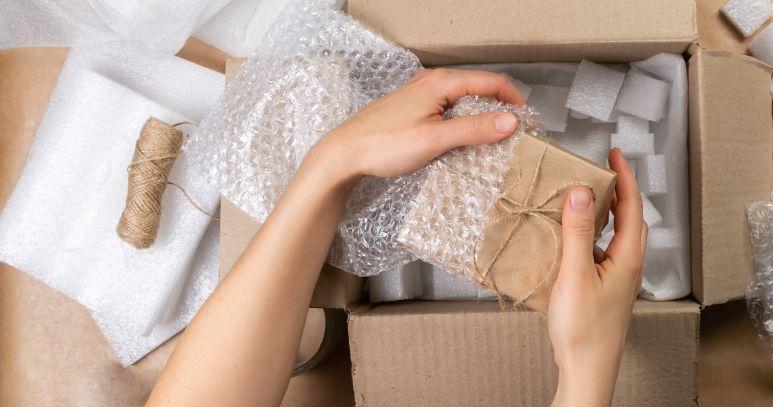
Packaging in an e-commerce world
Digital preprint opens a new era for brand protection and brand activation P.16 New Products
Detailing new offerings from Koenig & Bauer Durst, Xeikon, Epson, Sun Chemical, Actega and Miraclon P.19
SMART PACKAGING
Printed sensors are revolutionizing the industry P.11
Reader Service
Print and digital subscription inquires
or changes, please contact
Barbara Adelt, Audience Development Manager
Tel: 416-510-5184
Fax: 416-510-6875
Email: badelt@annexbusinessmedia.com
Mail: 111 Gordon Baker Rd., Suite 400, Toronto, ON M2H 3R1
Editor
Nithya Caleb
ncaleb@annexbusinessmedia.com
437-220-3039
Media Designer
Lisa Zambri
lzambri@annexbusinessmedia.com
Account Coordinator
Alice Chen
achen@annexbusinessmedia.com
416-510-5217
Media Sales Manager
Kim Barton
kbarton@annexbusinessmedia.com
416-510-5246
Group Publisher/VP Sales
Martin McAnulty
mmcanulty@annexbusinessmedia.com
COO
Scott Jamieson
sjamieson@annexbusinessmedia.com
Annex Business Media
111 Gordon Baker Rd., Suite 400, Toronto, ON M2H 3R1 printaction.com
Tel: 416-442-5600 • Fax: 416-442-2230
FEATURES
Audrey Jamieson, president of Marketing Kitchen
Printed electronics create a new generation of packaging
Digital preprint opens a new era for brand protection and brand activation
DEPARTMENTS
NEWS
3 Mark Andy celebrates 75 years in the label and packaging industry, Jones Healthcare Group wins an EcoVadis silver medal, A stand-up pouch by Siegwerk, Werner & Mertz and Mondi earns Cradle-to-Cradle Gold certification, OTTO Motors partners with Significans Automation and more
INSTALLS
5 Albany Packaging, Hudson Printing and Accent Impression NEW PRODUCTS
19 Products and solutions from Koenig & Bauer Durst, Xeikon, Epson, Sun Chemical, Actega and Miraclon
This rating puts Jones, a provider of advanced packaging and medication dispensing solutions, in the top 20 per cent of the best companies, as rated by EcoVadis in 2021.
“The healthcare industry has set some really ambitious goals around sustainability and we, as a specialist healthcare packaging company, have an important part to play in delivering them,” said Nic Hunt, chief strategy officer at Jones. “As an evidence-based assessment, the EcoVadis silver-medal rating means that our sustainability approach is sup -
ported by policies, actions and outcomes that demonstrate our commitment to sustainability and progress.”
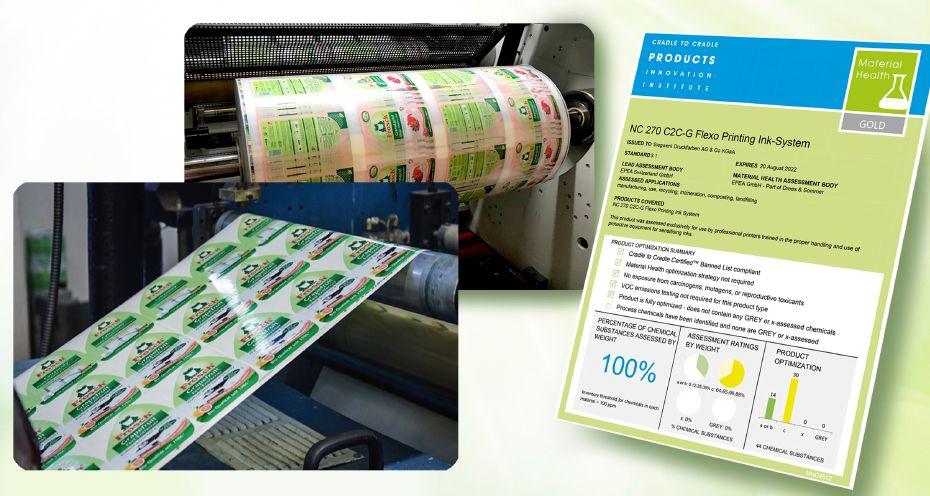
Siegwerk is part of a global lighthouse project for recyclable packaging. A stand-up pouch developed by partner Werner & Mertz and the
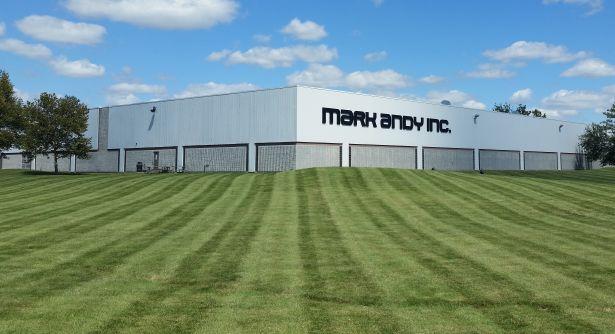
Mark Andy celebrates 75 years in the label and packaging industry.
When Mark Andrews, Sr. built his first tape press in his workshop in Missouri in 1946, he certainly could not have expected what 75 years into the future would look like: tens of thousands of Mark Andy machines in operation around the world and an extensive portfolio of narrow web equipment. The company is represented in more than 60 different countries, employing over 450 people around the world, with facilities in the US, Canada, Poland and the UK.
EcoVadis, a global sustainability ratings provider, awards Jones Healthcare Group a silver-medal ranking for the company’s sustainability and corporate social responsibility practices.
Mark Andy celebrates 75 years in the packaging industry.
A stand-up pouch developed by Siegwerk, Mondi and Werner & Mertz earns a Cradle-to-Cradle certification.
global packaging and paper group Mondi with Siegwerk’s ink solution is the world’s first flexible packaging to achieve Gold status in all categories for its recyclability in terms of Cradle-to-Cradle (C2C) certification.
For the development of the sustainable stand-up pouch, the developers followed a plan set up by the accredited institute, EPEA Switzerland, to comply with the C2C principle. Siegwerk developed the ink technologies for several applications and substrates. The ink systems had to fit into the certified environmentally friendly concept and the sustainability strategy of Werner & Mertz.
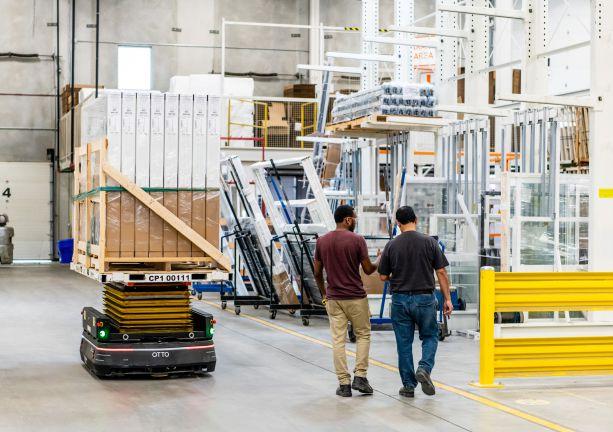
OTTO Motors is partnering with Significans Automation to bring autonomous mobile robots (AMRs) material handling technology to the printing and packaging space in the Americas.
With the partnership, Significans Automation is now able to offer customers an end-to-end solution with the addition of OTTO Motors’ AMRs for the handling of various materials.
“Significans went through an extensive search to find the right robotics partner. We recognized the tremendous power and flexibility of OTTO’s single grid to control every robotic process in the environment,” says Marc Raad, president of Significans Automation. “It’s one grid, one integration and one truly unified production platform.”
Xeikon America appoints Harry Vinson as strategic accounts manager for northeastern United States. Having previously served as a senior officer at some of the largest print providers, Vinson brings to Xeikon an abundance of industry experience.
the packaging, construction, medical, automotive, label and industrial markets throughout North America. Fitzgerald brings to Drytac 26 years of technical management experience in the adhesive/tape markets. Based out of Brampton, Ont., he is bilingual, has a B. Comm. degree and is a graduate of the Schulich School of Business.
ePac Flexible Packaging
names Tracy Butler as chief financial officer.
Drytac appoints Glen Fitzgerald as technical sales manager for industrial products. In this role, he will be responsible for increasing Drytac’s custom and contract adhesive coating business in
Located in Austin, Texas, Butler will be responsible for driving ePac’s overall financial strategy with a focus on growth. She brings more than 20 years of experience as a finance executive in startups, mid-sized as well as large organizations.
OTTO Motors and Significans Automation are brining autonomous mobile robots material handling tech to Canada’s packaging industry.
Harry Vinson
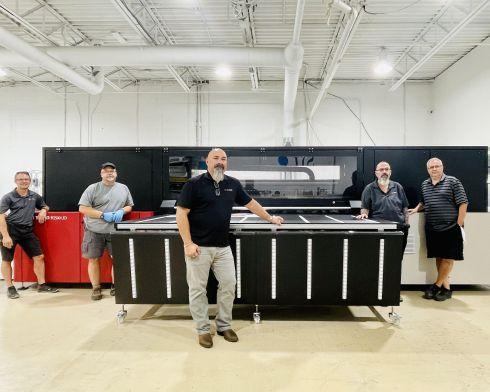
Albany Packaging (Markham, Ont.) recently installed a new Koenig & Bauer Rapida 145 seven-colour press along with a Koenig & Bauer AllPro 145 folder/ gluer to increase capacity. Armed with the new Koenig & Bauer Rapida 145 large-format press, Albany is utilizing its seven-colour units and QualiTronic colour control system to deliver specific logos and branding. The folder/gluer helps to increase the size of packages.
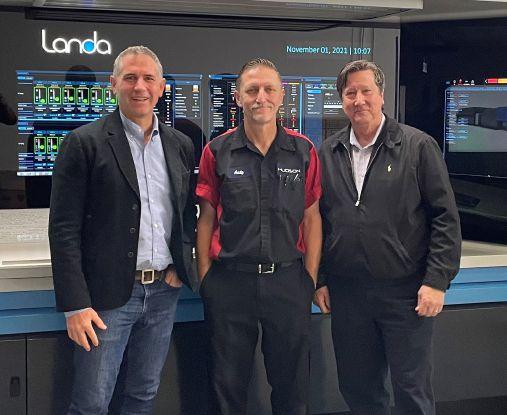
Hudson Printing of Salt Lake City, Utah, is now home to a new Landa S10P Nanographic Printing Press. The Landa S10P’s expanded colour gamut, better economics and higher productivity made Hudson’s decision to choose the S10P press a straightforward one. The seven-colour Landa S10P will reproduce 96 per cent of Pantone colours.
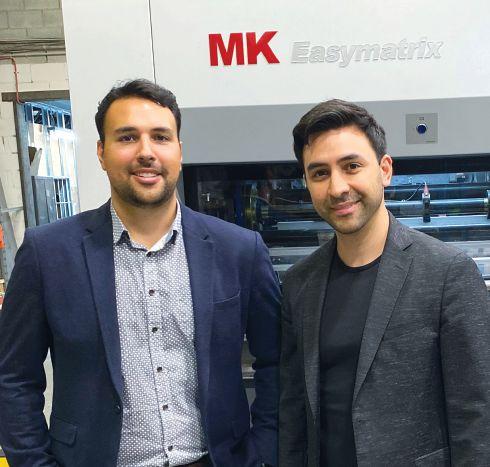
Accent Impression, a Montreal-based commercial printer, recently expanded its folding carton production by purchasing an Easymatrix diecutter from Heidelberg . Installed in March 2021, the Easymatrix, which runs at speeds of up to 7,700 sheets per hour, is the company’s first full-size 41-in. diecutter.
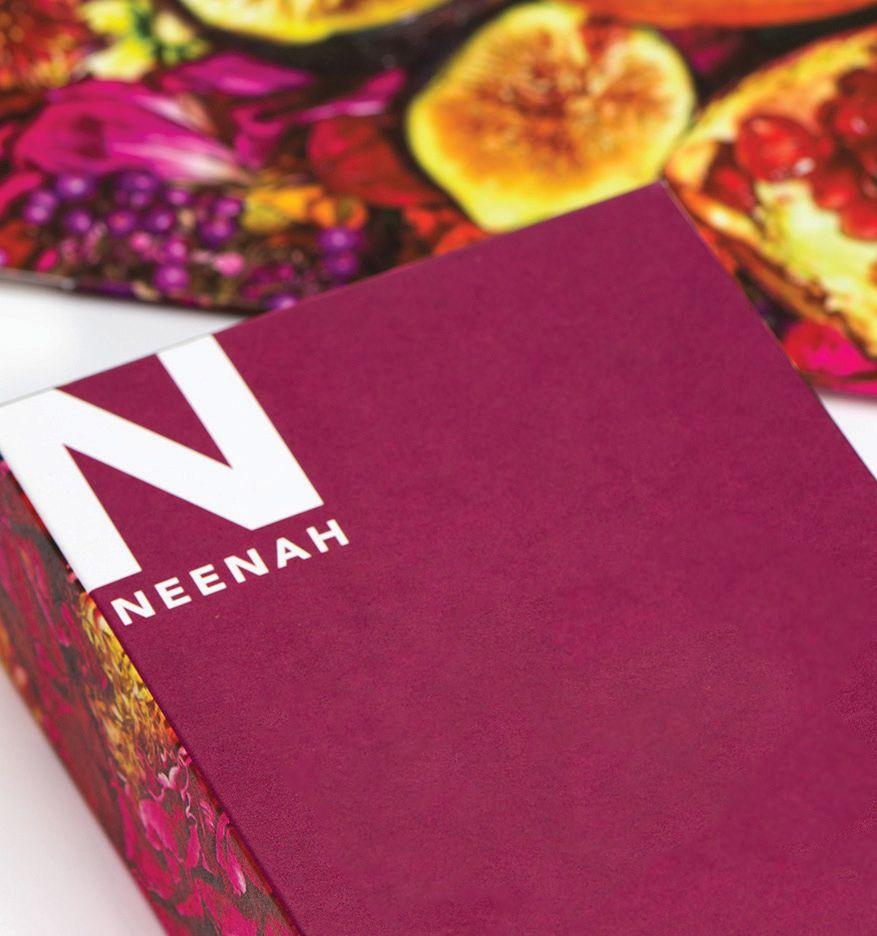
Rethink Your PACKAGING with NEENAH® Folding Board
NEENAH Folding Board provides a superior print surface for inks, foils, and embossing embellishments.
From the brightest whites to the deepest blacks, neutral naturals to sophisticated greys, NEENAH Folding Board is available in the perfect colour to complement your packaging design. You will be pleased with a one stop shop for folding board products in premium, sustainable solutions. As an added interest, renewable hemp fibres are NOW included in the most popular folding board colours.
Explore Neenah Folding Board premium packaging solutions and elevate your next packaging project. Call your local Spicers Sales Consultant for more information.
877 790 2335 | spicers.ca
Availability
Extensive portfolio of 14 colours in 18pt and 24pt calipers available in 28 x 40.
Custom Solutions
Custom capabilities in calipers, colours, finishes, textures, sizes, post-consumer waste (PCW), and use of alternative fibres.
Digital
Digital offering with Neenah’s universal digital finish, guaranteed to perform on most digital printing presses.
Hemp Infused Products
Renewable hemp fibre papers that offer a rich, organic look and feel, and eco-friendly options.
Quality
Excellent colour control and quality that provides best in class printing and sustains demanding converting techniques.
Sustainability
FSC® Certified, made with 100% certified renewable electricity and post-consumer content ranging from 30% to 100%.
Audrey Jamieson / President/ / Marketing Kitchen
Audrey Jamieson is the president of Marketing Kitchen (2014), a direct marketing production company specializing in direct mail and fulfillment.
Jamieson runs a 40,000-sf facility in Markham, Ont. An expert in all things personalized, she fully understands variables, paper, diecutting and fulfillment. In February 2021, the 52-year-old launched 5am Lemon, a personalized greeting card gift box company.
What made your start 5am Lemon?
AJ: I always had a passion for greeting cards, as well as print, paper substrates and shopping (both online and in-person).
During the first wave of the pandemic, it was near impossible to send a gift online and couple it with a personalized greeting card. I tried a few times through Chapters/Indigo, and
the message was always printed on the packing slip, which was missed by the recipient.
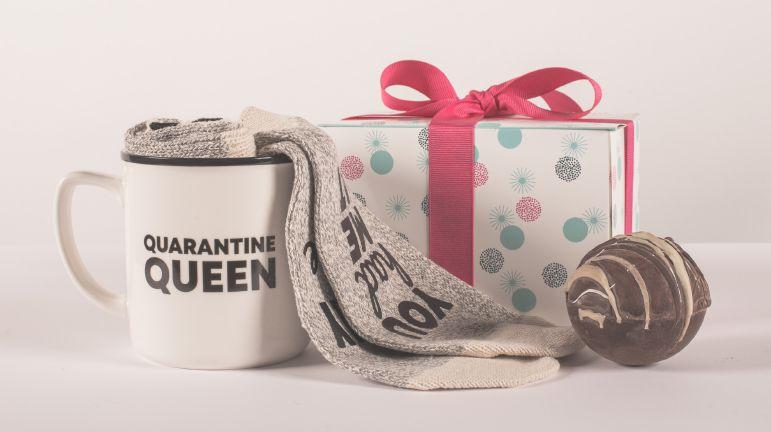
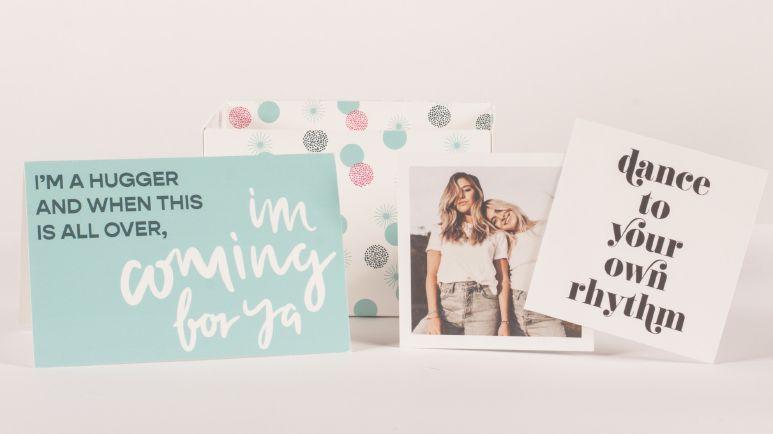
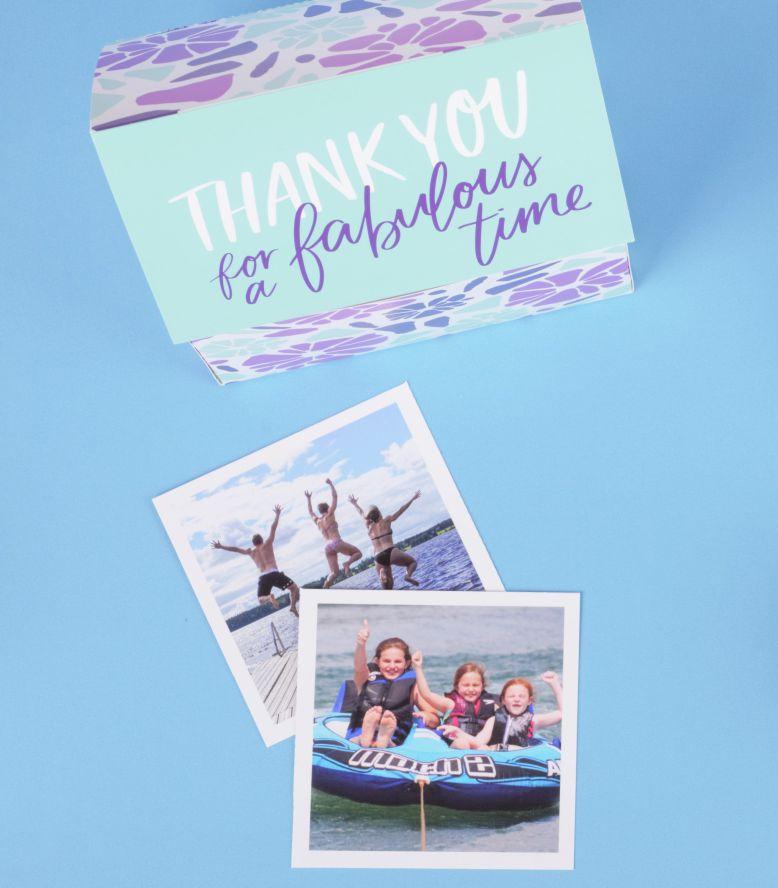
I thought it would be great to order a fully personalized card online and have it accompanied by a small gift or gift card. I had just installed the KM-1 inkjet press that had a 23 x 29 sheet size with full variable capabilities, so I started playing with the sheet. The next thing I know, my team and I had created a fun and functional greeting card gift box for my daughter’s university graduation. I even took advantage of the side panels, which formed the box, and included pictures of her with her roommates that she could remove and display.
What is the state of the print industry today, in your view?
AJ: I think outside of the current supply chain issues with paper, the state of the print industry is strong. Print is
an amazing compliment to digital. Print delivers is a tangible punch that is tough to match digitally. Print and direct mail also carry a ton of credibility that is harder to match with digital. What attracted you to the print industry?
AJ: I started selling advertising for special interest magazines back in the early 90’s. That was my first introduction to the print world, and I have been in love with print ever since.
How can the industry attract more young people?
AJ: I think as an industry we need to show young people how unique and powerful print can be in a digital world. We know they are super comfortable with everything and anything digital, but may not feel as comfortable in the tangible world of print. We need to make sure we educate and expose younger generations to the different printing platforms, paper substrates, embellishment opportunities and all
the other finishing options available for print communications. As humans, we love engaging in anything we are really good at or know a lot about. The print world can be a scary unknown to younger generations, so we need to introduce them early and take advantage of their creative minds.
In such a competitive landscape, how can printers win more sales?
AJ: Printers need to go beyond just putting ink on paper. They need to
constantly be in consulting mode and assist clients with the creation of their pieces. They need to introduce new paper stocks, finishing ideas and cost-efficient solutions. We always joke with our clients that we have tons of ideas, and some of them are actually pretty good. Today, marketers have more advertising options than ever before and anyone selling print or direct mail need to offer an expertise that goes well beyond knowing paper and ink.
Print is an amazing compliment to digital. Print delivers a tangible punch that is tough to match digitally.
What are some of the biggest opportunities in the print industry?
AJ: I see an opportunity for marketers to really stand out in the mailbox using print. The inbox is overflowing, and the digital market can feel a bit saturated. Print offers a refreshing medium that does not interrupt your day, and can be consumed at leisure. Increasing personalization and relevance to a targeted audience is key. When you couple that with good creatives, you have a winning formula, especially when print is supported by digital.
What do you think is the most exciting thing about print today?
AJ: Production inkjet printing is defin-
itely exciting. The ability to offer high-quality, fully variable pieces on unique substrates at an affordable price is really cool.
Further, the integration of print with digital will keep getting stronger and stronger. It’s going to be great to see how creative marketers are going to use the two media. As an aside, who would have thought it would take a pandemic to make QR codes cool again. I think in the future we will be seeing these codes on much more than just restaurant tables.
Jamieson’s responses were edited for length. For more Q&A Spotlight interviews, please visit www.printaction.com/profile.
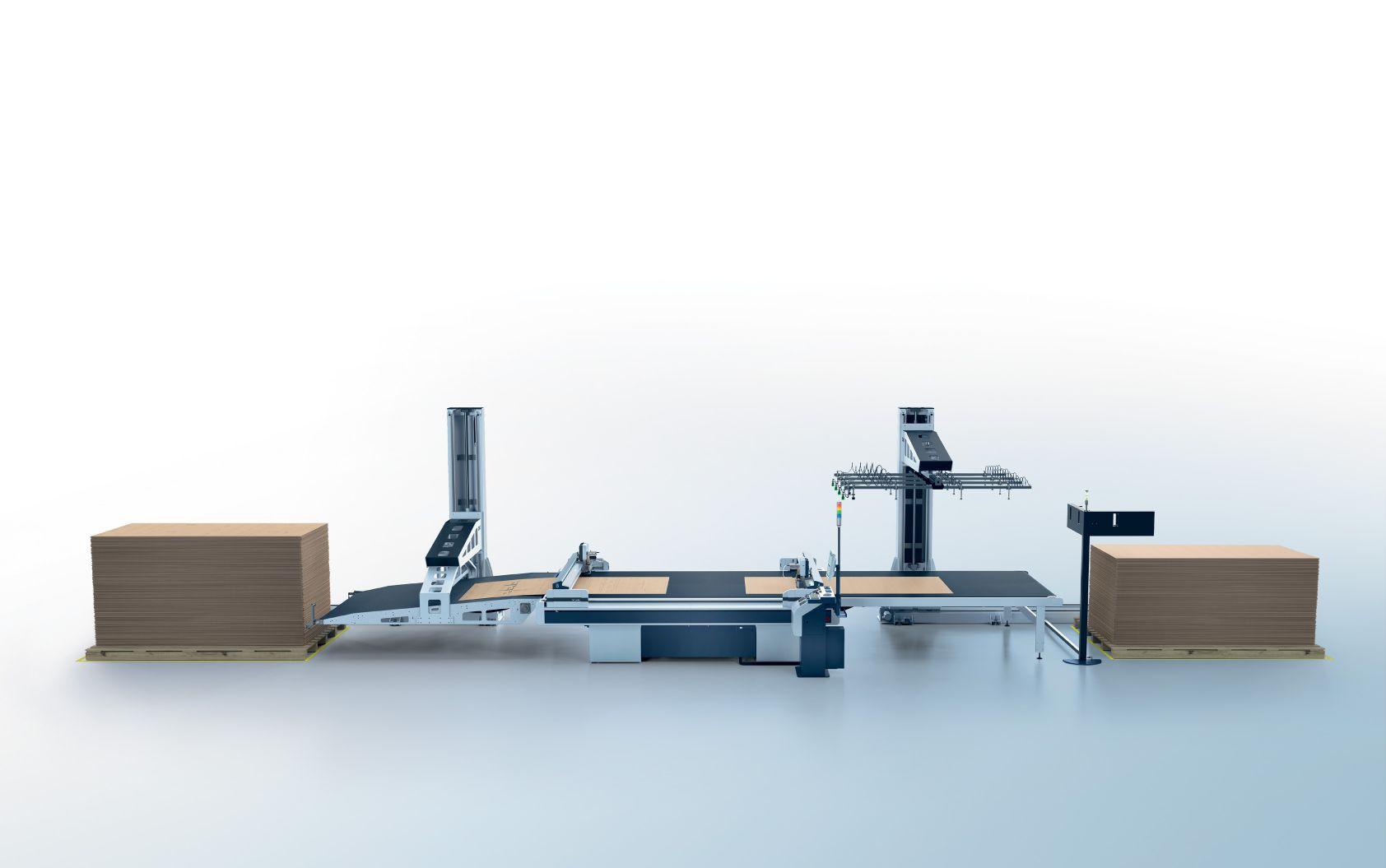
– Zünd Board-Handling System BHS150 for industrial-level automation – Ultimate non-stop productivity with 1.5m stack height, automatic job retrieval, D3 dual-beam production capacity, meta-data based workflows – Find out more at www.zund.com/en/bhs
m Click
Print safe, smart packs
Printed electronics create a new generation of packaging
By Nithya Caleb
Digital printing has revolutionized the packaging industry. Packaging product providers can now offer bespoke services to their customers, such as short runs for specific campaigns or events (e.g. Christmas and the Olympics), and personalization. It has also helped create a new generation of smart packaging.
During the pandemic, smart packaging technologies have been effective in the distribution and authentication of personal protective equipment, test kits and vaccines.
QR codes can carry a lot of information. They are now embedded in a secure way, making then versatile and ubiquitous. Holograms also contain more security features than before, thanks to digitization. Further, digital ‘watermarks’ help sort different types of plastics for easier recycling.
Printed electronics
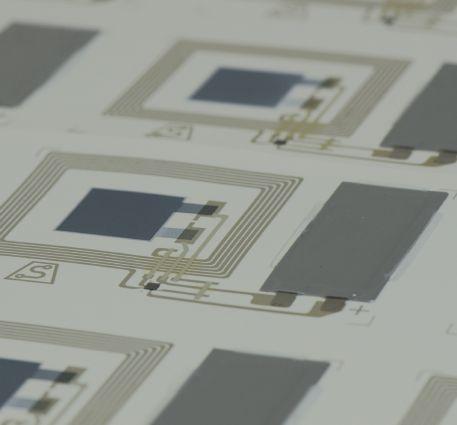
Printed electronic is an emerging technology. Printing techniques, such as layer deposition, enable printed electronics (PE) to adhere directly to flexible surfaces, typically plastic. These can be produced at scale, as ‘labels,’ on roll-to-roll machines, thereby reducing production costs.
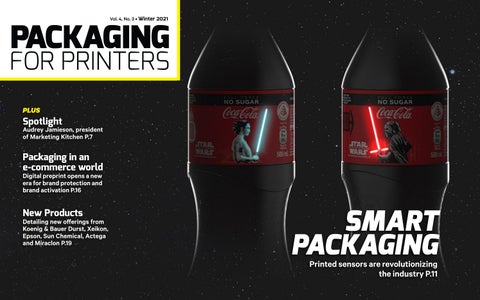
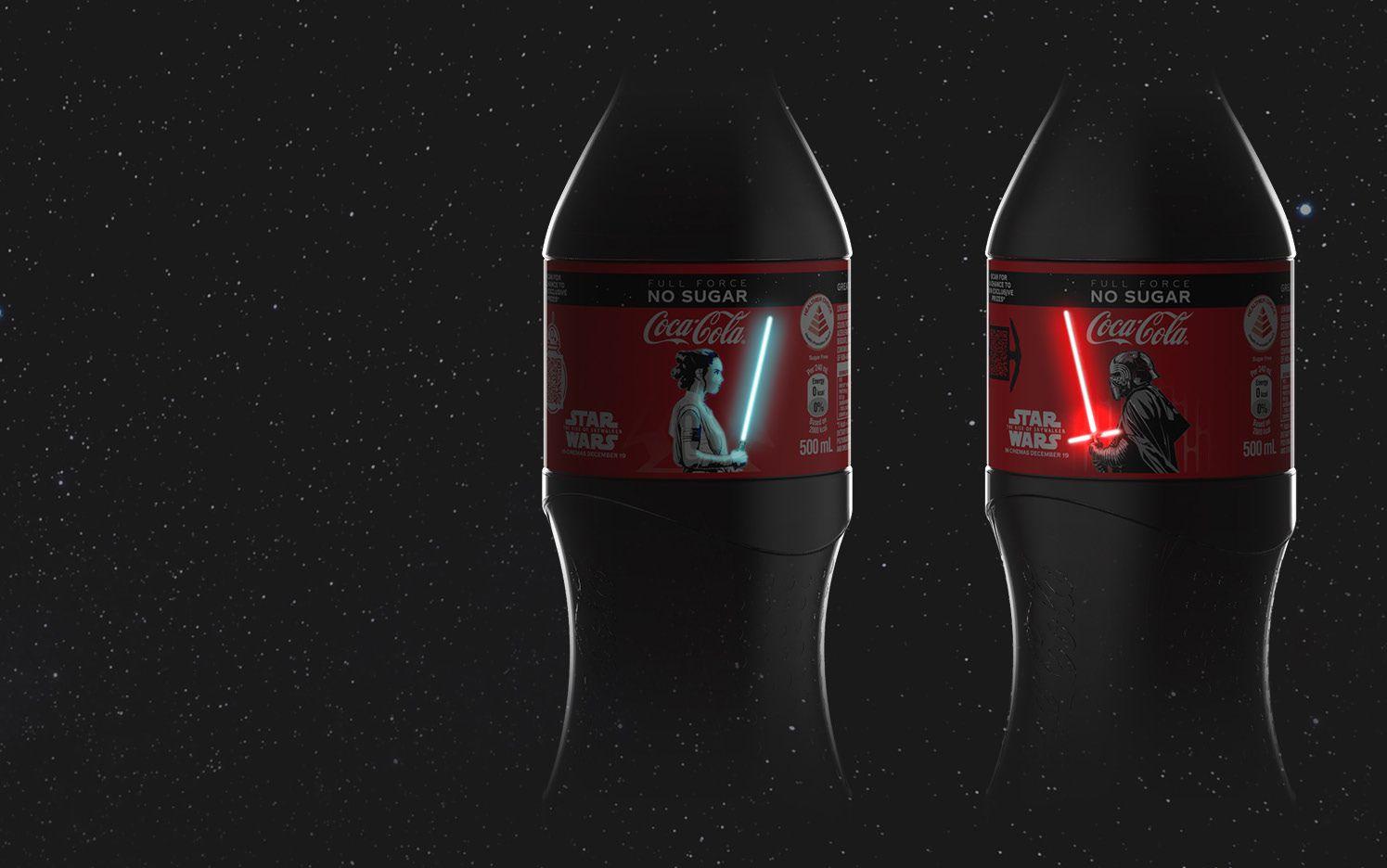
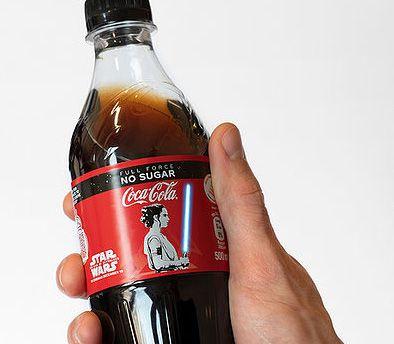
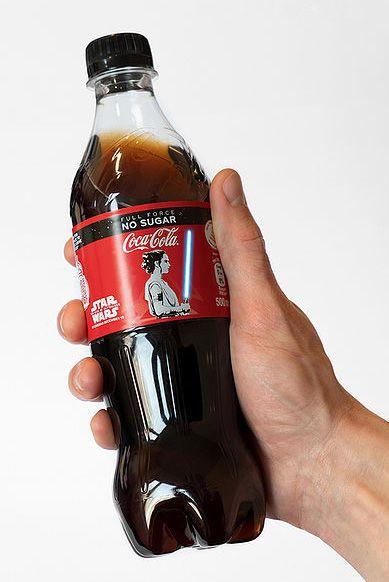
“PE has enormous potential. We should see more of this in the future, producing antennas, batteries and inlays for RFID/NFC tags and even as light-emitting diode (LED) or organic LED (OLED) features on labels, such as Coca Cola bottles with luminous Star Wars light sabres,” says Andrew Manly, communications director, the Active & Intelligent Packaging Industry Association (AIPIA).
“You can use PE embedded in a package to communicate with a potential buyer’s cellphone,
Inuru, an lluminated printing solutions provider, created a limited edition of illuminated Coca-Cola bottles prior to the launch of Star Wars: The Rise of The
Skywalker movie.
as they walk by a store. A digital sign near the product can announce a sale or special for the hour. If we can capture the consumer’s name on the phone, then it would be possible to personalize the message,” explains Doug Schardt, Komori’s director of product management. “You can also do inventory control on shelfs with smart packaging.”
Smart packaging scope
According to Manly, the main areas of
activity fall under the following three broad categories.
Brand protection
Counterfeiting is estimated to be as much as seven per cent of the global trade, says Manly, so many smart packaging technologies are geared toward making it as difficult as possible to pass off fakes as the real thing.
According to Manly, several companies are looking at nanotech to
never be seen by the naked eye and is not a missing label or fault detector.
Paper-based sensors and labels can easily be integrated into packaging and consumer goods.
Printed sensor devices on paper are a new and sustainable approach to smart labelling.
deliver microscopic security features which are, literally, impossible to replicate. Other companies are developing invisible features, even a complete RFID tag, which can only be read with special equipment and has the advantage of not altering the graphics on the existing pack.
Authentication and traceability
Each pack can be made a unique item with microscopic differences. This can
“Print inspection/vision systems just record each pack and ‘see’ tiny differences that can be used for verification and traceability. This can be done without investing in new printing equipment. It literally uses the existing pack artwork and redefines it,” explains Manly.
“Labelled packaging with printed sensors brings ‘intelligence’ to the items while shipping and trading. They can communicate about product information and condition, shipping and logistics information and can be linked to the Internet of Things (IoT), for a sustainable, reliable and customized supply chain,” add Fabrice Domingues dos Santos from Arkema Piezotech, co-ordinator of the Supersmart project, and Gerhard Domann from Fraunhofer IS.
Manly says both Danone and FrieslandCampina use authentication features on their baby milk products for
Labelled packaging with printed sensors brings ‘intelligence’ to the items while shipping and trading.
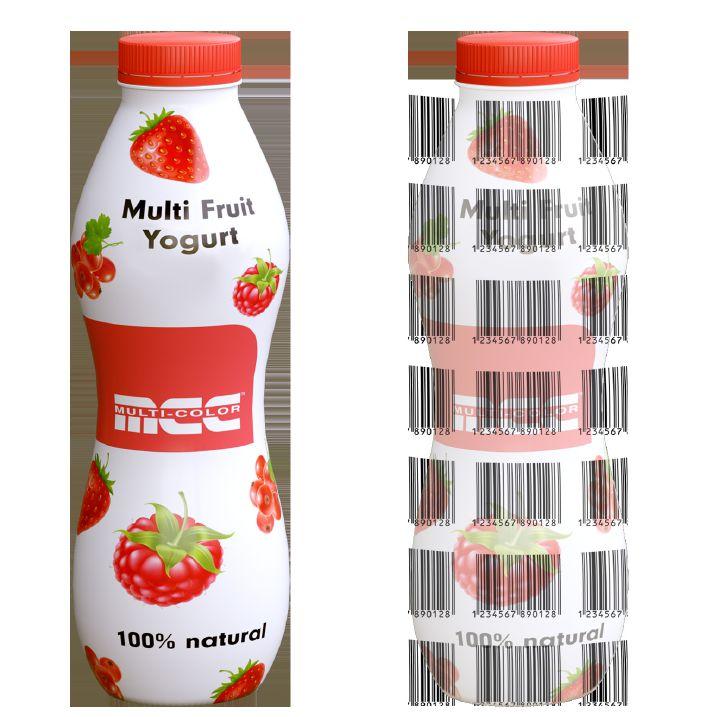
Multi-Color Corporation, a label solutions manufacturer, and Digimarc Corporation have co-developed a hybrid printing method to print Digimarc barcodes in large volumes. The barcode is scannable throughout the supply chain and thus helps with food safety and traceability initiatives.
China, where fakes are rife.
At this stage, it is pertinent to highlight one of the concerns expressed by the smart packaging sector. The track and trace systems required by the US, EU and many other countries to track pharmaceuticals through the supply chain is based on 2D matrix codes, which, according to Manly, are not the most secure form of coding.
Consumer engagement
In Manly’s experience, smart packaging can be the most cost-effective and high-impact marketing tool in a brand’s armoury. AI-powered packaging allows customers to get product-specific information, such as its origin, ingredients and allergens. Also, consumers can receive alerts to take
a medicine, if it is close to expiry or needs replenishment. These features increase brand trust and engagement.
Challenges
Cost is a major issue. “It’s okay to spend $0.15 on a tag for a product costing $50 to $5,000, but when the product is $1, the dynamics are somewhat different,” as Manly aptly explains.
Additionally, since the technology is new, they have to prove reliability as well as have the ability to get produced at a scale that makes mass adoption possible.
The industry is also aware that some components of smart packaging are not easy to recycle. Some companies are evolving products to use degrad-
You can use PE embedded in a package to communicate with a potential buyer’s cellphone, as they walk by a store. You can also do inventory control on shelfs with smart packaging.
able materials, such as graphenebased inks.
Supersmart project
Recognizing the need to control the use of plastic packaging, the Supersmart project, a European consortium of 11 companies, has for the past three years worked on bringing PE to paper using highly scalable technological processes that allow mass production.
Use of paper as a substrate for PE has many advantages. It is recyclable, available in huge quantities, comes from (partly) renewable resources, has low costs and is widely
used in packaging. As Santos and Domann say, “If you make paper smart, you have easy access to a huge market.”
With its approach to transferring technologically mature high-throughput processes (roll-to-roll and sheet-to-sheet) to the printing of electronic components, the Supersmart project removed major hurdles to wider use.
Paper-based sensors and labels are attractive for numerous applica -
tions. They can easily be integrated into packaging and consumer goods. An anti-counterfeit tag for vulnerable or expensive goods can help to protect manufacturers and consumers from fraud. Large-area shock detection sensors integrated into packaging or other paper-based elements provides transportation protection and event traceability. Finally, these printed elements can be used as security features, that add reliable and cost-efficient smartness to simple products.
100 m
100 million smart labels per year was considered a realistic value at the start of the Supersmart project.
In a feasibility study at the beginning of the project, a figure of around 100 million smart labels per year was considered a realistic value. Visit www.supersmart-project.eu for more information.
Role of inks
Inks play an important
part in the development of smart packaging. At the most obvious level, there are thermochromic and photochromic inks, which react to heat and light. They can be used to highlight certain features on the pack. For instance, chilled beers reveal features on the can when cooled or bottles that have the ability to ‘light up’.
One can use conductive inks in PE or add magnetism to make it readable as a security or authentication feature. Next, there are inks that react to the product’s condition. For instance, the ink colour changes when milk turns sour. On another level, there are e-inks that can relay information.
To summarize, smart packaging is largely used for specific campaigns except when authentication is critical. Manly is confident smart packaging will be used increasingly in all areas of consumer packaged goods (CPGs) in the future.
Packaging in an e-commerce world
Digital preprint opens a new era for brand protection and brand activation
By Anja Roehrle
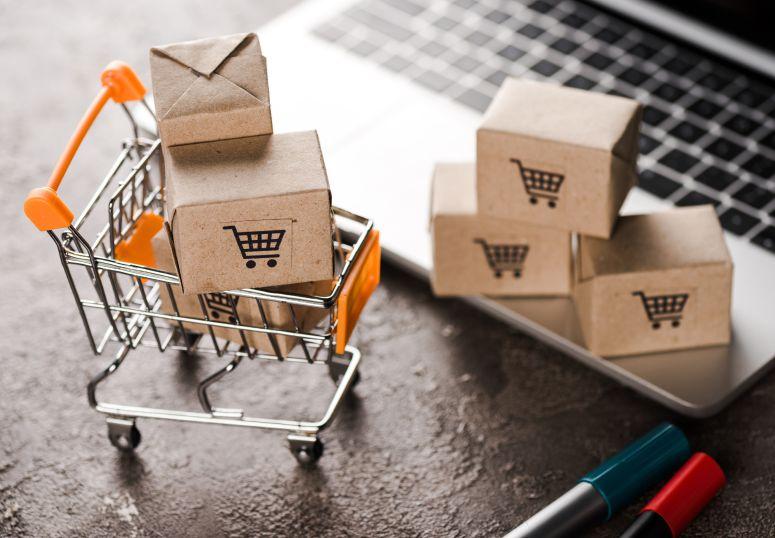
The ongoing digitalization and the associated changes in consumer shopping behaviour have a major impact on the design and construction of packaging. Mass-produced products lose their attractiveness. Brand manufacturers, retailers and logistics providers are adapting to the new challenges of online trading. They receive strong impetus from the packaging industry, which has a lot to offer when it comes to e-commerce packaging made of corrugated board.
According to the Pitney Bows Parcel Shipping Index, parcel volume exceeded 131 billion in 2020, an in-
crease of 27 percent year-over-year.
It is likely to more than double by 2026. This surge in parcel volume is being fuelled by the continuing boom in e-commerce. In view of such volumes and growth rates, it becomes clear: Packaging has long since emerged as a key component in the e-commerce logistics chain.
Empty space
The report, “The Empty Space Economy,” drawn up by Forbes Insights in collaboration with international packaging specialist DS Smith, reveals that nearly every package shipped online contains empty space. Sixty
per cent of executives surveyed felt that more than a quarter of what is sent to customers in transport packaging is in fact thin air. An enormous amount of extra material is used both for the overbox and the filling material.
Tailor-made for every channel
The development of optimized e-com
Consumers are becoming more and more critical of this. Brand manufacturers and retailers are also increasingly addressing the issue of packaging optimization. The reasons are obvious: lower material and logistics costs, less transport damage, more sustainability and an improved customer experience. The study is available for download from https://www. dssmith.com/EmptySpaceEnglish.
Packaging is an integral component of the e-commerce logistics chain.
knowledge gained, allows the material and design of the packaging to be matched to the respective supply-cycle and its specific requirements.
The innovative Made2fit packaging solution ensures, for example, that package sizes can be adjusted manually or fully automatically according to the volume of the products to be shipped, and this is possible in all three dimensions.
E-commerce is slimming down
merce packaging solutions from corrugated board is by no means trivial. They pass through a completely different supply-cycle than goods that go into retail. There is often a lack of reliable data to provide information on the actual loads during transport. Online shipping places the highest demands on packaging, as the goods are not only expected to arrive at the customer undamaged, but also inspire them about the product and brand in such a way that they will share this positively on their social media channels.
DS Smith started early to deal with the peculiarities of the delivery cycle, the trends and insights around e-commerce. The company provides a range of special e-commerce solutions including the exclusive DISCSTM testing standard, which simulates the real loads within the so-called ‘last mile’ and, on the basis of the
Innovations like these generate real added-value in the e-commerce supply-cycle. As online distribution becomes more and more important for the consumer goods industry, there are hardly any manufacturers who do not need special e-commerce packaging for their products in order to optimize their processes. Single-item shipments lead to new challenges in fulfilment. To streamline processes, packaging specialists have come up with a number of great ideas. The e@
Box, for example, combines product packaging and overpack. Onsite filling of the boxes with the branded product takes place directly at the manufacturer’s premises. This saves valuable time and cost in logistics. At the same time, the all-in-one solution for shipping single items always has the right size and strength regardless of whether cosmetic products, chocolates, shoes or cordless drills are shipped with it. In addition to high product-protection and convenient handling, the clever box-in-box system guarantees one thing above all: that the online shopper will remember the unboxing of the product as part of a positive brand experience.
Brand activation in focus
Product life-cycles are getting shorter and shorter because start-up companies are launching new, stylish products. Mass-produced products lose their attractiveness. Shoppers’ brand loyalty is fading and eco-sus-
Companies are trying to optimize packages to address the problem of empty space.
tainability aspects are increasingly important. All this creates new challenges for the industry. Today’s customers want to be inspired and courted by individualized products that are as sustainable as possible. It is more important than ever to focus on the customer and tailor business processes, products and shopping experiences to their needs. This is precisely where transport-packaging made of corrugated board can bring strong, new accents to a manufacturer’s brand.
When it comes to customer centricity, digital preprint and its associated flexibility open up a new dimension of interaction. This is no longer true only for short, but also for medium and long print runs.
Attention-grabbing interior prints and seasonal campaign motifs also
enable a differentiated and more emotional customer approach in e-commerce. Smart packaging informs, entertains and networks the online shopper.
A scan of printed QR codes, for example, can provide information about growth areas, as well as tips for the optimal preparation of the product that was ordered an e-commerce platform.
In the same way, consumers can gain access to bonus programs or social media platforms where influencers showcase the product or provide helpful video tutorials (e.g. make-up applications and installation or commissioning of complex products).
Thanks to mosaic printing, even individual shipping packages can be given a unique design in digital preprint. Thus, thousands of unique cop-
ies are produced in just one print run.
Even last-minute changes of the artwork are now easier because printing plates are simply no longer necessary.
Brand protection
Digital printing technology also has a lot to offer in terms of brand-protection: secure QR codes cannot be replicated and provide a reliable method of verifying whether a product is genuine or counterfeit. It makes sense to combine this with a tamper-evident closure on the corrugated cardboard transport packaging.
Printed, serialised codes allow packaging to be tracked and verified. Additionally, this can be used to “marry” product and packaging with each other, for example to record individual batch numbers and production data and times. This also makes traceability easier to implement in the event of a recall.
Watermarks can also be printed on
the transport-packaging in digital preprint, which enables hidden coding in the printed image. When used selectively, this can be used to check the product’s authenticity.
Omnichannel packaging
Modern technologies and changing consumer habits are bringing about constant changes in e-commerce. Offline and online are increasingly blending into each other.
The relentless, continuing networking of the online and offline worlds has far-reaching effects on the entire supply cycle.
In the packaging sector in particular, there will be more and more demand for comprehensive, integrated solutions that work equally well on store shelves and in online retailing.
Anja Roehrle is a marketing and communication manager at DS Smith. This article was originally published in Drupa Essentials of Print series.
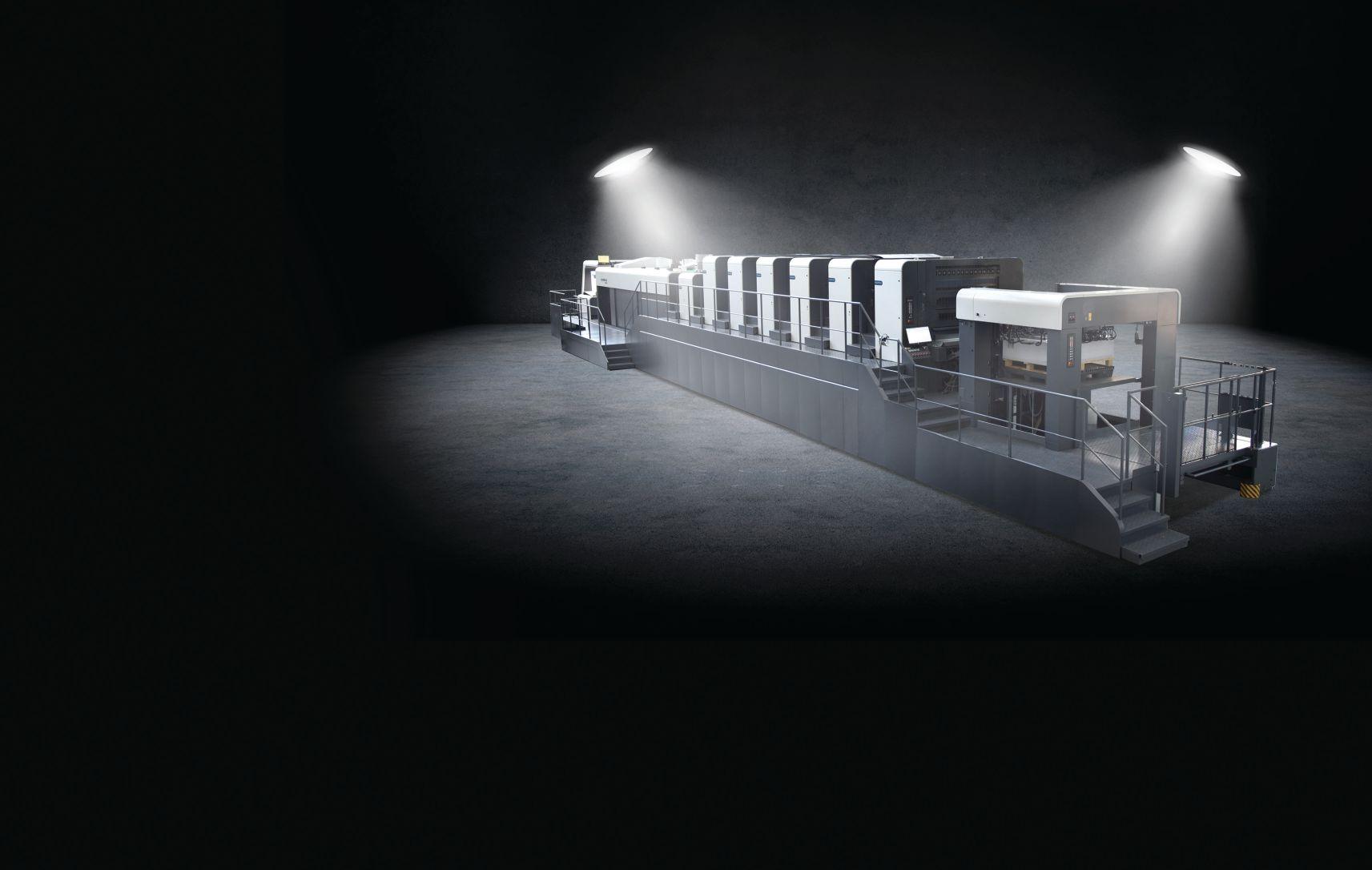
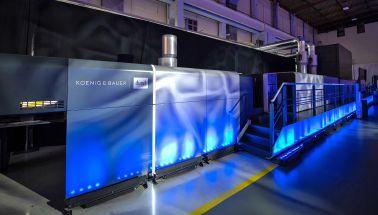
Koenig & Bauer Durst GmbH unveil the VariJet 106, a modular single-pass sheetfed digital printing press for the folding carton market.
Xeikon announces VariOne
Xeikon America introduces VariOne, a new variable data generation tool for Xeikon’s X-800 digital front-end. This integrated software can generate and print unique creative designs, based on an image or on vector graphics, in complex patterns.
The VariJet 106 is a digital printing press.
Jointly developed by Koenig & Bauer and Durst, the VariJet 106 is based on water-based inkjet processes to provide high print quality. The digital printing system is at the heart of the collaborative development between Koenig & Bauer and Durst. The VariJet 106 platform is based on Koenig & Bauer’s standard high performance Rapida 106 platform and Durst printhead electronics, inkjet expertise and Durst workflow and RIP technology. This includes Durst Analytics, Smartshop and Workflow.
Using seven colour water-based food compliant inkjet technology (CMYK plus orange, green and violet), the VariJet 106 is suitable for food applications that meet the stringent requirements for food safe primary packaging utilizing proprietary water-based ink technology. The VariJet 106 can produce personalized and individualized print products or alternate between short and medium runs.
Xeikon’s VariOne has been developed and designed to add value and benefit brand owners, designers, illustrators, printers, converters and consumers.
The new VariOne will be commercially available as an option for systems running X-800 version 7.00 or higher.
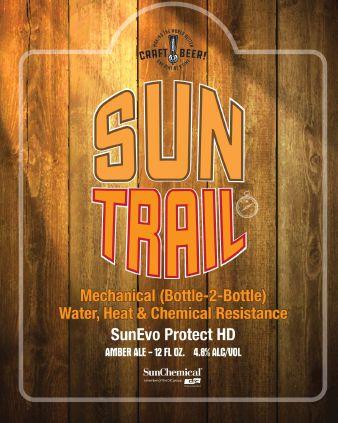
Sun Chemical launches new varnish solutions for HP Indigo printed labels
Sun Chemical introduces a new range of UV varnishes for enhancing the resistance of pressure-sensitive labels digitally printed on HP Indigo for personal care, household, chemical, beverage and pharma applications. The new varnishes were specifically formulated to provide adhesion to HP Indigo ElectroInk and has been designed to provide high levels of mechanical durability on HP Indigo printed labels.
The new set of varnishes do not require the addition of any press-side additives. The range can be printed using standard UV coating equipment. It is available as part of the SunEvo Protect LEP HD range of protective varnishes for HP Indigo.
Sun Chemical launches a new set of UV varnishes for pressure-sensitive labels printed on HP Indigo presses.
Actega unveils new coatings that are designed to create highly tactile, impactful shrink sleeve effects on beverage bottles.
Actega introduces new coatings
Actega announces new additions to its product portfolio, further enhancing the visual and haptic effects achievable for shrink sleeves.
The new products include coatings designed to create highly tactile, impactful shrink sleeve effects. By applying the Hybrid AQ-UV Soft Touch Coating, and UV Wet Touch Coating users can produce packaging designs that perfectly represent the brand image or the product itself, such as wet touch coatings on a beverage bottle or the soft touch finish on a tube of moisturizer, or the brand image.
Miraclon introduces PureFlexo Printing
Miraclon unveils PureFlexo Printing, which enables Kodak Flexcel NX System users to produce high-quality flexo print within a wider operating window on press by controlling unwanted ink spread. Designed specifically for wide web solvent ink on film applications, PureFlexo Printing maximizes press efficiency, repeatability and overall performance while enabling printers and prepress providers to experience cleaner print, stable colour and a better bottom line for their business. PureFlexo Printing is available immediately to all Flexcel NX System users through the Kodak Flexcel NX Print Suite for Flexible Packaging.
Epson expands media offerings with labels for ColorWorks printers
Epson has included labels for its popular ColorWorks on-demand colour label printers – the ColorWorks C6000 and C7500-Series. Epson’s three media offerings – ColorWorks Durable Matte Synthetic Label, ColorWorks High Gloss Label and ColorWorks Premium Matte Label – will give ColorWorks customers access to a complete Epson solution.
“Sourcing and testing label media can take a lot of time and effort, so we wanted to help our customers save time and hassle by offering a known media that works,” said Bonny Rindahl, product manager, Commercial Labels, Epson America, Inc. “Thoroughly tested for reliability and longevity with the C6000 and C7500 printers, the ColorWorks media offers photo-quality printing with clear and scannable barcodes, QR codes and more in each print.”
IT’S TIME TO DEMAND ILLUMINA
We’ll keep it simple. There isn’t an easier way to print flexo, and it provides the lowest total cost on the market. Get to know Fujifilm’s Illumina COLDCURE LED curing system and all of its benefits.
• COLDCURE: Absolutely no need for chill drum systems, LED chilling systems or fans. Say goodbye to those upsells
• No more annoying heat from UV lamps or dryers means a better environment for you and your crew.
• By far the lowest energy consumption of any flexo print technology.
• More billable production time and LED chip life compared to conventional LED.
• Consistent, lasting cost savings. Utility costs are lower, presses run faster and produce more sellable product per shift.
If you’re sick of web or registration issues due to heat, temperature variation during jobs and all the abundance of waste, Illumina is the cure. It’s the future of flexo curing. Learn more at fujifilmpackaging.com