







Ruby

BY JEAN KO DIN
Being an internationally focused industry publication is not an easy promise to fulfill for readers. This annual tradition to start a new year of Hatchery International editions with an industry outlook from our writers around the world is only one of the many ways our team tries to bring the wide world of hatcheries to our audience.
We acknowledge that these overview articles are in no way a comprehensive look. In fact, we know that there are corners of the globe that we have not yet effectively reached. Nevertheless, we believe that it’s an important practice to explore the activities of fish and marine hatcheries in the places that our small team could reach.
We know that this is a valuable pursuit because every year, we send out a readership survey. According to our 2025 survey results, almost 55 per cent of our readers are from outside of Canada and the United States.
Hatchery International has readers in more than 130 countries and territories around the world. Most of the time, it is hard to fathom this publication’s reach as I sit in our office in Toronto, Canada.
When we break the international group down further, we find that (in order of readership count) Australia, Norway, the United Kingdom, India, Nigeria, Germany, Denmark, Chile, France, and the Philippines are the top 10 countries that make up almost 58 per cent of our international readers. For further context, we have readers in more than 130 countries and territories around the world.
Most of the time, it is hard to fathom the kind of reach this publication enjoys, especially as I sit in our Annex Business Media office in Toronto, Canada.
Although we find that our Canadian and American audiences continue to be our most consistently engaged audiences, our team knows that we also have a responsibility to serve those beyond. As part of our readership surveys, we also get comments from respondents about how important the international scope of this publication is.
We learned that a hatchery manager in the United States is also interested in how trout juveniles are being reared in places like Chile or Turkey. Shrimp nutrition research being conducted in China could also be valuable to a shrimp biologist doing similar studies in a Canadian research laboratory. This is why I rely on our team of writers from different regions to explore corners of the world that I would not reach on my own. Knowledge and innovation is happening everywhere all the time, and it’s hard to keep track of where the next big development can come from.
But again, I must emphasize that there are still many blindspots for our team. In my role to oversee the content that we produce, – not just for these pages but also for our online content – I try my best to bring as many diverse voices as I can.
In the New Year, we have plans for more digital projects that can bring the world to your email inbox or onto our website. We’ll have virtual expert panels, online mini-courses, specialized theme weeks planned. And with all of these things, we hope to bring together the most valuable information we can.
I’d also like to take this opportunity to appeal directly to you, our readers, to participate in our pursuit for this global perspective. Wherever you work, we invite you to engage with us. Send us an email, leave a comment, share your network, and make your thoughts known to us.
If you’d like to share a story about a hatchery, a research laboratory, or a sub-sector of the industry we haven’t looked deeply into just yet, I’d love to hear from you. I’m sure there are other readers who want to learn what you know, as well.
Let this be our shared resolution for this new year ahead. Please don’t hesitate to reach out to me via email at jkodin@ annexbusinessmedia.com. | HI
Reader Service
Print and digital subscription inquiries or changes, please contact customer service
Angelita Potal
Tel: (416) 510-5113
Fax: (416) 510-6875
Email: apotal@annexbusinessmedia.com
Mail: 111 Gordon Baker Rd., Suite 400, Toronto, ON M2H 3R1
Editor Jean Ko Din jkodin@annexbusinessmedia.com
Contributors Bob Atwiine, Abhinav Choudhury (et al.), Ruby Gonzalez, Nicole Kirchhoff, John Mosig, Ben Normand, Christian Perez-Mallea, Magida Tabbara, Vlad Vorotnikov
Associate Publisher Jeremy Thain jthain@annexbusinessmedia.com +1-250-474-3982
Sales Manager Patrick Villanueva pvillanueva@annexbusinessmedia.com 416-606-6964
Account Coordinator Barb Vowles bvowles@annexbusinessmedia.com
Media Designer Brooke Shaw bshaw@annexbusinessmedia.com
Audience Development Manager Urszula Grzyb ugrzyb@annexbusinessmedia.com 416-510-5180
Group Publisher Anne Beswick abeswick@annexbusinessmedia.com 416-410-5248
CEO Scott Jamieson sjamieson@annexbusinessmedia.com
PUBLISHED BY ANNEX BUSINESS MEDIA 105 Donly Drive South, Simcoe, ON N3Y 4N5
named products or technologies does not imply endorsement by the publisher.
Subscription rates (five issues) Canada: 1 year $39.25+Tax; 2 years $67.36+Tax US: $50.92 CAD
Foreign: $65.77 CAD
To subscribe visit our website at hatcheryinternational.com
Printed in Canada ISSN 1922-4117
Publications Mail Agreement #PM40065710
RETURN UNDELIVERABLE CANADIAN ADDRESSES TO 111 Gordon Baker Rd., Suite 400, Toronto, ON M2H 3R1
Annex Privacy Officer
Privacy@annexbusinessmedia.com Tel: 1-800-668-2374
The contents of Hatchery International are copyright ©2026 by Annex Business Media and may not be reproduced in whole or part without written consent. Annex Business Media disclaims any warranty as to the accuracy, completeness, or currency of the contents of this publication and disclaims all liability in respect of the results of any action taken or not taken in reliance upon information in this publication.
Next Ad Deadline
The advertising deadline for the March/April issue is Jan. 19. Don’t miss the opportunity to be part of this exciting aquaculture publication. For more information, or to reserve space in the next issue, call our advertising department at +1.250.474.3982 jthain@ annexbusinessmedia.com.
Next Editorial Deadline
The editorial deadline for the March/April issue is Jan 22. Contact Jean Ko Din at jkodin@annexbusinessmedia.com for details. Material should be submitted electronically with prior arrangement with the editor.


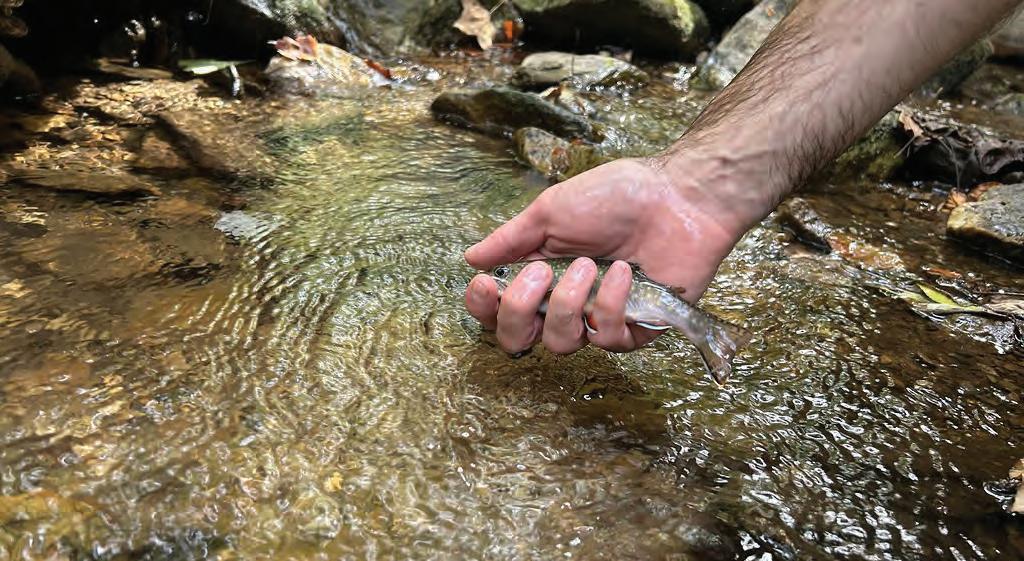
The Department of Natural Resources in Maryland has seen initial success with its efforts to reintroduce native brook trout to three unoccupied streams.
An article shared Oct. 28 on the department’s website notes that healthy coldwater habitats are increasingly rare in the state, prompting a project that would identify and repopulate streams with suitable conditions.
Last year, 300 brook trout from a source population were moved to the vacant streams and electrofishing surveys this past summer found natural reproduction had occurred. This fall the department is undergoing the same process – known as translocation – with 150 new adult brook trout.
The next phase of the project will see department biologists and partners gather eggs and milt from wild brook trout, grow them to fingerling size in a hatchery, and introduce young fish into new vacant streams.
Brook trout are a type of char and are the
only salmonid native to Maryland. Their habitat – clean, cold water – is threatened by land development. It’s estimated the species occupies less than 40 per cent of its historic range.
The repopulation project is supported by US$477,900 in grant funds from the Chesapeake Watershed Investment for Landscape Defense.
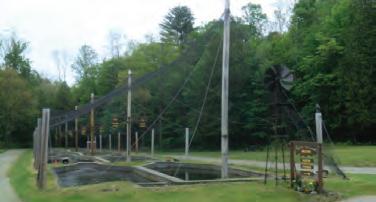
A 100-year-old trout hatchery in Essex County, N.Y., a cornerstone of the region’s fishing community, has closed its doors.
Built in the 1920s, the Essex County Fish
Hatchery in Crown Point raised and stocked brook, rainbow and brown trout to support recreational fishing as well as annual fishing derbies in eight towns across the county.
Essex County began operating the hatchery in the ’80s.
The state’s Department of Environmental Conservation (DEC) announced the hatchery’s closure on Nov. 6, calling its operations economically unfeasible without costly upgrades to meet water quality standards.
The hatchery’s numbers declined since 2020 in order to reduce the pollutant loading and meet water standards. The expected total fish count was 19,000 in 2026, compared to 60,000 in 2020.
“The decision to close the Essex County Fish Hatchery was not taken lightly,” Essex County board of supervisors chairman Shaun Gillilland said in the news release. “However, this transition and partnership with DEC will allow the county to comply with the state’s water quality and trout management programs while still ensuring both our residents and visitors can continue to enjoy high-quality fishing opportunities across the county.”
The state department will take over stocking trout in eight ponded waters and six trout streams.
Funds that previously went to operating the hatchery will be reallocated to fishing derby towns to purchase fish from private hatcheries.
“The health of our fisheries is a top priority for DEC and our management goals for surveying and stocking trout waters provides anglers with quality fishing experiences in Essex County,” regional director Joe Zalewski said in the release. “DEC staff worked closely with the County over the past year to plan a smooth transition following the hatchery’s closure to ensure DEC’s support of Essex County’s outstanding trout fishing opportunities.”
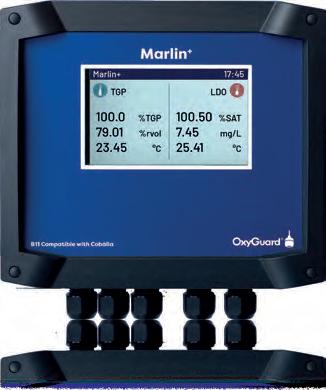
Atlantic salmon production in Scotland saw a 27 per cent increase in 2024, while smolt production and rainbow trout production saw decreases, according to a government industry survey.
The Scottish Fish Farm Production Survey 2024 was release in late October, detailing statistics on employment and production at Scottish fish farms.
Atlantic salmon production totaled 192,000 tonnes last year, an increase of 41,051 or 27 per cent over the 2023 total.
The number of smolts decreased by 6.9 million over the previous year, totaling 44.6 million in 2024.
Rainbow trout production also decreased by 12 per cent in 2024, to 8,171 tonnes, while brown and sea trout production increased to 23 tonnes from 16 tonnes in 2023.
Employment dropped eight per cent over the year, with 1,362 people directly employed in salmon production in 2024 compared to 1,480 in 2023.
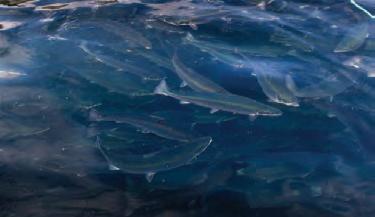
A newly released handbook from institutes in Norway offers recommendations to measure and monitor Atlantic salmon welfare during crowding in commercial tanks.
Crowding occurs in salmon farming to move or treat fish by temporarily reducing available water volume, increasing fish density.
The handbook is one of two released in November by the Norwegian Institute of Food, Fisheries and Aquaculture Research (Nofima). The second handbook addresses salmon crowding in marine net pens.
Both handbooks were developed as part of a
•
•
•
•
•
•
•
project funded by FHF – Norwegian Seafood Research Fund, with contributions from Cermaq Norway AS and Grieg Seafood ASA.
The handbooks update existing frameworks and tools to monitor and measure salmon welfare before, during and after crowding. They provide schemes and metrics to monitor above and below water, as well as introduce a new underwater crowding intensity risk scale.
“We have received many inquiries about this from the industry in Norway and abroad, so there is clearly a need for more information,” Chris Noble, project manager with Nofima, said in a news release.
Noble along with Lars Helge Stien from the Institute of Marine Research will host a webinar in April 2026 to gather feedback on the handbooks.
Find a webinar introducing the handbooks, as well as posters, factsheets and the handbooks on the Nofima website.
Australia’s Gaden Trout Hatchery in Jindabyne, New South Wales (NSW), will see a AU$5-million (US$3.25 million) injection into a new recirculating aquaculture system (RAS) to grow advanced-size trout fingerlings.
Customized
Customized
Customized
Customized
Our Commercial
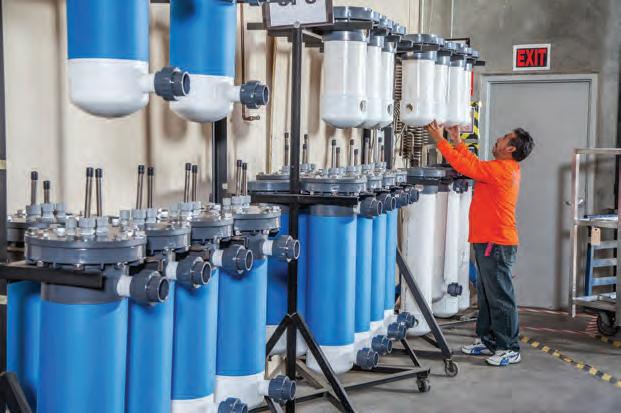
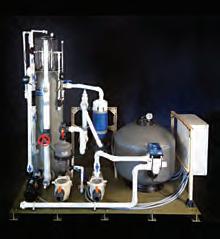
Our Commercial LSS Packages are custom engineered to meet your specific needs.
• Marine and Freshwater
• Marine and Freshwater
• Mechanical filtration
• Marine and Freshwater
• Mechanical filtration
• Chemical filtration
• De-gassing towers
• Wide variety of flow rates
• De-gassing towers
• Chemical filtration
• Mechanical filtration
• Ultraviolet
• Chemical filtration
• Ultraviolet disinfection
• Flow control valves • Protein skimmers
• Wide variety of flow rates
• Flow control valves
•
• NEMA enclosed controls
• Ultraviolet disinfection
• Bio-filter towers
• NEMA enclosed controls
• Bio-filter towers
• Variable frequency-drive pumps
• Protein skimmers
• Temperature management
• Variable frequency-drive pumps
• Temperature management
All our systems are pre-plumbed and fully water tested prior to shipping.
All our systems are pre-plumbed and fully water tested prior to shipping.
> Premium quality, disease-free eyed eggs available all year round
> Rainbow trout all female (diploid or triploid) and other salmonids We help you to grow great fish


The project announced by the NSW government is said to future-proof the production of rainbow and brown trout to withstand times of drought, flooding, or pests, the government said in a news release.
The 462 sq. m. steel hatchery will house a RAS system that will allow the hatchery to grow trout to the size required for stocking, significantly reducing quantities of water required, as well as better controlling environment and water conditions.
Australian-owned Snowy Hydro is funding the AU$5 million to build the facility, with NSW’s Department of Primary Industries and Regional Development on-site fisheries team undertaking ongoing costs and operational management.
“The Snowy Mountains region is renowned for providing high quality trout fishing opportunities, so it’s important that we do everything we can to plan for embedding resilience into the trout population so it can withstand natural disasters and biosecurity threats,” NSW Member for Monaro Steve Whan said in the release.
“Thanks to the AU$5 million funding provided by Snowy Hydro, the government’s Gaden Trout Hatchery will soon be equipped to produce larger trout to ensure that recreational fishing remains a strong drawcard for tourism
into our region for many years to come. The Gaden Trout Hatchery is the beating heart of our region’s trout fishing, and I look forward to visiting the new facility as it builds up over 2026,” Whan said.
Construction on the facility is expected to begin in 2026.
Indonesia’s marine ministry announced its national seafood traceability system is now fully compatible with the Global Dialogue on Seafood Traceability (GDST) Standard – making it the first government-operated system to do so.
The country’s Ministry of Marine Affairs and Fisheries (MMAF) developed the national seafood traceability system (STELINA) to track seafood from fishing boats and aquaculture facilities to the final market. STELINA has formally passed the GDST Capability Test, which ensures digital interoperability with other compliant traceability systems around the world.
“Passing the GDST capability test is a landmark for Indonesia’s digital transformation in fisheries and aquaculture management,” Machmud, acting director general of product competitiveness at MMAF, said in a press release. “STELINA’s compliance with international standards shows that Indonesia is not only serious about sustainable seafood but also about ensuring trust, traceability, and transparency from the source to the global market.”
The Institute of Food Technologists’ (IFT) Global Food Traceability Center provided technical support and validation as part of the capability testing process.
The GDST was founded in 2017 by WWF and IF, and became a partnership foundation in 2022. The GDST has 117 partners including seafood processors, retailers, software companies, NGOs and global brands.
To build on their momentum, MMAF, GDST, and the Indonesian Pole & Line and Handline Fisheries Association (AP2HI) will co-host a national traceability technology roundtable in early 2026 with the goal of strengthening STELINA’s traceability capability further. The focus will be on Indonesia’s largest seafood exports of warm-water shrimp, pole-and-line tuna, and blue swimming crab.
“MMAF has shown remarkable leadership,” Huw Thomas GDST executive director, said in the release. “STELINA is now the first government traceability platform in the world to meet GDST standards, setting a roadmap for other nations to follow.”
AquaGen Scotland has opened a new freshwater recirculating aquaculture system (RAS) for the incubation of Atlantic salmon eggs.
The company celebrated with a ribbon-cutting ceremony on Sept. 25 to formally open the facility.
“The new RAS system is a game-changer for AquaGen Scotland, securing the supply of high-quality best of breed salmon eggs to the Scottish aquaculture industry,” Keith Drynan, managing director, said in a statement. “By combining advanced technology with sustainable practices, we’re not only improving the
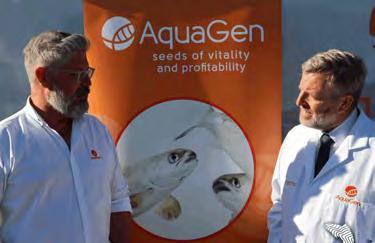
health and quality of our Atlantic salmon eggs but also reducing our environmental footprint.”
The new system leverages advanced technology to help minimize environmental impact and maximize egg health and viability. The design took into account experience gathered from trial work on RAS incubation in previous years, the company explained.
The RAS system allows for precise control over critical water parameters. This helps ensure optimal conditions for egg development and reduce the risk of disease and stress, AquaGen claimed.
The company hopes its new system’s sustainability will reduce water usage, lower energy input for water temperature control, and decreased water abstraction volume requirements. It helps protect against environmental contamination through UV filtration, ensuring the removal of biological contaminants.
AquaGen Scotland’s new RAS system was commissioned and invested in by its parent company (EW Group). The system reinforces AquaGen’s goal: to provide a secure, biosecure, and sustainable salmon egg supply to customers, said AquaGen.


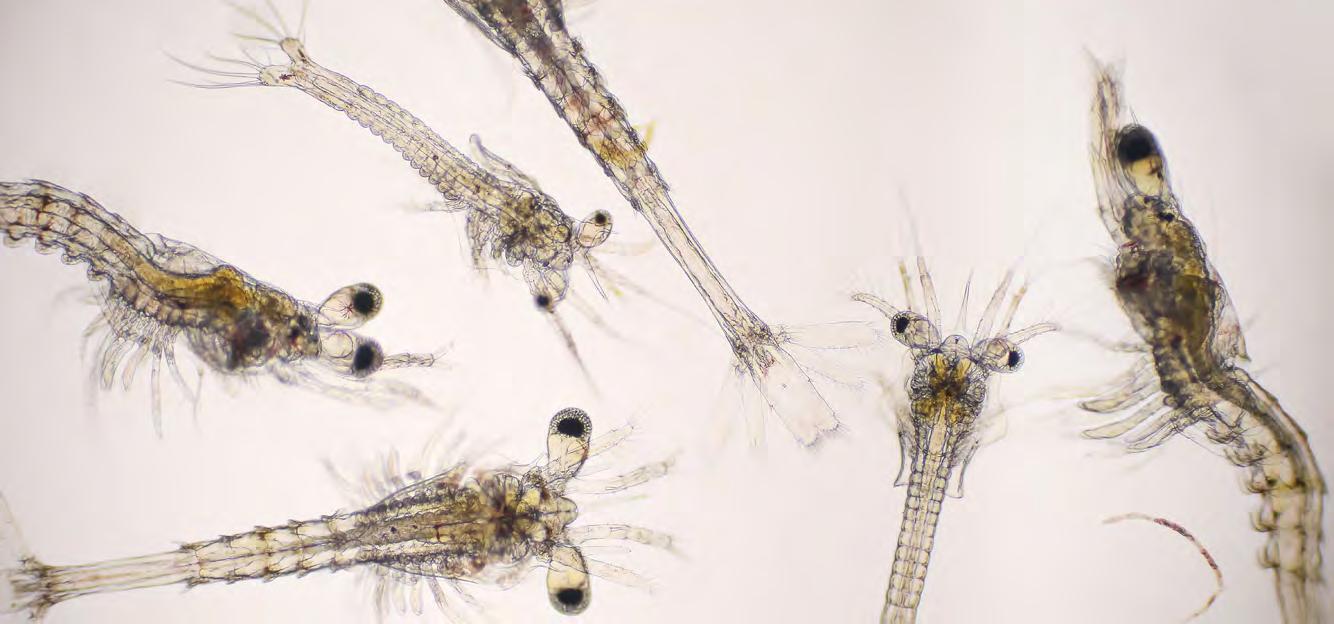
By Ruby Gonzalez
Shrimp growers have it going with the high-value crop and ever-increasing demand. But the other end of the spectrum are the challenges of animal welfare, effective diet and propagation.
Better performance indicators from inducing broodstock maturation in Indian white shrimp in the Philippines were achieved following recently developed protocols.
Dr. Sheryll Santander-Avanceña and her team at SEAFDEC/AQD developed a formulated feed containing 55 per cent protein and 12 per cent lipid. Ingredients are composed of shrimp and fish meal, squid meal, cod liver oil, cholesterol, wheat flour, and gluten. Also included is a balanced mix of essential vitamins and minerals.
The formulated feed for the Indian white shrimp (Penaeus indicus), called the “Special Feed for Maturing Penaeus indicus Broodstock,” was granted a utility model by the Intellectual Property Office of the Philippines back in February 2021, SEAFDEC/AQD said in a press statement.
Feeding trials showed survival rates of 90-96 per cent and 50-55 per cent of broodstock achieving gonadal development.
“Beyond general health and growth, the artificial diet enhanced key reproductive performance indicators, including the Ovary Shadow Ratio, Hepatosomatic Index, and Gonadosomatic Index. Notably, shrimp fed the diet also produced larger oocytes – a trait closely linked to better larval quality and higher fry survival rates,” they said.
Though results of these protocols delivered, there were chokepoints, which produced further problems. One of the major problems was sourcing was of live feeds. On top of this, live feeds may also be carriers of diseases such as white spot syndrome virus (WSSV) and acute hepatopancreatic necrosis disease (AHPND).”
Wheat bran in biofloc
What treatment works better when using wheat bran to optimize biofloc rearing system in shrimps: in the form of feed or via water column? Both, as it turns out, according to a study conducted in the Netherlands.
“When feeding a biofloc system with the same nutrient inputs, it does not matter if carbohydrate to raise carbon-to-nitrogen ratio of nutrient inputs is provided via the feed or via the water. Shrimp production and
biofloc system performance were not affected by the way the carbohydrate was administrated,” authors Apriana Vinasyiam et al. said in the Aquacultural Engineering study, “Wheat bran addition methods in Pacific white shrimp (Litopenaeus vannamei) biofloc systems.”
An external carbon source, they explained, is usually added to the water in the biofloc system to increase the carbon-nitrogen ratio of the feed to avoid carbon deficiency.
Wheat bran contains large quantities of ingestible non-starch polysaccharides. Most of these are excreted with feces, mix with bacteria in the water column and stimulates biofloc development.
Two treatments were used in the experiment. The first had all wheat bran included in the diet. In the second, the control diet, 30 per cent was removed out of the wheat bran diet and this was added directly on the water of the biofloc system. While both had similar effects, the authors recommended using the wheat bran diet treatment.
“Simplifying biofloc system management for farmers to administrating daily one input, in this case the wheat bran diet, reduces on-farm labor and room for human error, while ensuring homogenous carbon and energy delivery to the microbiota in the biofloc rearing tank through shrimp faeces.,” the researchers explained.
Penaeus vannamei aquaculture could benefit from probiotics, like Bacillus licheniformis. An addition to aquaculture water showed improvement in water quality, animal growth performance and disease resistance, according to a study conducted in China.
“The results of this study demonstrated that B. licheniformis could improve the water quality in P. vannamei aquaculture, enhance shrimp growth performance and disease resistance, and regulate the microbial communities in both the cultivation water and the shrimp intestinal tract. Specifically, the abundance of potentially harmful bacteria was reduced, while the abundance of beneficial bacteria increased. These findings indicated that B. licheniformis has great potential for practical application in the large-scale cultivation of P. vannamei,” authors Yi Zheng et al. cited.
The study, “Effects of Bacillus licheniformis on the water quality, growth performance and bacterial community in Penaeus vannamei aquaculture system”, was published on Frontiers in Science
A 30-day experiment was conducted on two groups of juvenile shrimp. Both control and treatment groups were given the same diet composed of commercial feed, primarily composed of fish meal, yeast, peanuts, soybean meal and others.
B. licheniformis was added to the treatment group water every five days during the aquaculture process. The control group did not have microbial preparations. There was no water exchange occurred throughout the cultivation process.
Results indicated positive effects of the probiotics. Compared to the control group, the treatment group posted much better performance indicators spanning animal length, weight, survival rate and lower feed conversion ratio.
Shrimp farms that choose probiotics over antibiotics and disinfectants appreciate its advantages, particularly in disease prevention and control methods. It is environment-friendly, enhances aquaculture efficiency, and safeguards human health.
Skeletonema costatum sustainable
Marine diatom species Skeletonema costatum provides another option for sustainable shrimp aquaculture practices. A study in Egypt has shown its potential as a “promising” additive enhancing growth performance and immunity of Pacific whiteleg shrimp health.
Results of the eight-week feeding trial were reported in Aquaculture Nutrition, titled “Marine Diatom Skeletonema costatum Dietary Supplementation Improves Growth, Immunological Responses, Antioxidant Activities, Gene Expressions, and Digestive Enzymes of Shrimp Litopenaeus

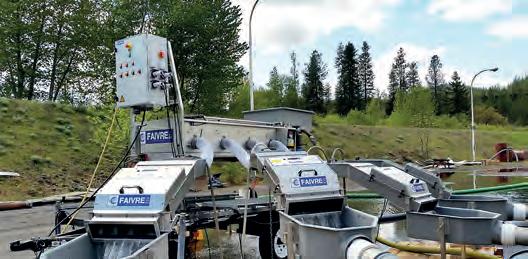
www.faivregroup.com
vannamei.”
“Diatom, particularly marine diatom, is rich in bioactive materials such as polysaccharides, proteins, vitamins, and minerals, which are beneficial for aquatic organisms,” said authors Mohamed Ashour et al. They explained S. costatum enhances shrimp performance, particularly in marine hatcheries due to its high level of antioxidants, polysaccharides and pigments.
Diet with supplemented with S. costatum produced positive impact on the animal’s growth, digestive enzymes, antioxidant activities, immunity-associated gene expressions, and immunological responses.
The control group was fed with a standard commercial diet. S. costatum was added in the diet of the treatment groups at 0.1, 0. 2 and 0.4 per cent. Compared to the control group, the treatment group demonstrated better performance indicators.
“The results clearly indicate that higher dietary concentrations of S costatum (particularly at 0.4 per cent inclusion) significantly enhance growth indicators, immunological responses, digestive enzyme activities, and antioxidant activities, compared to the control group,” they said.
Aanother advantage of using natural feed additives in the animal diet is easing the environmental impact of aquaculture operations. Emphasizing the characteristics of microalgae, they said, “Microalgae are one of the many natural feed additives that have shown great promise as a nutritional supplement to improve the performance and well-being of cultured shrimp. Microalgae have prominent fatty acids, vitamins, amino acids, and other bioactive substances that might improve aquatic animals’ immune response, feed utilization, and growth performance.” | HI

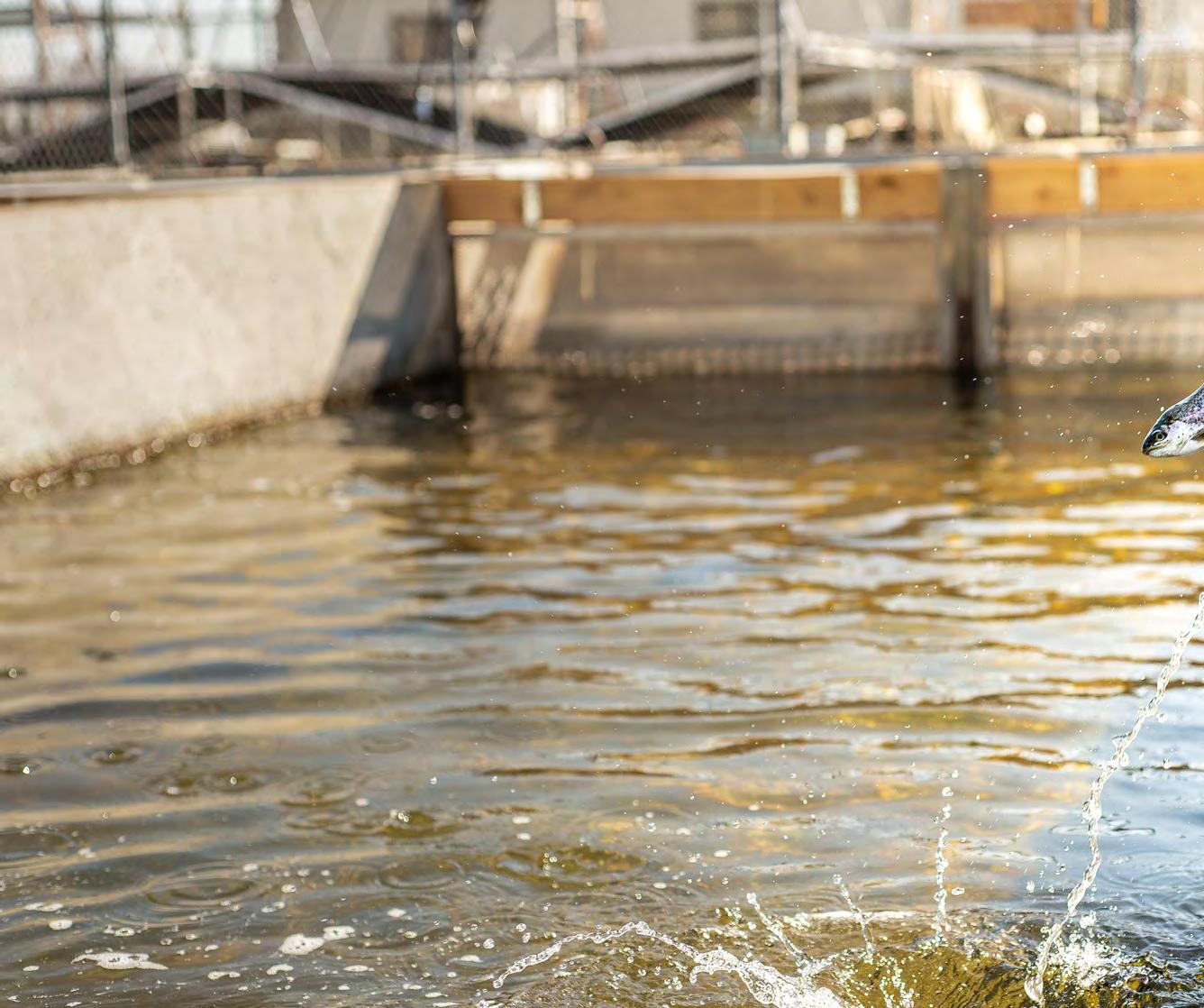
Hatchery International ’s editorial staff from around the world share brief reports of each region’s developments, priorities and challenges.
Year 2025 brought several notable challenges and successes for the North American hatchery industry.
Despite a cautious post-Canadian-election optimism, whether Prime Minister Mark Carney’s new growth and investment-oriented government would pivot on the British Columbia open net-pen
salmon farming ban, true developments have yet to come. This uncertainty trickles down to hatcheries and manifests as hesitation on investment in western Canada.
On Canada’s east coast, MOWI’s Indian Head hatchery expansion project was released from the environmental assessment process with conditions, marking a major milestone in their years-long approval process.
The United States’ tariff activities sparked concern about the flow of aquaculture inputs and products between Canada and the United States, but up to the end of the third quarter, the impact has been minimal.
The federal government shutdown has also impacted operations at several federally funded hatcheries. On a positive note, however, Trump’s executive order,
“Restoring American Seafood Competitiveness” and the National Oceanic and Atmospheric Administration (NOAA)’s release of two final programmatic environment impact statements for the Gulf of America and Southern California have improved general confidence in the opportunity for America hatchery operators to grow.
Year 2025 has also brought further adoption of RAS technology, and the higher degree of control it offers, in many traditionally flowthrough facilities and markets, such as American state hatcheries and the Quebec trout segment.
Regulatory focus on the impact of effluent – specifically phosphorus levels – have sharpened the focus on the next generation of low-phosphorus feeds.
- Ben Normand
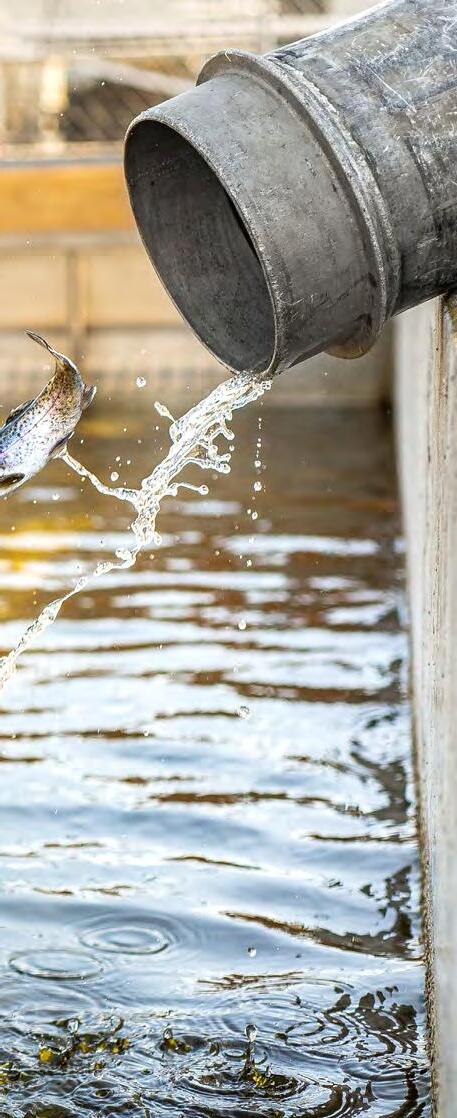
Aquaculture across Latin America and the Caribbean continues to expand at the world’s fastest pace, accounting for 4.46 million tonnes in 2023, or 28 per cent of the region’s total fish production, according to FAO.
Growth reached 20 per cent in South America but declined in Central America and the Caribbean, reflecting uneven institutional support and policy execution.
Three countries – Chile, Ecuador, and Brazil – concentrate nearly 80 per cent of Latin America’s aquaculture output and lead in hatchery development, yet their trajectories diverge.
In Chile, salmon hatchery construction has slowed markedly, with fewer than five new sites built in the past five years. The sector has achieved near self-sufficiency
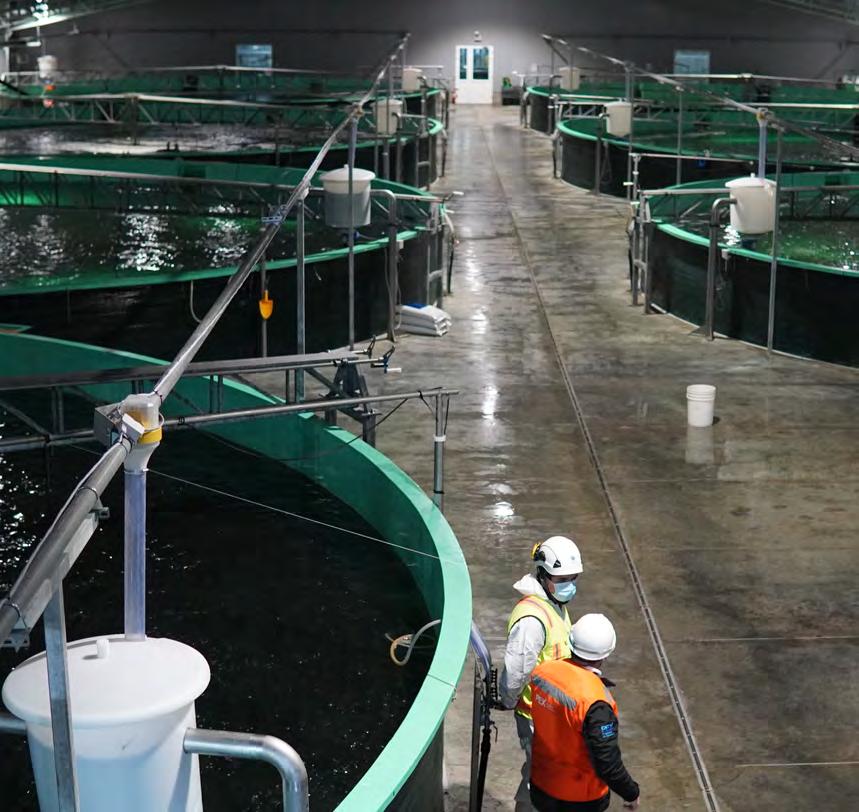
in egg production, sharply reducing imports, but investors remain cautious amid legal uncertainty, instability, and excessive regulation, as SalmonChile president Arturo Clément has warned.
Brazil and Ecuador have advanced under stronger institutional frameworks. Brazil’s 2009 National Aquaculture and Fisheries Policy simplified licensing, spurring tilapia and native fish hatcheries, while Ecuador’s 2020 law reinforced traceability and biosecurity systems, mainly for shrimp broodstock.
By contrast, Argentina, Uruguay, Paraguay, Bolivia, and Perú struggle with fragmented governance, limited financing, and poor enforcement, leaving most hatchery operations small-scale and domestically oriented.
Regionally, aquaculture provides over 400,000 direct jobs and 1.2 million indirect ones, yet per capita fish consumption remains low, about 11 kilograms per year. Strengthening extension services, biosecurity, and climate resilience will be crucial to sustain growth projected at 13 per cent by 2050.
Latin America’s hatchery industry thus stands at a crossroads: capable of driving food security and rural development, but
dependent on coherent governance and renewed investment to unlock its biological and technological diversity.
- Christian Pérez-Mallea
So far, 2025 has been another year of stagnation for European aquaculture, but for the first time in many years, there are reasons to be cautiously optimistic, Javier Ojeda, General Secretary of the Federation of European Aquaculture Producers (FEAP).
“After several years marked by uncertainty, stemming from rising production costs, complex regulatory frameworks, and market volatility, the sector is showing cautious signs of improvement, particularly in terms of improved technical and environmental performance, market stability, and renewed investment interest,” Ojeda said.
According to FEAP, production volumes have remained broadly stable, but many operators report slightly better margins thanks to easing feed prices and more predictable energy costs compared to the highs experienced in 2022-2023.
The sector’s resilience continues to rest on its capacity to innovate, Ojeda
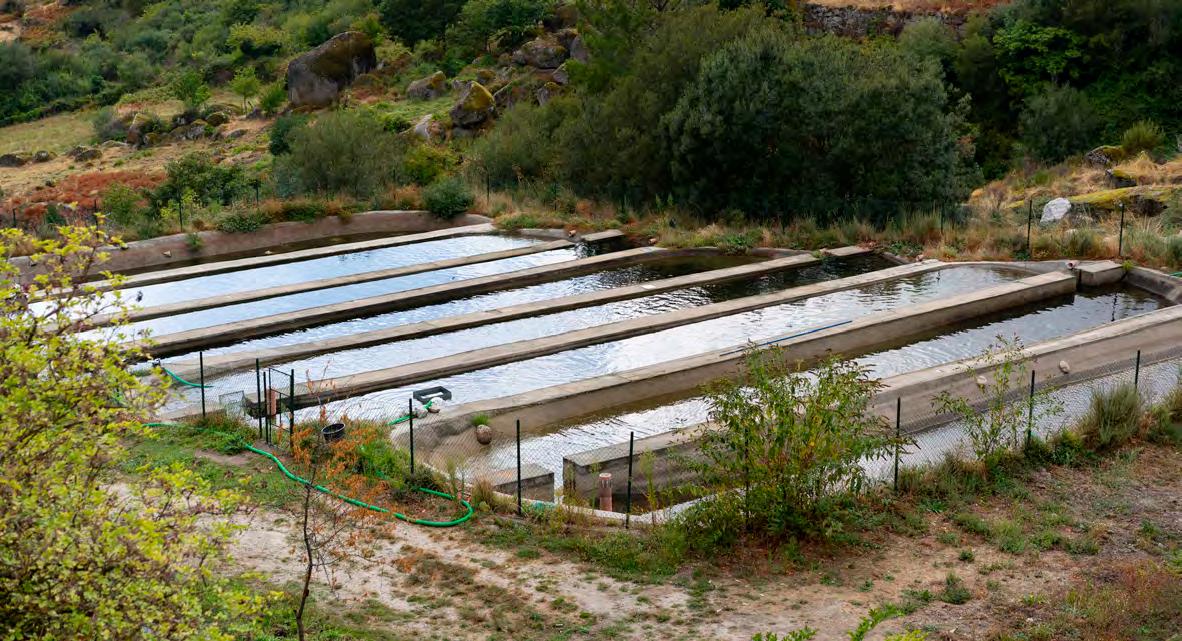
emphasized.
“Across Europe, hatcheries and growout farms alike are investing in technological upgrades, digital monitoring systems, and more efficient water management solutions. Selective breeding and genetics programs are also gaining momentum, contributing to better performance and survival rates,” Ojeda said.
The hatchery segment, Ojeda added, benefits in particular from these advances, as biosecurity, nutrition, and larval rearing technologies become increasingly sophisticated and standardised. The trend toward specialisation and regional cooperation is strengthening, which bodes well for the longterm competitiveness of this initial part of the value chain.
The industry is also upbeat about the prospects for 2026.
“If the macroeconomic climate stabilises and Member States progress in streamlining licensing procedures, as foreseen in parts of the EU Aquaculture Strategic Guidelines, EU aquaculture could finally enter a modest growth phase,” Ojeda said.
“The hatchery sector will likely play a central role in this evolution, supplying resilient, high-performance juveniles that underpin both environmental and economic sustainability.”
- Vlad Vorotnikov
Russia and Kazakhstan have embarked on plans to support independent hatcheries, targeting to encourage growth in aquaculture.
Around 15 hatcheries breeding salmon smolt can seek state aid in the form of capital reimbursement for the capital costs associated with the construction and modernization of their capacities, Rosrybolovstvo, the Russian federal agency for
fisheries, has recently revealed.
Salmon smolt is one of the few segments in which Russian aquaculture still depends on imports, though a campaign aimed at achieving self-sufficiency in this area is picking up pace.
In 2024, Russian hatcheries met nearly 15 per cent of domestic demand in salmon smolt, compared to only two per cent in 2021, Rosrybolovstvo estimated.
Under the government plan, the hatcheries scheduled to be built or expanded in the coming years will ramp up Russian smolt production by 160 million pieces per year. This will be sufficient to meet about 80 per cent of local market demand.
Russia prioritizes smolt production amid headwinds for its aquaculture industry. In 2024, industry output declined following a decade of consistent growth, driven by a mix of economic and environmental factors.
In Kazakhstan, where the government aims to dramatically expand fish farming through 2030, the Agricultural Ministry has recently adopted a new decree that introduces a 50 per cent reimbursement of costs associated with purchasing broodstock.
In addition, the Ministry plans to compensate 30 per cent of feed costs to fish farms.
These measures are expected to strengthen the profitability of aquacultural business in Kazakhstan and create favourable conditions for its sustainable development, the Ministry said in an explanatory note to the decree.
Russia and Kazakhstan are expected to drive growth in the aquaculture industry in Northern Eurasia, though the outlook remains uncertain for both countries. Russia is struggling with a widening budget deficit, which forces it to raise taxes and cut budget spending, while observers often say that the Kazakhstan industry development program is unrealistic.
- Vlad Vorotnikov
Across Africa, hatchery development is gaining momentum as governments, research institutions, and private investors look to aquaculture to strengthen food security and create rural employment.
The UN Food and Agriculture Organization (FAO) estimates that aquaculture now contributes more than 20 per cent of Africa’s total fish supply, with production increasing by nearly eight to 10 per cent annually over the past decade.
FAO estimates also indicate aquaculture production is projected to grow significantly from 1.82 million tons in 2015 to 2.86 million tons by 2050 with the leading producers being Egypt, Nigeria, and Uganda. Tilapia and African catfish remain the dominant species but interest is growing in shrimp, trout and ornamental fish hatcheries.
In 2025, several African nations made significant strides in hatchery management and broodstock improvement. Egypt expanded its large-scale tilapia hatchery network using temperature-controlled recirculating aquaculture systems (RAS) under projects Fayrouz Fish Farm a large-scale project in Port Said that a hatchery with a capacity for 20 million fish with a goal of producing over 150,000 tons of fish annually.
In addition to large projects, Egypt is supporting smaller local hatcheries to improve the quality and supply of fish fry throughout the country, while Nigeria’s federal government in collaboration with FAO, launched a national aquaculture


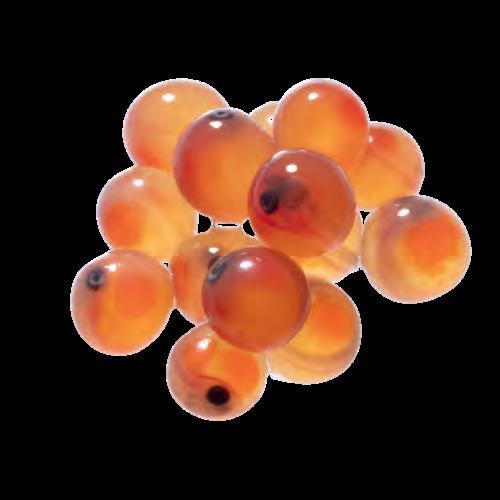


seed certification scheme worth 200 million Nigerian naira (about US$138,500) to curb the distribution of substandard fry.
In East Africa, Uganda, Kenya and Tanzania prioritized training programs to enhance hatchery biosecurity and water-quality management.
Elsewhere, emerging private ventures in West and Southern Africa are piloting solar-powered systems to replace expensive, unreliable petrol pumps, especially in regions like Mali to reduce costs and improve water access for aquaculture
Looking ahead to 2026, the focus is shifting toward digitalization and regional collaboration. African hatcheries are adopting lowcost sensors and mobile apps for real-time monitoring of water parameters and stock performance. Regional bodies such as the African Union-InterAfrican Bureau for Animal Resources (AUIBAR) are also working to harmonize seed certification standards to boost cross-border trade in quality fingerlings.
However, challenges remain – particularly limited access to finance, infrastructure gaps and climate related water stress – but the outlook is promising. With continued investment, training and research partnerships, Africa’s hatchery sector is moving from a largely subsistence base toward a more technology-driven and export-ready industry poised to play a central role in the continent’s blue-economy ambitions.
- Bob Atwiine
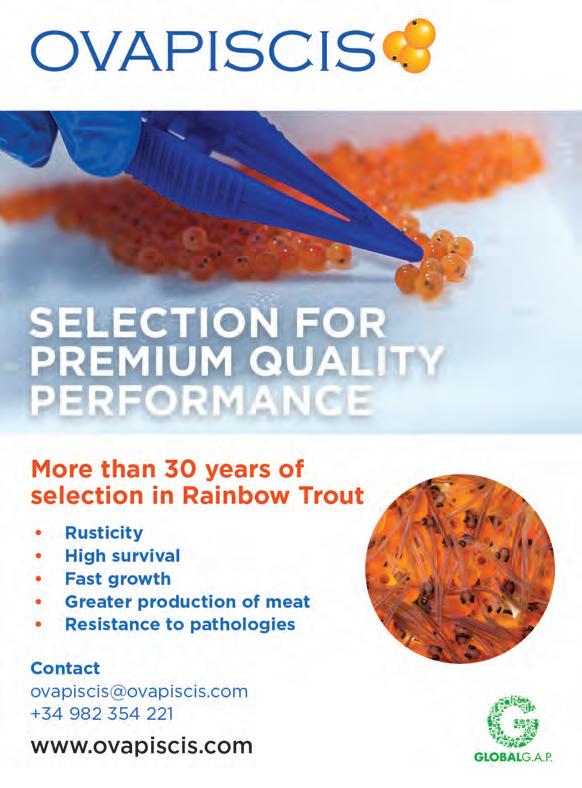
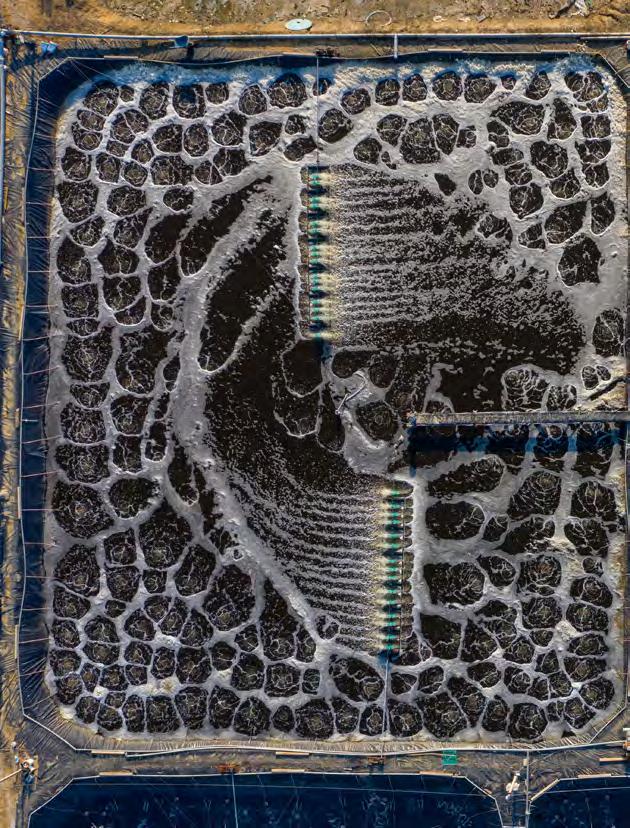
Pundits are expecting Vietnam to grow its pangasius global share and reach even more, based on the emerging participation of second-generation (F2) exporters. From traditional frozen fillets, they have started pushing for value-added products such as breaded pangasius, canned products, and byproducts.
The F2 were very visible at the Vietfish 2025. They frontlined their respective booths and engaging importers from overseas with innovative products.
Vietnam is the world’s biggest producer of pangasius, supplying over 40 per cent of global supply. Sustainability is propped up by developments in the breeding facility, hatchery and nursery sectors. Broodstock development trust is set at improving growth and disease resistance traits.
Thailand’s shrimp industry is being challenged by animal welfare concerns, just as it has been for the past decade. Early mortality syndrome (EMS) is source of major concern. The reach of the disease is so serious that that it could stagnate “growth prospects” in 2025, Thai Times reported in October 2025.
Industry stakeholders have called out for government intervention. Among the proposal is a budget allocation for a program to fight the disease.
Milkfish growers in the Philippines step into 2026 looking forward to possibly cutting their production time.
A research breakthrough from the Southeast Asian Fisheries Development Center, Aquaculture Department (SEAFDEC/ AQD) has shortened production time by almost 50 per cent.
From the standard 120-150 days, market-sized harvest at 440 grams may be done in 85 days. Probiotics and high-proteins feeds provided during the critical growth stage made
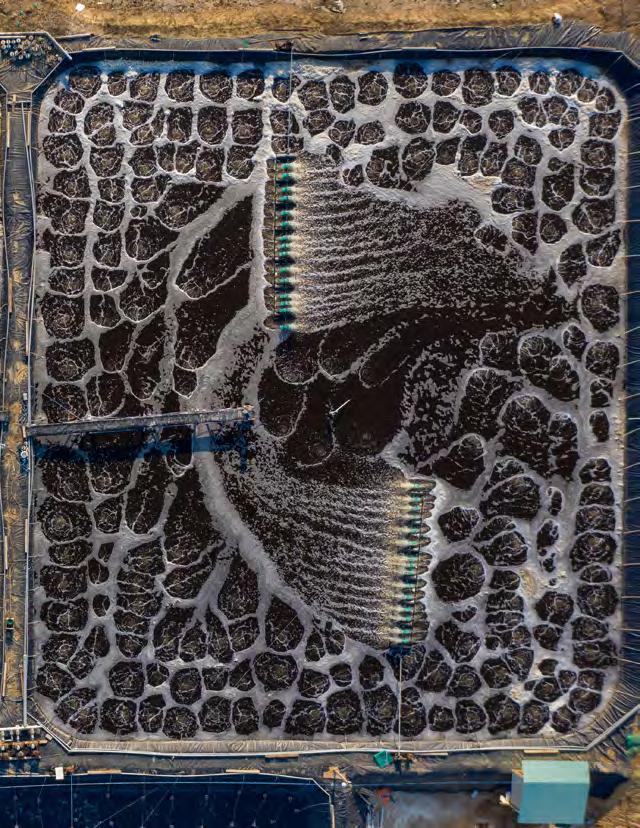
this possible.
In Q4 of 2025, SEAFDEC/AQD Chief Dan Baliao said further trials were ongoing to confirm research results. Farming protocols will be shared with the milkfish growers once these confirm the results.
Milkfish is second only to tilapia as the Philippines’ top aquaculture product in terms of volume.
- Ruby Gonzalez
The economic outlook for hatcheries in Australia is dependent on the economic viability of the growout sector.
While most hatcheries are climate-proofed, over the last 12 months regional weather conditions have made it hard going for several sectors, leaving gaps is production timetables and supply lines. Overall, however, the industry appears resilient, and the short-term commercial expectations are positive.
The weather prevailing across an island continent that stretches from 10oS to 43oS and is almost 4,000 kilometres from east to west vary widely, and the species grown range accordingly. The surface water temperatures of the three surrounding oceans, the Indian, the Pacific and the Southern, determine the weather patterns.
As more of the atmospheric temperatures being recorded are absorbed by the oceans, disruptive weather events are becoming more frequent and extreme. In this context, climate must be considered as an intermediate to long-term risk to open aquaculture systems.
RAS farms are buffered against climate variables, however, most of Australia’s controlled atmosphere technology is dedicated to hatchery production, with only a few RAS farms strategically situated in capital cities.
At this point, the El Niño Southern Oscillation (ENSO) is expected to be neutral which is comforting news for northern shrimp, freshwater crayfish, grouper and barramundi growers. It should also mean a cooler East Australia Current driving down the east coast into Tasmania’s salmon and shellfish waters. That said, some forecasting bodies are finding signs trending to La Niña later in the year. The Indian Ocean Dipole is predicted to be negative, bringing drier and cooler conditions to the west coast.
While the influence of the Southern Annular Mode (SAM) is short-term and less predictable, it has a significant bearing on conditions across the southern reaches of the continent, including its role in blocking warm moist southbound air, which can become damaging storm cells.
A worrying sign of the impact climate change can have began in the waters off the South Australian coast last March. A marine heat wave moving west across the Great Australian Bight ran into the agricultural and domestic effluent washed out of the Murray Darling Basin in a biblical flood following 10 years of relative stagnation caused by low rainfall and over exploitation. The effect of the toxic algal bloom ( Karenia mikimotoi ) this triggered is still being felt across the shellfish aquaculture sector. | HI
- John Mosig





BY MAGIDA TABBARA
and feed manufacture, in addition to experience in scientific writing, technical writing, and journalism.
World population is expected to surpass 9.7 billion by 2050. That means that the demand for freshwater will increase by 20-55 per cent, and demand for food by 70 per cent. Meeting such increased demands is challenging, especially with traditional agricultural practices not being sustainable. Accordingly, efforts are put to economize the use of valuable freshwater and produce more crops to feed the increasing population.
Traditionally, every kilogram of wheat produced necessitates over 600 kilograms of freshwater. If animals are raised for human consumption, water use is even more. That is becoming problematic, especially since the amount of freshwater available for us to use has not changed since the time dinosaurs roamed Earth. Luckily, innovative farming practices are able to grow animals and produce together, making use of every drop of freshwater to grow more crops.
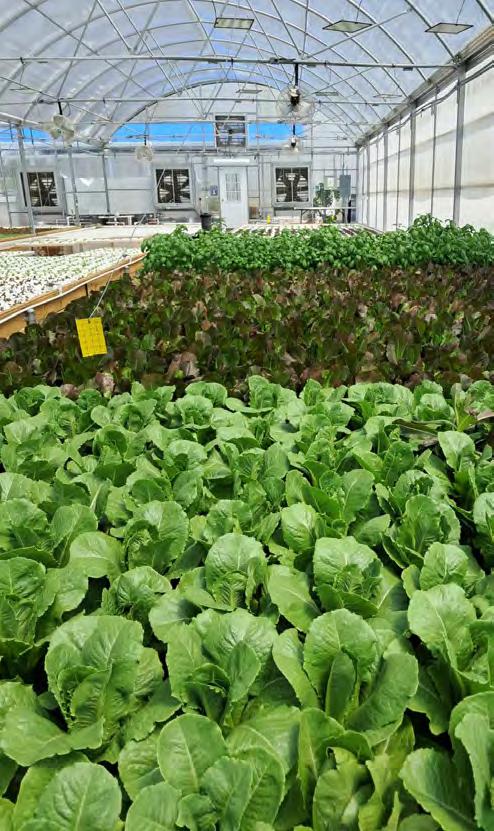
Aquaponics is a farming system that couples aquaculture with hydroponics, aiming to recycle nutrients among fish and plants. Aquaponics by itself is not novel; records date it back to the Aztec cultivation systems of the 6th century and the Chinese paddy fields where fish and rice were grown together in the 13th century. Advances in technology modernized aquaponics, which improved the system and allowed for bigger yields and crops being produced. A lot of factors contribute to the success of an aquaponics system, with fish nutrition being an important aspect of it.
When we think of fish nutrition, the main things that can pop in mind are macroelements, such as proteins, lipids, and carbohydrates.
Fish nutrition involves more than that and also encompasses minerals that the fish need. A number of minerals is included in fish feed formulations as part of a premix to ensure the fish obtain their needs for proper growth, bone development, good immunity, and proper physiology such as osmoregulation.
While the fish make best use of dietary nutrients for growth and basal metabolism, there’s always some excess or a metabolic byproduct that is lost in their waste. That waste can definitely be very resourceful if properly recycled.
In a research performed by Roy et al., it’s mentioned that “fish sludge derived nutrients could be more effective than nutrients derived from readily soluble mineral fertilizers in circular production systems.”
That is true, as nutrients coming from fish waste are more bioavailable for the plants. This higher bioavailability is due to the nutrients being slowly released in the water, providing a slow and steady supply of nutrients to the plants. That also prevents unnecessary stress to both the fish and the plants that could be due to an abrupt short term change in the chemical composition of the water. Moreover, nutrients derived from fish waste have a more nutritionally comprehensive profile, which reflects the feed formulation that was carefully crafted to provide the best elements needed for good fish growth.
Despite the abundance of nutrients in fish feed, and thus fish waste sludge, necessary elements such as nitrogen, phosphorus, and potassium are usually not available in the levels needed for plants. That defies the purpose of aquaponics, as external fertilization in the form of soluble mineral fertilizers would be needed.
When formulating fish diets, the main constraints faced are utilizing ingredients that will excessively increase the levels of nitrogen, phosphorus, and potassium in the water. Don’t get me wrong, fish do need those elements, just not as much as plants.
Nitrogen is the main elements obtained from proteins, and is a crucial component of all amino acids, which are the basic building blocks of cells. Phosphorus is also another essential element that fish need in their diets. Phosphorus is a key element in DNA formation and plays key roles in fish physiology such as bone
development, cellular structure and energy production.
Potassium is a fundamental element for basic fish physiology. Without it, fish cells will not be able to maintain proper volume, and the fish won’t be able to have adequate nerve impulses.
Those elements are definitely accounted for in fish feed to ensure the wellbeing of the animals. However, environmental concerns associated with the eutrophication of water bodies that receive aquaculture discharge water limit the levels of these elements in fish feed.
There are multiple benefits to having a closed system like aquaponics. This system alleviates the environmental impacts of aquaculture effluents by recycling nutrients. That gives fish nutritionists a bit of a lenience in feed formulations and allows for the development of fish feed tailored to have decent nitrogen, phosphorus, and potassium levels in more dissolved forms, which is very suitable for plants.
Roy et al. assessed the use of three tilapia diets formulated with similar protein – thus nitrogen, and energy levels, but varying phosphorus and potassium levels. The purpose of their study was to see if they can enrich the composition of fish effluent by increasing dietary phosphorus and potassium levels, all while decreasing the need for inorganic fertilizers and reducing the possible environmental impacts of such an agricultural system. Their results were very
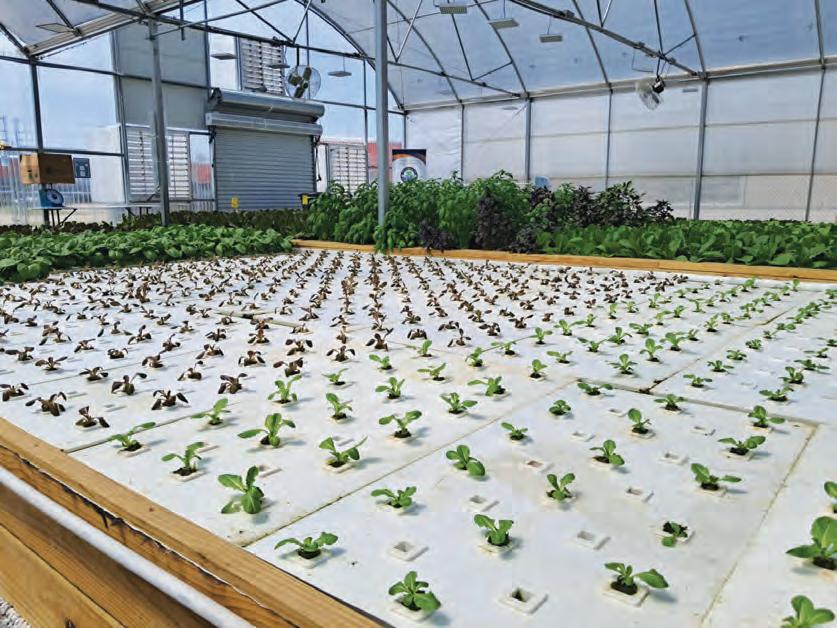
impressive, showing that in an aquaponics system a high phosphorus and potassium fish diet (containing 18.6 grams of phosphorus and 17 grams of potassium per kilogram of feed) resulted in lower environmental impact associated with these elements.
Aside from providing high fish yield and good plant growth, using such a diet in an aquaponics setup alleviates a number of planetary health boundaries, including but not limited to climate change, biogeochemical change associated with nitrogen and phosphorus, land change and freshwater change.
All of that circles back to producing
more crop per drop in a time where every sustainable and responsible agricultural practices are needed to feed the coming generations and ensure they can enjoy freshwater the same way our ancestors did. | HI
Roy, K., Bernas, J., Gebauer, R., Tellbuscher, A. A., Nikl, O., Shaw, C., ... & Mraz, J. (2025).
Environmental impact assessment of fish feed for aquaponic systems to introduce higher phosphorus and potassium in value-added fish sludge. Aquaculture, 599, 742142.
More crop per drop: Imad Saoud at TEDxBeirut (https://www.youtube.com/ watch?v=D9wbgS-k-tE)

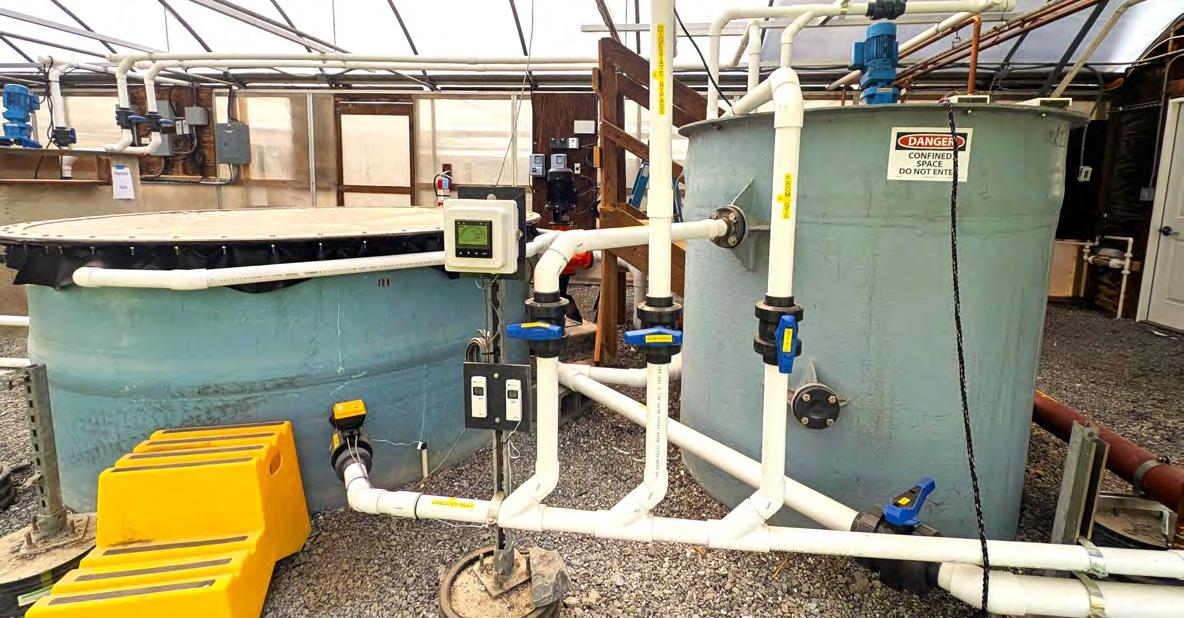
The AgriAquaculture Center of Excellence, in Harvey, La., spans over 10,000 square feet and is part of of the Louisiana Chamber of Commerce Foundation.



BY ABHINAV CHOUDHURY, CHRISTINE LEPINE, MICHAELA HERSOM, & CHRIS GOOD
In addition to benefits such as more intensive production, highly controlled environments, enhanced biosecurity, and efficient water reuse, recirculating aquaculture systems (RAS) is also highly effective at rapid waste removal, capture, and concentration. The collection of these wastes unlocks the potential for farmers to utilize the biosolids for alternative revenue streams, from aquaponics to anaerobic digestion.
Utilizing biosolids can increase revenue and reduce environmental impacts for RAS farms. The carbon and nutrients in the raw sludge can be upcycled into valuable products, potentially lowering the disposal cost for farmers.
Anaerobic digestion (AD) recovers energy (via biogas
production) from the waste and produces a liquid fertilizer rich in dissolved nitrogen and phosphorus. However, the feed composition and digestibility dictate RAS waste characteristics, such as the ratio of carbohydrates, proteins, and fats (Letelier Gordo et al., 2020). These characteristics also affect the AD process and may enhance or inhibit the quantity of methane in the biogas, determining its energy content.
A recent study, conducted at The Conservation Fund’s Freshwater Institute, quantified these differences and highlighted the impacts on the energy recovery potential. The study examined sludge (FA from Diet A and FB from Diet B) produced from two Atlantic salmon diets. Both diets were similar and contained a minimum of 24 per cent crude
fat and 45 per cent crude protein; however, the source of ingredients in each diet varied.
The sludges used in this study were collected from the bottom drain of a radial flow settler linked to a 150 sq. m. growout tank. They were characterized for total solids, volatile solids, chemical oxygen demand, total Kjeldahl nitrogen, total ammonia nitrogen, total phosphorus, volatile fatty acids, crude fat, crude protein, pH, and trace metals (Ca, Mg, K, Na, Fe, Mn, Zn, Cu). This detailed waste analysis was necessary to help correlate the variations in methane production to the waste characteristics. The two sludges were then anaerobically digested using biochemical methane potential (BMP) protocols to evaluate the differences in the volume of methane produced.
Despite a similar concentration of crude fat in the feed, substantial differences in its concentration were observed in the waste. Sludge FB had a higher crude fat content than FA (27.4 per cent versus 12.2 per cent of the sludge dry matter, respectively). However, both sludges’ dry matter content (9-9.3 per cent) and crude protein concentration (32-33.5 per cent of the sludge dry matter) were similar. This observation indicated that the digestibility of the fats in both feeds may have been different, with more fat being excreted from diet FB than FA.
The amount of fat in FB was crucial because of how fats impact methane production. Typically, fats contain more energy than carbohydrates and proteins and have the potential
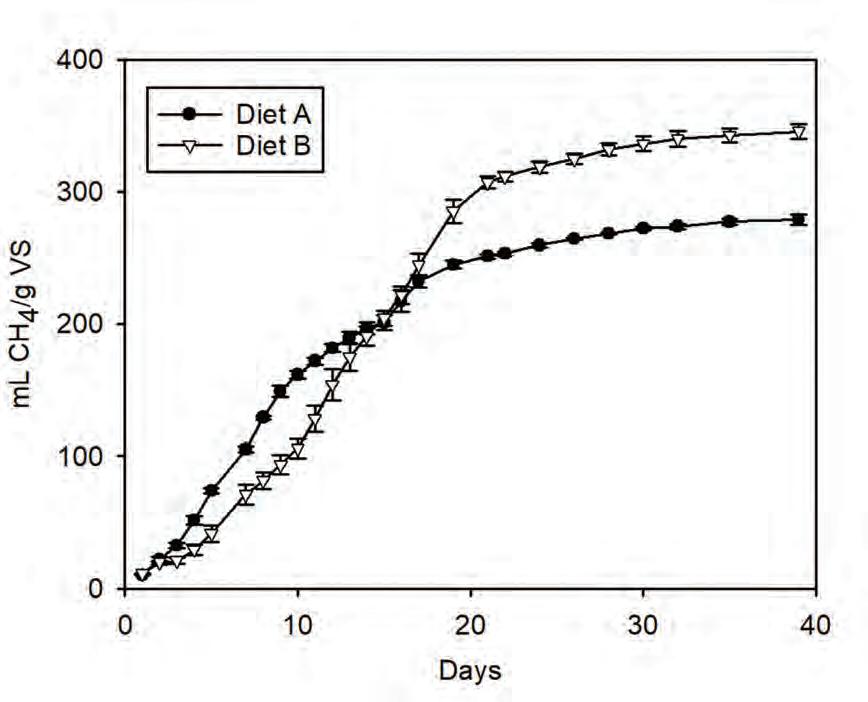
Figure 2. Normalized cumulative methane production produced from fish sludges generated from two different fish diets to enhance methane production significantly.
The methane production data reflected the effect of the higher fat content of FB. Sludge FB performed better in the BMP tests, with a methane yield of 346 ± 5 mL CH4/g VS, 24 per cent higher than FA (279 ± 4 mL CH4/g VS) (Figure 2). The methane concentration in the biogas also exceeded 70 per cent, which is typical when fat-rich organic waste is subjected to AD.
While the overall methane production was higher for FB, its production rate during the first half of the study was higher for FA. The FA sludge contained more organic acids, which are easily consumed by microorganisms commonly present in an AD system. Additionally, fats also take longer to break down, accounting for the lower initial rate of methane production from FB.
For those interested in exploring an AD system for their farm, another critical factor to consider is the use of the effluent
(digestate) produced during the AD process. Digestate is generally more stable than raw sludge and contains high concentrations of dissolved nutrients, potentially making it a good fertilizer. However, fish feed is often fortified with zinc for fish health, with a large fraction ending up in the waste sludge.
As the waste sludge is condensed into digestate, zinc concentrations or those of other heavy metals may exceed safe levels for land application, depending on local regulations. The heavy metal issue is exacerbated, especially when the sludge is dried, as it concentrates the heavy metals, often exceeding local limits, especially for zinc (Brod et al., 2017). Co-digesting RAS sludge with other substrates with low heavy metal content may alleviate these issues.
In conclusion, the macronutrient concentrations in the fish feed may not be as impactful as the origin of the ingredients in determining impacts on endof-pipe treatment processes like
AD. As such, it is essential to characterize the waste sludge if diet changes occur to prevent inhibitory effects on waste treatment processes. The Freshwater Institute will continue this research at pilot-scale to further increase the viability of energy recovery from RAS sludge. | HI
Letelier-Gordo, C. O., Mancini, E., Pedersen, P. B., Angelidaki, I., & Fotidis, I. A. (2020). Saline fish wastewater in biogas plants-biomethanation toxicity and safe use. Journal of Environmental Management, 275, 111233.
Brod, E., Oppen, J., Kristoffersen, A. Ø., Haraldsen, T. K., & Krogstad, T. (2017). Drying or anaerobic digestion of fish sludge: Nitrogen fertilisation effects and logistics. Ambio, 46(8), 852-864.
Further details about this study are available by scanning here
Norwegian cryopreserved hatchery feed producer Planktonic has announced new capital investments to support growth and international expansion.
The company raised nearly NOK30 million (US$3 million) in its latest investment round led by Ichthus Venture Capital and Hatch’s Blue Revolution Fund, with participation from several existing shareholders, including Investinor and Bondø Invest, the company said in a news release.
Planktonic’s CryoPlankton is a patented hatchery feed solution that replaces conventional live feeds, offering high biosecurity, operational stability and improved biological performance, the company said. Their key markets include cod, ballan wrasse, sea bass, sea bream, and seriola.
“Planktonic has established a strong market position across several marine fish species in Norway and Europe and is well positioned to support sustainable growth for both established species and the emergence of new marine aquaculture species globally. The company’s products are already in use at more than 40 hatcheries across Europe, Asia, and the Middle East,” Planktonic CEO Rune Husby said in the release.
The latest capital raise will be used to support current production and raw material supply, as well as to upgrade the company’s facilities in Trondheim, Norway.
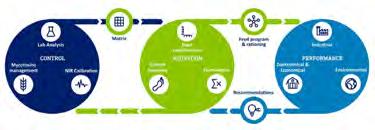
ADM, a global agricultural supply chain manager and processor, is expanding to new regions, offering its suite of SINCRO data-driven services to farmers and feed professionals in Mexico, Indonesia, and across Europe.
The SINCRO suite of services – organized around three pillars: control, nutrition, and performance – include expert consulting supported by digital solutions to provide nutritional insight, feed formulation inputs and continuous, real-time monitoring.
According to an ADM news release, the expansion includes an aquafeed producer in Indonesia that is using SINCRO to improve feed formulation performance and accuracy with precise nutritional values. The producer’s estimated sales grew 60 per cent year over year, the release states.
“SINCRO offers a comprehensive, sciencebased, tailored approach to achieve precision nutrition for all species through the different life stages,” Pierre-Joseph Paoli, president of growth and commercial excellence, ADM Animal Nutrition, said in the release. “This service enables our customers and farmer partners to remain competitive and productive, giving them the tools they need to anticipate challenges, stabilize variability and support their journey to reach their targets for livestock management and financial success.”
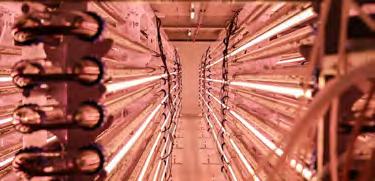
CFEED, a global producer of live hatchable Acartia tonsa copepod eggs, announced the opening of its expanded production facility in Vanvikan, Norway.
The expansion is a major investment in cutting-edge technology and sustainable production methods and will triple their production capacity, the company said in a news release.
CFEED’s copepods are an optimal nutritional solution for fish larvae, offering superior growth rates, improved survival and minimal environmental impacts compared to traditional alternatives, the company said.
“We’re not just scaling production – we’re enabling the industry to achieve unprecedented levels of efficiency and sustainability,” CFEED CEO Tore Remman said in the release.
The facility’s new production line uses a novel microalgae cultivation technology involving approximately 20 kilometers of bioreactors to enhance sustainability while maintaining quality standards.
“The major technological breakthrough in our new production line is how we produce microalgae in a more controlled and sustainable way,” Linn Baardsgaard, director of sales and marketing, said in the release. “This allows us to maintain the exceptional nutritional profile that makes our copepods so valuable to hatcheries worldwide.”
Spawning aid Ovaprim indexed for use in all finfish broodstock Syndel, a global aquaculture health solutions
provider, announced its spawning aid Ovaprim has been officially indexed for use in all finfish broodstock.Ovaprim – an injectable ovulating/ spermiating agent – can now be legally used on all broodstock fish, provided the treated animals will never be harvested for human consumption, the company said in a news release.
“Indexing provides a critical pathway to expand access to safe and effective aquaculture drugs for U.S. aquaculture producers,” Syndel sales manager Jason Montgomery said in the release. “We are thrilled that Ovaprim is leading the way, and we are committed to continuing to expand the aquaculture medicine toolbox.”
Ovaprim contains OvaRH and a dopamine inhibitor to induce maturation, resulting in a highly predictable ovulation, with high egg fertility and viability.
“Syndel extends its gratitude to its sponsor partners and the wider aquaculture research community for their dedication to improving fish health and production practices,” the company said in the release.

Insect protein meal producer Loopworm has received certification from the Coastal Aquaculture Authority of India for direct use of the company’s protein and fat products at the aquaculture farm level.
The certification allows the company’s products to directly serve aqua feed supplements and additives manufacturers, the company said in a news release. The products can be used as additives, attractants, and palatants in aquaculture nutrition and health.
Loopworm’s 6,000-ton facility in Bangalore, India, is already exporting insect protein powder to a leading global salmon feed manufacturer. The regulatory approval in India will allow Loopworm to supply product to India’s growing aquaculture sector, the company said.
“This achievement reinforces our vision to create an impact in protein production through sustainable insect biotechnology,” Ankit Alok Bagaria, co-founder and CEO of Loopworm, said in a release. “These certifications position Loopworm as a credible supplier, aligning with global pet





BY NICOLE KIRCHHOFF
When most people think of an aquaculture hatchery, they imagine tanks full of tiny fish destined for farms and seafood markets. But in today’s changing coastal economy, hatcheries are becoming something far more valuable: anchors of the Blue Economy.
They have the potential not only to feed people, but also to restore ecosystems, support tourism, and strengthen local economies.
For decades, hatcheries were judged on how efficiently they produced fingerlings for food fish or sport fish markets. That role remains critical, but relying on a single revenue stream in a volatile global seafood market is risky. Rising energy costs, supply chain disruptions, and shifting consumer preferences can turn profitability into uncertainty overnight. Diversification is no longer optional, it’s a survival strategy.
One path forward is fisheries restocking. Across the country, wild fish populations are under stress, from red drum in estuaries across the southeast United States to salmon in the Pacific Northwest.
In the United States, hundreds of millions of dollars are spent each year on fish restocking, primarily funded through federal grants (like the Sport Fish Restoration Act), state license revenues, and appropriations, with the work largely managed and carried out by state and federal hatchery systems.
While most juvenile fish still come from public hatcheries, private commercial hatcheries are increasingly contracted for certain species and restoration projects, filling gaps in capacity, often providing seed and juveniles are significantly reduced costs and bringing specialized expertise.
By partnering with state agencies and conservation groups, hatcheries can turn public need into private opportunity, providing a steady contract income stream while bolstering coastal resilience.
The benefit flows both ways: fishers see improved stocks and better funding utilization, agencies meet restoration goals, and hatcheries gain stability.
Another emerging frontier is ecosystem services. Shellfish hatcheries, for instance, can produce clam and oyster seed that goes beyond commercial farming. Bivalves are natural water filters, improving water clarity, cycling nutrients, and stabilizing shorelines.
Initiatives like Florida’s ambitious clam restoration projects, which the state has spent conservatively US$30-60 million over the past five years alone, demonstrate how hatcheries can supply larvae for large-scale ecological improvement efforts.
Looking ahead, nutrient and carbon credit markets may even create new revenue channels for hatcheries that produce shellfish seed for restoration. Imagine being paid not just for clams as seafood, but for their role in cleaning the water and storing carbon.
Companies like Great Florida Shellfish regularly produce native species of clams, species which may not have the commercial demand or shelf-life as food, exclusively for restoration projects. This has become a significant source of income and aid in community support for their and other commercial shellfish operations.
Tourism and education add another layer of opportunity. Coastal visitors want to connect with the origins of their seafood and the ecosystems that sustain it. Hatcheries can host tours, tasting events, and school programs that generate income while building public trust. A family visiting a hatchery learns firsthand how aquaculture works, why it matters, and how it contributes to healthy oceans.
For example, Maine Coast Sea Vegetables in Hancock, Maine, is a commercial seaweed processor that has successfully integrated tourism by offering tours, workshops, and educational experiences where visitors learn about responsibly sourced seaweeds, processing and how to use the products.
These public-facing programs generate extra revenue and build awareness, while their products – which are nationally distributed to natural food stores – connect the business’s local story to customers across the country.
That social license is particularly important for aquaculture, which is often targeted by NGOs and neighbors wary of its environmental footprint. By contributing visibly to the public good, restocking fisheries, improving water quality, opening doors to the community, hatcheries show they are partners, not adversaries.
These community-facing roles can defuse criticism, build alliances, and shift the narrative from suspicion to support. In a climate where public perception shapes policy, every positive touchpoint matters.
What makes diversification powerful is that each branch strengthens the core. A hatchery producing both commercial fingerlings and restoration seed can invest in better biosecurity, water quality systems, and broodstock programs that serve all markets. Tour revenue can fund facility upgrades that make production more efficient. Partnerships with agencies and nonprofits raise a hatchery’s visibility, which benefits its commercial brand. Diversification is not dilution – it’s resilience.
Of course, there are challenges. Regulations governing restoration and private aquaculture can be complex. Hatcheries must balance mission with market, ensuring that new ventures don’t distract from core production. Workforce training must evolve, blending technical aquaculture expertise with tourism and community engagement skills.
But these hurdles are surmountable, especially with supportive policy frameworks. Governments should recognize hatcheries as vital Blue Economy infrastructure and prioritize them in funding for restoration and coastal resilience projects.
In the end, hatcheries are more than fish and shellfish factories. They are community assets. By producing food, replenishing wild stocks, improving water quality, and engaging with the public, hatcheries embody the future of the Blue Economy – one that is resilient, diversified, and deeply tied to place.
The question is not whether hatcheries can afford to diversify, but whether coastal communities can afford for them not to. | HI