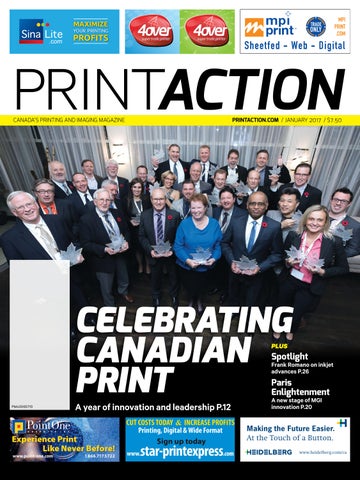
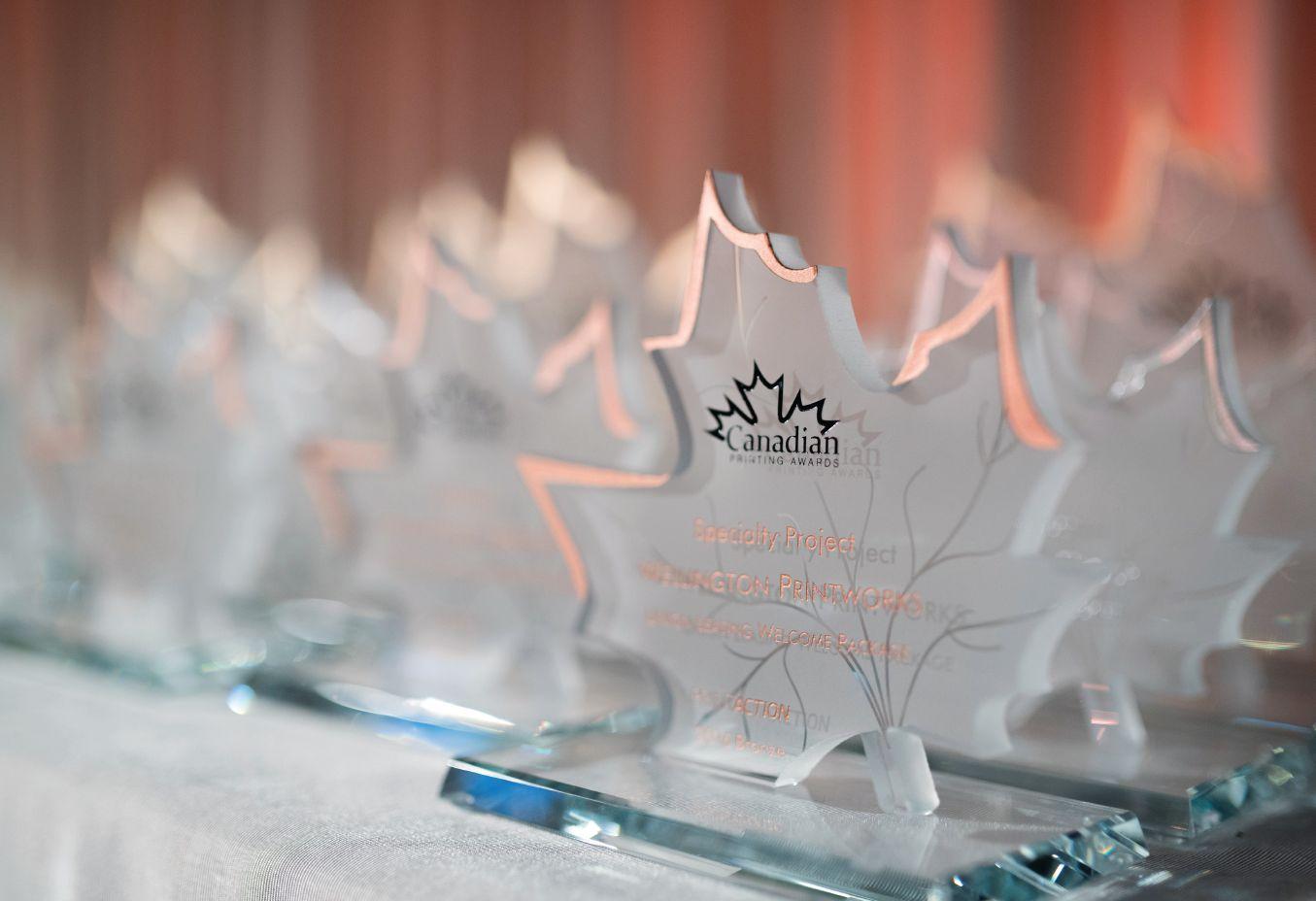
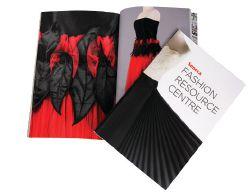
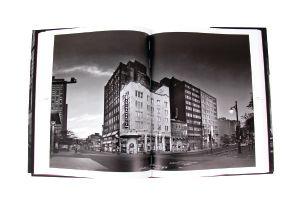
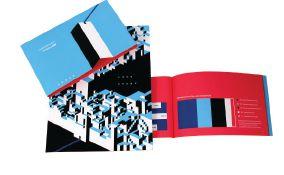
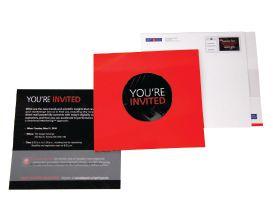
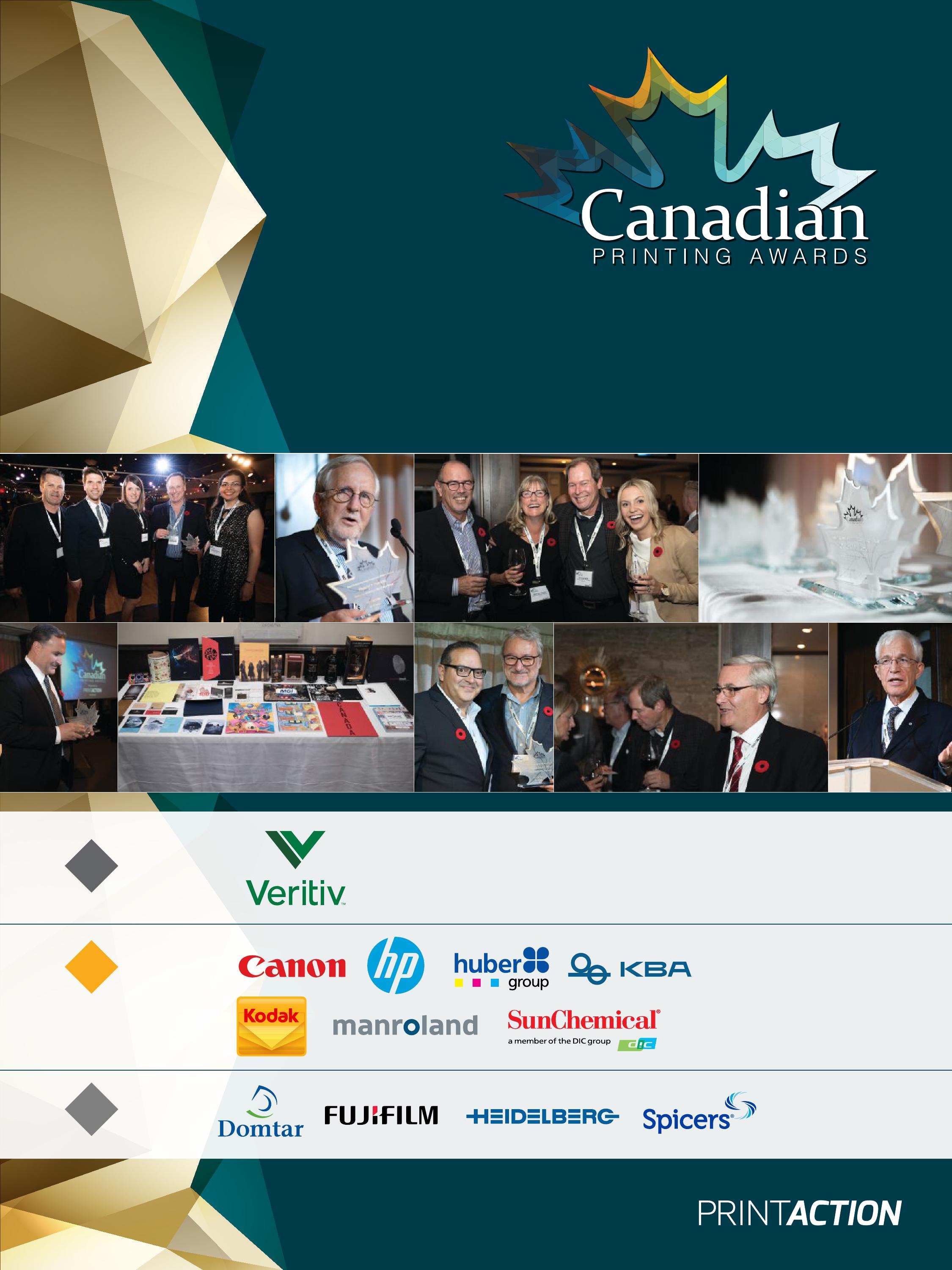
The 11th annual Canadian Printing Awards recognize the innovation of companies from across the country
14 Moments from the gala
More than 200 printers and technology suppliers from across Canada gather at the Palais Royale in Toronto
16 World-class printing
An independent judging panel of 11 industry leaders determine some of the best print produced in Canada last year
20 Paris enlightenment
How R&D from Paris is making a major impact with unique technologies for enhancing the power of print
DEPARTMENTS
GAMUT
5 News, People, Calendar, Dots, Installs, Globe, Archive
NEW PRODUCTS
22 Detailing the newest technologies from Achenbach, Agfa, arifiQ, Asahi, Esko, Goebel, Idealliance, LCsys Systèmes, Masterwork and Onevision
MARKETPLACE
25 Industry classifieds
SPOTLIGHT
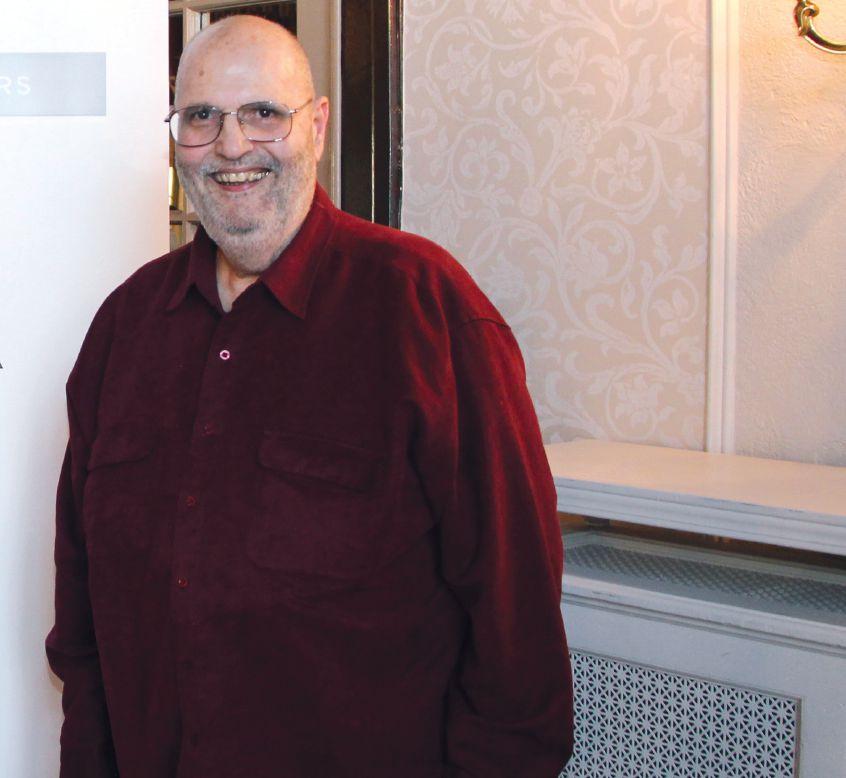
26 Frank Romano, Professor Emeritus, Rochester Institute of Technology
COLUMNS
FROM THE EDITOR
4 Jon Robinson
Renewed German giant
After years of restructuring, Heidelberg is ready to make a new statement in 2017
DEVELOPMENT
9 Dave Feldman
Honesty is the best policy
Ways print salespeople can avoid the negative side effects for a print
CHRONICLE
10 Nick Howard
Power-hungry presses
The costs of bringing in a 40-inch press and how it fits your future
Renewed German giant
AThe number of software specialists now working at Heidelberg, as the press maker jumps deeper into the new business era of Big Data, first established years ago through pure research interests and now being embraced by companies around the world. 250
s 2016 neared an end, Heidelberger Druckmaschinen appeared to be ramping up for a significant return to its former self in 2017, a welcome sight for the worldwide printing industry to have its most-prominent press manufacturer standing strong once again. The economic crash of late-2008 hit the entire printing industry hard and the gigantic global structure of Heidelberg seemed to be crumbling, less than a year after the company made a bold Euro 45 million investment to build an assembly hall and enter the Very Large Format Sheeted market.
In 2009, as American financial institutions were being bailed out of a mess they had largely created, Heidelberg secured an approximate €800 million ($1.4 billion) loan from the government – a €300 million loan from KfW, Germany’s state development bank, plus guarantees for around €500 million of new financing. Bernhard Schreier, who was Heidelberg’s CEO at the time, warned that there was no end in sight to the global economic crisis, as credit tightened and demand for print stalled. Its domestic press orders for that fiscal year fell by 22 percent and sales by 18.3 percent. He described the year as “one of the most difficult in the company’s history.” The situation led to speculation, fueled by the Frankfurt branch of Reuters, that Heidelberg and manroland AG were “set to decide by mid-October whether to proceed with formal merger talks.”
Heidelberg’s press-making rivals were naturally concerned about the competitive advantages afforded to the company by the €800 million loan bailout, but ultimately it was not a grant, subsidy or state injection of capital. The loan was received at market conditions (with favourable interest and fees, given those market conditions) and would ultimately need to be repaid. These loans – granted in large part because of the company’s vital domestic position and track record – would hang over Heidelberg for the next few years. The press maker openly discussed its situation and established a new financing structure, estimating some 5,000 jobs would need to cut. As of June 2010, Heidelberg had a workforce of 16,218 and now employs around 11,500 people worldwide.
In November 2016, with a renewed sense of optimism for its future and a new CEO in Rainer Hundsdörfer, Heidelberg announced the launch of a development centre project at the company’s Wiesloch-Walldorf site in Germany. Targeting a completion date for 2018, the centre will be home to 1,000 workers in what Heidelberg projects to become the
world’s most state-of-the-art research facility for the printing industry.
The company unveiled its plans in the presence of Theresia Bauer, Minister of Science, Research and the Arts for the German state of Baden-Württemberg. Heidelberg is investing some €50 million ($72 million Canadian) in this new innovation hub for an industry that, according to the press maker, has a global annual turnover of around €400 billion. “Building a development centre of this size and quality proves that Heidelberger Druckmaschinen AG bases its decisions on a long-term strategy and makes the future worth looking forward to,” said Bauer.
Heidelberg points to the fact, that despite its difficult economic situation in recent years, the company at no time cut its research budget, focusing instead on developing innovative products and services. Hundsdörfer explains the new development centre will project a highly modern and future-oriented working environment, designed to support interdisciplinary and cross-functional development processes. He continues to explain the printing industry now requires new applications and control technologies in addition to the ongoing development of traditional offset and digital printing technologies.
As an indication of its continuing transformation, Heidelberg explains there are now more than 250 software specialists working for the company. It has also started employing chemists, for example, for developing and producing its own environmentally progress inks. In October 2016, Heidelberg also introduced plans for the new business era of Big Data by partnering with IT service provider NTT Group to speed up the digital transformation of its customers, which involves a network of more than 10,000 presses connected within Heidelberg’s central service centre.
“The example of Heidelberg is demonstrating that even a large company can reinvent itself,” said Bauer, signaling a new phase for the company. Heidelberg will continue to face enormous challenges as the industry awaits a tipping point of offset-to-digital (inkjet) migration, but the company is well positioned for the future of digital with the 2016 launch of its PrimeFire platform and for the presence of offset with its new Push To Stop operating philosophy — and more than 120 VLF presses installed.
Editor Jon Robinson jrobinson@annexweb.com 905-713-4302
Contributing writers
Zac Bolan, Wayne Collins, Dave Fellman, Victoria Gaitskell, Martin Habekost, Nick Howard, Neva Murtha, Abhay Sharma
Publisher Paul Grossinger pgrossinger@annexweb.com 905-713-4387
Associate Publisher Stephen Longmire slongmire@annexweb.com 905-713-4300
Director of Soul/COO
Sue Fredericks
Media Designer Lisa Zambri
Circulation Manager Barbara Adelt badelt@annexbizmedia.com
Customer Service
Angie Potal apotal@annexbizmedia.com
Tel: 416-510-5113
Fax: 416-510-5170
Mail: 80 Valleybrook Drive, Toronto, ON, M3B 2S9
Subscription rates
For a 1 year monthly subscription (12 issues): Canada — $40.95 Canada 2 year— $66.95 United States — CN$71.95 Other foreign — CN$140.00
Mailing address Annex Business Media 222 Edward Street Aurora, ON, L4G 1W6 printaction.com Tel: 905-727-0077 Fax: 905-727-0017
CALENDAR
Paragraph Inc., a company specializing in producing print and digital communications, acquired Kayjon, a commercial printer located in the same region of Saint-Laurent, Quebec. Kayjon’s assets will be moved to the Paragraph facility, brining together more than 175 employees and combined sales targets of $26 million. Founded in 1979, Kayjon is one of the bestknow commercial printers in Quebec, focused on providing high-quality sheetfed printing and related services like prepress, digital printing, cutting and finishing.
Messe Düsseldorf approved plans for the complete reconstruction of the fairground’s South Entrance and, subsequently, Hall 1. The investment for this southern section of the exhibition center is Euro 140 million. Overall, Messe Düsseldorf will invest around Euro 636 million until 2030. The work is scheduled to start in May 2017, after the interpack trade fair, and should be completed in summer 2019.
Pantone, an X-Rite company, unveiled PANTONE 15-0343 Greenery as its Color of the Year selection for 2017. The company describes Greenery as “a fresh and zesty yellow-green shade that evokes the first days of spring when nature’s greens revive, restore and renew. Illustrative of flourishing foliage and the lushness of the great outdoors, the fortifying attributes of Greenery signals individuals to take a deep breath, oxygenate and reinvigorate.” Now in its 17th year, the Color of the Year is determined at the Pantone Color Institute from where colour experts search around world looking for new colour influences.
Heidelberg launched a new development centre project at its Wiesloch-Walldorf site. Targeting a 2018 completion date, the centre will be home to 1,000 workers in what Heidelberg projects to become the world’s most state-ofthe-art research facility for printing. Together with the German state of Baden-Württemberg, Heidelberg is investing some €50 million ($72 million Canadian) in this new innovation hub.
Canon Canada in November officially opened its new 180,000-square-foot headquarters in Brampton, Ontario, home to the company’s domestic business interests in consumer, medical, security and print-production imaging. Built on more than 18 acres, the open, Kyosei-inspired interior of building is highlighted
by a 5,000-square-foot interactive space that showcases the past, present and future of Canon innovation. From Canon cameras, printers and projectors to medical imaging equipment, copiers and production systems, the showroom will house the newest Canon products for customers and prospective customers. The company’s printing technologies occupy the majority of space in the showroom, including systems like the imagePRESS 10000VP and Oce VarioPrint 6320 Ultra+.
Prinova Corp., a Toronto-based developer of software within the Customer Communications Management (CCM) market, has been ranked as one of the World’s 500 Fastest Growing Software Companies by Software Magazine, jumping to 432 from 461. The rankings, based on total worldwide software and services revenue for 2015, showed Prinova had an 18.69 percent growth rate. The news comes two months after the company ranked No. 347 on the 28th annual PROFIT 500 listing of Canada’s Fastest-Growing Companies.
Cimpress N.V., with its largest printing and production facility in Windsor, ON, entered into an agreement to acquire National Pen Co. LLC, a major manufacturer of custom writing instruments. Under terms of the agreement, Cimpress will acquire 100 percent of the outstanding equity interests of National Pen for a purchase price of approximately US$218 million ($286.5 million Canadian). Based on Cimpress estimates made during due diligence, National Pen’s revenue is expected to be approximately US$275 million ($361 million Canadian) in the 2016 calendar year.
Sun Chemical is to receive the Frost & Sullivan Award for its SunBar (Aerobloc) oxygen barrier coatings, based on the product’s benefit to customers and impact on the industry. SunBar offers converters sustainable films that support lighter weight packaging trends by creating a flexible gas barrier layer that can be overprinted with inks and laminated to a variety of secondary films.
January 17-20, 2017
EFI Connect 2017
Wynn, Las Vegas, NV
January 30-February 1, 2017
PSDA CEO Summit Biltmore. Coral Gables, Florida
January 31, 2017
Gutenberg Entry Deadline Galagutenberg.ca
February 16, 2017
Ryerson GCM Colloquium, Spectrum Plus
GCM Heidelberg Building, Toronto, ON
February 16-18, 2017
Graphics of the Americas Great Fort Lauderdale Convention Centre, FL
February 20-23, 2017
Hunkeler Innovationdays Lucerne, Switzerland
March 1-4, 2017
Dscoop Phoenix, AZ
March 19-22, 2017
TAGA Annual Technical Conference Houston, TX
March 19-24, 2017
IPEX London, UK
March 23, 2017
Ryerson GCM Job Fair Mattamy Centre, Toronto, ON
April 6-8, 2017
Graphics Canada International Centre, Mississauga, ON
April 19-22, 2017
ISA International Sign Expo Mandalay Bay Convention Center, Las Vegas, NV
May 9-13, 2017
China Print 2017
New China International Exhibition Center, Beijing
May 12-13, 2017
Grafik’ Art Place Bonaventure, Montreal, QC
June 1, 2017
Gutenberg Gala Marché Bonsecours, Montreal, QC
June 21-23, 2017
EskoWorld Omni Orlando Resort, FL
September 10-14, 2017
Print 17
McCormick Center, Chicago, IL
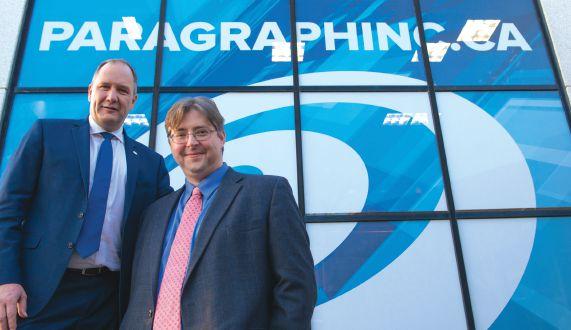
Martin Lépine, President of Paragraph (left), and Derek James, President of Kayjon.
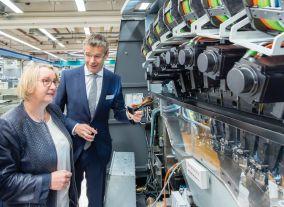
Heidelberg’s Stephan Plenz describes digital-print tech to Science Minister Theresia Bauer.
Nick Romano, President and CEO, Prinova.
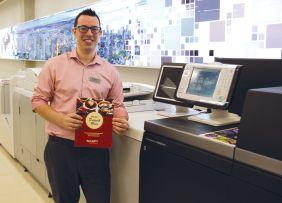
Brian Bako of Canon Canada in front of the new imagePRESS C10000VP.
INSTALLS
Rebecca Stewart of The Printing House Ltd. received the Sustainability Trailblazer Award within World Wildlife Fund Canada’s Living Planet @ Work program for her efforts to spearhead innovative employee engagement and sustainability initiatives in the workplace.
Pierre-Elliott Levasseur becomes President of La Presse following Guy Crevier’s decision to step away from day-to-day operations of the Montreal-based news organization. Levasseur has played a key role in the company’s affairs since 2006 and was serving as Chief Operating Officer. Crevier, who presided over La Presse’s shift to digital, becomes Vice-Chairman of the Board, La Presse (Gesca), and will stay on as Publisher.
John Johnstone becomes Senior Account Executive for Ontario for Canon Canada’s Professional Printing Solutions Group. He will help Canon Canada grow its market share in both the commercial printing segment and transaction printing space.
Ken Freek joins Webcom Inc. of Markham, Ontario, returning to the company he has worked for previously, now as Senior Project Manager. Freek most recently served as Vice President of Product Management at Heidelberg Canada, a position he held for more than five years, after joining the press maker in mid-2001 as a digital products manager.
Brad King, VP of Graphic Communications for Xerox Canada, and Janet Carmichael, Segment Manager of Wide Format Media at Cansel, join Pesda’s 2016/2017 board of directors, led by Patrick D’Souza, Senior VP & GM, Canon Canada.
Curt Kreisler of Gold Star Printers in Miami, Florida, will serve as the PIA’s Chairman of the Board. Printing Industries of America completed the election of its 2017 Officers and Board of Directors in November 20. There are no Canadian printing industry executives on the board this year or serving as elected officers. He has been an active member of the print community serving PIA and his local trade association, Printing Association of Florida (PAF).
Keith Wilmot becomes Chief Executive Officer of Dscoop, a global community of print service providers who use HP technology. Wilmot has spent 20 years leading marketing and innovation for global brands such as Coca-Cola, Listerine, Neosporin, Lubriderm, Brach’s Candy, and Ocean Spray. He was most recently the CEO of Leadercast.
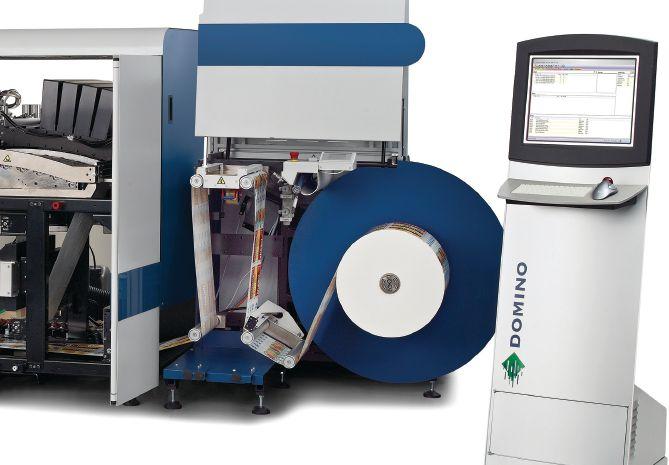
Factor Forms and Labels bought Canada’s first Domino N610i inkjet label press, which is the sixth digital press it has acquired since 2008. It is described as Canada’s largest trade forms and labels producer with plants in Edmonton, Niagara Falls and Victoria, as well as offices in Vancouver, Calgary and Winnipeg.
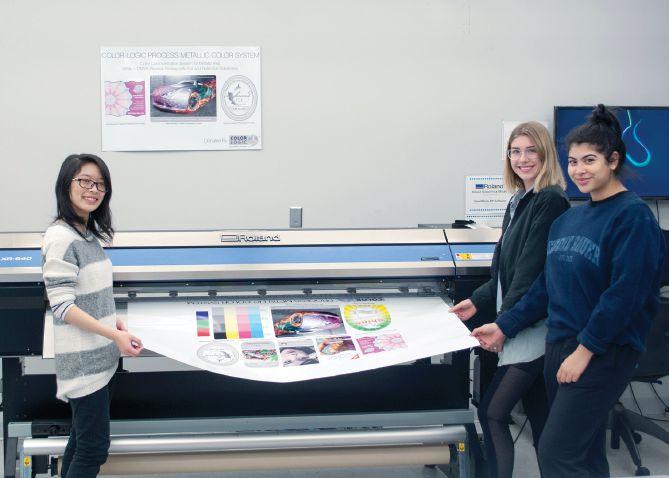
Ryerson University’s GCM program received a software donation from Color-Logic to work with its Metallic Color System, providing up to 250 metallics by running five inks. Carman Fan, Margaux Kocsis and Xiomara Bicalho output the first Color-Logic samples onto vinyl using a Roland SOLJET.
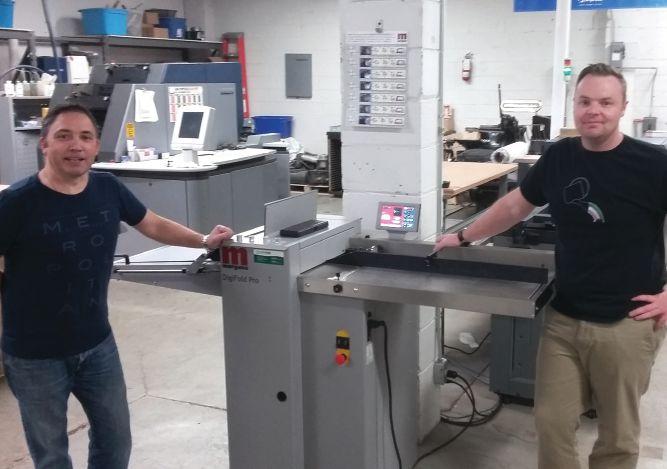
Oakville Blueprinting, catering to the architectural and engineering industries, has installed a Morgana DigiFold PRO. Back in 2015, the company purchased a Morgana AutoCreaser 33 PRO with the intention of eventually upgrading to the DigiFold PRO through distributor Sydney Stone.
TPH’s Rebecca Stewart receives the WWF-Canada Trailblazer Award. (PHOTO COURTESY OF CNW GROUP).
(PHOTO COURTESY OF CNW GROUP)
Modern Litho adds 60 percent more capacity
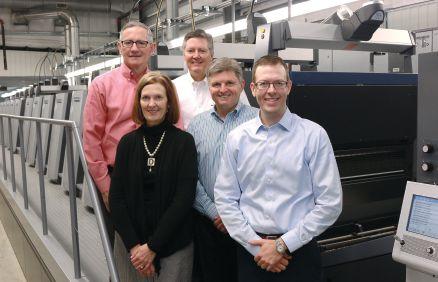
Modern Litho of Jefferson City, Missouri, installed a new Speedmaster XL 106-5-LYY-P+5+L from Heidelberg. The new 10-colour press, equipped with the latest drupa innovation technology, will allow the company to coat both sides of a job in a single pass.
“With this press, we’ll be able to add 60 percent more capacity to our plant,” said Darrell Moore, President. “For our business to grow, we knew it was time to invest. This machine not only allows us to improve throughput, and get our product to the bindery faster, but will also reduce makeready times and waste – all while remaining competitive with our pricing.”
The Speedmaster XL 106 LPL (Print, Coat, Perfect, Print, Coat) configuration takes full printed sheets with aqueous coating (on both sides) straight from the delivery to the bindery.To save steps in production, the press, which is over 100 feet in length, is loaded with automation like Autoplate Pro, which changes plates in 2.5 minutes, and Prinect Inpress Control, which manages colour and registration within the first 60 sheets.
The press runs alongside two existing Heidelberg XL 105 presses (a 5-colour with coater and an 8-colour perfector), Speedmaster SM 52 and a range of Stahlfolder and POLAR solutions.
2The first two commercial 3D printing systems from HP were delivered in early December to Jabil, which plans to use the systems in full-scale manufacturing. With its half-century of experience building products for some of the biggest and best-known brands in the world, Jabil is well positioned to accelerate the role of HP’s Jet Fusion 3D printers in producing volume-scale parts.
Zircon installs rotaLEN in India
Indian self-adhesive label converter Zircon Technologies has invested in an SPGPrints rotaLEN direct laser engraver for imaging high volumes of rotary screens at its Dehradun (Uttarakhand state) factory. The rotaLEN engraver offers high-definition screen to complements Zircon’s Omet Varyflex V2 press, which incorporates three rotary screen units for label enhancements, and its newly ordered 10-colour Omet XFlex with two rotary screen units.
The rotaLEN engraver features CO2 lasers that burn the emulsion on the mesh in a dry, single-step requiring no chemicals, film, or exposure/ drying processes. “The rotary screen process is becoming a vital means of adding value to retail packaging in India, especially for the no-label look and tactile effects,” said Director Sanjeev Sondhi. “The investment in the SPGPrints rotaLEN gives us a streamlined workflow that enables us to engrave high volumes of rotary screens for multiple printing units.”
Special Editions adds RMGT special effects
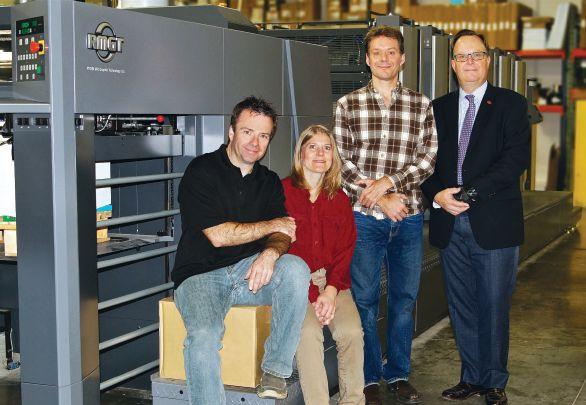
Special Editions of Solon, Ohio, has installed a new, five-colour RMGT 9 Series offset press, with coater and a full suite of drying and curing technologies. Special Editions was established in 1993 and is a full-service commercial printer that has expanded into high-value-added print to further expand its reach and scope.
The company employs 15 full-time workers and features a full bindery with die-cutting capabilities. Like many of North America’s commercial printers, roughly 25 percent of the company’s turnover comes from digital print while the balance is produced using the offset process.
“We were in need of more offset print capacity, as we were up to our elbows in work,” said Brandon Esser, President of Special Editions. “We were intrigued by the size of the RMGT 9 Series press. Getting an 8-up sheet without having to go with a full 40-inch press was appealing.”
Esser explains the price of the 9 Series made adding the “big three” of curing and drying technology to the press possible. “We consider our RMGT 9 Series to be a 36-inch digital press – that’s how efficient it is with short runs. Most of our [press] runs are between 2,500 and 10,000 sheets.”
Over the past seven months since adding the RMGT 9 Series press, Special Editions states that 80 percent of its work is now running on the RMGT 9 Series press. The new machine replaced an older five-colour, 23 x 29-inch RYOBI 750 model and another five-colour, 28-inch sheetfed press from another manufacturer.
Esser explains that volume in the shop is up overall, while labour and waste have been cut significantly as both LED-UV instant curing and RMGT Insta.Color technology are being leveraged by Special Editions for much of its offset work.
Back row, left to right: Jim Tomblinson, Vice President of Operations, and Darrell Moore, President. Front row, left to right: Darla Porter, CEO; Greg Meeker, Vice President of Sales and Marketing; and Jeff Davidson, Vice President of Corporate Strategy.
Brandon Esser (far right), President of Special Editions, with the new RMGT 9 Series press.
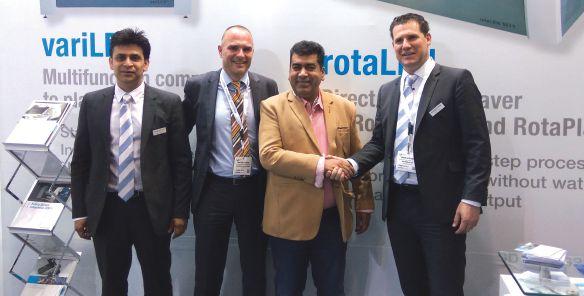
Pankaj Chadda, General Manager (sales), Stovec India; Michael Tschol, Sales Manager (graphics); Sanjeev Sondhi, Director, Zircon Technologies; and Hank Guitjens, Commercial Manager, Label Printing, SPGPrints.
ARCHIVE
20 years ago
St. Joseph Purchases CCG: For St. Joseph, acquiring the former Queen’s Printer will enable it to grow beyond its base in Southern Ontario and become a national player in the Canadian printing industry. The Federal government reached an agreement to sell CCG to Toronto-based St. Joseph Corp. for $7 million. As a condition of the sale, the government requested job offers for a minimum of 400 CCG employees for a period of 24 months. In its offer, St. Joseph has exceeded the requirement, offering jobs to 552 full time employees in CCG operations.
25 years ago
Heidelberg Continues to Introduce New Technology: IGAS 91 in Japan saw the world premiere of the four-colour Heidelberg Speedmaster CD 102V+L, the highly automated printing press of the future. Heidelberg CPTronic is a the foundation of the Speedmaster 102, featuring central control, constant monitoring and comprehensive diagnosis. In July 1991, the first production models the eight-colour Speedmaster press were installed in Oregon and Minnesota.
30 years ago
Industry Forecast ‘87: PrintAction speaks with Jim McLean about the future of typesetting. Question: What influences have been impacting the typesetting industry?
Answer: Desktop publishing has leaped into the scene with an astounding velocity. By 1990, what we are now calling desktop publishing will have eliminated the whole bottom section of the typesetting market. It will have swept away about 40 percent of the typesetting done today for manuals, brochures, booklets. As the software programs become more sophisticated... there well be a tremendous pressure on the typesetting industry to survive.
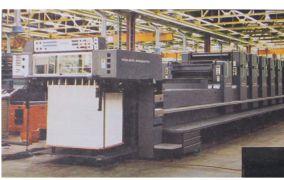
The new eight-colour Speedmaster 102A is living up to all the expectations of two American printers who are specialists in long-run sheetfed applications.
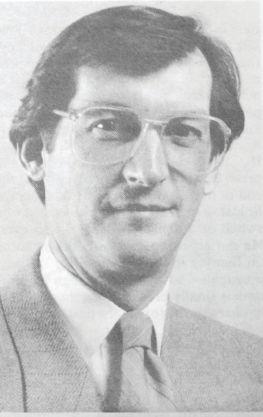
Jim McLean, President, Cooper and Beatty Ltd.
$4K
1977 classified, used compugraphic equipment for sale: Model 2961 Computer, a real workhorse for text up to 12 pt. – $3,000; Model 7200 for type from 14 to 72 pt. with or without character display – $4,000; Model 4961 Keyboard, one year old –$2,000.
40 years ago
Inplant Survey Predicts 83,000 Shops by 1980: The In-Plant Printing Management Association in April 1976 sent questionnaires to its entire membership, 30 percent of whom replied, to develop a clear picture of the in-plant market. In 1967, it was estimated that there were 25,000 in-plant installations. By 1975, there were 68,000 shops and it is anticipated there will be 83,000 by 1980 – found in most companies that comprise the prestigious Fortune 500. The in-plant shops reporting use of high-speed automated supplicating equipment indicated that 33 percent had A-M Total Copy Systems, 12 percent had Xerox 9200s, and six percent A.B. Dick 1500-1600s.
45 years ago
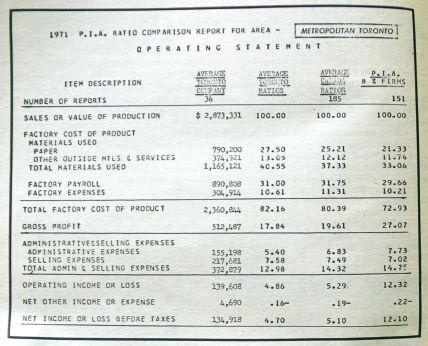
If We All Don’t worry About Profits, The Industry Will Be Bankrupt: John Mclaren, President of Maclaren, Morris & Todd Ltd., provides a keynote to the Toronto Club of Printing House Craftsmen concerning the PIA’s recent Profit Ratios study, providing some harsh realities for attendees: Profits in the Canadian Graphics Arts Industry are absolutely terrible. “Do you realize that across Canada we are averaging five percent net before taxes? The prime lending rate from Canadian banks today is 6 1/4 percent – if you can get it – which the printing industry can’t. And we as a group end up with 2 1/2 percent net profit after taxes. 2 1/2 percent, what a dismal performance. We all might as well invest our money in Canadian Savings Bonds – even they are returning 7.19 percent.
$10
1982 classified: 20 IBM fonts @ $10 each or $150.00 for the lot.
“By the looks on your faces right now, I can tell you are asking yourself, ‘What’s all the shouting about profits? He should be talking to management. We’re craftsmen – he’s yelling at the wrong guys. Our area is technical and production – that’s the kind of speeches we should be having. We’ve got enough problems with platerooms and pressrooms and binderies without worrying about profits. Gentlemen, if you are thinking this way you are dead wrong. If we all don’t start worrying about profits our 2 1/2 percent performance will drop to zero. The industry will be bankrupt an we won’t have to worry about one dame thing.”
1971 Printing Industries of America Profit Ratios of the Metropolitan Toronto Area.
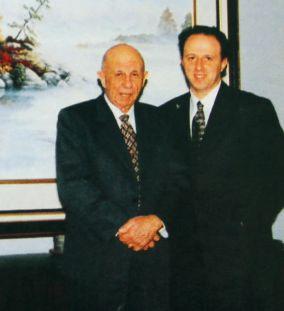
Gaetano Gagliano, founder of St. Joseph Printing, and Tony Gagliano, company President, are excited about the new acquisition.
Honesty is the best policy
How to avoid longterm negative side effects in sales, for yourself, clients and entire production team
By David Fellman
Which is more important in printing sales, to be honest with customers, with the production side of your business, or with yourself? I think too many salespeople are dishonest with at least one of those parties. You might be surprised at which one I think causes the most damage.
Honest with customers
Salespeople make promises. If you think about it, that’s really the essence of selling. I promise that you’ll be happy with the quality. I promise that we’ll deliver on time. I promise that you’ll be happy with the entire outcome of doing business with my company. I do not think most salespeople are consciously lying when they make these kinds of promises.
There are two lessons here. The first is that salespeople have to be careful about the promises they make. Overpromise and under-deliver is all too common an occurrence in most every industry. The second lesson is about compounding problems. I have little respect for salespeople who are less than fully honest with their customers when things do not go as planned. I had two conversations yesterday with representatives of a company that has been doing some work around my office.
The salesperson told me that winter weather caused a delay in shipping some new fixtures. The installer told me that the salesperson ordered the wrong item, but they were expediting new parts, and still hoped to have the project finished before my deadline. The risk of getting caught in a lie should be a strong deterrent to telling one!
Honest with production
I know more than a few printing salespeople who lie about deadlines. If the customer wants it by the 10th, they tell production that it’s needed by the 8th. “I have to,” one of these salespeople told me. “The plant pays no attention to customer deadlines. They think it’s okay to be a day
According to a survey by psychotherapist and consultant Dr. Brad Blanton, 93% of respondents out of 40,000 Americans admitted to lying “regularly and habitually in the workplace.”
late with every order. So I make sure that their day late is still a day early.”
When I spoke with the Production Manager, he told me that his team does the best that they can. “The salespeople never ask us when we can deliver,” he said. “They just tell us when we have to deliver. So we get multiple salespeople making commitments that were impossible in the first place, and we’re on crazy rush schedules all the time. And it’s not the late deliveries that really bother me because the customers seem to tolerate those just fine, making me wonder if we were really late. No, what really gets me are the quality problems and other errors that result from the pressure we work under.”
The real tragedy here is that the customer often hedges on the deadline in the first place. And then the salesperson, rather than buying time which may well be available, hedges even further. I tell salespeople all the time that part of their job is to give production as much time as possible. The more time there is to produce any order, the greater the chances of a positive outcome, which means a happy customer and a happy salesperson and a profitable company.
I have little respect for salespeople who game the system. All too often, the customer and the company suffer. And by “the customer,” I don’t necessarily mean the customer who placed the order the salesperson lied about. Some other customer often suffers and possibly some other salesperson.
Honest with yourself
Studies cited by business author Robert Clay indicate it takes five continuous follow up efforts after the initial sales contact, reaching 80% of non-routine sales, before a customer says yes – meaning beginning a new prospect relationship with honesty and trust is critical.
Most printing salespeople are underperformers. Maybe I should put that in milder terms and just say that most printing salespeople could be selling more. Top performers could probably be selling at least a little more. At the other end of the scale, serious underperformers could definitely be selling more, and probably a lot more. Why don’t they, then?
In my experience, a lot of the problem is an attitude of denial. I’d be selling more if our prices were more competitive. I’d be selling more if production could meet my customers’ deadlines. I’d be selling more if my customers were more aware of what they’re really buying.
The more honest answers might be: I’d be selling more if I worked harder. I’d be selling more if I worked on my selling skills. I’d be selling more if I was more committed to the team.
In the final analysis, I think this is the most-damaging kind of dishonesty in printing sales. Even the top performers seem to find themselves in situations where they might have to stretch the truth with production or even with a customer from time to time. I don’t endorse that, but often it’s what I’d call a minor crime. Lying to yourself and under performing because of that, however, is a serious transgression.
DAVE FELLMAN is the President of David Fellman & Associates, a graphic arts industry consulting firm based in Cary, North Carolina. He is the author of Sell More Printing (2009) and Listen To The Dinosaur (2010). Visit his website at davefellman.com.
Power-hungry presses
A look at the costs of bringing in a new 40inch press and how it fits into your future market position
By Nick Howard
The day finally arrived. Five flatbeds and two 53-foot vans sit silently out on the street in front of a printing plant. The sun has barely risen when a stream of cars and tilt-n-loads carrying forklifts and gantries pull into the docks, all jockeying for a place to park.
As the day progressed this heavy cargo – a printing press – makes its way to a freshly engineered concrete pad where technicians and riggers busily place and align the machine. Later in the week, electricians show up to start installing huge transformers and run wire and conduit. Then HVAC technicians begin their work of ducting and plumbing the various ancillaries that are included with the machine.
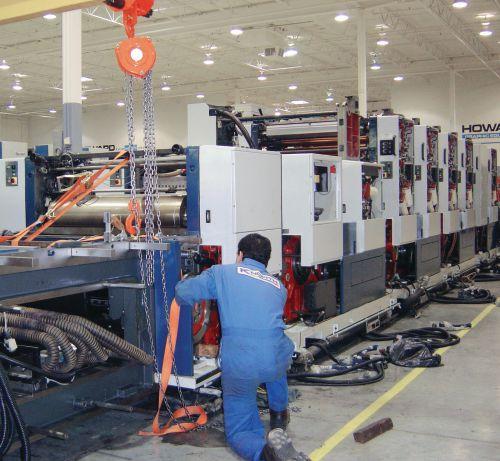
A typical B1 (40-inch) press weighs about 110,000 pounds or 55 U.S. tons. That’s a lot of iron, steel and non-ferrous metal. Shipping such equipment today has gone through the roof. It’s always been expensive, but trucking especially can be as much as $30,000 if the freight has to travel across country.
Since the mid 1990s printing presses have added enormous amounts of extra equipment – all requiring power. Dryers and chilling units also need to be ventilated. Although more efficient drives have eliminated the power hungry AC motors of the past, a 40-inch, six, colour with coater typically will draw 180 kilowatts or (approximately fused at) 250 amps at 600 volts. And that’s just the press!
Adding a typical infrared dryer means a further allowance for +/- 105 kilowatts (160 amps). Presses with traditional UV can further add anywhere from 150 to 300 amps (@600 volts). Newer technologies like LED-curing require less power and may, given the application, partially eliminate the infrared dryer, but for just one modern offset press you could be having to a allow for incredible amperage and most, if not all, buildings built today simply do not bring in enough.
Press amperage
To put this in prospective, a UV-equipped
press would use as much KWh (Kilowatt hours) in just two eight-hour shifts as an average house consumes in a year.
It should be said that the above loads rarely get reached especially after the press initially starts up. But these fusing requirements are set by the manufacturer usually following electrical codes and, therefore, you are mandated to provide appropriate juice whether or not it’s actually used.
Anyone who has had to buy in more power knows the high costs. It’s not just the money you fork over to the local power authority, but massive fees for brand new, larger switch gear to receive and distribute it. To top it off. there are mandatory compliance inspections that cost even more money.
Once the press is energized, it too must be inspected by the local electrical authorities. If the press is sold new or used by a dealer then it falls on them to assume this responsibility. Depending on the equipment and the manufacturer this can be expensive. A recent pre-owned VLF press with UV installed in Ontario and supplied by the manufacturer, was procured from outside Canada. After the local Electrical Safety Authority (ESA) finished with this inspection, more than $100,000 changed hands in modifications and replacement parts needed to comply.
Finally, we then have a mandated PSR (Pre-Start health and Safety Review) in Ontario. PSR has been law since 2000 and requires a qualified and certified person to inspect and evaluate the printing press as well as all its ancillaries for workplace safety. Such items include proper guarding and protective equipment, railings or barriers if working at heights, as well as proper ventilation and so on. All that new pallet racking you just installed must also be inspected. Fees are never minor especially if supporting documentation for the floor
Preparing a press for shipment is just one time-consuming step in a moving process that costs tens of thousands of dollars.
slab under the racking is non-existent. Thousands of dollars can be spent drilling bore holes and even more if any floor re-enforcement is required.
This is the current situation we in the Canadian printing industry must abide by. The costs are not going down. In fact, with recent Ontario power rates for businesses shooting up in 2015/2016, it will cost you even more to operate your power-hungry machine.
Typically press technicians earn between $40,000 and $100,000 per annum. But with the emergence of independents who charge considerably less per hour, the manufacturers and dealers find themselves trapped by declining service (or installation) work and the difficult task of keeping people on the payroll. During the late 1970’s and 1980’s I was quite proud of the fact that our industry was one of the highest paying but now my plumber charges more per hour than we do.
With unavoidable cost over-runs and ever rising portal to portal costs things won’t be getting any better for sellers of offset presses as sales of offset machinery continue to shrink. All told and adding in that new concrete pad you paid for, the typical modern 40 inch press installation whether new or used, can cost $150,000 or more when also factoring freight, rigging, electrical, HVAC and installation of hardware. Most will be included in the purchase price but it remains a cost and you pay for it one way or another.
$30K
A typical 40-inch press weighs around 110,000 pounds and the trucking cost alone of bringing the machinery to your shop will start at around $30,00 if the freight has to travel cross the country.
There is very little one can do to reduce the costs of installing a press. Perhaps if the machine is new it will be delivered with technologies to reduce the amounts of heat generated and save you on your air conditioning bill. But turning cylinders requires a sizable amount of electricity and unless a windmill on top of your plant will get you off the grid, minor efficiencies are not impactful enough to jump up and down about.
A strong healthy printing industry still using offset as its major source of revenue would have taken the high costs in stride. We are not that healthy and the offset segment continues to be punished by constant price competition. Digital equipment is growing. Oddly we see how it too, especially in the new larger formats, will demand a lot of power. Creating a digital press on an offset platform of massive gears and heavy weights may be either the smartest thing we can do or the dumbest. Since there are no benchmarks yet time will tell if perhaps companies such as HP may have taken the right approach of building a machine completely unlike an offset press. Check in a year from now and we may know the answer.
Our assumptions of how the future will play out are fraught with perils as one new
dramatic innovation can suddenly make what we assumed was a clear path into a dead end. How we assume the next great thing will be is based only on how we perceive our current technology is highly risky.
The Globe and Mail reported that last year internet advertising in Canada grew a huge 21 percent representing $4.6 billion. This type of spend has now eclipsed TV revenue. More dollars are coming from mobile devices and that’s also a $1.6billion spend. Fighting against this trend is futile. We must not fight against the Internet.
Meanwhile just as any good press technician breaks down problems into little bits, so must we. Much has been written by so many about the merging of print media into the ever-widening communications industry. Talk in our industry about forest sustainability (FSC) and use of clean power is both rational and useful to everyone in Canada. However it does not address the rapid technological changes that restrict all of us doing what we are good at.
Precious print position
What we are really good at and have been for well over one hundred years is what we need to exploit. Perhaps it’s less important to focus on new software and hardware but on the one thing that we alone can provide and deliver even in a world dominated by the Internet of things.
That one thing is simple. It’s Creativity with a capital C. Hopefully you don’t shrug and muse it’s foolish to write such an obvious solution we already spend our days pitching to our customers. We are already creative but not nearly as much as we could be. Let the web-toprint and trade print sector take whatever work is out there that almost anyone can do. Sooner than later as their sales languish they will set eyes on whatever bread and butter print you have and with lower costs take it away. But they can’t take your creativity. When is the last time some new form of print unleashed itself on the paying public? Sure awards abound for new designs – especially in the packaging industry but few patents or potential threshold products in the commercial segment appear.
There is absolutely nothing wrong with aligning ourselves with other mediums and considering only print can manufacture a creative idea and deliver it physically is paramount. With so much of the creativity locked within marketing agencies offices we assume altering Madison Avenue creativity is like dislodging a fivetonne rock with a toothpick. It can’t
be done unless you start thinking and acting like the Madmen that work there.
It’s just not design but marketing. Changing your name from say Acme Printers to Acme Communications is fine but you must also change the way you do things. Create new products. It doesn’t matter what print technology you use. Machines are machines and all are good. A small printer I know has an account with a large religious order. This client made it clear costs were too high and they were considering going entirely to the Web.
A somewhat typical situation could have sunk this printer. But instead of raising his hands and yelling to the heavens he set about to re-jig the clients work with cleaver and unusual offerings. He showcased how print could be a more powerful tool than virtual cheaper alternatives. The printer kept the business but realized that although he had dodged this bullet he had to be prepared to do it over and over again. Out of all this came new creativity and symbiotic products that had never been thought of before and on a product distinct from a soon to be deleted or ignored virtual one.
At our location we are surrounded by new car dealers. A competitive business just like everyone else.There are cheaper more basic vehicles and quite a few luxury brands. I’m quite sure all of them use various web based tools to reach their potential customers. But especially in the high end vehicle market these dealers constantly search for ways to reach buyers and most of them know things like e-mail blasts don’t give them the opportunity to differentiate themselves from the other high priced brands. The alternative is print.
We are the only segment that can create, produce and deliver a very unique marketing tool, but we must look beyond the presses to come up with new business ideas.
Certainly the egregious costs associated with installing and operating a 40-inch press cannot be helped and that’s fine if work is plentiful. For today’s print industry, it’s not about what your machinery can do but what you can do for your customer. Fostering employee innovation costs just a fraction of what it does to buy and install a new press.
Canadian
CANADIAN PRINT CELEBRATION
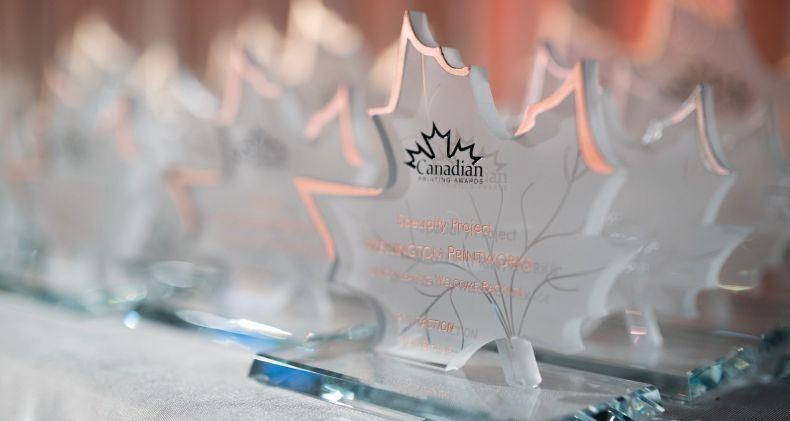
More than 200 people gathered in November to celebrate some of the best printing in the country at the 11th annual Canadian Printing Awards gala, held on Toronto’s waterfront at the Palais Royale. A total of 87 awards were presented to companies across Canada for their printing, technological and environmental innovation
JOHN A. YOUNG LIFETIME ACHIEVEMENT AWARD
Hadi Mahabadi Founder, CanWin Consulting Inc. Former Director, Xerox Research Centre of Canada, Mississauga, ON
In 2012, after retiring from a distinguished research career affecting the direction of the global printing industry, Dr. Hadi Mahabadi founded CanWin consulting to continue his passion for development, but now on a distinctly national basis as he began to help the Canadian government’s
pursuit of innovation. Mahabadi is currently directly involved in shaping Canada’s science and technology strategy in terms of developing the economy through innovation. His primary goal is alleviate Canada’s dependence on resources.
A recent recipient of Office of the Order of Canada for his contributions to advancement of science and innovation in Canada, Mahabadi is an innovation leader with over 30 years of hands-on experience in invention and successful commercialization of novel technologies, including seven years as VP of Xerox Innovation Group and Director of Xerox Research Centre of Canada. Mahabadi has been instrumental in increasing the innovativeness of centre and its development of breakthrough materials technologies for Xerox
His R&D leadership efforts were recognized by many awards including two President Awards, Xerox Corporation’s
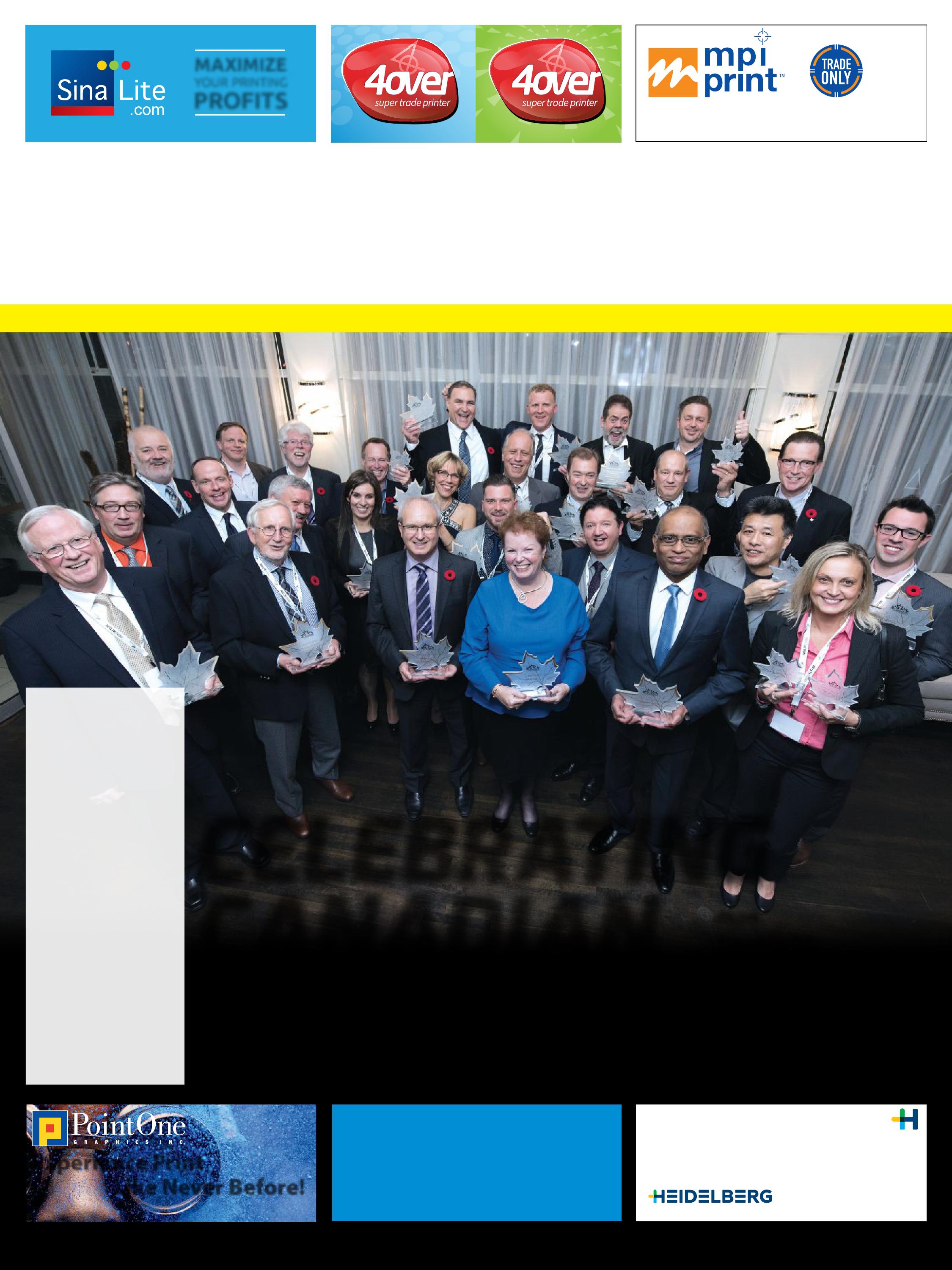
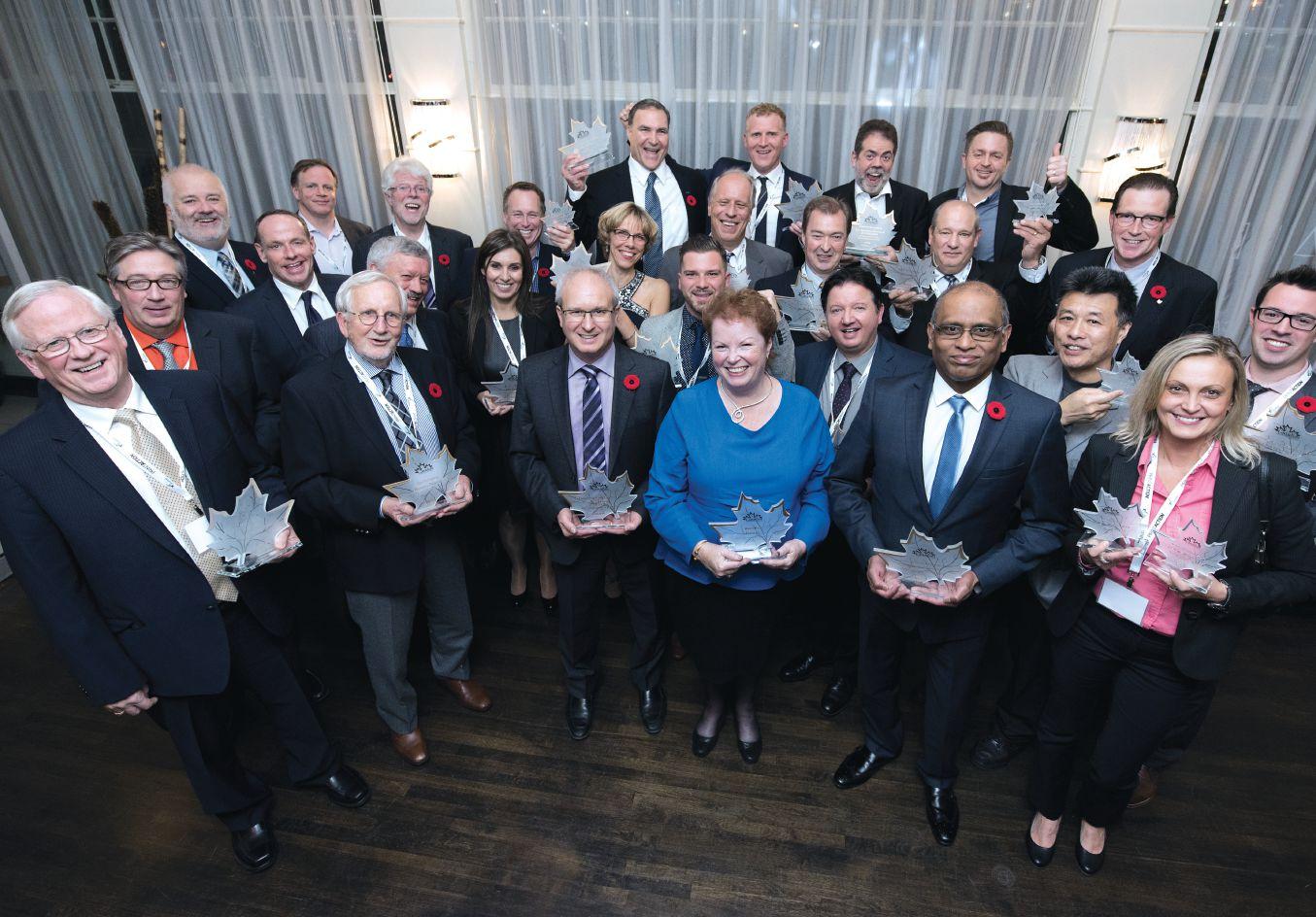
Printing Awards recipients from across the country celebrate their achievements at Toronto’s Palais Royale.
PHOTOS BY PAUL HILLIER
96
Number of U.S. patents authored or coauthored by Hadi Mahabadi during his tenure at the Xerox Research Centre of Canada, which collectively has established more than 1,000 patents as one of Xerox’ most important R&D facilities on the planet.
$59K
In September 2016, the Canadian Printing Industries Scholarship Trust Fund, under the leadership of Jeff Ekstein, presented $59,000 in scholarship funding to post-secondary students, pursuing a career in printing, across Canada.
$46M
Led by owner Jamie Barbieri, PDI Group is now one of Canada’s largest private printing operations, generating $46 million in its most recent fiscal year, and a major contributor to Greater Montreal’s economy.
highest recognition, University of Waterloo’s 2008 Alumni Achievement Medal, and Printing Industry of America’s 2010 Robert F. Reed Technology Medal.
As Xerox’s Leader of Materials R&D from 2004 to 2011, he managed all aspects of Materials Research conducted at this Research Centre. He was also responsible for the overall R&D strategy and activities in inkjet for Xerox Innovation Group, leading the market delivery of several game-changing technologies in the field of digital laser printing and inkjet materials. He also worked closely with key Canadian universities in the development of innovation friendly research strategies. These include McGill, Simon Fraser, University of Toronto Mississauga and McMaster universities.
PRINTING LEADER OF THE YEAR
Jamie Barbieri
President, PDI Group, Montreal, QC
Jamie Barbieri is the President and co-owner of the PDI Group Inc. which is amongst the largest independent providers of print and associated services in Canada. PDI Group is a leading company in eastern Canada. A recognized leader in the manufacture, management and distribution of printed communications and related offerings, PDI offers comprehensive and integrated solutions to customers looking to streamline the print procurement process, warehousing and fulfillment activities. The company generated $46 million in annual sales over the past year, employing more than 260 people within a 24/7 facility that is GMP Compliant, FSC-certified, and G7 certified.
changing requirements of its customers and the new technology evolving in its industry, Barbieri led the company’s investment strategy into modern print production technology and infrastructure including a state of the art digital printing platform and extended multimedia and e-learning services.
His recent strategic push has been to develop one of Quebec’s most significant large-format divisions with the purchase of Trans-Optique, in 2014, followed by both Imagerie DB Inc. and LVP.ca Inc. in 2016. In addition to his leadership of PDI Group in Montreal, Barbieri also serves as Director of Quebec Graphic Arts Association and Secretary-Treasurer of the Canadian Printing Industries Association.
EMERGING LEADER OF THE YEAR
Todd Cober
Vice President, Cober, Kitchener, ON Todd Cober represents the fourth generation of one of Canada’s most visible printing companies, Cober, based in Kitchener, Ontario. In fact, the company has transformed so much over the past decade, while still embracing its sheetfed lithography printing roots, it is able to describe itself as a pure marketing production firm, creating and delivering effective brand marketing and communication services for prominent brands across Canada and the United States.
digo 10000 press, and then the country’s first Indigo 7800. Upwards of 90 percent of work reaching the HP Indigos is driven through Web-toprint portals. He also played a signficant role in the recent acquisition and integration of Kempenfelt in the company’s push to ensure positive ROI for diverse marketing campaigns.
COMMUNITY LEADER OF THE YEAR
Jeff Ekstein
President and CEO, Willow Printing Group, Concord, ON As one of the most recognizable faces of Canada’s printing industry, Ekstein for more than two decades has volunteered his own time to help promote and grow printing across North America. In addition to serving as the leader and third-generation owner of Willow Printing, Ekstein is the current Chair of the Canadian Printing Industries Scholarship Trust Fund (CPISTF). He was elected to this critical position in June 2016 following the retirement of CPISTF Chair Don Gain, who served in the role for 11 years.
Established in 1971, CPISTF provided $56,500 in scholarships to 37 students in 2016. Ekstein was an Officer on the Printing Industries of America’s (PIA) Board from 2007 to 2015 and a member of its Executive Committee from 2011 to 2015. He served as Chairman from 2013 to 2014 and was only the fourth Canadian to hold this office in the 130year history of the organization.
More than 90 percent of the work reaching Cober’s HP Indigos is now driven through Web-to-print portals, as the company tracks ROI and metrics for customer marketing campaigns. 90%
In the early 1980s, Barbieri left a career in computer programming to join Plow and Watters (acquired by Bowne in 1983) as a Customer Service Representative in the financial printing division. Over the next 10 years, Barbieri moved quickly through the ranks of most every operation of the company before assuming the responsibility of the Montreal operation for Bowne in 1994 as its VP and General Manager. In 2001, Barbieri acquired Bowne of Montreal through a management buyout and on June 22, 2001, Integria was born. Sensitive to the ever
In 2012, Cober Evolving Solutions, after a branding transition away from its historic Cober Printing name, moved into a new 86,000-square-foot facility in Kitchener, home to more than 120 employees. Representing a new generation at the company, bridging a gap between analogue and digital, Todd Cober has been instrumental in the transformation of a company built to deliver content through print, digital, interactive and integrated services that focus on strategy and metrics.
He is one of the company’s primary contacts for educating major brands about Cober’s position as an integral strategic partner with a vast array of consulting and support services. During his tenure as VP, he has helped to usher many industry firsts, including the development of unique digital printing applications with the installation of Canada’s first HP In-
Ekstein has also been a Premier Print Awards judge since 2006. He served as the Education Committee Chairman from 2009 to 2011 and currently sits on the following PIA Committees: Finance, Education, Nomination, Trade Show & Presi-
dent’s Conference. In addition to his involvement with the CPISTF and Printing Industries of America, Ekstein has served as Co-Chair of the Canadian Printing Industries Sector Council, as well as Past Chair, Government Affairs Committee Chair and long-time Director of Canadian Printing Industries Association. He also served as a Director of the Ontario Printing & Imaging Association from 1998 to 2003 to highlight a few of his volunteer activities. Ekstein was inducted into the Ben Franklin Honor Society in 2015.
MOMENTS FROM THE GALA
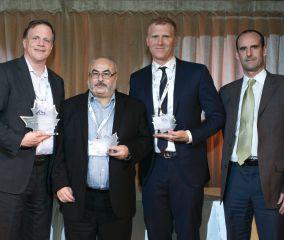
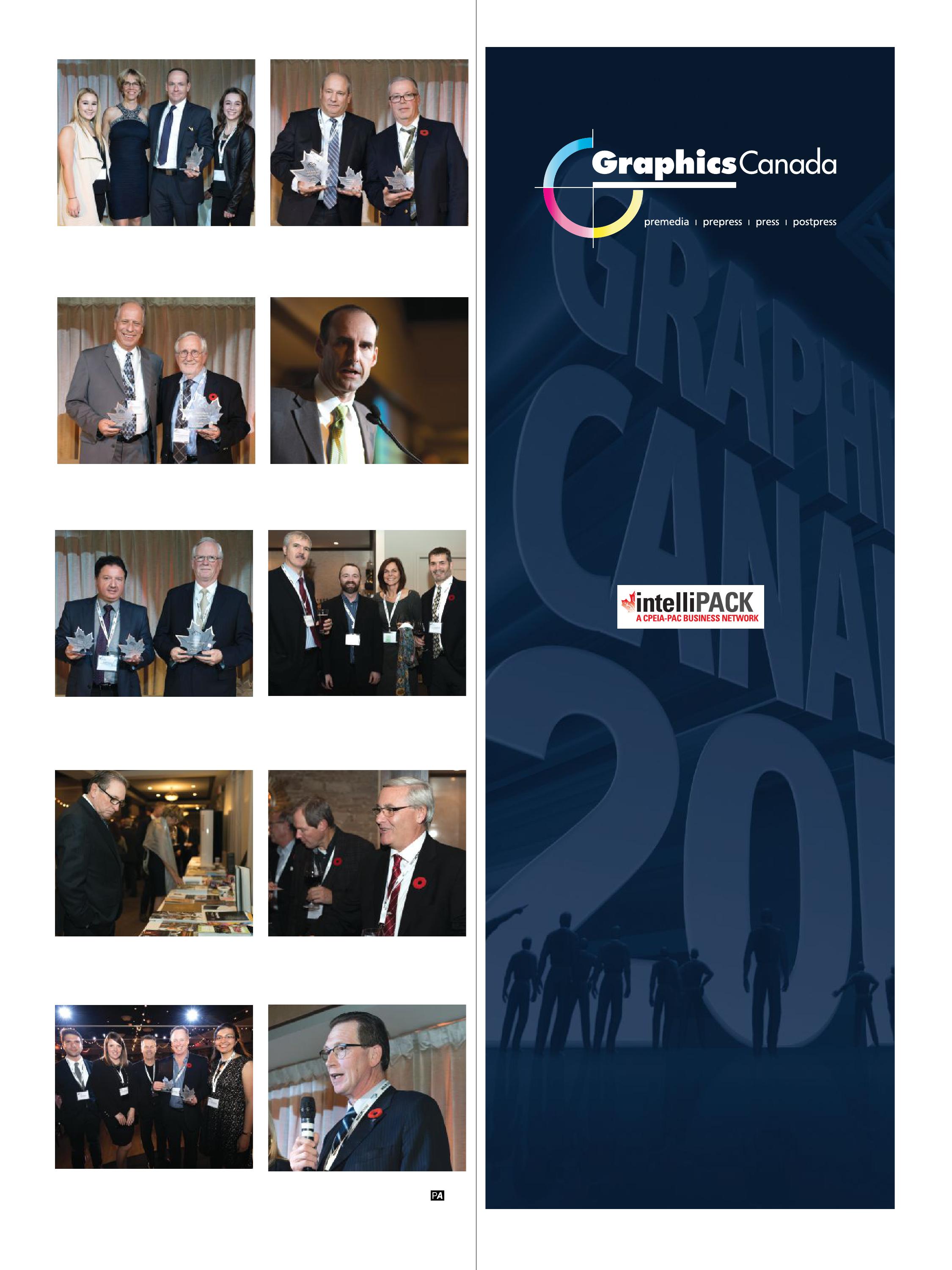
More than 200 printers and technology suppliers from across Canada gather in Toronto in November at the Palais Royale to celebrate their industry at the 11th annual Canadian Printing Awards Gala, hosted by PrintAction magazine
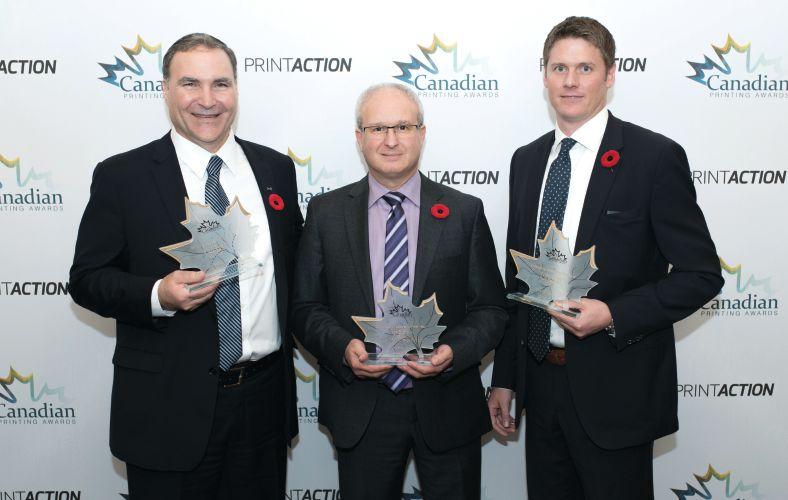
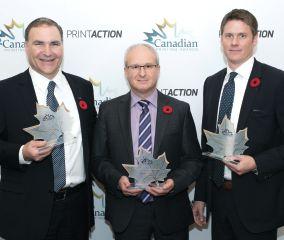
PrintAction’s 2016 Industry Achievement winners Jamie Barbeiri, Jeff Eskstein and Todd Cober.
Lowe-Martin, Symcor and Hemlock, Canada’s Most Environmentally Progressive Printing Companies.
Patrick Coyne of Lowe-Martin, Richard Kouwenhoven of Hemlock and Mike Collinge of Webcom.
Wendy Cober of Cober, Ed Gamelin of Spicers, and Magda Cober of Spicers.
Jay Mandarino of C.J. Graphics, Dick Kouwenhoven of Hemlock, and Viki Stewart of The Lowe-Martin Group.
Ryerson students Lindsay Martin, Sydney Natale, Adele St-Pierre, Alvira Estepa, Daniel Langsford and Amber Anglin.
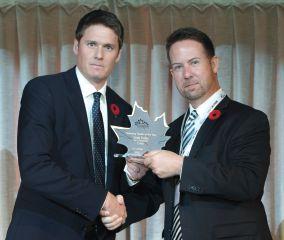
Todd Cober receives his Emerging Leader Award from Ian Baitz, Chair of Ryerson’s GCM program.
Patrick D’Souza of Canon Canada, Brad King of Xerox Canada and Bob Kirk of Pesda and CPISTF.
Glenn Rowley of Glenmore, Patrick Kedwell of C.J. Graphics, and Mark Brejnik of Lowe-Martin
Dean McElhinnery of CBN Commerical Solutions and Matt Mazzaferro of Lowe-Martin.
Diondra Filicetti of CCL and Don Robinson of Heidelberg Canada.
HP Canada CEO Mary Anne Yule recieves the Most Environmentally Progressive Tech Company Award.
Nikos Kallas of MET Fine Printers and Mike Keenan of Lowe-Martin.
Paul Grossinger of PrintAction presents the Lifetime Achievement Award to Hadi Mahabadi.
Louise and Alain Paquette of Artcraft Label with Michelle Paquette of Transcontinental.
ColorXTC celebrates their award for Most Progressive Printing Software for Dynamic Press Profiler. PHOTOS BY PAUL HILLIER
PDI’s Louise Kralka and Glenn Houston receive the Best of Show Award for the Cartise catalogue.
Andrew Siarto of Jones Packaging and Dick Kouwenhoven of Hemlock Printers.
Alain Pacquette of Artcraft Labels and Stacy Daly of ASL Print FX.
Jason Alderman, VP of Veritiv, Platinum sponsor of the Canadian Printing Awards.
Rob Tucci of Friesens and Dennis Leggett of Colour Innovations.
Paul Tasker of Spicers Canada looks through some of Canada’s best print.
Tim Hickey of Colour Innovations celebrates a number of wins with clients from Lexus and DentsuBos.
Dan Mustada and Slava Apel with Suzanne and Tim Wakefield of Insource Corp.
Peter Cober of Kitchener’s Cober.
Alec Couckuyt of Canon Canada describes the VarioPrint i300.
WORLD-CLASS PRINTING
An independent judging panel of 11 industry leaders, working from a blind scoring system, poured through more than 230 submissions to determine Gold, Silver and Bronze recipients across 28 Printing categories, as well as a Best of Show winner from the entire group. Recipients of the Environmental and new Technology categories were determined by PrintAction magazine based on more extensive submissions and input from third-party industry analysts
2016 Best of Show
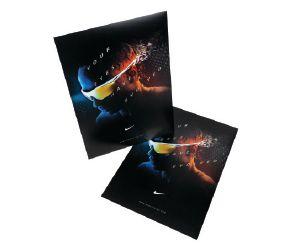
PDI Group of Montreal, QC, received the 2016 Best of Show Award for its Cartise Autumn 2016 catalogue, printed in a 2,700-piece run on a 56-inch, 6-colour manroland Roland 900 press with aqueous coating. PDI explains its client Cartise, for their 40th anniversary, wanted to produce a special catalogue. “This beautiful edition was produced in tumble style,” explains PDI, “in order to highlight both the Fall 2016 line of clothing, as well as fashion tendencies in the market.” PDI explains, that apart from careful colour balancing for the skin tones and background, the client added a gold foil stamp for additional effect on the cover. The other three Best of Show nominees included Cirque du Soleil, Luzia Souvenir Programme, PDI Group; Montreal 375, Friesens, Altona, MB; and Nike Vision Running, MET Fine Printers, Vancouver, BC.
Self Promotion, printing company
Gold: Hemlock Holiday Wrap, Hemlock Printers
Silver: C.J. Heavy Metal, C.J. Graphics, Printers & Lithographers
Bronze: Greeting Card Box Set, Priority Printing
Self Promotion, technology supplier
Gold: Supreme Piece Love, Spicers Canada, printed by C.J. Graphics
Silver: The Paper Loop, Rolland Enterprises, printed by L’imprimerie l’Empreinte
Bronze: Innovation in Motion, MGI
Digital Technology, printed in-house by MGI technicians
Silver: Atlantic Salmon Vol 65 No 1, The Lowe-Martin Group
Bronze: TD Friends of the Environment Foundation Calendar, C.J. Graphics, Printers & Lithographers
Most Environmentally Progressive Technology Company
Gold: HP Canada
Most Environmentally Progressive Printing Company
Gold: The Lowe-Martin Group, Ottawa, Ontario
Silver: Hemlock Printers, Burnaby, British Columbia
Bronze: Symcor, Mississauga, Ontario
PLATINUM SPONSOR GOLD SPONSORS
SILVER SPONSORS
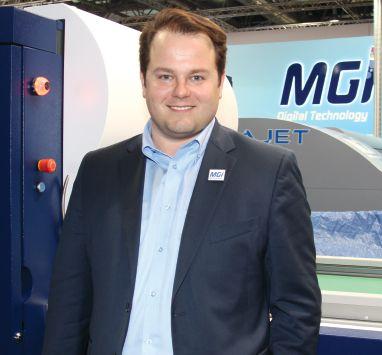
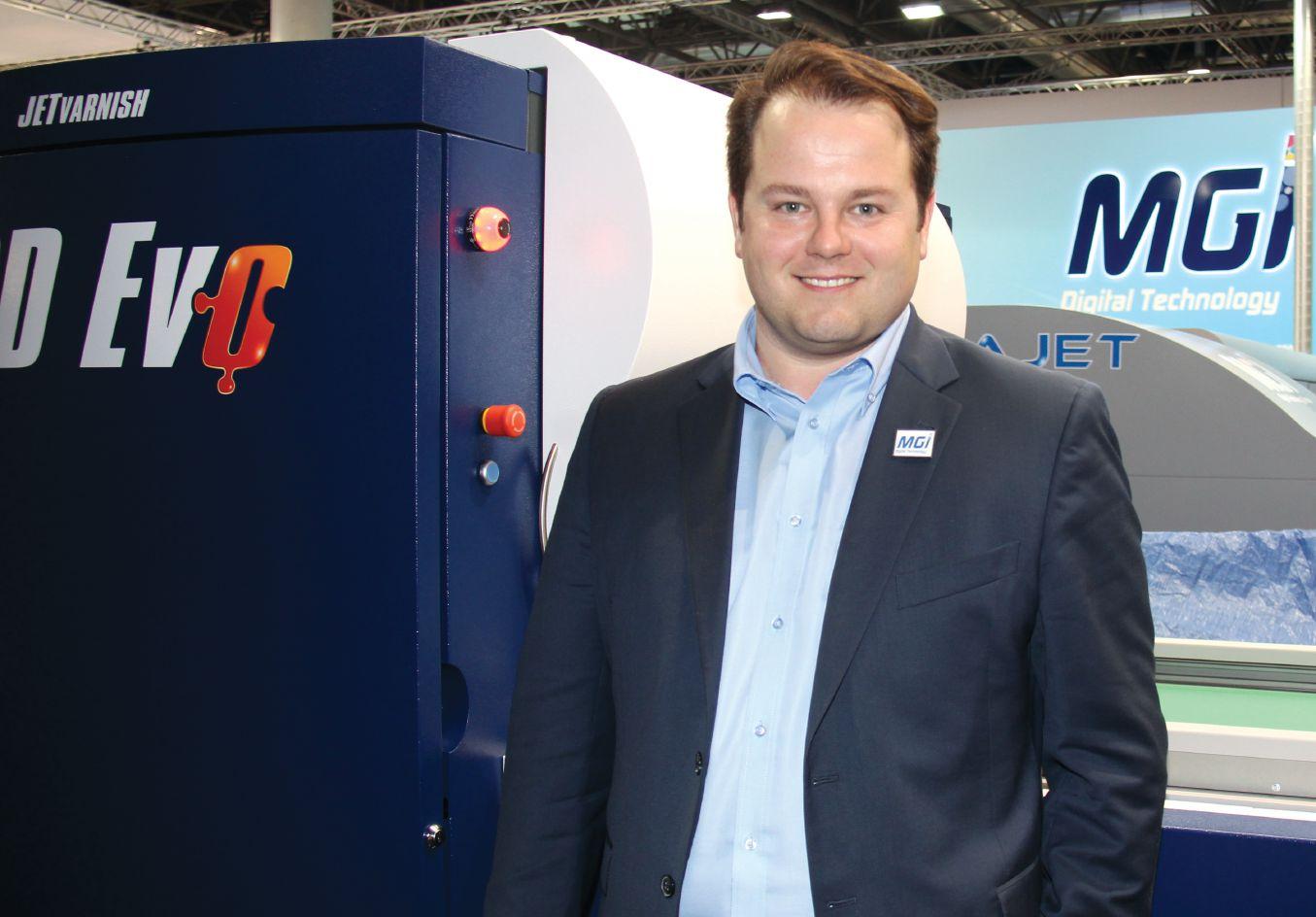
Kevin Abergel, Vice President of Sales and Marketing at MGI USA, has been leading the business development of the company’s
PARIS ENLIGHTENMENT
Founded 35 years ago, MGI Digital Technology has made a major impact on the world of printing with innovative digital printing and finishing technologies for enhancing the power of print
By Jon Robinson
MGI Digital Technology invests approximately 20 percent of its annual sales back into research and development.This astonishing number speaks to the company’s origins just outside of Paris, France, and why it has raised the bar amid what are now some of the industry’s mostpowerful technology suppliers driving the growth of digital printing. PrintAction spoke with Kevin Abergel,Vice President of Sales and Marketing at MGI USA, about the company’s mantra of innovation.
How was MGI founded? Basically it was 1982 when my uncle was fresh out of the military where he had
worked on anti-aircraft missile technology and he had learned a lot when it was still really early days for computers. When you look back further, actually, my grandfather was an offset pressman his whole life and on weekends in the summer his three sons all went into that environment to make some extra money. The three brothers who created MGI went into my grandfather’s shop and really learned the business from a traditional standpoint, which is why we have always had an affinity for commercial printers, because basically it is our bloodline – it is where we come from.
Has invention always been in your family?
My great grandfather, on my mother’s side, actually has the first patent for the first pneumatic feeder – 1925 or 1927 – for an offset press and it is up in our offices. We have a very strong and rich history in print-
rise in North America.
In 2013, MGI was awarded with Intertech Technology Award (USA), Oscar de l’Emballage (Packaging industry, France) and CAP’TRONIC (France) for its groundbreaking print enhancement technologies.
ing that runs through the Abergel veins.The first products MGI came out with were not necessarily in the print industry. They were some of the first computer programs for accounting, also for hospitals, big old floppy disks. That is really where we got started and then in 1991 we developed our first press – with a three-man team that developed a roll of basically Bristol paper that was being printed on digitally with a cutter just making business cards. It was called the Mastercard. And then the next generation of Mastercard all of a sudden it went from one colour to two colours to four colours, while also going from a business-card format width to 8 ½ x 11, then 12 x 18, and then we were doing plastics. We have really gone through 13 or 14 generations of engines in our history on the digital press side. That is really how we built up the business from nothing to a business today with a market-cap above 200 million Euros. And now we have partners like Konica Minolta, which really raised the profile higher.
What is the Konica and MGI relationship?
The Konica Minolta and MGI relationship goes back 20 years actually… The base MGI business model has been to use initial Konica technology, whether it is inkjet heads or toner-based print engines, and sup-up those engines. Two years ago we really started to get a closer relationship when Konica Minolta invested 10 percent into MGI – we are a publically listed company – and as a result of that we developed a smaller version of the varnish and iFOIL, called the JETvarnish 3DS, exclusively for their sales network.
but now if you can go to 60, 70 percent it is a different story.
Why is MGI’s new Artificial Intelligence SmartScanner, AIS, significant?
If I made a die or a screen, for example, I would never really be able to register any of what I am doing to a digital print for the simple reason that digital print moves page to page. The image registration maybe is going to be a little to the left or right, a couple of pixels up, a little skewed – every page is going to come out basically in a different position on the sheet.
So the most important thing is being able to move up, down, left, right and custom fit every single page by comparing it to the original PDF of the print file and seeing where the moves are. The key point here is that AIS is going to be creating – using artificial intelligence – a topographical map of your print. By comparing that live with the actual PDF of the print file, it is going to be able to stretch out all those points where maybe there is high ink density that shrunk the paper or maybe you laminated it so you have a severe slip, stretch or a fan. In screen printing maybe it would take me 20 minutes to stretch my screens out manually to get my fit right and I have to spend a lot of sheets to get my fit correct to be able to make up for all of those deformations once it is out of the press.
products. I am most proud of the [AIS] scanner, because I know how much work went into it, almost four years of nonstop development and to see it actually work, knowing that it has been the unicorn. That was the codename for it, The Unicorn, because everybody was talking about it internally and hoping we would one day see it work.
What MGI technology is having the most market penetration?
Right now, the Meteor is having a large amount of success because, at the end of the day, it is still a digital press that can do all of the commodity stuff. But then you turn on the iFOIL and you start running envelopes or plastics or PVCs, or long formats, and put the foil down and it suddenly boosts your added value.
$69M
When Konica Minolta acquired an additional 30 percent stake in MGI, the latter had generated around EURO 34.4 million ($69 million) in sales over its 2014 fiscal year.
Because of the success that we had in that first year of bringing this product to market, Konica was now wanting to distribute the entire MGI portfolio and it was at that point in time that they went from 10 percent to 41 percent, which is a controlling interest in MGI where we have actually launched a new distribution agreement. Konica Minolta is now globally going to market and sell our entire lines of products. From a sales standpoint, it gives us much more visibility and from a service standpoint a much wider infrastructure.
How much has MGI grown in 10 years?
From 2008 to 2016, we grew something like 500 percent during some of the most difficult times in the printing industry. I think when times get tough people need to invest in something that brings a level of differentiation or innovation, so that they can actually compete on applications, not on price. That has really been our mantra this whole time. I do not care about how many pages you are printing per month. How much are you making on each one of those pages? If you are only making four or five percent that is not a good business model,
The scanner does away with all of that. Number one, your first sheet out is going to be perfect. Number two, you do not need that professional eye to understand where your stretch is in your sheet. It is all being done automatically as touch-less as possible. When you mix that in with the variable data barcode reading system… Not only will it varnish and foil the right image, but it is actually going to custom fit and custom register each one of those sheets as they are moving through. It has never been done before.
How much data is being processed to leverage the AIS topographical maps?
That was one of our biggest problems. If you look at the actual computer system that is just running the scanner alone it is basically doing five teraflops of information per second. It is a lot of information being crunched to be able to pull up the right file, trace the TIFF from the PDF, then be able to compare that file live to the actual print and be able to do all of the modifications automatically. For me it is the coolest technology we have ever done and we have done some pretty cool things.
What MGI technologies excite you most?
I also think that the fact that we have a B1 JETvarnish and a roll-to-roll JETvarnish or the fact that we are actually putting foil down with toner are all really fascinating
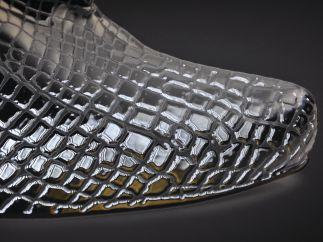
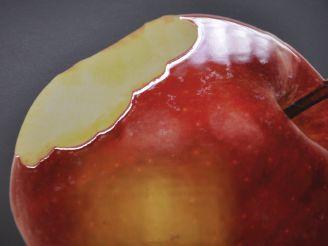
On the JETvarnish side, I would say that 95 percent of the people who are buying this equipment are getting into varnish and foil for the first time in their history. So from a market penetration standpoint, we are having more placements with the Meteor, but the JETvarnish is significantly up compared to previous years because I think the market is finally starting to accept digital embellishment. Out of all the JETvarnish products, we are having an incredible amount of success with our B1 JETvarnish and iFOIL… it really allows us to go after a whole new customer segment which is the packaging converter.
Is packaging ready for MGI’s digitization? Packaging wasn’t one of our priorities. For the past 35 years, we have focused on commercial printers, but the packaging guys are the ones who came to us and pulled us into that market. The more we did research, the more it made sense for us to develop a 29inch JETvarnish to be able to do those XL sheets and today that is our number-one selling unit and that is for the packaging convertors. A lot of commercial printers are trying to find ways into digital packaging as well, because, according to Infotrends, there will be 41 percent growth over the next two years in digital folding cartons. I do not know if you could show me one other statistic in our industry that is as incredible as that 41 percent.
How is MGI technology suited for labels? I read a stat from LPC that said by 2020 three out of four new label presses will be digital. Most importantly, [with MGI technology] it not going to cost you a lot of money to varnish and foil jobs. It is going to be a low-cost job which you can still charge a premium for.The brands are the ones who are pushing it that way, which is a big part of what we do to educate the brands on the advantages of digital and being able to do this kind of work.
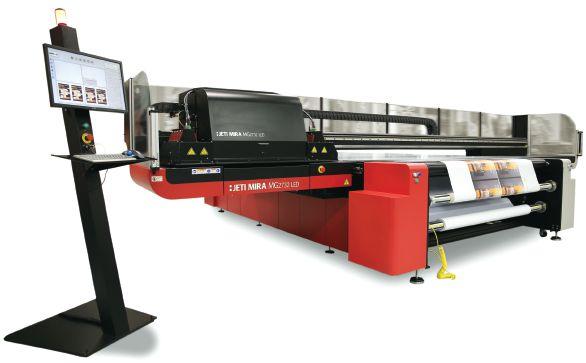
In December, Agfa Graphics launched its existing Jeti Mira machine with UV LED curing and 3D lens printing (with an enhanced varnish option), as well as new PrintSphere integration powered by its Asanti workflow. The Jeti Mira is a moving-gantry flatbed printer producing up to 2.69 metre-wide prints, while also holding print and prepare functionality, a dockable roll-to-roll option and two table versions.The system features speeds up to 231 m2 per hour, six colours, white colour standard, highly-pigmented UV inks and two rows of Ricoh inkjet print heads. The latest printer upgrade also includes UV LED curing technology. Relying on LED technology, Agfa Graphics’ specially-formulated UV LED inks can print on heat-sensitive substrates such as thin slides, self-adhesive sheets and stretchable PVC materials. Agfa explains Asanti’s
colour management optimization ensure low ink consumption. New to Asanti is the optional integration with PrintSphere – Agfa’s cloud-based service for production automation, easy file sharing and safe data storage. PrintSphere offers a standardized way for print service providers to automate their workflows and facilitate data exchange with customers, colleagues, freelancers, other departments and other Agfa solutions. The Jeti Mira’s new 3D lens printing technology uses a combination of printed lenses composed of UV-curable varnish and image manipulations. It adds depth to print results by tuning the size of varnish lenses and the array in which they are printed.
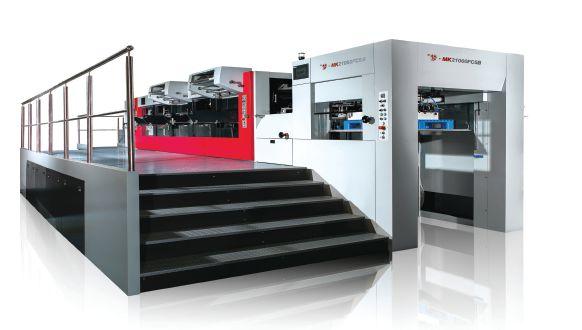
Masterwork Duopress MK21060STEs
Masterwork USA, a finishing manufacturer of folding carton and packaging equipment headquartered in Tianjin, China, introduced its newest
Jeti Mira’s new 3D lens printing technology uses a combination of printed lenses composed of UV-curable varnish and image manipulations.
Duopress MK21060STEs includes a non-stop delivery system equipped with a delivery curtain.
Duopress model: the MK21060STEs foil stamping and die-cutting machine. The company explains its engineers have designed the new model to incorporate better stability, additional technology and a faster maximum speed of 6,000 sheets per hour.
The Duopress MK21060STEs includes a new computerized foil controlling system, which, according to the company, can handle complex foil advance calculations to help reduce foil usage of up to 60 percent. The Masterwork Duopress machines are designed with both foil stamping and die cutting functions in one pass, explains the company, to provide increased accuracy and efficiency. One pass offers register between die-cutting and foil stamping.
arifiQ Entry
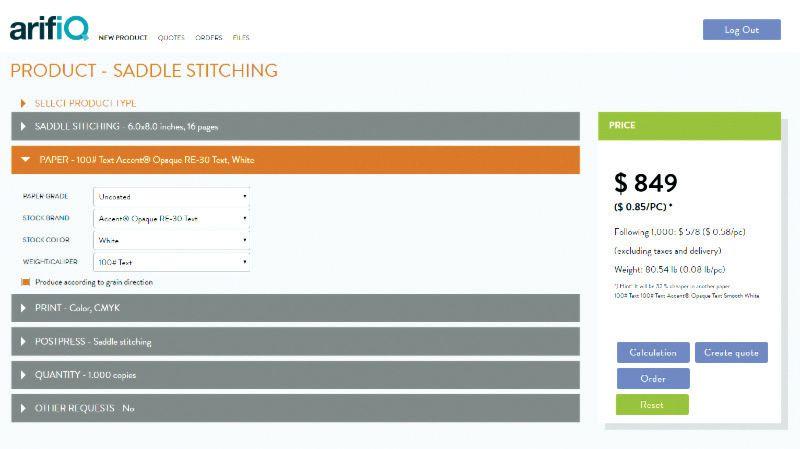
In December, arifiQ Development introduced arifiQ Entry for the ability to quickly obtain quotes and place orders for custom print jobs. The company explains arifiQ Entry relieves the bottleneck – from several hours to many days – between the time a customer approves a job, and when he or she gets an estimate/ quote back from a printer. Available at a flat monthly rate, arifiQ Entry uses the company’s pre-existing arifiQ core engine. arifiQ Entry also exports to, or integrates with, any MIS, ERP, prepress, or other order management system. It also offers 12 of the 14 major benefits available in arifiQ’s high-end solution, arifiQ PRO. The salesperson or other professional uses arifiQ Entry to access the printer’s estimating server from anywhere, at anytime, using any internet connection. In seconds, arifiQ’s proprietary algorithms generate up to one septillion 1024 (or more) combinations based on the printer’s resources and cost variables, to arrive at a quote. Resources include printing presses, paper stock, and post-press machinery; while cost variables include
hourly rates, discounts, and profit margins.
arifiQ Entry also include Campaign functionality. Using this feature, reps can obtain estimates on many print jobs at one time, and get not only pricing, but also optimized imposition and media (substrate) decisions. Campaign functionality is one of the features available in both arifiQ PRO and arifiQ Entry. In addition to arifiQ PRO and new arifiQ Entry, arifiQ Development offers a plugin for Adobe InDesign, as well as an in-plant solution, arifiQ deQuote, which provides quotes via the “print” function on any conventional computer.
Onevision PlugAUTOIMPOSEin 5.9
In November, OneVision of Germany released its 5.9 imposition software PlugAUTOIMPOSEin, including a new feature called Template Editor to make the imposition of PDF files, making it possible to put together individual templates according to customer needs and to impose them automatically afterwards. The high degree of automation involved in PlugAUTOIMPOSEin means that manual input is greatly reduced. Both the PlugAUTOIMPOSEin and Speedflow Impose programmes are suitable for digital and offset printing with rollers and sheets and fast processing speed for extremely large volumes. The configuration of remainder sheets, as well as straightforward creation of imposition templates are additional advantages of the software solution.
The substantial difference between the two software solutions is found in the degree of automation: the PlugAUTOIMPOSEin connection to the Asura data cleansing tool and the Workspace workflow management software processes and optimises the PDFs. This process makes use of the Workspace job ticket function. The page format for
1. ONE-STOP SHOP — Die Cutting, Bindery, Data & Lettershop.
2. SUPERIOR TECHNOLOGY — Die crease without a die, then fold and even glue all on the same machine, up to 30 pt.
3. INTEGRATED MODULAR UNITS — Combined in-line finishing: crease, fold, glue, tipping, envelope inserting, ink jetting (Duplex), clip seal (3 sides), mail prep.
4. SAVE ON POSTAGE COSTS
—As a Certified Canada Post Direct Marketing Specialist, we get contract pricing reductions.
5. RETURN MAIL PRODUCTS — Customized “Return Mailers” created in-line with “U” or “BOX-shape” remoistenable glue, time perfed applications and envelope formation.
6. MINI-BOOKLETS — Saddle-stitch and trim 2-up booklets in-line to the size of a business card. No need to trim off-line, or do 2 passes.
7. HIGH SPEED EQUIPMENT — High speed Tipping, Folding, Saddle-stitching and soft folding ensuring on time delivery.
arifiQ Entry also include Campaign functionality to obtain estimates on many print jobs at one time.
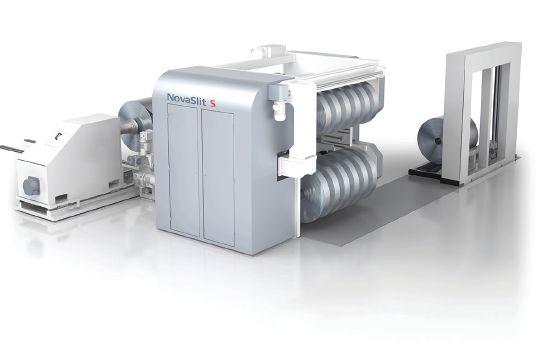
NovaSlit S allows aluminum foil to be finished in small lots after the annealing process, for short delivery times and high flexibility.
an imposition template for PlugAUTOIMPOSEin is variable to a certain extent, and can be automatically transferred to a PDF document awaiting processing. If the document page format goes beyond the defined value, it can be adjusted or transferred to a better-suited imposition template.
Achenbach Buschütten NovaSlit S
In November, Achenbach Buschütten and Goebel IMS introduced NovaSlit S, a aluminum foil slitter distributed in North America by Matik Inc. In a joint effort, engineers from both companies developed this unique aluminum foil slitter. The specialty of the NovaSlit S is winding and slitting both hardrolled and soft-annealed aluminum foils. NovaSlit S precisely cuts foil thicknesses from 6 to 50 micrometer into slitting widths starting from 1 inch (25 mm). The finished roll diameter ranges up to 31.50 inches (800 mm) in slitting operation and maximum 39.37 inches (1,000 mm) for re-reeling operation on the bottom rewinder.
The compact machine concept offers short material distances for perfect foil guiding between individual rollers even with thin, soft annealed foil. A moveable, large-sized inlet roller offers a high wrap angle and ensures constancy of free material distances and wrinkle-free material feeding even with the ultra-thin and extremely delicate aluminum foil. Different slitting systems such as slitting with razorblade tip or flat blade guarantee maximum precision. Horizontally adjustable contact rollers provide constant winding proportions and a consistent contact pressure with increasing roll diameters, resulting in perfect winding density of the finished rolls.
Asahi AFPTM-SE/DSE
In November, Asahi Photoproducts re-launched its AFPTM-SE/DSE solid photopolymer flexographic printing plates for corrugated board. The company explains the flexo plate is ideal for printing on corrugated board, solid board and
heavy-duty bags, some of the toughest applications printing on highly abrasive substrates. The surface roughness of these substrates makes quality printing difficult to achieve. The Shore hardness of the AFPTM-SE/DSE flexo plate and its resilience characteristics offer a perfect balance between high quality printing and long plate life on the printing press. Its wide exposure latitude ensures that image elements like halftone dots and isolated lines are optimally anchored, even with a relief depth of 3 mm. At the same time, intermediate depths form evenly, and the relief is produced with steep shoulders.
Agfa ABSOLUT-ID
In November, Agfa Specialty Products and LCsys Systèmes Industriels launched ABSOLUT-ID, a joint solution for the production of high security ID cards, resulting from a development and sales partnership between the companies. In its role, Agfa supplies the technology and consumables for the printing of personalization data and LCsys provides process engineering and equipment manufacturing. .
Agfa’s print technology allows positioning the personalization image and data on ABSOLUT-ID cards underneath the traditional guilloche printing instead of on top of the product.
Idealliance XCMYK
In December, Idealliance released a new dataset and profiles supporting XCMYK four-colour expanded gamut printing. XCMYK is a four-colour printing method, a dataset, and an ICC Profile. After 26 international test runs over 15 months, Idealliance explains XCMYK is a new colorspace representing XCMYK expanded gamut printing that can be achieved on offset and digital devices. The XCMYK dataset and profiles can reproduce a larger gamut than that of GRACoL, the industry’s current standard for print quality. The XCMYK dataset and profiles can also be used directly in digital front ends for presses, proofers, and other devices.
SHEET FEED FEEDER
Boxboard Press (Folding Cartons).
KBA105 Sheet Feed Feeder required. Full Benefits. 2 Shift operations Days and Afternoons.
Afternoon 4 Days only. Email resume to: hmaltais@seydaco.com Website: www.seydaco.com
SHARED OFFICE MARKHAM
Prestige shared office space available within a printer/agency environment conveniently located close to 407/404 in Markham. This move in ready space comes furnished, has existing telephone cabling complete with ample
serge protected electrical. Shared use of large kitchen/viewing station, one large and one small boardroom. Ideally suited to web designer, graphic artists/ small agency or print brokers. Approx. 800 sq. ft. dedicated area containing 2 dedicated office spaces and 1 large open area.
To discuss this unique opportunity contact lscott@hdsgraphics.com
MANAGER OF BUSINESS DEVELOPMENT (SALES MANAGER)
Leading print manufacturer that has an excellent opportunity for results driven Sales Manager with proven track record to manage and develop the sales team
towards the achievement of maximum profitability and growth.
Responsibilities include but are not limited to: Developing and implementing a business plan and strategy for achieving sales growth and profitability;
Developing target assignments for the sales team; Motivating, coaching and developing the sales team to achieve or exceed sales quotas; Managing the sales team’s activities and time to be effective and productive; make recommendations for marketing plans; Control sales team expenses;
Implementing and managing weekly sales call reports and discuss accordingly with individual sales representatives; and assists the sales team with building and executing prospecting calls; And develop and maintain all marketing materials, programs, website and social media.
Requirements:
Min 5-10 years Sales Management experience within print industry
Min 5-10 years B2B sales experience within print industry;
Excellent leadership skills with the ability to motivate, develop and garner the skills of the sales team;
Superior coaching, decision-making, facilitation, communication and presentation skills; Must be innovative and possess strong analytics skills
Knowledge and experience of best practices for managing online marketing campaigns; Post-Secondary Education, preferred
Please send your resume confidentially to aschofield@deangroup.ca
Enhancing career options within the Print & Packaging industry.
Sakurai: 1, 2 or 4 colours and any size (newer model)
Polar: any size/older or newer models (66/72/76/78/82/90/92/107/115)
Horizon-BQ: 220/240/260/440/460
Frank Romano / Professor Emeritus / Rochester Institute of Technology / Rochester, New York
Frank Romano in December travelled to Toronto to provide the keynote speech at the Digital Imaging Association’s annual holiday luncheon, held on the waterfront at The Boulevard Club. He has spent more than 40 years in the printing and publishing industries and is seen as one of the printing world’s leading technological pundits, producing hundreds of articles for publications from North America and Europe to the Middle East, Asia and Australia. Romano is the author of over 44 books, with a vast majority focusing on the arrival of digital printing. He continues to teach courses at RIT and other universities and works with students on unique research projects.
The title of Romano’s DIA keynote, Digital Printing, From Good Enough to Nanography, describes one of the most pressing issues of technology investment on the minds of printers across North America. The following excerpts from Romano’s speech describe the potential disruption of inkjet printing on the offset world.
Wrongly focused on page impressions FR: The way they measure the output from these machines is page impressions. If you reduce everything to just a page, you have denigrated it – you have insulted it – because a page has no value. When the page is in a brochure it has value. When a page is in a book it has value… They are not pages, they are parts of a product and that product has value. And if we keep making that a page, we reduce the value in the product and that is an issue.
Too many digital sheet sizes today
FR: Let’s get rid of all of these stupid sizes. We cannot deal with every different sheet size you can imagine. I’m sorry, the paper companies are not going to support you –they can’t anymore. They do not have the resources. They do not even have the warehouse space.
Digital must move beyond CMYK
FR: The problem is that the majority of these [inkjet and digital] machines are CMYK and yet we all know that we have to handle brand colours – Pantone colours… That is one of the reasons why Indigo sells so well. HP has done a very good job because of the fact that you can match almost every Pantone colour, every brand colour. That is why they are so dominant in the label market.
It is just a matter of time, but the problem is without the brand colours they are not going to get into the packaging market… And, by the way, telling me you can do 80 percent of the Pantone colours with CMYK [is] not an argument.
A future in water-based UV inking
FR: I think the next big movement has to be water-based UV. UV is really a key system because it can print on almost anything. It is impervious to the weather. That is going to be a key technology.
Printing beyond paper
Romano argues digital press maker claims for hitting 80 percent of the Pantone colours is just not good enough when brand colours are so crucial in segments like packaging. 80%
FR: The next generation is going to print on new kinds of substrates. It is going to go way beyond paper... The home decor market, make the pattern of your sofa match your wall paper, if you so desire. Make your windows look like Tiffany glass. You can do that now very easily with wide-format inkjet.
Offset and inkjet partnerships like Komori and Landa
FR: What Komori is doing not only with Landa but with Konica and others… Mr. Komori is very shrewd and has created partnerships with other companies to build the mechanism as they build the digital printer… what Heidelberg is doing right now with Fuji. You are going to see a lot more of that as the offset companies try to figure out how to keep some of their business. By the way, when you buy a Landa machine, the base is shipped from Japan and the printing part is shipped from Israel
and then they put it together in your plant. It is going to be very interesting to see how that works out.
Importance of page-wide print heads
FR: The other big change has been single-pass inkjet, instead of having the head move back and forth. Now that was pioneered by HP with a wide-format roll-fed machine... 40 inches wide by 500 feet a minute, CMYK, can’t beat it and it is selling very well worldwide.
Oce is doing the same thing with their roll-fed machines and others. Impika has been down that road and then Xerox acquired it and has improved the product line significantly.
Cost of new digital machines
FR: The thing that bothers me more than anything else is that we are a capital-intensive business and these machines are not cheap anymore.
[Technology suppliers] figure we all have money and yet that is one of my issues – we don’t. If you could get the machine at a reasonable price, we could then build a business and buy more machines, and buy more consumables… But right now I think they have priced them a little bit too high.
SOLVENT PRINTING.
At Canon we are more than just printers. Our colour experts, application specialists, workflow solutions, and support teams help our customers grow and reinvent their businesses. Our customers span many industries such as transaction, direct mail, graphic arts, technical documentation, and colour display graphics. Whether its direct mail pieces at 2400 x 2400 dpi, 100 million financial statements a month, or signs up to 121” wide - whatever your business prints Canon has a solution.