Print and digital subscription inquiries or changes, please contact
Barbara Adelt, Audience Development Manager
Tel: 416-510-5184
Fax: 416-510-6875
Email: badelt@annexbusinessmedia.com
Mail: 111 Gordon Baker Rd., Suite 400, Toronto, ON M2H 3R1
Editor
Kavita Sabharwal-Chomiuk
kchomiuk@annexbusinessmedia.com
437-220-3039
Media Sales Manager
Kim Barton
kbarton@annexbusinessmedia.com
416-510-5246
Media Designer
Lisa Zambri
lzambri@annexbusinessmedia.com
Account Coordinator
Alice Chen
achen@annexbusinessmedia.com 416-510-5217
Group Publisher
Diane Kleer
dkleer@annexbusinessmedia.com
COO
Scott Jamieson
sjamieson@annexbusinessmedia.com
Annex Business Media
111 Gordon Baker Rd., Suite 400, Toronto, ON M2H 3R1 printaction.com
Tel: 416-442-5600 • Fax: 416-442-2230
CJ Graphics Inc.
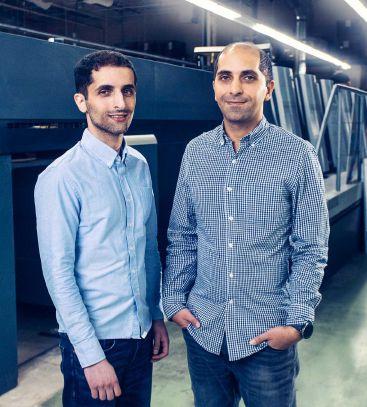
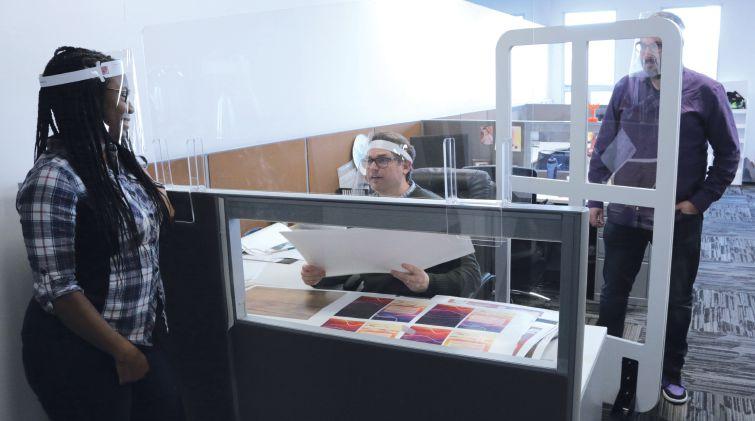
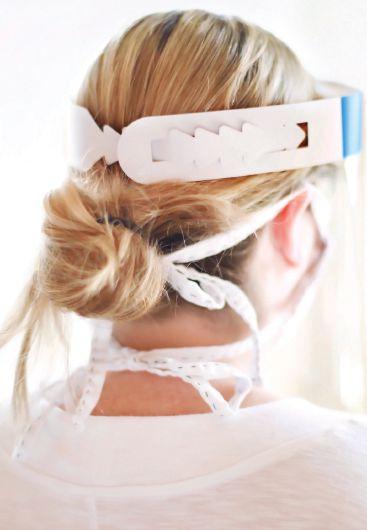
Jay Mandarino, president and CEO of CJ Graphics Inc., discusses how his company displayed community involvement through donations of money and personal protective equipment (PPE), including social distancing guards, face shields, office dividers, hand sanitizers and even hospital beds, across Canada.
Can you explain the process you followed in manufacturing PPE?
What are some things CJ Graphics did during the pandemic?
JM: With COVID-19, shortages of work and people putting things on hold, we had to re-look at doing things and we didn’t want to send as many people home so that’s part of the original reason we got into this. [We] started looking at taking different machines and different processes and starting to manufacture PPE equipment.
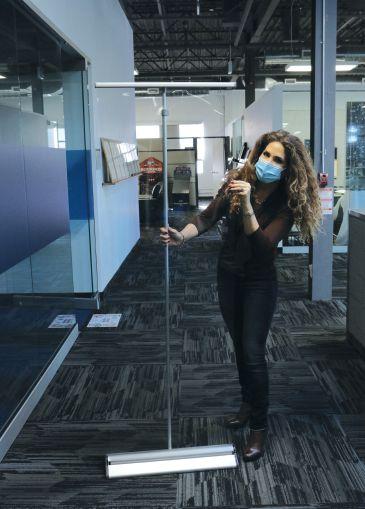
JM: It’s not just the machines, it’s the people. We had a committee; we have some really creative people here. Our team came up with some amazing things and they saw some of the things that weren’t working out there. For example, probably one of the things that was most successful were the social distancing guards, or as some people call them, sneeze guards. They were cracking and there was a whole bunch of issues, depending on the different materials. So, because we have heat benders and we are working with acrylics all the time, with some of the point-of-sale and the display work we do … we just had to repurpose that and figure out ways [to do that], and then we even learned how to install them.
What is the Be Smart, Stand Apart campaign, and how did you get involved?
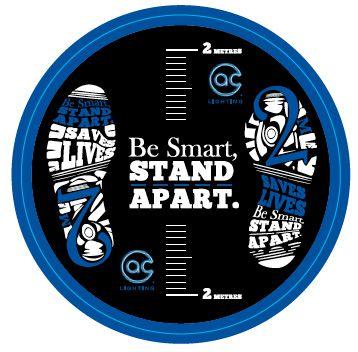
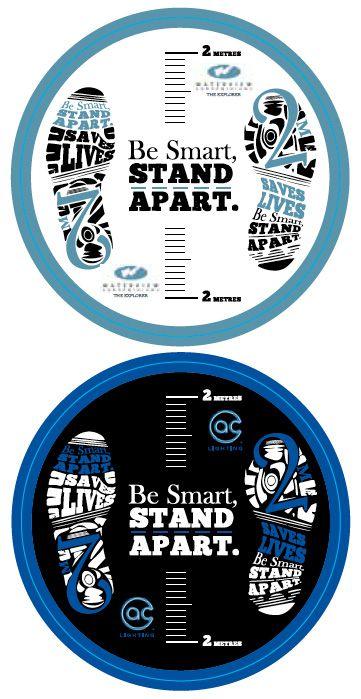
JM: There is a program in the United States called Be Smart, Stand Apart. They reached out to us … and they said, ‘Why don’t you guys do it in Canada?’ The biggest challenge still to this day, sadly, is people are not practicing social distancing. They came up with this whole program … and the proceeds went to charity. They were working with the United Way in the States, and we work with the United Way in Canada, so we approached the United Way through a couple of sister organizations. All the proceeds from the Be Smart, Stand Apart [campaign] goes to the United Way, Kids Help Phone and
I am blessed that I have an amazing team. A lot of these initiatives came from several members of our management team.
CJ’s Skatepark. All these charities are important, and a lot of them are dealing with youth and kids, and I think they are being affected, as we all are being affected, but even [more so].
Did you encounter any challenges as you were working on any of these initiatives?
JM: All sorts of things came up, because we didn’t do this stuff before, so we learned things all the time. We learned how to properly package something up, making sure it arrived safely. The other thing is shortages. There just wasn’t enough product. There was one point, I remember, at the beginning of this whole pandemic, where we all had to bid on product [because]the suppliers were running out. There was just was not much coming to Canada and people didn’t want to get stuff coming from overseas. We bought a ton of the North American-made stuff. All our face shields, we only make them out of polycarbonate made in the U.S., and
even the PVC that’s used to attach it is also really made out of that. We had to get from different suppliers, different manufacturers to make sure we have an inventory; we had to buy a whole bunch ahead of time. It was funny because some of our printer friends out west were saying, ‘Hey, can you get us some stock? Can we buy some of yours?’ We did release some of it, but we really needed it all to do everything with the demand we were getting. The nice thing about it is, during some of these challenges, we got to meet some printers that we didn’t know, and they didn’t know us, but we worked together, helping each other produce some of these things and it was great to see how people were coming together during a time of crisis. Our industry is probably one of the industries that is suffering the most. There are certain parts of it, like packaging, that aren’t, but the majority have been suffering, so it was nice to see that there was some hope there.
Flash Reproductions Ltd.
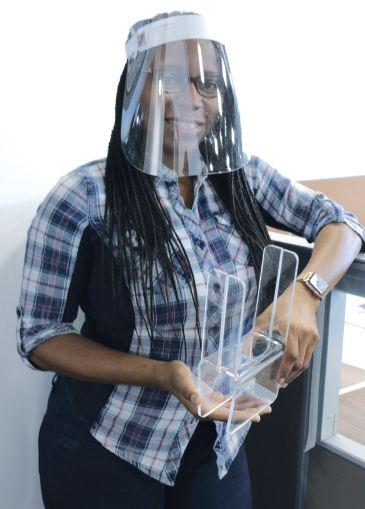
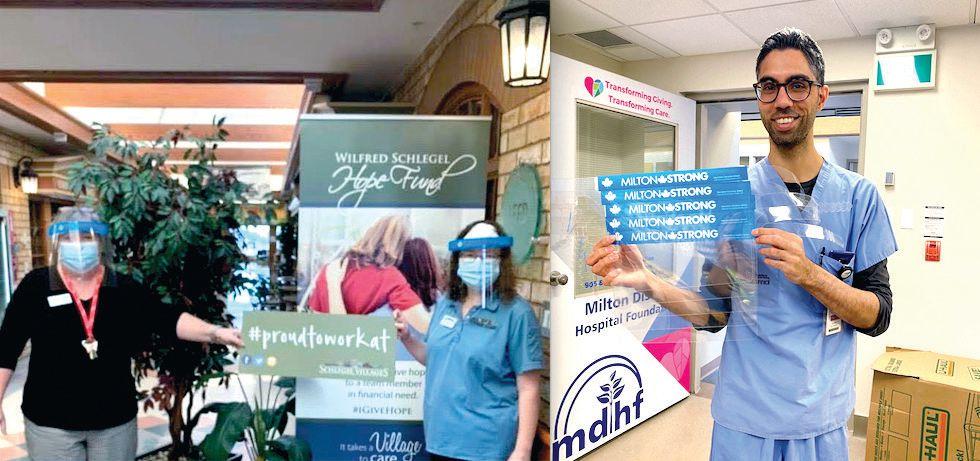
Rich Pauptit, president of Flash Reproductions Ltd., describes how his company displayed community involvement through the creation of PPE during the pandemic. The project was funded through a GoFundMe campaign, which raised over $55,000 to help fund the shields that were produced and distributed to hospitals and long-term care homes.
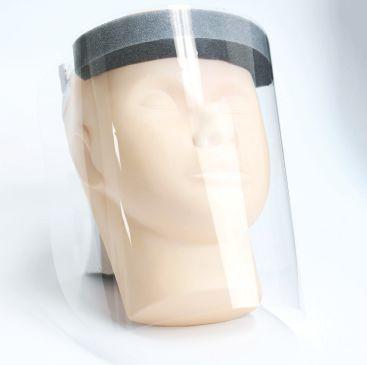
Can you describe the shields that you’ve produced?
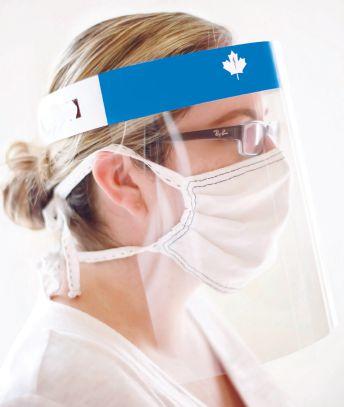
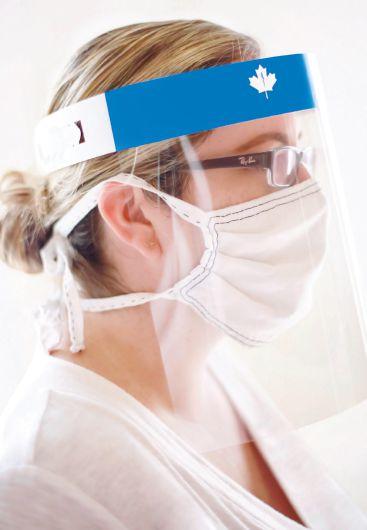
RP: Like everyone, the pandemic was a surprise to us. We found ourselves at the shop as an essential service and [we were] kind of asking ourselves, what’s so essential about the work that we’re doing here? We looked at everything that front-liners required. When we saw face shields as being a part of the PPE that they needed, we all immediately lit up and
said, we can do those. It was our understanding at the time that there was just a shortage, simple as that. We saw that the need was definitely there.
We print on a lot of plastics here, so working with plastics… is not outside the scope of our regular work. We had some material on the floor and did some experimentation, made a prototype and put it on Instagram, and the response was overwhelming. It encouraged us that the market did need what we had to offer, so we swung into production and… started producing a slight variation of our first prototype. After we started producing them, and getting some more feedback on the early prototypes… there were a few adjustments that we made along the way to keep in line with Health Canada, and also to respond to the feedback from the
As a printer, we’re not usually called heroes and I still think it’s a bit of a stretch. But there’s no doubt that some of the work that we did actually saved lives.
front-liners that were using them. We made a second version of it, and that’s the version that we ended up making hundreds of thousands of
over that period. Now, we’re pretty much all back to regular work, but in that time when the supply chain was interrupted, or slow to respond, we’re proud that we were able to fill that gap.
Why was the GoFundMe campaign launched, and how was the funding used?
RP: The GoFundMe campaign was my wife’s idea; she’s a partner in the business here. When we were early on, it felt odd to us, creating a customer out of someone in need. But on the same note, we knew that we couldn’t actually meet the need, and in the scope that was needed, just by funding it ourselves. We’re a relatively small company, 50 people
strong, and we’re proud of the work that we can do but we’re not a multi-million-dollar corporation. We couldn’t afford to just do this all ourselves and foot the bill entirely.
We had a lot of people reaching out at the time saying, ‘How can I help?’ We had as many people asking how they could help us we had people asking for help. So, Lorna just recognized the situation of us as the middleman between people who want to help and people who need help put us in more of a facilitator role, which was a great position to be in because we can give the people who want to help a way to do so, and give the people who needed help, the help that they needed.
We launched the GoFundMe and promoted it as best as we could, and let people know that every $2 that they donated would get a shield in the hands of someone who needed it, and that is with the production, the distribution and everything. It certainly wasn’t a money-making ven-
ture for us, but it allowed us to break even.
What was the community response you received?
RP: It was really, really warm. It was kind of a whirlwind, but at one point, the Toronto Sun reached out and wanted to do an interview about it and after that, there were so many people reaching out and wanting to help and thanking us. It was a unique position to be in. Just to feel like we could help; we certainly weren’t doing the really tough stuff of caring for people in person, but it was great to be even a cog in that machine.
We definitely got a lot of praise, to a degree that we weren’t entirely comfortable with, to be honest. As a printer, we’re not usually called heroes and I still think it’s a bit of a stretch. But there’s no doubt that some of the work that we did actually saved lives and with that perspective, we definitely felt good, and the community was a big part of helping us feel that way.
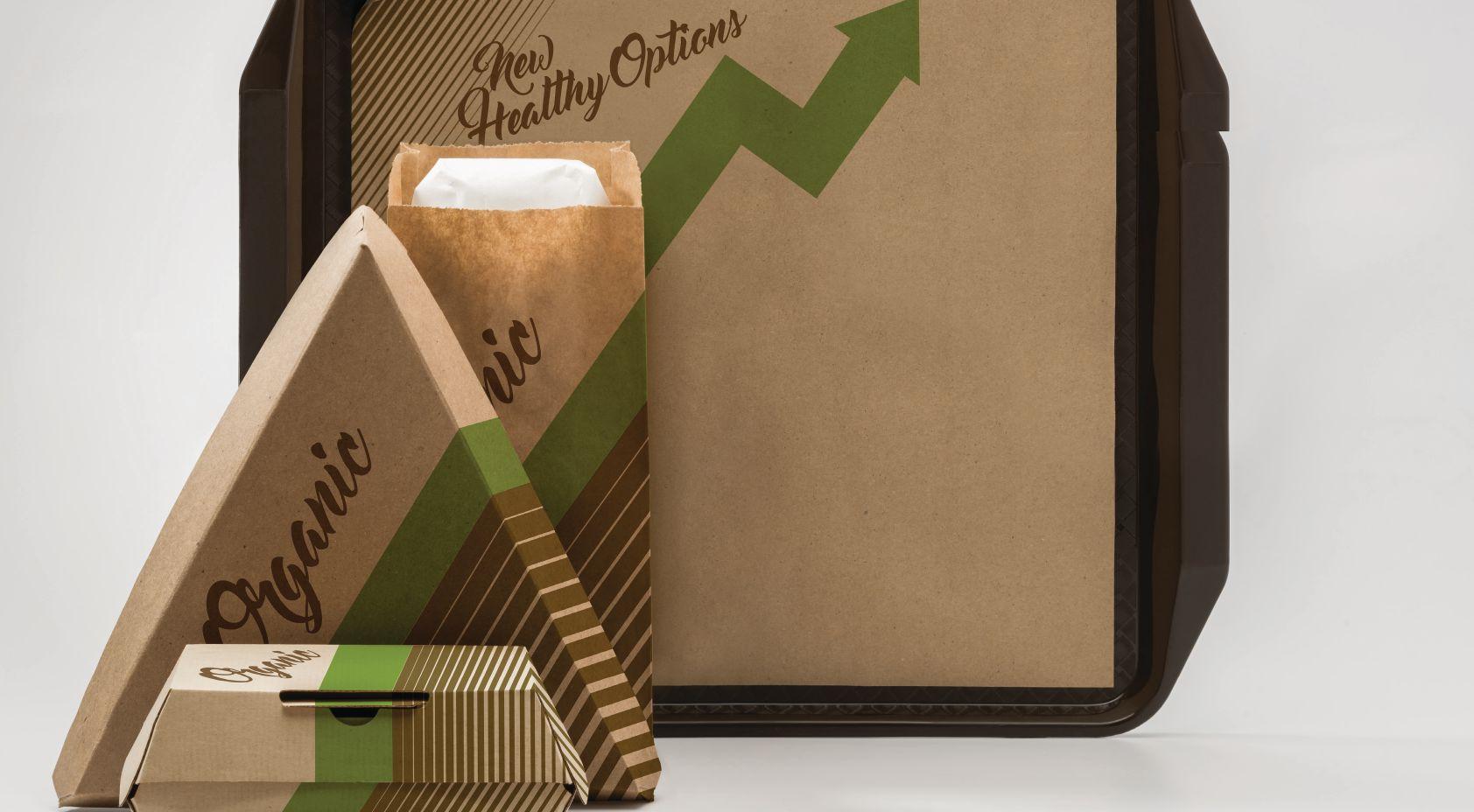
who can serve up eco-friendly packaging without taking a bite out of their bottom line? you can.
Introducing bio-renewable inks that bring more profitability.
Now you can satisfy your appetite for natural, cleaner, and greener food paper packaging. That’s because Sun Chemical’s new SunVisto® AquaGreen water-based inks have significantly higher levels of bio-renewable naturally derived resin content. These carefully formulated inks are not only resistant to abrasion, water and grease — they offer superior performance, sustainability and the industry’s best technical support.
Request your copy of our white paper at sunchemical.com/natural.
working for you.
SinaLite
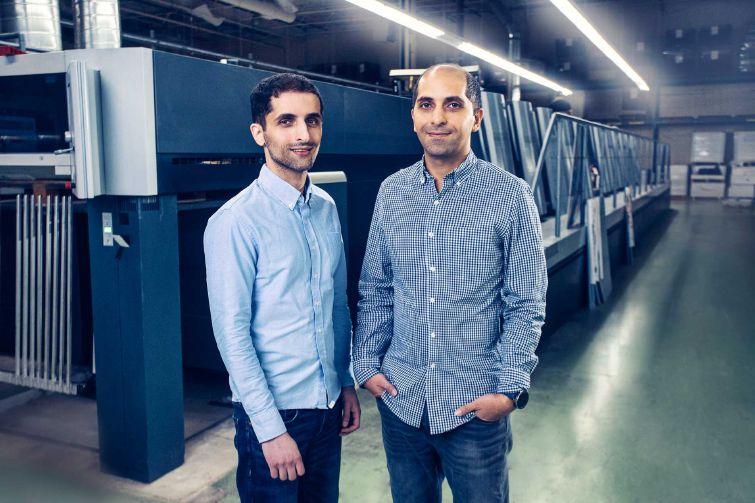
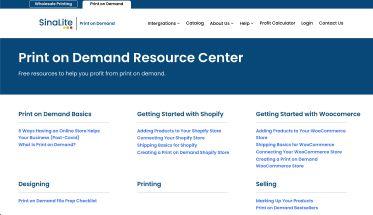
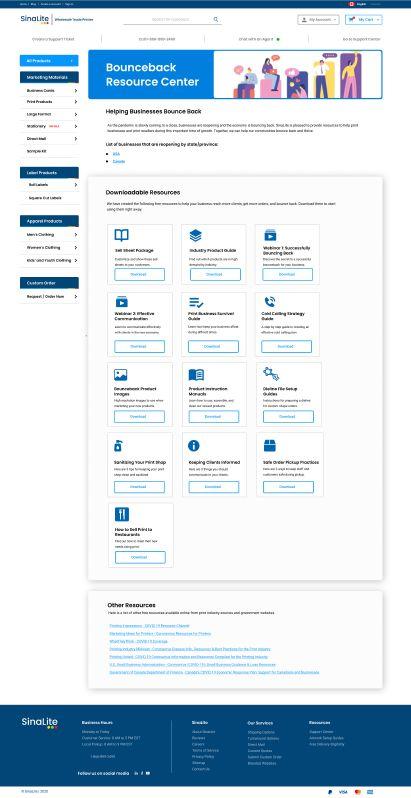
Mike Meshkati and Brian Meshkati, president and vice president of SinaLite, discuss how their company displayed innovation when it launched its Bounceback Resource Center and Apparel Resource Center, with the aim to help print service providers, or PSPs, succeed during COVID-19, when many print shops have been struggling.
What is the Bounceback Resource Center?
BM: In mid-March, when lockdown started occurring, it was a very difficult period of time for everyone. We didn’t know what direction our industry was going. The industry was significantly impacted because when stores and malls and retailers started closing down, the need for advertising promotions wasn’t really there anymore. [As the lockdowns eased],
we understood that it was a completely different [market], and there were different products that were now popular. We noticed that a lot of people were now ordering hand sanitizer label products. We noticed that label products for takeout were booming. A lot of apparel was being ordered. We decided to get to the drawing board and we wanted to create a resource that would allow our customers or distributors and commercial print shops to know exactly which industries are doing well at the time, and which products are doing well. We came up with many guides. Our marketing team got together [with] senior management and compiled a list of what we wanted to do, so we came up with sell sheets and industry product guides, webinars, survival guides, and even some Bounceback product
images of these different new products that they could [use in] their email marketing and their websites … to help them sell the product.
Can you explain the process behind developing these guides to help PSPs?
BM: One of the first things we did
We went to the drawing board to see how we could keep our momentum going, and how to keep sane during these times.
was we surveyed our customer base. We wanted to know what they were struggling with, what they needed to learn, and how we could help them. A lot of them said, ‘You guys are offering all these PPE products, but we don’t know who to sell it to, and how to sell it.’ Others said, ‘We are traditionally selling to retailers in the malls, but they’re not really active anymore, so which product, which industries, can we actually go and sell our products to?’
Once we came up with those responses, we basically sat down as a team to [try to] understand the best ways to communicate these guides. At the time, everything was closed; there were no conferences happening, everything was digital, so we decided to do PDF sell sheets. We
decided to do webinars and Zoom meetings, which were huge. Cold calling was a big thing as well, in order to reach their customers. We took these ideas, we came up with some subjects and from there, we basically sent it to them by email.
What inspired SinaLite to launch the Bounceback Resource Center and Apparel Resource Center?
MM: I think one of the main things that we recognize as an organization ourselves is we got impacted heavily too. When the shutdown occurred in mid-March, we saw revenues drop drastically as well. It was a painful time and it was really hard. We went to the drawing board to see how we could keep our momentum going, and how to keep sane during these
times that it’s difficult as a business person to see all the revenues gone overnight. So, the exercises that we took internally to develop items to grow our revenue, we decided to share those secrets with our customers as well.
We saw a great benefit with that because it took us maybe 30 to 45 days, and obviously we have the resources available to us to research, develop, trial and test the ideas, and when we saw that we found a couple of them that are successful, we basically set up the formula for our clients to replicate what we have. The ones that are aggressive and they went after it, they actually found it really useful and they were successful at implementing it; we saw their revenues just skyrocket. It was really interesting to us to see that during COVID-19, when everything is locked down and [people are] losing business, these businesses are growing, so it felt really, really good.
C17 Media Inc.
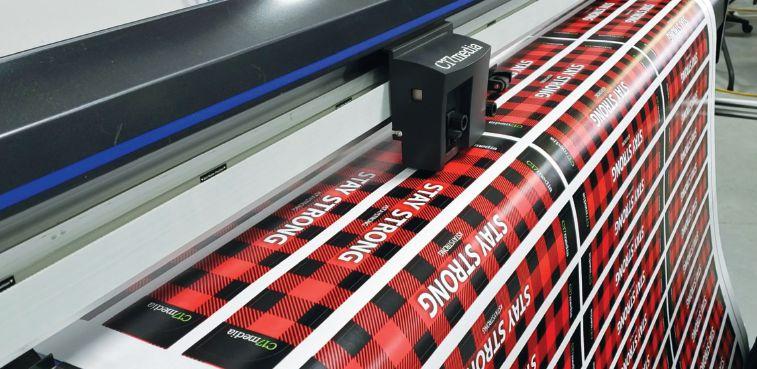
Chris Pereira, president of C17 Media Inc., describes how his company produced 100,000 face shields, including 4,000 that were donated to local hospitals. The company also produced other personal protective equipment, or PPE, including sneeze guards, while displaying innovation by retooling its Esko cutting table in order to produce these life-saving products.
Why did the company decide to start producing PPE?
CP: When the lockdown started in March, like a lot of other print providers, a lot of our clientele sort of went quiet. Some were forced into lockdown, and others were very cautious about budgets. We had a lot of time on our hands, and I wanted to ensure that we could remain employed during that time. We started to wonder what
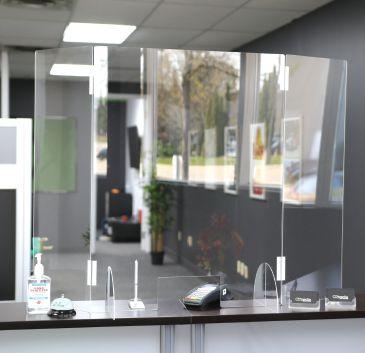
else we could do. We looked at various PPE options and ways to help and it seems like face shields, later followed by sneeze guards and Plexiglass barriers, were the products that were best suited to create in-house with our capabilities and knowledge.
How did you go about producing this PPE?
CP: We’re not a medical manufacturing company, so these were definitely new waters for us. We first developed a few prototypes based on what we’ve seen online. They looked like they were going to be sufficient, but we weren’t the experts, so we got a couple into the field. We had different nurses and doctors try them out. Ultimately for functionality, we turned to Health Canada. They were the ones who made sure that we were following the requirements needed for [the shields] to function properly. Once we had that sorted out, it was a matter of ramping up production and getting them out to the hospital, so we took two paths. The first was doing some donations. We set up a GoFundMe page requesting donations to cover material
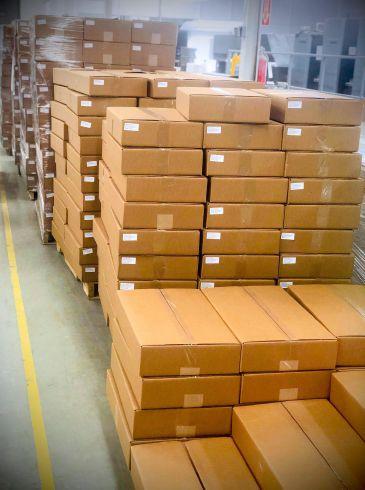
costs. The second was to try to sell some to different organizations out there, if they needed them. We sort of dove into it headfirst. We’re a relatively smaller company out there in the print world and we ordered pallets and pallets, a semi truck full, of different PPE supplies. It was pretty scarce to get different films, the foam was relatively easy to source but the elastic band, the volumes that we were trying to produce was pretty challenging. We had ordered them from across North America; we sold out a few suppliers in that industry trying to get enough elastic. It was kind of a weird position to be in because we had invested so
It was incredible how much people were willing to lend a hand to get it done. Our team is incredibly thankful for that.
much in an effort to really keep busy and do good.
Luckily, we had a great response. Our GoFundMe took off and we were able to donate 4,000 shields. As that was progressing, we received a large [purchase order] from the Ontario government… so we stopped the GoFundMe. We obviously fulfilled all the requirements there and more from our side, but at that time, turned our attention to the order from Ontario. It was a challenge because we were trying to ramp up production. We hired about 20 to 25 additional staff, and this was the time during a lockdown, so to hire people to bring them in to do assembly, while there’s
Were there any specific processes that you followed to retool the machinery?
so much uncertainty. We were lucky that our facility was large enough to space them out, and we followed all the procedures that were outlined by the province.
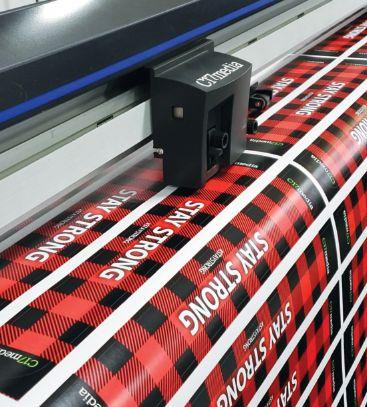
So, that took care of the labour-intense part of the assembly, but then there was also the cutting of the PPE, and for that we turned to our Esko machine, which I think was a lifesaver through this pandemic. We ran it for six or seven weeks straight, 24/7, and it didn’t need too much retooling in the ways of knives and bed for the shields, but what it did need was a way to carry the plastic rolls. So, we had to turn to a metal fabrication shop to engineer a device that would work.
CP: We first reached out to our vendors, with Esko. We assumed there would be something that we could purchase. I believe they actually don’t have anything, period, but they definitely didn’t have anything that we could get within our timeline of hours, or a day at most.
We had a couple engineers come by. We did a mock-up of the take-up wheel to figure out weight. It [ended up being] an easier task than we thought it was going to be, once we hired the right minds. But they did look at us a little funny when we said we want this done by the afternoon. I think what was amazing is whether we turn to people to help donate or to come to assemble… everyone was in this together, and everyone wanted to do their part. It was incredible how much people were willing to lend a hand to get it done. Our team is incredibly thankful for that.
YOUR SOURCE FOR EVERYTHING WIDE FORMAT
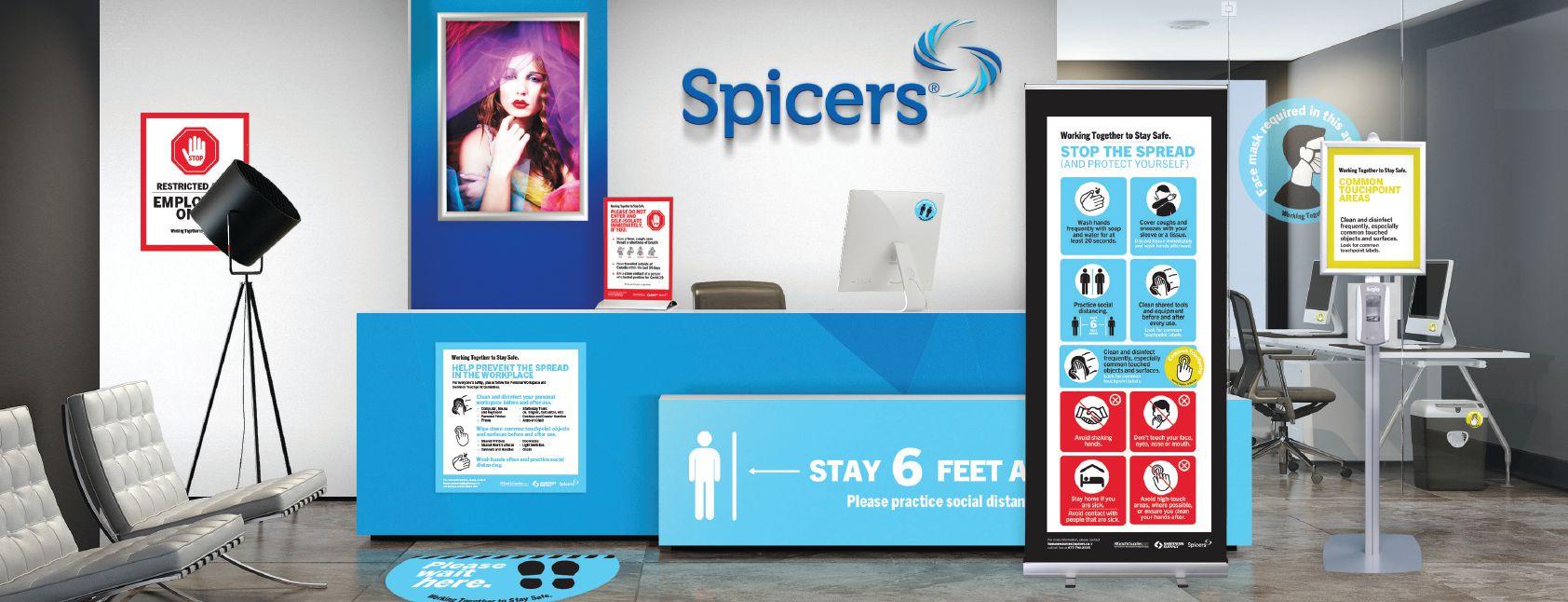
Spicers offers an extensive range of indoor and outdoor products to help you safely and effectively communicate your message to your customers, employees and the general public. Contact your local Spicers branch for our full product offering.
Helping you get back to business spicers.ca | shop online at gospicers.ca