Fly larvae approved for use in poultry feed in Canada by Treena Hein
16
TECHNOLOGY: Determining Chick Gender
Canadian research moving forward on determining gender in-ovo by Karen Dallimore
18
BUSINESS: Who Pays for an AI Crisis?
An overview of compensation schemes around the world by Melanie Epp
24
ENERGY: Towards Net Zero
Cutting-edge super-efficient laying hen facility provides a new model for how Canadian poultry farmers can cut electricity and heat requirements by Treena Hein
30
Focus on Bird Health
Antibiotic regulations, litter management, vaccination and health challenges presented at the B.C. Poultry Symposium by David Schmidt
FROM THE EDITOR
BY KRISTY NUDDS
Lawyer Up
In last month’s magazine, our cover story outlined some of the very real hurdles the Canadian agriculture industry faces to gaining the trust of the public to produce its food. Our Perspectives column this month (see page 38) emphasizes the fact that 60 per cent of the public wants more information on farming.
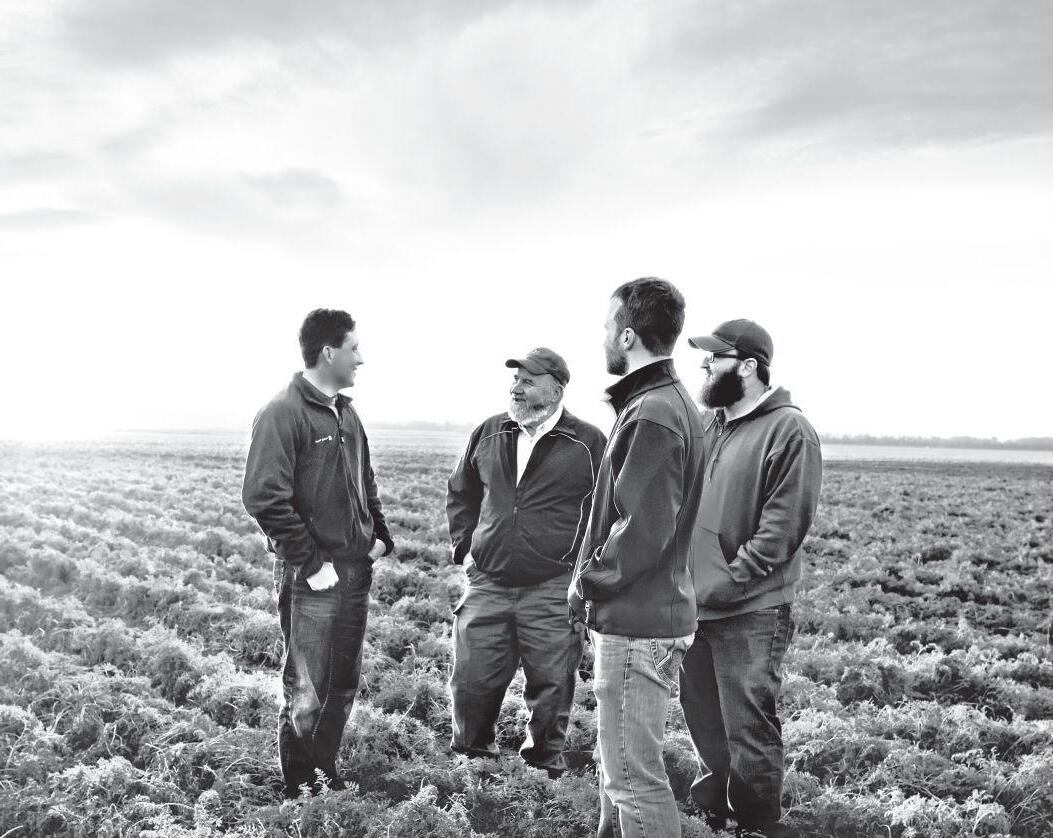
Ian McKillop says ensuring the farming community finds a way to connect is an immediate priority.
However, this will be a difficult task, made more difficult by increased media interest in highlighting undercover videos taken by animal activist groups alleging neglect and abuse on Canadian farms. Such videos and allegations are visually disturbing to many and play on human emotions, which unfortunately makes for great TV and headlines.
With the decline in the quality of print media and the evolving digital media world, journalists don’t have time anymore to tell all sides of a story, or even do a simple interview. If an undercover video and/or press release arrives on their desk nicely packaged and easy to put online within a few minutes, then that’s what happens. It’s a sad reality.
Unlike the sensationalistic tactics that were once employed by animal rights groups, the use of undercover videos has resulted in changes in how farm animals will be raised for food in the future. We know first-hand that retailers and food companies have paid attention.
Animal rights groups have become much smarter in their approach – not only through the use of media but through the law as well. And it’s the latter that I think the industry needs to keep its eye on.
Remember Proposition 2? Prop 2 was one of the first successful uses of the law in North America to mandate the desire of an animal rights group (in this case, the Humane Society of the United States (HSUS), which was the driving force behind it).
The HSUS realized too late that the wording used in Prop 2 allowed for the use of enriched colony cages, something the organization never intended. The end goal was, of course, to have hens in aviaries or free-range pasture systems. This was a bit of an “oopsie” on its part and one I’m sure it won’t make again.
In Canada, the founder of Animal Justice is a lawyer, as are its Executive Director and recently appointed Director of Farmed Animal Advocacy. This group has been successful at challenging existing laws and policies on animal and animal product use.
Earlier this year, a private member’s bill, Bill C-246 (the “Modernizing Animal Protections Act”), tabled by Ontario MP Nathaniel Erskine-Smith, had its first reading. Although most members’ bills are not passed, watch this one closely: if passed as written, it could have implications for slaughter, transport, research and perhaps even rearing animals. The bill can be accessed at www.openparliament.ca.
Late last year in Quebec, a bill was passed that recognizes animals as “sentient beings” rather than things. The University of Ottawa recently announced it is offering a course in animal law this fall semester. One of the instructors is a recent UOttawa law student, Justine Perron, who founded the university’s Animal Protection Association. Perron told the Ottawa Citizen in August that she formed the association after seeing videos depicting cruelty. She says one way to create change is to tackle these issues at the legal level. “I hope more lawyers will have the knowledge in that sphere of law and be more interested in that cause.”
Make no mistake, Perron and other lawyers are highly motivated to be an advocate for the welfare of animals. The poultry industry needs to gird itself and present another equally compelling voice on behalf of animals. n
Occasionally, Canadian Poultry Magazine will mail information on behalf of industry-related groups whose products and services we believe may be of interest to you. If you prefer not to receive this information, please contact our circulation department in any of the four ways listed above.
As the egg laying industry continues to evolve, equipment manufacturing companies must do the same. At LUBING we are fully aware of our need to progress with the changing industry and that is why our culture of innovation is the reason for our success. LUBING is leading the way by offering a wide variety of products for today’s Cage-Free housing demands as well as bio-security concerns.
Glass-Pac Canada
St. Jacobs, Ontario
Tel: (519) 664.3811
Fax: (519) 664.3003
Carstairs, Alberta
Tel: (403) 337-3767
Fax: (403) 337-3590
Nipple Drinking Systems
Pullets / Layers with and without LitterGuard Cups
Egg Conveying Systems
Curve conveyors customizable to nearly any application Belt Conveyors ranging from 18, 24, 36, and 48 inches (capable of delivering up 600 cases/hr)
Accumulator Tables
Custom-made, all-stainless tables for all situations
Perch Systems
Ergonomic design allows birds to perch comfortably Reduces stress and helps create a calm environment
J. Dean Williamson Ltd. London, Ontario
Tel: (519) 657.5231
Fax: (519) 657.4092
Les Equipments Avipor Cowansville, Quebec
Tel: (450) 263.6222
Fax: (450) 263.9021
Specht-Canada Inc.
Stony Plain, Alberta
Tel: (780) 963.4795
Fax: (780) 963.5034
Axing Wooden Breast Syndrome WHAT’S HATCHING HATCHING
University of Delaware researchers have been analyzing the genes involved in wooden breast disease and have identified biomarkers for the disorder, and have determined the unique biochemistry of the hardened breast tissue. Such findings are expected to help advance new diagnostics and treatments for the disorder.
One of the first ways the research team looked at the problem was by studying all of the genes expressed in chicken breast tissue to get an understanding of the underlying biological mechanisms contributing to the disease.
By constructing complementary DNA information from five affected and six unaffected breast muscle samples from a line of commercial broiler chickens,
the team compared their gene list to previously published histology findings on the disorder.
Results showed that from over 11,000 genes with a detectable expression in the tissue, around 1,500 genes are significantly different between healthy and affected birds. Researchers found that there may be localized hypoxia — a lower oxygen concentration in the affected tissues. In addition, findings strongly suggest the presence of oxidative stress, as well as an increase in calcium in the tissue cells.”
Building on the gene expression data, the team started to identify biomarkers likely to be associated with wooden breast incidence and severity.
Using a subset of the genes found in the previous study, the team quantified the expression levels of 204 genes in 96 broiler chickens.
From a list of 30 genes that were the most important
in separating the chickens into groups of unaffected, moderately affected and severely affected, the team identified six genes that are increased in moderately to severely affected birds when compared with unaffected birds.
These biomarkers can now be used to accurately classify commercial chickens with or without the disease, as well as to potentially indicate its severity.
The researchers also found that affected breast muscle possesses a unique metabolic signature reflecting elevated lipid levels, muscle degradation and altered use of glucose. These findings offer new insight into the biochemical processes that contribute to tissue hardening.
The research is led by Behnam Abasht, assistant professor in the Department of Animal and Food Sciences in UD’s College of Agriculture and Natural Resources (CANR).
COMING EVENTS
USask Gets Food Security Research Chair
The federal government is investing $10 million over seven years to bring one of the world’s most respected experts in food security to Canada. Leon Kochian
Matt Klassen Joins Aviagen BRITISH COLUMBIA
Matt Klassen has joined Aviagen as a Customer Support Representative. He will be based out of Abbotsford, British Columbia, serving customers west of Manitoba. As an Aviagen Customer Support Representative, Klassen will work hand-in-hand
will become the Canada Excellence Research Chair (CERC) in Food Systems and Security at the University of Saskatchewan. Kochian will lead a multidisciplinary team to unlock the secrets of a plant’s “hidden half”-the root
system-an unexplored aspect of plant breeding.
His research will develop new root-based approaches to crop improvement that will enable breeding for improved root system structure and function, producing new varieties with higher yields and greater capacity to thrive in difficult conditions.
with customers, helping them reach the maximum performance potential with Aviagen’s Ross® brand of breeding stock. He will benefit poultry farmers and producers with his expert guidance and advice in key areas necessary for flock success, such as best management practices, feed and nutrition, hatchery operations and biosecurity.
Passing of Dr. John Summers
Dr. John David Summers, Professor Emeritus at the University of Guelph, passed away August 2, 2016. He completed both his BSc. and MSc. from the Ontario Agricultural College (OAC) and completed his Ph.D. at Rutgers University. Most of his academic career was spent at the University of Guelph, initially in the Department of Poultry Science and later in the Department of Animal and Poultry Science. His ongoing contacts with industry ensured direct application of his research
into various aspects of poultry nutrition that was always timely and insightful. For example, his pioneering work of nutrition and fat deposition in broilers, which is still important today, was started in 1974. His research spanned all the major poultry species, and John could always be counted on to ask penetrating questions at poultry and nutrition meetings around the globe. John was truly one of the pioneers of the golden age of poultry nutrition.
His objective will be to help customers get the most from their flock operations by improving efficiencies and thus increasing productivity and performance.
He has a well-rounded, 22-year background in the poultry industry and was most recently hatchery manager with the British Columbia Broiler Hatching Egg Commission.
become the foundation of our modern strategies of poultry nutrition. John had a close working relationship with Shaver Poultry in Cambridge, Ontario, and in this capacity visited over 50 different countries. John gave numerous invited lectures around the world where his insightful knowledge was always greeted with great enthusiasm, from both students and other professionals in the poultry industry. John authored over 400 research papers and co-authored 5 books on various aspects of poultry production. John became Professor Emeritus in 1990 and received the Order of OAC in 2013. ONTARIO
Together with his esteemed colleagues, he helped to develop what has
DECEMBER 2016
December 1, 2016
Eastern Ontario Poultry Conference, St. Isidore, Ont. For more information, visit: poultryindustrycouncil.ca
December 14, 2016 Prairie Livestock Expo 2016, Victoria Inn Hotel & Convention Centre, Winnipeg, Man. For more information, visit: prairielivestockexpo.com
NOVEMBER 2016
November 9-12, 2016
Agri-Trade Equipment Expo, Westerner Park, Red Deer, Alta. For more information, visit: agri-trade.com
JANUARY 2017
January 30-31, 2017
International Poultry Scientific Forum, Georgia World Congress Center, Atlanta, Ga. For more information, visit: ippexpo.org
January 31-February 2, 2017
International Production and Processing Expo, Georgia World Congress Center, Atlanta, Ga. For more information, visit: www.ippexpo.org
FEBRUARY 2017
February 14-16, 2017
Atlantic Poultry Conference, Old Orchard Inn, Wolfille, N.S. For more information, visit: atlanticpoultryconference.com
February 27, 2017
Western Poultry Conference, Sheraton Red Deer, Red Deer, Alberta. For more information, visit: www. westernpoultryconference.ca
WHAT’S
HATCHING HATCHING
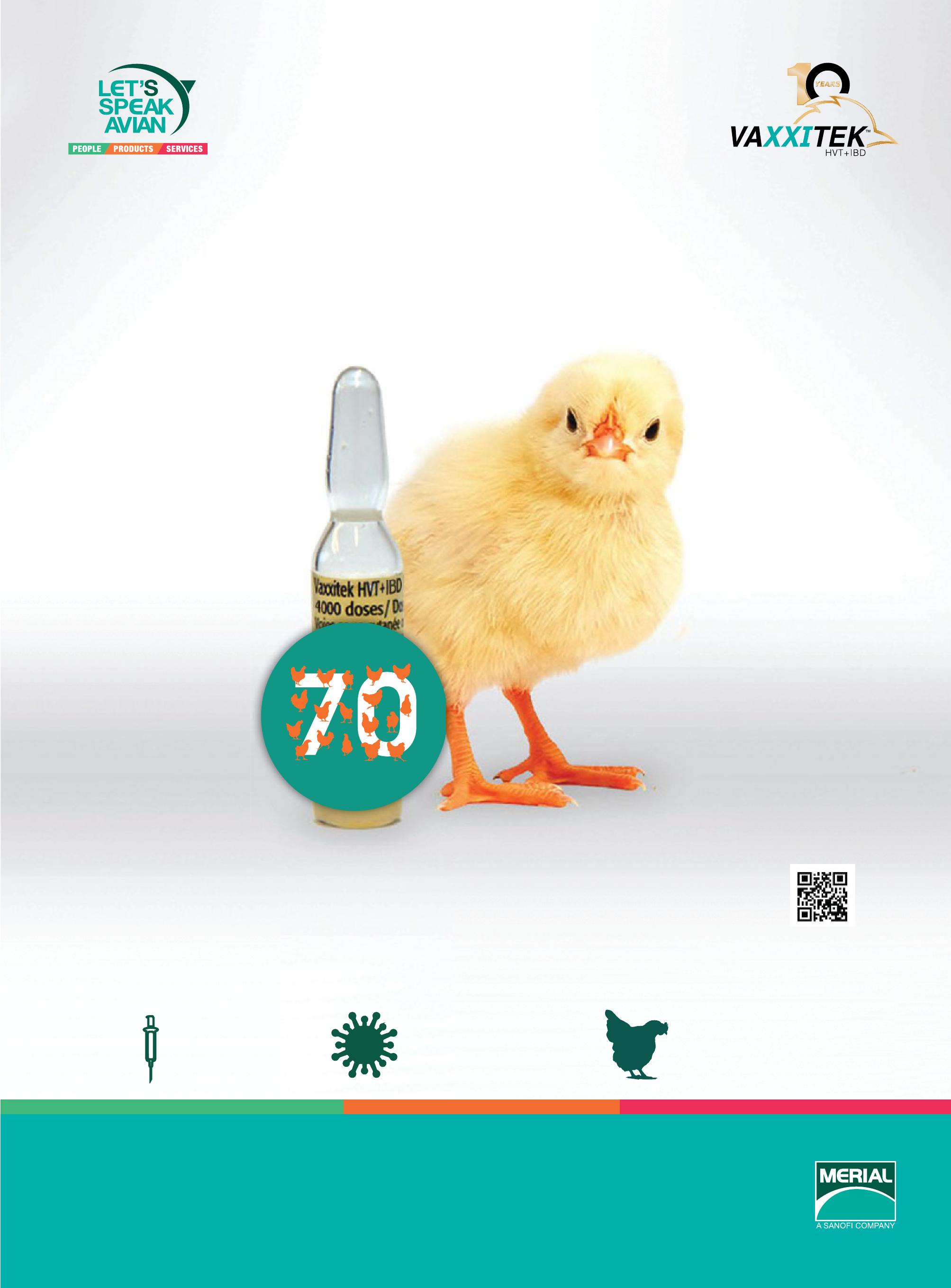
VAXXITEK HVT+IBD1 Turns 10
Merial’s VAXXITEK HVT+IBD1 vaccine is celebrating 10 years of protecting flocks against Marek’s disease and Gumboro disease (also known as Infectious Bursal Disease). Since it’s introduction in Brazil in 2006, the vaccine has protected more than 70 billion birds across more than 75 countries against these two critical diseases, for which no treatment exists, considerably simplifying the vaccination process and contributing to disease preven-
tion and efficiency strategies for poultry production businesses worldwide.
VAXXITEK HVT+IBD1 is one of the most used poultry vaccines in the world, Jérôme Baudon, Global Head of the Avian Business at Merial, said in a release. The vector-based vaccine continues to represent a significant advance in vaccination, with only one single application needed for each bird (given at one day or inovo).
COMING EVENTS
MARCH 2017
March 1-3,2017
B.C. Poultry Conference 2016, Sheraton Wall Centre Hotel, Vancouver, B.C. The four feather boards in B.C. are hosting a joint conference that will feature breakout sessions, trade exhibits, each commodity’s annual meeting and keynote speakers. For more information, e-mail: bcpcinfo@mci-group.com
March 20-22, 2017
Western Poultry Disease Conference, Holiday Inn Capitol Plaza, Sacramento, Calif. For more information, visit: http://www.cevs.ucdavis. edu/confreg
APRIL 2017
April 5-6, 2017
London Poultry Show Metroland Media Complex, Western Fairgrounds, London, Ont. For more information, visit: westernfairdistrict.com/ london-poultry-show
Course on Animal Rights A
new course being taught this fall at the University of Ottawa, called Animals and the Law, is an indication that attitudes toward animal rights are changing, say activists, a trend that one Liberal MP hopes will pave the way for his private member`s bill in Parliament.
The course will be offered to students at the university’s francophone faculty of civil law and will examine the most current legislation on animal rights, such as a recent Quebec bill that granted animals the status of sentient beings.
Liberal MP Nathaniel Erskine-Smith is hoping that
attitudinal change translates into support of his bill, the Modernizing Animal Protections Act.
Although the University of Ottawa’s common law faculty has taught a course on laws affecting animals since 2012, the new civil law course will see students choose their own research topics and present a paper to their classmates at the end of the semester, Perron explained. Through their research and findings, “the students will teach the other ones a part of animal law’’ that hasn’t necessarily been analyzed before, said Perron.
We welcome additions to our Coming Events section. To ensure publication at least one month prior to the event, please send your event information at least eight to 12 weeks in advance to: Canadian Poultry, Annex Business Media, P.O. Box 530, 105 Donly Dr. S., Simcoe, ON N3Y 4N5; email knudds@annexweb.com; or fax 519-429-3094. Please write ‘Event Submission’ in the subject line.
IF ABF IS IN YOUR FUTURE PLANS, WE CAN HELP YOU CLEAN THINGS UP!
The truth is, we’ve had ABF (antibiotic-free) on our minds long before it was a daily talking point in the industry. Our products are designed to maximize your bird’s health and performance, which can provide a better way to ABF profitability.
CLEANER EGGS:
Commercial grade plastic egg belt and nest dividers allow for thorough wash-down and disinfection.
CLEANER FEED PANS:
A hinged pan design with an easy snap allows you to do a thorough wash-down, and drop the dish for drying.
CLEANER ENVIRONMENT:
Washable plastic cooling pads and corrosion resistant fans promote a cleaner ventilation system.
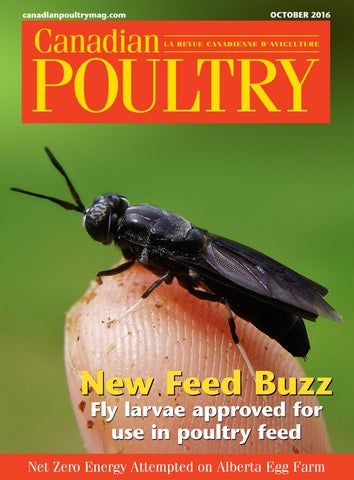
Cover Story New Feed Buzz Fly larvae approved for use in poultry feed
by Treena Hein
We have two new cutting-edge Canadian poultry feed developments to present in this issue of Canadian Poultry. First up is a high-protein ingredient produced by Enterra Feed Corporation of Langley, B.C., which recently received Canadian and U.S. regulatory approval for use in animal feed (broilers and pets so far) – the first ingredient of its kind to do so.
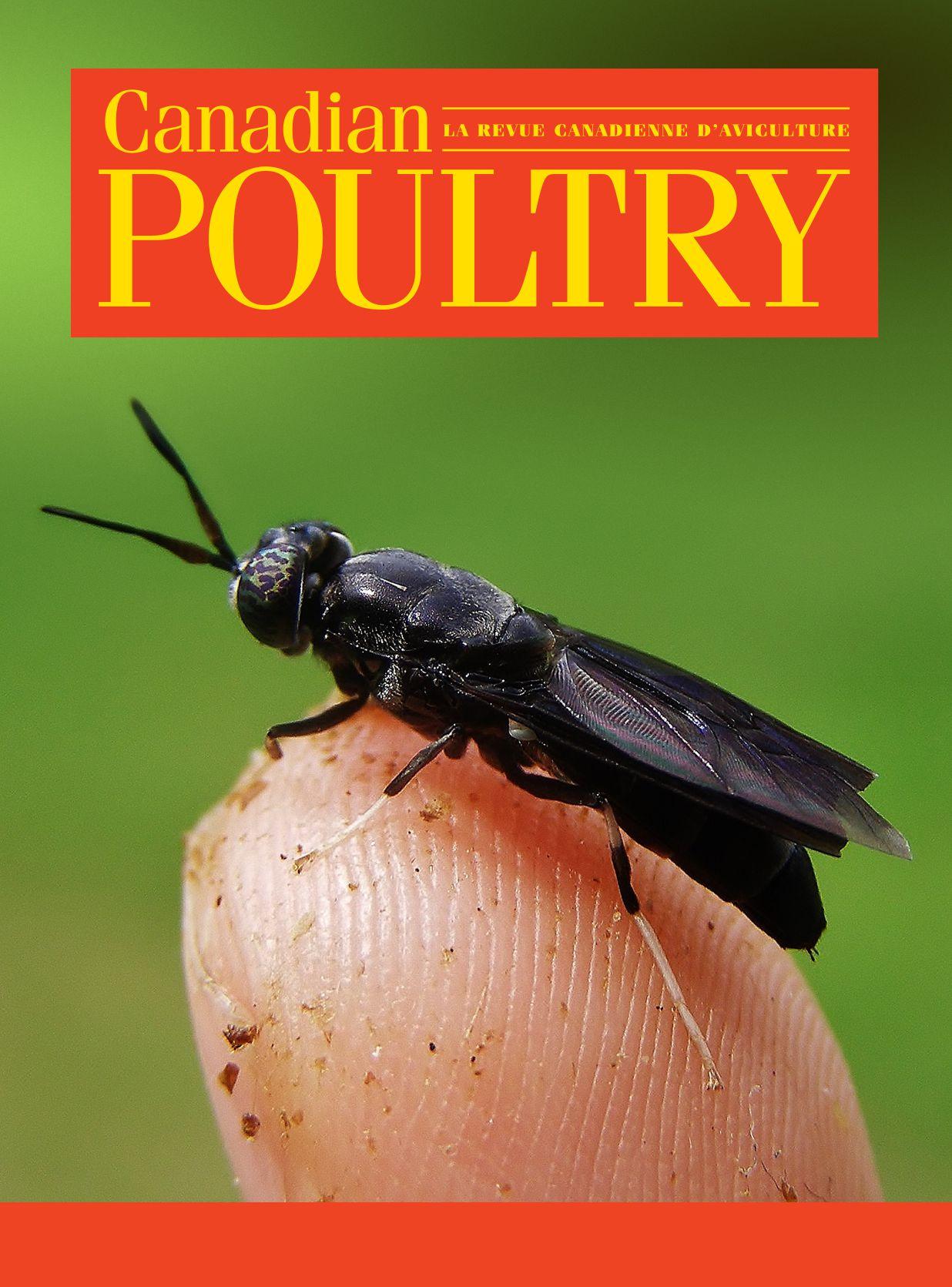
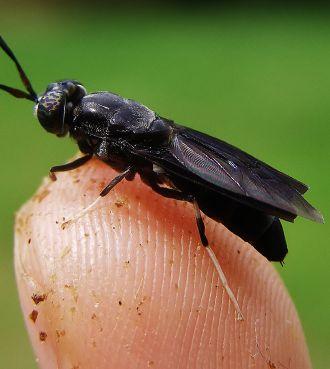
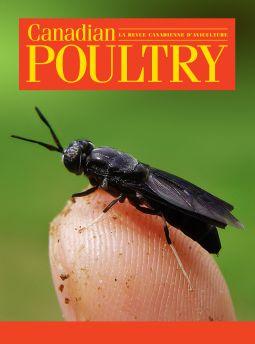
The ingredient is Whole Dried Black Soldier Fly Larvae (BSF). Black Soldier Flies are native to North America and do not bite or sting. The larvae are high in protein and fat, and grow quickly. Enterra’s Marketing and Operations Manager says BSF are renewable and environmentallyfriendly, consuming pre-consumer food waste that would otherwise go to landfill, composting or waste-to-energy operations where the food nutrient value would be lost. Victoria Leung also notes that BSF larvae will consume a wide range of waste food, from fruits, vegetables and stale bread to grains and grocery store waste.
REGULATORY APPROVAL
Dried larvae from the Black Soldier Fly (above) is a renewable and environmentally-friendly novel feed ingredient recently approved by the Canadian Food Inspection Agency as a novel feed ingredient for broilers
All of the company’s production processes were developed in-house by Enterra’s research and engineering teams over the course of several years. “The adult flies are grown in cages under controlled environmental conditions,” Leung explains. “Once the larvae mature, they are either sent back to the cages to emerge as flies or they are harvested as product.”
When asked about the potential reaction a consumer might have to eating chicken that has been fed dried fly larvae, Leung says that “based on our experience, we are not too concerned… Insects are a natural source of nutrients for chickens, fish and other animals – it’s what they eat in the wild. Free-range chickens, for example, naturally forage for insects.”
The biggest barrier to commercialization of BSF has been
clearing regulatory hurdles to achieve approval as a feed ingredient. “However, we are now seeing very good progress on this front, first with the Food and Drug Administration (FDA) in the U.S., and now with the Canadian Food Inspection Agency (CFIA) as well,” Leung explains. CFIA approval this summer came after four years of work, during which time the agency reviewed BSF as a ‘Novel Feed Ingredient,’ did a data review and a complete safety assessment (livestock, workers, food and the environment). “CFIA has a very thorough review process that involves assessing the product for safety, microbiology and efficacy for each target animal type, for example salmon, broilers and so on,” says Leung. “We also needed to show the product worked equivalent to or better than feed ingredients currently on the market.”
Enterra is working with the CFIA and FDA to have its BSF approved for use in other animal feeds as well, including poultry layers, other poultry (turkeys, ducks), trout and salmon. Approval is anticipated in mid-2017. The firm is also working to develop new products from dried larvae such as oil and highprotein meal.
Because it’s a natural ingredient, we asked Enterra if inclusion of BSF in chicken feed will help with bird gut health, for example perhaps reducing incidence of coccidiosis and necrotic enteritis. Leung responded by noting that “insects contain chitin as part of their exoskeleton structure. Researchers have proposed that inclusion of chitin or chitosan in poultry diets may improve poultry health; however, more research is needed.”
Dr. Bob Blair, nutritional scientist and Professor Emeritus in the Faculty of Land and Food Systems at the University of British Columbia (UBC), has studied BSF. “The meal is closest in composition to fish meal and is a valuable feed ingredient,” he says.
“It contains 40 to 60 per cent crude protein, depending on the amount of oil extracted during processing.” He has found no issues with blending it into feed, though he notes the high-fat product may have to be stabilized. “I do not have first-hand experience of feeding the meal to poultry since UBC no longer has the requisite facilities, but based on my talks with the company and my understanding of research conducted on similar products elsewhere, I regard it as an excellent poultry feed ingredient. Its main limitation is the cost - can it compete economically with other protein feedstuffs or will its cost limit it to more expensive feeds such as fish feed?” Blair adds that since BSF excrement can be used as fertilizer, the whole BSF production process “is to be welcomed as a sustainable way of producing a valuable feed ingredient from vegetable waste that would otherwise be dumped.”
Enterra is currently selling BSF to both Canadian and U.S. customers in the poultry and pet food industries. Scratch and Peck Feeds in Bellingham, Washington began purchasing BSF in April 2015, shortly after it became available on the U.S. market. “We wanted it to package as a poultry treat as an alternative to meal worms which are predominantly grown in China,” explains owner Diana Ambauen-Meade. “One of our company’s values is to source our ingredients as locally/regionally as possible so we don’t buy anything offshore. And we value that they feed the larvae pre-consumer food waste that would normally end up in a landfill as it is a very effective way to close the food waste loop.”
She says she fully intends to integrate BSF into her feeds as an alternative protein source to the fishmeal currently used.
When asked about the potential to have widespread inclusion of BSF in U.S. and Canadian poultry feeds, in terms of the environment impact that would have on diverting landfill waste
Processing the larvae from the Black Soldier Fly
Cover Story
and in the avoidance of other feed ingredients which have greater impact, Leung has a positive outlook. “There is a big potential for our insect ingredients to become a standard inclusion in livestock diets,” she says. “Our company plans to expand far beyond our Langley facility – anywhere there is an abundance of food waste, it is possible to build a commercial insect-rearing facility to upcycle the waste nutrients into sustainable feed ingredients.”
ANTIBIOTIC REPLACEMENT?
Ontario-based AbCelex Technologies has developing a line of nonantibiotic, non-hormonal products that eliminate or significantly reduce pathogens in the chicken gut such as Campylobacter and Salmonella. “Since these innovative products are based on natural antibodies, there is no risk to human health and no possibility of antibiotic resistance,” says President and CEO Saeid Babaei. “The products will be delivered as a feed additive. Chickens simply ingest the antibody and it selectively neutralizes the bacteria. Our results in live chicks show 95 per cent inhibition of the Campylobacter pathogen, far higher than any other pre-harvest method used in industry and what expected by regulators.”
AbCelex is now moving forward with young adult field studies to be followed by large broiler trials to support regulatory submissions, with a goal of market launch in late 2018 or early 2019. “Being the first product of its kind, we will work with various regulatory agencies in getting our products approved,” Babaei notes. “Our commercialization strategy is to directly market to large poultry producers/processors as well as co-marketing opportunities with larger animal health companies…We have already partnered with one of Ireland’s largest poultry producer/processor, Carton Group, which may be involved with commercial farm studies and product registration in Europe.”
The very small antibodies (also called single-domain antibodies or nanobodies) employed by AbCelex occur naturally only in the blood of cameloids (camels, llamas and alpacas) and sharks. “The discovery of this novel class of antibodies stems from the early 1990s,” Babaei explains, “when Belgium scientists were studying the blood of cameloids and they noticed that the immune systems of these species produced a unique type of antibody around a tenth of the size of usual antibodies — small enough that they were orally bioavailable, whereas conventional antibody drugs must be injected to enter the bloodstream.” The nanobodies’ small size and flexibility for molecular engineering also allows for cost-effective mass production.
In the past several years, AbCelex has increased the resistance of its lead products to the acidic conditions of the animal digestive tract, and also significantly improved their resistance to heat (required in poultry feed preparation). In the past year, they have also produced their lead antibodies in various micro-organism systems, such as yeast. In July 2016, AbCelex received an investment of $3.4 million through Agriculture and Agri-Food Canada’s ‘AgriInnovation Program’ to support further product development. Babaei says this will be conducted in collaboration with Canadian and international academic institutions, companies and contract research groups. n
Somebody should speak up.
Somebody should set the record straight. Somebody should do something
Well I’m somebody. You’re somebody. Everyone in ag is somebody.
So be somebody who does something
Somebody who speaks from a place of experience, with passion and conviction
Somebody who proudly takes part in food conversations big or small, so our voice is heard.
Somebody who tells our story, before someone else does.
Be somebody who does something. Be an agvocate.
AgMoreThanEver.ca
Somebody who builds consumer trust so our industry can meet the demands of a growing, and very hungry, world.
Somebody who shapes people’s relationship with agriculture
It can be done
But it’s a big job that takes co-operation, patience and respect for every voice in the conversation We need to build lines of communication, not draw lines in the sand.
Be somebody who helps everybody see Canadian agriculture as the vital, modern industry it is. Somebody who helps everybody see people in ag for what they are – neighbours, friends, and family who share the same concern everyone does: providing safe, healthy food to the people we love.
Our point of view is important Our story is important. And people want to hear what we have to say So be somebody who takes, and makes, every opportunity to share it.
I’m somebody
You’re somebody
Together, we can tell everybody
CPRC Update Immune System Activation Research
The CPRC 2015 funding process approved projects that addressed several poultry industry priorities. A major industry priority is improving the immune system, and two projects that specifically address this in poultry have recently acquired all necessary funding in addition to CPRC funding. These projects are now currently under active research.
ACTIVATION OF INNATE IMMUNITY
The emergence and spread of resistant bacteria are rendering current antibiotics less useful. Furthermore, the controversial practice of prophylactic use of antibiotics encourages the emergence of antibioticresistant microbes. Therefore there is a need for the development of novel alternative strategies to antimicrobials for infectious disease control.
CPRC has recently funded a project that will investigate an innate immune-based method of disease protection as an alternative strategy to antimicrobial use. During initial exposure to pathogens, birds are reliant on their innate immunity for protection against infection. Innate immune responses are not pathogen-specific but are activated by features/patterns characteristic of pathogens. The innate immune system is capable of limiting a variety of infections once activated. Although the innate immune system of chickens is developed at hatch, it is not activated; therefore, microbial agents (particularly bacterial pathogens) can infect chicks at the time of placement in the barn.
Professor Susantha Gomis, from the University of Saskatchewan has studied the effects of a pattern characteristic of bacterial DNA, known as CPG-motifs to induce or activate the innate immunity. Research has shown that synthetically generated
CPG-motifs or ‘CpG-ODN’ as an immune system stimulant is capable of protecting neonatal chickens against specific bacterial infections. Results obtained to date show that intranasal delivery of CpGODN is advantageous to in ovo delivery as innate immune stimulation coincides with the first week of the birds’ life, which is the most vulnerable period for bacterial infections. Dr. Gomis’s current research will develop an effective method of intranasal delivery of CpG-ODN at hatch. The research approach will be to initially develop a CpG-ODN delivery prototype for intranasal delivery of the CpG-ODN to neonatal chicks followed by field efficacy and safety trials.
This research is also funded by NSERC, Chicken Farmers of Saskatchewan, (Saskatchewan Chicken Industry Development Fund), Alberta Livestock and Meat Agency Ltd., Western Economic Diversification Canada, Sunrise Poultry Hatchery, BC and Prairie Pride Natural Foods Ltd., SK.
ACTIVATION OF ADAPTIVE IMMUNITY
Respiratory viruses have a negative impact on the poultry industry. Although vaccination against respiratory viruses is used to control these common viral diseases, “vaccine failures” remain common.
CPRC has recently funded a project that will investigate the use of innate immune stimulants to induce adaptive immunity against respiratory viruses. Adaptive immune responses are pathogen-specific and recognition of the pathogen results in both antibody-related and cell-mediated immunity. Adaptive immune responses are slow to develop and may take up to a week before the responses are effective.
Associate Professor Faizal Careem, from
the University of Calgary, has studied the effects of synthetic Pathogen Associated Molecular Patterns (PAMPs) in activation of innate immune responses. Research has shown that these PAMPs are effective in reducing the impact of a number of avian bacteria and viruses. PAMPS are also a known to increase the immune response of experimental vaccines when incorporated with these vaccines as ‘immune response enhancers’.
Dr. Careem, will investigate the role of innate immune stimulants in the induction of adaptive immunity to respiratory viruses. Results obtained in his prior research have demonstrated that in ovo delivered PAMPs can reduce a specific viral load in the respiratory tract of embryos and neonatal chicks. in ovo delivered PAMPs also increases innate immune cell responses in neonatal chicks. These responses have been shown to promote the development of adaptive immune responses in mammals. Overall, this study will determine the efficacy and mechanism of in ovo delivered PAMPs in inducing pathogen specific adaptive immune responses against respiratory viruses. The approach is centralized on stimulation of the innate immunity to reduce the viral replication at the site of entry allowing birds to acquire adaptive immunity.
This research is also funded by NSERC and Alberta Livestock and Meat Agency Ltd.
CPRC, its Board of Directors and member organizations are committed to supporting and enhancing Canada’s poultry sector through research and related activities. For more details on these or any other CPRC activities, please contact the Canadian Poultry Research Council, 350 Sparks Street, Suite 1007, Ottawa, Ontario, K1R 7S8, tel: (613) 566-5916, e-mail: info@ cp-rc.ca, or visit us www.cp-rc.ca. n
Combi Barn, All in One, and HR3 cage free laying systems
Pedigrow 2 cage free chick school
AGK 3600 enriched colony system available with Salmet’s patented WHISK manure drying system
PS 2800 parent stock housing system
MDT manure drying tunnel
Salmet composting system
LED lighting systems
FOR ONTARIO, QUEBEC, BRITISH COLUMBIA & THE MARITIMES CONTACT OES INC.
BARRY RUBY
o: 1 (888) 218-7829
m: 1 (519) 590-7829
barry@oes-inc.ca
Ventilation systems
Egg conveying
Complete control solutions
FOR MANITOBA, ALBERTA & SASKATCHEWAN CONTACT PENNER FARM SERVICES
In 2007, when Dr. Michael Ngadi at McGill University developed a way of predicting chicken egg hatchability using hyperspectral imaging with 95 percent accuracy, no one noticed. Three years later an article appeared in a magazine asking, what happened to that research? No one answered. But in 2012, public concerns with chick maceration changed the question: could this technology determine the gender of the chick? No one had thought to ask until then, but the Egg Farmers of Ontario (EFO) decided to invest $50K to find out.
“It’s a testimony to funding early research,” said Tim Nelson, CEO of the Livestock Research Innovation Corporation (LRIC), a Guelph-based organization that acts as a catalyst to enable cross-disciplinary and cross-sectorial research.
Speaking to the Poultry Industry Council’s 2016 Poultry Health Day in Stratford, Ont., Nelson used Ngadi’s research as a prime example of how a piece of research can surface and become useful when exposed to the right timing and conditions.
By 2014, the technology had been developed to a point of 99 per cent accuracy of predicting gender at time of lay and almost 98 per cent accuracy of predicting fertility. Not only did this reduce waste, it also reduces the carbon footprint. “Every egg is useful,” said Nelson. The male eggs don’t have to be incubated, saving energy, and they’re still fresh enough to use in food service. For tom turkeys the cost effective sex separation could mean huge
99 per cent accuracy of gender before hatching will reduce waste and avoid incubation of male chicks
incubation and feeding advantages. The camera is non-intrusive, meaning no risk of contamination or disease transmission during testing.
In the summer of 2015 this project started “getting serious”, said Nelson, as the discussions and legal agreements swirled towards commercialization. “It takes a lot of time…longer than you think.” The inventor of the technology had to negotiate intellectual property agreements and royalties with his team, McGill University, and the EFO. The sensitive equipment capable of scrutinizing 30,000 eggs per hour was also picking up electrical interference, while the hatch-
ing equipment itself was developed in South Africa and required approval from the CSA. The PIC funded the original research; funding sources expanded to include further support from the EFO and the Agricultural Adaptation Council (AAC).
On May 28, 2016, an excited Dr. Ngadi e-mailed Nelson to announce that the prototype would soon be ready to begin industrial trials, and a partnership is being established with an EU organization to further develop and distribute the technology as the project partners seek worldwide distribution.
“It’s off the bench now,” said Nelson.
EVERY EGG USEFUL
JOIN US IN GIVING BACK TO OUR COMMUNITIES THIS THANKSGIVING.
For the eighth year in a row, Turkey Farmers of Canada has donated $50,000 to Food Banks Canada to help more Canadians enjoy a wholesome, nutritious meal at Thanksgiving. This year, we’ll also donate an additional $1 each time our #TurkeyFarmersCare graphic is shared on Facebook, Twitter or Pinterest, to a maximum of $3,000.
It’s just one of the ways Canadian turkey farmers are working to make this a happier Thanksgiving for Canadians
Please join us in sharing on September 26th!
TURKEY FARMERS OF CANADA
Business
Who pays for an AI crisis?
An overview of compensation schemes around the world
BY MELANIE EPP
Controlling highly pathogenic avian influenza (HPAI) outbreaks is a costly business. Quarantine, culling and depopulation, poultry movement control and increased biosecurity amount to high costs for the industry. So, too, does establishing transparent communication with both the public and producers. Compensating farmers – and not compensating them – brings costs of its own, as proper compensation facilitates reporting and disease control. Unfortunately, not all compensation schemes are created equal, and lack of compensation is a problem that extends far beyond geographical borders. One could say that its conse-
quences are global in scale.
COMPENSATION AROUND THE WORLD
At this year’s International Egg Commission (IEC) conference in Warsaw, HPAI was a hot topic. Concerned poultry producers from around the globe met in an economics workshop to listen to Peter van Horne speak about compensation schemes around the world. Van Horne is a poultry economist from Wageningen University in the Netherlands.
There are a lot of regulations in the EU on how to compensate, said Van Horne as he dove into his presentation. The European Union clearly says where there is an outbreak of AI and birds are culled, farmers are compensated for the market value of that bird – both pullets and layers, he said.
“The EU, at the same time, says that it is very important that all of the
member states have good control of the outbreak,” he continued. “If there’s an outbreak in one country, the neighbouring countries are also impacted.”
The EU compensates 50 per cent of direct losses because it believes that it’s in the best interest of all member states to do so. The EU, however, does not compensate for consequential losses, so all of the empty periods on the farm. That’s the risk of the farmer. How governments operate at the state level is their decision, said van Horne.
But how do you determine the market value of a layer? Do the eggs she could have laid determine her worth or is the farmer simply compensated for the value of the bird? Turns out that there’s no clear answer.
In the Netherlands, value is assigned to pullets beginning at seven weeks. Feed costs are also calculated and included up to a maximum of 23 weeks. There are two main points where market value is determined, at the beginning and at the
Business
end. Since there is no market for hens at 50 weeks of age, value is simply estimated. Value is also based on revenue that would have been earned from the eggs. Consequential costs, including the costs to destroy the birds, transport, and the cleaning and disinfection of farms, are not covered.
“The Dutch say that there should be a maximum that the farmers can pay,” said van Horne. “There is a fund with levies. For five years the levies go into a fund and then there is a certain amount of money compensated from this fund to give compensation payments to the farmers – so there is a ceiling because otherwise it would be too expensive for the farmers.”
“When there’s a big outbreak, like 2003, there are very, very high losses with a lot of birds culled, then it’s just only the first part [that is] paid by the farmers,” he continued.
Belgium’s compensation scheme, said van Horne, is very straightforward. With regards to direct losses, the EU pays 50 per cent and farmers pay the remaining 50 per cent. Regarding the cost of control, the EU pay 50 per cent and the Belgian government pays the remaining 50 per cent. Consequential losses are at the risk of the farmer.
In Germany, direct losses are paid by the EU (50 per cent), by the government (25 per cent) and by the farmer (25 per cent). The scheme is similar for control costs, although
Germany is a little more complicated as the various states have different regulations. Like Belgium and the Netherlands, there is no compensation for consequential losses. There are, however, insurance companies that will cover consequential losses.
In France, farmers don’t have to pay anything for control or direct losses. The EU pays the 50 per cent, and the government pays 50 per cent. Consequential losses are not covered, but like Germany, there are insurance options.
Like the other EU member states, Spain gets 50 per cent compensation for direct losses. While van Horne couldn’t speak with great certainty on what happens beyond that, he did say that there are plenty of public-private insurance schemes in place.
Outside of Europe farmers have very different schemes. Australian farmers, for instance, are only compensated for direct losses. The amount of compensation is dependent on the type of disease. Diseases fall into three categories – one, two or three. The government compensates 100 per cent of direct losses for those diseases that fall into category one. Diseases that fall into category two, like HPAI H5 and N7, are paid for by the government and industry at 80 per cent and 20 per cent respectively. Category three diseases, such as HPAI other than H5 and N7, and LPAI subtypes H5 and H7, are paid for 50 per
Business
The winds of change are blowing through today’s livestock building ventilation. Canarm and Intelia bring you the first EC motors for agricultural fans, a smart and energy-efficient alternative to conventional AC motors. Plus, our new ECsmart™ motors run cooler and last longer than common fan motors. They’re a breath of fresh air for your energy budget.
cent by government and 50 per cent by industry.
In Indonesia, where there’s no clear preventative or control program, farmers are offered little to no compensation. This creates an additional problem, van Horne pointed out. That is, when farmers are not compensated, they are not motivated to report cases to the government. In many cases, they take the birds to market as quickly as possible. Sometimes, though, farmers are offered credit schemes to return to farming once the crisis is over.
“There should be compensation to motivate the farmers to be involved in solving the problem,” said van Horne.
This has been a problem in South Africa where there is no compensation for consequential losses. “The difficulty we have, if it’s a controlled disease, then the government will depopulate,” one South African farmer said at the workshop. “But you don’t know what you’re going to be compensated when they depopulate.”
“It’s never happened with chickens, but it’s happened with ostriches and cattle, so we don’t have any poultry experience,” he clarified. “But it is a practical problem for us, and private insurance is too expensive.”
Just as schemes vary in other parts of the world, they differ from country to country in North America as well. Although no official details on Mexico’s compensation scheme could be found, a Mexican farmer at the workshop, Sergio Chavez, quoted a price of $0.50 per bird. Chavez’s concern went beyond compensation, though. In 2012, there was a major outbreak in Jalisco, he explained. This was particularly problematic for the industry, as Jalisco represents 55 per cent of Mexican production.
“I think that’s important to measure – the social impact, the political impact – because what happened at that time?” he asked. “The prices to the consumer skyrocketed – doubled or tripled.”
Until 2012, U.S. poultry farmers hadn’t faced large outbreaks, so they didn’t have a compensation scheme in place. “If you don’t have a problem then you don’t know how to compensate for it,” said Chad Gregory, president and CEO of United Egg Producers. “Clearly, with the high-path AI outbreak of 2015 where we lost 35 million layers... we got intimately familiar with indemnity, and the formula and the areas that it was lacking.”
The first figures, said Gregory, weren’t good. The U.S. government came to a figure by calculating costs, including the costs for buying in and moving chicks, feed, vaccinations and service costs. One of the big problems was that the government was taking 90 per cent or more for dividends, earnings and taxes, he said.
“You’re left with about $1.00 to $1.10,” he said. “They add that to the figure to start of layer capitalization – so $4.25 to 4.50 – that is what she’s worth at 19 weeks.”
Visit www.canarm-intelia.com or call 1-800-260-5314 for more information.
“That doesn’t come anywhere close to helping pay for the bird or helping the farmer staying in business,” he concluded. “We had a lot of upset farmers last year.”
Our Agriculture Specialists have the background you need.
When you want financial advice, you want to know that your advisor actually has a background in agriculture. TD Agriculture Specialists offer that assurance. That’s why Dave Jeffries and his sons entrusted Vince Puchailo to help the Jeffries family put a strategy in place to keep their operation thriving for generations to come. Share the benefit of our experience. Talk to a TD Agriculture Specialist today.
Energy Towards Net Zero
Cutting-edge super-efficient laying hen facility provides a new model for how Canadian poultry farmers can cut electricity and heat requirements
BY TREENA HEIN
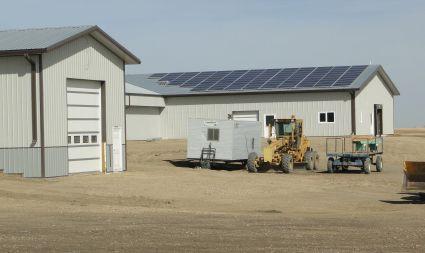
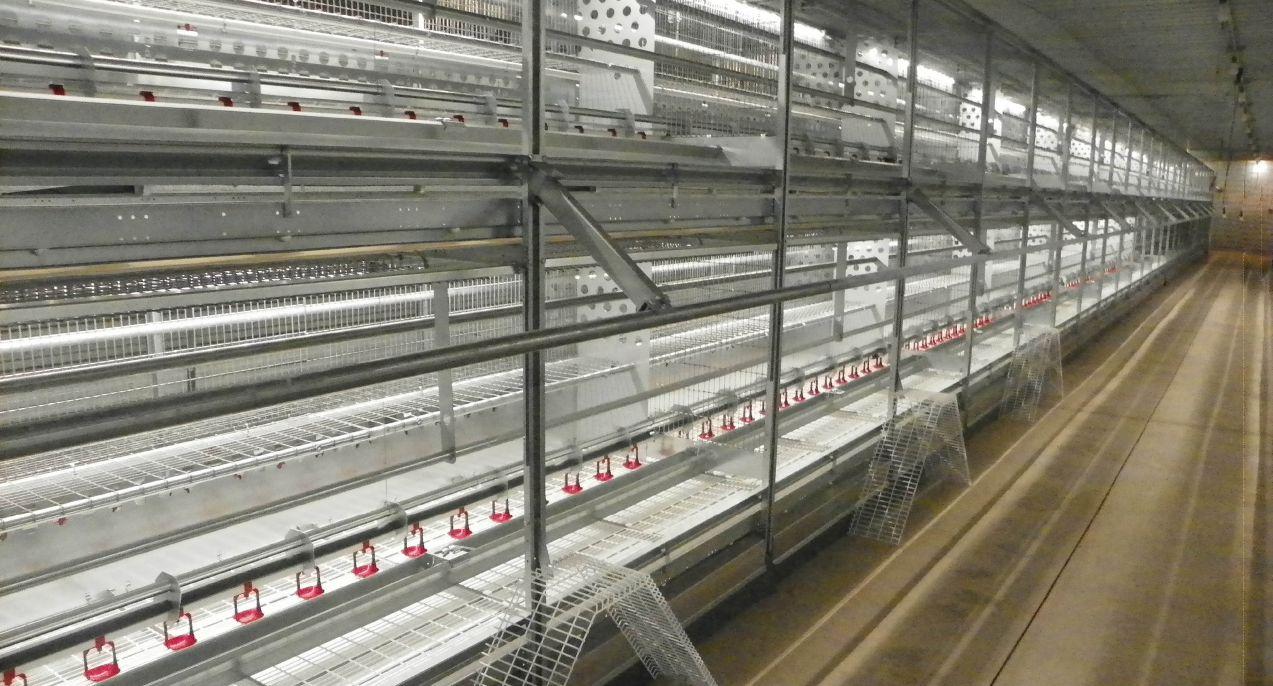
It’s one of the most, if not the most, efficient and high-tech poultry barn in Canada – a layer barn/egg cooling facility that offsets the consumption of electricity and natural gas heating through the use of solar electricity generation and many cutting-edge technologies.
The total estimated annual electricity and natural gas needs of the facility are between 80,000 to 120,000 kWh (with one GJ of natural gas consumption equivalent to 278 kWh). The existing solar panels generate about 29,000 kWh, so at this point, only about a third of the facility’s power needs are taken care of on-farm – but it’s a facility which holds many keys to how a layer facility might be designed and operated so that it produces as much energy as it consumes, known as “net zero.” Egg Farmers of Alberta describes the site as “establishing precedent for what additional solar (or other energy generation) would be required to get to net zero energy consumption,” and that it will “eventually provide all of the information we need to in order to communicate what a net zero layer barn looks like, and what it costs.”
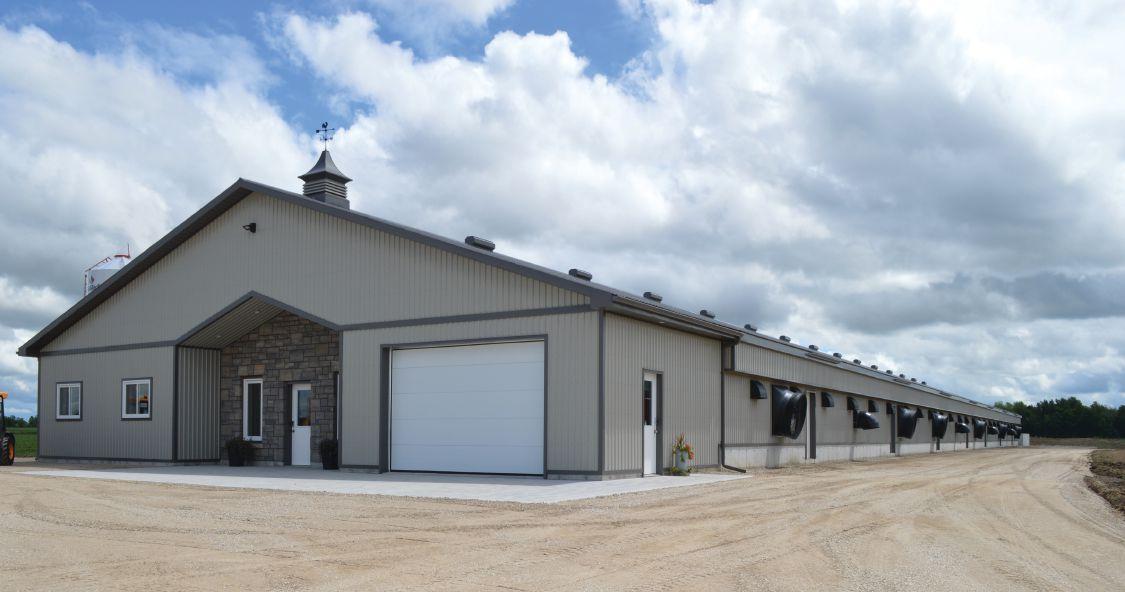
The free-run aviary barn is owned by the Brant Hutterite Colony (population 105) in Brant, Alberta (near Lethbridge)
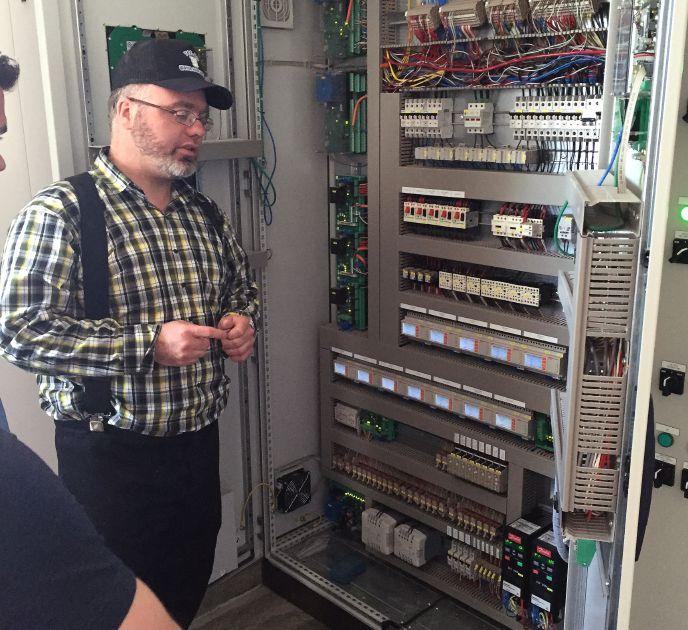
Above: Brant Colony egg manager Darrel Mandel shows attendees of an open house the monitoring equipment
Right: solar panels provide one-third of power needs
and houses 13,000 laying hens. To help offset some of the construction costs, the colony received a $250,000 grant from the Alberta government. Its partners, Egg Farmers of Alberta (EFA) and Alberta Agriculture and Forestry (AAF), also secured some funding from Agriculture and Agri-food Canada (through Growing Forward 2) to help make the project a
The idea for a net zero egg facility came about in 2014 after EFA had completed a “life cycle analysis”(an examination of resource use and other factors) of the province’s egg farms. It showed that on-farm energy use represents nearly 15 per cent of the climate change impact of egg production in Alberta. “EFA was and
is in the process of building plans and strategies to improve the carbon footprint of egg production and this [project] was a natural fit,” notes EFA Industry Development Officer Jenna Griffin. “Similar projects were initiated with Pork and Milk, but each organization took it in a different direction and I believe we were the only ones that went down the path of building a commercial facility.”
To find an egg farmer partner, EFA sent information to all those in the province known to be building a new facility and narrowed it down to a few that met certain criteria. “For example, we wanted the facility to be near a major urban centre, and be of a size that was representative of an average Alberta egg farm,” says Griffin. “The intent was to give ourselves the best chance of successfully getting to net zero and to ensure that the data generated is applicable to most farms.”
In describing why Brant Colony went ahead, Brant egg manager Darrel Mandel highlights the collegiality within Alberta’s egg industry. “There is a passion for your fellow producer,” he says. “When one has achieved a new and efficient way to better his or her farm… it is shared…For us, it did not seem right to let this pass and not do it for the industry.” The agreement with EFA and AAF required that Brant Colony provide data about barn energy performance and also install a web cam inside the barn, and Mandel says that while “providing data did not seem to be such a big issue” at the time, “agreeing to install cameras, allowing tours, were some big things to consider, and there were multiple reasons why we felt that first off, why should the public see what we or our birds are doing? It seemed like a very strange and out-of-place puzzle piece… [but] then we asked ourselves, what is there to hide? Why is this making us afraid on sharing what we do best, that being caring for our animals?… Adding the cameras would not change our everyday lifestyle. We love our animals…They need to be treated with the best care possible. By doing that, it gives the consumer a healthier egg…and gives us farmers an accomplishment that we
Attitudes Are Changing
It should come as no surprise that the Millennial Generation—who raised sharing photos of their meals to an art form—actually cares deeply about what they are eating.
The most progressive retailers have already responded to consumer demand for high-quality, humanely raised poultry.
This isn’t just a fad—it’s a trend.
For over 40 years, Hubbard has been The dominant player in the Premium breeds markets in Europe & the rest of the world. And we are poised to help YOU capture your share of the largest generation in US history.
www.hubbardbreeders.com
are
Energy
MAKING CHOICES
Using input from EFA and AAF, Brant Colony designed the building and purchased very high-efficiency systems and equipment. “The highest priority was for full laying-barn energy metering of electricity and natural gas,” notes AAF engineer Kelly Lund. “The next highest priority was for an investigation into using modern Heat Recovery Ventilator technology to save on heat energy.” Another main priority was choosing high efficiency equipment in the egg cooler. Electricity consumption is slashed low through the use of LED lights, which initially cost more but reduce light energy use by at least 80 per cent compared to incandescents, and have 30 times the lifespan.
The barn is heated through hydronics, a system wherein heat radiates from warm water circulated through a set of tubes, in this case hung from the ceiling. The water is heated using a natural gas boiler and circulated by electrically-powered pumps. Retaining as much heat as possible is very important to keep energy consumption down, but in a poultry barn, extra insulation won’t really help. That’s because barns lose about 80 per cent of their heat in the winter through ventilation – and
HRV’s maintain air quality while preventing large amounts of heat from being exhausted outside through transferring heat from outbound warm barn air to the incoming cold
that’s why a Heat Recovery Ventilator (HRV) was included in the barn design.
A highly efficient cooler fan motor in the egg cooler
fresh air. The airstreams pass through an elongated grid system and never mix. The amount of heat that can be retained depends on factors such as air velocity and the temperature difference between the airstreams. Moisture must be removed when the exhaust air temperature is reduced to the dew point. “In
Energy
freezing weather, there is potential for frost build-up with this condensation,” notes Lund. “Most HRVs (including this one) have a defrost cycle they are able to run if required.”
The HRV system will become operational this fall. Lund says they are anticipating some potential problems in colder
Watering Wisdom y
YOUR ONLINE SOURCE FOR POULTRY WATERING WISDOM.
Even the best watering systems won’t give you the best results if they are not managed properly. And there is, frankly, a lot of misinformation in the industry that leads to improper system management. Because of this, you’ll find us talking about best management practices more than about our products.
That’s why we started Poultry Watering U at poultrywatering.com. This is where we help you get the best information and best practices that enable producers to maximize flock performance.
Go to Poultrywatering.com. You won’t find a formula or a magic number. Just information and videos to help you get your best results.
A service of www.PoultryWatering.com
• How-to videos
• Poultry Watering U news
• Management downloads
weather, “not so much with the heat exchanger itself, but with the method of interior air distribution, which is a free air jet to a central redistribution fan system. If the incoming airspeed is not fast enough (which could potentially happen in particularly cold weather when the incoming airflow rate is reduced to prevent freeze-up), the incoming air may not reach the target location within the barn to be properly circulated.” Brant Colony has looked closely at the situation with EFC and AAF, and also hired an independent engineer. Mandel says everyone has concluded they need to run a distribution duct in order to get a good air flow to the centre of the barn. “We have decided it is better if we wait until the flock gets depopulated in early 2017,” he says. “We will still try to do some initial HRV testing once the heating season starts to see what the air distribution pattern looks like, but are prepared to shut it down if we notice problems.”
When might this particular egg production and cooling facility reach ‘net zero’ energy consumption? Lund says once they have one to two years of data monitoring, they will have “a much better sense of the energy use” and of “the amount of solar panels it would take to make it fully net zero.” She adds that Brant Colony’s decision to go fully net zero will likely be based at some future point in time on “whether the marketplace was ready to reward that level of initiative.”
Mandel notes that overall, being involved in the initiative gave him and his Colony colleagues the impression that the barn really could not be efficient enough, which spurred them to continuously look for efficiencies in all aspects of construction and operation. Besides the HRV system which hasn’t begun operating yet, Mandel says everything else is functioning well. “We can see the energy loads of the equipment in the control system and in the boiler room, and the cooler unit and solar are showing positive signs that the research was a worthwhile cause.” n
Health Focus on Bird Health
Antibiotic
regulations, litter management, vaccination and health challenges presented at the
B.C. Poultry Symposium
BY DAVID SCHMIDT
Canada and the U.S. are set to severely restrict and even eliminate the non-therapeutic use of antibiotics in poultry and livestock production by the end of 2017, says Elanco Animal Health regulatory affairs director Randy Bogg.
Both Health Canada’s Veterinary Drugs Directorate (VDD) and the U.S. Center for Veterinary Medicine are proposing to disallow the use of antibiotics to improve performance and require veterinary oversight will be required for therapeutic use, he told the B.C. Poultry Symposium in Abbotsford, May 26th.
“All labels are to be changed by the end of 2016,” Bogg says, noting it will impact over 160 products with growth promotant claims.
The Canadian Animal Health Institute (CAHI) is committed to working with the VDD to develop new labels which define the terms and duration of use. Even though drugs are nationally regulated, usage may still vary among provinces as veterinarians are provincially regulated.
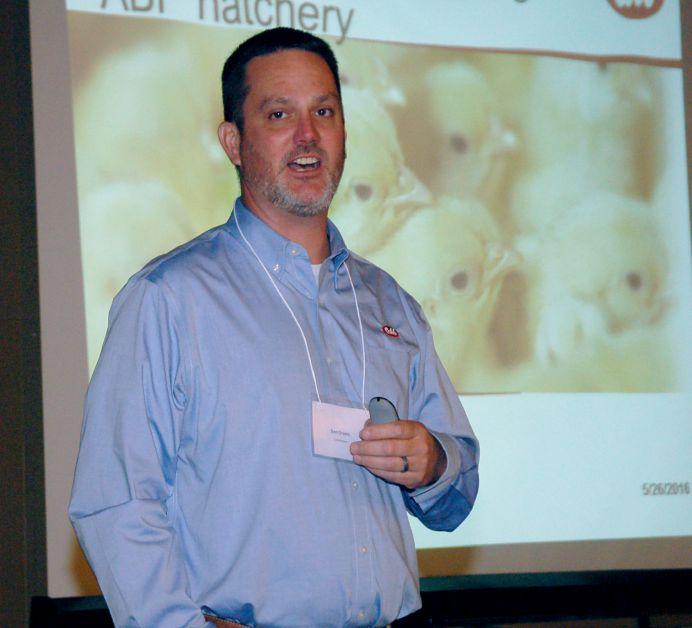
The end of antibiotic use in hatcheries is taking its toll on hatchability and chick quality. To offset that, both hatcheries and hatching egg producers need to pay greater attention to detail, says CobbVantress hatchery specialist Ben Green. It starts with the eggs.
“If (producers) send us junk, how can
The end of antibiotic use in hatcheries is taking its toll on hatchability and chick quality. To offset that, both hatcheries and hatching egg producers need to pay greater attention to detail, says Cobb-Vantress hatchery specialist Ben Green. It starts with the eggs.
we make good chicks?” he asks.
Producers should stop sending or at least isolate dirty and floor eggs so hatcheries can handle them separately since “they’re not going to do as well.”
Green says using a low-volatility electrostatic sprayer to spray eggs with chlorine dioxide increased hatchability 4.39 per cent. Cobb is also trying to identify
hairline cracks in eggs. While they get an 89.6 per cent hatch from good eggs, cracked eggs only have a 66.4 per cent hatch and chicks are generally weaker.
“Chicks from good eggs have a one per cent mortality rate in the first seven days while those from cracked eggs have a five per cent rate.”
He also stresses the need for eggs to be
TAKING A TOLL
NutritioNal aNd digestive disorders of Poultry
This text has been prepared to guide veterinarians, laboratory diagnosticians, nutritionists, and students in their professional activities relating to diseases, parasites, and malfunction of the digestive tract of commercial poultry.
The interrelationship of intrinsic and environmental factors in the context of intensive production systems requires an appreciation of the multifactorial etiology resulting in dysfunction. A systematic approach to evaluating production records, clinical signs, lesions, and laboratory investigations is stressed through adoption of a common format for the conditions reviewed.
Health
right side up when they go into the incubator, claiming 75 per cent of chicks die if they start upside down.
Once hatched, chicks have to be fed right. DSM Nutritional Products technical support manager April Levy says growers should no longer rely on the 1994 National Research Council recommendations as they are based on 1970s and early 80s genetics.
“Today’s broilers are twice as efficient and turkeys three times as efficient,” she points out.
DSM updated its guidelines this year and put out an app to help growers optimize the usage of vitamins D and E. Vitamin D helps prevent rickets and TD (tibial dyschondroplasia) and reduces egg shell problems while Vitamin E helps the immune response under heat stress and also improves infectious bronchitis titers.
She also advocates biotin and added zinc to reduce footpad lesions in turkeys but admits it won’t help if litter is too damp.
LITTER
Jones-Hamilton business development manager Blake Gibson calls litter a critical component, saying it should be below 4.3 pH.
“Most litter is 6.5 to 7.5 pH,” he states, saying the higher the pH the more quickly bacteria will replicate.
He notes all litter has benefits and drawbacks. Wood shavings increase pathogen loads while straw and grass are less absorptive. Sand is good but too much ends up in the crop.
While Gibson recommends a moisture content of 10-20 per cent, CEVA Sante Animale poultry range manager Kobus Van Heerden wants to see it at 25-35 per cent if growers are vaccinating birds against coccidiosis. To be effective, the vaccine needs to be applied at the hatchery, then sporulated on-farm and reingested 2-4 more times.
“Each time it cycles, the immunity gets better and better,” Van Heerden says, saying the damper litter (and a temperature of 26 to 36°C) is necessary to facilitate sporulation.
While many growers start their birds at one end of the barn, then open up the rest of the barn when the birds have grown,
Van Heerden encourages them to start the birds in a narrow lane along the full length of the barn, then widen the lane as birds age. That way, vaccine is spread through the whole barn, resulting in more uniform recycling.
The experts not only disagree on the right moisture content for litter, but the right amount. Gibson wants litter to be at least 10-15 cm deep (higher in barns with concrete floors and on second floors and lower in barns with a soil base), saying birds use it to regulate their temperature. However, Martin Roshoj Jensen of Skov A/S suggests starting with only 1-5 cm of litter on a concrete floor, saying a shallow litter allows excess moisture to evaporate.
“We tried it by accident and it worked,” he says, adding a shallow litter also got rid of darkling beetles “because birds can dig them out and eat them.”
Jensen suggests peat moss as a litter, saying many Northern European poultry farms now use it. Before the litter is spread, the floor should be heated to 30-32°C. Birds should be started at a room temperature of 34°C until they reach 175 grams.
He believes temperature is absolutely critical, saying birds eat less when they are too hot. Despite that, he told growers not to skimp on heat, saying it is easier to cool birds when they are too hot than to warm them up when they are too cold.
RWA PRODUCTION
Phibro Animal Health nutritionist Mike Blair suggests growers consider using Nicarb as a feed additive instead of vaccinating, calling it “most efficient” at controlling coccidiosis. Nicarb should be added to starter feed at 125 ppm and to grower feed at 100 ppm and used until birds are 28-29 days of age.
Blair claims some American ABF and organic farms use Nicarb year-round but one B.C. producer says he is not allowed to use it in his RWA (raised without antibiotics) chicken.
While some antibiotics may still be used therapeutically, many products have been completely withdrawn. As a result, says retired B.C. Ministry of Agriculture poultry veterinarian Dr. Bill Cox, there is no longer any drug to treat blackhead in turkeys.
To avoid blackhead, growers need to keep the birds as healthy
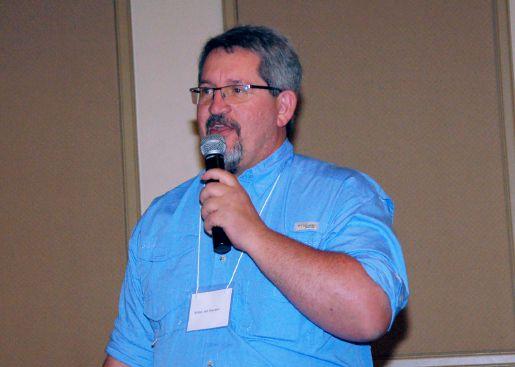
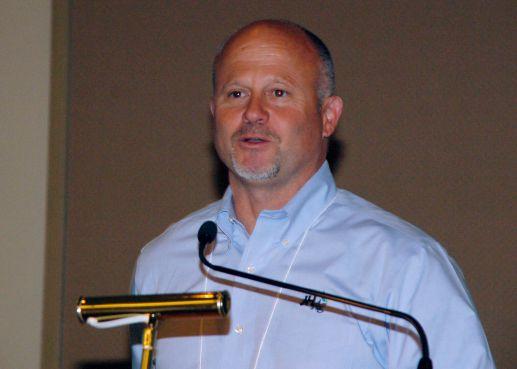
LEFT: CEVA Sante Animale poultry range manager Kobus Van Heerden says each time the coccidiosis vaccine cycles, the immunity gets better and better. RIGHT: Blake Gibson of Jones-Hamilton says pH of litter is critical.
Health
as possible. Barns should be completely cleaned and disinfected between flocks to eliminate histamonids and sealed to prevent entry of earthworms, a primary vector for parasites. Just having a concrete floor is not a solution, the floor needs to be higher than the ground around it.
Cox also discourages running turkey on pasture particularly if chicken have previously used it.
“Birds on pasture are the greatest risk,” Cox says.
To achieve good C&D, growers should do more than just blow down or air out their barns, says Merial Canada technical services veterinarian Louis Colulombe. He notes a dirty barn has up to 3,000,000 CFU (colony-forming units) of bacteria/ square inch. Even after airing out the barn, 2,000,000 CFU’s remain. He advocates washing the barn with detergent and following that with a disinfectant to reduce the bacteria load to less than 1,000 CFU’s/sq. in. He encourages the use of a foaming detergent, as it sticks to walls longer and clearly shows the extent of the coverage.
Concerns over the use of antimicrobials in food animals is driven by fears this will lead to resistance in humans but it is not just humans which could suffer the consequences of unbridled antibiotic use.
“Using antibiotics is a selection process for E.coli,” says Zoetis veterinary services manager Babak Sanei. While E.coli can’t be eliminated in poultry, only a few are pathogenic. The most common result is cellulitis, now the number one reason for condemns in Canada.
Another issue of concern is salmonella enteritidis (SE).
“SE doesn’t make birds sick but it will make people sick,” says B.C. Centre for Disease Control (BCCDC) public health veterinarian Melissa McLaws, claiming B.C. has the highest incidence of SE in the country. The BCCDC is working with the B.C. Ministries of Agriculture and Health and the poultry industry to develop a strategy to remove poor quality eggs from the marketplace. It is also adding SE-training to its FoodSafe program for food preparers and handlers. n
Business
Continued from page 22
The U.S. government also paid for cleaning and disinfecting, but Gregory says they hired contractors who had no idea what they were doing. “It took five times longer and it wasn’t done well,” he said.
Since then the U.S. government has changed the rules about virus elimination. The farmer now gets a cheque for around $6.45 per bird. “The total package is very fair,” said Gregory. “We think the reimbursement package is nice.
In Canada, the order to have animals destroyed as part of disease control activities comes from the Canadian Food Inspection Agency (CFIA) under the Health Animals Act.
“The amount of compensation is the market value, as determined by the Minister of Agriculture and Agri-Food, that the animal would have had at the time of its evaluation if it did not have to be destroyed,” explained Tammy Jarbeau, media relations person for CFIA.
The maximum amount established for this type of animal is in the Compensation for Destroyed Animals Regulations. If there is no readily available market for the animals, said Jarbeau, the market value is estimated using CFIA economic models. These models take into consideration factors such as incomes and costs for feed and bedding.
AI IS A GLOBAL ISSUE
Avian influenza, unfortunately, is here to stay. As it affects farmers globally, prevention and controls programs, as well as compensation schemes are necessary to prevent its spread, especially as migratory birds don’t recognize geographical and economic borders. The meeting in Warsaw was a good start, though, as it provided a space to increase dialogue between affected countries. n
PERSPECTIVES
BY IAN MCKILLOP, CHAIR OF FARM & FOOD CARE CANADA
Answering Consumers’ Tough Questions
Did you know that only 30 per cent of Canadians believe that the Canadian food system is heading in the right direction? And that 93 per cent of Canadians know little or nothing about Canadian farming practices? These findings, from recent research done by the Canadian Centre for Food Integrity, are alarming and should be of concern to everyone involved in the food system in Canada – from farmers, to processors, to retailers.
What can we do about it and how can we get our message out? The good news is that while many Canadians know little about farming, over 60 per cent indicated that they would like to know more. As farmers and the food industry, we have a huge opportunity to engage with Canadians and build trust in our food system.
The task of getting our message out is extremely difficult. No one industry or organization can do the work that needs to be done; it has to be a collaborative effort. There are many excellent Canadian initiatives underway — each with a slightly different focus and mandate but each providing important tools to promote Canadian food, farmers, and agriculture.
Farm & Food Care, Agriculture More than Ever, and Agriculture in the Classroom, along with countless commodity specific programs all at various stages of their growth, are doing tremendous work in being agricultural advocates.
together with the groups mentioned above — and others — is unique and gives us a great opportunity to connect with consumers.
As we move forward, it is critical that all of us involved in the Canadian food industry (yes, that includes farmers) must put our personal agendas and biases aside and work together to get the good news story out about Canada’s food system. If we don’t tell our story, who is going to talk to the 60 per cent of Canadians that want to know more about farming?
Over the last few years, we have seen some common farm practices — practices that we as farmers think are normal — come into the spotlight. As a result, some poultry and hog farmers are facing the fact that they’ll have to adopt new, costly housing methods for their livestock and some crop farmers will have to adopt alternative methods to protect the seeds they plant.
I can’t help but think that if there was a framework such as Farm & Food Care Canada 25 years ago, and if the average Canadian consumer had better access to accurate information, then maybe some of the challenges we face today could have been overcome.
If we don’t tell our story, who is going to talk to the 60 per cent of Canadians that want to know more about farming?
Two months ago I was honoured to become chair of Farm & Food Care Canada. For those who haven’t heard of this organization, it’s a framework of farmers, food companies, input suppliers, and associations created in 2011 with a mandate to provide credible information about food and farming in this country.
Farm & Food Care Canada is also home to the Canadian Centre for Food Integrity (CCFI). The CCFI will be another source of credible information on food and farming related issues — information and research that has been compiled by trusted professionals within the Canadian and U.S. food industries.
One of the key elements related to the structure of Farm & Food Care Canada is the collaborative approach that it brings to the table. The ability to collaborate and work
The work ahead is huge and we will not have success overnight. However, the ground work that we lay together as a united agriculture and food industry today will help to ensure that the Canadian food system is trusted, healthy, sustainable, and robust for years to come.
Ian McKillop is the Chair of Food & Farm Care Canada, a coalition of farmers, associations and businesses proactively working together with a commitment to provide credible information and strengthen sustainable food and farming for the future.
McKillop is a fifth-generation egg, beef and grain farmer in Elgin County, Ontario and has a proven track record for leadership. He has been a board member of Farm & Food Care Ontario since its inception in 2010, while balancing his time on his busy farm with his young family. McKillop served as a board member for the Canadian Cattlemen’s Association for five years, and chaired the National Farm Animal Care Council’s Beef Cattle Codes of Practice committee. He also served as president of the Ontario Cattlemen’s Association between 2005 and 2008. n
Combi Pullet Flexible rearing system where birds can be reared for either conventional, enriched or aviary housing