Probiotics in RWA production New insights into the use of probiotics as alternative health protectants.
Who’s Who: Chanelle Taylor
has gone to the birds for this veterinarian.
by Brett Ruffell
Vets welcome closer producer relations
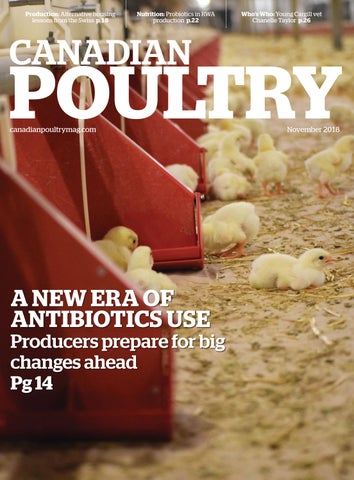
Anew era in vet-producer relations is on the horizon. As of Dec. 1, all Medically Important Antimicrobials (MIAs) for veterinary use will be sold by prescription only. This means that any producer wishing to purchase antimicrobials will need a valid Veterinarian-Client-Patient-Relationship (VCPR). In this issue’s cover story on page 14, we break down what poultry farmers can expect when these changes take effect.
For my part, I wanted to hear the other side of the equation. I asked a few experts from veterinary groups for their thoughts on why they feel increased oversight is important, what role they see producers playing in preventing antibiotic resistance and if they had any related advice for poultry farmers.
One such professional is Phil Buote, deputy registrar with the Alberta Veterinary Medical Association. Buote has been heavily involved in national antimicrobial stewardship efforts through the Canadian Veterinary Medical Association.
When he engages with producer groups, he addresses a common concern he hears upfront. The changes aren’t about restricting access, he explains, they’re about leveraging the expertise of vets to ensure antimicrobials are used properly.
To put things into perspective, Buote has people consider what could happen if livestock
sectors don’t take steps to mitigate antimicrobial resistance.
“Down the road, modern advancements like hip replacements, heart valve replacements and C-sections might not be available to us,” he suggests.
“That’s not withstanding reports that predict 10 million deaths annually by 2050 if no significant policy changes are made.”
With the stakes so high, Buote says all industries that use antibiotics share a responsibility to help prevent antimicrobial resistance. He adds that since they’re also a finite resource, they must be used judiciously. Buote believes producers get it.
Brandi Deimling, manager of
The changes aren’t about restricting access…they’re about leveraging the expertise of veterinarians to ensure antimicrobials are used appropriately.
government and external relations with the Ontario Veterinary Medical Association (OVMA), says farmers have an vital contribution to make. “The knowledge producers have about their animals, practices and facilities provides key information to assist veterinarians when examining animals.”
To help both professions adapt to more veterinary oversight of antibiotics use, OVMA
partnered with Ontario Ministry of Agriculture, Food and Rural Affairs on the Farmed Animal Antimicrobial Stewardship (FAAST) Initiative.
“The goal is to raise veterinary and producer awareness about the upcoming federal changes,” Deimling says.
Based on consultations with the Ontario Veterinary College and species-specific groups, FAAST produced amstewardship.ca. A website that includes valuable resources for both vets and producers. It has toolkits, information sheets, species-specific information, case studies, whiteboard videos and podcasts. It also includes interviews with experts from other jurisdictions that have already implemented similar changes.
Although some of the information on the site is specific to Ontario – for example, a case study that reviews the establishment and maintenance of a valid VCPR – the information as a whole could be a helpful resource to producers throughout the country. And while collaborators aim to get as much information as possible on the site by the Dec. 1 deadline, they will also continue to add to the website afterwards.
Both experts have one key piece of advice for producers going forward – don’t wait until the last minute to establish a VCPR. Says Buote, “Seeking out a veterinarian early and in advance of a need allows the vet to get engaged and even develop protocols.”
Tel: 416-442-5600 ext 3555 Fax: 416-510-6875 or 416-442-2191
Mail: 111 Gordon Baker Rd., Suite 400, Toronto, ON M2H 3R1
Subscription Rates
Canada – 1 Year $32.00 (plus applicable taxes)
USA – 1 Year $69.00 USD Foreign – 1 Year $78.00 USD GST - #867172652RT0001
Occasionally, Canadian Poultry Magazine will mail information on behalf of industry-related groups whose products and services we believe may be of interest to you. If you prefer not to receive this information, please contact our circulation department in any of the four ways listed above.
Annex Privacy Officer privacy@annexbusinessmedia. com Tel: 800-668-2374
With LUBING’s drinkers you can say goodbye to Chicken Little and hello to Bigger Settlement Checks! Customers using broiler drinkers are experiencing faster weight gains, better conversions and lower mortality rates.
As easy as 1, 2, 3.
p
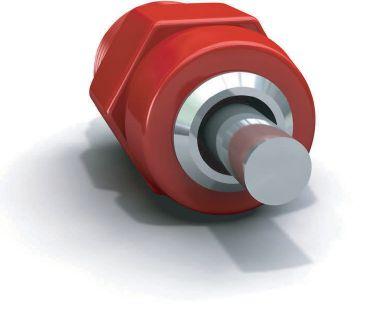
Large bottom pin that holds a drop of water to attract day old birds to nipple / great starts / average first week mortality below 1%.
o verage
Glass-Pac Canada
St. Jacobs, Ontario
Tel: (519) 664.3811
Fax: (519) 664.3003
Carstairs, Alberta
Tel: (403) 337-3767
Tel: (450) 263.6222
Fax: (403) 337-3590 Les Equipments Avipor Cowansville, Quebec
Fax: (450) 263.9021
Specht-Canada Inc.
Stony Plain, Alberta
Tel: (780) 963.4795
Fax: (780) 963.5034
Greater side orce allows all bi nd Greater Finishes! to av fo an
Greater side flow with minimal triggering force allows all birds to easily trigger the nipple and get off to a great start. Great Starts = Greater Finishes!
Both, vertical and side action, deliver the Opti-mum flow rates and ability to grow a 4 lb small bird up to a 10 lb Jumbo bird with the same nipple. After hundreds of house updates, customers are consistently seeing improved weight gains of up to 1/2 lbs/bird with dry litter conditions!
What’s hatching
Boehringer Ingelheim to further invest in avian vaccines
Boehringer Ingelheim is set to invest almost €65 million in a high-tech building at its Lyon Porte-des-Alpes site in Saint-Priest, France, to meet the growing demand worldwide for avian vaccines. Known as F2IVE (Formulation and Filling of Inactivated Vaccines Extension), this major project will comprise a three-storey buildingincluding 1,000-square metres of clean room space – mainly for formulating and distributing avian vaccines.
La Coop fédérée signs an agreement with W-S Feed & Supplies
La Coop fédérée, an agri-food co-operative with operations across Canada, and W-S Feed & Supplies Limited, recently announced that La Coop fédérée will purchase a 50 per cent stake in the animal nutrition company based in Tavistock, Ont. W-S Feeds operates two feed mills in Ontario, in Tavistock and Mount Forest. The new partnership will continue to manufacture a wide variety of feeds for dairy production, including organic, beef, swine and poultry production.
CFIA approves chromium propionate use in Canada
Kemin Industries, a global leader in developing feed ingredients for animal nutrition and health, recently announced the approval of chromium propionate in broiler diets in Canada. The Canadian Food Inspection Agency approved this use based on extensive research conducted by Kemin, which offers this essential trace mineral as KemTRACE Chromium out of its Canadian headquarters in Mont-Saint-Hilaire, Québec.
Poultry diseases
cause 10 to 20% economic loss to gross value of production in developed poultry industries.
Source: World’s Poultry Science Journal, Vol. 73, September 2017
Canadian scientists win multiple awards at Poultry Science Association annual meeting
A few of Canada’s leading poultry scientists were recently recognized for outstanding professional achievement by the Poultry Science Association.
the Worlds Poultry Science Association.
Canadian master’s student Kailyn Beaulac, from the University of Saskatchewan, (alongside eight other Canadian students) also earned recognition from the PSA for research papers. Read about Beaulac’s research study on turkey stocking density in the July/August issue of CP!
Noteably, Dr. Tina Widowski was awarded the Poultry Welfare Research Award. Widowski has been at the University of Guelph in Ontario for a number of years. Her research has included: Keel bone fractures in caged layers, nesting sites in different layer environments, dust-bathing and aggression in male broiler breeders.
Dr. Peter Hunton was presented with the Amerian Poultry Historical Society Award. Hunton is a retired poultry specialist, previously working for Egg Farmers of Ontario. The award was in recognition of two published papers - 100 Years of Poultry Genetics, and 100 Years of
Visit us online
Dr. Martin Zuidhof of the University of Alberta earned the Novus International Teaching Award. As an associate professor, he teaches poultry systems modeling and precision feeding. He has also conducted research on various aspects of broiler and breeder nutrition.
Dr. Karen Schwean-Lardner from the University of Saskatchewan was also recognized with the PSA Early Achievement Award for Research. She has been the manager of the University’s poultry research and teaching centre, and is currently involved on both teaching and research in many areas of poultry management and welfare.
The 2019 PSA Annual Meeting will be held in Montréal, Quebec on July 15 to 18.
Find the latest poultry-related news, events, profiles and analysis from across Canada, at: canadianpoultrymag.com
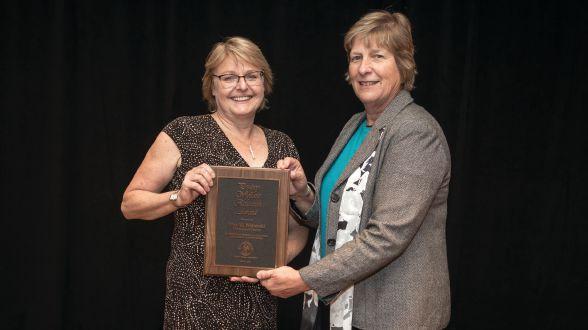
Tina Widowski (L) from the University of Guelph was recently presented with the Poultry Welfare Research Award from the Poultry Science Association.
Coming Events
Egg industry commits to UN’s sustainable development goals
The World Egg Organisation (WEO) recently announced the global egg industry’s pledge to work in partnership with the United Nations, to fulfil its Sustainable Development Goals (SDGs).
The UN’s SDGs represent a shared vision to eradicate poverty and social inequality, and to tackle climate change by 2030. A social contract between the world’s leaders, the successful delivery of this ambitious blueprint is dependent on engagement and participation from international industry. The WEO has outlined key areas where it is delivering positive outcomes in line with the UN’s targets.
Of the UN’s 17 goals to transform our world, the WEO has identified six primary objectives where the egg industry is already making a significant impact through a range of dedicated sustainability initiatives. These specifically address the following goals:
Zero hunger
Through its charitable work, the International Egg Foundation (IEF) is tackling food poverty experienced in developing countries, such as Swaziland and Uganda, through an ever-broadening range of community-based programmes.
Good health and wellbeing
Eggs fulfil numerous nutritional requirements and the industry is dedicated to educating the world about these positive benefits.
Quality education
The IEF is responsible in its role as educational trustee for initiatives in Mozambique, Zimbabwe and
Swaziland, providing resources that enable communities to become successful egg producers.
Responsible consumption and production
To help overcome the threat of Avian Influenza the industry has published its biosecurity recommendations. Secondly, the issue of animal welfare is driving the operations of all international egg industry producers. This is evident in the WEO’s role supporting the OIE in establishing a framework of Global Standards for Laying Hens.
Climate action
The egg industry strives to continually reduce the resources it uses whilst ensuring the same output. Best commercial practice regarding sustainable intensification is regularly shared throughout the industry’s member organisations.
Partnerships for the goals
Collectively managing the future of our planet is vital to the success of the sustainability agenda. There is a need for international discourse, interaction and unified policy making. To this end, the organisation continues to develop constructive relationships with the OIE, CGF and the major egg associations worldwide. This is supported by ongoing communication with the WHO, UN and WWF to address a range of sustainability issues.
This latest announcement marks the launch of the egg industry’s Global Initiative for Sustainable Eggs, which will support a range of ambitious sustainability objectives – helping to deliver the organisation’s vision of continuous improvement.
Over the past 50 years, Canadian egg production has increased by 50% while the industry’s environmental footprint dropped by almost 50%.
Source: Egg Farmers of Canada
NOVEMBER 2018
NOVEMBER 5 – 7
Poultry Tech Summit Atlanta, Georgia
NOVEMBER 13 – 15
Atlantic Poultry Conference Wolfville, Nova Scotia
NOVEMBER 13 – 15
Poultry Welfare Auditor Course Guelph, Ontario
NOVEMBER 13 – 16
EuroTier 2018 Hanover, Germany
NOVEMBER 28
PIC Eastern Regional Poultry Conference
St Isidore, Ontario
DECEMBER 2018
DECEMBER 5
PIC Producer Update Belleville, Ontario
Disease Watch
Stay informed on infectious disease outbreaks with the latest alerts from Canadian Poultry magazine. For more, visit: canadianpoultrymag. com/health/disease-watch
SEPTEMBER 13
Avian Influenza
Stanislaus County California, United States
AUGUST 30
Infectious laryngotracheitis
Saint- Felix-de-Valois in Lanaudiere Region Quebec, Canada
AUGUST 20
Avian Influenza Kostromskaya, Russia
Remembering Donald Shaver
Paying tribute to an industry pioneer.
By Dr. Peter Hunton
One of the greatest pioneering poultry breeders, Donald McQeen Shaver, passed away in late July, a few days before his 98th birthday.
Shaver was born in Galt, now part of Cambridge, Ont., and took an early interest in chickens, keeping them in the backyard of his parents’ home. At the age of 15, his hens won the Canadian National Egg Laying Contest.
Distinguished military service in World War II interrupted his progress, not only due to his absence overseas, but also the loss in a fire of his breeding lines. He soon began assembling a new gene pool, buying stocks from other breeders, which was common practice at the time. He established a new feed store and hatchery in Galt and, with help from several geneticists at Guelph and elsewhere, began a series of cross-breeding experiments. This led to the discovery of the famed Shaver Starcross 288, a strain cross that laid significantly more eggs than most of its contemporary competitors.
The success of Starcross 288 encouraged Shaver to expand by offering franchises to many existing hatcheries in the U.S., Canada and eventually selling parent stock in over 90 countries worldwide. The facilities in Galt were expanded as the company developed not only white egg layers but also brown eggs and meat chickens. At its peak in the late 1970s there were four large research farms in what was by then Cambridge, plus two modern hatcheries.
Shaver spent at least one-third of his time overseas securing new business. As more and more customers came onboard, more facilities were needed. Shaver opened breeding farms in Great Britain, France, Germany, the U.S., and joint ventures in India, Pakistan, Barbados and New Zealand. To finance this expansion, Shaver sold part of the company to Cargill Inc. of Minneapolis. Cargill had a rigid policy that all company employees retired at age 65, so when Shaver retired in 1985, Cargill purchased the rest of the company. It was subsequently sold to ISA, the French breeder, which in turn were bought by Hendrix Genetics, who still own the breeding lines and the brand name.
However, Shaver was not by any means retired from business. A number of corporate directorships kept Shaver busy in his later years. He was named the first Entrepreneur in Residence at the University of Guelph. For 25 years ending in 2008, Shaver was also
the chair of the Canada Development Investment Corporation, a federal company tasked with privatizing Crown Corporations.
As late as 2016, at the age of 96, he presented the keynote address at the International Symposium on Avian Endocrinology.
Honours were many: Shaver received honorary Doctorates from the Universities of McGill, Guelph and Alberta. He was an Officer of the Order of Canada, and one of the first inductees into the International Poultry Hall of Fame.
It is generally agreed that his loss represents the end of an era, but fortunately a lot of the development work in his poultry lines has been carried on by the new owners, and the benefits still flow to today’s industry.
Donald Shaver passed away on July 28, 2018 in Cambridge, Ont.
Ask the Vet
By Tom Inglis
Tom Inglis is managing partner and founder of Poultry Health Services, which provides diagnostic and flock health consulting for producers and allied industry. Please send questions for the Ask the Vet column to poultry@annexweb.com.
Health challenges in alternative housing
Do cage-free housing systems (free-run and free-range) present any unique health challenges? If so, how can they be prevented or managed?
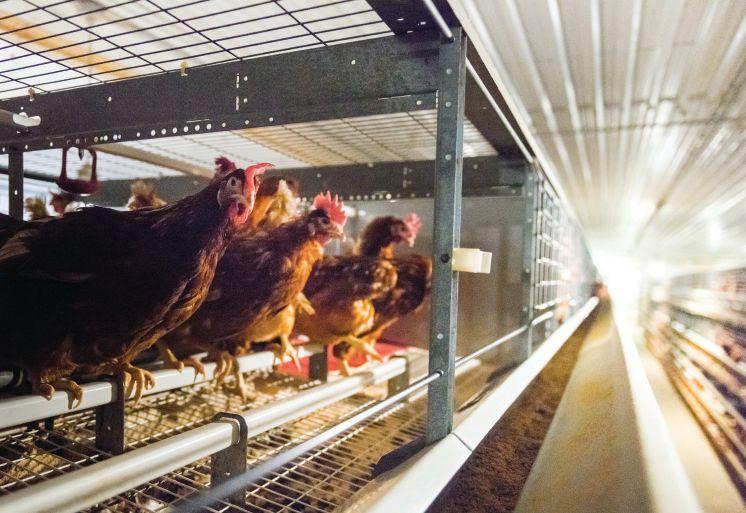
Alternative housing systems have gained in popularity over the past few years due to an increase in outside influences. Consumers have become more involved with farm-to-fork and have driven the egg industry to adopt modifications on how birds are housed throughout their production cycle. These changes are with the intention to provide the birds with highest possible welfare. But often the five freedoms of animal welfare conflict with each other. While providing the birds with a greater ability to express natural behaviours, we have created significant health and production challenges. This is especially seen with cage-free flocks that are housed on slats/litter, lay eggs in nest boxes and have access to the outdoors (free-range). These systems allow greater expression of natural behaviours, but often the birds are challenged with increased disease pressures and higher total flock mor tality.
Birds within cages are exposed to a controlled environment that minimizes stress and exposure to infectious pathogens. Typically, manure is removed daily with the aid of belts or stored in a deep pit. This process helps limit the amount of dust within the facility and restricts the interaction of birds with their litter. However, this poses a significant challenge within cage-free production as the birds are in direct contact with their litter and natural behaviours, such as dust bathing, tend to increase the amount of dust stirred
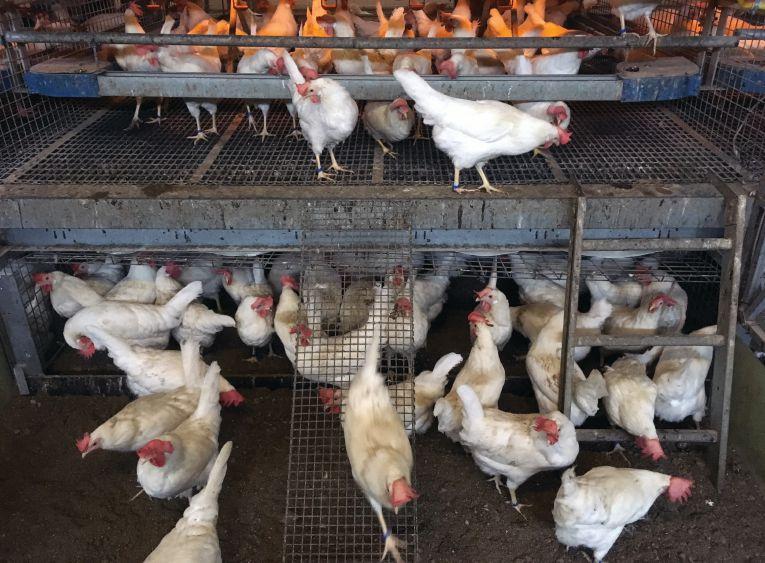
Cage-free systems present unique poultry health challenges.
up within the barns
Dust can act as an irritant causing damage to a bird’s respiratory tracts and act as a vector for microbes leading to secondary bacterial infections. To help expel the incr eased dust within cage-free barns it is suggested that producers increase their ventilation. Additionally, with increased exposure to respiratory pathogens it is r ecommended to ensure your vaccine programs are providing optimal protection to viral respiratory diseases such as Newcastle and Infectious Bronchitis.
Laying birds with access to their litter increases the risk of parasitic diseases within cage-free systems.
Coccidiosis is caused by a protozoan parasite with a fecal to oral mode of transmission. Naïve birds are exposed to the parasite when
Managing
nest box hygiene is critical to lowering the risk of ascending bacterial infections from the oviduct.
they ingest litter without any built-up immunity.
Coccidiosis can trigger other enteric diseases such as necrotic enteritis, which can lead to significant losses within a flock. This disease isn’t a frequent problem in conventional housing as the birds don’t have access to their litter, thus not allowing the protozoa to complete its lifecycle.
To help manage this risk within free-run and free-range systems, it is important to guarantee the birds are properly vaccinated for coccidiosis and have gained adequate immunity to last throughout production. In addition to coccidiosis, the cage-free birds might be exposed to an increased burden of roundworms. This could result in emaciation, diarrhea and unthrifty birds. It is recommended to have a
regular deworming program with the use of approved products.
In a caged facility, the pecking order is determined in the initial stages after transfer and tends to be quite stable throughout the production cycle. However, within cage-free environments it is a constant shifting dynamic of birds continually trying to determine their rank in the population. This can lead to significant aggression and feather pecking within the flock.
To help focus their attention away from each other it is suggested to have distractors within the barn. This can be as simple as adding a bail of straw into the scratch area of the barn.
One of the greatest health challenges in cage-free operations is increased mortality related to bacterial infections (most
commonly E.coli ). These bacterial infections have many different presentations (eg g yolk peritonitis, airsacculitis, and pericarditis) and can be the result of several factors. The emphasis within these flocks is for prevention rather than treatment, as no antibiotics licensed in Canada have a zero-day egg withdrawal.
Many of the preventative techniques are focused on limiting the flock’s exposure to virulent bacteria. Managing nest box hygiene is critical to lowering the risk of ascending bacterial infections from the oviduct.
Some practical techniques include thoroughly cleaning and disinfecting the nest pads after every cycle and ensuring birds are not allowed to remain in the nest boxes all day.
Another potential source of increased
bacterial contamination is from the water source. It is suggested to have a sanitizer (hydrogen peroxide or chlorine) injected into the water throughout the whole production cycle. It is also common for the development of a stable biofilm to occur within the waterlines, which can act as a continual source of bacterial contamination.
It is recommended to follow a standard water cleaning program after ever production cycle:
1. Acidify the water to a pH of four (let stand for eight to 24 hours) – this helps to dissolve the mineral complexes in the biofilm and the water line.
2. Add hydrogen peroxide in a final concentration of 0.8 to three per cent (let stand for 12 to 72 hours) – this step disrupts the organic component of the biofilm.
3. Add a disinfectant (let stand for 20 to 30 minutes) – this step is to kill any remaining bacteria which have been exposed but not killed by the peroxide.
Another layer of protection that can be added for these flocks is the use of a modified-live E.coli vaccine. The vaccine will help provide broad spectrum protection against, E.coli and help reduce total flock mortality in challenged flocks.
In free-range systems the birds are allowed access to the outside environment and can encounter waterfowl s uch as ducks and geese. These wild birds can carry diseases such as avian influenza and are, thus, a significant risk to the poultry industry. It is important within free-range housing sy stems to be aware of surveillance programs and respect times of heightened biosecurity.
In summary, as the industry continues to move in the direction of cage -free production it will come with real challenges that need to be mitigated and addressed.
LOCAL TOUCH
GLOBAL REACH
Yolk sac infection in broilers
The level of early chick mortality (ECM) is one of the crucial factors that determines the quality of chicken production and, hence, the economic return from a poultry production unit. Yolk sac infection (YSI) has been reported as the most frequent cause of ECM, and in recent years significant increase in ECM due to YSI has emerged as a threat to broiler operations in parts of Canada.
Poor chick quality manifested by YSI leads to increased mortality during the first two weeks post-hatch as well as retarded growth and poor carcass quality of surviving birds. Bacterial infection of the yolk sac leads to deterioration and decomposition of yolk, depriving chicks of nutrients and maternal antibodies increasing the risk of subsequent infections.
The origin of YSI may be traced back to microbial contamination of eggs acquired from the parents or due to faulty management practices at breeder farms and hatcheries. Microbiologically, E.coli is the most common pathogen isolated, although other bacterial pathogens have been detected in cases of YSI.
The problem and approach
Currently, heavy culling or inovo and post hatch administration of antibiotics is practiced to control bacterial infections, including YSI. However, non-antibiotic-based alternatives are being sought. Numerous studies have shown that immune stimulants have anti-
microbial and growth promoting activities comparable to antibiotics. Correspondingly, other studies suggest that enhanced level of innate immunity in young chicks is associated with reduced initial mortalities, improved resistance to pathogens, increased responsiveness to vaccines and higher levels of production. Thus, use of such innate immune stimulants offers an alternative generic approach for growth promotion and disease protection. Identification of such non-antibiotics based antimicrobial alternatives against pathogens associated with YSI is an immediate requirement of the poultry industry.
Dr. Mohammed Arshud Dar, research scientist at the Vaccines and Infectious Disease Organization – International Vaccine Centre (VIDO-Intervac), University of Saskatchewan, has embarked on a research study to identify in ovo effective, safe and economical non-antibiotics alternatives for the prevention of YSI in broilers.
Bacterial isolation, identifi-
cation and characterization of the pathogen associated with YSI in broilers is the prerequisite to develop non-antibiotics-based control strategies. The pathogens causing YSI will be isolated and characterized with respect to presence of virulence factors.
Selected bacteria will be tested for their ability to cause YSI and in-ovo characterization of immune stimulants (CpG ODN, Polyphosphazene, Poly I:C and Loxoribine) as standalone or in combination treatments will be evaluated for their effectiveness against the major pathogen causing YSI.
The findings
Based on cultural, morphological and biochemical assays, results show that E.coli is the major pathogen associated with YSI in Saskatchewan. Based on presence of five to eight virulence associated genes in avian pathogenic E.coli (APEC) and other characteristics, the molecular characterization of field isolates has shown close r elationship to two
well-characterized reference strains of APEC.
An experimental infection model of YSI in chickens was developed and challenge protection studies show greater than 90 per cent, 70 per cent and 65 per cent protection with in-ovo use of CpG ODN, Poly I:C and Polyphosphazene, respectively. However, mortalities in the Loxoribine-administered group were higher than the sham control. These findings suggest that in-ovo administration of CpG ODN may serve as a potential candidate for replacement of antibiotics for the prevention and control of YSI and ECM on farms. The research team are continuing to analyze data from challenge protection studies.
Research outcomes and next steps
Industry use of in-ovo administration of CpG ODN to prevent YSI will require determination of the optimal dosage and potential interference with in-ovo administration of Marek’s Disease Vaccine. Besides the control of ECM due to YSI, it is expected that on completion of this research the characterized immune stimulants will significantly improve disease resistance, growth rates and vaccine responses in young chickens. This research is funded by the Canadian Poultry Research Council (CPRC) and is part is part of the Poultry Science Cluster 2 which is supported by AAFC as part of Growing Forward 2, a federal-provincial-territorial initiative. The research additionally received funding from Saskatchewan Chicken Industry Development.
The Canadian Poultry Research Council, its board of directors and member organizations support and enhance Canada’s poultry sector through research and related activities. For more details, visit cp-rc.ca.
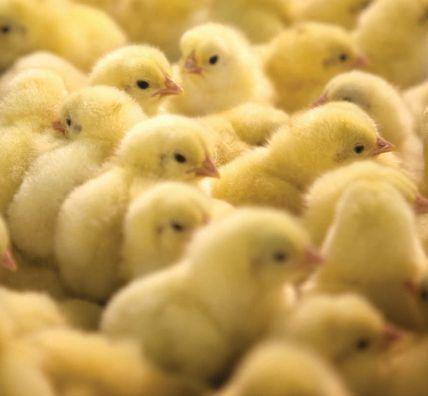
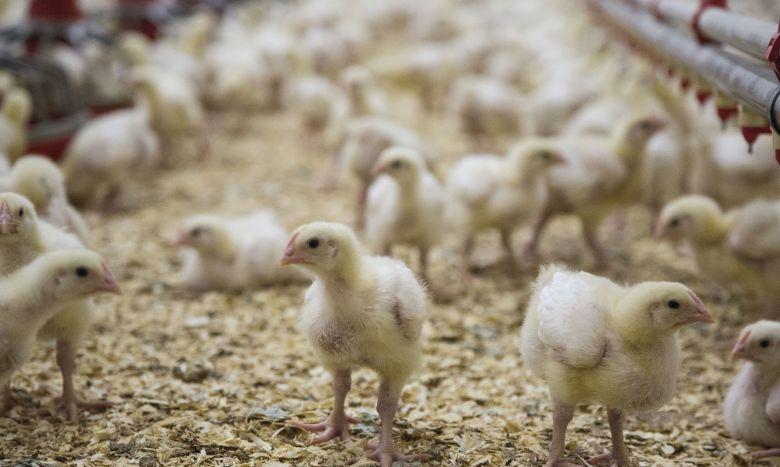
Poor chick quality manifested by yolk sac infection leads to increased early chick mortality.
A new era of antibiotics use
Producers prepare for big changes on the horizon.
By Treena Hein
By the end of 2018, Canadian chicken farming will reach two significant milestones related to the use of antibiotics
By Dec. 1, 2018, there will be increased veterinary oversight of antibiotics, aligning regulations of Canada’s livestock and poultry industry with those in other developed countries as well as those of the World Health Organization. In addition, all Canadian broiler producers will eliminate the use of Category II antibiotics (medically-important for human health) by the end of the year for health and growth promotion and disease prevention, following the successful elimination of Category I a ntibiotics. The elimination of Category II antibiotics is mandatory, and will be ensured through audits relating to Farm and Food Safety Programs in each province. Preventative use of Category III antibiotics will be assessed in 2019 with the goal of eliminating them by the end of 2020.
To gain insight into what these two developments mean for chicken farmers, we checked in with several broiler industry stakeholders.
INCREASED VETERINARY OVERSIGHT
Increased veterinary oversight of antibiotics means that prescriptions will be required for about 340 antimicr obial products that have been previously sold over the counter.
Antibiotics currently used in poultry that will soon require a prescription include: Chlortetracycline, Lincomycin, Oxytetracycline, Penicillin, Tylosin and Virginiamycin.
“ The necessity of prescriptions for these antibiotics will require existence of a veterinary-client-patient-relationship, or VCPR, between a veterinarian and his or her poultr y producer client,” notes Jean Szkotnicki, president of the Canadian Animal Health Institute, the non-profit trade association for developers, manufacturers and distributors of animal pharmaceuticals, biologics, feed additives and pesticides “ The VCPR means vets will have to know the management practices of their producers, the nature of the birds in production and be committed to providing ongoing service to ensure bird health and welfare. Producers will in-turn have to work closely with their vets.”
Szkotnicki says relationships between vets, producers and feed mills will also be important since approximately 75 per cent of the antimicrobials given to animals is administered in the feed.
Steve Leech, manager of food safety and animal health at Chicken Farmers of Canada (CFC), notes that his or ganization has
been working with Health Canada for years on the issues surrounding increased veterinary oversight, from who can dispense which antibiotics to where and how antibiotics will be available for producers across the country.
“We have to make sure our members can access a veterinarian’s services and access antibiotics when needed to treat disease,” he explains. “We’ve done our best to identify hurdles on these fronts and work through them ahead of time, but it’s hard to say if there will be any that we have not identified.”
In terms of ensuring access to veterinary services for every producer in Canada, Leech says the us e of remote diagnosis services already in place may expand – options like web-based sharing of p ictures and video and remote analysis of lab samples collected by producers.
ELIMINATION OF CATEGORY II
According to CFC, Canadian chicken producers are on track to meet the goal of eliminating preventative use of Category II antibiotics by the end of the year, but the organization does stress that all members of the industry, including staff in various governmental departments, are going to n eed to work together to ensure the goal is reached. Leech characterizes the elimination of the preventative use of antibiotics as a fundamental change to the sector, one that involves close examination of management practices and
“The
VCPR means vets will have to know the management practices of their producers, the nature of the birds in production and be committed to providing ongoing service to ensure bird health and welfare.”
quality assurance factors from broiler breeders to the hatchery to broiler farms.
In terms of making this transition easier for broiler producers, some sug gestions are provided by Dr. Babak Sanei, manager of veterinary services for poultry and medicated feed additives at pharmaceutical firm Zoetis.
Given that preventative use of Category III antibiotics ends at the end of 2020, broiler producers will not be able to use products such as Bacitracin for prevention of Necrotic Enteritis (NE).
“ This leaves producers with only one product, Avilamycin, for
prevention of NE in-feed,” he says.
“My concern is that industry will keep using this product, flock-after-flock, and gradually we will potentially see reduction in efficiency.”
Sanei, ther efore, suggests a transitional period post-2020, where producers are allowed to use Bacitracin just within the most critical period of broiler’s life cycle, from 15-to-30 days.
“This is because peak of Eimeria Maxima happens usually between 22-to-30 days and sub-clinical coccidiosis infection can also happen during this phase (with coccidiosis being the most import-
ant predisposing factor for NE in broilers),” he says.
“Under field conditions, in most cases clinical or subclinical cases of E. Maxima infection predisposes for NE during the fourth week of life. [Use of Bacitracin during] this transitional period…doesn’t push the industry to use Avilamycin on a continuous basis. It will also provide more time to identify other alternative products with some antimicrobial effect.”
If this suggestion is not workable, Sanei strongly suggests that CFC allow producers to use bacitracin methylene disalicylate (BMD) under veterinar y super-
Essential takeaways
• By the end of 2018, Canadian chicken farming will hit two significant milestones related to the use of antibioticsBy Dec. 1, there will be increased veterinary oversight of many antibiotics, and all broiler producers will eliminate the use of Category II antibiotics by the end of the year for health and growth promotion and disease prevention.
• Preventative use of Category III antibiotics ends at the end of 2020.
• Relationships between feed mills, vets and producers will be even more vital.
• Chicken Farmers of Canada has been working with Health Canada for years on issues surrounding increased veterinary oversight.
• Producers are expected to experience higher costs.
• In addition to high-quality standard ingredients, alternative ingredients such as essential oils, probiotics, prebiotics and enzymes will continue to aid in maintaining good broiler gut health.
The relationships between vets, producers and feed mills will be important under new regulations that come into effect this year since most antimicrobials are administered in feed.
vision on broiler farms that suffer from recurrent cases of NE. “This is a modification from current policy where you need to diagnose NE first and then star t treatment,” he explains.
Sanei also suggests more field trials to identify alternatives to antibiotic prod-
ucts that have shown anticoccidial activity and can a have synergistic effect when used in conjunction with currently-available Coccidiostats.
“ This needs direct involvement of feed nutritionists and veterinarians,” he says. “There are many products in this cat-
egory, but not much field data is available to demonstrate their synergy with Coccidiostats, such as ionophores. This is important, as we need to improve our coccidiosis control strategies at the farm level.”
The biggest challenge for broiler producers going forward, in Sanei’s view, will be gut health issues, mainly due to the mode of action of in-feed antibiotics.
“Although their main mode of action is control of NE, they also have anti-inflammatory effect and can maintain better gut microflora,” he says. “I think w e can minimize the impact through proper coccidiosis strategies, proper bird husbandry and diagnosis of subclinical gut health diseases such as NE as soon as possible. I believe post2020, with full implementation of the policy, the main differentiating factor in whether a farm or given flock experiences NE or in general, gut health issues, is how effective the feed companies and producers can implement effective coccidiosis control programs.”
In growout after growout, results prove that Ziggity Systems with Max3 drinkers consistently produce not just great but exceptional performance in every category. That’s because Max3 delivers all the hygienic water birds need to thrive and stay healthy without oversupply that causes wet litter and all of its related problems. More
www.ziggity.com www.ziggity.com/pressurepro
“Today, if a coccidiosis control program is not ideal,” Sanei continues, “it is still going to par tially work, as there are in-feed antibiotics such as Bacitracin that cover the shortfall…However,
Steve Leech is manager of food safety and animal health at Chicken Farmers of Canada.
PHOTO: CHICKEN FARMERS OF CANADA
after 2020, there is going to be only product that can be used, and hence more pressure on coccidiosis control programs. The feed companies need to optimize and rotate Coccidiostats to avoid development of resistance or losing efficacy of those products.”
In the view of Lisa Hodgins, a monogastric nutritionist at feed firm New Life Mills, the overall impact of preventative use of Category II antibiotics on producers will be small. She notes that in addition to high-quality standard ingredients, alternative ingredients such as essential oils, probiotics, pr ebiotics, enzymes and so on will continue to be utilized in feed programs as an aid in maintaining overall good gut health. She believes that as things move ahead, producers should continue to focus on good brooding strategies, water management and work with their veterinarians, hatchery, feed companies and nutritionists.
“ There will never be one additive or one program that will be the ‘hero’ when it comes to raising birds without the preventative use of antimicrobials important to human medicine,” she notes. “As a nutritionist, I do believe that alternative ingredients, ingredient selection and quality are a small piece of the puzzle. However, there are so many factors involved. D isease pressure, brooding, management, water quality, biosecurity and sanitation are also very important.”
For his part, Nova Scotian broiler producer Nick de Graaf believes his industry has made great strides in reduction of antibiotic use. “I’m fully aware that the Category II shift is not going to be easy for either me or my fellow farmers, but I do think it’s in the best interest of my sector and it helps us make sure that we’re being responsible,” the producer says.
De Gr aaf foresees increased costs, specifically because of greater vet involvement, but assumes, “the impacts will vary, and that for my flocks, it will vary cycle-by-cycle and year-to-year, depending on the health of the flocks.”
Leech encourages poultry industry
members to take the time to educate consumers about reduced use of antibiotics.
“It’s an important challenge facing the poultry industry and other livestock producers at this point,” he says. “We need consumers to know that our approach is a reasonable, science-based
approach. Chicken farmers, veterinarians and all value-chain members need to communicate that the industry is being proactive and that farmers are engaged when it comes to responsible antibiotic use. It’s a very significant step and we should be sharing news of it widely.”
LESSONS FROM THE SWISS
Five alternative housing challenges and possible solutions.
By Melanie Epp
As Canadian egg producers move towards alternative housing, they will need to prepare for new challenges. In Switzerland, where battery-caged production was banned outright in 1992, a group of researchers works to address those challenges, including nest box behaviour, piling and smothering issues, depopulation, ranging behaviour and keel bone damage.
As Swiss producers generally have low mortality – less than 0.5 per cent – and high performance – 90 per cent going into end of lay – their expertise offers valuable insight to Canadian producers as they make the transition.
Nest box behaviour
Producers switching from caged to alternative housing can expect changes in the way they collect eggs. In non-cage systems, such as aviaries, birds are free to go wherever they want. This freedom complicates collection.
Training hens to use the nest box can be a laborious task that takes two to three weeks. “There also seem to be some birds that visit the nest box irregularly or not at all,” says Dr. Michael Toscano, lead researcher at the Center for Proper Housing, Poultry and Rabbits (ZTHZ) in Bern, Switzerland. ZTHZ is a collaborative effort between the University of Bern and the Federal Food Safety and Veterinary
Office.
ZTHZ has two alternative layer houses set aside specifically for research on these types of challenges. The first houses eight groups of 360 hens, while the second houses 20 groups of 225 hens. Both have winter gardens and one has an outdoor foraging area. They use the facilities to conduct research that not only improves welfare, but also addresses challenges faced by farmers.
At ZTHZ, Toscano studies what drives nest box preference. He believes that lighting plays a role in preference. Some hens, he says, are attracted to darker corners – a problem that is easily solved
by making sure lighting is evenly installed. He’s also noticed that the birds seem to prefer the walls of the nest box (rather than the open middle area), perhaps because the walls make them feel safer. Using a piece of wood to create an additional wall inside could motivate the hens to use the nest box area more evenly.
Piling and smothering
Another challenge unique to alternative housing systems is piling. Piling incidents are exactly what they sound like – incidents where many hens pile together in groups. No one knows what causes hens to pile on top of each other, but many
The Swiss research centre ZTHZ has two alternative layer houses specifically to study hen welfare.
agree that it poses welfare concerns.
Under the direction of Toscano, PhD student Jakob Winter is conducting a study to determine the causes of piling. He first conducted an explorative study where he surveyed Swiss farmers and identified several where the problem seemed to occur often.
During the course of the study he found that smothering incidents occurred in eight of the 13 identified fl ocks. Seven of those experienced regular losses of two-to-five birds per week. On one farm, 60 hens died in one single event, an incident that cost the farmer nearly $4,000.
The duration and severity of piling events differs greatly from farmto farm. Some events last just 30-to-90 seconds; others lasted as long as four hours. It’s the longer lasting piles that are especially concerning, Winter says.
Swiss researchers are focusing on three factors that trigger piling – light, temperature and novel objects that attract attention. Using the research facility at ZTHZ and an infrared detection system designed by on-site technician Markus Schwab, Winter creates scenarios based on the explorative study that he believes will lead to piling incidents. This is done to further investigate the problem.
Final results from Winter’s research will be available in the near future. If interested, contact Michael Toscano at the Center for Proper Housing, Poultry and Rabbits (ZTHZ) at the University of Bern. For now, producers are advised to assess barns carefully for heat and light hotspots, as well as novel items that might attract the flock.
Depopulation
In both caged and aviary housing systems, depopulation is a challenging process that can cause fractures, dislocations, muscle injuries and stress. Under the direction of Toscano at ZTHZ, PhD student Christopher Gerpe is working on two depopulation projects. Their study is the first to look at depopulation in aviaries.
In the first project, hens were evaluated post-depopulation to determine the
CLEAN • CLEAN • CLEAN
percentage of injuries caused by the task.
“Preliminary results suggest that approximately eight per cent sustained an injur y that potentially occurred during depopulation,” Gerpe says. “Our efforts to reduce these adverse effects are based on our own observations, meetings with the Swiss egg industry, animal welfare organizations, producers and the input gained from a professional depopulation company in the Netherlands we visited last year.”
The aim of the second project is to find a way to reduce stress, injury and worker fatigue during depopulation. Researchers are testing a number of variables as possible stressors, including lighting and handling time. While Gerpe cannot offer conclusive results at this point, he has two helpful suggestions for producers. Longer handling times are associated with stress for the animals and fatigue for the human workers, so reducing handling time is recommended.
“We recommend that the producer should not engage in the actual depopulation procedures but rather take the role of a supervisor or organizer to ensure that the process runs smoothly,” Gerpe says.
Ranging behavior
While consumers want eggs from hens that have been outside, the fact is that flocks with access to the outdoors do face increased risk. They are less protected from predators, and more vulnerable to parasites, pests and disease. Moisture coming into the barn is also a problem, Toscano says, who adds it’s a problem because once absorbed by the litter, moisture can create ammonia problems.
There are plenty of benefits of giving outdoor access to hens as well, Toscano points out. Outside, they are better able to perform natural behaviours that they cannot do so well indoors, including dust bathing, foraging and scratching. More active birds tend to have stronger bone structure.
According to Toscano’s observations, not all birds enjoy using the pastured areas, and some never use it. To make outdoor range space more attractive to hens, he suggests providing hedges, long grass or stone piles.
Hens will use them to protect themselves from wind, sun and predation.
Although he’s not certain why, Toscano notes that providing outdoor range tends to impact feather pecking. “Where flocks have access to range, the flock tends to have less feather pecking,” he says. “Now whether that’s because birds that are feather peckers go outside or whether birds that would be feather pecked are going outside to get away, we don’t know.”
Keel bone damage
Perhaps the biggest welfare issue that surfaces in alternative housing systems is keel bone damage. In fact, research shows that anywhere from 30 up to 97 per cent of hens in open aviaries have keel bone fractures in different states of repair. The cause is fairly obvious: Chickens do not fly well. As they move from tier-to-tier and throughout the open aviary, they crash and fall, breaking bones in the process, which is believed to be the main cause. It’s often hard to tell if they are in pain, though, since few exhibit signs, even in extreme cases.
Led by Toscano, two Swiss researchers, Christina Rufener and Ana Rentsch, are working to better understand how keel bone damage impacts hens by evaluating mobility, behaviour and productivity.
Preliminary results in Rentsch’s behaviour study show that new keel bone damage does indeed impact vertical motion and as a result, decreases movement between the different levels of the barn.
Rufener, who examined how keel bone damage impacts productivity and mobility,
found that there was no link between keel bone fractures and egg quality, a discovery that piqued her curiosity. “We hypothesized that hens would have less energy and minerals available for the egg shell because they would need it for the fracture,” she says.
Preliminary results did show that older hens with extremely severe keel bone fractures did lay fewer eggs though.
“Hens with extremely severe keel bone fractures laid approximately 16 per cent fewer eggs than hens with no fractures at the age of 61 weeks,” Rufener says. “This suggested that hens could maintain their high productivity until shortly after peak of lay – so 37 weeks – but repartitioned their resources from reproduction towards fractures later.”
Preliminary results in the mobility study show that there is no link between fractures and movement between the five monitored zones – the winter garden, litter, lower tier, nest box tier and upper tier. There does, however, seem to be a change between which locations they move. With increasing fracture severity, hens spend more time on the top tier and less time in the litter and lower tier,” Rufener observes.
Both Rentsch and Rufener’s studies make the case for the use of ramps between tiers in cage-free aviaries. Once installed, hens will use them – injured or not. Connecting the different tiers should facilitate movement between tiers and reduce keel bone damage that results from falls and collisions.
The researchers’ findings make the case for the use of ramps between tiers in cage-free aviaries.
PROBIOTICS IN RWA PRODUCTION
New insights into the use of probiotics as alternative health protectants.
By Treena Hein
As ‘Raised Without Antibiotics’ (RWA) chicken pr oduction grows –and the elimination of antibiotics for growth promotion and health protection continues within Canada’s broiler industry – the need for alternatives also grows.
It’s well known that probiotics boost the immune system of animals and compete with negative and dangerous bacteria that can cause lower performance levels, disease and mortality. Last year, an analysis firm called Global Market Insights (GMI) estimated that the global market size for probiotics in chicken production was over $750 million USD in 2015, and is likely to grow to about $1.2 billion USD by 2023.
GMI also notes that the beneficial probiotic bacterial and yeast species used with chickens belong to several groups such as Bacillus, Streptococcus, Lactobacillus, Enterococcus, Bifidobacterium, Candida, Saccharomyces and Aspergillus. Poultry probiotics products are available in the form of powder and liquid feed supplements, and may involve a single strain of bacteria or yeast or several strains or a mixture of both.
Research updates
Dr. Shayan Sharif leads a team at the University of Guelph in Ontario studying probiotics as an alternative to traditional
antimicrobials in chicken production to combat pathogens Salmonella, Campylobacter jejuni and Clostridium perfringens. Sharif’s team has shown that feeding combinations of different lactic acid-producing bacteria can significantly reduce colonization of Salmonella. When asked if he therefore recommends that broiler and egg producers use probiotics containing these bacteria, Sharif says, “In general yes, but our bacterial culture has not yet been approved for commercial use.”
With regard to Campylobacter jejuni, the main bacterial cause of human foodborne illness, Sharif says he and his colleagues have shown that probiotics can also reduce the amount of this bacteria in chickens, although the reduction is modest compared to what they’ve so far observed with
Salmonella. There are no tangible results at this point on probiotic effects on Clostridium perfringens, which can cause Necrotic Enteritis. Sharif ’s team is also studying the effect of probiotics on chicken health, welfare, immune system function and production parameters, including cost.
“We and others have shown very conclusively that probiotics could have a beneficial effect on the overall health of their host,” Sharif explains. “In my lab in particular, we have shown that administration of probiotics to chickens can enhance their immune responsiveness. We have not looked at welfare per se, but one can only imagine that when their health is improved, their welfare will inevitably be improved as well. Finally, my lab and other
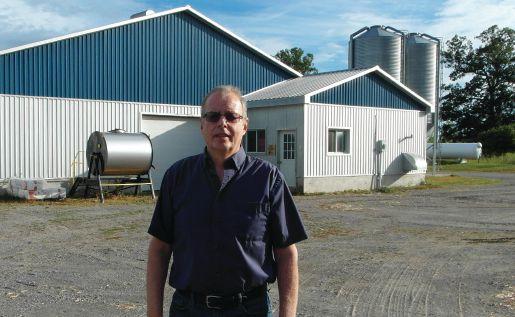
RWA producer Jerry Kamphuis of Country Lane Farms uses antibiotic alternatives like probiotics.
labs have looked at production and there is certainly a positive impact on production after probiotics administration.”
Sharif believes that it’s important to remember that many effects vary from one group of probiotic bacteria to another. “So, you cannot come up with a mix that does everything well,” he explains. “However, we are now working towards developing a bacterial community that has the right balance of the most desirable effects.”
Dr. Patricia Rayas at Oklahoma State University and her colleagues have also studied probiotics and poultry for the last several years. In 2017, a study involving Rayas, Dr. Alejandro Penaloza and Dr. Zorba Hernandez found that broilers receiving probiotics had increased weight gain and a lower death rate.
The team fed the chickens a mixture of probiotic strains selected for their ability to produce large amounts of exoenzymes, which help improve the use of nutrients in the feed and stabilize gut micro-organisms. The probiotics were placed under intense heat to ensure they would survive cooking of the food pellet.
Firsthand experience
Jerry Kamphuis from Country Lane Farms near Calgary, Alta., grows 5,000-RWA broilers that are sold directly to consumers who have made online orders. Kamphuis says he started using probiotics and stopped the use of antibiotics to prevent disease and promote growth about 25 years ago.
About 15 years ago, he started using Alltech antibiotic alternative products as he sees them as highly research-based and advanced, but notes that probiotics are only one of many things he does to produce consistently better-quality chicken.
Kamphuis uses an organic cleaner between flocks and a downtime of two days. In addition, he slows the feed rate near the end of the flock cycle and has developed feeds to ensure better bird health and meat quality. He says his costs of production and his mortality rates (two-to-four per cent, mostly trending towards two per cent) are similar to that of conventional producers who still use preventative antibiotics.
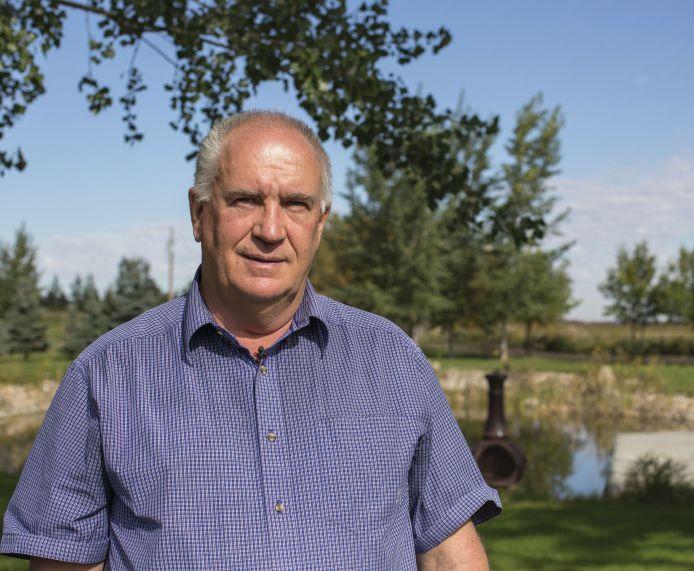
Bruce Fox, a chicken producer in Wooler, Ont., started using probiotics cleaning products last year after about six years of RWA
Bruce Fox, a chicken producer in Wooler, Ont., started using probiotics cleaning products last year.
“In my lab in particular, we have shown that administration of probiotics to chickens can enhance their immune responsiveness.”
production. He started using ‘Choice Probiotics PIP’ products made by a Belgium company called Chrisal, after finding them through searching the internet for alternatives to conventional disinfectants.
“D isinfecting between flocks is not productive as it kills all the bacteria, both good and bad,” Fox explains. “After disinfecting, you have to start from scratch to get the populations of good bacteria up and meanwhile, dangerous bacteria can grow and compete with them.”
Fox uses the PIP Animal Housing Cleaner between flocks and says it works very well. “It’s environmentally-friendly and safe too,” he reports. “If I get it on my skin, it doesn’t matter and I can discharge the wash water with no worries for the environment. These products are completely biodegradable.”
Fox sprays PIP Animal Housing Stabilizer over new flocks every day during their
Here’s to CANADIAN AGRICULTURE
HeresToCdnAg fcc.ca
first week and then twice-a-week thereafter to keep the populations of good bacteria high. He also adds PIP Water Plus to the water line to keep bad bacteria from growing and to prevent the formation of biofilm.
In terms of bird performance, Fox has found that his average mortality is lower than before using the products and his weights have been steadily increasing.
“The weights are up so much that for my next flock, I have requested one less day in the barn from my processor,” he says. Fox has had some discussions with Chicken Farmers of Ontario about the products, and has asked about being able to forego the use of traditional disinfectants, which are currently required once a year for barn cleaning.
It appears that there are no independent research papers published on the use of Chrisal products in agricultural settings.
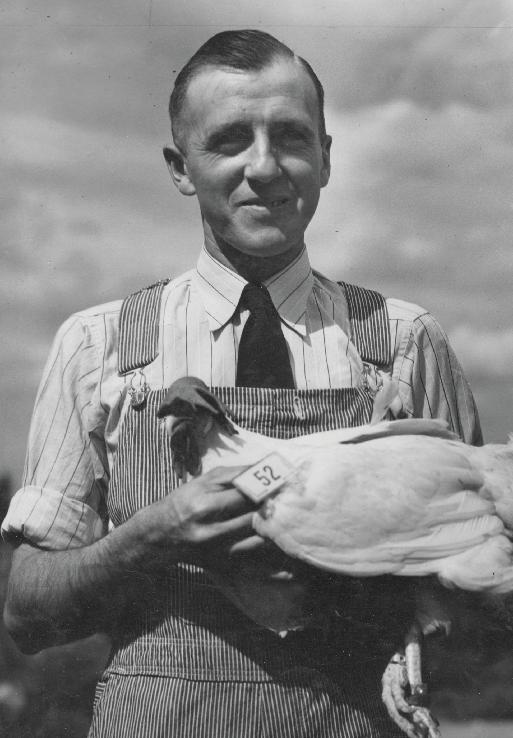
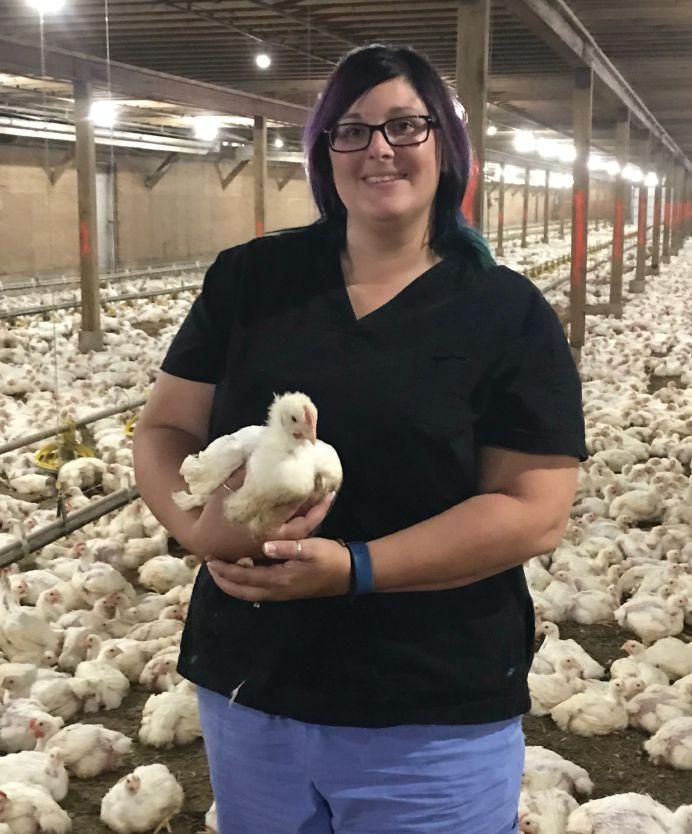
Chanelle Taylor
Life has gone to the birds for this veterinarian.
By Karen Dallimore
Chanelle Taylor had always wanted to be a veterinarian from the time she could talk. She worked for a small animal clinic in Oakville, Ont., when she was 14 to see what that would be like. As a university student, she’d pass many farms on her way to Guelph and dabbled with a few job opportunities to get some farm experience. Somewhere along the way she discovered that she really loved working with birds of all kinds.
It was in her third year of her undergrad studies at the University of Guelph where she first got a taste of the poultry industry.
“Once I got into university I happened upon a job working with one of my mentors going to poultry farms for research and it was then that I really found my passion for this industry,” says the young veterinarian. “I really felt like this was where I wanted to be.”
Taylor took two extra years of specialty courses in poultry welfare, nutrition and physiology in order to gain the background knowledge she felt she needed. Meanwhile, she actively sought out jobs and volunteer opportunities working in all aspects of the industry to gain a full scale, well-rounded view of the different areas of poultry in Ontario. This included membership in the University of Guelph Poultry Club during both undergrad and in Ontario Veterinary College (OVC).
“I loved every minute of it – we got to do the coolest stuff,” Taylor exclaims. In her fourth year of OVC, she focused her rotation weeks specifically on poultry studies. She already knew that’s what she wanted to do when she graduated.
It was during the second half of that final year an opportunity with Cargill
came up. “They say the best things come to you when you aren’t expecting it and this truly was one of those things for me,” Taylor confesses.
Cargill had been looking for a veterinarian to not only look after flocks on farm but to ver y specifically take care of animal welfare from hatchery to processing, leading their animal welfare programs.
“This really spoke to me because I was looking for a job that would combine my love of medicine with my passion for
improving welfare.”
Taylor completed her Bachelor of Science in animal biology in 2010, with a special interest in poultry husbandry and welfare. She completed her Doctorate of Veterinary Medicine at OVC in 2014.
Today, Taylor is working as veterinarian for Cargill Canada overseeing the health and welfare of broilers and broiler breeders at the company’s poultry facility in London, Ont., the hatcher y in Jarvis, her office in Guelph and on farm.
Veterinarian Chanelle Taylor oversees the health and welfare of Cargill Canada’s broilers and broiler breeders.
Based in Winnipeg, Man., Cargill is one of Canada’s largest processors, employing 8,000 people across the country, part of a global team of 155,000 people in 70 countries.
Taylor services a diverse and challenging portfolio, always keeping animal welfare at the forefront.
She has been involved with the company’s process of the transition from crates to modular loading to improve transportation welfare and handling. She will audit crews on farm during catching in order to ensure that animal welfare is maintained and that the transition continues to go smoothly. It’s part of her job to ensure that catching and transportation are done well, with minimal stress, and to evaluate new opportunities to improve loading conditions and lairage checks in all types of weather situations.
She also heads up the training program for animal welfare at the hatchery and processing end through which she will train all of their stakeholders about how to handle birds and recognize behavioural indicators of their comfort. What is animal welfare? Why is it important? This focus on bird welfare also extends to dealing with disease challenges that may arrive on farm.
Cargill has currently moved from electrical stunning to a CAS (Controlled Atmospheric Stunning) system. Taylor is in charge of ensuring appropriate animal welfare practices in and around the stunning and handling of the birds with this system, implementing the use of captive bolt devices on farm, in the plant and for their breeder service people, as well as implementing the use of the zephyr device in the plant. Taylor also goes on farm to assess and validate appropriate on-farm euthanasia practices for Chick en Farmers of Ontario.
With regard to antimicrobial resistance and antibiotic reduction, Taylor is part of the IBH (Inclusion Body Hepatitis) working group, continually assessing disease challenges in the field and evaluating how to improve
on practices to help reduce antibiotic use overall when appropriate.
One of her main areas of involvement is with the Cargill NAIHM program (No Antibiotics Important to Human Medicine). As she explained, this program essentially says that Cargill will not use category I, II, or III antibiotics preventatively in the feed or water and only for treatment when necessary for animal welfare reasons on farm. This program does allow the use of category IIII ionophores and chemicals as they are antibiotics not used on the human medicine side.
“So far we have had good success implementing this program and we continue to work on it daily to ensure that bird health and welfare are optimized,” the veterinarian says.
“I happened upon a job working with one of my mentors going to poultry farms for research and it was then that I really found my passion for this industry.”
Taylor currently lives in Guelph. She just bought a house two years ago that backs onto Guelph Lake Conservation Area. On her days off you might find her hiking with her fiancé, camera in hand, enjoying nature and, of course, bird watching. When she’s not planning her upcoming wedding, she might be enjoying Zumba or playing Ultimate Frisbee. But basically, her life has gone to the birds.
“What attracted me to poultry was the kindness and eagerness of producers to want to show me what chicken farming was really like when I was just starting out, to introduce me into the industry and welcome me with open arms,” Taylor says. “It really made me feel like it was an industry that wanted new ideas, that wanted people to come learn and see how they did things but also to challenge them to try new things and to continuously improve.”
This profile is part of our Who’s Who: Rising Poultry Stars series. For more profiles of young industry leaders, visit canadianpoultrymag.com.
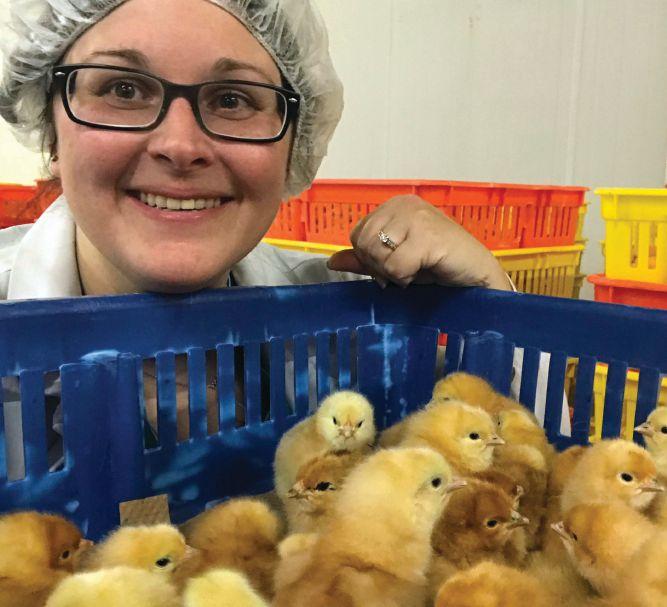
Taylor at Cargill Canada’s hatchery in Jarvis, Ont.
KemTRACE ® CHROMIUM: DESIGNED FOR YOU
Our safe, high-quality chromium optimizes performance by combating the negative impact of environmental and health stressors. This means improved feed conversion in your operation.1
Don’t stress. Optimize performance and boost your bottom line with KemTRACE Chromium.
Guts of Growth
By Dr. Kayla Price
5 tips for better brooding
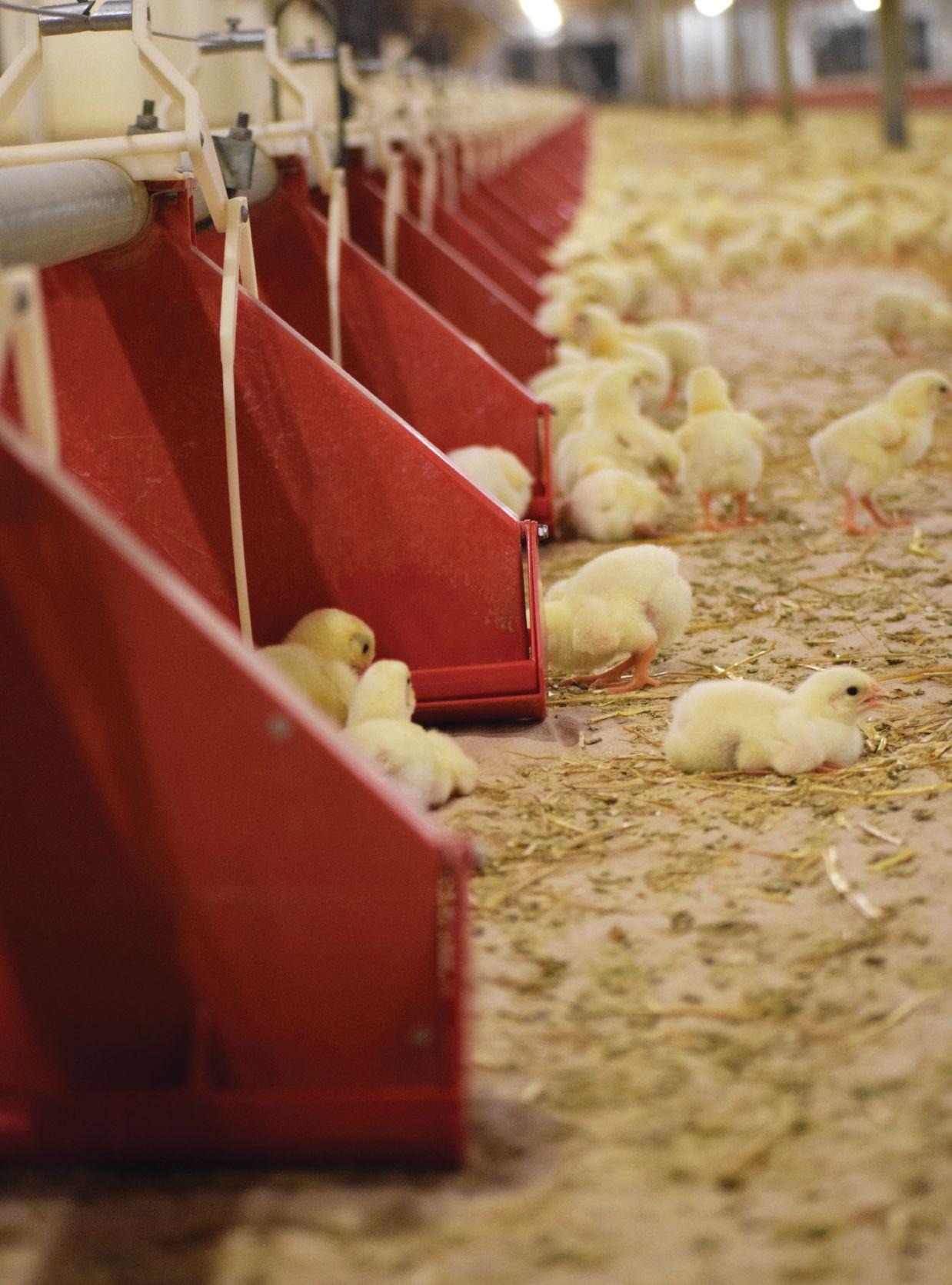
Getting the flock off to the right start can help positively impact health and performance throughout the flock’s life. Issues such as the environment and management of the bird, barn, feed and water are just a few factors that need to be addressed and monitored during brooding.
The brooding period is a critical time of development for many systems within a bird, and it occurs from the time of placement – or even before, as the farm prepares for the new flock – to around two weeks of life for the young chick or poult. It is during this time the bird needs to transition from relying on the yolk to using feed and water for growth.
When the birds are first placed in the barn, it is critical that they gain immediate access to feed and water. Supplemental feed and water are generally used to allow for easy transition to the
permanent feeding and water system.
During the brooding period for chicks and poults there are five main, rapidly changing areas that are crucial in setting the bird up for successful production.
Tip #1: Regulation of body temperature
Chicks and poults are unable to regulate their internal body temperature during the first four to six days post-hatch. The optimal body temperature for poults is 39.4 to 40°C and 40 to 41°C for chicks. Maintaining this temperature is critical to keep development of the bird on track.
These temperatures could differ depending on age of the parent stock. Management guidelines for the breed will include the appropriate temperatures for the flock.
While environmental temperature control is important for the entire flock, it is particularly critical during
Chicks and poults are unable to regulate their internal body temperature during the first four to six days post-hatch.
brooding. It is important to not overheat or overcool birds, as doing so can impact long-term performance.
The producer must also consider the temperature of the floor and litter so that the entire environment – not just the air – is at the correct temperature. For example, if the floor and the litter are cold but the air is the optimal temperature, the chick or poult may still be too cold, as they will spend most of their time close to the ground.
Tip #2: Skeletal and muscle system
During their first week of life, poults and chicks should gain approximately four times their original body weight. This
increase in weight corresponds to the rapid growth of the bird and is in response to the first feeding phases or starter feed given to the bird. What goes into the feed can have a major impact on the birds’ overall performance. Nutrients –including protein, vitamins and minerals – are required to help with this growth. As the intestinal system is developing during this period, nutrients like protein can be presented in a complex form and need to be broken down for the young bird to be able to digest. Using enzymes can help break down these complex feedstuffs, and including highly digestible proteins and minerals – such as proteinated trace minerals –that are more bioavailable to the bird can also help optimize growth both during this time and throughout the life of the flock.
Tip #3: Immune system
Antibodies from the hen are passed to the offspring through the yolk. These maternal antibodies help protect the chick or poult during their first two-to-three weeks of age. However, these maternal antibodies do not complete the immune system of the young bird, as immune organs and tissues start developing in the embryo and continue to in the hatched bird.
While active immunity develops in the young bird from maternal antibodies in the egg, the growth of the embryo immune system continues when birds are placed in the barn, through vaccinations and exposure to pathogens. If there is any stress on the bird, the immune system
Dr. Kayla Price is poultry technical manager for Alltech Canada and is an expert in poultry intestinal health.
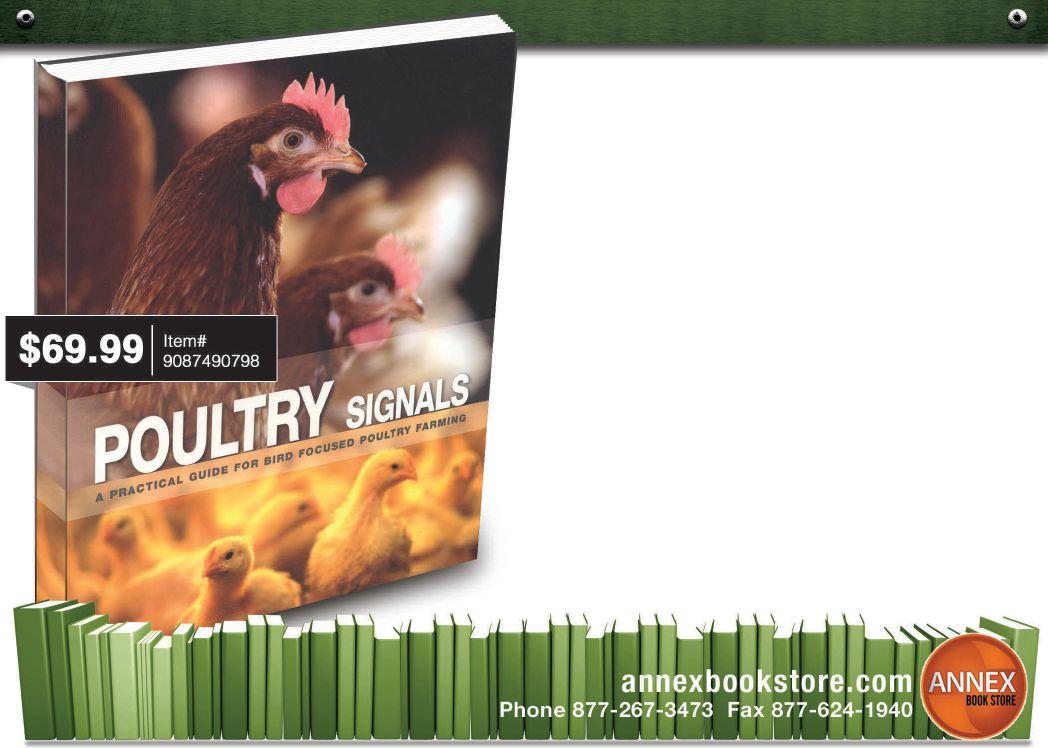
POULTRY SIGNALS
Proper management starts with recognising signals in practice.
For poultry-keepers, this means being alert when in the hen house, watching and listening to the animals, and paying attention to their behaviour as a group as well as their individual behaviour. This usually provides much information about animals’ health, well-being and production for poultry-keepers to use for improving economic results and the well-being of the animals, as well as their own.
Poultry Signals is a practical guide that shows you how to pick up the signals by your animals at an early stage, how to interpret them, and which action to take.
can be suppressed, negatively impacting health and performance. For example, delayed access to feed and water may affect how the chick or poult can resorb the yolk and may also negatively impact the passage of these antibodies from the hen, in addition to other immunosuppression.
Supporting the immune system during this period with various feed additives can be beneficial by encouraging the building of natural defenses. There are many feed additives to consider, such as prebiotics, mannan oligosaccharides, probiotics, short chain fatty acids, essential oils and highly bioavailable minerals. There is no singular best choice; generally, the best program contains a combination of ingredients.
Tip #4: Gastrointestinal system
The gastrointestinal tract has many purposes, including barrier and immune function for disease protection, as well as the breakdown, digestion and absorption of feed and water, which can be translated into production parameters. The small intestine is where most of the feed is digested and absorbed. To efficiently absorb feed, there must be a large surface area in the intestinal tract — and increased villi height helps increase the surface area
for absorption.
The small intestine also must allow for the strong attachment of cells to each other with tight junctions – like bricks and mortar on a wall – to create a physical barrier in addition to the local immune system. The small intestine has rapid development, from 17-days of incubation to around 10-days post-placement.
During this critical time, the bird’s ability to efficiently digest and absorb nutrients, in addition to mounting strong disease defenses, is developed. Just like in the immune system, various feed additives can be used to encourage growth, but the best programs often contain a combination of ingredients.
Tip #5: Microbiome
Different areas of the bird have different microbiomes, such as the skin and intestinal tract. And within the intestinal tract, the small intestine has different microbiomes from the large intestine and from the ceca.
The intestinal tract microbiome is part of the barrier function of the intestine. This healthy microbiome barrier can help prevent pathogen invasion, as it provides competition for both sites of attachment on the intestinal lining and for resources.
The stability of the microbiome involves a balancing act between the beneficial and opportunistic microbes, the latter of which are disease-causing under stress. Within a few hours of hatching, the intestine is colonized by different bacterial groups in each of the different sections of the gut.
As the bird ages, the intestinal microflora population changes from immature to mature, reaching a stable balance within twoto-three weeks in the small intestine and up to six-weeks in the ceca. The ceca is an area of large bacterial numbers compared to the small intestine.
Supporting the early establishment of a beneficial microflora community throughout the intestinal tract will allow villi to flourish, absorption to be maximized and the presence of pathogenic bacteria to be minimized. The diet of the bird –including nutrients and the combination of feed and water additives, such as prebiotics, mannan oligosaccharides, probiotics, enzymes, organic acids and short chain fatty acids, as well as the water the bird drinks –can have an impact on the intestinal microflora.
Each of these technologies has a different mode of action and may benefit the bird and the farm in different ways. The poultry barn – especially the litter – has its own microflora, which is highly influenced by the gut microflora, and vice versa. It may take several flock cycles to positively change the populations and profile of the poultry barn microflora.
Many factors must be taken into consideration to help get the birds off to the right start during brooding, including best management practices, with particular attention to biosecurity, nutrition and health status.
Strong communication and collaboration between the producer and the management team for the farm is an important element in creating success for the flock.
FARMS FOR SALE
Flamborough, ON: Broiler farm on 122 acres w/ 25,651 units.
Allinston, ON: Broiler farm on 109 acres w/20,000 units
Listowel, ON: Broiler breeder farm on 100 acres w/14,000 units.
Grand Valley, ON: Turkey broiler farm on 97 acres w/110,000 units.
Milverton, ON: Layer farm on 107 acres w/16,000 units.SOLD Howard Culligan, Broker of Record Culligan Real Estate Ltd., Brokerage C: 519-272-5413 howard@culliganrealty.com www.culliganrealty.com
Innovations
Sofina Foods
Equipment specs
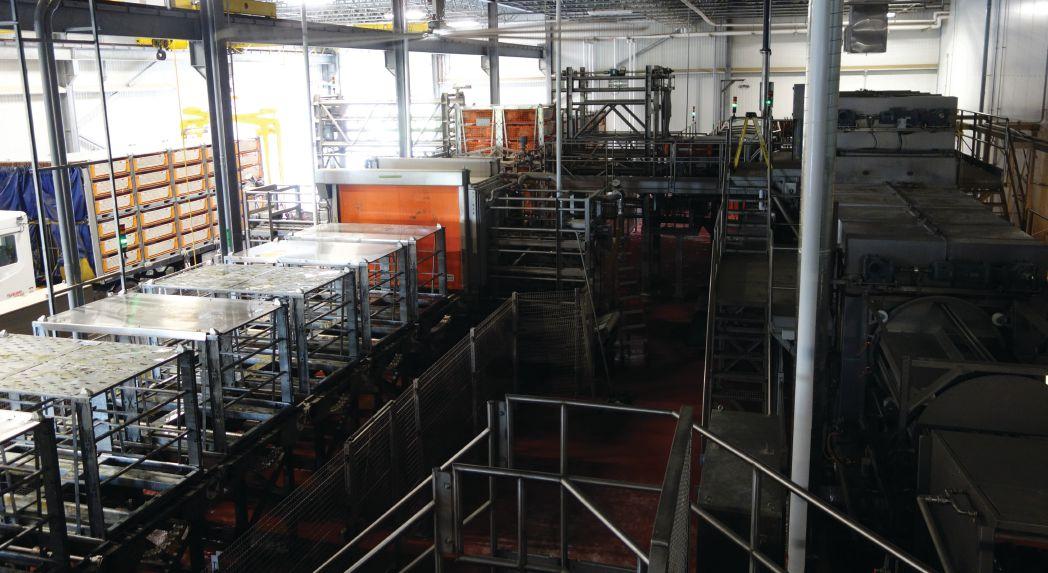
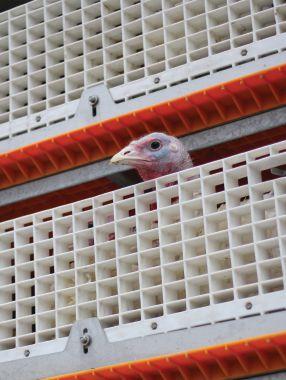
Sofina Foods installed a Maxitech gas stunning system at its new turkey plant in late-2017. The system uses a mixture of air and CO2, added gradually. Sofina purchased the building in 2015 and invested $55 million in plant renovation. The Ontario government also contributed $5.3 million. Sofina packages its products, which include chicken, turkey and pork, under the Lilydale, Janes, San Daniele and Mastro labels.
Innovation factor
“There are very few companies who manufacture the technology for gas stunning in the world,” says Danielle Dufour, Sofina’s senior director of communications and public relations. Sofina chose a Maxitech system because it is the most recognized solution in the industry with a strong track record. “In addition,” Dufour continues, “it offers significant layout flexibility, which optimizes the use of space at the plant.”
With this solution, birds remain in the modular drawers that they were loaded into at the farm. When they arrive at the processing plant, drawers are loaded directly from the truck trailer to the conveyor belt of the stunning equipment. “This means that the birds remain in the drawers throughout the stunning process and are not touched by human hands until they are completely stunned,” Dufour says. “This approach minimizes stress for the birds and our employees.”
LOCATION
Mitchell, Ont.
Top: The Maxitech gas stunning system uses a mixture of air and CO2, added gradually.
Bottom: Birds remain in modular drawers .
RETAIL PRICES
THE GOLD
Farmer Automatic’s ECO II Enriched Housing system offers proven results. Flexible nesting positions allow for minimum undergrades. Experienced dealers Canada-wide to help you navigate your poultry housing needs.