New phosphorus removal system for liquid manure close to being commercialized | 18
New option in agitation
Fine Swine installs permanent mass agitation system in 6,200-head sow barn | 20
Underground aerobic digestion
Researchers develop potential solution to carcass disposal | 30
May/June 2018
A reversal of bad fortune
Congress clears the air on court-ordered reporting of animal waste emissions, resulting in a sigh of relief from livestock producers.
Congress clears air on emissions reporting. See page 10
aerobic digestion 30 Researchers develop potential solution to carcass disposal during food-animal disease outbreaks
182024
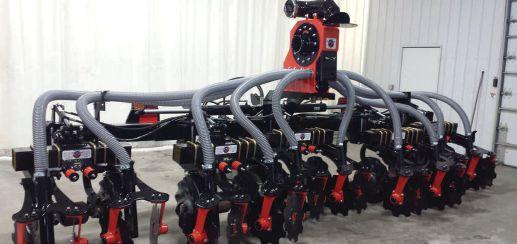
High-tech phosphorus removal MAPHEX system, a new phosphorus removal system for liquid manure.
BY TREENA HEIN
New option in agitation
Fine Swine installs permanent mass agitation system in 6,200-head sow barn.
BY DIANE METTLER
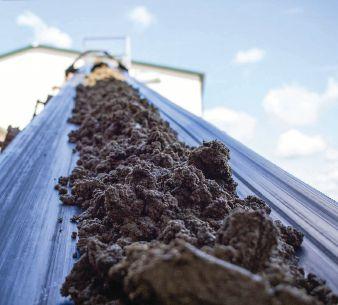
A whole new meaning to toilet paper Research shows elephant and cow manure is useful for making paper sustainably.
The war against animal agriculture
Smithfield Foods lost the first battle in a war against animal agriculture recently, a defeat that has left many producers, and the businesses that support them, nervous.
In late April, a federal jury ruled against the billion dollar food company in a lawsuit involving 10 neighbors upset by odors coming from a nearby 15,000-hog operation in Bladen County, which contracted with Smithfield. This was a hog operation doing everything by the book, meeting federal, state and local laws plus regulations. It had also never received a complaint from the lawsuit’s plaintiffs, or anyone else, about truck traffic, insects or odor before the lawsuit was served.
“The farm in question has been in full compliance with its state permit and relevant laws and regulations governing swine operations in North Carolina and is regularly inspected by state environmental officials,” stated Keira Lombardo, vice president of corporate affairs with Smithfield Foods, in a press release.
Kind of makes you wonder why
Unfortunately, this is just the first in a long stream of lawsuits involving hog odor expected to be happening across North Carolina this year. The case started in 2014 after hundreds of state residents filed a lawsuit against Smithfield arguing the smell of pigs interfered with their quality of life and the company wasn’t investing in “proper waste management” to stop it. A federal judge divided the plaintiffs into eight groups with the first group’s trial ending with an award of $750,000 in compensation to the neighbors plus damages. And, while the media is suggesting the damages portion may be as high as $50 million, Smithfield believes those reports are exaggerated.
“Punitive damages are limited to the greater of $250,000, or three times the amount of compensatory damages, which in this case were $75,000 per person,” explained Lombardo. “This means that each plaintiff should be awarded $325,000 for a total judgment for all 10 plaintiffs of $3.25 million.”
Even so, that’s going to hurt
“It’s looking like a long, tense summer for NC hog farmers.”
the farm could be doing everything right on the legislative side of government but not on the judicial. Is there some disconnect that should be examined?
Company officials are steamed and are promising to appeal.
“From the beginning, the lawsuits have been nothing more than a money grab by a big litigation machine,” Lombardo said.
It also didn’t help that the judge refused to take the 10-person jury on a scratch-and-sniff field trip to the farm or allow Smithfield to present results from expert testing the company did at the site.
the company’s pocketbook and, eventually, the hog industry in North Carolina. The state’s pork council was “greatly disappointed” and “saddened” by the results.
“Make no mistake – these lawsuits are part of an ongoing, coordinated and unfounded attack on agriculture that endangers thousands of jobs and economic activity across the state, especially in rural eastern North Carolina,” council officials stated in a public release.
We’ll be watching this issue closely over the coming months. It’s looking like a long, tense summer for North Carolina hog farmers. •
MANURE MANAGER
May/June
by:
Media, P.O. Box 530 Simcoe, ON N3Y 4N5
MARGARET LAND (519) 429-5190, (888) 599-2228, ext 269 mland@annexweb.com
Associate Editor JENNIFER PAIGE 416-305-4840 jpaige@annexweb.com
e-mail: rthava@annexbusinessmedia. com Tel: (416) 442-5600 ext 3555 Fax: (416) 510-6875 (main) (416) 442-2191 Mail: 111 Gordon Baker Rd., Suite 400, Toronto, ON M2H 3R1 Occasionally, Manure Manager will mail information on behalf of industry-related groups whose products and services we believe may be of interest to you. If you prefer not to receive this information, please contact our circulation department in any of the four ways listed above.
All advertising is subject to the publisher’s approval. Such approval does not imply any endorsement of the products or services advertisted. Publisher reserves the right to refuse advertising that does not meet the standards of the publication.
Church & Dwight Co., Inc.
& HAMMER, CERTILLUS and their
Church & Dwight Co., Inc.
Iowa’s eMMP rolled out
The new electronic manure management plan application or eMMP rolled out in Iowa March 23 when personal identification number (PIN) letters were mailed to one owner of each confinement facility needing an MMP.
During the first two weeks, it’s proved very popular with producers. According to the numbers:
• 152 new State of Iowa login IDs were created
• 94 plans were submitted and paid for online DNR field offices have been answering a few questions and helping people with the process. Go to DNR’s eMMP page – http://www.iowadnr.gov/ Environmental-Protection/Land-Quality/ Animal-Feeding-Operations/ Electronic-MMP-Project – for a new fact sheet to answer questions.
PCE LAUNCHES HOSE COMPANY
Puck Custom Enterprises has completed an asset purchase from Angus Fire of a hose manufacturing plant, equipment and product lines based in Angier, NC. It will operate as BullDog Hose Company. BullDog Hose Company launched with a strong presence in the fire industry, in addition to producing hose for industrial, municipal and agricultural applications. Building on the 40-year history of the Angier
hose manufacturing facility in the U.S., BullDog will continue to manufacture all its hose products in Angier, NC. Although the company name is changing, product lines – such as the Hi-Combat attack hose, and the Hi-Vol and Armour Guard supply hoses – will transfer unaltered to the new BullDog Hose Company identity, ensuring a smooth transition for current customers. The hoses are notable for
BY THE NUMBERS - FINE SWINE
30,000 number of sows
9,000,000
number of locations 11
number of gallons of manure new pit can hold
their long service life, made possible with a durable coating and nitrile rubber cover.
“We are excited to bring our manufacturing expertise and commitment to creating quality, innovative products to the hose business,” said Jeremy Puck, general manager of Puck Custom Enterprises. “BullDog Hose Company is looking forward to building on the foundation of what
Angier has built, while continuing to serve its loyal customers throughout the country. This will allow us to change the game in the hose business, especially in agriculture, and the opportunity would not have been possible without all our great customers, employees and supporters.”
BullDog will launch its new agriculture product lines at the World Pork Expo in Des Moines, Iowa, June 6 to 8.
6,200
number of sows that can be accommodated in new barn
number of years Fine Swine has been in operation
10
number of feet deep the under-barn manure pit is
6,000 number of gallons per minute agitation pump can move
3,000 number of piglets weaned each week
STOP LEAVING 10-12 bu./A
Are you maximizing your manure application?
Instinct ® powered by Optinyte™ technology minimizes nitrate leaching, decreases greenhouse gas emissions and produces up to 12 more bushels an acre* by maximizing your nitrogen. Simply pour it into your manure pit and see how much more there is to your manure today. Learn more at maximizemanure.com.
* Vetsch, J., and J. Lamb. 2011. Applying Instinct™ as a nitrogen stabilizer for fall applied manure. http://blog-crop-news.extension.umn.edu/2011/10/applying-instinct-as-nitrogen.html?m=1
Manure requires higher management but increases crop response
A soil scientist with the University of Saskatchewan says the broad range of nutrients contained in livestock manure requires a higher level of management but it will also heighten crop response.
Dr. Jeff Schoenau, a professor with the University of Saskatchewan and the Saskatchewan Ministry of Agriculture research chair in soil nutrient management, says typically only a portion of manure nutrients are available in the first year of application.
“For example, in the case of solid cattle manure penning material out of a cattle pen, a lot of the nitrogen in that cattle penning manure is in the organic form and it’s only slowly released into available form that the crop can use,” said Dr. Schoenau. “We might see … in our trials only 10 or 20 percent of the nitrogen in that solid cattle manure made available in the year of application.”
That’s in contrast to a liquid manure source, for example liquid swine manure, where a high proportion of the nitrogen in that manure is in the available form, for example maybe 60 to upwards of 90 percent.
In that case, the nitrogen is in high availability and we get a very good response to the nitrogen in the year of application. However the effect in terms of its persistence over a number of years tends to be less compared to a solid manure source where we’re adding a lot of organic nitrogen.
Phosphorus in manure, we typically find maybe 50 to 70 percent availability of phosphorus in manure compared to commercial fertilizer.
In the case of potassium, manures are very good sources of potassium. Some manures are low in sulfur. For example, liquid swine manure is low in available sulfur sometimes such that we find a response to supplemental commercial fertilizer sulfur when we’re using swine manure as a nutrient source growing a high sulfur demanding crop.
Dr. Schoenau, notes you’ve got a lot of nutrients that contribute to yield response and the added organic matter can help crop growth through its ability to store water and aid in soil structure and microbial activity. For Farmscape.Ca, I’m Bruce Cochrane.
Largest dairy RNG project in U.S. under construction
Renewable Dairy Fuels (RDF), a business unit of AMP Americas, recently announced that construction is underway on the country’s largest on-farm anaerobic digester-tovehicle fuel operation.
Located in Fair Oaks, Indiana, the dairy project will be the company’s second biogas facility producing renewable natural gas from dairy waste for transportation fuel. Amp Americas received the first dairy waste-to-vehicle fuel pathway certified by California’s Air Resources Board (CARB) for
its first RNG project at Fair Oaks Farms in northwest Indiana.
The new facility will be 50 percent larger than RDF’s operation at Fair Oaks Farms and will be operational this summer. The site is located in Jasper County, Indiana, just a few miles from Fair Oaks Farms.
Every day, three digesters located at three dairy farms will convert 950 tons of dairy waste from 16,000 head of milking cows into 100 percent renewable transportation fuel. The RNG will then be injected into the NIPSCO pipeline. Each of the digesters is a DVO, Inc. designed and built Mixed Plug Flow digester.
“Transportation is now the largest source of greenhouse gases in the U.S., and a major source of smog-causing pollution. It is more important than ever to drive further adoption of clean and efficient domestic RNG within the trucking industry,” said Grant Zimmerman, CEO at AMP Americas. “There isn’t enough RNG being produced to meet customer demand. Our new project will help make strong headway toward closing the supply gap.”
Water troughs key to E. coli contamination in cattle
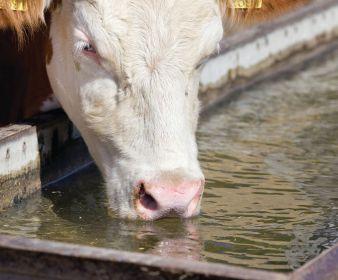
A major study led by Cornell University College of Veterinary Medicine researchers reveals for the first time that water troughs on farms are a conduit for the spread of E. coli in cattle. The study was recently published in the journal PLOS ONE.
“Water troughs appeared in our mathematical model as a place where water can get contaminated and a potential place where we could break the cycle,” said Renata Ivanek, associate professor of epidemiology and the paper’s senior author.
The hypothesis was then tested in the field – with surprising results.
The group ran control trials in a feedlot over two summers. This involved reducing the water volume in troughs in randomly selected treatment pens and leaving the volume unchanged in control pens. They expected that reducing the water levels in troughs would prevent the spread of E. coli. Instead they found that it increased spread; in the treatment pens, the odds of finding shiga toxin-producing E. coli in cows was about 30 percent higher than in the control pens.
“Our modeling studies did pick up the right parts of the system,” Ivanek said, “but the mechanism that we postulated is the opposite from what we thought.”
More research is needed to determine why more water in troughs reduced E. coli in cows, but Ivanek questions whether the lower volume made it easier for cows to swallow debris at the bottom of tanks, or whether a fuller tank reduced E. coli concentrations.
Next steps include repeating the results in other feedlots, evaluating the effectiveness and cost benefit of using more water to reduce E. coli, investigating how seasons and temperatures play a role in prevalence of E. coli, and understanding the actual mechanisms that led to the results.
A reversal of bad fortune
Congress clears the air on court-ordered reporting of animal waste emissions, resulting in a sigh of relief from livestock producers.
BY TONY KRYZANOWSKI
A national manure management emergency was recently averted in the United States with the passage in March of the Fair Agricultural Reporting Method (FARM) Act, thwarting attempts by some environmental groups to categorize farms on the same plane as heavy industry as it relates to potential toxic air emissions.
Congress torpedoed a recent court order that required American farms to report potentially hazardous animal waste air emissions to the Coast Guard’s National Response Center (NRC) and the Environmental Protection Agency (EPA), opening the door to possible EPA investigations.
The main concern was with release of gases like methane, ammonia and hydrogen sulfide from decomposing animal waste and its potential impact on the health of those working and living in and around farms.
The recent passage of the FARM Act sides with the EPA and farm lobby groups’ belief that
ABOVE
existing hazardous air emissions laws in the U.S. were never intended to target air emissions from farms.
When contacted, the EPA would not speculate on what impact the non-passage of the FARM Act would have had on reporting requirements by farms. However, even as far back as October 2017, the EPA and Congress were already moving toward giving farmers a break by excluding “routine agricultural operations” from triggering a requirement to report release of hazardous gases into the air. They interpreted routine agricultural operations to include, “animal waste stored on a farm and animal waste that is used as fertilizer.”
The environmental groups Waterkeeper Alliance, the Humane Society of the United States, Sierra Club, the Center for Food Safety, and Environmental Integrity Project had successfully argued in court that air emissions, particularly from CAFOs, could be having a detrimental impact on human health, and that farms in
Under the old emission reporting rules, livestock producers had to quickly educate themselves on how to estimate the emissions to the EPA’s satisfaction. How that was to be accomplished was about as clear as raw liquid manure.
Dietrich Slurry Injectors
general – and CAFOs in particular – should be required to report and continuously track those emissions over time under existing federal legislation to the EPA.
These environmental groups successfully argued that an EPA rule that exempted the required reporting of animal waste air emissions under two federal regulations – the Comprehensive Environmental Response Compensation and Liability Act (CERCLA), in force since 1980, and the Emergency and Community Right-To-Know Act (EPCRA), in force since 1986 –should be vacated.
Because of the decision by the U.S. Court of Appeals for the District of Columbia Circuit in April, 2017, farms with livestock were required to provide the National Response Center with an initial continuous release notification as part of the EPA’s ‘continuous release reporting’ process, estimating hazardous air emissions from manure based on the number of animals on their farms and their manure management accumulation and storage practices. After that initial report, which could have been just a phone call to the National Response Center, farmers were required to file a written report to the regional EPA office within 30 days, and then a one-time, first anniversary, followup report to the EPA regional office. In its guidance to farmers, the EPA advised that, “if there are significant changes at your operations that could result in a change in emissions, additional reporting may be necessary.”
Here are some examples of where an additional report filing may have been required. One scenario is each time that the farm or a custom manure applicator initiated the agitation of an open air, liquid manure storage lagoon, perhaps prior to
REGULATE NUTRIENT APPLICATION
pumping out the lagoon for land application of that liquid manure, because of the emissions released into the air from this process. Another is if a feedlot was temporarily stockpiling pen and barn manure prior to land application and there was biological decay taking place within the manure pile, resulting in higher air emissions of gases like methane, ammonia, and hydrogen sulfide. Yet another example of a potential reporting requirement was in cow-calf operations if the numbers of animals increased at any time above the number of cattle noted on the initial emissions report or the anniversary report, because this could result in higher manure volume and potentially increased air emission discharge. A similar scenario would have been triggered if for some reason a poultry farm increased the size of their flock, even temporarily, compared to the number of animals listed on the initial report. In a rather ironic twist as it relates to the environment, the process of mechanically turning raw manure to create compost may have triggered a report requirement because of emissions released into the air as a result of the biological activity taking place in the manure pile during the conversion process. Compost is widely considered a more benign form of environmentally friendly organic fertilizer.
In other words, many farms faced a potential future of air emissions calculations and reporting paperwork.
These are only a few examples. There are all kinds of scenarios where the amount of manure or the size of a herd/ flock could temporarily spike, simply as a result of the dayto-day management of livestock on a farm. Buying and selling farm animals is a common practice and typically how most
•
•
•
farms make their money.
The consequences to the American agriculture industry had the FARM Act not passed may have landed some farmers in court, according to a statement issued by Jim Heirmerl, president of the National Pork Producers Council (NPPC). He said that the 2017 court decision could, “subject them (farmers) to citizen lawsuits from activist groups.”
Prior to passage of the FARM Act, Dr. Howard Hill, a veterinarian and pork producer from Cambridge, Iowa, stated in his testimony on behalf of the NPPC before the Senate Committee on Environment and Public Works that more than 100,000 livestock farmers in the U.S. would have had to make an initial estimated hazardous emissions filing by May 1. Not only did they have to make a report, but they also had to quickly educate themselves on how to estimate the emissions to the EPA’s satisfaction.
How that was to be accomplished was about as clear as raw liquid manure. While the EPA spent considerable time and effort to assist farmers in helping to make their calculations, their methodology admittedly involved a lot of estimation. Two of the four criteria that the EPA adopted for farmers to make their initial report were, “your knowledge
of the facility’s operations and release history,” or, “your best professional judgment.”
Among the biggest challenges the EPA faced in encouraging accurate reporting was the wide variety of factors that could influence emissions, noting that, “there are scenarios when operations with fewer animals will have higher emissions than operations with greater numbers of the same species of animals.”
The EPA admitted that it was not ready with a standardized methodology that would address all situations before the May 1, 2018 reporting deadline.
“EPA is working on developing methodologies to estimate emissions from a wide variety of operations and thus better inform emissions estimates from animal waste,” it said in a circular to farmers. “However, that work will not be completed prior to the Court’s mandate that farms report.”
Dr. Hill pointed out in his testimony that it was never the intention of CERCLA and EPCRA to include reporting of air emissions from farm waste, and the EPA seemed to agree with that interpretation because in 2008, it instituted its rule exempting this reporting requirement, which was vacated last year by the court.
A number of agricultural lobby groups
pleaded with the federal government to reinstate this exemption.
“The CERCLA provisions in question were originally enacted to address accidental hazardous air emission emergencies from toxic waste sites, and never intended to be applied to dairy and other livestock farms,” said Jim Mulhern, president and CEO of the National Milk Producers Federation prior to the FARM Act’s passage. “Through this legislation (FARM Act), Congress is stipulating that the burdensome regulatory over-reach serves no legitimate health or safety purpose.”
That sentiment was echoed by Kevin Kester, head of the National Cattleman’s Beef Association, once the FARM Act was passed.
“First, we were able to kill the notion that our farms and ranches will be regulated like a toxic Superfund site under the CERCLA law,” he said, adding that it was more like 200,000 farmers would have been required to file an initial emissions report, should the FARM Act not have passed.
Understandably, environmental groups were disappointed with the reporting exemption in the FARM Act. Their target was clearly air emissions from CAFOs, having fought the issue of the EPA exemption in the courts for over a decade, accusing Senators of sneaking in a rider into the FARM Act to create this exemption.
“In a matter of 48 hours, this rider removed protections that Waterkeeper Alliance spent 10 years fighting for in the courts,” writes Larissa Liebmann, staff attorney at the Waterkeeper Alliance, in a letter posted on the group’s website.
She adds that now, CAFOs will no longer be required to report their hazardous air emissions under CERCLA, even if they are releasing substances like ammonia or hydrogen sulfide, “at levels that cause serious health issues from nearby communities. Unless and until we can convince future lawmakers to undo this dangerous decision, citizens will be in the dark about the hazardous substances they breathe in from these facilities.”
Now, that is all a moot point with the passage of the FARM Act and the exemption put back in place. •
A national manure management emergency was recently averted in the United States with the passage in March of the Fair Agricultural Reporting Method (FARM) Act.
HIGH-TECH Phosphorus Removal
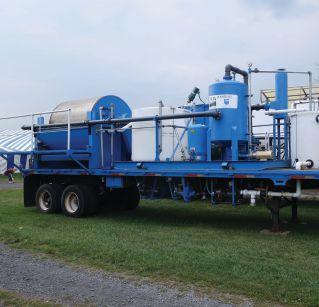
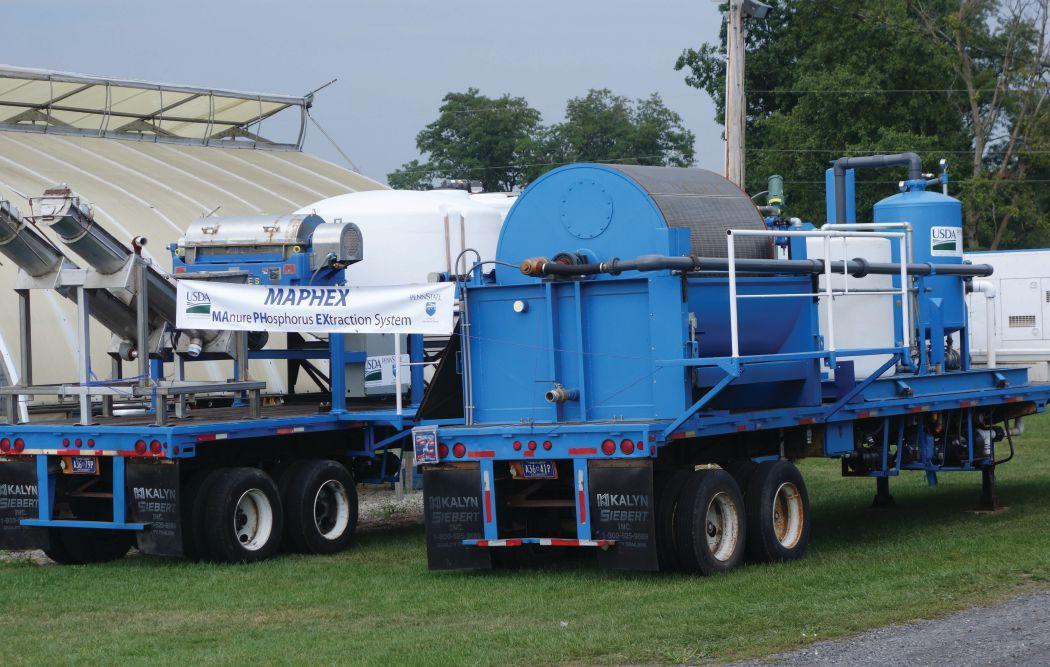
MAPHEX (MAnure PHosphorus EXtraction) System, a new phosphorus removal system for liquid manure developed by the USDA, is on the cusp of being commercialized.
BY TREENA HEIN
Farmers and manure managers in North America have known for years that phosphorus is a huge concern, but solutions for handling this nutrient have not come easy. Hauling manure away to locations where fields aren’t already saturated isn’t always practical or cost-effective. An efficient and economical phosphorus removal system must be possible, one that allows farmers to retain the nitrogen and other valuable components of manure – even to pelletize the phosphorus for re-use as a fertilizer.
Indeed, many systems for removing phosphorus from manure have been developed, but they all remove it by raising the pH of the solution. While this does promote phosphorus precipitation (the formation of a solid from molecules that were previously dissolved in liquid solution) in the form of calcium phosphate or calcium ammonium phosphate, it causes the nitrogen to be lost. It happens when the ammonium volatizes into ammonia, and the nitrogen contained therein is therefore lost to the air – and to the farmer.
Successfully thinking “outside the pH box” was required and that’s just what a team led by Clinton Church has accomplished. With his colleagues Ray Bryant and Peter Kleinman, the environmental chemist with the U.S. Department of Agriculture’s Agricultural Research Service (USDA-ARS) at University Park, Penn., got to thinking about other ways to get dissolved phosphorus out of solution.
to farm was always the goal.”
The first step is to feed the liquid manure into an auger press, which works the same way as a screw press and removes bulk solids. (These solids, explains Church, are of value to farmers, who compost them and use them for livestock bedding.) Along with the bulk solids, about 15 percent of the phosphorus is also removed. The next stages, however, involve the capture of basically all the remaining phosphorus. The liquid is fed through a centrifuge into a mixing tank where an iron oxide compound is added, to which the dissolved phosphorus binds immediately.
“We went to adsorption chemistry rather than acidbase chemistry,” Church explains. “We found that iron and aluminum compounds worked well to precipitate phosphorus, but we still had to figure out how to separate liquids and solids in a mobile system. A mobile solution that could go from farm
ABOVE
To remove this precipitate, Church and his team first looked at using a belt press, but this method would require the press to be washed continually, with the water for that either having to be brought to the farm or supplied by the farm, and there would also be the used washwater to deal with. They also looked into adding tiny microbubbles to which the precipitate could attach and then float to the surface to be scooped away, but that method would require tanks too large for a mobile system. Instead, they found the solution in an AutoVac unit, a slowly rotating drum with a diatomaceous earth (DE) filter. The occluded portion of the filter cake is removed with each turn, so that it is ready to filter another ‘load’ of liquid. Operating costs can be significantly reduced by cleaning and re-using the filter.
The final effluent contains virtually no phosphorus, but 90 percent of the original manure’s nitrogen, mostly in the form of ammonium. By running this final material through the halfmicron filter, about 90 percent of the bacteria is removed, and with their removal, a significant amount of the odor is removed
The USDA team finished tests on the pilot scale unit at the start of 2015 and built the full-sized machine later that year. It features two auger presses instead of one, a larger decanter centrifuge and larger storage/mix tanks than the pilot-scale version.
PHOTO BY CLINTON CHURCH
ABOVE
Portability was the goal for the MAPHEX unit from the very start.
as well.
The team finished tests on their pilot scale unit at the start of 2015 and built the full-sized machine that year. It features two auger presses instead of one, a larger decanter centrifuge and larger storage/mix tanks than the pilot-scale version.
Portability was the goal for both units from the very start.
“Yes, a larger dairy can have manure pumped out of one lagoon through a stationary on-farm MAPHEX unit and then the reduced-odor, phosphorus-free, nitrogen-rich effluent can go into another empty lagoon,” Church explains. “But smaller dairies need a smaller portable unit to come by every 10 days or so. They would have to install a small 10-day tank.”
One MAPHEX system can therefore service 10 small farms, one a day on a 10-day rotational basis, but a larger farm, such as one with 2,000 cows, could use a portable unit as well – it would just have to stay longer. Church says MAPHEX can process about 150 to 250 gallons of manure in about 10 minutes, depending on the manure.
Once
have to be made into a pumpable liquid. Anything can be run through the system. Acid whey, a byproduct from yogurt production for example, was tested successfully and is listed in the patent.”
At the Wisconsin Farm Technology Days, held in midJuly, the MAPHEX system was very successful in processing anaerobic digestate as well.
commercialized,
I’d like to see
MAPHEX units at dairy processing plants and large dairy farms, with shared units between small farmers or owned by manure haulers.”
– Clinton Church
“We have yet to test swine manure, but it should have a faster flow-through rate than dairy manure as it’s generally thinner and the auger press would likely not be needed,” he notes. “You’d go straight to centrifuge and AutoVac. We did test manure from a settling pond and the auger press was not needed. We have yet to test chicken manure, but it would
The patent is owned jointly by the USDA and Penn State University, and Church has updated the design with various small improvements and further automation so an operator is not required the whole time.
“We have a company called Eisenmann Corporation that is interested in partnering with us on taking it to market,” he says.
“Once commercialized, I’d like to see MAPHEX units at dairy processing plants and large dairy farms, with shared units between small farmers or owned by manure haulers. I’m writing the patents now for how the diatomaceous earth can be separated from the filter layer for re-use and the phosphorus in the filter layer can be pelletized. This would help farmers further with reducing daily operation costs.” •
BY
PHOTO
CLINTON CHURCH
A NEW OPTION In Liquid Manure Agitation
Fine Swine installs permanent mass agitation system in 6,200head sow barn.
BY DIANE METTLER
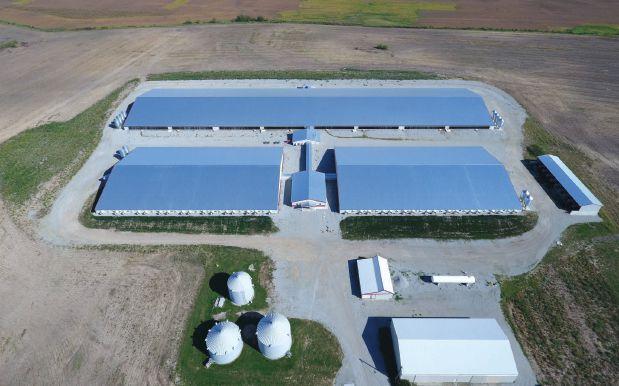
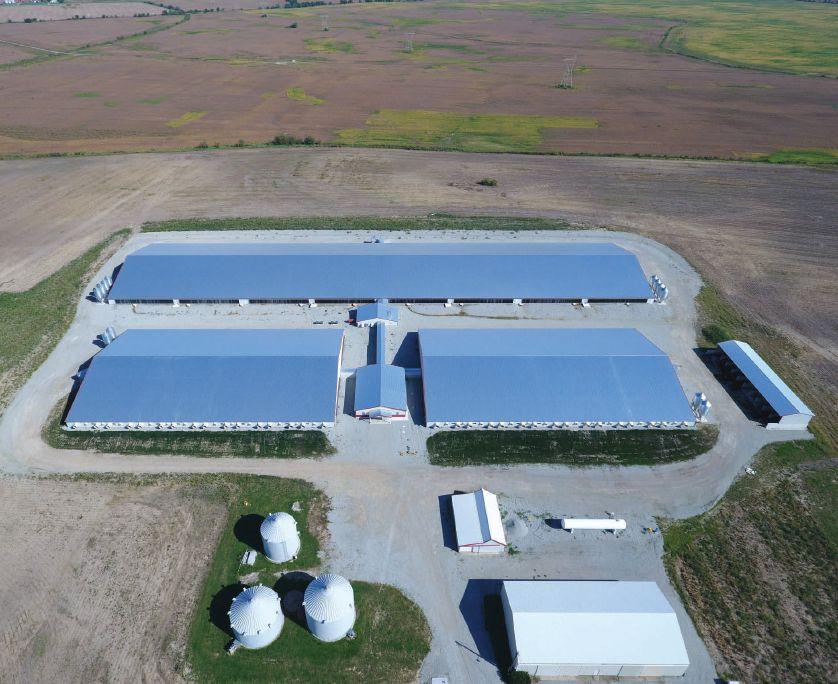
Fine Swine knows how to do things large. In 2017, the Ohio-based swine farm with more than 11 locations and 30,000 sows, built a 6,200-head sow gestation barn, incorporating a dual permanent mass agitation system.
Ben Pitstick, Fine Swine’s operations manager, says they decided to use a permanent mass agitation system before they built the enormous barn, which is 733 feet long by 166 feet wide.
“In the past, when we were trying to pump, we couldn’t get it mixed right, which resulted in inaccurate readings on our manure when we
ABOVE
were trying to spread it. We wanted to figure out a more consistent nutritional value to our farmers and how to keep from making solid build up from the bottom.”
The answer turned out to be a system designed and engineered by Puck Custom Enterprises, Inc. (PCE)
“This system keeps us from putting any kind of agitator in the pit when we’re mixing the pits,” says Pitstick. “We have a 10-foot pit that’s underneath the slatted-floored barn and holds about 9,000,000 gallons of manure.”
The manure is agitated monthly to
In 2017, Fine Swine built a 6,200-head sow gestation barn and incorporated a new dual permanent mass agitation system.
CONTRIBUTED
keep from having solid waste build up, creating a more consistent product that is pumped and spread twice a year on nearby farms.
The manure is agitated at the bottom of the pit, where the solids are pushed through eight, four-inch reducers. The primary benefit is the consistent nutria value and the better break down of solids. But the added benefit is potential for odor reduction. Because the pit is frequently agitated throughout the year, the odor caused by the solids breaking down isn’t as intense as those pits that are agitated on an as-needed basis.
“The assumption is that instead of going in once or twice a year with several tip pumps and aggressively agitating all at once, you’re agitating over the entire year and there’s far less surface disturbances,” says Laura Pepple, a design engineer for Iowabased PCE. “This creates a safer environment for the animals, I would also expect that it should reduce the immediate odor during application, and would spread that out over the course of the year.”
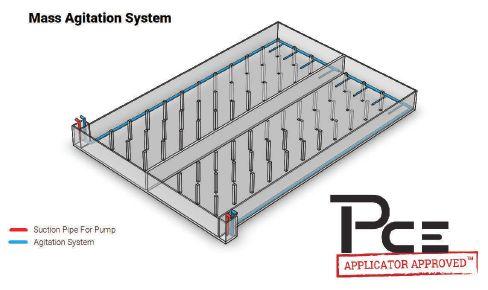
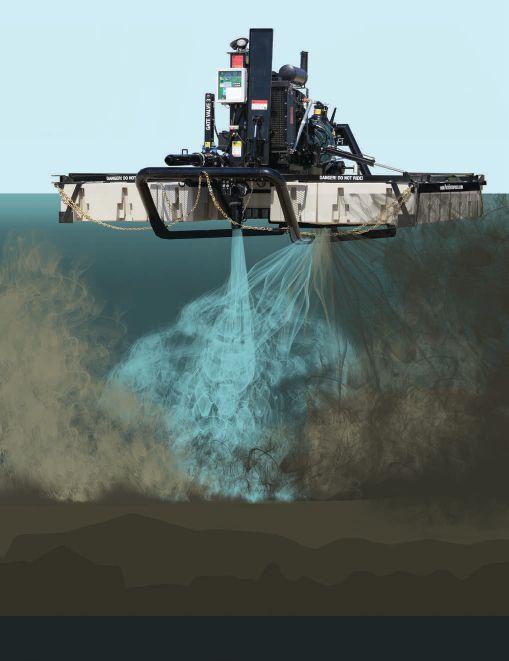
“I would describe this system as a whole barn agitation system,” says Pepple. “There’s a long pipe that runs the length of the barn and, on the opposite end, it turns 90 degrees. After the turn, there is a manifold that splits off into smaller straws that flow back toward the end that the pump sits on.
“With deep pits, the most common current construction is to put a divider wall down the middle, [like was done with Fine Swine] so you end up with two cells that run the length of the barn,” she adds. “You have pillars, which look like bowling lanes. The idea is that you’ve got a straw centered up in the key lanes where you’re going to have most of your solids build up. And it recycle very much like a bowling lane where a ball goes down and then the mechanism at the end pushes it back to you.”
Knowing the size of the Fine Swine barn – where it houses not only the 6,200 sows, but also weans 3,000 piglets a week – and the volume of waste, Pepple designed two independent agitation systems that run off a single pump with a 12-inch inflow and a 10-inch outflow.
LEFT
A schematic drawing of PCE’s Mass Agitation System. Fine Swine of Ohio had the technology installed into its most recent sow gestation barn.
Fine Swine built their own pump, which was installed at the end of the barn, in the middle of the agitation system. It’s equipped with a Tenon mount and is run by a 425 horsepower CAT motor that pumps 6,000 gallons per minute.
“Installing a pump on the side forces liquids to turn at 90 degrees to get to the pump is the biggest obstacle that I typically run into, creating an opportunity for solids to settle out of suspension,” says Pepple. “Because of this, our preference is to put the pump off the end of the barn, because you don’t have to force liquid to turn at 90 degrees [see illustration]. However, Fine Swine’s pump location was taken into account during the design engineering and performs as required.”
The permanent mass agitation system is relatively new. And it’s Pepple’s understanding that is was the brain child of PCE’s founder, Ben Puck some years back.
“The beauty behind the system,” she says, “is the only moving part is the pump, and it is exterior to the whole system.”
And the idea has grown in popularity. Because the concept seems simple, some farmers have tried to install their own system. In a number of cases, winging it has resulted in poor results or even failure. To maintain the integrity of the system, Pepple stressed the importance of actually taking the time to engineer the design plan of the system.
“Every system that we’ve got out in the field has been engineered. We do that to ensure that the pump, and the performance that the producer is trying to achieve, will be achieved without pump cavitation (to eliminate structural damage) or other things occurring with the pump itself. We want to make sure because this is a permanent system.”
Designs fluctuate depending on the pump, says Pepple.
“The assumption is that instead of going in once or twice a year with several tip pumps and aggressively agitating all at once, you’re agitating over the entire year and there’s far less surface disturbances.”
– Laura Pepple
“Depending on the size of the barn, my current recommendation is a pump that’s capable of hitting 6,000 gallons a minute, and it requires a little over 300 horsepower,” says Pepple.
“For every pump, there are specific requirements that you have to meet in order for that pump to operate on its pump curve – where [the pump] the wants to operate. Essentially, we have to design the system to ensure that the pump that the producer plans on using to agitate with these systems pairs up with the pipe system.”
Key to a successful system is a good pump. Pepple says there are two types of pumps – a high-pressure pump is used in the manure application dragline and a lowpressure pump is used for agitation.
“The high-pressure pumps are what we use for lead pumps and booster pumps that allow us to go distance,” she says. “The low-pressure pumps are typically low pressure/higher volume, so you can move more liquid but you don’t generate the pressure that allows you to push it long distances. These are the pumps used to operate agitation systems. By comparison, most of the lead pumps and booster pumps currently being used are going to generate in the ballpark range of 400 foot a head. If you
run it at full throttle you can get up to 3,000 gallons a minute out of that pump, but to do that, it requires 450 horsepower; whereas the 6,000-gallon per minute pump, will only generate about 80 feet to 120, but only needs 300 horsepower. So, it doesn’t create near the amount of pressure, but you get much higher volume for less horsepower. This allows us to do that same amount of work as three smaller tip pumps, using a single high efficiency pump that cost less to operate.”
In the end, once the design is complete and the contractors and crew are in place, installation can go quickly. For a smaller barn, it can take a day to install and with bigger barns it can take up to two days.
“It just depends on the size of the crew that they’re running, and whether they are doing it all at once,” says Pepple.
For Fine Swine, it’s too soon for test results taken in the fields. Although the system was built last May, it took until this spring to build-up enough waste to pump.
YOUR BEST CHOICE FOR THE LONG HAUL
This spring, about 3,000,000 gallons was pumped out onto fields and Pitstick says he can already see the difference.
“You can tell as the manure was coming out that it’s definitely more consistent,” he says. “When we apply next fall, we will test it and see how it comes after a whole summer where we agitate every month.”
PCE has been monitoring some of the systems they have installed.
“We’ve got a gestation barn in Minnesota that we’ve agitated,” says Pepple. “This will be the seventh season we’ve agitated that barn. We’ve also office, here in Iowa, that we’ve agitated.
“We have seen consistent nutrient content going to the field for the pumping events monitored. We also tend to see a 10 to 15 percent bump in organic nitrogen, phosphorus, and total solids when compared to older facilities on site that don’t have the agitation system installed.”
With new systems, there are always lessons to be learned, especially regarding installation. Pitstick says for farmers considering it, “I think it’s a no brainer to install it, but work closely with your engineers. We put it in after we put in the slatted pit floors, then tried to work underneath the roof and that was not a good idea. It was very hard.”
Pepple says to consider this system with new construction.
“I advise farmers that this would be something for someone putting in a new barn versus retrofitting an older barn, although people are. There is a high cost to getting your pit clean enough that you can safely send individuals down there to install the system.”
Despite any challenges, Pitstick is pleased with the system and enjoyed working with PCE.
“They know their stuff. They helped me with all the piping and where to get it. They helped design how many pipes we would actually need, what size of pipe to use, etc., because they knew the flow and those kinds of things.”
“It’s definitely a system designed to maximize the influence of the agitation pump,” adds Pepple. “It will allow Fine Swine to do whole barn agitation and get a uniform nutrient product to the field, while being able to better manage solids and deep pits.”
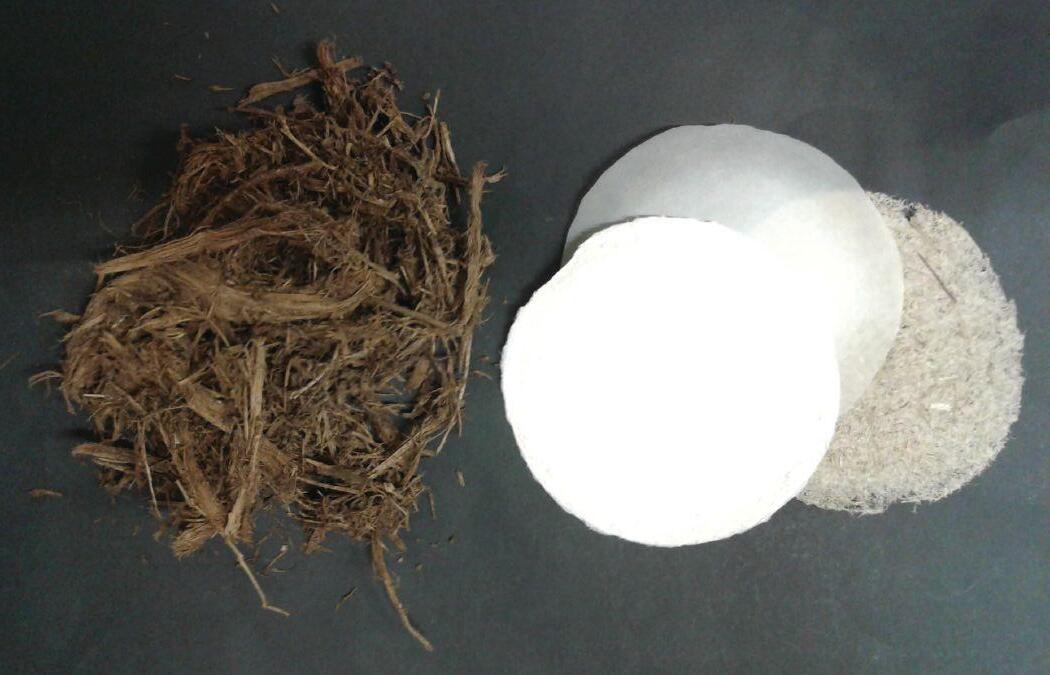
A Whole New Meaning To Toilet Paper
Research shows elephant and cow manure is useful for making paper sustainably.
not the first thing you think of when you see elephant dung, but this material turns out to be an excellent source of cellulose for paper manufacturing, scientists report. And in regions with plenty of farm animals, upcycling manure into paper products could be a cheap and environmentally sound method to use manure.
The idea for the project germinated on Crete, where Dr. Alexander Bismarck, with the University of Vienna, Austria, noticed goats munching on summer-dry grass during his vacation.
“I realized what comes out in the end is partially digested plant matter, so there must be cellulose in there,” he recalls. “Depending on the animal, up to 40 percent of that manure is cellulose, which is then easily accessible.”
Less energy and fewer chemical treatments should be needed to turn this partially digested material into cellulose nanofibers, relative to
ABOVE
starting with raw wood, he conjectured.
After working with goat manure, Bismarck moved on to dung from horses, cows and, eventually, elephants. The supply of raw material is substantial – hundreds of elephants in Africa produce tons of dung every day.
The researchers treat the manure with a sodium hydroxide solution, which partially removes lignin plus other impurities. To fully remove lignin and to produce white pulp for making paper, the material has to be bleached with sodium hypochlorite. The purified cellulose requires little grinding to break it down into nanofibers in preparation for use in paper.
The dung-derived nanopaper could be used in many applications, including as reinforcement for polymer composites or filters that can clean wastewater before it’s discharged into the environment, Bismarck says. The nanopaper could also be used to write on, he says. •
According to scientists, elephant dung is an excellent source of cellulose for paper manufacturing in countries where trees are scarce.
Mahindra Retriever
has rebranded its utility vehicle product line as the Mahindra Retriever. It comes in single-row, crew and long-bed models in both gas and diesel powertrains. The vehicles are available in red, green and Realtree AP camouflage with standard or industry-exclusive Flexhauler cargo boxes several styling enhancements have been made, including a dash with 4.3-inch digital gauge, automotive-style LED headlights, a front brushguard with bull bar, deluxe bucket-style seating, a
MAKE YOUR DAIRY EXTRAORDINARY
FEATURES AND BENEFITS:
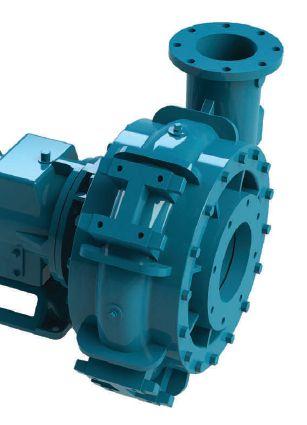
• Oil bath bearings - self cooled and lubricated, needs no water flush
• Disintegrator tool - for hoof blocks and other solids
• Heavy duty seal and bearing systemlonger life in severe service
• Ductile iron casing and bearing housingheavy castings for long life
• Heat treated cast steel wear parts - for longer life in abrasive grit service
• Most parts readily available from stock for expedited delivery
APPLICATIONS INCLUDE:
• Digester Feed
• Digester Mixing
• Small Pit Recirculation
• Tanker Loading
• Flush Water
• Feeding Heat Exchangers
• Manure Transfer
• Separator Feed
Learn More at ChopperPumps.com 360.249.4042 | info@chopperpumps.com
redesigned steering wheel and shifter knob, plus new wheel design. The Mahindra Retriever still offers 1,200 lbs. hauling capacity, 2,100 lbs. towing capacity, 12-inches of ground clearance, 19-inches of cab entry space, a standard electric cargo box dump, plus standard front and rear receiver hitches. mahindrausa.com
Case IH L10 loader
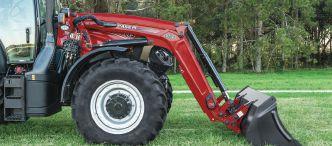
The L10 series premium loaders from Case IH features a new styling, providing better visibility; efficient, flow-optimized hydraulics; fast and dismount [30 to 60 seconds] and durability for maximum uptime. More efficient oil flow with the L10 series loaders means the hydraulic system performs faster while generating less heat and using less fuel for lower operating costs. A chamfered and embossed arm design increases strength. Cast and forged components add more strength at critical stress points, helping to create lasting reliability and a lower cost of ownership. Smart hose routing and protective covers help keep hydraulic lines out of the way while arm styling provides easy access for routine tractor maintenance. caseih.com
Swine Confinement Pen Cleaner & Disinfectant
InventHelp introduces Swine Confinement Pen Cleaner & Disinfectant, a faster way to remove manure residue and related matter plus save time and effort. It is ideal for farms as it enhances sanitation by killing bacteria-forming agents in confinement pens. Swine Confinement Pen Cleaner & Disinfectant contains 22.2 percent phosphoric acid, 11.34 percent sulfuric acid, 8.08 percent hydrogen chloride, and 1.69 percent hydrofluoric acid. The product can be used on concrete, wood, plastic, aluminum and steel. inventhelpstore.com
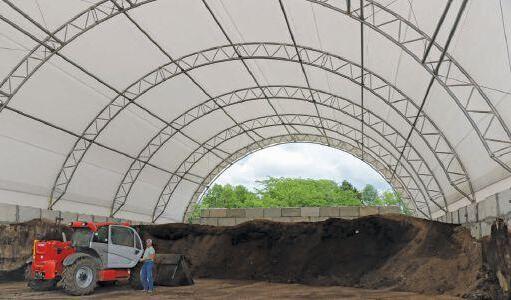
F or nearly 40 years c lear s pan F abric s tructures has been providing structural solutions for composting needs of any size.
i ndustry -l eading w arranties - ClearSpan structures are built to last with triple-galvanized steel frames and durable covers.
c ost -e FFective b uilding s olutions - Drastically reduce construction costs, monthly utilities and maintenance requirements.
Underground aerobic digestion
Researchers develop potential solution to carcass disposal during food-animal disease outbreaks.
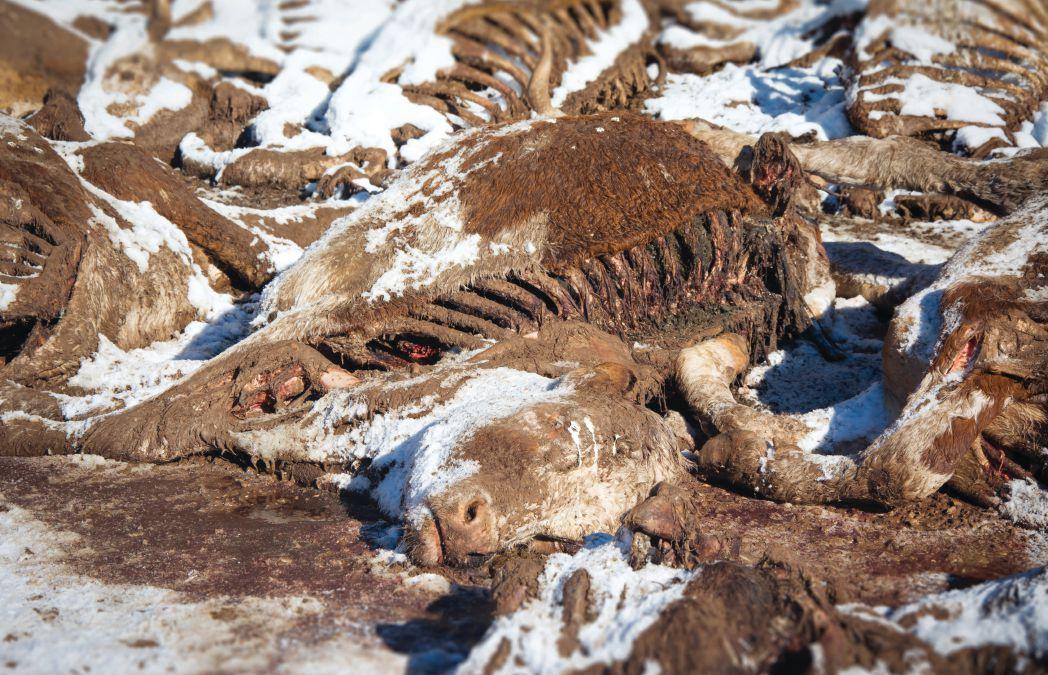
Iowa State University researchers have completed testing of a new concept for disposing of animal carcasses following a disease outbreak.
In research published recently in the journal Waste Management, Dr. Jacek Koziel, associate professor of agricultural and biosystems engineering at ISU, studied a disposal method that could help livestock and poultry farmers deal with animal health crises more efficiently and safely.
Dr. Koziel and his team focused their research on improving on-farm burial, the method most commonly used for large-scale carcass disposal. Emergency burial can contaminate nearby water resources with chemical and biological pollutants. Buried carcasses also decay slowly, sometimes delaying use of burial sites for years.
To overcome these problems, the researchers studied a hybrid disposal concept conceived in South Korea following a 2011 outbreak of footand-mouth disease. The method combines burial with aerobic digestion, a method commonly used for treating sewage in which air is pumped
ABOVE
through the content to speed decomposition. The experiment also included burial trenches lined with flexible geomembranes, like those used to prevent seepage from landfills and wastewater treatment ponds. The researchers then injected low levels of air into the trench bottom to accelerate carcass decomposition.
The experiment tested the performance of the aerobic component of the hybrid method in a lab using tanks containing whole chicken carcasses, water, and low levels of oxygen.
Results of the study showed low levels of oxygen accelerated carcass decay significantly, reducing carcass mass by 95 percent within 13 weeks. Similar tests without air produced no noticeable decay.
Chemical contamination in the liquid waste met U.S. EPA criteria for safe discharge to surface waters. The hybrid method also eliminated salmonella and staphylococcus. Aeration also reduced odorous gases sometimes associated with mass burial. •
Animal health emergencies occur around the globe each year due, not only to disease, but also to hurricanes, flooding, fire and blizzards. These incidents often require the disposal of numerous animal carcasses, usually accomplished via burial.
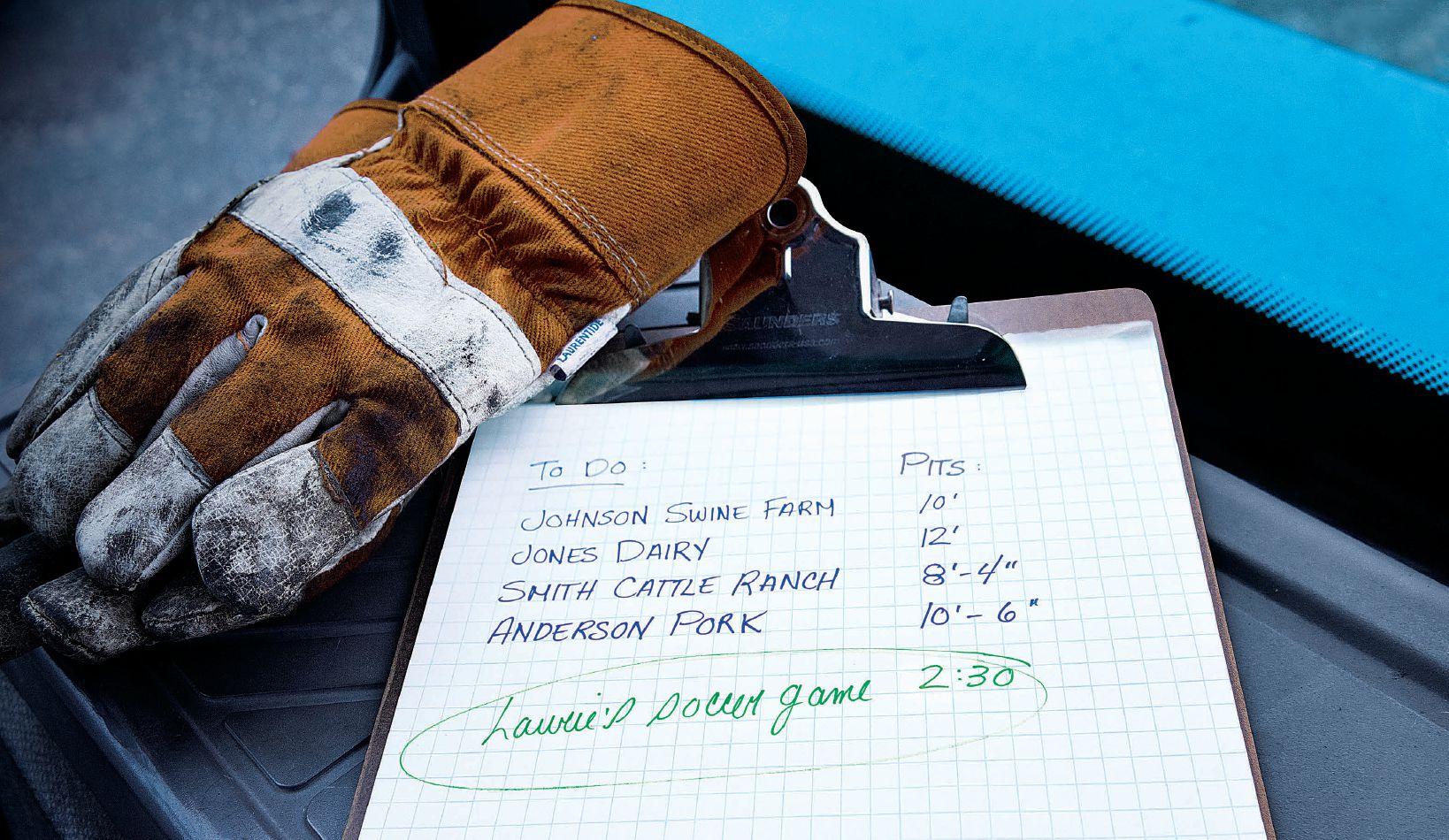
Use your time wisely
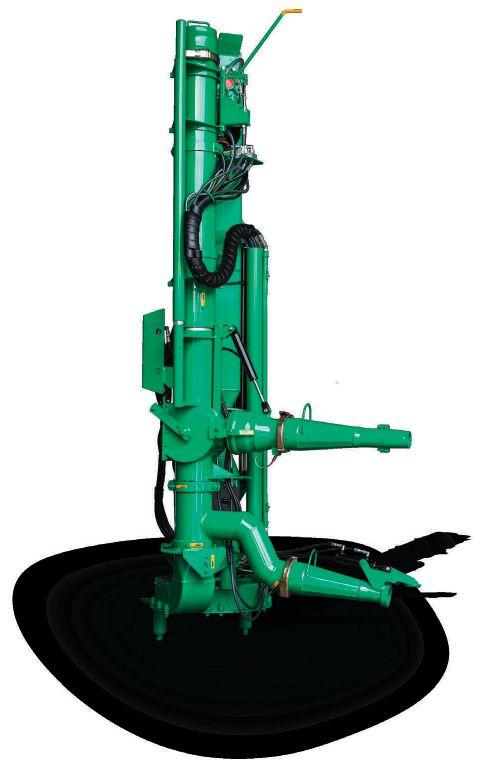
Be more efficient with the Super Slider Pump and give yourself the freedom to do more!
You can complete your to-do list in record time by investing in one pump that can handle manure pits of various depths. The Super Slider Pump adjusts to different lengths and is easy to maneuver, allowing operators to move quickly from one pit to the next. Its dual-nozzle design and visual indicators provide superior agitation performance and greater convenience for the operator.
Your time is valuable. Use it wisely with the Super Slider Pump — just one pump to get the work done!