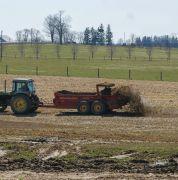
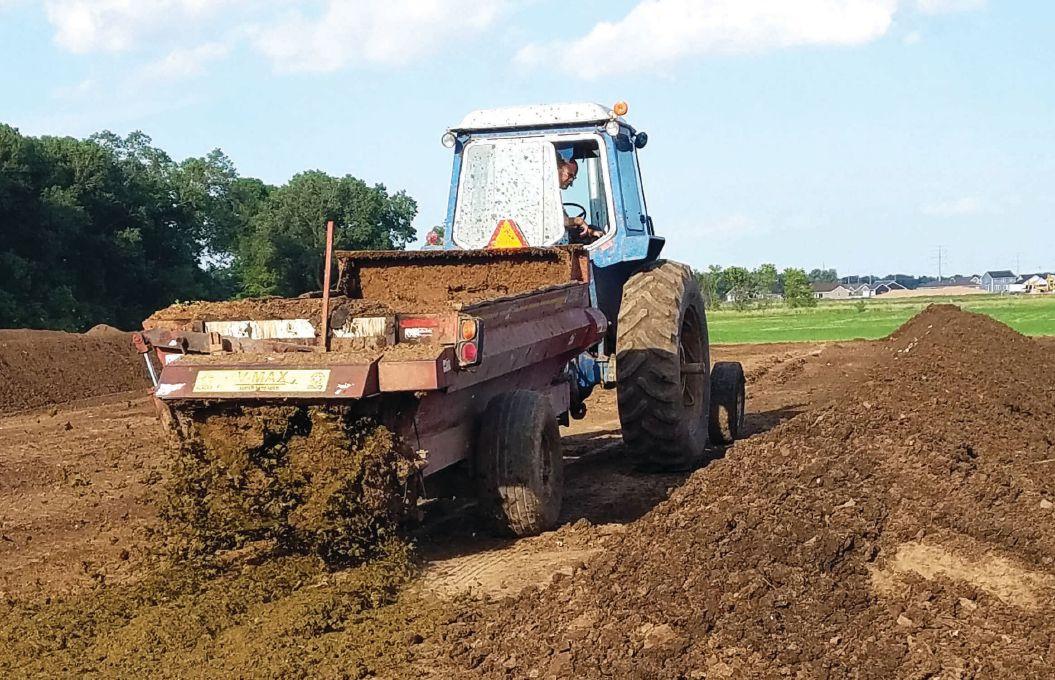
Composting manure from the El Paso zoo is saving space in local landfills | 14
Analyzing the air Texas study analyzing emissions | 28
Certified to spread Michigan moves toward custom manure hauler certification program | 30
Bedded
Call
karma with Petersen Dairy
Composting maintains good relationship with neighbors and creates new income stream for Wisconsin urban dairy.
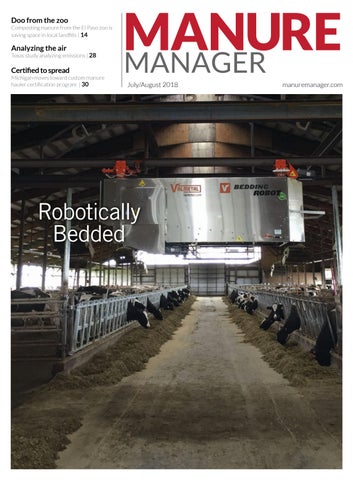
Wisconsin dairy is bedding cows using robotics. See page 22. Contributed photo
Doo from the zoo
manure compost from the El Paso zoo is saving space in landfills and making gardeners happy.
BY TREENA HEIN
Two companies recently announced a partnership to develop and market bio-based sustainable fertilizer products Robotically bedded 22
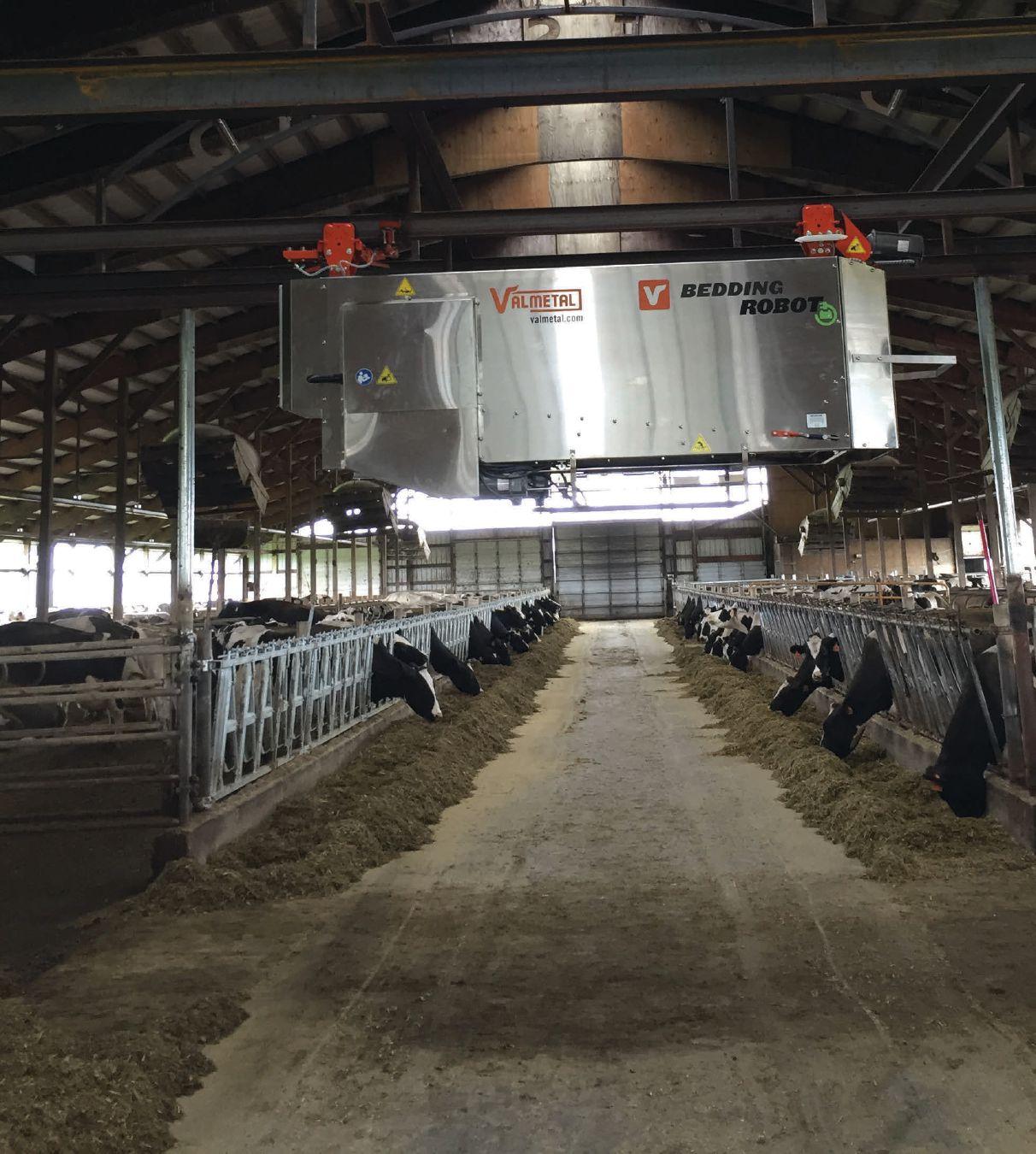
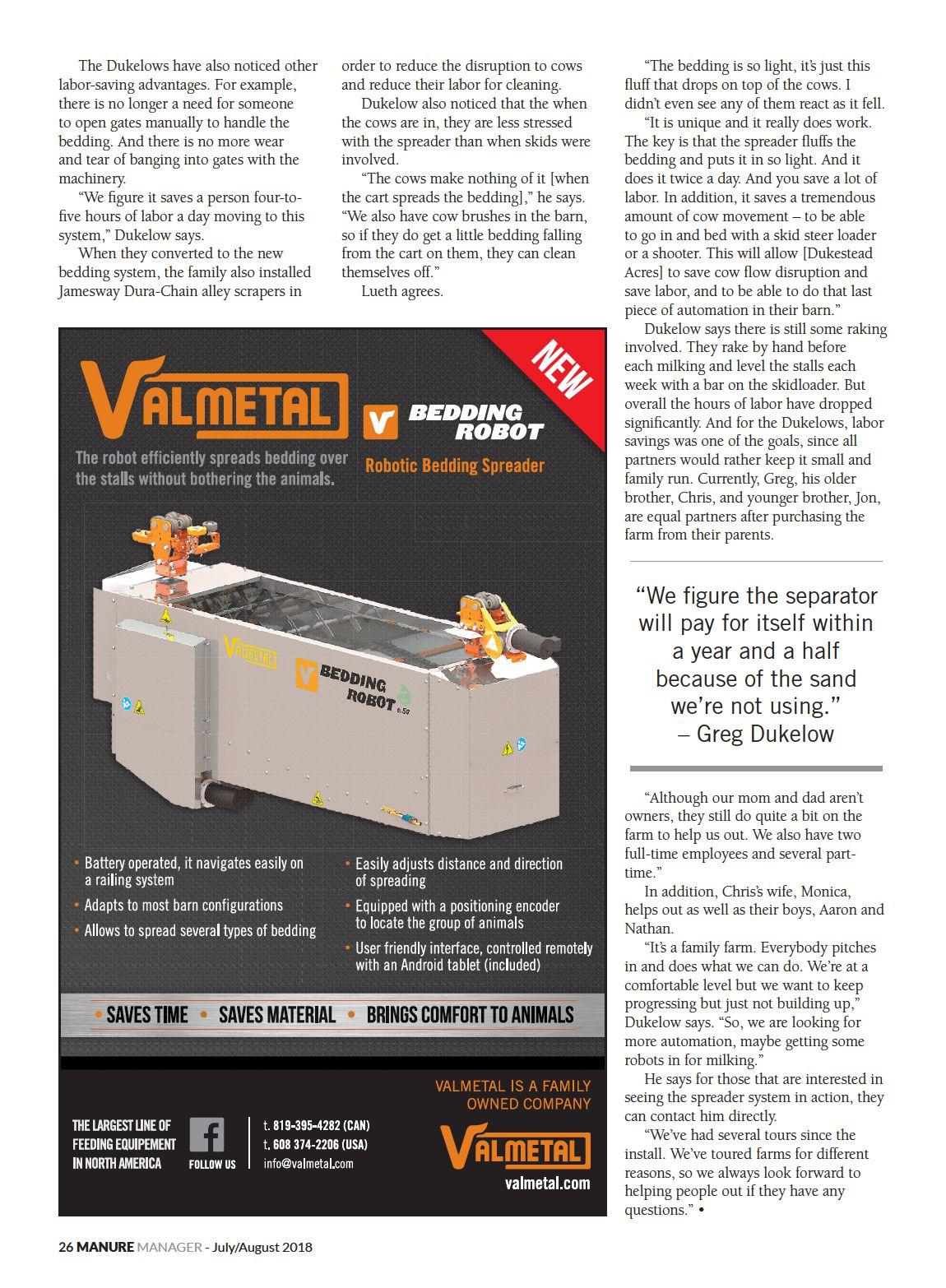
Dukestead Acres installs a robotic bedding system, using separated manure bedding – the first of its kind in the United States
the air 28
Feedyard greenhouse gas study in Texas analyzes emissions, mitigation factors
BY TONY KRYZANOWSKI
BY JEFF MULHOLLEM
And the hits keep coming
I was recently reminded of the famous poem by Martin Niemoller, a German Lutheran pastor; you probably know the one – First they came … It’s on display at the U.S. Holocaust Memorial Museum and pops up in the press when injustice or persecution is the topic at hand.
What brought it to mind was an article in the Daily News, a newspaper based in Jacksonville, NC. The topic? Hog farm nuisance lawsuits.
“Once they’re done with the hog industry, what’s next?” the store clerk asked reporter Mike McHugh. “Next, they’ll be coming for the turkey and chicken farmers.”
Indeed. What’s next?
The plight of North Carolina hog farmers has been on my mind for the past few months. Last issue [May/June – The war against animal agriculture], I discussed the fallout of a million dollar lawsuit against Smithfield Foods. It was just the first in a long string of lawsuits – 89 involving 500 plaintiffs – filed in the state.
Currently, lawsuit number two is underway in Raleigh. It was brought
about it extensively, it’s all about the money.
“Make no mistake, the lawyer wants money from Smithfield Foods,” he stated in his blog, posted on the NCPC’s website [ncpork.org]. “In the lawsuit, he expressly dismissed asking the jury or judge to order any fixes to the Joey Carter farm. In legal mumbo jumbo, going for a fix is known as seeking ‘injunctive relief.’ And that’s what you’d expect in a nuisance case. The lawyer isn’t going for that. He just wants money.”
LAND (519) 429-5190, (888) 599-2228, ext 269 mland@annexbusinessmedia.com
Associate Editor JENNIFER PAIGE 416-305-4840 jpaige@annexbusinessmedia.com
“Many other neighbors of the farm have no issue with odor.”
by a couple living about a quarter-mile from a 4,700-head hog farm in Duplin County who argue the operation is interfering in the enjoyment of their property. What’s interesting is the husband bought the property from the farmer he’s complaining about – they went to high school together – and there were hogs on the property at the time. As well, many other neighbors of the farm have no issue with odor, including the local mail delivery person who drives by the operation almost every day.
According to North Carolina Pork Council CEO Andy Curliss, who has been attending the trial and blogging
North Carolina law already limits how much money plaintiffs can receive from a lawsuit. But state lawmakers are still concerned about the damage multiple lawsuits could have on the industry, which is an important revenue generator and employer. A farm bill placing limits on how and when a neighbor can sue a farm operation was recently passed in the state legislature, despite being initially vetoed by Governor Roy Cooper. He argued that while agriculture is important to North Carolina’s economy, “property rights are vital to people’s homes and other businesses.
“Giving one industry special treatment at the expense of its neighbor is unfair.”
Unfair? So is attacking your neighbor legally in hopes of winning a big monetary windfall. Or suing a business into bankruptcy, which ultimately leads to unemployment for your other neighbors.
Bottom line – North Carolina’s hog industry is one of the most heavily regulated in the state. If those ones aren’t good enough, make new ones.
Until then, who knows what or who is next. •
e-mail: rthava@annexbusinessmedia. com
Tel: (416) 442-5600 ext 3555 Fax: (416) 510-6875 (main) (416) 442-2191 Mail: 111 Gordon Baker Rd., Suite 400, Toronto, ON M2H 3R1
Occasionally, Manure Manager will mail information on behalf of industry-related groups whose products and services we believe may be of interest to you. If you prefer not to receive this information, please contact our circulation department in any of the four ways listed above.
All advertising is subject to the publisher’s approval. Such approval does not imply any endorsement of the products or services advertisted. Publisher reserves the right to refuse advertising that does not meet the standards of the publication.
MAX IN. MAX OUT.
Authors: Matt Helmers, Brian Dougherty, Carl Pederson, Michelle Soupir and Dan Andersen, Dept.
Biosystems Engineering, and Antonio Mallarino and John Sawyer, Dept. of Agronomy, Iowa State University College of Agriculture and Life Sciences.
CHAR Technologies acquires ALTECH Group
The ALTECH Group of companies and CHAR Technologies Ltd. are now working together. CHAR Technologies has acquired ALTECH Group in an effort to expand the offering of cleantech environmental technologies, including SulfaCHAR. The ALTECH Group provides environmental engineering solutions to the North American industry in the areas of air pollution control, industrial energy efficiency, and process water recycling. The new combined
entity will provide cleantech solutions to industrial environmental engineering challenges. CHAR currently produces SulfaCHAR, a bio-organic product similar to activated carbon. SulfaCHAR is designed to remove hydrogen sulfide from renewable natural gas (ie. biogas from anaerobic digesters). The merged entity has more than 30 years of experience in North America delivering full-service engineering and turnkey technology installations to corporations.
INNOVATION CAN MAKE AG SUSTAINABLE
Agriculture faces increasing demands for food, feed, fiber, and fuel from a growing population under the looming threat of climate change. But a key challenge for agriculture is to meet growing demands while protecting natural resources. That challenge is the motivation behind a new article published in Applied Economic Perspectives and Policy. “Ultimately, land is the
BY THE NUMBERS
TOP U.S. STATES FOR manure application
resource in fixed supply on the planet; therefore, we have to figure out how to best use the land to meet diverse needs,” says Madhu Khanna, a distinguished professor at the University of Illinois and lead author of the study. “We need to explore opportunities for ‘sustainable intensification’ which allow us to increase productivity while reducing environmental harm.”
In the article, the
researchers identify the need to build capacity for systems-based approaches that consider both the environment and agriculture. One strategy is to closely connect the values of the environment to consumers along with the costs to producers to design objectives that further the quality of the environment.
The study also suggests future research should explore integrating data on soil quality, climate,
Iowa 19,443
# of farms applying 2.3 million acreage applied to
Texas 10,644
# of farms applying 1.1 million acreage applied to
Ohio 15,886
# of farms applying 820,000 acreage applied to
land use, economic effects, and farmer decisions to develop strategies for sustainable land use. Alongside those strategies, the researchers say, more effective and implementable policies for reducing non-point pollution and more insight into what drives farmer behavior need to be considered.
The study calls for more integrated approaches linking economics to the agricultural and biological sciences.
Wisconsin 21,052
# of farms applying 2.0 million acreage applied to
Pennsylvania 19,373
Minnesota 16,582
# of farms applying 1.6 million acreage applied to
# of farms applying 1.2 million acreage applied to New York 8,902
# of farms applying 970,000 acreage applied to
Experts optimistic ammonia emissions can be cut
A group of European experts involved in a panel discussion back in May hosted by EURACTIV, an independent network of European media, believe the agriculture industry will be able to reduce its carbon footprint plus ammonia emissions.
The group, comprised of representatives from DG Envi, Yara, Farm Europe, Copa-Cogeca plus Members of the European Parliament believe the development of new technologies and smarter agricultural practices is key to reducing the environmental effects of farming. “Developing new technologies and allowing more farmers to adopt precision farming is crucial,” stated Luc Vernet, a senior adviser with Farm Europe, in an article from EURACTIV. “Therefore, we must support farmers financially and foster knowledge transfer in order to reduce emissions, the environmental impact and improve input management.”
According to the European Commission, agriculture is responsible for 94 percent – 3,751 kilotonnes – of the total ammonia emissions across the region, even though emissions from the sector have decreased by 24 percent since 1990.
Bazooka, soybean group partner on sidedress project
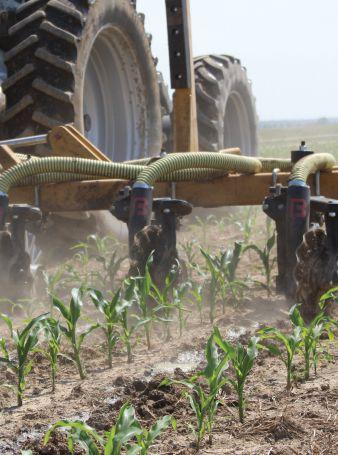
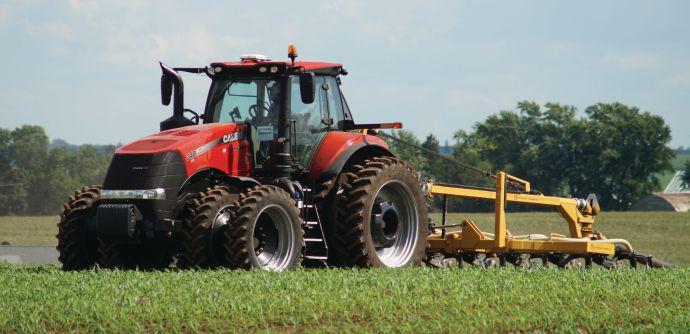
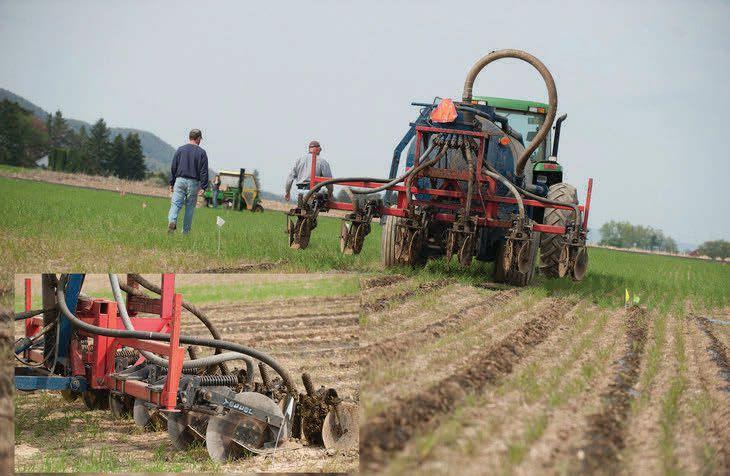
Bazooka Farmstar, in conjunction with the Iowa Soybean Association’ On-Farm Network, led a series of corn plot trials in early. The results of these trials will aim to illustrate the distinct advantage sidedressing emerging corn plants with liquid livestock manure has, versus commercial applied fertilizer.
The project highlighted Bazooka Farmstar’s Phantom toolbar that has been redesigned specifically for sidedress applications in standing corn. The units on the toolbar were spaced to accommodate the width of planted rows to ensure the units do not damage any emerged plants as manure is applied. The units deliver manure six-inches below grade, which research says is ideal for nutrient uptake of the corn plants roots. Despite initial concerns regarding dragline applications, past research indicates that dragging the hose over plants that are in the V1 to V4 growth stages has little to no effect on overall population/stand count. All plots associated with the project in Washington County had manure applied during the V3 stage of growth. It’s hoped this type of application will increase yields, lower inputs, and
Pigs that digest nutrients could reduce carbon footprint
Giving pigs the ability to digest more nutrients could help reduce the pork industry’s environmental impact, says new research published in eLife.
Pigs are one of the most economically important meat sources in agriculture. However, a large amount of feed is wasted as they are unable to digest two important nutrients – nitrogen and phosphorus. These nutrients are instead released through the animals’ manure into the environment, where they can pollute air and water.
In response, researchers at the South China Agricultural University have developed transgenic pigs that can express beta-glucanase, xylanase, and phytase, the microbial enzymes required to break down phytate, the main source of nitrogen and phosphorus. The enzymes were optimized to adapt to the pigs’ digestive tract environment and were expressed specifically in the pigs’ salivary gland, allowing digestion to begin in the mouth.
According to the results, published in eLife, fecal nitrogen and phosphorus outputs in the transgenic pigs were reduced by 23.2 to 45.8 percent, and growth rate improved by 23.0 percent (gilts) and 24.4 percent (boars) compared with that of age-matched wild-type littermates under the same dietary treatment. The transgenic pigs showed an 11.5 to 14.5 percent improvement in feed conversion rate compared with the wild-type pigs.
“These findings indicate that the transgenic pigs are promising resources for improving feed efficiency and reducing environmental impact,” the research summary stated.
expand the manure handling season. The expansion of the manure handling window, even by a few days, would be beneficial to producers and applicators alike.
Iowa is the largest swine producing state in the United States with Washington County ranking fourth within Iowa.
No big difference between swine manure, urea use on cover crops
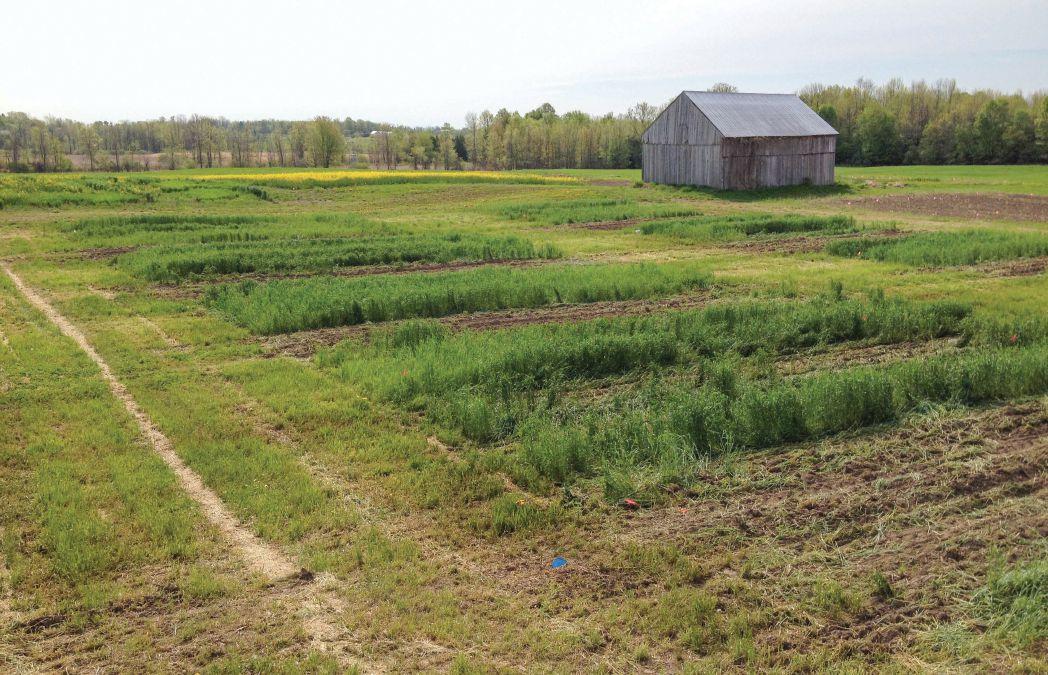
Recently the Midwestern U.S. has seen a push to improve water quality for waters eventually reaching the Gulf of Mexico; this is in an effort to reduce the hypoxic zone. Cover crops show effectiveness at reducing nitrogen and phosphorus loads in waters leaving fields. One concern with cover crops is their impact on grain production following the kill of the over crop as they tend to tie nutrients into organic forms, which are not immediately plant available. Morgan Hayes with the University of Illinois conducted a study looking to identify if manure would act differently than a commercial fertilizer (urea) when interacting with a cover crop (cereal rye).
The study found that cereal rye was effective at reducing total nitrogen and nitrate that leached from soil columns treated with both manure and urea, with no significant difference by fertilizer source. The cereal rye produced 20 percent more biomass when a surface application of urea was used instead of injected manure, however the cereal rye’s nitrogen uptake per acre was similar and phosphorous uptake was higher when manure was applied. No differences were found in soil nutrient levels regardless of cover crop status or fertilizer source. In terms of corn production, cereal rye inhibited yields with both urea and manure as the nutrient source. There was no significant difference by nutrient source in terms of corm yield, however manure produced nominally higher yields. Overall, during the 2015-2016 season, there was no significant difference in how the manure and urea interacted with the cover crop.
CALL IT KARMA with Petersen Dairy
Composting maintains good relationship with neighbors and creates new income stream for Wisconsin urban dairy
BY TONY KRYZANOWSKI
BELOW
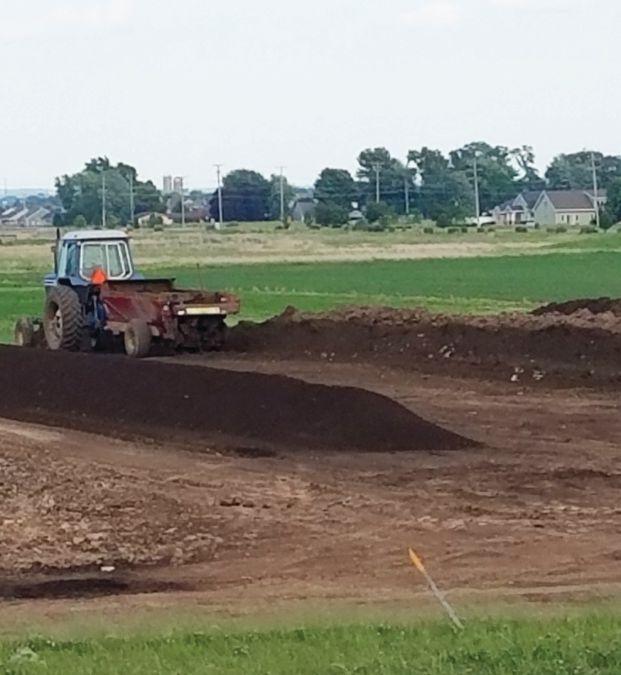
A Meyers V-type manure spreader is used to daily transport the dairy barn’s raw manure to the composting site.
Urban encroachment on traditional farmland is becoming a big problem. Farmers contend they should be allowed to conduct business as usual because they were first in the neighborhood while nearby homeowners complain that farm odors are wafting into their family barbecues and must stop.
In worst case scenarios, it has even escalated into litigation between farmers and their neighbors.
But the Petersen Dairy Farm near Appleton, Wisc. – with a population of 74,000 – has discovered that an investment in composting to both manage their manure and significantly reduce odors is really paying off in maintaining good relations. It doesn’t hurt that they’ve also adopted an open door policy by way of using their dairy farm as an educational experience for school kids and have become an outlet for old newspapers from the community,
Manure composting is a long-standing practice at Petersen Dairy Farm. The dairy, which is owned by Pete Petersen and his sons, Mark and Steve, began composting 22 years ago, producing more than 33,000 tons of compost since the beginning. Mark is the dairy herdsman and Steve is a machinist.
With a high school, businesses and subdivisions literally steps away, Mark says the dairy understood that it needed to find an alternative to managing its manure beyond the standard practice of land applying raw manure on farmland as both fertilizer and as a disposal method. Athletic fields at the school
LEFT
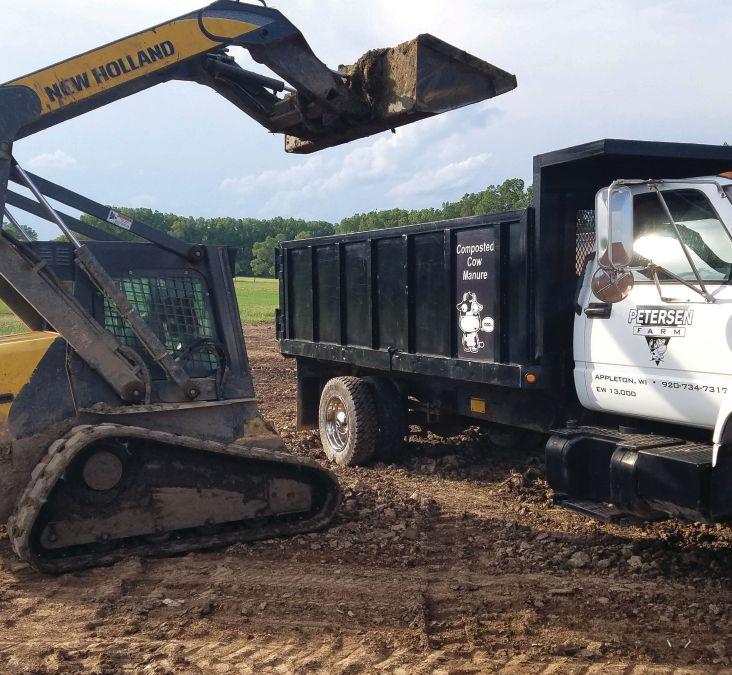
Petersen Dairy uses a New Holland skid steer to produce composting windrows and also to load trucks for compost deliveries.
“We started by contacting neighbors and friends to kind of test market it. We found that it disappeared faster than we could produce it, so we were very encouraged by that.” – Mark Petersen
are less than a quarter mile from the barnlot and pasture. He estimates that each cow generates about 27 tons of manure per year or a total of about 3,000 tons on the dairy farm, so it could have developed into a big problem. Composting offered the best alternative to land application.
“We’ve never had one complaint about our manure since we have been composting so it seems to be a good solution,” Mark says. “And most of our urban neighbors are our compost customers. So, we have created a relationship with our neighbors by way of our compost, which is kind of a unique thing.”
The farm is located about 20 minutes from Green Bay and uses shredded newspapers exclusively for their cow bedding, which not only works as a great alternative use for the newspapers and a comfortable environment for the herd, but also provides a good carbon source for the Petersen’s composting process. The dairy consumes about 1,500 lbs of shredded newspapers per week.
The more than 1,500 tons of compost produced by the dairy
annually creates a great organic amendment for local gardens and houseplants. The farm sells out every year. Composting the manure also prevents potential runoff from the raw manure – phosphorus in particular – from entering local watercourses. Runoff from the farm’s new compost pad is carefully controlled with vegetation – like grass and clover –planted around the pad as a water filtration system. Situated well back from the highway and homes, row crops and alfalfa are also planted around the compost pad as an extra measure of runoff control and filtration.
The compost is sold in small volumes with customers providing their own containers. A five-gallon pail of compost sells for about $2. They sell quite a lot of the material by the pickup truckload and have a couple of their own trucks available for deliveries. Mark says they make some money from selling compost and it pays back big time in not having the expense of land applying smelly raw manure. It costs about $100 per cow to land apply the raw manure. There are savings by switching to compost, but the processing cost should be factored into that calculation. One positive part of that calculation relates to material handling, as there is significant shrinkage in volume from manure-laden bedding to compost. Mark estimates that six loads of fresh manure converts to about three loads of compost.
The raw manure has a fertilizer value of about $127 per cow per year, but Mark says they are making a lot more money selling it as compost.
“It is worth much more as compost retailed off the farm than it would be as fertilizer applied to the fields,” Mark says.
Selling compost also creates a new income stream for the dairy in a
situation where there is little opportunity to expand since they are so close to town. Mark calls the operation an urban farm.
Finally, there is the intangible value of having happy neighbors.
Mark credits Kevin Erb, director of the Conservation Professional Training program at the University of Wisconsin Extension, for helping them understand and learn the value of composting as well as organizing tours to other farms where manure is composted. Erb connected with the farm when Mark served on a local watershed advisory committee.
Erb says Petersen’s manure management concerns were not only related to maintaining good relations with neighbors and minimizing manure runoff into local watersheds, but it was also a safety issue on the farm.
“The county highway literally changes from four lanes to two at the end of the farm driveway and dealing with the traffic was a concern,” he says. “There were several near misses when they were daily hauling manure, so they were concerned about traffic safety when the manure storage would need to be emptied. Mark was looking for a solution that would decrease their use of the busy road and not create an odor issue.”
Erb says that he was totally honest with the Petersen’s during their initial meetings about the work involved in taking the composting route.
“Often, farmers hear about composting and don’t understand the work involved or how it should be managed,” he says. “So, I sat down with the Petersens and made sure they fully understood what composting was and the keys to make it successful.”
Mark says they began on a small scale with Erb as mentor, learning about the monitoring and turning process required to produce a quality compost product.
“We were really surprised with how pretty a product we could come up with,” Mark says. “We started by contacting neighbors and friends to kind of test market it. We found that it disappeared faster than we could produce it, so we were very encouraged by that.”
As dairy farms go, the Petersen Dairy is quite small, operating on a 65-acre farm with about 115 milking cows and heifers. They produce up to 32,000 lbs of milk annually. They rent another 335 acres where they plant soybeans, corn and alfalfa. The farm has been at its current location since 1904. Over time, the town of Appleton has been creeping closer and closer, and has even impacted their composting operations to the point where their pad needed to be relocated.
LEFT
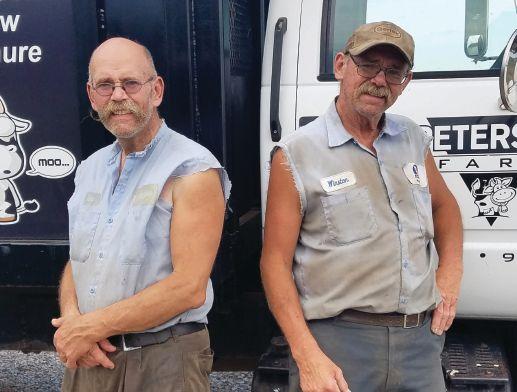
Mark Petersen (left) and his brother, Steve, adopted manure composting back in 1996 as both a manure management method and a way to make more money, as the dairy couldn’t expand due to urban encroachment.
A four-acre piece of the farm that included a portion of their composting pad was recently lost to construction of a roundabout and a stormwater pond. But the Petersen’s were able to negotiate some engineering assistance to improve drainage and some clay fill recovered from construction of the stormwater pond for use on their new composting site as part of the land deal, which again resulted in a positive for both the farm and the community. They also received a permit from the state’s Department of Natural Resources to ensure that the compost pad was engineered and built to 2017 standards. The permit also allows them to expand their operations by accepting manure from other farms, if they decided to take that route in future.
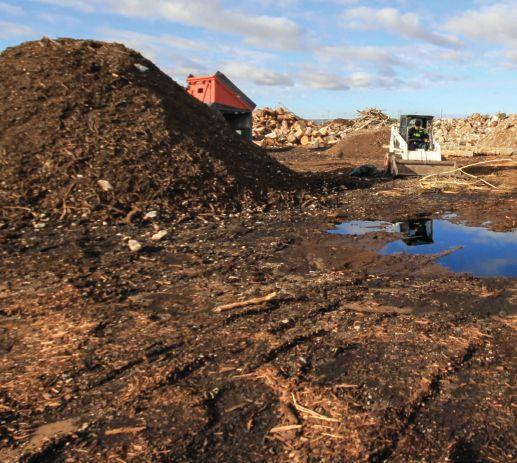
The gutters in the dairy barn are cleaned daily with an older style barn cleaner. The manure-laden bedding material is augured into a Meyers V-type manure spreader and delivered to the composting pad. By the time the dairy is ready to start composting in spring – once the compost has thawed out – they have created about a 200-foot-long windrow. They continue to compost until the windrow begins to freeze up. The process of composting involves turning the compost pile three times a week and monitoring the internal temperature and moisture to ensure there is a healthy environment for bacteria to work their magic to convert the manure into compost. The compost piles heat up to as much as 150 Fahrenheit, which has the effect of killing most pathogens and weed seeds. The carbon within the shredded newspapers helps to achieve the right carbon to nitrogen ratio. Mark says they take their time with the composting process to ensure that the conversion cycle is complete. He estimates that it takes about a year for the raw material retrieved from the barn to be ready for sale as compost. Over the years, they have developed the expertise and knowledge to ensure that the compost heap maintains a steady temperature and moisture content, for example adding items like soybean straw and corn stocks, as needed, to improve airflow and reduce moisture content. This also helps to heat up the windrows more quickly.
The turning process is labor-intensive. They started with a bucket loader but have graduated to renting and then purchasing a purpose-built Wildcat 750, a two-pass compost turner, which they pull behind an older International Hydro 100 tractor. Mark says this particular type of turner needs a tractor with a hydrostatic transmission. The compost turning is handled by his brother, Steve. As another bonus to the community, they have hired a couple of local youths to look after the sales part of the operation and customer service while the Petersen’s focus on dairy operations.
Erb says to succeed at composting, it is important to have an on-farm composting champion who is motivated to manage and monitor the operation.
“Whether that is a teenager with a significant interest, a semiretired family member, or a neighboring retired farmer, the compost windrows need to be watched and turned at the right time to prevent odors and problems,” Erb says. “Having one person who has the time and the interest to take charge is often the difference between success and failure.” •
Doo from the Zoo
How compost and sale of manure from the El Paso, Texas zoo is saving space in the local landfill – and making local gardeners happy
BY TREENA HEIN
It is often the case that great partnerships are started through the involvement of a mutual friend. That was certainly the situation with the El Paso Zoo and New Green Organics, both located in Vinton, Texas. The pair has formed a relationship that has given birth to something called Zoo Doo.
“A good friend of mine, a teacher by the name of Travis, called me one day and told me he had set up a meeting with the zoo directors and that he was looking to get one or two loads of zoo animal manure for a school project,” explains Carlos Huerta, co-owner of New Green Organics (NGO). “He told me he had no idea what the logistics would be like and that he thought I could possibly advise. He invited me to the meeting and we all gathered our thoughts.”
The idea that emerged at that 2014 meeting was a large-scale composting facility and sale of zoo animal manure. Up to that point in time, the zoo’s animal manure had to be sent to El
ABOVE
Paso city landfills by the tens of thousands of pounds every month. Nearly 1000 pounds of manure is produced daily at the zoo and, while zoo staff would have liked to be able to compost it on the property, they just didn’t have the space or time to do so. NGO, a local composting business established in 2011, seemed like a perfect potential partner. Huerta had started the business with the very idea of diverting green waste from landfill, reducing greenhouse gas emissions at the same time he produced soilamending compost.
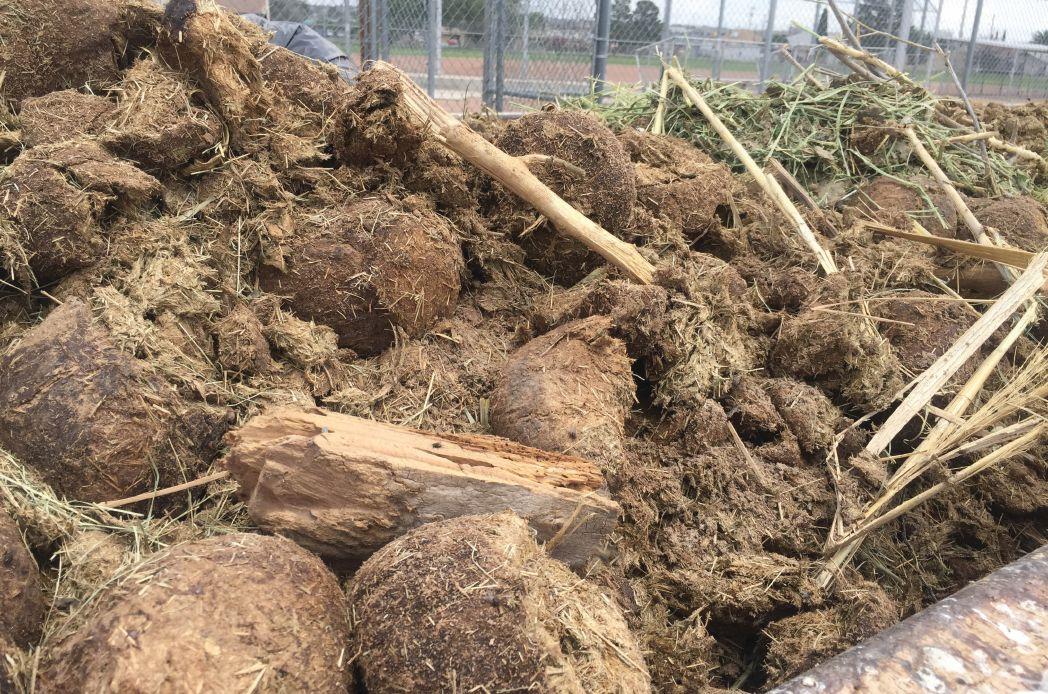
So, in 2014, the Zoo Doo pilot project began. NGO would handle the composting and sale of the product, and the zoo would get 10 percent of the profits. There wasn’t much doubt that customers would snap it up. First of all, the product was unique and of excellent quality – with manures from herbivores such as elephants, rhinos, zebras, giraffes, camels, ostriches, antelope and many others (along with their used bedding and food scraps) being
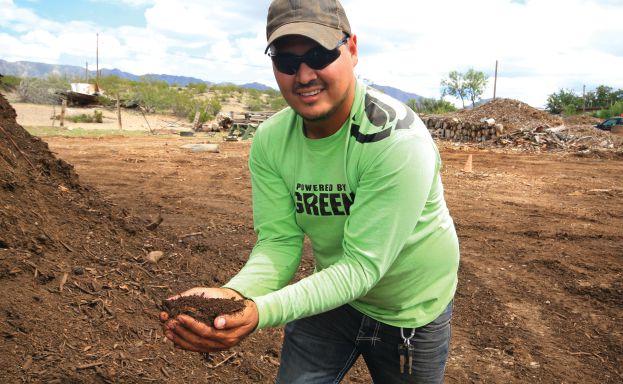
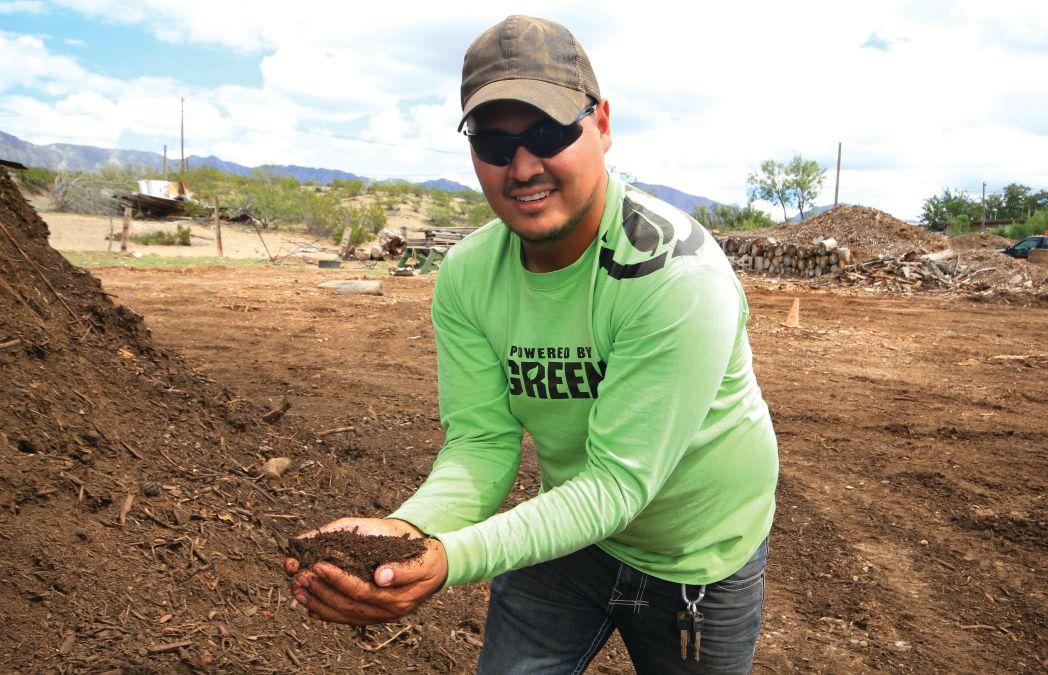
Carlos Huerta, co-owner of New Green Organics, holds a handful of Zoo Doo, the compost he creates by combining manures from herbivores at the El Paso Zoo with human food waste, leaves and woody debris.
ABOVE
Nearly 1000 pounds of manure is produced daily at the El Paso Zoo. While zoo staff would have liked to be able to compost it on the property, they just didn’t have the space or time to do so.
expertly mixed by NGO with human food waste, leaves and woody debris and composted to perfection to kill any harmful bacteria. In addition to getting a great product for their gardens, customers would also be helping prevent reduction in local landfill capacity and financially supporting the zoo. Zoo Doo became available for wholesale pickup by the cubic yard and is also delivered by NGO to homes and businesses, including spreading if desired. Some Zoo Doo also goes back to the El Paso Zoo for use in its spectacular gardens and exhibits spread out over 35 acres.
“That first year, we got to see how smoothly everything would work,” Huerta explains. “The needed adjustments were made after that and all the rest of the years have fallen into place nicely. We initially had a higher carbon to nitrogen ratio than is desired for proper composting, which meant the process took longer to finish. We added more nitrogen-rich materials like zoo manure and food scraps and less carbon-rich materials like straw and wood chips until the ratio was closer to 30:1 carbon to nitrogen and more ideal for achieving desired results.”
state requirements for composting. The next step was to set up a receipt program with local tree and lawn care companies to gather plenty of raw vegetative materials. Not long after, NGO began selling mulch, firewood and small batches of compost. Initially, Huerta and his team purchased a small tractor and a manual wood chipper.
“What is looked at is the process behind the actual making of the compost. How it is made determines if it is listed by OMRI.” – Carlos Huerta
As with most new businesses, obtaining financing for investing in this equipment, along with achieving fluid financial operation, were early challenges. Things changed in 2016, when NGO partnered with Wondor Eco:Nomics, a local, private financial incubator for small sustainable companies. In exchange for equity, capital was provided, allowing NGO to purchase the equipment it needed to grow. With the investment of just under $200,000, NGO bought an industrial tub grinder, large wheel loader, dump trucks, a motorized screener and also did upgrades to existing equipment. With the investment package came professional consulting from the Wondor team in the areas of sales, marketing, and business administration with a strong focus in developing the Zoo Doo brand through specialized marketing techniques.
In terms of composting zoo animal manure versus cattle manure, Huerta says there is no big difference.
Huerta started NGO after doing his research on local and
Another milestone was obtaining of recognition for Zoo Doo through the Organic Materials Review Institute (OMRI).
“This has placed us as one of the leading, local producers
RIGHT
Carlos Huerta started New Green Organics after researching local and state requirements for composting. He then set up a receipt program with local tree and lawn care companies to gather raw vegetative materials.
of quality compost and the only one with this type of recognition,” Huerta explains. “It has also boosted our compost sales, making compost the cornerstone of our business.
“We do not say our compost is organic because that is actually a coined phrase owned by the U.S. Department of Agriculture and pertains only to edibles. In our category, which is composted animal manures, what is looked at is the process behind the actual making of the compost. How it is made determines if it is listed by OMRI.”
He adds that the exotic herbivore manure from the zoo not only has a diverse and unique biota provided by a multitude of different animals, but comes with the assurance that these animals have diets that are all natural and free of hormones and antibiotics.
The demand for Zoo Doo compost has been slowly rising year after year. According to Huerta, this is due to the good results people get in their gardens. Exposure has also been gained from a professional print media campaign launched in 2017 as part of the Wondor support package. Zoo Doo is also advertised through various social media avenues.
“It feels great” to be part of this sustainable initiative, says
Huerta. “Since I began making compost, I have worked with manure, so it came as no surprise when the day came to work with the zoo and the City of El Paso. Coming together was like fitting two puzzle pieces towards achieving what needs to happen and what we need to do as a city to alleviate some of the damage done by non-regenerative practices to our Earth. To me, there are very few things more rewarding than doing what we do.” •
Putting lagoon solids to work
Two companies recently announced a partnership to develop and market bio-based sustainable fertilizer products
Smithfield Foods and Anuvia Plant Nutrients recently announce a new partnership to create sustainable fertilizer from solids collected from the manure treatment systems at Smithfield’s hog farms.
The project is part of Smithfield Renewables, Smithfield’s new platform dedicated to unifying and accelerating its carbon reduction and renewable energy efforts.
The project aims to reuse organic matter found in hog manure to create a commercialgrade fertilizer.
Anuvia will utilize remnant solids from Smithfield that accumulate over time at the bottom of the anaerobic lagoons and use it to manufacture commercial-grade fertilizer products. These products would then be sold to farmers across the U.S.
“Through Smithfield Renewables, we are aggressively pursuing opportunities to reduce our environmental footprint while creating value,” said Kraig Westerbeek, senior director of
ABOVE
Smithfield Renewables. “Along with projects that transform biogas into renewable natural gas, this is another example of how we are tackling this goal on our hog farms.”
“This is the beginning of a partnership based on a shared vision that will positively impact livestock and crop production,” said Amy Yoder, Anuvia Plant Nutrients CEO. “This relationship provides a new sustainable way for Smithfield to return its remnant solids back to the land for use on the crops grown to feed the hogs. The impact of this is extremely significant for hog production and the livestock industry. We look forward to helping achieve both Smithfield’s and Anuvia’s environmental goals.”
Company-owned and contract hog farms in North Carolina will participate in this project. Smithfield will collect and begin the process by de-watering the waste solids before providing the remnants to Anuvia. Once acquired, Anuvia will pick-up and transport the material to their processing plant to create the fertilizer. •
Anuvia Plant Nutrients and Smithfield Foods have formed a partnership to create fertilizer from manure solids that settle in company-owned and contracted hog farms in North Carolina.
Robotically Bedded
Dukestead Acres installs a robotic bedding system, using separated manure bedding – the first of its kind in the United States.
BY DIANE METTLER
In the summer 2017, the family-owned and operated Dukestead Acres dairy farm, located outside of Abbotsford, Wisc., wanted to add onto their milk barn.
“We were hesitant because our manure pit was getting kind of small for the cows we wanted to add on, and we didn’t really want to add on to our manure pit,” recalls Greg Dukelow.
The farm family first looked into alternative bedding. They decided to install a DODA manure separator, using the separated material as bedding for the cows.
“We were really happy with it,” Dukelow says. “We transferred the cows from sand, to sawdust, and then to the manure bedding.”
The cows were happy – even seemed cleaner –but the Dukelows weren’t thrilled about changing bedding about every five days. They wanted a less labor-intensive system, and decided to explore automation.
The Dukelows reached out to their friend and neighbor Jim Maki of Maki Farm Services, who is
ABOVE
also a Valmetal dealer.
“Jim and I got to thinking about the track system Valmetal had for feeding,” Dukelow says. “We started talking with Valmetal, asked if we could make their feed track system into something that we could use for bedding.”
It had never been done before but that didn’t stop Valmetal, which specializes in the designing and manufacturing of equipment to mechanize and automate most processes for the preparation and distribution of food to farm animals. Soon a bedding system was developed.
“A real unique aspect of this system is it is able to load the free stalls robotically,” says Greg Lueth, territory manager at Valmetal. “No intervention from the dairyman at all. No skid steer loaders that have to go in and bed the stalls. This is the first installation we did of this kind. There are no other installations in the U.S.”
With Valmetal and Jim Maki’s help, the Dukelows installed their automated track on the I-beam of their 111-foot by 400-foot barn.
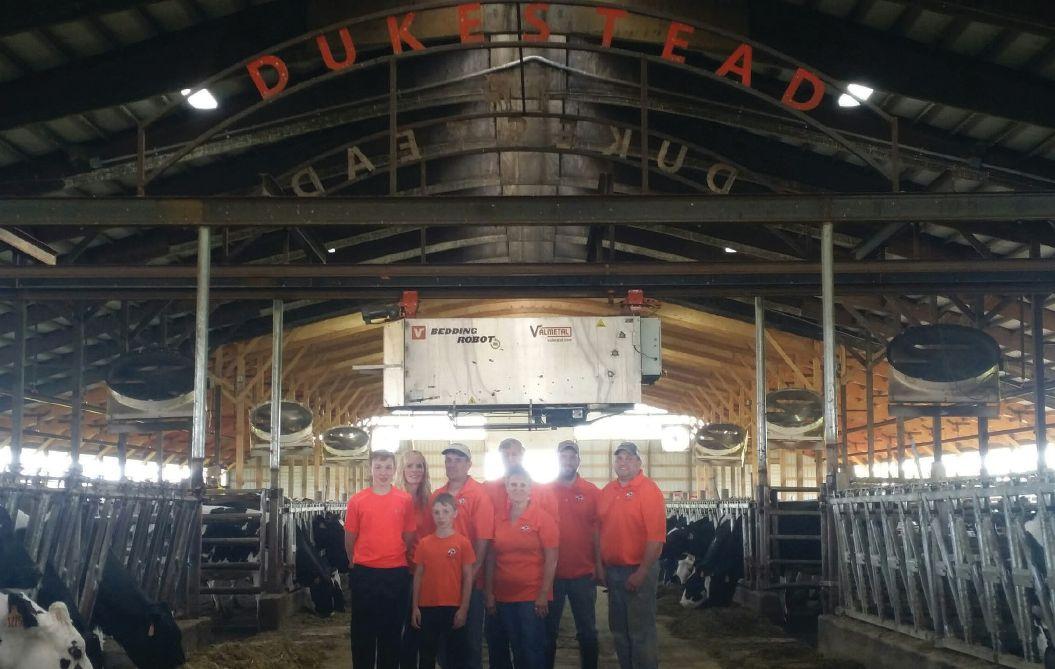
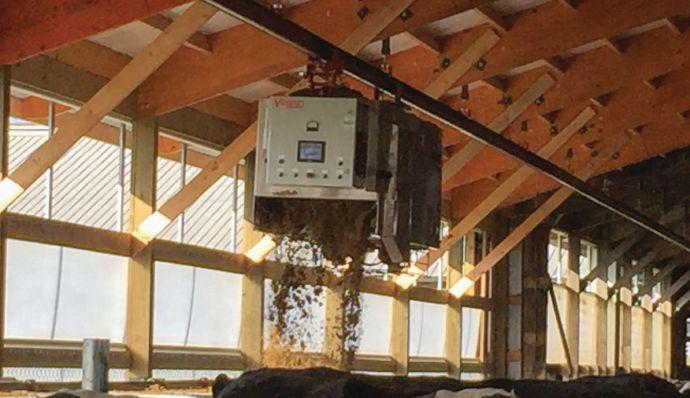
The Dukelow family from Dukestead Acres, near Abbotsford, Wisc., has installed a track system to bed the operation’s freestalls robotically with recycled manure solids.
“The I-beam is set on the main support posts in the building,” says Lueth. “Our dealer built an I-beam track for the robotic spreader to run on. It runs like a rail system above the cows, above the free stalls.”
Four different tracks run through the barn, totaling about 1,800 feet of track. The bedding cart that runs on the tracks is programmed where and when to deliver the bedding. The carts spread out the bedding into the stalls, and barn fans quickly dry out the bedding.
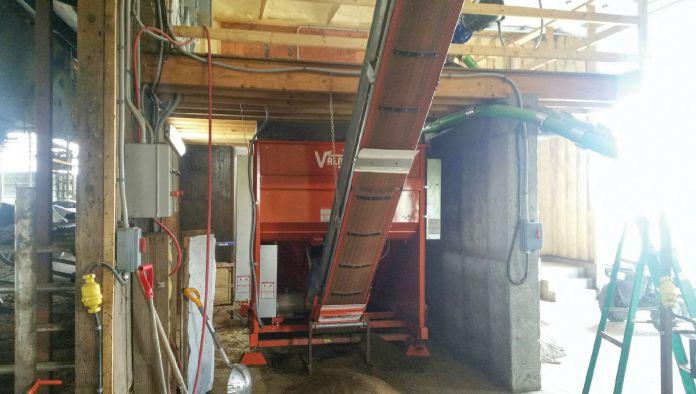
“We bed about 24 cartloads a day with the two carts we own,” Dukelow says. “One cart does the north end of the barn and the other does the south. We have a room in the center of the barn that houses the separator. The cart goes into the room, which automatically tells the conveyor to start up.”
“As the robotic rail cart runs down the rail, it has the ability to switch the rail and go south or to switch and go north from the middle of the barn, to be able to bed the stall,” adds Lueth. “And it’s all PLC controlled to be able to do the switching.”
Another challenge to the project was devising a way to interrupt the flow of manure before it flowed into the lagoon. The Dukelows installed a 2,000-gallon pit under the barn to catch the waste.
Under the separator is a TMR mixer.
“When the scale on the TMR says
RIGHT
The separated solids drop into a collection hopper before they are transported up a conveyor to be loaded into one of two robotic carts. When an empty cart enters the separator room, the conveyor is automatically triggered to start loading the solids.
the separator needs to produce more bedding, it starts an agitator up about five minutes before it starts the pump up. Then it stirs our little pit up inside,” Dukelow explains.
Using this method, the farm creates between 10,000 and 12,000 pounds a day of the dry, separated product, and the cows get bedded five times a week.
Even though this is a first-of-its-kind project, Dukelow says it’s gone fairly smoothly.
“I have to tip my hat to Maki Farm Services and Valmetal. They were there and they helped us out. And as far as the separator, DODA has been nothing but good to us too, to keep us going.”
Initially, there was some concern that using manure solids as bedding could increase mastitis. And Dukestead did notice a change when they tested the somatic cell count.
“Our cell count has gone up a little,” Dukelow says. “We were at about 100,000, and we did go up a little. But we had a couple learning issues that we just didn’t quite catch right away. But
LEFT
The bedding carts that run on the tracks are programmed where and when to deliver the bedding. The carts spread out the bedding into the stalls and barn fans quickly dry it out.
now, it’s been going pretty good.”
To-date the system is proving itself efficient and saving the farm money.
“We figure the separator will pay for itself within a year and a half because of the sand we’re not using,” Dukelow says. “And there is less wear and tear on all the manure equipment – getting it in and out. It also saves a lot of room in our manure pit, because we’re not putting all that sand back in.”
Another benefit they like is that bedding is always available.
As for the liquids coming off the separator, Dukelow says there’s some run back into the collection pit to keep the content constant for the separator, but most of it goes out to their manure pit.
“There’s a pipe to our manure pit and on the days that we don’t use the separator, we just open a valve and all the manure will go right out to the pit. Not all of our manure we use for separating right now.”
During the spring and fall fertilizing period, spreading has become less demanding because there are less solids in the pit for the Dryhill manure pump to pump out.
“We’ve just cleaned out our manure pit, and it was so much easier,” Dukelow says. “Before, when we had sand in it, we ran three pumps and we were constantly having trouble getting the sand out of the pit. Now, we run one pump and it just pumps easily. We are very happy on that end.”
Patented Chopper Pumps
Dual chopping system to prevent clogging
Open design high speed impeller with adjustable pressure plate for unsurpassed performance with mechanical seals
Electric/PTO models, 4ft to 20ft
Manure Separators
NEW Stainless casted augers with super hard coating for 40% dry bedding
NEW DODA self-adjusting weights
Heavy duty planetary gearbox with 15HP USA electric motor
Sales - Service - Install
— Pamela W.
October 14, 15 & 16, 2018
Hilton/Fallsview, Niagara Falls, Ontario
ANALYZING THE AIR in the Texas Panhandle
Feedyard greenhouse gas study in Texas analyzes emissions, mitigation factors.
BY KAY LEDBETTER
A week spent in a feedyard pen is helping researchers gain a better understanding of greenhouse gas emissions. Their goal is to improve the national inventory of greenhouse gases and determine potential mitigation measures.
Texas A&M AgriLife Research and the U.S. Department of AgricultureAgricultural Research Service are collaborating to analyze nitrous oxide and methane emissions from an area feedyard pen.
Dr. Ken Casey, AgriLife Research air quality engineer in Amarillo, and Drs. David Parker and Heidi Waldrip, USDA-ARS livestock nutrient management researchers at Bushland,
spent the better part of a week sitting inside a vacated feedyard pen.
The project is funded by USDAARS and AgriLife Research with support from the Texas Cattle Feeders Association.
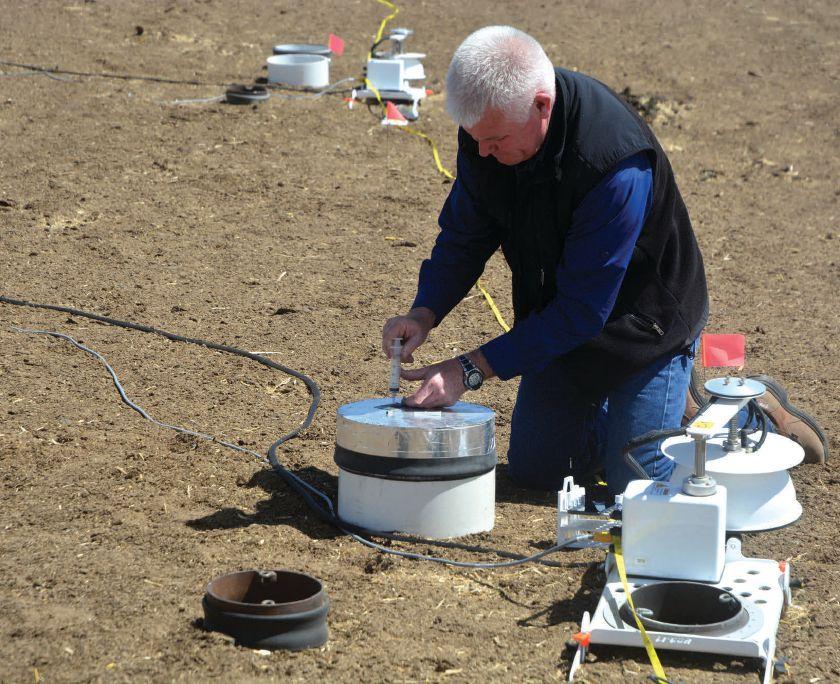
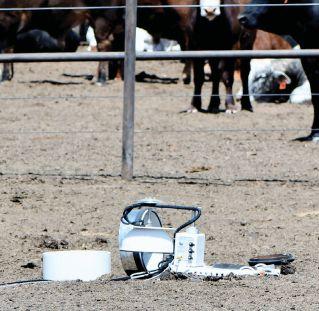
Using six automated chambers, more than 575 automated flux measurements were taken, as were 60 manual flux measurements from separate static chambers, to help monitor nitrous oxide and methane gas emissions. Halfway through the experiment, a half-inch of water was applied to the pen surface within the measurement chamber bases to simulate a rainfall.
“We’re looking to understand better ABOVE
Dr. Ken Casey, Texas A&M AgriLife Research air quality engineer in Amarillo, collects a greenhouse gas sample from a static flux chamb er.
TEXAS A&M AGRILIFE
PHOTO BY KAY LEDBETTER
what controls nitrous oxide and methane coming off feedlot pen surfaces,” Dr. Casey said. “We’re interested in the emissions of these gases because of their contribution to climate change. We want to improve the national emissions inventories as they pertain to greenhouse gases from feedyards in the Texas High Plains.
“Secondly, we are also very interested in obtaining a better mechanistic understanding of the evolution of these gases from the pen surfaces. What controls the release of these gases? If we are able to gain a better understanding of that, then we will potentially be able to provide advice to the industry about mitigation practices when it comes to pen management.”
Dr. Casey said their testing demonstrated areas of the pen with shallower manure packs on the surface primarily emitted nitrous oxide, while two chambers sitting over deeper manure where the pen drain was located emitted almost no nitrous oxide, but were emitting methane.
it’s complicated, because a strategy that reduces one emission may in fact increase the other.”
During the study, gas samples were collected twice a day from the static chambers and taken to Dr. Casey’s air quality lab to be analyzed. Six automated chambers took measurements each hour, around the clock. The automated chambers were linked to automated nitrous oxide and methane analyzers.
“We are trying to understand the interplay of those two gases, because the processes that are producing them are related,” he said.
The different factors that influence the creation and release of the gases include temperature, moisture content and the amount of manure on the pen surface, Dr. Casey said.
“By understanding how those factors play together in the production of those gases, we can develop a greater understanding and potentially develop mitigation strategies,” he said. “However,
“We know emissions are influenced by temperature, and by taking diurnal measurements, we can understand the variability throughout the day and night, as well as that of the effects of moisture.”
The week of measurements is only part of ongoing research being conducted by Dr. Casey and Dr. Parker. Dr. Casey said the results will be reported to the industry, as well as in various journals, and will be used for extended air quality research.
Their research is also relevant to manure quality.
“Not only is this research important for greenhouse gas emissions, but through this and ongoing laboratory studies, we are learning more about nutrient transformations and water losses from the feedyard surface,” Dr. Parker said. •
ABOVE
INNOVATIVE DESIGNS FOR HANDLING LIQUID WASTE SLURRY
Certified to spread
Michigan moves toward building a custom manure hauler certification program while other states show interest.
BY TONY KRYZANOWSKI
Farmers who haul manure and custom manure applicators in Michigan may soon be able to qualify for significant reductions in their pollution insurance premiums by participating in a voluntary manure hauler certification program built around a successful model developed in neighboring Wisconsin.
While lower potential premiums are one of the benefits to participating in the program, the certification program is being driven by five main goals.
The first is to prevent manure application problems before they occur. Charles Gould, an educator with Michigan State University Extension, says there were four major manure runoff events that took place in both Wisconsin and Michigan in 2002, which fueled strong interest in custom manure applicators in both states for certification programs to try to avoid future incidents.
Since then, Wisconsin has implemented a successful manure hauler certification program,
ABOVE
and Michigan will soon follow.
The second goal of the Michigan program is to increase nutrient management plan implementation, encouraging both farmers and custom applicators to closely adhere to guidelines written within those plans.
The third goal is for anyone land-applying manure to demonstrate responsible manure application.
Gould says it is likely that a participant in the certification program “is more aware and their activities and are less likely to impact family activities, like a graduation party or a 4th of July activity. If a farm needs to top-dress after the first or second cutting of hay for example, the manure application window is narrow and they aren’t going to take the day off. But they should see the tent/party and avoid fields upwind or next to the site.”
The fourth goal is to increase the base level of manure management knowledge for all applicators.
Farmers who haul manure and custom manure applicators in Michigan may soon be able to qualify for significant reductions in their pollution insurance premiums by participating in a voluntary manure hauler certification program.
EFFICIENT SOLIDS LIQUID SEPARATION
ORGANIC FEED SYSTEMS BIOSELECT
+ Solid Liquid Separation
+ With Structure
+ Without Chemicals
POWERFEED
+ Feeding and Transfer of Organic Waste
+ Closed Loop System
+ Process Control
+ Energy Efficient
“We want to raise the bar,” says Gould. “We want everyone to know a little bit about everything, so that there’s competency for anyone who gets into the driver’s seat of the tractor.”
The final goal is to improve professionalism among manure applicators, which has really resonated among ‘for-hire’ land applicators.
“There are a lot of folks that moonlight as manure haulers and they don’t always do the kind of job that a competent commercial manure applicator does,” says Gould. “The for-hire people want that individual to have the same skills that they have so that there is a level playing field.”
Also, by offering their own certification program, Michigan custom manure haulers may be able to accomplish what Wisconsin’s industry has been able to do so far, which is to avoid the state bringing in legislation to regulate the industry. This has already occurred in some states.
“What we are doing is trying to put something in place that has financial incentives built in, so that when the haulers and applicators meet the
requirements, that results in a reduced insurance premium,” says Gould.
He adds there is also an environmental incentive because they are avoiding the movement of nutrients into state waters. Michigan is almost entirely surrounded by the Great Lakes.
“We are a peninsula,” says Gould. “So, we have pretty stringent surface water quality standards and our farmers know that.”
There is also a social benefit.
Participants in the certification program will become better informed on practices that help to maintain good relations with neighbors.
While Michigan developed a voluntary certification program that operated from 2003 to 2010, they couldn’t find anyone in the state willing to act as the certifying agency. That all changed when the Michigan Agribusiness Association offered to backstop the program. The association already has experience with certifying commercial fertilizer applicators.
With that support in hand, a meeting was held in early March to gauge industry interest in this new certification program. It attracted 57 individuals
representing a large cross section of large dairy farms, smaller farms, and commercial manure applicators. In addition to the certification program details, information as provided about the attractive insurance component offered as part of this new program. Delivering the details was the same agency that is working with applicators in Wisconsin. After the meeting, Gould says participants expressed overwhelming support for the certification program.
“Now that we have an entity that will certify, we have been able to put everything else in place, and that’s what we are in the process of doing now,” he says.
The goal is to have an up-to-date certification program available to Michigan farmers and custom manure applicators by the end of the year.
Since 2003, the Professional Nutrient Applicators Association of Wisconsin (PNAAW) has partnered with the insurance industry to provide discounts for manure applicators that participate in their voluntary certification program.
Recently, the PNAAW spent a year revamping the insurance component of
Having similar programs among bordering states helps manure applicators working across boundaries.
its program following court decisions in Wisconsin in 2015 that decreed bacteria was a pollutant.
“The new program has a strengthened auditing component by the insurance industry and provides full environmental coverage for $10 million aggregate,” Gould says. “The new discounts average 38 percent on all insurance, except Workman’s Compensation, for for-hire applicators who implement the fullest extent of the program. Otherwise, it is 10 percent for those who just do the basics.”
He adds that the average annual insurance premium savings in Wisconsin is more than $300,000.
He emphasizes that the certification program is intended for anyone who hauls and applies manure, from individual farmers working on their own property to all sizes of custom manure applicators.
“We’d really like every farmer who applies manure to be certified,” says Gould. “So you don’t have to be a commercial manure applicator to be certified.”
There are three tiers to the Michigan certification program. Tier One and Tier Two will be offered through Michigan State University Extension, with the entry point likely through the Michigan Agribusiness Association.
The goal of Tier One is to provide a basic knowledge of manure spill response and proper manure application techniques. Individuals achieve this level by passing a test. Once certification is awarded, they must take two hours of training and testing annually to retain this level of certification.
Tier Two is for anyone who supervises manure application. This level focuses on more advanced training and may include topics like odor management, using GPS in manure application, ethics, and regulations. Maintaining Tier Two status requires participation in a minimum of four modules over two years and showing proficiency through testing.
Individuals and companies can achieve Tier Three by developing and implementing an environmental management system (EMS) plan. Gould says that an EMS plan is designed to improve the day-to-day management
of for-hire applicator business practices with an emphasis on environmental stewardship.
There is a third-party insurance auditing component to this tier to ensure that applicators are adhering to their EMS plans. It is achievement and adherence to the requirements of this level where custom manure applicators can earn significant pollution insurance premium reductions.
In addition to the existing program in Wisconsin and the imminent program in Michigan, a manure hauler certification
program called the Great Lakes For-Hire Custom Manure Applicator Voluntary Training and Certification Program is also offered by the University of Illinois Extension.
Gould says that having similar certification programs among bordering states benefits custom manure applicators that work across state boundaries.
Wisconsin Extension has also recently received financial support to work with colleagues in Georgia, North Dakota and Oklahoma to expand the program to applicators and farmers in those states. •
Injecting manure instead of surface spreading reduces estrogen loads
Research from Penn State shows shallow disk injection into soil rather than surface broadcasting significantly reduces estrogens in surface runoff.
BY JEFF MULHOLLEM
With water quality in the Chesapeake Bay suffering from excess nutrients and fish populations in rivers such as the Susquehanna experiencing gender skewing and other reproductive abnormalities, understanding how to minimize runoff of both nutrients and endocrine-disrupting compounds from farm fields after manure applications is a critical objective for agriculture.
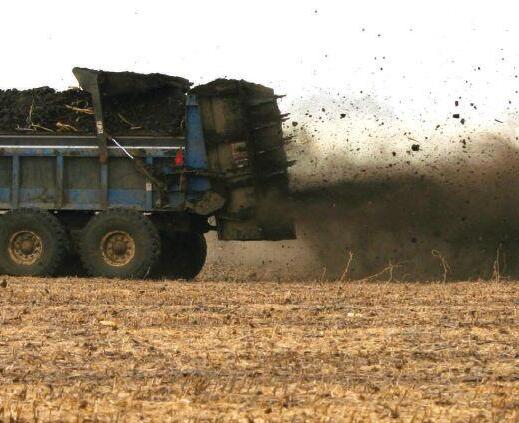
A new study by researchers in Penn State’s College of Agricultural Sciences shows that applying manure to crop fields by means of shallow disk injection into the soil rather than traditional surface broadcast significantly reduces estrogens in surface runoff. This finding suggests that manure-application methods can be used to control the mobilization potential of estrogens and points to opportunities for protecting downstream water quality.
The research, published August 2017 in
ABOVE
Agriculture, Ecosystems and Environment , also investigated how manure-application methods affected runoff of total dissolved phosphorus and dissolved organic carbon. Researchers found that transport rates of those nutrients, to a lesser degree, also were lower after manure injection than after surface broadcast.
Earlier findings from the study, which was conducted from October 2014 through the summer of 2015, were published in the Journal of Environmental Quality in November 2016. The research sampled 10 surface runoff events from 12 research plots – six with each application method – after the fall application of manure.
The application of livestock manure to agricultural fields provides essential nutrients for crops and adds organic matter to soils. However, manure also introduces emerging contaminants to the environment, including the natural estrogens 17 alpha-estradiol, 17
The research took place at the Kepler Farm plots located at the Russell E. Larson Agricultural Research Center in Rock Springs, near Penn State’s University Park campus.
beta-estradiol, estrone and estriol, according to Heather Gall, assistant professor of agricultural and biological engineering.
The researchers used manure from dairy cattle, but estrogens are a component in the waste stream of not only dairy, but all livestock and humans. Although this study focused on ubiquitous natural estrogens, synthetic estrogens also can affect water quality, such as ethinylestradiol, the active ingredient in birth control pills or synthetic androgens such as trenbolone, often given as ear implants to beef cattle.
Many factors influence the fate and transport of these manure-borne hormones, explained lead researcher Odette Mina, a recent doctoral degree graduate in agricultural and biological engineering, including the type of manure applied, the rate and timing of application, the method and history of application, as well as natural drivers such as hydrologic processes and biogeochemical cycling.
“The method of animal manure application can influence the availability of nutrients and estrogens to runoff water,” Mina said. “Several studies have shown the potential benefits of shallow disk injection for reducing phosphorus and nitrate transport in surface runoff compared to surface broadcasting. Our research demonstrated significantly reduced estrogen transport in runoff from shallow disk injection plots relative to surface broadcast plots.”
LEFT
Several Penn State studies have shown the potential benefits of shallow disk injection for reducing phosphorus and nitrate transport in surface runoff compared to surface broadcasting.
nutrients and contaminants in the runoff.
Researchers saw a striking difference between estrogen loads and concentrations in runoff following precipitation events, Mina pointed out. When manure was injected into the soil, estrogens were far less likely to leave the field.
“We had a rainfall event that happened two days after the manure was applied – it wasn’t a big rainfall event, a typical storm that you would expect every year – and it caused a really big movement of estrogens, carbon and phosphorus from the surface-broadcast plots,” she said.
“But that same event was not enough to even trigger runoff from the plots that had undergone shallow disk injection of manure. That first flush washed off really high concentrations of phosphorus and estrogens relative to the entire rest of the study, but there was nothing from the shallow disk injection plots.”
On small dairy farms typical of the mid-Atlantic U.S., manure is most frequently applied in the spring and fall, but manure application may occur year round, although some states restrict or ban winter manure applications. Manure is generally applied to corn crops, although other crops also receive manure, including legumes.
“We had a rainfall event that happened two days after the manure was applied – it wasn’t a big rainfall event, a typical storm that you would expect every year – and it caused a really big movement of estrogens, carbon and phosphorus from the surface-broadcast plots.”
Mina came to the research in an unorthodox way. She got her undergraduate degree in chemistry more than two decades ago, a master’s in business administration, and had been working in consulting engineering for more than 20 years before she decided in 2010 to pursue a graduate degree in engineering. She earned a master’s degree in environmental engineering at Penn State Harrisburg and joined Gall’s lab in 2013.
– Heather Gall
This research took place at the Kepler Farm plots located at the Russell E. Larson Agricultural Research Center in Rock Springs, near Penn State’s University Park campus. The site consists of 12 hydrologically isolated plots which direct surface runoff from each plot downslope through PVC pipes to huts near the plots. The huts are equipped with tipping buckets that measure the surface runoff flow rate and allow researchers to collect flow-weighted samples to analyze the
Adoption of shallow-disk manure injection among farmers has been slow, Gall pointed out, and that mostly results from the high cost of new injection equipment. But the method is compatible with no-till agriculture and has the added benefit of causing less odor.
Before she can recommend all farmers transition to injecting manure, Gall intends to do more research. In a follow-on study now being planned, she wants to be sure keeping estrogens out of surface runoff doesn’t result in the contaminants leaching into groundwater.
“There potentially could be some trade-offs with groundwater quality, so by doing the shallow disk injection you could be promoting more nutrient and estrogen loss into groundwater, perhaps causing localized concerns for people pulling their water from wells,” Gall said.
“However, at least from a surface runoff perspective, the results suggest that shallow disk injection could be a viable option for reducing both nutrient and estrogen transport to surface water bodies, such as the Susquehanna River and the Chesapeake Bay.” •
Jeff Mulhollem is a writer/editor with Penn State’s College of Agricultural Sciences.
PHOTO BY MICHAEL HOUTZ
ON TRACK
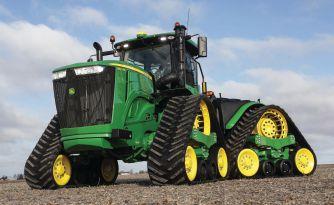
John Deere 9R
John Deere recently announced several update to its large 9R, 9RT, and 9RX tractors. The company is offering a 120inch track spacing option on 9470RX, 9520RX, 9570RX and 9620RX Series four track ag tractors equipped with 30- and 36-inch tracks. Deere is also offering the option of a factory- or field-
MAKE YOUR DAIRY EXTRAORDINARY
FEATURES AND BENEFITS:
• Oil bath bearings - self cooled and lubricated, needs no water flush
• Disintegrator tool - for hoof blocks and other solids
• Heavy duty seal and bearing systemlonger life in severe service
• Ductile iron casing and bearing housingheavy castings for long life
• Heat treated cast steel wear parts - for longer life in abrasive grit service
• Most parts readily available from stock for expedited delivery
APPLICATIONS INCLUDE:
• Digester Feed
• Digester Mixing
• Small Pit Recirculation
• Tanker Loading
• Flush Water
• Feeding Heat Exchangers
• Manure Transfer
• Separator Feed
Learn More at ChopperPumps.com 360.249.4042 | info@chopperpumps.com
installed Hydraulic Intelligent Power Management system to boost tractor performance when operating implements requiring continuous hydraulic power. A dual-pump specific selective control valve has eight total SCVs – three, with three-quarter-inch SCVs; and five, with half-inch SCVs. The larger couplers allow for an extra 7 gallons per minute of hydraulic oil flow to reduce restrictions to high demand fan motors on large air carts. Increased hydraulic capacity also makes it quicker to raise and lower the frames on large air drills for improved efficiency in the field. A factory-installed Generation 4 CommandCenter™ 18-1 Software update is also included as base equipment.
johndeere.com/ag
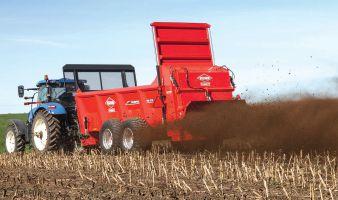
Kuhn Knight PS 270 ProSpread
The Kuhn Knight PS 270 ProSpread manure spreader is a high-capacity, non-commercial spreader designed for feeder, cow/calf, and dairy operations that process a wide array of semisolid and solid materials. A 10-degree sidewall flare provides greater capacity, while still maintaining ease of loading and unit maneuverability. Operators can choose between VertiSpread vertical beaters or the redesigned AccuSpread spinner discharge to best fit their needs. A two-piece, poly floor and dual apron ensure consistent and dependable material flow to the beaters, while the improved beater location provides an enhanced spreading pattern by streamlining material flow from the apron to the beaters. The new guillotine endgate provides metering capability, regardless of whether using vertical beaters or the spinner discharge for the spreader. For precise monitoring and application tracking, an optional scale system is available. KuhnNorthAmerica.com
ON TRACK
CEAT Farmax Tires
CEAT, a global tire manufacturer with 90 years of experience, is now marketing and selling a comprehensive line of radial and bias agricultural tires in North America. The company, which has a presence in 115 countries, has established an office in Charlotte, NC. The CEAT Farmax R85 Ag radial is available for rim sizes 20- to 46-inches, it is designed to provide low compaction, high traction and high road ability. Due to its flexible sidewalls, wide tread face and high inner tire volume, the R85 helps reduce soil compaction and carries more load at lower pressure. Its dual lug angle design with more lug overlap gives the R85 high traction. CEAT is also adding 65 and 70 series FARMAX tires to the North American line-up, and flotation radials will soon follow.
ceatspecialty.com/US
Textron Off Road
Prowler Pro
Built in Thief River Falls, Minn., the Prowler Pro offers quiet gas power and the performance and reliability. At the heart is a 50-hp, 812cc EFI engine. Vibration-reducing engine mounts and bushings knock out vibration and buzzing so the vehicle offers quiet power and performance. Prowler Pro also features a tuned exhaust utilizing a rubber isolator with the muffler to lessen exhaust noise. For a comfortable ride, the vehicle has 10 inches of front and 9.5 inches of rear suspension travel, with 10.75 inches of ground clearance and 26inch Pro Terrain tires to tackle rutted farm fields. Its 2,000-pound towing capacity, 1,500-pound payload and 1,000-pound cargo box capacity allow implements to be towed or hauled with ease. For in-cab comfort, the vehicle features a three-person bench seat perfect for work applications, and tilt steering with a column shifter for easy and comfortable operation. Its customizable speed control allows the operator to set a maximum speed, which is perfect for ensuring ranch and farm hands are utilizing appropriate speed on the job.
TextronOffRoad.com
WORLD’S FIRST VF FLOTATION TIRE HAUL MORE, COMPACT LESS
The new, all-steel Alliance Agriflex+ 389 flotation radial is the world’s first VF (very high flexion) flotation tire, purpose-built for manure handlers. 30% less inflation pressure means significantly less soil compaction. That’s thanks to extra-flexible sidewalls that help create a 25% larger footprint. Then there’s the tread—stable on the road, sure-footed in the field, with non-directional bars for traction and a dense center rib for long life…so you’ll haul more and compact less.
BETTER VALUE. SMARTER CHOICE.
WHAT FACTORS influence the odors in manure?
Understanding the characteristics that play into why people find some odors offensive could help farmers manage manure for optimal neighbor relations.
BY ERICA ROGERS
It’s a beautiful spring day as you drive along a country road. The sun is out and your windows are rolled down when suddenly an offensive odor hits you right in the nostrils. Someone hit a skunk. What is it about this smell that makes it so offensive? Does this have any relation to the odor of livestock manure?
There are several factors and characteristics that play into odors that allow us to describe and measure them. In the article Odor Measurement for Animal Agriculture, Eileen FabianWheeler (Penn State), Michael Hile (Penn State) and David Schmidt (University of Minnesota) give direction on the five characterizations of odors:
Concentration
Concentration can be measured from the odor detection threshold (ODT), which is the volume of non-odorous air divided by the volume of odorous air. Additionally, the odor recognition threshold also comes into play in that it measures the volume of non-odorous air that is necessary to dilute an odorous sample of air.
Intensity
Intensity is the strength of an odor sample and can be measured via a five-step scale involving different dilutions of alcohol.
Persistence
Concentration and intensity are considered objective parameters and are used for scientific and regulatory measurements while persistence, hedonic tone and character descriptors are more commonly considered subjective as these can differ from person to person.
Perception (the ability to discern and comprehend) is another factor of manure odor that should be considered. In a field study done by Robert Mikesell, Kenneth Kephart and Charles Abdalla [Overview of Social Issues Related to the Swine Industry], the impact of odors from a swine operation on neighbors was assessed. Factors examined included:
• Distance of the neighbor from the swine operation
• Direction of the wind
Persistence is defined as how easily a full-strength odor is diluted below the detection threshold (ex. the more persistent an odor, the more air is needed to dilute the odorous air).
Hedonic Tone
Hedonic tone is the pleasantness/unpleasantness of an odor that is measured on a scale with negative numbers (unpleasant) to positive numbers (pleasant).
Character Descriptor
Character descriptor is the type of odor that is detected (floral, fruity, vegetable, earthy, offensive, fishy, chemical, medicinal).
• Whether or not the neighbor knew the producer
• The visual attractiveness of the farm and,
• The neighbors’ self-recorded health rating
The further the neighbor lived from the swine operation, the less odor was observed and less odor was also observed when the neighbors were not downwind from the operation. Additionally, neighbors reported lower odor if they knew and had a good relationship with the producer. Interestingly, the more attractive and clean looking the farm, the less odor was recorded by the neighbor and those neighbors that had higher self-recorded health ratings (those that considered themselves generally healthy), associated less odor with the swine operation.
Michigan State University Extension recognizes that a better understanding of the factors that classify an odor – specifically manure odor – allows farmers to better manage livestock manure for optimal neighbor relations and will result in fewer odor complaints. So, the next time you are driving along and smell that oh so familiar skunk, perhaps you will be able to distinguish the characteristics that go into that odor.
Erica Rogers is with Michigan State University Extension. •