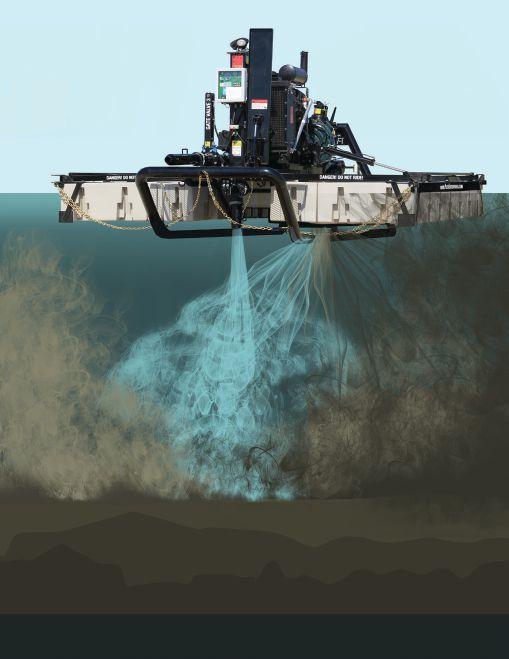
Liquid dairy manure is the star ingredient of California farm’s own diesel fuel | 14
Fighting odors with zeolite
Scrubbers give hope to farms under pressure to control odor | 20
Maximizing the value of nitrogen Manure nitrogen is a valuable nutrient | 24
September/October 2016
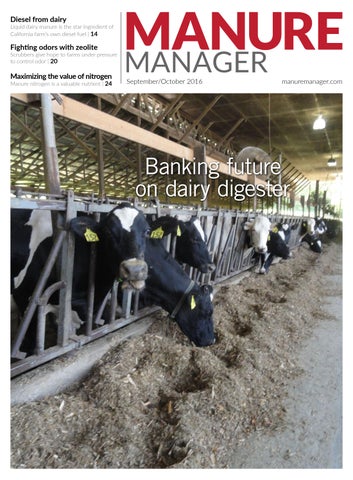
Banking future on dairy digester
Scrubbers
BY TREENA HEIN
BY TONY KRYZANOWSKI
DEANNE MEYER
The Barstow family has been farming since the 1800s. See page 10. Contributed photo
A cow chip off the old block
When it comes to manure, I’ve had some pretty strange articles grace my computer’s inbox. There was the eyebrow-raising story about a new clothing line made from manure fibers, the stomach churning feature on ingesting manure as a cancer treatment, and the farmyard heist to end all farmyard heists featuring the always popular “let’s hide the stolen equipment in the huge manure pile” philosophy.
Could the world get any stranger?
Indeed it could. After all, there’s always cow chip chucking, well on its way to becoming the next hot demonstration sport to be featured during the 2020 Olympic Games.
Each thrower is provided with two cow chips (only the one travelling the farthest is counted), specially selected and prepared more than a month in advance so they are fully dried and have maximum flight potential. Each chip is chucked from a set starting point and must fall within pre-arranged boundaries. The thrower who chucks the farthest is the winner.
The current record is 248 feet, held by a Sauk City man. A Beaver, Oklahoma, man holds the record at the Cimmarron Terriroty Celebration chucking event with a throw of 188 feet, six inches.
Why chuck cow chips?
MANURE MANAGER
July/August 2016 Volume 14, No. 5
Published by:
Annex Business Media, P.O. Box 530 Simcoe, ON N3Y 4N5
Editor MARGARET LAND (519) 429-5190, (888) 599-2228, ext 269 mland@annexweb.com
Contributing Editors Treena Hein, Tony Kryzanowski, Dr. Deanne Meyer
Director of Soul/COO SUE FREDERICKS Printed in Canada
Publication Mail Agreement #40065710
SUBSCRIPTION RATES Canada – 1 Year $35.95 (plus applicable taxes) USA – 1 Year $62.95 USD
Cow chip chucking competitions have been around in the U.S. since the 1970s when the Cimmarron Territory Celebration held its inaugural event in Beaver, OK, where – according to Modern Farmer – cows outnumber people 16 to one. Today, it’s known by its very important sounding title – the World Championships of cow chip tossing – and involves more than 2,000 people from across the region and the country gathering to celebrate their heritage and competing to be crowned the cow chip chucking champion.
According to the history of the Wisconsin event, the first pioneers of the Plains were challenged by a lack of water and timber for fuel and shelter. So they turned to cow chips to provide fuel to cook their food and heat their homes.
“When dry, the chips were odorless, gave a clean, bright flame and burned with intense heat, without soot,” states the history page of the
Maybe it will be a demonstration sport in Tokyo.
Oklahoma is not alone in its cow chip chucking prowess. Wisconsin also hosts a crappy competition – the Wisconsin State Cow Chip Throw & Festival, held every Labor Day weekend in Sauk Prairie.
What exactly does cow chip chucking entail?
Wisconsin State Cow Chip Throw & Festival’s website. “Chips were gathered and stored for the winter as autumn approached. The cow chip was a life-sustaining utility and was often used in trade for food or anything the pioneers needed.”
It’s definitely too late for me to strut my stuff during the 2016 competition but there’s always next year. And, who knows. Maybe it will be a demonstration sport in Tokyo.
Mail: 80 Valleybrook Drive, Toronto, ON M3B 2S9 Occasionally, Manure Manager will mail information on behalf of industry-related groups whose products and services we believe may be of interest to you. If you prefer not to receive this information, please contact our circulation department in any of the four ways listed
publication.
THE PERFECT COMBINATION
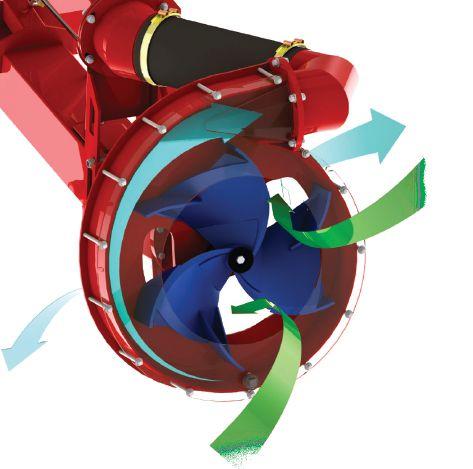
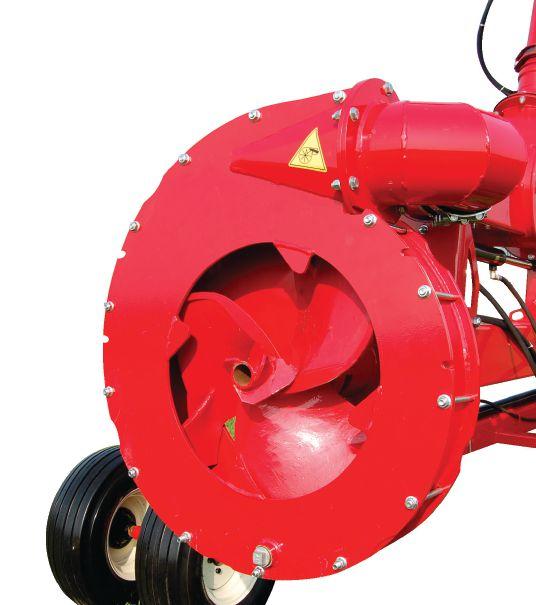
The PUMPELLER® Hybrid Turbine revolutionizes manure pump performance. Incredible intake suction pulls solids into the cutter knives, reducing the toughest crust to nothing in just seconds. The turbine combines the high-volume mixing of a propeller agitator with the power and reach of a lagoon pump, the resulting hybrid design radically outperforms both.
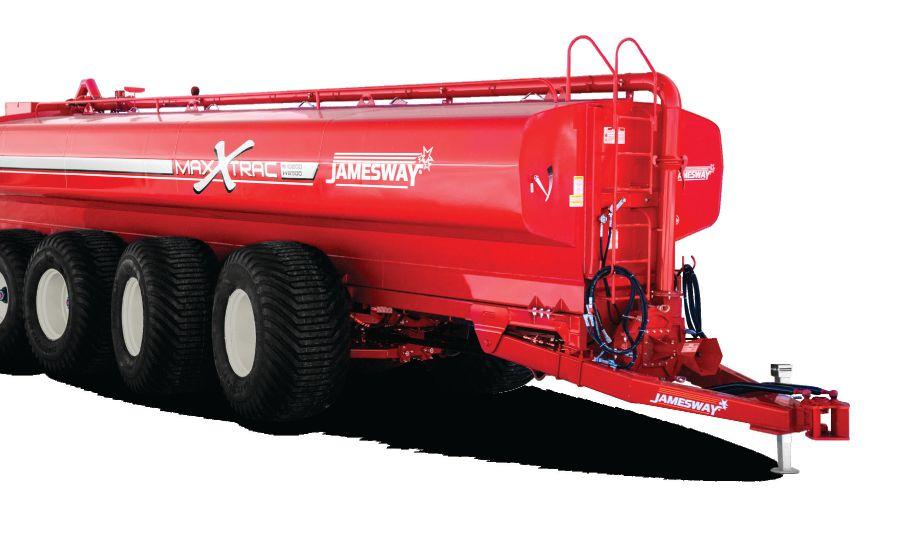
for professional haulers, Jamesway’s new MAXX-TRAC tankers deliver maximum performance.
Patented Turbine Impeller
U.S. Poultry, foundation approve new board research grants
U.S. Poultry and its foundation have approved $275,000 for three new research grants at three institutions through the Board Research Initiative program.
The research funding was approved by the boards of directors of both organizations, based on recommendations from the Foundation Research Advisory Committee.
The research grants for each institution include:
• Analysis of Poultry Gasification Parameters for Elimination of Avian Flu Exposed Birds and Manure, University of Iowa (research grant made possible by a gift from West Liberty Foods)
• Euthanasia of Recently Hatched Chicks
and Poults, University of Georgia (research grant made possible by a gift from Pilgrim’s)
• Euthanasia of Recently Hatched Neonates, Texas A&M University (research grant made possible by a gift from Sanderson Farms)
The U.S. Poultry Board Research Initiative was created by the boards of U.S. Poultry and the U.S. Poultry Foundation to address current issues facing the poultry industry.
UNDERSTANDING EFFECT OF MANURE MANAGEMENT PRACTICES ON ANTIBIOTIC RESISTANCE, RESIDUES
Researchers from four U.S. universities are teaming up with dairy farms across the Northeast and Mid-Atlantic to study the effect of three different manure management techniques on preventing the occurrence and spread of antimicrobial-resistant bacteria, genes tied to resistance, and antibiotic residues – traces of antibiotics and the compounds they break down into. Although there has not been direct evidence of resistance spreading as the result of antimicrobial and antibiotic use on dairy farms, given the potential risk, a team of scientists – led by the University at Buffalo, in partnership with Cornell University, the University of Maryland
and the University of Michigan – will investigate the fate of therapeutic antimicrobials used in dairy herds by examining if and how various methods to treat manure affect the viability of residuals monitored, and the potential movement of any residuals from farms to the environment.
The $1 million project, funded by the USDA’s National Institute of Food and Agriculture, will evaluate how well three different waste-processing techniques – anaerobic digestion, composting, and long-term storage – remove drugs and germs in excrement. To evaluate the techniques, the scientists will collect manure samples from six dairy farms in
New York State, three in Maryland and two in Pennsylvania. Samples will be gathered before and after treatment, and tested for levels of antibiotics, antibiotic-resistant bacteria and resistance genes. Additional techniques will be used to explore anaerobic digestion, an advanced treatment method that employs microorganisms to break down and convert biodegradable matter into products that include biogas, liquid fertilizer and solid matter that is sometimes repurposed as bedding for animals. Besides examining manure that has undergone this process on farms, the team will spike manure with antibiotics and resistance genes in controlled
experiments that use anaerobic bioreactors in the lab at the University of Michigan, as well as larger scale anaerobic digestion reactors designed and built at the University of Maryland.
The team will also grow three food crops to see whether the plants take up antibiotics and resistance genes from treated and untreated manure –potatoes, lettuce, and corn.
Additionally, the team includes extension/outreach specialists at Cornell and the University of Maryland who will monitor antibiotic use at participating farms, understand the farms’ waste-processing methods, and raise awareness of advanced manure management technologies.
TECH SPREAD
Trading farmland for nitrogen protection
Excess nitrogen from agricultural runoff can enter surface waters with devastating effects. But riparian buffer zones – areas of grasses, perennials, or trees – between farmlands and streams or rivers can help.
“Riparian buffer zones are nature’s hydraulic shock absorbers,” says Deanna Osmond, a soil scientist at North Carolina State University. They can reduce pollution and provide habitat for wildlife. They can also dampen the flow of agricultural runoff, leading to lower amounts of nitrogen reaching streams and rivers.
But what kind of vegetation makes buffer zones most efficient at removing nitrogen from runoff?
A recent study by Osmond showed that – at least for some areas – it doesn’t matter what kind of vegetation buffer zones are made up of. There appeared to be no significant differences in how efficiently they removed nitrogen from agricultural runoff.
Irrespective of vegetation type, wider buffer zones were more effective than narrower ones. It is important to consider the width of buffers, says Osmond. Previous studies had typically involved buffer zones measuring at least 30 meters wide. The buffers in this study were either 15 or eight meters wide. But even these narrower buffer zones lowered the amount of nitrogen reaching streams. The 15-meter wide buffers were often more than twice as efficient at removing nitrogen from runoff compared
BY
THE NUMBERS
to the eight-meter wide ones.
There are a number of ways buffer zones can reduce the amount of nitrogen reaching water sources. Nitrates can be taken up by plants in the buffer zones or soil microbes can transform nitrates into the atmosphere as nitrogen gas.
Some previous studies had found that certain vegetation types are more effective at nitrogen removal. That could be because of differences in soil conditions and stream flow.
“Location matters when studying riparian buffer zones,” says Osmond.
For example, the majority of previous studies were in areas where streams are more connected to their floodplains. The increased connectivity leads to a higher groundwater table. In areas where the water table is high, nitrates are transformed more efficiently to nitrogen gas.
Osmond’s study was conducted in the upper coastal plains of North Carolina where the streams were not connected to their floodplains. That could have affected how efficiently the different vegetation types removed nitrogen from runoff.
Also, the microbes need carbon to eat and live. The process is most efficient when levels of dissolved organic carbon in the soil are high. At all the measurement sites in this study, the dissolved organic carbon levels were low. That may have limited the amount of nitrates being removed from
runoff and equalized differences between different vegetation types.
Finally, while many studies measure the effectiveness of pre-existing buffer zones, “we started from scratch,” says Osmond. That’s important as it more closely reflects the reality in many farms where buffer zones are not preexisting. Osmond’s study also tracked the buffer zones for 12 years, far longer than most other studies. The longer time-span could also help explain why these results are different from some previous studies.
“Many factors affect how efficiently riparian buffer zones remove nitrogen from runoff,” says Osmond, adding studies in different regions can help researchers better understand those factors.
FUTURE forward
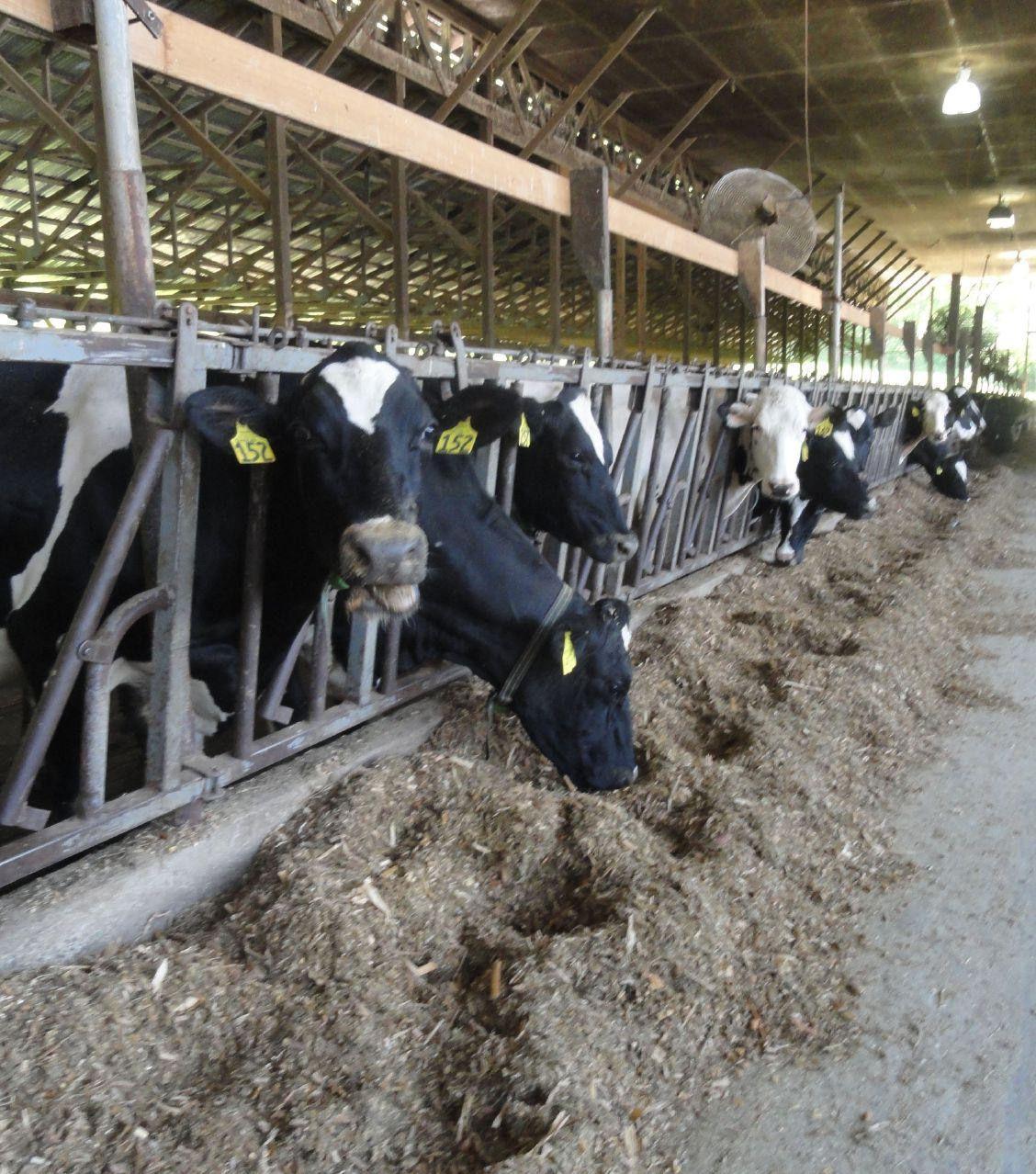
A New England dairy is banking its future on manure processing through an anaerobic digester
BY TONY KRYZANOWSKI
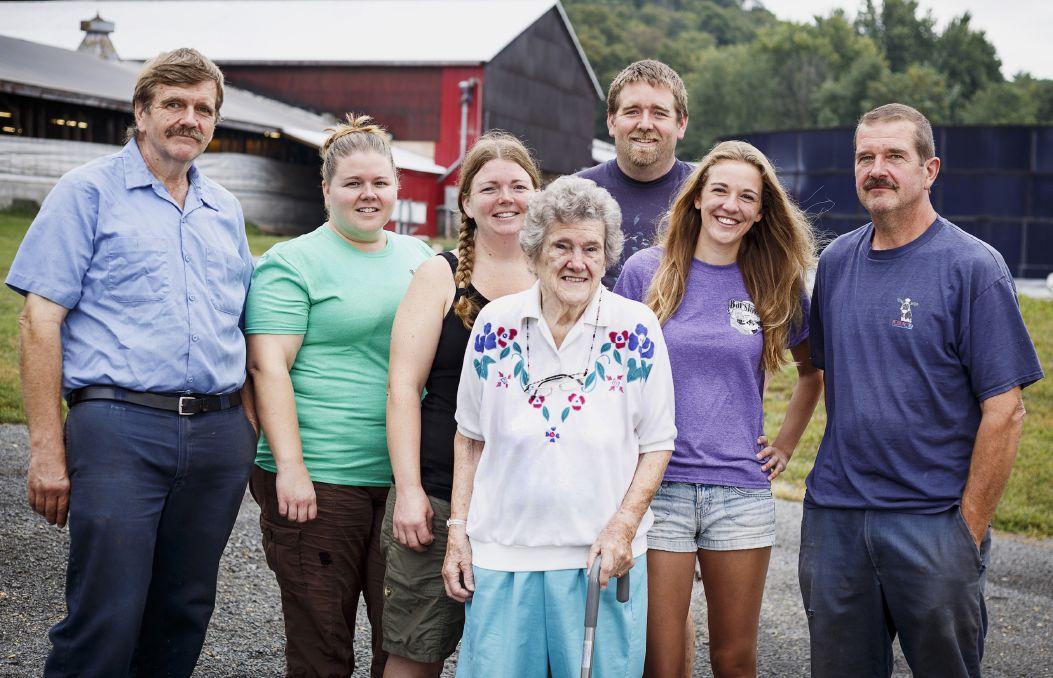
Seven generations of the Barstow family work on the Longview Dairy farm, including (left to right) Steven Barstow, Kelly Barstow, Shannon Barstow, Marjorie Barstow, Steven Barstow II, Denise Barstow, and David Barstow.
Dairy farms depend on the price of milk, but milk prices can fluctuate wildly. At present, milk prices in the New England area are about half of what they were two years ago. Sometimes, production costs can even exceed revenue.
To weather milk price fluctuations like this, Massachusetts-based Longview Farm has focused on reducing input costs and capturing more value from their manure as part of their sustainability plan.
The heart of their plan is an investment with Vanguard Renewables in the construction and operation of a 600,000-gallon capacity anaerobic digester to treat their manure. It processes about 9,125 tons of liquid manure annually.
The digester provides multiple benefits to the farm. One is production of biogas, which is collected from the digester and used as fuel to generate power. Massachusetts state regulations allow the power to be used directly on the farm, which it purchases from Vanguard Renewables at a fixed, discounted price. The excess generated amount is sold by Vanguard Renewables to the power grid without the need for a power purchase agreement with the local utility, although an interconnection services agreement was required. The farm’s biogas-fueled power generator produces about 6.8 million-kilowatt hours of electrical energy annually, but the dairy only consumes about 15 percent of the power produced.
The excess heat produced from the hot water that loops from the biogas-fueled engine to the digester is
used to provide free heat to the dairy’s robot milker rooms, hot water tanks, and two houses on the farm.
Furthermore, the dairy farm has lowered its commercial fertilizer costs by using the treated, nutrient-rich, liquid effluent from the digester as organic fertilizer on their cropland. It produces anywhere from six to ten million gallons of liquid organic fertilizer annually.
LEFT
The food waste added to the Longview Dairy manure processed through their anaerobic digester results in about four times more biogas production.
production. Currently, the dairy has a 300-kilowatt power generator.
Located in Hadley, Mass., Longview Farm is a seven-generation family farm owned by Steven Barstow, David Barstow, and Steven Barstow II. The farm was founded in the early 1800s.
It is a 550-cow dairy located on 450 acres, consisting of two milking barns, two heifer barns, and a calf barn. It produces about 15,000 lbs of milk daily. They also grow alfalfa, hay and corn silage for feed.
“Our motivation for making this investment in the digester was really more to help sustain the farm than a manure management focus,” says Steven Barstow II. “The digester provides another source of income beyond the selling of milk and our retail store. Environmentally, it reduces our carbon footprint.”
The anaerobic digester was constructed in 2013 at a cost of $5.5 million, qualifying for about $750,000 in state and federal grants toward the construction.
“Our motivation for making this investment in the digester was really more to help sustain the farm than a manure management focus.”
– Steven Barstow II.
Longview Farm is also paid rent from Vanguard Renewables for the land occupied on the farm by the digester and power installation.
A non-financial benefit derived from treating manure in this way but something that delivers a goodwill dividend with neighbors is a significant reduction in odor both from the on-farm lagoons and when the effluent is land applied.
Soon, the dairy will have the ability to accept more solid waste and separate out the treated solids from the digester’s liquid effluent outfeed. This will deliver a further cost savings to the farm, as it can be used safely as bedding in the dairy barns. The capital investment will also include adding a second, 500-kilowatt generator for more power
Each barn on the farm has an automatic alley scraper that dumps manure into a gravity reception pit at the center of the barn. From there, it is piped using gravity to a 12,000 gallon underground holding tank, where a pump sends the liquid manure to the digester every 30 minutes. Previously, the liquid manure collected in this tank was pumped out daily to the dairy’s slurry storage lagoon. The only modifications required in the dairy’s manure management system prior to construction of the digester was installation of a reception pit in the heifer barns so that their manure could also be transported to the digester. This created the opportunity for more manure to be sent to the digester. Previously, this manure was composted. Also, a 100-foot long underground pipeline was installed from the holding tank to the digester.
Before installation of the digester,
the dairy disposed of its manure through a custom manure application business, which land applied it in spring and fall.
“We still use the same equipment to land apply the digester effluent but now our hay fields get four applications a year instead of two,” says Barstow. “We’re seeing a better crop yield.”
John Hanselman, executive chairman of Vanguard Renewables, headquartered in Wellesley, Mass., says the Longview Farm digester project was the second completed by the company. Currently, it has several under construction and in the permitting stage in Massachusetts, Connecticut and New York.
The company operates using a unique business model where the purchasers of Vanguard Renewables’s technology take an ownership stake in the company equal to the company’s equity investors. That way, farm partners also benefit from revenue gained on future projects. Vanguard Renewables has left the door wide open on how its customers provide their equity stake. It can either be cash, goodwill or in kind contributions, like providing the land for the location of the digester or usage of on-farm infrastructure, like tanks. So Longview Farm is not only a Vanguard Renewables customer. It is part owner.
“What we saw in what had happened with some digester developers in Europe is that they had not partnered with the farmers,” says Hanselman. “They sort of came in almost like aliens landing on the farm. We learned that if the farmer isn’t both an owner and a willing participant in the process, the systems will never really function at full capacity.”
What reassured Longview Farm to want to become involved in the digester project is that Vanguard Renewables provided 100 percent of the upfront construction costs, and they already had a successfully working digester on another
Massachusetts farm to prove that their technology works.
The dairy farm’s digester feedstock is a combination of dairy manure and about 14,000 tons of food waste. Hanselman says when partnering with dairies that have smaller herds, food waste is a critical aspect to the viability of an installation, as by adding food waste, they are able to generate about four times as much biogas compared to manure on its own. Securing consistent sources of food waste has been among the biggest ongoing challenges faced by the company, with staff constantly hunting for new sources. Longview Farm has once again played an important role in securing a major source of food waste for the digester through its member ownership stake in Agri-Mark Inc. who owns the Cabot Creamery Cooperative in Waitsfield, Vt. All the food waste from the Creamery is processed through the digester. The Creamery is also currently the sole customer for the excess power produced by Longview Farm.
Hanselman described this as a closed loop system, where the Creamery sends the farm its waste and in turn receives power from the conversion of that waste into biogas to fuel the farm’s power generator. The energy transmitted from the farm is then used to power the Creamery’s butter churns in West Springfield, Massachusetts. Additionally, the processed food waste becomes part of the nutrient-rich effluent that the farm uses as organic fertilizer to grow crops, to feed the cows, who produce the milk for the creamery.
“The digestate actually has significantly higher nutrient value, higher nitrogen content, and more available nitrogen because of the addition of the food waste,” says Hanselman. “That was an unforeseen benefit and it’s a lovely thing to have seen and now documented with the United States Department of Agriculture.”
LEFT
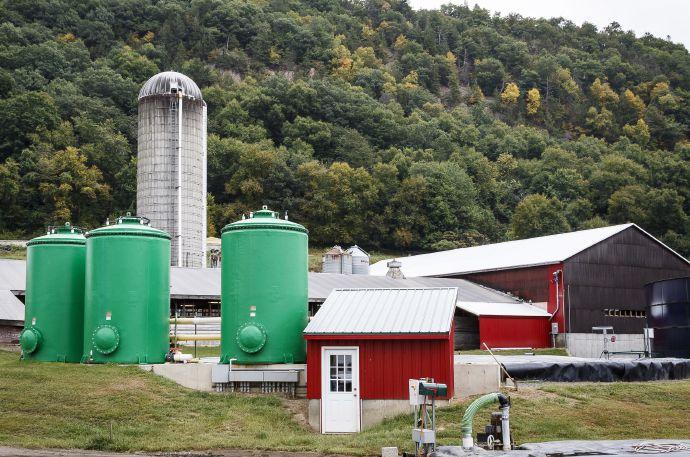
The 600,000-gallon anaerobic digester tank on the Longview Farm is largely underground, but above ground tanks store both manure and food waste waiting for processing through the digester.
To take the closed loop concept even further, some of the creamery’s customers, like Geissler’s Supermarket are also food waste suppliers to the Longview Farm digester.
Hanselman says that the dairy has benefited greatly by working with Vanguard Renewables rather than going it alone, because of the company’s ability to finance the project and provide the logistics and technical expertise to build and operate a highly efficient green power facility.
“I think the greatest fallacy in anaerobic digestion is that it doesn’t require dedicated and professional management,” says Hanselman. “We were able to convince the Barstows that it would work significantly better if we had third-party capital that would pay for the project, and that we would staff it with trained personnel, with support from biologists and chemists and all the staff that we have at Vanguard Renewables.”
Casella Organics, with experience in managing biogas-powered production facilities, has been hired to operate the digester on a day-to-day basis.
Addressing the sustainability challenges of New England dairy farms, Hanselman says area dairies tend to be ‘much smaller’ than other parts of the country, with a 3000-head farm considered a big farm. That’s because there is sparse land available for growth. So the only alternative to remain viable in some cases is to lower input costs, which Longview Farm has done.
Also, by taking the digester route, Longview Farm has anticipated potential future regulatory changes related to stricter nutrient management, over concerns of how farm nutrients might be impacting groundwater.
By-products such as the excess heat generated by the system also provides farmers with opportunities to look at other business ventures to improve their bottom line.
“In the next system that we are building now, the farmer is building a greenhouse, which will be 100 percent heated by waste heat from our generator,” says Hanselman.
DIESEL FROM Dairy
Liquid manure from Scott Brothers’ Dairy Farms in California is the star ingredient in the farm’s own diesel fuel
Sustainability in farming is a phrase that’s used a lot these days. In its simplest form, it’s about continual operation with minimal impact on the environment. At Scott Brothers’ Dairy Farms in Moreno Valley, Calif., sustainability has reached a never-before-achieved level, one that’s attracting attention from around the globe.
derived from the cows’ manure. If that wasn’t impressive enough, the system also produces irrigation water, potable water, fertilizer, high-value wax, sulfur and valuable nutrients, which, according to Steve McCorkle, enables these and future farmers to truly control their own destinies.
BY TREENA HEIN
Manure plays a central role in the farm’s ‘Circle of Energy’ concept: the 1,100-strong herd eats high-quality feed produced from the farm’s 700 acres, harvested with machinery powered by a no-sulfur diesel fuel
ABOVE
McCorkle is the CEO of Ag Waste Solutions (AWS) of Westlake Village, Calif., the designer and installer of the system at Scott Brothers. He got the idea of making diesel from manure during years travelling the globe working in the energy sector.
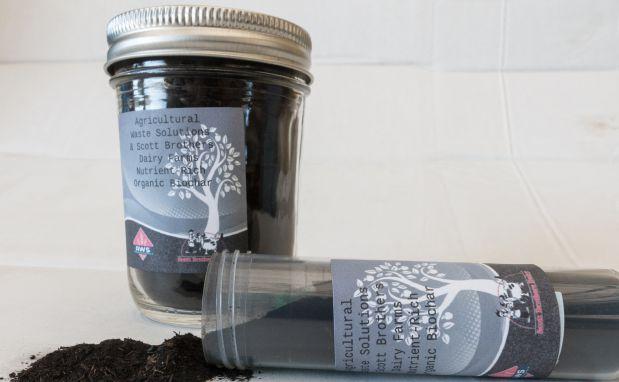
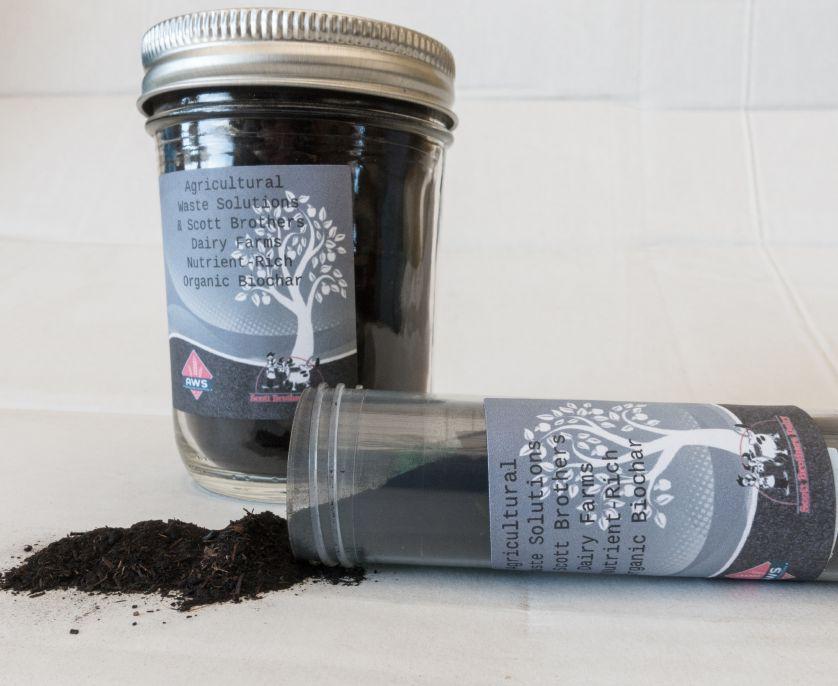
The pilot system at Scott Brothers’ converts about 88 percent of the dairy’s gasified manure into biochar and other products. The remaining 12 percent is converted into diesel fuel.
“It appeared to me that farmers all over the world seemed to share two very strong, common goals: a desire to be the best possible stewards of their land, and a desire to be as independent as possible,” he says.
At the same time, when McCorkle was working in remote deserts in the Middle East with no infrastructure for hundreds of miles, he and his colleagues had to convert waste gases into electricity and recycle wastewater.
“I realized that if we could economically convert wastes into diesel fuel, we could literally fuel our own petroleum exploration – and also achieve what farmers wanted, to be much more independent of the world outside their farms,” he says.
It seemed to him that there were two main factors that would make small-scale on-farm diesel production viable. One was modular and portable refining equipment, and, the second, a waste feedstock with a consistent chemical composition to make pre-conditioning less costly. With manure fitting the feedstock bill, McCorkle began in 2006 to work on the refining technology. By 2012, he was collaborating with the Scott brothers, who were looking
hard at that point for solutions to deal with new groundwater and watershed salt load regulations – and an impending ban on applying manure to forage crops to boot. With some funding help from the California Energy Commission (CEC), the current pilot system was up and running at Scott Brothers by April 2015.
“If we could meet and exceed these requirements, we could then meet and exceed any standards.” – Steve McCorkle
HOW IT WORKS
The system first removes almost all suspended solids and 40 percent of dissolved solids from the dairy’s liquid manure. Some of the extracted water is further purified to make it potable (and therefore
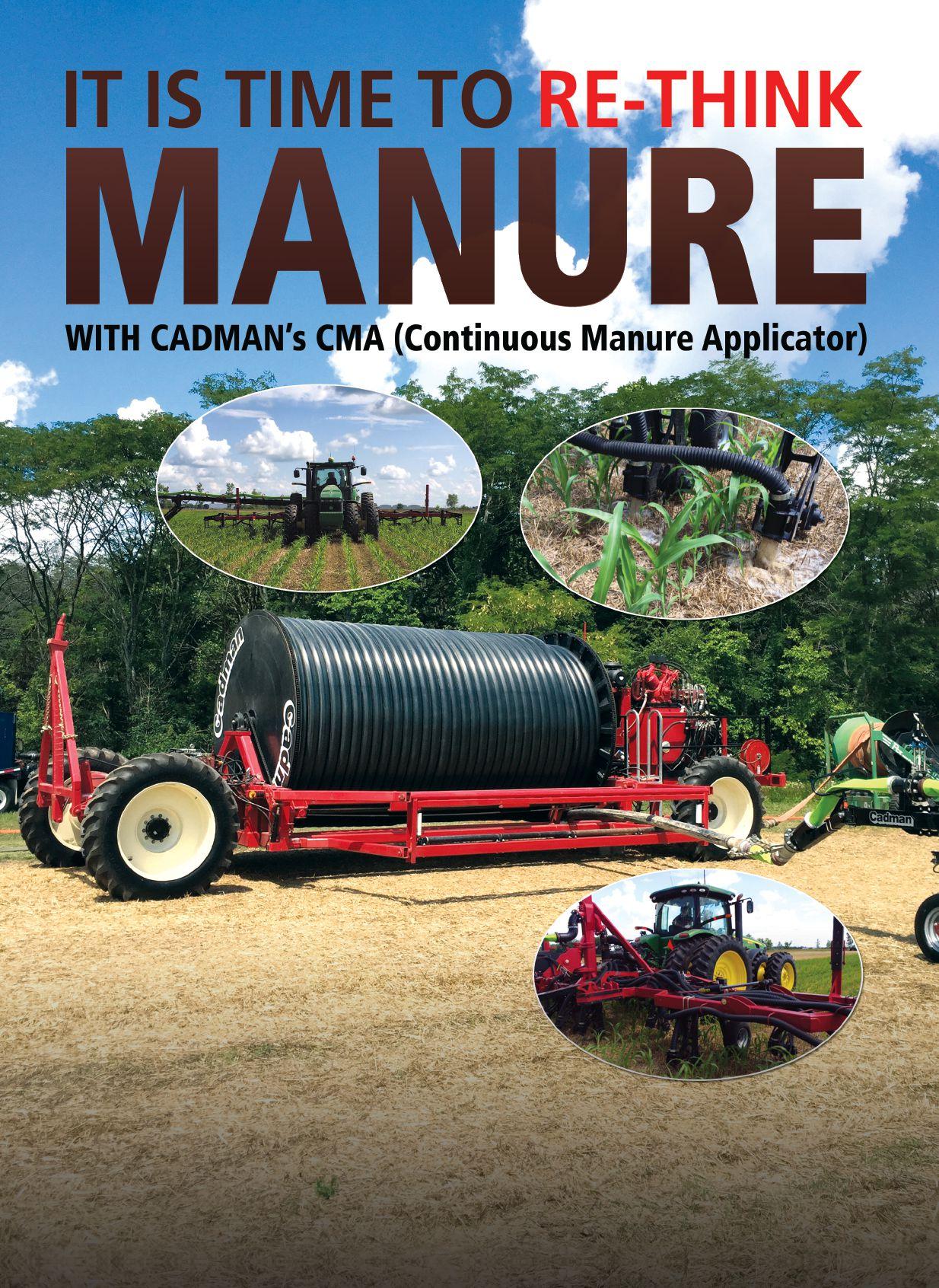
EFFICIENT SLURRY APPLICATION
satisfy manure application requirements specific to a regional state regulatory agency). The solids go into a pyrolysis gasifier and the resulting syngas is purified. Using the well-proven 90-year-old Fischer-Tropsch (FT) process, the hydrogen and carbon in the gas is converted to completely sulfur-free renewable diesel products. A refined wax (worth up to three times the price of diesel) can be processed further and/or blended with fuels such as kerosene – a significant additional farm revenue stream. AWS can also recover elemental sulfur and other nutrients from the process for either sale or re-use on farm.
CHALLENGES ALONG THE WAY
As might be imagined, significant hurdles presented themselves during the years of AWS tech development, with conventional thinking and regulations topping the list.
“Operating permits are very difficult to obtain when the technology is new,” McCorkle explains. “Grants and incentives are generally available for new concepts and commercially-proven systems, but it’s not easy for ‘in-between’ tech concepts
REGULATE NUTRIENT
• Application rate is maintained by varying the unloading rate in proportion to ground speed
• Optimum performance with varying load profiles and densities
• Accurate traceability, with date, time and mapping capabilities
like what we’ve developed, using new enhancements to make the FT process economically viable on a small-scale, to gain financial support.”
When it was time to install at Scott Brothers, more permit and funding issues came up.
“We were not allowed to even move the AWS equipment to the farm until the ‘lead permit’ was secured (South Coast Air Quality Management District, SCAQMD),” McCorkle remembers. “Although AWS had obtained one of these permits at another farm site previously, and paid to expedite the Scott Brothers’ permit applications, it took a long time to obtain. We finally received help from the Governor’s Office of Business and Economic Development.”
The CEC grant required that the project obtain an exemption from CEQA (California Environmental Quality Act), and the only way to do that was to build a temporary structure to shelter the AWS equipment.
“This is a large fabric-covered structure that we anchored to the ground with standard shipping containers,” explains McCorkle. “The county stipulated that we
ABOVE
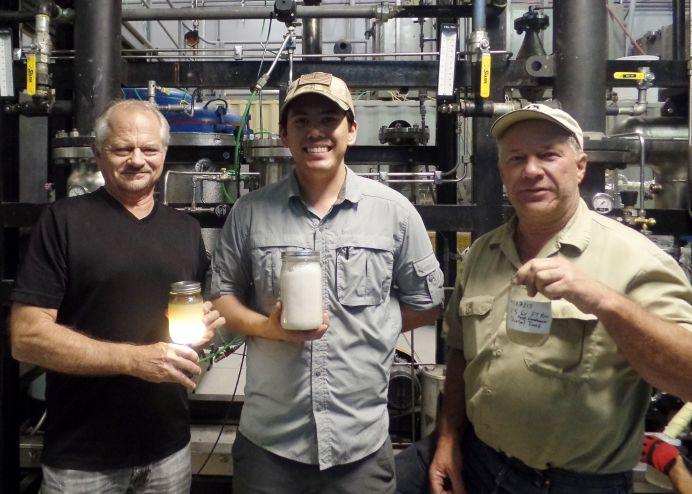
(Left to right) Steve McCorkle (CEO of Ag Waste Solutions), Michael Bagtang (AWS project engineer) and Bruce Scott (Scott Brothers’ Dairy Farms) each hold various by-products created during the Fischer-Tropsch process used to convert dairy manure to diesel.
needed to supply engineering drawings of the entire facility, including the stresses that the shipping containers would encounter. We had to hire an engineer to design modifications to address the wind
and other transverse forces the shipping containers would encounter on the farm.”
Taking the long view, AWS made sure its system exceeds the most stringent California regulations.
PLUG & PLAY THE NEW SEPARATOR
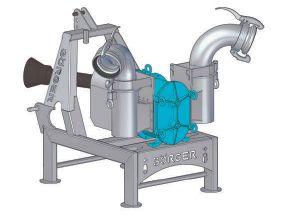
Mobile unit consisting of Separator and Pump for flexible use in multiple locations
■ Flexible, compact design
■ Disconnect, load, and you’re off to the next application
■ Low energy requirement
■ Very high dry matter content
■ Optimal price-performance ratio
Please contact: Jim DeWitt, (630) 750-3482, j.dewitt@bauer-at.com Michigan City Office, (800) 922-8375, www.bauer-at.com
“Scott Brothers convinced us that if we could meet and exceed these requirements, we could then meet and exceed any standards across the globe,” says McCorkle. “An example of this would be the Zero Total Dissolved Solids (TDS) mandate and salt loading restrictions in the watershed. We are proving that we can meet these tough requirements through technology alone, as we have done at Scott Brothers, by removing all of the salts and TDS from the water and producing a potable water discharge. Once that has been recognized, we may be able to prove that we can add certain amounts of TDS into the soil in the form of biochar.”
McCorkle adds the AWS biochar combines the two key elements of healthy soil amendments, carbon and micronutrients, into one product, with the same content as raw manure but without the potential surface and groundwater issues. This is why he decided to concentrate the gasification efforts on producing a nutrient-rich biochar product, and capitalize on that before other manure gasifiers could get permitted in California to produce it.
Currently, the pilot system at Scott Brothers converts about 12 percent of the dairy’s gasified manure to diesel fuel per
day, and about 88 percent into biochar and other products. To be a commercially viable, 24-7 operation and complete the ‘Circle of Energy,’ the liquid fuels production module will have to be upsized.
“We are now applying for a Phase II CEC grant to accomplish this,” says McCorkle. “We will then go to market with our new gasifier design, starting with biochar systems on farms to help farmers meet their permit requirements while selling and/or stockpiling biochar as a feedstock for future FT biofuel produc-
tion at central plants. Biochar is an excellent feedstock for FT biofuel production that does not have a shelf life.”
In reflecting on the entire process, McCorkle has nothing but praise for Scott Brothers, which he describes as “an outstanding partner in overcoming the numerous challenges.” And while it was onerous, he believes the process of helping regulators understand the advantages of the AWS concept was very worthwhile because of the new standards and regulations that are being created.
“Although this approach can be very time consuming and costly,” he notes, “we believe that working directly with regulators and stakeholders is ultimately the best way to have the AWS solution become standard for creating future profit centres from manure.”
McCorkle strongly believes that creating viable profit centers from manure will have the highest impact towards making livestock operations more sustainable.
“Once the AWS ‘Circle of Energy’ concept is working well on individual livestock farms, the circle will grow to include other farms and organic biomass feedstocks in the community, thereby reducing the carbon footprint of the entire community,” he says. “This will raise the resulting carbon credits and funding opportunities for sustainable solutions that will improve the agricultural economy as well as the environment. Many such community opportunities exist world-wide, and the AWS solution can be scaled and tailored to meet the needs of any community.”
Biochar and water from food waste digesters
AWS is also working to accept materials for its systems from anaerobic digesters that process food and other organic waste. In late July, AWS signed an agreement to perform a series of controlled greenhouse vegetable trials using biochar and fertigation water from an AWS system processing ‘food waste anaerobic digestate,’ in addition to biochar and fertigation water processed from manure. McCorkle says this is very exciting because anaerobic digestate is usually considered a waste that is increasingly difficult to permit for land application in its raw form, but value-added biochar and fertigation water can be readily permitted.
Scrubbers containing the same material used in cat litter give hope to farms under pressure to control odor
If you raise or house livestock, you will have odor issues. How you control and minimize those odors to keep neighbors, employees, and livestock happy, while providing a safe and healthy work environment, is a constant challenge.
ger challenge for farmers, especially in highly populated areas. Emission issues can also limit farm growth.
BY TONY KRYZANOWSKI
In some cases, odor and ammonia emissions threaten the future of dairy, hog, and poultry operations because of stricter regulatory standards or complaints from neighbors. Encroachment by residential development into traditional farming areas, and complaints about farm odors from barns and storage lagoons, is becoming a bigger and big-
ABOVE
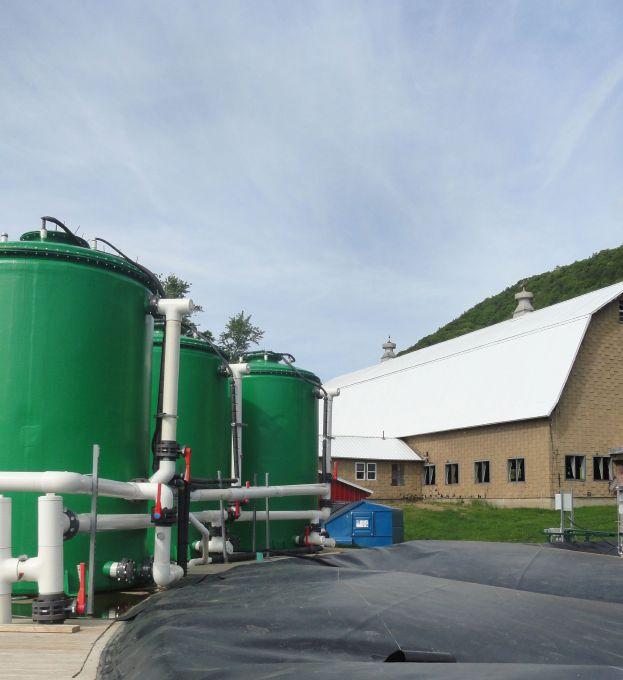
University of Idaho researcher Mario de Haro-Marti has achieved very promising results by scrubbing dairy farm emissions from a covered flush pit using a zeolite filter. Zeolites are the same minerals used to treat odor and ammonia in cat litter.
The zeolite filter research was conducted on the 4,000-head dairy owned by Dean and Deborah Swager, located about 15 miles from Twin Falls, Idaho. The dairy was established in 2000. Dean grew up on a dairy farm in California before mov-
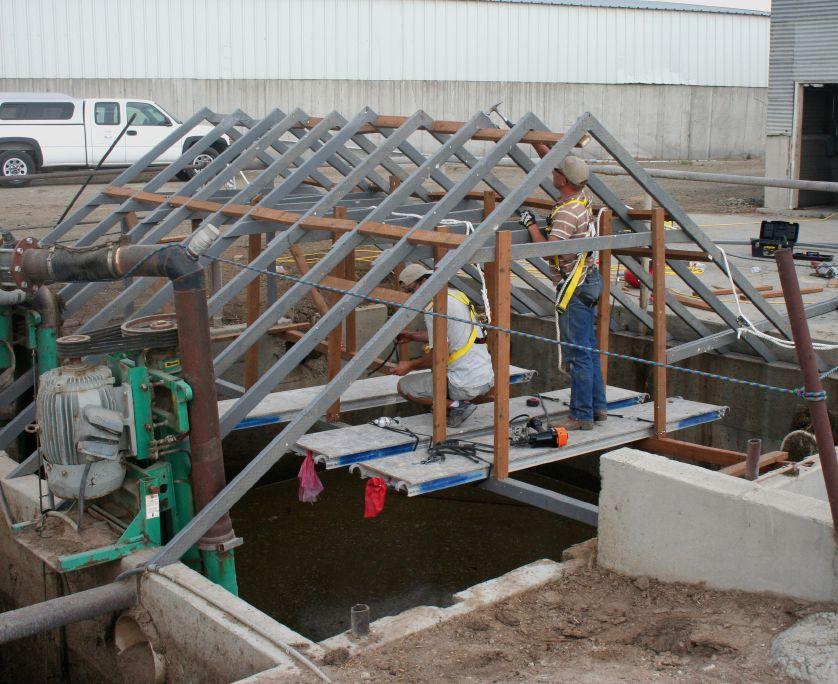
Workers build the enclosure above the Swager Dairy flush pit. Enclosing either the pit or lagoon is essential before biogas can be captured and transported for treatment through a zeolite filter.
ing to Idaho. The Swagers have collaborated with the university on several research projects. Dean says that he has a personal interest in research advances and understands the value of being among the first to hear about them.
The dairy consists of two, free stall milking barns and exterior pens to house the herd. Manure management within the barns consists of a flush flow system. Prior to the flush water arriving at a retention pit, it is processed through a DariTech manure separator, where the solids are accumulated and composted before being reused as bedding on mattresses in the barns. The liquids continue to the retention pit, and then eventually into a storage lagoon. Manure in the storage lagoon is land applied as fertilizer. What the separation system provides is a type of odor management, as it separates many of the gas-producing solids out of the manure stream before the retention pit.
De Haro-Marti works as the Gooding County extension dairy/livestock environmental educator and led the university’s experimental zeolite filter project at the dairy. The project was supported by a Conservation Innovation Grant from the U.S. Department of Agriculture’s Natural Resources Conservation Service.
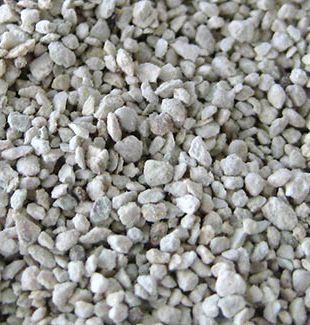
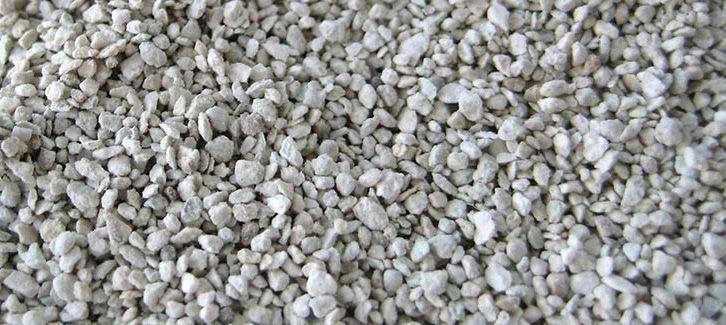
Zeolite is a naturally occurring and commercially available mineral capable of absorbing ammonia and odor, marketed in consistency from powder to crushed rock. There are six large zeolite mines in Idaho alone. Its absorption properties are well known, since it is already used to remove ammonia in wastewater treatment, cat litter, and has also been tried on some hog farms.
“The idea was to test if the zeolites will retain odor and reduce ammonia emissions to serve as a tool in the future for a dairy that is, for example, being encroached upon by population,” says de Haro-Marti. “They can apply this technology to reduce odors, or if they are reaching the regulatory maximum on ammonia emissions, they can use this tool to reduce those emissions.”
While the research is still in its early stages, by blowing emissions from the dairy’s covered, 20-foot by 20-foot flush pit through a zeolite filter, they achieved more than 92 percent reduction in ammonia emissions running continuously over three days, and about 45 percent overall odor removal. This dropped to just more than 90 percent over six days, and just over 53 percent after 57 days. While the performance of the zeolites decreased over time, it still represented a reduction of ammonia emission of more than 50 percent, running continuously for two months.
“We were very surprised with the results,” says de Haro-Marti. “We were expecting that it would work, but we never expected 90 percent ammonia removal with dry zeolites.”
What’s also noteworthy is how these results were achieved.
“We were experimenting in real conditions, with a real pit, with real manure flushing every day, versus a lab setting,” he says.
Swager says he was ‘fairly confident’ that it would work well, being as zeolite is a compound similar to baking soda, which people commonly use to manage odors in refrigerators.
As a dairy farmer, he took a bit of a different view of how the zeolite filter might benefit a dairy operation. In addition to keeping neighbors and government regulators happy, he says better odor control on the farm could also have a positive impact on the herd in general. He says it has to be remembered that the cows are breathing in this air as well, and with a lot of ammonia and odor in the air, it could lead to respiratory and health issues, which could ultimately impact milk production.
Healthier air translates into a healthier, happier herd.
“Cows can smell things a whole lot more acutely than we as humans can,” he says.
As demonstrated by the research, the zeolites’ absorption benefits are finite. Their effectiveness and the sizing of the filter depends on the concentration of ammonia and odor being absorbed. Eventually, they will become saturated and need to be replaced. De Haro-Marti says they installed their experimental zeolite filter to scrub emissions from the dairy’s flush pit because that is where emissions were most highly concentrated. The goal was to determine if a zeolite filter would work as a scrubbing agent and how effective it was, without factoring in the size of the filter at this point.
He expects that emissions concentration from a covered storage lagoon would be about one-third of those from a covered flush pit, so this will factor into the design and size of a zeolite filtration system in this application. The technology can be adjusted and scaled up, as needed. To maintain continuous emission treatment, he adds that it might be prudent to have more than one filter so that scrubbing continues when saturated zeolites are replaced.
To effectively use a zeolite filter, the flush pit or lagoon must be covered to capture the emissions. While this may represent a significant cost to a livestock operation, it’s something worth considering if the alternative is shutting down or limited growth potential.
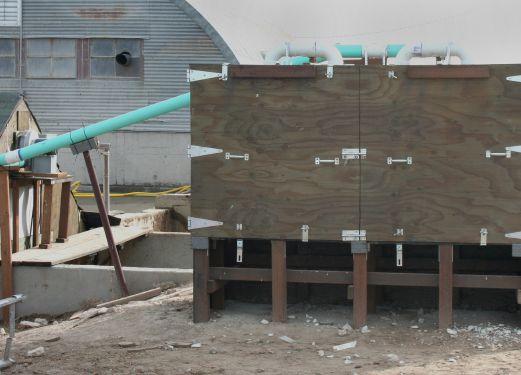
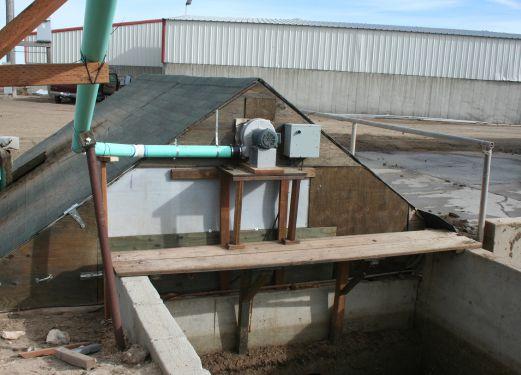
De Haro-Marti’s experimental set up essentially consisted of a wooden structure to cover the flush pit, a blower attached to the side of the cover to suck out the emissions, and a four meter
long and four-inch diameter PVC pipe to transport the emissions, which was connected to a custom-made, zeolite filter installed next to the flush pit. The filter itself consisted of a four foot by four foot by eight foot frame with racks of zeolite material inside.
“It’s basically a box with zeolites inside,” says de Haro-Marti. “This is an experimental design. Obviously, it is too small for the concentration of emissions that we had. I calculated that our filter would saturate in three to four months. To make it work at the farm level, you are going to need a much bigger filter.”
All of these components, including the zeolite minerals, are readily available. It is possible to custom design an emissions collection, transportation, and treatment system, however, it needs to match the concentration of emissions coming from the covered flush pit or lagoon to work effectively. Also, the zeolite material will need to be monitored regularly and replaced when saturated with ammonia.
To dispose of the ammonia-saturated zeolites, de Haro-Marti recommends crushing the mineral and land applying it. It has some nutrient value because plants have the ability to use the ammonia that is built up in the zeolites. Yet, it
LEFT Zeolite is a commonly used absorbent of ammonia and odors in cat litter. Now it may find a use scrubbing odors and ammonia in livestock operations.
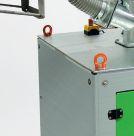
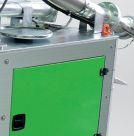
BOTTOM LEFT Odors from the Swager Dairy flush pit are blown through a pipe and then scrubbed through this zeolite filter.
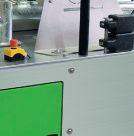
BOTTOM RIGHT A blower installed on the wall of the Swager Dairy flush pit enclosure propels odors from the pit to the zeolite filter.
should not have an impact on the soil’s chemistry because the addition of the crushed zeolite material is negligible. In terms of potential re-use of the zeolites, he adds that current research shows that washing out the ammonia is ‘very difficult’, with researchers attempting to use an acid wash to remove it. But he continues to investigate various methods where the ammonia could be removed to avoid the expense of crushing and field application.
Installation of this emissions treatment system does not change the general flow-through, handling or storage of the dairy’s manure, and that was one of the goals of the research project – to provide a solution without disrupting a manure management system. The zeolite filter system is simply an add-on feature to treat the emissions.
De Haro-Marti says that there could be a business opportunity for someone who would be willing to educate themselves about what the research has discovered, and then developing an emissions scrubbing system using zeolites to match a livestock operation’s needs.
“It is just a question of sizing the filter and engineering the different coverings and connections, depending on the
dairy,” he says. “It will change a lot from one dairy to another. But yes, it could be commercialized soon and I am working on it.”
Swager says he will continue to benefit from the zeolite filter already installed at the dairy, but he would have to conduct a very detailed cost-benefit analysis before he’d go any further. Where he views the greatest potential for this emission scrubbing technology is on farms under severe pressure from neighbors and government regulations, or where animal health is a concern, requiring immediate action to better control odors and emissions as a matter of survival or growth.
As to whether it will gain traction with other farms, he adds that it will depend on the overall installation cost, zeolite replacement costs, farm goals, and challenges that individual farms may be experiencing, but it is one option for odor control that is new and can be explored further.
INTERESTED IN MORE INFO ON MANURE MANAGEMENT AND ODOR CONTROL? VISIT MANUREMANAGER.COM.
Maximizing the Value of Nitrogen
Manure nitrogen can be a valuable crop nutrient when conserved and managed.
BY DR. DEANNE MEYER
It’s summer and temperatures often break the 100 degree Fahrenheit mark. No doubt, we still have a few days before fall when the temperatures will go beyond 100.
Why would I be thinking about temperature and nitrogen management at the same time? My simple answer is that manure nitrogen can be a valuable crop nutrient when conserved and managed. Temperature plays a part in that.
The crude protein concentration in diets is formulated to provide nitrogen and amino acids for animal production and growth. Diets with concentrations greater than needed result in animals excreting more nitrogen. Diets with concentrations less than needed may result in reduced production (less milk made or lower growth rates). Targeting formulations to animal needs has the greatest potential to optimize nitrogen use efficiency.
Data from feed inventory analysis on seven commercial dairies in California identified that 16 to 27 percent of total nitrogen in feedstuffs delivered to the facility were recovered in milk and animal tissue (growth). The other 84 to 73 percent of nitrogen was assumed excreted. For 100
pounds of nitrogen fed to these dairy herds (all replacements were reared on-site), roughly 73 to 84 pounds would be excreted.
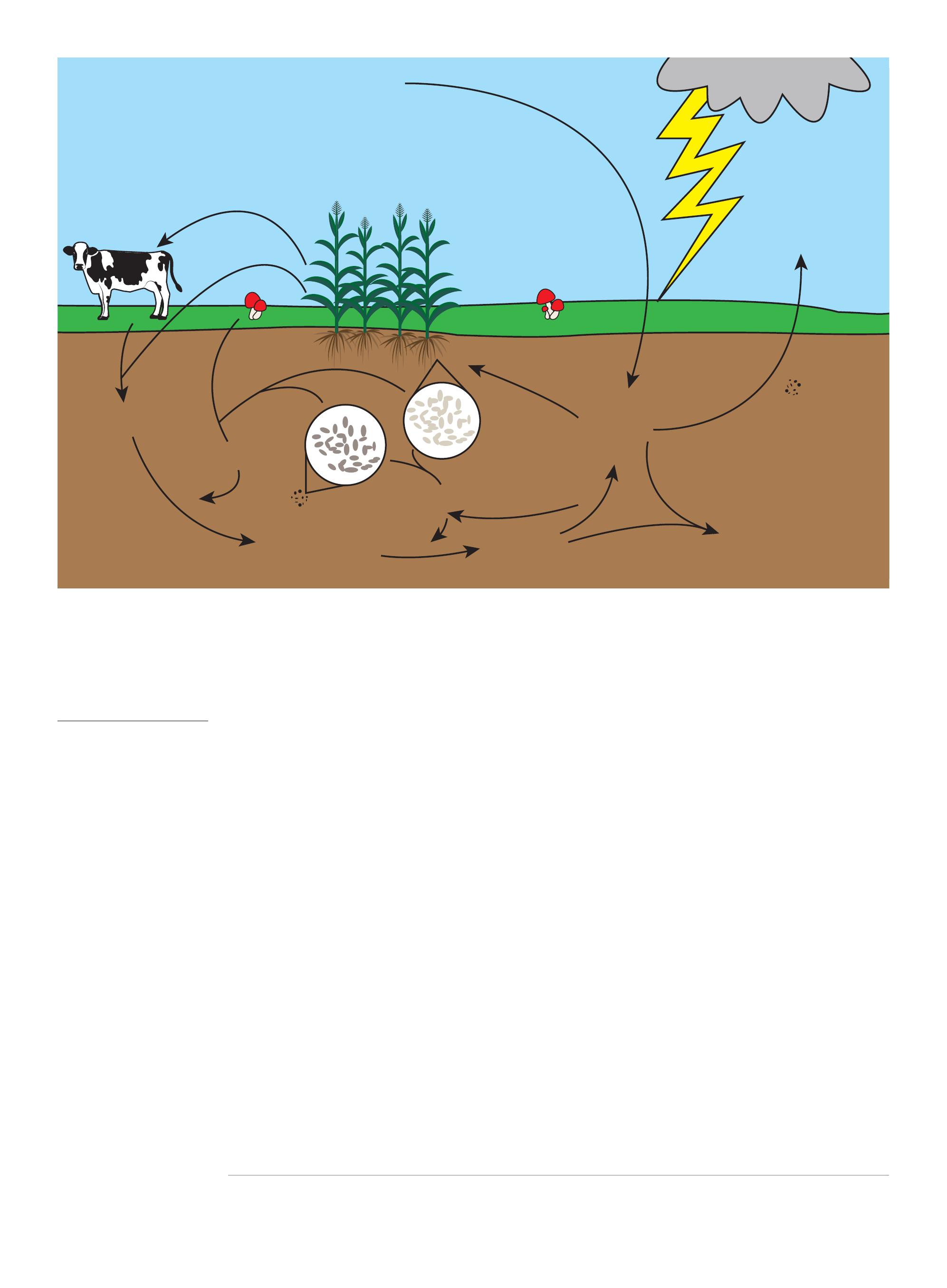
What happens to the excreted nitrogen? That depends on the animal housing and manure collection/storage process. Most of the nitrogen excreted by dairy animals is in the organic form. Let’s look at the highlights of the nitrogen cycle. Organic nitrogen needs to be mineralized to ammonium, a plant available form of nitrogen. It’s not particularly mobile. It clings to negatively charged particles including clay. It may also off gas to the atmosphere as ammonia. Or, ammonium may be converted to nitrite and nitrate through nitrification. Nitrate is also plant available. Unfortunately, since nitrate has the same negative charge as most soil particles, it does not cling to soil particles. In fact, it leaches easily when excess rain or irrigation water is applied. Nitrate may be fully denitrified and leave the solid/liquid system as N2 gas. This colorless, odorless gas makes up about 78 percent of the air we breathe. Microbes and enzymes present in the soil are responsible for nitrogen metabolism. Most nitrogen in manure is in the organic frac-
tion. The fact that it’s organically bound is great for the soil, as organic amendments are a great way to help build up soil organic matter content. However, the timing of availability of organic nitrogen is not as predictable as we’d like it to be in order to manage crop nutrient needs based on organic nitrogen applications.
Urea is the next largest form of nitrogen excreted in cattle urine. Urea is no stranger in farming. In fact, synthetic urea is used as a fertilizer. When entering the dairy manure stream, urea is often hydrolyzed to ammonium (if in a moist or wet environment) and then either volatilized as ammonia or it stays in solution. Ammonium in liquid manure is plant available. Ammonium will volatilize. Volatilization increases as pH, temperature, and wind speeds increase. Site-specific conditions, including management, impact how much ammonia is volatilized. When liquid manure is managed to conserve nitrogen, the next step is to manage it to minimize losses. Ammonium can undergo nitrification to nitrate after land application. Matching application timing and rate to crop needs is key to be efficient with nitrogen incorporation into plant matter and not lost to the environment. The nitrification process requires an oxygen rich environment [note: very few dairy lagoons in California would promote nitrification within the lagoon]. Ammonium may also remain adhered to soil particles. Under our hot summer conditions, urea in open lots may not hydrolyze as the moisture rapidly dissipates. Urea that hydrolyzes in open lots will likely volatilize as ammonia.
Rapid drying of open lot feces and urine has the greatest potential to conserve nitrogen. Keeping corrals dry and well managed will minimize pockets of wet material. Some operators harrow daily to break up clods and aid in drying. This is helpful to reduce fly populations as well as conserve urinary nitrogen. Management of solid manure through active composting is great to reduce microbial populations present, however it will result in loss of ammonium as piles are turned and rewetted. Flush systems regularly collect feces and urine from concrete lanes and transfer the material to a liquid storage/treatment structure. Urea is hydrolyzed and ends up in the liquid system as ammonium. The amount of this volatilized to the atmosphere will depend on wind speed, pH, temperature, and exposure surface. If you actually smell
ammonia at the bank of a lagoon, you might want to check the pH and see what modifications are possible to lower the pH to something closer to seven.
First, identify what you expect the technology to accomplish (its job description) before you ask any questions about the technology. If you want a technology that removes solids from a liquid waste stream there are many different types and they all function a bit differently. If this is your focus, carefully evaluate your bedding source, amount used and particle
size length. Experience shows us that particle length of different bedding sources varies, resulting in big differences in how separators or technologies work from dairy to dairy. Alternatively, if you want a technology that reduces the amount of nitrogen you emit to the atmosphere from your manure treatment/storage area, then perhaps you’re considering monitoring and management of pH, temperature, and wind speed. Transferring nitrogen from the liquid to the solid phase opens up greater opportunities for nitrogen exports.
Carefully identify the job description and expectations (manure function, employee labor, etc.) of any new management practice or technology before you consider it for your facility. Do your due diligence with air and water regulatory agencies before considering purchase and installation.
Yes, the nitrogen cycle is complex. Yes, nitrogen is very important to manage in order to maintain groundwater quality. Yes, there are things one can do. First, talk with your dairy nutritionist to be
sure you’re not over feeding nitrogen to your animals. Second, evaluate manure handling to optimize nitrogen conservation once excreted. Keep solids in corrals dry in summer. Regularly flush lanes to collect and contain urea/ammonium nitrogen. Third, talk with your crop consultant about organic nitrogen variability.
Dr. Deanne Meyer is a livestock waste management specialist in the department of animal science at the University of California – Davis.
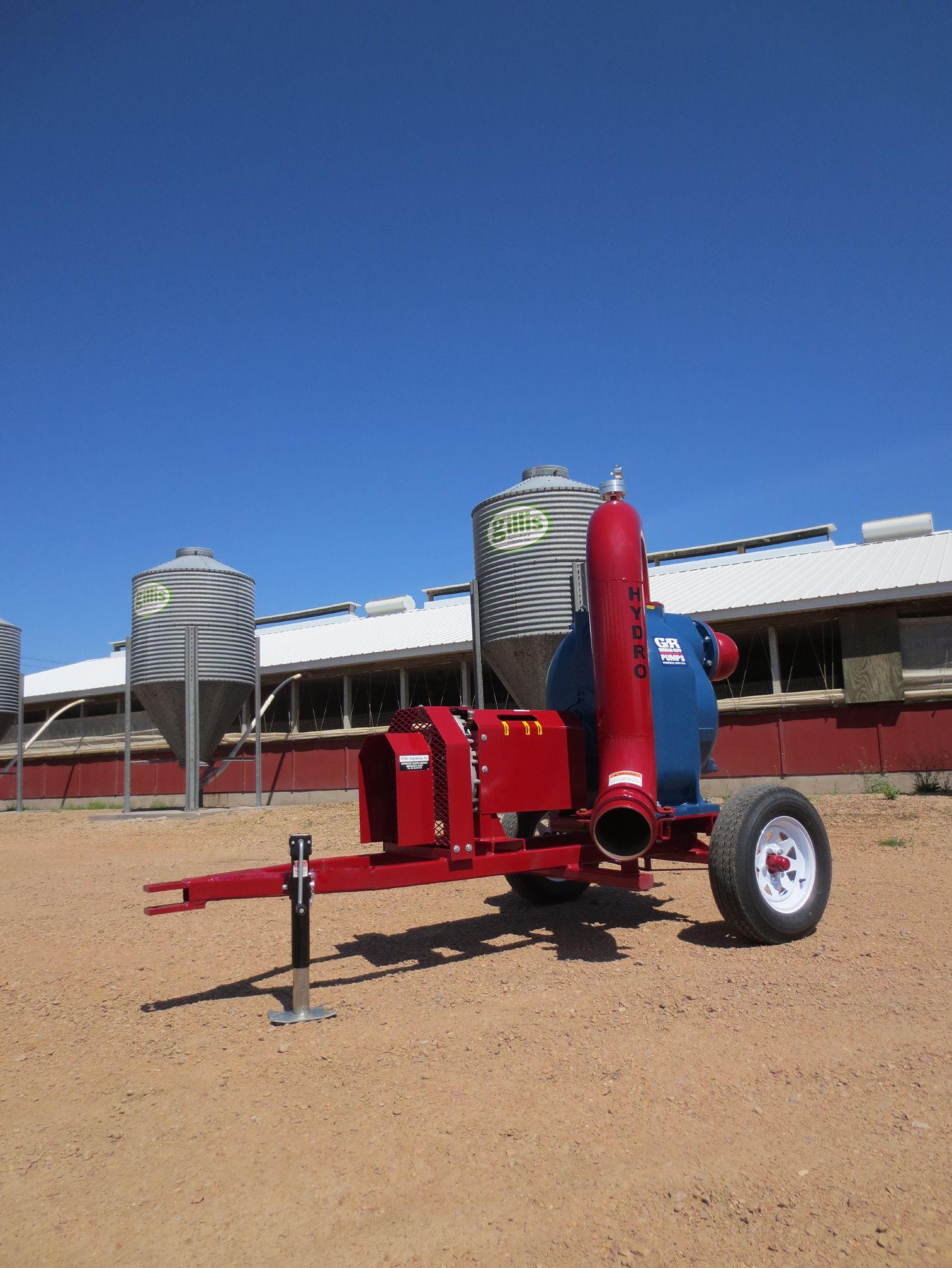
Hydro Engineering Disinfection System
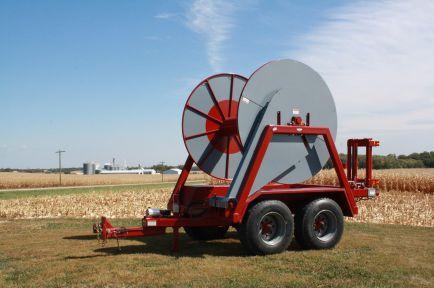
Hydro Engineering, Inc. introduces the Disinfectant Application System, a modular vehicle wash and disinfection system that utilizes a full 360 degree tunnel spray that coats vehicles in disinfectant. The DAS is 100 percent automatic requiring no one to attend the unit during operation. hydroblaster.com
Bazooka Farmstar toolbars
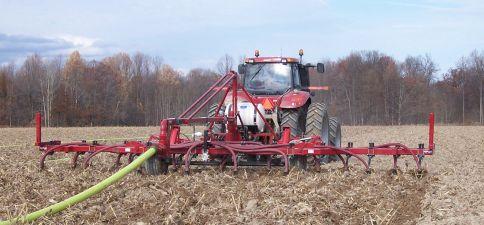
Bazooka Farmstar has expanded its toolbar lineup with the Dribble Bar and Titan GenTill Toolbar. The Dribble Bar includes an 18 port timed manifold to 36 dribble lines spaced every foot. The Titan GenTill Toolbar features a front folding wing and swing arm design. bazookafarmstar.com
IEC ratchet cover
Industrial & Environmental Concepts (IEC) has released a new ratchet cover that can be installed on concrete and metal wastewater tanks that are rectangular, square or circular. The ratchet cover controls odors and prevents rain, algae and evaporation. ieccovers.com
MAKE THE MOST OF Manure Nutrients this Fall
When properly managed, manure can improve soil health by supplying nutrients to microorganisms and increasing the amount of organic matter in the soil. But if you don’t test, you don’t know the value.
Manure is a very important nutrient resource. With proper management, it can also improve soil health by supplying nutrients to microorganisms and improving water infiltration and retention by increasing the amount of organic matter in the soil.
But before heading to the fields and applying manure this fall, consider submitting a manure sample.
“If you don’t test, you won’t know the value of the nutrients you’re applying,” says Dr. Jim Friedericks, AgSource Laboratories’ outreach and education advisor.
Friedericks explains although there are “general book values” on the nutrient content of manure, there are many factors that affect the numbers, including animal species, rations, production management and facility type. Even the bedding type makes a difference. The type of storage, handling and agitation system can all move numbers as well.
“Two neighboring barns with the same design and management could even have a wide variation of nutrients in their manure,” he says. “It’s important to test to see exactly what you have.”
The minimum recommendation suggests testing for total nitrogen, phosphorous, potassium and moisture. Testing for ammonium (NH4) can also be very useful since it is a measure of the amount of immediately available nitrogen.
“The ammonium levels can help determine how to best apply and treat your manure,” says Friedericks. “For example, manure from a swine pit with high ammonium levels should only be injected into the soil when soil temperatures are at 50 [Fahrenheit]
Basic Manure Sample Tips:
• Plan Ahead, Sample Early: Collect and submit samples before the busy harvest season starts to reduce stress and headaches. It takes time to agitate and sample manure, especially from multiple locations. But manure in storage is relatively stable, so sampling a few weeks before application will give you reliable results. Allow enough time for the sample to get to the lab and be tested.
• Use the Proper Container: No glass containers! Use plastic sample jars, typically available at the lab.
(at four-inch depth) and cooling, which will slow the denitrification process. Manure with low ammonium content can be broadcast with fewer risks. In general, if ammonium numbers are high the manure should be incorporated into the soil quickly.”
Manage manure as a crop nutrient resource. Manure application rates should be based on soil testing and the crop fertilization requirements of your next crop. Typically on most farms with a manure management plan, there will be a nitrogen or phosphorous limit that must be followed.
Friedericks also says it is beneficial to know about “manure nutrient availability” when calculating application rates. Some portion of the nutrients in manure cannot be utilized by the plant immediately. For example, in dairy manure, only 30 to 50 percent of the nitrogen and 80 to 100 percent the phosphorous can be used by the growing crop right away.
“Take the nutrient availability into account when determining application rates,” he says.
Most states have developed guidelines for manure nutrient availability:
• Wisconsin – http://learningstore.uwex.edu/assets/pdfs/ A2809.pdf (see page 73)
Testing for manure nutrients should be done prior to application. – Courtesy of AgSource Laboratories
• Label Samples: Full sample jars look very similar. Be sure to label and record sample numbers on the container and on the information sheet. When shipping the samples, seal the sample jar in a plastic bag but place the information sheet outside the bag. This will help keep the info sheet clean in case of a leak.
• Handle Samples Carefully: Remember, manure is a biologically active material. It is best to collect the samples, cool or freeze immediately, and send them to the laboratory the same day. Do not let manure samples sit in hot areas, such as a dashboard of a truck, for any period of time. Clearly label all containers and include a laboratory identification sheet with each sample.
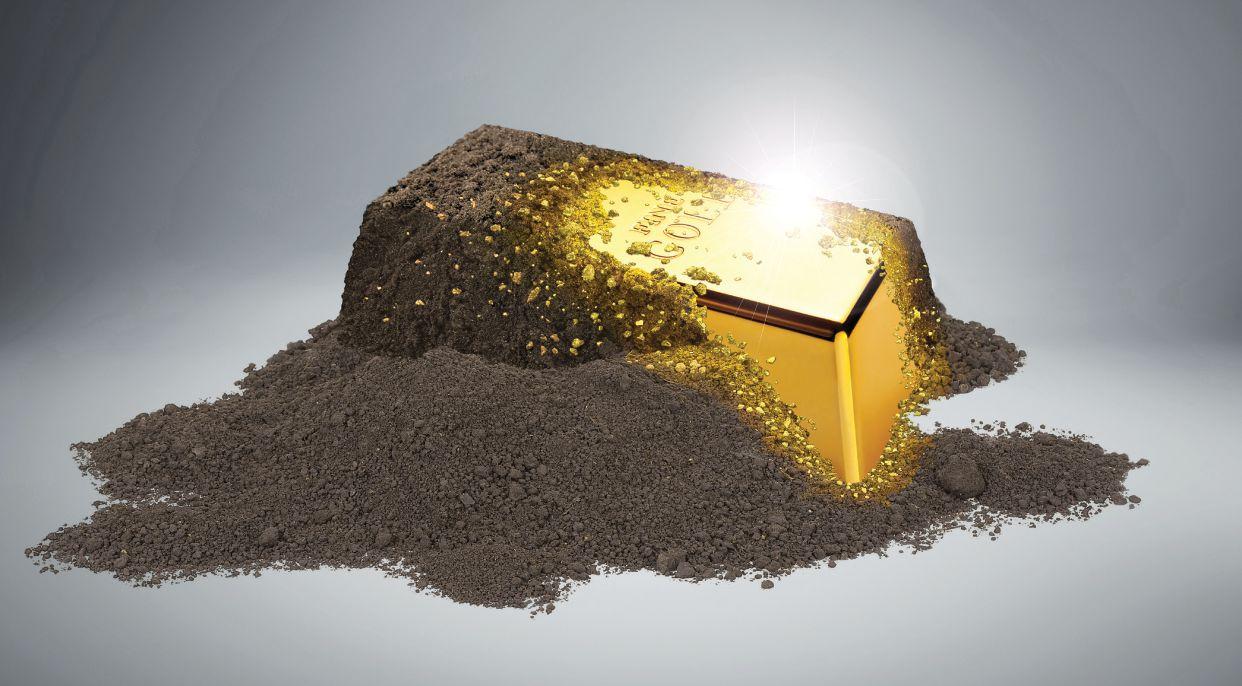
YOUR MANURE: A goldmine waiting to be developed
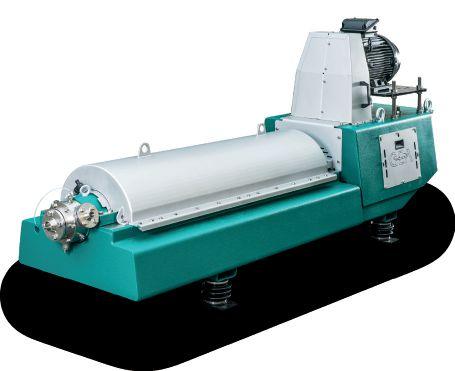
Make the most of your resources and the benefits of sound manure management thanks to the GEA Decanter Centrifuge.
Separating manure by a centrifuge process makes it possible to manage the solid and liquid fractions individually, with greater flexibility and efficiency. By eliminating up to 100% of the phosphorus content in the liquid, you will have more options and leeway in your manure spreading schedule to apply the necessary nutrients at the time when your crops need them the most. The solid fraction, which is more nutrient-rich, is easily transportable at a reduced cost to deficient fields further away.
You can rely on GEA’s expertise and farming knowledge to transform the manure produced by your livestock into gold!