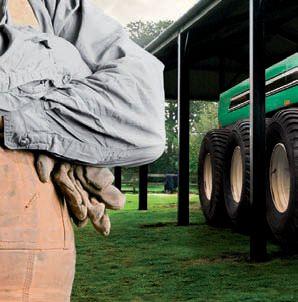
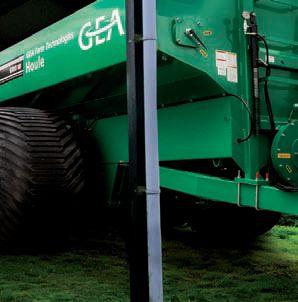
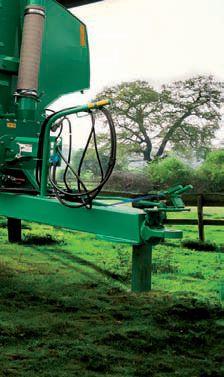
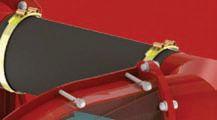
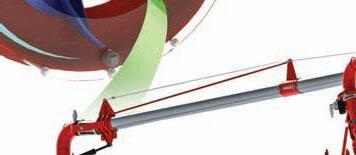
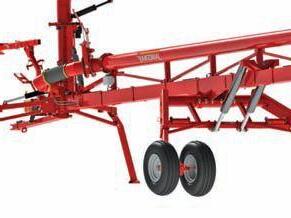
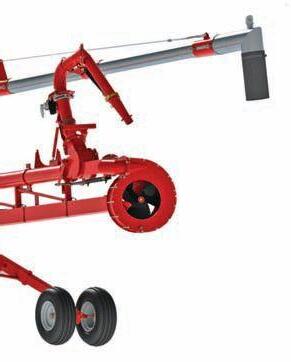
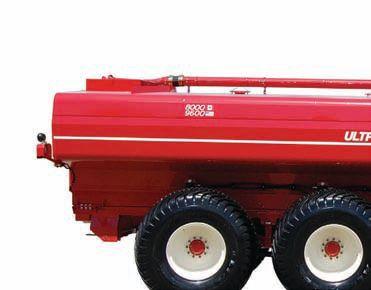
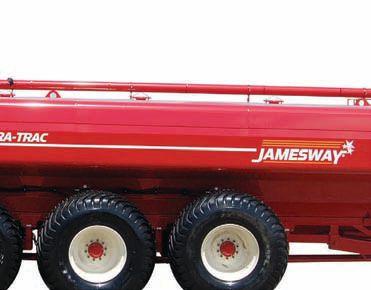
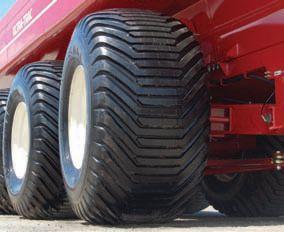
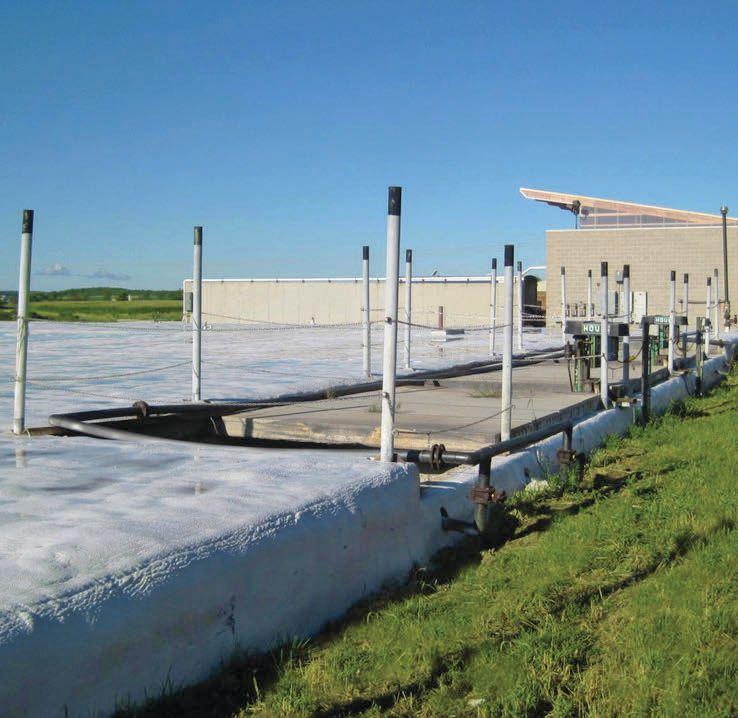
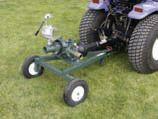
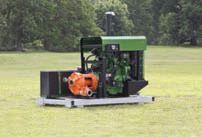
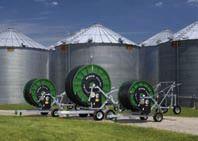
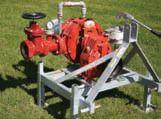
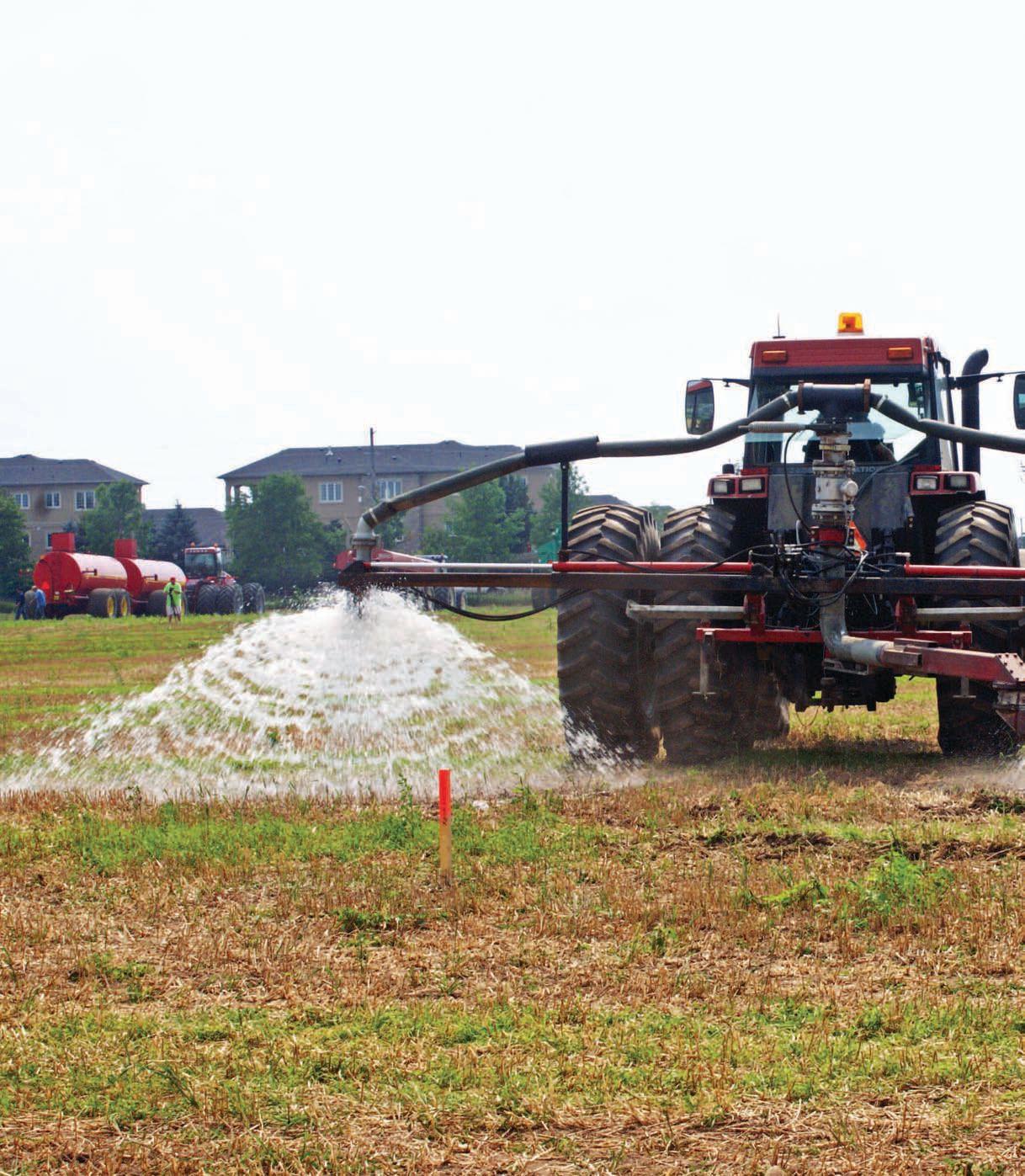
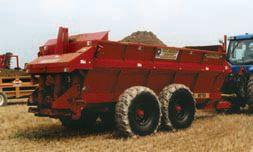
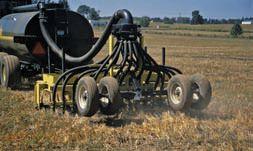
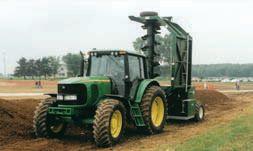
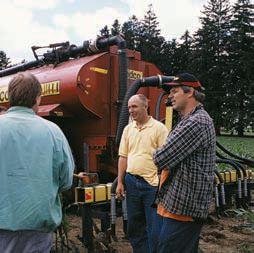
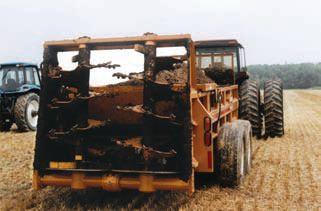
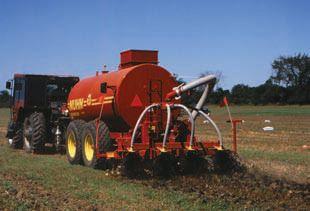
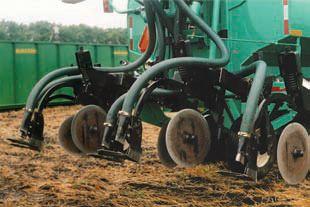
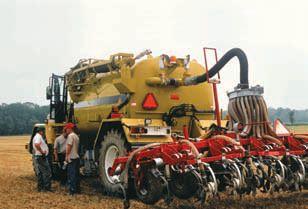
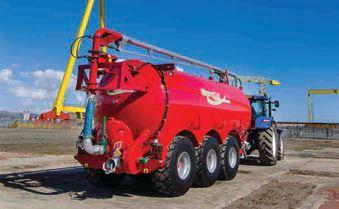
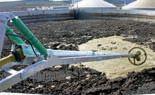
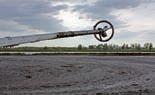
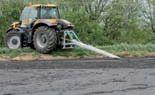
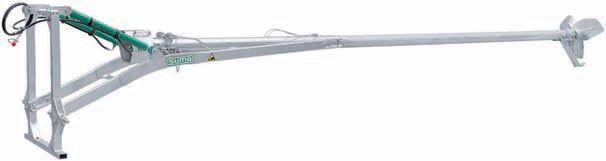
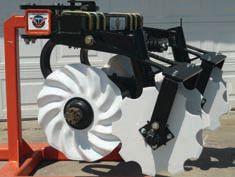
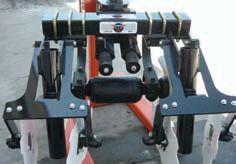
There is nothing like the feeling of getting the job done with reliable and efficient equipment. The Steerable Series Spreaders are designed and manufactured to easily operate on all types of terrain – even in extreme conditions. In addition to the power steering system and the hydraulic suspension on each wheel, many other options and tool bars are offered to ease your work in the field. GEA Farm Technologies provides the efficiency that your job demands.
Steerable Liquid Manure Spreaders
GEA Farm Equipment | Houle
GEA Farm Technologies Canada Inc.
Tel. 1.800.563.4685 / Fax. 1.819.477.0486
www.gea.com / www.geahoule.com
engineering for a better world
GEA Farm Technologies
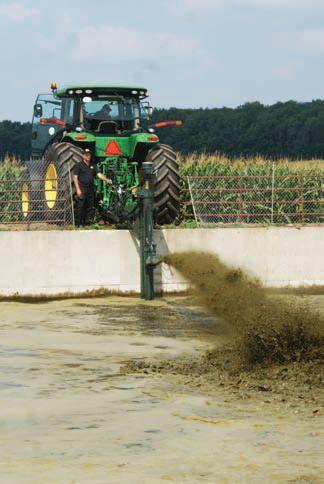
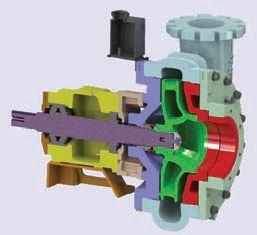
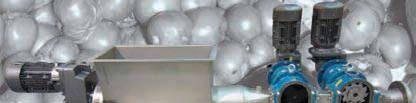
HYBRID LAGOON PUMP
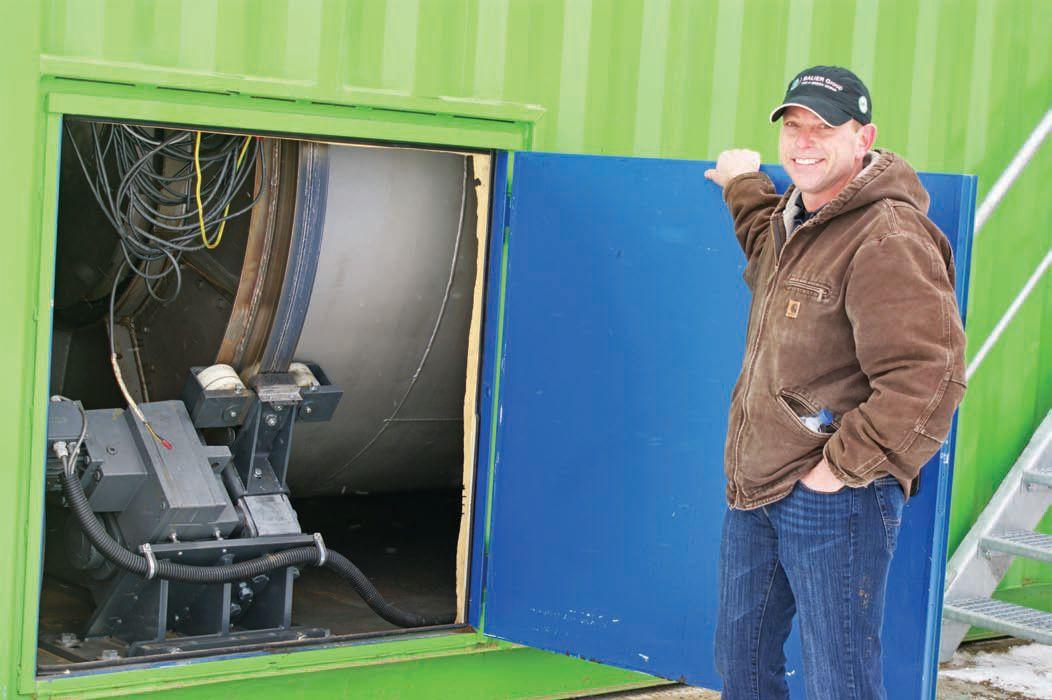
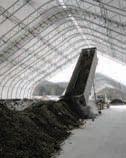
The PUMPELLER Hybrid Turbine revolutionizes manure pump performance. Incredible intake suction pulls solids into the cutter knives, reducing the toughest crust to nothing in just seconds. The turbine combines the high-volume mixing of a propeller agitator with the power and reach of a lagoon pump, the resulting hybrid design radically outperforms both.
ULTRA TRAC : STEERABLE SPREADER TANKER
Jamesway’s ULTRA-TRAC steering and powerful industrial brakes keep you in control and on the road.
FEATURES
Steering operates at road speed
Jamesway’s steering system operates completely automatically at any tractor speed.
Fully automatic, no operator input is required
Extremely simple construction, easy-to-maintain
Minimizes “jackknife” force during cornering
Reduces tire wear
Reduces strain on axles
Reduces road and field damage
September/October 2013
Volume 11 • No. 5
Published by:
Annex Publishing & Printing Inc.
P.O. Box 530 Simcoe, Ontario N3Y 4N5
Editor
Margaret Land • (519) 429-5190, (888) 599-2228, ext 269 mland@annexweb.com
Contributing Editors Tony Kryzanowski, Dave Vincent
President Mike Fredericks mfredericks@annexweb.com
Publication Mail Agreement #40065710
RETURN UNDELIVERABLE CANADIAN ADDRESSES TO CIRCULATION DEPARTMENT, P.O. BOX 530, SIMCOE, ON N3Y 4N5
e-mail: subscribe@manuremanager.com
Printed in Canada
Circulation
e-mail: subscribe@manuremanager.com
Tel: 866-790-6070 ext. 211 Fax: 877-624-1940
Mail: P.O. Box 530 Simcoe, ON N3Y 4N5 Subscription Rates
Canadian Subscriptions
$35.24 Cdn, one year (with GST $37.00, with HST/QST $39.82)
U.S. Subscriptions: $47.00 USD, one year
Occasionally, Manure Manager will mail information on behalf of industry-related groups whose products and services we believe may be of interest to you. If you prefer not to receive this information, please contact our circulation department in any of the four ways listed above.
All advertising is subject to the publisher's approval. Such approval does not imply any endorsement of the products or services advertisted. Publisher reserves the right to refuse advertising that does not meet the standards of the publication.
Website: www.manuremanager.com
Back to the courtroom
MBy Margaret Land
y mother always wanted me to become a lawyer. I’m sure I’ve mentioned this before, but given the current litigious climate of North America, it just seems to keep popping up.
In light of the numerous civil suit news items and press releases that cross my desk every week, I’ve been thinking Mom was right. The only people making any money in today’s climate of animosity and disenfranchisement are lawyers.
The latest lawsuit information to catch my eye came in late August with an announcement that a coalition of environmental groups had filed suit against the U.S. Environmental Protection Agency (EPA), challenging the agency’s withdrawal of a proposed rule – the Clean Water Act (CWA) Section 308 – that would have allowed the EPA to collect basic information from large-scale livestock operations. According to the organizations – the Center for Food Safety, the Environmental Integrity Project, Food & Water Watch, the Humane Society of the United States, and Iowa Citizens for Community Improvement – “the information at issue is critical to the EPA’s ability to protect waterways from pollutants produced by factory farms, one of the country’s largest sources of water pollution.”
The press release goes on to quote lawyers, chief counsels, senior attorneys and executive directors from the plaintiff organizations as they badmouth large-scale livestock agriculture, describing the farms as “one of the largest sources of pollution threatening our nation’s rivers, streams and bays” and “the nation’s largest and dirtiest operations.”
The largest and dirtiest operations in the U.S.? The largest sources of water pollution in the country? I beg to differ.
In early August, the Port of Tacoma plus two of its contractors agreed to pay $500,000 in fines and spend more than $3 million to restore wetlands in the Puget Sound. In 2008, it was discovered the port had hired contractors to raze four acres of wetland in a bid to eradicate vineyard snails from the area. They did not have the necessary CWA permits required to work in the wetlands.
Just this past July, the San Antonio Water System (SAWS) – a public utility owned by the City of San Antonio – agreed to pay $2.6 million in civil penalties and spend more than $1 billion to upgrade its sewer systems after it was discovered the system had overflowed 2,200 times, releasing 23 million gallons of raw sewage into local waterways, between 2006 and 2012.
In the same month, the City of Wilmington, New Hanover County and the Cape Fear Public Utility Authority in North Carolina agreed to pay $300,000 in fines and bring the local sewer system into compliance after numerous sewage overflows.
“Sewage overflows are a significant problem in the Southeast because of inadequate and aging infrastructure,” said Stan Meiburg, acting EPA regional administrator at the time, adding the area had “long-standing sewage overflow problems.”
During this same two-month time span, the federal environmental watchdog posted no reports on charges against any farming operations violating the CWA. That’s not to say there were no manure spills or lagoon overflows that occurred during that time period, but none were at the level to require federal fines.
Based on this information, it would appear that ignorance and raw human sewage are doing more to damage U.S. waterways and communities than large-scale livestock operations are. Perhaps it’s time environmental groups thought more about what happens after they flush their toilets before flushing more federal funds into the pockets of lawyers through nuisance lawsuits.
The complaint against the U.S. EPA is available at: http://environmentalintegrity.org/news_reports/08_28_2013.php.
Weather is out of your control. Now you can be in control and confident.
T-L’s exclusive, continuous-move, hydrostatic drive performs the best! Delivering the most even water distribution in the industry and proven crop production. You deserve the superior reliability of a T-L Irrigation System for the long haul of an extended heat wave.
Now, available for a limited time, you will receive the best value and save $5200 on a quarter mile center pivot with T-L’s Harvest Special pricing. Call T-L Irrigation or your T-L Dealer today to learn more or visit www. tlirr.com. Act now to guarantee your early fall delivery. Get T-L’s Proven Technology that Works!
sustaina B ility the h olsum way
Anaerobic digestion generates four income streams for Holsum Dairies
By Tony Kryzanowski
Since its arrival in Hilbert, Wis., in 2001, Holsum Dairies LLC has had a huge positive impact on the surrounding community.
The company has provided jobs and a new feed market for local farmers, while ensuring it is having minimal impact on the local environment by using anaerobic digestion to process its raw manure. This provides a source of cheaper organic fertilizer back to its farm feed suppliers and cheaper bedding for itself and other area dairies.
The dairy is co-owned by veterinarian
Dr. Bob Nagel and Kenn Buelow along with a group of investors from New Mexico. The company operates two dairies about 30 miles south of Green Bay called Holsum - Irish and Holsum - Elm. Together, they produce about 110 million gallons of manure annually. The ownership group is seriously contemplating the construction of a third dairy.
The group is keen to maintain good relations with its neighbors by minimizing odor and carefully managing the nutrients in its waste stream, without losing sight of the need to operate profitably. The decision to use anaerobic digestion to process its manure is contributing significantly toward achieving all those goals.
“We’re always going that extra mile to make sure that we’re up front and well communicated,” says Dr. Nagel, adding that the dairy contributes about $24 million
annually for such services as plumbing and electrical, hauling, equipment repair, and agricultural work within Calumet County, where Hilbert is located.
Holsum - Irish was built in 2001 and Holsum – Elm in 2006. The size of the dairy herd at Holsum – Irish is 3,900 head and at Holsum - Elm it is 4,500 head. Each dairy consists of three free stall barns and two anaerobic digesters.
The owners chose to build in the Hilbert area of Wisconsin because of its geology, which has good clay for groundwater protection. It also has a lot of limestone, which yields good sources of water.
In terms of support for the dairy, the area had a large surrounding farm community, which provides it with a good potential resource for feed as Holsum Dairies has very little cropland of its own. Holsum depends heavily on its local feed
Holsum Dairies, which operates two farms – Irish and Elm – was one of three farms from across the U.S. recognized in 2012 for their sustainability efforts. Photo courtesy of the Innovation Center for U.S. Dairy
suppliers, and having such resources has really made it financially worthwhile for area farmers.
“We pay them $50 per acre more than if they sold their crops as grain,” says Buelow. The dairy has partnered with 40 farmers who supply them with feed and who purchase their high nutrient liquid by-product from the dairy lagoon for organic fertilizer at a discounted rate.
“It’s been a very good relationship with our farmers,” says Dr. Nagel. “They have been great to work with. It’s all about good communication and structuring the situation so that it is fair and straightforward for everybody.”
Holsum supplements its feed supply by using by-products generated by other agriculture industries, such as cotton seed, canola meal, soybean meal, corn gluten feed, brewer’s grain and distiller’s grain.
The company’s manure management method is to process all 110 million gallons through four anaerobic digesters supplied by local company DVO Inc. Digesting the manure instead of land applying it as raw manure, Dr. Nagel says, helps the dairy deal with what would have been a significant odor problem. Using this disposal method also provides it with several additional potential income streams.
The two newest digesters installed at Holsum – Elm cost about $2.4 million, and Dr. Nagel says they have paid for themselves. He estimates that it took about 4.5 years for the payback to occur. They did receive a small federal grant for their installation.
The digesters are lower temperature digesters, operating at between 97 and 99 F and two were installed at each dairy when they were built. Dr. Nagel adds that the main reasons Holsum chose DVO were because it was very helpful working with the dairy through the learning phases when the digesters were installed and because DVO is local, which means that service support is close by if needed.
All of Holsum Dairies’ barns have sloped floors. The dairy waste water and manure generated by the dairy herd is all scraped into a central, concrete lined reception pit installed at each dairy location, which has enough capacity to store about a day’s worth of manure. Then the mixture is fed into the digesters, which are located about 250 feet from the barns. The anaerobic digestion system is a continuous flow system. Raw manure is constantly entering the digesters at the infeed from the storage pit, while biogas, a high nutrient liquid stream and a solid steam are constantly being generated at the outfeed. The raw material is designed to stay in the digester for 21 days, but in reality, Dr. Nagel says, it
When
takes about 17 days.
“We like to think of it (the digester) as a cement cow’s rumen,” he says.
The digester consists of three chambers. The first chamber is called the acid chamber where the manure is heated and its pH is changed. It then proceeds through two more chambers, which are mixing and maintenance chambers. The entire digester is covered, with the biogas rising to the top. A piping system captures the biogas, it undergoes a conditioning process, and then it is transported to electric generator engines as fuel. After the digestion process and as the treated material exits the digester, it undergoes a separation process to separate out the solids from the liquids by passing through FAN screw presses. Each dairy has three screw presses. The high nutrient liquid waste stream is collected in a lagoon capable of storing 110 million gallons. All three by-product streams – the captured biogas, the liquid by-product stream and the solid by-product stream –generate income for the dairy.
The biogas-fueled electric generators supply power under a Power Purchase Agreement (PPA) to local power utility Wisconsin Public Service. All the power generated is fed to the power grid with a
portion wheeled back to supply all the power requirements for both dairies, including the operation of their milking machines, fans and lights. About 900 kilowatts is produced at the Holsum – Irish dairy and another 1,200 kilowatts at the Holsum – Elm dairy. They produce more power than they can use, as they consume only about 40 percent of what they generate. The remaining 60 percent of surplus power is sold as a commodity to Wisconsin Public Service.
The DVO anaerobic digestion system is a co-generation system. In addition to generating power, the heat produced by the reciprocating engines on the generators is used to provide about 85 percent of the dairies’ heat requirements as well as maintaining the temperature within the digesters even during the cold winter months.
The high-nutrient liquid by-product stream is collected in a three-stage lagoon and sold back to Holsum Dairies’ farm feed suppliers as organic fertilizer.
“The three-stage lagoon helps us to partition the liquid waste stream according to plant needs,” says Dr. Nagel, as most of the remaining solids tend to collect in the first stage, with the nutrient content diminishing as it progresses through the
the owners built both locations of Holsum Dairies, they installed two anaerobic digesters at each location. This one is located at Holsum-Elm. Photo courtesy of DVO Inc.
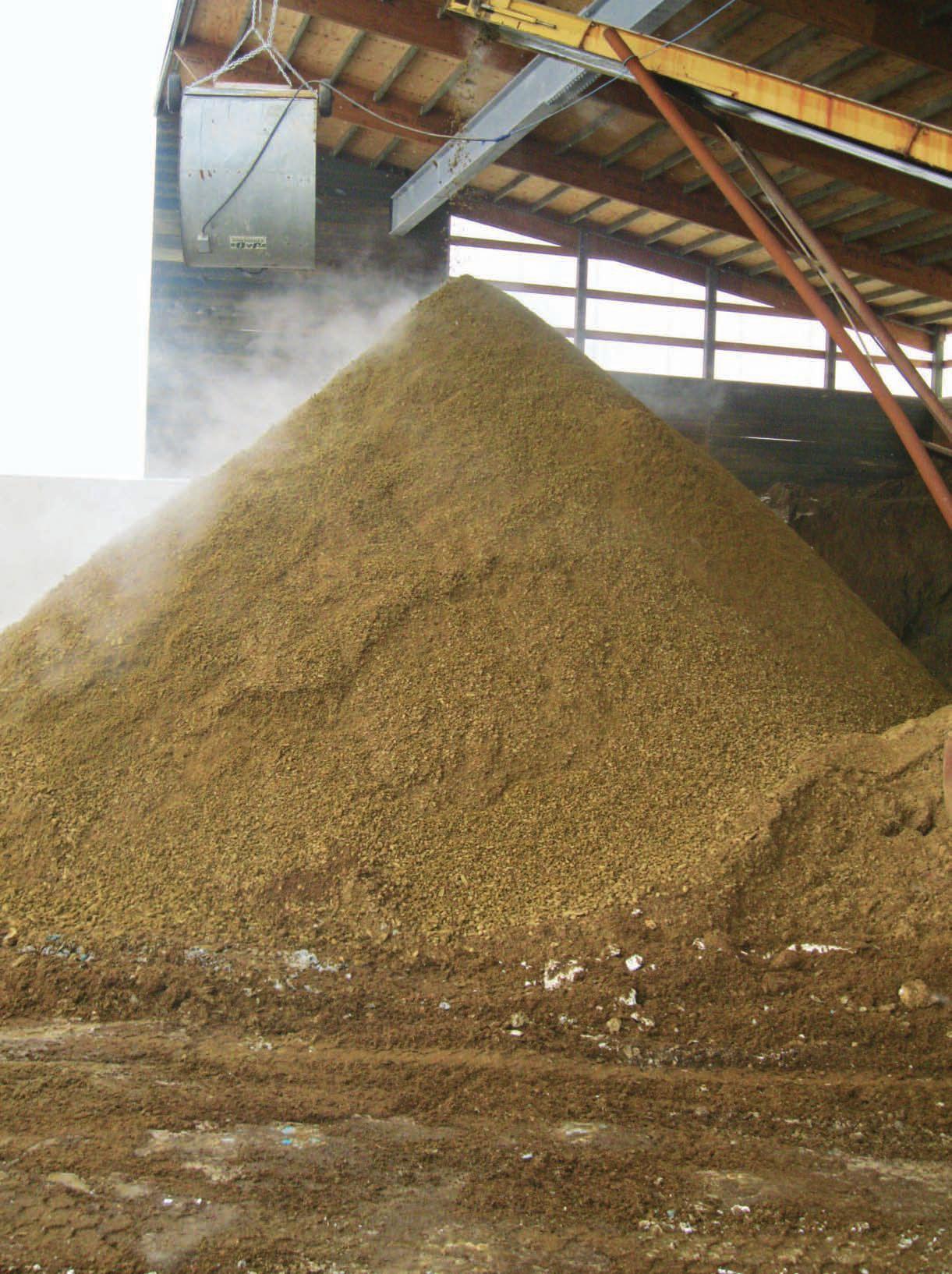
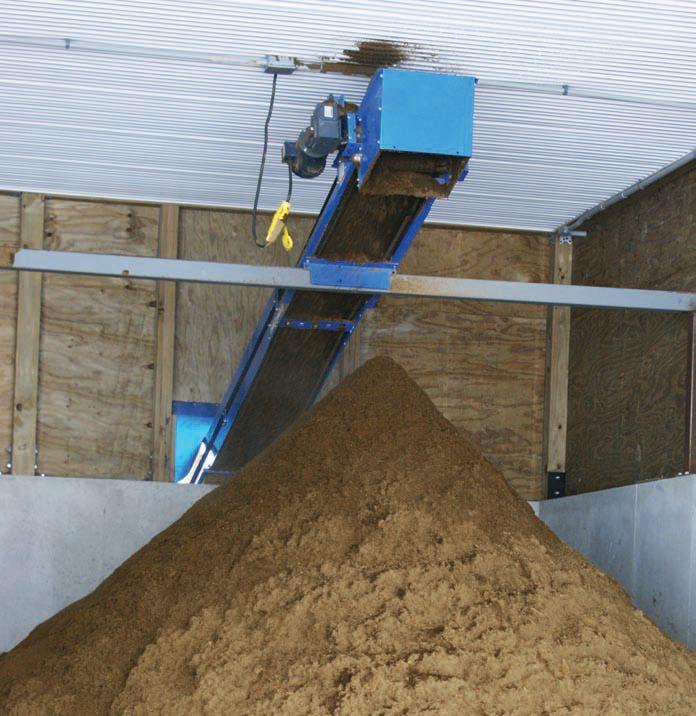
The solid, almost pathogen-free by-product from the Holsum Dairies digesters is reused as bedding and saves the dairy about $240,000 in bedding costs per year. Contributed photo
second and third stages.
“Because of how it is partitioned, our last stage lagoon tends to be high potash and low phosphorus and nitrogen, which is a great fit for alfalfa crops,” Dr. Nagel adds. “Our first stage tends to be higher in solids, which is also higher in nitrogen and phosphorus. That is a better fit for corn crops.”
To stay on good terms with area residents, the company transports about 82 percent of the liquid by-product collected in the lagoon from the digesters and applies it to surrounding cropland using a drag hose system, which saves on a lot of wear and tear and traffic on local roads. The dairy’s custom manure applicator is Phil’s Pumping, headquartered in Chilton, Wis., and the liquid is pumped as far as five miles for field application.
Because the recycled solid by-product stream is largely pathogen free after being heated during the digestion process, it is reused as bedding at the dairy. Holsum Dairies uses a portion as bedding itself, which Dr. Nagel says saves them about $240,000 annually between the two dairies in bedding costs. Its consistency is about 30 percent dry matter and 70 percent moisture, and they try to use it when it is as fresh as
possible because if it sits too long it will start to heat up. They sell surplus solid byproduct for bedding to seven other dairies.
And because Holsum Dairies uses anaerobic digestion to process its raw manure and uses the biogas to produce power rather than allowing it to enter the atmosphere if it is being land applied as one of the components of the raw liquid manure, it is generating carbon credits for the dairy. These carbon credits are being successfully marketed as yet another income stream.
The dairy also collects tipping fees from extra substrates that it mixes with its own raw manure waste stream that enters the digesters.
“We get some washed down waters from a couple of different food manufacturers that are high in nutrients that the city municipal systems can’t handle,” says Dr. Nagel, adding that these extra substrates have had a positive impact on biogas production.
Operating the digesters has not been without its challenges. For example, the dairy has taken about six weeks’ downtime to clean out the buildup of solids.
“We know that putting really long fibres or heavy ash materials into the digester is a bad thing because they definitely will build
up in the digester,” says Dr. Nagel. “For example, putting straw in a digester is just a poor choice.”
The material they recovered, however, was high in nutrient content so it had value as organic fertilizer and was disposed of easily.
He adds that it is important to have consistency of material entering the digester “because like feeding a cow, you want it to be consistent so that it functions the same every day.”
Holsum also has signed a maintenance contract for the service of the generator engines, with payment based on uptime and electrical production.
Overall, Dr. Nagel says, treating their manure using anaerobic digestion has been a positive experience.
“Would we do it again if we built another dairy?” he asks. “No question.”
In 2012, the inaugural year for the U.S. Dairy Sustainability Awards, Holsum Dairies was one of three dairies from across the U.S. recognized for their sustainability efforts.
Flying high
Michigan airport partnership with dairy on manure application delivers quick results
By Tony Kryzanowski
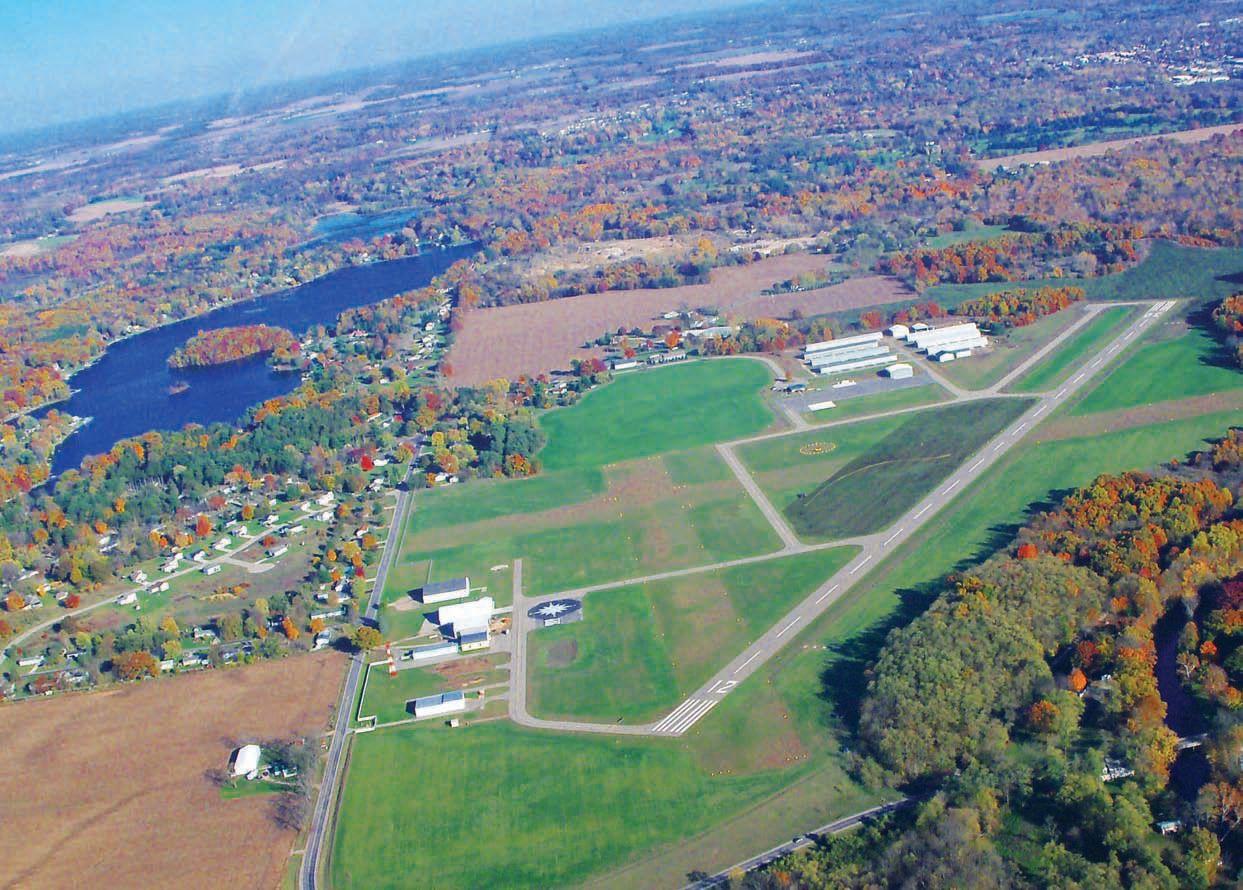
Pilots flying into the Hastings City/ Barry County Airport in Michigan have little trouble spotting their target these days as it is often the only green patch of land on the horizon, thanks to the airport’s agreement to allow a local dairy farm to spread liquid manure on its open areas and grass runways.
Airport manager Mark Noteboom says the airport began working with its neighbor, Sand Creek Dairy, four years ago to put 100 acres of the more than 340-acre airport site into alfalfa in an effort to improve the appearance of the facility and better manage wildlife wandering into the area. More recently, the airport allowed the dairy
to surface apply liquid manure using a drag hose system from its dairy lagoon to fertilize crop areas on airport lands, including the infield and two grass runways.
The airport caters to smaller aircraft, including ultra-lights, gliders, helicopters and the military, hosting as many as 25,000 takeoffs and landings per year.
The results of applying the liquid manure were almost immediate. According to custom manure applicator Dan Shaw, who operates as MTI Inc., and is responsible for applying the manure, the site went from an unsightly brown (because of the difficulty growing vegetation in the light, sandy soil) to a park-like green after the airport started to apply liquid dairy manure. MTI has been handling all of Sand Creek Dairy’s manure application in the farm’s vicinity for the past six years. The company is headquartered 50 miles east of Saginaw in Michigan’s thumb area.
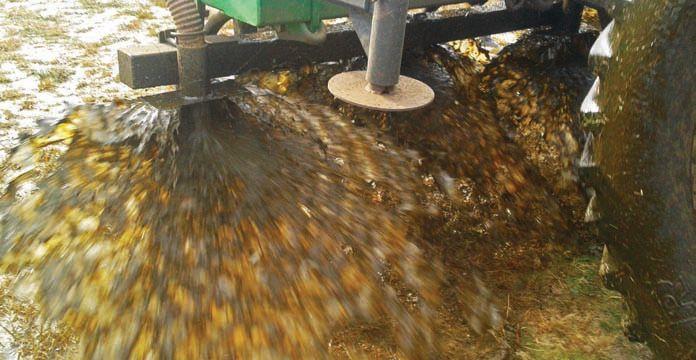
Because the dairy grows feed crops like alfalfa and hay as opposed to commercial crops like corn or soybean on the airport property, Shaw converted the injection bar on his drag hose system to splash pans to surface apply the manure.
“It has really built up the turf runways, which we needed to do,” says Noteboom. “If we had done that at our own expense, it would have been quite expensive.” He adds that no Federal Aviation Authority (FAA) approval was required for this project to proceed, except that the FAA prefers that only low ground crops be planted.
“There’s a lot of cropping on airports being done, but as far as spreading the manure the way they do it, there are very few airports that put on an application like this,” says Noteboom.
The main reason many have avoided it is because of concerns with odor. In the case of Sand Creek Dairy, it is using liquid manure from the fourth stage of its lagoon, which has the least amount of odor-causing nutrients in it.
“They have to have the right application method for us to allow them to do it – otherwise, no way,” says Noteboom. “The stuff Dan Shaw puts down now, it pretty much dissipates in one day and there is really no smell after a couple hours. So it’s pretty friendly stuff.”
Shaw operates the tractor that controls the drag hose system himself
The park-like green color of the Hastings City/Barry County airport compared to surrounding lands is largely due to the liquid dairy manure used on the airport’s infield and grass runways. Photo provided by Hastings/Barry County Airport
and says that applying the manure on the airport lands is challenging because unlike farmland – that tends to consist of one, unbroken tract of land – the airport property consists of a number of small parcels, which means it requires a lot more maneuvering and finesse.
“I’ve based my business on quality rather than quantity over the years,” says Shaw. “We do our best to do a good job. We like a challenge and the satisfaction is to see the results.”
That has resulted in considerably more custom manure application opportunities for him in the southern Michigan area, which has been increasing by about 10 million extra gallons per year. MTI is working with equipment suppliers Hydro Engineering and Bambauer Equipment to upgrade its fleet so that Shaw is able to apply more gallons per hour and meet the growing demand. He says working in the lighter soils near Grand Rapids helps him to get rolling with his business earlier in the year.
The airport estimates that it is saving at least $5,000 per year in maintenance costs by working with Sand Creek Dairy to fertilize and harvest feed crops from the airport property. It takes about three days for the liquid manure application to occur because of the number of small parcels
Custom manure applicator, Dan Shaw, uses a drag hose system to apply liquid dairy manure from the adjacent Sand Creek Dairy to airport lands at the Hastings City/Barry County airport in Michigan. Photo provided by Dan Shaw
involved. During that time, the airport closes the use of its grass runways. Applications occur once in the fall when there is reduced airport activity. It is typically done in November when flies are dead and it is cold enough so that there are minimal odor issues. Shaw adds that they also pay attention to wind direction when they apply the manure.
Sand Creek Dairy co-owner Luke
Haywood says the liquid manure application rate on the airport lands is carefully controlled and based upon the dairy’s nutrient management plan. The manure’s nutrient content is lab tested and applied according to recommended rates for the type of crops on the airport property. They apply between 20,000 and 25,000 gallons per acre of liquid manure from their stage four storage lagoon. He adds that gaining
permission to use liquid dairy manure on the airport land has provided a benefit to everyone involved in the project. The airport is saving money by not having to look after that 100 acres and it has a much more attractive facility. The dairy benefits by gaining more land to grow quality feed for its 1,200 dairy cows. And Dan Shaw has earned more business custom applying manure.
“By using manure on the airport fields, yield has increased three- to fourfold because of the lack of soil fertility and organic matter on the sandy soils,” says Haywood. “Previously, we were not able to cover our harvesting expenses with what grew naturally.”
Working with Hastings City/Barry County Airport is only one of many challenges that the Sand Creek Dairy must carefully manage as there are also about 20 expensive homes abutting the property. An important lake tributary also runs right between Sand Creek’s dairy barns, and there are also about 300 houses around the lake where the tributary begins to flow about a half mile away from the dairy farm. The situation is about as challenging as it can get from a manure management standpoint. It comes as no surprise that the dairy injects all the manure applied to its commercial cropland in the immediate vicinity of the farm, partially to minimize odor, also to achieve more nutrient recovery and minimize potential manure runoff. The liquid manure is surface applied on hayfields and alfalfa.
“When we surface apply, we try to pick a time of year when the weather is cool and try to avoid weekends and holidays so as not to interfere with neighbors’ outdoor activities,” says Haywood.
They also maintain 30-foot grass buffer strips near any public waterways on their property that are controlled by the state.
Located about 30 minutes southeast of Grand Rapids, over time the dairy has found itself surrounded by urbanization. It has been operating for 100 years and is now owned by the fifth generation of Haywoods. The current owners are Luke and Larry Haywood with spouses Renee and Ellen. Luke’s brother, Marc, also works on the farm. He is in charge of maintenance and machine repair. Luke’s three older sons –Ethan, Austin and Devin – work in the dairy. Along with younger brothers Colton and Brenden, they will one day become the sixthgeneration owners.
In addition to milk production, the dairy grows about 1000 acres of corn, 700 acres of alfalfa and 200 acres of mixed grass. They own about half of that cropland and rent the remainder. Larry Haywood has turned his cheese-making hobby into a small, artisan havarti cheese making business
Liquid dairy manure is applied on Hastings City/Barry County airport land using splash plates. Photo provided by Dan Shaw
SFP, More Than Manure and MTM
More Than Manure® (MTM®) Nutrient Manager is the first and only manure manager proven to reduce nitrogen loss and phosphorus lock-up in manure. That means improved nutrient efficiency for your crops, and better results in the bin. When pre-treated in a pit or lagoon, MTM can also reduce solids and ammonia levels, which will make your pit or lagoon almost, well…pleasant. To get your free starter pack and to learn more, visit us at sfp.com.
sfp.com | 888.446.GROW
with the assistance of three grandchildren. It operates as the Haywood Family Cheese Company.
The dairy milks 1,000 cows and manages an additional 200 dry cows. They are housed in four freestall barns – three milking barns and the fourth a hospital barn that houses both milking and dry cows.
that houses both milking and dry cows.
Within the barns, Sand Creek Dairy has alley scrapers that mechanically scrape the manure to the end of each barn. The flush/ flume then transports the mixture to a sand lane. Material that does not settle out in the sand lane is dumped into two settling chambers. The liquid is pumped from the second settling chamber over sloped screens to separate out the large solids. The liquid is then either pumped into the first stage of the four-stage lagoon or recycled through the closed-loop, flush/flume and sand lane system. The four-stage lagoon has a total capacity of about 18 million gallons. Once the liquid manure reaches the fourth stage, Haywood says, it is relatively free of sand and large fiber.
“I’m guessing we are getting about a 90 percent reusable bedding rate on our recycled sand system,” he adds.
The sand in the sand lanes is cleaned out with a loader twice a day. The dairy uses Pro-Act’s manure munching microbes to help improve water quality in the flush system and to minimize odor when the liquid manure is land applied.
Sand Creek Dairy land applies its liquid manure twice a year, contracting MTI and its manure injection drag hose system. While manure is injected on lands close to the dairy or surface applied in the case of hay and alfalfa, the dairy trucks manure stored in lagoon stages one to three and land applies it farther away from the dairy. Luke explains that they have taken this approach because manure collected in lagoon stages one to three tends to have a higher nutrient content and thus presents a higher possibility of creating an odor problem.
Using a drag hose application system has helped maintain good relations between the dairy and its neighbors.
“The advantage we have with the drag hose system is that it minimizes truck and tractor traffic in the neighborhood,” says Haywood. Dan Shaw does a good job of making sure everything is done right. We have too many things at stake to have it done any other way.”
Sand Creek Dairy co-owner, Luke Haywood (left), MTI Inc. owner Dan Shaw (middle), and Hastings City/Barry County airport manager Mark Noteboom worked together. Photo provided by Dan Shaw
new msu anaeroBic digester
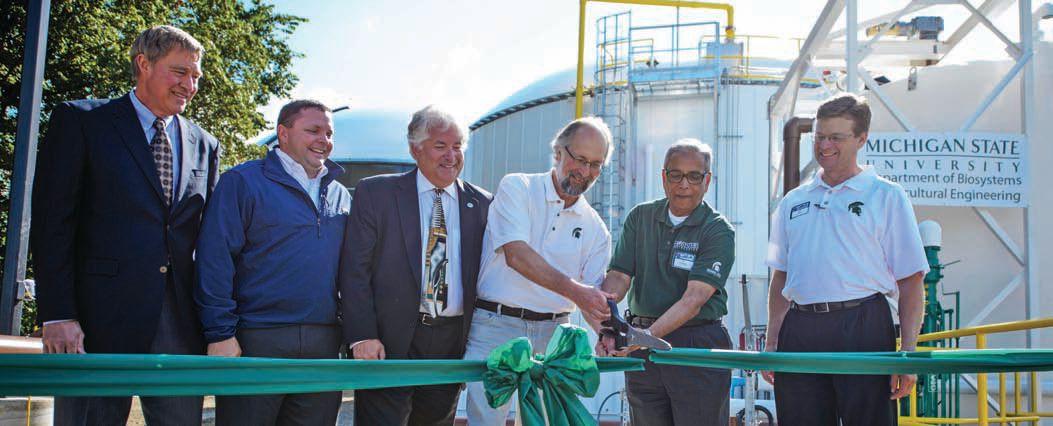
An anaerobic digester that will reuse waste from Michigan State University’s farms and dining halls and create energy for several buildings on the south end of campus is now open for business. An anaerobic digester that will reuse waste from Michigan State University’s farms and dining halls and create energy for several buildings on the south end of campus is now open for business.
A ribbon-cutting ceremony was held Aug. 13, officially marking the commissioning and starting of operations for the facility.
“This system is the largest on a college campus in the United States,” said Dana Kirk, a specialist from MSU’s Department of Biosystems and Agricultural Engineering, who is overseeing the project. “It’s the largest in volume and in energy output.”
The digester will utilize about 17,000 tons of organic waste to generate 2.8 million kilowatt-hours of electricity per year.
“Only about 20 percent of the energy we produce is being used to sustain the process,” Kirk said. “The other 80 percent is available for other uses on campus.”
In comparison, a smaller anaerobic digester already in
MSU’s South Campus Anaerobic Digester will utilize about 17,000 tons of organic waste to generate 2.8 million kilowatt-hours of electricity per year. Photo by G.L. Kohuth
use at MSU for research purposes uses pretty much all of the biogas it produces to run the system.
The organic material the system will use includes cow manure from the MSU Dairy Teaching and Research Center; food waste from several campus dining halls; fruit and vegetable waste from the Meijer Distribution Center in Lansing; and fat, oils and grease from local restaurants.
Here is how it works: Manure, food waste and other organic matter are placed in the airtight tank, which will hold about 450,000 gallons of material. The tank contents are maintained at roughly 100 F for 20 to 30 days. The organic material is decomposed by a group of naturally occurring micro-organisms found in livestock manure. The
result is biogas and a slurry of partially decomposed organic matter, water and nutrients.
Total cost of the project is about $5 million. It is expected to pay for itself in less than 15 years.
In addition to the two on-campus anaerobic digesters, MSU is also involved in a similar project in Costa Rica. Earlier this year a digester went online that will help provide power to a village in the Central American nation. The project is a partnership between MSU and the University of Costa Rica.
For more information on that project, visit: http://report.president.msu.edu/360/costa-rica/.
High Quality Bedding Material Produced Fresh Daily
An Aug. 13 ribbon-cutting ceremony that included dignitaries from MSU and the industry officially opened MSU’s South Campus Anaerobic Digester. Photo by G.L. Kohuth
a com F y cow is a cash cow
Study examines use of recycled manure solids as bedding source
By Margaret Land
For Dr. Marcia Endres, comfort is king when it comes to dairy cattle.
“I’m an animal scientist and I’m very interested in looking at cow comfort,” she said. “Cows need a dry, comfortable surface to rest. That results in more lying down time and more lying down time translates into more milk production and better health and that of course translates into better economics for the dairy.”
The University of Minnesota associate professor of dairy science and veterinarian recently discussed the findings of a one-year field study
she and her colleagues did of 38 dairy operations in the Midwest that use recycled manure solids as bedding.
“In California, they have used manure solids for the past 40 years,” she said, adding that state’s dairy cattle also have low somatic cell counts and appear to do well on the bedding. “However, it’s much more arid there and we here in the Midwest have a different kind of climate.”
A quick review of the available literature by Dr. Endres showed that research data examining the use of recycled manure solids on dairies in the U.S. Midwest was not available. In light of this, she worked with her graduate student Adam Husfeldt – currently a dairy producer in South Central Minnesota – to gather information on the use of recycled bedding at dairy
operations in Wisconsin (26), Minnesota (6), South Dakota (4) and Iowa (2).
“A nice thing about manure solids is it’s a very green technology,” she said. “Organic bedding sources such as straw, sawdust and shavings are becoming more difficult to find. They are becoming very expensive. Cows make a lot of manure in a day … (they) can make the bedding for us.”
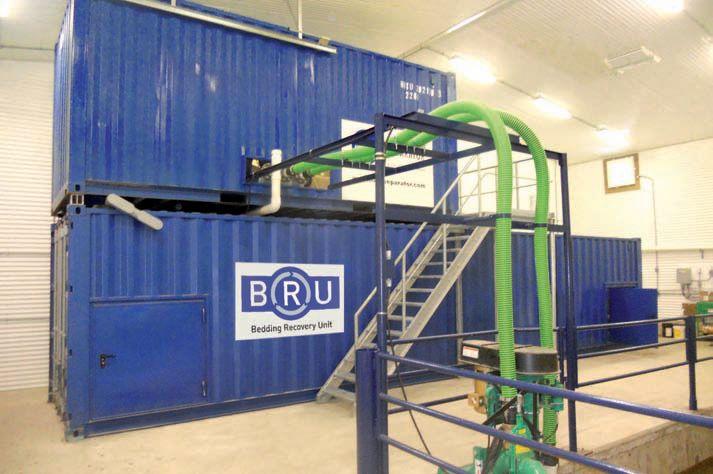
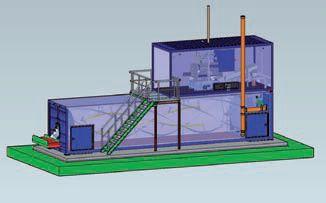
As part of the study, Dr. Endres looked at three different methods of recycling manure solids using separator technology – directly from raw manure, from digestate that has been through an anaerobic digester or by using a mechanical composting system, such as a Bedding Recovery Unit (BRU). Of the 38 operations being studied, 25 were using digested solids, nine were using raw solids and four were using
One method of recycling manure solids examined in Dr. Marcia Endres’ study was by using a mechanical composting system, similar to this Bedding Recovery Unit in place at Grandview Dairy in Wisconsin. Photo by Sharon Kauk
composted solids.
“Some were using deep beds for the cows and some were using solids on top of mattresses,” said Dr. Endres. “That allowed us to do some analysis of welfare between deep beds and mattresses. That’s something we’ve done in the past with other types of bedding so we wanted to do it with this study to see if the results would be similar.”
On average, the studied farms bedded two to three times per week with the bedding coming off the separator at about 70 percent moisture. Samples were taken from the solids prior to it being applied as bedding and after it was used in the stalls. Analysis of the bedding showed it was composed of 80 percent neutral detergent fiber (NDF), a unit used to measure fiber in feed.
“Basically, it’s recycled fiber,” said Dr. Endres, adding some sugar and starches were also found within the solids, depending on how they were processed. “The digested is a little bit lower than the raw and the composted and that was statistically significant. Of course, the sugars and starches are used by the bacteria in the digester so you’re going to have lower concentration on that bedding than expected.”
Samples from the recycled bedding were also cultured to look at what families of bacteria are living in the solids. The most common was the bacillus species, which are a sporetype bacteria resistant to cold, said Dr. Endres. She added this particular type of bacteria rarely causes mastitis.
Other bacteria found in the bedding samples included Streptococci species, Staphylococcus species and coliforms.
“Overall, we’re going to have more mastitis causing pathogens on the raw material to start with than we do with the digested or the mechanically composted material,” said Dr. Endres. “Once you put it in the stalls, the cows are walking on that bedding and they’re inoculating it. The bottom line is once you put it in the stall, there’s not as much difference (in pathogen numbers within the different types of bedding) anymore.”
When it came to somatic cell counts, Dr. Endres saw very little difference in the farms using recycled solids as bedding compared to other bedding systems studied in the past.
“Bulk tank somatic cell counts for the year averaged 275, 000,” she said, adding that’s basically the somatic cell count average for the state of Minnesota.
Of the 38 farms studied, three had somatic cell counts above 400,000.
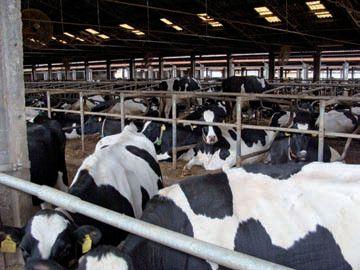
On average, the farms taking part in the study bedded two to three times per week with the bedding coming off the separator at about 70 percent moisture.
Photo by Sharon Kauk
Average somatic cell count numbers were 268,000 for the digested solids, 301,000 for the raw solids and 330,000 for the composted solids, well within the parameters for being able to export milk.
“From a somatic cell count perspective, recycled solids can work as a bedding source,” said Dr. Endres. “That was a little surprising to us; we expected to see more of a difference. It’s probably harder to do it with raw solids and keep somatic cell counts low but it is possible.”
Cow cleanliness, lameness and hock lesions were also examined by the research group during the crosssectional study.
“We found that the cows in this type of bedding were the cleanest cows that we’ve ever seen in any studies we’ve ever done with free stalls,” said Dr. Endres. “I was surprised the cows were so clean.”
She added this can be misleading due to the fine material that could on the cow.
“Even though the cows may look cleaner, I think we still need to pay attention to cow prep and clean teat ends before we put the machines on,” she said. “Udder health is something you need to pay attention to and might be more of a challenge.”
When it comes to hock lesions and lameness, Dr. Endres recommends using deep beds and fluffing or bedding more often to keep the bedding from packing.
“If I had a farm and I was using recycled solids, I’d use deep beds,” she said. “We don’t need the mattresses because the deep beds can work with this type of material.”
One area that needs to be watched closely when using recycled manure solids for bedding is floor surfaces and cow safety. On the farms examined in the study, injury was a consistent cause of cow mortality and almost twice as high as seen on sand bedded dairies, said Dr. Endres.
“Does that have something to do with floors; they fall because it’s so slippery and the floor’s so slippery they
can’t get up? I don’t know.”
She added that when she talked to dairy owners and cow pushers on the farms, they mentioned that the floors can become very slippery, especially in summer.
“There’s a film that can form on top of the floor that wouldn’t be seen with sand because sand provides very good traction,” Dr. Endres said. “That’s something to keep in mind. If you’re going to use solids, make sure your floor is well grooved and you have good traction on them.”
Overall, based on the results seen over the one year study, Dr. Endres believes using recycled manure solids as a bedding source is a viable option in the Midwest.
“I think deep recycled solids can provide good cow comfort and recycling is good for the environment,” she said. “Sand may be better for the cow but this is better for the environment.”
Another method of recycling manure solids for use as bedding is by separating the solids from digestate that has been through an anaerobic digester, similar to the system seen here in use at Synergy Dairy in New York state. Photo by Margaret Land
Puck Custom Enterprises
improving manure eFFiciency
Can producers eliminate headaches associated with manure storage, handling and application through the use of manure nutrient management products?
By Dave Vincent
Working with his mother, Cathy, and father, Joe, Andy Mroczek milks approximately 85 Holsteins and farms 425 acres of corn, wheat, alfalfa and soybeans near Honeoye Falls, N.Y. Manure is used as a fertilizer source on many fields, and Mroczek is adamant about maximizing the nutrient value of applied manure and ensuring that nutrients stay where he puts them.
“Any nutrient that runs off our farm is money out of our pocket,” Mroczek says. “We are equally concerned about water
quality and keeping our streams, rivers and Lake Ontario clean.”
Maintaining a high nutrient value and keeping nutrients where they are applied can be a particular challenge with manure, compared with use of commercial fertilizers. For years, Mroczek used a nitrogen (N) stabilizer with good results, but he was interested in bringing that benefit to his manure applications to maximize the effectiveness of phosphorus (P) and N plant uptake and reduce the runoff of those nutrients. Three years ago, Mroczek began using a nutrient management product and conducted trials with treated versus untreated dairy manure.
“I feel like, for every dollar invested in the fertilizer enhancer, I’m getting two dollars back,” the New York producer says. “We’ve seen yield increases ranging from five to 10 bushels per acre in corn where [the treatment] has been used.”
Mroczek either applies the product
directly to manure lagoons, or he streams it over the manure during application with a dual-disk injector. Both methods, he says, work very well for him.
“We are seeing a very good response with our phosphorus,” he observes. “This year, we had four inches of rain in the month after planting, and the corn suffered due to the saturated soil. But, once the fields dried out, we had very healthy plants with a rich, darker green color.”
Another benefit he cited is a significant reduction in ammonia levels, both in the dairy herd confinement areas and in fields treated with manure.
“We inject the manure and cover it up in one pass,” Mroczek explains. “I estimate we’ve had an 80 to 90 percent reduction in ammonia odor when using the product. Our neighbors have come up to us and asked when we were going to spread manure on our fields, but we had already done so a week or two previously.”
Some farmers have noticed a significant reduction in ammonia levels in the dairy herd confinement areas with the addition of manure nutrient management products. Contributed photo
Amanda Hassenger, a field and feed consultant for Harvey’s Milling Company in Carson City, Mich., works closely with dairy producers doing manure sampling, record keeping and nutrient management. About a year ago, she began trialing and selling a manure treatment product throughout central Michigan.
“We have mostly used this manure nutrient manager in lagoons and pits, and we’ve had great results,” Hassenger says. “Just about all the producers who have tried the product have continued using it. Benefits include reduced foaming when pumping manure into tanker trucks and the ability to haul more manure per truckload. Producers are getting a better clean-out of pits and lagoons and a more consistent manure mix in terms of pumping characteristics and nutrient distribution.”
“We’ve seen corn yield increases when treated manure is used ranging from 15 to 20 bushels per acre,” Hassenger says.
Steve Wagester works as a contract agronomist for Harvey’s and also farms edible beans, corn, hay and small grains near Remus, Mich.
“Put simply, [it] makes manure much easier to apply,” he says. “After treatment, there is no water on the top or solids in the bottom of the pits or lagoons. Pumping is easier, and nutrient distribution is more even.”
Wagester notes a difference in manure handling during the spring and fall crunch when livestock producers are under the gun to get manure pulled out of pits and lagoons.
“In the spring, there’s a very narrow window to empty pits and get the manure applied to fields,” he says. “It helps speed this process by making the manure much easier to pump.”
Leroy Schafer operates Jem-Lot Dairy in Westphalia, Mich., and milks approximately 150 Holsteins, five Jerseys and raises approximately 130 replacement heifers. The operation’s manure goes into a lagoon with a concrete bottom, which is emptied in the spring and the fall.
“We pump out what we can, then remove the rest with a skid loader,” Schafer explains. “Using [the product] has made the manure in the lagoon more consistent and much easier to pump.”
The Michigan dairyman applies the product directly into his lagoon in both spring and fall.
“We don’t have to burn nearly as much fuel mixing and agitating as we used too,” Schafer points out. “Another plus from is that it has virtually eliminated foaming in our tanker-truck loads, which gives us more
hauling capacity and the ability to haul more manure in fewer trips. This product is probably saving me three or four tanker loads due to the reduced foaming.”
Schafer also says that his treated manure has significantly higher nutrient value because it makes more P and N available for plant uptake. “Both our soils and our manure tend to be low in phosphorus to begin with,” he adds. “We can now counter this situation, and all of these benefits translate into more money in my pocket.”
On a test plot last year comparing treated manure with untreated manure,
Schafer says the treated manure yielded 15 bushels per acre more corn than the untreated.
“I attribute this yield increase to improved nutrient uptake, and those extra bushels more than paid for the product,” he adds.
Dave Vincent is a director with Osborn Barr, working on behalf of SFP fertilizer enhancers and More Than Manure.
For more on sustainability, visit www.manuremanager.com
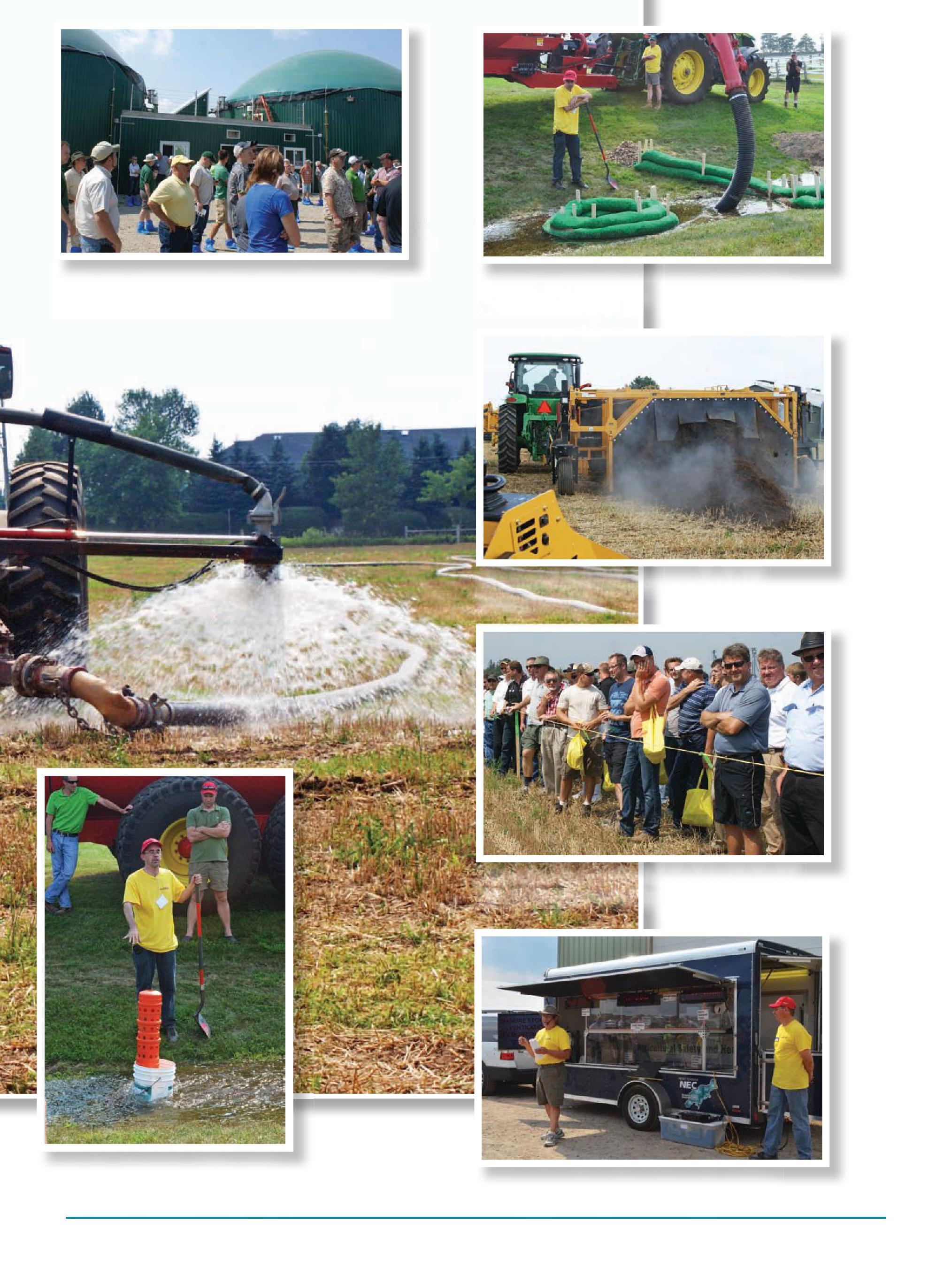
Manufacturers had an opportunity to demonstrate their liquid manure equipment, including drag hose.
Manufacturers had an opportunity to show off their agitation equipment.
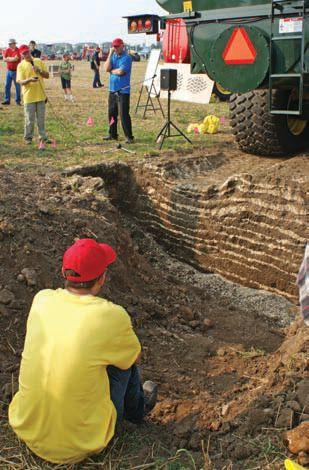
An education session discussing the issue of soil compaction.
Demonstrating manure agitation using sand laden manure.
Photos by Margaret Land.
Expo tour participants learn about Clovermead Farms' anaerobic digester installation.
Attendees line up to watch the latest in liquid manure application technology.
Kevin Erb, University of Wisconsin Extension, helps with a manure spill simulation.
A compost demonstration was also held during the expo.
Visitors from Penn State University explain the dangers of manure and silo gas.
Kevin Erb, University of Wisconsin Extension, shows how to protect a tile inlet in case of a manure spill.
CBeetles modiFy
ghg From cow manure
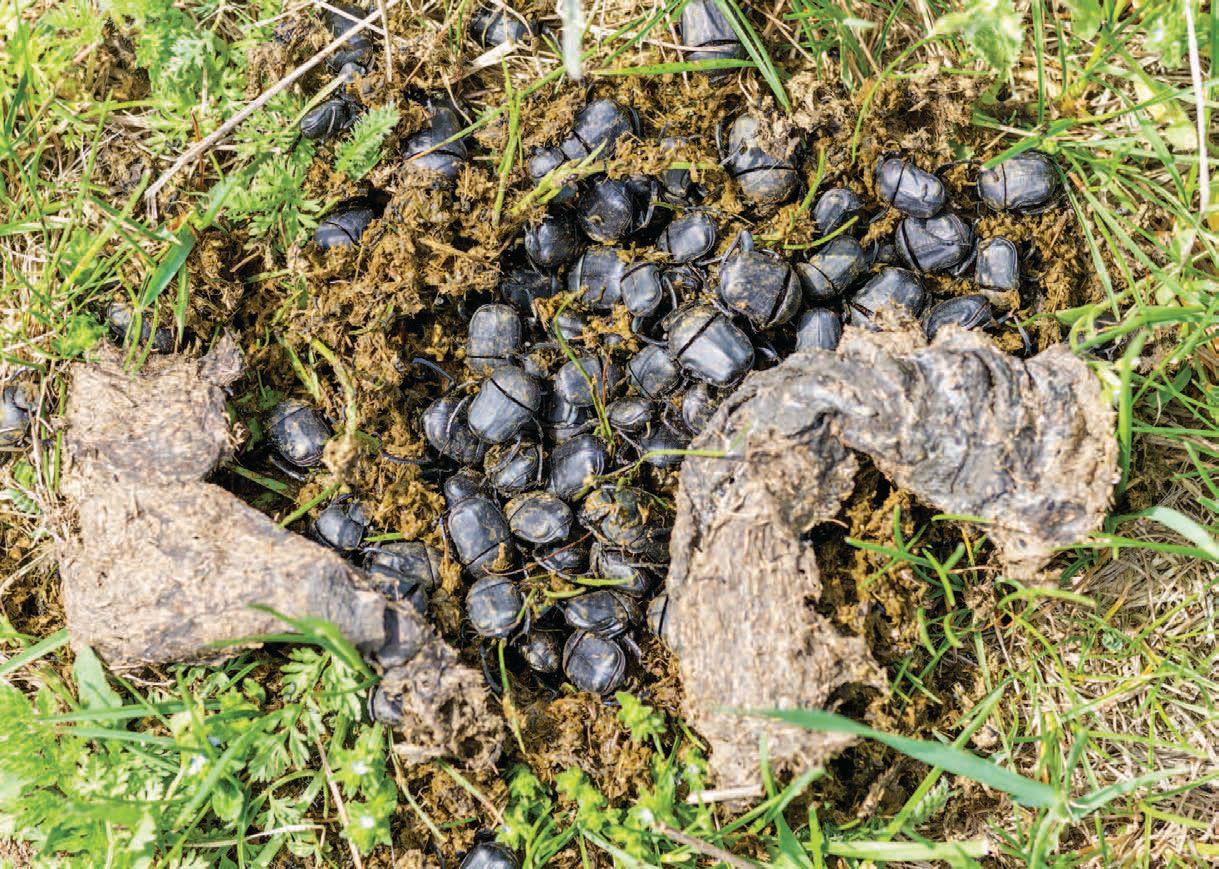
attle contribute to global warming by farting large amounts of greenhouse gases and by producing methane emitting pats on pastures. Beetles may remedy the problem, a new study suggests.
Agriculture is one of the biggest sources of the anthropogenic greenhouse gases responsible for global warming. Among these, cattle farming for meat and milk are major sources of methane, a gas with a potent warming effect. Much of this methane comes from the guts of ruminating cattle, but some escapes from dung pats on pastures.
Now researchers from the University of Helsinki have found that beetles living in the cow pats may reduce emissions of methane. The study has just been published in the journal PLoS ONE.
“Cow pats offer a prime food for a large number of organisms. In fact, there are probably as many beetle species living in dung as there are bird species on this planet,” explains Atte
Penttilä, who undertook the study for his master’s.
Of the dung beetles living in Northern Europe, most spend their entire lives within the dung pats.
“We believe that these beetles exert much of their impact by simply digging around in the dung. Methane is primarily born under anaerobic conditions, and the tunneling by beetles seems to aerate the pats. This will have a major impact on how carbon escapes from cow pats into the atmosphere.”
The important thing here is not just how much carbon is released, explains Tomas Roslin, head of the research team.
“The question is rather in what form it is released. If carbon is first taken up by plants as carbon dioxide, then emitted in the same format by the cows eating the plants, then the effect of plants passing through cattle will be small in terms of global warming. But if in the process the same carbon is converted from carbon
dioxide to methane – a gas with a much higher impact on climate – it is then that we need to worry.
“If the beetles can keep those methane emissions down, well then we should obviously thank them – and make sure to include them in our calculations of overall climatic effects of dairy and beef farming.”
“Overall, the effects that we found are intriguing, but the implications also quite worrying,” says Eleanor Slade, a researcher commuting between teams working on dung beetles in both Helsinki and Oxford.
“When you combine the current increase in meat consumption around the world with the steep declines in many dung beetle species, overall emissions from cattle farming can only increase.”
In the NEWS
Ind. entrepreneurs bring energy technology
Waste No Energy, LLC recently announced the development of a multimillion-dollar anaerobic digester facility designed to renew energy and fuel the economy.
The facility is on schedule to begin generating renewable power in December 2013 and will serve as the ninth of its kind in the state.
“This is an exciting time for all of us at Waste No Energy. This technology has been utilized in Europe for decades and we are proud to bring it to Indiana,” said Doug Raderstorf, president of Waste No Energy. “We are proud that it is becoming a reality for the area.”
In addition to producing clean, renewable energy that will be purchased by Northern Indiana Public Service Company (NIPSCO), the facility’s digester will convert a mix of manure and food waste to produce organic liquid fertilizer. As a result, the process will replace demand for chemical fertilizers that can be harmful to the environment. While operating continuously, the digestion process will require no use of fresh water or chemical additives of any kind and produce zero waste products, thereby reducing the area’s carbon footprint.
Once complete, the facility will enable the following:
• annual production of 8.2 million kilowatts of green electricity for powering 940 Indiana households
• daily collection of 26 tons of manure
• daily collection of 125 tons of organic food waste including expired grocery and bakery goods, restaurant waste, cheese manufacturing waste and animal proteins
“Renewable energy projects like this play an important role in the overall energy mix, and we hope it serves as a model for the continued development of
other sustainable renewable projects in the future,” said Karl Stanley, vice-president of commercial operations for NIPSCO.
Waste No Energy, LLC is affiliated with RAKR Farms, which has been operating in the Monticello, Ind., area for many years. The company owns various building sites, including a hog facility, a grain drying and storage facility, an office, employee housing and a cattle facility.
FEECO provides system to university
FEECO International, a manufacturer of granulation equipment, is assisting in a project in partnership with the University of Wisconsin-Madison at a dairy farm in Cleveland, Wis.
The University of Wisconsin-Madison’s Accelerated Renewable Energy Consortium (ARE) has partnered with Maple Leaf Dairy and several other entities to investigate on-farm technologies that will transform manure into a variety of bio-based products.
The pilot-scale project is in response to the growing issue of handling mass amounts of manure in a cost-effective way for farmers. In addition to relieving the growing manure handling problem, project success would ultimately result in improving soil fertility on farms, opening new opportunities for income to farmers and serving as an experimental ground for determining process scale-up.
FEECO is providing process design as well as a granulation system to the project. FEECO’s granulation process, which utilizes a paddle mixer, a grinding mill and a rotary dryer, will transform pressed sludge into a granular organic fertilizer
Vogelsang hires new Northwest sales manager
Vogelsang USA, Inc., a manufacturer of pumps, grinders, and related equipment for municipal, industrial and agricultural markets, recently announce the hiring
of Jim Kuller as sales manager for Washington, Idaho, Montana, Wyoming, California, Nevada and Alaska. He will also manage the Canadian provinces of British Columbia and Alberta.
Jim built a strong technical and mechanical aptitude during his time as a jet mechanic in the US Navy augmented by experience specifying and selling positive displacement and centrifugal pumps as well as mechanical seals. He has consistently been a top sales performer as a direct salesman for Discflo where he developed and supported a distributor organization as well as major account management. From there he became an account manager for John Crane where he built and maintained more than 80 accounts.
As of late, Jim has been with Cornell Pumps where he was instrumental in successfully developing some of that company’s largest municipal distributors through training, technical supports and a thorough understanding of the bidding process. During this time, he covered accounts throughout the U.S. and Canada and spent time as the product manager for the Refrigeration Division of Cornell.
WDR revisions in Calif. up for public comment
The Central Valley Water Board in California is proposing tentative general waste discharge requirements (WDRs) to address issues raised by a judge’s decision in a lawsuit brought by environmental groups.
The water board recently posted the revised WDR and associated documents for a 30-day public review with comments due by Sept. 9 at 5 p.m. The documents can be viewed at http:// www.waterboards.ca.gov/centralvalley/ water_issues/dairies/dairy_program_ regs_requirements/index.shtml.
Paul Sousa, the Western United Dairymen’s director of environmental
services, is reviewing the documents and will be preparing comments.
“Dairymen will generally not notice changes in how they implement the order on their farms,” he said. “The key components of the order have not been changed in any substantive way.”
Dairies will continue to implement their nutrient and waste management plans and to participate in the representative monitoring program. Part of what the court ordered the water board to do was prove that dairies are implementing Best Practicable Treatment or Control (BPTC) measures. Therefore, the water board is making changes to the order to make it clear that the things that dairies are already required to do are in fact BPTC.
Sousa pointed out, for example, that the Tentative Dairy WDR is not requiring all dairies to retrofit their existing lagoons.
“The board is recognizing that all existing lagoons cannot be retrofitted economically and it would therefore not be practicable. They will continue their existing path of evaluating existing ponds and determining what needs to happen from there.”
This item will be heard before the
Central Valley Water Board at its Oct. 3 and/or 4 meeting.
Members with questions regarding the tentative Dairy WDR can contact Paul Sousa at 209-527-6453.
Iowa provides additional $1 million for program
Due to strong demand from Iowa farmers, Iowa Secretary of Agriculture Bill Northey recently announced that an additional $1 million in cost-share funds has been made available to help farmers implement nutrient reduction practices.
Farmers have already submitted applications for the initial $1.8 million in funding that was made available on Aug. 8 for water quality practices.
“We are extremely pleased by the overwhelming response we have received from farmers and believe this shows their commitment to water quality,” Northey said. “Farmers are matching all these funds, so they are putting up at least $1.8 million of their own money to implement these voluntary, science-based practices to protect water quality.”
The practices that are eligible for this funding are planting cover crops, employing no-till or strip-till, or using
a nitrification inhibitor when applying fertilizer. Any farmer not already utilizing these practices can apply for assistance. Farmers are only eligible for cost share on up to 160 acres.
The cost share rate for farmers planting cover crops is $25 per acre and for farmers trying no-till or strip till is $10 per acre. Farmers using a nitrapyrin nitrification inhibitor when applying fall fertilizer can receive $3 per acre.
Farmers can contact their local Soil and Water Conservation District office to apply.
To date, more than 700 farmers in 85 of the 100 Soil and Water Conservation Districts in Iowa have applied to participate in the program. Farmers have submitted applications for 71,023 acres of cover crops, to use nitrification inhibitor on 4,019 acres, 770 acres of notill and 466 acres of strip-till.
The Iowa Department of Agriculture and Land Stewardship received $3 million in one-time funding to support statewide science-based water quality practices over the next five years.
For expanded industry news and daily updates, visit www.manuremanager.com
SlurryKat launches tri-axle tanker
SlurryKat of Northern Ireland has introduced its new 25000L Slurry Tanker, the largest in the company’s history. The 25000L is available worldwide.
It is probably the lowest tanker on the market, featuring a totally unique ninemetre transfer boom for transferring the slurry across the widest drains and ditches.
The company produced the 25000L tanker in response to a request from U.K.-based farm contractors D&A Percival & Son.
Following the tanker’s successful prototype, the 25000L tanker marks a major development for the SlurryKat engineering and design team.
SlurryKat CEO Garth Cairns says the 2500L tanker was a challenge to create.
“The new 2500L tanker also incorporates our new Hydra-Touch-Tech control system, which means that every element of the tanker is controlled, adjusted and monitored by a touchscreen system within the cab,” said Cairns.
“It has a smooth ride, anti-surge system for pulse free road transport even in rough terrain.”
Cairns says the key benefits of the 25000L include:
• its ability to fill in less than three minutes with only one suction hose
• its unique featured SlurryKat power filling system with never-before seen design technology
• its suitability for use on any terrain in any climate, having been tested in the harshest conditions Ireland has to offer
• its front and rear steering axles for smooth maneuverability, even in the tightest gates and farm yards
• its double vac flow to ensure 100 percent fillup every time, even on uneven ground or slopes
• its paint coating system, which keeps the machine corrosion-free for many years
SlurryKat designed the 25000L to be a tanker with a difference after the need for a tanker arose from their contracting customer, D&A Percival & Son, who had purchased three tankers previously. They wanted one of the most technically advanced tankers on the market with the latest design and innovations.
D&A Percival tanker operator Shane Knight says the 25000L’s ease of pull, comfortable ride and smooth hydraulic functions make for a quality operating experience.
“This tanker is so quick to fill, and it is by far the easiest to pull I have ever experienced in all my years of operating farm machinery,” said Knight. “The technology and design in this tanker is far more advanced than any other I know of on the market.”
www.slurrykat.com
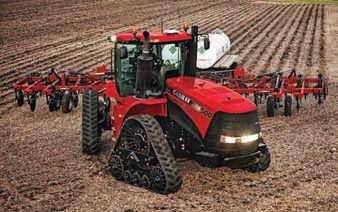
Case IH Rowtrac 500
Just as the first Steiger® Rowtrac row crop tractors are about to hit the fields this fall, Case IH is introducing an additional model that will be the highest-horsepower tracked row crop tractor on the market, the new Rowtrac 500.
The new model adds 50 more horsepower to the Rowtrac line and introduces an even wider track undercarriage that will accommodate 24-inch and 30-inch tracks. The new option will be available on Rowtrac models from 350 horsepower to the
new 500 horsepower model.
The Rowtrac uses a four-track, positive-drive system to minimize ground pressure, reduce compaction, improve traction and simplify transport in row crop situations. Just like the other Steiger Rowtrac models, the Rowtrac 500 tracks oscillate 10 degrees up or down to maintain constant ground contact and minimize compaction. All four tracks maintain constant power for turning without berming. Even when field conditions are less than optimum, it allows producers to cover more ground in less time. www.caseih.com
Ritron PT Series portable radios
P T Series portable radios from Ritron, Inc., can be used for virtually any two-way radio use. Ultra small and lightweight, these ergonomically designed radios are easy to hold and use. They feature narrow frequency channel steps for clearer communication with less interference. Nine programmable function buttons allow the PT series to be customized to particular application requirements. These FCC narrow band compliant radios feature 255 channels with channel scan, priority scan and scan resume functions. Built-in selective signaling alerts the user to priority messaging automatically. Loud 1 W audio output makes the PT radio easy to hear, even in noisy locations. Weighing 10 ounces, the radios are tested to Mil-STD 810 F for temperature, humidity, shock and vibration, and are IP65 rated for resistance to dust and water. Each PT series radio includes DTMF encode, an Emergency Call Button, status icons, and an alphanumeric LED display. A 13-hour 1800mAh li-ion battery pack provides power for shift-plus operations
while a low battery alert indicates time needed to recharge. Each radio includes a spring-action belt clip, a flex antenna, a long-lasting battery, and a rapid rate charger. Options include a remote speaker mic, an ear hook earset and gang chargers.
All PT series radios are compatible with other Ritron products such as Liberty Repeater, radio callboxes, and wireless PA systems so customers can add other radios to the system as their needs grow. www.ritron.com
John Deere introduces new Wireless Data Transfer technology
As more producers use new technology in precision agriculture, they will be gathering increasing amounts of machine and production data. In the past, they had to download the data on a memory card or a USB flash drive and then transfer the data to a computer in the farm office or at home.
John Deere introduces Wireless Data Transfer that enables the wireless transmission of data between the GreenStar 3 2630 display, MyJohnDeere.com, and the producer’s farm management information system. This efficient system eliminates the need for manual transfer of data and will be available as a subscription upgrade to JDLink Ultimate with Remote Display Access.
Wireless Data Transfer allows data to flow wirelessly to the customer’s personalized portal on MyJohnDeere.com. Customers are then able to access this data from their smartphones, tablets, computers or any Internet-enabled device. They can then share that data with trusted advisors, and easily transfer value-added information to 2630 Displays they are using in the field.
Data management and security are also a concern of customers. With all the data that will be collected, analyzed, and managed, John Deere has published a general principles document on www.JohnDeere.com/trust to clarify security and data management details for dealers and customers.
Wireless Data Transfer is the first step to assist customers in collecting, transferring, and managing data easily and efficiently. The overall result will be to use the data to help improve overall productivity in the farm or ranch operation. Retail availability of the new technology is expected in the spring of 2014. www.johndeere.com
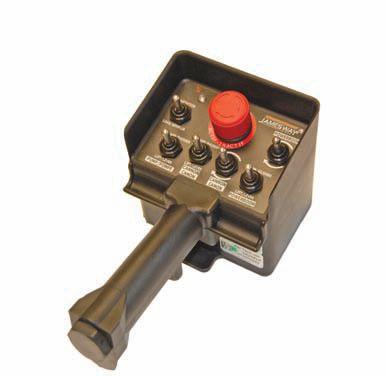
Jamesway Fast-Fill Wireless Pump
Loading manure tankers from PTO powered pumps usually involves running from the tanker tractor to the pump tractor and back for each load. Jamesway’s Fast-Fill Control lets manure applicators operate the Fill/Agitate valve on the manure pump from the cabin of the tanker tractor.
Benefits include:
• Time saved on trips between tractors means more loads per day.
• More precise filling because tanker gauge is always visible to operator.
• Fewer trips between tractors means less mud or dirt tracked into both tractors.
• More convenient/less tiring for the operator.
Every Fast-Fill Control is ready for the optional Throttle Control. This kit operates the floor pedal in the pump tractor to operate anywhere from an idle up to PTO speed. As the driver pulls the tanker into position, the pump is normally agitating at low speed. Press the Loading Valve button on the transmitter to switch the Load/Agitate valve and press the Throttle Up button until the pump reaches the preset PTO speed. To top off the tanker with no spills or mess, you can use the Throttle Down button to slow the pump as the tanker approaches the Full level. Not only does the Throttle Control save time by letting operators fill tankers at full speed, it saves fuel by slowing the pump tractor down to an idle between loads.
To operate the Fill Valve on the PTO pump, the Fast-Fill 1+1 system is all that’s need. The 1+1 system operates one hydraulic function (Fill/Agitate valve) plus is ready to operate the Throttle Control option.
The Fast-Fill 2+1 system operates two hydraulic functions plus ready for Throttle Control. The extra hydraulic control is
perfect to raise and lower a Jamesway Power-Boom loading pipe or to adjust the wheel kit on lagoon pumps.
The Fast-Fill 6+1 offers the ultimate level of remote control, able to run any six hydraulic functions you choose (plus ready for Throttle Control).
Additional transmitters may be ordered with any Fast-Fill system, an important feature for custom haulers and large operators filling multiple tankers at the same pump. The compact key fob transmitters used in 1+1 or 2+1 systems are rechargeable (12V charger is included with each transmitter). The 6+1 system uses a battery powered pistol-grip control, equipped with a lockout for safety.
Fast-Fill wireless pump controls are available as an option on all new Jamesway Ultra-Pump lagoon pumps, Pumpeller lagoon pumps and VertiPump vertical pumps or as a retrofit kit for existing pumps.
info@jameswayfarmeq.com
DryLet Tech announces launch of ManureMagic
DryLet Technologies, a biotechnology company providing products for use in applications such as animal waste reduction, recently announced the launch of its new product for the confinement animal production industry, ManureMagic.
ManureMagic, which was previously sold under the brand name DryLet AWS, is highly concentrated and utilizes millions of nano-bioreactors to deliver hundreds of billions of live, specifically selected strains of beneficial microorganisms that consume solids associated with animal production.
ManureMagic is a flowable, food grade product that can reduce sludge
build-up, fly populations, crusting, gas build-up and odor. According to the company, ManureMagic delivers these benefits without any adverse impact to the environment and provides faster cleanout and pump out, while helping support a reduction in energy usage.
“We are pleased to launch this unique and patented ManureMagic into the confinement animal production industry because we know it provides a superior alternative choice to the current products on the market,” said Steve Ellis, DryLet Technologies’ executive vice president. “The field trials we’ve completed and our customer usage have shown significant positive results for reducing odor, fly populations, crust and sludge in short periods of time, which ultimately helps support a more healthy animal population for our customers.”
www.ManureMagic
New ‘Berlon Strong’ approach launched
As Mike Ebben was reviewing every aspect of the skid steer attachment company he recently joined as president, one theme kept recurring: strength.
“This company has a lot going for it – across the board,” said Ebben, who was named president of Berlon Industries when the manufacturing company was acquired by a private equity firm last fall. “We have a strong team of people, strong relationships with our dealers, strong suppliers and products engineered for strength.”
That message will now be branded in the new “Berlon Strong” approach, according to Ebben.
The motto “Berlon Strong” expresses the company’s commitment to strength in engineering and design,
manufacturing quality, business operations, personnel, customer service, dealer support and community support, Ebben said.
“We know there are many options in the market for attachments for skid steers, tractor loaders, compact utility tractors, wheel loaders and telehandlers,” Ebben said. “We want Berlon to be well known as the best option; we believe the Berlon Strong approach will keep us focused on that mission, and because of that, our dealers, other partners and end users will all benefit.”
The company’s new website – at http://www.berlon.com – which also prominently displays the Berlon Strong logo, was developed to make it easy for dealers and end users to quickly and fully get the information they need about Berlon buckets, attachments and accessories for skid steers, loaders and compact tractors.
The new website has an easy-to-use dealer locator, so end users can quickly determine the dealers closest to them.
Its market outreach also prompted Berlon to recently release two new skid steer attachments for hay bale handling and a high-capacity bucket for snow removal.
Berlon buckets and attachments are primarily sold through a dealer network in the Midwest but also throughout the U.S. via online attachment and equipment merchants. Ebben said dealers value Berlon’s quality and product delivery reliability, allowing them to get products to end-users more quickly.
www.berlon.com
For information on SUMA mixers for all your manure management needs, see: http://www.gosuma.com/EN/09_Information_Service_Download/All_Downloads.php
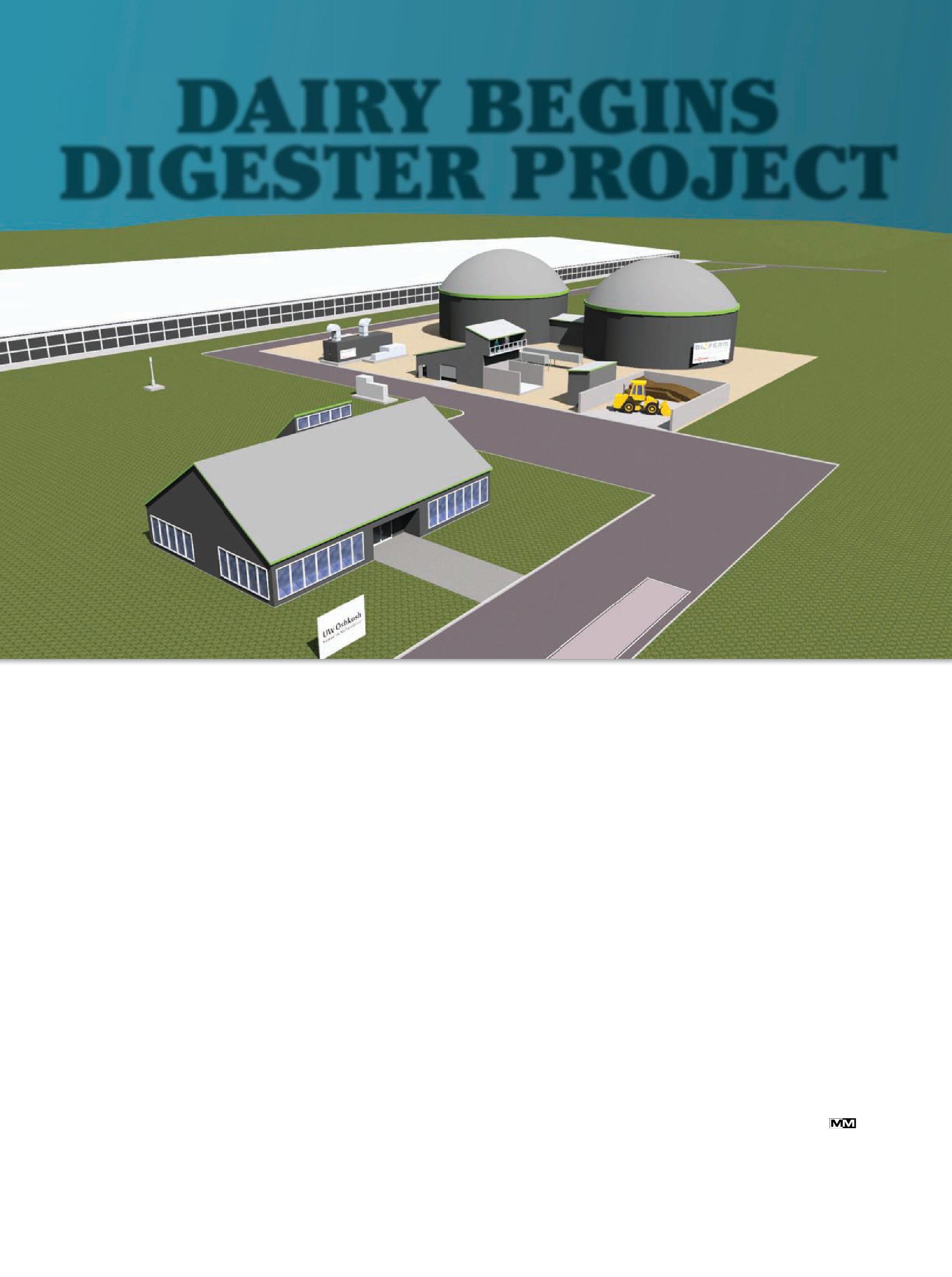
dairy B egins digester project
There’s a bright, green future ahead for Rosendale Dairy and the University of WisconsinOshkosh – renewable energy production, firsthand learning opportunities, and sustainable farming practices have united.
Rosendale Dairy, Wisconsin’s largest dairy operation, broke ground on the construction of a 1.4 megawatt renewable energy biodigester this past summer. The project includes not only utilizing manure from the dairy’s 8,500 cows to make biogas, but also the creation of a public education center and a research laboratory for UWOshkosh students and staff.
The $7 million digester is expected to process 240 tons of manure a day, producing 1.4 megawatts of electricity –that’s enough energy to power 1,200 homes. The facilities are a continuation of a unique partnership begun in 2011 between BIOFerm Energy Systems, the University of WisconsinOshkosh (UWO), and the University of Wisconsin-Oshkosh Foundation. The collaboration allows for the state’s largest dairy to forge the way in sustainable and financially beneficial farming practices while granting Wisconsin’s students the
opportunity to gain hands-on learning experience with renewable energy systems.
“Beyond producing heat and electricity that meaningfully negate our campus’ carbon footprint, we view our fleet of biodigesters as living, learning laboratories for students, faculty and the communities we serve,” said UW Oshkosh Foundation president Arthur Rathjen. “And we are confident our digesters, as their production scales up and their impact becomes even more widely known, will draw agricultural, industrial and other types of enterprise to our campus and region.”
Several other benefits are offered through the digester in addition to taking the farm’s waste and generating renewable heat and electricity: it will reduce farm odors, decrease phosphorus and nitrogen run-off, and the resulting nutrient-rich digestate can be used or sold as a soil additive.
“When you add in the ability to use the manure to gather green energy even before it is returned to the soil, it is another major benefit to a farm’s pre-existing sustainability,”
said Jim Ostrom, Rosendale Dairy co-owner.
The project at Rosendale Dairy will be the third digester produced from the relationship between BIOFerm and UWO as the university employs digestion technology to achieve their sustainability goals.
“Beyond producing sustainable energy for farm operations, our digesters will serve as model solutions to keep farming vibrant in Wisconsin’s future,” said Rathjen. “Digesters serve as a catalyst for a quality of life, one that will preserve and strengthens our rural, farming heritage and legacy.”
Carbon credits generated from the digester’s sale of electricity to the grid are expected to dramatically aid in the university’s goal of becoming carbon neutral by 2025.
The system is expected to be producing electricity and connected to the grid by December 2013.
“We are quite happy to see the results of a long road and look forward to seeing our product help in the creation of green energy by the end of 2013,” noted Ostrom.
Construction started this past summer on a 1.4-megawatt renewable energy biodigester at Rosendale Dairy in Wisconsin. Photo courtesy of BIOFerm Energy Systems
G UEST COLUMN
Control for swine manure deep-pit foaming
By Chuck Clanton and Larry Jacobson, University of Minnesota
For swine farmers in the upper Midwest, fall brings heightened safety concerns as the manure deep pits fill under their barns. Since 2009, at least 20 Minnesota swine barns have experienced flash fires or barn explosions as a result of manure deep-pit foaming. About 25 percent of finishing barns in the upper Midwest have identified foam in their manure pits, and thus the potential for explosions or flash fires, according to a producer survey conducted by the University of Minnesota Bioproducts and Biosystems Engineering Department.
Human and animal safety is paramount, as is protecting buildings and their contents. To prevent fires and explosions, producers should follow several recommendations. Most importantly, producers should monitor regularly and determine the depth of foam, if any, in their manure pits. This should happen at least weekly.
Action is needed if foam depth is above six inches and within 24 inches of the underside of the slatted floor. Action could include one or both of the following:
• Use a pit additive such as Rumensin to reduce foam depth.
• Remove some of the manure to allow
additional capacity and headspace above the surface.
Be sure to use the proper level of barn ventilation, based on outside temperatures along with animal age and size, to maintain acceptable air quality and keep methane concentrations below the explosive level. The barn’s ventilation system should never be turned off, even if there are no pigs in the building. For the unoccupied building, the minimum ventilation rate used for finishing pigs should be used to prevent methane buildup. The constant running of minimum ventilation rate should be five to 10 cubic feet per minute (CFM) per pig space (varies with age and size of pigs). Review references or handbooks with detailed information on ventilation management in swine facilities based on animal age and size (MWPS-32 Mechanical Ventilation Systems for Livestock Housing, 1990 or MWPS-33 Natural Ventilation Systems for Livestock Housing, 1989).
• Emergency backup electrical generation is needed in case of main power failure.
• Eliminate any source of sparking or flames, including:
• Cigarettes, cigars, pipes, etc.
• Sparking switches or motors.
• Sparking or pilot light on water and/or
space heaters.
• Welding and/or grinding during repair of gates, feeders, waterers, and the like.
• Additional recommendations include: For adequate pit fan ventilation airflow, maintain a minimum of 12 inches of space between the top of the manure or foam and lowest concrete beam.
Remove pigs from barn, if possible, when agitating and/or pumping manure. If not, use the maximum ventilation rate (roughly 10 times greater than the minimum rate) for an all mechanically ventilated system. For naturally ventilated buildings, curtains should be fully open with a breeze (minimum of 10 mph). People should never enter a building during manure pit pumping.
No liquid should leave the manure pit surface (rooster tailing) during agitation. To learn more about manure management and air quality from University of Minnesota Extension, visit www.extension.umn.edu/agriculture/ manure-management-and-air-quality.
Chuck Clanton is a professor in the College of Food, Agricultural and Natural Resource Sciences. Larry Jacobson is an engineer with University of Minnesota Extension.
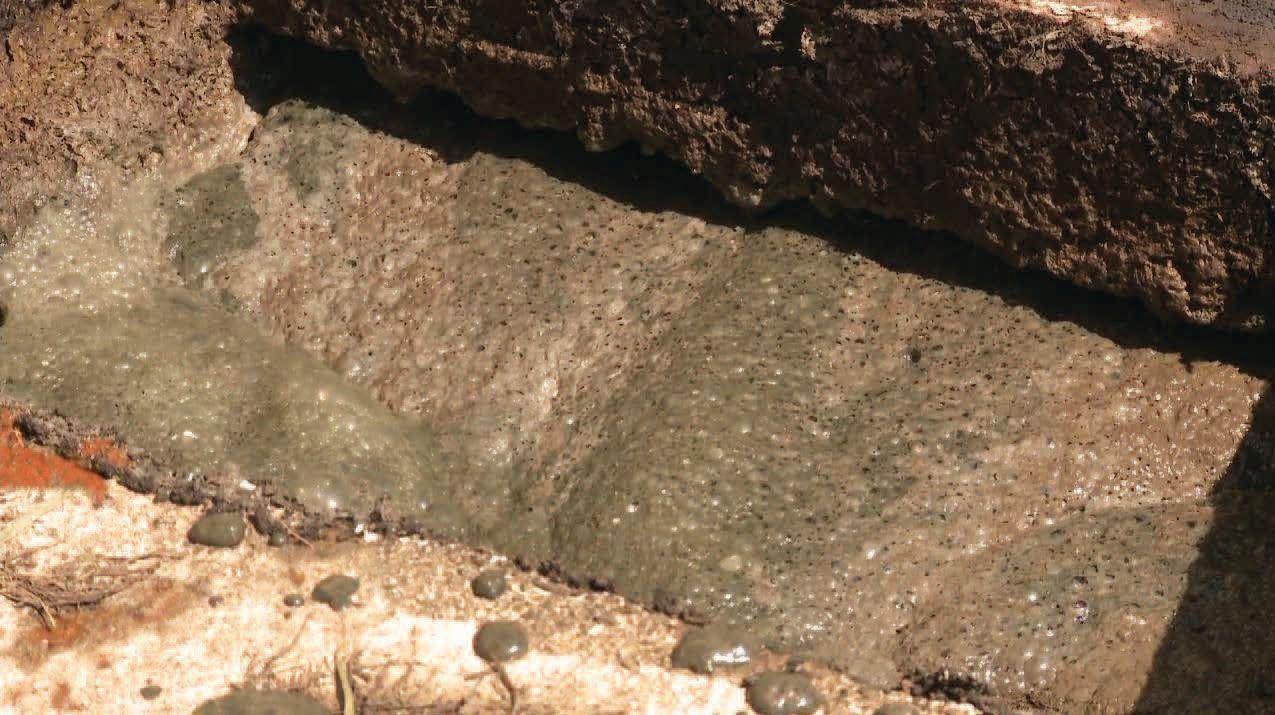
An example of manure foaming at a manure pit access port. Photo courtesy of Iowa State University
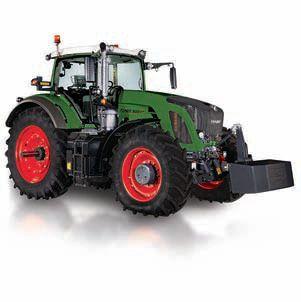
fendt.com/us
Other tractors say they can measure up to a Fendt. Guess what that’s a load of?
It’s no wonder why so many tractor companies want to compare themselves to Fendt. When you introduce the CVT transmission, front axle suspension and cab suspension to tractors, you tend to have plenty of imitators.
And if the scores of items only available from Fendt aren’t enough, we also back it up with our Fendt Gold Star Customer Care program that gives you 3-years or 3,000 hours of comprehensive warranty with included routine maintenancethe best in the industry.
In the hauling business, you need a tractor that’s capable and dependable.