

JULY/AUGUST 2009 2009



JULY/AUGUST 2009 2009

CUSTOM APPLICATOR SERVING THE NICHE MARKET






LAGOON LINERS, COVERS AND STORAGE TANKS




Cascading organics
A Washington state-based custom manure applicator helps serve a niche market supplying and applying manure to organic operations.
An Oregon-based composting company will soon be helping the Jefferson County agricultural community handle its feedlot waste.
USDA explores manure’s uses
A recent report from the U.S. Department of Agriculture’s Economic Research Service provides a snapshot of manure’s importance to the nation’s farmers.
Manure cover program introduced in Manitoba
A 600-sow farrow to finish operation in Manitoba is the site of the launch of a new manure lagoon cover program in the province.
Manure management, Texas style
Texas AgriLife Research is planning a manure management conference in Round Rock, Texas, September 29 and 30.
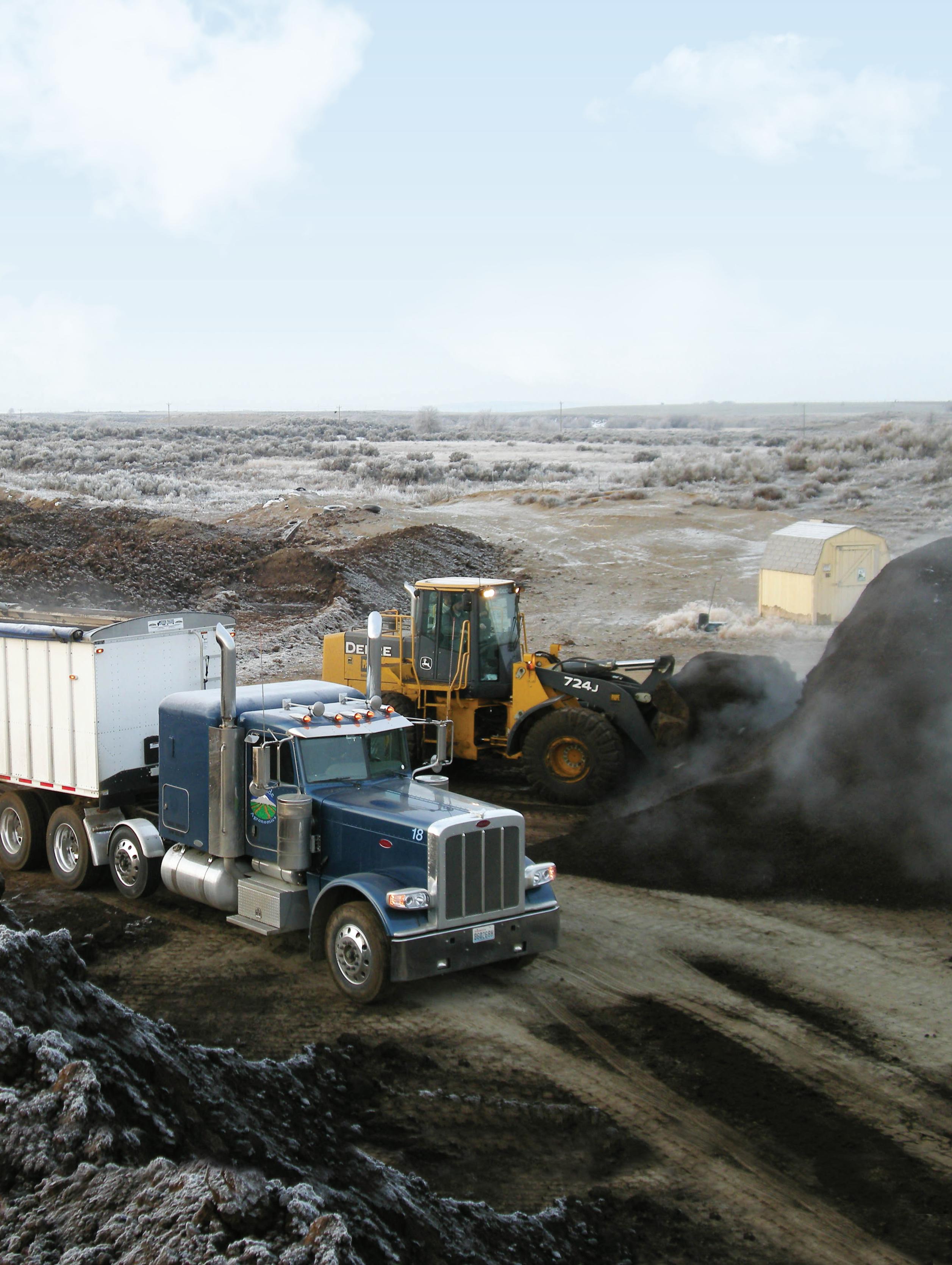
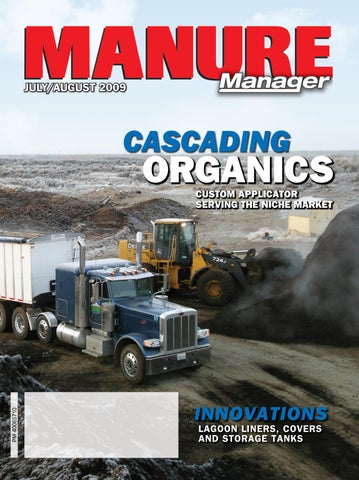
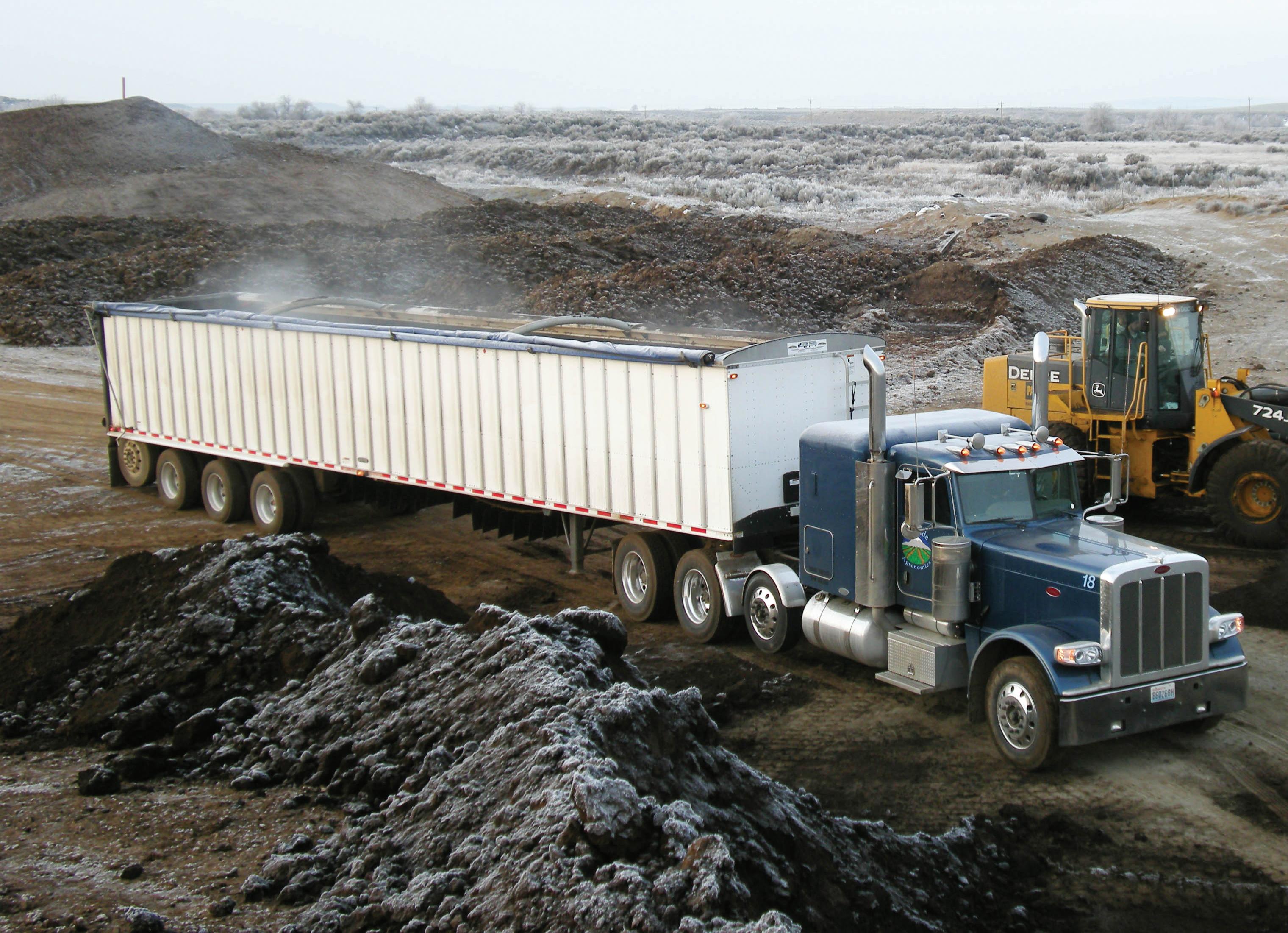
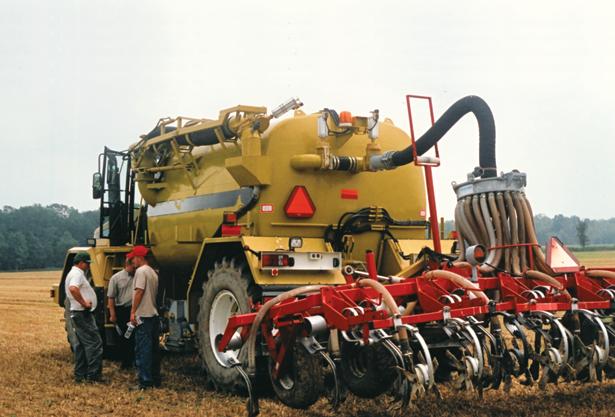
Cover: Cascade Agronomics applies more than 300,000 dry tons of manure per year to about 50,000 acres, including about 5,000 acres of organic farmland.

July/August 2009
Volume 7 • No. 4
Published by:
Annex Publishing & Printing Inc. P.O. Box 530 Simcoe, Ontario N3Y 4N5
Editor
Margaret Land • (519) 429-5190, (888) 599-2228, ext 269 mland@annexweb.com
Contributing Editors
Tony Kryzanowski, Myron Love, Diane Mettler
Advertising Manager
Laura Cofell • (519) 429-5188, (888) 599-2228, ext 275 lcofell@annexweb.com
Sales Assistant
Ryan Culver • (519) 429-5183, (888) 599-2228, ext 219 rculver@annexweb.com
Production Manager
Angela Simon
Group Publisher Martin McAnulty mmcanulty@annexweb.com
President Mike Fredericks mfredericks@annexweb.com
Publication Mail Agreement #40065710
RETURN UNDELIVERABLE CANADIAN ADDRESSES TO CIRCULATION DEPARTMENT, P.O. BOX 530, SIMCOE, ON N3Y 4N5
e-mail: mweiler@annexweb.com
Printed in Canada
Circulation
e-mail: mweiler@annexweb.com
Tel: 866-790-6070 ext. 211 Fax: 877-624-1940
Mail: P.O. Box 530 Simcoe, ON N3Y 4N5
Subscription Rates
Canadian Subscriptions (GST included)
$37 Cdn, one year - $65 Cdn, two years
U.S. Subscriptions: $37 US, one year - $64 US, two years
International Subscriptions $70 US, one year
From time to time, we at Manure Manager make our subscription list available to reputable companies and organizations whose products and services we believe maybe of interest to you. If you do not want your name to be made available, contact our circulation department in any of the four ways listed above.
No part of the editorial content of this publication may be reprinted without the publisher's written permission. ©2009 Annex Publishing & Printing Inc. All rights reserved. Opinions expressed in this magazine are not necessarily those of the editor or the publisher. No liability is assumed for errors or omissions.
All advertising is subject to the publisher's approval. Such approval does not imply any endorsement of the products or services advertisted. Publisher reserves the right to refuse advertising that does not meet the standards of the publication.
Website: www.manuremanager.com
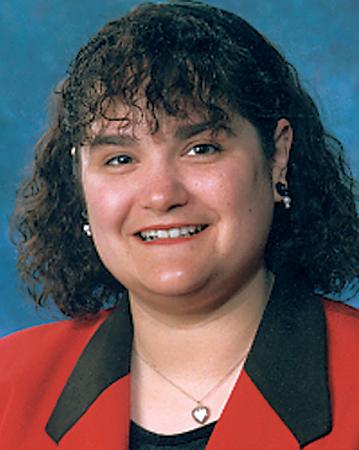
By Margaret Land
Every month or so, my husband waits with much anticipation for his favorite tabloid newspaper to arrive in the mail. The publication, which features agriculture-related inventions created by everyday farmers, is popular in our household and never appears to stay in one place for very long. As soon as it appears in our mailbox, my husband starts flipping through the pages, taking in the photos, diagrams and stories. Soon, he is hatching plans for self-propelled wheelbarrows and self-stacking hay bale wagons. After all, nothing breeds innovation like reading about innovative people.
So, my husband was the person who instantly came to mind as I was reading an article recently about dung beetles being imported into New Zealand to deal with manure issues. My husband is the official horse stall cleaner in our household, a job he loathes and tries to get out of at all costs. He is constantly mumbling and complaining as he forks dirty shavings into the wheelbarrow and dumps it onto the growing pile located adjacent to the barn.
Dung beetles might just be the answer to his dirty stall dilemma.
According to New Zealand television, researchers in the country are planning to introduce five to 12 different species of exotic dung beetles to the islands to help clean up manure left by pastured animals. Although New Zealand has its own native dung beetle species, they are mostly found in forested areas and aren’t much help when it comes to managing manure issues in agriculture.
Scientists are so enthusiastic about the project, they are predicting dung beetles might be “one of the biggest changes to our farm management since we first imported cows into the country.”
Dung beetles are marvelous little manure managers, feeding partly or exclusively on feces. They roll the dung into little balls and roll them about, eventually burying them as a future food source or as a place to lay their eggs. After the eggs hatch, the resulting larvae feed on the surrounding dung.
Dung beetles can be found in many different habitats around the world, including desert, farmland, forest and grasslands. Unfortunately, they cannot tolerate extreme cold or dry weather. They are attracted to the manure by smell and have been known to roll up to 50 times their own weight.
According to the American Institute of Biological Sciences, dung beetles save the U.S. cattle industry about $380 million each year in clean-up and manure spreading costs.
Just imagine what a few thousand dung beetles could do for my husband’s horse stall dilemma! No more wheelbarrow, no more pitchfork, no more mulch turning or dumping copious bags of shavings. Just a long line of dung beetles working 24 hours a day, seven days a week, to move out manure balls.
Those Kiwis might have the right idea!







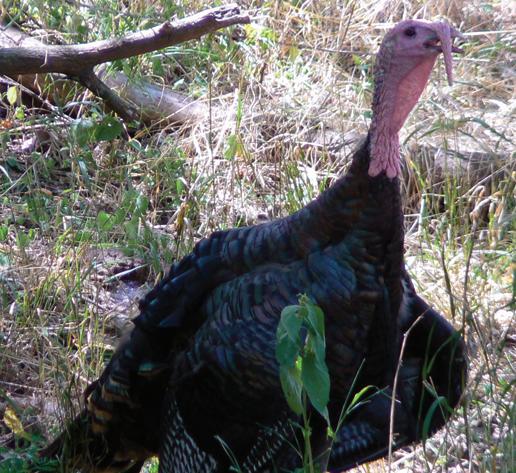
Turkey causes manure truck crash
Aerobic technology to power poultry farms •
Bion receives new U.S. patent
A refreshing idea for barnyard odor
Energy display part of dairy visit
Biomass burner reduces waste
European farmers turn to biogas
Cow emissions curbed by altering diets
Rainfall, application timing affects carbon losses
Possible solution for manure hauling
Natural gas with cow manure
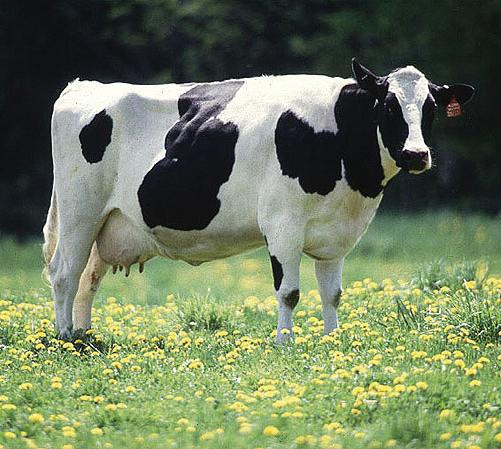
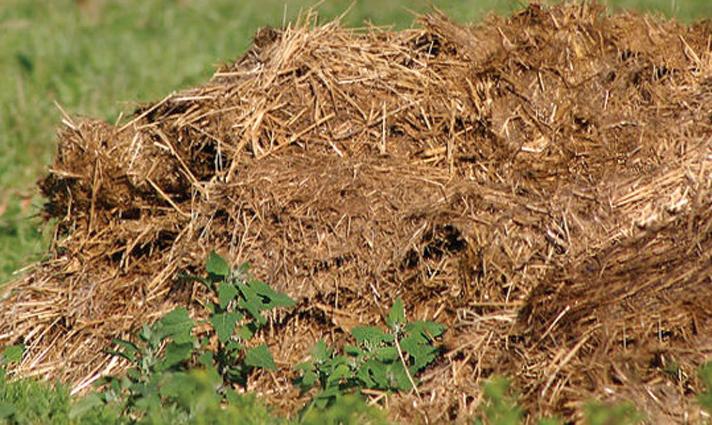
Manure. Every livestock operation deals with it and depending upon the nature of the operation, manure can either be an asset or a liability.
The 2008 Farm Bill directed the U.S. Department of Agriculture to evaluate the role of manure as a fertilizer resource, its environmental impact, and its potential as a feedstock for bioenergy. If your operation is producing manure, will it have more value as a fertilizer or energy feedstock?
The environmental and controversial impacts of manure are well known to all livestock operation managers as well as neighbors, both urban and rural. Application limits to cropland, water pollution, odors, and similar issues increase the liability factor exponentially. However, USDA economists say there is an increasing interest in capturing the methane from manure and converting it to electricity. But when that is done, is manure being lost as an inexpensive form of fertilizer? The USDA study found that manure is applied to less than 16 million acres of cropland, about five percent, and corn receives about half of the manure applications, primarily from dairy and hog operations.
Read the full story at
Written by Stu Ellis, The Farm Gate
New Holland T7000 Series
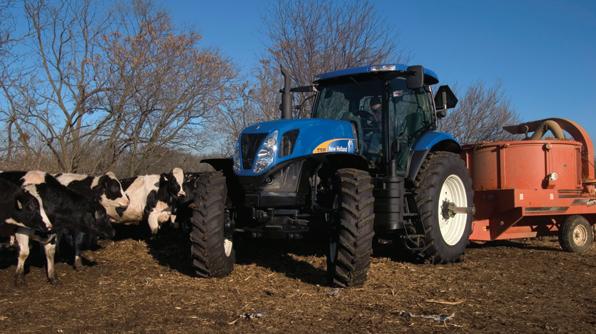
The five models in New Holland’s 135to 195-PTO hp T7000 Series tractors with the AutoCommand™ Continuously Variable Transmission (CVT) combine driver-focused, high-performance features with power and productivity. These tractors offer operator convenience, efficiency and performance to mid-range tractors. The operator can settle into the highcomfort seat and adjust all the major controls exactly as they like because every function is designed for optimal efficiency and control.
Leica Geosystems steering Case, John Deere tractors
Red, green, yellow, blue — no matter what brand of tractor a farmer drives, Leica Geosystems provides compatible auto-steer systems via a series of retrofit steering kits. Recently, Leica Geosystems added two additional steer-ready kits to the list of steering solutions on its product list, releasing one for all steer-ready Case Magnum MX models, and another for John Deere 8x20 Series Autotrac-ready tractors.
Read the full story at www.manuremanager.com
The 2009 Manure Manager Buyers Guide is your key reference tool to bring the entire industry together in just one directory.
To sign up for a free trial of Manure Manager’s digital version, go to www.manuremanager.com.


By Tony Kryzanowski
Cascade Agronomics is a growing concern with organic farms
The use of manure as fertilizer is an essential ingredient of organic farming, and certified organic farming is definitely trending upwards in North America as consumers worldwide become more conscious of how their food is grown.
The Research Institute of Organic Agriculture and International Federation of Organic Agriculture Movements report that almost 5.4 million acres are managed organically in North America, representing just over 12,000 farms. The U.S. organic industry grew by 21 percent in sales in 2006, and is forecast to experience 18 percent sales growth each year between 2007 and 2010.
Over 64,000 acres were managed organically in Washington state in 2007
The security of a consistent supply of manure for fertilizer is helping Cascade Agronomics build its customer base among both organic and conventional farmers. Submitted photo
and it was ranked second in the value of farm gate sales at about $160 million, second only to California.
Washington-based custom manure applicator Cascade Agronomics Inc. has grown right along with the trend toward more organic farming. The company was established in 2002 and now has 40 employees. It applies about 300,000 dry tons of manure per year, in addition to providing products and services related to commercial fertilizer, chemicals and seeds to the agriculture industry.
It applies dry manure to about 50,000 acres per year, with 5,000 acres being organic farmland. While the company has found a niche, it takes more than just being in the right place at the right time to achieve business success. Passion and knowledge are also important ingredients.
“The reason I feel pretty good about what we are doing is two things,” says company owner, Todd Hines. “We are saving
our customers money along with improving the soil health, and secondly, we are eliminating contaminants in the stockpiled (cattle manure) area. That makes me feel good as a person. I am trying to make a difference for the environment.”
Because the company has been able to demonstrate good results in terms of nutrient intake from its manure application service, more of its customers are using manure as a commercial fertilizer replacement.
“I have actually crossed over from the organic to a lot of our commercial growers,” Hines says, “because of the benefits I have seen from the manure on our organic crops, the health of the soil, and all the benefits of applying manure.”
He says a client will typically use manure on one cropland circle one year, more acreage the second year, and the entire field or all of their fields by the third year.
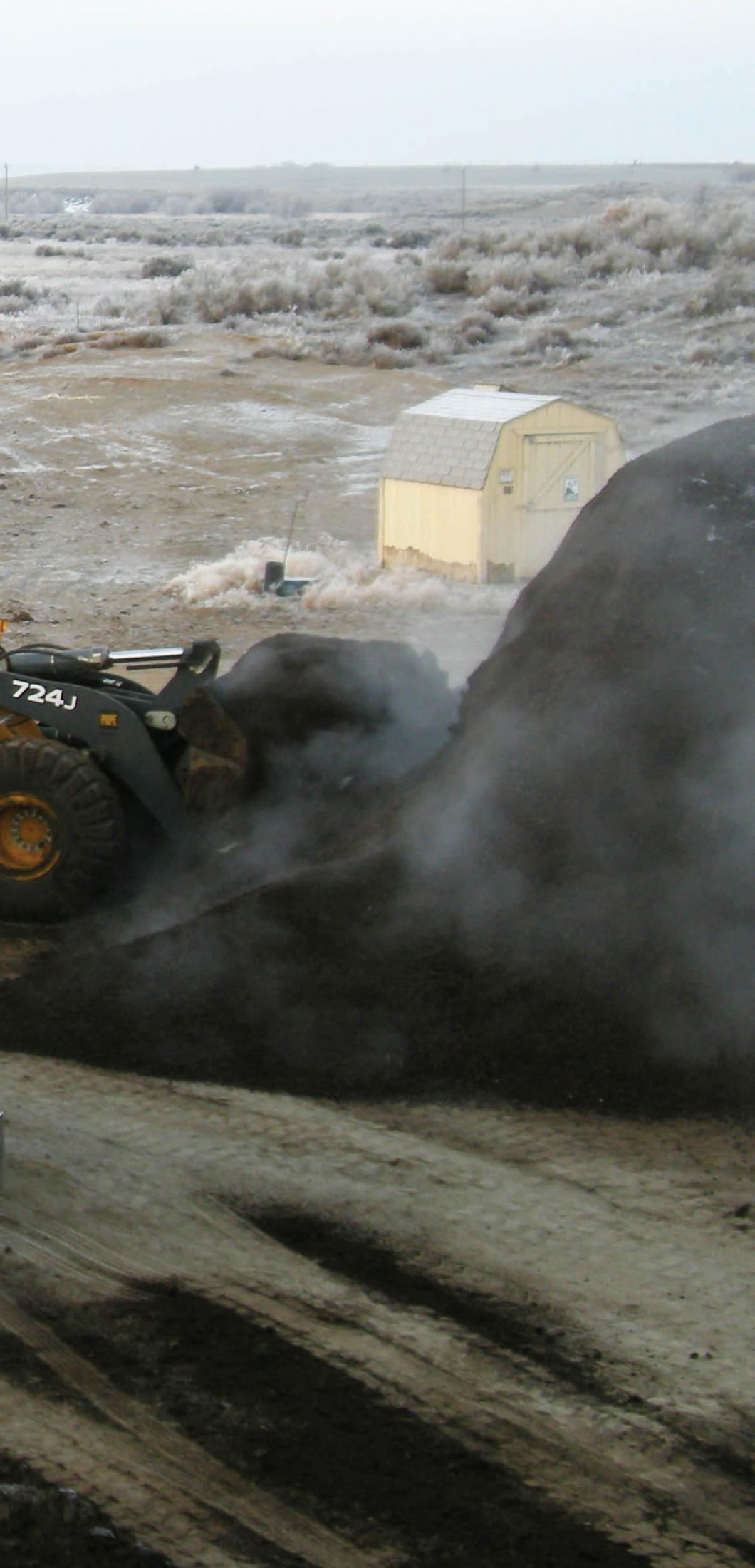
“Our customers are actually excited about the difference they are seeing in their soil health, crop responses, and increased water holding capacity,” says Hines. “There are a number of benefits our growers are realizing. I think that it has been a win-win situation for both our company and our customers because the cost of the manure has actually been less to obtain the same nutrients when factoring in the cost of commercial fertilizer over the last two years.”
Customers are also feeling more comfortable about manure as a fertilizer, knowing that there is a local inventory when faced with volatile commercial fertilizer prices, shortages and delivery issues.
Hines is an agronomist with a bachelor’s degree in crop management from the University of Idaho. His business is headquartered in the Moses Lake area, about halfway between Seattle and Spokane.
Common crops grown in the area include potatoes, onions, green peas, carrot seed, onion seed, alfalfa and wheat. There are also a lot of fruits, such as
apples, cherries, and wine grapes, grown in the region. This has motivated Hines to expand into certified compost production for use in orchards.
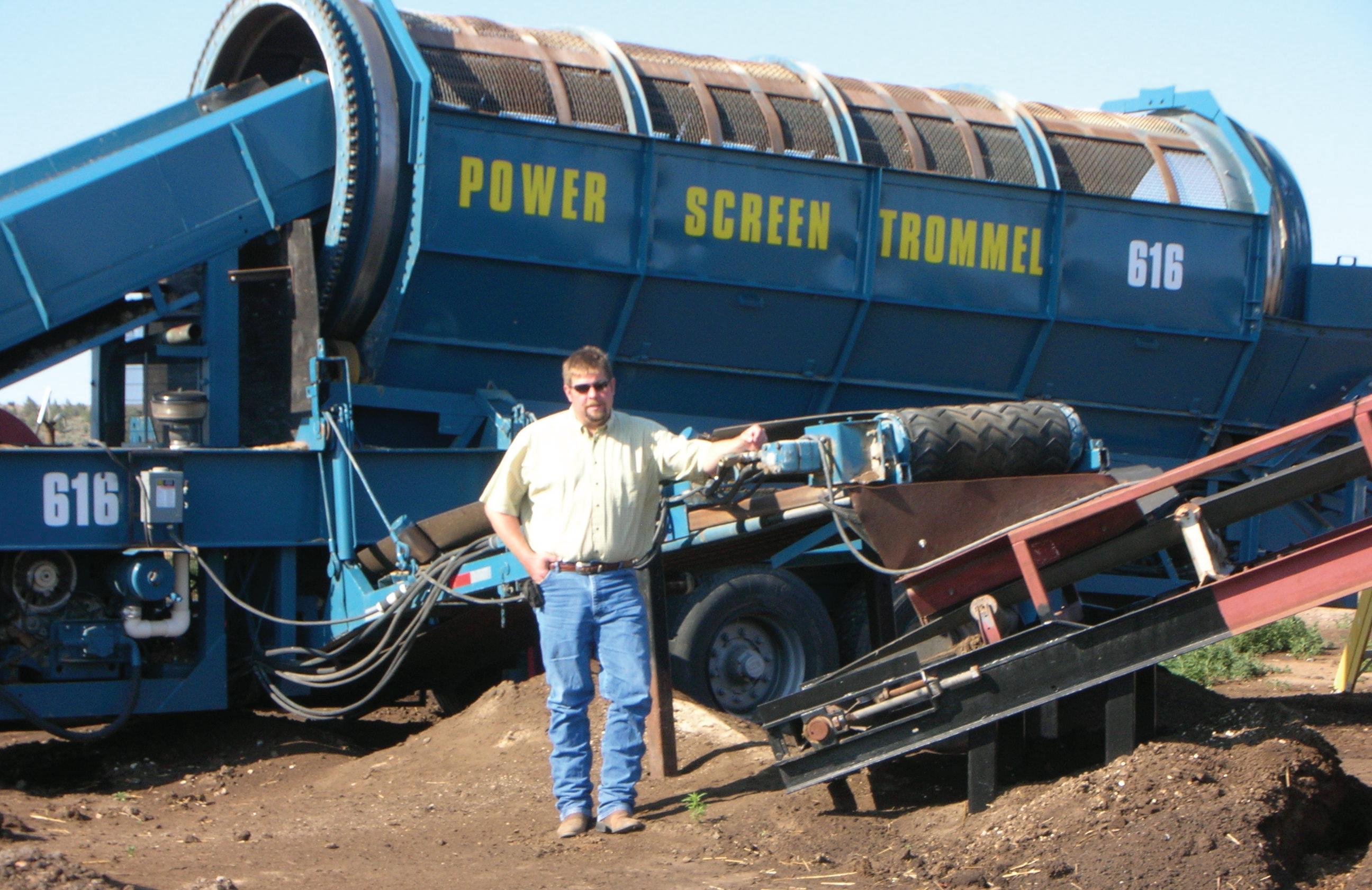
The service provided by Cascade Agronomics essentially boils down to taking a soil sample, discussing an application plan with customers, deciding on the type of manure, finding sources of manure to meet customer needs, screening it through a McCloskey 621 trommel screen (in the case of cattle manure), and then applying the manure according to the customer’s nutrient management plan. The company applies both chicken and cattle manure, with the vast majority being the latter, given the number of intensive livestock operations in that area of Washington. Some of his suppliers are large feedlot operators like El Oro Cattle Feeders near Moses Lake as well as Beef Northwest Feeders. Cascade Agronomics also takes on contracts with individuals who have old feedlots that need cleaning up.
“Most of the guys we deal with are focused on their animal performance,” says Hines. “Obviously, if we get the manure out of there, they are going to have enhanced animal performance. It also looks better for the general public to have a clean feed yard versus one that has stockpiled manure everywhere.”
He adds that his contract suppliers also appreciate that they have someone who is going to be available on a consistent basis to purchase the manure, so it is one less concern on their plate.
There is a definite difference between applying chicken manure versus cattle manure.
“I only use the chicken manure on our organic crops,” says Hines. “That’s primarily because we are going after the
nitrogen content in the chicken manure, which is roughly at 50 to 70 pounds of nitrogen per ton. Our use rates are typically in the five to seven ton per acre range.”
With cattle manure, he says they typically spread between seven and 30 tons per acre using screened material, but in that case, customers are primarily trying to capture the phosphate and potassium.
The company’s experience in terms of application rates and results is a valued service that keeps customers satisfied and coming back.
“We use different rates for different crops,” says Hines. “I have figured out what they are by trial and error, quite honestly. Based on that knowledge, I can make a recommendation based on the soil and what the crop use will be.”
Sometimes, it means going that extra mile to keep a customer happy. For example, to ship organic products to the European Union (EU), it was decreed that organic farmers cannot use manure from confined livestock operations. So, the company has to source cage-free chicken manure just so those customers can maintain access to the important EU market.
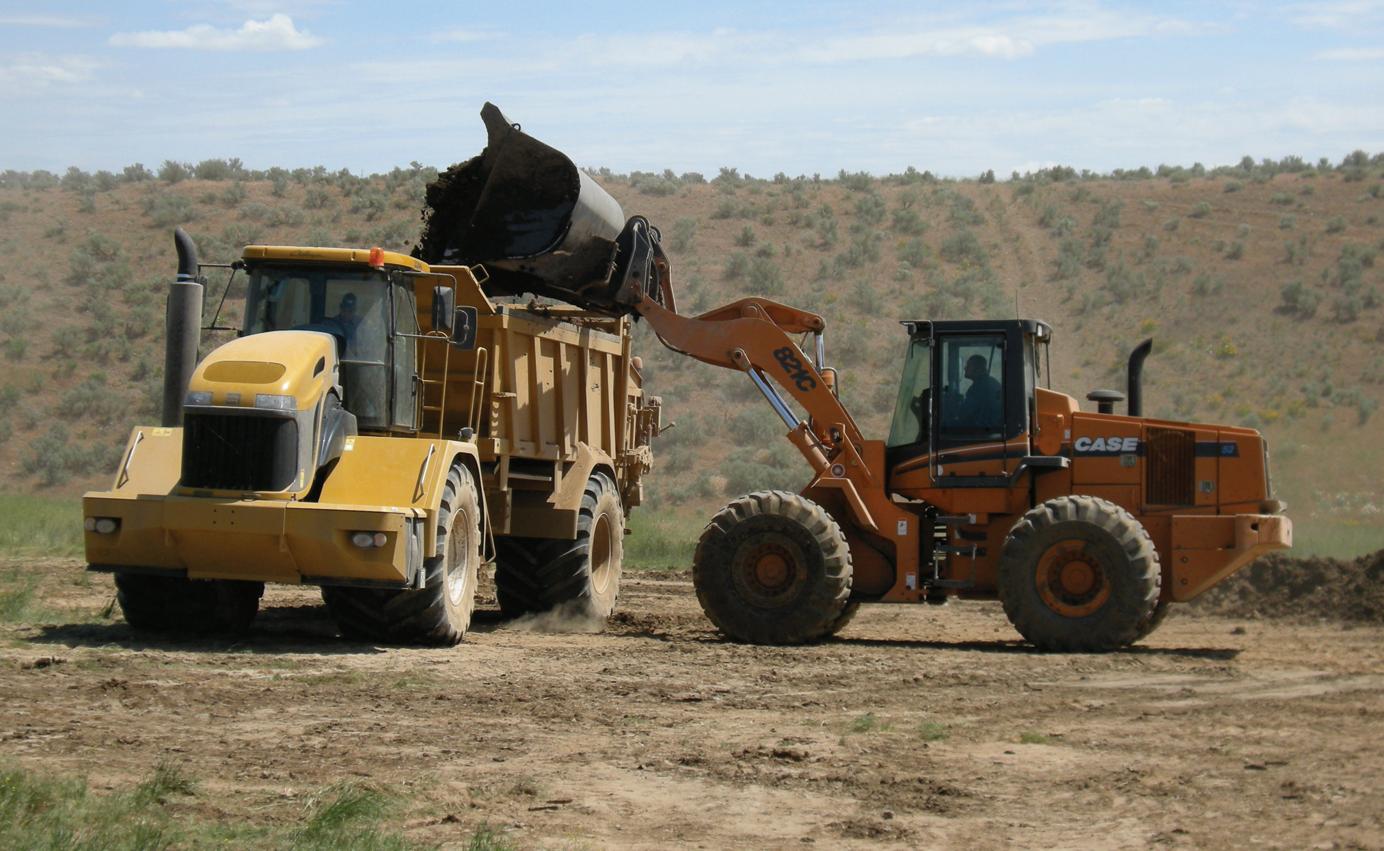
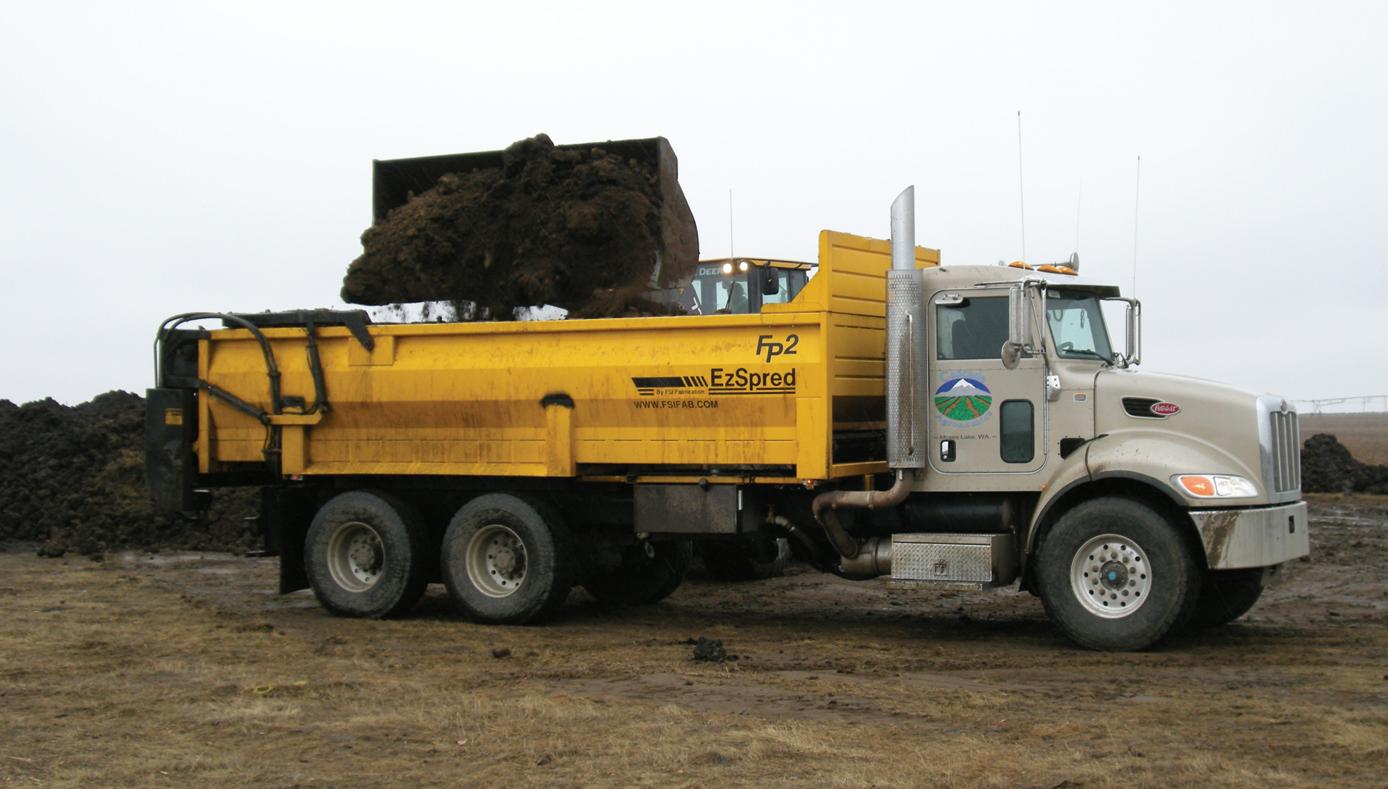
Cascade Agronomics’ fleet consists of two Ag-Chem 9205 TerraGator nutrient management system (NMS) units, a TerraGator 3244 with a nutrient management system, and a 3104 TerraGator nutrient management system unit. The company also has five 10wheeler trucks with beater boxes supplied by FSI Fabrication – located in Sunnyside, Wash. – on the back to spread manure.
Hines says he chose the Ag-Chem TerraGators because of the consistently uniform application quality he achieves with these purpose-built units. The systems
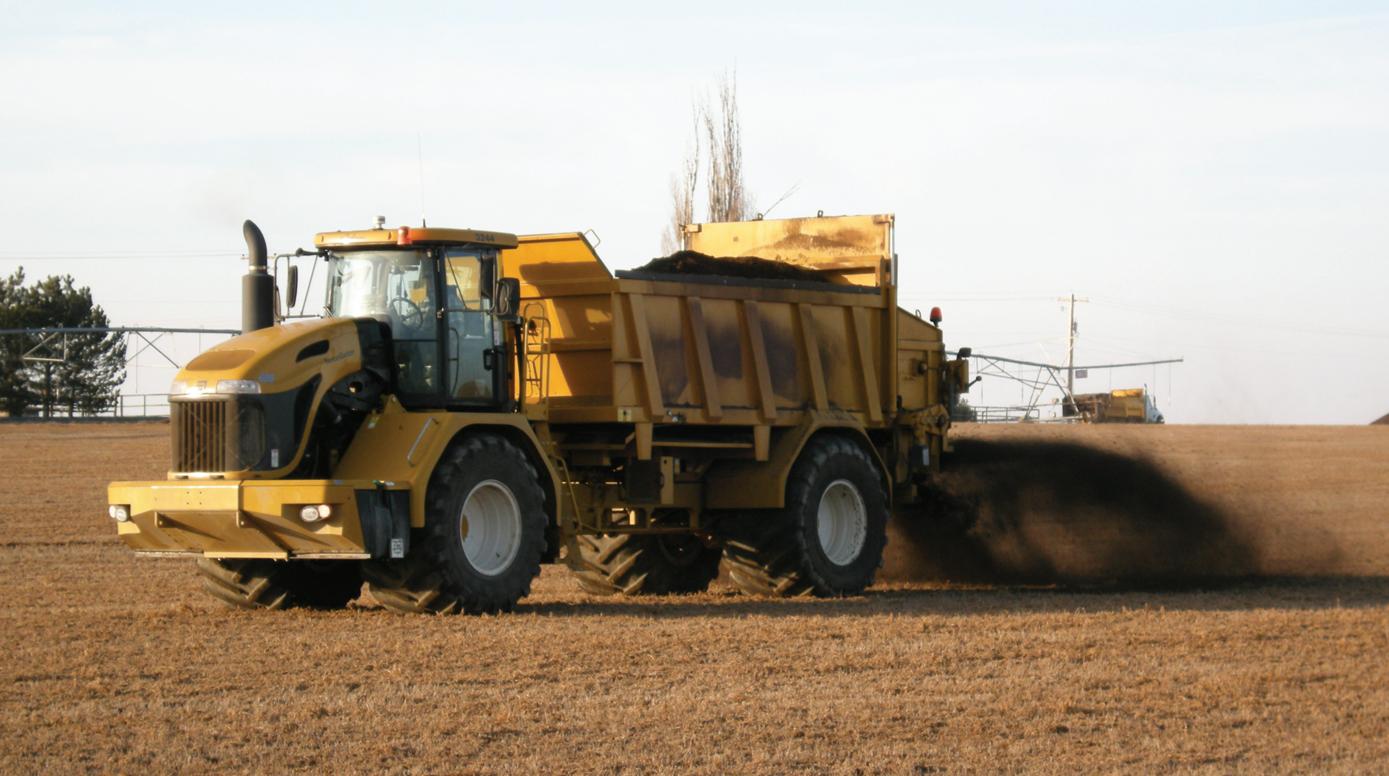
within the manure applicators are highly integrated, from the load cells to the autosteer feature to the rate controller.
“The TerraGators come equipped with the Falcon VT Rate Controller,” says Hines. “If we wanted to, we could do variable rate application.”
While the TerraGators are built for manure application, Cascade Agronomics also offers a lime application service and is able to use the TerraGators for this service as well. In this case, the company does use the variable application rate feature.
Hines says having this level of precision is what has helped to differentiate his business from his competitors.
“There are a few guys that have pull-type spinners that they use,” he says, “but to my knowledge, they don’t have anything with load cells on them and I don’t think the uniformity of the application is as good as what our machines do.”
For example, he says that to make sure they don’t have overlaps or skips, they have auto-steer on all their machines. The operator simply sets a line when he starts the field, hits a button, and the TerraGator steers itself going through the field.
Hines adds the TerraGators also deliver outstanding performance when applying the chicken manure, which he describes as sometimes having the sticky consistency of Play-Doh.
“As far as the really wet chicken manure, there is no other spreader that I have seen that will do the kind of the job that the TerraGators with the dry NMS on them will do,” says Hines.
Their busiest time of year is in the autumn, before fall tillage or if any top dressing is going to be done on alfalfa or grass crops. Applying at this time gives the customer an opportunity to run water over the manure so that the nutrients penetrate the soil before winter.
The busy fall season has also factored into the company’s expansion plans, as it is a fairly short application window. Cascade Agronomics plans to purchase another TerraGator 9205 with NMS to meet demand and to expand its service area.
The company also has expansion plans into certified organic compost.
“Part of the reason behind that is for tree fruit,” says Hines. “It goes back to growing organic and the EU. They want growers to have certified compost on certified organic crops, so that is why we are adding it to our business.”
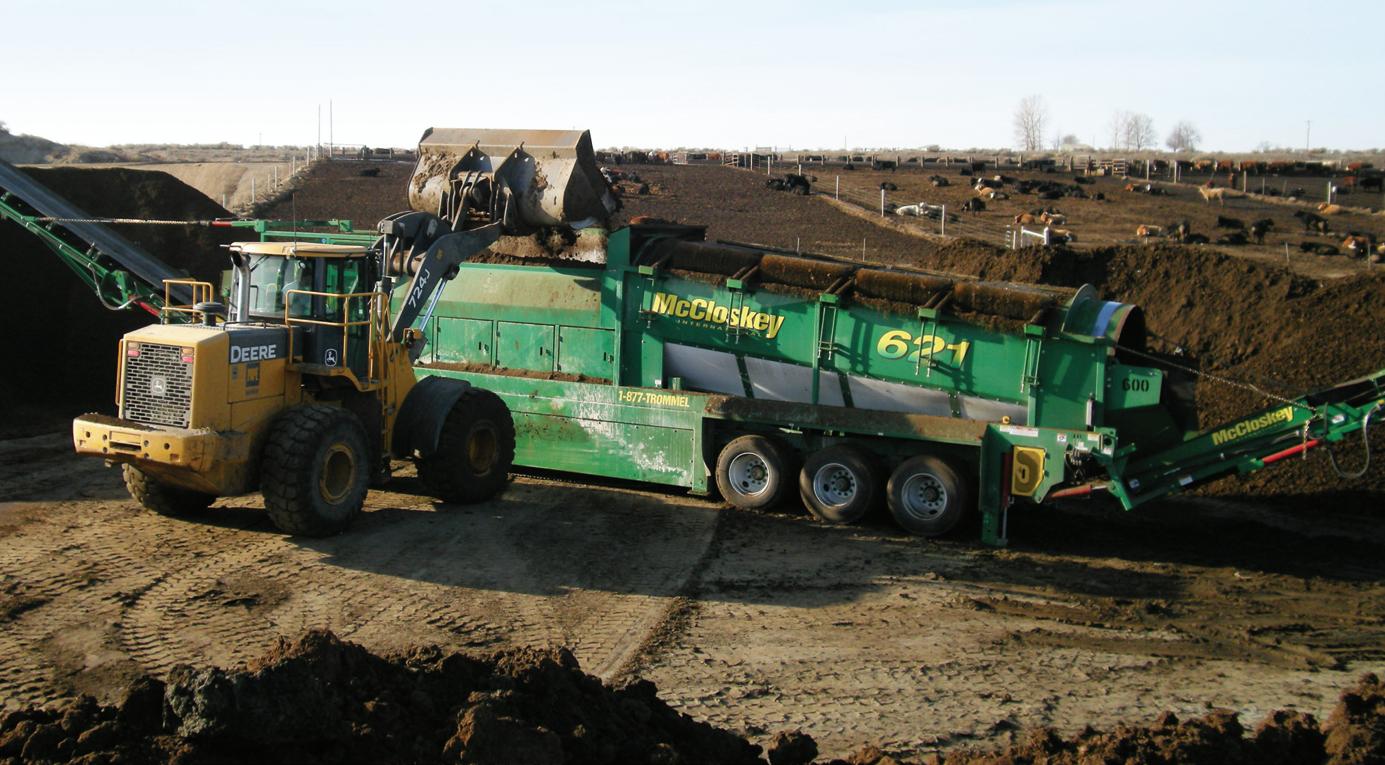
Manure from feedlots is processed through a McCloskey trommel screen to remove rocks and debris before it is applied to farmland by Cascade Agronomics. Submitted photo




By Diane Mettler
High Desert Organics completes two-year battle to bring compost facility to central Oregon
It began with an inspiration and required two years of perspiration and frustration, but High Desert Organics (HDO) will soon offer the local community a much-needed compost facility.
As a full-time farmer and field rep for Central Oregon Seeds, Greg Williams understood what a big issue agricultural waste was in Jefferson County, Ore.
“Our company has quite a bit of waste from screening products like grass seed, mint leaf, carrots and parsley


and others,” says Williams. “Because of the nature of the product, it’s light and bulky and the landfills didn’t like it. It also couldn’t be used for feed, so we just started dumping it out on some range ground and stockpiling it.”

from Central Oregon Seeds and sell the material wholesale to large operations like nurseries or spread it on farms.

In 2006, while watching television, Williams saw the solution. “It was a show on composting and I thought ‘That’s a fantastic idea!’”
A simple plan derailed Williams and his friend and neighboring farmer, Ryan Boyle — each with 2,500 irrigated acres and running cattle on rangeland — decided to join forces and create a large-scale composting operation called High Desert Organics.
Their plan was fairly simple. They would bring in manure from nearby feedlots and blend it with the screenings
Thinking it would be an easy process and welcomed in a county with a $73 million agriculture industry and no outlets for waste, the two men purchased 40 acres of ground. The solution seemed obvious — there would be a use for the waste generated and the farmland in the area that had been depleted of micronutrients over the past 30 years would get a healthy boost.
Wanting to do it right, Williams and Boyle began filing for permits. Williams also went to his neighbors to explain what they were planning.
“One neighbor thought it was a great idea but the other looked worried,” says Williams.
It turns out the neighbor was worried


➤ Manure Pits,Channels & Covers
➤ Suspended Slabs - up to 40’ clearspan
➤ Hog & Cattle Slats - up to 25’ clearspan
➤ Weeping Walls - manure separation
➤ Milking Parlors
➤ Strainer Boxes
➤ Commodity Storage
➤ Bridges
➤ Bunker Silos (8 types)
➤ Syloguard Concrete repair
➤ Retaining Walls
➤ L & T Walls up to 16’ high

• Built to engineers’ specifications
• All sections are high strength, pre-stressed,reinforcedconcrete for longer life
• Quick & easy to build
• Air-tight seals and protectant using Syloguard products
Nearly 10 months are spent searching for a new site and feasibility studies are done on 3,600 possible options.
Spring 2008, Williams and Boyle reapply for a permit.
Fall 2008, the commission approves the plan and issues a permit. Neighbors immediately file suit. New hearing to be held June 24, 2009, for final determination. (Neighbors could appeal, but it will be an expensive proposition.)
During the two-year permitting process, the men have veered from composting and gone into the feedlot clean-up business to make use of the equipment they had purchased for composting and to pay the ongoing attorney and engineer fees.
“We’ve been going in and cleaning up feedlots and screening the manure,” explains Williams. “The real wet manure is what we want to go back into the compost. But the old, dry manure we like to screen it and get a fine product because obviously the smaller the particle size, the higher the nutrient value to a plant.”
In short, they are composting on a small scale at the feedlots, using a trommel screen to screen the dry manure. It’s then piled and kept at approximately 150 F to ensure the weed seeds are killed. A Frontier turner manufactured out of Oregon’s Willamette Valley is used to turn the piles. “It’s worked very well for us,” says Williams. “It’ll turn piles eight foot by 12 foot.”
HDO blends in lime and gypsum and, once the piles have finished composting, HDO applies the compost on alfalfa and wheat fields, as well as on fallow ground.
“We sell (the materials from the feedlots) to other local farms and spread it as well,” explains Williams. “Because of the nutrient values that we’re getting using the manure, it’s well worth putting the manure on.”
about dead animals. It was true the permit Boyle and Williams had applied for allowed them to compost animals as well as bio solids, but they had no intention of doing either.
“Unfortunately, there isn’t a permit out there that says, ‘You can compost just your manure and screenings,’” says Williams.
Immediately after speaking with Williams, the neighbor sent out 1,000 fliers around the county to drum up money and support to fight HDO.
“It was just full of false accusations,” says Williams. “And it was bad because it started us out on the wrong foot.”
The next two years looked something like this:
Williams and Boyle apply for permits in early 2007.
Planning commission likes idea, but requires the site to be moved. Compost sites can’t be located on land zoned as high-value farm ground.
HDO’s additional equipment includes two Freightliner trucks, two 400 Cats, as well as two Red River belt trailers and a Ray-Man conveyor that loads the spreaders.
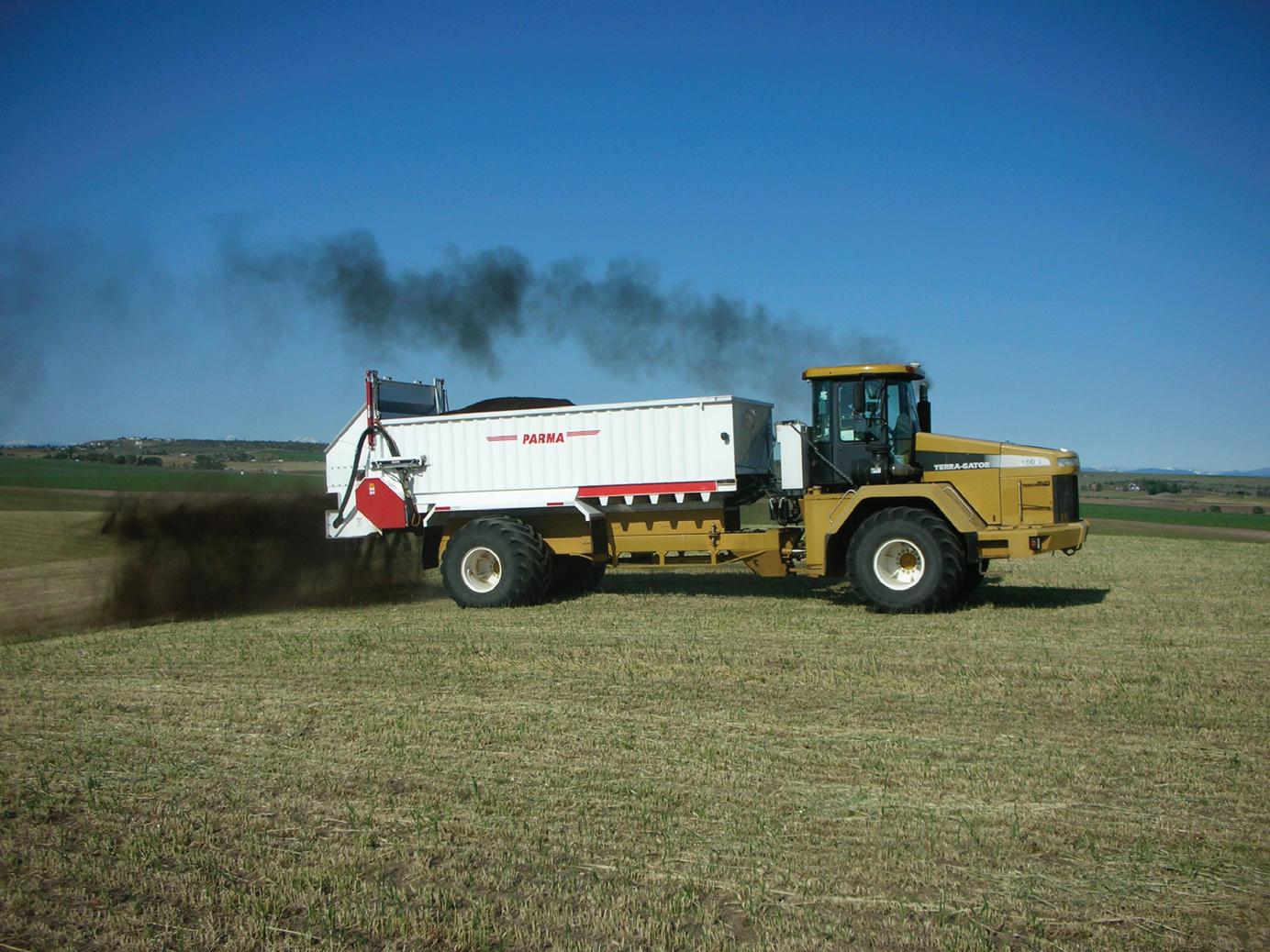
“We also use an Ag-Chem spreader that was originally designed as a manure injection system,” explains Williams. “We tore off the injection system and put a (Parma) spreader box on. Now we can spread three to five ton with about 100 percent accuracy using a Falcon control system with Trimble GPS.”




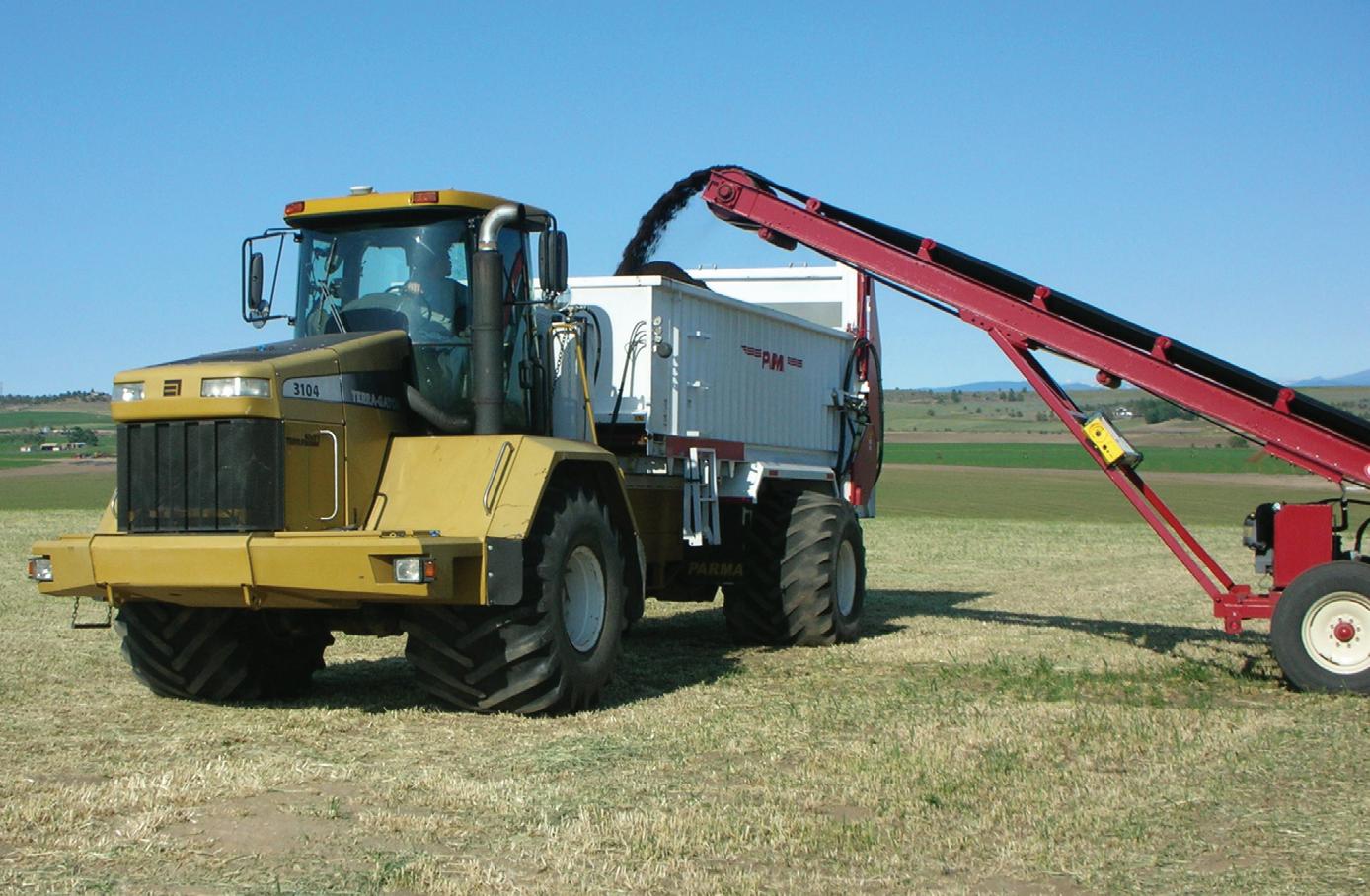
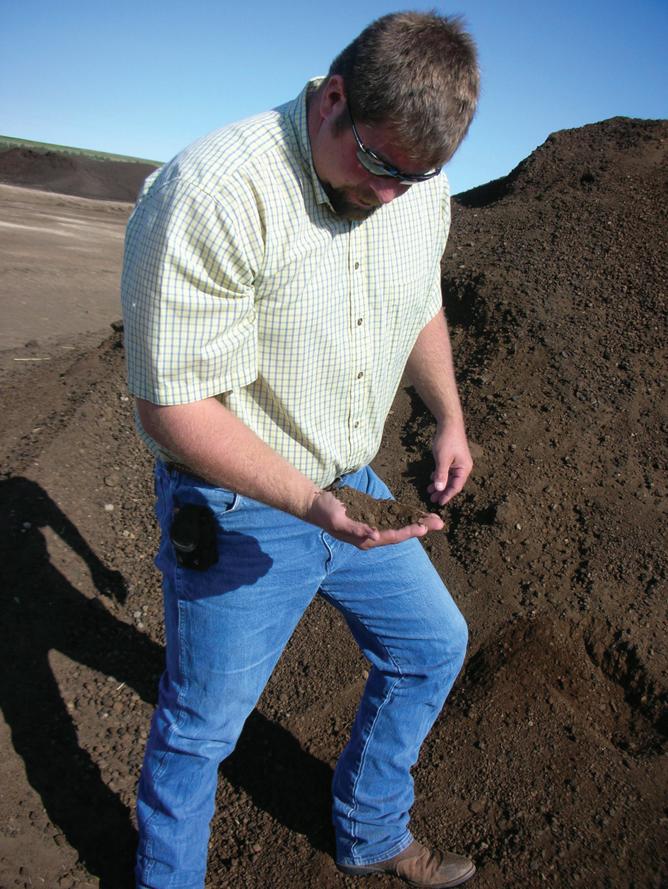
The new site HDO chose is two miles east of the original site and located on rangeland. New roads have yet to be constructed, but an unlimited water supply is already secured.
“At peak season, when it’s 105 to 110 F, zero humidity, we could use around 60,000 gallons a day. During the winter though, we’ll very seldom use water,” says Williams.
Williams and Boyle estimate that five semi trucks a day will bring in wet manure and other agriculture waste. At this point, they anticipate several hundred thousand pounds of material arriving on the site annually.
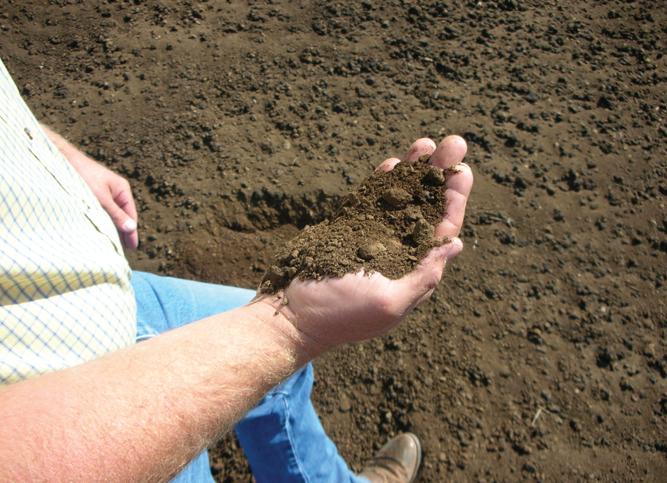
The dry manure has been put through a trommel screen and then composted and turned before being land applied. Submitted photo
The site will only receive bulk suppliers. “An average Joe with a pickup won’t be able to come out and drop their waste off. He’ll have to take it to a site in town and then we’ll take our semis in and get it,” says Williams.
Even though the piles will continue to compost throughout the winter, in optimum conditions —temperatures inside the piles maintained between 130 and 180 F — HDO believes materials will be composted within two weeks.
There is real value in their compost because of the manure’s content, but the flip side is the weed seeds it can sometimes contain. For that reason, in addition to killing the weeds at high temperatures, they generally leave the compost in bulk piles for three to four months before spreading it.
“The biggest issue will be keeping the piles aerobic. You don’t want them to become anaerobic because then they start getting stinky,” says Williams.
HDO looks forward to expanding.
Although the company sees itself as a wholesale compost outlet for bulk buyers, Williams says he can foresee the day when they are bagging and selling it as well.
“Right now, we’re trying to keep customers within a 40-mile radius, because of the difficulty in moving equipment,” he says. “But if the company grows, we would purchase more equipment and spreaders.”
Already producing positive results
Although they aren’t quite in operation, HDO already has a list of potential customers. Maybe that’s in part because High Desert Organics is already seeing positive results.
“We soil test all our fields three times a year and we’ve seen improvements,” says Williams. “Using the manure with lime and gypsum, it’s bringing up the potassium and phosphorus levels. There’s definitely been an improvement in our crops as well.”
Right now, HDO employs two full-time employees and two part-time employees. Zen Wilson, the company’s operations manager, is doing a great job for them, says Williams.
“When we’re up and running, we’ll have between three and four employees, including the truck drivers, the spreader operator and generally a guy at the feedlot screening,” he adds.
Williams says if he had it to do over again, he would start with local government and the local regulations with respect to composting.
But despite the struggle and setbacks, Williams says some good has come from all this. “People have become aware of just how much agricultural waste there was in the area and that there are people who are stepping forward and trying to solve some of the problems.”
Composting, he says, is the way of the future. “I believe in the U.S., 42 states have already closed landfills,” says Williams. “In my opinion, that’s the way it ought to be. Most everything can be recycled or composted. They are doing it all through Europe, and it’s just amazing how far behind we are on recycling tradition.”
The compost facility may become a reality after this last hearing, but if the neighbors appeal, don’t expect it to deter either Williams or Boyle. In fact, a growing support may be giving them their second wind.
“We’re getting contacted from all over the state by people who are interested in this project,” says Williams.
September 18, 2009

August 12, 2009
Manure: From Storage to Field, Empire Farm Days DairyProfit Seminar, Seneca Falls, New York. Being held during Empire Farm Days.
August 16-20, 2009
Managing Agricultural Emissions Symposium, Washington Convention Center, Washington, DC
August 21, 2009
Manure Treatment Technologies Demonstration Programs, an on-line webcast hosted by the Livestock & Poultry Environmental Learning Center. Visit www.extension. org/pages/Live_Webcast_Information.
August 23-26, 2009
Farming Systems Design 2009, Portola Hotel & Spa, Monterey, California. Visit www.iemss.org/farmsys09.
August 26-27, 2009
Water Quality Credit Trading Workshop, Indianapolis Airport, Indianapolis, Indiana. Visit www.conservationinformation.org.
September 15-17, 2009
2009 Canada’s Outdoor Farm Show, Canada’s Outdoor Park, Woodstock, Ontario, Canada. Visit www.outdoorfarmshow.com.
Air Quality Program, an on-line webcast hosted by the Livestock & Poultry Environmental Learning Center. Visit www. extension.org/pages/Live_Webcast_Information.
September 22-24, 2009
Farm Science Review, Molly Caren Agricultural Center, London, Ohio. Visit http://fsr.osu.edu.
September 22-24, 2009
2009 Pacific Organic Residuals Symposium, University of California Activities & recreation center, Davis, California. Visit www.epa.gov/region9/waste/organics/symposium/index.html.
September 28-29, 2009
Anaerobic Digester Course, Madison Concourse Hotel, Madison, Wisconsin. Visit www.worlddairyexpo.com/sem. shortcourse.cfm.
September 29-30, 2009
Texas Animal Manure Management Issues Conference, Austin Marriott North, Round Rock, Texas. Visit http://grovesite.com/ page.asp?o=tamu&s=TAMMI&p=353016.
September 29-October 3, 2009
World Dairy Expo, Alliant Energy Center of Dane County, Madison, Wisconsin. Visit www.worlddairyexpo.com.
October 16, 2009
Pasture Management for Water Quality, an on-line webcast hosted by the Livestock & Poultry Environmental Learning Center. Visit www.extension.org/pages/Live_Webcast_ Information.

Whether you’re working with nutrient management or water supply, we offer the products and expertise to ensure the success of even the most demanding projects.
SPECIALIZING IN:
AGRICULTURAL PITS AND PONDS
ANAEROBIC DIGESTER COVERS
CONSTRUCTED WETLANDS
CANAL LINING
STORMWATER MANAGEMENT
WASTEWATER MANAGEMENT
For the latest product information call(800) 428-4442 www.firestonesp.com/mm1 info@firestonesp.com
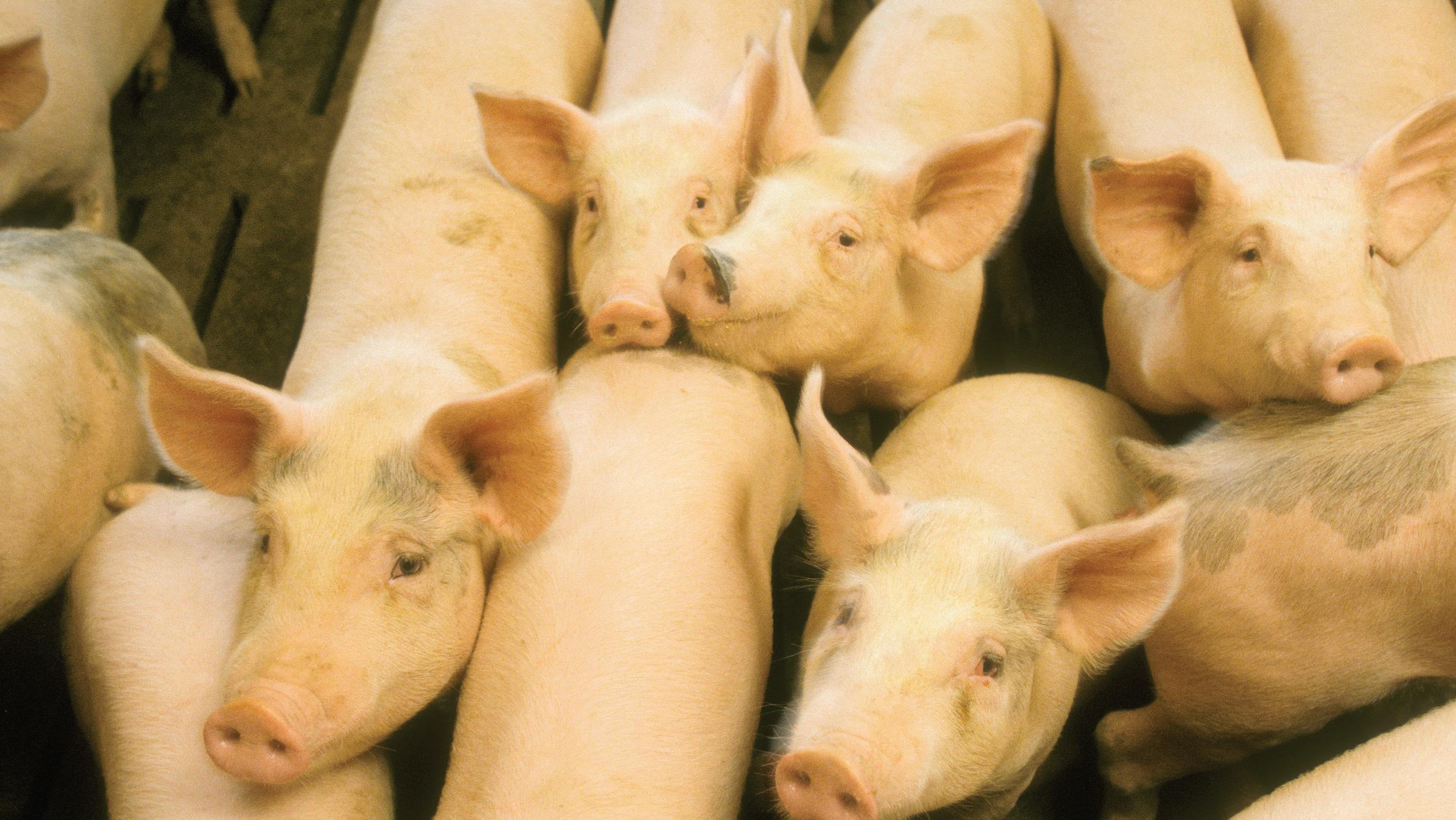

The U.S. Department of Agriculture’s Economic Research Service recently released a report on manure use for fertilizer and energy production.
Manure is applied to about five percent of U.S. cropland. Pig and dairy cow manure are the most common forms of manure to be used on corn crops.

According to the study, based on information collected through the Agricultural Resource Management Survey (ARMS) plus the U.S. census and Environmental Protection Agency (EPA) databases, manure is only used on a small fraction of U.S. cropland – about 15.8 million acres or five percent of all U.S. cropland.
Corn accounted for more than half of the land receiving manure in the U.S. and the majority of that applied to the crop was sourced from dairy or hog operations.
“With its high nutrient uptake, particularly for nitrogen, corn is an attractive option for livestock operations seeking to utilize manure,” states the 53page report.
In contrast, the report says lighter, drier manure from cattle feedlots and poultry operations is more likely to be shipped to regions farther away from the source operation, due to cheaper transportation costs. As a result, manure from these sources is “spread over a wider range of commodities.”
With the movement toward larger livestock operations, many produce more manure than can be absorbed by the farm’s crops. Federal, state and
local government regulations involving the storage, transport and application of manure have also expanded, meaning more planning, filing and administrative work (and expense) by

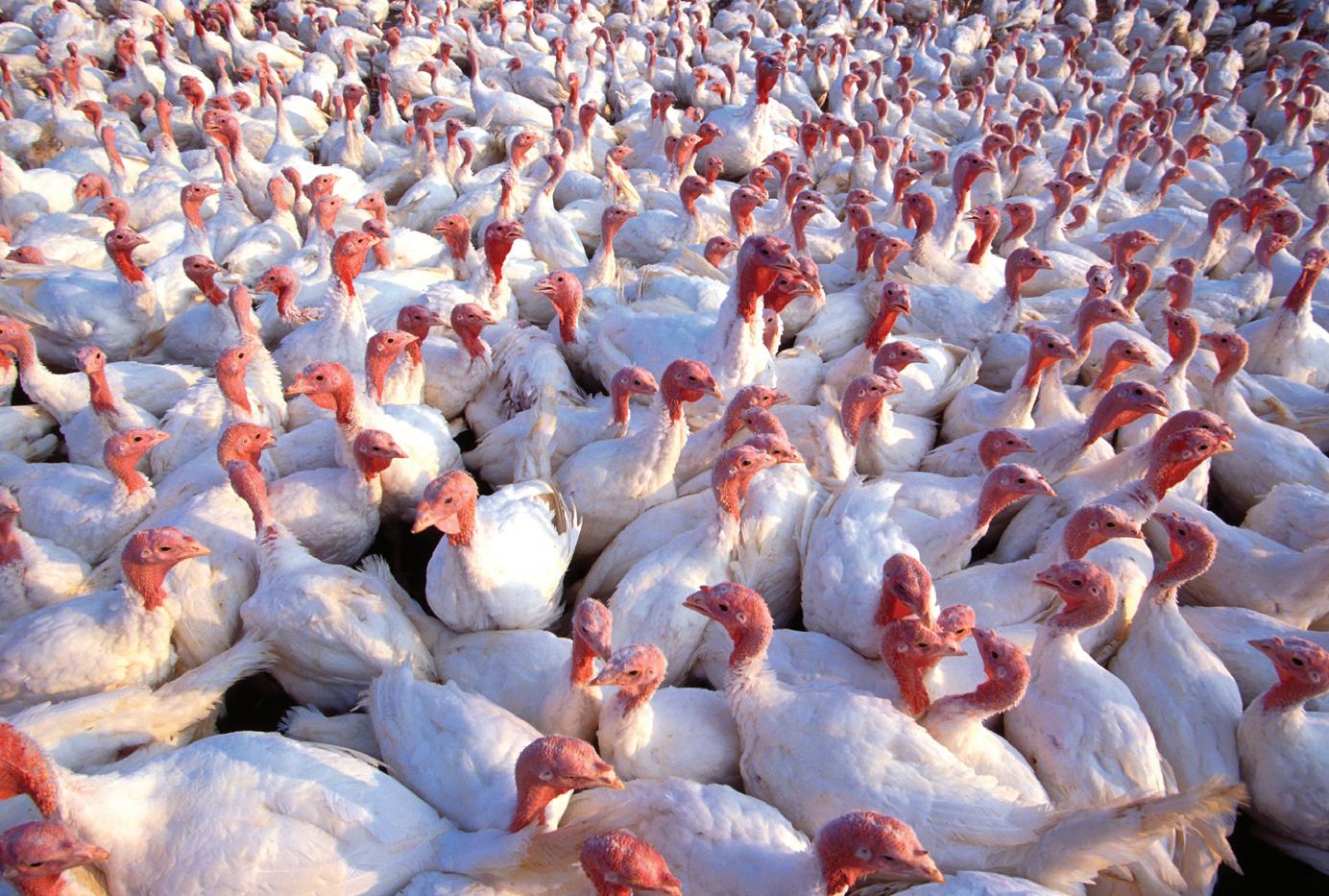

Litter from chickens and turkeys is applied to a greater range of commodities due to its light weight and ease of transport.

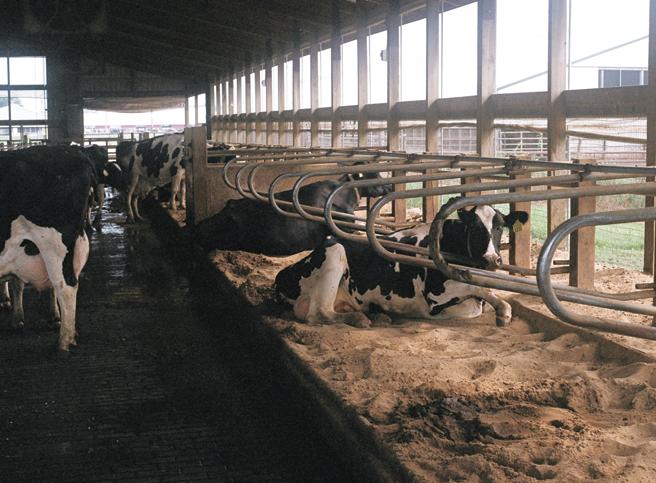

Digester systems are in use on only three percent of dairy operations in the United States.
livestock operations to comply with the regulations.
“Estimated costs of compliance vary with the degree to which nearby farmers are willing to accept manure for application to their cropland,” states the report. “A low willingness to accept among nearby farmers means that livestock producers will need to transport manure much farther for crop application.”

According to the report’s authors – James M. MacDonald, Marc O. Ribaudo, Michael J. Livingston, Jayson Beckman, and Wen Huang, all with the ERS of the USDA – production costs for livestock operations would increase by 2.5 to 3.5 percent if there was limited willingness by local farmers (defined as 20 percent or less of nearby farmers) to accept manure.
“Expanded regulation through nutrient management plans will likely lead to wider use of manure on cropland, at higher production costs, with little impact on the size structure of farming operations,” the report says.
The study also investigated what effects increased competition for manure for energy production might have on agriculture. The authors found that while there was widespread interest in using manure as an energy feedstock, manureto-energy projects are currently not in widespread use within the U.S.
“Digester systems, including those planned or in construction, cover less than three percent of dairy cows and less than one percent of hogs,” the report states. “The single operating combustion plant utilizes litter from 6.6 percent of U.S. turkey production, while an idle plant in California could utilize manure from about three percent of fed cattle.”
It’s expected that the currently envisioned manure-to-energy projects are not likely to lead to constraints on finding manure for use as a fertilizer. “Many of the nutrients that are beneficial to crop
growth remain after energy production,” the reports says.
Under the Food, Conservation, and Energy Act of 2008, the USDA was directed to prepare the study, which was to provide:
on consumers and on agricultural operations (by size) resulting from limitations being placed on the utilization of animal manure as fertilizer; and
•
A determination of the extent to which animal manure is utilized as fertilizer in agricultural operations by type (including species and agronomic practices employed) and size;
An evaluation of the potential impact •
An evaluation of the effects on agriculture production contributable to the increased competition for animal manure due to bioenergy production, including as a feedstock or a replacement for fossil fuels.
To view the entire report, visit www.ers.usda.gov/Publications/AP/AP037.
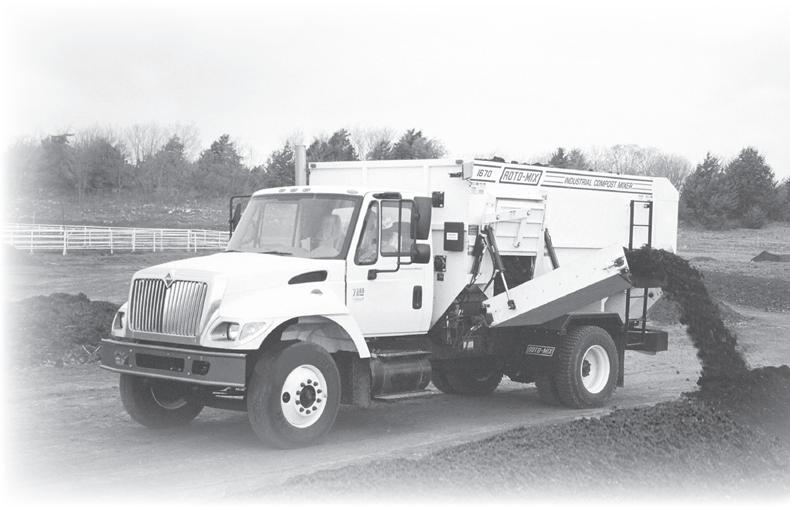

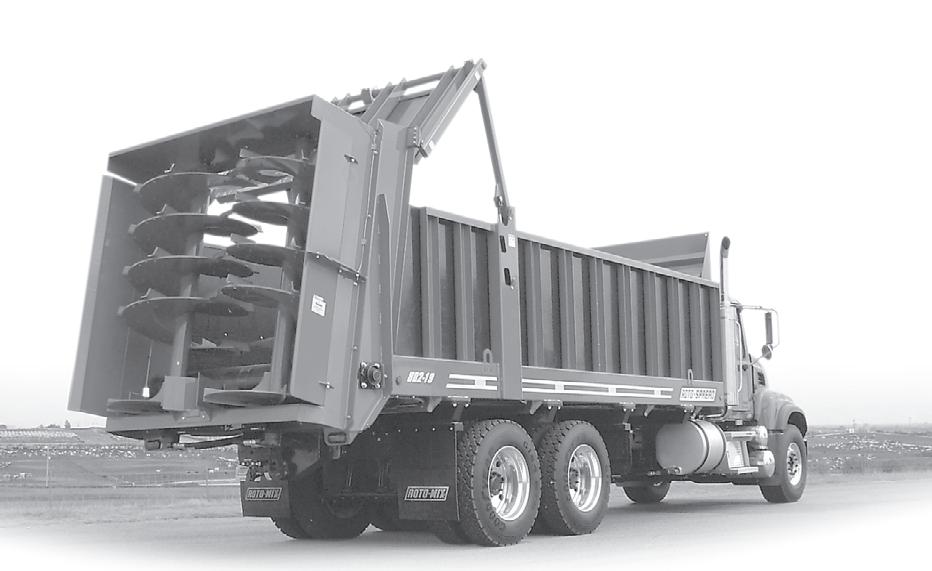
Energy Efficiency at its Peak in design, operation and maintenance, the ROTO-MIX mixer was developed with pure cost-efficiency in mind.
•Rotary design
•Less horsepower
•Enclosed oil bath drive
•Variable rate discharge
•Eliminates auger tunneling

•Stainless steel optional
•Conveyors optional





•Available as stationary, trailer or truck
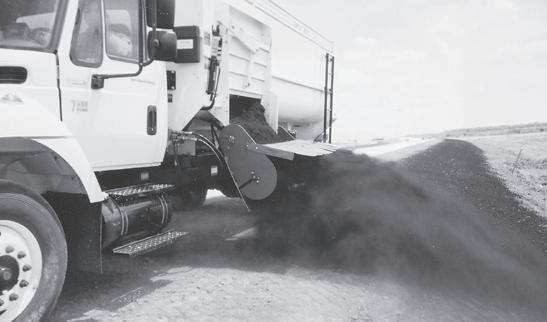
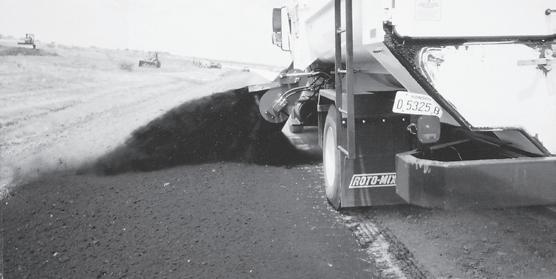
Patent Pending Compost Spreading Attachment For fast, accurate compost application— great for highway projects, housing developments, erosion control or anywhere an even compost bed is required.
Ask about our 802-19 Waste Disposal Truck
Also available 362-12 Trailer and 532-16 or 672-20 Truck or Trailer.
225-1142 www.rotomix.com


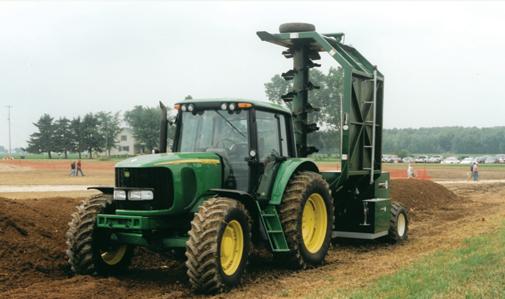
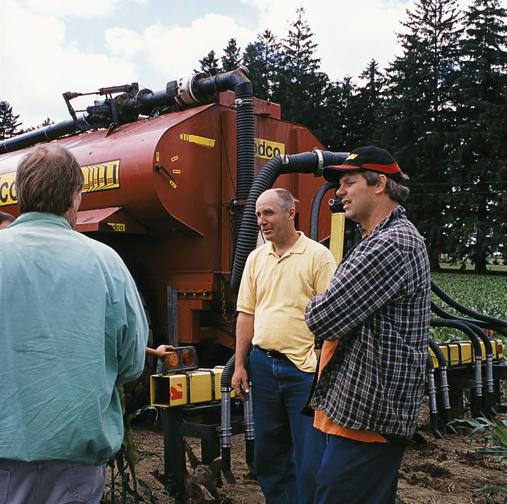
The National Biomethane Summit, held June 23 in Sacramento, far exceeded the initial expectations of the event’s planners with a cast of participants representing all sectors of the industry.
The day’s programming featured toplevel speakers from throughout the United States plus an international delegation assembled to share experiences and best practices from throughout Europe. Session rooms were filled to capacity throughout the day.
The California Natural Gas Vehicle Partnership (CNGVP) hosted the inaugural event, which convened legislators and staff, business leaders, and a full slate of executive-level speakers. Conference attendees discussed biomethane from the standpoint that it is an ultra-low carbon vehicle fuel that is currently commercially available and can achieve reductions in greenhouse gas emissions in the transportation sector.
Elected and appointed officials took centre stage during morning sessions. The California Energy Commission and the U.S. Department of Agriculture, Rural Development agencies took on high profiles at this event, sending top-level speakers and encouraging attendees to pursue the funding and resource opportunities available to those ready to take on biomethane projects.
The summit showcased many in-use projects from throughout California and discussed challenges, opportunities, and success stories from various angles.
The next National Biomethane Summit events are expected to take place in Washington, D.C., and in Southern California. For more information, visit www.biomethanesummit.com.
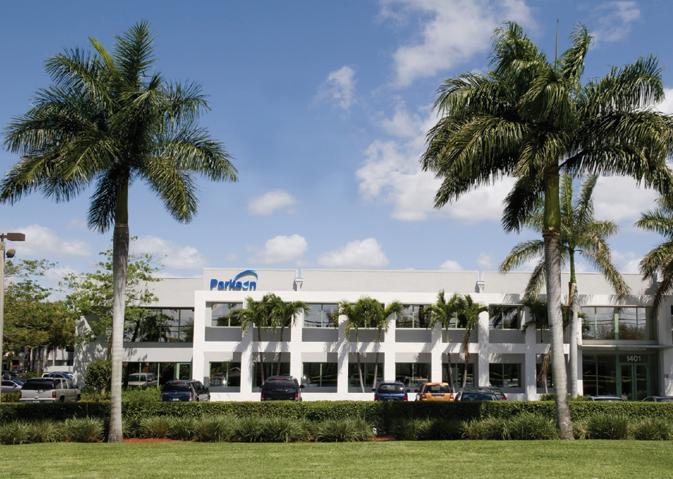
Parkson Corporation recently opened its new Water Campus — located in Fort Lauderdale, Fla. — to family and friends for the first time.
The informal opening was a special tribute to Parkson employees and families. Visitors were treated to tours of the company’s new headquarters building and were entertained with presentations demonstrating many of the company’s water-oriented technologies.
“The opening of the new Parkson Water Campus, with its headquarters
facility and the associated water research facility is representative of a new era for Parkson Corporation,” explained Zain Mahmood, president and CEO of Parkson Corporation.
Parkson has also organized its company team into four market-focused business units to align its resources to the needs of its customer base. The new units have been designated as: Municipal, Industrial and Systems, International, and Aftermarket Services. This is in addition to the company’s Innovation and Technology Group, which is structured to focus on new product development.
Making the most of manure is the ongoing focus of research by the Cornell University Nutrient Management Spear Program (NMSP).
With funding from the Northern New York Agricultural Development Program and New York Farm Viability Institute, field trials for evaluating various manure application practices are underway at the William H. Miner Agricultural Research Institute in Chazy, N.Y.
Researchers are evaluating surface application of manure without incorporation into the soil, shallow incorporation of manure with an aeration tool, and chisel incorporation, and a farmer selected incorporation tool at 10
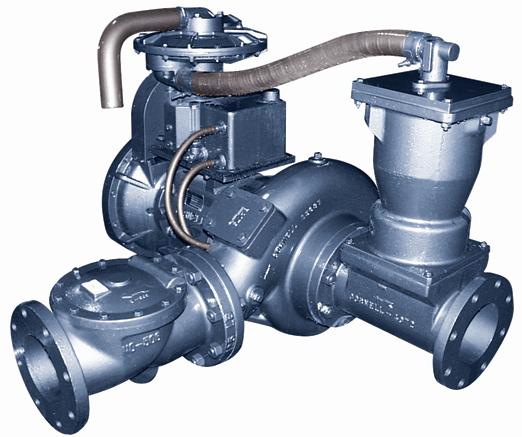
farms throughout New York.
Place collects soil samples before and after manure applications, at planting time, at side dress time and when the corn is harvested. The samples are tested for nitrate levels, nutrient content, moisture and soil nitrogen supply potential using the Illinois Soil Nitrogen Test (ISNT).
The research also includes data on soil compaction, residue coverage, late season stalk nitrate levels, and corn crop yield and quality.
“Our first year results in Northern New York were impacted by rainy weather causing saturated soil most of the spring and generally poor stands of corn at the trial field at Miner Institute,” says Cornell graduate student Anne Place, who is working with NMSP. “Although the ISNT soil nitrogen test indicated the soil nitrogen supply potential was high, the soggy soil conditions caused root development problems and low nitrogen availability and nitrogen uptake.”
In addition, a late summer storm that damaged the corn crop at the Miner Institute resulted in low crop yield data.
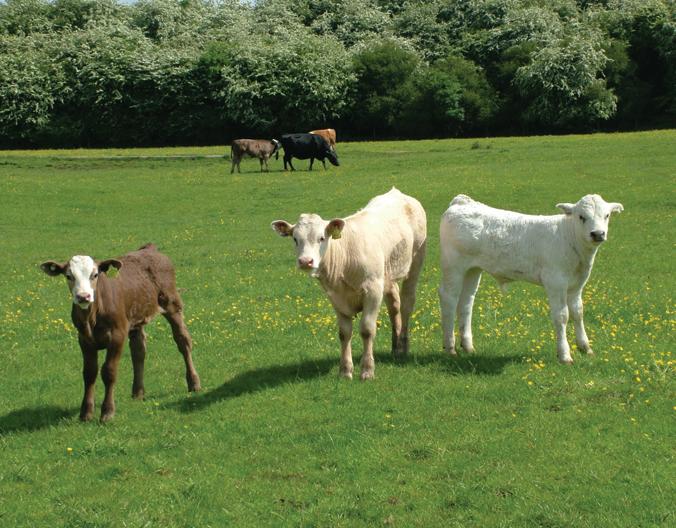
Canadian scientists are breeding a special type of cow designed to burp less.
Canadian scientists are breeding a special type of cow designed to burp less. This could be a breakthrough that could reduce a source of greenhouse gases responsible for global warming.
Stephen Moore, a professor at the University of Alberta in Edmonton, is examining the genes responsible for methane produced from a cow’s four stomachs in order to breed more efficient, environmentally friendly cows.
The professor of agricultural, food and nutritional science completed primary tests using traditional techniques to breed efficient animals that produce 25 percent less methane than less efficient animals. More work needs to be done before the long-term impact is known. Moore’s study was published earlier this year in the
Journal of Animal Science.
“We are working on producing diagnostic markers for efficient animals,” said Moore. “We are looking at the next generation of technologies that will enable us to determine the genetics of an animal through a blood test or testing some hairs that you might pluck from the animal.”
To shrink cattle’s ecological footprint, ranchers could also decrease the time cows are left standing in the field by getting animals to market sooner. That means breeding cattle that grow faster.
Also, through breeding, cattle could become more efficient in converting feed into muscle and producing less methane and waste, said Moore.
Another method already being used to reduce methane emissions is feeding livestock a diet higher in energy and rich in edible oils, which ferment less than grass or low-quality feed.
Farmers in Alberta that feed their livestock edible oils and shorten the time to market can accrue carbon credits that could amount to between one $1 and $10 (Canadian) per head.


By Myron Love
The Alberta government has joined forces with several counties in the province plus the local agriculture industry to launch a four-year project aimed at increasing the amount of liquid dairy manure being injected or applied through surface banding.
Calgary-based Preferred Carbon recently introduced its swine manure lagoon cover program to the province of Manitoba, unveiling its newest installation at the Starlite Hutterite Colony, located near Starbuck, Man.
The installation marks the completion of more than two years of work and negotiations with the provincial government for Bruce Love, director of Preferred Carbon, and Farmer’s Edge, an independent cropconsulting firm that partnered on the project. Although Preferred Carbon has installed several covers in Alberta and Saskatchewan, the Manitoba government was slow to issue permits for the pilot project. Weather was also a factor in construction delays.
“What kept us going through the setbacks was the commitment and enthusiasm of the Starlite Colony folks,” said Love.
When approached by Preferred Carbon, officials with the colony were open to the idea of having the 200 by 350 foot black, low linear polyethylene cover installed over their 1.5 million gallon lagoon. One of the largest problems facing the 600-sow, farrow to finish farming operation have been complaints about smell coming from local neighbors.
The permanent cover is expected to last about 10 years and will help eliminate any odors while preventing methane gases – a major culprit in global warming – from escaping into the atmosphere. “Methane gas is 21 times more harmful to the atmosphere than carbon dioxide,” said Love.
The methane is collected under the cover and piped into an electronic measuring device to monitor the amount

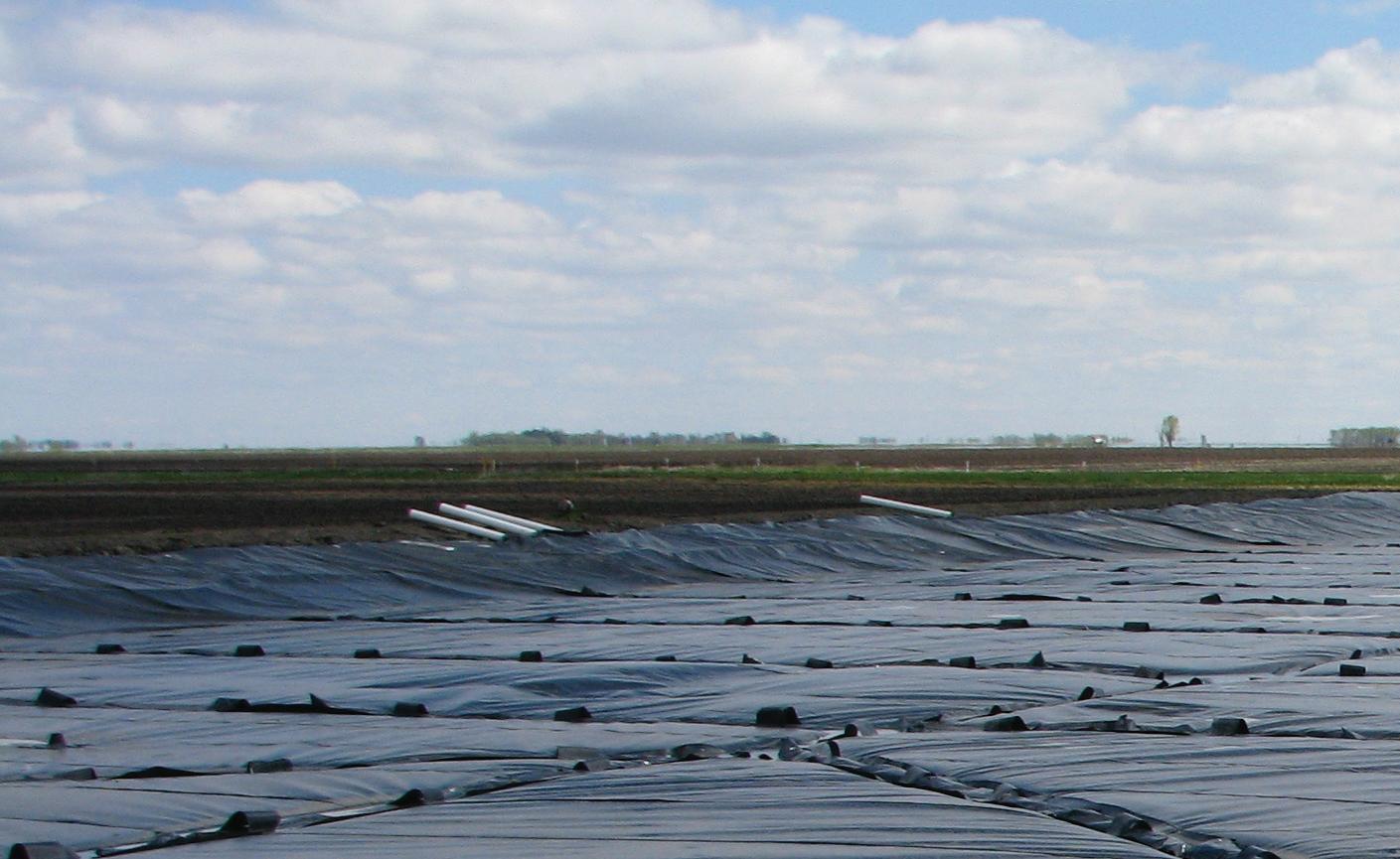

The 1.5 million gallon manure lagoon at the Starlite Hutterite Colony near Starbuck, Man., was recently covered with a black, low linear polyethylene cover to help collect methane gas and control odors. Submitted photo
of gas being produced. It is then piped to a chimney and flared off.
The University of Manitoba Bio Systems Engineering Department plans on conducting research at the site examining methane production, crop nutrient management and odor control.
Ray Borys, an engineer with Manitoba Hydro present for the program launch, noted the Starlite Colony could use some of the methane gas produced to warm their weanling and turkey barns. The operation currently uses coal for that purpose. Manitoba Hydro has an energysaving program where the utility will pay the colony 15 cents per kilowatt-hour for the first year if the colony members switch from coal to methane.
Love noted that no government money was involved in financing the pilot project, estimated to be worth about $100,000.
While methane does not yet qualify for carbon credits, the colony could receive credits for the work performed by the cover in the future.
Preferred Carbon specializes in aggregating and developing greenhouse gas offset projects in agriculture and renewable energy in Canada. The company is the only one in Canada making carbon-based investments on farms in western Canada.
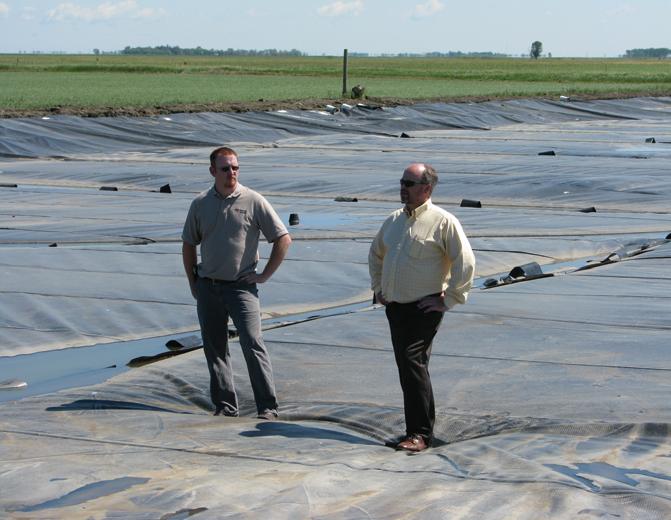

Curtis MacKinnon (left) of Farmers Edge, an independent crop-consulting firm, and Bruce Love (right), director of Preferred Carbon, stand on top of the manure lagoon cover installed at the Starlite colony. Submitted photo
Farmers Edge is an independent crop-consulting firm with expertise in variable rate crop inputs. Farmers Edge is a partner of Preferred Carbon in the delivery of agricultural carbon credit programs to farmers.
While Preferred Carbon brought the capital and expertise for the Starlite Colony lagoon cover project, it is through Farmers Edge that farmers are able to participate in a number of carbon credit based programs, including manure and land management programs that create carbon credits.

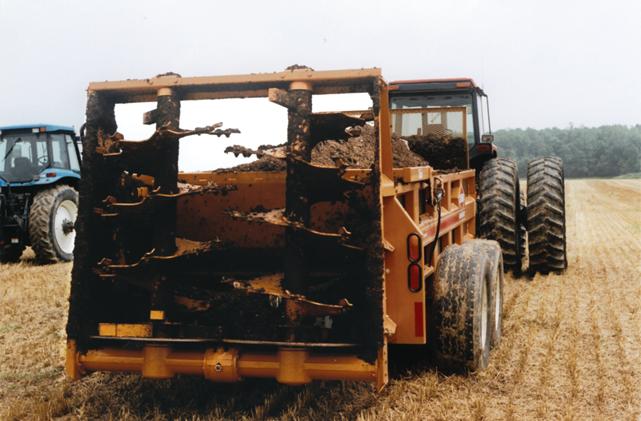
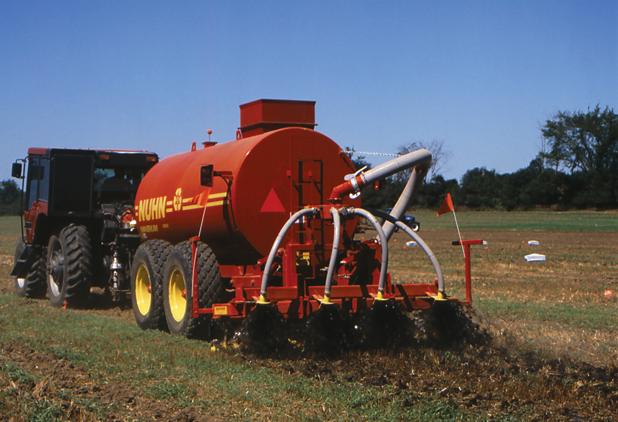
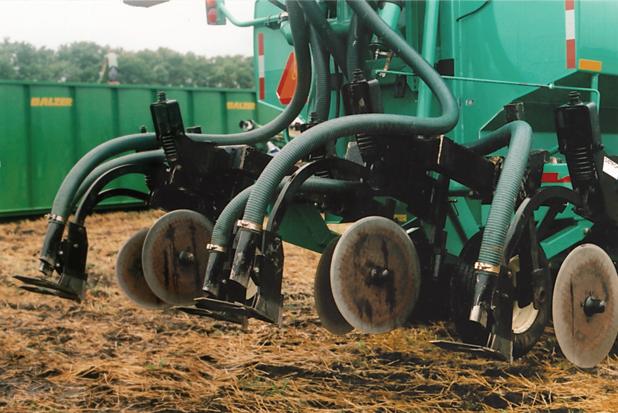
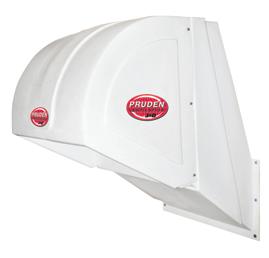
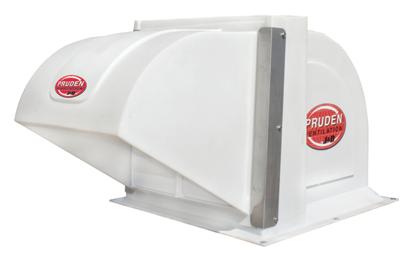
After months of engineering, J&D Manufacturing is proud to introduce two new cost-saving products for the hog market. The new Pruden Poly Pit Plenum Fan and Poly Pit Transition Fan incorporate the center fan body into the plenum and transition molds to eliminate a piece of the package, drastically reducing the price.
The Plenum and Transition Fans are manufactured with Teflon® coated molds for a smoother, easier to clean surface. The new streamlined design creates less protrusion from the side of your building. Both fans include stainless steel hardware, brand new H-frame design, poly shutter and a fourbladed poly propeller with cast aluminum hub. Each unit comes with an eight-foot, pre-wired 230V cord. Installation has never been easier!
Exclusive features of the Poly Pit Plenum Fan include a stainless steel J-channel on the rear of the plenum for simple one-person installation. The new Poly Pit Transition Fan design allows you to remove the poly hood and shutter without the use of tools for easy maintenance and cleaning. www.jdmfg.com
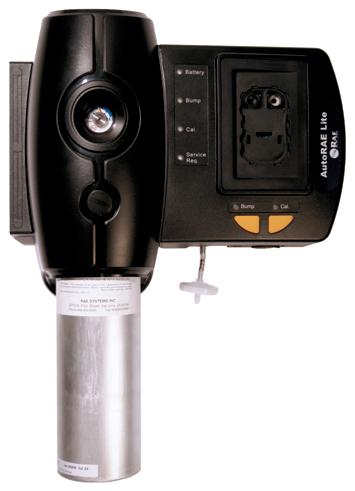
RAE Systems Inc. recently introduced the AutoRAE Lite calibration station for the QRAE II 1-4-gas confined space monitor.
The AutoRAE Lite is a high-speed, low-operating-cost bump test and calibration station that stores each calibrated unit’s data. The QRAE II is a toxic gas monitor that is used in confined space entry and industrial safety applications.
The AutoRAE Lite is a fully automated, integrated calibration and bump test station that provides either a 12-second bump test or a two-minute full calibration. The built-in demand-flow gas system eliminates accidental calibration gas leaks. The data management system can load calibration data to an industrystandard SD-memory card, which can then be offloaded to a computer. The AutoRAE Lite is available in two configurations: for use with the single-gas ToxiRAE 3 carbon monoxide or hydrogen sulfide monitor or for use with the QRAE II 1- to 4gas monitor in either pumped or diffusion configurations. www.raesystems.com
Beltran Technologies, Inc. recently announced the development of a new system for gasification of biomass waste.
The Beltran Cogeneration Biomass System eliminates waste and generates electric power and heat as a biproduct of the operation.
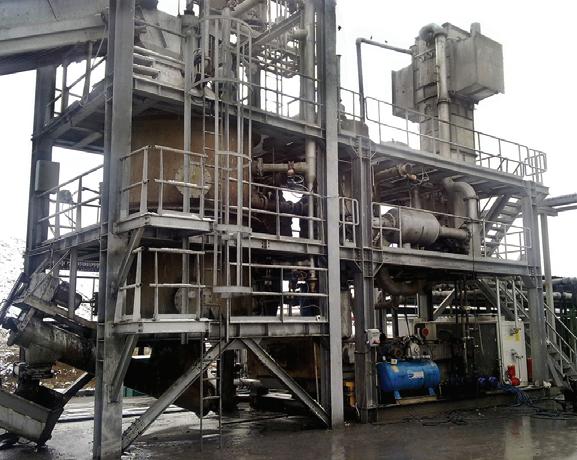
One application of the system is the gasification of poultry manure, cattle, cow, and other farm animal waste.
The system works by gathering manure or other farm waste and placing it on to a conveyor, which feeds the waste directly into the gasifer. Here the waste is burned with an exact amount of controlled oxygen to ensure a usable flow of gas. The resulting gas is channeled to a turbine where large particles – called char – are removed. The gas stream is sent on to a wet electrostatic precipitator where the gas is cleaned at the sub micron level. It then moves on to a dryer to reduce its saturation and then to
the engine. The engine produces electric power for the farm’s operational uses. In addition to electric power, the system also produces heat, which can be used productively on the farm. www.beltrantechnologies.com
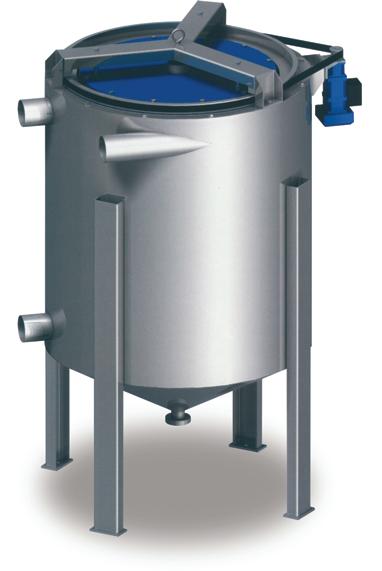
Bauer has developed a filtration oscillating separator (FOS) that cleans waste water from a variety of waste sources.
The Bauer system offers energy saving and ecological methods to treat and recycle waste water. These include waste streams from such processes as abattoirs, paper, particleboard, vegetable, food and brewing production.
Alongside the recognized separation systems BRU (Bedding Recovery Unit) and PSS (Press Screw Separator), Bauer has developed a new and unique separation model. In designing the filtration oscillation separator (FOS), the company is responding to practical field experience and market demand for high filtrate quality and large-volume throughput.
The FOS process is engineered to filter high liquid volumes having a low suspended solids content.
The unit consists of a fixed, fine mesh screen suspended within a base unit. The vibration mechanism is housed inside a structure supporting the screen. The Bauer oscillator (patented) is powered by a vibrating electric motor; the vibration action occurs in the vertical axis.
The liquid waste is pumped into the FOS from the top, and fed between the screen basket and the vibrating unit – here it flows and spirals downward. The combination of centrifugal force and vibration constantly presses liquid through the filter screen. At the base of the housing, the clear processed liquid and the waste-sludge accumulate separately. Both streams can be drained or pumped according to process requirements
The oscillation separator is also ideal to combine with press screw separators. It may also be beneficial to use the FOS prior to the PSS, where high volumes of liquid are to be processed (as a pre-thickener stage). The PSS works more efficiently when increasing the solids content. In larger processing installations, the FOS can replace several PSS units, reducing capital cost and lowering energy consumption.
Diverse applications are suited to the FOS, ranging from large stock farms with manure flushing systems to paper and particleboard. Soil and residue in the wash water can be separated with the FOS. The clear chilled water stays in the process cycle; the waste water is diverted into a sedimentation tank.
FOS is available in two sizes: FOS-200 and FOS-75 (2 m2and / or with 0.75 m2 screen surface). FOS-200 with a screen mesh of 0.25 mm can separate up to 20 m2 of cattle slurry (with TS content six to eight percent) per hour. This relates to 6 m2 of clear liquid and 14 m2 of sludge.
Flushing slurry (with a TS content of 1.5 to three percent) is recycled in a FOS screen with a mesh of 0.08 mm. The maximum throughput amounts to 80 m2 per hour. About 25 percent of the waste is filtered as sludge while the rest is clear liquid. www.bauer-at.com






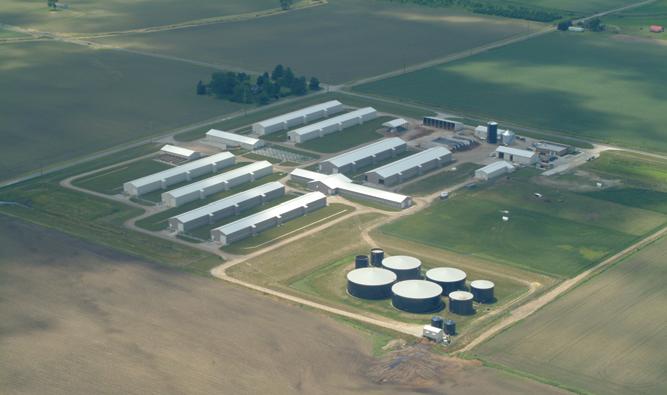

Cady Inc. and Cady Aquastore Inc. are authorized dealers for Slurrystore® and Aquastore® tanks, covers and domes. Both companies specialize in odor and gas retention, rainfall collection avoidance, and minimizing footprint and odor surfaces. They offer a variety of sidewall heights and tank covers, including PVC fabrics, aluminum geodesic domes, interlocking composite floating covers, and naturally occurring biofilters. Engineered designs with P.E. stamps are available for Wisconsin, Illinois, Iowa, Missouri, Indiana and the upper peninsula of Minnesota. Designs meet most funding, NRCS, DNR, EPA and AWWA requirements. Be sure to request a free tank and/or cover quotation with your specifications. Contact Cady’s today at cady@cadyinc. com or toll free at 877-999-CADY (2239). www.cadyinc.com or www. cadyaquastore.com
Environetics Inc.
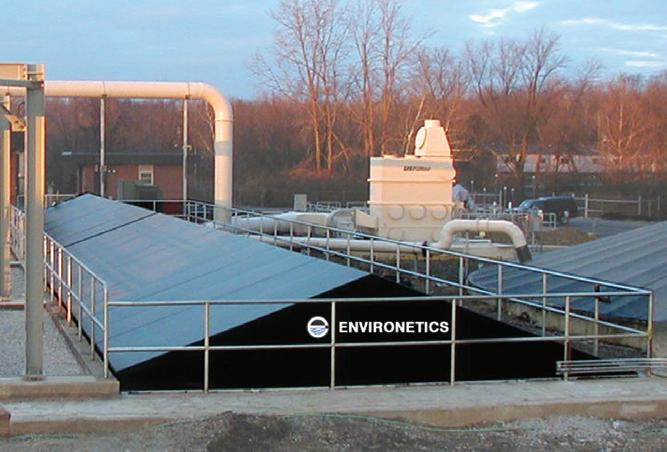

Environetics Defender™ tank covers are custom manufactured from industrial grade materials to fit the profile of your new or existing potable water tanks or wastewater tanks. The covers are less
expensive than fiberglass or aluminum and are custom built to fit your tanks. Hinged hatches allow easy access and modular construction enables rapid installation. Defender™ odor control covers contain volatile organic compounds at their source. The mechanical attachment system provides a positive seal for odor containment. The low profile, structurally supported covers minimize emission treatment volume to reduce the cost of air filtration equipment and eliminate the ongoing expense of applying costly odor control chemicals through atomizer and misters. The opaque, geomembrane cover material prevents UV light from entering the tank, prohibiting algae growth while thermal protection isolates thermal air masses to eliminate freezing or increase performance with optional insulation system. www.environeticsinc.com
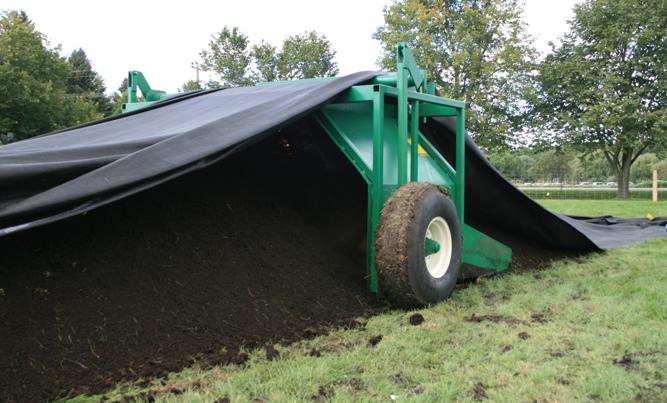

Methane and nitrous oxide emissions from manure storage and processing locations contribute to greenhouse gas accumulation and can create odor issues. These gases can be reduced and eliminated with Global Repair’s aerobic Advanced Biological Composting™ (ABC) process.
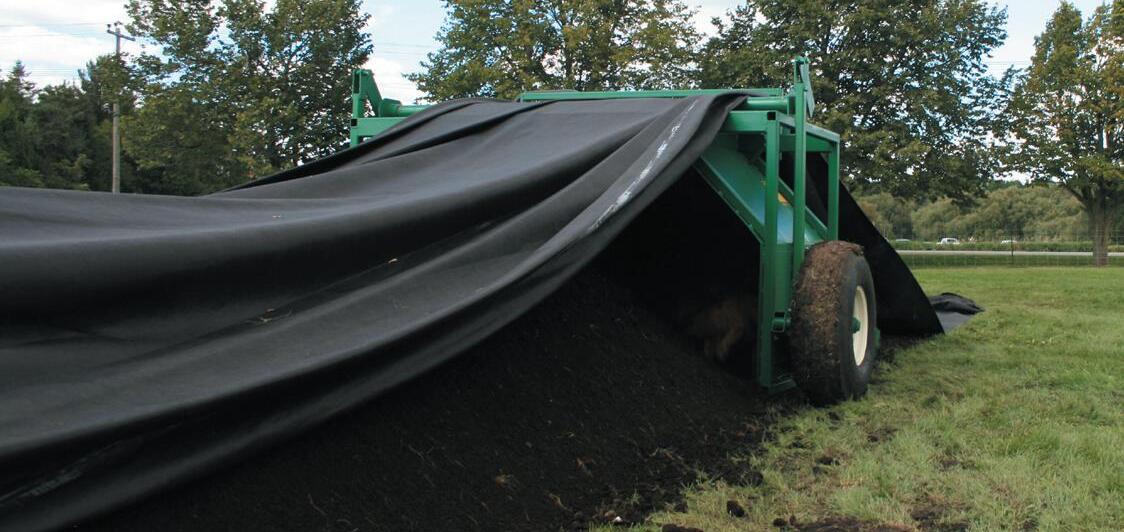
The method involves windrow turning with the use of Compostex™ fleece, a permeable propylene fabric. Rather than contain methane, the fabric breathes, allowing for oxygen/carbon dioxide exchange. The fleece is part of the process, which establishes conditions that induce proliferation of aerobic microbes. Methane is produced as a result of anaerobic microbes, which are eliminated with the presence of oxygen.
When the windrow is turned, the fleece is threaded through the fleece roller. The cover is lifted up over the windrow as the turner moves along the windrow, while the waste material is being turned. In addition to CO2/ oxygen exchange, the fleece protects the aerobic microbes from UV light. As the fleece allows for oxygen exchange, it is also preventing anaerobic microbial activity.
According to the company, the Global Repair method using a Sittler windrow turner, can convert combined waste streams into stable compost with high carbon retention, methane and nitrous oxide elimination in six to 10 weeks.
www.globalrepair.ca
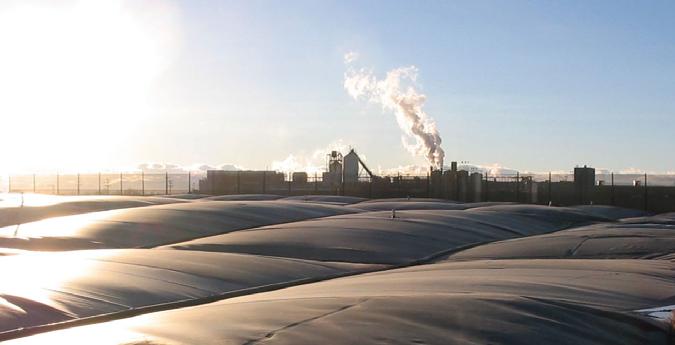

Gas collection floating covers collect methane gas from anaerobic process ponds that can then be used to generate heat and/or electricity or flared for carbon credits and/or odor control.
Layfield has developed a new prefabricated gas collection cover that can easily be retrofitted to industrial, municipal, and agricultural ponds. The new cover uses a tough, fabric-supported, Enviro Liner 8000 with excellent longevity and flexibility. Featured in the new design are integral stabilization weights to protect the cover from wind damage. Stabilization weights on most gas collection covers are attached by straps, which can be unreliable. Layfield’s gas collection cover uses completely enclosed weights to secure the cover. In the field, gas collection piping is placed around the perimeter and then the cover is floated into place. The weight tubes are not filled until the cover is anchored around the perimeter. www.geomembranes.com


Based in Pacific Canada, LSC supplies and installs a number of concrete-based products that help provide ecological solutions for the storage and maintenance of natural waste products that are used or produced through agriculture.
Specializing in pre-stressed concrete technology, LSC offers a variety of concrete span products to help resolve many of the issues faced
by modern agriculture around the world. The company’s prefabricated, drop-and-go products ˜– such as Rocket, “L” and “T” walls – provide rapid deployment solutions. Just drop them into place and go.
Tanks designed by LSC are practical yet cost-effective and can last for many years. The company is able to build to any height and hold any liquid, whether for waste management or a water
reservoir. The panels are sealed using a non-toxic sealant.
www.lscprecast.com
Industrial & Environmental Concepts, Inc.
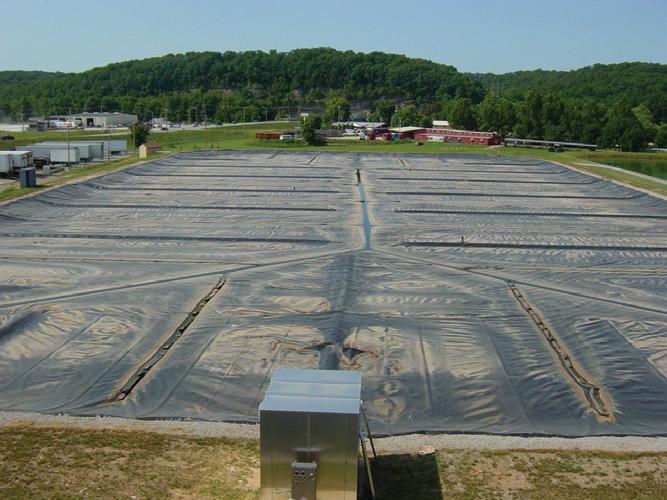

IEC has more than 16 years experience designing, fabricating, and installing industrial cover and liner systems involved in odor control, gas collection, pond liner systems, and tank liner systems.
IEC’s Odor Control & Gas Collection Covers are specifically designed for each client and utilize a variety of material options. Cover applications can be used with any type of gas collection and keep rain and snowmelt water separate from wastewater under the cover. Advantages of a cover include installation without site interruption, use on tanks or lagoons, elimination of rainwater ponding problems, elimination of gas ballooning, provides high buoyancy and rigidity, hatches can provide access to in-basin equipment, improved quality with pre-manufactured panels, and are fabricated at IEC’s plant, so field welding is not required.
IEC also has a patented Modular Cover System comprised of a series of individual casings connected together to form a complete, floating cover system. Each casing consists of a panel of closed cell insulation encapsulated between two sheets of durable geomembrane. The result is a unique floating cover system that provides insulation values ranging from R-2 to R-30; and is engineered and manufactured to specific dimensions/ basin requirements.
www.ieccovers.com
While Manure Manager editors make every effort to be objective when reporting on new products, they cannot be held responsible for claims made by companies. Readers are encouraged to contact the companies for more details.

•Decreases odor & gases, liquefies & reduces solids, aids in removing & preventing crusts, improves fertilizer value
• Use in all types of manure systems/applications
Authorized Distributor: Whalen Ag (712) 299-3389 www.shac.ca SHAC Head Office Toll Free: (888) 533-4446


Conference scheduled for September 29-30 in Round Rock, Texas
The question is not if those involved in animal waste management can afford to attend the upcoming conference; it’s whether they can afford not to, according to Dr. Saqib Mukhtar, Texas AgriLife Extension Service agricultural engineer.
It’s been 10 years since the last manure management conference, Dr. Mukhtar said. Since that time, there have been major advances in technology to help manage animal manure and process generated wastewater. There have also been considerable changes in state and federal regulations governing concentrated animal feeding operations and the manure they produce.
Set for Sept. 29 and 30 at the Austin Marriott North in Round Rock, Texas, registration for the two-day event is $75 until Aug. 1 and $125 thereafter, he said.
“This conference is an excellent opportunity for participants to learn about new advances in animal manure and animal mortality management,” Mukhtar said. “They will also have face-to-face interaction with engineers, scientists, regulators and producers and discuss future environmental challenges faced by Texas animal agriculture.”
Also, conference speakers will address the new technologies being examined that hold promise in producing energy from manure.
“We have lots of energy in animal manure besides its fertilizer potential,” he said. “(But the question is) can we gasify manure to generate power efficiently?”
Other issues to be discussed will include odor management, measurement and mitigation of gaseous and particulate matter (dust) emissions and proposed U.S. Environmental Protection Agency rules requiring confined animal feeding operations to monitor greenhouse gases.

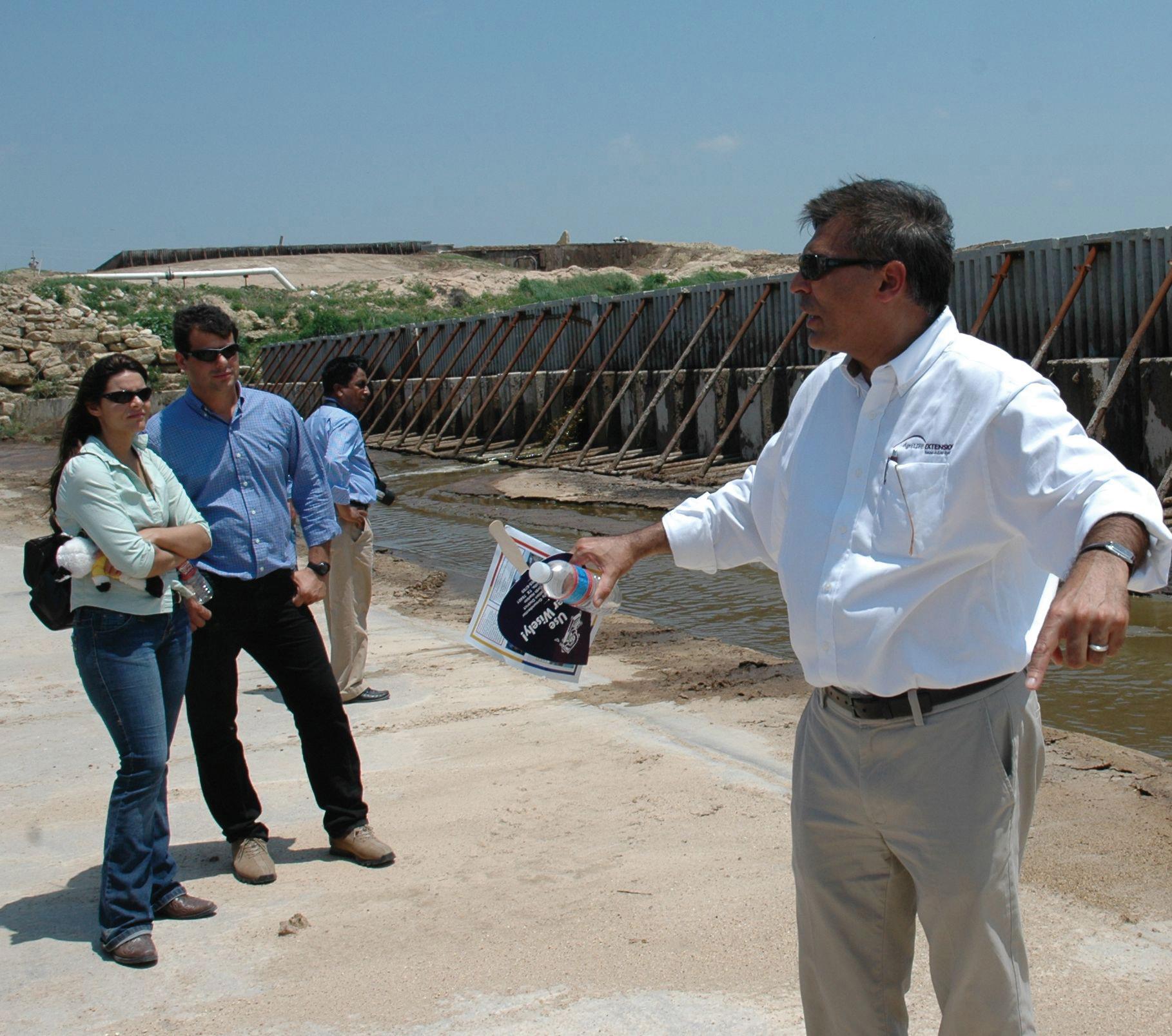


Dr. Saqib Mukhtar, a Texas AgriLife Extension Service agricultural engineer, explains a manure management system to a group of tour participants. Submitted photo
“We have a couple of speakers who will address environmental issues,” he said. “[Such as] what are some of the regulations in the context of keeping our environment clean and what is expected of animal feeding operations.”
The conference will also address some of the public perceptions that need be addressed by the animal feeding industry, he said.
“I look forward to a productive discussion on these issues,” Mukhtar said.
Regularly updated detailed conference programming can be found online at http://grovesite. com/tamu/tammi.
Texas nutrient management specialists may earn 8.75 continuing education units. Managers of concentrated animal feeding operations may earn nine Dairy Outreach Program Area credits. And professional engineers may earn one hour of ethics training and eight professional development hours.
Participants may register online at http://www.peopleware.net/1542b. Participants may also register by mail or fax by contacting Kay Sanders, Conference Services, 1232 TAMU, College Station, TX 77843-1232. Contact Sanders at 979-845-7684 or k-sanders@tamu.edu.
A block of rooms at the Marriott have been reserved for the conference at $85 per night. Reservations can be made by phone, 512-733-6767, or on the Internet at http://marriott.com/ hotels/travel/ausno?. The group code is tmmtmma. The cutoff date to register at the group rate is Sept. 7.
Participants may also contact Mukhtar for more information at 979458-1019 or mukhtar@tamu.edu.
“At the same time we address these issues, we have to keep in mind that we want to maintain a thriving livestock and poultry production industry,” he said.